
Der fliegende Holländer

Romantic opera in three acts by Richard Wagner (1813-1883)
Libretto by the composer

From 18. March 2018 until 31. March 2018

  • Duration :
    2 hrs. 20 min.
  • Language:
    In German with German and English surtitles.
  • More information:
    Introduction 45 min before the performance.

Musical Director:
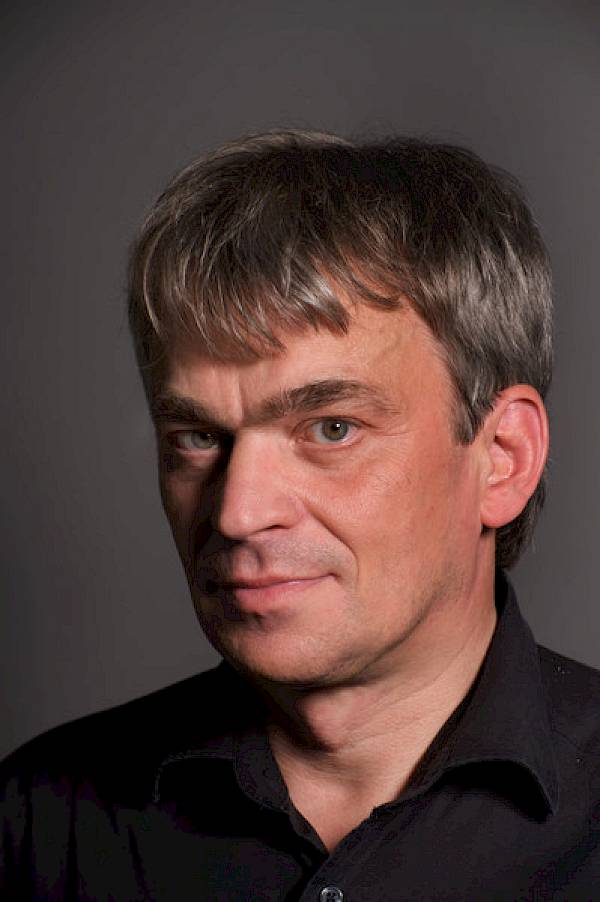
Markus Poschner

Markus Poschner

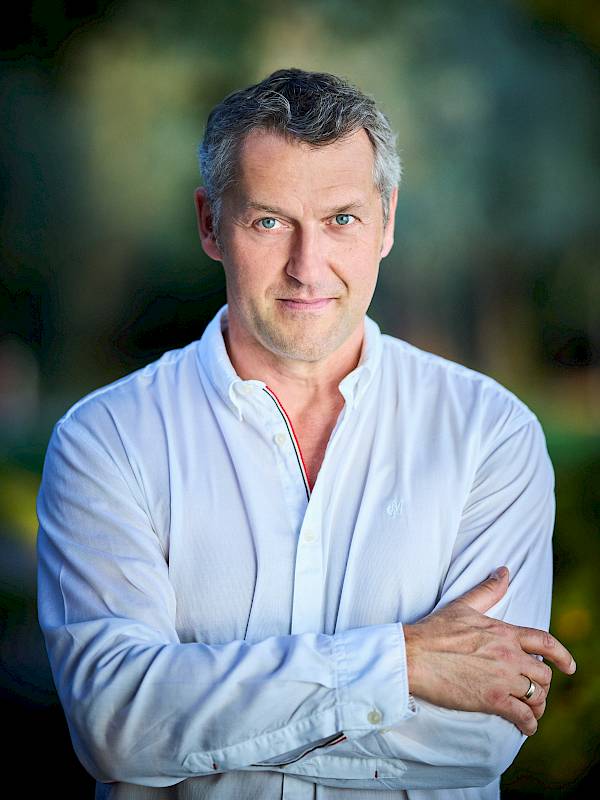
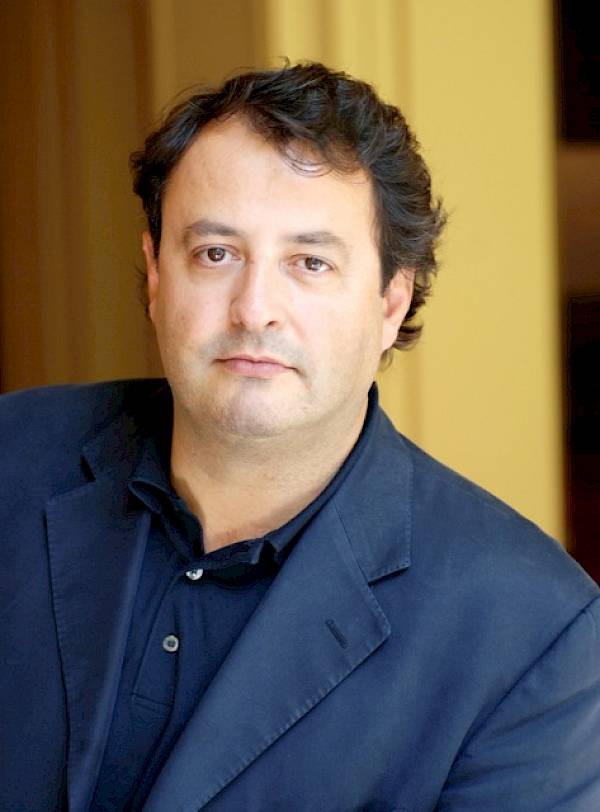
Since receiving the German Conductors’ Prize, Markus Poschner has appeared as a guest with the world’s most renowned orchestras and opera houses, including the Deutsches Symphonieorchester Berlin, the Staatskapelle Berlin, the Sächsische Staatskapelle Dresden, the SWR Symphony Orchestra, the Bamberg Symphony, the Vienna Symphony, the Orchestre Philharmonique de Radio France and the NHK Symphony Orchestra Tokyo. He has also conducted at the state opera houses in Berlin, Vienna, Munich and Hamburg, as well as at Zurich Opera House. From 2007 to 2017, he was General Music Director of the Bremen Philharmonic. In 2022, he opened the Bayreuth Festival with a new production of "Tristan und Isolde", which he also conducted in 2023. In the 2026/27 season, the Munich-born conductor, who is also a passionate jazz pianist, will become the new Chief Conductor of the prestigious ORF Radio Symphony Orchestra Vienna. Since the 2025/26 season, he has been Chief Conductor of the Basel Symphony Orchestra and, from the 2027/28 season, will also take up the position of Music Director of the Utah Symphony Orchestra. From 2015 to 2025, Poschner was Chief Conductor of the Orchestra della Svizzera italiana, with which he won the prestigious International Classical Music Award in 2018 for the complete recording of the Brahms symphonies and again in 2025 for his recordings of Hindemith and Schnittke. His recording of Offenbach’s "Maître Péronilla" with the Orchestre National de France was awarded the German Record Critics’ Annual Award in 2021. For the complete recording of all Bruckner symphonies with the Bruckner Orchestra Linz, whose Chief Conductor Poschner has been since 2017, and the ORF Radio Symphony Orchestra Vienna, he received the Special Achievement Award from the jury of the International Classical Music Awards in 2024. In 2020, Poschner and the Bruckner Orchestra Linz received the Austrian Music Prize.

Tannhäuser26 Sept / 4 / 9 / 13 Oct 2026
Production:
Andreas Homoki

Andreas Homoki

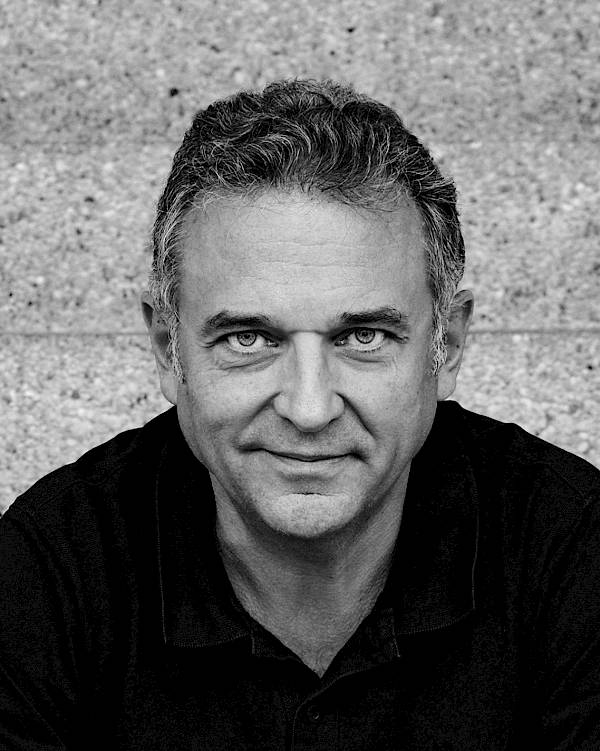
Andreas Homoki was born in Germany in 1960 as the son of a Hungarian family of musicians and studied school music and German studies in Berlin (West). In 1987 he went to the Cologne Opera as an assistant director and stage manager, where he remained until 1993. From 1988 to 1992 he was also a lecturer for stage instruction at the opera school of the Cologne University of Music. It was here that his first own productions were created. In 1992 his first guest production took him to Geneva, where his interpretation of "Die Frau ohne Schatten" received international attention. The production, which was later also shown at the Théâtre du Châtelet in Paris, received the French Critics' Prize of the Year in 1994. From 1993 to 2002 Andreas Homoki worked as a freelance opera director and staged productions in Cologne, Hamburg, Geneva, Lyon, Leipzig, Basel, Berlin, Amsterdam and Munich, among others. As early as 1996 he made his debut at the Komische Oper Berlin with "Falstaff", followed by "The Love for Three Oranges" (1998) and in 2000 "The Merry Widow". In 2002 Andreas Homoki was appointed chief director of the Komische Oper Berlin as successor to Harry Kupfer, and in 2004 he became its artistic director. In addition to his directing work at the Komische Oper Berlin, he staged productions at the Théâtre du Châtelet in Paris, the Bavarian State Opera in Munich, the New National Theatre Tokyo, the Semperoper Dresden and the Hamburg State Opera, among others. In July 2012, under the musical direction of William Christie, he staged "David et Jonathas" by Marc-Antoine Charpentier for the Festival in Aix-en-Provence – a production that was later also shown in Edinburgh, Paris and New York, among other places. From 2012 to 2025 Andreas Homoki was artistic director of the Zurich Opera House, where he staged productions including "The Flying Dutchman" (co-production with La Scala in Milan and the Norwegian National Opera Oslo), "Fidelio", "Juliette", "Lohengrin" (co-production with the Vienna State Opera), "Luisa Miller" (Hamburg State Opera), "Wozzeck", "My Fair Lady" (Komische Oper Berlin), "I puritani", "Medée", "Lunea" (named "World Premiere of the Year 2017/18" by the magazine Opernwelt), "Iphigénie en Tauride", "Nabucco", "Simon Boccanegra", "Les Contes d'Hoffmann", "Salome", the "Ring des Nibelungen" and "Carmen". Andreas Homoki has been a member of the Academy of the Arts Berlin since 1999.

Das Rheingold29 Nov / 4 / 12 / 17 Dec 2026 Die Walküre24 / 31 Jan / 3 / 6 Feb 2027
Set Design:
Wolfgang Gussmann

Wolfgang Gussmann

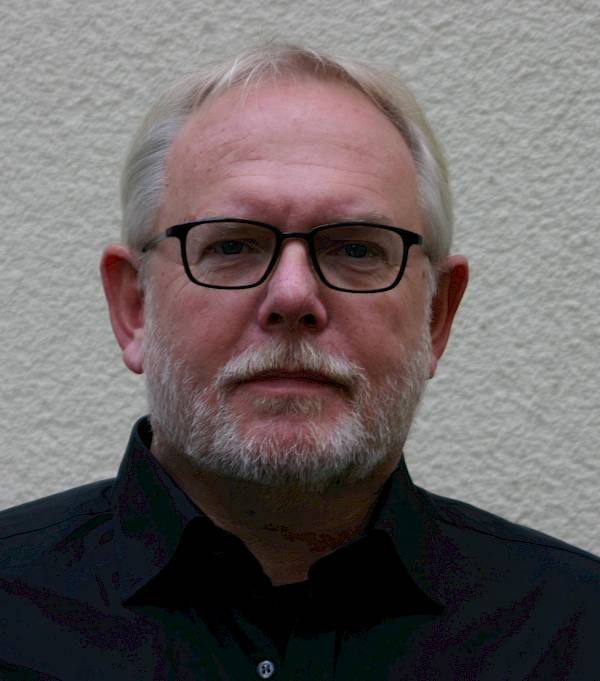
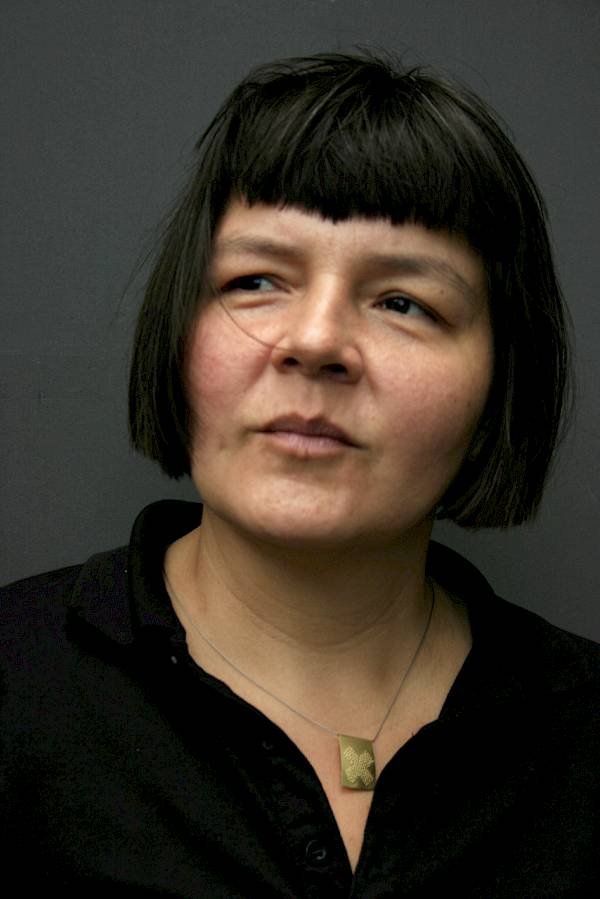
Wolfgang Gussmann arbeitet seit 1979 freischaffend als Bühnen- und Kostümbildner. Eine langjährige Zusammenarbeit verbindet ihn mit den Regisseuren Andreas Homoki und Willy Decker, für den er von 2009 bis 2011 auch als künstlerischer Berater bei der Ruhrtriennale wirkte. Als regelmässiger Gast schafft er Ausstattungen u. a. an der Wiener Staatsoper, der Bayerischen Staatsoper München, der Hamburgischen Staatsoper, der Semperoper Dresden, der Staatsoper Stuttgart, der Deutschen und der Komischen Oper Berlin, der Ruhrtriennale, bei den Salzburger Festspielen, an der Opéra Bastille, am Théâtre du Châtelet in Paris, an der San Francisco Opera und der Metropolitan Opera New York sowie an den führenden Opernhäusern Italiens und Spaniens und in Genf, Amsterdam, Oslo, Kopenhagen und Brüssel. Wichtige Produktionen waren u. a. die Uraufführung von Das Schloss und Hänsel und Gretel an der Deutschen Oper Berlin, Die Frau ohne Schatten und Orphée in Genf, Wozzeck, Elektra, Carmen und Katja Kabanowa in Amsterdam, Rigoletto, Salome, Pique Dame und Pelléas et Mélisande in Hamburg, Eugen Onegin, Der fliegende Holländer, Tannhäuser und Boris Godunow in Paris, Lulu und Billy Budd an der Wiener Staatsoper sowie Die tote Stadt bei den Salzburger Festspielen. Für seine Verdienste um das kulturelle Leben in Frankreich wurde ihm 2001 der Orden «Chevalier des Arts et des Lettres» verliehen. In Zürich stattete er Willy Deckers Inszenierung von Il ritorno d’Ulisse in patria und The Turn of the Screw aus sowie Andreas Homokis Inszenierungen des Fliegenden Holländers, Lohengrin, Das Land des Lächelns und Nabucco aus.

Costumes:
Wolfgang Gussmann,

Wolfgang Gussmann

Wolfgang Gussmann arbeitet seit 1979 freischaffend als Bühnen- und Kostümbildner. Eine langjährige Zusammenarbeit verbindet ihn mit den Regisseuren Andreas Homoki und Willy Decker, für den er von 2009 bis 2011 auch als künstlerischer Berater bei der Ruhrtriennale wirkte. Als regelmässiger Gast schafft er Ausstattungen u. a. an der Wiener Staatsoper, der Bayerischen Staatsoper München, der Hamburgischen Staatsoper, der Semperoper Dresden, der Staatsoper Stuttgart, der Deutschen und der Komischen Oper Berlin, der Ruhrtriennale, bei den Salzburger Festspielen, an der Opéra Bastille, am Théâtre du Châtelet in Paris, an der San Francisco Opera und der Metropolitan Opera New York sowie an den führenden Opernhäusern Italiens und Spaniens und in Genf, Amsterdam, Oslo, Kopenhagen und Brüssel. Wichtige Produktionen waren u. a. die Uraufführung von Das Schloss und Hänsel und Gretel an der Deutschen Oper Berlin, Die Frau ohne Schatten und Orphée in Genf, Wozzeck, Elektra, Carmen und Katja Kabanowa in Amsterdam, Rigoletto, Salome, Pique Dame und Pelléas et Mélisande in Hamburg, Eugen Onegin, Der fliegende Holländer, Tannhäuser und Boris Godunow in Paris, Lulu und Billy Budd an der Wiener Staatsoper sowie Die tote Stadt bei den Salzburger Festspielen. Für seine Verdienste um das kulturelle Leben in Frankreich wurde ihm 2001 der Orden «Chevalier des Arts et des Lettres» verliehen. In Zürich stattete er Willy Deckers Inszenierung von Il ritorno d’Ulisse in patria und The Turn of the Screw aus sowie Andreas Homokis Inszenierungen des Fliegenden Holländers, Lohengrin, Das Land des Lächelns und Nabucco aus.

Susana Mendoza

Susana Mendoza

Susana Mendoza begann ihre Karriere als Kostümassistentin in Köln, wo sie u. a. mit Gottfried Pilz und Andreas Reinhardt zusammenarbeitete. Von 1991 bis 1997 studierte sie Kostümbild an der Hochschule der Künste in Berlin. In dieser Zeit begann ihre Zusammenarbeit mit Wolfgang Gussmann, die sie u. a.an die Deutsche Oper Berlin, die Wiener und die Bayerische Staatsoper, die Pariser Opéra Bastille und an die Nederlandse Opera führte. Ausserdem kreierte sie die Kostüme für Manon Lescaut an der Nationale Reisopera in Rotterdam. Sie arbeitete u. a. mit Reto Nickler und seit 1998 intensiv mit der Regisseurin Sabine Hartmannshenn bei Produktionen wie Peter Grimes in Hamburg, Cavalleria rusticana/Pagliacci und Schule der Frauen am Theater Lübeck, Lulu an der Oper Göteborg, Werther in Nürnberg sowie Lucia di Lammermoor am Staatstheater Kassel. Weitere Arbeiten führten sie nach Innsbruck, Salzburg, Wien, Barcelona, New York, Düsseldorf und Köln sowie zur Ruhrtriennale. Sie entwarf die Kostüme für The Rake’s Progress und Lohengrin an der Deutschen Oper am Rhein, Falstaff und Die Fledermaus am Deutschen Nationaltheater in Weimar, Rinaldo und Il tabarro in Köln, Giovanna d’Arco und Romeo und Julia auf dem Dorfe in Bielefeld sowie Der fliegende Holländer, Il ritorno d’Ulisse in patria, The Turn of the Screw, Das verzauberte Schwein, Das Land des Lächelns und Nabucco am Opernhaus Zürich. Zuletzt folgten die Kostümentwürfe für Siegfried in Chemnitz, Das Land des Lächelns am Aalto-Theater in Essen, Die Blume von Hawaii, La Belle Hélène und Barbiere di Siviglia in Hagen, Les Contes d’Hoffmann in Zürich und Orphée aux enfers in Chemnitz.

Lighting Design:
Franck Evin

Franck Evin

Franck Evin, born in Nantes, moved to Paris at the age of 19 to study piano. At night he accompanied singers at the Café-Théâtre Le Connétable and also began to take an interest in lighting. He eventually decided to combine music and technology. Thanks to a scholarship from the French Ministry of Culture, he became assistant to the head of lighting at the Opéra de Lyon in 1983. There he worked with Ken Russell and Robert Wilson, among others. In 1986 he began working as an independent lighting designer at the Düsseldorf Schauspielhaus and obtained his master’s certificate in lighting in 1993. During this time he had a close collaboration with Werner Schröter and the conductor Eberhard Kloke. This was followed by productions in Nantes, Strasbourg, Paris, Lyon, Vienna, Bonn, Brussels and Los Angeles, among other places. From 1995 to 2012 he was Artistic Director of the lighting department at the Komische Oper Berlin, where he was responsible for all new productions. Important artistic partners during this period included Andreas Homoki, Barrie Kosky, Calixto Bieito and Hans Neuenfels. In 2006 Franck Evin was awarded the German Theatre Prize "Opus" in the category of lighting design. From 2012 to 2025 he was Artistic Director of the lighting department at the Zurich Opera House. In addition to his work in Zurich, he continued to work on international productions at opera houses in Oslo, Stockholm, Tokyo, Amsterdam, Munich and Graz, as well as at the Opéra Bastille, Teatro alla Scala, Teatro La Fenice, the Vlaamse Opera and at the Bayreuth Festival.

Alice im Wunderland8 / 15 / 19 / 21 / 26 / 28 Nov / 6 Dec 2026 / 2 / 7 / 8 / 10 / 17 Jan 2027 Das Rheingold29 Nov / 4 / 12 / 17 Dec 2026 Manon Lescaut11 / 15 / 18 / 22 / 26 Dec 2026 Die Walküre24 / 31 Jan / 3 / 6 Feb 2027 Roméo et Juliette12 / 19 / 21 Feb / 2 / 5 Mar 2027 Don Pasquale23 / 27 / 30 May / 4 / 6 / 11 Jun 2027 La bohème16 / 18 / 23 Jun / 4 / 7 / 10 Jul 2027
Video:
Tieni Burkhalter

Tieni Burkhalter

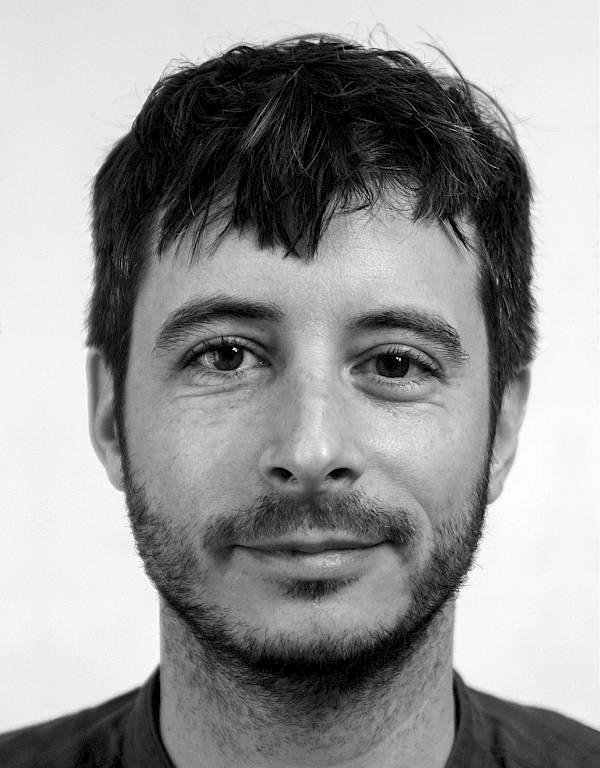
Tieni Burkhalter studied Fine Arts at the Zurich University of the Arts (ZHdK), where he specialized in video and video installation. After his works were mainly shown in galleries and at experimental film festivals, he has been working for the stage since 2009. As a video producer, he is closely associated with the Zurich Opera House. His stage work has also taken him to theaters in Berlin, Hamburg, Paris, Moscow, Oslo, and Savonlinna. At the Zurich Opera House, he worked with Andreas Homoki ("Der fliegende Holländer", "Das Land des Lächelns", "Das Rheingold", "Siegfried" and "Die Walküre"), Evgeny Titov ("Lessons in Love and Violence" and "L’Orfeo"), Jan Philipp Gloger ("Die Csárdásfürstin" and "Le nozze di Figaro"), Adele Thomas ("Il trovatore"), Rainer Holzapfel ("Die Odyssee"), Nina Russi ("Coraline") and Kai Anne Schuhmacher ("Jim Knopf und Lukas der Lokomotivführer"). For Ballet Zurich, he produced videos for Christian Spuck ("Anna Karenina" and "Das Mädchen mit den Schwefelhölzern"), Marcos Morau ("Nachtträume"), Edward Clug ("Faust") and Douglas Lee ("A-Life"). He was also involved at the Savonlinna Opera Festival with Philipp Himmelmann for "Aida", in Berlin with Christian Spuck for "Madame Bovary", and has been collaborating for many years on Dmitri Tcherniakov’s productions: "Pelléas et Mélisande" and "Die Sache Makropulos" at the Zurich Opera House, "Senza Sangue/Herzog Blaubarts Burg", "Elektra" and "Salome" at the Hamburg State Opera, "La Fille de Neige" and "Les Troyens" at the Opéra National de Paris, and "Tristan und Isolde" at the Staatsoper Unter den Linden in Berlin.

Elektra22 / 26 Nov / 2 / 5 / 10 / 13 / 16 Dec 2026 Le nozze di Figaro2 / 6 / 8 / 15 / 19 May 2027 Rachmaninow – Die drei Opern1 / 4 / 8 / 15 / 18 / 21 / 28 Nov 2026
Chorus Master:
Janko Kastelic

Janko Kastelic

Janko Kastelic ist ein kanadisch-slowenischer Dirigent, Chorleiter, Pianist und Organist. Er begann seine musikalische Ausbildung in Kanada am Royal/Western Conservatory of Music und der St. Michael’s Choir School. Er hat einen Abschluss in Dirigieren, Komposition und Musiktheorie von der Universität Toronto und setzte sein Studium an der Hochschule für Musik und Darstellende Kunst in Wien fort. Seit 2017 ist er Chordirektor am Opernhaus Zürich. Er war einer der Kapellmeister der Wiener Hofmusikkapelle, Studienleiter des JET-Programms für junge Sänger am Theater an der Wien und Assistent bei den Bayreuther Festspielen sowie Gastchordirektor an der Hamburgischen Staatsoper. Zu den Positionen, die er im Lauf seiner Karriere bekleidet hat, gehört auch die Stelle des Generalmusikdirektors und Operndirektors am Slowenischen Nationaltheater Maribor, des Zweiten Chordirektors an der Wiener Staatsoper sowie des Korrepetitors an der Opéra National de Paris. Er war Assistenzprofessor an der Universität Ljubljana und Mentor an der Musik und Kunst Privatuniversität der Stadt Wien. Seine künstlerischen Leistungen sind dokumentiert auf mehreren Live-Aufnahmen, darunter Tschaikowskis Pique Dame und Schönbergs Moses und Aron. Er arrangierte und dirigierte auch Werke für die Feierlichkeiten zum Mozartjahr 2006. Zu seinen Arbeiten beim Klangbogen-Festival in Wien gehört die europäische Erstaufführung von Blochs Macbeth. Janko Kastelic ist auch ein engagierter Pädagoge, der sich der Förderung der nächsten Generation von Musikerinnen und Musikern verschrieben hat.

Dramaturgy:
Werner Hintze

Werner Hintze

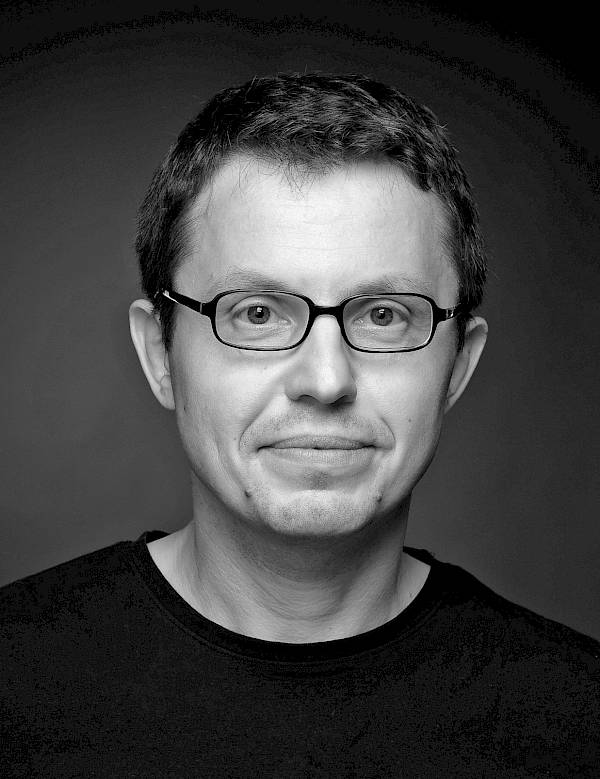
The author and dramaturg Werner Hintze studied theatre studies at Humboldt University in Berlin. Following an initial appointment at the Landestheater Halle, he worked at the Semperoper Dresden before moving to the Hans-Otto-Theater in Potsdam as chief dramaturg. From 2002 to 2012, he was chief dramaturg at the Komische Oper Berlin. Since 2012, he has lived in Berlin as a freelance dramaturg, author and university lecturer. He worked closely for many years with directors such as Peter Konwitschny, Andreas Homoki and Andreas Baumann, and served as a guest dramaturg at opera houses in Munich, Hamburg, Dresden, Zurich and Essen, amongst others. Since 1985, he has produced more than 30 German-language librettos for operas, mostly in collaboration with Bettina Bartz, as commissioned works for the Komische Oper and other theatres. In addition to his work in theatre, Werner Hintze teaches students of directing, set design and theatre studies at various universities. At the Zurich Opera House, he most recently supervised Andreas Homoki’s sensational new production of "Der Ring des Nibelungen".

Das Rheingold29 Nov / 4 / 12 / 17 Dec 2026 Die Walküre24 / 31 Jan / 3 / 6 Feb 2027

Cast


Senta Camilla Nylund


Mary Liliana Nikiteanu


Holländer Bryn Terfel


Daland Steven Humes


Erik Marco Jentzsch


Steuermann Omer Kobiljak

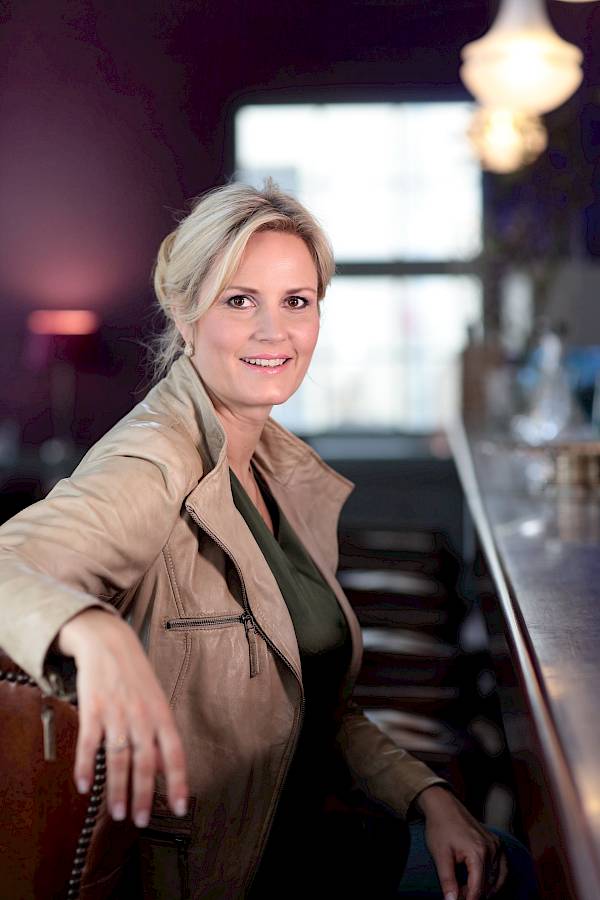
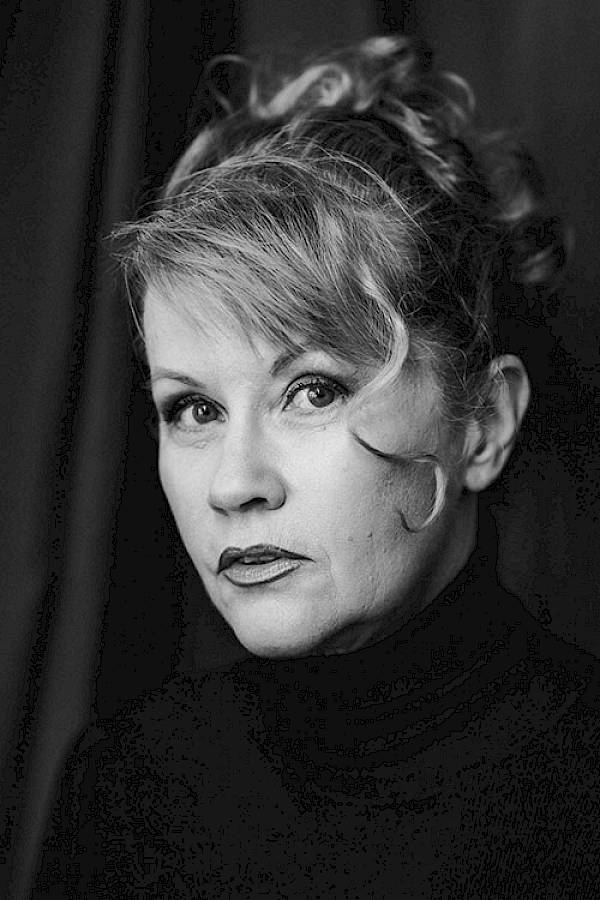
Camilla Nylund

Born in Vaasa, Finland, Camilla Nylund is one of the most sought-after lyric-dramatic sopranos on the international stage. She studied at the Mozarteum Salzburg, was a member of the ensemble at the Staatsoper Hannover from 1995 to 1999 and a member of the ensemble of the Sächsische Staatsoper Dresden from 1999 to 2001. Guest engagements have taken her, among other places, to Teatro alla Scala, the Metropolitan Opera, the Vienna, Hamburg, Munich and Berlin State Operas, the New National Theatre Tokyo, De Nationale Opera in Amsterdam, the Royal Opera House London, the Opéra Bastille, Bayreuth and the Salzburg Festival. Her most important roles include Elisabeth in "Tannhäuser", Elsa in "Lohengrin", Eva in "Die Meistersinger von Nürnberg", Senta in "Der fliegende Holländer", as well as the Marschallin in "Der Rosenkavalier", Arabella, Salome, the Countess in "Capriccio", Ariadne and Chrysothemis in "Elektra". At the Vienna State Opera, she sang Marietta/Marie in "Die tote Stadt", at Deutsche Oper am Rhein Marie in "Wozzeck", and at the Staatsoper Unter den Linden Jenůfa. Alongside her operatic work, she is a regular guest at the world’s major concert halls. She has received numerous awards, including the titles of Sächsische and Österreichische Kammersängerin, the European Culture Prize, the Lotte Lehmann Memorial Ring and the Austrian Music Theatre Award. At Zurich Opera House, she gave a song recital in December 2025 and returns in the 2026/27 season as Rosalinde in "Die Fledermaus" and as Brünnhilde in "Die Walküre".

Die Fledermaus29 Sept / 8 / 17 / 23 / 25 Oct 2026 Die Walküre24 / 31 Jan / 3 / 6 Feb 2027

Liliana Nikiteanu

Liliana Nikiteanu studied at the Conservatory in Bucharest. She received her first permanent engagement in 1986 at the Musiktheater Galati. She has won numerous awards, and in 2000, Opernwelt named her "Best Young Singer of the Year." Her repertoire includes over 80 roles, which she has performed in Zurich, where she has been an ensemble member since 1991, as well as in other opera houses, including Octavian ("Der Rosenkavalier") at the Bastille, the Vienna and Hamburg State Operas, Ježibaba ("Rusalka") in Montreal, Sesto ("La clemenza di Tito") in Dresden, Rosina ("Il barbiere di Siviglia") in Vienna and Munich, Dorabella ("Così fan tutte") in Dresden, Munich, Salzburg, and Aix-en-Provence, Fjodor ("Boris Godunow") in Salzburg, Margarethe ("La damnation de Faust") in Brussels, and Dulcinée ("Don Quichotte") at Theater an der Wien. In Zurich, she has performed all Mozart roles of her fach as well as roles such as Ljubascha ("Die Zarenbraut"), Nurse (Dukas’ "Ariane et Barbe-Bleue"), and Fricka ("Das Rheingold"). As a concert singer, her repertoire ranges from Bach to Berio. In Bamberg, she sang Berenice by Haydn under Adam Fischer, in Paris Berlioz’ "Les nuits d’été" under Heinz Holliger, in Copenhagen Verdi’s Requiem, and in Tel Aviv and Haifa Bruckner’s Te Deum under Zubin Mehta. Conductors who have shaped her include Nikolaus Harnoncourt, Claudio Abbado, Fabio Luisi, Franz Welser-Möst, John Eliot Gardiner, René Jacobs, and Philippe Jordan. Most recently, in Zurich, she has performed roles including Tisbe ("La Cenerentola"), Praškowia ("Die lustige Witwe"), Mama ("Wir pfeifen auf den Gurkenkönig"), Sir Pumpkin ("In 80 Tagen um die Welt"), as well as in the music-theater evening created for her, "Wie du warst! Wie du bist!"

La traviata20 / 23 / 29 Dec 2026 / 1 / 3 / 6 / 9 / 12 / 15 / 19 / 23 Jan 2027

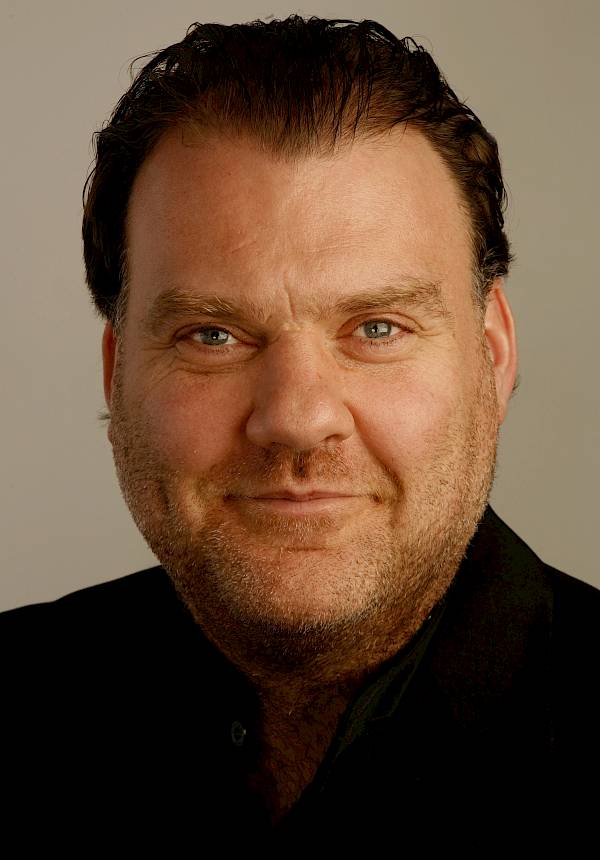
Bryn Terfel

Bryn Terfel, bass-baritone from Wales, won the Song Prize in Cardiff in 1989. Since then, he has appeared at the world’s leading opera houses. His roles include, among others, the title role and Leporello in "Don Giovanni", Jochanaan in "Salome", Nick Shadow in "The Rake’s Progress", Wolfram in "Tannhäuser", and Balstrode in "Peter Grimes". He sang Hans Sachs in the acclaimed production of "Die Meistersinger von Nürnberg" at the Welsh National Opera, Wotan in the "Ring" cycle at the Royal Opera House London and the Metropolitan Opera New York, as well as Sweeney Todd at the English National Opera. His recent appearances include Scarpia ("Tosca") at the Bavarian State Opera Munich, the Royal Opera House, and the Met, Dulcamara ("L’elisir d’amore") and Don Basilio ("Il barbiere di Siviglia") at the Vienna State Opera, and Gianni Schicchi at the Verbier Festival. He has given recitals at venues including the Hamburg State Opera and in Budapest, and has performed with the Royal Liverpool Philharmonic. In Faenol, North Wales, he directed his own festival for nine years. His discography includes operas by Mozart, Wagner, and Strauss, as well as over fifteen solo albums, for which he has received the Grammy, the Classical Brit, and the Gramophone Award. In 2003, Bryn Terfel was appointed Commander of the British Empire, received the Queen’s Medal for Music in 2006, was knighted in 2017, honoured with the title "Austrian Kammersänger" for his contributions to the Vienna State Opera, and received the European Culture Prize in 2022 at the Tonhalle Zurich. He was also a recipient of the Shakespeare Prize from the Alfred Toepfer Foundation and was awarded the "Freedom of the City of London" in 2015.

Liederabend Bryn Terfel14 Dec 2026

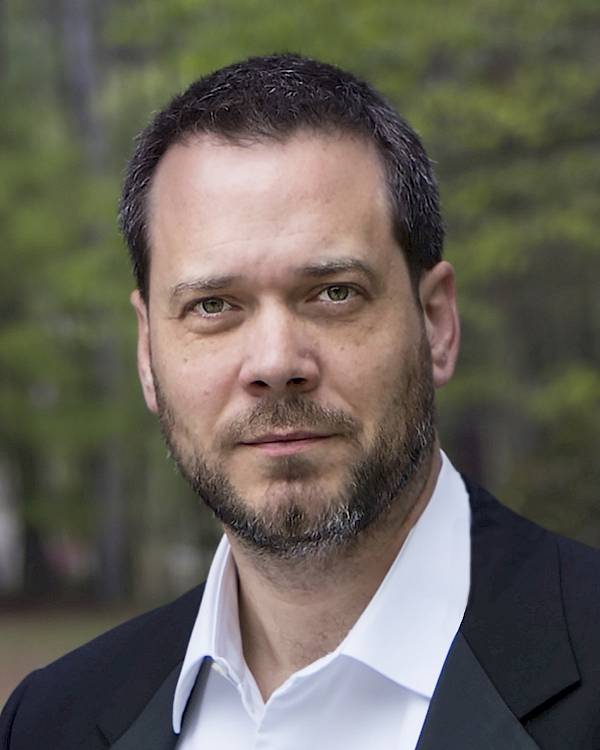
Steven Humes

Der amerikanische Bass Steven Humes etabliert sich zunehmend als einer der erfolgreichsten Sänger seines Fachs. Er studierte am New England Conservatory und an der Boston University und war 2003 Finalist bei den Metropolitan Opera National Council Auditions. Im selben Jahr wurde er ins Ensemble der Bayerischen Staatsoper engagiert. In München und an anderen Opernhäusern war er seither in einer Vielzahl von Rollen zu erleben, darunter Sarastro (Die Zauberflöte), Ramfis (Aida), Oroveso (Norma), Wurm (Luisa Miller), Gremin (Eugen Onegin), Eremit (Der Freischütz), Colline (La bohème), Commendatore (Don Giovanni) und Publio (La clemenza di Tito). Engagements der letzten Spielzeiten beinhalten Rocco (Fidelio) und Daland (Der fliegende Holländer) am Teatro Regio in Turin und in St. Gallen, Commendatore am Théâtre des Champs-Élysées und Sarastro an der Hamburgischen Staatsoper. In der Rolle des Alaskawolfjoe (Aufstieg und Fall der Stadt Mahagonny), die er bereits unter James Conlon in Los Angeles und in einer Inszenierung von La Fura dels Baus in Madrid sang, war er am Bolschoi-Theater zu Gast. Nach seinem Rollendebüt als Fafner (Rheingold, Siegfried) in München, verkörperte er diese Partie auch in der Neuinszenierung des Ring am Grand-Théâtre de Genève wie auch an der Opéra de Monaco. Weitere Engagements waren König Karl (Fierrabras) in Brüssel, Commendatore in Boston sowie Rollendebüts als Banco (Macbeth) in St. Gallen und als König Marke (Tristan und Isolde) am Théâtre des Champs-Elysées unter der Leitung von Daniele Gatti. Geplant ist u.a. Wesener (Die Soldaten) am Teatro Real in Madrid.

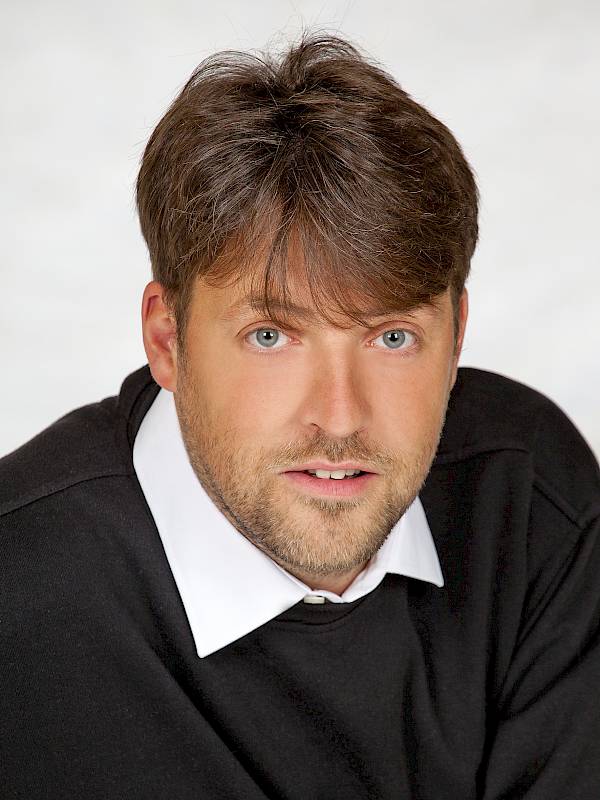
Marco Jentzsch

Marco Jentzsch studierte Gesang bei Irmgard Hartmann-Dressler. Nach einem Engagement als Stipendiat an der Staatsoper Unter den Linden gehörte er 2005/06 zum Ensemble des Theaters Erfurt. Von 2006 bis 2008 war er am Niedersächsischen Staatstheater Hannover engagiert, wo er u.a. als Tamino, Belmonte, Steuermann, Edgardo und Rosillon zu hören war. Gastengagements führten ihn als Belmonte an die Staatsoper Unter den Linden, als Max (Der Freischütz) und Lohengrin an das Theater Dortmund sowie ebenfalls als Lohengrin an die Oper Leipzig. In Köln gab er 2009 sein Rollendebüt als Stolzing (Die Meistersinger von Nürnberg) und war in dieser Partie auch an der Komischen Oper Berlin (Regie: Andreas Homoki) sowie beim Glyndebourne Festival 2011 zu hören. Sein Rollendebüt als Erik (Der fliegende Holländer) gab er 2010 an der Nederlandse Opera Amsterdam. Kurz darauf debütierte er an der Mailänder Scala als Froh (Das Rheingold) unter Daniel Barenboim und sang diese Partie später auch an der Staatsoper Unter den Linden. In Köln sang er 2011 die Titelpartie von Wagners Parsifal. In der Spielzeit 2020/21 debütierte er als Hoffmann (Hoffmanns Erzählungen) an der Volksoper Wien, als Florestan (Fidelio) am Landestheater Linz und als Tannhäuser (Fidelio) am Theater Klagenfurt. Anschliessend folgten seine Debüts als Loge (Das Rheingold) und Siegmund (Die Walküre) am Theater Bern, sowie als Tristan (Tristan und Isolde) am Hessischen Staatstheater Wiesbaden. Zuletzt sang er u. a. Tannhäuser an der Oper Frankfurt. 

Omer Kobiljak

The tenor Omer Kobiljak is originally from Bosnia and was born in Switzerland. He studied singing with David Thorner, first at the Winterthur Conservatory and then at the Kalaidos University of Applied Sciences in Aarau. He attended masterclasses with Jane Thorner-Mengedoht, David Thorner, and Jens Fuhr and won first prize with distinction at the Thurgau Music Competition in 2012. The following year, he sang a apprentice (“Die Meistersinger von Nürnberg”) under Daniele Gatti at the Salzburg Festival and made his debut in the same role at La Scala in Milan in 2017. From the 2017/18 season, he was a member of the International Opera Studio at the Zurich Opera House, where he appeared in productions such as “La fanciulla del West,” “Parsifal,” “The Flying Dutchman,” and “La traviata.” He also performed as Lord Arturo Buklaw (“Lucia di Lammermoor”) and as the notary in the concert performance of “La sonnambula.” Since the 2019/20 season, Omer Kobiljak has been part of the ensemble at the Zurich Opera House, where he has sung roles including Abdallo (“Nabucco”), Macduff (“Macbeth”), Froh (“Das Rheingold”), Alfredo (“La traviata”), Tybalt (“Roméo et Juliette”), the Mad Hatter (“Alice in Wonderland”), and a singer (“Der Rosenkavalier”). His further engagements include Prince Alexis (Umberto Giordano’s “Siberia”), Yamadori (“Madama Butterfly”), and Don Riccardo (“Ernani”) at the Bregenz Festival, as well as the title role in “The Count of Luxembourg” at the Tiroler Festspiele Erl. In 2023, Omer Kobiljak was a finalist in the Operalia Competition in Cape Town. Most recently, he made his house debuts as Lord Arturo Buklaw at the Semperoper Dresden, as Froh at the Opéra de Monte-Carlo, and as Narraboth (“Salome”) at the Baltic Opera Festival in Poland.

Roméo et Juliette2 / 5 Mar 2027
Show full cast Show less
Extra Choristers

Philharmonia Zürich

1985 entstand in Folge der Trennung des traditionsreichen Tonhalle- und Theaterorchesters das Orchester der Oper Zürich. 2012, mit Beginn der Intendanz von Andreas Homoki und dem Amtsantritt des neuen Generalmusikdirektors Fabio Luisi, wird das Orchester der Oper Zürich zur Philharmonia Zürich. Pro Saison ist das Orchester in rund 250 Opern- und Ballettvorstellungen des Opernhauses Zürich zu hören. Als Podium für das Konzertrepertoire werden zusätzlich die Philharmonischen Konzerte veranstaltet. Soiréen und Kammermusikmatinéen ergänzen das künstlerische Spektrum des Orchesters. Bevor Fabio Luisi mit der Saison 2012/13 als Generalmusikdirektor die künstlerische Leitung des Orchesters übernommen hat, haben u. a. Franz Welser-Möst (1995-2008, ab 2005 als Generalmusikdirektor) und zuletzt Daniele Gatti als Chefdirigent (2009-2012) das Orchester geleitet. 2000/01 fanden die Beständigkeit der Leistungen des Orchesters der Oper Zürich und die Breite seines Könnens mit der Wahl zum «Orchester des Jahres» in der Umfrage der Zeitschrift «Opernwelt» weit verbreitete internationale Anerkennung.

Mehr Informationen zur Philharmonia Zürich finden Sie hier

Extra Choristers

Cast

Ascanio in Alba13 / 20 Mar 2027

Extras' Association at the Zurich Opera House

Der Statistenverein am Opernhaus Zürich wurde im Jahr 1900 gegründet und dürfte damit einer der traditionsreichsten Vereine auf dem Kulturplatz Zürich sein. Rund hundert Frauen und Männer im Alter von 16 bis 70 Jahren bereichern das Bühnengeschehen in zahlreichen Inszenierungen.Statisten, früher auch als Figuranten bezeichnet, haben generell nicht sprechende Rollen. Ihre Einsätze am Opernhaus Zürich fallen je nach Inszenierung unterschiedlich umfangreich aus. Während früher Massenszenen im Vordergrund standen, sind die Statistinnen und Statisten seit der Ära Pereira und der Intendanz von Andreas Homoki zunehmend auch für aufwändigere Einzelauftritte sowie für anspruchsvolle technische Einsätze gefragt. Die Mitglieder des Statistenvereins üben ihre Einsätze in der Freizeit und ohne finanzielle Interessen aus. Sie bringen Begeisterung für Musik und Theater mit.

Alice im Wunderland8 / 15 / 19 / 21 / 26 / 28 Nov / 6 Dec 2026 / 2 / 7 / 8 / 10 / 17 Jan 2027 Manon Lescaut11 / 15 / 18 / 22 / 26 Dec 2026 Die lustige Witwe27 / 31 Dec 2026 / 3 / 7 / 10 / 13 Jan 2027 Die Walküre24 / 31 Jan / 3 / 6 Feb 2027 Roméo et Juliette12 / 19 / 21 Feb / 2 / 5 Mar 2027 Tosca11 / 14 / 17 / 21 / 24 Apr / 13 / 17 May 2027 Le nozze di Figaro2 / 6 / 8 / 15 / 19 May 2027 La bohème16 / 18 / 23 Jun / 4 / 7 / 10 Jul 2027 Don Carlo1 / 6 / 8 / 11 Jul 2027 La fanciulla del west25 / 28 Feb / 3 / 7 Mar / 4 / 7 / 10 / 16 Apr 2027 Die Fledermaus29 Sept / 8 / 17 / 23 / 25 Oct 2026 Elektra22 / 26 Nov / 2 / 5 / 10 / 13 / 16 Dec 2026 Rinaldo14 / 19 / 23 / 25 / 27 / 29 Mar 2027 Samson et Dalila13 / 17 / 20 / 24 / 27 / 30 Jun / 2 / 9 Jul 2027 Tannhäuser26 Sept / 4 / 9 / 13 Oct 2026 Doctor Atomic7 / 11 / 14 / 20 / 24 / 28 Feb 2027 Die Zauberflöte20 / 25 Sept / 6 / 18 / 21 / 24 / 30 Oct 2026 / 2 / 8 / 18 / 20 / 23 Apr 2027

Abstract

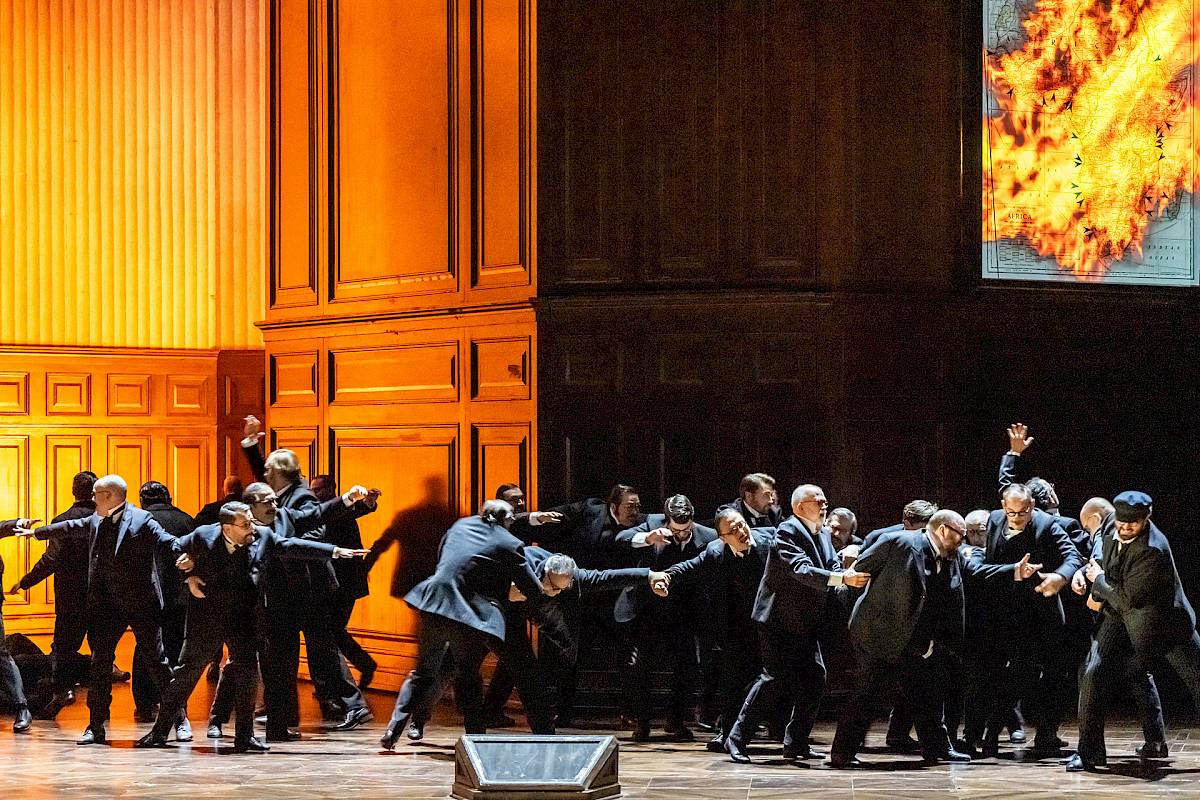
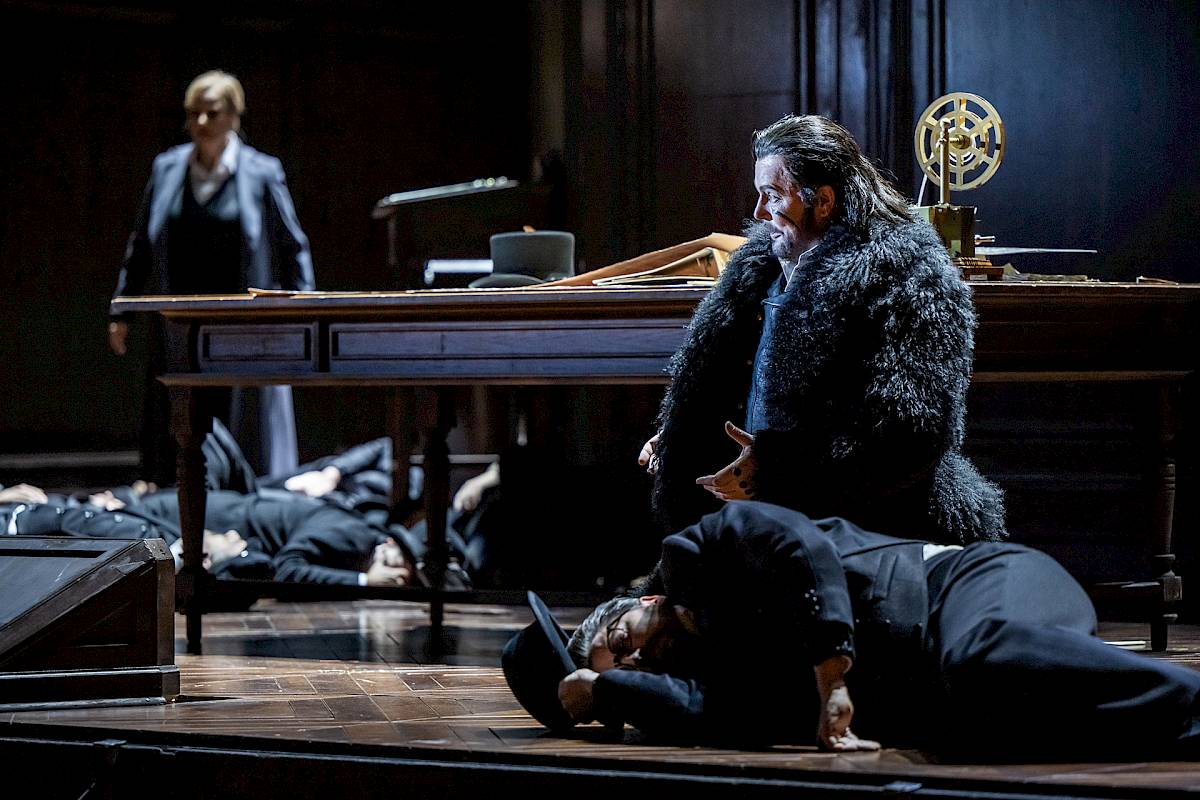
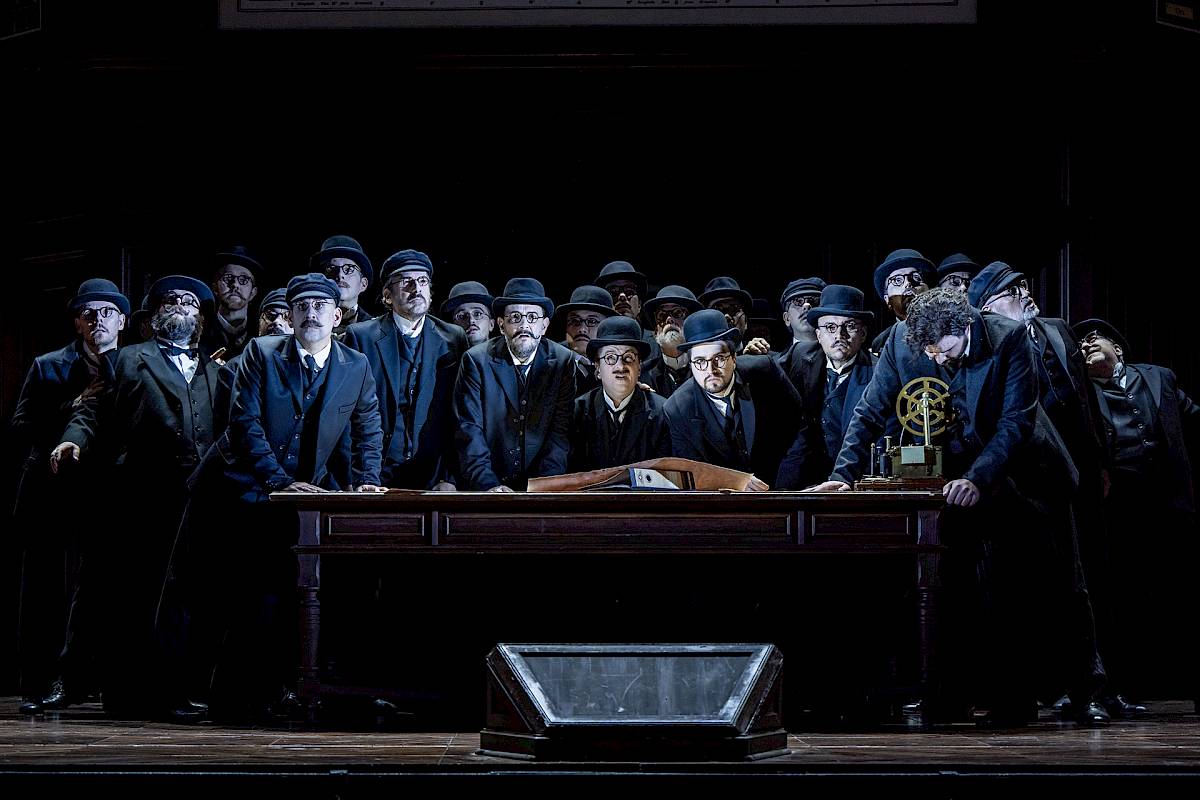
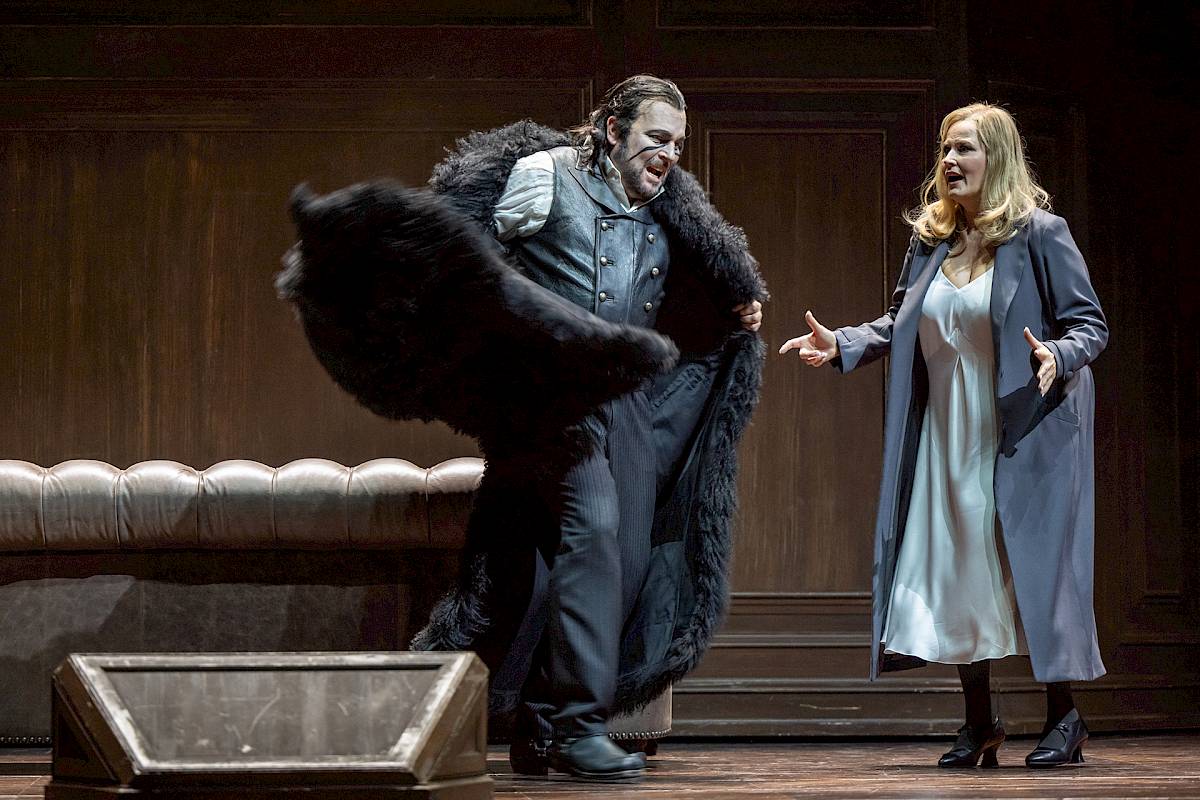
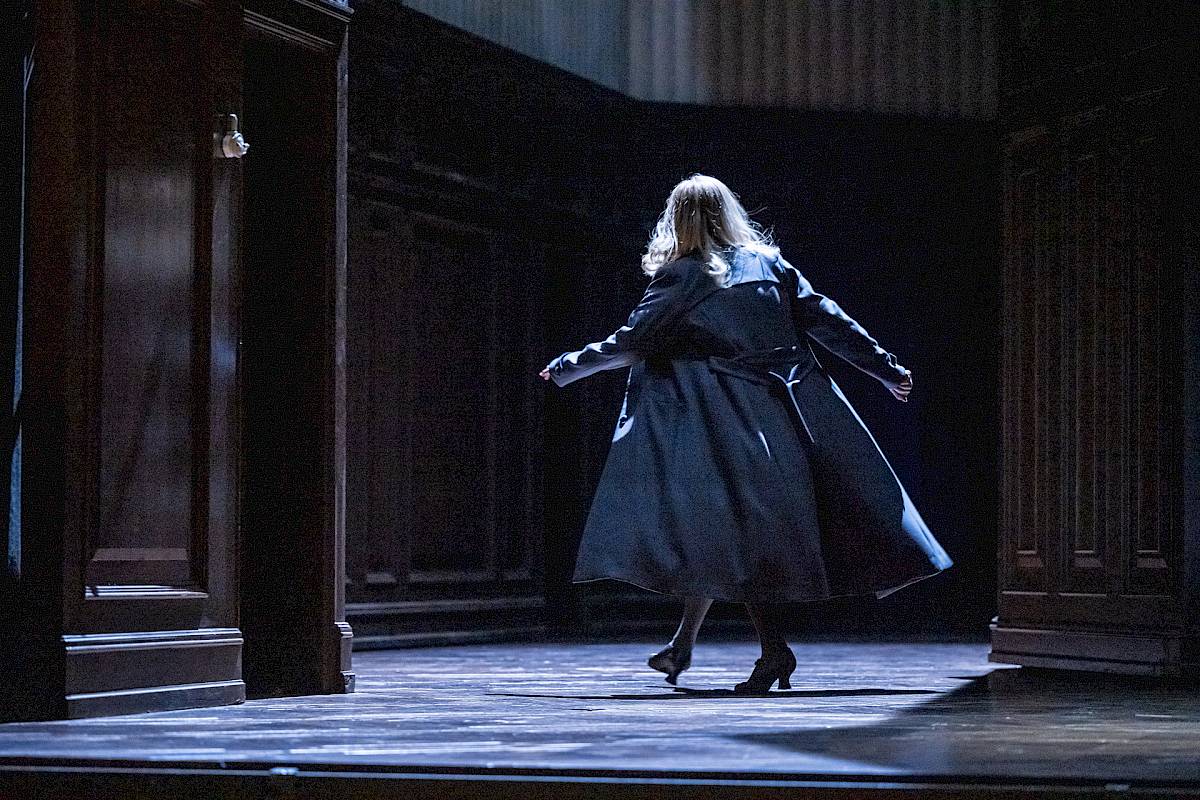
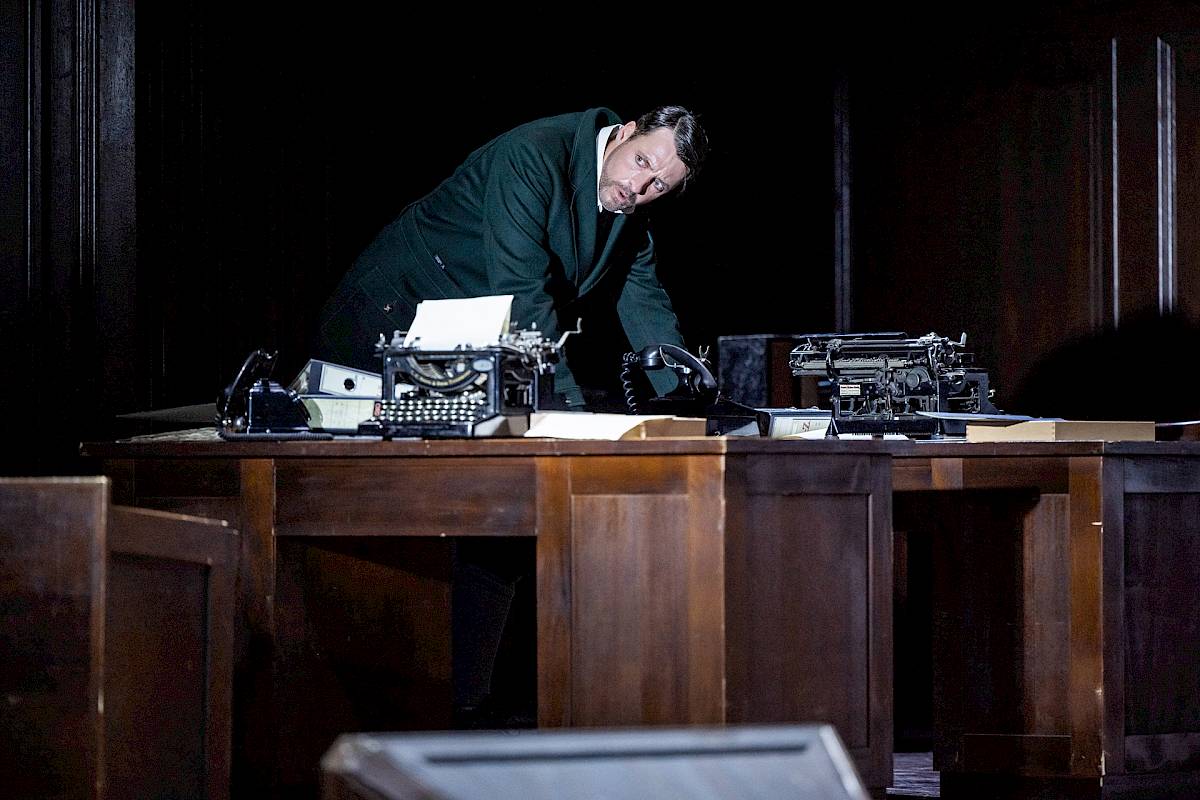
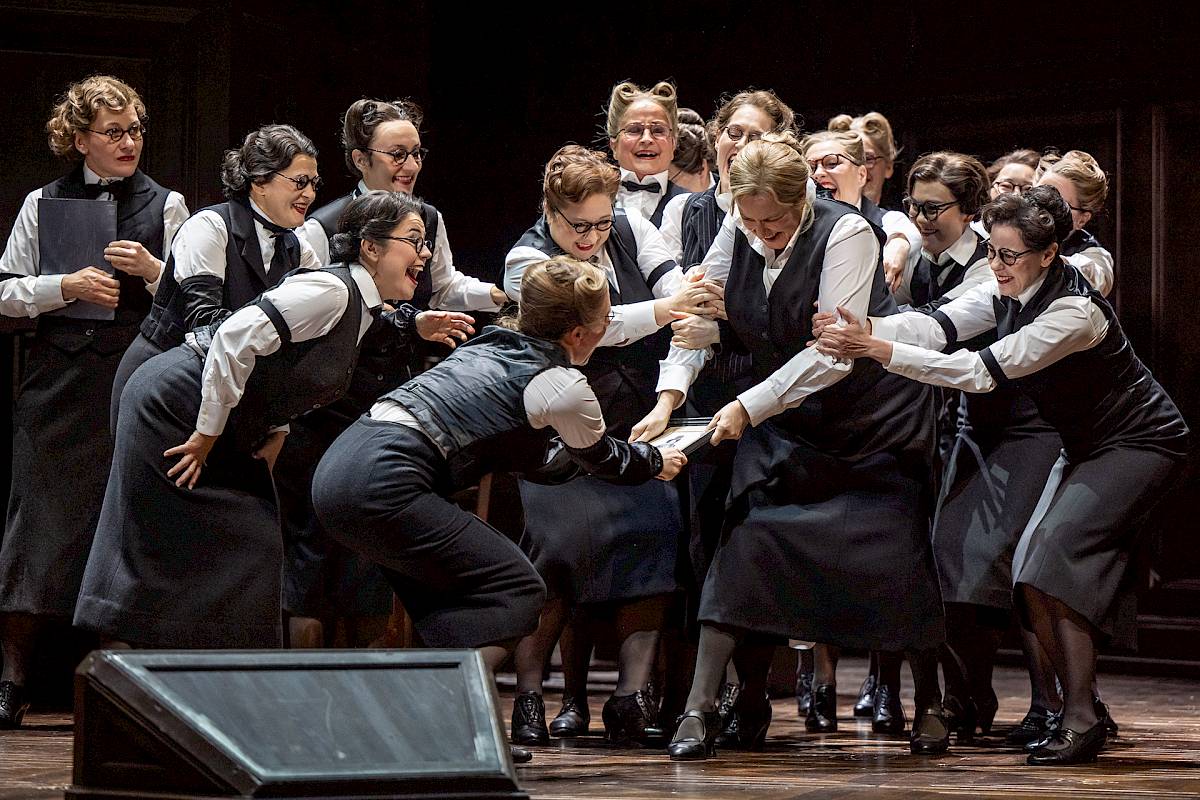
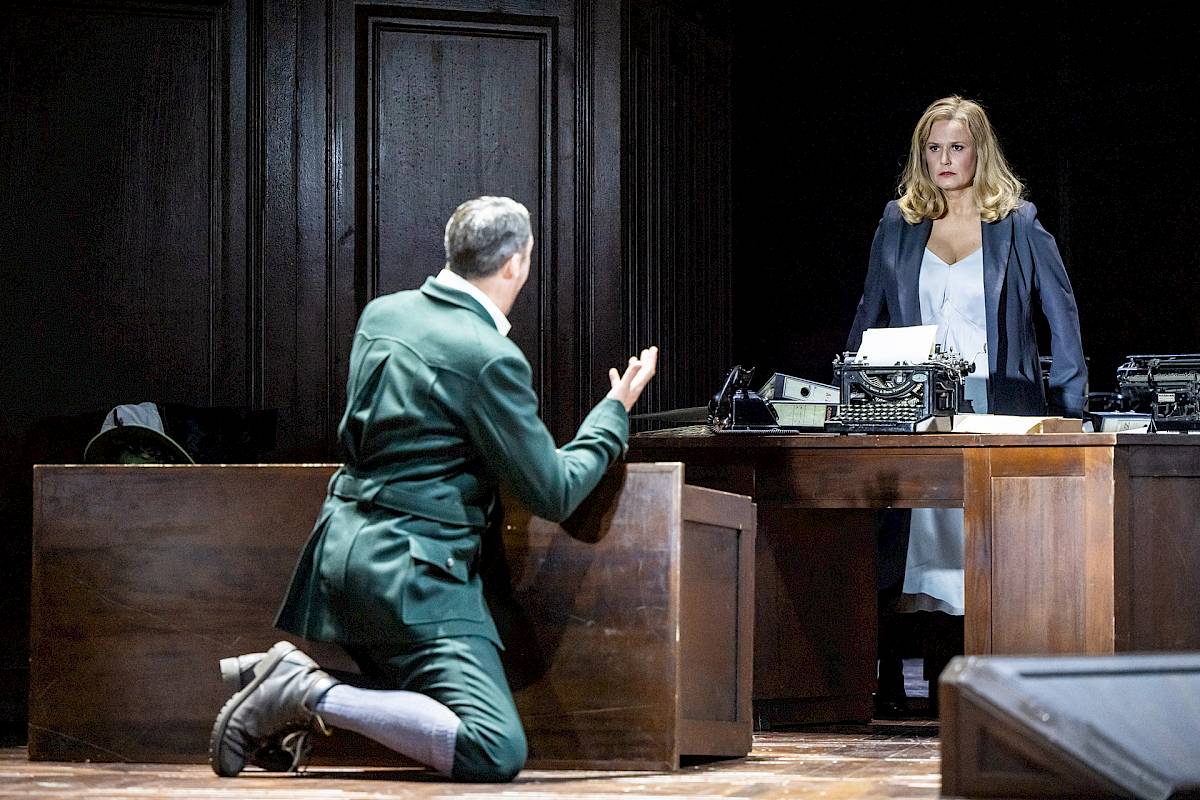
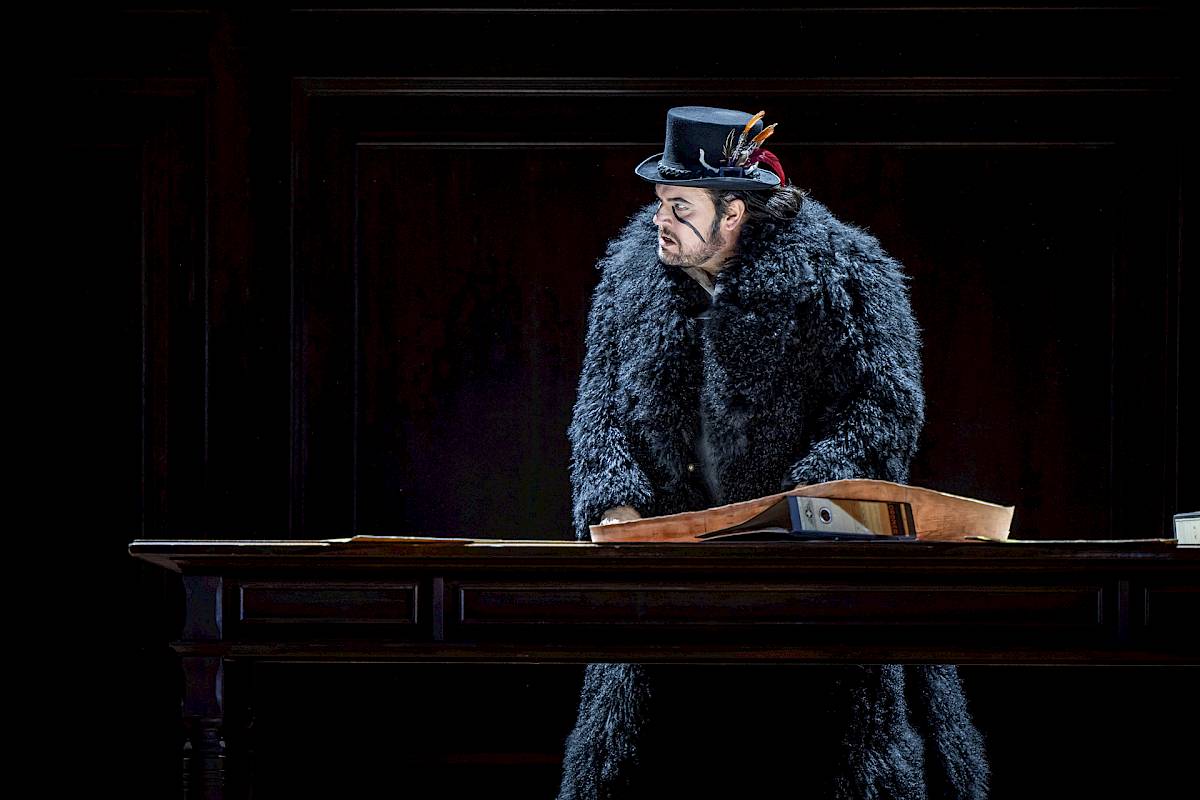
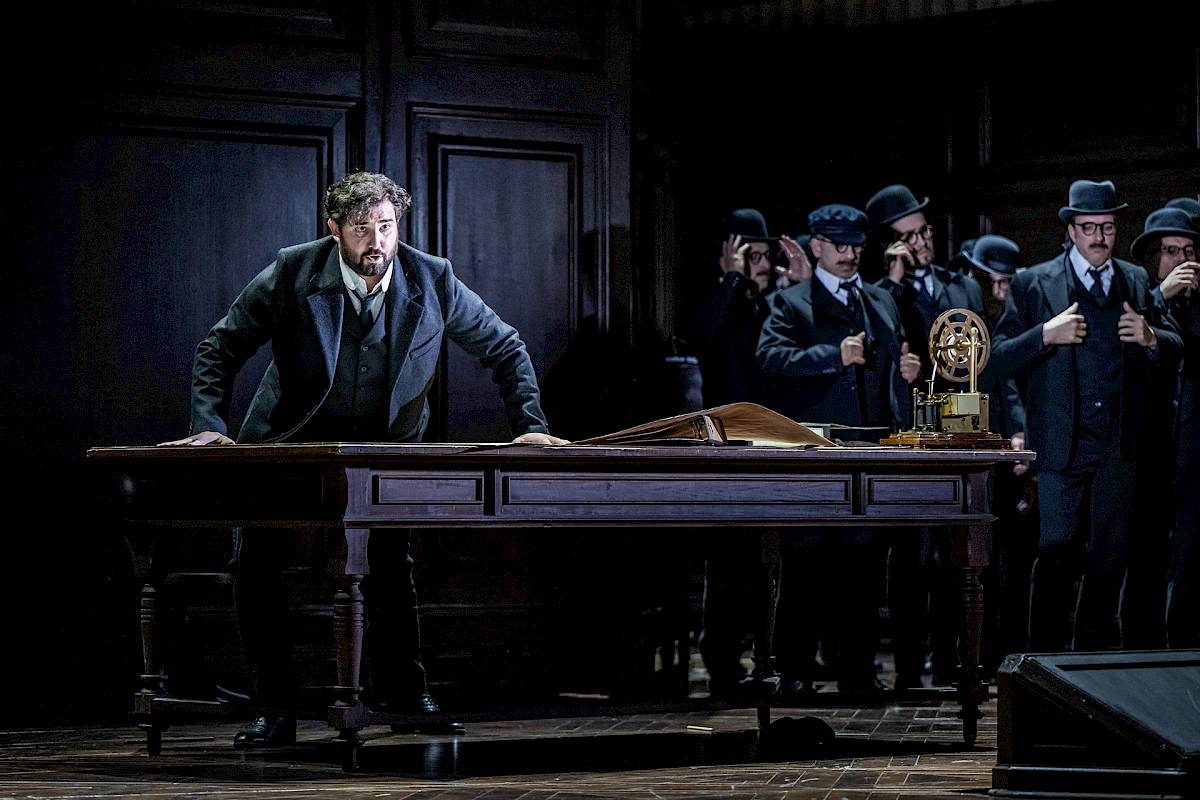
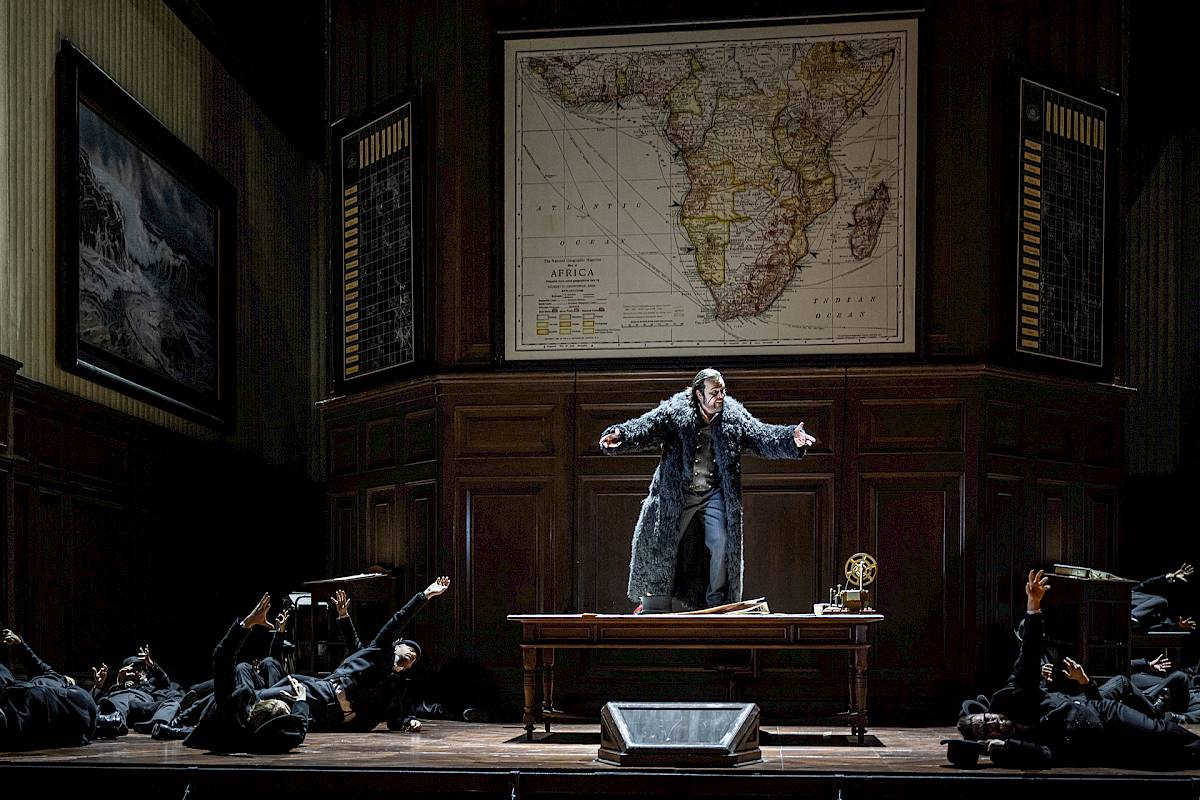
The Welsh baritone Bryn Terfel, who is one of the world’s most sought-after singers, sang at Zurich Opera House for the first time five years ago. In his enthusiastically received début in Zurich, he interpreted the role of the Dutchman in Andreas Homoki’s new production. He can now be heard in the same role again in our theatre. In our revival, Senta will be sung by the Finnish soprano Camilla Nylund, a no less magnificent voice in the dramatic repertoire. Steven Humes, who recently celebrated successes as Wagner interpreter as Landgrave Hermann, King Heinrich and King Brand, will be taking over the role of Daland, and Marco Jentzsch as Erik completes this cast of top-class soloists. Andreas Homoki’s production sets the action in a trading office during the colonial period. The Flying Dutchman penetrates the merchant Daland’s world – characterised by profit maximisation and the ruthless exploitation of the Third World – as an archaic, unreal figure. For Daland’s daughter Senta, a woman who stakes an unconditional claim to personal fulfilment and wishes to flee her father’s excessively rationalised world, the mysterious outsider is a harbinger of hope. However, the encounter ends tragically for both of them.
Read more Show less

Photos «Der fliegende Holländer»


Good to know

Audio introduction

Our dramaturge Beate Breidenbach gives an insight into the opera «Der fliegende Holländer» (8 minutes). Live introductions take place 45 minutes before the performance in the opera house.

Synopsis

A storm has driven a ship belonging to Daland into a remote cove. The ship-owner encounters a curious stranger who roams the world. He offers Daland vast treasures to take him in for just one night. Daland is all the happier to oblige when this seemingly fabulously rich seafarer asks for his daughter Senta’s hand in marriage.

Senta causes a commotion in her father’s house by singing the poignantly spine-chilling ballad about the Flying Dutchman. She is convinced that it is a true story, and that she has been chosen to save the unhappy man from his fate.
The hunter Erik, who is in love with Senta, reproaches her for her infatuation. He is worried that her father intends to marry her off soon, and unsuccessfully asks her to agree to intercede with Daland on his behalf.
Daland arrives with the unknown seafarer, in whom Senta immediately recognises the man whose redemption she has made her purpose in life. The two soon become close, and Senta swears eternal fidelity to the Dutchman. Daland already sees the profitable marriage within reach.

As the sailors celebrate the happy return of the merchant vessel, their high spirits provoke destructive forces that fill them with terror.
Erik once again attempts to win Senta over by reminding her that she once swore eternal fidelity to him. The Dutchman has overheard the conversation and realises that the condition of his redemption is impossible to fulfil. Senta seals her oath of fidelity by taking her own life.