Die Fledermaus

Johann Strauss

Operetta in three acts
Libretto by Karl Haffner and Richard Genée
New texts in the third act by Patti Basler

From 29. September 2026 until 25. October 2026

  • Duration :
    approx. 3 hrs. incl. intermission after 1st part after approx. 50 min.
  • Language:
    In German with German and English surtitles.
  • More information:
    Introduction 45 min before the performance.
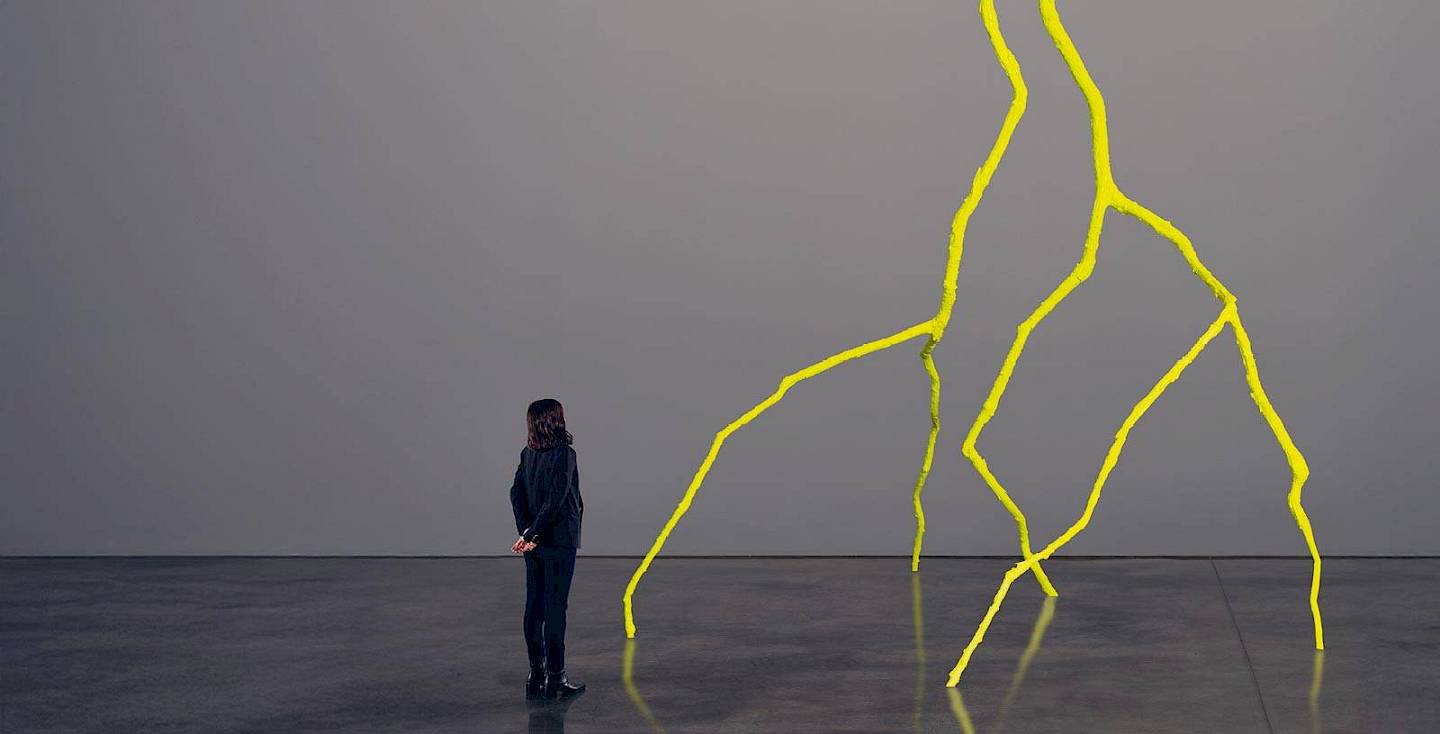
    © Image by Ugo Rondinone (Blissful Light, 2023)
    Courtesy of Studio Rondinone

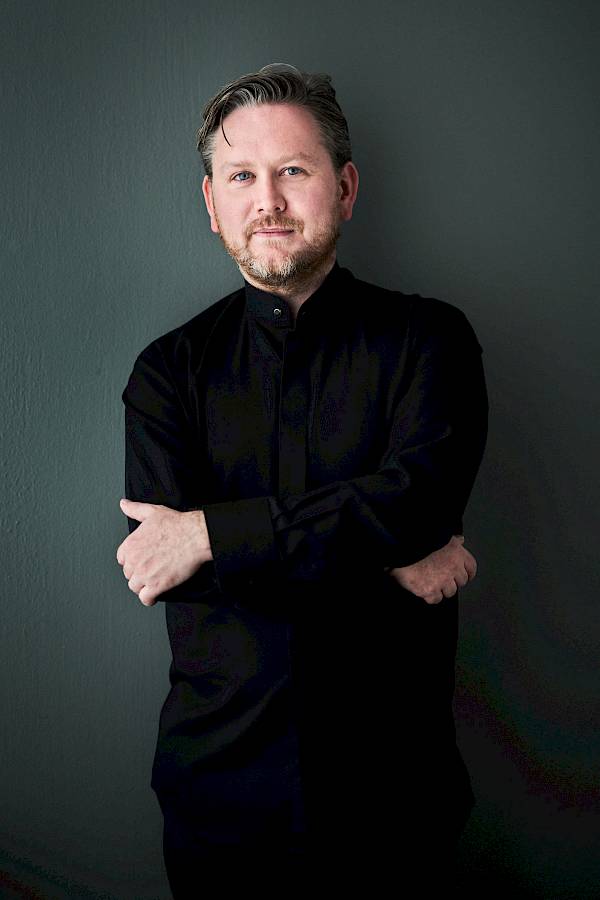
Musical Director:
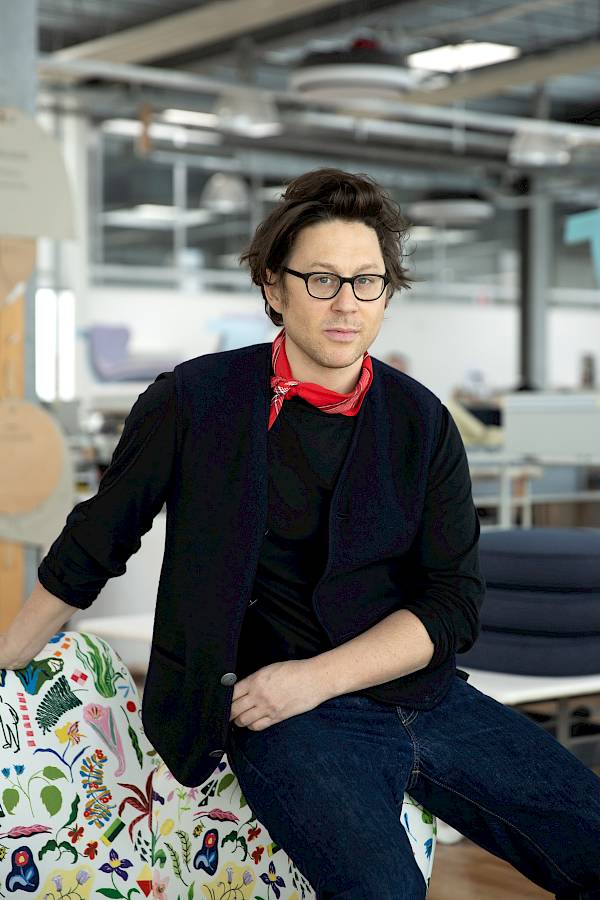
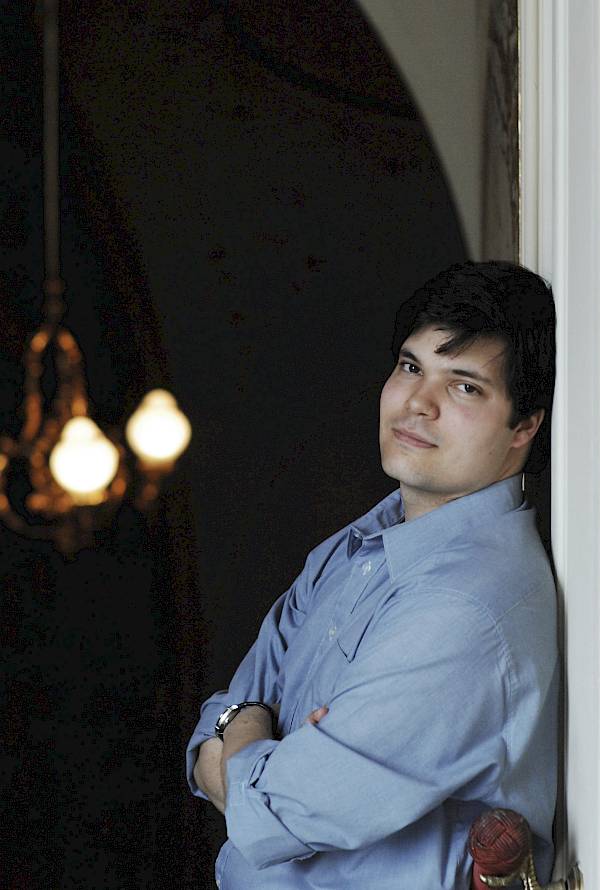
Jonathan Bloxham

Jonathan Bloxham

Jonathan Bloxham studied conducting with Sian Edwards, Michael Seal, Nicolas Pasquet and Paavo Järvi, having previously studied cello at the Yehudi Menuhin School, the Royal College of Music and the Guildhall School of Music and Drama in London. In 2016, he became Assistant Conductor of the City of Birmingham Symphony Orchestra under Mirga Gražinytė-Tyla. Since 2023, he has been Music Director of Lucerne Theatre, where he has conducted productions including "La bohème", "Idomeneo", "Hänsel und Gretel" and "Peter Grimes". Since 2024, he has been Chief Conductor of the Nordwestdeutsche Philharmonie and, since the 2025/26 season, has held the position of Principal Conductor of the London Mozart Players, with whom he has been associated as a conductor and Artistic Adviser since 2022. In 2021, he made his debut with "Luisa Miller" at the Glyndebourne Festival with the London Philharmonic Orchestra and also conducted "Don Pasquale" with Glyndebourne Touring Opera. He has appeared as a guest with, among others, the NDR Elbphilharmonie Orchestra, the Tokyo Symphony, the Mozarteum Orchestra Salzburg, the Hallé Orchestra, the BBC Symphony Orchestra, the Belgian National Orchestra, the Residentie Orkest and the Tonkünstler Orchestra of Lower Austria. In 2024, he released a recording of Bach’s piano concertos with the Academy of St Martin in the Fields and Tianqi Du, which reached number one on Apple Classical. He has also recorded works by Bruce Broughton with the London Symphony Orchestra, as well as forthcoming CDs with the BBC Scottish Symphony Orchestra and the London Mozart Players. He is also Artistic Director of the Northern Chords Festival in Newcastle-upon-Tyne. At Zurich Opera House, he makes his debut in the 2026/27 season with the operetta "Die Fledermaus".

Die Fledermaus29 Sept / 8 / 17 / 23 / 25 Oct 2026
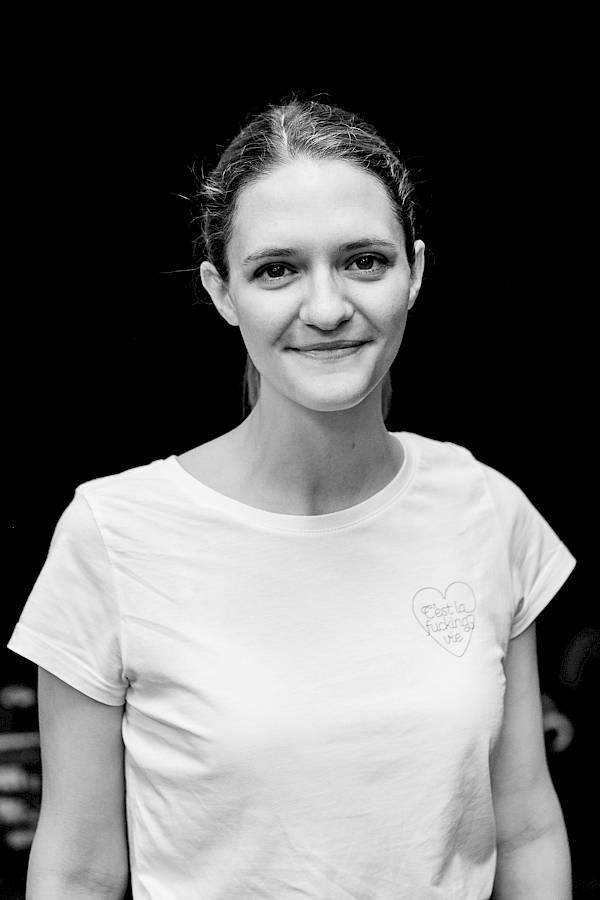
Production:
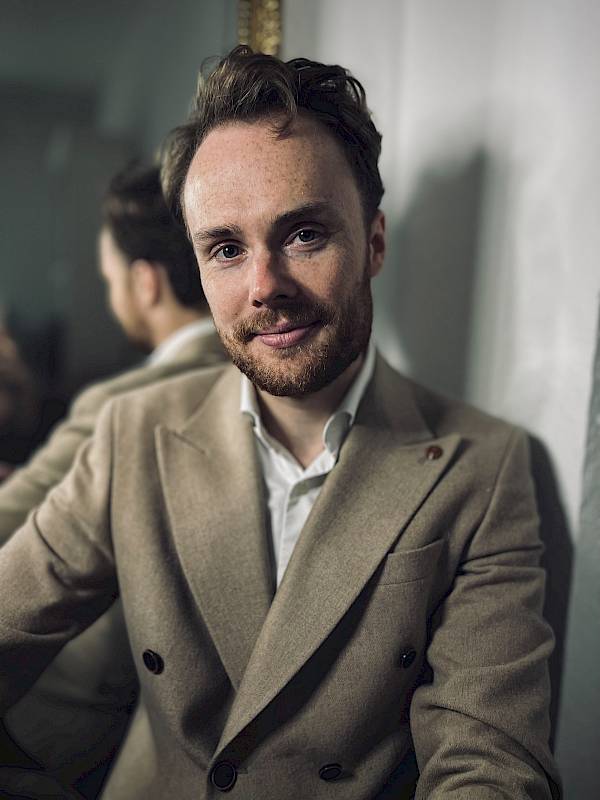
Anna Bernreitner

Anna Bernreitner

Anna Bernreitner studied opera directing at the University of Music and Performing Arts Vienna and is now one of the defining voices of a young, experimental opera scene. In 2011, she founded the artists’ group OPER RUND UM, with which she opened up new avenues in music theatre and brought opera to unusual locations – for this, she received the Culture Recognition Award of the Province of Lower Austria and the Austrian Music Theatre Award in 2019. Her work has taken her, among others, to Theater an der Wien, where she realised several productions for young audiences, and to Theater für Niedersachsen with Tchaikovsky’s "Die Pantöffelchen". She developed formats for the Wir sind Wien Festival, Jeunesse Wien and the Philharmonie Luxembourg. For the Salzburg Festival, she directed opera camps; for the Vienna State Opera, she created the staging of the Opera Tour Bus in cooperation with the Donauinselfest in 2021. At the Bavarian State Opera, she staged Pop-Up Opera in public spaces at the opening festival of the 2021/22 season, as well as the children’s opera "Max und die Superheld:innen". Internationally, she attracted attention, among other things, with her "Zauberflöte" at the Opéra national de Lorraine and the Opéra national Montpellier. This was followed by "Die Entführung aus dem Serail" at Theater Bielefeld, "Der Goldene Hahn" at Theater Magdeburg and Puccini’s "Tosca" at the Burgplatz Open Air Braunschweig in 2023. Her production of Rihm’s "Proserpina" with Neue Oper Wien was awarded the Götz Friedrich Prize in 2021. With her new production of Johann Strauss’ "Die Fledermaus", which premiered in the 2025/26 season and returns to the programme in 2026/27, Anna Bernreitner is working at Zurich Opera House for the first time.

Die Fledermaus29 Sept / 8 / 17 / 23 / 25 Oct 2026
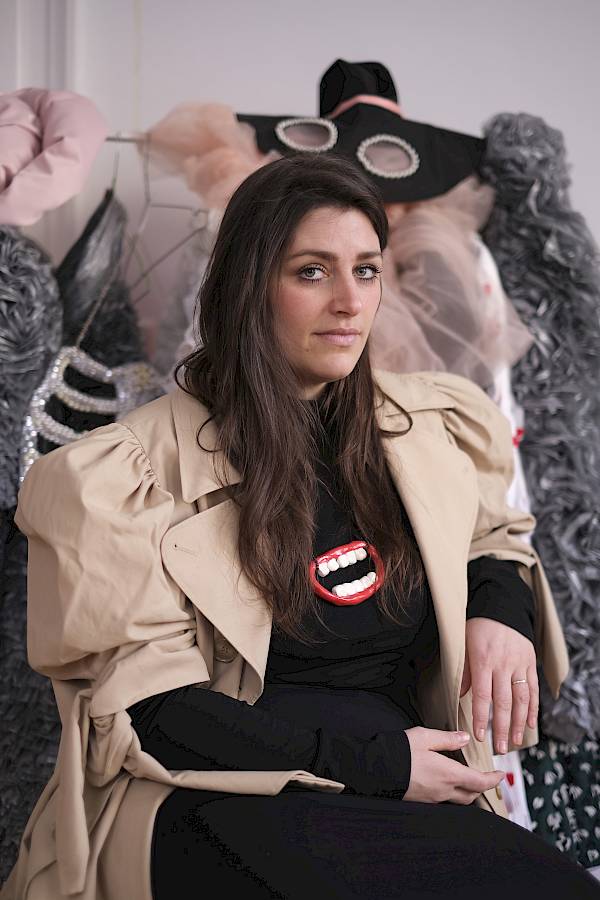
Set Design:
Hannah Oellinger,

Hannah Oellinger

Hannah Rosa Oellinger and Manfred Rainer design costumes, stages, and films. They have realized operas in trucks, on pedal boats in swimming pools, and in the Swiss Alps. They love stages as playgrounds and unconventional spatial solutions. For example, a stage set is submerged in the orchestra pit to be made visible to the audience via video surveillance ("Proserpina," Neue Oper Wien, 2021), hand-drawn animations interact with the protagonists ("Zauberflöte," Opera National de Lorraine, 2021), and a decommissioned nuclear power plant becomes the setting for a documentary theater piece ("Gemeinschaftskernkraftwerk," 2022). Wigs smoke or lay eggs, the three ladies share a crinoline, and houses are remote-controlled across the stage. In the coming seasons, the opera houses of Geneva, Bayreuth, and St. Gallen will not be safe from their ideas.

Die Fledermaus29 Sept / 8 / 17 / 23 / 25 Oct 2026
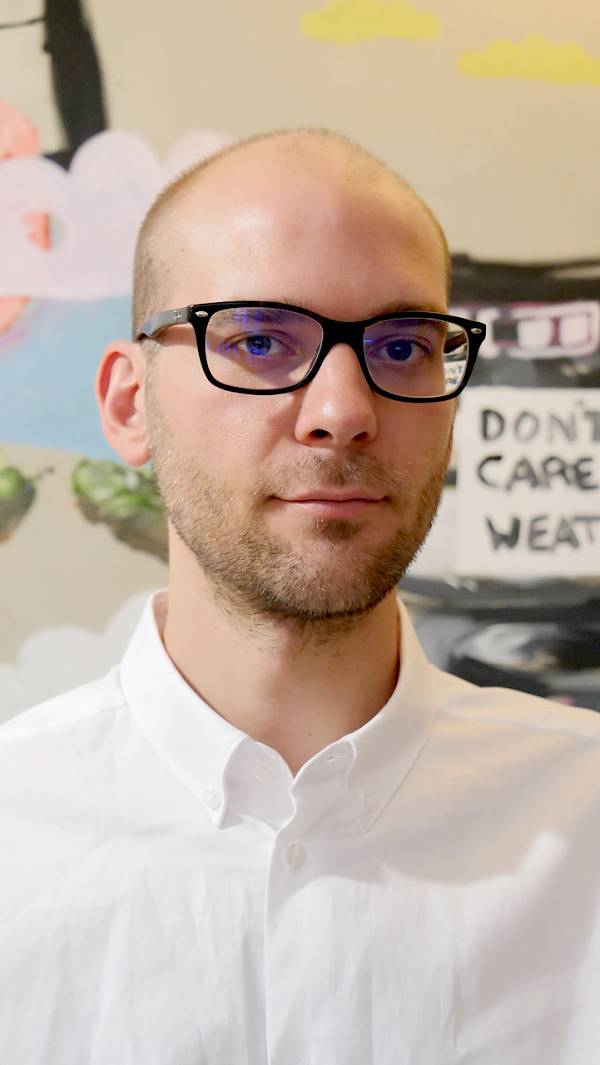
Manfred Rainer

Manfred Rainer

Hannah Rosa Oellinger and Manfred Rainer design costumes, stages, and films. They have realized operas in trucks, on pedal boats in swimming pools, and in the Swiss Alps. They love stages as playgrounds and unconventional spatial solutions. For example, a stage set is submerged in the orchestra pit to be made visible to the audience via video surveillance ("Proserpina," Neue Oper Wien, 2021), hand-drawn animations interact with the protagonists ("Zauberflöte," Opera National de Lorraine, 2021), and a decommissioned nuclear power plant becomes the setting for a documentary theater piece ("Gemeinschaftskernkraftwerk," 2022). Wigs smoke or lay eggs, the three ladies share a crinoline, and houses are remote-controlled across the stage. In the coming seasons, the opera houses of Geneva, Bayreuth, and St. Gallen will not be safe from their ideas.

Die Fledermaus29 Sept / 8 / 17 / 23 / 25 Oct 2026
Costumes:
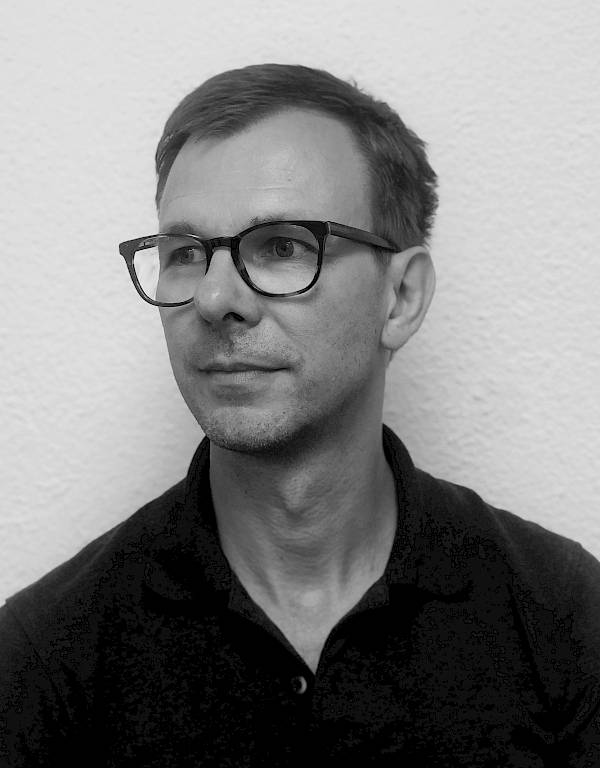
Arthur Arbesser

Arthur Arbesser

Arthur Arbesser ist in Wien geboren und aufgewachsen. Nach seinem Abschluss am Londoner Central Saint Martins College zog er nach Mailand, um sieben Jahre lang für Giorgio Armani zu arbeiten. Nachdem er sein eigenes Modelabel gegründet hatte und Finalist des LVMH-Preises 2015 geworden war, wurde er schnell für seine grafische und farbintensive Designsprache bekannt. Neben seinem nach ihm benannten Label ist Arbesser als kreativer Berater tätig und arbeitet bei zahlreichen Kooperationen, die vom Möbel- bis zum Produktdesign reichen. Kostümdesign für Ballett und Oper (wie das Neujahrskonzert der Wiener Philharmoniker 2019 und 2021 oder «Der Rosenkavalier», Staatsoper Unter den Linden, Berlin) vervollständigen sein künstlerisches Schaffen.

Die Fledermaus29 Sept / 8 / 17 / 23 / 25 Oct 2026
Choreographer:
Ramses Sigl

Ramses Sigl

Ramses Sigl has been a lecturer in dance and choreography in the Musical Theatre program at the Bayerische Theaterakademie “August Everding” since 1996. For the academy, he has choreographed, among others, Leonard Bernstein’s "On the Town", Kurt Weill’s "Street Scene", the Weill revue "Ladies in the Light", and Benjamin Britten’s "A Midsummer Night’s Dream". He also worked there with Claus Guth for the first time on "King Arthur". This was followed by "Le nozze di Figaro", "Don Giovanni", and "Così fan tutte" at the Salzburg Festival, the world premiere of "Aschenmond" at the Staatsoper Berlin, as well as Handel’s "Messiah" and "Saul" at the Theater an der Wien. He collaborated with Jens-Daniel Herzog on "Les Pêcheurs de perles" and "Rinaldo" in Zurich and on the world premiere of "A Harlot’s Progress" at the Theater an der Wien. In Zurich, he was responsible for the choreography of the world premiere of "Die Stadt der Blinden", directed by Stephan Müller. He worked with Dieter Dorn at the Salzburg Festival on "Orphée et Eurydice". For the Bayerische Staatsoper, he created choreographies for "Medusa" (director: Aron Stiehl) and "Rinaldo". For the Schauburg Munich, he directed and choreographed productions such as "Welcome to My World" and "Klasse, Klasse", and he was also the initiator and choreographer of the charity series rosablassblau for the AIDS-Hilfe. In addition, he created choreographies for the theatres in Düsseldorf, Bochum, Klagenfurt, and Mannheim. He has also worked for film and television (including "Im Winter ein Jahr" by Caroline Link). As an educator, he teaches not only at the Bayerische Theaterakademie but also at the Iwanson School, Schauspiel München, and the Royal Swedish Ballet Academy.

Die Fledermaus29 Sept / 8 / 17 / 23 / 25 Oct 2026
Chorus Master:
Klaas-Jan de Groot

Klaas-Jan de Groot

Klaas-Jan de Groot is a Dutch conductor and choral director. Since the 2025/26 season, he has been Chorus Director of the Opernhaus Zürich. After studying in The Hague and Cardiff, he served from 2016 to 2022 as assistant to Chorus Director Ching-Lien Wu at the Dutch National Opera, where he prepared several productions and projects with the opera chorus. Since 2018, he has worked regularly with the Netherlands Radio Choir (Groot Omroepkoor). From 2018 to 2024, he served annually as assistant to Chorus Director Eberhard Friedrich at the Bayreuth Festival. He has conducted various concerts and performances with Opera Zuid as well as with the Orchestra of the Eighteenth Century and the Essener Philharmoniker. From 2022 to 2025, he was Chorus Director of the Aalto-Theater in Essen. Since 2023, he has worked regularly with the NDR Vokalensemble in Hamburg. In 2024, he made his debut with the MDR-Rundfunkchor as well as with the Rundfunkchor Berlin. In recognition of his support for emerging talent, Klaas-Jan de Groot was awarded the prestigious Dutch Conducting Prize of the Anton Kersjes Fonds in 2021.

Die Zauberflöte20 / 25 Sept / 6 / 18 / 21 / 24 / 30 Oct 2026 / 2 / 8 / 18 / 20 / 23 Apr 2027 Tannhäuser26 Sept / 4 / 9 / 13 Oct 2026 Die Fledermaus29 Sept / 8 / 17 / 23 / 25 Oct 2026 Rachmaninow – Die drei Opern1 / 4 / 8 / 15 / 18 / 21 / 28 Nov 2026 Manon Lescaut11 / 15 / 18 / 22 / 26 Dec 2026 Doctor Atomic7 / 11 / 14 / 20 / 24 / 28 Feb 2027 La fanciulla del west25 / 28 Feb / 3 / 7 Mar / 4 / 7 / 10 / 16 Apr 2027 Ascanio in Alba13 / 20 Mar 2027 L'elisir d'amore25 / 27 / 29 Apr / 2 / 6 / 9 / 12 / 14 / 17 / 21 May 2027 Requiem pour Ophélie4 / 7 / 9 May 2027 Samson et Dalila13 / 17 / 20 / 24 / 27 / 30 Jun / 2 / 9 Jul 2027 Don Carlo1 / 6 / 8 / 11 Jul 2027
Lighting Design:
Martin Gebhardt

Martin Gebhardt

Martin Gebhardt was lighting designer and Head of Lighting for John Neumeier’s Hamburg Ballet. From 2002 onward he collaborated with Heinz Spoerli and the Ballett Zürich. Ballet productions of both companies took him to renowned theatres across Europe, Asia, and the Americas. At Zurich Opera House he created the lighting design for productions by Jürgen Flimm, David Alden, Jan Philipp Gloger, Grischa Asagaroff, Matthias Hartmann, David Pountney, Moshe Leiser/Patrice Caurier, Damiano Michieletto, and Achim Freyer. At the Salzburg Festival he designed the lighting for "La bohème" and for a new version of Spoerli’s "Der Tod und das Mädchen". Since the 2012/13 season Martin Gebhardt has been Head of Lighting at Zurich Opera House. He maintains a close collaboration with choreographer Christian Spuck (including "Winterreise", "Nussknacker und Mausekönig", "Messa da Requiem", "Anna Karenina", "Woyzeck", "Der Sandmann", "Leonce und Lena", "Das Mädchen mit den Schwefelhölzern"). He has also worked as lighting designer for choreographers Edward Clug (including "Strings", "Le Sacre du printemps" and "Faust" in Zurich), Alexei Ratmansky, Wayne McGregor, Marco Goecke, and Douglas Lee. He collaborated with Christoph Marthaler and Anna Viebrock on Handel’s "Sale" and Rossini’s "Il viaggio a Reims" in Zurich as well as on "Lulu" at the Hamburg State Opera, and with Jossi Wieler and Sergio Morabito at the Grand Théâtre de Genève for "Les Huguenots". In 2023 he designed the lighting for Spuck’s ballet "Bovary" at the Staatsballett Berlin and in 2024 for Rossini’s "Tancredi" at the Bregenz Festival. He was also the lighting designer for Cathy Marston’s "Atonement" at Zurich Opera House.

Oiseaux Rebelles11 / 13 / 16 / 18 / 27 Sept 2026 Tannhäuser26 Sept / 4 / 9 / 13 Oct 2026 Die Fledermaus29 Sept / 8 / 17 / 23 / 25 Oct 2026 Ein Sommernachtstraum11 / 16 / 18 / 25 / 28 / 29 / 31 Oct / 12 / 13 / 14 Nov 2026 / 19 / 22 / 29 Jun / 3 Jul 2027 Romeo und Julia20 / 27 / 29 Nov / 6 / 13 / 19 / 26 / 27 Dec 2026 Slow Rush16 / 17 / 22 / 28 / 30 Jan / 5 / 10 / 13 / 17 / 21 Feb / 29 / 30 May / 3 Jun 2027 Doctor Atomic7 / 11 / 14 / 20 / 24 / 28 Feb 2027 Timeframed27 Feb / 6 / 24 Mar / 1 / 3 / 9 / 18 / 22 / 28 / 30 Apr / 1 May 2027 Le nozze di Figaro2 / 6 / 8 / 15 / 19 May 2027 Samson et Dalila13 / 17 / 20 / 24 / 27 / 30 Jun / 2 / 9 Jul 2027
Dramaturgy:
Jana Beckmann

Jana Beckmann

Jana Beckmann is a dramaturge and curator. She studied choreography in Buenos Aires, dramaturgy in Hamburg, as well as music and philosophy in Oldenburg, and has worked internationally for opera, theatre, and festival institutions, including Tanzhaus Zürich, Kampnagel, the Grand Théâtre de Genève, and the Goethe-Institut Buenos Aires. From 2018 to 2023, she was a dramaturge at the Berlin State Opera. She has collaborated with directors including Romeo Castellucci, Kornél Mundruczó, Christiane Jatahy, Calixto Bieito, Dmitri Tcherniakov, Philipp Stölzl, Barbora Horáková, and Thorleifur Örn Arnarsson. From 2023 to 2025, she was part of the dramaturgy leadership collective of the Vienna Festival under the artistic direction of Milo Rau. There, she was responsible for and supervised key productions of the festival programme, including "Sancta" by Florentina Holzinger. Since the 2025/26 season, she has been a dramaturge at the Zurich Opera House as well as an independent curator for the Vienna Festival. In addition, she undertakes teaching and jury work and was the author of a radio opera about Joseph Beuys for SWR. As a curator, she developed and directed formats that combine aesthetic innovation with questions of participation and cultural transformation, including the concert-performance format "Sustainable Listening", which was nominated for the OPUS Klassik, and the "Akademie Zweite Moderne".

Tannhäuser26 Sept / 4 / 9 / 13 Oct 2026 Die Fledermaus29 Sept / 8 / 17 / 23 / 25 Oct 2026 Rachmaninow – Die drei Opern1 / 4 / 8 / 15 / 18 / 21 / 28 Nov 2026 Doctor Atomic7 / 11 / 14 / 20 / 24 / 28 Feb 2027
Musical producer:
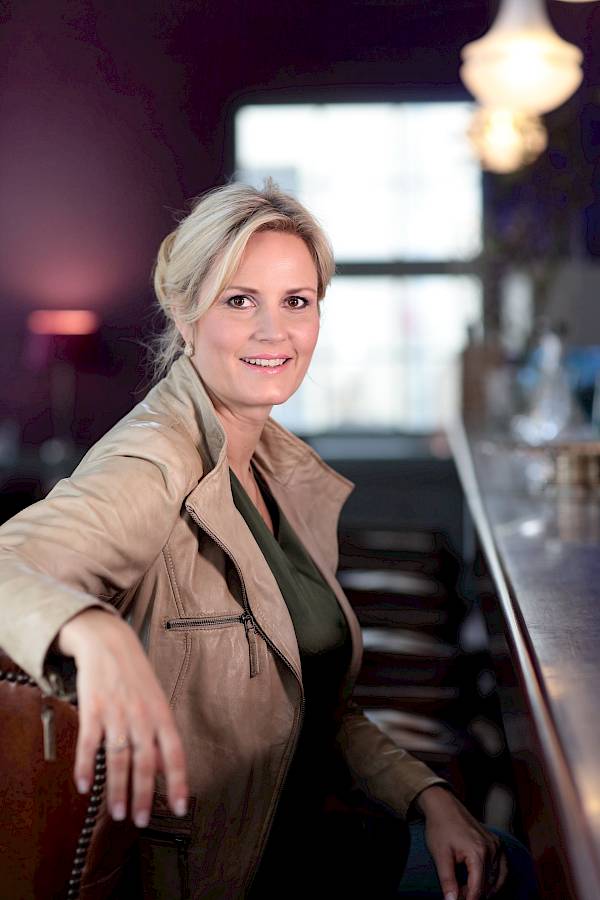
Anna Hauner,

Anna Hauner

Anna Hauner was born in Aichach, Germany. She studied piano with Benedikt Koehlen and Lied interpretation with Donald Sulzen at the Richard Strauss Conservatory in Munich. Under choral director Hans-Joachim Willrich at the Gärtnerplatztheater Munich, she began studying conducting. She continued her orchestral conducting studies at the University of Music and Performing Arts Munich with Bruno Weil and attended masterclasses with Bernard Ringeissen and Paul Badura-Skoda. A scholarship recipient of the Richard Wagner Association, she made her conducting debut with the Georgian Chamber Orchestra Ingolstadt, soon followed by concerts with the Philharmonie Bad Reichenhall and the Münchner Symphoniker. As a coach and musical assistant, she worked at the Bavarian Theatre Academy August Everding, where she received a teaching assignment for accompaniment in 2010. In October 2009, she was appointed répétiteur at the Bavarian State Opera and was regularly invited for concert performances of operas at the Munich Philharmonie. Since 2015, Anna Hauner has been the solo répétiteur at the Zurich Opera House, where she conducted several performances of the production “Konrad oder das Kind aus der Konservenbüchse.” She has been engaged as a language coach for the Mozart CD with Juan Diego Flórez and as a musical assistant at the Arena Sferisterio Macerata Festival. A major focus of her career is accompanying singers. Anna Hauner has given numerous song recitals and concerts in Munich, Zurich, London, Düsseldorf, and Dublin.

Die Fledermaus29 Sept / 8 / 17 / 23 / 25 Oct 2026
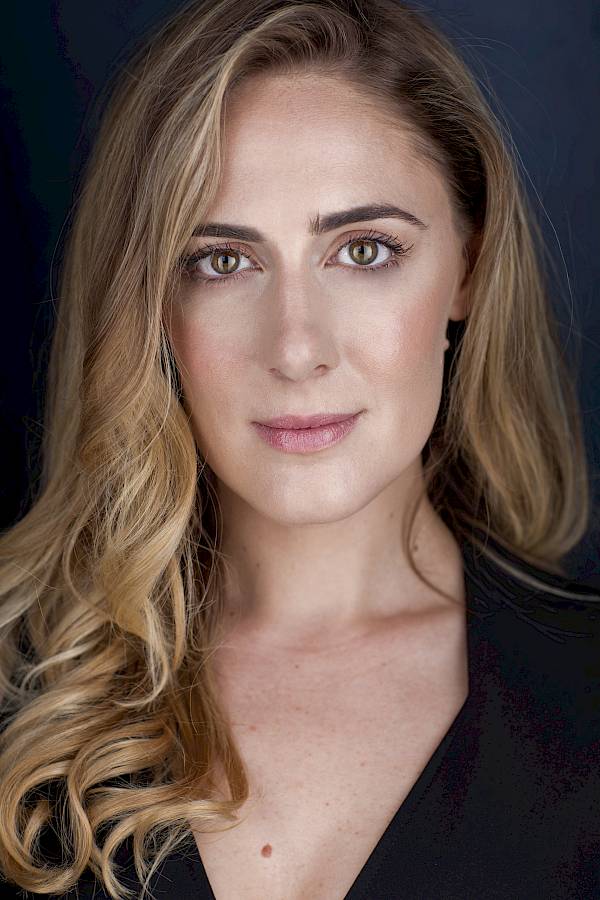
Yulia Luisi-Levin

Yulia Luisi-Levin

Yulia Levin wurde in Moskau geboren. Nach dem Studium in ihrer Geburtsstadt, in Toronto und in New York war sie mehrere Jahre an der Los Angeles Opera tätig. Im Jahr 2010 wurde sie als Solorepetitorin am Opernhaus Zürich engagiert, wo sie ausserdem als Pianistin bei solistischen Orchesteraufgaben und als Language Coach für Russisch tätig ist. Seit 2017 ist sie ständige Mitarbeiterin der Salzburger Festspiele, zuletzt als Studienleiterin aus persönlicher Einladung von Mariss Jansons und Valery Gergiev, welchen sie bei Opernproduktionen assistierte. Als Language Coach für Russisch wurde sie zuletzt für die Produktion Eugen Onegin am Seiji Ozawa Music Festival in Matsumoto 2019 engagiert. Yulia Levin wird als Liedbegleiterin von vielen SängerInnen geschätzt sowie als Pianistin von Kammermusikensembles. Konzertauftritte führten sie u.a. nach Kanada, in die USA und in verschiedene Städte Europas.

Die Fledermaus29 Sept / 8 / 17 / 23 / 25 Oct 2026

Cast


Gabriel von Eisenstein Bo Skovhus


Rosalinde Camilla Nylund

Adele Sydney Mancasola


Frank Ruben Drole


Prinz Orlofsky Siena Licht Miller


Alfred Johan Krogius


Dr. Falke Thomas Lehman


Dr. Blind Martin Zysset


Verdandi Melina Pyschny


Urd Barbara Grimm


Tänzerinnen und Tänzer Gabriela Hinkova 29 Sept / 08, 17, 23, 25 Oct


Tänzerinnen und Tänzer Sara Pennella 29 Sept / 08, 17, 23, 25 Oct


Tänzerinnen und Tänzer Sara Peña 29 Sept / 08, 17, 23, 25 Oct


Tänzerinnen und Tänzer Valentina Rodenghi 29 Sept / 08, 17, 23, 25 Oct


Tänzerinnen und Tänzer Pietro Cono Genova 29 Sept / 08, 17, 23, 25 Oct


Tänzerinnen und Tänzer Daniele Romano 29 Sept / 08, 17, 23, 25 Oct


Tänzerinnen und Tänzer Roberto Tallarigo 29 Sept / 08, 17, 23, 25 Oct


Tänzerinnen und Tänzer Lukas Bisculm 29 Sept / 08, 17, 23, 25 Oct

Bo Skovhus

Bo Skovhus is one of the most important baritones of his generation and will soon celebrate his 40th anniversary on stage. He studied at the Aarhus Music Institute, the Royal Opera Academy in Copenhagen and in New York. Key milestones in his career include the title role in Aribert Reimann’s "Lear" at the Opéra national de Paris, Beckmesser in "Die Meistersinger von Nürnberg", Titus in Michael Jarrell’s "Bérénice" in Paris under Philippe Jordan, and Mandryka in "Arabella" at the Semperoper Dresden. He has also sung, among other roles, the title role in "Wozzeck" at Deutsche Oper am Rhein, Dr Schön in "Lulu" at the Vienna State Opera, Šiškov in "Aus einem Totenhaus" at the Bavarian State Opera, and Jean-Charles in "Das Floss der Medusa" in Amsterdam. His most recent successes include "Lear" in Madrid, Jaroslav Prus in "Die Sache Makropulos" in Berlin, concert performances of "Capriccio" at the Salzburg Festival and in Edinburgh, Clov in "Fin de partie" at the Berlin State Opera, Dante in "Viaggio Dante" at the Opéra national de Paris, and Master Astaroth in the world premiere of "Die dunkle Seite des Mondes" in Hamburg. He has been awarded the titles of Austrian and Bavarian Kammersänger. At Zurich Opera House, he has appeared as Ich in "Leben mit einem Idioten" and as Herr von Faninal in "Der Rosenkavalier".

Die Fledermaus29 Sept / 8 / 17 / 23 / 25 Oct 2026

Camilla Nylund

Born in Vaasa, Finland, Camilla Nylund is one of the most sought-after lyric-dramatic sopranos on the international stage. She studied at the Mozarteum Salzburg, was a member of the ensemble at the Staatsoper Hannover from 1995 to 1999 and a member of the ensemble of the Sächsische Staatsoper Dresden from 1999 to 2001. Guest engagements have taken her, among other places, to Teatro alla Scala, the Metropolitan Opera, the Vienna, Hamburg, Munich and Berlin State Operas, the New National Theatre Tokyo, De Nationale Opera in Amsterdam, the Royal Opera House London, the Opéra Bastille, Bayreuth and the Salzburg Festival. Her most important roles include Elisabeth in "Tannhäuser", Elsa in "Lohengrin", Eva in "Die Meistersinger von Nürnberg", Senta in "Der fliegende Holländer", as well as the Marschallin in "Der Rosenkavalier", Arabella, Salome, the Countess in "Capriccio", Ariadne and Chrysothemis in "Elektra". At the Vienna State Opera, she sang Marietta/Marie in "Die tote Stadt", at Deutsche Oper am Rhein Marie in "Wozzeck", and at the Staatsoper Unter den Linden Jenůfa. Alongside her operatic work, she is a regular guest at the world’s major concert halls. She has received numerous awards, including the titles of Sächsische and Österreichische Kammersängerin, the European Culture Prize, the Lotte Lehmann Memorial Ring and the Austrian Music Theatre Award. At Zurich Opera House, she gave a song recital in December 2025 and returns in the 2026/27 season as Rosalinde in "Die Fledermaus" and as Brünnhilde in "Die Walküre".

Die Fledermaus29 Sept / 8 / 17 / 23 / 25 Oct 2026 Die Walküre24 / 31 Jan / 3 / 6 Feb 2027

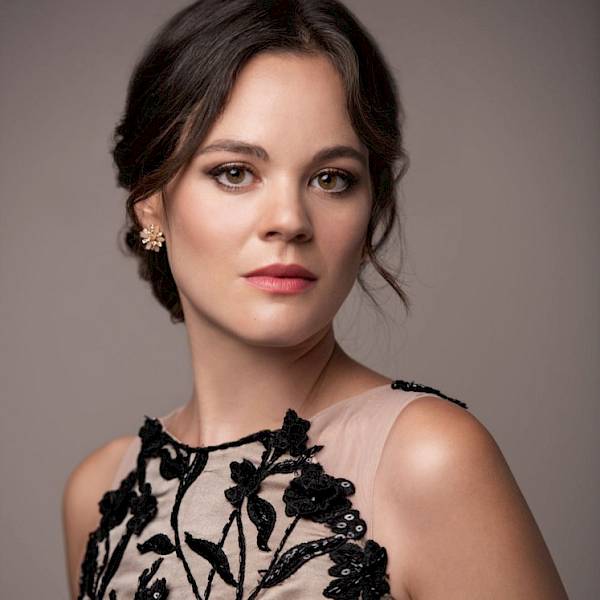
Sydney Mancasola

After completing her training, first as a violinist and later as a soprano (Oberlin Conservatory of Music), Sydney Mancasola was a member of the ensemble of Oper Frankfurt, where she appeared, among other roles, as Gilda ("Rigoletto"), Musetta ("La bohème"), Pamina ("Die Zauberflöte"), Susanna ("Le nozze di Figaro") and Roxana in Szymanowski’s "Król Roger". Her important role debuts include Adina in Donizetti’s "L’elisir d’amore" at the Opéra national de Paris, Pamina at the Metropolitan Opera, and Bess in Mazzoli’s "Breaking the Waves" at the Adelaide Festival and Edinburgh International Festival, for which she was awarded a Herald Angel. Further engagements have taken her to the Komische Oper Berlin, Lyric Opera of Chicago, Dutch National Opera, Los Angeles Opera and Opera Philadelphia. Her repertoire includes roles such as Susanna in "Le nozze di Figaro", Marzelline in "Fidelio", Frasquita in "Carmen", Mélisande in "Pelléas et Mélisande", Cleopatra in "Giulio Cesare", Gilda in "Rigoletto" and Lisette in "La rondine". She is also active as a concert singer, performing, among others, Mahler’s "Resurrection Symphony", Haydn’s "Schöpfung" and Handel’s "Messiah". Her awards include winning the Metropolitan Opera National Council Auditions in 2013, the Mabel Dorn Reeder Foundation Prize and first prize at the Loren L. Zachary National Vocal Competition. In the 2026/27 season, she makes her debut at Zurich Opera House as Adele in "Die Fledermaus".

Die Fledermaus29 Sept / 8 / 17 / 23 / 25 Oct 2026

Ruben Drole

Ruben Drole, a bass-baritone, was born in Winterthur and studied at the Zurich University of the Arts. In 2004, he joined the International Opera Studio and in 2005 the ensemble of Zurich Opera House, where he appeared, among other roles, as Lucio Cinna (J. C. Bach’s "Lucio Silla"), Haly ("L’italiana in Algeri"), Argante ("Rinaldo"), Wurm ("Luisa Miller") and as Papageno in "Die Zauberflöte", conducted by Nikolaus Harnoncourt. He also made his debut as Papageno at the Semperoper Dresden in 2015. Further projects with Harnoncourt included Kezal ("Die verkaufte Braut") and Haydn’s "Schöpfung" at Styriarte Graz, Beethoven’s "Christus am Ölberg" in Vienna and Lucerne, a tour of Japan (Mozart’s "Requiem" and Handel’s "Messiah") and Leporello ("Don Giovanni") at Theater an der Wien. In the Zurich cycle of the Mozart/Da Ponte operas by Sven-Eric Bechtolf and Franz Welser-Möst, he appeared as Guglielmo ("Così fan tutte"), Figaro ("Le nozze di Figaro") and Leporello. Under Welser-Möst, he also performed the same roles with the Cleveland Orchestra. At the Salzburg Festival in 2012, he sang Achilla ("Giulio Cesare") and appeared there in 2013 in Haydn’s "Il ritorno di Tobia" and Walter Braunfels’ "Szenen aus dem Leben der Heiligen Johanna". In Zurich, he has sung, among others, Papageno ("Die Zauberflöte"), Alaskawolfjoe ("Aufstieg und Fall der Stadt Mahagonny"), Soldier ("Die Geschichte vom Soldaten"), Odysseus ("Die Odyssee"), Duchess/Caterpillar in "Alice im Wunderland" and Frank ("Die Fledermaus"). Most recently, he also appeared in the ballet evening "Nachtträume". In the 2026/27 season, he will take on the role of Baron Mirko Zeta in Lehár’s "Die lustige Witwe" for the first time.

Die Fledermaus29 Sept / 8 / 17 / 23 / 25 Oct 2026 Alice im Wunderland8 / 15 / 21 / 28 Nov / 6 Dec 2026 / 8 Jan 2027 Die lustige Witwe27 / 31 Dec 2026 / 3 / 7 / 10 / 13 Jan 2027 La bohème16 / 18 / 23 Jun / 4 / 7 / 10 Jul 2027

Siena Licht Miller

Siena Licht Miller, a German-American mezzo-soprano, studied voice at the Curtis Institute of Music and the Oberlin Conservatory of Music. She completed her training with courses at Opera Philadelphia, the Santa Fe Opera, the Opera Theatre of St. Louis and the Aspen Music Festival. She is a recipient of a Bagby Foundation scholarship and a prizewinner of the Metropolitan Opera National Council Auditions, the Marilyn Horne Rubin Foundation and the Gerda Lissner Foundation. Highlights of her career to date include her role debuts as Hermia in "A Midsummer Night’s Dream", Second Lady in "Die Zauberflöte" and one of the two solo roles in the world premiere of Philip Venables’ "Denis and Katya" at Opera Philadelphia. At the Aspen Opera Center, she sang the title role in Ravel’s "L’Enfant et les sortilèges" under the direction of Robert Spano. She also regularly devotes herself to song recitals. She sang in the "The Song Continues" series at Carnegie Hall in honour of her mentor Marilyn Horne and went on a tour of the USA with a recital alongside pianist Kevin Murphy. From the 2020/21 season, she was associated with the Zurich Opera House, first as a member of the International Opera Studio and, since 2022/23, as a member of the ensemble of Zurich Opera House, where she most recently appeared in "La scala di seta", "Hänsel und Gretel" and "La clemenza di Tito", among others. In 2026/27, she will appear as Prince Orlofsky in "Die Fledermaus", Flora Bervoix in "La traviata", Rossweisse in "Die Walküre" and Flosshilde in "Das Rheingold" and "Götterdämmerung".

Die Fledermaus29 Sept / 8 / 17 / 23 / 25 Oct 2026 Das Rheingold29 Nov / 4 / 12 / 17 Dec 2026 La traviata20 / 23 / 29 Dec 2026 / 1 / 3 / 6 / 9 / 12 / 15 / 19 / 23 Jan 2027 Die Walküre24 / 31 Jan / 3 / 6 Feb 2027

Johan Krogius

Johan Krogius began his musical training in the boys’ choir of the Cantores Minores Cathedral Choir in Helsinki. He later studied in Helsinki and Stockholm, won the Timo Mustakallio Singing Competition in 2021 and was awarded first prize at the Helsinki Lied Competition in the same year. In opera, he has sung roles including Jaquino ("Fidelio") and Pong ("Turandot") in Helsinki, First Man and Juhana in "The Last Temptations" at the Jyväskylä Opera, Don Ottavio ("Don Giovanni") at the Finnish National Opera, Kuska ("Chowanschtschina") with the Finnish Radio Symphony Orchestra under the direction of Esa-Pekka Salonen in Helsinki and Stockholm, as well as Tamino ("Die Zauberflöte") at the Tampere Opera and the Savonlinna Opera Festival, where he was also heard as Don Ottavio and Ismaele ("Nabucco") in 2024 and as Macduff ("Macbeth") in 2025. From 2022 to 2024, he was a member of the International Opera Studio at Staatsoper Berlin. There, he performed, among others, Leukippos (Strauss’ "Daphne"), Tamino, First Armoured Man and First Priest ("Die Zauberflöte"), Innkeeper and Faninal’s Major-Domo ("Der Rosenkavalier"), Trojan ("Idomeneo"), Parpignol ("La bohème") and Borsa ("Rigoletto"). On the concert platform, he has appeared with, among others, Jyväskylä Sinfonia, the Helsinki Baroque Orchestra, the Tapiola Sinfonietta and the Turku Philharmonic Orchestra, and in 2024 made his debut at the Berlin Philharmonie with Mozart’s "Requiem". Since the 2025/26 season, he has been a member of the ensemble at Zurich Opera House, where he has appeared, among other roles, in "Der Rosenkavalier", "Tosca" and "Carmen", and in the 2026/27 season performs in "Tannhäuser", "Die Fledermaus", "Das Rheingold", "La fanciulla del west" and "Die Zauberflöte".

Tannhäuser26 Sept / 4 / 9 / 13 Oct 2026 Die Fledermaus29 Sept / 8 / 17 / 23 / 25 Oct 2026 Alice im Wunderland15 / 19 Nov / 6 Dec 2026 Das Rheingold29 Nov / 4 / 12 / 17 Dec 2026 La fanciulla del west25 / 28 Feb / 3 / 7 Mar / 4 / 7 / 10 / 16 Apr 2027 Die Zauberflöte2 / 8 / 18 / 20 / 23 Apr 2027

Thomas Lehman

The American baritone Thomas Lehman studied voice at the Eastman School of Music and is currently a member of the ensemble of Deutsche Oper Berlin. There, he has established himself with a broad repertoire. His important roles include the title roles in Verdi’s "Macbeth" and John Adams’ "Nixon in China", Amfortas in Wagner’s "Parsifal", Kurwenal in "Tristan und Isolde", Wolfram in "Tannhäuser" and Gunther in "Götterdämmerung". Further roles at Deutsche Oper Berlin include Germont ("La traviata"), Lescaut ("Manon Lescaut"), Ford ("Falstaff"), Marcello ("La bohème"), Renato ("Un ballo in maschera"), Figaro ("Il barbiere di Siviglia") and Count Almaviva ("Le nozze di Figaro"), among others. Guest engagements have taken him to the Salzburg Festival, the Bavarian State Opera, the Royal Opera House and Deutsche Oper Berlin. His most recent successes include the world premiere of the role of Dr Keiron in Unsuk Chin’s "Die dunkle Seite des Mondes" at the Hamburg State Opera under Kent Nagano, as well as appearances as Killian in "Der Freischütz" at the San Francisco Opera, the Herald in David Alden’s production of "Lohengrin", and Il Conte Almaviva in "Le nozze di Figaro" at Theater Basel. He also regularly performs on the concert stage, including as Donner in "Das Rheingold" with the Rotterdam Philharmonic Orchestra, and in Orff’s "Carmina Burana" with the BBC Scottish Symphony Orchestra and the Dresden Philharmonic. He makes his house debut at Zurich Opera House as Dr Falke in "Die Fledermaus".

Die Fledermaus29 Sept / 8 / 17 / 23 / 25 Oct 2026

Martin Zysset

Martin Zysset was born and raised in Solothurn. He trained as a clarinettist while simultaneously studying voice, which he complemented with masterclasses with Ernst Haefliger and Edith Mathis. In 1990/91, he was a member of the International Opera Studio at Zurich Opera House and at the same time a scholarship holder of the Migros Cooperative Federation and a prizewinner at the Pro Arte Lyrica Competition in Lausanne. Since 1992, he has been a regular guest at the summer theatre in Selzach. He has been a permanent member of the ensemble at Zurich Opera House since 1991. Here, he has developed a broad repertoire of both buffo and dramatic roles, including Pedrillo, Monostatos, Spoletta, Incredibile ("Andrea Chénier"), Jaquino, Kudrjasch ("Káťa Kabanová"), Alfred ("Die Fledermaus"), Tamino, Tybalt, Dancaïro, Arturo, the Gingerbread Witch, Brighella and the male lead in Udo Zimmermann’s "Weisse Rose". He portrayed Simplicius in the operetta of the same name by Johann Strauss, which was also released on CD and DVD. Guest appearances have taken him throughout Europe, to Shanghai and, with "Die Zauberflöte", "Le nozze di Figaro", "Fidelio" and "Tannhäuser", to San Diego. Most recently in Zurich, he has sung Don Basilio ("Le nozze di Figaro"), Chekalinsky ("Pique Dame"), Triquet ("Jewgeni Onegin"), the Chief Eunuch ("Das Land des Lächelns"), Goro ("Madama Butterfly"), Spoletta ("Tosca"), Dormont ("La scala di seta"), the White Minister ("Le Grand Macabre"), the Devil/Narrator ("Die Geschichte vom Soldaten"), the Third Jew ("Salome"), Schmidt ("Werther"), Feri ("Die Csárdásfürstin") and Don Curzio ("Le nozze di Figaro"), among others. In the 2026/27 season, he will also be heard for the first time as Giuseppe in Verdi’s "La traviata".

Die Fledermaus29 Sept / 8 / 17 / 23 / 25 Oct 2026 La traviata20 / 23 / 29 Dec 2026 / 1 / 3 / 6 / 9 / 12 / 15 / 19 / 23 Jan 2027 Le nozze di Figaro2 / 6 / 8 / 15 / 19 May 2027 Tosca11 / 14 / 17 / 21 / 24 Apr / 13 / 17 May 2027

Melina Pyschny

Melina Pyschny was born in 1988 in Stuttgart. From 2008 to 2014, she studied Theatre Studies in Munich and interned at the Residenztheater. From 2013 to 2018, she completed a Bachelor's degree in Acting and a Master's in Expanded Theatre at the University of the Arts Bern, as well as permanent engagements at the Theatre Aachen and the Theatre Neumarkt in Zurich. Her own works at the Theatre Aachen include the late-night show "Melinas Nacht," the musical manifesto "Cyborg 2020" in collaboration with the musician Olan!, and, together with Marlina Mitterhofer and Alexander Wanat, the play "To Be or Not to Be or the Director is Not Present" (invitation to the Shakespeare Festival Neuss 2023). At the Theatre Neumarkt, she created works with Mateja Meded, Thomas Köck, Yana Eva Thönnes, Piet Baumgartner, and Lena Reißner. She also teaches at the University of the Arts Bern in the Bachelor's Acting program. Since the 2025/26 season, Melina Pyschny has been a member of the ensemble at the Theatre Freiburg.

Die Fledermaus29 Sept / 8 / 17 / 23 / 25 Oct 2026

Barbara Grimm

Barbara Grimm was born in Bern, where she also completed her acting training. In 1980, she received a scholarship from the Canton of Bern for six months in New York (singing and tap dance). This was followed by numerous engagements in Germany, including at the Theater Kaiserslautern, Theater Ulm, Theater Essen, Staatstheater Stuttgart, and Schauspiel Kiel. In 1986/87, she participated in the Musical Studio Munich (patronage: August Everding). From 2002 to 2021, she was a permanent ensemble member at TOBS (Theater Orchester Biel Solothurn), where she also worked as a director. Her major roles included Lady Milford ("Kabale und Liebe"), Queen Elizabeth ("Maria Stuart"), Ranevskaya ("The Cherry Orchard"), Maria Callas ("Masterclass"), the Old Lady ("The Visit"), Florence Foster Jenkins ("Souvenir"), and Patricia Highsmith ("Switzerland"). Barbara Grimm is also a lecturer in role work and improvisation and a voice artist for radio and TV. In 2021, she played Charlotte Tanner in the fourth season of the TV series "Wilder." In 2011, she received the Acting Award from the Canton of Solothurn.

Die Fledermaus29 Sept / 8 / 17 / 23 / 25 Oct 2026 Die lustige Witwe27 / 31 Dec 2026 / 3 / 7 / 10 / 13 Jan 2027

Gabriela Hinkova

Cast

Die Fledermaus29 Sept / 8 / 17 / 23 / 25 Oct 2026

Sara Pennella

Cast

Die Fledermaus29 Sept / 8 / 17 / 23 / 25 Oct 2026

Sara Peña

Cast

Die Fledermaus29 Sept / 8 / 17 / 23 / 25 Oct 2026

Valentina Rodenghi

Valentina Rodenghi wurde 2000 in Mailand geboren und begann ihre professionelle Tanzausbildung am CFPESD OFFJAZZ Nizza, wo sie das EAT-Diplom «examen d'aptitude technique» für zeitgenössischen Tanz erhielt. Später schloss sie sich dem Area Jeune Ballet in Genf an. Im Juli 2023 erwarb sie schliesslich ihren Bachelorabschluss in zeitgenössischem Tanz an der Zürcher Hochschule der Künste. Während ihres Studiums konnte sie mit verschiedenen Choreografen wie Nadav Zelner, Dunja Jocic, Bryan Arias, Alba Castillo, Antonin Rioche, Luca Signoretti, Tiago Manquinho und Marine Besnard arbeiten. Dabei sammelte sie Bühnenerfahrungen in verschiedenen Theatern in der Schweiz sowie während des Holland Dance Festivals im Konzo Theater in Den Haag. In der Spielzeit 2022/23 war sie als Praktikantin in der Tanzkompanie des Theaters St. Gallen unter der künstlerischen Leitung von Kinsun Chan engagiert. Hier tanzte sie in Produktionen von Kinsun Chan, Mauro Astolfi, Francesca Frassinelli, Julian Nicosia und Giovanni Insaudo. Zurzeit ist sie freischaffend tätig und tanzte bei SPRUNGBRETT 23 am Theater Chur. Ausserdem ist sie bei Platée am Opernhaus Zürich beteiligt. Parallel zu ihrem Tanzabschluss erwarb Valentina ein zweijähriges Universitätsdiplom in Management für körperliche und künstlerische Aktivitäten an der Universität Claude Bernard in Lyon, Frankreich.

Die Fledermaus29 Sept / 8 / 17 / 23 / 25 Oct 2026

Pietro Cono Genova

Pietro Cono Genova is originally from Italy. He completed his training at the Teatro Massimo Bellini in Catania and moved to Switzerland in 2013 to work with the Cinevox Junior Company. After six years as a soloist, contemporary dance teacher, and assistant with the company, he began working as a freelancer on various dance projects in Switzerland and across Europe. Most recently, he danced with the new company Cie La Ronde, directed by Cathy Marston and Ihsan Rustem. Pietro Cono Genova is currently working with the Zurich Opera House and the Theater im Kornhaus Baden.

Die Fledermaus29 Sept / 8 / 17 / 23 / 25 Oct 2026

Daniele Romano

Cast

Die Fledermaus29 Sept / 8 / 17 / 23 / 25 Oct 2026

Roberto Tallarigo

Cast

Die Fledermaus29 Sept / 8 / 17 / 23 / 25 Oct 2026

Lukas Bisculm

Cast

Die Fledermaus29 Sept / 8 / 17 / 23 / 25 Oct 2026
Show full cast Show less

Choir of the Zurich Opera House

Der Chor der Oper Zürich bildet mit seinen 60 festangestellten Mitgliedern und der Mitwirkung von bis zu 160 Vorstellungen pro Saison einen wesentlichen Eckpfeiler des künstlerischen Ensembles am Opernhaus Zürich. Er vereinigt unter dem Dach des traditionsreichsten schweizerischen Opernhauses Sängerinnen und Sänger auf höchstem professionellen Niveau, deren musikalische und stilistische Versiertheit sich mit darstellerischer Gestaltungskraft und spontaner Spielfreude verbinden. Regelmässig stellen seine Mitglieder auch als Solisten ihr künstlerisches Format unter Beweis. Der Chor spiegelt in seiner internationalen Zusammensetzung den Anspruch und die Strahlkraft der Oper Zürich wieder, die sich durch zahlreiche DVD-Aufnahmen erwiesen haben und 2104 mit dem Preis der «Opera Company of the Year» ausgezeichnet wurden. Wichtige musikalische Impulse erhielten die Chormitglieder durch die Arbeit mit Dirigenten wie Nello Santi, Nikolaus Harnoncourt, Franz Welser-Möst, Bernard Haitink, Riccardo Chailly, Valery Gergiev, Daniele Gatti, Zubin Mehta und Fabio Luisi. Ihre schauspielerischen Fähigkeiten entwickelten sie im Dialog mit Regisseuren wie David Pountney, Robert Wilson, Harry Kupfer, Peter Stein, Peter Konwitschny oder Andreas Homoki. Gastspiele führten den Chor nach Tokio (Der Rosenkavalier und La traviata), London (Die Meistersinger von Nürnberg, Tannhäuser, Der fliegende Holländer), Paris (La cenerentola, Fierrabras), Athen (Carmen, Idomeneo) oder nach Rom, wo er anässlich einer Papstmesse zur Feier des 500-jährigen Bestehens der Schweizer Garde Mozarts Krönungsmesse aufführte. Als «International Chamber Vocalists» wirkte der Chor der Oper Zürich in der 2014 mit einem Echo-Preis ausgezeichneten Neueinspielung von Vincenzo Bellinis Norma mit.

Die Zauberflöte20 / 25 Sept / 6 / 18 / 21 / 24 / 30 Oct 2026 / 2 / 8 / 18 / 20 / 23 Apr 2027 La rondine24 / 27 Sept / 1 / 10 / 15 Oct 2026 Tannhäuser26 Sept / 4 / 9 / 13 Oct 2026 Die Fledermaus29 Sept / 8 / 17 / 23 / 25 Oct 2026 Rachmaninow – Die drei Opern1 / 4 / 8 / 15 / 18 / 21 / 28 Nov 2026 Manon Lescaut11 / 15 / 18 / 22 / 26 Dec 2026 La traviata20 / 23 / 29 Dec 2026 / 1 / 3 / 6 / 9 / 12 / 15 / 19 / 23 Jan 2027 Die lustige Witwe27 / 31 Dec 2026 / 3 / 7 / 10 / 13 Jan 2027 Doctor Atomic7 / 11 / 14 / 20 / 24 / 28 Feb 2027 Roméo et Juliette12 / 19 / 21 Feb / 2 / 5 Mar 2027 La fanciulla del west25 / 28 Feb / 3 / 7 Mar / 4 / 7 / 10 / 16 Apr 2027 La clemenza di Tito7 / 10 / 12 / 16 / 18 / 21 Mar 2027 Tosca11 / 14 / 17 / 21 / 24 Apr / 13 / 17 May 2027 L'elisir d'amore25 / 27 / 29 Apr / 2 / 6 / 9 / 12 / 14 / 17 / 21 May 2027 Requiem pour Ophélie4 / 7 / 9 May 2027 Don Pasquale23 / 27 / 30 May / 4 / 6 / 11 Jun 2027 Samson et Dalila13 / 17 / 20 / 24 / 27 / 30 Jun / 2 / 9 Jul 2027 La bohème16 / 18 / 23 Jun / 4 / 7 / 10 Jul 2027 Don Carlo1 / 6 / 8 / 11 Jul 2027

Orchestra of the Zurich Opera House

Cast

Oiseaux Rebelles11 / 13 / 16 / 18 / 27 Sept 2026 Die Zauberflöte20 / 25 Sept / 6 / 18 / 21 / 24 / 30 Oct 2026 / 2 / 8 / 18 / 20 / 23 Apr 2027 La rondine24 / 27 Sept / 1 / 10 / 15 Oct 2026 Tannhäuser26 Sept / 4 / 9 / 13 Oct 2026 Die Fledermaus29 Sept / 8 / 17 / 23 / 25 Oct 2026 Ein Sommernachtstraum11 / 16 / 18 / 25 / 28 / 29 / 31 Oct / 12 / 13 / 14 Nov 2026 / 19 / 22 / 29 Jun / 3 Jul 2027 1th Philharmonic Concert3 Oct 2026 Alice im Wunderland8 / 15 / 19 / 21 / 26 / 28 Nov / 6 Dec 2026 / 2 / 7 / 8 / 10 / 17 Jan 2027 Romeo und Julia20 / 27 / 29 Nov / 6 / 13 / 19 / 26 / 27 Dec 2026 Elektra22 / 26 Nov / 2 / 5 / 10 / 13 / 16 Dec 2026 Das Rheingold29 Nov / 4 / 12 / 17 Dec 2026 Gabetta & Noseda7 Nov 2026 Manon Lescaut11 / 15 / 18 / 22 / 26 Dec 2026 La traviata20 / 23 / 29 Dec 2026 / 1 / 3 / 6 / 9 / 12 / 15 / 19 / 23 Jan 2027 Die lustige Witwe27 / 31 Dec 2026 / 3 / 7 / 10 / 13 Jan 2027 Fuchs & Jordan1 / 2 Jan 2027 Trifonov & Järvi16 Jan 2027 Die Walküre24 / 31 Jan / 3 / 6 Feb 2027 Doctor Atomic7 / 11 / 14 / 20 / 24 / 28 Feb 2027 Roméo et Juliette12 / 19 / 21 Feb / 2 / 5 Mar 2027 Sorita & Lyniv14 Feb 2027 La fanciulla del west25 / 28 Feb / 3 / 7 Mar / 4 / 7 / 10 / 16 Apr 2027 Tosca11 / 14 / 17 / 21 / 24 Apr / 13 / 17 May 2027 L'elisir d'amore25 / 27 / 29 Apr / 2 / 6 / 9 / 12 / 14 / 17 / 21 May 2027 Le nozze di Figaro2 / 6 / 8 / 15 / 19 May 2027 Balanas & Peltokoski18 Apr 2027 Requiem pour Ophélie4 / 7 / 9 May 2027 See the music, hear the dance22 / 28 May / 6 / 10 / 12 / 15 / 25 / 26 / 27 Jun 2027 Don Pasquale23 / 27 / 30 May / 4 / 6 / 11 Jun 2027 Samson et Dalila13 / 17 / 20 / 24 / 27 / 30 Jun / 2 / 9 Jul 2027 La bohème16 / 18 / 23 Jun / 4 / 7 / 10 Jul 2027 Don Carlo1 / 6 / 8 / 11 Jul 2027 Viotti29 May 2027 Rachmaninow – Die drei Opern1 / 4 / 8 / 15 / 18 / 21 / 28 Nov 2026 Benefizkonzert «amiamusica»2 Oct 2026 Open-Air-Konzert4 Jul 2027

Extras' Association at the Zurich Opera House

Der Statistenverein am Opernhaus Zürich wurde im Jahr 1900 gegründet und dürfte damit einer der traditionsreichsten Vereine auf dem Kulturplatz Zürich sein. Rund hundert Frauen und Männer im Alter von 16 bis 70 Jahren bereichern das Bühnengeschehen in zahlreichen Inszenierungen.Statisten, früher auch als Figuranten bezeichnet, haben generell nicht sprechende Rollen. Ihre Einsätze am Opernhaus Zürich fallen je nach Inszenierung unterschiedlich umfangreich aus. Während früher Massenszenen im Vordergrund standen, sind die Statistinnen und Statisten seit der Ära Pereira und der Intendanz von Andreas Homoki zunehmend auch für aufwändigere Einzelauftritte sowie für anspruchsvolle technische Einsätze gefragt. Die Mitglieder des Statistenvereins üben ihre Einsätze in der Freizeit und ohne finanzielle Interessen aus. Sie bringen Begeisterung für Musik und Theater mit.

Alice im Wunderland8 / 15 / 19 / 21 / 26 / 28 Nov / 6 Dec 2026 / 2 / 7 / 8 / 10 / 17 Jan 2027 Manon Lescaut11 / 15 / 18 / 22 / 26 Dec 2026 Die lustige Witwe27 / 31 Dec 2026 / 3 / 7 / 10 / 13 Jan 2027 Die Walküre24 / 31 Jan / 3 / 6 Feb 2027 Roméo et Juliette12 / 19 / 21 Feb / 2 / 5 Mar 2027 Tosca11 / 14 / 17 / 21 / 24 Apr / 13 / 17 May 2027 Le nozze di Figaro2 / 6 / 8 / 15 / 19 May 2027 La bohème16 / 18 / 23 Jun / 4 / 7 / 10 Jul 2027 Don Carlo1 / 6 / 8 / 11 Jul 2027 La fanciulla del west25 / 28 Feb / 3 / 7 Mar / 4 / 7 / 10 / 16 Apr 2027 Die Fledermaus29 Sept / 8 / 17 / 23 / 25 Oct 2026 Elektra22 / 26 Nov / 2 / 5 / 10 / 13 / 16 Dec 2026 Rinaldo14 / 19 / 23 / 25 / 27 / 29 Mar 2027 Samson et Dalila13 / 17 / 20 / 24 / 27 / 30 Jun / 2 / 9 Jul 2027 Tannhäuser26 Sept / 4 / 9 / 13 Oct 2026 Doctor Atomic7 / 11 / 14 / 20 / 24 / 28 Feb 2027 Die Zauberflöte20 / 25 Sept / 6 / 18 / 21 / 24 / 30 Oct 2026 / 2 / 8 / 18 / 20 / 23 Apr 2027

Abstract

To be someone else for a night? This is not only Rosalinde’s dream, who would much rather have become an artist. Together with Gabriel von Eisenstein, who has just been sentenced to prison, the maid Adele and the revenge-driven Dr Falke, she sets out for Prince Orlofsky’s notorious party – a world in which everything is permitted. Camilla Nylund sings Rosalinde in Anna Bernreitner’s production, with costumes by the fashion designer Arthur Arbesser.

Read more Show less

Trailer «Die Fledermaus»


Photo Gallery «Die Fledermaus»


Press Reviews "Die Fledermaus"

«Ein Abend voller Fantasie»

«Ein Champagnerfest mit Operettenlaune»

«Unbedingt hingehen! Es ist eine herrlich-schräggebürstete Fledermaus!»

«Die vielleicht aussergewöhnlichste Produktion dieses Dauerbrenners»


The poster motif “Die Fledermaus” © Ugo Rondinone


Good to know

Ein Text von Patti Basler

Ein Text von Patti Basler

Wer an einen Frosch im Märchen denkt, hat meist einen verzauberten Prinzen vor Augen. Dies lässt sich auf den «Froschkönig» der Gebrüder Grimm zurückführen. Dort bettelt der verzauberte Prinz die Königstochter an, ihn in die höfische Gesellschaft zurückzuführen. Er, der einer Zauberin ins Netz gegangen ist, ist tief gesunken, bis auf den Boden des Schlossbrunnens. Nun ist er verdammt zur Froschperspektive. Hilflos, ohne Waffe, ohne Hofstaat, und ohne Überblick.
Würde es sich beim Märchen um einen Zürcher Party-Prinzen handeln, könnte man ihn in den Aargau schicken, über den Nordring der Nibelungen. Dort wäre ihm beim Zusammenfluss von Aare, Reuss und Limmat, beim sogenannten Wasserschloss eine provinzielle Erniedrigung beschert: Statt zu feiern in Zürich, am Nabel der Welt, müsste er ohne Weitblick durch die aargauischen Feuchtgebiete waten, im Nebel der Welt. Im Märchen wird nicht klar, weshalb der Froschkönig fallen musste und wer ihn verzaubert hat. Ob es die drei nordischgermanischen Nornen waren, die Töchter der Erdmutter? Diese sitzen am Urdbrunnen, weben das Schicksal und spinnen den Erzählfaden. «Sollen wir dem arroganten Königssohn eine kleine Laufmasche in sein allzu dichtes Auffangnetz weben um ihm eine Lektion in Demut zu erteilen?», könnte die eine gefragt haben. «Lassen wir ihn etwas zappeln an der Schnur, bis die losen Enden der Geschichte wieder zusammengefügt sind», lachte möglicherweise die zweite. «Wir schicken ihm dann eine Strickleiter in Form einer Königstocher, damit er sich zurückverwandeln kann!», hätte vielleicht die dritte angemerkt.
Im Fachjargon spricht man von Anabasis, Abstieg ins Leid und Katabasis, Aufstieg ins Licht – ein oft bemühtes Motiv. Die bekannteste Erzählung ist das Neue Testament, der Messias, der als Mensch auf die Erde hinabsteigt, und nach dem Tod am Kreuz aufersteht. Die Schweiz kennt Heidi, welche in Frankfurt beinahe stirbt vor Heimweh, um danach gewandelt und des Lesens kundig wieder auf die Alp zu steigen. Opern und Operetten bespielen dieses Prinzip unter anderem in Beethovens «Fidelio», dort rettet Leonore ihren unschuldig eingesperrten Florestan. In «Die Fledermaus» sorgt Ehefrau Rosalinde zum Schluss dafür, dass ihrem untreuen Ehemann Eisenstein ein Spiegel vorgehalten wird und er zumindest die Möglichkeit zur Reue hätte.
Der Erzählstrang der Strauss-Operette «Die Fledermaus» bedient Perspektiven und greift verschiedene Tiermotive auf. Da ist zum einen der Herr Falke, welcher einst als Fledermaus verkleidet, vor aller Welt gedemütigt wurde und sich nun rächen möchte. In post-pandemischen Zeiten denkt man hier gerne an Corona: «Die Rache der Fledermaus – ein viraler Hit aus Wuhan!» Zudem erscheint die Hauptfigur verkleidet als schlauer Fuchs, als Renard, welchen wir aus Tierfabeln kennen. Am Schluss soll ein Anwalt alles entwirren. Dieser heisst allerdings nicht nur «Blind», sondern scheint es auch zu sein. Selbst Justitia mit verbundenen Augen hat mehr Durchblick.
Hier soll es aber um den Frosch gehen, um seine Verwandlung und seine Perspektive auf die Welt. In der «Fledermaus»-Operette taucht dieses Amphibium ebenfalls auf. Zumindest namentlich. Der «Herr Frosch» ist ein betrunkener Gerichtsdiener. Er sorgt mit benebelten Sprüchen, mit satirischem Seitenblick und verworrenen Witzen für Unterhaltung. Wie ein Hofnarr tritt er genau dann auf, als alle Erzählstränge zusammenlaufen. Als einzige Figur darf er Aktualitäten und Politisches aufgreifen.
Im modernen Zürich allerdings hat die Froschperspektive eines österreichischen Gerichtsmitarbeiters längst ausgedient. Das erscheint uns im Land der Freiheit als alter Hut, und alte österreichische Hüte begrüssen wir nicht mehr seit 1291. Gerade im Umfeld des Opernhauses, im Herzen der Schweizer Presselandschaft, wirft man einen anderen Blick auf die Welt. Oder in den Briefkasten. Die gleichnamige Zeitung bemüht den Blick auf Augenhöhe eines Durchschnittsmenschen. Denn dieser muss genauso mit dem täglichen Druck umgehen, dann und wann Press(e)wehen aushalten und die Welt verstehen. Der Blick in den Boulevard, 1.70 m ab Boden, erhebt sich aus der Froschperspektive. Höher noch steigt ein Raubvogel, seine Anflugschneise heisst passenderweise Falkenstrasse. Da wird die Welt von oben herab scharf beäugt. Die sogenannte alte Tante, die NZZ, die Neu-Zeitliche Zugvogelperspektive, träumt von Freiheit ohne Ketten und ohne eng geschnürte Korsetts. Zudem dürfen wir den Blick der Fledermaus nicht vergessen, sie kann all das erkennen, was dem menschlichen Auge im Schatten der Nacht verborgen bleibt.
Nur der Frosch kommt in unserer aktuellen Inszenierung nicht vor. Verwandelt und passenderweise ersetzt durch die drei Schicksalsweberinnen. Wer könnte besser jede satirische Perspektive bedienen als jene, welche die Fäden in der Hand haben?
Im Nebel der aargauischen Provinz höre ich sie im Kopf, die Stimmen der Weberinnen. Sie erzählen vom Sein, vom Werden, vom Geworden, die drei Nornen aus dem Norden.

Urd, das Wurde, die Erzählerin des Vergangenen, flüstert: «Was wäre, wenn du stricken, häkeln, weben könntest? Schade, wolltest du die Handarbeit nicht lernen, bloss weil dies nur für Mädchen obligatorisch war! Die Jungs konnten derweil für die prüfungsrelevanten Naturwissenschaften lernen. Nun kannst du beides nicht!»
Das Jetzt, das im Augenblick Werdende, Verdandi, erzählt mir meine Biografie aus der Vogelperspektive.
Skuld, das Geschuldete, das Versprechen der Zukunft, zieht am Lebensfaden und fragt immer wieder: «Willst du das wirklich? Nein heisst Nein. Egal, ob du den Körper oder den Geist zur Verfügung stellen sollst. Oder deine Organe nach dem Ableben.»
Nicht immer sind sich die drei Stimmen einig. Die Fäden verwirren sich für mich und es bedarf einiger Arbeit, sie zu erkennen und zu entwirren. Früher nannte man dies Spinnereien, heute gibt es dafür eine Diagnose. Der Vorteil der Verknüpfung von Gehirnwindungen ist ein assoziatives, fantasievolles und vernetztes Denken. Betroffen sind insbesondere Menschen mit ADHS, Linkshändige und Frauen. Ich gehe davon aus, dass die Schicksalsweberinnen alle drei Kriterien erfüllen. Genau wie ich. Deshalb verweben sie ihre Gesellschaftskritik mit mehr Weitblick als ein Frosch. Es fragt sich einfach, ob es gleich drei Frauen braucht, um einen Mann aufzuwiegen. Wir sind ohnehin gewohnt, dass Männer uns die Welt erklären. Das nennt sich dann wohl Mens-Plaining. Selbst Gewebe an unserem Körper, Mode und Kleiderregelungen werden vornehmlich aus männlicher Sicht bestimmt. Schleierhaft. Ein Grund wohl, dass Frauen die sogenannte «gläserne Decke» gar nicht durchbrechen wollen, sonst eröffnet sich der Froschperspektive ein Blick unter den Rock. Bis heute verstehe ich aus diesem Grunde architektonische Spielereien wie gläserne Treppen nicht wirklich. Da wäre mir Lohntransparenz lieber.
Wir haben alle unsere Maschen, Frauen wie Männer. Wenn wir sie gemeinsam verweben, entsteht ein dichtes Netz, in welchem wir alle auffangen können. Gerade in Zeiten wie diesen erscheint dies unabdingbar. Wer allzu hoch aufsteigen möchte, sollte etwas zurückgebunden werden, wer zu tief sinkt, bedarf einer Rettungsleine. Das Band der Ehe sollte nicht einfach eine Kette sein, die vom Schlafzimmer bis zur Küche reicht. Wenn alle verbunden sind, können sich auch die verschiedenen Perspektiven vereinen. Nicht umsonst benötigen wir Netzhaut und Bindehaut, um klar zu sehen und alle Farben des Regenbogens zu erkennen.
In der heutigen Zeit dürfen sich auch Protagonistinnen einer Operette weiter entwickeln als nur immer in Verbindung und in Abhängigkeit zu einem Mann. Nehmen wir also die Fäden in die Hand. Wenn wir ein enges Netz weben, fangen wir nicht nur alle auf. Wir werden auch verbunden und verbindlich. Denn ein guter Verband war immer heilsamer als Pflästerlipolitik. Wir sind es uns und unserer Zukunft schuldig.
Der Frosch wird übrigens nur in der Disney-Version geküsst, um sich zum Prinzen zu verwandeln. Im Original wird er an die Wand geknallt. Diese Version gefällt mir besser. Falls also ein Zürcher Frosch hier mitliest, darf er mich gerne besuchen. Ich warte am Urdbrunnen beim Wasserschloss, kurz vor der Götterdämmerung, zur Stunde der Fledermaus.


Patti Basler ist Satirikerin, Autorin, Kabarettistin und schnellste Instant-Protokollantin der Schweiz. Sie «bringt die sprachlichen und politischen Widersprüche unserer Zeit zuverlässig und mit fauststarker Direktheit auf den Punkt» (Jury Salzburger Stier). Für die Neuinszenierung «Die Fledermaus» (Regie: Anna Bernreitner, Premiere 7. Dezember 2025) erhielt sie vom Opernhaus Zürich den Auftrag, Texte neu zu schreiben. Sie wurde ausgezeichnet u. a. mit dem Swiss Comedy Award Hauptpreis 2024, als Kolumnistin des Jahres der Schweiz 2022 und dem Salzburger Stier 2019, der höchsten Kabarett-Auszeichnung im deutschsprachigen Raum.


Synopsis

Explore the heart of every story: our synopses offer a clear guide to the plot and the conflicts that move its characters.

Act One

Gabriel von Eisenstein has been sentenced to eight days in prison. Following an argument with his lawyer Dr Blind, he makes preparations for his time behind bars. His friend Dr Falke persuades him to spend his final night of freedom at one of Prince Orlofsky’s notoriously spectacular parties. Rosalinde bids farewell to her husband believing him to be heading direct to jail. Dr Falke plans to take revenge on Eisenstein. The Chambermaid Adele claims she needs to care for her sick aunt. In reality, however, she also hopes to attend Orlofsky’s party to which she has unexpectedly been invited. No sooner has Eisenstein left the house, than Rosalinde’s admirer Alfred appears, having waited precisely for this moment. He begins his charm offensive, reminding Rosalinde of the exhilarating performances they once experienced, together with their band. Coincidentally, he happens to be looking for a new singer. Disaffected with life and bored of her marriage to Eisenstein, Rosalinde comes to realise how much she longs for a different way of life. When Mr Frank, the prison governor, arrives he takes Alfred for Eisenstein and escorts him to prison.

Act Two

At Prince Orlofsky’s lavish costume party, the guests celebrate wildly, abandoning themselves to a night of carnality and excess. Tonight, nothing is off-limits. Falke introduces Eisenstein as ‘Marquis Fox’. Orlofsky challenges him to a drinking contest. Adele is introduced by her sister as a singer. Frank, the prison governor, has also arrived under the name of ‘Chevalier Chagrin’ and finds himself hitting it off with Eisenstein with whom he was not previously acquainted. Finally, as arranged by Dr Falke, Rosalinde also arrives, dressed as a famous singer. She is astonished to discover her husband, not languishing in a prison cell, but having a thoroughly enjoyable time at the party. Eisenstein is attracted to the singer and flirts with her without realising it is his own wife behind the mask. She manages to take his watch as evidence of his behaviour. As the night wears on, the façades begin to crumble and human shortcomings are revealed. Eisenstein boasts of the time he dressed his friend Dr Falke as a bat, resulting in considerable ridicule. As dawn breaks, Frank and Eisenstein prepare to leave. Frank has to start work at the prison, while Eisenstein should already be sitting in one of Frank’s cells.

Act Three

The three Norns Urd (Past), Verdandi (Present) and Skuld (Future) enter. They control the characters’ fate, commenting on their hopes, missed opportunities and unfulfilled longings. At the prison, the truth comes to light. Frank and Eisenstein reveal their true identities. Eisenstein has a sudden, sobering thought: Who was the man Frank arrested at Eisenstein’s house yesterday, wearing his nightgown? Eisenstein’s servant Adele also arrives with her sister Ida. She aims to prove to ‘Chevalier Chagrin’ that she has talent and ask him to support her financially through drama school. The Chevalier seeks to take ‘full advantage’ of the situation. The lawyer Dr Blind arrives in order to intervene on behalf of the false Eisenstein who is still in custody. Dr Blind is subsequently forced out by the false Eisenstein who disguises himself as a lawyer. Rosalinde has also arrived at the prison. Together with Alfred, who has been summoned, she states for the record how the wrongful arrest occurred. Driven by jealousy, Eisenstein reveals his identity. Falke explains that he staged the entire scenario as a means of taking revenge for the humiliation caused him. Everyone joins together in unison: ‘It was all the Champagne’s fault’. Prince Orlofsky vows to look after Adele’s career and Eisenstein asks Rosalinde for forgiveness. How long can living a lie be drowned in Champagne? Rosalinde leaves Eisenstein. She does not want to waste her future.