Don Giovanni

Dramma giocoso in two acts by Wolfgang Amadeus Mozart (1765–1791)
Libretto by Lorenzo Da Ponte

From 23. September 2023 until 14. October 2023

  • Duration :
    3 H. 15 Min. Inkl. Pause after 1st act after approx. 1 H. 25 Min.
  • Language:
    In Italian with German and English surtitles.
  • More information:
    Introduction 45 min before the performance.

Musical Director:
Petr Popelka,

Petr Popelka

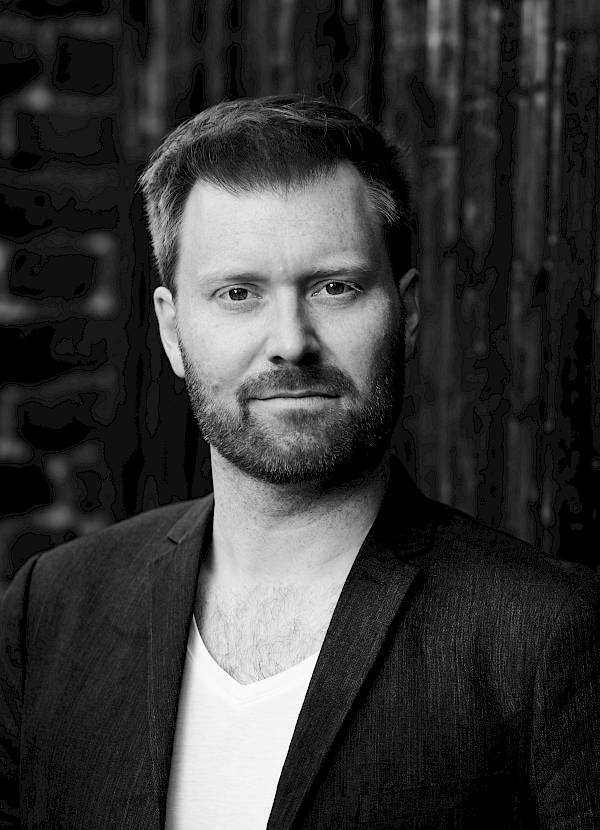
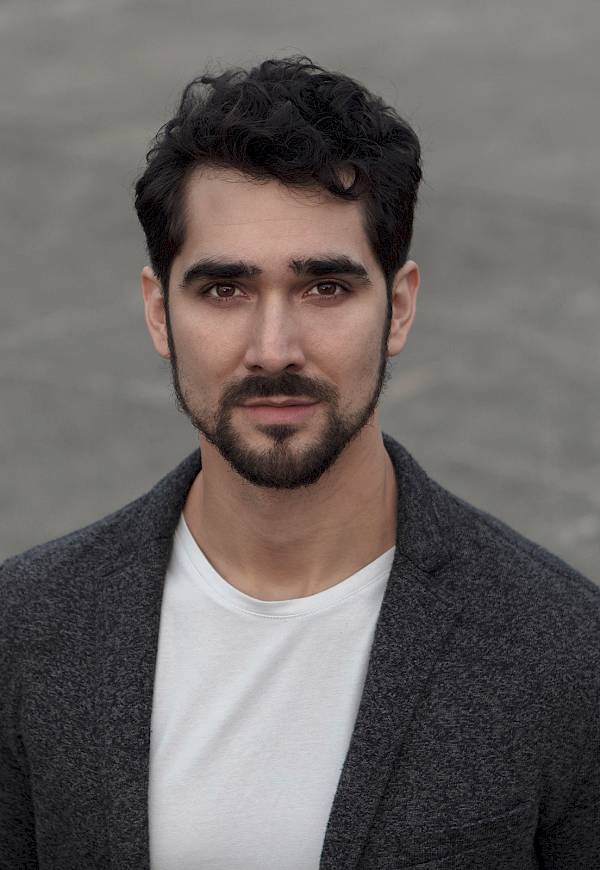
Petr Popelka began his conducting career after a tenure as principal double bassist from 2010 to 2019 with the Sächsische Staatskapelle. From 2020 to 2023, he was Chief Conductor of the Norwegian Radio Orchestra in Oslo. Since the 2024/25 season, he has been Chief Conductor of the Vienna Symphony and, until the end of the 2025/26 season, Artistic Director of the Prague Radio Symphony Orchestra. Debuts have taken him, among others, to the Staatskapelle Berlin, the Sächsische Staatskapelle Dresden, the Bamberg Symphony, the Tonhalle-Orchester Zürich, the Swedish Radio Symphony Orchestra, the Danish National Orchestra, and the NHK Symphony Orchestra. He has conducted, among others, "Káťa Kabanová" at the Bavarian State Opera in Munich, "Tristan und Isolde" at the Deutsche Oper Berlin, "The Nose" at the Semperoper Dresden, and Jaromír Weinberger’s "Schwanda" at the Theater an der Wien. At the Berlin State Opera, he conducted "Tosca" and will return for the 2026 Opera Festival and "Rusalka" to the Bavarian State Opera. Significant festival concerts under his direction have been recorded for television, including the Czech Philharmonic’s concert for the Velvet Revolution and the Nobel Prize Concert with the Royal Stockholm Philharmonic Orchestra. As part of the 125th anniversary of the Vienna Symphony, he conducted a celebratory concert with a subsequent tour in the fall of 2025. Current highlights include debuts with the Berlin Philharmonic, the Munich Philharmonic, and the Accademia Nazionale di Santa Cecilia, as well as returns to the Chicago Symphony Orchestra, the Cleveland Orchestra, the Pittsburgh Symphony, and the Gewandhaus Orchestra Leipzig. At the Zurich Opera House, he conducted "Don Giovanni."

Don Carlo1 / 6 / 8 / 11 Jul 2027
Adrian Kelly

Adrian Kelly

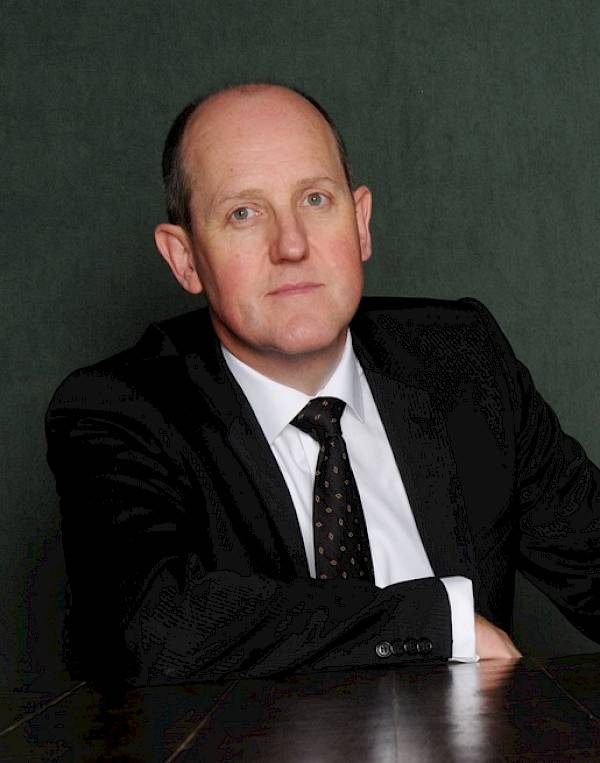
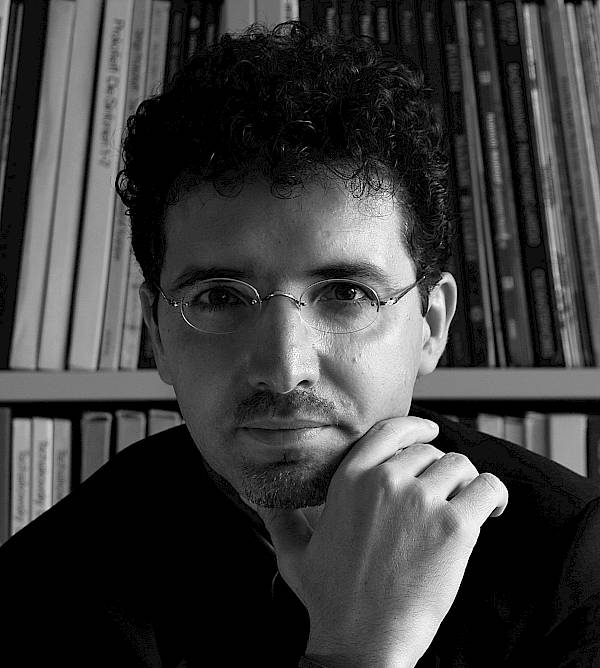
Adrian Kelly wurde nach seinem Studium an der Universität Cambridge Mitglied des Young Artists Programme am ROH Covent Garden. Danach war er Solorepetitor an der Staatsoper Hamburg. Er arbeitet regelmässig für die Salzburger Festspiele, wo er u.a. Ingo Metzmacher bei Luigi Nonos Al gran sole carico d’amore und Wolfgang Rihms Dionysos assistierte. Darüber hinaus arbeitete er mit Dirigent:innen wie Antonio Pappano, Mark Elder, Peter Schneider, Nicola Luisotti, Philippe Jordan und Simone Young. Seit Sommer 2015 ist er Musikalischer Leiter des Young Singers Project der Salzburger Festspiele. Gastengagements führten ihn ans Teatro Colón in Buenos Aires und in die Vereinigten Staaten, wo er das Barock-Pasticcio The Infernal Comedy mit dem Schauspieler John Malkovich auf Tournee dirigierte. Von 2010 bis 2017 war Adrian Kelly Erster Kapellmeister am Salzburger Landestheater. Er arbeitete dort regelmässig mit dem Mozarteumorchester Salzburg und übernahm die musikalische Leitung u.a. von Les Contes d’Hoffmann, Le nozze di Figaro, Ernst Kreneks Jonny spielt aufHänsel und Gretel in der Felsenreitschule, La bohème im Haus für Mozart sowie der österreichischen Erstaufführung von Charles Wuorinens Brokeback Mountain. In der Spielzeit 2018/19 leitete er am Landestheater Manon sowie einen Zyklus der Mozart-Da Ponte-Opern und kehrte in der Saison 2019/20 als erster ständiger Gastdirigent dorthin zurück. Seit Juni 2018 ist er Künstlerischer Leiter des Buxton Festivals, wo er die Neuproduktionen von Eugen Onegin und von La donna del lago dirigierte. Seit der Spielzeit 2020/21 ist er Leiter des Internationalen Opernstudios Zürich und dirigierte hier u.a. Viva la mamma am Theater Winterthur und Jakob Lenz im ZKO-Haus.

Galakonzert des Internationalen Opernstudios6 Jul 2026 / 5 Jul 2027
Production:
Sebastian Baumgarten

Sebastian Baumgarten

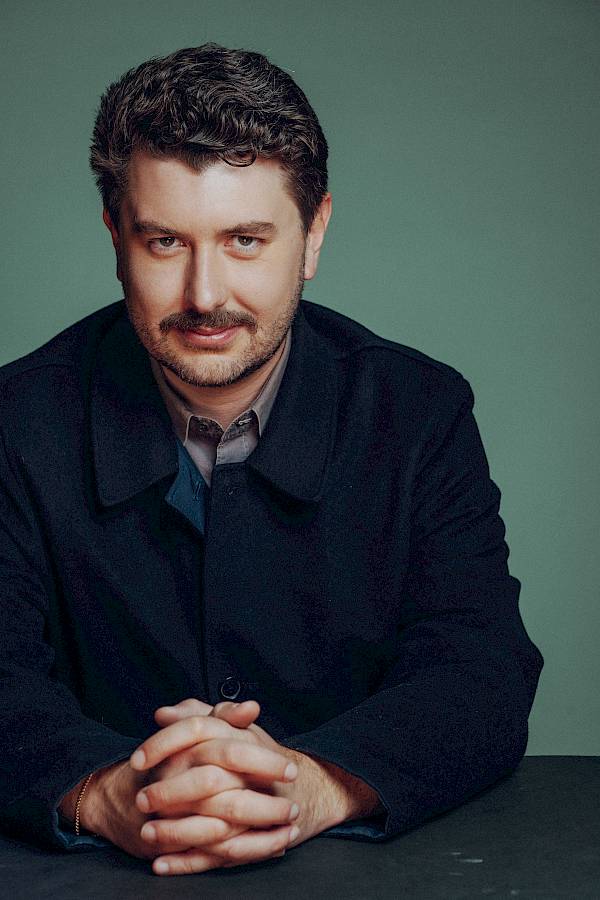
Sebastian Baumgarten, geboren in Ost-Berlin, studierte Musiktheaterregie an der Hochschule für Musik «Hanns Eisler» in Berlin. 1999-2002 war er Oberspielleiter am Staatstheater Kassel, 2003-2005 Chefregisseur des Meininger Theaters. Als Regisseur sowohl im Schauspiel als auch im Musiktheater wurde er mehrfach ausgezeichnet: 2002 erhielt er für seine Inszenierung von Tosca am Staatstheater Kassel den Götz-Friedrich-Preis; für seine Produktion von Händels Orest an der Komischen Oper Berlin wurde er 2006 von den Kritikern der Zeitschrift «Opernwelt» zum Regisseur des Jahres gewählt. 2011 eröffnete er mit Tannhäuser die 100. Bayreuther Festspiele und 2013 war seine Zürcher Inszenierung von Brechts Die heilige Johanna der Schlachthöfe zum Berliner Theatertreffen eingeladen. Zu seinen Inszenierungen der letzten Jahre gehören u.a. Mozarts Requiem, Im weissen Rössl und Carmen an der Komischen Oper Berlin, Amerika am Maxim Gorki Theater, La Fabbrica (nach Luigi Nono und György Ligeti) am HAU Berlin, Die Affäre Rue de Lourcine, Schuld und Sühne sowie Herr Puntila und sein Knecht Matti am Schauspielhaus Zürich, Der fliegende Holländer am Theater Bremen, La forza del destino und Al gran sole carico d’amore am Theater Basel, Gas-Trilogie am Staatsschauspiel Dresden, Der Würgeengel am Volkstheater Wien, Peer Gynt am Residenztheater München sowie Don Giovanni, Wolfgang Rihms Hamletmaschine, Aufstieg und Fall der Stadt Mahagonny, Belshazzar, Turandot und Amerika am Opernhaus Zürich. Seit 2013 leitet Sebastian Baumgarten den Studiengang Regie an der Theaterakademie «August Everding» in München.

Set Design:
Barbara Ehnes

Barbara Ehnes

Barbara Ehnes studierte Freie Kunst und Bühnenbild bei Wilfried Minks und Marina Abramovic an der Hochschule für Bildende Künste Hamburg und in Amsterdam sowie Literaturwissenschaft an der Universität Hamburg. Seither entwirft sie Bühnenbilder u.a. für das Deutsche Schauspielhaus Hamburg, die Münchner Kammerspiele, das Schauspielhaus Zürich, das Theater Basel, die Volksbühne Berlin, das Thalia Theater Hamburg, das Burgtheater Wien, Het Muziektheater Amsterdam, die Salzburger Festspiele und die Staatsoper Berlin. Seit 2000 arbeitet sie regelmässig mit den Regisseuren Stefan Pucher, Jossi Wieler/Sergio Morabito, Calixto Bieito, Schorsch Kamerun, die Choreografin Meg Stuart und Sebastian Baumgarten (u.a.Don Giovanni und Die Hamletmaschine am Opernhaus Zürich). In den vergangenen Jahren entstanden zudem eigene performative Installationen (u.a. Istanbul Transgelinler, Die schwarze Botin – remastered and remistressed bei den Wiener Festwochen 2013). Während der Intendanz Frank Baumbauers (2001–2009) gehörte Barbara Ehnes zum künstlerischen Leitungsteam der Münchner Kammerspiele. 2005 erhielt sie den deutschen Bühnenpreis «Opus» und 2012 wurde ihr gemeinsam mit Chris Kondek der Deutsche Theaterpreis «Faust» für Quijote. Trip zwischen Welten am Thalia Theater Hamburg verliehen. Seit 2011 ist sie Professorin für Bühnenbild an der Hochschule für Bildende Künste Dresden. 2015 ist im Verlag Theater der Zeit die Monographie Barbara Ehnes – Starting Over erschienen. 2020 erschuf sie das Bühnenbild zur Uraufführung von Fujikuras A Dream of Armageddon am New National Theatre Tokyo (Regie: Lydia Steier) und 2023 führte sie Regie bei Alcina am Luzerner Theater.

Costumes:
Tabea Braun

Tabea Braun

Tabea Braun studierte Kostümbild an der HAW Hamburg. Seit 1992 ist sie als freie Kostümbildnerin für Film, Oper und Schauspiel tätig. Sie arbeitete regelmässig an der Volksbühne in Berlin, wo sie bis Ende der Intendanz von Frank Castorf u.a. für die Regisseure Christoph Schlingensief, René Pollesch, Frank Castorf, Antú Romero Nunes, Stefan Pucher, Schorsch Kamerun, Michael Talke, Ragnar Kjartanson, David Marton und Luc Bondy Kostümbilder entwickelte. Ausserdem arbeitete sie am Schauspiel Frankfurt, am Burgtheater Wien, den Münchner Kammerspielen, dem Schauspielhaus Hamburg, bei den Bayreuther Festspielen und am Schauspielhaus Zürich. Sie unterrichtete als Gastprofessorin an der Kunsthochschule Weissensee, der Akademie der Bildenden Künste München und der Akademie der Darstellenden Künste in Maastricht. 2015 war sie Preisträgerin des Ruhrpreises für Kunst und Wissenschaften. Am Opernhaus Zürich schuf sie die Kostüme für Don Giovanni und L’Olimpiade.

Lighting Design:
Franck Evin

Franck Evin

Franck Evin, born in Nantes, moved to Paris at the age of 19 to study piano. At night he accompanied singers at the café théâtre Le Connétable and also began to take an interest in lighting. He eventually decided on a combination of music and technology. Thanks to a scholarship from the French Ministry of Culture, he became assistant to the head of lighting at the Opéra de Lyon in 1983. There he worked, among others, with Ken Russell and Robert Wilson. In 1986 he began working as a freelance lighting designer at the Düsseldorfer Schauspielhaus and passed the master lighting designer examination in 1993. Particularly close during this period was his collaboration with Werner Schröter and with the conductor Eberhard Kloke. This was followed by productions in, among other places, Nantes, Strasbourg, Paris, Lyon, Vienna, Bonn, Brussels and Los Angeles. From 1995 to 2012 he was artistic director of the lighting department at the Komische Oper Berlin and was responsible there for all new productions. During this time, Andreas Homoki, Barrie Kosky, Calixto Bieito and Hans Neuenfels became especially important collaborators for him. In 2006 Franck Evin was awarded the "OPUS" in the category of lighting design. From the 2012/13 season to 2024/25 he worked as artistic director of the lighting department at Zurich Opera House. In addition to his work in Zurich, he continued to be involved as a guest in international productions, for example at the opera houses in Oslo, Stockholm, Tokyo, Amsterdam, Munich and Graz, as well as at the Opéra Bastille, La Scala in Milan, Teatro La Fenice, Vlaamse Opera and the Bayreuth Festival.

Carmen18 / 21 / 23 / 27 / 31 Jan 2026 Madama Butterfly30 Dec 2025 / 3 / 9 / 11 / 13 / 16 Jan 2026 Un ballo in Maschera22 / 28 / 31 May / 7 / 13 Jun 2026 Fidelio3 / 6 / 10 / 14 / 16 May 2026 Così fan tutte3 / 7 / 9 / 12 Jul 2026 Alice im Wunderland8 / 15 / 19 / 21 / 26 / 28 Nov / 6 Dec 2026 / 2 / 7 / 8 / 10 / 17 Jan 2027 Das Rheingold29 Nov / 4 / 12 / 17 Dec 2026 Manon Lescaut11 / 15 / 18 / 22 / 26 Dec 2026 Die Walküre24 / 31 Jan / 3 / 6 Feb 2027 Roméo et Juliette12 / 19 / 21 Feb / 2 / 5 Mar 2027 Don Pasquale23 / 27 / 30 May / 4 / 6 / 11 Jun 2027 La bohème16 / 18 / 23 Jun / 4 / 7 / 10 Jul 2027
Video:
Chris Kondek

Chris Kondek

Chris Kondek, geboren in Boston und aufgewachsen in New York, produziert seit 20 Jahren Videos für Theater und Performances. 1990 begann seine Arbeit mit The Wooster Group in New York. 1999 zog er nach Berlin, wo er mit der Choreografin Meg Stuart zu arbeiten begann. Eine kontinuierliche Zusammenarbeit verbindet ihn auch mit dem Regisseur Stefan Pucher. Ausserdem gestaltet Chris Kondek Videos für Produktionen von Armin Petras, Sebastian Baumgarten, Hans-Werner Kroesinger, René Pollesch, Michael Nyman, Rimini Protokoll, Jossi Wieler und Falk Richter. In letzter Zeit erarbeitete er u.a. Videodesigns für Don Giovanni und Aufstieg und Fall der Stadt Mahagonny am Opernhaus Zürich, Ariodante und Al gran sole carico d’amore am Theater Basel, Situation Rooms an der Ruhrtriennale, Elektra am Deutsche Theater Berlin und Der Freischütz, op. 77 Am Theater an der Wien. Seit 2004 entwickelt Chris Kondek eigene Theaterarbeiten, zumeist gemeinsam mit Christiane Kühl. Das erste Projekt, Dead Cat Bounce, wurde beim Festival Politik im Freien Theater 2005 vom Goethe-Institut und ZDF-theaterkanal ausgezeichnet. Es folgten u.a. Loan Shark am Hebbel am Ufer Berlin, Stuff am Theater Neumarkt in Zürich, Übermorgen ist zweifelhaft // 2012 an den Münchner Kammerspielen, Money: It Came From Outer Space am HAU, das ebenfalls vom Goethe-Institut ausgezeichnet wurde, sowie Anonymous P. (2014) in der Gessnerallee Zürich. 2012 erhielt Chris Kondek gemeinsam mit der Bühnenbildnerin Barbara Ehnes den Theaterpreis «Der Faust» für die Arbeit an Stefan Puchers Produktion Don Quixote am Thalia-Theater Hamburg. Am Opernhaus Zürich führte er Regie bei der Uraufführung Last Call von Michael Pelzel.

Choreologist:
Denise Lampart
Chorus Master:
Janko Kastelic

Janko Kastelic

Janko Kastelic ist ein kanadisch-slowenischer Dirigent, Chorleiter, Pianist und Organist. Er begann seine musikalische Ausbildung in Kanada am Royal/Western Conservatory of Music und der St. Michael’s Choir School. Er hat einen Abschluss in Dirigieren, Komposition und Musiktheorie von der Universität Toronto und setzte sein Studium an der Hochschule für Musik und Darstellende Kunst in Wien fort. Seit 2017 ist er Chordirektor am Opernhaus Zürich. Er war einer der Kapellmeister der Wiener Hofmusikkapelle, Studienleiter des JET-Programms für junge Sänger am Theater an der Wien und Assistent bei den Bayreuther Festspielen sowie Gastchordirektor an der Hamburgischen Staatsoper. Zu den Positionen, die er im Lauf seiner Karriere bekleidet hat, gehört auch die Stelle des Generalmusikdirektors und Operndirektors am Slowenischen Nationaltheater Maribor, des Zweiten Chordirektors an der Wiener Staatsoper sowie des Korrepetitors an der Opéra National de Paris. Er war Assistenzprofessor an der Universität Ljubljana und Mentor an der Musik und Kunst Privatuniversität der Stadt Wien. Seine künstlerischen Leistungen sind dokumentiert auf mehreren Live-Aufnahmen, darunter Tschaikowskis Pique Dame und Schönbergs Moses und Aron. Er arrangierte und dirigierte auch Werke für die Feierlichkeiten zum Mozartjahr 2006. Zu seinen Arbeiten beim Klangbogen-Festival in Wien gehört die europäische Erstaufführung von Blochs Macbeth. Janko Kastelic ist auch ein engagierter Pädagoge, der sich der Förderung der nächsten Generation von Musikerinnen und Musikern verschrieben hat.
Dramaturgy:
Werner Hintze

Werner Hintze

Der Autor und Dramaturg Werner Hintze studierte Theaterwissenschaft an der Humboldt-Universität zu Berlin. Nach einem ersten Engagement am Landestheater Halle arbeitete er an der Semperoper Dresden, bevor er als Chefdramaturg an das Hans-Otto-Theater Potsdam wechselte. Von 2002 bis 2012 war er Chefdramaturg an der Komischen Oper Berlin. Seit 2012 lebt er als freischaffender Dramaturg, Autor und Hochschullehrer in Berlin. Er arbeitete langjährig eng zusammen mit Regisseuren wie Peter Konwitschny, Andreas Homoki und Andreas Baumann und war als Gastdramaturg u.a. an den Opernhäusern von München, Hamburg, Dresden, Zürich und Essen tätig. Seit 1985 entstanden, meistens in Zusammenarbeit mit Bettina Bartz, mehr als 30 deutsche Textfassungen von Opern als Auftragswerke für die Komische Oper und andere Häuser. Neben seiner Theatertätigkeit unterrichtet Werner Hintze Regie-, Bühnenbild- und Theaterwissenschaftsstudierende an verschiedenen Hochschulen. Am Opernhaus Zürich betreute er zuletzt Andreas Homokis aufsehenerregende Neuinszenierung des Ring des Nibelungen.
Fidelio3 / 6 / 10 / 14 / 16 May 2026 Das Rheingold29 Nov / 4 / 12 / 17 Dec 2026 Die Walküre24 / 31 Jan / 3 / 6 Feb 2027

Cast


Don Giovanni Konstantin Shushakov


Donna Anna Golda Schultz


Don Ottavio Oleksiy Palchykov 23, 27 Sep


Don Ottavio Sebastian Kohlhepp 05, 10, 14 Oct


Der Komtur Alastair Miles


Donna Elvira Ruzan Mantashyan


Leporello Andrew Moore


Zerlina Ziyi Dai


Masetto Brent Michael Smith


Hammerklavier Enrico Maria Cacciari


Violoncello Seiji Yokota

Konstantin Shushakov

Konstantin Shushakov stammt aus Russland und studierte am Izhevsk Music College und an der Russischen Akademie für Theaterkunst. 2009 wurde er Mitglied des Young Artist Program am Bolschoi-Theater in Moskau. 2011 war er Preisträger des Queen Elisabeth Wettbewerbs in Brüssel und gewann im selben Jahr den 2. Preis beim Operalia Wettbewerb in Moskau. Ein Jahr später wurde er Ensemblemitglied am Bolschoi-Theater, wo er u.a. als Morales (Carmen), Almaviva (Le nozze di Figaro), Marullo (Rigoletto), Malatesta (Don Pasquale), Schaunard und Marcello (La bohème), Lebedjev (Der Idiot), Robert (Iolanta), Papageno und Figaro (Il barbiere di Siviglia) zu erleben war. Gastengagements führten ihn 2014 als Guglielmo (Così fan tutte) an die Scala, 2016 als Ford (Falstaff) nach Genf und als Prinz Afron (Der goldene Hahn) ans Théâtre de la Monnaie in Brüssel. 2018 gastierte er in Vancouver in der Titelrolle von Jewgeni Onegin sowie als Jelezki (Pique Dame) beim Savonlinna Festival und an der Oper in Oslo. Er ist ausserdem regelmässig als Konzertsänger zu erleben; er sang in Brahms’ Ein deutsches Requiem zusammen mit dem Russischen National Orchester in der Tschaikovsky Concert Hall unter Mikhail Pletnev und in Mozarts c-Moll-Messe mit dem Musica Viva Chamber Orchestra Moskau. 2019 bis 2023 gehörte er zum Ensemble am Opernhaus Zürich und war hier u.a. als Don Giovanni, Guglielmo, Malatesta, Marcello, Andrei Tchelkalov (Boris Godunow), Ernesto (Il pirata), Ford, Valentin (Faust) und in Ein deutsches Requiem unter Gianandrea Noseda zu hören.
Golda Schultz

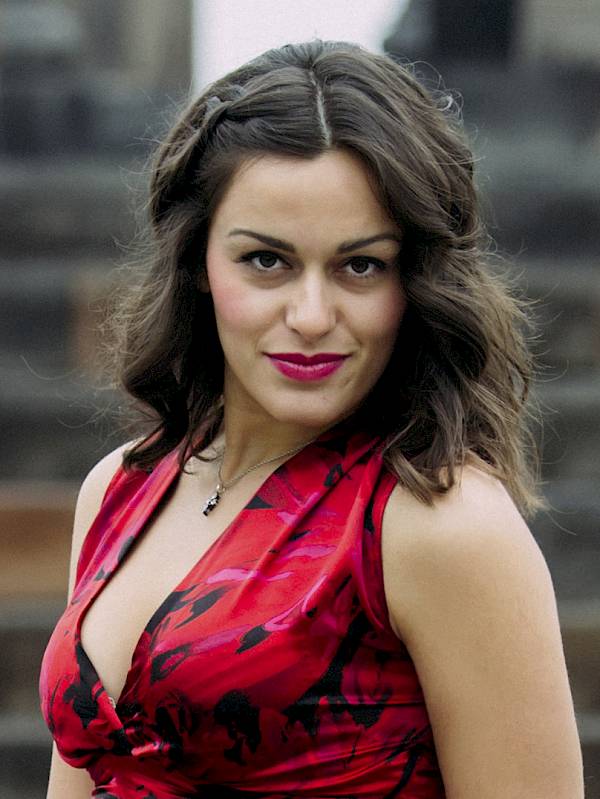
Golda Schultz is from South Africa. Trained at the Juilliard School in New York and in the Opera Studio of the Bavarian State Opera, she soon achieved international success, including as Sophie (“Der Rosenkavalier”) at the Salzburg Festival, Contessa (“Le nozze di Figaro”) at the Glyndebourne Festival, and Pamina (“Die Zauberflöte”) at the Metropolitan Opera and the Vienna State Opera. Highlights include Micaëla (“Carmen”) at the Opéra national de Paris, Contessa and Liù (“Turandot”) at the Vienna State Opera, Agathe at the Bavarian State Opera, Vitellia (“La clemenza di Tito”) at the Salzburg Festival, Clara in Jake Heggie’s “It’s A Wonderful Life” at the San Francisco Opera, and Madame Lidoine in Barrie Kosky’s acclaimed production of “Dialogues des Carmélites.” At the Metropolitan Opera, she has sung Clara (“Porgy and Bess”), Nanetta (“Falstaff”), Sophie, Anne Trulove, and Adina (“L'elisir d'amore”). Recently, she made role debuts as Juliette (“Roméo et Juliette”) at Dallas Opera and Donna Anna (“Don Giovanni”) at Zurich Opera House, as well as house debuts at the Royal Opera House, Covent Garden as Fiordiligi (“Così fan tutte”) under the direction of Alexander Soddy and as Sophie at the Staatsoper Unter den Linden under Joana Mallwitz. On the concert stage, she has performed with the Gewandhaus Orchestra Leipzig under Andris Nelsons, the New York Philharmonic under Gianandrea Noseda, the Orchestre de Paris under Daniel Harding, and the Tonhalle Orchestra Zurich under Paavo Järvi. In 2022, she released her first solo album, “This Be Her Verse,” which features works by female composers from the Romantic period to the present.

Die Fledermaus7 / 10 / 12 / 14 / 18 / 26 / 28 / 31 Dec 2025 / 2 / 4 / 6 / 10 Jan 2026

Oleksiy Palchykov

Oleksiy Palchykov wurde 1986 in Kiew geboren. Seine musikalische Ausbildung erhielt er zunächst an der Kiewer Spezialmusikschule, wo er Trompete studierte, und anschliessend an der Tschaikowski-Akademie. 2008 debütierte er als Lenski in Eugen Onegin an der Nationaloper in Kiew sowie als Lykov in Rimski-Korsakows Zarenbraut an der Oper in Kazan. Er erhielt zahlreiche Auszeichnungen in der Ukraine und war Finalist des Internationalen Gesangswettbewerbs des Opernfestivals in Savonlinna. Beim Festival d’Aix-en-Provence sang er verschiedene Tenorrollen in Schostakowitschs Oper Die Nase in der Inszenierung von William Kentridge, an der Opéra de Lyon sang er den Dritten Knappen in Parsifal. 2012 wurde er ins Atelier Lyrique der Opéra National de Paris aufgenommen. Dort sang er Gernando (L’isola disabitata) und Ecclitico (Il mondo della luna). Ausserdem trat er mit dem Atelier Lyrique als The Male Chorus (Brittens The Rape of Lucretia), Don Ottavio (Don Giovanni) und Pylade (Iphigénie en Tauride) auf. Auf der Hauptbühne der Pariser Opéra war er 2013 als Messaggero in Aida und 2015 als Scaramuccio in Ariadne auf Naxos zu hören. 2014 erhielt er den Prix Lyrique du Carpeaux und den Prix Lyrique de L’AROP. 2015 war er unter den 5 Finalisten des renommierten «BBC Singers of the World»-Wettbewerbs. Seit 2017 ist er Mitglied der Hamburgischen Staatsoper und sang dort u.a. Tamino (Die Zauberflöte), Ferrando (Così fan tutte), Lenski (Eugen Onegin) und Nemorino (L’elisir d’amore). In der Spielzeit 2023/24 singt er dort Belmonte (Die Entführung aus dem Serail), Narraboth (Salome), Edgardo (Lucia di Lammermoor) und Rinuccio (Gianni Schicchi).

Sebastian Kohlhepp

Sebastian Kohlhepp was born in Limburg an der Lahn and studied with Hedwig Fassbender in Frankfurt. He subsequently held ensemble positions at the Staatstheater Karlsruhe, the Wiener Staatsoper, and the Oper Stuttgart. Since the 2017/18 season, he has been a freelance artist. Key engagements in recent years include his debut at the Teatro alla Scala Milan in the role of Narraboth in "Salome", Tamino ("Die Zauberflöte") and Belmonte ("Die Entführung aus dem Serail") at the Wiener Staatsoper, Don Ottavio ("Don Giovanni") at the Opernhaus Zürich, Ferrando ("Così fan tutte") in Munich and Amsterdam, role debuts as Flamand (Richard Strauss’ "Capriccio") at the Salzburger Festspiele, Idomeneo at the Oper Köln, and David in "Die Meistersinger von Nürnberg" at the Teatro Real Madrid, at the Osterfestspiele Salzburg, and the Semperoper Dresden. As a concert singer, he has collaborated with the Berliner Philharmoniker, the Staatskapelle Dresden, the SWR Symphonieorchester, the Orchestre des Champs-Élysées and the Akademie für Alte Musik Berlin, working with conductors such as Kirill Petrenko, Ivor Bolton, Sylvain Cambreling, Teodor Currentzis, Ádám Fischer, Pablo Heras-Casado, Philippe Herreweghe, Manfred Honeck, Kent Nagano, Andris Nelsons, François-Xavier Roth, Lorenzo Viotti and Franz Welser-Möst. In the 2025/26 season, he will make his role and house debut as Loge in "Das Rheingold" at the Staatsoper Berlin under the direction of Christian Thielemann and will return as Belmonte to the Wiener Staatsoper.

Cardillac15 / 18 / 21 / 25 Feb / 1 / 6 / 10 Mar 2026

Alastair Miles

Alastair Miles stammt aus Grossbritannien und studierte an der Londoner Guildhall School of Music und im National Opera Studio. Seine internationale Karriere begann, als er 1986 den Decca Kathleen Ferrier Prize in der Londoner Wigmore Hall gewann. Engagements führten ihn seither u.a. an die New Yorker Met (I puritani, Lucia di Lammermoor), an die Wiener Staatsoper (La Juive, I puritani, La forza del destino, Linda di Chamounix, Nabucco, Ernani, Don Carlo), an die Mailänder Scala (Il viaggio a Reims, Alcina), an die Bayerische Staatsoper (Saul, Pelléas et Mélisande, I puritani, Turandot, Orlando und kürzlich Die Gezeichneten), an die Vlaamse Opera (Don Giovanni), an die Oper Amsterdam (Le nozze di Figaro, Lucia di Lammermoor, La Juive, Les Troyens), nach Glyndebourne (Die Meistersinger von Nürnberg, Don Giovanni, Simon Boccanegra, Die Zauberflöte) und immer wieder ans Royal Opera House Covent Garden, wo er u.a. als Colline (La bohème), Rodolfo (La sonnambula), Elmiro (Rossinis Otello), Banquo (Macbeth) und als Comte Des Grieux (Manon) zu erleben war. Im Konzertbereich arbeitete er u.a. mit dem London Symphony Orchestra, dem Royal Concertgebouw Orchestra und dem Leipziger Gewandhausorchester. Unter seinen zahlreichen Aufzeichnungen finden sich Lieder by Wolf and Brahms, preisgekrönte Aufnahmen von Beethovens Missa solemnis und Verdis Requiem mit John Eliot Gardiner, Berlioz’ Roméo et Juliette mit Robin Ticciati u.v.m. Zuletzt sang er u.a. Melisso (Alcina) und Father Truelove (The Rake’s Progress) beim Glyndebourne Festival, Prospero (Purcells Miranda) an der Oper Köln und Bailli (Werther) am Royal Opera House London.

Ruzan Mantashyan

Ruzan Mantashyan stammt aus Armenien und wurde am Staatlichen Konservatorium Jerewan, an der Accademia di Belcanto von Mirella Freni in Modena sowie in der Klasse von Hedwig Fassbender in Frankfurt ausgebildet. 2013 gewann sie den Concorso Toti Dal Monte in Treviso als Musetta (La bohème). Diese Partie sang sie anschliessend in Treviso, Bolzano, Fermo und Ferrara. Von 2014 bis 2016 war sie Mitglied des Atelier Lyrique an der Pariser Oper. Sie sang u.a. Susanna (Le nozze di Figaro) in Modena, Servilia (La clemenza di Tito) in Reggio Emilia, Echo (Ariadne auf Naxos) an der Opéra de Paris und beim Glyndebourne Festival, Fiordiligi (Così fan tutte) in Paris-Créteil, Lille, an der Bayerischen Staatsoper München, in Seoul, Zürich und Hamburg, Micaëla (Carmen) in Montpellier und Hamburg, Xenia (Boris Godunow) an der Opéra de Paris, Mimì (La bohème) am Grand Théâtre de Genève sowie an der Komischen Oper Berlin, in München und Zürich, Cleofide (Händels Poro) an der Komischen Oper Berlin, die Gräfin (Le nozze di Figaro) in Amsterdam, Marguerite (Faust) und Natascha Rostowa (Krieg und Frieden) in Genf sowie Tatjana (Eugen Onegin) in Hamburg und Lausanne. Zuletzt sang sie u.a. Rachel (La juive) in Genf, Alice Ford (Falstaff) an der Komischen Oper Berlin und Donna Elvira beim Glyndebourne Festival. In der Spielzeit 2023/24 umfassen ihre Engagements Tatjana an der Komischen Oper Berlin und an der Wiener Staatsoper, Mimì am Royal Opera House London, Massenets Cendrillon in Lausanne und die Gräfin an der Hamburgischen Staatsoper.

Andrew Moore

Andrew Moore, American bass-baritone from New Jersey, received his training at Rutgers University (Mason Gross School of the Arts) as well as at the renowned Curtis Institute of Music in Philadelphia. In 2019 he reached the New England Region Final of the Metropolitan Opera National Council Auditions and was awarded the Susan Eastman Encouragement Award there. Other important artistic stages included the Merola Opera Program in San Francisco as well as the Santa Fe Opera, where he appeared as an Apprentice Singer in "La bohème", "Così fan tutte" and "Jenůfa", among others. From 2020 to 2022 he was a member of the International Opera Studio at Opernhaus Zürich. He was subsequently taken into the house’s ensemble, of which he has been a member since the 2022/23 season. Here he has since appeared, among others, as Figaro ("Le nozze di Figaro"), Paolo Albiani ("Simon Boccanegra"), Don Fernando ("Fidelio"), De Brétigny ("Manon"), Marullo ("Rigoletto"), Paris ("Roméo et Juliette"), Marchese d’Obigny ("La traviata"), Pritschitsch ("Die lustige Witwe"), Johann ("Werther") as well as Fix ("In 80 Tagen um die Welt"). His most recent international engagements include his debut with the Warsaw Philharmonic as bass soloist in Beethoven’s Symphony No. 9 as well as his Salzburg debut as Marchese d’Obigny ("La traviata"). In summer 2026 he will appear at the Salzburg Festival as Johann ("Werther"). His repertoire also includes roles such as Leporello ("Don Giovanni"), Publio ("La clemenza di Tito"), Guglielmo ("Così fan tutte") and Rocco ("Fidelio").

Manon24 / 27 Sept / 3 / 7 / 10 Oct 2025 La clemenza di Tito26 / 29 Apr / 3 / 8 / 15 / 17 / 20 / 25 May 2026 / 7 / 10 / 12 / 16 / 18 / 21 Mar 2027 Tannhäuser21 / 24 / 27 Jun / 2 / 5 / 8 / 11 Jul / 26 Sept / 4 / 9 / 13 Oct 2026 Le nozze di Figaro24 / 29 Jan / 1 / 5 / 7 / 10 / 14 Feb 2026 Die Zauberflöte20 / 25 Sept / 6 / 18 / 21 / 24 / 30 Oct 2026 Alice im Wunderland21 / 26 Nov / 6 Dec 2026 / 7 / 10 Jan 2027 Roméo et Juliette12 / 19 / 21 Feb / 2 / 5 Mar 2027 L'elisir d'amore25 / 27 / 29 Apr / 2 / 6 / 9 / 12 / 14 / 17 / 21 May 2027

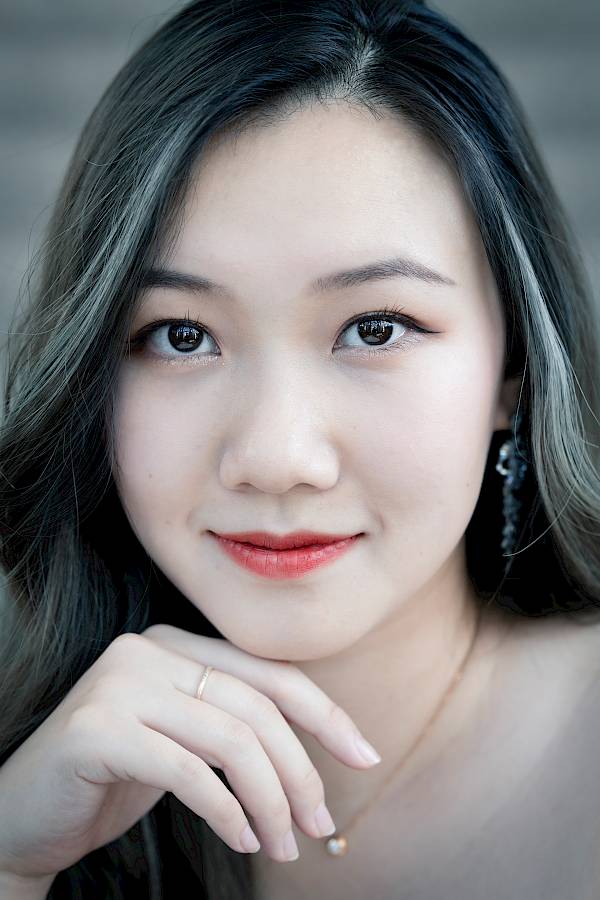
Ziyi Dai

Ziyi Dai, Sopran, stammt aus China und studierte am China Conservatory of Music in Peking, sowie an der Manhattan School of Music und am Curtis Institute of Music in New York. Meisterkurse besuchte sie u.a. bei Javier Camarena, Enza Ferrari, Eric Owens und Ferruccio Furlanetto. Sie war Preisträgerin beim Huang Long Music Festival, beim Premiere Opera Foundation Gesangswettbewerb und beim Daniel Biaggi Palm Beach Opera Preis. Im Rahmen des Curtis Institute of Music sang sie Zerlina in Don Giovanni, Belinda in Dido and Aeneas und Miss Wordworth in Albert Herring. Zusammen mit ihrem Vater, dem Opernsänger Dai Yuqiang, sang sie in der Carnegie Hall in New York und am Kimmel Center for the Performing Arts Konzerte mit Arien von Verdi, Puccini und Lehár sowie mit bekannten Chinesischen Volksliedern. Von 2019 bis 2022 war sie Mitglied des Internationalen Opernstudios und hier u.a. als Comtesse Adèle in Le Comte Ory, Marmeladenverkäuferin/Königstochter in Das tapfere Schneiderlein, als Athene in Die Odyssee, als Flaminia (Il mondo della luna) und als Barbarina in Le nozze di Figaro zu erleben. 2022/23 sang sie am Opernhaus Zürich Papagena in Die Zauberflöte und beim Buxton International Festival Amina in La sonnambula.

Brent Michael Smith

Brent Michael Smith is from the USA. He studied voice at the Academy of Vocal Arts in Philadelphia and at the University of Northern Iowa, as well as piano at Hope College in Michigan. He was a finalist in the Queen Sonja International Music Competition (2021) and a semifinalist in the Metropolitan Opera Council Auditions (2020), and he has won prizes in various international singing competitions. Additionally, he received scholarships from the Loren L. Zachary Society and the Young Patronesses of the Opera Competition in Miami. In the United States, he sang roles including Zuniga ("Carmen"), Friedrich Bhaer (Mark Adamo’s "Little Women"), and Ashby ("La fanciulla del West") at Michigan Opera, Antonio ("Le nozze di Figaro") at Toledo Opera, Ariodante ("Xerxes") at the Glimmerglass Festival, the Lackey ("Ariadne auf Naxos") at Santa Fe Opera, as well as Celio (Prokofiev’s "The Love for Three Oranges") and Peter Quince ("A Midsummer Night’s Dream") at Opera Philadelphia. In 2020/21, he was a member of the International Opera Studio at the Zurich Opera House and was subsequently admitted to the ensemble the following season. At the Zurich Opera House, he has since appeared as Sparafucile ("Rigoletto"), Raimondo ("Lucia di Lammermoor"), Prince Gremin ("Eugene Onegin"), Friar Laurence ("Roméo et Juliette"), Fafner ("Das Rheingold"), Cesare Angelotti ("Tosca"), and in "Cardillac."

Tosca28 Sept / 2 / 8 / 11 / 15 / 19 Oct 2025 Tannhäuser21 / 24 / 27 Jun / 2 / 5 / 8 / 11 Jul / 26 Sept / 4 / 9 / 13 Oct 2026 Cardillac15 / 18 / 21 / 25 Feb / 1 / 6 / 10 Mar 2026 Un ballo in Maschera22 / 28 / 31 May / 7 / 13 Jun 2026 Rigoletto20 / 23 / 27 Dec 2025 / 1 / 4 Jan 2026 Arabella14 / 18 / 22 / 25 / 28 Apr 2026 Die Zauberflöte18 Oct 2026 / 2 / 8 / 18 / 20 / 23 Apr 2027 Elektra22 / 26 Nov / 2 / 5 / 10 / 13 / 16 Dec 2026 Das Rheingold29 Nov / 4 / 12 / 17 Dec 2026 Roméo et Juliette12 / 19 / 21 Feb / 2 / 5 Mar 2027 La fanciulla del west25 / 28 Feb / 3 / 7 Mar / 4 / 7 / 10 / 16 Apr 2027

Enrico Maria Cacciari

Enrico Maria Cacciari studied piano at the conservatories of Bologna and Milan as well as chamber music in Fiesole with Dario De Rosa and Maureen Jones. As a pianist, harpsichordist, and organist, he has performed in numerous chamber music ensembles and orchestras, including the Mahler Chamber Orchestra, Orchestra Mozart, and the Lucerne Festival Orchestra. In 1997, he was engaged as a répétiteur at the Teatro alla Scala in Milan, and since 2000 he has held the same position at the Zurich Opera House. As a guest, he has worked at such renowned musical institutions as the Rossini Festival Pesaro, the Baden-Baden Festival House, the Teatro Real Madrid, the Edinburgh Festival, the Cleveland Orchestra, the Salzburg Festival, and the Lucerne Festival. In doing so, he collaborated with conductors such as Claudio Abbado, Riccardo Chailly, Christoph Eschenbach, Daniele Gatti, Daniel Harding, Franz Welser-Möst, Nello Santi, and Marcello Viotti. He has given recitals with singers such as Elena Moşuc, Barbara Frittoli, Javier Camarena, Massimo Cavalletti, Carlo Colombara, and José Cura.

Le nozze di Figaro24 / 29 Jan / 1 / 5 / 7 / 10 / 14 Feb 2026

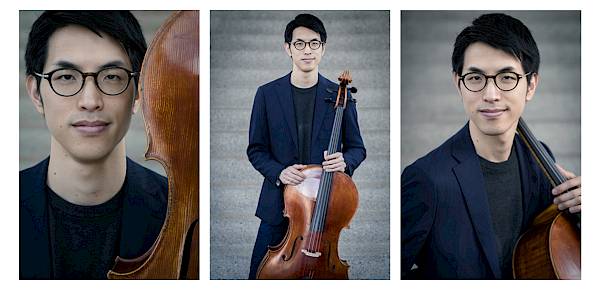
Seiji Yokota

Seiji Yokota wurde 1991 in Tokio geboren und erhielt bereits im Alter von sieben Jahren ersten Violoncello-Unterricht. Ab 2010 studierte er an der Toho Gakuen Hochschule für Musik in Tokyo, ab 2014 bei Martina Schucan an der Zürcher Hochschule der Künste. Weitere musikalische Ausbildung erhielt er bei Hirohumi Kanno, Sumiko Kurata, Claudius Herrmann, Martin Zeller (Barockvioloncello) und an Meisterkursen, u.a. bei Miklos Perenyi. Seiji Yokota konzertierte als Solist wie auch als Kammermusiker in Japan und der Schweiz. Er ist Preisträger verschiedener Wettbewerbe in Japan sowie Mitglied des Seiji Ozawa Academy Orchesters (von 2009 bis 2011) und des Lucerne Festival Academy Orchesters. An zahlreichen Musik-Festspielen in Japan ist er bisher aufgetreten, u.a. am Saito-Kinen Music Festival, Kirishima International Music Festival, Beppu- Argerich Festival. Er erhielt einen 2. Preis beim Kiwanis Kammermusik Wettbewerb 2017. Von 2015 bis 2017 war er Akademist und seit Saison 2018/19 ist Seiji Yokota Mitglied der Philharmonia Zürich.

Show full cast Show less

Philharmonia Zürich

1985 entstand in Folge der Trennung des traditionsreichen Tonhalle- und Theaterorchesters das Orchester der Oper Zürich. 2012, mit Beginn der Intendanz von Andreas Homoki und dem Amtsantritt des neuen Generalmusikdirektors Fabio Luisi, wird das Orchester der Oper Zürich zur Philharmonia Zürich. Pro Saison ist das Orchester in rund 250 Opern- und Ballettvorstellungen des Opernhauses Zürich zu hören. Als Podium für das Konzertrepertoire werden zusätzlich die Philharmonischen Konzerte veranstaltet. Soiréen und Kammermusikmatinéen ergänzen das künstlerische Spektrum des Orchesters. Bevor Fabio Luisi mit der Saison 2012/13 als Generalmusikdirektor die künstlerische Leitung des Orchesters übernommen hat, haben u. a. Franz Welser-Möst (1995-2008, ab 2005 als Generalmusikdirektor) und zuletzt Daniele Gatti als Chefdirigent (2009-2012) das Orchester geleitet. 2000/01 fanden die Beständigkeit der Leistungen des Orchesters der Oper Zürich und die Breite seines Könnens mit der Wahl zum «Orchester des Jahres» in der Umfrage der Zeitschrift «Opernwelt» weit verbreitete internationale Anerkennung.

Mehr Informationen zur Philharmonia Zürich finden Sie hier

La traviata20 / 23 / 29 Dec 2026 / 1 / 3 / 6 / 9 / 12 / 15 / 19 / 23 Jan 2027 Die lustige Witwe27 / 31 Dec 2026 / 3 / 7 / 10 / 13 Jan 2027

Statistenverein am Opernhaus Zürich

Der Statistenverein am Opernhaus Zürich wurde im Jahr 1900 gegründet und dürfte damit einer der traditionsreichsten Vereine auf dem Kulturplatz Zürich sein. Rund hundert Frauen und Männer im Alter von 16 bis 70 Jahren bereichern das Bühnengeschehen in zahlreichen Inszenierungen.Statisten, früher auch als Figuranten bezeichnet, haben generell nicht sprechende Rollen. Ihre Einsätze am Opernhaus Zürich fallen je nach Inszenierung unterschiedlich umfangreich aus. Während früher Massenszenen im Vordergrund standen, sind die Statistinnen und Statisten seit der Ära Pereira und der Intendanz von Andreas Homoki zunehmend auch für aufwändigere Einzelauftritte sowie für anspruchsvolle technische Einsätze gefragt. Die Mitglieder des Statistenvereins üben ihre Einsätze in der Freizeit und ohne finanzielle Interessen aus. Sie bringen Begeisterung für Musik und Theater mit.

Manon24 / 27 Sept / 3 / 7 / 10 Oct 2025 La scala di seta25 / 28 Sept / 19 / 24 Oct 2025 Tosca28 Sept / 2 / 8 / 11 / 15 / 19 Oct 2025 / 11 / 14 / 17 / 21 / 24 Apr / 13 / 17 May 2027 Madama Butterfly30 Dec 2025 / 3 / 9 / 11 / 13 / 16 Jan 2026 Rigoletto20 / 23 / 27 Dec 2025 / 1 / 4 Jan 2026 Le nozze di Figaro24 / 29 Jan / 1 / 5 / 7 / 10 / 14 Feb 2026 / 2 / 6 / 8 / 15 / 19 May 2027 Werther14 / 19 Jun / 1 / 4 / 10 Jul 2026 Così fan tutte3 / 7 / 9 / 12 Jul 2026 Macbeth8 / 11 / 14 / 19 / 22 / 30 Nov 2025 Arabella14 / 18 / 22 / 25 / 28 Apr 2026 Der Rosenkavalier21 / 26 Sept / 1 / 5 / 14 / 17 / 21 / 26 Oct 2025 La clemenza di Tito26 / 29 Apr / 3 / 8 / 15 / 17 / 20 / 25 May 2026 Cardillac15 / 18 / 21 / 25 Feb / 1 / 6 / 10 Mar 2026 Hänsel und Gretel16 / 20 / 23 / 28 / 30 Nov / 2 / 4 / 11 / 16 / 18 / 21 Dec 2025 / 2 / 24 / 25 / 31 Jan 2026 Carmen18 / 21 / 23 / 27 / 31 Jan 2026 Un ballo in Maschera22 / 28 / 31 May / 7 / 13 Jun 2026 Die Fledermaus7 / 10 / 12 / 14 / 18 / 26 / 28 / 31 Dec 2025 / 2 / 4 / 6 / 10 Jan / 29 Sept / 8 / 17 / 23 / 25 Oct 2026 Giulio Cesare in Egitto11 / 13 / 15 / 17 / 21 / 25 / 28 Mar 2026 Scylla et Glaucus27 / 29 / 31 Mar / 2 / 6 / 30 Apr / 2 May 2026 La forza del destino2 / 7 / 12 / 15 / 18 / 21 / 26 / 29 Nov / 17 / 21 Dec 2025 Sillons de Mémoires5 / 6 / 7 Feb 2026 Gianni Schicchi2 / 6 / 8 / 10 / 13 May 2026 Monster's Paradise8 / 14 / 18 Mar / 10 / 12 Apr 2026 Alice im Wunderland8 / 15 / 19 / 21 / 26 / 28 Nov / 6 Dec 2026 / 2 / 7 / 8 / 10 / 17 Jan 2027 Manon Lescaut11 / 15 / 18 / 22 / 26 Dec 2026 Die lustige Witwe27 / 31 Dec 2026 / 3 / 7 / 10 / 13 Jan 2027 Die Walküre24 / 31 Jan / 3 / 6 Feb 2027 Roméo et Juliette12 / 19 / 21 Feb / 2 / 5 Mar 2027 La bohème16 / 18 / 23 Jun / 4 / 7 / 10 Jul 2027 Don Carlo1 / 6 / 8 / 11 Jul 2027 La fanciulla del west25 / 28 Feb / 3 / 7 Mar / 4 / 7 / 10 / 16 Apr 2027 Elektra22 / 26 Nov / 2 / 5 / 10 / 13 / 16 Dec 2026 Rinaldo14 / 19 / 23 / 25 / 27 / 29 Mar 2027 Samson et Dalila13 / 17 / 20 / 24 / 27 / 30 Jun / 2 / 9 Jul 2027 Tannhäuser26 Sept / 4 / 9 / 13 Oct 2026

Abstract

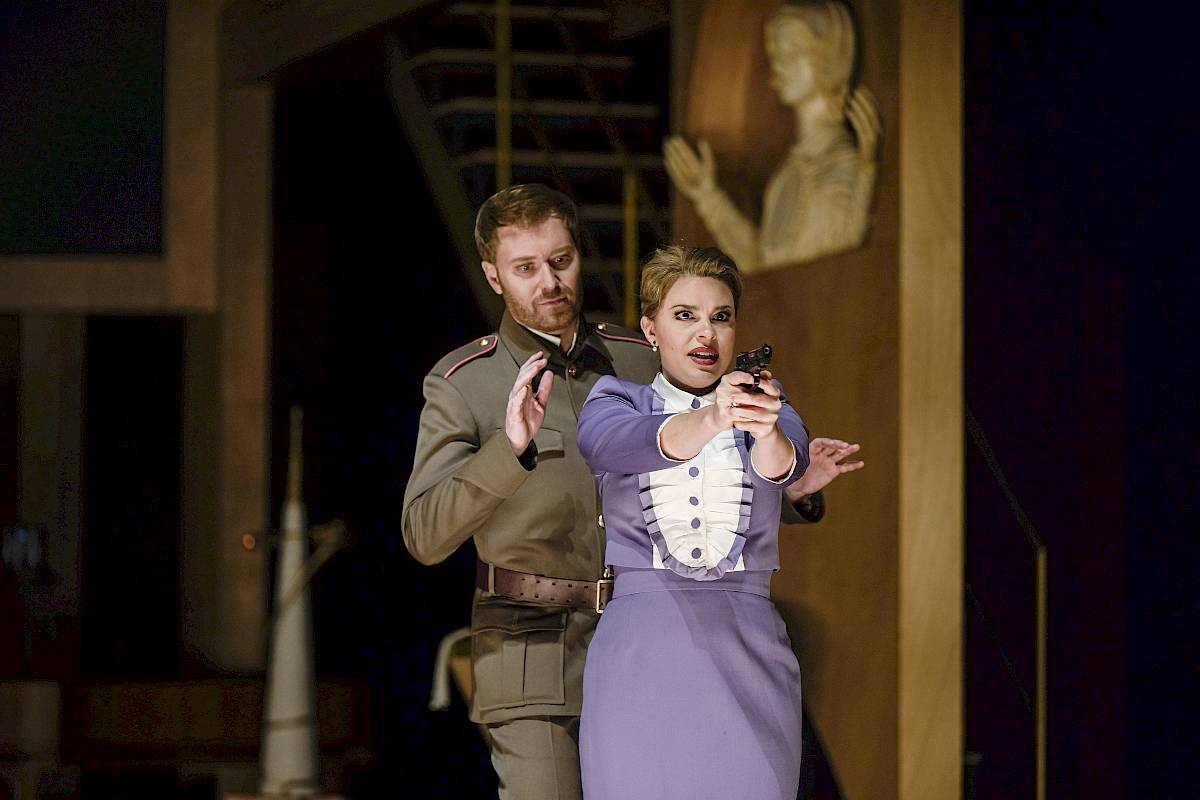
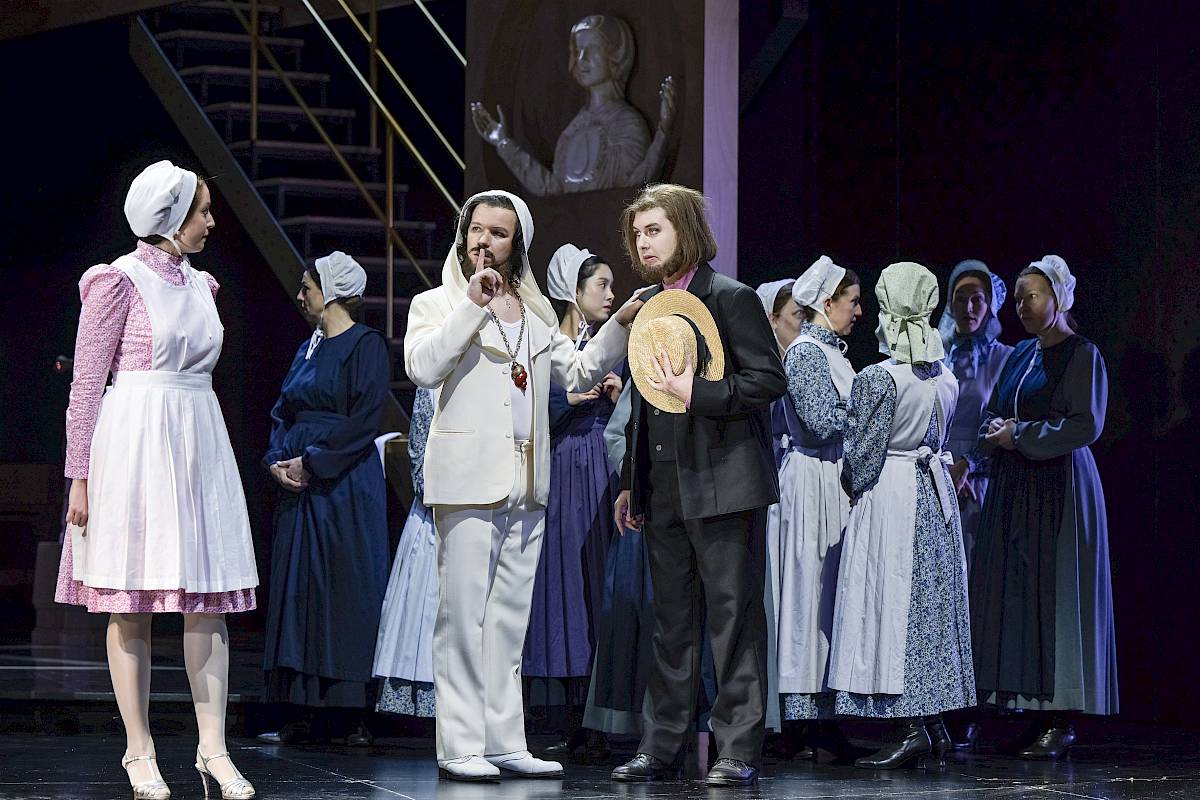
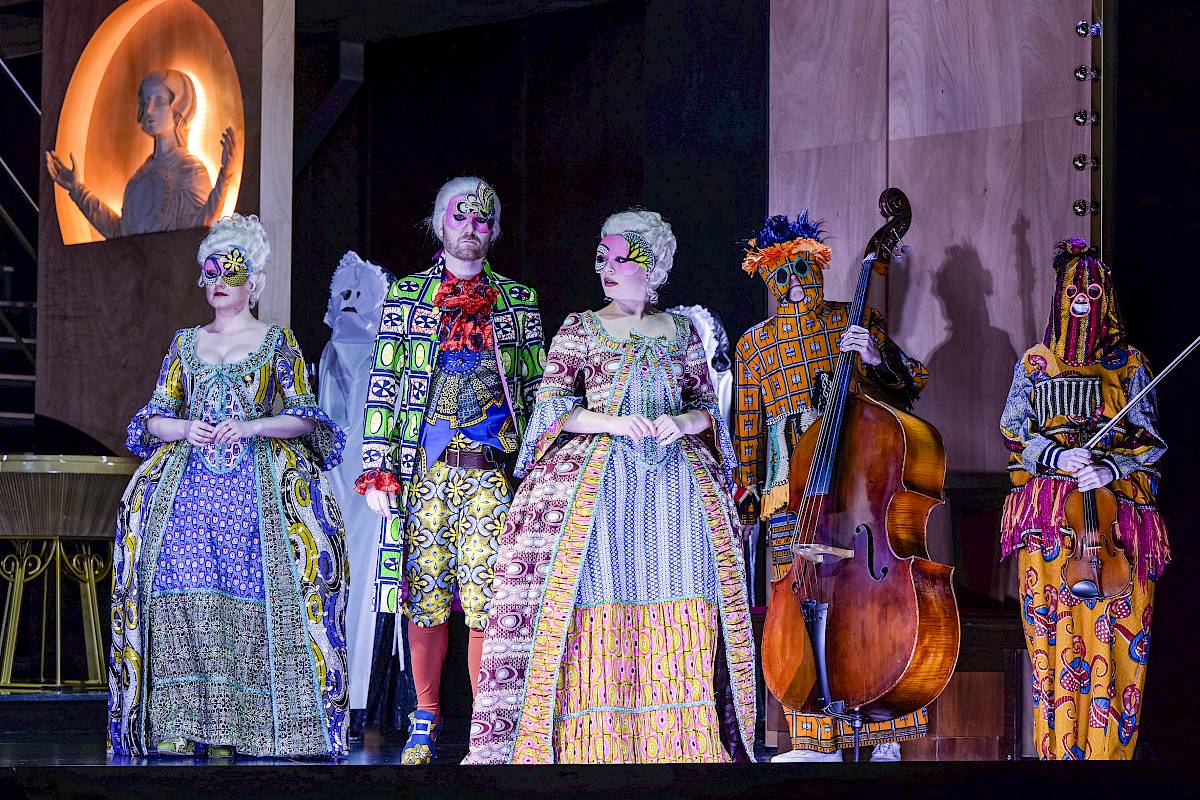
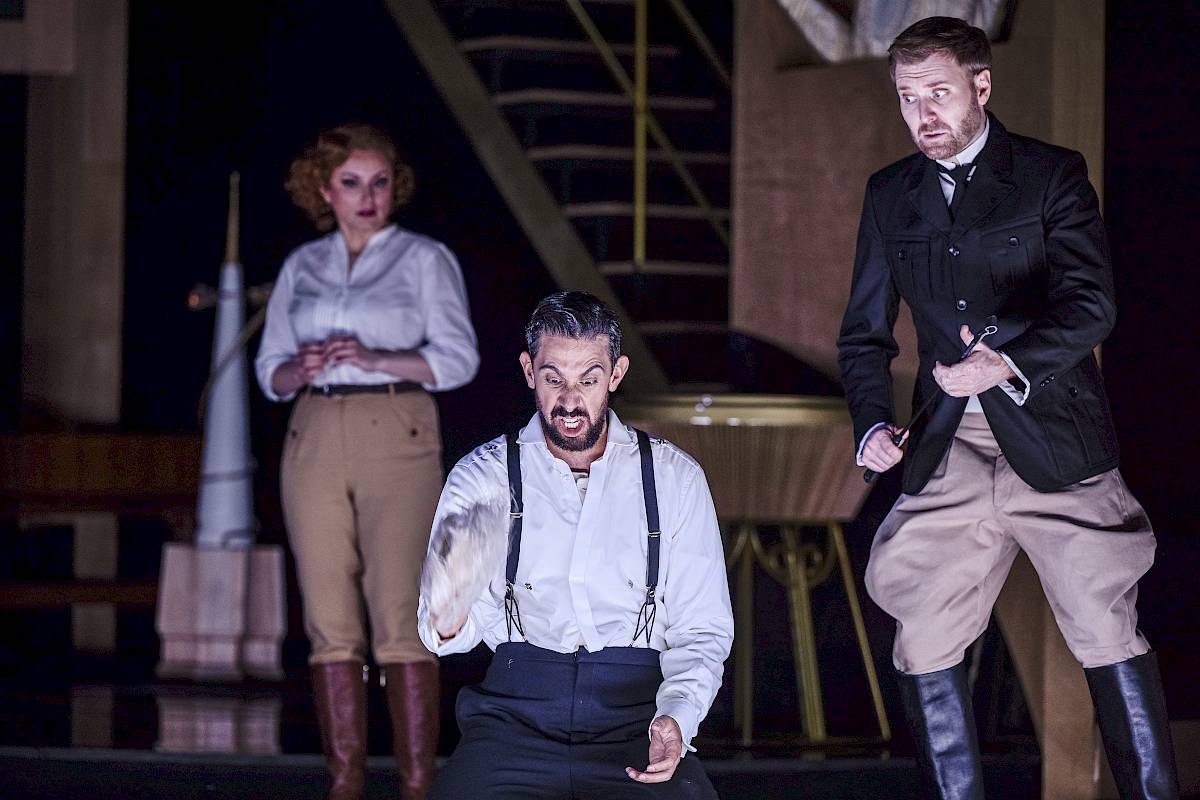
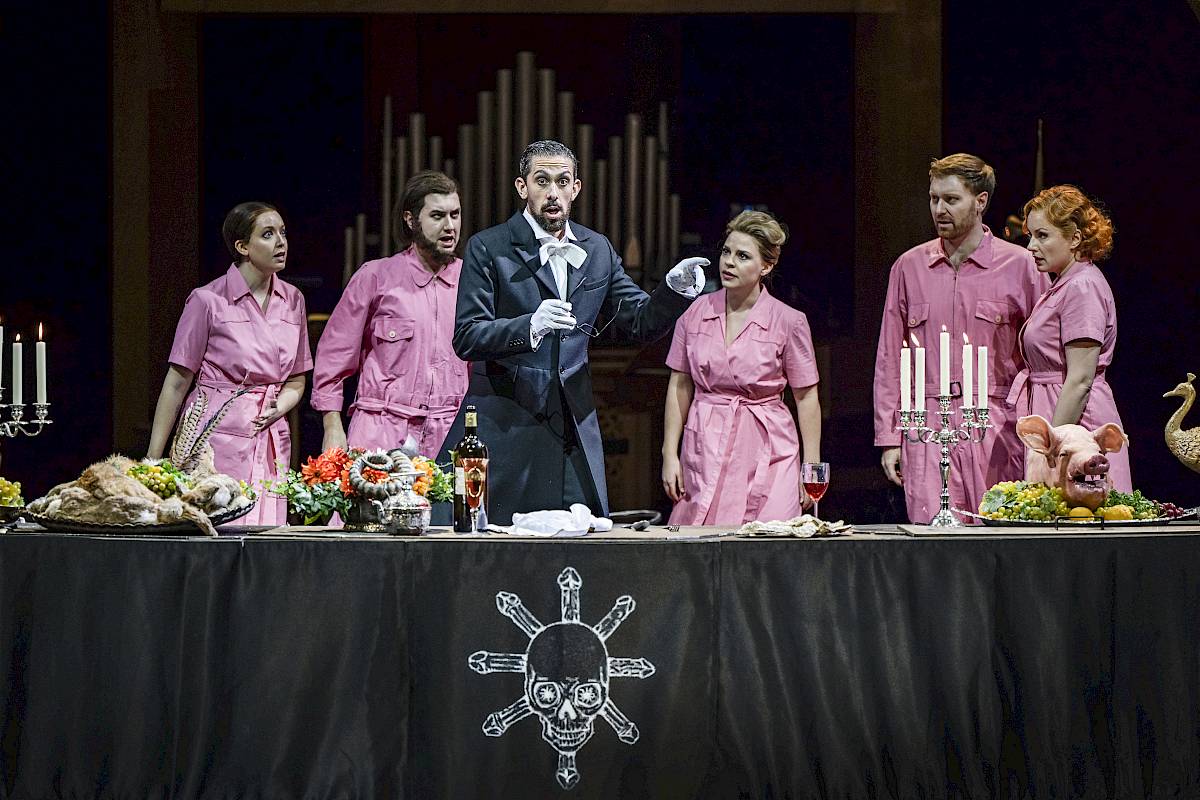
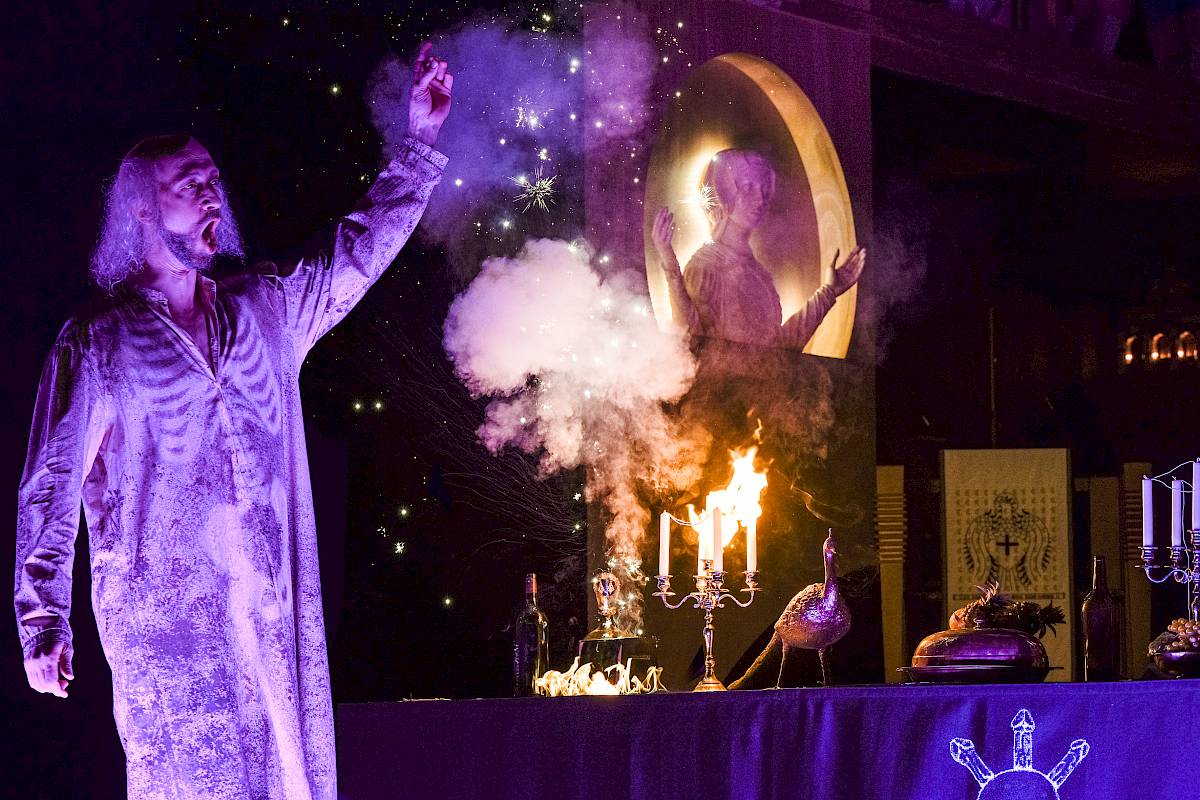
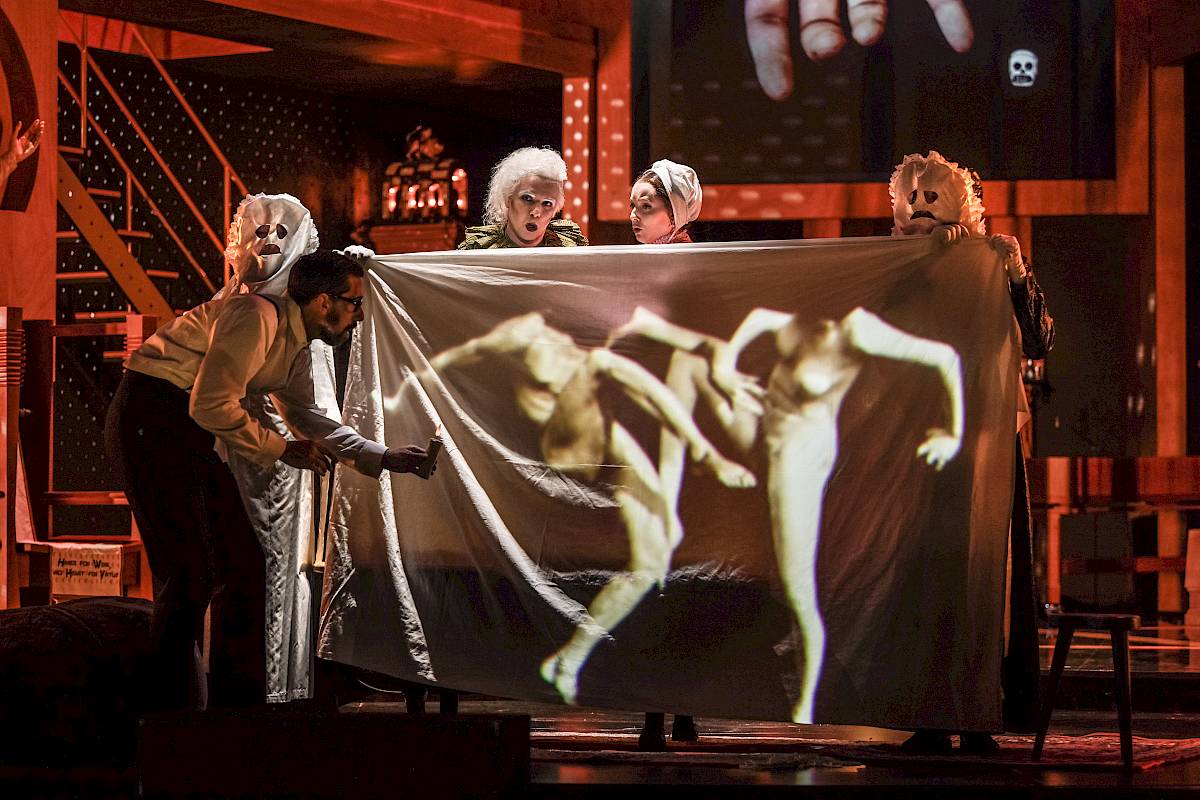
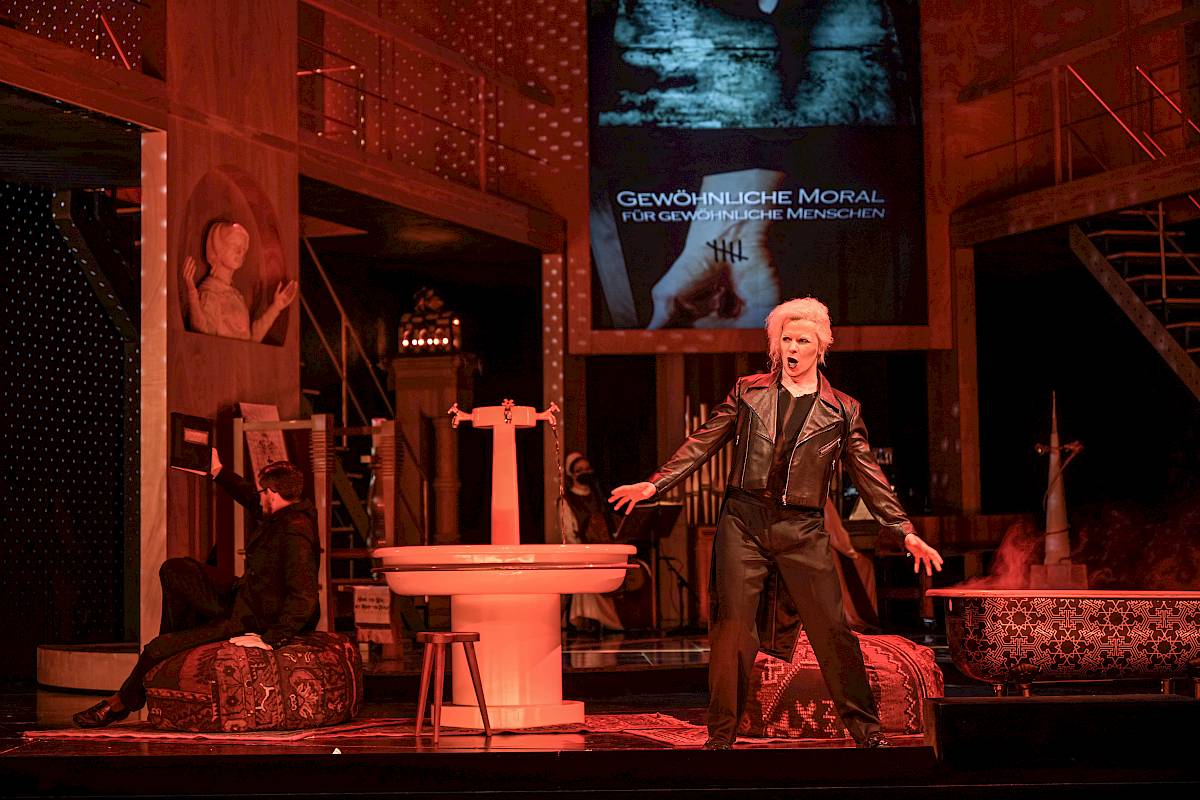
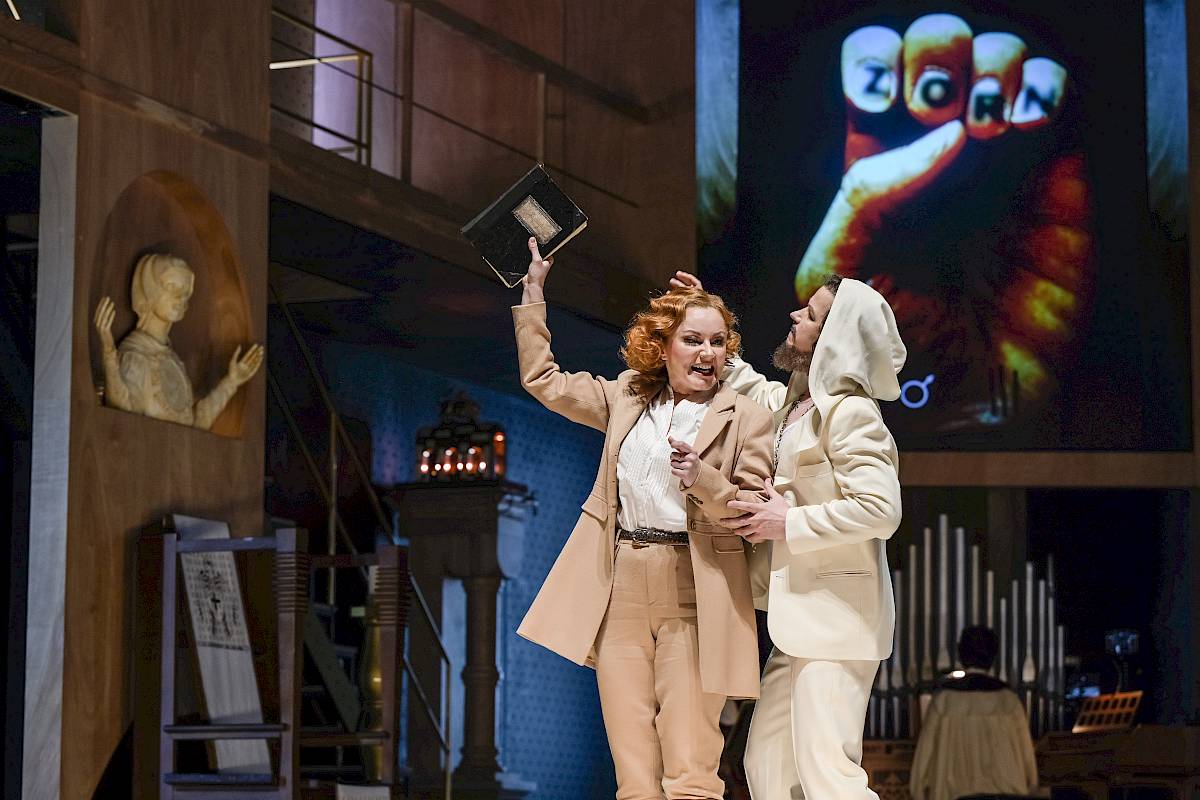
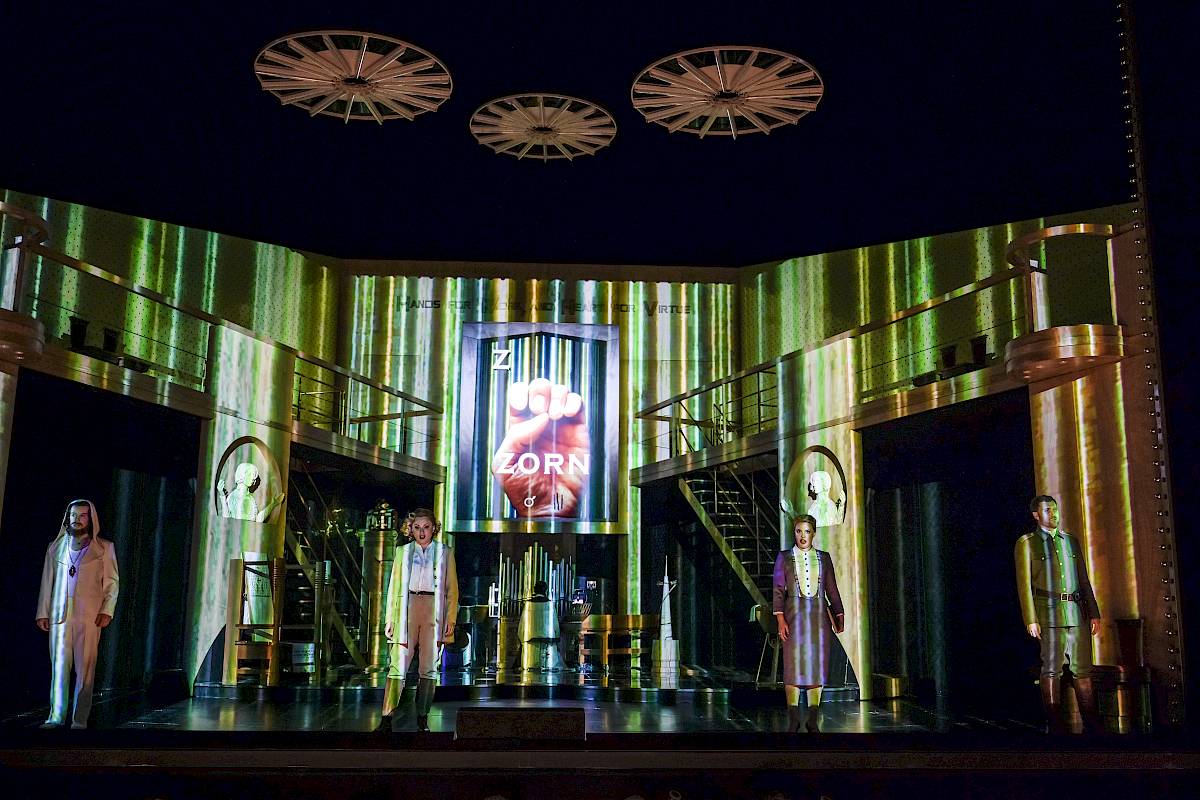
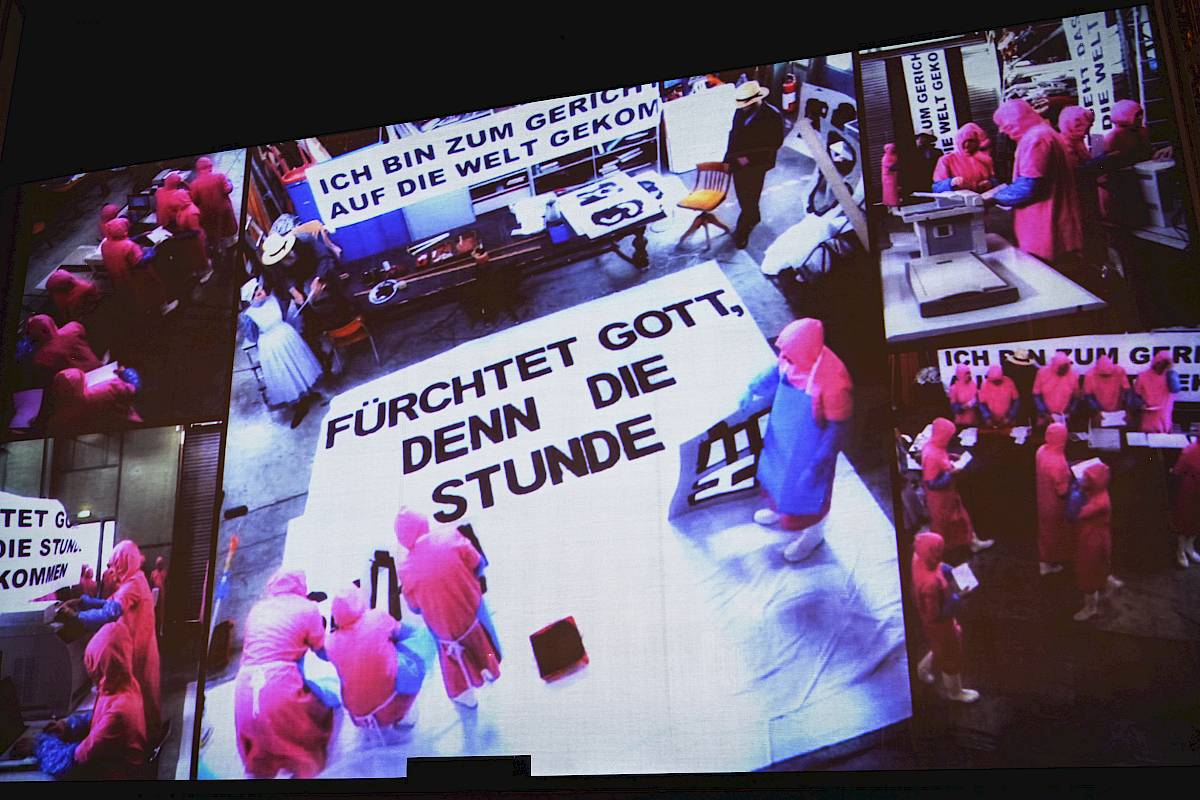
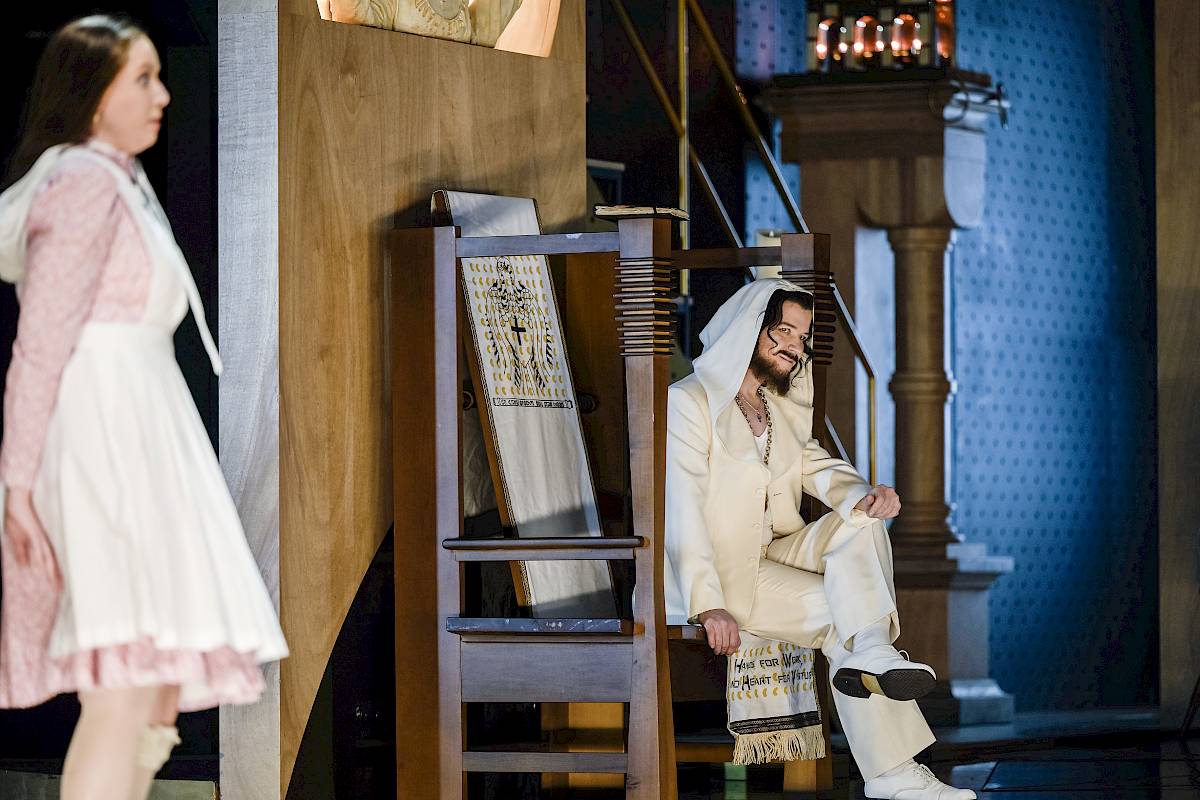
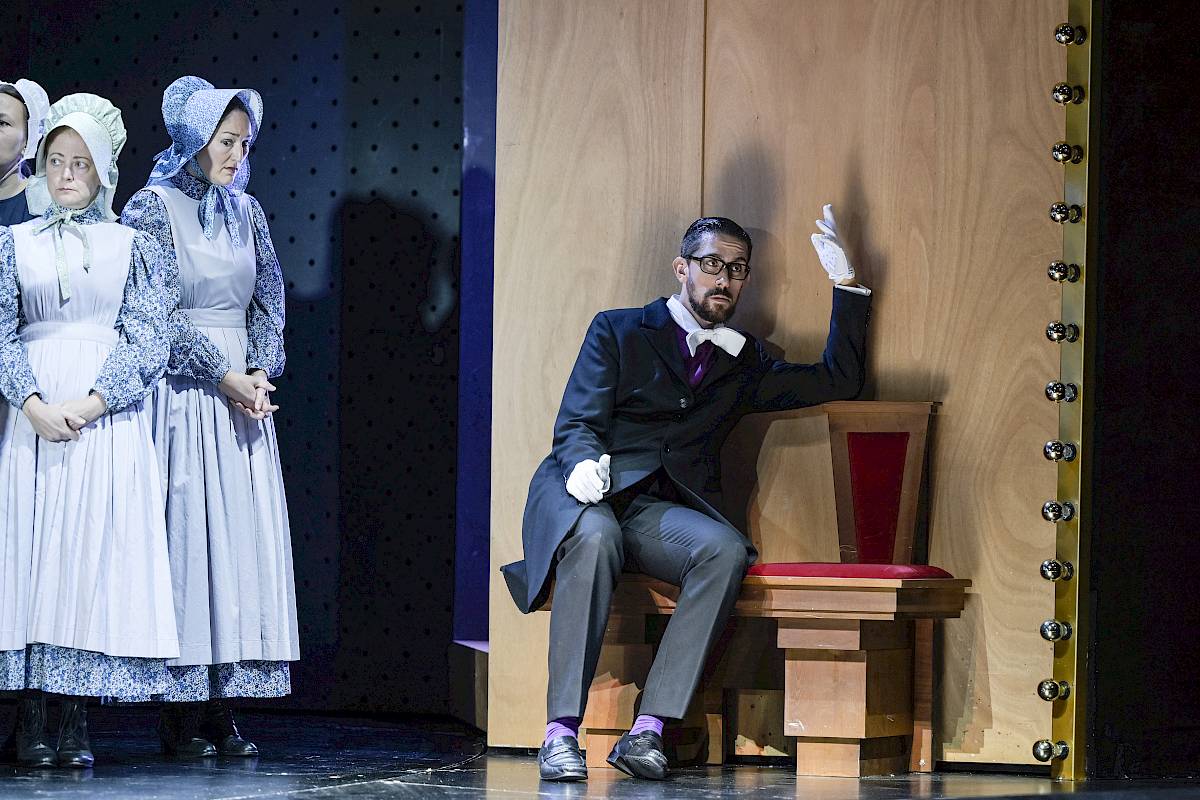
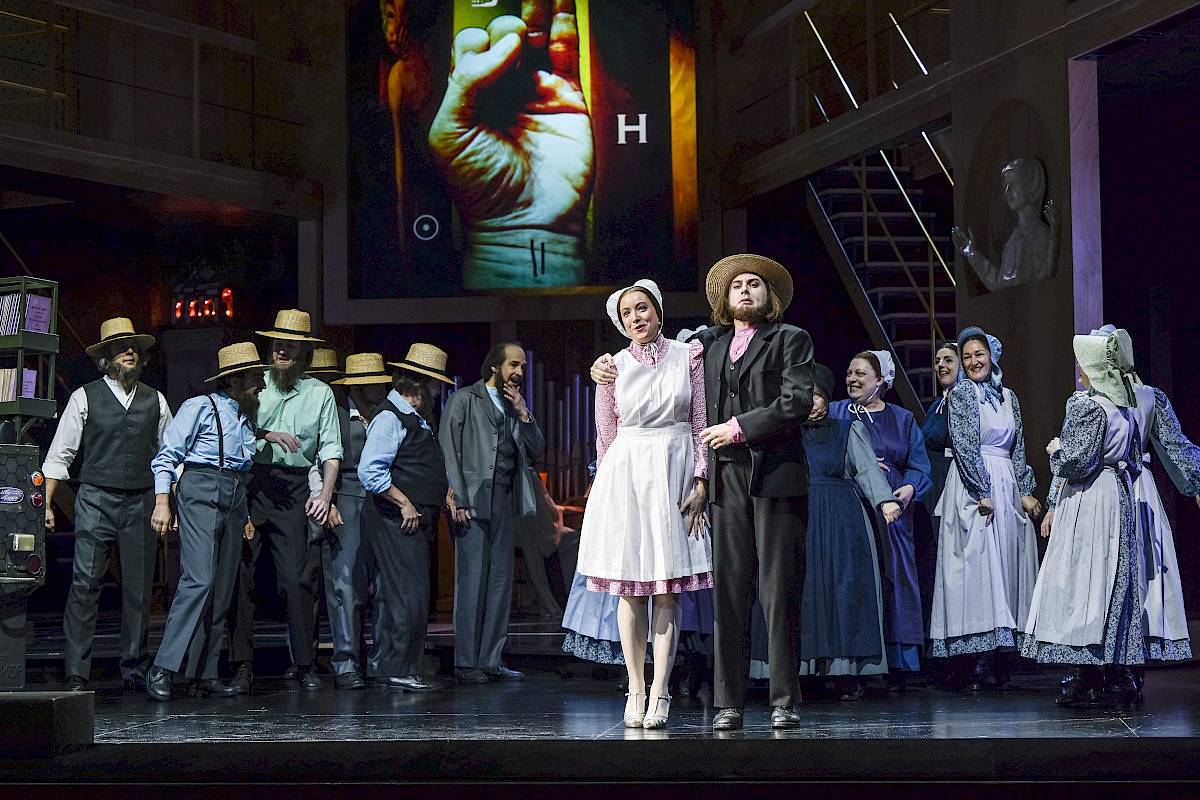
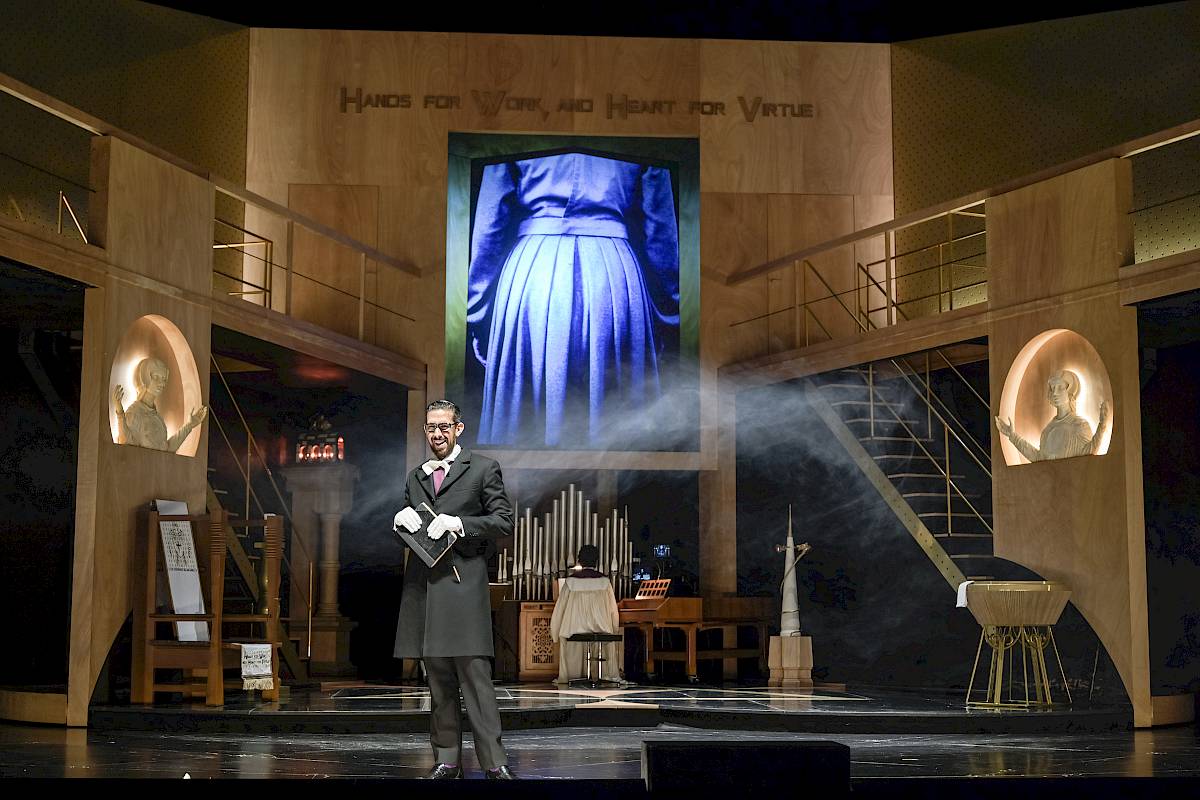
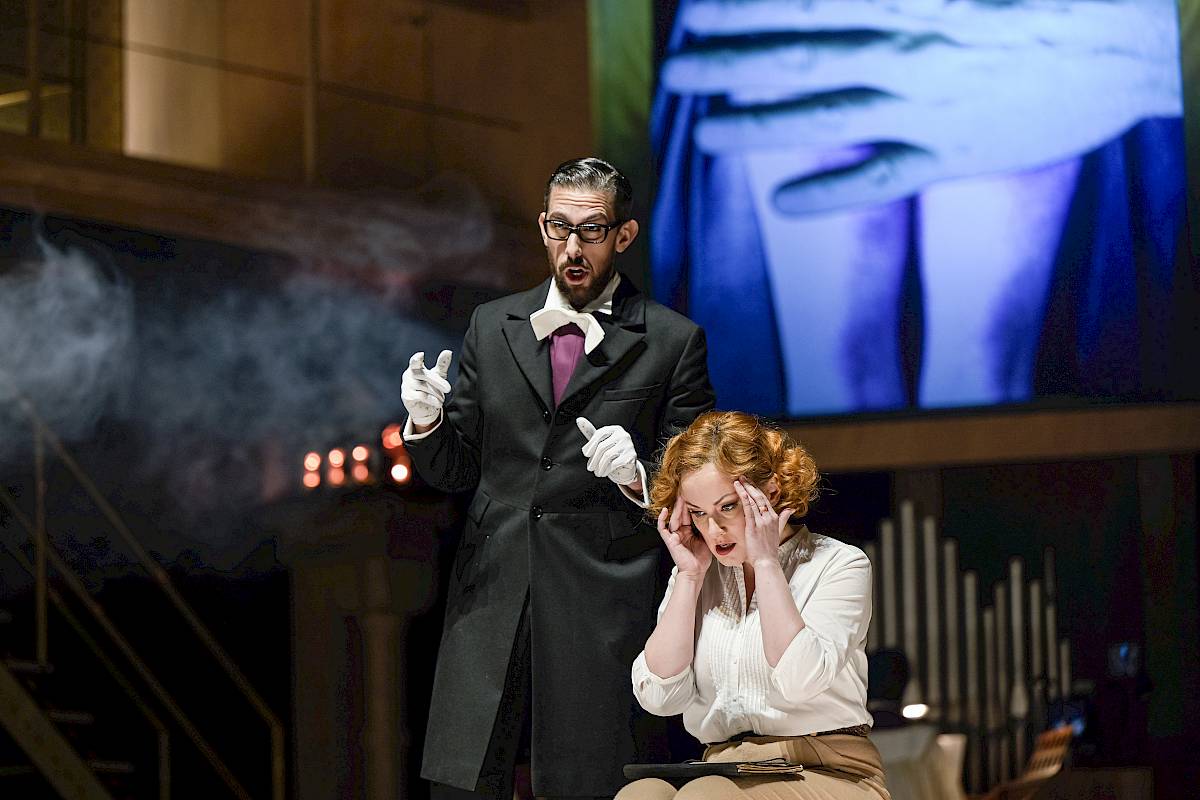
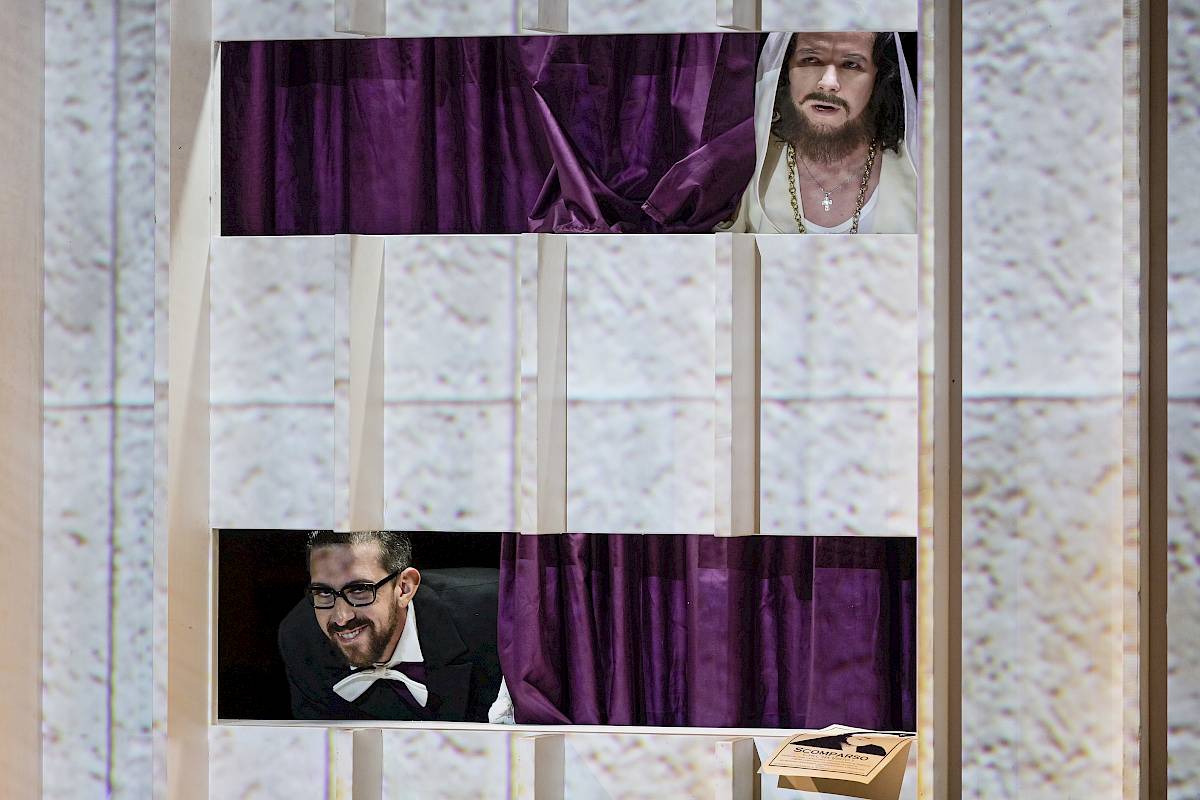
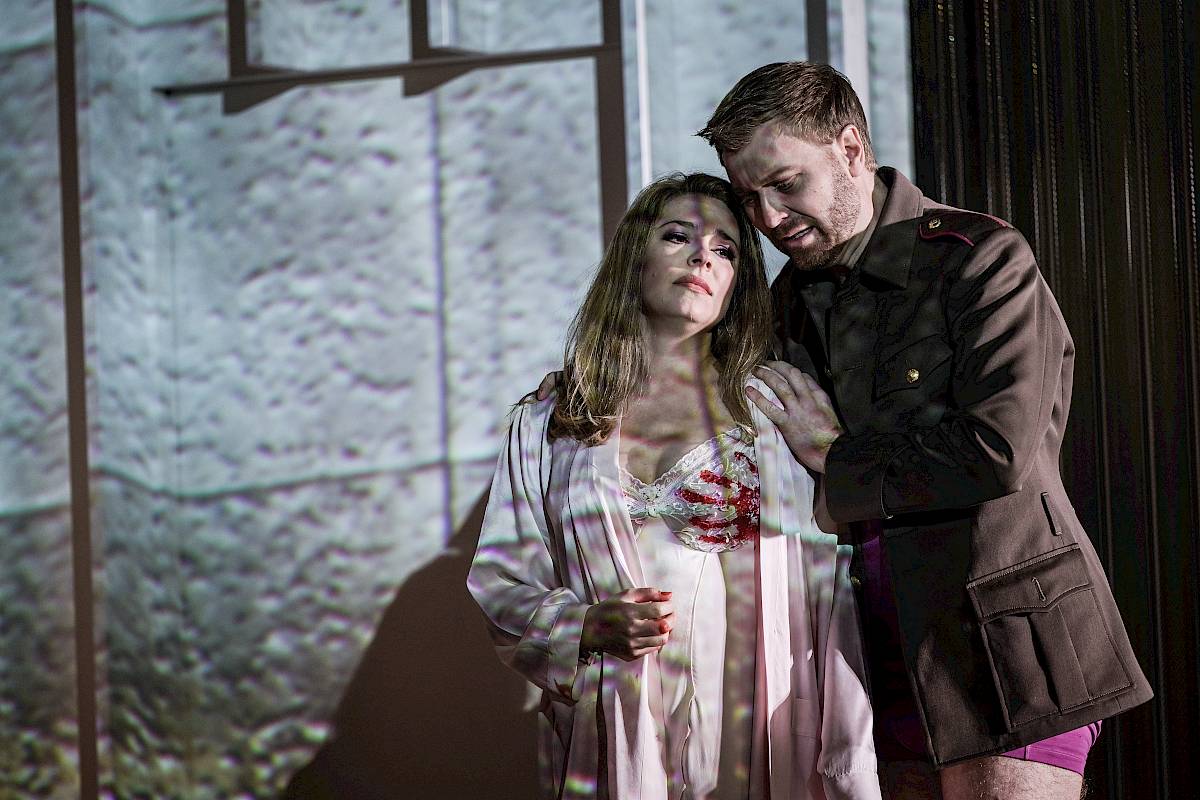
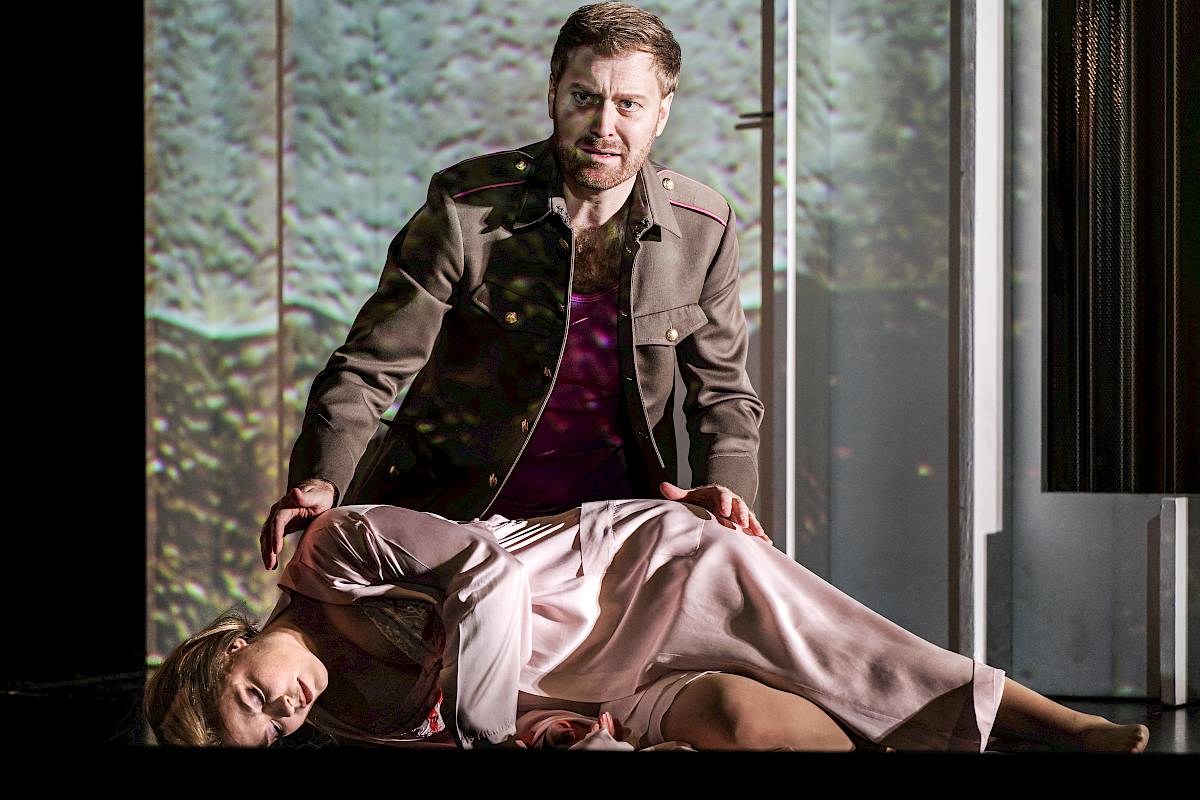
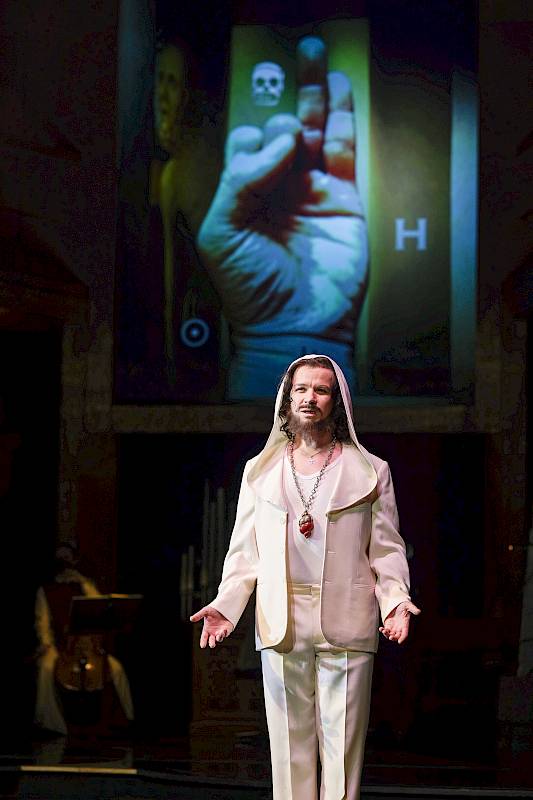
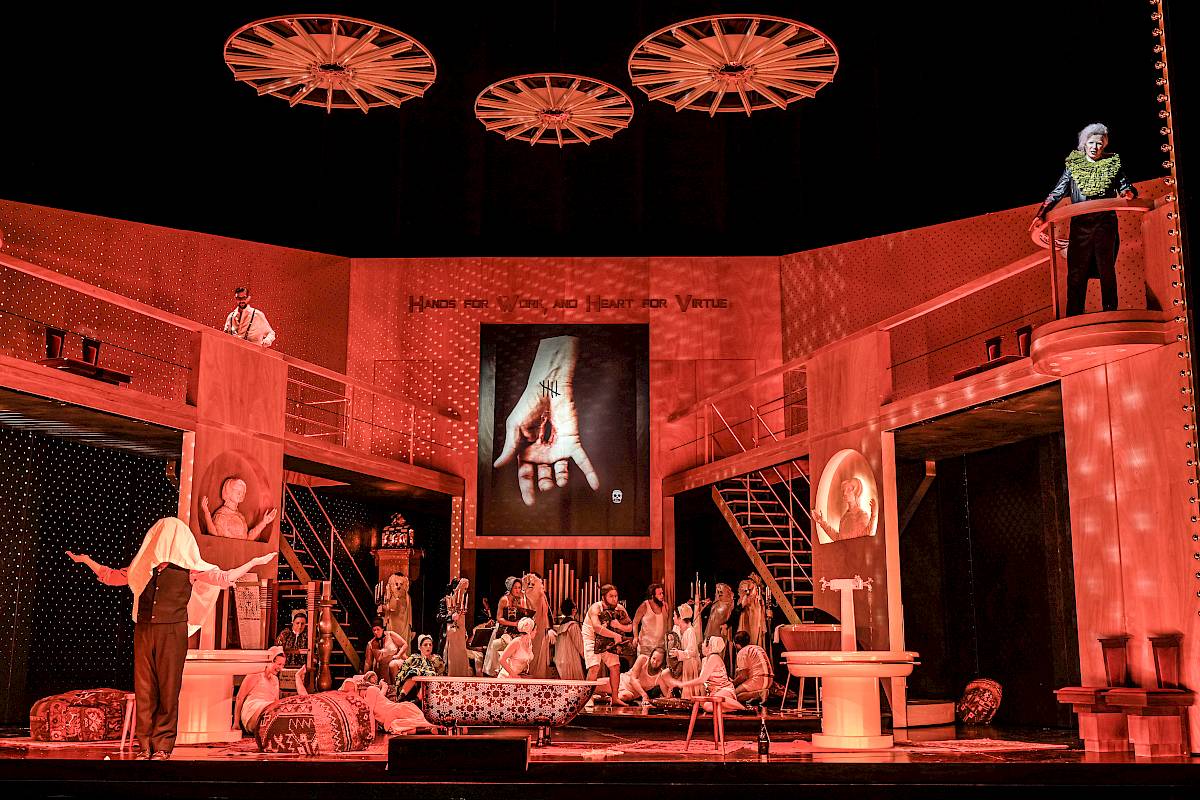
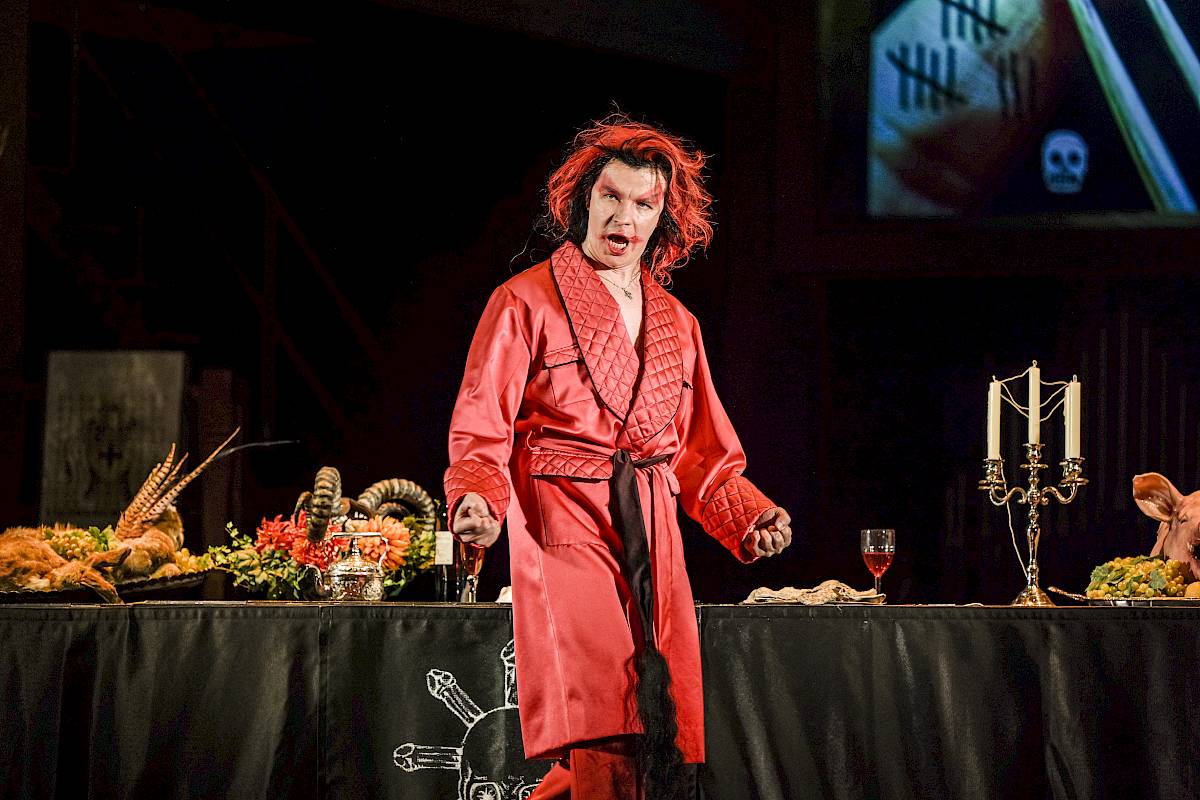
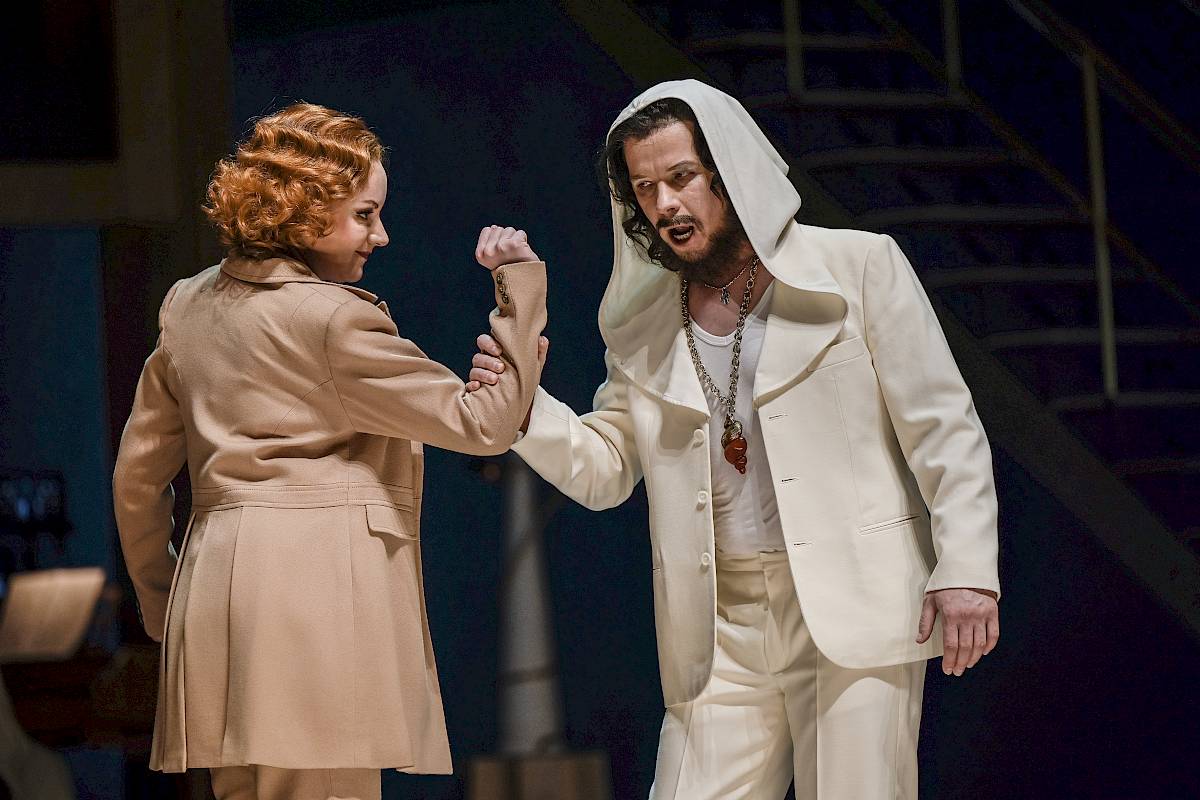
With Don Giovanni, Mozart and librettist Lorenzo Da Ponte reached one of the pinnacles of the opera genre. The title character they created for the stage is much more than just the irresistible ladies’ man the plot initially makes him out to be. Don Giovanni is a libertine par excellence, a champion of pleasure, debauchery, and excess. He’s a rebel, on a highway to hell. The curtain's fall raises the question: Does the loss left by the hero's downfall outweigh the satisfaction of the just punishment that befalls him? At the Opernhaus Zürich, we present Sebastian Baumgarten’s visually powerful, garishly colored production, which was controversial when it premiered eleven years ago but has since found a comfortable home in our house’s repertoire. For his interpretation, the German director has sought a way to make the eponymous hero’s rebellious potential and his objectionably scandalous way of life recognizable, even to the liberal 21st century perception. Baumgarten playfully resurrects the instructive character that the Don Juan myth had in its original form, and works with a complex collage of images, deliberate narrative breaks, and a great deal of subversive wit. The internationally sought-after soprano Golda Schultz sings the role of Donna Anna for the first time, Ruzan Mantashyan returns to the Opernhaus as Donna Elvira, and Konstantin Shushakov is Don Giovanni, as in the prior revival.

Read more Show less


Good to know

Program book

Synopsis

Act One
Don Giovanni has broken into the Commendatore’s house in order to seduce Donna Anna in her bedroom. His servant Leporello is keeping watch. Donna Anna calls for help, and Don Giovanni kills her father.

Donna Anna forces her betrothed, Don Ottavio, to swear vengeance for the murder.

Don Giovanni tries his luck with a beautiful stranger, who turns out to be all too familiar: it is Donna Elvira, whom he seduced in Burgos. She has followed him. Leporello shows her the catalogue of Don Giovanni’s amorous conquests.

Zerlina and Masetto are celebrating with friends on the eve of their wedding. Don Giovanni takes a shine to the peasant girl. In order to rid himself of the bridegroom, he sends Leporello, together with the peasants, to his palace, where he entertains them with coffee and chocolate as well as other delicacies and attractions. Don Giovanni promises to marry Zerlina, but does not attain his objective, for Donna Elvira intervenes, warns Zerlina against the seducer and takes her away with her.

Donna Anna intends to ask for Don Giovanni’s help in solving the murder, but Donna Elvira interrupts the conversation and warns her against the seducer. Only with difficulty does Don Giovanni manage to escape the awkward situation, but he has already given himself away: Donna Anna has recognised the man who assaulted her in her room. She recounts her version of the incident to Don Ottavio and demands that he take revenge on the villain. Don Ottavio cannot believe that Don Giovanni would be capable of committing such a deed, and decides to seek further evidence.

Leporello reports that Donna Elvira has taken Zerlina to the palace. Don Giovanni orders a great feast, during the course of which he intends to complete the seduction of the beautiful peasant girl.

Zerlina convinces her bridegroom that nothing has happened between herself and Don Giovanni. The feast begins, and three masked guests arrive: Donna Anna, Donna Elvira and Don Ottavio, who are looking for an opportunity to punish Don Giovanni. He falls into their clutches by taking Zerlina into an adjoining room. When she cries for help, Don Giovanni tries in vain to extract himself from his predicament by laying the blame on Leporello. However, Donna Anna, Donna Elvira and Don Ottavio are not deceived and take the murderer to task. Don Ottavio draws his pistol, but cannot bring himself to pull the trigger. In the general confusion, Don Giovanni and Leporello manage to flee.

Act Two
Don Giovanni is now interested in Donna Elvira’s maid. In order to deceive the girl with regard to his social status, he changes clothes with Leporello.

In disguise, Leporello lures Donna Elvira out of the house by pretending to be a repentant Don Giovanni. They disappear into the darkness of the night.

Don Giovanni sings the chambermaid a serenade. However, it is not she who appears, but Masetto, who is on  his way to take revenge against the seducer of his bride. The encounter with the putative Leporello has unfortunate results. Zerlina finds her wounded bridegroom, upbraids him for his jealousy, and comforts him in her own way.

Leporello has fled with Donna Elvira to a dark vestibule in order not to be recognised. He is just about to make a run for it when he is joined by Donna Anna and Ottavio, and a little later by Zerlina and Masetto. They believe that Don Giovanni is in their power and are about to kill him. At the last minute, Leporello reveals his true identity and uses the general confusion as an opportunity to escape.

Don Ottavio is now convinced that Don Giovanni is the murderer. He goes to press charges.

On the run from his pursuers, Don Giovanni has ended up in a graveyard. Here he tells Leporello about another failed amorous exploit with a girl who transpired to be one of Leporello’s lovers. A sinister voice threatens the miscreant with imminent retribution. It comes from the tomb of Donna Anna’s father. Giovanni invites the statue to dinner.

Don Ottavio asks Donna Anna to go ahead with their wedding ceremony, which has so long been postponed, the following day. She refuses his request.

Alone in his palace, Don Giovanni is holding a nocturnal banquet. Donna Elvira undertakes a last attempt to persuade him to mend his ways. The guest from the next world appears and invites Don Giovanni to repent for his crimes. The latter refuses and is swallowed up by a firestorm.

Donna Anna, Donna Elvira, Don Ottavio, Zerlina and Masetto enter and learn that a higher power has already brought the culprit to justice. They devote themselves to their future: Donna Anna puts off Don Ottavio for another year, Donna Elvira intends to spend the rest of her life in a convent, Leporello will look for a new master, while Zerlina and Masetto go home for supper.