Elektra

Richard Strauss

Tragedy in one act
Libretto by Hugo von Hofmannsthal after Sophocles

From 22. November 2026 until 16. December 2026

  • Duration :
    approx. 1 hrs. 50 min. Without intermission.
  • Language:
    In German with German and English surtitles.
  • More information:
    Introduction 45 min before the performance.
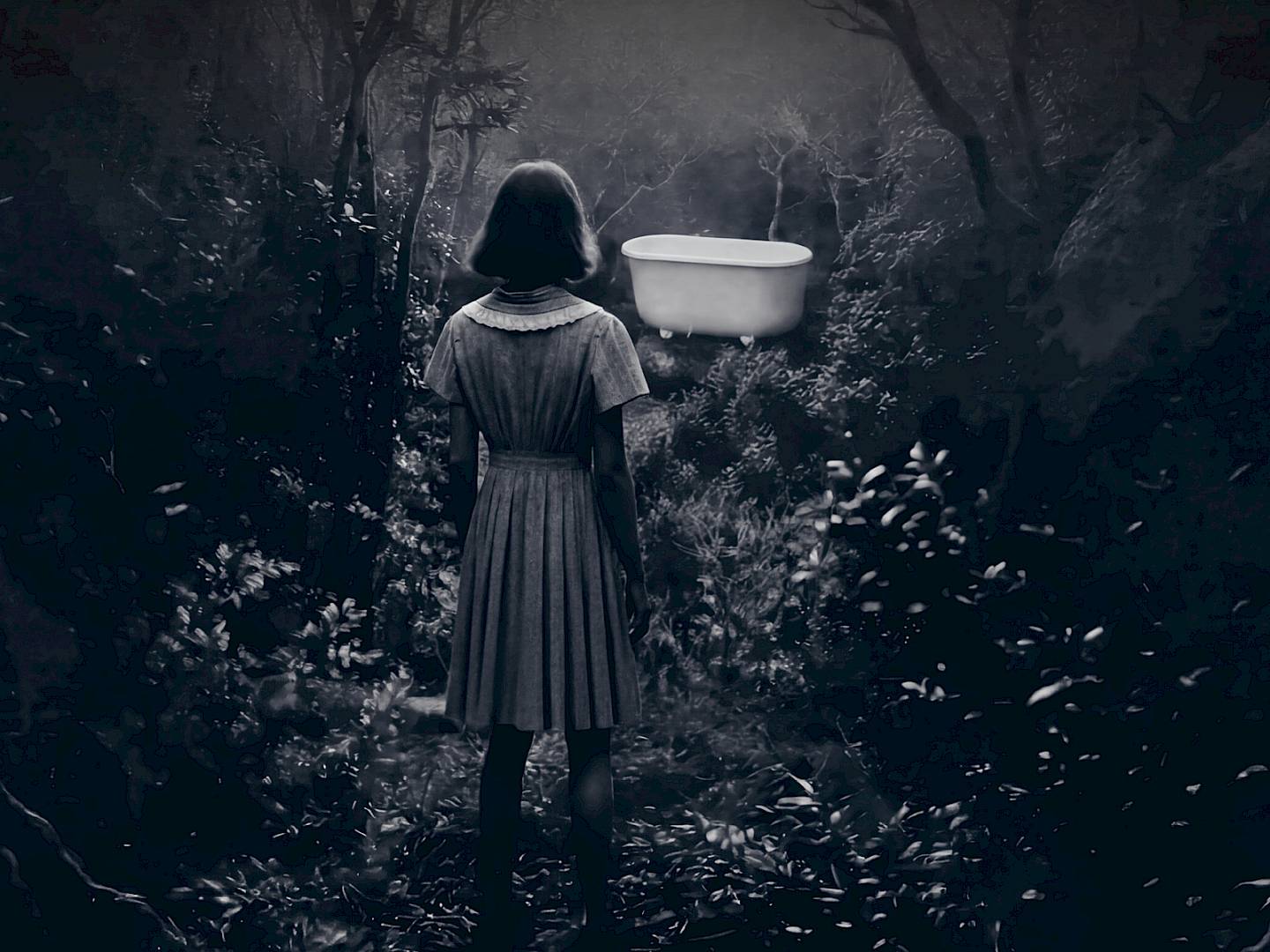
    © Poster image by Boris Eldagsen

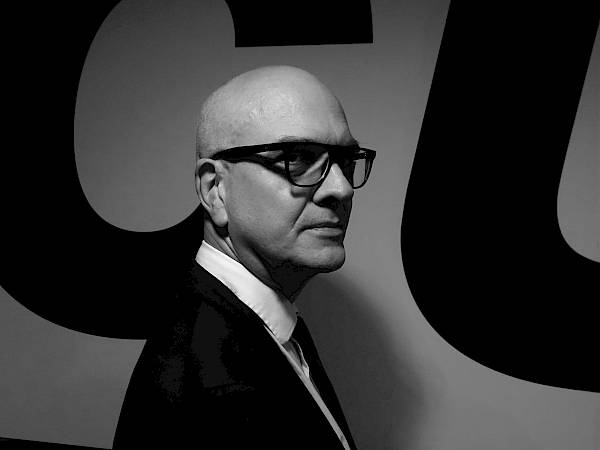
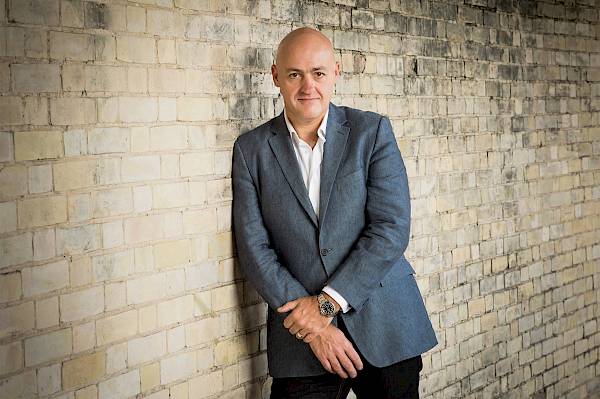
Musical Direction:
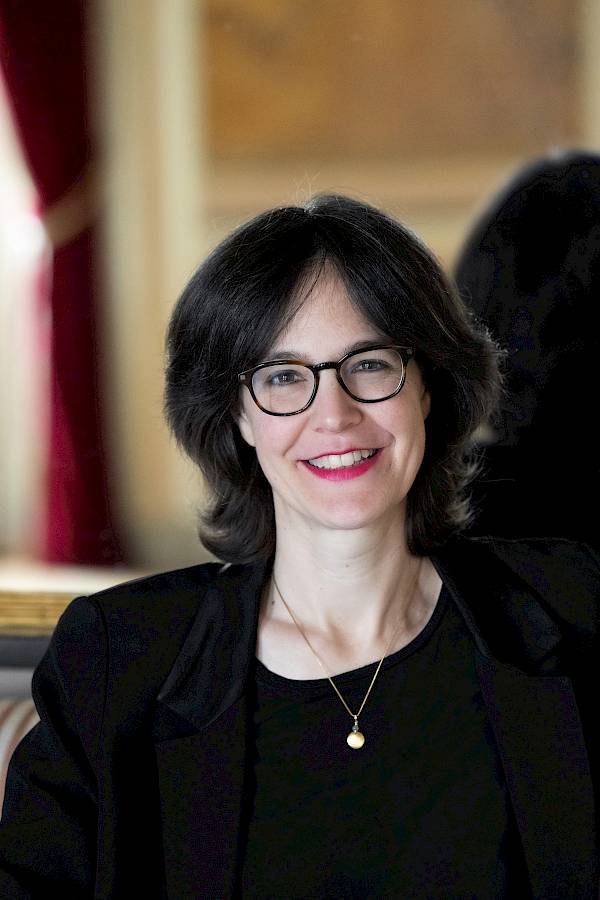
Lorenzo Viotti

Lorenzo Viotti

Lorenzo Viotti will become General Music Director of the Zurich Opera House from the 2028/29 season, where he has already conducted "Werther", "Die Csárdásfürstin", "Die tote Stadt" and "Die Fledermaus", among others. Born in Lausanne, he studied piano, singing and percussion in Lyon, as well as conducting in Vienna and Weimar. He gained international attention as the winner of the International Conducting Competition in Cadaqués in 2013 and the Young Conductors Award at the Salzburg Festival in 2015. In 2017, he was named Newcomer of the Year at the International Opera Awards. From 2018 to 2021, he was General Music Director of the Gulbenkian Orchestra in Lisbon, from 2021 to 2025 Music Director of Dutch National Opera, and he continues to serve as Principal Guest Conductor of the Netherlands Philharmonic Orchestra. Since 2026, he has been Music Director of the Tokyo Symphony Orchestra. His time in Amsterdam was marked by new productions such as Britten's "Peter Grimes" and a three-part Puccini cycle with director Barrie Kosky. He has also conducted at La Scala in Milan ("Simon Boccanegra"), the New National Theatre Tokyo ("Tosca"), the Paris Opera ("Faust") and the Vienna State Opera ("Von der Liebe Tod", "Il trittico"). As a guest conductor for symphonic concerts, he has worked with orchestras such as the Berlin Philharmonic, Royal Concertgebouw Orchestra, Gewandhaus Orchestra Leipzig, Cleveland Orchestra and Munich Philharmonic. Last season, he made his debut with the Los Angeles Philharmonic. In June 2026, he conducted the Vienna Philharmonic's Summer Night Concert in the gardens of Schönbrunn Palace. In the current season, he continues his collaboration with the Vienna Philharmonic, the Vienna State Opera, the Orchestra dell'Accademia Nazionale di Santa Cecilia and the Filarmonica della Scala, among others.

Elektra22 / 26 Nov / 2 / 5 / 10 / 13 / 16 Dec 2026 Viotti29 May 2027
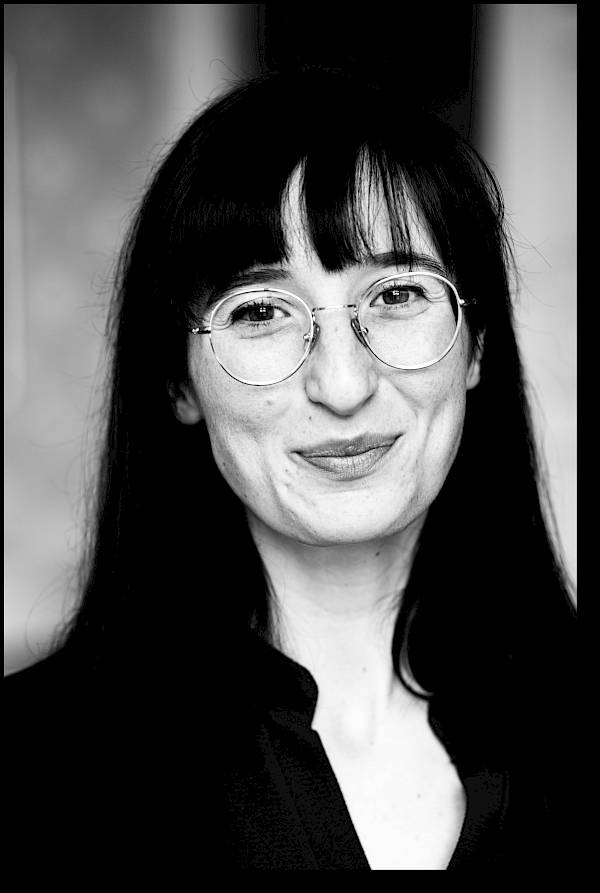
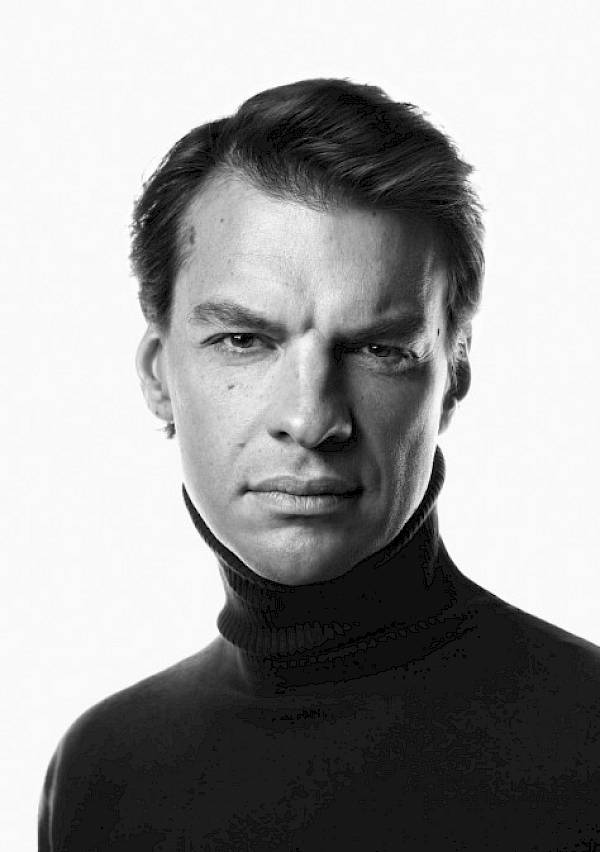
Direction:
Lydia Steier

Lydia Steier

Lydia Steier was born in Hartford, Connecticut. After studying singing at the Oberlin Conservatory of Music in Ohio, a Fulbright scholarship took her to Germany. Her career as a director began with productions in Los Angeles, Pittsburgh, Bremen and Weimar, among others. International guest engagements took her to Hong Kong, Dublin and New York. She has presented productions at the Opéra National de Paris ("Salome", "La vestale"), Oper Frankfurt ("Aida", "Oedipus Rex / Iolanta"), Theater an der Wien ("Candide"), Semperoper Dresden ("Les Troyens"), the Salzburg Festival ("Die Zauberflöte"), Komische Oper Berlin ("Giulio Cesare"), as well as in Geneva, Basel, Tokyo and Cologne. Her most recent works include "Der Rosenkavalier" at the Zurich Opera House, "Les Contes d’Hoffmann" at the Berlin State Opera and the world premiere of Iain Bell's "Medusa" at La Monnaie / De Munt in Brussels, for which she also wrote the libretto. Her production of Stockhausen's "Donnerstag aus Licht" was named "Production of the Year 2015/16" by Opernwelt, and several of her productions were nominated for the FAUST Theatre Prize. From 2020 to 2023, she was Opera Director at Lucerne Theatre. In 2024, she was named "Director of the Year" by Opernwelt. With "Tannhäuser", she made her directorial debut at the Vienna State Opera and continued her long-standing collaboration with the Staatsoper Hannover with the world premiere of "Israel in München". This season, her productions include Berlioz's "La Damnation de Faust" at the Vienna State Opera and, alongside "Elektra", "La fanciulla del West" at the Zurich Opera House. From November 2026, Lydia Steier will take over as Artistic Director of the Ruhrtriennale for the years 2027 to 2029.

Elektra22 / 26 Nov / 2 / 5 / 10 / 13 / 16 Dec 2026 La fanciulla del west25 / 28 Feb / 3 / 7 Mar / 4 / 7 / 10 / 16 Apr 2027
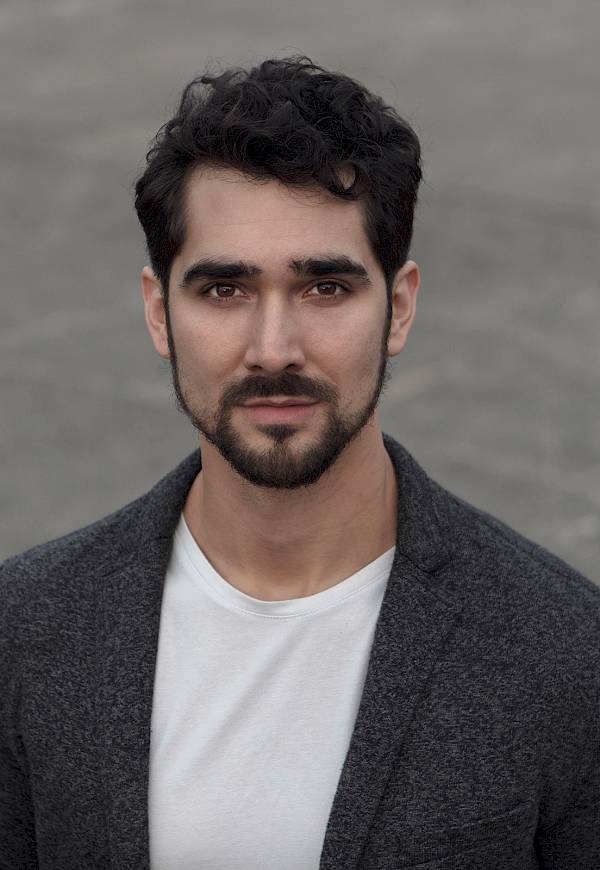
Associate Director:
Felix Schrödinger

Felix Schrödinger

Felix Schrödinger initially studied voice with Fenna Kügel-Seifried at the Nuremberg University of Music. Alongside his singing activities, he turned to directing and began working as an assistant director at the Nuremberg University of Music. After numerous work placements, including one with Barrie Kosky at the Komische Oper Berlin, he began developing his own independent projects, such as "Chanson – Geschichte eines Lebens", which had its world premiere at Yip Yap in Munich. He was engaged as an assistant director and stage manager at the Oldenburgisches Staatstheater, where he began realising his own projects from the outset. His productions in Oldenburg include "Scary Opera 1 & 2", Donizetti's "La Fille du régiment", "Die Comedian Harmonists" and Offenbach's "Orpheus in der Unterwelt". At Theater Osnabrück, he directed Handel's "Orlando" and Suppé's "Die schöne Galathee". From 2019 to 2022, he was engaged as an assistant director and stage manager at the Staatsoper Hannover, where he took on the artistic direction and staging of the opera ball. In 2023, he made his debut at Lucerne Theatre with his "Revue des Folie - Doktor Ox", an open-air Offenbach revue for which he was responsible for both the direction and the adaptation. Further productions include Reinhard Keiser's "Nebucadnezar" at Theater Heidelberg's baroque festival "Winter in Schwetzingen" and, most recently, "Alcina" at Landestheater Detmold.

Elektra22 / 26 Nov / 2 / 5 / 10 / 13 / 16 Dec 2026
Stage Design:
Paul Zoller

Paul Zoller

Nach einem Architekturstudium an der Hochschule der bildenden Künste Wien, der University of Michigan und der UDK Berlin gründete der 1966 in Innsbruck geborene Paul Zoller die Architektengruppe «the poor boys enterprise», mit der einige Ausstellungen und performative Architekturprojekte entstanden. Ab 1992 absolvierte er ein Bühnenbildstudium an der Akademie der bildenden Künste Wien bei Erich Wonder mit Diplom und Förderpreis des Kulturministeriums Österreich und Teilnahme an den internationalen Kursen für Opernregie von Ruth Berghaus. Es folgten Assistenzen bei Heiner Goebbels, The Wooster Group in New York, George Tabori, Achim Freyer und Bernhard Kleber. Seit 1996 ist Paul Zoller als Bühnen- und Kostümbildner tätig, u. a. in Produktionen von Andreas Homoki, David Hermann, Lorenzo Fioroni, Thilo Reinhardt, Jetske Mijnssen und Jan Richard Kehl an der Deutschen Oper und der Komischen Oper Berlin, den Opernhäusern in Zürich, Basel, Leipzig, Essen, Kassel, Weimar, Dortmund, Kiel und Ulm, bei der Münchner Musikbiennale, an der Opéra Comique Paris, am BAM New York, am Staatstheater am Gärtnerplatz in München, Akademietheater Wien, Teatro Real Madrid, am Hebbeltheater Berlin sowie bei den Festivals in Aix-en-Provence und Edinburgh. Neben seiner Tätigkeit als Bühnenbildner arbeitet Paul Zoller als Bildender Künstler und ist Dozent an der TU Berlin. 2012 und 2014 wurde er für den Deutschen Theaterpreis «Der Faust» nominiert. 2024 folgte von den Oper!Awards die Auszeichnung für das «Beste Bühnenbild», u.a. für die Neuproduktion von Jules Massenets Hérodiade an der Deutschen Oper am Rhein.

Elektra22 / 26 Nov / 2 / 5 / 10 / 13 / 16 Dec 2026
Costume:
Gianluca Falaschi

Gianluca Falaschi

Gianluca Falaschi was born in Rome, where he studied architecture and theatre literature. At the same time, he studied art at the Accademia di Costume e Moda di Roma. He has worked for the Teatro alla Scala, Opera di Roma, Opera di Firenze, Sydney Opera House, Opéra de Monte-Carlo, Semperoper Dresden, Opera Cologne and Theater Basel, among others, as well as for various festivals such as the Rossini Opera Festival in Pesaro. During his long-standing collaboration with Davide Livermore, he designed costumes for more than thirty productions. Since 2025, he has been creating the costumes for Livermore's production of the "Ring" in Monte-Carlo. His extensive collaboration with Lydia Steier includes productions such as "Les Troyens" at the Semperoper Dresden, "Carmen" at Opera Cologne, and "Perelà" and "Armide" at the Staatstheater Mainz, for which he was named "Costume Designer of the Year" by Opernwelt in 2015 and 2017. He collaborated with Barrie Kosky on "Die lustige Witwe" at Zurich Opera House and "Così fan tutte" in Vienna. For several years, he has also been working as a director. He has directed Porpora's "Angelica" at the Festival della Valle d’Itria, "Adriana Lecouvreur" in Mainz and Düsseldorf, Vivaldi's "Griselda" in Venice, "I Capuleti e i Montecchi" in Catania, Donizetti's "Chiara e Serafina" in Bergamo and "Turandot" in Mainz. In 2027, "L’italiana in Algeri" will follow in Monte-Carlo. Among the awards he has received are the Premio Abbiati, the Premio Ubu and the Premio Le Maschere del Teatro Italiano. In the critics' poll conducted by the magazine Opernwelt, he was named Costume Designer of the Year in 2015, 2017 and 2024. In 2024, he was appointed Maestro d’Arte e Mestiere by the Fondazione Cologni.

Elektra22 / 26 Nov / 2 / 5 / 10 / 13 / 16 Dec 2026 Die lustige Witwe27 / 31 Dec 2026 / 3 / 7 / 10 / 13 Jan 2027
Costume:
Anna Missaglia

Anna Missaglia

Anna Missaglia was born in Rome and studied costume design at the Accademia di Costume e Moda. She began her artistic career in 2011 as costume assistant to Andrea Viotti for "Attila" at Teatro alla Scala in Milan (directed by Gabriele Lavia). Numerous opera and theatre productions with Viotti and Lavia followed, including in Naples and Venice. She later worked with Anna Maria Heinreich, Carla Teti and Giuseppe Palella. Since 2015, she has designed her own costumes, initially for productions by Giacomo Bisordi such as "Fred’s Diner" and "Kvetch". With Alessandra Premoli, she worked on "La finta amante", "Idalma" at the Innsbruck Festival of Early Music and "Cavalleria rusticana" in Montepulciano. For the theatre company lacasadargilla, she designed costumes for productions including "Il ministero della solitudine", "Anatomia di un suicidio" and "Escaped Alone". Other productions include "Le Dieu du carnage" in Genoa (directed by Antonio Zavatteri) and "La cosmicomica vita di Q", based on the work by Italo Calvino (directed by Luca Marinelli). In 2017, she began her long-standing collaboration with Gianluca Falaschi on "Adriana Lecouvreur" at the Opéra de Monte-Carlo (directed by Davide Livermore). Under Livermore’s direction, further productions followed there: "Das Rheingold", "Die Walküre" and "Bonsoir Monte-Carlo", as well as three season openings at Teatro alla Scala in Milan ("Attila", "Tosca" and "Macbeth"). She also worked with Falaschi on "Turandot" in Mainz and on theatre productions directed by Arturo Cirillo. At Zurich Opera House, she worked as costume assistant on "Die lustige Witwe" (directed by Barrie Kosky) in 2023.

Elektra22 / 26 Nov / 2 / 5 / 10 / 13 / 16 Dec 2026
Lighting Design:
Elana Siberski

Elana Siberski

Elana Siberski, born in Hanover in 1972, discovered her fascination with lighting while studying theatre and musicology. She received her technical training in lighting at the Gärtnerplatztheater in Munich and studied lighting design at the Bavarian Theatre Academy August Everding. After several years at Theater Ulm, she served as Deputy Head of the Lighting and Video Department at the Staatsoper Hannover from 2008 to 2023, designing the lighting for numerous opera and ballet productions. As a freelance lighting designer, she has worked in close artistic collaboration with renowned directors and choreographers. For Lydia Steier, she designed the lighting for "Le nozze di Figaro" (Staatsoper Hannover), "Die Frau ohne Schatten" (Baden-Baden Easter Festival), "Candide" (Theater an der Wien) and "Der Rosenkavalier" (Zurich Opera House). In 2025, further productions included "Tannhäuser" at the Vienna State Opera and the world premiere of "Israel in Munich" at the Staatsoper Hannover. Together with Elisabeth Stöppler, she developed staged performances of Verdi's Messa da Requiem and Handel's "Il trionfo del tempo e del disinganno" in Hanover, with sets and costumes by Valentin Köhler. Their joint production of "Dora" at the Staatsoper Stuttgart was named "World Premiere of the Year" by the magazine Opernwelt.

Elektra22 / 26 Nov / 2 / 5 / 10 / 13 / 16 Dec 2026
Video Production:
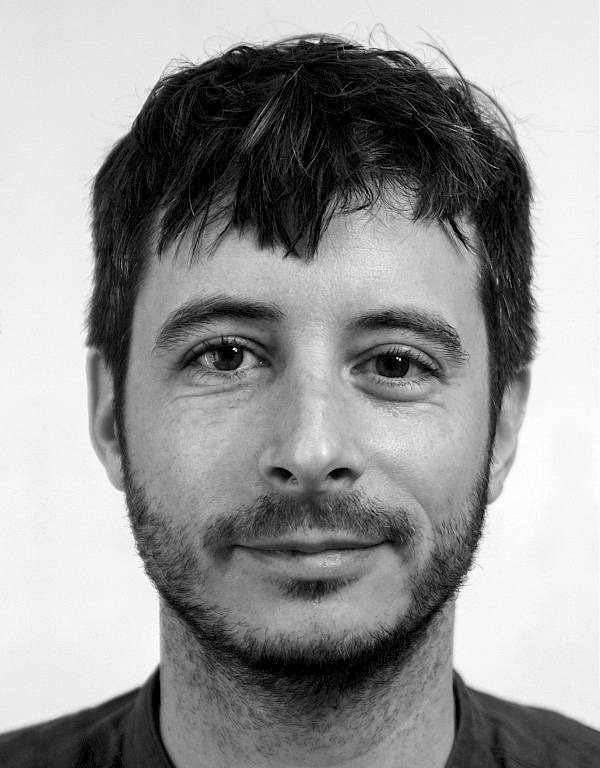
Boris Eldagsen

Boris Eldagsen

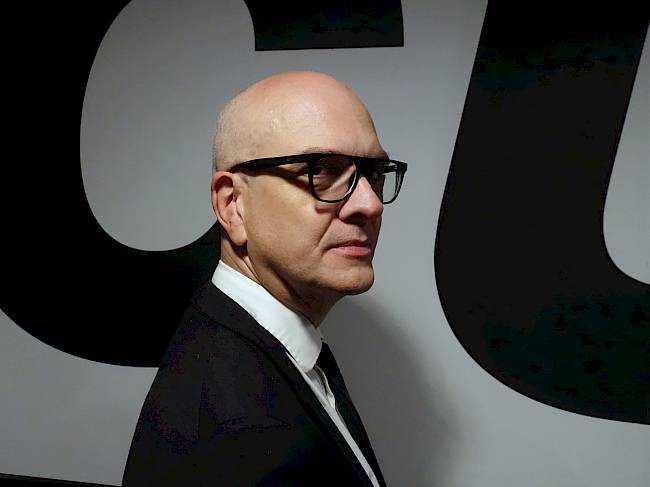
The German artist Boris Eldagsen, who lives in Berlin, studied photography, conceptual art and intermedia at the Mainz University of Applied Sciences, the Academy of Fine Arts in Prague and the Sarojini Naidu School of Arts & Communication in Hyderabad, India. He also studied philosophy at the universities of Cologne and Mainz. Since 2000, his photo-media works have been shown internationally in galleries, institutions and at festivals. Since 2004, he has taught the theory of ideas and creativity at international art colleges, including the Victorian College of the Arts and Photography Studies College Melbourne, the Academy of Fine Arts Mainz and the Film Academy Baden-Württemberg in Ludwigsburg. He currently teaches generative image AI at LABASAD – Barcelona School for Art & Design. He is an appointed member of Germany's two oldest photographers' associations, DFA and DGPh, and produces a monthly AI podcast for the German Photo Council. His rejection of the Sony World Photography Awards 2023 for his AI-generated image "PSEUDOMNESIA | The Electrician" sparked a worldwide debate about the relationship between photography and AI-generated images. The Süddeutsche Zeitung called him the "poster boy of the AI debate". Boris Eldagsen is one of the few internationally recognised experts on AI-generated images and videos and has delivered keynote speeches at TEDx, re:publica, Medientage München, C2 Montréal and the World AI Conference Shanghai. In 2025, he served as a jury member for the Ars Electronica Award, the TEZOS Photography Award and AI Art Magazine.

Elektra22 / 26 Nov / 2 / 5 / 10 / 13 / 16 Dec 2026
Video Associate:
Tieni Burkhalter

Tieni Burkhalter

Tieni Burkhalter studied Fine Arts at the Zurich University of the Arts (ZHdK), where he specialised in video and video installation. After his works were mainly shown in galleries and at experimental film festivals, he began working for the stage in 2009. As a video producer, he has close ties to Zurich Opera House. His stage work has also taken him to theatres in Berlin, Hamburg, Paris, Moscow, Oslo and Savonlinna. At Zurich Opera House, he has worked with Andreas Homoki ("Der fliegende Holländer", "Das Land des Lächelns", "Das Rheingold", "Siegfried" and "Die Walküre"), Evgeny Titov ("Lessons in Love and Violence" and "L’Orfeo"), Jan Philipp Gloger ("Die Csárdásfürstin" and "Le nozze di Figaro"), Adele Thomas ("Il trovatore"), Rainer Holzapfel ("Die Odyssee"), Nina Russi ("Coraline") and Kai Anne Schuhmacher ("Jim Knopf und Lukas der Lokomotivführer"). For Zurich Ballet, he produced videos for Christian Spuck ("Anna Karenina" and "Das Mädchen mit den Schwefelhölzern"), Marcos Morau ("Nachtträume"), Edward Clug ("Faust") and Douglas Lee ("A-Life"). He has also worked with Philipp Himmelmann on "Aida" at the Savonlinna Opera Festival and with Christian Spuck on "Madame Bovary" in Berlin. For many years, he has been involved in Dmitri Tcherniakov's productions, including "Pelléas et Mélisande" and "The Makropulos Affair" at Zurich Opera House, "Senza Sangue/Herzog Blaubars Burg", "Elektra" and "Salome" at the Hamburg State Opera, "La Fille de Neige" and "Les Troyens" at the Opéra National de Paris, and "Tristan und Isolde" at the Staatsoper Unter den Linden in Berlin.

Elektra22 / 26 Nov / 2 / 5 / 10 / 13 / 16 Dec 2026 Le nozze di Figaro2 / 6 / 8 / 15 / 19 May 2027 Rachmaninow – Die drei Opern1 / 4 / 8 / 15 / 18 / 21 / 28 Nov 2026 L'elisir d'amore25 / 27 / 29 Apr / 2 / 6 / 9 / 12 / 14 / 17 / 21 May 2027
Chorus Master:
Alice Lapasin Zorzit

Alice Lapasin Zorzit

Alice Lapasin Zorzit completed her piano studies at the Conservatorio di Musica Luigi Boccherini in Lucca and continued her education at the Anton Bruckner Private University in Linz, where she graduated with distinction in 2018 with a bachelor’s degree in choral conducting. During this time, she gained her first experience in the opera world as a répétiteur at the Landestheater Linz. In 2017, she took part in the Riccardo Muti Italian Opera Academy and during the 2018/19 season worked as a répétiteur at the Orchestra Academy of the Zurich Opera House. In the 2019/20 season, she was engaged as assistant children’s chorus director and guest pianist at the Staatsoper Unter den Linden in Berlin. She subsequently continued her work at the Staatstheater Darmstadt, where from 2020 to 2022 she served as assistant chorus director and children’s chorus director. Alongside her professional development, she continued her academic education: in 2021, she completed a master’s degree in conducting and opera coaching at the University of Music and Performing Arts Graz, followed in 2022 by an executive master’s degree in cultural management (EMAA) at the University of Zurich. As a cultural manager, she was a scholarship holder of the Deutsche Bank Foundation (AMH) and in 2024 founded the artist agency ArteMIS. From 2023 to 2025, she was chorus director with conducting responsibilities at the Landestheater Coburg and in summer 2025 worked as chorus assistant at the Bayreuth Festival. Since January 2026, she has been assistant chorus director at the Zurich Opera House.

La rondine24 / 27 Sept / 1 / 10 / 15 Oct 2026 Alice im Wunderland8 / 15 / 19 / 21 / 26 / 28 Nov / 6 Dec 2026 / 2 / 7 / 8 / 10 / 17 Jan 2027 Elektra22 / 26 Nov / 2 / 5 / 10 / 13 / 16 Dec 2026 La traviata20 / 23 / 29 Dec 2026 / 1 / 3 / 6 / 9 / 12 / 15 / 19 / 23 Jan 2027 Die lustige Witwe27 / 31 Dec 2026 / 3 / 7 / 10 / 13 Jan 2027 Roméo et Juliette12 / 19 / 21 Feb / 2 / 5 Mar 2027 Ascanio in Alba13 / 20 Mar 2027 Tosca11 / 14 / 17 / 21 / 24 Apr / 13 / 17 May 2027 Le nozze di Figaro2 / 6 / 8 / 15 / 19 May 2027 Don Pasquale23 / 27 / 30 May / 4 / 6 / 11 Jun 2027 La bohème16 / 18 / 23 Jun / 4 / 7 / 10 Jul 2027
Dramaturgy:
Kathrin Brunner

Kathrin Brunner

Kathrin Brunner was born in Zurich. She studied German, Musicology, and French in her hometown and at the Humboldt University in Berlin. After various assistant directorships (including "The Threepenny Opera" at the Lucerne Theater, directed by Vera Nemirova) and dramaturgy internships, she has been a dramaturge at the Zurich Opera House since 2008. There, she has worked with directors such as Achim Freyer ("Moses und Aron"), Harry Kupfer ("Die Meistersinger von Nürnberg", "Tannhäuser"), Stephan Müller, Guy Joosten, Damiano Michieletto, Christof Loy ("La straniera", "Alcina", "I Capuleti e i Montecchi", "Don Pasquale", "La rondine"), Willy Decker ("Il ritorno d’Ulisse in patria", "The Turn of the Screw"), Andreas Homoki ("Wozzeck", "Das Land des Lächelns", "La forza del destino"), Christoph Marthaler ("Il viaggio a Reims", "Orphée et Euridice"), Barrie Kosky ("Die Gezeichneten", "Boris Godunov"), Nadja Loschky, Nina Russi, Jan Essinger, and Jetske Mijnssen ("Idomeneo", "Hippolyte et Aricie", "Platée").
At the 2012 Salzburg Festival, she worked on "La bohème" with Damiano Michieletto. During the COVID-19 pandemic, she co-founded the concert series "Altchemie live" at the Alte Chemie in Uetikon. In 2025, she served as dramaturge for Jetske Mijnssen’s production of Francesco Cavalli’s "La Calisto" at the Festival d’Aix-en-Provence.

Die Zauberflöte20 / 25 Sept / 6 / 18 / 21 / 24 / 30 Oct 2026 / 2 / 8 / 18 / 20 / 23 Apr 2027 La rondine24 / 27 Sept / 1 / 10 / 15 Oct 2026 Elektra22 / 26 Nov / 2 / 5 / 10 / 13 / 16 Dec 2026 La clemenza di Tito7 / 10 / 12 / 16 / 18 / 21 Mar 2027 Don Pasquale23 / 27 / 30 May / 4 / 6 / 11 Jun 2027 Angels in America7 / 9 / 19 / 21 / 23 May 2027

Cast


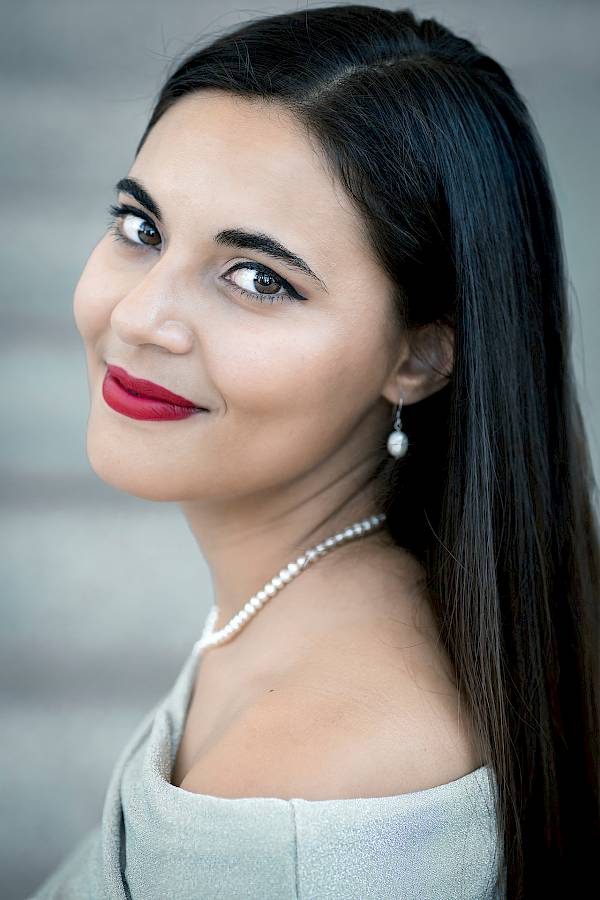
Klytämnestra Tanja Ariane Baumgartner


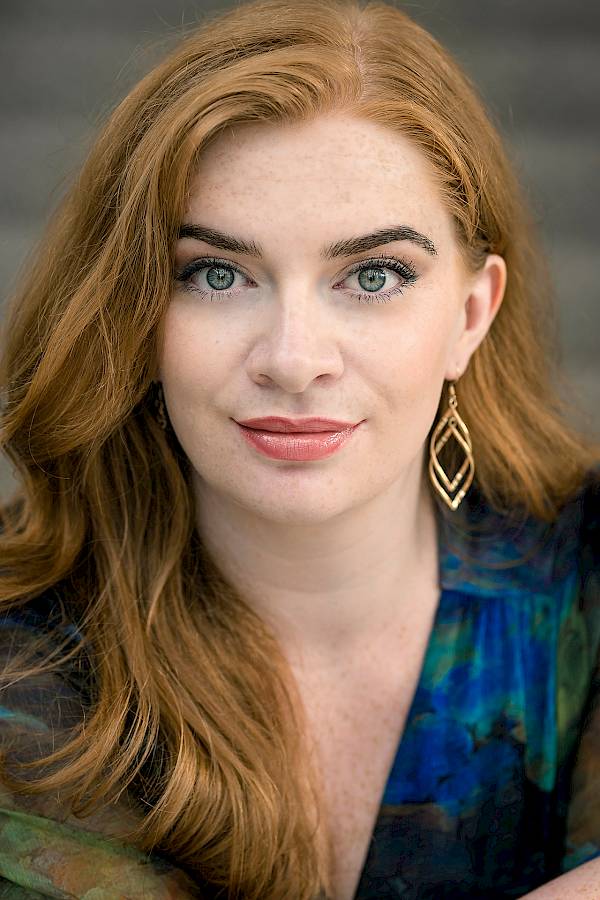
Elektra Miina-Liisa Värelä


Chrysothemis Sara Jakubiak


Aegisth John Daszak


Orest Gábor Bretz


Der Pfleger des Orest Brent Michael Smith


Die Vertraute Mariam Suleiman


Die Schleppträgerin Hannah McKay


Ein junger Diener Nathan Haller


Ein alter Diener Valeriy Murga


Die Aufseherin Melanie Diener


Die erste Magd Dominika Stefańska


Die zweite Magd Cashlin Oostindië


Die dritte Magd Irène Friedli


Die vierte Magd Natália Tuznik


Die fünfte Magd Sonja Herranen

Tanja Ariane Baumgartner

Tanja Ariane Baumgartner initially studied violin in Freiburg and subsequently voice in Karlsruhe, Vienna and Sofia. From 2009 to 2020, she was an ensemble member at Oper Frankfurt, where she performed the major roles of her voice type. Her most important roles include Fricka ("Das Rheingold"/"Die Walküre"), Kundry ("Parsifal"), Klytämnestra ("Elektra"), the Nurse ("Die Frau ohne Schatten"), Ortrud ("Lohengrin") and Brangäne ("Tristan und Isolde"), which she has performed at major international opera houses and festivals, including the Vienna State Opera, Salzburg Festival, Semperoper Dresden, Grand Théâtre de Genève, Hamburg State Opera, Deutsche Oper Berlin, Bavarian State Opera in Munich and London's Covent Garden. She has also appeared at the Salzburg Festival as Mrs Quickly ("Falstaff"), Countess Geschwitz ("Lulu"), Charlotte ("Die Soldaten") and the Mother ("Il prigioniero"), as Leonore in the world premiere of Glanert's "Die Jüdin von Toledo" at the Semperoper Dresden, and as Venus ("Tannhäuser") at Zurich Opera House and in Dmitri Tcherniakov's new production in Hamburg. Concert engagements have taken her to the Salzburg Festival with Mahler's "Das Lied von der Erde" and to Munich and Hamburg with the Munich Philharmonic. Conductors with whom she has collaborated in concert also include Sebastian Weigle, Joana Mallwitz, Philippe Jordan and Semyon Bychkov. Recent appearances include her debut at La Scala in Milan as Annina in "Der Rosenkavalier" under Kirill Petrenko, Herodias ("Salome") in Geneva and Kundry ("Parsifal") at the Tokyo Spring Festival. She teaches as a professor at the Basel Academy of Music.

Elektra22 / 26 Nov / 2 / 5 / 10 / 13 / 16 Dec 2026

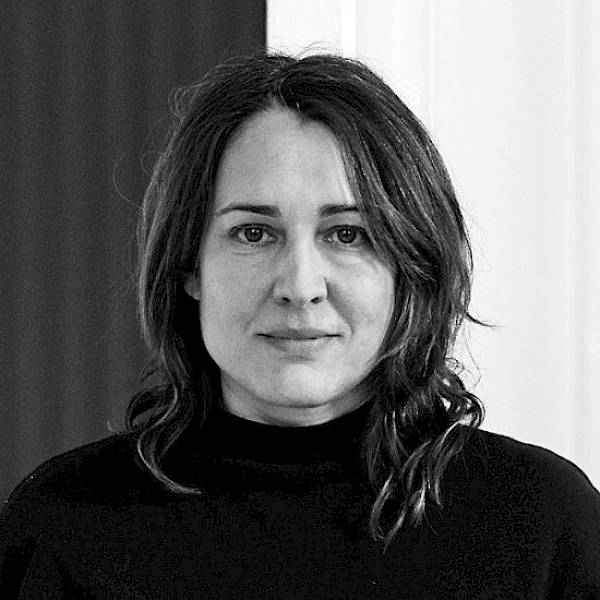
Miina-Liisa Värelä

Originally from Finland, Miina-Liisa Värelä completed her training at the Sibelius Academy and is a prizewinner of competitions including those in Lappeenranta and Belvedere. The soprano has established a distinctive profile in the German dramatic repertoire and is a sought-after interpreter of the Dyer's Wife ("Die Frau ohne Schatten"). She most recently performed this role in new productions at the Festspielhaus Baden-Baden with the Berlin Philharmonic under Kirill Petrenko and at the Semperoper Dresden under Christian Thielemann. In the Wagner repertoire, she has appeared as Isolde ("Tristan und Isolde") with the Los Angeles Philharmonic Orchestra under Gustavo Dudamel, as well as at Glyndebourne Festival Opera and the BBC Proms under Robin Ticciati. In 2025, she made her debut at the Bayreuth Festival as Ortrud ("Lohengrin"). Her engagements in recent seasons include Leonore ("Fidelio") at the Canadian Opera Company, Ariadne ("Ariadne auf Naxos") and Ortrud ("Lohengrin") at the Gran Teatre del Liceu, Elektra at Landestheater Linz, and the Dyer's Wife at the Bavarian State Opera, Oper Frankfurt and the Verbier Festival. She made her debut as Turandot at the Finnish National Opera and performed her first Tosca at the Savonlinna Opera Festival. In the 2025/26 season, she performed the role of Brünnhilde ("Die Walküre") in concert for the first time with the Accademia Nazionale di Santa Cecilia under Daniel Harding in Rome, as well as Sieglinde ("Die Walküre") with the Orchestre de Paris, also under Daniel Harding. She also made her debut as Kundry ("Parsifal") at the Bayreuth Festival under Pablo Heras-Casado. This season, she appears as Isolde both in Paris with the Orchestre Philharmonique de Radio France under Jaap van Zweden and at the Vienna State Opera under Alexander Soddy. In addition, she returns to Deutsche Oper Berlin as Ortrud under Susanna Mälkki and sings Brünnhilde in the "Ring" cycle in Munich, in Tobias Kratzer's production under Vladimir Jurowski.

Elektra22 / 26 Nov / 2 / 5 / 10 / 13 / 16 Dec 2026

Sara Jakubiak

Sara Jakubiak studied voice at Yale University and the Cleveland Institute of Music. In 2007, she received the Judith Raskin Memorial Award presented by Santa Fe Opera. From 2014 to 2018, she was an ensemble member at Oper Frankfurt. In 2018, she sang Heliane in Christof Loy's production of Korngold's "Das Wunder der Heliane" at Deutsche Oper Berlin. Guest engagements have also taken her to the Semperoper Dresden, Hamburg State Opera, Vienna State Opera, Dutch National Opera in Amsterdam, Palau de les Arts in Valencia, Gran Teatre del Liceu in Barcelona, Opéra de Lyon, English National Opera and New York City Opera, as well as the Salzburg Festival. Her repertoire includes roles such as Elsa von Brabant ("Lohengrin"), Agathe ("Der Freischütz"), Polina ("Der Spieler"), Alice Ford ("Falstaff"), Marie ("Wozzeck"), Tatyana ("Eugene Onegin"), the Empress ("Die Frau ohne Schatten"), Marie/Marietta ("Die tote Stadt"), Rosalinde ("Die Fledermaus"), Ellen Orford ("Peter Grimes"), Marta ("Die Passagierin"), as well as the title roles in "Ariadne auf Naxos", "Daphne" and "Francesca da Rimini". In the 2025/26 season, she made her debut at La Scala in Milan as Lady Macbeth of Mtsensk under Riccardo Chailly at the opening of the season. Other important engagements included Elsa at Oper Frankfurt, her debut as Isolde under Antonio Pappano with the London Symphony Orchestra, and Leonore ("Fidelio") under Franz Welser-Möst. In the current season, further engagements include the Empress in Cleveland under Franz Welser-Möst, her role debut as Salome in Amsterdam under Lorenzo Viotti, and Chrysothemis in London under Semyon Bychkov.

Elektra22 / 26 Nov / 2 / 5 / 10 / 13 / 16 Dec 2026

John Daszak

The British tenor John Daszak made his stage debut at English National Opera as Števa ("Jenůfa") after studying at the Guildhall School of Music and Drama in London, the Royal Northern College of Music in Manchester and the Accademia d’Arte Lirica in Osimo. He has performed the roles of Herod ("Salome"), the Drum Major ("Wozzeck"), Loge ("Das Rheingold") and Captain Vere ("Billy Budd") at the world’s most prestigious opera houses, including the Staatsoper Berlin, the Bavarian State Opera, the Bayreuth Festival and Teatro alla Scala. He has developed important artistic collaborations with Barrie Kosky, Dmitri Tcherniakov, Calixto Bieito and Krzysztof Warlikowski. He also works with conductors such as Simone Young, Marc Albrecht, Ingo Metzmacher and Vladimir Jurowski. Further highlights include Aron ("Moses und Aron") at the Vienna State Opera and Komische Oper Berlin, Herod at the Salzburg Festival and Aegisth ("Elektra") at the Bavarian State Opera. He can be seen on DVD in Pfitzner’s "Palestrina" (Bavarian State Opera) and in La Fura dels Baus’ production of "Das Rheingold" conducted by Zubin Mehta. In Zurich, he has sung Alviano Salvago in "Die Gezeichneten", Shuisky in "Boris Godunov" and Herod in "Salome". Engagements this season include Aegisth in a concert performance with the BBC Scottish Symphony Orchestra conducted by Karina Canellakis at the Edinburgh International Festival, and Tichon ("Katya Kabanova") in both Christoph Marthaler’s production at the Opéra national de Paris under Simone Young and at Santa Fe Opera under Harry Bicket. He will also appear as Herod at Teatro Regio Torino.

Elektra22 / 26 Nov / 2 / 5 / 10 / 13 / 16 Dec 2026

Gábor Bretz

Since graduating from the Franz Liszt Academy of Music in Budapest, bass-baritone Gábor Bretz has regularly appeared at the Hungarian State Opera, where he performs the major roles of his repertoire. Further highlights include Don Quichotte (Paris Opéra, Bregenz Festival), Heinrich der Vogler in "Lohengrin" (Staatsoper Unter den Linden, La Monnaie/De Munt, London’s Covent Garden), Grigoris in Martinů’s "The Greek Passion" (Salzburg Festival), Jochanaan (Salzburg Festival, Festival d’Aix-en-Provence), Don Pizarro (Theater an der Wien, Opéra-Comique in Paris), Scarpia (Theater an der Wien, Teatro Comunale di Bologna), Escamillo (Metropolitan Opera, Royal Opera House Covent Garden, Bavarian State Opera, among others), Sarastro (La Monnaie/De Munt), Ferrando in "Il trovatore" (Royal Opera House, Covent Garden), Philip II in "Don Carlos" (Hamburg State Opera) and the four villains in "Les Contes d’Hoffmann" (La Monnaie). He has also performed as Bluebeard with the Berlin Philharmonic, the Bavarian Radio Symphony Orchestra, the London Symphony Orchestra and the Royal Concertgebouw Orchestra, among others. In 2024–2025, he returned to Brussels as the Wanderer in "Siegfried", having previously performed Wotan there in Castellucci’s new productions of "Das Rheingold" and "Die Walküre". Further projects this season included the Water Goblin in Tcherniakov’s new production of "Rusalka" at Teatro San Carlo, Mundruczó’s new production of "Salome" in Geneva, as well as Gurnemanz, Philip II, Méphistophélès and the title role in "Bluebeard’s Castle" at the Hungarian State Opera. Most recently, he appeared at Zurich Opera House as Cardillac. Gábor Bretz is Professor of Voice at the Franz Liszt Academy of Music in Budapest.

Elektra22 / 26 Nov / 2 / 5 / 10 / 13 / 16 Dec 2026

Brent Michael Smith

Brent Michael Smith is from the USA. He studied voice at the Academy of Vocal Arts in Philadelphia and the University of Northern Iowa, as well as piano at Hope College in Michigan. He won second prize at the Giargiari Belcanto Competition in 2018, third prize at the Concorso Lirico da Portofino in 2021 and was a finalist in the Queen Sonja International Music Competition in 2020. In the USA, he has sung, among other roles, Friedrich Bhaer ("Little Women"), Colline ("La bohème") and Ashby ("La fanciulla del West") at Detroit Opera, Ariodante ("Xerxes") at the Glimmerglass Festival, as well as Celio (Prokofiev’s "Die Liebe zu den drei Orangen") and Peter Quince ("A Midsummer Night’s Dream") at Opera Philadelphia. He has also appeared at the Santa Fe Opera, La Monnaie in Brussels and the Opéra Royal de Wallonie-Liège, among others. In 2025, he sang Frère Laurent ("Roméo et Juliette") at the Semperoper Dresden. In 2020/21, he was a member of the International Opera Studio at Zurich Opera House. Since then, he has been a member of the ensemble and has appeared here, among other roles, as Sparafucile ("Rigoletto"), Raimondo ("Lucia di Lammermoor"), Prince Gremin ("Eugen Onegin"), Frère Laurent ("Roméo et Juliette"), Fafner ("Das Rheingold") and Angelotti ("Tosca"), the Attendant to Orest ("Elektra") and Jake Wallace ("La fanciulla del West").

Tannhäuser26 Sept / 4 / 9 / 13 Oct 2026 Die Zauberflöte18 Oct 2026 / 2 / 8 / 18 / 20 / 23 Apr 2027 Elektra22 / 26 Nov / 2 / 5 / 10 / 13 / 16 Dec 2026 Das Rheingold29 Nov / 4 / 12 / 17 Dec 2026 Roméo et Juliette12 / 19 / 21 Feb / 2 / 5 Mar 2027 La fanciulla del west25 / 28 Feb / 3 / 7 Mar / 4 / 7 / 10 / 16 Apr 2027

Mariam Suleiman

Italian soprano Mariam Suleiman completed her vocal studies at the Conservatorio di Musica Santa Cecilia in Rome under Virna Sforza. In 2023/24, she took part in the "Fabbrica" Young Artist Programme at the Teatro dell'Opera in Rome, during which she appeared in the title role of Pauline Viardot's "Cendrillon" and in concerts in Tokyo and at Expo 2025 in Osaka. In 2025, she won the competition Voci in Barcaccia. Largo ai giovani!, organised by the Italian broadcaster Rai Radio 3. She was also a finalist at the Teatr Wielki's International Stanisław Moniuszko Vocal Competition in Warsaw and at the Concorso Renata Tebaldi, where she received three special prizes. In 2025/26, she took part in the Mascarade Opera Emerging Artist Programme in Florence. Her most recent engagements include Isabella in Salieri's "La partenza inaspettata" at the Reate Festival 2025, the world premiere of Silvia Colasanti's "Sacred Goddess, Mother Earth" with the Filarmonica Arturo Toscanini in Parma, and the soprano part in Pergolesi's "Stabat Mater" with the Haydn Orchestra of Bolzano and Trento in Bolzano. At this year's Salzburg Festival, she appeared in "King Arthur Junior". Since this season, she has been a member of the International Opera Studio at the Zurich Opera House.

Die Zauberflöte20 / 25 Sept / 6 / 18 / 21 / 24 / 30 Oct 2026 / 2 / 8 / 18 / 20 / 23 Apr 2027 Elektra22 / 26 Nov / 2 / 5 / 10 / 13 / 16 Dec 2026 L'elisir d'amore25 / 27 / 29 Apr / 2 / 6 / 9 / 12 / 14 / 17 / 21 May 2027 Don Carlo1 / 6 / 8 / 11 Jul 2027

Hannah McKay

The Northern Irish soprano Hannah McKay studied at the Guildhall School of Music and Drama with Yvonne Kenny, where she sang Mrs Coyle in Britten's "Owen Wingrave" and the title role in Respighi's "Lucrezia". She is the winner of numerous competitions, including the Clonter Opera Prize in 2026 and the Audience Prize at the Glenarm Festival of Voice in 2024. In the same year, she was also a finalist in the Irish Heritage Bursary Competition. She has attended masterclasses with, among others, Thomas Allen, Miah Persson, Lawrence Brownlee and Sir Antonio Pappano. To date, her roles have included the Mother in Menotti's "Amahl and the Night Visitors" with Heritage Opera, Puccini's Suor Angelica at West Green House Opera and the Slave in Strauss' "Salome" at the Barbican Hall. She has been a member of the International Opera Studio since the 2026/27 season.

Die Zauberflöte20 / 25 Sept / 6 / 18 / 21 / 24 / 30 Oct 2026 / 2 / 8 / 18 / 20 / 23 Apr 2027 Elektra22 / 26 Nov / 2 / 5 / 10 / 13 / 16 Dec 2026 Die lustige Witwe27 / 31 Dec 2026 / 3 / 7 / 10 / 13 Jan 2027 Angels in America7 / 9 / 19 / 21 / 23 May 2027 Liederabend Bryn Terfel14 Dec 2026

Nathan Haller

Nathan Haller is from Canada and studied voice at the Juilliard School in New York. In 2013, he took part in the International Meistersinger Academy in Neumarkt. From 2015 to 2017, he was a member of the OperAvenir opera studio at Theater Basel, where he sang, among other roles, Tamino ("Die Zauberflöte"), Romeo ("Romeo and Juliet") and Oronte ("Alcina"). In 2016, he made guest appearances, among others, as Belmonte ("Die Entführung aus dem Serail") at the Akko Opera Festival in Israel, and in 2017/18 as François in Leonard Bernstein’s "A Quiet Place" at Neue Oper Wien. Further engagements have taken him to the Bavarian State Opera in Munich, Teatro Massimo di Palermo, Vienna Volksoper, Malmö Opera and Deutsche Oper am Rhein. On the concert stage, he has performed, among other venues, at the New York Festival of Song in Carnegie Hall and in Handel’s "La Resurrezione" with William Christie. He made his debut at Zurich Opera House in 2018 in Schreker’s "Die Gezeichneten" and returned the following year as Albazar ("Il turco in Italia"), later appearing here in the title role of Mitterer’s "Das tapfere Schneiderlein". He has been a member of the Zurich Opera House ensemble since the 2021/22 season. Recent roles here include Mercure in Rameau’s "Platée", Gobin/Un giovane/Adolfo in Puccini’s "La rondine", Pong ("Turandot"), the Dancing Master ("Ariadne auf Naxos"), Andrès in "Les Contes d’Hoffmann", the First Jew ("Salome"), Victorin ("Die tote Stadt"), Raoul de St. Brioche ("Die lustige Witwe"), Goro ("Madama Butterfly"), Valzacchi ("Der Rosenkavalier") and Dr. Blind ("Die Fledermaus"). This season, he has already appeared as Monostatos ("Die Zauberflöte") and will be performing in the Swiss premiere of John Adams’ "Doctor Atomic" later this season.

Die Zauberflöte20 / 25 Sept / 6 / 18 / 21 / 24 / 30 Oct 2026 / 2 / 8 / 18 / 20 / 23 Apr 2027 Tannhäuser26 Sept / 4 / 9 / 13 Oct 2026 Elektra22 / 26 Nov / 2 / 5 / 10 / 13 / 16 Dec 2026 Doctor Atomic7 / 11 / 14 / 20 / 24 / 28 Feb 2027 La fanciulla del west25 / 28 Feb / 3 / 7 Mar / 4 / 7 / 10 / 16 Apr 2027

Valeriy Murga

Valeriy Murga studied at the National Music Academy of Ukraine in Kyiv. He was a finalist at both the 41st International Singing Competition in Toulouse (1996) and the 7th Julian Gayarre Competition in Pamplona (1998). In 1997, he won second prize at the Maria Callas Grand Prix in Athens and participated in the Cardiff Singer of the World Competition in 1999. From 1997 to 1999, he was a soloist at the Ukrainian National Opera in Kyiv, where he performed roles including Figaro ("Le nozze di Figaro"), Escamillo ("Carmen"), Schaunard ("La bohème") and the title roles in "Eugene Onegin", "Don Giovanni" and "Fürst Igor". His repertoire also includes roles such as Marchese di Posa ("Don Carlo") and Shaklovity ("Khovanshchina"). At Zurich Opera House, he was initially a member of the International Opera Studio, during which time he appeared as Sciarrone and the Jailer ("Tosca") and as Monterone ("Rigoletto"), among other roles. Since the beginning of the 2000/01 season, he has been a permanent ensemble member at Zurich Opera House, where he has since appeared in roles including Prince Yeletsky ("Pique Dame"), Moralès ("Carmen"), Second Soldier ("Salome"), Alessio ("La sonnambula"), Ali ("L’italiana in Algeri"), Wagner ("Faust"), the Sacristan ("Tosca") and Bogdanovich ("Die lustige Witwe"), as well as in family operas such as "Das Gespenst von Canterville", "Robin Hood", "Das verzauberte Schwein", "Jim Knopf" and "Wir pfeifen auf den Gurkenkönig". He has also made guest appearances in Eugen d’Albert's "Tiefland" at the Gran Teatre del Liceu in Barcelona and in "L’italiana in Algeri" at the Staatsoper Unter den Linden in Berlin, and has performed in concerts at the Tonhalle Zurich. In the 2026/27 season, he appears at Zurich Opera House as the Old Servant in "Elektra" and as Alcindoro in Puccini's "La bohème", among other roles.

La rondine24 / 27 Sept / 1 / 10 / 15 Oct 2026 Alice im Wunderland8 / 15 / 19 / 21 Nov 2026 / 8 / 17 Jan 2027 Elektra22 / 26 Nov / 2 / 5 / 10 / 13 / 16 Dec 2026 Tosca11 / 14 / 17 / 21 / 24 Apr / 13 / 17 May 2027 La bohème16 / 18 / 23 Jun / 4 / 7 / 10 Jul 2027 Manon Lescaut11 / 15 / 18 / 22 / 26 Dec 2026

Melanie Diener

Melanie Diener made an international name for herself with the major roles in the operas of Richard Wagner and Richard Strauss. Her operatic repertoire includes Wagner roles such as Isolde, Elsa, Sieglinde and Elisabeth ("Tannhäuser"), Strauss heroines such as the Marschallin, Ariadne and Chrysothemis, as well as roles such as Leonore ("Fidelio"), Agathe, Katya Kabanova, Ursula ("Mathis der Maler") and Ellen Orford ("Peter Grimes"). Her engagements have taken her to opera houses in Munich, Hamburg, Dresden, Leipzig, Vienna, Zurich, Amsterdam, Helsinki, Warsaw, London, Paris, Rome, Moscow, New York, Washington, Toronto, Bogotá and Tokyo, among others. She has worked with renowned conductors such as Claudio Abbado, Philippe Jordan, Riccardo Chailly, Christoph von Dohnanyi, Michael Gielen, Bernard Haitink, Marek Janowski, Simone Young, Kent Nagano, Lorin Maazel, Kirill Petrenko and Franz Welser-Möst. Her engagements have taken her to numerous festivals, including the Berliner Festwochen, the Lucerne Festival, the Salzburg Festival, the Vienna Festival and the Tanglewood Festival. Melanie Diener has worked with directors such as Michael Thalheimer, Keith Warner, Oliver Py, Peter Sellars, Martin Kušej, Katharina Thalbach, Nigel Lowery, Marco Arturo Marelli and Vera Nemirova. She has given numerous masterclasses, including in Barcelona, at the Rotterdam Conservatory and at the Stuttgart University of Music and Performing Arts. In 2019, together with Thomas Hampson, she directed the "Internationale Opernwerkstatt Waiblingen", which she had initiated. Melanie Diener has an extensive discography, including her solo CD "Puccini's Heroines" and complete opera recordings such as Puccini's "Le Villi", Korngold's "Die Kathrin" and Weber's "Euryanthe".

Elektra22 / 26 Nov / 2 / 5 / 10 / 13 / 16 Dec 2026

Dominika Stefańska

Mezzo-soprano Dominika Stefańska studied in Łódź and was a member of the Academy of the Warsaw Opera. She was a finalist at the Ada Sari International Vocal Artistry Competition in 2021. At Łódź Opera, she sang the roles of Volpino ("Lo speziale") and Frau Reich ("Due lustigen Weiber von Windsor"), as well as a Nymph ("Rusalka") at Poznań Opera. As a member of the International Opera Studio at Zurich Opera House, she sang Hippolyta ("A Midsummer Night's Dream"), among other roles. Since the 2026/27 season, Dominika Stefańska has been a permanent ensemble member at Zurich Opera House, where she can be seen in roles including the Third Lady ("Die Zauberflöte"), First Maid ("Elektra"), Grimgerde ("Die Walküre"), First Norn ("Götterdämmerung") and Pasqualita ("Doctor Atomic").

Die Zauberflöte20 / 25 Sept / 6 / 18 / 21 / 24 / 30 Oct 2026 / 2 / 8 / 18 / 20 / 23 Apr 2027 Rachmaninow – Die drei Opern1 / 4 / 8 / 15 / 18 / 21 / 28 Nov 2026 Die Walküre24 / 31 Jan / 3 / 6 Feb 2027 Doctor Atomic7 / 11 / 14 / 20 / 24 / 28 Feb 2027 Elektra22 / 26 Nov / 2 / 5 / 10 / 13 / 16 Dec 2026

Cashlin Oostindië

Cashlin Oostindië is a Dutch mezzo-soprano. She received her training at the Conservatory of Amsterdam and in Athens, as well as privately with Lauren Athey-Janka and Eva-Maria Westbroek. During her studies, she was a member of Young Opera Noord Holland, sang Marcellina ("Le nozze di Figaro"), was part of the chorus in Poulenc’s "Dialogues des Carmélites" and appeared as a soloist at the Lefkas Music Week Festival in Greece. In concert, she sang the alto parts in Bruckner’s "Requiem" and Rossini’s "Petite Messe solennelle". Together with pianist Florence van der Does, she regularly gives song recitals in the Netherlands. Since the 2025/26 season, she has been a member of the International Opera Studio at Zurich Opera House.

La rondine24 / 27 Sept / 1 / 10 / 15 Oct 2026 Die Walküre24 / 31 Jan / 3 / 6 Feb 2027 Angels in America7 / 9 / 19 / 21 / 23 May 2027 Elektra22 / 26 Nov / 2 / 5 / 10 / 13 / 16 Dec 2026 Die lustige Witwe27 / 31 Dec 2026 / 3 / 7 / 10 / 13 Jan 2027

Irène Friedli

Irène Friedli grew up in Räuchlisberg, Switzerland, and completed her studies at the Basel Academy of Music with a soloist diploma. The contralto furthered her studies in Dietrich Fischer-Dieskau's interpretation class in Berlin, attended masterclasses with Brigitte Fassbaender and continued her training with Helen Keller. She won numerous prizes at international song competitions. She has been an ensemble member at Zurich Opera House since 1994. Here, she has performed roles including the Second and Third Lady ("Die Zauberflöte"), Mercédès ("Carmen"), the title role in Ravel's "L’Enfant et les sortilèges", Elsbeth in "Schlafes Bruder", Lily in "Harley", Annina and Flora ("La traviata"), Flosshilde ("Das Rheingold", "Götterdämmerung"), Marcellina ("Le nozze di Figaro"), Emilia ("Otello"), Lucia ("Cavalleria rusticana"), Olga in Peter Eötvös' "Three Sisters", Marthe in Gounod's "Faust", Margret ("Wozzeck"), Lovis in Jörn Arnecke's "Ronja Räubertochter", a Flower Maiden and the Voice from Above ("Parsifal"), Clotilde ("Norma"), Mother/Other Mother ("Coraline"), the Card Dealer ("Arabella") and the Nurse ("Boris Godunov"). In the world premiere of the family opera "Odyssee", she portrayed Eurycleia/Mother, and in "Girl with a Pearl Earring", Tanneke. In 2012, she made a guest appearance at the Opéra Bastille in Paris. Most recently, she has appeared in Zurich in roles including Filipyevna in "Eugene Onegin", Tisbe in "La Cenerentola", the Head Cook in "Amerika", Annina in "Der Rosenkavalier" and Gertrud/the Witch in "Hänsel und Gretel". In the 2026/27 season, she appears in "Alice in Wonderland", "Roméo et Juliette", "Le nozze di Figaro" and "Elektra".

Alice im Wunderland8 / 15 / 28 Nov / 6 Dec 2026 / 7 / 8 / 10 / 17 Jan 2027 Roméo et Juliette12 / 19 / 21 Feb / 2 / 5 Mar 2027 Le nozze di Figaro2 / 6 / 8 / 15 / 19 May 2027 Elektra22 / 26 Nov / 2 / 5 / 10 / 13 / 16 Dec 2026

Natália Tuznik

Soprano Natália Tuznik was born in Budapest and completed her vocal studies at the Franz Liszt Academy of Music there. She was awarded the Junior Prima Prize. In 2023, she was a member of the Opera Academy at Teatr Wielki in Warsaw and the following year joined the "exzellenz labor oper", founded by Hedwig Fassbender. She has taken part in numerous masterclasses and worked with artists including Éva Marton, Claudio Di Segni, Anatoli Goussev, Izabela Kłosińska, Fausto Nardi, Katelan Trần Terrell, Michał Biel and René Massis. In 2022, she made her debut as Wellgunde ("Götterdämmerung") at the Hungarian State Opera and sang the First Lady ("Die Zauberflöte") on a tour of Japan. At the Hungarian State Opera, she has also sung the title role in Gluck’s "Iphigenie auf Tauris", Donna Anna in "Don Giovanni", Alice Ford in "Falstaff" and, most recently, Countess Almaviva in "Le nozze di Figaro". Since the 2025/26 season, she has been a member of the International Opera Studio at Zurich Opera House. Most recently, she appeared here as Curra in "La forza del destino", among other roles, and in the 2026/27 season she will perform roles in "Die Walküre", "Don Carlo" and "Elektra".

La rondine24 / 27 Sept / 1 / 10 / 15 Oct 2026 Die Walküre24 / 31 Jan / 3 / 6 Feb 2027 Don Carlo1 / 6 / 8 / 11 Jul 2027 Elektra22 / 26 Nov / 2 / 5 / 10 / 13 / 16 Dec 2026

Sonja Herranen

The Finnish soprano Sonja Herranen studied at the Estonian Academy of Music and Theatre and took private singing lessons with Dale Fundling. In 2022, she made her debut at the Finnish National Opera as the First Lady in Mozart's "Die Zauberflöte". In 2023, she won first prize at the Elisabeth Connell Prize International Singing Competition in London, as well as second prize and the special prize of the Finnish National Opera Foundation at the national singing competition in Lappeenranta. In 2024, she made her debuts as the Third Norn in Wagner's "Götterdämmerung" at the Finnish National Opera and as Donna Elvira in Mozart's "Don Giovanni" at the Savonlinna Opera Festival. From 2024 to 2026, she was a member of the International Opera Studio at the Staatsoper Unter den Linden in Berlin. There, she sang, among other roles, Freia in "Das Rheingold", Helmwige in "Die Walküre", Anna in "Nabucco", Pamina in "Die Zauberflöte", the Priestess in "Aida" and the Voice from Heaven in "Don Carlo". In the Opera Studio production of Weber's "Der Freischütz", she took on the role of Agathe. She has worked with conductors such as Christian Thielemann, Simon Rattle, Bertrand de Billy and Philippe Jordan. In 2025, she sang Gerhilde in a semi-staged performance of "Die Walküre" with the Orchestra dell’Accademia Nazionale di Santa Cecilia under Daniel Harding and performed Mahler's Fourth Symphony at the Bregenz Festival. In 2026, she sang the Countess in "Le nozze di Figaro" at the Savonlinna Opera Festival. In the same year, she became a scholarship holder of the Finnish Wagner Society. In 2026/27, she returns to the Staatsoper Unter den Linden as Giulietta in "Les Contes d'Hoffmann" and as Pamina. At the Finnish National Opera, she sings Euridice in "Orfeo ed Euridice" and will appear again as Pamina at the Savonlinna Opera Festival in 2027.

Elektra22 / 26 Nov / 2 / 5 / 10 / 13 / 16 Dec 2026
Show full cast Show less

Orchestra of the Zurich Opera House

Cast

Oiseaux Rebelles11 / 13 / 16 / 18 / 27 Sept 2026 Die Zauberflöte20 / 25 Sept / 6 / 18 / 21 / 24 / 30 Oct 2026 / 2 / 8 / 18 / 20 / 23 Apr 2027 La rondine24 / 27 Sept / 1 / 10 / 15 Oct 2026 Tannhäuser26 Sept / 4 / 9 / 13 Oct 2026 Die Fledermaus29 Sept / 8 / 17 / 23 / 25 Oct 2026 Ein Sommernachtstraum11 / 16 / 18 / 25 / 28 / 29 / 31 Oct / 12 / 13 / 14 Nov 2026 / 19 / 22 / 29 Jun / 3 Jul 2027 1th Philharmonic Concert3 Oct 2026 Alice im Wunderland8 / 15 / 19 / 21 / 26 / 28 Nov / 6 Dec 2026 / 2 / 7 / 8 / 10 / 17 Jan 2027 Romeo und Julia20 / 27 / 29 Nov / 6 / 13 / 19 / 26 / 27 Dec 2026 Elektra22 / 26 Nov / 2 / 5 / 10 / 13 / 16 Dec 2026 Das Rheingold29 Nov / 4 / 12 / 17 Dec 2026 Pascal & Noseda7 Nov 2026 Manon Lescaut11 / 15 / 18 / 22 / 26 Dec 2026 La traviata20 / 23 / 29 Dec 2026 / 1 / 3 / 6 / 9 / 12 / 15 / 19 / 23 Jan 2027 Die lustige Witwe27 / 31 Dec 2026 / 3 / 7 / 10 / 13 Jan 2027 Fuchs & Jordan1 / 2 Jan 2027 Trifonov & Järvi16 Jan 2027 Die Walküre24 / 31 Jan / 3 / 6 Feb 2027 Doctor Atomic7 / 11 / 14 / 20 / 24 / 28 Feb 2027 Roméo et Juliette12 / 19 / 21 Feb / 2 / 5 Mar 2027 Sorita & Lyniv14 Feb 2027 La fanciulla del west25 / 28 Feb / 3 / 7 Mar / 4 / 7 / 10 / 16 Apr 2027 Tosca11 / 14 / 17 / 21 / 24 Apr / 13 / 17 May 2027 L'elisir d'amore25 / 27 / 29 Apr / 2 / 6 / 9 / 12 / 14 / 17 / 21 May 2027 Le nozze di Figaro2 / 6 / 8 / 15 / 19 May 2027 Balanas & Peltokoski18 Apr 2027 Requiem pour Ophélie4 / 7 / 9 May 2027 See the music, hear the dance22 / 28 May / 6 / 10 / 12 / 15 / 25 / 26 / 27 Jun 2027 Don Pasquale23 / 27 / 30 May / 4 / 6 / 11 Jun 2027 Samson et Dalila13 / 17 / 20 / 24 / 27 / 30 Jun / 2 / 9 Jul 2027 La bohème16 / 18 / 23 Jun / 4 / 7 / 10 Jul 2027 Don Carlo1 / 6 / 8 / 11 Jul 2027 Viotti29 May 2027 Rachmaninow – Die drei Opern1 / 4 / 8 / 15 / 18 / 21 / 28 Nov 2026 Benefizkonzert Anne-Sophie Mutter2 Oct 2026 Open-Air-Konzert4 Jul 2027

Additional Chorus of the Zurich Opera House

Cast

Elektra22 / 26 Nov / 2 / 5 / 10 / 13 / 16 Dec 2026 Le nozze di Figaro2 / 6 / 8 / 15 / 19 May 2027 La bohème16 / 18 / 23 Jun / 4 / 7 / 10 Jul 2027

Extras' Association at the Zurich Opera House

Der Statistenverein am Opernhaus Zürich wurde im Jahr 1900 gegründet und dürfte damit einer der traditionsreichsten Vereine auf dem Kulturplatz Zürich sein. Rund hundert Frauen und Männer im Alter von 16 bis 70 Jahren bereichern das Bühnengeschehen in zahlreichen Inszenierungen.Statisten, früher auch als Figuranten bezeichnet, haben generell nicht sprechende Rollen. Ihre Einsätze am Opernhaus Zürich fallen je nach Inszenierung unterschiedlich umfangreich aus. Während früher Massenszenen im Vordergrund standen, sind die Statistinnen und Statisten seit der Ära Pereira und der Intendanz von Andreas Homoki zunehmend auch für aufwändigere Einzelauftritte sowie für anspruchsvolle technische Einsätze gefragt. Die Mitglieder des Statistenvereins üben ihre Einsätze in der Freizeit und ohne finanzielle Interessen aus. Sie bringen Begeisterung für Musik und Theater mit.

Alice im Wunderland8 / 15 / 19 / 21 / 26 / 28 Nov / 6 Dec 2026 / 2 / 7 / 8 / 10 / 17 Jan 2027 Manon Lescaut11 / 15 / 18 / 22 / 26 Dec 2026 Die lustige Witwe27 / 31 Dec 2026 / 3 / 7 / 10 / 13 Jan 2027 Die Walküre24 / 31 Jan / 3 / 6 Feb 2027 Roméo et Juliette12 / 19 / 21 Feb / 2 / 5 Mar 2027 Tosca11 / 14 / 17 / 21 / 24 Apr / 13 / 17 May 2027 Le nozze di Figaro2 / 6 / 8 / 15 / 19 May 2027 La bohème16 / 18 / 23 Jun / 4 / 7 / 10 Jul 2027 Don Carlo1 / 6 / 8 / 11 Jul 2027 La fanciulla del west25 / 28 Feb / 3 / 7 Mar / 4 / 7 / 10 / 16 Apr 2027 Die Fledermaus29 Sept / 8 / 17 / 23 / 25 Oct 2026 Elektra22 / 26 Nov / 2 / 5 / 10 / 13 / 16 Dec 2026 Rinaldo14 / 19 / 23 / 25 / 27 / 29 Mar 2027 Samson et Dalila13 / 17 / 20 / 24 / 27 / 30 Jun / 2 / 9 Jul 2027 Tannhäuser26 Sept / 4 / 9 / 13 Oct 2026 Doctor Atomic7 / 11 / 14 / 20 / 24 / 28 Feb 2027 Die Zauberflöte20 / 25 Sept / 6 / 18 / 21 / 24 / 30 Oct 2026 / 2 / 8 / 18 / 20 / 23 Apr 2027 Rachmaninow – Die drei Opern1 / 4 / 8 / 15 / 18 / 21 / 28 Nov 2026

Abstract

Elektra relentlessly summons the past—her trauma and her burning desire for revenge: her father Agamemnon, scarcely returned from the Trojan War, lies dead, murdered in the bath by her mother Clytemnestra and her lover Aegisthus. Richard Strauss composed music of searing force, profound and relentless, granting none of the characters redemption until Elektra’s ecstatic final dance. Following her visually powerful Der Rosenkavalier at the Zurich Opera House, director Lydia Steier now turns to Strauss’s darker counterpart. At the podium is the Lausanne-born conductor and designated Zurich General Music Director Lorenzo Viotti. In the demanding title role, Finnish soprano Miina-Liisa Värelä makes her Zurich debut.

Read more Show less

Photo Gallery "Elektra"


The poster image for "Elektra" © Boris Eldagsen


Good to know

AI artist Boris Eldagsen on “Elektra”

Boris Eldagsen, creator of the AI videos for “Elektra”, talks to Kathrin Brunner and Roman Reeger

Elektra lives inside the memory of her father Agamemnon’s murder. In Lydia Steier’s production, this past becomes an artistic device. What does that look like in practice?

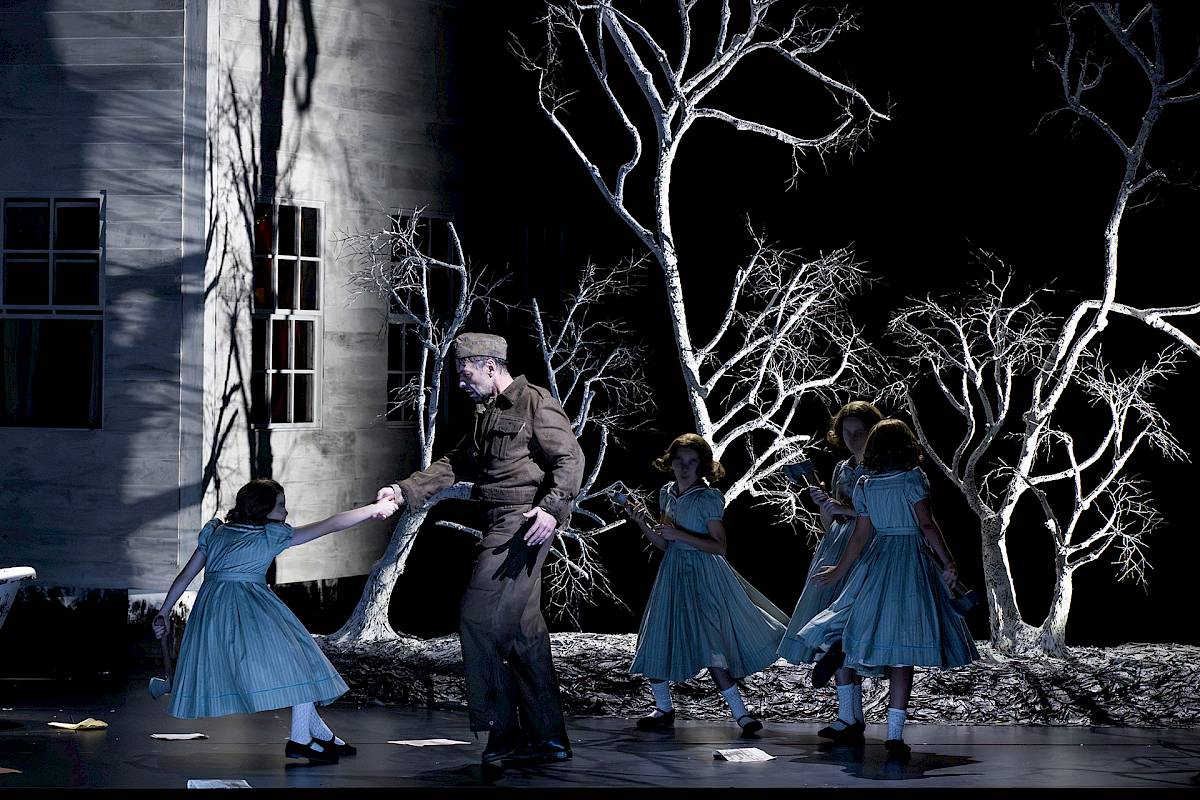
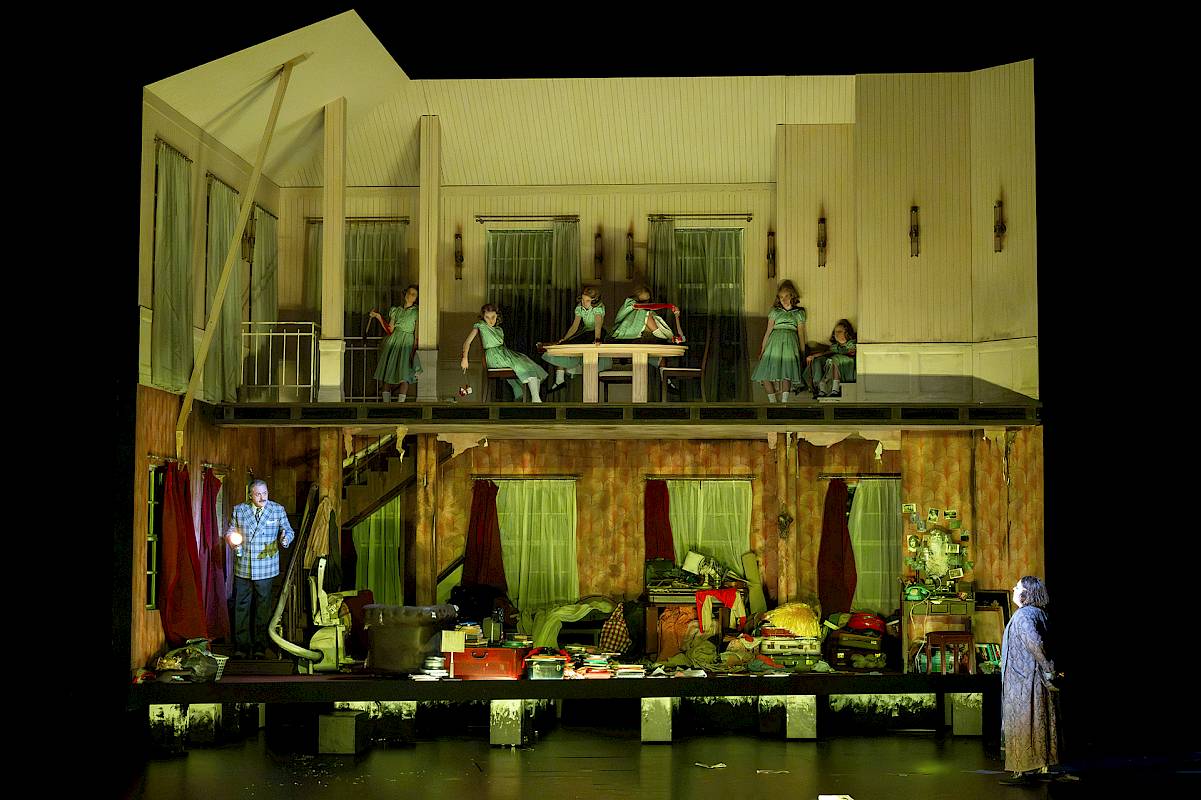
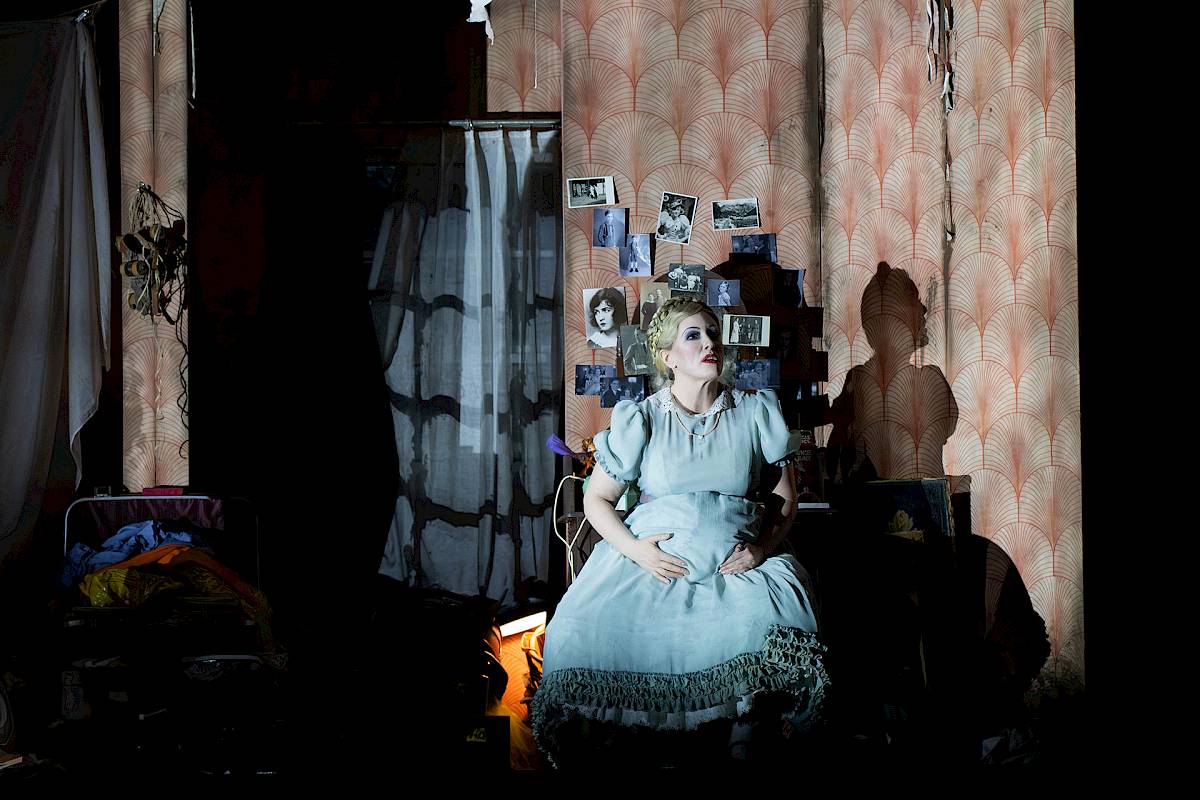
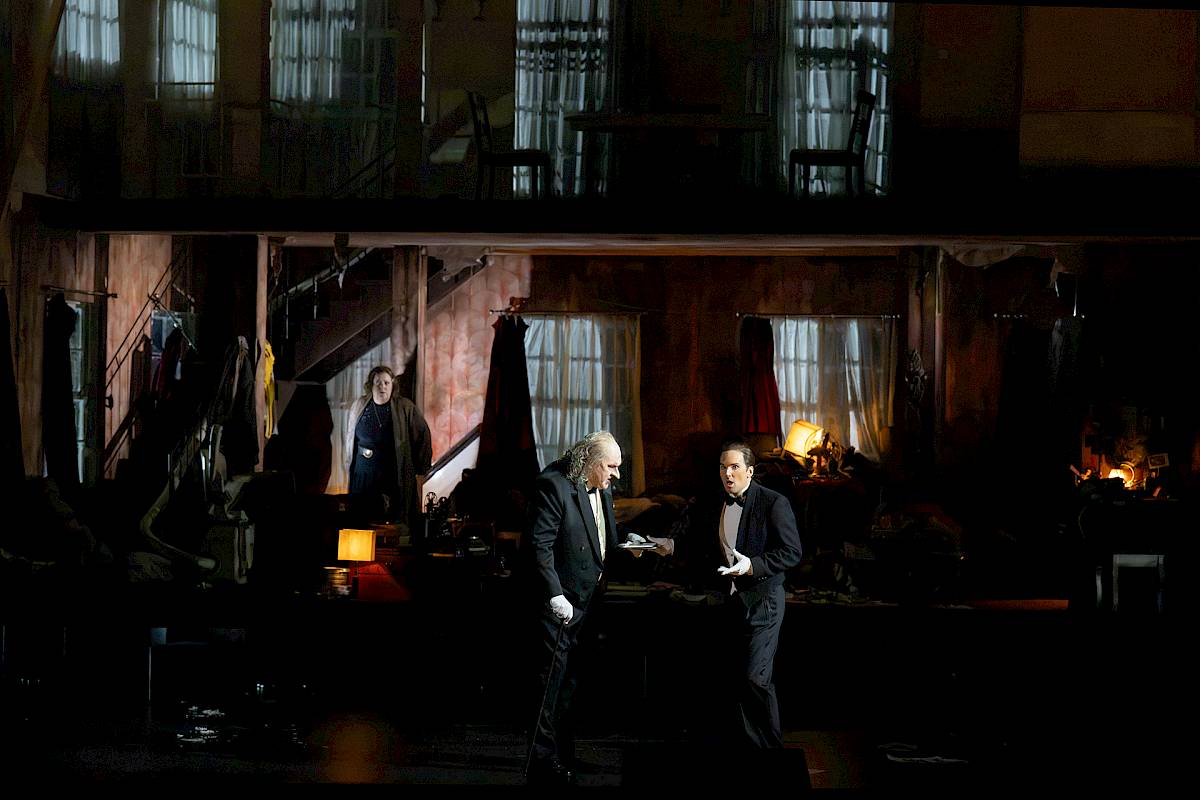
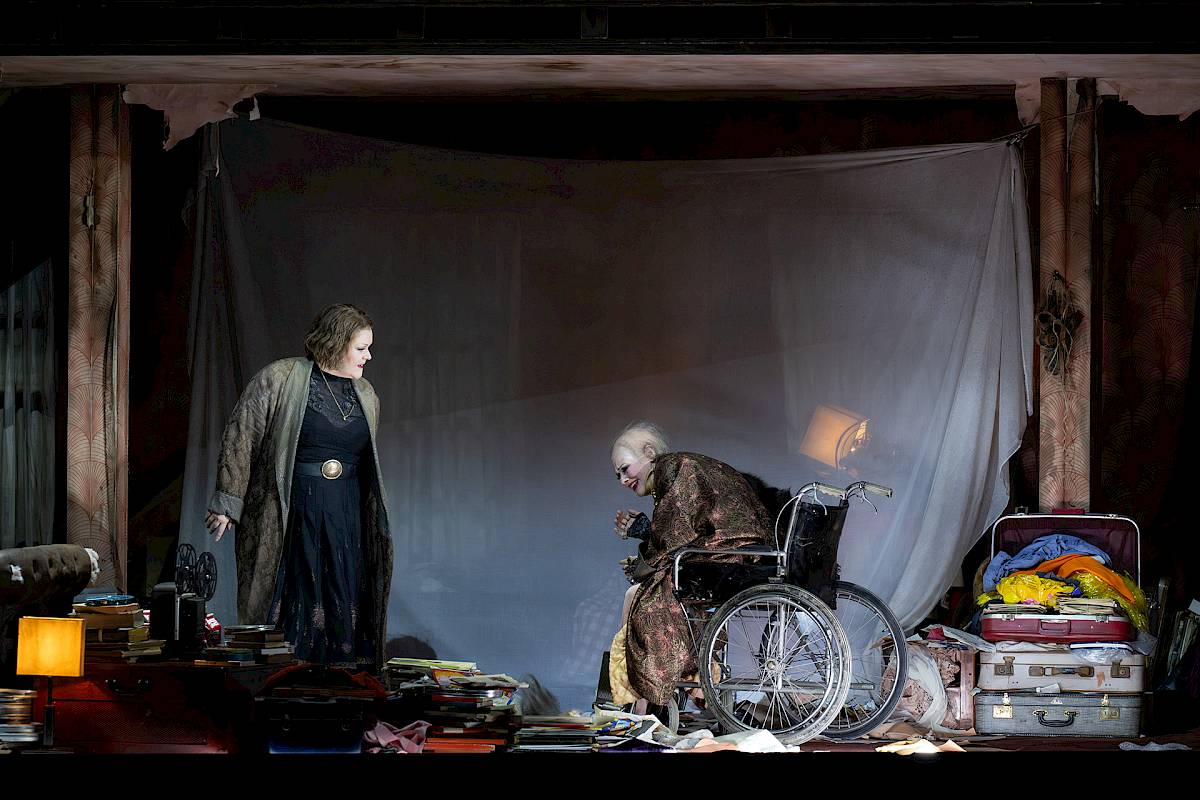
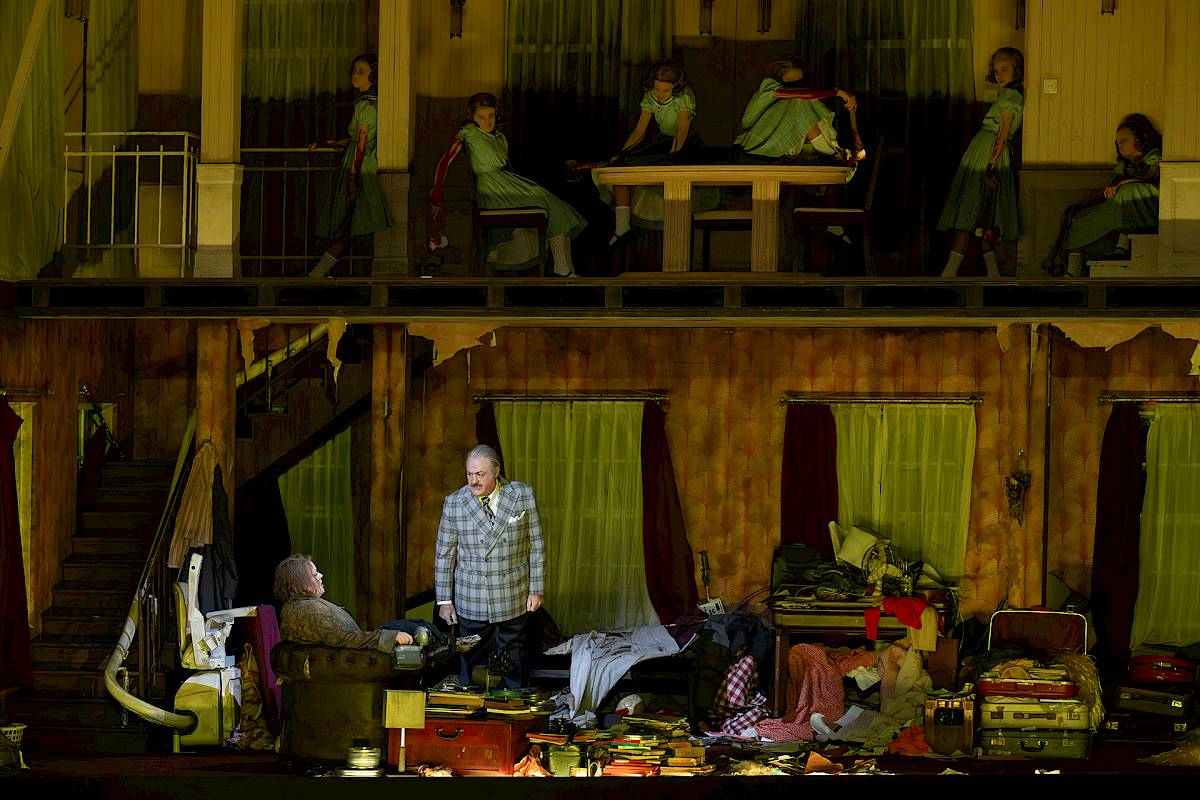
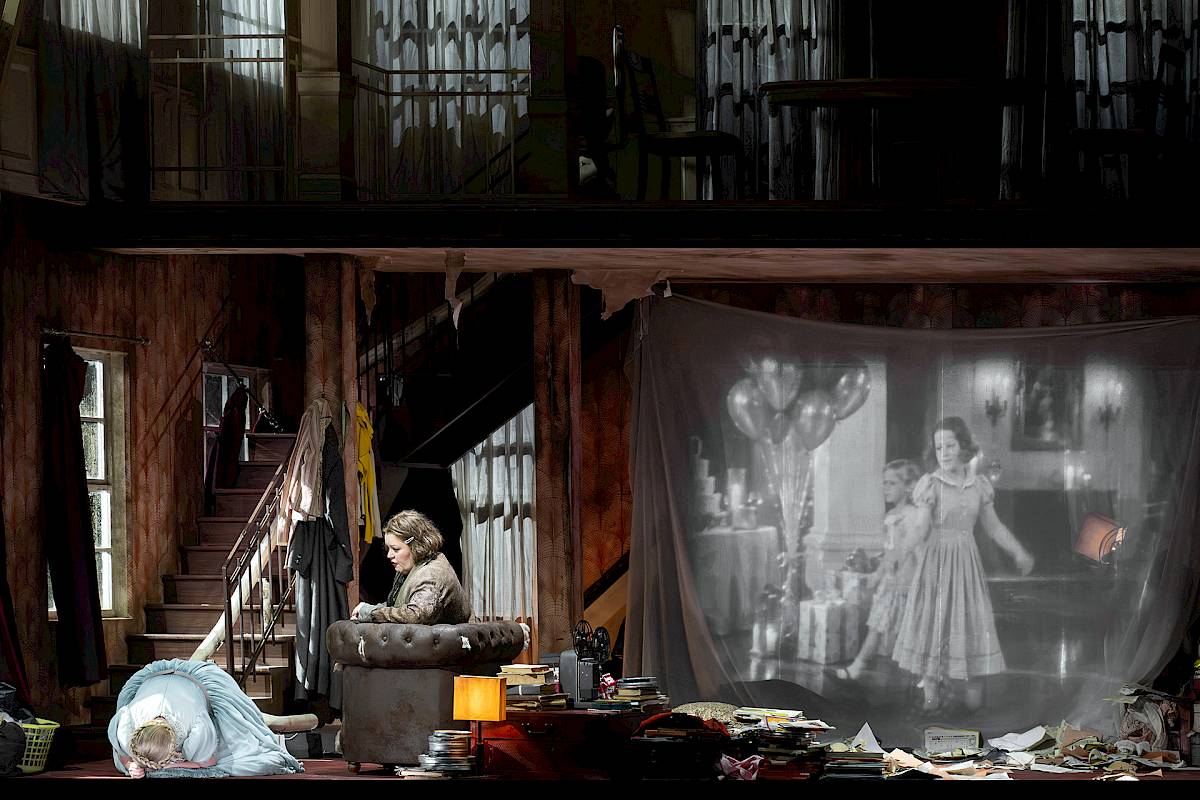
Everyone in the auditorium knows they’re at the opera. But at some point you forget that it’s all fabricated and get completely immersed in it. Paul Zoller’s set design is inspired by the 1930s. Lydia’s idea was to have a birthday film playing, showing Elektra at the age of ten, which Elektra – now in her late forties – is watching, caught in this loop of memories. This film then starts to seamlessly morph into strange, surreal scenes that reflect Elektra’s psyche. AI lets us have the actual singers appear in this film that was never even shot – and as children, too. Of course, we discussed this with everyone involved beforehand and obtained their permission.

How did you go about it?

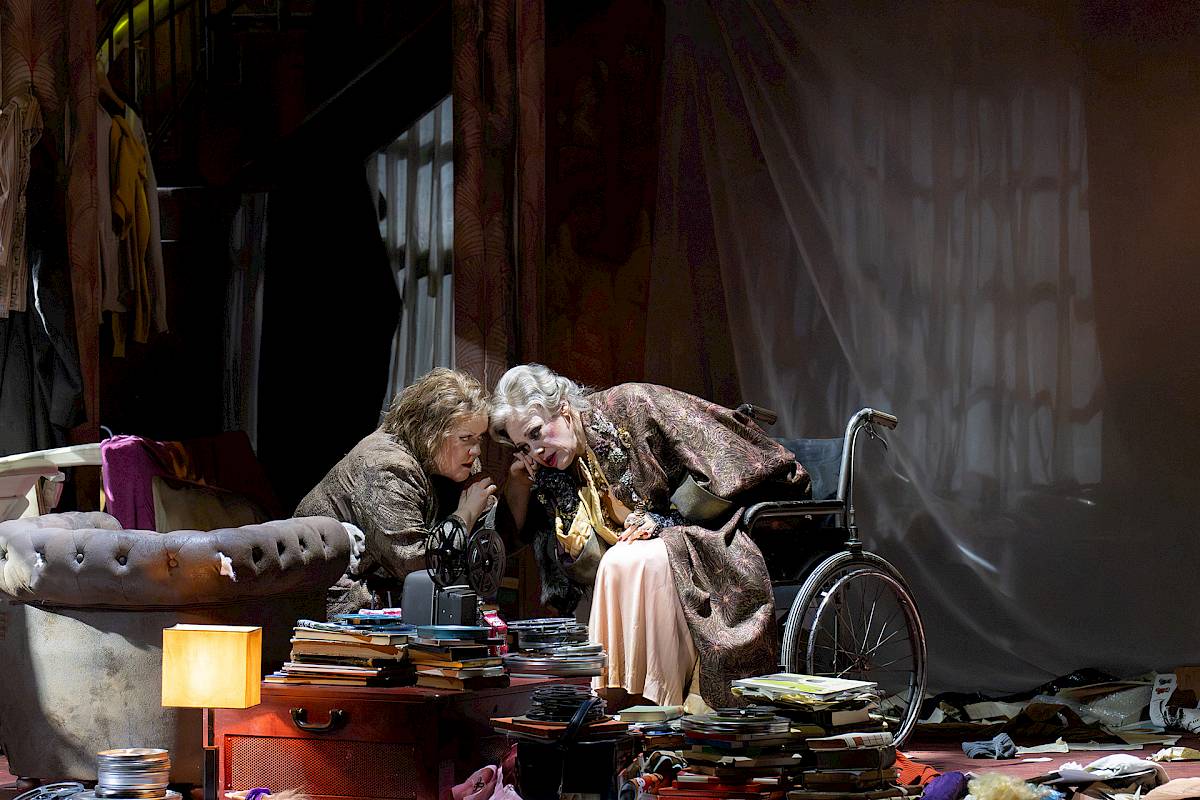
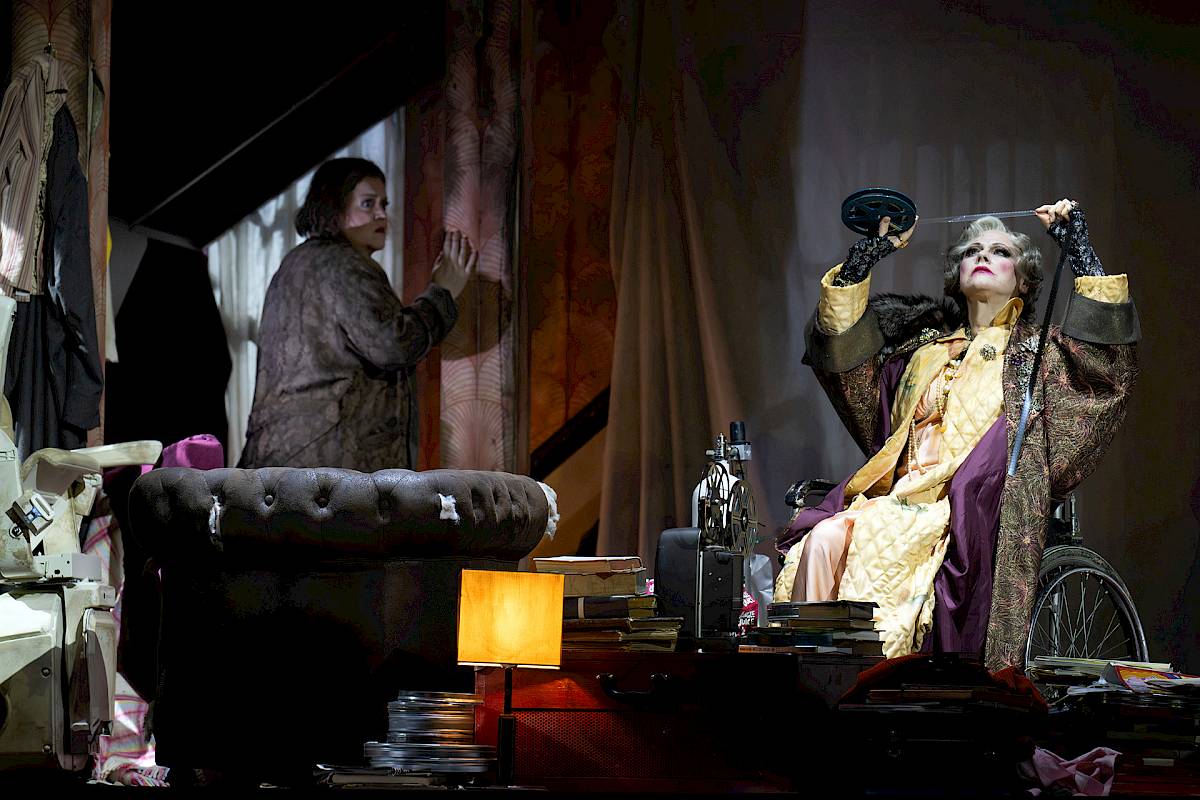
I was given childhood and adult photographs of everyone involved as reference material, along with Gianluca Falaschi’s costume designs and notes on the characters’ ages. Using these, I created what’s called a character sheet for each person: Agamemnon from head to toe, in portrait and in detail. That way, he looks the same in every video. I also adapted the set design to give it a cinematic quality. The biggest challenge was the vintage 8mm look that Lydia wanted. We drew up a list of a hundred ideas for things that could happen at the birthday party. Lydia made a selection, and in the end we kept the ones with the strongest visual impact. Preparing all the material makes up about 40 per cent of the work. There’s also a scene on stage where Clytemnestra is operating the projector and the image wobbles. That was really tricky to do…

Strauss’s librettist Hugo von Hofmannsthal wrote “Elektra” right around the emergence of psychoanalysis. Could AI also be understood as a kind of dream archive for repressed images?

That’s what I find so fascinating about working with AI. I see what’s known as the “latent space” – the space of possibility from which AI models generate images – as what C. G. Jung called the collective unconscious. I really admire the way he brought psychology and art together, and I’m looking forward to finally visiting the Jung House in Zurich! When AI first began to take off, its images were nowhere near as polished as they are now. There were lots of errors and mutations; everything was grotesque, sometimes distorted. You really felt that the repressed unconscious was breaking through. I miss that today. You can still tease these “errors” out, but the companies don’t want that. Unfortunately, they’ve ironed out all these imperfections.

Are we losing something as these images become increasingly perfect?

The main artistic challenge is not to fall for the narrative pushed by AI companies. That narrative is called optimisation. Everything is automated and smoothed out, until eventually people themselves are optimised out of the picture. No wonder so many people fear and hate AI. But there’s another way to use this technology: not so you forget how to do things yourself, but as a coach that helps me develop my skills, get better results, and go much deeper than I ever could on my own. That narrative has to come from the creative community. AI is programmed to learn what we like. It gives us what pushes our buttons, only a little better each time, analyses our response and makes the next one even more effective. That’s how we get conditioned. Art, though, has to be something I didn’t ask for. Something that sticks in my throat, that I have to swallow and digest. That’s where its power lies: it can change the way I see things. This friction can only come from artists themselves, from their lives and personalities.

Opera is perhaps the most analogue of all art forms, a moment of radical presence. How does this generated past relate to the live moment? Could these videos also be generated live during a performance?

Generating the videos live would be too unreliable. You’re dependent on the internet connection, how busy the platforms are, and what time of day it is in China or America. I usually need six or seven attempts before I’m happy with an AI video sequence. That means over 80 per cent of what I generate is discarded. You gain nothing by doing it live – you just end up letting the rejects become the work.

Why do you think “Elektra” speaks to us today?

First of all, I think art always lies somewhere between the beautiful and the disturbing. Take away the disturbing part and you’re left with nothing but a pretty surface. Art offers a space for projection. Elektra comes from a completely dysfunctional family, where every relationship is strained. I can also relate to Elektra’s desire for revenge, which isn’t entirely unjustified. The question is how far it goes. What happens when you stew in your own juices for so long? What kind of person do you become? Elektra is driven by hatred. Hatred is one of the biggest problems facing society today, and it’s fuelled by platforms that reward outrage with visibility. In that sense, hatred has sadly become a business model. For me, “Elektra” is a work that speaks directly to our times.

Echo Chambers of Memory

Director Lydia Steier talks to Kathrin Brunner about “Elektra”

Lydia, following your “Der Rosenkavalier” at the Zurich Opera House last year, you’re now directing “Elektra”, its darker counterpart. What kind of world are we entering here?

With this opera, Hofmannsthal and Strauss swept away the bright, idealised eighteenth-century image of antiquity. “Elektra” is brutal, dark and bloody. A psychological shocker. From the very first chords, an enormous force is unleashed: Elektra’s inner cry for her murdered father, Agamemnon. It sounds like a physical assault. Over the next 110 minutes, this pain, which breeds hatred, unfolds in slow motion and grows into something monstrous. This opera sets your whole body vibrating; it bores into your gut and crawls through your insides. The music plumbs the deepest depths. Nothing is taboo in this work. There’s no prospect of healing, no prospect of love, no forgiveness – only hatred that leads nowhere. I don’t know any other opera score that digs so deep into the psychology of the characters, both in their relationships with one another and within themselves. The singers have to be elite athletes, both vocally and mentally.

The opera draws not only on the ancient myth of “Elektra”, but is also a product of its time: the particular atmosphere of Vienna around 1900, shaped by Sigmund Freud and a growing interest in the darker recesses of the human psyche – madness, obsessions and extreme mental states. How close does this story still feel to us today?

Hofmannsthal shifted Sophocles’ story firmly into the family sphere, so it’s almost a chamber play. Family themes are always timeless. We all carry aggression, suppressed feelings and wounds inside us. We’re all familiar with psychological dynamics and difficult relationships between parents and children, mothers and daughters, siblings – even if they don’t involve murder and revenge. We know how trauma can affect us and be passed down from one generation to the next. And we know how differently people can remember the same past. A child’s perception is especially complex: the psyche tries to shield them from what they’ve experienced. Imagination can creep in and alter the memory. In any case, Elektra’s memory is a very complex structure, built up over decades.

The past hangs over the characters like a dark shadow.

Neither Elektra nor her sister Chrysothemis nor their mother Clytemnestra lives in the present. They’ve spent decades stuck in their own memories and imaginings. They’re trapped in the fallout of unresolved grief, vengefulness and hatred, which have left them profoundly isolated and alone. They can’t move on, either forwards or sideways. Chrysothemis once likens them to tethered birds on a perch.

Chrysothemis says that Elektra, the opera’s negative centre of gravity, is constantly staring “into the dark”. What does she see there?

She relives her father’s murder over and over in a destructive loop. That one event has become her entire life, her own reality. For Elektra, the memory of her father is inseparable from the hatred and destruction of the present. She alone carries the burden of her dead father, Agamemnon. She idealises him and blocks out any of the blame he might have had for what happened. After all, Agamemnon sacrificed his own daughter Iphigenia for the war, hoping to appease the goddess Artemis and secure favourable winds on his journey to Troy. In a sense, Elektra’s life stopped with her father’s murder. Sometimes she seems like an overgrown child; she even refers to herself explicitly as a child, in the third person.

And yet she can put things into words with remarkable precision. Elektra is an intelligent woman with a powerful command of language.

Yes. At one point, Chrysothemis reproaches her, saying she could use her immense intellect to get them all out of that house. Clytemnestra calls her clever – a doctor, even.

Clytemnestra gives the impression of having little access to herself and repressing everything. She senses a vague “something” tormenting her. In her central encounter with her daughter, the roles of mother and child seem to be reversed…

Clytemnestra comes with a serious concern. She’s suffering from terrible nightmares and insomnia. She’s a frail older woman who needs help. Naturally, this shifts the dynamic between mother and daughter. I don’t think Clytemnestra is actually a monster, as Strauss’s powerful music seems to suggest when she enters – to me, that moment reflects how Elektra sees her mother. Elektra knows what lies behind her mother’s dreams – she’s dreamt of Orestes, her son, and she’s terrified of him – and she brutally exploits this weakness. What follows is an intense, highly manipulative game of cat and mouse, in which Elektra ultimately gains the upper hand. But their relationship isn’t defined solely by hatred and aggression; there are also moments of great tenderness, almost of mutual understanding. At times, there seems to be the possibility of reconciliation. But it never happens, which is painful. They’re both grieving, albeit for different people and in different ways. Clytemnestra has lost her daughter Iphigenia; Elektra has lost her father. Neither can recognise the other’s trauma.

Chrysothemis is often regarded as the opera’s “healthiest” character, a counterpoint to her sister. How do you see her?

Chrysothemis is every bit as damaged, but her relationship with the past is different from her sister’s. She was too young to have witnessed the murder consciously. She lives in the fantasy of another future: if I marry, if I have children, if I can finally get out of here, then… And every day that this future fails to come makes her more bitter. It leaves her almost physically restless. She keeps seeking out Elektra’s company. There is a deep longing for connection here, even though her sister is emotionally almost inaccessible to her. But despite her yearning for closeness, Chrysothemis ultimately refuses to become an accomplice.

Elektra effectively outsources the deed, or the “work”, as she calls it. She dreams of her absent brother Orestes returning to carry out the murder. How does Orestes finally appear to us?

To Elektra, Orestes is her saviour, someone she projects everything onto, like a psychological Trojan horse of revenge. When she learns that her only hope – her brother’s return – is seemingly lost because he is believed to be dead, her psyche breaks down. Her identity shatters completely. In our production, it remains unclear whether Orestes appears as a real person at all. The muted tubas when he enters give him something of a shadowy, underworld quality. Perhaps her brother really is a “dream vision”, as Elektra says – a figment of her imagination, allowing her to create a reality in which she can finally break free from her paralysis.

What state of mind is Elektra in at the end, after the revenge has been carried out? Strauss wrote this symphonic, rapturous victory dance…

Elektra is in a state of total ecstasy; she’s absolutely manic. She says she’s been a black corpse among the living, but now the fire of life and her own flame will burn away the darkness of the world. She almost takes pleasure in the destructiveness that has become her life’s purpose. I kept thinking of that morbid children’s rhyme about Lizzie Borden: “Lizzie Borden took an axe, / And gave her mother forty whacks, / When she saw what she had done, / She gave her father forty-one.” Elektra has waited so long for this moment and poured so much energy into her hatred that she now loses herself and finally falls into the abyss. This has to be the end point; there’s nowhere else to go. Elektra has clung to this past – it’s been her life. When that primal moment suddenly vanishes and her revenge is complete, her raison d’être comes to an abrupt end.

Hofmannsthal pictured the set as a place of “confinement, inescapability, enclosure”. Where is your production set?

Among other things, we took inspiration from the 1970s documentary “Grey Gardens” by the Maysles brothers. It shows the lives of the Bouvier Beale mother and daughter, who were close relatives of Jackie Kennedy and belonged to New York’s upper class – so they were once famous and wealthy figures. “Little Edie”, who was already over fifty at the time of the film, and her mother, “Big Edie”, had increasingly withdrawn from the outside world into their once grand, now utterly dilapidated and junk-filled home in the Hamptons. The film is quite voyeuristic, but I was interested in the relationship between people and the space they inhabit, and in how the women themselves gradually fell into decline along with the house.

You worked with the artist Boris Eldagsen on this production. Why did you choose him?

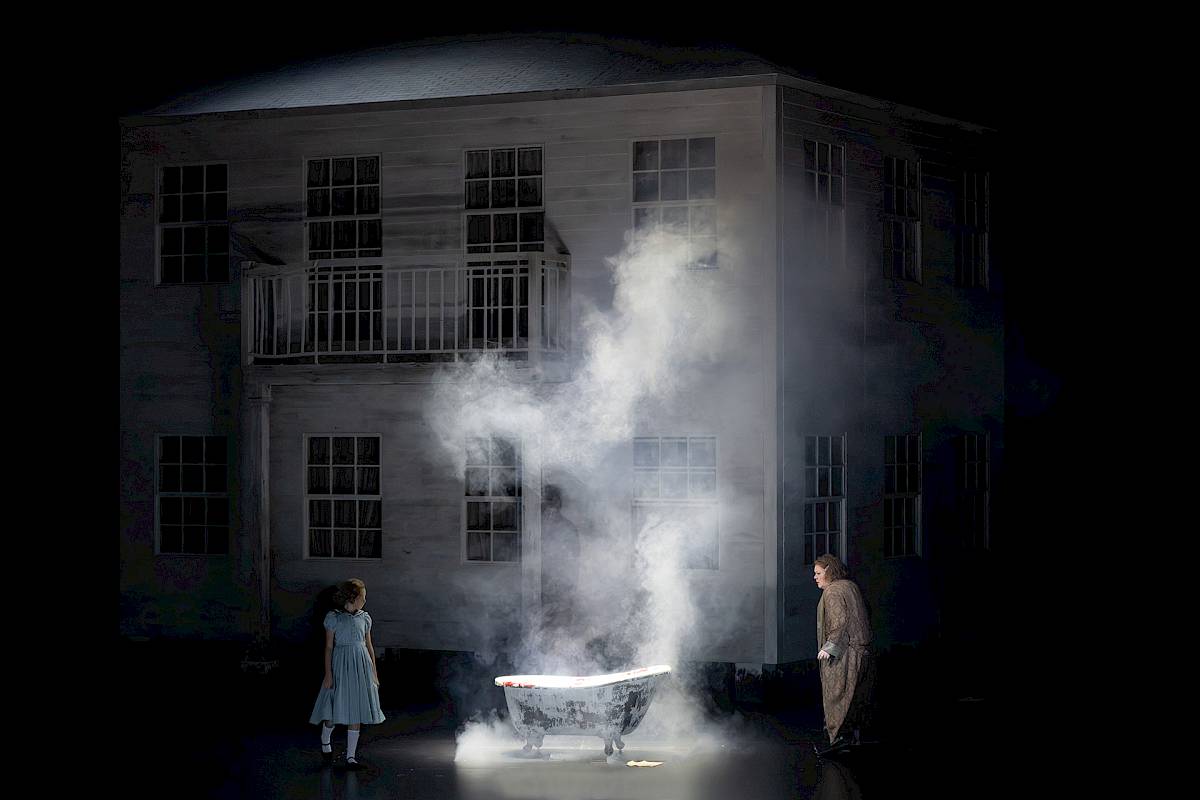
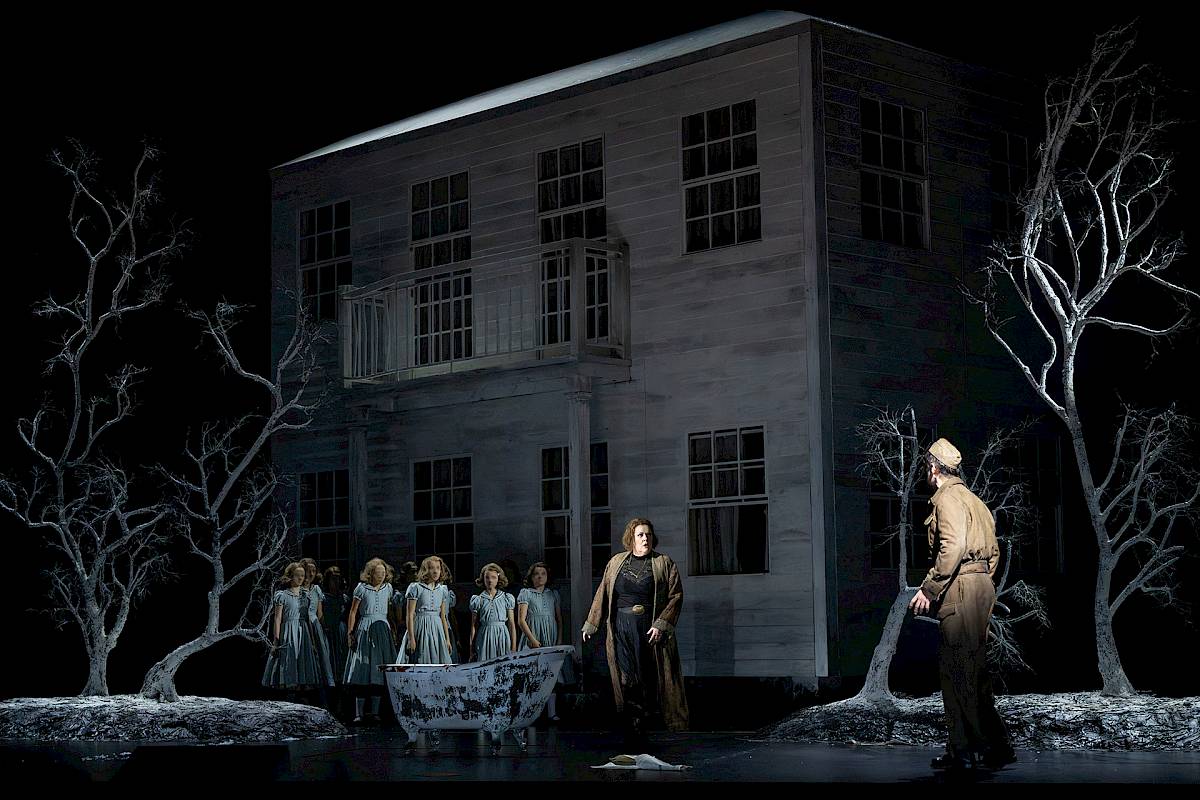
I’ve known Boris for many years and I’ve followed his photographic work closely, as well as his later work with AI. His videos blend film noir aesthetics with something dreamlike and surreal. That combination felt right for “Elektra”, and it was important to me to reflect the opera’s constant fixation on the past in the set design. The videos aren’t an objective record of the past; they show the highly subjective images that have become embedded in Elektra’s mind. In one scene, the memory of the bloody incident in the bathroom flows straight into a forest landscape. In her mind, the house transforms… I described my flights of fancy to Boris a year ago. After a series of experiments, and with the technology advancing so rapidly, he was able to actually bring them to life.


Synopses

Discover the heart of every story: Our synopses provide an overview of the plot and the conflicts that drive its characters.

Electra grew up in the shadow of a terrible crime: as a child, she witnessed the murder of her father, Agamemnon, by her mother, Clytemnestra, and her lover, Aegisthus. Since then, Electra has been consumed by memories of her father and a desire for revenge. She waits for her brother Orestes to return and avenge their father.
Electra continues to live in her parents’ house. The maids speak ill of her, finding her arrogant and unpleasant. Only one maid takes pity on her.

Once again, Electra relives the brutal murder of her father and dreams of the moment when she will exact her bloody revenge.

Chrysothemis, Electra’s sister, who longs for a fulfilling life as a mother, cannot bear to see Electra’s existence blighted by hatred. She tries to protect her sister from their mother, who she says is planning something dreadful. She wants to leave this wretched place with Electra and live in freedom.

Plagued by nightmares, Clytemnestra turns to Electra for advice. During their conversation, a reconciliation between mother and daughter seems possible. But when they discuss the whereabouts of Electra’s brother Orestes and Clytemnestra insists she only ever wanted what was best for him, Electra’s hatred erupts once more. She tells her mother that her nightmares will only end when an avenger has killed her. Clytemnestra then receives a message and breaks into scornful laughter.

Electra learns from her sister why their mother reacted as she did: Orestes is dead. She decides that she and Chrysothemis must carry out the deed that very night, using the axe with which their father was murdered. But Chrysothemis refuses and instead tries to persuade Electra to flee with her and be free. Electra understands she will have to act alone.

Electra meets a stranger who says he and his companion have come to the house to announce Orestes’ death. Gradually, she comes to recognise the stranger as Orestes himself, returned in disguise to avenge his father. Her joy at seeing her brother again is overshadowed by the realisation of how pitiful her life has become.

Orestes’ companion insists they must leave. No sooner has Orestes disappeared than Electra realises she failed to give him the axe. Moments later, Clytemnestra’s screams ring out from inside the house.

The house is in turmoil. When Aegisthus arrives, Electra lights his way with feigned friendliness. He, too, is killed.

Agamemnon has been avenged.