
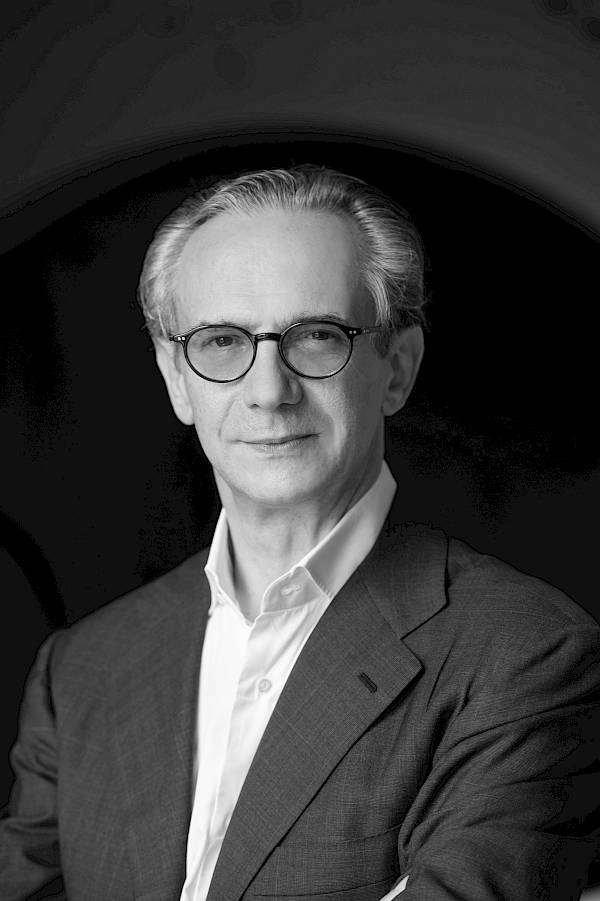
Fabio Luisi comes from Genoa. The former General Music Director of the Zurich Opera House (2012–2021) is Music Director of the Dallas Symphony Orchestra, Chief Conductor of the Danish National Symphony Orchestra, and Chief Conductor of the NHK Orchestra in Tokyo. He is also Music Director of the Valle d'Itria Festival in Apulia and Honorary Conductor of the RAI National Symphony Orchestra in Turin. Previously, he held important positions at orchestras and opera houses, including the Dresden Staatskapelle, the Vienna Symphony Orchestra, and the Metropolitan Opera in New York. He regularly appears as a guest conductor with, among others, the Bavarian Radio Symphony Orchestra, the Berlin Philharmonic, the Boston Symphony Orchestra, the Chicago Symphony Orchestra, the Cleveland Orchestra, the Czech Philharmonic, the Orchestra of La Scala in Milan, the London Symphony Orchestra, the Munich Philharmonic, the Orchestre de Paris, the Philadelphia Orchestra, the Royal Concertgebouw Orchestra, the San Francisco Symphony Orchestra, and the Vienna Philharmonic, and leads productions at the Bavarian State Opera, the Berlin State Opera, La Scala in Milan, the Salzburg Festival, and the Vienna State Opera, among others. At the Zurich Opera House, he conducted, among others, the new productions of three Bellini operas as well as "Rigoletto," "Fidelio," "Wozzeck," "The Land of Smiles," and Verdi's "Requiem Mass." An extensive discography complements his artistic work. At the Zurich Opera House, he founded the label "Philharmonia Records" of the Philharmonia Zurich (Orchestra of the Zurich Opera). Fabio Luisi, who comes from Genoa, studied at the Conservatorio Niccolò Paganini in his hometown and at the University of Music and Performing Arts in Graz, Austria. His awards include the Austrian Cross of Honour for Science and Art, the Italian Cavaliere della Repubblica Italiana, the Commendatore della Stella d’Italia, the Grifo d’Oro of Genoa, the Danish Order of the Dannebrog, and an honorary doctorate from St. Bonaventure University in New York. Off the podium, he is also a composer and perfumer, producing his creations for his own company.
Ludwig van Beethoven
Opera in two acts
Libretto by Joseph Ferdinand Sonnleithner and
Georg Friedrich Treitschke
From 8. December 2013 until 11. January 2014
-
Duration :
2 H. Without intermission. -
Language:
In German with German and English surtitles. -
More information:
Introduction 45 min before the performance.
Fabio Luisi
Thomas Rösner
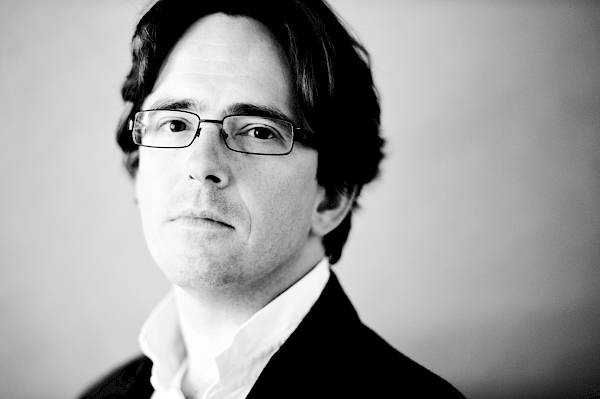
Der in Wien geborene Dirigent Thomas Rösner übernahm 1998 auf Einladung Fabio Luisis, dessen Assistent er war, kurzfristig eine Tournée mit dem Orchestre de la Suisse Romande. Seither dirigierte er zahlreiche Orchester, darunter das London Philharmonic Orchestra, das Deutsche Sinfonieorchester Berlin, die Wiener Symphoniker, Bamberger Symphoniker, Hamburger Symphoniker, MDR Leipzig, Mozarteum Orchester Salzburg, Orchestre National du Capitole de Toulouse, Orchestre Philharmonique de Liège, Orchestre de Chambre de Lausanne, die Slowakische Philharmonie, Houston Symphony u.v.a. Er war Chef associé beim Orchestre National de Bordeaux an der Seite von Hans Graf und von 2005–2011 Chefdirigent des Sinfonie Orchesters Biel. Als Operndirigent gastierte Thomas Rösner an der Bayerischen Staatsoper München, der Semperoper Dresden, der Deutschen Oper Berlin, der Staatsoper Stuttgart, dem New National Theater Tokyo, der Welsh National Opera, dem Théâtre du Châtelet in Paris, der Opéra National de Lyon, Opéra de Marseille, Opéra National de Bordeaux, Opéra Nantes/Angers, am Teatro dell’Opera in Rom sowie bei den Bregenzer Festspielen, Glyndebourne Festival oder dem Edinburgh Festival. In jüngster Zeit dirigierte er die Uraufführung von Die Schatzinsel sowie Così fan tutte am Opernhaus Zürich, Così fan tutte am Théatre de la Monnaie in Brüssel in der Regie von Michael Haneke oder Die Fledermaus an der Staatsoper Stuttgart. Er leitete Konzerte mit dem Scottish Chamber Orchestra, Orchestre Philharmonique de Marseille, Philharmonia Prag und dem Wiener Concert-Verein. Thomas Rösners Pläne für 2013/14 beinhalten sein US-Operndebüt an der Houston Grand Opera mit Die Fledermaus sowie Fidelio am Opernhaus Zürich. Konzerteinladungen führen ihn u.a. zum Tivoli Festival Kopenhagen, Wagner Geneva Festival, Beethoven Orchester Bonn und zum Sinfonieorchester Basel.
Andreas Homoki
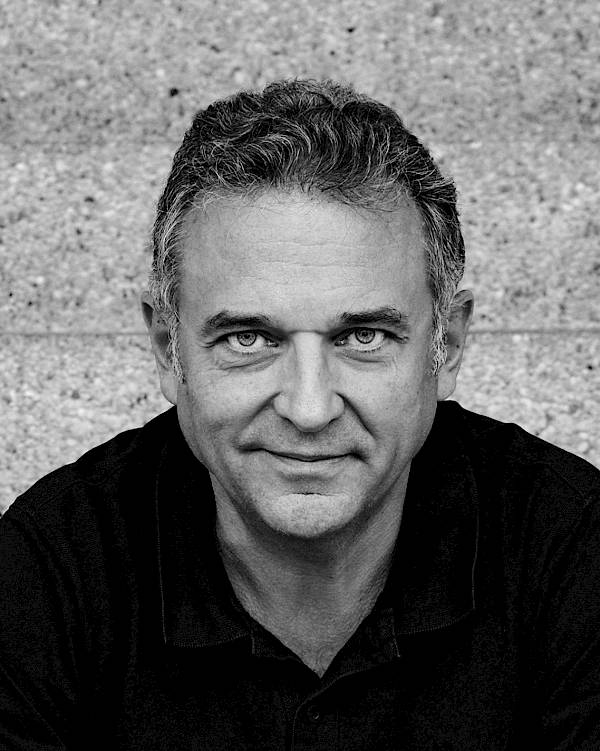
Andreas Homoki was born in Germany in 1960 as the son of a Hungarian family of musicians and studied school music and German studies in Berlin (West). In 1987 he went to the Cologne Opera as an assistant director and stage manager, where he remained until 1993. From 1988 to 1992 he was also a lecturer for stage instruction at the opera school of the Cologne University of Music. It was here that his first own productions were created. In 1992 his first guest production took him to Geneva, where his interpretation of "Die Frau ohne Schatten" received international attention. The production, which was later also shown at the Théâtre du Châtelet in Paris, received the French Critics' Prize of the Year in 1994. From 1993 to 2002 Andreas Homoki worked as a freelance opera director and staged productions in Cologne, Hamburg, Geneva, Lyon, Leipzig, Basel, Berlin, Amsterdam and Munich, among others. As early as 1996 he made his debut at the Komische Oper Berlin with "Falstaff", followed by "The Love for Three Oranges" (1998) and in 2000 "The Merry Widow". In 2002 Andreas Homoki was appointed chief director of the Komische Oper Berlin as successor to Harry Kupfer, and in 2004 he became its artistic director. In addition to his directing work at the Komische Oper Berlin, he staged productions at the Théâtre du Châtelet in Paris, the Bavarian State Opera in Munich, the New National Theatre Tokyo, the Semperoper Dresden and the Hamburg State Opera, among others. In July 2012, under the musical direction of William Christie, he staged "David et Jonathas" by Marc-Antoine Charpentier for the Festival in Aix-en-Provence – a production that was later also shown in Edinburgh, Paris and New York, among other places. From 2012 to 2025 Andreas Homoki was artistic director of the Zurich Opera House, where he staged productions including "The Flying Dutchman" (co-production with La Scala in Milan and the Norwegian National Opera Oslo), "Fidelio", "Juliette", "Lohengrin" (co-production with the Vienna State Opera), "Luisa Miller" (Hamburg State Opera), "Wozzeck", "My Fair Lady" (Komische Oper Berlin), "I puritani", "Medée", "Lunea" (named "World Premiere of the Year 2017/18" by the magazine Opernwelt), "Iphigénie en Tauride", "Nabucco", "Simon Boccanegra", "Les Contes d'Hoffmann", "Salome", the "Ring des Nibelungen" and "Carmen". Andreas Homoki has been a member of the Academy of the Arts Berlin since 1999.
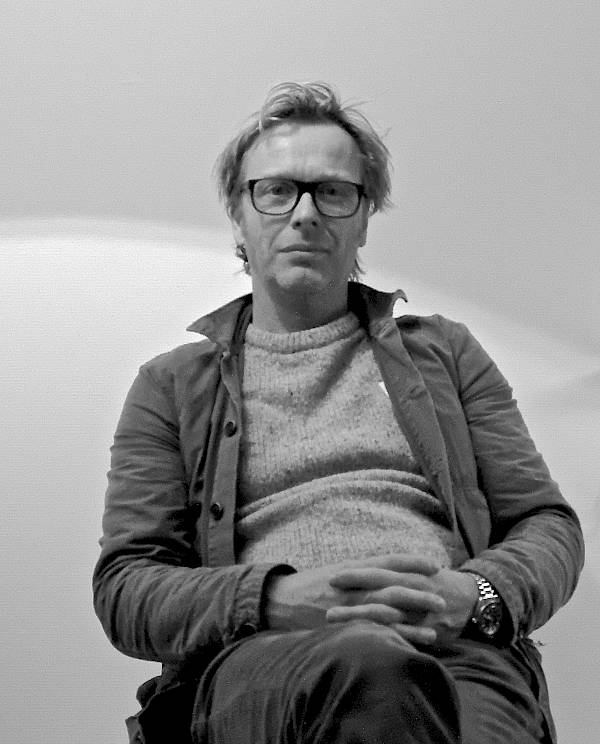
Henrik Ahr
Henrik Ahr, born in Bensberg, initially worked as a freelance artist after training as a chef and studied architecture in Leipzig from 1995 to 2001. He designed his first stage sets in 2000 for the Neue Szene Leipzig and in 2001 at the Theaterhaus Jena for Chuck Palahniuk's "Fight Club". Since 2005 Henrik Ahr has lived and worked in Vienna as a stage designer and painter. Since 2010 he has been a Professor of Stage Design at the Mozarteum Salzburg, where he also heads the Department of Scenography. He has a close artistic collaboration, among others, with Michael Thalheimer, Christof Loy and Tatjana Gürbaca. With Thalheimer he created works such as Schnitzler's "Liebelei" at the Thalia Theater Hamburg, which was invited to the Berlin Theatertreffen, Brecht's "Herr Puntila und sein Knecht Matti" in Hamburg, Schubert's "Winterreise" at the Deutsches Theater Berlin and "Rigoletto" at Theater Basel. He first worked with Christof Loy in 2008 at the Theater an der Wien on Strauss's "Intermezzo"; this was followed by productions including "Lucrezia Borgia" at the Bavarian State Opera in Munich and "Der Tausch" at Schauspielhaus Zurich. Henrik Ahr has an ongoing collaboration with Tatjana Gürbaca, resulting in productions such as "Arabella" at the Deutsche Oper am Rhein, "Parsifal" at the Vlaamse Opera Antwerp, Hasse's "Leucippo" at the Schwetzingen Festival and at the Cologne Opera, "La traviata" in Oslo, the "Ring" trilogy and "Capriccio" at the Theater an der Wien, as well as "Le Grand Macabre" and most recently "Das grosse Feuer" in Zurich. At the Zurich Opera House he also designed the stage sets for "Die Schatzinsel", "Fidelio" and "I puritani".
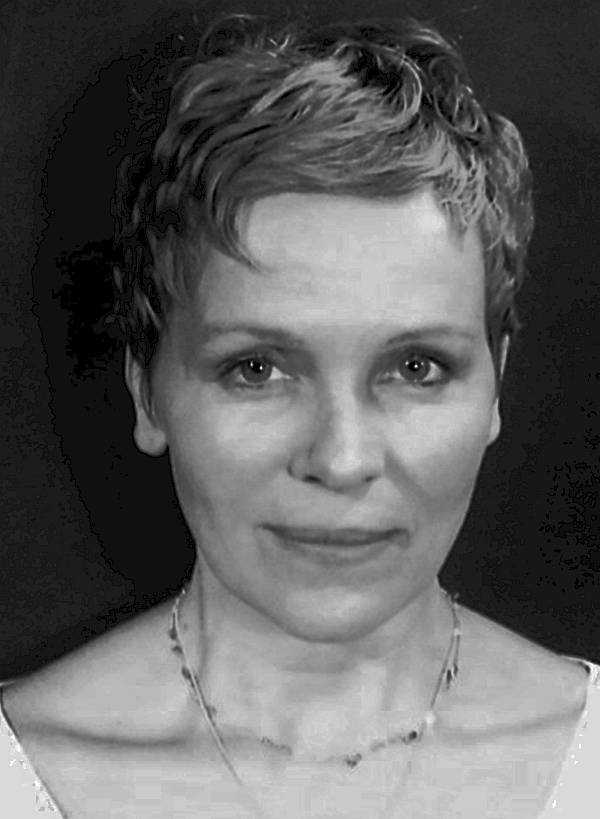
Barbara Drosihn
Barbara Drosihn, born in Hamburg, studied costume design at the University of Applied Sciences in her hometown after training as a seamstress. Since then she has worked as a freelance costume designer at venues including the Thalia Theater, the Deutsches Schauspielhaus Hamburg, the Burgtheater Vienna, the Schauspielhaus Bochum, the Staatsschauspiel Dresden and the Schauspiel Köln. In the process, she has created works for directors such as Michael Thalheimer, Stephan Kimmig, Nicolas Stemann, Andreas Kriegenburg and Stefan Bachmann. Her first opera was "Lucrezia Borgia", for which she designed the costumes in 2009 for Christof Loy at the Bavarian State Opera in Munich. This was followed by productions including "Der Rosenkavalier" and "Der ferne Klang" at the Royal Opera Stockholm, "The Miracle of Heliane" at the Deutsche Oper Berlin, "Così fan tutte" at the Salzburg Festival and "Don Pasquale" at the Zurich Opera House. There she also designed the costumes for Andreas Homoki's productions of "I puritani" and "Fidelio". She has a close artistic collaboration with Tatjana Gürbaca, for whom she created the costumes for "Parsifal" and "The Flying Dutchman" in Antwerp, "La traviata" in Oslo, "Capriccio" and the "Ring" trilogy at the Theater an der Wien, as well as "La finta giardiniera" and "Le Grand Macabre" at the Zurich Opera House. In recent seasons she designed the costumes for "Der Schatzgräber" at the Deutsche Oper Berlin, "Káťa Kabanová" at the Deutsche Oper am Rhein, "Il trittico" at the Salzburg Festival, "Die Königskinder" in Amsterdam, "Bluebeard's Castle" / "The Miraculous Mandarin" in Basel, "Rusalka" in Hanover and "La Voix humaine" / "Erwartung" at the Teatro Real in Madrid.
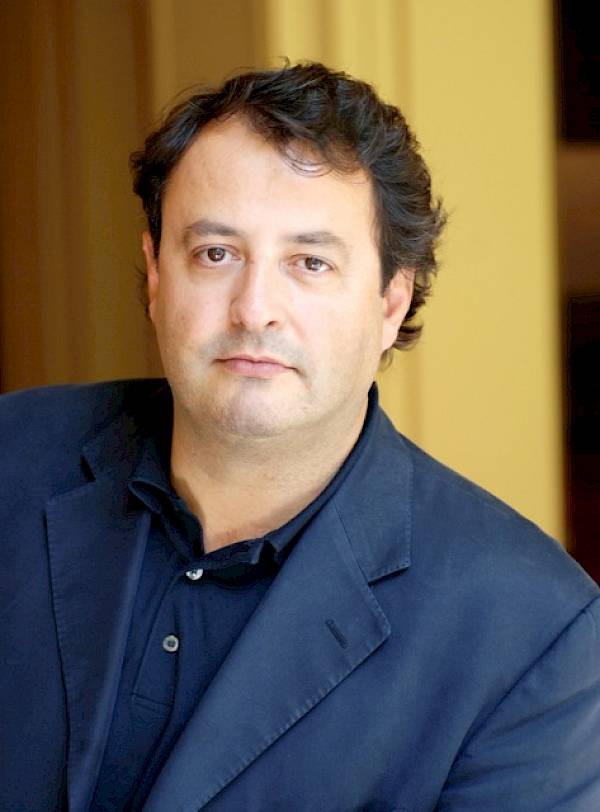
Franck Evin
Franck Evin, born in Nantes, moved to Paris at the age of 19 to study piano. At night he accompanied singers at the Café-Théâtre Le Connétable and also began to take an interest in lighting. He eventually decided to combine music and technology. Thanks to a scholarship from the French Ministry of Culture, he became assistant to the head of lighting at the Opéra de Lyon in 1983. There he worked with Ken Russell and Robert Wilson, among others. In 1986 he began working as an independent lighting designer at the Düsseldorf Schauspielhaus and obtained his master’s certificate in lighting in 1993. During this time he had a close collaboration with Werner Schröter and the conductor Eberhard Kloke. This was followed by productions in Nantes, Strasbourg, Paris, Lyon, Vienna, Bonn, Brussels and Los Angeles, among other places. From 1995 to 2012 he was Artistic Director of the lighting department at the Komische Oper Berlin, where he was responsible for all new productions. Important artistic partners during this period included Andreas Homoki, Barrie Kosky, Calixto Bieito and Hans Neuenfels. In 2006 Franck Evin was awarded the German Theatre Prize "Opus" in the category of lighting design. From 2012 to 2025 he was Artistic Director of the lighting department at the Zurich Opera House. In addition to his work in Zurich, he continued to work on international productions at opera houses in Oslo, Stockholm, Tokyo, Amsterdam, Munich and Graz, as well as at the Opéra Bastille, Teatro alla Scala, Teatro La Fenice, the Vlaamse Opera and at the Bayreuth Festival.
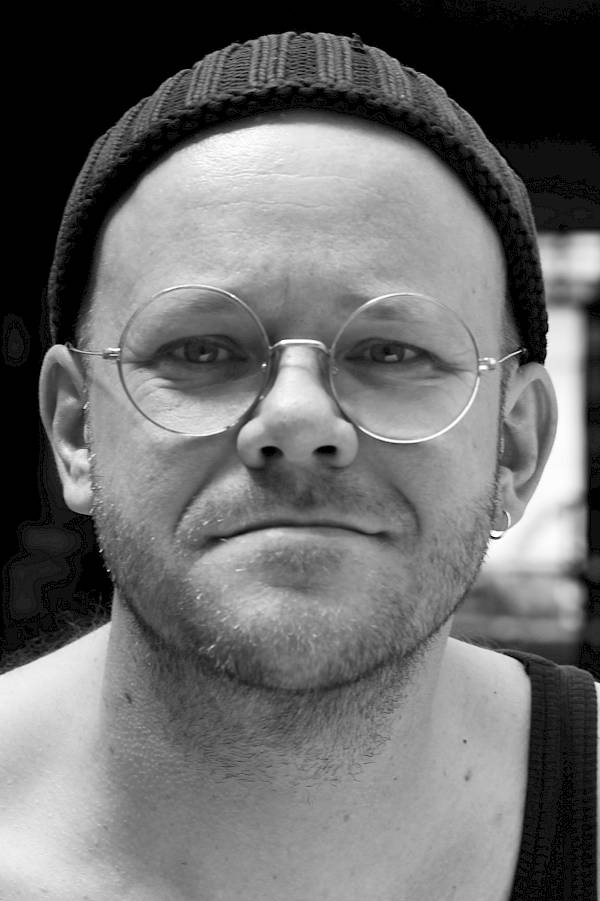
Alexander du Prel
Alexander du Prel, who comes from Northern Bavaria, initially worked as a theatre photographer and camera assistant before beginning his studies in visual communication/art at the Gesamthochschule Kassel in 1994. From 1998 he also studied under Michael Ballhaus at the University of Hamburg and completed his studies in 2000 with a diploma as a cinematographer and visual director. Alexander du Prel has worked as a cinematographer on numerous feature films, documentaries and short films, including the Irish feature film "Swan Song" (director: Conor McDermottroe), for which he was nominated for Best Cinematography at the International Film Festival of the Art of Cinematography Camerimage in 2010. As a video artist, he has been working with Michael Thalheimer since 2000. This collaboration resulted in installations for "Liliom" at the Thalia Theater Hamburg (2000), "Medea" at the Frankfurt Theatre (2012) – this production opened the Berlin Theatertreffen 2013 – and most recently for "Woyzeck" (2013) and "Peer Gynt" (2018) at the Royal Dramatic Theatre in Stockholm. Du Prel had already worked with Henrik Ahr in 2002 on "Liebelei", also under the direction of Michael Thalheimer. "Fidelio" was his first opera project and at the same time his first collaboration with Andreas Homoki. Alexander du Prel taught at the Mozarteum Salzburg until 2019. He lives and works in Hamburg and Berlin.
Ernst Raffelsberger
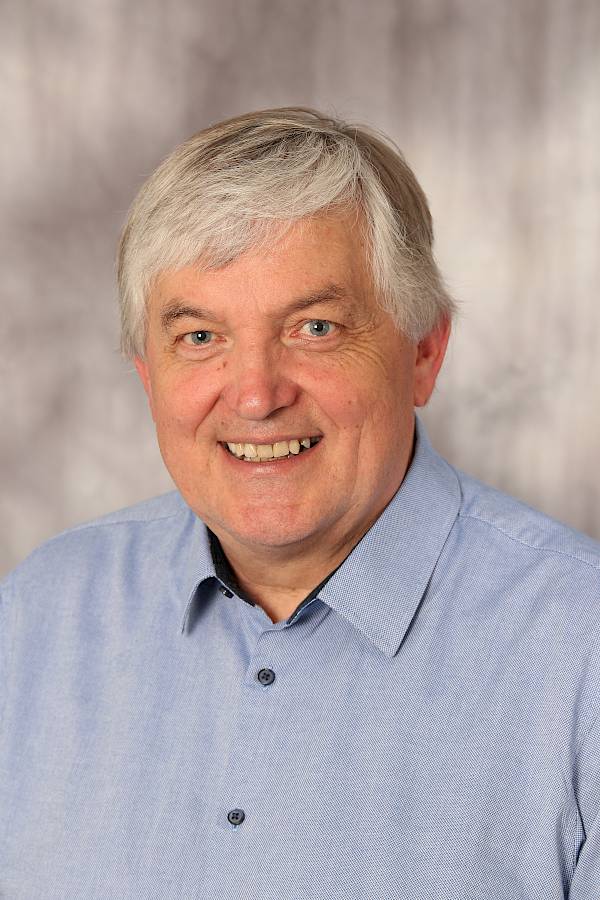
Ernst Raffelsberger comes from Gmunden, Upper Austria. He studied music education and church music at the University of Music and Performing Arts in Vienna as well as choral conducting at the Mozarteum in Salzburg. From 1983 to 1986 he was Kapellmeister of the Vienna Boys’ Choir. During this time, he led the ensemble in Vienna and on tours through Europe, South Africa, Canada, and the USA. From 1986, Ernst Raffelsberger was choral director and Kapellmeister at the Salzburg State Theatre (participating in the Salzburg Mozart Week and the Salzburg Festival). In 1989 he moved as choral director and Kapellmeister to the theatre in Freiburg/Breisgau. Since autumn 1993, Ernst Raffelsberger has been engaged at the Zurich Opera House as choral director. Here he has since supervised around 150 premieres and countless revivals and worked with many renowned conductors such as Marco Armiliato, Riccardo Chailly, Teodor Currentzis, Christoph von Dohnányi, Sir John Eliot Gardiner, Daniele Gatti, Bernard Haitink, Nikolaus Harnoncourt, Zubin Mehta, Gianandrea Noseda, and Franz Welser-Möst. Guest performances with the Zurich Opera House have taken him to Vienna, London, Paris, and Tokyo. From summer 2012 he additionally began a ten-year activity as choral director of the Vienna State Opera Chorus Association at the Salzburg Festival. There he collaborated successfully with, among others, Riccardo Muti, Mariss Jansons, and Sir Simon Rattle. After Ernst Raffelsberger ended this work with the festival summer 2021, he has since 2025 once again been responsible, at Maestro Muti’s request, for choral preparation for his festival concerts in Salzburg. Numerous CD and DVD recordings document his work in Zurich as well as in Salzburg.
Werner Hintze
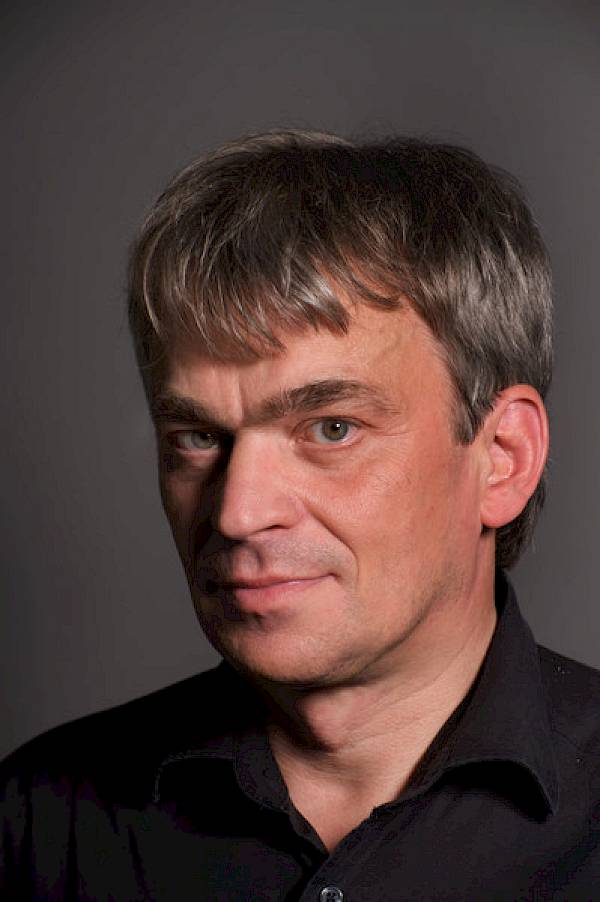
The author and dramaturg Werner Hintze studied theatre studies at Humboldt University in Berlin. Following an initial appointment at the Landestheater Halle, he worked at the Semperoper Dresden before moving to the Hans-Otto-Theater in Potsdam as chief dramaturg. From 2002 to 2012, he was chief dramaturg at the Komische Oper Berlin. Since 2012, he has lived in Berlin as a freelance dramaturg, author and university lecturer. He worked closely for many years with directors such as Peter Konwitschny, Andreas Homoki and Andreas Baumann, and served as a guest dramaturg at opera houses in Munich, Hamburg, Dresden, Zurich and Essen, amongst others. Since 1985, he has produced more than 30 German-language librettos for operas, mostly in collaboration with Bettina Bartz, as commissioned works for the Komische Oper and other theatres. In addition to his work in theatre, Werner Hintze teaches students of directing, set design and theatre studies at various universities. At the Zurich Opera House, he most recently supervised Andreas Homoki’s sensational new production of "Der Ring des Nibelungen".
Cast
Florestan Michael Schade 29 Dec
Florestan Kor-Jan Dusseljee 01 Jan
Ruben Drole
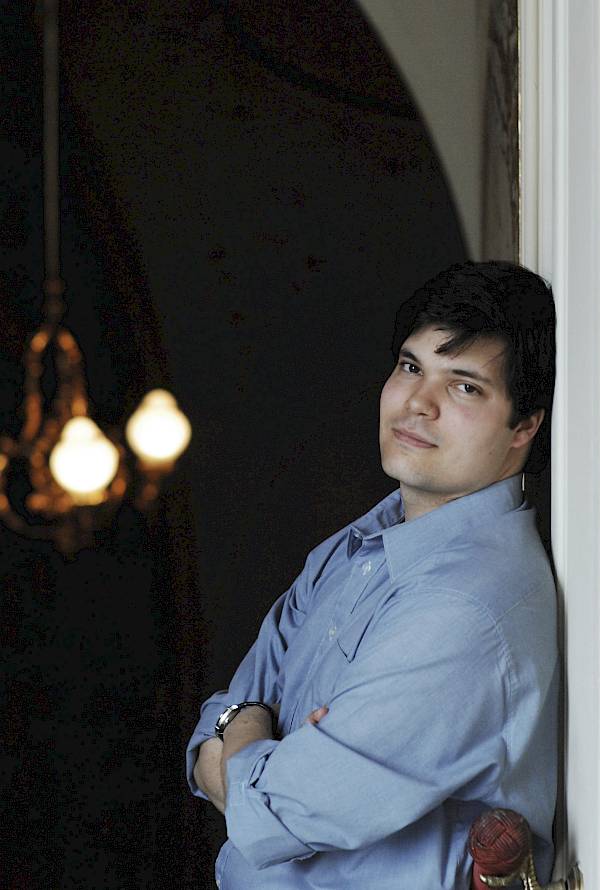
Ruben Drole, bass-baritone, is from Winterthur and studied at the Zurich University of the Arts. In 2004, he joined the opera studio and in 2005 the ensemble of the Zurich Opera House, where he performed roles including Lucio Cinna (J.C. Bach’s "Lucio Silla"), Haly ("L’italiana in Algeri"), Argante ("Rinaldo"), Wurm ("Luisa Miller"), and Papageno in the production of "Die Zauberflöte" conducted by Nikolaus Harnoncourt. As Papageno, he also made his debut at the Semperoper Dresden in 2015. Other projects with Harnoncourt included Kezal ("Die verkaufte Braut") and Haydn’s "Die Schöpfung" at Styriarte Graz, Beethoven’s "Christus am Ölberg" in Vienna and Lucerne, a Japan tour (Mozart’s "Requiem" and Handel’s "Messiah"), and Leporello ("Don Giovanni") at the Theater an der Wien. In the Zurich cycle of Mozart/Da Ponte operas directed by Sven-Eric Bechtolf and conducted by Franz Welser-Möst, he appeared as Guglielmo ("Così fan tutte"), Figaro ("Le nozze di Figaro"), and Leporello, the same roles he performed under Welser-Möst with the Cleveland Orchestra. At the Salzburg Festival 2012, he sang Achilla ("Giulio Cesare") and appeared in 2013 in Haydn’s "Il ritorno di Tobia" and Walter Braunfels’ "Szenen aus dem Leben der Heiligen Johanna." In Zurich, he has performed roles including Papageno ("Die Zauberflöte"), Alaskawolfjoe ("Aufstieg und Fall der Stadt Mahagonny"), Soldier ("Die Geschichte vom Soldaten"), Odysseus ("Die Odyssee"), Duchess/Caterpillar in "Alice im Wunderland," and Frank ("Die Fledermaus"). He also recently appeared in the ballet evening "Nachtträume."
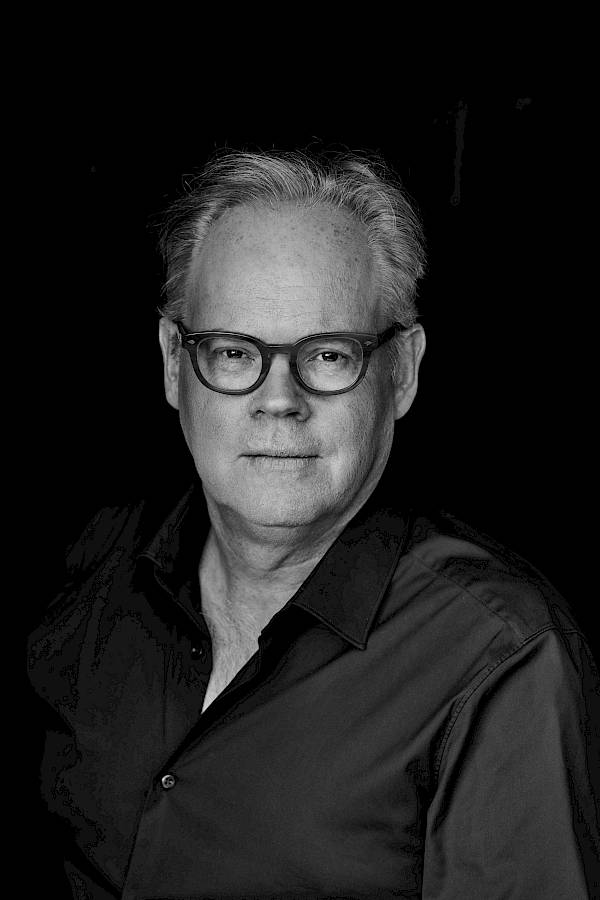
Martin Gantner
Martin Gantner stammt aus Freiburg im Breisgau und erhielt seine Ausbildung an der Hochschule für Musik in Karlsruhe. Nachdem er den VDMK-Wettbewerb gewonnen hatte, debütierte er als Almaviva (Le nozze di Figaro) am Stadttheater Koblenz. Später war er in der Uraufführung von Henzes Das verratene Meer (Regie: Götz Friedrich) an der Deutschen Oper Berlin zu hören. Kurz darauf debütierte er in Basel in Così fan tutte, an der Mailänder Scala in Lo sdegno del mare und bei den Salzburger Festspielen in Salome. 1993 bis 2007 war er Ensemblemitglied der Bayerischen Staatsoper, wo er Partien wie Papageno, Guglielmo, Figaro, Dandini, Dr. Malatesta, Dr. Falke und Marcello sang und 2005 zum Bayerischen Kammersänger ernannt wurde. Seither gab er u.a seine Rollendebüts als Albert (Massenets Werther) in Wien sowie als Wolfram (Tannhäuser) in München unter Zubin Mehta und sang ebenfalls in München u.a. Beckmesser (Die Meistersinger von Nürnberg) und den Musiklehrer in Ariadne auf Naxos unter Kent Nagano. Weitere wichtige Partien in Neuinszenierungen und Rollendebüts waren Amfortas, Kurwenal, Telramund, Faninal, Jochanaan, Don Pizarro, Posa und Eisenstein in München, Dresden, Amsterdam, Zürich, Paris, Chicago, San Francisco, an der Met, in Los Angeles, Toronto und Tokio. Jüngst war er u.a. in der Titelrolle von Cardillac in Florenz, als Beckmesser an den Bayreuther Festspielen, als Musiklehrer (Ariadne auf Naxos) am Edinburgh International Festival, als Kothner (Die Meistersinger von Nürnberg) an der Met sowie als Telramund an der Deutschen Oper Berlin und am Bolschoi-Theater zu erleben. In Zürich sang er u.a. Telramund (Lohengrin), Pizarro und Beckmesser.
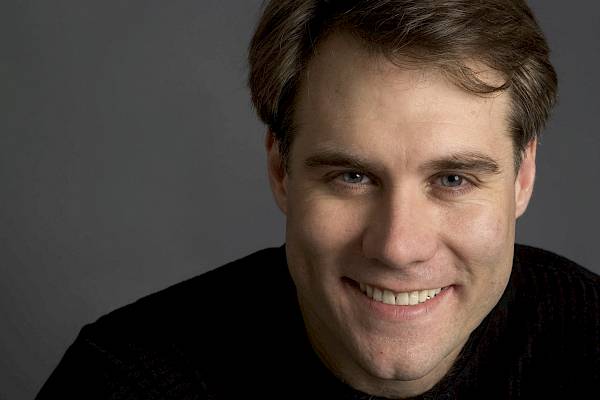
Brandon Jovanovich
Brandon Jovanovich studierte an der Northern Arizona University sowie an der Manhattan School of Music. Sein Sieg beim Richard-Tucker-Gesangswettbewerb 2007 war der Auftakt zu einer internationalen Karriere, die ihn seither an die bedeutendsten Opernbühnen geführt hat. So gab er in der Saison 2009/10 sein Debüt an der New Yorker Met als Don José (Carmen). Die gleiche Rolle hat er an der Deutschen Oper Berlin, an der Bayerischen Staatsoper in München, am Opernhaus Zürich, in der Arena di Verona, an der Lyric Opera of Chicago, dem Gran Teatro del Liceu in Barcelona und am Glyndebourne Festival gesungen, sowie unlängst in Dallas, Houston, Los Angeles (unter Plàcido Domingo), Australien und an der Wiener Staatsoper. Sein Repertoire umfasst Partien wie Cavaradossi (u.a. Köln, Seattle, Nizza, Bregenz, Vlaamse Opera), Pinkerton (u.a. New York, San Francisco, Los Angeles, Stuttgart), Macduff, Alfredo (La traviata) oder Pollione (Norma). Er war u.a. in Les Contes d’Hoffmann an der Mailänder Scala zu hören, in der Titelrolle von Peter Grimes am Teatro di San Carlo in Neapel, sang Stolzing (Die Meistersinger von Nürnberg) in Paris und San Francisco, Des Grieux (Manon Lescaut) am Théâtre de la Monnaie in Brüssel und an der Bayerischen Staatsoper wie auch Bacchus (Ariadne auf Naxos) in München und Chicago. 2016/17 sang er u.a. Enée (Les troyens) und Don José in Chicago, Prinz (Rusalka) an der Met, Siegmund (Die Walküre) an der Deutschen Oper Berlin sowie Sergej (Lady Macbeth von Mzensk) an der Wiener Staatsoper und bei den Salzburger Festspielen. In Zürich war er zuletzt als Florestan (Fidelio), Sergej, Tambourmajor (Wozzeck) sowie als Lohengrin zu erleben.
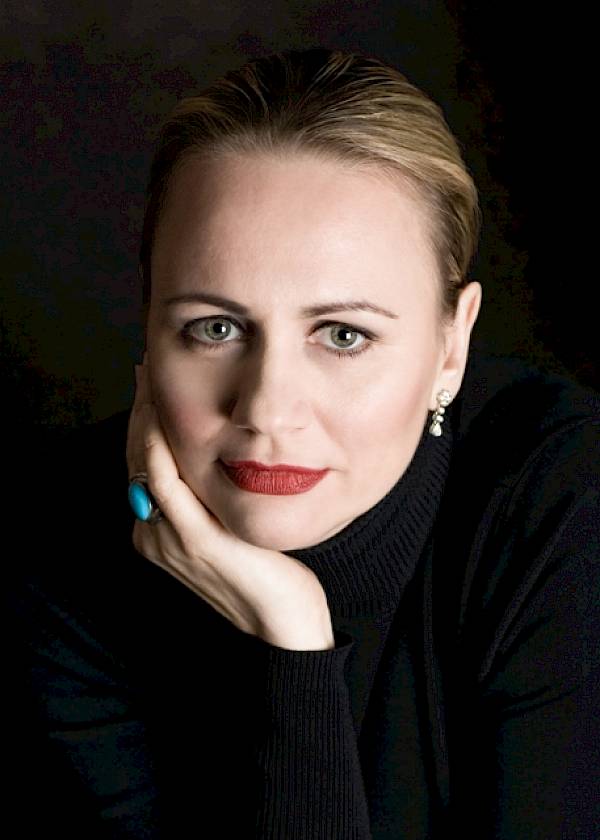
Anja Kampe
The German soprano Anja Kampe is one of the leading singers in her field. With role portrayals such as Brünnhilde in "Der Ring des Nibelungen" at the Berlin State Opera and the Vienna State Opera, Kundry at the Vienna State Opera and the Opéra national de Paris, Sieglinde at the Bayreuth Festival, Isolde at the Berlin State Opera and the Bavarian State Opera, as well as Marie in "Wozzeck" at the Vienna State Opera and at the Royal Opera House Covent Garden, she has set standards. In the 2025/26 season, she can be seen as Brünnhilde in "Der Ring of the Nibelungen", as Marie in "Wozzeck" and as Ortrud in "Lohengrin" at the Berlin State Opera. At the Hamburg State Opera, she takes on the title role in "Ariadne auf Naxos", and at the Vienna State Opera she can also be heard as Ariadne. At the Wagner Days in Budapest, she sings Kundry in "Parsifal". Concert engagements take her, among others, to the Antwerp Symphony Orchestra, the Budapest Festival Orchestra, the London Symphony Orchestra and to Radio France Montpellier. Highlights of past seasons include Isolde at the San Francisco Opera, her role debut as Ariadne in Hamburg, Ortrud at the Semperoper Dresden and at the Munich Opera Festival, Brünnhilde in Sydney and Berlin, her debut at the Metropolitan Opera as Senta in "Der fliegende Holländer", as well as new productions of "La fanciulla del West", "Tristan und Isolde" and "Parsifal". Her repertoire also includes roles such as Senta, Leonore, Lisa, Jenůfa, Carlotta and Tosca. She has worked with conductors such as Daniel Barenboim, Philippe Jordan, Christian Thielemann, Sir Simon Rattle and Simone Young.
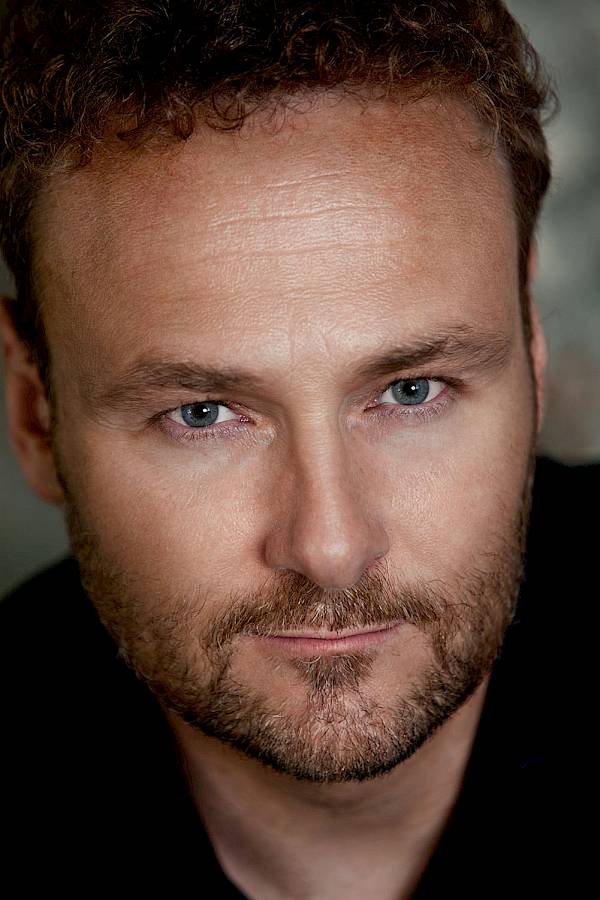
Christof Fischesser
The bass Christof Fischesser, born in Wiesbaden, studied singing with Martin Gründler at the University of Music and Performing Arts in Frankfurt am Main. In 2000 he won first prize at the Federal Singing Competition in Berlin, which was followed by an engagement at the Badisches Staatstheater Karlsruhe. In 2004 he moved to the Staatsoper Unter den Linden in Berlin; from 2012 to 2015 he was a member of the ensemble at the Zurich Opera House, with which he has maintained a close collaboration ever since. Guest engagements have taken him, among others, to the Vienna State Opera, the Royal Opera House in London, the Opéra national de Paris, the Teatro Real in Madrid, the Bavarian State Opera Munich, the Komische Oper Berlin, the Semperoper Dresden, the Opéra de Lyon, the Théâtre du Capitole de Toulouse, the Houston Grand Opera, the Lyric Opera of Chicago, as well as to the opera houses of Antwerp, Copenhagen and Gothenburg. His wide-ranging repertoire includes roles such as King Marke in "Tristan und Isolde", Landgrave in "Tannhäuser", King Henry in "Lohengrin", Gurnemanz in "Parsifal", Sarastro in "The Magic Flute", Figaro in "Le nozze di Figaro", Rocco in "Fidelio", Banquo in "Macbeth", Méphistophélès in "Faust" and Baron Ochs of Lerchenau in "Der Rosenkavalier". Numerous CD and DVD recordings document his artistic work. At the Zurich Opera House he has appeared, among others, as King Henry, Orest in "Elektra", Kaspar, Daland, Gremin, Gurnemanz, Marchese di Calatrava and Padre Guardiano in "La forza del destino", Hunding in "Die Walküre" as well as Jacopo Fiesco in "Simon Boccanegra".
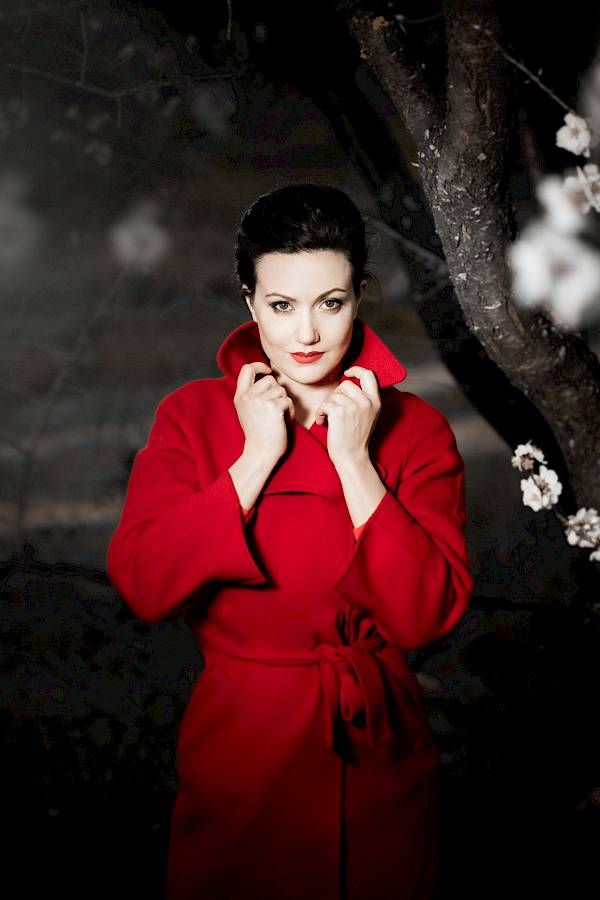
Julie Fuchs
Julie Fuchs, französische Sopranistin, studierte Violine und Schauspiel in Avignon sowie Gesang am CNSM in Paris. Von 2013 bis 2015 gehörte sie zum Ensemble des Opernhauses Zürich und kehrt seither immer wieder nach Zürich zurück. Hier sang sie u.a. Morgana (Alcina), Susanna (Le nozze di Figaro), Rosane (La verità in cimento), Contessa di Folleville (Il viaggio a Reims), Fiorilla (Il turco in Italia), Norina (Don Pasquale) sowie die Titelrolle in L’incoronazione di Poppea. Sie wurde dreimal bei den Victoires de la Musique ausgezeichnet und ist Chevalier de l’ordre des Arts et des Lettres. In jüngster Zeit war sie als Marie (La Fille du régiment) in Wien zu hören, als Fiorilla in Neapel, als Cleopatra (Giulio Cesare) in Amsterdam, als Leïla (Les Pêcheurs de perles) am Théâtre des Champs-Élysées, als Giunia (Lucio Silla) und Gilda (Rigoletto) in Madrid, als Musetta (La bohème) in München, als La Folie (Platée), Pamina (Die Zauberflöte), Giulietta (I Capuleti e i Montecchi) und Nannetta (Falstaff) an der Opéra de Paris, als Susanna beim Festival d’Aix-en-Provence, als Mélisande und Poppea in Barcelona, als Partenope in San Francisco, als Micaëla (Carmen) in Gstaad, als Adèle (Le comte Ory) an der Opéra Comique, in Versailles und in Pesaro sowie auf Tournee mit Marc Minkowski und Les Musiciens du Louvre als Aspasia (Mitridate). 2024/25 kehrt sie als Marie an die Opéra de Paris und als Susanna an die Bayerische Staatsoper zurück. Ausserdem singt sie La Stronatrilla (L’Opera Seria) an der Mailänder Scala und Cleopatra am Liceu in Barcelona. Ihr drittes Soloalbum, Amadè, ist 2022 bei Sony erschienen.
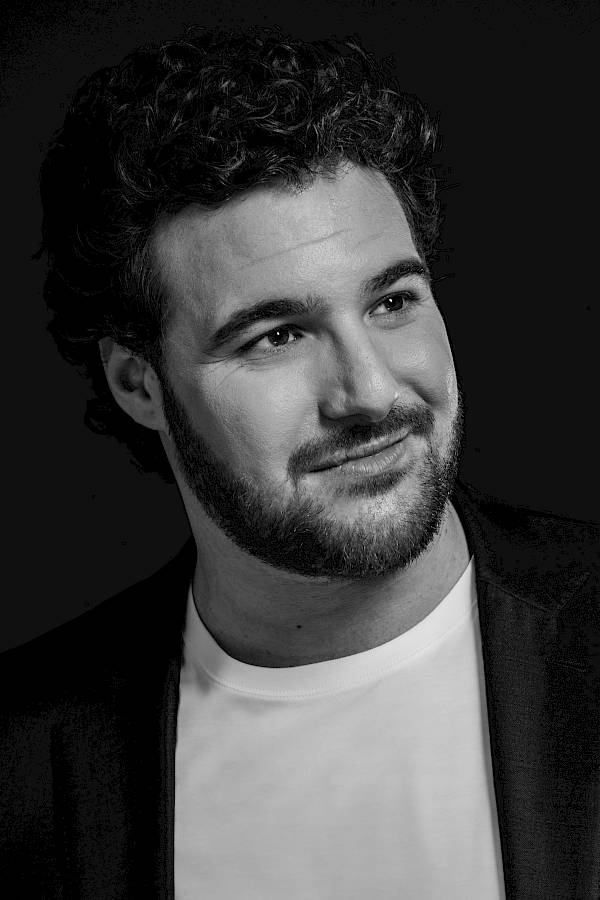
Mauro Peter
Tenor Mauro Peter was born in Lucerne and studied at the University of Music and Performing Arts in Munich. In 2012, he won first prize and the audience prize at the International Robert Schumann Competition. Since then, he has performed at leading concert halls and opera houses worldwide, including Wigmore Hall in London, Philharmonie de Paris, Carnegie Hall, Kölner Philharmonie, Elbphilharmonie, Hamburger Laeiszhalle, Musikverein Vienna, Wiener Konzerthaus, Verbier Festival, Lucerne Festival, Montréal Symphony Orchestra, Rotterdam Philharmonic Orchestra, Muziekgebouw Amsterdam, Zurich Opera House, Pierre-Boulez-Saal, Staatsoper Unter den Linden Berlin, Salzburg Festival, Semperoper Dresden, Musikfest Dresden, Bregenzer Festspiele, and Opéra National de Paris. His repertoire includes roles such as Andres ("Wozzeck"), Ferrando ("Così fan tutte"), Tamino ("The Magic Flute"), Loge ("Rheingold"), Naraboth ("Salome"), Nemorino ("L’elisir d’amore"), Eisenstein ("Die Fledermaus"), Prince ("The Love for Three Oranges"), and Max ("Der Freischütz"). As an internationally sought-after concert soloist, he has performed under the musical direction of renowned conductors including Ivor Bolton, Teodor Currentzis, Gustavo Dudamel, Iván Fischer, Philippe Herreweghe, Nikolaus Harnoncourt, Marie Jacquot, Vladimir Jurowski, Fabio Luisi, Joana Mallwitz, Antonello Manacorda, Zubin Mehta, Riccardo Minasi, Andris Nelsons, Andrés Orozco-Estrada, Trevor Pinnock, Simone Young, and Christian Thielemann.
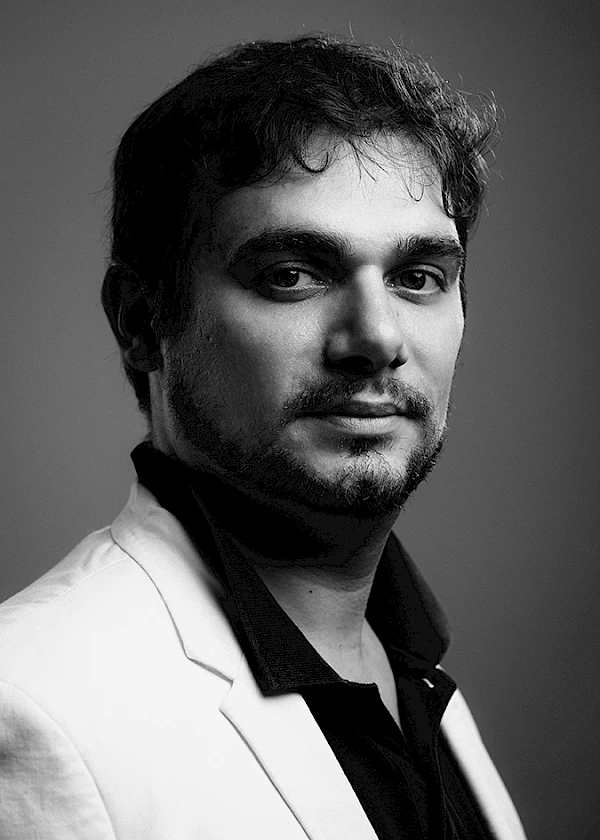
Alessandro Fantoni
Alessandro Fantoni wurde in Genua geboren. Er studierte Gesang in Genua und Parma bei Luisa Maragliano und Enzo Consuma. Zudem nahm er Unterricht bei Roberto Servile, an dessen Seite er seine Debüts als Gabriele Adorno (Simon Boccanegra) und Ismaele (Nabucco) gab. Auf dem Konzertpodium trat er u.a. in Beethovens 9. Sinfonie, in Rossinis Petite Messe Solennelle sowie in Gedenk-Konzerten für Luciano Pavarotti in Modena und Zürich auf. Ausserdem war er als Edmondo (Manon Lescaut), Cavaradossi (Tosca) und Turiddu (Cavalleria rusticana) zu erleben. Weitere Opernengagements führten ihn an die Dänische Nationaloper in Aahus (Ernesto in Don Pasquale, Roberto in Maria Stuarda, Alfredo in La traviata, Manrico in Il trovatore) sowie an zahlreiche italienische Opernhäuser, u.a. in der Rolle des Rinuccio in Gianni Schicchi. Er wurde 2010 beim Internationalen Ruggero-Leoncavallo-Wettbewerb ausgezeichnet. Seit dieser Spielzeit ist er Mitglied des IOS und ist u.a. in Fidelio, Les Contes d’Hoffmann, Pique Dame und Andrea Chénier zu hören.
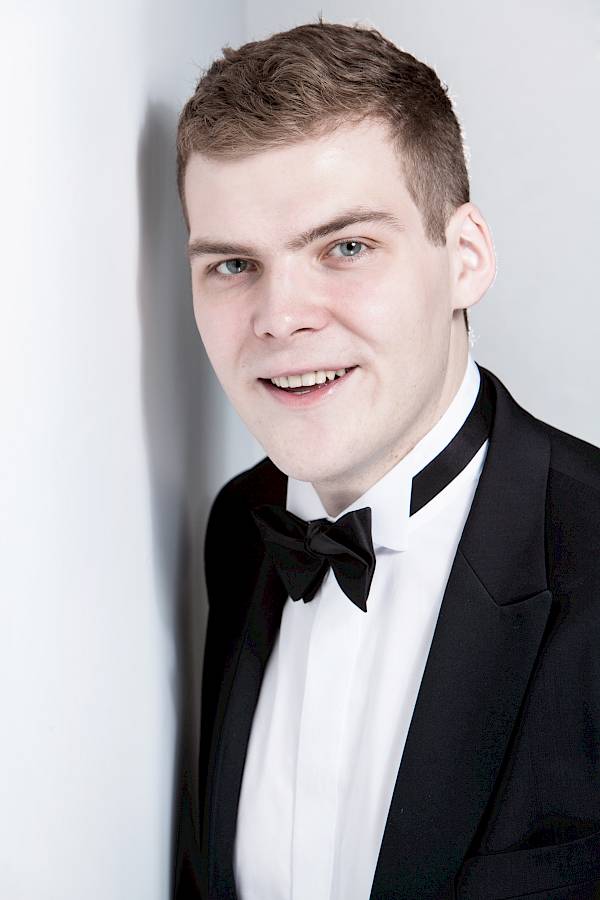
Christoph Seidl
Christoph Seidl, Bass, studierte Gesang an der Universität für Musik und darstellende Kunst Wien bei Ralf Döring. 2011 besuchte er einen Meisterkurs bei Angelika Kirchschlager, war Stipendiat des Richard Wagner Verbandes und gewann den ersten Preis beim internationalen Prof. Dichler-Wettbewerb in Wien. In der Spielzeit 2010/2011 debütierte er am Schlosstheater Schönbrunn als Antonio (Le nozze di Figaro), den er 2011 im Rahmen der Sommeroper Bamberg ein weiteres Mal interpretierte. Ausserdem verkörperte er Masetto und Commendatore (Don Giovanni) sowie Colline (La bohème). In der letzten Spielzeit war er in der Rolle des Hausknechts (Lady Macbeth von Mzensk) in Zürich zu erleben, wo er ab dieser Spielzeit zum IOS gehört und u.a. in Otello, Fidelio und Andrea Chénier zu sehen sein wird. Bei den diesjährigen Salzburger Festspielen hat er im Rahmen des «Young Singer’s Project 2013» den Osmin (Die Entführung aus dem Serail) gesungen.
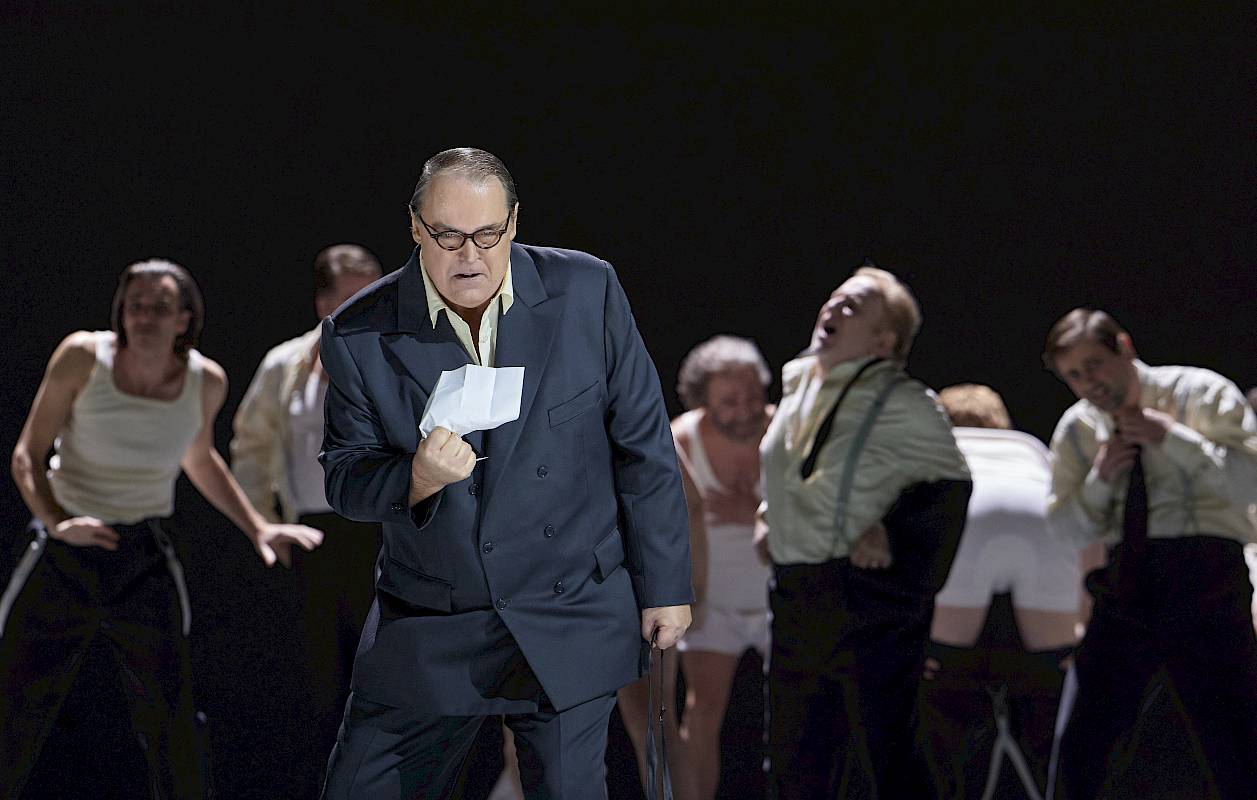
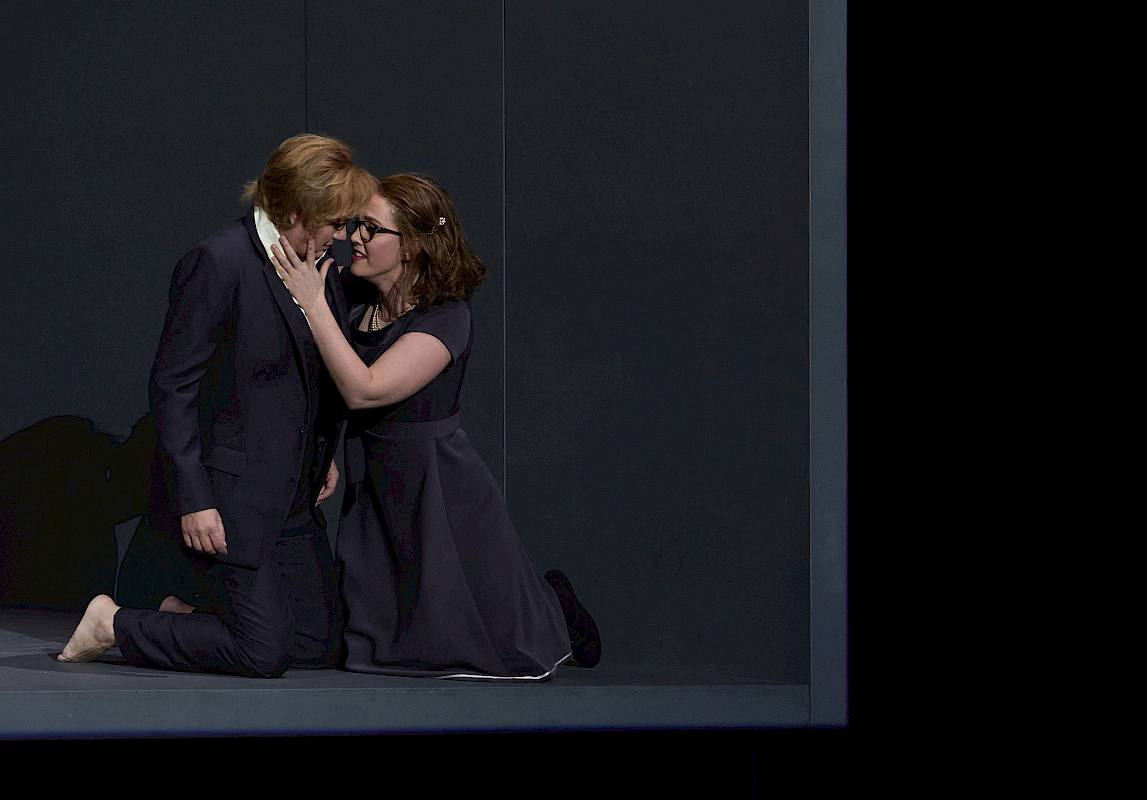
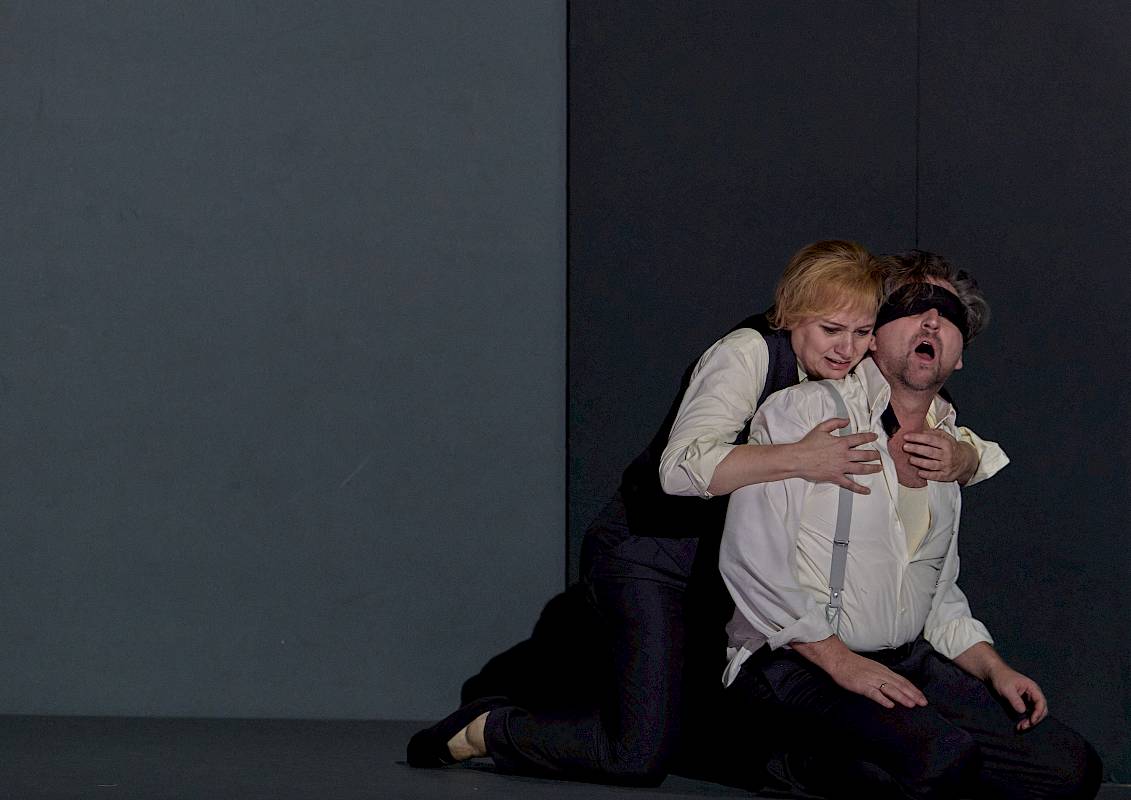
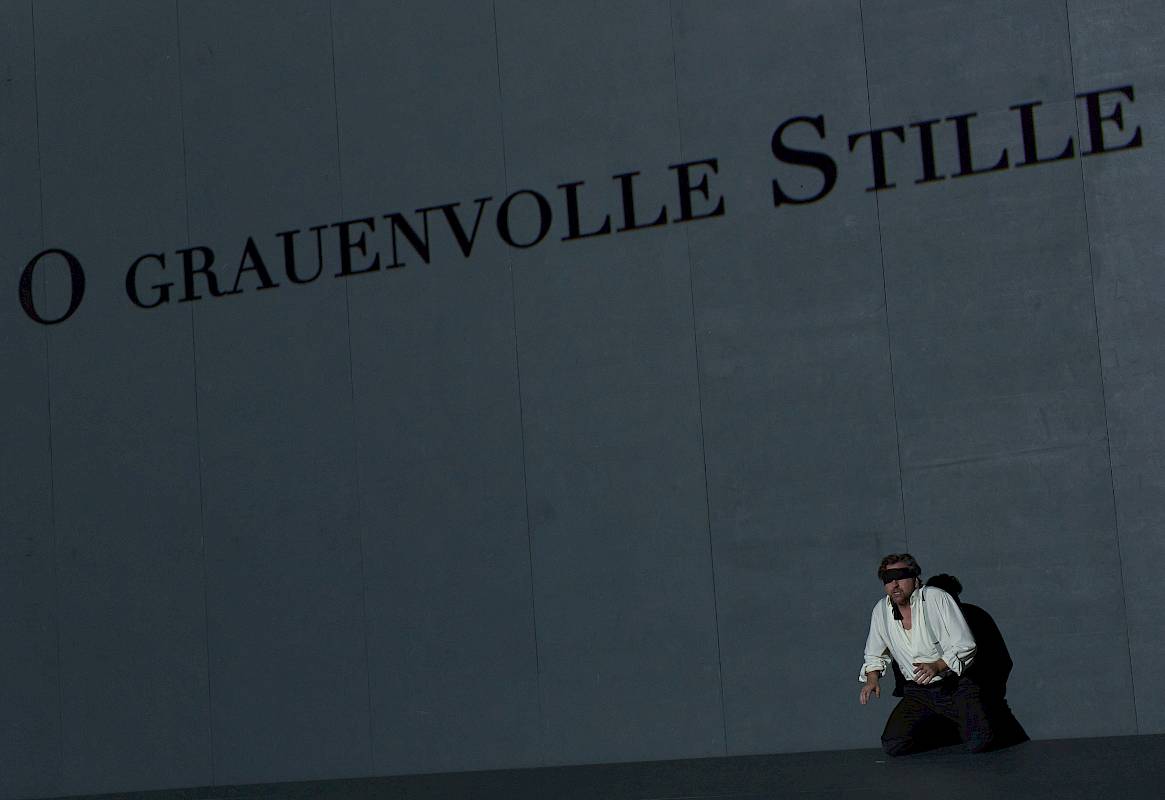
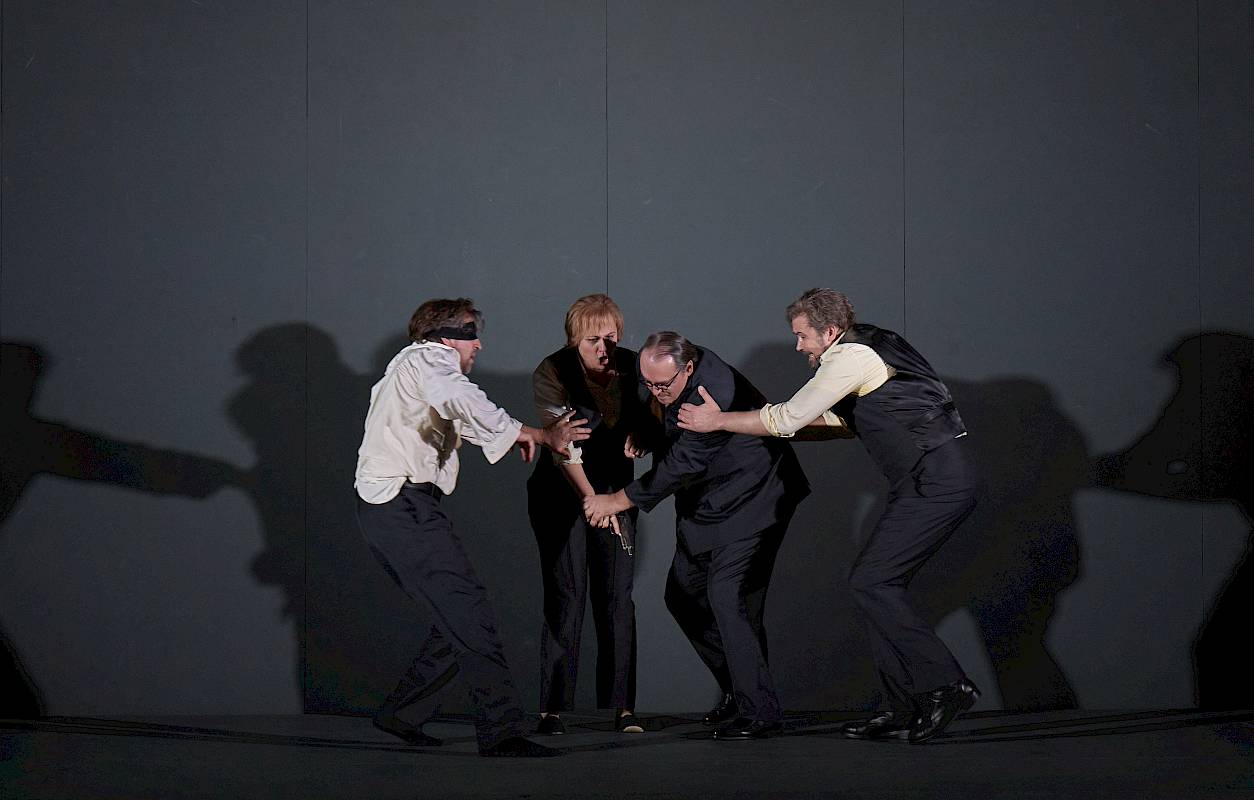
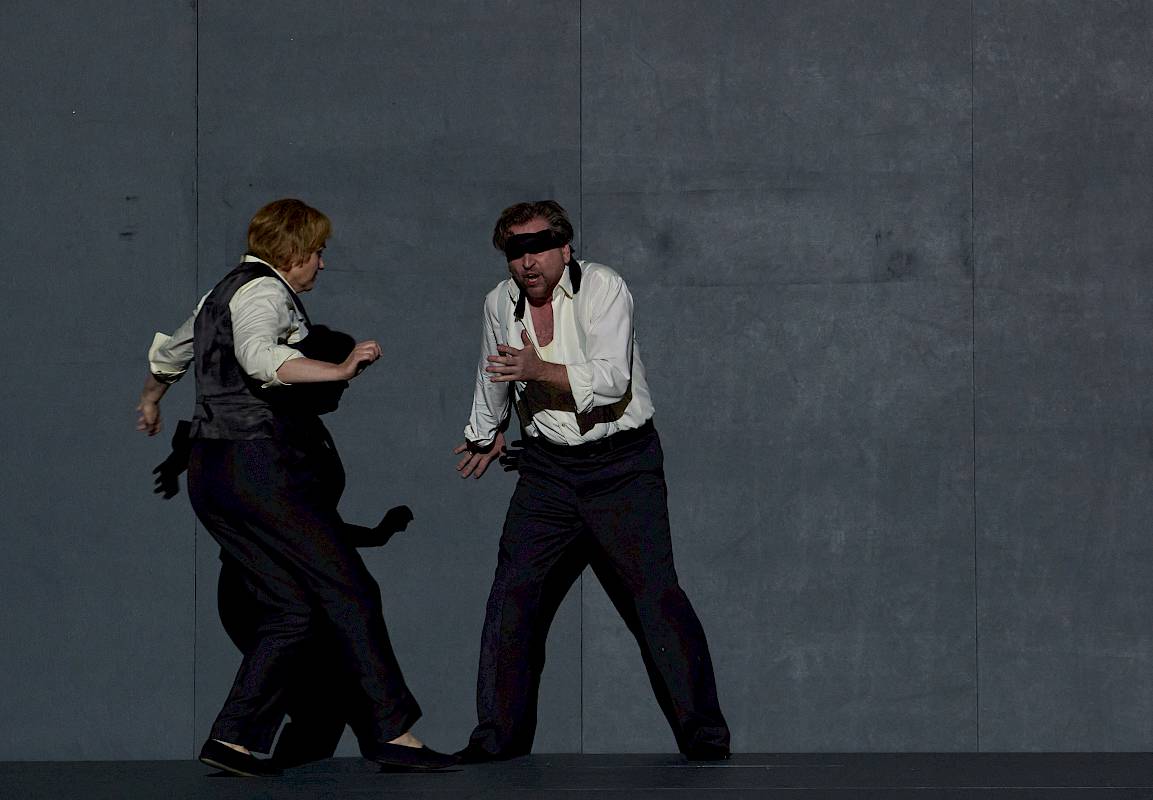
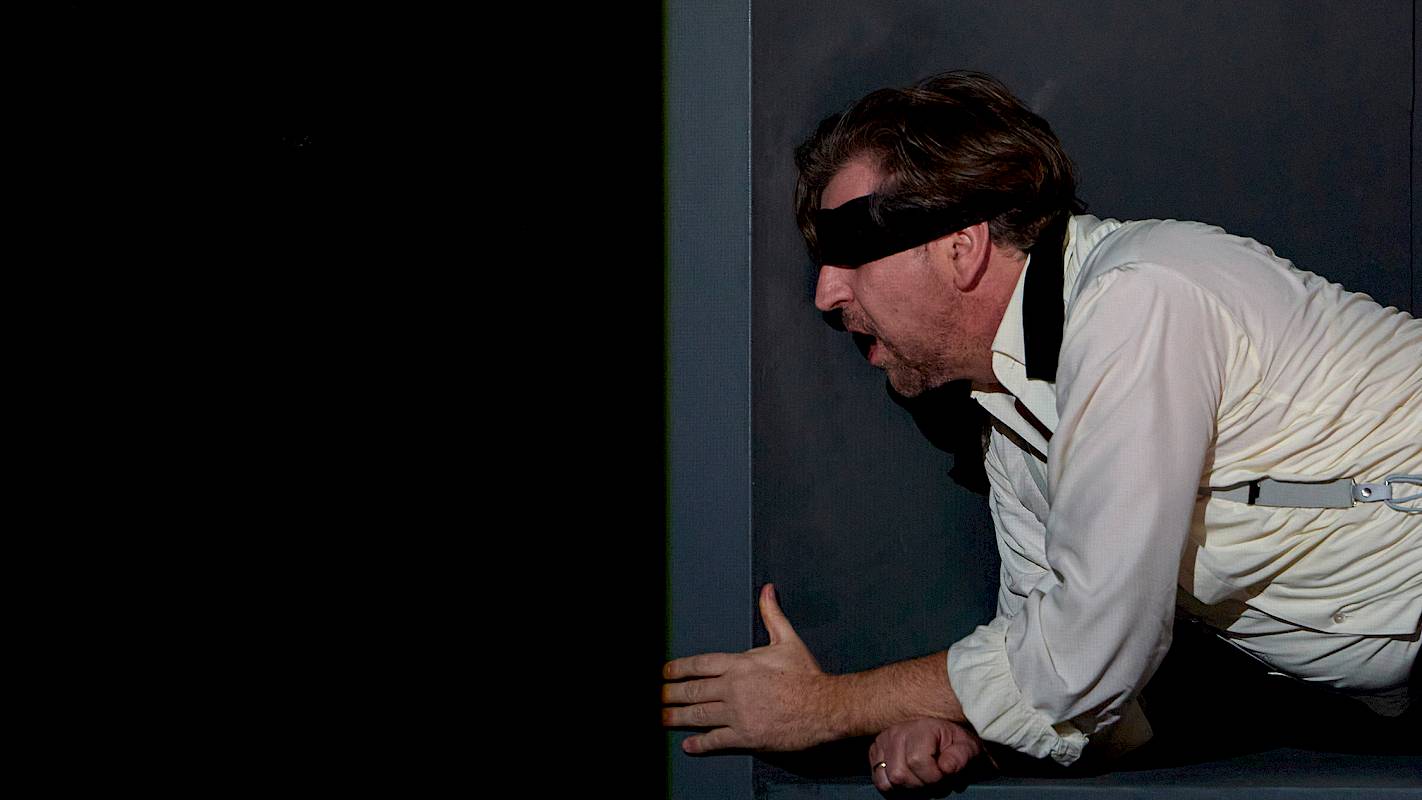
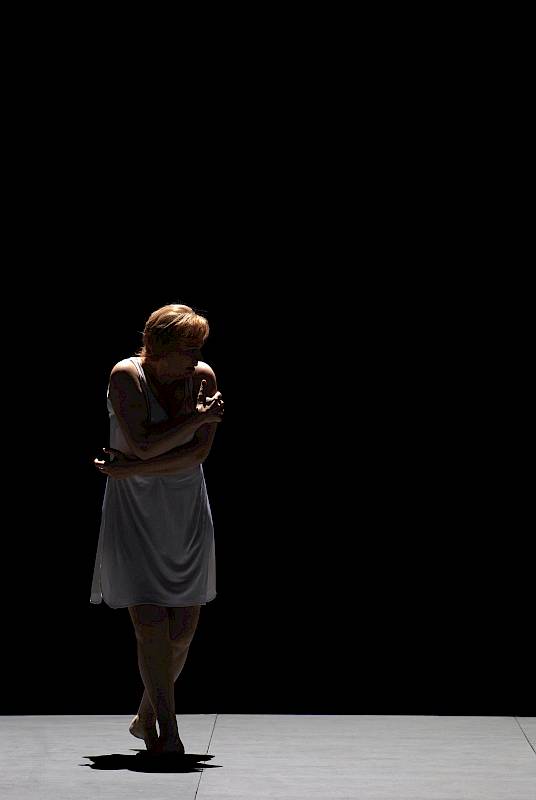
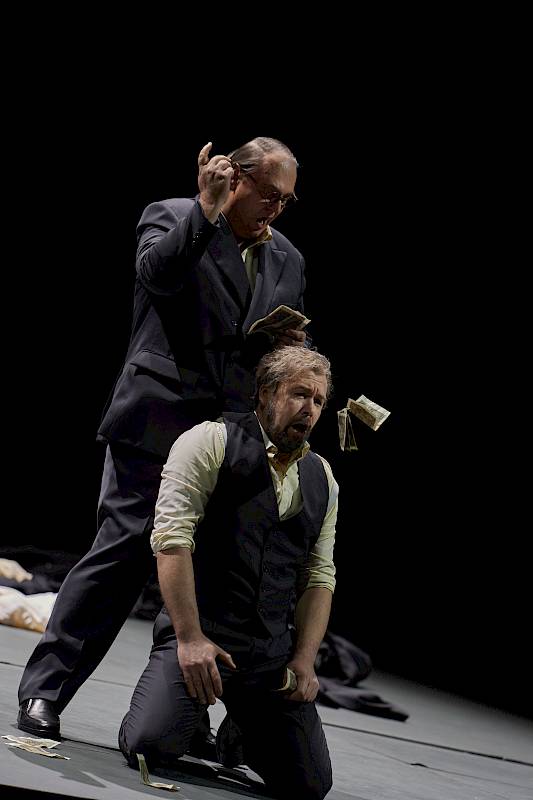
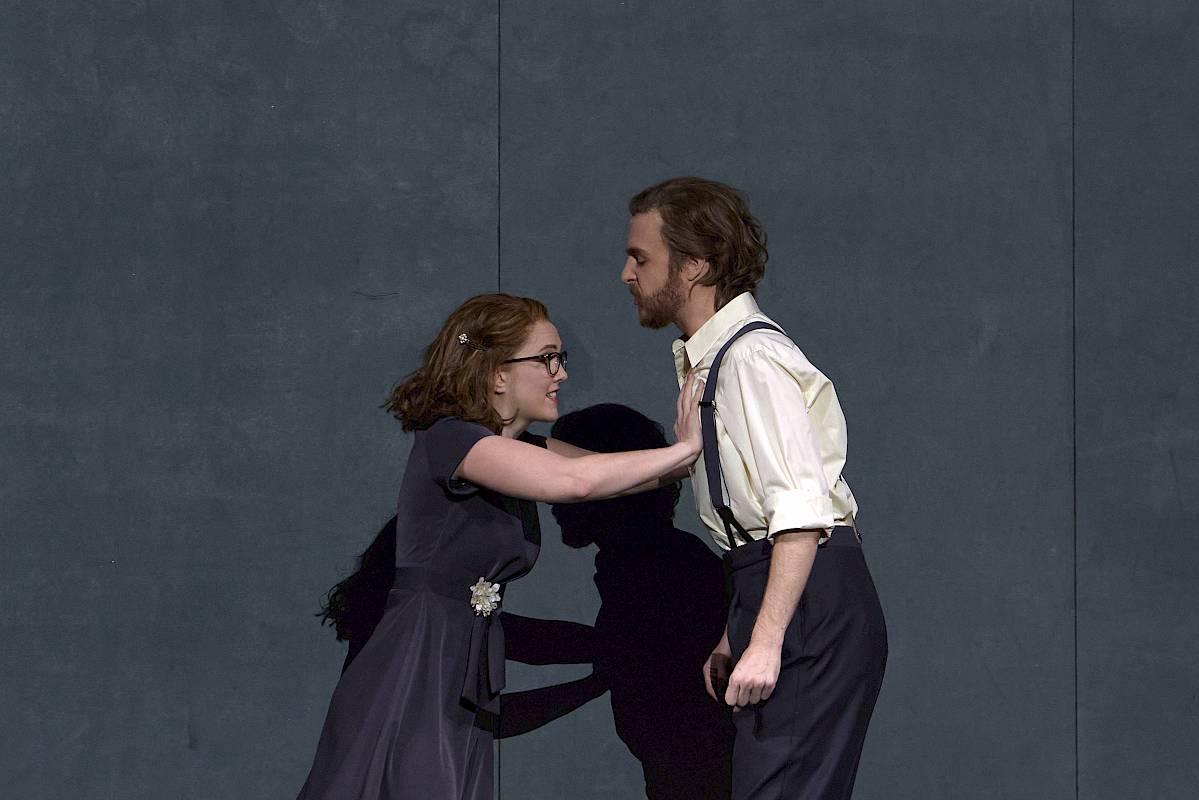
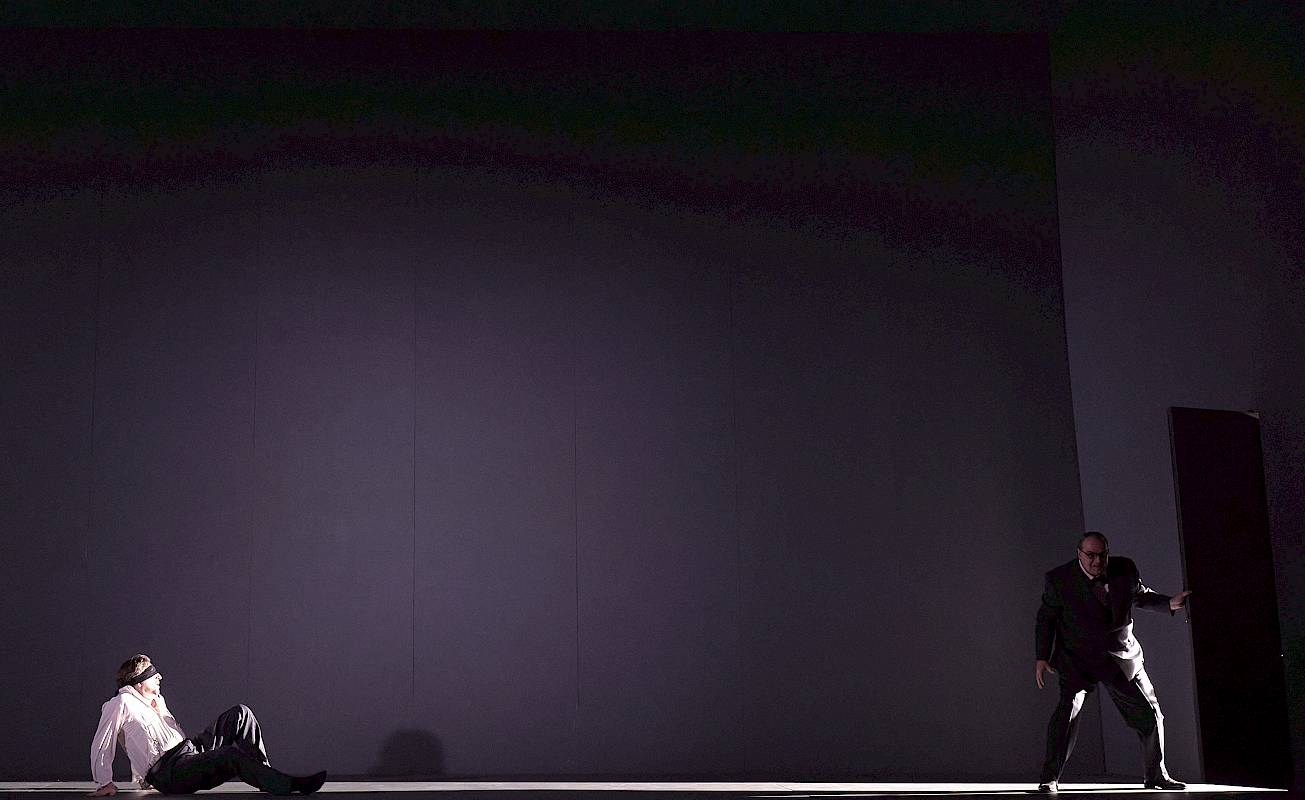
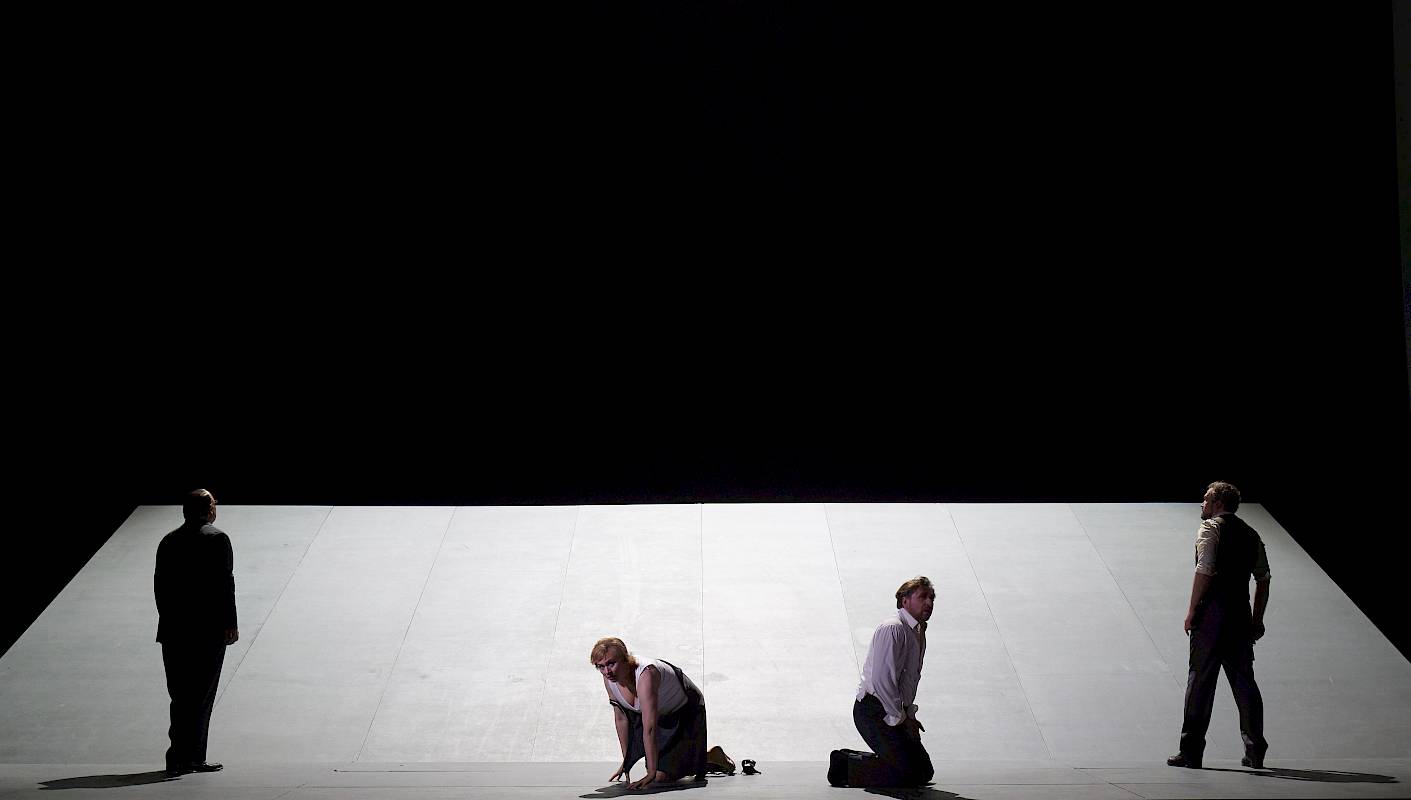
Photos «Fidelio»