Il turco in Italia

Dramma buffo in two acts by Gioachino Rossini (1792-1868)
Libretto by Felice Romani

From 10. December 2019 until 3. January 2020

  • Duration :
    2 H. 50 Min. Inkl. Pause after 1st part after approx. 1 H. 25 Min.
  • Language:
    In Italian with German and English surtitles.
  • More information:
    Introduction 45 min before the performance.

Musical Director:
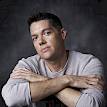
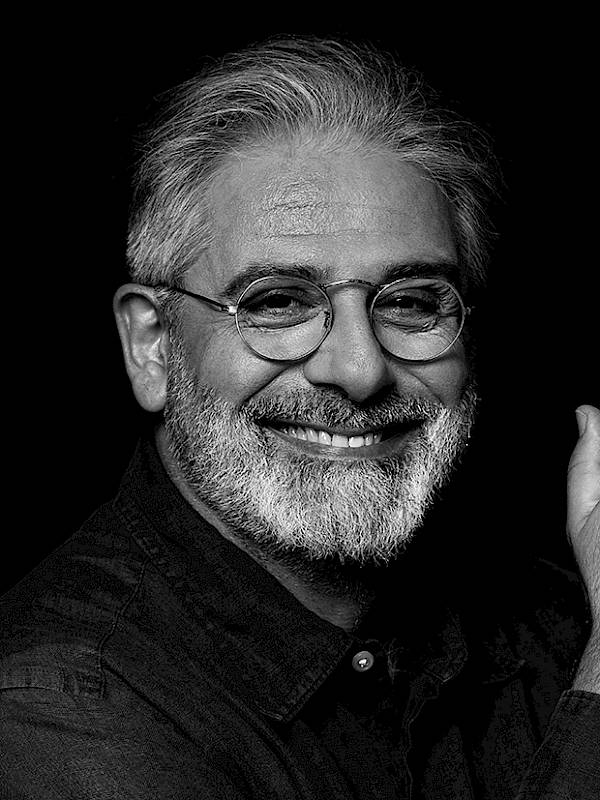
Antonino Fogliani

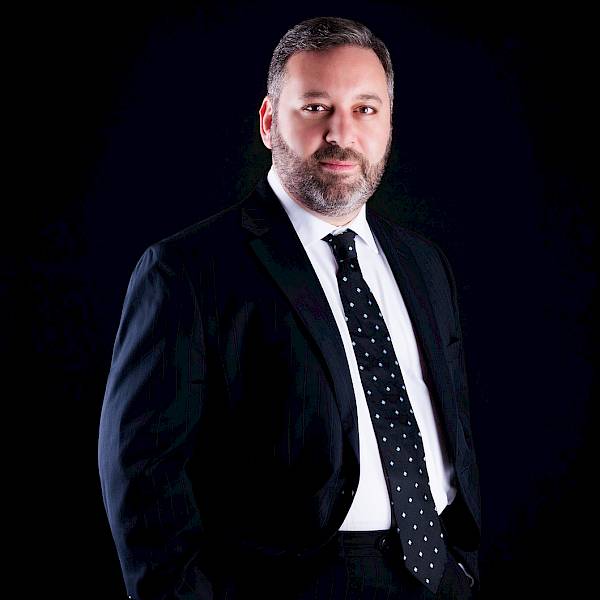
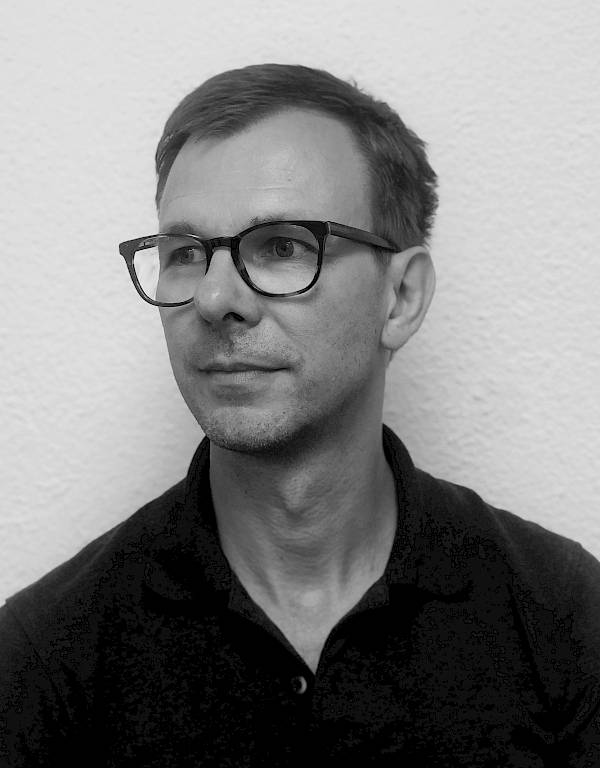
Antonino Fogliani

Antonino Fogliani is regarded as one of the leading bel canto conductors. He completed his conducting studies at the Milan Conservatory and at the Accademia Chigiana in Siena after studying piano in Bologna. He made his widely acclaimed debut in 2001 at the Rossini Opera Festival in Pesaro with "Il viaggio a Reims." Since 2012, he has been Music Director of the Festival Rossini in Wildbad and, since 2017, holds the position of Principal Guest Conductor at the Deutsche Oper am Rhein. Further guest conducting engagements have taken him to some of the most prestigious opera houses and festivals, including La Scala in Milan, La Fenice in Venice, the Palau de les Arts in Valencia, the Royal Opera London, the Bavarian State Opera in Munich, the Grand Théâtre de Genève, the Arena di Verona, the Maggio Musicale in Florence, the Opéra-Comique in Paris, the Staatsoper Stuttgart, and La Monnaie in Brussels. He has conducted orchestras such as the Orchestre Philharmonique de Monte-Carlo, the Neue Philharmonie Westfalen, and the Gürzenich Orchestra Cologne. Recent highlights include "Lucia di Lammermoor" at the Teatro Donizetti in Bergamo as well as at the Bavarian State Opera, "Carmen" at the Bregenz Festival and the Semperoper Dresden, and "Tosca" in Verona and at the Opera Frankfurt. At the Zurich Opera House, he has most recently conducted "Il turco in Italia," "Il barbiere di Siviglia" at Theater Winterthur, concert performances of "La donna del lago," and "Les Contes d’Hoffmann." Antonino Fogliani is a professor of orchestral conducting at the Conservatorio Alessandro Scarlatti in Palermo. In 2018, he was awarded the title of Officer of the Order of Merit of the Italian Republic.

Don Pasquale23 / 27 / 30 May / 4 / 6 / 11 Jun 2027
Production:
Jan Philipp Gloger

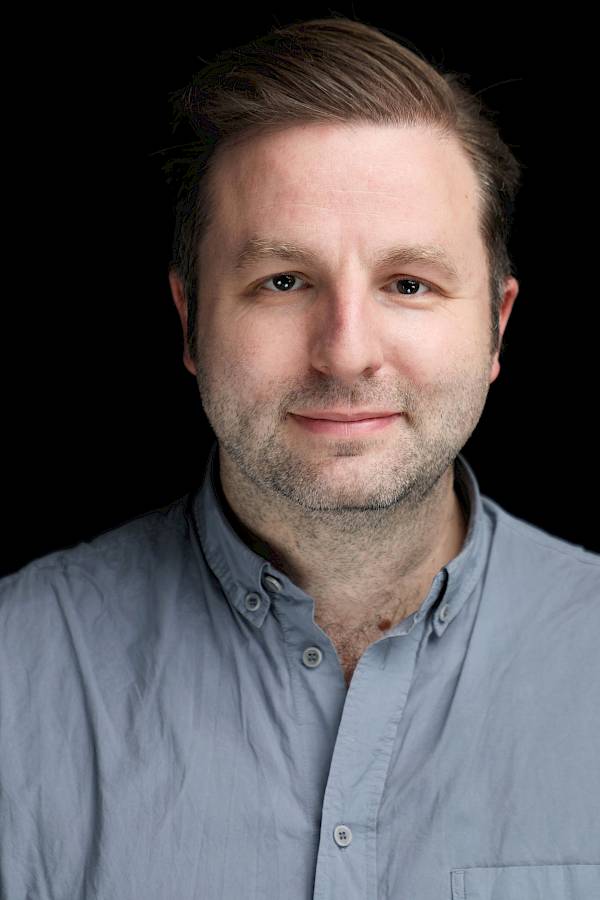
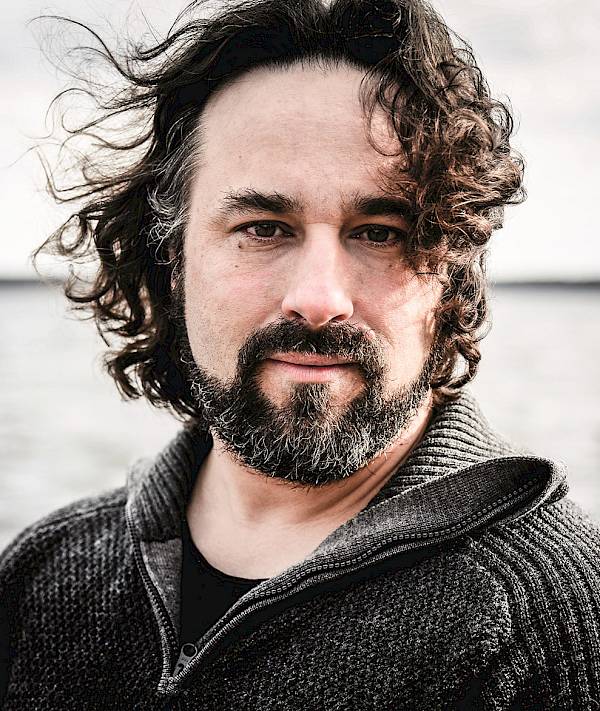
Jan Philipp Gloger

Jan Philipp Gloger studied Applied Theatre Studies at the Justus Liebig University Giessen and directing at the Zurich University of the Arts. From 2007, he worked as a freelance theatre director, including at the Bavarian State Theatre Munich, the Schaubühne and the Deutsches Theater Berlin, the Deutsches Schauspielhaus in Hamburg, and the State Theatre Dresden. He presented productions at the Ruhrtriennale and the Heidelberg Stückemarkt and received the Directing Prize of the Bavarian Theatre Days. From 2011 to 2013, he was Chief Director at the Staatstheater Mainz. In 2010, he staged his first opera, "Le nozze di Figaro," at the Theater Augsburg. This was followed by "Alcina" at the Semperoper Dresden, "The Flying Dutchman" at the Bayreuth Festival in 2012, "Idomeneo" at the Opera Frankfurt in 2013, Gounod’s "Faust" in Zurich, and "Simon Boccanegra" at the Semperoper Dresden in 2014. In recent years, he has directed productions including "Così fan tutte" at the Royal Opera House London and "Faust" at the Kongelige Theater Copenhagen. In 2018, Jan Philipp Gloger became Artistic Director at the Staatstheater Nürnberg, where he most recently staged "La Cenerentola." His productions have been awarded the Audience Prize of the Mülheimer Theatertage, the Directing Prize of the Bavarian Theatre Days, the Nachspiel Prize at the Heidelberg Stückemarkt, and a nomination for the London Olivier Award. In Zurich, he most recently directed "La verità in cimento," "Il turco in Italia," and "Die Csárdásfürstin." Since the 2025/26 season, he has been Intendant of the Volkstheater Vienna.

Le nozze di Figaro24 / 29 Jan / 1 / 5 / 7 / 10 / 14 Feb 2026 / 2 / 6 / 8 / 15 / 19 May 2027
Set Design:
Ben Baur

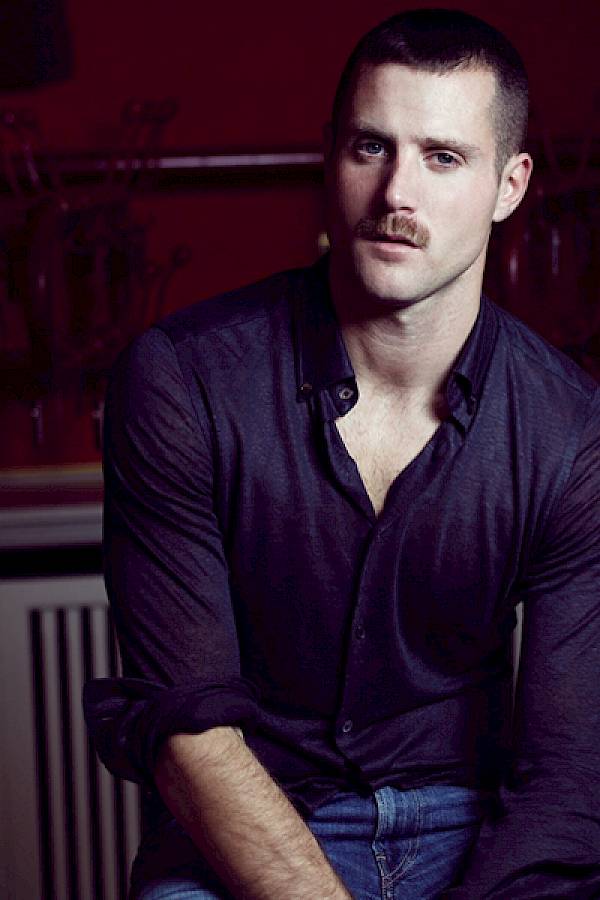
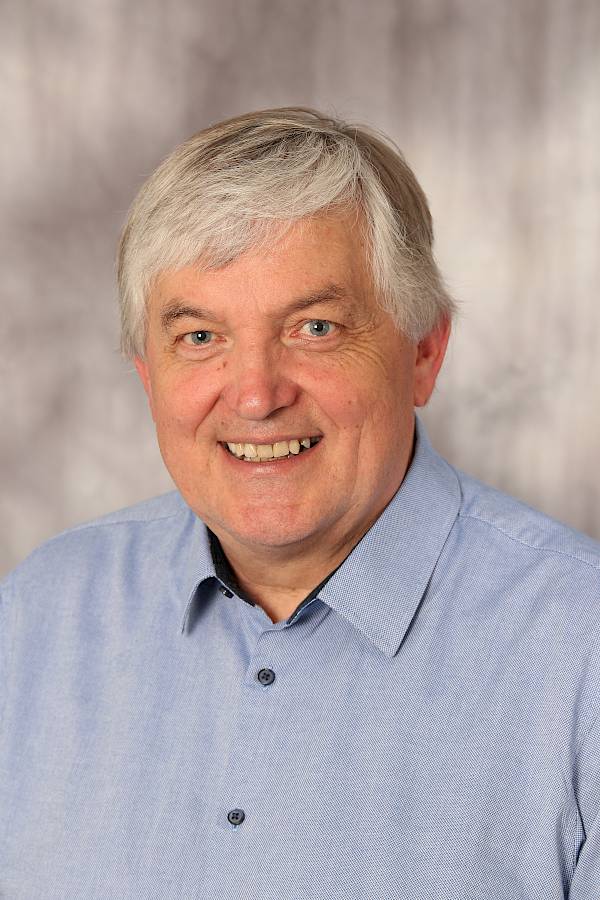
Ben Baur

Ben Baur comes from Reinheim in southern Hesse and studied at the Berlin-Weissensee University of the Arts. His work as a stage and costume designer can be seen at major theatres and opera houses across Europe, including the Maxim Gorki Theater and Deutsches Theater in Berlin, the Volkstheater Munich, the Staatstheater Karlsruhe and Staatstheater Saarbrücken, the theatres in Bochum, Zurich, and Frankfurt, the Aalto-Musiktheater Essen, the Stuttgart State Opera, the Zurich Opera House, the Welsh National Opera Cardiff, the Opéra national de Lorraine in Nancy and the Opéra royal du Château de Versailles, the Dutch National Opera Amsterdam, the Hamburg State Opera, the Royal Opera House Covent Garden, and the Burgtheater Vienna. He has a close collaboration with Jetske Mijnssen and Jan Philipp Gloger. In 2014, Ben Baur made his directorial debut at the Staatstheater Saarbrücken with "Lucia di Lammermoor," where he subsequently staged "La traviata" and "Katja Kabanova." His work as a director also includes Hugo von Hofmannsthal's "Elektra" at the Deutsches Theater Göttingen, "Roméo et Juliette" and "Il trovatore" at the Opera Graz, "Don Giovanni" and "Dialogues des Carmélites" at the Musiktheater im Revier Gelsenkirchen, "Il pirata" and "Faust" at the Theater St. Gallen, "La bohème" and "Alcina" at the Staatstheater Braunschweig, as well as August Enna's "Kleopatra" at the Danish National Opera.

Le nozze di Figaro24 / 29 Jan / 1 / 5 / 7 / 10 / 14 Feb 2026 / 2 / 6 / 8 / 15 / 19 May 2027
Costumes:
Karin Jud

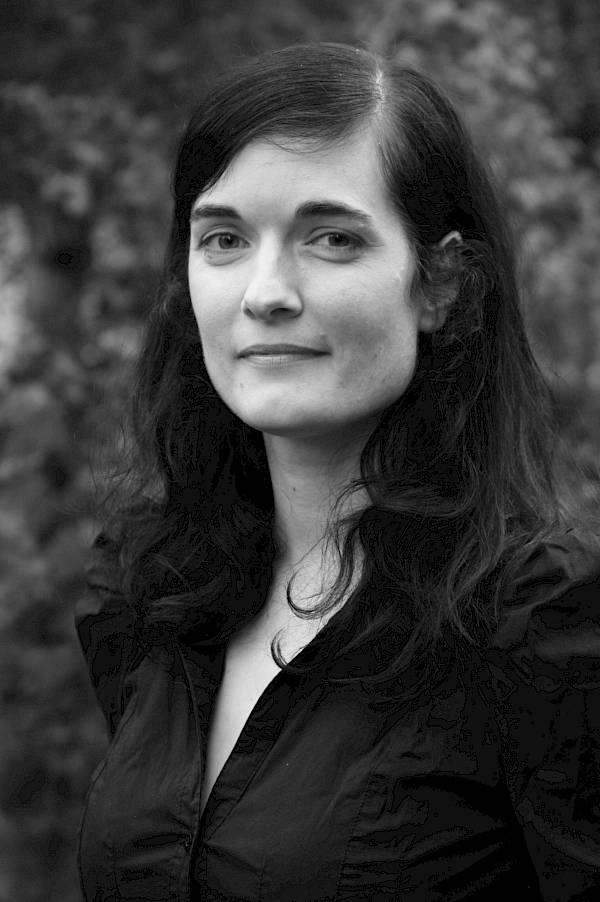
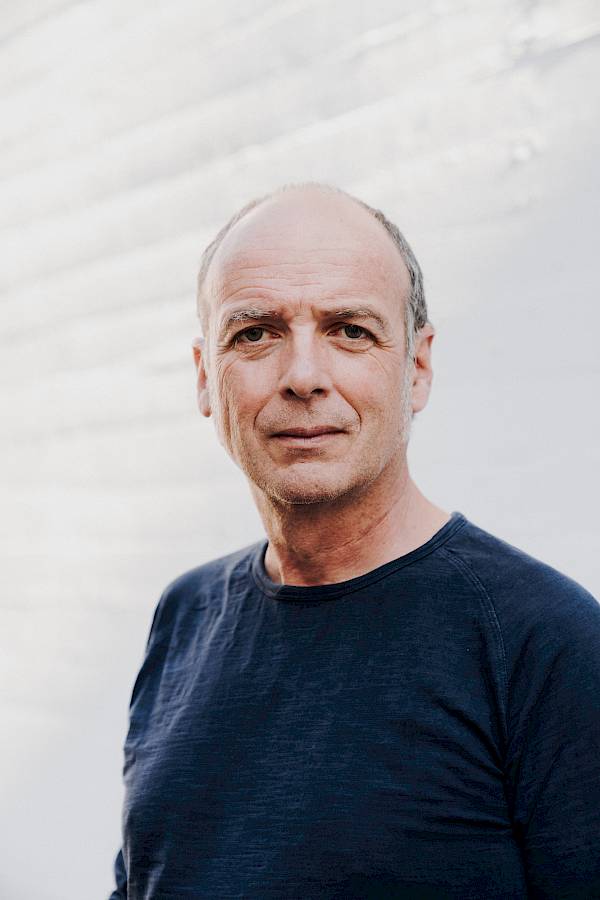
Karin Jud

Karin Jud, born in Zurich, studied fashion design from 2000 to 2004 at the Basel School of Design and Art. Afterwards, she worked until 2007 as an assistant costume designer at the Schauspielhaus and the Zurich Opera House, collaborating with directors such as Jan Bosse, Barbara Frey, Jürgen Gosch, Rudi Häusermann, Leiser/Caurier, and Jürgen Flimm. She designed costumes at the Schauspielhaus Zurich, among others, for productions by David Unseld, Luise Helle, Schorsch Kamerun, and Matthias Hartmann. Since 2007, she has worked as a freelance costume designer at, among others, Theater Augsburg, the Bavarian State Theatre Munich, Schauspiel Hannover, Schauspielhaus Graz, Staatstheater Mainz, Volkstheater Vienna, Semperoper Dresden, Deutsches Schauspielhaus Hamburg, and the Schaubühne Berlin. In Hamburg, she designed the premiere of Philipp Löhle's "Das Ding," directed by Jan Philipp Gloger, which won the Audience Prize at the Mülheimer Theatertage in 2012. She has collaborated with directors such as Ingo Berk, Jan Stephan Schmieding, and Barbara-David Brüesch. Recently, in collaboration with Jan Philipp Gloger, she worked on "Idomeneo" at the Opera Frankfurt, "Die Csárdásfürstin," "Le nozze di Figaro," and "Il turco in Italia" at the Zurich Opera House, "Faust" at the Royal Danish Opera, and "Così fan tutte" at the Royal Opera House in London.

Le nozze di Figaro24 / 29 Jan / 1 / 5 / 7 / 10 / 14 Feb 2026 / 2 / 6 / 8 / 15 / 19 May 2027
Lighting Design:
Martin Gebhardt

Martin Gebhardt

Martin Gebhardt was lighting designer and Head of Lighting for John Neumeier’s Hamburg Ballet. From 2002 onward he collaborated with Heinz Spoerli and the Ballett Zürich. Ballet productions of both companies took him to renowned theatres across Europe, Asia, and the Americas. At Zurich Opera House he created the lighting design for productions by Jürgen Flimm, David Alden, Jan Philipp Gloger, Grischa Asagaroff, Matthias Hartmann, David Pountney, Moshe Leiser/Patrice Caurier, Damiano Michieletto, and Achim Freyer. At the Salzburg Festival he designed the lighting for "La bohème" and for a new version of Spoerli’s "Der Tod und das Mädchen". Since the 2012/13 season Martin Gebhardt has been Head of Lighting at Zurich Opera House. He maintains a close collaboration with choreographer Christian Spuck (including "Winterreise", "Nussknacker und Mausekönig", "Messa da Requiem", "Anna Karenina", "Woyzeck", "Der Sandmann", "Leonce und Lena", "Das Mädchen mit den Schwefelhölzern"). He has also worked as lighting designer for choreographers Edward Clug (including "Strings", "Le Sacre du printemps" and "Faust" in Zurich), Alexei Ratmansky, Wayne McGregor, Marco Goecke, and Douglas Lee. He collaborated with Christoph Marthaler and Anna Viebrock on Handel’s "Sale" and Rossini’s "Il viaggio a Reims" in Zurich as well as on "Lulu" at the Hamburg State Opera, and with Jossi Wieler and Sergio Morabito at the Grand Théâtre de Genève for "Les Huguenots". In 2023 he designed the lighting for Spuck’s ballet "Bovary" at the Staatsballett Berlin and in 2024 for Rossini’s "Tancredi" at the Bregenz Festival. He was also the lighting designer for Cathy Marston’s "Atonement" at Zurich Opera House.

Tannhäuser21 / 24 / 27 Jun / 2 / 5 / 8 / 11 Jul / 26 Sept / 4 / 9 / 13 Oct 2026 Le nozze di Figaro24 / 29 Jan / 1 / 5 / 7 / 10 / 14 Feb 2026 / 2 / 6 / 8 / 15 / 19 May 2027 Oiseaux Rebelles12 / 18 / 23 / 25 / 31 Oct / 1 / 9 / 13 Nov / 2 / 5 / 6 / 9 Dec 2025 / 11 / 13 / 16 / 18 / 27 Sept 2026 Die Fledermaus7 / 10 / 12 / 14 / 18 / 26 / 28 / 31 Dec 2025 / 2 / 4 / 6 / 10 Jan / 29 Sept / 8 / 17 / 23 / 25 Oct 2026 Clara13 / 14 / 19 / 20 / 26 / 28 Dec 2025 / 11 / 12 / 17 / 19 / 24 Apr 2026 Timeframed17 / 18 / 22 / 25 / 30 Jan / 1 / 4 / 6 / 8 / 11 / 12 Feb 2026 / 27 Feb / 6 / 24 Mar / 1 / 3 / 9 / 18 / 22 / 28 / 30 Apr / 1 May 2027 Scylla et Glaucus27 / 29 / 31 Mar / 2 / 6 / 30 Apr / 2 May 2026 The Butterfly Effect4 / 13 / 23 Apr 2026 Messa da Requiem20 / 22 / 28 Feb / 1 / 5 / 7 Mar / 6 Apr 2026 Romeo und Julia23 / 29 / 30 May / 4 / 6 / 7 / 10 / 12 / 14 / 23 / 26 Jun / 20 / 27 / 29 Nov / 6 / 13 / 19 / 26 / 27 Dec 2026 Nachtträume20 / 25 / 28 / 30 Jun / 4 Jul 2026 Ein Sommernachtstraum26 Sept / 11 / 16 / 18 / 25 / 28 / 29 / 31 Oct / 12 / 13 / 14 Nov 2026 / 19 / 22 / 29 Jun / 3 Jul 2027 Slow Rush16 / 17 / 22 / 28 / 30 Jan / 5 / 10 / 13 / 17 / 21 Feb / 29 / 30 May / 3 Jun 2027 Doctor Atomic7 / 11 / 14 / 20 / 24 / 28 Feb 2027 Samson et Dalila13 / 17 / 20 / 24 / 27 / 30 Jun / 2 / 9 Jul 2027
Video:
Sami Bill

Sami Bill

Sami Bill studierte Szenische Künste an der Universität Hildesheim. Seine Szenografien, Bühnenbilder, Videoarbeiten und Bühnenprojektionen führten ihn über das Theater Koblenz, das Stadttheater Augsburg, die Wuppertaler Bühnen, das Performancekollektiv Fräulein Wunder AG und das Theater an der Parkaue Berlin zum Staatsschauspiel Dresden, ans Maxim Gorki Theater Berlin, das Düsseldorfer Schauspielhaus, das Pathos München, das Schauspiel Stuttgart, das Schauspiel Frankfurt, ans Nationaltheater Mannheim, das Badische Staatstheater Karlsruhe, das Thalia Theater Hamburg, das Deutsche Schauspielhaus Hamburg, das Museumsquartier Wien, das Teatr Bagatela in Krakau und an die Philharmonie Luxemburg. Zu seinen letzten Arbeiten zählen Phädra (Regie: Anne Lenk) und Isola (Regie: Jan Philipp Gloger) am Staatstheater Nürnberg, Satyricon (Regie: Nelly Danker) an der Oper Frankfurt, Bilder einer Ausstellung und Der Teufelsgeiger (Regie: Nelly Danker) in der Philharmonie Luxemburg, Junk am Deutschen Schauspielhaus Hamburg (Regie: Jan Philipp Gloger) und Tintenherz am Schauspiel Frankfurt (Regie: Rüdiger Pape). Die Uraufführung Furcht und Ekel – Das Privatleben glücklicher Leute am Schauspiel Stuttgart (Regie: Jan Gehler) wurde 2015 zu den 40. Mühlheimer Theatertagen eingeladen. Die Inszenierung Momo am Düsseldorfer Schauspielhaus (Regie: Rüdiger Pape) erhielt 2014 eine Nominierung für den renommierten Theaterpreis «Der Faust» und die Produktion Almost Lovers, die am Düsseldorfer Schauspielhaus entstand, wurde 2013 zum «Theatertreffen der Jugend» nach Berlin eingeladen.

Chorus Master:
Ernst Raffelsberger

Ernst Raffelsberger

Ernst Raffelsberger comes from Gmunden, Upper Austria. He studied music education and church music at the University of Music and Performing Arts in Vienna as well as choral conducting at the Mozarteum in Salzburg. From 1983 to 1986 he was Kapellmeister of the Vienna Boys’ Choir. During this time, he led the ensemble in Vienna and on tours through Europe, South Africa, Canada, and the USA. From 1986, Ernst Raffelsberger was choral director and Kapellmeister at the Salzburg State Theatre (participating in the Salzburg Mozart Week and the Salzburg Festival). In 1989 he moved as choral director and Kapellmeister to the theatre in Freiburg/Breisgau. Since autumn 1993, Ernst Raffelsberger has been engaged at the Zurich Opera House as choral director. Here he has since supervised around 150 premieres and countless revivals and worked with many renowned conductors such as Marco Armiliato, Riccardo Chailly, Teodor Currentzis, Christoph von Dohnányi, Sir John Eliot Gardiner, Daniele Gatti, Bernard Haitink, Nikolaus Harnoncourt, Zubin Mehta, Gianandrea Noseda, and Franz Welser-Möst. Guest performances with the Zurich Opera House have taken him to Vienna, London, Paris, and Tokyo. From summer 2012 he additionally began a ten-year activity as choral director of the Vienna State Opera Chorus Association at the Salzburg Festival. There he collaborated successfully with, among others, Riccardo Muti, Mariss Jansons, and Sir Simon Rattle. After Ernst Raffelsberger ended this work with the festival summer 2021, he has since 2025 once again been responsible, at Maestro Muti’s request, for choral preparation for his festival concerts in Salzburg. Numerous CD and DVD recordings document his work in Zurich as well as in Salzburg.

Manon24 / 27 Sept / 3 / 7 / 10 Oct 2025 Tosca28 Sept / 2 / 8 / 11 / 15 / 19 Oct 2025 La clemenza di Tito26 / 29 Apr / 3 / 8 / 15 / 17 / 20 / 25 May 2026 Madama Butterfly30 Dec 2025 / 3 / 9 / 11 / 13 / 16 Jan 2026 Le nozze di Figaro24 / 29 Jan / 1 / 5 / 7 / 10 / 14 Feb 2026 Die Fledermaus7 / 10 / 12 / 14 / 18 / 26 / 28 / 31 Dec 2025 / 2 / 4 / 6 / 10 Jan 2026 Messa da Requiem20 / 22 / 28 Feb / 1 / 5 / 7 Mar / 6 Apr 2026 Arabella14 / 18 / 22 / 25 / 28 Apr 2026
Dramaturgy:
Claus Spahn

Claus Spahn

Claus Spahn was chief dramaturge at the Zurich Opera House during Andreas Homoki’s tenure as artistic director. There, he supervised music theater projects by Wolfgang Rihm, Helmut Lachenmann, George Benjamin, Roman Haubenstock-Ramati, and world premieres by Heinz Holliger, Christian Jost, and Stefan Wirth. As a production dramaturge, he worked with directors such as Sebastian Baumgarten, Herbert Fritsch, Jan Philipp Gloger, Tatjana Gürbaca, Andreas Homoki, Barrie Kosky, Nadja Loschky, David Marton, and Evgeni Titov. He also shares a close artistic partnership with the choreographer and former director of Zurich Ballet, Christian Spuck. For him, Spahn was involved in the development of the productions “Anna Karenina,” “Nussknacker und Mausekönig,” and “Monteverdi” in Zurich, he also wrote libretti for the ballets “Orlando” based on Virginia Woolf (world premiere in 2021 at the Moscow Bolshoi Ballet) and “Bovary” based on Gustave Flaubert (world premiere in 2023 at the Berlin State Ballet). Additionally, he is the librettist of the chamber opera “The Dream of You” by Swiss composer Xavier Dayer, which premiered in 2017 at the Zurich Opera House. Before joining the Zurich Opera House, Claus Spahn was the arts editor for 14 years at the German weekly newspaper DIE ZEIT, where he was responsible for the music section. From 1990 to 1997, he worked as a freelance music journalist mainly for the Süddeutsche Zeitung and Bavarian Broadcasting. Claus Spahn was born in Germany, studied classical guitar in Freiburg im Breisgau, and completed training at the German School of Journalism in Munich.

Rigoletto20 / 23 / 27 Dec 2025 / 1 / 4 Jan 2026 Le nozze di Figaro24 / 29 Jan / 1 / 5 / 7 / 10 / 14 Feb 2026 / 2 / 6 / 8 / 15 / 19 May 2027 Werther14 / 19 Jun / 1 / 4 / 10 Jul 2026 Macbeth8 / 11 / 14 / 19 / 22 / 30 Nov 2025 Messa da Requiem20 / 22 / 28 Feb / 1 / 5 / 7 Mar / 6 Apr 2026

Cast


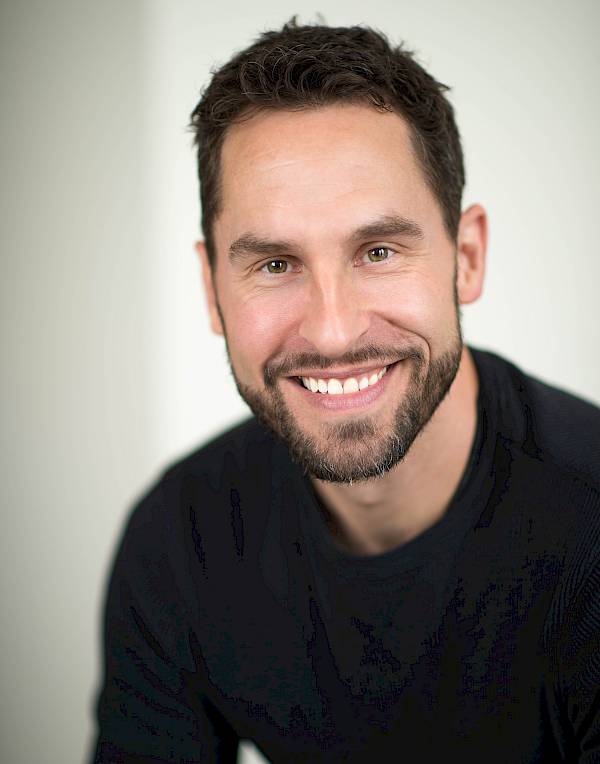
Selim, ein türkischer Fürst Kyle Ketelsen


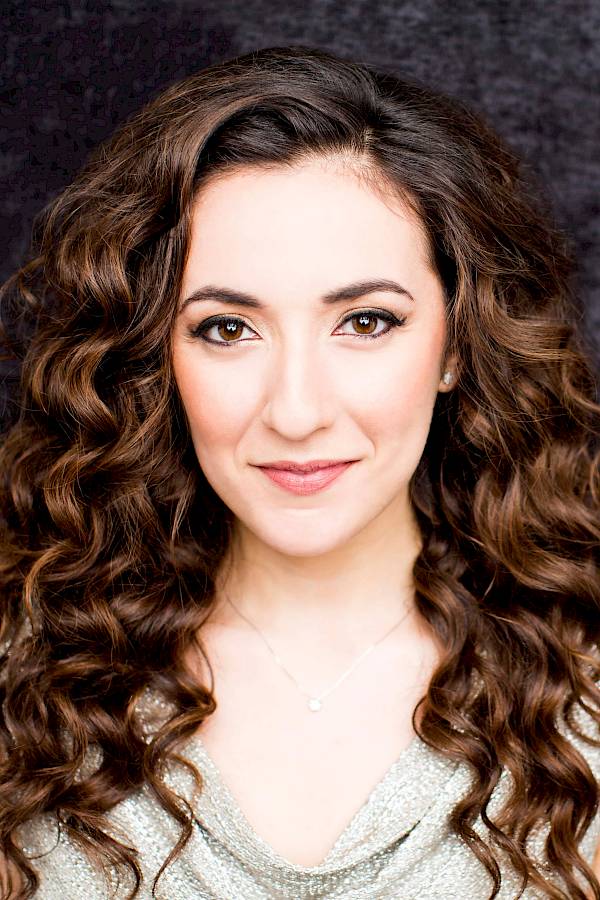
Donna Fiorilla, Gemahlin von Don Geronio Rosa Feola


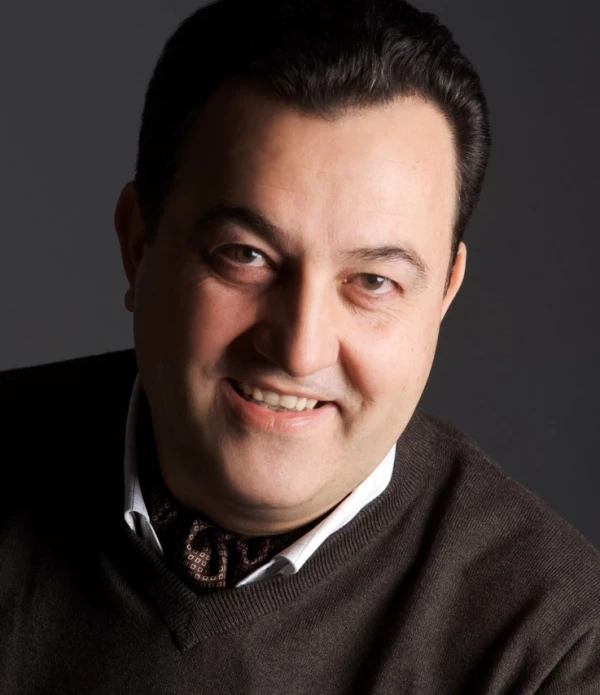
Don Geronio Renato Girolami


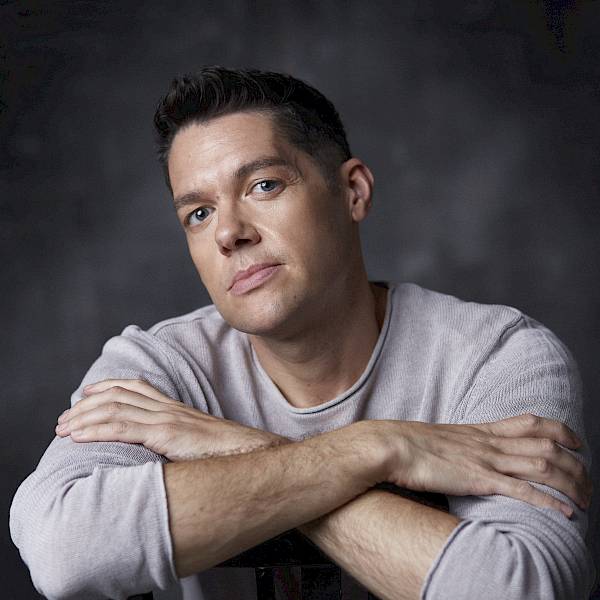
Don Narciso, Fiorillas Liebhaber Edgardo Rocha


Prosdocimo, ein Dichter Pietro Spagnoli


Zaida, eine Zigeunerin Rebeca Olvera


Albazar, Zaidas Gefährte Leonardo Sánchez

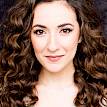
Kyle Ketelsen

Der amerikanische Bassbariton Kyle Ketelsen wurde in Clinton/Iowa geboren und studierte an den Universitäten von Iowa und Indiana. Er sang an zahlreichen Häusern der USA und konzertierte u.a. mit dem Chicago Symphony Orchestra. Gastverträge führten ihn an bedeutende Opernhäuser, darunter die Metropolitan Opera New York, das Londoner Royal Opera House Covent Garden, das Gran Teatre de Liceu in Barcelona, die Hamburgische Staatsoper sowie zum Festival von Aix-en-Provence. Sein Repertoire umfasst Partien wie Enrico VIII (Anna Bolena), Basilio (Il barbiere di Siviglia), Don Fernando (Fidelio), Nick Shadow (The Rake‘s Progress), Mr. Flint (Billy Budd), die Titelpartie in Le nozze di Figaro und Méphistophélès (Faust). Besondere Beachtung fand seine Interpretation des Escamillo (Carmen), mit der er u.a. in London, Washington, Orlando, Madrid, New York und Amsterdam zu erleben war. Ausserdem trat er als Leporello (Don Giovanni) in Produktionen der Houston Grand Opera, des Teatro Real Madrid, beim Festival von Aix-en-Provence, an der Bayerischen Staatsoper München, an der Canadian Opera Toronto sowie 2018 in Dallas und Lyon hervor. In der Saison 2018/19 sang er an der Met in New York Escamillo und Golaud (Pelléas et Mélisande), an der Lyric Opera of Chicago den King of Scotland (Ariodante) sowie an der San Francisco Opera Escamillo. Am Opernhaus Zürich war Kyle Ketelsen zuletzt als Golaud in Pelléas et Mélisande, als Méphistophélès in Gounods Faust und als Graf Rodolfo in der konzertanten Aufführung von La sonnambula zu erleben.

Rosa Feola

Rosa Feola absolvierte ein Gesangs- und ein Klavierstudium am Conservatorio Statale Giuseppe Martucci in Salerno. 2008 wurde sie ans Opernstudio der Accademia Nazionale di Santa Cecilia bei Renata Scotto aufgenommen. Internationale Aufmerksamkeit erlangte sie mit dem zweiten Preis bei Plácido Domingos Operalia-Wettbewerb 2010, wo ihr auch der Zarzuela-Preis sowie der Publikumspreis verliehen wurden. Jüngst wurde sie mit dem «Premio Speciale des Spoleto Festival dei Due Mondi» ausgezeichnet. Zu ihren Opernrollen zählen u.a. Corinna (Il viaggio a Reims), Adina (Lelisir damore), Gilda (Rigoletto), Norina (Don Pasquale), Susanna (Le nozze di Figaro) und Amina (La sonnambula). Sie war bereits zu Gast an Häusern wie dem Teatro alla Scala, der Metropolitan Opera New York, am Teatro dell’Opera in Rom, am Opernhaus Zürich, an der Bayerischen Staatsoper, der Lyric Opera of Chicago, dem Teatro Regio Torino, beim Ravenna Festival, bei den Salzburger Festspielen und an der Deutschen Oper Berlin. Zu den jüngsten Höhepunkten ihrer Karriere zählen eine Reihe von Debüts, insbesondere am Royal Opera House in London in einer Oliver Mears-Produktion von Rigoletto sowie Liù in Turandot am Opernhaus Zürich. Ausserdem kehrte sie für Aufführungen von Rigoletto und als Olga in Fedora an die Metropolitan Opera zurück. In der aktuellen Spielzeit ist sie u.a. an der Washington National Opera in Roméo et Juliette, am Teatro di San Carlo als Liù in einer Neuproduktion von Turandot, an der Wiener Staatsoper in Don Pasquale und an der Opera Royal de Wallonie-Liège in I Capuleti e i Montecchi zu erleben.

c-Moll-Messe17 Mar 2027

Renato Girolami

Renato Girolami, Bariton, stammt aus Umbrien und studierte in Rom und an der Münchner Musikhochschule sowie in Berlin bei Dietrich Fischer-Dieskau. Zunächst Mitglied der Volksoper Wien, war er von 1991 bis 1996 im Ensemble der Wiener Staatsoper. Gastengagements als freischaffender Künstler führten ihn seither u.a. nach Tokio, Santiago de Chile, Tel Aviv, Zürich, Marseille, Barcelona, Venedig, Mailand, Berlin sowie zu den Festspielen in Salzburg und Schwetzingen. Als Bartolo (Il barbiere di Siviglia) trat Renato Girolami u.a. in München, Wien, Hamburg und Berlin auf. An der Staatsoper Dresden debütierte er mit Don Magnifico (La Cenerentola) und am Theater St. Gallen war er als Figaro und als Giorgio Germont zu hören. Weiterhin gehören zu seinem Repertoire Partien wie Raimondo/Enrico (Lucia di Lammermoor), Mustafa (L’ita­liana in Algeri), Don Alfonso (Così fan tutte), Leporello (Don Giovanni), Schaunard (La bohème) und Sharpless (Madama Butterfly). Unter Renato Girolamis jüngsten Verpflichtungen finden sich Gastspiele als Don Bartolo an der Oper Köln, der Staatsoper Unter den Linden und an den Festtagen Berlin und am Teatro Real in Madrid, als Don Magnifico an der Bayerischen Staatsoper und als Dulcamare beim Glyndebourne Festival 2023. In Zürich war er bisher als Bartolo, Geronimo (Il matrimonio segreto), Dulcamare (L’elisir d’amore), Don Geronio (Il turco in Italia) und Fra Melitone (La forza del destino) zu erleben.

Edgardo Rocha

Edgardo Rocha, geboren in Rivera (Uruguay), studierte Klavier sowie Chor- und Orchesterleitung an der Universität in Montevideo, zog 2008 nach Italien und absolvierte seine Gesangsausbildung bei Salvatore Fisichella. 2010 gab er beim Festival della Valle d’Itria sein Debüt in der Titelrolle von Donizettis Gianni di Parigi. Seine Engagements führten ihn seither u. a. als Don Ramiro (La Cenerentola) nach Barcelona, Seattle, Stuttgart, Sevilla, Bilbao, Amsterdam, Monte-Carlo und Versailles, als Ferrando (Così fan tutte) nach Neapel und Turin, als Dorvil (La scala di seta) sowie als Jago (Rossinis Otello) nach Zürich, als Almaviva (Il barbiere di Siviglia) u. a. an die Staatsopern in Wien, München, Dresden und Hamburg wie auch nach Valencia, Madrid, Neapel, Lausanne, Rom und wiederum nach Zürich. Neben Cecilia Bartoli sang er den Rodrigo (Otello) im Théâtre des Champs-Elysées und interpretierte dieselbe Rolle bei den Salzburger Festspielen. 2015 gab er sein Debüt an der Mailänder Scala als Jago und kehrte 2017 als Giannetto (La gazza ladra) dorthin zurück. Engagements führten ihn u. a. als Riccardo Percy (Anna Bolena) nach Genf, als Don Ramiro an die Bayerische und die Wiener Staatsoper, als Almaviva zu den Salzburger Festspielen sowie für eine Rossini-Gala an die Wiener Staatsoper. In Zürich war er zuletzt als Gérald (Lakmé), Cavaliere Belfiore (Il viaggio a Reims), Comte Ory und Don Narciso (Il turco in Italia) zu erleben – eine Rolle, die er auch in Mailand sang. Er gastierte ausserdem mit Maria Stuarda (Roberto) in Genf, mit La sonnambula (Elvino) an der Deutschen Oper am Rhein, mit Il barbiere di Siviglia in Monaco und Los Angeles sowie einer Neuproduktion von Il turco in Italia in Madrid.

Pietro Spagnoli

Pietro Spagnoli, geboren in Rom, ist seit vielen Jahren Gast auf den grossen Opernbühnen der Welt. Zum gefragten Bariton wurde er vor allem mit Partien von Mozart, Rossini und Donizetti, darunter Figaro und Conte Almaviva (Le nozze di Figaro), die Titelrolle in Don Giovanni, Guglielmo und Don Alfonso (Così fan tutte), Figaro (Il barbiere di Siviglia), Dandini und Don Magnifico (La Cenerentola), Belcore und Dulcamara (L’elisir d’amore), Malatesta (Don Pasquale) sowie Sulpice (La fille du régiment). An der Met in New York debütierte er als Dandini an der Seite von Juan Diego Flórez, Javier Camarena und Joyce di Donato. Er sang Prosdocimo in Aix-en-Provence, beim Rossini Festival in Pesaro sowie am Opernhaus Zürich, Sulpice am Teatro Real in Madrid, Don Magnifico, Don Pasquale, Belcore und Malatesta an der Wiener Staatsoper, Delirio in einer Neuproduktion von Gassmanns L’opera seria unter der Leitung von René Jacobs am Théâtre de la Monnaie in Brüssel, die Titelrolle in Falstaff an der Oper Shanghai, Almaviva am New National Theatre in Tokio, Don Profondo (Il viaggio a Reims) am Gran Teatre del Liceu in Barcelona, Don Alfonso an der Bayerischen Staatsoper, Mustafà (L’italiana in Algeri) am Teatro Municipal in Santiago de Chile und Dottor Bartolo am Rossini Opera Festival in Pesaro und der Semperoper Dresden. Die vergangenen Spielzeiten führten ihn u. a. als Leporello nach Bari, als Falstaff und Don Alfonso an die Staatsoper Hamburg, als Alidoro (La Cenerentola) an die Semperoper in Dresden, als Geronimo (Il matrimonio segreto) an die Scala in Mailand sowie als Prosdocimo, Mustafá und für Viva la mamma ans Opernhaus Zürich.

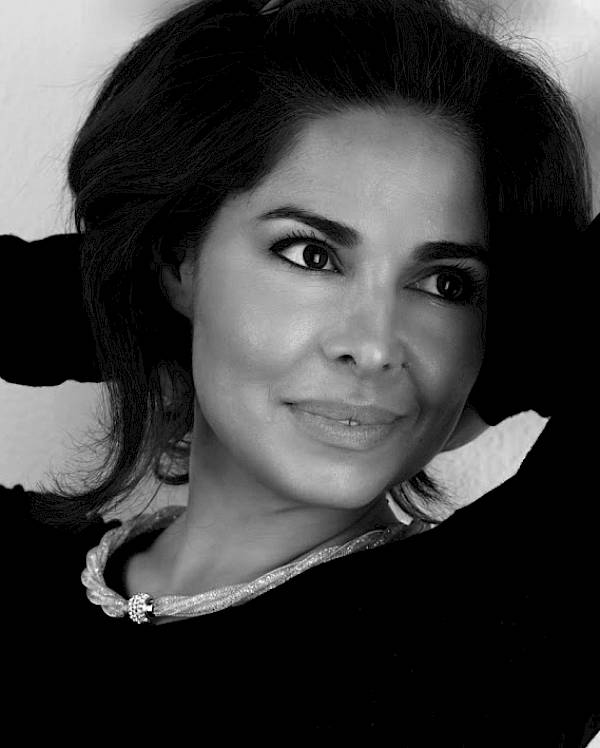
Rebeca Olvera

Rebeca Olvera is from Mexico. She studied at the Conservatorio Nacional de Música in Mexico City and was a member of the IOS at the Opernhaus Zürich from 2005 to 2007. She then became a permanent ensemble member there and sang roles such as Adina ("L’elisir d’amore"), Norina ("Don Pasquale"), Berenice ("L’occasione fa il ladro"), Giulia ("La scala di seta"), Rosina (Paisiello’s "Il barbiere di Siviglia"), Blonde ("Die Entführung aus dem Serail"), Madame Herz ("Der Schauspieldirektor"), Dorinda ("Orlando"), Isolier ("Le comte Ory"), Adalgisa ("Norma"), and Zaida ("Il turco in Italia"). She has worked with conductors including Ralf Weikert, Vladimir Fedoseyev, William Christie, Marc Minkowski, Nello Santi, Adam Fischer, Fabio Luisi, Diego Fasolis, Franz Welser-Möst, Emmanuelle Haïm, and Alessandro De Marchi. She has performed concerts with José Carreras in South America and Europe (Carreras Gala 2007 on ARD) and with Plácido Domingo in Mexico. In 2016, she sang Adalgisa in "Norma" alongside Cecilia Bartoli at the Théâtre des Champs-Élysées, the Edinburgh Festival, and the Festspielhaus Baden-Baden. In Zurich, she has appeared as Despina, Musetta, Frasquita in "Carmen", Mi in "Das Land des Lächelns", Zaida in "Il turco in Italia", Komtesse Stasi in "Die Csárdásfürstin", Waldvöglein in "Siegfried", and Contessa di Folleville in "Il viaggio a Reims"—a role she also sang at the Royal Danish Opera. She performed Isolier at the Opéra de Monte-Carlo and Clorinda ("La Cenerentola") at the Vienna State Opera. She has also appeared as Berta ("Il barbiere di Siviglia") and in the gala concert Carmencita & Friends at the Salzburg Festival.

Der Rosenkavalier21 / 26 Sept / 1 / 5 / 14 / 17 / 21 / 26 Oct 2025 Manon24 / 27 Sept / 3 / 7 / 10 Oct 2025 Un ballo in Maschera22 / 28 / 31 May / 7 / 13 Jun 2026 Così fan tutte3 / 7 / 9 / 12 Jul 2026 Die Fledermaus7 / 10 / 12 / 14 / 18 / 26 / 28 / 31 Dec 2025 / 2 / 4 / 6 / 10 Jan 2026

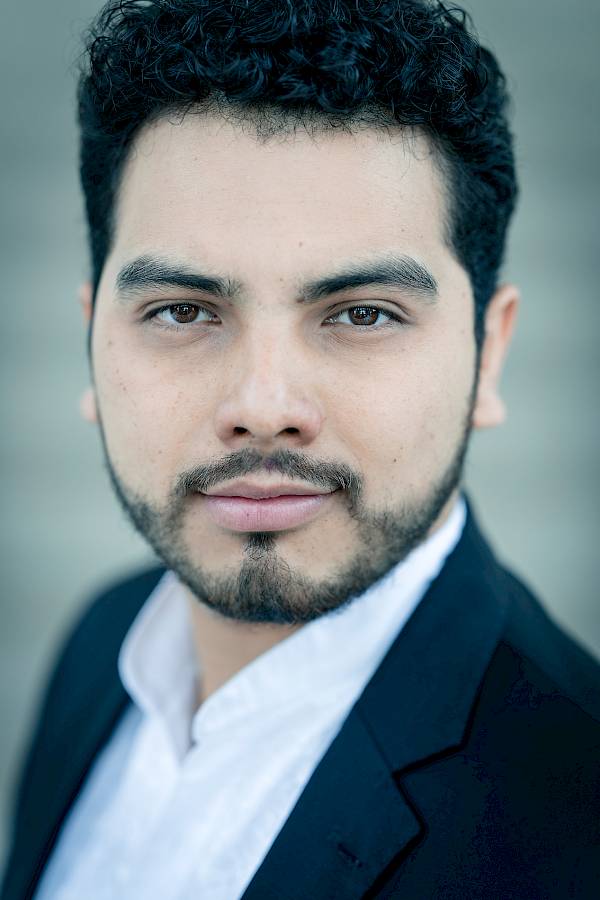
Leonardo Sánchez

Leonardo Sánchez, Tenor, stammt aus Mexiko, wo er seinen Bachelor an der Universidad De Las Americas Puebla abschloss. Er gewann als einer der jüngsten Sänger des Landes das Plácido Domingo Stipendium. Zudem war er Preisträger verschiedener Gesangswettbewerbe in Mexiko (u.a. Sinaloa International Singing Competition und Carlo Morelli Gesangswettbewerb). 2016 debütierte er als Arturo in Lucia di Lammermoor im Palacio de Bellas Artes in Mexiko-Stadt. 2017/18 war er als Alfredo (La traviata) am Teatro Bicentenario, als Don Anchise in La finta giardiniera mit dem National Chamber Orchestra Mexico und als Don Ottavio (Don Giovanni) im Teatro Estatal de Yucatan zu hören. Zu seinem Repertoire gehören ausserdem Rinuccio in Puccinis Gianni Schicchi, Nemorino in Donizettis L’elisir d’amore und Rafael in Serranos La dolorosa. Leonardo Sánchez war als Solist in Beethovens 9. Sinfonie und in Saint-Saëns Weihnachtsoratorium zu hören. 2018 bis 2020 war er Mitglied des Internationalen Opernstudios Zürich. Hier sang er u.a. den Graf Almaviva in der IOS-Produktion Il barbiere di Siviglia, Don Curzio in Le nozze di Figaro, Abdallo in Nabucco und Albazar in Il turco in Italia. 2020 gastierte er am Teatro Villamarta in Jerez als Tamino in der Zauberflöte und 2021 am Teatro del Bicentenario in Mexiko als Don Ottavio in Don Giovanni und 2022 als Alzaga in Albéniz’ Der magische Opal am Teatro de la Zarzuela in Madrid.

Show full cast Show less

Philharmonia Zürich

1985 entstand in Folge der Trennung des traditionsreichen Tonhalle- und Theaterorchesters das Orchester der Oper Zürich. 2012, mit Beginn der Intendanz von Andreas Homoki und dem Amtsantritt des neuen Generalmusikdirektors Fabio Luisi, wird das Orchester der Oper Zürich zur Philharmonia Zürich. Pro Saison ist das Orchester in rund 250 Opern- und Ballettvorstellungen des Opernhauses Zürich zu hören. Als Podium für das Konzertrepertoire werden zusätzlich die Philharmonischen Konzerte veranstaltet. Soiréen und Kammermusikmatinéen ergänzen das künstlerische Spektrum des Orchesters. Bevor Fabio Luisi mit der Saison 2012/13 als Generalmusikdirektor die künstlerische Leitung des Orchesters übernommen hat, haben u. a. Franz Welser-Möst (1995-2008, ab 2005 als Generalmusikdirektor) und zuletzt Daniele Gatti als Chefdirigent (2009-2012) das Orchester geleitet. 2000/01 fanden die Beständigkeit der Leistungen des Orchesters der Oper Zürich und die Breite seines Könnens mit der Wahl zum «Orchester des Jahres» in der Umfrage der Zeitschrift «Opernwelt» weit verbreitete internationale Anerkennung.

Mehr Informationen zur Philharmonia Zürich finden Sie hier

La traviata20 / 23 / 29 Dec 2026 / 1 / 3 / 6 / 9 / 12 / 15 / 19 / 23 Jan 2027 Die lustige Witwe27 / 31 Dec 2026 / 3 / 7 / 10 / 13 Jan 2027

Zusatzchor der Oper Zürich

Cast

Tannhäuser21 / 24 / 27 Jun / 2 / 5 / 8 / 11 Jul 2026 Macbeth8 / 11 / 14 / 19 / 22 / 30 Nov 2025 Giulio Cesare in Egitto11 / 13 / 15 / 17 / 21 / 25 / 28 Mar 2026 Werther19 Jun / 1 / 4 / 10 Jul 2026 Sillons de Mémoires5 / 6 / 7 Feb 2026 Elektra22 / 26 Nov / 2 / 5 / 10 / 13 / 16 Dec 2026 Le nozze di Figaro2 / 6 / 8 / 15 / 19 May 2027 La bohème16 / 18 / 23 Jun / 4 / 7 / 10 Jul 2027

Statistenverein am Opernhaus Zürich

Der Statistenverein am Opernhaus Zürich wurde im Jahr 1900 gegründet und dürfte damit einer der traditionsreichsten Vereine auf dem Kulturplatz Zürich sein. Rund hundert Frauen und Männer im Alter von 16 bis 70 Jahren bereichern das Bühnengeschehen in zahlreichen Inszenierungen.Statisten, früher auch als Figuranten bezeichnet, haben generell nicht sprechende Rollen. Ihre Einsätze am Opernhaus Zürich fallen je nach Inszenierung unterschiedlich umfangreich aus. Während früher Massenszenen im Vordergrund standen, sind die Statistinnen und Statisten seit der Ära Pereira und der Intendanz von Andreas Homoki zunehmend auch für aufwändigere Einzelauftritte sowie für anspruchsvolle technische Einsätze gefragt. Die Mitglieder des Statistenvereins üben ihre Einsätze in der Freizeit und ohne finanzielle Interessen aus. Sie bringen Begeisterung für Musik und Theater mit.

Manon24 / 27 Sept / 3 / 7 / 10 Oct 2025 La scala di seta25 / 28 Sept / 19 / 24 Oct 2025 Tosca28 Sept / 2 / 8 / 11 / 15 / 19 Oct 2025 / 11 / 14 / 17 / 21 / 24 Apr / 13 / 17 May 2027 Madama Butterfly30 Dec 2025 / 3 / 9 / 11 / 13 / 16 Jan 2026 Rigoletto20 / 23 / 27 Dec 2025 / 1 / 4 Jan 2026 Le nozze di Figaro24 / 29 Jan / 1 / 5 / 7 / 10 / 14 Feb 2026 / 2 / 6 / 8 / 15 / 19 May 2027 Werther14 / 19 Jun / 1 / 4 / 10 Jul 2026 Così fan tutte3 / 7 / 9 / 12 Jul 2026 Macbeth8 / 11 / 14 / 19 / 22 / 30 Nov 2025 Arabella14 / 18 / 22 / 25 / 28 Apr 2026 Der Rosenkavalier21 / 26 Sept / 1 / 5 / 14 / 17 / 21 / 26 Oct 2025 La clemenza di Tito26 / 29 Apr / 3 / 8 / 15 / 17 / 20 / 25 May 2026 Cardillac15 / 18 / 21 / 25 Feb / 1 / 6 / 10 Mar 2026 Hänsel und Gretel16 / 20 / 23 / 28 / 30 Nov / 2 / 4 / 11 / 16 / 18 / 21 Dec 2025 / 2 / 24 / 25 / 31 Jan 2026 Carmen18 / 21 / 23 / 27 / 31 Jan 2026 Un ballo in Maschera22 / 28 / 31 May / 7 / 13 Jun 2026 Die Fledermaus7 / 10 / 12 / 14 / 18 / 26 / 28 / 31 Dec 2025 / 2 / 4 / 6 / 10 Jan / 29 Sept / 8 / 17 / 23 / 25 Oct 2026 Giulio Cesare in Egitto11 / 13 / 15 / 17 / 21 / 25 / 28 Mar 2026 Scylla et Glaucus27 / 29 / 31 Mar / 2 / 6 / 30 Apr / 2 May 2026 La forza del destino2 / 7 / 12 / 15 / 18 / 21 / 26 / 29 Nov / 17 / 21 Dec 2025 Sillons de Mémoires5 / 6 / 7 Feb 2026 Gianni Schicchi2 / 6 / 8 / 10 / 13 May 2026 Monster's Paradise8 / 14 / 18 Mar / 10 / 12 Apr 2026 Alice im Wunderland8 / 15 / 19 / 21 / 26 / 28 Nov / 6 Dec 2026 / 2 / 7 / 8 / 10 / 17 Jan 2027 Manon Lescaut11 / 15 / 18 / 22 / 26 Dec 2026 Die lustige Witwe27 / 31 Dec 2026 / 3 / 7 / 10 / 13 Jan 2027 Die Walküre24 / 31 Jan / 3 / 6 Feb 2027 Roméo et Juliette12 / 19 / 21 Feb / 2 / 5 Mar 2027 La bohème16 / 18 / 23 Jun / 4 / 7 / 10 Jul 2027 Don Carlo1 / 6 / 8 / 11 Jul 2027 La fanciulla del west25 / 28 Feb / 3 / 7 Mar / 4 / 7 / 10 / 16 Apr 2027 Elektra22 / 26 Nov / 2 / 5 / 10 / 13 / 16 Dec 2026 Rinaldo14 / 19 / 23 / 25 / 27 / 29 Mar 2027 Samson et Dalila13 / 17 / 20 / 24 / 27 / 30 Jun / 2 / 9 Jul 2027 Tannhäuser26 Sept / 4 / 9 / 13 Oct 2026

Abstract

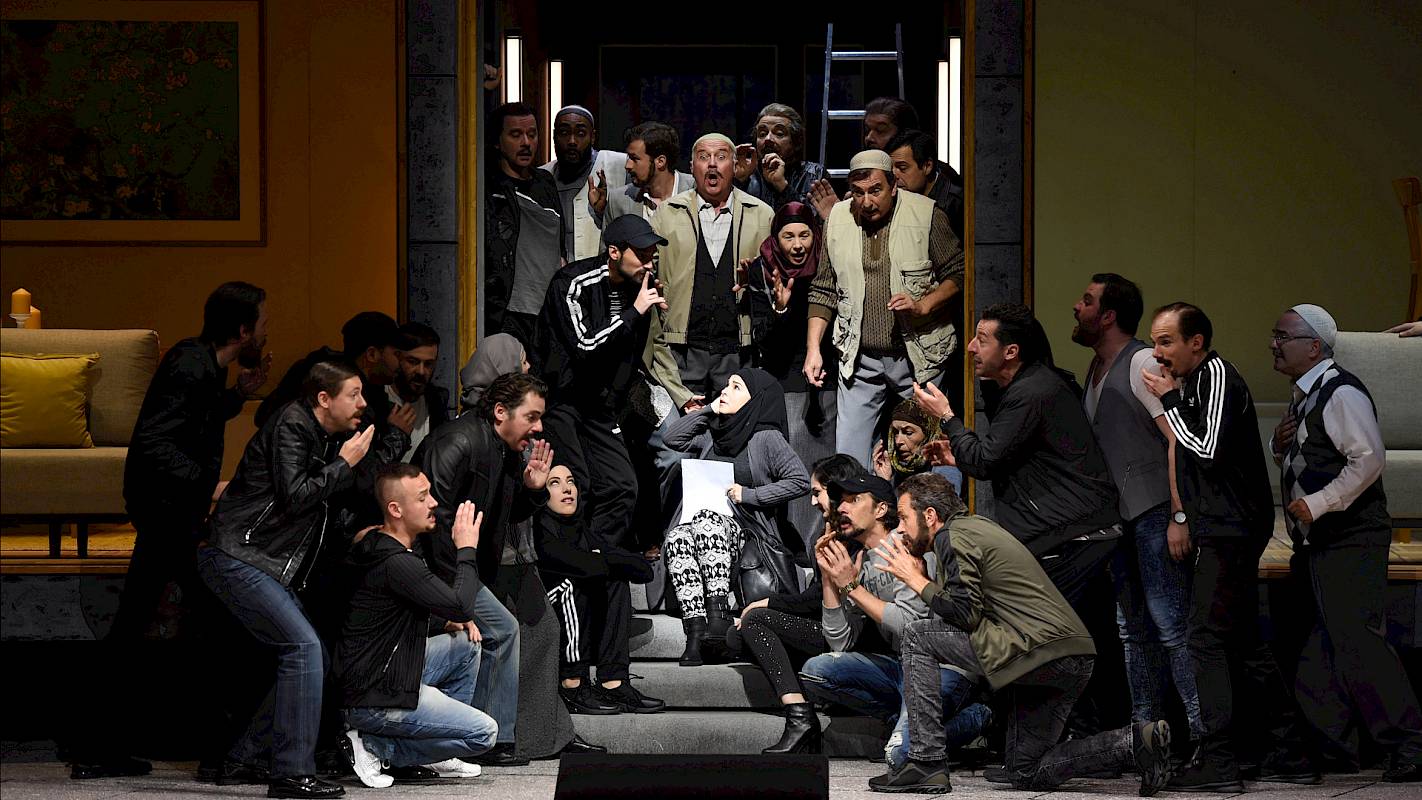
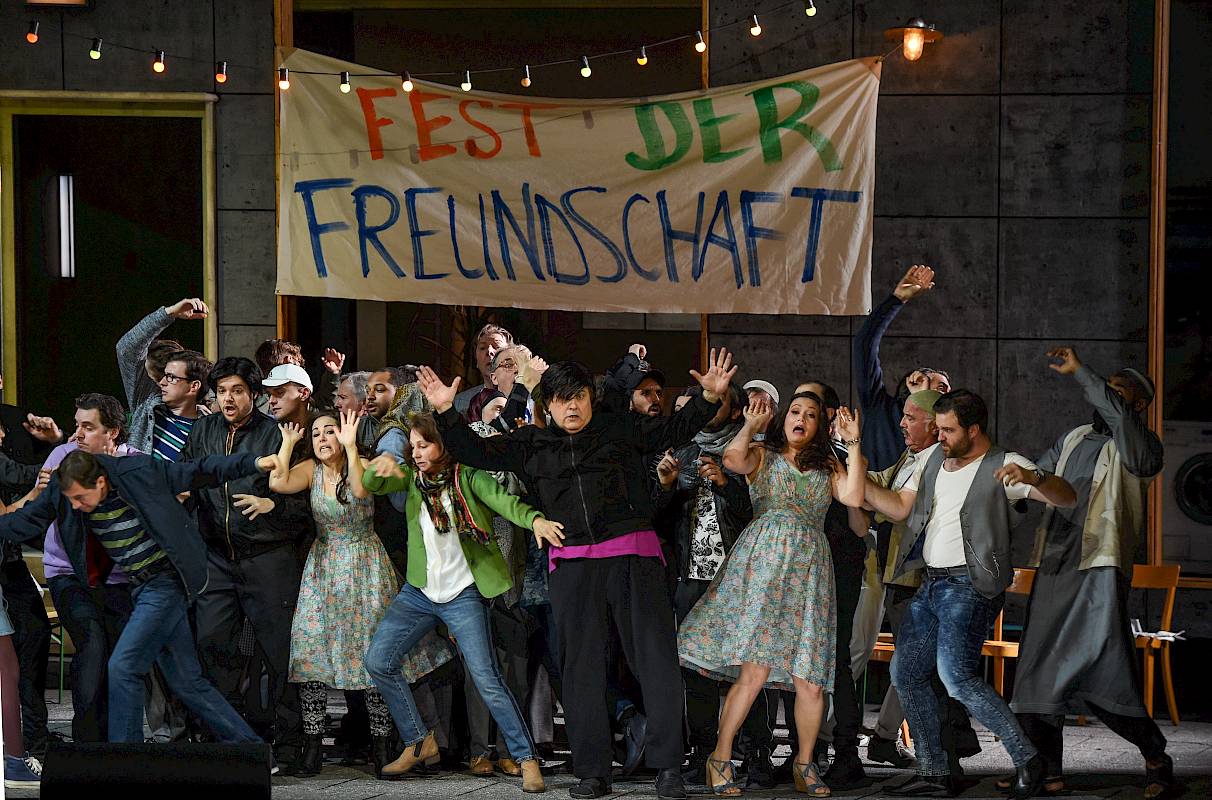
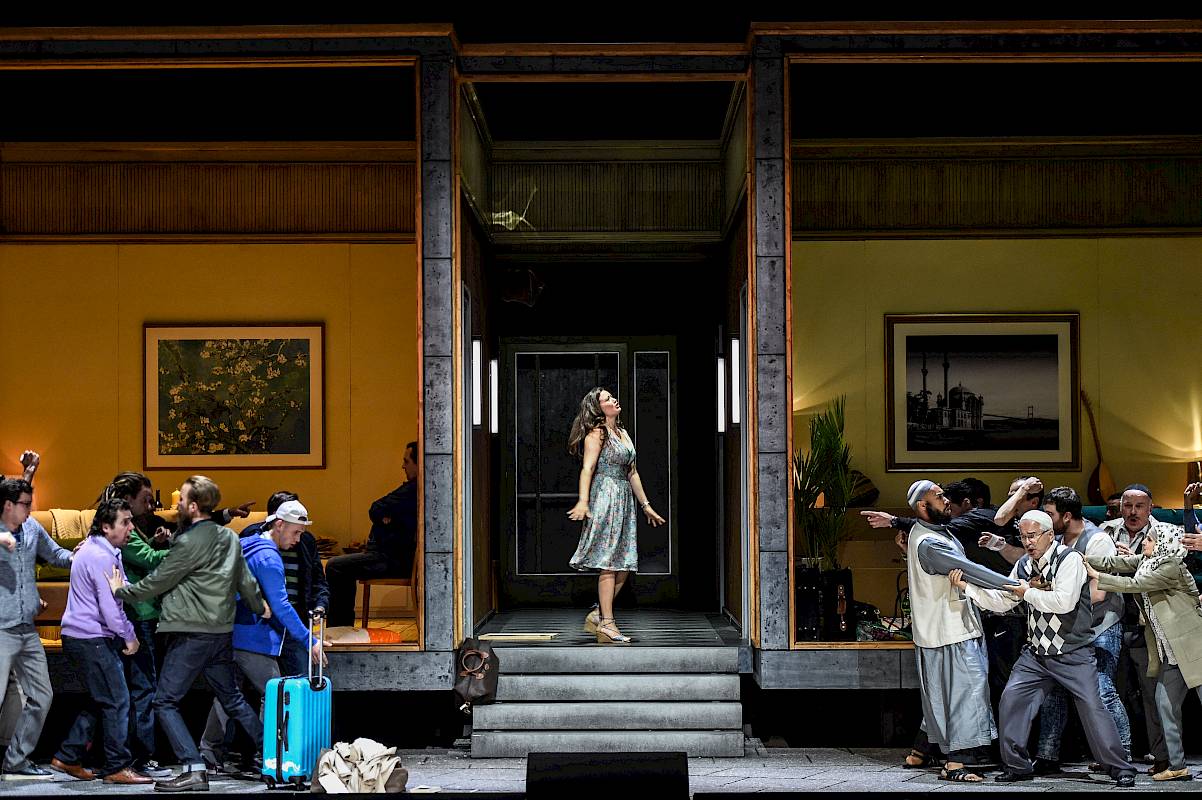
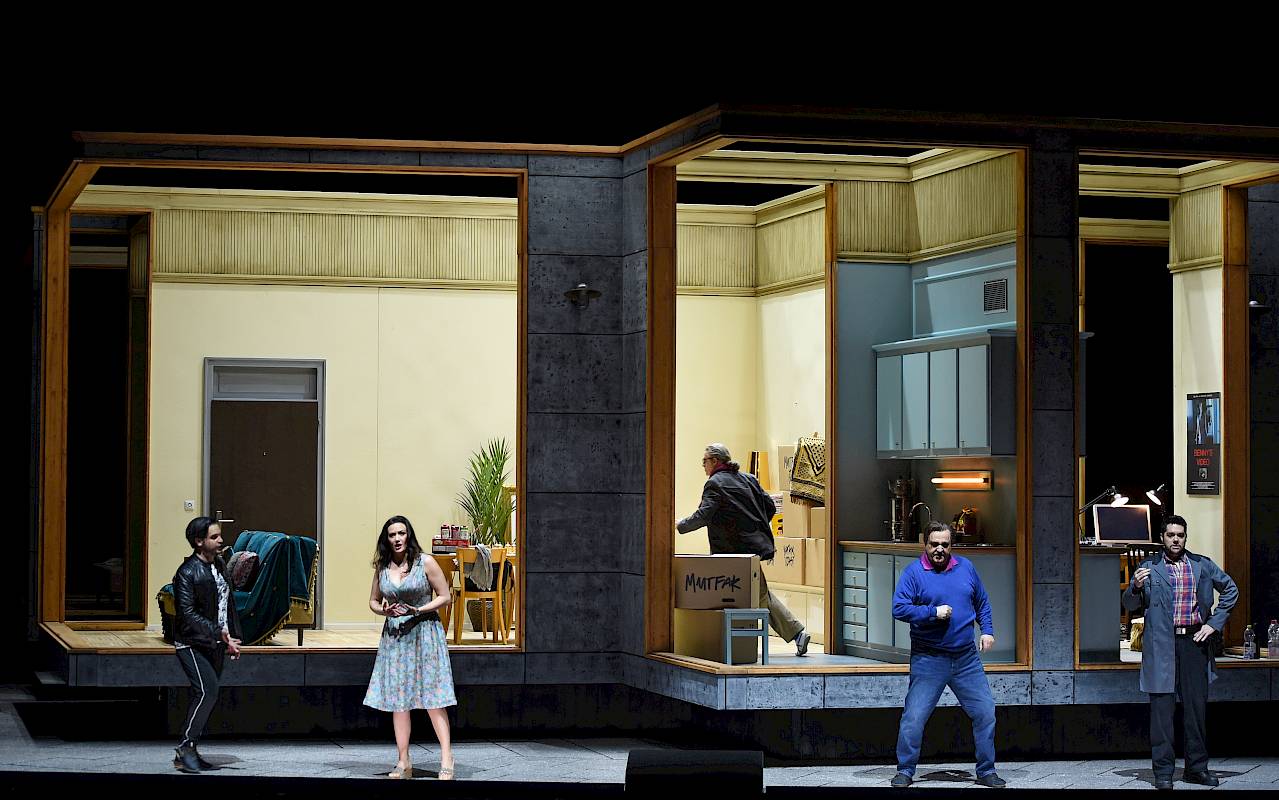
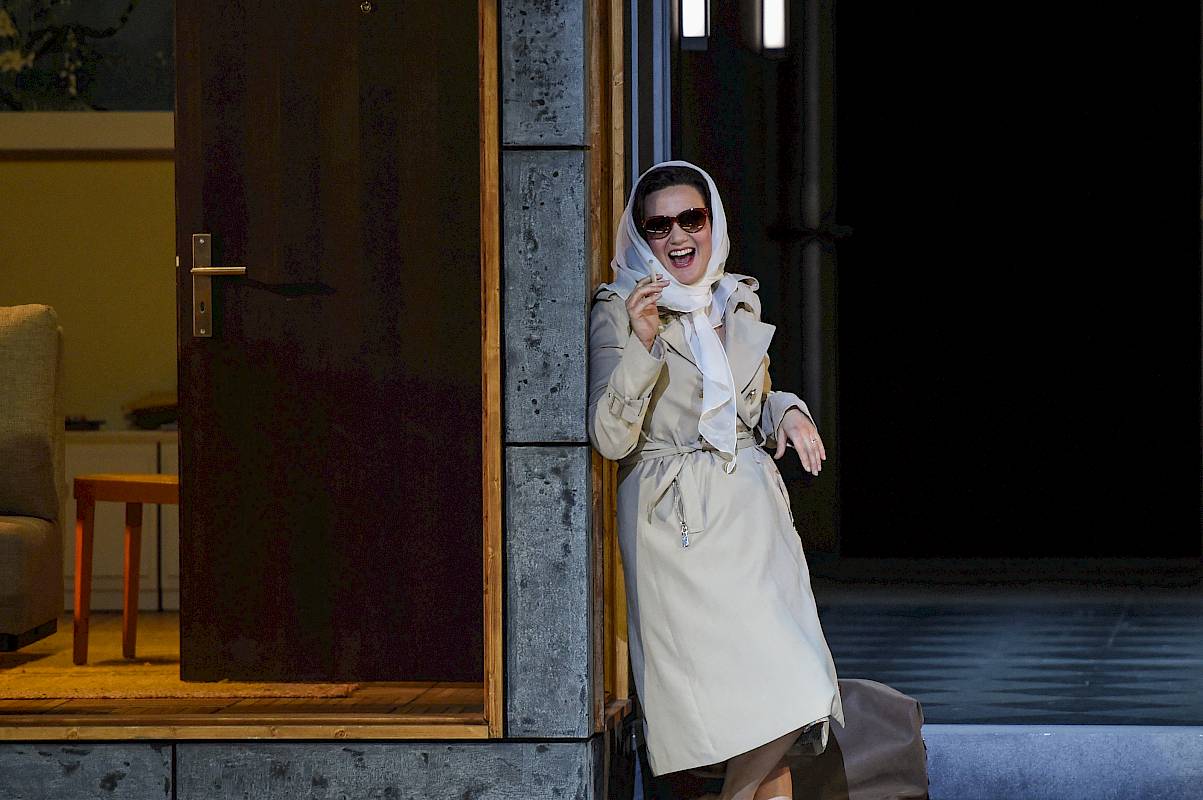
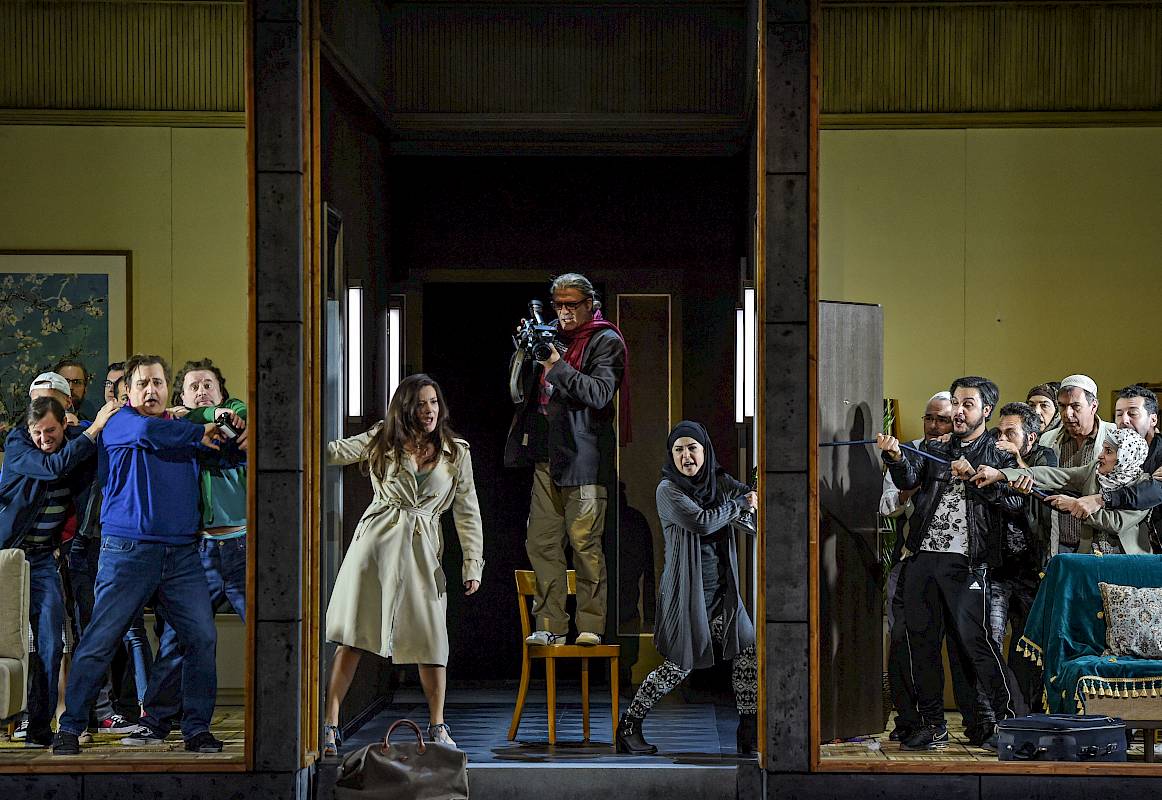
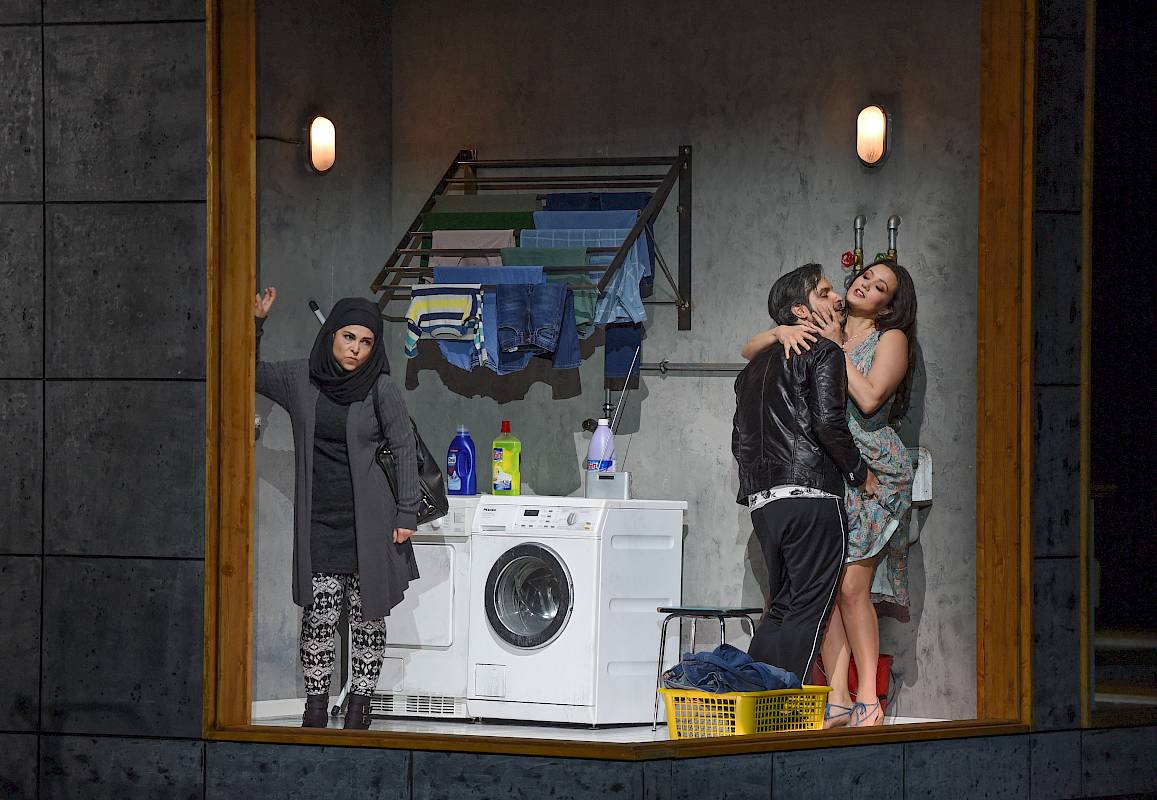
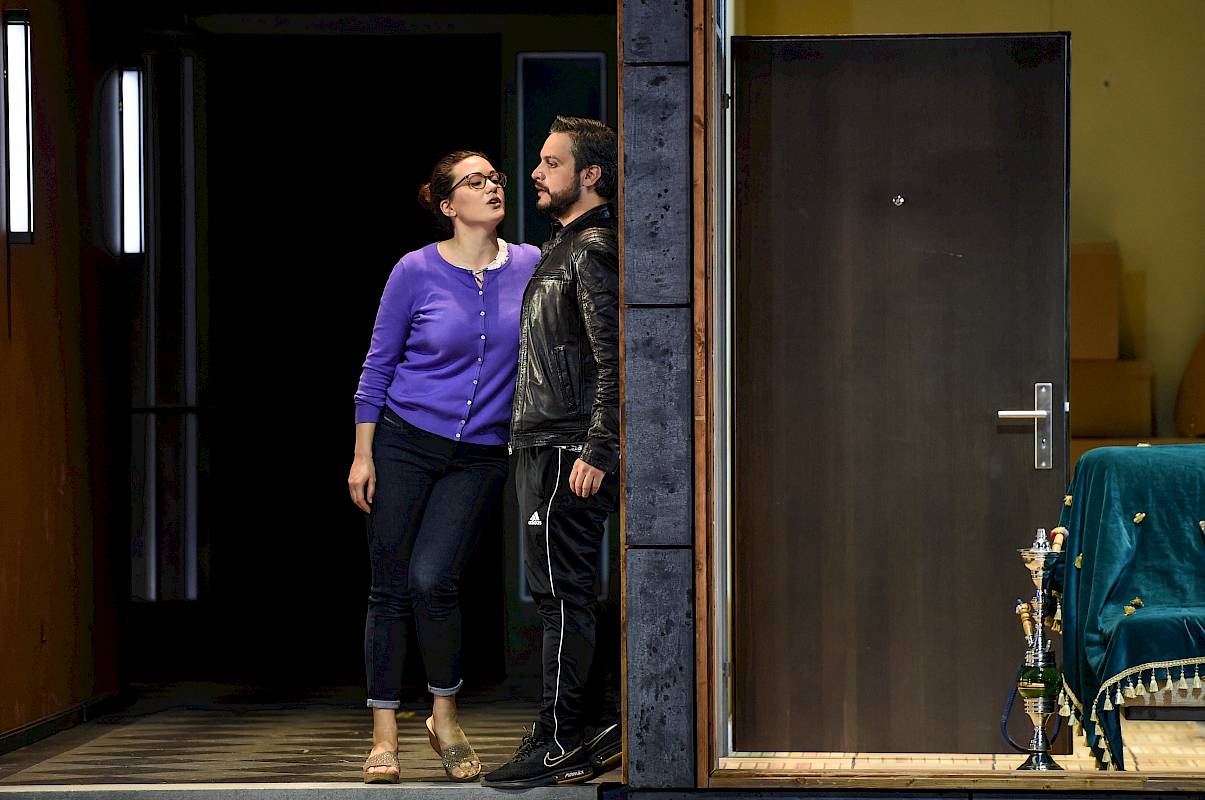
When a Turk comes to Italy, the married women roll their eyes in delight, their rival lovers lose out, and the husbands rage with jealousy. These may be silly clichés, but they are the subject of this dramma buffo. The composer Gioachino Rossini plays with them – quite deliberately. He knows that he is putting archetypes of Italian comedy on stage with figures such as the exotic lady-killer Selim, the young woman Fiorilla, chained to the stove at home but adventurous, and her husband Geronio, who is ridiculous because he is much too old – and relishes the parodistic exaggeration. This is revealed by the fact that he introduces a poet into the action who is looking for subject matter for a play. Throughout, he constantly comments ironically on both the felicitous and the less successful punch lines in this simple yet ultimately sophisticated comedy. Il turco in Italia was premièred in Milan in 1813, but the clichéd attitudes towards encounters with unfamiliar cultures have not changed much at all to this day: when a Turk comes to Italy or a foreigner to Switzerland, prejudices, platitudes and misunderstandings are still not far off. Fast-paced music and arias of breakneck virtuosity guarantee the fun of buffo opera. Of course, this will only happen if it is unleashed by spirited musicians and soloists. In our revival production, Rosa Feola, well known in Zurich from many Rossini performances, will sing the role of Fiorilla, while Kyle Ketelsen is Selim, the irresistible Turk. The Italian conductor Antonino Fogliani, who rehearsed Rossini’s Il barbiere di Siviglia with the International Opera Studio last season, will conduct the Philharmonia Zurich.

Read more Show less


Good to know

Audio-Einführung zu «Il turco in Italia»

Program book

Synopsis

Act One
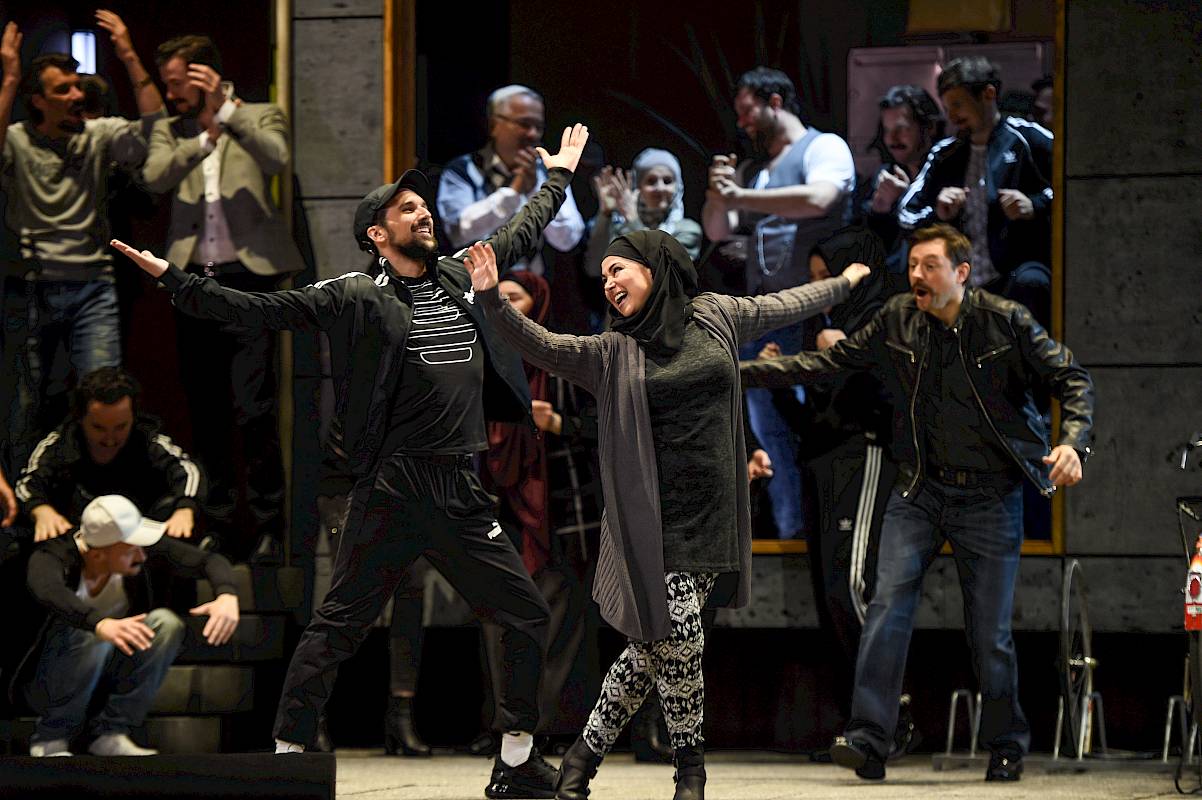
Zaida, a Turkish girl, is in Italy searching for her former lover Selim, but is unable to find him. She is accompanied by her compatriots, who are trying to cheer her up. The poet wants to create a new play, but has hitherto failed to find a suitable subject. Zaida tells Prosdocimo about her former relationship: Selim had wanted to marry her, but others then persuaded him that Zaida had been unfaithful to him. Selim was furiously jealous.

Geronio is having marital problems. He wants a fortune-teller to explain to him what is going on in his wife Fiorilla’s head, and in the process encounters Zaida. Fiorilla finds her everyday married life dull and complains that married women are only allowed to love one man.

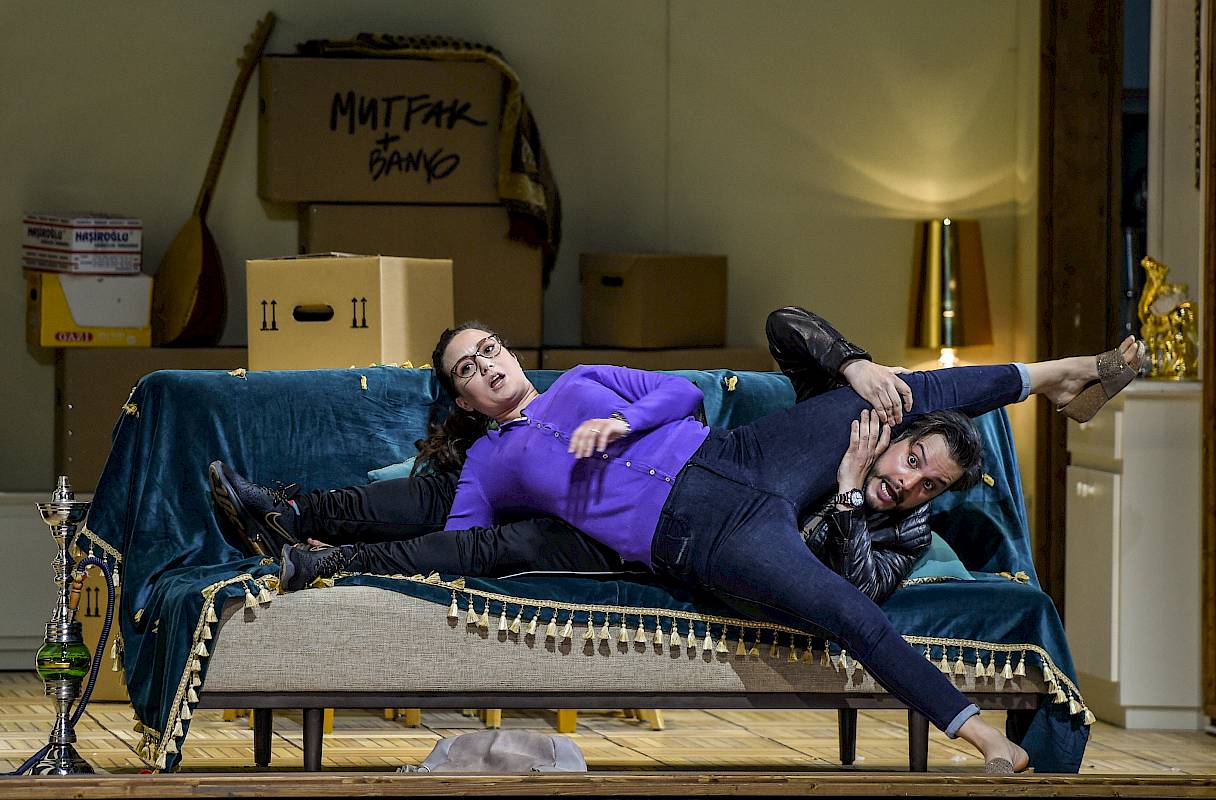
Selim, the Turk, arrives in Italy, looking forward to a new life in a different world. He encounters Fiorilla, and the pair flirt outrageously. Narciso, an ardent admirer of Fiorilla, is also in despair because she gives him the cold shoulder.

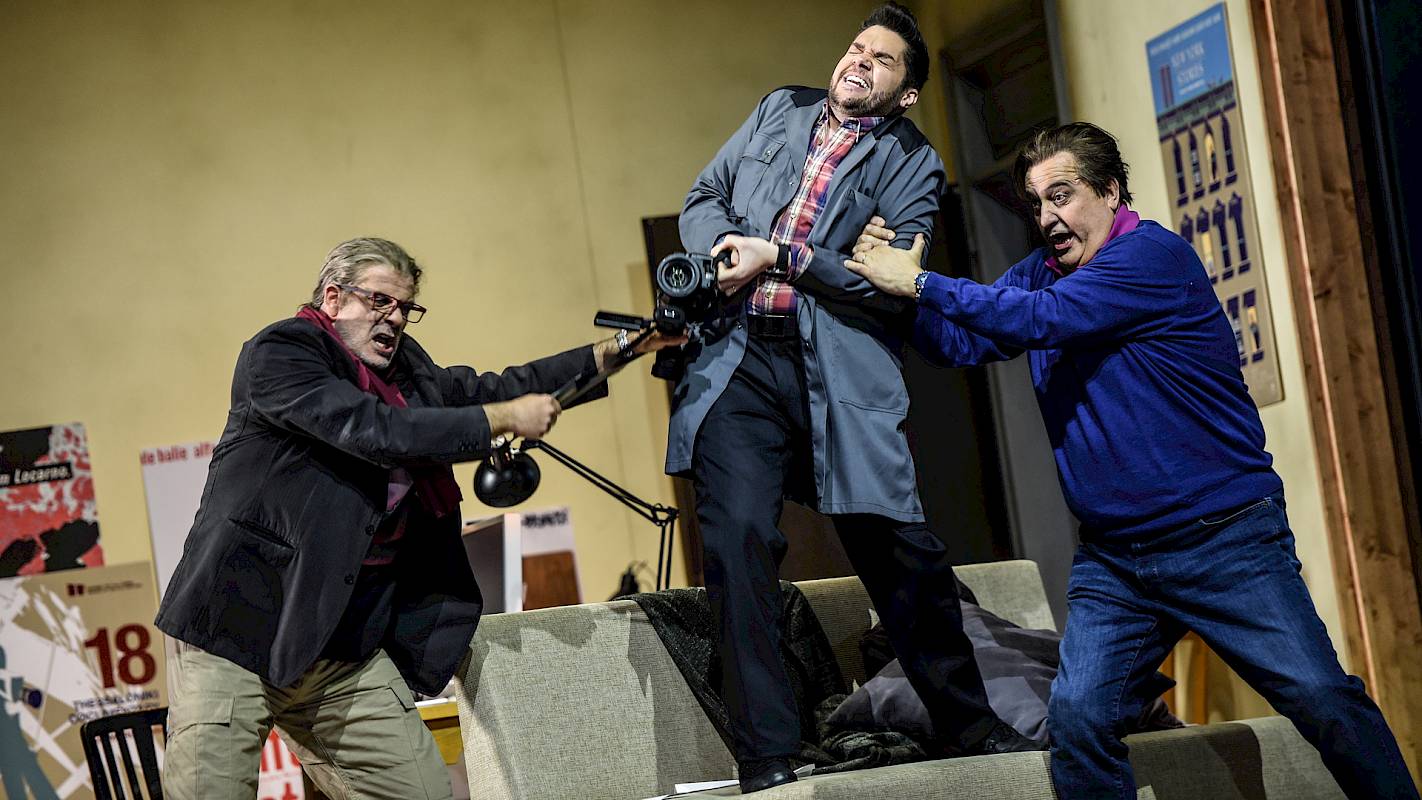
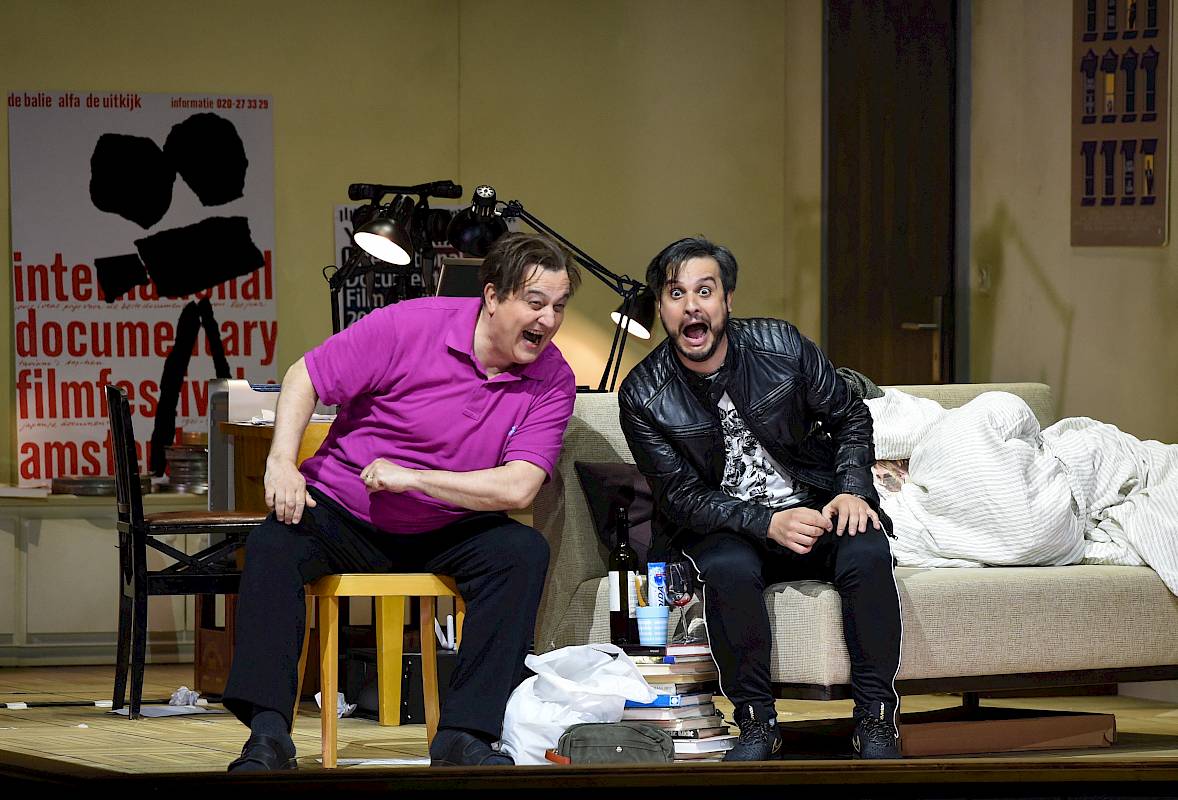
Geronio rushes to Narciso and Prosdocimo in great agitation because he has seen his wife with a Turk. Prosdocimo realises that this is the very man who is searching for Zaida, and senses that the situation can provide a conflictual, emotionally charged story for his new play. An altercation ensues among the three men because Geronio and Narciso feel that Prosdocimo is ridiculing them.

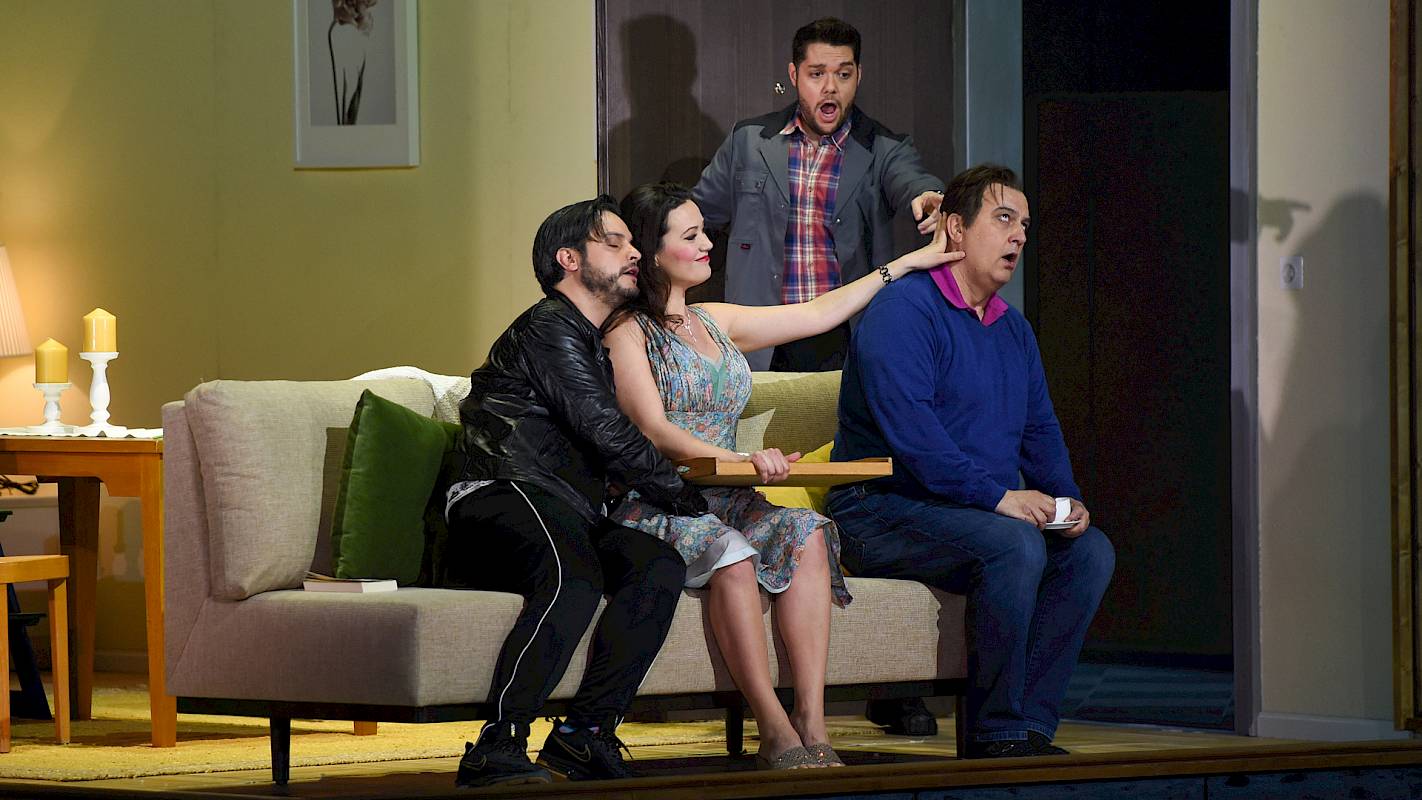
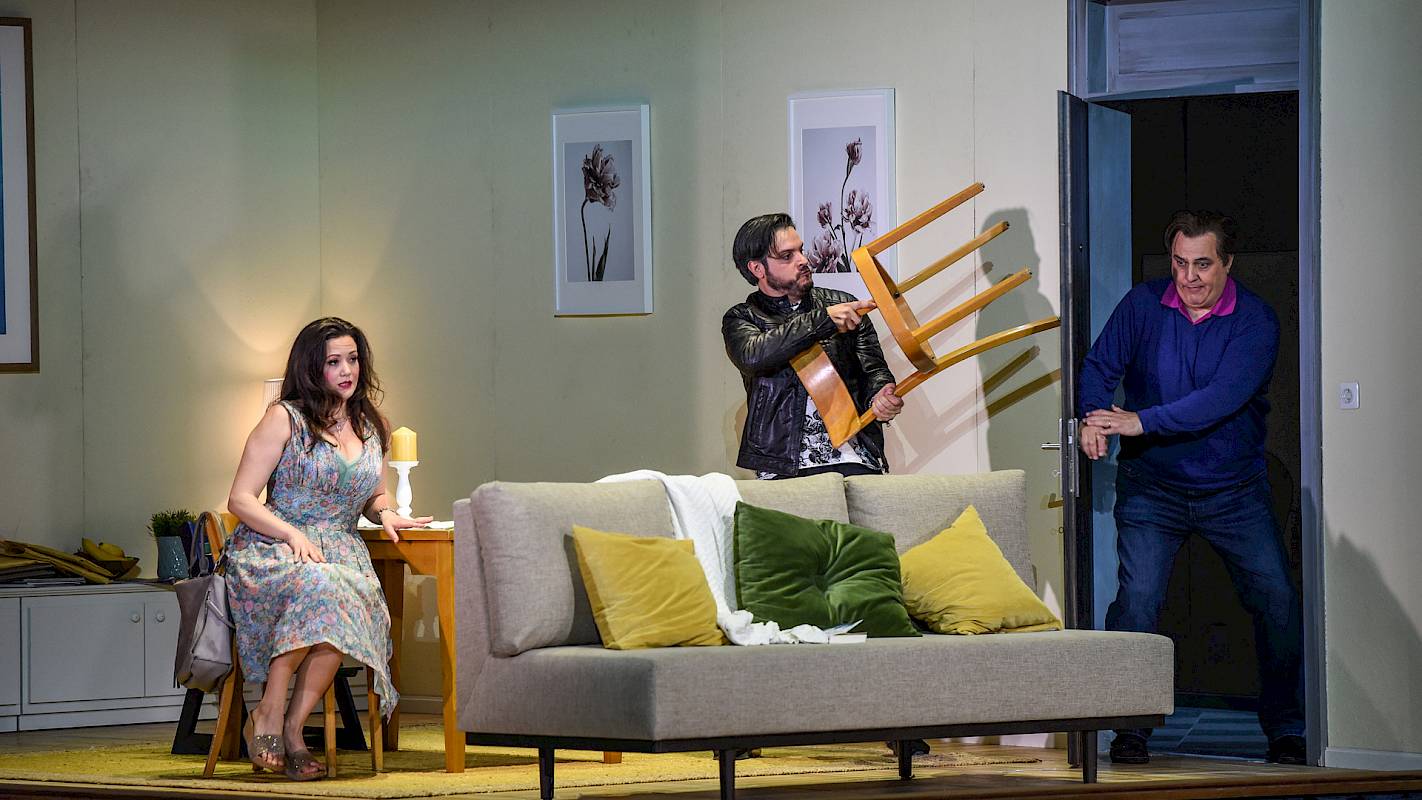
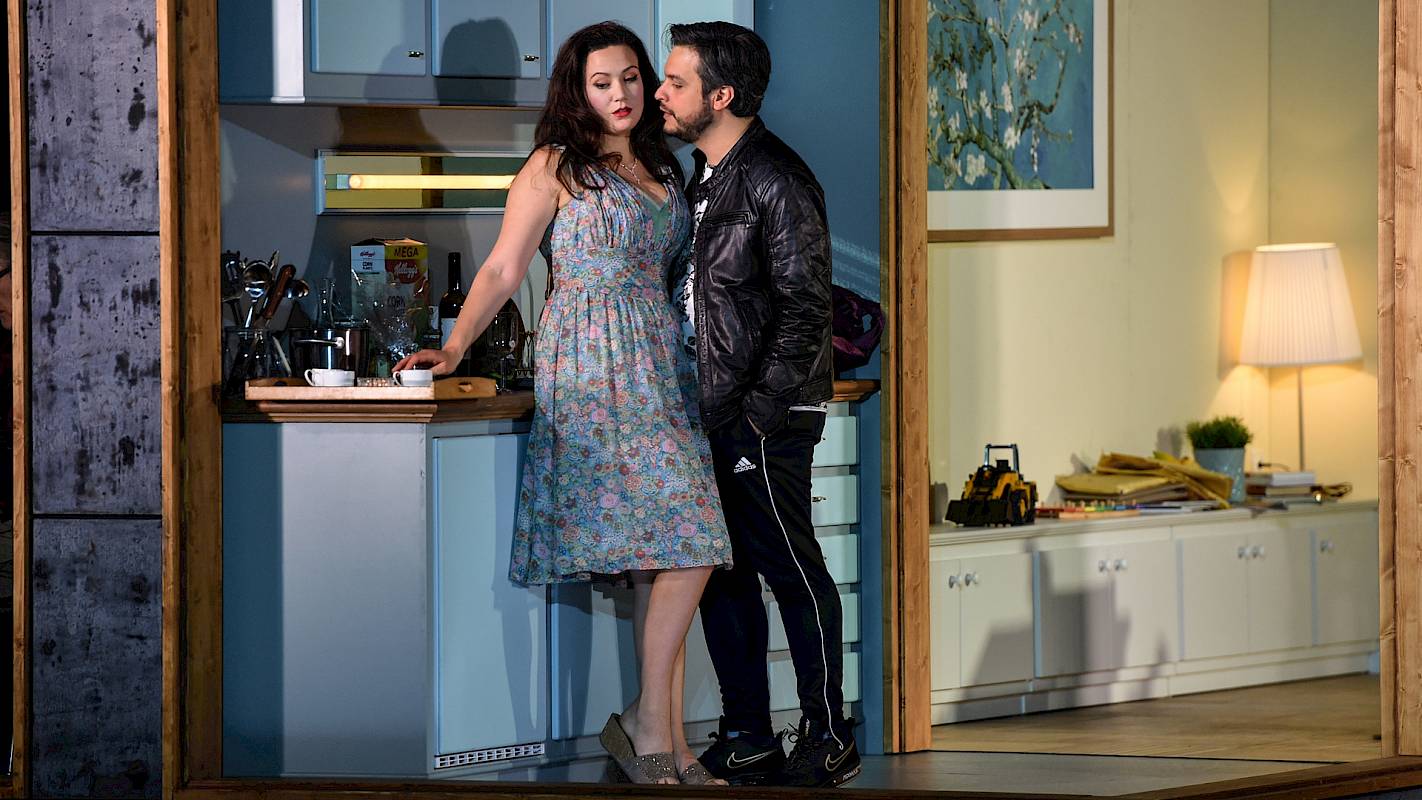
Fiorilla has invited Selim for coffee. She is wary of him because she believes that Turkish men have a hundred women at once. Geronio interrupts their tryst. It looks as if the men could come to blows, but Fiorilla smooths things over by claiming that her husband has merely come to pay his respects to her guest. Frightened of the foreigner, Geronio kisses the hem of his coat. Having observed the humiliating scene, Narciso urges Geronio not to tolerate such treatment.

Geronio takes Fiorilla to task. This leads to a marital dispute, with recriminations, offers of reconciliation and threats. The quarrel ends with Fiorilla’s announcement that in future she will take a thousand lovers – for this is the only language that men understand.

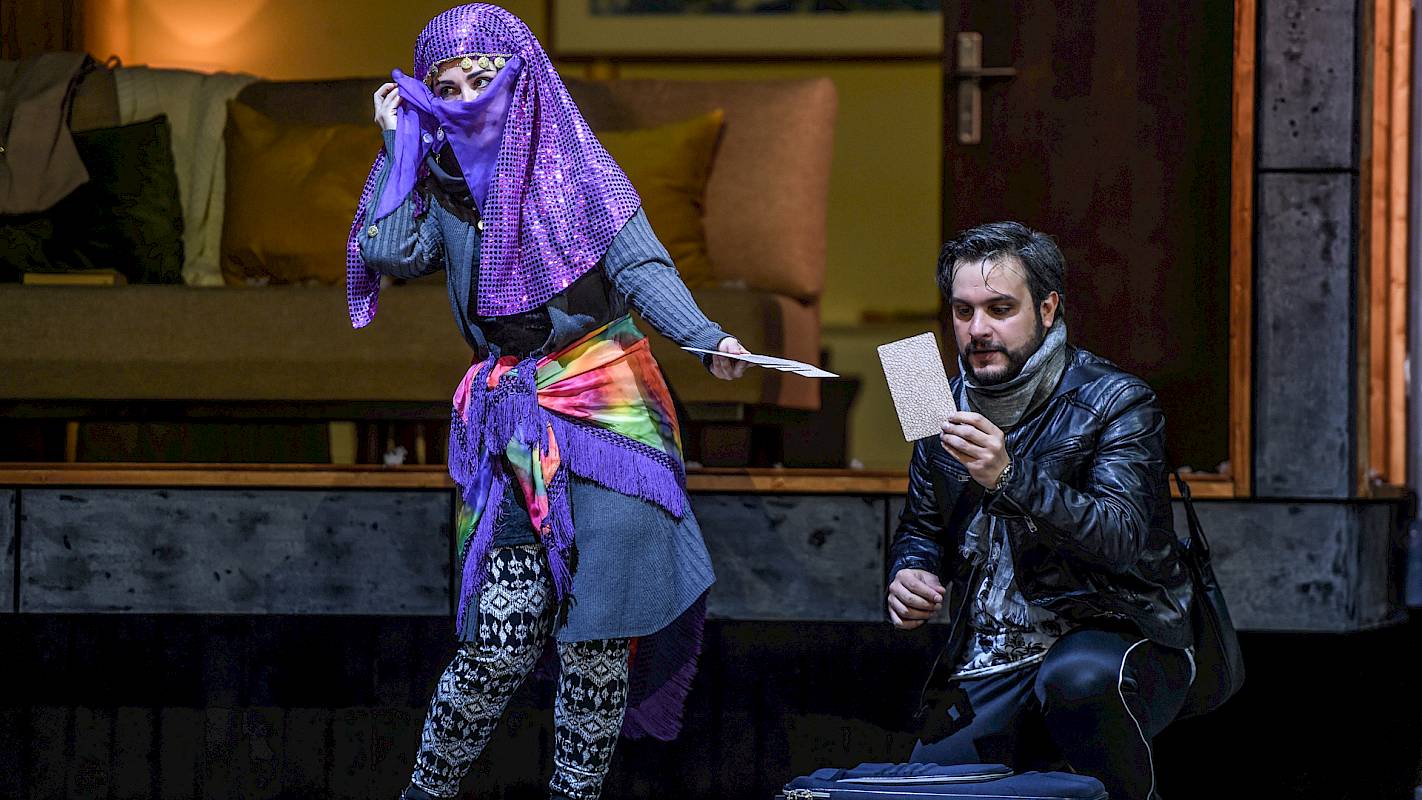
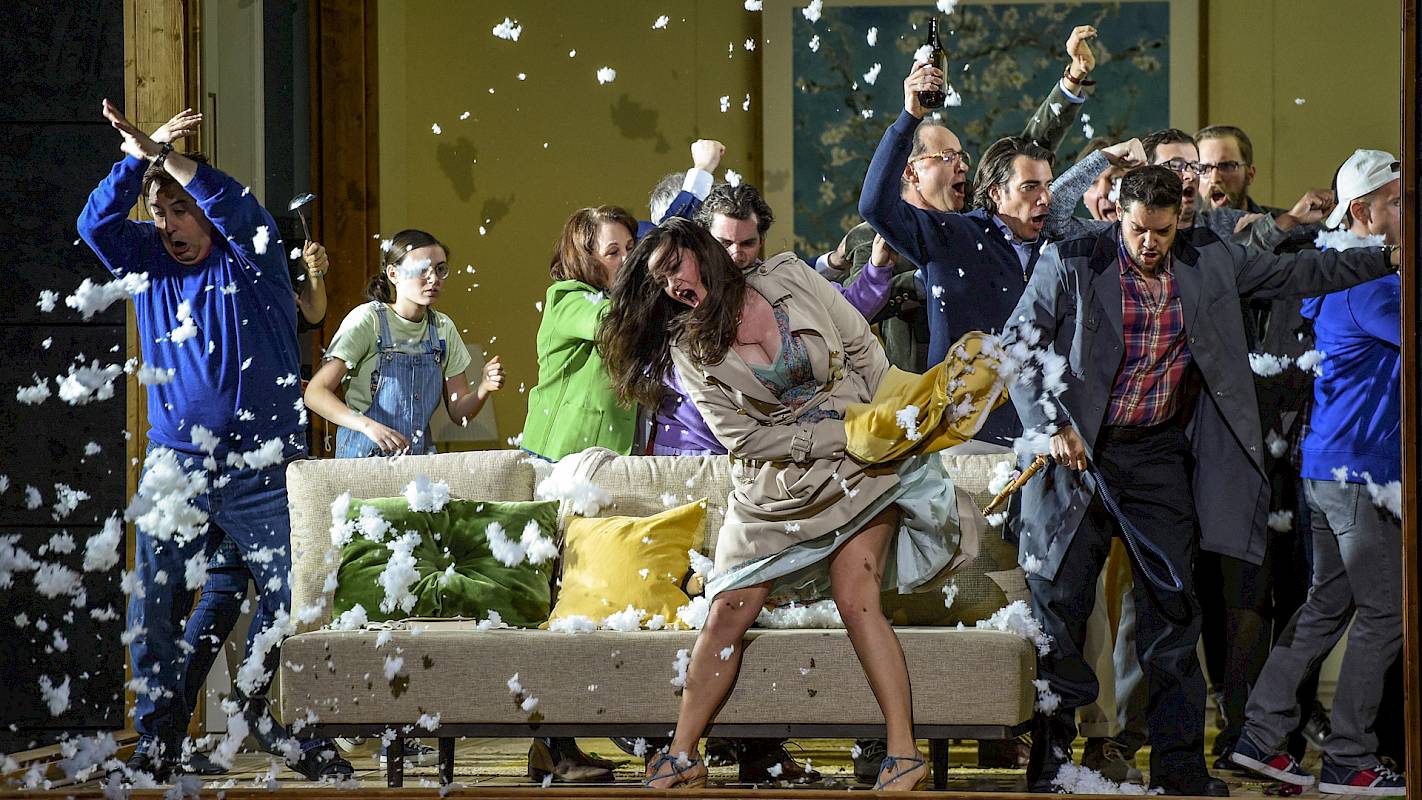
Disguised as a fortune-teller, Zaida encounters Selim, who recognises her. Fiorilla and Selim intend to elope in secret. Zaida has jealously observed the pair and stakes her claim to Selim. Zaida and Fiorilla go for each other’s throats. The chaos is complete – and Prosdocimo finds it all highly amusing.

Act Two
Geronio unburdens himself to Prosdocimo, who comforts him, all the while secretly hoping that the situation will continue to escalate. Selim suddenly appears and proposes to Geronio that he buy Fiorilla from him, in accordance with Turkish custom. In response, Geronio, in accordance with Italian custom, threatens to punch him on the nose. Selim announces that he will abduct Fiorilla. The two men grow increasingly furious. Fiorilla has arranged a meeting between Selim and Zaida. Selim is supposed to decide between the two women, but is unable to do so. Once the indignant Zaida has left, Fiorilla and Selim rekindle their feelings and forgive one another. He declares his eternal love for her. She believes him. Prosdocimo tells Geronio about the abduction of his wife, which is planned to take place during a party. He suggests that Geronio attend the festivities disguised as a Turk. Furthermore, he has told Zaida about the abduction plan: she will also come to the party, disguised as Fiorilla. Narciso, who has heard everything, will also attend in the guise of a Turk.

At the party, the lookalike Turks and the two Fiorillas cause a great deal of confusion. Geronio no longer recognises his own wife and causes a scandal that ends the festivities. Prosdocimo advises Geronio – in order to win his wife back – to write a letter to her threatening separation. The two learn from the Turk Albazar that Selim has reconciled with Zaida.
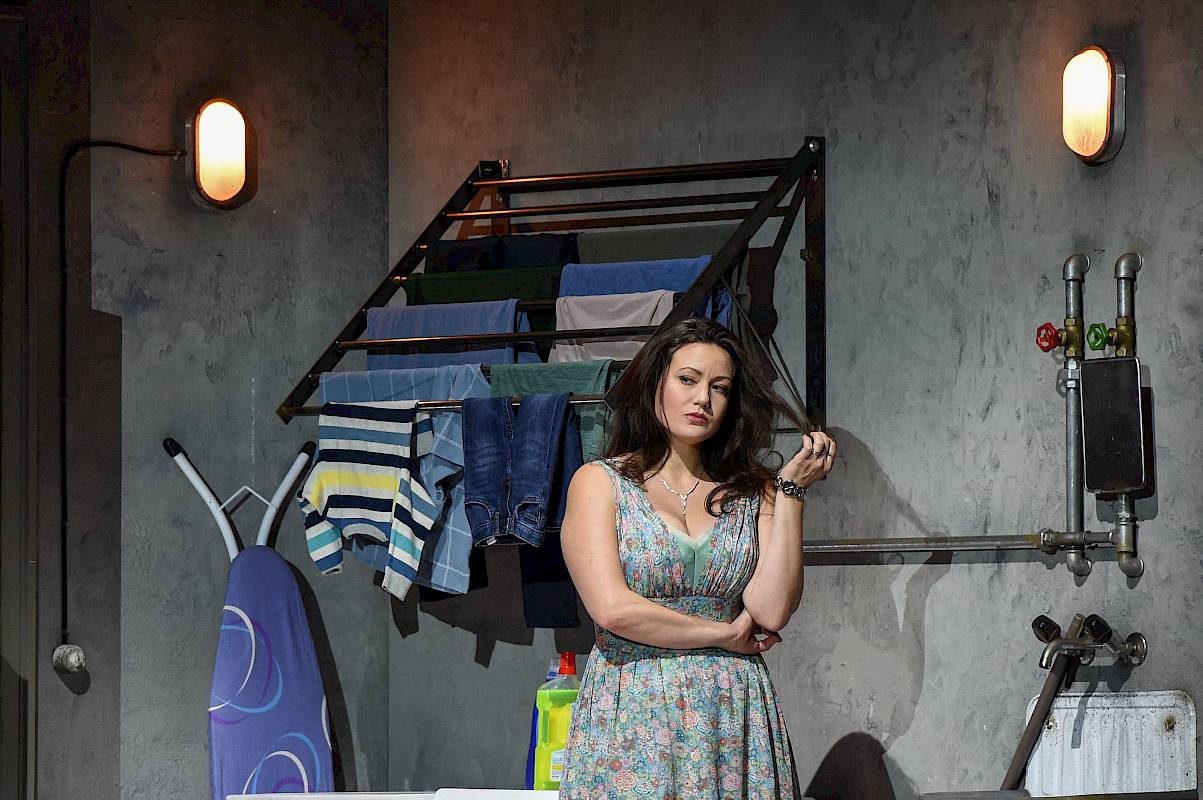
Fiorilla reads in the letter that Geronio wants to have nothing more to do with her, and that she should go back to her parents in Sorrento, returning to the poverty of her childhood. She laments her fate and regrets having ruined her marriage. Geronio observes her suffering and is prepared to forgive her. The pair are reconciled.
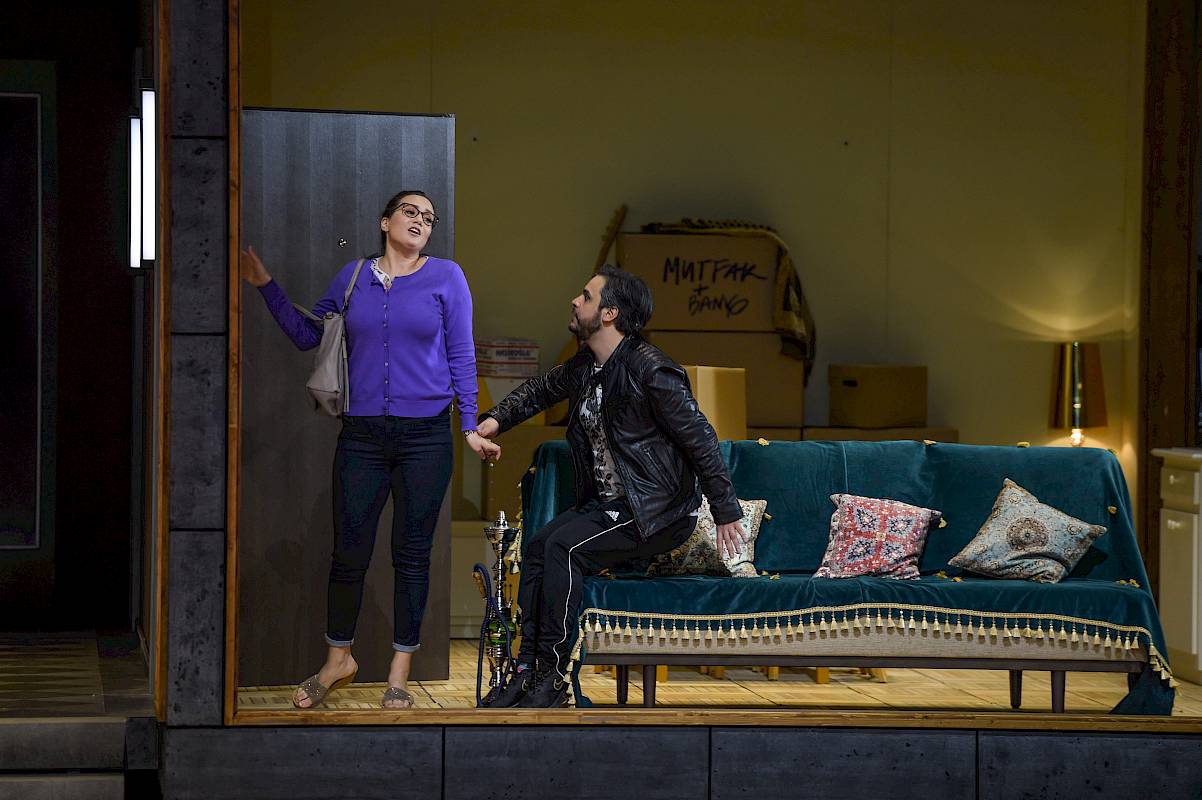
The two couples meet once more, but Fiorilla stays with Geronio, and Selim with Zaida.