Lohengrin

Romantic opera in three acts by Richard Wagner (1813-1883)
Libretto by the composer

From 4. July 2017 until 16. July 2017

  • Duration :
    4 H. 45 Min. Inkl. Pausen.  and after 2nd act after approx. 3 H.
  • Language:
    In German with German and English surtitles.
  • More information:
    Introduction 45 min before the performance.

Musical Director:
Fabio Luisi

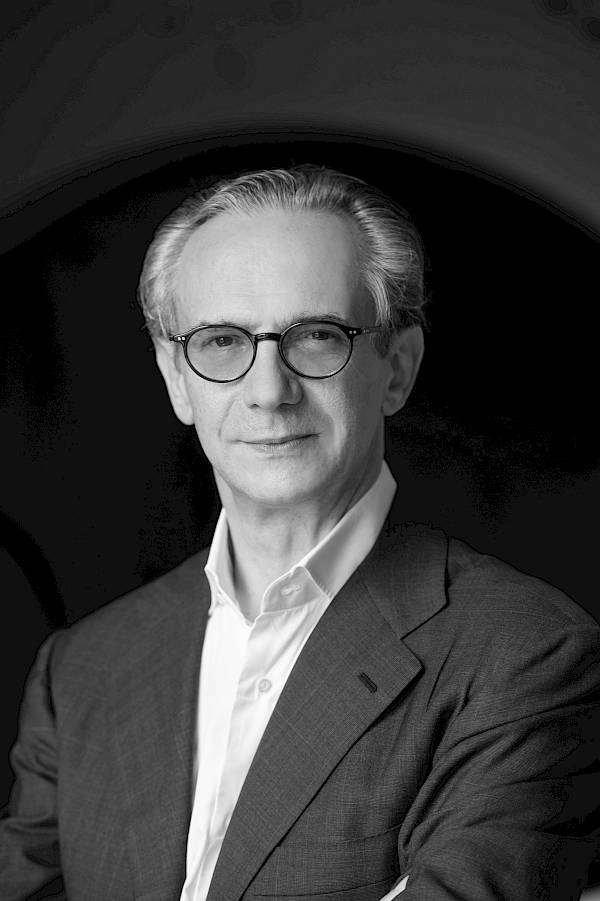
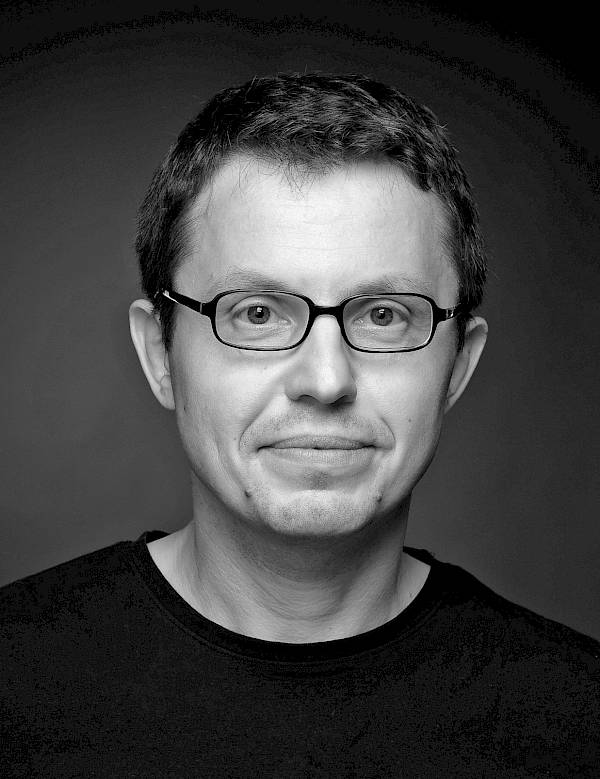
Fabio Luisi

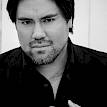
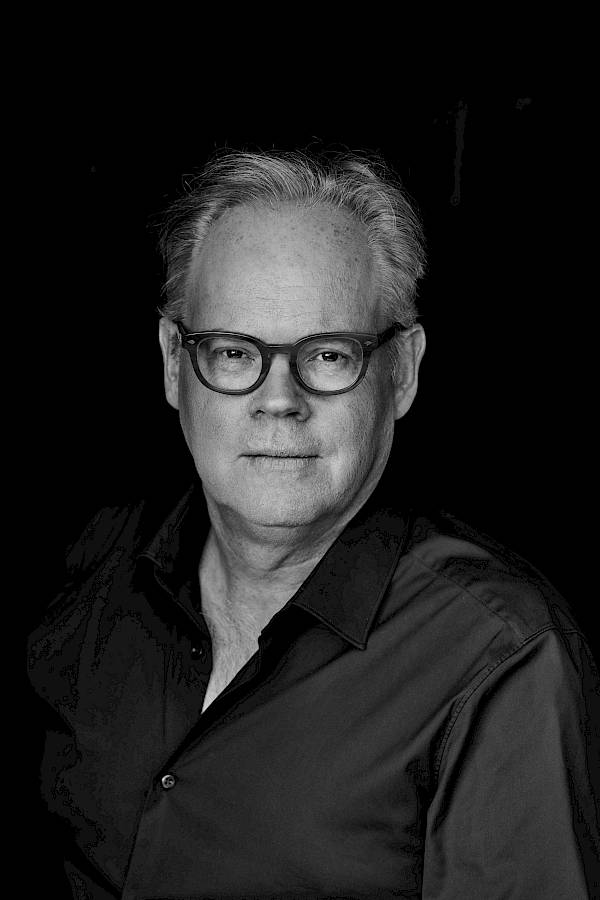
Fabio Luisi comes from Genoa. The former General Music Director of the Zurich Opera House (2012–2021) is Music Director of the Dallas Symphony Orchestra, Chief Conductor of the Danish National Symphony Orchestra, and Chief Conductor of the NHK Orchestra in Tokyo. He is also Music Director of the Valle d'Itria Festival in Apulia and Honorary Conductor of the RAI National Symphony Orchestra in Turin. Previously, he held important positions at orchestras and opera houses, including the Dresden Staatskapelle, the Vienna Symphony Orchestra, and the Metropolitan Opera in New York. He regularly appears as a guest conductor with, among others, the Bavarian Radio Symphony Orchestra, the Berlin Philharmonic, the Boston Symphony Orchestra, the Chicago Symphony Orchestra, the Cleveland Orchestra, the Czech Philharmonic, the Orchestra of La Scala in Milan, the London Symphony Orchestra, the Munich Philharmonic, the Orchestre de Paris, the Philadelphia Orchestra, the Royal Concertgebouw Orchestra, the San Francisco Symphony Orchestra, and the Vienna Philharmonic, and leads productions at the Bavarian State Opera, the Berlin State Opera, La Scala in Milan, the Salzburg Festival, and the Vienna State Opera, among others. At the Zurich Opera House, he conducted, among others, the new productions of three Bellini operas as well as "Rigoletto," "Fidelio," "Wozzeck," "The Land of Smiles," and Verdi's "Requiem Mass." An extensive discography complements his artistic work. At the Zurich Opera House, he founded the label "Philharmonia Records" of the Philharmonia Zurich (Orchestra of the Zurich Opera). Fabio Luisi, who comes from Genoa, studied at the Conservatorio Niccolò Paganini in his hometown and at the University of Music and Performing Arts in Graz, Austria. His awards include the Austrian Cross of Honour for Science and Art, the Italian Cavaliere della Repubblica Italiana, the Commendatore della Stella d’Italia, the Grifo d’Oro of Genoa, the Danish Order of the Dannebrog, and an honorary doctorate from St. Bonaventure University in New York. Off the podium, he is also a composer and perfumer, producing his creations for his own company.

Cardillac18 / 21 / 25 Feb / 1 / 6 / 10 Mar 2026
Production:
Andreas Homoki

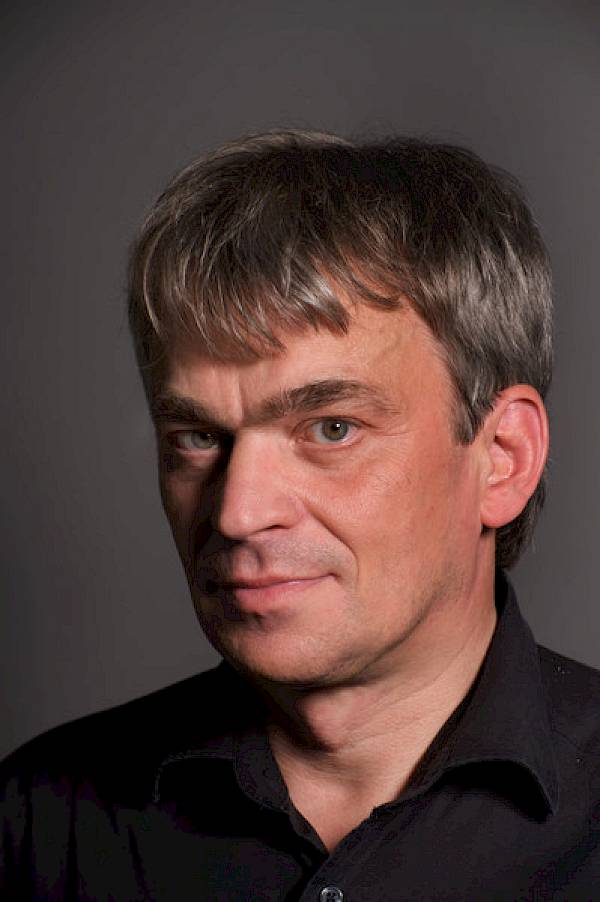
Andreas Homoki

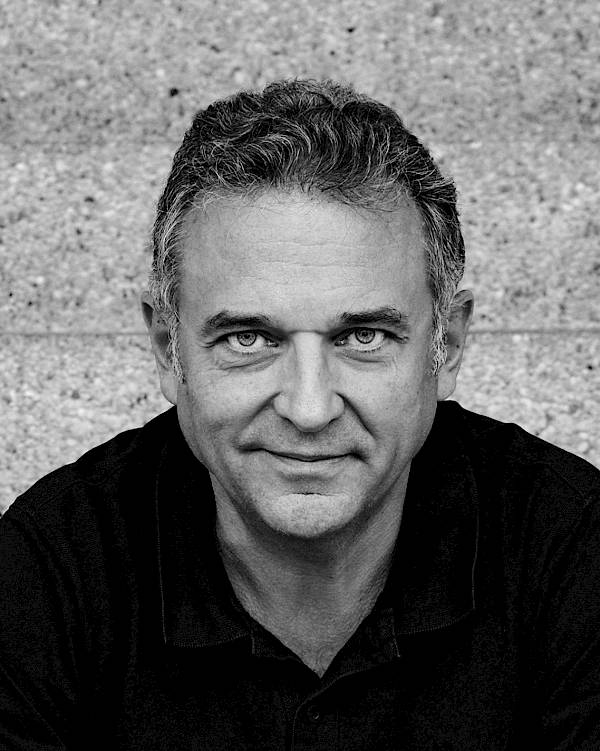
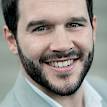
Andreas Homoki was born in Germany in 1960 as the son of a Hungarian family of musicians and studied school music and German studies in Berlin (West). In 1987 he went to the Cologne Opera as an assistant director and stage manager, where he remained until 1993. From 1988 to 1992 he was also a lecturer for stage instruction at the opera school of the Cologne University of Music. It was here that his first own productions were created. In 1992 his first guest production took him to Geneva, where his interpretation of "Die Frau ohne Schatten" received international attention. The production, which was later also shown at the Théâtre du Châtelet in Paris, received the French Critics' Prize of the Year in 1994. From 1993 to 2002 Andreas Homoki worked as a freelance opera director and staged productions in Cologne, Hamburg, Geneva, Lyon, Leipzig, Basel, Berlin, Amsterdam and Munich, among others. As early as 1996 he made his debut at the Komische Oper Berlin with "Falstaff", followed by "The Love for Three Oranges" (1998) and in 2000 "The Merry Widow". In 2002 Andreas Homoki was appointed chief director of the Komische Oper Berlin as successor to Harry Kupfer, and in 2004 he became its artistic director. In addition to his directing work at the Komische Oper Berlin, he staged productions at the Théâtre du Châtelet in Paris, the Bavarian State Opera in Munich, the New National Theatre Tokyo, the Semperoper Dresden and the Hamburg State Opera, among others. In July 2012, under the musical direction of William Christie, he staged "David et Jonathas" by Marc-Antoine Charpentier for the Festival in Aix-en-Provence – a production that was later also shown in Edinburgh, Paris and New York, among other places. From 2012 to 2025 Andreas Homoki was artistic director of the Zurich Opera House, where he staged productions including "The Flying Dutchman" (co-production with La Scala in Milan and the Norwegian National Opera Oslo), "Fidelio", "Juliette", "Lohengrin" (co-production with the Vienna State Opera), "Luisa Miller" (Hamburg State Opera), "Wozzeck", "My Fair Lady" (Komische Oper Berlin), "I puritani", "Medée", "Lunea" (named "World Premiere of the Year 2017/18" by the magazine Opernwelt), "Iphigénie en Tauride", "Nabucco", "Simon Boccanegra", "Les Contes d'Hoffmann", "Salome", the "Ring des Nibelungen" and "Carmen". Andreas Homoki has been a member of the Academy of the Arts Berlin since 1999.

Carmen18 / 21 / 23 / 27 / 31 Jan 2026 Fidelio3 / 6 / 10 / 14 / 16 May 2026 Das Rheingold29 Nov / 4 / 12 / 17 Dec 2026 Die Walküre24 / 31 Jan / 3 / 6 Feb 2027
Sets:
Wolfgang Gussmann

Wolfgang Gussmann

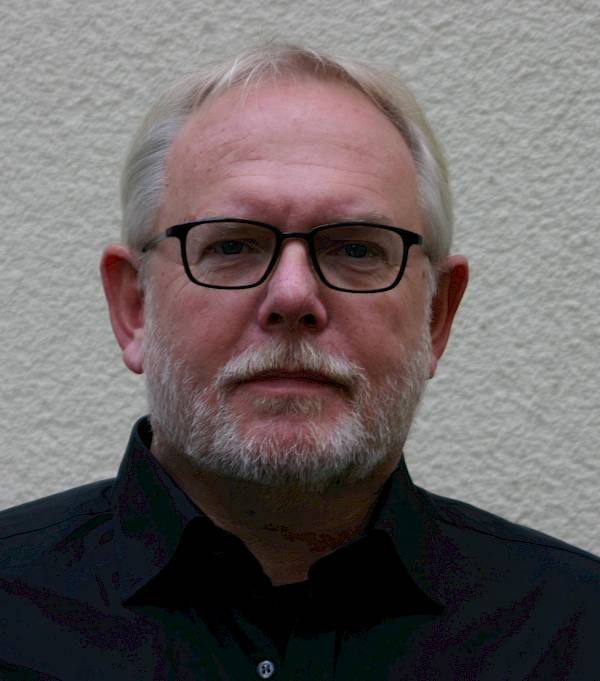
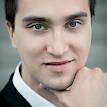
Wolfgang Gussmann arbeitet seit 1979 freischaffend als Bühnen- und Kostümbildner. Eine langjährige Zusammenarbeit verbindet ihn mit den Regisseuren Andreas Homoki und Willy Decker, für den er von 2009 bis 2011 auch als künstlerischer Berater bei der Ruhrtriennale wirkte. Als regelmässiger Gast schafft er Ausstattungen u. a. an der Wiener Staatsoper, der Bayerischen Staatsoper München, der Hamburgischen Staatsoper, der Semperoper Dresden, der Staatsoper Stuttgart, der Deutschen und der Komischen Oper Berlin, der Ruhrtriennale, bei den Salzburger Festspielen, an der Opéra Bastille, am Théâtre du Châtelet in Paris, an der San Francisco Opera und der Metropolitan Opera New York sowie an den führenden Opernhäusern Italiens und Spaniens und in Genf, Amsterdam, Oslo, Kopenhagen und Brüssel. Wichtige Produktionen waren u. a. die Uraufführung von Das Schloss und Hänsel und Gretel an der Deutschen Oper Berlin, Die Frau ohne Schatten und Orphée in Genf, Wozzeck, Elektra, Carmen und Katja Kabanowa in Amsterdam, Rigoletto, Salome, Pique Dame und Pelléas et Mélisande in Hamburg, Eugen Onegin, Der fliegende Holländer, Tannhäuser und Boris Godunow in Paris, Lulu und Billy Budd an der Wiener Staatsoper sowie Die tote Stadt bei den Salzburger Festspielen. Für seine Verdienste um das kulturelle Leben in Frankreich wurde ihm 2001 der Orden «Chevalier des Arts et des Lettres» verliehen. In Zürich stattete er Willy Deckers Inszenierung von Il ritorno d’Ulisse in patria und The Turn of the Screw aus sowie Andreas Homokis Inszenierungen des Fliegenden Holländers, Lohengrin, Das Land des Lächelns und Nabucco aus.
Lighting Design:
Franck Evin

Franck Evin

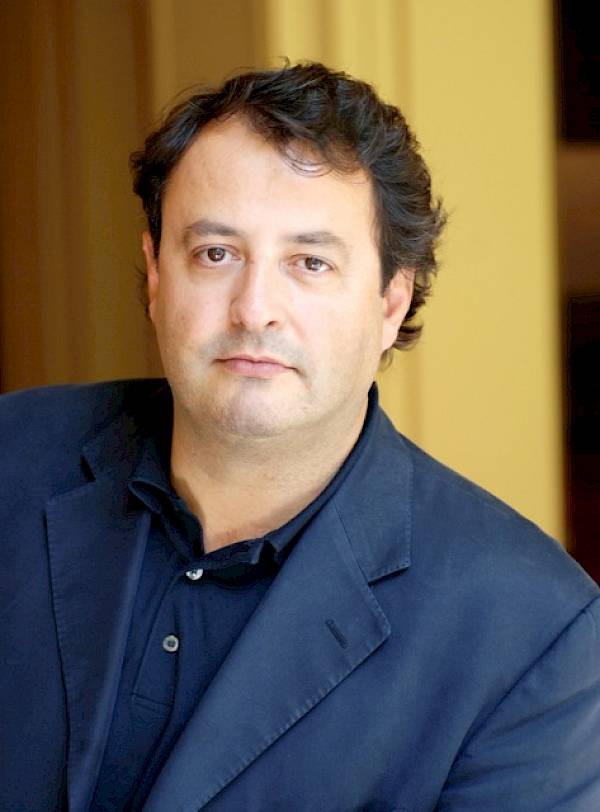
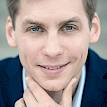
Franck Evin, born in Nantes, moved to Paris at the age of 19 to study piano. At night he accompanied singers at the Café-Théâtre Le Connétable and also began to take an interest in lighting. He eventually decided to combine music and technology. Thanks to a scholarship from the French Ministry of Culture, he became assistant to the head of lighting at the Opéra de Lyon in 1983. There he worked with Ken Russell and Robert Wilson, among others. In 1986 he began working as an independent lighting designer at the Düsseldorf Schauspielhaus and obtained his master’s certificate in lighting in 1993. During this time he had a close collaboration with Werner Schröter and the conductor Eberhard Kloke. This was followed by productions in Nantes, Strasbourg, Paris, Lyon, Vienna, Bonn, Brussels and Los Angeles, among other places. From 1995 to 2012 he was Artistic Director of the lighting department at the Komische Oper Berlin, where he was responsible for all new productions. Important artistic partners during this period included Andreas Homoki, Barrie Kosky, Calixto Bieito and Hans Neuenfels. In 2006 Franck Evin was awarded the German Theatre Prize "Opus" in the category of lighting design. From 2012 to 2025 he was Artistic Director of the lighting department at the Zurich Opera House. In addition to his work in Zurich, he continued to work on international productions at opera houses in Oslo, Stockholm, Tokyo, Amsterdam, Munich and Graz, as well as at the Opéra Bastille, Teatro alla Scala, Teatro La Fenice, the Vlaamse Opera and at the Bayreuth Festival.

Carmen18 / 21 / 23 / 27 / 31 Jan 2026 Madama Butterfly30 Dec 2025 / 3 / 9 / 11 / 13 / 16 Jan 2026 Un ballo in Maschera22 / 28 / 31 May / 7 / 13 Jun / 26 / 27 / 29 / 30 Aug 2026 Fidelio3 / 6 / 10 / 14 / 16 May 2026 Così fan tutte3 / 7 / 9 / 12 Jul 2026 Alice im Wunderland8 / 15 / 19 / 21 / 26 / 28 Nov / 6 Dec 2026 / 2 / 7 / 8 / 10 / 17 Jan 2027 Das Rheingold29 Nov / 4 / 12 / 17 Dec 2026 Manon Lescaut11 / 15 / 18 / 22 / 26 Dec 2026 Die Walküre24 / 31 Jan / 3 / 6 Feb 2027 Roméo et Juliette12 / 19 / 21 Feb / 2 / 5 Mar 2027 Don Pasquale23 / 27 / 30 May / 4 / 6 / 11 Jun 2027 La bohème16 / 18 / 23 Jun / 4 / 7 / 10 Jul 2027
Chorus Master:
Janko Kastelic

Janko Kastelic

Janko Kastelic ist ein kanadisch-slowenischer Dirigent, Chorleiter, Pianist und Organist. Er begann seine musikalische Ausbildung in Kanada am Royal/Western Conservatory of Music und der St. Michael’s Choir School. Er hat einen Abschluss in Dirigieren, Komposition und Musiktheorie von der Universität Toronto und setzte sein Studium an der Hochschule für Musik und Darstellende Kunst in Wien fort. Seit 2017 ist er Chordirektor am Opernhaus Zürich. Er war einer der Kapellmeister der Wiener Hofmusikkapelle, Studienleiter des JET-Programms für junge Sänger am Theater an der Wien und Assistent bei den Bayreuther Festspielen sowie Gastchordirektor an der Hamburgischen Staatsoper. Zu den Positionen, die er im Lauf seiner Karriere bekleidet hat, gehört auch die Stelle des Generalmusikdirektors und Operndirektors am Slowenischen Nationaltheater Maribor, des Zweiten Chordirektors an der Wiener Staatsoper sowie des Korrepetitors an der Opéra National de Paris. Er war Assistenzprofessor an der Universität Ljubljana und Mentor an der Musik und Kunst Privatuniversität der Stadt Wien. Seine künstlerischen Leistungen sind dokumentiert auf mehreren Live-Aufnahmen, darunter Tschaikowskis Pique Dame und Schönbergs Moses und Aron. Er arrangierte und dirigierte auch Werke für die Feierlichkeiten zum Mozartjahr 2006. Zu seinen Arbeiten beim Klangbogen-Festival in Wien gehört die europäische Erstaufführung von Blochs Macbeth. Janko Kastelic ist auch ein engagierter Pädagoge, der sich der Förderung der nächsten Generation von Musikerinnen und Musikern verschrieben hat.
Dramaturgy:
Werner Hintze

Werner Hintze

The author and dramaturg Werner Hintze studied theatre studies at Humboldt University in Berlin. Following an initial appointment at the Landestheater Halle, he worked at the Semperoper Dresden before moving to the Hans-Otto-Theater in Potsdam as chief dramaturg. From 2002 to 2012, he was chief dramaturg at the Komische Oper Berlin. Since 2012, he has lived in Berlin as a freelance dramaturg, author and university lecturer. He worked closely for many years with directors such as Peter Konwitschny, Andreas Homoki and Andreas Baumann, and served as a guest dramaturg at opera houses in Munich, Hamburg, Dresden, Zurich and Essen, amongst others. Since 1985, he has produced more than 30 German-language librettos for operas, mostly in collaboration with Bettina Bartz, as commissioned works for the Komische Oper and other theatres. In addition to his work in theatre, Werner Hintze teaches students of directing, set design and theatre studies at various universities. At the Zurich Opera House, he most recently supervised Andreas Homoki’s sensational new production of "Der Ring des Nibelungen".

Fidelio3 / 6 / 10 / 14 / 16 May 2026 Das Rheingold29 Nov / 4 / 12 / 17 Dec 2026 Die Walküre24 / 31 Jan / 3 / 6 Feb 2027

Cast


Heinrich der Vogler Christof Fischesser


Lohengrin Brandon Jovanovich 04, 08, 12 Jul


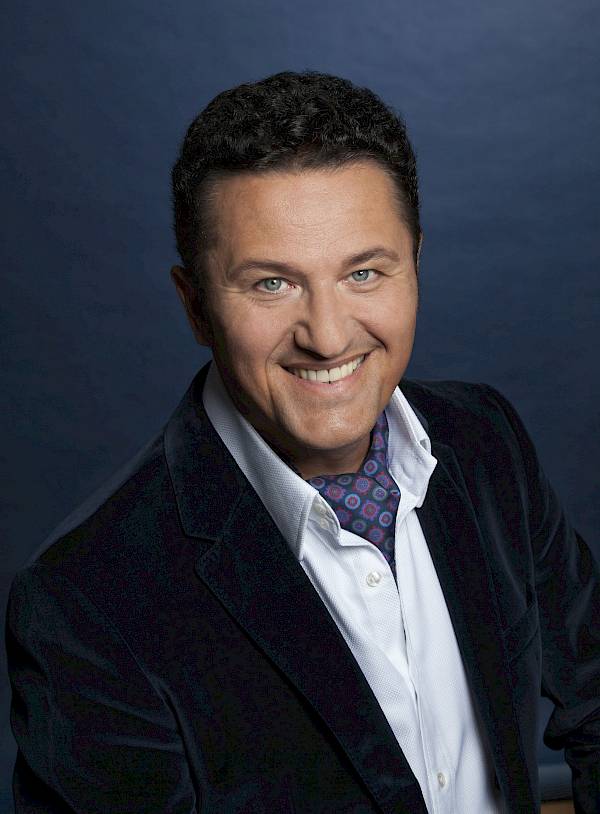
Lohengrin Piotr Beczała 16 Jul


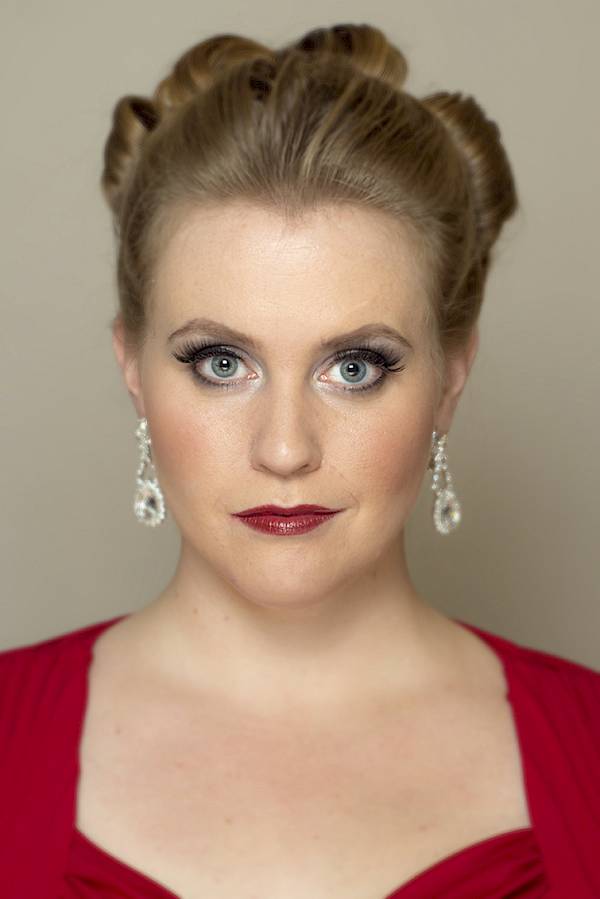
Elsa von Brabant Rachel Willis-Sorensen


Friedrich von Telramund Martin Gantner


Ortrud Anna Smirnova


Der Heerrufer des Königs Yngve Søberg


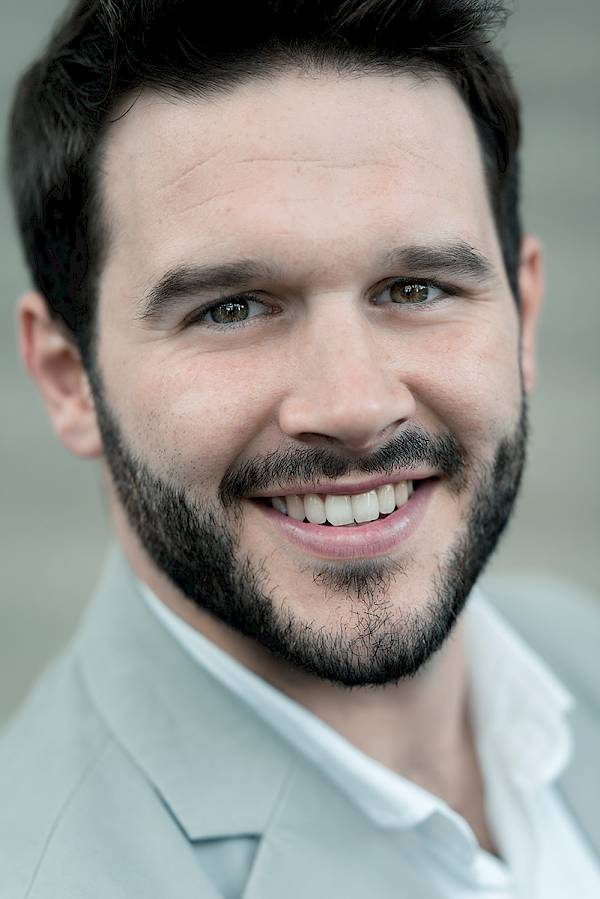
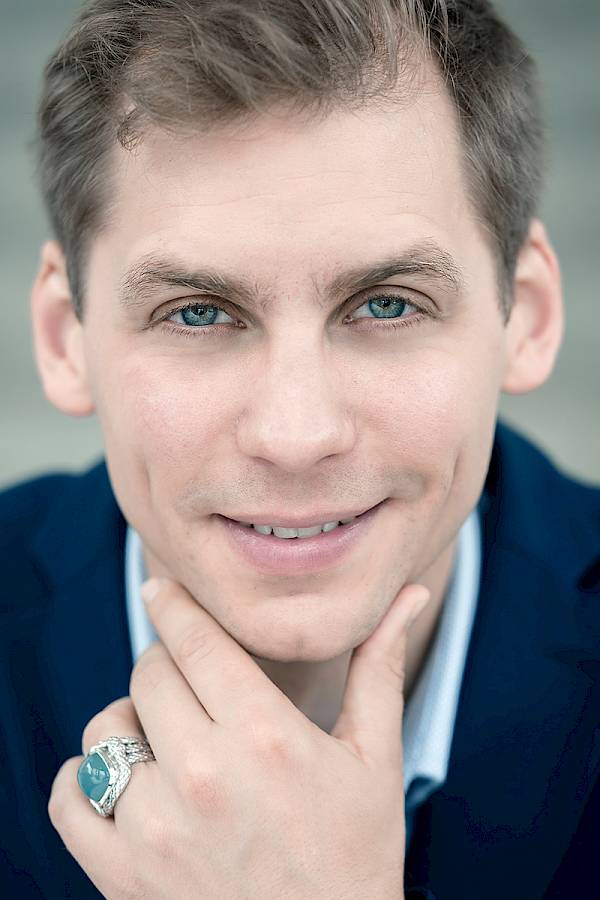
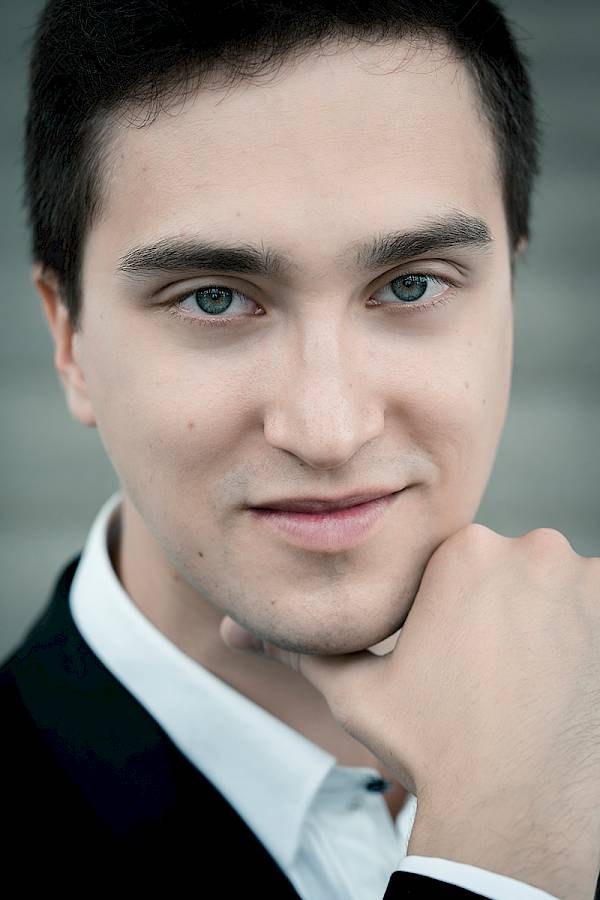
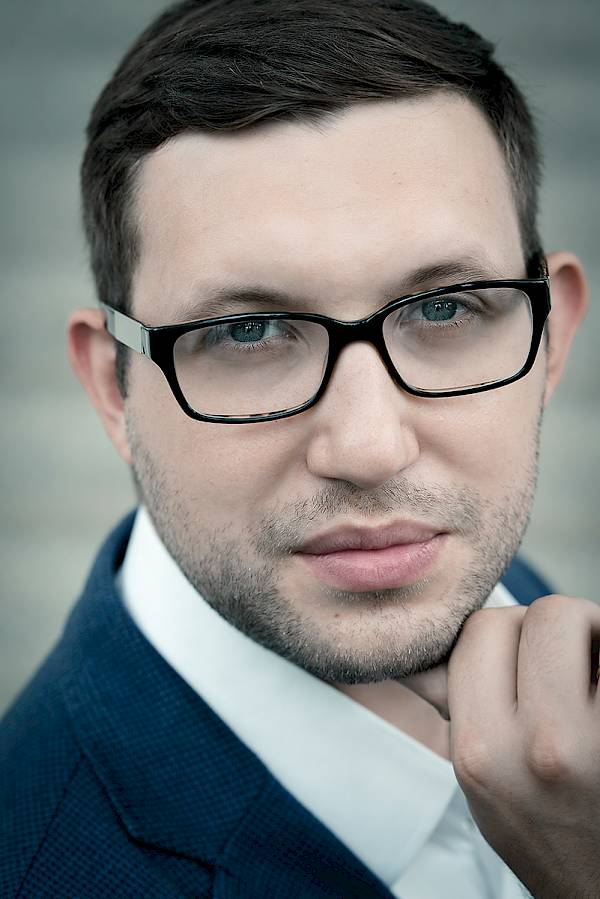
Vier brabantische Edle Trystan Llŷr Griffiths 08, 12, 16 Jul


Vier brabantische Edle Gyula Rab 08, 12, 16 Jul


Vier brabantische Edle Dmytro Kalmuchyn 08, 12, 16 Jul


Vier brabantische Edle Stanislav Vorobyov 08, 12, 16 Jul

Christof Fischesser

The bass Christof Fischesser, born in Wiesbaden, studied singing with Martin Gründler at the University of Music and Performing Arts in Frankfurt am Main. In 2000 he won first prize at the Federal Singing Competition in Berlin, which was followed by an engagement at the Badisches Staatstheater Karlsruhe. In 2004 he moved to the Staatsoper Unter den Linden in Berlin; from 2012 to 2015 he was a member of the ensemble at the Zurich Opera House, with which he has maintained a close collaboration ever since. Guest engagements have taken him, among others, to the Vienna State Opera, the Royal Opera House in London, the Opéra national de Paris, the Teatro Real in Madrid, the Bavarian State Opera Munich, the Komische Oper Berlin, the Semperoper Dresden, the Opéra de Lyon, the Théâtre du Capitole de Toulouse, the Houston Grand Opera, the Lyric Opera of Chicago, as well as to the opera houses of Antwerp, Copenhagen and Gothenburg. His wide-ranging repertoire includes roles such as King Marke in "Tristan und Isolde", Landgrave in "Tannhäuser", King Henry in "Lohengrin", Gurnemanz in "Parsifal", Sarastro in "The Magic Flute", Figaro in "Le nozze di Figaro", Rocco in "Fidelio", Banquo in "Macbeth", Méphistophélès in "Faust" and Baron Ochs of Lerchenau in "Der Rosenkavalier". Numerous CD and DVD recordings document his artistic work. At the Zurich Opera House he has appeared, among others, as King Henry, Orest in "Elektra", Kaspar, Daland, Gremin, Gurnemanz, Marchese di Calatrava and Padre Guardiano in "La forza del destino", Hunding in "Die Walküre" as well as Jacopo Fiesco in "Simon Boccanegra".

Tannhäuser21 / 24 / 27 Jun / 2 / 5 / 8 / 11 Jul / 26 Sept / 4 / 9 / 13 Oct 2026 Fidelio3 / 6 / 10 / 14 / 16 May 2026 Die Walküre24 / 31 Jan / 3 / 6 Feb 2027

Brandon Jovanovich

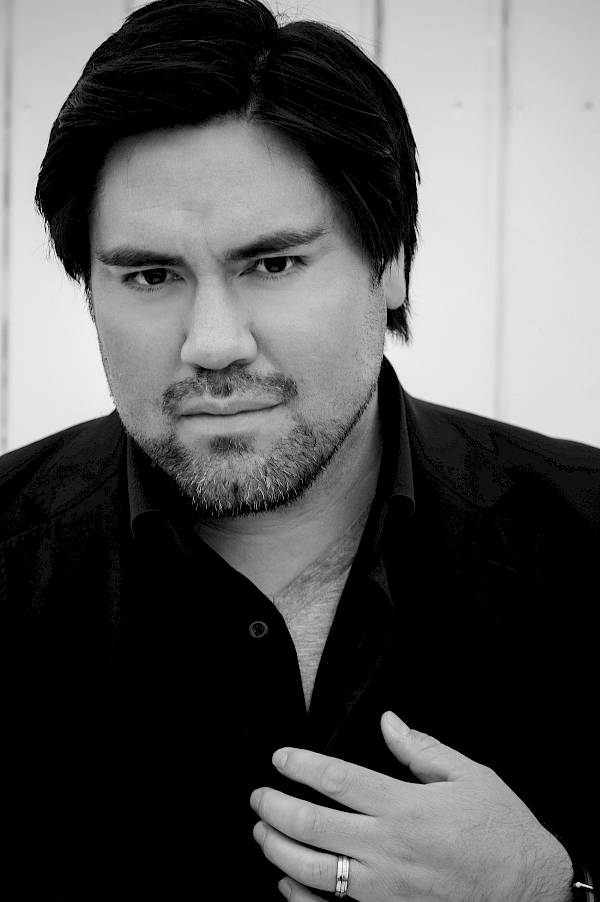
Brandon Jovanovich studierte an der Northern Arizona University sowie an der Manhattan School of Music. Sein Sieg beim Richard-Tucker-Gesangswettbewerb 2007 war der Auftakt zu einer internationalen Karriere, die ihn seither an die bedeutendsten Opernbühnen geführt hat. So gab er in der Saison 2009/10 sein Debüt an der New Yorker Met als Don José (Carmen). Die gleiche Rolle hat er an der Deutschen Oper Berlin, an der Bayerischen Staatsoper in München, am Opernhaus Zürich, in der Arena di Verona, an der Lyric Opera of Chicago, dem Gran Teatro del Liceu in Barcelona und am Glyndebourne Festival gesungen, sowie unlängst in Dallas, Houston, Los Angeles (unter Plàcido Domingo), Australien und an der Wiener Staatsoper. Sein Repertoire umfasst Partien wie Cavaradossi (u.a. Köln, Seattle, Nizza, Bregenz, Vlaamse Opera), Pinkerton (u.a. New York, San Francisco, Los Angeles, Stuttgart), Macduff, Alfredo (La traviata) oder Pollione (Norma). Er war u.a. in Les Contes d’Hoffmann an der Mailänder Scala zu hören, in der Titelrolle von Peter Grimes am Teatro di San Carlo in Neapel, sang Stolzing (Die Meistersinger von Nürnberg) in Paris und San Francisco, Des Grieux (Manon Lescaut) am Théâtre de la Monnaie in Brüssel und an der Bayerischen Staatsoper wie auch Bacchus (Ariadne auf Naxos) in München und Chicago. 2016/17 sang er u.a. Enée (Les troyens) und Don José in Chicago, Prinz (Rusalka) an der Met, Siegmund (Die Walküre) an der Deutschen Oper Berlin sowie Sergej (Lady Macbeth von Mzensk) an der Wiener Staatsoper und bei den Salzburger Festspielen. In Zürich war er zuletzt als Florestan (Fidelio), Sergej, Tambourmajor (Wozzeck) sowie als Lohengrin zu erleben.

Piotr Beczała

Piotr Beczała zählt zu den gefragtesten Tenören unserer Zeit. Seit seinem Debüt an der Met als Duca (Rigoletto) 2006, sang er dort ausserdem Lenski (Jewgeni Onegin), den Prinzen (Rusalka), Edgardo, Rodolfo, Vaudémont (Iolanta), Riccardo, Gounods Roméo, Faust, Maurizio (Adriana Lecouvreur) und Werther sowie Des Grieux (Manon). Seine Interpretation des Duca brachte ihm 2014 den Echo Klassik als Sänger des Jahres ein. An der Scala in Mailand sang er Duca, Rodolfo und Alfredo (La traviata). Bei den Salzburger Festspielen, wo er 1997 als Tamino debütierte, feierte er als Roméo, Prinz, Rodolfo und als Faust sowie in konzertanten Aufführungen von Iolanta und Werther Erfolge. Auch als Konzert- und Liedsänger ist er weltweit gefragt. Piotr Beczała, der aus Polen stammt und seit 2012 Schweizer ist, studierte an der Musikakademie in Katowice. Er war langjähriges Ensemblemitglied am Opernhaus Zürich. Neben einer Reihe von DVDs u. a. aus dem Opernhaus Zürich umfasst seine Diskografie Soloalben wie Mein ganzes Herz, The French Collection, Salut, Verdi und Slavic. Bei den International Opera Awards 2018 wurde er zum Sänger des Jahres ausgezeichnet. 2016 debütierte er mit Lohengrin an der Seite von Anna Netrebko an der Semperoper Dresden und sang die Rolle erneut 2017 in Zürich, im Sommer 2018 bei den Bayreuther Festspielen sowie 2020 an der Wiener Staatsoper. Im Sommer 2022 gab er sein Debüt als Radamès in Aida bei den Salzburger Festspielen. In Zürich war er zuletzt als Prinz Sou-Chong in Das Land des Lächelns, als Werther, als Chevalier des Grieux in Manon, mit einem Liederabend, bei einer Operettengala und als Calàf in Turandot zu erleben.

Liederabend Piotr Beczała31 May 2026

Rachel Willis-Sorensen

Rachel Willis-Sørensen, amerikanische Sopranistin, absolvierte ihre Gesangsausbildung an der Brigham Young University. Sie war für drei Jahre Ensemblemitglied an der Semperoper in Dresden, wo sie u.a. die Titelpartien in Die lustige Witwe und in Alcina sang sowie als Fiordiligi (Così fan tutte), Donna Anna (Don Giovanni), Vitellia (La clemenza di Tito), Elettra (Idomeneo), Diemut (Feuersnot), Rosalinde (Die Fledermaus), Agathe (Der Freischütz) und Mimi (La bohème) zu hören war. Sie ist Preisträgerin bei zahlreichen internationalen Gesangswettbewerben. So gewann sie u.a. den ersten Preis bei der «Hans Gabor Belvedere Gesangswettbewerb» 2011 sowie beim «Operalia»-Wettbewerb 2014. Sie singt an allen grossen Häusern der Welt, so war sie als Contessa (Le nozze di Figaro) an der Metropolitan Opera, im Royal Opera House, Covent Garden und an der Wiener Staatsoper zu erleben. Seit einiger Zeit macht sie sich vermehrt mit den grossen Sopranpartien Wagners vertraut. So sang sie u.a. Gutrune (Götterdämmerung) am Royal Opera House, Eva (Die Meistersinger von Nürnberg) an der San Francisco Opera und Elsa an der Deutschen Oper Berlin. Sie ist auch regelmässig im Konzert zu hören, nennenswert sind insbesondere Mahlers Zweite Sinfonie mit der Dresdener Staatskapelle, Beethovens Neunte Sinfonie mit der Accademia Santa Cecilia unter Antonio Pappano und mit dem Los Angeles Philharmonic Orchestra unter Leonard Slatkin und Mahlers Achte Sinfonie mit dem Israel Philharmonic Orchestra an den Dresdner Musikfestspielen. Zuletzt war sie als Leonore (Fidelio) in Rom und als Feldmarschallin (Der Rosenkavalier) unter der Leitung von Andris Nelsons sowie als Eva (Die Meistersinger von Nürnberg) unter der Leitung von Antonio Pappano an der Royal Opera in London zu erleben.

Martin Gantner

Martin Gantner stammt aus Freiburg im Breisgau und erhielt seine Ausbildung an der Hochschule für Musik in Karlsruhe. Nachdem er den VDMK-Wettbewerb gewonnen hatte, debütierte er als Almaviva (Le nozze di Figaro) am Stadttheater Koblenz. Später war er in der Uraufführung von Henzes Das verratene Meer (Regie: Götz Friedrich) an der Deutschen Oper Berlin zu hören. Kurz darauf debütierte er in Basel in Così fan tutte, an der Mailänder Scala in Lo sdegno del mare und bei den Salzburger Festspielen in Salome. 1993 bis 2007 war er Ensemblemitglied der Bayerischen Staatsoper, wo er Partien wie Papageno, Guglielmo, Figaro, Dandini, Dr. Malatesta, Dr. Falke und Marcello sang und 2005 zum Bayerischen Kammersänger ernannt wurde. Seither gab er u.a seine Rollendebüts als Albert (Massenets Werther) in Wien sowie als Wolfram (Tannhäuser) in München unter Zubin Mehta und sang ebenfalls in München u.a. Beckmesser (Die Meistersinger von Nürnberg) und den Musiklehrer in Ariadne auf Naxos unter Kent Nagano. Weitere wichtige Partien in Neuinszenierungen und Rollendebüts waren Amfortas, Kurwenal, Telramund, Faninal, Jochanaan, Don Pizarro, Posa und Eisenstein in München, Dresden, Amsterdam, Zürich, Paris, Chicago, San Francisco, an der Met, in Los Angeles, Toronto und Tokio. Jüngst war er u.a. in der Titelrolle von Cardillac in Florenz, als Beckmesser an den Bayreuther Festspielen, als Musiklehrer (Ariadne auf Naxos) am Edinburgh International Festival, als Kothner (Die Meistersinger von Nürnberg) an der Met sowie als Telramund an der Deutschen Oper Berlin und am Bolschoi-Theater zu erleben. In Zürich sang er u.a. Telramund (Lohengrin), Pizarro und Beckmesser.

Anna Smirnova

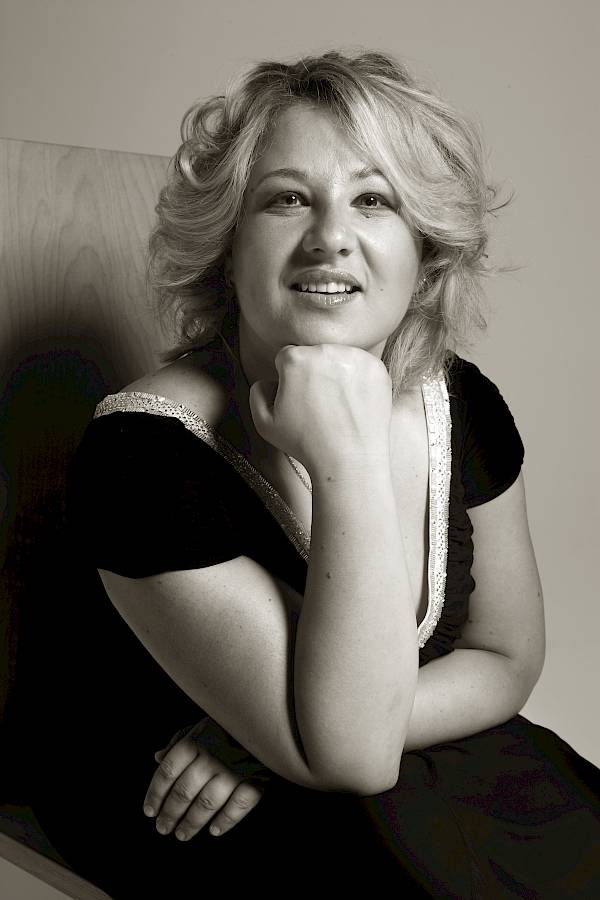
Anna Smirnova stammt aus Moskau. Sie studierte in ihrer Heimatstadt und belegte Meisterkurse u.a. bei Elisabeth Schwarzkopf und Thomas Hampson. International trat sie 2007 in Erscheinung, als sie am Teatro alla Scala di Milano als Principessa de Bouillon (Adriana Lecouvreur) engagiert wurde, worauf sie in Kürze an alle grossen internationalen Häuser geladen wurde. So sang sie u. a. an der Metropolitan Opera New York, dem Royal Opera House Covent Garden, der Wiener Staatsoper, der Bayerischen Staatsoper und der Deutschen Oper Berlin die grossen dramatischen Mezzosopran-Partien wie Amneris (Aida), Eboli (Don Carlo), Azucena (Il trovatore), Preziosilla (La forza del destino), Marfa (Chowanschtschina) und Lyubasha (Die Zarenbraut) ebenso wie die Sopranpartien der Lady Macbeth (Macbeth), Santuzza (Cavalleria rusticana), Abigaille (Nabucco), Gioconda und Odabella (Attila). Zu ihren jüngsten Engagements zählen Turandot an der Wiener Staatsoper, an der Deutschen Oper Berlin und an der Oper Köln, Abigaille in Wien, Stuttgart, Berlin und Dresden sowie Amneris an der Deutschen Oper Berlin und am Grand-Théâtre de Genève. In Zürich war sie zuletzt 2017 als Ortrud in Lohengrin und 2019 als Abigaille in Nabucco zu erleben.

Yngve Søberg

Yngve Søberg, Bariton, stammt aus Norwegen. Seit der Spielzeit 2010/11 ist er Ensemblemitglied an der Norske Opera Oslo, wo er u.a. als Sharpless (Madama Butterfly), Amonasro (Aida), Alfio (Cavalleria rusticana), Junius (The Rape of Lucrecia), Lorenzo (I Capuleti e i Montecchi), Hobson (Peter Grimes), Masetto (Don Giovanni), Germont (La traviata), Escamillo (Carmen), als Heerrufer (Lohengrin), Marcello (La bohème), Schliesser sowie Cesare Angelotti (Tosca) und in der Titelpartie von Le nozze di Figaro zu erleben war. 2014 stand er am Schleswig-Holstein Musikfestival als Angelotti zusammen mit Catherine Naglestad und José Cura auf der Bühne. Im Konzert sang er u.a. Faurés Requiem mit dem Philharmonischen Orchester Oslo, Mahlers Des Knaben Wunderhorn in Oslo, Kopenhagen und Malmö, Brittens War Requiem am ULTIMA-Festival für zeitgenössische Musik sowie Mendelssohns Elias mit dem Norwegischen Radio-Orchester. In der Saison 2018/19 sang er die Titelrolle in Rigoletto am Teatro del Maggio Musicale in Florenz unter der Leitung von Fabio Luisi, Tonio und Alfio an der Oper Graz, Sharpless in Zürich sowie Valentin (Faust) in Trondheim. Im Sommer 2019 debütierte er auf der Seebühne der Bregenzer Festspiele als Rigoletto und sang die Rolle erneut in der Spielzeit 2019/20 in Oslo und an der Staatsoper Hannover.

Trystan Llŷr Griffiths

Trystan Llŷr Griffiths, Tenor, absolvierte zunächst ein Studium in Theater, Musik und Medien am Trinity University College in Carmarthen und studierte anschliessend Gesang an der Royal Academy of Music in London, am Royal Welsh College of Music and Drama in Cardiff sowie im National Opera Studio in London. 2012 wurde er von Decca zur «Voice of Wales» ernannt. Er ist einer der ersten Empfänger des Stipendiums der Bryn Terfel Foundation. Zudem wurde er u.a. 2014 mit dem Ian Stoutzker Prize und dem Bruce Millar Gulliver Singing Prize ausgezeichnet. Sein Operndebüt gab Trystan Llŷr Griffiths 2015 als Ferrando (Così fan tutte) auf der Herbsttournee der Scottish Opera. Er sang Carlos in einer Aufnahme von Donizettis Le Duc d’Albe mit dem Hallé Orchestra unter Sir Mark Elder für Opera Rara, nahm 2015 als Stipendiat an der Mozart Residency in Aix-en-Provence teil und war im Rahmen seines Studiums am Royal Welsh College als Tamino, Ferrando, Male Chorus (The Rape of Lucretia) und Bill in Jonathan Doves Flight zu erleben. Auf dem Konzertpodium sang er bisher u.a. am Hay on Wye Festival mit Bryn Terfel, am Brynfest im Londoner Southbank Centre, Melot/Hirte bei einer konzertanten Aufführung von Tristan und Isolde mit dem Royal Liverpool Philharmonic Orchestra unter Vasily Petrenko sowie Rezitals in St Martin-in-the-Fields in London und beim Cardiff Music Festival. 2015 erschien sein Solo-Album Trystan beim Label Sain. In der Spielzeit 2015/16 gab Trystan Llŷr Griffiths sein Rollen- und Company-Debüt als Beppe (Pagliacci) mit der Welsh National Opera. Ab 2016/17 ist er Mitglied des Internationalen Opernstudios in Zürich und wird zudem sein Debüt bei den BBC Proms geben.


Gyula Rab

Gyula Rab studierte bei Eva Marton in Budapest und bei Dinah Harris am Royal College of Music in London. 2014 gewann er einen Independent Opera Award und gab sein Operndebüt an der Oper Breslau in Peter Eötvös’ Angels in America. Seither war er u.a als Tamino (Die Zauberflöte) in der Sir Georg Solti Hall in Budapest zu hören, sang das Tenorsolo in Karl Jenkins The Armed Man: A Mass for Peace mit dem Philharmonia Orchestra in der Londoner Royal Albert Hall, Ein Christ (Donizettis Poliuto) in Glyndebourne sowie Tebaldo (I Capuleti e i Montecchi) und The Lover (Purcells The Fairy Queen) an der Ungarischen Staatsoper in Budapest. Gyula Rab war Finalist beim Kathleen Ferrier Award 2015 in der Wigmore Hall und ist Preisträger der Independent Opera Postgraduate Voice Fellowship wie auch der International Opera Awards Foundation Bursary. Seit der Spielzeit 2016/17 ist er Mitglied des Internationalen Opernstudios in Zürich und singt hier u.a. Monsieur Vogelsang (Der Schauspieldirektor), Don Curzio (Le nozze di Figaro), Le petit vieillard/La rainette (L’Enfant et les sortilèges), Torquemada (L’Heure espagnole) sowie in Lady Macbeth von Mzensk und Lohengrin.

Dmytro Kalmuchyn

The Ukrainian baritone Dmytro Kalmuchyn studied at the Music Academy in Lviv, where he sang roles such as Belcore in "L’elisir d’amore", Uberto in Pergolesi’s "La serva padrona" as well as the title role in Mozart’s "Don Giovanni". He is a prizewinner of the 3rd Ukrainian Teodor-Teren-Yuskiv Competition for Young Singers, the international competition "XXI Century Art" in Vorzel, and the 7th International Mirjam Helin Competition in Helsinki. From 2016 to 2018 he was a member of the International Opera Studio of the Zurich Opera House and from 2018 to 2020 of the OperAvenir Opera Studio at Theater Basel. In Zurich he appeared, among others, as Clock/Cat in "L’Enfant et les sortilèges" as well as in "Don Carlo", "Lady Macbeth of Mtsensk", "Lohengrin", "Salome", "La fanciulla del West", "Luisa Miller", "Le Comte Ory" and "Carmen".

Fidelio3 / 10 / 16 May 2026

Stanislav Vorobyov

Stanislav Vorobyov comes from Russia and studied at the Moscow Conservatory. He was a member of the International Opera Studio and has been an ensemble member at the Zurich Opera House since the 2018/19 season. Here he has appeared, among others, as Colline ("La bohème"), Alidoro ("La Cenerentola"), High Priest ("Nabucco"), Notary ("Der Rosenkavalier"), Reinmar von Zweter ("Tannhäuser"), Faust ("The Fiery Angel"), Zaretsky ("Eugene Onegin"), Cesare Angelotti ("Tosca"), Fifth Jew and 1st Nazarene ("Salome"), Lord Rochefort ("Anna Bolena"), Doctor Grenvil ("La traviata"), Crébillon ("La rondine"), Zuniga ("Carmen"), Roberto ("I vespri siciliani"), Roucher ("Andrea Chénier"), Police Commissioner ("Der Rosenkavalier"), Marchese Calatrava ("La forza del destino"), Tom ("Un ballo in maschera"), Brühlmann ("Werther"), as well as Faust ("The Fiery Angel"), Gold Dealer ("Cardillac") and Méphistophélès ("La Damnation de Faust"). In addition, he sang Don Basilio ("Il barbiere di Siviglia") at the Bregenz Festival, Nourabad ("Les Pêcheurs de perles") at Opera Flanders and in Luxembourg, as well as Ombra di Nino ("Semiramide") at the Concertgebouw Amsterdam. At the Bregenz Festival he appeared as Uncle Bonzo in "Madama Butterfly" and as Il capitano/L’ispettore in Giordano’s "Siberia". In 2024, he also appeared as Colline ("La bohème") at the Tokyo Metropolitan Theater and at the ROHM Theatre Kyoto.

Cardillac15 / 18 / 21 / 25 Feb / 1 / 6 / 10 Mar 2026 La Damnation de Faust10 / 14 / 17 May 2026 Carmen18 / 21 / 23 / 27 / 31 Jan 2026 Madama Butterfly30 Dec 2025 / 3 / 9 / 11 / 13 / 16 Jan 2026 Un ballo in Maschera22 / 28 / 31 May / 7 / 13 Jun / 26 / 27 / 29 / 30 Aug 2026 La forza del destino2 / 7 / 12 / 15 / 18 / 21 / 26 / 29 Nov / 17 / 21 Dec 2025 Der Rosenkavalier21 / 26 Sept / 1 / 5 / 14 / 17 / 21 / 26 Oct 2025 Rachmaninov – Die drei Opern1 / 4 / 8 / 15 / 18 / 21 / 28 Nov 2026 La traviata20 / 23 / 29 Dec 2026 / 1 / 3 / 6 / 9 / 12 / 15 / 19 / 23 Jan 2027 La fanciulla del west25 / 28 Feb / 3 / 7 Mar / 4 / 7 / 10 / 16 Apr 2027 Samson et Dalila13 / 17 / 20 / 24 / 27 / 30 Jun / 2 / 9 Jul 2027 La bohème16 / 18 / 23 Jun / 4 / 7 / 10 Jul 2027
Show full cast Show less
Extra Choristers

Philharmonia Zürich

1985 entstand in Folge der Trennung des traditionsreichen Tonhalle- und Theaterorchesters das Orchester der Oper Zürich. 2012, mit Beginn der Intendanz von Andreas Homoki und dem Amtsantritt des neuen Generalmusikdirektors Fabio Luisi, wird das Orchester der Oper Zürich zur Philharmonia Zürich. Pro Saison ist das Orchester in rund 250 Opern- und Ballettvorstellungen des Opernhauses Zürich zu hören. Als Podium für das Konzertrepertoire werden zusätzlich die Philharmonischen Konzerte veranstaltet. Soiréen und Kammermusikmatinéen ergänzen das künstlerische Spektrum des Orchesters. Bevor Fabio Luisi mit der Saison 2012/13 als Generalmusikdirektor die künstlerische Leitung des Orchesters übernommen hat, haben u. a. Franz Welser-Möst (1995-2008, ab 2005 als Generalmusikdirektor) und zuletzt Daniele Gatti als Chefdirigent (2009-2012) das Orchester geleitet. 2000/01 fanden die Beständigkeit der Leistungen des Orchesters der Oper Zürich und die Breite seines Könnens mit der Wahl zum «Orchester des Jahres» in der Umfrage der Zeitschrift «Opernwelt» weit verbreitete internationale Anerkennung.

Mehr Informationen zur Philharmonia Zürich finden Sie hier

La traviata20 / 23 / 29 Dec 2026 / 1 / 3 / 6 / 9 / 12 / 15 / 19 / 23 Jan 2027 Die lustige Witwe27 / 31 Dec 2026 / 3 / 7 / 10 / 13 Jan 2027

SoprAlti der Oper Zürich

Als während der Spielzeit 1999/00 für die verschiedensten Opern und Operetten ausschliesslich die älteren Mitglieder des Kinderchores benötigt wurden, begann das Ensemble durch das häufige gemeinsame Proben bald eine eigene Dynamik zu entwickeln und entsprang schlussendlich im Juli 2002, zur Première von Carmen, definitiv dem Kinderchor: Der Jugendchor war informell geboren. Zu Beginn der Spielzeit 2010/11 wurde der Name des Chores in "SoprAlti der Oper Zürich" umgeändert.Heute ist der Chor fester Bestandteil des Zürcher Opernhauses. Aktuell besteht er aus rund 25 begeisterten Sängerinnen im Alter zwischen etwa 16 und 30 Jahre. Pro Spielzeit hat er durchschnittlich zwischen 40 und 80 Auftritte. Er unterstützt dabei den Kinderchor oder tritt gemeinsam mit dem Zusatz- und dem Berufschor auf. In einigen Opern bestreitet er auch eigene Auftritte, etwa in Königskinder (Kinder des Besenbinders), Le Cid (Jeunes filles) oder Das schlaue Füchslein (Hühner). Zudem sind einzelne Mitglieder in verschiedenen Opern wie Tosca, Macbeth, Tannhäuser, L'Amore dei tre Re und Königskinder als Solistinnen zu hören.Ausserhalb des Opernhauses gehören eigene Konzerte, auswärtige Gastspiele, Messen an kirchlichen Feiertagen oder auch geschlossene Veranstaltungen von Firmen und Stiftungen ebenso zum Jahresprogramm wie Auftritte in den grossen Konzerthäusern.Die intensiven Freundschaften, die im Chor über das musikalische Engagement hinaus gepflegt werden, führen heute zu einem mühelosen aufeinander ab- und einstimmen der Sängerinnen. So entwickelt sich der Chor laufend weiter und kann nebenbei auch den Anforderungen des Spielplans gerecht werden.

Tannhäuser21 / 24 / 27 Jun / 2 / 5 / 8 / 11 Jul / 26 Sept / 4 / 9 / 13 Oct 2026 La Damnation de Faust10 / 14 / 17 May 2026 Hänsel und Gretel16 / 20 / 23 / 28 / 30 Nov / 2 / 4 / 11 / 16 / 18 / 21 Dec 2025 / 2 / 24 / 25 / 31 Jan 2026 Carmen18 / 21 / 23 / 27 / 31 Jan 2026 La forza del destino2 / 7 / 12 / 15 / 18 / 21 / 26 / 29 Nov / 17 / 21 Dec 2025 Fidelio3 / 6 / 10 / 14 / 16 May 2026 Werther14 / 19 Jun / 1 / 4 / 10 Jul 2026 Giulio Cesare in Egitto11 / 13 / 15 / 17 / 21 / 25 / 28 Mar 2026 Sillons de Mémoires5 / 6 / 7 Feb 2026 Matthäus-Passion26 Mar 2026 Alice im Wunderland8 / 15 / 19 / 21 / 26 / 28 Nov / 6 Dec 2026 / 2 / 7 / 8 / 10 / 17 Jan 2027 La bohème16 / 18 / 23 Jun / 4 / 7 / 10 Jul 2027

Statistenverein am Opernhaus Zürich

Der Statistenverein am Opernhaus Zürich wurde im Jahr 1900 gegründet und dürfte damit einer der traditionsreichsten Vereine auf dem Kulturplatz Zürich sein. Rund hundert Frauen und Männer im Alter von 16 bis 70 Jahren bereichern das Bühnengeschehen in zahlreichen Inszenierungen.Statisten, früher auch als Figuranten bezeichnet, haben generell nicht sprechende Rollen. Ihre Einsätze am Opernhaus Zürich fallen je nach Inszenierung unterschiedlich umfangreich aus. Während früher Massenszenen im Vordergrund standen, sind die Statistinnen und Statisten seit der Ära Pereira und der Intendanz von Andreas Homoki zunehmend auch für aufwändigere Einzelauftritte sowie für anspruchsvolle technische Einsätze gefragt. Die Mitglieder des Statistenvereins üben ihre Einsätze in der Freizeit und ohne finanzielle Interessen aus. Sie bringen Begeisterung für Musik und Theater mit.

Manon24 / 27 Sept / 3 / 7 / 10 Oct 2025 La scala di seta25 / 28 Sept / 19 / 24 Oct 2025 Tosca28 Sept / 2 / 8 / 11 / 15 / 19 Oct 2025 / 11 / 14 / 17 / 21 / 24 Apr / 13 / 17 May 2027 Madama Butterfly30 Dec 2025 / 3 / 9 / 11 / 13 / 16 Jan 2026 Rigoletto20 / 23 / 27 Dec 2025 / 1 / 4 Jan 2026 Le nozze di Figaro24 / 29 Jan / 1 / 5 / 7 / 10 / 14 Feb 2026 / 2 / 6 / 8 / 15 / 19 May 2027 Werther14 / 19 Jun / 1 / 4 / 10 Jul 2026 Così fan tutte3 / 7 / 9 / 12 Jul 2026 Macbeth8 / 11 / 14 / 19 / 22 / 30 Nov 2025 Arabella14 / 18 / 22 / 25 / 28 Apr 2026 Der Rosenkavalier21 / 26 Sept / 1 / 5 / 14 / 17 / 21 / 26 Oct 2025 La clemenza di Tito26 / 29 Apr / 3 / 8 / 15 / 17 / 20 / 25 May 2026 Cardillac15 / 18 / 21 / 25 Feb / 1 / 6 / 10 Mar 2026 Hänsel und Gretel16 / 20 / 23 / 28 / 30 Nov / 2 / 4 / 11 / 16 / 18 / 21 Dec 2025 / 2 / 24 / 25 / 31 Jan 2026 Carmen18 / 21 / 23 / 27 / 31 Jan 2026 Un ballo in Maschera22 / 28 / 31 May / 7 / 13 Jun 2026 Die Fledermaus7 / 10 / 12 / 14 / 18 / 26 / 28 / 31 Dec 2025 / 2 / 4 / 6 / 10 Jan / 29 Sept / 8 / 17 / 23 / 25 Oct 2026 Giulio Cesare in Egitto11 / 13 / 15 / 17 / 21 / 25 / 28 Mar 2026 Scylla et Glaucus27 / 29 / 31 Mar / 2 / 6 / 30 Apr / 2 May 2026 La forza del destino2 / 7 / 12 / 15 / 18 / 21 / 26 / 29 Nov / 17 / 21 Dec 2025 Sillons de Mémoires5 / 6 / 7 Feb 2026 Gianni Schicchi2 / 6 / 8 / 10 / 13 May 2026 Monster's Paradise8 / 14 / 18 Mar / 10 / 12 Apr 2026 Alice im Wunderland8 / 15 / 19 / 21 / 26 / 28 Nov / 6 Dec 2026 / 2 / 7 / 8 / 10 / 17 Jan 2027 Manon Lescaut11 / 15 / 18 / 22 / 26 Dec 2026 Die lustige Witwe27 / 31 Dec 2026 / 3 / 7 / 10 / 13 Jan 2027 Die Walküre24 / 31 Jan / 3 / 6 Feb 2027 Roméo et Juliette12 / 19 / 21 Feb / 2 / 5 Mar 2027 La bohème16 / 18 / 23 Jun / 4 / 7 / 10 Jul 2027 Don Carlo1 / 6 / 8 / 11 Jul 2027 La fanciulla del west25 / 28 Feb / 3 / 7 Mar / 4 / 7 / 10 / 16 Apr 2027 Elektra22 / 26 Nov / 2 / 5 / 10 / 13 / 16 Dec 2026 Rinaldo22 / 24 / 26 / 28 Feb / 14 / 19 / 23 / 25 / 27 / 29 Mar 2027 Samson et Dalila13 / 17 / 20 / 24 / 27 / 30 Jun / 2 / 9 Jul 2027 Tannhäuser26 Sept / 4 / 9 / 13 Oct 2026

Abstract

In times of political instability, Elsa of Brabant is accused of having killed her brother, the heir to the Dukedom. In Elsa’s distress, a mysterious knight comes to her aid. He will fight for her under one condition: she must never ask him his name or enquire after his origins. The accusations against Elsa are exposed as intrigue, but not being permitted to ask her deliverer his name – and the uncertainty this engenders – weigh heavily on Elsa…

Dissatisfied with the social realities of his time, in 1848 Richard Wagner himself fought as a revolutionary on the barricades. At the same time, he expressed his utopian political ideals of another world order in artistic terms in Lohengrin.

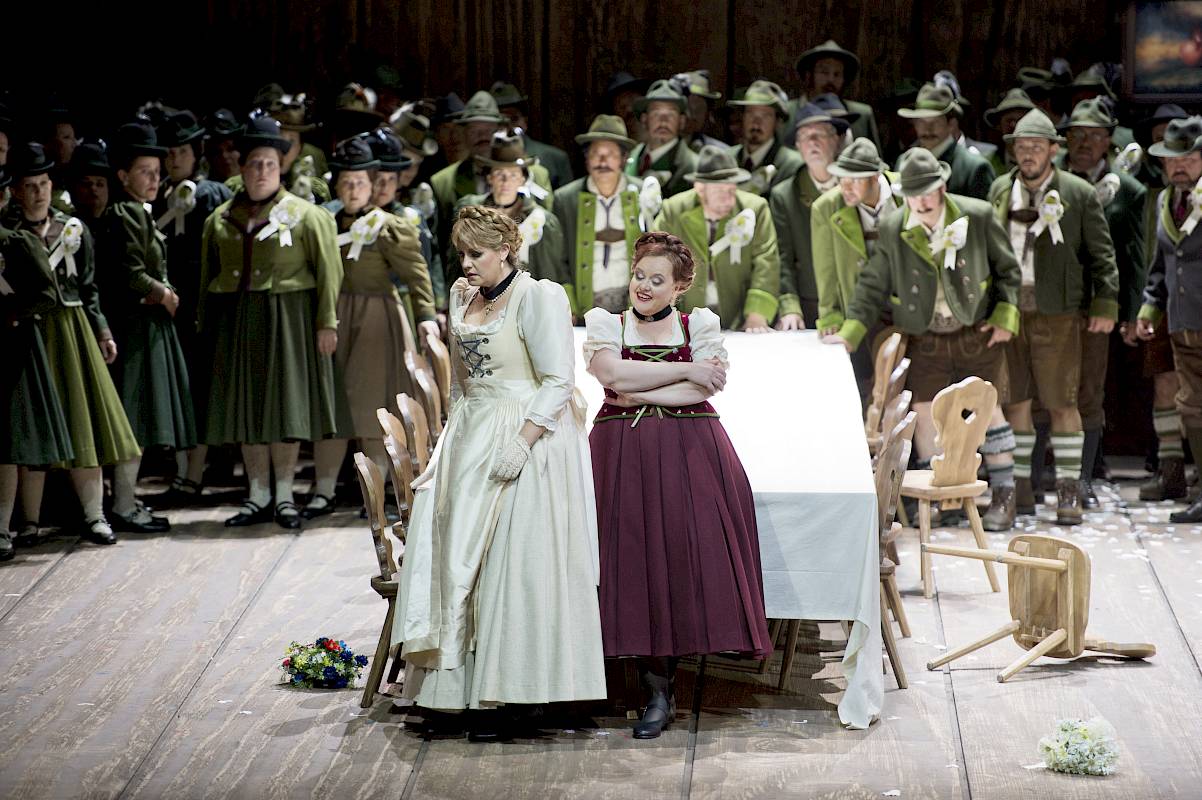
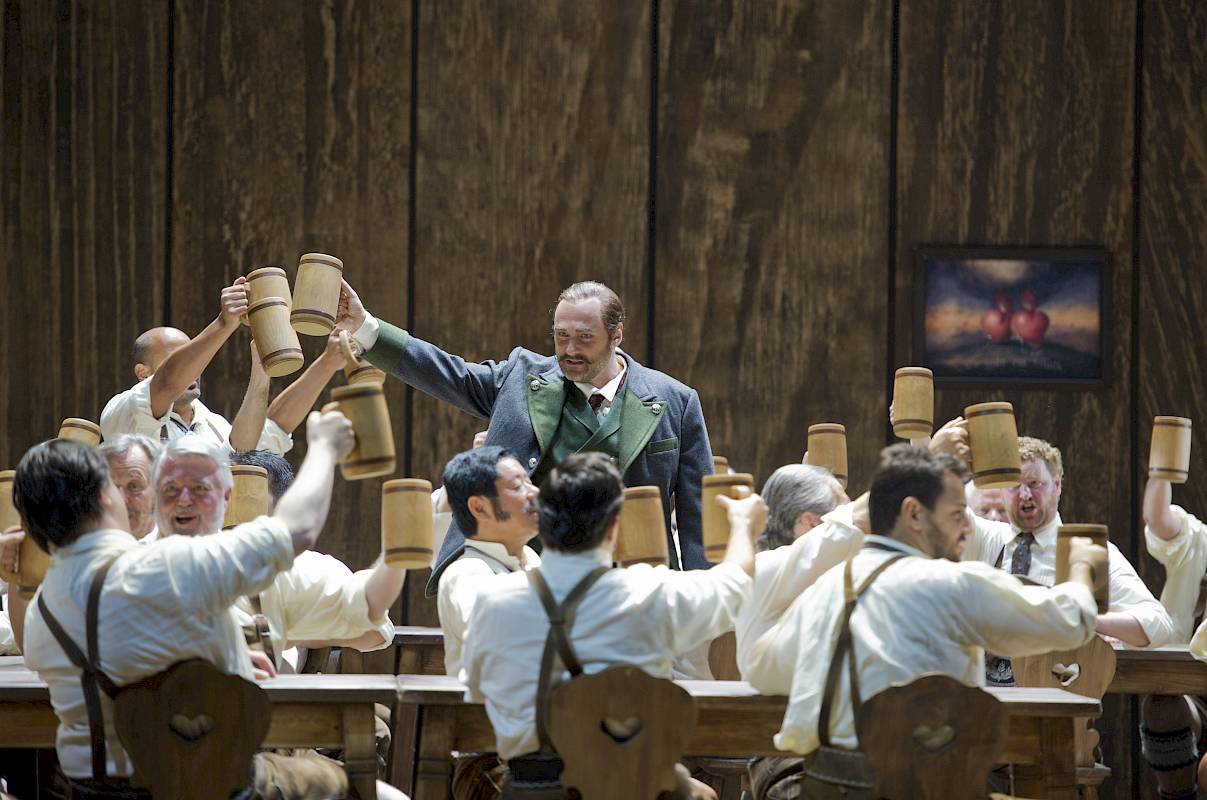
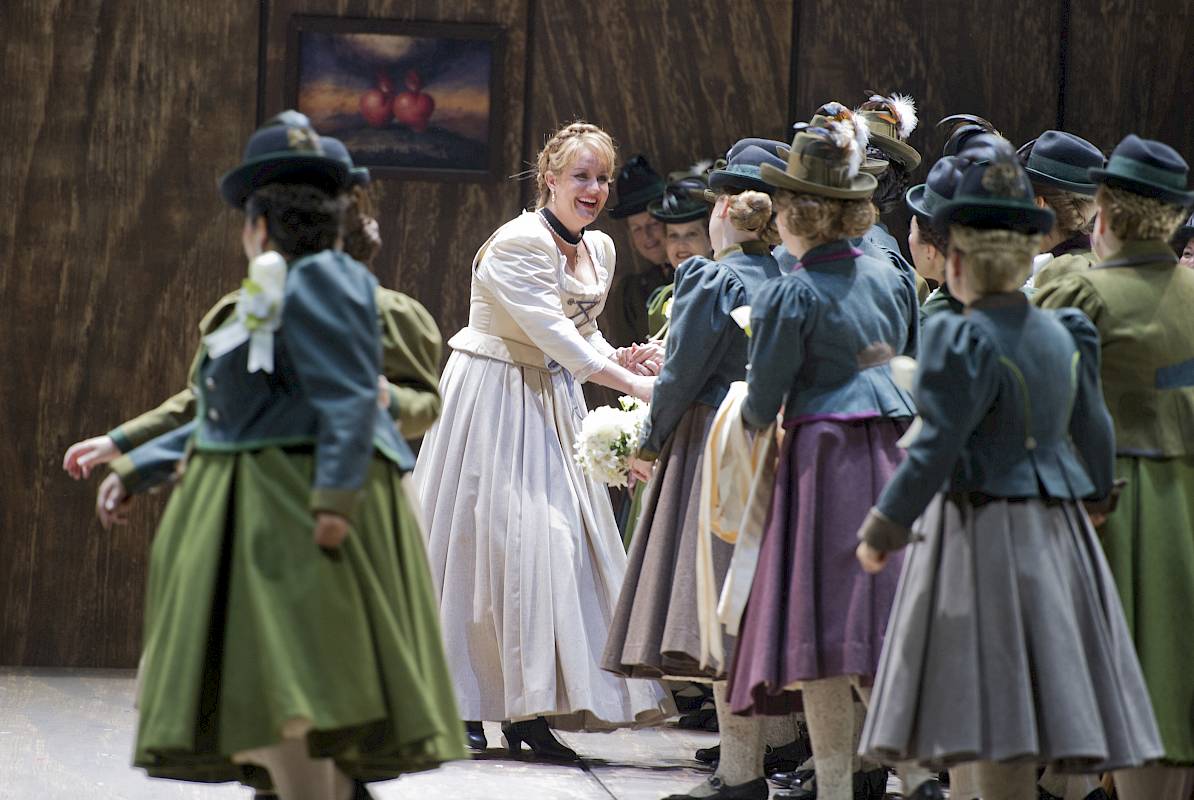
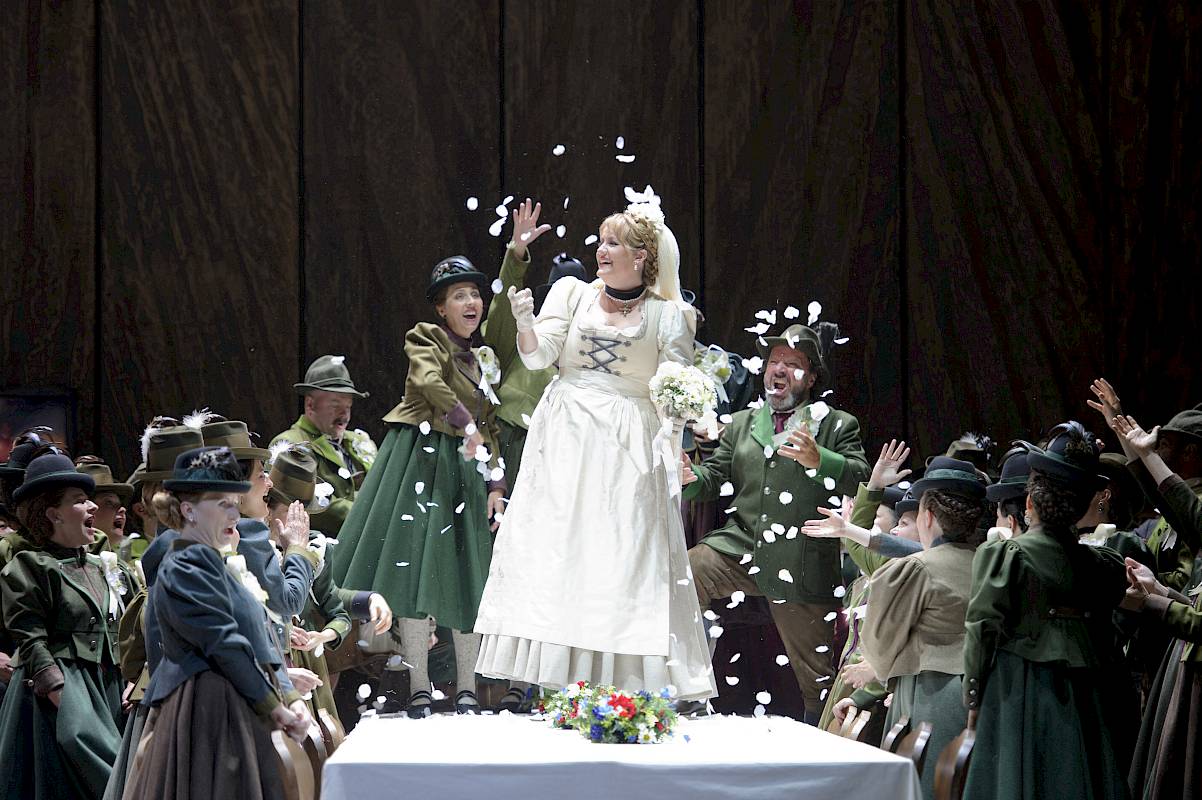
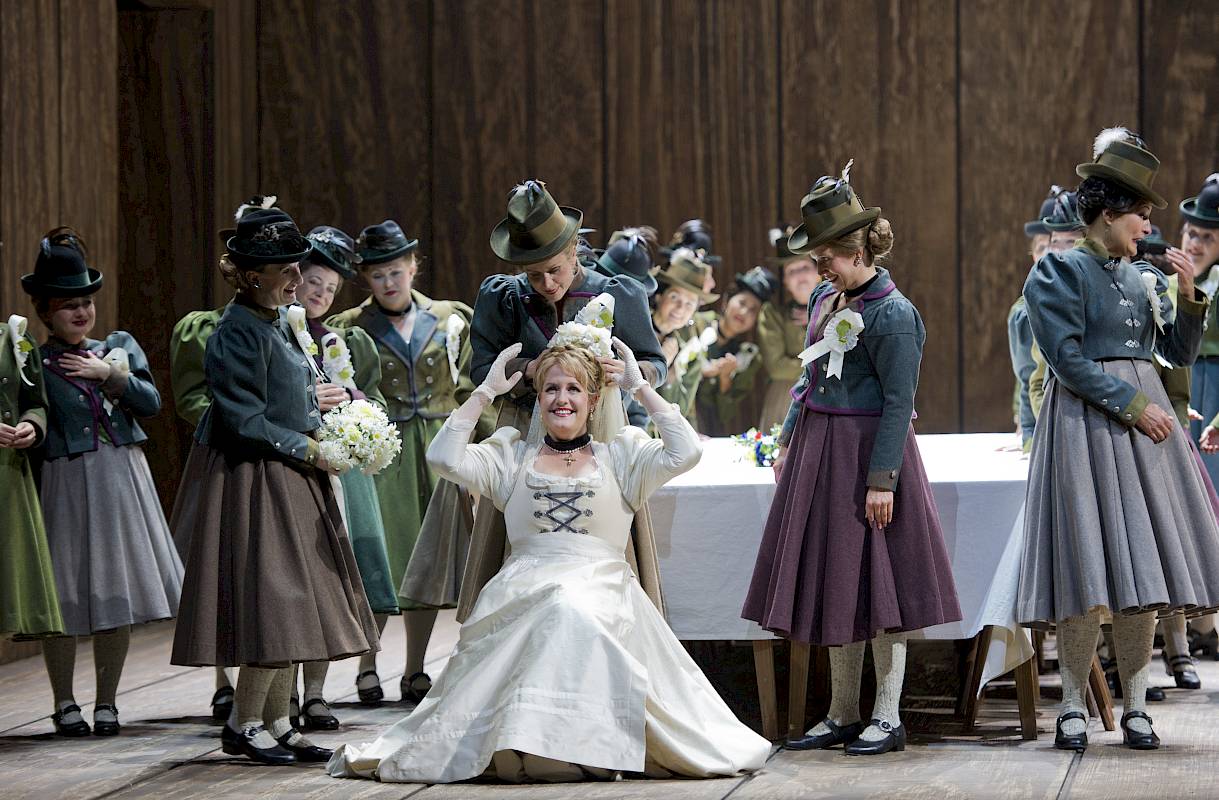
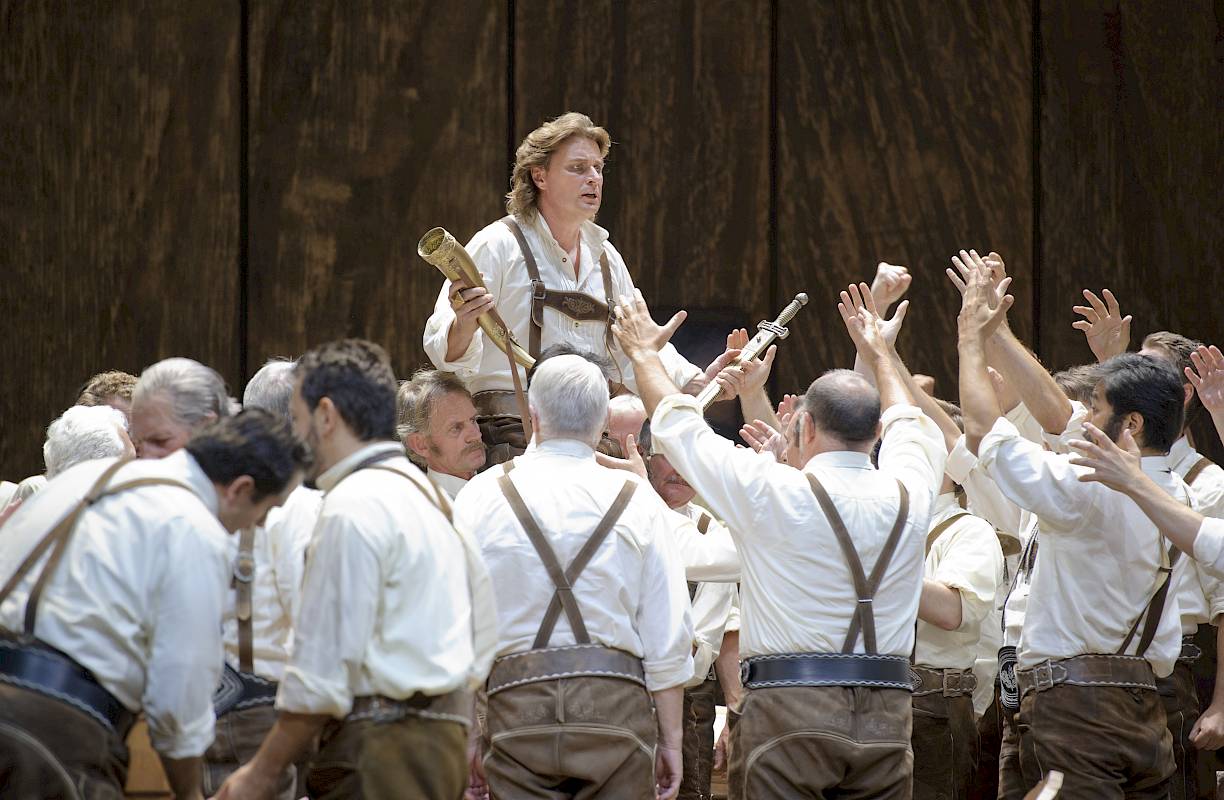
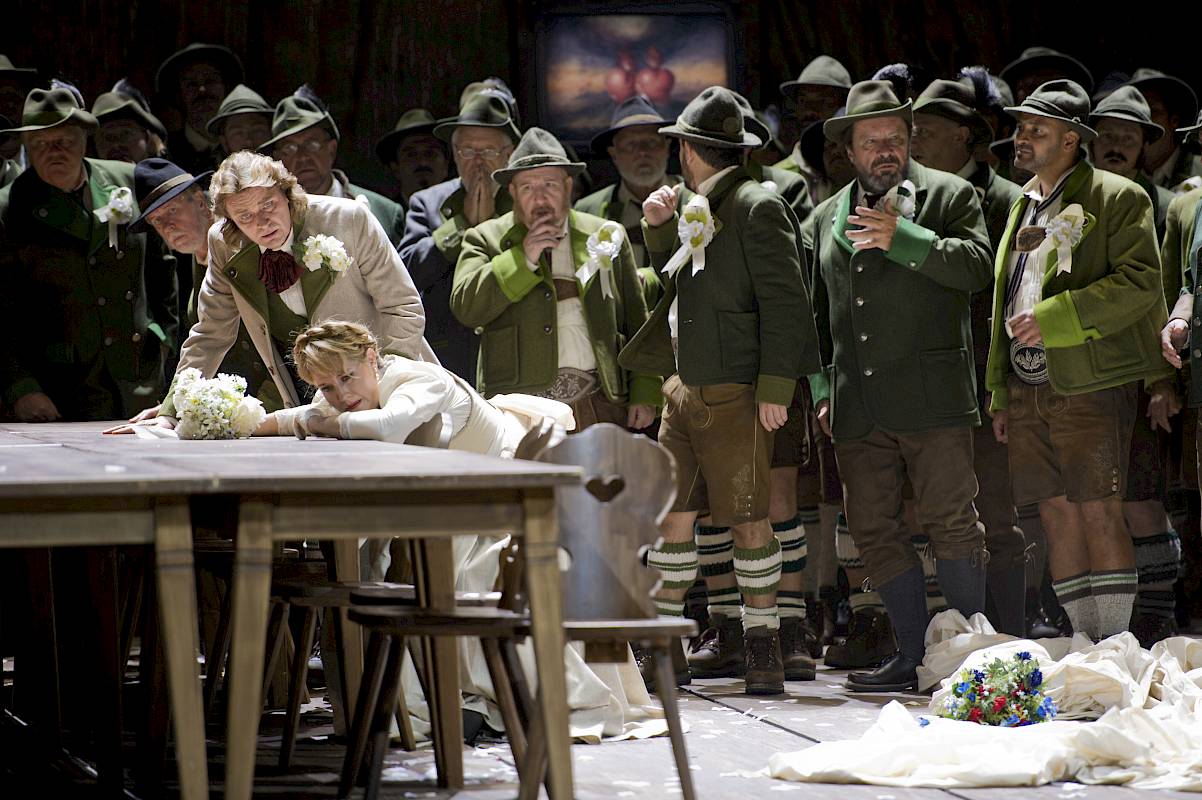
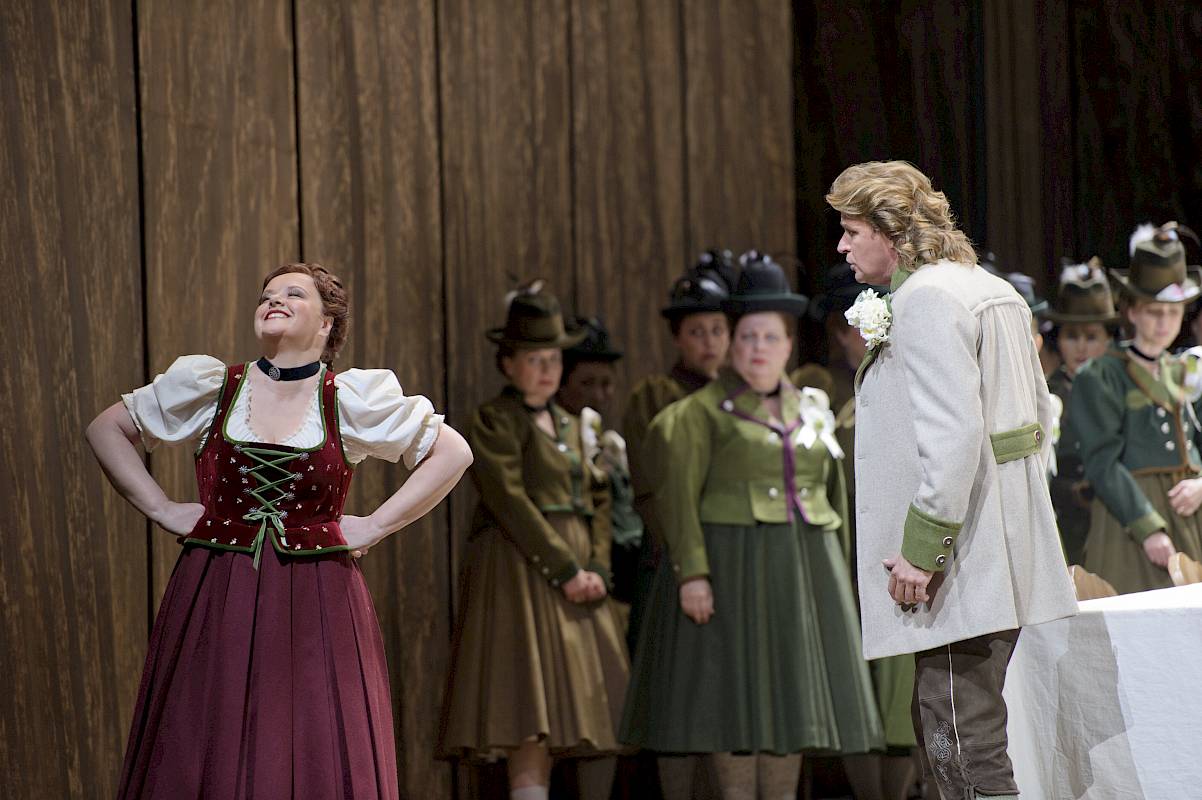
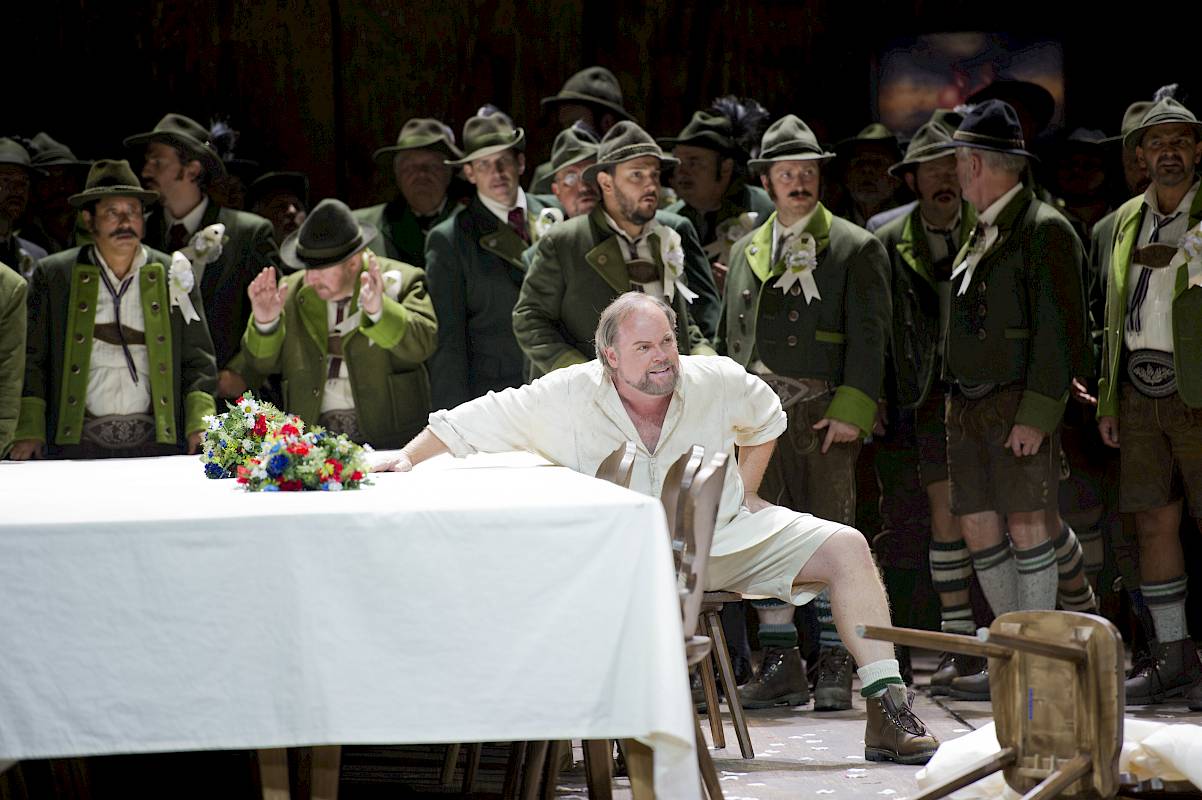
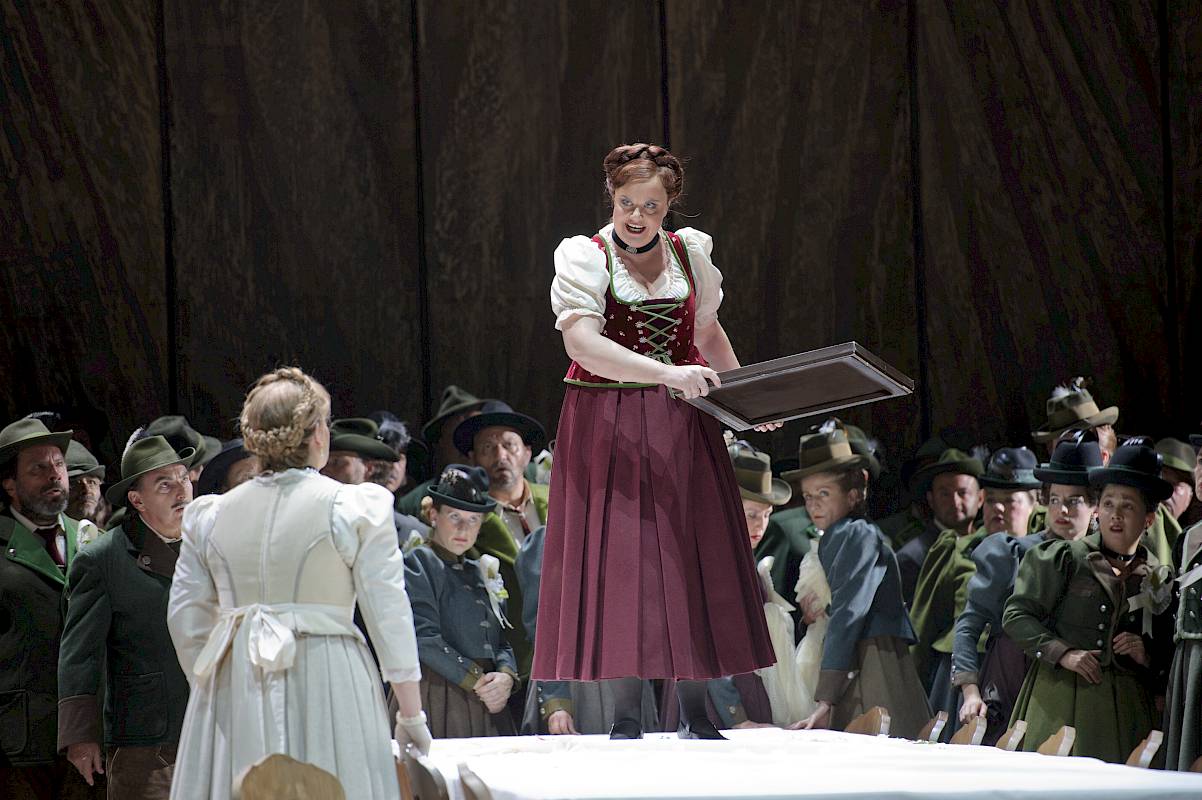
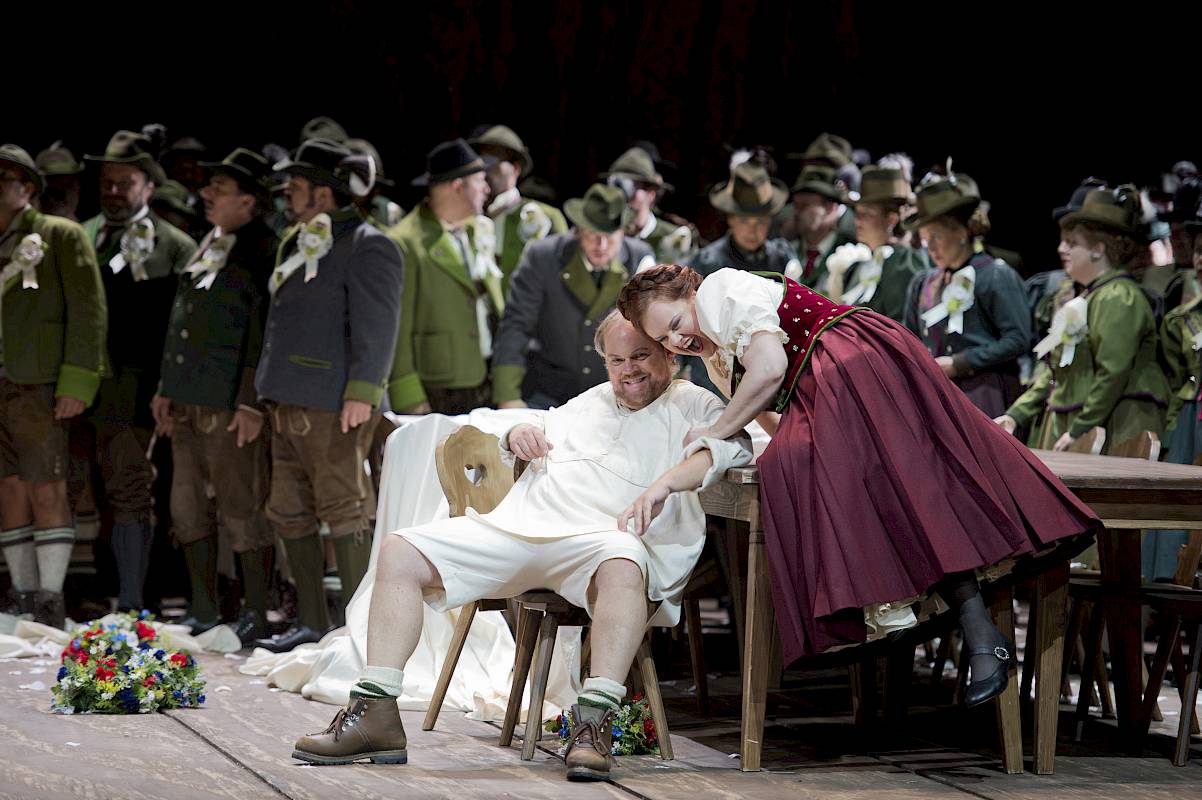
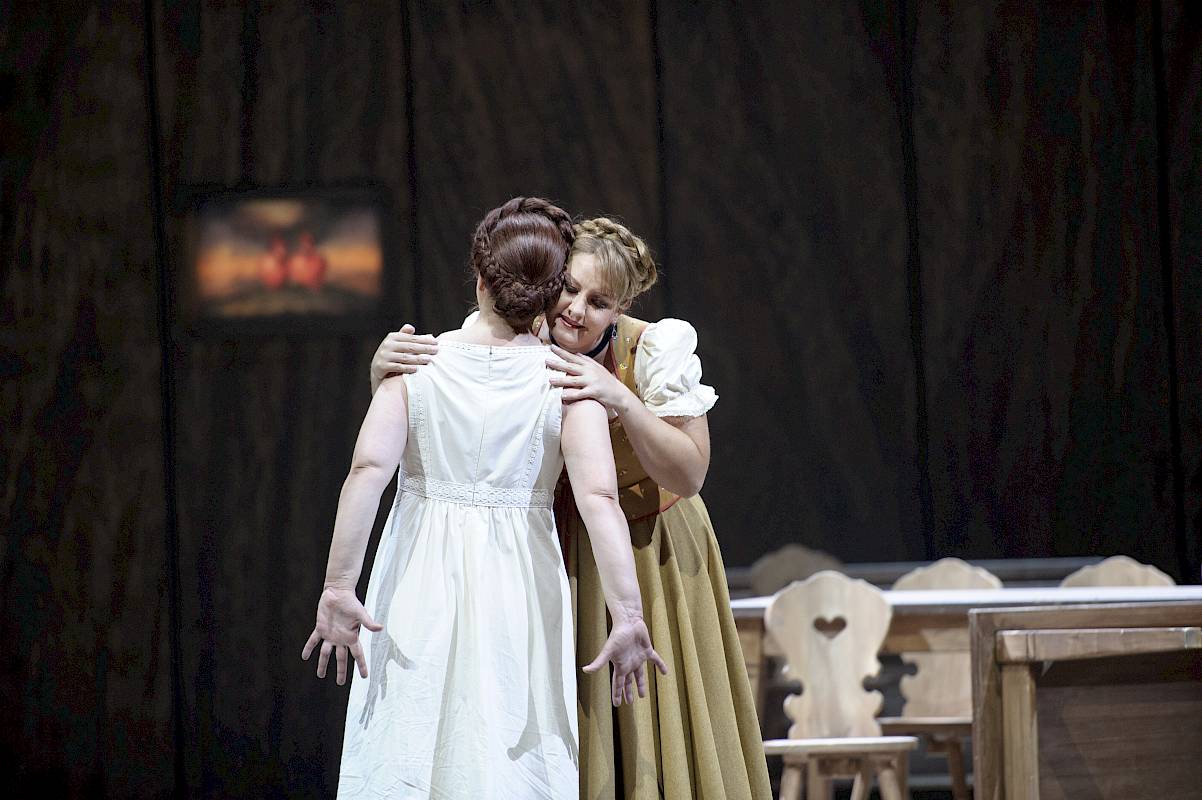
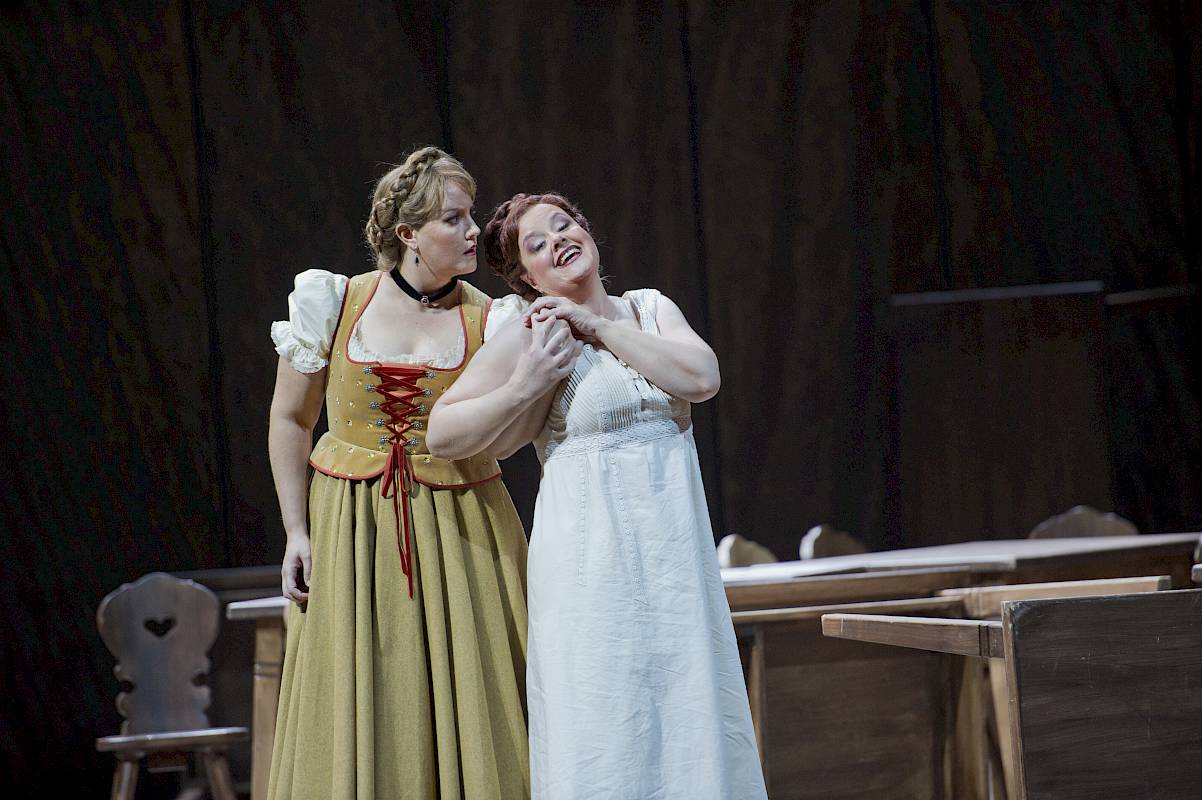
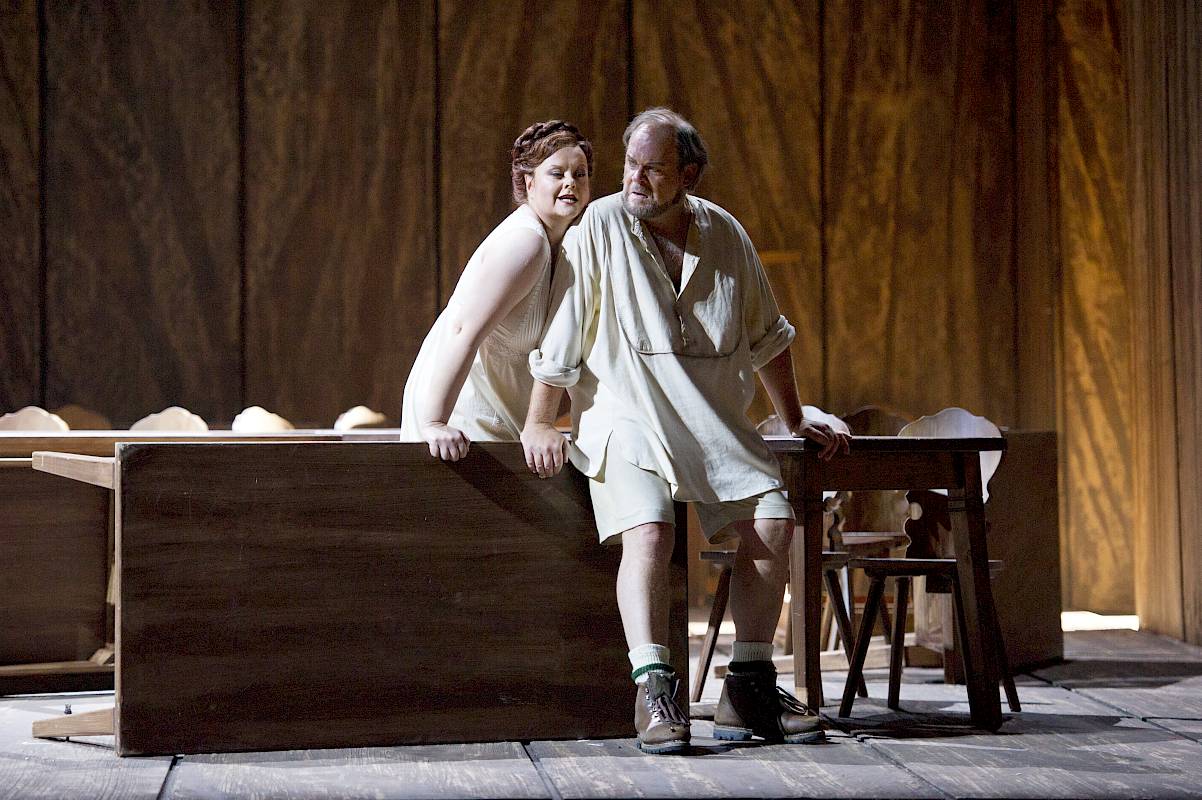
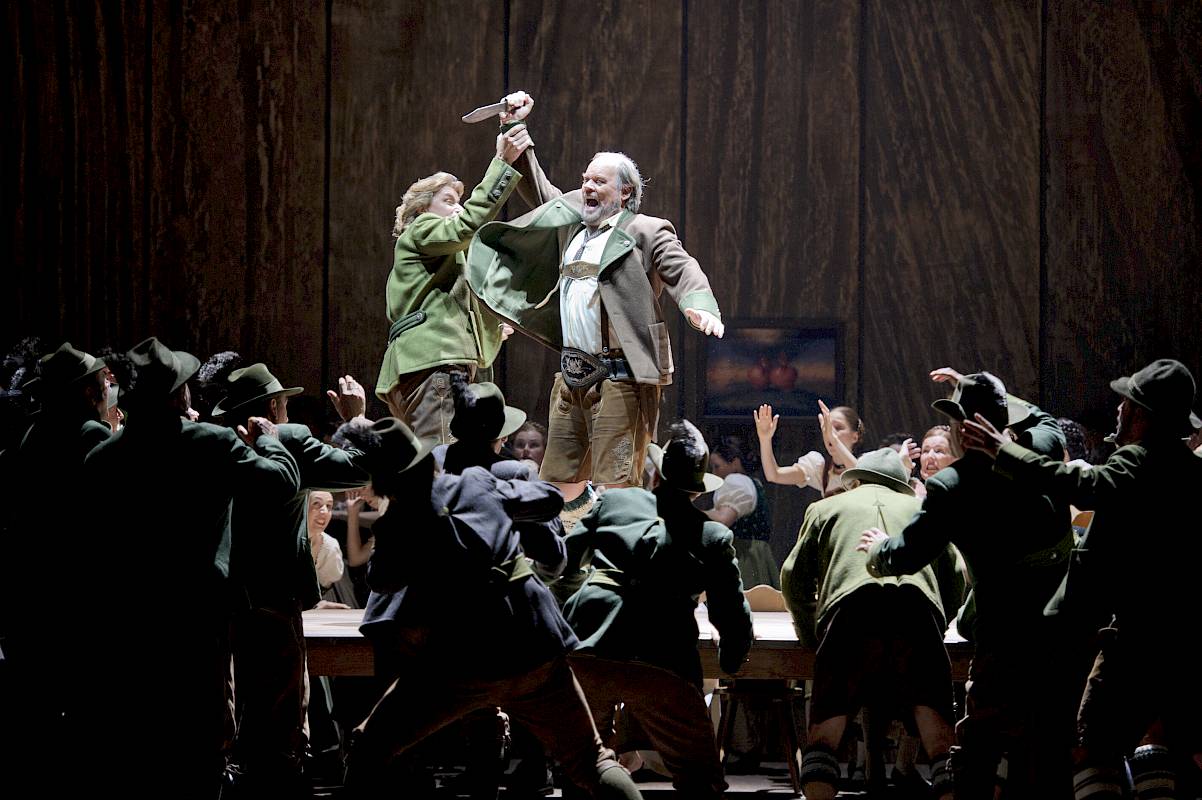
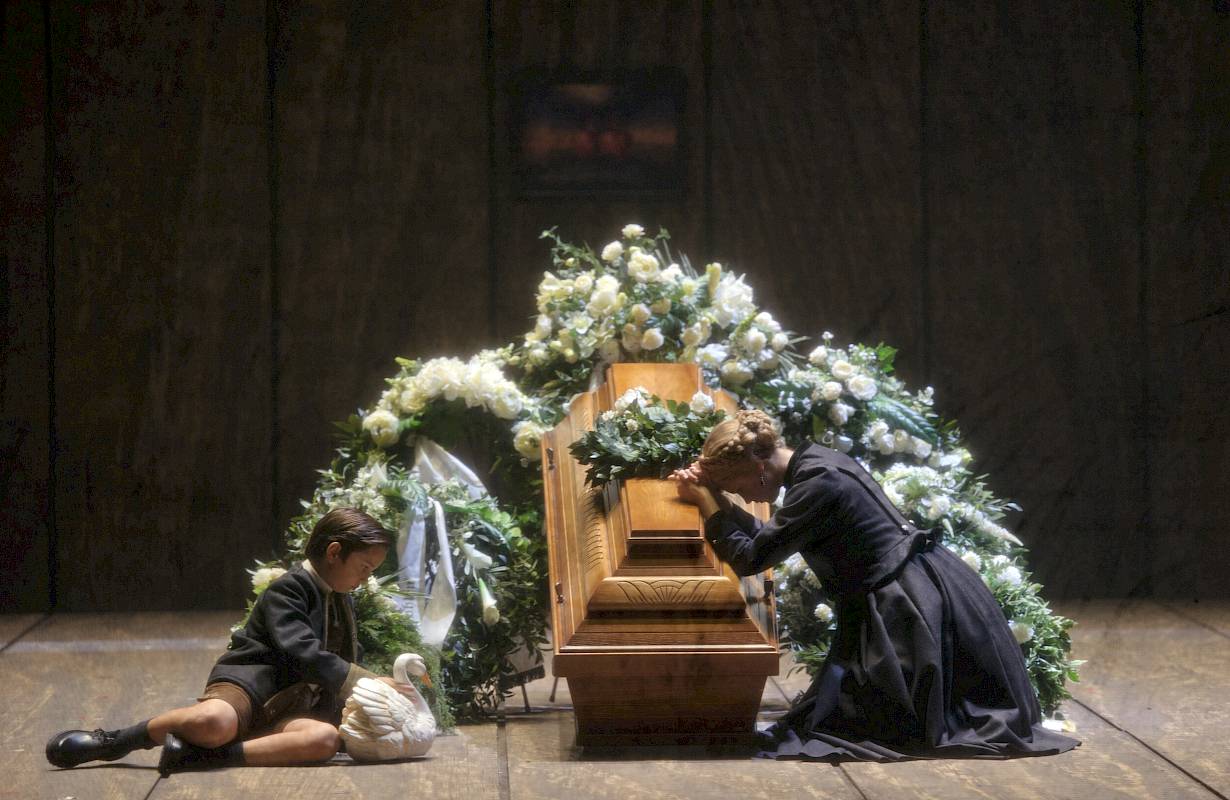
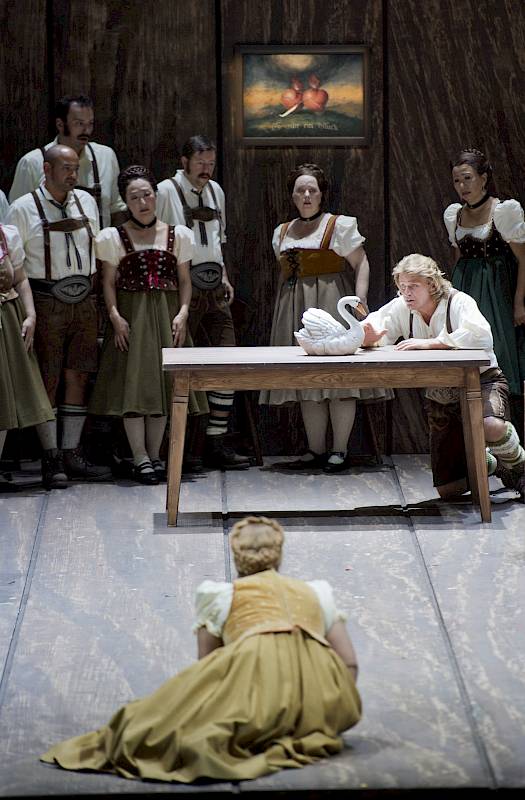
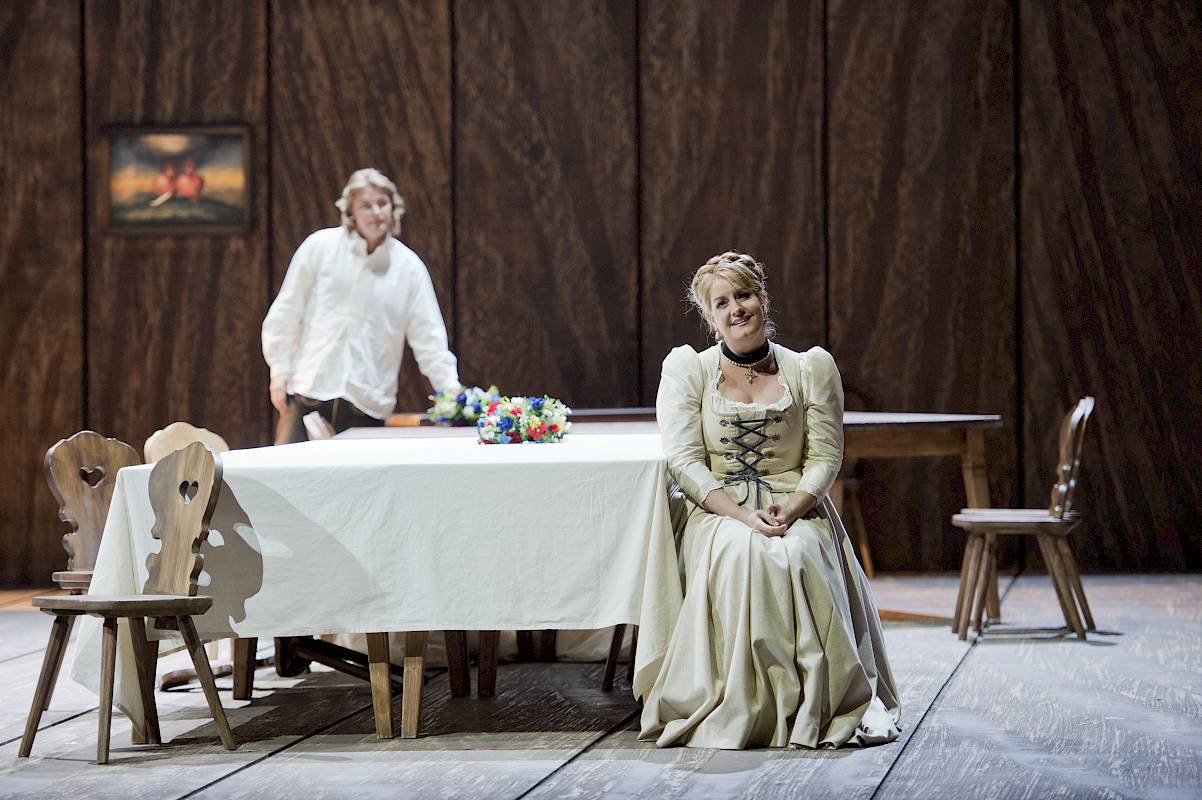
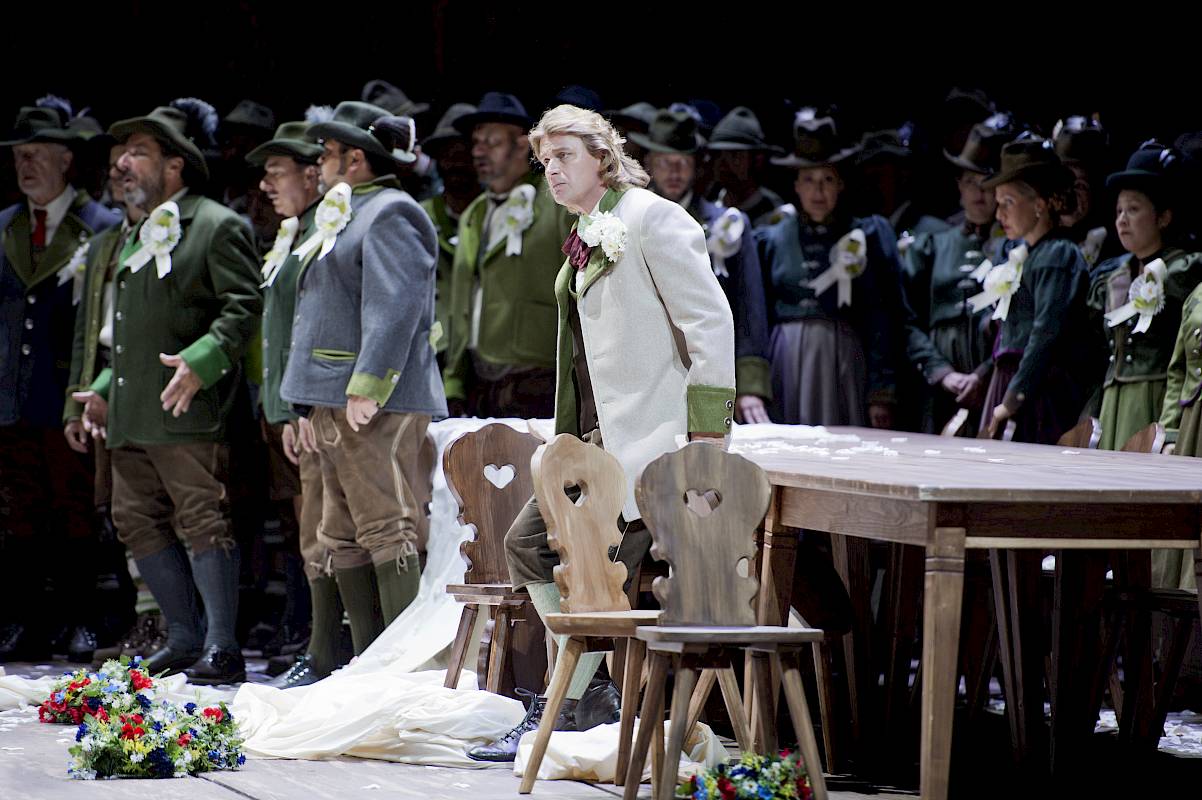
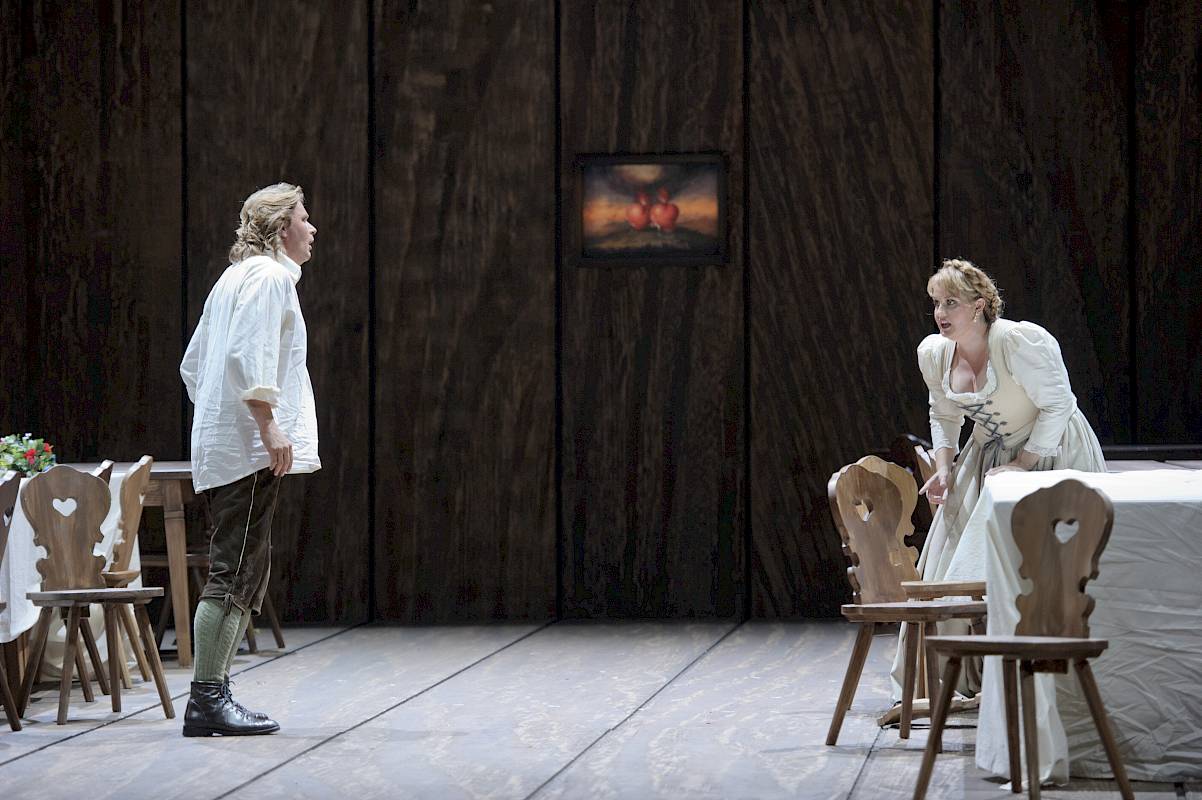
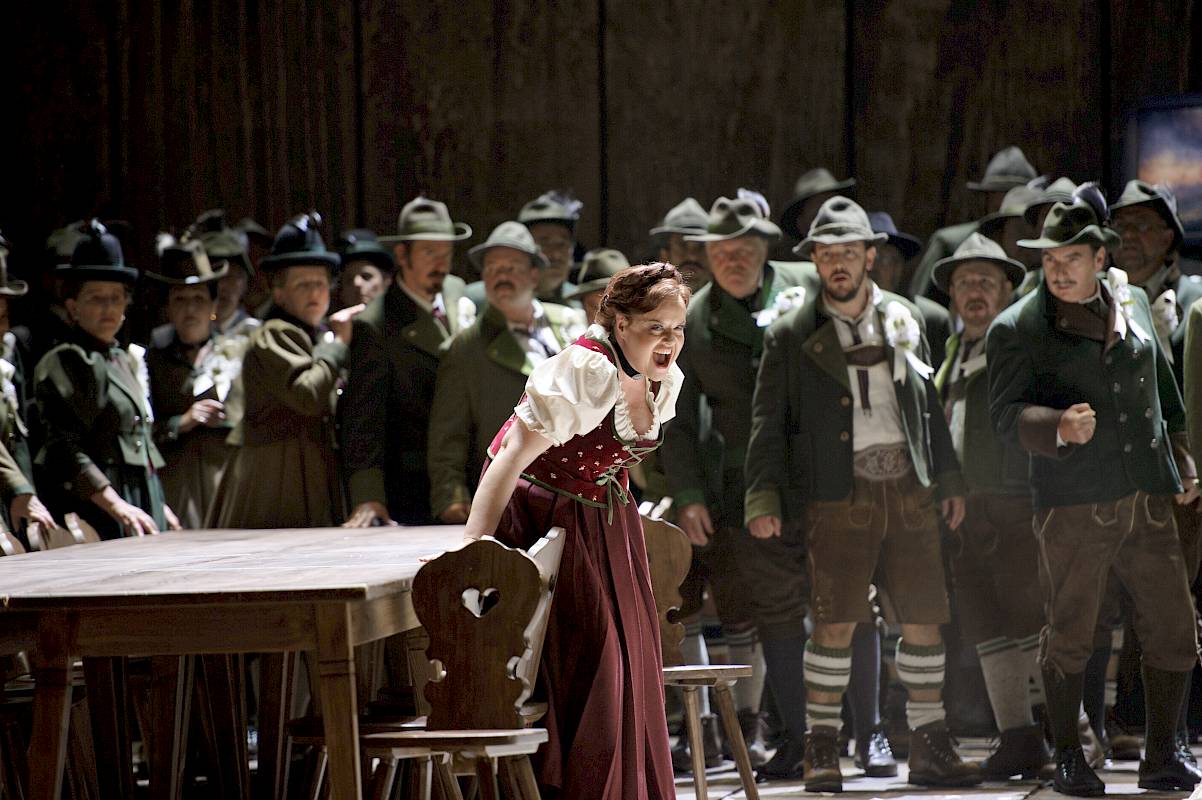
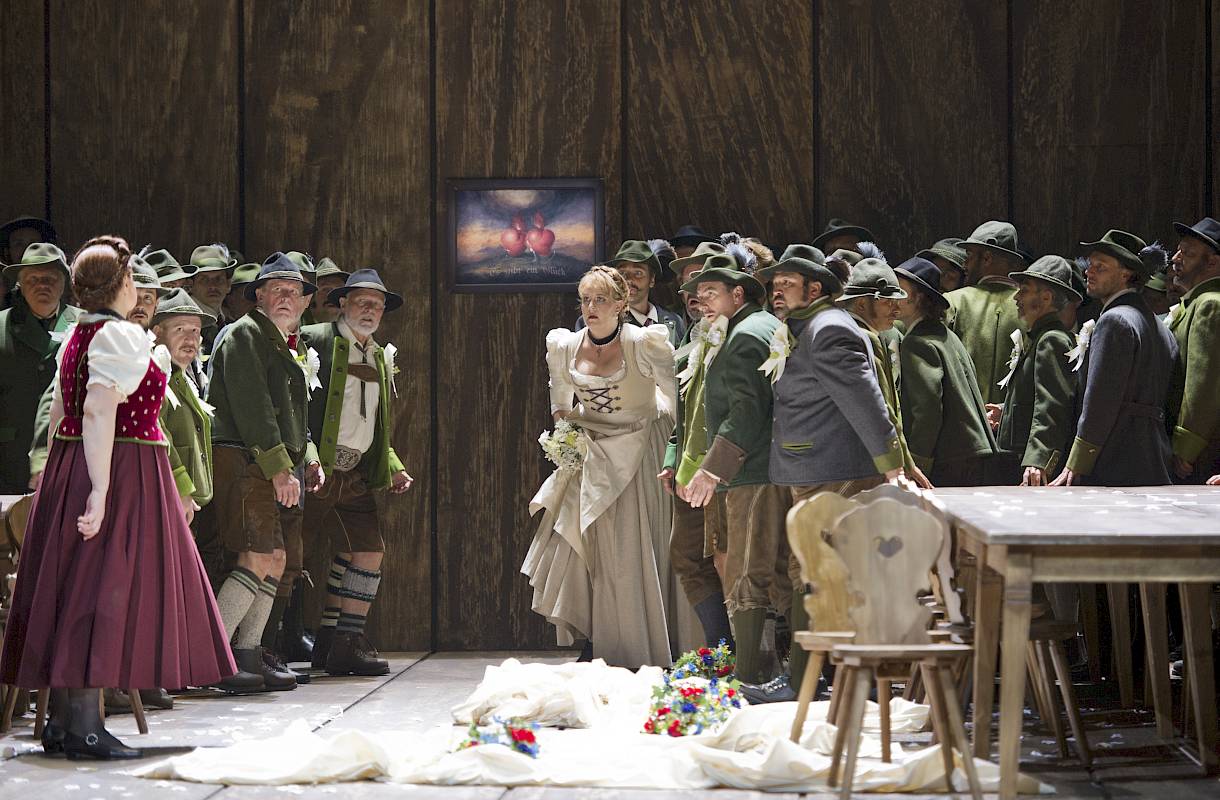
In his production, Andreas Homoki transported the action to a remote mountain village, in which both the political situation and the occurrence of the Lohengrin miracle also appear credible from our modern perspective. In this revival, General Music Director Fabio Luisi will be at the rostrum. After international successes as Stolzing, Siegmund and Lohengrin, the extremely demanding title role will be performed by Brandon Jovanovich, who can now also be heard in Zurich for the first time in a Wagner role.

Read more Show less


Good to know

Program book

Synopsis

Act One
King Heinrich has come to Antwerp to raise an army in order to fight the Hungarians. Before doing so,

however, he must preside over a court hearing: Friedrich of Telramund has charged Elsa, daughter of the deceased Duke of Brabant, with the murder of her brother Gottfried. Elsa says nothing with regard to

the accusations. Instead, she talks about a knight who appeared to her in a dream and promised to help her.

A trial by combat is supposed to decide the dispute. Elsa designates the knight whom she has dreamt about

as the champion of her innocence. He is called twice, but the only answer is profound silence.

At last, Elsa’s prayer is heard: drawn by a swan, the man of her dreams appears. He is willing to fight for Elsa and offers her his hand in marriage under the condition that she never ask him to reveal his name or descent. Elsa promises to respect his wishes. The stranger defeats Friedrich of Telramund, but spares his life.

Act Two
Telramund and his wife Ortrud have been outlawed. While the strange knight’s victory is celebrated in the castle, Ortrud once again convinces her husband of the legitimacy of his charge and persuades him to join her in exacting revenge.

Telramund is to accuse the stranger of sorcery and deception, while Ortrud, for her part, will inveigle Elsa into doubting the correctness of refraining from asking her future husband to reveal his identity.

With feigned kindness, Ortrud insinuates herself into the confidence of an unsuspecting Elsa.

The following morning, Elsa is being conducted to her wedding when Ortrud interrupts the ceremony

and challenges her right to precedence: Telramund enjoyed the greatest esteem in Brabant before being

outlawed by a false court. By contrast, Elsa cannot even address her future husband by name.

Telramund accuses the strange knight of sorcery and demands that he reveal his identity. The knight, however, refuses: he is obliged to answer that question only if asked by Elsa, but Elsa confirms her unconditional

trust in the unknown man.

Act Three
In the bridal chamber, the lovers find themselves alone together for the first time. Yet the doubts raised by Ortrud leave Elsa no peace. The desire to find out her husband’s name and secret grows ever stronger. Despite all warnings, she finally asks the fateful question.

With his sword drawn, Telramund forces his way into the room and is killed by the unknown knight.

The next morning, the knight charges Telramund with attempted murder and accuses Elsa of having broken her promise. Now he is forced to disclose his secret: he is Lohengrin, son of Parsifal, King of the Grail. The swan is already approaching to take him back whence he came. A triumphant Ortrud reveals that it was she who transformed Elsa’s brother into the swan. Lohengrin liberates Gottfried from his alien guise and appoints him as the new ruler.