Die Geschichte vom Soldaten

Igor Strawinsky (1882-1971)
Ein Bühnenstück zu lesen, zu spielen und zu tanzen
Text von Charles Ferdinand Ramuz

From 13. May 2021 until 23. June 2021

  • Duration :
    approx. 1 hrs. 15 min. Without intermission.
  • Language:
    In German.

Production:
Andreas Homoki

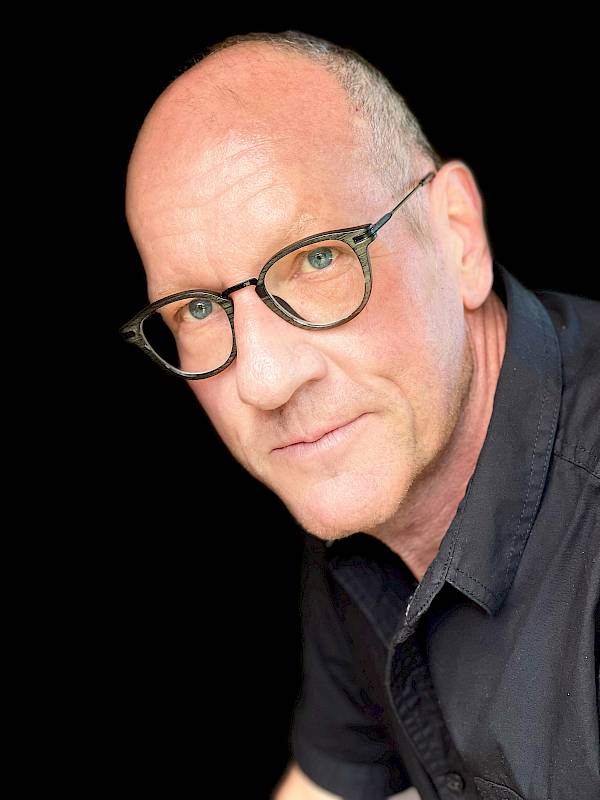
Andreas Homoki

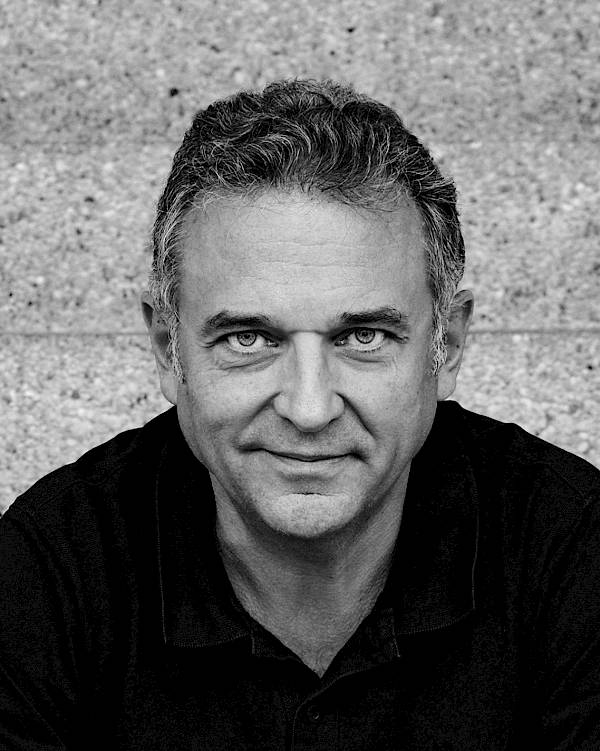
Andreas Homoki was born in Germany in 1960 as the son of a Hungarian family of musicians and studied school music and German studies in Berlin (West). In 1987 he went to the Cologne Opera as an assistant director and stage manager, where he remained until 1993. From 1988 to 1992 he was also a lecturer for stage instruction at the opera school of the Cologne University of Music. It was here that his first own productions were created. In 1992 his first guest production took him to Geneva, where his interpretation of "Die Frau ohne Schatten" received international attention. The production, which was later also shown at the Théâtre du Châtelet in Paris, received the French Critics' Prize of the Year in 1994. From 1993 to 2002 Andreas Homoki worked as a freelance opera director and staged productions in Cologne, Hamburg, Geneva, Lyon, Leipzig, Basel, Berlin, Amsterdam and Munich, among others. As early as 1996 he made his debut at the Komische Oper Berlin with "Falstaff", followed by "The Love for Three Oranges" (1998) and in 2000 "The Merry Widow". In 2002 Andreas Homoki was appointed chief director of the Komische Oper Berlin as successor to Harry Kupfer, and in 2004 he became its artistic director. In addition to his directing work at the Komische Oper Berlin, he staged productions at the Théâtre du Châtelet in Paris, the Bavarian State Opera in Munich, the New National Theatre Tokyo, the Semperoper Dresden and the Hamburg State Opera, among others. In July 2012, under the musical direction of William Christie, he staged "David et Jonathas" by Marc-Antoine Charpentier for the Festival in Aix-en-Provence – a production that was later also shown in Edinburgh, Paris and New York, among other places. From 2012 to 2025 Andreas Homoki was artistic director of the Zurich Opera House, where he staged productions including "The Flying Dutchman" (co-production with La Scala in Milan and the Norwegian National Opera Oslo), "Fidelio", "Juliette", "Lohengrin" (co-production with the Vienna State Opera), "Luisa Miller" (Hamburg State Opera), "Wozzeck", "My Fair Lady" (Komische Oper Berlin), "I puritani", "Medée", "Lunea" (named "World Premiere of the Year 2017/18" by the magazine Opernwelt), "Iphigénie en Tauride", "Nabucco", "Simon Boccanegra", "Les Contes d'Hoffmann", "Salome", the "Ring des Nibelungen" and "Carmen". Andreas Homoki has been a member of the Academy of the Arts Berlin since 1999.


Das Rheingold29 Nov / 4 / 12 / 17 Dec 2026 Die Walküre24 / 31 Jan / 3 / 6 Feb 2027
Sets and Costumes:
Jeannette Seiler

Jeannette Seiler

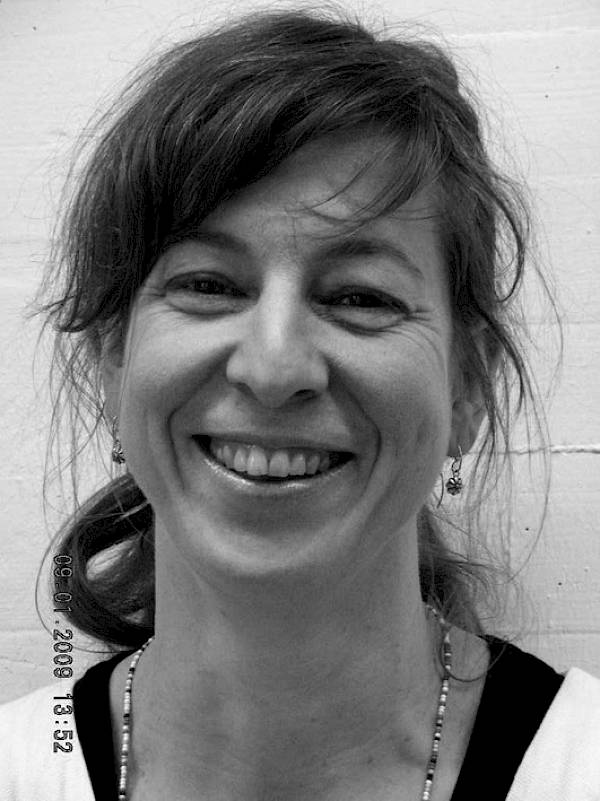
Jeannette Seiler stammt aus Zürich. Sie studierte Kostüm- und Bühnenbild am Mozarteum Salzburg bei Herbert Kapplmüller. Nach dem Studium assistierte sie zunächst bei den Salzburger Festspielen (u.a. bei Peter Mussbach und Moidele Bickel) und war für das Zeitfluss Festival im Rahmen der Salzburger Festspiele als Produktionsleiterin (100 objects to represent the world von Peter Greenaway) und im Festivalmanagement tätig. Später arbeitete sie als freischaffende Assistentin/Mitarbeiterin und Ausstatterin in Deutschland, Österreich und der Schweiz und zeitweise als Dozentin für Kostümgeschichte und figürliches Zeichnen an der Modedesign Schule Zürich. Seit 2008 ist sie als künstlerische Produktionsbetreuerin für Kostüm am Opernhaus Zürich tätig. Hier entwarf sie bereits die Kostüme für Hinter Masken / Sleep, Der geduldige Sokrates (Telemann), Zweimal Alexander (Martinů) und Fälle (Oscar Strasnoy).

Lighting Design:
Franck Evin

Franck Evin

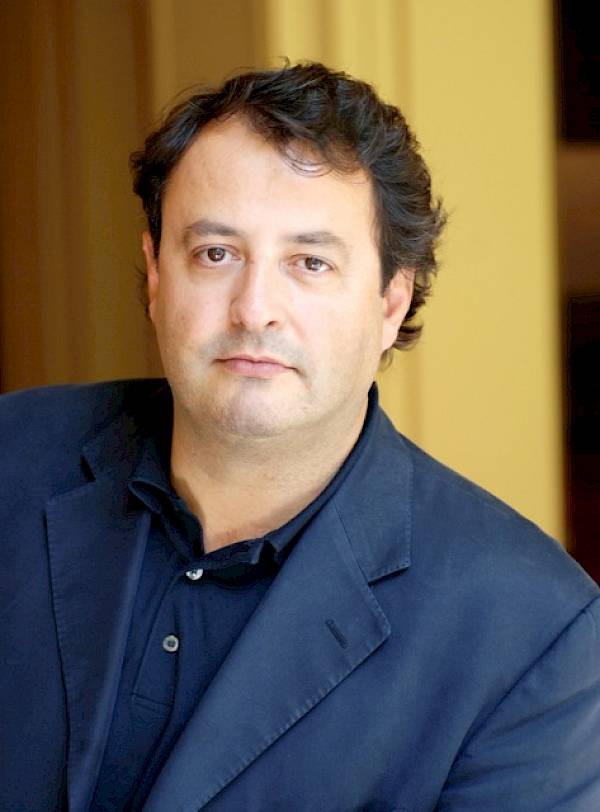
Franck Evin, born in Nantes, moved to Paris at the age of 19 to study piano. At night he accompanied singers at the Café-Théâtre Le Connétable and also began to take an interest in lighting. He eventually decided to combine music and technology. Thanks to a scholarship from the French Ministry of Culture, he became assistant to the head of lighting at the Opéra de Lyon in 1983. There he worked with Ken Russell and Robert Wilson, among others. In 1986 he began working as an independent lighting designer at the Düsseldorf Schauspielhaus and obtained his master’s certificate in lighting in 1993. During this time he had a close collaboration with Werner Schröter and the conductor Eberhard Kloke. This was followed by productions in Nantes, Strasbourg, Paris, Lyon, Vienna, Bonn, Brussels and Los Angeles, among other places. From 1995 to 2012 he was Artistic Director of the lighting department at the Komische Oper Berlin, where he was responsible for all new productions. Important artistic partners during this period included Andreas Homoki, Barrie Kosky, Calixto Bieito and Hans Neuenfels. In 2006 Franck Evin was awarded the German Theatre Prize "Opus" in the category of lighting design. From 2012 to 2025 he was Artistic Director of the lighting department at the Zurich Opera House. In addition to his work in Zurich, he continued to work on international productions at opera houses in Oslo, Stockholm, Tokyo, Amsterdam, Munich and Graz, as well as at the Opéra Bastille, Teatro alla Scala, Teatro La Fenice, the Vlaamse Opera and at the Bayreuth Festival.

Alice im Wunderland8 / 15 / 19 / 21 / 26 / 28 Nov / 6 Dec 2026 / 2 / 7 / 8 / 10 / 17 Jan 2027 Das Rheingold29 Nov / 4 / 12 / 17 Dec 2026 Manon Lescaut11 / 15 / 18 / 22 / 26 Dec 2026 Die Walküre24 / 31 Jan / 3 / 6 Feb 2027 Roméo et Juliette12 / 19 / 21 Feb / 2 / 5 Mar 2027 Don Pasquale23 / 27 / 30 May / 4 / 6 / 11 Jun 2027 La bohème16 / 18 / 23 Jun / 4 / 7 / 10 Jul 2027
Dramaturgy:
Claus Spahn

Claus Spahn

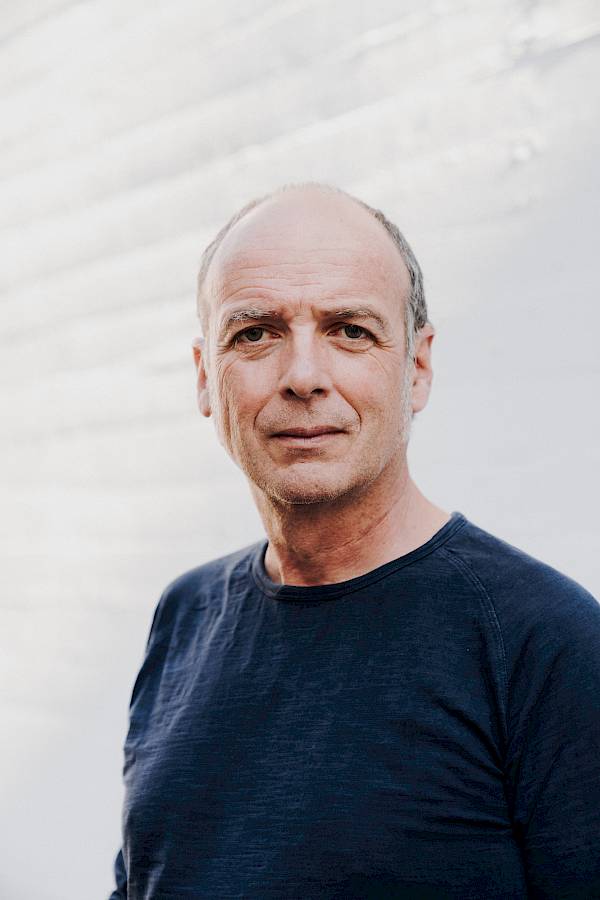
Claus Spahn was chief dramaturge at the Zurich Opera House during Andreas Homoki’s tenure as artistic director. There, he supervised music theater projects by Wolfgang Rihm, Helmut Lachenmann, George Benjamin, Roman Haubenstock-Ramati, and world premieres by Heinz Holliger, Christian Jost, and Stefan Wirth. As a production dramaturge, he worked with directors such as Sebastian Baumgarten, Herbert Fritsch, Jan Philipp Gloger, Tatjana Gürbaca, Andreas Homoki, Barrie Kosky, Nadja Loschky, David Marton, and Evgeni Titov. He also shares a close artistic partnership with the choreographer and former director of Zurich Ballet, Christian Spuck. For him, Spahn was involved in the development of the productions “Anna Karenina,” “Nussknacker und Mausekönig,” and “Monteverdi” in Zurich, he also wrote libretti for the ballets “Orlando” based on Virginia Woolf (world premiere in 2021 at the Moscow Bolshoi Ballet) and “Bovary” based on Gustave Flaubert (world premiere in 2023 at the Berlin State Ballet). Additionally, he is the librettist of the chamber opera “The Dream of You” by Swiss composer Xavier Dayer, which premiered in 2017 at the Zurich Opera House. Before joining the Zurich Opera House, Claus Spahn was the arts editor for 14 years at the German weekly newspaper DIE ZEIT, where he was responsible for the music section. From 1990 to 1997, he worked as a freelance music journalist mainly for the Süddeutsche Zeitung and Bavarian Broadcasting. Claus Spahn was born in Germany, studied classical guitar in Freiburg im Breisgau, and completed training at the German School of Journalism in Munich.

Le nozze di Figaro2 / 6 / 8 / 15 / 19 May 2027

Cast


Teufel / Erzähler Martin Zysset


Soldat / Erzähler Ruben Drole

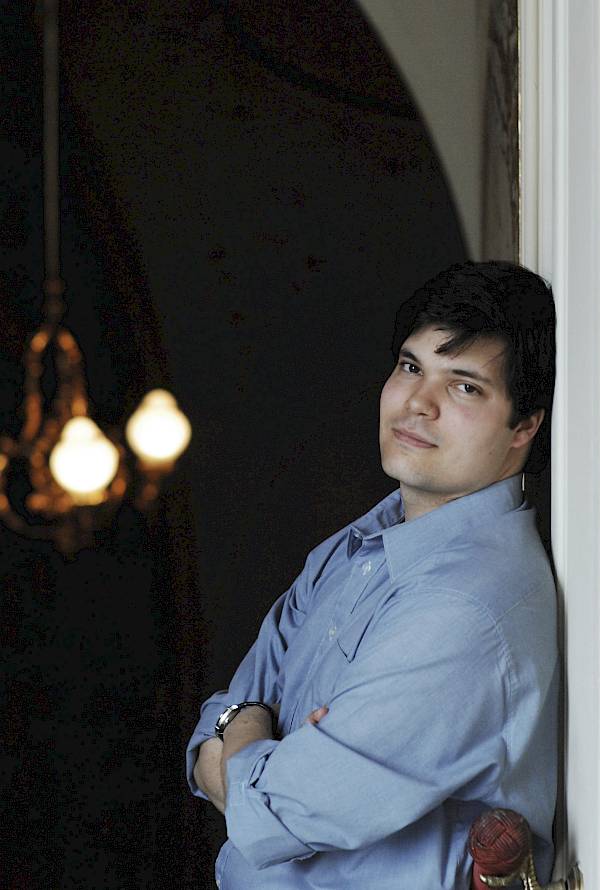
Martin Zysset

Martin Zysset was born and raised in Solothurn. He trained as a clarinettist while simultaneously studying voice, which he complemented with masterclasses with Ernst Haefliger and Edith Mathis. In 1990/91, he was a member of the International Opera Studio at Zurich Opera House and at the same time a scholarship holder of the Migros Cooperative Federation and a prizewinner at the Pro Arte Lyrica Competition in Lausanne. Since 1992, he has been a regular guest at the summer theatre in Selzach. He has been a permanent member of the ensemble at Zurich Opera House since 1991. Here, he has developed a broad repertoire of both buffo and dramatic roles, including Pedrillo, Monostatos, Spoletta, Incredibile ("Andrea Chénier"), Jaquino, Kudrjasch ("Káťa Kabanová"), Alfred ("Die Fledermaus"), Tamino, Tybalt, Dancaïro, Arturo, the Gingerbread Witch, Brighella and the male lead in Udo Zimmermann’s "Weisse Rose". He portrayed Simplicius in the operetta of the same name by Johann Strauss, which was also released on CD and DVD. Guest appearances have taken him throughout Europe, to Shanghai and, with "Die Zauberflöte", "Le nozze di Figaro", "Fidelio" and "Tannhäuser", to San Diego. Most recently in Zurich, he has sung Don Basilio ("Le nozze di Figaro"), Chekalinsky ("Pique Dame"), Triquet ("Jewgeni Onegin"), the Chief Eunuch ("Das Land des Lächelns"), Goro ("Madama Butterfly"), Spoletta ("Tosca"), Dormont ("La scala di seta"), the White Minister ("Le Grand Macabre"), the Devil/Narrator ("Die Geschichte vom Soldaten"), the Third Jew ("Salome"), Schmidt ("Werther"), Feri ("Die Csárdásfürstin") and Don Curzio ("Le nozze di Figaro"), among others. In the 2026/27 season, he will also be heard for the first time as Giuseppe in Verdi’s "La traviata".

Die Fledermaus29 Sept / 8 / 17 / 23 / 25 Oct 2026 La traviata20 / 23 / 29 Dec 2026 / 1 / 3 / 6 / 9 / 12 / 15 / 19 / 23 Jan 2027 Le nozze di Figaro2 / 6 / 8 / 15 / 19 May 2027 Tosca11 / 14 / 17 / 21 / 24 Apr / 13 / 17 May 2027

Ruben Drole

Ruben Drole, a bass-baritone, was born in Winterthur and studied at the Zurich University of the Arts. In 2004, he joined the International Opera Studio and in 2005 the ensemble of Zurich Opera House, where he appeared, among other roles, as Lucio Cinna (J. C. Bach’s "Lucio Silla"), Haly ("L’italiana in Algeri"), Argante ("Rinaldo"), Wurm ("Luisa Miller") and as Papageno in "Die Zauberflöte", conducted by Nikolaus Harnoncourt. He also made his debut as Papageno at the Semperoper Dresden in 2015. Further projects with Harnoncourt included Kezal ("Die verkaufte Braut") and Haydn’s "Schöpfung" at Styriarte Graz, Beethoven’s "Christus am Ölberg" in Vienna and Lucerne, a tour of Japan (Mozart’s "Requiem" and Handel’s "Messiah") and Leporello ("Don Giovanni") at Theater an der Wien. In the Zurich cycle of the Mozart/Da Ponte operas by Sven-Eric Bechtolf and Franz Welser-Möst, he appeared as Guglielmo ("Così fan tutte"), Figaro ("Le nozze di Figaro") and Leporello. Under Welser-Möst, he also performed the same roles with the Cleveland Orchestra. At the Salzburg Festival in 2012, he sang Achilla ("Giulio Cesare") and appeared there in 2013 in Haydn’s "Il ritorno di Tobia" and Walter Braunfels’ "Szenen aus dem Leben der Heiligen Johanna". In Zurich, he has sung, among others, Papageno ("Die Zauberflöte"), Alaskawolfjoe ("Aufstieg und Fall der Stadt Mahagonny"), Soldier ("Die Geschichte vom Soldaten"), Odysseus ("Die Odyssee"), Duchess/Caterpillar in "Alice im Wunderland" and Frank ("Die Fledermaus"). Most recently, he also appeared in the ballet evening "Nachtträume". In the 2026/27 season, he will take on the role of Baron Mirko Zeta in Lehár’s "Die lustige Witwe" for the first time.

Die Fledermaus29 Sept / 8 / 17 / 23 / 25 Oct 2026 Alice im Wunderland8 / 15 / 21 / 28 Nov / 6 Dec 2026 / 8 Jan 2027 Die lustige Witwe27 / 31 Dec 2026 / 3 / 7 / 10 / 13 Jan 2027 La bohème16 / 18 / 23 Jun / 4 / 7 / 10 Jul 2027
Show full cast Show less

Mitglieder der Philharmonia Zürich

Cast


Abstract

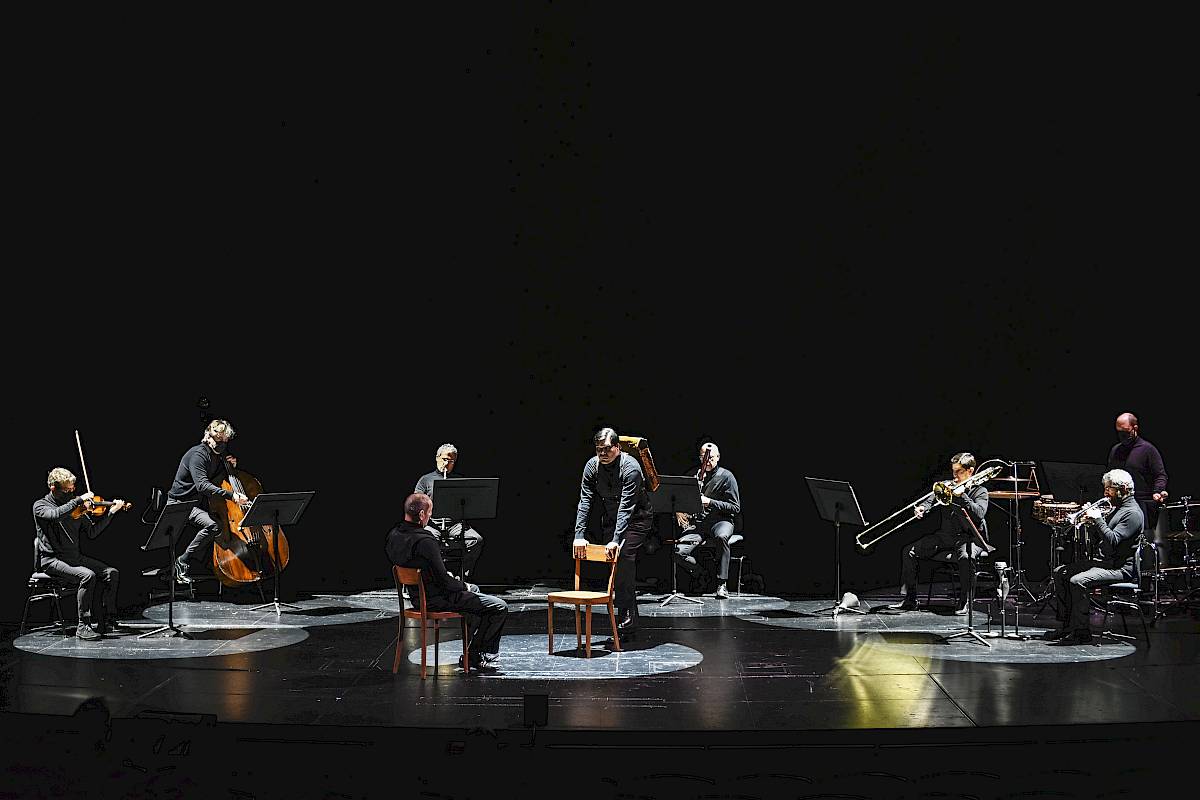
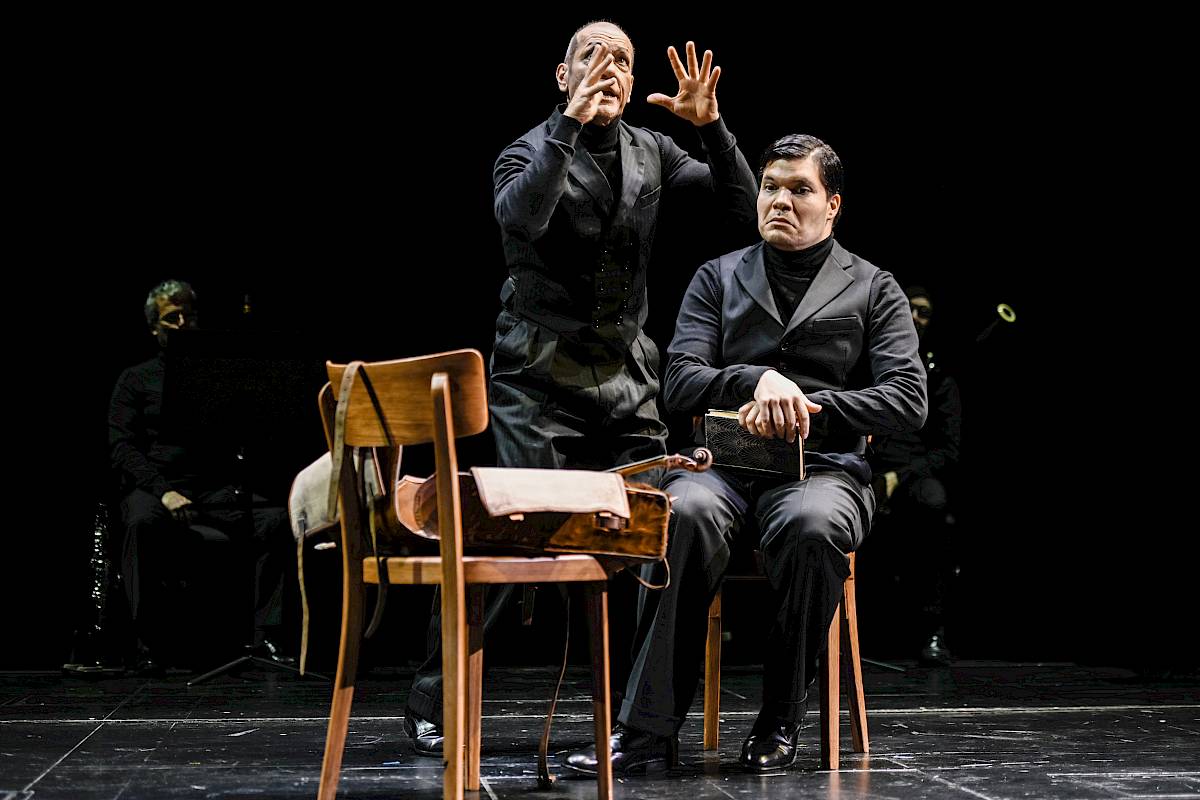
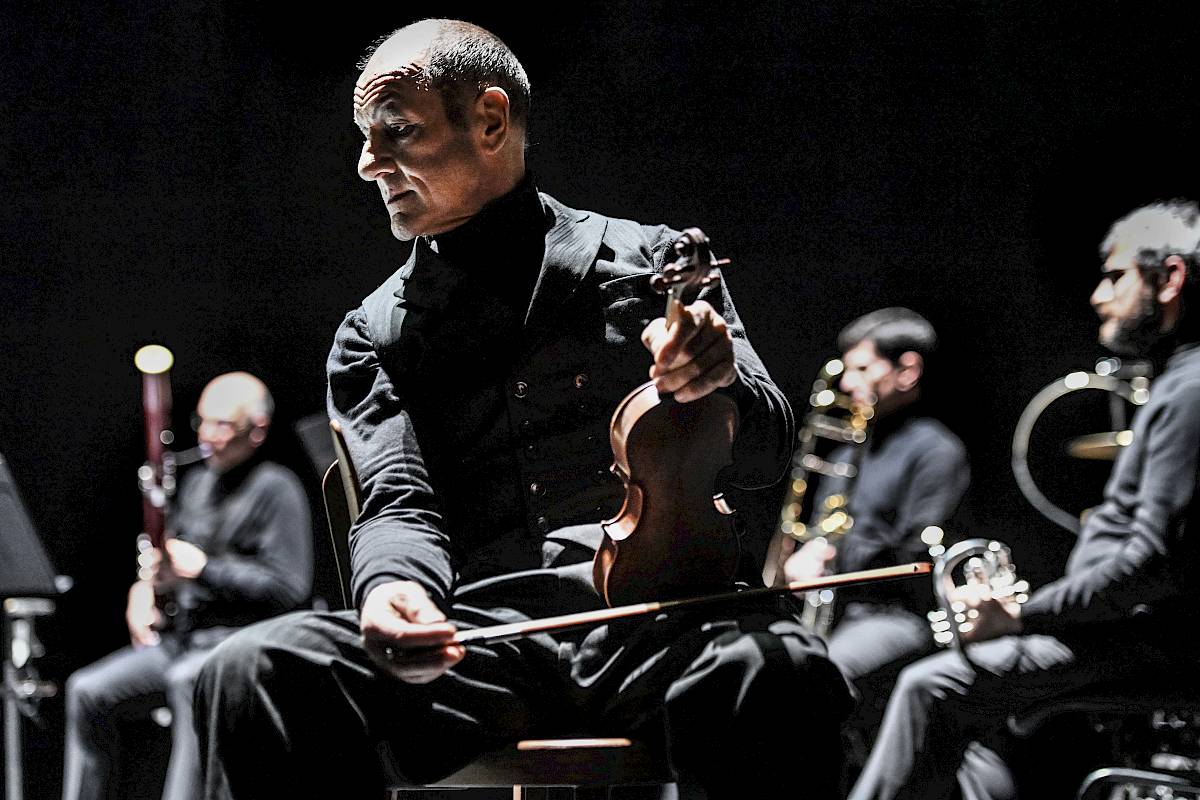
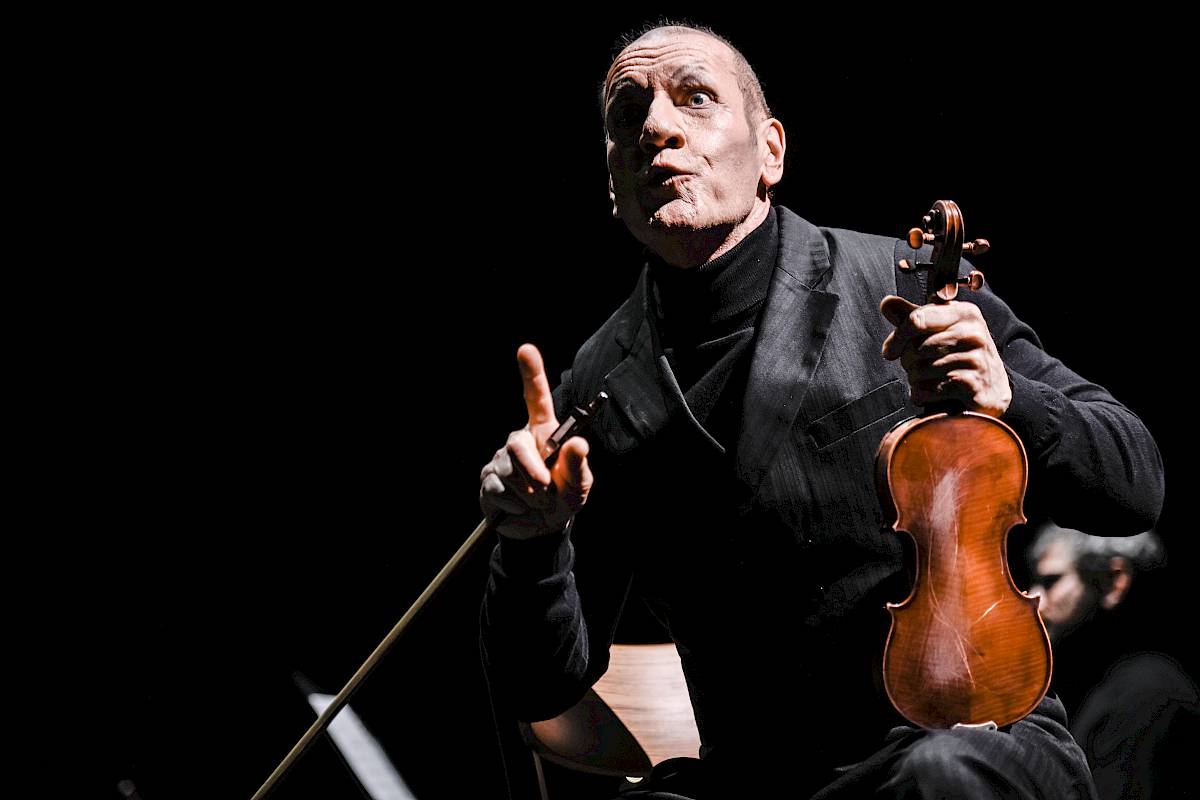
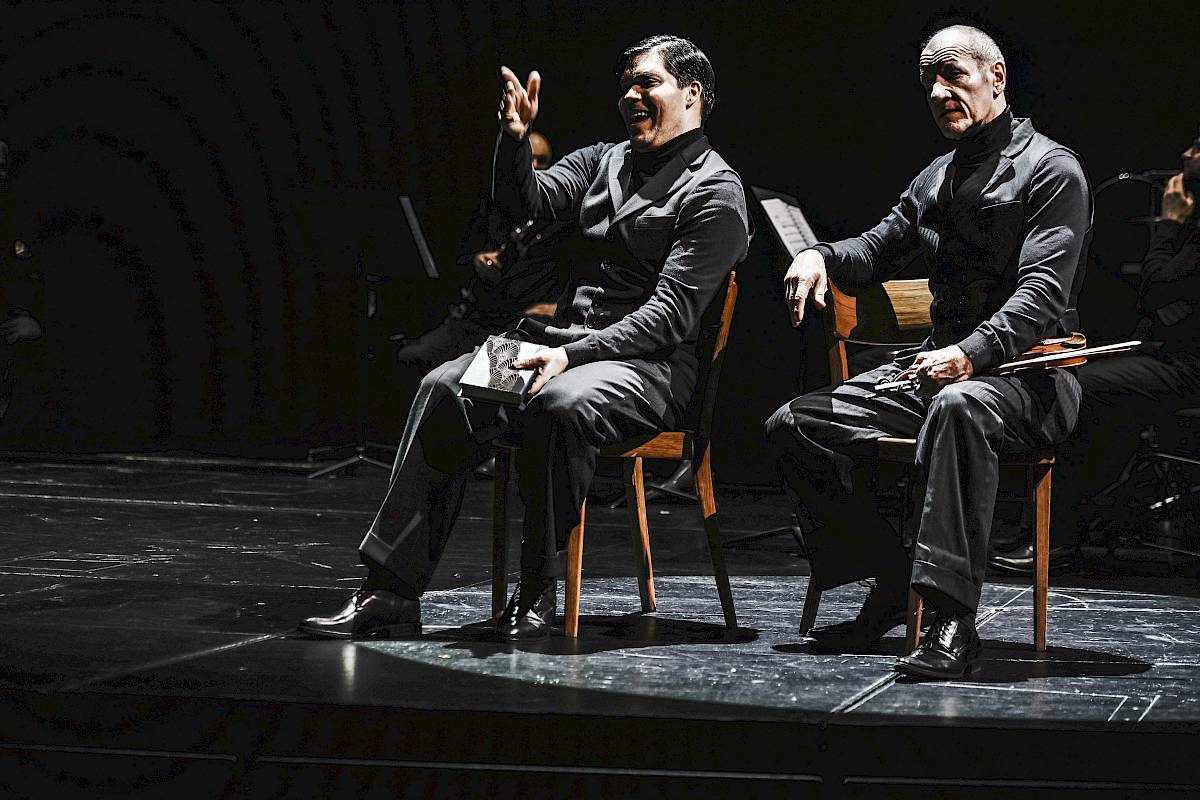
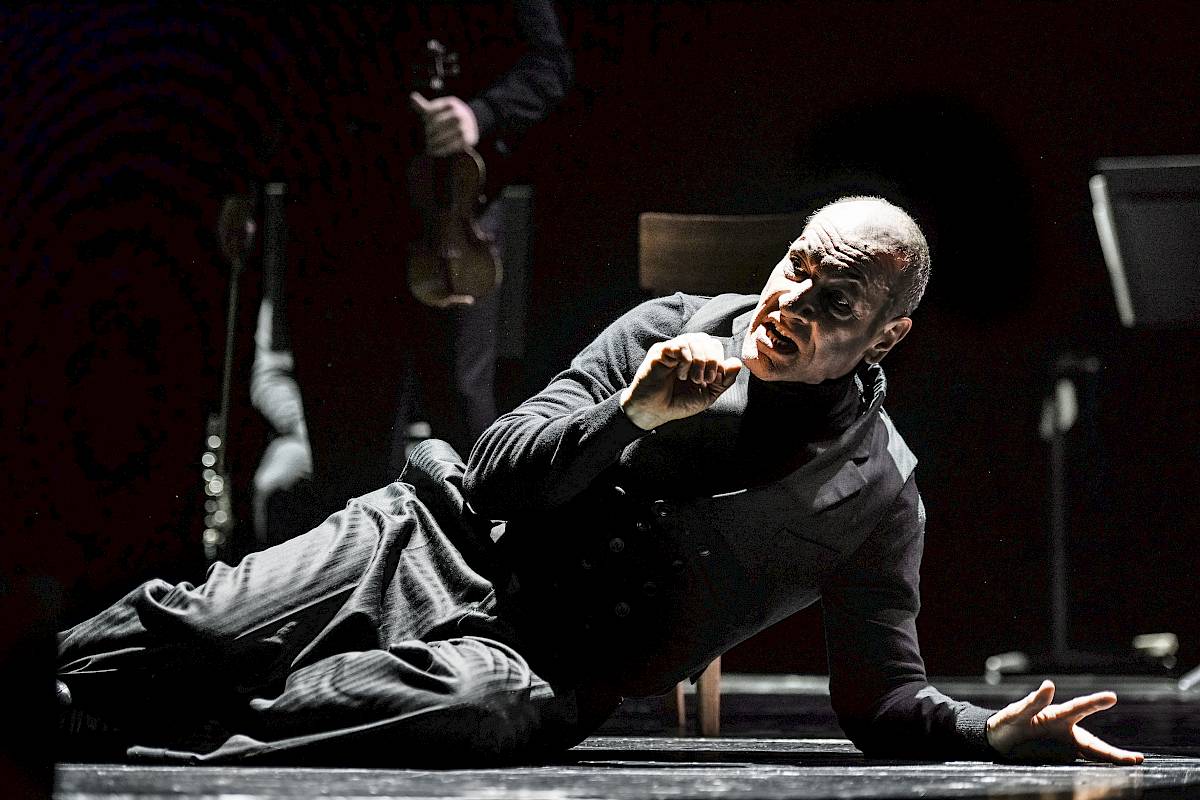
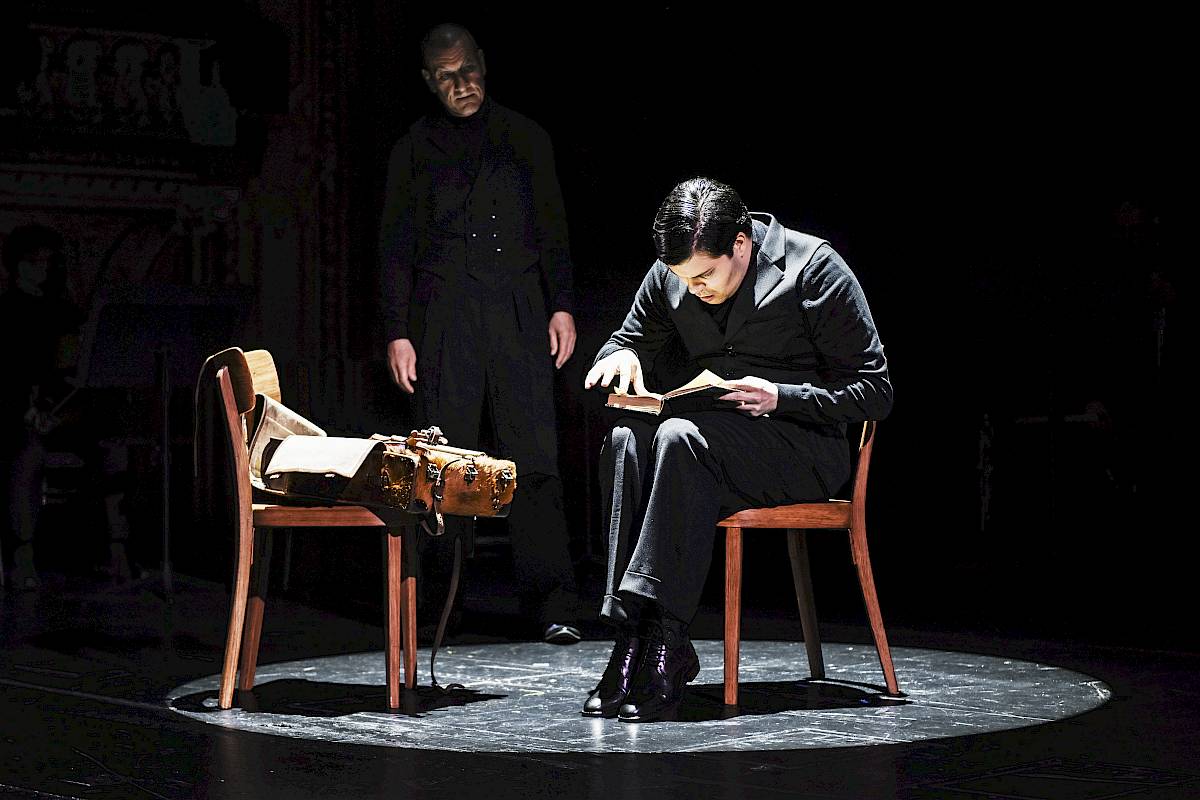
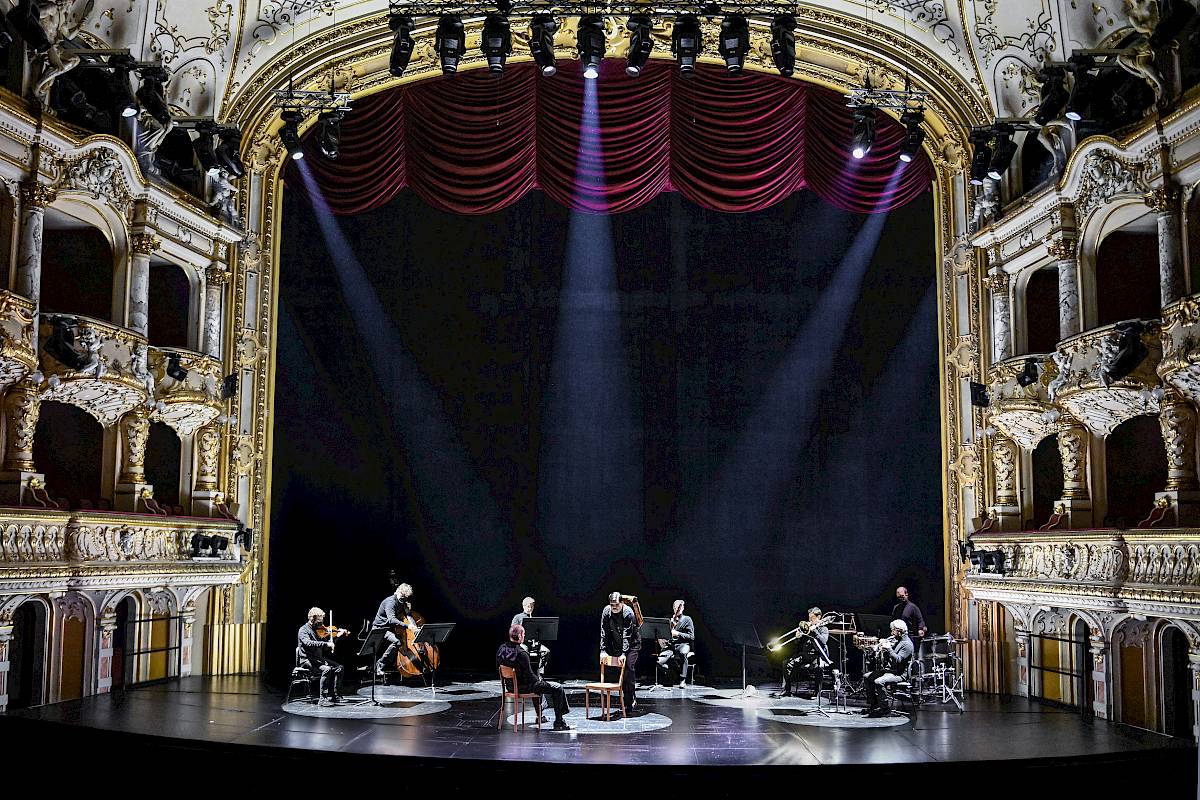
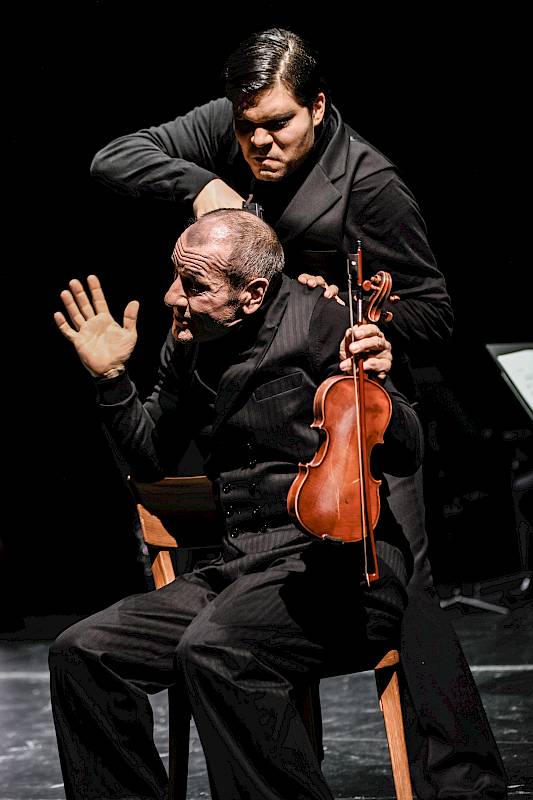
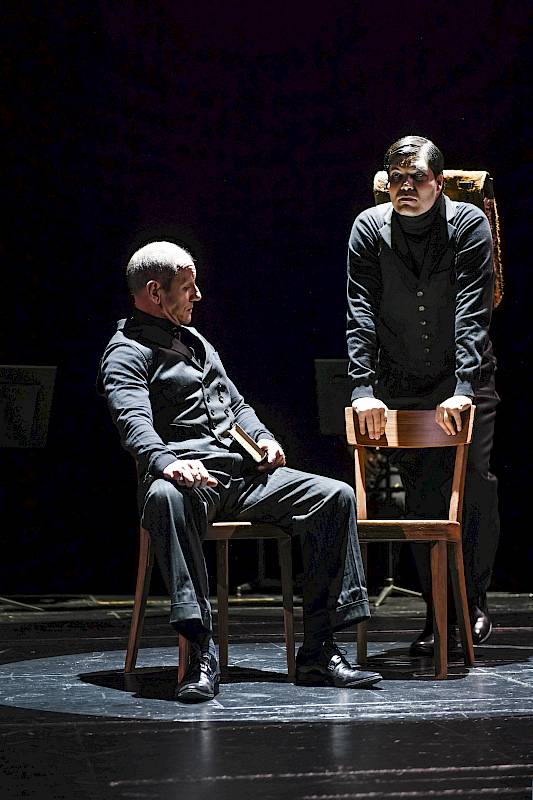
Igor Stravinsky’s Geschichte vom Soldaten may have been written for one speaker, two actors, and seven musicians – but it is a musical theater masterpiece. It first saw the light of day in 1918 in Lausanne, and its origin story is closely connected to Switzerland. During his years of exile in Switzerland, Stravinsky developed the idea of a theater of modest means – at once portable and easy to take on the road for performances in markets and simple halls – together with conductor Ernest Ansermet and poet Charles Ferdinand Ramuz. Die Geschichte vom Soldaten is a mixture of fairytale, public speech, theater piece, and concerto for multiple players. It encompasses moments of sharply contoured music, brightly lighted theatricality, and poignant lyricism. Andreas Homoki directs this one-hour piece on an empty stage in front of the stage’s safety curtain with nothing more than two chairs, expressive light, highly virtuosic musicians, masterful performers.

Read more Show less


Zitat

Andreas Homoki directs this piece on an empty stage in front of the stage’s safety curtain with nothing more than two chairs, expressive light, highly virtuosic musicians, masterful performers.


Good to know

Audio-Einführung