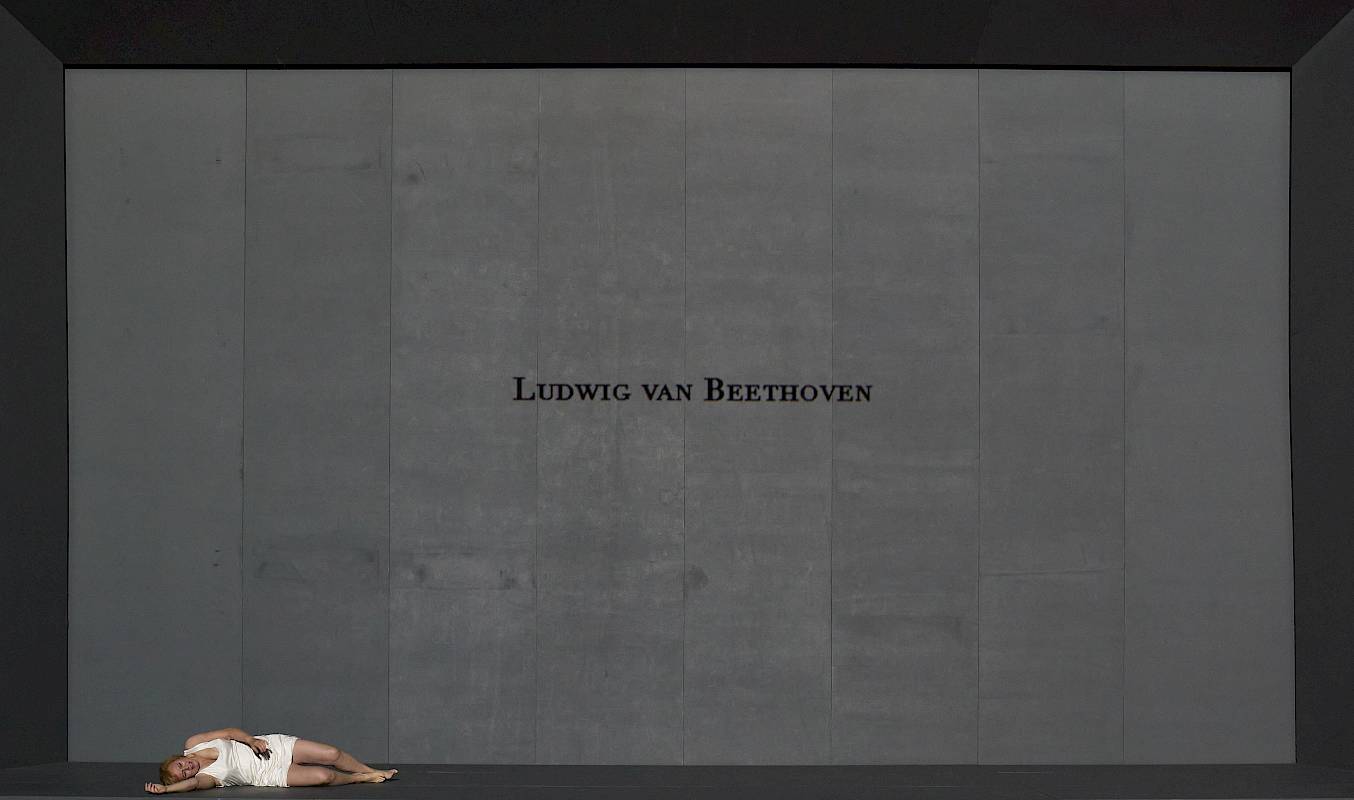
Fidelio

Ludwig van Beethoven

Opera in two acts
Libretto by Joseph Ferdinand Sonnleithner and
Georg Friedrich Treitschke

From 3. May 2026 until 16. May 2026

  • Duration :
    2 H. Without intermission.
  • Language:
    In German with German and English surtitles.
  • More information:
    Introduction 45 min before the performance.

Musical Director:
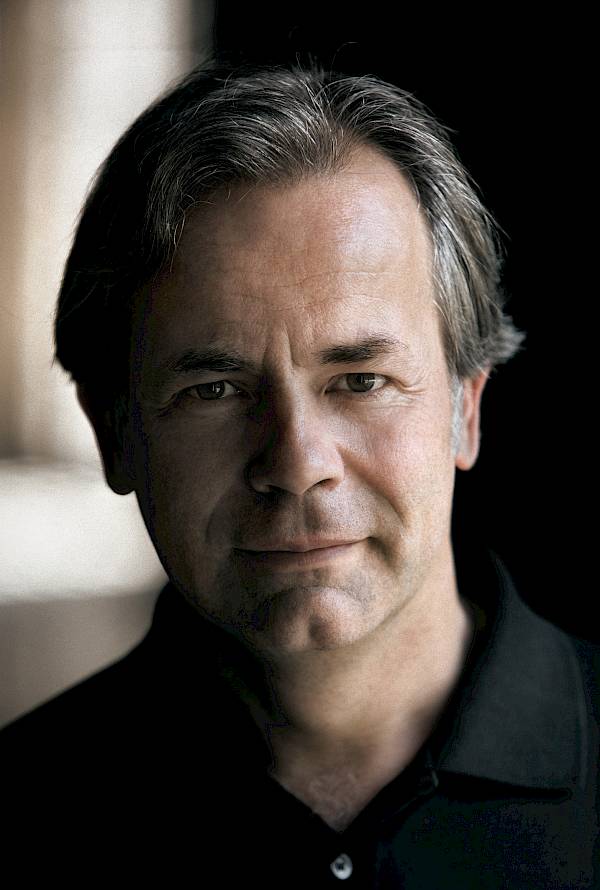
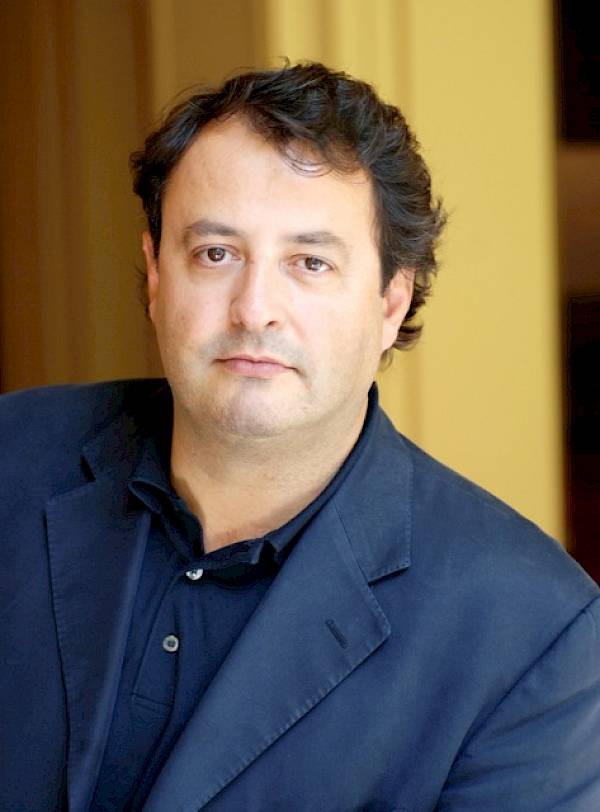
Axel Kober

Axel Kober

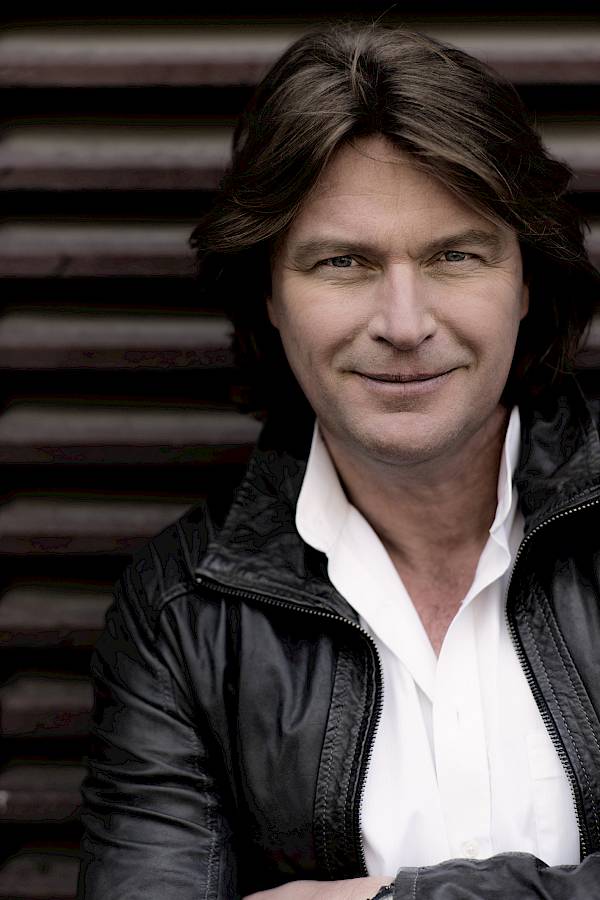
The German conductor Axel Kober completed his studies at the University of Music Würzburg. His first engagements took him to Schwerin, Dortmund, Mannheim and finally to the Leipzig Opera, where he was Musical Director and also conducted concerts of the Gewandhaus Orchestra. From 2009 to 2024 he was General Music Director of the Deutsche Oper am Rhein. There he conducted, among others, the productions "Wozzeck", "The Emperor of Atlantis", "Peter Grimes" and "Káťa Kabanová" as well as the world premiere of Jörg Widmann's "Face in the Mirror", a new production of "Tristan and Isolde" and the live CD production of the "Ring of the Nibelung". From 2017 he was also Chief Conductor of the Duisburg Philharmonic, and from 2019 to 2025 General Music Director of the orchestra. As a guest he has a close relationship with the Vienna State Opera, where he made his debut in 2016. In addition to his enthusiastically received "Ring" cycles (2019 and 2022), he conducted in Vienna "Hansel and Gretel", "Der Rosenkavalier", "Arabella", "Fidelio", Mahler's 4th Symphony, "Tosca", "Turandot", "Macbeth" and "Parsifal". In the 2025/26 season he will return to the house with "Tannhäuser" and "Parsifal". Regular guest conducting engagements have taken him, among others, to the Bayreuth Festival, the Berlin State Opera, the Deutsche Oper Berlin, the Hamburg State Opera, the Semperoper Dresden and the Zurich Opera House. In Tokyo he conducted Keith Warner's "Tannhäuser", at La Scala in Milan "Salome", at the Opéra national du Rhin "Tristan and Isolde" and at the Royal Danish Opera "The Mastersingers of Nuremberg". On the concert podium he has conducted, among others, the Düsseldorf Symphony Orchestra, the Bruckner Orchestra Linz and the WDR Symphony Orchestra.

Fidelio3 / 6 / 10 / 14 / 16 May 2026
Production:
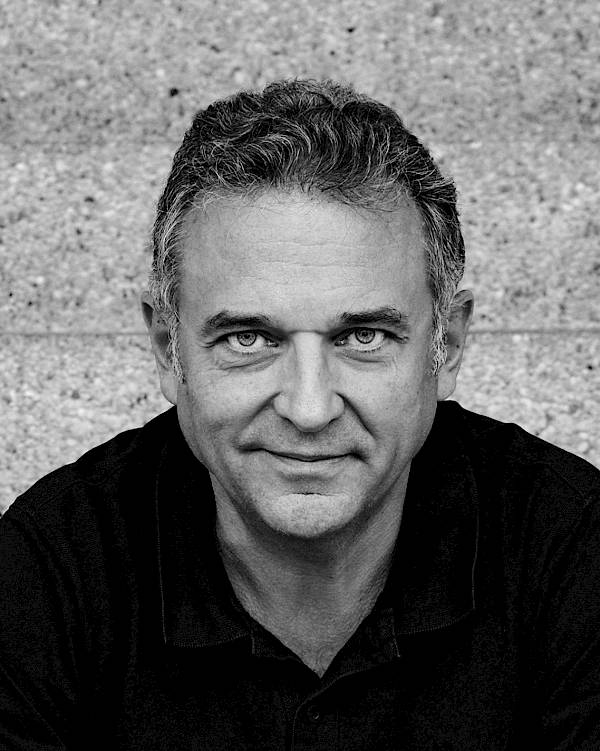
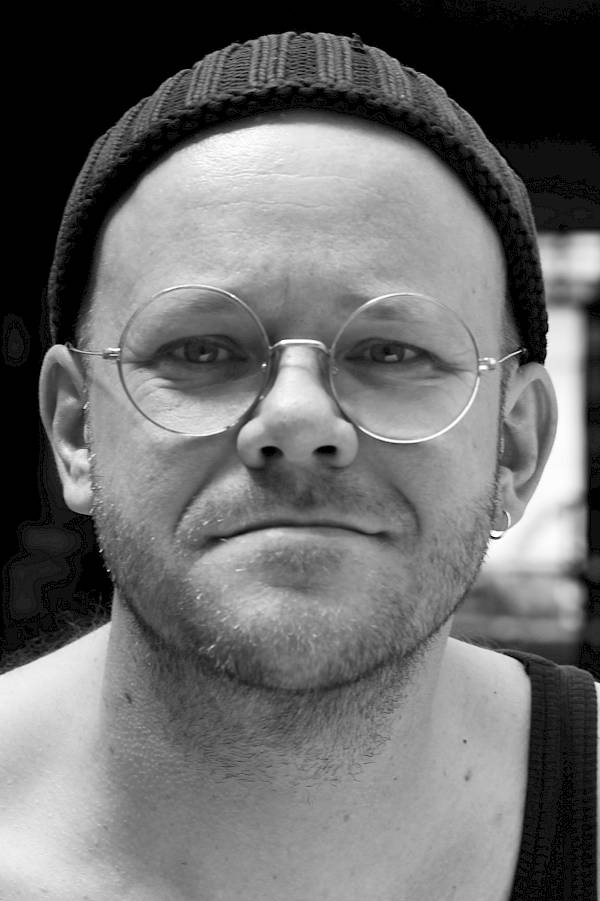
Andreas Homoki

Andreas Homoki

Andreas Homoki was born in Germany in 1960 as the son of a Hungarian family of musicians and studied school music and German studies in Berlin (West). In 1987 he went to the Cologne Opera as an assistant director and stage manager, where he was engaged until 1993. From 1988 to 1992 he was also a lecturer for stage instruction at the opera school of the Cologne University of Music. It was here that his first own productions were created. In 1992 his first guest production took him to Geneva, where his interpretation of "The Woman Without a Shadow" received international attention. The production, which was later also shown at the Théâtre du Châtelet in Paris, received the French Critics' Prize of the Year in 1994. From 1993 to 2002 Andreas Homoki worked as a freelance opera director and staged productions in Cologne, Hamburg, Geneva, Lyon, Leipzig, Basel, Berlin, Amsterdam and Munich, among others. As early as 1996 he made his debut at the Komische Oper Berlin with "Falstaff", followed by "The Love for Three Oranges" (1998) and in 2000 "The Merry Widow". In 2002 Andreas Homoki was appointed chief director of the Komische Oper Berlin as successor to Harry Kupfer, and in 2004 he became its artistic director. In addition to his directing work at the Komische Oper Berlin, he staged productions at the Théâtre du Châtelet in Paris, the Bavarian State Opera in Munich, the New National Theatre Tokyo, the Semperoper Dresden and the Hamburg State Opera, among others. In July 2012, under the musical direction of William Christie, he staged "David et Jonathas" by Marc-Antoine Charpentier for the Festival in Aix-en-Provence – a production that was later also shown in Edinburgh, Paris and New York, among other places. From 2012 to 2025 Andreas Homoki was artistic director of the Zurich Opera House, where he staged productions including "The Flying Dutchman" (co-production with La Scala in Milan and the Norwegian National Opera Oslo), "Fidelio", "Juliette", "Lohengrin" (co-production with the Vienna State Opera), "Luisa Miller" (Hamburg State Opera), "Wozzeck", "My Fair Lady" (Komische Oper Berlin), "I puritani", "Medée", "Lunea" (named "World Premiere of the Year 2017/18" by the magazine Opernwelt), "Iphigénie en Tauride", "Nabucco", "Simon Boccanegra", "The Tales of Hoffmann", "Salome", the "Ring of the Nibelung" and "Carmen". Andreas Homoki has been a member of the Academy of the Arts Berlin since 1999.

Carmen18 / 21 / 23 / 27 / 31 Jan 2026 Fidelio3 / 6 / 10 / 14 / 16 May 2026 Das Rheingold29 Nov / 4 / 12 / 17 Dec 2026 Die Walküre24 / 31 Jan / 3 / 6 Feb 2027
Set Design:
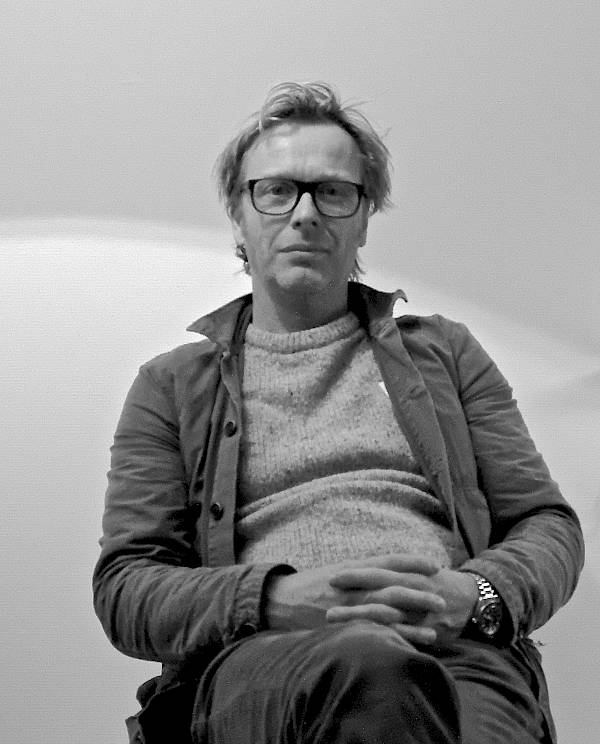
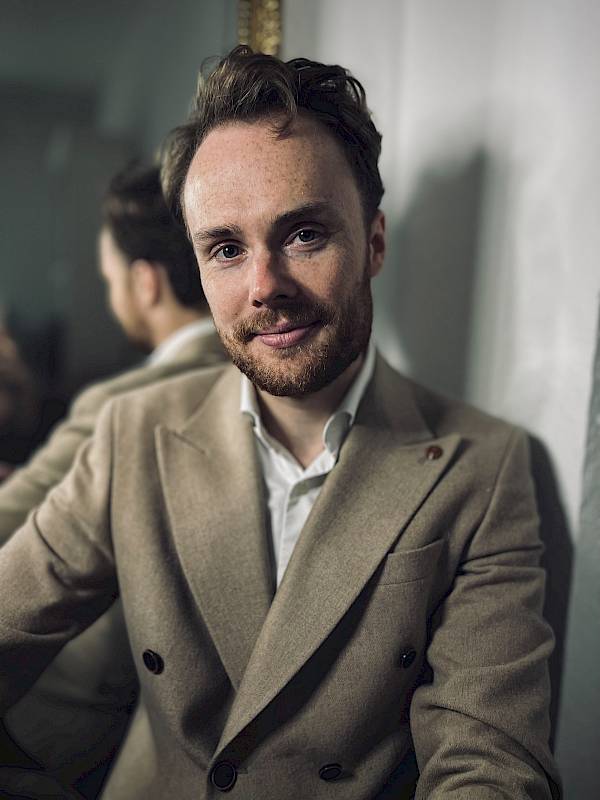
Henrik Ahr

Henrik Ahr

Henrik Ahr, born in Bensberg, initially worked as a freelance artist after training as a chef and studied architecture in Leipzig from 1995 to 2001. He designed his first stage sets in 2000 for Neue Szene Leipzig and in 2001 at Theaterhaus Jena for Chuck Palahniuk's "Fight Club". Since 2005 Henrik Ahr has lived and worked in Vienna as a stage designer and painter. Since 2010 he has been Professor of Stage Design at the Mozarteum Salzburg, where he also heads the Department of Scenography. He has a close artistic collaboration, among others, with Michael Thalheimer, Christof Loy and Tatjana Gürbaca. With Thalheimer he created works such as Schnitzler's "Liebelei" at the Thalia Theater Hamburg, which was invited to the Berlin Theatertreffen, Brecht's "Mr Puntila and his Man Matti" in Hamburg, Schubert's "Winter Journey" at the Deutsches Theater Berlin and "Rigoletto" at Theater Basel. He first worked with Christof Loy in 2008 at Theater an der Wien on Strauss's "Intermezzo"; this was followed by productions including "Lucrezia Borgia" at the Bavarian State Opera in Munich and "Der Tausch" at Schauspielhaus Zurich. Henrik Ahr has an ongoing collaboration with Tatjana Gürbaca, resulting in productions such as "Arabella" at the Deutsche Oper am Rhein, "Parsifal" at the Vlaamse Opera Antwerp, Hasse's "Leucippo" at the Schwetzingen Festival and at the Cologne Opera, "La traviata" in Oslo, the "Ring" trilogy and "Capriccio" at Theater an der Wien, as well as "Le Grand Macabre" and most recently "The Great Fire" in Zurich. At the Zurich Opera House he also designed the stage sets for "Treasure Island", "Fidelio" and "I puritani".

Fidelio3 / 6 / 10 / 14 / 16 May 2026
Costumes:
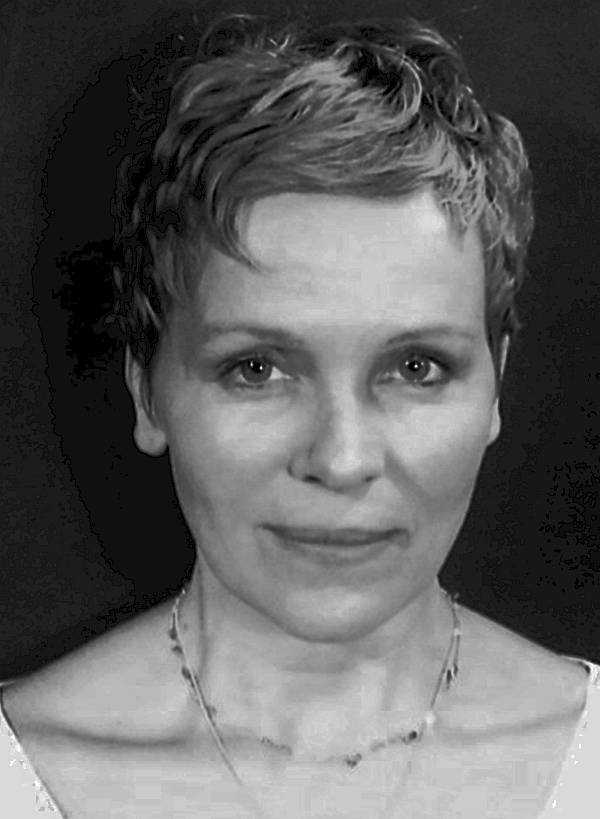
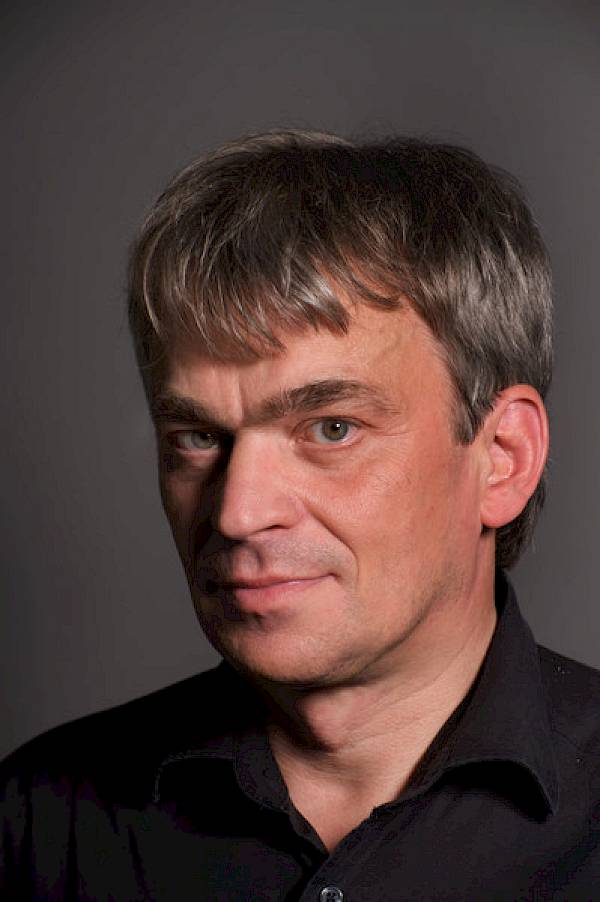
Barbara Drosihn

Barbara Drosihn

Barbara Drosihn, born in Hamburg, studied costume design at the University of Applied Sciences in her hometown after training as a seamstress. Since then she has worked as a freelance costume designer at venues including the Thalia Theater, the Deutsches Schauspielhaus Hamburg, the Burgtheater Vienna, the Schauspielhaus Bochum, the Staatsschauspiel Dresden and the Schauspiel Köln. In the process, she has created works for directors such as Michael Thalheimer, Stephan Kimmig, Nicolas Stemann, Andreas Kriegenburg and Stefan Bachmann. She designed her first opera in 2009 with "Lucrezia Borgia" for Christof Loy at the Bavarian State Opera in Munich. This was followed by productions including "Der Rosenkavalier" and "Der Distant Sound" at the Royal Opera Stockholm, "The Miracle of Heliane" at the Deutsche Oper Berlin, "Così fan tutte" at the Salzburg Festival and "Don Pasquale" at the Zurich Opera House. There she also designed the costumes for Andreas Homoki's productions of "I puritani" and "Fidelio". She has a close artistic collaboration with Tatjana Gürbaca, for whom she created the costumes for "Parsifal" and "The Flying Dutchman" in Antwerp, "La traviata" in Oslo, "Capriccio" and the "Ring" trilogy at Theater an der Wien, as well as "La finta giardiniera" and "Le Grand Macabre" at the Zurich Opera House. In recent seasons she designed the costumes for "The Treasure Seeker" at the Deutsche Oper Berlin, "Káťa Kabanová" at the Deutsche Oper am Rhein, "Il trittico" at the Salzburg Festival, "The King's Children" in Amsterdam, "Bluebeard's Castle" / "The Miraculous Mandarin" in Basel, "Rusalka" in Hanover and "La Voix humaine" / "Erwartung" at the Teatro Real in Madrid.

Fidelio3 / 6 / 10 / 14 / 16 May 2026 La rondine24 / 27 Sept / 1 / 10 / 15 Oct 2026 La traviata20 / 23 / 29 Dec 2026 / 1 / 3 / 6 / 9 / 12 / 15 / 19 / 23 Jan 2027 Don Pasquale23 / 27 / 30 May / 4 / 6 / 11 Jun 2027
Lighting Design:
Franck Evin

Franck Evin

Franck Evin, born in Nantes, moved to Paris at the age of 19 to study piano. At night he accompanied singers at the Café-Théâtre Le Connétable and also began to take an interest in lighting. He eventually decided to combine music and technology. Thanks to a scholarship from the French Ministry of Culture, he became assistant to the head of lighting at the Opéra de Lyon in 1983. There he worked with Ken Russell and Robert Wilson, among others. In 1986 he began working as an independent lighting designer at the Düsseldorf Schauspielhaus and obtained his master’s certificate in lighting in 1993. During this time he had a close collaboration with Werner Schröter and the conductor Eberhard Kloke. This was followed by productions in Nantes, Strasbourg, Paris, Lyon, Vienna, Bonn, Brussels and Los Angeles, among other places. From 1995 to 2012 he was Artistic Director of the lighting department at the Komische Oper Berlin, where he was responsible for all new productions. Important artistic partners during this period included Andreas Homoki, Barrie Kosky, Calixto Bieito and Hans Neuenfels. In 2006 Franck Evin was awarded the German Theatre Prize Der Faust in the category of lighting design. From 2012 to 2025 he was Artistic Director of the lighting department at the Zurich Opera House. In addition to his work in Zurich, he continued to work on international productions at opera houses in Oslo, Stockholm, Tokyo, Amsterdam, Munich and Graz, as well as at the Opéra Bastille, Teatro alla Scala, Teatro La Fenice, the Vlaamse Opera and at the Bayreuth Festival.

Carmen18 / 21 / 23 / 27 / 31 Jan 2026 Madama Butterfly30 Dec 2025 / 3 / 9 / 11 / 13 / 16 Jan 2026 Un ballo in Maschera22 / 28 / 31 May / 7 / 13 Jun 2026 Fidelio3 / 6 / 10 / 14 / 16 May 2026 Così fan tutte3 / 7 / 9 / 12 Jul 2026 Alice im Wunderland8 / 15 / 19 / 21 / 26 / 28 Nov / 6 Dec 2026 / 2 / 7 / 8 / 10 / 17 Jan 2027 Das Rheingold29 Nov / 4 / 12 / 17 Dec 2026 Manon Lescaut11 / 15 / 18 / 22 / 26 Dec 2026 Die Walküre24 / 31 Jan / 3 / 6 Feb 2027 Roméo et Juliette12 / 19 / 21 Feb / 2 / 5 Mar 2027 Don Pasquale23 / 27 / 30 May / 4 / 6 / 11 Jun 2027 La bohème16 / 18 / 23 Jun / 4 / 7 / 10 Jul 2027
Video:
Alexander du Prel

Alexander du Prel

Alexander du Prel, who comes from Lower Franconia, initially worked as a theatre photographer and camera assistant before beginning his studies in visual communication/art at the Gesamthochschule Kassel in 1994. From 1998 he also studied under Michael Ballhaus at the University of Hamburg and completed his studies in 2000 with a diploma as a cinematographer and visual director. Alexander du Prel has worked as a cinematographer on numerous feature films, documentaries and short films, including the Irish feature film "Swan Song" (director: Conor McDermottroe), for which he was nominated for Best Cinematography at the International Film Festival of the Art of Cinematography Camerimage in 2010. As a video artist, he has been working with Michael Thalheimer since 2000. This collaboration resulted in installations for "Liliom" at the Thalia Theater Hamburg (2000), "Medea" at the Frankfurt Theatre (2012) – this production opened the Berlin Theatertreffen 2013 – and most recently for "Woyzeck" (2013) and "Peer Gynt" (2018) at the Royal Dramatic Theatre in Stockholm. Du Prel had already worked with Henrik Ahr in 2002 on "Liebelei", also under the direction of Michael Thalheimer. "Fidelio" was his first opera project and at the same time his first collaboration with Andreas Homoki. Alexander du Prel taught at the Mozarteum Salzburg until 2019. He lives and works in Hamburg and Berlin.
Fidelio3 / 6 / 10 / 14 / 16 May 2026
Chorus Master:
Klaas-Jan de Groot

Klaas-Jan de Groot

Klaas-Jan de Groot is a Dutch conductor and choral director. Since the 2025/26 season, he has been Chorus Director of the Opernhaus Zürich. After studying in The Hague and Cardiff, he served from 2016 to 2022 as assistant to Chorus Director Ching-Lien Wu at the Dutch National Opera, where he prepared several productions and projects with the opera chorus. Since 2018, he has worked regularly with the Netherlands Radio Choir (Groot Omroepkoor). From 2018 to 2024, he served annually as assistant to Chorus Director Eberhard Friedrich at the Bayreuth Festival. He has conducted various concerts and performances with Opera Zuid as well as with the Orchestra of the Eighteenth Century and the Essener Philharmoniker. From 2022 to 2025, he was Chorus Director of the Aalto-Theater in Essen. Since 2023, he has worked regularly with the NDR Vokalensemble in Hamburg. In 2024, he made his debut with the MDR-Rundfunkchor as well as with the Rundfunkchor Berlin. In recognition of his support for emerging talent, Klaas-Jan de Groot was awarded the prestigious Dutch Conducting Prize of the Anton Kersjes Fonds in 2021.

Der Rosenkavalier21 / 26 Sept / 1 / 5 / 14 / 17 / 21 / 26 Oct 2025 Tannhäuser21 / 24 / 27 Jun / 2 / 5 / 8 / 11 Jul / 26 Sept / 4 / 9 / 13 Oct 2026 La Damnation de Faust10 / 14 / 17 May 2026 Hänsel und Gretel16 / 20 / 23 / 28 / 30 Nov / 2 / 4 / 11 / 16 / 18 / 21 Dec 2025 / 2 / 24 / 25 / 31 Jan 2026 Carmen18 / 21 / 23 / 27 / 31 Jan 2026 Un ballo in Maschera22 / 28 / 31 May / 7 / 13 Jun 2026 La forza del destino2 / 7 / 12 / 15 / 18 / 21 / 26 / 29 Nov / 17 / 21 Dec 2025 Rigoletto20 / 23 / 27 Dec 2025 / 1 / 4 Jan 2026 Fidelio3 / 6 / 10 / 14 / 16 May 2026 Macbeth8 / 11 / 14 / 19 / 22 / 30 Nov 2025 Cardillac18 / 21 / 25 Feb / 1 / 6 / 10 Mar 2026 Europa-Tournee 2026 «Messa da Requiem»22 / 23 / 25 / 26 / 29 / 31 Mar 2026 Die Zauberflöte20 / 25 Sept / 6 / 18 / 21 / 24 / 30 Oct 2026 / 2 / 8 / 18 / 20 / 23 Apr 2027 Die Fledermaus29 Sept / 8 / 17 / 23 / 25 Oct 2026 Rachmaninov – Die drei Opern1 / 4 / 8 / 15 / 18 / 21 / 28 Nov 2026 Manon Lescaut11 / 15 / 18 / 22 / 26 Dec 2026 Doctor Atomic7 / 11 / 14 / 20 / 24 / 28 Feb 2027 La fanciulla del west25 / 28 Feb / 3 / 7 Mar / 4 / 7 / 10 / 16 Apr 2027 Ascanio in Alba13 / 20 Mar 2027 L'elisir d'amore25 / 27 / 29 Apr / 2 / 6 / 9 / 12 / 14 / 17 / 21 May 2027 Requiem pour Ophélie4 / 7 / 9 May 2027 Samson et Dalila13 / 17 / 20 / 24 / 27 / 30 Jun / 2 / 9 Jul 2027 Don Carlo1 / 6 / 8 / 11 Jul 2027
Dramaturgy:
Werner Hintze

Werner Hintze

The author and dramaturg Werner Hintze studied theatre studies at Humboldt University in Berlin. Following an initial appointment at the Landestheater Halle, he worked at the Semperoper Dresden before moving to the Hans-Otto-Theater in Potsdam as chief dramaturg. From 2002 to 2012, he was chief dramaturg at the Komische Oper Berlin. Since 2012, he has lived in Berlin as a freelance dramaturg, author and university lecturer. He worked closely for many years with directors such as Peter Konwitschny, Andreas Homoki and Andreas Baumann, and served as a guest dramaturg at opera houses in Munich, Hamburg, Dresden, Zurich and Essen, amongst others. Since 1985, he has produced more than 30 German-language librettos for operas, mostly in collaboration with Bettina Bartz, as commissioned works for the Komische Oper and other theatres. In addition to his work in theatre, Werner Hintze teaches students of directing, set design and theatre studies at various universities. At the Zurich Opera House, he most recently supervised Andreas Homoki’s sensational new production of "Der Ring des Nibelungen".

Fidelio3 / 6 / 10 / 14 / 16 May 2026 Das Rheingold29 Nov / 4 / 12 / 17 Dec 2026 Die Walküre24 / 31 Jan / 3 / 6 Feb 2027

Cast


Don Fernando Yannick Debus


Don Pizarro Brian Mulligan


Florestan Klaus Florian Vogt


Leonore Gabriela Scherer


Rocco Christof Fischesser


Marzelline Anna El-Khashem


Jaquino Andrew Owens


Erster Gefangener Saveliy Andreev 03, 10, 16 May


Erster Gefangener Luis Magallanes 06, 14 May


Zweiter Gefangener Dmytro Kalmuchyn 03, 10, 16 May

Zweiter Gefangener Mamuka Tepnadze 06, 14 May

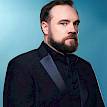
Yannick Debus

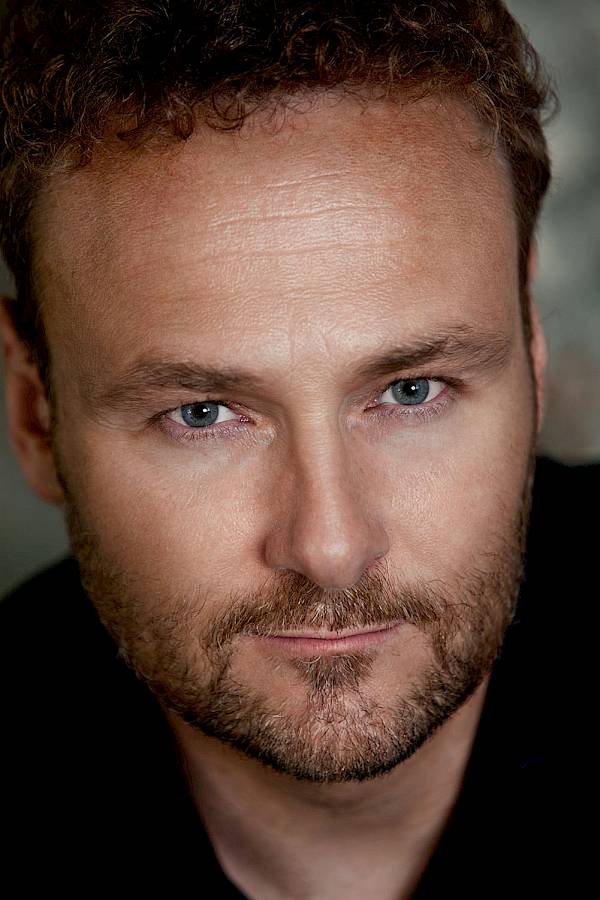
Yannick Debus studied voice at the Lübeck University of Music, the Basel Academy of Music and the Schola Cantorum Basiliensis. His first engagements included the Father in "Hansel and Gretel" at Schloss Weikersheim, Guglielmo in "Così fan tutte" at the Chamber Opera Schloss Rheinsberg, the Emperor in Ullmann’s "Emperor of Atlantis" as well as Figaro in Milhaud’s "The Guilty Mother" at Theater Basel and Emireno in Handel’s "Ottone" at the Innsbruck Festival of Early Music. From 2020 to 2022 he was a member of the International Opera Studio at the Zurich Opera House. He has a close collaboration with René Jacobs, under whose direction he has appeared, among others, as Jesus ("St John Passion") at the Concertgebouw Amsterdam, as Apollo (Handel’s "Apollo e Dafne"), as Kilian and Ottokar ("Der Freischütz") including at the Elbphilharmonie Hamburg, in Handel’s "Israel in Egypt" at the Philharmonie de Paris, the Konzerthaus Freiburg and the Berlin Philharmonie, as well as in the title role of Monteverdi’s "Orfeo" with the Freiburg Baroque Orchestra, including at the Berlin Philharmonie, the Philharmonie de Paris and at the Liceu in Barcelona. Also with the Freiburg Baroque Orchestra, he sang Jesus ("St Matthew Passion") under Francesco Corti on tour, including in Frankfurt, Madrid, Budapest, Zurich and Seoul. Since the 2024/25 season he has been a member of the ensemble of the Zurich Opera House. There he has recently sung Harlequin ("Ariadne auf Naxos"), Lesbo ("Agrippina"), the title role in Wolfgang Rihm’s "Jakob Lenz", Schaunard in "La bohème", Lescaut in Massenet’s "Manon" and Dr Falke in "Die Fledermaus".

Manon24 / 27 Sept / 3 / 7 Oct 2025 Fidelio3 / 6 / 10 / 14 / 16 May 2026 Così fan tutte3 / 7 / 9 / 12 Jul 2026 Die Fledermaus7 / 10 / 12 / 14 / 18 / 26 / 28 / 31 Dec 2025 / 2 / 4 / 6 / 10 Jan 2026 Johannes-Passion24 Mar 2026 Die Zauberflöte20 / 25 Sept / 6 / 18 / 21 / 24 / 30 Oct 2026 / 2 / 8 / 18 / 20 / 23 Apr 2027 Doctor Atomic7 / 11 / 14 / 20 / 24 / 28 Feb 2027 Le nozze di Figaro2 / 6 / 8 / 15 / 19 May 2027 La bohème16 / 18 / 23 Jun / 4 / 7 / 10 Jul 2027

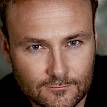
Brian Mulligan

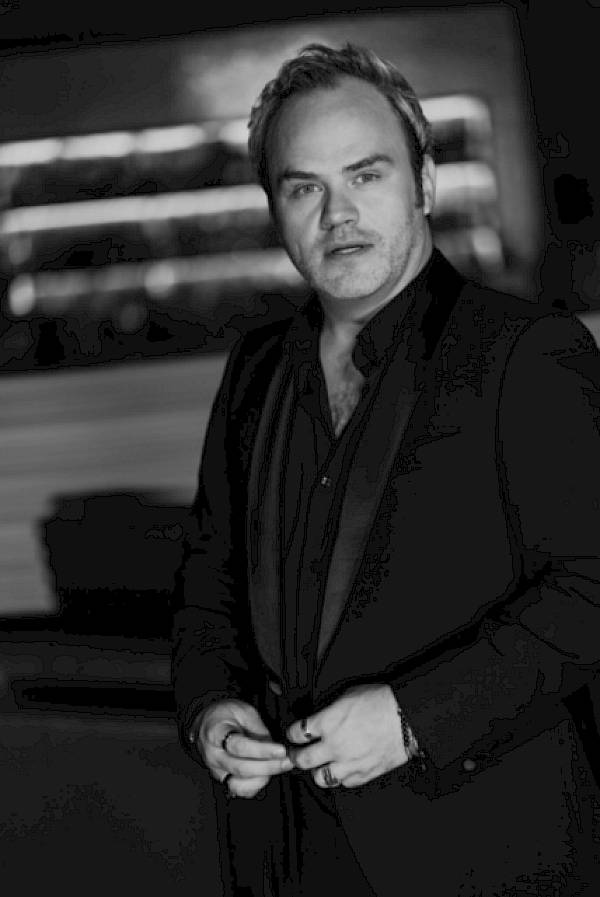
The Irish-American baritone Brian Mulligan studied at Yale University and at the Juilliard School. He regularly works with leading opera houses and orchestras worldwide. Highlights of the 2024/25 season included the title role in "The Flying Dutchman" at the Concertgebouw Amsterdam under Jaap van Zweden, Don Pizarro in "Fidelio" at the Lyric Opera of Chicago, his role debut as the Wanderer in "Siegfried" in Hangzhou, and as Alberich in "Das Rheingold" at the Opéra national de Paris. He also sang Jochanaan in "Salome" in Naples and Florence, Kurwenal in "Tristan and Isolde" with the Philadelphia Orchestra, and Shostakovich’s "The Execution of Stepan Razin" with the MDR in Leipzig. He opened the 2025/26 season as Amfortas in "Parsifal" at the San Francisco Opera. He also performs the title role in Dallapiccola’s "Il prigioniero" with the Czech Philharmonic under Antonio Pappano, Alberich in "Siegfried" at the Opéra national de Paris under Pablo Heras-Casado, and the Wanderer with the Rotterdam Philharmonic Orchestra under Yannick Nézet-Séguin in Paris and Baden-Baden. At the Concertgebouw Amsterdam he sings Balstrode in "Peter Grimes" under Karina Canellakis, and at the Festival d’Aix-en-Provence 2026 he performs Barak in Barrie Kosky’s new production of "The Woman Without a Shadow" under Klaus Mäkelä. Brian Mulligan is a regular guest at major opera stages such as the Metropolitan Opera New York and the Zurich Opera House, as well as at festivals including the Salzburg Festival and the Vienna Festival Weeks. His solo albums have been released by Naxos and include the song repertoire of the 20th and 21st centuries.

Fidelio3 / 6 / 10 / 14 / 16 May 2026

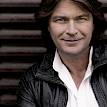
Klaus Florian Vogt

Klaus Florian Vogt is one of the outstanding Wagner tenors of our time. His repertoire primarily includes dramatic roles such as Lohengrin, Tannhäuser, Parsifal, Stolzing, and Siegmund, but also Florestan ("Fidelio") and Hoffmann ("Les Contes d’Hoffmann"). In addition, he performs lyric-dramatic roles such as Andrej ("Khovanshchina"), the Prince ("Rusalka"), and Faust ("La Damnation de Faust"). Originally from northern Germany, Klaus Florian Vogt studied at the University of Music and Theatre in Lübeck. In 1997/98, he was engaged at the Landestheater Flensburg and was a member of the Semperoper Dresden ensemble from 1998 to 2003. Since then, he has been a regular guest at all the major opera houses around the world, as well as at the Bayreuth and Salzburg Festivals. In 2005, he made his Japan debut as Hoffmann in Tokyo, followed by his American debut as Lohengrin at the Metropolitan Opera in New York in 2006. In 2007, he sang for the first time at La Scala in Milan (as Lohengrin) and later returned there as Florestan. That same year, he made his debut at the Bayreuth Festival as Walther von Stolzing ("Die Meistersinger von Nürnberg"), and from 2011 to 2015 he appeared there as Lohengrin in Hans Neuenfels’ production, in 2016 as Parsifal, and from 2017 to 2021 as Stolzing in Barrie Kosky’s new production of "Die Meistersinger". In 2022, he returned to the festival as Siegmund in the new "Ring" and as Lohengrin. He also participated in concerts at the Festspielhaus conducted by Andris Nelsons. In Zurich, he was most recently heard as Siegfried and Lohengrin, as well as in a lieder recital. In 2012, he received the ECHO Klassik award as Artist of the Year. In 2019, the Senate of the Free and Hanseatic City of Hamburg awarded him the title of "Hamburger Kammersänger."

Fidelio3 / 6 / 10 / 14 / 16 May 2026

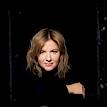
Gabriela Scherer

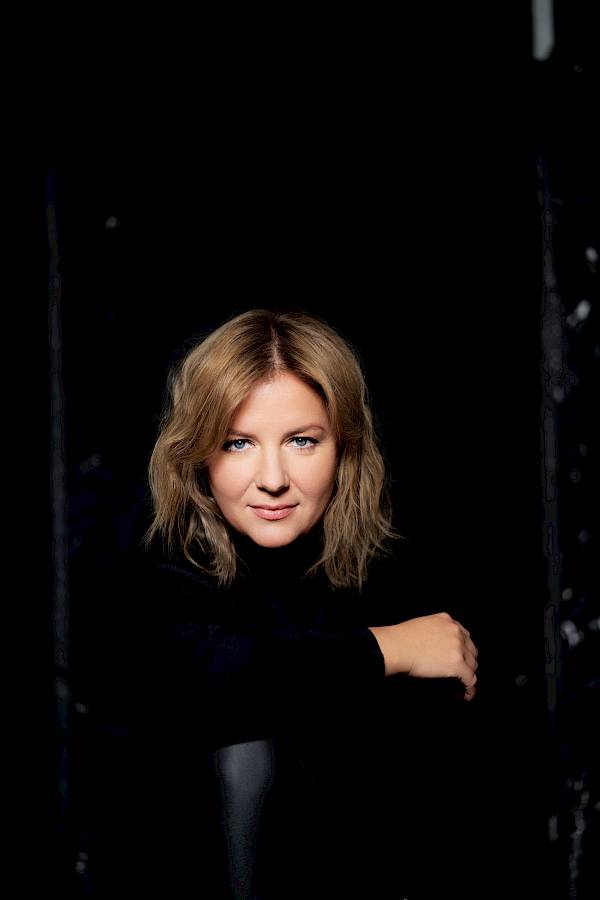
The Swiss soprano Gabriela Scherer was born in Zurich, studied at the Mozarteum Salzburg and was a member of the International Opera Studio at the Zurich Opera House as well as the ensembles in Leipzig and Munich. She regularly appears on renowned stages such as the Staatsoper Unter den Linden, the Deutsche Oper Berlin, the Semperoper Dresden, the Staatsoper Hamburg, the Festspielhaus Baden-Baden, the Opéra national de Paris or at the Bayreuth Festival. In the 2024/25 season she performed Liszt’s "Legend of Saint Elisabeth" with the Hungarian National Philharmonic Orchestra in Budapest, Amsterdam and Brussels. At the Staatsoper Unter den Linden she sang Pamina ("The Magic Flute") for the first time, at the Deutsche Oper Berlin and the Deutsche Oper am Rhein she appeared as Senta in "The Flying Dutchman". She returned to Bayreuth for open-air concerts and as Gutrune in "Götterdämmerung". She also made her debut at the Teatro Real Madrid in a gala with excerpts from Wagner and Strauss as well as at the NCPA Beijing as Sieglinde in Act 1 of "Die Walküre". In the 2025/26 season she sings Irene in "Rienzi" at the Bayreuth Festival, Alice Ford in "Falstaff" and Pamina at the Staatsoper Unter den Linden, Leonore in "Fidelio" at the Zurich Opera House as well as Senta at the Deutsche Oper Berlin. Among her most recent role debuts are Chrysothemis in "Elektra", the title roles in "Arabella" and "Tosca", Elsa in "Lohengrin", Elisabetta in "Don Carlo" and Agathe in "Der Freischütz". Other important roles are Donna Elvira in "Don Giovanni" and the Countess in "Le nozze di Figaro".

Fidelio3 / 6 / 10 / 14 / 16 May 2026

Christof Fischesser

The bass Christof Fischesser, born in Wiesbaden, studied singing with Martin Gründler at the University of Music and Performing Arts in Frankfurt am Main. In 2000 he won first prize at the Federal Singing Competition in Berlin, which was followed by an engagement at the Badisches Staatstheater Karlsruhe. In 2004 he moved to the Staatsoper Unter den Linden in Berlin; from 2012 to 2015 he was a member of the ensemble at the Zurich Opera House, with which he has maintained a close collaboration ever since. Guest engagements have taken him, among others, to the Vienna State Opera, the Royal Opera House in London, the Opéra national de Paris, the Teatro Real in Madrid, the Bavarian State Opera Munich, the Komische Oper Berlin, the Semperoper Dresden, the Opéra de Lyon, the Théâtre du Capitole de Toulouse, the Houston Grand Opera, the Lyric Opera of Chicago, as well as to the opera houses of Antwerp, Copenhagen and Gothenburg. His wide-ranging repertoire includes roles such as King Marke in "Tristan und Isolde", Landgrave in "Tannhäuser", King Henry in "Lohengrin", Gurnemanz in "Parsifal", Sarastro in "The Magic Flute", Figaro in "Le nozze di Figaro", Rocco in "Fidelio", Banquo in "Macbeth", Méphistophélès in "Faust" and Baron Ochs of Lerchenau in "Der Rosenkavalier". Numerous CD and DVD recordings document his artistic work. At the Zurich Opera House he has appeared, among others, as King Henry, Orest in "Elektra", Kaspar, Daland, Gremin, Gurnemanz, Marchese di Calatrava and Padre Guardiano in "La forza del destino", Hunding in "Die Walküre" as well as Jacopo Fiesco in "Simon Boccanegra".

Tannhäuser21 / 24 / 27 Jun / 2 / 5 / 8 / 11 Jul / 26 Sept / 4 / 9 / 13 Oct 2026 Fidelio3 / 6 / 10 / 14 / 16 May 2026 Die Walküre24 / 31 Jan / 3 / 6 Feb 2027

Anna El-Khashem

The Russian-Lebanese soprano Anna El-Khashem was born in St. Petersburg. She studied at the St. Petersburg State Conservatory and has received numerous awards, including in 2019 first prize at the International Singing Competition “Neue Stimmen” of the Bertelsmann Foundation, in 2018 first prize at the International Mozart Competition Salzburg, as well as being named “Young Singer of the Year 2018” by “Opernwelt”. From 2016 to 2019 she was a member of the Opera Studio of the Bavarian State Opera in Munich, and subsequently until 2022 an ensemble member at the Hessian State Theatre Wiesbaden. There she appeared, among others, as Pamina in “The Magic Flute”, Gretel in “Hansel and Gretel”, Susanna in “Le nozze di Figaro”, Woglinde in “Das Rheingold” and “Götterdämmerung”, as well as Sophie in “Werther”. In 2021/22 she made her debut at the Opéra national de Paris as Servilia in “La clemenza di Tito” and later also sang Susanna in “Le nozze di Figaro” as well as Zerlina in “Don Giovanni”. At the Zurich Opera House she was first heard in a concert with La Scintilla under Riccardo Minasi and then took on Flavia Gemmira in “Eliogabalo”, Clarine/Thalie in “Platée” as well as Romilda in “Serse”. In the 2025/26 season she returns as Marzelline in “Fidelio”. Further engagements take her as Silvia in “Ascanio in Alba” to the Théâtre des Champs-Élysées, the Theater an der Wien and the Opéra de Lausanne.

Fidelio3 / 6 / 10 / 14 / 16 May 2026 Ascanio in Alba13 / 20 Mar 2027

Andrew Owens

Andrew Owens, tenor, was born in Philadelphia and studied voice at the Oberlin Conservatory. He is a prizewinner of several competitions, including the Zarzuela Prize at the Tenor Viñas Competition. He participated in the Young Singers Project of the Salzburg Festival and was a member of the Opera Studio of the Bavarian State Opera in Munich. From 2012 to 2014 he was a member of the Young Ensemble of the Theater an der Wien, where he appeared at the Kammeroper in works including “La bohème”, “La Cenerentola”, “Fidelio”, “Attila”, “Mathis der Maler” and “La clemenza di Tito”. Since then, he has returned to the Theater an der Wien as Mads in Werner Egk’s “Peer Gynt”, as Snout in “A Midsummer Night’s Dream”, as the Fourth Jew in “Salome”, and most recently in 2021 as Jacob Glock in “Der feurige Engel”, and he has guest performed in the title role of “Don Carlos” at the Kammeroper Wien. More recently, he has appeared as Arturo in “Lucia di Lammermoor” at Opera Philadelphia, as Don Ramiro in “La Cenerentola” at the Irish National Opera, in Schumann’s “Scenes from Goethe’s Faust” with the Cleveland Orchestra, as Lukas in Haydn’s “The Seasons”, as well as in a concert performance of “Le Rossignol” at the Salzburg Festival and as Aménophis in “Moïse et Pharaon” at the Rossini Opera Festival. Since 2021 Andrew Owens has been a member of the ensemble of the Zurich Opera House, where he has sung the Fourth Jew, Telémachos (“The Odyssey”), Peppe (“Pagliacci”), Van Ruijven (“Girl with a Pearl Earring”), Lord Arturo Bucklaw (“Lucia di Lammermoor”), Gualtiero (“Il pirata”), Xaïloum (“Barkouf”), Lord Cecil (“Roberto Devereux”), as well as Guglielmo Antolstoinoloff (“Viva La Mamma!”) and Pylade (“Iphigénie en Tauride”).

Fidelio3 / 6 / 10 / 14 / 16 May 2026 Die Fledermaus7 / 10 / 12 / 14 / 18 / 26 / 28 / 31 Dec 2025 / 2 / 4 / 6 / 10 Jan 2026 Die lustige Witwe27 / 31 Dec 2026 / 3 / 7 / 10 / 13 Jan 2027 Le nozze di Figaro2 / 6 / 8 / 15 / 19 May 2027

Saveliy Andreev

Saveliy Andreev was born in St. Petersburg and studied voice, conducting and piano at the Glinka Choral College. After graduating in choral conducting in 2015, he continued his vocal training at the Rimsky-Korsakov Conservatory in St. Petersburg. From 2017 he regularly appeared as a soloist at the Music Hall in St. Petersburg. In the same year he took part in the festival “14th German Week” in St. Petersburg, where he sang a solo part in Bach’s cantata “Lasst uns sorgen, lasst uns wachen”. In 2018 he won first prize in the tenor category at the competition “Great Opera. Voices of the Future”, and in 2019 he participated in a study programme at the Teatro del Maggio Musicale Fiorentino. From 2020 to 2022 he was a member of the International Opera Studio of the Zurich Opera House, where he appeared in “Boris Godunov”, “Simon Boccanegra”, “Salome”, “Le Comte Ory”, “Dialogues des Carmélites” and “Il mondo della luna”.

Fidelio3 / 10 / 16 May 2026

Luis Magallanes

The tenor Luis Magallanes was born in Venezuela. He received his musical training at the Simón Bolívar Conservatory and at the Camerata de Caracas; in 2018 he continued his studies at the Royal Irish Academy of Music in Dublin. As a member of the Simón Bolívar National Symphonic Choir he sang, among others, under the direction of Sir Simon Rattle and Gustavo Dudamel. In 2013 he made his debut in Caracas in Baldassare Galuppi’s “Il filosofo di campagna”, later followed there by Ferrando in “Così fan tutte”. In 2019 he was a semifinalist in the Veronica Dunne International Singing Competition and sang in the chorus of the Irish National Opera. From 2020 to 2022 he was a member of the International Opera Studio of the Zurich Opera House. There he appeared, among others, in “Les Contes d’Hoffmann”, “Salome”, “Le Comte Ory”, “Il turco in Italia” and “Il mondo della luna”.

Fidelio6 / 14 May 2026

Dmytro Kalmuchyn

The Ukrainian baritone Dmytro Kalmuchyn studied at the Music Academy in Lviv, where he sang roles such as Belcore in “L’elisir d’amore”, Uberto in Pergolesi’s “La serva padrona” as well as the title role in Mozart’s “Don Giovanni”. He is a prizewinner of the 3rd Ukrainian Teodor-Teren-Yuskiv Competition for Young Singers, the international competition “XXI Century Art” in Vorzel, and the 7th International Mirjam Helin Competition in Helsinki. From 2016 to 2018 he was a member of the International Opera Studio of the Zurich Opera House and from 2018 to 2020 of the OperAvenir Opera Studio at Theater Basel. In Zurich he appeared, among others, as Clock/Cat in “L’Enfant et les sortilèges” as well as in “Don Carlo”, “Lady Macbeth of Mtsensk”, “Lohengrin”, “Salome”, “La fanciulla del West”, “Luisa Miller”, “Le Comte Ory” and “Carmen”.

Fidelio3 / 10 / 16 May 2026

Mamuka Tepnadze

The baritone Mamuka Tepnadze studied solo singing at the State Conservatory in Tbilisi, where he completed a master’s degree. He participated in numerous international singing competitions and received several awards. From 2004 to 2013 he was a soloist at the Georgian State Paliashvili Theatre for Opera and Ballet, where he sang, among others, the title role in “Don Giovanni”, Marquis de Posa in “Don Carlo” and Renato in “Un ballo in maschera”. In 2010 he won first prize at the International Singing Competition “Hariclea Darclée” in Romania.

Fidelio6 / 14 May 2026
Show full cast Show less

Orchester der Oper Zürich

Cast

Der Rosenkavalier21 / 26 Sept / 1 / 5 / 14 / 17 / 21 / 26 Oct 2025 Tugan Sokhiev12 Jul 2026 Manon24 / 27 Sept / 3 / 7 / 10 Oct 2025 La scala di seta25 / 28 Sept / 19 / 24 Oct 2025 Tosca28 Sept / 2 / 8 / 11 / 15 / 19 Oct 2025 / 11 / 14 / 17 / 21 / 24 Apr / 13 / 17 May 2027 Capuçon & Heras-Casado4 Oct 2025 Tannhäuser21 / 24 / 27 Jun / 2 / 5 / 8 / 11 Jul / 26 Sept / 4 / 9 / 13 Oct 2026 Cardillac15 / 18 / 21 / 25 Feb / 1 / 6 / 10 Mar 2026 La Damnation de Faust10 / 14 / 17 May 2026 Hänsel und Gretel16 / 20 / 23 / 28 / 30 Nov / 2 / 4 / 11 / 16 / 18 / 21 Dec 2025 / 2 / 24 / 25 / 31 Jan 2026 Carmen18 / 21 / 23 / 27 / 31 Jan 2026 Un ballo in Maschera22 / 28 / 31 May / 7 / 13 Jun 2026 La forza del destino2 / 7 / 12 / 15 / 18 / 21 / 26 / 29 Nov / 17 / 21 Dec 2025 Rigoletto20 / 23 / 27 Dec 2025 / 1 / 4 Jan 2026 Le nozze di Figaro24 / 29 Jan / 1 / 5 / 7 / 10 / 14 Feb 2026 / 2 / 6 / 8 / 15 / 19 May 2027 Fidelio3 / 6 / 10 / 14 / 16 May 2026 Werther14 / 19 Jun / 1 / 4 / 10 Jul 2026 Oiseaux Rebelles12 / 18 / 23 / 25 / 31 Oct / 1 / 9 / 13 Nov / 2 / 5 / 6 / 9 Dec 2025 / 11 / 13 / 16 / 18 / 27 Sept 2026 Macbeth8 / 11 / 14 / 19 / 22 / 30 Nov 2025 Ehnes & Noseda23 Nov 2025 Die Fledermaus7 / 10 / 12 / 14 / 18 / 26 / 28 / 31 Dec 2025 / 2 / 4 / 6 / 10 Jan / 29 Sept / 8 / 17 / 23 / 25 Oct 2026 Clara13 / 14 / 19 / 20 / 26 / 28 Dec 2025 / 11 / 12 / 17 / 19 / 24 Apr 2026 Countertime5 / 7 / 14 Sept 2025 Altstaedt & Chan11 Jan 2026 Jussen & Rustioni8 Feb 2026 Celebratory concert for Ralf Weikert’s 85th birthday22 Feb 2026 Monster's Paradise8 / 14 / 18 Mar / 10 / 12 Apr 2026 Messa da Requiem20 / 22 / 28 Feb / 1 / 5 / 7 Mar / 6 Apr 2026 Arabella14 / 18 / 22 / 25 / 28 Apr 2026 Romeo und Julia23 / 29 / 30 May / 4 / 6 / 7 / 10 / 12 / 14 / 23 / 26 Jun / 20 / 27 / 29 Nov / 6 / 13 / 19 / 26 / 27 Dec 2026 Open-Air-Concert28 Jun 2026 / 4 Jul 2027 Mühlemann & Noseda21 / 28 Mar / 1 Apr 2026 Europa-Tournee 2026 «Messa da Requiem»22 / 23 / 25 / 26 / 29 / 31 Mar 2026 Die Zauberflöte20 / 25 Sept / 6 / 18 / 21 / 24 / 30 Oct 2026 / 2 / 8 / 18 / 20 / 23 Apr 2027 La rondine24 / 27 Sept / 1 / 10 / 15 Oct 2026 Ein Sommernachtstraum26 Sept / 11 / 16 / 18 / 25 / 28 / 29 / 31 Oct / 12 / 13 / 14 Nov 2026 / 19 / 22 / 29 Jun / 3 Jul 2027 1th Philharmonic Concert3 Oct 2026 Alice im Wunderland8 / 15 / 19 / 21 / 26 / 28 Nov / 6 Dec 2026 / 2 / 7 / 8 / 10 / 17 Jan 2027 Elektra22 / 26 Nov / 2 / 5 / 10 / 13 / 16 Dec 2026 Das Rheingold29 Nov / 4 / 12 / 17 Dec 2026 Gabetta & Noseda7 Nov 2026 Manon Lescaut11 / 15 / 18 / 22 / 26 Dec 2026 Fuchs & Jordan1 / 2 Jan 2027 Trifonov & Järvi16 Jan 2027 Die Walküre24 / 31 Jan / 3 / 6 Feb 2027 Doctor Atomic7 / 11 / 14 / 20 / 24 / 28 Feb 2027 Roméo et Juliette12 / 19 / 21 Feb / 2 / 5 Mar 2027 Sorita & Lyniv14 Feb 2027 La fanciulla del west25 / 28 Feb / 3 / 7 Mar / 4 / 7 / 10 / 16 Apr 2027 L'elisir d'amore25 / 27 / 29 Apr / 2 / 6 / 9 / 12 / 14 / 17 / 21 May 2027 Balanas & Peltokoski18 Apr 2027 Requiem pour Ophélie4 / 7 / 9 May 2027 See the music, hear the dance22 / 28 May / 6 / 10 / 12 / 15 / 25 / 26 / 27 Jun 2027 Don Pasquale23 / 27 / 30 May / 4 / 6 / 11 Jun 2027 Samson et Dalila13 / 17 / 20 / 24 / 27 / 30 Jun / 2 / 9 Jul 2027 La bohème16 / 18 / 23 Jun / 4 / 7 / 10 Jul 2027 Don Carlo1 / 6 / 8 / 11 Jul 2027 Viotti29 May 2027 Rachmaninov – Die drei Opern1 / 4 / 8 / 15 / 18 / 21 / 28 Nov 2026 Benefiz «amiamusica»2 Oct 2026

SoprAlti der Oper Zürich

Als während der Spielzeit 1999/00 für die verschiedensten Opern und Operetten ausschliesslich die älteren Mitglieder des Kinderchores benötigt wurden, begann das Ensemble durch das häufige gemeinsame Proben bald eine eigene Dynamik zu entwickeln und entsprang schlussendlich im Juli 2002, zur Première von Carmen, definitiv dem Kinderchor: Der Jugendchor war informell geboren. Zu Beginn der Spielzeit 2010/11 wurde der Name des Chores in "SoprAlti der Oper Zürich" umgeändert.Heute ist der Chor fester Bestandteil des Zürcher Opernhauses. Aktuell besteht er aus rund 25 begeisterten Sängerinnen im Alter zwischen etwa 16 und 30 Jahre. Pro Spielzeit hat er durchschnittlich zwischen 40 und 80 Auftritte. Er unterstützt dabei den Kinderchor oder tritt gemeinsam mit dem Zusatz- und dem Berufschor auf. In einigen Opern bestreitet er auch eigene Auftritte, etwa in Königskinder (Kinder des Besenbinders), Le Cid (Jeunes filles) oder Das schlaue Füchslein (Hühner). Zudem sind einzelne Mitglieder in verschiedenen Opern wie Tosca, Macbeth, Tannhäuser, L'Amore dei tre Re und Königskinder als Solistinnen zu hören.Ausserhalb des Opernhauses gehören eigene Konzerte, auswärtige Gastspiele, Messen an kirchlichen Feiertagen oder auch geschlossene Veranstaltungen von Firmen und Stiftungen ebenso zum Jahresprogramm wie Auftritte in den grossen Konzerthäusern.Die intensiven Freundschaften, die im Chor über das musikalische Engagement hinaus gepflegt werden, führen heute zu einem mühelosen aufeinander ab- und einstimmen der Sängerinnen. So entwickelt sich der Chor laufend weiter und kann nebenbei auch den Anforderungen des Spielplans gerecht werden.

Tannhäuser21 / 24 / 27 Jun / 2 / 5 / 8 / 11 Jul / 26 Sept / 4 / 9 / 13 Oct 2026 La Damnation de Faust10 / 14 / 17 May 2026 Hänsel und Gretel16 / 20 / 23 / 28 / 30 Nov / 2 / 4 / 11 / 16 / 18 / 21 Dec 2025 / 2 / 24 / 25 / 31 Jan 2026 Carmen18 / 21 / 23 / 27 / 31 Jan 2026 La forza del destino2 / 7 / 12 / 15 / 18 / 21 / 26 / 29 Nov / 17 / 21 Dec 2025 Fidelio3 / 6 / 10 / 14 / 16 May 2026 Werther14 / 19 Jun / 1 / 4 / 10 Jul 2026 Giulio Cesare in Egitto11 / 13 / 15 / 17 / 21 / 25 / 28 Mar 2026 Sillons de Mémoires5 / 6 / 7 Feb 2026 Matthäus-Passion26 Mar 2026 Alice im Wunderland8 / 15 / 19 / 21 / 26 / 28 Nov / 6 Dec 2026 / 2 / 7 / 8 / 10 / 17 Jan 2027 La bohème16 / 18 / 23 Jun / 4 / 7 / 10 Jul 2027

Abstract

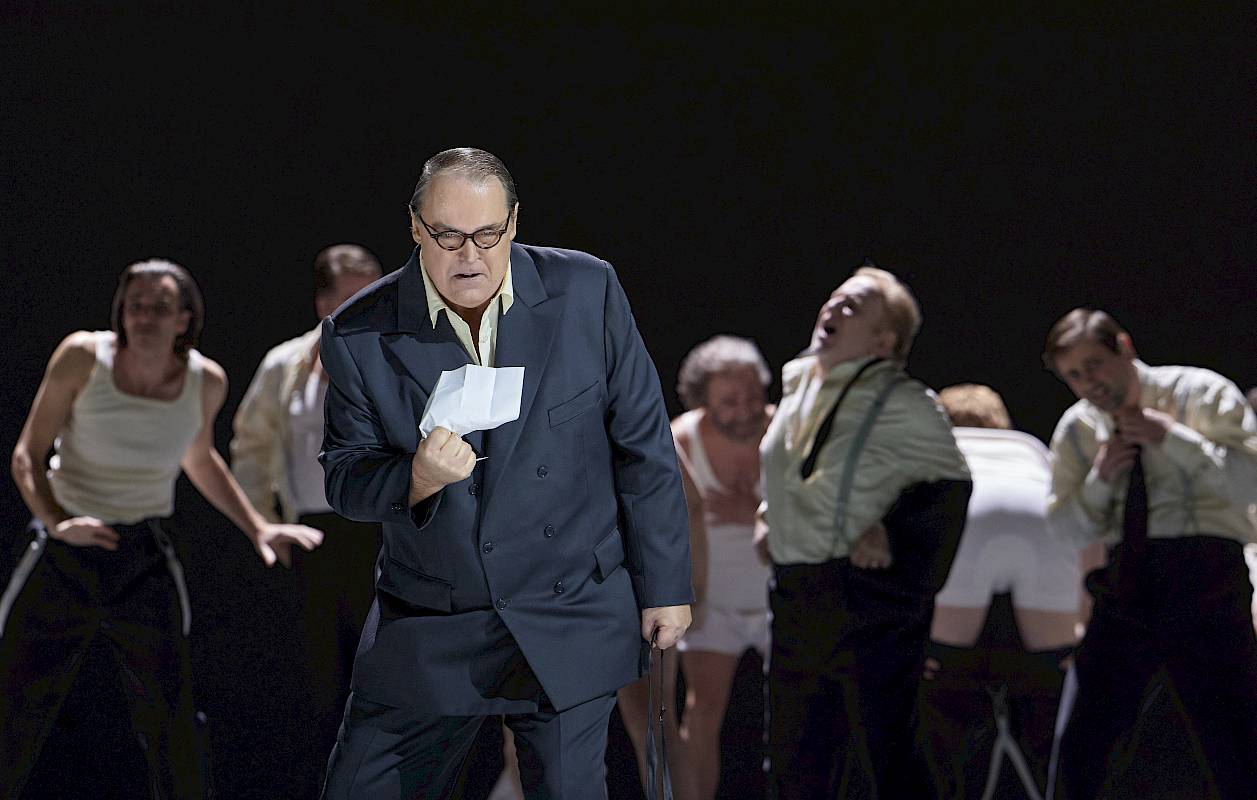
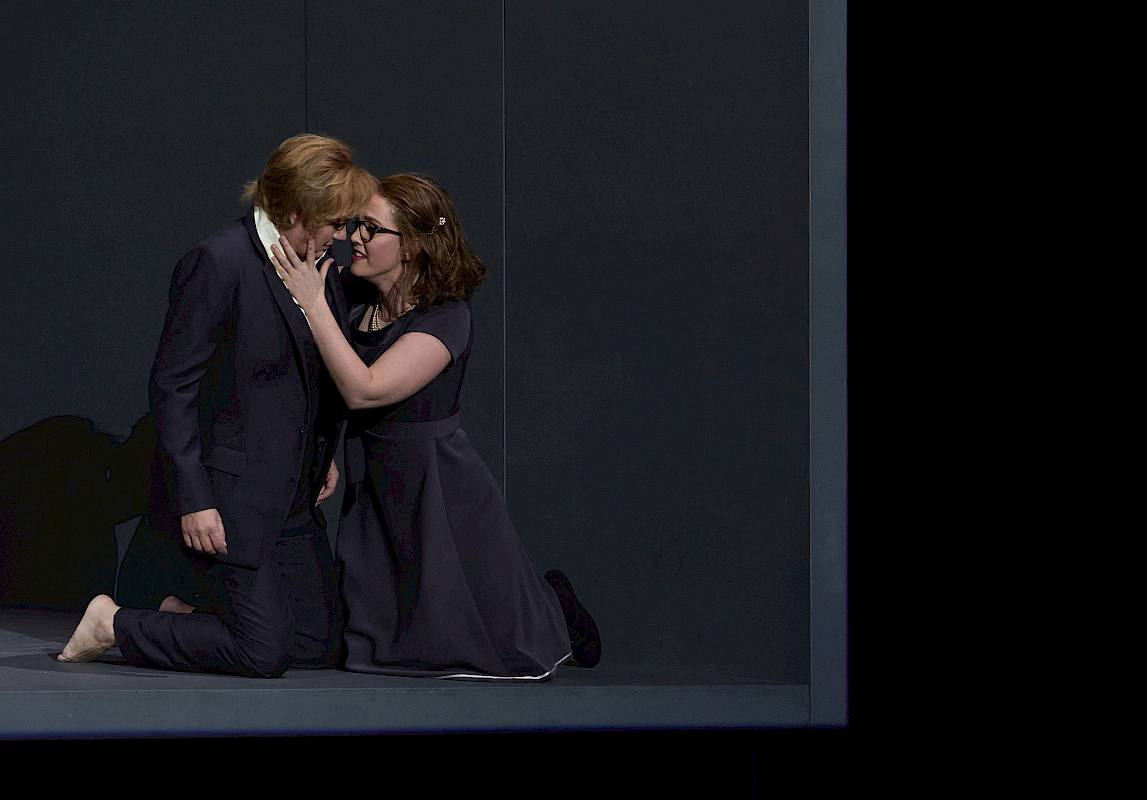
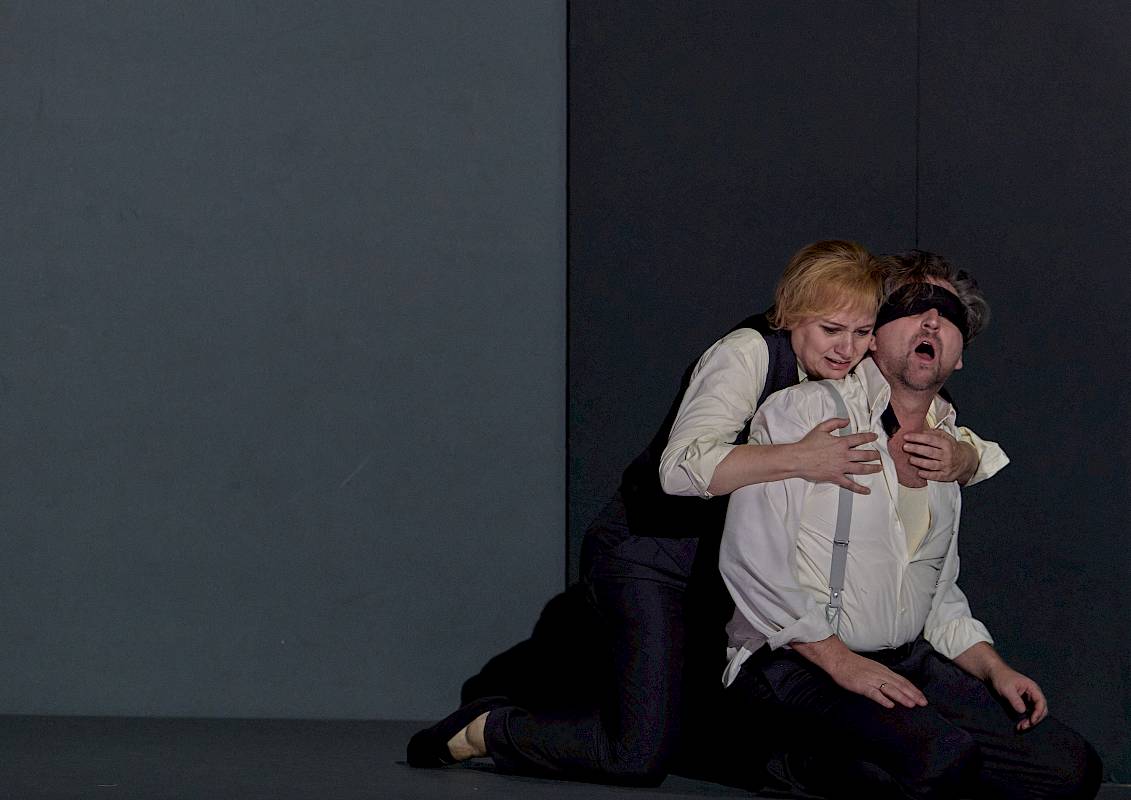
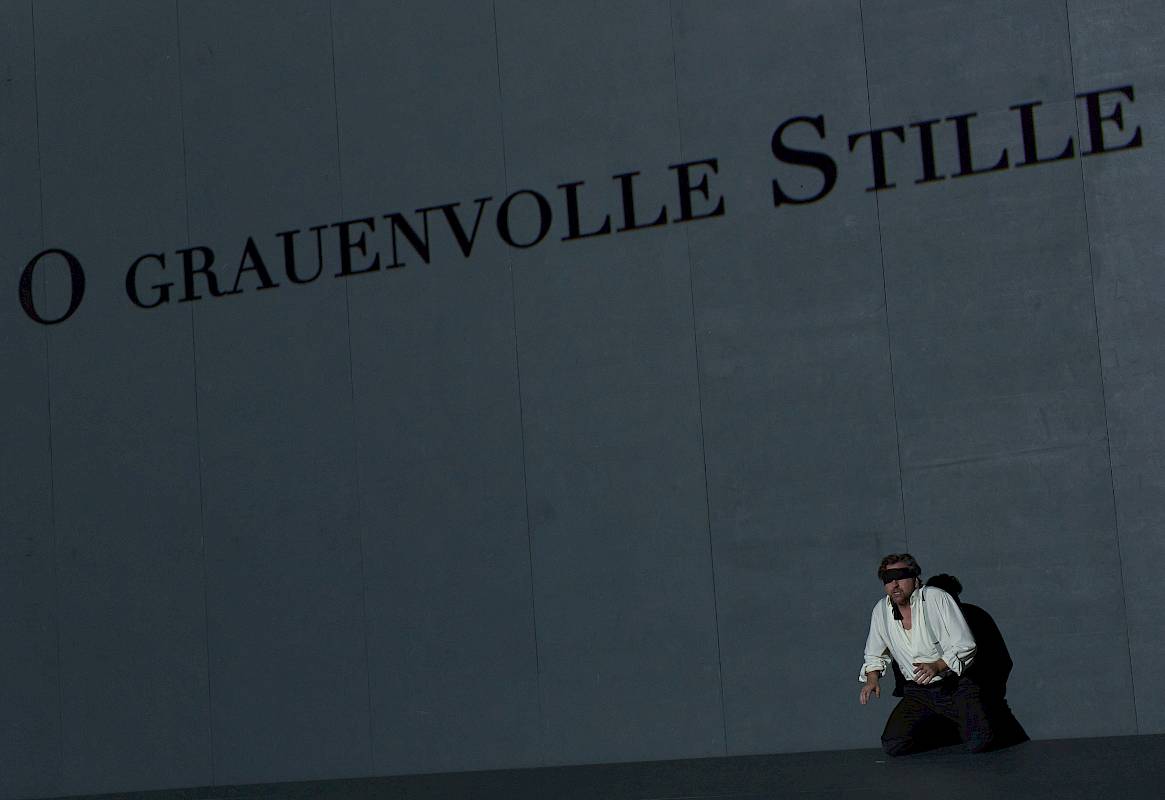
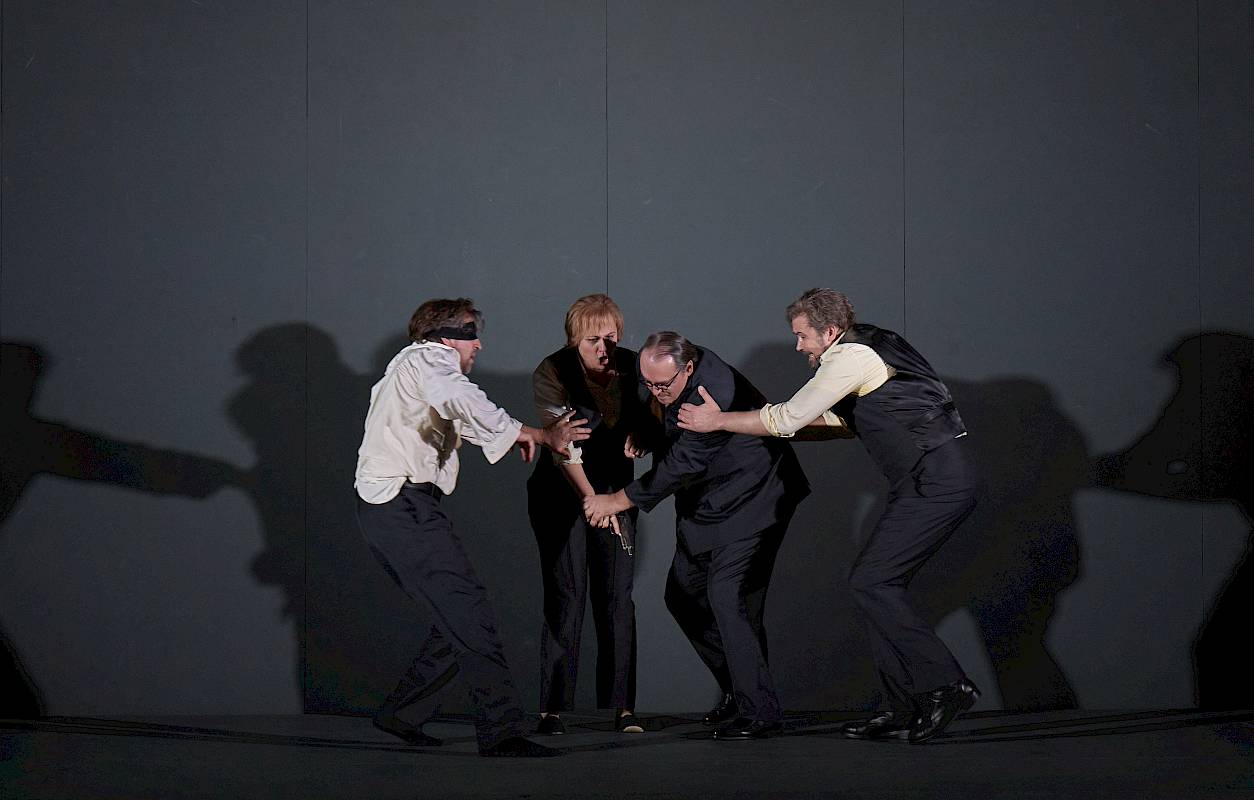
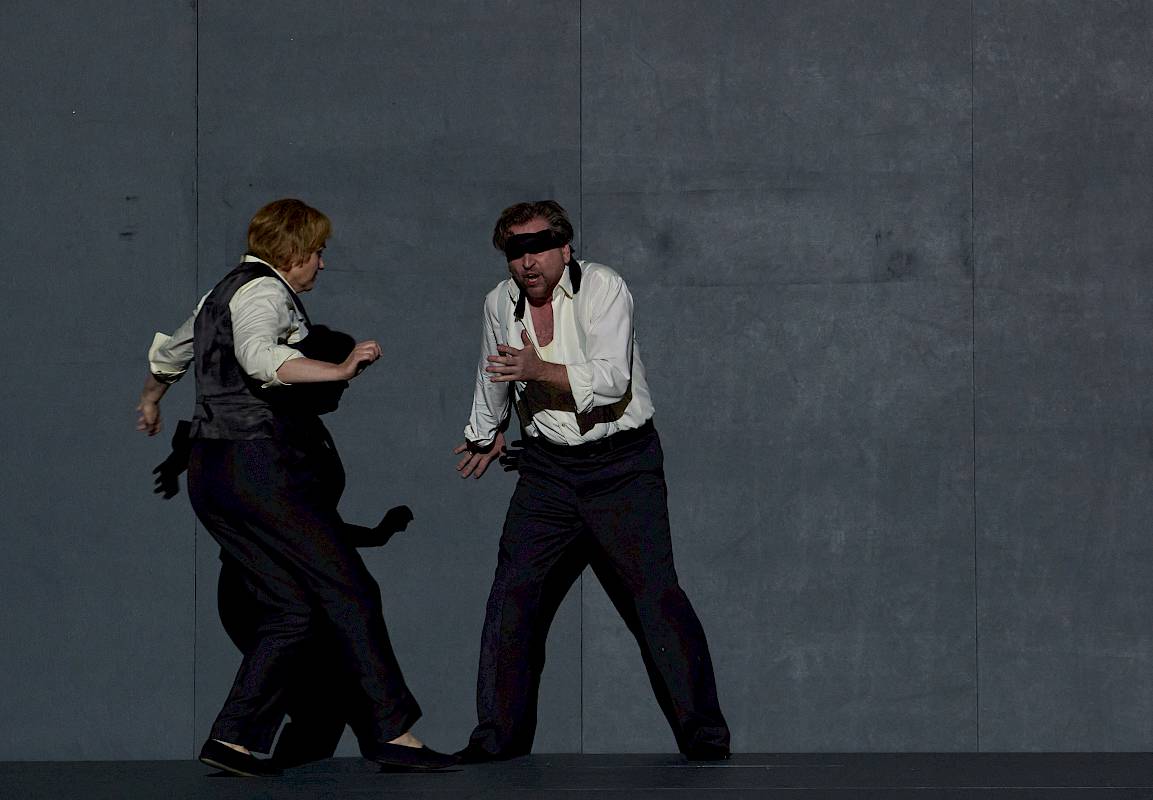
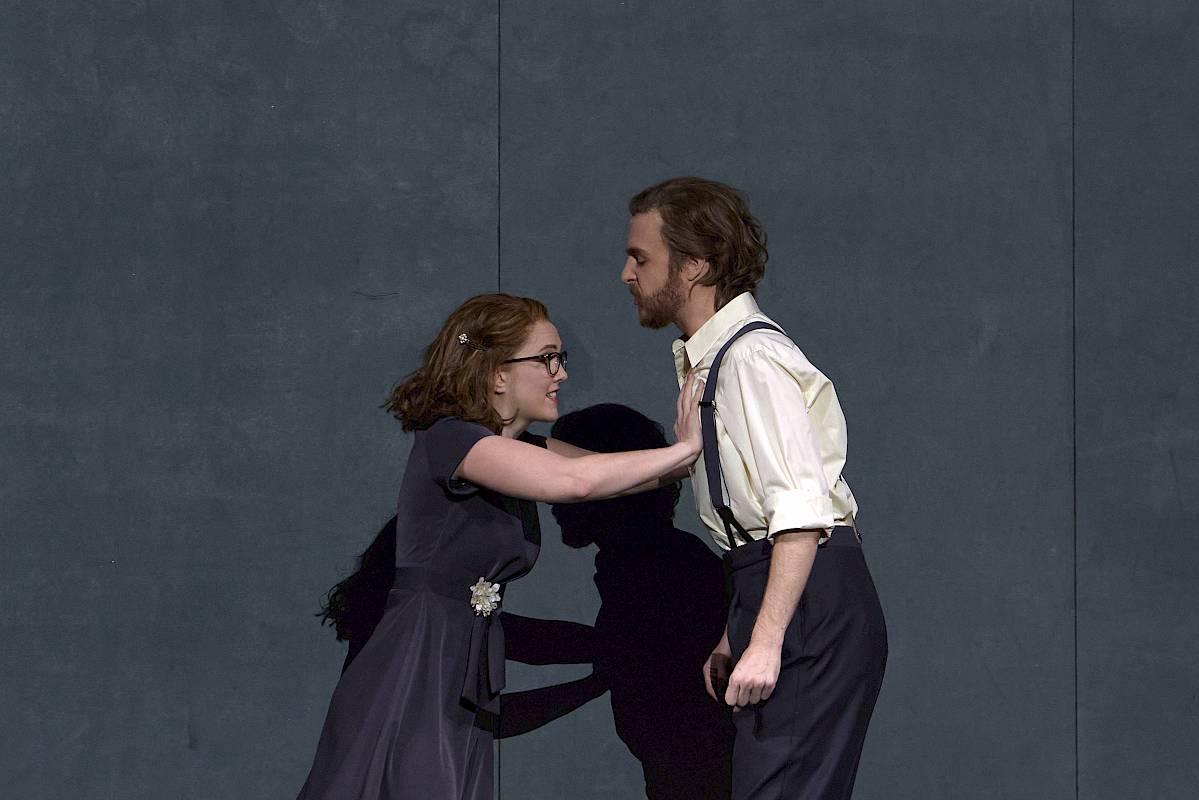
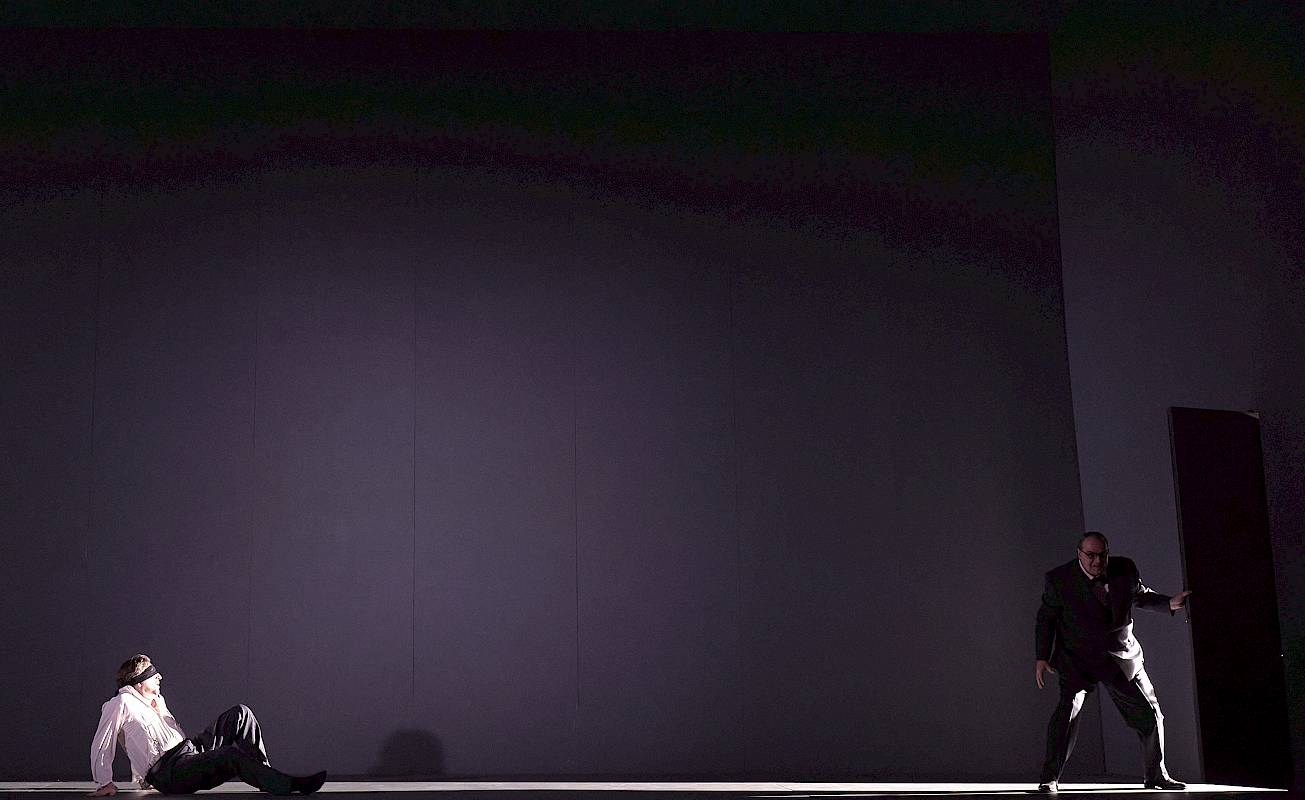
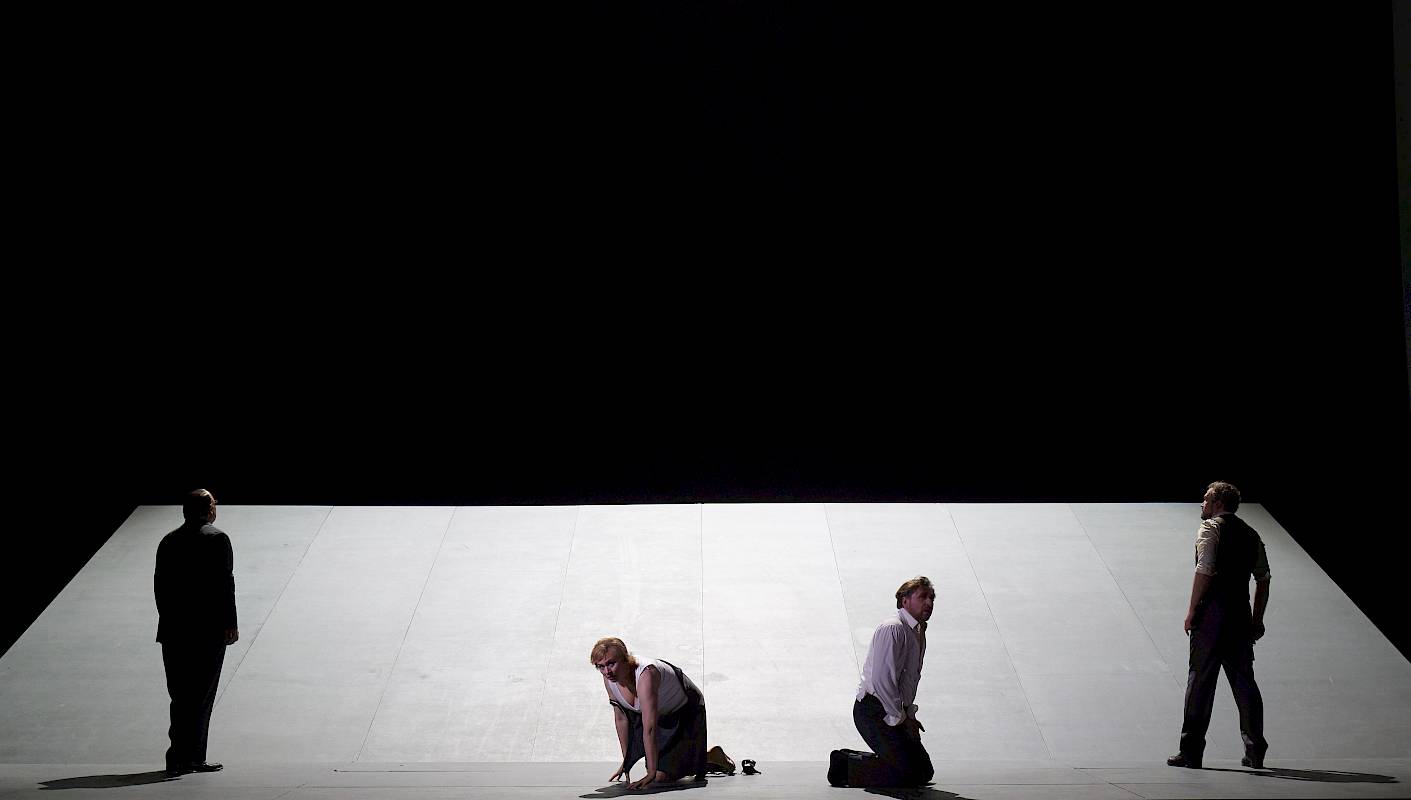
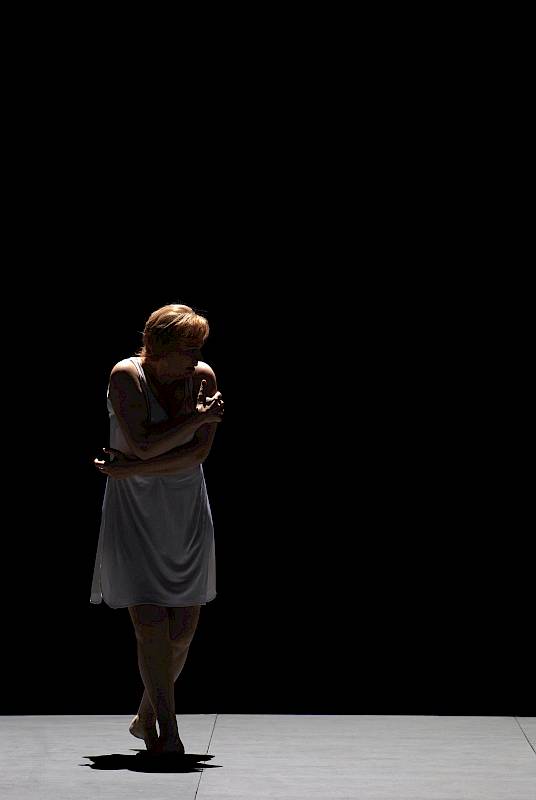
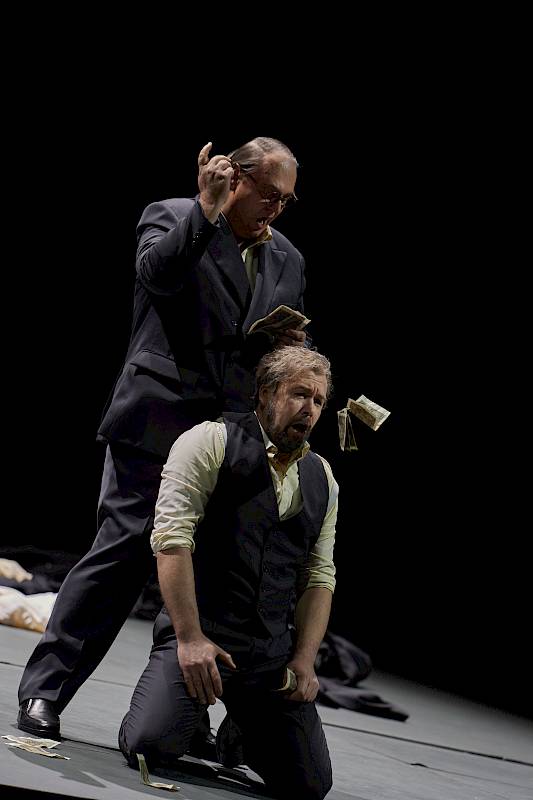
In order to free her husband Florestan, Leonore disguises herself as a male prison guard and sneaks into a prison. Beethoven’s only opera is infused with an unwavering belief in the power of hope. The powerful liberation music at the end anticipates the «Ode to Joy» from his Ninth Symphony. Andreas Homoki separates the plot from its bourgeois comic light opera context, focusing instead on the utopian idea of world brotherhood and the universal themes of humanity that Beethoven chose as his central focus. Klaus Florian Vogt, one of the most outstanding tenors of our time, will appear as Florestan.

Read more Show less


Good to know

Synopsis

Discover the heart of every story: Our synopses provide guidance on the plot and the conflicts that drive its characters.

Act One
Jailer Rocco is in charge of the political prisons of despotic governor Don Pizarro. Rocco’s daughter Marzelline has given young guard Jacquino the cold shoulder ever since a new assis­tant, Fidelio, arrived. Rocco would also be pleased to have the new boy as his son-in-law. Nobody has the slightest idea that beneath his uniform, the capable and industrious Fidelio is actually a woman, Leonore, who has taken on the role and all the hardships it entails to find and free her husband Florestan, whom Pizarro has thrown into prison. When he learns that an inspection of all the state’s prisons has been announced by minister Don Fernando, Pizarro decides to remove Florestan once and for all. He orders Rocco to dig a grave for Florestan in the latter’s dungeon. Leonore persuades Rocco to take her into the secret dungeon, where she suspects her husband is being held. The other prisoners are let out briefly into the prison yard. Their hope of rescue, justice and freedom is the only light in their gloomy existence.

Act Two
Florestan, broken by his imprisonment, sees a fevered vision of his wife Leonore appearing as an angel and leading him to freedom. Unnoticed by Florestan, Rocco and Fidelio make all the preparations to murder him, an act that Pizarro will personally come to commit. Leonore is horri­fied to find that the man in chains is indeed her husband. At a predetermined signal, Pizarro en­ters the dungeon to kill his enemy Florestan. But at the last moment, Fidelio leaps between them, reveals himself to be Leonore and prevents the murder. A trumpet sound heralds salvation in the form of minister Don Fernando’s arrival. Leonore and Florestan fall into each other’s arms. The newly-freed prisoners and their wives praise the day that has brought them their freedom. Don Fernando recognises Florestan as an old friend he had given up for dead, and has Pizarro led away for punishment. Leonore is allowed to take off Florestan’s chains herself, and everyone rejoices at the heroism she has shown.