La clemenza di Tito

Wolfgang Amadeus Mozart

Opera seria in two acts
Libretto by Caterino Mazzolà after Pietro Metastasio

From 7. March 2027 until 21. March 2027

  • Duration :
    2 H. 35 Min. Inkl. Pause.
  • Language:
    In Italian with German and English surtitles.
  • More information:
    Introduction 45 min before the performance.
    Preview: 18 Apr 2026

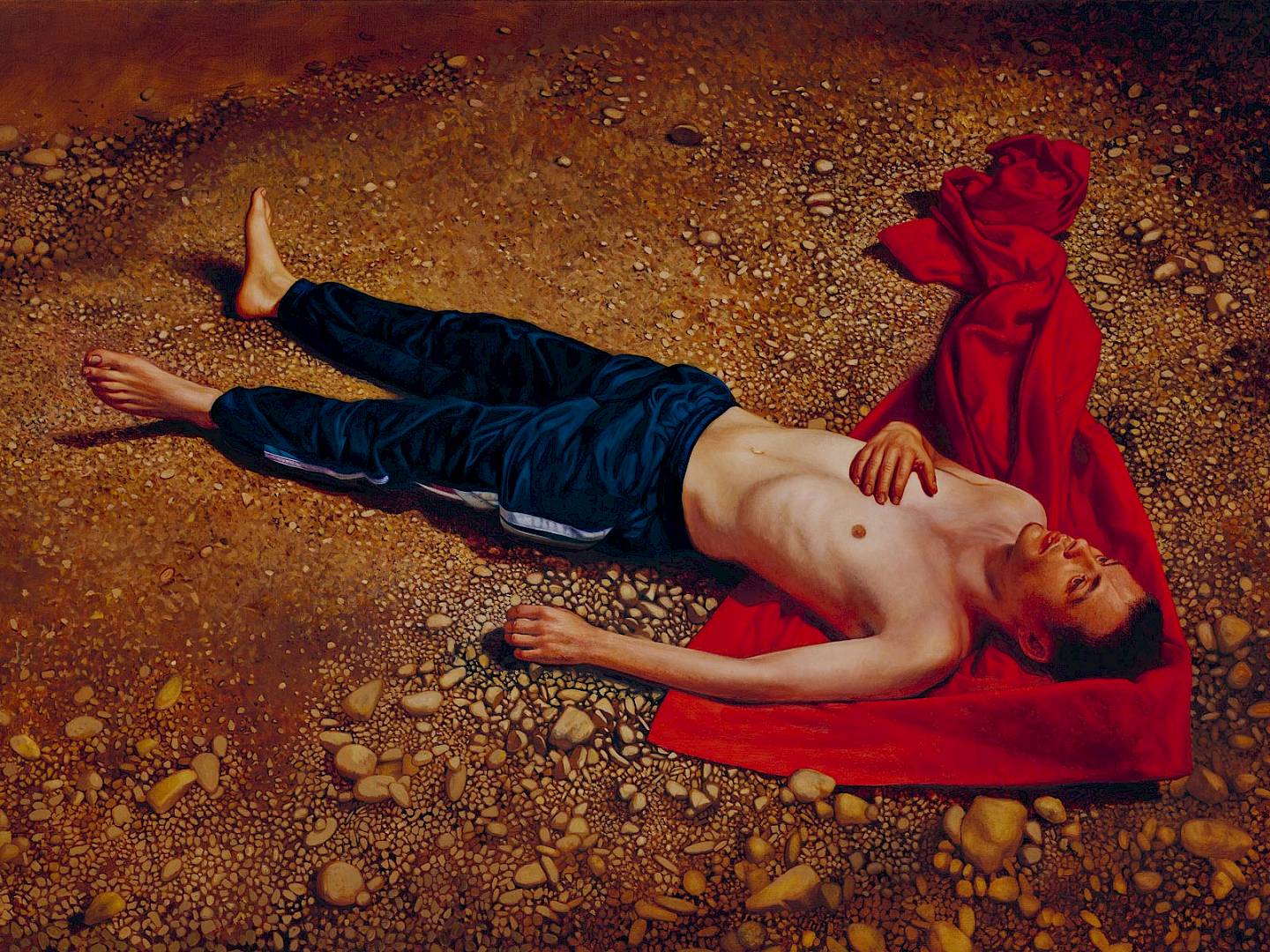
    © Poster image by Hans Aichinger (Die Lücke im Traum)

Musical Director:
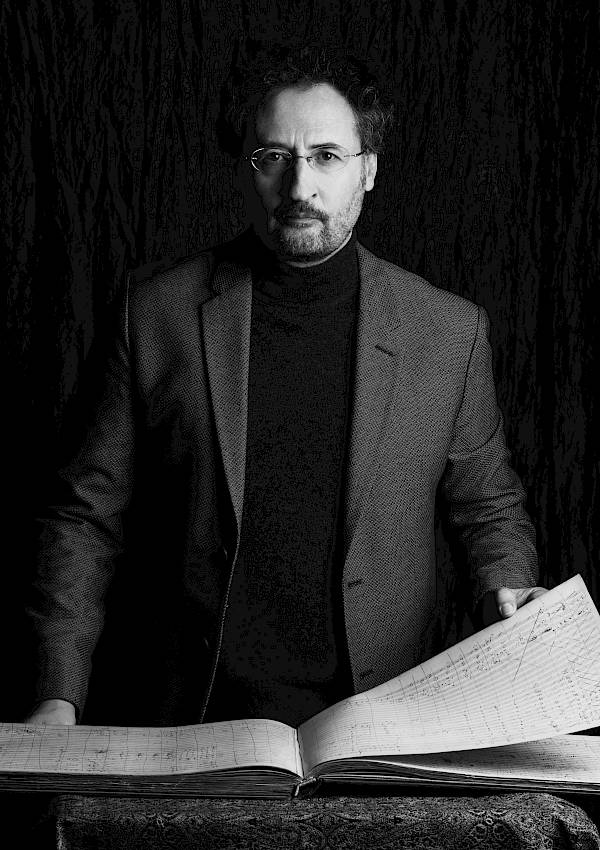
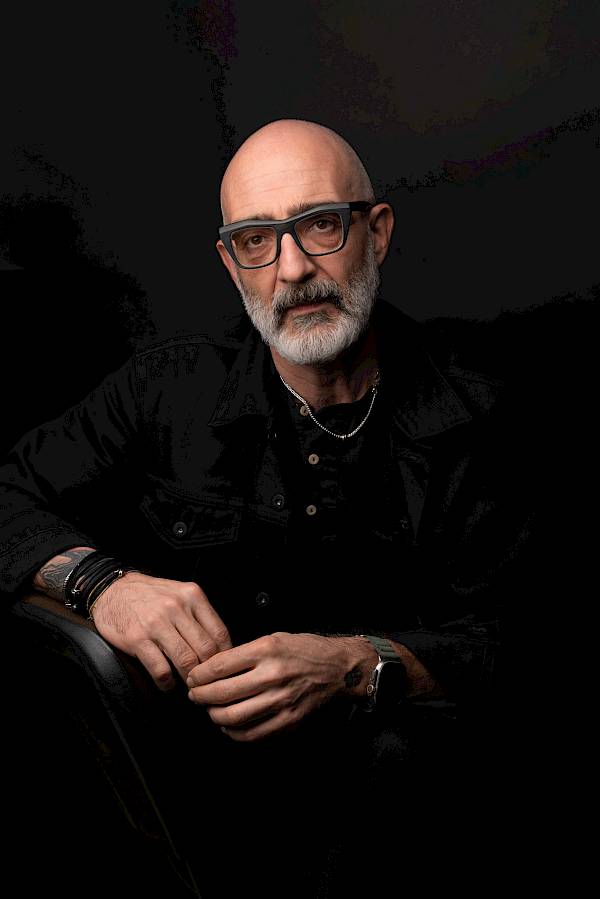
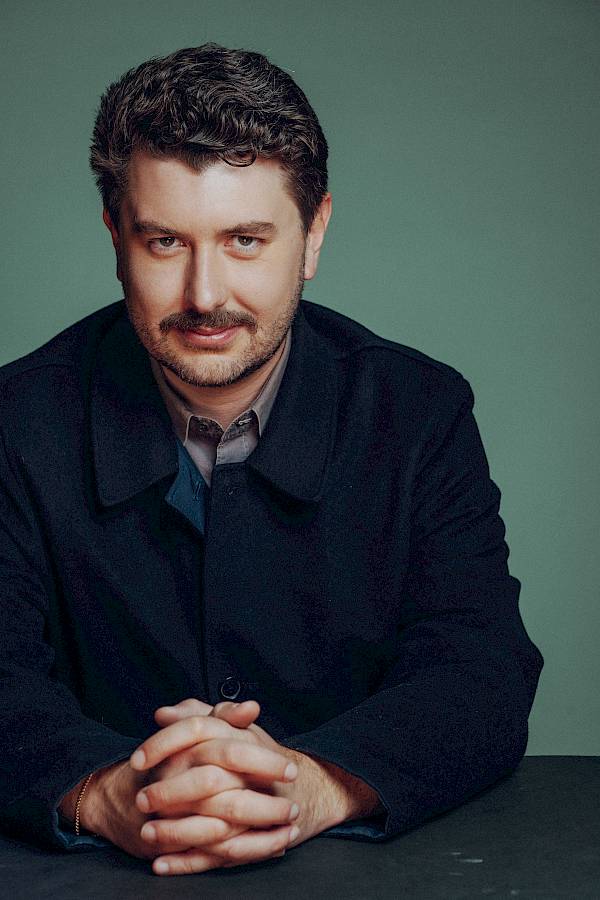
Gianluca Capuano

Gianluca Capuano

Gianluca Capuano studied organ, composition, and orchestral conducting at the conservatory in his hometown of Milan, as well as historical performance practice at the Civica Scuola di Musica. In 2015, he made his debut at the Semperoper Dresden with Handel’s "Orlando", and in 2016 at the Opernhaus Zürich with Haydn’s "Orlando paladino". In the same year, he conducted "Norma" with Cecilia Bartoli in the title role at the opening of the Edinburgh Festival, followed by a European tour of "La Cenerentola" with Cecilia Bartoli. He has conducted, among others, "Ariodante" and "Alcina" at the Salzburg Festival, the "Christmas Oratorio" and "L’elisir d’amore" at the Hamburg State Opera, "Orfeo ed Euridice" in Rome, "Il matrimonio segreto" in Amsterdam, "L’elisir d’amore" at the Teatro Real in Madrid, "La finta giardiniera", "La Cenerentola", "Iphigénie en Tauride", and "L’italiana in Algeri" in Zurich, "Le nozze di Figaro" at the Bolshoi Theatre in Moscow, as well as "Il turco in Italia", "Semele", "Norma", and "La Cenerentola" at the Bavarian State Opera. Recent engagements include a "Ring" cycle at the Opéra de Monte-Carlo, "Hotel Metamorphosis" at the Salzburg Festival, "La Cenerentola" at Teatro alla Scala, "Il barbiere di Siviglia" at the Vienna State Opera, and "Die Entführung aus dem Serail" at the Teatro Regio di Parma. In 2022, he received the Premio Abbiati as "Conductor of the Year" and in 2026 was awarded "Best Conductor" at the Oper!Awards. With his ensemble Il canto di Orfeo, founded in 2005, he primarily focuses on works of the late Renaissance and Baroque periods. Since 2019, he has been chief conductor of the ensemble Les Musiciens du Prince – Monaco, with which the CD recording "Rhapsody" was recently released.

Giulio Cesare in Egitto11 / 13 / 15 / 17 / 21 / 25 / 28 Mar 2026 La clemenza di Tito7 / 10 / 12 / 16 / 18 / 21 Mar 2027
Production:
Damiano Michieletto

Damiano Michieletto

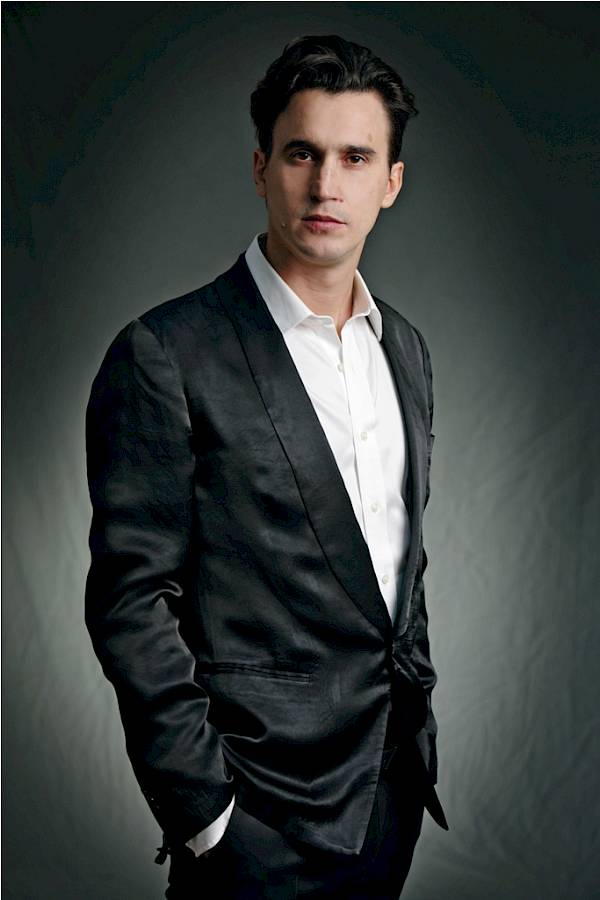
Damiano Michieletto studied opera and theatre directing in Milan and literature at the University of his hometown Venice. In 2003, he won the ESB Theatre Award of the Irish Times at the Wexford Festival for his production of Jaromír Weinberger’s opera "Schwanda". This was followed by work for the Rossini Festival in Pesaro, the Teatro Olimpico in Vicenza, as well as for opera houses in Bologna, Verona, Venice, Naples, Turin, Graz, Geneva, and Leipzig. For the New National Theatre in Tokyo, he staged "Così fan tutte" and for the Theater an der Wien, among others, "Il trittico" and "Idomeneo". In 2012, he made his debut at the Salzburg Festival with "La bohème" and subsequently staged "Falstaff" and "La Cenerentola" there. Further engagements took him, among others, to opera houses in Berlin, Paris, Barcelona, Madrid, London, and Moscow, as well as to the Glyndebourne Festival. In 2022, he created the immersive installation "Archèus. Labirinto Mozart" for the Biennale in Venice and in 2025 was responsible for the program of the Caracalla Festival at the Teatro dell’Opera di Roma. More recent works include "Messiah" at the Komische Oper Berlin, "La Fille du régiment" at the Bavarian State Opera in Munich, as well as the world premieres of Alexander Raskatov’s "Animal Farm" in Amsterdam and Francesco Filidei’s "Il nome della rosa" at La Scala in Milan. Alongside his work as an opera director, Damiano Michieletto is also active in spoken theatre, particularly at the Teatro Stabile del Veneto and the Piccolo Teatro in Milan. In 2025, he released his first film "Primavera". At the Zurich Opera House, he has staged, among others, "La scala di seta", "Il Corsaro", "Lucia di Lammermoor", and "Luisa Miller".

La scala di seta25 / 28 Sept / 19 / 24 Oct 2025 La clemenza di Tito26 / 29 Apr / 3 / 8 / 15 / 17 / 20 / 25 May 2026 / 7 / 10 / 12 / 16 / 18 / 21 Mar 2027
Set Design:
Paolo Fantin

Paolo Fantin

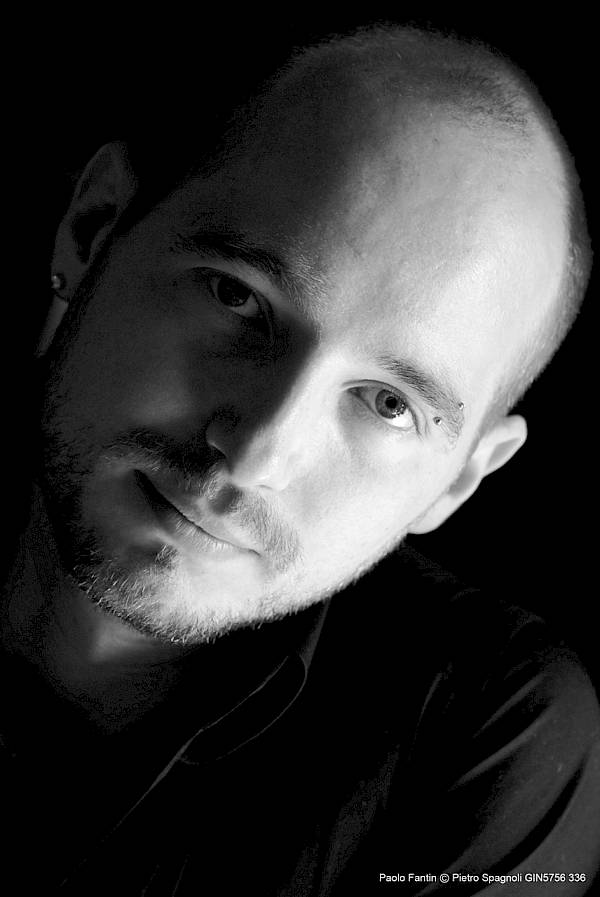
Paolo Fantin studied stage design at the Istituto Statale d’Arte in Venice and received his diploma from the Accademia di Belle Arti di Venezia. In 2005, he began his close collaboration with director Damiano Michieletto, taking part in the Ring Award in Graz. Since then, they have jointly created, among others, a Mozart/Da Ponte cycle and Gounod’s "Roméo et Juliette" at Teatro La Fenice in Venice, Puccini’s "Trittico" in Vienna and Copenhagen, "L’elisir d’amore" in Madrid and Graz, "La scala di seta" at the Rossini Opera Festival in Pesaro, "Un ballo in maschera" at La Scala in Milan, as well as in theatre Gogol’s "The Government Inspector" and "The Threepenny Opera". In 2011, he won the renowned Premio Franco Abbiati together with costume designer Carla Teti. In 2012, Paolo Fantin made his Salzburg Festival debut with Damiano Michieletto with "La bohème" and also worked with the director there on "Falstaff", "La Cenerentola", and "Alcina". Further collaborations include "Idomeneo" at the Theater an der Wien and in Tokyo, "The Rake’s Progress" in Leipzig and Venice, "Samson et Dalila" and "Don Pasquale" in Paris, Martinů’s "Greek Passion" in Palermo, "Guillaume Tell", "Cavalleria rusticana", "Les Contes d’Hoffmann", and "Carmen" at the Royal Opera in London, "Giulio Cesare" at the Théâtre des Champs-Élysées, "Animal Farm" at the Dutch National Opera, "Madama Butterfly" at the Teatro Regio in Turin, "Aida" and "La fille du régiment" at the Bavarian State Opera in Munich, as well as "La damnation de Faust", "West Side Story", and "Lohengrin" at the Teatro dell’Opera in Rome. At the Zurich Opera House, "Lucia di Lammermoor", "Il corsaro", "Luisa Miller", and "Poliuto" have already been staged.

La scala di seta25 / 28 Sept / 19 / 24 Oct 2025 La clemenza di Tito26 / 29 Apr / 3 / 8 / 15 / 17 / 20 / 25 May 2026 / 7 / 10 / 12 / 16 / 18 / 21 Mar 2027
Costumes:
Klaus Bruns

Klaus Bruns

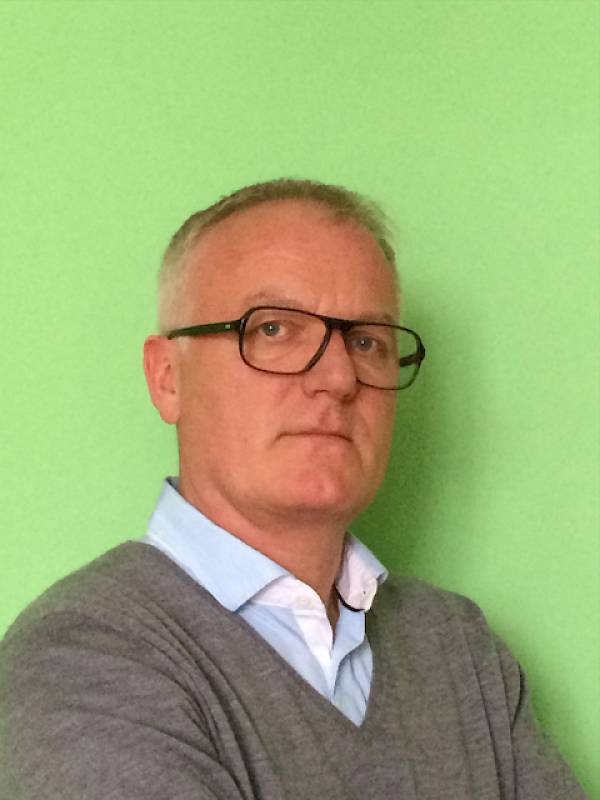
Klaus Bruns, born in Mülheim an der Ruhr, studied stage and costume design at the Mozarteum in Salzburg. Engagements as a costume designer took him, among others, to the Staatsoper Unter den Linden in Berlin, the Schauspielhaus Graz, the Hamburg State Opera, the Frankfurt Opera, the Komische Oper Berlin, the Vienna State Opera, the Theater an der Wien, the Dutch National Opera, the Teatro Regio in Turin, the Teatro Massimo Bellini in Catania, and the Metropolitan Opera in New York, as well as to the festivals in Bayreuth and Salzburg. He maintains a close collaboration with Barrie Kosky, with whom he created productions, among others, at the Komische Oper Berlin, as well as at the Hanover State Opera, Schauspiel Frankfurt, and the Bavarian State Opera in Munich. For the costumes of Kosky’s Bayreuth production of "Die Meistersinger von Nürnberg", Klaus Bruns was named Costume Designer of the Year in 2018 by the magazine Opernwelt. Further collaborations connect him with directors such as Harry Kupfer, Peter Mussbach, Götz Friedrich, Kirsten Harms, Jetske Mijnssen, and Christof Loy. For Damiano Michieletto, he designed, among others, the costumes for the world premiere of Alexander Raskatov’s "Animal Farm" in Amsterdam, for which he received an Oper! Award in 2024. At the Zurich Opera House, productions created with Barrie Kosky include "La fanciulla del West", "Macbeth", "Die Gezeichneten", "Eugene Onegin", "Boris Godunov", and "Manon Lescaut".

La clemenza di Tito26 / 29 Apr / 3 / 8 / 15 / 17 / 20 / 25 May 2026 / 7 / 10 / 12 / 16 / 18 / 21 Mar 2027 Macbeth8 / 11 / 14 / 19 / 22 / 30 Nov 2025 Manon Lescaut11 / 15 / 18 / 22 / 26 Dec 2026
Lighting Design:
Alessandro Carletti

Alessandro Carletti

The lighting designer Alessandro Carletti was born in Rome and studied photography and painting. Since 2008, he has worked regularly with director Damiano Michieletto. Among his most important recent productions are "Il trittico" and "Otello" at the Theater an der Wien, "Don Carlo" at the Vienna State Opera, "Cavalleria rusticana" at the Teatro San Carlo in Naples, "Un ballo in maschera" at La Scala in Milan, "Il viaggio a Reims" at the Dutch National Opera, "Divine parole" and "The Threepenny Opera" at the Piccolo Teatro di Milano, "The Magic Flute" at the Teatro La Fenice in Venice, and "Jenůfa" at the Staatsoper Unter den Linden in Berlin, as well as "Il trittico" at the Teatro dell’Opera di Roma. At the Royal Opera in London, he created the lighting for Daniele Abbado’s "Nabucco" as well as for Michieletto’s "Les Contes d’Hoffmann", "Carmen", and the double bill "Cavalleria rusticana/Pagliacci", which was awarded Best Opera Production at the Laurence Olivier Awards. For "Guillaume Tell" in London, he won the Knight of Illumination Award in 2015. Further collaborations with Damiano Michieletto have taken him, among others, to the Opéra de Paris, the Rossini Opera Festival in Pesaro, the Théâtre des Champs-Élysées, and the Salzburg Festival. He also maintains a close collaboration with Barrie Kosky, including productions at the Komische Oper Berlin, the Bavarian State Opera in Munich, and the Zurich Opera House.

La clemenza di Tito26 / 29 Apr / 3 / 8 / 15 / 17 / 20 / 25 May 2026 / 7 / 10 / 12 / 16 / 18 / 21 Mar 2027
Dramaturgy:
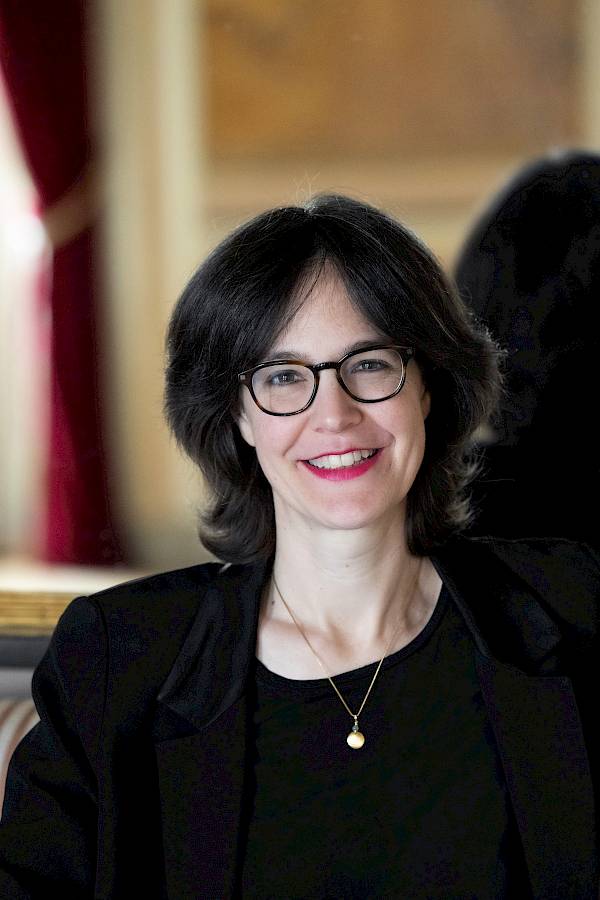
Kathrin Brunner

Kathrin Brunner

Kathrin Brunner was born in Zurich. She studied German, Musicology, and French in her hometown and at the Humboldt University in Berlin. After various assistant directorships (including "The Threepenny Opera" at the Lucerne Theater, directed by Vera Nemirova) and dramaturgy internships, she has been a dramaturge at the Zurich Opera House since 2008. There, she has worked with directors such as Achim Freyer ("Moses und Aron"), Harry Kupfer ("Die Meistersinger von Nürnberg", "Tannhäuser"), Stephan Müller, Guy Joosten, Damiano Michieletto, Christof Loy ("La straniera", "Alcina", "I Capuleti e i Montecchi", "Don Pasquale", "La rondine"), Willy Decker ("Il ritorno d’Ulisse in patria", "The Turn of the Screw"), Andreas Homoki ("Wozzeck", "Das Land des Lächelns", "La forza del destino"), Christoph Marthaler ("Il viaggio a Reims", "Orphée et Euridice"), Barrie Kosky ("Die Gezeichneten", "Boris Godunov"), Nadja Loschky, Nina Russi, Jan Essinger, and Jetske Mijnssen ("Idomeneo", "Hippolyte et Aricie", "Platée").
At the 2012 Salzburg Festival, she worked on "La bohème" with Damiano Michieletto. During the COVID-19 pandemic, she co-founded the concert series "Altchemie live" at the Alte Chemie in Uetikon. In 2025, she served as dramaturge for Jetske Mijnssen’s production of Francesco Cavalli’s "La Calisto" at the Festival d’Aix-en-Provence.

Der Rosenkavalier21 / 26 Sept / 1 / 5 / 14 / 17 / 21 / 26 Oct 2025 Manon24 / 27 Sept / 3 / 7 / 10 Oct 2025 La clemenza di Tito26 / 29 Apr / 3 / 8 / 15 / 17 / 20 / 25 May 2026 / 7 / 10 / 12 / 16 / 18 / 21 Mar 2027 Carmen18 / 21 / 23 / 27 / 31 Jan 2026 Cardillac18 / 21 / 25 Feb / 1 / 6 / 10 Mar 2026 Arabella14 / 18 / 22 / 25 / 28 Apr 2026 Die Zauberflöte20 / 25 Sept / 6 / 18 / 21 / 24 / 30 Oct 2026 / 2 / 8 / 18 / 20 / 23 Apr 2027 La rondine24 / 27 Sept / 1 / 10 / 15 Oct 2026 Elektra22 / 26 Nov / 2 / 5 / 10 / 13 / 16 Dec 2026 Don Pasquale23 / 27 / 30 May / 4 / 6 / 11 Jun 2027 Angels in America7 / 9 / 19 / 21 / 23 May 2027

Cast

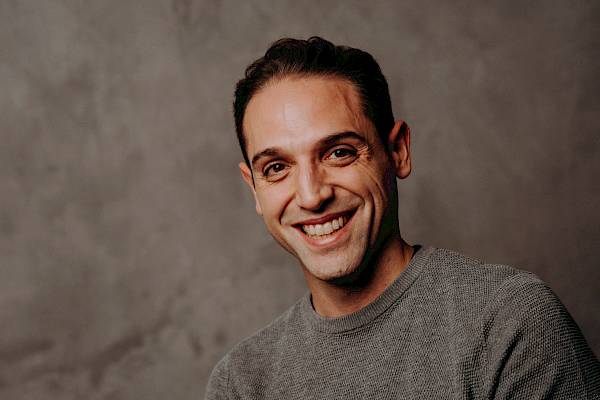
Tito Vespasiano Giovanni Sala

Vitellia Alexandra Marcellier


Servilia Yewon Han


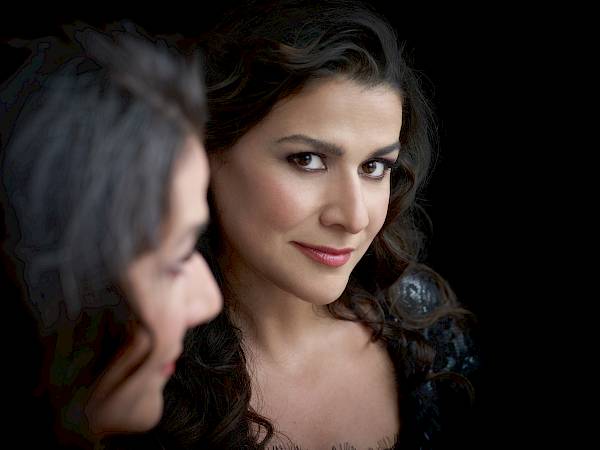
Sesto Cecilia Bartoli

Annio Anna Tetruashvili


Publio Andrew Moore

Giovanni Sala

The Italian tenor Giovanni Sala studied at the Conservatorio "Giuseppe Verdi" in Como and subsequently became a member of the Accademia Teatro alla Scala in Milan, where he worked with Luciana D’Intino and Marcelo Álvarez. His awards include the AsLiCo Competition in 2014, the International Competition of the Accademia Teatro alla Scala in 2015, and second prize at the Queen Sonja International Music Competition in Oslo. His repertoire includes the title role in Monteverdi’s "L’Orfeo", Mozart roles such as Tamino in "Die Zauberflöte", Don Ottavio in "Don Giovanni", and Ferrando in "Così fan tutte", as well as Verdi roles such as Alfredo in "La traviata" and Macduff in "Macbeth". He regularly appears at Teatro alla Scala, the Bavarian State Opera, the Deutsche Oper Berlin, the Vienna State Opera, and the Teatro Regio di Torino. Highlights of his career include Tito in "La clemenza di Tito" at the Edinburgh International Festival and in Monte Carlo, Alfredo in "La traviata" at the Maggio Musicale Fiorentino, as well as Verdi’s "Messa da Requiem" under Riccardo Muti and Beethoven’s "Missa solemnis" under Sir John Eliot Gardiner at the BBC Proms. In the 2025/26 season, he will make his debut at the Royal Opera House Covent Garden as Alfredo and return as Ferrando in a new production of "Così fan tutte" at La Scala in Milan.

La clemenza di Tito7 / 10 / 12 / 16 / 18 / 21 Mar 2027

Alexandra Marcellier

The French soprano Alexandra Marcellier began her musical training at the age of six with the violin before turning to singing at 19. She studied at the Conservatoire de Bordeaux. In 2015, she won the Prix Jeune Espoir at the International Competition of the Amis du Grand Théâtre de Bordeaux. Her victory at the Osaka Competition in 2017 led to a gala concert at Carnegie Hall in New York. In 2023, she was awarded "Révélation: artiste lyrique" at the Victoires de la Musique Classique. She sang Vitellia in Mozart’s "La clemenza di Tito" on a European tour with Les Musiciens du Prince and Cecilia Bartoli and made her highly acclaimed debut as Vitellia at the Salzburg Festival in 2024. Shortly afterwards, she took on the role of Cio-Cio-San in the final performance of "Madama Butterfly" at the Opéra Bastille in Paris. For the same role at the Opéra de Marseille, she was celebrated by both press and audience. In 2025, she debuted as Blanche de la Force in "Dialogues des Carmélites" at the Palau de les Arts in Valencia and as Nedda in "Pagliacci" at the Opéra de Saint-Étienne. Her repertoire also includes Micaëla in "Carmen", Alice Ford in "Falstaff", and Eurydice in "Orphée et Eurydice".

La clemenza di Tito7 / 10 / 12 / 16 / 18 / 21 Mar 2027

Yewon Han

Yewon Han is a South Korean soprano. She completed her bachelor’s degree at Seoul National University and continued her training in the Young Artist Program of the Korea National Opera Studio, as well as from 2022 to 2024 in the International Opera Studio in Zurich. She has interpreted a wide range of roles in Korea and Europe, including Lauretta in "Gianni Schicchi", Papagena in "Die Zauberflöte", Adele in "Die Fledermaus", Romilda in "Serse", Li Si in "Jim Knopf und Lukas der Lokomotivführer", Titania in "A Midsummer Night’s Dream", and Najade in "Ariadne auf Naxos". In 2025, she appeared as Ophelia in "Hamlet" at the Buxton International Festival. She has received numerous awards, including first prize at the 60th Concurso Tenor Viñas (2023), third prize at the International Singing Competition Neue Stimmen (2022), as well as several first prizes at major singing competitions in South Korea. Since the 2025/26 season, she has been a permanent ensemble member of the Zurich Opera House and has recently been seen there in "Hänsel und Gretel", "Manon", and "Carmen".

Manon24 / 27 Sept / 3 / 7 / 10 Oct 2025 La clemenza di Tito26 / 29 Apr / 3 / 8 / 15 / 17 / 20 / 25 May 2026 / 7 / 10 / 12 / 16 / 18 / 21 Mar 2027 Carmen18 / 21 / 23 / 27 / 31 Jan 2026 Hänsel und Gretel20 / 23 Nov / 2 / 4 / 16 / 18 Dec 2025 / 2 / 24 / 25 / 31 Jan 2026 Arabella14 / 18 / 22 / 25 / 28 Apr 2026 Tannhäuser21 / 24 / 27 Jun / 2 / 5 / 8 / 11 Jul 2026

Cecilia Bartoli

Cecilia Bartoli has established herself as one of the world’s leading classical musicians with her magnificent stage career spanning more than 40 years. Born in Rome and trained by her mother, the voice teacher Silvana Bazzoni, she was discovered by Daniel Barenboim, Herbert von Karajan and Nikolaus Harnoncourt. Milestones included, among others, the very first staging of Rossini’s “Cenerentola” at the New York Met in 1997; the legendary “Vivaldi Album,” which since 1999 has sold millions of copies; the 2008 Paris concert marathon marking Maria Malibran’s 200th birthday; her radically new approach to Bellini’s “Norma” in 2013, which also resulted in a scholarly edition of the reconstructed original score; and a triumphant Rossini Week at the Vienna State Opera in 2022. Since 2012, Cecilia Bartoli has been Artistic Director of the Salzburg Whitsun Festival, where she has appeared in works by Handel, Gluck, Rossini, Bellini and Bernstein. Since 2023, she has also been the Director of the Opéra de Monte-Carlo, the first woman in the history of the house to hold this position. Also in Monte-Carlo, the ensemble Les Musiciens du Prince – Monaco was founded in 2016, with which Cecilia Bartoli performs both at its home base and on major tours throughout Europe. Bartoli’s CDs and DVDs have sold more than twelve million copies; she has received the Grammy Award five times. Among the many honours she has received are the Léonie Sonning Music Prize, the Herbert von Karajan Music Prize and the Polar Music Prize. Since 2022 she has been President of Europa Nostra, was appointed Austrian Kammersängerin in 2023, and also runs the Cecilia Bartoli Music Foundation.

Giulio Cesare in Egitto11 / 13 / 15 / 17 / 21 / 25 / 28 Mar 2026 La clemenza di Tito7 / 10 / 12 / 16 / 18 / 21 Mar 2027

Anna Tetruashvili

Cast

La clemenza di Tito7 / 10 / 12 / 16 / 18 / 21 Mar 2027

Andrew Moore

Andrew Moore, an American bass-baritone from New Jersey, received his training at Rutgers University (Mason Gross School of the Arts) and at the renowned Curtis Institute of Music in Philadelphia. In 2019, he reached the New England Region Finals of the Metropolitan Opera National Council Auditions, where he was awarded the Susan Eastman Encouragement Award. Further important artistic milestones included the Merola Opera Program in San Francisco as well as the Santa Fe Opera, where he appeared as an Apprentice Singer in "La bohème", "Così fan tutte", and "Jenůfa". From 2020 to 2022, he was a member of the International Opera Studio at the Zurich Opera House. He was subsequently engaged in the company ensemble, which he has belonged to since the 2022/23 season. There, he has appeared as Figaro ("Le nozze di Figaro"), Paolo Albiani ("Simon Boccanegra"), Don Fernando ("Fidelio"), De Brétigny ("Manon"), Marullo ("Rigoletto"), Paris ("Roméo et Juliette"), Marchese d’Obigny ("La traviata"), Pritschitsch ("Die lustige Witwe"), Johann ("Werther"), and Fix ("In 80 Tagen um die Welt"). His recent international engagements include his debut with the Warsaw Philharmonic as bass soloist in Beethoven’s Symphony No. 9 as well as his Salzburg debut as Marchese d’Obigny ("La traviata"). In summer 2026, he will appear at the Salzburg Festival as Johann ("Werther"). His repertoire also includes roles such as Leporello ("Don Giovanni"), Guglielmo ("Così fan tutte"), and Rocco ("Fidelio").

Manon24 / 27 Sept / 3 / 7 / 10 Oct 2025 La clemenza di Tito26 / 29 Apr / 3 / 8 / 15 / 17 / 20 / 25 May 2026 / 7 / 10 / 12 / 16 / 18 / 21 Mar 2027 Tannhäuser21 / 24 / 27 Jun / 2 / 5 / 8 / 11 Jul / 26 Sept / 4 / 9 / 13 Oct 2026 Le nozze di Figaro24 / 29 Jan / 1 / 5 / 7 / 10 / 14 Feb 2026 Die Zauberflöte20 / 25 Sept / 6 / 18 / 21 / 24 / 30 Oct 2026 Alice im Wunderland21 / 26 Nov / 6 Dec 2026 / 7 / 10 Jan 2027 Roméo et Juliette12 / 19 / 21 Feb / 2 / 5 Mar 2027 L'elisir d'amore25 / 27 / 29 Apr / 2 / 6 / 9 / 12 / 14 / 17 / 21 May 2027
Show full cast Show less

Chor der Oper Zürich

Der Chor der Oper Zürich bildet mit seinen 60 festangestellten Mitgliedern und der Mitwirkung von bis zu 160 Vorstellungen pro Saison einen wesentlichen Eckpfeiler des künstlerischen Ensembles am Opernhaus Zürich. Er vereinigt unter dem Dach des traditionsreichsten schweizerischen Opernhauses Sängerinnen und Sänger auf höchstem professionellen Niveau, deren musikalische und stilistische Versiertheit sich mit darstellerischer Gestaltungskraft und spontaner Spielfreude verbinden. Regelmässig stellen seine Mitglieder auch als Solisten ihr künstlerisches Format unter Beweis. Der Chor spiegelt in seiner internationalen Zusammensetzung den Anspruch und die Strahlkraft der Oper Zürich wieder, die sich durch zahlreiche DVD-Aufnahmen erwiesen haben und 2104 mit dem Preis der «Opera Company of the Year» ausgezeichnet wurden. Wichtige musikalische Impulse erhielten die Chormitglieder durch die Arbeit mit Dirigenten wie Nello Santi, Nikolaus Harnoncourt, Franz Welser-Möst, Bernard Haitink, Riccardo Chailly, Valery Gergiev, Daniele Gatti, Zubin Mehta und Fabio Luisi. Ihre schauspielerischen Fähigkeiten entwickelten sie im Dialog mit Regisseuren wie David Pountney, Robert Wilson, Harry Kupfer, Peter Stein, Peter Konwitschny oder Andreas Homoki. Gastspiele führten den Chor nach Tokio (Der Rosenkavalier und La traviata), London (Die Meistersinger von Nürnberg, Tannhäuser, Der fliegende Holländer), Paris (La cenerentola, Fierrabras), Athen (Carmen, Idomeneo) oder nach Rom, wo er anässlich einer Papstmesse zur Feier des 500-jährigen Bestehens der Schweizer Garde Mozarts Krönungsmesse aufführte. Als «International Chamber Vocalists» wirkte der Chor der Oper Zürich in der 2014 mit einem Echo-Preis ausgezeichneten Neueinspielung von Vincenzo Bellinis Norma mit.

Der Rosenkavalier21 / 26 Sept / 1 / 5 / 14 / 17 / 21 / 26 Oct 2025 Manon24 / 27 Sept / 3 / 7 / 10 Oct 2025 Tosca28 Sept / 2 / 8 / 11 / 15 / 19 Oct 2025 / 11 / 14 / 17 / 21 / 24 Apr / 13 / 17 May 2027 La clemenza di Tito26 / 29 Apr / 3 / 8 / 15 / 17 / 20 / 25 May 2026 / 7 / 10 / 12 / 16 / 18 / 21 Mar 2027 Tannhäuser21 / 24 / 27 Jun / 2 / 5 / 8 / 11 Jul / 26 Sept / 4 / 9 / 13 Oct 2026 Cardillac15 / 18 / 21 / 25 Feb / 1 / 6 / 10 Mar 2026 La Damnation de Faust10 / 14 / 17 May 2026 Carmen18 / 21 / 23 / 27 / 31 Jan 2026 Madama Butterfly30 Dec 2025 / 3 / 9 / 11 / 13 / 16 Jan 2026 Un ballo in Maschera22 / 28 / 31 May / 7 / 13 Jun 2026 La forza del destino2 / 7 / 12 / 15 / 18 / 21 / 26 / 29 Nov / 17 / 21 Dec 2025 Rigoletto20 / 23 / 27 Dec 2025 / 1 / 4 Jan 2026 Le nozze di Figaro24 / 29 Jan / 1 / 5 / 7 / 10 / 14 Feb 2026 Fidelio3 / 6 / 10 / 14 / 16 May 2026 Così fan tutte3 / 7 / 9 / 12 Jul 2026 Macbeth8 / 11 / 14 / 19 / 22 / 30 Nov 2025 Die Fledermaus7 / 10 / 12 / 14 / 18 / 26 / 28 / 31 Dec 2025 / 2 / 4 / 6 / 10 Jan / 29 Sept / 8 / 17 / 23 / 25 Oct 2026 Messa da Requiem20 / 22 / 28 Feb / 1 / 5 / 7 Mar / 6 Apr 2026 Arabella14 / 18 / 22 / 25 / 28 Apr 2026 Europa-Tournee 2026 «Messa da Requiem»22 / 23 / 25 / 26 / 29 / 31 Mar 2026 Die Zauberflöte20 / 25 Sept / 6 / 18 / 21 / 24 / 30 Oct 2026 / 2 / 8 / 18 / 20 / 23 Apr 2027 La rondine24 / 27 Sept / 1 / 10 / 15 Oct 2026 Rachmaninov – Die drei Opern1 / 4 / 8 / 15 / 18 / 21 / 28 Nov 2026 Manon Lescaut11 / 15 / 18 / 22 / 26 Dec 2026 La traviata20 / 23 / 29 Dec 2026 / 1 / 3 / 6 / 9 / 12 / 15 / 19 / 23 Jan 2027 Die lustige Witwe27 / 31 Dec 2026 / 3 / 7 / 10 / 13 Jan 2027 Doctor Atomic7 / 11 / 14 / 20 / 24 / 28 Feb 2027 Roméo et Juliette12 / 19 / 21 Feb / 2 / 5 Mar 2027 La fanciulla del west25 / 28 Feb / 3 / 7 Mar / 4 / 7 / 10 / 16 Apr 2027 L'elisir d'amore25 / 27 / 29 Apr / 2 / 6 / 9 / 12 / 14 / 17 / 21 May 2027 Requiem pour Ophélie4 / 7 / 9 May 2027 Don Pasquale23 / 27 / 30 May / 4 / 6 / 11 Jun 2027 Samson et Dalila13 / 17 / 20 / 24 / 27 / 30 Jun / 2 / 9 Jul 2027 La bohème16 / 18 / 23 Jun / 4 / 7 / 10 Jul 2027 Don Carlo1 / 6 / 8 / 11 Jul 2027

Orchestra La Scintilla

Die Pflege der historischen Aufführungspraxis hat am Opern­haus Zürich seit dem Monteverdi-Zyklus in den 1970er Jahren Tradition. Bei der folgenden Reihe der Mozart-Opern mit dem Lei­tungs­­­team Harnoncourt/Ponnelle wurde weiter Pio­nierarbeit geleistet, und die Musikerinnen und Musiker passten ihre Spieltechnik den neue­sten Erkenntnissen der historischen Aufführungspraxis an. 1996 formierte sich aus dem Orchester der Oper ein eigenständiges Ensemble von erstklassigen spezialisierten MusikerInnen, das sich einen hervorragenden Ruf erwerben konnte. Der Funke der Begeisterung an neuer «Alter Musik» gab dem Ensemble seinen Namen: La Scintilla – der Funke. Aufführungen mit Koryphäen des Faches wie Nikolaus Har­non­court (u.a. Il ritorno d’Ulisse in patria, Idomeneo), William Christie (u.a. Orphée et Euridice, Les Indes galantes, Orlando), Mark Minkowski (Les Boréades, Giulio Cesare), Reinhard Goebel und Giuliano Carmignola gerieten so erfolgreich, dass das Opernhaus Zürich alle barocken und fast alle aus der klassischen Zeit stammenden Opern von seiner Barockforma­tion La Scintilla spielen liess und lässt. Ausserdem konzertiert das Orchestra La Scintilla der Oper Zürich mit namhaften Solisten – Instrumentalisten wie Sängern – und tritt unter der Leitung von Ada Pesch regelmässig in den gros­­sen Konzertsälen Europas wie der Londoner Royal Festival Hall, dem Concertgebouw Am­sterdam, der Philharmonie Berlin und dem KKL Luzern auf. Äusserst erfolgreich begleitete das Orchester Cecilia Bartoli auf mehrwöchigen Konzertreisen in Nordamerika und Europa (u.a. in der Carnegie Hall).

La clemenza di Tito26 / 29 Apr / 3 / 8 / 15 / 17 / 20 / 25 May 2026 / 7 / 10 / 12 / 16 / 18 / 21 Mar 2027 2nd La Scintilla Concert15 Dec 2025 Giulio Cesare in Egitto11 / 13 / 15 / 17 / 21 / 25 / 28 Mar 2026 3. Konzert La Scintilla18 May 2026 Bezuidenhout & Minasi15 Mar 2026 Aci, Galatea e Polifemo20 / 29 Mar 2026 Johannes-Passion24 Mar 2026 1. Konzert La Scintilla19 Oct 2026 2. Konzert La Scintilla21 Dec 2026 Rinaldo14 / 19 / 23 / 25 / 27 / 29 Mar 2027 3. Konzert La Scintilla26 Apr 2027 c-Moll-Messe17 Mar 2027 Gringolts & Corti & Fischer11 Jul 2027

Abstract

An attempted coup and his closest friend a conspirator – yet Tito would rather renounce his rule than base his power on fear and terror. "La clemenza di Tito" is a work that poses timeless questions about the exercise of power, about guilt and forgiveness. Mozart’s late opera seria contains some of his most fascinating arias and ensembles. The rising tenor Giovanni Sala sings Tito, while Cecilia Bartoli interprets Sesto, one of her signature roles. Under the direction of Gianluca Capuano, the historically informed Orchestra La Scintilla performs.

Read more Show less

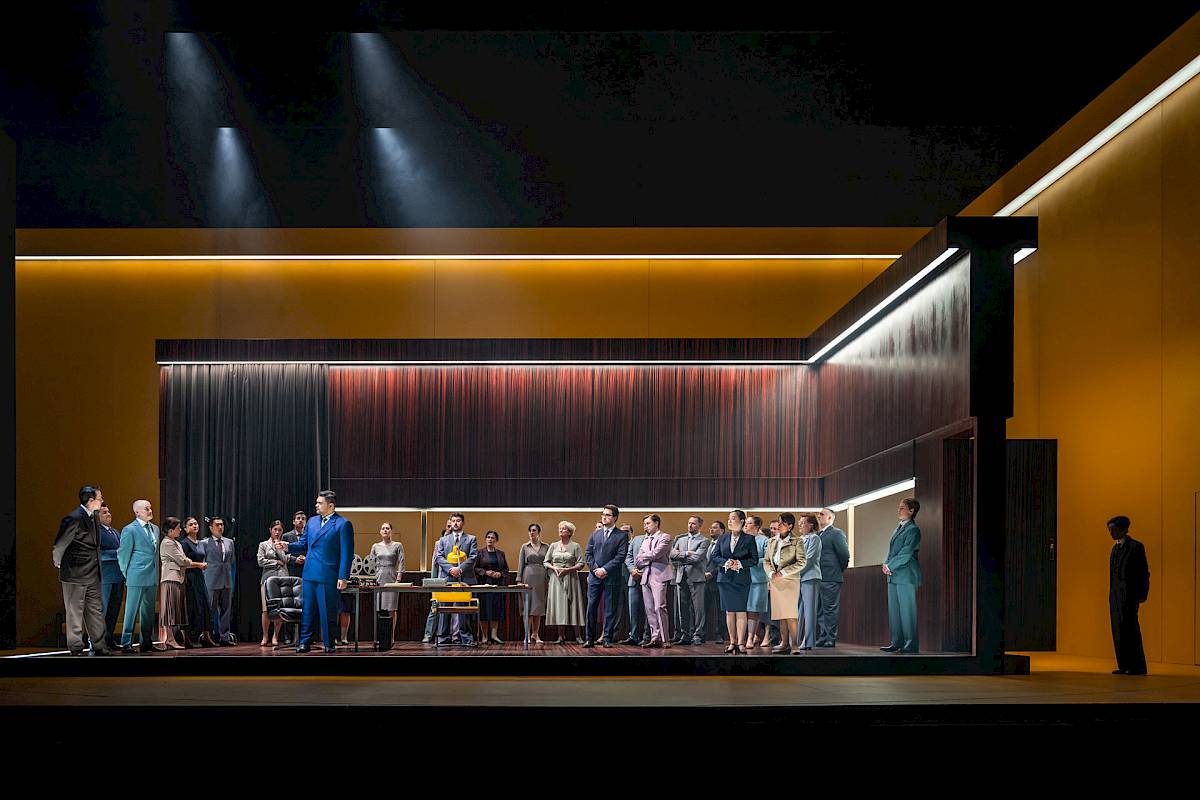
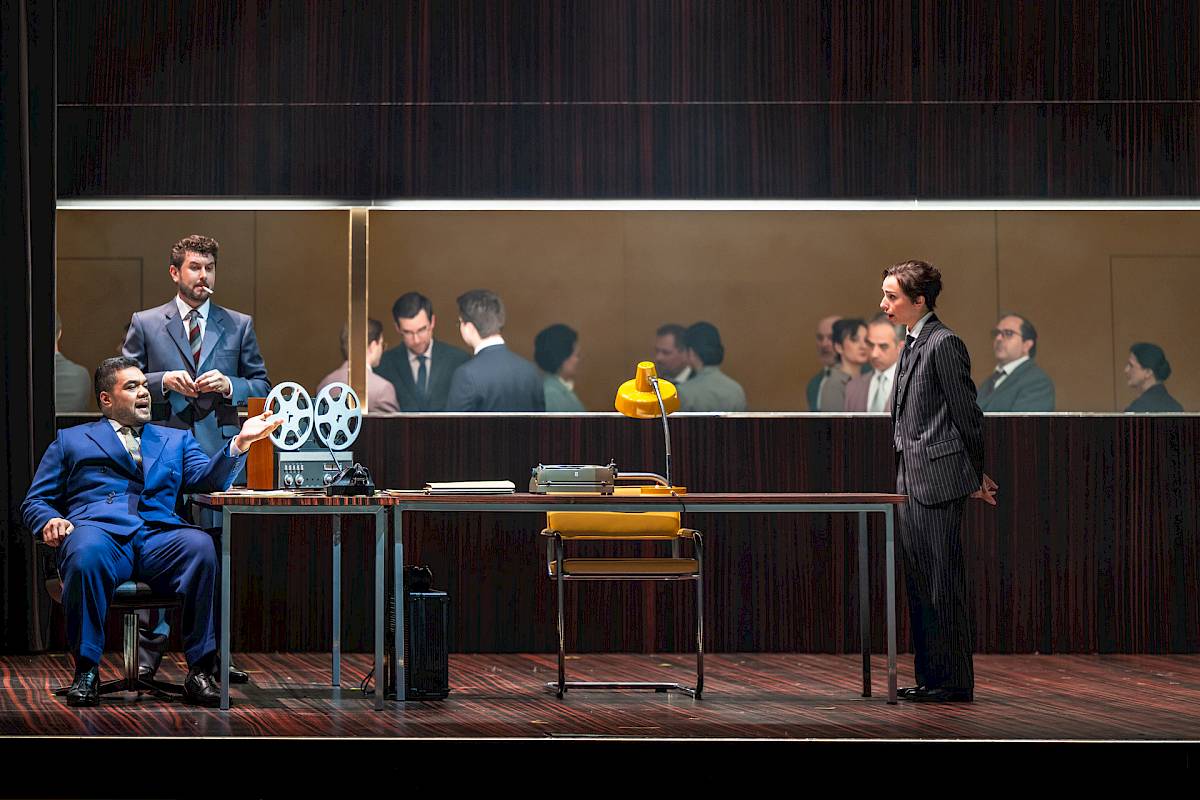
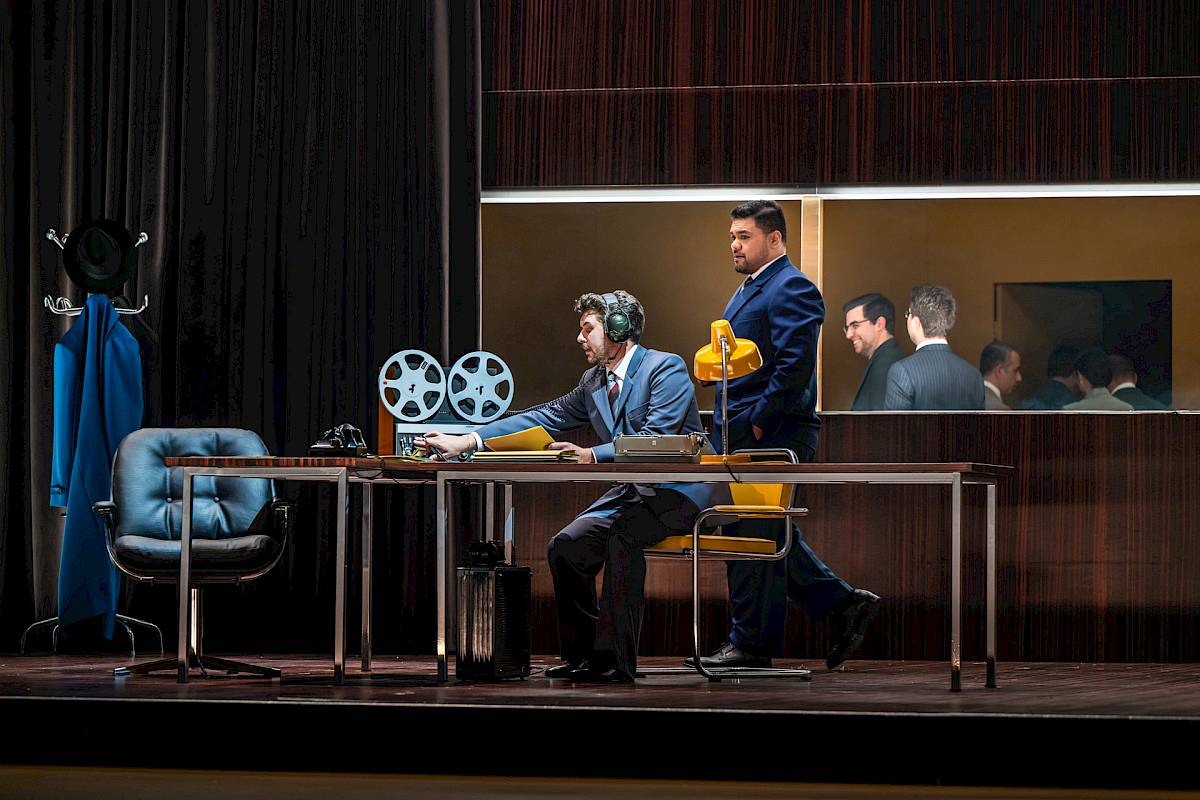
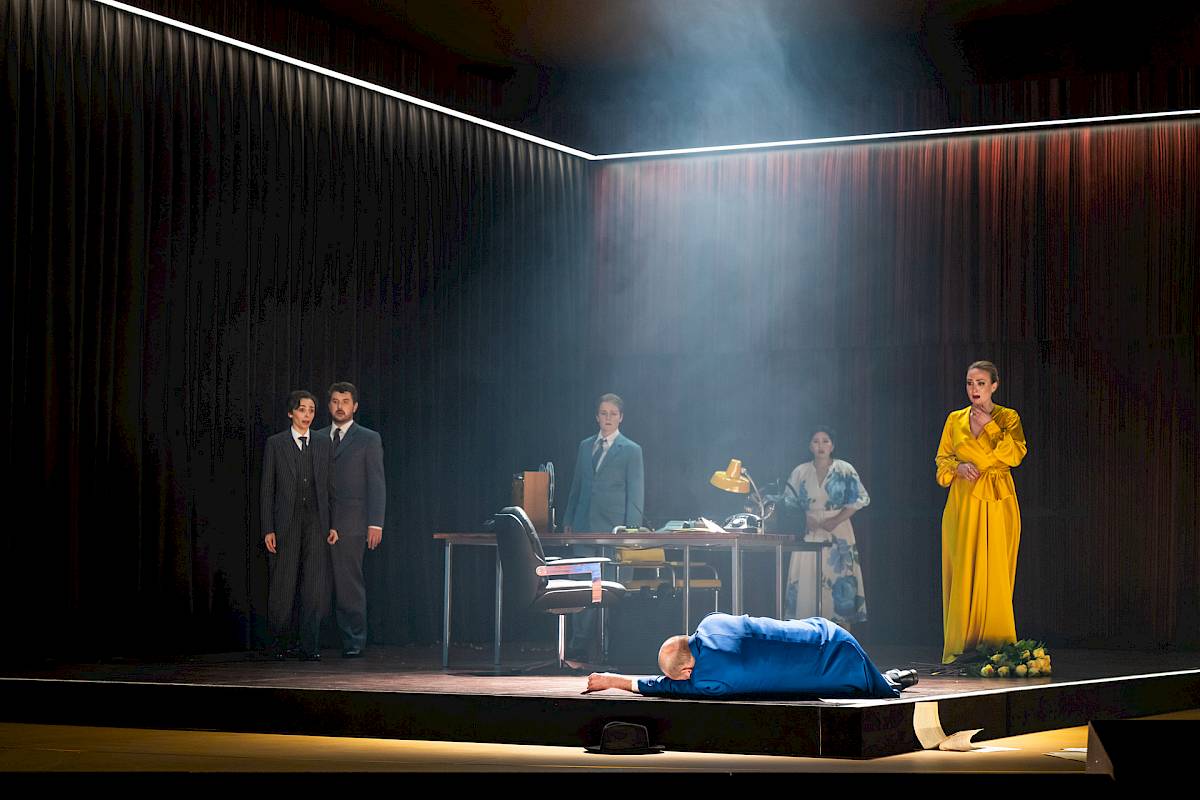
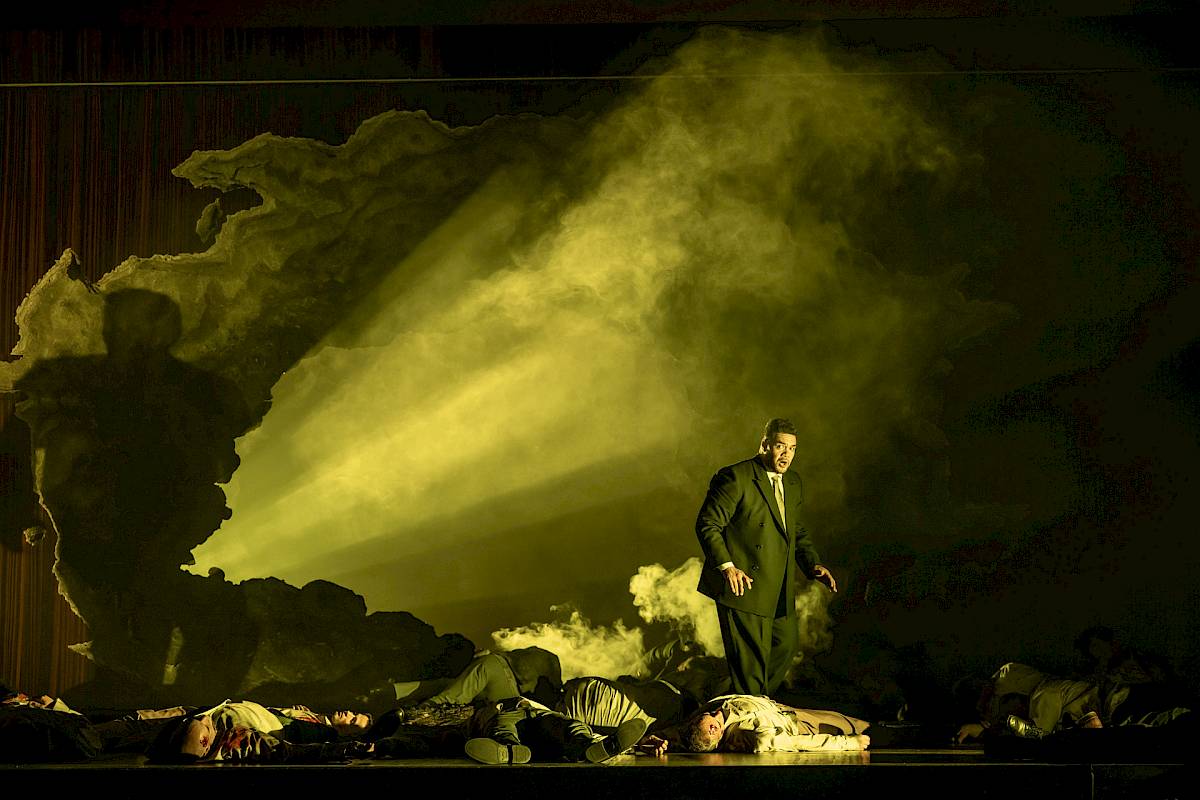
Photo Gallery “La clemenza di Tito”


Good to know

Synopsis

Discover the heart of every story: Our synopses provide guidance on the plot and the conflicts that drive its characters.

Act One

Vitellia, daughter of murdered Emperor Vitellius, is plotting her revenge. She instructs Sesto, who is madly in love with her, to assassinate the new Roman ruler Tito, whose father had Vitellius killed. However, the plot still hangs in the balance. Vitellia accuses Sesto of stalling. In fact, Sesto is a close friend of Tito’s, whom he also considers a valued benefactor and supporter. Sesto guesses the true reason for Vitellia’s anger: Vitellia is jealous, because Tito intends to marry another woman, Berenice. When Vitellia threatens to deprive Sesto of her love, he finally capitulates. He promises to carry out whatever Vitellia asks of him.

Sesto’s friend Annio enters and informs them that Tito has broken off his engagement to Berenice, a foreigner, who did not find favour with the Senate. Vitellia is emboldened and instructs Sesto to delay proceeding with their plan. When Sesto suspects that Vitellia is merely using him for her own ends, she astutely allays his fears.

Annio is in love with Sesto’s sister Servilia and asks him to put in a good word for him with Tito so the marriage will be approved. When Annio and Sesto appear before Tito, Tito is the first to speak. As a gesture of goodwill towards the people and as sign of his close relationship with Sesto, he reveals his intention to marry Servilia. Sesto finds himself in an awkward position. Annio, utterly aghast, does not have the courage to argue against the ruler’s wishes or resist his plans. However, when Servilia learns of the proposed marriage, she is firmly opposed. She seeks Tito out and tells him of her love for Annio. Tito is delighted to have at last found an honest person among his entourage and waives his marriage entitlement.

Vitellia knows nothing of the recent developments and views Servilia as her new rival. She believes that Tito has humiliated her once again and condemned her to a life of insignificance. Vitellia compels Sesto, whom she accuses of cowardice, to set fire to the Capitol and murder Tito. However, when Vitellia later learns from Annio and Tito’s closest assistant Publio that she herself is Tito’s chosen bride it is too late. The city is already in uproar and Vitellia can no longer call Sesto off. Finding Sesto distraught a short time later, he informs her of Tito’s murder. Vitellia, whose primary concern is for her own survival, is barely able to prevent him from handing himself in.  Rome mourns the death of its emperor.


Act Two

Annio tells a sceptical Sesto that the would-be assassin killed another man and that Tito survived unharmed. Sesto, tormented by his guilty conscience, confesses to Annio that he is behind the uprising. Annio wants to prevent Sesto from fleeing and persuades him to admit his guilt to Tito as a sign of remorse. Vitellia, however, urges Sesto to flee, fearing that he would otherwise betray her. Publio enters and has Sesto arrested, now the chief suspect.

Tito waits impatiently for the result of Sesto’s interrogation in the Senate. He cannot believe that his friend would have betrayed him. Publio warns Tito not to be too trusting. Presently, Publio announces the findings of the investigation in the Senate. Sesto has confessed and will be sentenced to death. All that is required is Tito’s signature. Annio, who heard Publio’s announcement, begs Tito to pardon his friend. Although Tito is deeply disappointed, he wishes to speak with Sesto in private. Still Sesto, wanting to avoid betraying Vitellia at all costs, does not reveal any further clues which might help determine a motive. He merely maintains his guilt and grieves the breakdown of their friendship. Furious, Tito orders Sesto to be led to his execution. Now alone, Tito wrestles with his conscience. Should he stay true to his policy of compassion and spare a friend or ruthlessly adhere to the demands of the law in cases of high treason? Annio and Servilia try desperately to persuade Vitellia, as Tito’s new bride, to advocate for Sesto. Vitellia gradually realises that she would forever harbour guilt for Sesto’s death. Even the prospect of marrying Tito leaves a stale taste in her mouth. She decides to tell Tito everything.

The Romans wait for Sesto’s public execution. When Tito is about to announce Sesto’s sentence, Vitellia interrupts him, confessing that it was she who encouraged Sesto to carry out the murder. Tito, feeling betrayed by everyone, is nonetheless merciful. He exonerates Vitellia and pardons Sesto as well.