Tannhäuser

Richard Wagner

Opera in three acts
Libretto by the composer

From 26. September 2026 until 13. October 2026

  • Duration :
    approx. 4 hrs. 15 min. incl. intermissions after 1st part after approx. 1 hrs.  and after 2nd part after approx. 2 hrs. 45 min.
  • Language:
    In German with German and English surtitles.
  • More information:
    Introduction 45 min before the performance.
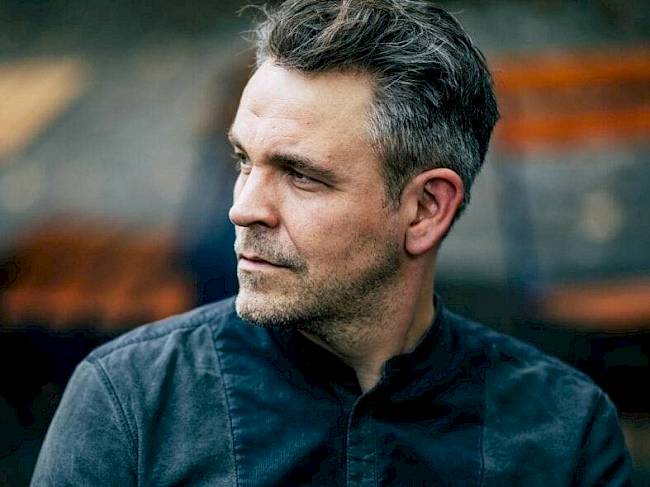
    © Poster image by Paolo Barretta (Untitled)

Musical Director:
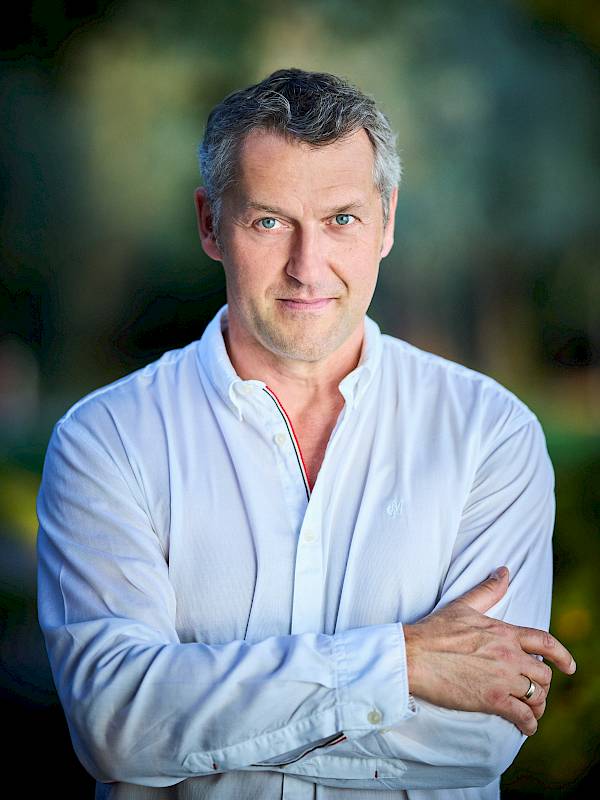
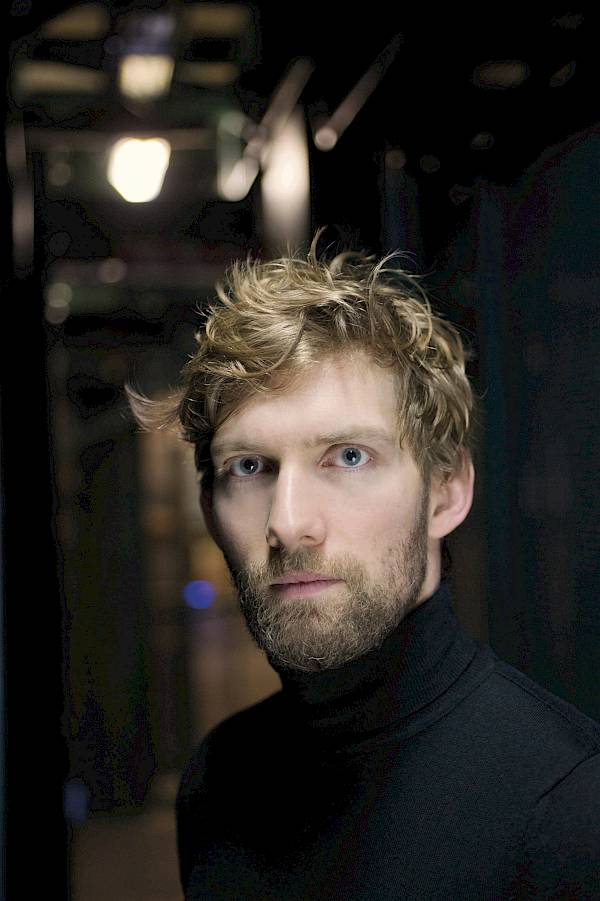
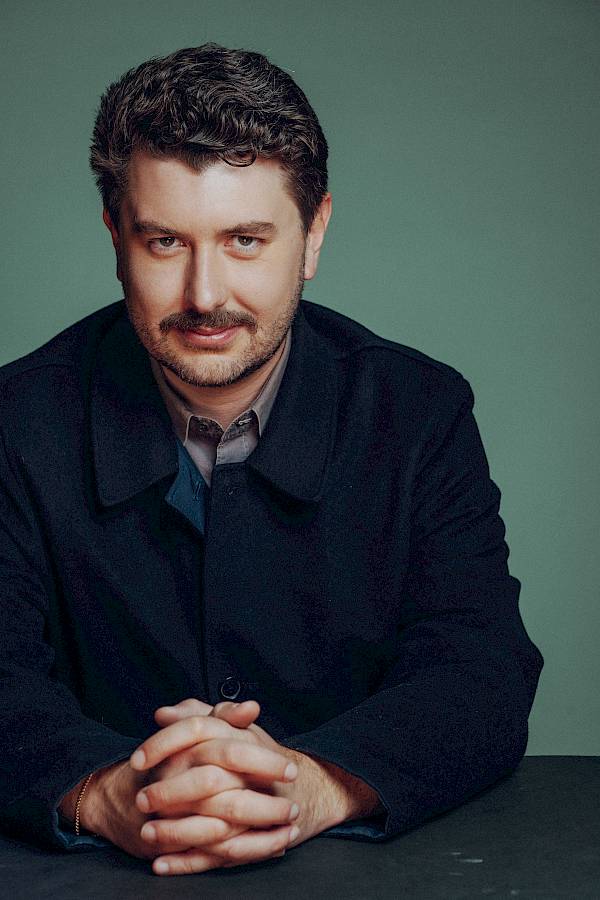
Markus Poschner

Markus Poschner

Since receiving the German Conductors’ Prize, Markus Poschner has appeared as a guest with the world’s most renowned orchestras and opera houses, including the Deutsches Symphonieorchester Berlin, the Staatskapelle Berlin, the Sächsische Staatskapelle Dresden, the SWR Symphony Orchestra, the Bamberg Symphony, the Vienna Symphony, the Orchestre Philharmonique de Radio France and the NHK Symphony Orchestra Tokyo. He has also conducted at the state opera houses in Berlin, Vienna, Munich and Hamburg, as well as at Zurich Opera House. From 2007 to 2017, he was General Music Director of the Bremen Philharmonic. In 2022, he opened the Bayreuth Festival with a new production of "Tristan und Isolde", which he also conducted in 2023. In the 2026/27 season, the Munich-born conductor, who is also a passionate jazz pianist, will become the new Chief Conductor of the prestigious ORF Radio Symphony Orchestra Vienna. Since the 2025/26 season, he has been Chief Conductor of the Basel Symphony Orchestra and, from the 2027/28 season, will also take up the position of Music Director of the Utah Symphony Orchestra. From 2015 to 2025, Poschner was Chief Conductor of the Orchestra della Svizzera italiana, with which he won the prestigious International Classical Music Award in 2018 for the complete recording of the Brahms symphonies and again in 2025 for his recordings of Hindemith and Schnittke. His recording of Offenbach’s "Maître Péronilla" with the Orchestre National de France was awarded the German Record Critics’ Annual Award in 2021. For the complete recording of all Bruckner symphonies with the Bruckner Orchestra Linz, whose Chief Conductor Poschner has been since 2017, and the ORF Radio Symphony Orchestra Vienna, he received the Special Achievement Award from the jury of the International Classical Music Awards in 2024. In 2020, Poschner and the Bruckner Orchestra Linz received the Austrian Music Prize.

Tannhäuser26 Sept / 4 / 9 / 13 Oct 2026
Production:
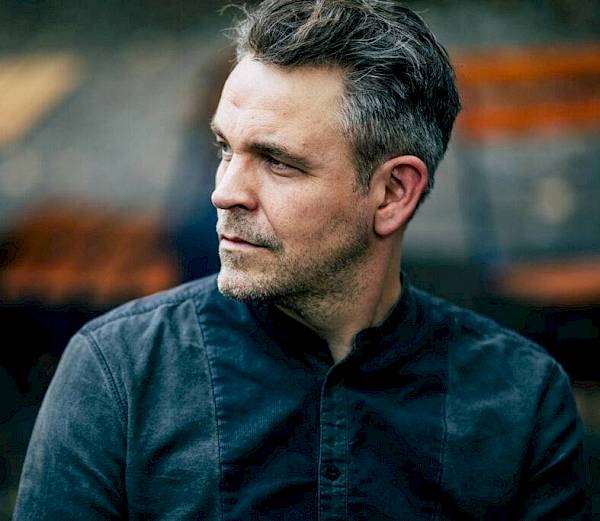
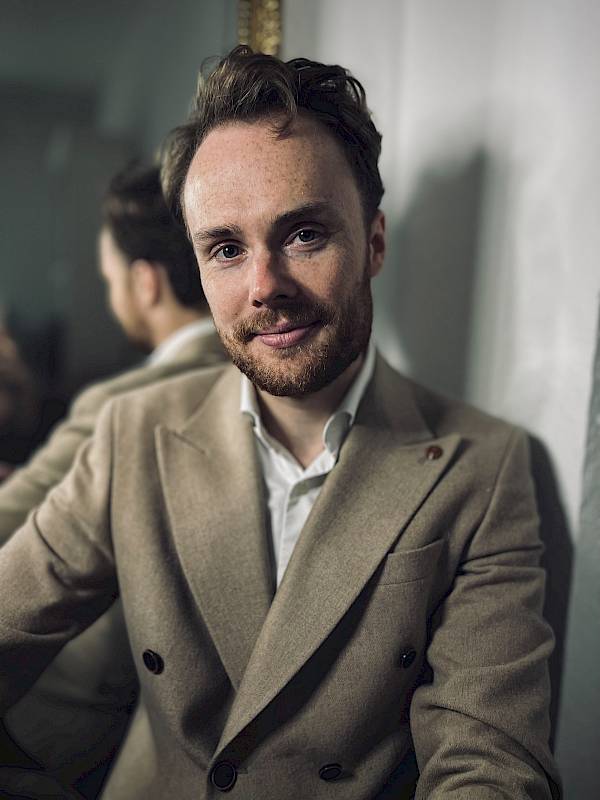
Thorleifur Örn Arnarsson

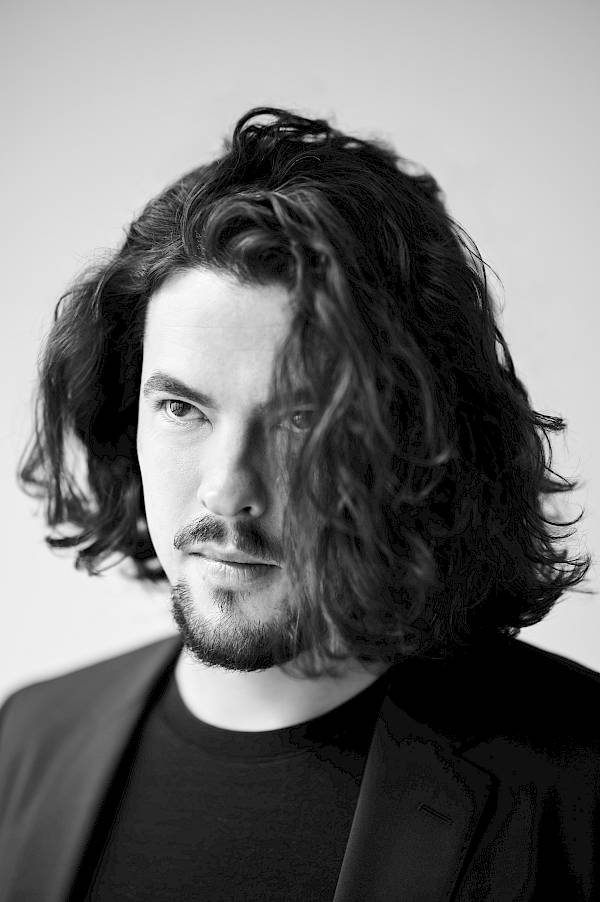
Thorleifur Örn Arnarsson

Thorleifur Örn Arnarsson wurde 1978 in Reykjavik geboren. Nach dem Schauspielstudium an der Kunstakademie in Island arbeitete er als Regisseur an verschiedenen Häusern in Island, Finnland und Australien. Von 2005 bis 2009 studierte er an der Hochschule für Schauspielkunst «Ernst Busch» in Berlin. In der Spielzeit 2010/2011 war er Chefregisseur am Konstanzer Stadttheater. Er inszenierte am Staatstheater Mainz, war leitender Regisseur am Staatstheater Wiesbaden und eröffnete 2016 die Ibsen-Festspiele in Oslo. Am Theater Augsburg inszenierte er die Opern «Die Fledermaus», «La bohème» und «Lohengrin». 2016/17 inszenierte er erstmals am Schauspiel Hannover («Hamlet»), gefolgt von einer Neuerzählung der «Edda», für die er 2018 mit dem Faust-Preis in der Kategorie Regie ausgezeichnet wurde, «Macbeth» und «Die verlorene Oper. Ruhr-Epos» (gemeinsam mit Albert Ostermeier und in Zusammenarbeit mit den Ruhrfestspielen). Weitere Arbeiten entstanden für das Norwegische Nationaltheater in Oslo («Faust»), das Theater Basel («Die Räuber») und das Theater Dortmund. Von 2019 bis 21 war Thorleifur Örn Arnarsson Schauspieldirektor an der Volksbühne Berlin. In den vergangenen Jahren arbeitete er unter anderem am Wiener Burgtheater und am Thalia Theater in Hamburg statt. Am Staatstheater Kassel realisierte er im Sommer 2022 das genreübergreifende Musiktheater-Projekt «Temple of Alternative Histories». In der Spielzeit 2023/24 inszenierte Arnarsson «Parsifal» an der Staatsoper Hannover, «Peer Gynt» am Burgtheater in Wien und «Tristan und Isolde» bei den Festspielen in Bayreuth. «Tannhäuser» ist Arnarssons erste Inszenierung am Opernhaus Zürich.

Tannhäuser26 Sept / 4 / 9 / 13 Oct 2026
Set Design:
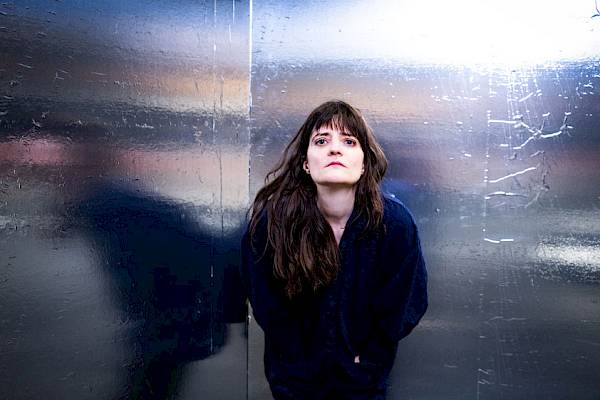
Erna Mist

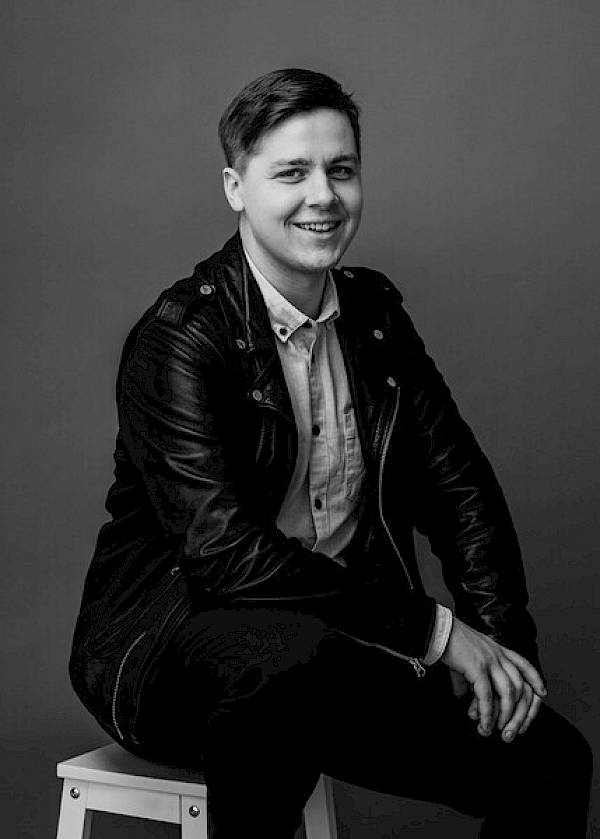
Erna Mist

Erna Mist (born 1998 in Reykjavík) is an Icelandic artist primarily known for her surreal paintings. She graduated from the Slade School of Fine Art in 2023 and currently lives and works in Reykjavík. Despite her young age, her works have already been exhibited internationally, including in London, Milan, Los Angeles, New York, at Art Basel Miami, in Reykjavík, and most recently at the United Art Center in Beijing, China. In addition to her painting practice, she has published opinion pieces in all major Icelandic newspapers and designed stage sets for the Reykjavík City Theatre.

Tannhäuser26 Sept / 4 / 9 / 13 Oct 2026
Costumes:
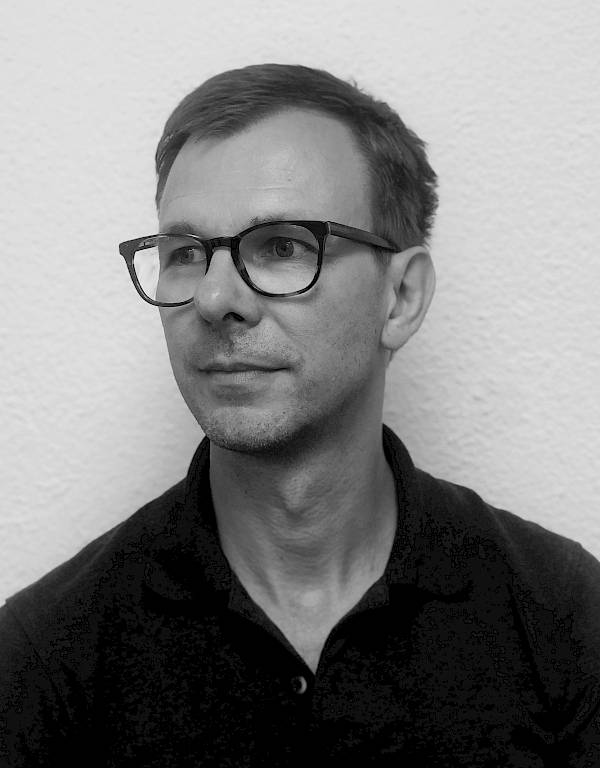
Teresa Vergho

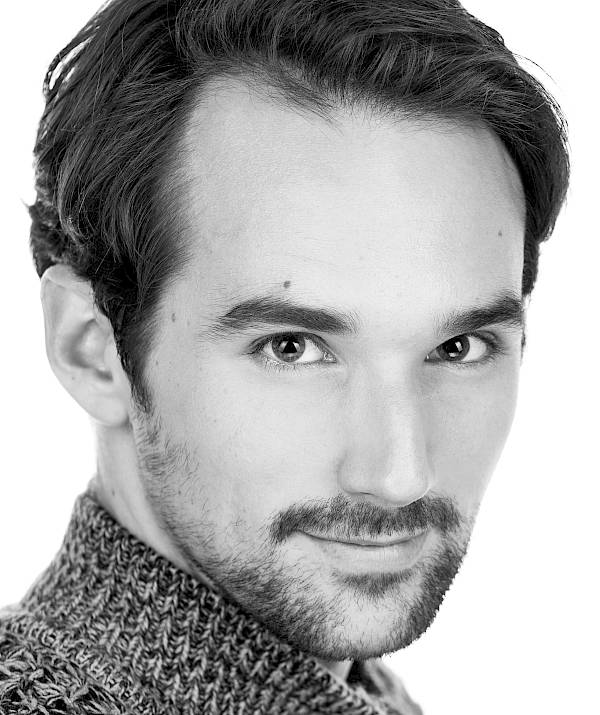
Teresa Vergho

Teresa Vergho, born in 1980 in Regensburg, studied stage and costume design at the Hochschule für Bildende Künste Dresden and the Berlin University of the Arts after completing an apprenticeship as a tailor. She subsequently worked as a resident design assistant at the Munich Kammerspiele. Since 2012, she has worked as a stage and costume designer with directors including Ersan Mondtag, Pınar Karabulut, Karin Henkel, Susanne Kennedy, Johan Simons, Jossi Wieler, Benny Claessens, Falk Richter, Marie Schleef, and Wilke Weermann. Her work has been seen at the Munich Kammerspiele, the Maxim Gorki Theater, the Volksbühne Berlin, the Deutsches Schauspielhaus Hamburg, the Schauspiel Köln, the Ruhrtriennale, the Deutsche Oper Berlin, the Vienna Festival, the Burgtheater, the Salzburg Festival, and the Opéra de Lyon. As a costume designer, several of her productions were invited to the Berlin Theatertreffen, including in 2012 with "Gesäubert / Gier / 4.48 Psychose" directed by Johan Simons, in 2014 "Tauberbach" directed by Alain Platel, in 2022 with "Like Lovers Do" directed by Pınar Karabulut, and most recently in 2025 with "Double Serpent" directed by Ersan Mondtag. Her costume design for "Die Selbstmordschwestern", directed by Susanne Kennedy, was nominated in 2017 in the stage and costume design category for the German theatre award Der Faust, and in the 2024/25 critics’ poll of the magazine Theater heute she was named Costume Designer of the Year. Teresa Vergho lives in Berlin.

Tannhäuser26 Sept / 4 / 9 / 13 Oct 2026
Lighting Design:
Martin Gebhardt

Martin Gebhardt

Martin Gebhardt was lighting designer and Head of Lighting for John Neumeier’s Hamburg Ballet. From 2002 onward he collaborated with Heinz Spoerli and the Ballett Zürich. Ballet productions of both companies took him to renowned theatres across Europe, Asia, and the Americas. At Zurich Opera House he created the lighting design for productions by Jürgen Flimm, David Alden, Jan Philipp Gloger, Grischa Asagaroff, Matthias Hartmann, David Pountney, Moshe Leiser/Patrice Caurier, Damiano Michieletto, and Achim Freyer. At the Salzburg Festival he designed the lighting for "La bohème" and for a new version of Spoerli’s "Der Tod und das Mädchen". Since the 2012/13 season Martin Gebhardt has been Head of Lighting at Zurich Opera House. He maintains a close collaboration with choreographer Christian Spuck (including "Winterreise", "Nussknacker und Mausekönig", "Messa da Requiem", "Anna Karenina", "Woyzeck", "Der Sandmann", "Leonce und Lena", "Das Mädchen mit den Schwefelhölzern"). He has also worked as lighting designer for choreographers Edward Clug (including "Strings", "Le Sacre du printemps" and "Faust" in Zurich), Alexei Ratmansky, Wayne McGregor, Marco Goecke, and Douglas Lee. He collaborated with Christoph Marthaler and Anna Viebrock on Handel’s "Sale" and Rossini’s "Il viaggio a Reims" in Zurich as well as on "Lulu" at the Hamburg State Opera, and with Jossi Wieler and Sergio Morabito at the Grand Théâtre de Genève for "Les Huguenots". In 2023 he designed the lighting for Spuck’s ballet "Bovary" at the Staatsballett Berlin and in 2024 for Rossini’s "Tancredi" at the Bregenz Festival. He was also the lighting designer for Cathy Marston’s "Atonement" at Zurich Opera House.

Oiseaux Rebelles11 / 13 / 16 / 18 / 27 Sept 2026 Tannhäuser26 Sept / 4 / 9 / 13 Oct 2026 Die Fledermaus29 Sept / 8 / 17 / 23 / 25 Oct 2026 Ein Sommernachtstraum11 / 16 / 18 / 25 / 28 / 29 / 31 Oct / 12 / 13 / 14 Nov 2026 / 19 / 22 / 29 Jun / 3 Jul 2027 Romeo und Julia20 / 27 / 29 Nov / 6 / 13 / 19 / 26 / 27 Dec 2026 Slow Rush16 / 17 / 22 / 28 / 30 Jan / 5 / 10 / 13 / 17 / 21 Feb / 29 / 30 May / 3 Jun 2027 Doctor Atomic7 / 11 / 14 / 20 / 24 / 28 Feb 2027 Timeframed27 Feb / 6 / 24 Mar / 1 / 3 / 9 / 18 / 22 / 28 / 30 Apr / 1 May 2027 Le nozze di Figaro2 / 6 / 8 / 15 / 19 May 2027 Samson et Dalila13 / 17 / 20 / 24 / 27 / 30 Jun / 2 / 9 Jul 2027
Choreographer:
Sebastian Zuber

Sebastian Zuber

Sebastian Zuber graduated from the Salzburg Experimental Academy of Dance in 2015. He worked with choreographer Eyal Bromberg and became an ensemble member in the production "More Than Naked" by Doris Uhlich before joining the Johannes Wieland Company at the Staatstheater Kassel for five years in 2016. Since then, he has performed across disciplines, both in opera productions by Christoph Marthaler, Sebastian Baumgarten, and Herbert Fritsch, as well as in contemporary works by the Susanna Leinonen Company, Panorama Dance Company, Saar Magal, Judith Sanchez Ruiz, Helder Seabra, and Joachim Schloemer. Since 2016, he has been creating and producing works with his own company, including "Accalia", "Industrial Seagrass", and "Shallow Waters". His commissioned choreographic works include "Aggro Alan" by Alexander Nerlich at the Staatstheater Mainz, "Turandot" directed by Sebastian Baumgarten and "Tannhäuser" directed by Thorleifur Arnarsson at the Zurich Opera House, as well as "WILT and Shine" by Florian Zumkehr. In the 2024/25 season, he was an Associated Artist at Tanzhaus Basel, where he premiered his latest production "Honeymoon".

Tannhäuser26 Sept / 4 / 9 / 13 Oct 2026
Chorus Master:
Klaas-Jan de Groot

Klaas-Jan de Groot

Klaas-Jan de Groot is a Dutch conductor and choral director. Since the 2025/26 season, he has been Chorus Director of the Opernhaus Zürich. After studying in The Hague and Cardiff, he served from 2016 to 2022 as assistant to Chorus Director Ching-Lien Wu at the Dutch National Opera, where he prepared several productions and projects with the opera chorus. Since 2018, he has worked regularly with the Netherlands Radio Choir (Groot Omroepkoor). From 2018 to 2024, he served annually as assistant to Chorus Director Eberhard Friedrich at the Bayreuth Festival. He has conducted various concerts and performances with Opera Zuid as well as with the Orchestra of the Eighteenth Century and the Essener Philharmoniker. From 2022 to 2025, he was Chorus Director of the Aalto-Theater in Essen. Since 2023, he has worked regularly with the NDR Vokalensemble in Hamburg. In 2024, he made his debut with the MDR-Rundfunkchor as well as with the Rundfunkchor Berlin. In recognition of his support for emerging talent, Klaas-Jan de Groot was awarded the prestigious Dutch Conducting Prize of the Anton Kersjes Fonds in 2021.

Die Zauberflöte20 / 25 Sept / 6 / 18 / 21 / 24 / 30 Oct 2026 / 2 / 8 / 18 / 20 / 23 Apr 2027 Tannhäuser26 Sept / 4 / 9 / 13 Oct 2026 Die Fledermaus29 Sept / 8 / 17 / 23 / 25 Oct 2026 Rachmaninow – Die drei Opern1 / 4 / 8 / 15 / 18 / 21 / 28 Nov 2026 Manon Lescaut11 / 15 / 18 / 22 / 26 Dec 2026 Doctor Atomic7 / 11 / 14 / 20 / 24 / 28 Feb 2027 La fanciulla del west25 / 28 Feb / 3 / 7 Mar / 4 / 7 / 10 / 16 Apr 2027 Ascanio in Alba13 / 20 Mar 2027 L'elisir d'amore25 / 27 / 29 Apr / 2 / 6 / 9 / 12 / 14 / 17 / 21 May 2027 Requiem pour Ophélie4 / 7 / 9 May 2027 Samson et Dalila13 / 17 / 20 / 24 / 27 / 30 Jun / 2 / 9 Jul 2027 Don Carlo1 / 6 / 8 / 11 Jul 2027
Dramaturgy:
Jana Beckmann,

Jana Beckmann

Jana Beckmann is a dramaturge and curator. She studied choreography in Buenos Aires, dramaturgy in Hamburg, as well as music and philosophy in Oldenburg, and has worked internationally for opera, theatre, and festival institutions, including Tanzhaus Zürich, Kampnagel, the Grand Théâtre de Genève, and the Goethe-Institut Buenos Aires. From 2018 to 2023, she was a dramaturge at the Berlin State Opera. She has collaborated with directors including Romeo Castellucci, Kornél Mundruczó, Christiane Jatahy, Calixto Bieito, Dmitri Tcherniakov, Philipp Stölzl, Barbora Horáková, and Thorleifur Örn Arnarsson. From 2023 to 2025, she was part of the dramaturgy leadership collective of the Vienna Festival under the artistic direction of Milo Rau. There, she was responsible for and supervised key productions of the festival programme, including "Sancta" by Florentina Holzinger. Since the 2025/26 season, she has been a dramaturge at the Zurich Opera House as well as an independent curator for the Vienna Festival. In addition, she undertakes teaching and jury work and was the author of a radio opera about Joseph Beuys for SWR. As a curator, she developed and directed formats that combine aesthetic innovation with questions of participation and cultural transformation, including the concert-performance format "Sustainable Listening", which was nominated for the OPUS Klassik, and the "Akademie Zweite Moderne".

Tannhäuser26 Sept / 4 / 9 / 13 Oct 2026 Die Fledermaus29 Sept / 8 / 17 / 23 / 25 Oct 2026 Rachmaninow – Die drei Opern1 / 4 / 8 / 15 / 18 / 21 / 28 Nov 2026 Doctor Atomic7 / 11 / 14 / 20 / 24 / 28 Feb 2027
Roman Reeger

Roman Reeger

Roman Reeger studied Historical Musicology and Law at the University of Hamburg. He gained his first theatre experience as an intern and assistant at the theatres in Oldenburg and Kiel, as well as at the Staatsoper and the Schaubühne in Berlin. In 2013, he joined the dramaturgy department of the Staatsoper Unter den Linden. From 2020 to 2025, he was a senior dramaturg and member of the opera management team at Theater Basel. Guest engagements have taken him to the Baden-Baden Easter Festival and the Munich Biennale for New Music Theatre, among others. He has collaborated with directors such as Christoph Marthaler, Herbert Fritsch, Thom Luz, Benedikt von Peter, Philippe Quesne, Claus Guth, Andreas Kriegenburg, Anna Bergmann, Eva-Maria Höckmayr, and Jürgen Flimm, and has overseen world premieres of works by composers including Jörg Widmann, Oscar Strasnoy, Lucia Ronchetti, Manos Tsangaris, Beat Furrer, Hèctor Parra, and Herbert Grönemeyer. As a freelance author, he has contributed to specialist journals, exhibition catalogues, and CD booklets, regularly gives lectures, and has taught as a lecturer at the Berlin University of the Arts. Since the 2025/26 season, he has been Chief Dramaturg at the Zurich Opera House.

Tannhäuser26 Sept / 4 / 9 / 13 Oct 2026 La fanciulla del west25 / 28 Feb / 3 / 7 Mar / 4 / 7 / 10 / 16 Apr 2027 L'elisir d'amore25 / 27 / 29 Apr / 2 / 6 / 9 / 12 / 14 / 17 / 21 May 2027 Werckmeister Harmonien22 / 23 / 24 / 27 / 30 Apr / 2 May 2027

Cast


Hermann, Landgraf von Thüringen Christof Fischesser


Tannhäuser Eric Cutler


Elisabeth Christina Nilsson


Venus Rachael Wilson


Biterolf Andrew Moore


Wolfram von Eschenbach Andrè Schuen


Walther von der Vogelweide Johan Krogius


Heinrich der Schreiber Nathan Haller


Reinmar von Zweter Brent Michael Smith


Ein junger Hirt Thalia Cook-Hansen

Christof Fischesser

Bass Christof Fischesser was born in Wiesbaden and studied voice with Martin Gründler at the Frankfurt University of Music and Performing Arts. In 2000, he won First Prize at the Federal Singing Competition in Berlin, followed by an engagement at the Badisches Staatstheater Karlsruhe. In 2004, he moved to Staatsoper Unter den Linden in Berlin. From 2012 to 2015, he was a member of the ensemble at Zurich Opera House, with which he has maintained a close working relationship ever since. Guest engagements have taken him to, among others, the Vienna State Opera, the Royal Opera House in London, the Opéra national de Paris, Teatro Real in Madrid, the Bavarian State Opera in Munich, the Komische Oper Berlin, the Semperoper Dresden, the Opéra de Lyon, the Théâtre du Capitole de Toulouse, Houston Grand Opera, Lyric Opera of Chicago and the opera house in Antwerp. His wide-ranging repertoire includes roles such as King Marke in "Tristan und Isolde", Landgrave in "Tannhäuser", King Heinrich in "Lohengrin", Gurnemanz in "Parsifal", Sarastro in "Die Zauberflöte", Figaro in "Le nozze di Figaro", Banquo in "Macbeth", Méphistophélès in "Faust" and Baron Ochs auf Lerchenau in "Der Rosenkavalier". Numerous CD and DVD recordings document his artistic work. At Zurich Opera House, he has appeared, among other roles, as King Heinrich, Orest in "Elektra", Kaspar, Daland, Gremin, Gurnemanz, Marchese di Calatrava and Padre Guardiano in "La forza del destino", Hunding in "Die Walküre" and Jacopo Fiesco in "Simon Boccanegra". In the 2026/27 season, he will once again appear in Wagner operas at Zurich Opera House, including "Tannhäuser" and "Die Walküre".

Tannhäuser26 Sept / 4 / 9 / 13 Oct 2026 Die Walküre24 / 31 Jan / 3 / 6 Feb 2027

Eric Cutler

Eric Cutler was born in Iowa and studied at Luther College and the Lindemann Young Artists Development Program at the Met. In 2005, he won the Richard Tucker Award. He is a guest at international opera houses including the Metropolitan Opera in New York, the Bavarian State Opera, the Royal Opera House in London, the Paris Opera, La Fenice in Venice, Lyric Opera of Chicago, the Teatro dell’Opera di Roma, the Canadian Opera Company and the Santa Fe Opera, as well as at the Salzburg, Glyndebourne and Bayreuth festivals. After beginning with Mozart and bel canto repertoire as well as lyrical roles by Bellini, Donizetti, Bizet and Gounod, among others, at the Metropolitan Opera in New York, the Bavarian State Opera in Munich, the Royal Opera House, the Paris Opera and the festivals in Salzburg and Glyndebourne, he now focuses in particular on roles in the young heroic tenor repertoire. Recent highlights include the title role in "Lohengrin" (Staatsoper Hamburg, Salzburg Easter Festival and Staatsoper Berlin), Siegmund in "Die Walküre" (Staatsoper Berlin), Florestan in "Fidelio" (Royal Opera House, Dutch National Opera & Ballet and Zurich Opera House), Peter Grimes (Theater an der Wien) and the Emperor in Richard Strauss’ "Die Frau ohne Schatten" (Semperoper Dresden). Earlier highlights include the title role in Offenbach’s "Les Contes d’Hoffmann" (Brussels and Dresden), Bacchus in "Ariadne auf Naxos" (Festival d’Aix-en-Provence), Max in Weber’s "Der Freischütz" and Erik in "Der fliegende Holländer" (Bavarian State Opera and Bayreuth Festival). At Zurich Opera House, he made his debut in the 2022/23 season as Siegmund in "Die Walküre", followed by his debut as Paul in Korngold’s "Die tote Stadt" in 2025, and in the 2026/27 season he returns here as Tannhäuser and Siegmund.

Tannhäuser26 Sept / 4 / 9 / 13 Oct 2026 Die Walküre24 / 31 Jan / 3 / 6 Feb 2027

Christina Nilsson

Christina Nilsson completed her vocal studies at the University College of Opera in Stockholm. The multiple award-winning soprano – including prizewinner at the Renata Tebaldi International Voice Competition (2017) and the Operalia Competition (2019) – was appointed Hovsångerska by King Carl XVI Gustaf in 2025. The Swedish-born singer achieved her international breakthrough in the 2017/18 season as Aida at the Royal Swedish Opera in Stockholm, where she subsequently performed numerous major roles such as Tosca, Ariadne and Countess Almaviva ("Le nozze di Figaro"). She has appeared as a guest at international opera houses including the Metropolitan Opera in New York, the Royal Opera House in London, the Bavarian State Opera in Munich, the Semperoper Dresden, Deutsche Oper Berlin and Oper Frankfurt. Recent highlights include her debuts at the Bayreuth Festival as Freia ("Das Rheingold") and her role debut as Eva in "Die Meistersinger von Nürnberg" under Daniele Gatti, her house debut at the Metropolitan Opera in New York as Aida, her role debut as Chrysothemis in "Elektra" at the Royal Swedish Opera in Stockholm, as well as Elisabeth in "Tannhäuser" and Aida at Oper Frankfurt. Other important engagements include Rosalinde ("Die Fledermaus") at the Bavarian State Opera and Aida at the Royal Opera House and the Semperoper Dresden. On the concert platform, she recently sang Schoenberg’s "Gurrelieder" under Alan Gilbert with the NDR Elbphilharmonie Orchestra, Verdi’s Requiem under Andrés Orozco-Estrada with the Gothenburg Symphony Orchestra and Beethoven’s Ninth Symphony under Alan Gilbert with the Tokyo Metropolitan Symphony Orchestra. At Zurich Opera House, she will once again appear as Elisabeth in "Tannhäuser" in the 2026/27 season.

Tannhäuser26 Sept / 4 / 9 / 13 Oct 2026

Rachael Wilson

Rachael Wilson was born in Las Vegas and completed her vocal studies at the Juilliard School in New York. From 2013 to 2015, she was a member of the opera studio at the Bavarian State Opera and subsequently a member of the house’s ensemble until 2019. There, she sang, among other roles, Dorabella ("Così fan tutte"), Hänsel ("Hänsel und Gretel"), Cherubino ("Le nozze di Figaro") and Fatime in Weber’s "Oberon", for which she received the Bavarian Festival Prize. She is also a recipient of the Bavarian Arts Prize. From 2019 to 2023, she was a member of the ensemble at Staatsoper Stuttgart, where she made her role debut as Fricka ("Das Rheingold") and sang, among other roles, the title roles in "Carmen" and Vivaldi’s "Juditha triumphans", as well as Charlotte ("Werther"). Since then, as a freelance artist, she has appeared as a guest, among other places, at Teatro Real in Madrid, Theater Basel, Komische Oper Berlin and Staatsoper Hamburg, as Lola ("Cavalleria rusticana") at the Royal Opera House Covent Garden in London and as Varvara ("Káťa Kabanová") at the Glyndebourne Festival. At Zurich Opera House, she has previously appeared as Balkis ("Barkouf") and Olga ("Eugene Onegin"). Her most recent role debuts include Blanche de la Force in Poulenc’s "Dialogues des Carmélites" at Staatsoper Stuttgart, Armida in Handel’s "Rinaldo", Donna Elvira in "Don Giovanni" at the Santa Fe Opera, and Venus in Wagner’s "Tannhäuser" at Zurich Opera House.

Tannhäuser26 Sept / 4 / 9 / 13 Oct 2026

Andrew Moore

Andrew Moore, an American bass-baritone from New Jersey, received his training at Rutgers University (Mason Gross School of the Arts) and the renowned Curtis Institute of Music in Philadelphia. In 2019, he reached the New England Region Finals of the Metropolitan Opera National Council Auditions, where he received the Susan Eastman Encouragement Award. Other important stages in his artistic career included the Merola Opera Program in San Francisco and the Santa Fe Opera, where he appeared as an Apprentice Singer in "La bohème", "Così fan tutte" and "Jenůfa", among others. From 2020 to 2022, he was a member of the International Opera Studio at Zurich Opera House. He was subsequently invited to join the ensemble of the house, which he has been a member of since the 2022/23 season. Since then, he has appeared here, among other roles, as Figaro ("Le nozze di Figaro"), Paolo Albiani ("Simon Boccanegra"), Don Fernando ("Fidelio"), De Brétigny ("Manon"), Marullo ("Rigoletto"), Paris ("Roméo et Juliette"), Marchese d’Obigny ("La traviata"), Pritschitsch ("Die lustige Witwe"), Johann ("Werther") and Fix ("In 80 Tagen um die Welt"). His most recent international engagements include his debut with the Warsaw Philharmonic as the bass soloist in Beethoven’s Ninth Symphony and his Salzburg debut as Marchese d’Obigny ("La traviata"). In summer 2026, he appeared as Johann ("Werther") at the Salzburg Festival.

Die Zauberflöte20 / 25 Sept / 6 / 18 / 21 / 24 / 30 Oct 2026 Tannhäuser26 Sept / 4 / 9 / 13 Oct 2026 Alice im Wunderland26 / 28 Nov / 6 Dec 2026 / 2 / 7 / 10 Jan 2027 Roméo et Juliette12 / 19 / 21 Feb / 2 / 5 Mar 2027 La clemenza di Tito7 / 10 / 12 / 16 / 18 / 21 Mar 2027 L'elisir d'amore25 / 27 / 29 Apr / 2 / 6 / 9 / 12 / 14 / 17 / 21 May 2027

Andrè Schuen

Andrè Schuen is from South Tyrol. Originally a passionate cellist, he later decided to study voice at the renowned Mozarteum Salzburg. After completing his studies, he spent his first years as a member of the ensemble at Oper Graz. Today, the baritone is in demand at leading opera houses such as the Bavarian State Opera and the Vienna State Opera, the Royal Opera House Covent Garden and Teatro Real Madrid, and has been invited to festivals in Aix-en-Provence, Lucerne and Salzburg. His recent operatic repertoire includes title roles in "Le nozze di Figaro", "Così fan tutte" and "Don Giovanni", the Herald ("Lohengrin"), Sharpless ("Madama Butterfly"), Donner ("Das Rheingold"), Ford ("Falstaff") and Posa ("Don Carlo"). Highlights of his past concert engagements include performances with the Berlin Philharmonic under Simon Rattle, the WDR Symphony Orchestra under Jukka-Pekka Saraste and the Leipzig Gewandhaus Orchestra under Andris Nelsons. His song recitals have taken the singer to venues including the Musikverein in Vienna, Wigmore Hall London, the Concertgebouw Amsterdam and the Teatro de la Zarzuela in Madrid, as well as to the Schubertiade Schwarzenberg and the Rheingau Music Festival. Since 2021, Andrè Schuen has been an Exclusive Recording Artist with Deutsche Grammophon. His extensive discography, in particular his recordings of Schubert’s "Die Schöne Müllerin" (2022) and "Winterreise" (2024), earned him the Opus Klassik Award twice. In the 2026/27 season, he returns as Wolfram in "Tannhäuser" to Zurich Opera House, Staatsoper Unter den Linden and Teatro Real Madrid. At the Vienna State Opera, he makes his role debut as Frank/Fritz in Korngold’s "Die tote Stadt".

Tannhäuser26 Sept / 4 / 9 / 13 Oct 2026

Johan Krogius

Johan Krogius began his musical training in the boys’ choir of the Cantores Minores Cathedral Choir in Helsinki. He later studied in Helsinki and Stockholm, won the Timo Mustakallio Singing Competition in 2021 and was awarded first prize at the Helsinki Lied Competition in the same year. In opera, he has sung roles including Jaquino ("Fidelio") and Pong ("Turandot") in Helsinki, First Man and Juhana in "The Last Temptations" at the Jyväskylä Opera, Don Ottavio ("Don Giovanni") at the Finnish National Opera, Kuska ("Chowanschtschina") with the Finnish Radio Symphony Orchestra under the direction of Esa-Pekka Salonen in Helsinki and Stockholm, as well as Tamino ("Die Zauberflöte") at the Tampere Opera and the Savonlinna Opera Festival, where he was also heard as Don Ottavio and Ismaele ("Nabucco") in 2024 and as Macduff ("Macbeth") in 2025. From 2022 to 2024, he was a member of the International Opera Studio at Staatsoper Berlin. There, he performed, among others, Leukippos (Strauss’ "Daphne"), Tamino, First Armoured Man and First Priest ("Die Zauberflöte"), Innkeeper and Faninal’s Major-Domo ("Der Rosenkavalier"), Trojan ("Idomeneo"), Parpignol ("La bohème") and Borsa ("Rigoletto"). On the concert platform, he has appeared with, among others, Jyväskylä Sinfonia, the Helsinki Baroque Orchestra, the Tapiola Sinfonietta and the Turku Philharmonic Orchestra, and in 2024 made his debut at the Berlin Philharmonie with Mozart’s "Requiem". Since the 2025/26 season, he has been a member of the ensemble at Zurich Opera House, where he has appeared, among other roles, in "Der Rosenkavalier", "Tosca" and "Carmen", and in the 2026/27 season performs in "Tannhäuser", "Die Fledermaus", "Das Rheingold", "La fanciulla del west" and "Die Zauberflöte".

Tannhäuser26 Sept / 4 / 9 / 13 Oct 2026 Die Fledermaus29 Sept / 8 / 17 / 23 / 25 Oct 2026 Alice im Wunderland15 / 19 Nov / 6 Dec 2026 Das Rheingold29 Nov / 4 / 12 / 17 Dec 2026 La fanciulla del west25 / 28 Feb / 3 / 7 Mar / 4 / 7 / 10 / 16 Apr 2027 Die Zauberflöte2 / 8 / 18 / 20 / 23 Apr 2027

Nathan Haller

Nathan Haller is from Canada and studied voice at the Juilliard School in New York. In 2013, he took part in the International Meistersinger Academy in Neumarkt. From 2015 to 2017, he was a member of the OperAvenir opera studio at Theater Basel, where he sang, among other roles, Tamino ("The Magic Flute"), Romeo ("Romeo and Juliet") and Oronte ("Alcina"). In 2016, he appeared as a guest, among other engagements, as Belmonte ("The Abduction from the Seraglio") at the Acco Opera Festival in Israel and in 2017/18 as François in Leonard Bernstein’s "A Quiet Place" at Neue Oper Wien. Further engagements took him to the Bavarian State Opera in Munich, Teatro Massimo di Palermo, the Vienna Volksoper, Malmö Opera and Deutsche Oper am Rhein. On the concert platform, he has appeared, among other places, at the New York Festival of Song at Carnegie Hall and in Handel’s "La Resurrezione" with William Christie. He made his debut at Zurich Opera House in 2018 in Schreker’s "Die Gezeichneten" and returned the following year as Albazar ("Il turco in Italia") and later in the title role of Mitterer’s "Das tapfere Schneiderlein". Since the 2021/22 season, Nathan Haller has been a member of the ensemble at Zurich Opera House. More recently, he has sung, among other roles, Mercure in Rameau’s "Platée", Gobin/Un giovane/Adolfo in Puccini’s "La rondine", Pong ("Turandot"), a Dancing Master ("Ariadne auf Naxos"), the role of Andrès in "Les contes d’Hoffmann", First Jew ("Salome"), Victorin ("Die tote Stadt"), Raoul de St. Brioche ("Die lustige Witwe"), Goro ("Madama Butterfly"), Valzacchi ("Der Rosenkavalier"), Dr Blind ("Die Fledermaus") and a Young Servant ("Elektra"). He will also appear this season in the Swiss premiere of John Adams’ "Doctor Atomic".

Die Zauberflöte20 / 25 Sept / 6 / 18 / 21 / 24 / 30 Oct 2026 / 2 / 8 / 18 / 20 / 23 Apr 2027 Tannhäuser26 Sept / 4 / 9 / 13 Oct 2026 Elektra22 / 26 Nov / 2 / 5 / 10 / 13 / 16 Dec 2026 Doctor Atomic7 / 11 / 14 / 20 / 24 / 28 Feb 2027 La fanciulla del west25 / 28 Feb / 3 / 7 Mar / 4 / 7 / 10 / 16 Apr 2027

Brent Michael Smith

Brent Michael Smith is from the USA. He studied voice at the Academy of Vocal Arts in Philadelphia and the University of Northern Iowa, as well as piano at Hope College in Michigan. He won second prize at the Giargiari Belcanto Competition in 2018, third prize at the Concorso Lirico da Portofino in 2021 and was a finalist in the Queen Sonja International Music Competition in 2020. In the USA, he has sung, among other roles, Friedrich Bhaer ("Little Women"), Colline ("La bohème") and Ashby ("La fanciulla del West") at Detroit Opera, Ariodante ("Xerxes") at the Glimmerglass Festival, as well as Celio (Prokofiev’s "Die Liebe zu den drei Orangen") and Peter Quince ("A Midsummer Night’s Dream") at Opera Philadelphia. He has also appeared at the Santa Fe Opera, La Monnaie in Brussels and the Opéra Royal de Wallonie-Liège, among others. In 2025, he sang Frère Laurent ("Roméo et Juliette") at the Semperoper Dresden. In 2020/21, he was a member of the International Opera Studio at Zurich Opera House. Since then, he has been a member of the ensemble and has appeared here, among other roles, as Sparafucile ("Rigoletto"), Raimondo ("Lucia di Lammermoor"), Prince Gremin ("Eugen Onegin"), Frère Laurent ("Roméo et Juliette"), Fafner ("Das Rheingold") and Angelotti ("Tosca"), the Attendant to Orest ("Elektra") and Jake Wallace ("La fanciulla del West").

Tannhäuser26 Sept / 4 / 9 / 13 Oct 2026 Die Zauberflöte18 Oct 2026 / 2 / 8 / 18 / 20 / 23 Apr 2027 Elektra22 / 26 Nov / 2 / 5 / 10 / 13 / 16 Dec 2026 Das Rheingold29 Nov / 4 / 12 / 17 Dec 2026 Roméo et Juliette12 / 19 / 21 Feb / 2 / 5 Mar 2027 La fanciulla del west25 / 28 Feb / 3 / 7 Mar / 4 / 7 / 10 / 16 Apr 2027

Thalia Cook-Hansen

Thalia Cook-Hansen is from the USA. After studying voice in the USA and Canada, she completed her master’s degree at the Dutch National Opera Academy. She also attended masterclasses with, among others, Elliot Madore, Floris Visser and Lynne Dawson. In Amsterdam, she appeared, among other roles, as Nerina in Haydn’s "La fedeltà premiata", Fanny in Rossini’s "La cambiale di matrimonio", Bastienne in Mozart’s "Bastien et Bastienne" and Adele in "Die Fledermaus". She sang Barbarina ("Le nozze di Figaro") at the Estates Theatre in Prague as well as the First Lady ("Die Zauberflöte") and Mademoiselle Silberklang ("Der Schauspieldirektor") in Toronto. Her repertoire also includes roles such as Bubikopf in Viktor Ullmann’s "Der Kaiser von Atlantis", Singer No. 1 in Conrad Susa’s "Transformations", Amore in Monteverdi’s "Il ritorno d’Ulisse in patria" and the title role in Donizetti’s "Lucia di Lammermoor". Since the 2025/26 season, she has been a member of the International Opera Studio at Zurich Opera House. Most recently, she appeared here, among other roles, in "Gianni Schicchi" and "Der Rosenkavalier". In the 2026/27 season, she will perform roles in "La rondine", "Alice im Wunderland", "Die lustige Witwe" and "Angels in America".

La rondine24 / 27 Sept / 1 / 10 / 15 Oct 2026 Tannhäuser26 Sept / 4 / 9 / 13 Oct 2026 Alice im Wunderland19 / 21 Nov / 6 Dec 2026 / 2 / 7 / 17 Jan 2027 Die lustige Witwe27 / 31 Dec 2026 / 3 / 7 / 10 / 13 Jan 2027 Angels in America7 / 9 / 19 / 21 / 23 May 2027 c-Moll-Messe17 Mar 2027
Show full cast Show less

SoprAlti of the Zurich Opera House

Als während der Spielzeit 1999/00 für die verschiedensten Opern und Operetten ausschliesslich die älteren Mitglieder des Kinderchores benötigt wurden, begann das Ensemble durch das häufige gemeinsame Proben bald eine eigene Dynamik zu entwickeln und entsprang schlussendlich im Juli 2002, zur Première von Carmen, definitiv dem Kinderchor: Der Jugendchor war informell geboren. Zu Beginn der Spielzeit 2010/11 wurde der Name des Chores in "SoprAlti der Oper Zürich" umgeändert.Heute ist der Chor fester Bestandteil des Zürcher Opernhauses. Aktuell besteht er aus rund 25 begeisterten Sängerinnen im Alter zwischen etwa 16 und 30 Jahre. Pro Spielzeit hat er durchschnittlich zwischen 40 und 80 Auftritte. Er unterstützt dabei den Kinderchor oder tritt gemeinsam mit dem Zusatz- und dem Berufschor auf. In einigen Opern bestreitet er auch eigene Auftritte, etwa in Königskinder (Kinder des Besenbinders), Le Cid (Jeunes filles) oder Das schlaue Füchslein (Hühner). Zudem sind einzelne Mitglieder in verschiedenen Opern wie Tosca, Macbeth, Tannhäuser, L'Amore dei tre Re und Königskinder als Solistinnen zu hören.Ausserhalb des Opernhauses gehören eigene Konzerte, auswärtige Gastspiele, Messen an kirchlichen Feiertagen oder auch geschlossene Veranstaltungen von Firmen und Stiftungen ebenso zum Jahresprogramm wie Auftritte in den grossen Konzerthäusern.Die intensiven Freundschaften, die im Chor über das musikalische Engagement hinaus gepflegt werden, führen heute zu einem mühelosen aufeinander ab- und einstimmen der Sängerinnen. So entwickelt sich der Chor laufend weiter und kann nebenbei auch den Anforderungen des Spielplans gerecht werden.

Tannhäuser26 Sept / 4 / 9 / 13 Oct 2026 Alice im Wunderland8 / 15 / 19 / 21 / 26 / 28 Nov / 6 Dec 2026 / 2 / 7 / 8 / 10 / 17 Jan 2027 La bohème16 / 18 / 23 Jun / 4 / 7 / 10 Jul 2027

Orchestra of the Zurich Opera House

Cast

Oiseaux Rebelles11 / 13 / 16 / 18 / 27 Sept 2026 Die Zauberflöte20 / 25 Sept / 6 / 18 / 21 / 24 / 30 Oct 2026 / 2 / 8 / 18 / 20 / 23 Apr 2027 La rondine24 / 27 Sept / 1 / 10 / 15 Oct 2026 Tannhäuser26 Sept / 4 / 9 / 13 Oct 2026 Die Fledermaus29 Sept / 8 / 17 / 23 / 25 Oct 2026 Ein Sommernachtstraum11 / 16 / 18 / 25 / 28 / 29 / 31 Oct / 12 / 13 / 14 Nov 2026 / 19 / 22 / 29 Jun / 3 Jul 2027 1th Philharmonic Concert3 Oct 2026 Alice im Wunderland8 / 15 / 19 / 21 / 26 / 28 Nov / 6 Dec 2026 / 2 / 7 / 8 / 10 / 17 Jan 2027 Romeo und Julia20 / 27 / 29 Nov / 6 / 13 / 19 / 26 / 27 Dec 2026 Elektra22 / 26 Nov / 2 / 5 / 10 / 13 / 16 Dec 2026 Das Rheingold29 Nov / 4 / 12 / 17 Dec 2026 Gabetta & Noseda7 Nov 2026 Manon Lescaut11 / 15 / 18 / 22 / 26 Dec 2026 La traviata20 / 23 / 29 Dec 2026 / 1 / 3 / 6 / 9 / 12 / 15 / 19 / 23 Jan 2027 Die lustige Witwe27 / 31 Dec 2026 / 3 / 7 / 10 / 13 Jan 2027 Fuchs & Jordan1 / 2 Jan 2027 Trifonov & Järvi16 Jan 2027 Die Walküre24 / 31 Jan / 3 / 6 Feb 2027 Doctor Atomic7 / 11 / 14 / 20 / 24 / 28 Feb 2027 Roméo et Juliette12 / 19 / 21 Feb / 2 / 5 Mar 2027 Sorita & Lyniv14 Feb 2027 La fanciulla del west25 / 28 Feb / 3 / 7 Mar / 4 / 7 / 10 / 16 Apr 2027 Tosca11 / 14 / 17 / 21 / 24 Apr / 13 / 17 May 2027 L'elisir d'amore25 / 27 / 29 Apr / 2 / 6 / 9 / 12 / 14 / 17 / 21 May 2027 Le nozze di Figaro2 / 6 / 8 / 15 / 19 May 2027 Balanas & Peltokoski18 Apr 2027 Requiem pour Ophélie4 / 7 / 9 May 2027 See the music, hear the dance22 / 28 May / 6 / 10 / 12 / 15 / 25 / 26 / 27 Jun 2027 Don Pasquale23 / 27 / 30 May / 4 / 6 / 11 Jun 2027 Samson et Dalila13 / 17 / 20 / 24 / 27 / 30 Jun / 2 / 9 Jul 2027 La bohème16 / 18 / 23 Jun / 4 / 7 / 10 Jul 2027 Don Carlo1 / 6 / 8 / 11 Jul 2027 Viotti29 May 2027 Rachmaninow – Die drei Opern1 / 4 / 8 / 15 / 18 / 21 / 28 Nov 2026 Benefizkonzert «amiamusica»2 Oct 2026 Open-Air-Konzert4 Jul 2027

Extras' Association at the Zurich Opera House

Der Statistenverein am Opernhaus Zürich wurde im Jahr 1900 gegründet und dürfte damit einer der traditionsreichsten Vereine auf dem Kulturplatz Zürich sein. Rund hundert Frauen und Männer im Alter von 16 bis 70 Jahren bereichern das Bühnengeschehen in zahlreichen Inszenierungen.Statisten, früher auch als Figuranten bezeichnet, haben generell nicht sprechende Rollen. Ihre Einsätze am Opernhaus Zürich fallen je nach Inszenierung unterschiedlich umfangreich aus. Während früher Massenszenen im Vordergrund standen, sind die Statistinnen und Statisten seit der Ära Pereira und der Intendanz von Andreas Homoki zunehmend auch für aufwändigere Einzelauftritte sowie für anspruchsvolle technische Einsätze gefragt. Die Mitglieder des Statistenvereins üben ihre Einsätze in der Freizeit und ohne finanzielle Interessen aus. Sie bringen Begeisterung für Musik und Theater mit.

Alice im Wunderland8 / 15 / 19 / 21 / 26 / 28 Nov / 6 Dec 2026 / 2 / 7 / 8 / 10 / 17 Jan 2027 Manon Lescaut11 / 15 / 18 / 22 / 26 Dec 2026 Die lustige Witwe27 / 31 Dec 2026 / 3 / 7 / 10 / 13 Jan 2027 Die Walküre24 / 31 Jan / 3 / 6 Feb 2027 Roméo et Juliette12 / 19 / 21 Feb / 2 / 5 Mar 2027 Tosca11 / 14 / 17 / 21 / 24 Apr / 13 / 17 May 2027 Le nozze di Figaro2 / 6 / 8 / 15 / 19 May 2027 La bohème16 / 18 / 23 Jun / 4 / 7 / 10 Jul 2027 Don Carlo1 / 6 / 8 / 11 Jul 2027 La fanciulla del west25 / 28 Feb / 3 / 7 Mar / 4 / 7 / 10 / 16 Apr 2027 Die Fledermaus29 Sept / 8 / 17 / 23 / 25 Oct 2026 Elektra22 / 26 Nov / 2 / 5 / 10 / 13 / 16 Dec 2026 Rinaldo14 / 19 / 23 / 25 / 27 / 29 Mar 2027 Samson et Dalila13 / 17 / 20 / 24 / 27 / 30 Jun / 2 / 9 Jul 2027 Tannhäuser26 Sept / 4 / 9 / 13 Oct 2026 Doctor Atomic7 / 11 / 14 / 20 / 24 / 28 Feb 2027 Die Zauberflöte20 / 25 Sept / 6 / 18 / 21 / 24 / 30 Oct 2026 / 2 / 8 / 18 / 20 / 23 Apr 2027

Abstract

Tannhäuser spent seven years in the dream world of the Venusberg, yet even his return to the ascetic society of the Wartburg brings no fulfilment. Wandering between worlds, he remains without a home. The Icelandic director Thorleifur Örn Arnarsson, known for his striking interpretations of mythic material and grand narratives, stages "Tannhäuser" as an existential drama of identity and a surreal journey into the inner self. The search for meaning and stability in a world that seems to be slipping away is condensed by Wagner into a philosophical vision of the world.

Read more Show less

Trailer "Tannhäuser"


Press Reviews "Tannhäuser"

«Eine Sternstunde!»

«Eine konsequent kluge Regie»

«Musikalisch gelingt dem Opernhaus ein Triumph.»

«farbenprächtige, fast schon skulptural schöne Kostüme»


Photo Gallery "Tannhäuser"


The poster motif for “Tannhäuser” © Paolo Barretta (Untitled)


Good to know

Escapism as a way of life

Director Thorleifur Örn Arnarsson in conversation with Dramatic Adviser Jana Beckmann.

In his new production, Director Thorleifur Örn Arnarsson portrays Tannhäuser as a story of homelessness. Lost within his own consciousness, he embarks on an inner journey from self-deception to failure.

What does homelessness mean for Tannhäuser? 

Tannhäuser isn’t only homeless in the world, but also within himself. He has lost himself. He is constantly on the run, driven by restlessness and his own inner turmoil. Whenever he is offered a home, he can’t accept because he doesn’t feel at home anywhere. Tannhäuser is caught in a vicious circle of permanent self-deception which he also projects onto the world around him. Maybe that’s the worst kind of homelessness and loneliness. This existential homelessness is the starting point of his journey inside, to himself.
 

Annie Ernaux writes, “A pilgrim doesn’t search for the path – the path makes him who he is.” Do you see Tannhäuser as a character who has to fail in order to find himself? 

TA: Pilgrimage isn’t about arriving. It’s about what one learns about oneself, one’s place in the world and one’s inner voice along the way. Pilgrimage means being ready to experience spiritual transformation, embrace humility and accept one’s mistakes. Tannhäuser isn’t capable of this, which stands in contradiction to his self-image. In our production, he experiences a kind of purgatory and finds himself in an inescapable existential dream on a loop. A dream in which he repeatedly faces the same choices and yet is condemned to repeat the same mistakes – a journey of failed heroism, failed redemption and failed love on endless repeat.
 

Wagner’s ‘Tannhäuser’ consists musically of breaks and contradictions. In relation to this opera, Theodor W. Adorno popularised the term ‘phantasmagoria’. How is that reflected in this production?

TA: ‘Tannhäuser’ stands in contrast to Wagner’s later works of musical theatre which are much more densely composed.  Musical dramaturgy is characterised by its breaks. That led us to imagine a dream logic, to enable every break-laden piece of the puzzle to be observed independently, with sincerity. The whole plot unfolds within Tannhäuser’s head. By means of the logic of a dream, we find ourselves in a room in which the subconscious – which is awakened within the dream, distorts reality and overwrites or directs the action – negotiates according to its own unique set of rules. We see this in, among other things, the multiplicity of his self. As a pilgrim, he wanders the landscape of his inner self. But the truths within the apparitions are fleeting, elusive. What a moment ago was felt to be beautiful can in the next moment become a nightmare. At the end of a dream sequence, Tannhäuser comes to the next place where another test awaits. It’s about the tipping points in our lives. His journey is one of breaks and contradictions and it takes us through a range of emotional circumstances. We’re tracing those breaks.
 

‘Tannhäuser’ is a journey into the inner self. The set designed by artist Erna Mist depicts the state of Tannhäuser’s soul as a surreal landscape.  

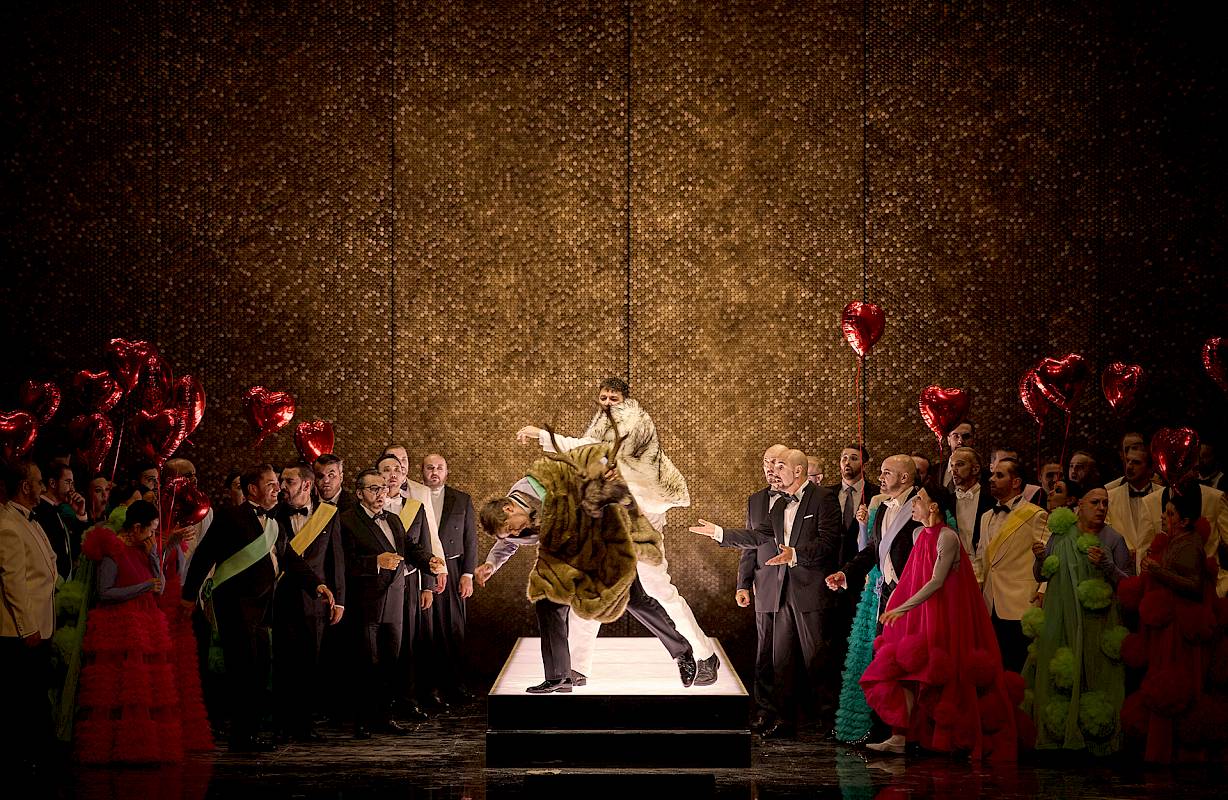
The stage displays a series of inner landscapes – a world inspired by dream logic, in which Tannhäuser’s condition pervades his surroundings. The spatial concept springs from Tannhäuser’s existential, Sisyphus-like suffering. The Venusberg is a landscape of empty glasses on a seemingly never-ending table, while the Wartburg resembles a golden cage whose claustrophobically-heavy walls are gradually closing in. Behind every surface hides a sense of loneliness and alienation. Ultimately, Tannhäuser gets lost inside the mirror maze of his own fragmented self. His relationship to love is equally unstable and because it’s the idea of love which consumes him rather than love itself, we decided to transform Elisabeth into a statue and Venus into an illusion. Following the same dream logic, the pilgrims are simply projections which embody his own subconscious. What we see on stage is, in reality, Tannhäuser’s psychological landscape, his existential architecture and his fluctuating emotional climate. 
 

The world doesn’t offer truth, but rather the choice of what to love. For you, it’s less about the polarity – either Venusberg or Wartburg – but more about how to overcome these two worlds …

TA: There are situations in life where you dream of something and when it actually happens you realise that dream and reality are completely different. When Tannhäuser sees that neither Venus nor Elisabeth give him what he’s searching for, he recognises that he was mistaken, without learning a lesson about himself. He fails because he remains the same man with the same problems and the same character flaws. Venus shows how dangerous and toxic this relationship is. She is the opposite of Elisabeth, who represents another kind of love and another kind of worldview. Seeing the Wartburg and Elisabeth as the principle of conformity and convention, while viewing the free love of the Venusberg as the polar opposite seems to me to be only part of the truth. Beyond that, I want to examine the existential journey of a character on a more personal level. His restless search for fulfilment condemns him to a life devoid of peace. No sooner has a desire been fulfilled, than the next stands waiting; happiness appears ever elusive, the grass is always greener on the other side. In this way, desire itself becomes the catalyst of endless enterprise. It’s therefore not my intention to pit the two worlds against each other. Elisabeth and Venus represent Tannhäuser’s struggle with love and his inability to love, to live and to find his way in the world. It’s all about escapism as a way of life.
 

What awaits him at the Wartburg?

TA: The party at the Wartburg, to which Tannhäuser is invited, can at first glance be extremely tempting, particularly if one feels lonely. Especially if one grew up there and was expelled. Hope, nostalgia and the possibility of a return. A picture is shown of a neoliberal elite, like champagne socialists, who are enjoying the unbridled luxuries of the bourgeois lifestyle, whilst preaching social justice and progressivity. The Wartburg describes a system that is, at its heart, deeply reactionary and patriarchal. Men are part of a sneering class, whose chief goal is to preserve its privilege. Women are treated as possessions and worshipped – so long as they don’t attempt to exert any kind of authority. 
 

Why is Elisabeth’s death an act of self-determination rather than one of self-abandonment?

TA: Elisabeth doesn’t sacrifice herself for Tannhäuser. She intentionally removes herself from a world in which she has no place, a world which objectifies her and uses her as a projection screen. When she positions herself between Wartburg society and Tannhäuser, she still believes that a person can change. In Tannhäuser she sees a path to freedom. She acts not as a victim, but as somebody who truly believes in transformation – as much in herself as in him. We depict her as a strong woman who is angry and deeply disappointed. She understands the role that has been sketched out for her. She is the prize in the war of the singers. But she doesn’t die because Tannhäuser fails to find redemption. She goes because Tannhäuser betrays the idea he could have espoused. In doing so, he robs her of the opportunity to live differently and more freely. Her death isn’t a sacrifice – it’s an act of self-determination. She leaves a world in which her hope has no future.
 

To what extent do the inner turmoil, powerlessness and sense of failure experienced by Tannhäuser reflect a current societal phenomenon?

TA: Tannhäuser would rather lose himself in the bliss of ignorance and distraction than concern himself with the serious and complex issues facing society today. He stands between the yearning for a time long gone and the necessity for change. That’s a reflection of what, I think, many people feel today: the inability to achieve true empowerment.


Synopsis

Discover the heart of every story: Our synopses provide guidance on the plot and the conflicts that drive its characters.
Act One

Tannhäuser lost himself in the Venusberg long ago.

Weary of its sensual delights, he thinks back to his previous life and decides to return. Venus tries in vain to prevent him from leaving. Landgrave Hermann appears with his friends, a group of singers. They ask Tannhäuser where he has been for so long. When the singer Wolfram mentions Elisabeth, the Landgrave’s niece, Tannhäuser accompanies the others back to the Wartburg. He wants to see Elisabeth again. 


Act Two

Tannhäuser and Elisabeth meet again for the first time since his disappearance. He reveals that he returned because of her. Despite her disappointment, she still also has feelings for him. A short time later, Landgrave Hermann announces a singing contest in which Tannhäuser also participates. Tannhäuser sings of sensual pleasures and anarchic love. He causes a scandal, getting carried away and pledging devotion to Venus herself. Elisabeth, though deeply shocked by what she has heard, stands between him and the berating voices. Tannhäuser is expelled from the community. He is urged to make a pilgrimage to Rome and beg the Pope to forgive his sins.
 

Act Three

Tannhäuser has failed and returns a broken man. The Pope denied him absolution – he now faces eternal damnation. Elisabeth decides to bid farewell to a world in which she has no place. Wolfram, who is watching her, sings portentously of her imminent death. Tannhäuser informs Wolfram of his fruitless pilgrimage to Rome and turns his attention once more towards Venus. At the same time, he wrestles with thoughts of Elisabeth – her disappearance plunges him into deep despair. Young pilgrims return from Rome and announce Tannhäuser’s pardon.