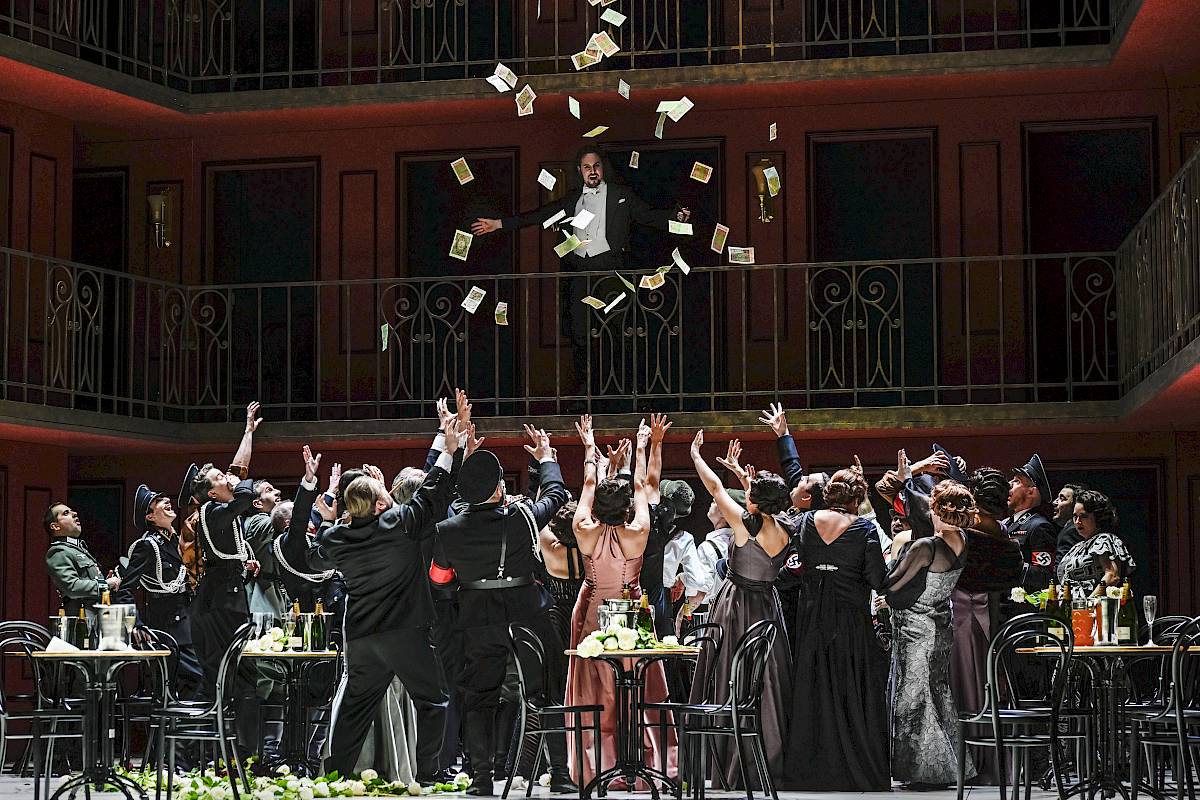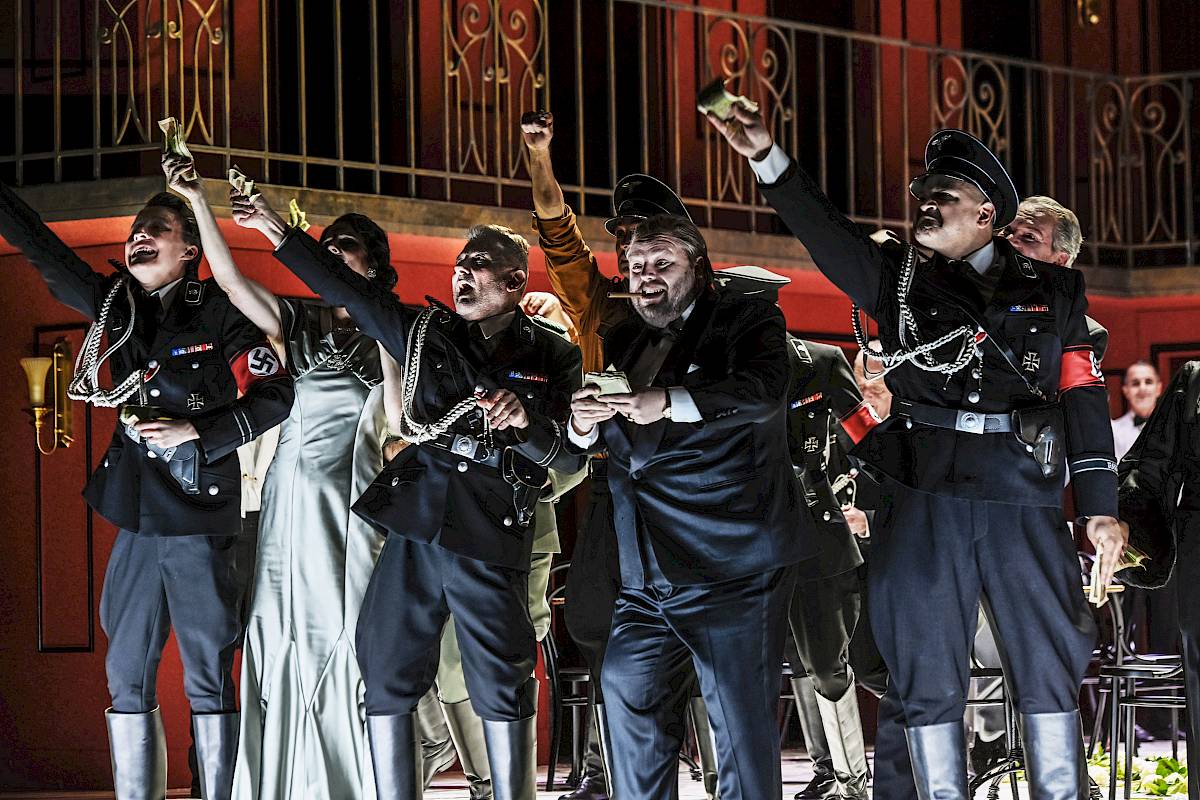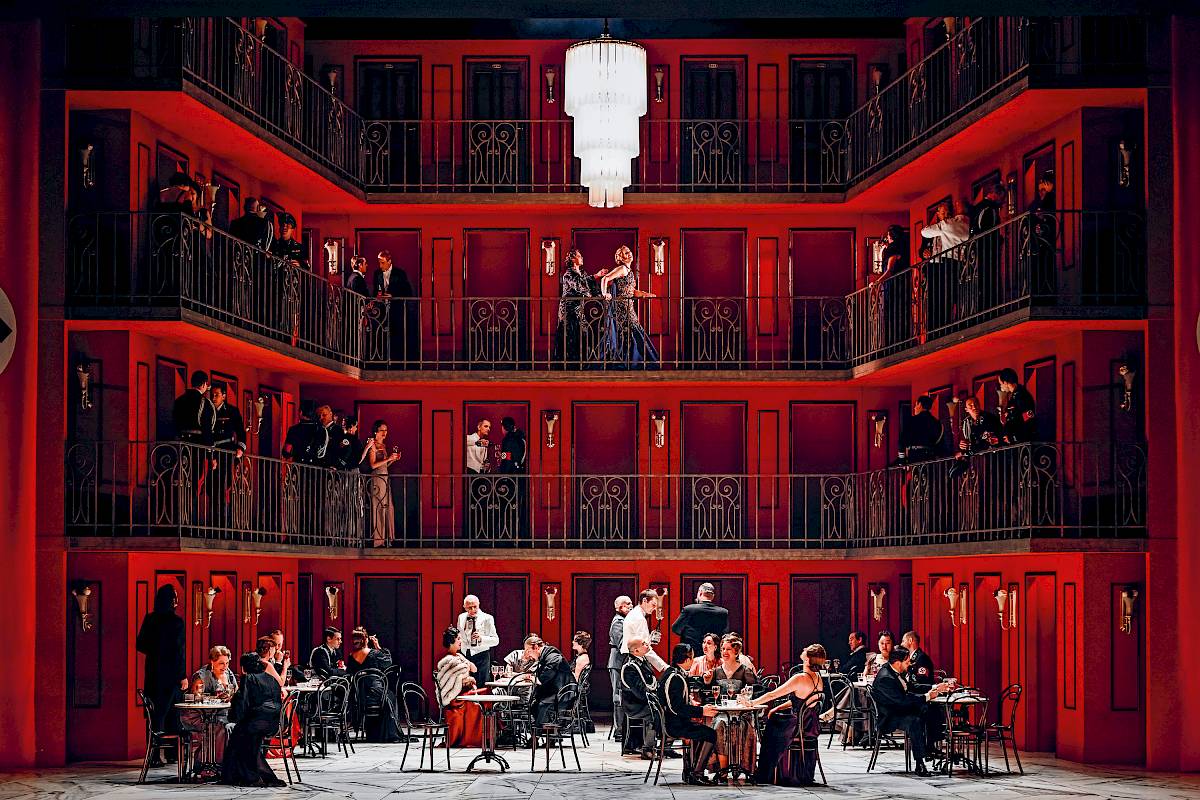

Since receiving the German Conductors’ Award, Markus Poschner has been a guest conductor at the most prestigious orchestras and opera houses, including the Deutsche Symphonieorchester Berlin, Staatskapelle Berlin, Sächsische Staatskapelle Dresden, SWR Symphony Orchestra, Bamberg Symphony, Vienna Symphony, Orchestre Philharmonique de Radio France, NHK Tokyo, as well as at the Staatsoper Berlin, Vienna, Munich, Hamburg, and at the Opernhaus Zürich. In 2022, he opened the Bayreuth Festival with a new production of "Tristan und Isolde" and conducted it again in 2023. In 2026/27, the Munich-born conductor, who is also a passionate jazz pianist, will become the new Chief Conductor of the historic ORF Radio-Symphony Orchestra Vienna. Since 2025/26, he has been Chief Conductor of the Sinfonieorchester Basel and will additionally assume the position of Music Director at the Utah Symphony Orchestra starting in 2027/28. From 2015 to 2025, he was Chief Conductor of the Orchestra della Svizzera italiana, with which he won the International Classical Music Award in 2018 for the complete recording of Brahms’ symphonies and again in 2025 for his Hindemith and Schnittke recordings. His recording of Offenbach’s "Maître Péronilla" with the Orchestre National de France received the 2021 Annual Award from the German Record Critics. For the complete recording of all Bruckner symphonies with the Bruckner Orchestra Linz, of which Poschner has been Chief Conductor since 2017, and the ORF Radio-Symphony Orchestra Vienna, he received the 2024 Special Achievement Award from the International Classical Music Awards jury. In 2020, Poschner and the Bruckner Orchestra Linz were awarded the Austrian Music Prize.
Richard Strauss
Lyrical comedy in three acts
Libretto by Hugo von Hofmannsthal
From 8. May 2022 until 20. May 2022
-
Duration :
3 H. 10 Min. Inkl. Pause after approx. 1 H. 05 Min. -
Language:
In German with German and English surtitles. -
More information:
Introduction 45 min before the performance.
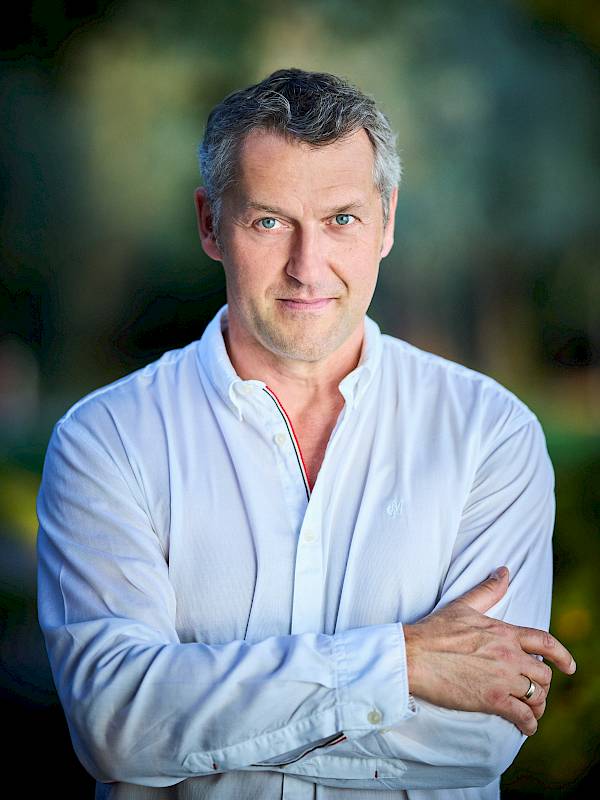
Markus Poschner
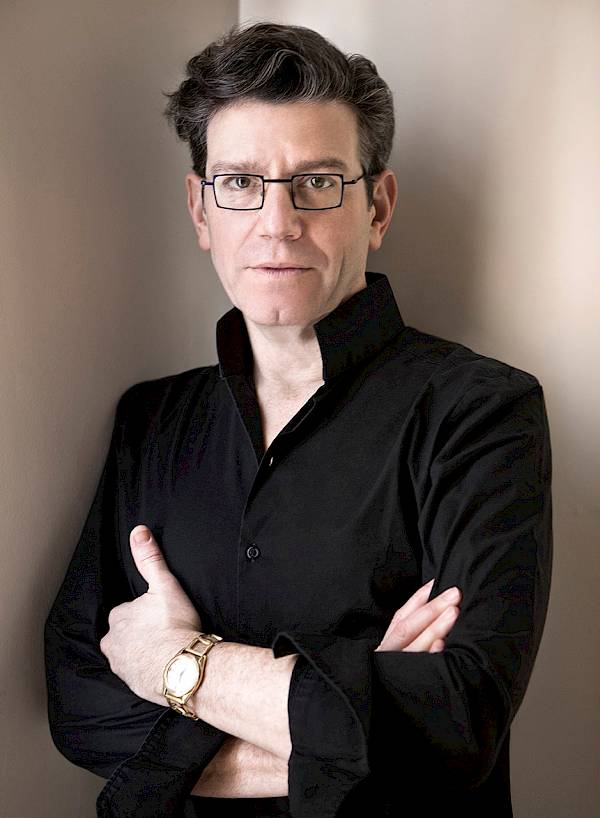
Robert Carsen
Robert Carsen, born in Canada, is one of the world’s most sought-after directors, stage, and lighting designers for theater and opera. After training as an actor at York University in Toronto and at the Bristol Old Vic Theatre School, he achieved his first successes as a director at the operas in Geneva, Paris, and Antwerp. Since then, he has directed at the major stages of the world, including "Die tote Stadt" at the Komische Oper Berlin, "Der Rosenkavalier" and "Falstaff" at the Royal Opera House London and at the Metropolitan Opera New York, "Eugene Onegin" in Rome, "La traviata" at La Fenice in Venice, "A Midsummer Night’s Dream" and "Rigoletto" at the Festival d’Aix-en-Provence, "Wozzeck," "Agrippina," and "Platée" at the Theater an der Wien, "Rinaldo" and "L’incoronazione di Poppea" in Glyndebourne, "Tannhäuser," "Elektra," "Rusalka," "Lohengrin," and "Manon Lescaut" at the Paris Opera, "Salome" and "Idomeneo" in Madrid, "Falstaff," "Don Giovanni," and "Alcina" at La Scala in Milan, as well as "Tosca," "Semele," and "Arabella" at the Opernhaus Zürich. He has also directed theater and musical productions, including "Singin’ in the Rain," "My Fair Lady," and "Candide" at the Théâtre du Châtelet, as well as the world premiere of Andrew Lloyd Webber’s "The Beautiful Game" in London’s West End. Robert Carsen has served as curator and scenographer at the Grand Palais, the Musée d’Orsay, and the Opéra Garnier, at the Royal Academy of Arts, the Art Institute of Chicago, and at the Cannes Film Festival. He is an "Officier des Arts et des Lettres" and "Officer of the Order of Canada," received the 2021 Opera Award as "Best Director," and in 2023 the first Grand Prix de l’Académie des beaux-arts in Paris.
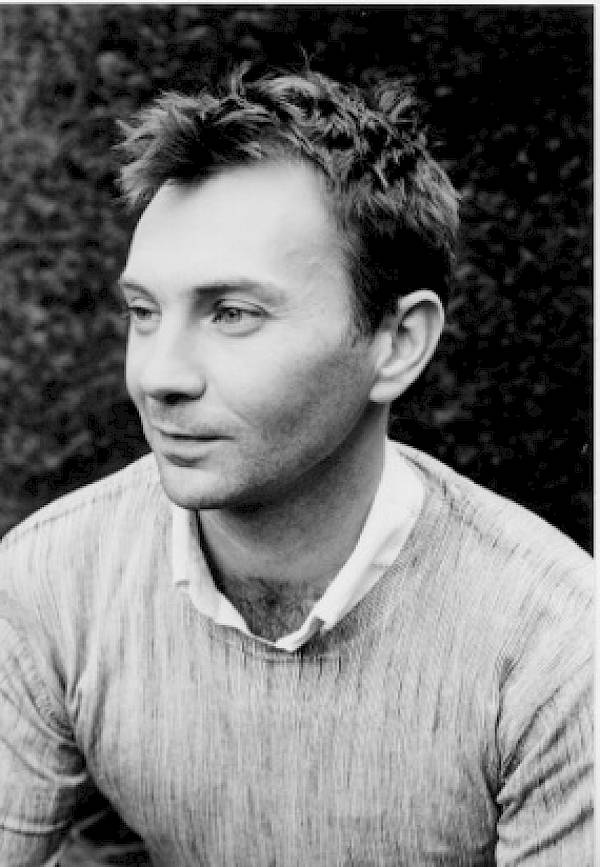
Gideon Davey
Gideon Davey, born in Bristol, is a costume and set designer for theater, film, and television. He maintains a close collaboration with directors David Alden and Robert Carsen. He has also worked in production teams for Andreas Homoki, Jetske Mijnssen, Floris Visser, Stephen Lawless, and Jasmina Hadziahmetovic. His costumes for David Alden’s production of "Il ritorno d’Ulisse in patria" at the Bavarian State Opera earned him the "Costume Designer of the Year 2005" award from Opernwelt magazine. In 2015, he received the Austrian Music Theatre Prize. His works include "Wozzeck," "Agrippina," and "Platée" at the Theater an der Wien with Robert Carsen, "Luisa Miller" at the Hamburg State Opera with Andreas Homoki, "Semele" at the Handel Festival Karlsruhe with Floris Visser, Alfredo Catalani’s "Loreley" at Theater St. Gallen, and "The Queen of Spades" at the English National Opera as well as Luigi Rossi’s "Orfeo" at the Opéra national de Lorraine. At the Opernhaus Zürich, he has designed costumes and/or sets for "Das Gespenst von Canterville," "Robin Hood," "Der Zauberer von Oz," "Idomeneo," "Arabella," "Hippolyte et Aricie," "Maria Stuarda," "Hänsel und Gretel," "Anna Bolena," "Dialogues des Carmélites," and "Roberto Devereux." He created the costumes for Alden’s "Lohengrin" at the Royal Opera House London, sets and costumes for Carsen’s "Giulio Cesare" and "Peter Grimes" at La Scala in Milan, and for "Il trionfo del Tempo e del Disinganno" at the Salzburg Festival. Most recently, he designed the set for Evgeny Titov’s "Wozzeck" in Graz.
Robert Carsen
Robert Carsen, born in Canada, is one of the world’s most sought-after directors, stage, and lighting designers for theater and opera. After training as an actor at York University in Toronto and at the Bristol Old Vic Theatre School, he achieved his first successes as a director at the operas in Geneva, Paris, and Antwerp. Since then, he has directed at the major stages of the world, including "Die tote Stadt" at the Komische Oper Berlin, "Der Rosenkavalier" and "Falstaff" at the Royal Opera House London and at the Metropolitan Opera New York, "Eugene Onegin" in Rome, "La traviata" at La Fenice in Venice, "A Midsummer Night’s Dream" and "Rigoletto" at the Festival d’Aix-en-Provence, "Wozzeck," "Agrippina," and "Platée" at the Theater an der Wien, "Rinaldo" and "L’incoronazione di Poppea" in Glyndebourne, "Tannhäuser," "Elektra," "Rusalka," "Lohengrin," and "Manon Lescaut" at the Paris Opera, "Salome" and "Idomeneo" in Madrid, "Falstaff," "Don Giovanni," and "Alcina" at La Scala in Milan, as well as "Tosca," "Semele," and "Arabella" at the Opernhaus Zürich. He has also directed theater and musical productions, including "Singin’ in the Rain," "My Fair Lady," and "Candide" at the Théâtre du Châtelet, as well as the world premiere of Andrew Lloyd Webber’s "The Beautiful Game" in London’s West End. Robert Carsen has served as curator and scenographer at the Grand Palais, the Musée d’Orsay, and the Opéra Garnier, at the Royal Academy of Arts, the Art Institute of Chicago, and at the Cannes Film Festival. He is an "Officier des Arts et des Lettres" and "Officer of the Order of Canada," received the 2021 Opera Award as "Best Director," and in 2023 the first Grand Prix de l’Académie des beaux-arts in Paris.
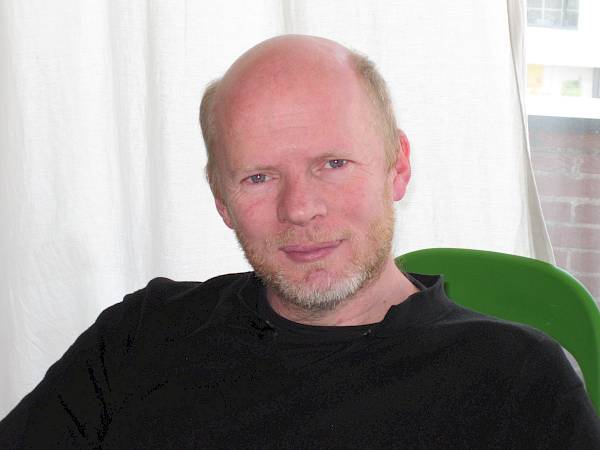
Peter van Praet
Peter van Praet is from Belgium. He worked as a lighting designer at the Opera Ballet Vlaanderen, where his long-term collaboration with Robert Carsen began. Together they created productions such as "Jenůfa," "Káťa Kabanová," and Battistelli’s "Richard III" at the Vlaamse Opera, "Rusalka" and "Capriccio" at the Paris Opéra, "Fidelio" in Amsterdam and Florence, "Tosca" in Barcelona, "Der Rosenkavalier" at the Salzburg Festival, "The Turn of the Screw" at the Theater an der Wien, "Rinaldo" at the Glyndebourne Festival, "Candide" and "Don Giovanni" at La Scala in Milan, and "Iphigénie en Tauride," "Falstaff," and "Der Rosenkavalier" at the Royal Opera House London, "Die tote Stadt" at the Komische Oper Berlin, and the world premiere of Detlev Glanert’s "Oceane" at the Deutsche Oper Berlin. He also works regularly as a lighting designer for the theater company La Fura dels Baus, with whom he created "Der Ring des Nibelungen" and "Le Grand Macabre." With Christophe Coppens, he created "Das schlaue Füchslein" and "Herzog Blaubarts Burg" combined with "The Miraculous Mandarin" at La Monnaie in Brussels. With Valentina Carrasco, he worked on "Carmen" and "Les Vêspres siciliennes" at the Opera in Rome, "Der Ring des Nibelungen" at Teatro Colón in Buenos Aires, and "Nixon in China" at the Opéra de Paris.
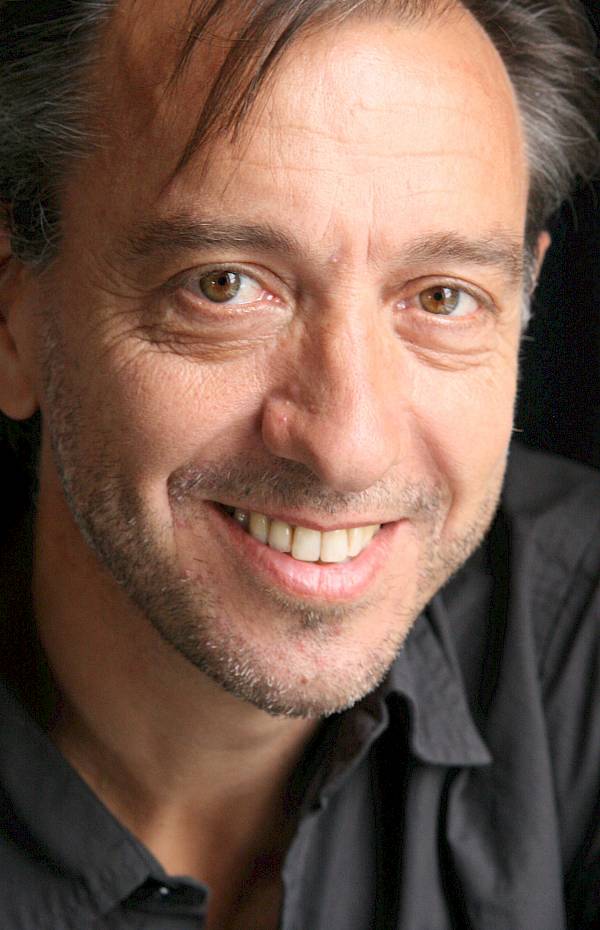
Philippe Giraudeau
Philippe Giraudeau studied dance in his hometown of La Rochelle and worked as a dancer in France before joining the London Contemporary Dance Theatre and the Second Stride Dance Company. In 1988, he won the London Dance and Performance Award. His work as a choreographer in opera productions includes "A Midsummer Night’s Dream," "The Merry Widow," and "Der Rosenkavalier" for the Metropolitan Opera New York, "From the House of the Dead," "Boris Godunov," and "Les Troyens" for the English National Opera, as well as "Der fliegende Holländer" and "The Minotaur" for the Royal Opera London. In his long-term collaboration with Robert Carsen, Philippe Giraudeau has choreographed "Semele," "Das schlaue Füchslein," and "Káťa Kabanová" at the Vlaamse Opera, "Dialogues des Carmélites" and "Don Giovanni" for La Scala, "Les Contes d’Hoffmann," "Alcina," and "Rusalka" at the Opéra de Paris, "La traviata" for La Fenice in Venice, "Elektra" in Tokyo, "Manon Lescaut" in Vienna, "Iphigénie en Tauride" in Chicago, "Salome" in Turin, "Rinaldo" for Glyndebourne, "The Love for Three Oranges" at the Deutsche Oper Berlin, "Rigoletto" in Aix-en-Provence, "From the House of the Dead" in Strasbourg, and "Il trovatore" for the Bregenzer Festspiele. He is also responsible for choreography in opera productions by Richard Jones, Rolando Villazón, Antony McDonald, Stephen Langridge, John Fulljames, Tim Albery, Waut Koeken, and Bruno Ravella.
Ernst Raffelsberger
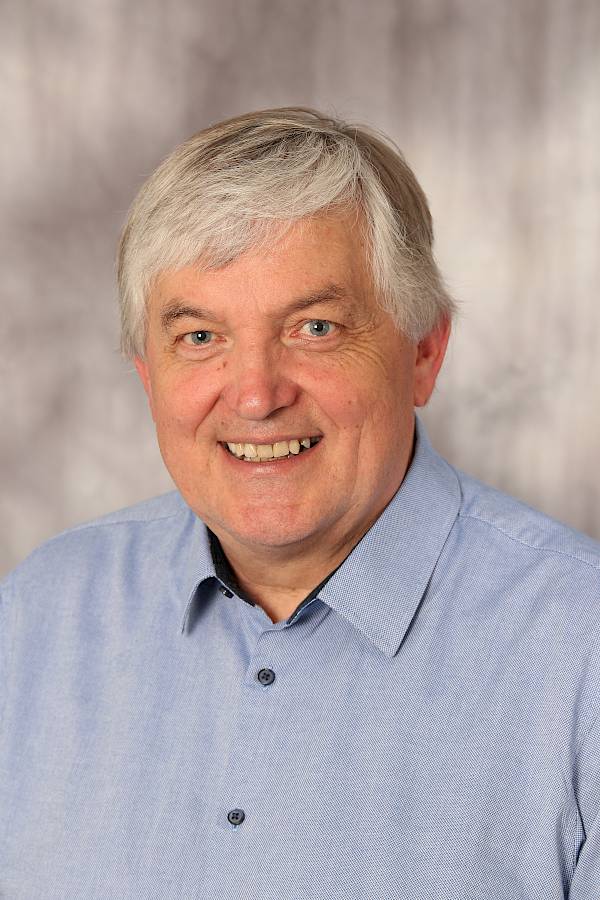
Ernst Raffelsberger comes from Gmunden, Upper Austria. He studied music education and church music at the University of Music and Performing Arts in Vienna as well as choral conducting at the Mozarteum in Salzburg. From 1983 to 1986 he was Kapellmeister of the Vienna Boys’ Choir. During this time, he led the ensemble in Vienna and on tours through Europe, South Africa, Canada, and the USA. From 1986, Ernst Raffelsberger was choral director and Kapellmeister at the Salzburg State Theatre (participating in the Salzburg Mozart Week and the Salzburg Festival). In 1989 he moved as choral director and Kapellmeister to the theatre in Freiburg/Breisgau. Since autumn 1993, Ernst Raffelsberger has been engaged at the Zurich Opera House as choral director. Here he has since supervised around 150 premieres and countless revivals and worked with many renowned conductors such as Marco Armiliato, Riccardo Chailly, Teodor Currentzis, Christoph von Dohnányi, Sir John Eliot Gardiner, Daniele Gatti, Bernard Haitink, Nikolaus Harnoncourt, Zubin Mehta, Gianandrea Noseda, and Franz Welser-Möst. Guest performances with the Zurich Opera House have taken him to Vienna, London, Paris, and Tokyo. From summer 2012 he additionally began a ten-year activity as choral director of the Vienna State Opera Chorus Association at the Salzburg Festival. There he collaborated successfully with, among others, Riccardo Muti, Mariss Jansons, and Sir Simon Rattle. After Ernst Raffelsberger ended this work with the festival summer 2021, he has since 2025 once again been responsible, at Maestro Muti’s request, for choral preparation for his festival concerts in Salzburg. Numerous CD and DVD recordings document his work in Zurich as well as in Salzburg.
Ian Burton
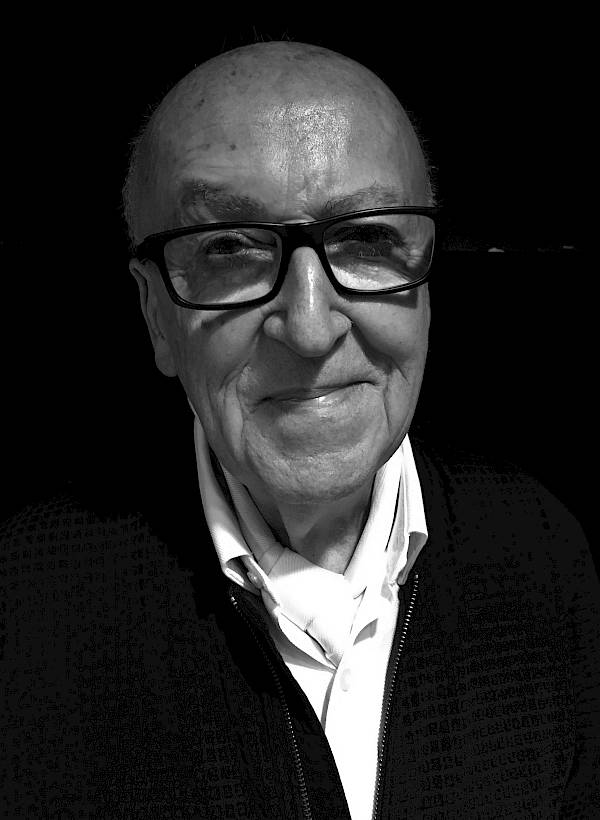
Ian Burton, born in Yorkshire, is a writer and dramaturg. Since 1987 he has collaborated with Robert Carsen, creating productions such as "Candide" at the Théâtre du Châtelet in Paris, at La Scala in Milan, and at the English National Opera, "L’incoronazione di Poppea" in Glyndebourne, "Mitridate" in Brussels, "Iphigénie en Tauride" and "Orfeo ed Euridice" in Chicago, as well as "Tannhäuser" in Tokyo and at the Paris Opera. His publications include books on music and drama and eight volumes of poetry (including "Dorset Street" and "Rouflaquettes"). He has written plays for the stage and for BBC Radio 3. He has also authored libretti, including "Richard III" after Shakespeare for Giorgio Battistelli (premiered under Robert Carsen in Antwerp), "The Duchess of Malfi" for Torsten Rasch commissioned by the English National Opera, the rock opera "POP’PEA" for Michael Torke (premiered in 2012 at the Théâtre du Châtelet in Paris), and "JJR – Citoyen de Genève" (with music by Philippe Fénelon), performed in Geneva in 2012. Battistelli’s opera "CO2" premiered in 2015 under Robert Carsen at La Scala, and a new version of "The Beggar’s Opera", also directed by Carsen, followed in 2018 at the Bouffes du Nord. He additionally wrote the libretto for the premiere of "Animal Farm" for composer Alexander Raskatov in Amsterdam.
Kathrin Brunner
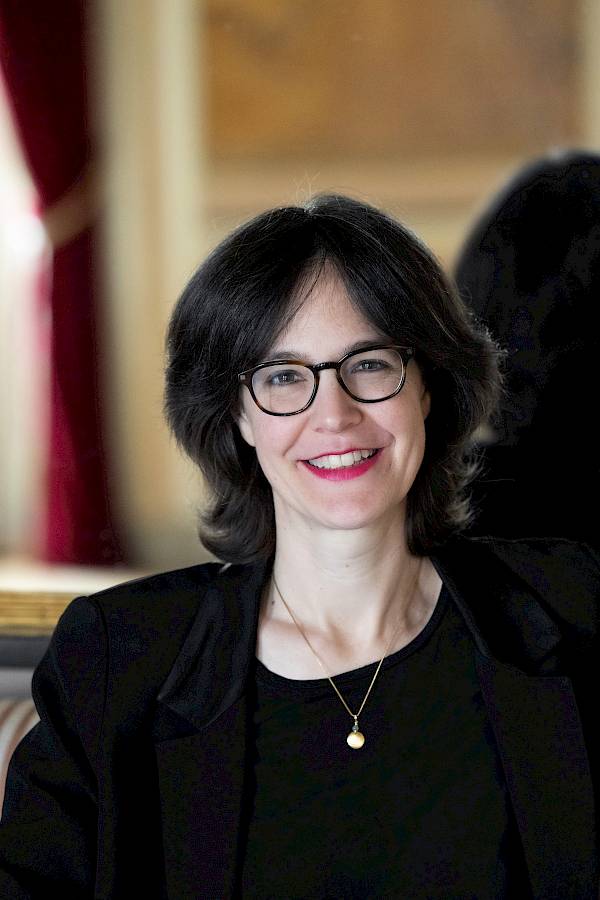
Kathrin Brunner was born in Zurich. She studied German, Musicology, and French in her hometown and at the Humboldt University in Berlin. After various assistant directorships (including "The Threepenny Opera" at the Lucerne Theater, directed by Vera Nemirova) and dramaturgy internships, she has been a dramaturge at the Zurich Opera House since 2008. There, she has worked with directors such as Achim Freyer ("Moses und Aron"), Harry Kupfer ("Die Meistersinger von Nürnberg", "Tannhäuser"), Stephan Müller, Guy Joosten, Damiano Michieletto, Christof Loy ("La straniera", "Alcina", "I Capuleti e i Montecchi", "Don Pasquale", "La rondine"), Willy Decker ("Il ritorno d’Ulisse in patria", "The Turn of the Screw"), Andreas Homoki ("Wozzeck", "Das Land des Lächelns", "La forza del destino"), Christoph Marthaler ("Il viaggio a Reims", "Orphée et Euridice"), Barrie Kosky ("Die Gezeichneten", "Boris Godunov"), Nadja Loschky, Nina Russi, Jan Essinger, and Jetske Mijnssen ("Idomeneo", "Hippolyte et Aricie", "Platée").
At the 2012 Salzburg Festival, she worked on "La bohème" with Damiano Michieletto. During the COVID-19 pandemic, she co-founded the concert series "Altchemie live" at the Alte Chemie in Uetikon. In 2025, she served as dramaturge for Jetske Mijnssen’s production of Francesco Cavalli’s "La Calisto" at the Festival d’Aix-en-Provence.
Cast


Jankel Nick Lulgjuraj
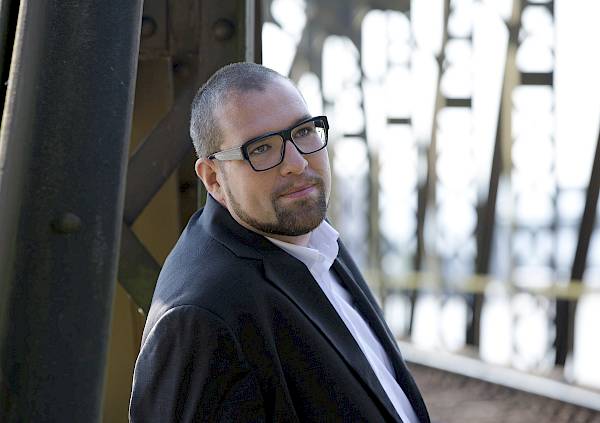
Michael Hauenstein
Michael Hauenstein ist in Möriken im Kanton Aargau aufgewachsen. Seine Gesangsausbildung begann er 2006 bei Ivan Konsulov in Zürich. 2017 erhielt er für seine Verkörperung des Timur (Turandot) den österreichischen Musiktheaterpreis als bester Nachwuchskünstler. Im Mai 2011 debütierte er als Tom (Un ballo in maschera) am Pfalztheater Kaiserslautern. 2012 folgte im gleichen Theater sein Debüt als Warlaam in der Neuproduktion von Boris Godunov. 2013 sang er Zacharias (Nabucco) in Kaiserslautern und am Theater Halle. Ebenfalls in Kaiserslautern sang er in Glucks Iphigénie en Aulide sowie Sparafucile in einer Neuproduktion von Rigoletto. Am Tiroler Landestheater Innsbruck war er als Rocco (Fidelio), Timur (Turandot), Wassermann (Rusalka) sowie als La Roche (Capriccio) zu erleben. 2016 folgte im Theater Basel sein erster Auftritt als Komtur (Don Giovanni). In Zürich, wo er in der Spielzeit 2017/18 Mitglied des Ensembles war, interpretierte er u.a. Don Basilio (Il barbiere di Siviglia), Mattis (Ronja Räubertochter), Don Inigo Gomez (L’Heure espagnole), Bartolo (Le nozze di Figaro), Kuno (Freischütz) und Littore, 3. Famigliare (L’incoronazione di Poppea). Auch im Konzertbereich ist er regelmässig zu erleben, zu seinem Repertoire gehören die Bass-Partien in Verdis Requiem, Rossinis Petite Messe solenelle, Beethovens Missa Solemnis und in Dvořáks Stabat Mater. 2014 entstand seine erste CD mit dem Radio Sinfonieorchester Sofia mit Arien u.a. aus Faust, Eugen Onegin, Don Carlo, Nabucco und Il barbiere di Siviglia. Am Opernhaus Zürich sang er zuletzt 2022 Graf Waldner in Arabella.
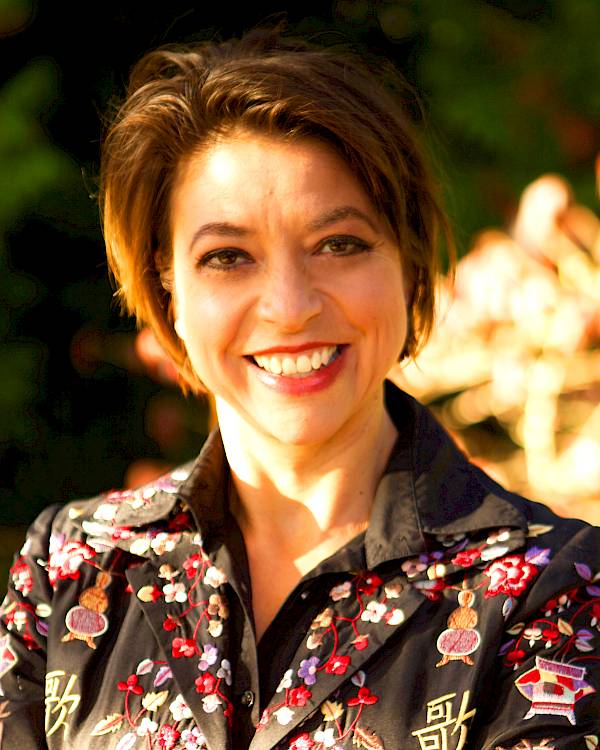
Judith Schmid
Judith Schmid, Schweizer Mezzosopranistin, studierte Musik und Bewegung an der Hochschule der Künste Bern sowie Gesang an der Guildhall School of Music and Drama. Sie legt ihren Schwerpunkt auf die Opern- und Konzertbühne, widmet sich jedoch auch dem Lied und Oratorium. Seit über 20 Jahren ist sie u.a. am Opernhaus Zürich, wo sie langjähriges Ensemblemitglied war, oder auch am Staatstheater Nürnberg engagiert, etwa in Hosenrollen wie Smeton (Anna Bolena), Sesto (Giulio Cesare) und Silla (Palestrina) sowie als Adelaide (Arabella), Polina (Pique Dame), Federica (Luisa Miller), Maddalena (Rigoletto) Emilia (Otello), Erda (Rheingold, Siegfried), Waltraute (Walküre) sowie Erste Norn und Flosshilde (Götterdämmerung). Im Konzertbereich trat sie mit Orchestern wie dem Symphonieorchester des Bayerischen Rundfunks, dem Münchner Rundfunkorchester, dem Opern- und dem Tonhalle Orchester Zürich unter Dirigenten wie Plácido Domingo, Mariss Jansons, Daniele Gatti, Franz Welser-Möst, Nello Santi, Marc Minkowski, Adam Fischer, Marcello Viotti oder Heinz Holliger auf. Seit 2017 ist sie Dozentin für Gesang an der Hochschule Luzern, ab September 2024 mit künstlerischer Professur. Neben zahlreichen Radio- und Fernsehaufzeichnungen sowie DVD-Produktionen hat Judith Schmid auch CDs veröffentlicht. Das Album Rosenblätter mit dem Pianisten Oliver Schnyder und Werken von Grieg, Hefti und Ravel wurde 2008 vom Schweizer Radio SRF 2 Kultur zu den besten CDs gewählt. Am Opernhaus Zürich ist sie in der Spielzeit 2024/25 als Suzuki (Madama Butterfly) und als Voix de la Tombe (Les Contes d'Hoffmann) zu erleben. Ein weiteres Engagement ist in der Spielzeit 2025/26 am Luzerner Theater geplant.
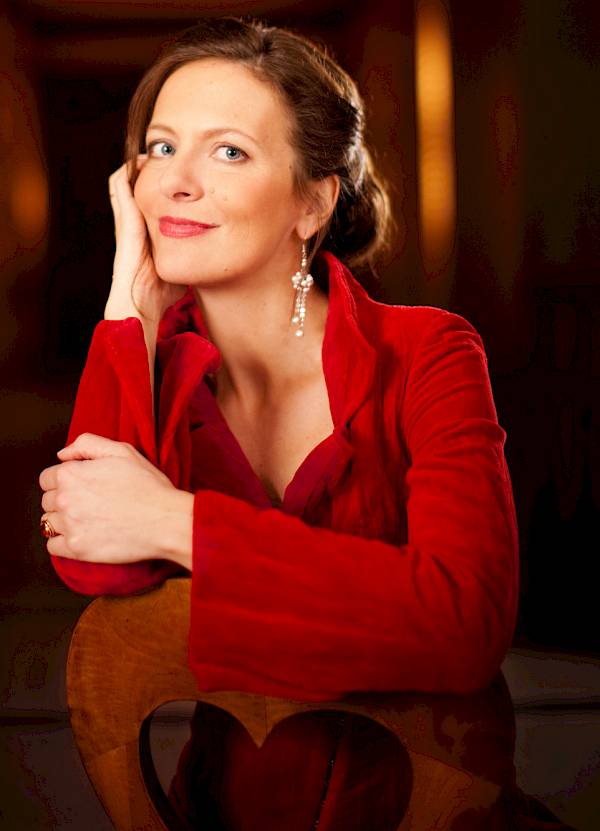
Stephanie Houtzeel
Stephanie Houtzeel was born in Kassel and grew up in Boston. She studied at the Juilliard School in New York and is the recipient of several awards. Engagements have taken her to the Opéra de Paris, the Semperoper Dresden, the Washington Kennedy Center, the New York City Opera, the Theater an der Wien, the Opéra de Lyon, the Opéra National du Rhin, the Royal Danish Opera, the Teatro Nacional de Sao Carlos, the Israeli Opera, the Opera Graz, the Komische Oper Berlin, the Deutsche Oper am Rhein, as well as Bayreuth and the Salzburg Festival. Since 2010, she has been a member of the ensemble at the Vienna State Opera, where she has appeared as Composer ("Ariadne auf Naxos"), Octavian ("Der Rosenkavalier"), Dorabella ("Così fan tutte"), Siébel ("Faust"), Varvara ("Kátja Kabanová"), Nicklausse ("Les Contes d’Hoffmann"), Kreusa ("Medea"), Miranda ("The Tempest"), Orlofsky ("Die Fledermaus"), and Jenny Hill ("Rise and Fall of the City of Mahagonny"). In addition to the major Strauss and Mozart roles of her vocal fach, her repertoire includes Charlotte in "Werther," Gluck’s Orfeo, Handel’s Ariodante, Ottavia, and Marguerite in "La Damnation de Faust." She has worked with conductors such as Jaap van Zweden, Christoph Eschenbach, Adam Fischer, Dennis Russell Davies, Philippe Jordan, Philippe Herreweghe, and Teodor Currentzis. As a concert singer, she has performed at Lincoln Center New York, the Wiener Musikverein, in Rome, Brussels, Washington, Amsterdam, Rotterdam, Leipzig, Novosibirsk, and Santiago de Compostela. In 2016, her CD "Nostalgia" featuring works by Mahler, Ives, and Piazzolla was released.
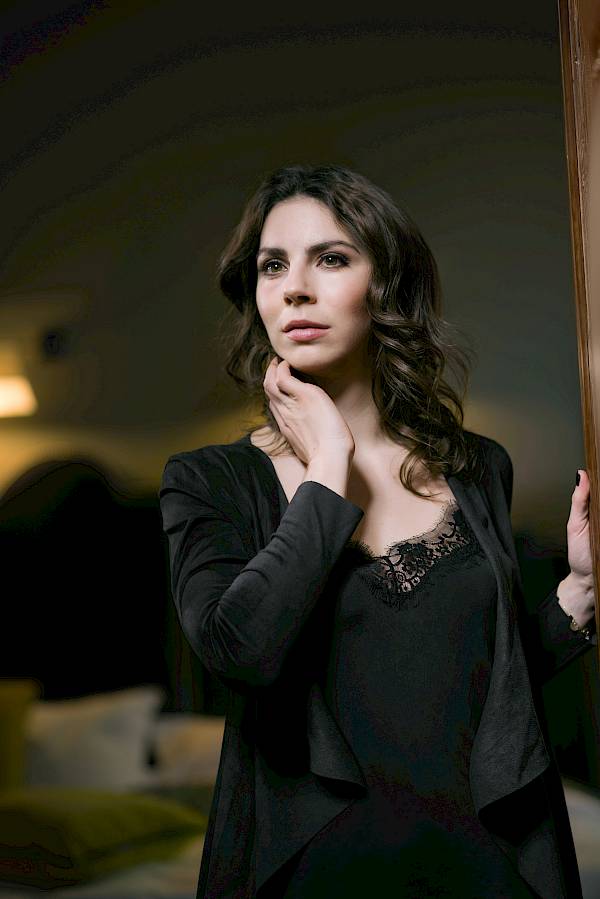
Hanna-Elisabeth Müller
Hanna-Elisabeth Müller studierte bei Rudolf Piernay, mit dem sie nach wie vor eng zusammenarbeitet. 2014 erlebte sie mit ihrem Auftritt als Zdenka in Strauss’ Arabella an der Seite von Renée Fleming und Thomas Hampson unter der Leitung von Christian Thielemann bei den Salzburger Osterfestspielen ihren internationalen Durchbruch und wurde kurz darauf von der Zeitschrift Opernwelt als «Nachwuchskünstlerin des Jahres» ausgezeichnet. 2012 bis 2016 gehörte sie dem Ensemble der Bayerischen Staatsoper an. 2017 debütierte sie als Marzelline in Fidelio an der Met in New York. Es folgte ihr Opern- und Rollendebüt als Donna Anna in Robert Carsens Don Giovanni an der Mailänder Scala. In dieser Rolle war sie ausserdem an der Bayerischen Staatsoper und an der Wiener Staatsoper zu erleben. 2018 debütierte sie am Opernhaus Zürich als Ilia Idomeneo. Heute gastiert sie regelmässig an weltweit führenden Opernhäusern und Festivals wie der Bayerischen Staatsoper München, der Wiener Staatsoper, der Met, der Dresdner Semperoper, dem Teatro alla Scala, dem Royal Opera House und bei den Salzburger Festspielen. Zu ihren Konzerthöhepunkten gehören Strauss’ Vier letzte Lieder mit dem WDR Sinfonieorchester Köln unter Christoph Eschenbach, Bergs Sieben Frühe Lieder mit den Berliner Philharmonikern unter Paavo Järvi und Schumanns Faustszenen mit dem Orchestre de Paris unter Daniel Harding. 2017 erschien ihre erste Lied-CD Traumgekrönt, und 2020 folgte Reine de Cœur beim Label Pentatone, mit dem sie eine Exklusivvereinbarung eingegangen ist.
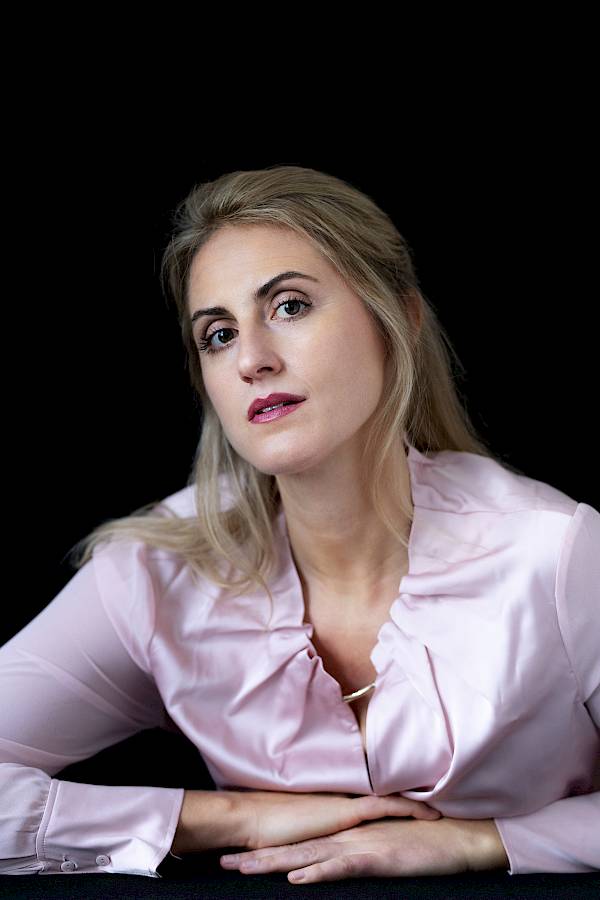
Jacquelyn Wagner
Jacquelyn Wagner studierte an der Manhattan School of Music und an der Oakland University of Michigan und ist Gewinnerin zahlreicher Wettbewerbe, u. a. des Internationalen Gesangswettbewerbs «Francisco Viñas» und des Gesangswettbewerbs «Renata Tebaldi». Zudem war sie Finalistin in Plácido Domingos «Operalia 2008». Sie begann ihre berufliche Karriere als Ensemblemitglied an der Deutschen Oper Berlin und gastiert mittlerweile an vielen Opernhäusern in Europa und den USA. Ein Meilenstein ihrer Karriere war Strauss’ Arabella in einer Neuproduktion an De Nederlandse Opera Amsterdam. Weitere wichtige Auftritte der letzten Jahre umfassen u.a. ihr Debüt am Opernhaus Zürich als Agathe in Der Freischütz, Donna Anna in Don Giovanni an der Pariser Oper, Rosalinde in Die Fledermaus an der Deutschen Oper Berlin, die Titelpartie in Alcina und Desdemona in Otello an der Deutschen Oper am Rhein in Düsseldorf sowie die Titelrolle von Euryanthe am Theater an der Wien. 2021 gab Jacquelyn Wagner als Contessa in Le nozze di Figaro ihr Debüt in Aix-en-Provence. 2021/22 gastierte sie u.a. als Elsa in Lohengrin bei den Salzburger Osterfestspielen, als Arabella am Opernhaus Zürich, als Leonore in Fidelio in Hamburg und gab Konzerte beim Brucknerfest in Linz. 2022/23 gab die Sopranistin ihre Hausdebüts als Magda in La rondine beim Puccini Festival in Torre del Lago, als Donna Anna (Don Giovanni) am Teatro Regio in Turin und als Contessa (Le nozze di Figaro) an der Staatsoper Stuttgart. Sie sang ausserdem Agathe am Theater an der Wien und dem Teatro Real de Madrid, Donna Anna an der Wiener Staatsoper und Arabella an der Semperoper Dresden.
Anett Fritsch
Anett Fritsch, born in Saxony, studied at the Felix Mendelssohn Bartholdy University of Music in Leipzig. In 2001 she won first prize at the Johann Sebastian Bach Competition in Leipzig as well as the international competition of the Kammeroper Schloss Rheinsberg in 2006 and 2007. From 2009 to 2015 she was a member of the ensemble at the Deutsche Oper am Rhein Düsseldorf/Duisburg. She celebrated her international breakthrough in 2011 with her debut at the Glyndebourne Festival as Almirena in Handel’s "Rinaldo", as well as Merione in Gluck’s "Telemaco" at the Theater an der Wien. Important later engagements included Fiordiligi ("Così fan tutte") at the Teatro Real Madrid—a production also presented at the Théâtre de la Monnaie in Brussels and at the Wiener Festwochen—a European tour of "Le nozze di Figaro" as Cherubino with René Jacobs and the Freiburg Baroque Orchestra, her debut at the Salzburg Festival in 2014 as Donna Elvira in "Don Giovanni", where she returned in 2015 and 2016 as the Contessa. She debuted at the Bavarian State Opera Munich as Susanna. In 2024/25 she made her house and role debut at the Stuttgart State Opera as Idamante in Bastian Kraft’s new production of "Idomeneo", as well as her role debut as Gutrune at La Monnaie in Brussels in Pierre Audi’s new production of Wagner’s "Götterdämmerung", where she had already appeared in the previous season as Freia in Romeo Castellucci’s new production of "Das Rheingold". She also returned to the Volksoper Wien as Hannah Glawari ("Die lustige Witwe") and Frau Fluth ("Die lustigen Weiber von Windsor"). Additionally, she performed with Giovanni Antonini and the Ensemble Il Giardino Armonico in Handel’s "Il trionfo del tempo e del disinganno" at the Wratislavia Cantans Festival and as Contessa in Mozart’s "Le nozze di Figaro" at the Casino Basel, the Philharmonie Luxembourg, the Théâtre des Champs-Élysées, and the Elbphilharmonie in Hamburg, before appearing at the Rheingau Festival with the hr-Sinfonieorchester under Alain Altinoglu in Gounod’s "Cäcilienmesse". At the Zurich Opera House, she already sang the daughter in "Cardillac" this season.
Nikola Hillebrand
Nikola Hillebrand studierte in München. Nach ihrem Studium wurde sie ans Nationaltheater Mannheim engagiert und sang dort u.a. Sophie (Der Rosenkavalier), Despina (Così fan tutte), Gilda (Rigoletto), Norina (Don Pasquale) und Königin der Nacht (Die Zauberflöte). Bis 2024 gehörte sie dem Ensemble der Semperoper Dresden an, wo sie u.a. Pamina (Die Zauberflöte), Susanna (Nozze di Figaro), Musetta (La Bohème), Zdenka (Arabella), Sophie (Der Rosenkavalier) und Ännchen (Der Freischütz) sang. Gastengagements führten sie bereits an die Bayerische Staatsoper in München, an das Glyndebourne Festival und die Salzburger Festspiele, den Wiener Musikverein, die Mozartwoche Salzburg, das Wiener Konzerthaus, die Kölner und Pariser Philharmonie sowie die Hamburger Laeizhalle und das Musikfest Bremen. Sie arbeitete mit Dirigenten wie Adam Fischer, Fabien Gabel, Stephan Gottfried, Roberto González-Monjas, Manfred Honeck, René Jacobs und Vaclav Luks. Nikola Hillebrand ist zudem eine passionierte Liedsängerin. 2019 gewann sie den internationalen Wettbewerb Das Lied in Heidelberg. Ihre Liederabende führten sie u.a. an Festivals in Heidelberg, Aix-en-Provence, Leeds und Schleswig-Holstein, an der Londoner Wigmore Hall und der Essener Philharmonie. Jüngst debütierte sie als Kunigunde (Candide) am Theater an der Wien und als Agathe in einer Neuprodukion des Freischütz bei den Bregenzer Festspielen. In Zürich war sie zuletzt als Zdenka in Strauss’ Arabella zu erleben.
Josef Wagner
Josef Wagner wurde in Niederösterreich geboren. Er studierte Gesang an der Universität für Musik und darstellende Kunst in Wien und besuchte Meisterklassen von Paul Esswood, Walter Berry und Christa Ludwig; seit einigen Jahren berät ihn Wicus Slabbert. Nach seinem Bühnendebüt mit Don Alfonso und Dulcamara war er ab 2002 Ensemblemitglied der Wiener Volksoper, wo er u.a. Mozarts Figaro, Papageno und Don Giovanni sowie die vier Bösewichte in Hoffmanns Erzählungen sang. Seit seinem Debüt bei den Salzburger Festspielen 2006 in Mozarts La finta semplice arbeitet er als freischaffender Sänger. Er gastierte in Genf, Irland, Japan, Tel Aviv, Nantes und Dijon mit Partien wie Nick Shadow, Leporello oder Escamillo. Darauf folgten die Opernhäuser in Marseille und Antwerpen sowie die Deutsche Oper Berlin mit Mozart-Partien sowie Rollen des französischen Fachs. Unter Alberto Zedda erarbeitete er sich ausserdem Rossini-Partien wie den Assur (Semiramide) und Lord Sidney (Il viaggio a Reims). 2013 sang er Jochanaan in Stockholm. 2015 debütierte er in Nordamerika als Figaro an der Calgary Opera und 2016 in Toronto. Danach erfolgten Rollendebüts als Eugen Onegin an der Finnish National Opera in Helsinki sowie als Fliegender Holländer an der Deutschen Oper Berlin. In jüngster Zeit war er u.a. als Fliegender Holländer an der Malmö Opera, als Graf (Capriccio) am Teatro Real Madrid, als Jochanaan in Salome an der Staatsoper Stuttgart sowie als Gunther (Götterdämmerung) in Edinburgh, Marcello (La bohème) in Helsinki, als Herrscher (Das Wunder der Heliane) an der Deutschen Oper Berlin und als Kurwenal (Tristan und Isolde) an den Festspielen in Aix-en-Provence zu erleben.
Pavol Breslik
The Slovak tenor Pavol Breslik was a member of the ensemble of the Berlin State Opera from 2003 to 2006 and was named Young Singer of the Year by the magazine "Opernwelt" in 2005. Since 2006, he has been a regular guest at the major European opera houses. At the Vienna State Opera, he sang Lenski in "Eugen Onegin", Nemorino in "L’elisir d’amore", Don Ottavio in "Don Giovanni", and Alfredo in "La traviata". At the Bavarian State Opera, he made his debut as Gennaro in "Lucrezia Borgia" alongside Edita Gruberová, as well as Edgardo in "Lucia di Lammermoor" with Diana Damrau. At the Royal Opera House, he appeared as Lenski, Ferrando in "Così fan tutte", Don Ottavio, and Tamino in "Die Zauberflöte". At the National Theatre Prague, he made his debut as the Prince in "Rusalka". Further guest engagements have taken him to the Opéra national de Paris, the Liceu Barcelona, La Monnaie in Brussels, the Berlin State Opera, to the Salzburg Festival, to the Festival d’Aix-en-Provence, to the Theater an der Wien, the Semperoper Dresden, and the Grand Théâtre de Genève. From 2012 to 2018, Pavol Breslik was a member of the ensemble at the Zurich Opera House, where he sang, among others, Števa in "Jenůfa", Don Ottavio, Nadir in "Les pêcheurs de perles", Peter Quint in "The Turn of the Screw", and Leicester in "Maria Stuarda". In 2021, he was awarded the honorary title of Bavarian Kammersänger.
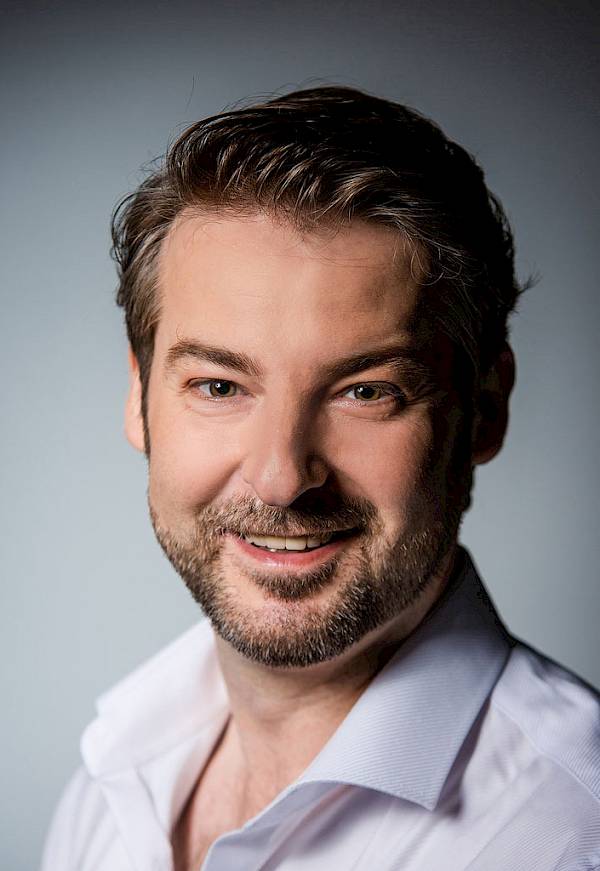
Thomas Paul
Thomas Paul ist ehemaliger St. Florianer Sängerknabe und studierte in Linz, Wien und Salzburg und gastierte u.a. in Bochum, Baden-Baden und beim Festival Aix-en-Provence. Seit 2008 gehörte er dem Ensemble des Tiroler Landestheaters an, seit 2012 dem der Volksoper Wien, seit 2015 dem des Theaters Erfurt und 2017/18 dem der Dortmunder Oper. Zu seinen Partien in Innsbruck gehörten Froh und Mime in Rheingold, Fenton in Falstaff, Adam im Vogelhändler, Tamino in der Zauberflöte und Marius in dem Musical Les Misérables. In Wien war er Alfred in der Fledermaus, Baron Kronthal im Wildschütz, Jaquino in Fidelio, Hans in Die verkaufte Braut und Alfredo in La traviata, in Erfurt Sou-Chong in Das Land des Lächelns, Don José in Carmen, Duca in Rigoletto, Pinkerton in Madame Butterfly sowie open air Cavaradossi in Tosca und Manrico in Il trovatore, in Dortmund Ismaele in Nabucco, Lenski in Eugen Onegin und Matteo in Arabella. Gastspiele führten ihn als Leopold in La Juive an die Oper Nizza, als Rodolfo in La bohème und Alfredo ans Staatstheater Schwerin, Caláf in Turandot zum Festival Gut Immling sowie jüngst als Kavalier in Hindemiths Cardillac und als Titelfigur in Hoffmanns Erzählungen nach Hagen. Seit 2018 ist Thomas Paul freischaffend. Neben seinem vielseitigen Opernrepertoire gastiert der österreichische Tenor als Konzertsänger im In- und Ausland und trat hier u.a. im Wiener Musikverein und Linzer Brucknerhaus in Erscheinung. 21/22 singt er u.a. den Radames in Aida an der De Jyske Opera in Dänemark und den Matteo in Arabella am Aalto Theater Essen.
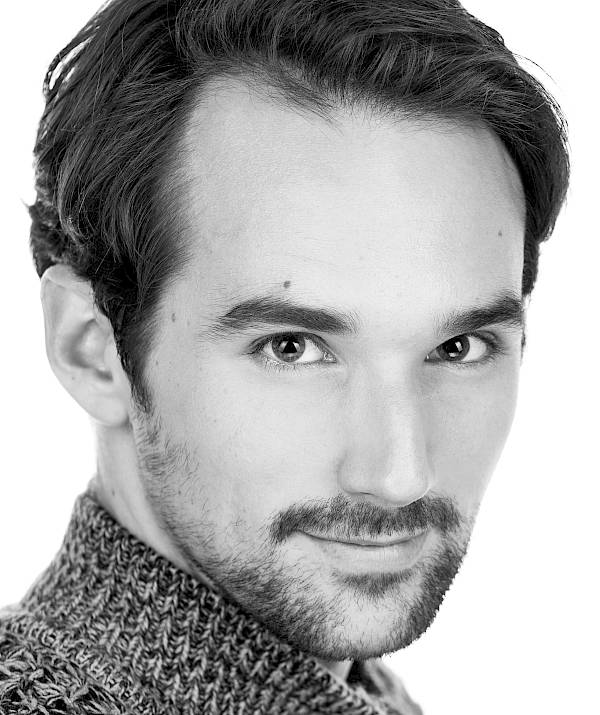
Nathan Haller
Nathan Haller is from Canada and studied voice at the Juilliard School in New York. In 2013, he participated in the International Meistersinger Academy in Neumarkt. From 2015 to 2017, he was a member of the OperAvenir Studio at Theater Basel, where he sang roles such as Tamino ("The Magic Flute"), Romeo ("Romeo and Juliet"), and Oronte ("Alcina"). In 2016, he appeared as Belmonte ("The Abduction from the Seraglio") at the Akko Opera Festival in Israel, and in 2017/18 as François in Leonard Bernstein’s "A Quiet Place" at Neue Oper Wien. Further engagements took him to the Bavarian State Opera in Munich, Teatro Massimo di Palermo, Vienna Volksoper, the Malmö Opera, and Deutsche Oper am Rhein. On the concert stage, he performed at the New York Festival of Song at Carnegie Hall and in Handel’s "La Resurrezione" with William Christie. He made his debut at the Zurich Opera House in 2018 in Schreker’s "Die Gezeichneten" and returned the following year as Albazar ("Il turco in Italia") as well as later in the title role of Mitterer’s "Tapferen Schneiderlein". Since the 2021/22 season, Nathan Haller has been a member of the Zurich Opera House ensemble. Here, he has recently sung roles including Mercure in Rameau’s "Platée", Gobin/Un giovane/Adolfo in Puccini’s "La rondine", Boni ("Die Csárdásfürstin"), Pong ("Turandot"), a Dance Master ("Ariadne auf Naxos"), as well as Andrès in "Les Contes d’Hoffmann", First Jew ("Salome"), Victorin ("Die tote Stadt"), Raoul de St. Brioche ("Die lustige Witwe"), Goro ("Madama Butterfly"), Valzacchi ("Der Rosenkavalier"), and Dr. Blind ("Die Fledermaus").
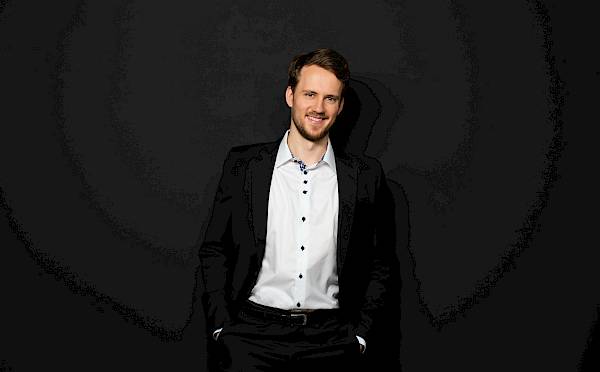
Yannick Debus
Yannick Debus studied singing at the University of Music Lübeck, at the University of Music Basel and at the Schola Cantorum Basiliensis. His first engagements include the Father in "Hänsel and Gretel" at Schloss Weikersheim, Guglielmo in "Così fan tutte" at the Kammeroper Schloss Rheinsberg, the Emperor in Ullmann’s "Kaiser von Atlantis" as well as Figaro in Milhaud’s "La mère coupable" at the Theater Basel and Emireno in Handel’s "Ottone" at the Innsbruck Festival of Early Music. From 2020 to 2022 he was a member of the International Opera Studio at the Zurich Opera House. He has a close collaboration with René Jacobs, under whose direction he has appeared as Jesus ("St John Passion") at the Concertgebouw Amsterdam, as Apollo (Handel’s "Apollo e Dafne"), as Kilian and Ottokar ("Der Freischütz") among others at the Elbphilharmonie Hamburg, in Handel’s "Israel in Egypt" at the Philharmonie de Paris, the Konzerthaus Freiburg and the Berlin Philharmonie, as well as in the title role of Monteverdi’s "Orfeo" with the Freiburg Baroque Orchestra in the Berlin Philharmonie, the Philharmonie de Paris and at the Liceu in Barcelona. He also sang Jesus ("St Matthew Passion") with the Freiburg Baroque Orchestra under Francesco Corti on tour including Frankfurt, Madrid, Budapest, Zurich and Seoul. Since the 2024/25 season he has been a member of the ensemble of the Zurich Opera House. Here he most recently sang Harlekin ("Ariadne auf Naxos"), Lesbo ("Agrippina"), the title role in Wolfgang Rihm’s "Jakob Lenz", Schaunard in "La bohème", Lescaut in Massenet’s "Manon", Dr. Falke in "Die Fledermaus" and Don Fernando in "Fidelio".
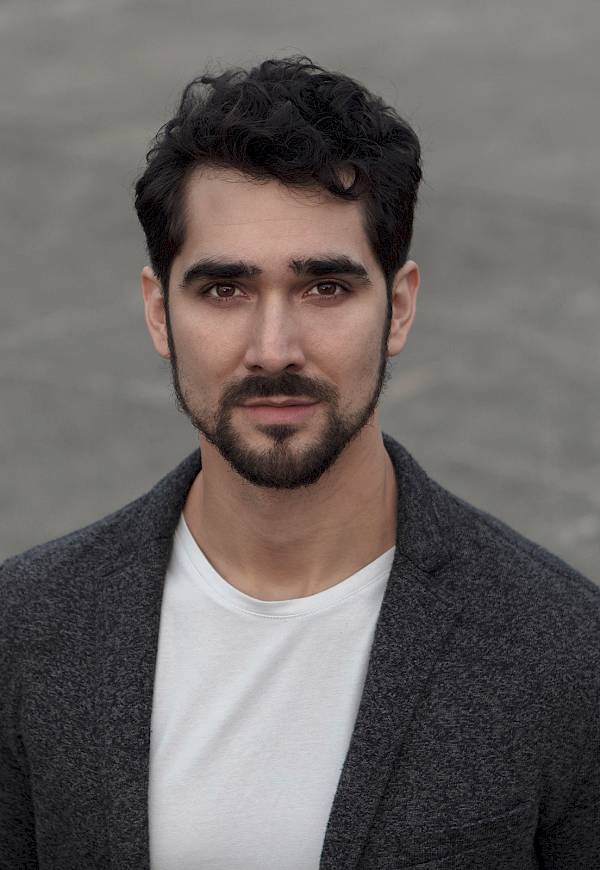
Brent Michael Smith
Brent Michael Smith is from the USA. He studied voice at the Academy of Vocal Arts in Philadelphia and the University of Northern Iowa, as well as piano at Hope College in Michigan. He won second prize at the 2018 Giargiari Bel Canto Competition, third prize at the 2021 Concorso Lirico Internazionale di Portofino and was a finalist at the 2020 Queen Sonja International Music Competition. In the USA, his roles have included Friedrich Bhaer (Mark Adamo’s "Little Women"), Colline ("La bohème") and Ashby ("La fanciulla del West") at Detroit Opera, Ariodante ("Xerxes") at the Glimmerglass Festival, as well as Celio (Prokofiev’s "The Love for Three Oranges") and Peter Quince ("A Midsummer Night’s Dream") at Opera Philadelphia. He has also appeared at Santa Fe Opera, La Monnaie in Brussels and the Opéra Royal de Wallonie-Liège, among others. In 2025, he sang Frère Laurent ("Roméo et Juliette") at the Semperoper Dresden. He was a member of the International Opera Studio at the Zurich Opera House in the 2020/21 season and has since been a member of the ensemble, where his roles have included Sparafucile ("Rigoletto"), Raimondo ("Lucia di Lammermoor"), Prince Gremin ("Eugene Onegin"), Frère Laurent ("Roméo et Juliette"), Fafner ("Das Rheingold") and Angelotti ("Tosca").
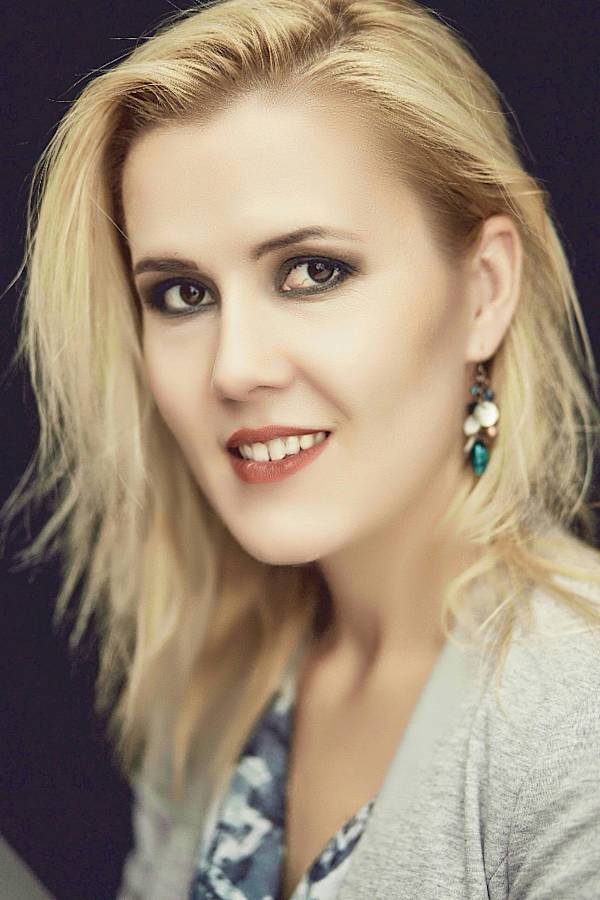
Aleksandra Kubas-Kruk
Aleksandra Kubas-Kruk stammt aus Polen. Die Sopranistin studierte in Breslau und Wien und gewann internationale Preise in Toulouse, Warschau, Lodz, Lviv, Treviso, Malmö und Breslau. Ihr polnisches Operndebüt gab sie als Gilda (Rigoletto) in Breslau, ihr internationales als Kunigunde (Bernsteins Candide) in Lucca, Ravenna, Livorno und Pisa. Als Ensemblemitglied der Oper Breslau sang sie u.a. die Titelrolle in Lucia di Lammermoor, Adina (L’elisir d’amore), Nanetta (Falstaff), Oscar (Un ballo in maschera), Susanna (Le nozze di Figaro), Pamina (Die Zauberflöte), Olympia (Les Contes d’Hoffmann), Sophie (Der Rosenkavalier) und Violetta (La traviata). Am Moskauer Bolschoi debütierte sie als Königin von Schemacha (Der Goldene Hahn von Rimsky-Korsakow), gefolgt von Engagements als Königin der Nacht (Die Zauberflöte) und Le feu, La princesse, Le rossignol (L’Enfant et les sortilèges). An der Oper Bonn gastierte sie als Lakmé, bei den Händel-Festspielen Karlsruhe als Sigismondo (Arminio) und Morgana (Alcina), in Triest als Gilda und Amina (La sonnambula) und in Toulon als Konstanze (Die Entführung aus dem Serail). In den vergangenen Spielzeiten war sie u.a. als Lucia (Lucia di Lammermoor) in Trieste, als Violetta (La traviata) in Neapel und als Gilda in Novara zu hören, am Teatr Wielki in Warschau, in Sassari sowie am Staatstheater Wiesbaden, als Primislao (Vincis Gismondo) am Theater an der Wien, als Norina (Don Pasquale) am Teatr Wielki, in der Sopranpartie in Carmina Burana in Sassari und als Morgana (Alcina) am Staatstheater Karlsruhe. In Zürich gastierte sie zuletzt im März 2020 als Fiakermilli in Arabella.
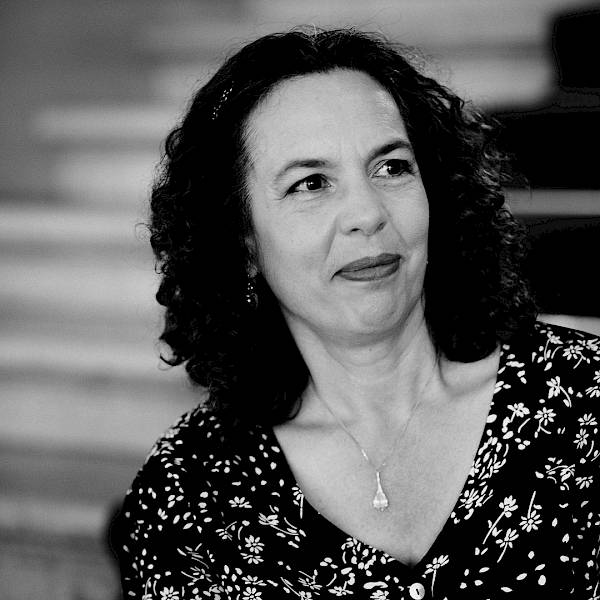
Irène Friedli
Irène Friedli grew up in Räuchlisberg, Switzerland, and completed her studies at the Basel Music Academy with a soloist diploma. The alto furthered her training in the interpretation class of Dietrich Fischer-Dieskau in Berlin, attended masterclasses with Brigitte Fassbaender, and studied with Helen Keller. She has won numerous awards at international song competitions. Since 1994, she has been a member of the ensemble at the Zurich Opera House. Here, she has sung roles including Second and Third Lady ("The Magic Flute"), Mercédès ("Carmen"), the title role in Ravel’s "L’Enfant et les sortilèges," Elsbeth ("Schlafes Bruder"), Lily ("Harley"), Annina and Flora ("La traviata"), Flosshilde ("Das Rheingold," "Götterdämmerung"), Marcellina ("Le nozze di Figaro"), Emilia ("Otello"), Lucia ("Cavalleria rusticana"), Olga in Peter Eötvös’ "Drei Schwestern," Marthe (Gounod’s "Faust"), Margret ("Wozzeck"), Lovis in Jörn Arnecke’s "Ronja Räubertochter," Flower Maiden and Voice from Above ("Parsifal"), Gertrud/Crone ("Hänsel und Gretel"), Clotilde ("Norma"), Mother/Other Mother ("Coraline"), Card Dealer ("Arabella"), and Nurse ("Boris Godunow"). In the world premiere of the family opera "Odyssee," she portrayed Eurycleia/Mother, and in "Girl with a Pearl Earring" she sang Tanneke. In 2012, she appeared at the Opéra Bastille in Paris. Most recently in Zurich, she has performed roles including the Queen of Hearts ("Alice in Wonderland"), Filipjewna ("Eugene Onegin"), Tisbe ("La Cenerentola"), Miss Bentson ("Lakmé"), Frau Waas/Frau Mahlzahn ("Jim Knopf"), Head Cook ("Amerika"), Ninetta ("I vespri siciliani"), Annina ("Der Rosenkavalier"), and Gertrud/Crone ("Hänsel und Gretel").
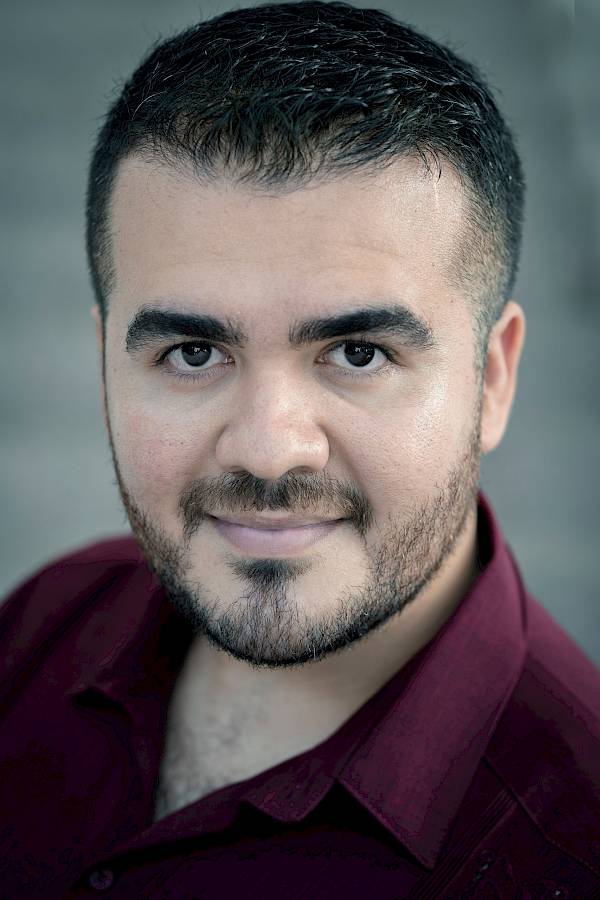
Alejandro Del Angel
Alejandro Del Angel, Tenor, stammt aus Mexiko und studierte Gesang am staatlichen Konservatorium und an der Universidad Nacional Autónoma in Mexiko-Stadt. Anschliessend war er Mitglied des Opernstudios Bellas Artes der Nationalen Opernkompanie Mexiko. Er gewann zahlreiche Preise bei Gesangswettbewerben, u.a. den ersten Preis beim Sinaloa Wettbewerb, und war Halbfinalist bei der Competizione dell’Opera Sochi 2019, Viertelfinalist bei Plácido Domingos Operalia in Lissabon 2018 sowie beim Tenor Viñas Wettbewerb 2020. Ausserdem ist er District winner der Kansas Metropolitan Opera Council Auditions 2021. Als Solist ist er bisher bei diversen Konzerten, Festivals, Opernproduktionen und Galas in Mexiko, den USA, Kolumbien und Spanien aufgetreten. Seit der Spielzeit 2021/22 ist er Mitglied des Internationalen Opernstudios Zürich und war hier bisher in Salome, Die Odyssee, Le Comte Ory, Macbeth, Arabella, Nabucco und in Rigoletto zu erleben. Ausserdem gastierte er im März 2023 als Gastone in La traviata an der Opéra de Monte-Carlo.
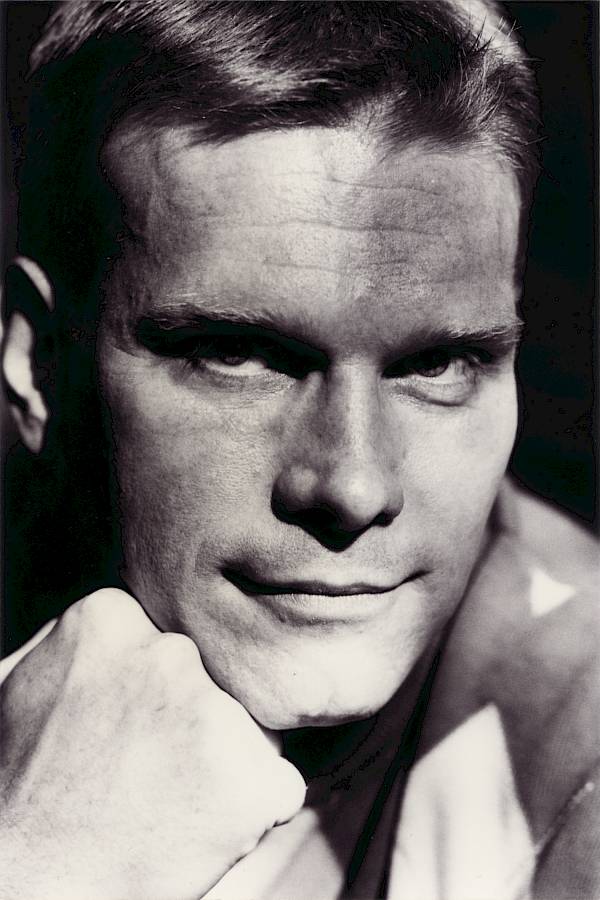
Cheyne Davidson
Cheyne Davidson erhielt seine musikalische Ausbildung an der Case Western Reserve University, dem Cleveland Institute of Music und der Manhattan School of Music. Unmittelbar nach seinem Studium wurde er eingeladen, als Escamillo mit Peter Brooks Tragédie de Carmen auf Europa-, Japan- und Israel-Tournee zu gehen. Nach Auftritten in den USA und Europa war er ein Jahr lang Mitglied des IOS. Seit 1992/93 gehört er zum Ensemble des Opernhauses Zürich, wo er u.a. als Marcello, Schaunard und Benoît (La bohème), Escamillo (Carmen), Silvio (Pagliacci), Amfortas (Parsifal), Paolo Albiani (Simon Boccanegra), Donner und Gunther (Der Ring des Nibelungen), Alfio (Cavalleria rusticana), Faninal (Rosenkavalier), Lescaut (Manon Lescaut), Marco (Gianni Schicchi), Barone Douphol (La traviata), Enrico (Lucia di Lammermoor), Werschinski (Drei Schwestern), Eisenhardt (Die Soldaten), Chang (Das Land des Lächelns), als Le Bailli in Massenets Werther, Bill (Aufstieg und Fall der Stadt Mahagonny), Jonas Fogg (Sweeney Todd), Eurylochos (Die Odyssee) und als Benoît (La bohème) auftrat. Gastverträge führten ihn u.a. an die Opernhäuser Stuttgart, Köln und Hamburg, nach Basel und Luzern, an das Théâtre du Châtelet in Paris, die Oper Nancy, zur Hamburger Opernwoche, nach Belgrad und Budapest, zu den Bregenzer Festspielen und zum Classic Open Air Solothurn. Bei der ZKO Opera Box war er in Die schöne Galathée, in Il campanello di notte sowie in Il signor Bruschino zu erleben. Sein Salzburger Festspieldebüt gab er zu Pfingsten 2016 als Doc in der West Side Story; im Sommer 2016 war er ebenfalls in Salzburg in der Uraufführung von Thomas Adès’ Oper The Exterminating Angel zu erleben.
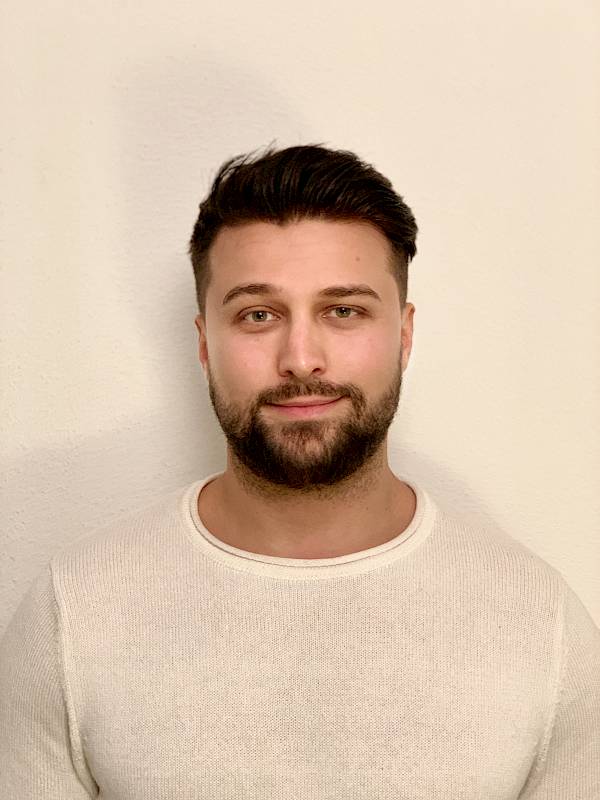
Mentor Bajrami
Mentor Bajrami comes from Switzerland and studied at the European Film Actor School (EFAS) in Zurich until 2018. He appeared in various EFAS productions, including the roles of Trigorin and Srebrejkow in Anton Chekhov’s The Seagull, Boris in Yasmina Reza’s Bella Figura, and Jean in August Strindberg’s Miss Julie. Additionally, he performed at the Zurich Opera House in Così fan tutte and in 2017 appeared in the Stand Up! Comedy Show at the Bernhard Theater. Since 2018, he has been working as a freelance actor in Switzerland.
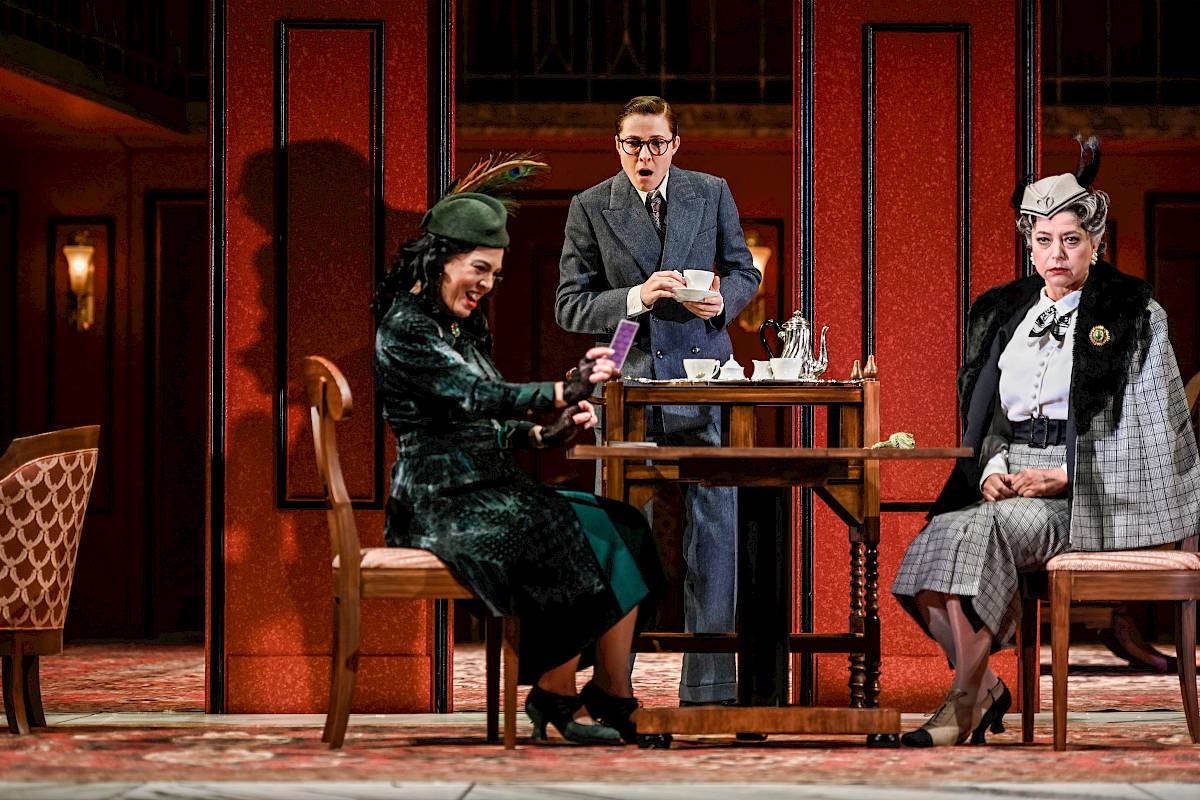
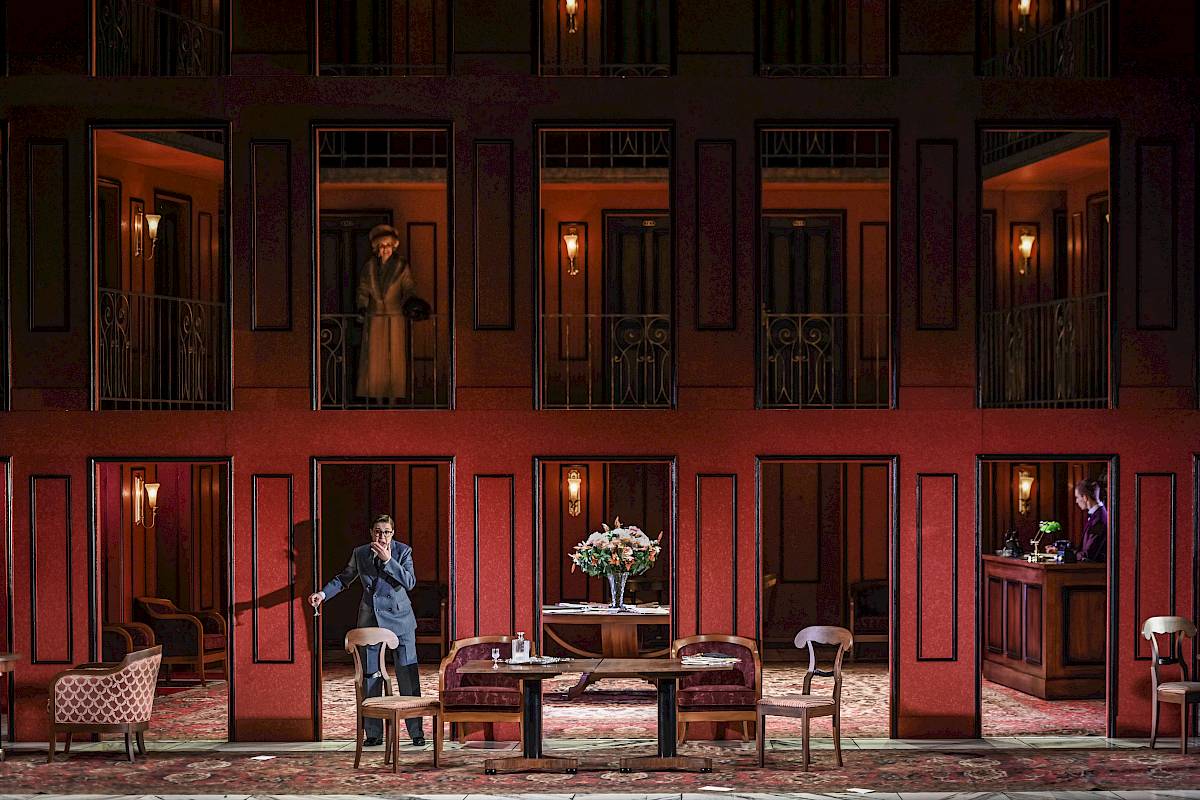
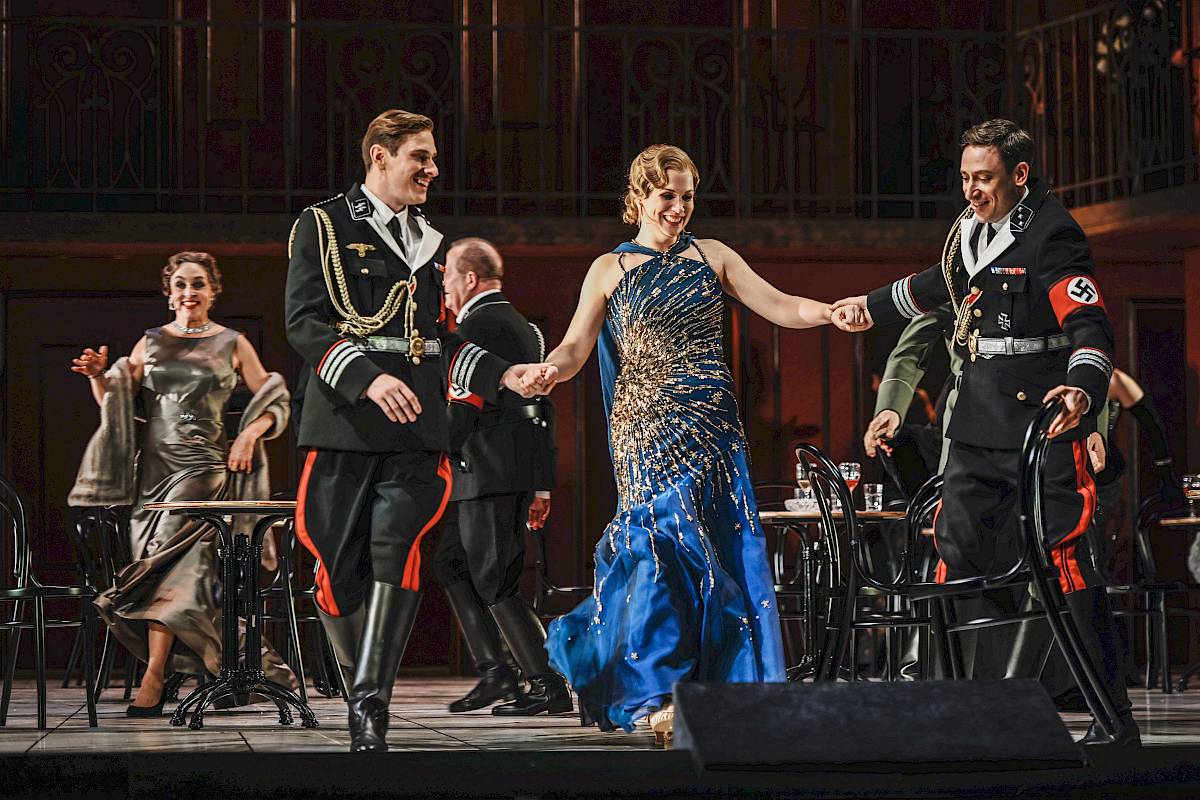
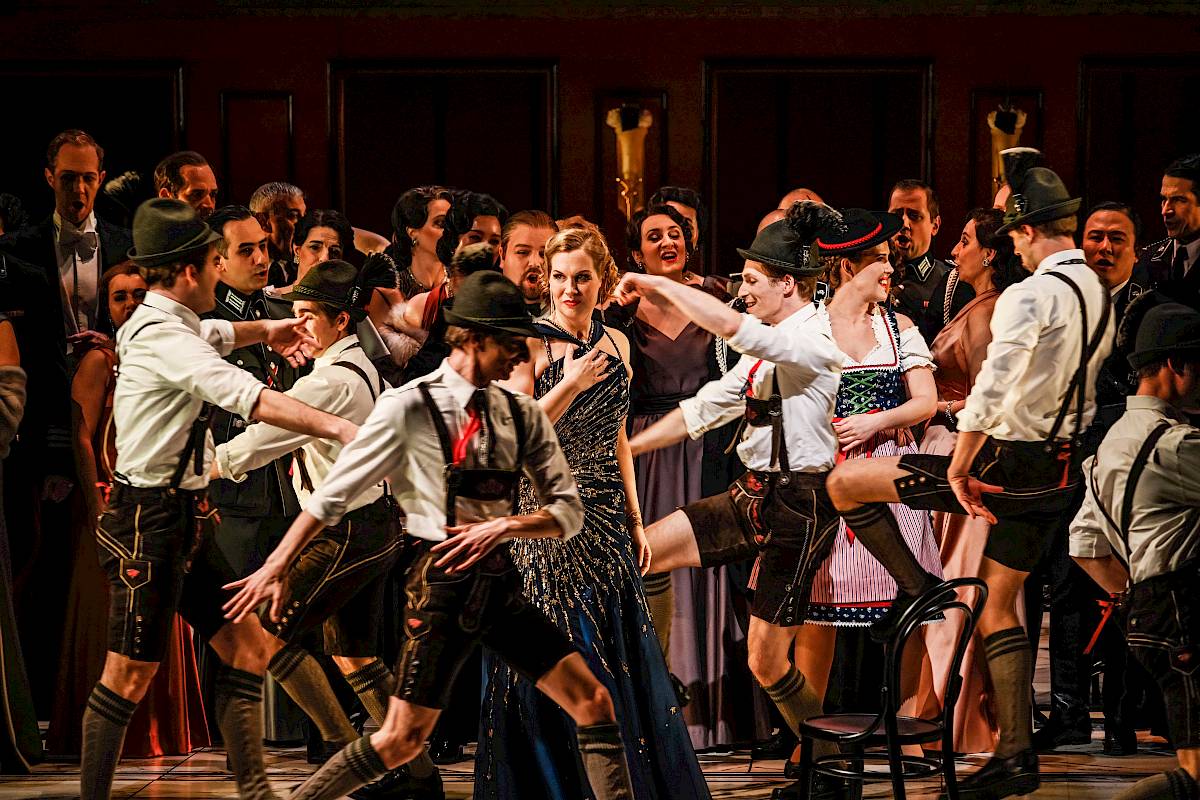
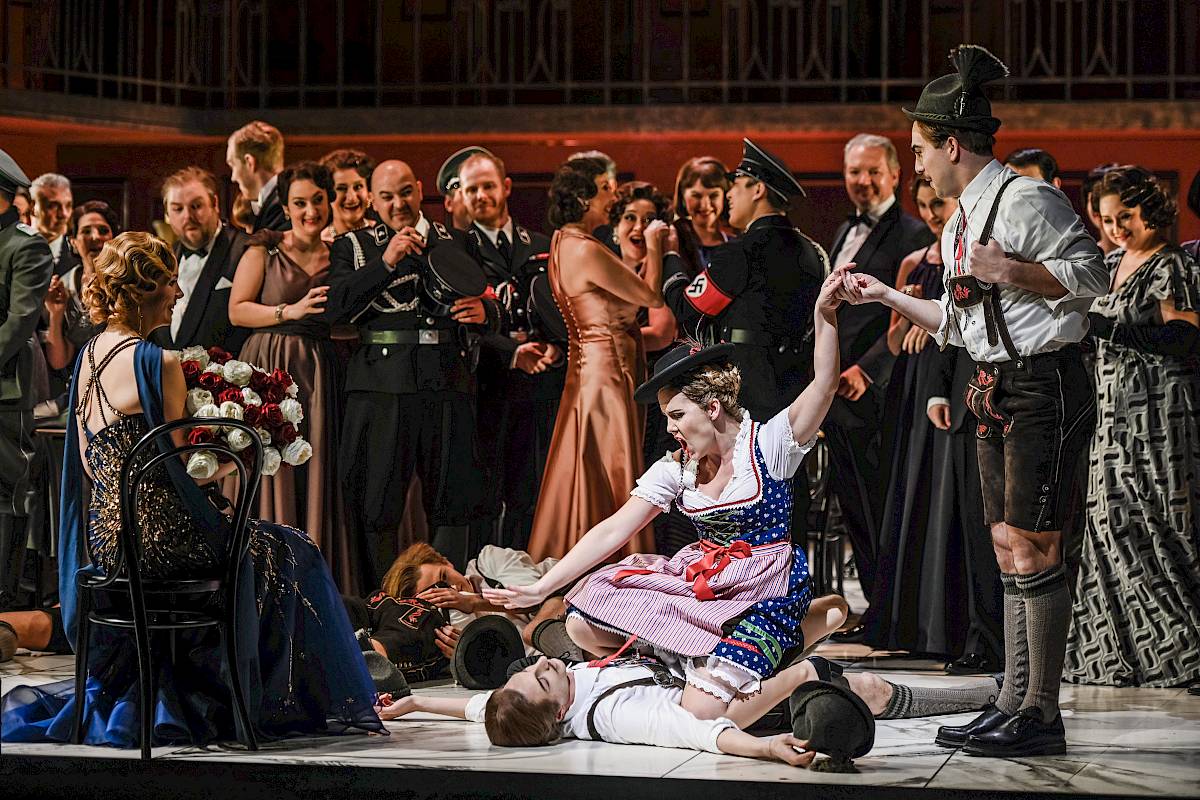
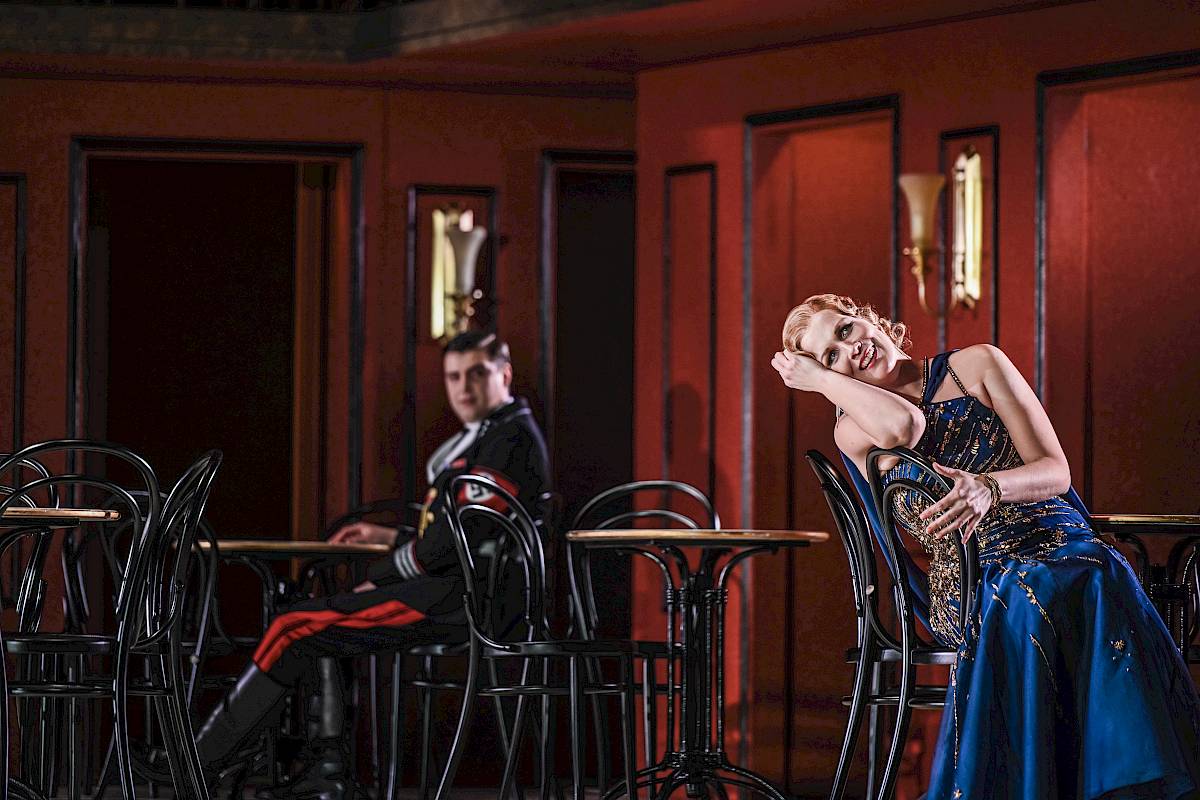
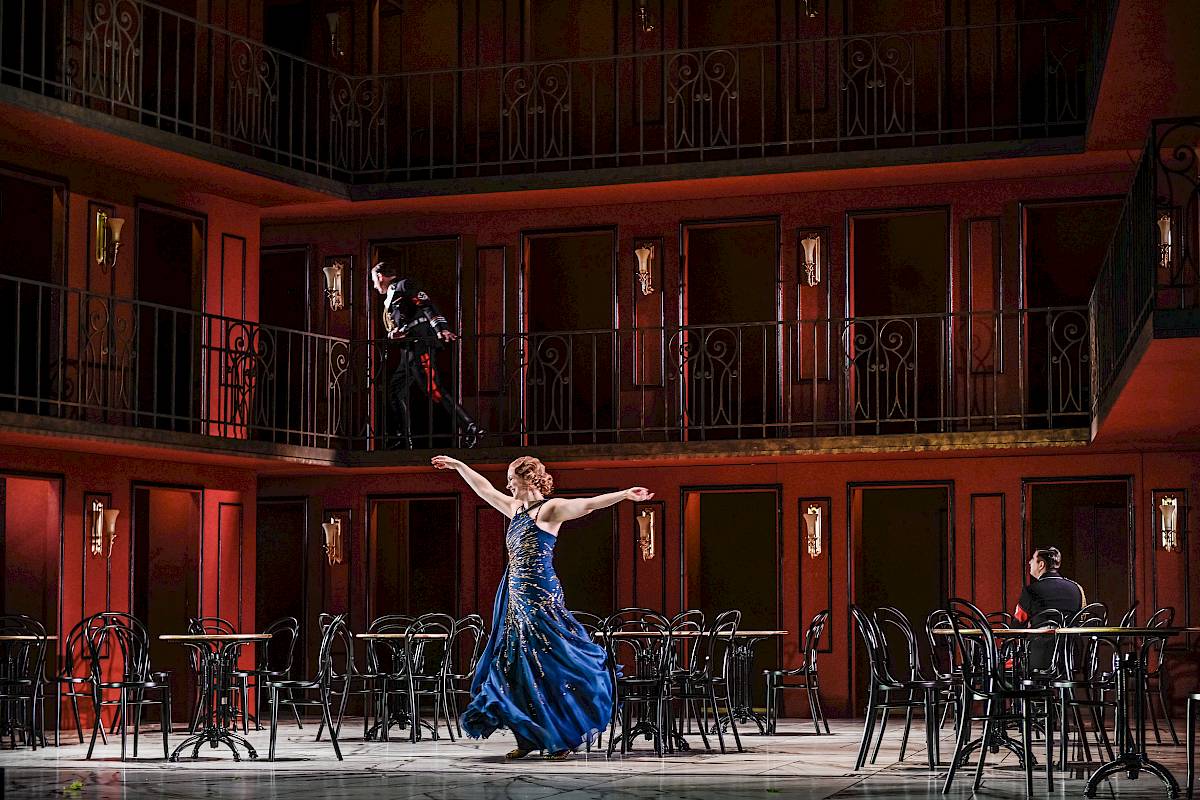
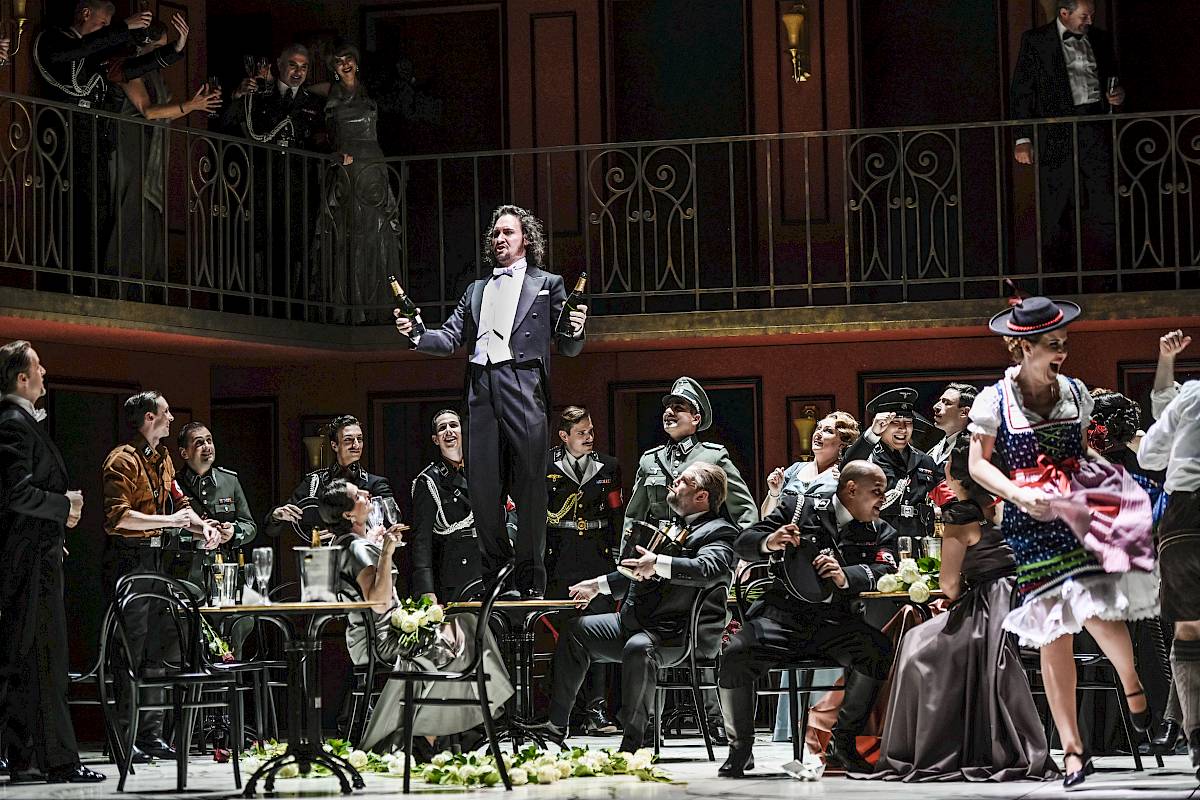
Photos «Arabella»