

Iván López-Reynoso ist musikalischer Direktor des Palacio de Bellas Artes in Mexico City sowie Erster Gastdirigent der Oviedo Filarmonia in Spanien. Am Staatstheater Braunschweig war er von 2017 bis 2019 Erster Kapellmeister. Sein Repertoire umfasst Werke von Puccini, Rossini, Mozart, Humperdinck, Wagner, Schostakowitsch und Weill. Eine enge Zusammenarbeit verbindet ihn mit dem Rossini Opera Festival in Pesaro, wo er als jüngster Dirigent mit nur 23 Jahren Il viaggio a Reims dirigierte. 2017 kehre er nach Pesaro zurück für ein Konzert mit Ildar Abdrazakov. Zudem leitete er die Produktion La scala di seta in der Regie von Damiano Michieletto. Iván López-Reynoso arbeitet regelmässig mit den wichtigsten Orchestern in Mexico zusammen, u.a. mit dem National Symphony Orchestra, dem Mexikanischen Staatsorchester oder dem Jalisco Philharmonic Orchestra und dirigierte dabei u.a. Strauss’ Alpensinfonie, Ravels Daphins et Chloé, sämtliche Sinfonien von Beethoven, Rossinis Stabat Mater sowie Sinfonien von Schostakowitsch, Rachmaninow und Brahms. Jüngst gab er mit Javier Camarena ein Konzert am Teatro Real de Madrid mit Werken von Donizetti, Rossini und Offenbach und leitete Il viaggio a Reims und Fidelio an der Ópera de Bellas Artes in Mexico City.
Gaetano Donizetti
Dramma buffo in three acts
Libretto by Giovanni Domenico Ruffini
and Gaetano Donizetti
From 18. May 2025 until 3. June 2025
-
Duration :
2 H. 25 Min. Inkl. Pause after 1st part after approx. 1 H. 15 Min. -
Language:
In Italian with German and English surtitles. -
More information:
Introduction 45 min before the performance.
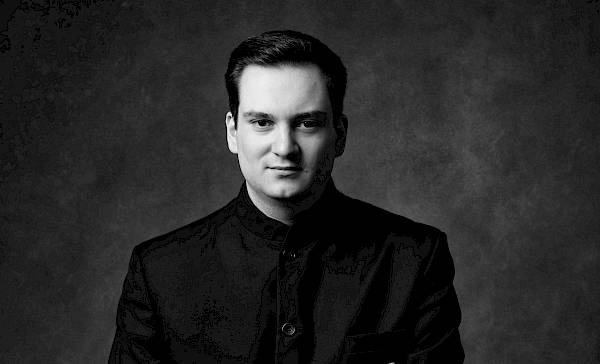
Iván López-Reynoso
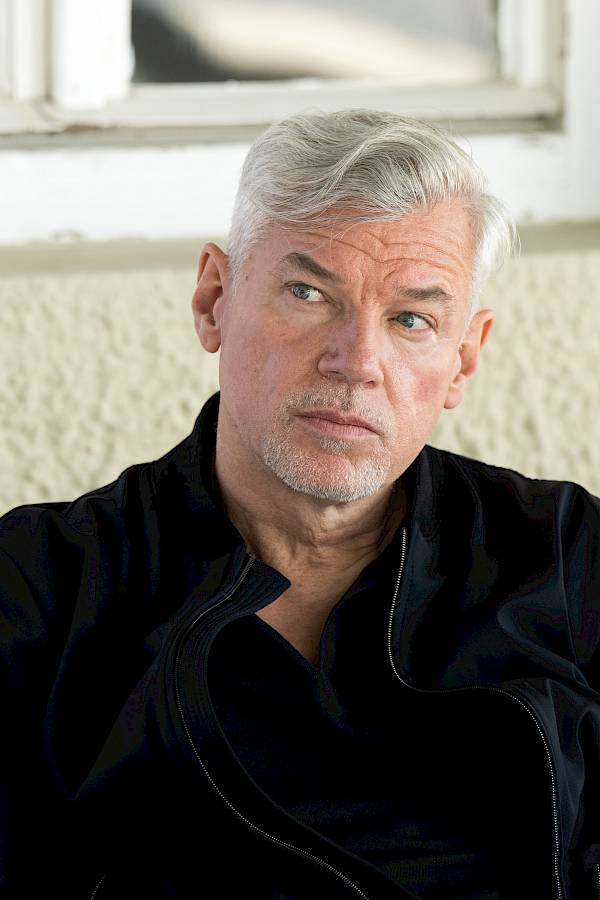
Christof Loy
Christof Loy studied music theatre directing in Essen as well as philosophy, art history, and Italian philology in Munich. He has worked as a freelance director since 1990. He regularly directs, among others, at the Deutsche Oper Berlin, the Theater an der Wien, the Royal Swedish Opera in Stockholm, the Royal Opera House Covent Garden in London, the Opera Amsterdam, the Teatro Real in Madrid, and at the festivals in Glyndebourne and Salzburg. In Amsterdam, he was also responsible for choreography for the first time in 2019 with "Tannhäuser". At the Zurich Opera House, he directed "La straniera", "Alcina", "I Capuleti e i Montecchi", "Don Pasquale", and "La rondine". In 2017 and 2024, he was named Director of the Year at the International Opera Awards, after already winning the award for Best New Production there in 2016 for Britten’s "Peter Grimes" at the Theater an der Wien. For three productions at the Bavarian State Opera, "Saul" (2003), "Roberto Devereux" (2004), and "Die Bassariden" (2008), he was named Director of the Year by the magazine "Opernwelt". In 2024/25, he made his debut at the Teatro alla Scala in Milan with "Werther". Since then, he has directed, among others, "Elektra" at the Royal Opera House London, "Eugene Onegin" at the Teatro Real Madrid, "Turandot" at Theater Basel, "Il trittico" at the Opéra de Paris, and Charpentier’s "Louise" at the Festival d’Aix-en-Provence. One of his most important artistic concerns today is the rediscovery of zarzuela. His most recent directing works include the zarzuelas "Benamor" at the Theater an der Wien, "El gato montés" at the Teatro de la Zarzuela in Madrid, and "El barberillo de Lavapiés" at the Theater Basel.
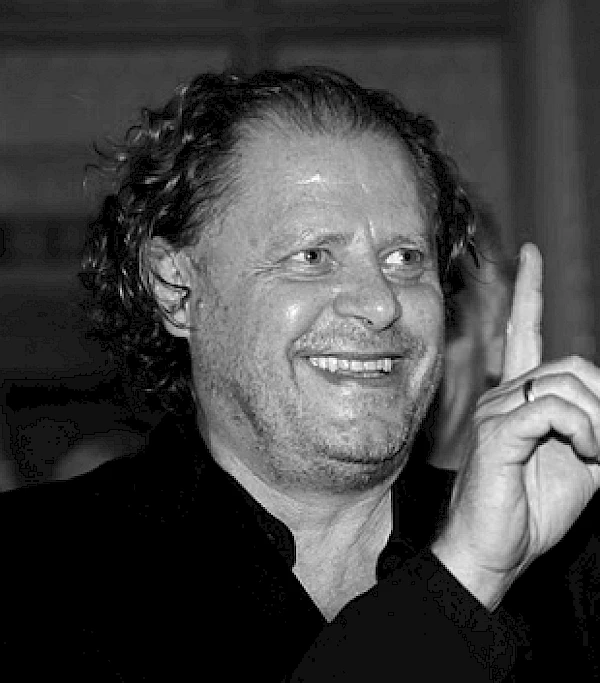
Johannes Leiacker
Johannes Leiacker ist weltweit als Ausstatter für den Opern- und Schauspielbereich sowie als Professor für Bühnenbild und Kostüme an der Hochschule für Bildende Künste in Dresden tätig. Der gebürtige Landshuter studierte nach einer Tischlerlehre Malerei, Bildhauerei, Grafik und Design in Wiesbaden. Seine Engagements führten ihn seitdem u.a. an die Schauspielhäuser in Frankfurt, Düsseldorf, Bonn, Köln, Berlin (Schillertheater) und München (Residenztheater), an die Opernhäuser in Amsterdam, Antwerpen/Gent, Berlin, Frankfurt, Wiesbaden, Leipzig, Dresden, Düsseldorf, Hamburg, München, Brüssel, Lissabon, London, Kopenhagen, Helsinki, Bern, Göteborg, Graz, Wien, New York, Los Angeles und Moskau sowie zu den Festspielen in Salzburg und Baden-Baden. Er arbeitet regelmässig mit Regisseuren wie Peter Konwitschny, Dietrich W. Hilsdorf, Guy Joosten, Christof Loy und Philipp Himmelmann zusammen. Für die Seebühne der Bregenzer Festspiele entstand 2007 das Bühnenbild zu Tosca. In Zürich zeichnete er für Bühnenbild und Kostüme von Aus einem Totenhaus in der Inszenierung von Peter Konwitschny sowie von I masnadieri in der Regie von Guy Joosten verantwortlich und schuf die Bühne zu Alcina und Don Pasquale in der Regie von Christof Loy. Dreimal wurde Johannes Leiacker von Kritikern der Zeitschrift «Opernwelt» zum Bühnenbildner des Jahres gewählt (1996, 2009 und 2018). Seine Ausstattung von Tristan und Isolde am Covent Garden in London wurde 2010 mit dem Lawrence Olivier Award ausgezeichnet und die Produktion Peter Grimes in der Regie von Christof Loy am Theater an der Wien wurde beim International Opera Award 2016 als «Beste Produktion» geehrt.
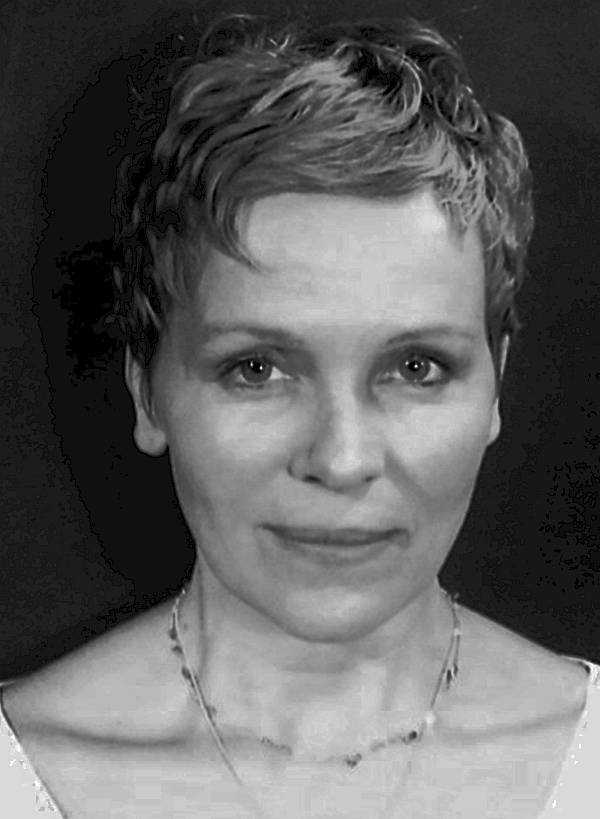
Barbara Drosihn
Barbara Drosihn, born in Hamburg, studied costume design at the University of Applied Sciences in her hometown after training as a seamstress. Since then she has worked as a freelance costume designer at venues including the Thalia Theater, the Deutsches Schauspielhaus Hamburg, the Burgtheater Vienna, the Schauspielhaus Bochum, the Staatsschauspiel Dresden and the Schauspiel Köln. In the process, she has created works for directors such as Michael Thalheimer, Stephan Kimmig, Nicolas Stemann, Andreas Kriegenburg and Stefan Bachmann. Her first opera was "Lucrezia Borgia", for which she designed the costumes in 2009 for Christof Loy at the Bavarian State Opera in Munich. This was followed by productions including "Der Rosenkavalier" and "Der ferne Klang" at the Royal Opera Stockholm, "The Miracle of Heliane" at the Deutsche Oper Berlin, "Così fan tutte" at the Salzburg Festival and "Don Pasquale" at the Zurich Opera House. There she also designed the costumes for Andreas Homoki's productions of "I puritani" and "Fidelio". She has a close artistic collaboration with Tatjana Gürbaca, for whom she created the costumes for "Parsifal" and "The Flying Dutchman" in Antwerp, "La traviata" in Oslo, "Capriccio" and the "Ring" trilogy at the Theater an der Wien, as well as "La finta giardiniera" and "Le Grand Macabre" at the Zurich Opera House. In recent seasons she designed the costumes for "Der Schatzgräber" at the Deutsche Oper Berlin, "Káťa Kabanová" at the Deutsche Oper am Rhein, "Il trittico" at the Salzburg Festival, "Die Königskinder" in Amsterdam, "Bluebeard's Castle" / "The Miraculous Mandarin" in Basel, "Rusalka" in Hanover and "La Voix humaine" / "Erwartung" at the Teatro Real in Madrid.
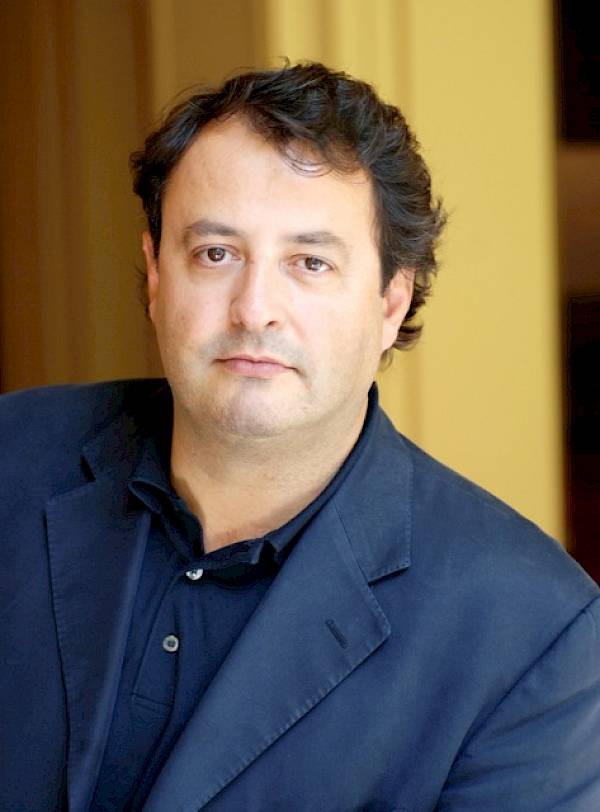
Franck Evin
Franck Evin, born in Nantes, moved to Paris at the age of 19 to study piano. At night he accompanied singers at the Café-Théâtre Le Connétable and also began to take an interest in lighting. He eventually decided to combine music and technology. Thanks to a scholarship from the French Ministry of Culture, he became assistant to the head of lighting at the Opéra de Lyon in 1983. There he worked with Ken Russell and Robert Wilson, among others. In 1986 he began working as an independent lighting designer at the Düsseldorf Schauspielhaus and obtained his master’s certificate in lighting in 1993. During this time he had a close collaboration with Werner Schröter and the conductor Eberhard Kloke. This was followed by productions in Nantes, Strasbourg, Paris, Lyon, Vienna, Bonn, Brussels and Los Angeles, among other places. From 1995 to 2012 he was Artistic Director of the lighting department at the Komische Oper Berlin, where he was responsible for all new productions. Important artistic partners during this period included Andreas Homoki, Barrie Kosky, Calixto Bieito and Hans Neuenfels. In 2006 Franck Evin was awarded the German Theatre Prize "Opus" in the category of lighting design. From 2012 to 2025 he was Artistic Director of the lighting department at the Zurich Opera House. In addition to his work in Zurich, he continued to work on international productions at opera houses in Oslo, Stockholm, Tokyo, Amsterdam, Munich and Graz, as well as at the Opéra Bastille, Teatro alla Scala, Teatro La Fenice, the Vlaamse Opera and at the Bayreuth Festival.
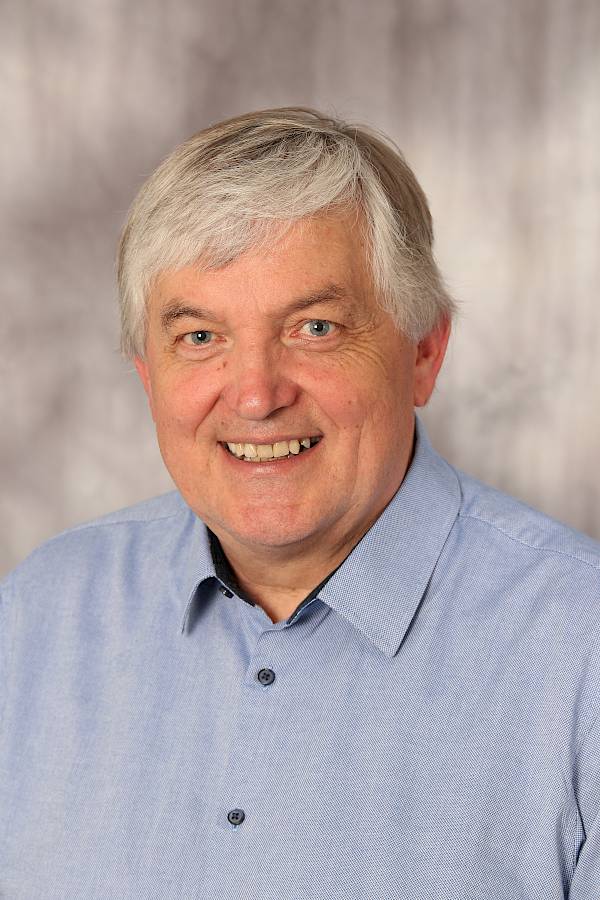
Ernst Raffelsberger
Ernst Raffelsberger comes from Gmunden, Upper Austria. He studied music education and church music at the University of Music and Performing Arts in Vienna as well as choral conducting at the Mozarteum in Salzburg. From 1983 to 1986 he was Kapellmeister of the Vienna Boys’ Choir. During this time, he led the ensemble in Vienna and on tours through Europe, South Africa, Canada, and the USA. From 1986, Ernst Raffelsberger was choral director and Kapellmeister at the Salzburg State Theatre (participating in the Salzburg Mozart Week and the Salzburg Festival). In 1989 he moved as choral director and Kapellmeister to the theatre in Freiburg/Breisgau. Since autumn 1993, Ernst Raffelsberger has been engaged at the Zurich Opera House as choral director. Here he has since supervised around 150 premieres and countless revivals and worked with many renowned conductors such as Marco Armiliato, Riccardo Chailly, Teodor Currentzis, Christoph von Dohnányi, Sir John Eliot Gardiner, Daniele Gatti, Bernard Haitink, Nikolaus Harnoncourt, Zubin Mehta, Gianandrea Noseda, and Franz Welser-Möst. Guest performances with the Zurich Opera House have taken him to Vienna, London, Paris, and Tokyo. From summer 2012 he additionally began a ten-year activity as choral director of the Vienna State Opera Chorus Association at the Salzburg Festival. There he collaborated successfully with, among others, Riccardo Muti, Mariss Jansons, and Sir Simon Rattle. After Ernst Raffelsberger ended this work with the festival summer 2021, he has since 2025 once again been responsible, at Maestro Muti’s request, for choral preparation for his festival concerts in Salzburg. Numerous CD and DVD recordings document his work in Zurich as well as in Salzburg.
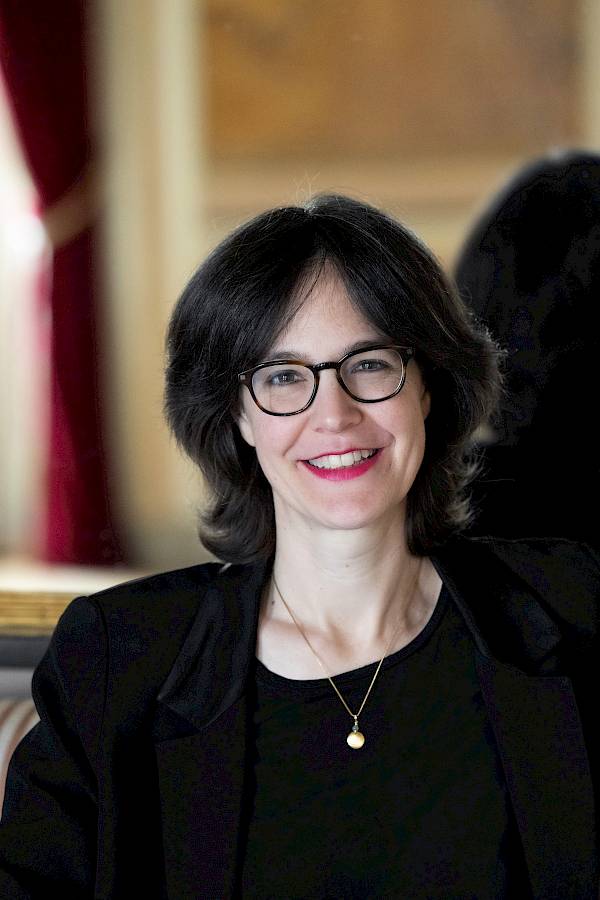
Kathrin Brunner
Kathrin Brunner was born in Zurich. She studied German, Musicology, and French in her hometown and at the Humboldt University in Berlin. After various assistant directorships (including "The Threepenny Opera" at the Lucerne Theater, directed by Vera Nemirova) and dramaturgy internships, she has been a dramaturge at the Zurich Opera House since 2008. There, she has worked with directors such as Achim Freyer ("Moses und Aron"), Harry Kupfer ("Die Meistersinger von Nürnberg", "Tannhäuser"), Stephan Müller, Guy Joosten, Damiano Michieletto, Christof Loy ("La straniera", "Alcina", "I Capuleti e i Montecchi", "Don Pasquale", "La rondine"), Willy Decker ("Il ritorno d’Ulisse in patria", "The Turn of the Screw"), Andreas Homoki ("Wozzeck", "Das Land des Lächelns", "La forza del destino"), Christoph Marthaler ("Il viaggio a Reims", "Orphée et Euridice"), Barrie Kosky ("Die Gezeichneten", "Boris Godunov"), Nadja Loschky, Nina Russi, Jan Essinger, and Jetske Mijnssen ("Idomeneo", "Hippolyte et Aricie", "Platée").
At the 2012 Salzburg Festival, she worked on "La bohème" with Damiano Michieletto. During the COVID-19 pandemic, she co-founded the concert series "Altchemie live" at the Alte Chemie in Uetikon. In 2025, she served as dramaturge for Jetske Mijnssen’s production of Francesco Cavalli’s "La Calisto" at the Festival d’Aix-en-Provence.
Cast
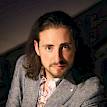
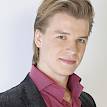
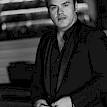
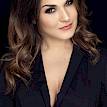
Pietro Spagnoli
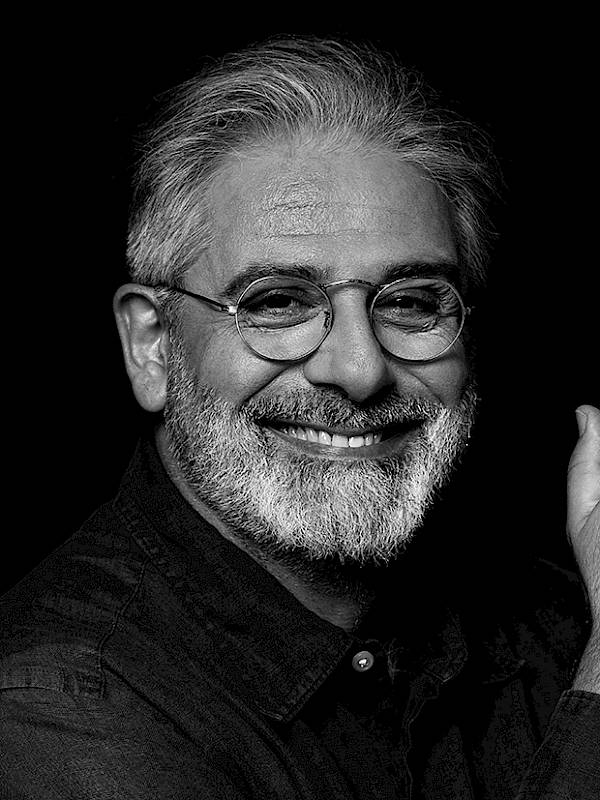
Pietro Spagnoli, geboren in Rom, ist seit vielen Jahren Gast auf den grossen Opernbühnen der Welt. Zum gefragten Bariton wurde er vor allem mit Partien von Mozart, Rossini und Donizetti, darunter Figaro und Conte Almaviva (Le nozze di Figaro), die Titelrolle in Don Giovanni, Guglielmo und Don Alfonso (Così fan tutte), Figaro (Il barbiere di Siviglia), Dandini und Don Magnifico (La Cenerentola), Belcore und Dulcamara (L’elisir d’amore), Malatesta (Don Pasquale) sowie Sulpice (La fille du régiment). An der Met in New York debütierte er als Dandini an der Seite von Juan Diego Flórez, Javier Camarena und Joyce di Donato. Er sang Prosdocimo in Aix-en-Provence, beim Rossini Festival in Pesaro sowie am Opernhaus Zürich, Sulpice am Teatro Real in Madrid, Don Magnifico, Don Pasquale, Belcore und Malatesta an der Wiener Staatsoper, Delirio in einer Neuproduktion von Gassmanns L’opera seria unter der Leitung von René Jacobs am Théâtre de la Monnaie in Brüssel, die Titelrolle in Falstaff an der Oper Shanghai, Almaviva am New National Theatre in Tokio, Don Profondo (Il viaggio a Reims) am Gran Teatre del Liceu in Barcelona, Don Alfonso an der Bayerischen Staatsoper, Mustafà (L’italiana in Algeri) am Teatro Municipal in Santiago de Chile und Dottor Bartolo am Rossini Opera Festival in Pesaro und der Semperoper Dresden. Die vergangenen Spielzeiten führten ihn u. a. als Leporello nach Bari, als Falstaff und Don Alfonso an die Staatsoper Hamburg, als Alidoro (La Cenerentola) an die Semperoper in Dresden, als Geronimo (Il matrimonio segreto) an die Scala in Mailand sowie als Prosdocimo, Mustafá und für Viva la mamma ans Opernhaus Zürich.
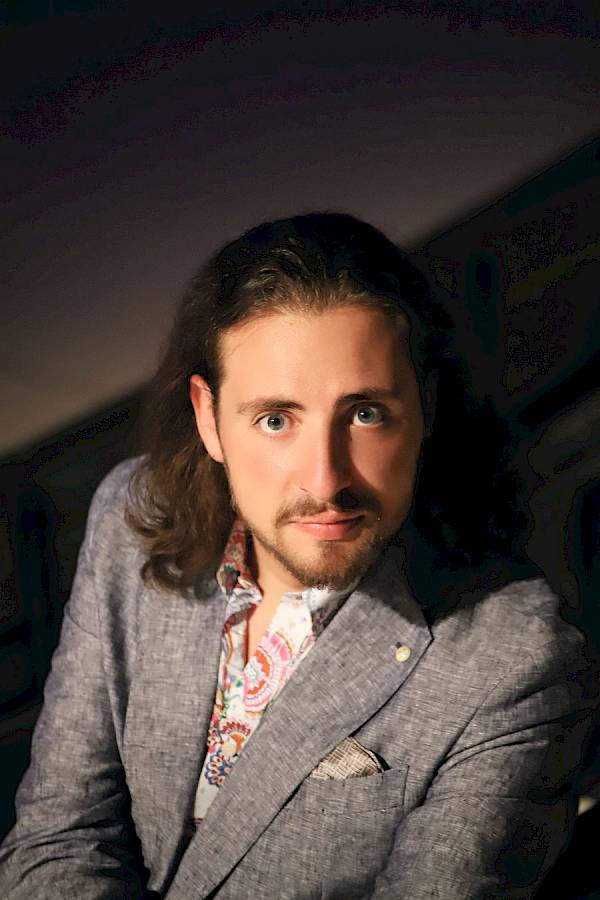
Florian Sempey
Florian Sempey, Bariton, studierte zunächst Klavier und Gesang am Konservatorium in Libourne und nahm 2007 sein Gesangsstudium bei Maryse Castets in Bordeaux auf. Im darauffolgenden Jahr gewann er den Ersten Preis sowie den Publikumspreis beim Gesangswettbewerb der Amis du Grand Théâtre der Oper von Bordeaux. Im Alter von 21 Jahren debütierte er als Papageno (Die Zauberflöte) an der Oper von Bordeaux und ist seitdem regelmässig dort zu Gast. 2010 verbrachte er zwei Jahre im Atelier Lyrique der Pariser Oper und erhielt 2012 den angesehenen Prix Carpeaux. 2013 wurde er bei den Victoires de la Musique Classique in der Kategorie «Revelation Opera Singer» nominiert. Seine Karriere führte ihn u.a. an die Opéra de Paris, das Théâtre des Champs-Elysées, das Royal Opera House London, die Opera di Roma und das New National Theatre in Tokio. Im Konzertbereich arbeitete er mit namhaften Orchestern wie den Wiener Symphonikern und den Berliner Philharmonikern sowie dem Orchestre National de France. 2022 wurde der Sänger von der französischen Regierung mit dem Chevalier des Arts et des Lettres für seine Verdienste um die Oper ausgezeichnet. Jüngste Auftritte umfassen Guglielmo (Così fan tutte) an der Opéra Royal de Versailles, Zurga (Les Pêcheurs de perles) in Bordeaux, Oreste (Iphigénie en Aulide) beim Festival d’Aix-en-Provence, Marcello (La bohème) an der Opéra de Monte-Carlo, Dandini (La Cenerentola) in Toulouse und Barcelona, Valentin (Faust) an der Opéra National de Paris sowie Prosdocimo (Il turco in Italia) an der Opéra de Lyon.
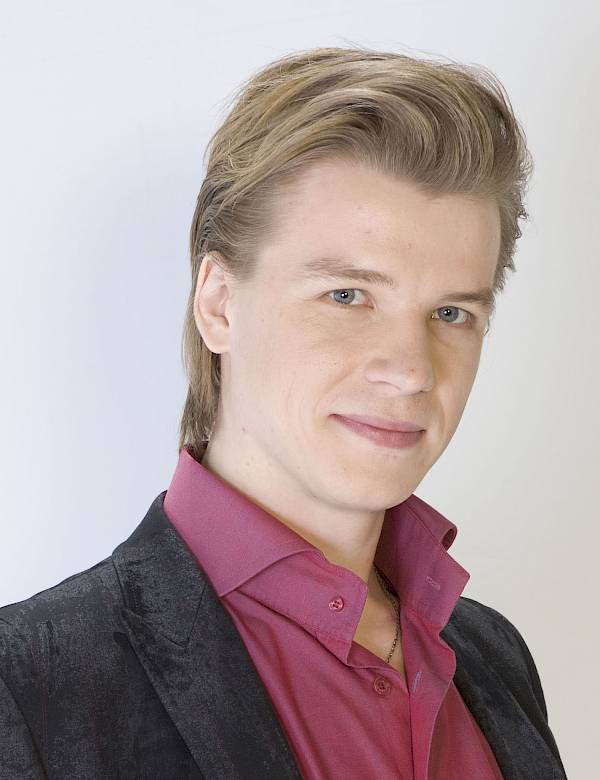
Konstantin Shushakov
Konstantin Shushakov stammt aus Russland und studierte am Izhevsk Music College und an der Russischen Akademie für Theaterkunst. 2009 wurde er Mitglied des Young Artist Program am Bolschoi-Theater in Moskau. 2011 war er Preisträger des Queen Elisabeth Wettbewerbs in Brüssel und gewann im selben Jahr den 2. Preis beim Operalia Wettbewerb in Moskau. Ein Jahr später wurde er Ensemblemitglied am Bolschoi-Theater, wo er u.a. als Morales (Carmen), Almaviva (Le nozze di Figaro), Marullo (Rigoletto), Malatesta (Don Pasquale), Schaunard und Marcello (La bohème), Lebedjev (Der Idiot), Robert (Iolanta), Papageno und Figaro (Il barbiere di Siviglia) zu erleben war. Gastengagements führten ihn 2014 als Guglielmo (Così fan tutte) an die Scala, 2016 als Ford (Falstaff) nach Genf und als Prinz Afron (Der goldene Hahn) ans Théâtre de la Monnaie in Brüssel. 2018 gastierte er in Vancouver in der Titelrolle von Jewgeni Onegin sowie als Jelezki (Pique Dame) beim Savonlinna Festival und an der Oper in Oslo. Er ist ausserdem regelmässig als Konzertsänger zu erleben; er sang in Brahms’ Ein deutsches Requiem zusammen mit dem Russischen National Orchester in der Tschaikovsky Concert Hall unter Mikhail Pletnev und in Mozarts c-Moll-Messe mit dem Musica Viva Chamber Orchestra Moskau. 2019 bis 2023 gehörte er zum Ensemble am Opernhaus Zürich und war hier u.a. als Don Giovanni, Guglielmo, Malatesta, Marcello, Andrei Tchelkalov (Boris Godunow), Ernesto (Il pirata), Ford, Valentin (Faust) und in Ein deutsches Requiem unter Gianandrea Noseda zu hören.
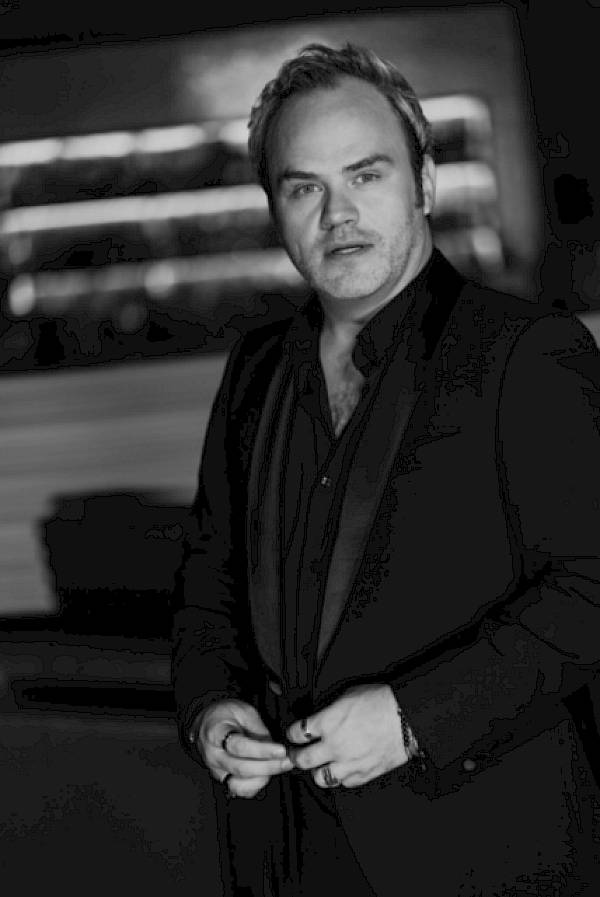
Andrew Owens
Andrew Owens, tenor, was born in Philadelphia and studied voice at the Oberlin Conservatory. He is a prizewinner of several competitions, including the Zarzuela Prize at the Tenor Viñas Competition. He participated in the Young Singers Project of the Salzburg Festival and was a member of the Opera Studio of the Bavarian State Opera in Munich. From 2012 to 2014 he was a member of the Young Ensemble of the Theater an der Wien, where he appeared at the Kammeroper in works including "La bohème", "La Cenerentola", "Fidelio", "Attila", "Mathis der Maler" and "La clemenza di Tito". Since then, he has returned to the Theater an der Wien as Mads in Werner Egk’s "Peer Gynt", as Snout in "A Midsummer Night’s Dream", as the Fourth Jew in "Salome", and most recently in 2021 as Jacob Glock in "Der feurige Engel", and he has performed in the title role of "Don Carlos" at the Kammeroper Wien. More recently, he has appeared as Arturo in "Lucia di Lammermoor" at the Opera Philadelphia, as Don Ramiro in "La Cenerentola" at the Irish National Opera, in Schumann’s "Scenes from Goethe’s Faust" with the Cleveland Orchestra, as Lukas in Haydn’s "The Seasons", as well as in a concert performance of "Le Rossignol" at the Salzburg Festival and as Aménophis in "Moïse et Pharaon" at the Rossini Opera Festival. Since 2021 Andrew Owens has been a member of the ensemble of the Zurich Opera House, where he has sung the Fourth Jew, Telémachos ("Die Odyssee"), Peppe ("Pagliacci"), Van Ruijven ("Girl with a Pearl Earring"), Lord Arturo Bucklaw ("Lucia di Lammermoor"), Gualtiero ("Il pirata"), Xaïloum ("Barkouf"), Lord Cecil ("Roberto Devereux"), as well as Guglielmo Antolstoinoloff ("Viva La Mamma!") and Pylade ("Iphigénie en Tauride").
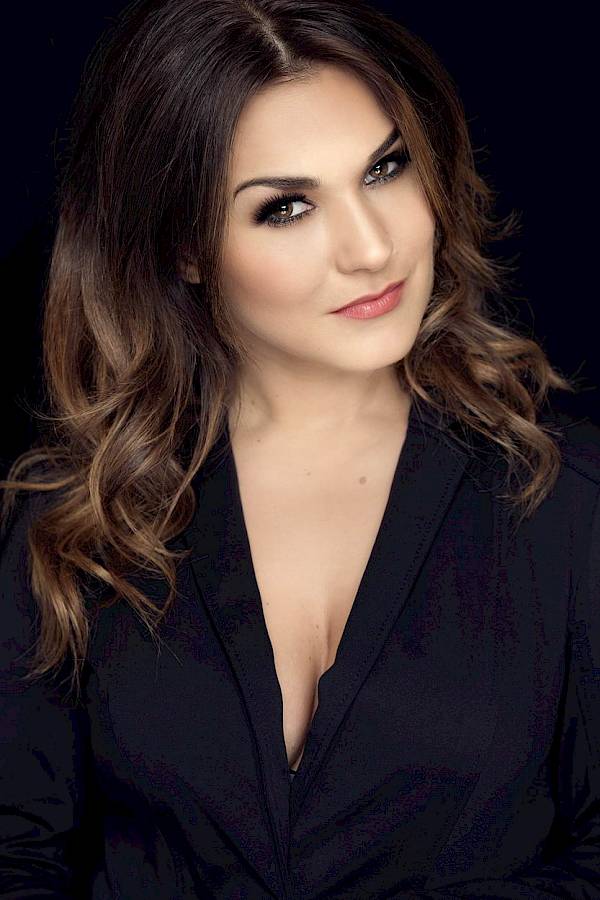
Olga Peretyatko
Olga Peretyatko, born in St Petersburg, studied singing at the Hanns Eisler School of Music in Berlin and subsequently was a member of the Opera Studio of the Hamburg State Opera. In 2007 she achieved her international breakthrough as a prizewinner at Plácido Domingo’s Operalia Competition. Since then she has appeared, among others, at the Metropolitan Opera in New York, the Royal Opera House in London, La Scala in Milan, the state operas in Vienna and Berlin, Teatro Real Madrid, Gran Teatre del Liceu Barcelona, as well as at the Opéra Bastille and at the festivals in Salzburg, Baden-Baden, Aix-en-Provence and Pesaro. Her repertoire includes, among others, Violetta ("La traviata"), Gilda ("Rigoletto"), Leonora ("Il trovatore"), Donna Anna ("Don Giovanni"), Norina ("Don Pasquale"), Anna Bolena, Norma, as well as Marguerite ("Faust"), Liù ("Turandot") and Leïla in Bizet’s "Les pêcheurs de perles". At Zurich Opera House she has appeared, among others, as Fiorilla in "Il turco in Italia" and in the current season as Giulia in "La scala di seta". Most recently she sang Magda de Civry in a new production of "La rondine" at the Teatro Regio in Turin and Donna Anna in a new production of "Don Giovanni" in Bologna. In 2018 she gave her first solo recital at La Scala in Milan. For her six albums on Sony Classical she has received multiple awards, and in 2025 she was honoured with the European Cultural Award for her outstanding artistic achievements.
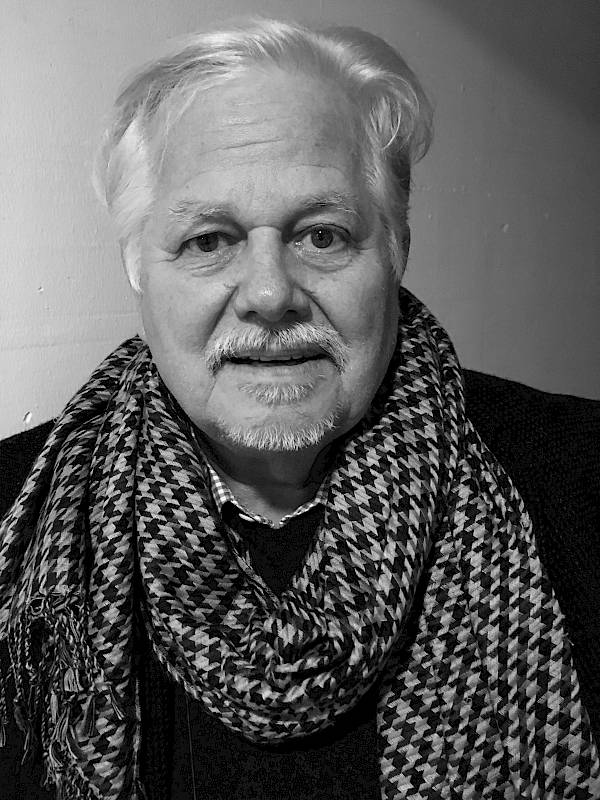
R. A. Güther
Rainer Alwin Güther spielte schon als Kind in den 50er- und 60er-Jahren am Opernhaus Zürich Piccolo in Das weisse Rössl, Anton (Pünktchen und Anton), Peter (Peterchens Mondfahrt) und Hänsel (Hänsel und Gretel). Später studierte er Schauspiel an der Schauspielakademie Zürich, woraufhin er ans Stadttheater Ingolstadt engagiert wurde. Es folgten Engagements am Jungen Theater Göttingen, Staatstheater Wiesbaden, Musiktheater im Revier, Gärtnerplatztheater München, Hamburger Kammerspiele, Ernst Deutsch Theater Hamburg, Theater Altona, Landesbühne Hannover und Theater Lüneburg. Er spielte in zahlreichen Theaterproduktionen, Musicals und Fernsehfilmen mit und führte regelmässig Regie bei den Festspielen Schloss Neersen (u.a. Pünktchen und Anton, Das Gespenst von Canterville), am Theater Lüneburg (Die lustige Witwe, Das Land des Lächelns, La Cenerentola, Die Csardasfürstin) sowie am Stadttheater Bremerhaven (Orpheus in der Unterwelt, Der Opernball).
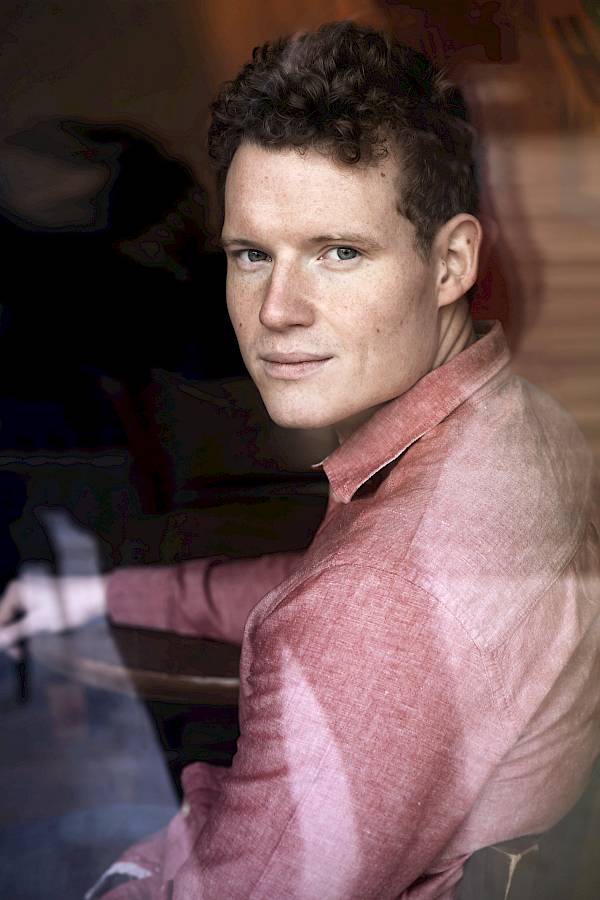
David Földszin
David Földszin ist ein ungarisch-deutscher Schauspieler. Er studierte an der Wiesbadener Schule für Schauspiel und schloss diese im Dezember 2015 ab. 2015 debütierte er bei einem Koorperations-Projekt zwischen dem Jungen Staatstheater Wiesbaden und seiner Schauspielschule am Staatstheater Wiesbaden als Danaos in Die Schutzflehenden. Am Staatstheater Darmstadt spielte er 2016 in der Urafführung der Oper Koma von Georg Friedrich Haas. Die letzten Jahre war er vor allem in der freien Szene Frankfurts (Freies Schauspiel Ensemble Frankfurt & Frankfurter Autoren Theater) tätig und spielte 2018 erstmals an der Oper Frankfurt in Norma in der Regie von Christof Loy.
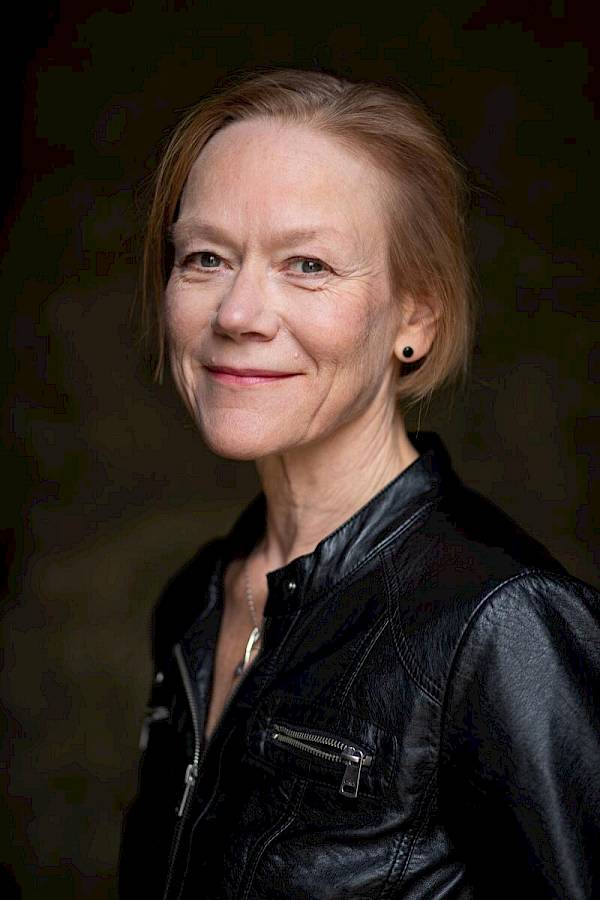
Ursula Deuker
Ursula Deuker studierte Schauspiel und Bewegungstheater an der École Jacques Lecoq in Paris und an der École de mime corporel bei Étienne Decroux sowie klassischen Gesang bei Ana Raquel Satre in Paris, bei Dale Fundling in Salzburg und bei Gudrun Ayasse in München. Sie spielte in zahlreichen Filmen mit und arbeitete dabei mit Regisseuren wie Karim Dridi, Laurent Bouhnik, Gérard Jugnot, Philippe Béziat, Eric Barbier und Stéphane Meunier, zuletzt drehte sie für die ARD mit Wilhelm Engelhardt. Im Theater war sie u.a. als Cléone in Andromaque von Racine (Théâtre de la Tempête, Paris), als La Maréchale in Louison von Musset (Comédie de Reims), als Klytemnästra in Elektra von Hofmannsthal (Théâtre Molière, Paris) und als Camille Claudel in Une femme – Camille Claudel zu erleben. Für das Musiktheater arbeitet sie mit der Grupo Acción Instrumental, der Franz Schreker Gesellschaft, dem Lyrischen Opernensemble Dachau, dem Anderen Opernensemble München, der Académie Lyrique, der Theaterakademie München und der Oper Limoges und sang u.a. in Uraufführungen von Jorge Zulueta/Jacobo Romano, Michaël Levinas und Hans-Jürgen von Bose.