Giulio Cesare in Egitto

George Frideric Händel

Dramma per musica in three acts
Libretto by Nicola Francesco Haym
after Giacomo Francesco Bussani

From 11. March 2026 until 28. March 2026

  • Language:
    In Italian with German and English surtitles.
  • More information:
    Introduction 45 min before the performance.
    As part of Zürich Barock
    Co-production with the Opéra de Monte-Carlo
    © Poster image (detail) by Huang Ko Wei (Scatter)

Musical Director:
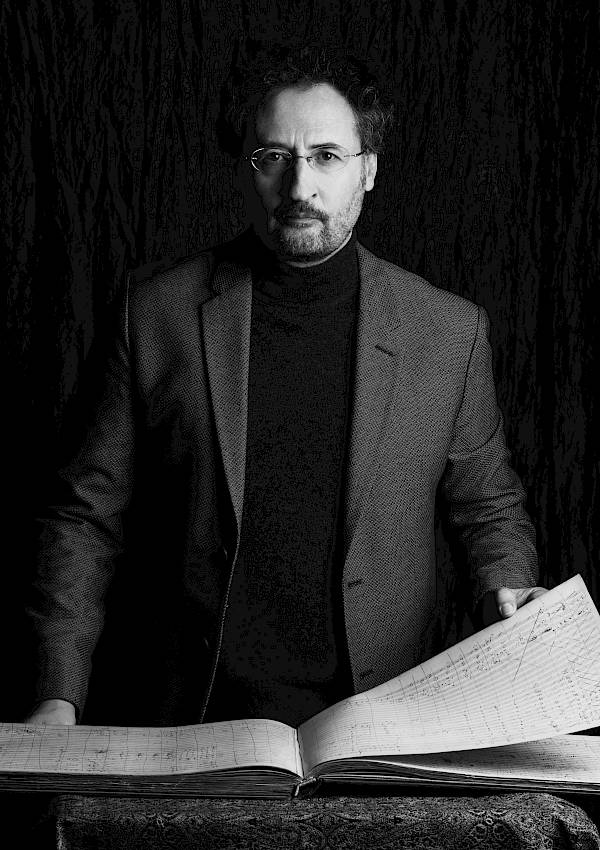
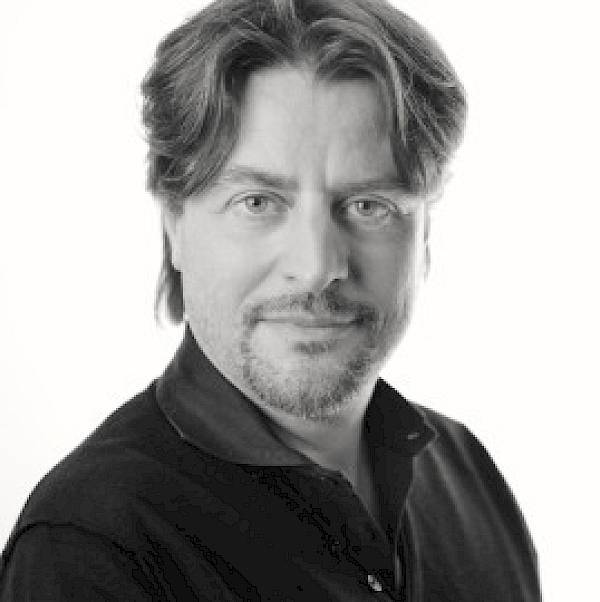
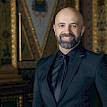
Gianluca Capuano

Gianluca Capuano

Gianluca Capuano studied organ, composition, and conducting at the conservatory of his hometown Milan, as well as historical performance practice at the Civica Scuola di Musica. In 2015 he made his debut at the Semperoper Dresden with Händel’s "Orlando", and in 2016 at the Zurich Opera House with Haydn’s "Orlando paladino". In the same year he conducted "Norma" with Cecilia Bartoli in the title role for the opening of the Edinburgh Festival, followed by performances in Paris and Baden-Baden. In 2017 he undertook a European tour of "La Cenerentola" with Cecilia Bartoli. He has conducted, among others, "Ariodante" and "Alcina" at the Salzburg Festival, the "Weihnachtsoratorium" and "L’elisir d’amore" at the Hamburg State Opera, "Orfeo ed Euridice" in Rome, "Il matrimonio segreto" in Amsterdam, "L’elisir d’amore" at the Teatro Real in Madrid, "La finta giardiniera", "La Cenerentola", "Iphigénie en Tauride", and "L’italiana in Algeri" in Zurich, "Le nozze di Figaro" at the Bolshoi Theatre in Moscow, and "Il turco in Italia", "Semele", "Norma", and "La Cenerentola" at the Bavarian State Opera. His most recent engagements include "La clemenza di Tito" and "Das Rheingold" at the Opéra de Monte-Carlo, "Hotel Metamorphosis" at the Salzburg Festival, "La Cenerentola" at the Teatro alla Scala, "Il barbiere di Siviglia" at the Vienna State Opera, and "Die Entführung aus dem Serail" at the Teatro Regio di Parma. In 2022 he received the Premio Abbiati as "Conductor of the Year". With his ensemble Il canto di Orfeo, founded in 2005, he focuses primarily on works of the late Renaissance and the Baroque. Since 2019 he has been Chief Conductor of the ensemble Les Musiciens du Prince – Monaco, with whom the CD recording "Rhapsody" was recently released.

Giulio Cesare in Egitto11 / 13 / 15 / 17 / 21 / 25 / 28 Mar 2026
Production:
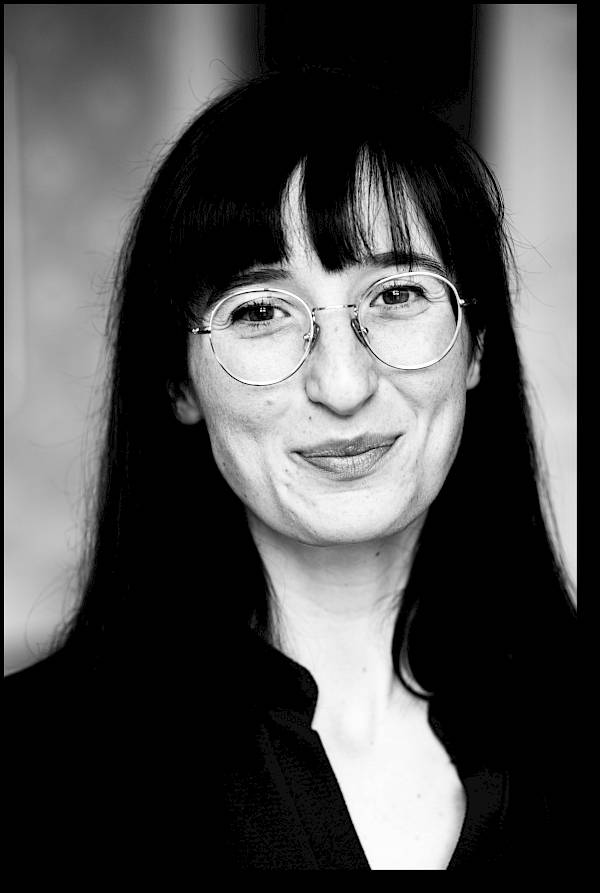
Davide Livermore

Davide Livermore

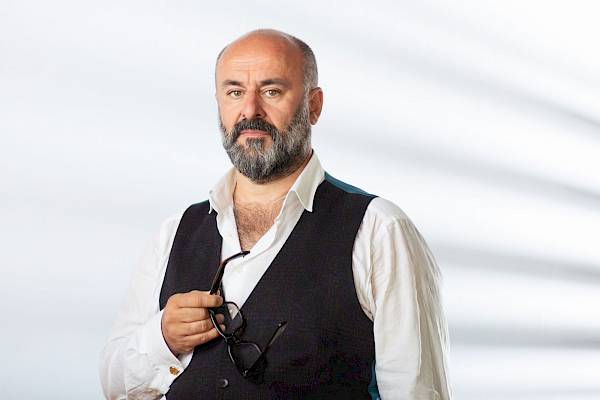
Davide Livermore has been active for over 20 years as a director, set and costume designer, lighting designer, singer, dancer, actor, and playwright. He has worked with such renowned artists as Luciano Pavarotti, Plácido Domingo, José Carreras, Mirella Freni, Luca Ronconi, Zubin Mehta, and Zhang Yimou. In his native Italy he has staged productions at theatres including the Teatro del Maggio Musicale Fiorentino, the Teatro Regio in Turin, the Teatro San Carlo in Naples, the Teatro Carlo Felice in Genoa, the Teatro La Fenice in Venice, and the Rossini Opera Festival in Pesaro. He has enjoyed a long-standing collaboration with La Scala in Milan, where from 2018 to 2022 he opened the season four times in a row with Verdi’s "Attila", "Tosca", the gala concert "A riveder le stelle", and "Macbeth". He has also worked at the opera houses of Philadelphia, Montpellier, and Avignon, at the Palacio de la Ópera in A Coruña, the Teatro Arriaga in Bilbao, and the Teatro de la Zarzuela in Madrid, as well as at the Bunka Kaikan in Tokyo and the Art Center in Seoul. From 2015 to 2017 he was Artistic Director of the Palau de les Arts Reina Sofía in Valencia, where he also headed the training programme Centre de Perfeccionament Plácido Domingo. In 2016 he was appointed Ufficiale dell’Ordine della Stella d’Italia. Since 2020 he has been Director of the Teatro Nazionale in Genoa. More recent directing engagements include Händel’s "Giulio Cesare" and "Das Rheingold" at the Opéra de Monte-Carlo, the double bill "La lupa/Il berretto a sonagli" by Marco Tutino at the Teatro Massimo Bellini in Catania, "Don Carlo" at the Royal Danish Opera, "Turandot" at La Scala in Milan, and "The Turn of the Screw" in Genoa.

Giulio Cesare in Egitto11 / 13 / 15 / 17 / 21 / 25 / 28 Mar 2026
Set Design:
Giò Forma

Giò Forma

Giò Forma was founded in 1998 by Florian Boje, Cristiana Picco and Claudio Santucci. The interdisciplinary Milan-based studio places a special focus on architecture, concerts, events and stage design. The team operates worldwide, including in Dubai, Saudi Arabia, Singapore, Sydney, Chicago and many other cities. In recent years, Giò Forma, together with Davide Livermore, designed stage sets for numerous operas in some of the most renowned opera houses in the world, including Teatro alla Scala (for which they were the first studio ever to realize four consecutive premieres), Bolshoi Theatre in Moscow, Sydney Opera House, Gran Teatre del Liceu, the Royal Opera House Muscat (Oman), the Opera of São Paulo, Opéra de Monte-Carlo, Maggio Musicale Fiorentino, Teatro dell'Opera di Roma and Teatro di San Carlo. For Giò Forma, everything has the potential to become a stage and to develop profound storytelling. The studio also applies this principle to architecture and has created award-winning designs, including the Cartier Pavilion "Legendary Thrill" in Milan, Maraya Concert Hall (Al-Ula Oasis, Saudi Arabia) and the world’s first Islamic Arts Biennale in Jeddah (Saudi Arabia).

Giulio Cesare in Egitto11 / 13 / 15 / 17 / 21 / 25 / 28 Mar 2026
Costumes:
Mariana Fracasso

Mariana Fracasso

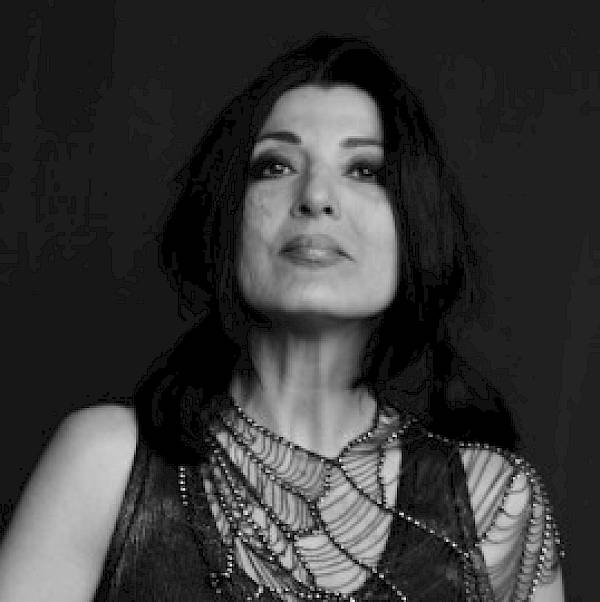
Mariana Fracasso was born in Turin, where she studied language and literature before turning to fashion design. She worked for Mediterranea, a biennial for young artists, and for the fashion event Pitti Trend in Florence, where her collaborations with leading fashion houses began. She designed clothing, shoes, and fashion accessories for brands such as Coccapani, Piacenza Cashmere, Max Mara, Casadei, Lancetti, Roccobarocco, and Ferrari. In 2023 she created the costumes for the Dolce & Gabbana commercial "The O!". She also designed interiors for prototypes of prestigious Italian car brands such as Bertone, Fiat, and Alfa Romeo. For more than ten years she has also worked for the stage. Engagements have taken her to La Scala in Milan, the Teatro del Maggio Musicale Fiorentino, the Bolshoi Theatre in Moscow, the Teatro Colón in Buenos Aires, the Teatro Real in Madrid, the Sydney Opera House, the Royal Opera House in Muscat, the Teatro de la Zarzuela in Madrid, the Palau de les Arts Reina Sofía in Valencia, ABAO Bilbao Ópera, and the Innsbruck Festival of Early Music. For director Davide Livermore she has recently created the costumes for Delibes’ "Lakmé" at the National Centre of Performing Arts in Beijing, "Giulio Cesare" in Monte-Carlo, the world premiere of the double bill "La Lupa/Il berretto a sonagli" by Marco Tutino at the Teatro Massimo Bellini in Catania, as well as for "Turandot" at La Scala in Milan, "Don Carlo" at the Royal Danish Opera, and in spring 2025 for "Die Walküre", again in Beijing.

Giulio Cesare in Egitto11 / 13 / 15 / 17 / 21 / 25 / 28 Mar 2026
Lighting Design:
Antonio Castro

Antonio Castro

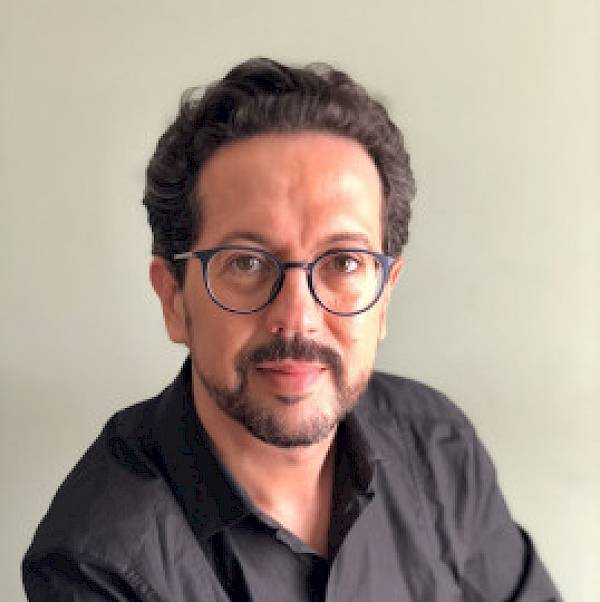
Antonio Castro was born in Cambil-Jaén, Andalusia, and began his career as a lighting designer after training in electrical engineering and gaining his first experience at the Teatro Cánovas in Málaga. After his final project, for which he designed a stage, he worked with several theatre companies, first as a touring technician and later as a lighting designer for theatre, dance, and live music. He collaborated with the dance and art schools in Málaga as well as with the Andalusian Research Centre for Performing Arts. Since 2006 he has been a lighting designer at the Palau de les Arts Reina Sofía in Valencia, where he regularly works on productions by renowned directors. He is also active as a freelance lighting designer, including at the Centre de Perfeccionament of the Palau de les Arts for "Le nozze di Figaro", "Dido and Aeneas", "L’incoronazione di Poppea", "Juditha Triumphans", "Lucio Silla", "Café Kafka", "Bastien und Bastienne", and "Il tutore burlato". Further work at various theatres, mostly in collaboration with director Davide Livermore, includes "La bohème", "Otello", "Norma", "Idomeneo", "Tamerlano", "Un ballo in maschera", "Attila", "Don Giovanni", "Madama Butterfly", "Tosca", "Die Zauberflöte", "Luisa Fernanda", "Rigoletto", "Idalma", "La traviata", "Giovanna d’Arco", "Macbeth", "La Gioconda", "Aida", and "Les Contes d’Hoffmann". The production "La forza del destino" was awarded a Campoamor Award in 2014 as "Best Opera Production in Spain". At the Opéra de Monte-Carlo he designed the lighting for "The Telephone", "Amelia al ballo", and "Giulio Cesare in Egitto".

Giulio Cesare in Egitto11 / 13 / 15 / 17 / 21 / 25 / 28 Mar 2026
Video:
D-Wok

D-Wok

D-Wok is a company specializing in creative and innovative formats for shows and events, as well as in video design. Its work ranges from opera and concerts to museum tours and television productions. For more than ten years, the company’s artistic director Paolo Gep Cucco has maintained a close collaboration with director Davide Livermore. Together they have created four productions for La Scala in Milan, as well as dozens of opera evenings for renowned venues including the Bolshoi Theatre in Moscow, the Sydney Opera House, and the Royal Opera House Muscat. Their joint projects also include, among others, "Idomeneo" and "Norma" for the Palau de les Arts Reina Sofía in Valencia, "Narciso" for the Innsbruck Festival Opera, "La bohème" at the Terme di Caracalla in Rome and at Opera Philadelphia, "Falstaff" for Theatro Municipal de São Paulo, and "Le nozze di Figaro" for the Teatro Colón in Buenos Aires.

Giulio Cesare in Egitto11 / 13 / 15 / 17 / 21 / 25 / 28 Mar 2026
Chorus Master:
Alice Lapasin Zorzit

Alice Lapasin Zorzit

Alice Lapasin Zorzit completed her piano studies at the Conservatorio di Musica Luigi Boccherini in Lucca and continued her training at the Anton Bruckner Private University in Linz, where she graduated with distinction in 2018 with a Bachelor’s degree in choral conducting. During this time, she gained her first experience in the opera world as a répétiteur at the Landestheater Linz. In 2017 she took part in the Riccardo Muti Italian Opera Academy, and in the 2018/19 season she served as a répétiteur with the Orchestra Academy of the Zurich Opera House. The 2019/20 season brought an engagement as deputy children’s choir director and guest pianist at the Staatsoper Unter den Linden in Berlin. She subsequently moved to the Staatstheater Darmstadt, where she worked from 2020 to 2022 as deputy chorus director and children’s choir director. Alongside her professional development, she continued her academic studies: in 2021 she completed her Master’s degree in conducting and opera coaching at the University of Music and Performing Arts Graz, followed in 2022 by a part-time Master’s degree in cultural management (EMAA) at the University of Zurich. As a cultural manager, she was a scholarship holder of the Deutsche Bank Foundation (AMH) and founded the artist agency ArteMIS in 2024. From 2023 to 2025, Alice Lapasin Zorzit was chorus director with conducting duties at the Landestheater Coburg, and in the summer of 2025 she worked as chorus assistant at the Bayreuth Festival. Since January 2026 she has been deputy chorus director at Zurich Opera House.

Werther14 / 19 Jun / 1 / 4 / 10 Jul 2026 Così fan tutte3 / 7 / 9 / 12 Jul 2026 Giulio Cesare in Egitto11 / 13 / 15 / 17 / 21 / 25 / 28 Mar 2026 Scylla et Glaucus27 / 29 / 31 Mar / 2 / 6 / 30 Apr / 2 May 2026
Dramaturgy:
Lea Vaterlaus

Cast


Giulio Cesare Carlo Vistoli


Cleopatra Cecilia Bartoli


Tolomeo Max Emanuel Cencic


Cornelia Anne Sofie von Otter


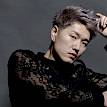
Sesto Kangmin Justin Kim


Achilla Renato Dolcini


Nireno Karima El Demerdasch


Curio Evan Gray


Dienerin der Cleopatra Sina Friedli


Dienerin der Cleopatra Valentina Rodenghi


Dienerin der Cleopatra Francesco Guglielmino


Diener des Tolomeo Francesco Guglielmino

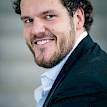
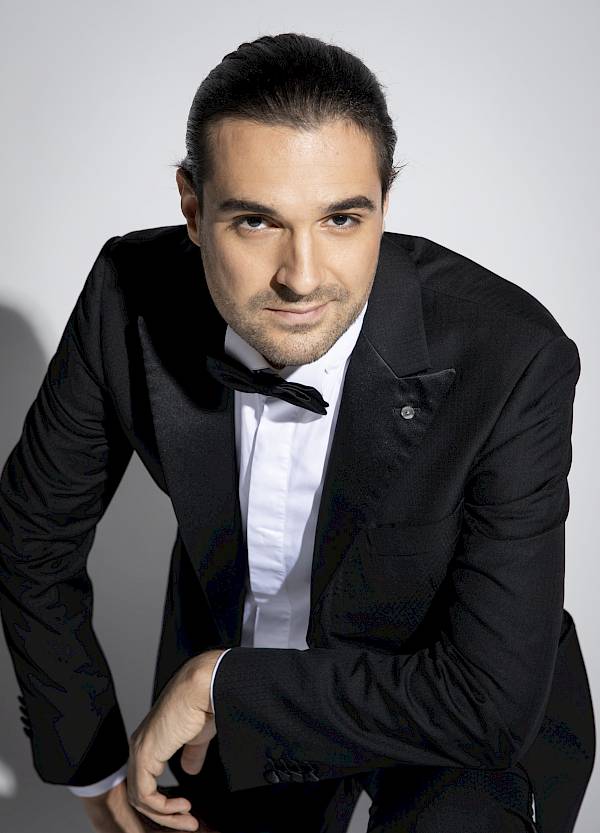
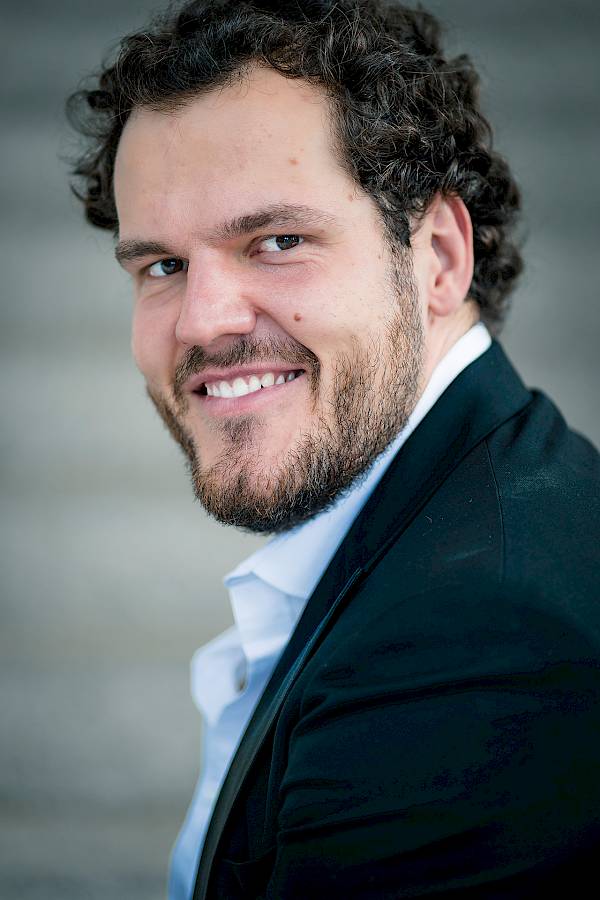
Carlo Vistoli

Countertenor Carlo Vistoli studied at the Frescobaldi Conservatory in Ferrara and the University of Bologna and made his stage debut in 2012 as the Sorceress ("Dido and Aeneas"). In 2015, he was admitted to the Baroque Academy Le Jardin des Voix under the direction of William Christie, with whom he has worked ever since. In 2017, he took part in John Eliot Gardiner's project "Monteverdi 450," which toured internationally. More recently, he has appeared in "Orlando furioso" at Teatro La Fenice in Venice, as Idraspe in Cavalli's "Erismena" at the Aix-en-Provence Festival, "L'incoronazione di Poppea" at the Salzburg Festival, "Orfeo ed Euridice" in Robert Carsen’s production in Rome, and "Semele" in Paris, London, and Milan. In 2021, he sang Goffredo in "Rinaldo" at the Opéra de Lausanne as well as the role of Tolomeo in "Giulio Cesare" at the Théâtre des Champs-Élysées alongside Philippe Jaroussky. Other opera productions include "La rappresentatione di Anima et di Corpo" at the Theater an der Wien and "Orfeo ed Euridice" at the Komische Oper Berlin. In 2022, he made his debut as Ruggiero in "Alcina" at the Maggio Musicale Fiorentino with Cecilia Bartoli and under the direction of Gianluca Capuano in Damiano Michieletto’s production. Again together with Bartoli and Capuano, he toured Pergolesi’s "Stabat Mater" and sang the title role in "Giulio Cesare" at the Vienna State Opera. In 2024, he made his American debut as Arsace ("Partenope") at the San Francisco Opera, where he was also honored as a young artist. Carlo Vistoli has recorded several CDs for labels including Erato, Harmonia Mundi, Brilliant, Ricercar, and Arcana.

Giulio Cesare in Egitto11 / 13 / 15 / 17 / 21 / 25 / 28 Mar 2026

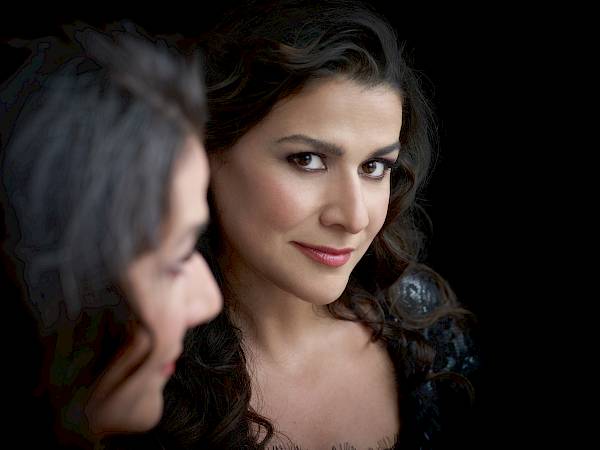
Cecilia Bartoli

Cecilia Bartoli has established herself as one of the world’s leading classical musicians with her magnificent stage career spanning more than 40 years. Born in Rome and trained by her mother, the voice teacher Silvana Bazzoni, she was discovered by Daniel Barenboim, Herbert von Karajan and Nikolaus Harnoncourt. Milestones included, among others, the very first staging of Rossini’s “Cenerentola” at the New York Met in 1997; the legendary “Vivaldi Album,” which since 1999 has sold millions of copies; the 2008 Paris concert marathon marking Maria Malibran’s 200th birthday; her radically new approach to Bellini’s “Norma” in 2013, which also resulted in a scholarly edition of the reconstructed original score; and a triumphant Rossini Week at the Vienna State Opera in 2022. Since 2012, Cecilia Bartoli has been Artistic Director of the Salzburg Whitsun Festival, where she has appeared in works by Handel, Gluck, Rossini, Bellini and Bernstein. Since 2023, she has also been the Director of the Opéra de Monte-Carlo, the first woman in the history of the house to hold this position. Also in Monte-Carlo, the ensemble Les Musiciens du Prince – Monaco was founded in 2016, with which Cecilia Bartoli performs both at its home base and on major tours throughout Europe. Bartoli’s CDs and DVDs have sold more than twelve million copies; she has received the Grammy Award five times. Among the many honours she has received are the Léonie Sonning Music Prize, the Herbert von Karajan Music Prize and the Polar Music Prize. Since 2022 she has been President of Europa Nostra, was appointed Austrian Kammersängerin in 2023, and also runs the Cecilia Bartoli Music Foundation.

Giulio Cesare in Egitto11 / 13 / 15 / 17 / 21 / 25 / 28 Mar 2026

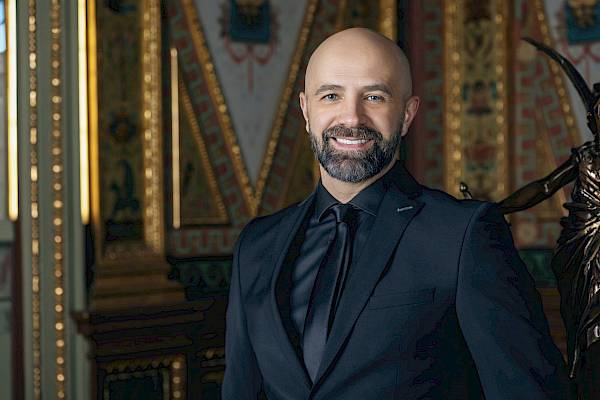
Max Emanuel Cencic

Max Emanuel Cencic began his musical training with the Vienna Boys’ Choir. He performs at major opera and concert venues as well as at leading festivals, and collaborates regularly with conductors such as William Christie, René Jacobs, Ottavio Dantone, George Petrou, Emmanuelle Haïm and Riccardo Muti. His repertoire spans all eras from Monteverdi to Aribert Reimann. He has sung at the Vienna State Opera, La Scala in Milan, the Opéra de Paris, Teatro Real Madrid, Gran Teatre del Liceu Barcelona, the state operas of Berlin and Munich, as well as at the Musikverein Vienna, Carnegie Hall New York, Concertgebouw Amsterdam, Barbican Centre London and Suntory Hall Tokyo. As Artistic Director of Parnassus Arts Productions, he revives forgotten works of the Italian Baroque. The recordings of these operas have received numerous awards, including the Echo Klassik, the German Record Critics’ Award and the Diapason d’Or. Since his production of Hasse’s Siroe in Versailles in 2014, Max Emanuel Cencic has also appeared as a stage director. Since 2020 he has additionally served as Artistic Director of the Bayreuth Baroque Opera Festival, which was honoured in Amsterdam in 2024 with an Oper! Award as “Best Festival.” His Bayreuth productions of “Carlo il Calvo” and “Alessandro nell’Indie” were named “Best Opera Production of the Year” in 2020 and 2022 respectively by Forum Opéra. Max Emanuel Cencic is a Chevalier dans l’Ordre des Arts et des Lettres and in 2021 received the Lifetime Achievement Award of the German Record Critics in the “Classical Music” category.

Giulio Cesare in Egitto11 / 13 / 15 / 17 / 21 / 25 / 28 Mar 2026

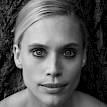
Anne Sofie von Otter

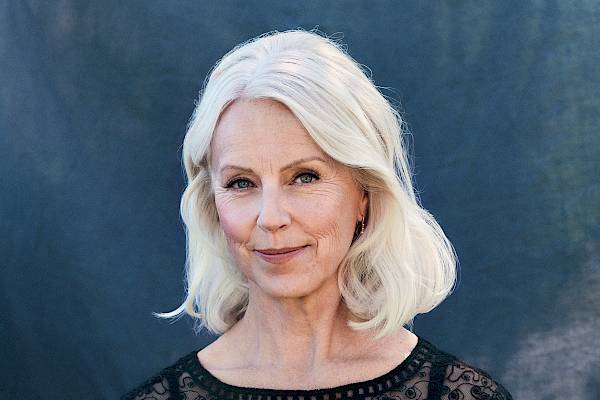
The Swedish mezzo-soprano Anne Sofie von Otter is one of the most recorded artists of our time and has had an unparalleled career, maintaining a leading position in her field for over four decades. Her long-standing collaboration with Deutsche Grammophon has produced numerous acclaimed recordings, including the Grammy-winning performance of Mahler’s “Des Knaben Wunderhorn” with Claudio Abbado and the album “For the Stars” with pop legend Elvis Costello. In 2010, Naïve Classique released “Love Songs” with jazz pianist Brad Mehldau. Among her most important roles are Octavian (“Der Rosenkavalier”), which she has sung worldwide, and Leonora in the premiere of Thomas Adès’ “The Exterminating Angel” at the Salzburg Festival and the Royal Opera House in London. Recent highlights include Marcellina (“Le nozze di Figaro”) at the Bavarian State Opera Munich, Mérope (“Oedipe”) at the Opéra national de Paris, the Countess (“Pique Dame”) at La Monnaie, and Adelaide (“Arabella”) at the Teatro Real in Madrid. Composer Mikael Karlsson wrote the song cycle “So We Will Vanish” for her, as well as roles in the world premieres of the operas “Melancholia” (2023) and “Fanny and Alexander” (2024). In 2025, she performed in Philippe Manoury’s new opera “The Last Days of Mankind” in Cologne. Other engagements have taken her to the Nederlandse Opera, the Metropolitan Opera New York, Deutsche Oper Berlin, the Theater an der Wien, as well as to Aix-en-Provence and Glyndebourne. Her equally successful concert career encompasses works by Berlioz, Bach, and Kurt Weill, as well as songs by Schubert, Schumann, Hugo Wolf, and Mahler.

Giulio Cesare in Egitto11 / 13 / 15 / 17 / 21 / 25 / 28 Mar 2026

Kangmin Justin Kim

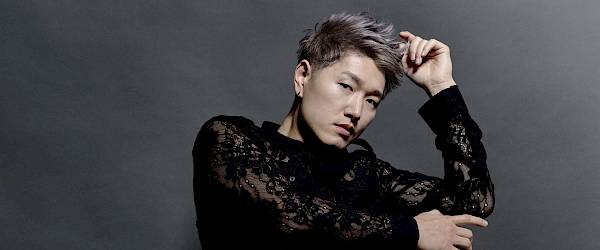
Kangmin Justin Kim, countertenor, was born in South Korea and raised in Evanston, Illinois. He studied at the local university and at the Royal Academy of Music in London. His first engagements included Orlofsky (“Die Fledermaus”) at the Opéra Comique and Oreste (“La belle Hélène”) at the Théâtre du Châtelet in Paris. Since then, he has appeared on major opera stages, singing Nerone (“L’incoronazione di Poppea”) at the Berlin State Opera, the Salzburg Festival, Teatro La Fenice, and in New York, Paris, Berlin, Chicago, Edinburgh and Lucerne; Annio (“La clemenza di Tito”) at the Theater an der Wien; Orlofsky at the Cologne Opera; Orfeo in Handel’s “Parnasso in festa,” Epitide in Giacomelli’s “La Merope” and Amanzio in Vivaldi’s “Il Giustino” at the Concertgebouw Amsterdam; as well as Ottone in Vivaldi’s “La Griselda,” Gilade in Vivaldi’s “Farnace,” and Hyacinthus in Mozart’s “Apollo et Hyacinthus” at Teatro La Fenice in Venice. He made his debut at the Vienna State Opera in Henze’s “Das verratene Meer,” at the Glyndebourne Festival in “Giulio Cesare,” and at Teatro San Carlo in Naples in Britten’s “Canticles.” In 2019, he attracted significant attention as the first male performer of Cherubino (“Le nozze di Figaro”) in the history of the Royal Opera House Covent Garden in London. Recently he appeared as Natascha (Eötvös’ “Drei Schwestern”) at the Salzburg Festival and made debuts at the opera houses in Boston, Dallas and at the Opéra du Rhin. At the Hamburg State Opera he sang Annio, Despina (“Così fan tutte”), as well as in the world premiere of Unsuk Chin’s “Die dunkle Seite des Mondes.” He has sung Sesto (“Giulio Cesare”) in Vienna, Monte-Carlo, Luxembourg, Paris, Brussels, Amsterdam and Cologne.

Giulio Cesare in Egitto11 / 13 / 15 / 17 / 21 / 25 / 28 Mar 2026

Renato Dolcini

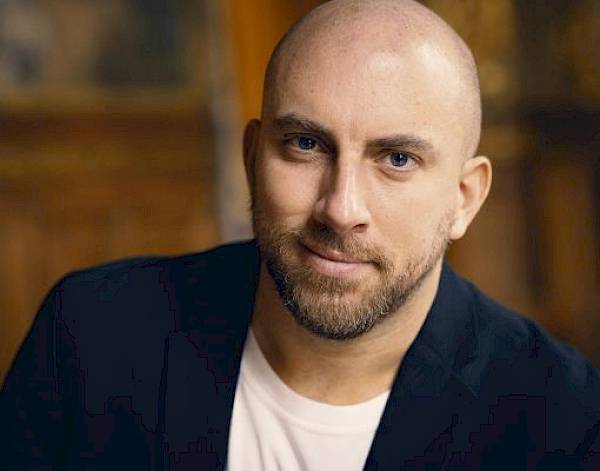
Baritone Renato Dolcini, born in Milan, received his vocal training with Vincenzo Manno while simultaneously studying musicology at the University of Pavia. At the Gstaad Vocal Academy, he worked with Cecilia Bartoli in 2009 and 2010. In 2015, he was admitted to William Christie’s academy “Le Jardin des Voix.” The subsequent tour with Les Arts Florissants took him through Europe, the USA, Russia, Australia, Korea, China, and Japan. Since then, he has maintained a close collaboration with Christie. Under his direction, Dolcini made his Salzburg Festival debut in 2018 as Seneca (“L’incoronazione di Poppea”) and performed in Bach’s “St John Passion” on a European tour. Renato Dolcini is especially renowned for his interpretation of 17th- and 18th-century repertoire. He has sung Vivaldi’s “Bajazet” and Caldara’s “Dafne” at La Fenice in Venice, Cavalieri’s “La Rappresentatione di Anima e di Corpo” at the Theater an der Wien, the title role in “L’Orfeo” in Monte-Carlo and Salzburg, Cavalli’s “Hipermestra” at Glyndebourne, and Landi’s “La Morte di Orfeo” in Amsterdam. His Handel roles include Farasmane (“Radamisto”) on a European tour with Il pomo d’oro, Curio (“Giulio Cesare”) at La Scala in Milan, and Pallante (“Agrippina”) in Hamburg. In the French repertoire, he has sung in “Platée” at the Zurich Opera, “Les Indes galantes” at the Grand Théâtre de Genève, and Lully’s “Armide” at the Drottningholm Opera in Sweden. His discography includes the recordings “Stravaganza d’amore” (2022) with Raphaël Pichon and Ensemble Pygmalion, as well as “Dido and Aeneas” (2022) and “Dixit Dominus” (2024) with Les Argonautes.

Giulio Cesare in Egitto11 / 13 / 15 / 17 / 21 / 25 / 28 Mar 2026

Karima El Demerdasch

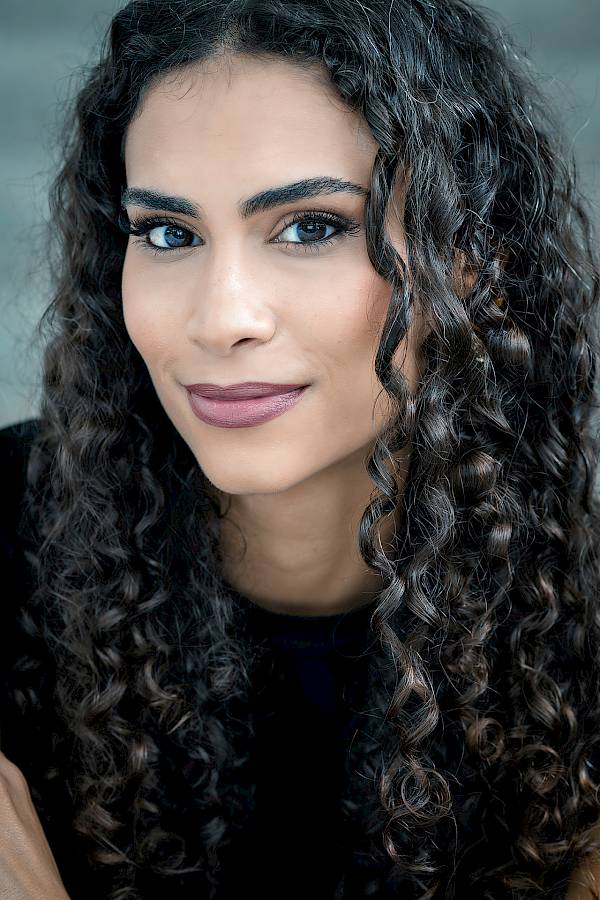
Karima El Demerdasch is a German-Egyptian mezzo-soprano. She studied in Cairo and at the Guildhall School of Music and Drama in London with John Evans. In 2024, she was a finalist at the Kathleen Ferrier Awards and in 2023 participated in the Georg Solti Accademia. In Guildhall School productions, she performed roles such as Prince Orlofsky ("Die Fledermaus") and Dido ("Dido and Aeneas"). In a 2023 production by Opera Kipling, she sang the title role in "La Cenerentola" at the Upstairs at the Gatehouse theatre in London. In 2025, she took part in the Young Singers Project of the Salzburg Festival and made her debut at London’s Barbican Hall. Since the 2025/26 season, she has been a member of the International Opera Studio at the Zürich Opera House.

Manon24 / 27 Sept / 3 / 7 / 10 Oct 2025 Rigoletto20 / 23 / 27 Dec 2025 / 1 / 4 Jan 2026 Giulio Cesare in Egitto11 / 13 / 15 / 17 / 21 / 25 / 28 Mar 2026 Sillons de Mémoires5 / 6 / 7 Feb 2026 Gianni Schicchi2 / 6 / 8 / 10 / 13 May 2026

Evan Gray

Evan Gray is a Swiss bass-baritone from Winterthur. He began his musical training as a treble with the Zürich Boys’ Choir and later transitioned to the bass voice. After initial vocal studies at the Winterthur Conservatory, he continued his education at the prestigious Curtis Institute in Philadelphia. His roles to date include the Forester ("Das schlaue Füchslein"), Figaro ("Le nozze di Figaro"), and Leporello ("Don Giovanni"). As an accomplished recitalist, he has performed Schubert’s "Winterreise" and Vaughan Williams’ "Songs of Travel" multiple times and has collaborated with artists such as Julius Drake and Robert Holl. From 2023 to 2025, he was a guest at the Marlboro Music Festival, where he developed a close artistic relationship with pianist Mitsuko Uchida, who has invited him back for the summer 2026 edition. Since the 2025/26 season, Evan Gray has been a member of the International Opera Studio at the Zürich Opera House.

Tosca28 Sept / 2 / 8 / 11 / 15 / 19 Oct 2025 Rigoletto20 / 23 / 27 Dec 2025 / 1 / 4 Jan 2026 Werther14 / 19 Jun / 1 / 4 / 10 Jul 2026 Macbeth8 / 11 / 14 / 19 / 22 / 30 Nov 2025 Sillons de Mémoires5 / 6 / 7 Feb 2026 Giulio Cesare in Egitto11 / 13 / 15 / 17 / 21 / 25 / 28 Mar 2026 Gianni Schicchi2 / 6 / 8 / 10 / 13 May 2026

Sina Friedli

The Swiss dancer Sina Friedli received her classical ballet training at the Zurich Dance Academy under Steffi Scherzer and Oliver Matz. Her first engagement was with the Cinevox Junior Company under the direction of Malou Fenaroli Leclerc, where she danced as a soloist for two seasons. During her time with Cinevox, she worked with choreographers such as Franz Brodmann, Jacqueline Beck, Gisela Rocha, and Felix Duméril, performing on stages in Switzerland, Liechtenstein, Germany, and Brazil. In recent years, she has been working as a freelance dancer, participating in projects with the Zurich Chamber Orchestra, the LIT Dance Company (choreography by Neel Jansen), and the Pizzi Dance Art Company (choreography by Aliana Pizzi), and dancing in pieces by choreographers including Jochen Heckmann, Adriana Mortelliti, and Dominika Knapik. She gained her first experience as a choreographic assistant and stage manager in projects with Jacqueline Beck and Jochen Heckmann, and developed several of her own choreographies for the Wilhelmina Festival of the Arts. At Zurich Opera House, she has appeared in various productions with choreography by Pim Veulings, Thomas Wilhelm, and Kinsun Chan.

Giulio Cesare in Egitto11 / 13 / 15 / 17 / 21 / 25 / 28 Mar 2026

Valentina Rodenghi

Valentina Rodenghi wurde 2000 in Mailand geboren und begann ihre professionelle Tanzausbildung am CFPESD OFFJAZZ Nizza, wo sie das EAT-Diplom «examen d'aptitude technique» für zeitgenössischen Tanz erhielt. Später schloss sie sich dem Area Jeune Ballet in Genf an. Im Juli 2023 erwarb sie schliesslich ihren Bachelorabschluss in zeitgenössischem Tanz an der Zürcher Hochschule der Künste. Während ihres Studiums konnte sie mit verschiedenen Choreografen wie Nadav Zelner, Dunja Jocic, Bryan Arias, Alba Castillo, Antonin Rioche, Luca Signoretti, Tiago Manquinho und Marine Besnard arbeiten. Dabei sammelte sie Bühnenerfahrungen in verschiedenen Theatern in der Schweiz sowie während des Holland Dance Festivals im Konzo Theater in Den Haag. In der Spielzeit 2022/23 war sie als Praktikantin in der Tanzkompanie des Theaters St. Gallen unter der künstlerischen Leitung von Kinsun Chan engagiert. Hier tanzte sie in Produktionen von Kinsun Chan, Mauro Astolfi, Francesca Frassinelli, Julian Nicosia und Giovanni Insaudo. Zurzeit ist sie freischaffend tätig und tanzte bei SPRUNGBRETT 23 am Theater Chur. Ausserdem ist sie bei Platée am Opernhaus Zürich beteiligt. Parallel zu ihrem Tanzabschluss erwarb Valentina ein zweijähriges Universitätsdiplom in Management für körperliche und künstlerische Aktivitäten an der Universität Claude Bernard in Lyon, Frankreich.

Giulio Cesare in Egitto11 / 13 / 15 / 17 / 21 / 25 / 28 Mar 2026

Francesco Guglielmino

Francesco Guglielmino completed his training in dance and acting in the USA. Over the course of his career, he has appeared in musicals as well as various television productions and has taken on supporting roles in several films. Most recently, he was seen in the film “Il Regalo.” At the Zürich Opera House, he has so far been involved in “Così fan tutte,” “Il trovatore,” “Dialogues des Carmélites,” and “Roberto Devereux.”

Così fan tutte3 / 7 / 9 / 12 Jul 2026 Giulio Cesare in Egitto11 / 13 / 15 / 17 / 21 / 25 / 28 Mar 2026

Francesco Guglielmino

Francesco Guglielmino completed his training in dance and acting in the USA. Over the course of his career, he has appeared in musicals as well as various television productions and has taken on supporting roles in several films. Most recently, he was seen in the film “Il Regalo.” At the Zürich Opera House, he has so far been involved in “Così fan tutte,” “Il trovatore,” “Dialogues des Carmélites,” and “Roberto Devereux.”

Così fan tutte3 / 7 / 9 / 12 Jul 2026 Giulio Cesare in Egitto11 / 13 / 15 / 17 / 21 / 25 / 28 Mar 2026
Show full cast Show less

Orchestra La Scintilla

Die Pflege der historischen Aufführungspraxis hat am Opern­haus Zürich seit dem Monteverdi-Zyklus in den 1970er Jahren Tradition. Bei der folgenden Reihe der Mozart-Opern mit dem Lei­tungs­­­team Harnoncourt/Ponnelle wurde weiter Pio­nierarbeit geleistet, und die Musikerinnen und Musiker passten ihre Spieltechnik den neue­sten Erkenntnissen der historischen Aufführungspraxis an. 1996 formierte sich aus dem Orchester der Oper ein eigenständiges Ensemble von erstklassigen spezialisierten MusikerInnen, das sich einen hervorragenden Ruf erwerben konnte. Der Funke der Begeisterung an neuer «Alter Musik» gab dem Ensemble seinen Namen: La Scintilla – der Funke. Aufführungen mit Koryphäen des Faches wie Nikolaus Har­non­court (u.a. Il ritorno d’Ulisse in patria, Idomeneo), William Christie (u.a. Orphée et Euridice, Les Indes galantes, Orlando), Mark Minkowski (Les Boréades, Giulio Cesare), Reinhard Goebel und Giuliano Carmignola gerieten so erfolgreich, dass das Opernhaus Zürich alle barocken und fast alle aus der klassischen Zeit stammenden Opern von seiner Barockforma­tion La Scintilla spielen liess und lässt. Ausserdem konzertiert das Orchestra La Scintilla der Oper Zürich mit namhaften Solisten – Instrumentalisten wie Sängern – und tritt unter der Leitung von Ada Pesch regelmässig in den gros­­sen Konzertsälen Europas wie der Londoner Royal Festival Hall, dem Concertgebouw Am­sterdam, der Philharmonie Berlin und dem KKL Luzern auf. Äusserst erfolgreich begleitete das Orchester Cecilia Bartoli auf mehrwöchigen Konzertreisen in Nordamerika und Europa (u.a. in der Carnegie Hall).

La clemenza di Tito26 / 29 Apr / 3 / 8 / 15 / 17 / 20 / 25 May 2026 2nd La Scintilla Concert15 Dec 2025 Giulio Cesare in Egitto11 / 13 / 15 / 17 / 21 / 25 / 28 Mar 2026 3. Konzert La Scintilla18 May 2026 Bezuidenhout & Minasi15 Mar 2026 Aci, Galatea e Polifemo20 / 29 Mar 2026 Johannes-Passion24 Mar 2026

Statistenverein am Opernhaus Zürich

Der Statistenverein am Opernhaus Zürich wurde im Jahr 1900 gegründet und dürfte damit einer der traditionsreichsten Vereine auf dem Kulturplatz Zürich sein. Rund hundert Frauen und Männer im Alter von 16 bis 70 Jahren bereichern das Bühnengeschehen in zahlreichen Inszenierungen.Statisten, früher auch als Figuranten bezeichnet, haben generell nicht sprechende Rollen. Ihre Einsätze am Opernhaus Zürich fallen je nach Inszenierung unterschiedlich umfangreich aus. Während früher Massenszenen im Vordergrund standen, sind die Statistinnen und Statisten seit der Ära Pereira und der Intendanz von Andreas Homoki zunehmend auch für aufwändigere Einzelauftritte sowie für anspruchsvolle technische Einsätze gefragt. Die Mitglieder des Statistenvereins üben ihre Einsätze in der Freizeit und ohne finanzielle Interessen aus. Sie bringen Begeisterung für Musik und Theater mit.

Manon24 / 27 Sept / 3 / 7 / 10 Oct 2025 La scala di seta25 / 28 Sept / 19 / 24 Oct 2025 Tosca28 Sept / 2 / 8 / 11 / 15 / 19 Oct 2025 Madama Butterfly30 Dec 2025 / 3 / 9 / 11 / 13 / 16 Jan 2026 Rigoletto20 / 23 / 27 Dec 2025 / 1 / 4 Jan 2026 Le nozze di Figaro24 / 29 Jan / 1 / 5 / 7 / 10 / 14 Feb 2026 Werther14 / 19 Jun / 1 / 4 / 10 Jul 2026 Così fan tutte3 / 7 / 9 / 12 Jul 2026 Macbeth8 / 11 / 14 / 19 / 22 / 30 Nov 2025 Arabella14 / 18 / 22 / 25 / 28 Apr 2026 Der Rosenkavalier21 / 26 Sept / 1 / 5 / 14 / 17 / 21 / 26 Oct 2025 La clemenza di Tito26 / 29 Apr / 3 / 8 / 15 / 17 / 20 / 25 May 2026 Cardillac15 / 18 / 21 / 25 Feb / 1 / 6 / 10 Mar 2026 Hänsel und Gretel16 / 20 / 23 / 28 / 30 Nov / 2 / 4 / 11 / 16 / 18 / 21 Dec 2025 / 2 / 24 / 25 / 31 Jan 2026 Carmen18 / 21 / 23 / 27 / 31 Jan 2026 Un ballo in Maschera22 / 28 / 31 May / 7 / 13 Jun 2026 Die Fledermaus7 / 10 / 12 / 14 / 18 / 26 / 28 / 31 Dec 2025 / 2 / 4 / 6 / 10 Jan 2026 Giulio Cesare in Egitto11 / 13 / 15 / 17 / 21 / 25 / 28 Mar 2026 Scylla et Glaucus27 / 29 / 31 Mar / 2 / 6 / 30 Apr / 2 May 2026 La forza del destino2 / 7 / 12 / 15 / 18 / 21 / 26 / 29 Nov / 17 / 21 Dec 2025 Sillons de Mémoires5 / 6 / 7 Feb 2026 Gianni Schicchi2 / 6 / 8 / 10 / 13 May 2026 Monster's Paradise8 / 14 / 18 Mar / 10 / 12 Apr 2026

Abstract

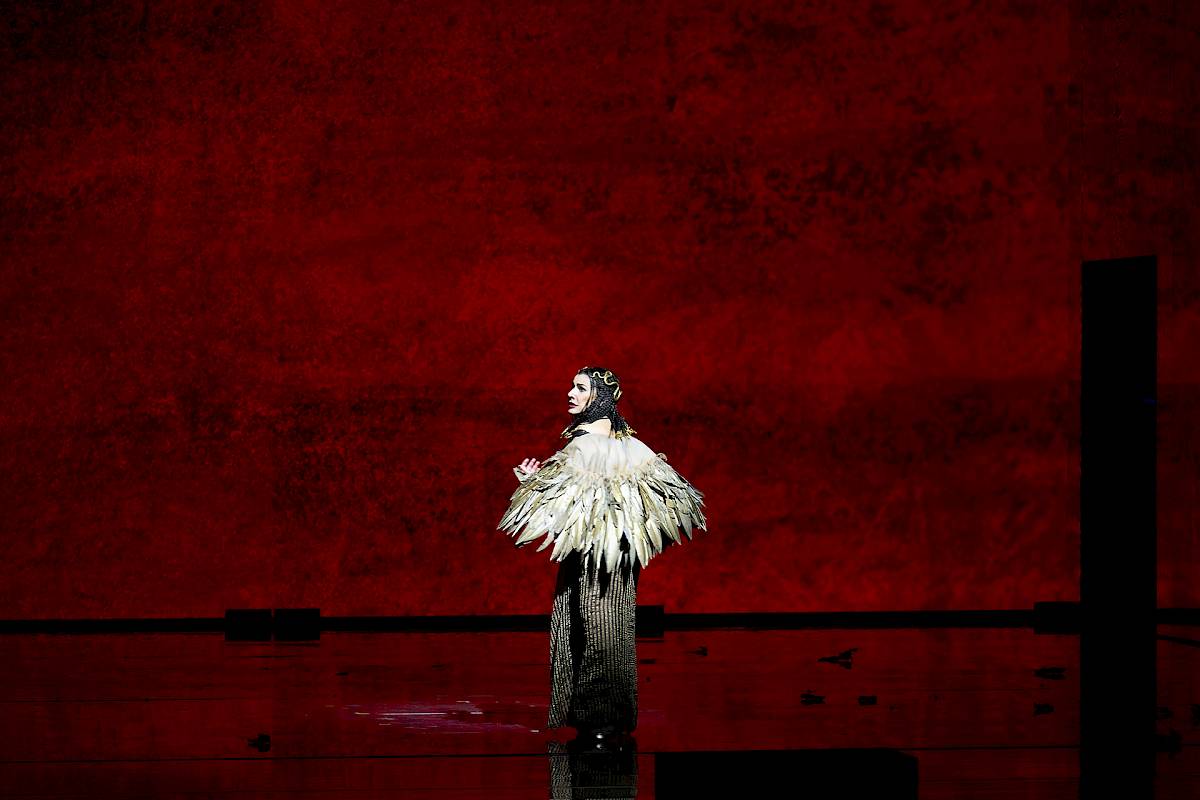
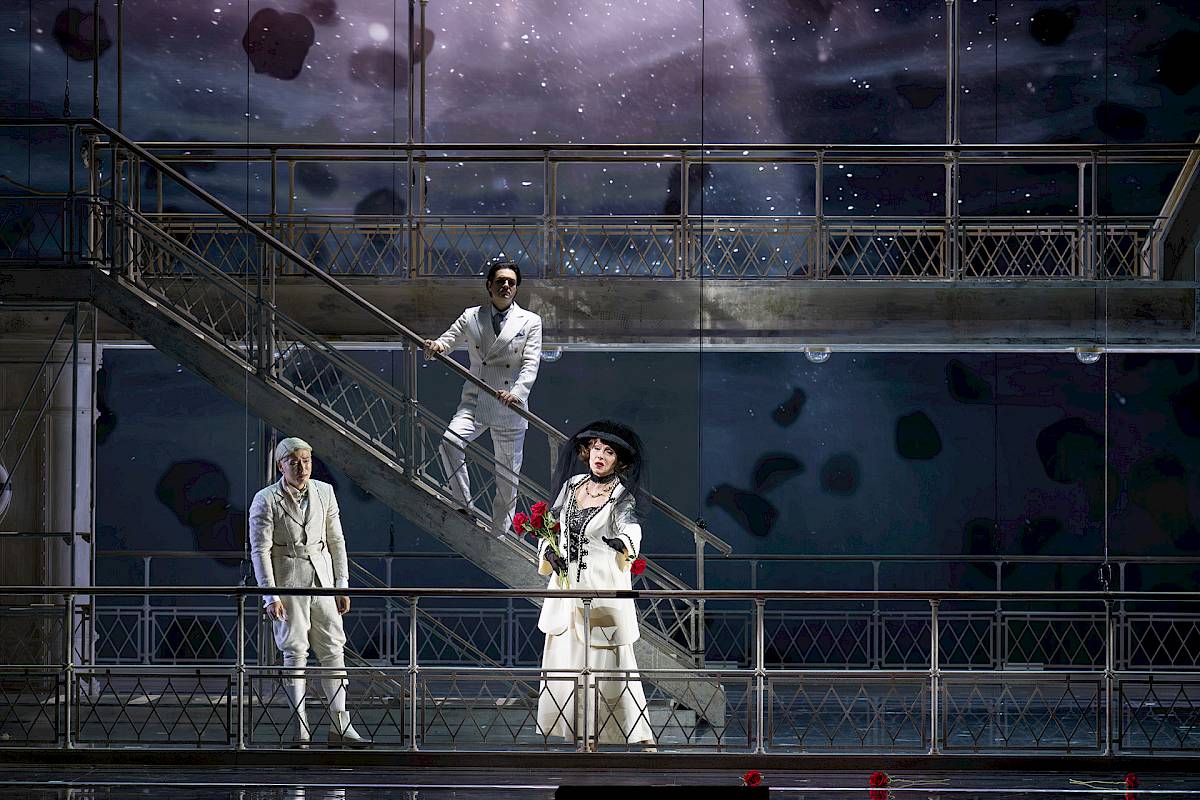
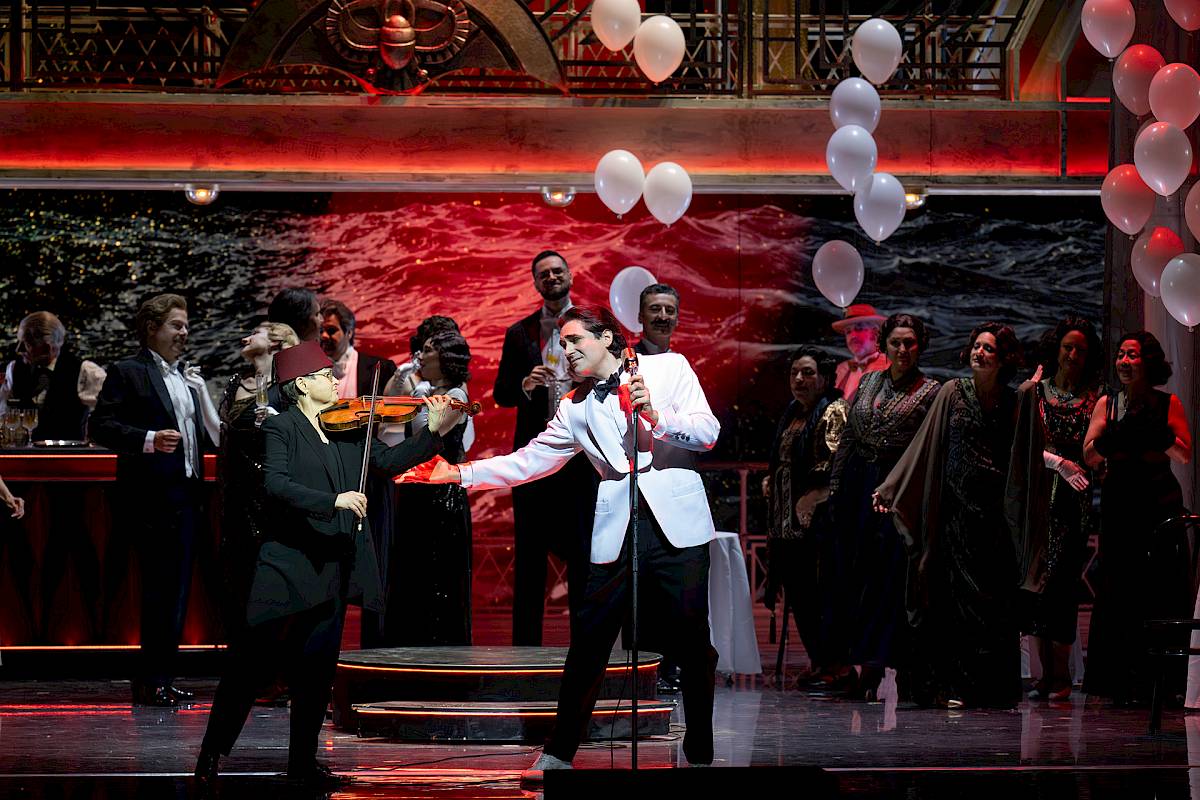
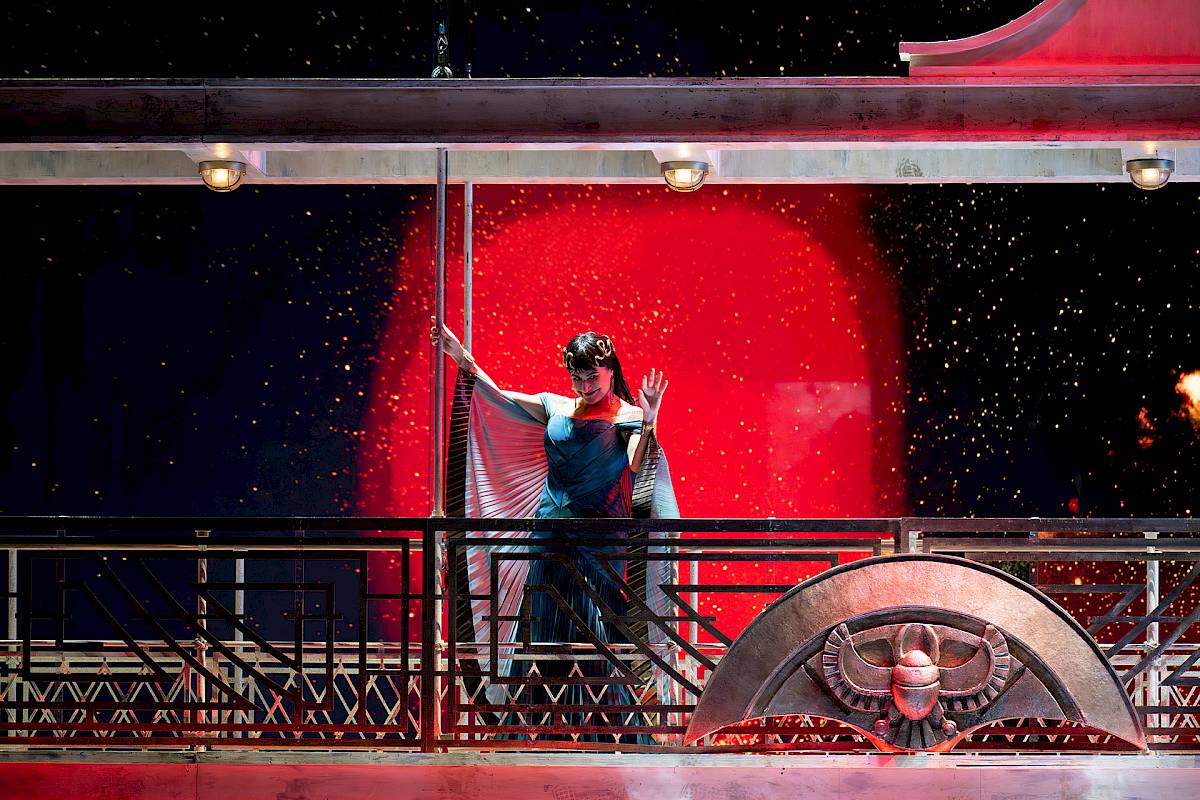
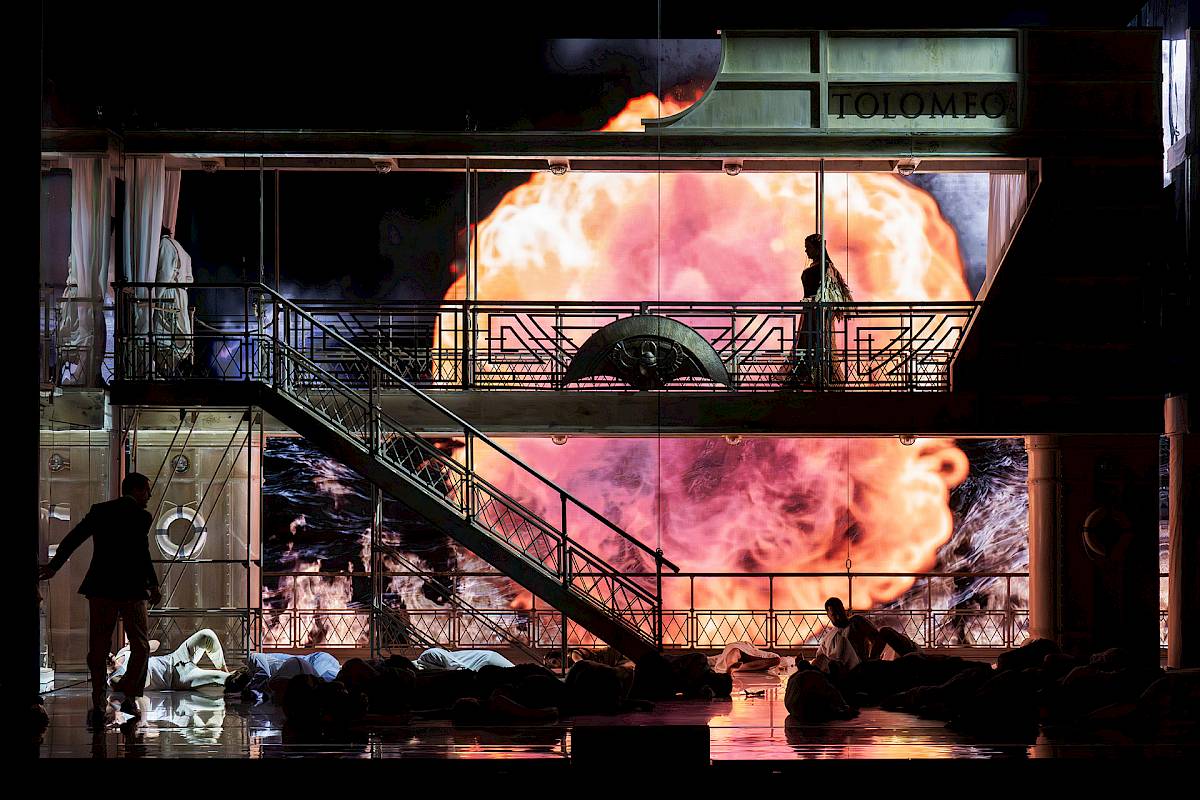
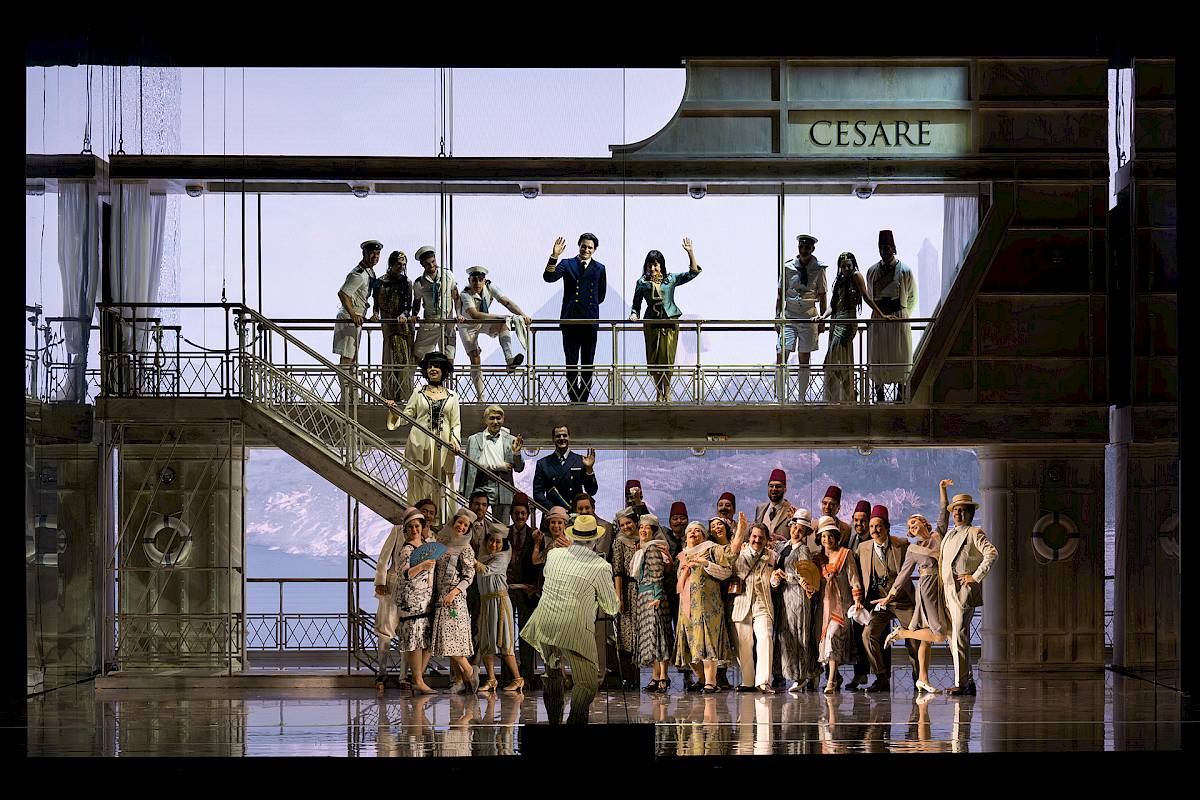
Seduction and intrigue: the romance between Cleopatra and Caesar during his subjugation of Egypt ranks among the most famous love affairs in the world. With his opera based on this story, Georg Friedrich Handel achieved a sensational success. "Beauty of every kind in abundance," attested the composer’s contemporaries. Even today, the magic of this music remains undiminished. In the Opéra de Monte-Carlo production, director Davide Livermore relocates the action to a luxurious Nile cruise ship. Cecilia Bartoli sings Cleopatra, one of her signature roles.

Read more Show less

Backstage at "Giulio Cesare in Egitto"


Photo Gallery "Giulio Cesare"


Good to know

«Hört doch diese fantastische Musik…!»

Cecilia Bartoli, der grosse Dramatiker Arthur Schnitzler lässt eine seiner Bühnenfiguren feststellen, dass alle Künstler:innen durch ihr Wirken letztlich nach Unsterblichkeit streben. Geht es Ihnen auch so?

Für mich sehe ich dies nicht, jedenfalls hoffe ich, dass ich damit nicht einer Selbsttäuschung zum Opfer falle… Meine Rolle ist vielmehr die eines Katalysators zwischen den Komponist:innen von damals und dem Publikum von heute. Wenn mich die Leidenschaft für eine bestimmte Musik packt, will ich den Leuten im Saal zurufen: «Hört doch diese fantastische Musik…!» Ich wünsche mir, dass der Opernkomponist Vivaldi unsterblich wird, der italienische Gluck, dass Salieri rehabilitiert wird oder Haydn – nicht ich. Unsterblich sollte die klassische Musik sein, weil sie die Menschen berühren kann.

Was war Ihrer Meinung nach der Grund, dass Barockopern in der zweiten Hälfte des 20. Jahrhunderts wieder einen wichtigen Stellenwert in den Spielplänen bekommen haben?

Es gibt eine Reihe von Gründen. Zunächst ganz praktische: Ursprünglich war die historische Aufführungspraxis ein Sektor für vielfach belächelte Nerds und Amateure. Selbst die Anfänge des Concentus Musicus Wien oder einige Jahrzehnte später, ebenfalls inspiriert von Nikolaus und Alice Harnoncourt, das Zürcher Orchestra La Scintilla: Gleichgesinnte setzten sich zusammen, probierten Dinge aus, lernten, feilten, forschten, bauten sich Instrumente und wagten sich schliesslich auf die Bühne. Oder man denke an die ersten Barocksänger und Countertenöre, deren technische und expressive Möglichkeiten noch weit entfernt von dem waren, was wir heute erleben dürfen.

Inzwischen gibt es an allen grossen Musikhochschulen hervorragend geführte Abteilungen für Alte Musik. Sogar wer sich nicht speziell dort eingeschrieben hat, muss sich zumindest mit Fragen der Aufführungspraxis auseinandersetzen: junge Pianist:innen ornamentieren Klavierkonzerte von Mozart oder Beethoven, dasselbe tun wir Sänger:innen – das gehört inzwischen einfach dazu. Zufällig vollzogen sich in der Popmusik ähnliche Veränderungen, welche die barocke Oper prägen: die Mischung von Musik und Tanz, die wenig linearen Erzählweisen, sich ähnelnde Geschichten in neuem Gewand, das Ersetzen von Realismus durch Strass und Glitzer. Das Schillernde, Androgyne, Überbordende – wie bei Michael Jackson, Freddy Mercury, David Bowie, Cher, Madonna oder Lady Gaga. Neben der Üppigkeit fürs Auge brachte uns die barocke Bewegung eine umwerfende neue Palette an Farben, Dynamiken und Details fürs Ohr, aber auch Leichtigkeit und Tempo. Ich stelle mir das so vor, wie man heute viel seltener Viergänger und schwere Saucen isst, sondern farbige, frische Salate, weg von dem Schlagrahm, hin zu neuen Geschmacksrichtungen und knackigen Texturen! Und schliesslich spricht die barocke Musik viele junge Menschen an, weil ihre Strukturen (Wiederholung, Symmetrie, Rhythmus, Improvisation) der Popmusik und dem Jazz entsprechen.

Eine lange Zeit spielte man barocke Musik romantisch, dann mischten Dirigenten wie Nikolaus Harnoncourt die Welt auf und lehrten uns, Alte Musik neu zu hören. Wie historisch informiert muss, darf oder soll barocke Musik heute klingen?

Man muss stets vollumfänglich informiert sein, wissen, was man tut und wieso. Aber die Zeiten der Authentiker, die nur die geschriebene Note gelten liessen, sind vorbei. Was eh absurd war, wenn man weiss, wie viel die Komponisten im 18. Jahrhundert nicht aufschrieben, weil die Musiker es ohnehin wussten oder weil man davon ausging, dass frei ornamentiert wurde. Dies habe ich übrigens von Harnoncourt gelernt. Heute switchen die besten Musiker:innen zwischen Perioden, Stilen und Genres, ohne die eigene Persönlichkeit zu verleugnen. Darum arbeite ich so gerne mit dem Dirigenten Gianluca Capuano. Er ist unglaublich gebildet, aber in der Aufführung kommt das spontan Musikantische zum Vorschein und ein mitreissendes Temperament.

In Monte-Carlo produzierten wir im letzten Jahr übrigens «Das Rheingold» mit Les Musiciens du Prince und Gianluca Capuano, die erste vollumfängliche Inszenierung einer Wagneroper, die von historischen Instrumenten begleitet wird. Zwischen den Vorstellungen aber konnte man sich mit dem Orchestre Philharmonique de Monte-Carlo unter Philippe Jordan eine konzertante Version des zweiten Akts von «Tristan und Isolde» anhören und somit die beiden Zugänge direkt vergleichen. Das ist es, was mich wirklich interessiert, und ich bin extrem stolz auf dieses Projekt!

Schon bei der Uraufführung war «Giulio Cesare» beim Publikum ein Hit, zudem ist das Werk nie ganz aus den Spielplänen verschwunden. Woran liegt das Ihrer Meinung nach? An der Geschichte? Der Musik?

Die durch den Titel hervorgerufenen Assoziationen und die Namen der Hauptfiguren – die übrigens mit ihren historischen Vorbildern kaum etwas zu tun haben, sondern vielmehr mit romantisierten Abbildern in der Kunst wie Shakespeares Tragödie «Antonius und Cleopatra» – spielten da schon eine wichtige Rolle. Und welche Sängerin träumt nicht von Elizabeth Taylors umwerfenden Kostümen… Aber Händels Musik ist in dieser Oper extrem abwechslungsreich, das Werk enthält fantastische Arien, auch spektakuläre, und darüber hinaus sehr schöne Duette und ungewöhnliche Einfälle wie die Zaubermusik auf dem Musenberg Parnass oder die kriegerischen Rufe des Chors hinter der Bühne.

Händel war einem harten Konkurrenzkampf unterworfen und daher auch zu Zugeständnissen an den Publikumsgeschmack gezwungen. Die grosse künstlerische Freiheit à la Wagner und Beethoven war das dann nicht, oder doch?

Nein – das waren damals keine romantischen Künstler, die sich und ihr «Genie» verwirklichen wollten, sondern Handwerker oder später Unternehmer bzw. Impresari. Kein Hauch von Übernatürlichem. Vielleicht kommen wir hier zu Ihrer allerersten Frage zurück. So, wie wir uns heute als Katalysatoren für die Komponist:innen sehen, waren damals Komponist:innen die Katalysatoren für das unglaubliche Talent bestimmter Bühnenskünstler:innen, die man aus Begeisterung und Leidenschaft im besten Licht zeigen wollte. Gut, Händel wollte einmal seine Primadonna aus dem Fenster werfen, aber generell hat er wohl kaum darunter gelitten. Komponist:in oder Musiker:in zu sein war wohl ein Beruf wie jeder andere.

War das Publikum zur Entstehungszeit des «Giulio Cesare» nicht musikalisch gebildeter als heute? Kann das Publikum von heute diese Musik überhaupt genauso «verstehen», wie es das zeitgenössische Publikum sie verstanden hatte?

Ich glaube, im Unterschied zu heute waren den Leuten von damals die Geschichten und die Rhetorik bekannter. Man erkannte sofort eine Sturmarie oder eine Jagdarie und was sie im Kontext bedeutet, man wusste um die Symbolik einzelner Instrumente, zum Beispiel Blockflöte: pastoral, Trompete: royal usw. Wir müssen das halt durch unser Musizieren vermitteln und – im Idealfall – durch die Inszenierung, die ja heute viel präziser und ausdrucksreicher sein kann als früher. In erster Linie sollten wir an barocke Opern aber direkt herangehen und uns fragen, wie wir dem Publikum unmittelbar vermitteln, was die Musik erzählt. Wie können wir berühren? Wir geben keine Lektion in Musikwissenschaft, das ist für die Bibliotheken, aber nicht für die Opernbühne.

Wie viele von Händels Koloraturen sind überliefert, wie viele sind «original Bartoli»? Muss oder kann man heute andere Koloraturen präsentieren als zur Entstehungszeit und gibt es Richtlinien für all die Auszierungen?

Über Stil und Verzierungen kann man viel lesen und man lernt natürlich auch in der Praxis, in der Zusammenarbeit mit grossen Dirigent:innen und Kolleg:innen. Es gilt, zunächst den Notentext genau zu studieren, um sich danach davon zu befreien und der Fantasie freien Lauf zu lassen, immer im Rahmen des Stils. Also nicht wirklich anders als beim Musizieren überhaupt. Ich selber singe gerne beim ersten Mal die Noten, die geschrieben sind, und variiere sie erst bei der Wiederholung, aber andere sehen das anders und verzieren von Anfang an. Dies ist eine Frage des Geschmacks und der künstlerischen Persönlichkeit.

Wer ist Cleopatra in Händels Oper? Eine Strategin? Liebt sie Cesare? Wie entwickelt sie sich psychologisch?

Cleopatra ist nicht die historische Figur – ägyptische Königin aus der griechisch-makedonischen Dynastie der Ptolemäer –, sondern das abstrahierte Idealbild einer schönen, klugen, mächtigen und leidenschaftlichen Frau. Das Interessante ist, dass Händel dieser Figur eine ungewöhnlich breite Auswahl an Arien gegeben hat (plus ein wunderbar leichtes, verliebtes Duett), sodass es tatsächlich gelingen kann, eine dramaturgische Linie aufzubauen von der hochmütigen, berechnenden Herrscherin zur leidenschaftlich liebenden Frau. Solche Gelegenheiten hat man in der barocken Oper nicht oft – ein weiteres, wunderbares Beispiel wäre die Alcina – weil dies dem Aufbau und Charakter dieses Genres eigentlich widerspricht. Und gerade deswegen liebe ich Händel so sehr, weil er dann doch die Quadratur dieses Kreises schafft.

Als Publikum darf man sich auf Berührendes wie «V’adoro pupille» oder auf spektakuläre Koloraturen wie «Al lampo dell’armi» freuen. Auf welche der Arien freut sich Cecilia Bartoli?

Die Szene auf dem Parnass mit «V’adoro pupille» ist ein Traum, aber «Se pietà di me non senti» und «Piangerò» sind für mich die inneren Eckpfeiler der ganzen Oper. Da soll die Zeit stillstehen. Wobei ich in dieser Inszenierung etwa Neues ausprobieren wollte in der Tempodramaturgie: in der Regel werden sie beide im selben getragenen Tempo, einem Largo, gesungen. Bei dieser Inszenierung dachte ich, ich würde die beiden langsamen Arien unterschiedlich schnell singen, weil es hier in den Kontext passt und so die Intensität Richtung «Piangerò», der Hauptarie dieser Oper, kontinuierlich zunimmt. Aber mal sehen, vielleicht ändern wir das wieder. Das ist ja das Schöne am kreativen Prozess, dass man mit solchen Dingen spielen kann.

In der Besetzung wird die Cleopatra als Sopranistin ausgewiesen. Wie hoch liegt die Tessitura der Partie?

In der damaligen Zeit gab es ja noch keine Stimmfächer im heutigen Sinn. Alle – selbst Kastraten – waren Sopran; wenige Ausnahmen mit einer tiefer gelegenen Stimme waren Alti. Unterteilt wurden die Solist:innen vielmehr nach ihrem «box office value»: also Primadonna (erste Dame), dann zweite Dame usw. Die erste Cleopatra war die Cuzzoni, deren Tessitur sich angeblich vom ein- zum dreigestrichenen C erstreckte. Ich betrachte mich zwar eindeutig als Mezzosopran, aber ihre Rollen liegen mir in der Regel sehr gut in der Kehle, genauso übrigens wie das Repertoire von Händels anderer Primadonna, der Strada del Pò, die unter anderem die erste Alcina war und die Cleopatra in der Londoner Wiederaufnahme von 1730. Sie wissen ja sicher, dass ich mich gegen das strikte Fachdenken wehre, sondern finde, man sollte das singen (und spielen!), wozu einen seine Physis führt.

Die Kastraten hatten eine ganz spezielle Klangfärbung. Inwieweit entspricht das Zusammenspiel der heutigen Stimmen dem Original des 18. Jahrhunderts?

Also, es gibt ja Aufnahmen des letzten Kastraten Moreschi von Anfang des 20. Jahrhunderts, die kann man sich auf YouTube anhören. Er war Solist in der Sixtinischen Kapelle, muss also ein sehr guter Sänger gewesen sein. Aber bei so alten Aufnahmen kann man die Qualität der Stimme nicht wirklich beurteilen, eher Fragen des Stils zum Beispiel. Ich versuche jeweils, mir aufgrund der Partituren ein Bild von der Stimme der Kastraten zu machen, weil die ja einem bestimmten Sänger auf den Leib geschrieben wurden. Man sieht da sehr deutlich, was für einen unglaublich langen Atem die Kastraten hatten, den Stimmumfang, ihre technischen Möglichkeiten. Mit unserer Physis können wir uns dem nur annähern, gerade wir Frauen, denn unsere Lungenkapazität lässt sich niemals mit den Kastraten vergleichen, deren Oberkörper als Folge der «Hormonverwirrung» nach der Operation oft überdimensionale Ausmasse annahm. Aber wir tun unser Bestes. Ich bin stolz, dass wir Ihnen mit grandiosen Countertenören wie Carlo Vistoli, Max Emanuel Cenčić und Kangmin Justin Kim einen zumindest annähernden, spektakulären Eindruck von der Kunst dieser grandiosen Künstler vermitteln können.

Programmbuch