
Fabio Luisi comes from Genoa. The former General Music Director of the Zurich Opera House (2012–2021) is Music Director of the Dallas Symphony Orchestra, Chief Conductor of the Danish National Symphony Orchestra, and Chief Conductor of the NHK Orchestra in Tokyo. He is also Music Director of the Valle d'Itria Festival in Apulia and Honorary Conductor of the RAI National Symphony Orchestra in Turin. Previously, he held important positions at orchestras and opera houses, including the Dresden Staatskapelle, the Vienna Symphony Orchestra, and the Metropolitan Opera in New York. He regularly appears as a guest conductor with, among others, the Bavarian Radio Symphony Orchestra, the Berlin Philharmonic, the Boston Symphony Orchestra, the Chicago Symphony Orchestra, the Cleveland Orchestra, the Czech Philharmonic, the Orchestra of La Scala in Milan, the London Symphony Orchestra, the Munich Philharmonic, the Orchestre de Paris, the Philadelphia Orchestra, the Royal Concertgebouw Orchestra, the San Francisco Symphony Orchestra, and the Vienna Philharmonic, and leads productions at the Bavarian State Opera, the Berlin State Opera, La Scala in Milan, the Salzburg Festival, and the Vienna State Opera, among others. At the Zurich Opera House, he conducted, among others, the new productions of three Bellini operas as well as "Rigoletto," "Fidelio," "Wozzeck," "The Land of Smiles," and Verdi's "Requiem Mass." An extensive discography complements his artistic work. At the Zurich Opera House, he founded the label "Philharmonia Records" of the Philharmonia Zurich (Orchestra of the Zurich Opera). Fabio Luisi, who comes from Genoa, studied at the Conservatorio Niccolò Paganini in his hometown and at the University of Music and Performing Arts in Graz, Austria. His awards include the Austrian Cross of Honour for Science and Art, the Italian Cavaliere della Repubblica Italiana, the Commendatore della Stella d’Italia, the Grifo d’Oro of Genoa, the Danish Order of the Dannebrog, and an honorary doctorate from St. Bonaventure University in New York. Off the podium, he is also a composer and perfumer, producing his creations for his own company.
Opera seria in three parts by Vincenzo Bellini (1801-1835)
Libretto by Carlo Pepoli after the drama «Têtes rondes et cavaliers» by Jacques Arsène Polycarpe Ancelot and Saintine
From 19. June 2016 until 10. July 2016
-
Duration :
3 H. 15 Min. Inkl. Pause after 1st part after approx. 1 H. 20 Min. -
Language:
In Italian with German and English surtitles.
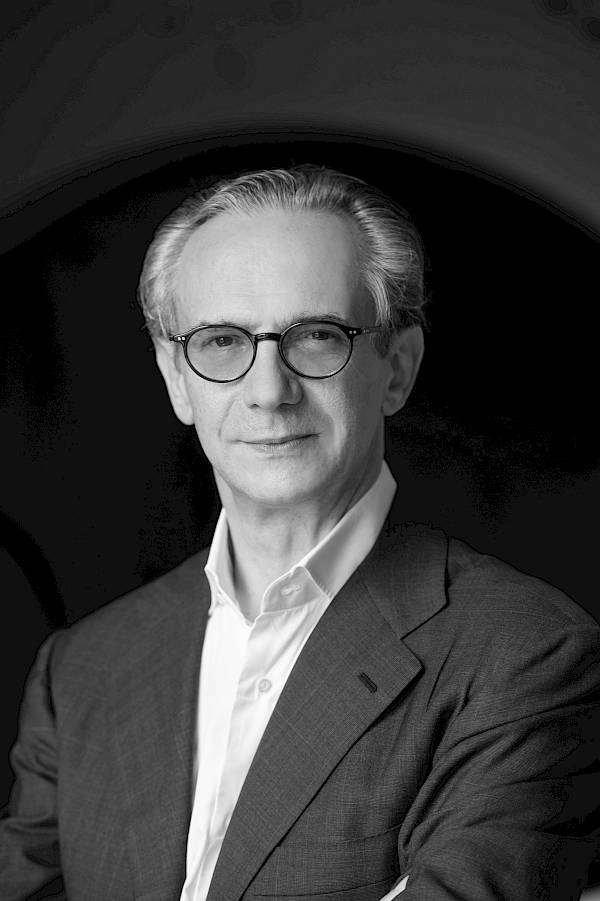
Fabio Luisi
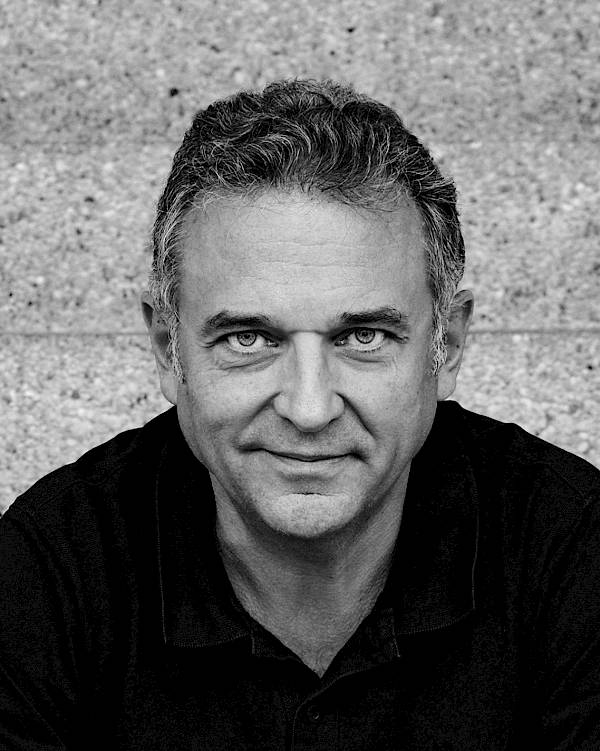
Andreas Homoki
Andreas Homoki was born in Germany in 1960 as the son of a Hungarian family of musicians and studied school music and German studies in Berlin (West). In 1987 he went to the Cologne Opera as an assistant director and stage manager, where he remained until 1993. From 1988 to 1992 he was also a lecturer for stage instruction at the opera school of the Cologne University of Music. It was here that his first own productions were created. In 1992 his first guest production took him to Geneva, where his interpretation of "Die Frau ohne Schatten" received international attention. The production, which was later also shown at the Théâtre du Châtelet in Paris, received the French Critics' Prize of the Year in 1994. From 1993 to 2002 Andreas Homoki worked as a freelance opera director and staged productions in Cologne, Hamburg, Geneva, Lyon, Leipzig, Basel, Berlin, Amsterdam and Munich, among others. As early as 1996 he made his debut at the Komische Oper Berlin with "Falstaff", followed by "The Love for Three Oranges" (1998) and in 2000 "The Merry Widow". In 2002 Andreas Homoki was appointed chief director of the Komische Oper Berlin as successor to Harry Kupfer, and in 2004 he became its artistic director. In addition to his directing work at the Komische Oper Berlin, he staged productions at the Théâtre du Châtelet in Paris, the Bavarian State Opera in Munich, the New National Theatre Tokyo, the Semperoper Dresden and the Hamburg State Opera, among others. In July 2012, under the musical direction of William Christie, he staged "David et Jonathas" by Marc-Antoine Charpentier for the Festival in Aix-en-Provence – a production that was later also shown in Edinburgh, Paris and New York, among other places. From 2012 to 2025 Andreas Homoki was artistic director of the Zurich Opera House, where he staged productions including "The Flying Dutchman" (co-production with La Scala in Milan and the Norwegian National Opera Oslo), "Fidelio", "Juliette", "Lohengrin" (co-production with the Vienna State Opera), "Luisa Miller" (Hamburg State Opera), "Wozzeck", "My Fair Lady" (Komische Oper Berlin), "I puritani", "Medée", "Lunea" (named "World Premiere of the Year 2017/18" by the magazine Opernwelt), "Iphigénie en Tauride", "Nabucco", "Simon Boccanegra", "Les Contes d'Hoffmann", "Salome", the "Ring des Nibelungen" and "Carmen". Andreas Homoki has been a member of the Academy of the Arts Berlin since 1999.
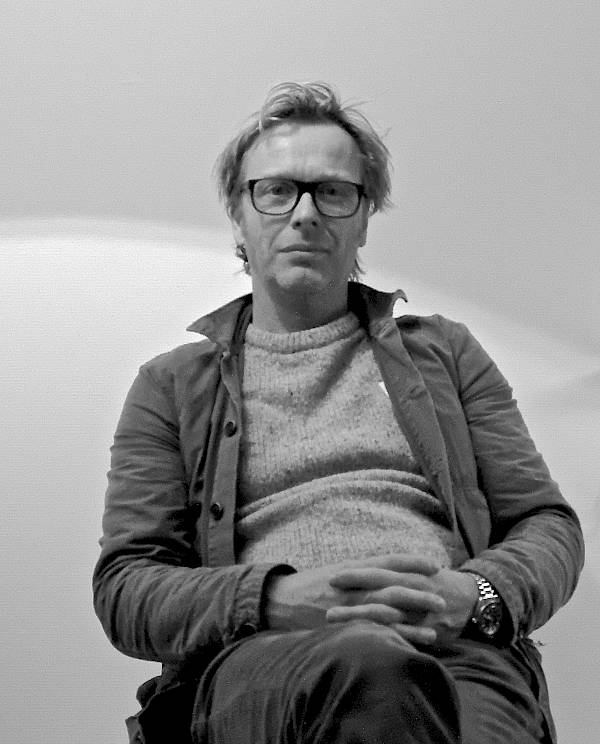
Henrik Ahr
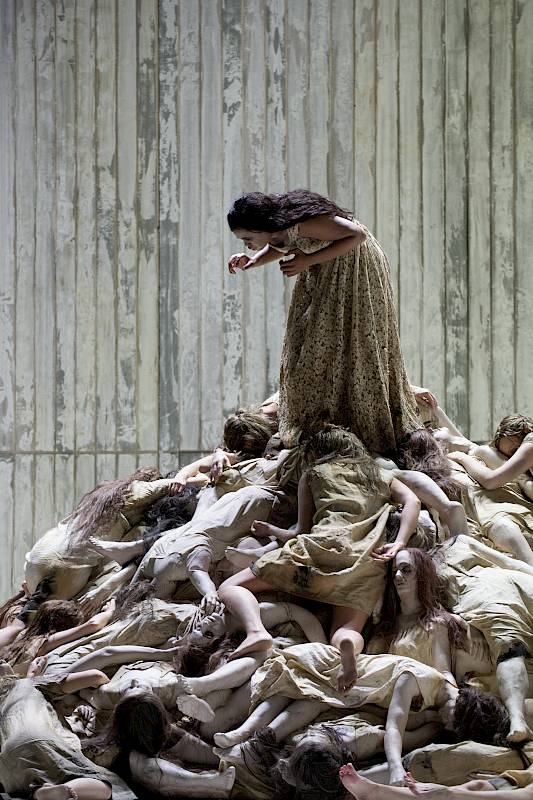
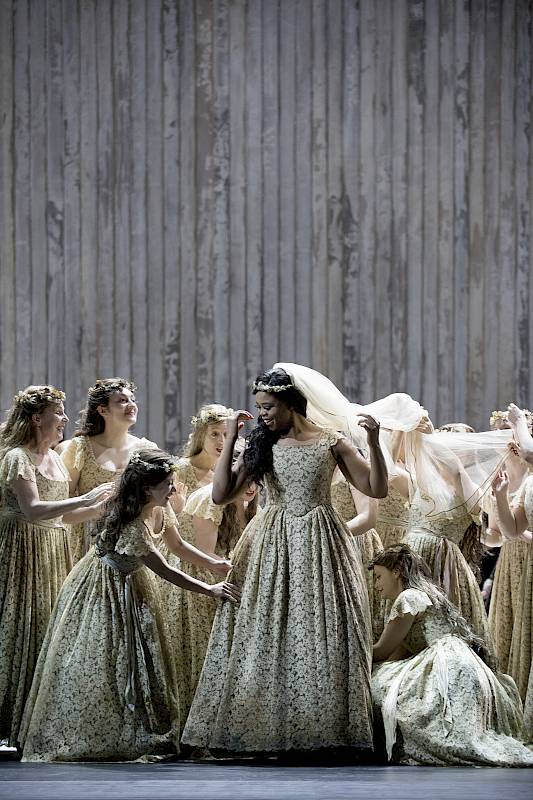
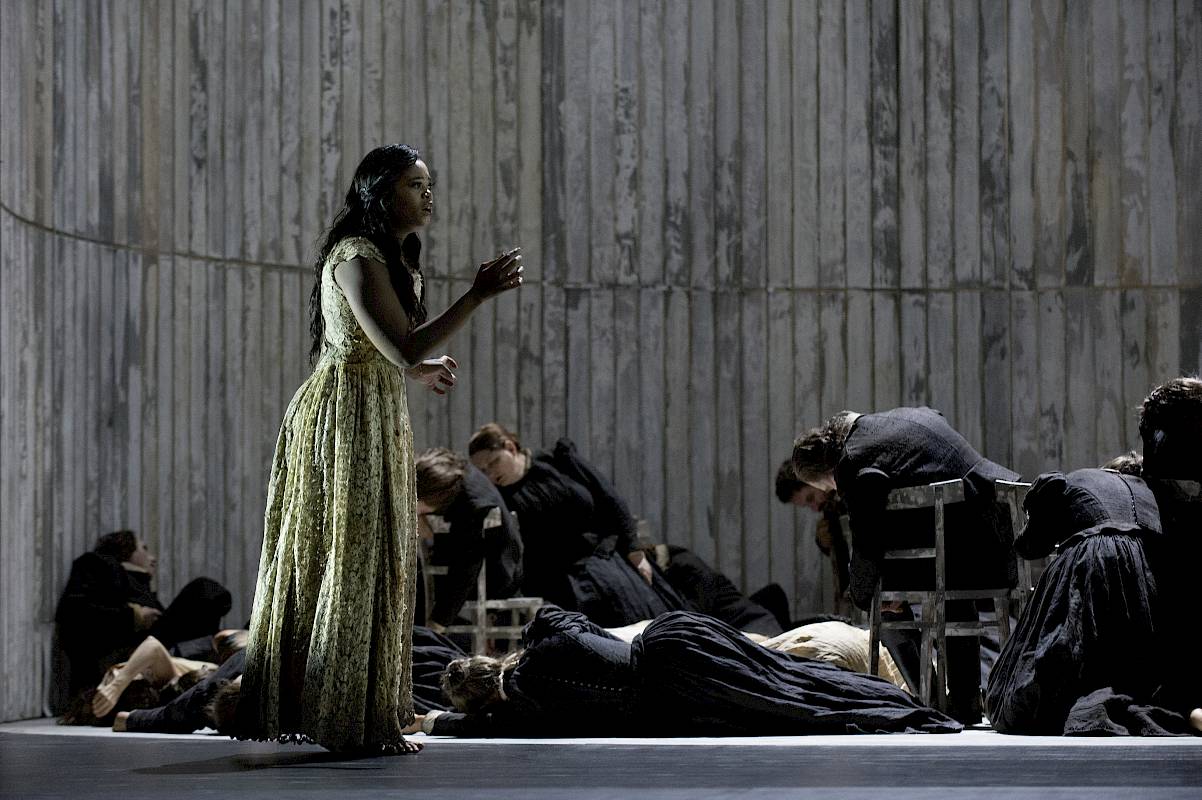
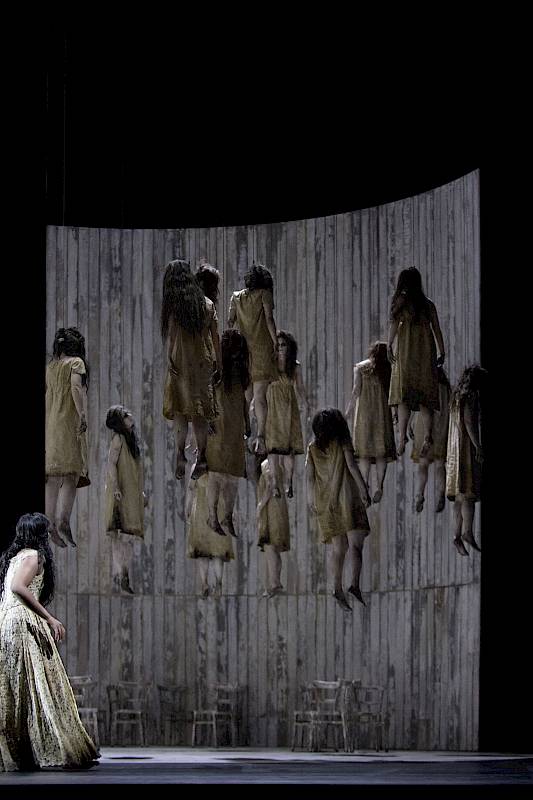
Henrik Ahr, born in Bensberg, initially worked as a freelance artist after training as a chef and studied architecture in Leipzig from 1995 to 2001. He designed his first stage sets in 2000 for the Neue Szene Leipzig and in 2001 at the Theaterhaus Jena for Chuck Palahniuk's "Fight Club". Since 2005 Henrik Ahr has lived and worked in Vienna as a stage designer and painter. Since 2010 he has been a Professor of Stage Design at the Mozarteum Salzburg, where he also heads the Department of Scenography. He has a close artistic collaboration, among others, with Michael Thalheimer, Christof Loy and Tatjana Gürbaca. With Thalheimer he created works such as Schnitzler's "Liebelei" at the Thalia Theater Hamburg, which was invited to the Berlin Theatertreffen, Brecht's "Herr Puntila und sein Knecht Matti" in Hamburg, Schubert's "Winterreise" at the Deutsches Theater Berlin and "Rigoletto" at Theater Basel. He first worked with Christof Loy in 2008 at the Theater an der Wien on Strauss's "Intermezzo"; this was followed by productions including "Lucrezia Borgia" at the Bavarian State Opera in Munich and "Der Tausch" at Schauspielhaus Zurich. Henrik Ahr has an ongoing collaboration with Tatjana Gürbaca, resulting in productions such as "Arabella" at the Deutsche Oper am Rhein, "Parsifal" at the Vlaamse Opera Antwerp, Hasse's "Leucippo" at the Schwetzingen Festival and at the Cologne Opera, "La traviata" in Oslo, the "Ring" trilogy and "Capriccio" at the Theater an der Wien, as well as "Le Grand Macabre" and most recently "Das grosse Feuer" in Zurich. At the Zurich Opera House he also designed the stage sets for "Die Schatzinsel", "Fidelio" and "I puritani".
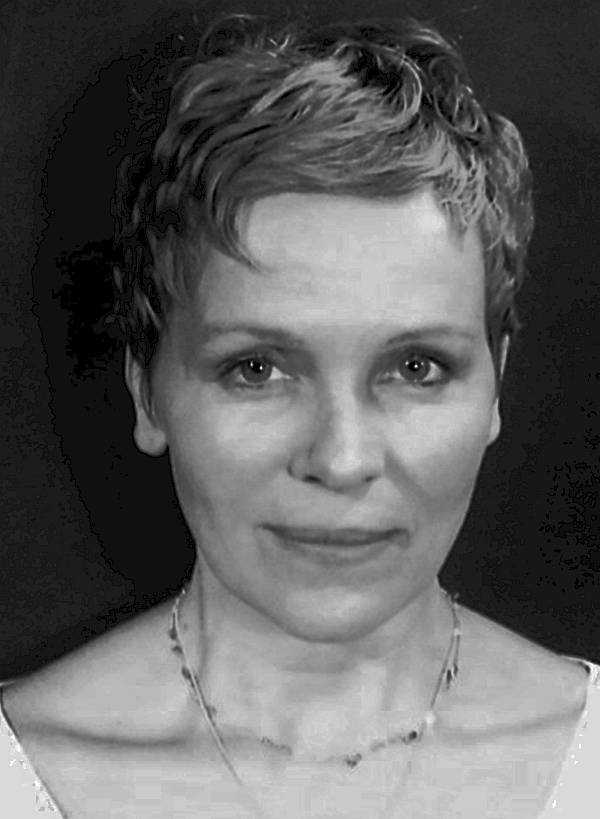
Barbara Drosihn
Barbara Drosihn, born in Hamburg, studied costume design at the University of Applied Sciences in her hometown after training as a seamstress. Since then she has worked as a freelance costume designer at venues including the Thalia Theater, the Deutsches Schauspielhaus Hamburg, the Burgtheater Vienna, the Schauspielhaus Bochum, the Staatsschauspiel Dresden and the Schauspiel Köln. In the process, she has created works for directors such as Michael Thalheimer, Stephan Kimmig, Nicolas Stemann, Andreas Kriegenburg and Stefan Bachmann. Her first opera was "Lucrezia Borgia", for which she designed the costumes in 2009 for Christof Loy at the Bavarian State Opera in Munich. This was followed by productions including "Der Rosenkavalier" and "Der ferne Klang" at the Royal Opera Stockholm, "The Miracle of Heliane" at the Deutsche Oper Berlin, "Così fan tutte" at the Salzburg Festival and "Don Pasquale" at the Zurich Opera House. There she also designed the costumes for Andreas Homoki's productions of "I puritani" and "Fidelio". She has a close artistic collaboration with Tatjana Gürbaca, for whom she created the costumes for "Parsifal" and "The Flying Dutchman" in Antwerp, "La traviata" in Oslo, "Capriccio" and the "Ring" trilogy at the Theater an der Wien, as well as "La finta giardiniera" and "Le Grand Macabre" at the Zurich Opera House. In recent seasons she designed the costumes for "Der Schatzgräber" at the Deutsche Oper Berlin, "Káťa Kabanová" at the Deutsche Oper am Rhein, "Il trittico" at the Salzburg Festival, "Die Königskinder" in Amsterdam, "Bluebeard's Castle" / "The Miraculous Mandarin" in Basel, "Rusalka" in Hanover and "La Voix humaine" / "Erwartung" at the Teatro Real in Madrid.
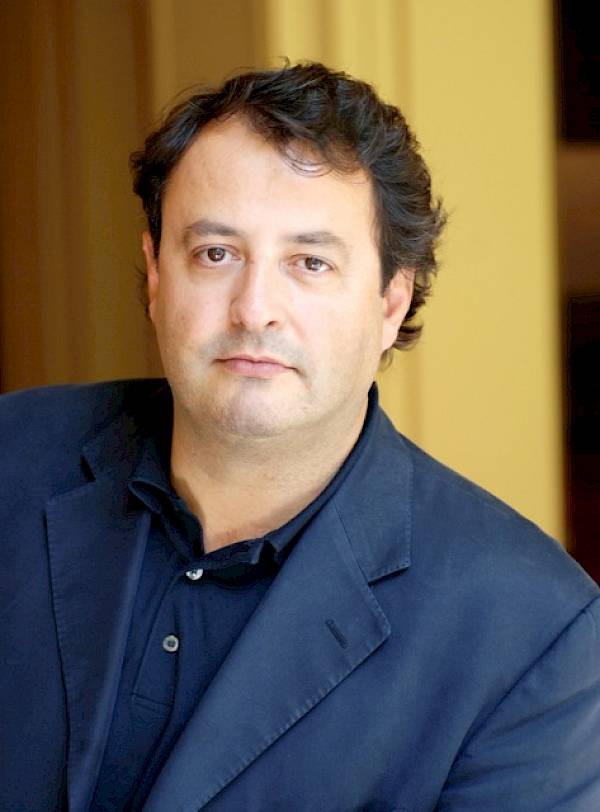
Franck Evin
Franck Evin, born in Nantes, moved to Paris at the age of 19 to study piano. At night he accompanied singers at the Café-Théâtre Le Connétable and also began to take an interest in lighting. He eventually decided to combine music and technology. Thanks to a scholarship from the French Ministry of Culture, he became assistant to the head of lighting at the Opéra de Lyon in 1983. There he worked with Ken Russell and Robert Wilson, among others. In 1986 he began working as an independent lighting designer at the Düsseldorf Schauspielhaus and obtained his master’s certificate in lighting in 1993. During this time he had a close collaboration with Werner Schröter and the conductor Eberhard Kloke. This was followed by productions in Nantes, Strasbourg, Paris, Lyon, Vienna, Bonn, Brussels and Los Angeles, among other places. From 1995 to 2012 he was Artistic Director of the lighting department at the Komische Oper Berlin, where he was responsible for all new productions. Important artistic partners during this period included Andreas Homoki, Barrie Kosky, Calixto Bieito and Hans Neuenfels. In 2006 Franck Evin was awarded the German Theatre Prize "Opus" in the category of lighting design. From 2012 to 2025 he was Artistic Director of the lighting department at the Zurich Opera House. In addition to his work in Zurich, he continued to work on international productions at opera houses in Oslo, Stockholm, Tokyo, Amsterdam, Munich and Graz, as well as at the Opéra Bastille, Teatro alla Scala, Teatro La Fenice, the Vlaamse Opera and at the Bayreuth Festival.
Claus Spahn
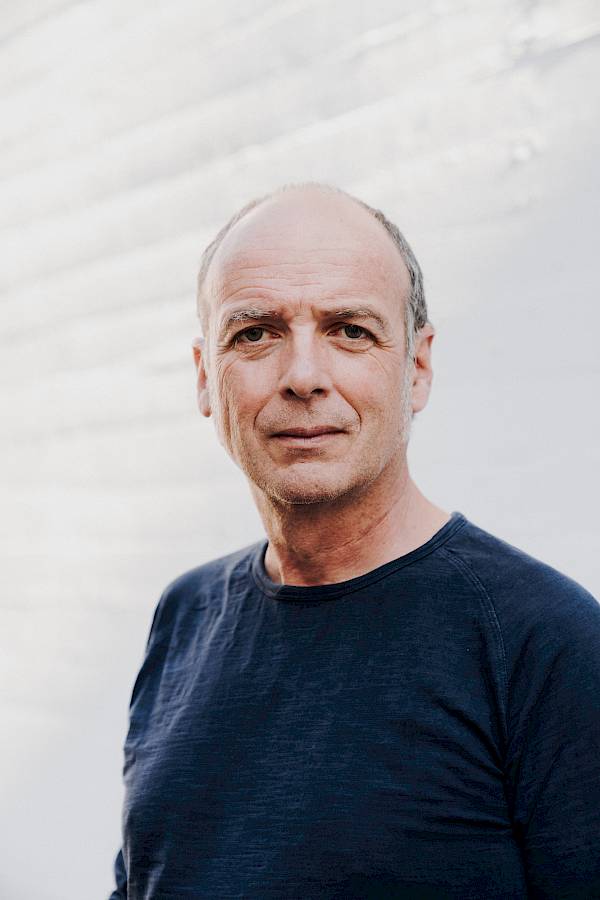
Claus Spahn was chief dramaturge at the Zurich Opera House during Andreas Homoki’s tenure as artistic director. There, he supervised music theater projects by Wolfgang Rihm, Helmut Lachenmann, George Benjamin, Roman Haubenstock-Ramati, and world premieres by Heinz Holliger, Christian Jost, and Stefan Wirth. As a production dramaturge, he worked with directors such as Sebastian Baumgarten, Herbert Fritsch, Jan Philipp Gloger, Tatjana Gürbaca, Andreas Homoki, Barrie Kosky, Nadja Loschky, David Marton, and Evgeni Titov. He also shares a close artistic partnership with the choreographer and former director of Zurich Ballet, Christian Spuck. For him, Spahn was involved in the development of the productions “Anna Karenina,” “Nussknacker und Mausekönig,” and “Monteverdi” in Zurich, he also wrote libretti for the ballets “Orlando” based on Virginia Woolf (world premiere in 2021 at the Moscow Bolshoi Ballet) and “Bovary” based on Gustave Flaubert (world premiere in 2023 at the Berlin State Ballet). Additionally, he is the librettist of the chamber opera “The Dream of You” by Swiss composer Xavier Dayer, which premiered in 2017 at the Zurich Opera House. Before joining the Zurich Opera House, Claus Spahn was the arts editor for 14 years at the German weekly newspaper DIE ZEIT, where he was responsible for the music section. From 1990 to 1997, he worked as a freelance music journalist mainly for the Süddeutsche Zeitung and Bavarian Broadcasting. Claus Spahn was born in Germany, studied classical guitar in Freiburg im Breisgau, and completed training at the German School of Journalism in Munich.
Cast


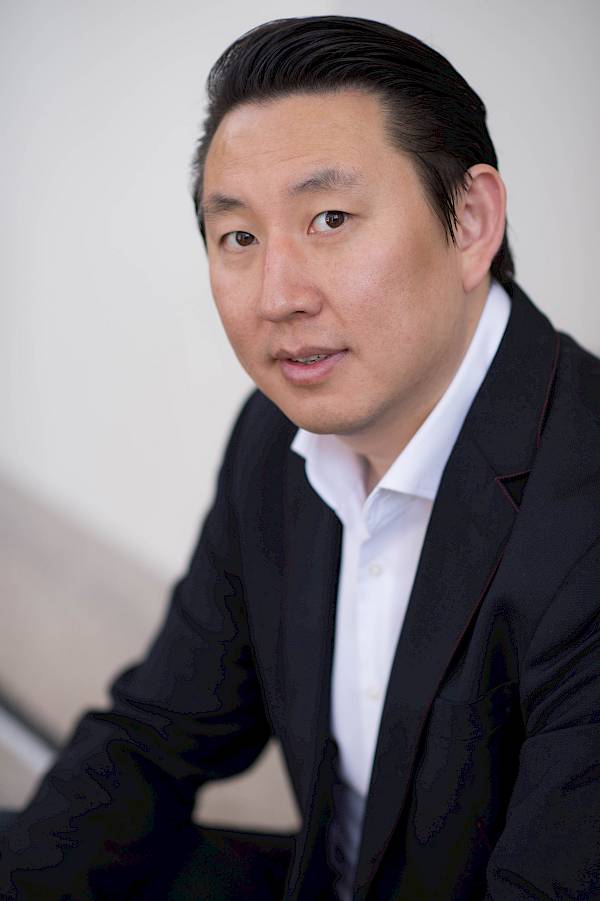
Wenwei Zhang
Wenwei Zhang wurde in Dalian, China, geboren. Er war 2009/10 Mitglied im Opernstudio der Oper Frankfurt und gab als Lord Rochefort in Anna Bolena sein Debüt. 2009 sang er Orosmane (Zaira) beim Festival de Radio France in Montpellier und wurde Dritter in dem von Plácido Domingo gegründeten Gesangswettbewerb Operalia. Ab der Spielzeit 2011/ 12 war Wenwei Zhang Ensemblemitglied der Dortmunder Oper, wo er u.a. als Daland (Der fliegende Holländer), Oroveso (Norma), Warlaam (Boris Godunow), Colline (La bohème), Ferrando (Il trovatore) und Osmin (Die Entführung aus dem Serail) zu hören war. 2013 erhielt er den Theaterpreis «Bajazzo» der Theater- und Konzertfreunde Dortmund. In Zürich ist er seit der Spielzeit 2014/15 Ensemblemitglied und war hier bisher in Il barbiere di Siviglia, Die Frau ohne Schatten, Lucia di Lammermoor, Norma, Aida, Les Pêcheurs de Perles, Turandot, Macbeth, I Puritani, Der Freischütz, Lady Macbeth von Mzensk, Don Giovanni, Die Zauberflöte, Parsifal, Turandot, Luisa Miller sowie in Hippolyte et Aricie zu erleben. Im Sommer 2018 gastierte er am National Center for Performing Arts in Peking, wo er Frère Laurent (Roméo et Juliette) und Graf Rodolfo (La sonnambula) sang und im Sommer 2019 war er als Sarastro am Lincoln Center Festival in New York und an der Opéra de Marseille zu hören.
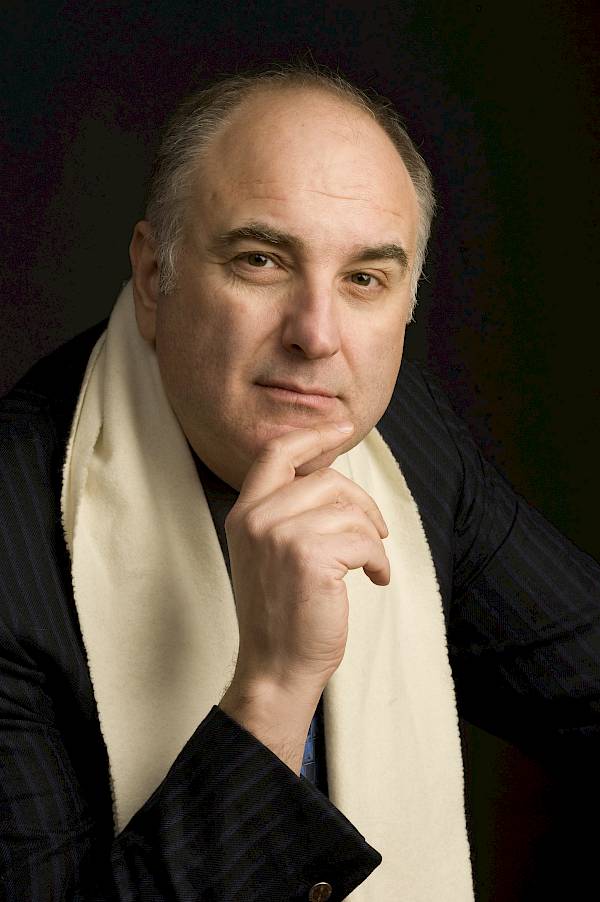
Michele Pertusi
Michele Pertusi is a native of Parma. He is an internationally sought-after bass and has appeared at leading opera houses including La Scala in Milan, the Metropolitan Opera, Covent Garden, the Paris Opéra, the state operas of Vienna, Munich, and Berlin, as well as in Rome, Zurich, Brussels, Amsterdam, Madrid, Barcelona, and Salzburg. His roles have included the title characters in “Maometto II,” “Guillaume Tell,” “Don Pasquale,” “Attila,” “Oberto,” and “Falstaff,” as well as Don Alfonso (“Così fan tutte”), Basilio (“Il barbiere di Siviglia”), Mustafà (“L’italiana in Algeri”), Lord Sidney (“Il viaggio a Reims”), Pharaoh (“Mosè in Egitto”), Le Gouverneur (“Le Comte Ory”), Count Rodolfo (“La sonnambula”), Dulcamara (“L’elisir d’amore”), Don Alfonso (“Lucrezia Borgia”), Walter (“Luisa Miller”), Pagano (“I Lombardi alla prima crociata”), Fiesco (“Simon Boccanegra”), and Méphistophélès (“Faust”). A renowned Rossini interpreter, he made his debut at the Rossini Opera Festival in Pesaro in 1997 as Moïse in “Moïse et Pharaon,” and has since been regularly invited back, receiving the “Rossini d’oro” award. Michele Pertusi has made numerous recordings: “Il turco in Italia” under Riccardo Chailly received a Gramophone Award, and “Falstaff” under Sir Colin Davis won a Grammy. In 1995, Pertusi was awarded the prestigious Premio Abbiati, and in 2003 he received the Gold Medal for Cultural Merit from the Republic of Italy. Most recently, he has appeared as Padre Guardiano (“La forza del destino”) at the Opéra de Lyon, as Attila at Teatro La Fenice in Venice, as Oroveso (“Norma”) at La Scala in Milan, and as Timur (“Turandot”) at the Puccini Festival in Viareggio.
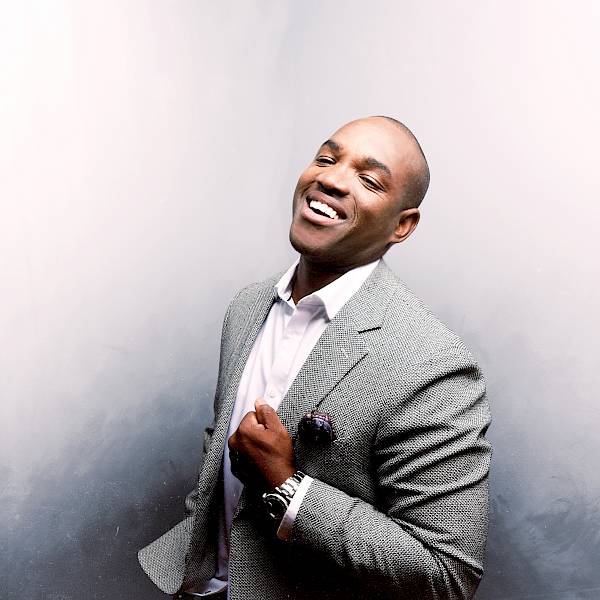
Lawrence Brownlee
Lawrence Brownlee, in Youngstown (Ohio) geboren, ist ein gefragter Belcanto-Spezialist und Mozartinterpret. 2017 wurde er sowohl bei den International Opera Awards als auch bei den Bachtrack Opera Awards zum «Sänger des Jahres» ernannt. 2001/02 gab er sein Debüt an der Mailänder Scala als Almaviva in Il barbiere di Siviglia. Mit dieser Rolle gastierte er auch an der Met, der Berliner und Wiener Staatsoper, in Madrid und Paris. Wichtige Engagements waren ausserdem Ramiro (La Cenerentola) in Wien, München, Mailand, Houston, Chicago, Paris, Amsterdam und an der Met, Arturo (I puritani) in Washington, New York und Kopenhagen, die Titelrolle in Le Comte Ory in Wien, Seattle und Dortmund und die Uraufführung von Lorin Maazels 1984 in London. Höhepunkte der letzten Spielzeiten waren sein Rollendebüt als Don Ottavio (Don Giovanni) in Seattle, die eigens für ihn geschriebene Titelrolle in der Uraufführung von Daniel Schnyders Charlie Parker’s Yardbird in Philadelphia, Ernesto (Don Pasquale) an der Opéra National de Paris, Idreno (Semiramide) am ROH London, Nadir (Les Pêcheurs de perles) und Fernand (La favorite) in Houston, Elvino an der Deutschen Oper Berlin, sein Rollendebüt als Edgardo (Lucia di Lammermoor) am New National Theatre Tokyo sowie das Konzert Come home: A Celebration of Return an der Washington National Opera. In Zürich war er bereits als Arturo, als Ramiro, in der Titelrolle von Le Comte Ory und als Elvino in der konzertanten Aufführung von La sonnambula zu hören. Aufnahmen umfassen u.a. L’italiana in Algeri unter Alberto Zedda, die CDs Virtuoso Rossini Arias, Stabat Mater, Carmina Burana (unter Simon Rattle) sowie eine DVD von La Cenerentola aus der Met.
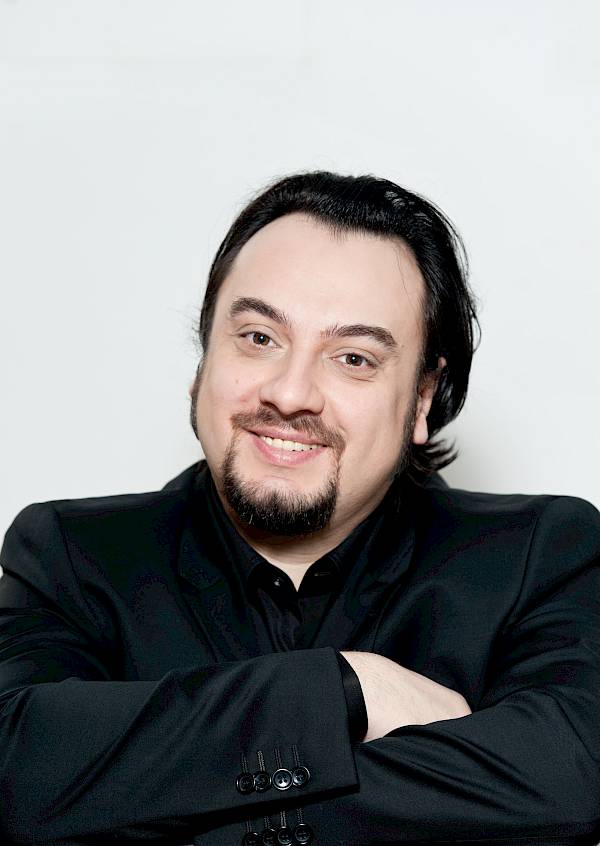
George Petean
George Petean was born in Cluj-Napoca (Romania) and studied piano, trombone, and voice. He made his stage debut in 1997 at the Cluj-Napoca Opera as Don Giovanni. In 1999, he won the Grand Prize at the international singing competition Hariclea Darclée. In 2000, he made his debut as Marcello (“La bohème”) at the Teatro dell’Opera di Roma, and from 2002 to 2010 he was a member of the Hamburg State Opera ensemble. Since then, he has worked as a freelance artist. Engagements have taken him to the Royal Opera House Covent Garden, the Vienna State Opera, Opéra de Paris, the Bavarian State Opera in Munich, the New York Met, Gran Teatre del Liceu in Barcelona, Berlin opera houses, Semperoper Dresden, Opera Amsterdam, and the Bregenz Festival. His repertoire includes roles such as Figaro (“Il barbiere di Siviglia”), Silvio (“Pagliacci”), Conte di Luna (“Il trovatore”), Rodrigo, Marquis of Posa (“Don Carlo”), Lord Enrico Ashton (“Lucia di Lammermoor”), Giorgio Germont (“La traviata”), Amonasro (“Aida”), Simon Boccanegra, and Rigoletto. At the Zurich Opera House, he has recently appeared as Macbeth, Simon Boccanegra, and Renato (“Un ballo in maschera”). More recently, he has performed Simon Boccanegra at the Berlin State Opera, Conte di Luna at the Hamburg State Opera and Berlin State Opera, Carlo Gérard (“Andrea Chénier”) at the Vienna State Opera, and Marquis of Posa at the Bavarian State Opera.
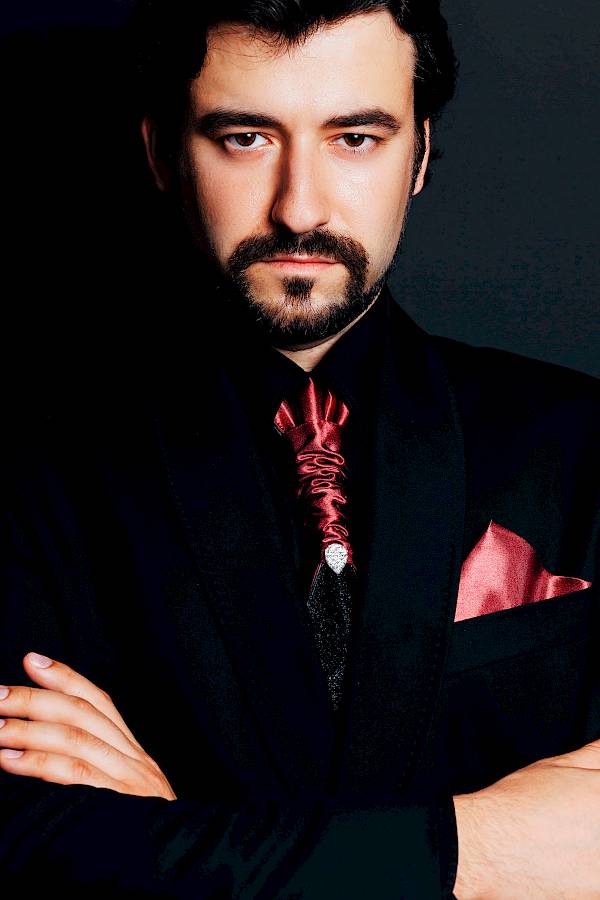
Dmitry Ivanchey
Dmitry Ivanchey studierte Violine und Gesang an der Gnessin Akademie und am Tschaikowski-Konservatorium in Moskau. 2006 bis 2011 war er Mitglied des Moskauer Philharmonischen Orchesters. Seine professionelle Karriere als Opernsänger begann er 2008 als Mengone (Lo Speziale von Haydn). Seither sang er u.a. Graf Pierre Bezuchov (Prokofjews Krieg und Frieden) in Glasgow, Graf Almaviva (Il barbiere di Siviglia), Chevalier de la Force (Dialogues des Carmélites) sowie Lenski (Eugen Onegin) an der Helikon-Oper in Moskau, Bomelius (Die Zarenbraut) am Moskauer Bolschoi-Theater und erneut Almaviva an der Seite von Karita Mattila beim Saaremaa Opera Festival in Estland. In letzter Zeit war er zudem in Richard Strauss’ Capriccio an der Opéra National de Lyon und als Belfiore (Il viaggio a Reims) am Rossini-Festival in Pesaro zu erleben. Seit der Spielzeit 2012/13 gehört Dmitry Ivanchey zum Ensemble des Opernhauses Zürich und war hier u.a. als Junger Graf (Die Soldaten), Borsa (Rigoletto), Lord Cecil (Roberto Devereux), Almaviva (Il barbiere di Siviglia), Daniel (Robin Hood), Trin (La fanciulla del West) und Flavio (Norma) zu erleben. In dieser Spielzeit ist er als Pang (Turandot), Borsa (Rigoletto), Remendado (Carmen) und Bruno Robertson (I puritani) zu hören.
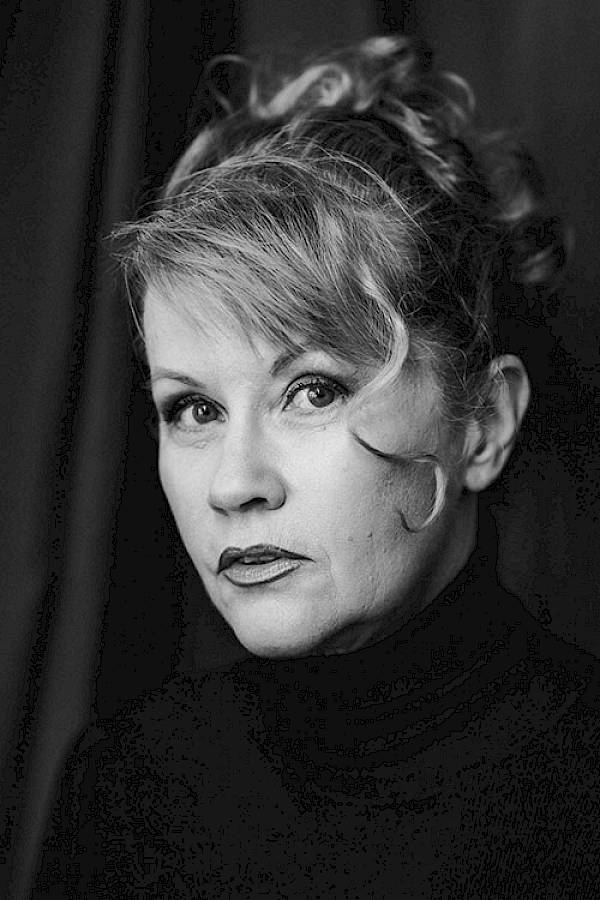
Liliana Nikiteanu
Liliana Nikiteanu studied at the Conservatory in Bucharest. She received her first permanent engagement in 1986 at the Musiktheater Galati. She has won numerous awards, and in 2000, Opernwelt named her "Best Young Singer of the Year." Her repertoire includes over 80 roles, which she has performed in Zurich, where she has been an ensemble member since 1991, as well as in other opera houses, including Octavian ("Der Rosenkavalier") at the Bastille, the Vienna and Hamburg State Operas, Ježibaba ("Rusalka") in Montreal, Sesto ("La clemenza di Tito") in Dresden, Rosina ("Il barbiere di Siviglia") in Vienna and Munich, Dorabella ("Così fan tutte") in Dresden, Munich, Salzburg, and Aix-en-Provence, Fjodor ("Boris Godunow") in Salzburg, Margarethe ("La damnation de Faust") in Brussels, and Dulcinée ("Don Quichotte") at Theater an der Wien. In Zurich, she has performed all Mozart roles of her fach as well as roles such as Ljubascha ("Die Zarenbraut"), Nurse (Dukas’ "Ariane et Barbe-Bleue"), and Fricka ("Das Rheingold"). As a concert singer, her repertoire ranges from Bach to Berio. In Bamberg, she sang Berenice by Haydn under Adam Fischer, in Paris Berlioz’ "Les nuits d’été" under Heinz Holliger, in Copenhagen Verdi’s Requiem, and in Tel Aviv and Haifa Bruckner’s Te Deum under Zubin Mehta. Conductors who have shaped her include Nikolaus Harnoncourt, Claudio Abbado, Fabio Luisi, Franz Welser-Möst, John Eliot Gardiner, René Jacobs, and Philippe Jordan. Most recently, in Zurich, she has performed roles including Tisbe ("La Cenerentola"), Praškowia ("Die lustige Witwe"), Mama ("Wir pfeifen auf den Gurkenkönig"), Sir Pumpkin ("In 80 Tagen um die Welt"), as well as in the music-theater evening created for her, "Wie du warst! Wie du bist!"
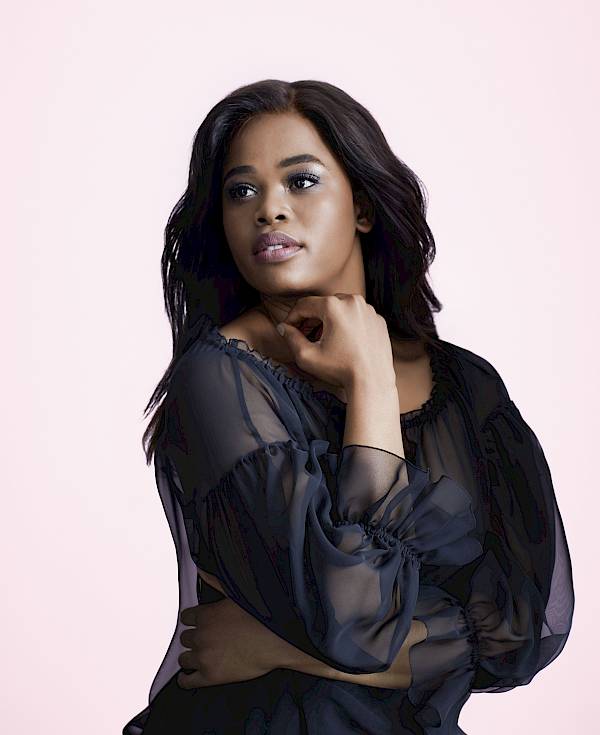
Pretty Yende
Die südafrikanische Sopranistin Pretty Yende erregte internationale Aufmerksamkeit als sie 2010 als erste Künstlerin in der Geschichte des Hans-Gabor-Belvedere-Gesangswettbewerbs erste Preise in allen Kategorien gewann. Unterdessen gastiert sie regelmässig an den grossen Opernhäusern weltweit, darunter die Metropolitan Opera in New York, die Mailänder Scala, das Royal Opera House Covent Garden in London und die Deutsche Oper Berlin. Ihr Gesangsstudium absolvierte sie an der University of Cape Town Opera School bei Virginia Davids und Angelo Gobbato sowie an der Accademia Teatro alla Scala. Erstmals auf der Bühne der Scala stand Pretty Yende 2010 als Berenice in Rossinis L’occasione fa il ladro und kehrte später zurück als Norina (Don Pasquale), Musetta (La bohème) und als Comtesse Adèle (Le Comte Ory). Im Januar 2013 gab sie ihr vielbeachtetes Debüt an der Metropolitan Opera in New York als Comtesse Adèle an der Seite von Juan Diego Flórez und war seit da als Pamina, Juliette (Roméo et Juliette), Rosina (Il barbiere di Siviglia), Elvira (I puritani), Adina (L’elisir d’amore), Lucia (Lucia di Lammermoor), Leïla (Les Pêcheurs de perles) und Marie (La fille du régiment) an der Met zu erleben. In jüngster Zeit war sie u.a. als Adina (L’elisir d’amore) am Royal Opera House in London und an der Bayerischen Staatsoper, als Pamina am Grand-Théâtre de Genève, als Lucia an der Deutschen Oper Berlin, als Teresa (Benvenuto Cellini), Lucia, Rosina und Violetta an der Opéra Bastille in Paris und als Elvira am Gran Teatre del Liceu in Barcelona zu hören. In Zürich sang sie 2016 Elvira in I puritani und 2019 Amina in der konzertanten Aufführung von La sonnambula.
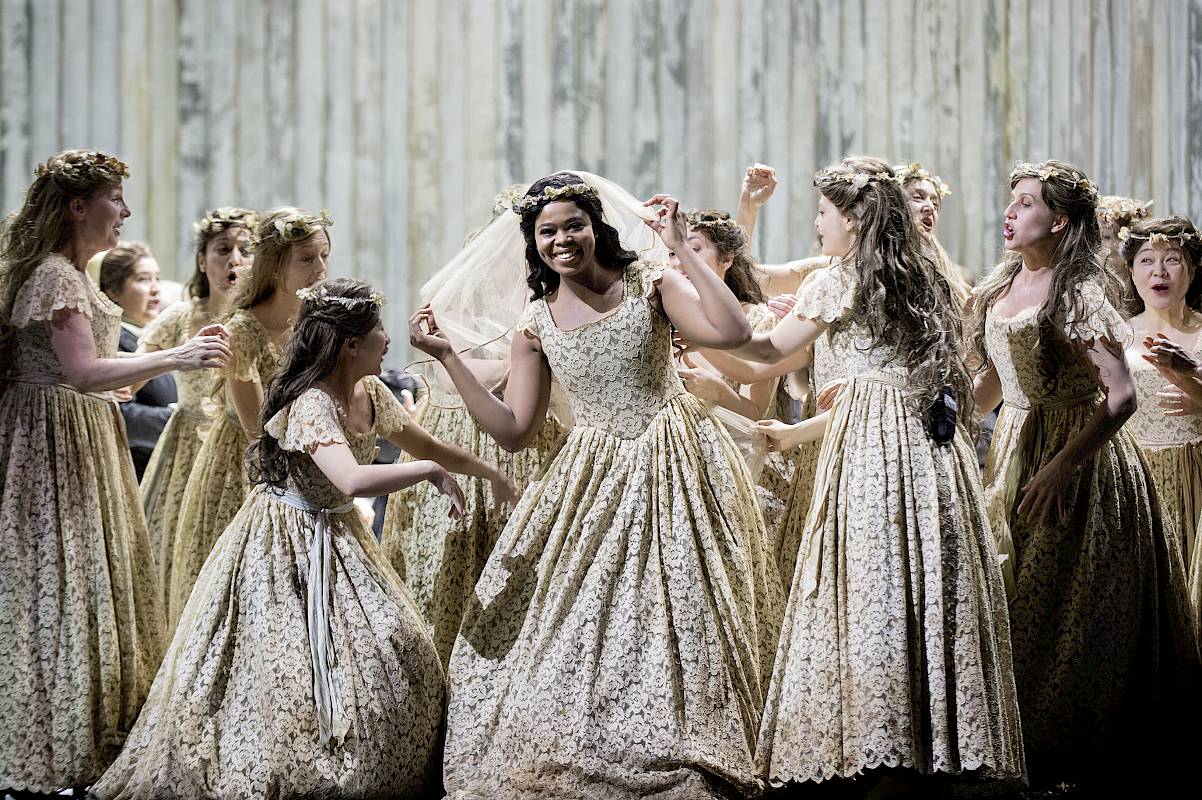
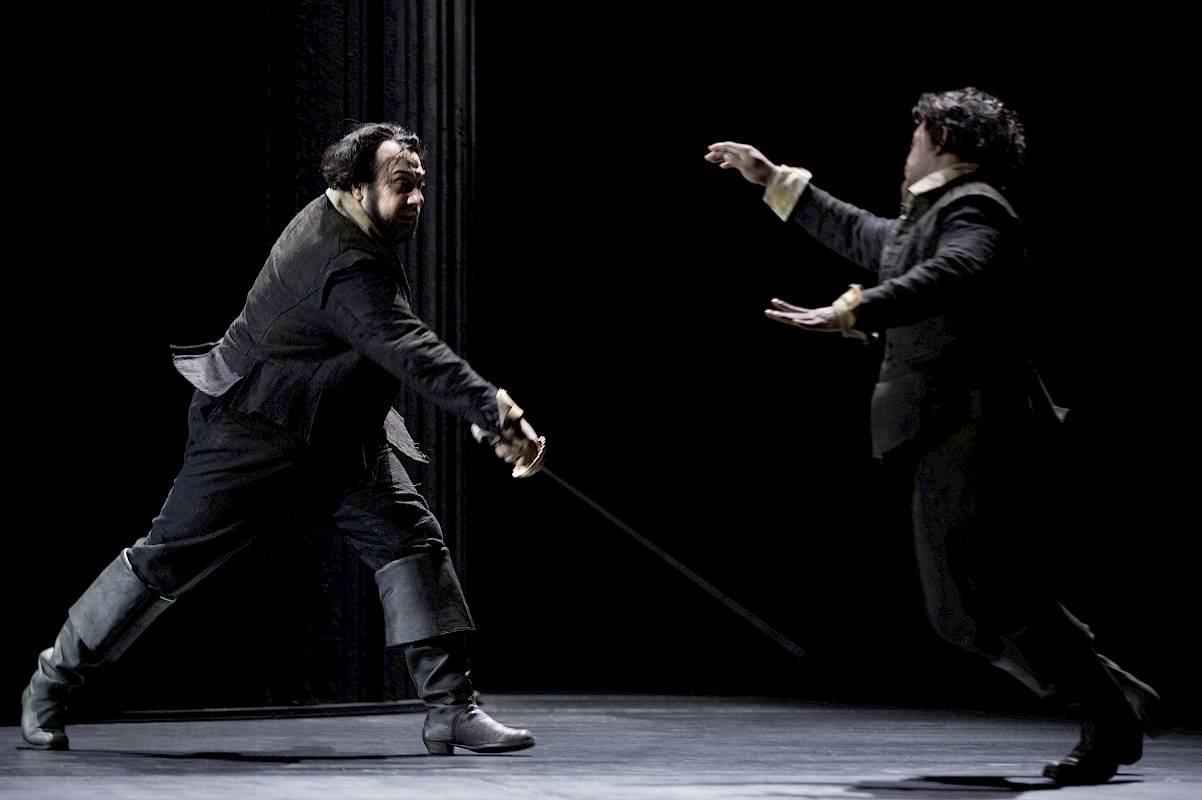
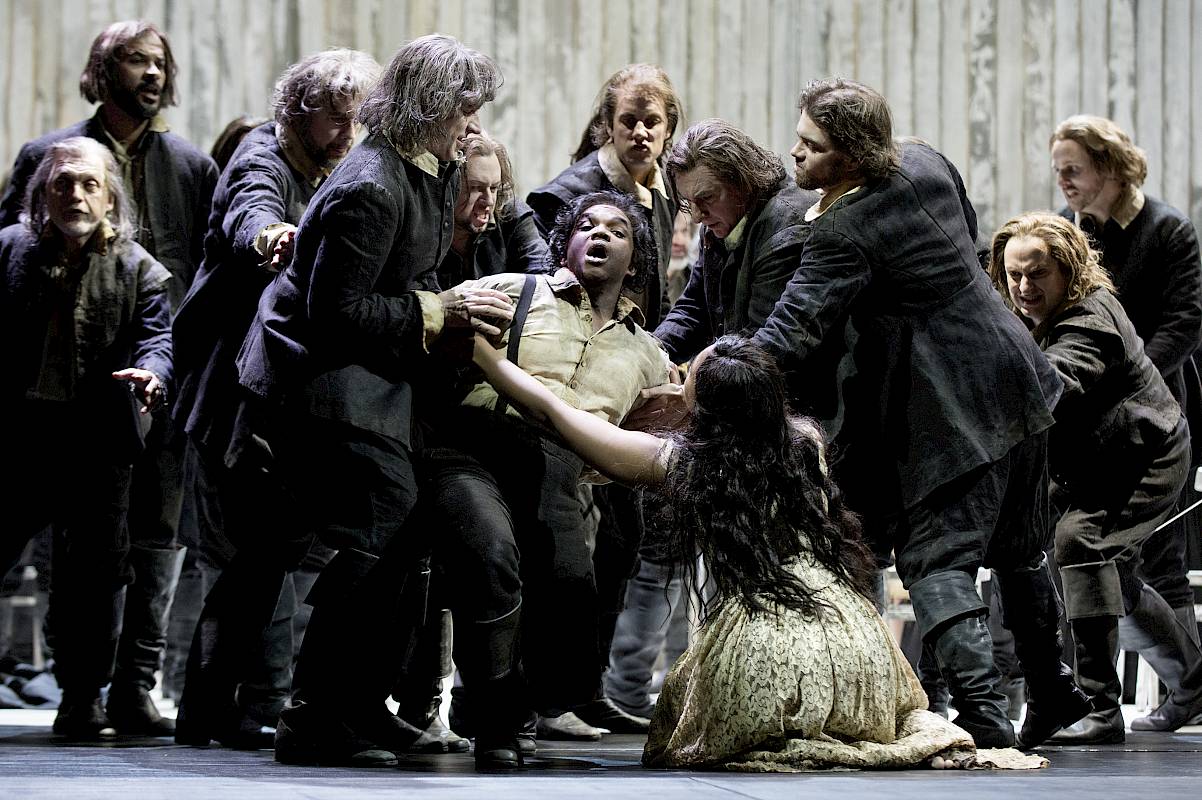
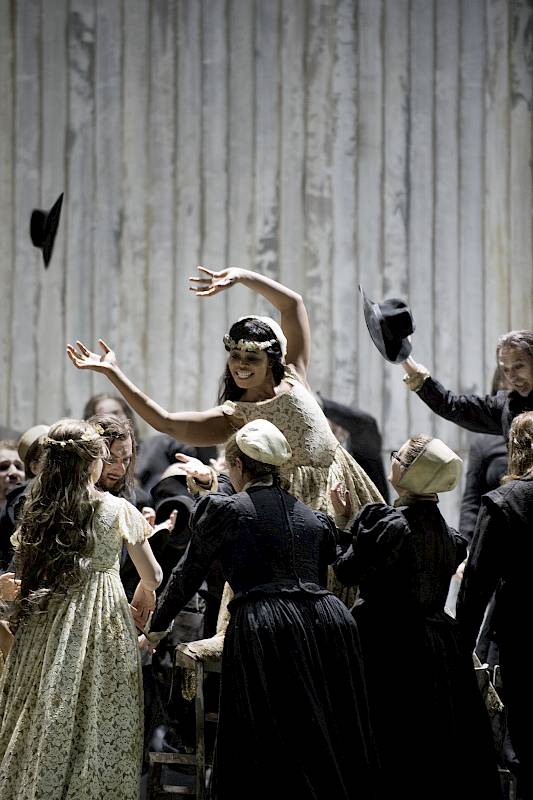
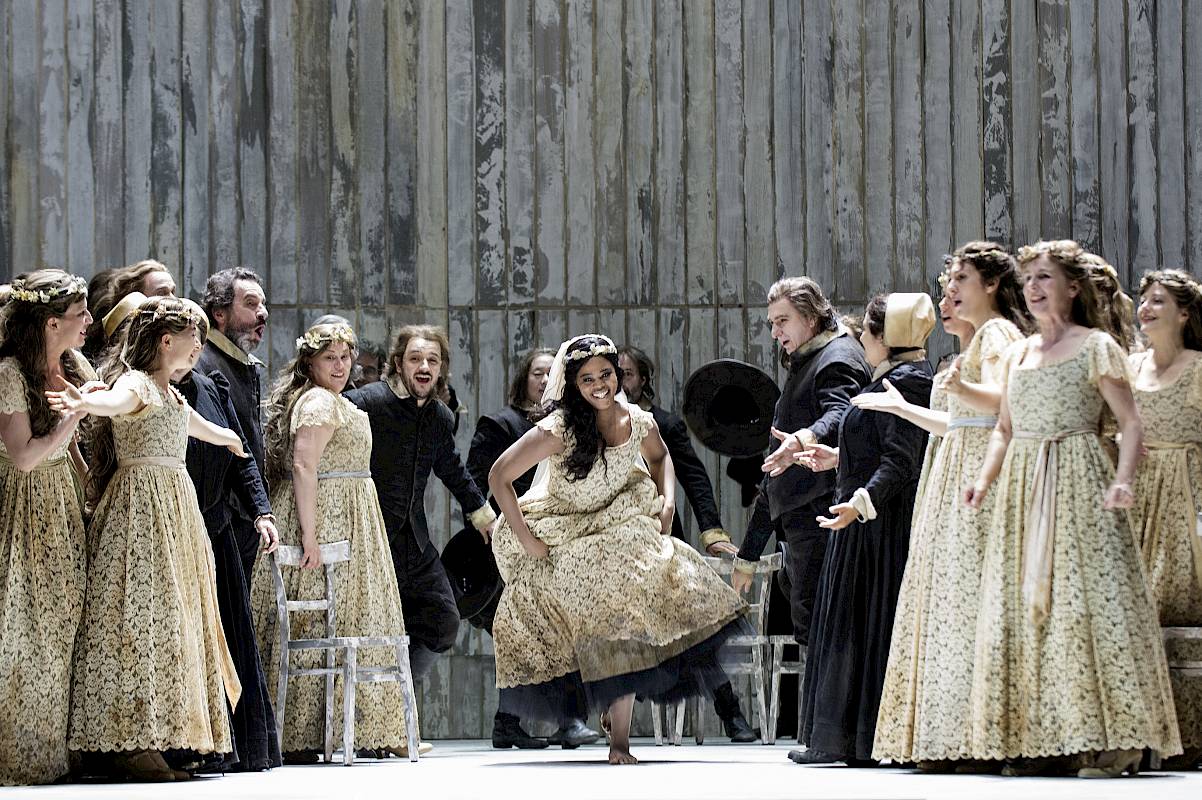
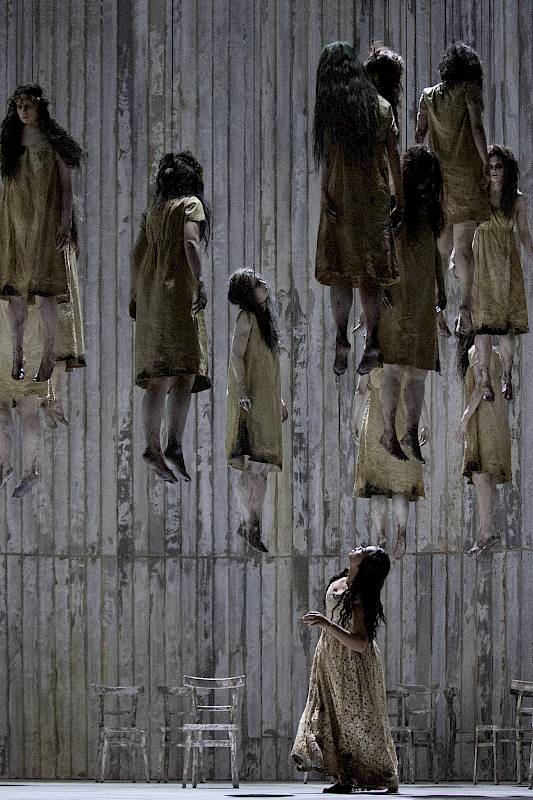
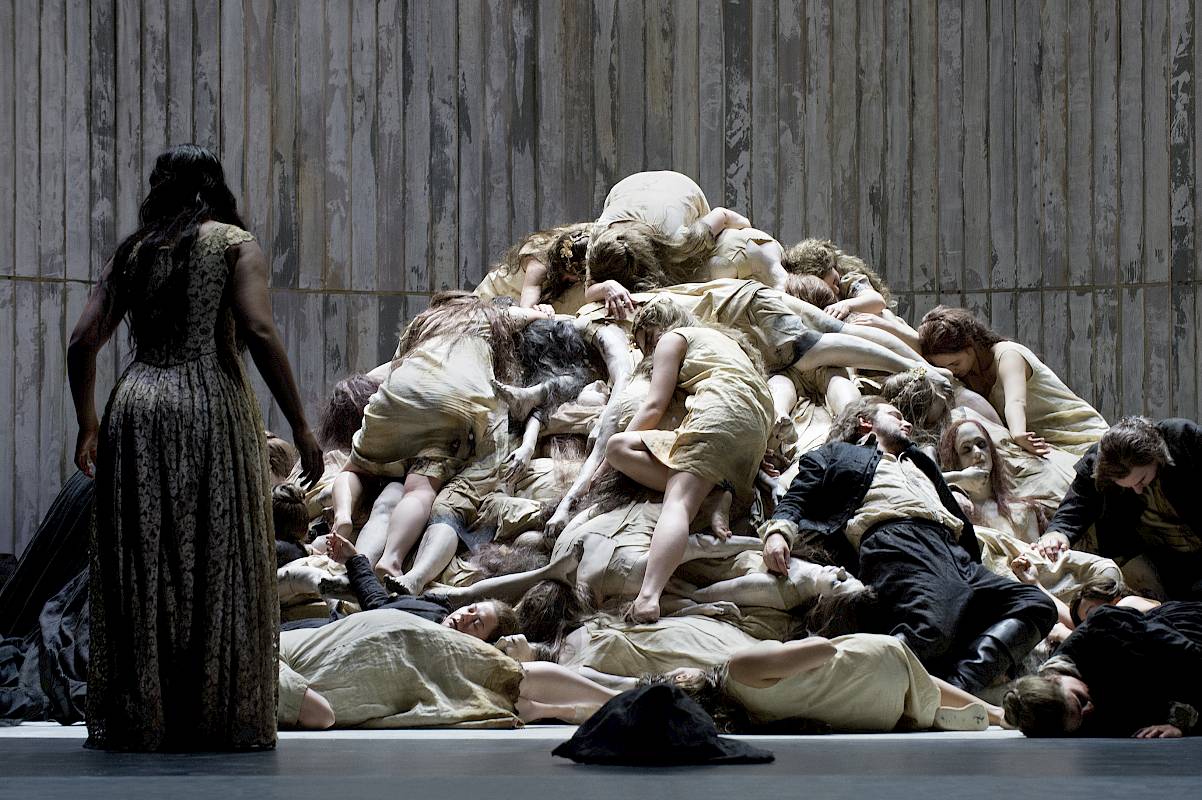
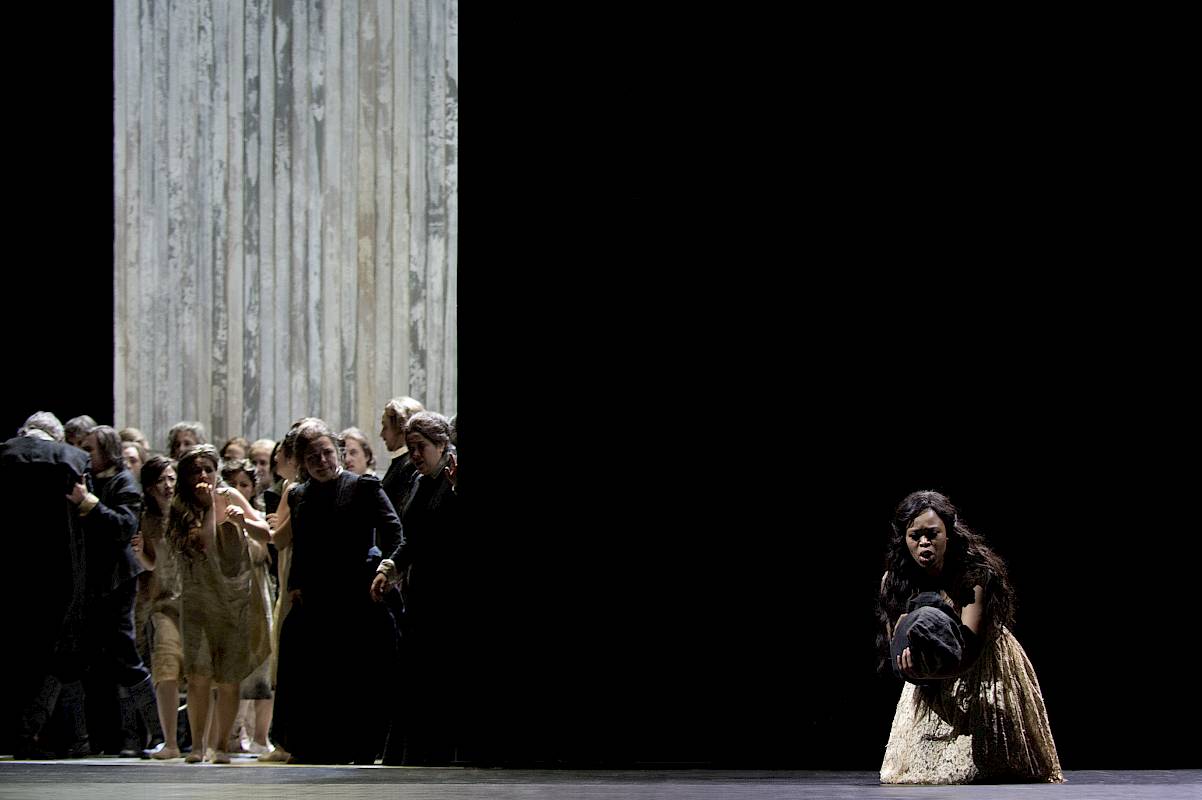
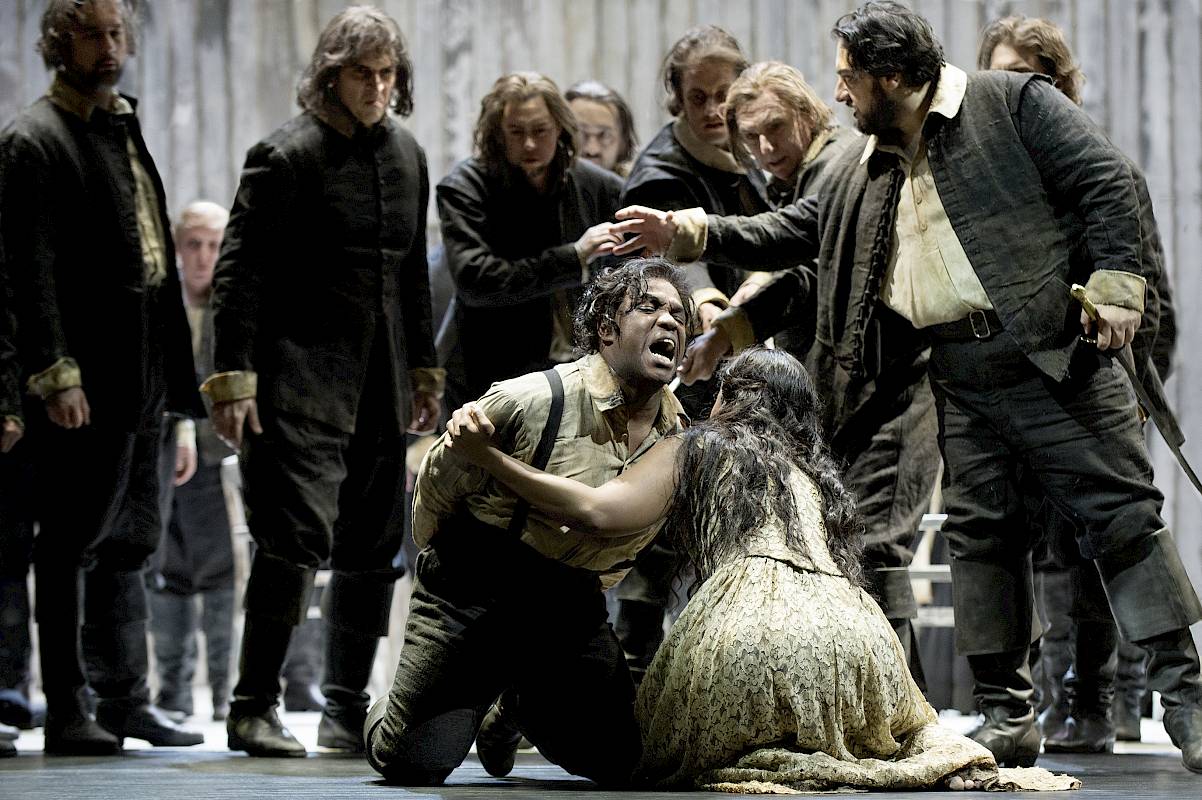
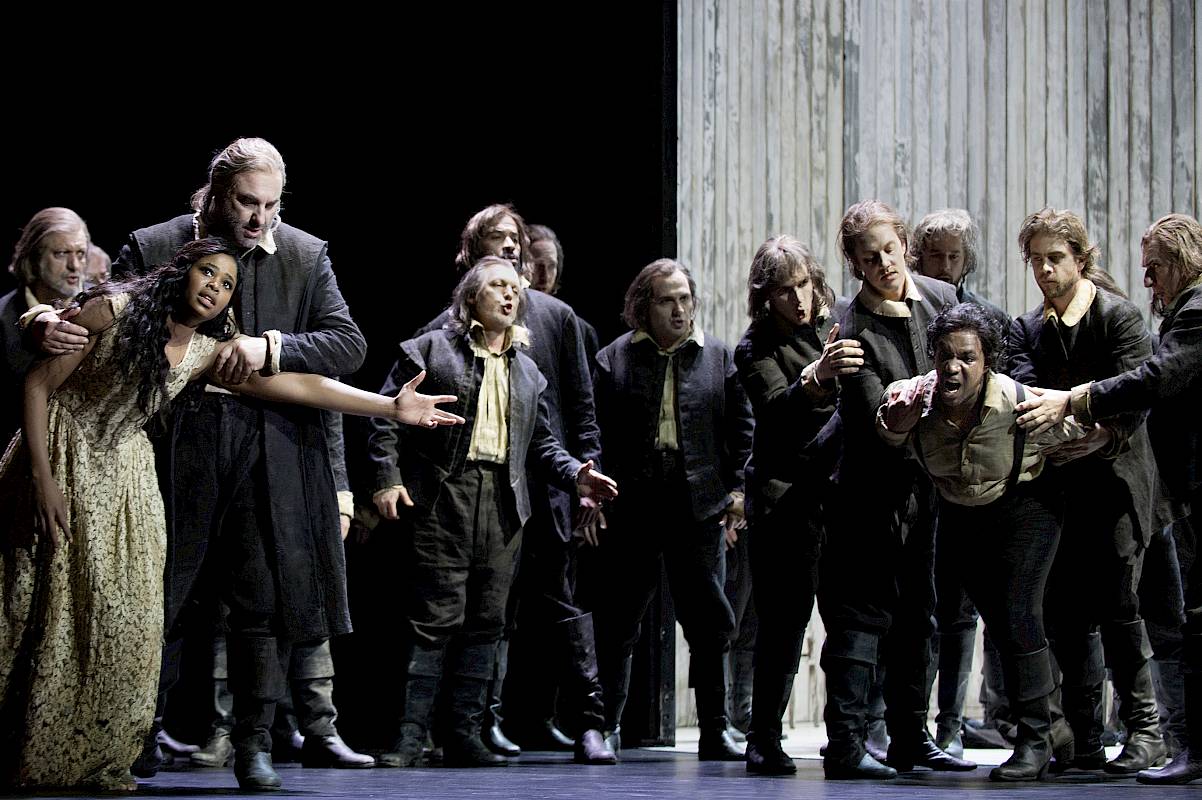
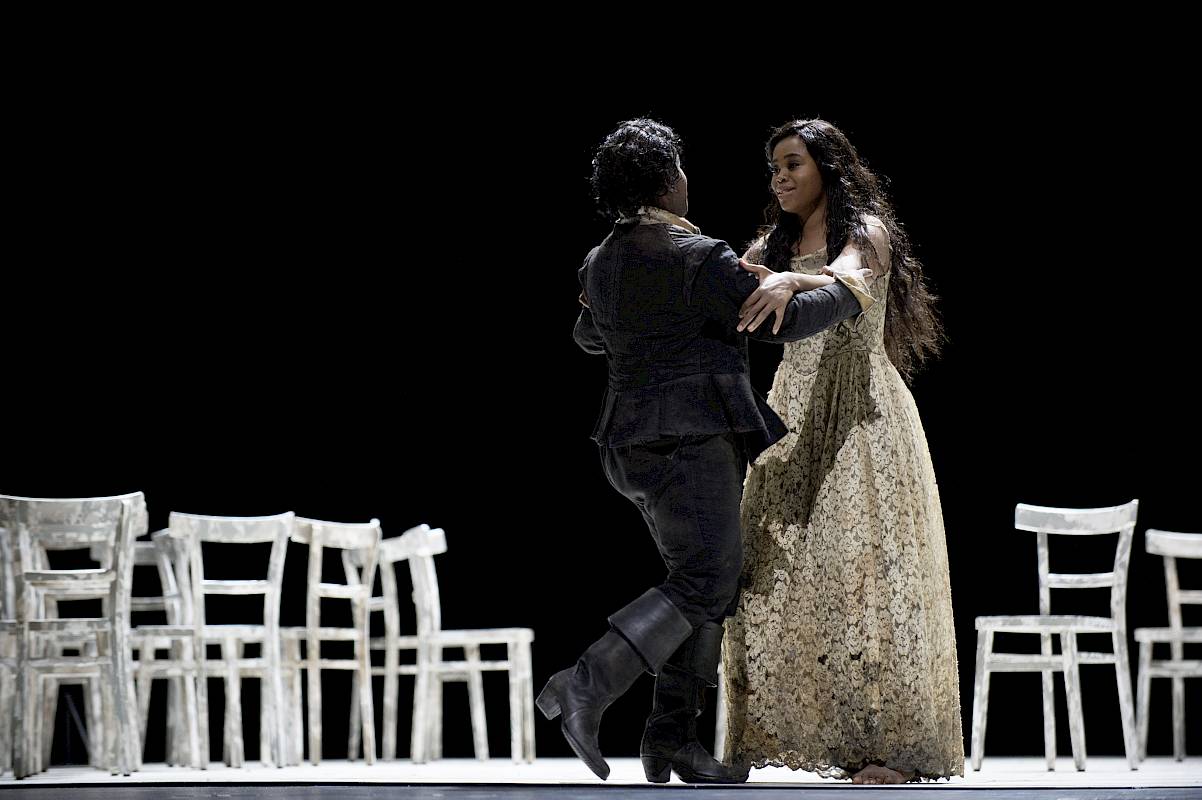
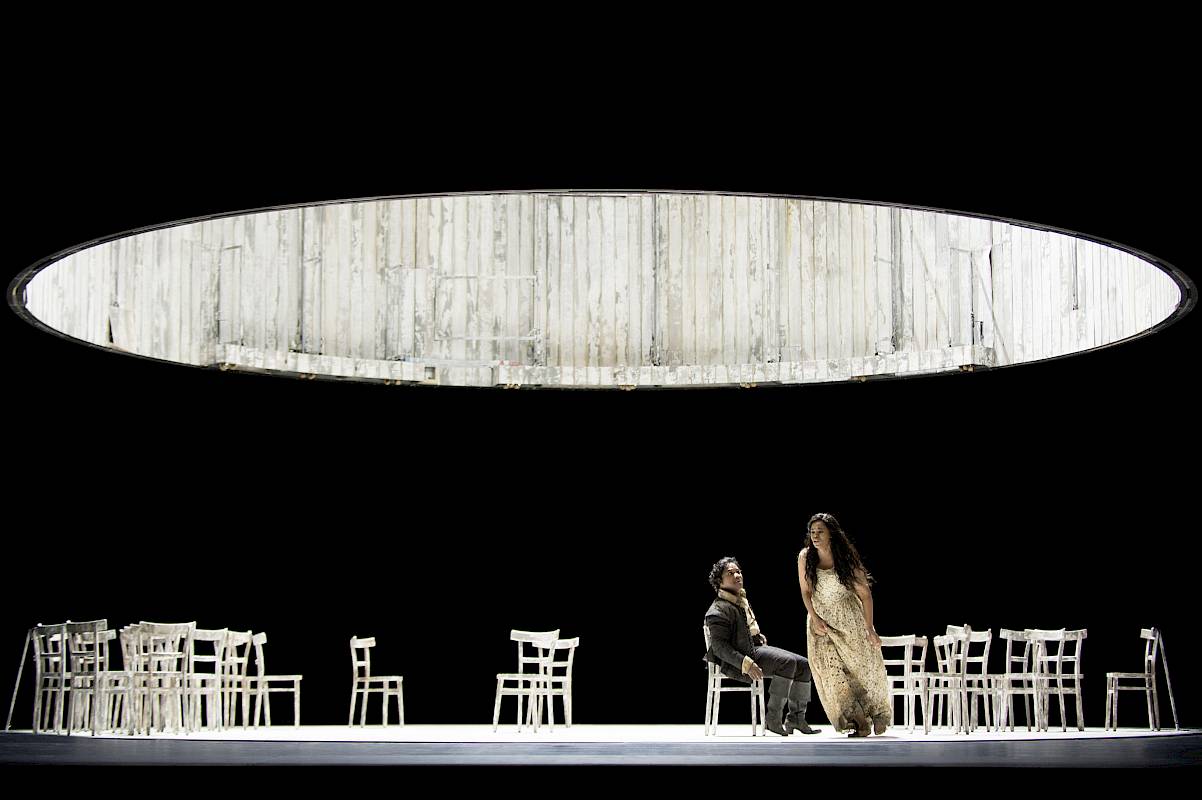
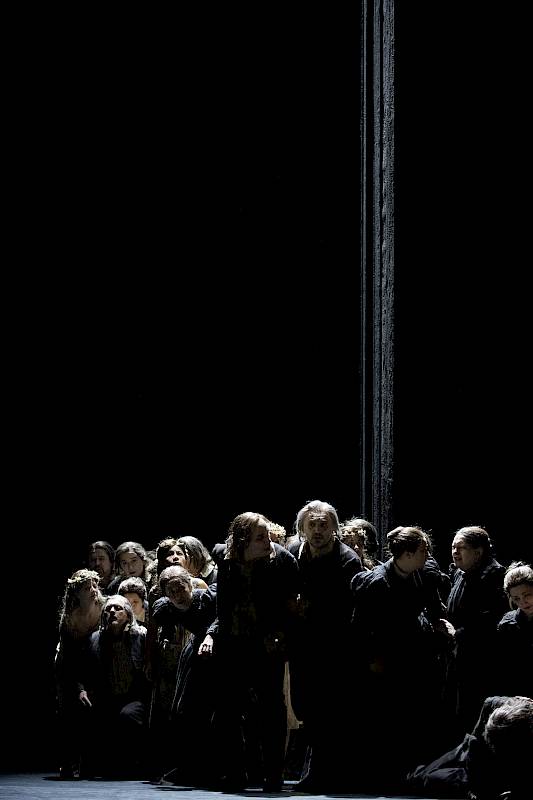
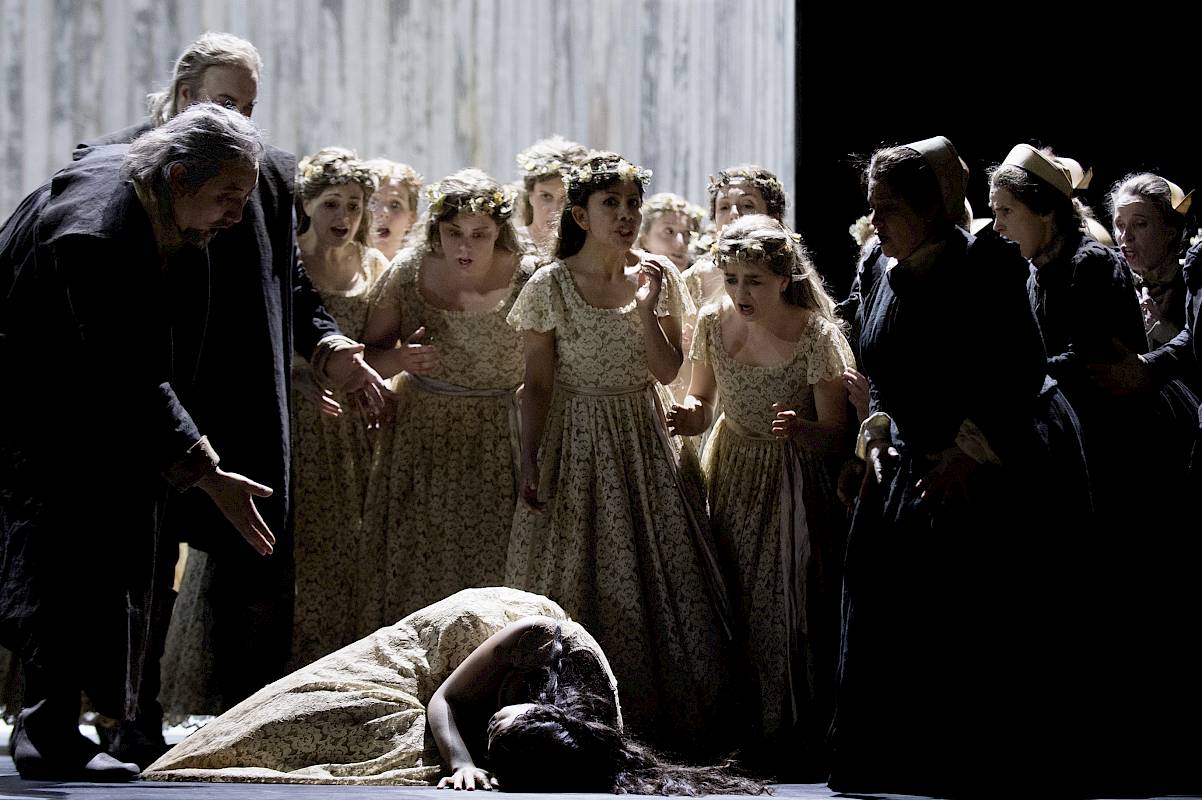
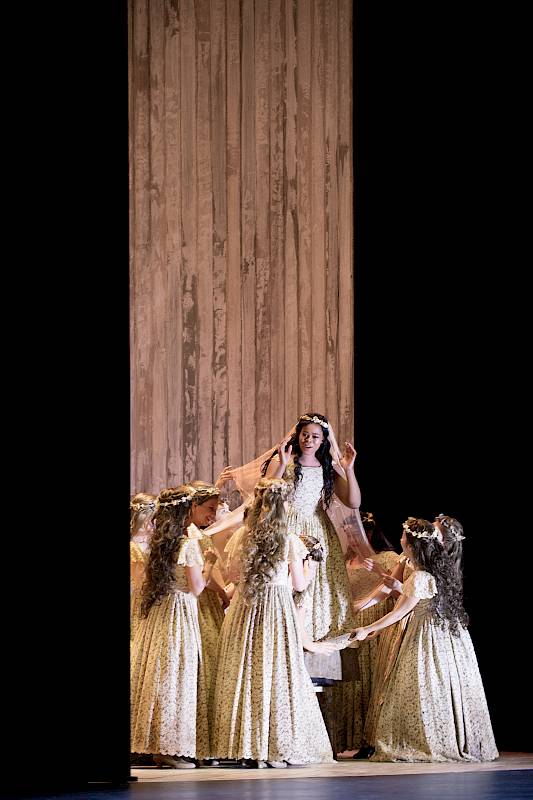
Photos «I puritani»