

Marco Armiliato studied piano at the Paganini Conservatory in his hometown of Genoa and began his conducting career in 1989 with "L’elisir d’amore" in Lima, Peru. In 1995, he made his debut with "Il barbiere di Siviglia" at Teatro La Fenice in Venice, followed a year later by his debut at the Vienna State Opera with "Andrea Chénier" and at the San Francisco Opera with "La bohème". Since then, his career has taken him to the world’s most prestigious opera houses, including the Bavarian State Opera in Munich, the Deutsche Oper Berlin, the Royal Opera in London, the Opéra national de Paris, the Teatro Real in Madrid, the Gran Teatre del Liceu in Barcelona, La Scala in Milan, and the Lyric Opera of Chicago. At the Salzburg Festival, he conducted productions including "Tosca" and "Andrea Chénier", as well as concert performances of "Manon Lescaut", "Lucrezia Borgia", and "I Capuleti e i Montecchi". In 2022, he was Music Director of the Arena di Verona Festival. He has maintained a close collaboration with the Metropolitan Opera in New York, where since his debut in 1998 he has conducted almost 500 performances, including "Il trovatore", "La bohème", "Aida", "Turandot", "Rigoletto", "I puritani", "Madama Butterfly", and "La traviata". His recording "Verismo" (2009) with Renée Fleming received a Grammy Award, and the recording "Romantic Arias" (2008) with Jonas Kaufmann was honoured with a Diapason d’or. At the Vienna State Opera, where he has been an honorary member since 2019, he has conducted a wide range of works from the Italian and French repertoire, as well as gala performances and festive concerts. At the Zurich Opera House, he has recently conducted "La traviata", "Otello", "La bohème", "Manon", "Simon Boccanegra", "La rondine", "Messa da Requiem", and "Tosca".
Giacomo Puccini
Commedia lirica in three acts
Text by Giuseppe Adami after a libretto draft by
Artur Maria Willner and Heinz Reichert
From 17. September 2023 until 28. October 2023
-
Duration :
2 H. 25 Min. Inkl. Pause after approx. 1 H. 15 Min. -
Language:
In Italian with German and English surtitles. -
More information:
Introduction 45 min before the performance.
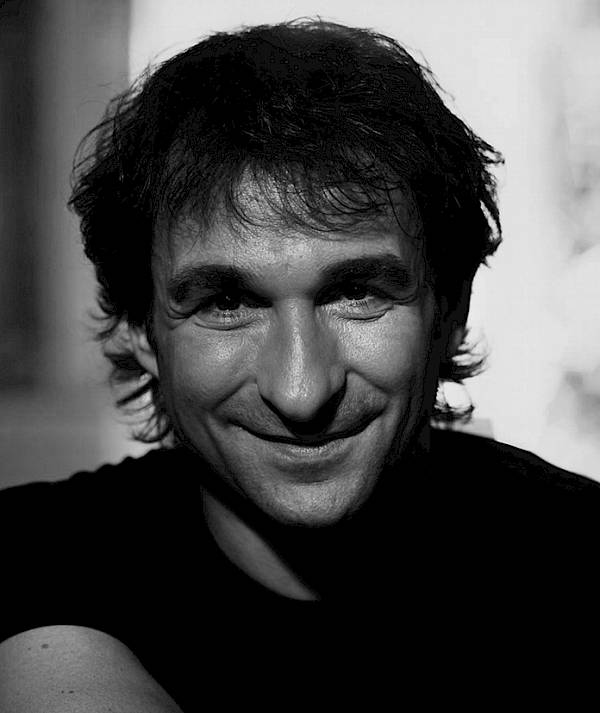
Marco Armiliato
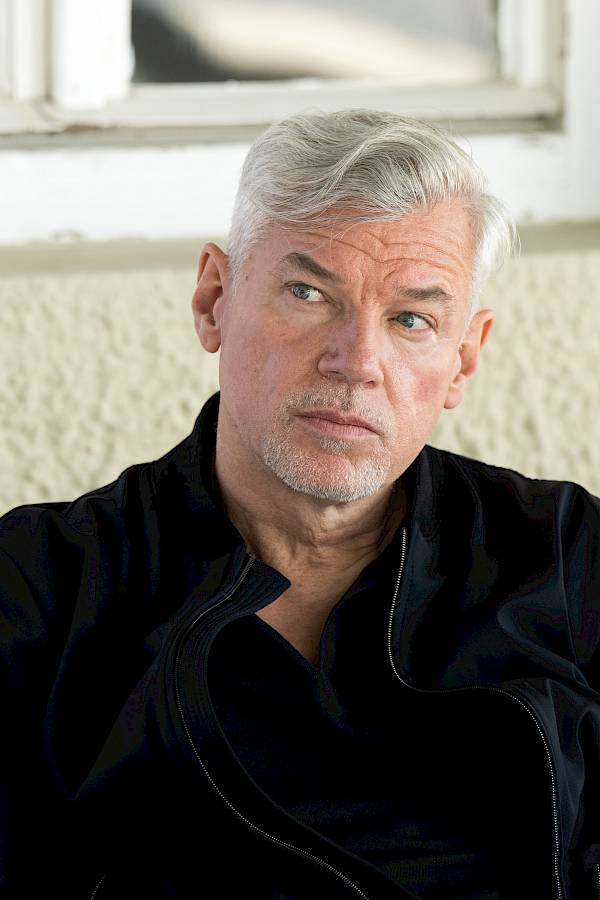
Christof Loy
Christof Loy studied music theatre directing in Essen as well as philosophy, art history, and Italian philology in Munich. He has worked as a freelance director since 1990. He regularly directs, among others, at the Deutsche Oper Berlin, the Theater an der Wien, the Royal Swedish Opera in Stockholm, the Royal Opera House Covent Garden in London, the Opera Amsterdam, the Teatro Real in Madrid, and at the festivals in Glyndebourne and Salzburg. In Amsterdam, he was also responsible for choreography for the first time in 2019 with "Tannhäuser". At the Zurich Opera House, he directed "La straniera", "Alcina", "I Capuleti e i Montecchi", "Don Pasquale", and "La rondine". In 2017 and 2024, he was named Director of the Year at the International Opera Awards, after already winning the award for Best New Production there in 2016 for Britten’s "Peter Grimes" at the Theater an der Wien. For three productions at the Bavarian State Opera, "Saul" (2003), "Roberto Devereux" (2004), and "Die Bassariden" (2008), he was named Director of the Year by the magazine "Opernwelt". In 2024/25, he made his debut at the Teatro alla Scala in Milan with "Werther". Since then, he has directed, among others, "Elektra" at the Royal Opera House London, "Eugene Onegin" at the Teatro Real Madrid, "Turandot" at Theater Basel, "Il trittico" at the Opéra de Paris, and Charpentier’s "Louise" at the Festival d’Aix-en-Provence. One of his most important artistic concerns today is the rediscovery of zarzuela. His most recent directing works include the zarzuelas "Benamor" at the Theater an der Wien, "El gato montés" at the Teatro de la Zarzuela in Madrid, and "El barberillo de Lavapiés" at the Theater Basel.
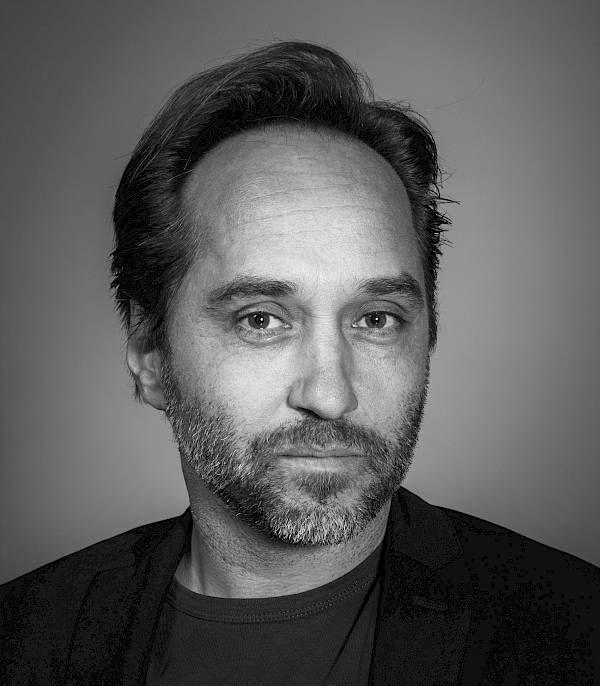
Étienne Pluss
Étienne Pluss was born in Geneva, where he initially ran an art gallery before beginning studies in stage design at the University of the Arts in Berlin. He started his theater career as a design assistant to Achim Freyer and Karl-Ernst Herrmann. Since 2000, he has been working as a freelance stage designer and has since worked at numerous renowned houses in both theater and opera. He has a close collaboration with Claus Guth. For Guth’s productions, he created, among others, the stage designs for Beat Furrer’s "Violetter Schnee" at Staatsoper Unter den Linden (FAUST Theater Prize 2019), "La bohème" at Opéra National de Paris, "Die Sache Makropulos" at Staatsoper Berlin, Dusapin’s "Il Viaggio, Dante" at the Festival d’Aix-en-Provence, "Don Carlo" at Teatro San Carlo in Naples, "Salome" at the Bolshoi Theatre in Moscow in cooperation with the Metropolitan Opera New York, as well as "Bluthaus" at the Bavarian State Opera. In addition, he designed the sets for Weinberg’s "Die Passagierin" at the Graz Opera and "Hamlet" at the Komische Oper Berlin, both directed by Nadja Loschky. For "Il trittico" at the Salzburg Festival, he collaborated with Christof Loy. With Richard Brunel, he realized the stage designs for Boesmans’ "On purge bébé" at La Monnaie in Brussels and Escaich’s opera "Shirine" in Lyon. With Evgeny Titov, he developed Shakespeare’s "Richard III." at Schauspielhaus Düsseldorf. In 1998, he was invited to the Berliner Theatertreffen; the following year, he received the Kainz Medal for his work on Thomas Bernhard’s "Claus Peymann kauft sich eine Hose und geht mit mir essen." Most recently in Zurich, he designed the stage for "Alice."
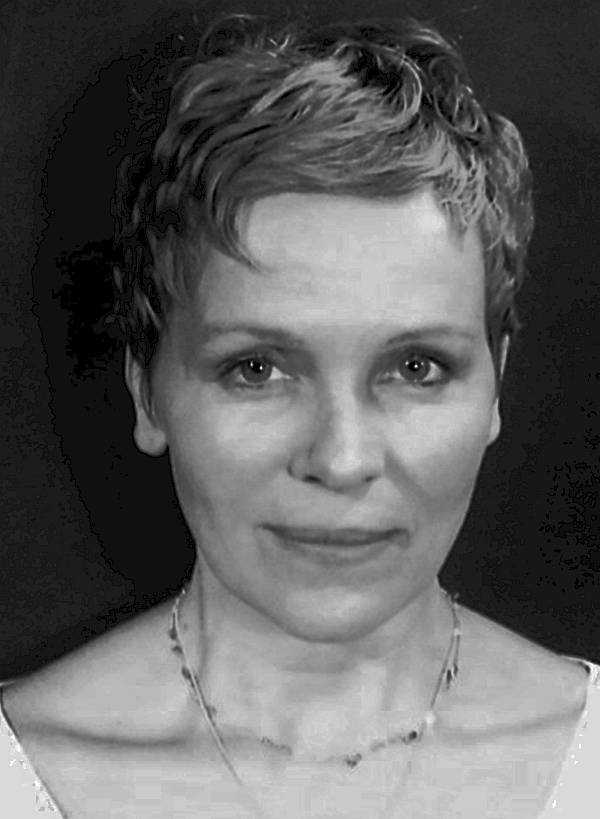
Barbara Drosihn
Barbara Drosihn, born in Hamburg, studied costume design at the University of Applied Sciences in her hometown after training as a seamstress. Since then she has worked as a freelance costume designer at venues including the Thalia Theater, the Deutsches Schauspielhaus Hamburg, the Burgtheater Vienna, the Schauspielhaus Bochum, the Staatsschauspiel Dresden and the Schauspiel Köln. In the process, she has created works for directors such as Michael Thalheimer, Stephan Kimmig, Nicolas Stemann, Andreas Kriegenburg and Stefan Bachmann. Her first opera was "Lucrezia Borgia", for which she designed the costumes in 2009 for Christof Loy at the Bavarian State Opera in Munich. This was followed by productions including "Der Rosenkavalier" and "Der ferne Klang" at the Royal Opera Stockholm, "The Miracle of Heliane" at the Deutsche Oper Berlin, "Così fan tutte" at the Salzburg Festival and "Don Pasquale" at the Zurich Opera House. There she also designed the costumes for Andreas Homoki's productions of "I puritani" and "Fidelio". She has a close artistic collaboration with Tatjana Gürbaca, for whom she created the costumes for "Parsifal" and "The Flying Dutchman" in Antwerp, "La traviata" in Oslo, "Capriccio" and the "Ring" trilogy at the Theater an der Wien, as well as "La finta giardiniera" and "Le Grand Macabre" at the Zurich Opera House. In recent seasons she designed the costumes for "Der Schatzgräber" at the Deutsche Oper Berlin, "Káťa Kabanová" at the Deutsche Oper am Rhein, "Il trittico" at the Salzburg Festival, "Die Königskinder" in Amsterdam, "Bluebeard's Castle" / "The Miraculous Mandarin" in Basel, "Rusalka" in Hanover and "La Voix humaine" / "Erwartung" at the Teatro Real in Madrid.
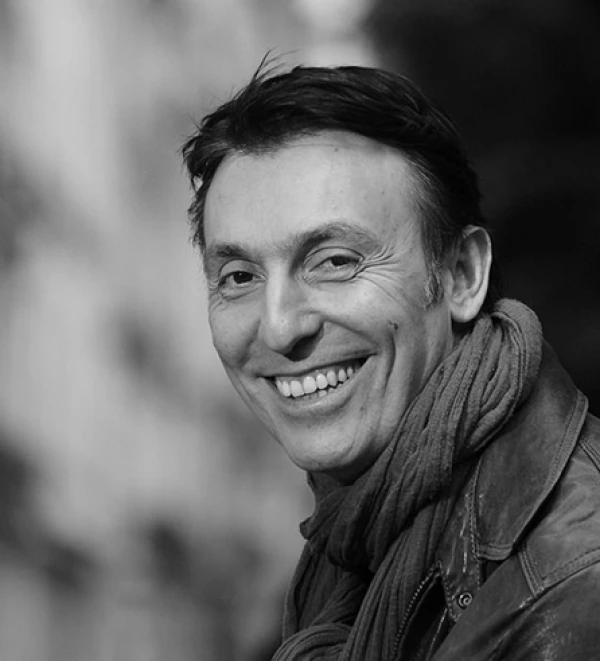
Fabrice Kébour
Fabrice Kébour, born in France, works in the fields of dance, spoken theatre, musical theatre and opera and has designed the lighting for more than 250 productions. He began his career in New York, where he worked, among other places, on Broadway. Over the past 20 years, his work has been seen at such renowned venues and festivals as the Comédie-Française, the Vienna State Opera, the Bregenz Festival, La Scala in Milan, the Mariinsky Theatre in St Petersburg and La Monnaie in Brussels. Since 2007 he has created the lighting design for several productions by David Pountney, including "La forza del destino" in Vienna, "Die Zauberflöte" in Bregenz, the world premiere of Philip Glass’s "Spuren der Verirrten" for the opening of Musiktheater Linz, and "Die Meistersinger von Nürnberg" at Leipzig Opera. With Claus Guth he collaborated, among other projects, on the world premiere of Michael Jarrell’s "Bérénice" at the Paris Opéra. In 2022 he created the lighting design for the world premiere of Philip Glass’s ballet "Alice" at the Opéra national du Rhin. In addition to his work for musical and opera houses, he also creates lighting designs for large-scale events, such as the opening and closing ceremonies of the Asian Games in Doha or shows at Disneyland. He is a co-founder of the Union des Créateurs Lumière, which he chaired as president until 2012. In 2011 he was invited by the Prague Quadrennial to take part in the exhibition Light Speaks, which presented works by leading lighting designers from around the world. Fabrice Kébour has received numerous prizes and awards and has been nominated three times for the prestigious French theatre award Molière.
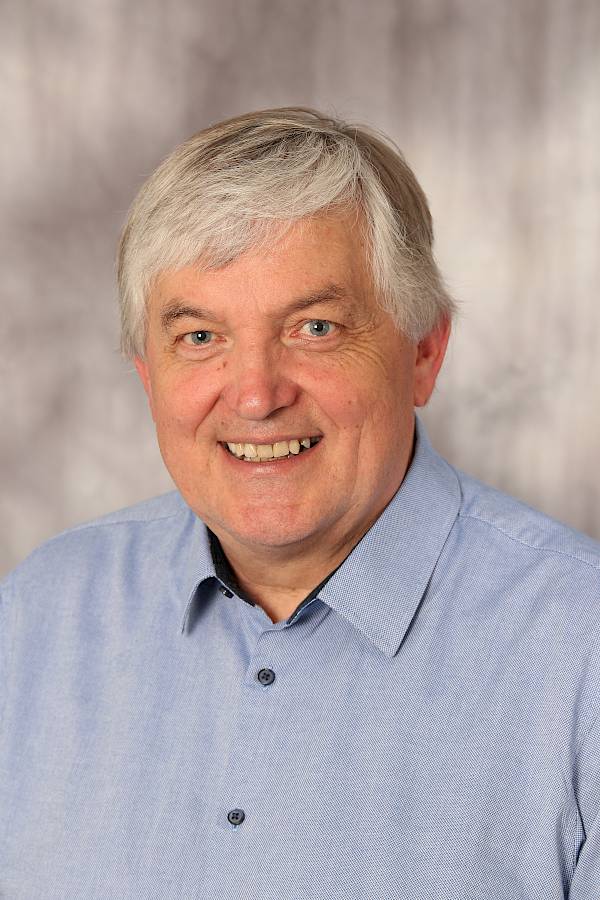
Ernst Raffelsberger
Ernst Raffelsberger comes from Gmunden, Upper Austria. He studied music education and church music at the University of Music and Performing Arts in Vienna as well as choral conducting at the Mozarteum in Salzburg. From 1983 to 1986 he was Kapellmeister of the Vienna Boys’ Choir. During this time, he led the ensemble in Vienna and on tours through Europe, South Africa, Canada, and the USA. From 1986, Ernst Raffelsberger was choral director and Kapellmeister at the Salzburg State Theatre (participating in the Salzburg Mozart Week and the Salzburg Festival). In 1989 he moved as choral director and Kapellmeister to the theatre in Freiburg/Breisgau. Since autumn 1993, Ernst Raffelsberger has been engaged at the Zurich Opera House as choral director. Here he has since supervised around 150 premieres and countless revivals and worked with many renowned conductors such as Marco Armiliato, Riccardo Chailly, Teodor Currentzis, Christoph von Dohnányi, Sir John Eliot Gardiner, Daniele Gatti, Bernard Haitink, Nikolaus Harnoncourt, Zubin Mehta, Gianandrea Noseda, and Franz Welser-Möst. Guest performances with the Zurich Opera House have taken him to Vienna, London, Paris, and Tokyo. From summer 2012 he additionally began a ten-year activity as choral director of the Vienna State Opera Chorus Association at the Salzburg Festival. There he collaborated successfully with, among others, Riccardo Muti, Mariss Jansons, and Sir Simon Rattle. After Ernst Raffelsberger ended this work with the festival summer 2021, he has since 2025 once again been responsible, at Maestro Muti’s request, for choral preparation for his festival concerts in Salzburg. Numerous CD and DVD recordings document his work in Zurich as well as in Salzburg.
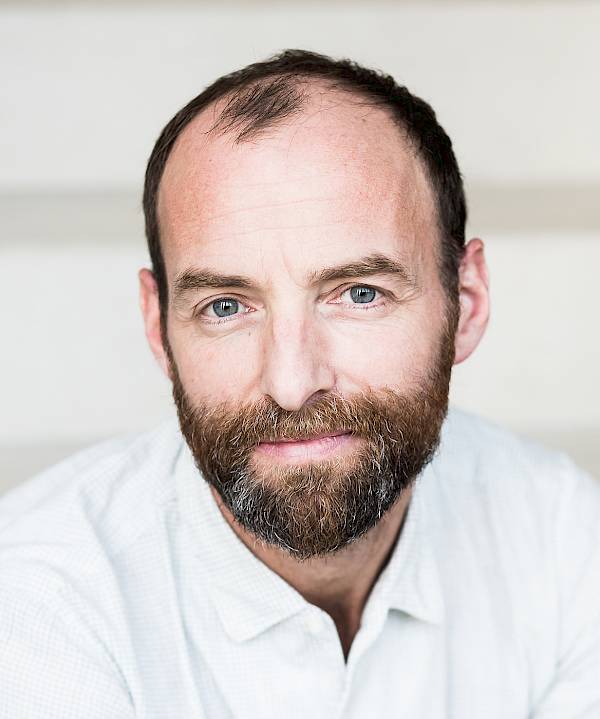
Thomas Wilhelm
Thomas Wilhelm erhielt seine Ausbildung an der Palucca Schule Dresden. Als Tänzer war er u. a. an der Dresdner Semperoper, der Oper Göteborg sowie in der Compagnie von Stephan Thoss engagiert und arbeitete am Staatstheater Hannover. Seit 2006 ist er freischaffender Choreograf. Mit dem Regisseur Christof Loy verbindet ihn eine lange Zusammenarbeit, aus der zahlreiche Inszenierungen u. a. an den Opernhäusern in Barcelona, Göteborg, Stockholm, Zürich (Alcina, Capuleti e i Montecchi), Genf, Basel, Hamburg und Frankfurt, an der Bayerischen Staatsoper, der Deutschen Oper Berlin und dem Royal Opera House London hervorgingen. Peter Grimes am Theater an der Wien wurde mit dem International Opera Award als beste Neuproduktion des Jahres 2015 ausgezeichnet. Bei den Salzburger Festspielen war Thomas Wilhelm Choreograf in Loys Inszenierungen von Theodora (2009) und Die Frau ohne Schatten (2011) sowie in Shirin Neshats Inszenierung von Aida (2017). Er arbeitet ausserdem regelmässig mit Nadja Loschky zusammen, u. a. für L’incoronazione di Poppea, La traviata und Death in Venice am Theater Bielefeld sowie für Hamlet an der Komischen Oper Berlin, und übernahm die Choreografie in bisher zahlreichen Inszenierungen von Amélie Niermeyer. Bei den Salzburger Festspielen entstand 2019 mit Alcina die erste Zusammenarbeit mit Damiano Michieletto, welche sie mit Salome an der Scala in Mailand, mit Giulio Cesare in Egitto am Théâtre des Champs-Elysées, mit Orfeo ed Euridice an der Komischen Oper Berlin, mit Le Baruffe am Teatro la Fenice und mit der Uraufführung von Raskatovs Animal Farm in Amsterdam fortsetzten. Am Opernhaus Zürich choreografierte er zudem für Sebastian Baumgarten bei Belshazzar.
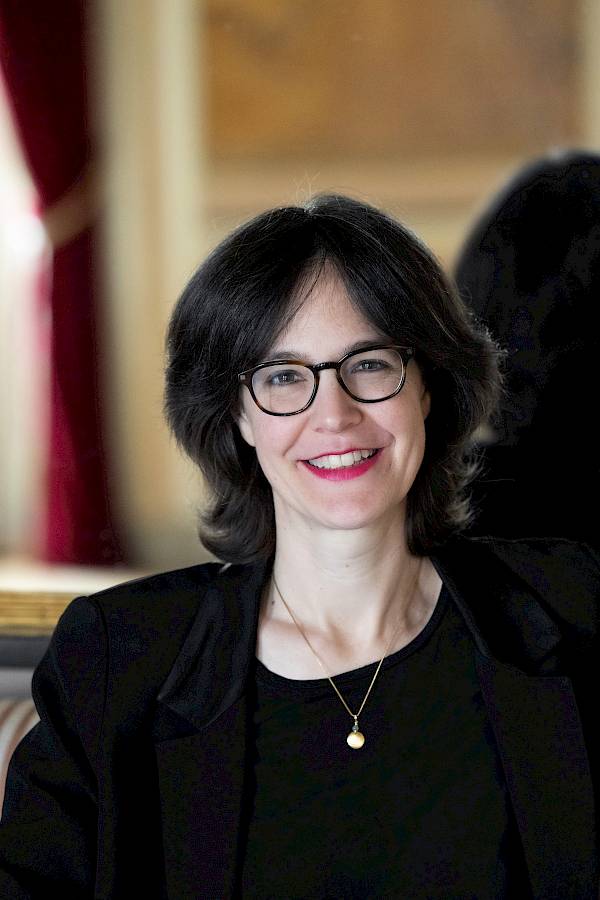
Kathrin Brunner
Kathrin Brunner was born in Zurich. She studied German, Musicology, and French in her hometown and at the Humboldt University in Berlin. After various assistant directorships (including "The Threepenny Opera" at the Lucerne Theater, directed by Vera Nemirova) and dramaturgy internships, she has been a dramaturge at the Zurich Opera House since 2008. There, she has worked with directors such as Achim Freyer ("Moses und Aron"), Harry Kupfer ("Die Meistersinger von Nürnberg", "Tannhäuser"), Stephan Müller, Guy Joosten, Damiano Michieletto, Christof Loy ("La straniera", "Alcina", "I Capuleti e i Montecchi", "Don Pasquale", "La rondine"), Willy Decker ("Il ritorno d’Ulisse in patria", "The Turn of the Screw"), Andreas Homoki ("Wozzeck", "Das Land des Lächelns", "La forza del destino"), Christoph Marthaler ("Il viaggio a Reims", "Orphée et Euridice"), Barrie Kosky ("Die Gezeichneten", "Boris Godunov"), Nadja Loschky, Nina Russi, Jan Essinger, and Jetske Mijnssen ("Idomeneo", "Hippolyte et Aricie", "Platée").
At the 2012 Salzburg Festival, she worked on "La bohème" with Damiano Michieletto. During the COVID-19 pandemic, she co-founded the concert series "Altchemie live" at the Alte Chemie in Uetikon. In 2025, she served as dramaturge for Jetske Mijnssen’s production of Francesco Cavalli’s "La Calisto" at the Festival d’Aix-en-Provence.
Cast


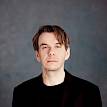
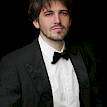
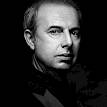
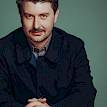

Der Kellner Yannick Bosc
Ermonela Jaho
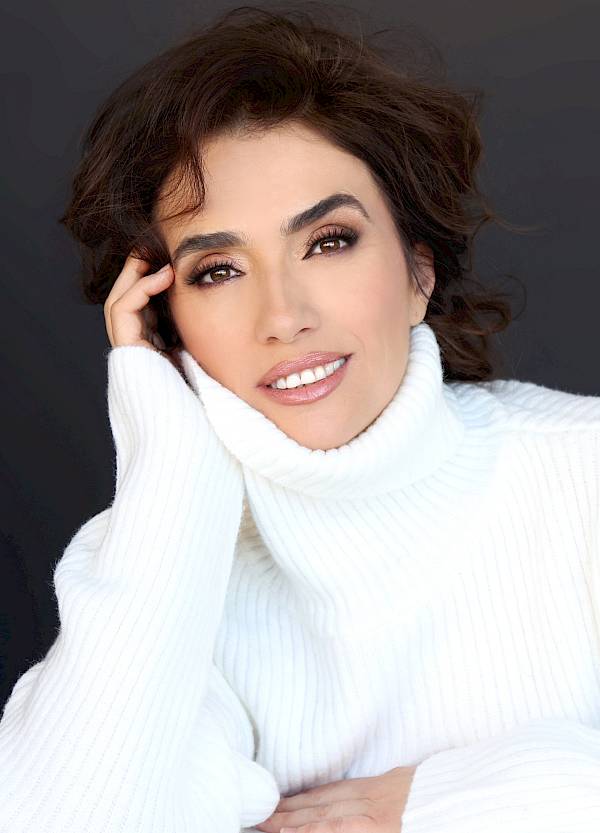
Ermonela Jaho was born in Albania and studied singing at the Conservatory of Tirana as well as at the Accademia Nazionale di Santa Cecilia in Rome. Her repertoire includes, among others, Violetta, Cio-Cio-San, Suor Angelica, Adriana Lecouvreur, Anna Bolena, Thaïs, and Luisa Miller – roles with which she has performed at venues such as the Royal Opera House in London, the Metropolitan Opera in New York, the Bavarian State Opera, the Gran Teatre del Liceu, the Teatro alla Scala in Milan, the Opéra national de Paris, the Vienna State Opera, the Teatro Real in Madrid, the Teatro Colón in Buenos Aires, and the Arena di Verona. Recently, she won the International Classical Music Award for Vocal Music and was appointed Chevalier de l’Ordre des Arts et des Lettres in France. In addition, she was named Artist of the Year at the 2023 International Classical Music Awards, Best Singer at the 2024 German Oper! Awards, and Best Foreign Artist at the 2024 Spanish Opera XXI Awards. She is an Artistic Ambassador of Opera Rara and Opera for Peace, as well as a member of the Academy of Sciences of Albania. Under the label Opera Rara, she most recently released a recording of Puccini’s "La rondine" as well as two albums in 2024 featuring French and Italian songs by Donizetti.
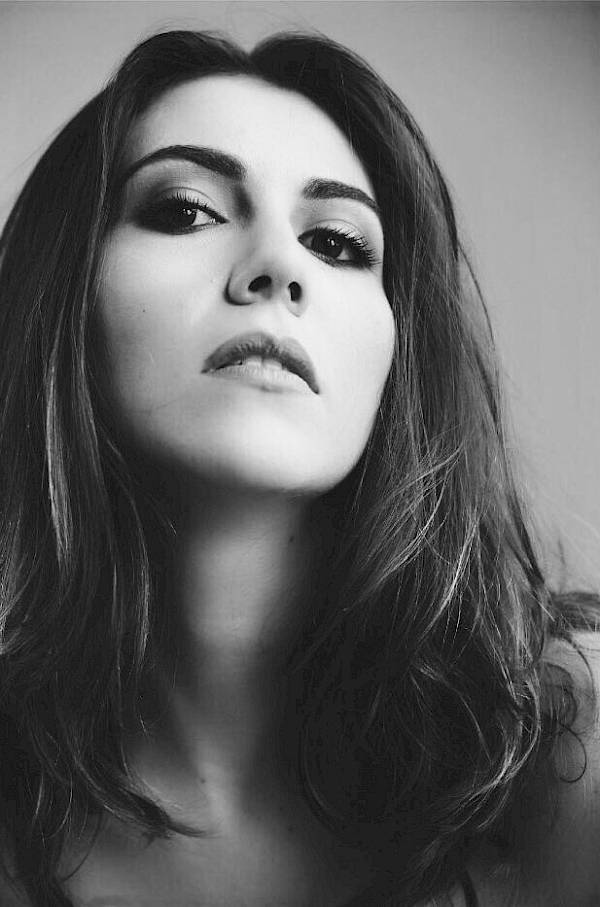
Sandra Hamaoui
The French-American soprano Sandra Hamaoui studied at the Conservatory in San Francisco and at the Juilliard School in New York. She is a prizewinner of numerous competitions; among others, she was a semifinalist at the Metropolitan Opera National Council Auditions and won first prize at the New England Regional Finals, the West Bay Opera League Competition, and the Mary Trueman Vocal Competition. Whilst still a student, she sang the title role in Gounod’s "Roméo et Juliette" with the Canadian Vocal Arts Institute as well as Adina in "L’elisir d’amore" with the San Francisco Conservatory of Music at the Kennedy Center. In the 2017/18 season, she was a member of the ensemble at the Deutsche Oper Berlin, where she sang, among others, Ninetta in "Die Liebe zu den drei Orangen" and Pamina in "Die Zauberflöte". As a member of the ensemble at the Zurich Opera House, she appeared, among others, as Susanna in "Le nozze di Figaro", Gilda in "Rigoletto", Nanetta in "Falstaff", Gretel in "Hänsel und Gretel", and Lisette in "La rondine". Her recent engagements include the title role in "Roméo et Juliette" with the Orchestre de Chambre de Genève, Leïla in "Les pêcheurs de perles" at the Théâtre des Champs-Élysées, as well as the opening of the 2024/25 season at the Hamburg State Opera with the leading role in "Trionfi" under Kent Nagano.
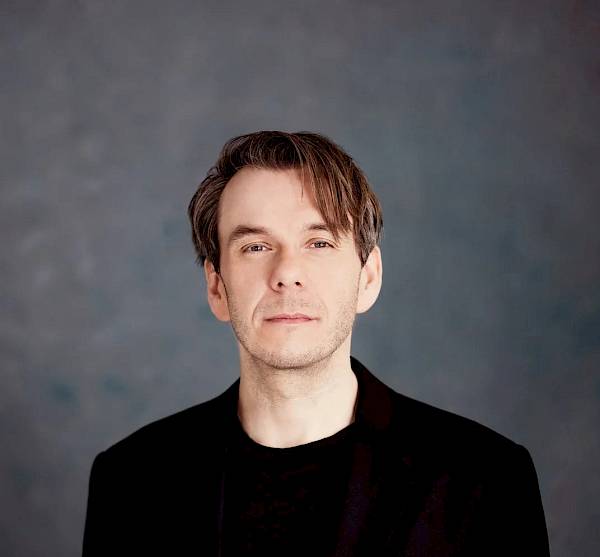
Benjamin Bernheim
Benjamin Bernheim studied with Gary Magby in Lausanne and was a member of the International Opera Studio as well as of the ensemble at the Zürich Opera House. The French tenor has meanwhile established himself as a regular guest at the most renowned stages, including at the Opéra national de Paris, at the Vienna State Opera, at the Staatsoper Unter den Linden and at the Royal Opera House Covent Garden, where he sings leading tenor roles of the romantic repertoire. He performed at the closing ceremony of the 2024 Olympic Games in Paris as well as at the reopening of Notre-Dame de Paris in December 2024. He has been honored, among others, at the Victoires de la Musique as Opera Singer of the Year, by the Syndicat professionnel de la critique as Musical Personality of the Year, and most recently at Opus Klassik 2025 as Singer of the Year. His discography includes several albums, including his debut album, which was awarded a Diapason d’Or and a Choc de Classica, "Douce France: Mélodies & Chansons" as well as the 2022 release "Boulevard des Italiens". Highlights of his career include the title roles in "Les contes d’Hoffmann" and "Faust", Rodolfo in "La bohème", Des Grieux in "Manon" and Edgardo in "Lucia di Lammermoor".
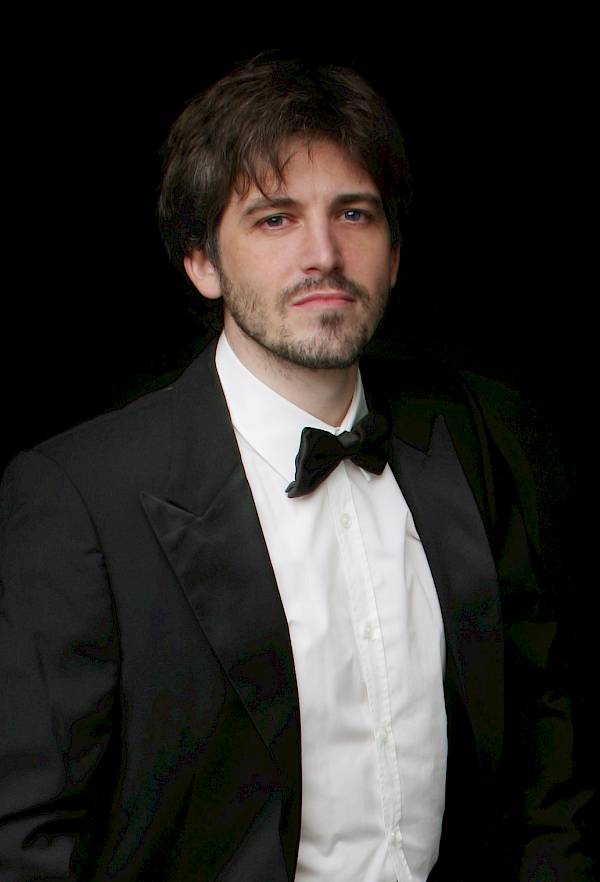
Juan Francisco Gatell
Juan Francisco Gatell wurde in La Plata, Argentinien, geboren und begann seine musikalische Ausbildung am Konservatorium seiner Heimatstadt, bevor er nach Spanien zog und dort sein Studium am Konservatorium in Madrid abschloss. 2004 gewann er den Caruso-Award, 2005 den ersten Preis beim Concorso Città di Pistoria und 2006 den ersten Preis beim ASLICO-Wettbewerb für seinen Don Ottavio in Don Giovanni. Einladungen führten ihn seither an die grossen Opern- und Konzertbühnen in Europa, Nord- und Südamerika. Höhepunkte seiner bisherigen Karriere waren seine Debüts als Alessandro Magno in Il re pastore und als Tom Rakewell in The Rake’s Progress am La Fenice in Venedig, Demetrio in Rossinis Demetrio e Polibio und Almaviva (Il barbiere di Siviglia) beim Rossini Festival in Pesaro, Almaviva am Royal Opera House Muscat im Oman, in Buenos Aires und in Wien sowie Fenton (Falstaff) in Lyon und Aix-en-Provence. Don Ottavio sang er u.a. an der Scala in Mailand, in Washington und Tokio sowie Ferrando (Così fan tutte) in Madrid, Florenz und Brüssel. Die Spielzeit 2023/24 führt ihn mit L’elisir d’amore nach Bologna, mit Die Zauberflöte nach Rom, Don Pasquale nach Tokyo und in der Titelrolle der Oper Tenorio (Tomás Marco, szenische Uraufführung) nach Madrid.
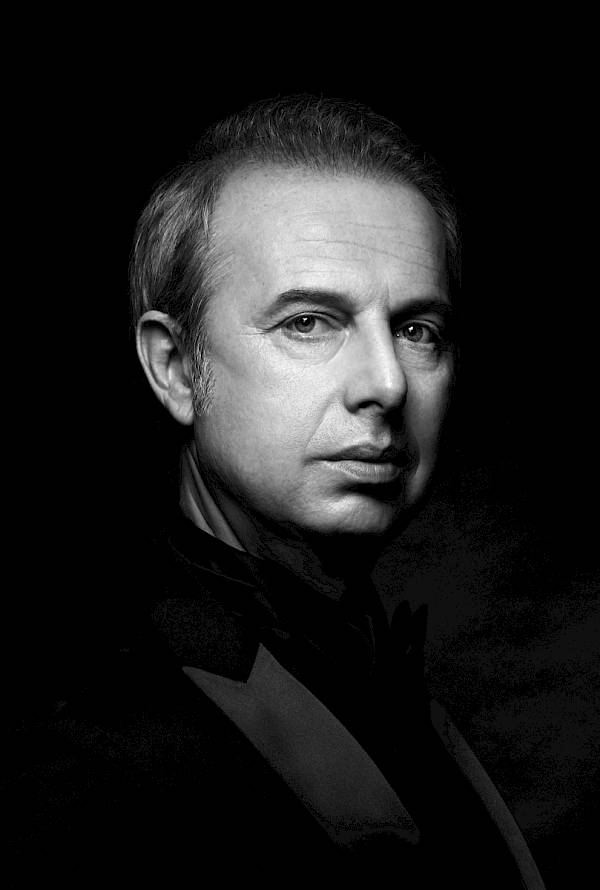
Vladimir Stoyanov
Vladimir Stoyanov wurde in Pernik, Bulgarien geboren und studierte Gesang an der Musikakademie in Sofia sowie in Rom und an der Accademia della Scala in Mailand. Zunächst war er für drei Jahre Ensemblemitglied an der Oper in Plovdiv, seit 1999 ist er als freischaffender Künstler tätig. 1998 debütierte er mit der Titelpartie in Macbeth am Teatro San Carlo in Neapel und gastiert seither er an zahlreichen renommierten Opernhäusern weltweit, der Scala in Mailand, der Staatsoper Berlin, der Deutschen Oper Berlin, der Wiener Staatsoper, der Metropolitan Opera in New York, dem Royal Opera House London, der Bayerischen Staatsoper, dem New National Theatre Tokyo, dem Teatre del Liceu Barcelona, am Bolschoi in Moskau, der Opéra in Paris, dem Teatro Real Madrid und den Opernhäusern in Neapel, Parma und Rom. Sein Repertoire umfasst Partien wie die Titelpartie in Rigoletto, Jago (Otello), Scarpia (Tosca), Conte di Luna (Il trovatore), Don Carlo (Ernani), Rodrigo (Don Carlo) und Jeletzki (Pique Dame). In der Spielzeit 2023/24 singt er Nabucco in Parma, Rambaldo Fernandez (La rondine) in Zürich und Turin, Sharpless (Madama Butterfly) in Genua, Simon Boccanegra in Helsinki sowie Jago (Otello) in Rom.
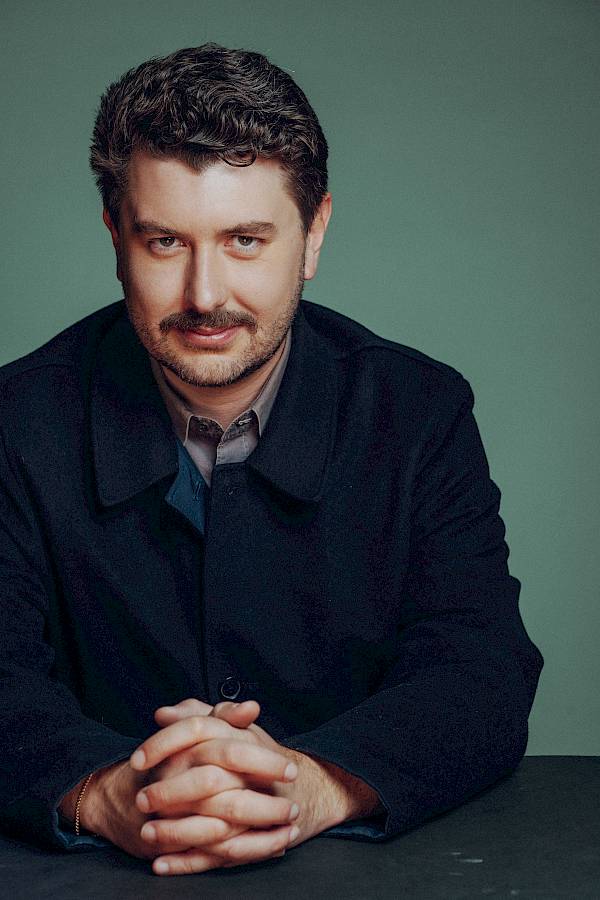
Andrew Moore
Andrew Moore, an American bass-baritone from New Jersey, received his training at Rutgers University (Mason Gross School of the Arts) and at the renowned Curtis Institute of Music in Philadelphia. In 2019, he reached the New England Region Finals of the Metropolitan Opera National Council Auditions, where he was awarded the Susan Eastman Encouragement Award. Further important artistic milestones included the Merola Opera Program in San Francisco as well as the Santa Fe Opera, where he appeared as an Apprentice Singer in "La bohème", "Così fan tutte", and "Jenůfa". From 2020 to 2022, he was a member of the International Opera Studio at the Zurich Opera House. He was subsequently engaged in the company ensemble, which he has belonged to since the 2022/23 season. There, he has appeared as Figaro ("Le nozze di Figaro"), Paolo Albiani ("Simon Boccanegra"), Don Fernando ("Fidelio"), De Brétigny ("Manon"), Marullo ("Rigoletto"), Paris ("Roméo et Juliette"), Marchese d’Obigny ("La traviata"), Pritschitsch ("Die lustige Witwe"), Johann ("Werther"), and Fix ("In 80 Tagen um die Welt"). His recent international engagements include his debut with the Warsaw Philharmonic as bass soloist in Beethoven’s Symphony No. 9 as well as his Salzburg debut as Marchese d’Obigny ("La traviata"). In summer 2026, he will appear at the Salzburg Festival as Johann ("Werther"). His repertoire also includes roles such as Leporello ("Don Giovanni"), Guglielmo ("Così fan tutte"), and Rocco ("Fidelio").
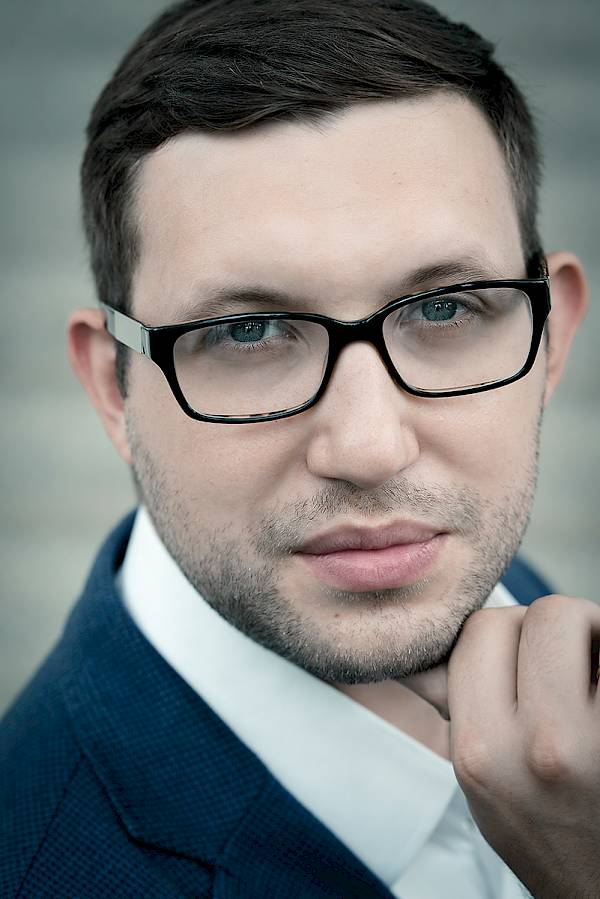
Stanislav Vorobyov
Stanislav Vorobyov is from Russia and studied at the Moscow Conservatory. He was a member of the International Opera Studio and has been a member of the ensemble at the Zurich Opera House since the 2018/19 season. Here, he has appeared in roles including Colline ("La bohème"), Alidoro ("La Cenerentola"), the High Priest ("Nabucco"), Reinmar von Zweter ("Tannhäuser"), Zaretsky ("Eugene Onegin"), Angelotti ("Tosca"), the Fifth Jew and First Nazarene ("Salome"), Lord Rochefort ("Anna Bolena"), Dottor Grenvil ("La traviata"), Crébillon ("La rondine"), Zuniga ("Carmen"), Roberto ("I vespri siciliani"), Roucher ("Andrea Chénier"), Marchese Calatrava ("La forza del destino"), Tom ("Un ballo in maschera"), as well as Faust ("Der feurige Engel") and Méphistophélès ("La Damnation de Faust"). Guest engagements have taken him to the Bregenz Festival as Don Basilio in "Il barbiere di Siviglia", Uncle Bonzo in "Madama Butterfly", and Il capitano/L’ispettore in Giordano’s "Siberia", to Opera Ballet Vlaanderen and Luxembourg as Nourabad in "Les Pêcheurs de perles", to the Concertgebouw Amsterdam as Ombra di Nino in "Semiramide", and in 2024 as Colline in "La bohème" at the Tokyo Metropolitan Theatre and the ROHM Theatre Kyōto.
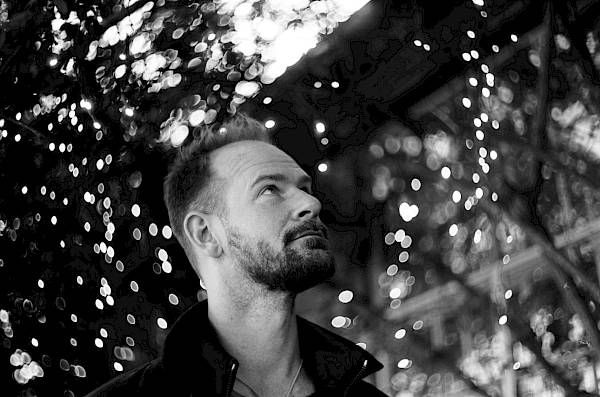
Steven Whiting
Steven Anthony Whiting was born in Vienna, studied theatre studies at the University of Manchester, and subsequently completed a Master’s degree in directing at Toi Whakaari: New Zealand Drama School. In New Zealand, he worked for the New Zealand Opera Company for ten years before relocating to Europe in 2012. As a director, he has staged productions for New Zealand Opera, the Bregenz Festival, the Berlin Opera Academy, and Vocalforum Graz. With OPERA/FABULA, he was responsible as producer and director for several site-specific music theatre works. He has also worked as an assistant to renowned directors in the United Kingdom The Royal Opera House, Glyndebourne, English National Opera, and Opera North, Germany Deutsche Oper Berlin and Cologne Opera, and Austria Vienna State Opera and the Bregenz Festival, including Stefan Herheim, Sir Nicholas Hytner, Simon Stone, Marco Marelli, Philipp Stölzl, Tatjana Gürbaca, and Fiona Shaw. Since 2022, he has been engaged as an assistant director and stage manager at the Zurich Opera House.
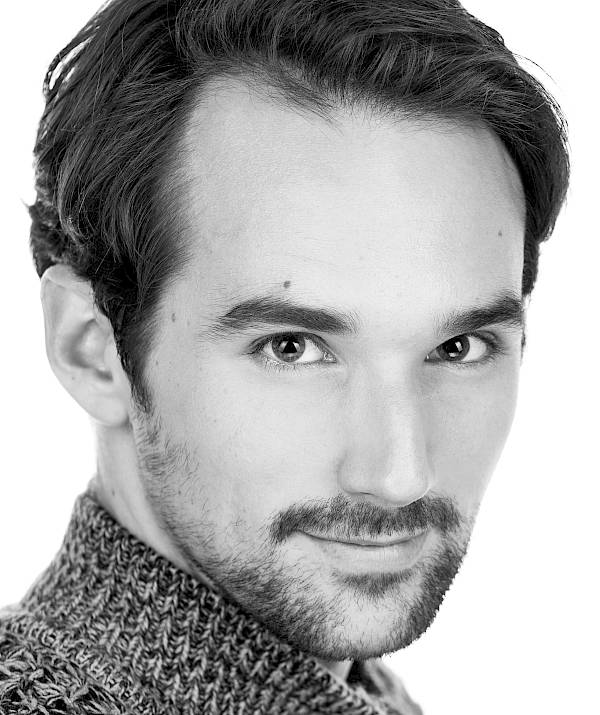
Nathan Haller
Nathan Haller is from Canada and studied voice at the Juilliard School in New York. In 2013, he participated in the International Meistersinger Academy in Neumarkt. From 2015 to 2017, he was a member of the OperAvenir Studio at Theater Basel, where he sang roles such as Tamino ("The Magic Flute"), Romeo ("Romeo and Juliet"), and Oronte ("Alcina"). In 2016, he appeared as Belmonte ("The Abduction from the Seraglio") at the Akko Opera Festival in Israel, and in 2017/18 as François in Leonard Bernstein’s "A Quiet Place" at Neue Oper Wien. Further engagements took him to the Bavarian State Opera in Munich, Teatro Massimo di Palermo, Vienna Volksoper, the Malmö Opera, and Deutsche Oper am Rhein. On the concert stage, he performed at the New York Festival of Song at Carnegie Hall and in Handel’s "La Resurrezione" with William Christie. He made his debut at the Zurich Opera House in 2018 in Schreker’s "Die Gezeichneten" and returned the following year as Albazar ("Il turco in Italia") as well as later in the title role of Mitterer’s "Tapferen Schneiderlein". Since the 2021/22 season, Nathan Haller has been a member of the Zurich Opera House ensemble. Here, he has recently sung roles including Mercure in Rameau’s "Platée", Gobin/Un giovane/Adolfo in Puccini’s "La rondine", Boni ("Die Csárdásfürstin"), Pong ("Turandot"), a Dance Master ("Ariadne auf Naxos"), as well as Andrès in "Les Contes d’Hoffmann", First Jew ("Salome"), Victorin ("Die tote Stadt"), Raoul de St. Brioche ("Die lustige Witwe"), Goro ("Madama Butterfly"), Valzacchi ("Der Rosenkavalier"), and Dr. Blind ("Die Fledermaus").
Stanislav Vorobyov
Stanislav Vorobyov is from Russia and studied at the Moscow Conservatory. He was a member of the International Opera Studio and has been a member of the ensemble at the Zurich Opera House since the 2018/19 season. Here, he has appeared in roles including Colline ("La bohème"), Alidoro ("La Cenerentola"), the High Priest ("Nabucco"), Reinmar von Zweter ("Tannhäuser"), Zaretsky ("Eugene Onegin"), Angelotti ("Tosca"), the Fifth Jew and First Nazarene ("Salome"), Lord Rochefort ("Anna Bolena"), Dottor Grenvil ("La traviata"), Crébillon ("La rondine"), Zuniga ("Carmen"), Roberto ("I vespri siciliani"), Roucher ("Andrea Chénier"), Marchese Calatrava ("La forza del destino"), Tom ("Un ballo in maschera"), as well as Faust ("Der feurige Engel") and Méphistophélès ("La Damnation de Faust"). Guest engagements have taken him to the Bregenz Festival as Don Basilio in "Il barbiere di Siviglia", Uncle Bonzo in "Madama Butterfly", and Il capitano/L’ispettore in Giordano’s "Siberia", to Opera Ballet Vlaanderen and Luxembourg as Nourabad in "Les Pêcheurs de perles", to the Concertgebouw Amsterdam as Ombra di Nino in "Semiramide", and in 2024 as Colline in "La bohème" at the Tokyo Metropolitan Theatre and the ROHM Theatre Kyōto.
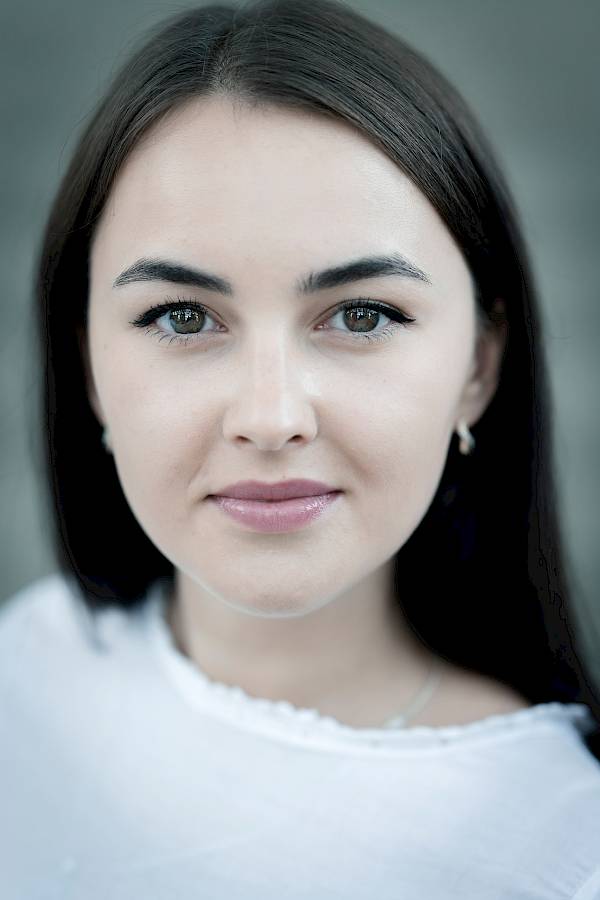
Yuliia Zasimova
Yuliia Zasimova wurde in der Ukraine geboren. Sie studierte an der Tschaikovsky National Music Academy in Kiev, wo sie ihr Gesangsstudium 2016 abschloss. Während ihres Studiums war sie Mitglied des Opernstudios der Akademie und war dort als Amor in Orfeo ed Euridice und als Marfa in Rimski-Korsakows Die Zarenbraut zu erleben. 2017 nahm sie am Wettbewerb «Neue Stimmen» teil und war im gleichen Jahr Halbfinalistin beim «Le Grand Prix de L’Opéra» Gesangswettbewerb in Bukarest. 2018 war sie Preisträgerin beim internationalen Byulbyul Wettbewerb in Baku, Aserbaidschan, und debütierte im gleichen Jahr beim LvivMozArt Festival in der Ukraine als Aretea in Dmytro Bortnianskyis Alcide. Von 2018 bis 2020 war sie Mitglied des Internationalen Opernstudios Zürich. Hier war sie in Hänsel und Gretel, Rigoletto, Manon, Le nozze di Figaro, Elektra und Coraline zu hören. 2022 war sie als Solistin in Vivaldis L’olimpiade in der Moskauer Philharmonie und der Tschaikovsky Concert Hall Moskau zu hören, gab ein Konzert in Turin mit dem Orchestra Teatro Regio und war in Zürich als Anna in Nabucco zu erleben. In der Spielzeit 2023/24 gibt sie als 1. Dame in der Zauberflöte ihr Debüt an der Bayerischen Staatsoper.
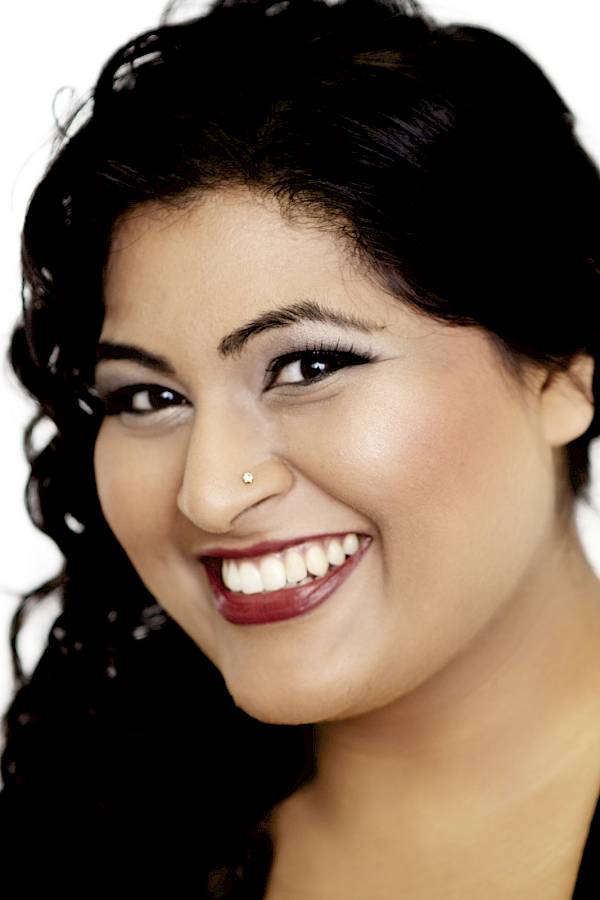
Meeta Raval
Meeta Raval stammt aus Grossbritannien und studierte an der Guildhall School of Music & Drama in London. Nach ihrem Studium war sie Mitglied des National Opera Studios in London. Sie gewann 2011 den Dame Eva Turner Prize und war Finalistin beim BBC Cardiff Singer of the World Wettbewerb. Gastengagements führten sie seither u.a. als Liù in Turandot zum Dalhalla Festival in Schweden, als Ortlinde in Die Walküre an die Opera North, als erstes Blumenmädchen in Parsifal an die English National Opera, als Micaëla in Carmen nach Banff, Kanada, sowie als Magda in La rondine zur British Youth Opera. Für diese Interpretation wurde sie mit dem Basil Turner Prize ausgezeichnet. Auf der Konzertbühne war sie als Solistin in Bachs h-Moll-Messe, in der Johannespassion, in Brahms Ein Deutsches Requiem und Bruckners Te Deum zu erleben. Im Londoner Barbican Center debütierte sie ausserdem in einer Puccini Gala. Jüngst gastierte sie als Nedda (Pagliacci), Kadra in Will Todds Migrations, Donna Elvira (Don Giovanni) und Cio-Cio-San (Madama Butterfly) an der Welsh National Opera, als Cio-Cio-San am Glyndbourne Festival und an der English National Opera, als Leonora (Il trovatore) an der Ópera in Oviedo sowie als Donna Anna (Don Giovanni) an der Opera North.
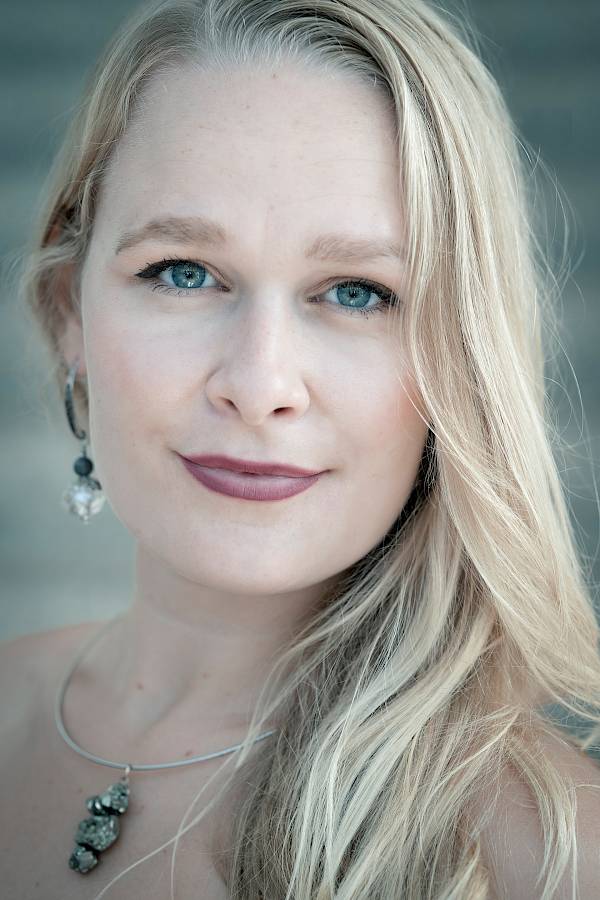
Siena Licht Miller
Siena Licht Miller, German-American mezzo-soprano, studied voice at the Curtis Institute of Music and at the Oberlin Conservatory of Music. She completed her training with courses at Opera Philadelphia, Santa Fe Opera, Opera Theatre of St. Louis and the Aspen Music Festival. She is a scholarship holder of the Bagby Foundation, prizewinner of the Metropolitan Opera National Council Auditions, the Marilyn Horne Rubin Foundation and the Gerda Lissner Foundation. Highlights of her career so far have been role debuts as Hermia in "A Midsummer Night’s Dream", Second Lady in "Die Zauberflöte" and one of the two solo roles in the world premiere of "Denis and Katya" by Philip Venables at Opera Philadelphia. At the Aspen Opera Center she sang the title role in Ravel’s "L’Enfant et les sortilèges" under the direction of Robert Spano. She also regularly devotes herself to art song. She sang in the "The Song Continues" series at Carnegie Hall in celebration of her mentor Marilyn Horne and toured the USA with a recital together with pianist Kevin Murphy. In the 2020/21 season she was a member of the International Opera Studio at the Zurich Opera House and sang there in "Maria Stuarda", "Simon Boccanegra", "Viva la mamma", "Salome", "Odyssee", in the ballet "Monteverdi", in "L’italiana in Algeri" as well as Flosshilde in "Das Rheingold". Since the 2022/23 season she has been a member of the ensemble of the Zurich Opera House, where she was recently seen as Lucilla ("La scala di seta"), Hänsel ("Hänsel and Gretel") and Annio ("La clemenza di Tito").
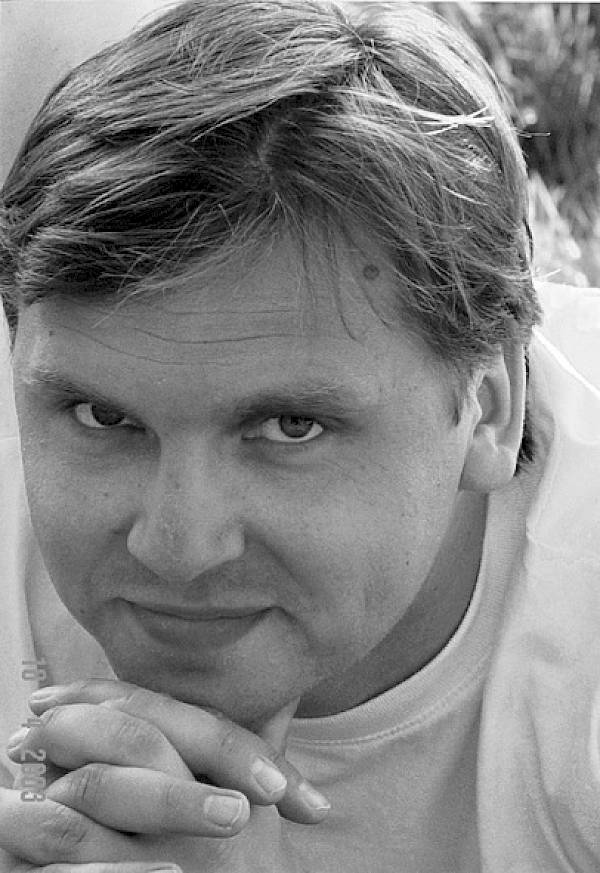
Valeriy Murga
Valeriy Murga studied at the National Music Academy of Ukraine in Kyiv. He was a finalist at both the 41st International Singing Competition in Toulouse (1996) and the 7th Julian Gayarre Competition in Pamplona (1998). In 1997, he won second prize at the Maria Callas Grand Prix in Athens and took part in the Cardiff Singer of the World competition in 1999. From 1997 to 1999, he was a soloist at the Ukrainian National Opera in Kyiv, where he performed roles including Figaro ("Le nozze di Figaro"), Escamillo ("Carmen"), Schaunard ("La bohème"), and the title roles in "Eugene Onegin", "Don Giovanni", and "Prince Igor". His repertoire also includes roles such as Marchese di Posa ("Don Carlo") and Shaklovity ("Khovanshchina"). At the Zurich Opera House, he first joined the International Opera Studio and during this time appeared as Sciarrone and Jailer ("Tosca") as well as Monterone ("Rigoletto"). Since the beginning of the 2000/01 season, he has been a permanent ensemble member at the Zurich Opera House and has since appeared in roles including Prince Yeletsky ("Pique Dame"), Moralès ("Carmen"), Second Soldier ("Salome"), Alessio ("La sonnambula"), Ali ("L’italiana in Algeri"), Wagner ("Faust"), Sacristan ("Tosca"), and Bogdanowitsch ("Die lustige Witwe"), as well as in family operas such as "Das Gespenst von Canterville", "Robin Hood", "Das verzauberte Schwein", "Jim Knopf", and "Wir pfeiffen auf den Gurkenkönig". He has also appeared as a guest in Eugen d’Albert’s "Tiefland" at the Gran Teatre del Liceu in Barcelona and in "L’italiana in Algeri" at the Staatsoper Unter den Linden in Berlin, and has performed in concerts at the Tonhalle Zurich.
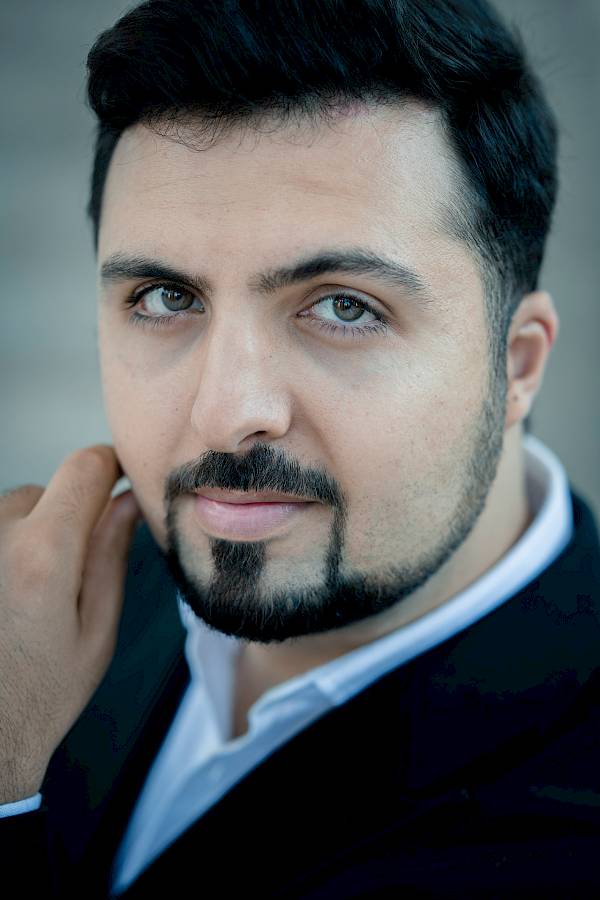
Amin Ahangaran
Amin Ahangaran, bass, was born in Iran. He completed his artistic training at the Tehran Conservatory of Music as well as in Graz. From 2020 to 2022, he was a member of the Young Artist Program at the Teatro del Maggio Musicale Fiorentino, where he appeared in the productions "Rigoletto", "Siberia", and "Ariadne auf Naxos". He also performed in Florence and in various concert halls in Italy as a bass soloist. In the summer of 2022, he participated in the competitions “Voci Verdiane in Busseto” (finalist), “Riccardo Zandonai” in Riva del Garda, and the “CLIP” competition in Portofino. From 2022 to 2024, he was a member of the International Opera Studio at the Zurich Opera House, where he was heard in productions including "La traviata", "Eugene Onegin", and "Viva la mamma". He then joined the ensemble of the Opéra de Paris, where he has been a member ever since. In the 2025/26 season, he will appear there, among other roles, as Dottor Grenvil in "La traviata" and in a new production of Philip Glass’s "Satyagraha". He returns to the Zurich Opera House as Brander in the concert version of "La Damnation de Faust".