
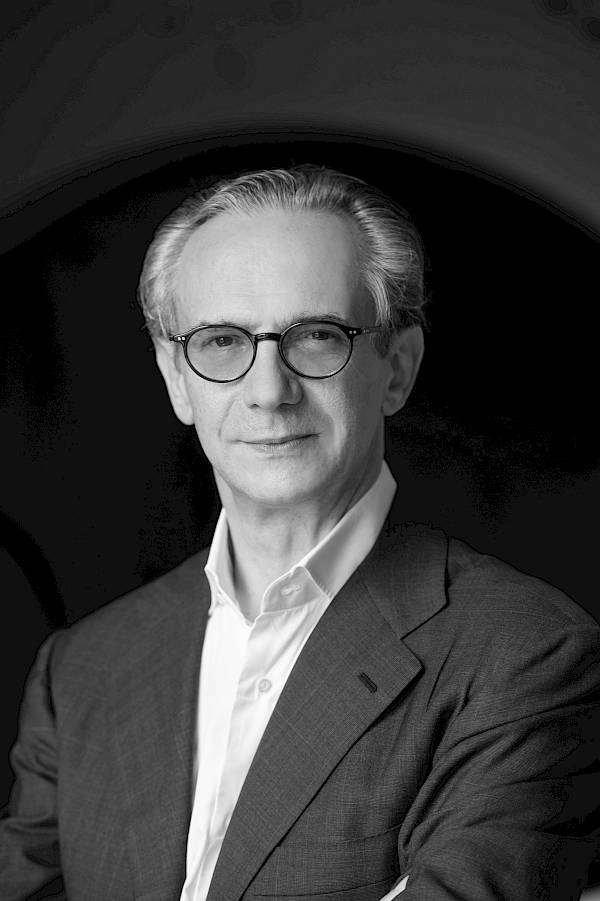
Fabio Luisi comes from Genoa. The former General Music Director of the Zurich Opera House (2012–2021) is Music Director of the Dallas Symphony Orchestra, Chief Conductor of the Danish National Symphony Orchestra, and Chief Conductor of the NHK Orchestra in Tokyo. He is also Music Director of the Valle d'Itria Festival in Apulia and Honorary Conductor of the RAI National Symphony Orchestra in Turin. Previously, he held important positions at orchestras and opera houses, including the Dresden Staatskapelle, the Vienna Symphony Orchestra, and the Metropolitan Opera in New York. He regularly appears as a guest conductor with, among others, the Bavarian Radio Symphony Orchestra, the Berlin Philharmonic, the Boston Symphony Orchestra, the Chicago Symphony Orchestra, the Cleveland Orchestra, the Czech Philharmonic, the Orchestra of La Scala in Milan, the London Symphony Orchestra, the Munich Philharmonic, the Orchestre de Paris, the Philadelphia Orchestra, the Royal Concertgebouw Orchestra, the San Francisco Symphony Orchestra, and the Vienna Philharmonic, and leads productions at the Bavarian State Opera, the Berlin State Opera, La Scala in Milan, the Salzburg Festival, and the Vienna State Opera, among others. At the Zurich Opera House, he conducted, among others, the new productions of three Bellini operas as well as "Rigoletto," "Fidelio," "Wozzeck," "The Land of Smiles," and Verdi's "Requiem Mass." An extensive discography complements his artistic work. At the Zurich Opera House, he founded the label "Philharmonia Records" of the Philharmonia Zurich (Orchestra of the Zurich Opera). Fabio Luisi, who comes from Genoa, studied at the Conservatorio Niccolò Paganini in his hometown and at the University of Music and Performing Arts in Graz, Austria. His awards include the Austrian Cross of Honour for Science and Art, the Italian Cavaliere della Repubblica Italiana, the Commendatore della Stella d’Italia, the Grifo d’Oro of Genoa, the Danish Order of the Dannebrog, and an honorary doctorate from St. Bonaventure University in New York. Off the podium, he is also a composer and perfumer, producing his creations for his own company.
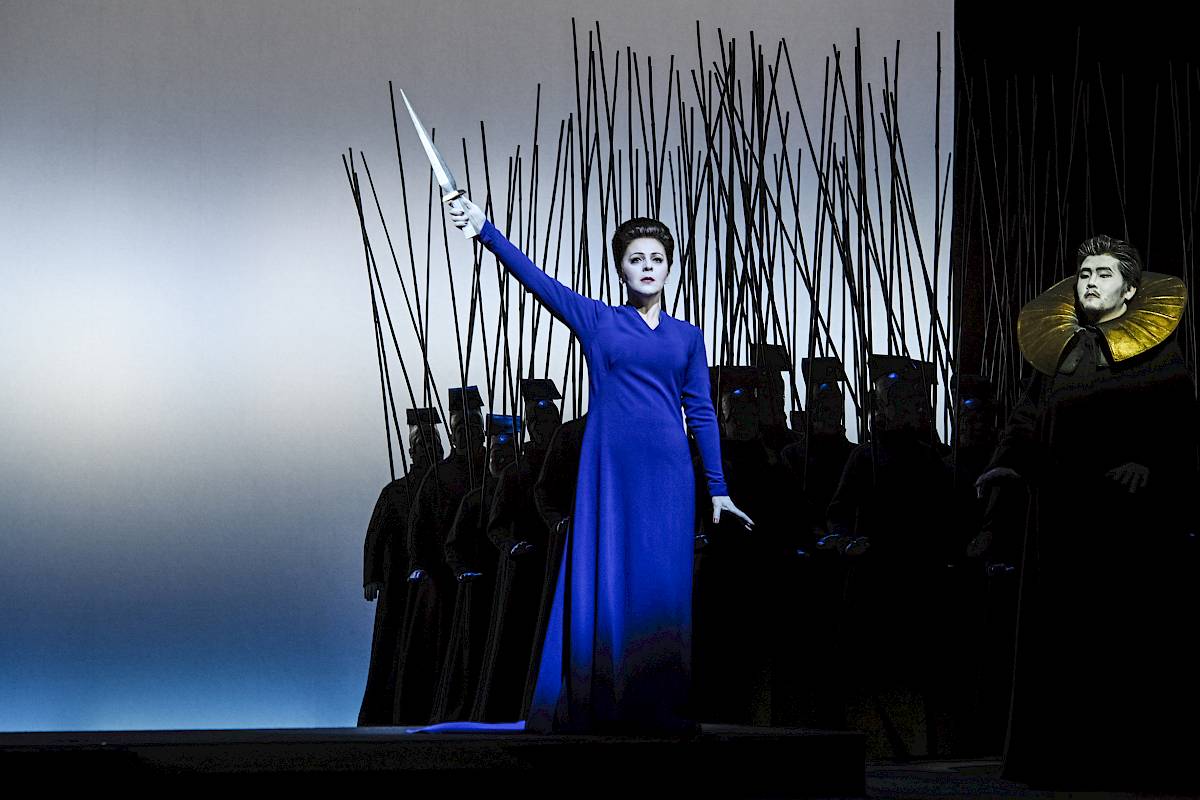
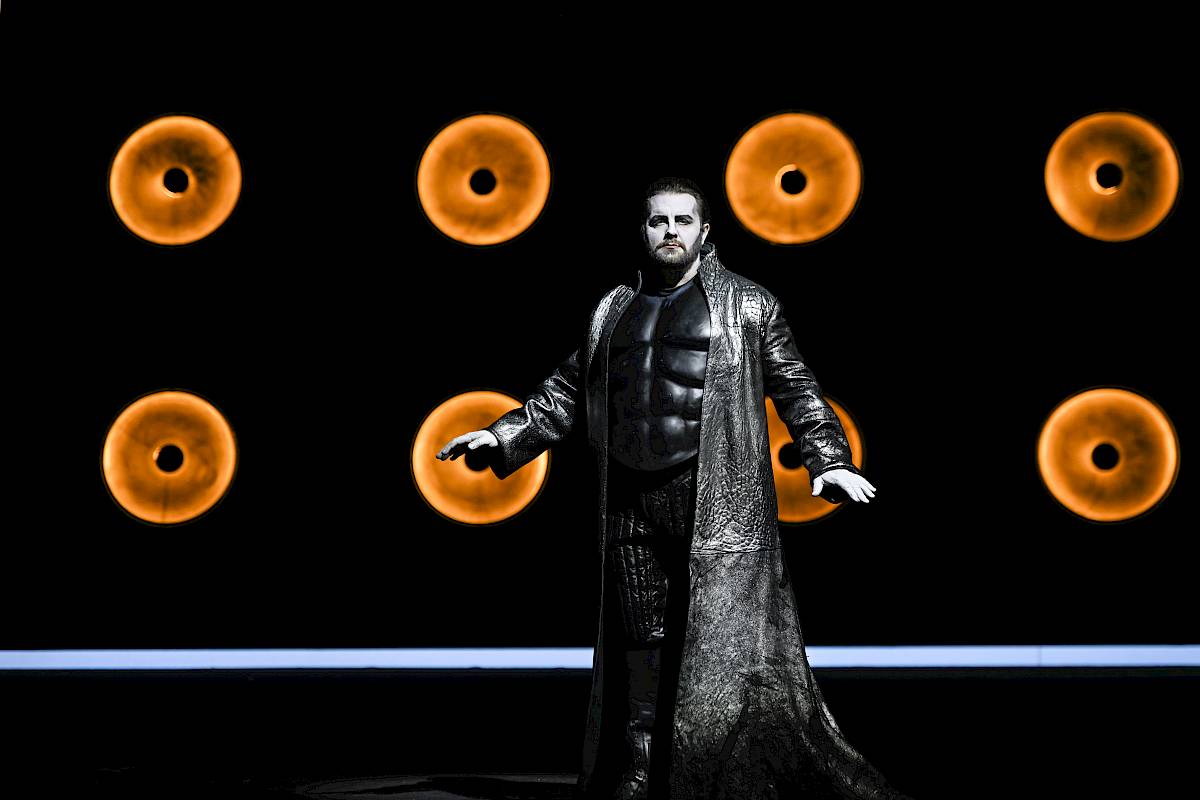
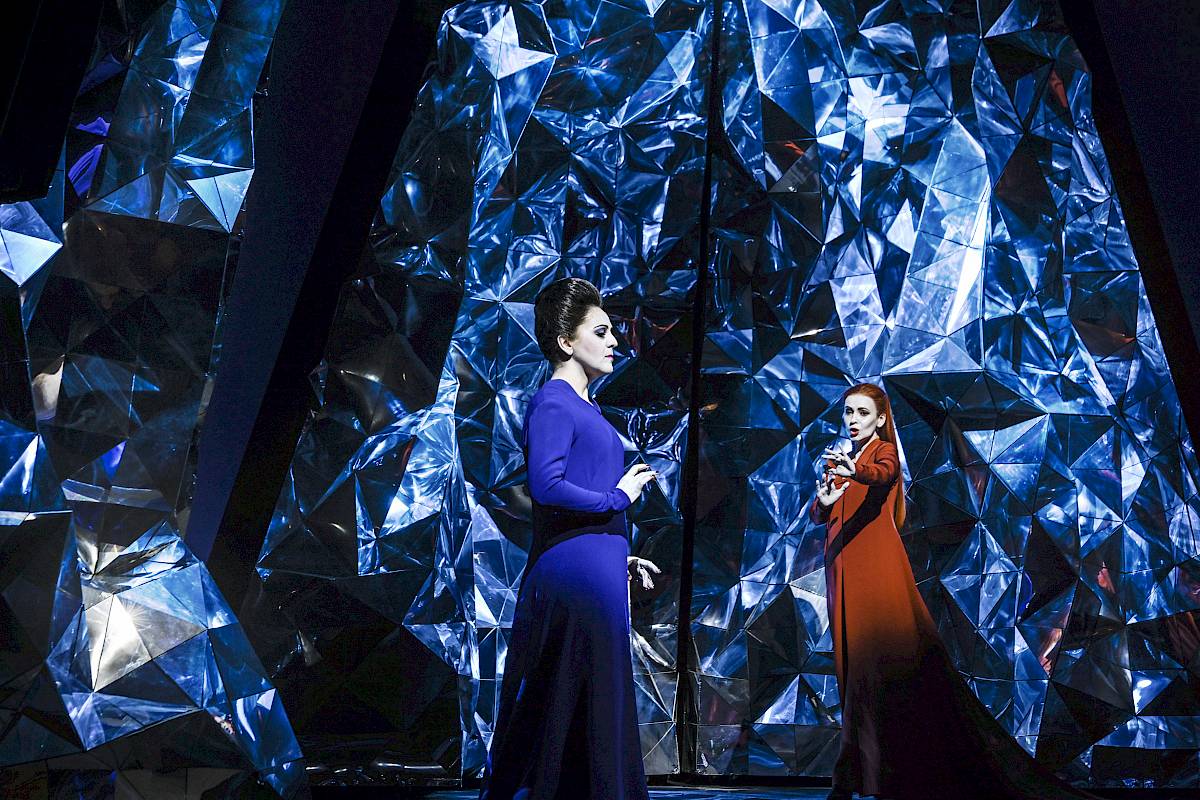
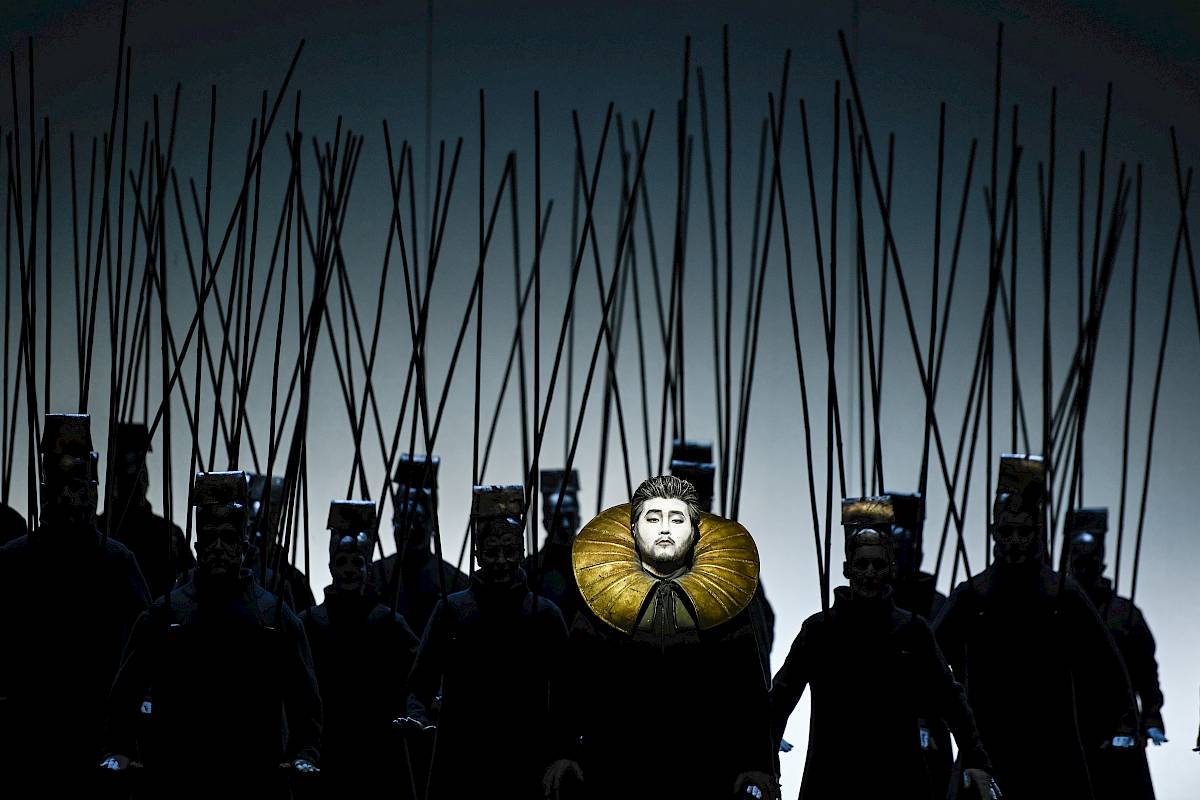
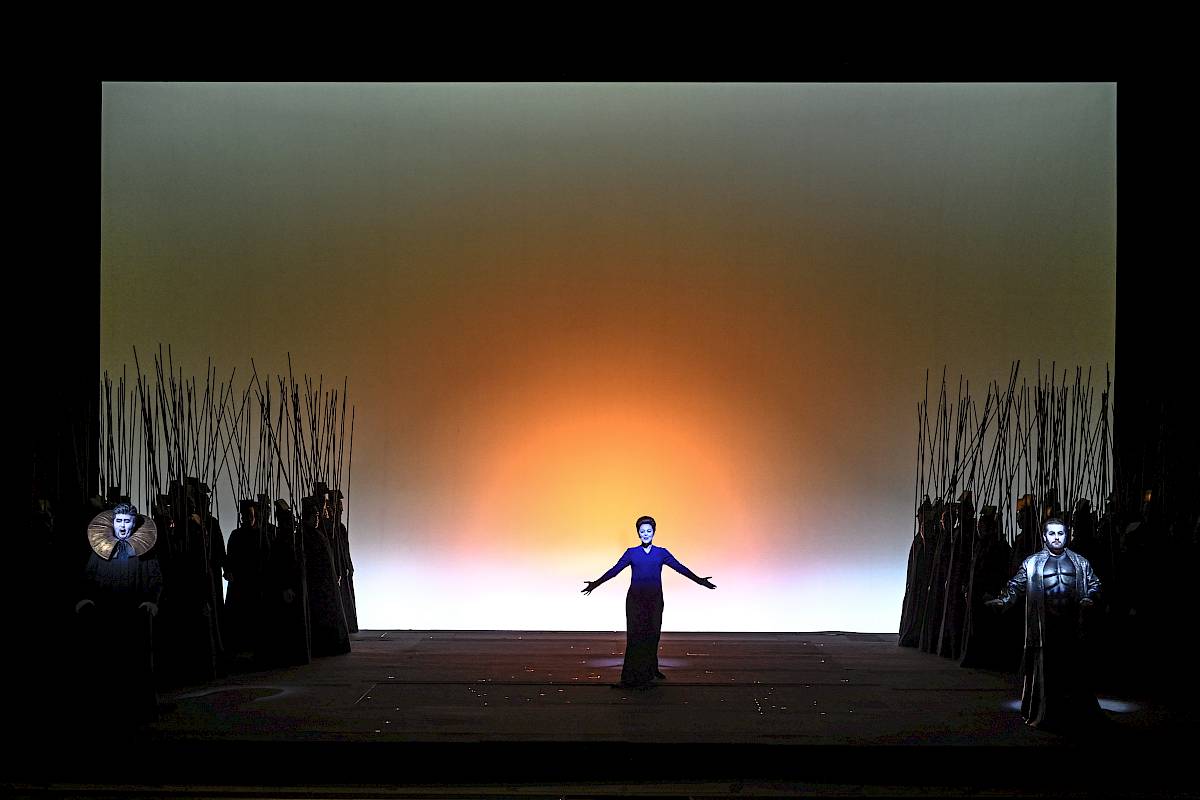
Tragedia lirica in two acts by Vincenzo Bellini (1801-1835)
Libretto by Felice Romani
after the tragedy «Norma ou L’Infanticide» by Alexandre Soumet
From 31. January 2015 until 21. February 2015
-
Duration :
3 H. 05 Min. Inkl. Pause after 1st act after approx. 1 H. 25 Min. -
Language:
In Italian with German and English surtitles. -
More information:
Introduction 45 min before the performance.
Fabio Luisi
Robert Wilson
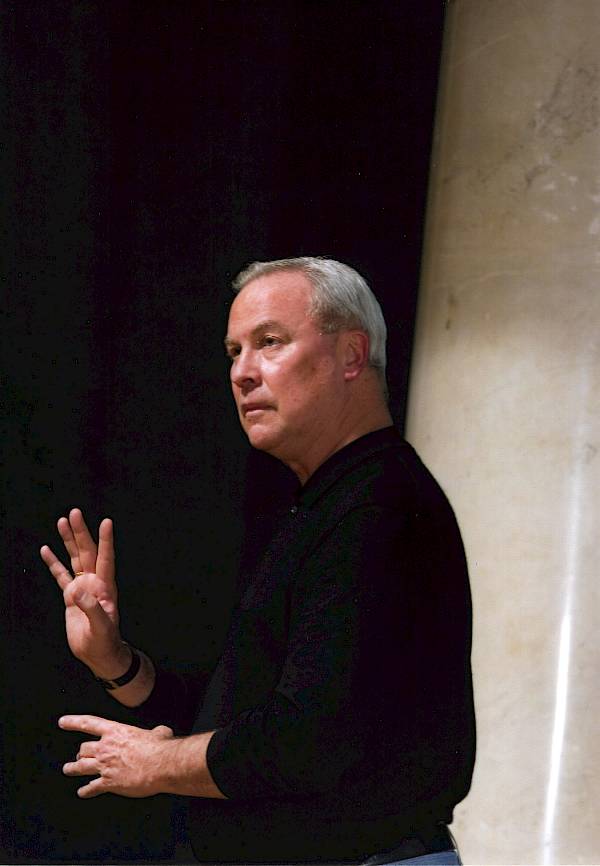
Robert Wilson wurde 1941 in Waco/Texas geboren. Nach dem Architekturstudium erregte er in den 60er Jahren Aufsehen mit ersten experimentellen Aufführungen: Baby Blood (1967), Life and Times of Sigmund Freud (1969) und Deafman Glance, einer fünfstündigen stillen Oper. Gemeinsam mit Philip Glass entstand die Oper Einstein on the Beach. Ende der 70er Jahre arbeitete Wilson erstmalig an Theatern in Deutschland: An der Berliner Schaubühne entstand Death, Destruction and Detroit (1979,1987), an den Münchner Kammerspielen Die goldenen Fenster (1982). Zwei Jahre später traf Wilson auf Heiner Müller, der am deutschsprachigen Teil von CIVILwarS mitarbeitete, einem Stück, das in fünf Orten weltweit entstand und bei den Olympischen Spielen in Los Angeles zusammengeführt wurde. Am Hamburger Thalia Theater entstand The Black Rider (1991). 2003 inszenierte er am Berliner Ensemble Leonce und Lena (Musik: H. Grönemeyer), 2007 Die Dreigroschenoper von Brecht/Weill und 2009 Sonette (Musik: Rufus Wainwright). In Zürich und am Châtelet in Paris inszenierte er Wagners Ring des Nibelungen, in Zürich ausserdem Lohengrin, an der Scala und der Pariser Oper, den Salzburger Festspielen und in Los Angeles die Opern Monteverdis. Neben fünf Einladungen zum Berliner Theatertreffen erhielt er u.a. den «Goldenen Löwen» der Biennale Venedig, den «Obie-Award» für Regie und die Nominierung zum Pulitzer-Preis für Theater. 1992 gründete Wilson das Watermill Center, eine Kultureinrichtung auf Long Island, die die Arbeit und Entwicklung von jungen Künstlern unterstützt. Zu seinen jüngeren Inszenierungen gehören u.a. Life and Death of Marina Abramovic, Faust (Berliner Ensemble), Adam’s Passion von Arvo Pärt, Edda am Norske Teatret Oslo und Pushkin’s Fairy Tales am Theater of Nations in Moskau. Geplant ist zudem u.a. Jungle Book in Zusammenarbeit mit CocoRosie in Luxembourg.
Stephanie Engeln
Stephanie Engeln stammt aus Düsseldorf. Sie studierte Innenarchitektur und Design. Seit 1985 gestaltet sie nicht nur Bühnenbilder, Kostüme und Lichtdesign in Schauspiel und Oper, sondern zeichnet auch für das Design von Ausstellungen, Museumsinstallationen und Hoteleinrichtungen verantwortlich. Seit 1989 arbeitet sie eng mit Robert Wilson zusammen, u.a. an der Metropolitan Opera New York, an der Opéra de Paris, bei den den Salzburger Festspielen, am Teatro Real Madrid, beim Maggio Musicale Fio-rentino und am Bolshoi Theater in Moskau. Sie war bei Robert Wilsons berühmten Produktionen wie Madame Butterfly, Pelléas et Mélisande sowie der Ruhrtriennale Produktion The Temtations of St. Anthony als Bühnenbildnerin beteiligt. Wichtige Ausstellungen waren u.a. «Mr. Bojangles Memory» am Centre Pompidou in Paris, «Giorgio Armani Show Exhibition» am Guggenheim Museum New York und «Mozart’s Birthplace» in Salzburg.
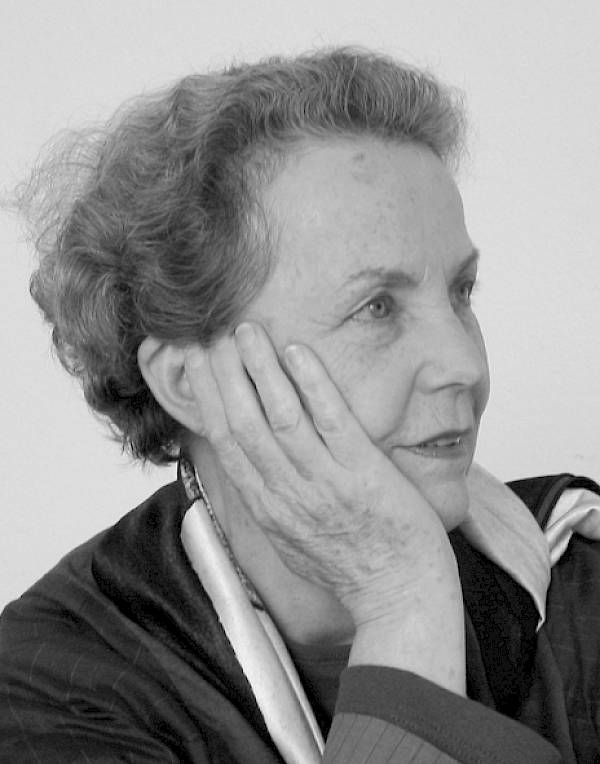
Moidele Bickel
Moidele Bickel wurde in München geboren. Sie begann ihre Karriere als Kostümbildnerin am Theater am Turm in Frankfurt. 1970 zog sie nach Berlin und arbeitete dort während 22 Jahren zusammen mit Peter Stein. Zunächst waren sie an der Schaubühne am Halleschen Ufer tätig und ab 1981 an der Schaubühne am Lehniner Platz. Ab Anfang der 1970er Jahre war Bickel auch immer wieder für Film- und Fernsehproduktionen tätig und arbeitete an Theatern und Festivals in ganz Europa. Sie arbeitete regelmässig mit Regisseuren wie Luc Bondy, Robert Wilson und Patrice Chéreau. Mit Luc Bondy entstand u.a. The Turn oft he Screw beim Festival d’Aix-en-Provence und Schnitzlers Anatol bei den Wiener Festwochen. Für Robert Wilson entwarf sie zahlreiche Kostüme, u.a. für Die Frau ohne Schatten an der Opéra de Paris und für das Stück The White Raven bei der Expo 98. Sie zeichnet sich zudem für das Kostümbild der Romanverfilmung von La Reine Margon (Die Bartholomäusnacht) verantwortlich und wurde dafür 1995 für den Oscar für das beste Kostüm-Design nominiert. 2009 gestaltete sie die Kostüme bei Michael Hanekes Kinofilm «Das weisse Band – Eine deutsche Kindergeschichte». Der Film erhielt zahlreiche internationale Auszeichnungen, Moidele Bickel wurde mit dem Deutschen Filmpreis ausgezeichnet. Moidele Bickel starb 2016 in Berlin.
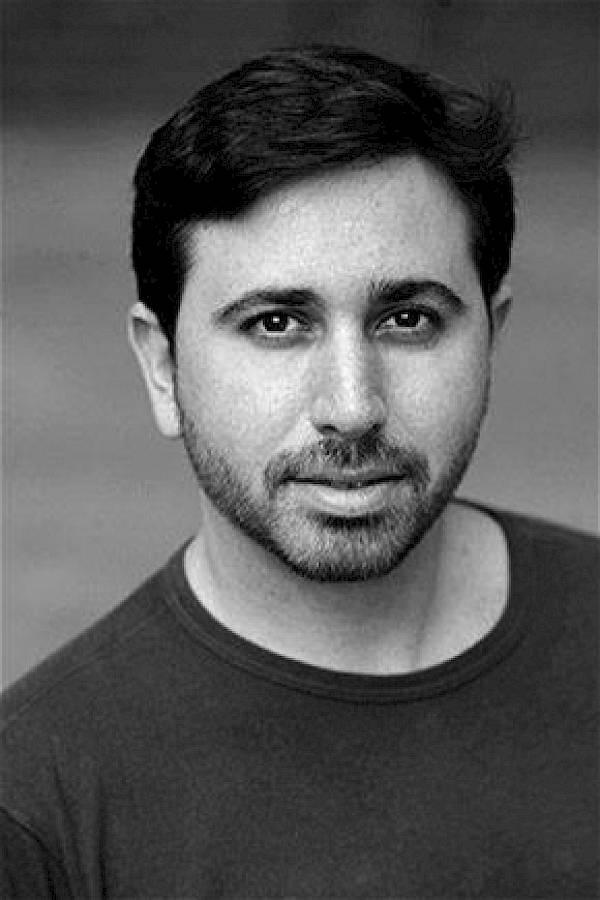
AJ Weissbard
Der amerikanische Lichtdesigner AJ Weissbard ist weltweit in den Bereichen Theater, Video, Ausstellungen und Architektur tätig. Zu den Künstlern, mit denen er arbeitet, gehören Robert Wilson, Peter Stein, Luca Ronconi, Daniele Abbado, Marina Abramovic, Bernard Sobel, Peter Greenaway, William Kentridge, Giorgio Armani, Hugo Boss, und die Martha Graham Dance Company. Für Oper, Schauspiel und Ballett arbeitete er u.a. am Lincoln Center New York, an der Brooklyn Academy of Music, an der Opéra Garnier und am Théâtre du Châtelet Paris, am Théâtre La Monnaie in Brüssel, am Teatro Real Madrid, an der Mailänder Scala, am Piccolo Teatro Milano, an der Schaubühne Berlin, am Esplanade Singapore und am Bunka Kaikan in Tokio. Multimedia-Projekte und Ausstellungen führten ihn ans Guggenheim Museum New York und Bilbao, an die Royal Academy London, ins Petit Palais Paris, ins Vitra Design Museum, zur Milano Triennale, in den Palazzo Reale Milano, ins Kunstindustrimuseum Kopenhagen und ins Shanghai Art Museum. Ausserdem war er an der Aichi World Expo 2005, der Biennale di Venezia, beim Salone del Mobile Milan und an der Biennale Valencia vertreten. Er wurde mit dem «IFSArts award for Lighting Design» und 2014 mit der „Goldenen Maske“ ausgezeichnet.
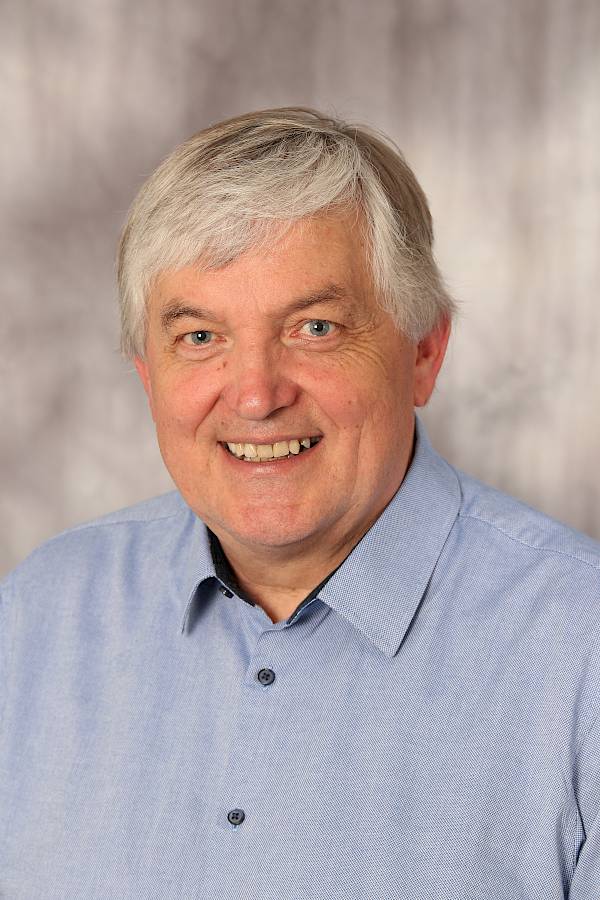
Ernst Raffelsberger
Ernst Raffelsberger comes from Gmunden, Upper Austria. He studied music education and church music at the University of Music and Performing Arts in Vienna as well as choral conducting at the Mozarteum in Salzburg. From 1983 to 1986 he was Kapellmeister of the Vienna Boys’ Choir. During this time, he led the ensemble in Vienna and on tours through Europe, South Africa, Canada, and the USA. From 1986, Ernst Raffelsberger was choral director and Kapellmeister at the Salzburg State Theatre (participating in the Salzburg Mozart Week and the Salzburg Festival). In 1989 he moved as choral director and Kapellmeister to the theatre in Freiburg/Breisgau. Since autumn 1993, Ernst Raffelsberger has been engaged at the Zurich Opera House as choral director. Here he has since supervised around 150 premieres and countless revivals and worked with many renowned conductors such as Marco Armiliato, Riccardo Chailly, Teodor Currentzis, Christoph von Dohnányi, Sir John Eliot Gardiner, Daniele Gatti, Bernard Haitink, Nikolaus Harnoncourt, Zubin Mehta, Gianandrea Noseda, and Franz Welser-Möst. Guest performances with the Zurich Opera House have taken him to Vienna, London, Paris, and Tokyo. From summer 2012 he additionally began a ten-year activity as choral director of the Vienna State Opera Chorus Association at the Salzburg Festival. There he collaborated successfully with, among others, Riccardo Muti, Mariss Jansons, and Sir Simon Rattle. After Ernst Raffelsberger ended this work with the festival summer 2021, he has since 2025 once again been responsible, at Maestro Muti’s request, for choral preparation for his festival concerts in Salzburg. Numerous CD and DVD recordings document his work in Zurich as well as in Salzburg.
Cast

Flavio Ján Rusko 12, 15 Feb
Normas Kinder Aurélien Rochet 31 Jan / 08, 12 Feb
Normas Kinder Mykolay Filevych 31 Jan / 08, 12 Feb
Normas Kinder Fanny d'Uscio 03, 06 Feb
Normas Kinder Benjamin d'Uscio 03, 06 Feb
Normas Kinder Joel Huber 15, 21 Feb
Normas Kinder Livio Morosani 15, 21 Feb
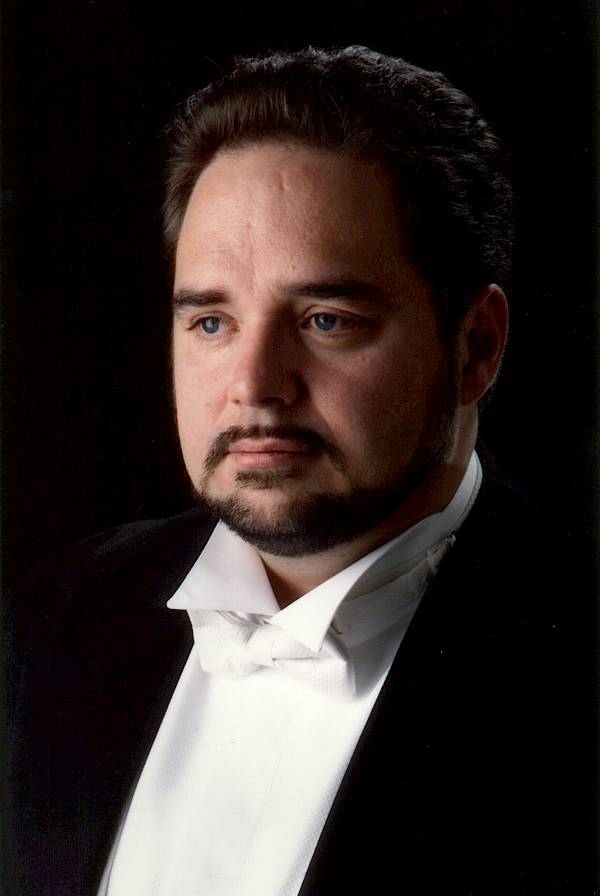
Marco Berti
Marco Berti, geboren in Como, studierte am Conservatorio Giuseppe Verdi in Mailand bei Giovanna Canetti und vervollständigte seine Ausbildung bei Adelaide Saraceni, Pier Miranda Ferraro und Gianfranca Ostini. Nachdem er den Concorso Internationale Giacomantonio gewonnen hatte, debütierte er 1990 als Pinkerton (Madama Butterfly) in Cosenza. Sein internationaler Ruf wurde durch seine Rollenporträts vor allem im Verdi-Fach gefestigt. Zu seinem Repertoire zählen u. a. Radamès (Aida), Riccardo (Un ballo in maschera), Adorno (Simon Boccanegra), Manrico (Il trovatore) sowie die Titelpartien in Ernani und Otello. Darüber hinaus gestaltet er auch immer wieder Puccini-Partien wie Calaf (Turandot), Des Grieux (Manon Lescaut), Pinkerton, Cavaradossi (Tosca), Dick Johnson (La fanciulla del West) und Edgar. Im Laufe seiner Karriere arbeitete Marco Berti mit Dirigenten wie Zubin Metha, Lorin Maazel, Riccardo Muti, Antonio Pappano, Daniel Oren, James Conlon und Nicola Luisotti sowie Regisseuren wie Franco Zeffirelli, Pier Luigi Pizzi, Liliana Cavani, Luc Bondy oder Ferzan Ozpetek. Dabei gastierte er an den grössten Häusern der Welt, darunter das Royal Opera House Covent Garden, die Metropolitan Opera New York, das Teatro alla Scala di Milano, die Arena di Verona, das Liceu in Barcelona, die Opéra national de Paris, die Staatsopern von München, Berlin, Dresden und Wien sowie die Opernhäuser von San Francisco, Chicago, Houston, Los Angeles, Peking und Tokio. In jüngster Zeit interpretierte Marco Berti Pollione (Norma) in San Francisco, Cavaradossi an der Pariser Bastille und der Berliner Staatsoper sowie Radamès in New York und Verona.
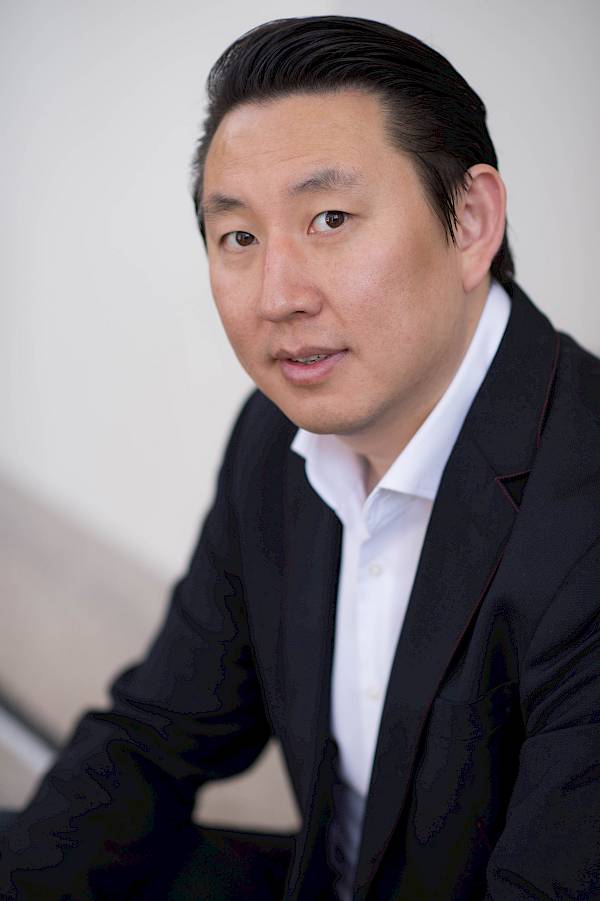
Wenwei Zhang
Wenwei Zhang wurde in Dalian, China, geboren. Er war 2009/10 Mitglied im Opernstudio der Oper Frankfurt und gab als Lord Rochefort in Anna Bolena sein Debüt. 2009 sang er Orosmane (Zaira) beim Festival de Radio France in Montpellier und wurde Dritter in dem von Plácido Domingo gegründeten Gesangswettbewerb Operalia. Ab der Spielzeit 2011/ 12 war Wenwei Zhang Ensemblemitglied der Dortmunder Oper, wo er u.a. als Daland (Der fliegende Holländer), Oroveso (Norma), Warlaam (Boris Godunow), Colline (La bohème), Ferrando (Il trovatore) und Osmin (Die Entführung aus dem Serail) zu hören war. 2013 erhielt er den Theaterpreis «Bajazzo» der Theater- und Konzertfreunde Dortmund. In Zürich ist er seit der Spielzeit 2014/15 Ensemblemitglied und war hier bisher in Il barbiere di Siviglia, Die Frau ohne Schatten, Lucia di Lammermoor, Norma, Aida, Les Pêcheurs de Perles, Turandot, Macbeth, I Puritani, Der Freischütz, Lady Macbeth von Mzensk, Don Giovanni, Die Zauberflöte, Parsifal, Turandot, Luisa Miller sowie in Hippolyte et Aricie zu erleben. Im Sommer 2018 gastierte er am National Center for Performing Arts in Peking, wo er Frère Laurent (Roméo et Juliette) und Graf Rodolfo (La sonnambula) sang und im Sommer 2019 war er als Sarastro am Lincoln Center Festival in New York und an der Opéra de Marseille zu hören.
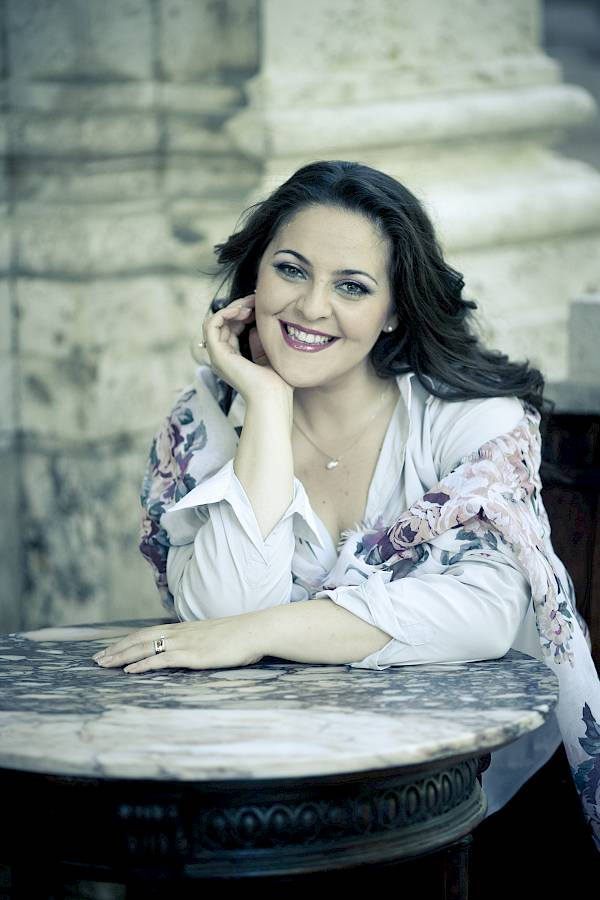
Maria Agresta
The Italian soprano Maria Agresta graduated with distinction from the Conservatorio "Giuseppe Martucci" in Salerno and continued her training with Raina Kabaivanska at the Istituto Vecchi-Tonelli in Modena. She achieved her international breakthrough in 2011 as Elena in "I vespri siciliani" at the Teatro Regio di Torino under Gianandrea Noseda. Since then, she has been a regular guest at leading opera houses such as Teatro alla Scala, the San Francisco Opera, Teatro Real Madrid, the Gran Teatre del Liceu, Teatro San Carlo in Naples, the Metropolitan Opera, Teatro La Fenice, the Royal Opera House, as well as the state operas in Berlin and Vienna. She made her Metropolitan Opera debut in 2016 as Mimì in "La bohème"; there she has since also been seen as Micaëla in "Carmen" and Liù in "Turandot". At the Salzburg Festival, she sang Nedda in "Pagliacci" in 2015 and made her role debut as Marguerite in Gounod’s "Faust" in 2016. Her awards include the Premio della Critica Musicale Italiana "Franco Abbiati", the Luigi Illica Prize, and the honorary title "Ordine al Merito della Repubblica Italiana". Other central roles in her repertoire include Desdemona in "Otello", Cio-Cio-San in "Madama Butterfly", Violetta in "La traviata", as well as the title roles in "Adriana Lecouvreur" and "Tosca". Most recently, she sang Desdemona at the Teatro Real Madrid as well as Nedda and Leonora in "Il trovatore" at the Vienna State Opera.
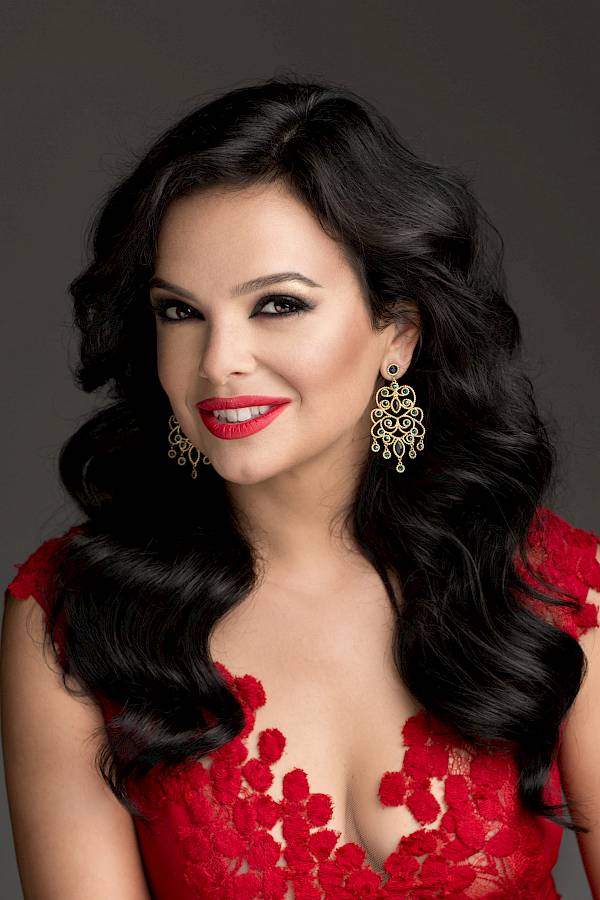
Roxana Constantinescu
Roxana Constantinescu stammt aus Rumänien. Mit dem Gewinn des ARD-Musikwettbewerbes München begann 2006 die internationale Karriere der Mezzosopranistin. Von 2007 bis 2010 gehörte sie zum Ensemble der Wiener Staatsoper wo sie Partien wie Rosina (Il barbiere di Siviglia), Zerlina (Don Giovanni), Nicklausse (Les Contes d’Hoffmann), Siébel (Faust) und Cherubino (Le nozze di Figaro) interpretierte. Seither gab sie erfolgreiche internationale Debüts, wie u.a. Despina (Così fan tutte) und Zerlina (Don Giovanni) an der Los Angeles Opera, Rosina (Il barbiere di Siviglia) an der Deutschen Oper Berlin und am New National Theatre Tokio sowie Angelina (La cenerentola) und Charlotte (Werther) an der Minnesota Opera. Ferner sang sie in den vergangenen Jahren u.a. Donna Elvira (Don Giovanni) an der Wiener Staatsoper, Dorabella (Così fan tutte) und Fatime (Oberon) am Théâtre du Capitole in Toulouse sowie Stéphano (Roméo et Juliette) an der Dallas Opera. Als Konzertsängerin tritt sie u.a. regelmässig beim Oregon Bach Festival auf. Liedrezitals führten sie in bedeutende Konzertsäle wie die Carnegie Hall, die Wigmore Hall und den Wiener Musikverein. Sie arbeitete mit Dirigenten wie Seiji Ozawa, Marco Armiliato, Kirill Petrenko, Franz Welser-Möst, Riccardo Muti, Gustavo Dudamel und Yannick Nézet-Séguin. In der Spielzeit 2014/15 sang sie Emira in Hasses Siroe an der Opéra Royale in Versailles. Mit dieser Partie wird sie auch auf einer Tournée in Brüssel, Wien, Omsk, Moskau und Amsterdam zu hören sein. Zu ihren weiteren Plänen gehören Le nozze di Figaro in Oviedo und Il barbiere di Siviglia in Peking.
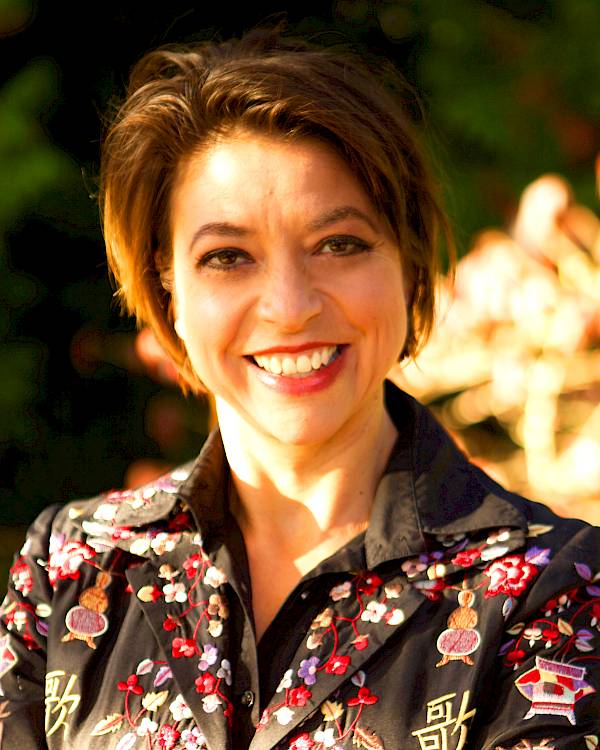
Judith Schmid
Judith Schmid, Schweizer Mezzosopranistin, studierte Musik und Bewegung an der Hochschule der Künste Bern sowie Gesang an der Guildhall School of Music and Drama. Sie legt ihren Schwerpunkt auf die Opern- und Konzertbühne, widmet sich jedoch auch dem Lied und Oratorium. Seit über 20 Jahren ist sie u.a. am Opernhaus Zürich, wo sie langjähriges Ensemblemitglied war, oder auch am Staatstheater Nürnberg engagiert, etwa in Hosenrollen wie Smeton (Anna Bolena), Sesto (Giulio Cesare) und Silla (Palestrina) sowie als Adelaide (Arabella), Polina (Pique Dame), Federica (Luisa Miller), Maddalena (Rigoletto) Emilia (Otello), Erda (Rheingold, Siegfried), Waltraute (Walküre) sowie Erste Norn und Flosshilde (Götterdämmerung). Im Konzertbereich trat sie mit Orchestern wie dem Symphonieorchester des Bayerischen Rundfunks, dem Münchner Rundfunkorchester, dem Opern- und dem Tonhalle Orchester Zürich unter Dirigenten wie Plácido Domingo, Mariss Jansons, Daniele Gatti, Franz Welser-Möst, Nello Santi, Marc Minkowski, Adam Fischer, Marcello Viotti oder Heinz Holliger auf. Seit 2017 ist sie Dozentin für Gesang an der Hochschule Luzern, ab September 2024 mit künstlerischer Professur. Neben zahlreichen Radio- und Fernsehaufzeichnungen sowie DVD-Produktionen hat Judith Schmid auch CDs veröffentlicht. Das Album Rosenblätter mit dem Pianisten Oliver Schnyder und Werken von Grieg, Hefti und Ravel wurde 2008 vom Schweizer Radio SRF 2 Kultur zu den besten CDs gewählt. Am Opernhaus Zürich ist sie in der Spielzeit 2024/25 als Suzuki (Madama Butterfly) und als Voix de la Tombe (Les Contes d'Hoffmann) zu erleben. Ein weiteres Engagement ist in der Spielzeit 2025/26 am Luzerner Theater geplant.
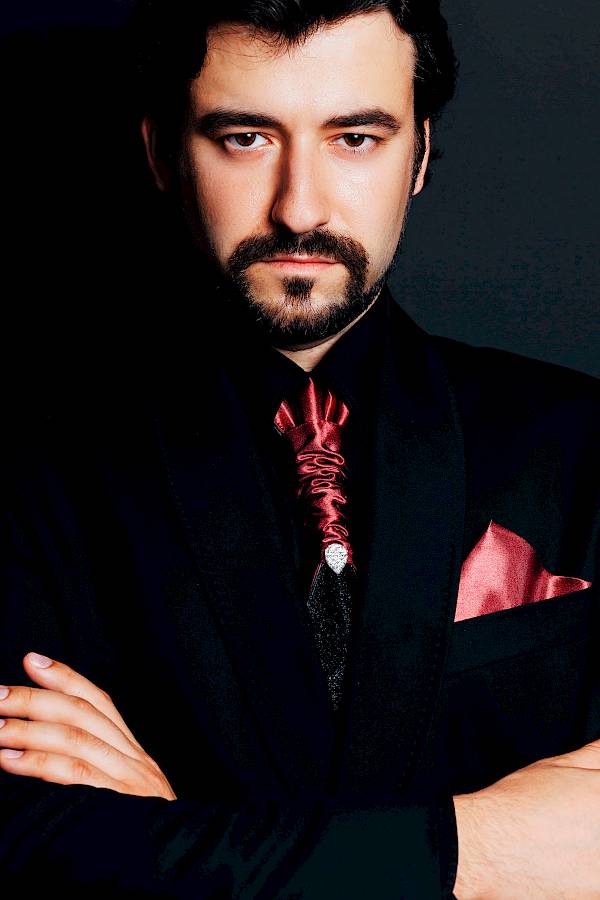
Dmitry Ivanchey
Dmitry Ivanchey studierte Violine und Gesang an der Gnessin Akademie und am Tschaikowski-Konservatorium in Moskau. 2006 bis 2011 war er Mitglied des Moskauer Philharmonischen Orchesters. Seine professionelle Karriere als Opernsänger begann er 2008 als Mengone (Lo Speziale von Haydn). Seither sang er u.a. Graf Pierre Bezuchov (Prokofjews Krieg und Frieden) in Glasgow, Graf Almaviva (Il barbiere di Siviglia), Chevalier de la Force (Dialogues des Carmélites) sowie Lenski (Eugen Onegin) an der Helikon-Oper in Moskau, Bomelius (Die Zarenbraut) am Moskauer Bolschoi-Theater und erneut Almaviva an der Seite von Karita Mattila beim Saaremaa Opera Festival in Estland. In letzter Zeit war er zudem in Richard Strauss’ Capriccio an der Opéra National de Lyon und als Belfiore (Il viaggio a Reims) am Rossini-Festival in Pesaro zu erleben. Seit der Spielzeit 2012/13 gehört Dmitry Ivanchey zum Ensemble des Opernhauses Zürich und war hier u.a. als Junger Graf (Die Soldaten), Borsa (Rigoletto), Lord Cecil (Roberto Devereux), Almaviva (Il barbiere di Siviglia), Daniel (Robin Hood), Trin (La fanciulla del West) und Flavio (Norma) zu erleben. In dieser Spielzeit ist er als Pang (Turandot), Borsa (Rigoletto), Remendado (Carmen) und Bruno Robertson (I puritani) zu hören.
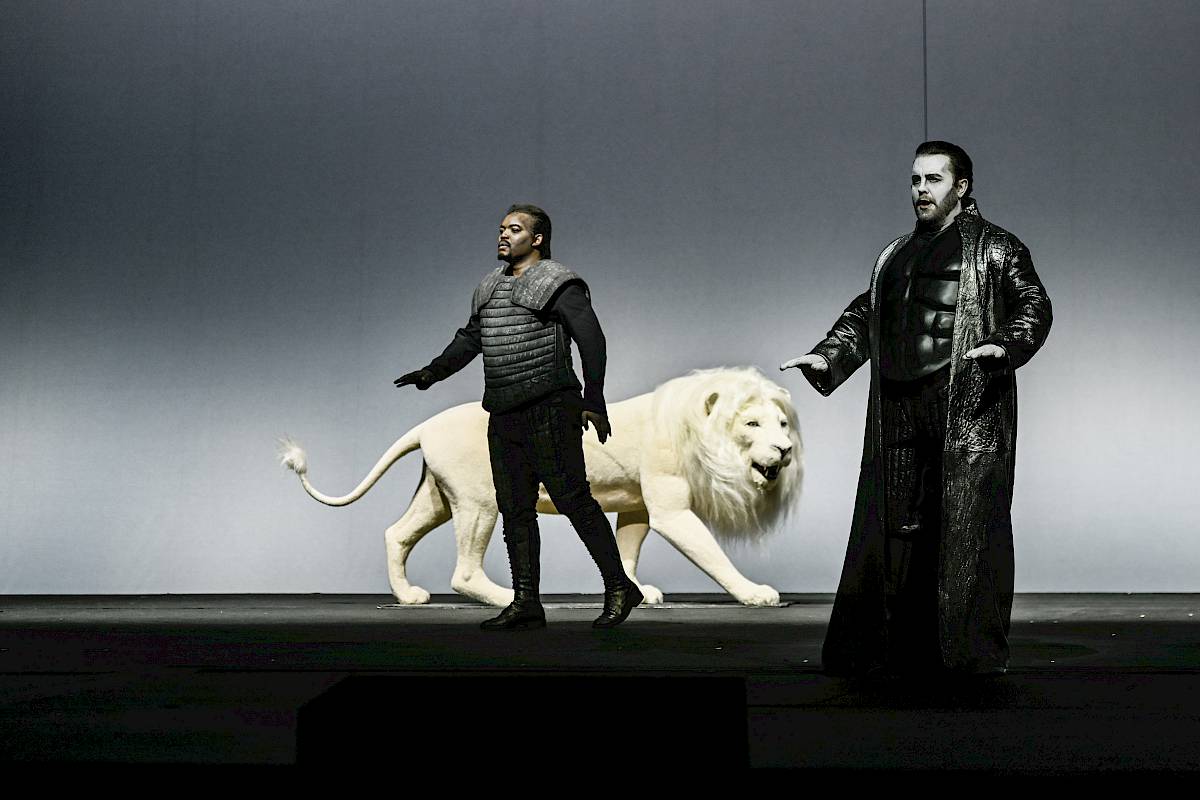
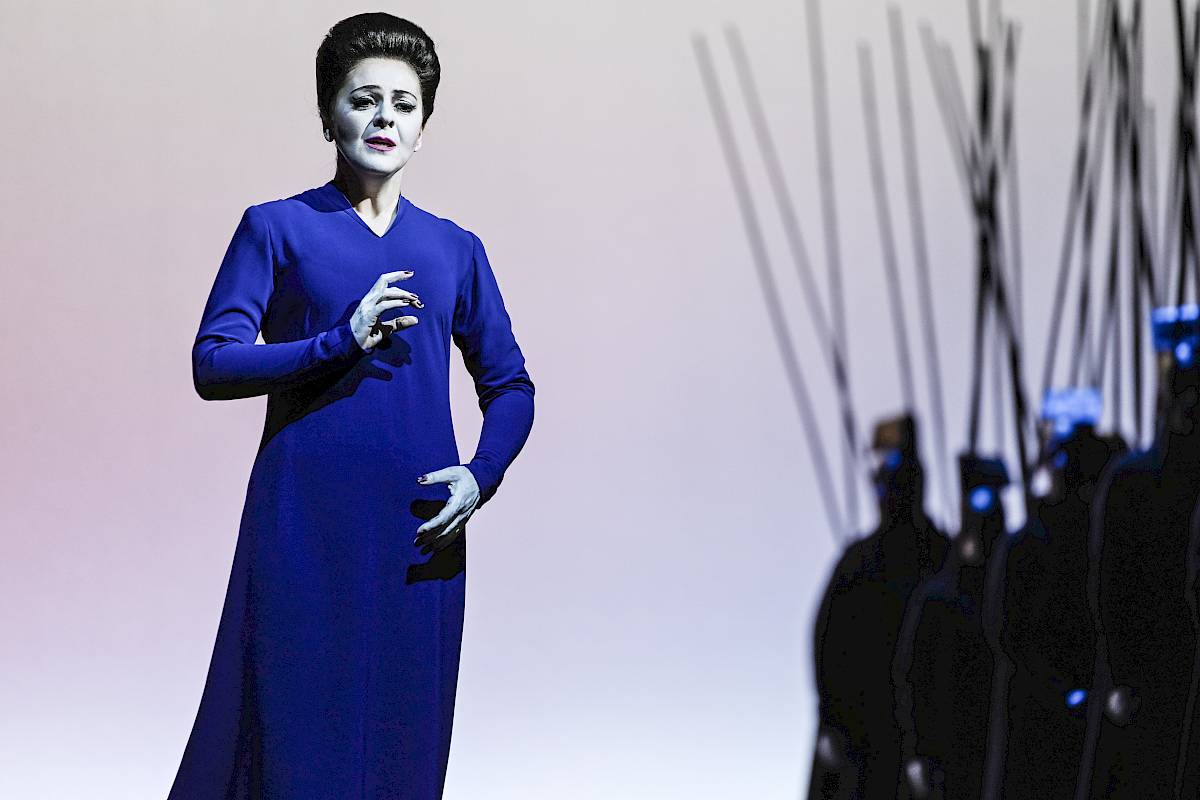
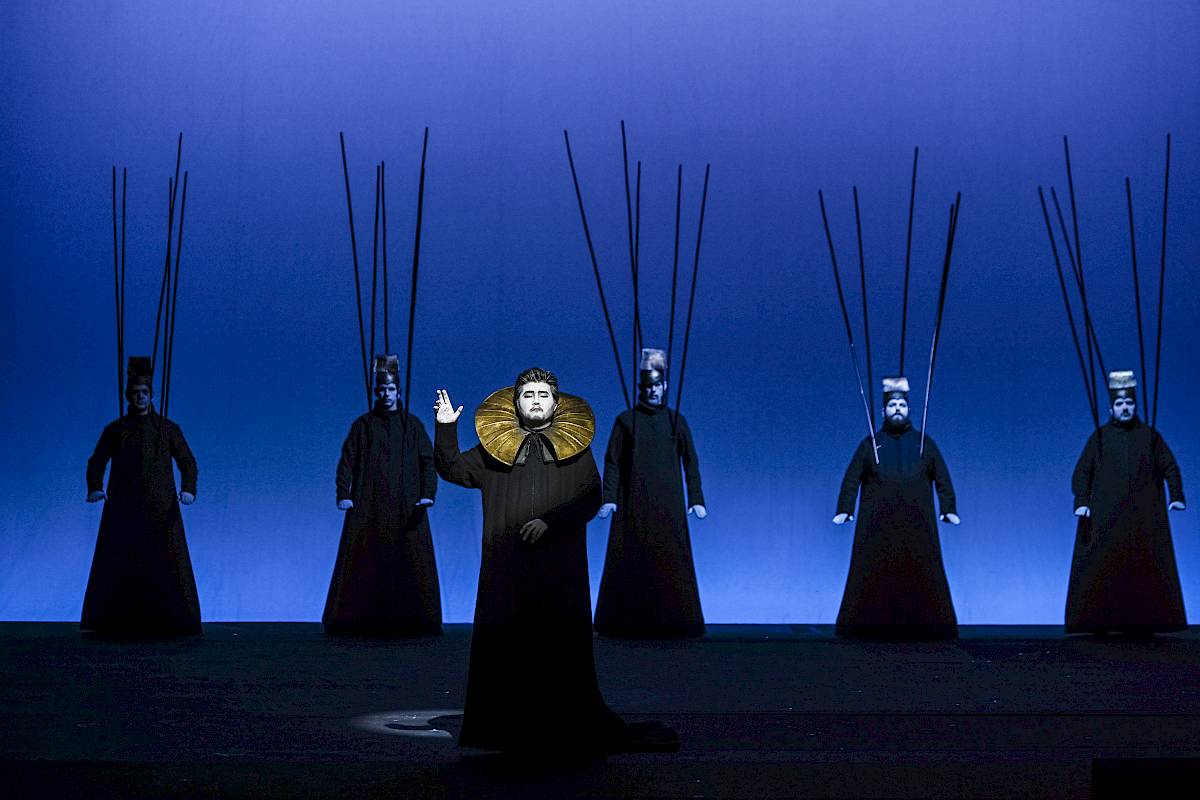
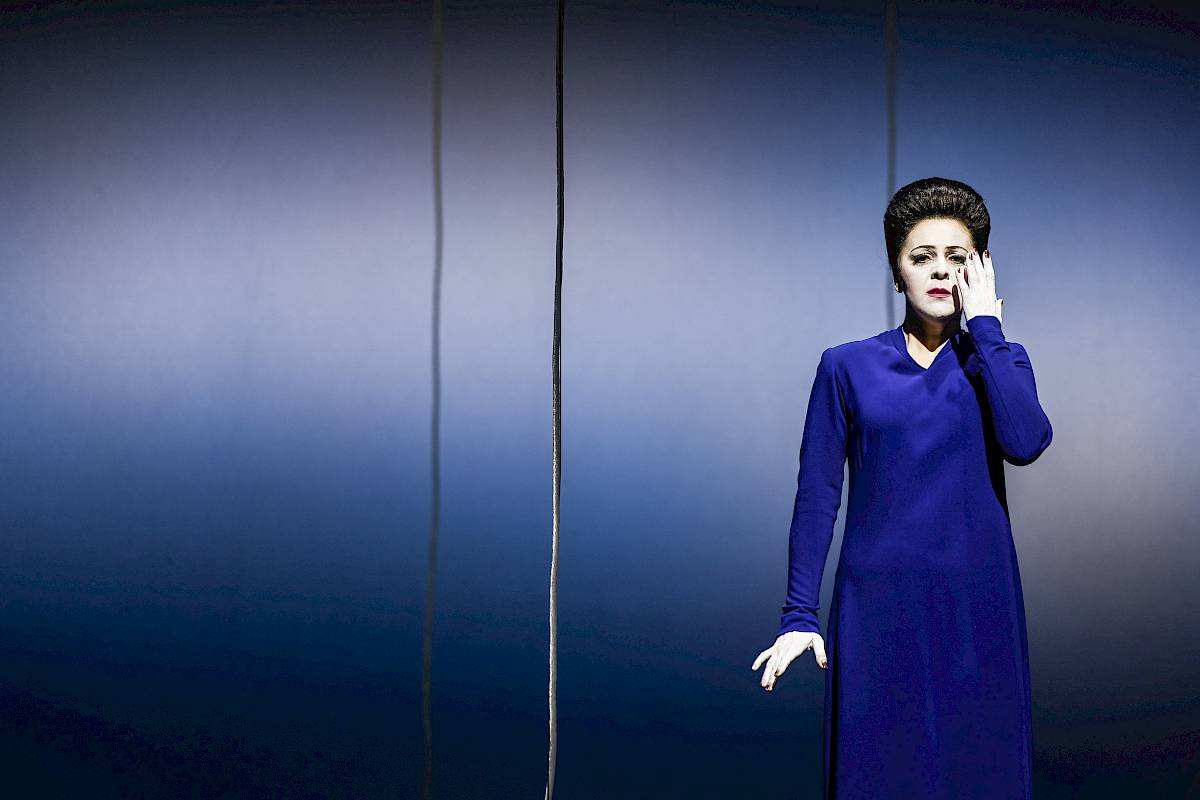
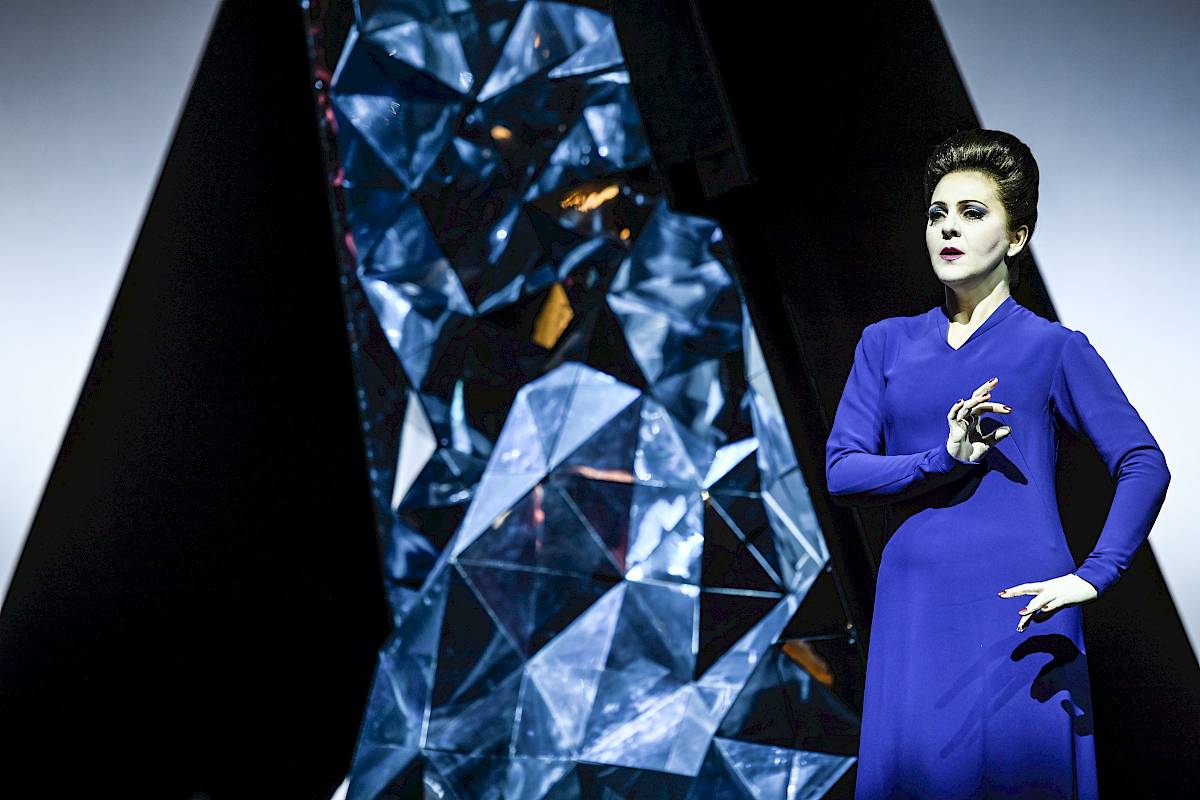
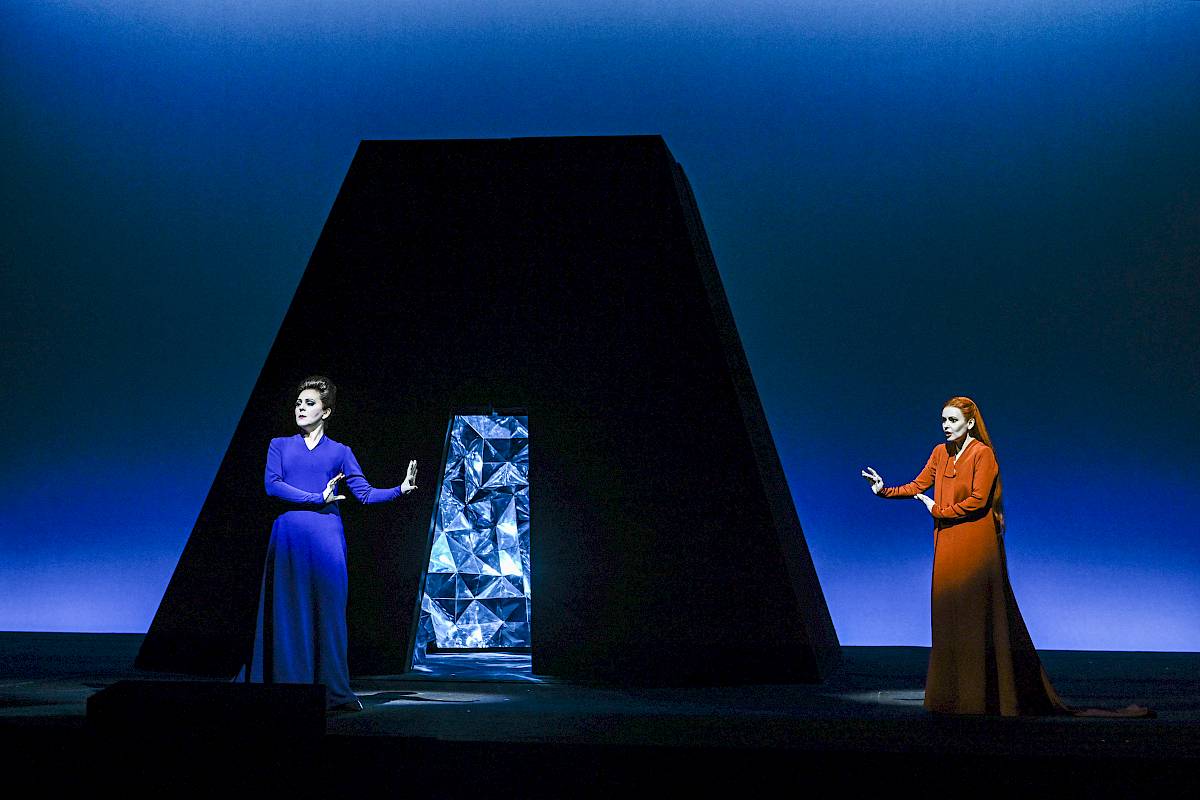
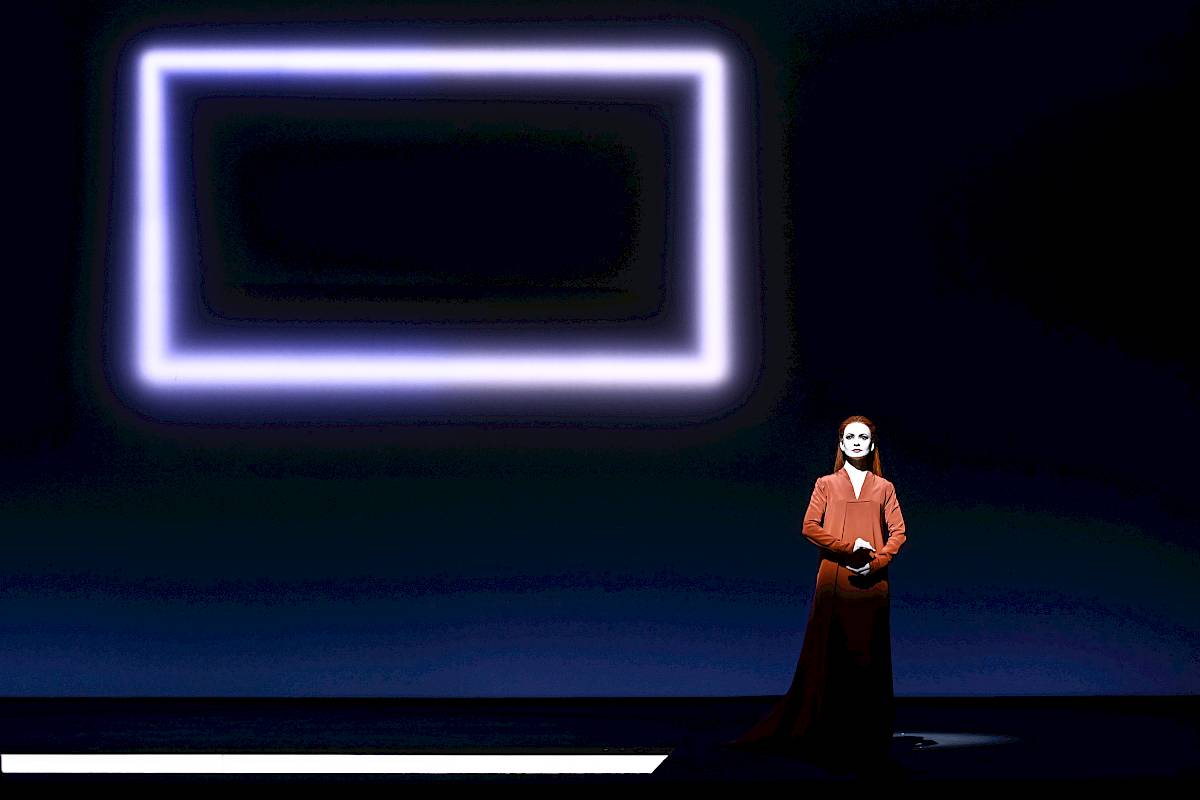
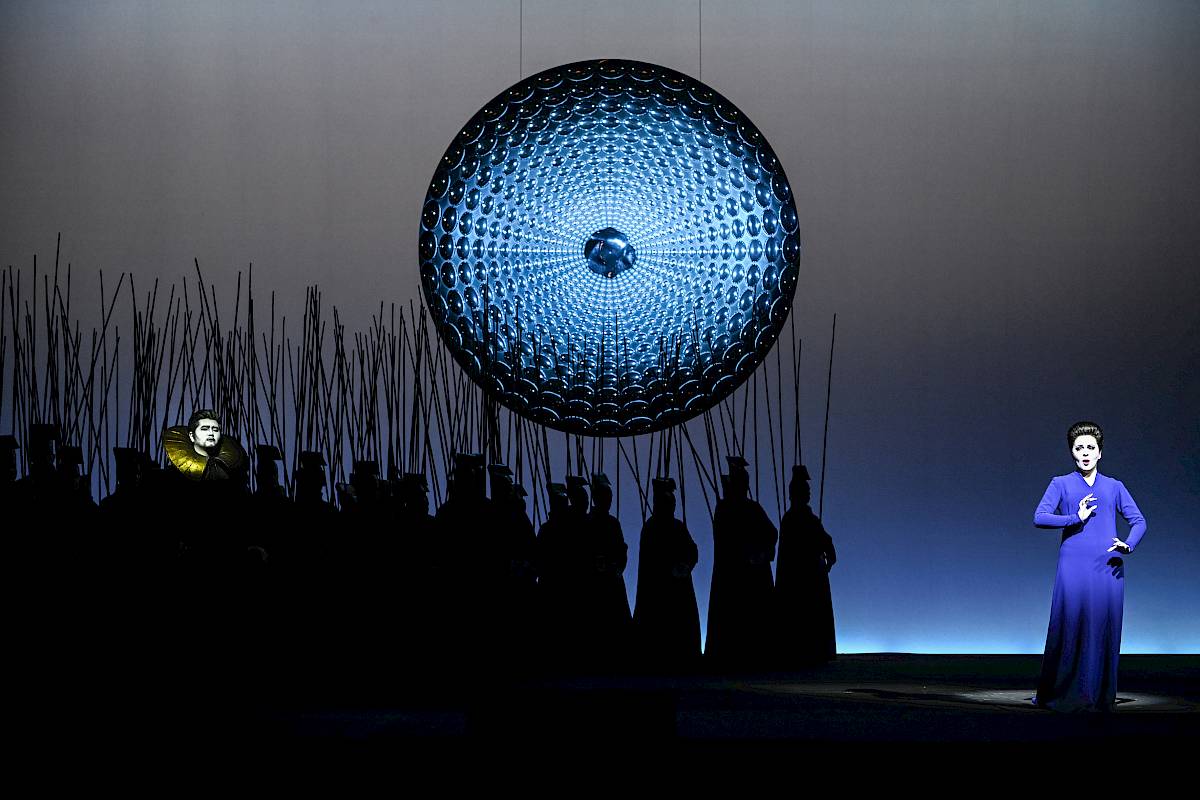
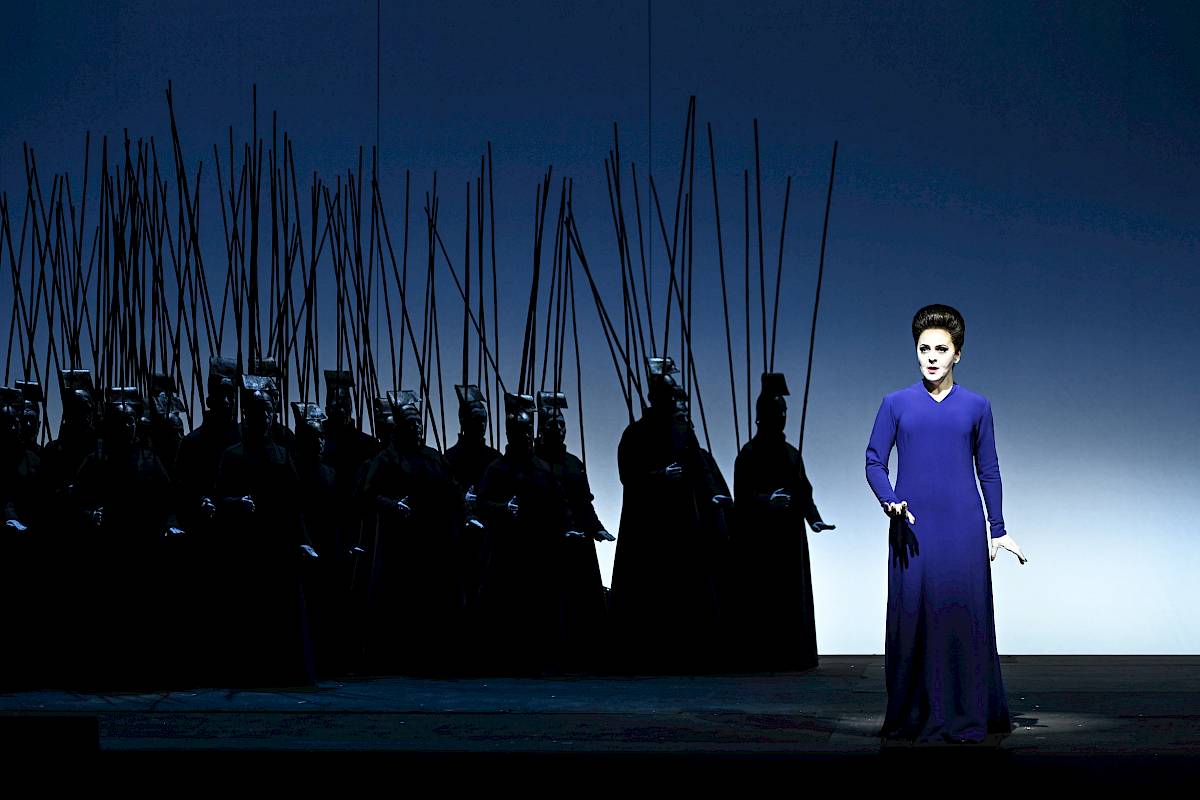
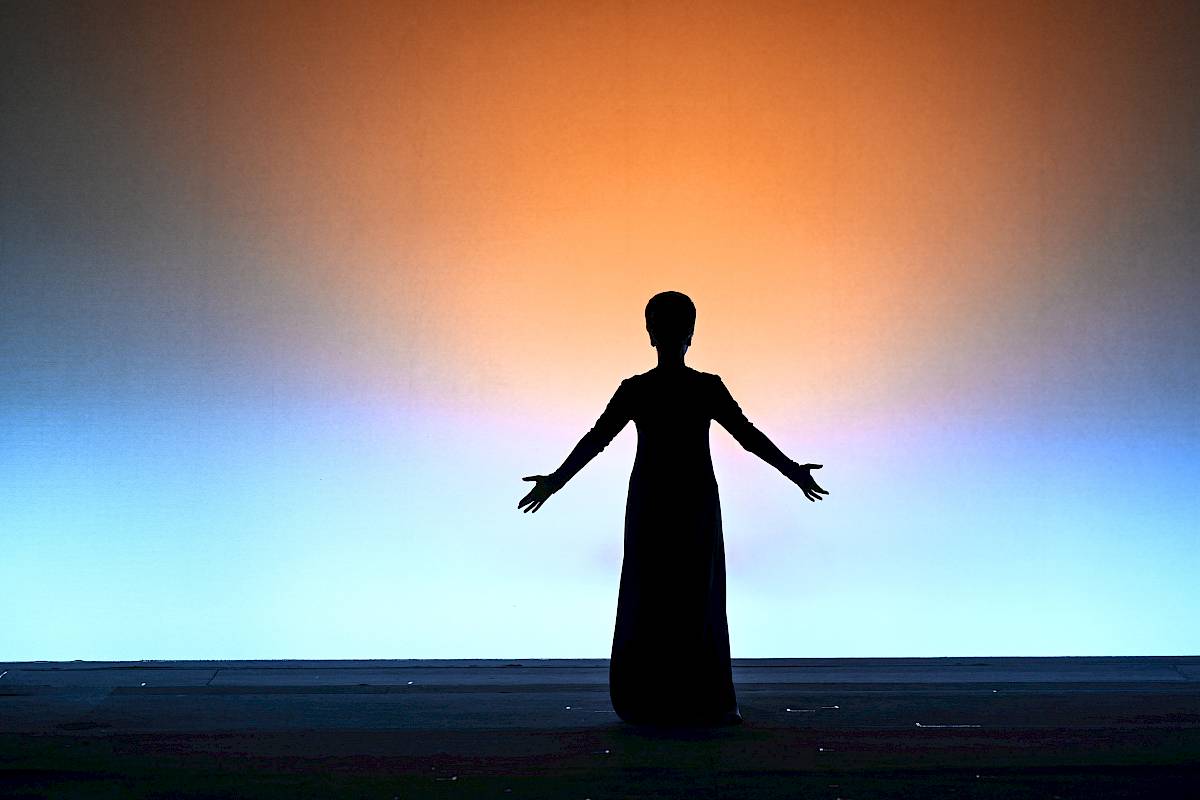
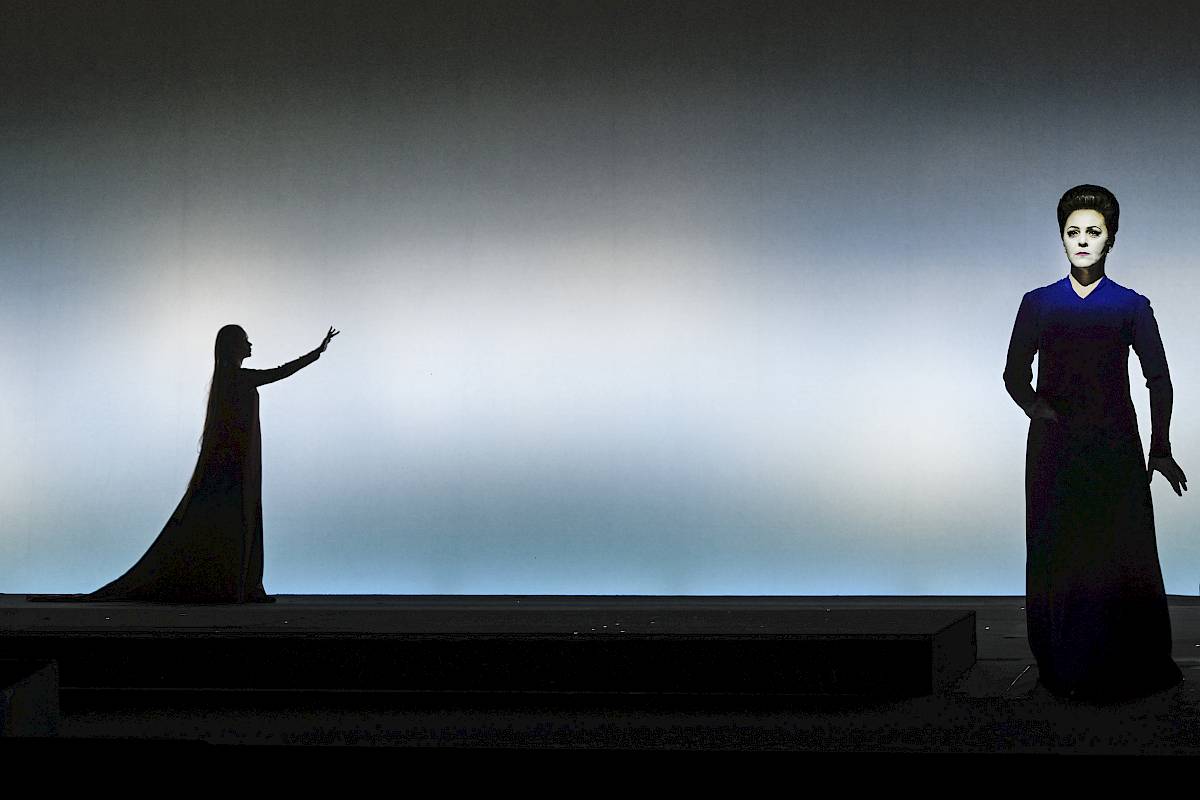
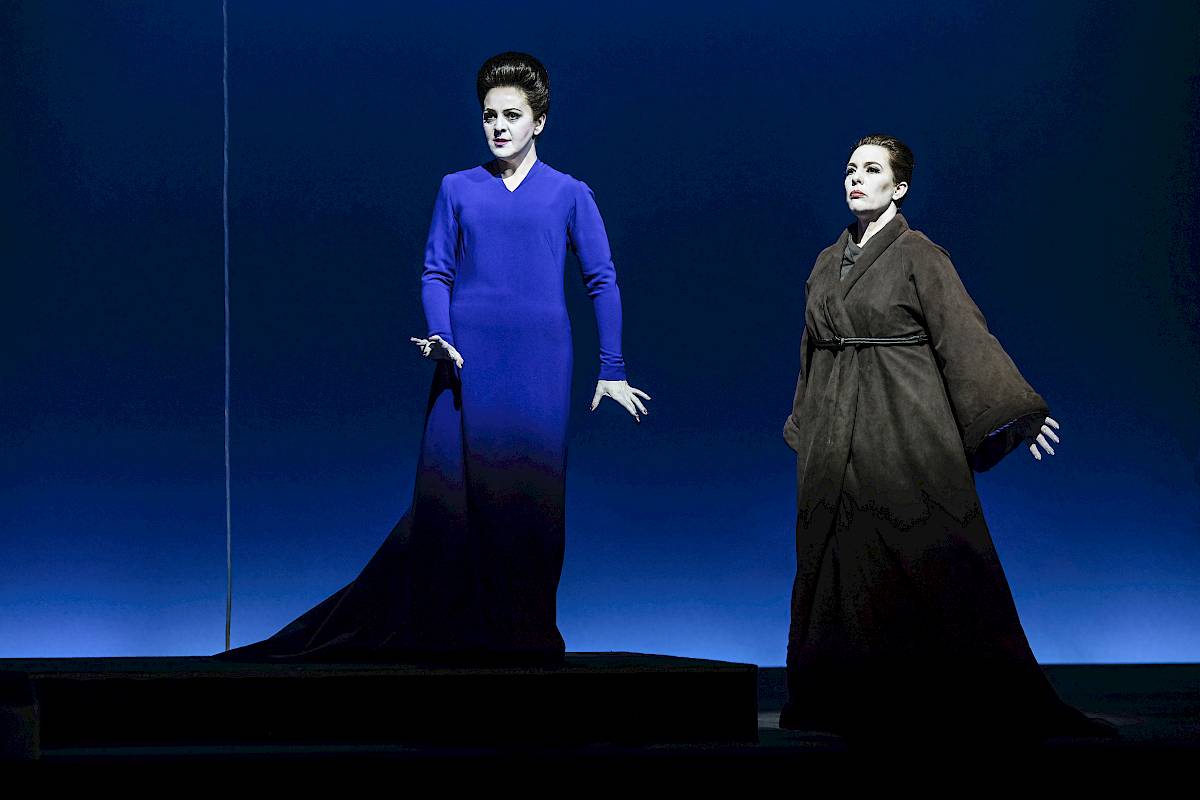
Photos «Norma»