

Timur Zangiev absolvierte seine Dirigentenausbildung in Moskau. Er hat bereits mehr als 45 Opernproduktionen geleitet und mit vielen internationalen Orchestern zusammengearbeitet, darunter alle bedeutenden Klangkörper seines Landes. Aktuelle Engagements führen ihn an die Metropolitan Opera, zu den Salzburger Festspielen, an die Semperoper Dresden, das Opernhaus Zürich, die Wiener Staatsoper, die Staatsoper Hamburg und an das Teatro alla Scala in Mailand. Er debütierte mit Jewgeni Onegin an der Bayerischen Staatsoper München, mit dem Märchen vom Zaren Saltan an der Monnaie de Bruxelles, mit Pique Dame am Teatro alla Scala sowie mit der Zauberflöte am Mariinski-Theater. Weitere Engagements umfassen Dirigate bei der Filarmonica della Scala, die Rückkehr an das Teatro alla Scala mit Romeo und Julia, ein sinfonisches Programm zur Saisoneröffnung am Teatro Regio di Torino, Konzerte mit dem Philharmonischen Orchester Kiel sowie Aufführungen von Rimski-Korsakows Sadko am Bolschoi-Theater. An seinem Heimattheater, dem Stanislawski- und Nemirowitsch-Dantschenko-Musiktheater, dirigierte er u.a. den Freischütz, Cherubinis Médée, Tschaikowskis Iolanta sowie Don Giovanni und Il Barbiere di Siviglia. Auf dem Konzertpodium trat er u.a. mit dem Philharmonischen Orchester Monte-Carlo, dem Russischen Nationalorchester, dem Orchester des Mariinski-Theaters, dem Orchester der Bayerischen Staatsoper, der Russischen Nationalphilharmonie, dem Moskauer Virtuosenorchester und dem Staatlichen Sinfonieorchester «Novaya Rossiya» auf.
Charles Gounod
Libretto by Jules Barbier and Michel Carré
after the tragedy by William Shakespeare
From 31. December 2024 until 26. January 2025
-
Duration :
approx. 2 H. 45 Min. Inkl. Pause after 1st part after approx. 1 H. 30 Min. -
Language:
In French with German and English surtitles. -
More information:
Introduction 45 min before the performance.
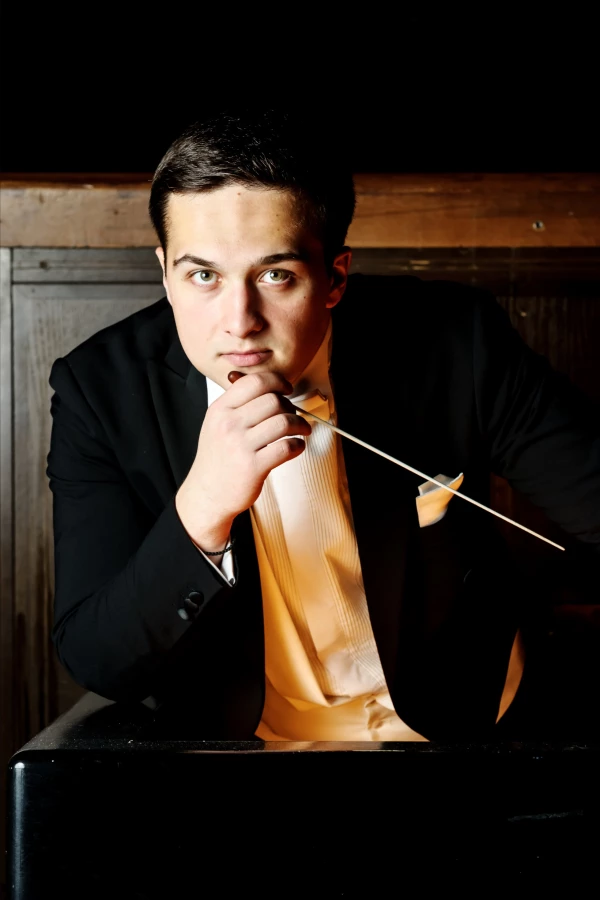
Timur Zangiev
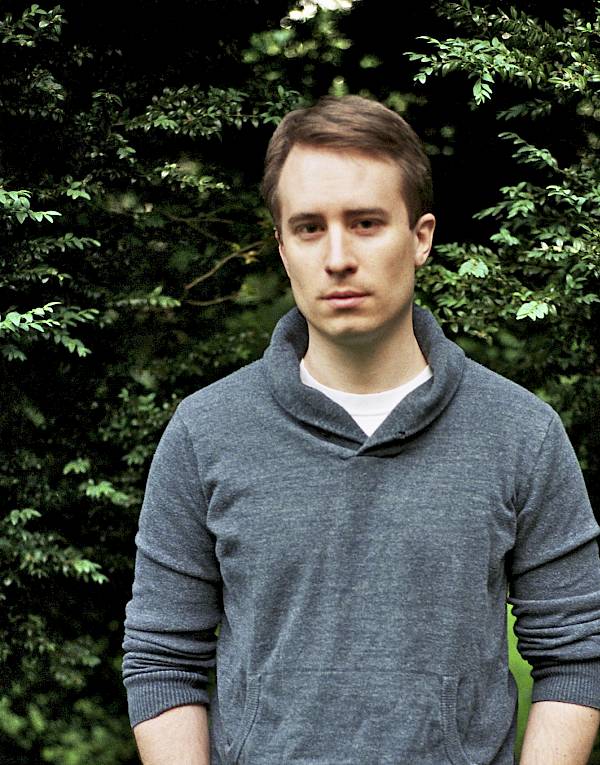
Ted Huffman
Ted Huffman was born in New York. He studied at Yale University and participated in the San Francisco Merola Opera Program. The opera "Denis & Katya", created together with Philip Venables (Opera Philadelphia, Dutch National Opera, Music Theatre Wales, Opéra Montpellier, Opera Hannover), won the Fedora Generali Prize in 2019 and the Ivor Novello Award in 2020. With Philip Venables he also developed the opera "4.48 Psychosis" after Sarah Kane, which premiered at the Royal Opera House in London, received the UK Theatre Award for Opera, and was nominated for the Olivier Awards, the Royal Philharmonic Society Awards and the South Bank Awards, as well as "The Faggots and Their Friends Between Revolutions" (among others Factory International Manchester, Festival d’Aix-en-Provence, Bregenz Festival, Ruhrtriennale). In 2025 he directed the world premiere of Venables’s opera "We Are The Lucky Ones" at Dutch National Opera. Further directing work includes "The Time of Our Singing" at La Monnaie, "Rinaldo" in Frankfurt, "A Midsummer Night’s Dream" at Deutsche Oper Berlin, "Le premier meurtre" at the Opéra de Lille, "Il trionfo del Tempo e del Disinganno" at the Royal Danish Theatre, Luke Styles’s "Macbeth" at Glyndebourne, Ana Sokolović’s "Svádba" in Aix, "Les mamelles de Tirésias" among others in Brussels, Amsterdam and at the Aldeburgh Festival, as well as Monteverdi’s "L’incoronazione di Poppea" in Aix and "Street Scene" at the Paris Opéra. The world premiere of Stefan Wirth’s "Das Mädchen mit dem Perlenohrring" at Zurich Opera House was named "Best World Premiere 2022" by Opernwelt. In addition, "Madama Butterfly" (2017) and "Roméo et Juliette" (2023) were produced in Zurich.
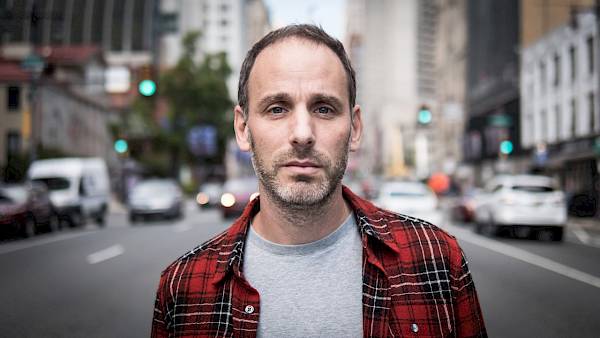
Andrew Lieberman
Andrew Lieberman stammt aus Amerika und arbeitet an zahlreichen internationalen Bühnen im Bereich des Musiktheaters, des Sprechtheaters und des Musicals. Im Schauspiel entwarf er u.a. Bühnenbilder für das International Theater Amsterdam, die Royal Shakespeare Company und für diverse Theater am New Yorker Broadway. Er schuf das Bühnenbild für Händels Partenope in der Regie von Christopher Alden an der English National Opera, welches 2009 den «Lawrence Olivier Award» für die beste Opernproduktion gewann. Sein Bühnenbild für Aida wurde 2011 im amerikanischen Pavillon der Prager Quadriennale für Szenografie gezeigt. Mit Ted Huffman arbeitete er u.a. an der Royal Danish Opera für Il trionfo del tempo e del disinganno und an der Opera Philadelphia für die Uraufführung von Denis & Katya von Philip Venables zusammen. Letztere Produktion war auch an der Staatsoper Hannover und der Oper Amsterdam zu sehen. Andrew Lieberman ist Preisträger des Princess Grace Award und war von 2008 bis 2019 Leiter der Bühnenbildabteilung an der New Yorker Universität Tisch School of the Arts. Zuletzt gestaltete er die Bühnenbilder zu Braunfels’ Die Vögel an der Opéra National du Rhin, Candide an der Opéra de Lyon, die Zauberflöte an der Oper Frankfurt und für Girl with a Pearl Earring in Zürich. Zu seinen nächsten Produktionen zählt u.a. die Uraufführung von 10 Days in a Madhouse an der Opera Philadelphia.
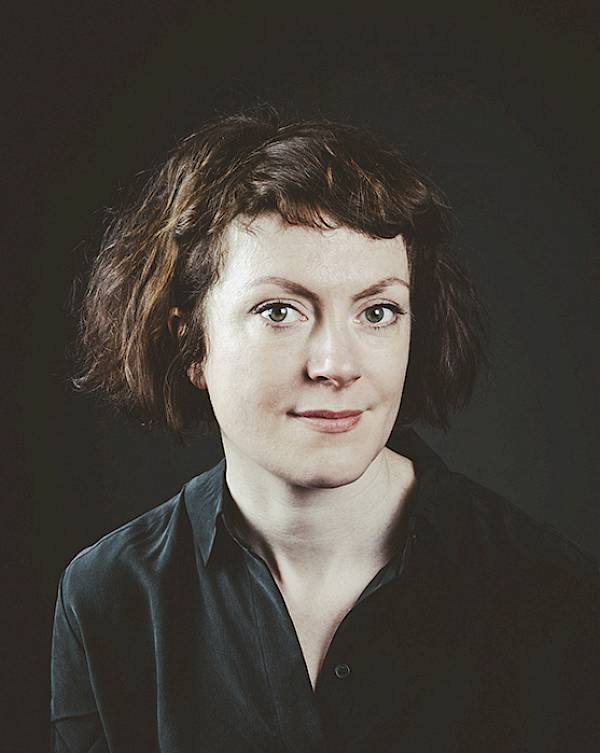
Annemarie Woods
The Irish costume and set designer Annemarie Woods won the Ring Award in Graz in 2011 together with the British director Sam Brown. In joint productions with Sam Brown she designed, among others, "I Capuleti e i Montecchi" at the Teatro Sociale di Como, "Der Zigeunerbaron" at Stadttheater Klagenfurt, "Sigurd der Drachentöter" at the Bavarian State Opera in Munich, "Il trionfo del Tempo e del Disinganno" at the Badisches Staatstheater Karlsruhe, the world premiere of Gerald Barry’s opera "The Importance of Being Earnest" at the Opéra National de Lorraine in Nancy, and "La Cenerentola" at Lucerne Theatre. She also has a long-standing collaboration with director Oliver Mears, for whose productions of "Macbeth", "Salome", "L’elisir d’amore" and "Don Giovanni" she likewise designed the costumes and sets. Further works include "Candide" in Nancy, "Agrippina" in Limerick, "My Fair Lady" in Karlsruhe and "L’Heure espagnole/Gianni Schicchi" (directed by Bruno Ravella) at the Opéra National de Lorraine. With Ted Huffman she collaborated, among other projects, in Frankfurt on "Rinaldo", in Cologne on "Salome", in Montpellier on "Le Songe d’une nuit d’été", at Deutsche Oper Berlin on "A Midsummer Night’s Dream" and in Zurich on "Madama Butterfly". She also designed the costumes for "Pagliacci/Cavalleria rusticana" in Amsterdam (directed by Robert Carsen), for "La traviata" at the Komische Oper Berlin (directed by Nicola Raab) and for "Osud" at the Janáček Brno Festival (directed by Robert Carsen). At Zurich Opera House she designed the costumes for Adele Thomas’s production of "Il trovatore", Ted Huffman’s productions of "Madama Butterfly", "Girl with a Pearl Earring" and "Roméo et Juliette", as well as for Evgeny Titov’s production of "L’Orfeo".
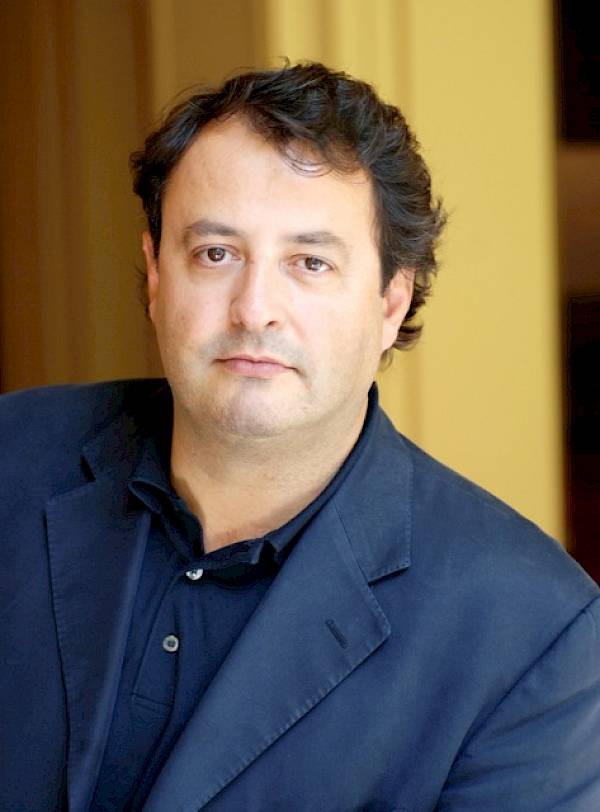
Franck Evin
Franck Evin, born in Nantes, moved to Paris at the age of 19 to study piano. At night he accompanied singers at the Café-Théâtre Le Connétable and also began to take an interest in lighting. He eventually decided to combine music and technology. Thanks to a scholarship from the French Ministry of Culture, he became assistant to the head of lighting at the Opéra de Lyon in 1983. There he worked with Ken Russell and Robert Wilson, among others. In 1986 he began working as an independent lighting designer at the Düsseldorf Schauspielhaus and obtained his master’s certificate in lighting in 1993. During this time he had a close collaboration with Werner Schröter and the conductor Eberhard Kloke. This was followed by productions in Nantes, Strasbourg, Paris, Lyon, Vienna, Bonn, Brussels and Los Angeles, among other places. From 1995 to 2012 he was Artistic Director of the lighting department at the Komische Oper Berlin, where he was responsible for all new productions. Important artistic partners during this period included Andreas Homoki, Barrie Kosky, Calixto Bieito and Hans Neuenfels. In 2006 Franck Evin was awarded the German Theatre Prize "Opus" in the category of lighting design. From 2012 to 2025 he was Artistic Director of the lighting department at the Zurich Opera House. In addition to his work in Zurich, he continued to work on international productions at opera houses in Oslo, Stockholm, Tokyo, Amsterdam, Munich and Graz, as well as at the Opéra Bastille, Teatro alla Scala, Teatro La Fenice, the Vlaamse Opera and at the Bayreuth Festival.
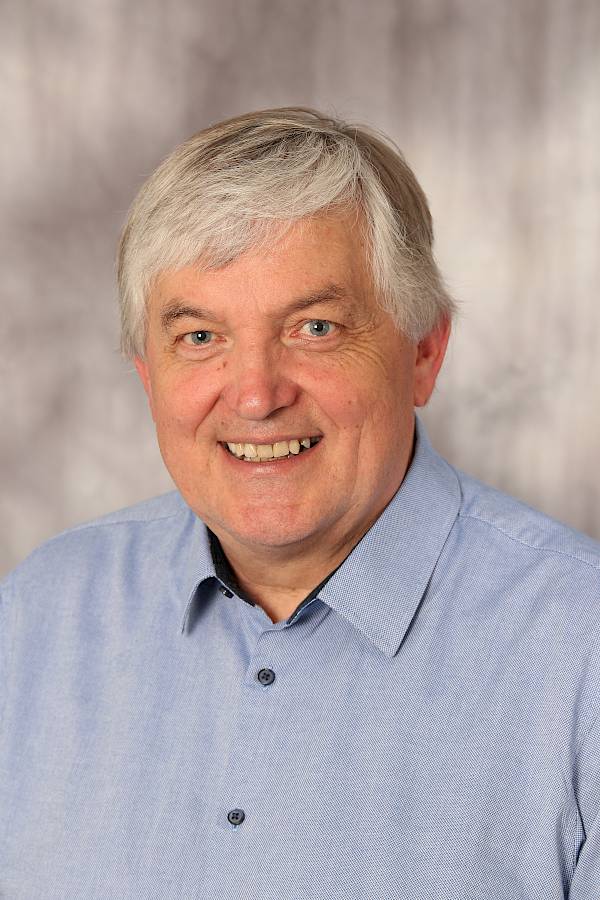
Ernst Raffelsberger
Ernst Raffelsberger comes from Gmunden, Upper Austria. He studied music education and church music at the University of Music and Performing Arts in Vienna as well as choral conducting at the Mozarteum in Salzburg. From 1983 to 1986 he was Kapellmeister of the Vienna Boys’ Choir. During this time, he led the ensemble in Vienna and on tours through Europe, South Africa, Canada, and the USA. From 1986, Ernst Raffelsberger was choral director and Kapellmeister at the Salzburg State Theatre (participating in the Salzburg Mozart Week and the Salzburg Festival). In 1989 he moved as choral director and Kapellmeister to the theatre in Freiburg/Breisgau. Since autumn 1993, Ernst Raffelsberger has been engaged at the Zurich Opera House as choral director. Here he has since supervised around 150 premieres and countless revivals and worked with many renowned conductors such as Marco Armiliato, Riccardo Chailly, Teodor Currentzis, Christoph von Dohnányi, Sir John Eliot Gardiner, Daniele Gatti, Bernard Haitink, Nikolaus Harnoncourt, Zubin Mehta, Gianandrea Noseda, and Franz Welser-Möst. Guest performances with the Zurich Opera House have taken him to Vienna, London, Paris, and Tokyo. From summer 2012 he additionally began a ten-year activity as choral director of the Vienna State Opera Chorus Association at the Salzburg Festival. There he collaborated successfully with, among others, Riccardo Muti, Mariss Jansons, and Sir Simon Rattle. After Ernst Raffelsberger ended this work with the festival summer 2021, he has since 2025 once again been responsible, at Maestro Muti’s request, for choral preparation for his festival concerts in Salzburg. Numerous CD and DVD recordings document his work in Zurich as well as in Salzburg.
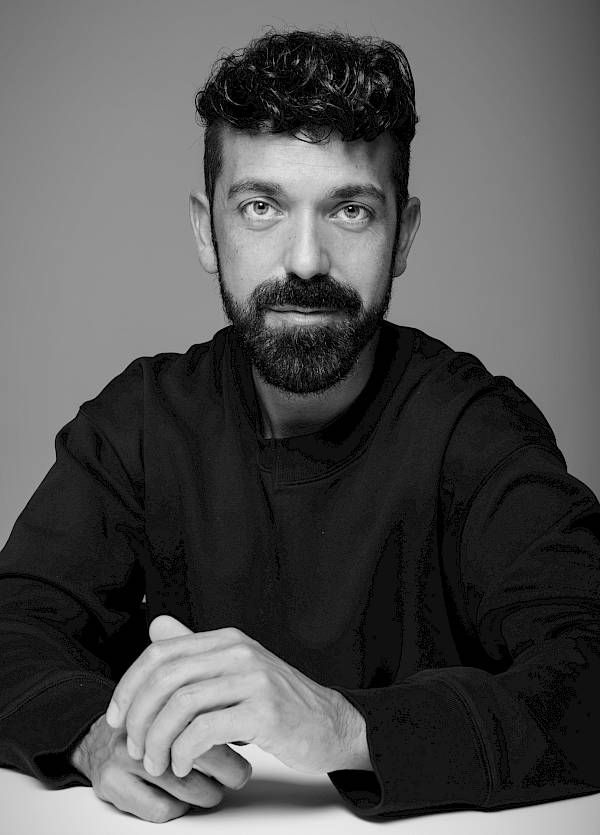
Pim Veulings
Pim Veulings studierte Tanz an der Universität der Künste in Amsterdam. Er tanzte an den Landestheatern in Linz und Niederbayern, dem Theaterhaus in Stuttgart, dem Wielki Theater in Warschau, der Welsh National Opera und dem Vlaamse Opera en Ballet in Antwerpen. Seit 2015 choreografiert er für Oper, Film, Musical und für zeitgenössische Tanzkompanien. Er arbeitete mit dem Scapino Ballet Rotterdam für La traviata und zusammen mit Floris Visser und der Dutch Touring Opera für Orphée et Eurydice, gefolgt von Manon am Opernhaus Zürich, Madama Butterfly an der Oper Graz, Hercules am Badischen Staatstheater in Karlsruhe und La bohème in Glyndebourne. Mit Ted Huffman arbeitete er für Braunfels' Die Vögel an der Opéra National du Rhin, für L'incoronazione di Poppea in Aix-en-Provence und für Die Zauberflöte an der Oper Frankfurt zusammen. Zu Pim Veulings künftigen Projekten gehört eine neue Choreografie für Orphée et Eurydice an der Nederlandse Reisopera.
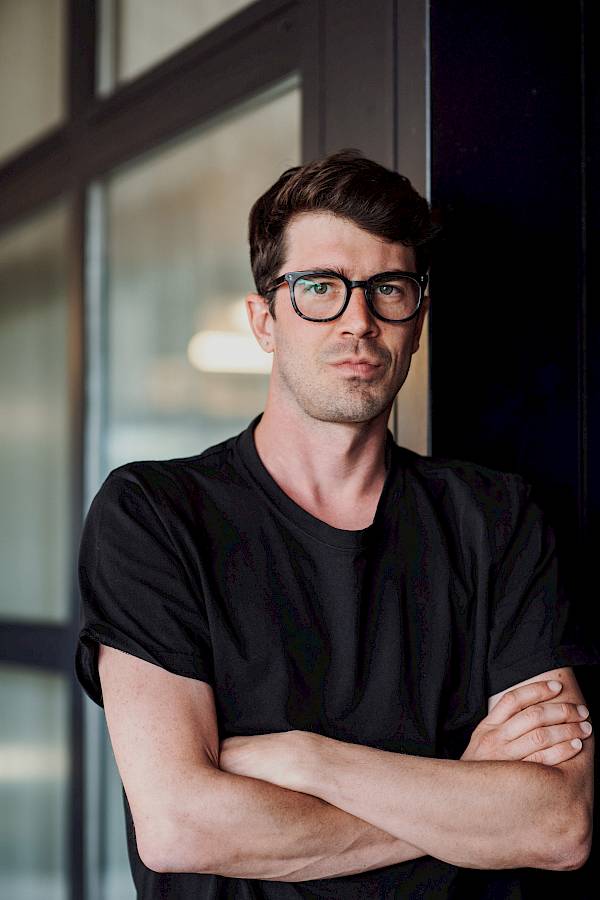
Fabio Dietsche
Fabio Dietsche studied dramaturgy at the Zurich University of the Arts as well as cross flute with Maria Goldschmidt in Zurich and with Karl-Heinz Schütz in Vienna. He gained his first experience as a dramaturge in 2012/13 with Xavier Zuber at Konzert Theater Bern, where he accompanied, among others, Matthias Rebstock’s production of "neither" (Beckett/Feldman) at the Berner Reithalle. Since 2013, he has been a dramaturge at the Zurich Opera House, where he completed his studies with the production dramaturgy of Puccini’s "La bohème." There, he has been involved, among others, in the world premieres of Stefan Wirth’s "Girl with a Pearl Earring" and Leonard Evers’ "Odyssee," the chamber opera "Jakob Lenz" by Wolfgang Rihm, and the Swiss premiere of Manfred Trojahn’s "Orest." He has worked with, among others, Robert Carsen, Tatjana Gürbaca, Rainer Holzapfel, Andreas Homoki, Ted Huffman, Mélanie Huber, Barrie Kosky, Hans Neuenfels, and Kai Anne Schuhmacher. He is currently studying cultural management on a part-time basis at the University of Zurich.
Cast


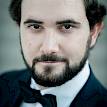

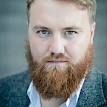
Tänzerinnen und Tänzer Alison Duarte 31 Dec / 03, 08, 11, 17, 26 Jan
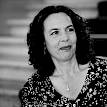
Tänzerinnen und Tänzer Maarten Krielen 31 Dec / 03, 08, 11, 17, 26 Jan
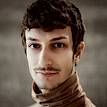
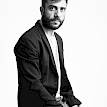
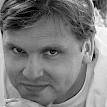
Tänzerinnen und Tänzer Roberto Tallarigo 31 Dec / 03, 08, 11, 17, 26 Jan
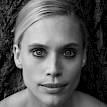
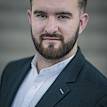
Tänzerinnen und Tänzer Sina Friedli 31 Dec / 03, 08, 11, 17, 26 Jan
Tänzerinnen und Tänzer Sara Peña 31 Dec / 03, 08, 11, 17, 26 Jan
Tänzerinnen und Tänzer Elena Paltracca 31 Dec / 03, 08, 11, 17, 26 Jan

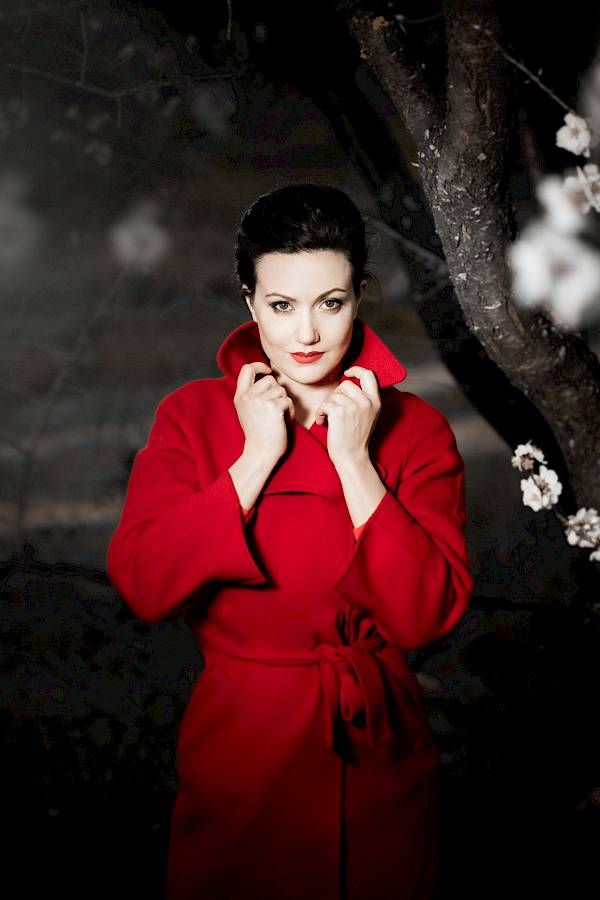
Julie Fuchs
Julie Fuchs, französische Sopranistin, studierte Violine und Schauspiel in Avignon sowie Gesang am CNSM in Paris. Von 2013 bis 2015 gehörte sie zum Ensemble des Opernhauses Zürich und kehrt seither immer wieder nach Zürich zurück. Hier sang sie u.a. Morgana (Alcina), Susanna (Le nozze di Figaro), Rosane (La verità in cimento), Contessa di Folleville (Il viaggio a Reims), Fiorilla (Il turco in Italia), Norina (Don Pasquale) sowie die Titelrolle in L’incoronazione di Poppea. Sie wurde dreimal bei den Victoires de la Musique ausgezeichnet und ist Chevalier de l’ordre des Arts et des Lettres. In jüngster Zeit war sie als Marie (La Fille du régiment) in Wien zu hören, als Fiorilla in Neapel, als Cleopatra (Giulio Cesare) in Amsterdam, als Leïla (Les Pêcheurs de perles) am Théâtre des Champs-Élysées, als Giunia (Lucio Silla) und Gilda (Rigoletto) in Madrid, als Musetta (La bohème) in München, als La Folie (Platée), Pamina (Die Zauberflöte), Giulietta (I Capuleti e i Montecchi) und Nannetta (Falstaff) an der Opéra de Paris, als Susanna beim Festival d’Aix-en-Provence, als Mélisande und Poppea in Barcelona, als Partenope in San Francisco, als Micaëla (Carmen) in Gstaad, als Adèle (Le comte Ory) an der Opéra Comique, in Versailles und in Pesaro sowie auf Tournee mit Marc Minkowski und Les Musiciens du Louvre als Aspasia (Mitridate). 2024/25 kehrt sie als Marie an die Opéra de Paris und als Susanna an die Bayerische Staatsoper zurück. Ausserdem singt sie La Stronatrilla (L’Opera Seria) an der Mailänder Scala und Cleopatra am Liceu in Barcelona. Ihr drittes Soloalbum, Amadè, ist 2022 bei Sony erschienen.
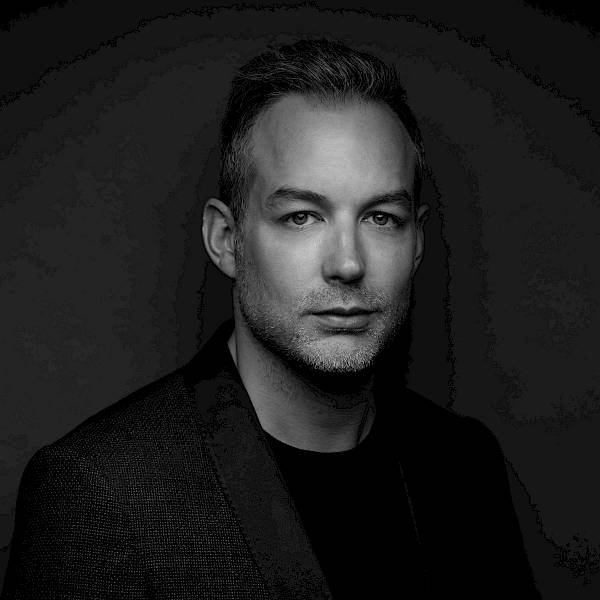
Stephen Costello
Tenor Stephen Costello is from Philadelphia and studied at the Academy of Vocal Arts. In 2007, at the age of 26, he made his debut at the opening of the Metropolitan Opera season in New York. In 2009, he won the Richard Tucker Award. Since then, he has performed at the world’s leading opera houses and festivals, including the Royal Opera in London, the Deutsche Oper Berlin, the Vienna State Opera, the Opéra national de Paris, the Gran Teatre del Liceu, the Semperoper Dresden, the Bavarian State Opera in Munich, the Lyric Opera of Chicago, the Hamburg State Opera, the San Francisco Opera, the Washington National Opera, the Bolshoi Theatre in Moscow, the Arena di Verona, as well as the Salzburg and Bregenz Festivals and the Glyndebourne Festival. His recent engagements include Pinkerton ("Madama Butterfly") at the Grand Théâtre de Genève, Rodolfo ("La bohème"), the Duke of Mantua ("Rigoletto"), and Greenhorn ("Moby Dick") at the Metropolitan Opera, the title role in "Don Carlo" at the Bavarian State Opera and Dallas Opera, as well as his role debut as Edward Fairfax Vere ("Billy Budd") at the Teatro Colón. In concert, he has performed Beethoven’s Symphony No. 9 with Michael Tilson Thomas and the Houston Symphony Orchestra, gave a gala concert with Kristine Opolais in Mexico, and appeared in recitals with pianist Anthony Manoli. At the Zurich Opera House, he appeared as Roméo ("Roméo et Juliette") and in the title roles of "Roberto Devereux" and "Don Carlo".
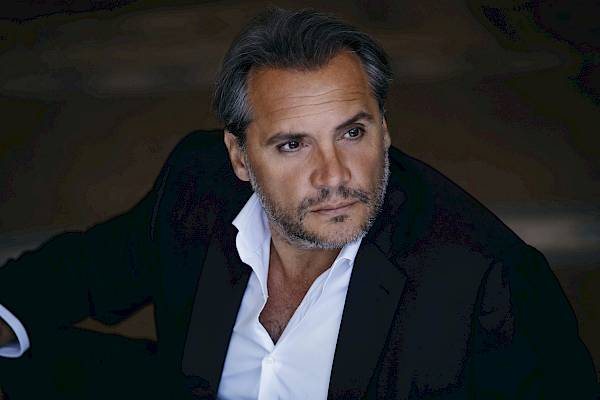
Nicolas Testé
French bass-baritone Nicolas Testé studied at the Opéra National de Paris and at the Centre de Formation Lyrique in Paris. In 1998, he won second prize at the “Voix Nouvelles” competition. He performs regularly on international stages, including the Metropolitan Opera in New York, the Bavarian State Opera in Munich, Los Angeles Opera, Deutsche Oper Berlin, Opéra National de Paris, Teatro San Carlo in Naples, Grand Théâtre de Genève, Teatro La Fenice in Venice, Theater an der Wien, as well as at the Glyndebourne Festival and the Chorégies d’Orange.
In concert, he has appeared at the Festspielhaus Baden-Baden, Elbphilharmonie Hamburg, Semperoper Dresden, Philharmonie Munich, Teatro Colón in Buenos Aires, Shanghai Symphony Hall, and Suntory Hall in Tokyo.
In the 2017/18 season, he sang Raimondo (Lucia di Lammermoor) at the Bavarian State Opera, Basilio (Il barbiere di Siviglia) at the Opéra Bastille in Paris, Giorgio Talbot (Maria Stuarda) in Zurich, Méphistophélès (Faust) and Alvise Badoero (La Gioconda by Ponchielli) at Deutsche Oper Berlin.
The 2018/19 season took him to the Opéra Bastille as Marcel in Les Huguenots, to the Met in New York as Nourabad in Les Pêcheurs de perles, to the Théâtre des Champs-Elysées in Paris as Hérode in L’enfance du Christ, and to the Gran Teatre del Liceu in Barcelona as Claudius in Thomas’ Hamlet. Most recently, in February 2020, he appeared as Frère Laurent in Roméo et Juliette at La Scala in Milan.
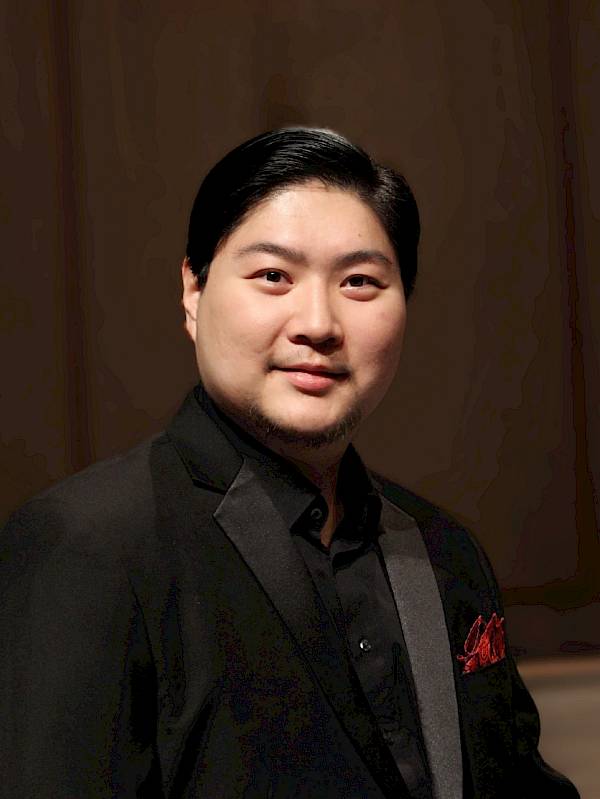
Chao Deng
Chao Deng, Bass-Bariton, studierte in seiner Heimatstadt Tianjin sowie an der Hochschule für Musik Würzburg. Anschliessend absolvierte er ein Masterstudium bei Christian Elsner und besuchte die Liedklasse von Gerold Huber. Er war Teil des Opernstudios an der Hochschule für Musik in Weimar bei Prof. Dr. Michail Lanskoi und machte sein Meisterklasse-Examen an der Hochschule für Musik Dresden bei KS Prof. Matthias Henneberg. Nach einer Spielzeit im Thüringer Opernstudio am Nationaltheater Weimar gehörte Chao Deng für zwei Jahre zum Jungen Ensemble der Semperoper Dresden, wo er Partien wie Schaunard (La bohème), Priamus (Les Troyens), Antonio (Le nozze di Figaro), 2. Geharnischte (Die Zauberflöte) und Angelotti/Schliesser (Tosca) sang. Grosse Erfolge feierte er vor allem als De Retz in der Neuproduktion von Les Huguenots sowie in der Titelpartie in Häuptling Abendwind. Seit der Spielzeit 2020/21 gehört er zum Ensemble der Staatsoper Hamburg, wo als Peter (Hänsel und Gretel), Biterolf (Tannhäuser), Schaunard, Masetto (Don Giovanni), Sprecher (Die Zauberflöte), Frank (Die Fledermaus), Don Fernando (Fidelio) und Lesbo (Agrippina) zu hören war. 2022/23 gab er sein erfolgreiches Rollendebüt als Don Alfonso (Così fan tutte). Neben seinen Verpflichtungen in Hamburg führten ihn Gastengagements u.a. als Priamus an die Bayerische Staatsoper München, als Alidoro (La Cenerentola) an die Semperoper Dresden, als Herr Fluth in der Neuproduktion Die lustigen Weiber von Windsor und als Betto di Signa (Gianni Schicchi) an die Staatsoperette Dresden, als Le Duc (Roméo et Juliette) an die Deutsche Oper am Rhein sowie als Fasolt (Das Rheingold) in die XingHai-Konzerthalle in Guangzhou China.
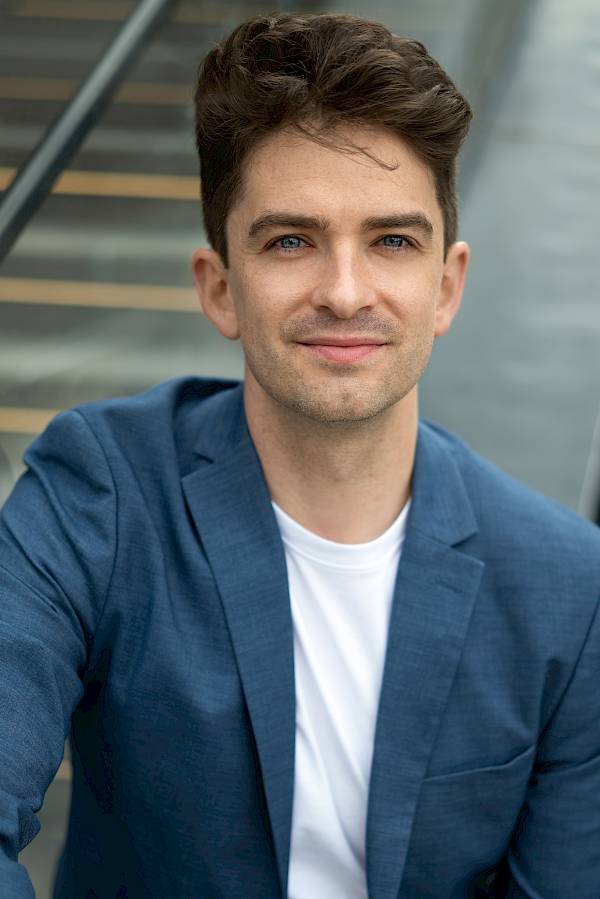
Gregory Feldmann
Gregory Feldmann studied at the Juilliard School with Elizabeth Bishop, Randall Scarlata, and Sanford Sylvan. At Juilliard Opera, he appeared as Belcore in “L’elisir d’amore”, as Virgil T. in “The Mother of Us All”, and as Guglielmo in “Così fan tutte”. At the Opera Theatre of Saint Louis, he sang Almaviva in “Le nozze di Figaro”. As a soloist, he has performed in Fauré’s “Requiem” as well as Handel’s “Israel in Egypt” and “Messiah”. He has a close artistic partnership with pianist Nathaniel LaNasa. In 2019, he won first prize at the “Joy in Singing” International Song Competition and in 2021, first prize at the “Gerda Lissner” Song/Lieder Competition. In 2022, he was a Young Artist at the Glimmerglass Festival. From 2022 to 2024, he was a member of the International Opera Studio at Zurich Opera House, where he appeared in productions including “Roberto Devereux”, “Don Pasquale”, “Serse”, “Jakob Lenz”, “Sweeney Todd”, “A Midsummer Night’s Dream”, and “Carmen”. Together with pianist Nathaniel LaNasa, he has given song recitals at Wigmore Hall in London, at the September Festival: Royaumont in Viarmes (FR), and at the Musée d’Orsay in Paris.
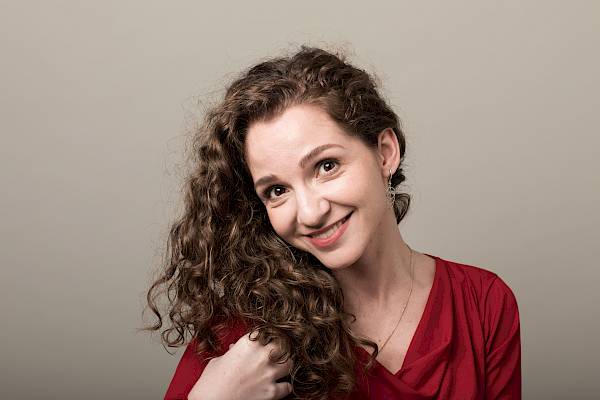
Svetlina Stoyanova
Svetlina Stoyanova, a Bulgarian mezzo-soprano, was born in Sofia and began her musical career as a soloist in the children’s choir of the Bulgarian National Radio. After studying psychology at the University of Glasgow, she completed a bachelor’s degree with distinction and two master’s degrees in voice and opera at the Royal Conservatoire of Scotland under Clare Shearer. In 2017, she won 1st prize at the International Singing Competition “Neue Stimmen” and 3rd prize at the Le Grand Prix de l’Opéra. Following these successes, she was invited by the Opéra de Nice Côte d’Azur and the Anthéa Théâtre to perform as Cherubino (“Le nozze di Figaro”) and in the title role of Rosina (“Il barbiere di Siviglia”) at the Bregenz Festival. From 2018 to 2020, she was a member of the Vienna State Opera ensemble, performing roles such as Rosina (“Il barbiere di Siviglia”), Cherubino (“Le nozze di Figaro”), Dryad (“Ariadne auf Naxos”), and Rossweisse (“Die Walküre”). Since then, she has appeared at La Scala in Milan, the Bolshoi Theatre in Moscow, the Hamburg State Opera, the Zurich Opera House, and the Glyndebourne Festival. Recent highlights include “La Cenerentola” in Düsseldorf, Athens, and Riga, Stéphano in “Roméo et Juliette” at Theater an der Wien and the Zurich Opera House, and Sesto (“Giulio Cesare”) and Ruggiero (“Alcina”) at the Glyndebourne Festival. She is also in demand as a concert singer, performing at venues such as the Musikverein in Vienna, London’s Wigmore Hall, and in Tokyo.
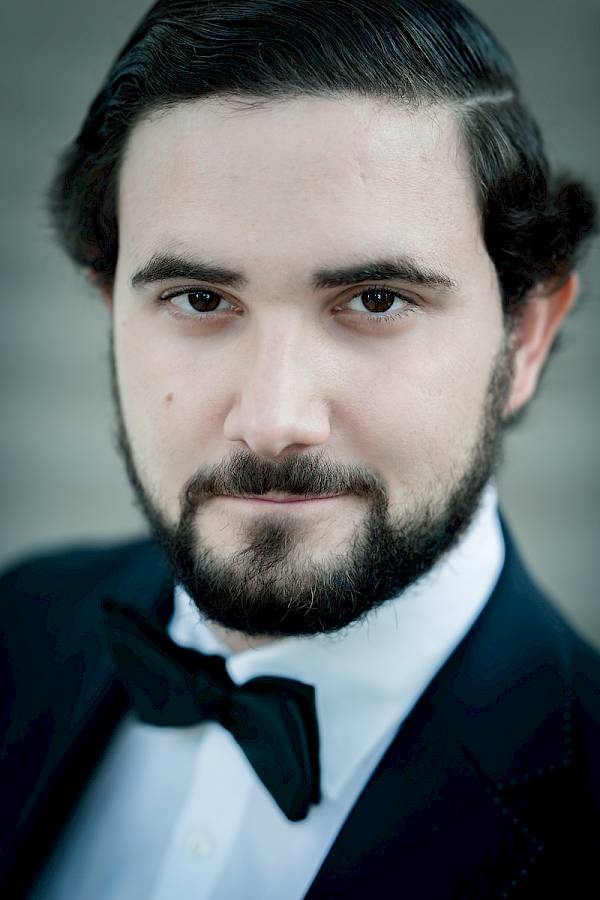
Omer Kobiljak
The tenor Omer Kobiljak is originally from Bosnia and was born in Switzerland. He studied singing with David Thorner, first at the Winterthur Conservatory and then at the Kalaidos University of Applied Sciences in Aarau. He attended masterclasses with Jane Thorner-Mengedoht, David Thorner, and Jens Fuhr and won first prize with distinction at the Thurgau Music Competition in 2012. The following year, he sang a apprentice (“Die Meistersinger von Nürnberg”) under Daniele Gatti at the Salzburg Festival and made his debut in the same role at La Scala in Milan in 2017. From the 2017/18 season, he was a member of the International Opera Studio at the Zurich Opera House, where he appeared in productions such as “La fanciulla del West,” “Parsifal,” “The Flying Dutchman,” and “La traviata.” He also performed as Lord Arturo Buklaw (“Lucia di Lammermoor”) and as the notary in the concert performance of “La sonnambula.” Since the 2019/20 season, Omer Kobiljak has been part of the ensemble at the Zurich Opera House, where he has sung roles including Abdallo (“Nabucco”), Macduff (“Macbeth”), Froh (“Das Rheingold”), Alfredo (“La traviata”), Tybalt (“Roméo et Juliette”), the Mad Hatter (“Alice in Wonderland”), and a singer (“Der Rosenkavalier”). His further engagements include Prince Alexis (Umberto Giordano’s “Siberia”), Yamadori (“Madama Butterfly”), and Don Riccardo (“Ernani”) at the Bregenz Festival, as well as the title role in “The Count of Luxembourg” at the Tiroler Festspiele Erl. In 2023, Omer Kobiljak was a finalist in the Operalia Competition in Cape Town. Most recently, he made his house debuts as Lord Arturo Buklaw at the Semperoper Dresden, as Froh at the Opéra de Monte-Carlo, and as Narraboth (“Salome”) at the Baltic Opera Festival in Poland.
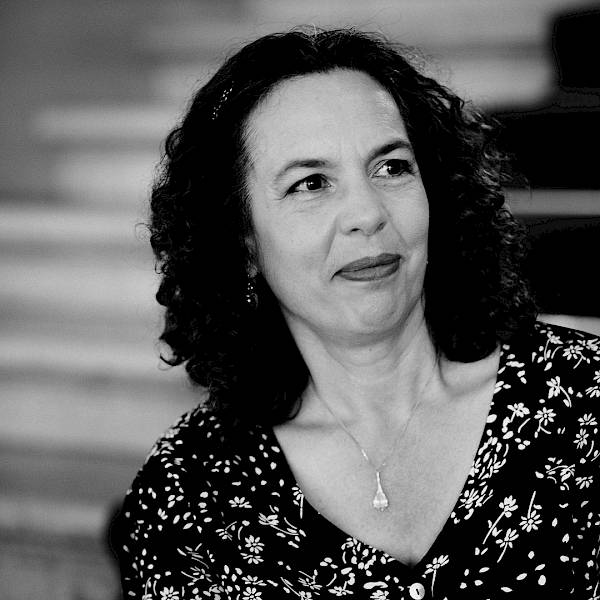
Irène Friedli
Irène Friedli grew up in Räuchlisberg, Switzerland, and completed her studies at the Basel Music Academy with a soloist diploma. The alto furthered her training in the interpretation class of Dietrich Fischer-Dieskau in Berlin, attended masterclasses with Brigitte Fassbaender, and studied with Helen Keller. She has won numerous awards at international song competitions. Since 1994, she has been a member of the ensemble at the Zurich Opera House. Here, she has sung roles including Second and Third Lady ("The Magic Flute"), Mercédès ("Carmen"), the title role in Ravel’s "L’Enfant et les sortilèges," Elsbeth ("Schlafes Bruder"), Lily ("Harley"), Annina and Flora ("La traviata"), Flosshilde ("Das Rheingold," "Götterdämmerung"), Marcellina ("Le nozze di Figaro"), Emilia ("Otello"), Lucia ("Cavalleria rusticana"), Olga in Peter Eötvös’ "Drei Schwestern," Marthe (Gounod’s "Faust"), Margret ("Wozzeck"), Lovis in Jörn Arnecke’s "Ronja Räubertochter," Flower Maiden and Voice from Above ("Parsifal"), Gertrud/Crone ("Hänsel und Gretel"), Clotilde ("Norma"), Mother/Other Mother ("Coraline"), Card Dealer ("Arabella"), and Nurse ("Boris Godunow"). In the world premiere of the family opera "Odyssee," she portrayed Eurycleia/Mother, and in "Girl with a Pearl Earring" she sang Tanneke. In 2012, she appeared at the Opéra Bastille in Paris. Most recently in Zurich, she has performed roles including the Queen of Hearts ("Alice in Wonderland"), Filipjewna ("Eugene Onegin"), Tisbe ("La Cenerentola"), Miss Bentson ("Lakmé"), Frau Waas/Frau Mahlzahn ("Jim Knopf"), Head Cook ("Amerika"), Ninetta ("I vespri siciliani"), Annina ("Der Rosenkavalier"), and Gertrud/Crone ("Hänsel und Gretel").
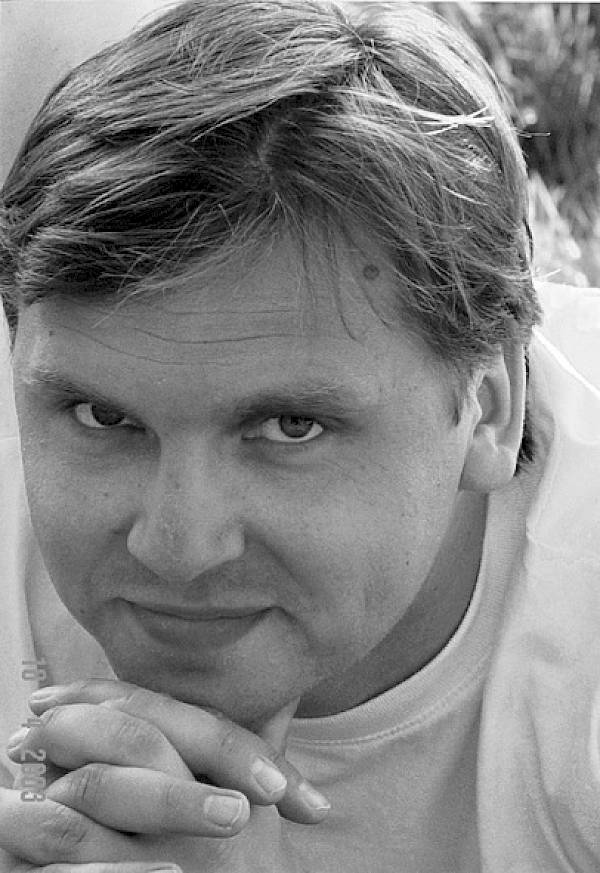
Valeriy Murga
Valeriy Murga studied at the National Music Academy of Ukraine in Kyiv. He was a finalist at both the 41st International Singing Competition in Toulouse (1996) and the 7th Julian Gayarre Competition in Pamplona (1998). In 1997, he won second prize at the Maria Callas Grand Prix in Athens and took part in the Cardiff Singer of the World competition in 1999. From 1997 to 1999, he was a soloist at the Ukrainian National Opera in Kyiv, where he performed roles including Figaro ("Le nozze di Figaro"), Escamillo ("Carmen"), Schaunard ("La bohème"), and the title roles in "Eugene Onegin", "Don Giovanni", and "Prince Igor". His repertoire also includes roles such as Marchese di Posa ("Don Carlo") and Shaklovity ("Khovanshchina"). At the Zurich Opera House, he first joined the International Opera Studio and during this time appeared as Sciarrone and Jailer ("Tosca") as well as Monterone ("Rigoletto"). Since the beginning of the 2000/01 season, he has been a permanent ensemble member at the Zurich Opera House and has since appeared in roles including Prince Yeletsky ("Pique Dame"), Moralès ("Carmen"), Second Soldier ("Salome"), Alessio ("La sonnambula"), Ali ("L’italiana in Algeri"), Wagner ("Faust"), Sacristan ("Tosca"), and Bogdanowitsch ("Die lustige Witwe"), as well as in family operas such as "Das Gespenst von Canterville", "Robin Hood", "Das verzauberte Schwein", "Jim Knopf", and "Wir pfeiffen auf den Gurkenkönig". He has also appeared as a guest in Eugen d’Albert’s "Tiefland" at the Gran Teatre del Liceu in Barcelona and in "L’italiana in Algeri" at the Staatsoper Unter den Linden in Berlin, and has performed in concerts at the Tonhalle Zurich.
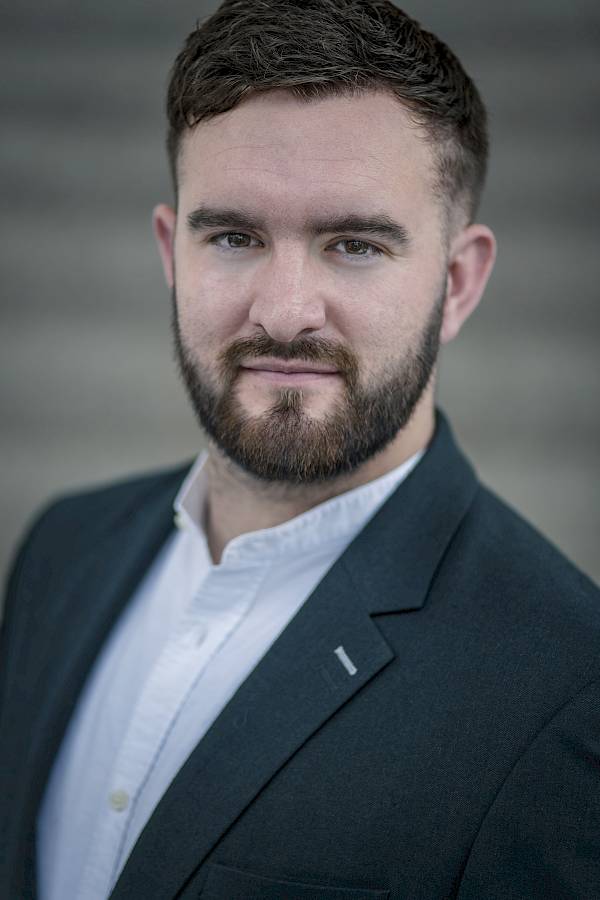
Steffan Lloyd Owen
Baritone Steffan Lloyd Owen is from Wales and studied at the Royal Northern College of Music in Manchester. He received numerous singing awards, including the W. Towyn Roberts Scholarship Prize, the Blue Riband Osborne Roberts Memorial Prize at the National Eisteddfod of Wales, and the Kathleen Ferrier Bursary Prize. In 2025, he won the Josep Palet Singing Competition and was a finalist at the Paris Opera Competition. He sang Sciarrone and the Jailer in a semi-staged "Tosca" alongside Sir Bryn Terfel and Kristine Opolais at the Llangollen International Musical Eisteddfod, Escamillo ("La tragédie de Carmen") at the Buxton International Festival, and Guglielmo ("Così fan tutte") at the Welsh National Opera. Concert highlights included Beethoven’s Mass in C major and "Choral Fantasy" with the BBC National Orchestra, Chorus of Wales, and the orchestra of the Welsh National Opera. Since the 2024/25 season, he has been a member of the International Opera Studio, where he has sung, among other roles, the title role in "Gianni Schicchi".
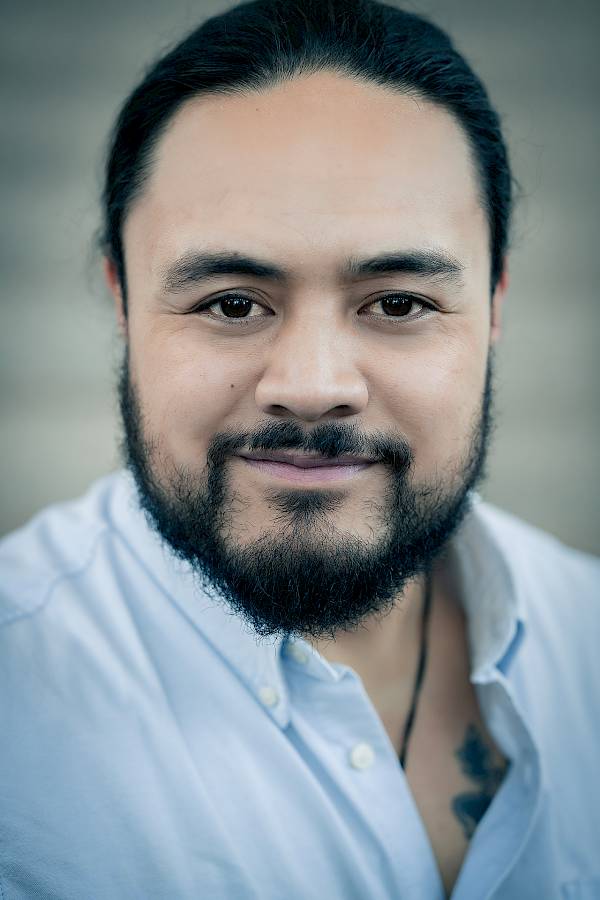
Samson Setu
Samson Setu, Bariton, begann seine Ausbildung in Neuseeland, wo er Mitglied des Dame Kiri Te Kanawa Programme for Young Singers war, und studierte am Royal College of Music in London. Ab 2020 war er Mitglied im Lindeman Young Artist Program der Metropolitan Opera New York, wo er in Don Carlo einen der Flämischen Deputierten sang. Er war Finalist bei der Dame Malvina Major Aria Competition und der IFAC Handa Australia Singing Competition. An der New Zealand Opera war er in Gilbert and Sullivans Trial By Jury als Usher zu hören. Seit der Spielzeit 2023/24 ist er Mitglied des Internationalen Opernstudios am Opernhaus Zürich.
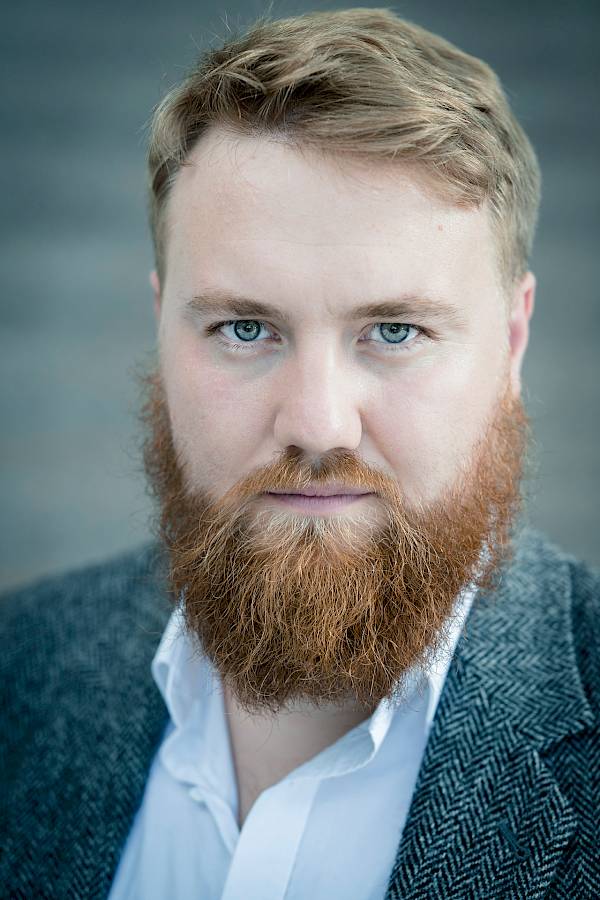
Maximilian Lawrie
Maximilian Lawrie studierte am Magdalen College der University of Oxford und an der Royal Academy of Music in London. Dort war er als Tanzmeister in Ariadne auf Naxos, Interrogator 2 in Witch, als Rodolfo in La bohème, als Rinuccio in Gianni Schicchi, als First Sailor in Dido and Aeneas, als Don Ottavio in Don Giovanni, als Nemorino in L’elisir d’amore, als Lysander in A Midsummer Night’s Dream, in der Titelrolle von Werther und als Faust in Mefistofele zu hören. Zudem sang er Rodolfo an der Rogue Opera sowie Don José in Carmen an der Rogue Opera und der Cambridge University Opera Society. Seit der Spielzeit 2022/23 ist er Mitglied des Internationalen Opernstudios am Opernhaus Zürich und war hier als Kaufmann (Jakob Lenz) und Tom Snout (A Midsummer Night’s Dream) sowie in Il trovatore, La traviata, Salome, Roméo et Juliette und Die Zauberflöte zu sehen.
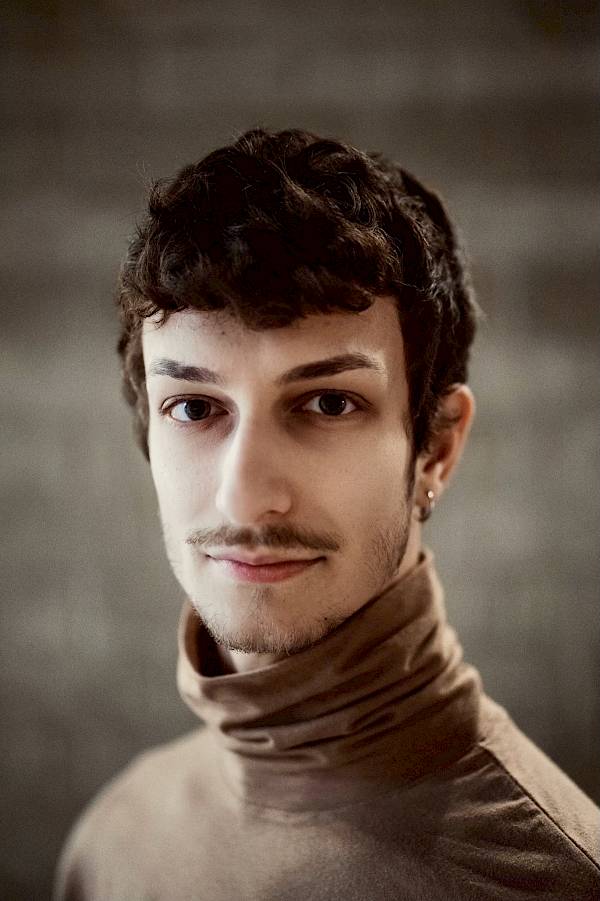
Davide Pillera
Davide Pillera begann seine tänzerische Ausbildung im Alter von 9 Jahren an der sizilianischen Tanzschule «All Jazz». Dort lernte er verschiedene Tanzstile wie Hip-Hop, Modern Jazz und klassischer Tanz. Im Alter von 17 Jahren begann er seine berufliche Laufbahn am Nationalen Tanzkonservatorium in Lyon (Frankreich) und absolvierte sein Studium als professioneller Tänzer im zeitgenössischen Tanz im Jahr 2016.
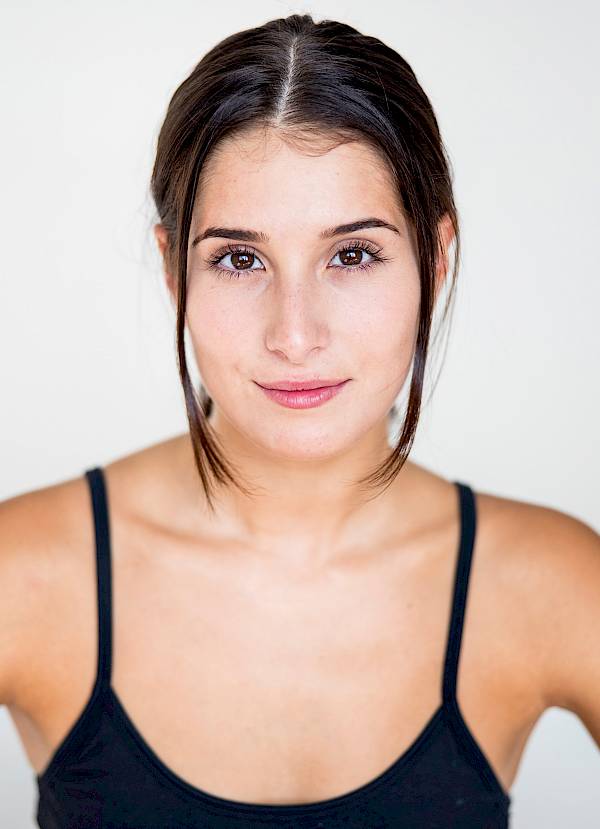
Oriana Zeoli
Oriana Zeoli (Künstlername: Glory), begann im Alter von fünf Jahren mit Ballett und Hip-Hop an der Tanzschule «Marciano und Minasi Tanz» in Bassersdorf. 2015 erweiterte Glory ihre Tanzsprache bei Popping Mike sowie mit House und Hip-Hop bei Lori Pisano. Anschliessend sammelte sie Bühnen- und Battle-Erfahrungen im In- und Ausland und performte in verschiedenen Videodrehs. Durch das Reisen in diverse Städte wie Los Angeles, New York und Montreal konnte sie neue Eindrücke gewinnen und ihr Wissen vertiefen. Die Neugier auf mehr führte Glory 2021 nach Paris, wo sie intensives Training und den Austausch mit verschiedenen Pionieren erleben durfte und sogleich einen Vertrag mit einer Tanzcompany vor Ort abschliessen konnte. Über Muhammed Kaltuk, den Leiter der Company «MEK», kam sie schliesslich in Berührung mit der Theaterwelt. Seitdem tanzte sie in zahlreichen Theaterstücken, u.a. in Poems from Inner Space und Quest mit der Kompanie Prisma Kollektiv am Kurtheater Baden, Territory mit der Company MEK am Theater Basel, A Seat at the Table im Rosengarten Bern und Into the Dark in Wiesbaden. Am Opernhaus Zürich war sie bereits in Barkouf und Roméo et Juliette zu sehen. Seit 2021 tanzt sie in der Kompanie Rêvolution unter der Leitung von Anthony Égéa und ist mit Explosion Teil einer Frankreich-Tournee. Mit ihrer Tanzpartnerin Maren Wittig gründete sie 2022 das Kollektiv «Female Finesse», mit dem sie abendfüllende Stücke tanzt und choreografiert. Glorys Choreografie von Not Where, but Who wurde jüngst mit dem Preis «Tanzfaktor 2024» ausgezeichnet.