Scylla et Glaucus

Jean-Marie Leclair

Tragédie en musique in one prologue and five acts
Libretto by d'Albaret based on Ovid's «Metamorphoses»

From 27. March 2026 until 2. May 2026

  • Language:
    In French with German and English surtitles.
  • More information:
    Introduction 45 min before the performance.
    As part of Zürich Barock
    Preview: 21 Mär 2026
    © Poster image (detail) by Huang Ko Wei (Scatter)

Musical Director:
Emmanuelle Haïm

Emmanuelle Haïm

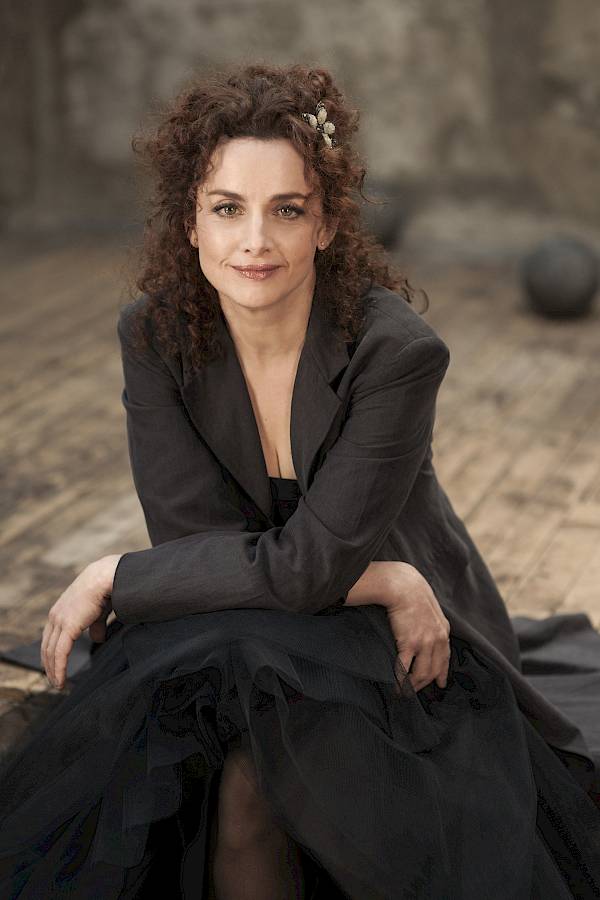
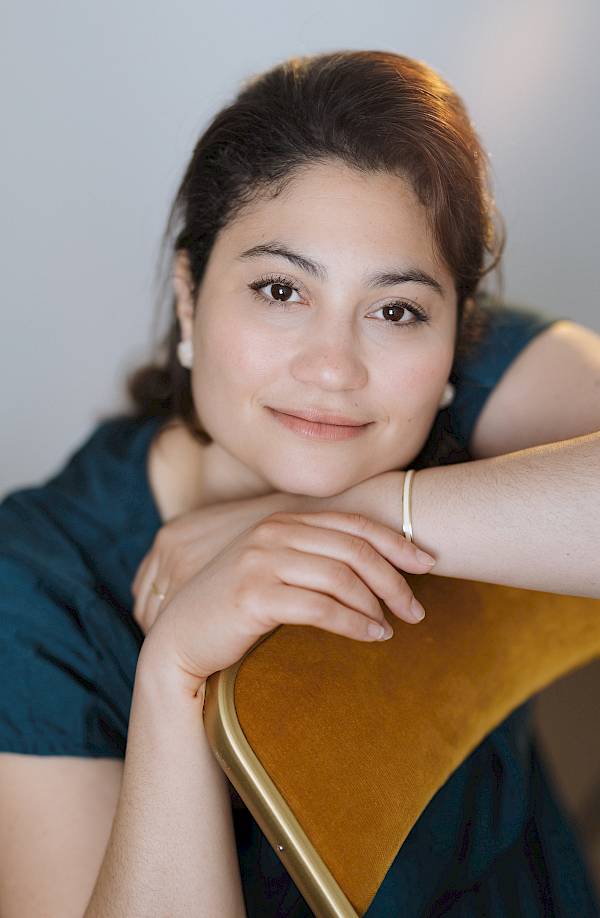
The French harpsichordist and conductor Emmanuelle Haïm is a specialist in Baroque repertoire. For 25 years, she has led her own Baroque ensemble, Le Concert d’Astrée. She is currently also engaged in an artistic collaboration with the Los Angeles Philharmonic. Recently, Emmanuelle Haïm made her debut with the Concertgebouw Orchestra and returned to the Bavarian Radio Symphony Orchestra and the Zurich Opera House for a new production of Rameau’s "Platée." She regularly conducts the Berlin Philharmonic. She has made her debut with the New York Philharmonic, the London Symphony Orchestra, the Gewandhausorchester Leipzig, and the Vienna Philharmonic, performing in Vienna and at the Lucerne Festival. In 2000, she founded Le Concert d’Astrée, which quickly gained an international reputation. In the 2024/25 season, she led a new production of Handel’s "Semele" at the Théâtre des Champs-Élysées, a revival of Purcell’s "Dido and Aeneas" at the Grand Théâtre de Genève, and a concert tour in Spain. In the summer of 2025, she conducted a new production of Handel’s "Giulio Cesare in Egitto" at the Salzburg Festival. This season includes, among others, Handel’s "Semele" in Amsterdam and Leclair’s "Scylla et Glaucus" at the Zurich Opera House, alongside performances of Pergolesi’s "Stabat Mater" in France and Spain. Her extensive discography has been honored with numerous awards, including the Victoires de la Musique Classique and the Echo Deutscher Musikpreis. Her most recent releases include a CD of Handel’s Italian cantatas and a DVD recording of Rameau’s "Les Boréades." Emmanuelle Haïm is a Chevalier of the Ordre national de la Légion d’Honneur, an Officier des Arts et des Lettres, and an Honorary Member of the Royal Academy of Music.

Scylla et Glaucus27 / 29 / 31 Mar / 2 / 6 / 30 Apr / 2 May 2026 1st La Scintilla Concert10 Nov 2025
Production:
Claus Guth

Claus Guth

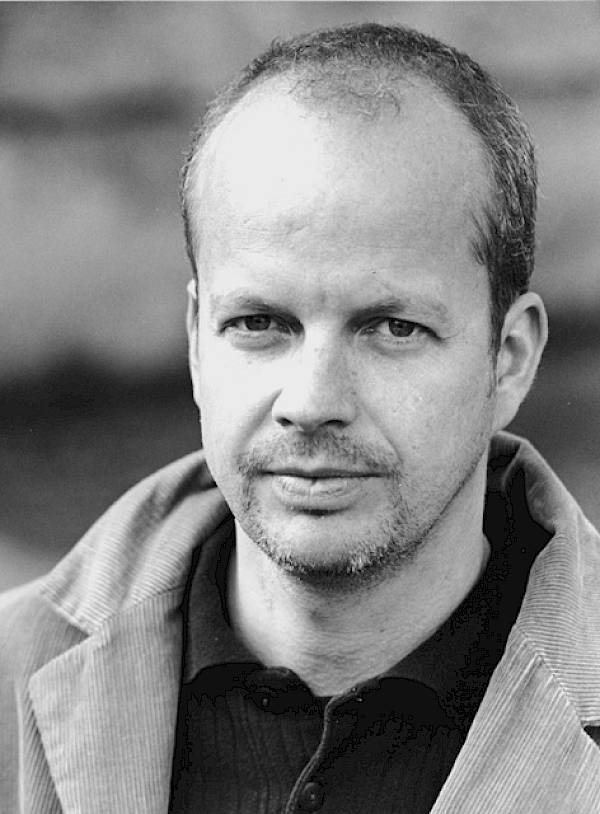
Claus Guth, born in Frankfurt am Main, studied philosophy, German studies, and theatre studies at the Ludwig Maximilian University of Munich, as well as theatre and opera directing at the Munich University of Music and Performing Arts. Since 1990, he has worked as a freelance director with a focus on music theatre. He gained international recognition for his Mozart productions at the Salzburg Festival, particularly the "Da Ponte cycle". He has directed at leading opera houses worldwide, including La Scala in Milan, the Royal Opera House Covent Garden, Staatsoper Wien, Zurich Opera House, Staatsoper Unter den Linden, Bavarian State Opera, Bayreuth Festival, Metropolitan Opera, Opéra National de Paris, De Nationale Opera Amsterdam, Teatro Real Madrid, Glyndebourne Festival, Teatro San Carlo, Bolshoi Theatre, and the Festival d’Aix-en-Provence. For Debussy’s "Pelléas et Mélisande" and Strauss’ "Daphne" at Oper Frankfurt, he received the FAUST Prize. In 2022, his production of "Jenůfa" at the Royal Opera House was awarded the Olivier Award, and Georg Friedrich Haas’ "Bluthaus" at the Bavarian State Opera was named best international production in Austria. In 2023, he received the Oper! Award for Best Direction, and in 2025, the International Opera Award as Director of the Year. His Wagner productions, including "Lohengrin" (Milan), "Tannhäuser" (Vienna), "Tristan und Isolde" (Zurich), and "Der Ring des Nibelungen" (Hamburg), are particularly influential. He has also realized numerous world premieres, such as Jarrell’s "Bérénice", Furrer’s "Violetter Schnee", Czernowin’s "Heart Chamber", Ruzicka’s "Celan", and Dusapin’s "Il Viaggio, Dante". His original creations, including collaborations with composer Helmut Oehring, "Samson" with Raphaël Pichon, and "Doppelgänger" at the Park Avenue Armory in New York, further complement his body of work.
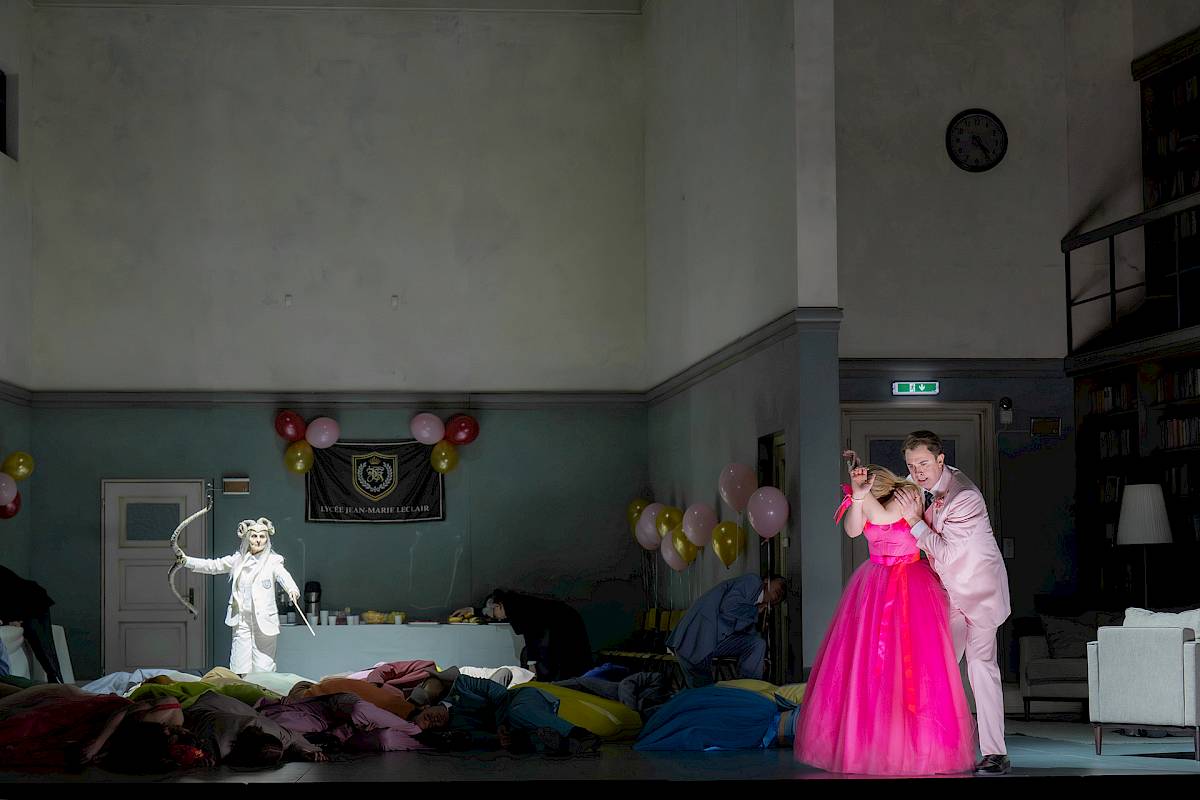
Scylla et Glaucus27 / 29 / 31 Mar / 2 / 6 / 30 Apr / 2 May 2026
Set Design:
Etienne Pluss

Etienne Pluss

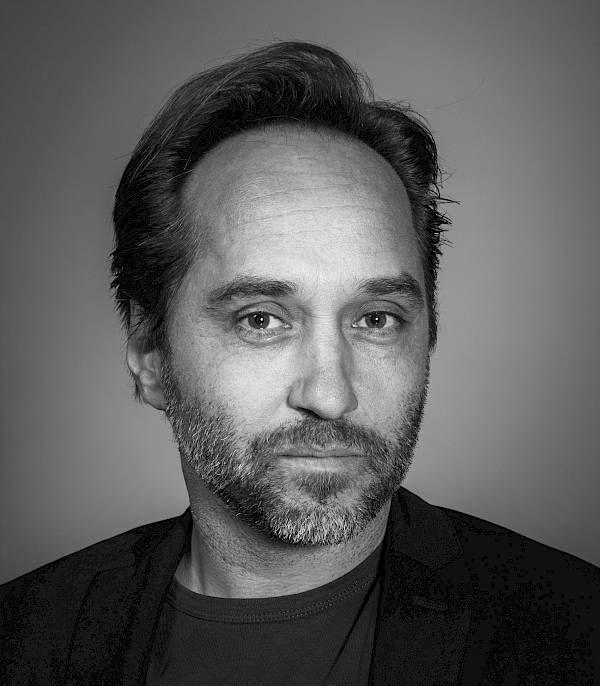
Étienne Pluss was born in Geneva, where he initially ran an art gallery before pursuing a degree in stage design at the Berlin University of the Arts. He began his theatre career as an assistant set designer to Achim Freyer and Karl-Ernst Herrmann. Since 2000, he has worked as a freelance stage designer and has since collaborated with numerous renowned theatres in both drama and opera. He maintains a close artistic partnership with Claus Guth. For Guth’s productions, he created, among others, the stage designs for Beat Furrer’s "Violetter Schnee" at the Staatsoper Unter den Linden (FAUST Theatre Prize 2019), "La bohème" at the Opéra National de Paris, "Die Sache Makropulos" at the Staatsoper Berlin, Dusapin’s "Il Viaggio, Dante" at the Festival d’Aix-en-Provence, "Don Carlo" at the Teatro San Carlo in Naples, "Salome" at the Bolshoi Theatre in Moscow in cooperation with the Metropolitan Opera New York, and "Bluthaus" at the Bavarian State Opera. In addition, he designed the stage sets for Weinberg’s "Die Passagierin" at the Opera Graz and "Hamlet" at the Komische Oper Berlin, both directed by Nadja Loschky. For "Il trittico" at the Salzburg Festival, he collaborated with Christof Loy. Together with Richard Brunel, he realized the stage designs for Boesmans’ "On purge bébé" at La Monnaie in Brussels as well as for Escaich’s opera "Shirine" in Lyon. With Evgeny Titov, he developed Shakespeare’s "Richard III." at the Schauspielhaus Düsseldorf. In 1998, he was invited to the Berlin Theatertreffen, and the following year he received the Kainz Medal for his work on Thomas Bernhard’s "Claus Peymann kauft sich eine Hose und geht mit mir essen". Most recently in Zurich, he designed the stage set for "Alice".

Scylla et Glaucus27 / 29 / 31 Mar / 2 / 6 / 30 Apr / 2 May 2026
Costumes:
Ursula Kudrna

Ursula Kudrna

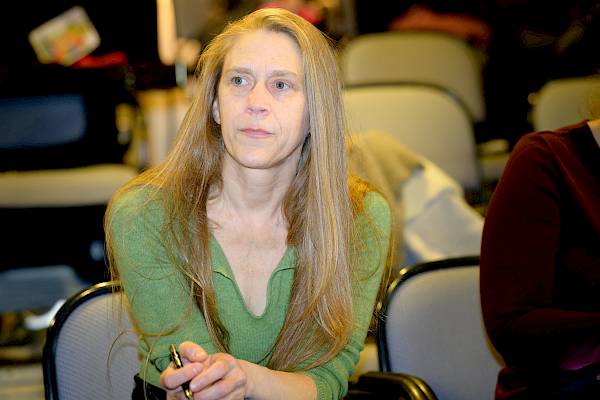
Ursula Kudrna was born in Vienna and studied at the Academy of Fine Arts. With her expressive, visually striking costumes, she has shaped the international opera and theatre scene for many years. In 2019, she was named “Costume Designer of the Year” in the Opernwelt critics’ survey. This recognition was based on her designs for Mozart’s "Die Zauberflöte" at the opening of the Salzburg Festival, inspired by fairy tale and circus motifs, as well as the Pieter Brueghel–inspired costumes for Beat Furrer’s "Violetter Schnee" directed by Claus Guth at the Staatsoper Berlin. She has maintained a long-standing collaboration with Claus Guth, including productions such as "Salome" at the Metropolitan Opera New York, "Die Sache Makropulos" at the Staatsoper Berlin, "Turandot" at the Vienna State Opera, "Samson" at the Festival d’Aix-en-Provence, and "Die Liebe der Danae" at the Bavarian State Opera. Since 2003, she has designed costumes for numerous prestigious houses, including Staatsoper Berlin, Semperoper Dresden, Komische Oper Berlin, Teatro alla Scala, Zurich Opera House, Mikhailovsky Theatre in St. Petersburg, Deutsche Oper Berlin, Volksbühne Berlin, and Theater Basel. She worked with Philipp Stölzl on productions such as "Orpheus in der Unterwelt", "Der fliegende Holländer", "Il trovatore", "Faust", and "Rienzi". Collaborations with Lydia Steier include "Giulio Cesare", "Jephtha", "Káťa Kabanová", "Candide", and Stockhausen’s "Donnerstag aus Licht" (Production of the Year 2016). Additionally, she has worked with Jürgen Flimm on productions including "Manon Lescaut", "Le nozze di Figaro", Rossini’s "Otello", Sciarrino’s "Ti vedo, ti sento, mi perdo", and Schumann’s "Szenen aus Goethes Faust" for the reopening of the Staatsoper Berlin in 2017.

Scylla et Glaucus27 / 29 / 31 Mar / 2 / 6 / 30 Apr / 2 May 2026
Choreography:
Sommer Ulrickson
Lighting Design:
Martin Gebhardt

Martin Gebhardt

Martin Gebhardt was lighting designer and Head of Lighting for John Neumeier’s Hamburg Ballet. From 2002 onward he collaborated with Heinz Spoerli and the Ballett Zürich. Ballet productions of both companies took him to renowned theatres across Europe, Asia, and the Americas. At Zurich Opera House he created the lighting design for productions by Jürgen Flimm, David Alden, Jan Philipp Gloger, Grischa Asagaroff, Matthias Hartmann, David Pountney, Moshe Leiser/Patrice Caurier, Damiano Michieletto, and Achim Freyer. At the Salzburg Festival he designed the lighting for "La bohème" and for a new version of Spoerli’s "Der Tod und das Mädchen". Since the 2012/13 season Martin Gebhardt has been Head of Lighting at Zurich Opera House. He maintains a close collaboration with choreographer Christian Spuck (including "Winterreise", "Nussknacker und Mausekönig", "Messa da Requiem", "Anna Karenina", "Woyzeck", "Der Sandmann", "Leonce und Lena", "Das Mädchen mit den Schwefelhölzern"). He has also worked as lighting designer for choreographers Edward Clug (including "Strings", "Le Sacre du printemps" and "Faust" in Zurich), Alexei Ratmansky, Wayne McGregor, Marco Goecke, and Douglas Lee. He collaborated with Christoph Marthaler and Anna Viebrock on Handel’s "Sale" and Rossini’s "Il viaggio a Reims" in Zurich as well as on "Lulu" at the Hamburg State Opera, and with Jossi Wieler and Sergio Morabito at the Grand Théâtre de Genève for "Les Huguenots". In 2023 he designed the lighting for Spuck’s ballet "Bovary" at the Staatsballett Berlin and in 2024 for Rossini’s "Tancredi" at the Bregenz Festival. He was also the lighting designer for Cathy Marston’s "Atonement" at Zurich Opera House.

Tannhäuser21 / 24 / 27 Jun / 2 / 5 / 8 / 11 Jul 2026 Le nozze di Figaro24 / 29 Jan / 1 / 5 / 7 / 10 / 14 Feb 2026 Oiseaux Rebelles12 / 18 / 23 / 25 / 31 Oct / 1 / 9 / 13 Nov / 2 / 5 / 6 / 9 Dec 2025 Die Fledermaus7 / 10 / 12 / 14 / 18 / 26 / 28 / 31 Dec 2025 / 2 / 4 / 6 / 10 Jan 2026 Clara13 / 14 / 19 / 20 / 26 / 28 Dec 2025 / 11 / 12 / 17 / 19 / 24 Apr 2026 Timeframed17 / 18 / 22 / 25 / 30 Jan / 1 / 4 / 6 / 8 / 11 / 12 Feb 2026 Scylla et Glaucus27 / 29 / 31 Mar / 2 / 6 / 30 Apr / 2 May 2026 The Butterfly Effect4 / 13 / 23 Apr 2026 Messa da Requiem20 / 22 / 28 Feb / 1 / 5 / 7 Mar / 6 Apr 2026 Romeo und Julia23 / 29 / 30 May / 4 / 6 / 7 / 10 / 12 / 14 / 23 / 26 Jun 2026 Nachtträume20 / 25 / 28 / 30 Jun / 4 Jul 2026
Chorus Master:
Florian Helgath,

Florian Helgath

Florian Helgath has quickly established himself as one of the leading choral conductors of the younger generation. Since 2011, he has been the artistic director of ChorWerk Ruhr and, since 2017, of the Zürcher Sing-Akademie. With these top ensembles, he works at the highest level on choral music of all eras, both in a cappella music and in the choral-symphonic repertoire. Florian Helgath is regularly invited to work with leading vocal ensembles and conducts choral-symphonic programs with renowned orchestras. His appearances have taken him to numerous concert halls, the Berliner Festspiele, Schwetzinger Festspiele, Audi Summer Concerts, Eclat Festival for New Music Stuttgart, Thüringer Bachwochen, and notably the Ruhrtriennale, where he has shaped various contemporary music theater productions and other projects. His discography includes numerous recordings, which have been awarded prizes such as the ICMA Award and ECHO Klassik, and have been nominated for a Grammy. He gained his first musical experiences in his hometown with the Regensburger Domspatzen and later at the University of Music and Performing Arts Munich. Among his most important teachers are Michael Gläser, Stefan Parkman, and Dan Olof Stenlund. He achieved international success as a prizewinner of the Eric Ericson Award in 2006 in Sweden and at the Competition for Young Choral Conductors in 2007 in Budapest. From 2009 to 2015, Florian Helgath led the Danish Radio Choir and from 2008 to 2016 was conductor of the Via Nova Chor Munich. With this ensemble, he conducted numerous world premieres and received national and international awards. In October 2020, Florian Helgath accepted a professorship in choral conducting at the University of Music and Dance Cologne, and since spring 2024, he holds a professorship at the University of Music and Performing Arts Munich.

Scylla et Glaucus27 / 29 / 31 Mar / 2 / 6 / 30 Apr / 2 May 2026 Johannes-Passion24 Mar 2026
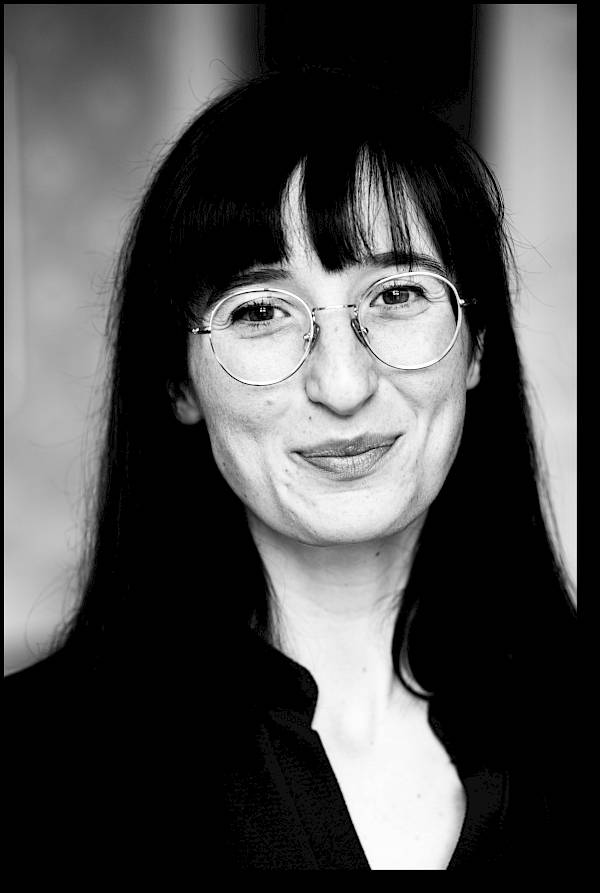
Alice Lapasin Zorzit

Alice Lapasin Zorzit

Alice Lapasin Zorzit completed her piano studies at the Conservatorio di Musica Luigi Boccherini in Lucca and continued her training at the Anton Bruckner Private University in Linz, where she graduated with distinction in 2018 with a Bachelor’s degree in choral conducting. During this time, she gained her first experience in the opera world as a répétiteur at the Landestheater Linz. In 2017 she took part in the Riccardo Muti Italian Opera Academy, and in the 2018/19 season she served as a répétiteur with the Orchestra Academy of the Zurich Opera House. The 2019/20 season brought an engagement as deputy children’s choir director and guest pianist at the Staatsoper Unter den Linden in Berlin. She subsequently moved to the Staatstheater Darmstadt, where she worked from 2020 to 2022 as deputy chorus director and children’s choir director. Alongside her professional development, she continued her academic studies: in 2021 she completed her Master’s degree in conducting and opera coaching at the University of Music and Performing Arts Graz, followed in 2022 by a part-time Master’s degree in cultural management (EMAA) at the University of Zurich. As a cultural manager, she was a scholarship holder of the Deutsche Bank Foundation (AMH) and founded the artist agency ArteMIS in 2024. From 2023 to 2025, Alice Lapasin Zorzit was chorus director with conducting duties at the Landestheater Coburg, and in the summer of 2025 she worked as chorus assistant at the Bayreuth Festival. Since January 2026 she has been deputy chorus director at Zurich Opera House.

Werther14 / 19 Jun / 1 / 4 / 10 Jul 2026 Così fan tutte3 / 7 / 9 / 12 Jul 2026 Giulio Cesare in Egitto11 / 13 / 15 / 17 / 21 / 25 / 28 Mar 2026 Scylla et Glaucus27 / 29 / 31 Mar / 2 / 6 / 30 Apr / 2 May 2026
Dramaturgy:
Roman Reeger,

Roman Reeger

Roman Reeger studied Historical Musicology and Law at the University of Hamburg. He gained his first theatre experience as an intern and assistant at the theatres in Oldenburg and Kiel, as well as at the Staatsoper and the Schaubühne in Berlin. In 2013, he joined the dramaturgy department of the Staatsoper Unter den Linden. From 2020 to 2025, he was a senior dramaturg and member of the opera management team at Theater Basel. Guest engagements have taken him to the Baden-Baden Easter Festival and the Munich Biennale for New Music Theatre, among others. He has collaborated with directors such as Christoph Marthaler, Herbert Fritsch, Thom Luz, Benedikt von Peter, Philippe Quesne, Claus Guth, Andreas Kriegenburg, Anna Bergmann, Eva-Maria Höckmayr, and Jürgen Flimm, and has overseen world premieres of works by composers including Jörg Widmann, Oscar Strasnoy, Lucia Ronchetti, Manos Tsangaris, Beat Furrer, Hèctor Parra, and Herbert Grönemeyer. As a freelance author, he has contributed to specialist journals, exhibition catalogues, and CD booklets, regularly gives lectures, and has taught as a lecturer at the Berlin University of the Arts. Since the 2025/26 season, he has been Chief Dramaturg at the Zurich Opera House.

Tannhäuser21 / 24 / 27 Jun / 2 / 5 / 8 / 11 Jul 2026 Hänsel und Gretel16 / 20 / 23 / 28 / 30 Nov / 2 / 4 / 11 / 16 / 18 / 21 Dec 2025 / 2 / 24 / 25 / 31 Jan 2026 Scylla et Glaucus27 / 29 / 31 Mar / 2 / 6 / 30 Apr / 2 May 2026 Wie du warst! Wie du bist!20 / 21 / 25 Sept / 2 / 3 Oct 2025 / 4 / 5 / 10 / 11 Jul 2026
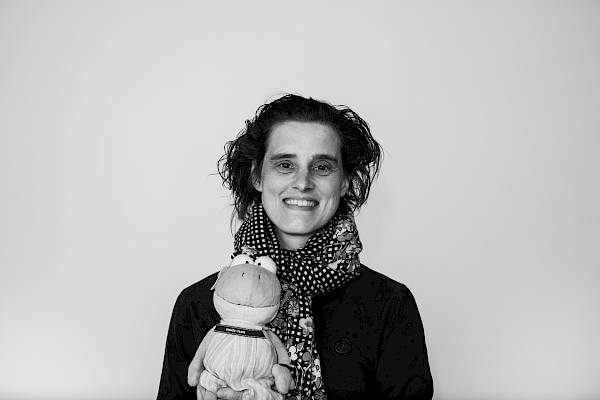
Yvonne Gebauer

Yvonne Gebauer

Yvonne Gebauer, born in Berlin, studied German Studies, Philosophy and Religious Studies at the Free University of Berlin. Since 1998 she has worked as a dramaturge in theatre and especially in opera. For more than twenty years she worked closely with the director Hans Neuenfels. Other long-standing collaborations connect her with Claus Guth, Christof Loy and Nadja Loschky. She has also worked with directors such as Kazuko Watanabe, Johan Simons, Frank Hilbrich, Tobias Kratzer, David Hermann and Amélie Niermeyer. Yvonne Gebauer has taught dramaturgy at the University of Applied Sciences in Hamburg (Costume Class Reinhard von der Thannen), at the University of Applied Arts in Vienna (Stage Design Class Erich Wonder), at the Mozarteum in Salzburg (Directing Class Amélie Niermeyer), at the Weissensee School of Art in Berlin (Stage Design Class Stefan Hageneier) and at the Hanns Eisler School of Music Berlin. From 2001 to 2008 she was a freelance contributor to the Süddeutsche Zeitung in the literature department. She then worked at the Bavarian State Opera in Munich until 2018 as image dramaturge and was picture editor of the in-house magazine "Max Joseph". With Claus Guth, she created "Bluthaus" (2022), "Semele" (2023) and "Die Liebe der Danae" (2025) at this house, and the world premiere of Brett Dean’s opera "Of One Blood" is planned for May 2026. Further recent highlights include guest dramaturgies for "Pique Dame" at the Salzburg Festival, for "Salome" at the Bolshoi Theatre, for "Jenůfa" at the Royal Opera House in London, for "Die Vögel" at Cologne Opera and for "Die Sache Makropulos" at the State Opera Unter den Linden in Berlin.

Scylla et Glaucus27 / 29 / 31 Mar / 2 / 6 / 30 Apr / 2 May 2026

Cast


Circé Chiara Skerath


Scylla Elsa Benoit


Glaucus Anthony Gregory


Témire Gwendoline Blondeel


Dorine Jehanne Amzal

Amor Max Gil-Ortega Sempere

Chiara Skerath

The Swiss soprano Chiara Skerath studied at the Conservatoire National Supérieur de Musique in Paris and at the University of Music and Performing Arts in Vienna. She was celebrated for successful debuts as Eurydice in Gluck’s "Orphée et Eurydice" at the Zurich Opera House, as Ilione in Campra’s "Idoménée" at the Staatsoper Berlin, and as Micaëla ("Carmen") in Bordeaux. She sang Mélisande in Debussy’s "Pelléas et Mélisande" at the Festival d’Aix-en-Provence 2024, Armida in Handel’s "Rinaldo" in Beaune, as well as Donna Elvira in "Don Giovanni" at the Opéra de Lille under Emmanuelle Haïm. Further engagements have taken her across Europe with Handel’s "Messiah", and to major concert stages with Schubert’s Mass in A-flat major, Mendelssohn’s "Vom Himmel hoch", and Mozart’s Mass in C minor. Her operatic roles include Antigone in Enescu’s "Œdipe" at the Salzburg Festival, Ännchen in Weber’s "Der Freischütz", Scylla in Leclair’s "Scylla et Glaucus", and Mélisande in Bordeaux. In the 2025/26 season, she will take on, among other roles, Circe in "Scylla et Glaucus" at the Zurich Opera House and sing Mozart’s Mass in C minor as well as Berlioz’s Messe solennelle. A particular focus of her repertoire lies on Mozart roles such as Zerlina, Despina, Susanna, Ilia, Pamina, and Servilia. In addition, she has sung, among others, Poppea, Rosalinde, Megacle, and Clothilde in Francesconi’s "Trompe-la-Mort". She has performed in concert with renowned conductors such as Christian Thielemann, Marc Minkowski, and Sir John Eliot Gardiner. Her discography includes recordings of, among others, "Pelléas et Mélisande", "La clemenza di Tito", and "Der Freischütz".

Scylla et Glaucus27 / 29 / 31 Mar / 2 / 6 / 30 Apr / 2 May 2026

Elsa Benoit

The French soprano Elsa Benoit was a member of the ensemble at the Stadttheater in Klagenfurt from 2015 to 2016, where she sang roles such as Tytania in Britten’s "A Midsummer Night's Dream", Giulietta in Bellini’s "I Capuleti e i Montecchi", Micaëla in "Carmen" (for which she received the Austrian Music Theater Award), and Despina in "Così fan tutte". She then joined the ensemble of the Bavarian State Opera, where she performed a wide range of roles including the Shepherd in "Tannhäuser", Oscar ("Un ballo in maschera"), Adina ("L'elisir d'amore"), Gretel ("Hänsel und Gretel"), Musetta ("La bohème"), Zerlina ("Don Giovanni"), Emilie ("Les indes galantes"), and Poppea in Handel’s "Agrippina". She also sang this role in the Warner Classics recording of Agrippina, which was nominated for a Grammy Award for Best Opera Recording in 2019. Since 2021, Benoit has been working freelance at venues such as the Opéra Comique in Paris, Komische Oper Berlin, the Glyndebourne Festival, and the Salzburg Festival. Her engagements range from baroque repertoire to contemporary works: Bellezza in Handel’s "Il trionfo del tempo e del disinganno" and Semele in the oratorio of the same name, Micaëla ("Carmen"), Sophie ("Werther"), Thérèse ("Les Mamelles de Tirésias"), Anne Truelove ("The Rake’s Progress"), Betty in Philippe Hersant’s "Les Éclairs", and Arthur Honegger’s "Jeanne d’Arc au bûcher".

Scylla et Glaucus27 / 29 / 31 Mar / 2 / 6 / 30 Apr / 2 May 2026

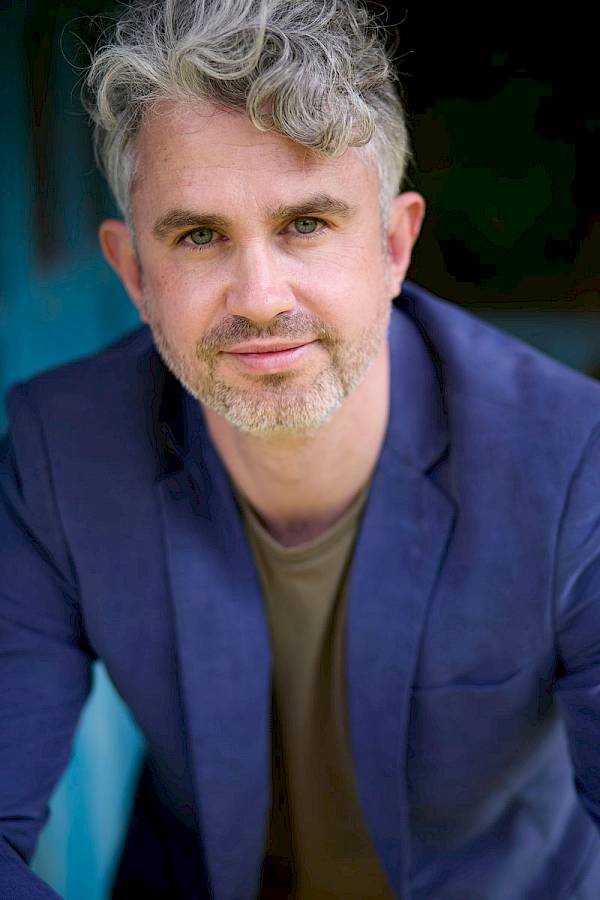
Anthony Gregory

British tenor Anthony Gregory was a member of the Verbier Festival Academy, the National Opera Studio, and a Young Artist at the Glyndebourne Festival. At English National Opera, he performed as a Harewood Artist in roles such as Nanki-Poo ("The Mikado"), Young Sailor ("Julietta"), First Armoured Man ("Die Zauberflöte"), Borsa ("Rigoletto"), and Haemon (Julian Anderson’s "Thebans"). He has appeared in roles such as Mercurio ("La concordia de' pianeti"), Damon ("Acis and Galatea"), Cégeste (Philip Glass’s "Orphée"), the title role in "Candide", Flute ("A Midsummer Night’s Dream"), Don Ottavio ("Don Giovanni"), Oronte ("Alcina"), and Ferrando ("Così fan tutte") at Glyndebourne, Den Norske Opera, English National Opera, Teatro Real, Opéra de Limoges, Theater an der Wien, and with ensembles such as La Cetra Baroque Orchestra Basel, the Dunedin Consort, and La Nuova Musica. Further appearances have taken him to the Bavarian State Opera as Pane ("La Calisto"), to the Zurich Opera House for Christian Spuck’s ballet "Monteverdi", to Teatro Real Madrid, and to the Festival d’Aix-en-Provence. Highlights of recent seasons include his debuts as Ferrando in "Così fan tutte" at the Royal Opera House, as the Leper in Messiaen’s "Saint François d'Assise" at the Elbphilharmonie Hamburg, Almaviva ("Il barbiere di Siviglia") at Scottish Opera, Achilles in "Iphigénie en Aulide" at the Greek National Opera, Oronte in Handel’s "Alcina" at the Opera di Roma, and the title role in "Mitridate, Re di Ponto" at the Hamburg State Opera.

Scylla et Glaucus27 / 29 / 31 Mar / 2 / 6 / 30 Apr / 2 May 2026

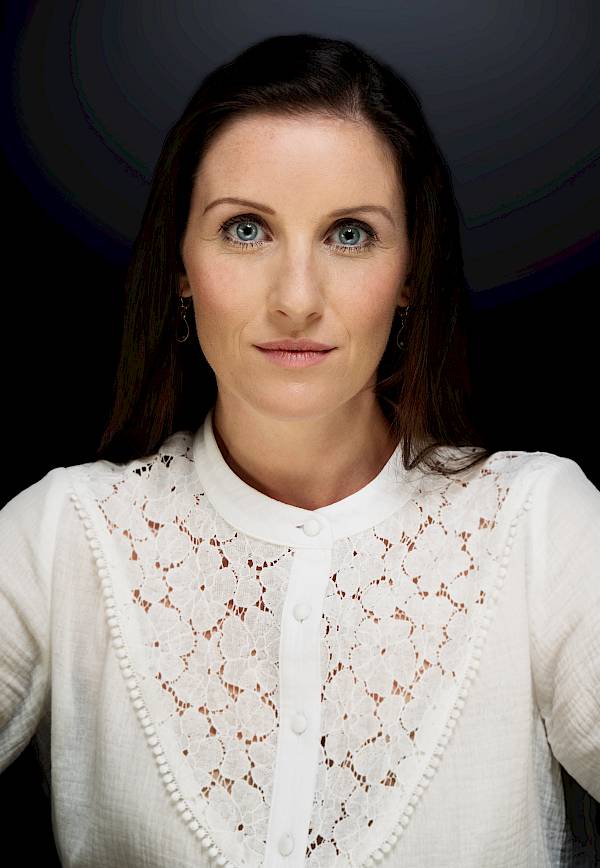
Gwendoline Blondeel

Gwendoline Blondeel, soprano, joined the young artists’ program of the Grand Théâtre de Genève after studying at the Institut Royal Supérieur de Musique et de Pédagogie in Namur (Belgium) and the Académie du Théâtre de La Monnaie in Brussels. In 2019, she won first prize at the Froville Competition and was discovered in 2021 by William Christie as Aurore in Mondonville’s opera “Tuton et l’Aurore” at the Opéra-Comique in Paris. Since then, she has been a sought-after interpreter of 17th- and 18th-century music. Her repertoire includes roles in French Baroque music such as Sangaride in Lully’s “Atys,” Jonathas in Charpentier’s “David et Jonathas,” and Alphise in Rameau’s “Les Boréades,” as well as roles in major Italian Baroque operas such as La Musica (“L’Orfeo”), Almirena (“Rinaldo”), Dalinda (“Ariodante”), and Morgana (“Alcina”). She has also sung Blonde in Mozart’s “Die Entführung aus dem Serail,” Frasquita in Bizet’s “Carmen,” Marie in Donizetti’s “La fille du régiment,” Clorinde in Rossini’s “Cenerentola,” and the soprano part in Mendelssohn’s “Lobgesang.” Her performances have taken her to the Opéra Royal de Versailles, Théâtre des Champs-Élysées, Théâtre du Capitole in Toulouse, Beaune Festival, Teatro Real Madrid, Opernhaus Zürich, the Concertgebouw Amsterdam, as well as Bruges and Vienna, working with conductors such as Leonardo García Alarcón, Stéphane Fuget, Christophe Rousset, Diego Fasolis, Philippe Herreweghe, Sébastien Daucé, Thomas Hengelbrock, Emmanuelle Haïm, and Kazushi Ono.

Scylla et Glaucus27 / 29 / 31 Mar / 2 / 6 / 30 Apr / 2 May 2026 Brückenschlagkonzert8 Mar 2026

Jehanne Amzal

Jehanne Amzal, French soprano, completed her vocal studies at the Royal Northern College of Music, in Paris, and at the Schola Cantorum Basiliensis. In 2018, she was a prizewinner at the Concours International de Chant Léopold Bellan and in 2019 a semifinalist at the Concours Corneille. She has collaborated with leading Baroque ensembles such as the Freiburg Baroque Orchestra, Les Arts Florissants, Le Concert Spirituel, Les Surprises, A Nocte Temporis, Les Ambassadeurs, Le Concert de la Loge, and Les Paladins. Her performances have taken her to venues including the Concertgebouw Amsterdam, Opéra de Lyon, Opéra de Lille, Musiikkitalo Helsinki, Théâtre des Champs-Élysées, Müpa Budapest, the Opéra Royal de Versailles, and Notre-Dame Cathedral in Paris. She sang Cléone and L’Amour in Charpentier’s “Médée” at the Staatsoper Unter den Linden in Berlin, at the Gran Teatre del Liceu, and at the Elbphilharmonie Hamburg under Sir Simon Rattle, as well as at the Opéra de Paris under William Christie. Other highlights include Norvégienne in Philidor’s “Ernelinde” at the Oslo Opera under Martin Wåhlberg and, in the summer of 2025, works by Telemann and Rameau at the Potsdam Sanssouci Music Festival. Her discography includes recordings of “Médée” (2024) and “Iphigénie en Tauride” (2025), both with Le Concert Spirituel on Alpha Classics, as well as a recording of “Scylla et Glaucus” with the Orfeo Orchestra.

Scylla et Glaucus27 / 29 / 31 Mar / 2 / 6 / 30 Apr / 2 May 2026
Show full cast Show less

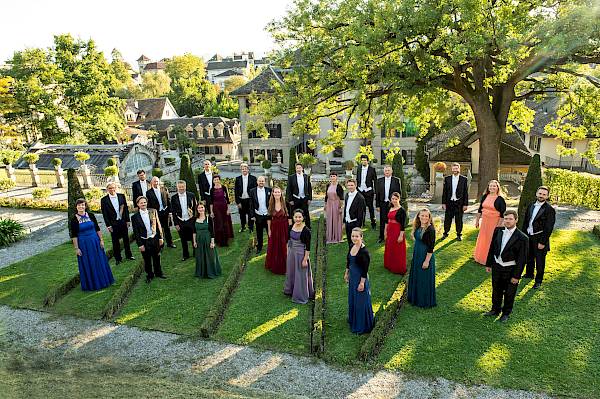
Zürcher Sing-Akademie

The Zürcher Sing-Akademie has been equally at home in both the symphonic and a cappella repertoire since its founding in 2011. Since the 2017/18 season, Florian Helgath has been its chief conductor and artistic director. Collaborations with conductors such as Giovanni Antonini, Kristian Bezuidenhout, Bernard Haitink, Pablo Heras-Casado, René Jacobs, Paavo Järvi, and Kent Nagano have significantly shaped the ensemble. In addition to its long-standing partnership with the Tonhalle-Orchester Zürich, the Zürcher Sing-Akademie can be experienced with ensembles such as the Orchestre de la Suisse Romande, the Kammerorchester Basel, the Musikkollegium Winterthur, the Helsinki Baroque Orchestra, and the Baroque Orchestra La Scintilla. With the Freiburger Barockorchester, the choir regularly performs in major concert halls across Europe, including the Philharmonie de Paris, the Kölner Philharmonie, the Elbphilharmonie Hamburg, the Philharmonie Berlin, and the Konzerthaus Freiburg. Its a cappella projects allow the Zürcher Sing-Akademie to bridge traditional and contemporary musical creation. Through its programs and regular composition commissions, it places a special focus on the development of the Swiss choral landscape. Tours have taken the choir to Germany, Italy, Israel, the Netherlands, Lebanon, Taiwan, South Korea, and China, as well as to various European capitals. CD recordings with the Zürcher Sing-Akademie range from Swiss rarities to symphonic classics and opera. Most recently released are its portrait CD of Frank Martin and, in October 2025, Haydn's "Missa Cellensis" with the Kammerorchester Basel under René Jacobs.

Scylla et Glaucus27 / 29 / 31 Mar / 2 / 6 / 30 Apr / 2 May 2026 Johannes-Passion24 Mar 2026

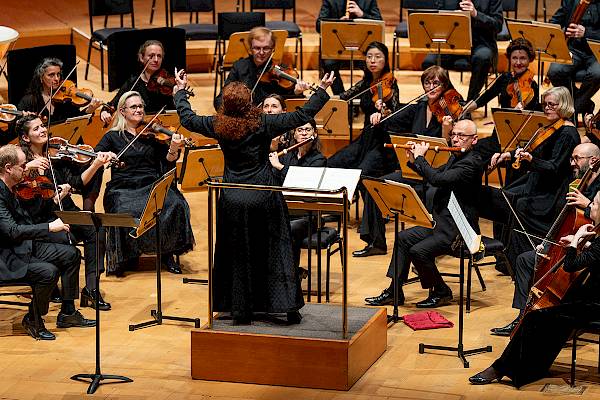
Le Concert d'Astrée

Founded in 2000 by harpsichordist and conductor Emmanuelle Haïm, the ensemble Le Concert d’Astrée has since become one of the leading interpreters of Baroque music worldwide. Shortly after its founding, the ensemble achieved great success on renowned stages in France and internationally. Since 2004, it has been the resident orchestra of the Opéra de Lille. Its repertoire ranges from chamber music to large-scale opera productions. In 2024, the Gluck diptych "Iphigénie en Aulide" and "Iphigénie en Tauride", staged by Dmitri Tcherniakov for the opening of the Festival d’Aix-en-Provence, attracted international attention and was later awarded Best Production of the Year at the International Opera Awards. The ensemble’s widely acclaimed discography is released on Erato Warner Classics. For its 20th anniversary in 2021, the ensemble performed at the Théâtre des Champs-Élysées and at the Staatsoper Berlin under the joint direction of Emmanuelle Haïm and Simon Rattle. In the 2025/26 season, Le Concert d’Astrée will appear at the Salzburg Festival with Handel’s "Giulio Cesare in Egitto" (directed by Dmitri Tcherniakov), with "Semele" at the Dutch National Opera, and with "Scylla et Glaucus" at the Zurich Opera House in productions by Claus Guth. In addition, the ensemble will remain a partner of the first Baroque music festival in Los Angeles until 2027. Alongside its international activities, Le Concert d’Astrée is actively involved in educational and social projects in the Hauts-de-France region.

Scylla et Glaucus27 / 29 / 31 Mar / 2 / 6 / 30 Apr / 2 May 2026

Statistenverein am Opernhaus Zürich

Der Statistenverein am Opernhaus Zürich wurde im Jahr 1900 gegründet und dürfte damit einer der traditionsreichsten Vereine auf dem Kulturplatz Zürich sein. Rund hundert Frauen und Männer im Alter von 16 bis 70 Jahren bereichern das Bühnengeschehen in zahlreichen Inszenierungen.Statisten, früher auch als Figuranten bezeichnet, haben generell nicht sprechende Rollen. Ihre Einsätze am Opernhaus Zürich fallen je nach Inszenierung unterschiedlich umfangreich aus. Während früher Massenszenen im Vordergrund standen, sind die Statistinnen und Statisten seit der Ära Pereira und der Intendanz von Andreas Homoki zunehmend auch für aufwändigere Einzelauftritte sowie für anspruchsvolle technische Einsätze gefragt. Die Mitglieder des Statistenvereins üben ihre Einsätze in der Freizeit und ohne finanzielle Interessen aus. Sie bringen Begeisterung für Musik und Theater mit.

Manon24 / 27 Sept / 3 / 7 / 10 Oct 2025 La scala di seta25 / 28 Sept / 19 / 24 Oct 2025 Tosca28 Sept / 2 / 8 / 11 / 15 / 19 Oct 2025 Madama Butterfly30 Dec 2025 / 3 / 9 / 11 / 13 / 16 Jan 2026 Rigoletto20 / 23 / 27 Dec 2025 / 1 / 4 Jan 2026 Le nozze di Figaro24 / 29 Jan / 1 / 5 / 7 / 10 / 14 Feb 2026 Werther14 / 19 Jun / 1 / 4 / 10 Jul 2026 Così fan tutte3 / 7 / 9 / 12 Jul 2026 Macbeth8 / 11 / 14 / 19 / 22 / 30 Nov 2025 Arabella14 / 18 / 22 / 25 / 28 Apr 2026 Der Rosenkavalier21 / 26 Sept / 1 / 5 / 14 / 17 / 21 / 26 Oct 2025 La clemenza di Tito26 / 29 Apr / 3 / 8 / 15 / 17 / 20 / 25 May 2026 Cardillac15 / 18 / 21 / 25 Feb / 1 / 6 / 10 Mar 2026 Hänsel und Gretel16 / 20 / 23 / 28 / 30 Nov / 2 / 4 / 11 / 16 / 18 / 21 Dec 2025 / 2 / 24 / 25 / 31 Jan 2026 Carmen18 / 21 / 23 / 27 / 31 Jan 2026 Un ballo in Maschera22 / 28 / 31 May / 7 / 13 Jun 2026 Die Fledermaus7 / 10 / 12 / 14 / 18 / 26 / 28 / 31 Dec 2025 / 2 / 4 / 6 / 10 Jan 2026 Giulio Cesare in Egitto11 / 13 / 15 / 17 / 21 / 25 / 28 Mar 2026 Scylla et Glaucus27 / 29 / 31 Mar / 2 / 6 / 30 Apr / 2 May 2026 La forza del destino2 / 7 / 12 / 15 / 18 / 21 / 26 / 29 Nov / 17 / 21 Dec 2025 Sillons de Mémoires5 / 6 / 7 Feb 2026 Gianni Schicchi2 / 6 / 8 / 10 / 13 May 2026 Monster's Paradise8 / 14 / 18 Mar / 10 / 12 Apr 2026

Abstract

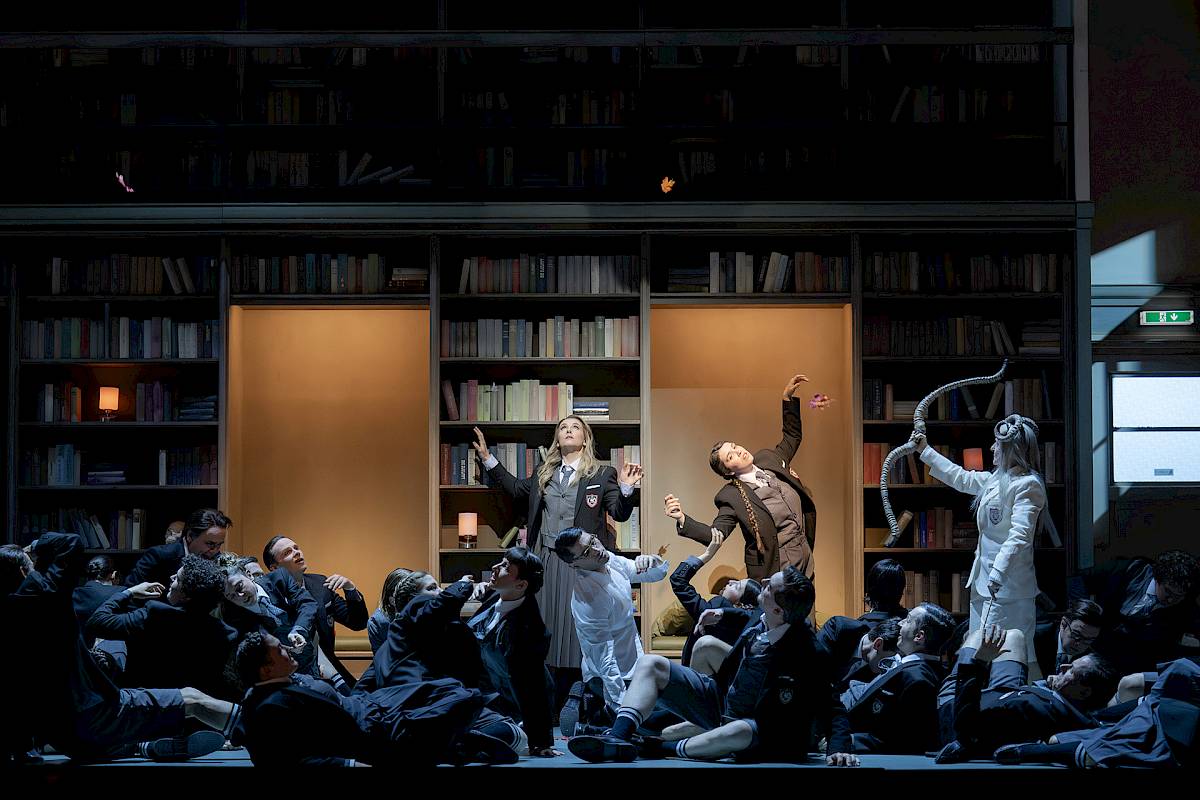
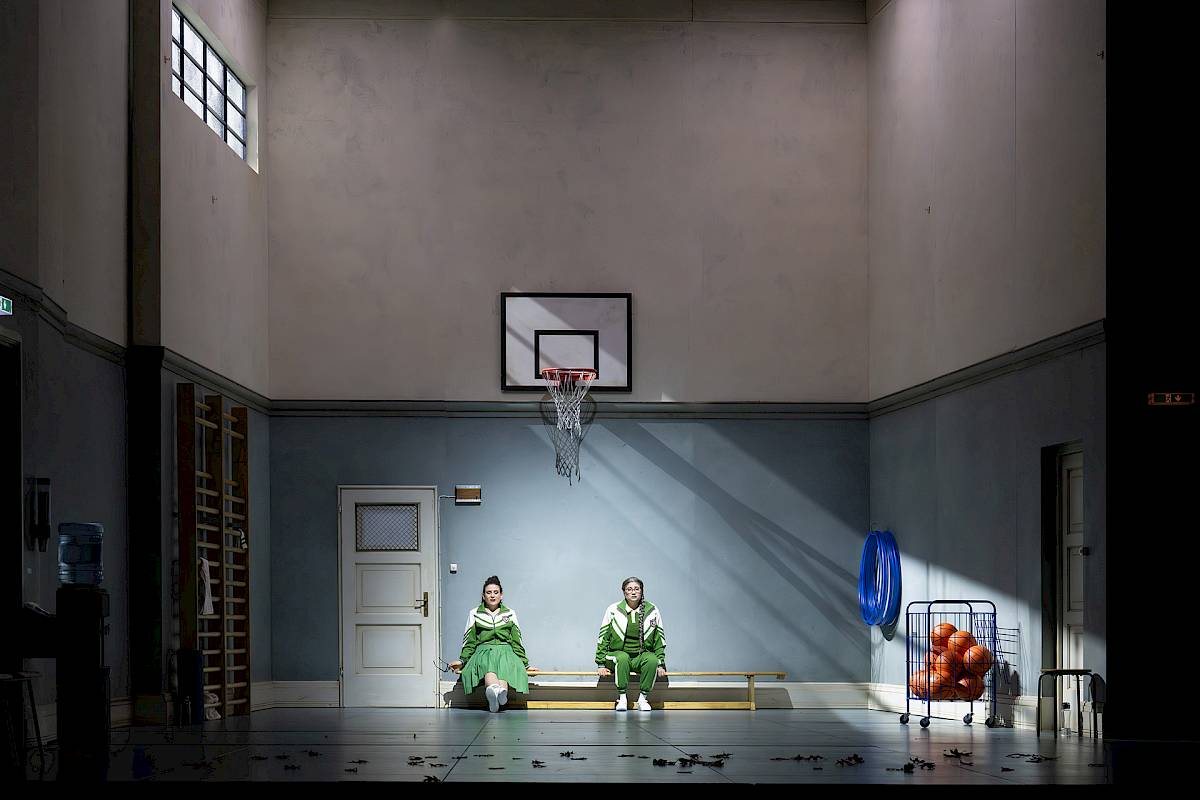
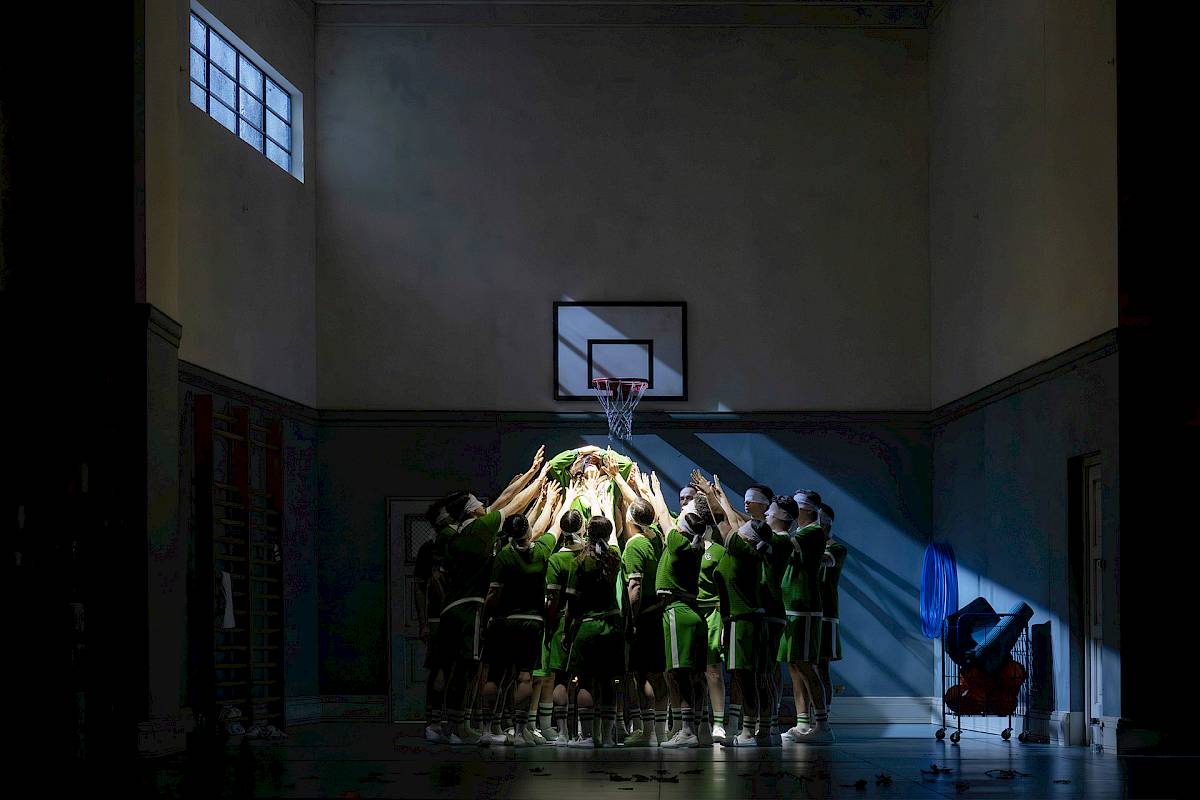
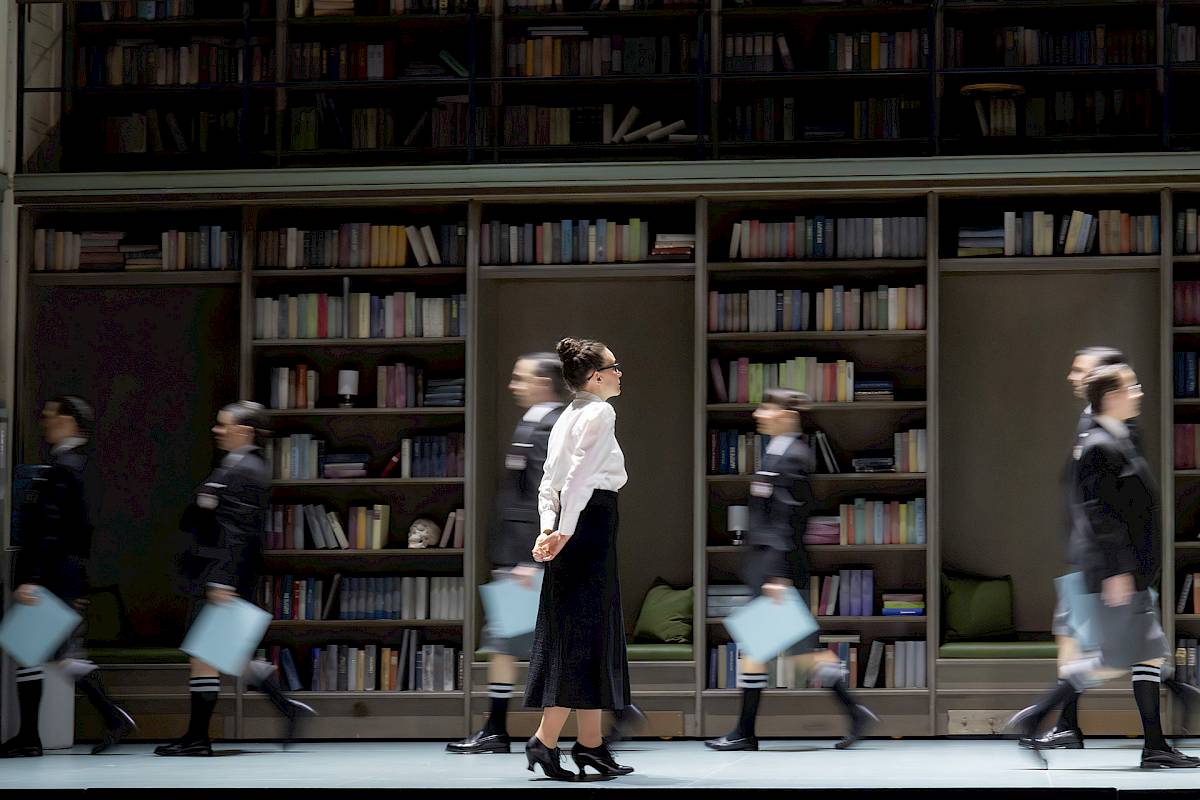
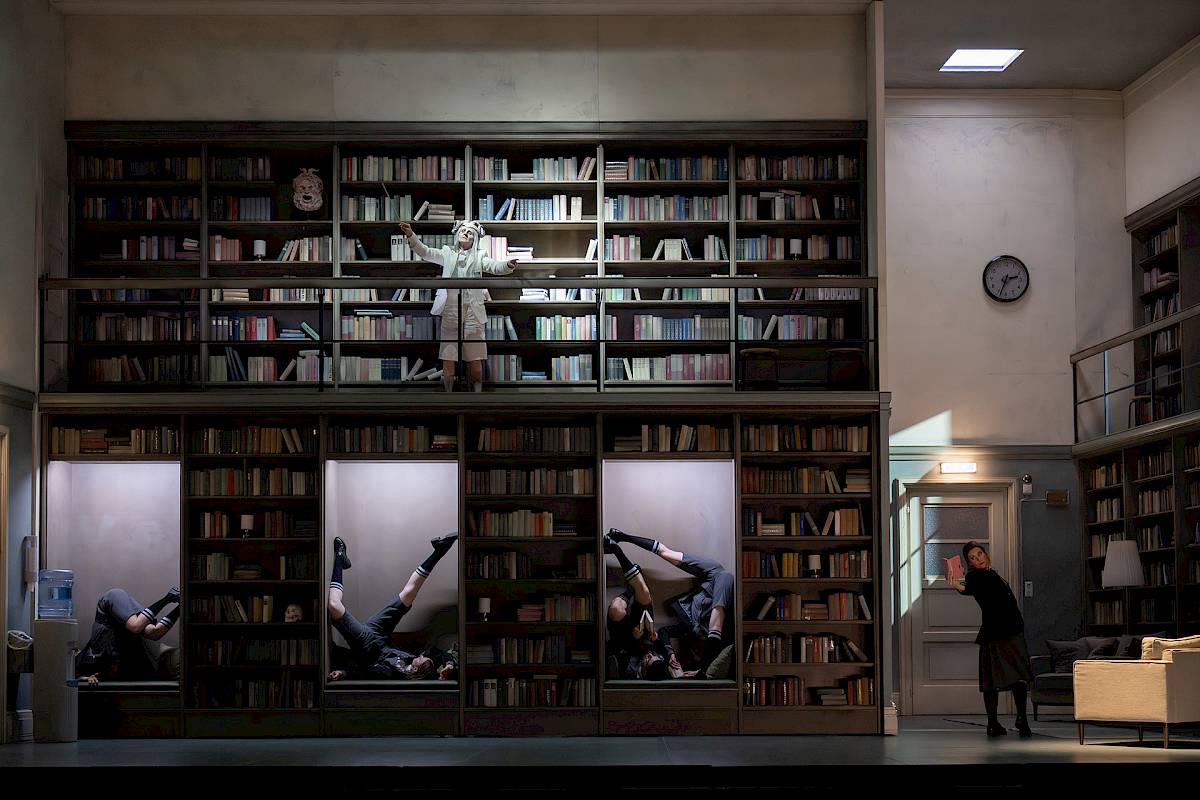
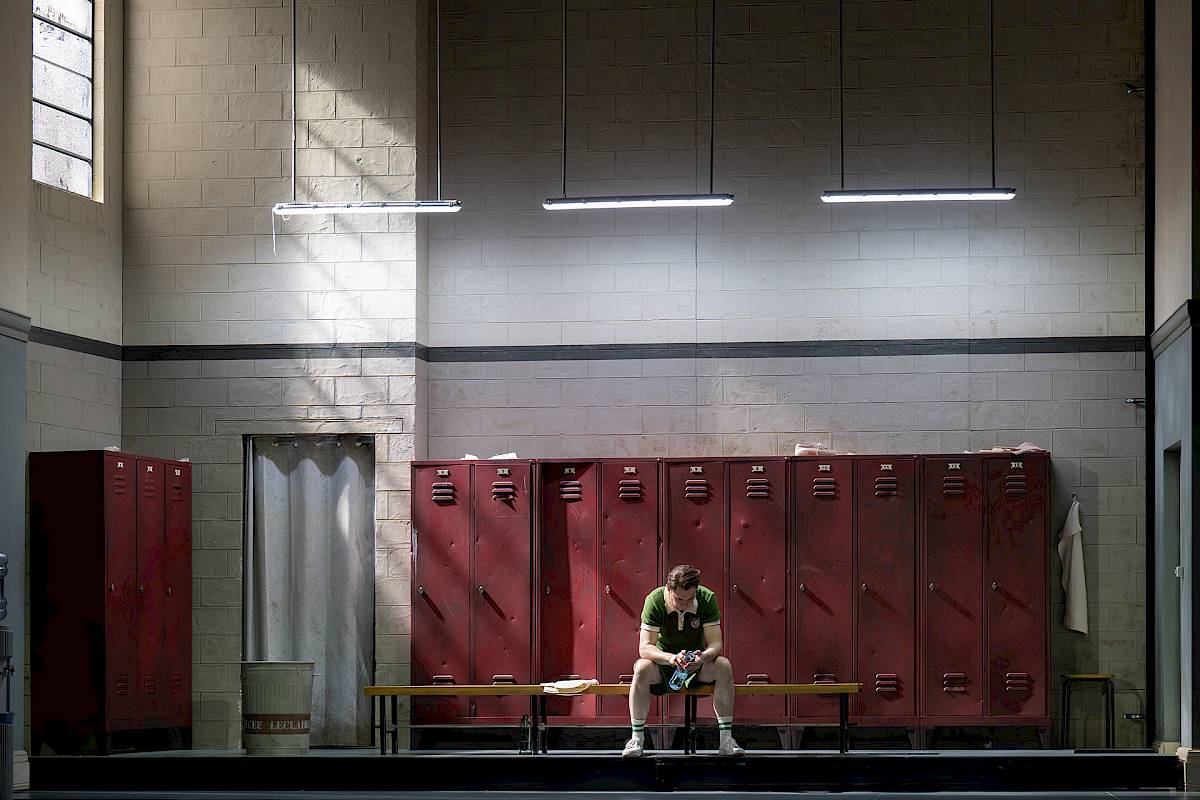
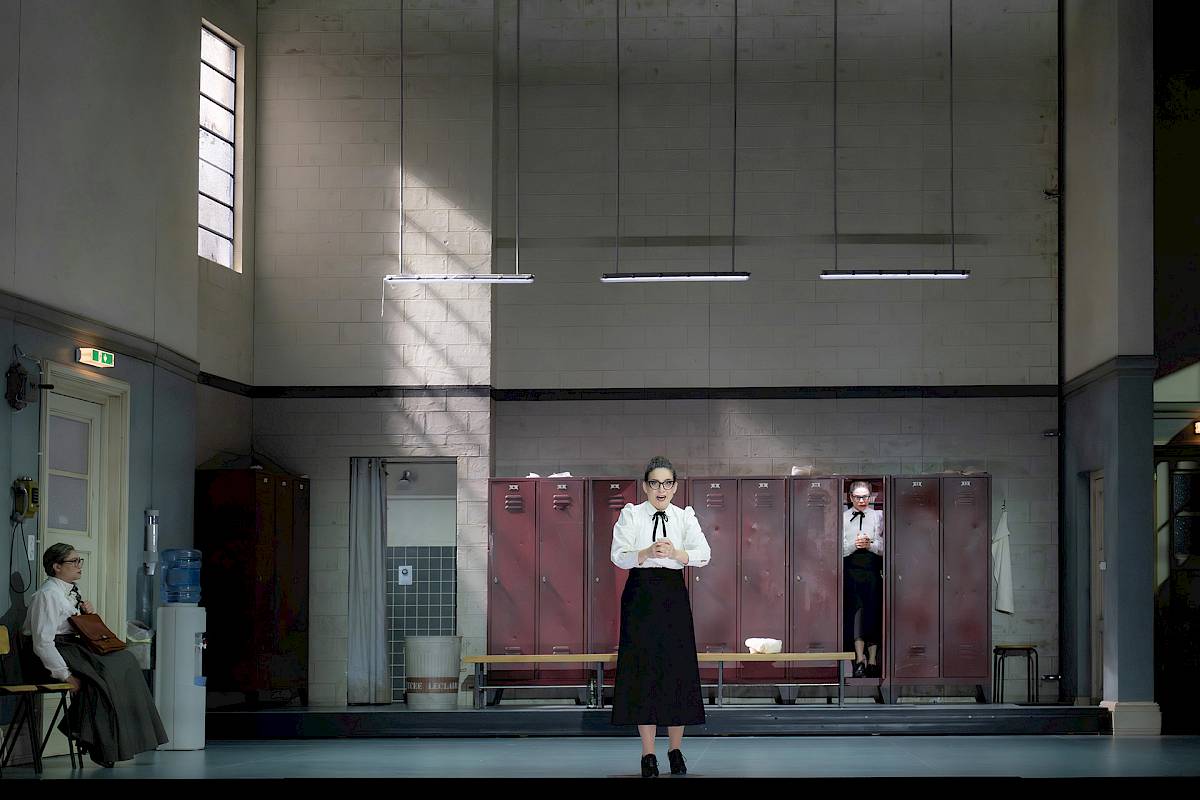
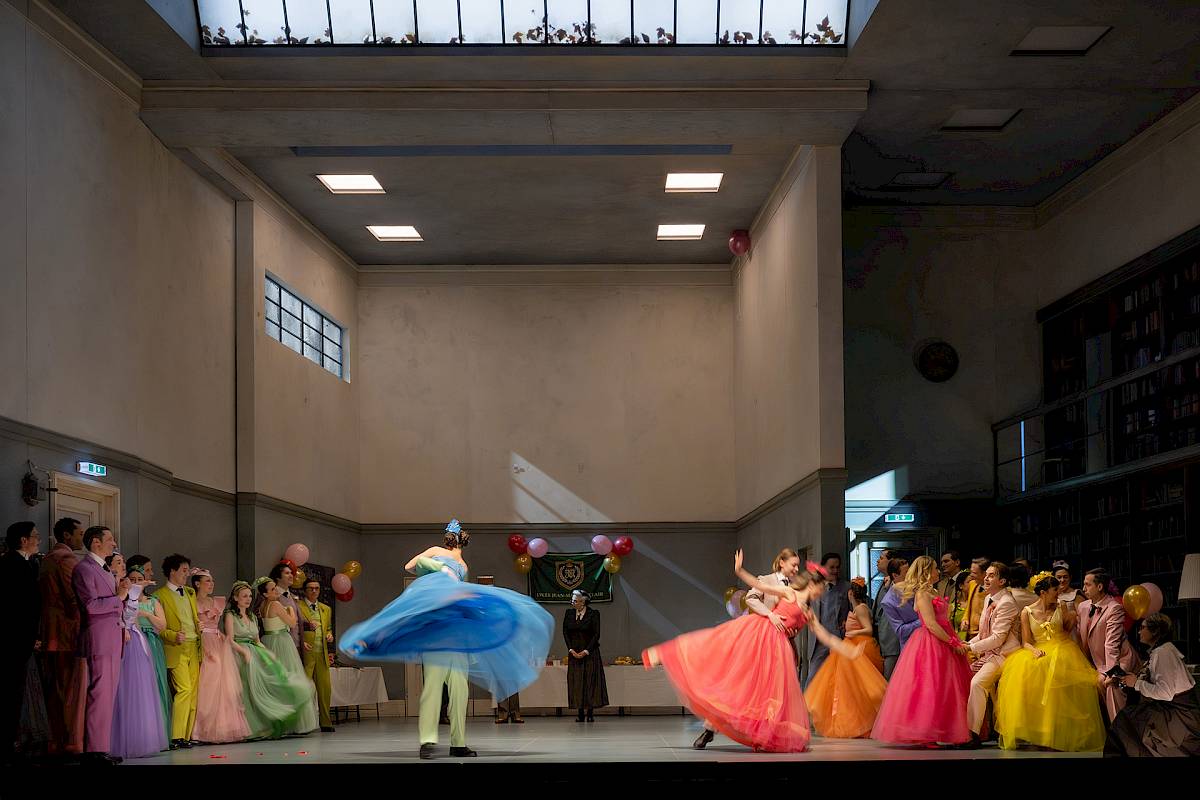
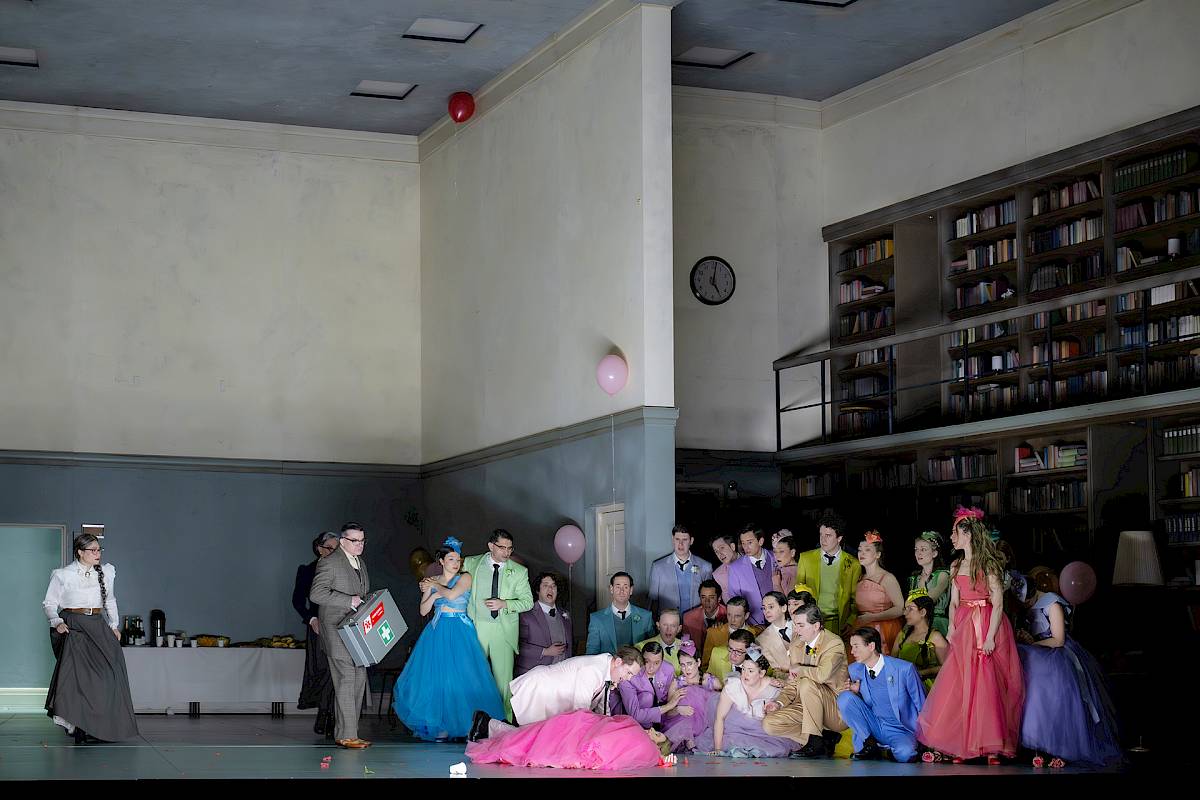
Scylla lives withdrawn into herself, as if in emotional hibernation. Reason, peace, and harmony reign in her cosmos. When Glaucus enters her life, everything changes: She experiences love in all its colors and facets – and does not recognize herself. The opera describes all the lust, wildness, panic, and despair that the young woman experiences as she rediscovers the world for herself. In the end, she will be someone else. Jean-Marie Leclair's rarely performed only opera is a musical discovery. Director Claus Guth returns to Opernhaus Zürich with this new production. Emmanuelle Haïm leads her ensemble Le Concert d’Astrée, one of the most distinguished specialist ensembles for early music.

Read more Show less

Good to know

Zwischen den Welten: über Jean-Marie Leclair

1697 in Lyon geboren, war Jean-Marie Leclair Zeitgenosse von Giuseppe Tartini und Pietro Locatelli. Seine Geburtsstadt, strategisch zwischen Paris und Turin gelegen, prägte seinen frühen Werdegang massgeblich. Schon früh trat er als Tänzer in die Oper von Lyon ein – im damaligen Frankreich galt der Tanz als dominierende Kunstform. Zwischen seinem zwanzigsten und dreissigsten Lebensjahr reiste er als Tänzer und Ballettmeister unablässig durch Europa und wirkte in verschiedenen Städten. Doch Leclair strebte nach mehr, denn Tänzerkarrieren galten damals wie heute als kurzlebig. Er liess sich zum Geiger und Komponisten ausbilden. In Turin studierte er bei Giovanni Battista Somis, einem Schüler Arcangelo Corellis. Diese Vielseitigkeit hatte er vermutlich von seinem Vater, ein Posamentierer, der zugleich Bassgeiger und Tanzmeister war und sein erster Lehrer wurde. Leclair entwickelte einen Stil, der exemplarisch das Ideal der von Couperin, Telemann oder Quantz propagierten «Vereinigung der Geschmäcker» Frankreichs und Italiens verkörperte. 

Seine internationale Karriere begann in den 1720er-Jahren. Ein legendärer Wettstreit mit Locatelli 1728 in Kassel brachte ihm den Beinamen «Engel» ein – als Gegenpart zum «Teufel» Locatelli. Ein überzeichnetes Bild, das jedoch die öffentliche Wahrnehmung widerspiegelte: Leclairs Spiel galt als leuchtend, edel, kontrolliert – nie exzessiv. Ende der 1720er-Jahre wurde Paris zu seinem Lebensmittelpunkt. Er trat regelmässig bei den Concerts spirituels auf, wurde 1734 Musiker der Chapelle und Chambre du roi und verliess diese prestigeträchtige Stellung wieder, weil er den Konkurrenzkampf nicht aushielt. Auch das gehört zu seinem Bild: verletzlich, stolz, wenig bereit zu Kompromissen. Sein Œuvre ist überschaubar – dreizehn Opuszahlen –, doch sämtliche erhaltene Werke erschienen im Druck: vier Sonatenbücher für Violine und Basso continuo, Konzerte, Duos – Werke, die in Frankreich als kühn und technisch anspruchsvoll galten. Besonders die «Recréations de musique d’une exécution facile» tragen ihren Titel fast ironisch und zeigen, wie anspruchsvoll Leclairs Musik tatsächlich war. Leclair schrieb für Virtuosen – und für sich selbst.

Erst spät, 1746, wandte er sich der Oper zu. Mit «Scylla et Glaucus» betrat er die Bühne der Pariser Opéra – fast fünfzigjährig. Dies verbindet ihn mit seinem Zeitgenossen Rameau, der seine erste Oper «Hippolyte et Aricie» im ähnlichen Alter vorlegte. In einer Zeit, in der der Ruhm eines Komponisten wesentlich von der Bühne abhing, hoffte Leclair auf eine zweite Karriere. Doch die Entscheidung, eine Tragédie en musique mit tragischem Ende zu komponieren, war riskant: Das Genre galt als überholt. Nur wenige Werke hatten noch Erfolg, etwa «Jephté» von Montéclair sowie die Tragödien Rameaus. Das Publikum bevorzugte Wiederaufführungen der Werke Jean-Baptiste Lullys und erwartete selbst bei tragischen Stoffen versöhnliche Schlüsse. Eine Tragédie statt eines Balletts zu komponieren, dem damals angesagten Genre, bedeutete daher, an die dramatische Tradition Lullys anzuknüpfen und sich mit Rameau zu messen.

Über die Entstehung von Leclairs Opus 11, «Scylla et Glaucus», ist nahezu nichts bekannt. Selbst der Vorname des Librettisten d’Albaret ist unbekannt. Wie Leclair debütierte er 1746 an der Opéra, ohne dass sich darüber hinaus nennenswerte dichterische Tätigkeiten nachweisen lassen. Musikalisch ist «Scylla et Glaucus» ein faszinierender Hybrid: eine Oper aus der Feder eines Virtuosen. Die Violinen stehen immer wieder im Zentrum: sie kommentieren, umspielen, intensivieren Monologe und Arien. In den Chorsätzen teilen sich die Streicher häufig in zwei eigenständige Gruppen: Während die zweiten Violinen traditionell die Oberstimmen des Chores verdoppeln, entfalten die ersten Violinen zusätzliche Läufe und Verzierungen. Vor diesem Hintergrund mag es wenig verwunderlich erscheinen, dass «Scylla et Glaucus» als eine «Oper für Violine» bezeichnet wird. Gleichwohl blieb der Erfolg verhalten. Nach 18 Aufführungen verschwand das Werk aus dem Spielplan. Leclair schrieb nie wieder für die Opéra.

In den folgenden Jahren zog sich Leclair zunehmend zurück. Er komponierte für den Herzog von Gramont zahlreiche Gelegenheitswerke, die sämtlich verloren gegangen sind. Veröffentlichungen wurden seltener, schliesslich trennte er sich von seiner Frau, die als Notenstecherin an vielen Werken beteiligt war. 1764 wurde Leclair in seinem Haus ermordet aufgefunden. Verdächtigt wurde sein eigener Neffe, ebenfalls Geiger, zu einem Prozess kam es jedoch nie. Bald rankten sich Legenden um seinen Tod – von blutbefleckten Stradivaris bis zu literarischen Spekulationen über prominente Täter. Die Wahrheit blieb im Dunkeln. Vielleicht passt dieses rätselhafte Ende zu einem Leben «zwischen den Welten». Leclair stand zwischen Nationen, zwischen Stilen, zwischen einem Leben in der Öffentlichkeit und dem Rückzug ins Private. Seine Musik geriet nie völlig in Vergessenheit – einzelne Stücke blieben im Repertoire, Auszüge seiner Oper erklangen in anderen Aufführungen. Erst im 20. Jahrhundert begann man sein Werk neu zu entdecken und 1979 gelang John Eliot Gardiner die erfolgreiche Wiederbelebung von «Scylla et Glaucus».