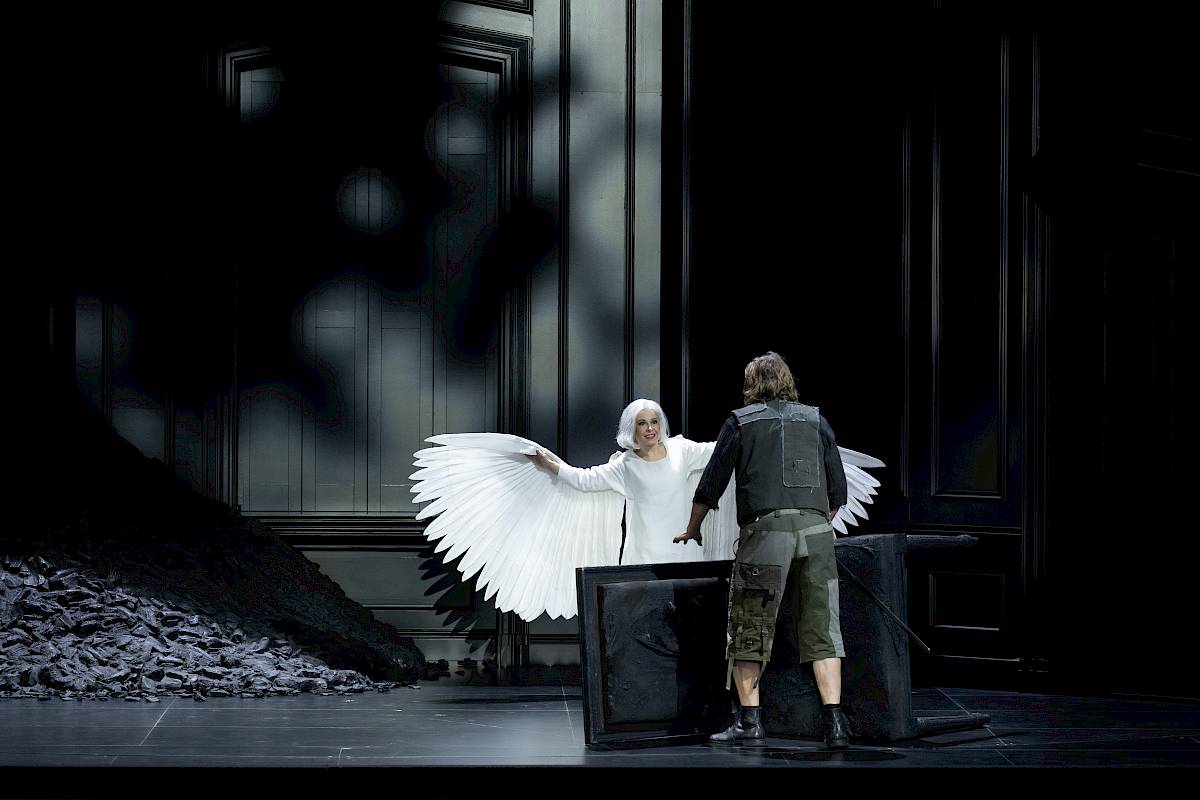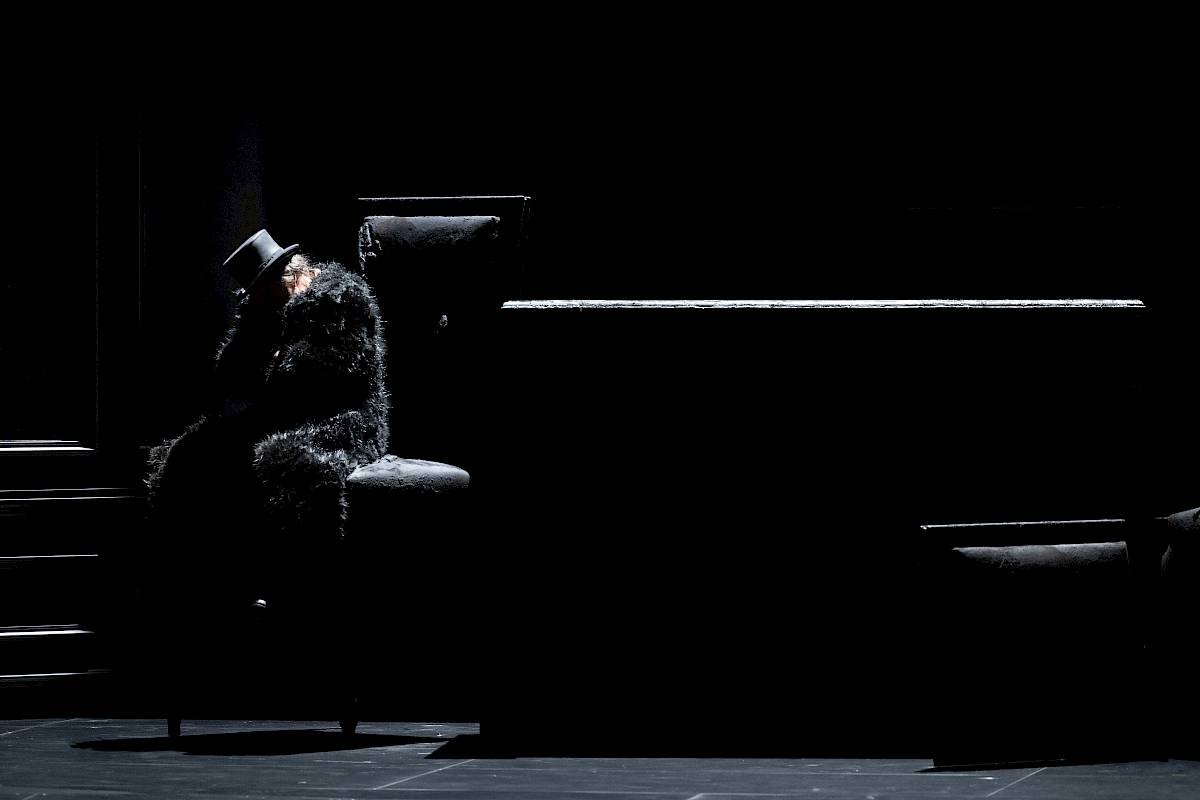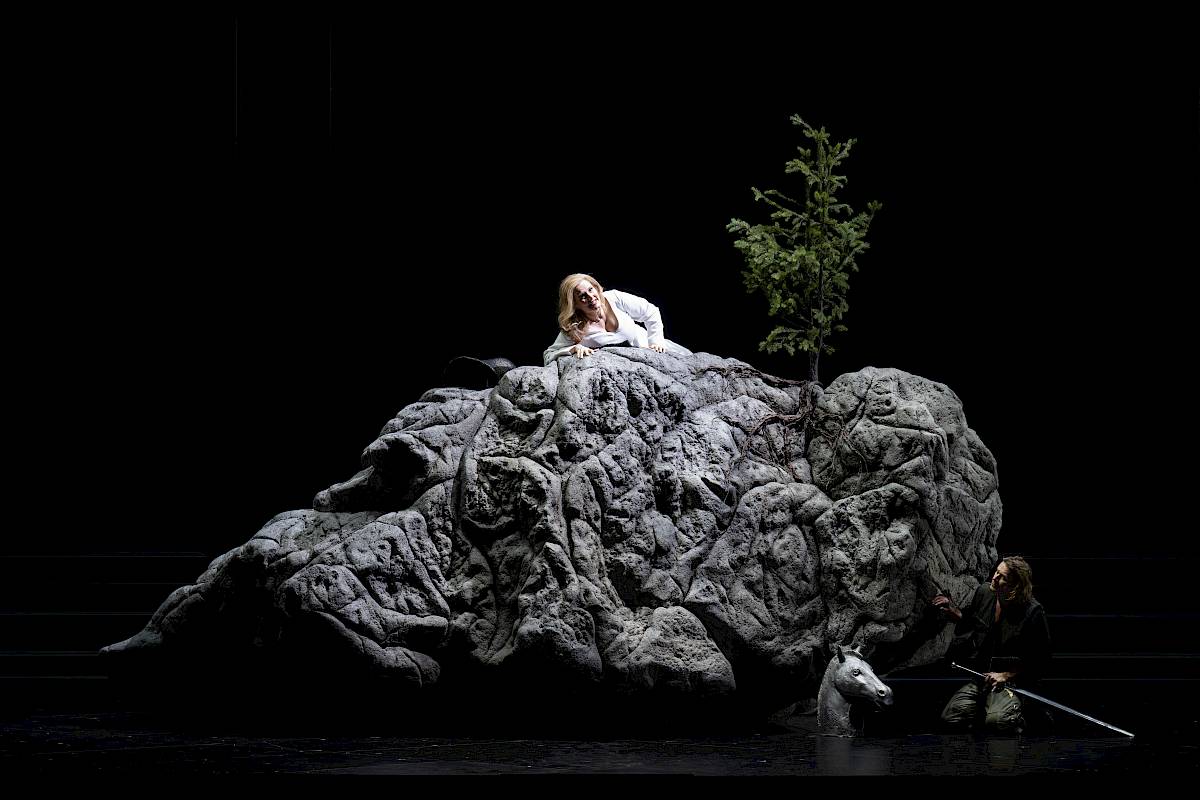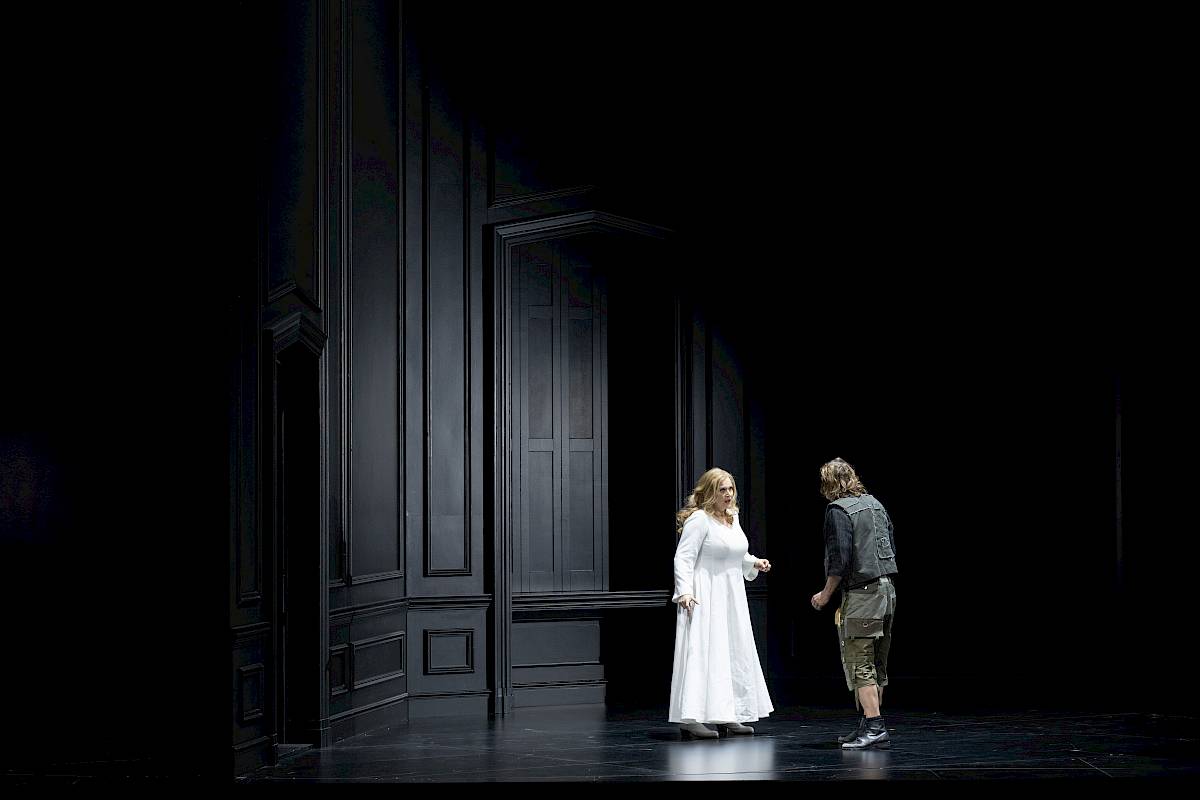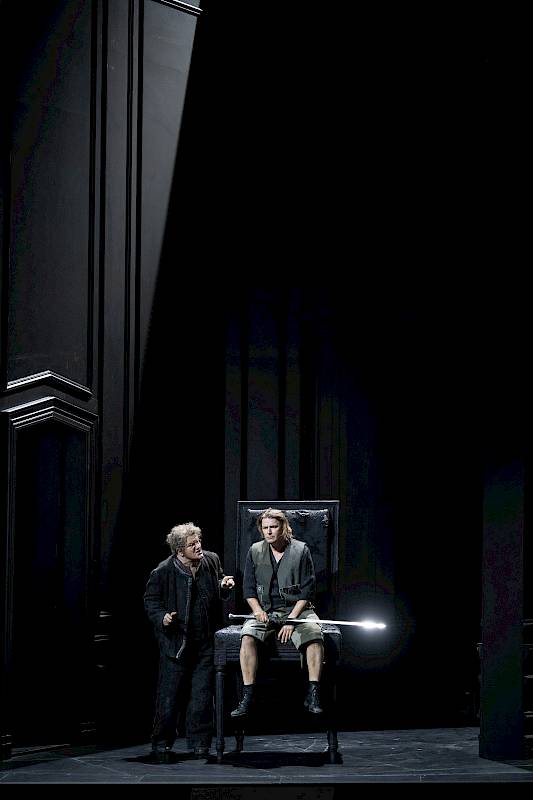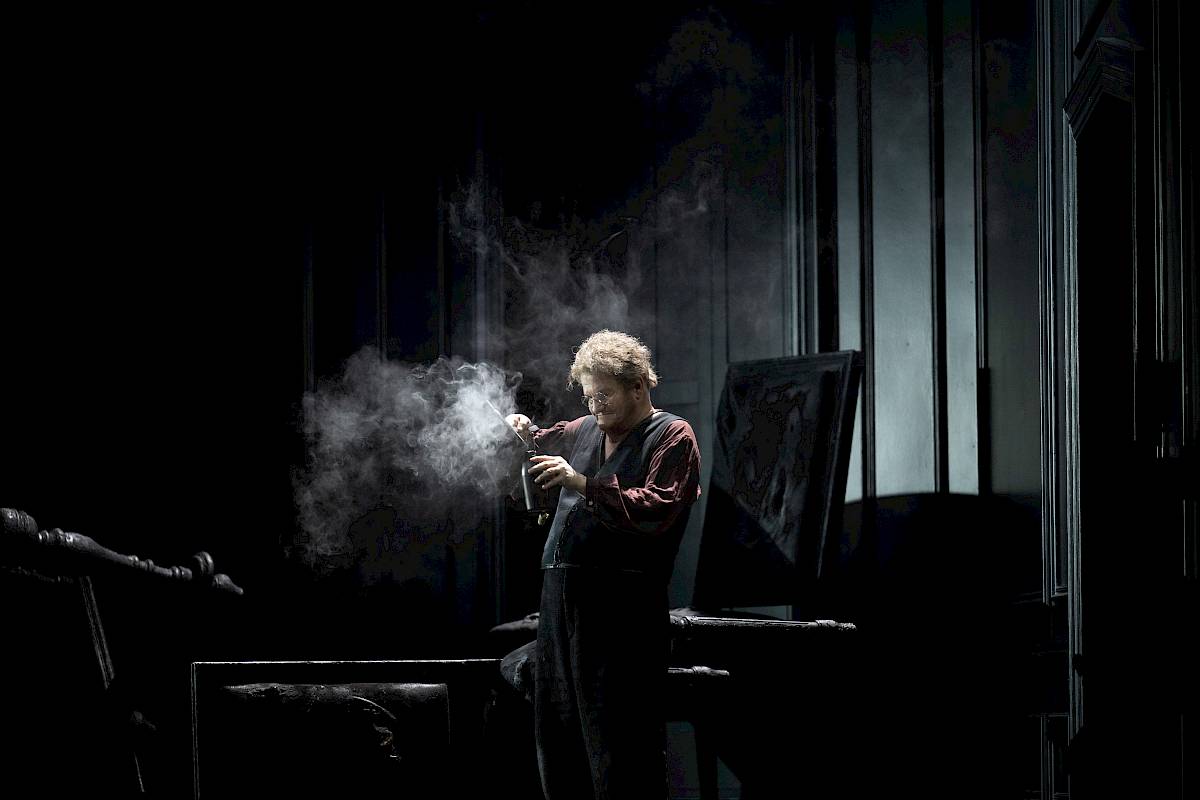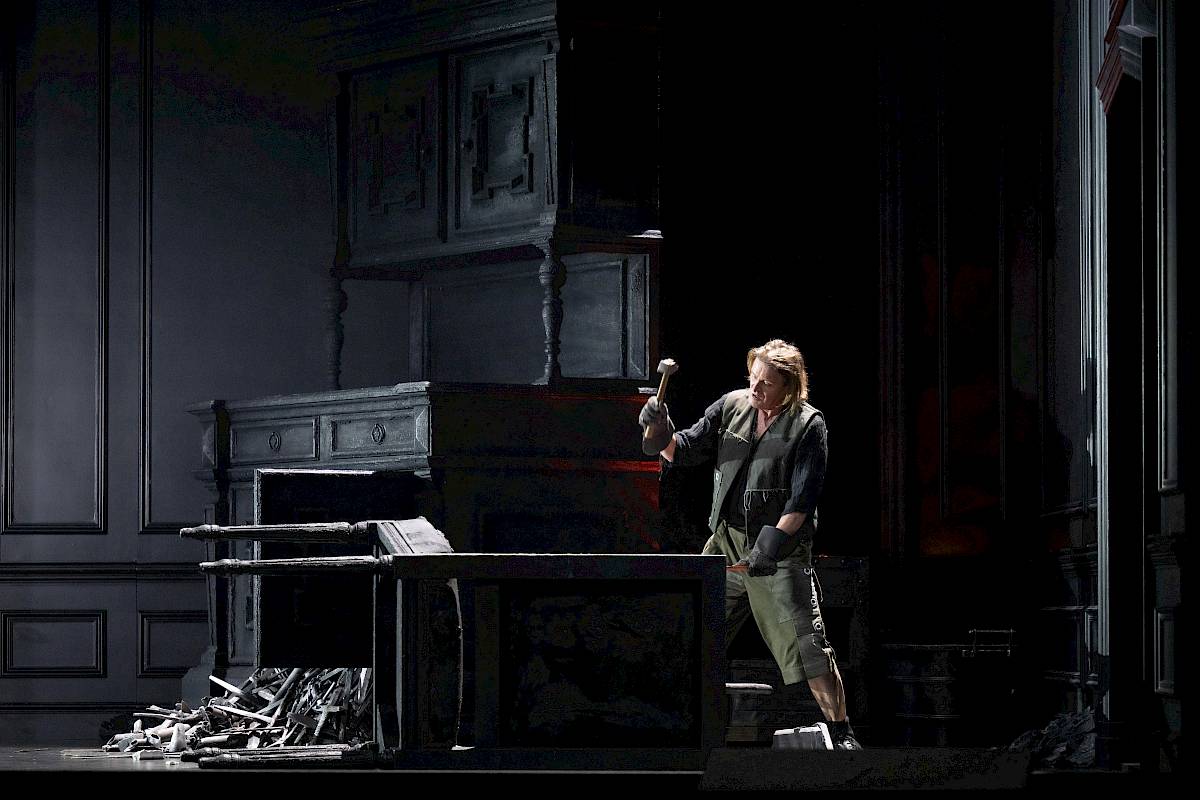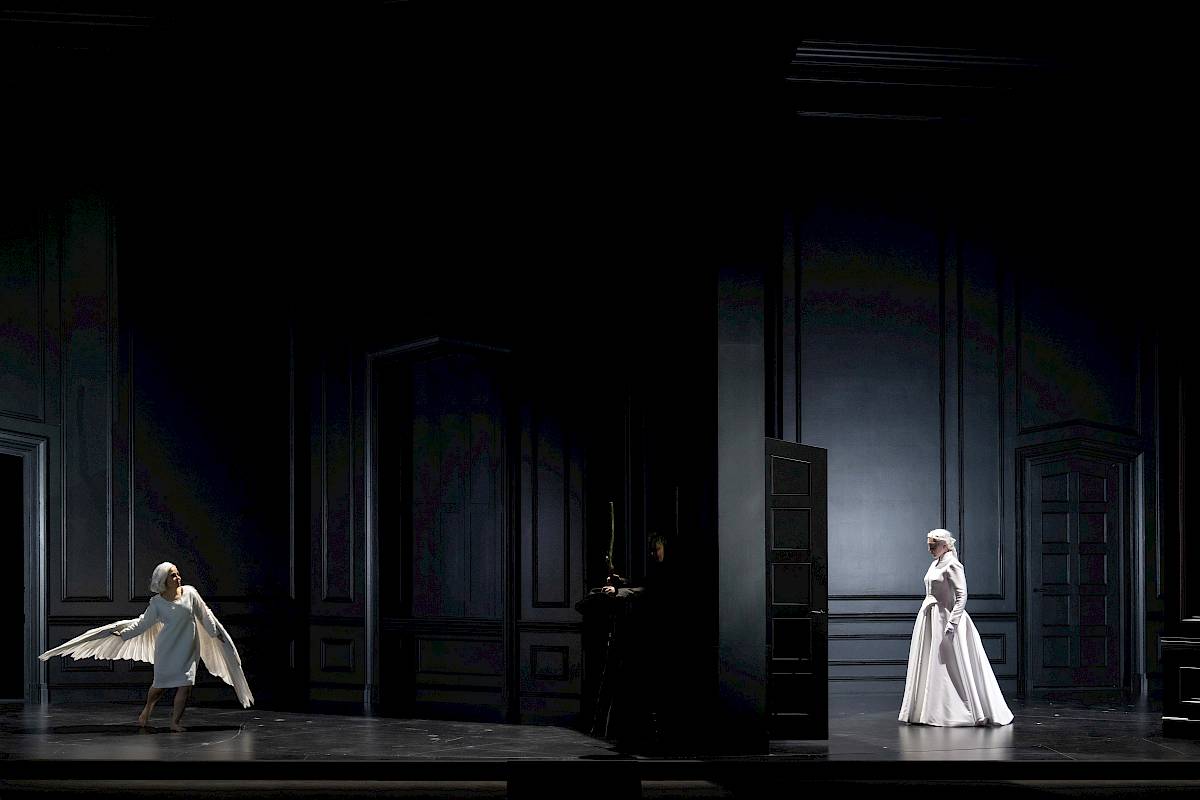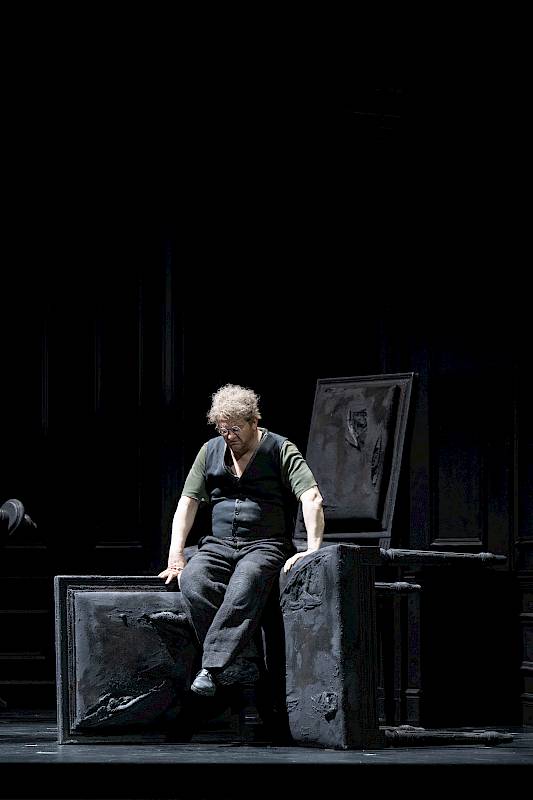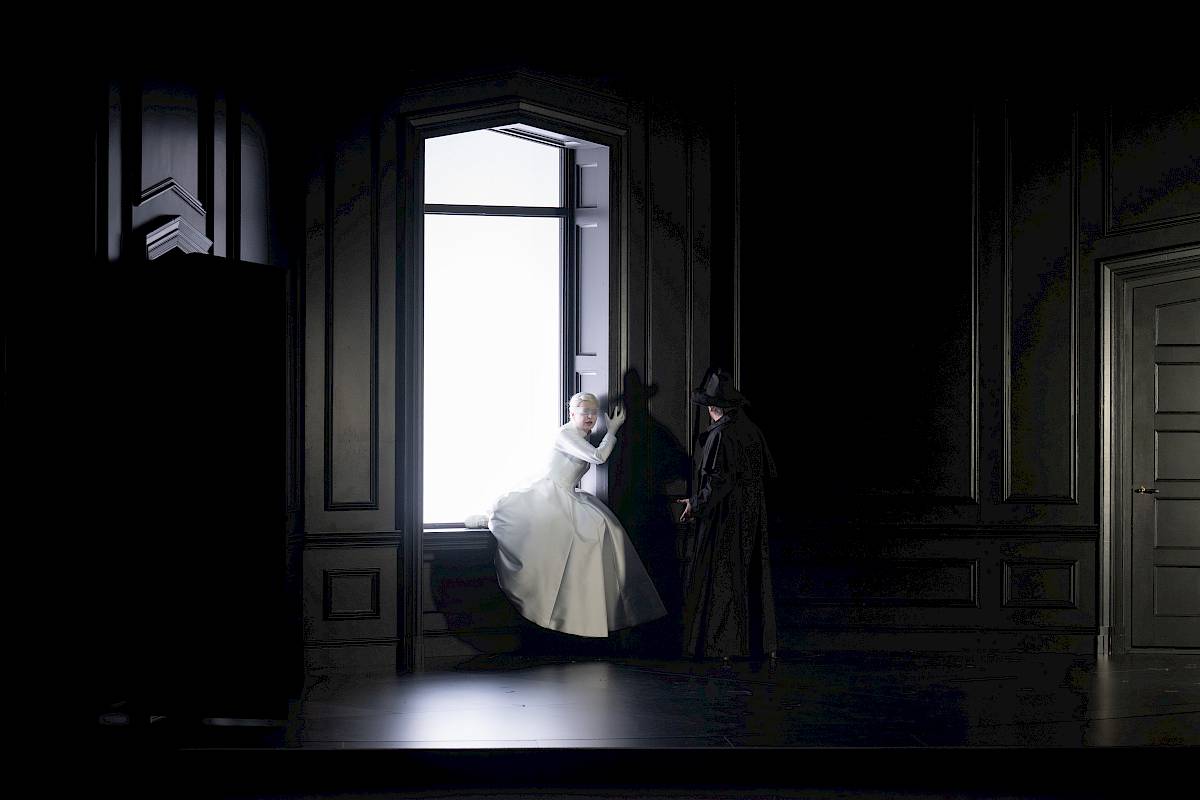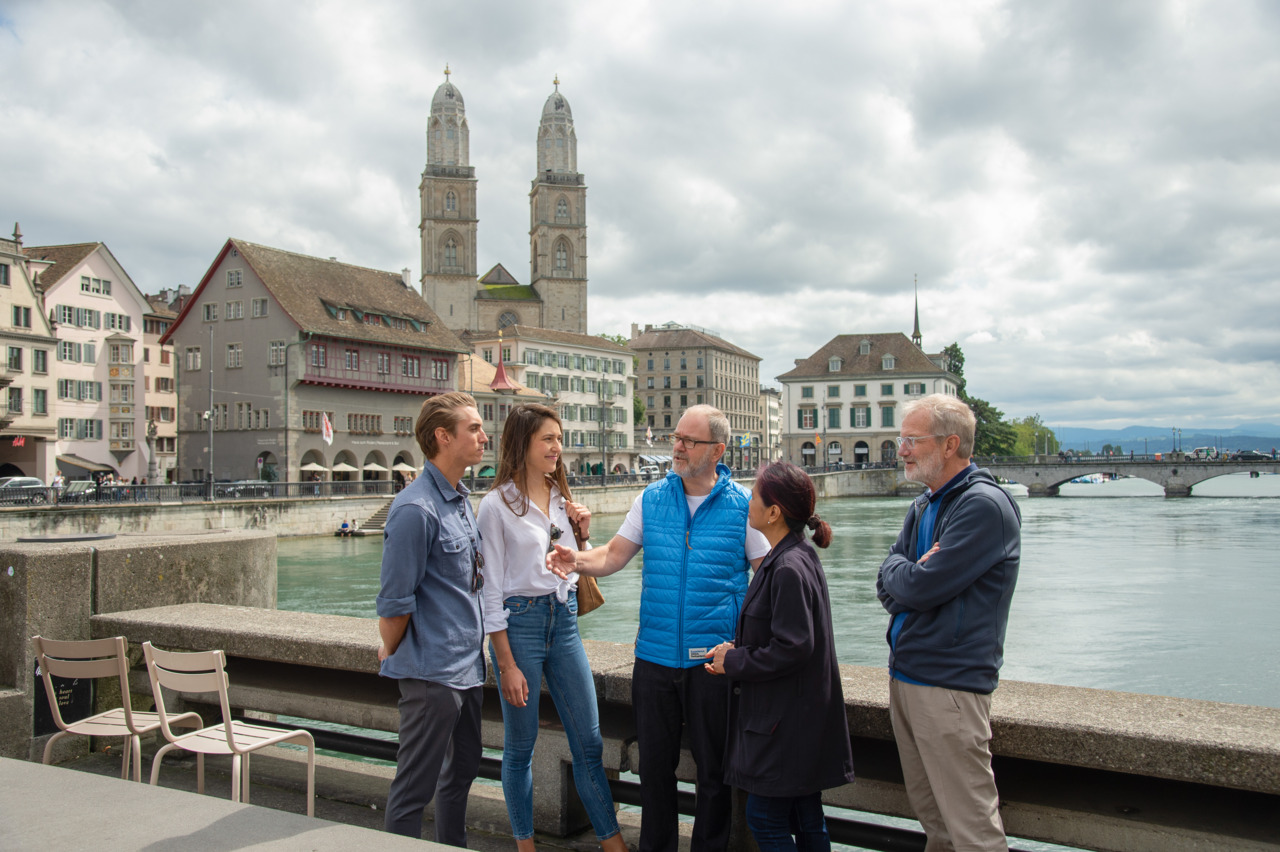

Gianandrea Noseda has been General Music Director of the Zurich Opera House since the 2021/22 season. In addition, he is Music Director of the National Symphony Orchestra and Principal Guest Conductor of the London Symphony Orchestra. In 2019, he became Music Director of the newly founded Tsinandali Festival and the Georgian Pan-Caucasian Youth Orchestra. From 2007 to 2018, Noseda served as General Music Director of the Teatro Regio di Torino, where he artistically reshaped the opera house during his tenure. Noseda has conducted the world’s leading orchestras (Berlin Philharmonic, Chicago Symphony, Concertgebouw Orchestra, Vienna Philharmonic) as well as at the most prestigious opera houses (La Scala, Metropolitan Opera, Royal Opera House) and festivals (BBC Proms, Edinburgh, Salzburg, and Verbier). He has also held leading positions with the BBC Philharmonic (Chief Conductor), the Israel Philharmonic Orchestra (Principal Guest Conductor), the Mariinsky Theatre (Principal Guest Conductor), and the Stresa Festival (Artistic Director). His discography comprises more than 80 CDs, with a special focus on the "Musica Italiana" project, which features neglected 20th-century Italian repertoire. Born in Milan, Noseda is a Commendatore al Merito della Repubblica Italiana and received the Order of Merit of the City of Milan in 2024. In 2015, he was named "Musical America’s Conductor of the Year," was awarded "Conductor of the Year" at the 2016 International Opera Awards, and received the Puccini Prize in 2023. In the same year, the Oper! Awards honored Noseda as "Best Conductor," particularly recognizing his interpretations of the first two "Ring" operas at the Zurich Opera House.
Richard Wagner (1813-1883)
Second Day of the Scenic Festival «Der Ring des Nibelungen»,
Libretto by Richard Wagner
-
Duration :
approx. 5 H. 30 Min. Inkl. Pausen after 1st part after approx. 1 H. 30 Min. and after 2nd part after approx. 3 H. 25 Min. -
Language:
In German with German and English surtitles. -
More information:
Introduction 45 min before the performance.
Duration 1st intermission: 30 min., duration 2nd intermission: 40 min.
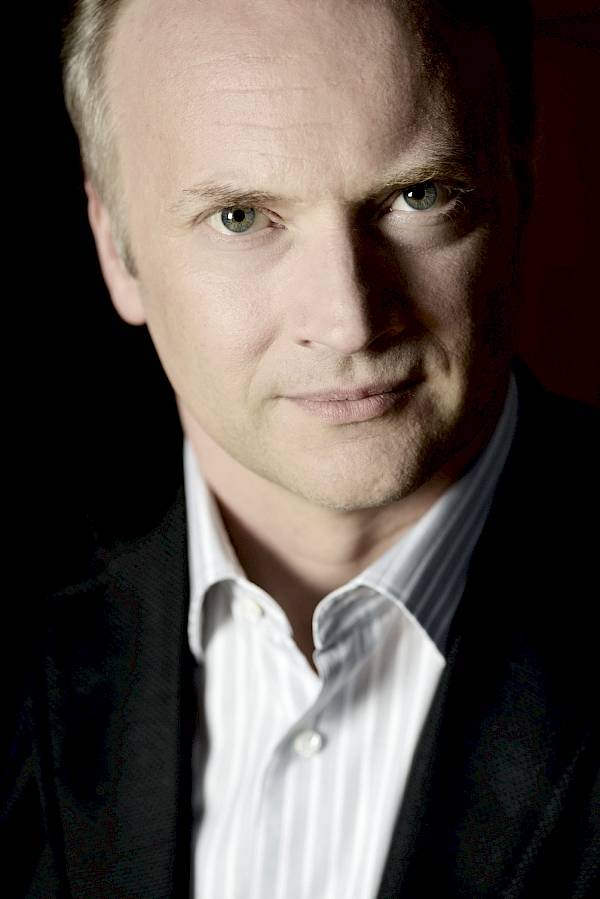
Gianandrea Noseda
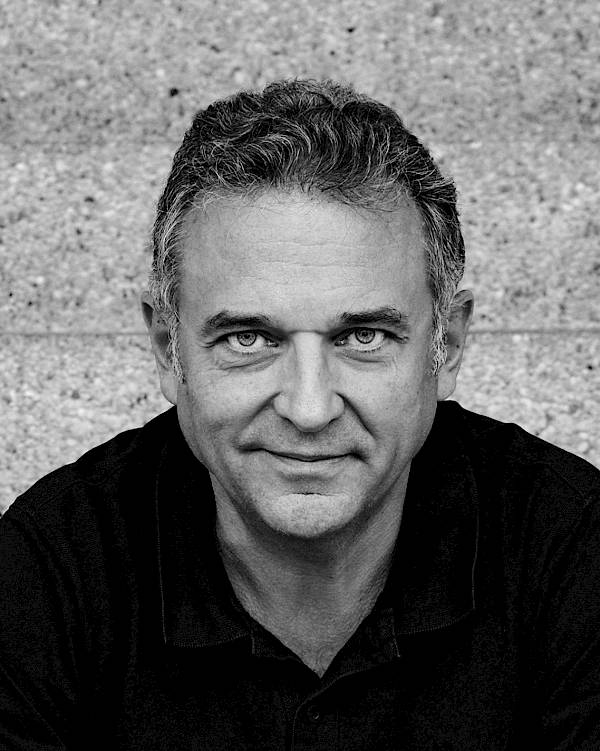
Andreas Homoki
Andreas Homoki was born in Germany in 1960 as the son of a Hungarian family of musicians and studied school music and German studies in West Berlin. In 1987 Andreas Homoki joined Cologne Opera as an assistant director and evening director, where he was engaged until 1993. From 1988 to 1992 he was also a lecturer in stage practice at the opera school of the Cologne University of Music. His first own productions were created there. In 1992 his first guest production took him to Geneva, where his interpretation of "Die Frau ohne Schatten" attracted international attention. The production, which was later also shown at the Théâtre du Châtelet in Paris, received the French Critics’ Prize of the Year in 1994. From 1993 to 2002 Andreas Homoki worked as a freelance opera director and staged productions, among others, in Cologne, Hamburg, Geneva, Lyon, Leipzig, Basel, Berlin, Amsterdam and Munich. As early as 1996 he made his debut at the Komische Oper Berlin with "Falstaff", followed by "Die Liebe zu drei Orangen" (1998) and, in 2000, "Die lustige Witwe". In 2002 Andreas Homoki was appointed chief director of the Komische Oper Berlin as the successor to Harry Kupfer, and in 2004 he became its intendant. In addition to his directing work at the Komische Oper Berlin, he staged productions, among others, at the Théâtre du Châtelet in Paris, the Bavarian State Opera in Munich, the New National Theatre Tokyo, the Saxon State Opera Dresden and the Hamburg State Opera. In July 2012 he staged Marc-Antoine Charpentier’s "David et Jonathas" under the musical direction of William Christie for the Festival d’Aix-en-Provence, a production that was later shown, among other places, in Edinburgh, Paris and New York. From the 2012/13 season to 2024/25 Andreas Homoki served as intendant of Zurich Opera House and staged there, among others, "Der fliegende Holländer" (a co-production with La Scala in Milan and the Norwegian National Opera in Oslo), "Fidelio", "Juliette", "Lohengrin" (a co-production with the Vienna State Opera), "Luisa Miller" (Hamburg State Opera), "Wozzeck", "My Fair Lady" (Komische Oper Berlin), "I puritani", "Médée", "Lunea" (named "World Premiere of the Year 2017/18" by the magazine Opernwelt), "Iphigénie en Tauride", "Nabucco", "Simon Boccanegra", "Les Contes d’Hoffmann", "Salome", the "Ring des Nibelungen" and "Carmen". Andreas Homoki has been a member of the Berlin Academy of the Arts since 1999.
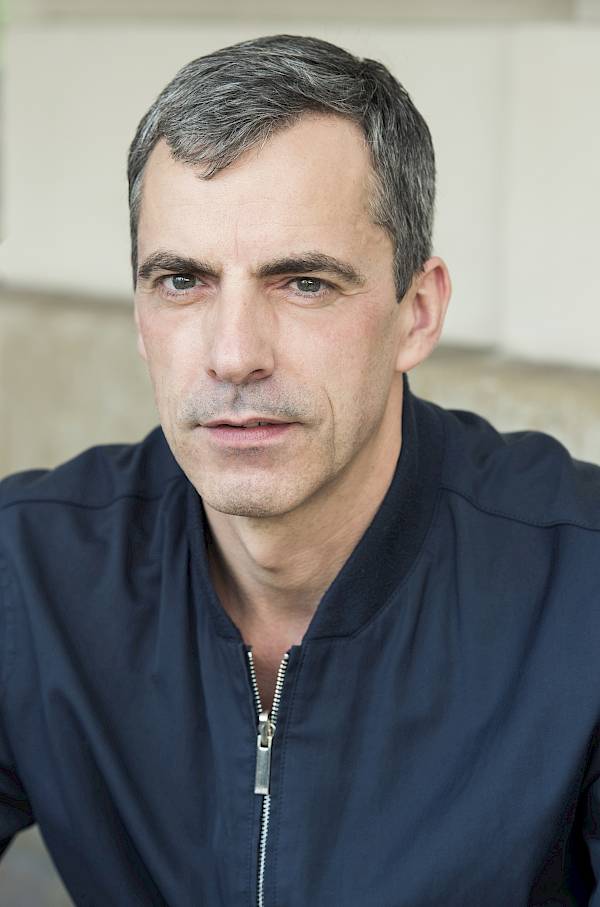
Christian Schmidt
Christian Schmidt studied stage design with Erich Wonder at the Academy of Fine Arts Vienna. In 1992, he collaborated for the first time with Claus Guth, leading to an intensive artistic partnership. He has since designed sets and costumes for numerous Guth productions, including "Iphigénie en Tauride" and "Le nozze di Figaro" at the Salzburg Festival, "The Flying Dutchman" at the Bayreuth Festival, "Fierrabras", "Radamisto", "Ariane et Barbe-Bleue", "Tristan und Isolde", and "Parsifal" at the Zurich Opera House, as well as Mozart’s "Lucio Silla" at the Vienna Festival Weeks. The team has also gained recognition for world premieres, including Czernowin’s "Pnima" and Staud’s "Berenice" at the Munich Biennale, Ruzicka’s "Celan" in Dresden, Oehring’s "Unsichtbar Land" in Basel, and Czernowin’s "Heart Chamber" at the Deutsche Oper Berlin. For Hans Neuenfels’ productions of Zemlinsky’s "Der König Kandaules" at the Vienna Volksoper (1997) and "Die Entführung aus dem Serail" in Stuttgart (1998), Schmidt created the award-winning designs. In 2003, Opernwelt named him "Set Designer of the Year" and in 2005 "Costume Designer of the Year". He received the Rolf-Mares-Preis in 2006 for the set of "Simon Boccanegra" in Hamburg. In 2010, he worked for the first time with Christof Loy ("Die lustige Witwe" in Geneva). For Christian Spuck, he created the sets for Gluck’s "Orphée et Eurydice" in Stuttgart and for "Romeo and Juliet" and "Messa da Requiem" in Zurich. Since 2011, he has also collaborated with Andreas Homoki and, together with him, directed the Zurich "Ring of the Nibelung" from 2022 to 2024.
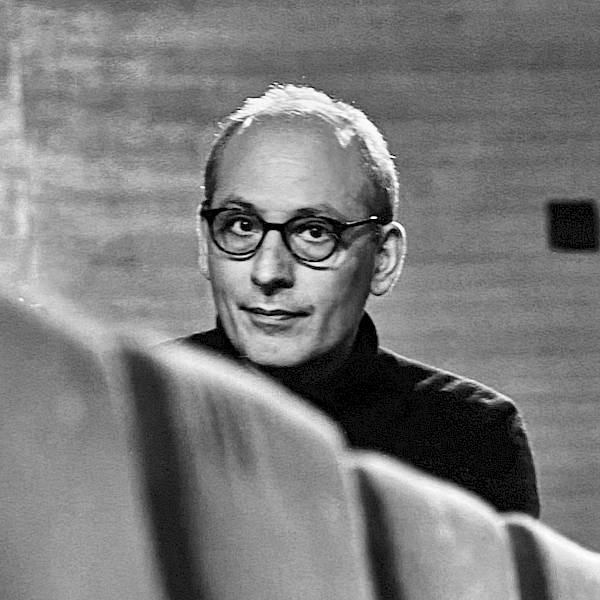
Florian Schaaf
Florian Schaaf, geboren 1969 in Gräfelfing, studierte in München Architektur. Eine langjährige künstlerische Zusammenarbeit verbindet ihn mit dem Bühnenbildner Christian Schmidt. Er wirkte bei zahlreichen Produktionen an internationalen Opernhäusern mit, u.a. am Teatro alla Scala in Mailand, am Teatro Real Madrid, an der Opéra de Paris, der Staatsoper Wien, der Staatsoper Berlin sowie zuletzt beim Ring des Nibelungen am Opernhaus Zürich. Im Deutschen Theatermuseum schuf er als szenografische Arbeit die Ausstellung «150 Jahre Gärtnerpatztheater». 2019 arbeitete er als Bühnenbildner mit Falko Herold an Schnitzlers Reigen in der Inszenierung von Alexandra Liedtke bei den Bregenzer Festspielen. Am Theater Wiesbaden entwarf er gemeinsam mit Duri Bischoff die Bühnenbilder für Kirschgarten in der Inszenierung von Evgeny Titov sowie für Vater, Wassa Schelesnova und Der eingebildete Kranke.
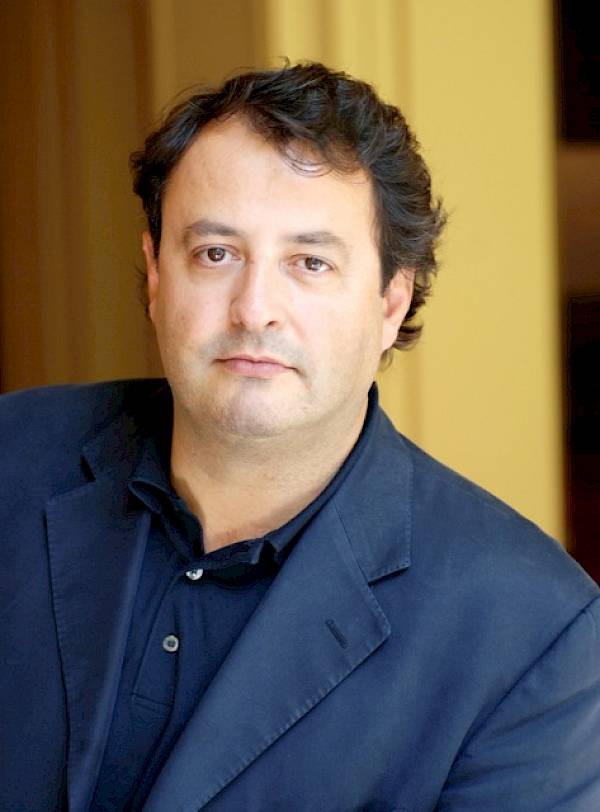
Franck Evin
Franck Evin, born in Nantes, moved to Paris at the age of 19 to study piano. At night he accompanied singers at the café théâtre Le Connétable and also began to take an interest in lighting. He eventually decided on a combination of music and technology. Thanks to a scholarship from the French Ministry of Culture, he became assistant to the head of lighting at the Opéra de Lyon in 1983. There he worked, among others, with Ken Russell and Robert Wilson. In 1986 he began working as a freelance lighting designer at the Düsseldorfer Schauspielhaus and passed the master lighting designer examination in 1993. Particularly close during this period was his collaboration with Werner Schröter and with the conductor Eberhard Kloke. This was followed by productions in, among other places, Nantes, Strasbourg, Paris, Lyon, Vienna, Bonn, Brussels and Los Angeles. From 1995 to 2012 he was artistic director of the lighting department at the Komische Oper Berlin and was responsible there for all new productions. During this time, Andreas Homoki, Barrie Kosky, Calixto Bieito and Hans Neuenfels became especially important collaborators for him. In 2006 Franck Evin was awarded the "OPUS" in the category of lighting design. From the 2012/13 season to 2024/25 he worked as artistic director of the lighting department at Zurich Opera House. In addition to his work in Zurich, he continued to be involved as a guest in international productions, for example at the opera houses in Oslo, Stockholm, Tokyo, Amsterdam, Munich and Graz, as well as at the Opéra Bastille, La Scala in Milan, Teatro La Fenice, Vlaamse Opera and the Bayreuth Festival.
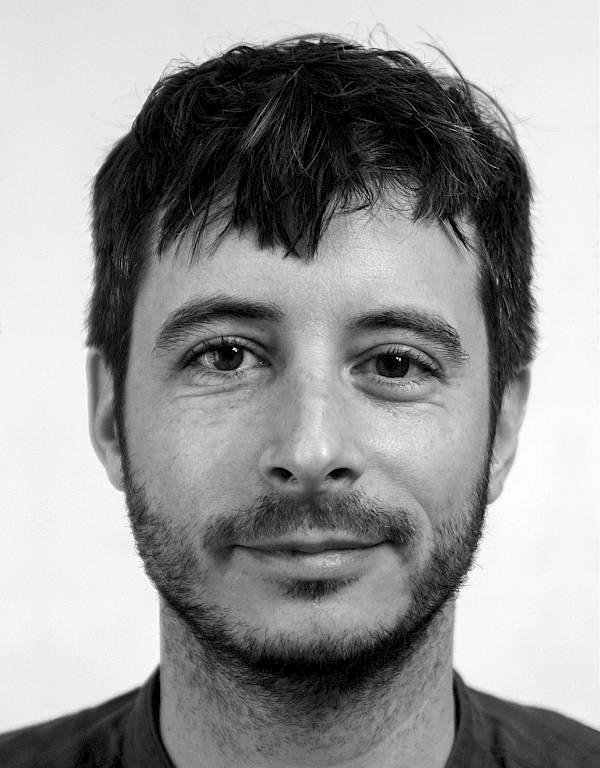
Tieni Burkhalter
Tieni Burkhalter studied Fine Arts at the Zurich University of the Arts (ZHdK), where he specialized in video and video installation. After his works were mainly shown in galleries and at experimental film festivals, he has been working for the stage since 2009. As a video producer, he is closely associated with the Zurich Opera House. His stage work has also taken him to theaters in Berlin, Hamburg, Paris, Moscow, Oslo, and Savonlinna. At the Zurich Opera House, he worked with Andreas Homoki ("Der fliegende Holländer", "Das Land des Lächelns", "Das Rheingold", "Siegfried" and "Die Walküre"), Evgeny Titov ("Lessons in Love and Violence" and "L’Orfeo"), Jan Philipp Gloger ("Die Csárdásfürstin" and "Le nozze di Figaro"), Adele Thomas ("Il trovatore"), Rainer Holzapfel ("Die Odyssee"), Nina Russi ("Coraline") and Kai Anne Schuhmacher ("Jim Knopf und Lukas der Lokomotivführer"). For Ballet Zurich, he produced videos for Christian Spuck ("Anna Karenina" and "Das Mädchen mit den Schwefelhölzern"), Marcos Morau ("Nachtträume"), Edward Clug ("Faust") and Douglas Lee ("A-Life"). He was also involved at the Savonlinna Opera Festival with Philipp Himmelmann for "Aida", in Berlin with Christian Spuck for "Madame Bovary", and has been collaborating for many years on Dmitri Tcherniakov’s productions: "Pelléas et Mélisande" and "Die Sache Makropulos" at the Zurich Opera House, "Senza Sangue/Herzog Blaubarts Burg", "Elektra" and "Salome" at the Hamburg State Opera, "La Fille de Neige" and "Les Troyens" at the Opéra National de Paris, and "Tristan und Isolde" at the Staatsoper Unter den Linden in Berlin.
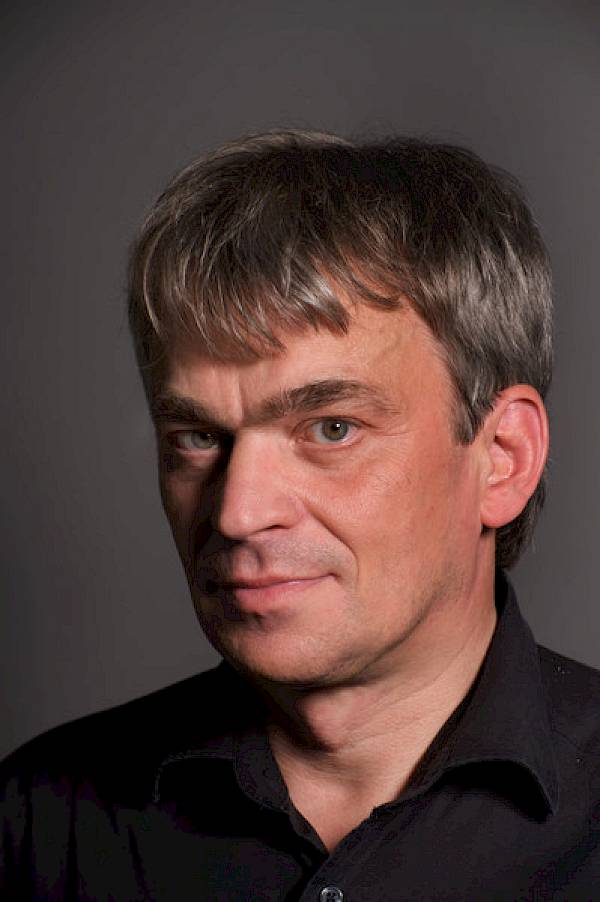
Werner Hintze
Der Autor und Dramaturg Werner Hintze studierte Theaterwissenschaft an der Humboldt-Universität zu Berlin. Nach einem ersten Engagement am Landestheater Halle arbeitete er an der Semperoper Dresden, bevor er als Chefdramaturg an das Hans-Otto-Theater Potsdam wechselte. Von 2002 bis 2012 war er Chefdramaturg an der Komischen Oper Berlin. Seit 2012 lebt er als freischaffender Dramaturg, Autor und Hochschullehrer in Berlin. Er arbeitete langjährig eng zusammen mit Regisseuren wie Peter Konwitschny, Andreas Homoki und Andreas Baumann und war als Gastdramaturg u.a. an den Opernhäusern von München, Hamburg, Dresden, Zürich und Essen tätig. Seit 1985 entstanden, meistens in Zusammenarbeit mit Bettina Bartz, mehr als 30 deutsche Textfassungen von Opern als Auftragswerke für die Komische Oper und andere Häuser. Neben seiner Theatertätigkeit unterrichtet Werner Hintze Regie-, Bühnenbild- und Theaterwissenschaftsstudierende an verschiedenen Hochschulen. Am Opernhaus Zürich betreute er zuletzt Andreas Homokis aufsehenerregende Neuinszenierung des Ring des Nibelungen.
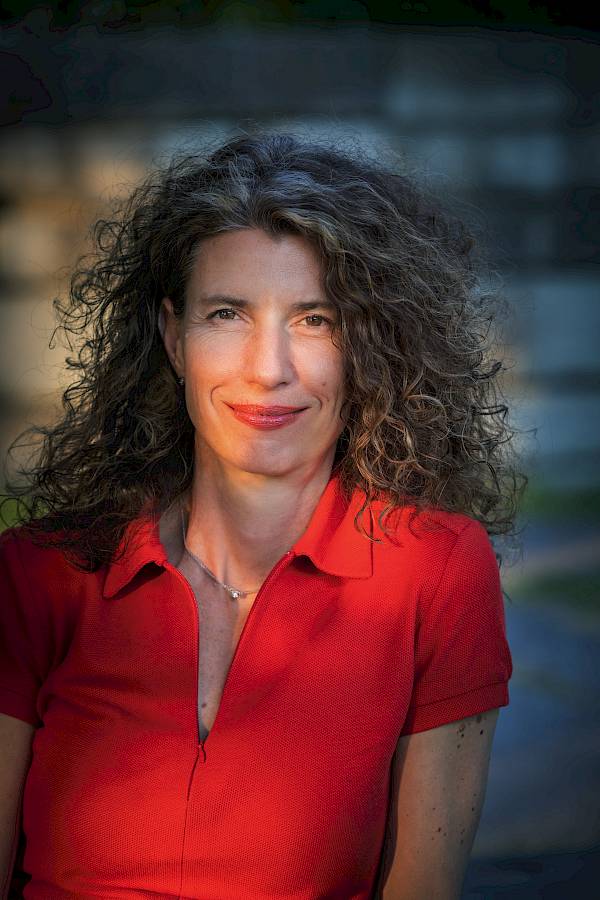
Beate Breidenbach
Beate Breidenbach studierte zuerst Violine, dann Musikwissenschaft und Slawistik in Nowosibirsk, Berlin und St. Petersburg. Nach Assistenzen an der Staatsoper Stuttgart und der Staatsoper Unter den Linden Berlin wurde sie als Musikdramaturgin ans Theater St. Gallen engagiert, drei Jahre später wechselte sie als Dramaturgin für Oper und Tanz ans Theater Basel. Anschliessend ging sie als Operndramaturgin ans Opernhaus Zürich, wo sie bisher mit Regisseurinnen und Regisseuren wie Calixto Bieito, Dmitri Tcherniakov, Andreas Homoki, Herbert Fritsch, Nadja Loschky, Kirill Serebrennikov und anderen arbeitete und die Entstehung neuer Opern von Pierangelo Valtinoni, Michael Pelzel, Samuel Penderbayne und Jonathan Dove betreute. Gastdramaturgien führten sie u.a. an die Potsdamer Winteroper (Le nozze di Figaro, Regie: Andreas Dresen), zum Schweizer Fernsehen (La bohème im Hochhaus) und 2021 an die Opéra de Génève (Krieg und Frieden, Regie: Calixto Bieito). Mit Beginn der Spielzeit 2026/27 wird sie als Chefdramaturgin an die Deutsche Oper Berlin wechseln.
Cast

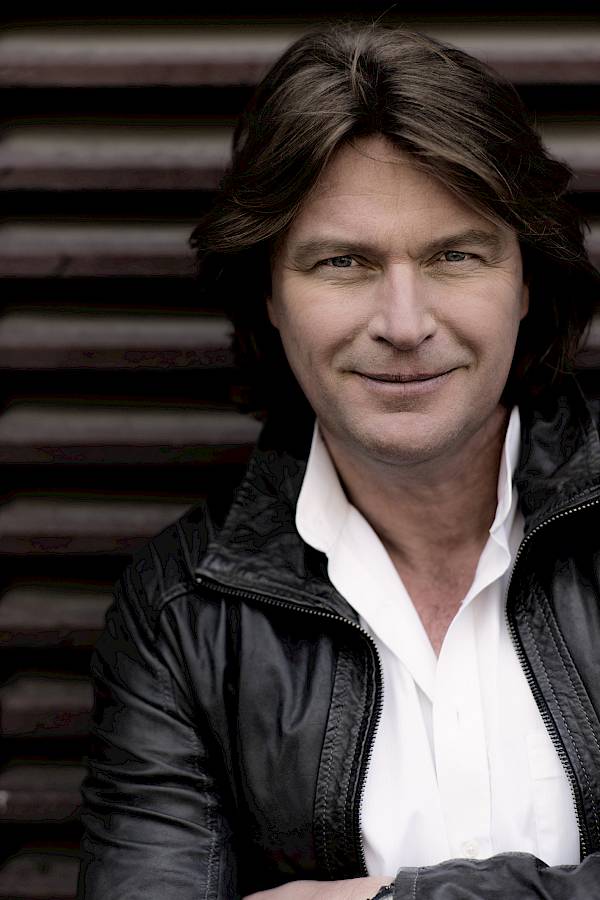
Klaus Florian Vogt
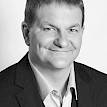
Klaus Florian Vogt is one of the outstanding Wagner tenors of our time. His repertoire primarily includes dramatic roles such as Lohengrin, Tannhäuser, Parsifal, Stolzing, and Siegmund, but also Florestan (Fidelio) and Hoffmann (Les Contes d’Hoffmann). In addition, he performs lyric-dramatic roles such as Andrej (Khovanshchina), the Prince (Rusalka), and Faust (La Damnation de Faust). Originally from northern Germany, Klaus Florian Vogt studied at the University of Music and Theatre in Lübeck. In 1997/98, he was engaged at the Landestheater Flensburg and was a member of the Semperoper Dresden ensemble from 1998 to 2003. Since then, he has been a regular guest at all the major opera houses around the world, as well as at the Bayreuth and Salzburg Festivals. In 2005, he made his Japan debut as Hoffmann in Tokyo, followed by his American debut as Lohengrin at the Metropolitan Opera in New York in 2006. In 2007, he sang for the first time at La Scala in Milan (as Lohengrin) and later returned there as Florestan. That same year, he made his debut at the Bayreuth Festival as Walther von Stolzing (Die Meistersinger von Nürnberg), and from 2011 to 2015 he appeared there as Lohengrin in Hans Neuenfels’ production, in 2016 as Parsifal, and from 2017 to 2021 as Stolzing in Barrie Kosky’s new production of Die Meistersinger. In 2022, he returned to the festival as Siegmund in the new Ring and as Lohengrin. He also participated in concerts at the Festspielhaus conducted by Andris Nelsons. In Zurich, he was most recently heard as Siegfried and Lohengrin, as well as in a lieder recital. In 2012, he received the ECHO Klassik award as Artist of the Year. In 2019, the Senate of the Free and Hanseatic City of Hamburg awarded him the title of “Hamburger Kammersänger.”
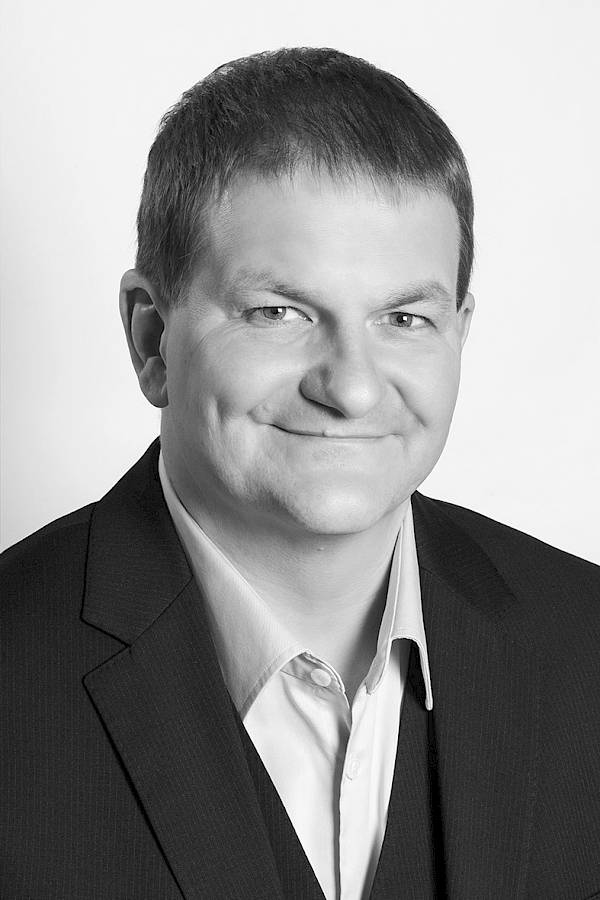
Wolfgang Ablinger-Sperrhacke
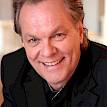
Wolfgang Ablinger-Sperrhacke studierte an der Wiener Musikhochschule bei Kurt Equiluz und Gerhard Kahry. 1997 debütierte er an der Opéra national de Paris, wo er u.a. als Monostatos (Die Zauberflöte), Capito (Mathis der Maler) und Mime (Der Ring des Nibelungen) zu erleben war. Diese Partie sang er auch an der Bayerischen Staatsoper, Berliner Staatsoper, Wiener Staatsoper, Mailänder Scala, Teatro La Fenice, Teatro Real, Théatre du Capitole de Toulouse, Canadian Opera Company und De Nationale Opera in Amsterdam. 1999 debütierte er beim Glyndebourne Festival, wo er seither mehr als 130 Vorstellungen gesungen hat (u.a. Hexe in Hänsel und Gretel, Tanzmeister in Ariadne auf Naxos, Podestà in La finta giardiniera). Er gastierte bei den Bregenzer Festspielen, beim Festival d’Aix-en-Provence und bei den Salzburger Festspielen (Pirzel in Zimmermanns Die Soldaten). Weitere Stationen waren 2013 sein Debüt an der Met als Valzacchi (Der Rosenkavalier) und 2016 an der Royal Opera Covent Garden als Iwan in Schostakowitschs Die Nase. Jüngst sang er die Titelpartie in Offenbachs Blaubart und Pluto (Orpheus in der Unterwelt) an der Komischen Oper Berlin, Aegisth (Elektra) und Herodes (Salome) an der Wiener Staatsoper, Wenzel (Die verkaufte Braut), Franz I. (Kreneks Karl V.), Herodes und Pendereckis Die Teufel von Loudun an der Bayerischen Staatsoper, den Schäbigen (Lady Macbeth von Mszenk) an der Opéra Bastille, den Hauptmann (Wozzeck), Rheingold-Mime und Herodes in Zürich, Monostatos und Valzacchi in München, Hauptmann in Toulouse, Herodes am Bolshoi-Theater sowie Dallapiccolas Il prigioniero in der Berliner Philharmonie. 2021 wurde er zum Bayerischen Kammersänger ernannt, 2022 zum Chevalier des Arts et des Lettres von Frankreich. Ausserdem erhielt er das österreichische Ehrenkreuz für Wissenschaft und Kunst.
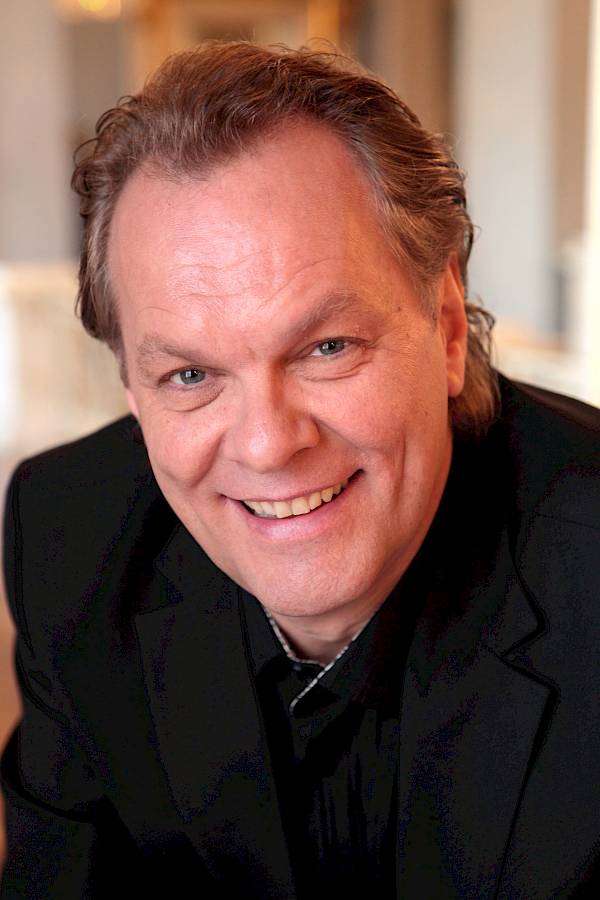
Michael Volle
Michael Volle, after engagements at the opera houses in Mannheim, Bonn, Düsseldorf and Cologne, was a member of the ensemble of the Zurich Opera House and the Bavarian State Opera in Munich. In 2008 and 2023, the magazine Opernwelt named him "Singer of the Year"; in 2009 he was awarded the German Theatre Prize "Der Faust", and in 2023 he received an Oper!Award in recognition of his achievements. As a guest artist, he received invitations to the state operas in Berlin, Hamburg and Vienna, to the Semperoper Dresden, the Festspielhaus Baden-Baden, the Opéra de Paris, the Royal Opera London, the Teatro Real in Madrid, the Liceu in Barcelona, La Scala in Milan, the Metropolitan Opera in New York, as well as to the Salzburg, Bregenz and Bayreuth Festivals. Michael Volle has made a name for himself particularly as a Wagner singer, as well as with the roles of Richard Strauss and the interpretation of the great Italian baritone roles, including the operas of Verdi. More recently, he appeared in David McVicar’s "Ring" at La Scala in Milan, and returned in the title role of "Falstaff" at the Berlin State Opera, where he also performed Wotan/The Wanderer. As part of the 150th anniversary of the Bayreuth Festival, he will sing two "Ring" cycles there in 2026 as well as Amfortas ("Parsifal"). At the Zurich Opera House, he has been heard, among others, as Eugene Onegin, Yeletsky ("The Queen of Spades"), Roland ("Fierrabras"), Sixtus Beckmesser, Hans Sachs ("The Mastersingers of Nuremberg"), Golaud ("Pelléas et Mélisande"), Wolfram ("Tannhäuser"), the Dutchman, Nabucco and Boris Godunov, and in the 2026/27 season he will sing Wotan/The Wanderer in "The Ring of the Nibelung" in Zurich as well as on tour in Paris and New York.
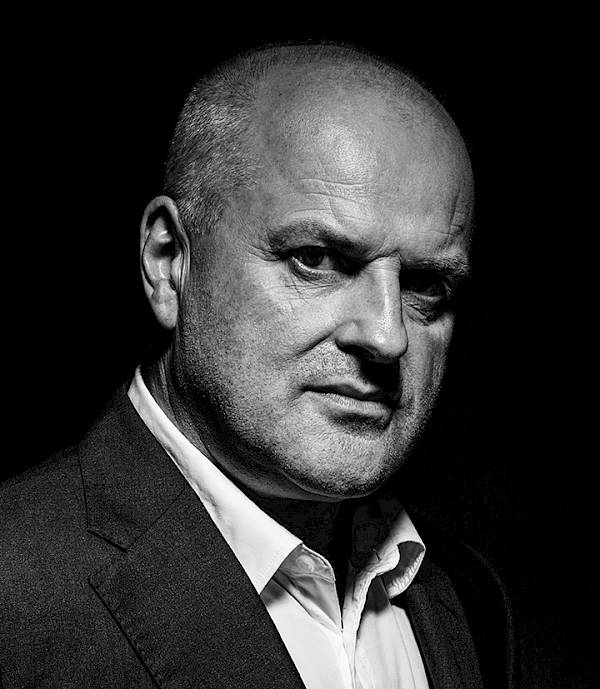
Christopher Purves
Christopher Purves began his musical career as a chorister at King’s College in Cambridge and later was a member of the experimental rock group Harvey and the Wallbangers before turning to opera singing. He sang, among others, Balstrode in "Peter Grimes" at the Bavarian State Opera, at Teatro alla Scala and at Teatro Real Madrid, Alberich in Wagner’s "Ring" cycle for the Zürich Opera House, the Houston Grand Opera, the Bavarian State Opera, the Canadian Opera Company and the Royal Opera House, Nick Shadow in "The Rake’s Progress" at Teatro Colón, the title role in Handel’s "Saul" at the Théâtre du Châtelet, at the Houston Grand Opera, at the Adelaide Festival and at the Royal Theatre Copenhagen, as well as the Forester in Janáček’s "Das schlaue Füchslein" at the Canadian Opera Company. Closely associated with contemporary repertoire, he created roles in numerous world premieres. He sang Walt Disney in the world premiere of Philip Glass’ "The Perfect American", Protector in George Benjamin’s "Written on Skin" at the Royal Opera House, as well as roles in works by Sir James MacMillan, including "The Sacrifice", "Ines de Castro" and "Parthenogenesis". On the concert stage, he was heard, among others, in Elgar’s "The Kingdom" at the BBC Proms and in Handel’s "Messiah" on a European tour with Emmanuelle Haïm and Le Concert d’Astrée.
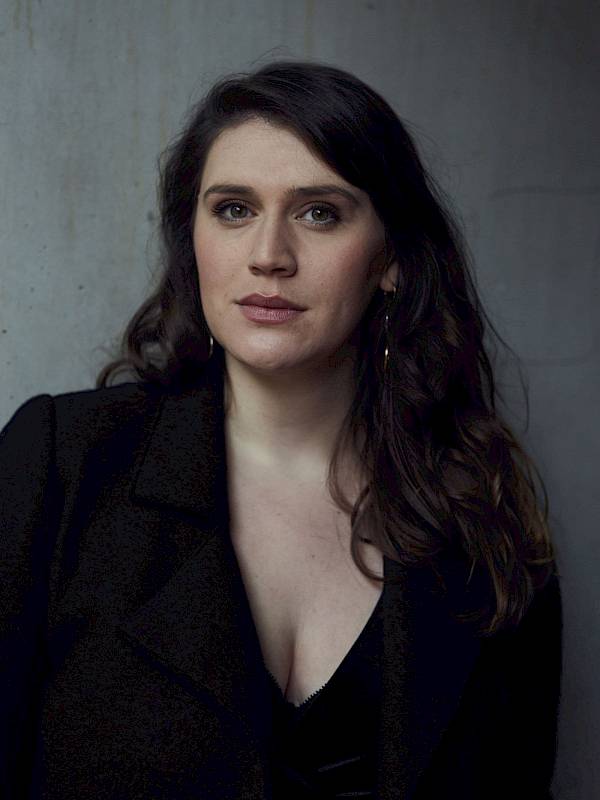
Noa Beinart
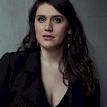
Noa Beinart wurde in Tel Aviv geboren und war von 2020 bis 2023 Ensemblemitglied an der Wiener Staatsoper. Dort war sie als Erda in sämtlichen Aufführungen des Ring-Zyklus, als Gaea in Daphne, als Maddalena in Rigoletto, als Dritte Dame in Die Zauberflöte, als Annina in Der Rosenkavalier, als Mary in Der Fliegende Holländer, als Auntie in Peter Grimes sowie als Suzuki in Madama Butterfly zu erleben. Zuvor war sie Mitglied des Opernstudios an der Bayerischen Staatsoper München und ist Absolventin der Hochschule für Musik Hanns Eisler in Berlin. Sie gab ihr Debüt an der Berliner Staatsoper Unter den Linden als Erste Norn in der Götterdämmerung. Weitere Wagnerpartien waren u.a. Grimgerde (Die Walküre) an der Opéra National de Paris und Schwertleite, ebenfalls in der Walküre, am Opernhaus Zürich. Im Sommer 2021 sang sie unter der Leitung von Franz Welser-Möst als Zweite Magd (Elektra) erstmals bei den Salzburger Festspielen und kehrte im Sommer darauf als Dritte Dame in einer Neuproduktion von Die Zauberflöte dorthin zurück. 2024 debütierte sie als Erste Magd in Christof Loys Neuproduktion von Elektra am Royal Opera House, Covent Garden, und als Erste Norn bei den Bayreuther Festspielen. Aussserdem trat sie mit dem Sydney Symphony Orchestra als Erda in einer konzertanten Aufführung von Das Rheingold unter der Leitung von Simone Young auf – eine Rolle, die sie in der Spielzeit 2024/25 zurück an die Wiener Staatsoper führt.
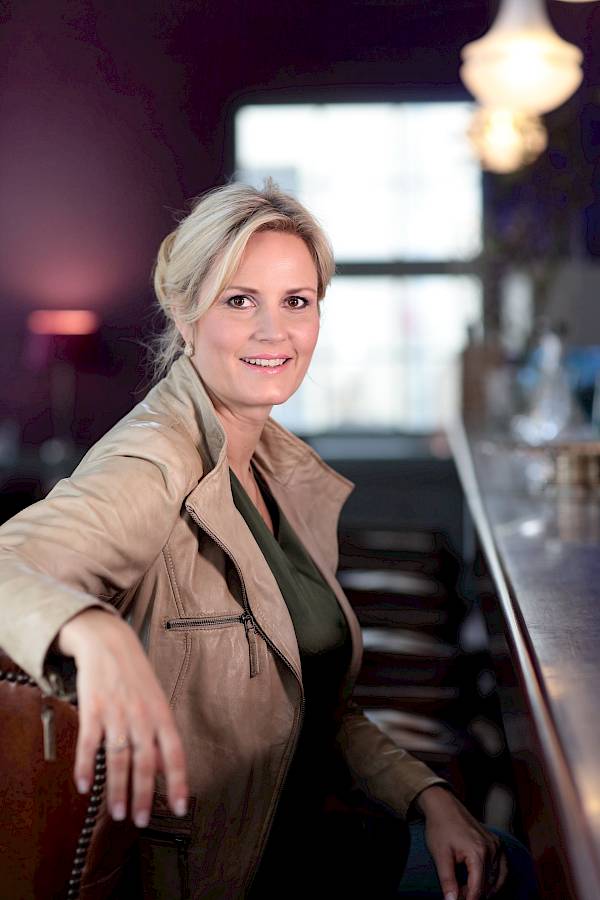
Camilla Nylund
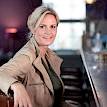
Born in Vaasa, Finland, Camilla Nylund is one of the most internationally sought-after lyric-dramatic sopranos. She studied at the Mozarteum Salzburg, was a member of the ensemble at the Hanover State Opera from 1995 to 1999, and from 1999 to 2001 a member of the ensemble of the Saxon State Opera Dresden. Guest engagements have taken her, among others, to the Teatro alla Scala, the Metropolitan Opera, the State Operas in Vienna, Hamburg, Munich and Berlin, the New National Theatre Tokyo, De Nationale Opera in Amsterdam, the Royal Opera House London, the Opéra Bastille, to Bayreuth, and to the Salzburg Festival. Her most important roles include Elisabeth in "Tannhäuser", Elsa in "Lohengrin", Eva in "Die Meistersinger von Nürnberg", Senta in "Der fliegende Holländer", as well as the Marschallin in "Der Rosenkavalier", Arabella, Salome, the Countess in "Capriccio", Ariadne, and Chrysothemis in "Elektra". At the Vienna State Opera, she sang Marietta/Marie in "Die tote Stadt", at the Deutsche Oper am Rhein Marie in "Wozzeck", and at the Staatsoper Unter den Linden Jenůfa. In addition to her opera work, she is a regular guest in major concert halls. She has received multiple awards, including as Saxon and Austrian Kammersängerin, the European Cultural Prize, the Lotte Lehmann Memorial Ring, and the Austrian Music Theatre Prize. At the Zurich Opera House, she made her role debuts as Isolde and Brünnhilde in "Die Walküre", "Siegfried" and "Götterdämmerung".
Fotogalerie «Siegfried»