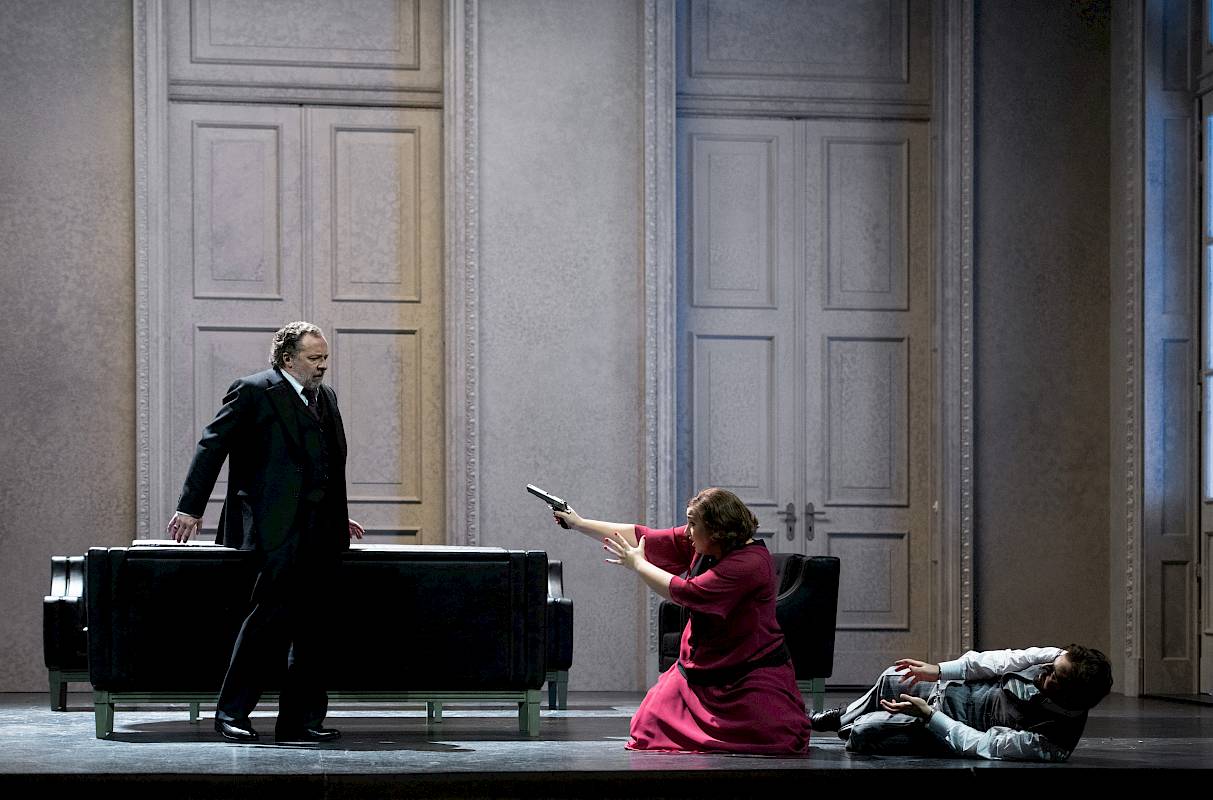
Simon Boccanegra

Melodrama with a prologue and three acts by Giuseppe Verdi (1813-1901)
Libretto by Francesco Maria Piave, with revisions by Giuseppe Montanelli,
after the drama «Simón Bocanegra» by Antonio García Gutiérrez
New edition by Arrigo Boito

From 12. December 2021 until 30. December 2021

  • Duration :
    approx. 2 H. 50 Min. Inkl. Pause after 1st act after approx. 1 H. 25 Min.
  • Language:
    In Italian with German and English surtitles.
  • More information:
    Introduction 45 min before the performance.

Musical Director:
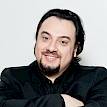
Marco Armiliato

Marco Armiliato

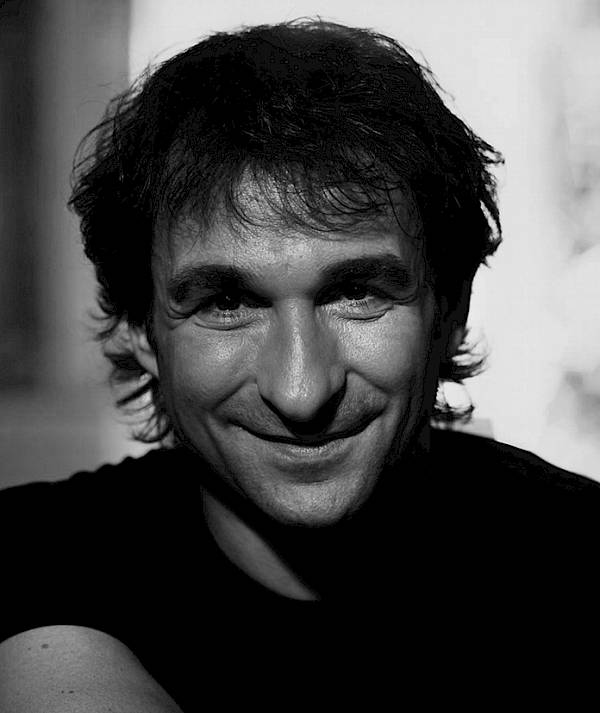
Marco Armiliato studied piano at the Paganini Conservatory in his hometown of Genoa and began his conducting career in 1989 with “L’elisir d’amore” in Lima, Peru. In 1995, he made his debut with “Il barbiere di Siviglia” at Teatro La Fenice in Venice, followed a year later by “Andrea Chénier” at the Vienna State Opera and “La Bohème” at the San Francisco Opera. Since then, his career has taken him to the world’s most prestigious opera houses, including the Bavarian State Opera in Munich, Deutsche Oper Berlin, the Royal Opera House Covent Garden, the Opéra National de Paris, Teatro Real in Madrid, Gran Teatre del Liceu in Barcelona, La Scala in Milan, and the Lyric Opera of Chicago. At the Salzburg Festival, he has conducted “Tosca” and “Andrea Chénier,” as well as concert performances of “Manon Lescaut,” “Lucrezia Borgia,” and “I Capuleti e i Montecchi.” In 2022, he served as Music Director of the Arena di Verona Festival. He maintains a close collaboration with the Metropolitan Opera in New York, where since his 1998 debut he has conducted nearly 500 performances, including “Il trovatore,” “La Bohème,” “Aida,” “Turandot,” “Rigoletto,” and “Lucia di Lammermoor.” His recording Verismo (2009) with Renée Fleming received a Grammy Award, and Romantic Arias (2008) with Jonas Kaufmann was honored with a Diapason d’Or. At the Vienna State Opera, where he has been an honorary member since 2019, he has conducted a wide range of works from the Italian and French repertoire, as well as galas and festival concerts. At the Zurich Opera House, his recent performances have included “La traviata,” “Otello,” “La Bohème,” “Manon,” “Simon Boccanegra,” “La rondine,” “Messa da Requiem,” and “Tosca.”

Tosca28 Sept / 8 / 11 / 15 / 19 Oct 2025 Werther14 / 19 Jun / 1 / 4 / 10 Jul 2026 La rondine24 / 27 Sept / 1 / 10 / 15 Oct 2026 La fanciulla del west25 / 28 Feb / 3 / 7 Mar / 4 / 7 / 10 / 16 Apr 2027
Production:
Andreas Homoki

Andreas Homoki

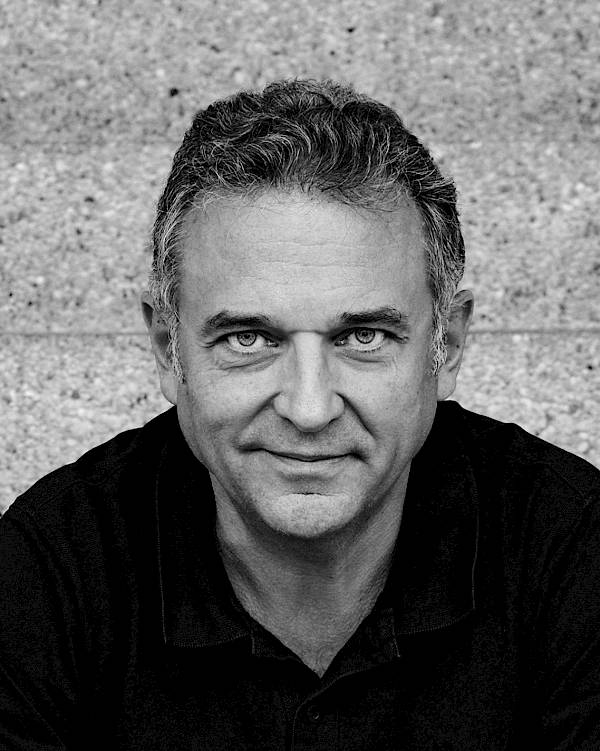
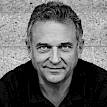
Andreas Homoki was born in Germany in 1960 as the son of a Hungarian family of musicians and studied school music and German studies in Berlin (West). In 1987 he went to the Cologne Opera as an assistant director and stage manager, where he remained until 1993. From 1988 to 1992 he was also a lecturer for stage instruction at the opera school of the Cologne University of Music. It was here that his first own productions were created. In 1992 his first guest production took him to Geneva, where his interpretation of "Die Frau ohne Schatten" received international attention. The production, which was later also shown at the Théâtre du Châtelet in Paris, received the French Critics' Prize of the Year in 1994. From 1993 to 2002 Andreas Homoki worked as a freelance opera director and staged productions in Cologne, Hamburg, Geneva, Lyon, Leipzig, Basel, Berlin, Amsterdam and Munich, among others. As early as 1996 he made his debut at the Komische Oper Berlin with "Falstaff", followed by "The Love for Three Oranges" (1998) and in 2000 "The Merry Widow". In 2002 Andreas Homoki was appointed chief director of the Komische Oper Berlin as successor to Harry Kupfer, and in 2004 he became its artistic director. In addition to his directing work at the Komische Oper Berlin, he staged productions at the Théâtre du Châtelet in Paris, the Bavarian State Opera in Munich, the New National Theatre Tokyo, the Semperoper Dresden and the Hamburg State Opera, among others. In July 2012, under the musical direction of William Christie, he staged "David et Jonathas" by Marc-Antoine Charpentier for the Festival in Aix-en-Provence – a production that was later also shown in Edinburgh, Paris and New York, among other places. From 2012 to 2025 Andreas Homoki was artistic director of the Zurich Opera House, where he staged productions including "The Flying Dutchman" (co-production with La Scala in Milan and the Norwegian National Opera Oslo), "Fidelio", "Juliette", "Lohengrin" (co-production with the Vienna State Opera), "Luisa Miller" (Hamburg State Opera), "Wozzeck", "My Fair Lady" (Komische Oper Berlin), "I puritani", "Medée", "Lunea" (named "World Premiere of the Year 2017/18" by the magazine Opernwelt), "Iphigénie en Tauride", "Nabucco", "Simon Boccanegra", "Les Contes d'Hoffmann", "Salome", the "Ring des Nibelungen" and "Carmen". Andreas Homoki has been a member of the Academy of the Arts Berlin since 1999.

Carmen18 / 21 / 23 / 27 / 31 Jan 2026 Fidelio3 / 6 / 10 / 14 / 16 May 2026 Das Rheingold29 Nov / 4 / 12 / 17 Dec 2026 Die Walküre24 / 31 Jan / 3 / 6 Feb 2027
Sets:
Christian Schmidt

Christian Schmidt

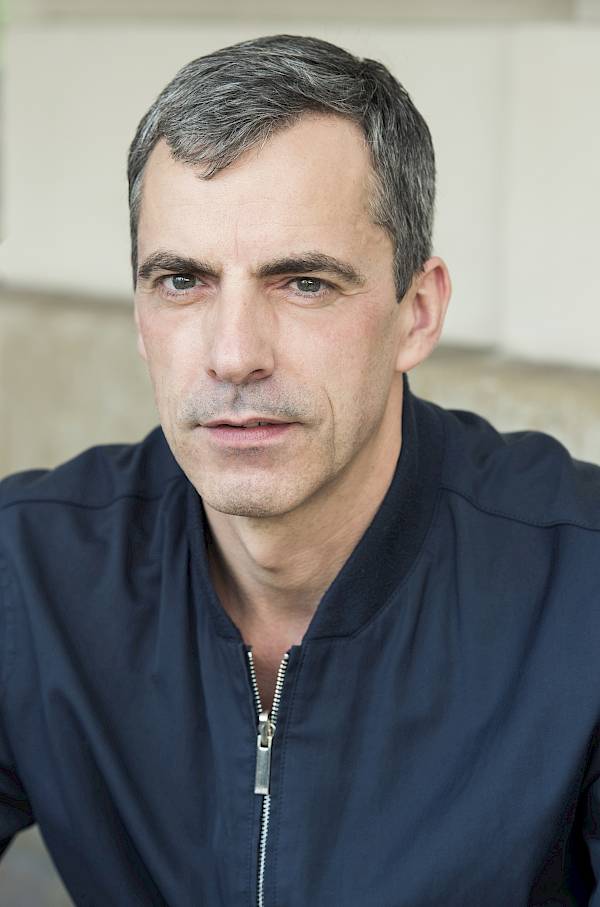
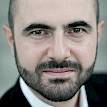
Christian Schmidt studied stage design with Erich Wonder at the Academy of Fine Arts Vienna. In 1992, he collaborated for the first time with Claus Guth, leading to an intensive artistic partnership. He has since designed sets and costumes for numerous Guth productions, including "Iphigénie en Tauride" and "Le nozze di Figaro" at the Salzburg Festival, "The Flying Dutchman" at the Bayreuth Festival, "Fierrabras", "Radamisto", "Ariane et Barbe-Bleue", "Tristan und Isolde", and "Parsifal" at the Zurich Opera House, as well as Mozart’s "Lucio Silla" at the Vienna Festival Weeks. The team has also gained recognition for world premieres, including Czernowin’s "Pnima" and Staud’s "Berenice" at the Munich Biennale, Ruzicka’s "Celan" in Dresden, Oehring’s "Unsichtbar Land" in Basel, and Czernowin’s "Heart Chamber" at the Deutsche Oper Berlin. For Hans Neuenfels’ productions of Zemlinsky’s "Der König Kandaules" at the Vienna Volksoper (1997) and "Die Entführung aus dem Serail" in Stuttgart (1998), Schmidt created the award-winning designs. In 2003, Opernwelt named him "Set Designer of the Year" and in 2005 "Costume Designer of the Year". He received the Rolf-Mares-Preis in 2006 for the set of "Simon Boccanegra" in Hamburg. In 2010, he worked for the first time with Christof Loy ("Die lustige Witwe" in Geneva). For Christian Spuck, he created the sets for Gluck’s "Orphée et Eurydice" in Stuttgart and for "Romeo and Juliet" and "Messa da Requiem" in Zurich. Since 2011, he has also collaborated with Andreas Homoki and, together with him, directed the Zurich "Ring of the Nibelung" from 2022 to 2024.

Messa da Requiem20 / 22 / 28 Feb / 1 / 5 / 7 Mar / 6 Apr 2026 Das Rheingold29 Nov / 4 / 12 / 17 Dec 2026 Die Walküre24 / 31 Jan / 3 / 6 Feb 2027
Assistant artistic stage designer:
Florian Schaaf

Florian Schaaf

Florian Schaaf, geboren 1969 in Gräfelfing, studierte in München Architektur. Eine langjährige künstlerische Zusammenarbeit verbindet ihn mit dem Bühnenbildner Christian Schmidt. Er wirkte bei zahlreichen Produktionen an internationalen Opernhäusern mit, u.a. am Teatro alla Scala in Mailand, am Teatro Real Madrid, an der Opéra de Paris, der Staatsoper Wien, der Staatsoper Berlin sowie zuletzt beim Ring des Nibelungen am Opernhaus Zürich. Im Deutschen Theatermuseum schuf er als szenografische Arbeit die Ausstellung «150 Jahre Gärtnerpatztheater». 2019 arbeitete er als Bühnenbildner mit Falko Herold an Schnitzlers Reigen in der Inszenierung von Alexandra Liedtke bei den Bregenzer Festspielen. Am Theater Wiesbaden entwarf er gemeinsam mit Duri Bischoff die Bühnenbilder für Kirschgarten in der Inszenierung von Evgeny Titov sowie für Vater, Wassa Schelesnova und Der eingebildete Kranke.

Das Rheingold29 Nov / 4 / 12 / 17 Dec 2026 Die Walküre24 / 31 Jan / 3 / 6 Feb 2027
Lighting Design:
Franck Evin

Franck Evin

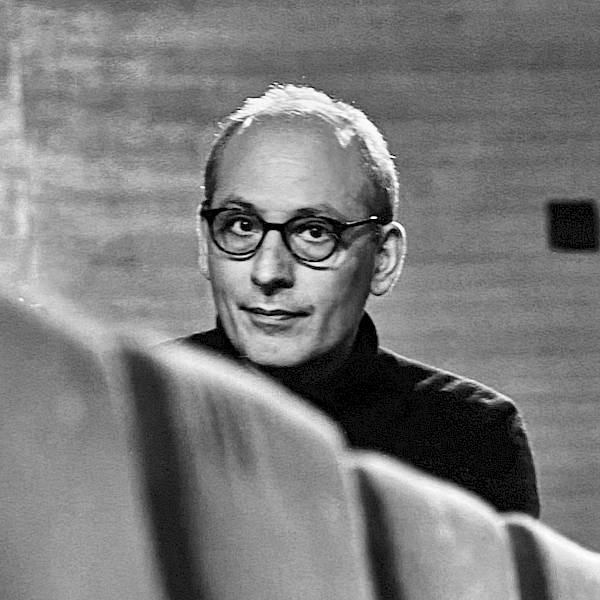
Franck Evin, born in Nantes, moved to Paris at the age of 19 to study piano. At night he accompanied singers at the Café-Théâtre Le Connétable and also began to take an interest in lighting. He eventually decided to combine music and technology. Thanks to a scholarship from the French Ministry of Culture, he became assistant to the head of lighting at the Opéra de Lyon in 1983. There he worked with Ken Russell and Robert Wilson, among others. In 1986 he began working as an independent lighting designer at the Düsseldorf Schauspielhaus and obtained his master’s certificate in lighting in 1993. During this time he had a close collaboration with Werner Schröter and the conductor Eberhard Kloke. This was followed by productions in Nantes, Strasbourg, Paris, Lyon, Vienna, Bonn, Brussels and Los Angeles, among other places. From 1995 to 2012 he was Artistic Director of the lighting department at the Komische Oper Berlin, where he was responsible for all new productions. Important artistic partners during this period included Andreas Homoki, Barrie Kosky, Calixto Bieito and Hans Neuenfels. In 2006 Franck Evin was awarded the German Theatre Prize "Opus" in the category of lighting design. From 2012 to 2025 he was Artistic Director of the lighting department at the Zurich Opera House. In addition to his work in Zurich, he continued to work on international productions at opera houses in Oslo, Stockholm, Tokyo, Amsterdam, Munich and Graz, as well as at the Opéra Bastille, Teatro alla Scala, Teatro La Fenice, the Vlaamse Opera and at the Bayreuth Festival.

Carmen18 / 21 / 23 / 27 / 31 Jan 2026 Madama Butterfly30 Dec 2025 / 3 / 9 / 11 / 13 / 16 Jan 2026 Un ballo in Maschera22 / 28 / 31 May / 7 / 13 Jun 2026 Fidelio3 / 6 / 10 / 14 / 16 May 2026 Così fan tutte3 / 7 / 9 / 12 Jul 2026 Alice im Wunderland8 / 15 / 19 / 21 / 26 / 28 Nov / 6 Dec 2026 / 2 / 7 / 8 / 10 / 17 Jan 2027 Das Rheingold29 Nov / 4 / 12 / 17 Dec 2026 Manon Lescaut11 / 15 / 18 / 22 / 26 Dec 2026 Die Walküre24 / 31 Jan / 3 / 6 Feb 2027 Roméo et Juliette12 / 19 / 21 Feb / 2 / 5 Mar 2027 Don Pasquale23 / 27 / 30 May / 4 / 6 / 11 Jun 2027 La bohème16 / 18 / 23 Jun / 4 / 7 / 10 Jul 2027
Chorus Master:
Janko Kastelic

Janko Kastelic

Janko Kastelic ist ein kanadisch-slowenischer Dirigent, Chorleiter, Pianist und Organist. Er begann seine musikalische Ausbildung in Kanada am Royal/Western Conservatory of Music und der St. Michael’s Choir School. Er hat einen Abschluss in Dirigieren, Komposition und Musiktheorie von der Universität Toronto und setzte sein Studium an der Hochschule für Musik und Darstellende Kunst in Wien fort. Seit 2017 ist er Chordirektor am Opernhaus Zürich. Er war einer der Kapellmeister der Wiener Hofmusikkapelle, Studienleiter des JET-Programms für junge Sänger am Theater an der Wien und Assistent bei den Bayreuther Festspielen sowie Gastchordirektor an der Hamburgischen Staatsoper. Zu den Positionen, die er im Lauf seiner Karriere bekleidet hat, gehört auch die Stelle des Generalmusikdirektors und Operndirektors am Slowenischen Nationaltheater Maribor, des Zweiten Chordirektors an der Wiener Staatsoper sowie des Korrepetitors an der Opéra National de Paris. Er war Assistenzprofessor an der Universität Ljubljana und Mentor an der Musik und Kunst Privatuniversität der Stadt Wien. Seine künstlerischen Leistungen sind dokumentiert auf mehreren Live-Aufnahmen, darunter Tschaikowskis Pique Dame und Schönbergs Moses und Aron. Er arrangierte und dirigierte auch Werke für die Feierlichkeiten zum Mozartjahr 2006. Zu seinen Arbeiten beim Klangbogen-Festival in Wien gehört die europäische Erstaufführung von Blochs Macbeth. Janko Kastelic ist auch ein engagierter Pädagoge, der sich der Förderung der nächsten Generation von Musikerinnen und Musikern verschrieben hat.

Dramaturgy:
Fabio Dietsche

Fabio Dietsche

Fabio Dietsche studied dramaturgy at the Zurich University of the Arts as well as cross flute with Maria Goldschmidt in Zurich and with Karl-Heinz Schütz in Vienna. He gained his first experience as a dramaturge in 2012/13 with Xavier Zuber at Konzert Theater Bern, where he accompanied, among others, Matthias Rebstock’s production of "neither" (Beckett/Feldman) at the Berner Reithalle. Since 2013, he has been a dramaturge at the Zurich Opera House, where he completed his studies with the production dramaturgy of Puccini’s "La bohème." There, he has been involved, among others, in the world premieres of Stefan Wirth’s "Girl with a Pearl Earring" and Leonard Evers’ "Odyssee," the chamber opera "Jakob Lenz" by Wolfgang Rihm, and the Swiss premiere of Manfred Trojahn’s "Orest." He has worked with, among others, Robert Carsen, Tatjana Gürbaca, Rainer Holzapfel, Andreas Homoki, Ted Huffman, Mélanie Huber, Barrie Kosky, Hans Neuenfels, and Kai Anne Schuhmacher. He is currently studying cultural management on a part-time basis at the University of Zurich.

Madama Butterfly30 Dec 2025 / 3 / 9 / 11 / 13 / 16 Jan 2026 Un ballo in Maschera22 / 28 / 31 May / 7 / 13 Jun 2026 La forza del destino2 / 7 / 12 / 15 / 18 / 21 / 26 / 29 Nov / 17 / 21 Dec 2025 Monster's Paradise12 Apr 2026 Gianni Schicchi2 / 6 / 8 / 10 / 13 May 2026 Manon Lescaut11 / 15 / 18 / 22 / 26 Dec 2026 La traviata20 / 23 / 29 Dec 2026 / 1 / 3 / 6 / 9 / 12 / 15 / 19 / 23 Jan 2027 Die lustige Witwe27 / 31 Dec 2026 / 3 / 7 / 10 / 13 Jan 2027 Roméo et Juliette12 / 19 / 21 Feb / 2 / 5 Mar 2027 Rinaldo14 / 19 / 23 / 25 / 27 / 29 Mar 2027 Samson et Dalila13 / 17 / 20 / 24 / 27 / 30 Jun / 2 / 9 Jul 2027 La bohème16 / 18 / 23 Jun / 4 / 7 / 10 Jul 2027

Cast


Simon Boccanegra Ludovic Tézier 12, 15, 17 Dec


Simon Boccanegra George Petean 22, 26, 30 Dec


Simon Boccanegra Andreas Homoki 22 Dec


Amelia Grimaldi Jennifer Rowley


Jacopo Fiesco Christof Fischesser


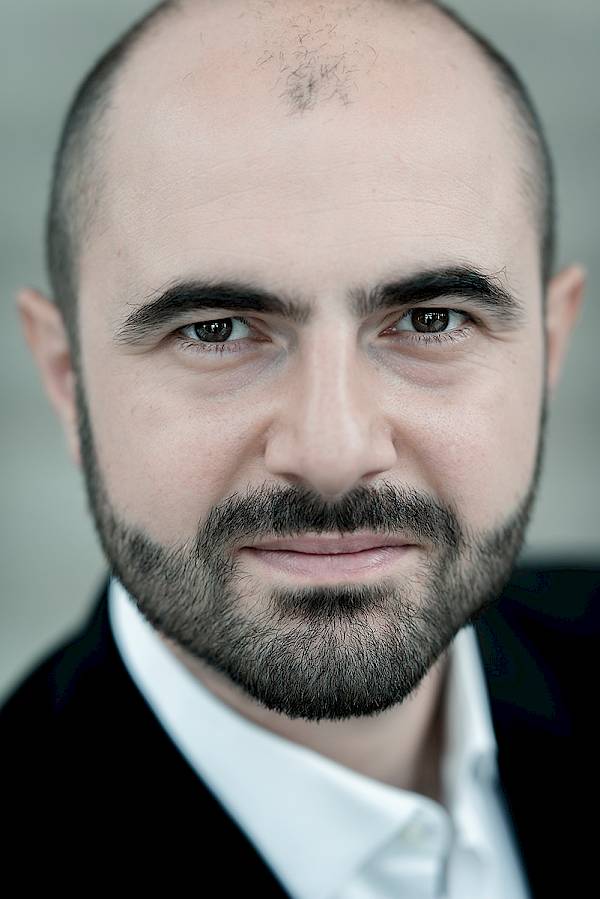
Gabriele Adorno Otar Jorjikia


Paolo Albiani Nicholas Brownlee


Pietro Brent Michael Smith


Magd Amelias Bożena Bujnicka


Hauptmann der Armbrustschützen Saveliy Andreev

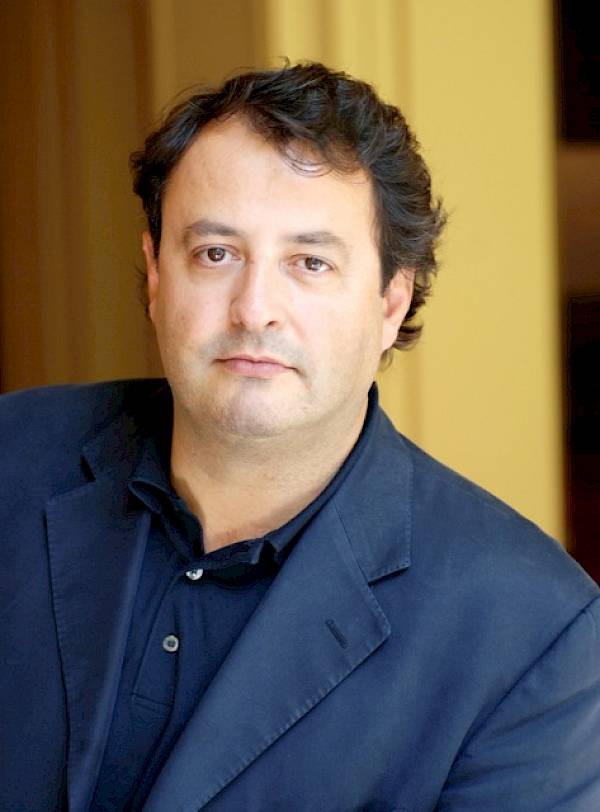
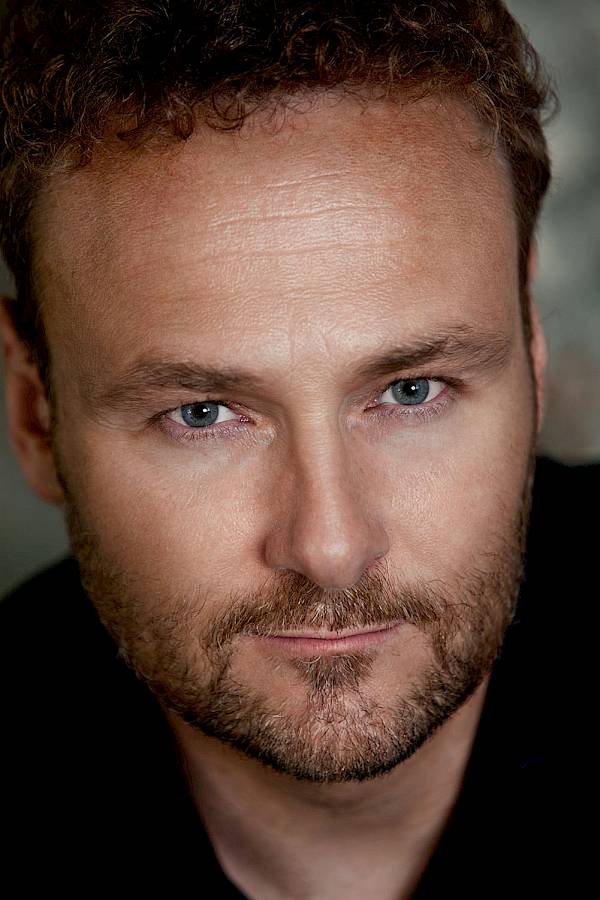
Ludovic Tézier

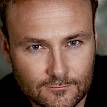
The French baritone Ludovic Tézier studied with Claudine Duprat, at the Centre National de Formation des Artistes Lyriques, and at the École d’Art Lyrique de l'Opéra de Paris. In 1998, he won second prize at the Operalia Competition. After early successes in Lucerne, Toulouse, and Lyon, he developed into one of the most renowned baritones of the present day and regularly appears at the Metropolitan Opera, the Vienna State Opera, the Opéra national de Paris, the Deutsche Oper Berlin, Teatro alla Scala, the Liceu Barcelona, Teatro Real Madrid, the Royal Opera House London, the Bavarian State Opera, as well as at the Salzburg Festival and the Festival d’Aix-en-Provence. He is particularly acclaimed for his Verdi roles, including Macbeth, Rigoletto, Simon Boccanegra, Renato in "Un ballo in maschera", Giorgio Germont in "La traviata", Posa in "Don Carlos", and Amonasro in "Aida". His solo album of Verdi arias was awarded the Gramophone Award in 2021; in 2022 he released the duet album "Insieme" together with Jonas Kaufmann. His recent highlights include new productions of "Rigoletto" in Madrid, "Tosca" in Munich, and "Hamlet" and "Simon Boccanegra" at the Opéra national de Paris. He is a Chevalier de l’Ordre des Arts et des Lettres.

Tosca11 / 14 / 17 / 21 / 24 Apr 2027

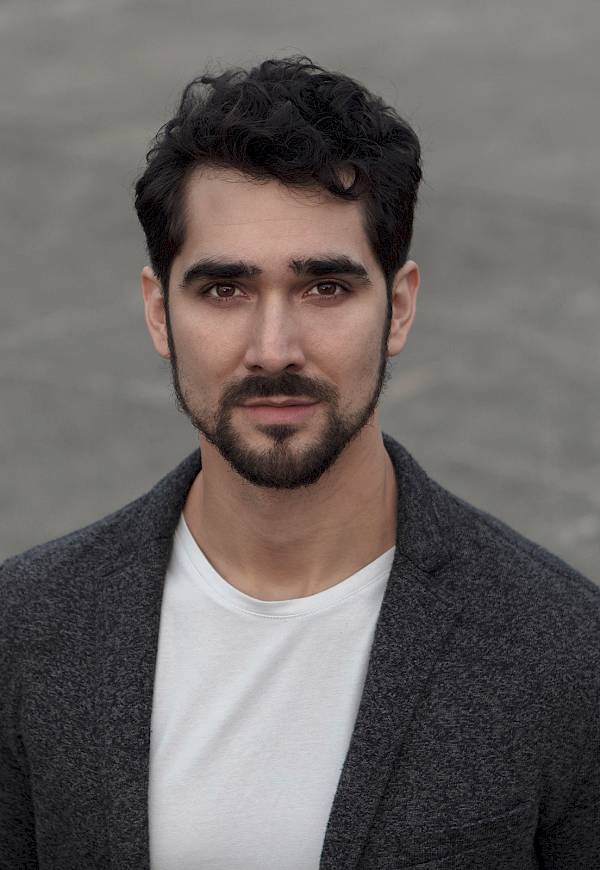
George Petean

George Petean was born in Cluj-Napoca (Romania) and studied piano, trombone, and voice. He made his stage debut in 1997 at the Cluj-Napoca Opera as Don Giovanni. In 1999, he won the Grand Prize at the international singing competition Hariclea Darclée. In 2000, he made his debut as Marcello (“La bohème”) at the Teatro dell’Opera di Roma, and from 2002 to 2010 he was a member of the Hamburg State Opera ensemble. Since then, he has worked as a freelance artist. Engagements have taken him to the Royal Opera House Covent Garden, the Vienna State Opera, Opéra de Paris, the Bavarian State Opera in Munich, the New York Met, Gran Teatre del Liceu in Barcelona, Berlin opera houses, Semperoper Dresden, Opera Amsterdam, and the Bregenz Festival. His repertoire includes roles such as Figaro (“Il barbiere di Siviglia”), Silvio (“Pagliacci”), Conte di Luna (“Il trovatore”), Rodrigo, Marquis of Posa (“Don Carlo”), Lord Enrico Ashton (“Lucia di Lammermoor”), Giorgio Germont (“La traviata”), Amonasro (“Aida”), Simon Boccanegra, and Rigoletto. At the Zurich Opera House, he has recently appeared as Macbeth, Simon Boccanegra, and Renato (“Un ballo in maschera”). More recently, he has performed Simon Boccanegra at the Berlin State Opera, Conte di Luna at the Hamburg State Opera and Berlin State Opera, Carlo Gérard (“Andrea Chénier”) at the Vienna State Opera, and Marquis of Posa at the Bavarian State Opera.

La forza del destino2 / 7 / 12 / 15 / 18 / 21 / 26 / 29 Nov / 17 / 21 Dec 2025

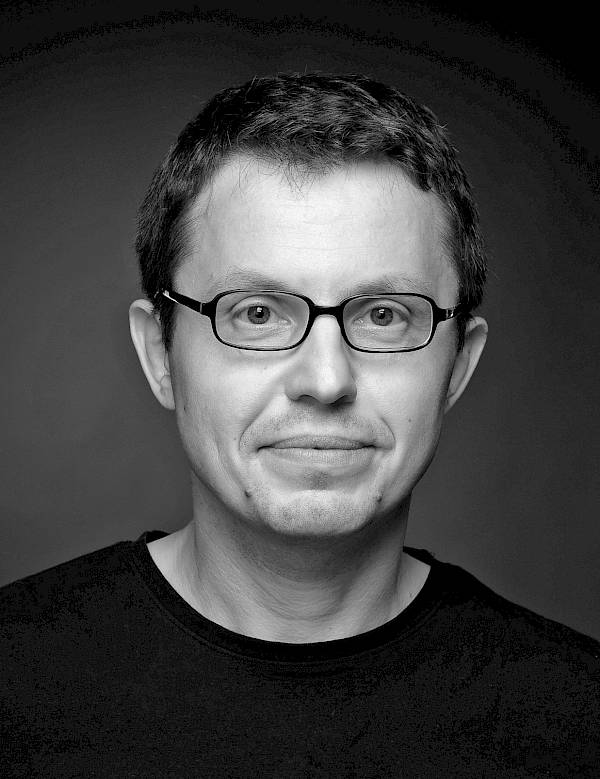
Andreas Homoki

Andreas Homoki was born in Germany in 1960 as the son of a Hungarian family of musicians and studied school music and German studies in Berlin (West). In 1987 he went to the Cologne Opera as an assistant director and stage manager, where he remained until 1993. From 1988 to 1992 he was also a lecturer for stage instruction at the opera school of the Cologne University of Music. It was here that his first own productions were created. In 1992 his first guest production took him to Geneva, where his interpretation of "Die Frau ohne Schatten" received international attention. The production, which was later also shown at the Théâtre du Châtelet in Paris, received the French Critics' Prize of the Year in 1994. From 1993 to 2002 Andreas Homoki worked as a freelance opera director and staged productions in Cologne, Hamburg, Geneva, Lyon, Leipzig, Basel, Berlin, Amsterdam and Munich, among others. As early as 1996 he made his debut at the Komische Oper Berlin with "Falstaff", followed by "The Love for Three Oranges" (1998) and in 2000 "The Merry Widow". In 2002 Andreas Homoki was appointed chief director of the Komische Oper Berlin as successor to Harry Kupfer, and in 2004 he became its artistic director. In addition to his directing work at the Komische Oper Berlin, he staged productions at the Théâtre du Châtelet in Paris, the Bavarian State Opera in Munich, the New National Theatre Tokyo, the Semperoper Dresden and the Hamburg State Opera, among others. In July 2012, under the musical direction of William Christie, he staged "David et Jonathas" by Marc-Antoine Charpentier for the Festival in Aix-en-Provence – a production that was later also shown in Edinburgh, Paris and New York, among other places. From 2012 to 2025 Andreas Homoki was artistic director of the Zurich Opera House, where he staged productions including "The Flying Dutchman" (co-production with La Scala in Milan and the Norwegian National Opera Oslo), "Fidelio", "Juliette", "Lohengrin" (co-production with the Vienna State Opera), "Luisa Miller" (Hamburg State Opera), "Wozzeck", "My Fair Lady" (Komische Oper Berlin), "I puritani", "Medée", "Lunea" (named "World Premiere of the Year 2017/18" by the magazine Opernwelt), "Iphigénie en Tauride", "Nabucco", "Simon Boccanegra", "Les Contes d'Hoffmann", "Salome", the "Ring des Nibelungen" and "Carmen". Andreas Homoki has been a member of the Academy of the Arts Berlin since 1999.

Carmen18 / 21 / 23 / 27 / 31 Jan 2026 Fidelio3 / 6 / 10 / 14 / 16 May 2026 Das Rheingold29 Nov / 4 / 12 / 17 Dec 2026 Die Walküre24 / 31 Jan / 3 / 6 Feb 2027

Jennifer Rowley

Jennifer Rowley studierte am Baldwin Wallace College Conservatory of Music, an der Indiana University School of Music und am Instituto Superior de Arte, Teatro Colón. Sie war Mitglied der Scuola dell’Opera Italiana am Teatro Comunale in Bologna, wo sie 2009 als Magda in La rondine debütierte. Sie ist Preisträgerin zahlreicher renommierter Gesangswettbewerbe, darunter u.a. der Richard Tucker Career Grant sowie der Licia Albanese Puccini Foundation Preis. Ihre internationale Karriere begann, als sie 2010 kurzfristig beim Caramoor International Music Festival in der Titelpartie von Donizettis Maria di Rohan einsprang. Seither steht sie regelmässig auf den grossen internationalen Opernbühnen der Welt. In den vergangenen Spielzeiten war sie u.a. an der Metropolitan Opera New York als Roxanne (Cyrano de Bergerac) sowie als Tosca, Adriana Lecouvreur, Leonora (Il trovatore) und Musetta (La bohème), am Teatro del Liceu in Barcelona als Aida, beim Maggio Musicale in Florenz, an der Staatsoper Berlin, der Opéra de Paris und der Opéra de Rouen als Leonora (Il trovatore), an der Semperoper Dresden als Valentine (Les Huguenots) sowie als Tosca und am Nationaltheater Prag als Amelia (Un ballo in maschera) zu erleben. In jüngster Zeit gab sie als Leonora (Il trovatore) ihr Debüt an der Staatsoper Unter den Linden, Berlin, debütierte als Cio-Cio-San (Madama Butterfly) an der Palm Beach Opera und als Minnie (La fanciulla del West) am Teatro Regio Torino, sang Cio-Cio-San am Teatro Carlo Felice in Genua und zuletzt Minnie am National Center for the Performing Arts in Peking.

Christof Fischesser

The bass Christof Fischesser, born in Wiesbaden, studied singing with Martin Gründler at the University of Music and Performing Arts in Frankfurt am Main. In 2000 he won first prize at the Federal Singing Competition in Berlin, which was followed by an engagement at the Badisches Staatstheater Karlsruhe. In 2004 he moved to the Staatsoper Unter den Linden in Berlin; from 2012 to 2015 he was a member of the ensemble at the Zurich Opera House, with which he has maintained a close collaboration ever since. Guest engagements have taken him, among others, to the Vienna State Opera, the Royal Opera House in London, the Opéra national de Paris, the Teatro Real in Madrid, the Bavarian State Opera Munich, the Komische Oper Berlin, the Semperoper Dresden, the Opéra de Lyon, the Théâtre du Capitole de Toulouse, the Houston Grand Opera, the Lyric Opera of Chicago, as well as to the opera houses of Antwerp, Copenhagen and Gothenburg. His wide-ranging repertoire includes roles such as King Marke in "Tristan und Isolde", Landgrave in "Tannhäuser", King Henry in "Lohengrin", Gurnemanz in "Parsifal", Sarastro in "The Magic Flute", Figaro in "Le nozze di Figaro", Rocco in "Fidelio", Banquo in "Macbeth", Méphistophélès in "Faust" and Baron Ochs of Lerchenau in "Der Rosenkavalier". Numerous CD and DVD recordings document his artistic work. At the Zurich Opera House he has appeared, among others, as King Henry, Orest in "Elektra", Kaspar, Daland, Gremin, Gurnemanz, Marchese di Calatrava and Padre Guardiano in "La forza del destino", Hunding in "Die Walküre" as well as Jacopo Fiesco in "Simon Boccanegra".

Tannhäuser21 / 24 / 27 Jun / 2 / 5 / 8 / 11 Jul / 26 Sept / 4 / 9 / 13 Oct 2026 Fidelio3 / 6 / 10 / 14 / 16 May 2026 Die Walküre24 / 31 Jan / 3 / 6 Feb 2027

Otar Jorjikia

Otar Jorjikia stammt aus Georgien. Er studierte Gesang am Konservatorium in Tiflis und be­suchte Meisterkurse von Renato Bruson und Edda Moser. In der Spielzeit 2016/17 war er Mitglied des Internationalen Opernstudios am Opernhaus Zürich und war da als Malcolm (Macbeth), Gustavo III / Giudice (Un ballo in maschera) und als Conte di Lerma (Don Carlo) zu erleben. An der Oper Tiflis sang er Partien wie Don Alvaro (La forza del destino) und Don José (Carmen), im Konzertsaal von Tiflis war er als Duca (Rigoletto) und Lenski (Eugen Onegin) zu hören. 2014 debütierte er als Alfredo (La traviata) am Teatro Giuseppe Verdi in Busseto und am Teatro Regio di Parma. Ein Höhepunkt seiner bisherigen Karriere war das Debüt am Mariinski-Theater, wo er 2016 an der Seite von Plácido Domingo die Partie des Gabriele Adorno in Verdis Simon Boccanegra sang. 2017 gab er sein Debüt am Bolshoi Theater in Moskau als Alfredo und sang 2018 am Opernhaus in Sidney Don José. Die Spielzeit 2019/20 führte ihn dann zurück nach Zürich, wo er Ismaele in Nabucco sang, ans Mariinsky Theater St. Petersburg als Gabriele Adorno (Simon Boccanegra), Ricard und für das Verdi-Requiem, nach Sydney als Don José und ans Théâtre du Capitole Toulouse als Nemorino (L’elisir d’amore). In der Spielzeit 2020/21 gastierte er in der Titelpartie von Don Carlos und als Mario Cavaradossi (Tosca) am Mariinsky Theater und als Riccardo (Un ballo in maschera) und Alfredo am Bolshoi Theater in Moskau.

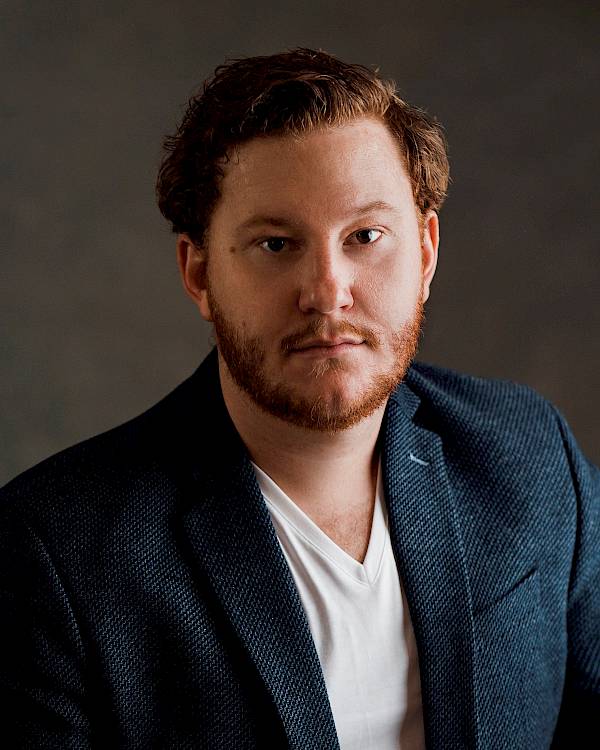
Nicholas Brownlee

Nicholas Brownlee, Bass-Bariton, stammt aus den USA und studierte an der Rice University Houston. Er ist Preisträger zahlreicher internationaler Stipendien und Gesangswettbewerbe, darunter die Metropolitan Opera National Council Auditions 2015, der Hans Gabor Belvedere-Wettbewerb 2016 und im gleichen Jahr der Zarzuela Preis des Operalia Wettbewerbs. Sein Debüt mit dem Los Angeles Philharmonic Orchestra gab er mit Beethovens Chorfantasie unter Gustavo Dudamel sowie mit Unsuk Chins Alice in Wonderland unter Susanna Mälkki, mit der er auch am Londoner Barbican Center debütierte. 2016/17 gastierte er als Erster Soldat (Salome) an der New Yorker Met sowie als Escamillo (Carmen) am Teatro Nacional de São Carlos in Lissabon. Mit Tosca, Salome und Les Contes d’Hoffmann sowie als Sprecher (Die Zauberflöte), Onkel Bonze (Madama Butterfly), Captain Gardiner (Moby Dick) und Nourabad (Les Pêcheurs de perles) kehrte er an die Los Angeles Opera zurück. Dort und in Dallas sang er 2019 ausserdem Colline in La bohème. Seit 2017/18 ist Nicholas Brownlee Ensemblemitglied des Staatstheaters Karlsruhe, wo er bisher als Paolo Albiani (Simon Boccanegra), Melisso (Alcina), Enrico VII (Anna Bolena), Lindorf/Coppélius (Hoffmanns Erzählungen), Kaspar (Freischütz), Leporello und Méphistophélès (Faust) zu sehen war. Im Sommer 2021 sang er die Titelpartie in Le nozze di Figaro an der Santa Fe Opera und in einem Galakonzert mit Plácido Dominco im Auditorio Nacional de Música in Madrid.

Brent Michael Smith

Brent Michael Smith is from the USA. He studied voice at the Academy of Vocal Arts in Philadelphia and at the University of Northern Iowa, as well as piano at Hope College in Michigan. He was a finalist in the Queen Sonja International Music Competition (2021) and a semifinalist in the Metropolitan Opera Council Auditions (2020), and he has won prizes in various international singing competitions. Additionally, he received scholarships from the Loren L. Zachary Society and the Young Patronesses of the Opera Competition in Miami. In the United States, he sang roles including Zuniga ("Carmen"), Friedrich Bhaer (Mark Adamo’s "Little Women"), and Ashby ("La fanciulla del West") at Michigan Opera, Antonio ("Le nozze di Figaro") at Toledo Opera, Ariodante ("Xerxes") at the Glimmerglass Festival, the Lackey ("Ariadne auf Naxos") at Santa Fe Opera, as well as Celio (Prokofiev’s "The Love for Three Oranges") and Peter Quince ("A Midsummer Night’s Dream") at Opera Philadelphia. In 2020/21, he was a member of the International Opera Studio at the Zurich Opera House and was subsequently admitted to the ensemble the following season. At the Zurich Opera House, he has since appeared as Sparafucile ("Rigoletto"), Raimondo ("Lucia di Lammermoor"), Prince Gremin ("Eugene Onegin"), Friar Laurence ("Roméo et Juliette"), Fafner ("Das Rheingold"), Cesare Angelotti ("Tosca"), and in "Cardillac."

Tosca28 Sept / 2 / 8 / 11 / 15 / 19 Oct 2025 Tannhäuser21 / 24 / 27 Jun / 2 / 5 / 8 / 11 Jul / 26 Sept / 4 / 9 / 13 Oct 2026 Cardillac15 / 18 / 21 / 25 Feb / 1 / 6 / 10 Mar 2026 Un ballo in Maschera22 / 28 / 31 May / 7 / 13 Jun 2026 Rigoletto20 / 23 / 27 Dec 2025 / 1 / 4 Jan 2026 Arabella14 / 18 / 22 / 25 / 28 Apr 2026 Die Zauberflöte18 Oct 2026 / 2 / 8 / 18 / 20 / 23 Apr 2027 Elektra22 / 26 Nov / 2 / 5 / 10 / 13 / 16 Dec 2026 Das Rheingold29 Nov / 4 / 12 / 17 Dec 2026 Roméo et Juliette12 / 19 / 21 Feb / 2 / 5 Mar 2027 La fanciulla del west25 / 28 Feb / 3 / 7 Mar / 4 / 7 / 10 / 16 Apr 2027

Bożena Bujnicka

Bożena Bujnicka stammt aus Polen und studierte an der Fryderyk-Chopin-Musikuniversität in Warschau. Sie war Mitglied des Young Artists Program des Teatr Wielki in Warschau sowie Erasmusstudentin an der Guildhall School of Music and Drama in London. Sie hat zahlreiche Preise bei nationalen und internationalen Wettbewerben gewonnen, darunter den 1. Preis beim Nationalen Gesangswettbewerb Złote Głosy in Warschau. 2015 gab sie ihr Operndebüt als Amore in Glucks Orfeo ed Euridice am Teatr Wielki, wo sie seither u.a. als Gräfin Ceprano in Rigoletto und als First Girl in Der feurige Engel zu erleben war. An der Oper in Breslau gastierte sie jüngst als Donna Elvira (Don Giovanni), als Micaëla (Carmen) und als Yemaya (Yemaya, Queen of Seas) sowie an der Kammeroper Warschau als Contessa di Almaviva (Le nozze di Figaro). Neben ihren Auftritten als Sängerin arbeitet Bożena Bujnicka auch als Regisseurin. So gab sie 2017 ihr Regiedebüt mit der Inszenierung von About the Kingdom of Day and Night and Magic Instruments, einer Kurzversion der Zauberflöte am Teatr Wielki und inszenierte zuletzt Händels Aci, Galatea e Polifemo für das Festival Dramma per Musica in Polen. Seit der Spielzeit 2021/22 ist sie Mitglied im Internationalen Opernstudios Zürich und war hier in L’incoronazione di Poppea, Il trovatore, Simon Boccanegra, Le Comte Ory, Macbeth, Rigoletto und Jakob Lenz zu erleben.

Saveliy Andreev

Saveliy Andreev was born in St. Petersburg and studied voice, conducting and piano at the Glinka Choral College. After graduating in choral conducting in 2015, he continued his vocal training at the Rimsky-Korsakov Conservatory in St. Petersburg. From 2017 he regularly appeared as a soloist at the Music Hall in St. Petersburg. In the same year he took part in the festival “14th German Week” in St. Petersburg, where he sang a solo part in Bach’s cantata “Lasst uns sorgen, lasst uns wachen”. In 2018 he won first prize in the tenor category at the competition “Great Opera. Voices of the Future”, and in 2019 he participated in a study programme at the Teatro del Maggio Musicale Fiorentino. From 2020 to 2022 he was a member of the International Opera Studio of the Zurich Opera House, where he appeared in “Boris Godunov”, “Simon Boccanegra”, “Salome”, “Le Comte Ory”, “Dialogues des Carmélites” and “Il mondo della luna”.

Fidelio3 / 10 / 16 May 2026
Show full cast Show less

Philharmonia Zürich

1985 entstand in Folge der Trennung des traditionsreichen Tonhalle- und Theaterorchesters das Orchester der Oper Zürich. 2012, mit Beginn der Intendanz von Andreas Homoki und dem Amtsantritt des neuen Generalmusikdirektors Fabio Luisi, wird das Orchester der Oper Zürich zur Philharmonia Zürich. Pro Saison ist das Orchester in rund 250 Opern- und Ballettvorstellungen des Opernhauses Zürich zu hören. Als Podium für das Konzertrepertoire werden zusätzlich die Philharmonischen Konzerte veranstaltet. Soiréen und Kammermusikmatinéen ergänzen das künstlerische Spektrum des Orchesters. Bevor Fabio Luisi mit der Saison 2012/13 als Generalmusikdirektor die künstlerische Leitung des Orchesters übernommen hat, haben u. a. Franz Welser-Möst (1995-2008, ab 2005 als Generalmusikdirektor) und zuletzt Daniele Gatti als Chefdirigent (2009-2012) das Orchester geleitet. 2000/01 fanden die Beständigkeit der Leistungen des Orchesters der Oper Zürich und die Breite seines Könnens mit der Wahl zum «Orchester des Jahres» in der Umfrage der Zeitschrift «Opernwelt» weit verbreitete internationale Anerkennung.

Mehr Informationen zur Philharmonia Zürich finden Sie hier

La traviata20 / 23 / 29 Dec 2026 / 1 / 3 / 6 / 9 / 12 / 15 / 19 / 23 Jan 2027 Die lustige Witwe27 / 31 Dec 2026 / 3 / 7 / 10 / 13 Jan 2027

Chor der Oper Zürich

Der Chor der Oper Zürich bildet mit seinen 60 festangestellten Mitgliedern und der Mitwirkung von bis zu 160 Vorstellungen pro Saison einen wesentlichen Eckpfeiler des künstlerischen Ensembles am Opernhaus Zürich. Er vereinigt unter dem Dach des traditionsreichsten schweizerischen Opernhauses Sängerinnen und Sänger auf höchstem professionellen Niveau, deren musikalische und stilistische Versiertheit sich mit darstellerischer Gestaltungskraft und spontaner Spielfreude verbinden. Regelmässig stellen seine Mitglieder auch als Solisten ihr künstlerisches Format unter Beweis. Der Chor spiegelt in seiner internationalen Zusammensetzung den Anspruch und die Strahlkraft der Oper Zürich wieder, die sich durch zahlreiche DVD-Aufnahmen erwiesen haben und 2104 mit dem Preis der «Opera Company of the Year» ausgezeichnet wurden. Wichtige musikalische Impulse erhielten die Chormitglieder durch die Arbeit mit Dirigenten wie Nello Santi, Nikolaus Harnoncourt, Franz Welser-Möst, Bernard Haitink, Riccardo Chailly, Valery Gergiev, Daniele Gatti, Zubin Mehta und Fabio Luisi. Ihre schauspielerischen Fähigkeiten entwickelten sie im Dialog mit Regisseuren wie David Pountney, Robert Wilson, Harry Kupfer, Peter Stein, Peter Konwitschny oder Andreas Homoki. Gastspiele führten den Chor nach Tokio (Der Rosenkavalier und La traviata), London (Die Meistersinger von Nürnberg, Tannhäuser, Der fliegende Holländer), Paris (La cenerentola, Fierrabras), Athen (Carmen, Idomeneo) oder nach Rom, wo er anässlich einer Papstmesse zur Feier des 500-jährigen Bestehens der Schweizer Garde Mozarts Krönungsmesse aufführte. Als «International Chamber Vocalists» wirkte der Chor der Oper Zürich in der 2014 mit einem Echo-Preis ausgezeichneten Neueinspielung von Vincenzo Bellinis Norma mit.

Der Rosenkavalier21 / 26 Sept / 1 / 5 / 14 / 17 / 21 / 26 Oct 2025 Manon24 / 27 Sept / 3 / 7 / 10 Oct 2025 Tosca28 Sept / 2 / 8 / 11 / 15 / 19 Oct 2025 / 11 / 14 / 17 / 21 / 24 Apr / 13 / 17 May 2027 La clemenza di Tito26 / 29 Apr / 3 / 8 / 15 / 17 / 20 / 25 May 2026 / 7 / 10 / 12 / 16 / 18 / 21 Mar 2027 Tannhäuser21 / 24 / 27 Jun / 2 / 5 / 8 / 11 Jul / 26 Sept / 4 / 9 / 13 Oct 2026 Cardillac15 / 18 / 21 / 25 Feb / 1 / 6 / 10 Mar 2026 La Damnation de Faust10 / 14 / 17 May 2026 Carmen18 / 21 / 23 / 27 / 31 Jan 2026 Madama Butterfly30 Dec 2025 / 3 / 9 / 11 / 13 / 16 Jan 2026 Un ballo in Maschera22 / 28 / 31 May / 7 / 13 Jun 2026 La forza del destino2 / 7 / 12 / 15 / 18 / 21 / 26 / 29 Nov / 17 / 21 Dec 2025 Rigoletto20 / 23 / 27 Dec 2025 / 1 / 4 Jan 2026 Le nozze di Figaro24 / 29 Jan / 1 / 5 / 7 / 10 / 14 Feb 2026 Fidelio3 / 6 / 10 / 14 / 16 May 2026 Così fan tutte3 / 7 / 9 / 12 Jul 2026 Macbeth8 / 11 / 14 / 19 / 22 / 30 Nov 2025 Die Fledermaus7 / 10 / 12 / 14 / 18 / 26 / 28 / 31 Dec 2025 / 2 / 4 / 6 / 10 Jan / 29 Sept / 8 / 17 / 23 / 25 Oct 2026 Messa da Requiem20 / 22 / 28 Feb / 1 / 5 / 7 Mar / 6 Apr 2026 Arabella14 / 18 / 22 / 25 / 28 Apr 2026 Europa-Tournee 2026 «Messa da Requiem»22 / 23 / 25 / 26 / 29 / 31 Mar 2026 Die Zauberflöte20 / 25 Sept / 6 / 18 / 21 / 24 / 30 Oct 2026 / 2 / 8 / 18 / 20 / 23 Apr 2027 La rondine24 / 27 Sept / 1 / 10 / 15 Oct 2026 Rachmaninov – Die drei Opern1 / 4 / 8 / 15 / 18 / 21 / 28 Nov 2026 Manon Lescaut11 / 15 / 18 / 22 / 26 Dec 2026 La traviata20 / 23 / 29 Dec 2026 / 1 / 3 / 6 / 9 / 12 / 15 / 19 / 23 Jan 2027 Die lustige Witwe27 / 31 Dec 2026 / 3 / 7 / 10 / 13 Jan 2027 Doctor Atomic7 / 11 / 14 / 20 / 24 / 28 Feb 2027 Roméo et Juliette12 / 19 / 21 Feb / 2 / 5 Mar 2027 La fanciulla del west25 / 28 Feb / 3 / 7 Mar / 4 / 7 / 10 / 16 Apr 2027 L'elisir d'amore25 / 27 / 29 Apr / 2 / 6 / 9 / 12 / 14 / 17 / 21 May 2027 Requiem pour Ophélie4 / 7 / 9 May 2027 Don Pasquale23 / 27 / 30 May / 4 / 6 / 11 Jun 2027 Samson et Dalila13 / 17 / 20 / 24 / 27 / 30 Jun / 2 / 9 Jul 2027 La bohème16 / 18 / 23 Jun / 4 / 7 / 10 Jul 2027 Don Carlo1 / 6 / 8 / 11 Jul 2027

Statistenverein am Opernhaus Zürich

Der Statistenverein am Opernhaus Zürich wurde im Jahr 1900 gegründet und dürfte damit einer der traditionsreichsten Vereine auf dem Kulturplatz Zürich sein. Rund hundert Frauen und Männer im Alter von 16 bis 70 Jahren bereichern das Bühnengeschehen in zahlreichen Inszenierungen.Statisten, früher auch als Figuranten bezeichnet, haben generell nicht sprechende Rollen. Ihre Einsätze am Opernhaus Zürich fallen je nach Inszenierung unterschiedlich umfangreich aus. Während früher Massenszenen im Vordergrund standen, sind die Statistinnen und Statisten seit der Ära Pereira und der Intendanz von Andreas Homoki zunehmend auch für aufwändigere Einzelauftritte sowie für anspruchsvolle technische Einsätze gefragt. Die Mitglieder des Statistenvereins üben ihre Einsätze in der Freizeit und ohne finanzielle Interessen aus. Sie bringen Begeisterung für Musik und Theater mit.

Manon24 / 27 Sept / 3 / 7 / 10 Oct 2025 La scala di seta25 / 28 Sept / 19 / 24 Oct 2025 Tosca28 Sept / 2 / 8 / 11 / 15 / 19 Oct 2025 / 11 / 14 / 17 / 21 / 24 Apr / 13 / 17 May 2027 Madama Butterfly30 Dec 2025 / 3 / 9 / 11 / 13 / 16 Jan 2026 Rigoletto20 / 23 / 27 Dec 2025 / 1 / 4 Jan 2026 Le nozze di Figaro24 / 29 Jan / 1 / 5 / 7 / 10 / 14 Feb 2026 / 2 / 6 / 8 / 15 / 19 May 2027 Werther14 / 19 Jun / 1 / 4 / 10 Jul 2026 Così fan tutte3 / 7 / 9 / 12 Jul 2026 Macbeth8 / 11 / 14 / 19 / 22 / 30 Nov 2025 Arabella14 / 18 / 22 / 25 / 28 Apr 2026 Der Rosenkavalier21 / 26 Sept / 1 / 5 / 14 / 17 / 21 / 26 Oct 2025 La clemenza di Tito26 / 29 Apr / 3 / 8 / 15 / 17 / 20 / 25 May 2026 Cardillac15 / 18 / 21 / 25 Feb / 1 / 6 / 10 Mar 2026 Hänsel und Gretel16 / 20 / 23 / 28 / 30 Nov / 2 / 4 / 11 / 16 / 18 / 21 Dec 2025 / 2 / 24 / 25 / 31 Jan 2026 Carmen18 / 21 / 23 / 27 / 31 Jan 2026 Un ballo in Maschera22 / 28 / 31 May / 7 / 13 Jun 2026 Die Fledermaus7 / 10 / 12 / 14 / 18 / 26 / 28 / 31 Dec 2025 / 2 / 4 / 6 / 10 Jan / 29 Sept / 8 / 17 / 23 / 25 Oct 2026 Giulio Cesare in Egitto11 / 13 / 15 / 17 / 21 / 25 / 28 Mar 2026 Scylla et Glaucus27 / 29 / 31 Mar / 2 / 6 / 30 Apr / 2 May 2026 La forza del destino2 / 7 / 12 / 15 / 18 / 21 / 26 / 29 Nov / 17 / 21 Dec 2025 Sillons de Mémoires5 / 6 / 7 Feb 2026 Gianni Schicchi2 / 6 / 8 / 10 / 13 May 2026 Monster's Paradise8 / 14 / 18 Mar / 10 / 12 Apr 2026 Alice im Wunderland8 / 15 / 19 / 21 / 26 / 28 Nov / 6 Dec 2026 / 2 / 7 / 8 / 10 / 17 Jan 2027 Manon Lescaut11 / 15 / 18 / 22 / 26 Dec 2026 Die lustige Witwe27 / 31 Dec 2026 / 3 / 7 / 10 / 13 Jan 2027 Die Walküre24 / 31 Jan / 3 / 6 Feb 2027 Roméo et Juliette12 / 19 / 21 Feb / 2 / 5 Mar 2027 La bohème16 / 18 / 23 Jun / 4 / 7 / 10 Jul 2027 Don Carlo1 / 6 / 8 / 11 Jul 2027 La fanciulla del west25 / 28 Feb / 3 / 7 Mar / 4 / 7 / 10 / 16 Apr 2027 Elektra22 / 26 Nov / 2 / 5 / 10 / 13 / 16 Dec 2026 Rinaldo14 / 19 / 23 / 25 / 27 / 29 Mar 2027 Samson et Dalila13 / 17 / 20 / 24 / 27 / 30 Jun / 2 / 9 Jul 2027 Tannhäuser26 Sept / 4 / 9 / 13 Oct 2026

Abstract

Giuseppe Verdi had a soft spot for dusky timbres and deep voices, which feature heavily in his operas Macbeth, Il trovatore, and Don Carlo. Simon Boccanegra isn’t as famous, but is no less beautiful than its siblings – and features the same dark moods and conflicts, sung by primarily male voices. The baritone role of Simon Boccanegra is the main character in this drama about a societal outcast, and draws on medieval history: Boccanegra was elected the first doge of the city of Genoa. His rival is Jacopo Fiesco, who represents the power of the aristocracy and is sung by a bass. Although Verdi is interested in the political conflict between these two social strata, he pays no less attention to his protagonist’s fractured family structure. In the opera, Boccanegra learns of his beloved’s death, but also finds his long-lost daughter. The third low voice in this emotional whirlwind is Paolo Albiani, sung by a bass-baritone, who morphs from Boccanegra’s friend into his mortal enemy, bringing about the opera’s tragic end.

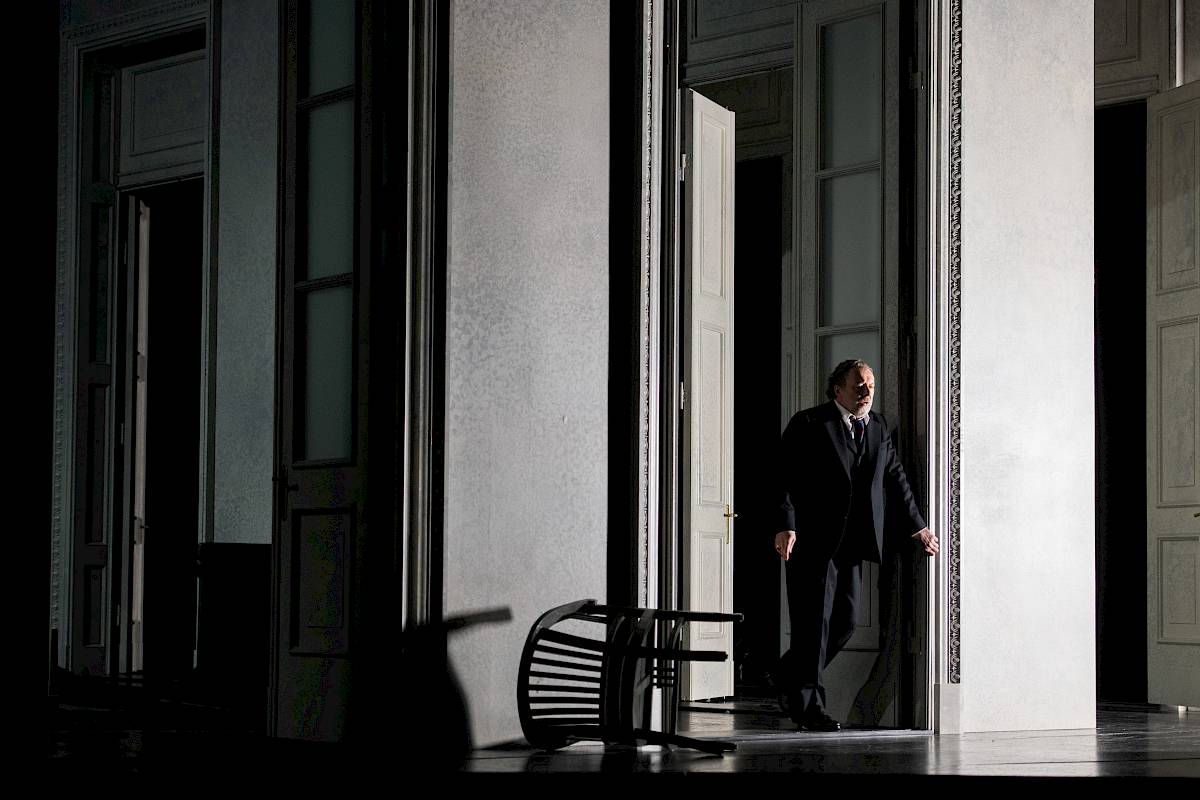
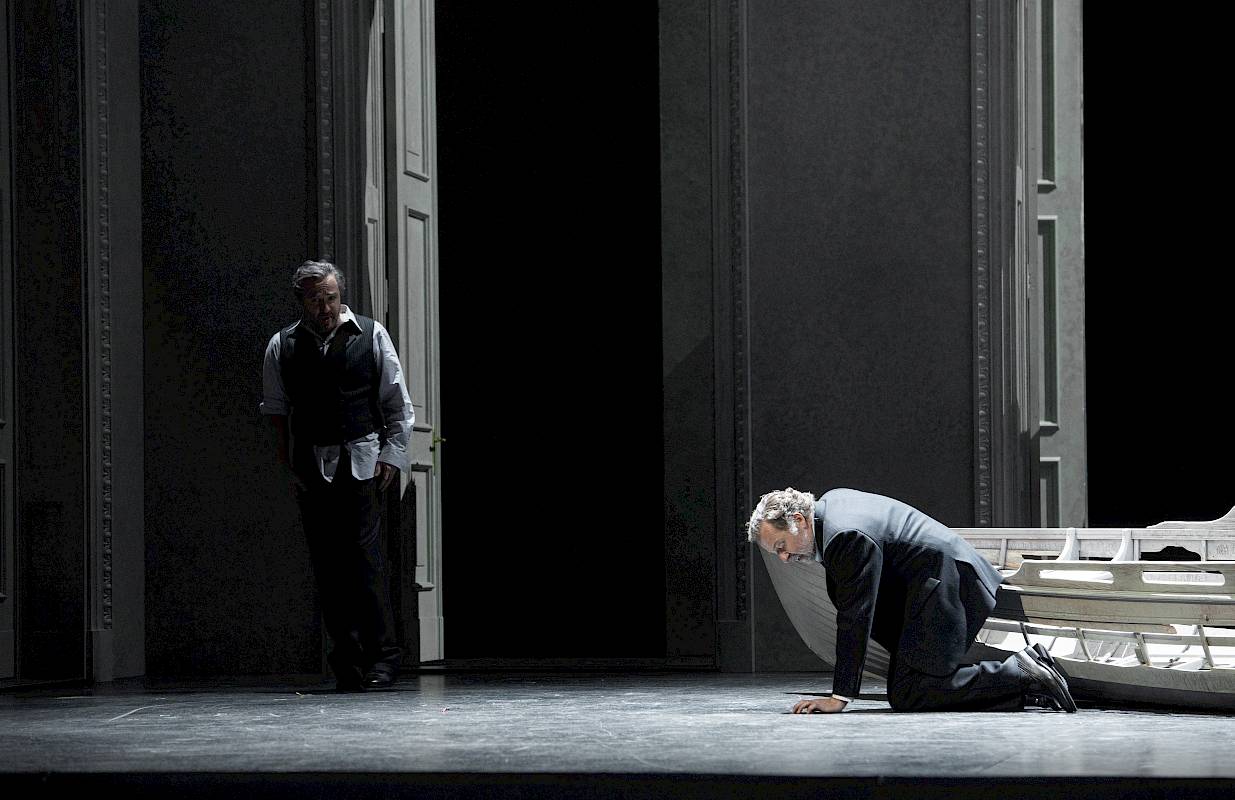
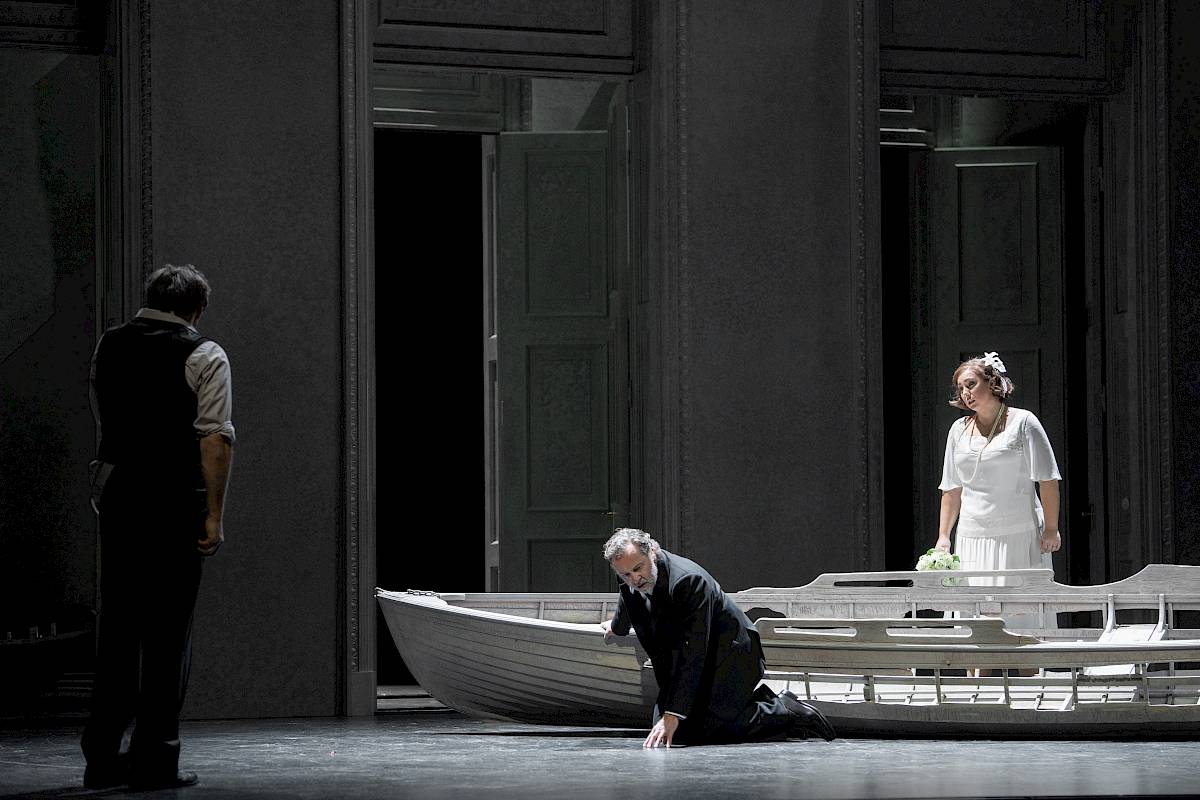
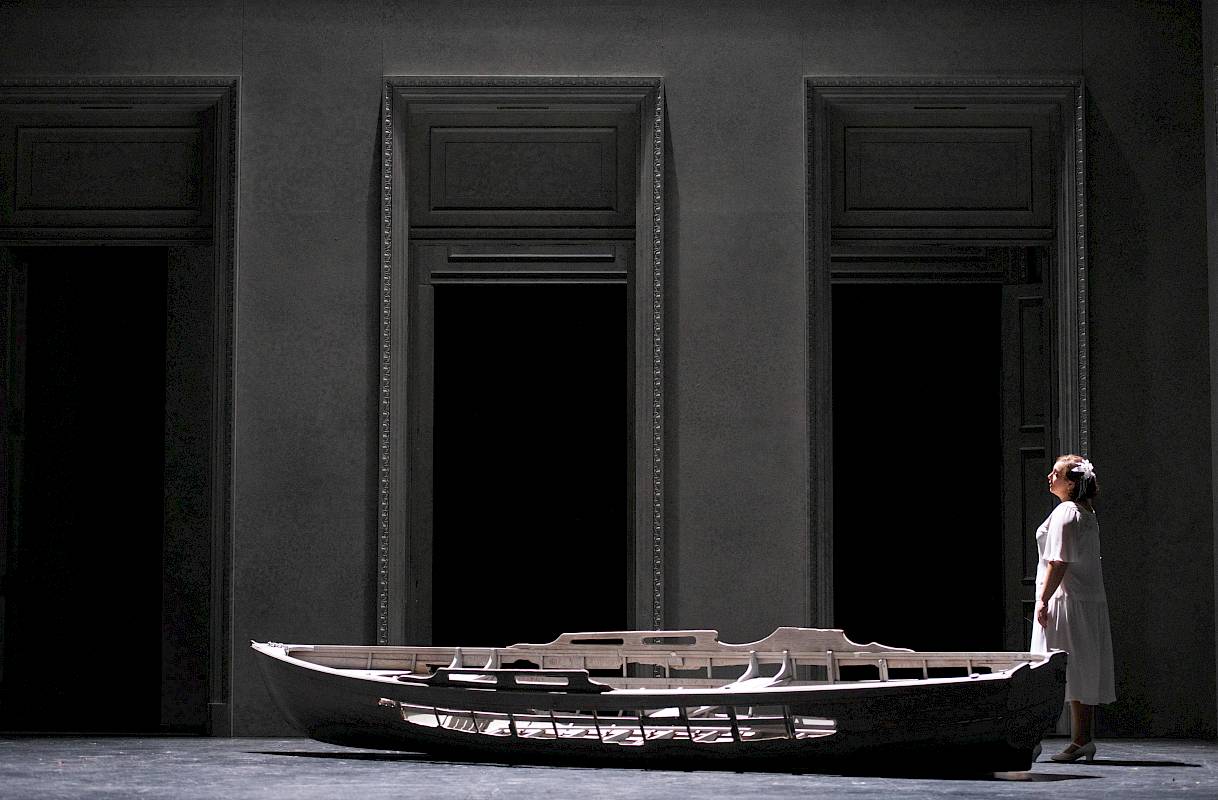
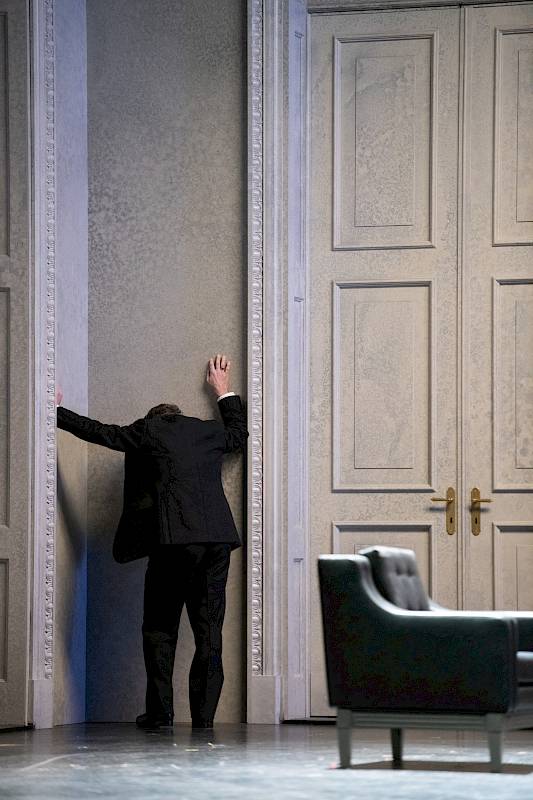
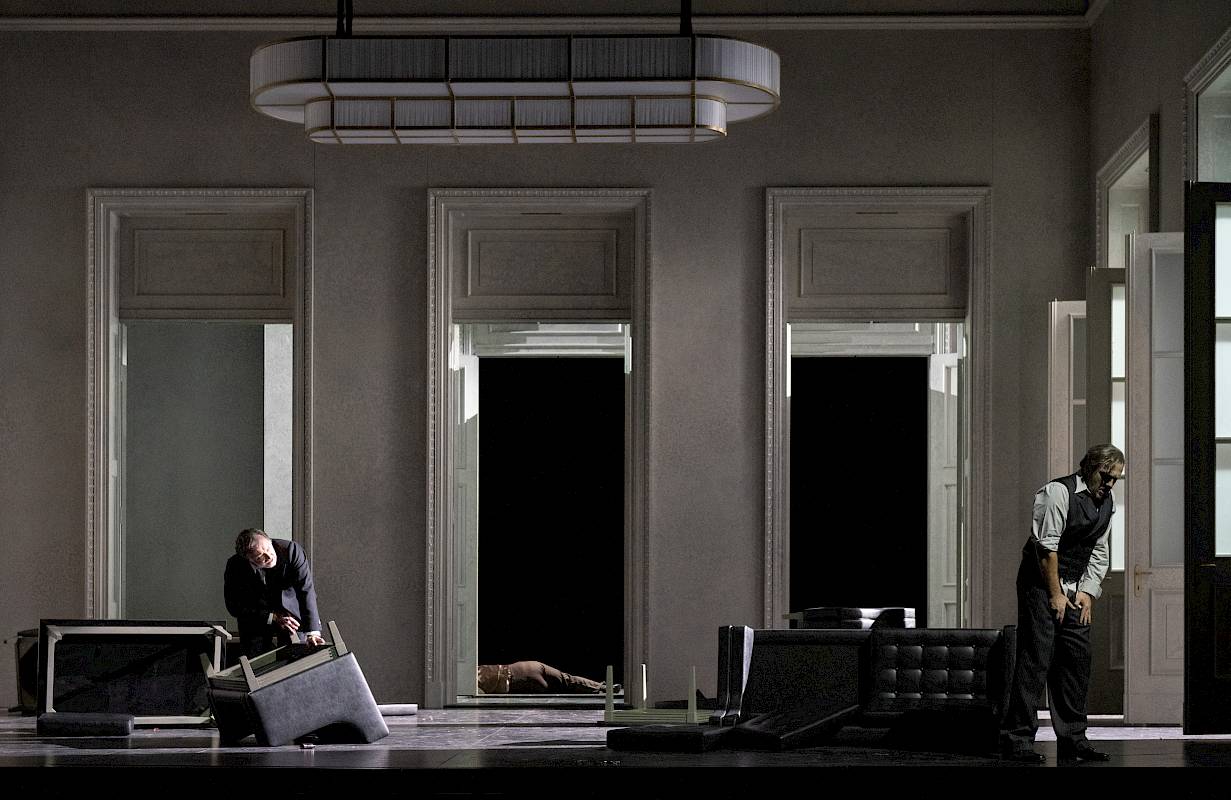
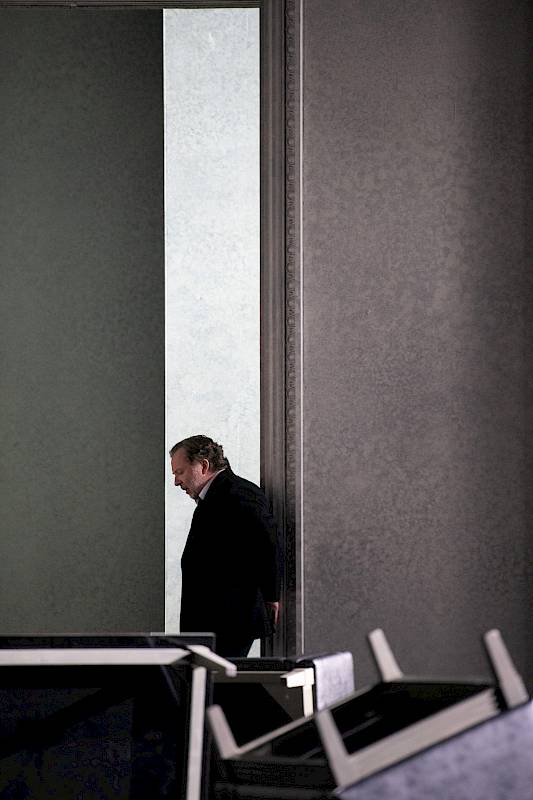
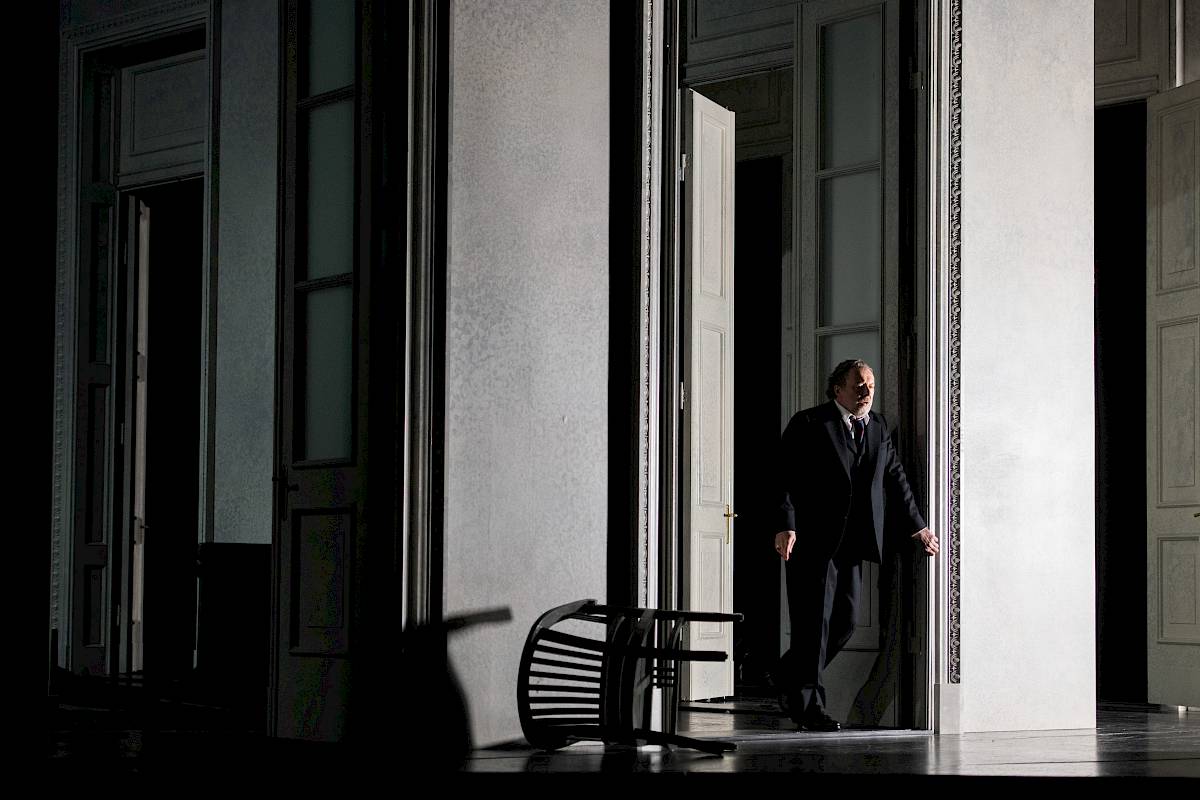
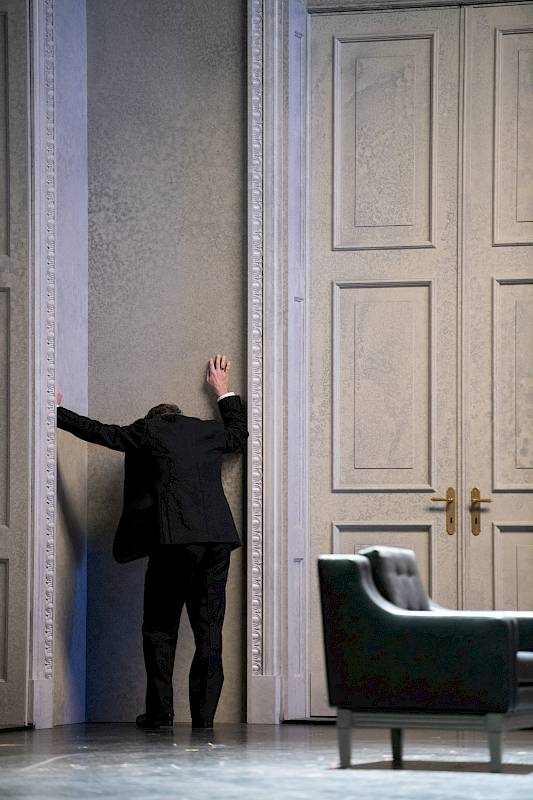
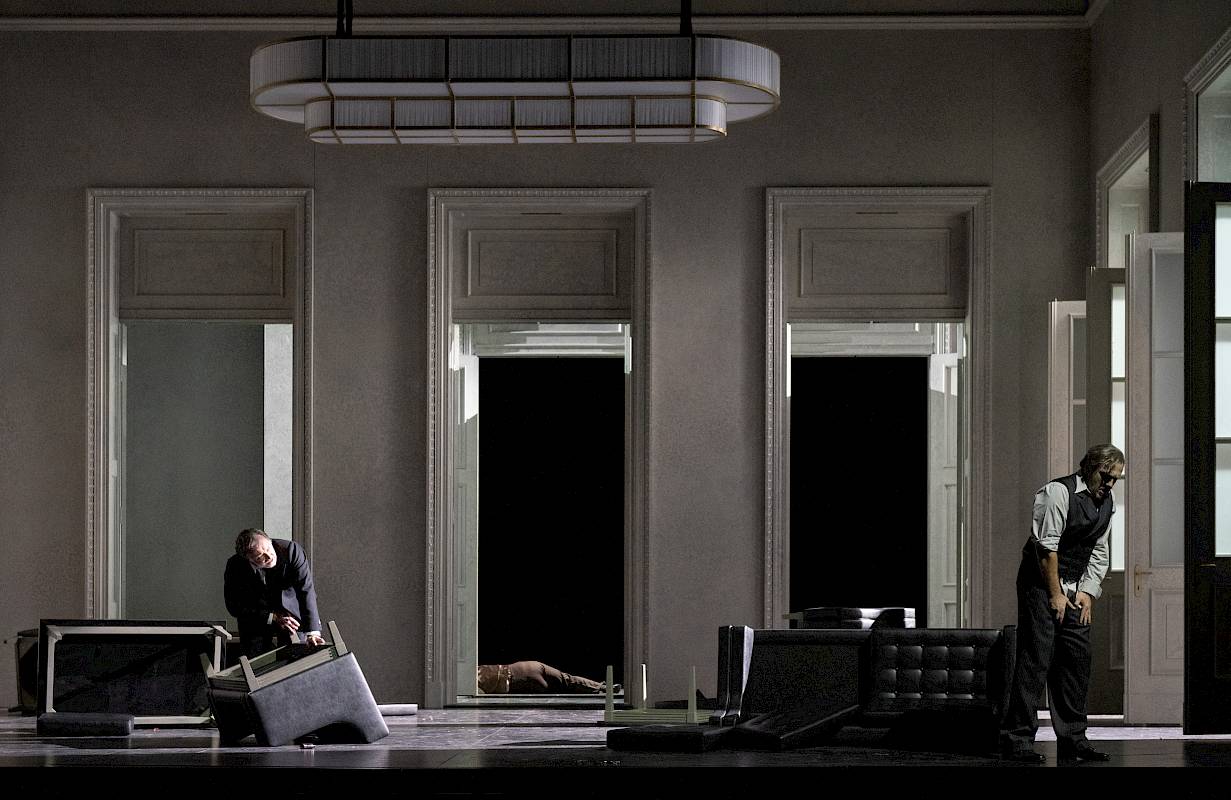
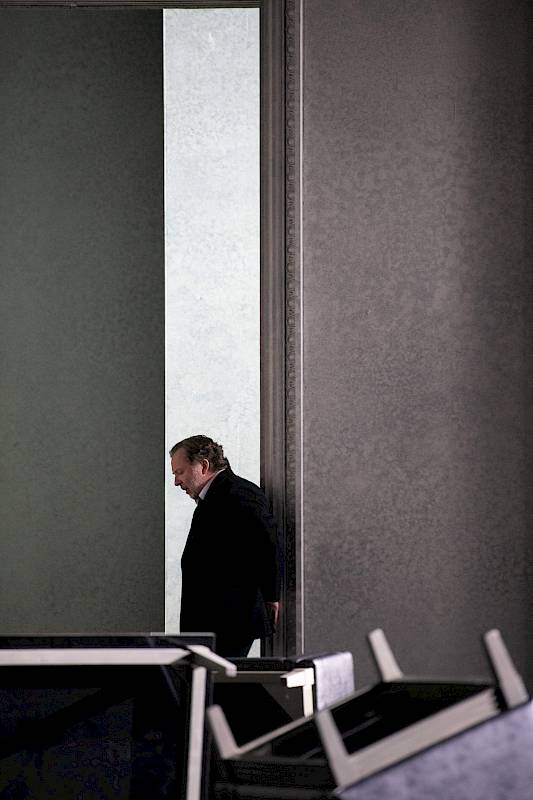
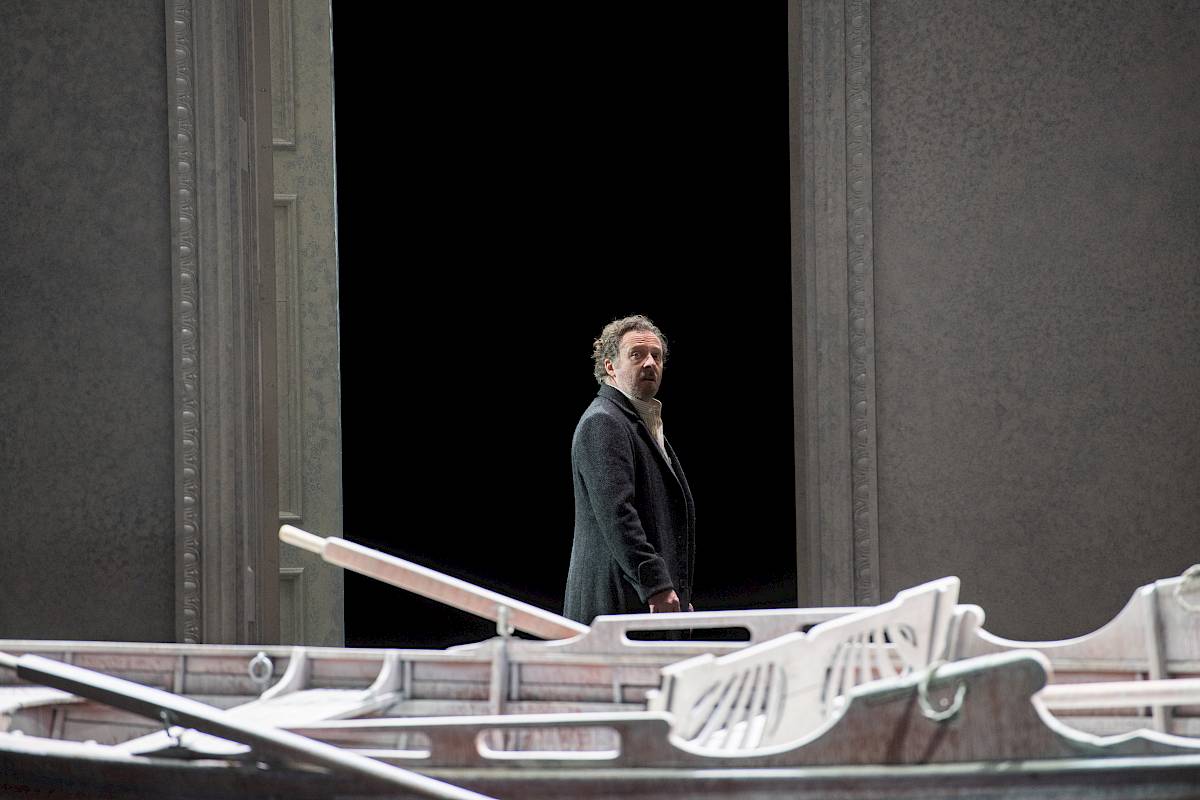
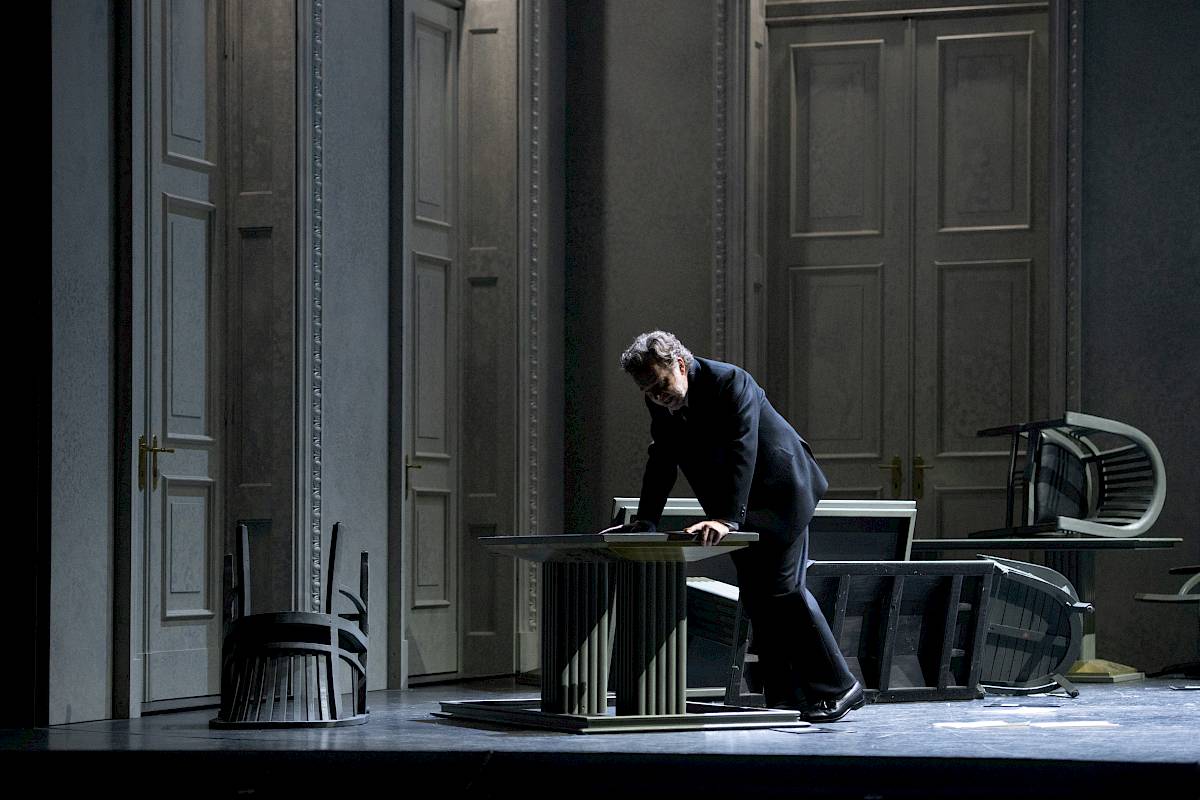
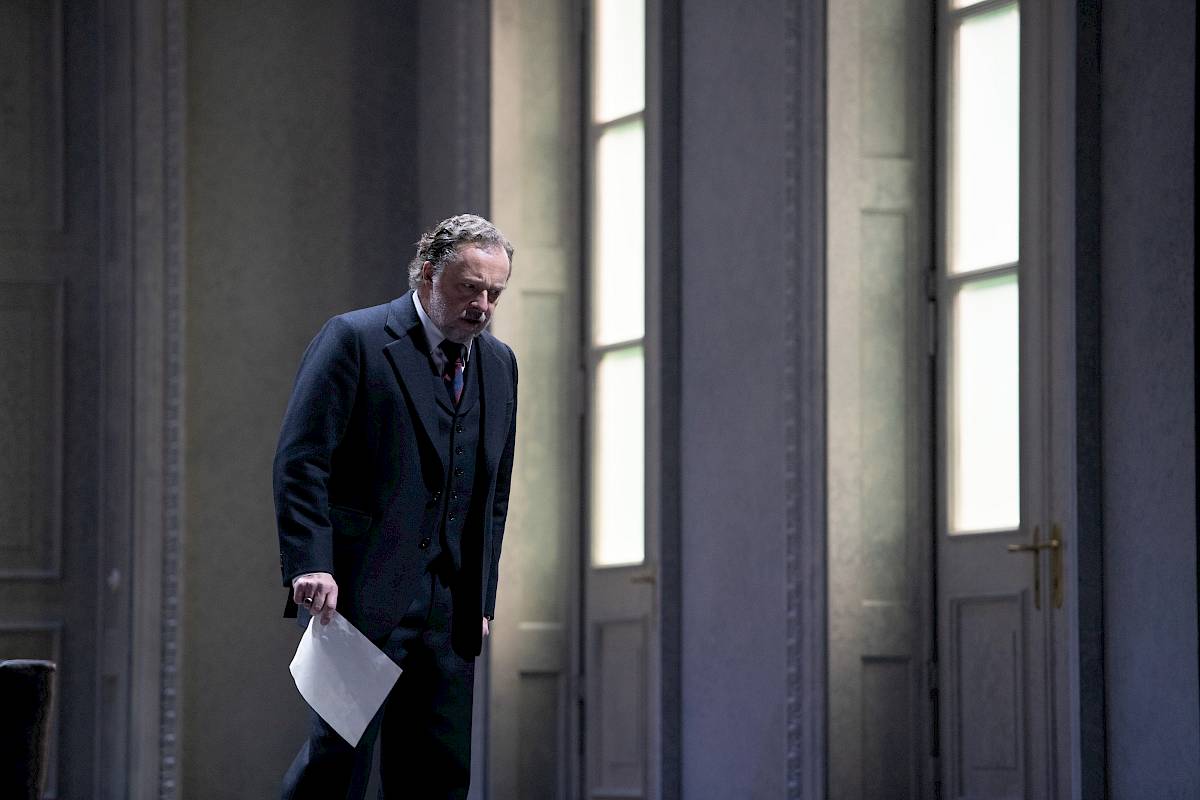
Andreas Homoki realized this production in the middle of the pandemic, and its extraordinary premiere was celebrated with only 50 audience members in attendance and a huge television audience watching on Arte from their homes. Because the chorus – and with it the power of the people – could only appear aurally, and not on stage, Andreas Homoki made the opera into a chamber play, aided by Christian Schmidt’s labyrinthine set design. Homoki created fleshed-out characters, as well as a clear and suspense-filled narrative arc. In order to facilitate the opera’s multiple time periods, his production allowed for imaginary spaces of memory. For this revival, we were able to secure French baritone Ludovic Tézier, a celebrated Verdi interpreter who bowed most recently as Boccanegra at the Opéra de Paris. Jennifer Rowley, Christoph Fischesser, and Nicholas Brownlee all return to Zurich, recreating the roles they originated for the highly praised premiere.

Read more Show less

Fotogallery Simon Boccanegra


Good to know

Audio-Einführung

Synopsis

Prologue

Paolo Albiani and Pietro secretly meet by night in the streets of Genoa. The two representatives of the people’s party are planning to have the political outsider Simon Boccanegra elected as Doge of the city – and to overthrow the hated government led by the nobleman Jacopo Fiesco.

Simon Boccanegra is not interested in the political office that Paolo proposes. However, privately hoping that he can win back his lover, Maria, whose father Fiesco is keeping her from him, he agrees. Paolo and Pietro convince the representatives of the people to elect Simon Boccanegra.

Jacopo Fiesco is lamenting the fate of his daughter Maria, who has just died in his palace. He is furious with Boccanegra, who seduced her. When the two men encounter one another, Boccanegra asks Fiesco to forgive him. Fiesco is willing to do so – if Boccanegra entrusts the child that he had with Maria to him. Boccanegra, however, is unable to fulfil Fiesco’s request: his daughter has disappeared under mysterious circumstances. The two men part without being reconciled.

Desirous of seeing Maria, Boccanegra enters Fiesco’s abandoned palace; the doors are open. He discovers the corpse of his beloved just as he is being proclaimed Doge in the city.


Act One

Simon Boccanegra has now been Doge of Genoa for 25 years.

Amelia Grimaldi is waiting for her lover, Gabriele Adorno. When he arrives, she takes him to task: by participating in a conspiracy against the Doge, he is recklessly putting himself in danger. Gabriele tries to placate her. When a visit from the Doge is unexpectedly announced, Amelia assumes that he is coming in order to woo her on behalf of his favourite, Paolo. 

From Fiesco, who has been living unrecognised in Genoa as a monk under the name of Andrea ever since the death of his daughter, Gabriele learns that Amelia is not a true Grimaldi, but an orphan taken in by that eminent patrician family.

Amelia confesses her dislike of Paolo to the Doge, as the former is interested only in her wealth. She reveals the secret of her background: she grew up as an orphan in the care of an old woman on the coast. After the woman’s death, Amelia entered a convent in Pisa, which is how she joined the house of Grimaldi. Profoundly moved, Simon Boccanegra recognises in Amelia Grimaldi his long-lost daughter, whereupon he refuses Paolo her hand in marriage. Deeply aggrieved, Paolo decides to abduct Amelia.

In the Doge’s palace, Simon Boccanegra exhorts the Genoese to make peace with Venice. Paolo protests and calls for war. Outside, an angry crowd can be heard. Fleeing from the furious mob, Gabriele enters the palace and reports that Amelia has been abducted. He has killed her abductor who, as he lay dying, confessed that a powerful man was behind the deed, but did not reveal his name. Gabriele accuses the Doge himself of having been the instigator and threatens to kill him. Amelia, who in the meantime has been able to escape, intervenes and begs for mercy on his behalf. Simon Boccanegra has Gabriele arrested. Having deduced from Amelia’s account that Paolo is behind the abduction, he forces his old confidant to curse himself.


Act Two

Paolo thirsts for revenge. He sends for Gabriele and Fiesco, who has also been arrested, and attempts to persuade them to murder Boccanegra. To be quite sure, he also plans secretly to poison the Doge. Fiesco rejects Paolo’s murder plot; Gabriele, however, jealously agrees to it when he learns that Amelia is with the Doge. Paolo lets him into the Doge’s apartments.

When Amelia encounters her lover there, she attempts to placate his furious resentment. Since, for political reasons, she cannot yet explain her true relationship with Boccanegra, Gabriele – blind with jealousy – is determined to commit murder. When the Doge appears, Amelia manages to conceal her lover at the last moment.

In an intimate exchange, Amelia reveals the name of her lover to her father, and Boccanegra is horrified that, of all people, the man in question is his enemy, Gabriele Adorno. Moved by the sincerity of his daughter’s love, he promises her that he will look for a way to pardon him. Having asked her to leave him alone, he falls asleep.

Although he has decided to commit murder, Gabriele initially hesitates to kill the sleeping Doge. When he finally makes up his mind to do so, Amelia manages to intervene at the last moment and prevent the murder.

Boccanegra reveals to his enemy that he is Amelia’s father. Ashamed, Gabriele begs for his forgiveness. From outside, the of a growing rebellion can be heard, but Gabriele opts to fight for peace at Boccanegra’s side. Simon promises him his daughter’s hand.


Act Three

The revolt against the Doge has collapsed. As Paolo is being led to execution for treason, he encounters Fiesco, who has been released. He confesses that he has poisoned the Doge. 

Fiesco waylays the Doge, who is already weakened, revealing himself as his old enemy. However, Simon expresses his joy at being able to reunite Amelia, his granddaughter, whom he had believed dead, with the father of his deceased lover after 25 years. Horrified, Fiesco discloses to Boccanegra that Paolo has poisoned him.

Just married, Amelia and Gabriele encounter the reconciled enemies and learn that Boccanegra’s death is imminent. Just before he dies, Boccanegra declares Gabriele Adorno as the new Doge and blesses the latter’s union with his daughter Maria.


Programmbuch