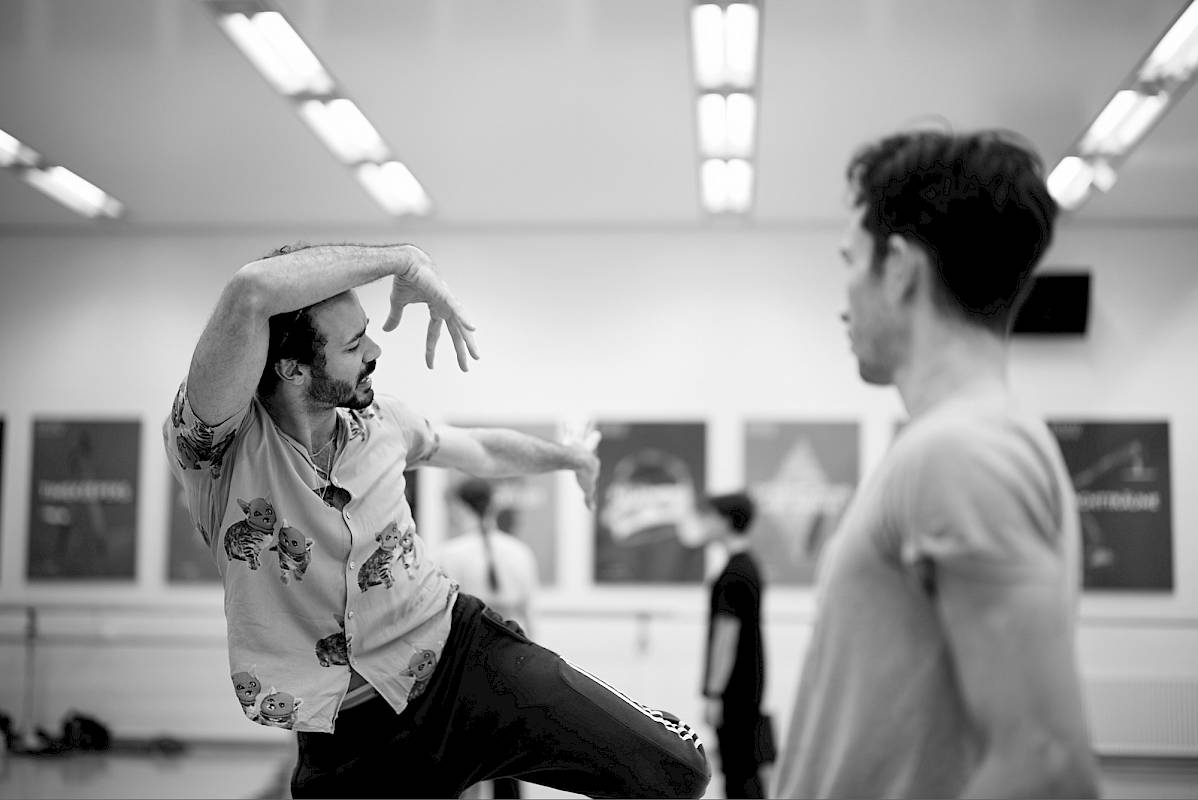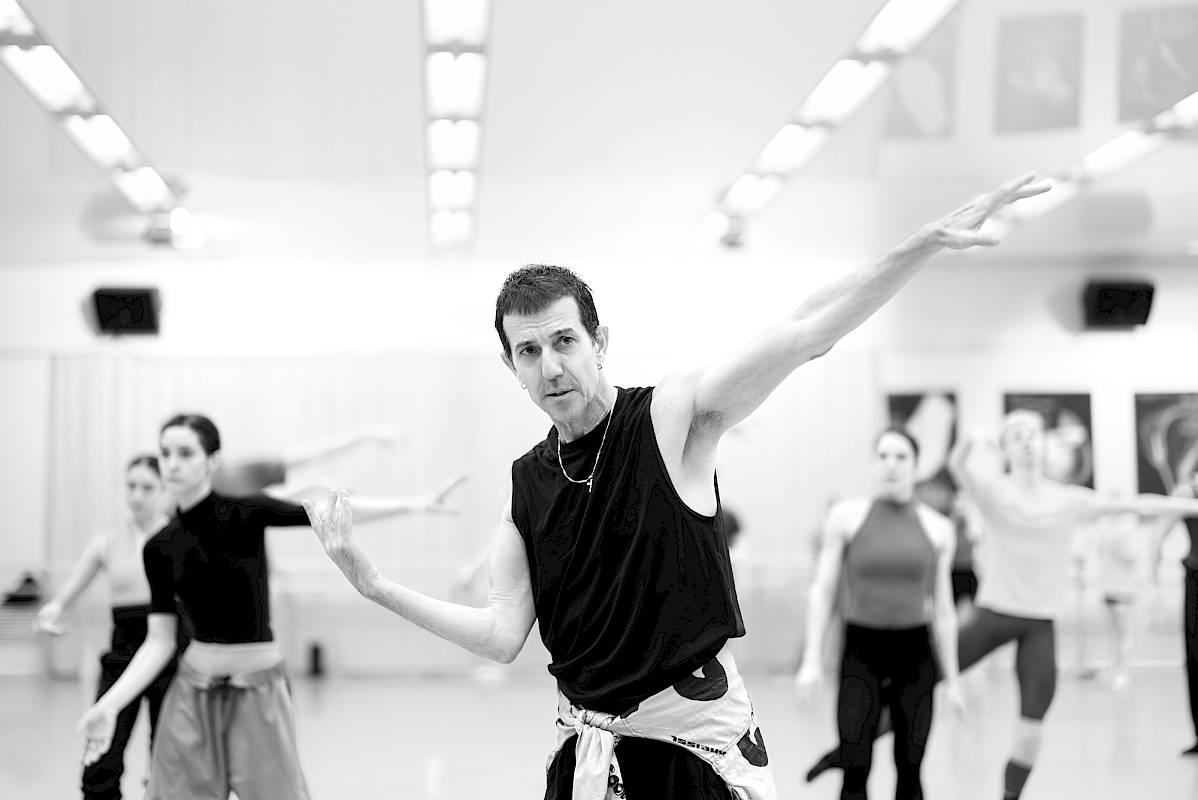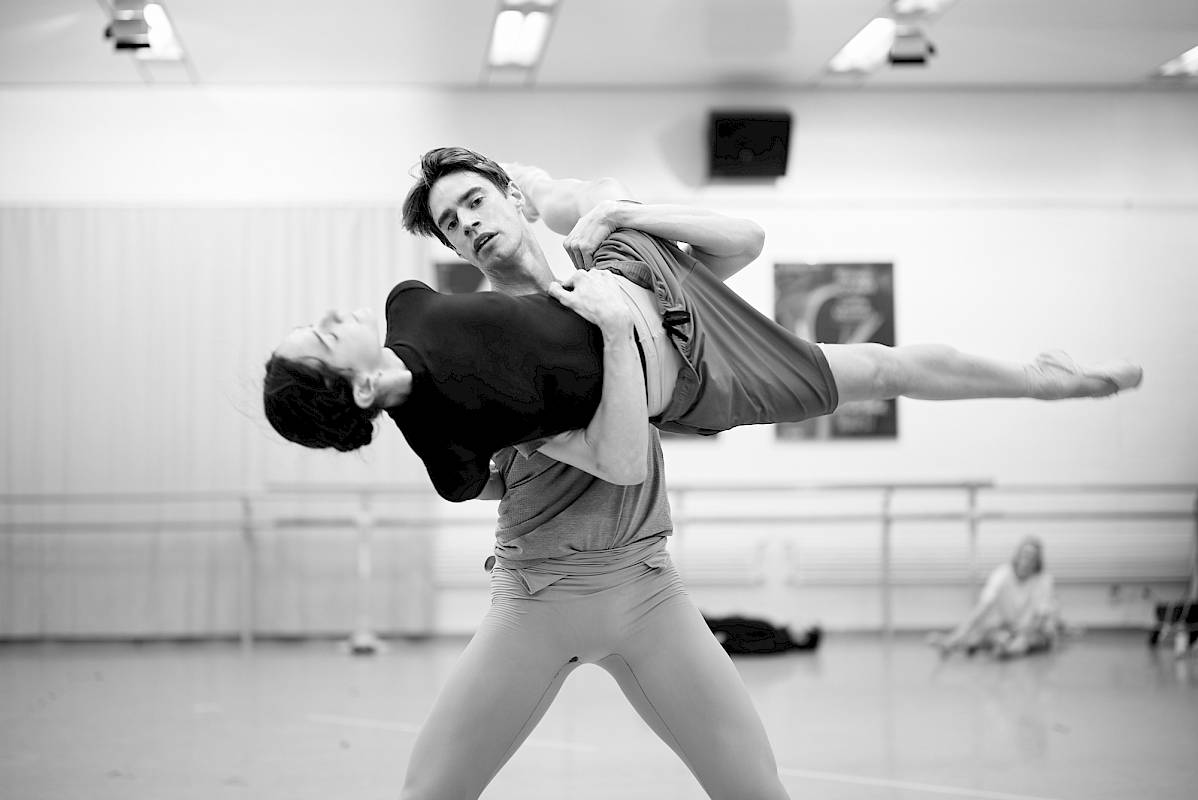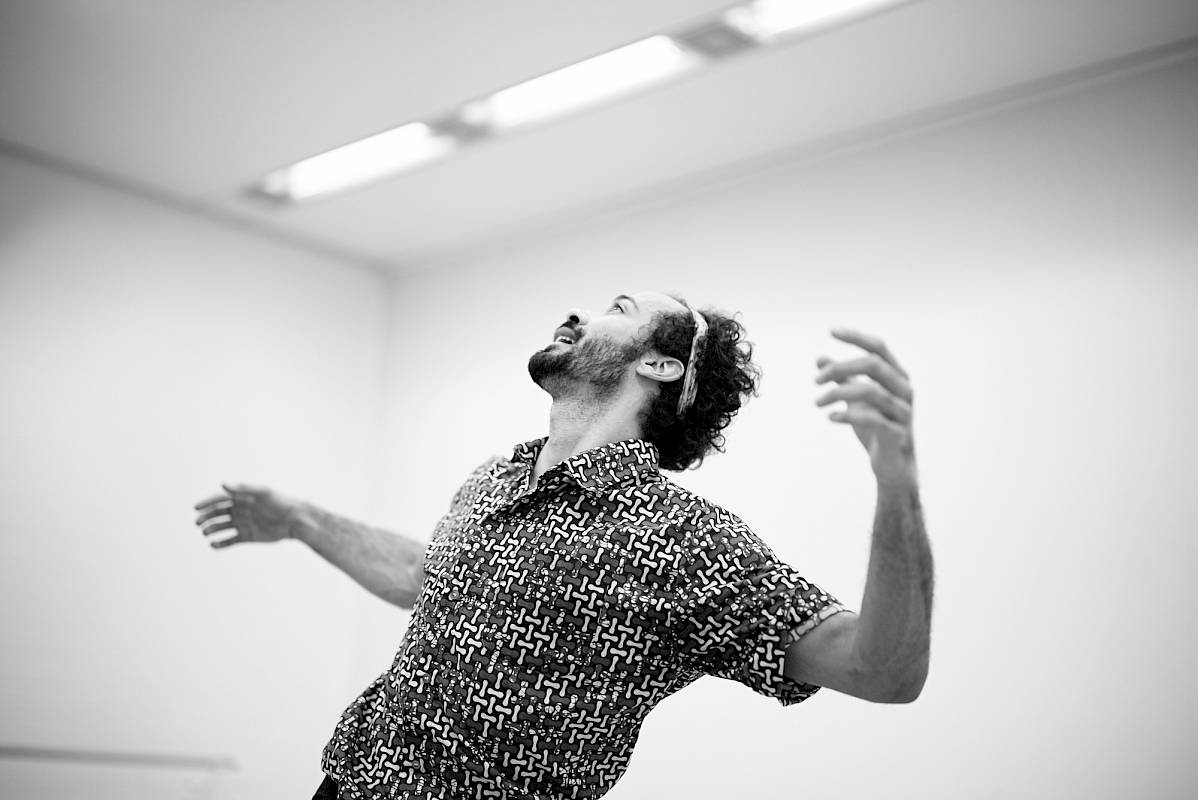














Timeframed

Choreographies by William Forsythe, Lucas Valente, Andonis Foniadakis and Hans van Manen

From 17. January 2026 until 12. February 2026

  • More information:
    Introduction 45 min before the performance.
    Matinee am So 11 Jan 2026

    © Premiere image by Shinichi Maruyama (Nude)

Dramaturgy:
Michael Küster

Michael Küster

Michael Küster is from Germany. After studying German studies, art, and speech science at the University of Halle, he worked as a presenter, author, and speaker at various broadcasting stations in Germany. There, he hosted numerous classical music programs and live broadcasts of major concert events, including those from the Metropolitan Opera New York, the Semperoper Dresden, and the Leipzig Gewandhaus.
Since 2002, he has been a dramaturg at the Zurich Opera House, working with directors such as Matthias Hartmann, David Alden, Robert Carsen, Moshe Leiser/Patrice Caurier, Damiano Michieletto, David Pountney, Johannes Schaaf, and Graham Vick.
As dramaturg of Ballett Zürich, Michael Küster has collaborated since 2012 with Cathy Marston, Marco Goecke, Marcos Morau, Kim Brandstrup, Edward Clug, Alexei Ratmansky, William Forsythe, Jiří Kylián, and Hans van Manen. Together with Christian Spuck, he worked on productions including «Winterreise» («Prix Benois de la Danse»), «Romeo and Juliet», «Messa da Requiem», and «The Sleeping Beauty».
At La Scala in Milan, Michael Küster was dramaturg for Matthias Hartmann’s opera productions of «Der Freischütz», «Idomeneo», and «The Queen of Spades».

Oiseaux Rebelles12 / 18 / 23 / 25 / 31 Oct / 1 / 9 / 13 Nov / 2 / 5 / 6 / 9 Dec 2025 Clara13 / 14 / 19 / 20 / 26 / 28 Dec 2025 / 11 / 12 / 17 / 19 / 24 Apr 2026 Countertime5 / 7 / 14 Sept 2025 Timeframed17 / 18 / 22 / 25 / 30 Jan / 1 / 4 / 6 / 8 / 11 / 12 Feb 2026 The Butterfly Effect4 / 13 / 23 Apr 2026 Messa da Requiem20 / 22 / 28 Feb / 1 / 5 / 7 Mar / 6 Apr 2026 Romeo und Julia23 / 29 / 30 May / 4 / 6 / 7 / 10 / 12 / 14 / 23 / 26 Jun 2026 Nachtträume20 / 25 / 28 / 30 Jun / 4 Jul 2026

New Suite

Choreografie von William Forsythe


Choreografie und Lichtgestaltung:
William Forsythe

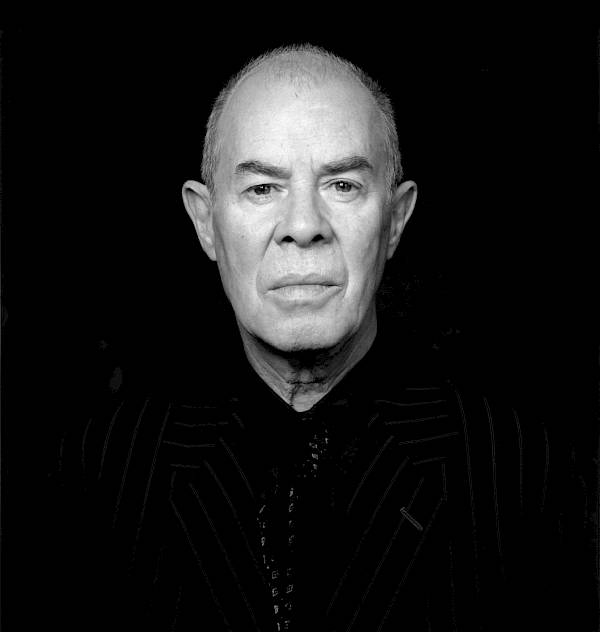
William Forsythe

William Forsythe (*1949) ist seit über fünfzig Jahren als Choreograf tätig. Seine Werke sind dafür bekannt, dass sie die Praxis des Balletts aus der Identifikation mit dem klassischen Repertoire gelöst und zu einer dynamischen Kunstform des 21. Jahrhunderts transformiert haben. Forsythes tiefgreifendes Interesse an organisatorischen Grundprinzipien der Choreografie hat ihn dazu geführt, ein breites Spektrum von Projekten in den Bereichen Installation, Film und internetbasierter Wissensentwicklung zu realisieren. Forsythe wuchs in New York auf und begann seine Ausbildung bei Nolan Dingman und Christa Long in Florida. Er tanzte mit dem Joffrey Ballet und später mit dem Stuttgarter Ballett, dessen Hauschoreograf er 1976 wurde. In den folgenden sieben Jahren schuf er neue Werke für das Stuttgarter Ensemble, als auch für andere Ballettcompagnien weltweit. 1984 begann seine zwanzigjährige Tätigkeit als Direktor des Ballett Frankfurt, mit dem er Arbeiten wie Artifact (1984), Impressing the Czar (1988), Limb’s Theorem (1990), The Loss of Small Detail (1991), Eidos:Telos (1995), Kammer/Kammer (2000) und Decreation (2003) schuf. Nach der Auflösung des Balletts Frankfurt im Jahr 2004 formierte Forsythe ein neues Ensemble, The Forsythe Company, die er von 2005 bis 2015 leitete. Mit diesem Ensemble entstanden u.a. die Werke Three Atmospheric Studies (2005), Human Writes (2005), Heterotopia (2006), I don’t believe in outer space (2008), und Sider (2011). Forsythes Werke aus dieser Zeit wurden ausschliesslich von dieser neuen Compagnie entwickelt und aufgeführt, während seine früheren Arbeiten einen zentralen Platz im Repertoire praktisch aller wichtigen Ballettensembles der Welt einnehmen. In den letzten Jahren schuf Forsythe Werke für das das Ballett der Pariser Oper, das English National Ballet, das Boston Ballet, das Dance Theatre of Harlem und das Ballett der Mailänder Scala sowie A Quiet Evening of Dance, produziert vom Sadler’s Wells Theatre (London), und The Barre Project (Blake Works II) für den digitalen Raum.

Timeframed17 / 18 / 22 / 25 / 30 Jan / 1 / 4 / 6 / 8 / 11 / 12 Feb 2026
Music:
Georg Friedrich Händel,
Johann Sebastian Bach,
Luciano Berio
Costumes:
Yumiko Takeshima

Yumiko Takeshima

The Japanese costume designer Yumiko Takeshima began her career as a dancer. Trained at the Miharu Ishikawa Ballet School in Japan and the San Francisco Ballet School in the USA, Yumiko Takeshima’s first engagements included the Universal Ballet Seoul, Alberta Ballet Calgary, and Dutch National Ballet. From 2006 to 2014, she was a principal dancer with Semperoper Ballett. She has worked with many internationally renowned choreographers and has appeared at numerous international ballet galas and festivals. Yumiko Takeshima creates and distributes her own dancewear collection, Yumiko, and has opened dance and fitness wear stores in New York City and Berlin. As a costume designer, Yumiko Takeshima has designed numerous works for choreographer David Dawson and created the costume design for The Second Detail and New Suite by William Forsythe.

Timeframed17 / 18 / 22 / 25 / 30 Jan / 1 / 4 / 6 / 8 / 11 / 12 Feb 2026

Cast

The cast for this performance will be announced at a later date.

Ganze Besetzung anzeigen Weniger anzeigen

Neukreation

Choreografie von Lucas Valente


Choreografie und Inszenierung:
Lucas Valente

Lucas Valente

Lucas Valente comes from Brazil. He studied performing arts and philosophy at the University of São Paulo. His first engagement was with the Ballet Company Laura Alonso in Havana and he was involved in the «Arsenale della Danza» project at the Venice Biennale in 2012. From 2012 to 2016 he danced in the São Paulo Companhia de Dança, where he appeared in choreographies by Edouard Lock, Marco Goecke, William Forsythe, Nacho Duato, and Jiří Kylián, among others. He danced in choreographies by Richard Siegal at the Ballet of Difference in 2017. He has been a member of Ballett Zürich since the 2017/18 season. He presented his choreography Trees Die Standing as a part of the «Junge Choreografen» series. He has appeared as Tybalt/Count Capulet in Christian Spuck’s Romeo und Julia and appeared in Crystal Pite’s Emergence.

Timeframed17 / 18 / 22 / 25 / 30 Jan / 1 / 4 / 6 / 8 / 11 / 12 Feb 2026 The Butterfly Effect4 / 13 / 23 Apr 2026
Music:
Daniel Lutz

Daniel Lutz

Daniel Lutz is from Zurich. His passion lies in experimenting with a wide variety of instruments and exploring unconventional ways of playing them and shaping sound. Through this exploratory approach, he has developed a distinctive sonic language that combines electronic structures with organic depth. He has been working as a composer since 2023 and has already accompanied several choreographies by Lucas Valente, including "Point of No Return" and "That Thing I Can’t Stop."

The Butterfly Effect4 / 13 / 23 Apr 2026 Timeframed17 / 18 / 22 / 25 / 30 Jan / 1 / 4 / 6 / 8 / 11 / 12 Feb 2026
Costumes:
Christopher Parker

Christopher Parker

Christopher Parker is from the United Kingdom. He trained at the Royal Ballet School in London and subsequently performed with Scottish Ballet, Junior Ballet Zürich, Aalto Ballett Essen, Ballett Dortmund, and Ballett Zürich (2012–2019). During his time on stage, he danced in productions by Christian Spuck, Marco Goecke, George Balanchine, and William Forsythe. Alongside his career as a dancer, he began designing costumes for stage productions and continues to develop his work. Costumes have been created for choreographies by Craig Davidson, Filipe Portugal, and David Farias. He maintains a close collaboration with Lucas Valente ("All the Things That Might Kill Me," "Scent of Her Gardenias," "Umbra," "Le Sacre du printemps," "Cain," and "Fast Nacht").

Timeframed17 / 18 / 22 / 25 / 30 Jan / 1 / 4 / 6 / 8 / 11 / 12 Feb 2026
Lighting designer:
Martin Gebhardt

Martin Gebhardt

Martin Gebhardt was lighting designer and master electrician for John Neumeier’s Hamburg Ballet. From 2002 onward he collaborated with Heinz Spoerli and Ballett Zürich. Ballet productions of both companies took him to renowned theatres across Europe, Asia, and the Americas. At Zurich Opera House he created the lighting design for productions by Jürgen Flimm, David Alden, Jan Philipp Gloger, Grischa Asagaroff, Matthias Hartmann, David Pountney, Moshe Leiser/Patrice Caurier, Damiano Michieletto, and Achim Freyer. At the Salzburg Festival he designed the lighting for "La bohème" and for a new version of Spoerli’s "Der Tod und das Mädchen". Since the 2012/13 season Martin Gebhardt has been Head of Lighting at Zurich Opera House. He maintains a close collaboration with choreographer Christian Spuck (including "Winterreise", "Nussknacker und Mausekönig", "Messa da Requiem", "Anna Karenina", "Woyzeck", "Der Sandmann", "Leonce und Lena", "Das Mädchen mit den Schwefelhölzern"). He has also worked as lighting designer for choreographers Edward Clug (including "Strings", "Le Sacre du printemps" and "Faust" in Zurich), Alexei Ratmansky, Wayne McGregor, Marco Goecke, and Douglas Lee. He collaborated with Christoph Marthaler and Anna Viebrock on Handel’s "Sale" and Rossini’s "Il viaggio a Reims" in Zurich as well as on "Lulu" at the Hamburg State Opera, and with Jossi Wieler and Sergio Morabito at the Grand Théâtre de Genève for "Les Huguenots". In 2023 he designed the lighting for Spuck’s ballet "Bovary" at Staatsballett Berlin and in 2024 for Rossini’s "Tancredi" at the Bregenz Festival. He was also the lighting designer for Cathy Marston’s "Atonement" at Zurich Opera House.

Tannhäuser21 / 24 / 27 Jun / 2 / 5 / 8 / 11 Jul 2026 Le nozze di Figaro24 / 29 Jan / 1 / 5 / 7 / 10 / 14 Feb 2026 Oiseaux Rebelles12 / 18 / 23 / 25 / 31 Oct / 1 / 9 / 13 Nov / 2 / 5 / 6 / 9 Dec 2025 Die Fledermaus7 / 10 / 12 / 14 / 18 / 26 / 28 / 31 Dec 2025 / 2 / 4 / 6 / 10 Jan 2026 Clara13 / 14 / 19 / 20 / 26 / 28 Dec 2025 / 11 / 12 / 17 / 19 / 24 Apr 2026 Timeframed17 / 18 / 22 / 25 / 30 Jan / 1 / 4 / 6 / 8 / 11 / 12 Feb 2026 Scylla et Glaucus27 / 29 / 31 Mar / 2 / 6 / 30 Apr / 2 May 2026 The Butterfly Effect4 / 13 / 23 Apr 2026 Messa da Requiem20 / 22 / 28 Feb / 1 / 5 / 7 Mar / 6 Apr 2026 Romeo und Julia23 / 29 / 30 May / 4 / 6 / 7 / 10 / 12 / 14 / 23 / 26 Jun 2026 Nachtträume20 / 25 / 28 / 30 Jun / 4 Jul 2026
Dramaturgy:
Michael Küster

Michael Küster

Michael Küster is from Germany. After studying German studies, art, and speech science at the University of Halle, he worked as a presenter, author, and speaker at various broadcasting stations in Germany. There, he hosted numerous classical music programs and live broadcasts of major concert events, including those from the Metropolitan Opera New York, the Semperoper Dresden, and the Leipzig Gewandhaus.
Since 2002, he has been a dramaturg at the Zurich Opera House, working with directors such as Matthias Hartmann, David Alden, Robert Carsen, Moshe Leiser/Patrice Caurier, Damiano Michieletto, David Pountney, Johannes Schaaf, and Graham Vick.
As dramaturg of Ballett Zürich, Michael Küster has collaborated since 2012 with Cathy Marston, Marco Goecke, Marcos Morau, Kim Brandstrup, Edward Clug, Alexei Ratmansky, William Forsythe, Jiří Kylián, and Hans van Manen. Together with Christian Spuck, he worked on productions including «Winterreise» («Prix Benois de la Danse»), «Romeo and Juliet», «Messa da Requiem», and «The Sleeping Beauty».
At La Scala in Milan, Michael Küster was dramaturg for Matthias Hartmann’s opera productions of «Der Freischütz», «Idomeneo», and «The Queen of Spades».

Oiseaux Rebelles12 / 18 / 23 / 25 / 31 Oct / 1 / 9 / 13 Nov / 2 / 5 / 6 / 9 Dec 2025 Clara13 / 14 / 19 / 20 / 26 / 28 Dec 2025 / 11 / 12 / 17 / 19 / 24 Apr 2026 Countertime5 / 7 / 14 Sept 2025 Timeframed17 / 18 / 22 / 25 / 30 Jan / 1 / 4 / 6 / 8 / 11 / 12 Feb 2026 The Butterfly Effect4 / 13 / 23 Apr 2026 Messa da Requiem20 / 22 / 28 Feb / 1 / 5 / 7 Mar / 6 Apr 2026 Romeo und Julia23 / 29 / 30 May / 4 / 6 / 7 / 10 / 12 / 14 / 23 / 26 Jun 2026 Nachtträume20 / 25 / 28 / 30 Jun / 4 Jul 2026

Cast

The cast for this performance will be announced at a later date.

Ganze Besetzung anzeigen Weniger anzeigen

Neukreation

Choreografie von Andonis Foniadakis


Choreografie und Inszenierung:
Andonis Foniadakis

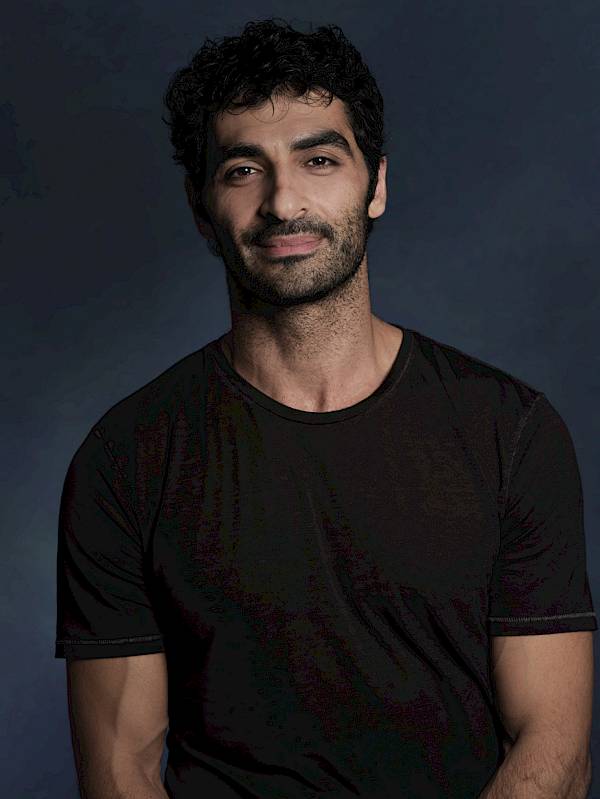
Andonis Foniadakis

Andonis Foniadakis, aufgewachsen auf Kreta, begann seine Tanzausbildung bei Niki Papadaki, studierte dann an der National School of Dance Athen und erhielt vor seinem Abschluss das renommierte Maria-Callas-Stipendium, mit dem er sein Studium an der Rudra Béjart-Schule in Lausanne fortsetzte. Danach tanzte und choreografierte er weltweit an renommierten Häusern. 2003 gründete er seine eigene Tanzcompagnie «Apotosoma – Andonis Foniadakis» in Lyon.  2012 erhielt er in Italien den Danza Danza Award als bester Choreograf für die Kreation Les Noces beim Ballett Florenz und 2018 von der Critics Union of Music and Theatre in Griechenland den Preis für die beste Choreografie für sein Stück Galaxy. Von 2016 bis 2018 war er Künstlerischer Leiter des Griechischen Nationalballetts.

Timeframed17 / 18 / 22 / 25 / 30 Jan / 1 / 4 / 6 / 8 / 11 / 12 Feb 2026
Music:
Bryce Dessner,
Ludovico Einaudi
Costumes:
Anastasios Sofroniou

Anastasios Sofroniou

The German-born, Paris-based Greek fashion entrepreneur and costume designer Anastasios-Tassos Sofroniou began his career as a fashion editor in Athens before moving to London, where he collaborated with stylist and fashion director Isabella Blow (Vogue) and photographers such as Richard Avedon, David LaChapelle, and Mario Testino for publications including "The Face," "Interview US," "British GQ," "Elle," and "Sunday Times Style." In 2010, he founded his contemporary menswear brand "Conquistador," followed by the creative agency "StudioSTOUTT" in 2022. Since 2011, Anastasios Sofroniou has been teaching at leading universities for fashion design and fashion management, including Polimoda (Florence), ModArt, and EIML (Paris). Since 2011, he has also been designing costumes for contemporary dance and opera. In collaboration with choreographer Andonis Foniadakis, he has created numerous productions for renowned companies such as the Martha Graham Dance Company, the Maurice Béjart Ballet, the Geneva Ballet, the Hong Kong Ballet, Gauthier Dance, Cedar Lake NY, the Sydney Dance Company, Opera Ballet Vlaanderen, the State Ballet Hanover, Tanz Kassel, the Opera Florence, and Rambert Dance.

Timeframed17 / 18 / 22 / 25 / 30 Jan / 1 / 4 / 6 / 8 / 11 / 12 Feb 2026
Lighting designer:
Martin Gebhardt

Martin Gebhardt

Martin Gebhardt was lighting designer and master electrician for John Neumeier’s Hamburg Ballet. From 2002 onward he collaborated with Heinz Spoerli and Ballett Zürich. Ballet productions of both companies took him to renowned theatres across Europe, Asia, and the Americas. At Zurich Opera House he created the lighting design for productions by Jürgen Flimm, David Alden, Jan Philipp Gloger, Grischa Asagaroff, Matthias Hartmann, David Pountney, Moshe Leiser/Patrice Caurier, Damiano Michieletto, and Achim Freyer. At the Salzburg Festival he designed the lighting for "La bohème" and for a new version of Spoerli’s "Der Tod und das Mädchen". Since the 2012/13 season Martin Gebhardt has been Head of Lighting at Zurich Opera House. He maintains a close collaboration with choreographer Christian Spuck (including "Winterreise", "Nussknacker und Mausekönig", "Messa da Requiem", "Anna Karenina", "Woyzeck", "Der Sandmann", "Leonce und Lena", "Das Mädchen mit den Schwefelhölzern"). He has also worked as lighting designer for choreographers Edward Clug (including "Strings", "Le Sacre du printemps" and "Faust" in Zurich), Alexei Ratmansky, Wayne McGregor, Marco Goecke, and Douglas Lee. He collaborated with Christoph Marthaler and Anna Viebrock on Handel’s "Sale" and Rossini’s "Il viaggio a Reims" in Zurich as well as on "Lulu" at the Hamburg State Opera, and with Jossi Wieler and Sergio Morabito at the Grand Théâtre de Genève for "Les Huguenots". In 2023 he designed the lighting for Spuck’s ballet "Bovary" at Staatsballett Berlin and in 2024 for Rossini’s "Tancredi" at the Bregenz Festival. He was also the lighting designer for Cathy Marston’s "Atonement" at Zurich Opera House.

Tannhäuser21 / 24 / 27 Jun / 2 / 5 / 8 / 11 Jul 2026 Le nozze di Figaro24 / 29 Jan / 1 / 5 / 7 / 10 / 14 Feb 2026 Oiseaux Rebelles12 / 18 / 23 / 25 / 31 Oct / 1 / 9 / 13 Nov / 2 / 5 / 6 / 9 Dec 2025 Die Fledermaus7 / 10 / 12 / 14 / 18 / 26 / 28 / 31 Dec 2025 / 2 / 4 / 6 / 10 Jan 2026 Clara13 / 14 / 19 / 20 / 26 / 28 Dec 2025 / 11 / 12 / 17 / 19 / 24 Apr 2026 Timeframed17 / 18 / 22 / 25 / 30 Jan / 1 / 4 / 6 / 8 / 11 / 12 Feb 2026 Scylla et Glaucus27 / 29 / 31 Mar / 2 / 6 / 30 Apr / 2 May 2026 The Butterfly Effect4 / 13 / 23 Apr 2026 Messa da Requiem20 / 22 / 28 Feb / 1 / 5 / 7 Mar / 6 Apr 2026 Romeo und Julia23 / 29 / 30 May / 4 / 6 / 7 / 10 / 12 / 14 / 23 / 26 Jun 2026 Nachtträume20 / 25 / 28 / 30 Jun / 4 Jul 2026
Dramaturgy:
Michael Küster

Michael Küster

Michael Küster is from Germany. After studying German studies, art, and speech science at the University of Halle, he worked as a presenter, author, and speaker at various broadcasting stations in Germany. There, he hosted numerous classical music programs and live broadcasts of major concert events, including those from the Metropolitan Opera New York, the Semperoper Dresden, and the Leipzig Gewandhaus.
Since 2002, he has been a dramaturg at the Zurich Opera House, working with directors such as Matthias Hartmann, David Alden, Robert Carsen, Moshe Leiser/Patrice Caurier, Damiano Michieletto, David Pountney, Johannes Schaaf, and Graham Vick.
As dramaturg of Ballett Zürich, Michael Küster has collaborated since 2012 with Cathy Marston, Marco Goecke, Marcos Morau, Kim Brandstrup, Edward Clug, Alexei Ratmansky, William Forsythe, Jiří Kylián, and Hans van Manen. Together with Christian Spuck, he worked on productions including «Winterreise» («Prix Benois de la Danse»), «Romeo and Juliet», «Messa da Requiem», and «The Sleeping Beauty».
At La Scala in Milan, Michael Küster was dramaturg for Matthias Hartmann’s opera productions of «Der Freischütz», «Idomeneo», and «The Queen of Spades».

Oiseaux Rebelles12 / 18 / 23 / 25 / 31 Oct / 1 / 9 / 13 Nov / 2 / 5 / 6 / 9 Dec 2025 Clara13 / 14 / 19 / 20 / 26 / 28 Dec 2025 / 11 / 12 / 17 / 19 / 24 Apr 2026 Countertime5 / 7 / 14 Sept 2025 Timeframed17 / 18 / 22 / 25 / 30 Jan / 1 / 4 / 6 / 8 / 11 / 12 Feb 2026 The Butterfly Effect4 / 13 / 23 Apr 2026 Messa da Requiem20 / 22 / 28 Feb / 1 / 5 / 7 Mar / 6 Apr 2026 Romeo und Julia23 / 29 / 30 May / 4 / 6 / 7 / 10 / 12 / 14 / 23 / 26 Jun 2026 Nachtträume20 / 25 / 28 / 30 Jun / 4 Jul 2026

Cast

The cast for this performance will be announced at a later date.

Ganze Besetzung anzeigen Weniger anzeigen

Live

Choreografie von Hans van Manen


Choreographer:
Hans van Manen

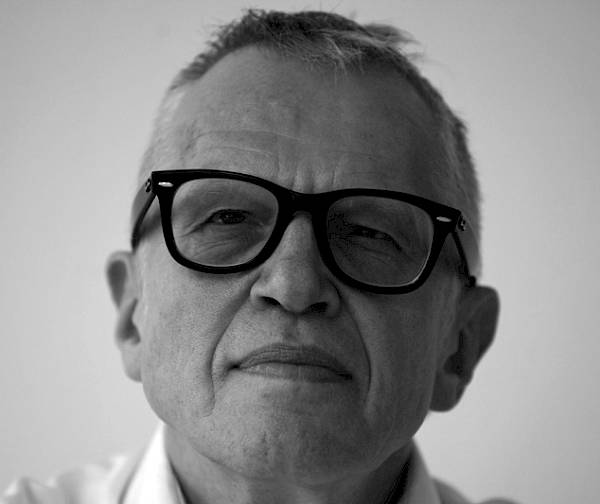
Hans van Manen

Hans van Manen, geboren 1932 in den Niederlanden, gehört zu den bedeutendsten zeitgenössischen Choreografen. Seine Karriere begann 1951 als Mitglied der Sonia Gaskell Compagnie. Nach ersten Engagements beim Nederlands Opera Ballet, wo seine erste Choreografie entstand (Feestgericht, 1957), und bei der Roland Petit Compagnie in Paris schloss er sich 1960 dem Nederlands Dans Theater an, zunächst als Tänzer (bis 1963), dann als Choreograf und schliesslich als Künstlerischer Leiter (1961-71). 1973 wechselte er zum Nationalen Ballett Amsterdam. 1988-2003 kehrte Hans van Manen als Hauschoreograf zum Nederlands Dans Theater zurück, 2003 übernahm er die gleiche Funktion beim Königlichen Dänischen Ballett. Hans van Manens Werk umfasst 150 Ballette, von denen jedes einzelne seine unverwechselbare Handschrift trägt: strukturelle Klarheit und raffinierte Einfachheit sind die zentralen Elemente seiner Choreografien, was ihm den Beinamen «Mondrian des Tanzes» eingetragen hat. Ausserhalb der Niederlande haben Compagnien wie das Ballett Zürich, das Stuttgarter Ballett, das Bayerische Staatsballett München, das Staatsballett Berlin, das Houston Ballet, das National Ballet of Canada, das Pennsylvania Ballet, das English Royal Ballet, das Royal Danish Ballet, das Staatsopern­ballett Wien, das Tanzforum Köln, die Compaña Nacional de Danza und die Alvin Ailey Dance Company seine Choreografien getanzt. Hans van Manen wurde mit zahlreichen Preisen geehrt. 1991 erhielt er den Sonia Gaskell Preis für sein Gesamtwerk und den Preis für Choreografie des Dänischen Theaters, seit 1992 ist er Offizier des Ritterordens von Oranien-Nassau. 1992 erhielt er den Deutschen Tanzpreis, 1996 ehrte ihn die holländische C.O.C. mit der Bob Angelo Medaille. 1997 erhielt Hans van Manen den Gino Tani International Prize in der Kategorie Tanz. 1998 veranstaltete das Edinburgh International Festival Scotland eine Retrospektive der Werke van Manens; sein Gesamtwerk wurde mit dem Archangel, dem Kritikerpreis des Edinburgh Festivals, ausgezeichnet. 2000 kam zu seinen zahlreichen Auszeichnungen der Erasmus-Preis für seine Verdienste um den niederländischen Tanz dazu, 2004 der Musikpreis der Stadt Duisburg, 2005 der Prix Benois de la Danse für sein Lebenswerk. Neben seinem choreografischen Schaffen erlangte er hohes Renommee als Fotograf.

Timeframed17 / 18 / 22 / 25 / 30 Jan / 1 / 4 / 6 / 8 / 11 / 12 Feb 2026
Music:
Franz Liszt
Costumes:
Keso Dekker

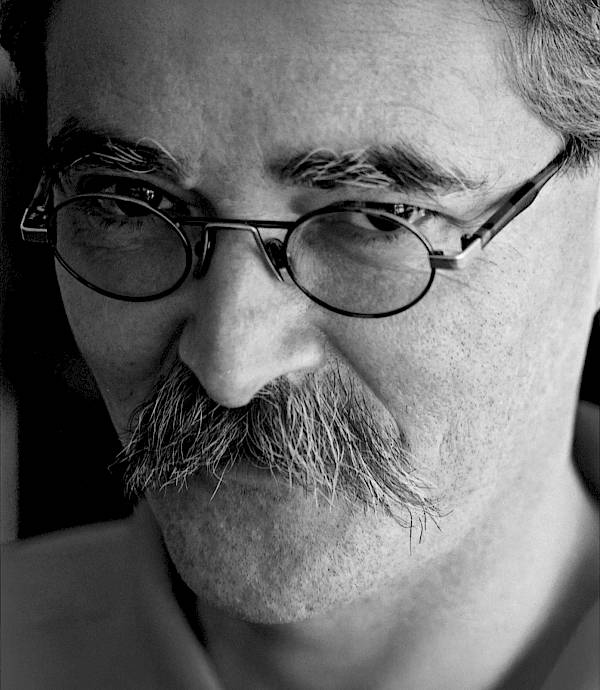
Keso Dekker

Keso Dekker, auf der holländischen Insel Ysselmonde geboren, studierte Kunstgeschichte, Niederländische sowie Klassische Sprachen und Literatur, bevor er sich der Malerei zuwandte. Nachdem der Choreograf Eric Hampton ihn 1976 erstmals als Bühnen- und Kostümbildner engagierte, begann die intensive Zusammenarbeit mit Hans van Manen, die seither zu mehr als 60 gemeinsamen Kreationen führte. Über 400 Bühnen- und Kostümarbeiten entstanden für zahlreiche Theater- und Tanzmacher in Europa und den USA, darunter Choreografen wie Renato Zanella, Bernd Bienert, Nils Christe und Heinz Spoerli (Ein Sommernachtstraum, Goldberg-Variationen). Er kreierte TV-Programme, leitete Workshops, schrieb Bücher, gestaltete Innen- und Aussenräume sowie Ausstellungen wie 1986 La Mode und 1994 The Art of Devotion 1300–1500 im Rijksmuseum Amsterdam. 2002 erhielt er den niederländischen Preis für Formgebung sowie den Grossen Preis der holländischen Tanzwelt. Mit Martin Schläpfer arbeitete Keso Dekker bei den Uraufführungen Musica ricercata, Tanzsuite und Pathétique für ballettmainz, Streichquartett und Lontano für Het Nationale Ballet Amsterdam und Forellenquintett für das Ballett am Rhein zusammen. 2013 folgte die gemeinsame Uraufführung Johannes Brahms – Symphonie Nr. 2. Für die Feiern zum 50-jährigen Jubiläum von Het Nationale Ballet entwarf er einen Ballettmara­thon mit neun Uraufführungen von u.a. Hans van Manen, Christopher Wheeldon und Alexei Ratmansky. Beim American Ballet Theater kam 2012 Symphony No 9 von Ratmansky in Dekkers Design heraus, gefolgt von der Neugestaltung von Massines Choreartium beim Bayerischen Staatsballett. Darüber hinaus arbeitete Keso Dekker 2016 an der Design-Konzeption für die Ausstellung 500 Jahre Hieronymus Bosch in den Niederlanden mit.

Timeframed17 / 18 / 22 / 25 / 30 Jan / 1 / 4 / 6 / 8 / 11 / 12 Feb 2026
Lighting designer:
Bert Dalhuysen

Bert Dalhuysen

The lighting designer Bert Dalhuysen studied at the Academy for Photography and Photographic Technology in The Hague and initially worked as a freelance photographer and lighting designer. In 1982, he became Managing Director of Arinde Visual Design Studios in Amsterdam. In 1986, he joined the lighting team of the Dutch National Opera and Ballet, where he was appointed Deputy Head in 2001. Until 2020, he worked as a lighting technician and lighting designer for Dutch National Ballet as well as for other Dutch and international companies. Dalhuysen currently works as a freelance lighting and multimedia designer for ballet, opera, and theatre. He maintains a close collaboration with choreographer David Dawson and designer Eno Henze.

Timeframed17 / 18 / 22 / 25 / 30 Jan / 1 / 4 / 6 / 8 / 11 / 12 Feb 2026

Cast


Klavier Kateryna Tereshchenko


Klavier Kateryna Tereshchenko


Klavier Kateryna Tereshchenko


Klavier Kateryna Tereshchenko


Klavier Kateryna Tereshchenko


Klavier Kateryna Tereshchenko


Klavier Kateryna Tereshchenko


Klavier Kateryna Tereshchenko


Klavier Kateryna Tereshchenko


Klavier Kateryna Tereshchenko


Klavier Kateryna Tereshchenko


Klavier Kateryna Tereshchenko

Kateryna Tereshchenko

Kateryna Tereshchenko wurde in der Ukraine geboren. Sie studierte bei B. Fedorov an der Kiewer Lysenko-Musikschule und von 2007 bis 2009 bei Konstantin Scherbakov an der Zürcher Hochschule der Künste ZHdK (Master Specialized Musik Performance – Solistin). Von 2011 bis 2013 war sie Masterstudentin bei Ulrich Koella (Master Specialized Musik Performance – Kammermusik und Lied). 2011 und 2012 wurde sie mit dem Studienpreis des Migros-Kulturprozent-Wettbewerbs in Zürich ausgezeichnet. Von 2013 bis 2016 war sie Mitglied der Orchester-Akademie am Opernhaus Zürich. Zahlreiche Konzerte als Solistin (Klavierabende und Konzerte mit Orchester), als Kammermusikerin in verschiedenen Formationen sowie als Liedbegleiterin führten Kateryna Tereshchenko in die Ukraine, nach Deutschland, Polen, Tschechien, Italien, Österreich, Argentinien und in die Schweiz. Seit 2019 ist sie als Korrepetitorin (Bereich PreCollege Musik) an der Zürcher Hochschule der Künste angestellt. Daneben spielt sie an diversen Festivals und im Opernhaus Zürich als Solistin (The Cellist, Walkways) und in Brunchkonzerten.

Countertime5 / 7 / 14 Sept 2025 Timeframed17 / 18 / 22 / 25 / 30 Jan / 1 / 4 / 6 / 8 / 11 / 12 Feb 2026
Ganze Besetzung anzeigen Weniger anzeigen

Abstract

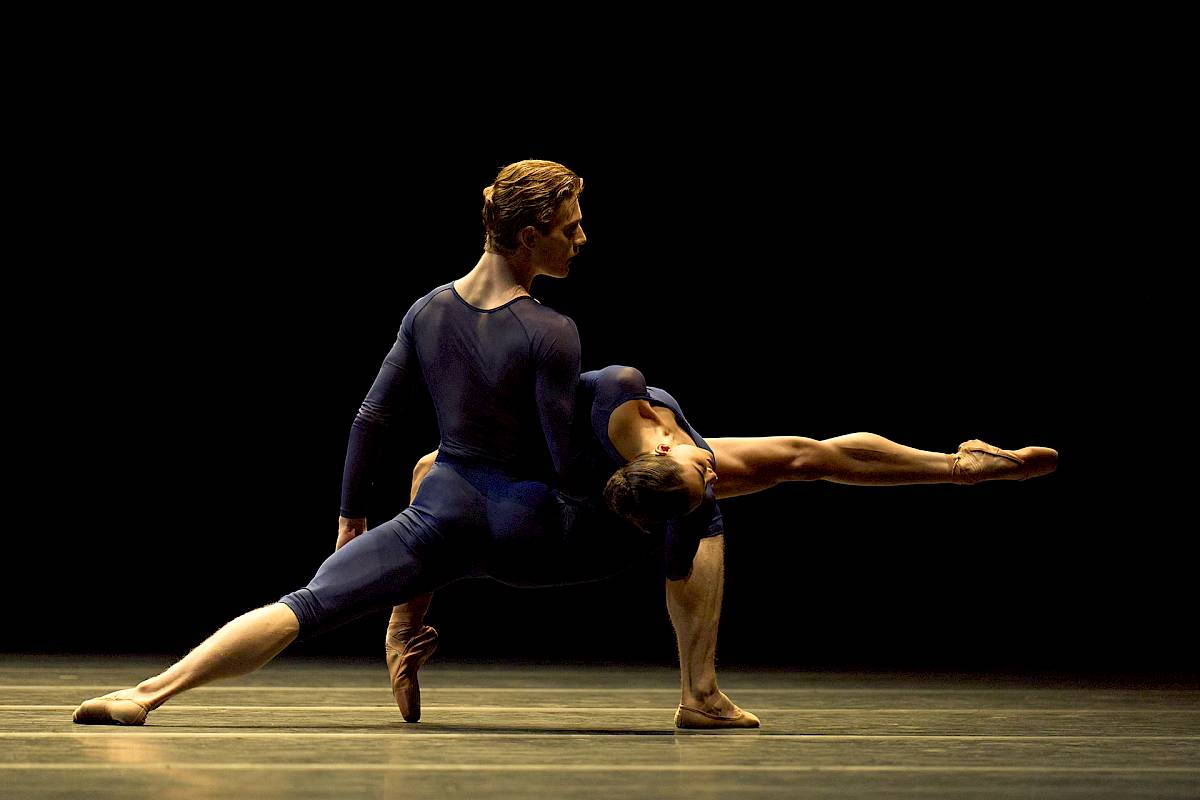
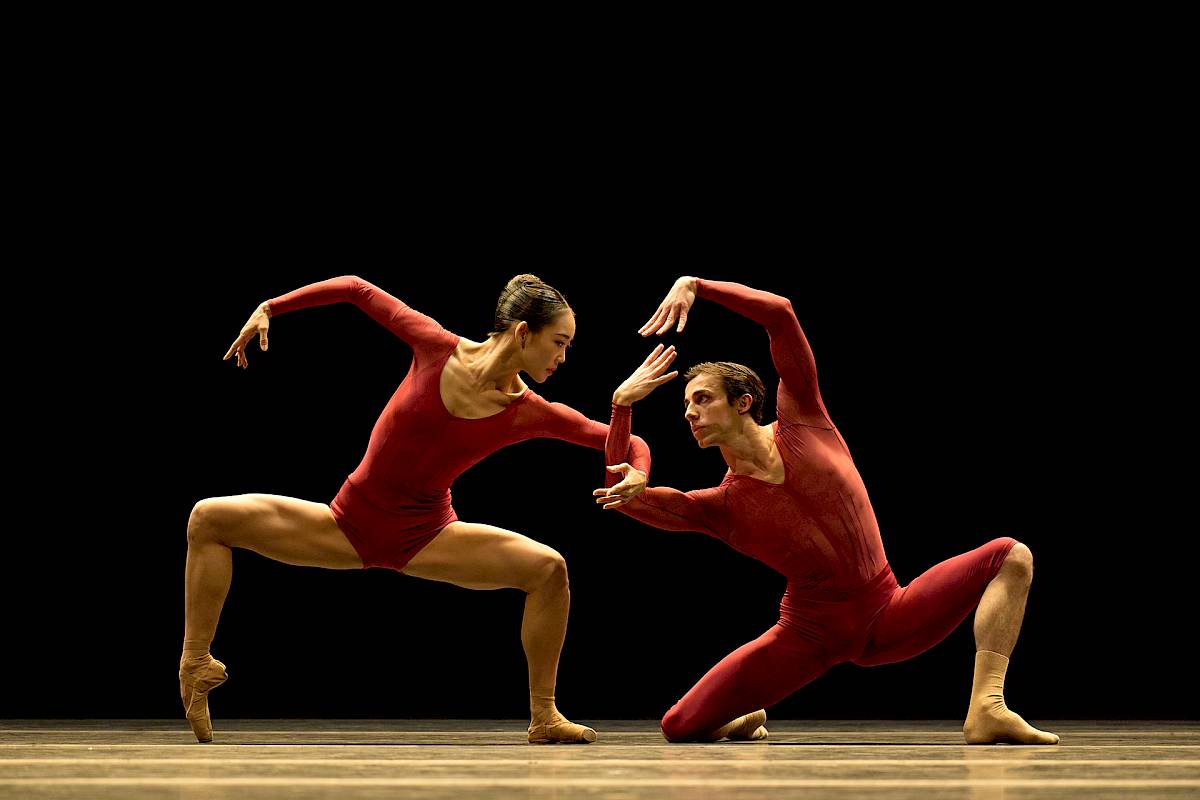
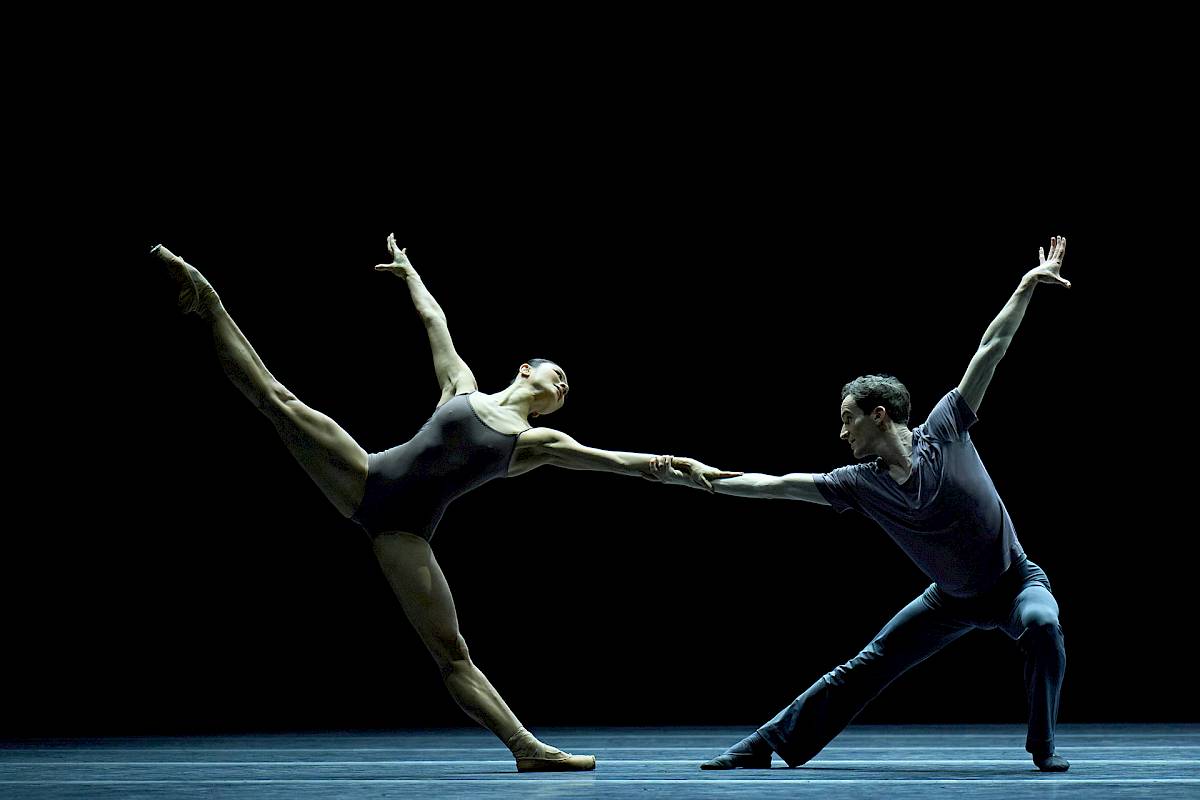
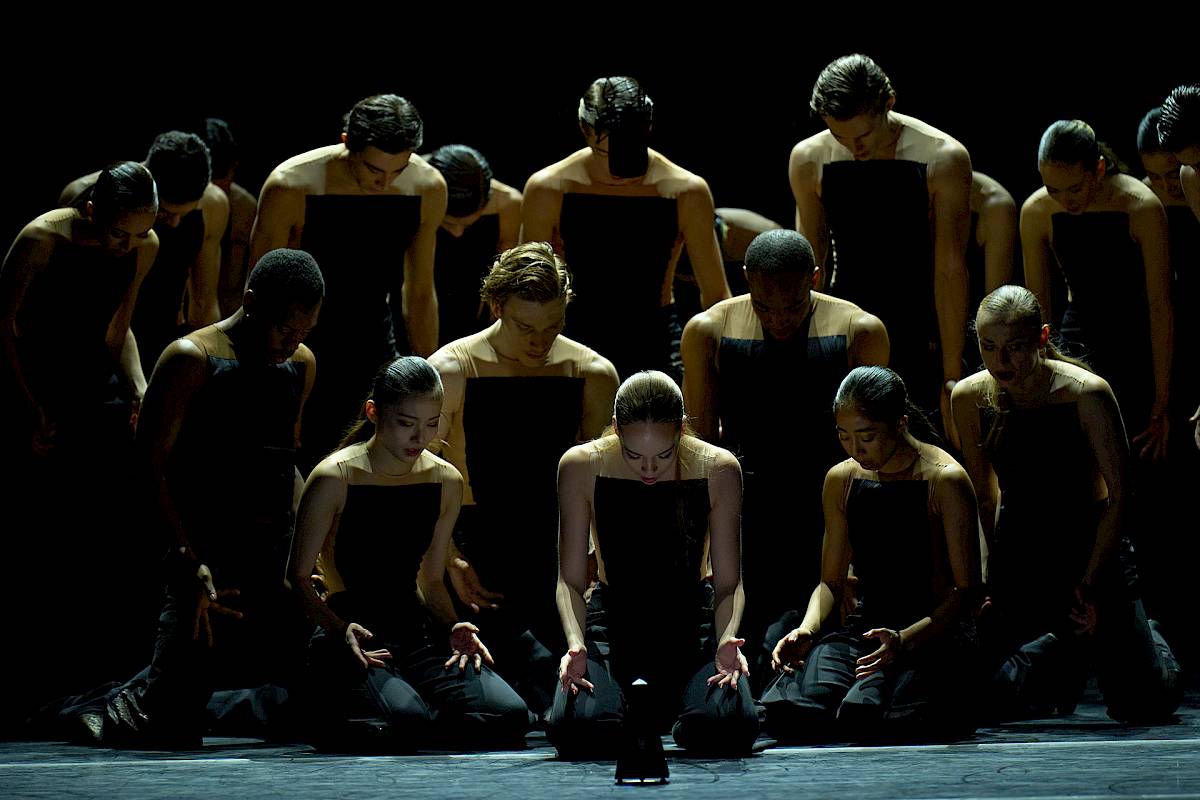
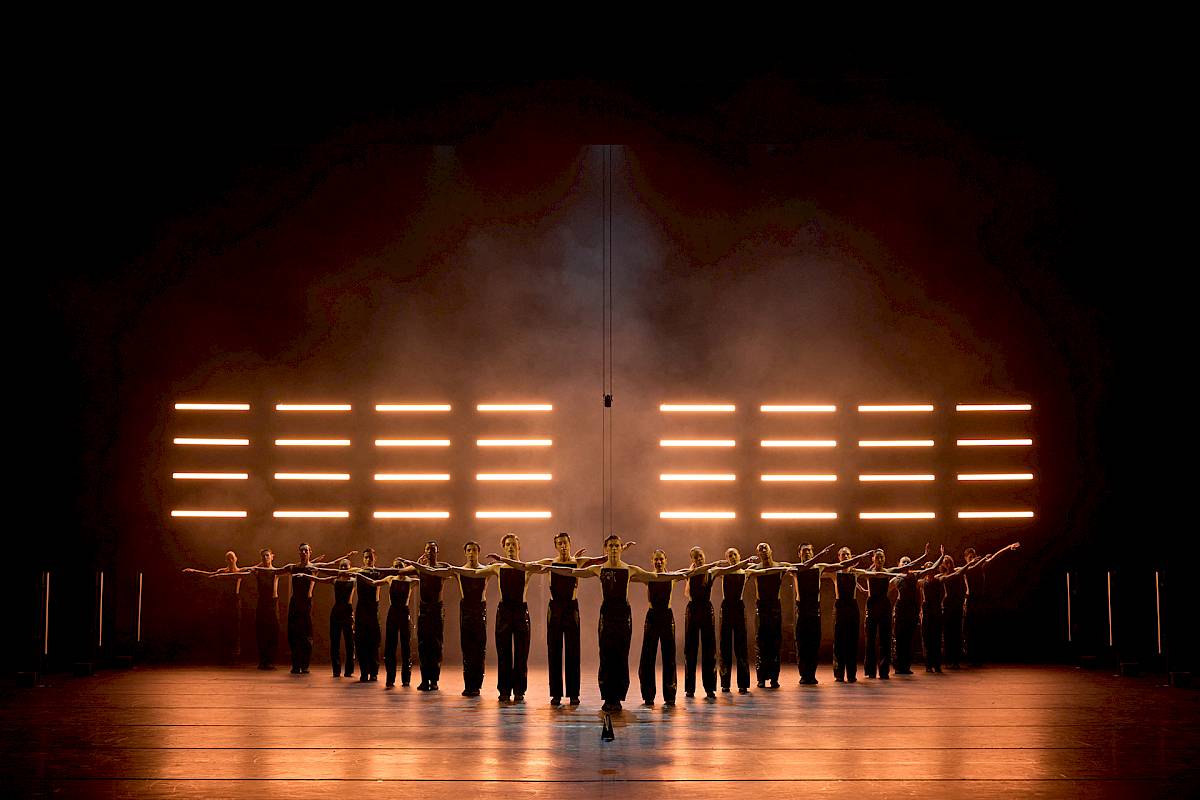
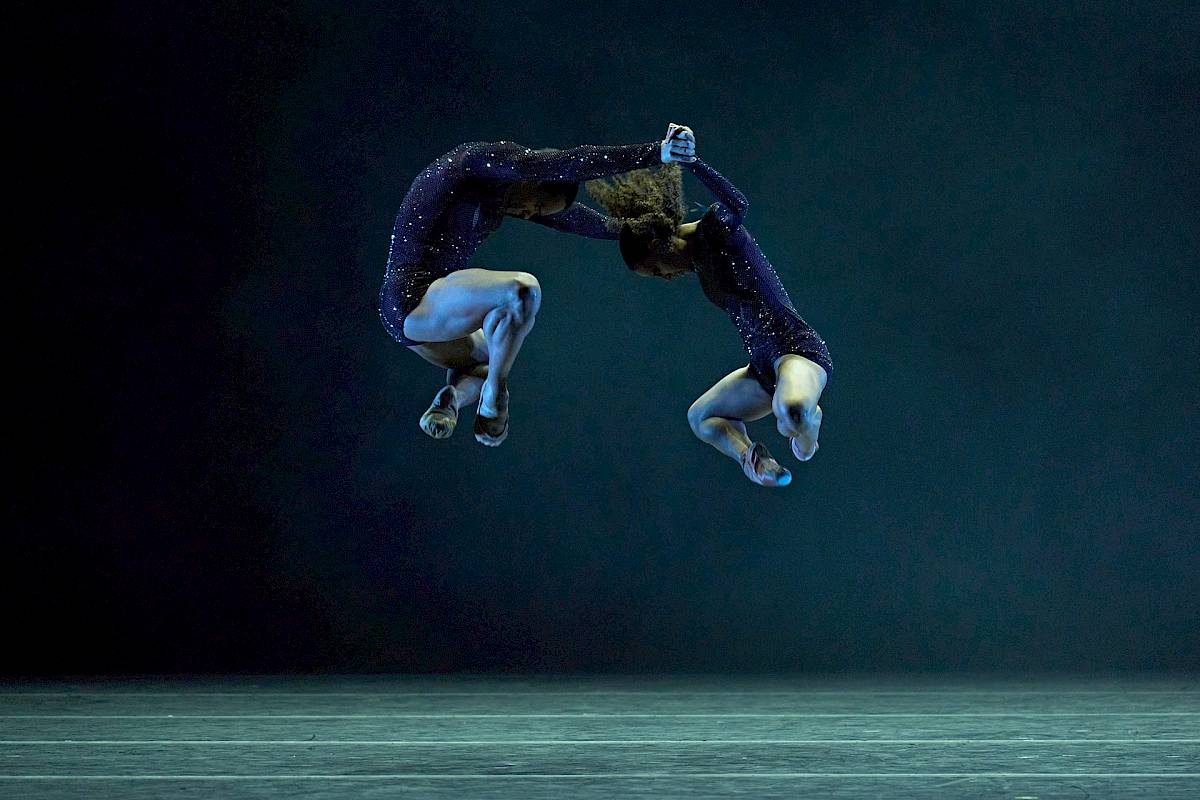
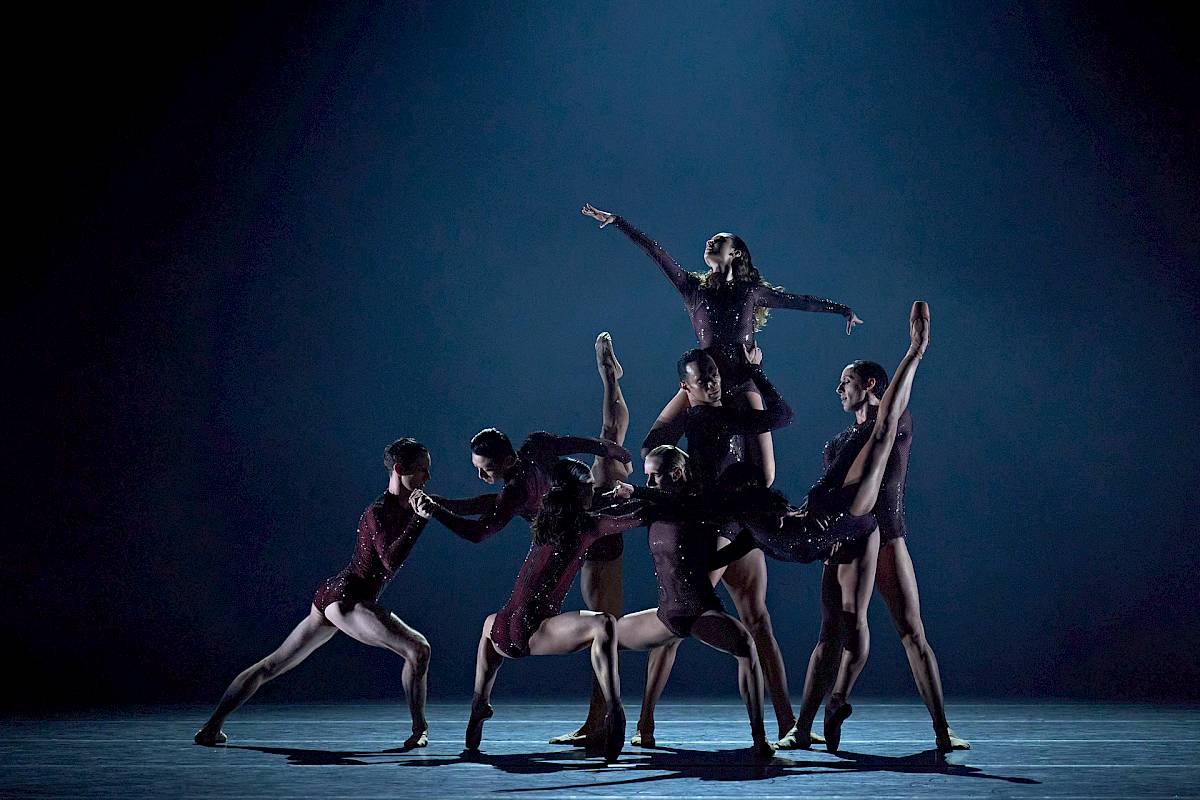
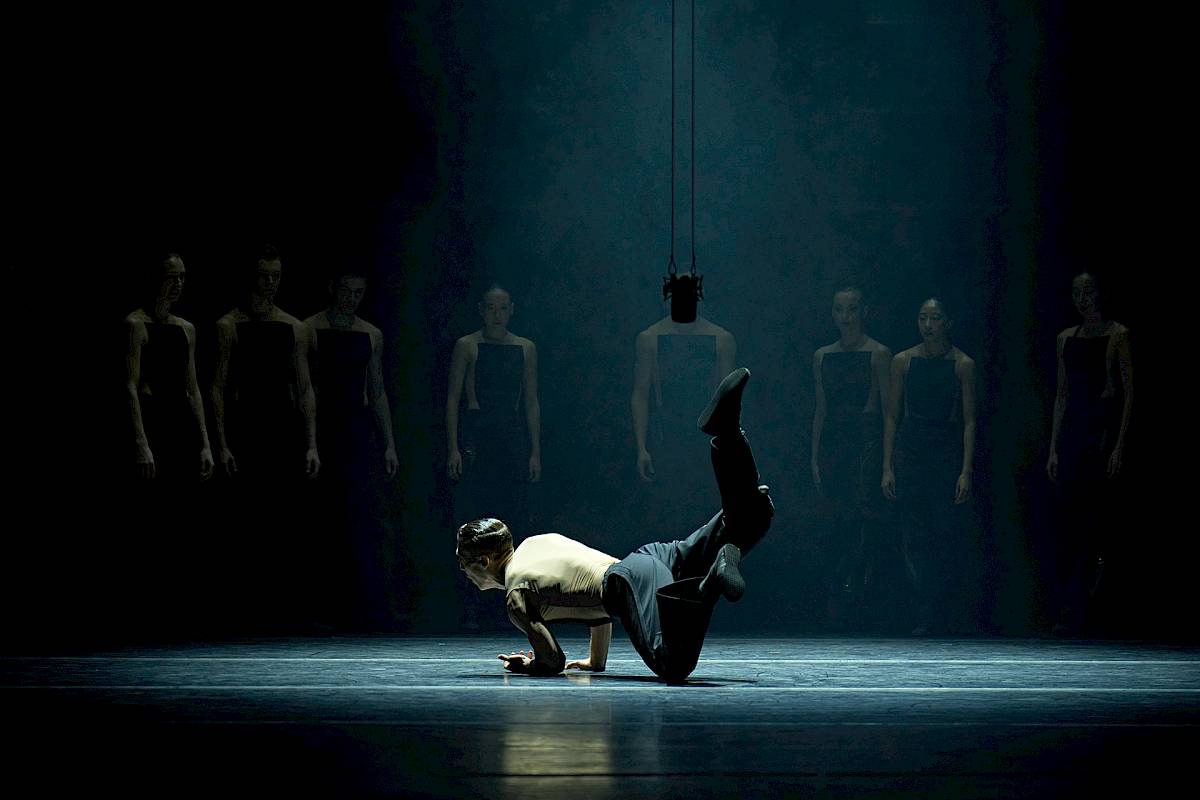
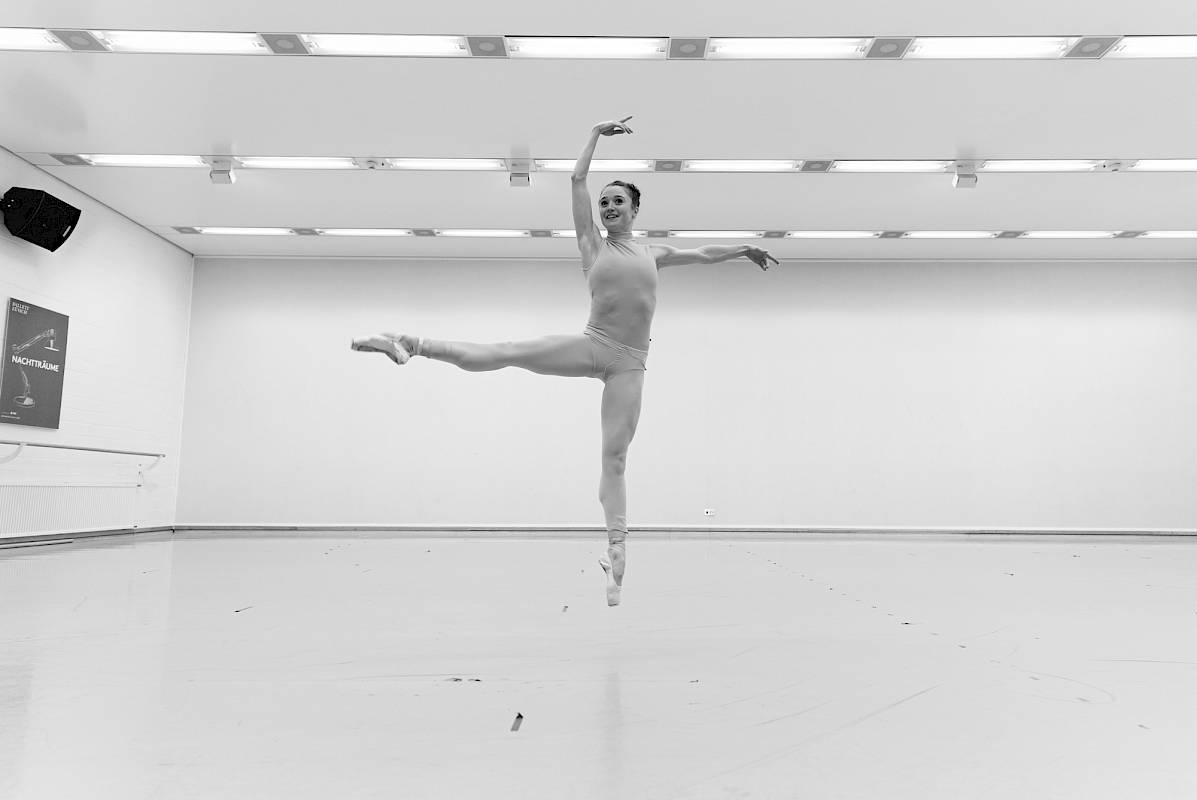
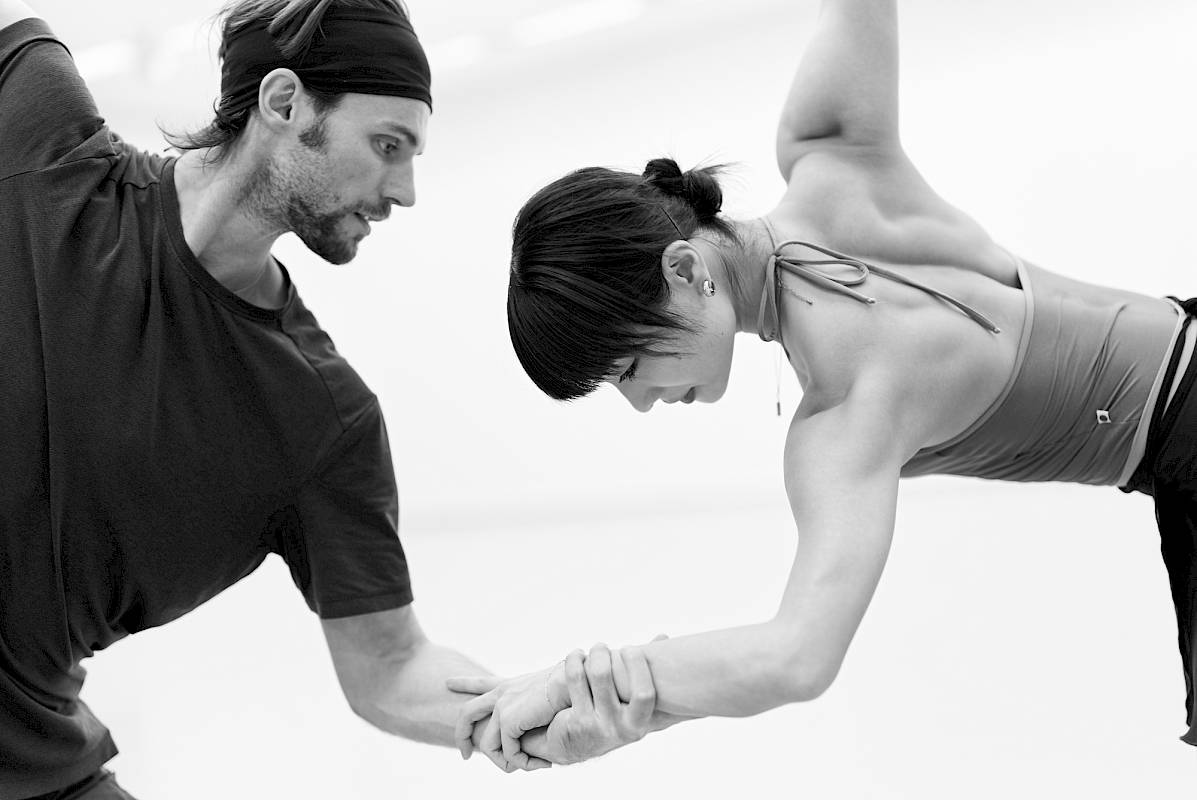
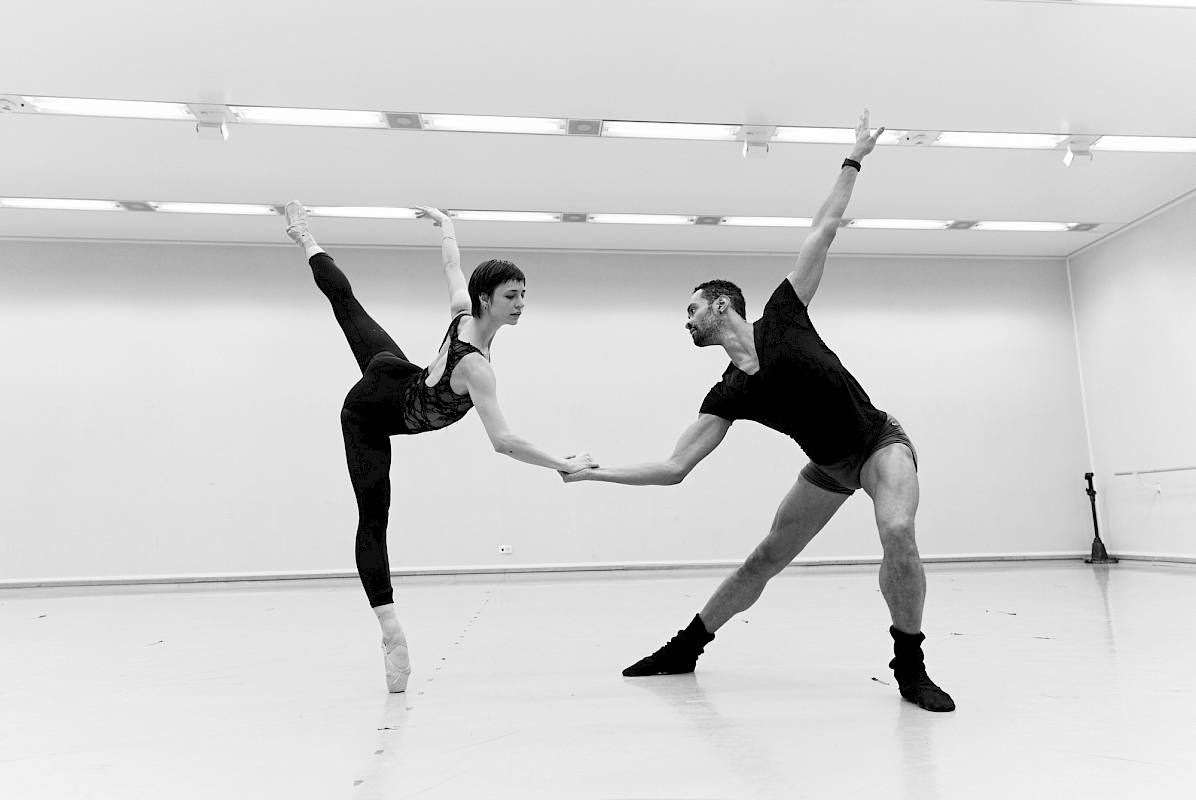
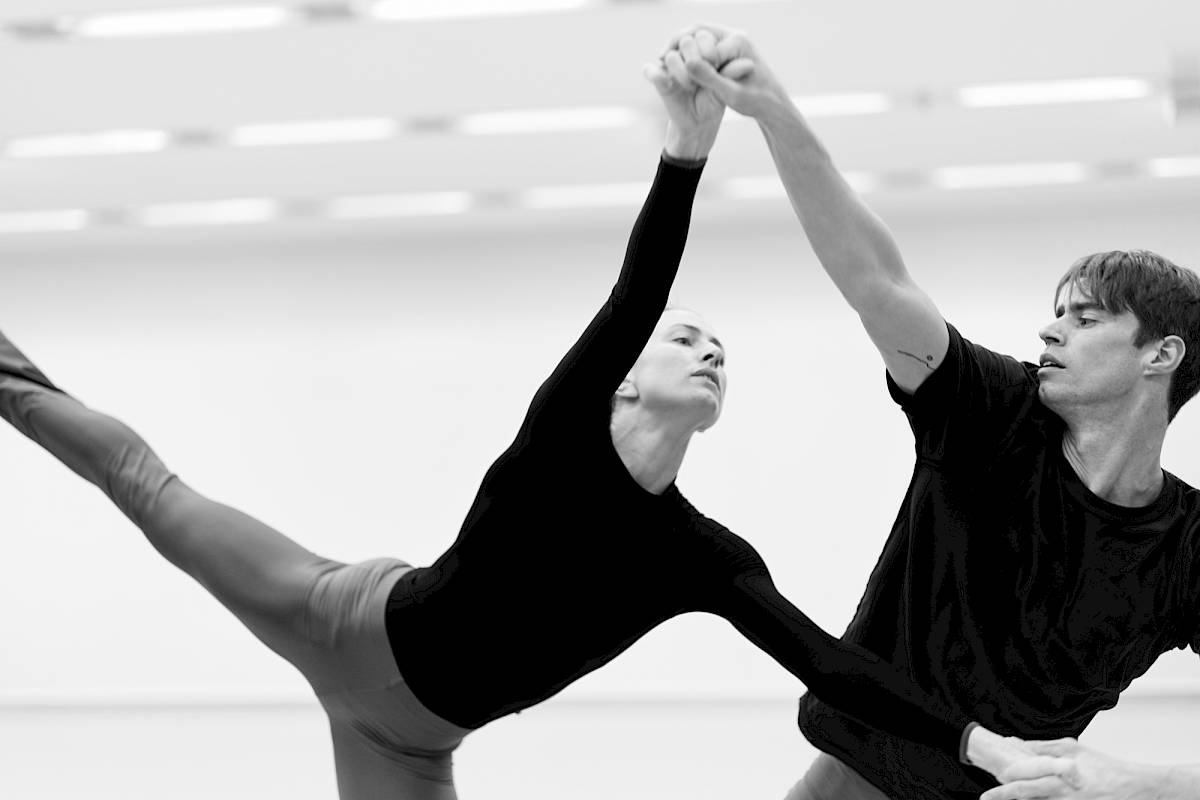
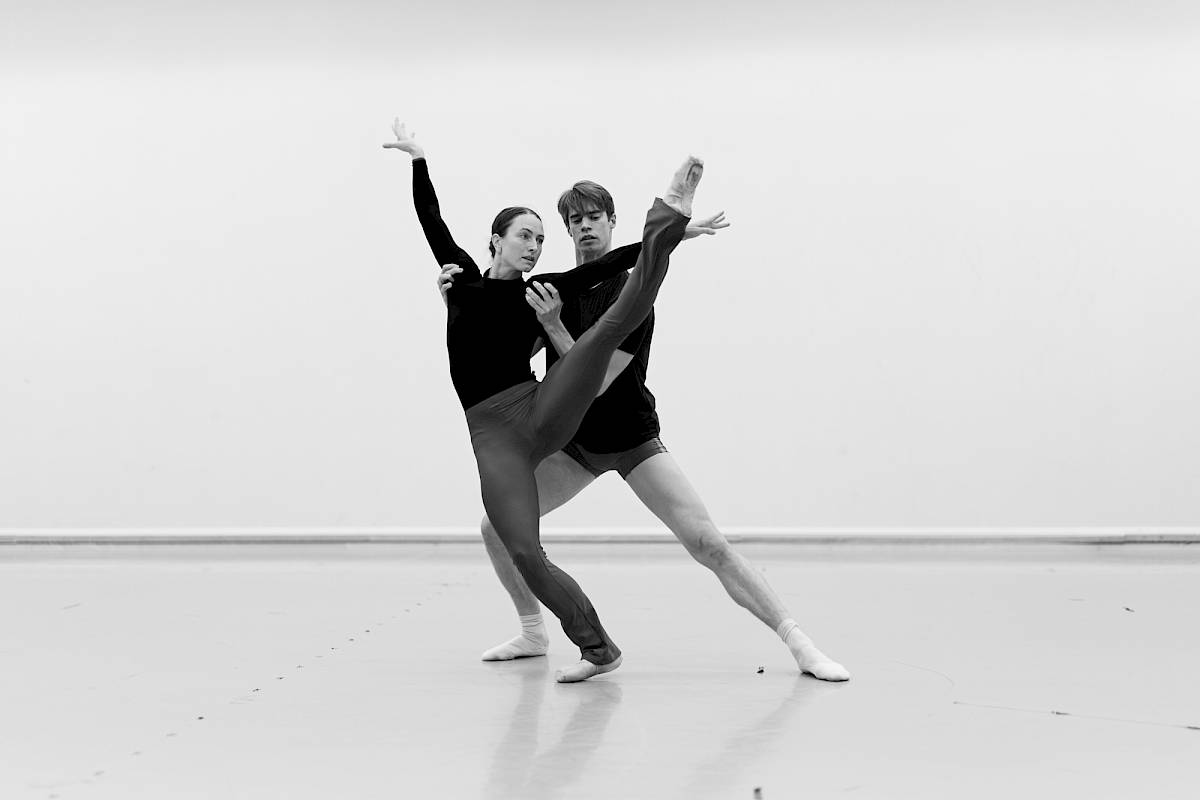
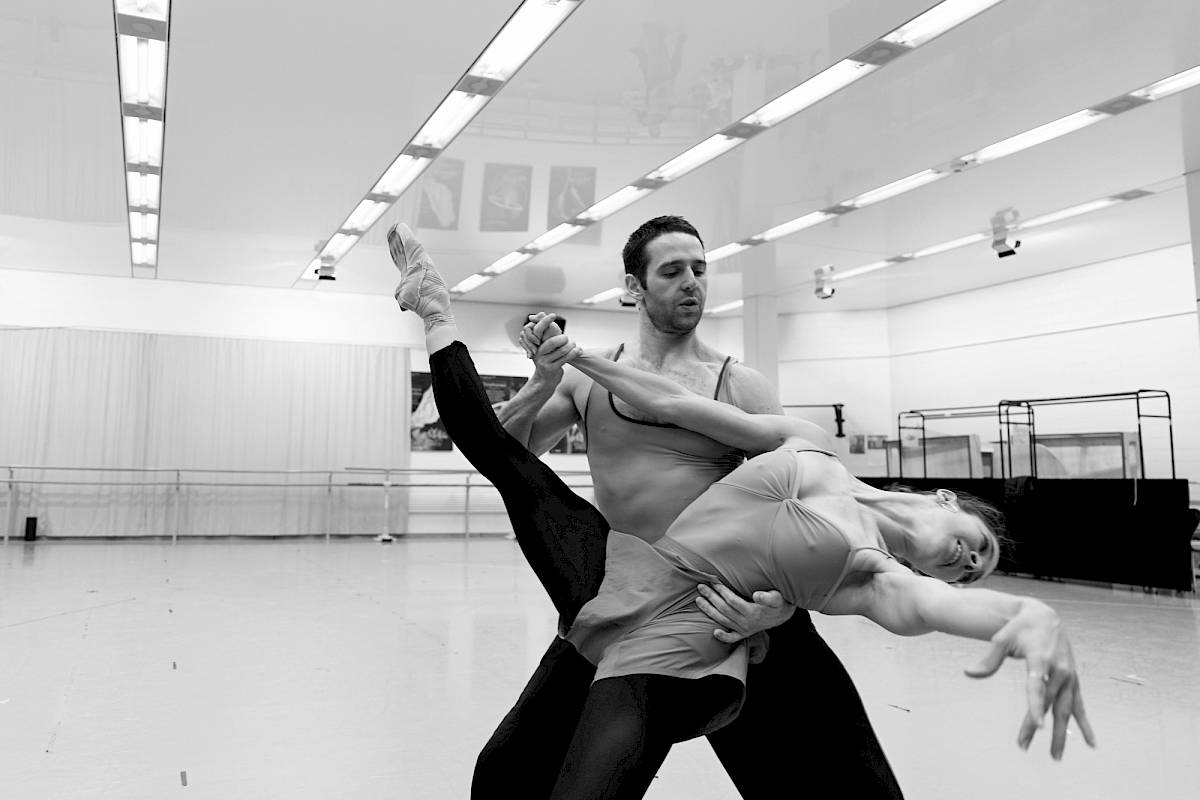
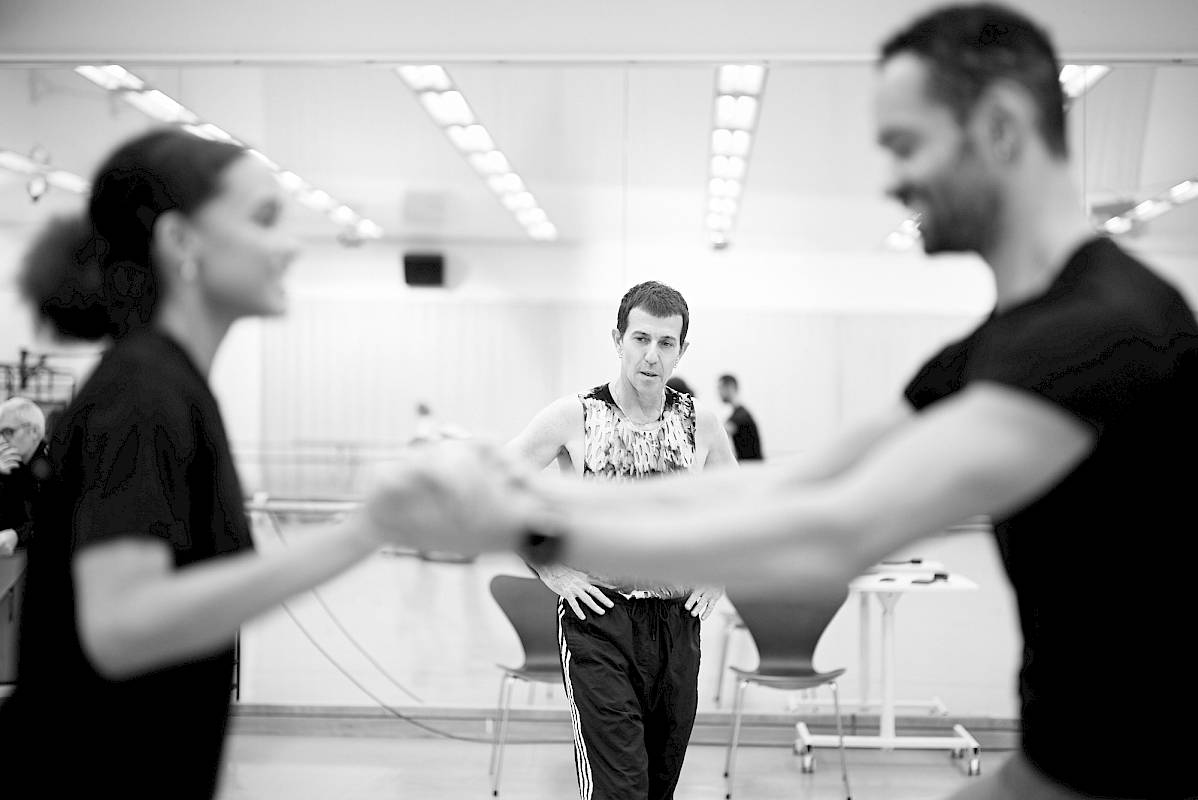
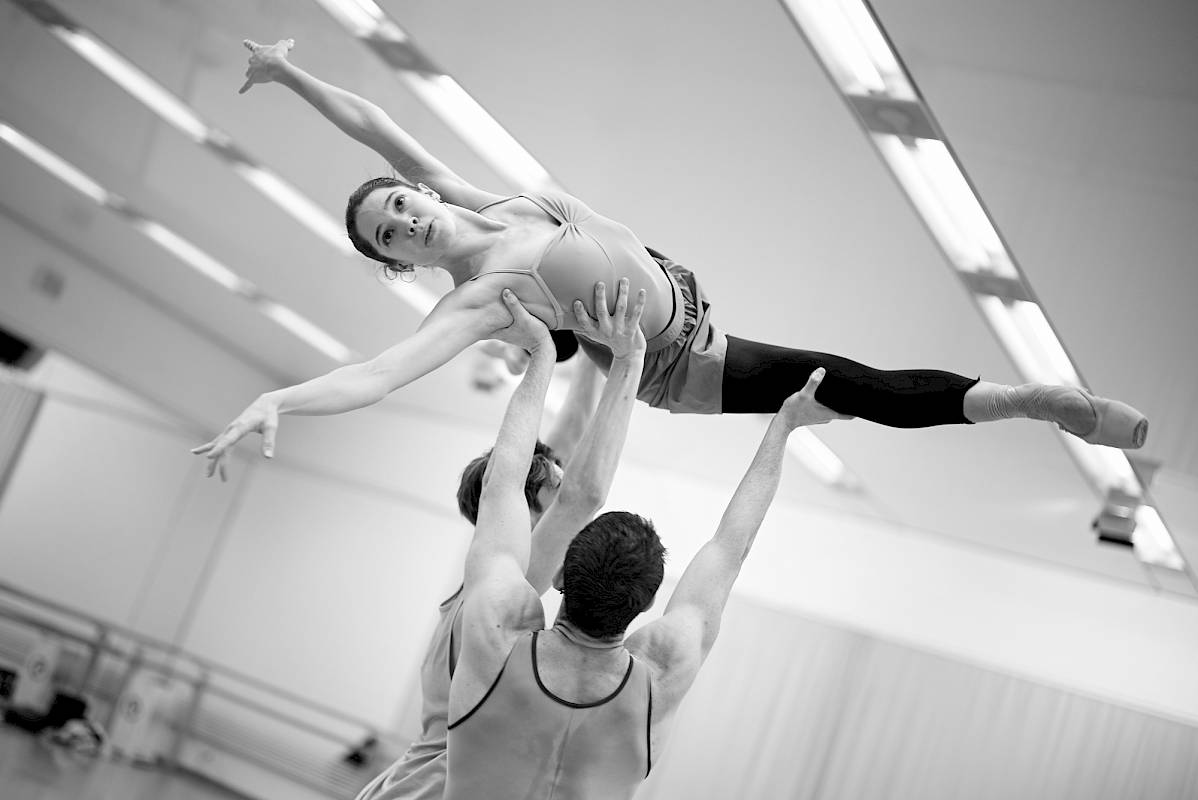
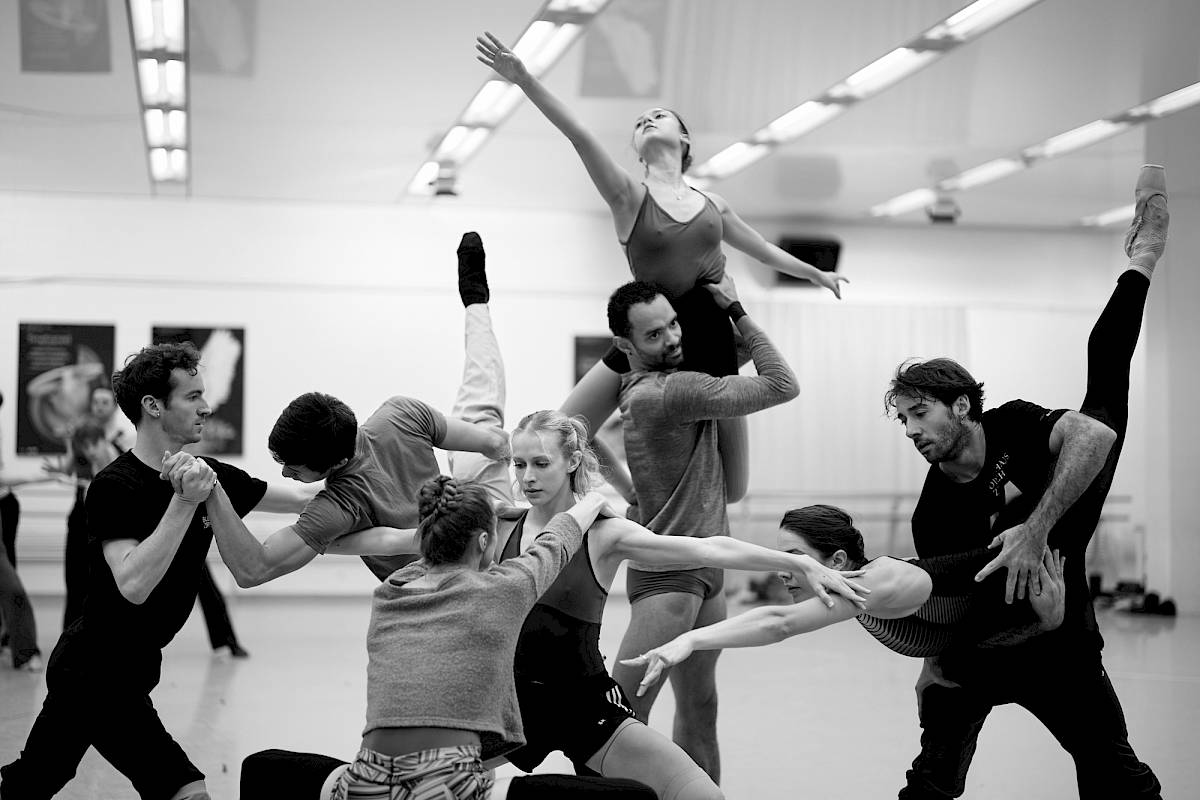
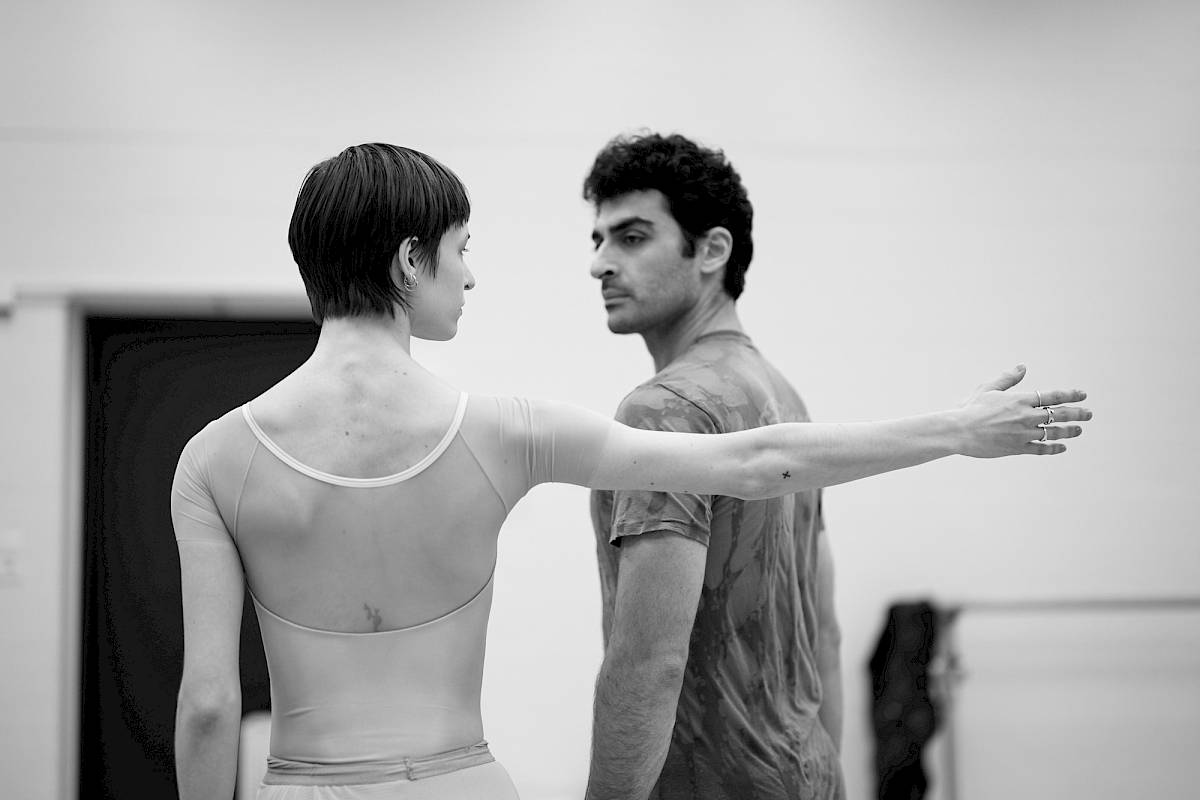
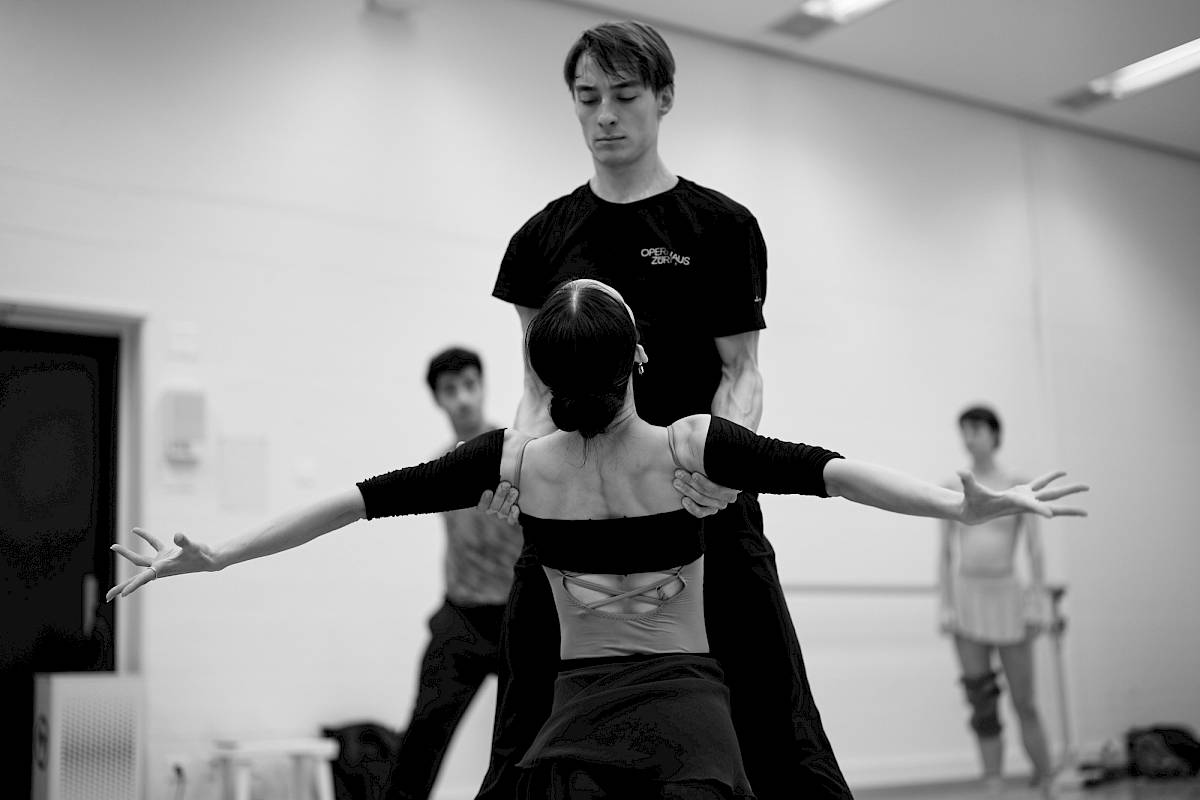
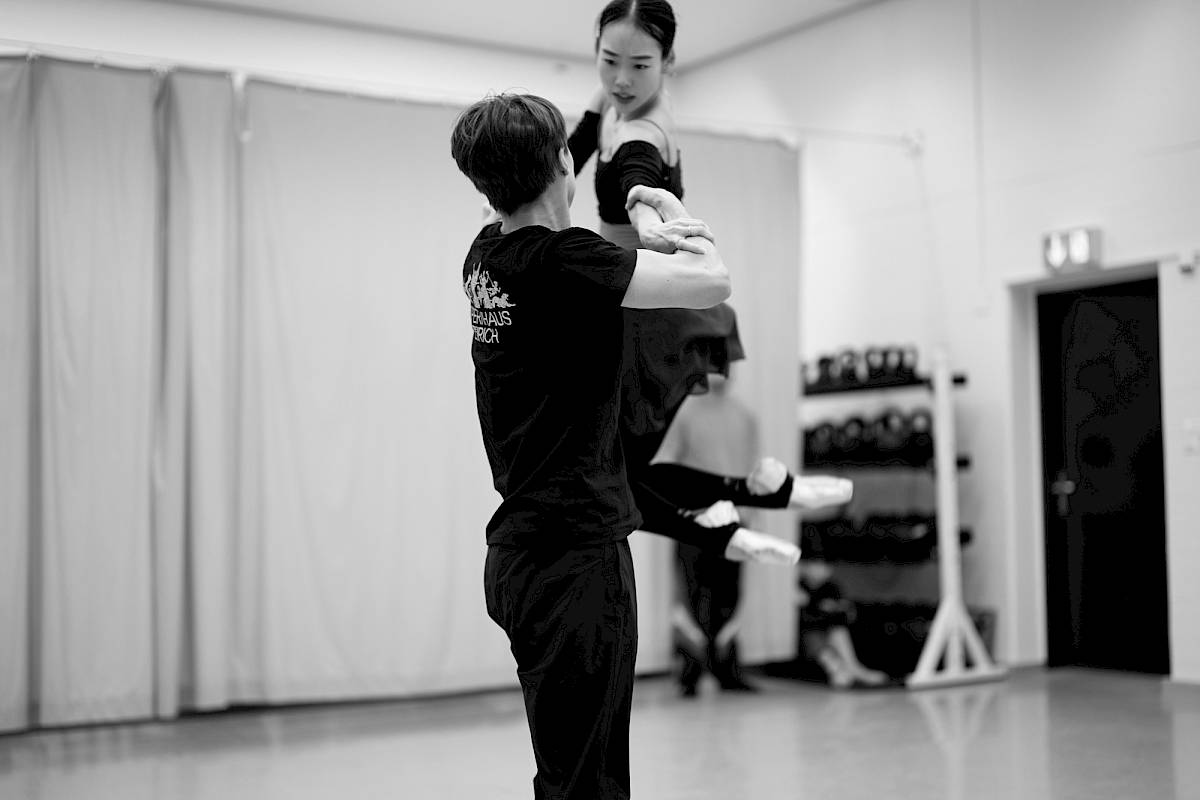
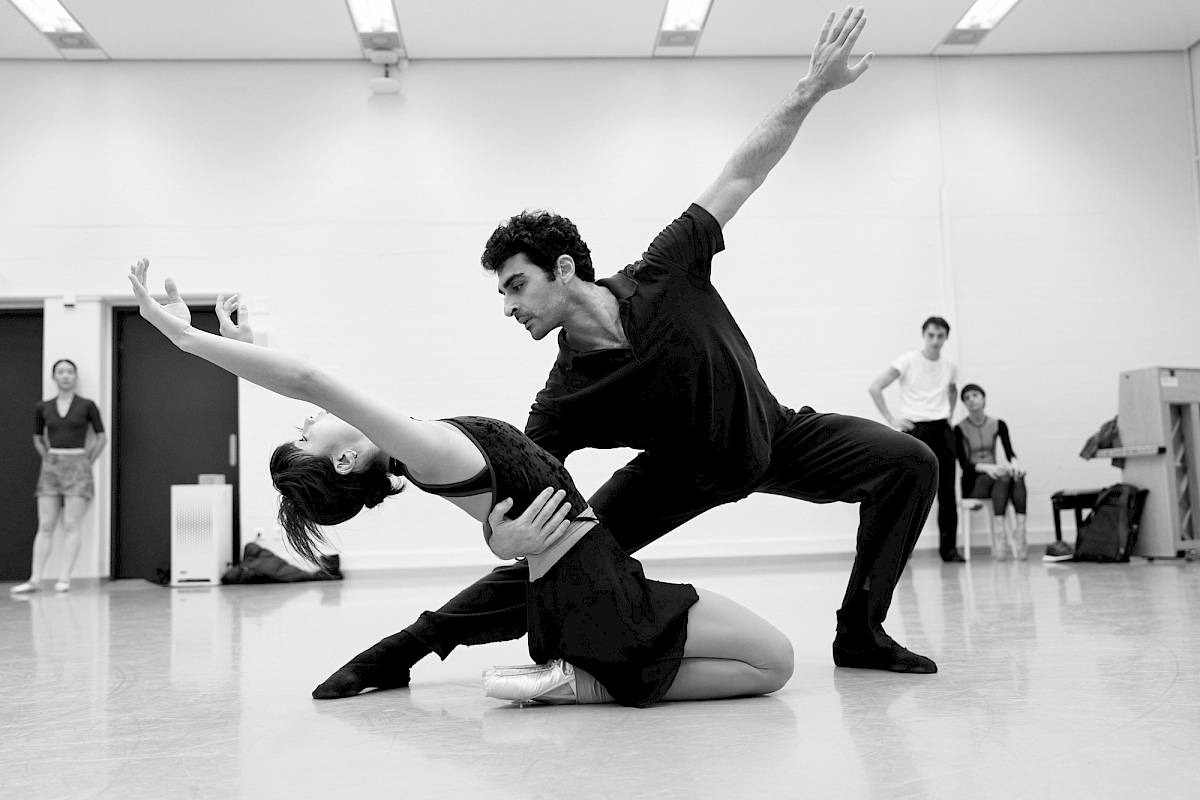
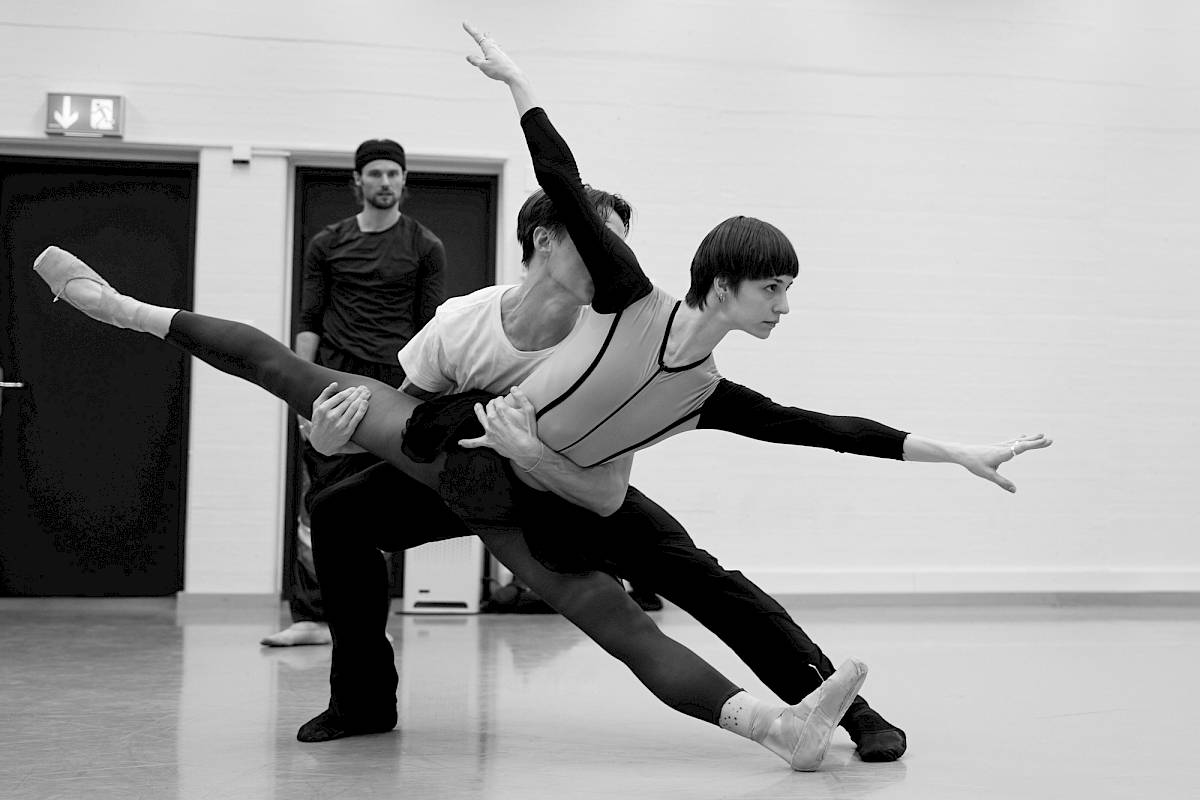
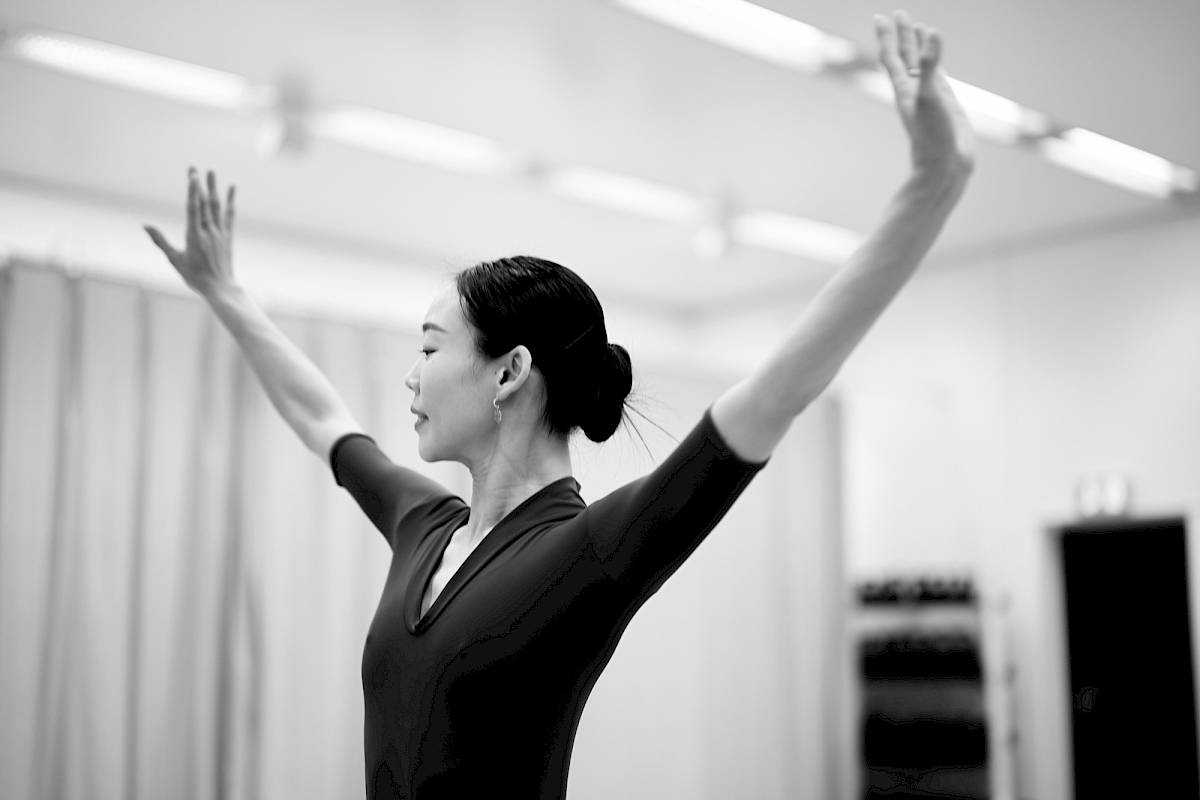
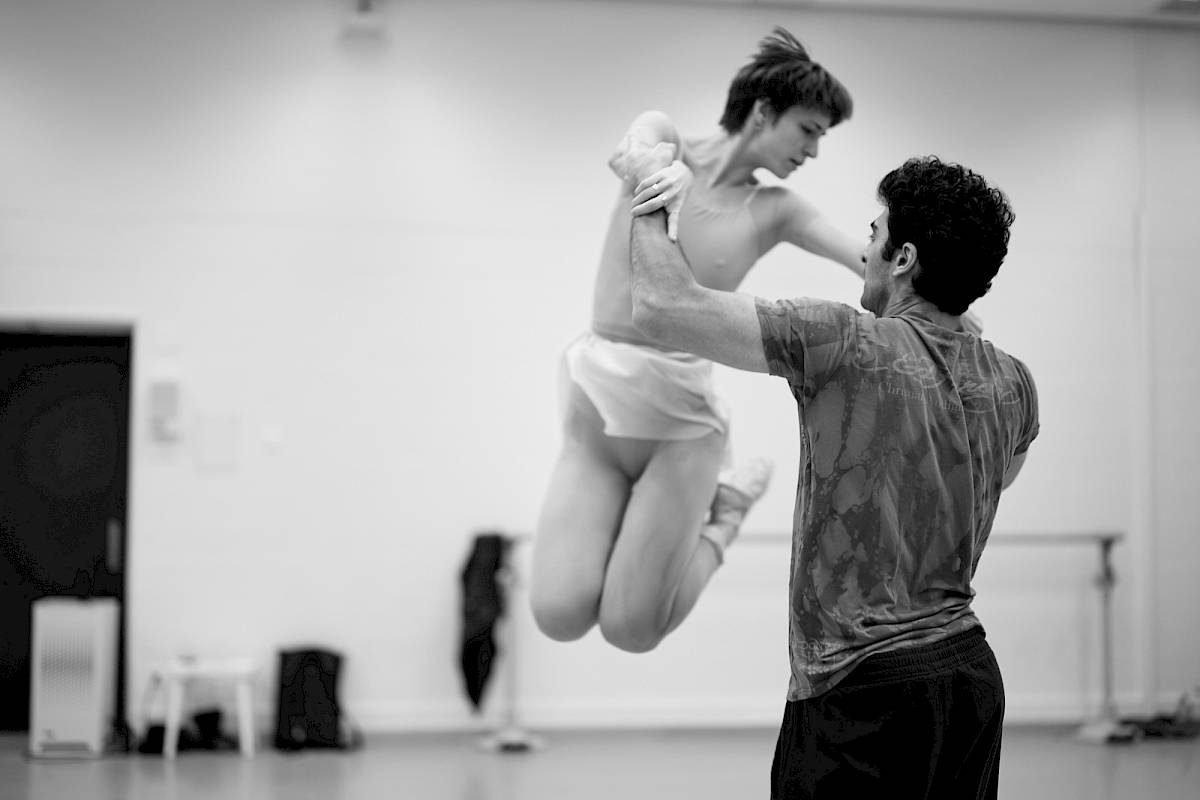
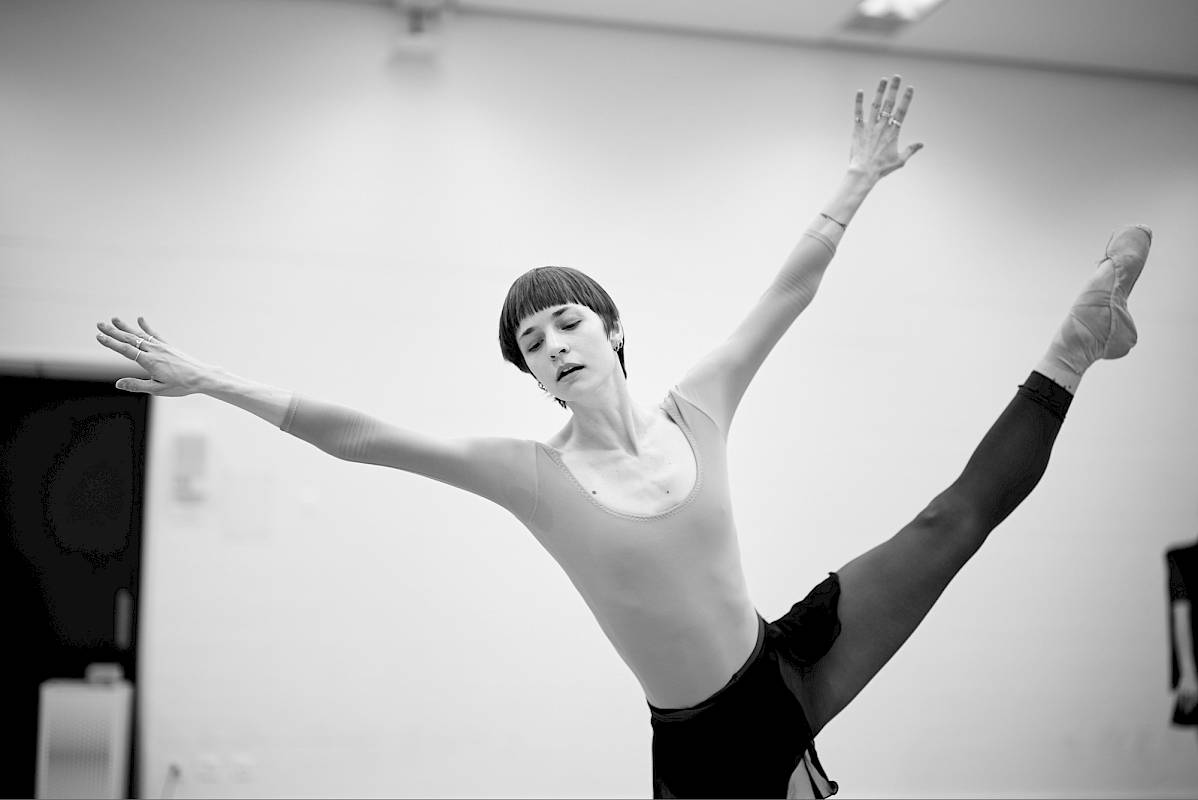
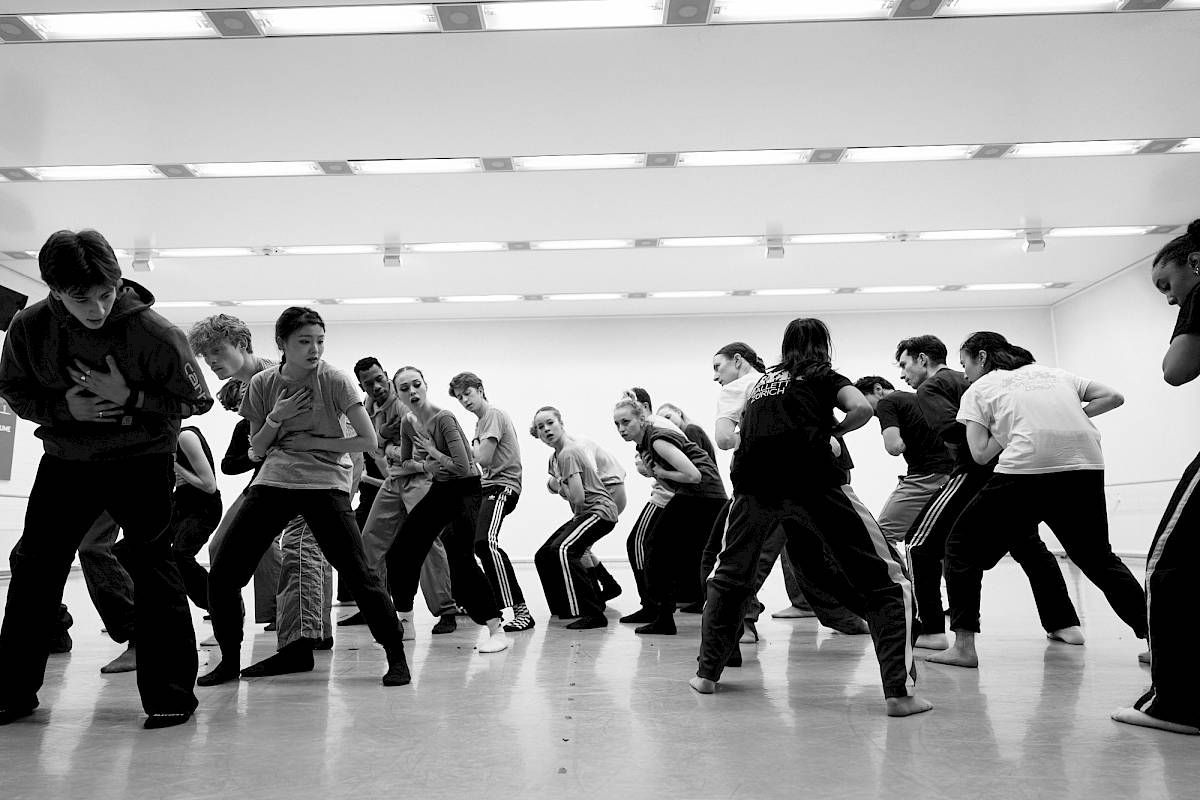
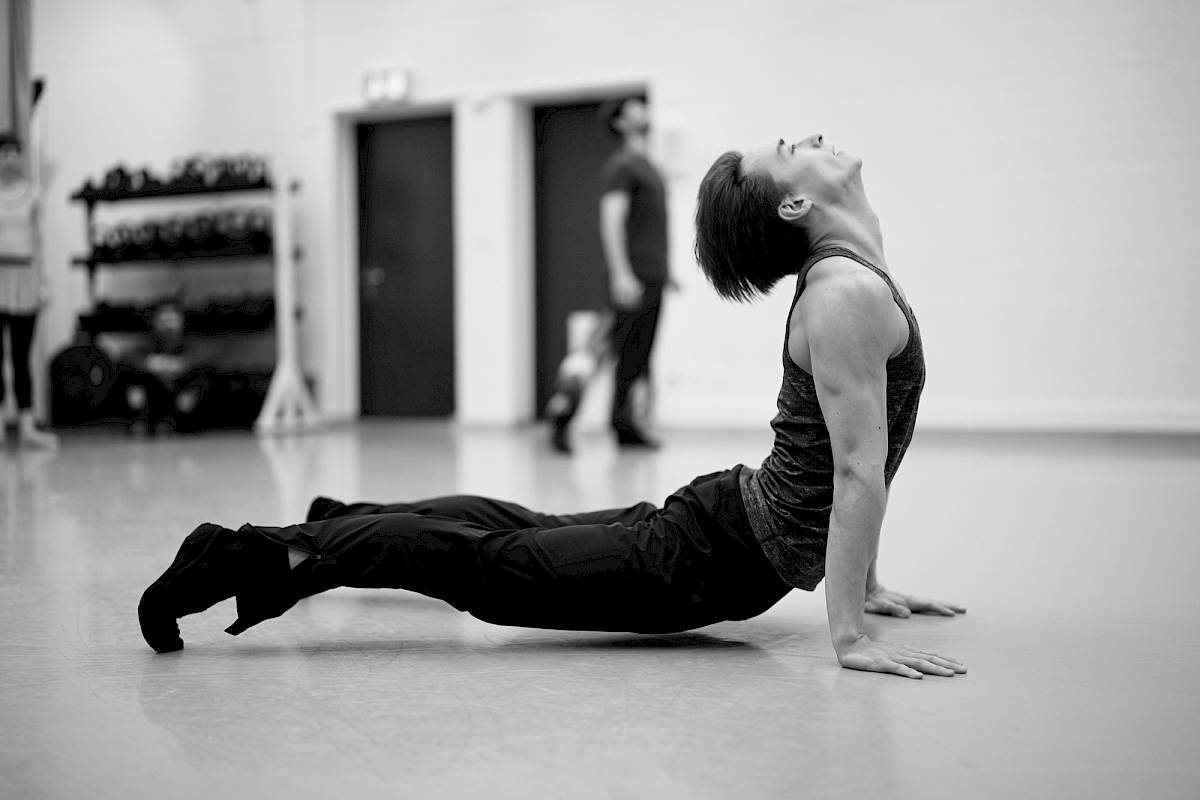
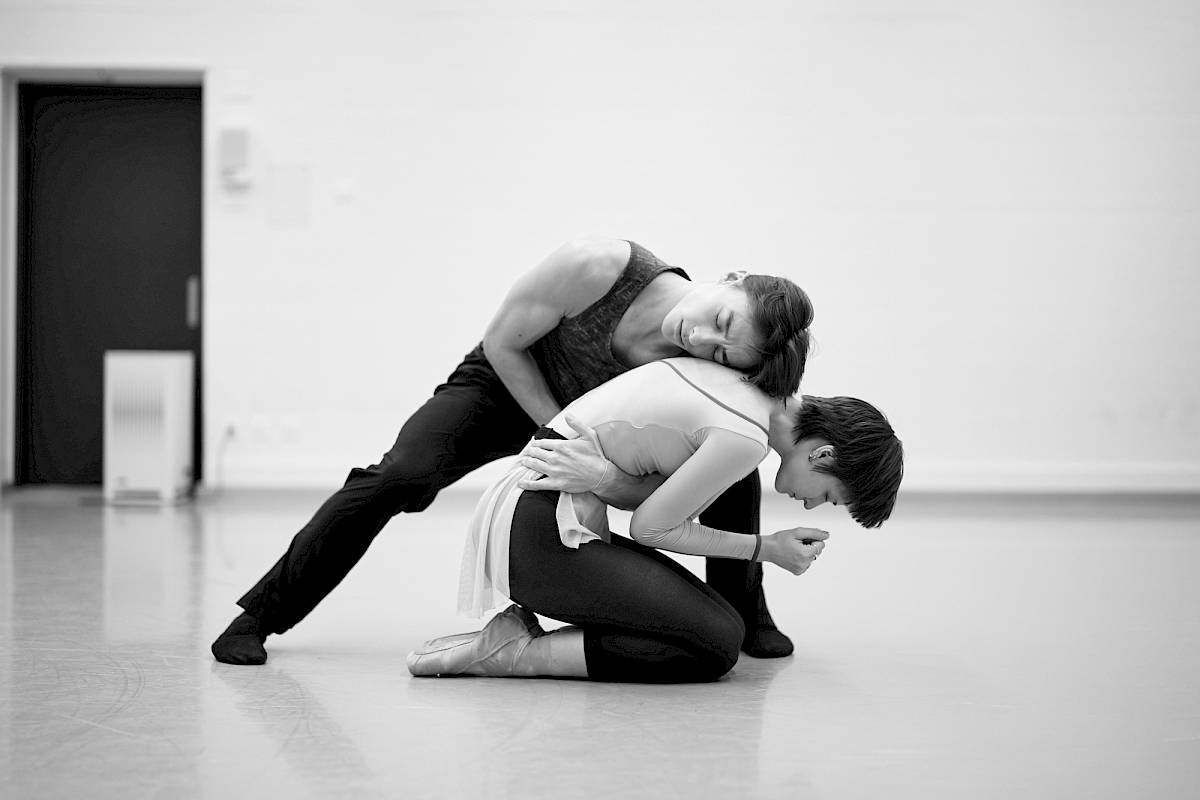
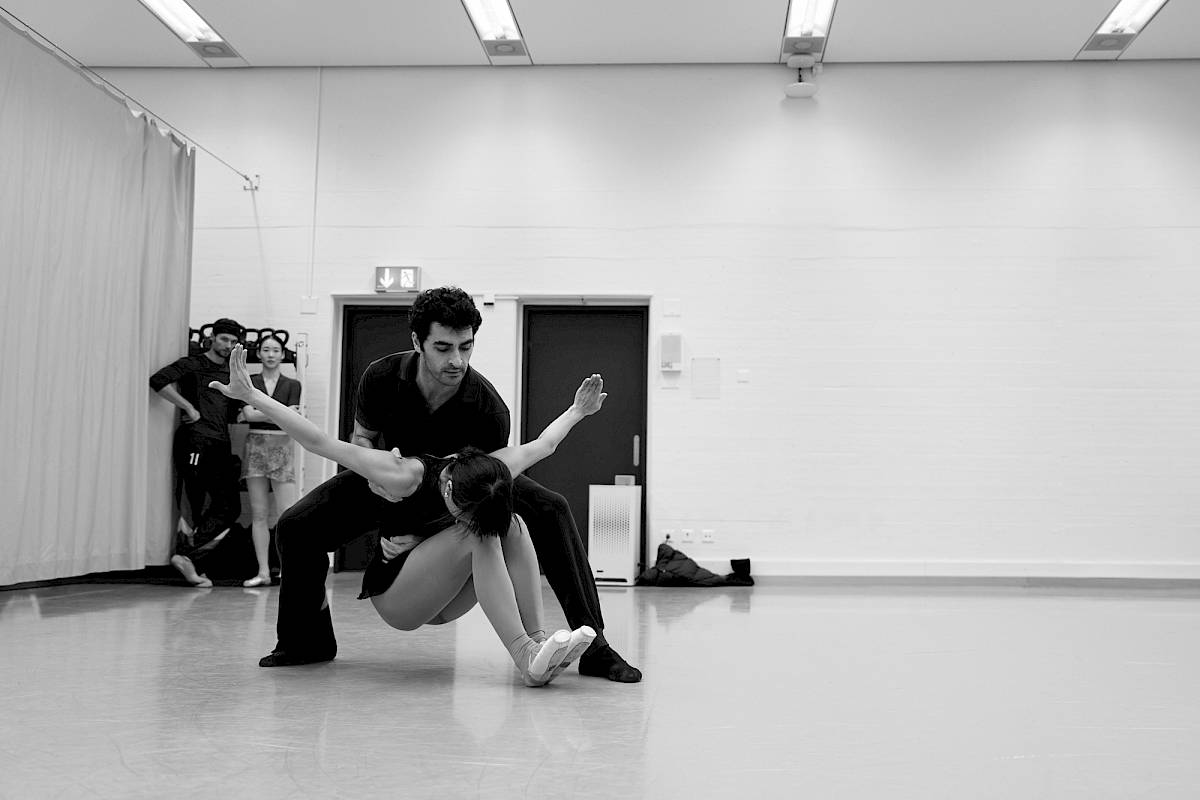
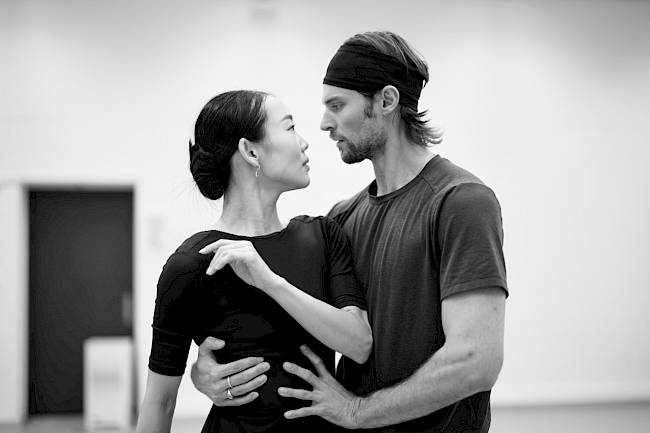
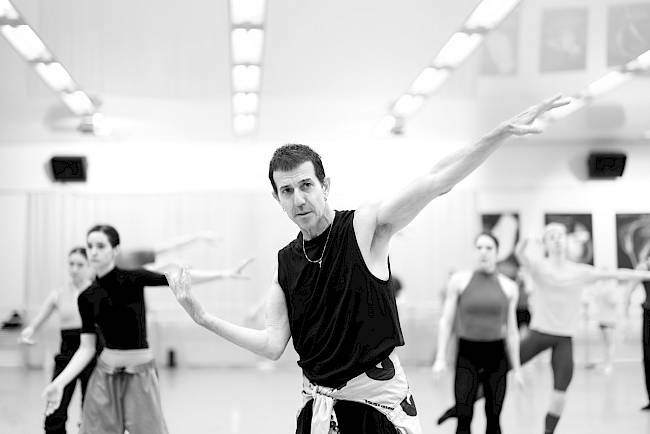
This four-part ballet evening brings together two legendary dance pieces and two world premieres.

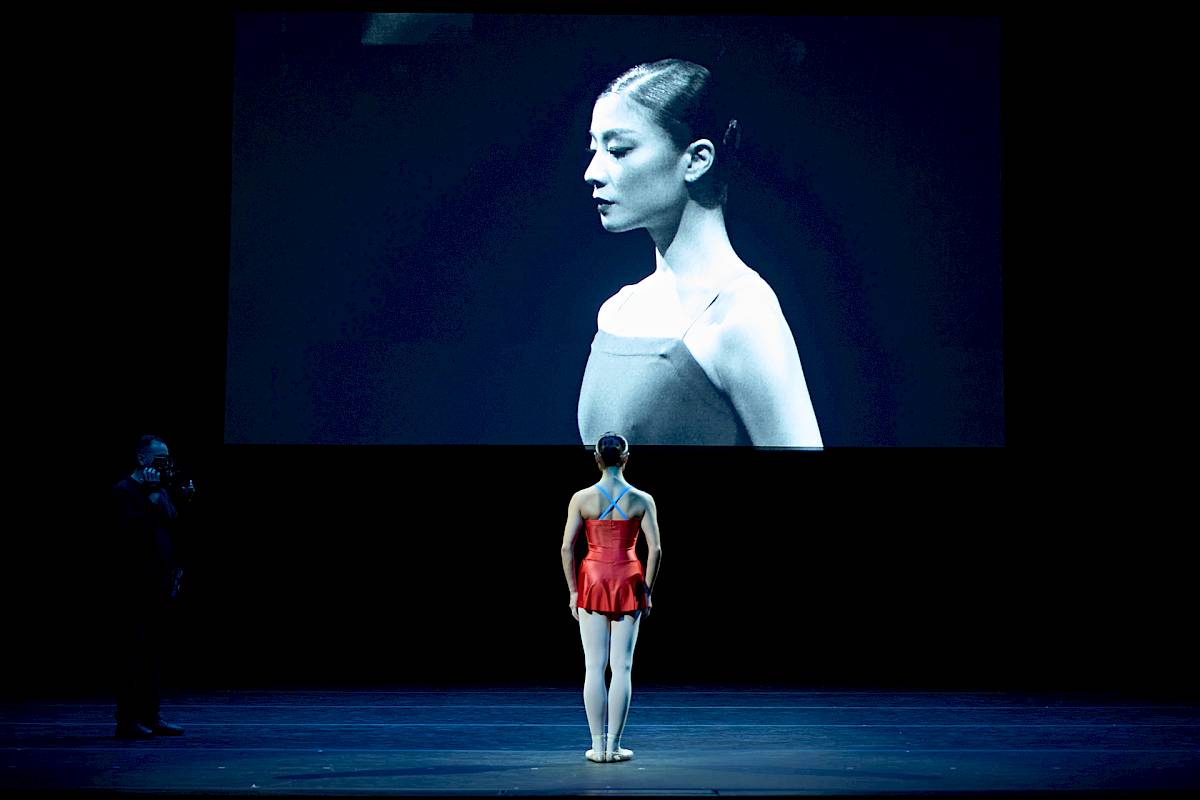
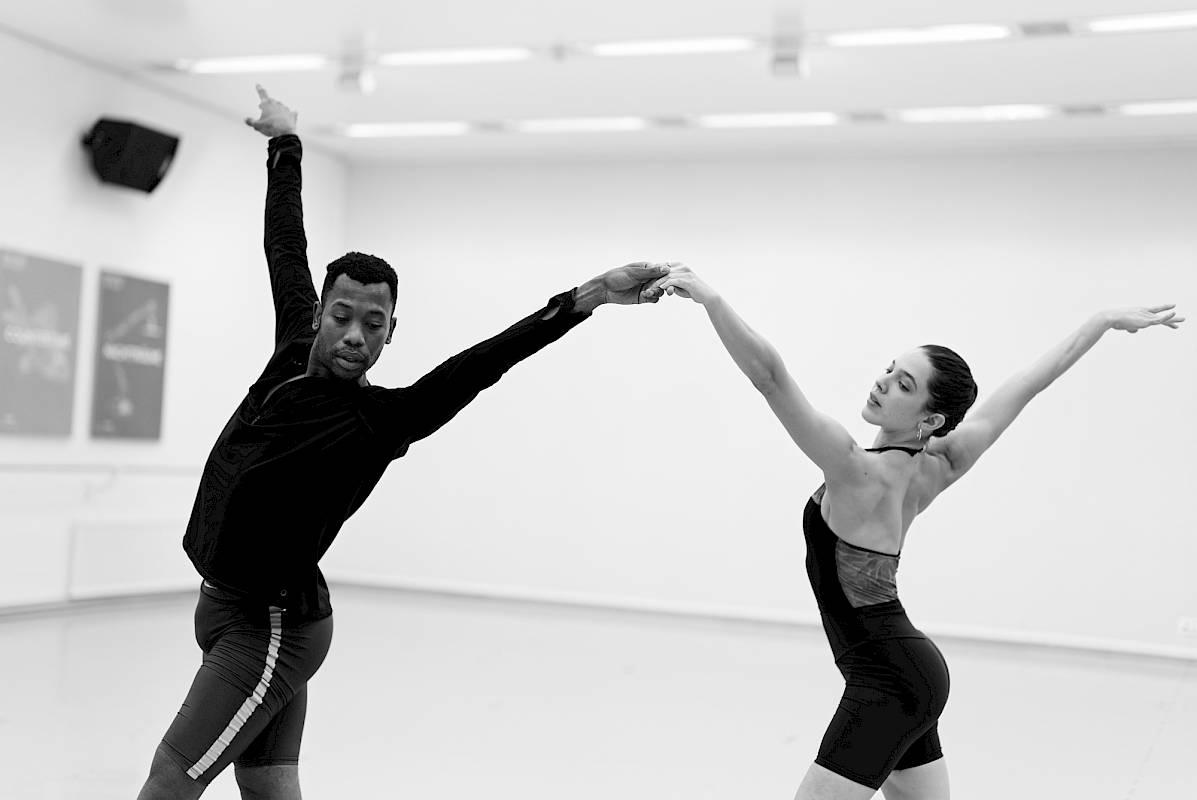
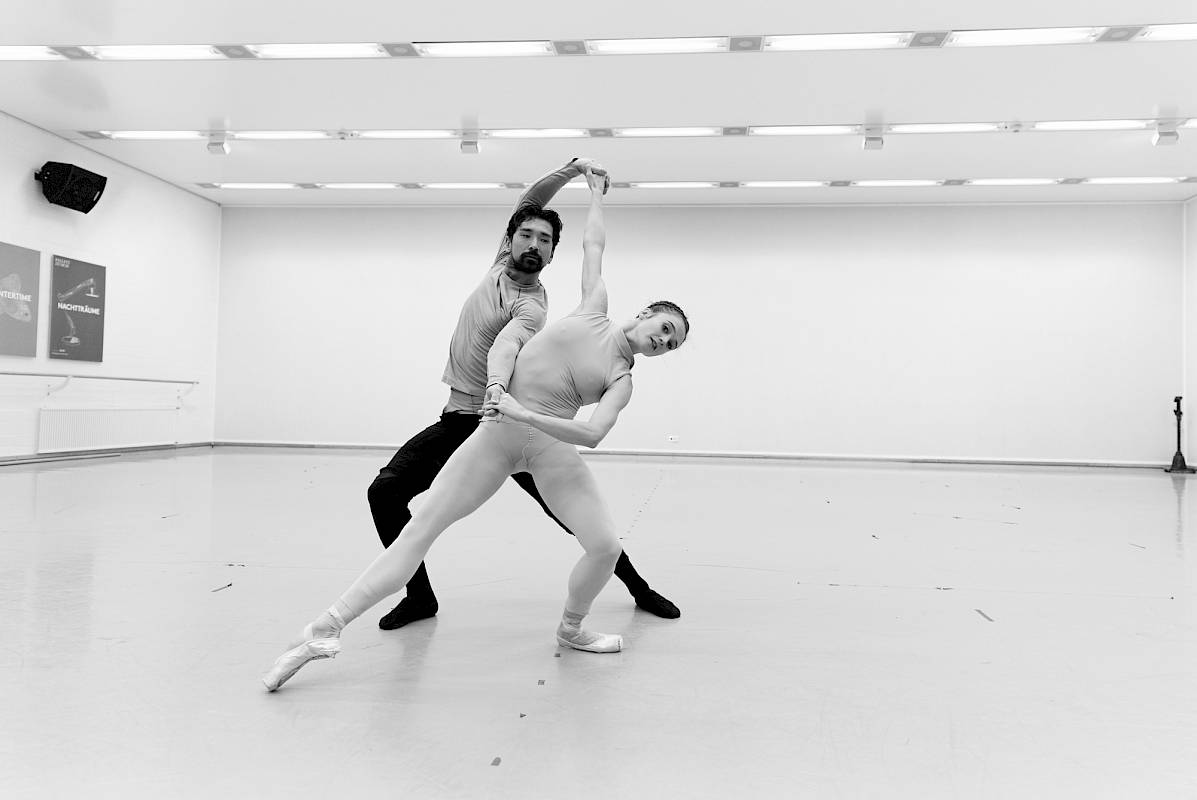
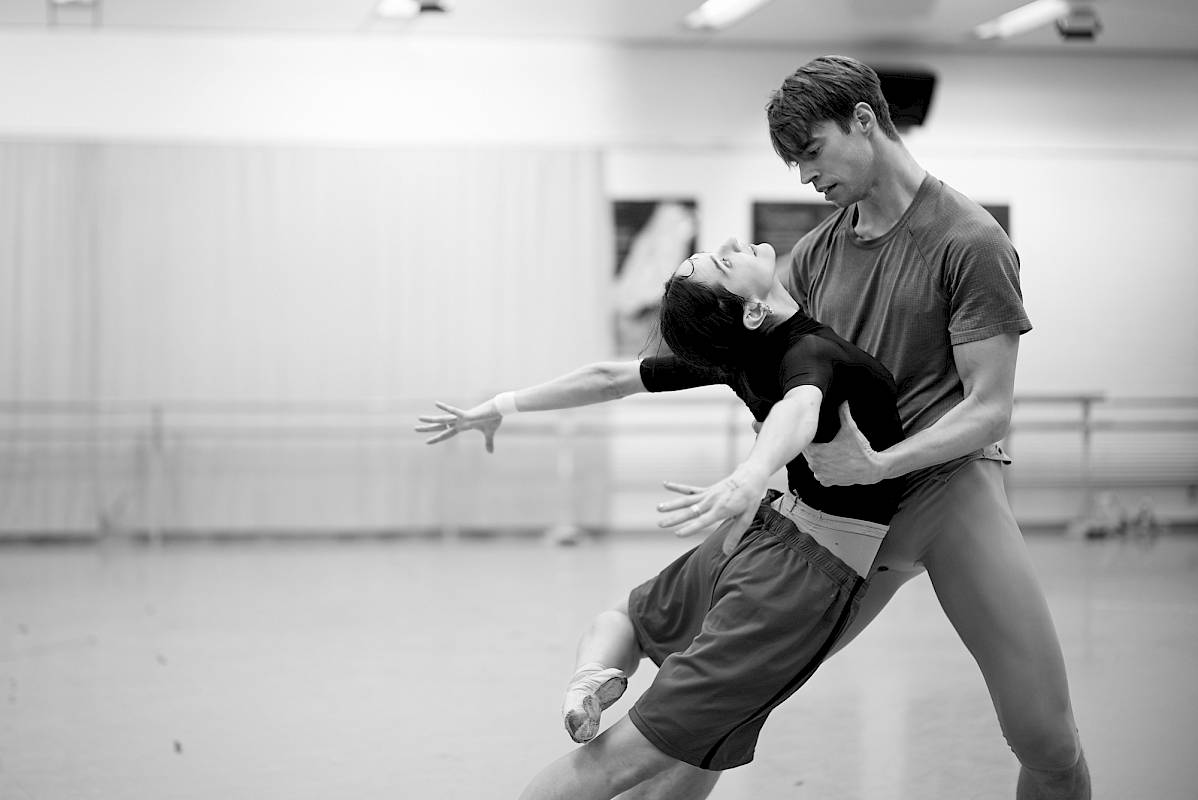
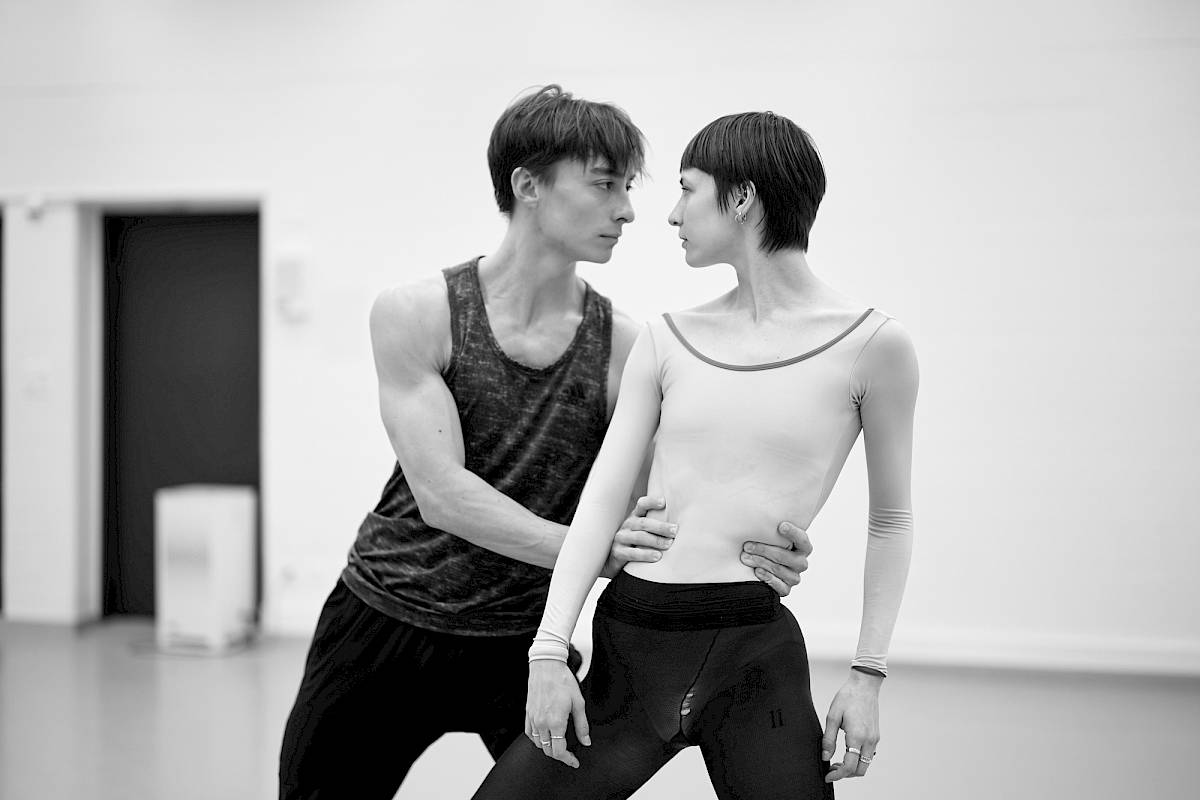
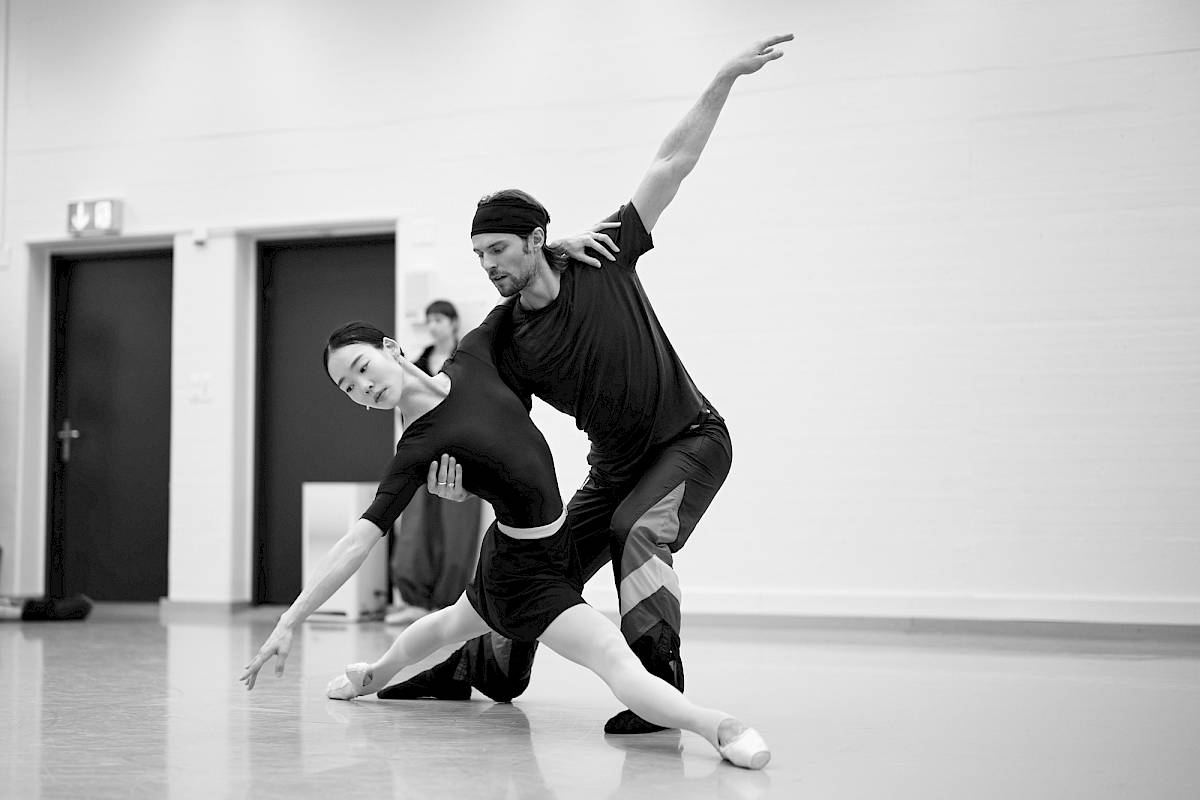
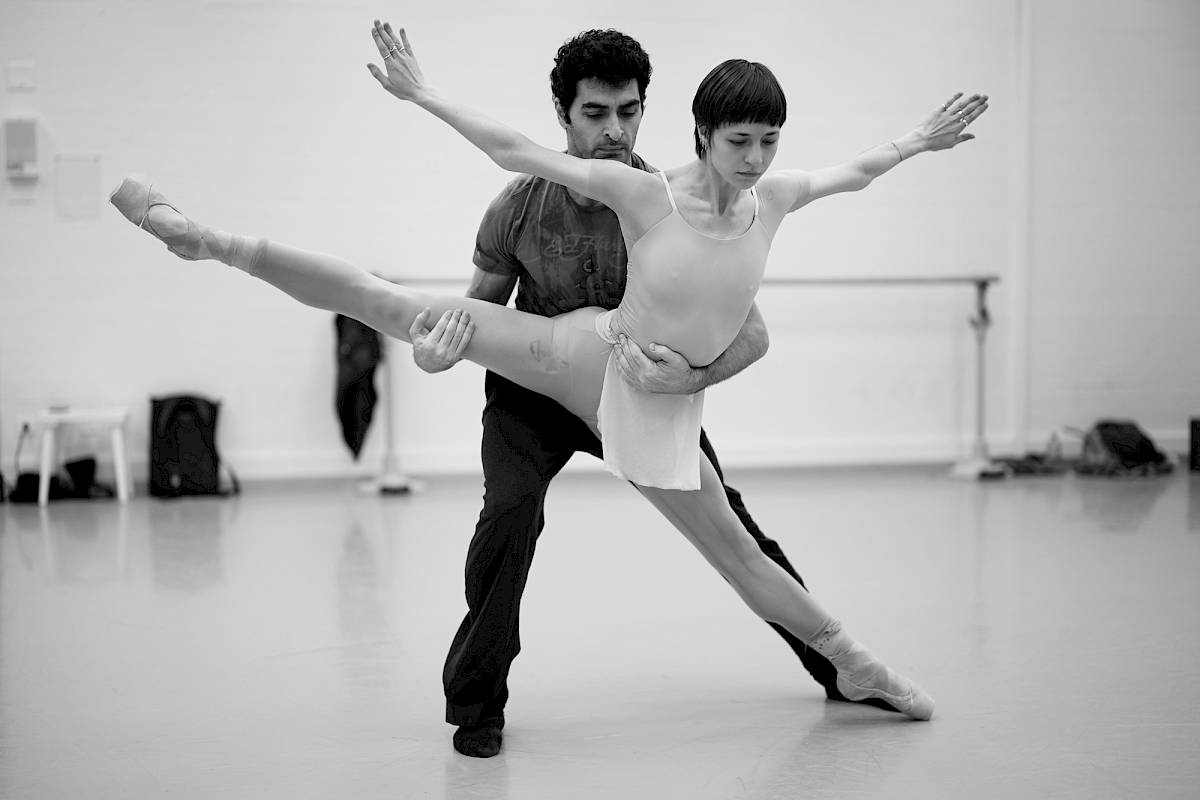
The Ballett Zürich has a long-standing relationship with the American choreographer William Forsythe. His «New Suite» from 2012, set to music by Bach, Händel, and Berio, combines eight technically demanding duets from different creative periods, forming a showcase of his work «en miniature». Hans van Manen made dance history in 1979 with his video ballet «Live». Created in the pioneering days of video technology, this piece for two dancers, a pianist, and a cameraman explodes the boundaries of the stage space, revealing itself to be a masterful puzzle game about the mechanisms of perception.
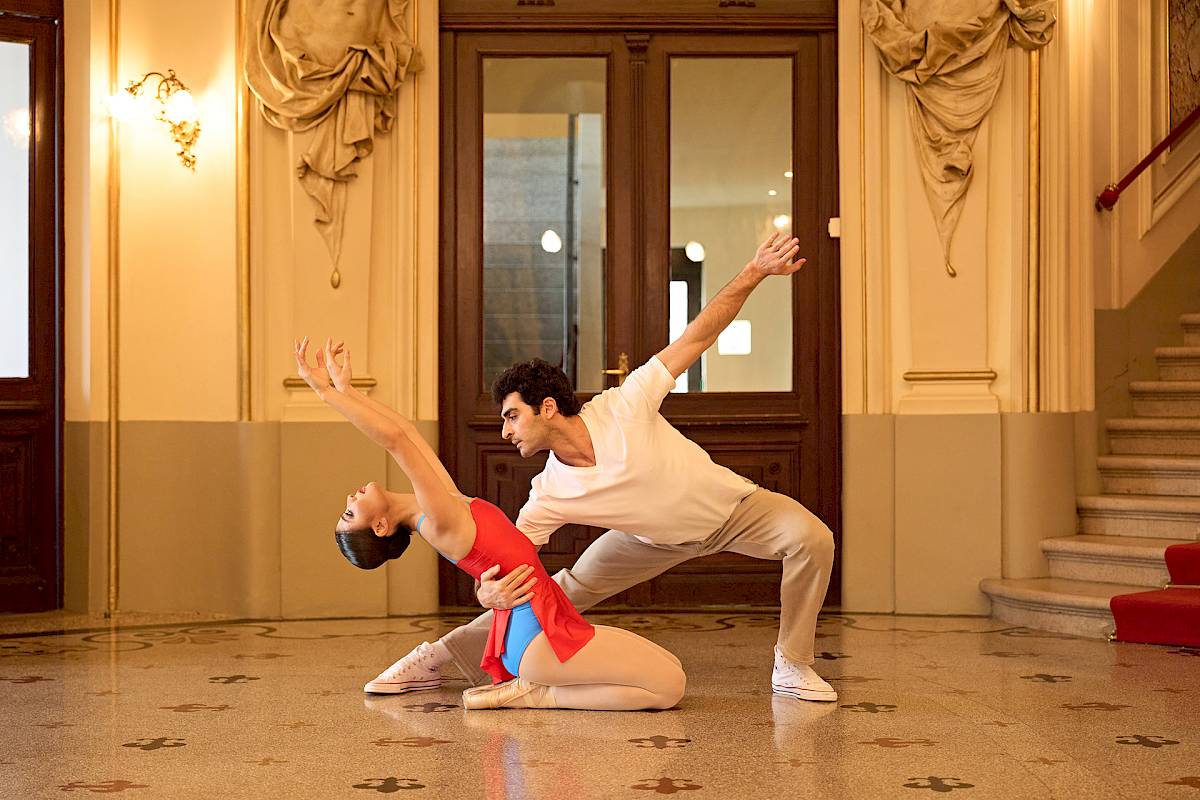
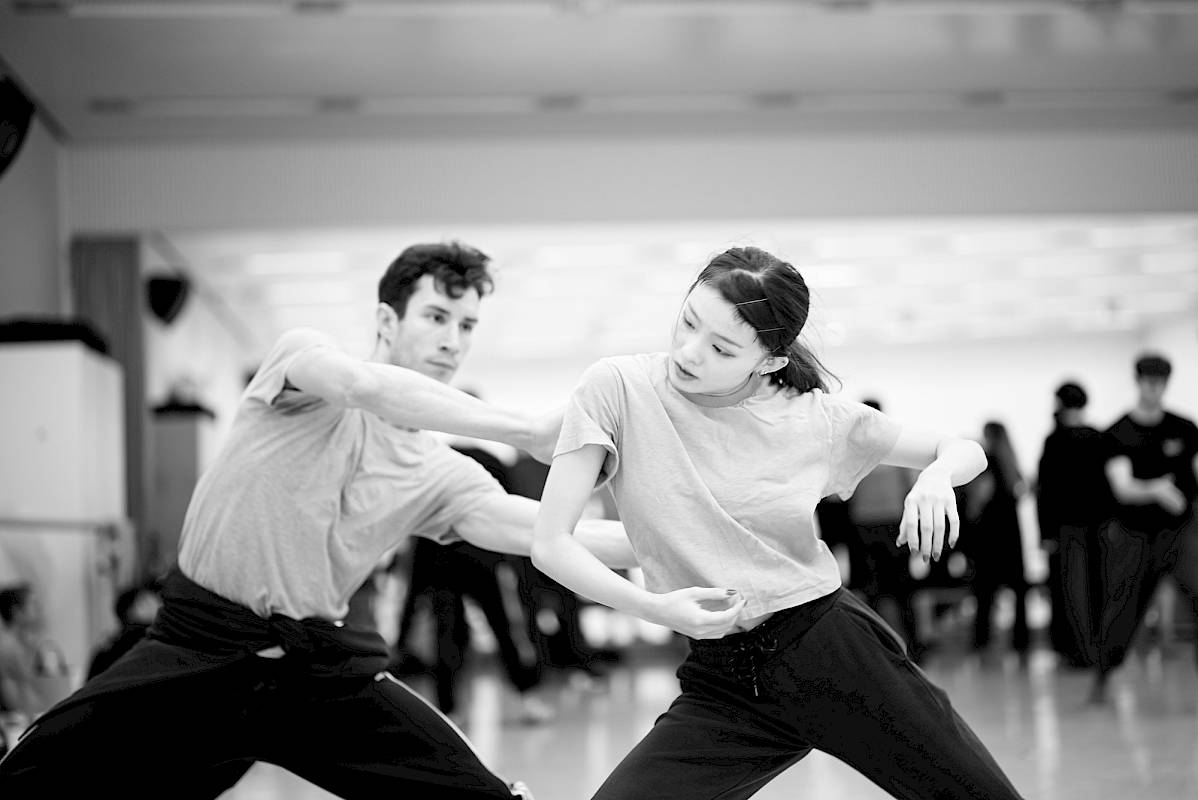
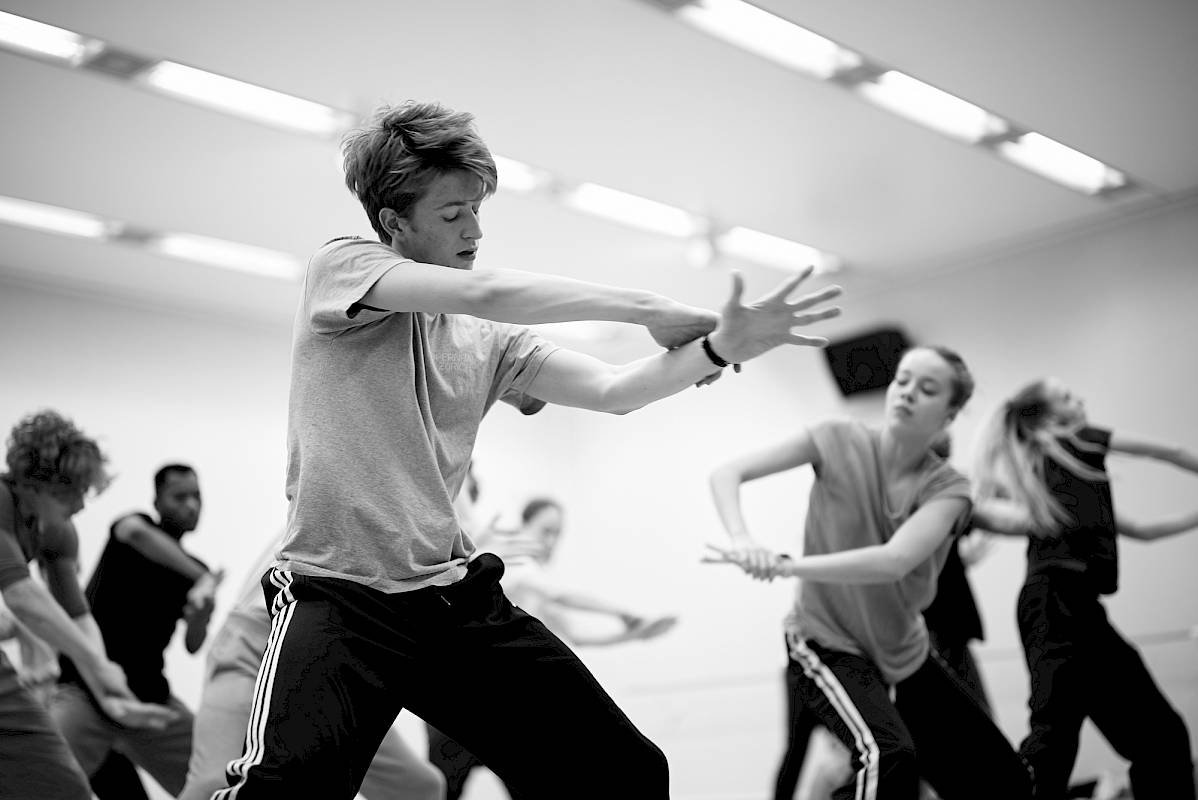
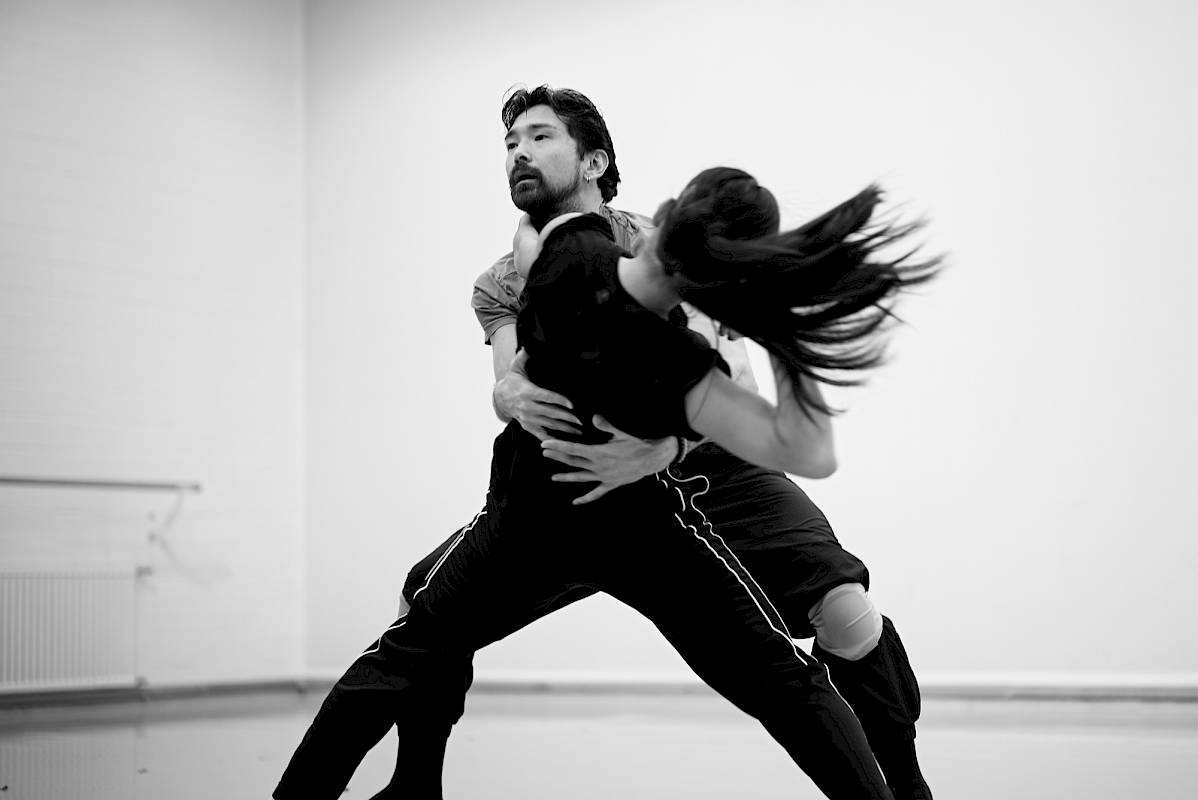
For the first time, the Ballett Zürich will work with Andonis Foniadakis. The Greek choreographer is considered one of the most interesting voices in the European dance scene, with his explosively inventive body language and visually stunning creations that capture the spirit of the present day. Lucas Valente, an established dancer with the Ballett Zürich, has been successfully building a career as a choreographer. He follows up on his choreographic debut with the Junior Ballett with a new piece for the main company.
Mehr lesen Weniger anzeigen