Carmen

Georges Bizet

Opéra-comique in four acts
Libretto by Henri Meilhac and Ludovic Halévy

From 18. January 2026 until 31. January 2026

  • Duration :
    approx. 3 H. 05 Min. Inkl. Pause after approx. 50 Min.
  • Language:
    In French with German and English surtitles.
  • More information:
    Introduction 45 min before the performance.

Music Direction:
Domingo Hindoyan

Domingo Hindoyan

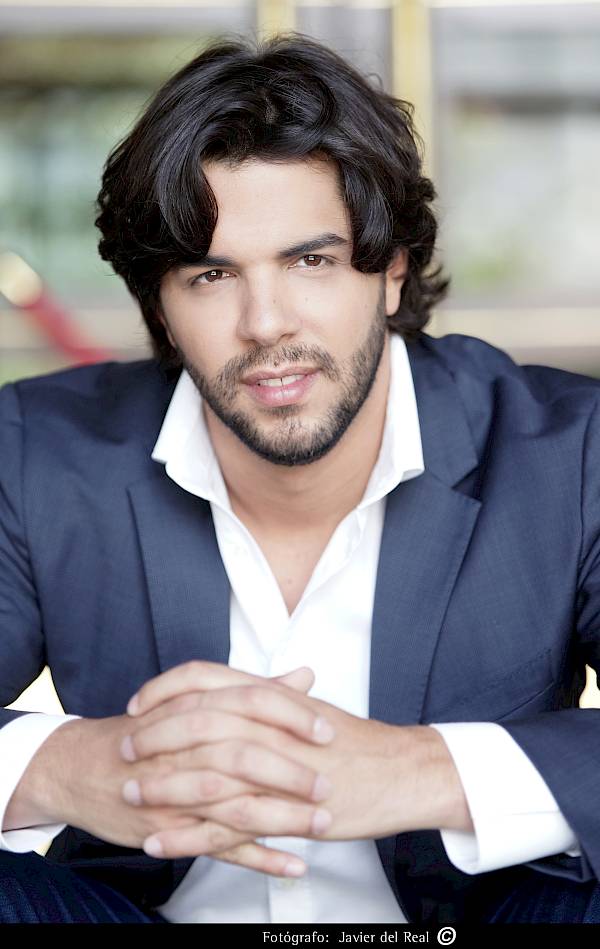
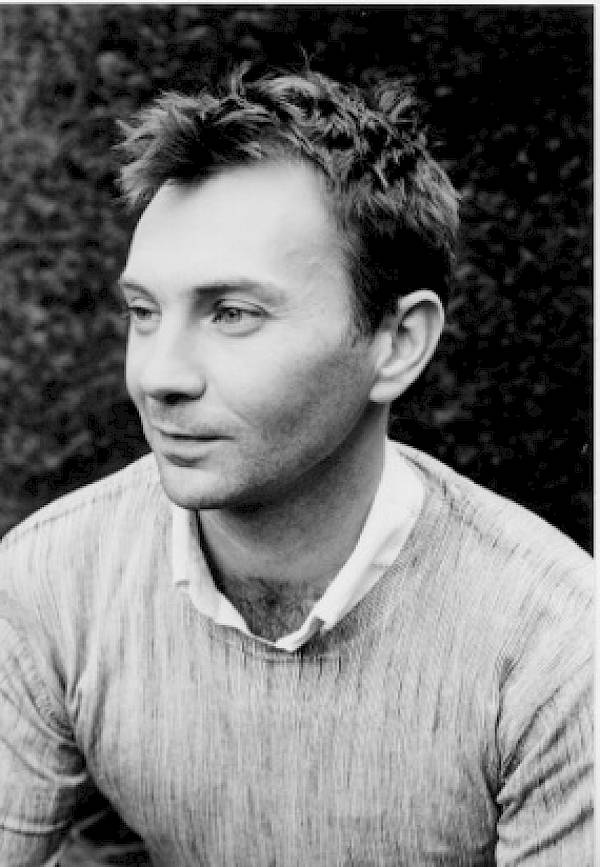
Domingo Hindoyan stammt aus Caracas (Venezuela). Seine musikalische Ausbildung begann er als Geiger im venezolanischen Musiker- ziehungsprogramm El Sistema. Nachdem er am Conservatoire de Musique de Genève bei Laurent Gay sein Studium als Dirigent abgeschlossen hatte, folgten Meisterkurse bei Bernard Haitink, Jesus Lopez Cobos und David Zinman. Mit der Saison 2013/14 wurde er als 1. Assistent von Daniel Barenboim an die Berliner Staatsoper Unter den Linden engagiert. In Berlin dirigierte er Aufführungen von La Traviata, Tosca, Il Barbiere di Siviglia, Le Sacre du printemps und The Rake's Progress sowie in der Saison 2015/16 L’elisir d’amore, La bohème, Tosca und Juliette. Am Opernhaus Graz leitete er einen Doppelabend mit Strawinskys Le Sacre du printemps und Ravels Daphnis et Chloë, Hänsel und Gretel (Regie: Brigitte Fassbaender), La traviata und Turandot. Im sinfonischen Bereich arbeitete er mit Orchestern wie dem London Philharmonic Orchestra, Philharmonia Orchestra, Royal Scottish National Orchestra, Orchestre de la Suisse Romande, Sinfonieorchester Basel, Orchestre de Chambre de Lausanne, Orchestre Philharmonique Royal de Liège, Orquesta de Valencia, New Japan Philharmonic Orchestra und dem Simon Bolivar Symphony Orchestra zusammen. Mit Petruschka und Le Sacre du printemps debütiert er am Opernhaus Zürich.

Carmen18 / 21 / 23 / 27 / 31 Jan 2026
Director:
Andreas Homoki

Andreas Homoki

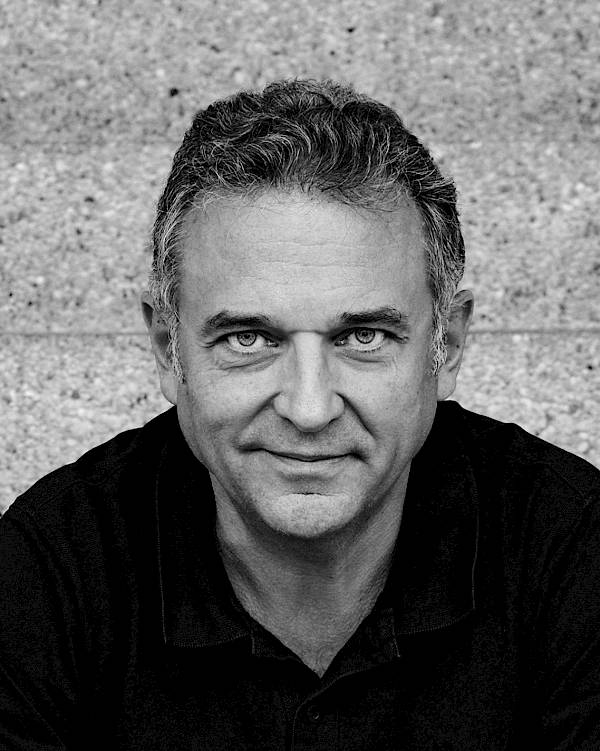
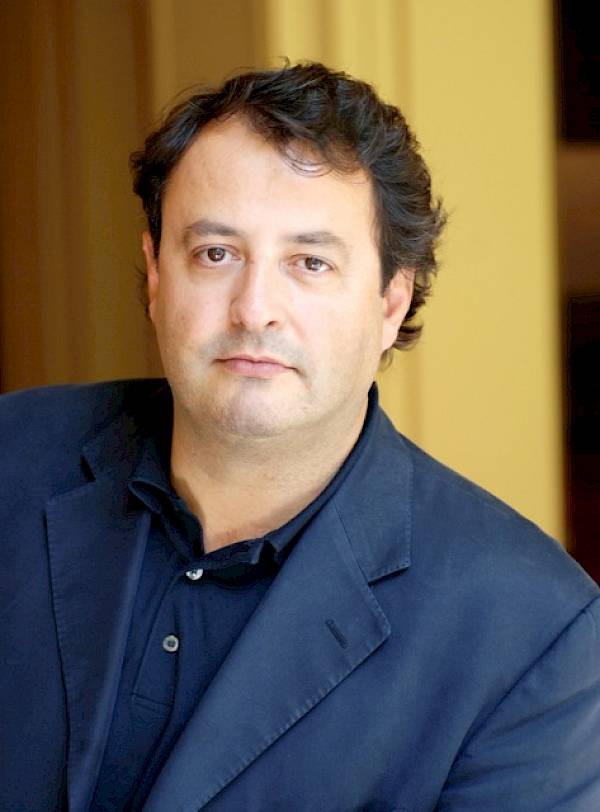
Andreas Homoki was born in Germany in 1960 as the son of a Hungarian family of musicians and studied school music and German studies in West Berlin. In 1987 Andreas Homoki joined Cologne Opera as an assistant director and evening director, where he was engaged until 1993. From 1988 to 1992 he was also a lecturer in stage practice at the opera school of the Cologne University of Music. His first own productions were created there. In 1992 his first guest production took him to Geneva, where his interpretation of "Die Frau ohne Schatten" attracted international attention. The production, which was later also shown at the Théâtre du Châtelet in Paris, received the French Critics’ Prize of the Year in 1994. From 1993 to 2002 Andreas Homoki worked as a freelance opera director and staged productions, among others, in Cologne, Hamburg, Geneva, Lyon, Leipzig, Basel, Berlin, Amsterdam and Munich. As early as 1996 he made his debut at the Komische Oper Berlin with "Falstaff", followed by "Die Liebe zu drei Orangen" (1998) and, in 2000, "Die lustige Witwe". In 2002 Andreas Homoki was appointed chief director of the Komische Oper Berlin as the successor to Harry Kupfer, and in 2004 he became its intendant. In addition to his directing work at the Komische Oper Berlin, he staged productions, among others, at the Théâtre du Châtelet in Paris, the Bavarian State Opera in Munich, the New National Theatre Tokyo, the Saxon State Opera Dresden and the Hamburg State Opera. In July 2012 he staged Marc-Antoine Charpentier’s "David et Jonathas" under the musical direction of William Christie for the Festival d’Aix-en-Provence, a production that was later shown, among other places, in Edinburgh, Paris and New York. From the 2012/13 season to 2024/25 Andreas Homoki served as intendant of Zurich Opera House and staged there, among others, "Der fliegende Holländer" (a co-production with La Scala in Milan and the Norwegian National Opera in Oslo), "Fidelio", "Juliette", "Lohengrin" (a co-production with the Vienna State Opera), "Luisa Miller" (Hamburg State Opera), "Wozzeck", "My Fair Lady" (Komische Oper Berlin), "I puritani", "Médée", "Lunea" (named "World Premiere of the Year 2017/18" by the magazine Opernwelt), "Iphigénie en Tauride", "Nabucco", "Simon Boccanegra", "Les Contes d’Hoffmann", "Salome", the "Ring des Nibelungen" and "Carmen". Andreas Homoki has been a member of the Berlin Academy of the Arts since 1999.


Carmen18 / 21 / 23 / 27 / 31 Jan 2026 Fidelio3 / 6 / 10 / 14 / 16 May 2026
Director:
Arturo Gama

Arturo Gama

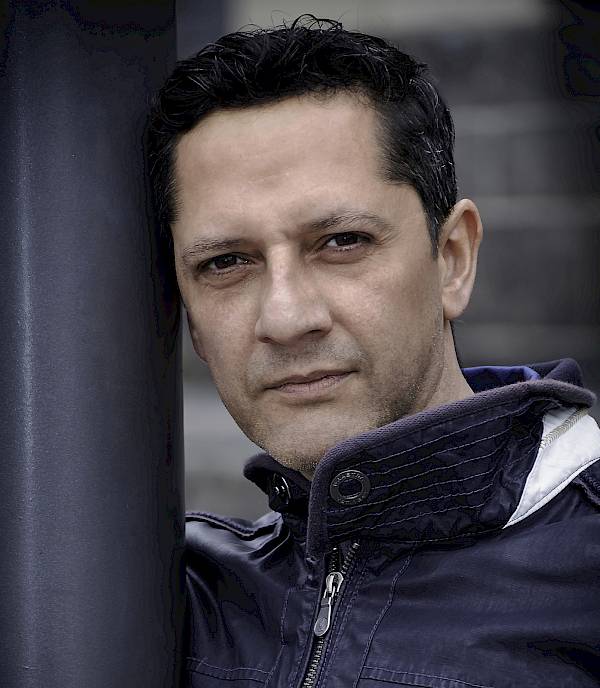
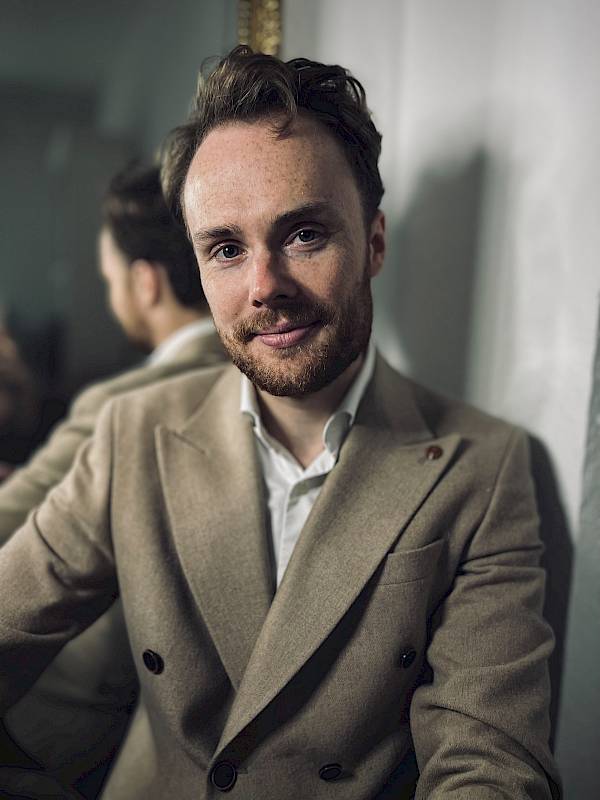
Arturo Gama studierte Schauspiel und Theaterwissenschaft an der Universität in Mexiko City und absolvierte gleichzeitig eine Ausbildung in Ballett und Modernem Tanz am Instituto Nacional de Bellas Artes. Nach einem Gastengagement als Tänzer beim London City Ballet wurde er Mitglied des Tanztheaters der Komischen Oper Berlin, wo er ab 1996 als Solotänzer engagiert war. Seine Tänzerkarriere beendete er 2001 und wurde zunächst persönlicher Mitarbeiter von Harry Kupfer, u. a. bei dessen Inszenierung von Schoecks Penthesilea am Teatro del Maggio Musicale Fiorentino. Danach folgte ein Festengagement als Regieassistent und Abendspielleiter an der Komischen Oper Berlin unter der Intendanz von Andreas Homoki. Hier arbeitete er mit Harry Kupfer, Willy Decker, David Alden, Calixto Bieito, Peter Konwitschny und Hans Neuenfels. Sein Regiedebüt gab er 2003 mit L’Histoire du soldat von Igor Strawinsky an der Komischen Oper Berlin. 2005 wurde er Oberspielleiter am Mecklenburgischen Staatstheater Schwerin. Dort inszenierte er u. a. Tosca, Gianni Schicchi, Madama Butterfly, Roméo et Juliette, Die Grossherzogin von Gérolstein, Hänsel und Gretel, Lucia di Lammermoor, Così fan tutte, Die Zauberflöte, Herzog Blaubarts Burg, Der fliegende Holländer und Tannhäuser. Seit 2012 ist er freischaffender Regisseur und Choreograf. Als Gastregisseur arbeitete er am Petersburger Mariinsky Theater, Teatro Colón in Buenos Aires und Teatro Nacional de Bellas Artes in Mexiko City. Mit Andreas Homoki erarbeitete er als Choreograf My Fair Lady an der Komischen Oper Berlin und in Zürich Das Land des Lächelns, Salome und Carmen. Seit 2020/21 ist er Spielleiter am Opernhaus Zürich.
Carmen18 / 21 / 23 / 27 / 31 Jan 2026
Stage design:
Paul Zoller

Paul Zoller

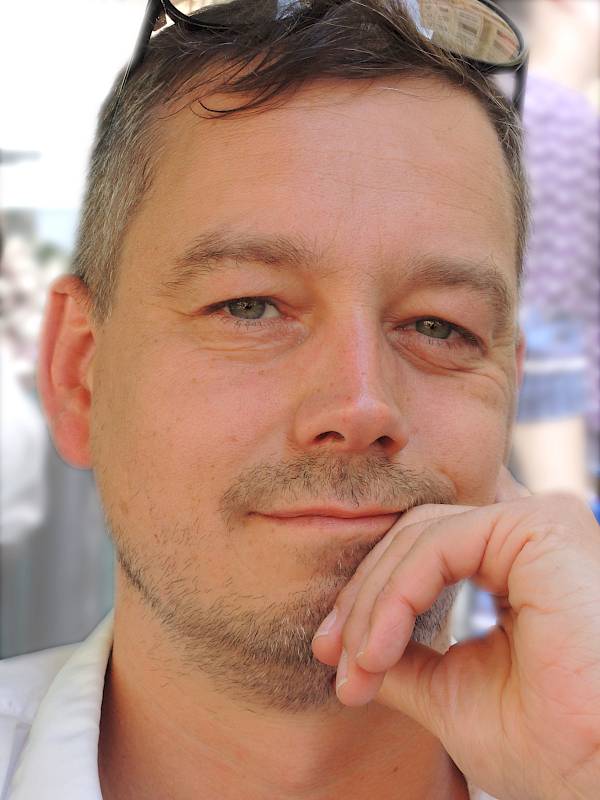
Nach einem Architekturstudium an der Hochschule der bildenden Künste Wien, der University of Michigan und der UDK Berlin gründete der 1966 in Innsbruck geborene Paul Zoller die Architektengruppe «the poor boys enterprise», mit der einige Ausstellungen und performative Architekturprojekte entstanden. Ab 1992 absolvierte er ein Bühnenbildstudium an der Akademie der bildenden Künste Wien bei Erich Wonder mit Diplom und Förderpreis des Kulturministeriums Österreich und Teilnahme an den internationalen Kursen für Opernregie von Ruth Berghaus. Es folgten Assistenzen bei Heiner Goebbels, The Wooster Group in New York, George Tabori, Achim Freyer und Bernhard Kleber. Seit 1996 ist Paul Zoller als Bühnen- und Kostümbildner tätig, u. a. in Produktionen von Andreas Homoki, David Hermann, Lorenzo Fioroni, Thilo Reinhardt, Jetske Mijnssen und Jan Richard Kehl an der Deutschen Oper und der Komischen Oper Berlin, den Opernhäusern in Zürich, Basel, Leipzig, Essen, Kassel, Weimar, Dortmund, Kiel und Ulm, bei der Münchner Musikbiennale, an der Opéra Comique Paris, am BAM New York, am Staatstheater am Gärtnerplatz in München, Akademietheater Wien, Teatro Real Madrid, am Hebbeltheater Berlin sowie bei den Festivals in Aix-en-Provence und Edinburgh. Neben seiner Tätigkeit als Bühnenbildner arbeitet Paul Zoller als Bildender Künstler und ist Dozent an der TU Berlin. 2012 und 2014 wurde er für den Deutschen Theaterpreis «Der Faust» nominiert. 2024 folgte von den Oper!Awards die Auszeichnung für das «Beste Bühnenbild», u.a. für die Neuproduktion von Jules Massenets Hérodiade an der Deutschen Oper am Rhein.

Carmen18 / 21 / 23 / 27 / 31 Jan 2026
Costumes:
Gideon Davey

Gideon Davey

Gideon Davey, geboren in Bristol, ist Kostüm- und Bühnenbildner für Theater, Film und Fernsehen. Eine enge Zusammenarbeit verbindet ihn mit den Regisseuren David Alden und Robert Carsen. Zudem wirkte er u.a. in Produktionsteams von Andreas Homoki, Jetske Mijnssen, Floris Visser, Stephen Lawless und Jasmina Hadziahmetovic mit. Seine Kostüme für David Aldens Inszenierung von Il ritorno d’Ulisse in patria an der Staatsoper in München brachten ihm die Auszeichnung «Kostümbildner des Jahres 2005» der Zeitschrift Opernwelt ein. Zu seinen Arbeiten gehören WozzeckAgrippina und Platée am Theater an der Wien mit Robert Carsen, Luisa Miller an der Staatsoper Hamburg mit Andreas Homoki, Semele bei den Händel-Festspielen Karlsruhe mit Floris Visser, Alfredo Catalanis Loreley am Theater St. Gallen und Pique Dame an der English National Opera mit David Alden sowie Luigi Rossis Orfeo an der Opéra national de Lorraine mit Jetske Mijnssen. Am Opernhaus Zürich entwarf er bisher das Kostüm- bzw. Bühnenbild für Das Gespenst von Canterville, Robin Hood, Der Zauberer von OzIdomeneo, ArabellaHippolyte et Aricie, Maria Stuarda, Hänsel und Gretel, Anna Bolena, Dialogues des Carmélites und Roberto Devereux. Er schuf die Kostüme für Aldens Lohengrin am Royal Opera House London, Bühne und Kostüme für Carsens Giulio Cesare an der Scala in Mailand und 2021 Bühne und Kostüme für Il trionfo del Tempo e del Disinganno bei den Salzburger Festspielen. Jüngst war er an der Mailänder Scala für Peter Grimes, an der Deutschen Oper Berlin für Anna Bolena, an der Oper Halle für Il barbiere di Siviglia sowie an der Oper Köln für Idomeneo engagiert.

Carmen18 / 21 / 23 / 27 / 31 Jan 2026 Arabella14 / 18 / 22 / 25 / 28 Apr 2026
Lighting designer:
Franck Evin

Franck Evin

Franck Evin, born in Nantes, moved to Paris at the age of 19 to study piano. At night he accompanied singers at the café théâtre Le Connétable and also began to take an interest in lighting. He eventually decided on a combination of music and technology. Thanks to a scholarship from the French Ministry of Culture, he became assistant to the head of lighting at the Opéra de Lyon in 1983. There he worked, among others, with Ken Russell and Robert Wilson. In 1986 he began working as a freelance lighting designer at the Düsseldorfer Schauspielhaus and passed the master lighting designer examination in 1993. Particularly close during this period was his collaboration with Werner Schröter and with the conductor Eberhard Kloke. This was followed by productions in, among other places, Nantes, Strasbourg, Paris, Lyon, Vienna, Bonn, Brussels and Los Angeles. From 1995 to 2012 he was artistic director of the lighting department at the Komische Oper Berlin and was responsible there for all new productions. During this time, Andreas Homoki, Barrie Kosky, Calixto Bieito and Hans Neuenfels became especially important collaborators for him. In 2006 Franck Evin was awarded the "OPUS" in the category of lighting design. From the 2012/13 season to 2024/25 he worked as artistic director of the lighting department at Zurich Opera House. In addition to his work in Zurich, he continued to be involved as a guest in international productions, for example at the opera houses in Oslo, Stockholm, Tokyo, Amsterdam, Munich and Graz, as well as at the Opéra Bastille, La Scala in Milan, Teatro La Fenice, Vlaamse Opera and the Bayreuth Festival.

Carmen18 / 21 / 23 / 27 / 31 Jan 2026 Madama Butterfly30 Dec 2025 / 3 / 9 / 11 / 13 / 16 Jan 2026 Un ballo in Maschera22 / 28 / 31 May / 7 / 13 Jun 2026 Fidelio3 / 6 / 10 / 14 / 16 May 2026 Così fan tutte3 / 7 / 9 / 12 Jul 2026
Chorus Master:
Klaas-Jan de Groot

Klaas-Jan de Groot

Klaas-Jan de Groot is a Dutch conductor and choral director. After studying in The Hague and Cardiff, from 2016 to 2022, he acted as an assistant to chorus director Ching-Lien Wu at the Dutch National Opera in Amsterdam, where he prepared several productions and projects with the opera chorus. Since 2018, he has worked regularly with the Netherlands Radio Choir (Groot Omroepkoor). From 2018 to 2024, he was annually engaged as assistant to chorus director Eberhard Friedrich at the Bayreuth Festival. He has conducted various concerts and performances with Opera Zuid, the Orchestra of the 18th Century, and the Essen Philharmonic. From 2022 to 2025, he was chorus director at the Aalto Theatre in Essen. Since 2023, he has worked regularly with the NDR Vokalensemble in Hamburg. In 2024, he made his debut with both the MDR Radio Choir and the Rundfunkchor Berlin. As part of a program supporting emerging talent, Klaas-Jan de Groot was awarded the prestigious Dutch conducting prize of the Anton Kersjes Fund in 2021. Beginning with the 2025/26 season, he is choral director at the Zurich Opera House.

Der Rosenkavalier21 / 26 Sept / 1 / 5 / 14 / 17 / 21 / 26 Oct 2025 Tannhäuser21 / 24 / 27 Jun / 2 / 5 / 8 / 11 Jul 2026 Cardillac15 / 18 / 21 / 25 Feb / 1 / 6 / 10 Mar 2026 La Damnation de Faust10 / 14 / 17 May 2026 Hänsel und Gretel16 / 20 / 23 / 28 / 30 Nov / 2 / 4 / 11 / 16 / 18 / 21 Dec 2025 / 2 / 24 / 25 / 31 Jan 2026 Carmen18 / 21 / 23 / 27 / 31 Jan 2026 Un ballo in Maschera22 / 28 / 31 May / 7 / 13 Jun 2026 La forza del destino2 / 7 / 12 / 15 / 18 / 21 / 26 / 29 Nov / 17 / 21 Dec 2025 Rigoletto20 / 23 / 27 Dec 2025 / 1 / 4 Jan 2026 Fidelio3 / 6 / 10 / 14 / 16 May 2026 Macbeth8 / 11 / 14 / 19 / 22 / 30 Nov 2025
Dramaturgy:
Kathrin Brunner

Kathrin Brunner

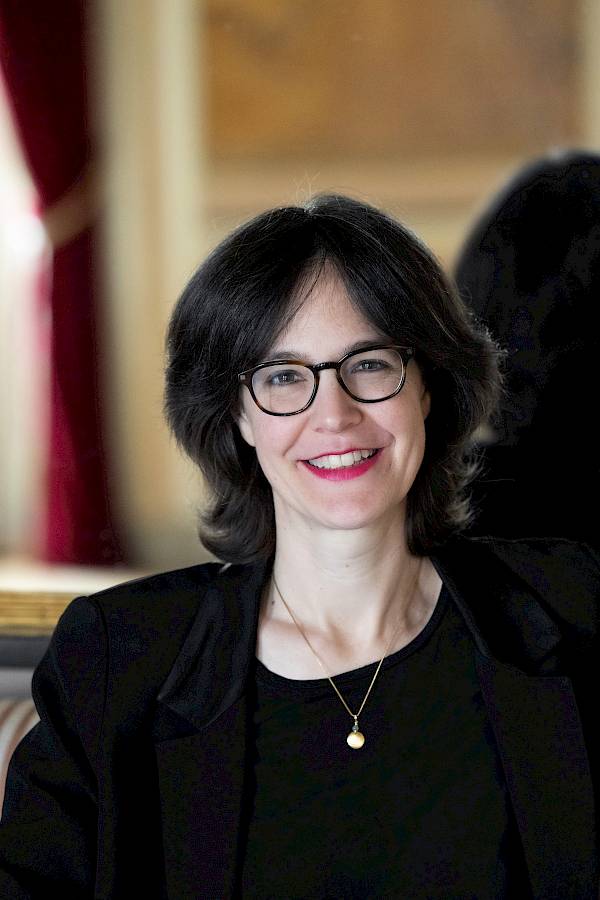
Kathrin Brunner was born in Zurich. She studied German, Musicology, and French in her hometown and at the Humboldt University in Berlin. After various assistant directorships (including "The Threepenny Opera" at the Lucerne Theater, directed by Vera Nemirova) and dramaturgy internships, she has been a dramaturge at the Zurich Opera House since 2008. There, she has worked with directors such as Achim Freyer ("Moses und Aron"), Harry Kupfer ("Die Meistersinger von Nürnberg", "Tannhäuser"), Stephan Müller, Guy Joosten, Damiano Michieletto, Christof Loy ("La straniera", "Alcina", "I Capuleti e i Montecchi", "Don Pasquale", "La rondine"), Willy Decker ("Il ritorno d’Ulisse in patria", "The Turn of the Screw"), Andreas Homoki ("Wozzeck", "Das Land des Lächelns", "La forza del destino"), Christoph Marthaler ("Il viaggio a Reims", "Orphée et Euridice"), Barrie Kosky ("Die Gezeichneten", "Boris Godunov"), Nadja Loschky, Nina Russi, Jan Essinger, and Jetske Mijnssen ("Idomeneo", "Hippolyte et Aricie", "Platée").
At the 2012 Salzburg Festival, she worked on "La bohème" with Damiano Michieletto. During the COVID-19 pandemic, she co-founded the concert series "Altchemie live" at the Alte Chemie in Uetikon. In 2025, she served as dramaturge for Jetske Mijnssen’s production of Francesco Cavalli’s "La Calisto" at the Festival d’Aix-en-Provence.

Der Rosenkavalier21 / 26 Sept / 1 / 5 / 14 / 17 / 21 / 26 Oct 2025 Manon24 / 27 Sept / 3 / 7 / 10 Oct 2025 La clemenza di Tito26 / 29 Apr / 3 / 8 / 15 / 17 / 20 / 25 May 2026 Cardillac15 / 18 / 21 / 25 Feb / 1 / 6 / 10 Mar 2026 Carmen18 / 21 / 23 / 27 / 31 Jan 2026 Arabella14 / 18 / 22 / 25 / 28 Apr 2026

Cast


Carmen Elīna Garanča


Micaëla Olga Peretyatko


Mercédès Siena Licht Miller


Frasquita Yewon Han


Don José Stanislas de Barbeyrac


Escamillo Ildebrando d'Arcangelo


Le Remendado Johan Krogius


Le Dancaïre Gregory Feldmann


Moralès Guram Margvelashvili


Zuniga Stanislav Vorobyov

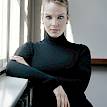
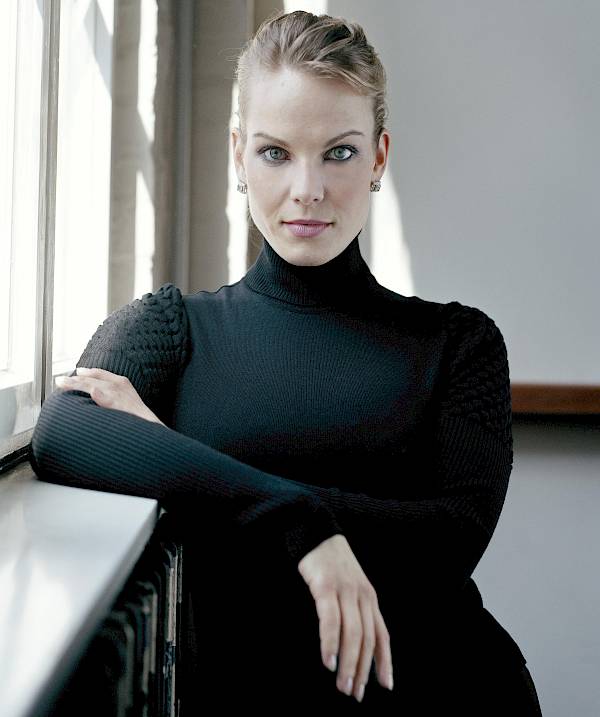
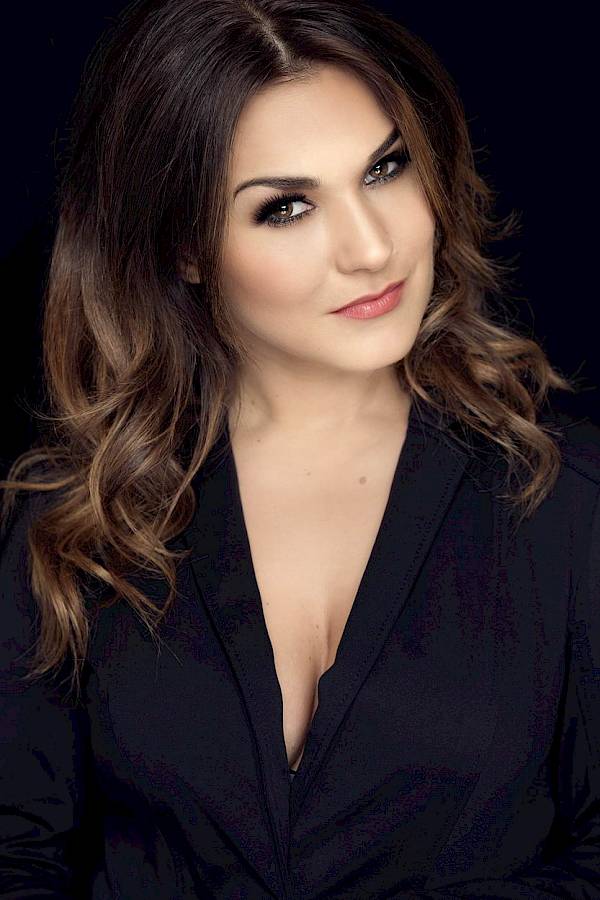
Elīna Garanča

Elīna Garanča was born in Riga and studied at the Latvian Academy of Music. She won the Mirjam Helin Singing Competition in 1999 and was a finalist at the BBC Cardiff Singer of the World competition in 2001. After engagements in Meiningen and Frankfurt, she quickly established herself as one of the leading mezzo-sopranos on the international stage through appearances at renowned opera and concert venues. She has performed, among others, at the Vienna State Opera, the Salzburg Festival, the Festspielhaus Baden-Baden, the Bavarian State Opera and the Berlin State Opera, as well as at the Opéra national de Paris. In 2003 she became a member of the ensemble of the Vienna State Opera, where she was awarded the title of Austrian Kammersängerin in 2013. Her numerous honours include several Echo Awards and multiple distinctions as Singer of the Year. A highlight of her career was her debut at the Royal Opera House in London in 2009 as Carmen, as well as performances in the same role in a new production at the Metropolitan Opera that was broadcast worldwide in more than 1,000 cinemas. She has also appeared as Carmen at La Scala in Milan, the Vienna State Opera and Zurich Opera House. Most recently she sang the Principessa di Bouillon in "Adriana Lecouvreur" at Teatro Real, Santuzza ("Cavalleria rusticana") and Eboli ("Don Carlo") at the Vienna State Opera, Amneris ("Aida") at the Metropolitan Opera in New York and the Bavarian State Opera, Kundry ("Parsifal") at the Bayreuth Festival, as well as gala concerts and song recitals (among others at Zurich Opera House). Planned engagements include, among others, "La Damnation de Faust" at Zurich Opera House, a tour with Daniele Gatti and the Staatskapelle Dresden featuring Verdi’s "Requiem", and "Adriana Lecouvreur" in Naples.

La Damnation de Faust10 / 14 / 17 May 2026 Carmen18 / 21 / 23 / 27 / 31 Jan 2026 Recital Elīna Garanča19 Sept 2025

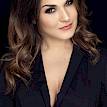
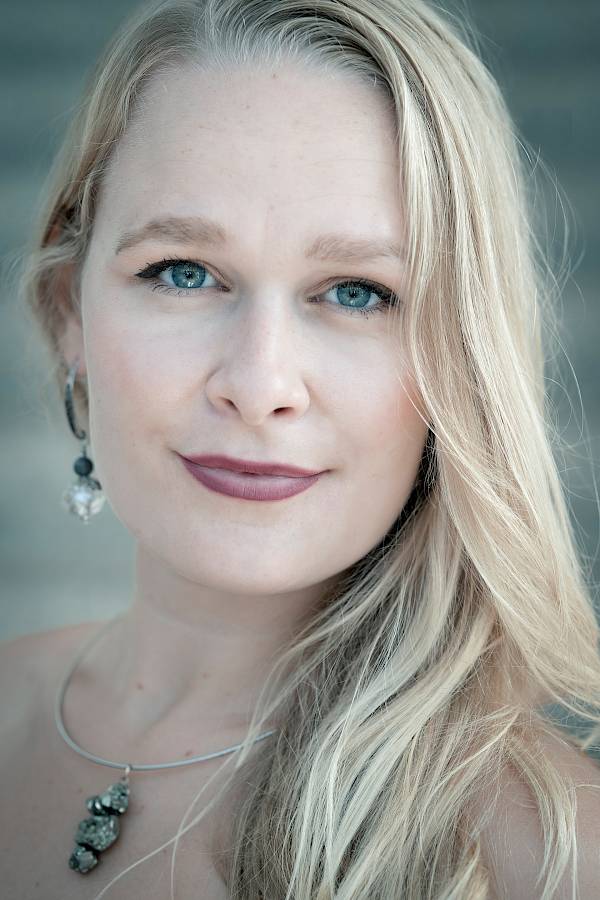
Olga Peretyatko

Olga Peretyatko, born in St Petersburg, studied singing at the Hanns Eisler School of Music in Berlin and subsequently was a member of the Opera Studio of the Hamburg State Opera. In 2007 she achieved her international breakthrough as a prizewinner at Plácido Domingo’s Operalia Competition. Since then she has appeared, among others, at the Metropolitan Opera in New York, the Royal Opera House in London, La Scala in Milan, the state operas in Vienna and Berlin, Teatro Real Madrid, Gran Teatre del Liceu Barcelona, as well as at the Opéra Bastille and at the festivals in Salzburg, Baden-Baden, Aix-en-Provence and Pesaro. Her repertoire includes, among others, Violetta ("La traviata"), Gilda ("Rigoletto"), Leonora ("Il trovatore"), Donna Anna ("Don Giovanni"), Norina ("Don Pasquale"), Anna Bolena, Norma, as well as Marguerite ("Faust"), Liù ("Turandot") and Leïla in Bizet’s "Les pêcheurs de perles". At Zurich Opera House she has appeared, among others, as Fiorilla in "Il turco in Italia" and in the current season as Giulia in "La scala di seta". Most recently she sang Magda de Civry in a new production of "La rondine" at the Teatro Regio in Turin and Donna Anna in a new production of "Don Giovanni" in Bologna. In 2018 she gave her first solo recital at La Scala in Milan. For her six albums on Sony Classical she has received multiple awards, and in 2025 she was honoured with the European Cultural Award for her outstanding artistic achievements.

La scala di seta25 / 28 Sept / 19 / 24 Oct 2025 Carmen18 / 21 / 23 / 27 / 31 Jan 2026

Siena Licht Miller

Siena Licht Miller, a German-American mezzo-soprano, studied voice at the Curtis Institute of Music and the Oberlin Conservatory of Music. She completed her training with courses at Opera Philadelphia, the Santa Fe Opera, the Opera Theatre of St. Louis, and the Aspen Music Festival. She is a fellow of the Bagby Foundation and a prizewinner of the Metropolitan Opera National Council Auditions, the Marilyn Horne Rubin Foundation, and the Gerda Lissner Foundation. Highlights of her career so far include role debuts as Hermia in “A Midsummer Night’s Dream,” Second Lady in “Die Zauberflöte,” and one of the two solo parts in the world premiere of Philip Venables’ “Denis and Katya” at Opera Philadelphia. At the Aspen Opera Center, she sang the title role in Ravel’s “L’Enfant et les sortilèges” under the direction of Robert Spano. She regularly devotes herself to art song, performing in the “The Song Continues” series at Carnegie Hall in honor of her mentor Marilyn Horne and touring the U.S. with a recital alongside pianist Kevin Murphy. In the 2020/21 season, she was a member of the International Opera Studio at the Zurich Opera House, performing in productions such as “Maria Stuarda,” “Simon Boccanegra,” “Viva la mamma,” “Salome,” “Odyssey,” the ballet “Monteverdi,” “L’italiana in Algeri,” and as Flosshilde in “Das Rheingold.” Since the 2022/23 season, she has been a member of the Zurich Opera House ensemble and has recently appeared in “Barkouf,” “Salome,” “Anna Karenina,” “Lakmé,” “La rondine,” “Die Walküre,” and “Götterdämmerung,” as well as in the title role of Handel’s “Serse” at Theater Winterthur.

La scala di seta25 / 28 Sept / 19 / 24 Oct 2025 La clemenza di Tito26 / 29 Apr / 3 / 8 / 15 / 17 / 20 / 25 May 2026 Carmen18 / 21 / 23 / 27 / 31 Jan 2026 Madama Butterfly30 Dec 2025 / 3 / 9 / 11 / 13 / 16 Jan 2026 Così fan tutte3 / 7 / 9 / 12 Jul 2026 Hänsel und Gretel20 / 23 Nov / 2 / 16 / 18 Dec 2025 / 2 / 24 / 25 / 31 Jan 2026

Yewon Han

Yewon Han is a South Korean soprano. She completed her bachelor’s degree in classical voice at Seoul National University and continued her training in the Young Artist Program of the Korea National Opera Studio as well as from 2022 to 2024 at the International Opera Studio Zurich. Yewon Han has interpreted a wide range of roles in Korea and Europe, including Lauretta in "Gianni Schicchi", Papagena in "Die Zauberflöte", Adele in "Die Fledermaus", Romilda in "Serse", Li Si in "Jim Knopf und Lukas der Lokomotivführer", Titania in "A Midsummer Night’s Dream" and Naiad in "Ariadne auf Naxos". In the summer of 2025 she appeared as Ophelia in "Hamlet" at the Buxton International Festival. She has received numerous awards, including first prize at the 60th Concurso Tenor Viñas (2023), third prize at the International Singing Competition Neue Stimmen (2022), as well as several first prizes at major singing competitions in South Korea. From the 2025/26 season she is a permanent ensemble member of Zurich Opera House, where she can be heard, among others, in "Hänsel und Gretel", "La clemenza di Tito" and "Arabella".

Manon24 / 27 Sept / 3 / 7 / 10 Oct 2025 La clemenza di Tito26 / 29 Apr / 3 / 8 / 15 / 17 / 20 / 25 May 2026 Carmen18 / 21 / 23 / 27 / 31 Jan 2026 Hänsel und Gretel20 / 23 Nov / 2 / 4 / 16 / 18 Dec 2025 / 2 / 24 / 25 / 31 Jan 2026 Arabella14 / 18 / 22 / 25 / 28 Apr 2026 Tannhäuser21 / 24 / 27 Jun / 2 / 5 / 8 / 11 Jul 2026

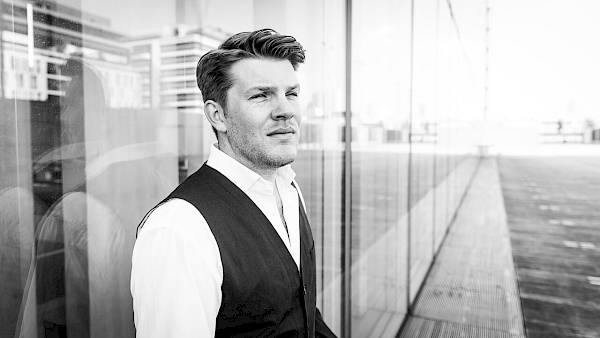
Stanislas de Barbeyrac

The French tenor Stanislas de Barbeyrac studied at the Conservatory in Bordeaux. He is the recipient of numerous awards, including the Prix du Cercle Carpeaux, the Prix Lyriques de l’AROP and the Queen Elisabeth Competition in Brussels. In 2008 he became a member of the Atélier Lyrique of the Opéra de Paris and launched his career from there at the theatres in Nice, Tours, Toulon, Strasbourg, Metz, Marseille and Avignon. In 2014 he achieved his international breakthrough as Tamino ("Die Zauberflöte") at the Festival d’Aix-en-Provence. He went on to sing the role again at Dutch National Opera in Amsterdam, at the Chorégies d’Orange, the Opéra de Paris, the Zurich Opera House, the Grand Théâtre de Genève, Teatro Real Madrid and in Budapest. He also appears regularly at major opera houses in London, Vienna, New York, Munich and San Francisco as well as at the Salzburg Festival. Highlights have included Piquillo in Offenbach’s "La Périchole" at the Théâtre des Champs-Élysées, Arbace ("Idomeneo") at the Royal Opera House, Lensky ("Eugene Onegin") at the Théâtre du Châtelet and Chevalier de la Force in Poulenc’s "Dialogues des Carmélites" at the Théâtre des Champs-Élysées, in Munich, Brussels, Bologna and Amsterdam. He sang Siegmund ("Die Walküre") in London and at the beginning of the 2025/26 season in Paris, Erik ("Der fliegende Holländer") at the Staatsoper Berlin and in Valencia, as well as Don José ("Carmen") in Berlin, Amsterdam, Bordeaux and at the Opéra de Rouen Normandie. In concert he has worked with the Vienna Philharmonic under Yannick Nézet-Séguin, with the Philharmonia Orchestra under Santtu-Matias Rouvali and with the Oslo Philharmonic under Klaus Mäkelä.

Carmen18 / 21 / 23 / 27 / 31 Jan 2026

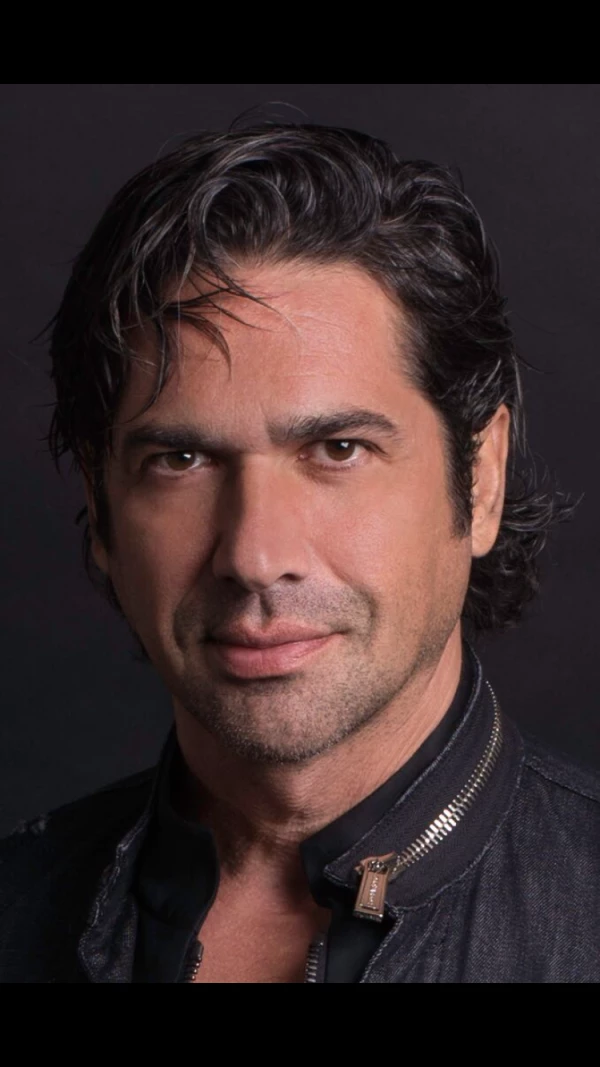
Ildebrando d'Arcangelo

Ildebrando D’Arcangelo studied singing in Bologna and made his debut as Masetto ("Don Giovanni") in Treviso and Trieste. He subsequently won the "Toti dal Monte" competition twice and has since been a regular guest at major international opera houses, including in Milan, New York, Rome, Barcelona, Florence, at the Vienna State Opera, the Deutsche Oper Berlin, the Bavarian State Opera in Munich, the Royal Opera House Covent Garden London, the Opéra Bastille Paris, as well as at the Salzburg and Baden-Baden Festivals. His extensive repertoire includes works by Bellini, Berlioz, Boito, Donizetti, Handel, Stravinsky, Verdi, Mozart, and Rossini. In 2016, he sang Don Giovanni at the Salzburg Festival. His recent engagements include Oroveso in "Norma" at the Vienna State Opera, Figaro-Count at Teatro alla Scala in Milan, Attila at the Opéra de Marseille, and Ernani in a concert with the Munich Radio Orchestra. In addition to "Carmen" at the Zurich Opera House, in the 2025/26 season he will appear, among others, as Procida in "Les Vêpres siciliennes" and as Sir Giorgio in "I puritani" at the Royal Opera House London, as well as Mozart's Figaro in a concert performance with the Montreal Symphony Orchestra. He has worked with renowned conductors such as Riccardo Muti, Claudio Abbado, Riccardo Chailly, Sir John Eliot Gardiner, Daniele Gatti, Bernard Haitink, Nikolaus Harnoncourt, René Jacobs, Sir Antonio Pappano, and Sir Georg Solti. Since 2009, he has been under contract with Deutsche Grammophon, where, among others, a recording of "Don Giovanni" conducted by Yannick Nézet-Séguin has been released. In 2014, he was awarded the title "Austrian Kammersänger."

Carmen18 / 21 / 23 / 27 / 31 Jan 2026

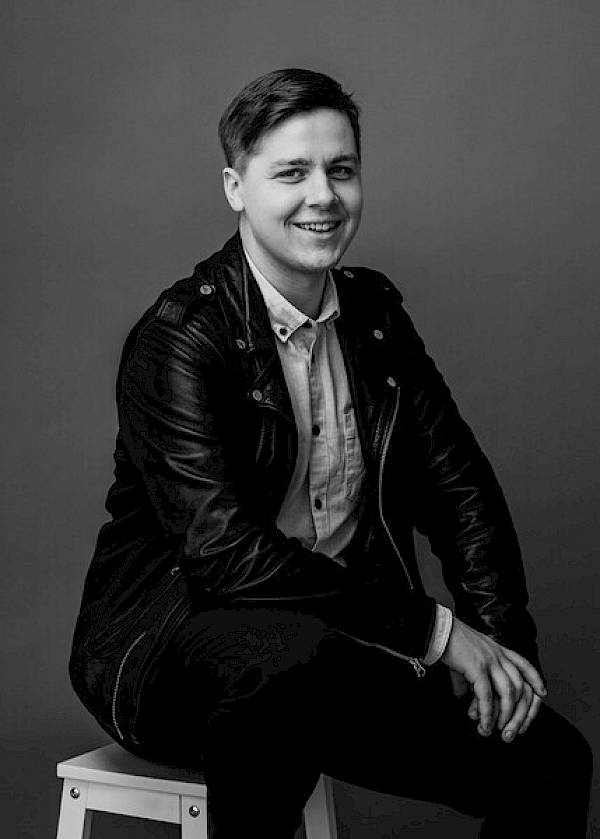
Johan Krogius

The tenor Johan Krogius began his musical training in the boys’ choir of the Cathedral Cantores Minores in Helsinki. He later studied in Helsinki and Stockholm, won the Timo Mustakallio Singing Competition in 2021, and in the same year was awarded first prize at the Helsinki Lied Competition. In opera he has sung roles such as Jaquino ("Fidelio") and Pong ("Turandot") in Helsinki, First Man and Juhana in Joonas Kokkonen’s "The Last Temptations" at the opera in Jyväskylä, Don Ottavio ("Don Giovanni") at the Finnish National Opera, Kuska ("Chowanschtschina") with the Finnish Radio Symphony Orchestra under Esa-Pekka Salonen in Helsinki and Stockholm, as well as Tamino ("Die Zauberflöte") at the opera in Tampere and at the Savonlinna Opera Festival, where he could also be heard in 2024 as Don Ottavio and Ismaele ("Nabucco") and in 2025 as Macduff ("Macbeth"). In the 2022/23 and 2023/24 seasons he was a member of the International Opera Studio of the Staatsoper Unter den Linden in Berlin. There he performed, among others, as Leukippos (Strauss’ "Daphne"), Tamino, First Armoured Man and First Priest ("Die Zauberflöte"), the Innkeeper and Faninal’s Major-Domo ("Der Rosenkavalier"), a Trojan ("Idomeneo"), Parpignol ("La bohème") and Borsa ("Rigoletto"). As a guest he returned to the Berlin State Opera in the role of Tybalt ("Roméo et Juliette"). On the concert stage he has appeared with the Jyväskylä Sinfonia, the Helsinki Baroque Orchestra, the Tapiola Sinfonietta and the Turku Philharmonic Orchestra, and made his debut with Mozart’s "Requiem" at the Berlin Philharmonie in 2024.

Der Rosenkavalier21 / 26 Sept / 1 / 5 / 14 / 17 / 21 / 26 Oct 2025 Tosca28 Sept / 2 / 8 / 11 / 15 / 19 Oct 2025 Tannhäuser21 / 24 / 27 Jun / 2 / 5 / 8 / 11 Jul 2026 Carmen18 / 21 / 23 / 27 / 31 Jan 2026 Arabella14 / 18 / 22 / 25 / 28 Apr 2026 Johannes-Passion24 Mar 2026

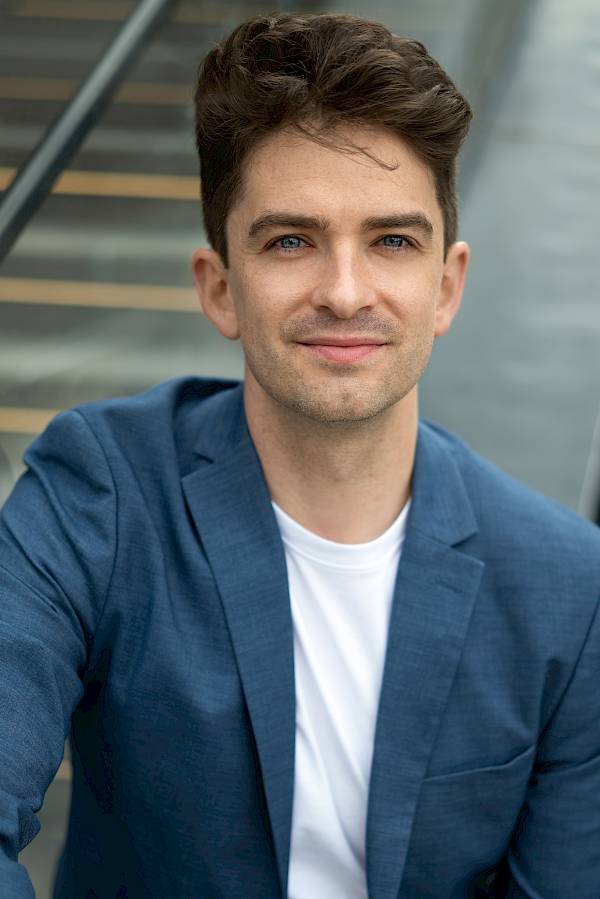
Gregory Feldmann

Gregory Feldmann studied at the Juilliard School with Elizabeth Bishop, Randall Scarlata, and Sanford Sylvan. At Juilliard Opera, he appeared as Belcore in “L’elisir d’amore”, as Virgil T. in “The Mother of Us All”, and as Guglielmo in “Così fan tutte”. At the Opera Theatre of Saint Louis, he sang Almaviva in “Le nozze di Figaro”. As a soloist, he has performed in Fauré’s “Requiem” as well as Handel’s “Israel in Egypt” and “Messiah”. He has a close artistic partnership with pianist Nathaniel LaNasa. In 2019, he won first prize at the “Joy in Singing” International Song Competition and in 2021, first prize at the “Gerda Lissner” Song/Lieder Competition. In 2022, he was a Young Artist at the Glimmerglass Festival. From 2022 to 2024, he was a member of the International Opera Studio at Zurich Opera House, where he appeared in productions including “Roberto Devereux”, “Don Pasquale”, “Serse”, “Jakob Lenz”, “Sweeney Todd”, “A Midsummer Night’s Dream”, and “Carmen”. Together with pianist Nathaniel LaNasa, he has given song recitals at Wigmore Hall in London, at the September Festival: Royaumont in Viarmes (FR), and at the Musée d’Orsay in Paris.

Carmen18 / 21 / 23 / 27 / 31 Jan 2026

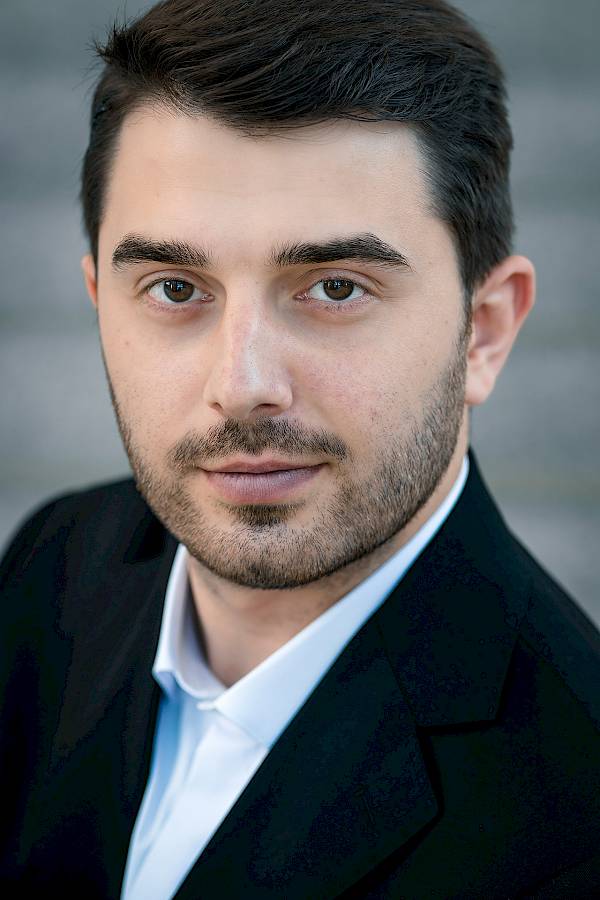
Guram Margvelashvili

Guram Margvelashvili is from Georgia. He completed his vocal studies in 2024 at the State Conservatory in Tbilisi. From 2019 to 2023, he was a member of the Tbilisi Opera Studio, where he performed roles such as the Priest and Papageno in "The Magic Flute," Valentin in Gounod’s "Faust," and the title roles in "Don Giovanni" and "Eugene Onegin." He also sang Belcore in Donizetti’s "L’elisir d’amore." Guram Margvelashvili has received several scholarships and was a finalist in the Giuseppe Di Stefano International Singing Competition in Sicily and the Tamar Iveri International Singing Competition in Georgia. Since the 2025/26 season, he has been a member of the International Opera Studio at the Zürich Opera House.

Rigoletto20 / 23 / 27 Dec 2025 / 1 / 4 Jan 2026 Macbeth8 / 11 / 14 / 19 / 22 / 30 Nov 2025 Carmen18 / 21 / 23 / 27 / 31 Jan 2026

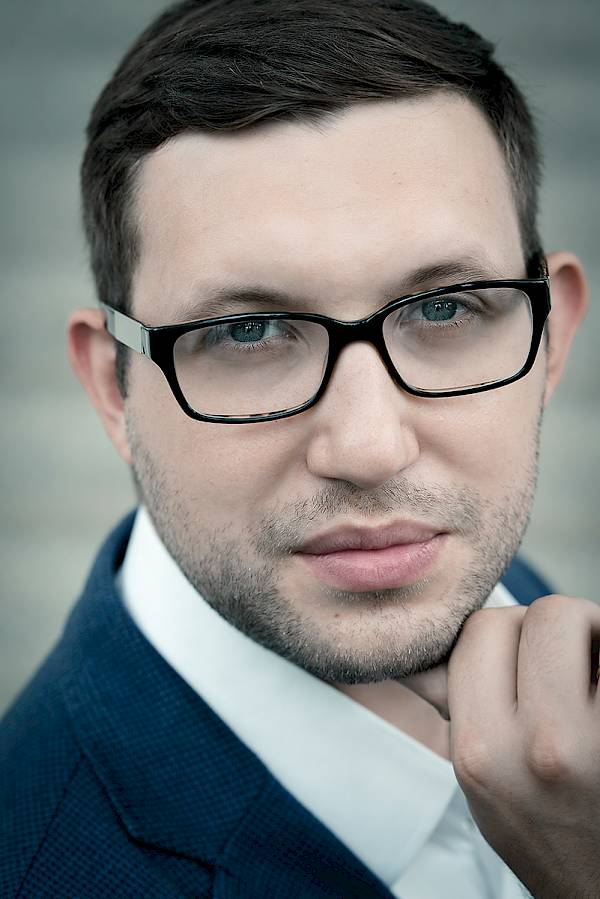
Stanislav Vorobyov

Stanislav Vorobyov is a native of Russia and studied at the Moscow Conservatory. He was a member of the International Opera Studio and has been part of the ensemble at Zurich Opera House since the 2018/19 season. In Zurich, he has appeared in roles such as Colline (“La bohème”), Alidoro (“La Cenerentola”), High Priest (“Nabucco”), Notary (“Der Rosenkavalier”), Reinmar von Zweter (“Tannhäuser”), Faust (“The Fiery Angel”), Zaretsky (“Eugene Onegin”), Cesare Angelotti (“Tosca”), Fifth Jew and First Nazarene (“Salome”), Lord Rochefort (“Anna Bolena”), Doctor Grenvil (“La traviata”), Crébillon (“La rondine”), and Zuniga (“Carmen”), as well as Roberto (“I vespri siciliani”), Roucher (“Andrea Chénier”), and the Police Commissioner (“Der Rosenkavalier”). He also sang Don Basilio (“Il barbiere di Siviglia”) at the Bregenz Festival, Nourabad (“Les Pêcheurs de perles”) at Opera Vlaanderen and in Luxembourg, and Ombra di Nino (“Semiramide”) at the Concertgebouw in Amsterdam. At the Bregenz Festival, he also appeared as Uncle Bonzo in “Madama Butterfly” and as Il capitano/L’ispettore in Umberto Giordano’s “Siberia.” In 2024, he was additionally heard as Colline (“La bohème”) at the Tokyo Metropolitan Theatre and ROHM Theatre Kyoto.

Cardillac15 / 18 / 21 / 25 Feb / 1 / 6 / 10 Mar 2026 La Damnation de Faust10 / 14 / 17 May 2026 Carmen18 / 21 / 23 / 27 / 31 Jan 2026 Madama Butterfly30 Dec 2025 / 3 / 9 / 11 / 13 / 16 Jan 2026 Un ballo in Maschera22 / 28 / 31 May / 7 / 13 Jun 2026 La forza del destino2 / 7 / 12 / 15 / 18 / 21 / 26 / 29 Nov / 17 / 21 Dec 2025 Der Rosenkavalier21 / 26 Sept / 1 / 5 / 14 / 17 / 21 / 26 Oct 2025
Ganze Besetzung anzeigen Weniger anzeigen
Kinderchor

SoprAlti der Oper Zürich

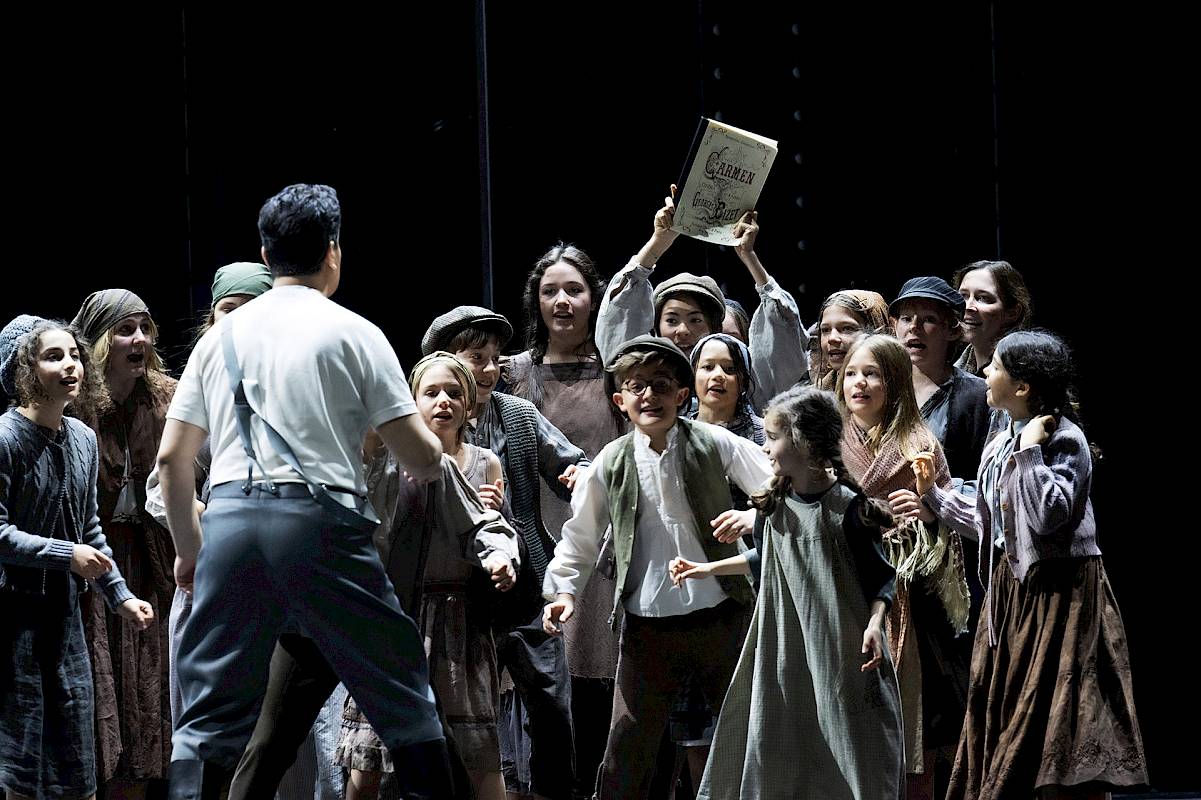
Als während der Spielzeit 1999/00 für die verschiedensten Opern und Operetten ausschliesslich die älteren Mitglieder des Kinderchores benötigt wurden, begann das Ensemble durch das häufige gemeinsame Proben bald eine eigene Dynamik zu entwickeln und entsprang schlussendlich im Juli 2002, zur Première von Carmen, definitiv dem Kinderchor: Der Jugendchor war informell geboren. Zu Beginn der Spielzeit 2010/11 wurde der Name des Chores in "SoprAlti der Oper Zürich" umgeändert.Heute ist der Chor fester Bestandteil des Zürcher Opernhauses. Aktuell besteht er aus rund 25 begeisterten Sängerinnen im Alter zwischen etwa 16 und 30 Jahre. Pro Spielzeit hat er durchschnittlich zwischen 40 und 80 Auftritte. Er unterstützt dabei den Kinderchor oder tritt gemeinsam mit dem Zusatz- und dem Berufschor auf. In einigen Opern bestreitet er auch eigene Auftritte, etwa in Königskinder (Kinder des Besenbinders), Le Cid (Jeunes filles) oder Das schlaue Füchslein (Hühner). Zudem sind einzelne Mitglieder in verschiedenen Opern wie Tosca, Macbeth, Tannhäuser, L'Amore dei tre Re und Königskinder als Solistinnen zu hören.Ausserhalb des Opernhauses gehören eigene Konzerte, auswärtige Gastspiele, Messen an kirchlichen Feiertagen oder auch geschlossene Veranstaltungen von Firmen und Stiftungen ebenso zum Jahresprogramm wie Auftritte in den grossen Konzerthäusern.Die intensiven Freundschaften, die im Chor über das musikalische Engagement hinaus gepflegt werden, führen heute zu einem mühelosen aufeinander ab- und einstimmen der Sängerinnen. So entwickelt sich der Chor laufend weiter und kann nebenbei auch den Anforderungen des Spielplans gerecht werden.

Tannhäuser21 / 24 / 27 Jun / 2 / 5 / 8 / 11 Jul 2026 La Damnation de Faust10 / 14 / 17 May 2026 Hänsel und Gretel16 / 20 / 23 / 28 / 30 Nov / 2 / 4 / 11 / 16 / 18 / 21 Dec 2025 / 2 / 24 / 25 / 31 Jan 2026 Carmen18 / 21 / 23 / 27 / 31 Jan 2026 La forza del destino2 / 7 / 12 / 15 / 18 / 21 / 26 / 29 Nov / 17 / 21 Dec 2025 Fidelio3 / 6 / 10 / 14 / 16 May 2026 Werther14 / 19 Jun / 1 / 4 / 10 Jul 2026 Giulio Cesare in Egitto11 / 13 / 15 / 17 / 21 / 25 / 28 Mar 2026 Sillons de Mémoires5 / 6 / 7 Feb 2026

Statistenverein am Opernhaus Zürich

Der Statistenverein am Opernhaus Zürich wurde im Jahr 1900 gegründet und dürfte damit einer der traditionsreichsten Vereine auf dem Kulturplatz Zürich sein. Rund hundert Frauen und Männer im Alter von 16 bis 70 Jahren bereichern das Bühnengeschehen in zahlreichen Inszenierungen.Statisten, früher auch als Figuranten bezeichnet, haben generell nicht sprechende Rollen. Ihre Einsätze am Opernhaus Zürich fallen je nach Inszenierung unterschiedlich umfangreich aus. Während früher Massenszenen im Vordergrund standen, sind die Statistinnen und Statisten seit der Ära Pereira und der Intendanz von Andreas Homoki zunehmend auch für aufwändigere Einzelauftritte sowie für anspruchsvolle technische Einsätze gefragt. Die Mitglieder des Statistenvereins üben ihre Einsätze in der Freizeit und ohne finanzielle Interessen aus. Sie bringen Begeisterung für Musik und Theater mit.

Manon24 / 27 Sept / 3 / 7 / 10 Oct 2025 La scala di seta25 / 28 Sept / 19 / 24 Oct 2025 Tosca28 Sept / 2 / 8 / 11 / 15 / 19 Oct 2025 Madama Butterfly30 Dec 2025 / 3 / 9 / 11 / 13 / 16 Jan 2026 Rigoletto20 / 23 / 27 Dec 2025 / 1 / 4 Jan 2026 Le nozze di Figaro24 / 29 Jan / 1 / 5 / 7 / 10 / 14 Feb 2026 Werther14 / 19 Jun / 1 / 4 / 10 Jul 2026 Così fan tutte3 / 7 / 9 / 12 Jul 2026 Macbeth8 / 11 / 14 / 19 / 22 / 30 Nov 2025 Arabella14 / 18 / 22 / 25 / 28 Apr 2026 Der Rosenkavalier21 / 26 Sept / 1 / 5 / 14 / 17 / 21 / 26 Oct 2025 La clemenza di Tito26 / 29 Apr / 3 / 8 / 15 / 17 / 20 / 25 May 2026 Cardillac15 / 18 / 21 / 25 Feb / 1 / 6 / 10 Mar 2026 Hänsel und Gretel16 / 20 / 23 / 28 / 30 Nov / 2 / 4 / 11 / 16 / 18 / 21 Dec 2025 / 2 / 24 / 25 / 31 Jan 2026 Carmen18 / 21 / 23 / 27 / 31 Jan 2026 Un ballo in Maschera22 / 28 / 31 May / 7 / 13 Jun 2026 Die Fledermaus7 / 10 / 12 / 14 / 18 / 26 / 28 / 31 Dec 2025 / 2 / 4 / 6 / 10 Jan 2026 Giulio Cesare in Egitto11 / 13 / 15 / 17 / 21 / 25 / 28 Mar 2026 Scylla et Glaucus27 / 29 / 31 Mar / 2 / 6 / 30 Apr / 2 May 2026 La forza del destino2 / 7 / 12 / 15 / 18 / 21 / 26 / 29 Nov / 17 / 21 Dec 2025 Sillons de Mémoires5 / 6 / 7 Feb 2026 Gianni Schicchi2 / 6 / 8 / 10 / 13 May 2026

Abstract

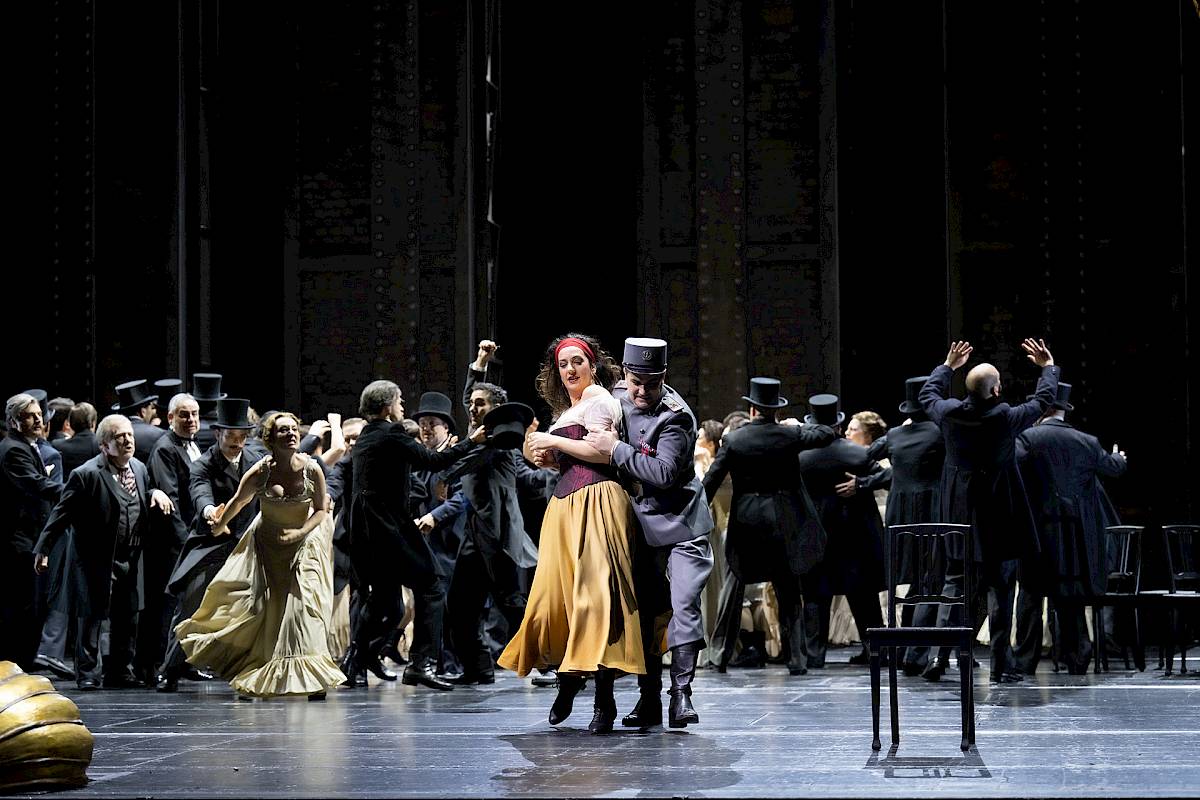
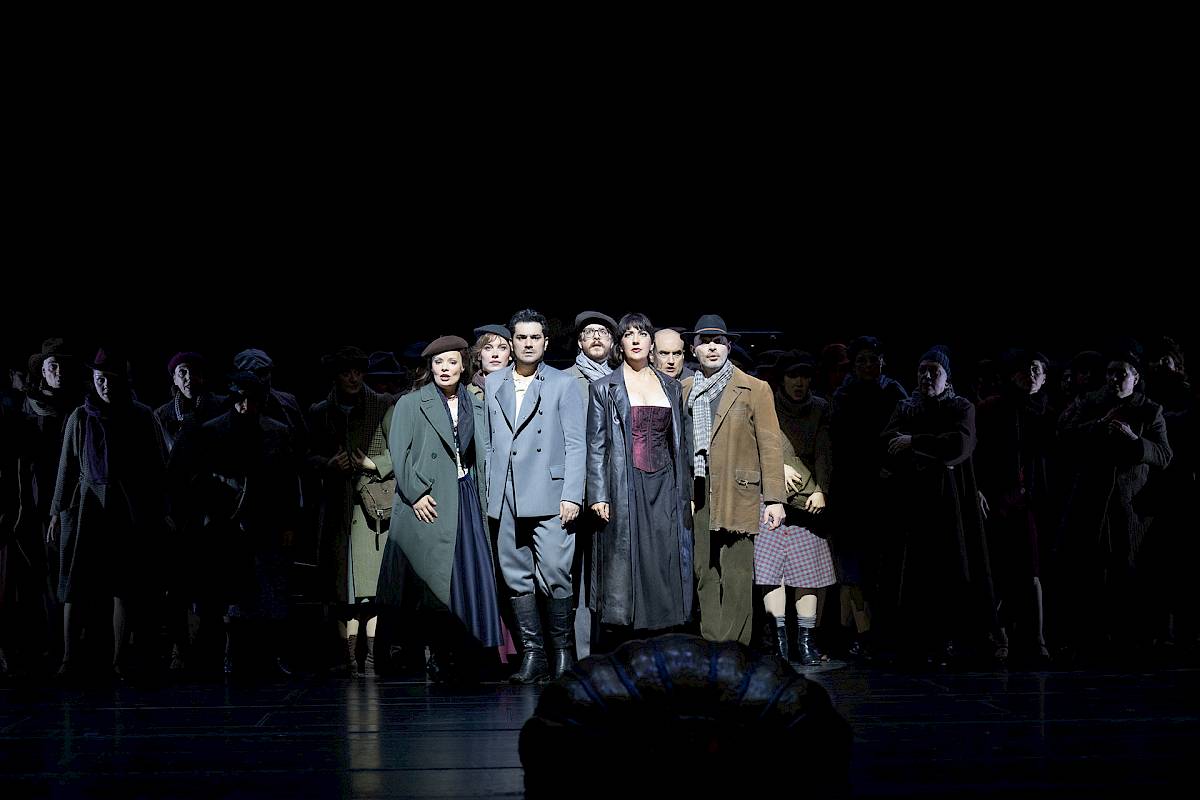
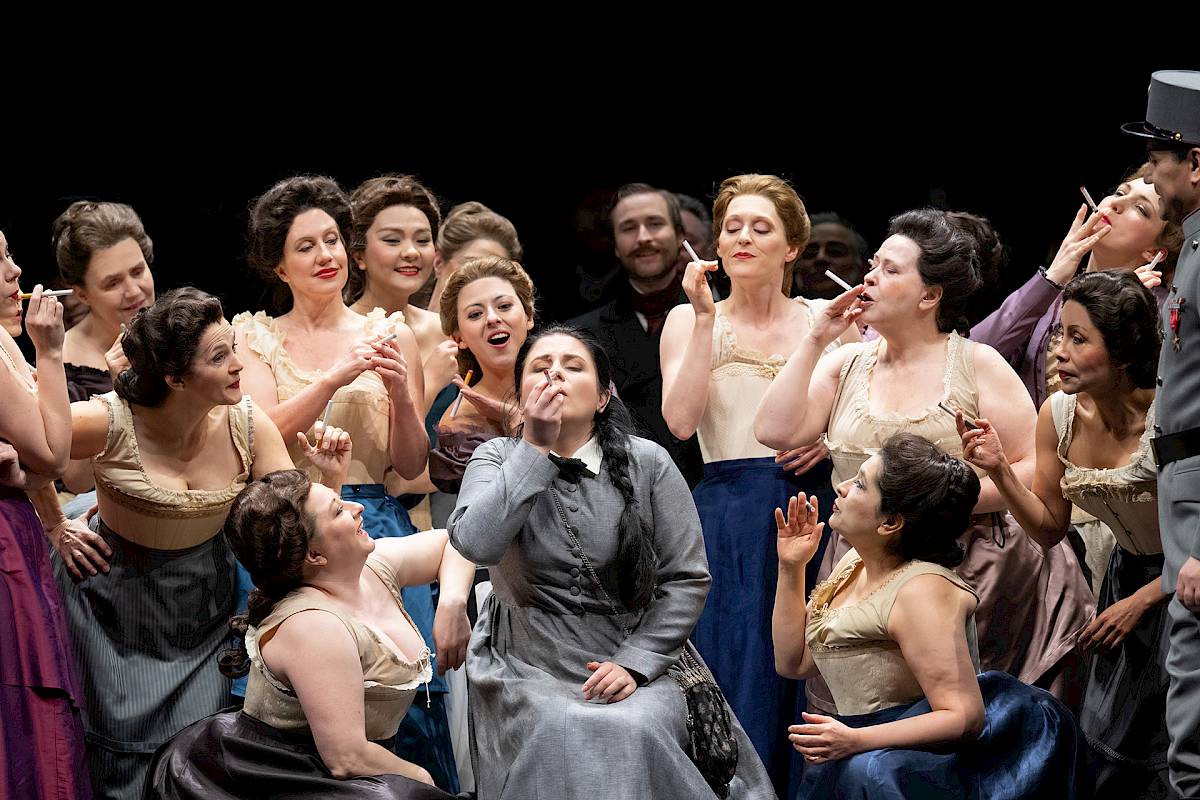
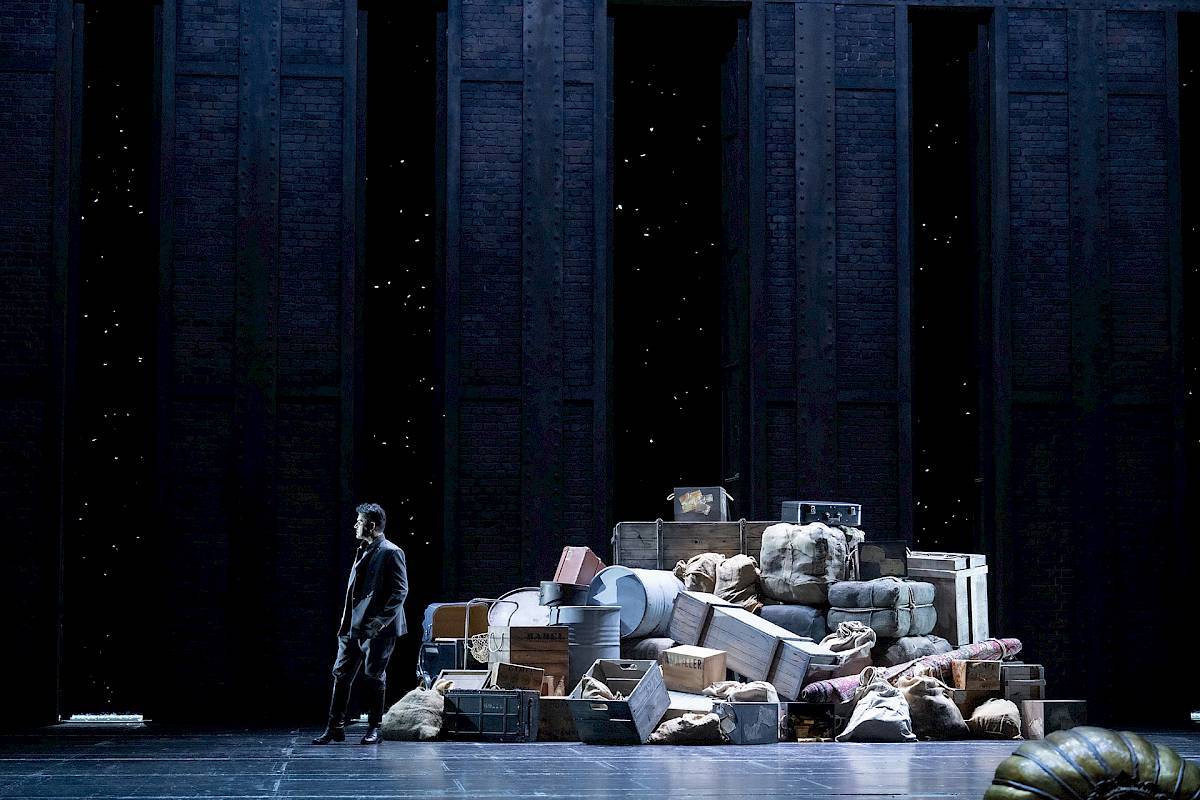
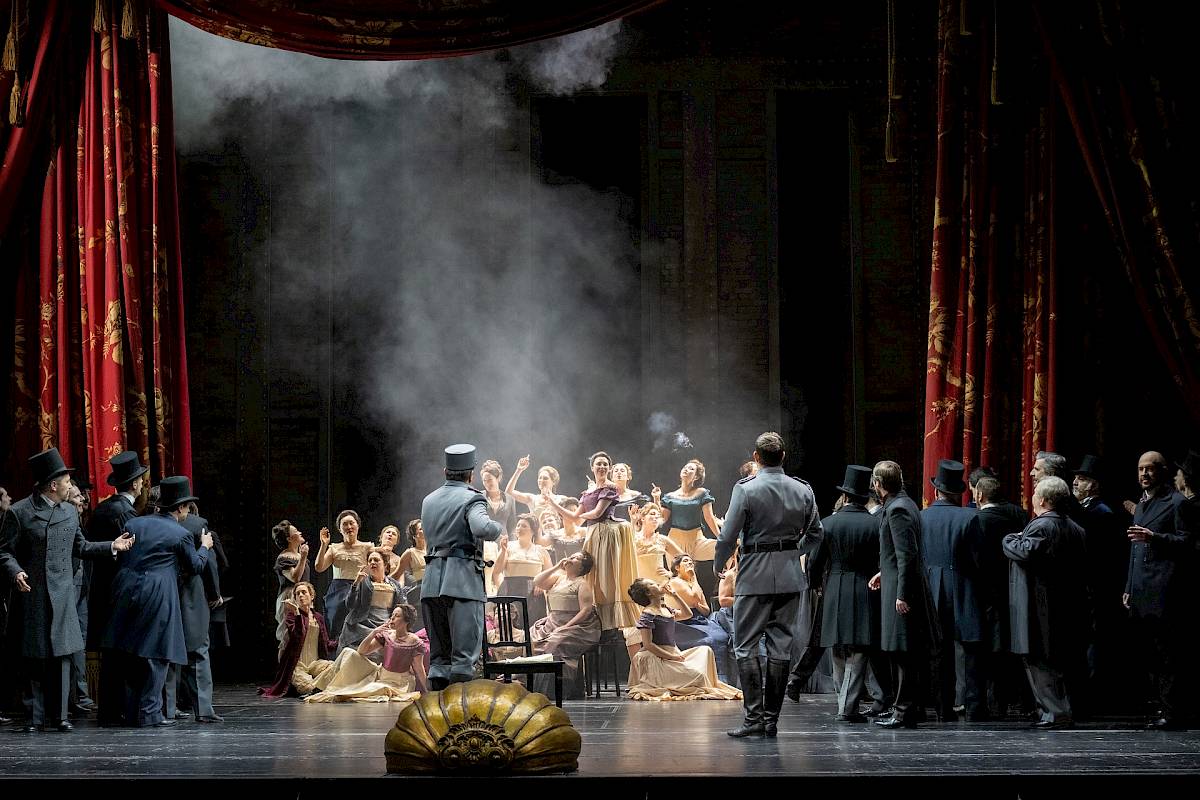
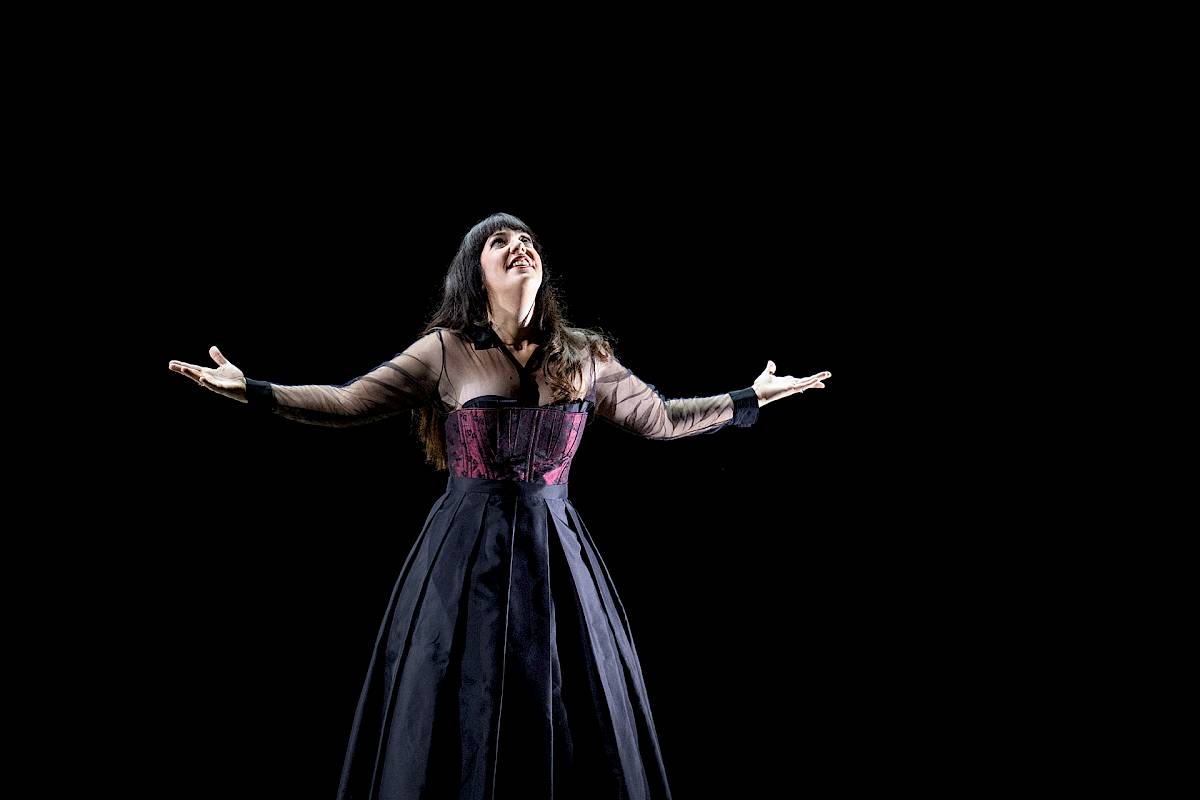
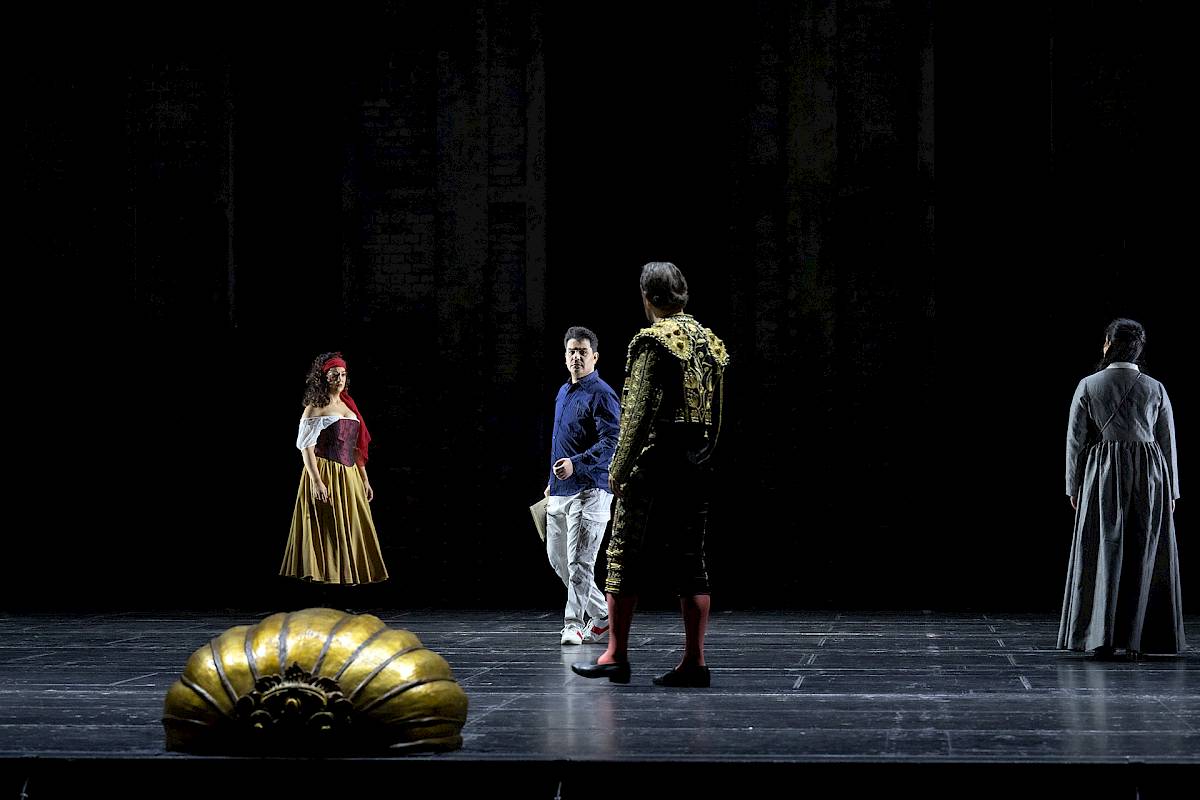
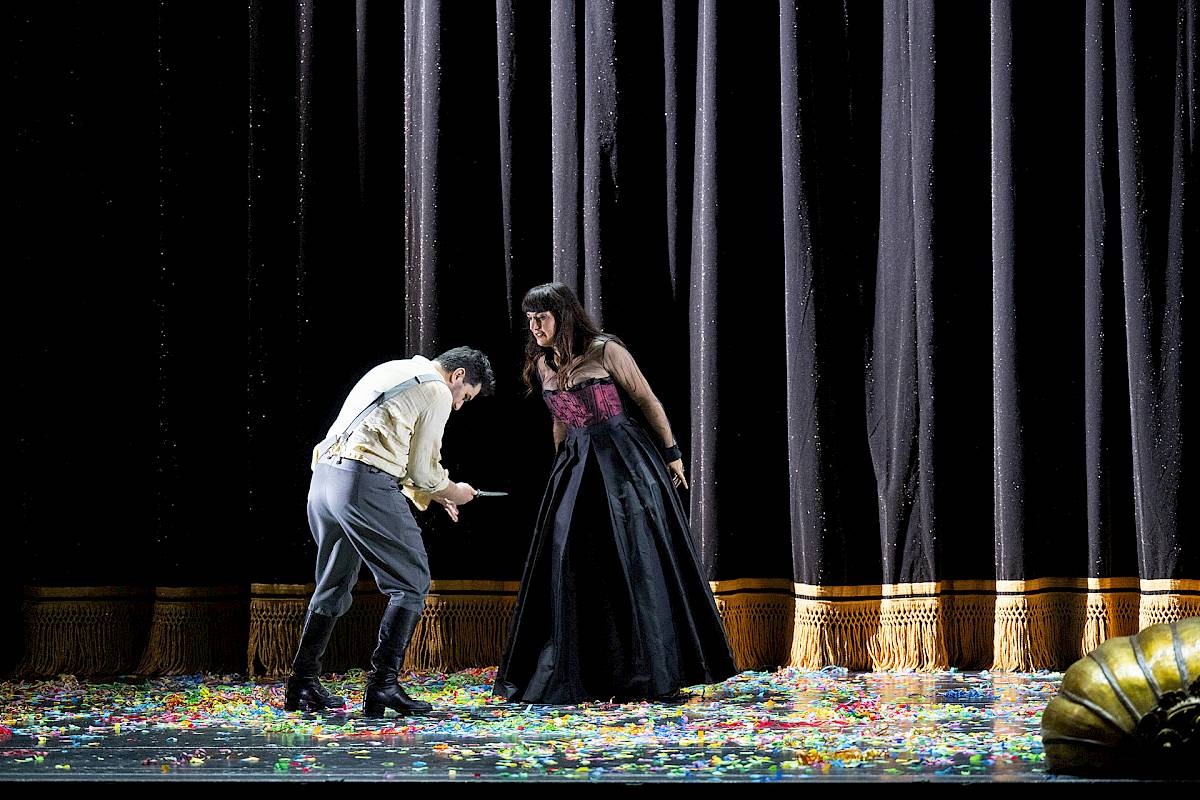
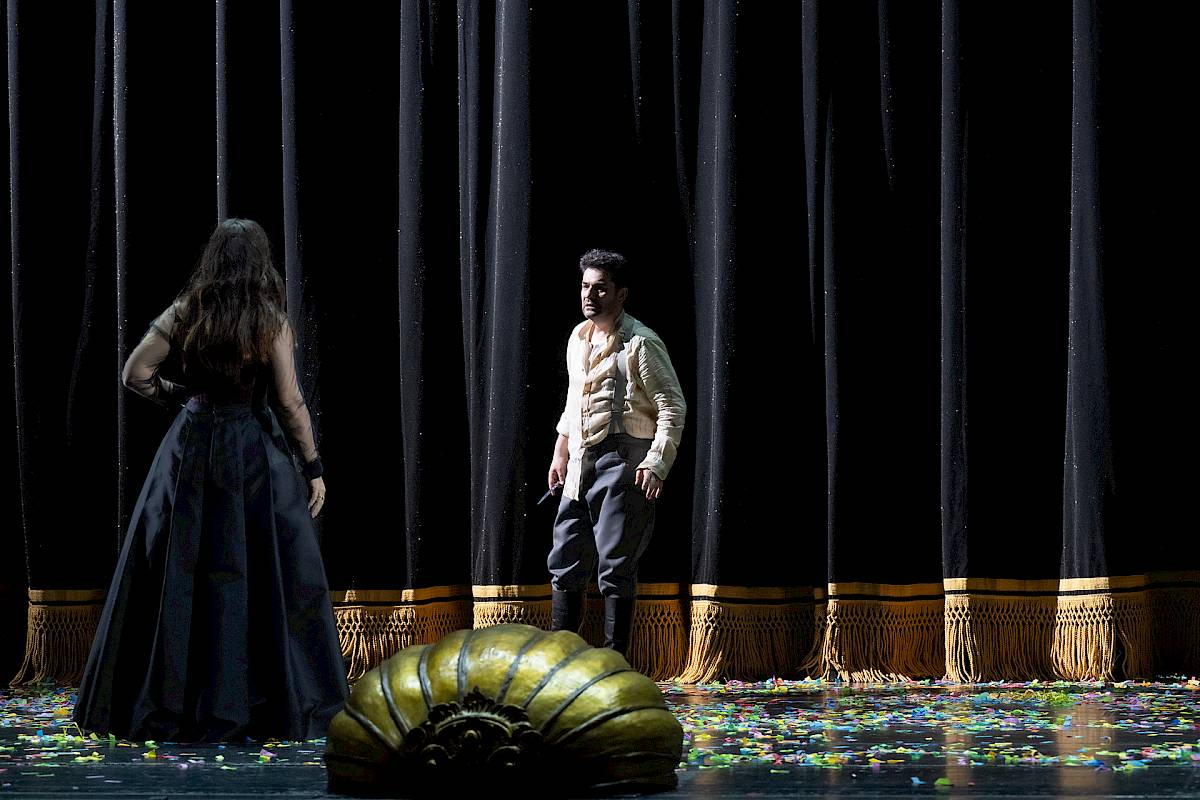
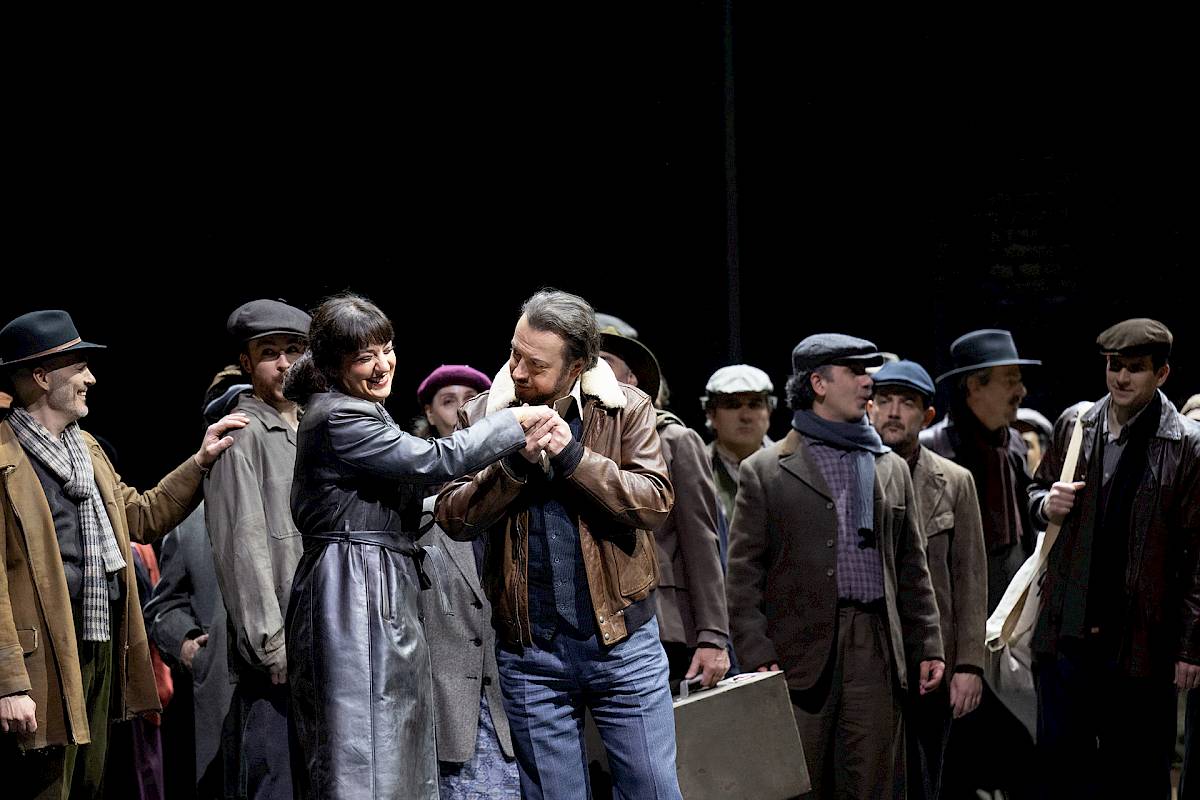
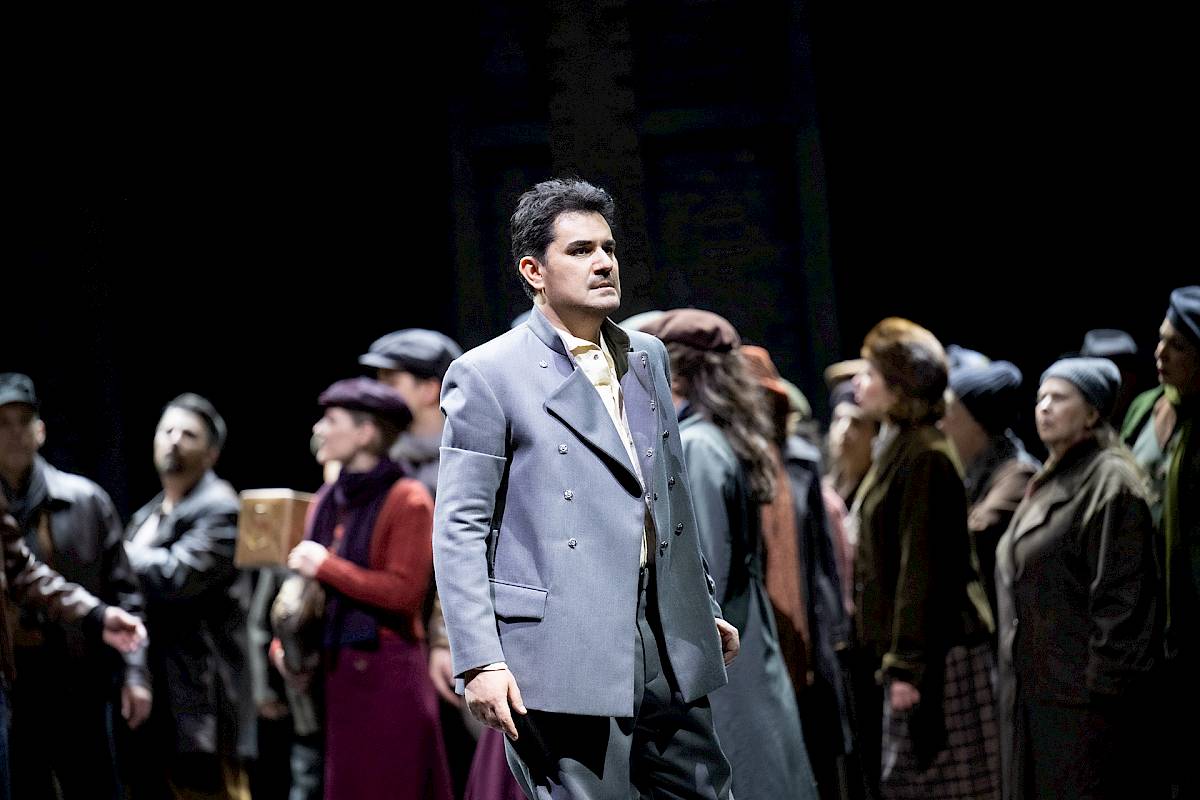
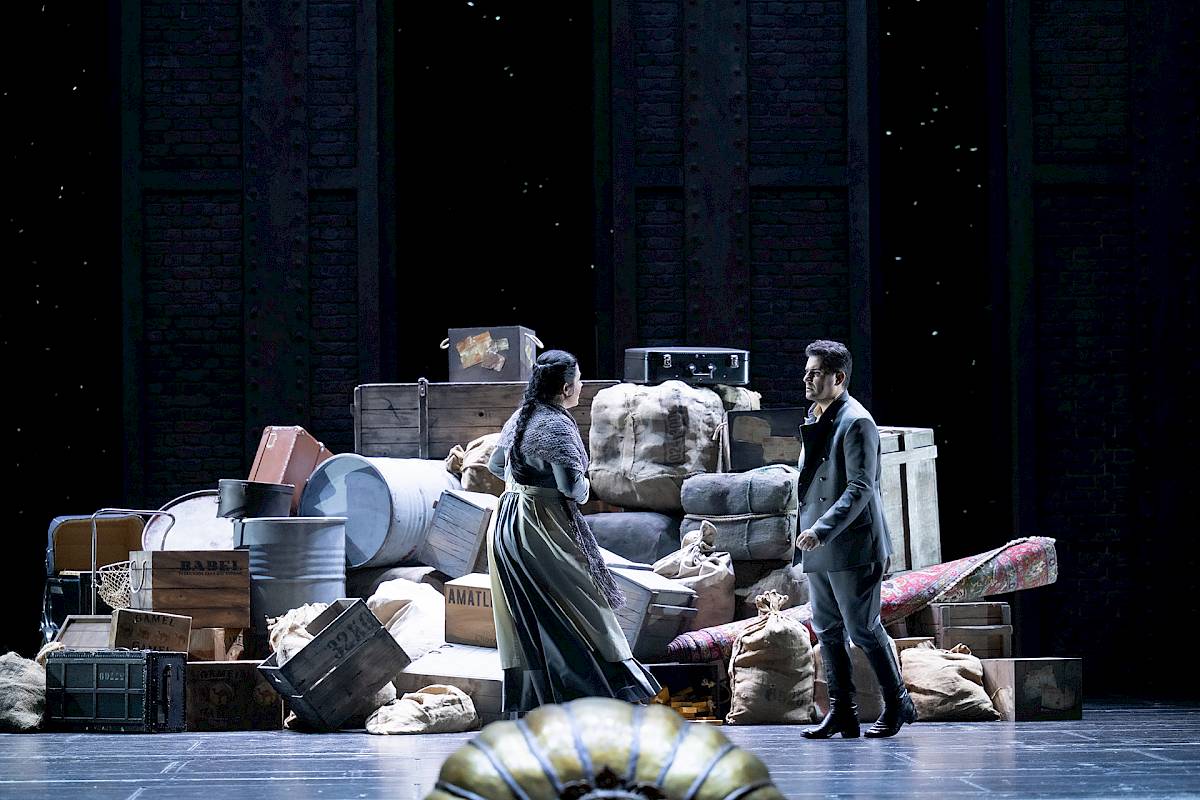
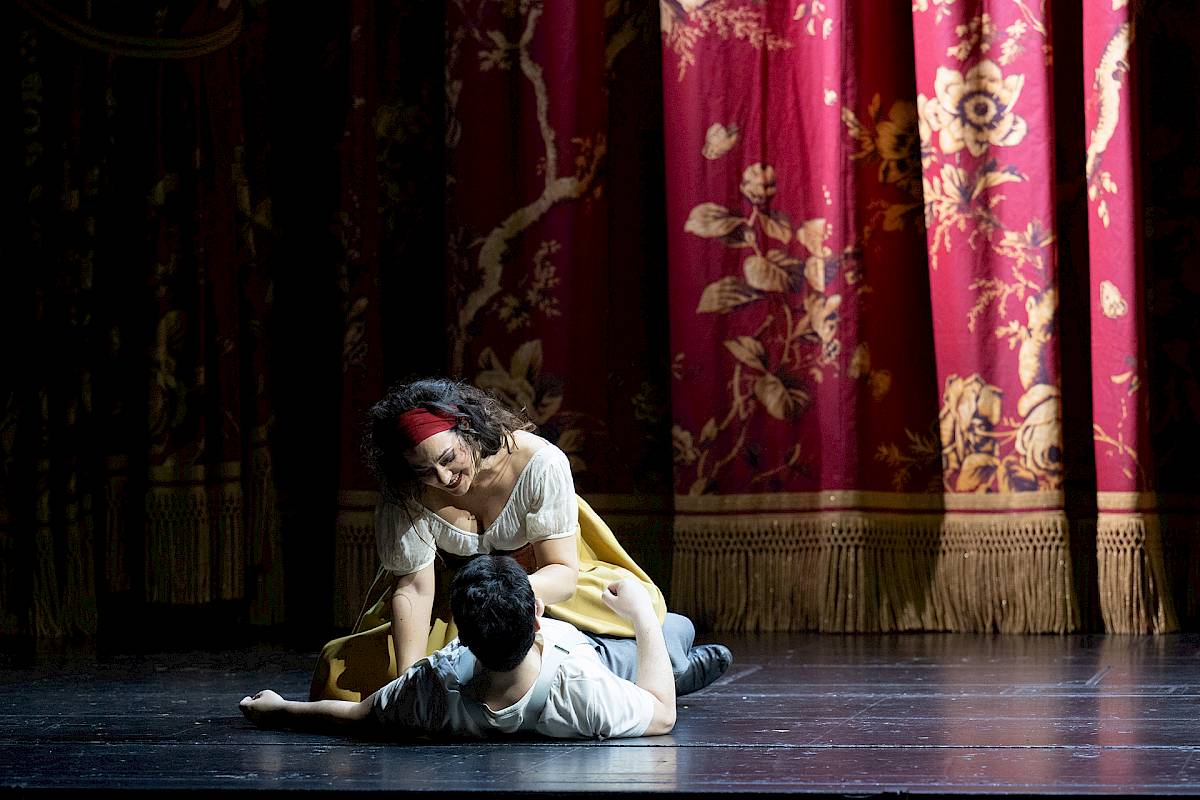
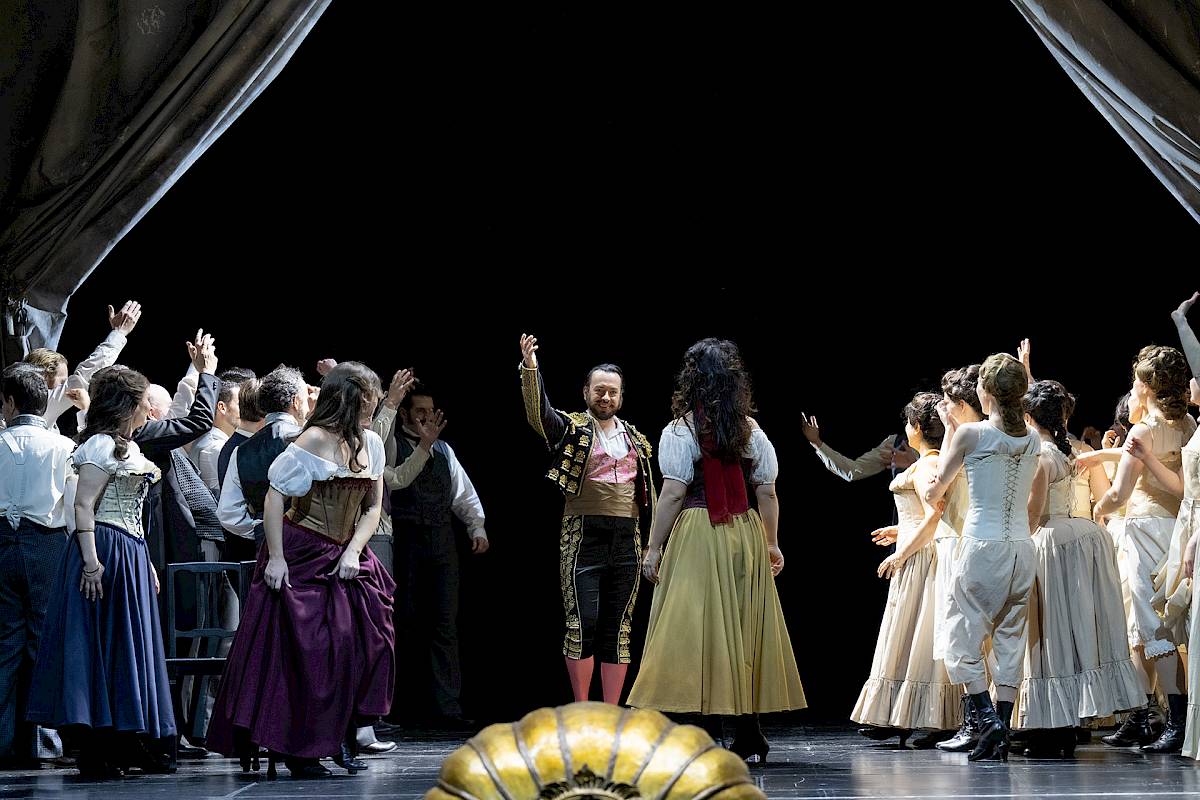
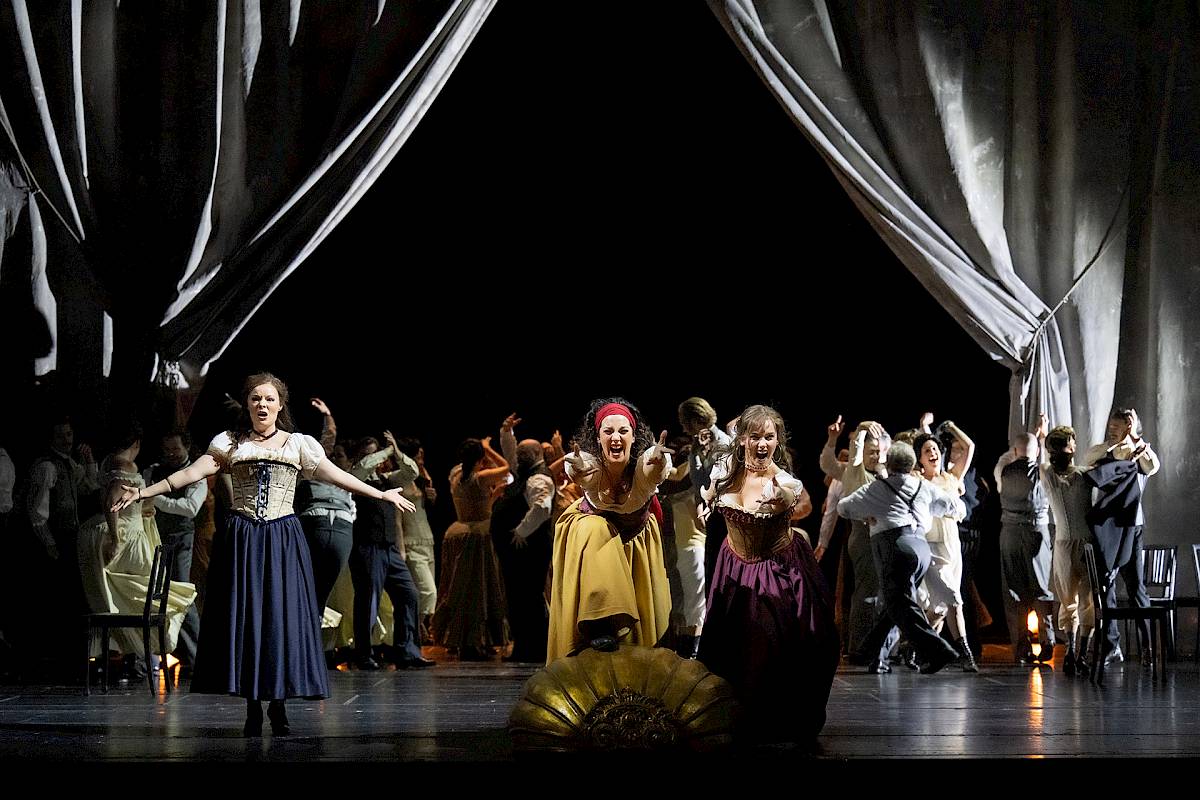
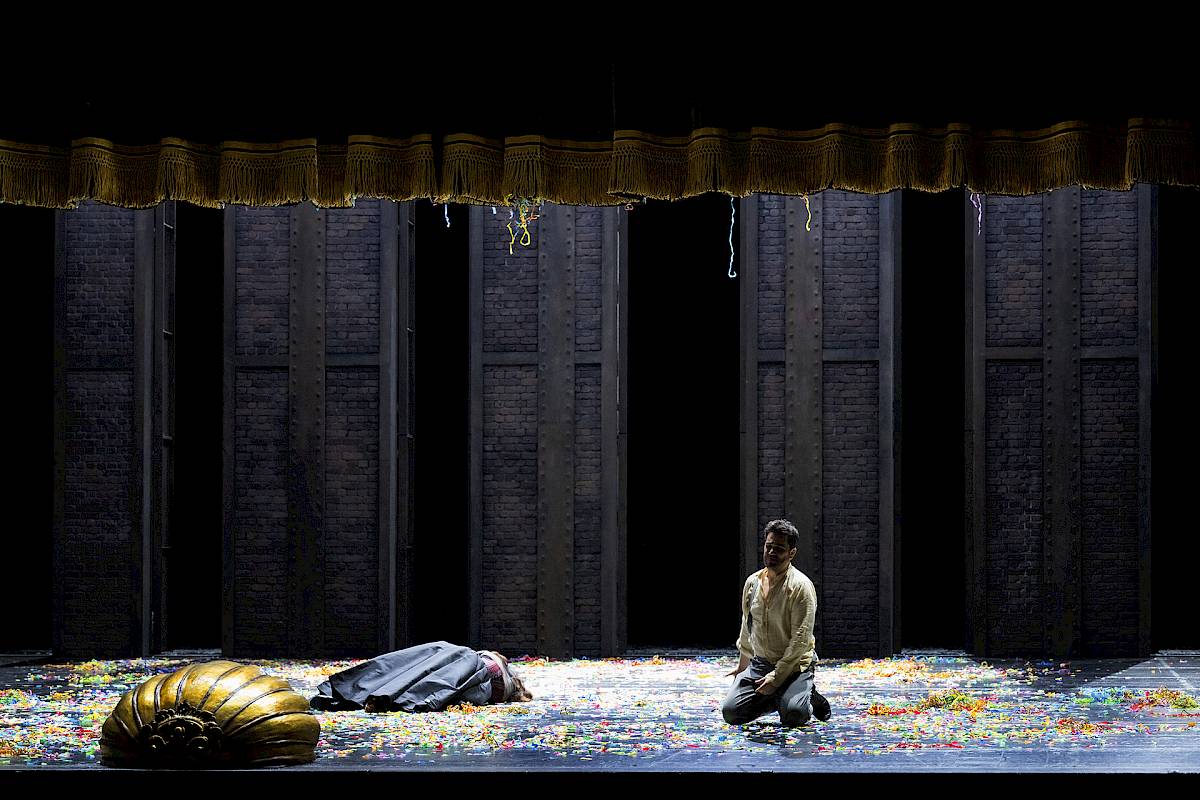
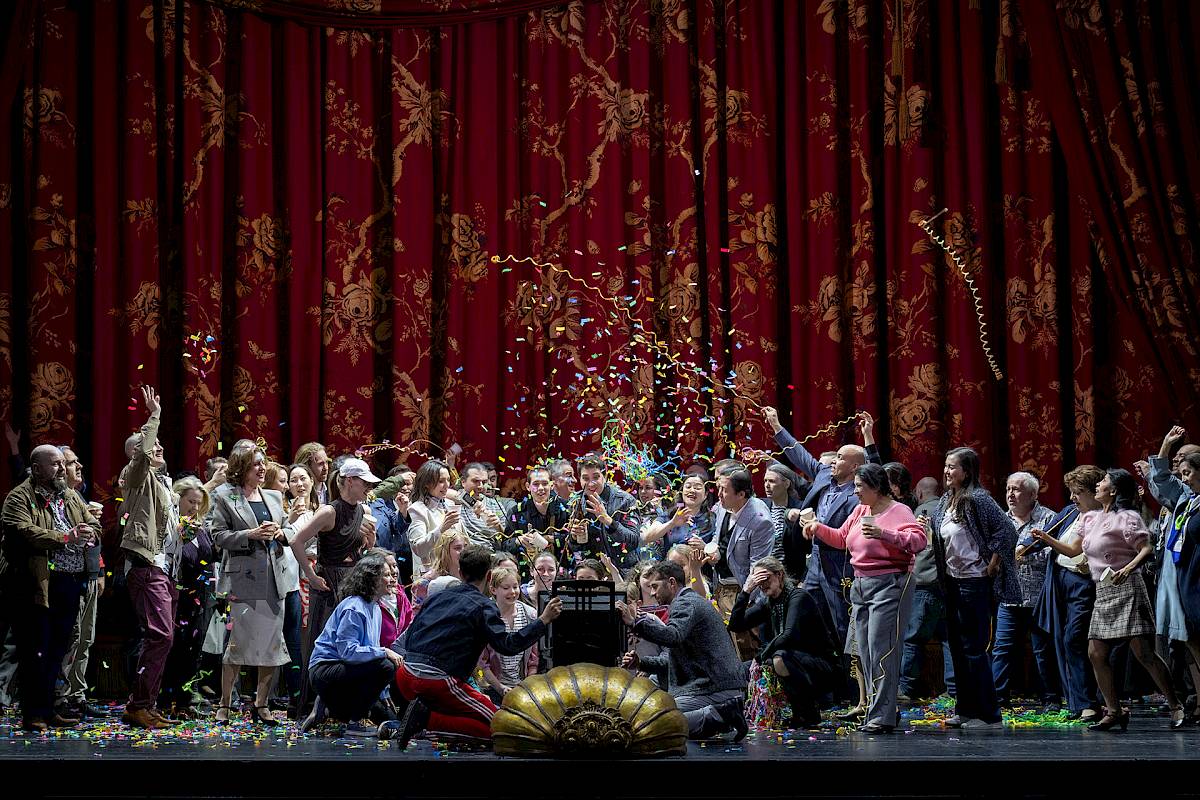
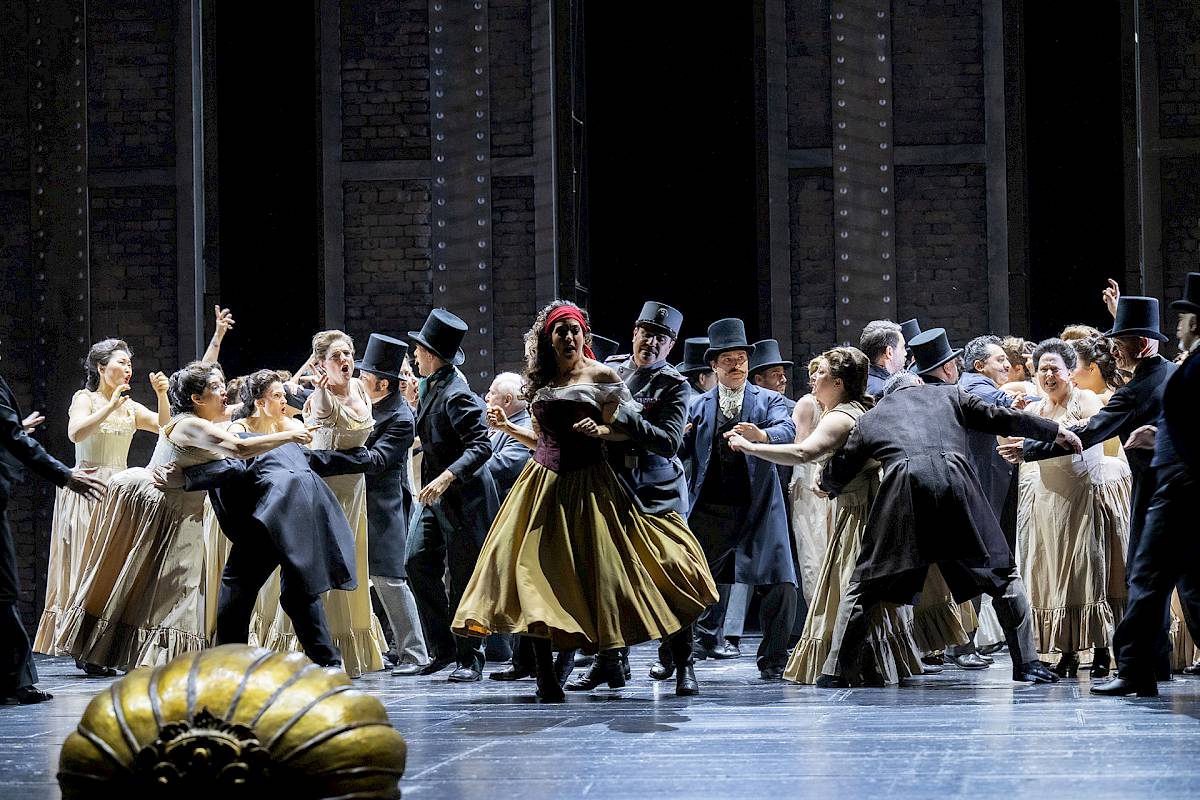
This opera’s 1875 premiere in Paris caused a scandal, after the title character’s anarchic nature and lustful femininity disturbed the bourgeois audience’s sensibilities. But Bizet’s opera soon began its triumphal march, becoming a myth of modern times. To this day, «Carmen» fascinates audiences with its relentless drama and the elemental power of its melodies. Andreas Homoki’s production pays homage to the place where the opera was created, the Opéra comique in Paris. Elīna Garanča, one of the most internationally sought-after mezzo-sopranos, is a guest at the Opernhaus in the title role. Olga Peretyatko sings Micaëla and Stanislas de Barbeyrac bows as Don José.

Mehr lesen Weniger anzeigen

Trailer «Carmen»