
Krzysztof Urbański is Music Director of the Indianapolis Symphony Orchestra and Principal Guest Conductor of the NDR Elbphilharmonie Orchestra. In addition, he is an internationally sought-after guest conductor performing with orchestras such as the Munich Philharmonic, the Orchestra dell'Academia Nazionale di Santa Cecilia, the Philharmonia Orchestra, the Tonhalle Orchestra Zurich, the Vienna Symphony, the Rotterdam Philharmonic Orchestra, the Orchestre Philharmonique de Radio France, the Chicago Symphony Orchestra, the San Francisco Symphony Orchestra , the Los Angeles Philharmonic and the National Symphony Orchestra Washington. More recently, he made his debuts with the Gewandhausorchester Leipzig, the Orchestre de Paris and the Chamber Orchestra of Europe. From 2010 to 2017, he was principal conductor of the Trondheim Symphony Orchestra, which then named him honorary conductor. He also served as principal guest conductor of the Tokyo Symphony Orchestra for four seasons starting in 2012. In June 2015, he received the prestigious Leonard Bernstein Award from the Schleswig-Holstein Music Festival, the first conductor ever to do so. Urbański's collaboration with the NDR Elbphilharmonie Orchester is now documented on seven CDs with works by Lutosławski, Dvořák, Chopin, Rachmaninoff, Stravinsky, Shostakovich and Strauss. In addition, Urbański's discography includes a recording of Martinů's Cello Concerto No. 1 with the Berlin Philharmonic and Sol Gabetta.
Ludwig van Beethoven
Opera in two acts
Libretto by Joseph Ferdinand Sonnleithner and
Georg Friedrich Treitschke
From 21. January 2025 until 15. February 2025
-
Duration :
2 H. Without intermission. -
Language:
In German with German and English surtitles. -
More information:
Introduction 45 min before the performance.
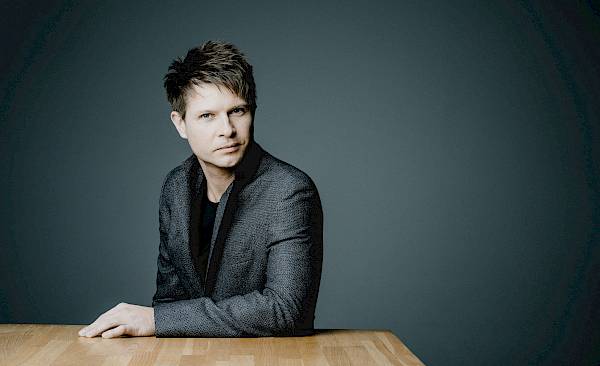
Krzysztof Urbański
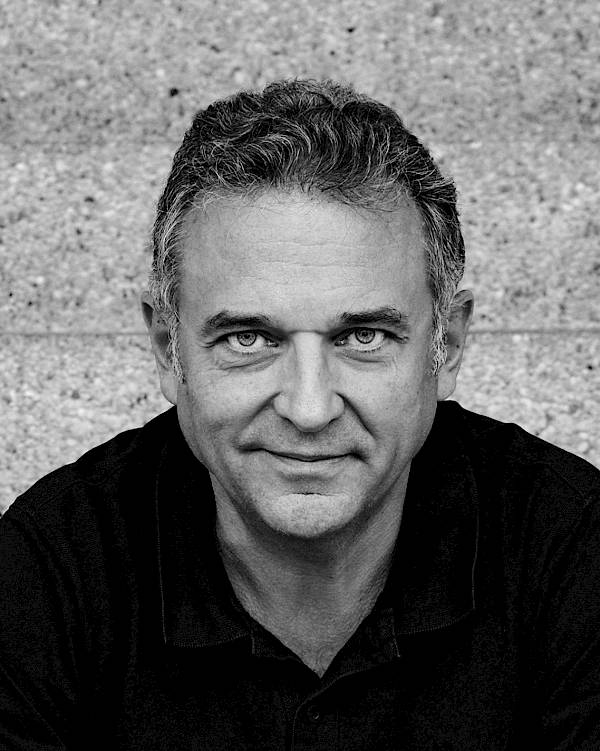
Andreas Homoki
Andreas Homoki was born in Germany in 1960 as the son of a Hungarian family of musicians and studied school music and German studies in Berlin (West). In 1987 he went to the Cologne Opera as an assistant director and stage manager, where he remained until 1993. From 1988 to 1992 he was also a lecturer for stage instruction at the opera school of the Cologne University of Music. It was here that his first own productions were created. In 1992 his first guest production took him to Geneva, where his interpretation of "Die Frau ohne Schatten" received international attention. The production, which was later also shown at the Théâtre du Châtelet in Paris, received the French Critics' Prize of the Year in 1994. From 1993 to 2002 Andreas Homoki worked as a freelance opera director and staged productions in Cologne, Hamburg, Geneva, Lyon, Leipzig, Basel, Berlin, Amsterdam and Munich, among others. As early as 1996 he made his debut at the Komische Oper Berlin with "Falstaff", followed by "The Love for Three Oranges" (1998) and in 2000 "The Merry Widow". In 2002 Andreas Homoki was appointed chief director of the Komische Oper Berlin as successor to Harry Kupfer, and in 2004 he became its artistic director. In addition to his directing work at the Komische Oper Berlin, he staged productions at the Théâtre du Châtelet in Paris, the Bavarian State Opera in Munich, the New National Theatre Tokyo, the Semperoper Dresden and the Hamburg State Opera, among others. In July 2012, under the musical direction of William Christie, he staged "David et Jonathas" by Marc-Antoine Charpentier for the Festival in Aix-en-Provence – a production that was later also shown in Edinburgh, Paris and New York, among other places. From 2012 to 2025 Andreas Homoki was artistic director of the Zurich Opera House, where he staged productions including "The Flying Dutchman" (co-production with La Scala in Milan and the Norwegian National Opera Oslo), "Fidelio", "Juliette", "Lohengrin" (co-production with the Vienna State Opera), "Luisa Miller" (Hamburg State Opera), "Wozzeck", "My Fair Lady" (Komische Oper Berlin), "I puritani", "Medée", "Lunea" (named "World Premiere of the Year 2017/18" by the magazine Opernwelt), "Iphigénie en Tauride", "Nabucco", "Simon Boccanegra", "Les Contes d'Hoffmann", "Salome", the "Ring des Nibelungen" and "Carmen". Andreas Homoki has been a member of the Academy of the Arts Berlin since 1999.
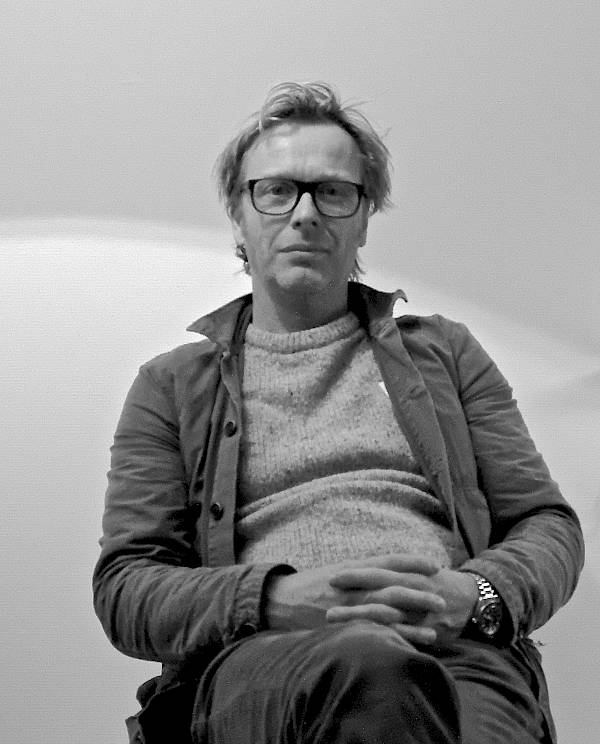
Henrik Ahr
Henrik Ahr, born in Bensberg, initially worked as a freelance artist after training as a chef and studied architecture in Leipzig from 1995 to 2001. He designed his first stage sets in 2000 for the Neue Szene Leipzig and in 2001 at the Theaterhaus Jena for Chuck Palahniuk's "Fight Club". Since 2005 Henrik Ahr has lived and worked in Vienna as a stage designer and painter. Since 2010 he has been a Professor of Stage Design at the Mozarteum Salzburg, where he also heads the Department of Scenography. He has a close artistic collaboration, among others, with Michael Thalheimer, Christof Loy and Tatjana Gürbaca. With Thalheimer he created works such as Schnitzler's "Liebelei" at the Thalia Theater Hamburg, which was invited to the Berlin Theatertreffen, Brecht's "Herr Puntila und sein Knecht Matti" in Hamburg, Schubert's "Winterreise" at the Deutsches Theater Berlin and "Rigoletto" at Theater Basel. He first worked with Christof Loy in 2008 at the Theater an der Wien on Strauss's "Intermezzo"; this was followed by productions including "Lucrezia Borgia" at the Bavarian State Opera in Munich and "Der Tausch" at Schauspielhaus Zurich. Henrik Ahr has an ongoing collaboration with Tatjana Gürbaca, resulting in productions such as "Arabella" at the Deutsche Oper am Rhein, "Parsifal" at the Vlaamse Opera Antwerp, Hasse's "Leucippo" at the Schwetzingen Festival and at the Cologne Opera, "La traviata" in Oslo, the "Ring" trilogy and "Capriccio" at the Theater an der Wien, as well as "Le Grand Macabre" and most recently "Das grosse Feuer" in Zurich. At the Zurich Opera House he also designed the stage sets for "Die Schatzinsel", "Fidelio" and "I puritani".
Barbara Drosihn
Barbara Drosihn, born in Hamburg, studied costume design at the University of Applied Sciences in her hometown after training as a seamstress. Since then she has worked as a freelance costume designer at venues including the Thalia Theater, the Deutsches Schauspielhaus Hamburg, the Burgtheater Vienna, the Schauspielhaus Bochum, the Staatsschauspiel Dresden and the Schauspiel Köln. In the process, she has created works for directors such as Michael Thalheimer, Stephan Kimmig, Nicolas Stemann, Andreas Kriegenburg and Stefan Bachmann. Her first opera was "Lucrezia Borgia", for which she designed the costumes in 2009 for Christof Loy at the Bavarian State Opera in Munich. This was followed by productions including "Der Rosenkavalier" and "Der ferne Klang" at the Royal Opera Stockholm, "The Miracle of Heliane" at the Deutsche Oper Berlin, "Così fan tutte" at the Salzburg Festival and "Don Pasquale" at the Zurich Opera House. There she also designed the costumes for Andreas Homoki's productions of "I puritani" and "Fidelio". She has a close artistic collaboration with Tatjana Gürbaca, for whom she created the costumes for "Parsifal" and "The Flying Dutchman" in Antwerp, "La traviata" in Oslo, "Capriccio" and the "Ring" trilogy at the Theater an der Wien, as well as "La finta giardiniera" and "Le Grand Macabre" at the Zurich Opera House. In recent seasons she designed the costumes for "Der Schatzgräber" at the Deutsche Oper Berlin, "Káťa Kabanová" at the Deutsche Oper am Rhein, "Il trittico" at the Salzburg Festival, "Die Königskinder" in Amsterdam, "Bluebeard's Castle" / "The Miraculous Mandarin" in Basel, "Rusalka" in Hanover and "La Voix humaine" / "Erwartung" at the Teatro Real in Madrid.
Franck Evin
Franck Evin, born in Nantes, moved to Paris at the age of 19 to study piano. At night he accompanied singers at the Café-Théâtre Le Connétable and also began to take an interest in lighting. He eventually decided to combine music and technology. Thanks to a scholarship from the French Ministry of Culture, he became assistant to the head of lighting at the Opéra de Lyon in 1983. There he worked with Ken Russell and Robert Wilson, among others. In 1986 he began working as an independent lighting designer at the Düsseldorf Schauspielhaus and obtained his master’s certificate in lighting in 1993. During this time he had a close collaboration with Werner Schröter and the conductor Eberhard Kloke. This was followed by productions in Nantes, Strasbourg, Paris, Lyon, Vienna, Bonn, Brussels and Los Angeles, among other places. From 1995 to 2012 he was Artistic Director of the lighting department at the Komische Oper Berlin, where he was responsible for all new productions. Important artistic partners during this period included Andreas Homoki, Barrie Kosky, Calixto Bieito and Hans Neuenfels. In 2006 Franck Evin was awarded the German Theatre Prize "Opus" in the category of lighting design. From 2012 to 2025 he was Artistic Director of the lighting department at the Zurich Opera House. In addition to his work in Zurich, he continued to work on international productions at opera houses in Oslo, Stockholm, Tokyo, Amsterdam, Munich and Graz, as well as at the Opéra Bastille, Teatro alla Scala, Teatro La Fenice, the Vlaamse Opera and at the Bayreuth Festival.
Alexander du Prel
Alexander du Prel, who comes from Northern Bavaria, initially worked as a theatre photographer and camera assistant before beginning his studies in visual communication/art at the Gesamthochschule Kassel in 1994. From 1998 he also studied under Michael Ballhaus at the University of Hamburg and completed his studies in 2000 with a diploma as a cinematographer and visual director. Alexander du Prel has worked as a cinematographer on numerous feature films, documentaries and short films, including the Irish feature film "Swan Song" (director: Conor McDermottroe), for which he was nominated for Best Cinematography at the International Film Festival of the Art of Cinematography Camerimage in 2010. As a video artist, he has been working with Michael Thalheimer since 2000. This collaboration resulted in installations for "Liliom" at the Thalia Theater Hamburg (2000), "Medea" at the Frankfurt Theatre (2012) – this production opened the Berlin Theatertreffen 2013 – and most recently for "Woyzeck" (2013) and "Peer Gynt" (2018) at the Royal Dramatic Theatre in Stockholm. Du Prel had already worked with Henrik Ahr in 2002 on "Liebelei", also under the direction of Michael Thalheimer. "Fidelio" was his first opera project and at the same time his first collaboration with Andreas Homoki. Alexander du Prel taught at the Mozarteum Salzburg until 2019. He lives and works in Hamburg and Berlin.
Ernst Raffelsberger
Ernst Raffelsberger comes from Gmunden, Upper Austria. He studied music education and church music at the University of Music and Performing Arts in Vienna as well as choral conducting at the Mozarteum in Salzburg. From 1983 to 1986 he was Kapellmeister of the Vienna Boys’ Choir. During this time, he led the ensemble in Vienna and on tours through Europe, South Africa, Canada, and the USA. From 1986, Ernst Raffelsberger was choral director and Kapellmeister at the Salzburg State Theatre (participating in the Salzburg Mozart Week and the Salzburg Festival). In 1989 he moved as choral director and Kapellmeister to the theatre in Freiburg/Breisgau. Since autumn 1993, Ernst Raffelsberger has been engaged at the Zurich Opera House as choral director. Here he has since supervised around 150 premieres and countless revivals and worked with many renowned conductors such as Marco Armiliato, Riccardo Chailly, Teodor Currentzis, Christoph von Dohnányi, Sir John Eliot Gardiner, Daniele Gatti, Bernard Haitink, Nikolaus Harnoncourt, Zubin Mehta, Gianandrea Noseda, and Franz Welser-Möst. Guest performances with the Zurich Opera House have taken him to Vienna, London, Paris, and Tokyo. From summer 2012 he additionally began a ten-year activity as choral director of the Vienna State Opera Chorus Association at the Salzburg Festival. There he collaborated successfully with, among others, Riccardo Muti, Mariss Jansons, and Sir Simon Rattle. After Ernst Raffelsberger ended this work with the festival summer 2021, he has since 2025 once again been responsible, at Maestro Muti’s request, for choral preparation for his festival concerts in Salzburg. Numerous CD and DVD recordings document his work in Zurich as well as in Salzburg.
Werner Hintze
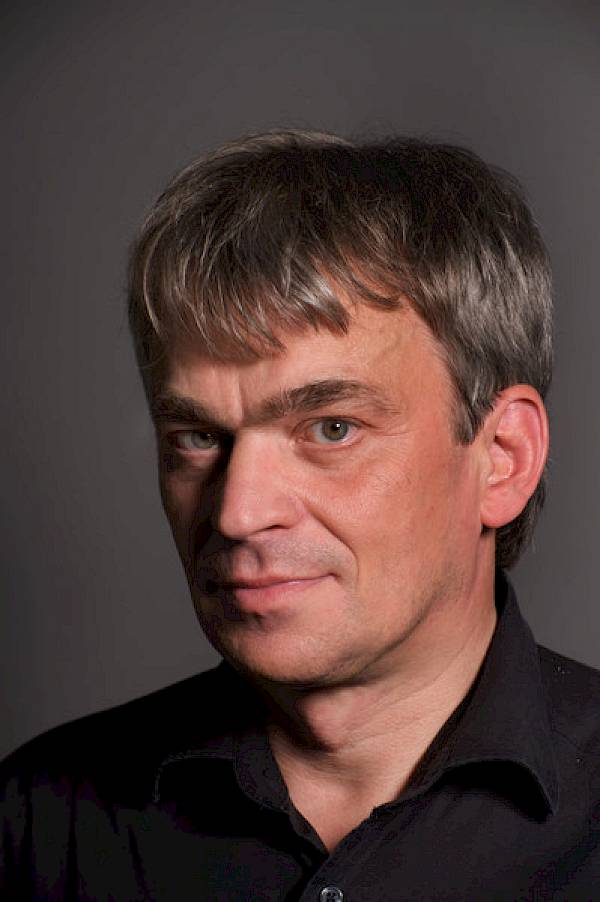
The author and dramaturg Werner Hintze studied theatre studies at Humboldt University in Berlin. Following an initial appointment at the Landestheater Halle, he worked at the Semperoper Dresden before moving to the Hans-Otto-Theater in Potsdam as chief dramaturg. From 2002 to 2012, he was chief dramaturg at the Komische Oper Berlin. Since 2012, he has lived in Berlin as a freelance dramaturg, author and university lecturer. He worked closely for many years with directors such as Peter Konwitschny, Andreas Homoki and Andreas Baumann, and served as a guest dramaturg at opera houses in Munich, Hamburg, Dresden, Zurich and Essen, amongst others. Since 1985, he has produced more than 30 German-language librettos for operas, mostly in collaboration with Bettina Bartz, as commissioned works for the Komische Oper and other theatres. In addition to his work in theatre, Werner Hintze teaches students of directing, set design and theatre studies at various universities. At the Zurich Opera House, he most recently supervised Andreas Homoki’s sensational new production of "Der Ring des Nibelungen".
Cast

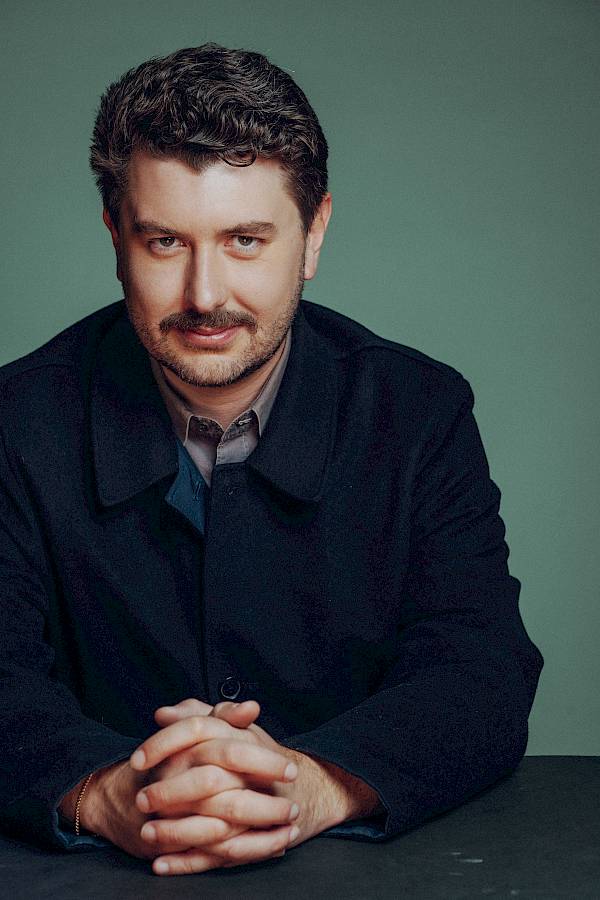
Andrew Moore
Andrew Moore, an American bass-baritone from New Jersey, received his training at Rutgers University (Mason Gross School of the Arts) and at the renowned Curtis Institute of Music in Philadelphia. In 2019, he reached the New England Region Finals of the Metropolitan Opera National Council Auditions, where he was awarded the Susan Eastman Encouragement Award. Further important artistic milestones included the Merola Opera Program in San Francisco as well as the Santa Fe Opera, where he appeared as an Apprentice Singer in "La bohème", "Così fan tutte", and "Jenůfa". From 2020 to 2022, he was a member of the International Opera Studio at the Zurich Opera House. He was subsequently engaged in the company ensemble, which he has belonged to since the 2022/23 season. There, he has appeared as Figaro ("Le nozze di Figaro"), Paolo Albiani ("Simon Boccanegra"), Don Fernando ("Fidelio"), De Brétigny ("Manon"), Marullo ("Rigoletto"), Paris ("Roméo et Juliette"), Marchese d’Obigny ("La traviata"), Pritschitsch ("Die lustige Witwe"), Johann ("Werther"), and Fix ("In 80 Tagen um die Welt"). His recent international engagements include his debut with the Warsaw Philharmonic as bass soloist in Beethoven’s Symphony No. 9 as well as his Salzburg debut as Marchese d’Obigny ("La traviata"). In summer 2026, he will appear at the Salzburg Festival as Johann ("Werther"). His repertoire also includes roles such as Leporello ("Don Giovanni"), Guglielmo ("Così fan tutte"), and Rocco ("Fidelio").
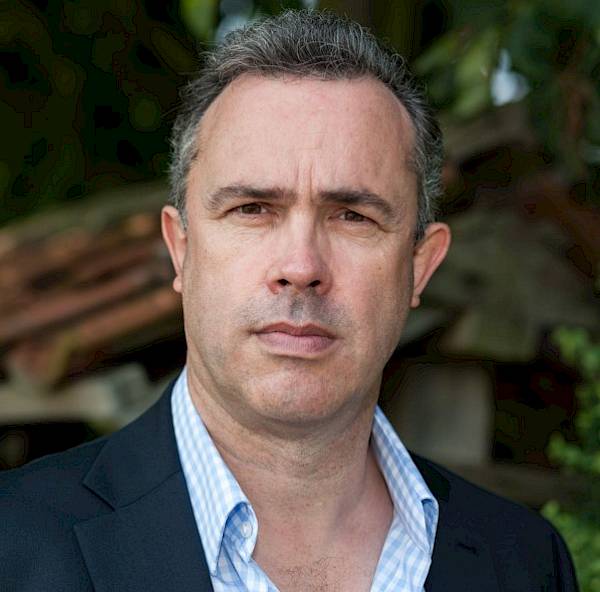
Simon Neal
Simon Neal, Bariton, zählt seit seinem Debüt 2017 als Wotan im Düsseldorfer Ring des Nibelungen zu den wichtigsten Vertretern seines Faches. In England geboren, widmete sich der irische Sänger erst einer Business-Karriere, bevor er sich ausschliesslich dem Gesang zuwandte. Von 2006 bis 2011 war er Ensemblemitglied am Theater Dortmund. Gastspiele führten ihn als Pizzaro (Fidelio), Scarpia (Tosca) und Escamillo (Carmen) an die Opera Australia in Sydney sowie an die English National Opera, zum National Symphony Orchestra Dublin, an das Royal Opera House, Covent Garden sowie zum National Taiwan Symphony Orchestra. An der Oper Frankfurt sang er u.a. Achilles (Penthesilea), Mandryka (Arabella), Kurwenal (Tristan und Isolde) und die Titelpartie in Oedipe, an der Semperoper Dresden General in Henzes We Come to the River, in Oslo in Les Contes d’Hoffmann, am Theater Basel Jago (Otello), an der Deutschen Oper am Rhein u.a. Rigoletto und Telramund (Lohengrin), in Köln und Lyon Tamare (Die Gezeichneten), an der Oper Leipzig Dr. Schön (Lulu) und an der Vlaanderen Opera in Antwerpen und Gent die Titelfigur in Hindemiths Cardillac. Im Konzert sang er u.a. Beethovens 9. Sinfonie am Gedenktag 2015 in Hiroshima sowie beim Barcelona Symphony Orchestra. Jüngste Höhepunkte waren sein eindrucksvolles Debüt als Wotan in Wagners Walküre an der Wiener Staatsoper, Notre Dame bei den Festspielen St. Gallen, die Uraufführung von Missy Mazzolis The Listeners in Oslo, Holländer (Der fliegende Holländer) an der Komischen Oper Berlin sowie Wanderer (Siegfried) in Düsseldorf. Im Juni 2023 tourte er mit Gustavo Dudamel als Pizzaro durch Venezuela.
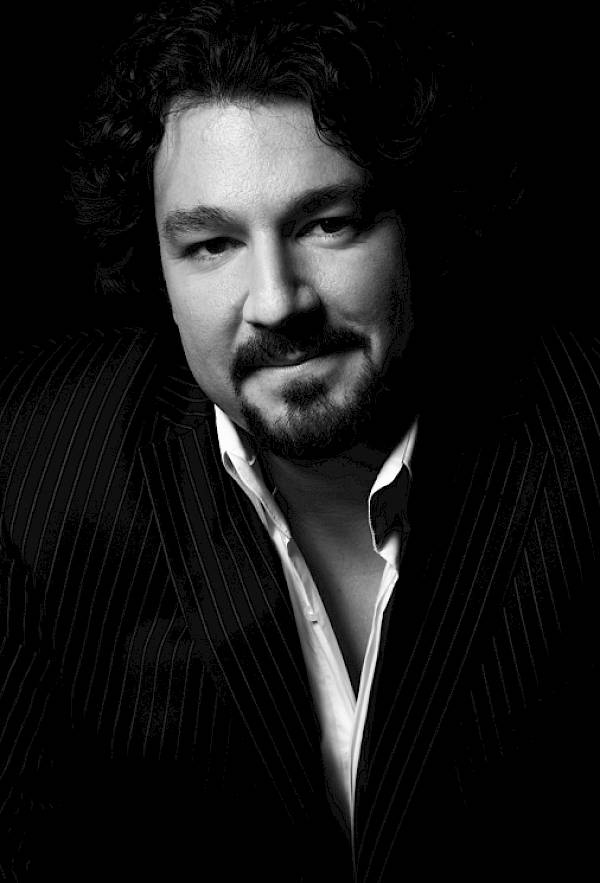
Eric Cutler
Eric Cutler, born in Iowa, completed his studies at Luther College and the Lindemann Young Artists Development Program at the Met. In 2005, he won the Tucker Award. He appears at international opera houses including the New York Met, the Bavarian State Opera, the Royal Opera House in London, the Paris Opera, La Fenice in Venice, the Lyric Opera of Chicago, the Teatro dell’Opera in Rome, the Canadian Opera Company, the Santa Fe Opera, as well as at the Salzburg and Glyndebourne festivals. After beginnings in the Mozart and Bel Canto repertoire as well as lyrical roles by Bellini, Donizetti, Bizet, and Gounod at, among others, the New York Met, the Bavarian State Opera Munich, the Royal Opera House, the Paris Opera, and the Salzburg and Glyndebourne festivals, he now especially sings roles of the youthful heroic fach. Recent highlights include the Emperor in Richard Strauss’s “Die Frau ohne Schatten” (Semperoper Dresden), Florestan in “Fidelio” (Dutch National Opera & Ballet), Max in Weber’s “Der Freischütz,” and Erik in “Der fliegende Holländer” (Bavarian State Opera). The latter he also sang in 2023 in New York in a co-production of the Met with the Abu Dhabi Festival and the Opéra de Québec. Earlier highlights included the title role in Offenbach’s “Les Contes d’Hoffmann” (Brussels and Dresden) and Bacchus in “Ariadne auf Naxos” (Festival d’Aix-en-Provence). At the Zurich Opera House, he was most recently seen as Siegmund in “Die Walküre” and returned in 2025 as Paul in Korngold’s “Die tote Stadt.”
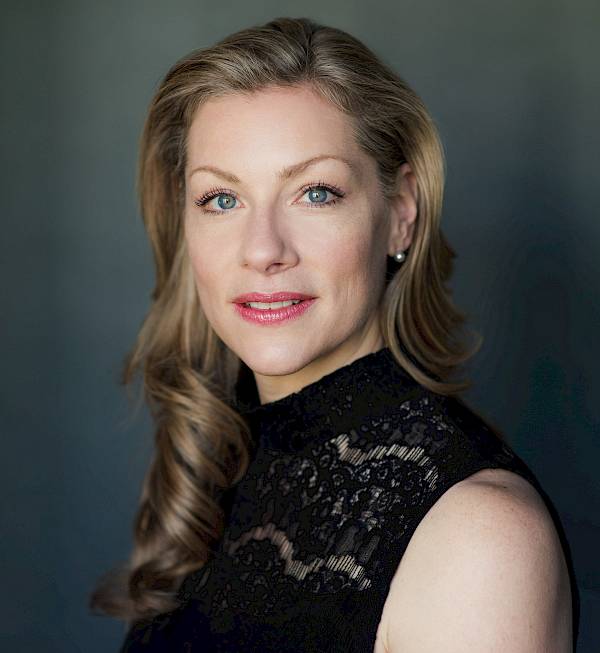
Jennifer Holloway
Die amerikanische Sopranistin Jennifer Holloway begann ihre Karriere mit den grossen Mezzosopranpartien von Mozart und Händel wie Dorabella (Così fan tutte), Cherubino (Le nozze di Figaro), Idamante (Idomeneo), Irene (Tamerlano), die Titelrolle in Serse und Donna Elvira (Don Giovanni) an Häusern wie dem Teatro Real Madrid, der Los Angeles Opera oder der Canadian Opera Toronto. Sie gastierte u.a. beim Glyndebourne Festival in Hänsel und Gretel (Hänsel) und Falstaff (Meg Page) sowie beim Maggio Musicale in Florenz, am Théâtre du Capitole Toulouse, Théâtre du Châtelet in Paris, Opera Theatre of St. Louis, beim Bard Music Festival und beim Chautauqua Music Festival New York, bei dem sie ihren ersten Octavian in Strauss‘ Rosenkavalier sang. Grosse Erfolge feierte sie ausserdem als Komponist (Ariadne auf Naxos), Adalgisa (Norma) und Giovanna (Anna Bolena) in Bordeaux, London und Lissabon. Zu den vergangenen Höhepunkten zählen Salome an den Staatsopern in Wien und Berlin, an der Deutschen Oper Berlin, der Semperoper Dresden sowie in Bilbao, Atlanta und Houston, die Rollendebüts als Senta (Der fliegende Holländer), Sieglinde (Die Walküre) und Leonore (Fidelio) an der Staatsoper Hamburg, Cassandre (Les Troyens) bei den Münchner Opernfestspielen, Grete in einer Neuproduktion von Schrekers Der ferne Klang an der Oper Frankfurt, das Rollendebüt als Elsa (Lohengrin) an der Oper Leipzig und Chrysothemis (Elektra) in Bergen und Leipzig.
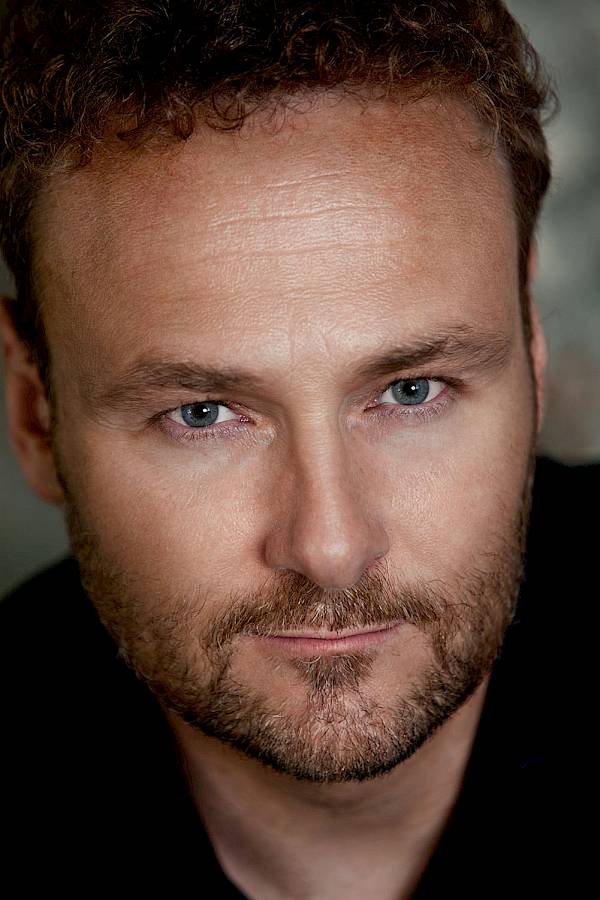
Christof Fischesser
The bass Christof Fischesser, born in Wiesbaden, studied singing with Martin Gründler at the University of Music and Performing Arts in Frankfurt am Main. In 2000 he won first prize at the Federal Singing Competition in Berlin, which was followed by an engagement at the Badisches Staatstheater Karlsruhe. In 2004 he moved to the Staatsoper Unter den Linden in Berlin; from 2012 to 2015 he was a member of the ensemble at the Zurich Opera House, with which he has maintained a close collaboration ever since. Guest engagements have taken him, among others, to the Vienna State Opera, the Royal Opera House in London, the Opéra national de Paris, the Teatro Real in Madrid, the Bavarian State Opera Munich, the Komische Oper Berlin, the Semperoper Dresden, the Opéra de Lyon, the Théâtre du Capitole de Toulouse, the Houston Grand Opera, the Lyric Opera of Chicago, as well as to the opera houses of Antwerp, Copenhagen and Gothenburg. His wide-ranging repertoire includes roles such as King Marke in "Tristan und Isolde", Landgrave in "Tannhäuser", King Henry in "Lohengrin", Gurnemanz in "Parsifal", Sarastro in "The Magic Flute", Figaro in "Le nozze di Figaro", Rocco in "Fidelio", Banquo in "Macbeth", Méphistophélès in "Faust" and Baron Ochs of Lerchenau in "Der Rosenkavalier". Numerous CD and DVD recordings document his artistic work. At the Zurich Opera House he has appeared, among others, as King Henry, Orest in "Elektra", Kaspar, Daland, Gremin, Gurnemanz, Marchese di Calatrava and Padre Guardiano in "La forza del destino", Hunding in "Die Walküre" as well as Jacopo Fiesco in "Simon Boccanegra".
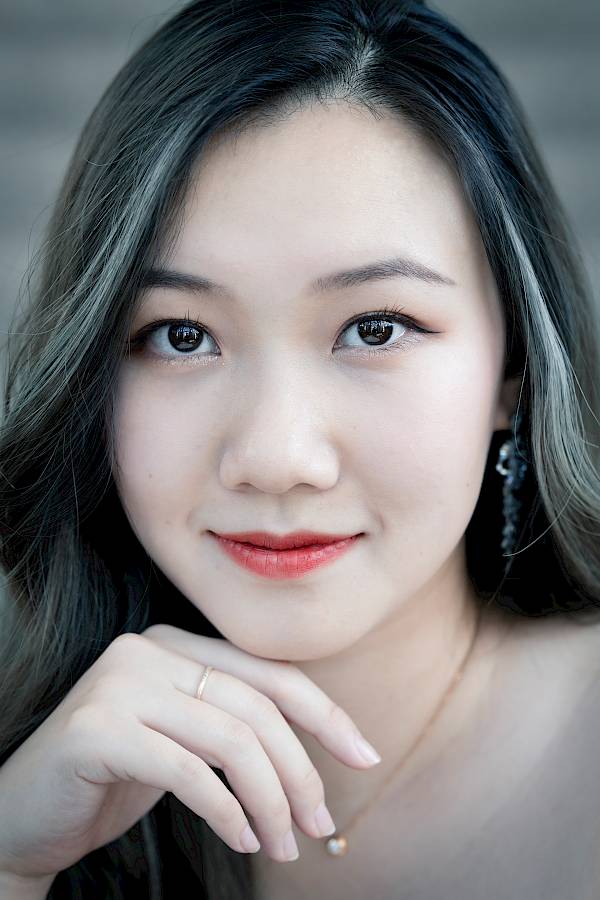
Ziyi Dai
Ziyi Dai, Sopran, stammt aus China und studierte am China Conservatory of Music in Peking, sowie an der Manhattan School of Music und am Curtis Institute of Music in New York. Meisterkurse besuchte sie u.a. bei Javier Camarena, Enza Ferrari, Eric Owens und Ferruccio Furlanetto. Sie war Preisträgerin beim Huang Long Music Festival, beim Premiere Opera Foundation Gesangswettbewerb und beim Daniel Biaggi Palm Beach Opera Preis. Im Rahmen des Curtis Institute of Music sang sie Zerlina in Don Giovanni, Belinda in Dido and Aeneas und Miss Wordworth in Albert Herring. Zusammen mit ihrem Vater, dem Opernsänger Dai Yuqiang, sang sie in der Carnegie Hall in New York und am Kimmel Center for the Performing Arts Konzerte mit Arien von Verdi, Puccini und Lehár sowie mit bekannten Chinesischen Volksliedern. Von 2019 bis 2022 war sie Mitglied des Internationalen Opernstudios und hier u.a. als Comtesse Adèle in Le Comte Ory, Marmeladenverkäuferin/Königstochter in Das tapfere Schneiderlein, als Athene in Die Odyssee, als Flaminia (Il mondo della luna) und als Barbarina in Le nozze di Figaro zu erleben. 2022/23 sang sie am Opernhaus Zürich Papagena in Die Zauberflöte und beim Buxton International Festival Amina in La sonnambula.
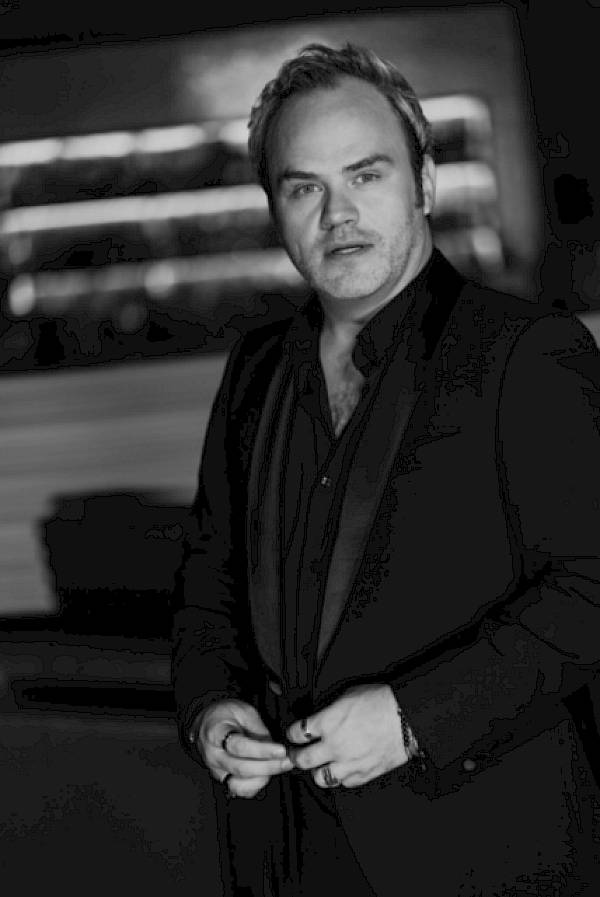
Andrew Owens
Andrew Owens, tenor, was born in Philadelphia and studied voice at the Oberlin Conservatory. He is a prizewinner of several competitions, including the Zarzuela Prize at the Tenor Viñas Competition. He participated in the Young Singers Project of the Salzburg Festival and was a member of the Opera Studio of the Bavarian State Opera in Munich. From 2012 to 2014 he was a member of the Young Ensemble of the Theater an der Wien, where he appeared at the Kammeroper in works including "La bohème", "La Cenerentola", "Fidelio", "Attila", "Mathis der Maler" and "La clemenza di Tito". Since then, he has returned to the Theater an der Wien as Mads in Werner Egk’s "Peer Gynt", as Snout in "A Midsummer Night’s Dream", as the Fourth Jew in "Salome", and most recently in 2021 as Jacob Glock in "Der feurige Engel", and he has performed in the title role of "Don Carlos" at the Kammeroper Wien. More recently, he has appeared as Arturo in "Lucia di Lammermoor" at the Opera Philadelphia, as Don Ramiro in "La Cenerentola" at the Irish National Opera, in Schumann’s "Scenes from Goethe’s Faust" with the Cleveland Orchestra, as Lukas in Haydn’s "The Seasons", as well as in a concert performance of "Le Rossignol" at the Salzburg Festival and as Aménophis in "Moïse et Pharaon" at the Rossini Opera Festival. Since 2021 Andrew Owens has been a member of the ensemble of the Zurich Opera House, where he has sung the Fourth Jew, Telémachos ("Die Odyssee"), Peppe ("Pagliacci"), Van Ruijven ("Girl with a Pearl Earring"), Lord Arturo Bucklaw ("Lucia di Lammermoor"), Gualtiero ("Il pirata"), Xaïloum ("Barkouf"), Lord Cecil ("Roberto Devereux"), as well as Guglielmo Antolstoinoloff ("Viva La Mamma!") and Pylade ("Iphigénie en Tauride").
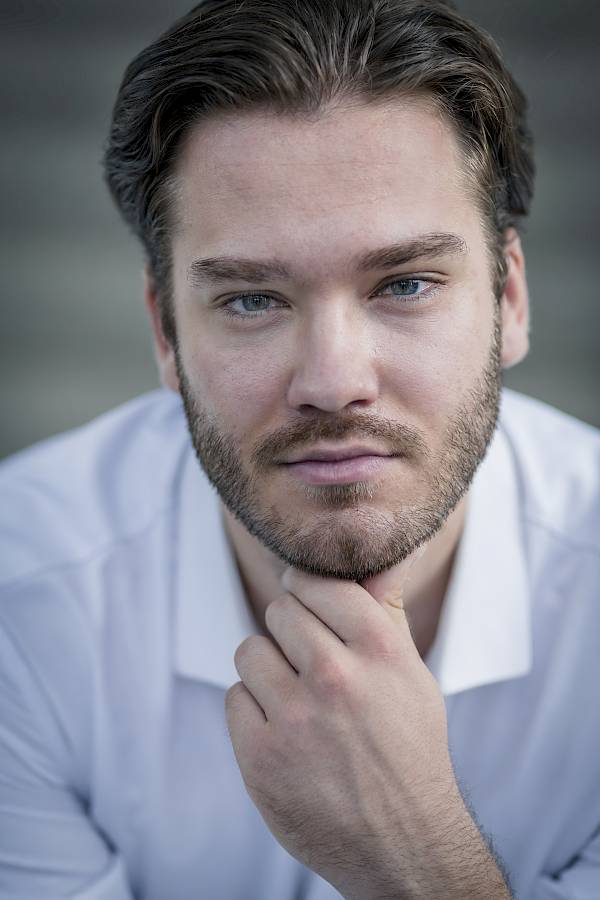
Tomislav Jukic
Tomislav Jukić, tenor, is from Croatia. He is a prizewinner of international singing competitions, including the Mikuláš Schneider-Trnavský International Vocal Competition and the International Antonín Dvořák Singing Competition (2023). He studied with Martina Zadro at the Music Academy in Zagreb and attended masterclasses with Renata Pokupić, Nikola Kitanovski, Alexei Tanovitski, and Mikhail Sinkevich. He sang Goro ("Madama Butterfly") at the Ljubljana Opera House, gave a solo recital at the Allegretto Festival in Žilina (Slovakia), and has performed as a soloist with ensembles including the Dubrovnik Symphony Orchestra. At the 2025 Salzburg Festival, he sang Portos ("Musketiere!") and Un incredibile ("Andrea Chénier"). At the Zürich Opera House, he appeared in a benefit concert with Cecilia Bartoli. Tomislav Jukić has been a member of the International Opera Studio at the Zürich Opera House since the 2024/25 season and will perform this season as Rinuccio ("Gianni Schicchi") at Theater Winterthur.
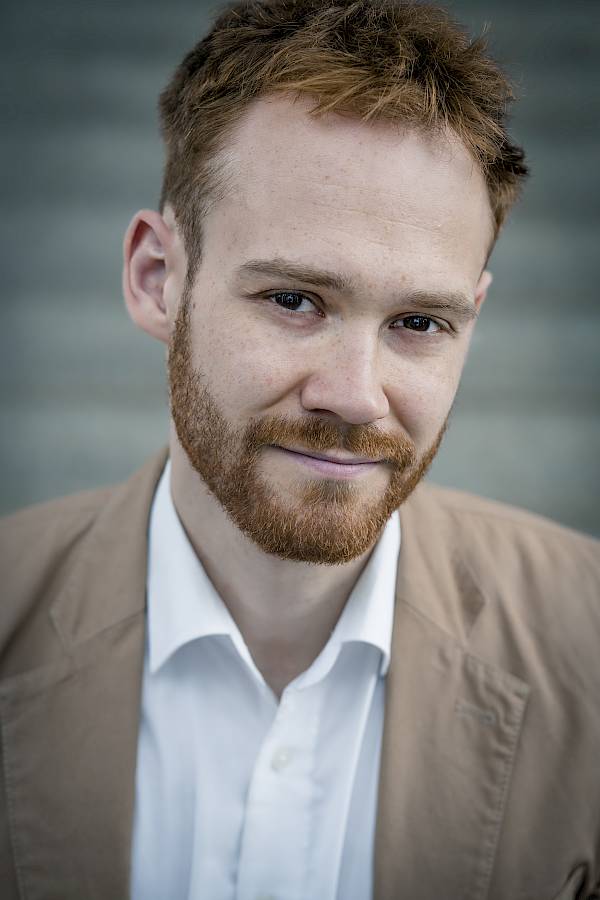
Max Bell
Maximilian Bell, bass, studied with Michail Lanskoi and Manfred Equiluz at the Music and Arts Private University of the City of Vienna. He furthered his training through masterclasses with Angelika Kirchschlager, Adrian Eröd, and Gerhard Kahry. The Austrian-born singer has already performed roles such as Spinelloccio ("Gianni Schicchi") and Norton ("La cambiale di matrimonio") at the Bregenz Festival, Osmin ("Die Entführung aus dem Serail") as part of the Vienna Philharmonic Summer Academy in Vienna and Graz, Snug ("A Midsummer Night’s Dream") at Theater Akzent in Vienna, the bass part in Bernstein’s "Mass" at the Wiener Musikverein, Rocco ("Fidelio") in a children’s production in Baden, Austria, Sarastro ("Die Zauberflöte") at the Vienna MuTh, and Bartolo ("Le nozze di Figaro") in a traveling theater production. Since the 2024/25 season, he has been a member of the International Opera Studio at the Zurich Opera House.
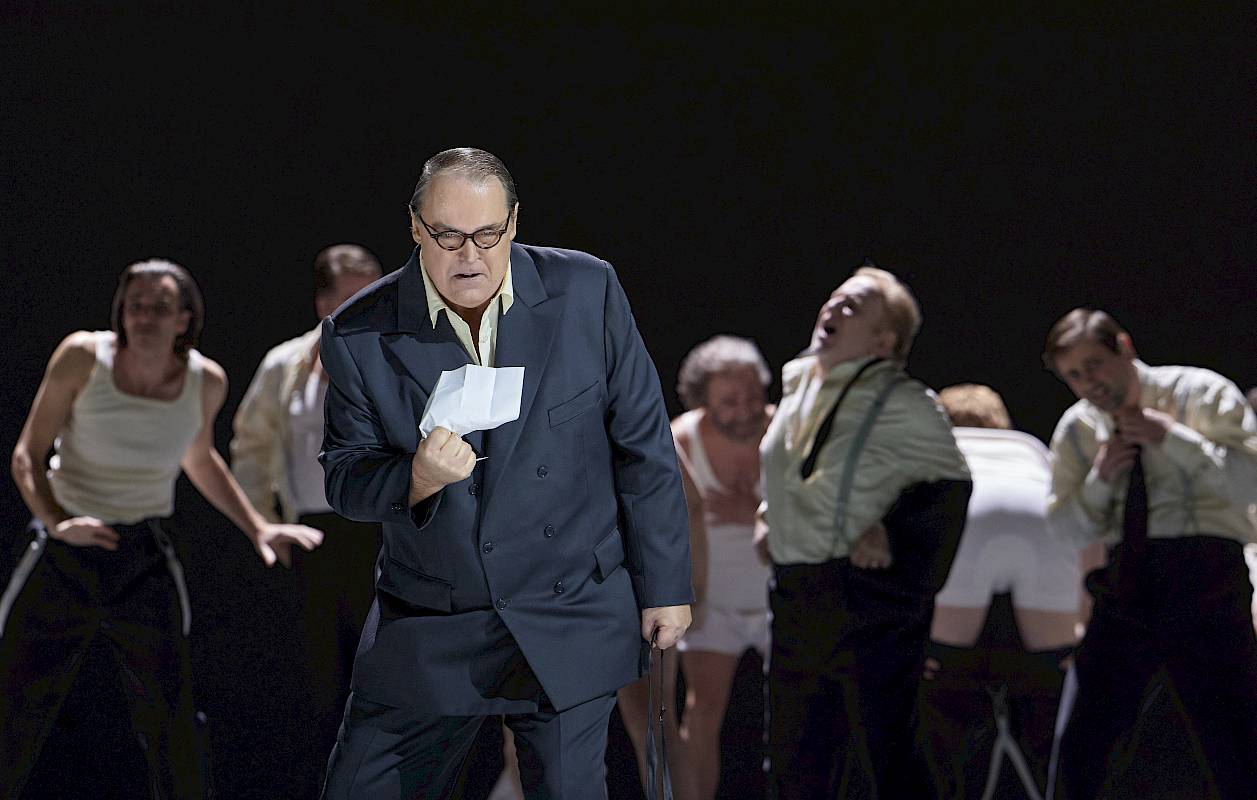
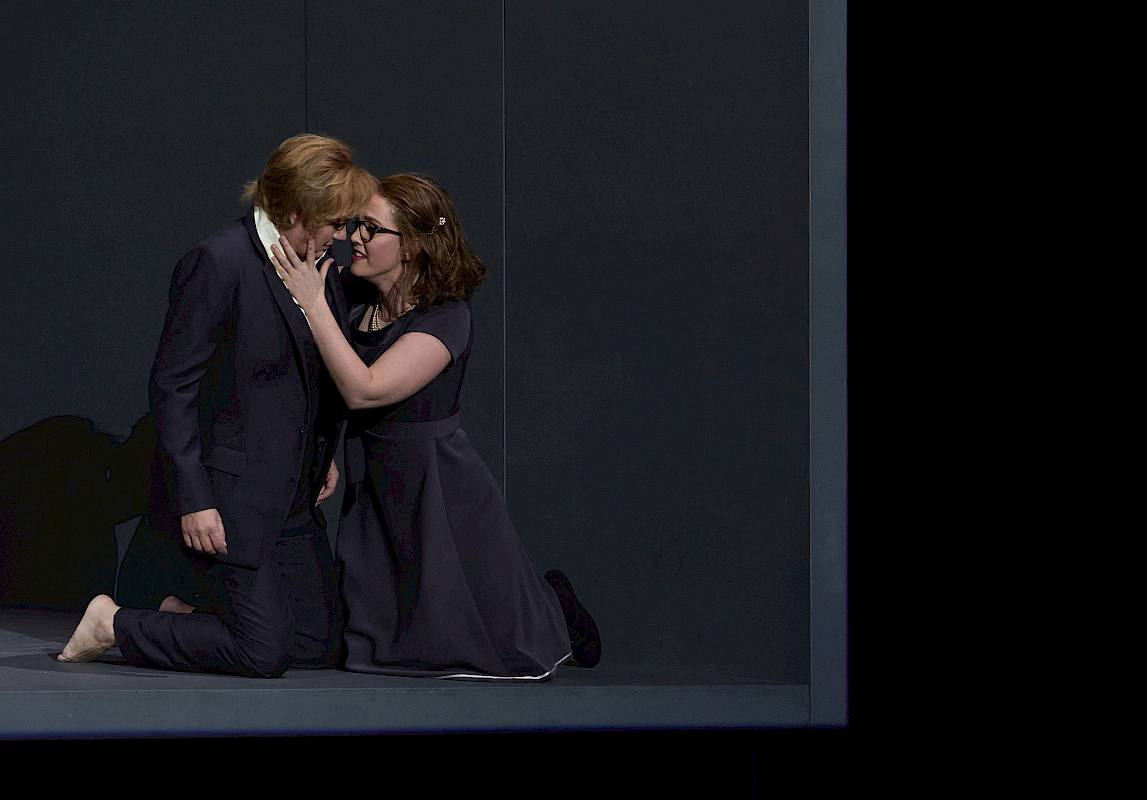
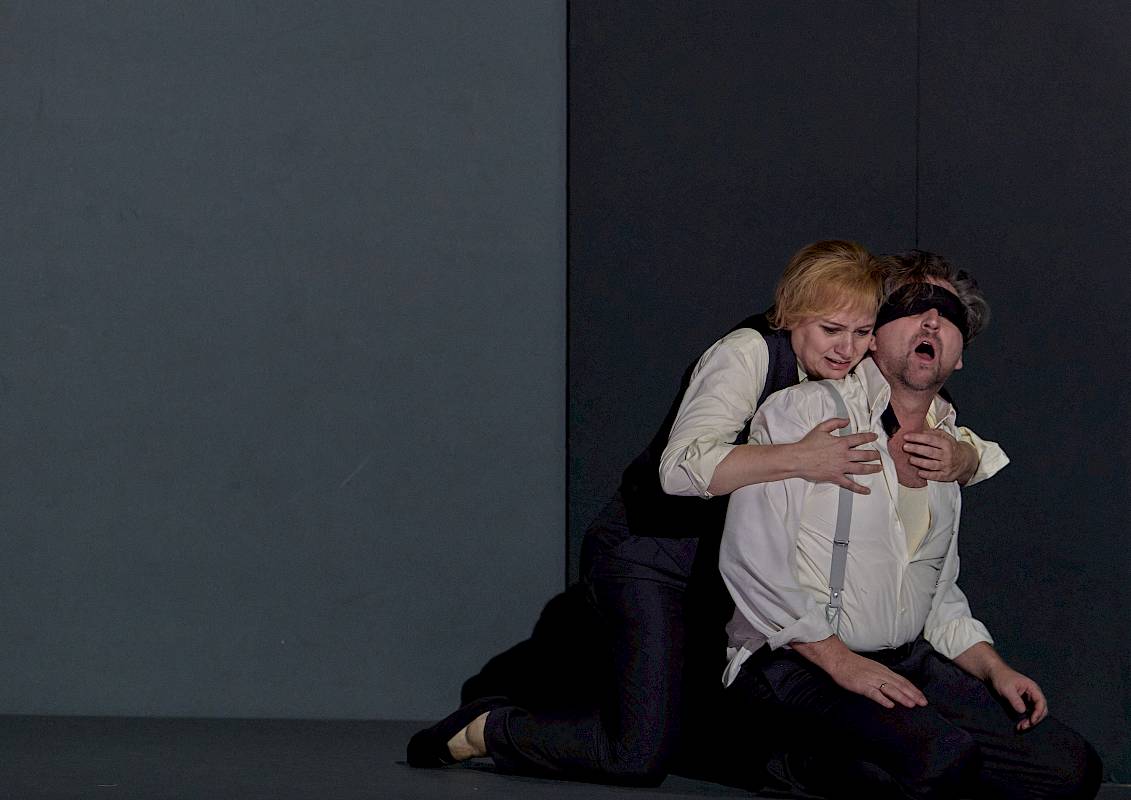
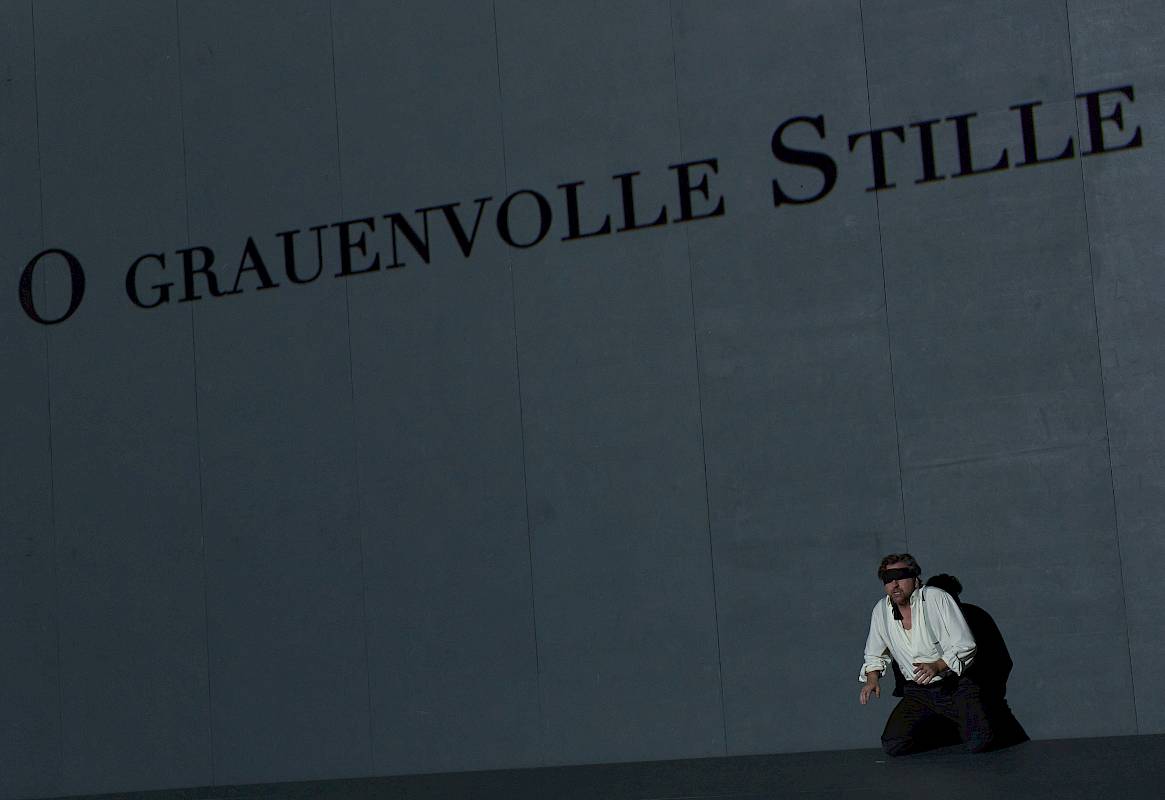
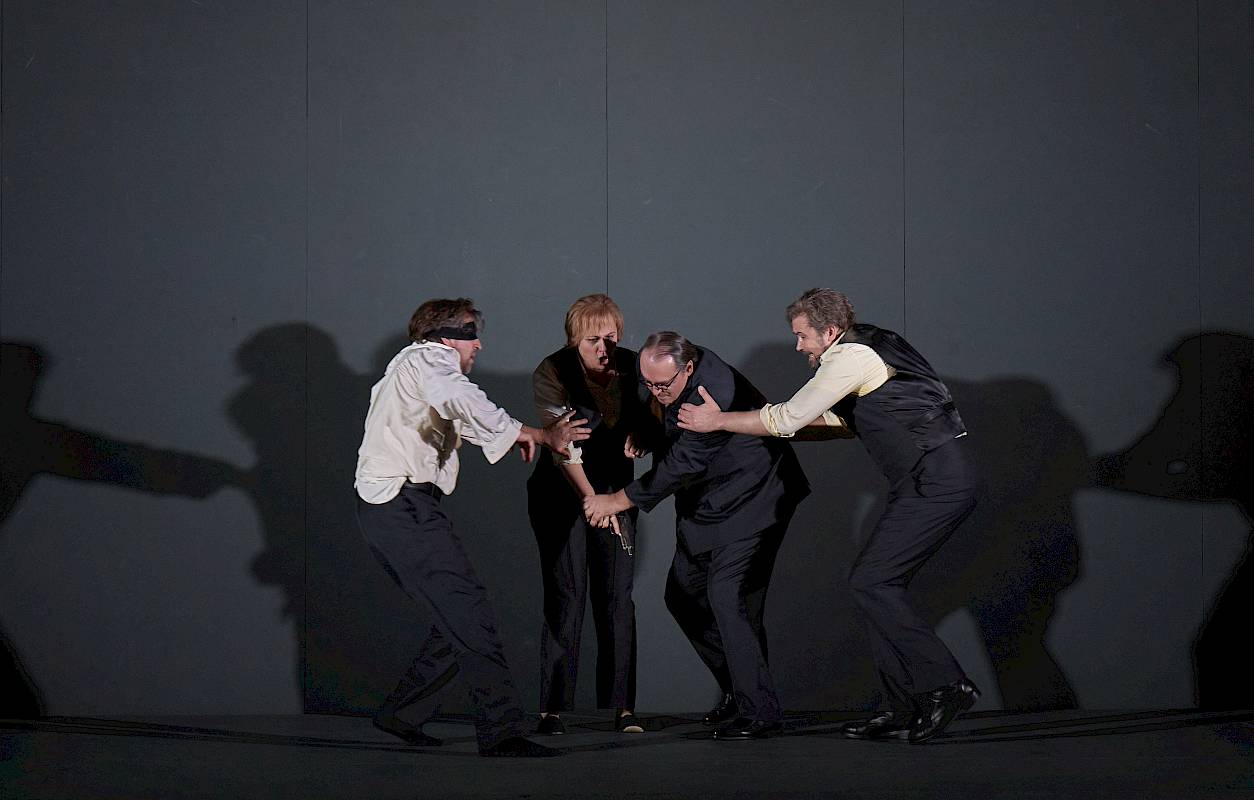
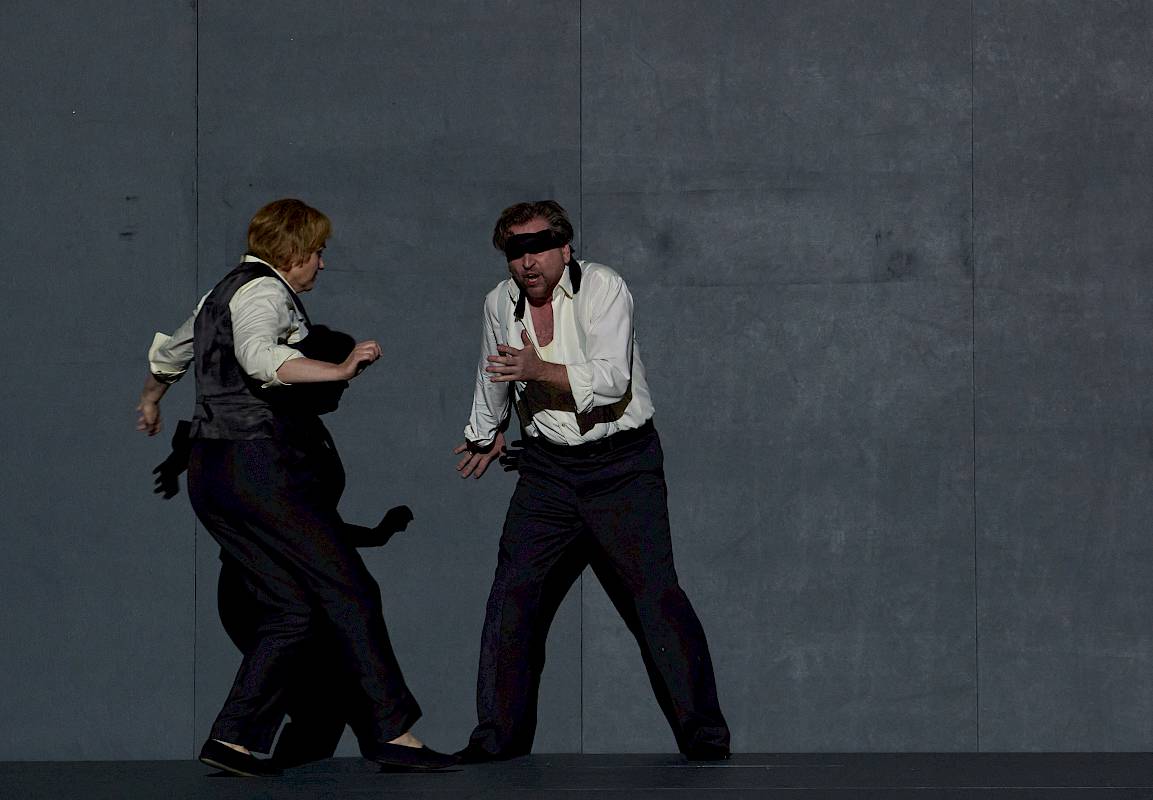
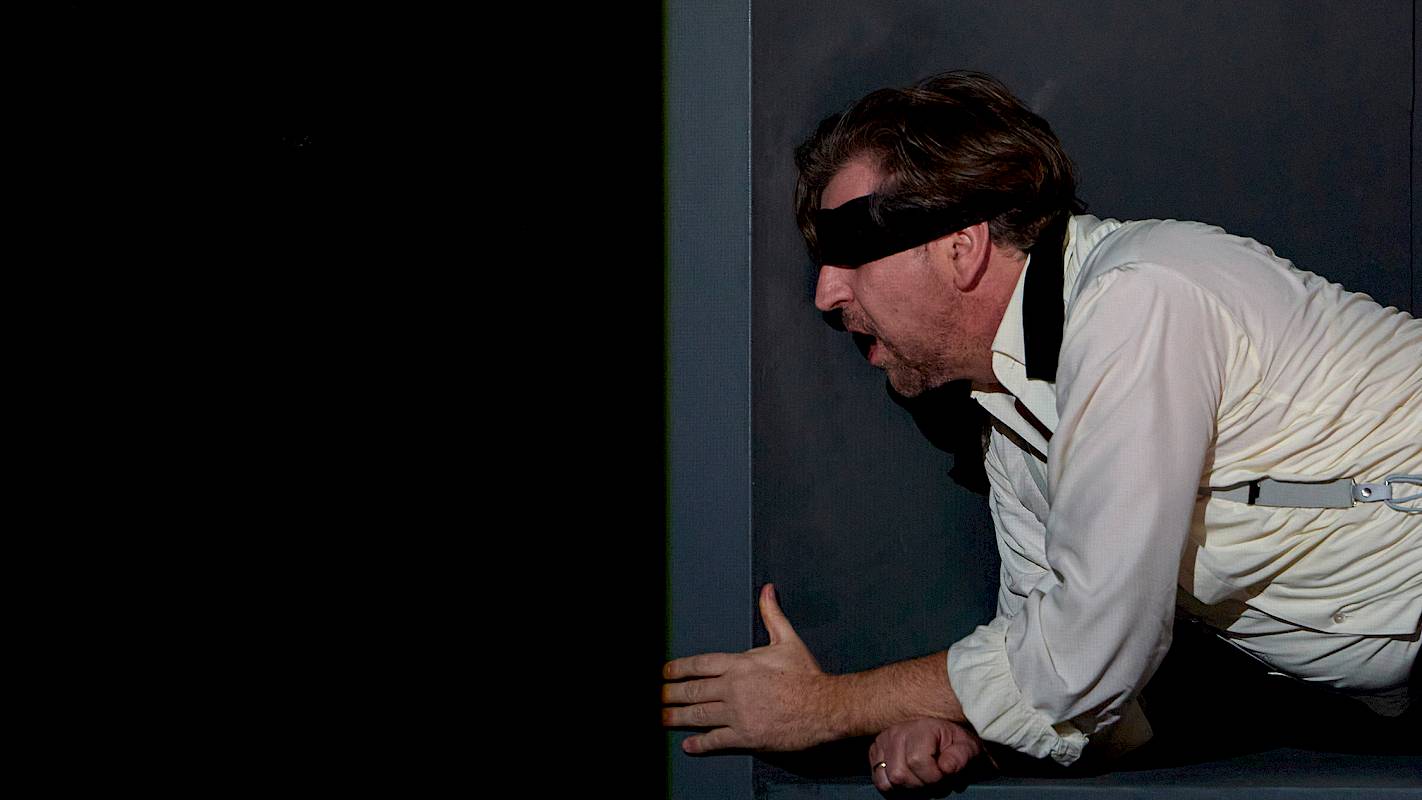
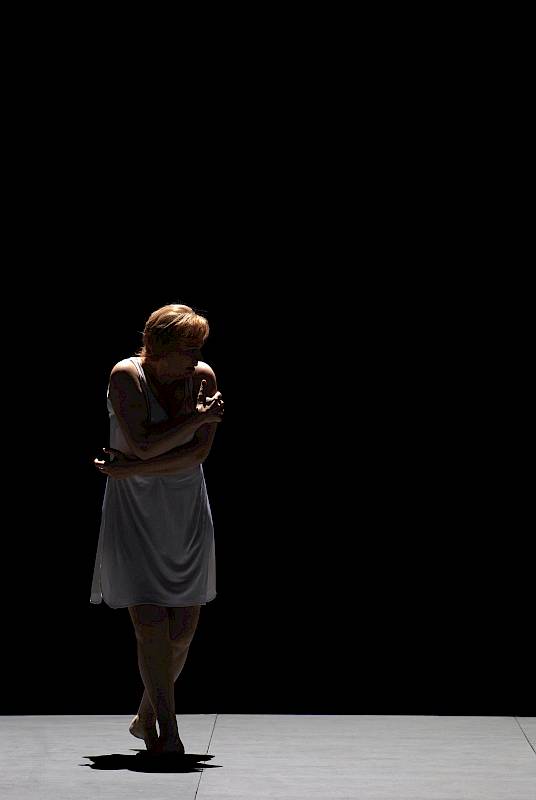
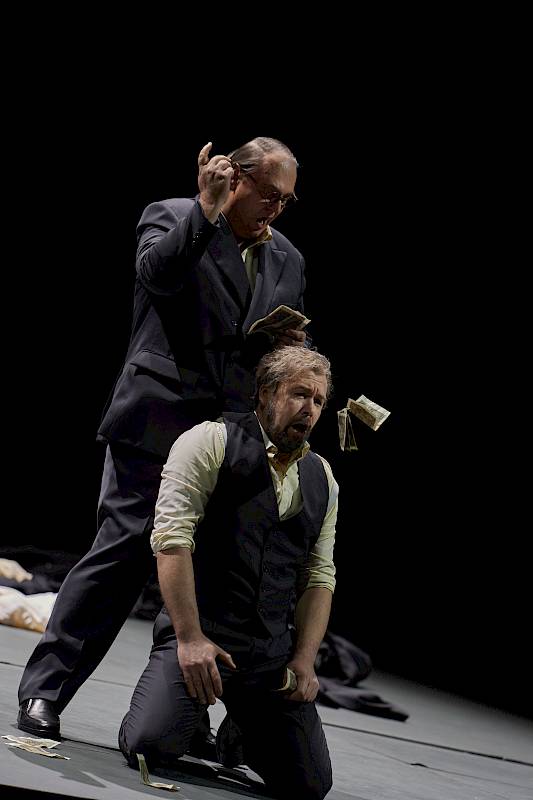
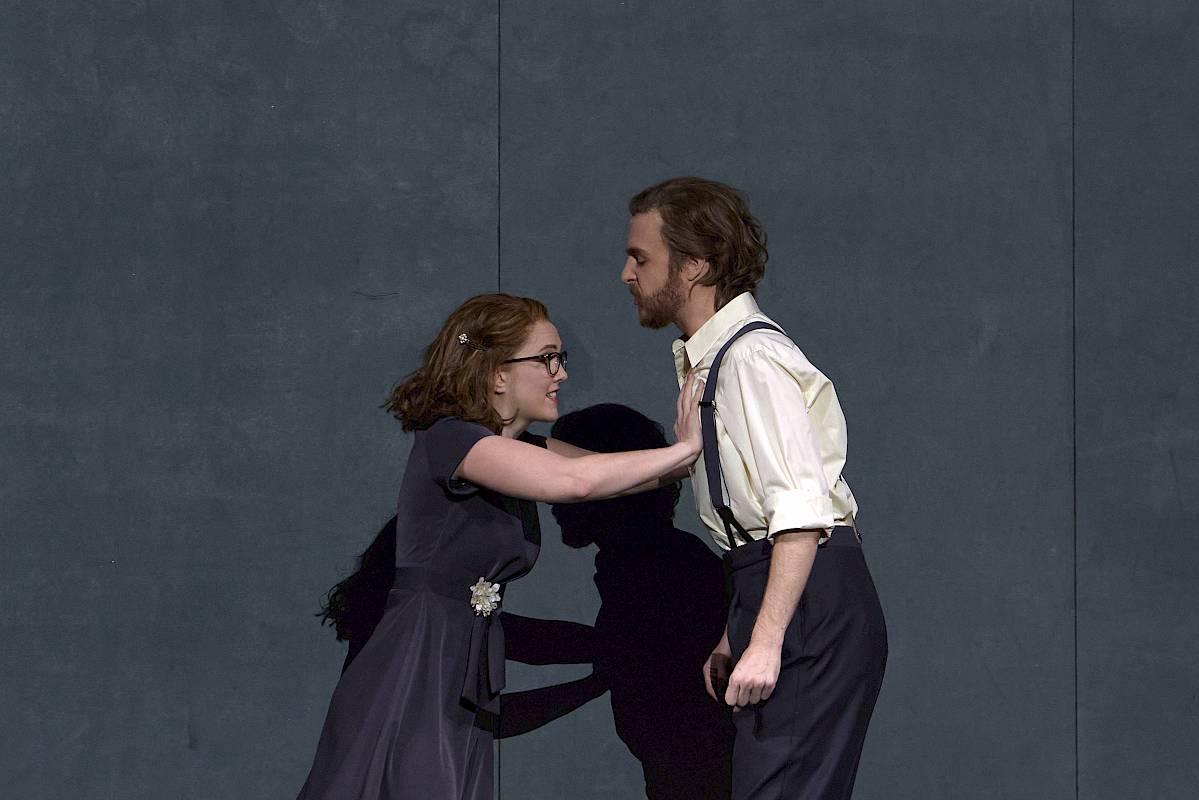
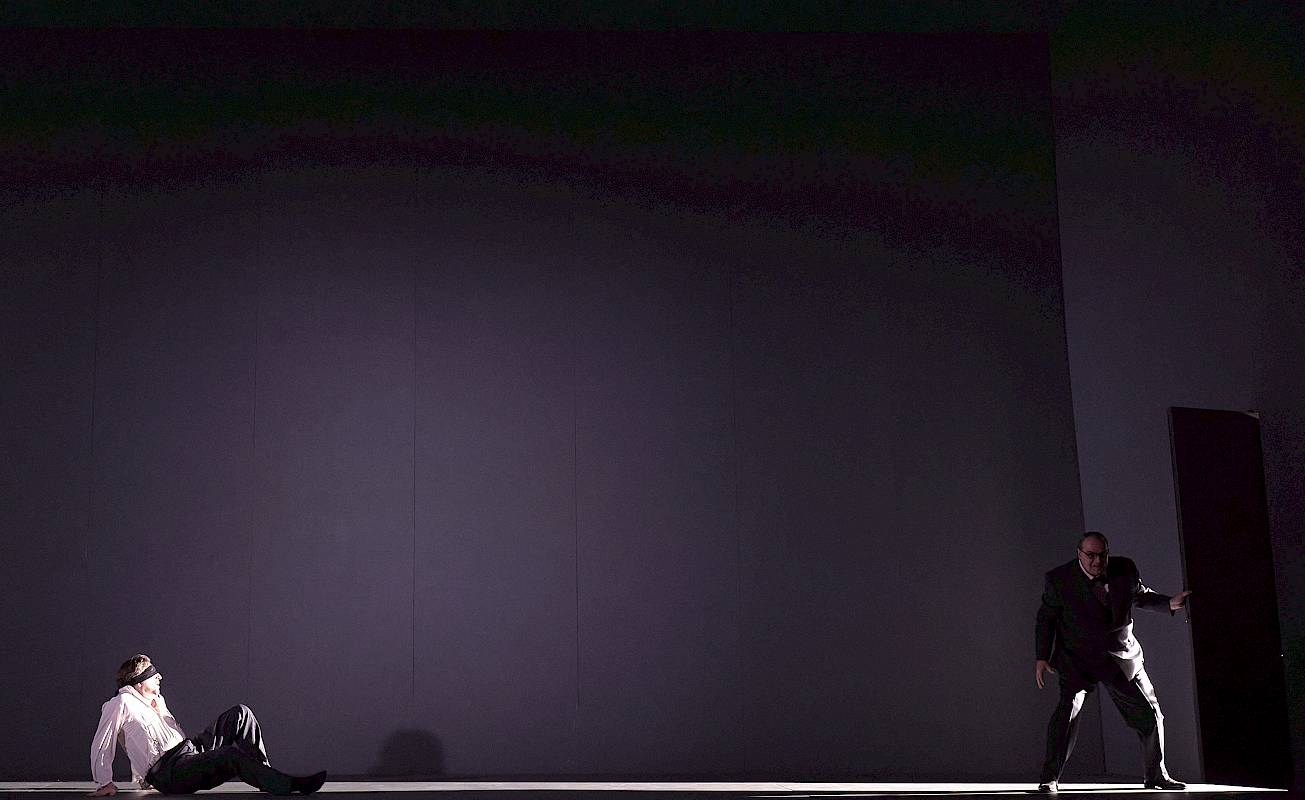
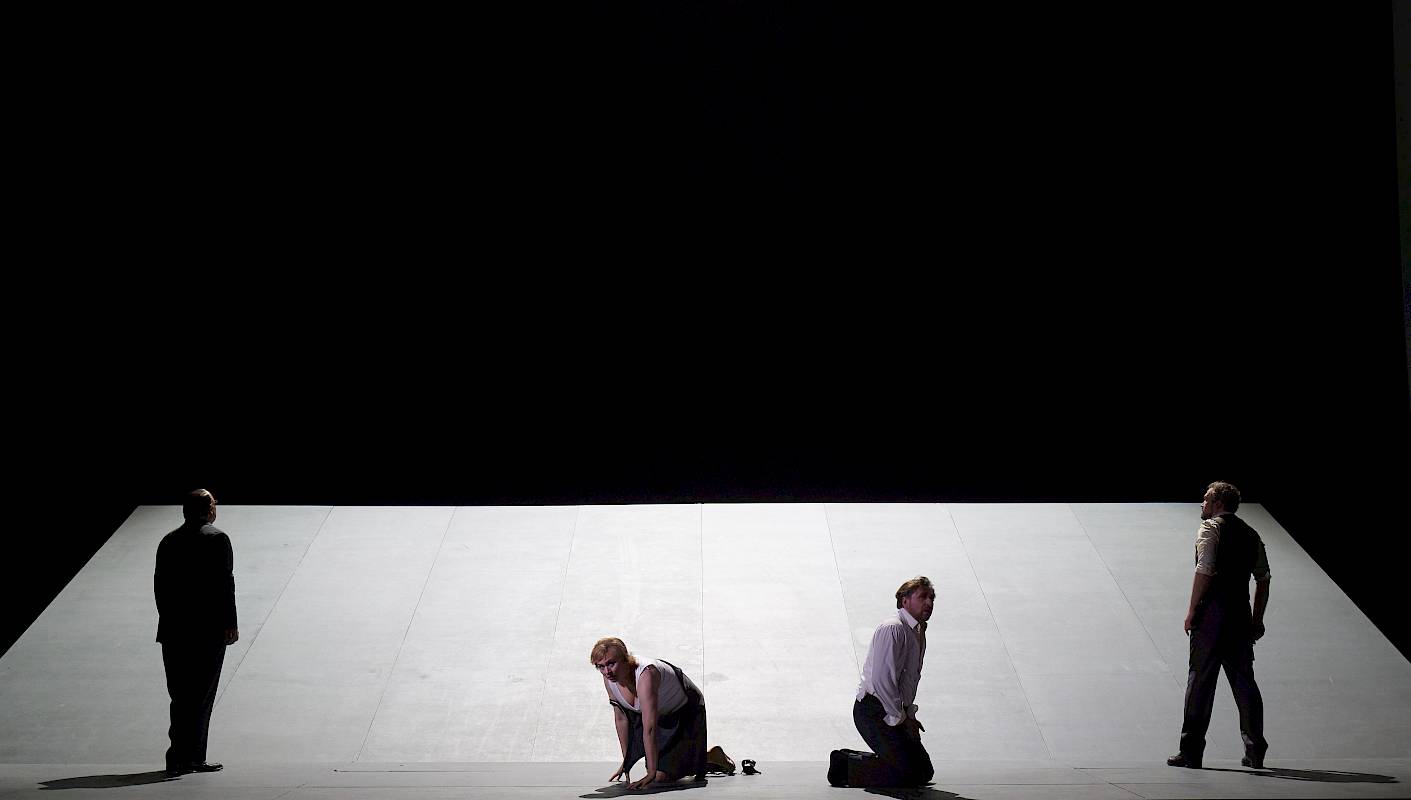
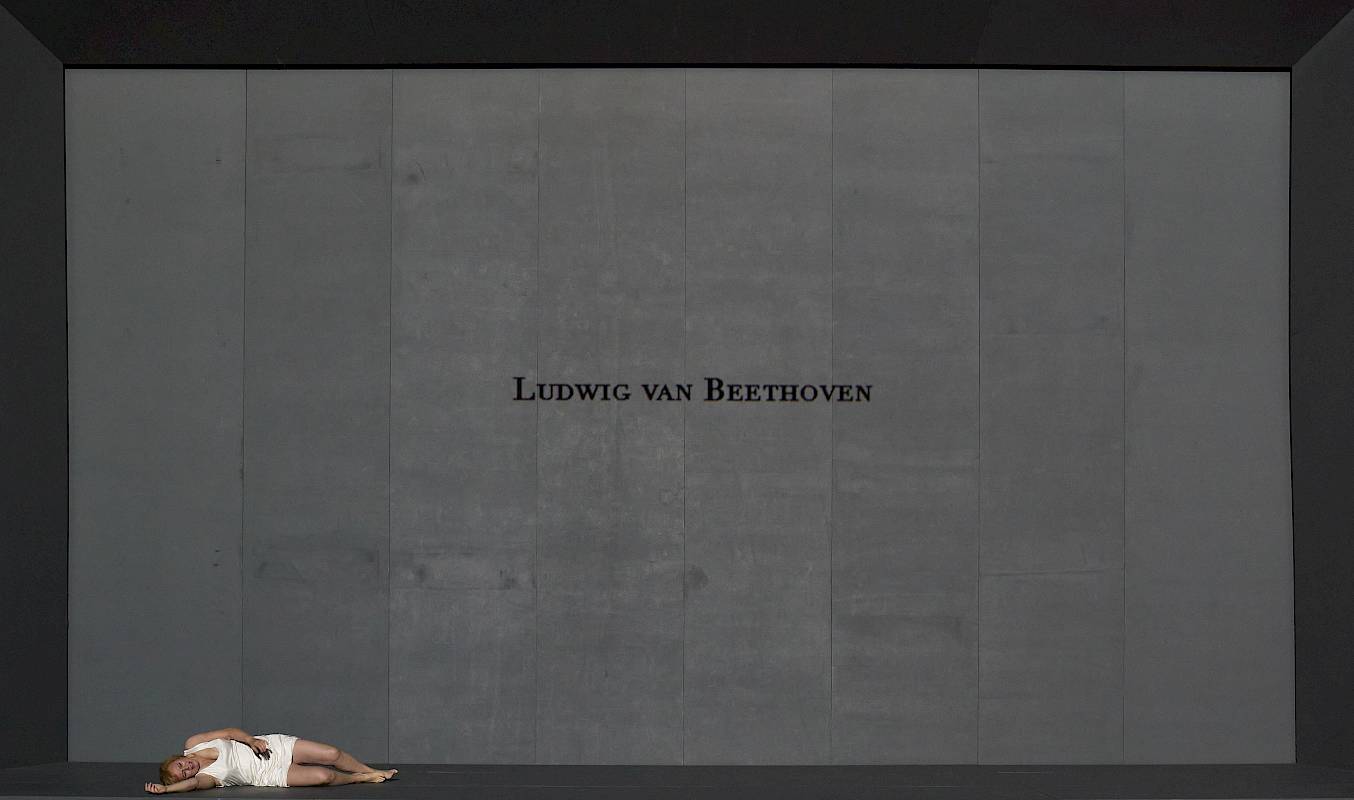
Photos «Fidelio»