La clemenza di Tito

Wolfgang Amadeus Mozart

Opera seria in two acts
Libretto by Caterino Mazzolà after Pietro Metastasio

From 26. April 2026 until 25. May 2026

  • Duration :
    2 H. 35 Min. Inkl. Pause.
  • Language:
    In Italian with German and English surtitles.
  • More information:
    Introduction 45 min before the performance.
    Preview: 18 Apr 2026

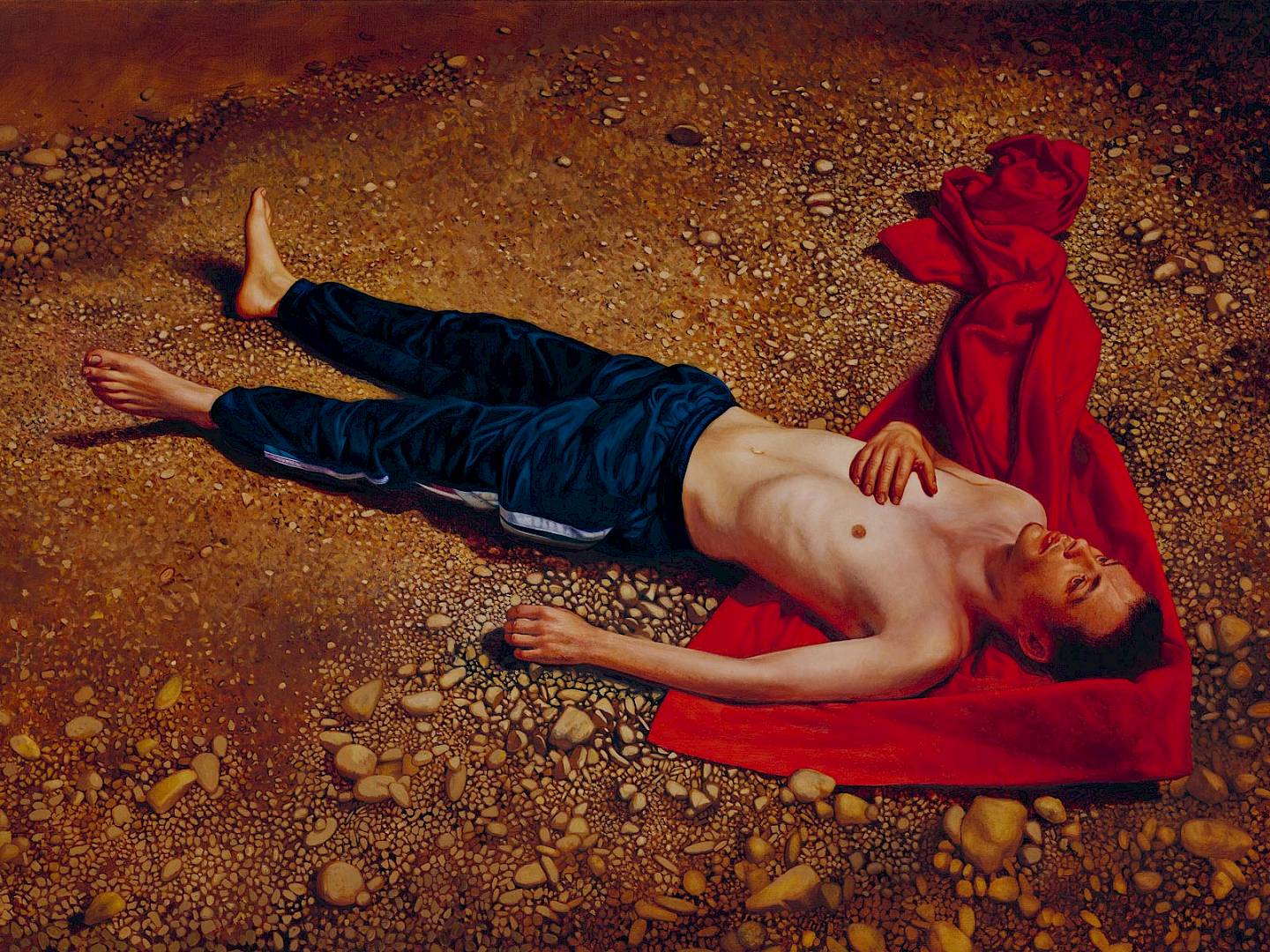
    © Poster image by Hans Aichinger (Die Lücke im Traum)

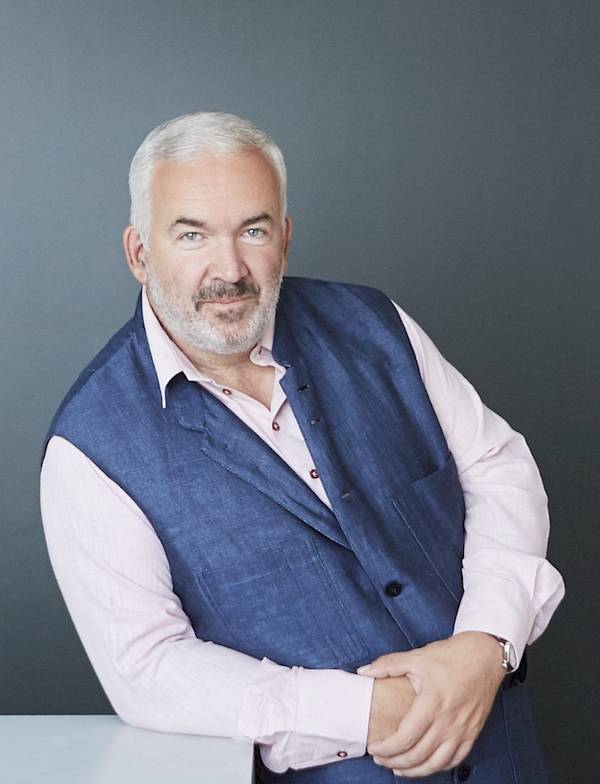
Musical Director:
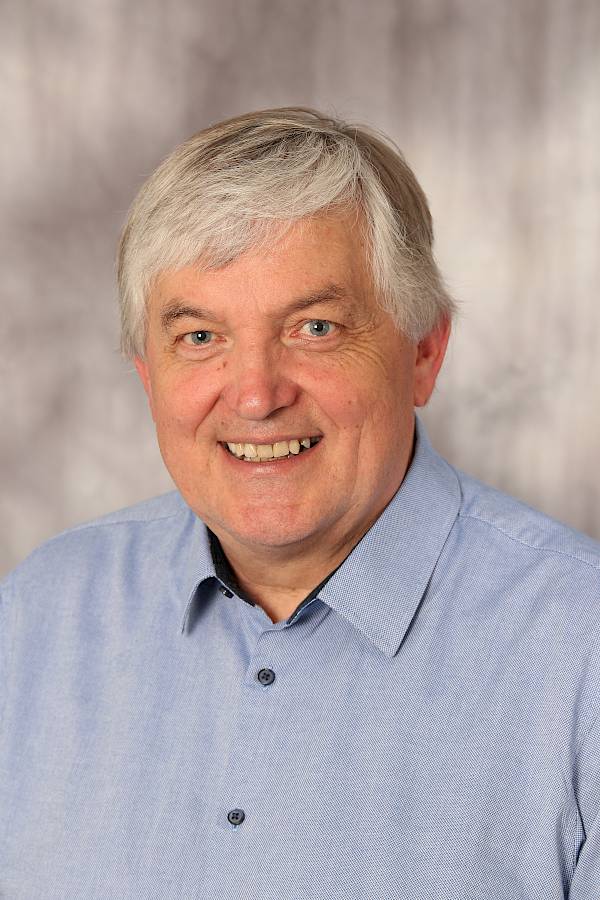
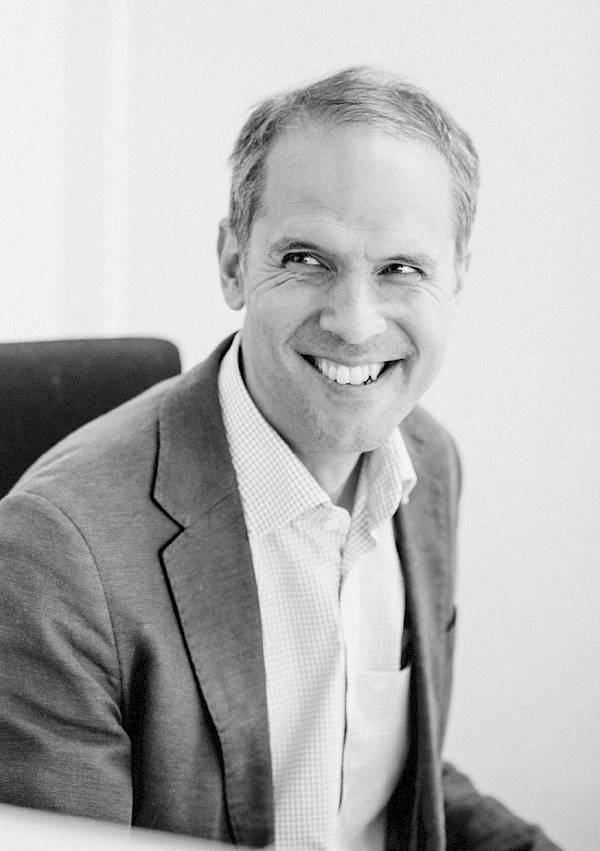
Marc Minkowski

Marc Minkowski

Marc Minkowski studied bassoon before turning to conducting. At the age of 19, he founded the ensemble Les Musiciens du Louvre, of which he remains Artistic Director to this day. He also directs the Festival Ré-Majeure, served as General Director of the Opéra National de Bordeaux from 2016 to 2021, as Artistic Director of the Mozart Week in Salzburg from 2013 to 2017, and as Artistic Advisor to the Orchestra Ensemble Kanazawa in Japan from 2018 to 2022, with which he continues to collaborate. In 2018, he was awarded the French Legion of Honour. As a guest conductor, he has received invitations to internationally renowned stages, including the Staatsoper Unter den Linden in Berlin, the Vienna State Opera, the Royal Opera in London, La Scala in Milan, the Opéra National de Paris, the Théâtre des Champs-Elysées, the Festival of Aix-en-Provence, and the Salzburg Festival. He has conducted orchestras such as the Vienna Philharmonic and Symphony Orchestra, the Berlin Philharmonic, the NRD Elbphilharmonie Orchestra, the Staatskapelle Dresden, the Dresden Festival Orchestra, the Cleveland Orchestra, the Los Angeles Philharmonic, and the Tokyo Metropolitan Symphony Orchestra, as well as period-instrument ensembles such as the Chamber Orchestra of Basel, Musique of the Baroque in Chicago, and the English Baroque Soloists. Recent projects include Offenbach’s "Robinson Crusoé" at the Théâtre des Champs-Elysées, "Così fan tutte" at the Berlin State Opera, "Giulio Cesare in Egitto" at the Palau de les Arts Reina Sofía in Valencia, as well as concert performances of Handel’s "Orlando" with Les Musiciens du Louvre in Paris and Spain.

La clemenza di Tito26 / 29 Apr / 3 / 8 / 15 / 17 / 20 / 25 May 2026
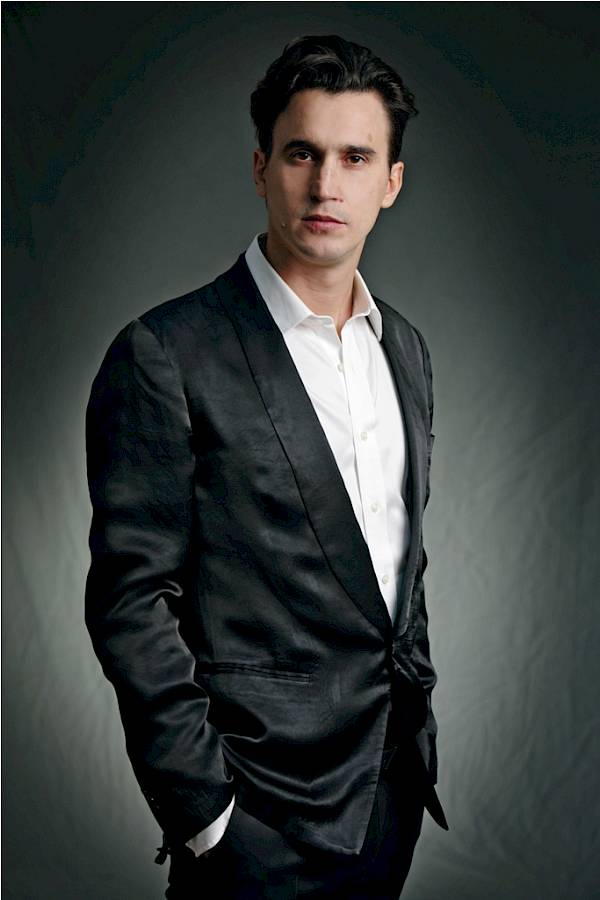
Production:
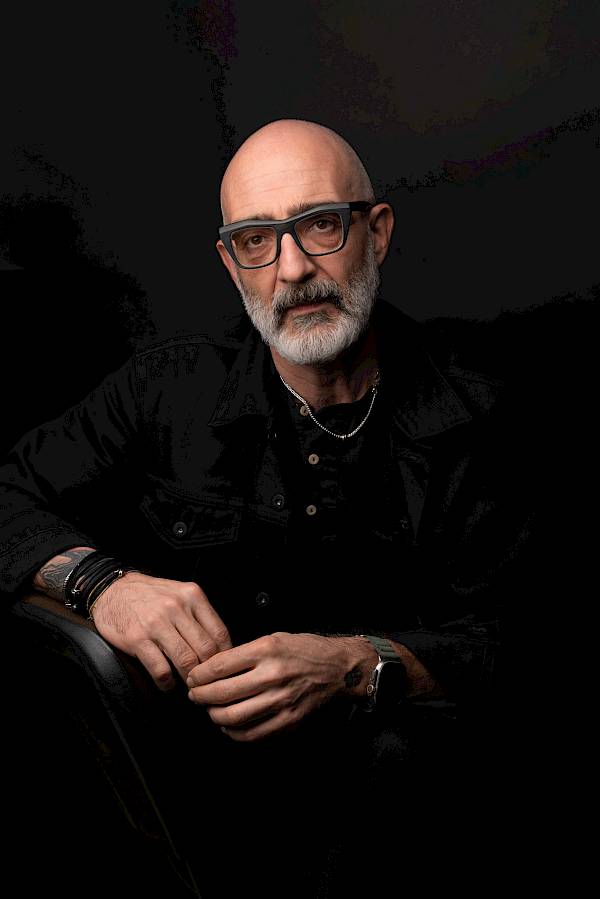
Damiano Michieletto

Damiano Michieletto

Damiano Michieletto studied opera and theatre directing in Milan and literature at the University of his hometown Venice. In 2003, he won the ESB Theatre Award of the Irish Times at the Wexford Festival for his production of Jaromír Weinberger’s opera "Schwanda". This was followed by work for the Rossini Festival in Pesaro, the Teatro Olimpico in Vicenza, as well as for opera houses in Bologna, Verona, Venice, Naples, Turin, Graz, Geneva, and Leipzig. For the New National Theatre in Tokyo, he staged "Così fan tutte" and for the Theater an der Wien, among others, "Il trittico" and "Idomeneo". In 2012, he made his debut at the Salzburg Festival with "La bohème" and subsequently staged "Falstaff" and "La Cenerentola" there. Further engagements took him, among others, to opera houses in Berlin, Paris, Barcelona, Madrid, London, and Moscow, as well as to the Glyndebourne Festival. In 2022, he created the immersive installation "Archèus. Labirinto Mozart" for the Biennale in Venice and in 2025 was responsible for the program of the Caracalla Festival at the Teatro dell’Opera di Roma. More recent works include "Messiah" at the Komische Oper Berlin, "La Fille du régiment" at the Bavarian State Opera in Munich, as well as the world premieres of Alexander Raskatov’s "Animal Farm" in Amsterdam and Francesco Filidei’s "Il nome della rosa" at La Scala in Milan. Alongside his work as an opera director, Damiano Michieletto is also active in spoken theatre, particularly at the Teatro Stabile del Veneto and the Piccolo Teatro in Milan. In 2025, he released his first film "Primavera". At the Zurich Opera House, he has staged, among others, "La scala di seta", "Il Corsaro", "Lucia di Lammermoor", and "Luisa Miller".

La scala di seta25 / 28 Sept / 19 / 24 Oct 2025 La clemenza di Tito26 / 29 Apr / 3 / 8 / 15 / 17 / 20 / 25 May 2026 / 7 / 10 / 12 / 16 / 18 / 21 Mar 2027
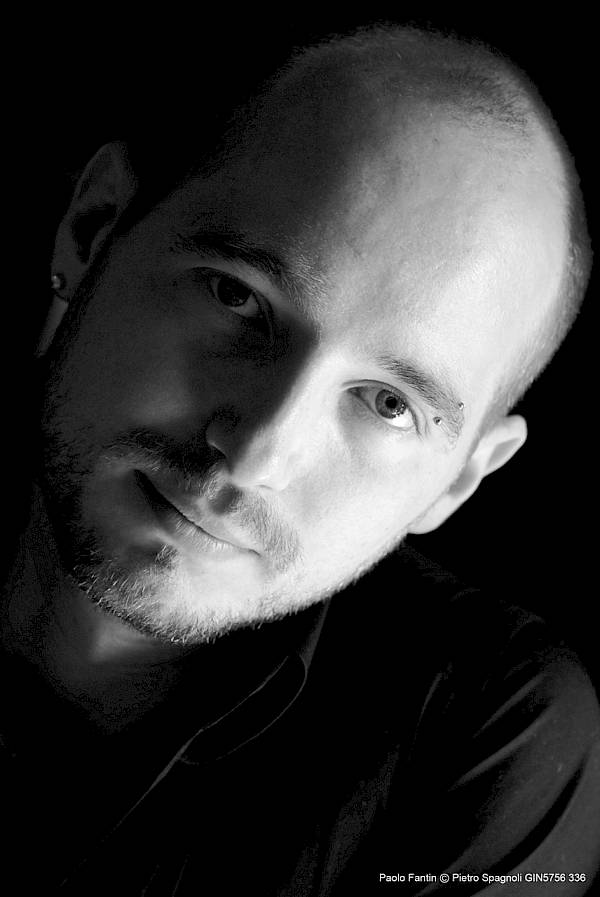
Set Design:
Paolo Fantin

Paolo Fantin

Paolo Fantin studied stage design at the Istituto Statale d’Arte in Venice and received his diploma from the Accademia di Belle Arti di Venezia. In 2005, he began his close collaboration with director Damiano Michieletto, taking part in the Ring Award in Graz. Since then, they have jointly created, among others, a Mozart/Da Ponte cycle and Gounod’s "Roméo et Juliette" at Teatro La Fenice in Venice, Puccini’s "Trittico" in Vienna and Copenhagen, "L’elisir d’amore" in Madrid and Graz, "La scala di seta" at the Rossini Opera Festival in Pesaro, "Un ballo in maschera" at La Scala in Milan, as well as in theatre Gogol’s "The Government Inspector" and "The Threepenny Opera". In 2011, he won the renowned Premio Franco Abbiati together with costume designer Carla Teti. In 2012, Paolo Fantin made his Salzburg Festival debut with Damiano Michieletto with "La bohème" and also worked with the director there on "Falstaff", "La Cenerentola", and "Alcina". Further collaborations include "Idomeneo" at the Theater an der Wien and in Tokyo, "The Rake’s Progress" in Leipzig and Venice, "Samson et Dalila" and "Don Pasquale" in Paris, Martinů’s "Greek Passion" in Palermo, "Guillaume Tell", "Cavalleria rusticana", "Les Contes d’Hoffmann", and "Carmen" at the Royal Opera in London, "Giulio Cesare" at the Théâtre des Champs-Élysées, "Animal Farm" at the Dutch National Opera, "Madama Butterfly" at the Teatro Regio in Turin, "Aida" and "La fille du régiment" at the Bavarian State Opera in Munich, as well as "La damnation de Faust", "West Side Story", and "Lohengrin" at the Teatro dell’Opera in Rome. At the Zurich Opera House, "Lucia di Lammermoor", "Il corsaro", "Luisa Miller", and "Poliuto" have already been staged.

La scala di seta25 / 28 Sept / 19 / 24 Oct 2025 La clemenza di Tito26 / 29 Apr / 3 / 8 / 15 / 17 / 20 / 25 May 2026 / 7 / 10 / 12 / 16 / 18 / 21 Mar 2027
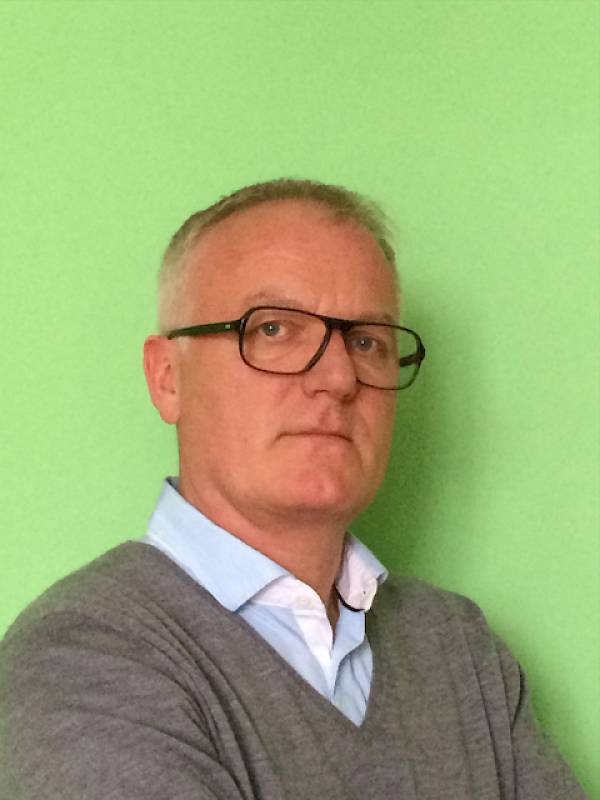
Costumes:
Klaus Bruns

Klaus Bruns

Klaus Bruns, born in Mülheim an der Ruhr, studied stage and costume design at the Mozarteum in Salzburg. Engagements as a costume designer took him, among others, to the Staatsoper Unter den Linden in Berlin, the Schauspielhaus Graz, the Hamburg State Opera, the Frankfurt Opera, the Komische Oper Berlin, the Vienna State Opera, the Theater an der Wien, the Dutch National Opera, the Teatro Regio in Turin, the Teatro Massimo Bellini in Catania, and the Metropolitan Opera in New York, as well as to the festivals in Bayreuth and Salzburg. He maintains a close collaboration with Barrie Kosky, with whom he created productions, among others, at the Komische Oper Berlin, as well as at the Hanover State Opera, Schauspiel Frankfurt, and the Bavarian State Opera in Munich. For the costumes of Kosky’s Bayreuth production of "Die Meistersinger von Nürnberg", Klaus Bruns was named Costume Designer of the Year in 2018 by the magazine Opernwelt. Further collaborations connect him with directors such as Harry Kupfer, Peter Mussbach, Götz Friedrich, Kirsten Harms, Jetske Mijnssen, and Christof Loy. For Damiano Michieletto, he designed, among others, the costumes for the world premiere of Alexander Raskatov’s "Animal Farm" in Amsterdam, for which he received an Oper! Award in 2024. At the Zurich Opera House, productions created with Barrie Kosky include "La fanciulla del West", "Macbeth", "Die Gezeichneten", "Eugene Onegin", "Boris Godunov", and "Manon Lescaut".

La clemenza di Tito26 / 29 Apr / 3 / 8 / 15 / 17 / 20 / 25 May 2026 / 7 / 10 / 12 / 16 / 18 / 21 Mar 2027 Macbeth8 / 11 / 14 / 19 / 22 / 30 Nov 2025 Manon Lescaut11 / 15 / 18 / 22 / 26 Dec 2026
Chorus Master:
Ernst Raffelsberger

Ernst Raffelsberger

Ernst Raffelsberger comes from Gmunden, Upper Austria. He studied music education and church music at the University of Music and Performing Arts in Vienna as well as choral conducting at the Mozarteum in Salzburg. From 1983 to 1986 he was Kapellmeister of the Vienna Boys’ Choir. During this time, he led the ensemble in Vienna and on tours through Europe, South Africa, Canada, and the USA. From 1986, Ernst Raffelsberger was choral director and Kapellmeister at the Salzburg State Theatre (participating in the Salzburg Mozart Week and the Salzburg Festival). In 1989 he moved as choral director and Kapellmeister to the theatre in Freiburg/Breisgau. Since autumn 1993, Ernst Raffelsberger has been engaged at the Zurich Opera House as choral director. Here he has since supervised around 150 premieres and countless revivals and worked with many renowned conductors such as Marco Armiliato, Riccardo Chailly, Teodor Currentzis, Christoph von Dohnányi, Sir John Eliot Gardiner, Daniele Gatti, Bernard Haitink, Nikolaus Harnoncourt, Zubin Mehta, Gianandrea Noseda, and Franz Welser-Möst. Guest performances with the Zurich Opera House have taken him to Vienna, London, Paris, and Tokyo. From summer 2012 he additionally began a ten-year activity as choral director of the Vienna State Opera Chorus Association at the Salzburg Festival. There he collaborated successfully with, among others, Riccardo Muti, Mariss Jansons, and Sir Simon Rattle. After Ernst Raffelsberger ended this work with the festival summer 2021, he has since 2025 once again been responsible, at Maestro Muti’s request, for choral preparation for his festival concerts in Salzburg. Numerous CD and DVD recordings document his work in Zurich as well as in Salzburg.

Manon24 / 27 Sept / 3 / 7 / 10 Oct 2025 Tosca28 Sept / 2 / 8 / 11 / 15 / 19 Oct 2025 La clemenza di Tito26 / 29 Apr / 3 / 8 / 15 / 17 / 20 / 25 May 2026 Madama Butterfly30 Dec 2025 / 3 / 9 / 11 / 13 / 16 Jan 2026 Le nozze di Figaro24 / 29 Jan / 1 / 5 / 7 / 10 / 14 Feb 2026 Die Fledermaus7 / 10 / 12 / 14 / 18 / 26 / 28 / 31 Dec 2025 / 2 / 4 / 6 / 10 Jan 2026 Messa da Requiem20 / 22 / 28 Feb / 1 / 5 / 7 Mar / 6 Apr 2026 Arabella14 / 18 / 22 / 25 / 28 Apr 2026
Lighting Design:
Alessandro Carletti

Alessandro Carletti

The lighting designer Alessandro Carletti was born in Rome and studied photography and painting. Since 2008, he has worked regularly with director Damiano Michieletto. Among his most important recent productions are "Il trittico" and "Otello" at the Theater an der Wien, "Don Carlo" at the Vienna State Opera, "Cavalleria rusticana" at the Teatro San Carlo in Naples, "Un ballo in maschera" at La Scala in Milan, "Il viaggio a Reims" at the Dutch National Opera, "Divine parole" and "The Threepenny Opera" at the Piccolo Teatro di Milano, "The Magic Flute" at the Teatro La Fenice in Venice, and "Jenůfa" at the Staatsoper Unter den Linden in Berlin, as well as "Il trittico" at the Teatro dell’Opera di Roma. At the Royal Opera in London, he created the lighting for Daniele Abbado’s "Nabucco" as well as for Michieletto’s "Les Contes d’Hoffmann", "Carmen", and the double bill "Cavalleria rusticana/Pagliacci", which was awarded Best Opera Production at the Laurence Olivier Awards. For "Guillaume Tell" in London, he won the Knight of Illumination Award in 2015. Further collaborations with Damiano Michieletto have taken him, among others, to the Opéra de Paris, the Rossini Opera Festival in Pesaro, the Théâtre des Champs-Élysées, and the Salzburg Festival. He also maintains a close collaboration with Barrie Kosky, including productions at the Komische Oper Berlin, the Bavarian State Opera in Munich, and the Zurich Opera House.

La clemenza di Tito26 / 29 Apr / 3 / 8 / 15 / 17 / 20 / 25 May 2026 / 7 / 10 / 12 / 16 / 18 / 21 Mar 2027
Dramaturgy:
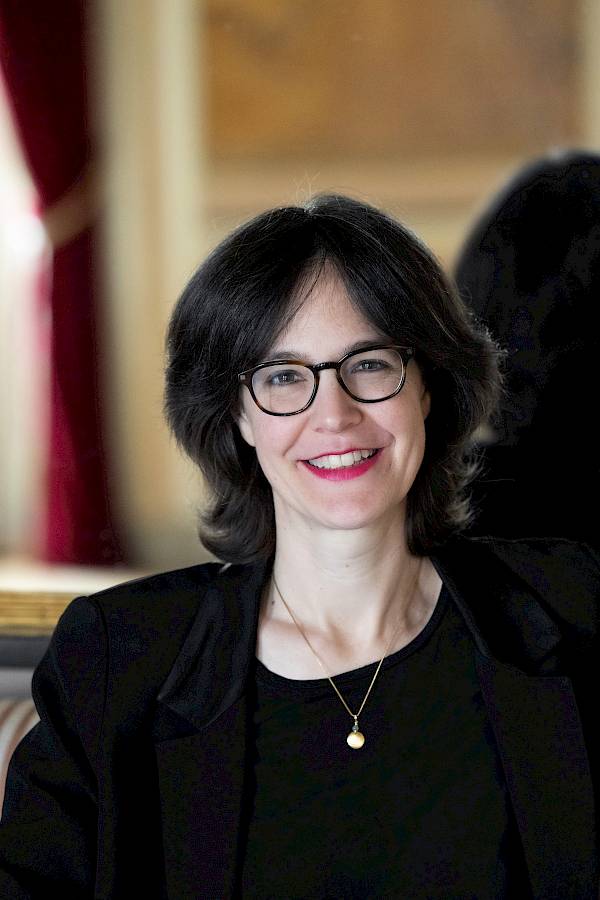
Kathrin Brunner

Kathrin Brunner

Kathrin Brunner was born in Zurich. She studied German, Musicology, and French in her hometown and at the Humboldt University in Berlin. After various assistant directorships (including "The Threepenny Opera" at the Lucerne Theater, directed by Vera Nemirova) and dramaturgy internships, she has been a dramaturge at the Zurich Opera House since 2008. There, she has worked with directors such as Achim Freyer ("Moses und Aron"), Harry Kupfer ("Die Meistersinger von Nürnberg", "Tannhäuser"), Stephan Müller, Guy Joosten, Damiano Michieletto, Christof Loy ("La straniera", "Alcina", "I Capuleti e i Montecchi", "Don Pasquale", "La rondine"), Willy Decker ("Il ritorno d’Ulisse in patria", "The Turn of the Screw"), Andreas Homoki ("Wozzeck", "Das Land des Lächelns", "La forza del destino"), Christoph Marthaler ("Il viaggio a Reims", "Orphée et Euridice"), Barrie Kosky ("Die Gezeichneten", "Boris Godunov"), Nadja Loschky, Nina Russi, Jan Essinger, and Jetske Mijnssen ("Idomeneo", "Hippolyte et Aricie", "Platée").
At the 2012 Salzburg Festival, she worked on "La bohème" with Damiano Michieletto. During the COVID-19 pandemic, she co-founded the concert series "Altchemie live" at the Alte Chemie in Uetikon. In 2025, she served as dramaturge for Jetske Mijnssen’s production of Francesco Cavalli’s "La Calisto" at the Festival d’Aix-en-Provence.

Der Rosenkavalier21 / 26 Sept / 1 / 5 / 14 / 17 / 21 / 26 Oct 2025 Manon24 / 27 Sept / 3 / 7 / 10 Oct 2025 La clemenza di Tito26 / 29 Apr / 3 / 8 / 15 / 17 / 20 / 25 May 2026 / 7 / 10 / 12 / 16 / 18 / 21 Mar 2027 Carmen18 / 21 / 23 / 27 / 31 Jan 2026 Cardillac18 / 21 / 25 Feb / 1 / 6 / 10 Mar 2026 Arabella14 / 18 / 22 / 25 / 28 Apr 2026 Die Zauberflöte20 / 25 Sept / 6 / 18 / 21 / 24 / 30 Oct 2026 / 2 / 8 / 18 / 20 / 23 Apr 2027 La rondine24 / 27 Sept / 1 / 10 / 15 Oct 2026 Elektra22 / 26 Nov / 2 / 5 / 10 / 13 / 16 Dec 2026 Don Pasquale23 / 27 / 30 May / 4 / 6 / 11 Jun 2027 Angels in America7 / 9 / 19 / 21 / 23 May 2027

Cast


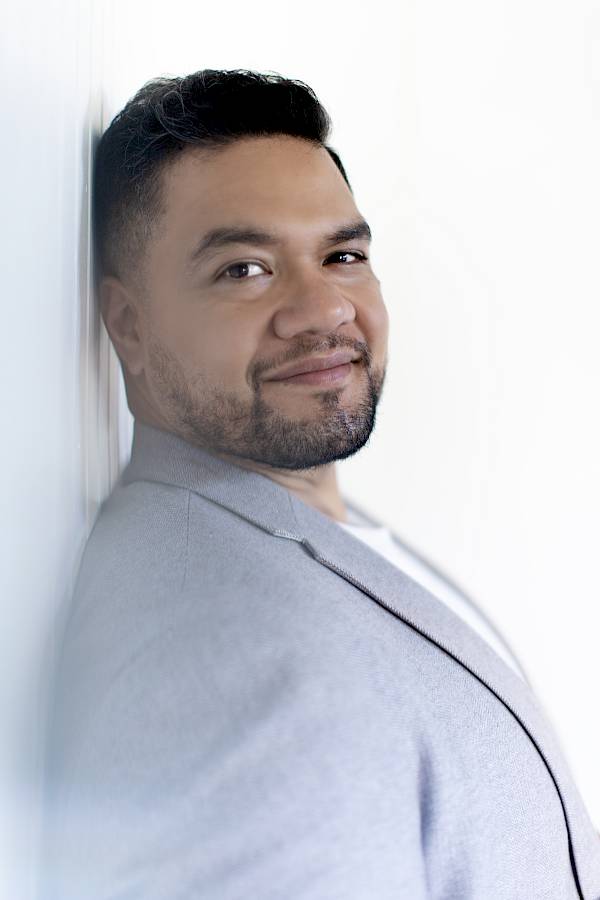
Tito Vespasiano Pene Pati


Vitellia Margaux Poguet


Servilia Yewon Han


Sesto Lea Desandre


Annio Siena Licht Miller


Publio Andrew Moore

Pene Pati

Pene Pati was born in Samoa and grew up in New Zealand. He studied at the University of Auckland and at the Wales International Academy of Voice in Cardiff. He has been a prizewinner in competitions including Bel Canto, Neue Stimmen, and Operalia, and in 2017 was admitted to the Adler Fellowship program of the San Francisco Opera. His debut album with Italian and French arias earned him the Opus Klassik Newcomer of the Year Award, the title "Best Male Singer" at the Opera Critics’ Awards, and the Opera Magazine Readers’ Award. In 2025, he received the New Zealand Arts Foundation Award and was awarded an Opus Klassik in the category Solo Recording of the Year for his second album "Nessun Dorma". In the same year, his third album "Serenata a Napoli" was released. He has appeared on leading international stages, including the Opéra national de Paris, the Royal Opera in London, the Hamburg State Opera, the Staatsoper Unter den Linden in Berlin, the Gran Teatre del Liceu in Barcelona, the Bavarian State Opera in Munich, the Festival d’Aix-en-Provence, the Salzburg Festival, and the Metropolitan Opera in New York. His repertoire includes roles from Mozart to Massenet, Donizetti, Gounod, Puccini, and Verdi. Current engagements include role debuts as Hoffmann ("Les Contes d’Hoffmann") at the Berlin State Opera and as Werther at the Opéra-Comique in Paris, as well as his house debut as Edgardo ("Lucia di Lammermoor") at La Scala in Milan.

La clemenza di Tito26 / 29 Apr / 3 / 8 / 15 / 17 / 20 / 25 May 2026

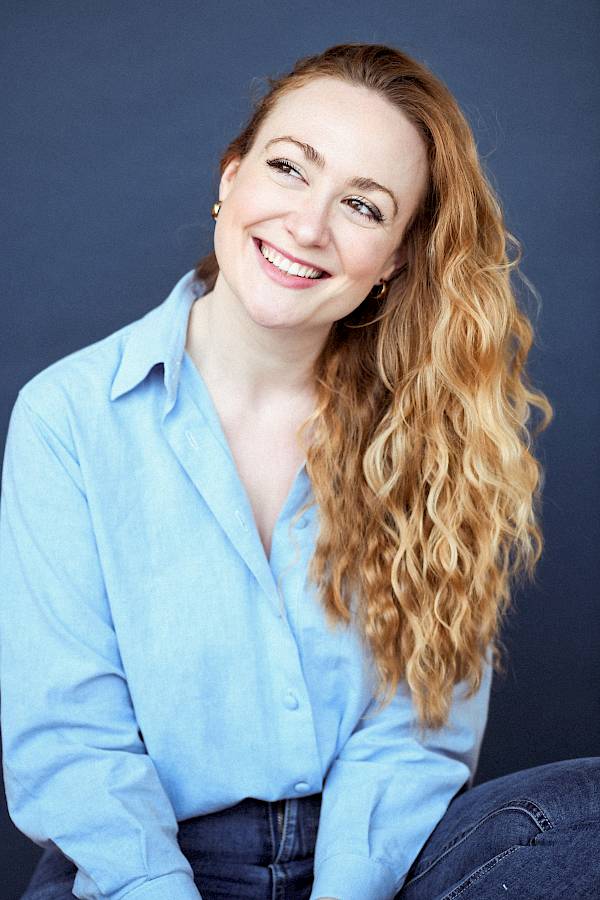
Margaux Poguet

Margaux Poguet studied bassoon, theatre, and singing at the Conservatoire of Bourges. She then completed her training at the DSJC/Jeune chœur de Paris and at the CNSMD in Paris. In the 2024/25 season, she made her debut with several Mozart roles, including Elvira ("Don Giovanni"), Fiordiligi ("Così fan tutte") and Vitellia ("La clemenza di Tito") at opera houses such as the Théâtre de l’Athénée in Paris, Opéra de Reims, in Massy, Tourcoing, or Compiègne. Under the direction of Marc Minkowski and Les Musiciens du Louvre, she gave a concert in Chantilly as part of the "Coups de coeur" series with Mozart arias. In 2025/26 she sang, among others, Donna Elvira on a tour with Concert de la Loge as well as Fiordiligi, Eurydice (Gluck’s "Orphée et Eurydice") with the ensemble Miroirs Étendus, as well as the "Mozart Requiem" in Compiègne. She also made her debut at the Théâtre des Champs-Élysées with Concert de la Loge in Cherubini’s "Médée". As Leonore ("Fidelio"), she will be heard at the Festival de Saint-Céré, interprets at the 30th anniversary of the Festival de Pâques de Deauville Berg’s "Sieben frühe Lieder" as well as the soprano part in Mahler’s Symphony No. 4 under Gabriel Durliat. Margaux Poguet regularly works with young composers and has also participated in musical theatre projects. She is a prizewinner of the Fondation Royaumont, the Académie du Festival Ravel, and the Académie Musicale Villecroze. For her first CD "Dans notre nuit", she recorded Alban Berg’s "Sieben frühe Lieder", songs by Kurt Weill, as well as works by Viktor Ullmann. Margaux Pouguet also holds a Master’s degree in Philosophy from the Université Paris Panthéon-Sorbonne.

La clemenza di Tito26 / 29 Apr / 3 / 8 / 15 / 17 / 20 / 25 May 2026

Yewon Han

Yewon Han is a South Korean soprano. She completed her bachelor’s degree at Seoul National University and continued her training in the Young Artist Program of the Korea National Opera Studio, as well as from 2022 to 2024 in the International Opera Studio in Zurich. She has interpreted a wide range of roles in Korea and Europe, including Lauretta in "Gianni Schicchi", Papagena in "Die Zauberflöte", Adele in "Die Fledermaus", Romilda in "Serse", Li Si in "Jim Knopf und Lukas der Lokomotivführer", Titania in "A Midsummer Night’s Dream", and Najade in "Ariadne auf Naxos". In 2025, she appeared as Ophelia in "Hamlet" at the Buxton International Festival. She has received numerous awards, including first prize at the 60th Concurso Tenor Viñas (2023), third prize at the International Singing Competition Neue Stimmen (2022), as well as several first prizes at major singing competitions in South Korea. Since the 2025/26 season, she has been a permanent ensemble member of the Zurich Opera House and has recently been seen there in "Hänsel und Gretel", "Manon", and "Carmen".

Manon24 / 27 Sept / 3 / 7 / 10 Oct 2025 La clemenza di Tito26 / 29 Apr / 3 / 8 / 15 / 17 / 20 / 25 May 2026 / 7 / 10 / 12 / 16 / 18 / 21 Mar 2027 Carmen18 / 21 / 23 / 27 / 31 Jan 2026 Hänsel und Gretel20 / 23 Nov / 2 / 4 / 16 / 18 Dec 2025 / 2 / 24 / 25 / 31 Jan 2026 Arabella14 / 18 / 22 / 25 / 28 Apr 2026 Tannhäuser21 / 24 / 27 Jun / 2 / 5 / 8 / 11 Jul 2026

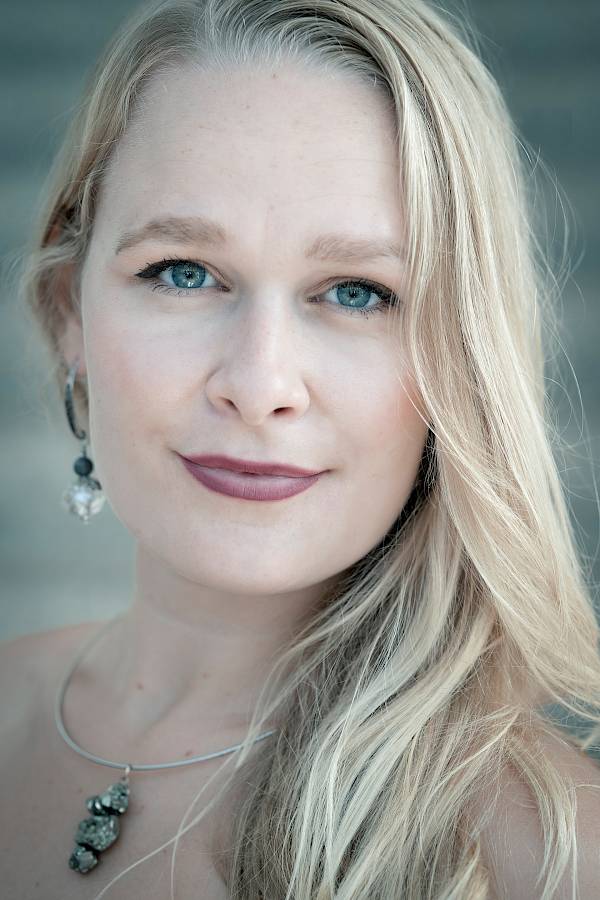
Lea Desandre

Lea Desandre, the mezzo-soprano, studied in Venice, participated in William Christie’s Le Jardin des Voix in 2015, and was admitted the following year to the academy of the Festival d’Aix-en-Provence. She is the recipient of several awards, including the 2021 Victoires de la Musique, the 2022 Opus Klassik, and the 2024 Prix de la Critique. In 2017, she made her debut in the title role of "Alcione" at the Opéra-Comique and appeared for the first time at the Salzburg Festival in 2018, where she has returned every year since, including performances as Cherubino, Despina, Annio ("La clemenza di Tito"), Vénus ("Orphée aux Enfers"), Abel (Caldara’s "La Morte d’Abel"), and Myrrah/Echo in the Vivaldi pasticcio "Hotel Metamorphosis", as well as in numerous concerts. She has worked with conductors such as Gustavo Dudamel, Sir John Eliot Gardiner, Joana Mallwitz, Thomas Dunford, and Raphaël Pichon, and with stage directors including Sir David McVicar, Barrie Kosky, Robert Carsen, Christof Loy, and Jetske Mijnssen. Her repertoire also includes Rosina ("Il barbiere di Siviglia"), Idamante ("Idomeneo"), the title roles in "Ariodante" and Charpentier’s "Médée", and Dido ("Dido and Aeneas"). Concerts and recitals have taken her to venues including Wigmore Hall and Carnegie Hall, the Vienna Musikverein, the Philharmonie de Paris, the Tchaikovsky Concert Hall in Moscow, and the Shanghai Symphony Hall. In the 2025/26 season, she was heard as Handel’s Theodora under Thomas Dunford and as Mélisande ("Pelléas et Mélisande") at the Opéra de Monte-Carlo. At this year’s Salzburg Festival, she will again appear as Despina. Her discography includes the solo album "Amazone", which received a Gramophone Editor’s Choice Award, as well as the 2025 release "Songs of Passion" with lutenist Thomas Dunford. At the Zurich Opera House, she most recently sang Poppea ("Agrippina").

La clemenza di Tito26 / 29 Apr / 3 / 8 / 15 / 17 / 20 / 25 May 2026

Siena Licht Miller

Siena Licht Miller, a German-American mezzo-soprano, studied voice at the Curtis Institute of Music and the Oberlin Conservatory of Music. She completed her training with courses at Opera Philadelphia, Santa Fe Opera, Opera Theatre of St. Louis, and the Aspen Music Festival. She is a scholarship holder of the Bagby Foundation, prizewinner of the Metropolitan Opera National Council Auditions, the Marilyn Horne Rubin Foundation, and the Gerda Lissner Foundation. Highlights of her career so far include role debuts as Hermia in "A Midsummer Night’s Dream", Second Lady in "Die Zauberflöte", and one of the two solo parts in the world premiere of "Denis and Katya" by Philip Venables at Opera Philadelphia. At the Aspen Opera Center she sang the title role in Ravel’s "L’Enfant et les sortilèges" under the direction of Robert Spano. She also regularly focuses on art song. She performed in the series "The Song Continues" at Carnegie Hall in celebration of her mentor Marilyn Horne and went on a US recital tour with pianist Kevin Murphy. In the 2020/21 season she was a member of the International Opera Studio at the Zurich Opera House, where she appeared in "Maria Stuarda", "Simon Boccanegra", "Viva la mamma", "Salome", "Odyssee", in the ballet "Monteverdi", in "L’italiana in Algeri", as well as Flosshilde in "Das Rheingold". Since the 2022/23 season she has been a member of the ensemble of the Zurich Opera House, where she was most recently seen as Lucilla ("La scala di seta") and Hänsel ("Hänsel und Gretel").

La scala di seta25 / 28 Sept / 19 / 24 Oct 2025 La clemenza di Tito26 / 29 Apr / 3 / 8 / 15 / 17 / 20 / 25 May 2026 Carmen18 / 21 / 23 / 27 / 31 Jan 2026 Madama Butterfly30 Dec 2025 / 3 / 9 / 11 / 13 / 16 Jan 2026 Così fan tutte3 / 7 / 9 / 12 Jul 2026 Hänsel und Gretel20 / 23 Nov / 2 / 16 / 18 Dec 2025 / 2 / 24 / 25 / 31 Jan 2026 Die Fledermaus29 Sept / 8 / 17 / 23 / 25 Oct 2026 Das Rheingold29 Nov / 4 / 12 / 17 Dec 2026 La traviata20 / 23 / 29 Dec 2026 / 1 / 3 / 6 / 9 / 12 / 15 / 19 / 23 Jan 2027 Die Walküre24 / 31 Jan / 3 / 6 Feb 2027

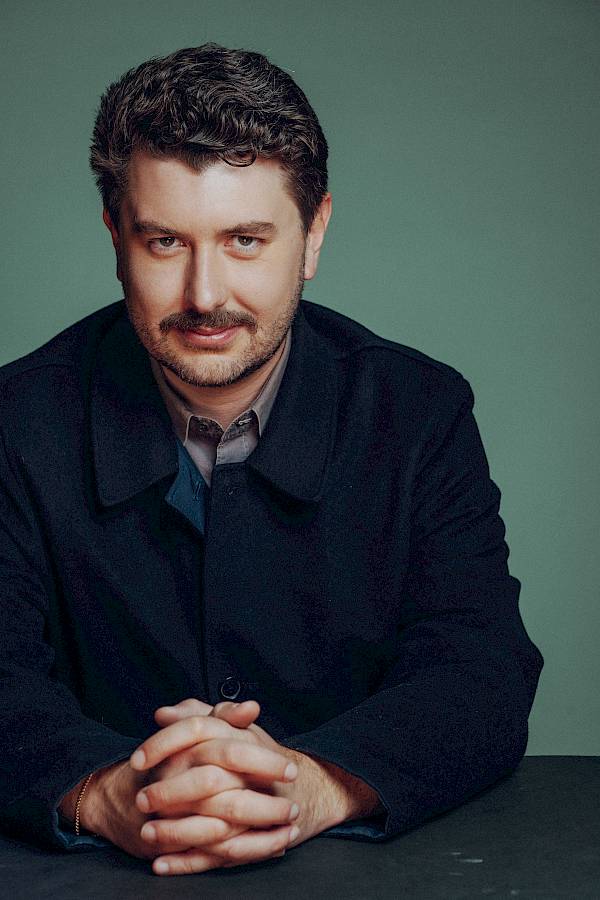
Andrew Moore

Andrew Moore, an American bass-baritone from New Jersey, received his training at Rutgers University (Mason Gross School of the Arts) and at the renowned Curtis Institute of Music in Philadelphia. In 2019, he reached the New England Region Finals of the Metropolitan Opera National Council Auditions, where he was awarded the Susan Eastman Encouragement Award. Further important artistic milestones included the Merola Opera Program in San Francisco as well as the Santa Fe Opera, where he appeared as an Apprentice Singer in "La bohème", "Così fan tutte", and "Jenůfa". From 2020 to 2022, he was a member of the International Opera Studio at the Zurich Opera House. He was subsequently engaged in the company ensemble, which he has belonged to since the 2022/23 season. There, he has appeared as Figaro ("Le nozze di Figaro"), Paolo Albiani ("Simon Boccanegra"), Don Fernando ("Fidelio"), De Brétigny ("Manon"), Marullo ("Rigoletto"), Paris ("Roméo et Juliette"), Marchese d’Obigny ("La traviata"), Pritschitsch ("Die lustige Witwe"), Johann ("Werther"), and Fix ("In 80 Tagen um die Welt"). His recent international engagements include his debut with the Warsaw Philharmonic as bass soloist in Beethoven’s Symphony No. 9 as well as his Salzburg debut as Marchese d’Obigny ("La traviata"). In summer 2026, he will appear at the Salzburg Festival as Johann ("Werther"). His repertoire also includes roles such as Leporello ("Don Giovanni"), Guglielmo ("Così fan tutte"), and Rocco ("Fidelio").

Manon24 / 27 Sept / 3 / 7 / 10 Oct 2025 La clemenza di Tito26 / 29 Apr / 3 / 8 / 15 / 17 / 20 / 25 May 2026 / 7 / 10 / 12 / 16 / 18 / 21 Mar 2027 Tannhäuser21 / 24 / 27 Jun / 2 / 5 / 8 / 11 Jul / 26 Sept / 4 / 9 / 13 Oct 2026 Le nozze di Figaro24 / 29 Jan / 1 / 5 / 7 / 10 / 14 Feb 2026 Die Zauberflöte20 / 25 Sept / 6 / 18 / 21 / 24 / 30 Oct 2026 Alice im Wunderland21 / 26 Nov / 6 Dec 2026 / 7 / 10 Jan 2027 Roméo et Juliette12 / 19 / 21 Feb / 2 / 5 Mar 2027 L'elisir d'amore25 / 27 / 29 Apr / 2 / 6 / 9 / 12 / 14 / 17 / 21 May 2027
Show full cast Show less

Enrico Maria Cacciari

Enrico Maria Cacciari studied piano at the conservatories of Bologna and Milan as well as chamber music in Fiesole with Dario De Rosa and Maureen Jones. As a pianist, harpsichordist, and organist, he has performed in numerous chamber music ensembles and orchestras, including the Mahler Chamber Orchestra, Orchestra Mozart, and the Lucerne Festival Orchestra. In 1997, he was engaged as a répétiteur at the Teatro alla Scala in Milan, and since 2000 he has held the same position at the Zurich Opera House. As a guest, he has worked at such renowned musical institutions as the Rossini Festival Pesaro, the Baden-Baden Festival House, the Teatro Real Madrid, the Edinburgh Festival, the Cleveland Orchestra, the Salzburg Festival, and the Lucerne Festival. In doing so, he collaborated with conductors such as Claudio Abbado, Riccardo Chailly, Christoph Eschenbach, Daniele Gatti, Daniel Harding, Franz Welser-Möst, Nello Santi, and Marcello Viotti. He has given recitals with singers such as Elena Moşuc, Barbara Frittoli, Javier Camarena, Massimo Cavalletti, Carlo Colombara, and José Cura.

Le nozze di Figaro24 / 29 Jan / 1 / 5 / 7 / 10 / 14 Feb 2026 La clemenza di Tito26 / 29 Apr / 3 / 8 / 15 / 17 / 20 / 25 May 2026

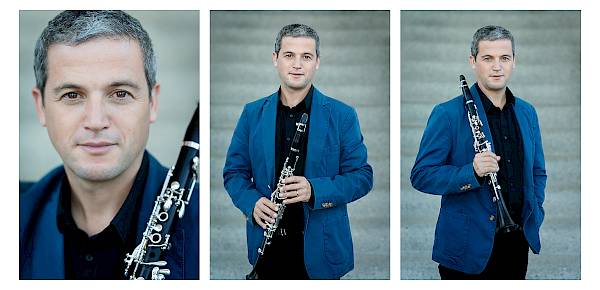
Robert Pickup

The clarinetist Robert Pickup was born in Great Britain and moved to South Africa with his parents at the age of nine. There he studied clarinet with Herbert Klein and Mario Trinchero and obtained, in addition to the clarinet diploma, a Bachelor of Music (Musicology) at the University of South Africa. He was associate principal clarinetist of the Symphony Orchestra of the South African Broadcasting Corporation and a tenor in the SABC Chamber Choir, and in 1994 he performed as a clarinetist and singer at Nelson Mandela's inauguration. Further studies took him to Thomas Friedli in Geneva, where in 1998 he was awarded a first prize and the soloist diploma at the Conservatoire de Musique. He is a multiple prize-winner of music competitions and won the Young Artist Award of the International Clarinet Society in 1995 and the first prize at the Swiss Concours National d’Exécution Musicale in 1997. Robert Pickup was associate principal clarinetist of the Brabants Orkest Eindhoven before being appointed principal clarinetist of the Zurich Opera Orchestra in 1999. As a guest, he has performed with the City of Birmingham Symphony Orchestra, the Koninklijk Concertgebouworkest, the Chamber Orchestra of Europe, and Concentus Musicus Vienna, among others. Since 2020, Robert Pickup has been professor of clarinet at the Lucerne University of Applied Sciences and Arts.

La clemenza di Tito26 / 29 Apr / 3 / 8 / 15 / 17 / 20 / 25 May 2026

Chor der Oper Zürich

Der Chor der Oper Zürich bildet mit seinen 60 festangestellten Mitgliedern und der Mitwirkung von bis zu 160 Vorstellungen pro Saison einen wesentlichen Eckpfeiler des künstlerischen Ensembles am Opernhaus Zürich. Er vereinigt unter dem Dach des traditionsreichsten schweizerischen Opernhauses Sängerinnen und Sänger auf höchstem professionellen Niveau, deren musikalische und stilistische Versiertheit sich mit darstellerischer Gestaltungskraft und spontaner Spielfreude verbinden. Regelmässig stellen seine Mitglieder auch als Solisten ihr künstlerisches Format unter Beweis. Der Chor spiegelt in seiner internationalen Zusammensetzung den Anspruch und die Strahlkraft der Oper Zürich wieder, die sich durch zahlreiche DVD-Aufnahmen erwiesen haben und 2104 mit dem Preis der «Opera Company of the Year» ausgezeichnet wurden. Wichtige musikalische Impulse erhielten die Chormitglieder durch die Arbeit mit Dirigenten wie Nello Santi, Nikolaus Harnoncourt, Franz Welser-Möst, Bernard Haitink, Riccardo Chailly, Valery Gergiev, Daniele Gatti, Zubin Mehta und Fabio Luisi. Ihre schauspielerischen Fähigkeiten entwickelten sie im Dialog mit Regisseuren wie David Pountney, Robert Wilson, Harry Kupfer, Peter Stein, Peter Konwitschny oder Andreas Homoki. Gastspiele führten den Chor nach Tokio (Der Rosenkavalier und La traviata), London (Die Meistersinger von Nürnberg, Tannhäuser, Der fliegende Holländer), Paris (La cenerentola, Fierrabras), Athen (Carmen, Idomeneo) oder nach Rom, wo er anässlich einer Papstmesse zur Feier des 500-jährigen Bestehens der Schweizer Garde Mozarts Krönungsmesse aufführte. Als «International Chamber Vocalists» wirkte der Chor der Oper Zürich in der 2014 mit einem Echo-Preis ausgezeichneten Neueinspielung von Vincenzo Bellinis Norma mit.

Der Rosenkavalier21 / 26 Sept / 1 / 5 / 14 / 17 / 21 / 26 Oct 2025 Manon24 / 27 Sept / 3 / 7 / 10 Oct 2025 Tosca28 Sept / 2 / 8 / 11 / 15 / 19 Oct 2025 / 11 / 14 / 17 / 21 / 24 Apr / 13 / 17 May 2027 La clemenza di Tito26 / 29 Apr / 3 / 8 / 15 / 17 / 20 / 25 May 2026 / 7 / 10 / 12 / 16 / 18 / 21 Mar 2027 Tannhäuser21 / 24 / 27 Jun / 2 / 5 / 8 / 11 Jul / 26 Sept / 4 / 9 / 13 Oct 2026 Cardillac15 / 18 / 21 / 25 Feb / 1 / 6 / 10 Mar 2026 La Damnation de Faust10 / 14 / 17 May 2026 Carmen18 / 21 / 23 / 27 / 31 Jan 2026 Madama Butterfly30 Dec 2025 / 3 / 9 / 11 / 13 / 16 Jan 2026 Un ballo in Maschera22 / 28 / 31 May / 7 / 13 Jun 2026 La forza del destino2 / 7 / 12 / 15 / 18 / 21 / 26 / 29 Nov / 17 / 21 Dec 2025 Rigoletto20 / 23 / 27 Dec 2025 / 1 / 4 Jan 2026 Le nozze di Figaro24 / 29 Jan / 1 / 5 / 7 / 10 / 14 Feb 2026 Fidelio3 / 6 / 10 / 14 / 16 May 2026 Così fan tutte3 / 7 / 9 / 12 Jul 2026 Macbeth8 / 11 / 14 / 19 / 22 / 30 Nov 2025 Die Fledermaus7 / 10 / 12 / 14 / 18 / 26 / 28 / 31 Dec 2025 / 2 / 4 / 6 / 10 Jan / 29 Sept / 8 / 17 / 23 / 25 Oct 2026 Messa da Requiem20 / 22 / 28 Feb / 1 / 5 / 7 Mar / 6 Apr 2026 Arabella14 / 18 / 22 / 25 / 28 Apr 2026 Europa-Tournee 2026 «Messa da Requiem»22 / 23 / 25 / 26 / 29 / 31 Mar 2026 Die Zauberflöte20 / 25 Sept / 6 / 18 / 21 / 24 / 30 Oct 2026 / 2 / 8 / 18 / 20 / 23 Apr 2027 La rondine24 / 27 Sept / 1 / 10 / 15 Oct 2026 Rachmaninov – Die drei Opern1 / 4 / 8 / 15 / 18 / 21 / 28 Nov 2026 Manon Lescaut11 / 15 / 18 / 22 / 26 Dec 2026 La traviata20 / 23 / 29 Dec 2026 / 1 / 3 / 6 / 9 / 12 / 15 / 19 / 23 Jan 2027 Die lustige Witwe27 / 31 Dec 2026 / 3 / 7 / 10 / 13 Jan 2027 Doctor Atomic7 / 11 / 14 / 20 / 24 / 28 Feb 2027 Roméo et Juliette12 / 19 / 21 Feb / 2 / 5 Mar 2027 La fanciulla del west25 / 28 Feb / 3 / 7 Mar / 4 / 7 / 10 / 16 Apr 2027 L'elisir d'amore25 / 27 / 29 Apr / 2 / 6 / 9 / 12 / 14 / 17 / 21 May 2027 Requiem pour Ophélie4 / 7 / 9 May 2027 Don Pasquale23 / 27 / 30 May / 4 / 6 / 11 Jun 2027 Samson et Dalila13 / 17 / 20 / 24 / 27 / 30 Jun / 2 / 9 Jul 2027 La bohème16 / 18 / 23 Jun / 4 / 7 / 10 Jul 2027 Don Carlo1 / 6 / 8 / 11 Jul 2027

Orchestra La Scintilla

Die Pflege der historischen Aufführungspraxis hat am Opern­haus Zürich seit dem Monteverdi-Zyklus in den 1970er Jahren Tradition. Bei der folgenden Reihe der Mozart-Opern mit dem Lei­tungs­­­team Harnoncourt/Ponnelle wurde weiter Pio­nierarbeit geleistet, und die Musikerinnen und Musiker passten ihre Spieltechnik den neue­sten Erkenntnissen der historischen Aufführungspraxis an. 1996 formierte sich aus dem Orchester der Oper ein eigenständiges Ensemble von erstklassigen spezialisierten MusikerInnen, das sich einen hervorragenden Ruf erwerben konnte. Der Funke der Begeisterung an neuer «Alter Musik» gab dem Ensemble seinen Namen: La Scintilla – der Funke. Aufführungen mit Koryphäen des Faches wie Nikolaus Har­non­court (u.a. Il ritorno d’Ulisse in patria, Idomeneo), William Christie (u.a. Orphée et Euridice, Les Indes galantes, Orlando), Mark Minkowski (Les Boréades, Giulio Cesare), Reinhard Goebel und Giuliano Carmignola gerieten so erfolgreich, dass das Opernhaus Zürich alle barocken und fast alle aus der klassischen Zeit stammenden Opern von seiner Barockforma­tion La Scintilla spielen liess und lässt. Ausserdem konzertiert das Orchestra La Scintilla der Oper Zürich mit namhaften Solisten – Instrumentalisten wie Sängern – und tritt unter der Leitung von Ada Pesch regelmässig in den gros­­sen Konzertsälen Europas wie der Londoner Royal Festival Hall, dem Concertgebouw Am­sterdam, der Philharmonie Berlin und dem KKL Luzern auf. Äusserst erfolgreich begleitete das Orchester Cecilia Bartoli auf mehrwöchigen Konzertreisen in Nordamerika und Europa (u.a. in der Carnegie Hall).

La clemenza di Tito26 / 29 Apr / 3 / 8 / 15 / 17 / 20 / 25 May 2026 / 7 / 10 / 12 / 16 / 18 / 21 Mar 2027 2nd La Scintilla Concert15 Dec 2025 Giulio Cesare in Egitto11 / 13 / 15 / 17 / 21 / 25 / 28 Mar 2026 3. Konzert La Scintilla18 May 2026 Bezuidenhout & Minasi15 Mar 2026 Aci, Galatea e Polifemo20 / 29 Mar 2026 Johannes-Passion24 Mar 2026 1. Konzert La Scintilla19 Oct 2026 2. Konzert La Scintilla21 Dec 2026 Rinaldo14 / 19 / 23 / 25 / 27 / 29 Mar 2027 3. Konzert La Scintilla26 Apr 2027 c-Moll-Messe17 Mar 2027 Gringolts & Corti & Fischer11 Jul 2027

Statistenverein am Opernhaus Zürich

Der Statistenverein am Opernhaus Zürich wurde im Jahr 1900 gegründet und dürfte damit einer der traditionsreichsten Vereine auf dem Kulturplatz Zürich sein. Rund hundert Frauen und Männer im Alter von 16 bis 70 Jahren bereichern das Bühnengeschehen in zahlreichen Inszenierungen.Statisten, früher auch als Figuranten bezeichnet, haben generell nicht sprechende Rollen. Ihre Einsätze am Opernhaus Zürich fallen je nach Inszenierung unterschiedlich umfangreich aus. Während früher Massenszenen im Vordergrund standen, sind die Statistinnen und Statisten seit der Ära Pereira und der Intendanz von Andreas Homoki zunehmend auch für aufwändigere Einzelauftritte sowie für anspruchsvolle technische Einsätze gefragt. Die Mitglieder des Statistenvereins üben ihre Einsätze in der Freizeit und ohne finanzielle Interessen aus. Sie bringen Begeisterung für Musik und Theater mit.

Manon24 / 27 Sept / 3 / 7 / 10 Oct 2025 La scala di seta25 / 28 Sept / 19 / 24 Oct 2025 Tosca28 Sept / 2 / 8 / 11 / 15 / 19 Oct 2025 / 11 / 14 / 17 / 21 / 24 Apr / 13 / 17 May 2027 Madama Butterfly30 Dec 2025 / 3 / 9 / 11 / 13 / 16 Jan 2026 Rigoletto20 / 23 / 27 Dec 2025 / 1 / 4 Jan 2026 Le nozze di Figaro24 / 29 Jan / 1 / 5 / 7 / 10 / 14 Feb 2026 / 2 / 6 / 8 / 15 / 19 May 2027 Werther14 / 19 Jun / 1 / 4 / 10 Jul 2026 Così fan tutte3 / 7 / 9 / 12 Jul 2026 Macbeth8 / 11 / 14 / 19 / 22 / 30 Nov 2025 Arabella14 / 18 / 22 / 25 / 28 Apr 2026 Der Rosenkavalier21 / 26 Sept / 1 / 5 / 14 / 17 / 21 / 26 Oct 2025 La clemenza di Tito26 / 29 Apr / 3 / 8 / 15 / 17 / 20 / 25 May 2026 Cardillac15 / 18 / 21 / 25 Feb / 1 / 6 / 10 Mar 2026 Hänsel und Gretel16 / 20 / 23 / 28 / 30 Nov / 2 / 4 / 11 / 16 / 18 / 21 Dec 2025 / 2 / 24 / 25 / 31 Jan 2026 Carmen18 / 21 / 23 / 27 / 31 Jan 2026 Un ballo in Maschera22 / 28 / 31 May / 7 / 13 Jun 2026 Die Fledermaus7 / 10 / 12 / 14 / 18 / 26 / 28 / 31 Dec 2025 / 2 / 4 / 6 / 10 Jan / 29 Sept / 8 / 17 / 23 / 25 Oct 2026 Giulio Cesare in Egitto11 / 13 / 15 / 17 / 21 / 25 / 28 Mar 2026 Scylla et Glaucus27 / 29 / 31 Mar / 2 / 6 / 30 Apr / 2 May 2026 La forza del destino2 / 7 / 12 / 15 / 18 / 21 / 26 / 29 Nov / 17 / 21 Dec 2025 Sillons de Mémoires5 / 6 / 7 Feb 2026 Gianni Schicchi2 / 6 / 8 / 10 / 13 May 2026 Monster's Paradise8 / 14 / 18 Mar / 10 / 12 Apr 2026 Alice im Wunderland8 / 15 / 19 / 21 / 26 / 28 Nov / 6 Dec 2026 / 2 / 7 / 8 / 10 / 17 Jan 2027 Manon Lescaut11 / 15 / 18 / 22 / 26 Dec 2026 Die lustige Witwe27 / 31 Dec 2026 / 3 / 7 / 10 / 13 Jan 2027 Die Walküre24 / 31 Jan / 3 / 6 Feb 2027 Roméo et Juliette12 / 19 / 21 Feb / 2 / 5 Mar 2027 La bohème16 / 18 / 23 Jun / 4 / 7 / 10 Jul 2027 Don Carlo1 / 6 / 8 / 11 Jul 2027 La fanciulla del west25 / 28 Feb / 3 / 7 Mar / 4 / 7 / 10 / 16 Apr 2027 Elektra22 / 26 Nov / 2 / 5 / 10 / 13 / 16 Dec 2026 Rinaldo14 / 19 / 23 / 25 / 27 / 29 Mar 2027 Samson et Dalila13 / 17 / 20 / 24 / 27 / 30 Jun / 2 / 9 Jul 2027 Tannhäuser26 Sept / 4 / 9 / 13 Oct 2026

Abstract

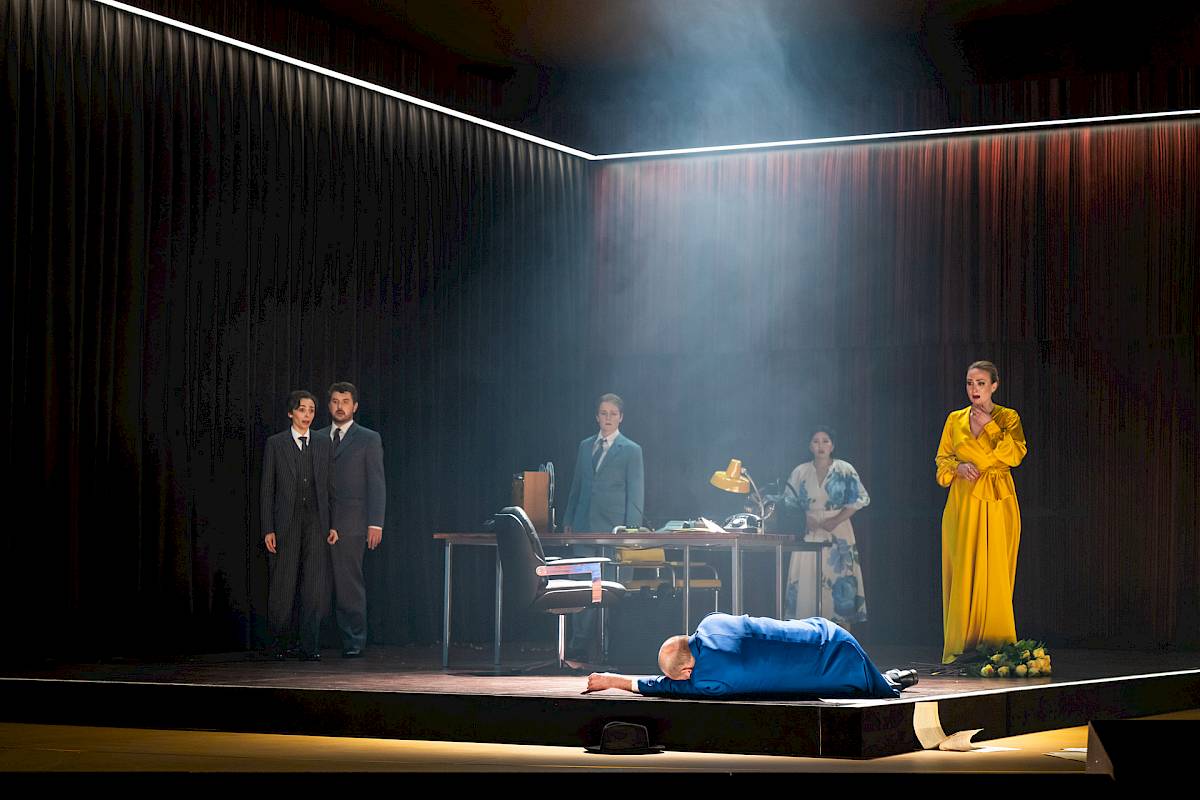
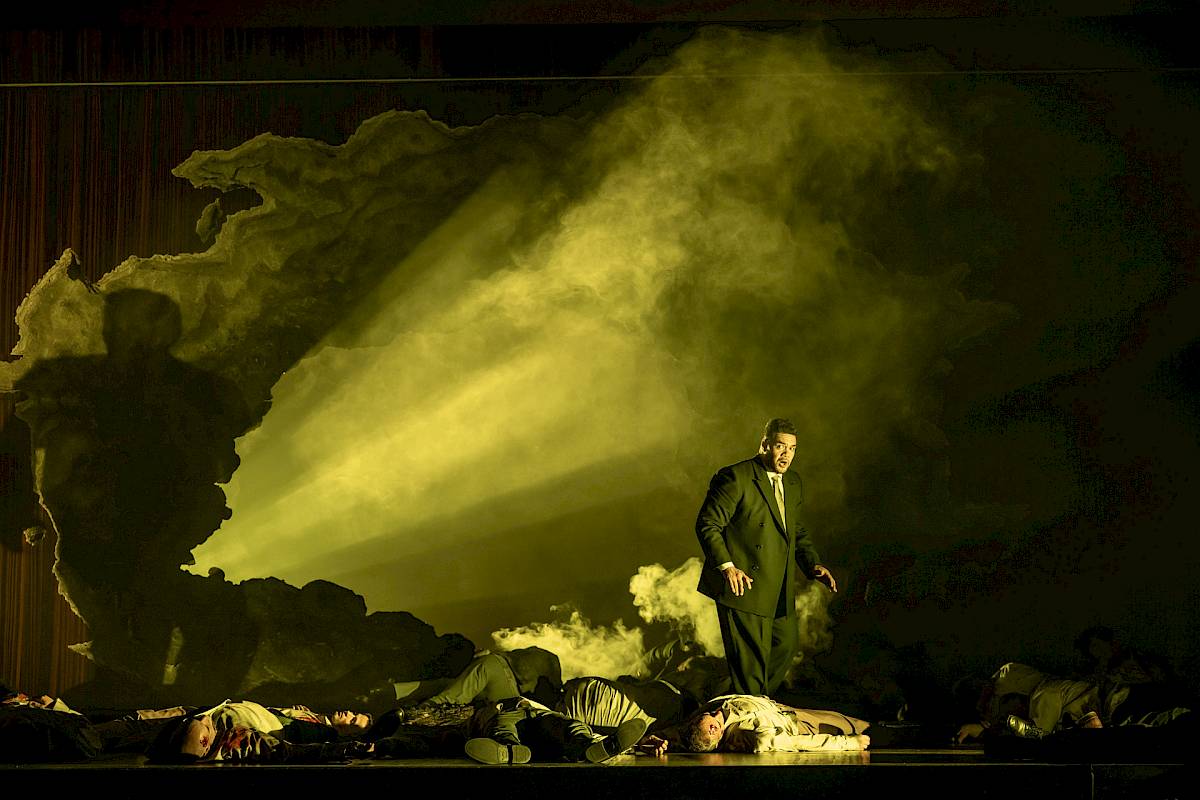
An attempted coup is uncovered, and his best friend is a conspirator – but Tito would rather renounce his office as ruler than base his power on fear and terror. "La clemenza di Tito" is a work that poses timeless questions about how to deal with power, and about guilt and forgiveness. Wolfgang Amadeus Mozart’s late opera seria contains some of his most beautiful arias and ensembles. Conductor Marc Minkowski returns to Opernhaus Zürich with this new production, as does Italian director Damiano Michieletto.

Read more Show less

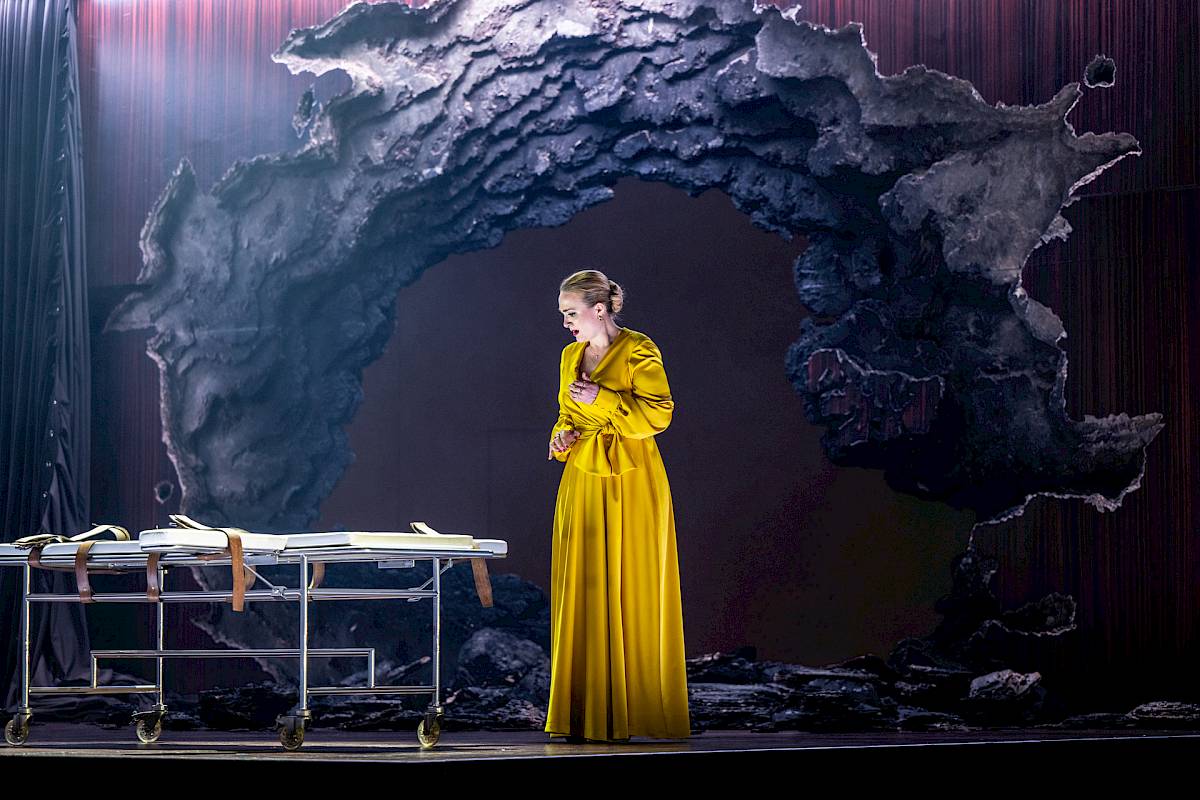
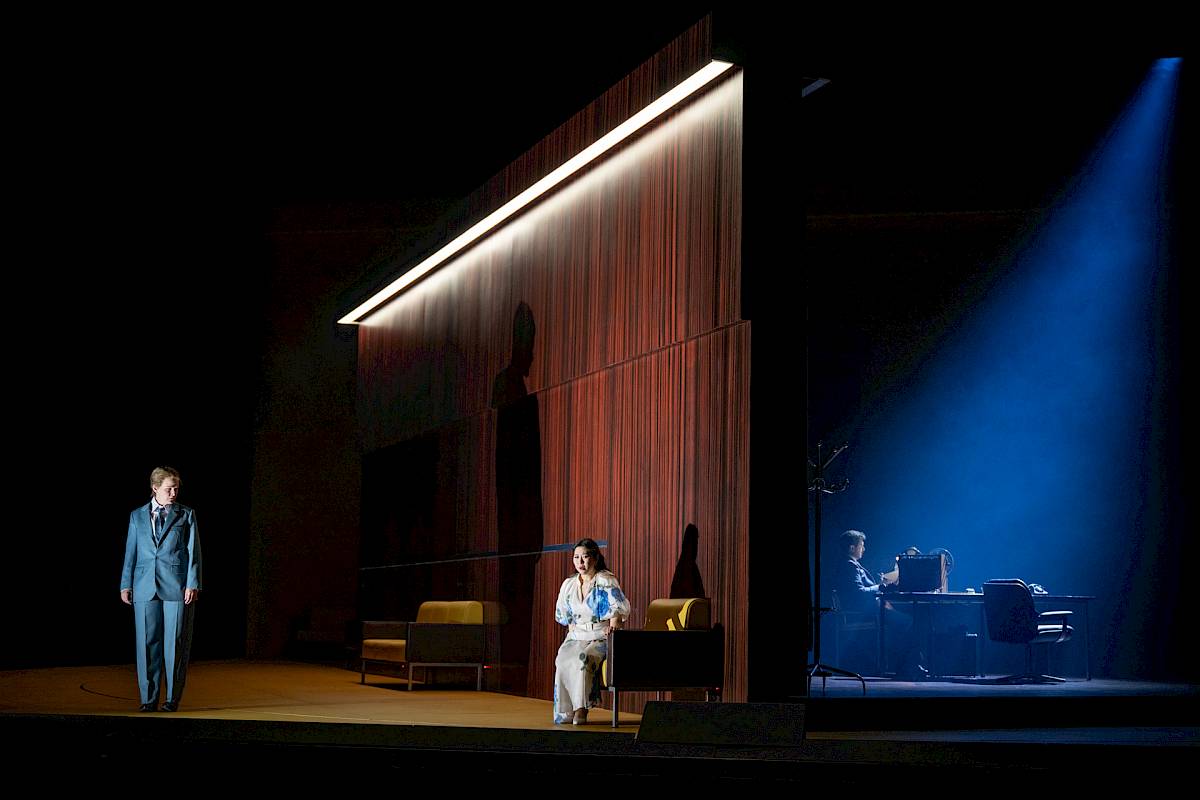
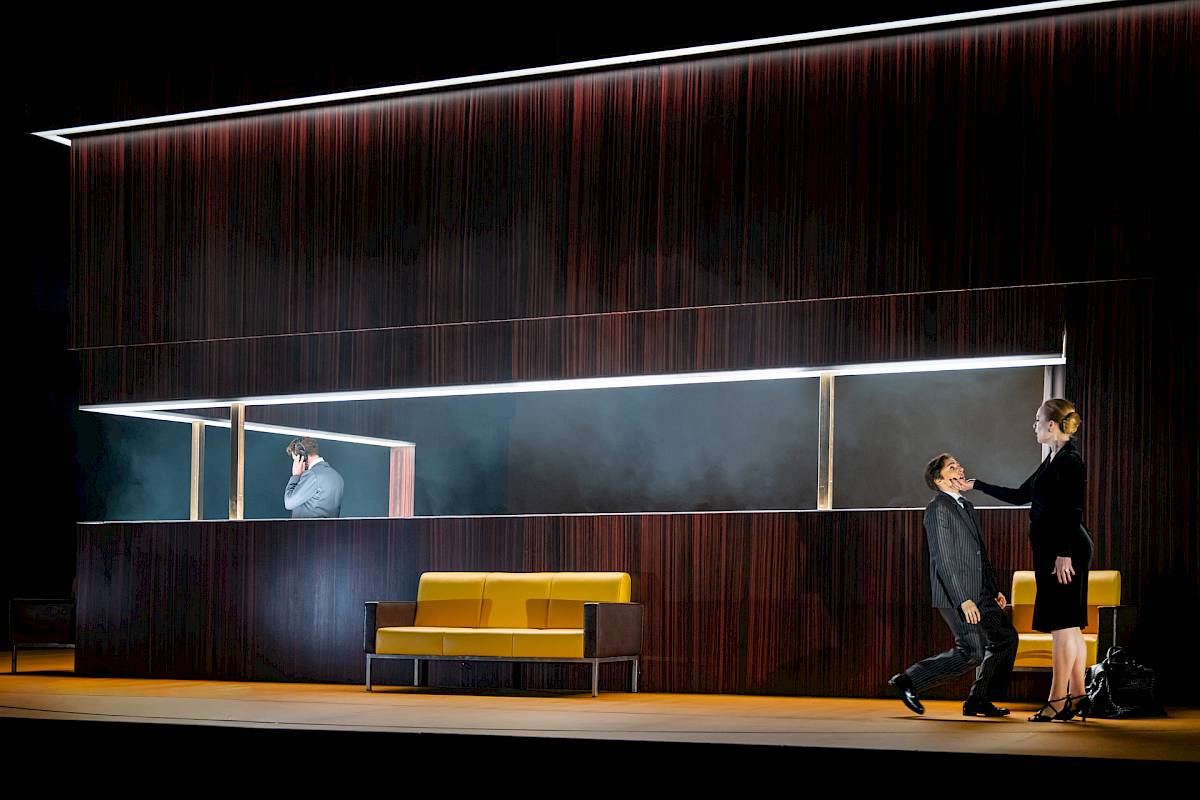
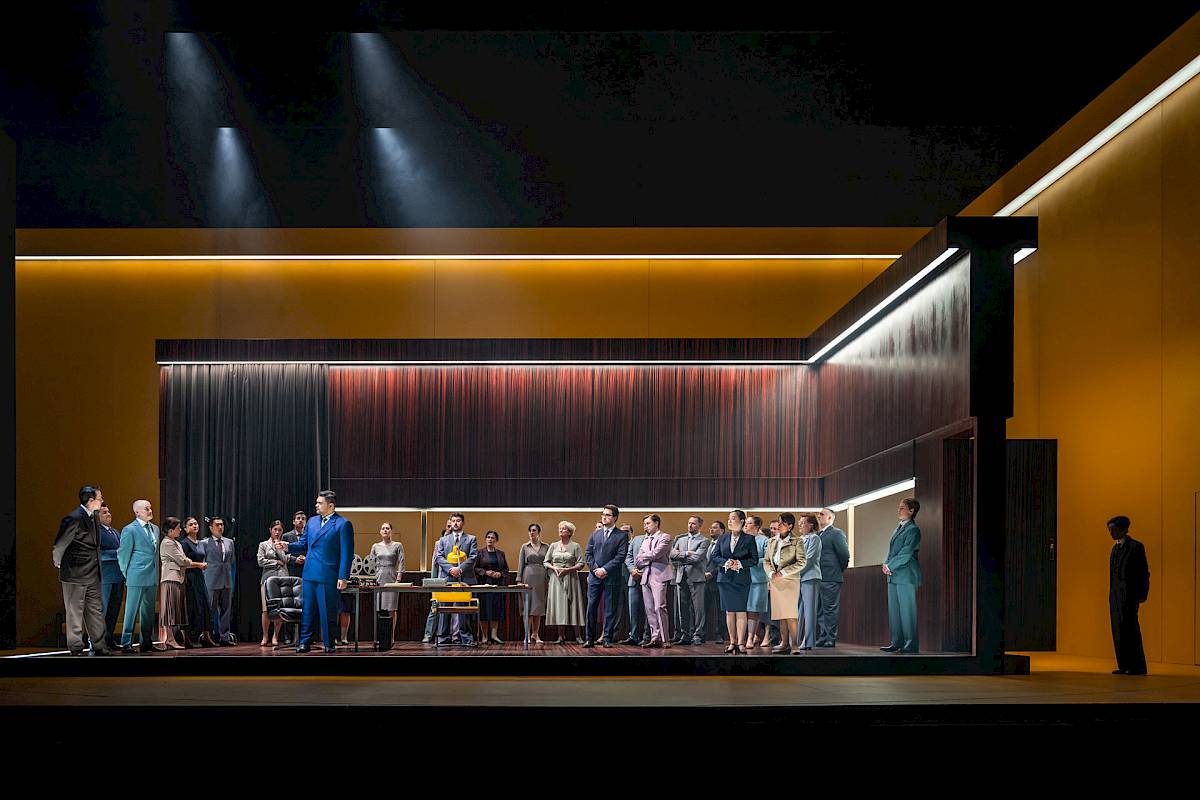
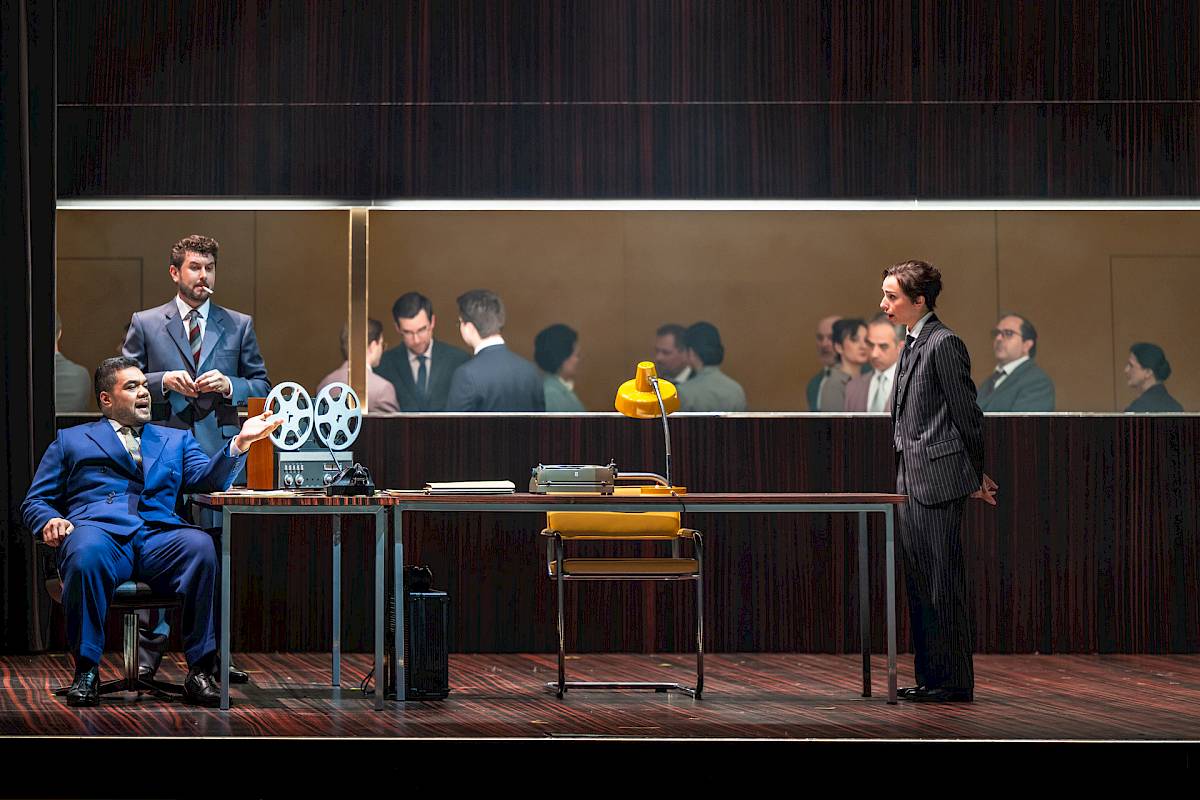
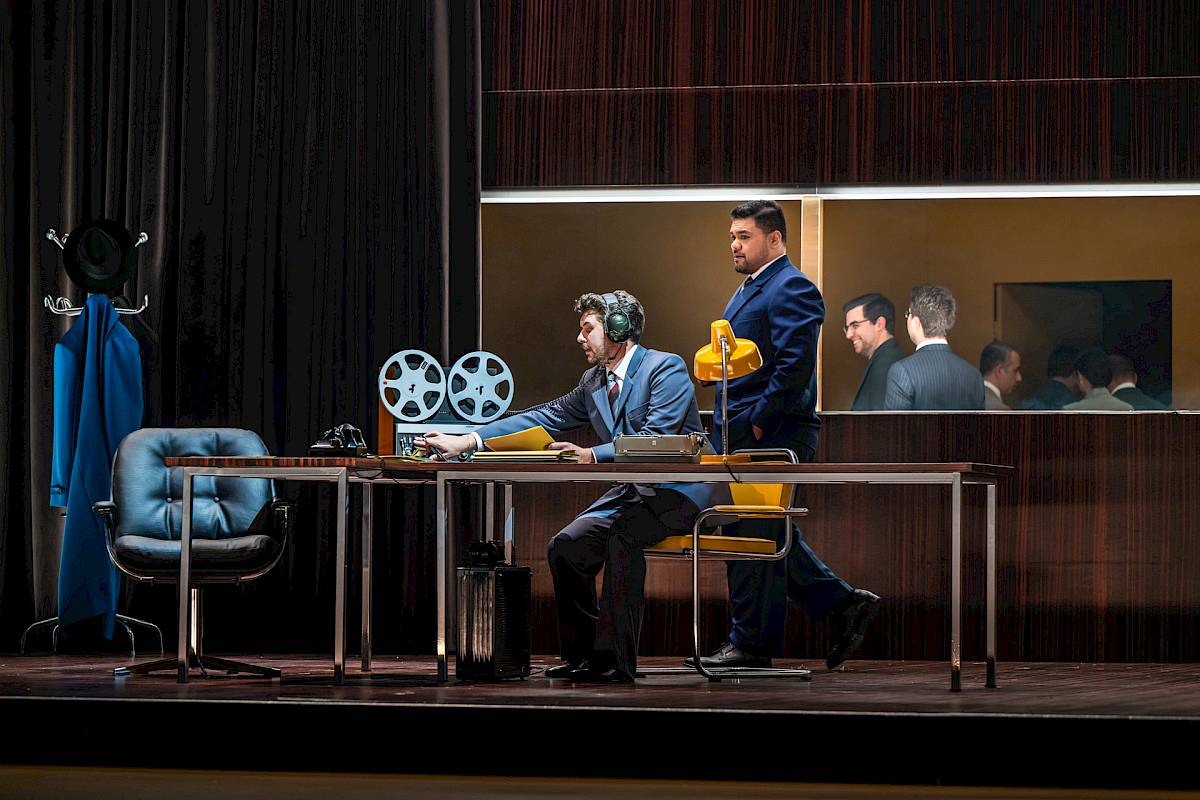
Photo Gallery “La clemenza di Tito”


Good to know

Synopsis

Discover the heart of every story: Our synopses provide guidance on the plot and the conflicts that drive its characters.

Act One

Vitellia, daughter of murdered Emperor Vitellius, is plotting her revenge. She instructs Sesto, who is madly in love with her, to assassinate the new Roman ruler Tito, whose father had Vitellius killed. However, the plot still hangs in the balance. Vitellia accuses Sesto of stalling. In fact, Sesto is a close friend of Tito’s, whom he also considers a valued benefactor and supporter. Sesto guesses the true reason for Vitellia’s anger: Vitellia is jealous, because Tito intends to marry another woman, Berenice. When Vitellia threatens to deprive Sesto of her love, he finally capitulates. He promises to carry out whatever Vitellia asks of him.

Sesto’s friend Annio enters and informs them that Tito has broken off his engagement to Berenice, a foreigner, who did not find favour with the Senate. Vitellia is emboldened and instructs Sesto to delay proceeding with their plan. When Sesto suspects that Vitellia is merely using him for her own ends, she astutely allays his fears.

Annio is in love with Sesto’s sister Servilia and asks him to put in a good word for him with Tito so the marriage will be approved. When Annio and Sesto appear before Tito, Tito is the first to speak. As a gesture of goodwill towards the people and as sign of his close relationship with Sesto, he reveals his intention to marry Servilia. Sesto finds himself in an awkward position. Annio, utterly aghast, does not have the courage to argue against the ruler’s wishes or resist his plans. However, when Servilia learns of the proposed marriage, she is firmly opposed. She seeks Tito out and tells him of her love for Annio. Tito is delighted to have at last found an honest person among his entourage and waives his marriage entitlement.

Vitellia knows nothing of the recent developments and views Servilia as her new rival. She believes that Tito has humiliated her once again and condemned her to a life of insignificance. Vitellia compels Sesto, whom she accuses of cowardice, to set fire to the Capitol and murder Tito. However, when Vitellia later learns from Annio and Tito’s closest assistant Publio that she herself is Tito’s chosen bride it is too late. The city is already in uproar and Vitellia can no longer call Sesto off. Finding Sesto distraught a short time later, he informs her of Tito’s murder. Vitellia, whose primary concern is for her own survival, is barely able to prevent him from handing himself in.  Rome mourns the death of its emperor.


Act Two

Annio tells a sceptical Sesto that the would-be assassin killed another man and that Tito survived unharmed. Sesto, tormented by his guilty conscience, confesses to Annio that he is behind the uprising. Annio wants to prevent Sesto from fleeing and persuades him to admit his guilt to Tito as a sign of remorse. Vitellia, however, urges Sesto to flee, fearing that he would otherwise betray her. Publio enters and has Sesto arrested, now the chief suspect.

Tito waits impatiently for the result of Sesto’s interrogation in the Senate. He cannot believe that his friend would have betrayed him. Publio warns Tito not to be too trusting. Presently, Publio announces the findings of the investigation in the Senate. Sesto has confessed and will be sentenced to death. All that is required is Tito’s signature. Annio, who heard Publio’s announcement, begs Tito to pardon his friend. Although Tito is deeply disappointed, he wishes to speak with Sesto in private. Still Sesto, wanting to avoid betraying Vitellia at all costs, does not reveal any further clues which might help determine a motive. He merely maintains his guilt and grieves the breakdown of their friendship. Furious, Tito orders Sesto to be led to his execution. Now alone, Tito wrestles with his conscience. Should he stay true to his policy of compassion and spare a friend or ruthlessly adhere to the demands of the law in cases of high treason? Annio and Servilia try desperately to persuade Vitellia, as Tito’s new bride, to advocate for Sesto. Vitellia gradually realises that she would forever harbour guilt for Sesto’s death. Even the prospect of marrying Tito leaves a stale taste in her mouth. She decides to tell Tito everything.

The Romans wait for Sesto’s public execution. When Tito is about to announce Sesto’s sentence, Vitellia interrupts him, confessing that it was she who encouraged Sesto to carry out the murder. Tito, feeling betrayed by everyone, is nonetheless merciful. He exonerates Vitellia and pardons Sesto as well.

Pene Pati im Porträt

Tenor Pene Pati is currently enjoying a major international career. As a child, he moved from Samoa to New Zealand. He discovered singing through the school choir, which was a requirement for joining the rugby team. Now Pene Pati appears for the first time at the Zurich Opera House, where he can be seen as Mozart’s ruler Tito. Volker Hagedorn spoke with the personable singer.

Some conversations are so good that at some point you can even ask crazy questions. And that’s exactly what I do, barely half an hour after a cheerful 38-year-old has placed his smartphone on the table for a Zoom meeting in an Airbnb flat somewhere in Zurich – a broad-shouldered, bearded chap in a white T-shirt, with short black hair and a broad smile: Pene Pati, the title role in the new production of La clemenza di Tito. His tenor career really took off nine years ago when he sang the Duke in Verdi’s Rigoletto at the San Francisco Opera, which is why I venture to ask the “funny question”: What does “La donna è mobile” sound like in Samoan?

Pene Pati reacts with a mixture of fits of laughter and a moment’s thought, gazes pensively at the ceiling and then says: “Le fafine e fa’apea… That’s what I would say. Le fafine e fa’apea.” Then he leans back in his chair, arms crossed over his chest, and laughs uncontrollably once more. “I’ve never thought of that in Samoan. That´s kind of funny. Yes, the sounds of the vowels in Samoan and Italian are exactly the same, so it came so naturally for me to sing in Italian.” Of course, that is not the only reason why Pene Pati has been conquering the international opera world for just under a decade, as the the first person ever of those born in the tiny Pacific island nation of Samoa.

Isn´t it embarrassing for him that every journalist interviews him not just as a tenor, but also as a tenor from Samoa? “No, actually, I think this is a good way to get an understanding of what´s beyond Europe and America. Huh, why would a Samoan take on opera? I ask myself the same question all the time. I find it rather opening.” It also plays a part, he says, “that Polynesian singing, be it Samoan or Maori, it`s very open, full-voiced singing, you have to fully use the body. I think that's also why operatic singing comes quite naturally to me, even if the Polynesian harmonies are very simple and we don’t use any string instruments at all. And in our culture, too, it’s all about storytelling.”

First and foremost, Pene – still a child at the time – moved from his hometown of Apia, on the eastern of Samoa’s two main islands, to New Zealand because his father had taken over the management of a retirement home in Auckland. And, much to the delight of the residents, he encouraged his children to sing for them every Friday. “My younger brother, me and our two older sisters – we did that for about fifteen years. Until I was nineteen.” By that time, Pene’s voice had already been noticed in the school choir, which he only joined, however, because it was a condition for playing in the rugby team. “The choir director discovered my voice. And at the age of 20 or 21, I thought, perhaps I should try and do something with this voice.”

Around that time, he saw his first opera on stage – the newly founded New Zealand Opera was performing La bohème in Auckland. „I don't remember any of the singers. I don't remember the music at the time. Now I know it, of course. I don't remember the stage setting. All I remember was how I felt when I left the theatre. I was so moved. I was in tears, which I didn't understand because I was a rugby player. I thought I was a strong man that doesn't have any tears. And then I said to myself: I want to do this. I want to do this.”

Which isn’t so easy when there are no proper singing teachers nearby. Pene initially studied computer science at the University of Auckland, sang in the university choir and came across his first role model – Luciano Pavarotti. On YouTube. “It was right at the beginnings of YouTube, mid 2000s. I started listening and zooming in on Pavarotti’s face: what is he doing? How is he going through the tessitura and the passaggio without making it look like it was difficult?” Pene uses his hand to model the the curve of a vocal line. “So I started to imitate his technique for a while. And I was truly moved by a lot of his performances even though he wasn’t the best of actors. I don't think he had a choice with the size of what he was. It was the voice that was emotional instead of his body. I’m a bit like that…”

When Pene was 23, he took part in a singing competition in New Zealand, won it, went on to another competition in Australia, came first again and met Kiri te Kanawa, “the role model for any New Zealand singer”. She recommended him to Dennis O’Neill at the National Opera Academy in Cardiff, Wales. “I had the money for the trip thanks to the competition.” To fund his further studies, he formed a crossover trio called “Sol3Mio” with his brother Amitai and a cousin – both of whom were also on their way to becoming professional opera singers – which proved immensely successful. “Our first album became the highest selling album in New Zealand ever in history!”

So it really isn’t just down to the similarity of the vowels in Samoan and Italian that a highly gifted individual from – given a European perspective! – the edge of the universe made his way to the stages at its very centre. There is a great deal of determination and fearlessness involved, as Pene’s agent also experienced. Shirley Thomson had heard him sing at the academy in Cardiff and hadn’t immediately offered him a contract with the Harrison Parrott agency, but had simply given him some advice. “And then two years later, I turned up to her office unexpectedly and said, I'm ready to be signed now. And she was so shocked. No one does it like this.“ He laughs.

Shirley still manages him today. She had also advised him to take up a scholarship in San Francisco – which led to his brilliant and momentous debut in Rigoletto. He lived there for seven years with his wife, the soprano Amina Edris. They have since moved to Paris. San Francisco, he says, was a vibrant city – until the pandemic. But the city has not yet recovered from the crisis caused by the lockdowns. And there is more for him to do in Europe. In Paris, a recent production moved him as deeply as rarely before. “I sang Werther at the Opéra-Comique; it was so moving and real. Ted Huffman´s production is so sincere. It wasn't like you were watching a show. It felt like you were watching someone's life actually play out in front of you, intimate. For a month afterwards, I couldn't shake it from my mind and found it difficult to get into my next character.“

And how is he getting on in Zurich with Mozart’s Titus? At first glance, this emperor isn’t the most exciting of characters – a paragon of goodwill, patience and forbearance towards traitors. “He can be a boring character, but if you really go into his nuances then it can become complex. What I love about Damiano’s concept is that Titus isn’t necessarily a good person, but uses clemency to retain his power. ‘How can I manage this,’ he asks himself, ‘without anybody trying to kill me?’ Even at the top he has to be diplomatic.”

Pene doesn’t approach a role like this with fixed ideas: “I always try to do it at least closely to what the directors want. And always I try to make myself the character instead of making it like La Clemenza di Pene Pati.” And yet there is much of him in Mozart’s Tito, who is far from being a mild-mannered ruler. “I come from a small island that knows nothing of opera. I sing Tito the way I feel it. I can’t say, ‘Yes, my grandad used to listen to this piece on the radio.’ Someone like me views the world of opera differently from people who grew up with it.”

This also becomes clear when I ask him about the latest stir in the opera world: Oscar hopeful Timothée Chalamet, who said in an interview that nobody is interested in ballet and opera anymore. “He’s young, and he’s probably already regretted what he said. I think what lay behind it was his impression that he doesn’t belong, because opera purists want to keep to themselves. I’m challenging that stereotype, because I don’t belong to the opera community either.”

The irony of the whole thing, says Pene, “is that the film industry of which he is part of is probably going to be the first one to be in trouble because of what Artificial Intelligence is doing. You can create an entire movie now with AI without any actors. So he's actually more in trouble than the ballet and the opera. And in moving forward, the ballet and opera is going to become more and more necessary because we want to see something that is done by humans, that is live and certainly not AI. The only way we can find something organic is to see true human emotion on stage. So we could say we’re doing fine, we’re not dying out, we’ve been around for hundreds of years – but we would love more support.”