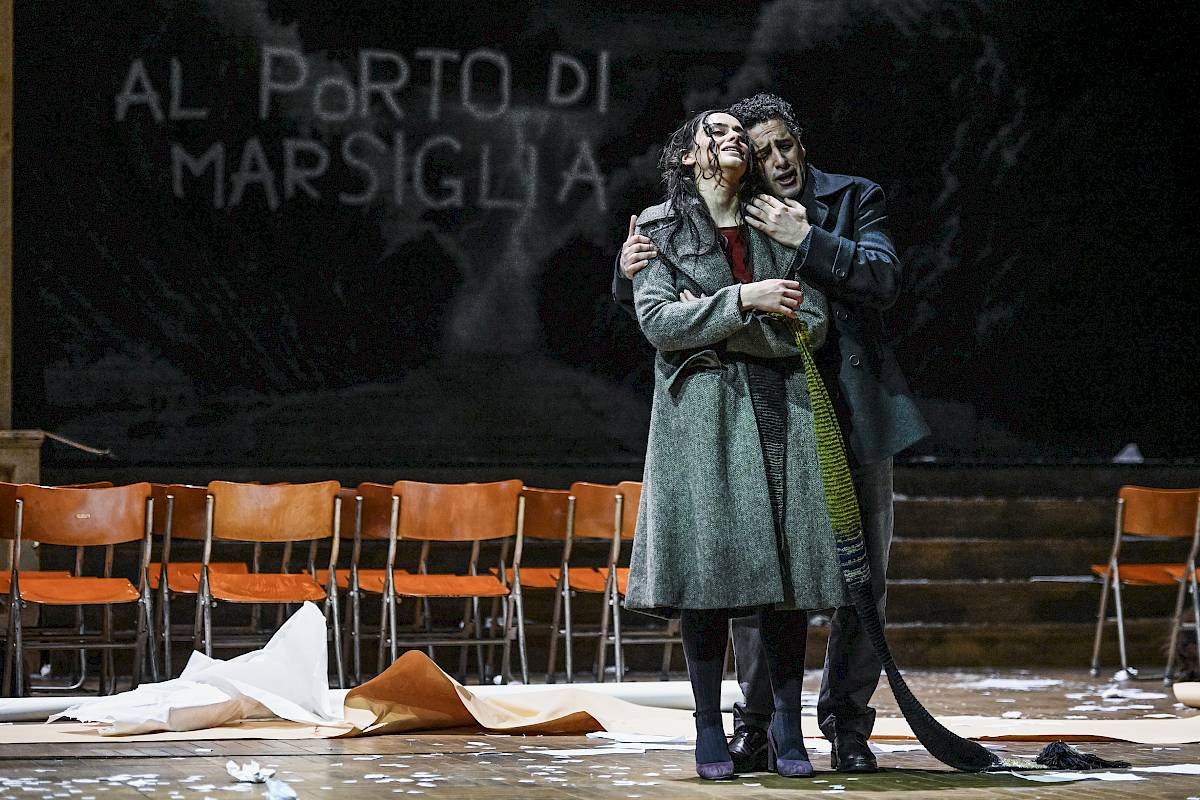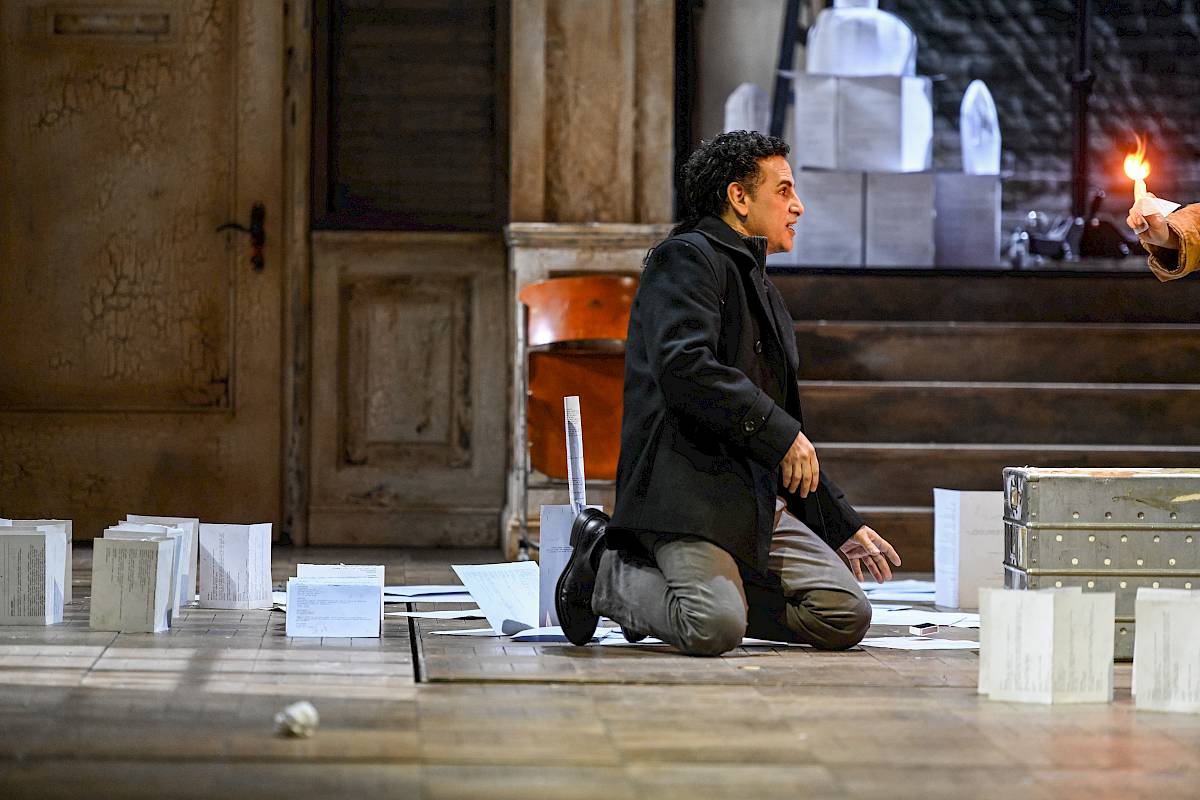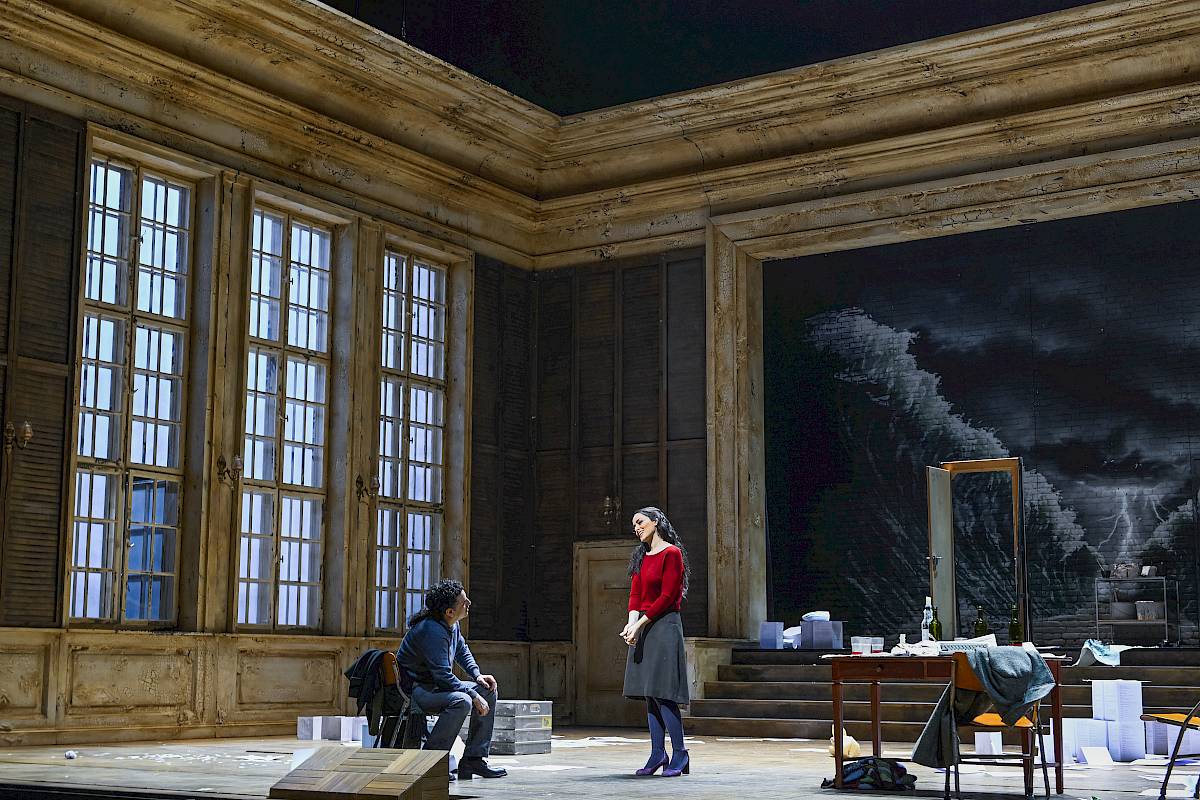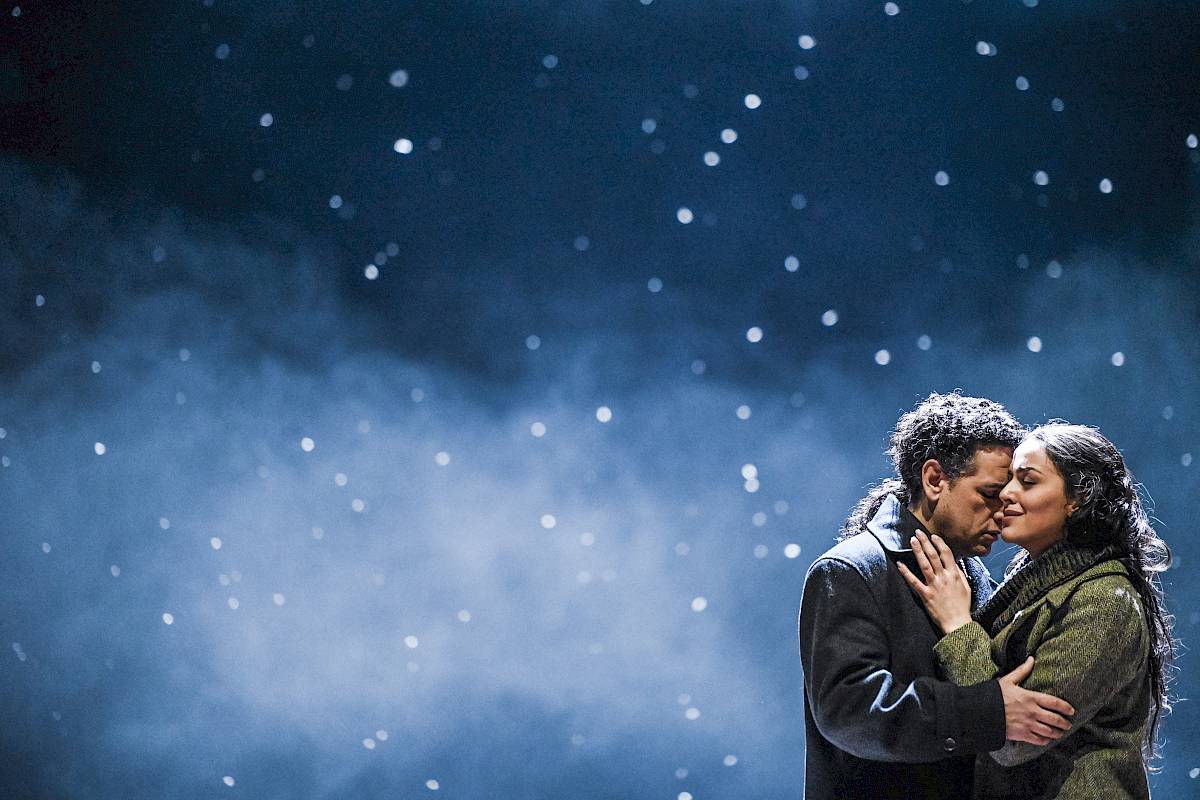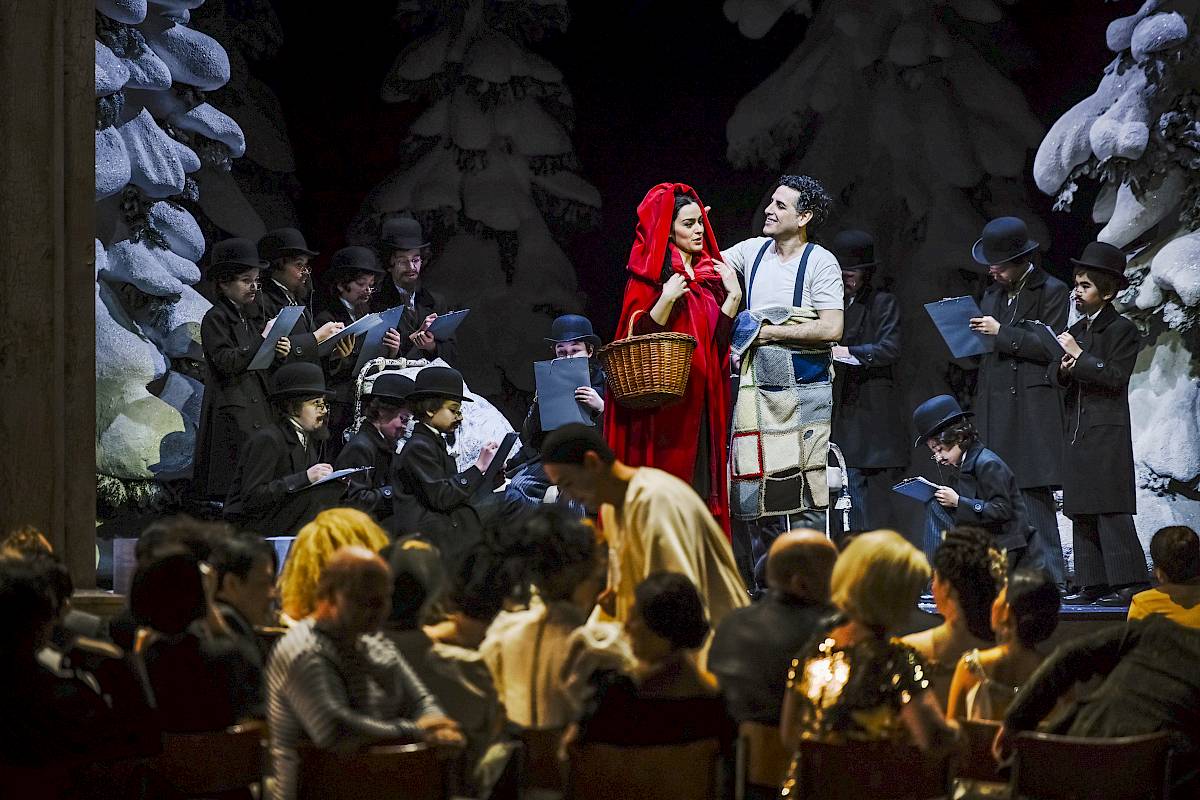

Marco Armiliato studied piano at the Paganini Conservatory in his hometown of Genoa and began his conducting career in 1989 with "L’elisir d’amore" in Lima, Peru. In 1995, he made his debut with "Il barbiere di Siviglia" at Teatro La Fenice in Venice, followed a year later by his debut at the Vienna State Opera with "Andrea Chénier" and at the San Francisco Opera with "La bohème". Since then, his career has taken him to the world’s most prestigious opera houses, including the Bavarian State Opera in Munich, the Deutsche Oper Berlin, the Royal Opera in London, the Opéra national de Paris, the Teatro Real in Madrid, the Gran Teatre del Liceu in Barcelona, La Scala in Milan, and the Lyric Opera of Chicago. At the Salzburg Festival, he conducted productions including "Tosca" and "Andrea Chénier", as well as concert performances of "Manon Lescaut", "Lucrezia Borgia", and "I Capuleti e i Montecchi". In 2022, he was Music Director of the Arena di Verona Festival. He has maintained a close collaboration with the Metropolitan Opera in New York, where since his debut in 1998 he has conducted almost 500 performances, including "Il trovatore", "La bohème", "Aida", "Turandot", "Rigoletto", "I puritani", "Madama Butterfly", and "La traviata". His recording "Verismo" (2009) with Renée Fleming received a Grammy Award, and the recording "Romantic Arias" (2008) with Jonas Kaufmann was honoured with a Diapason d’or. At the Vienna State Opera, where he has been an honorary member since 2019, he has conducted a wide range of works from the Italian and French repertoire, as well as gala performances and festive concerts. At the Zurich Opera House, he has recently conducted "La traviata", "Otello", "La bohème", "Manon", "Simon Boccanegra", "La rondine", "Messa da Requiem", and "Tosca".
Giacomo Puccini
Libretto by Giuseppe Giacosa and Luigi Illica
after Henri Murger’s "Scènes de la vie de Bohème"
From 8. March 2020 until 29. March 2020
-
Duration :
2 H. 30 Min. Inkl. Pause after 1st part after approx. 1 H. -
Language:
In Italian with German and English surtitles. -
More information:
Introduction 45 min before the performance.
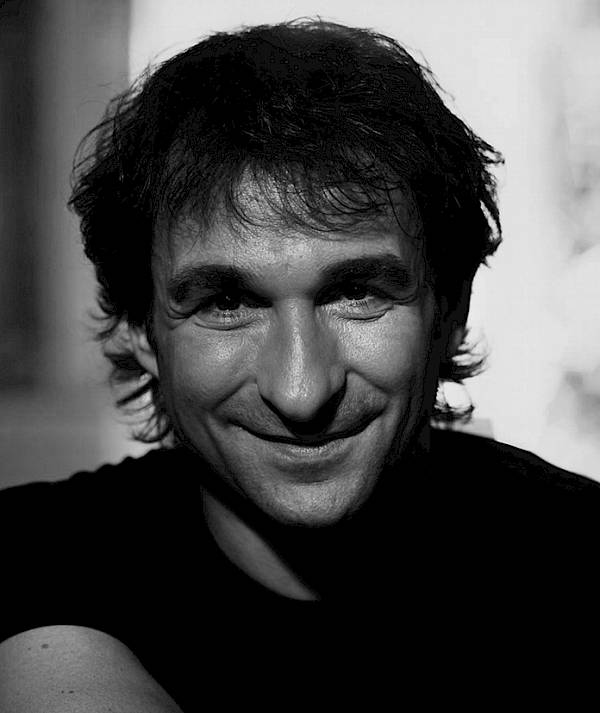
Marco Armiliato
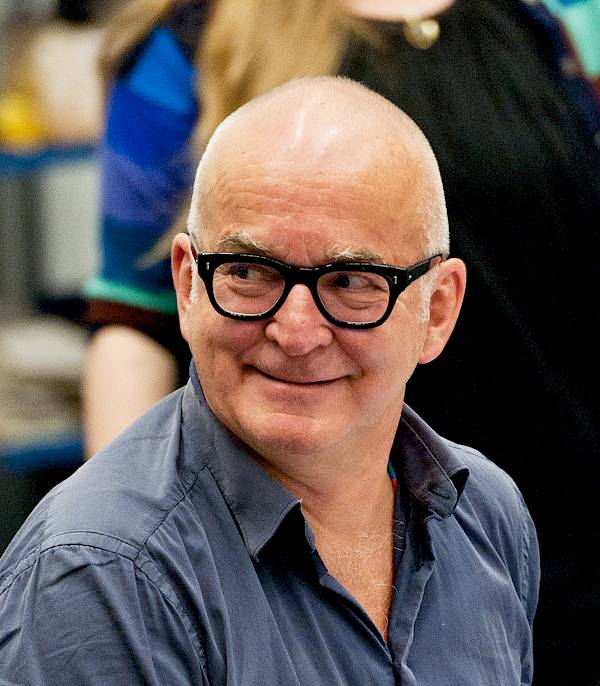
Ole Anders Tandberg
Norwegian Ole Anders Tandberg is considered one of the most distinguished theatre and opera directors in Scandinavia. After completing his training at the Guildhall School of Music and Drama in London, the School of Architecture in Oslo, and the Dramatic Institute in Stockholm, he first gained recognition in the mid-1990s with theatre productions at, among others, the National Theatre Oslo and the Royal Dramatic Theatre Stockholm, where he worked with a repertoire ranging from Shakespeare and Ibsen to Jon Fosse. In addition, he adapted numerous works for the stage, including "Fuglane" by Tarjei Vesaas and "Demons" by Fyodor Dostoevsky. Since then, Ole Anders Tandberg, who also works as a set designer, has increasingly turned to opera. At the Oslo Opera, he directed Monteverdi’s "L’incoronazione di Poppea" and "Il ritorno d’Ulisse in patria," as well as "Lady Macbeth of Mzensk" and "Rigoletto," and at the Royal Opera in Stockholm, Prokofiev’s "The Fiery Angel," Ravel’s "L’enfant et les sortilèges," "Le nozze di Figaro," "Così fan tutte," "Don Giovanni," "The Magic Flute," "Candide," and "The Merry Widow." In 2015, he made his debut at the Deutsche Oper Berlin with his production of "Lady Macbeth of Mzensk," returning there in 2017 for "Carmen" and in 2018 for "Wozzeck." At the Prague State Opera, he directed "The Flying Dutchman" in 2022, and at the Zurich Opera House, he directed "La bohème."
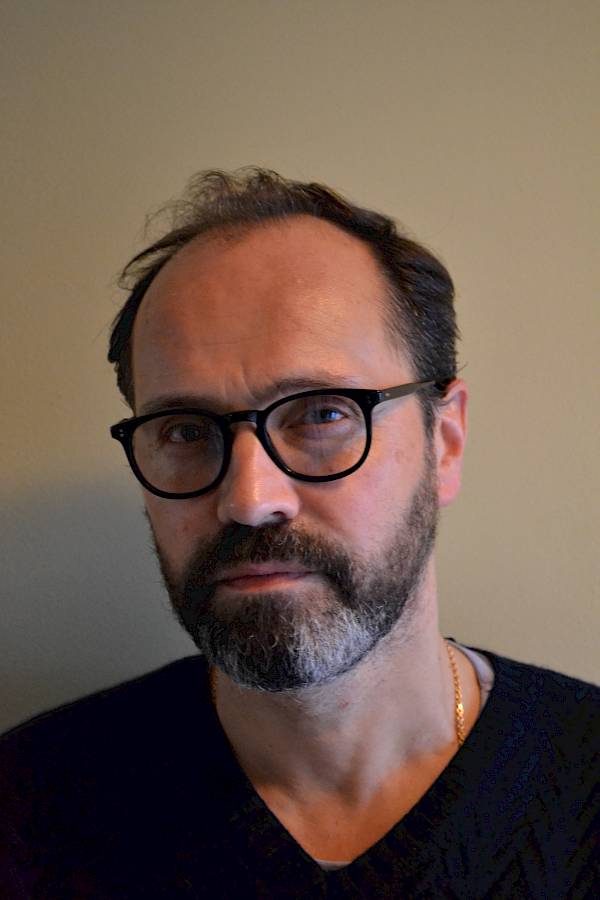
Erlend Birkeland
Erlend Birkeland stammt aus Norwegen. Er studierte u.a. an der Kunstschule Kolding in Dänemark, an der Staatlichen Handwerks und Kunstindustrieschule Oslo und der norwegischen Staatlichen Kunstakademie. Noch während seiner Ausbildung entstand die Ausstattung von Dagen vender am Norwegischen Nationaltheater. Er vertrat Norwegen 1999 auf der Internationalen Quadriennale in Prag mit seinem Bühnenbild zu Fuglane. Mit Ole Anders Tandberg verbindet ihn eine langjährige künstlerische Partnerschaft. Mittlerweile hat Erlend Birkeland nahezu hundert Inszenierungen in Norwegen, Schweden und Dänemark ausgestattet, hauptsächlich für das Schauspiel, aber auch zunehmend für Oper und Musiktheater. 2010 war er an der Komischen Oper Berlin für das Bühnenbild von Händels Orlando verantwortlich. 2015 gestaltete er die Bühne für Lady Macbeth von Mzensk an der Deutschen Oper Berlin, La bohème am Opernhaus Zürich, Ibsens Peer Gynt und Klein Eyolf am Nationaltheater in Oslo sowie Ibsens Volksfeind, Die Regenschirme von Cherbourg (Jacques Demy) und Karl Ove Knausgårds Mein Kampf in Stockholm. Zuletzt entstanden die Bühnenbilder für Wozzeck an der Deutschen Oper Berlin, für Tosca an der Oper in Malmö und für Rigoletto an der Königlichen Oper Stockholm. Seit 2015 ist er Professor für Bühnenbild in Oslo.
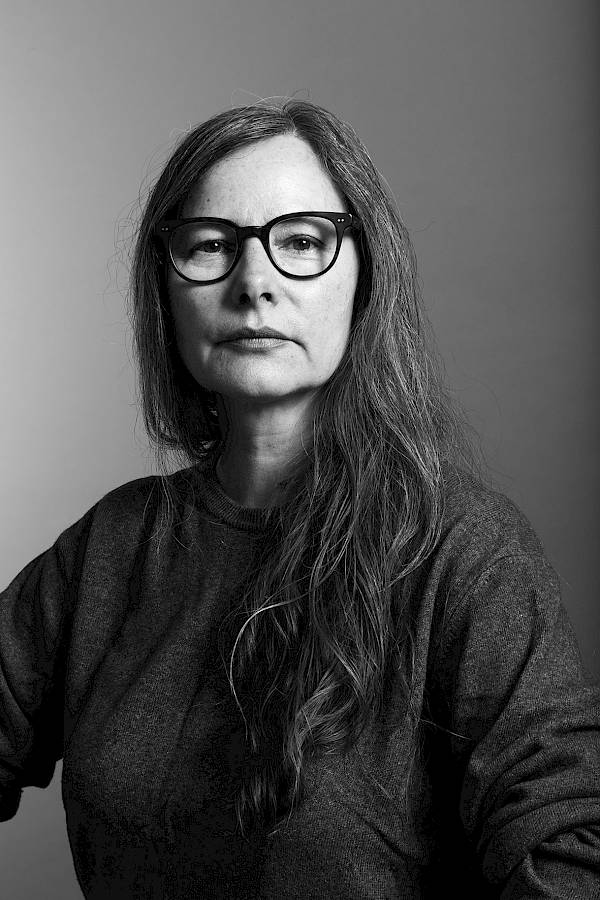
Maria Geber
Maria Geber stammt aus Schweden. Ihre Ausbildung erhielt sie an der Gerlesborgs Art School, dem San Francisco Art Institute und an der Beckmanns School of Design in Stockholm. Sie gehört seit langem zu den wichtigsten Kostümdesignerinnen Skandinaviens. Ihr Werk umfasst die Zusammenarbeit mit Choreografen und Regisseuren wie Mats Ek, Brigitta Egerbladh, Ole Anders Tandberg, Suzanne Osten, Etienne Glaser, Mattias Andersson, Rickard Günther, Linus Tunström und Sofia Jupiter (Salome, Die tote Stadt). Neben dem Kostümdesign entwirft sie auch Bühnenbilder. In langjähriger Zusammenarbeit mit Ole Anders Tandberg entstanden u.a. die Kostüme für Der feurige Engel, L’Enfant es les sortilèges, L’incoronazione di Poppea, Il ritorno d’Ulisse in patria, Le nozze di Figaro, Così fan tutte, Die Zauberflöte, Don Giovanni, Lady Macbeth von Mzensk, Rigoletto und Wozzeck. Sie arbeitete u.a. an der Deutschen Oper Berlin, der Königlichen Oper Stockholm und an der Norwegischen Oper in Oslo. Maria Geber lehrt als Assistenzprofessorin Kostümdesign an der Stockholm Academy of Dramatic Arts.
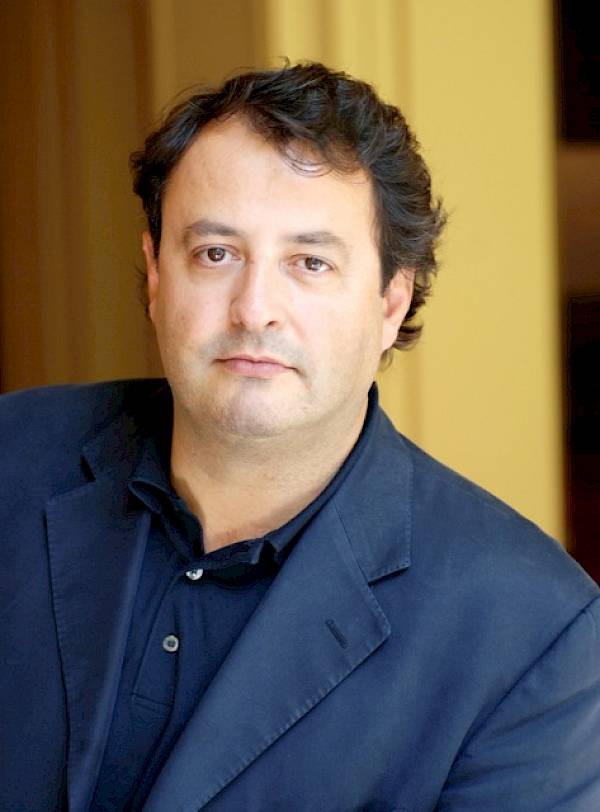
Franck Evin
Franck Evin, born in Nantes, moved to Paris at the age of 19 to study piano. At night he accompanied singers at the Café-Théâtre Le Connétable and also began to take an interest in lighting. He eventually decided to combine music and technology. Thanks to a scholarship from the French Ministry of Culture, he became assistant to the head of lighting at the Opéra de Lyon in 1983. There he worked with Ken Russell and Robert Wilson, among others. In 1986 he began working as an independent lighting designer at the Düsseldorf Schauspielhaus and obtained his master’s certificate in lighting in 1993. During this time he had a close collaboration with Werner Schröter and the conductor Eberhard Kloke. This was followed by productions in Nantes, Strasbourg, Paris, Lyon, Vienna, Bonn, Brussels and Los Angeles, among other places. From 1995 to 2012 he was Artistic Director of the lighting department at the Komische Oper Berlin, where he was responsible for all new productions. Important artistic partners during this period included Andreas Homoki, Barrie Kosky, Calixto Bieito and Hans Neuenfels. In 2006 Franck Evin was awarded the German Theatre Prize "Opus" in the category of lighting design. From 2012 to 2025 he was Artistic Director of the lighting department at the Zurich Opera House. In addition to his work in Zurich, he continued to work on international productions at opera houses in Oslo, Stockholm, Tokyo, Amsterdam, Munich and Graz, as well as at the Opéra Bastille, Teatro alla Scala, Teatro La Fenice, the Vlaamse Opera and at the Bayreuth Festival.
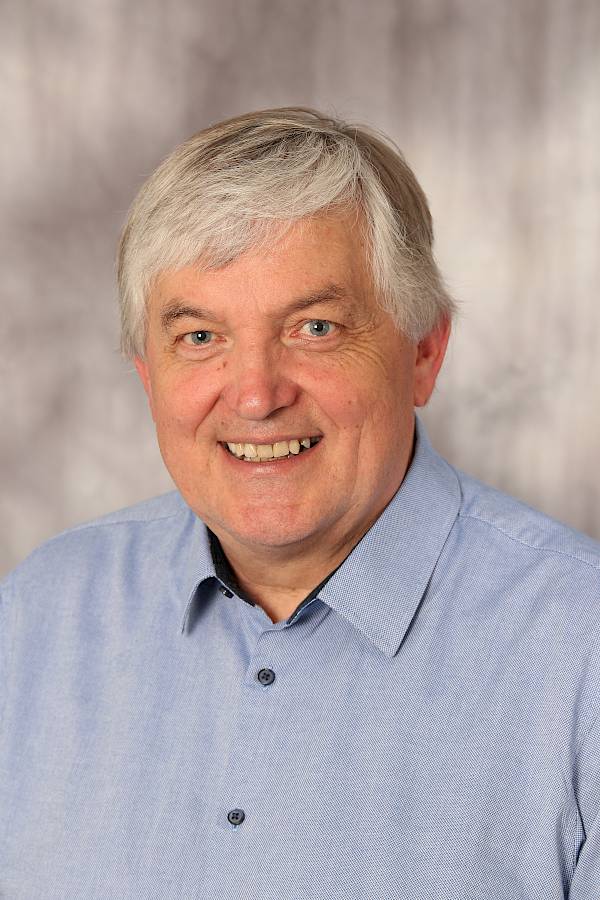
Ernst Raffelsberger
Ernst Raffelsberger comes from Gmunden, Upper Austria. He studied music education and church music at the University of Music and Performing Arts in Vienna as well as choral conducting at the Mozarteum in Salzburg. From 1983 to 1986 he was Kapellmeister of the Vienna Boys’ Choir. During this time, he led the ensemble in Vienna and on tours through Europe, South Africa, Canada, and the USA. From 1986, Ernst Raffelsberger was choral director and Kapellmeister at the Salzburg State Theatre (participating in the Salzburg Mozart Week and the Salzburg Festival). In 1989 he moved as choral director and Kapellmeister to the theatre in Freiburg/Breisgau. Since autumn 1993, Ernst Raffelsberger has been engaged at the Zurich Opera House as choral director. Here he has since supervised around 150 premieres and countless revivals and worked with many renowned conductors such as Marco Armiliato, Riccardo Chailly, Teodor Currentzis, Christoph von Dohnányi, Sir John Eliot Gardiner, Daniele Gatti, Bernard Haitink, Nikolaus Harnoncourt, Zubin Mehta, Gianandrea Noseda, and Franz Welser-Möst. Guest performances with the Zurich Opera House have taken him to Vienna, London, Paris, and Tokyo. From summer 2012 he additionally began a ten-year activity as choral director of the Vienna State Opera Chorus Association at the Salzburg Festival. There he collaborated successfully with, among others, Riccardo Muti, Mariss Jansons, and Sir Simon Rattle. After Ernst Raffelsberger ended this work with the festival summer 2021, he has since 2025 once again been responsible, at Maestro Muti’s request, for choral preparation for his festival concerts in Salzburg. Numerous CD and DVD recordings document his work in Zurich as well as in Salzburg.
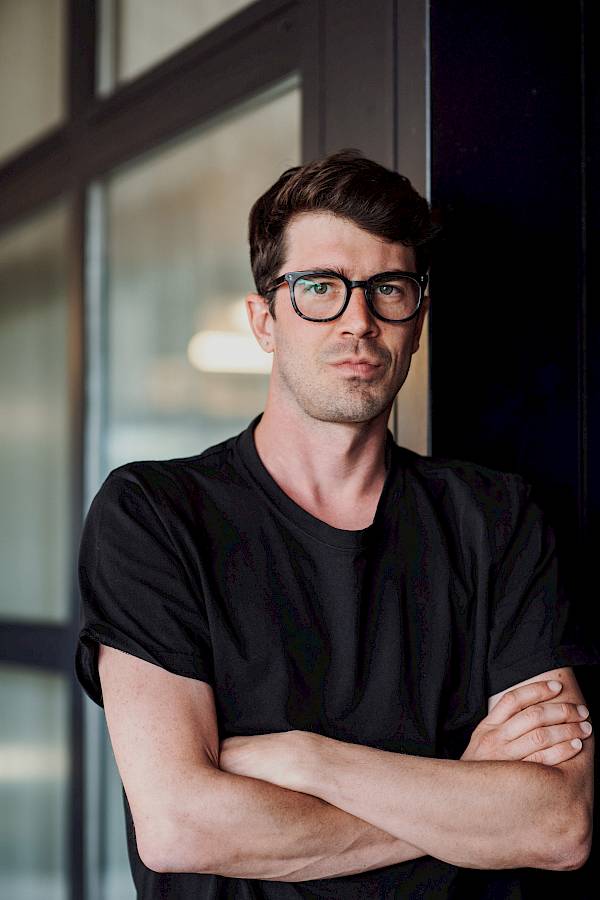
Fabio Dietsche
Fabio Dietsche studied dramaturgy at the Zurich University of the Arts as well as cross flute with Maria Goldschmidt in Zurich and with Karl-Heinz Schütz in Vienna. He gained his first experience as a dramaturge in 2012/13 with Xavier Zuber at Konzert Theater Bern, where he accompanied, among others, Matthias Rebstock’s production of "neither" (Beckett/Feldman) at the Berner Reithalle. Since 2013, he has been a dramaturge at the Zurich Opera House, where he completed his studies with the production dramaturgy of Puccini’s "La bohème." There, he has been involved, among others, in the world premieres of Stefan Wirth’s "Girl with a Pearl Earring" and Leonard Evers’ "Odyssee," the chamber opera "Jakob Lenz" by Wolfgang Rihm, and the Swiss premiere of Manfred Trojahn’s "Orest." He has worked with, among others, Robert Carsen, Tatjana Gürbaca, Rainer Holzapfel, Andreas Homoki, Ted Huffman, Mélanie Huber, Barrie Kosky, Hans Neuenfels, and Kai Anne Schuhmacher. He is currently studying cultural management on a part-time basis at the University of Zurich.
Cast
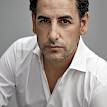
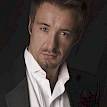
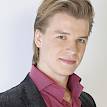
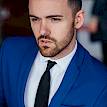
Parpignol Tae-Jin Park
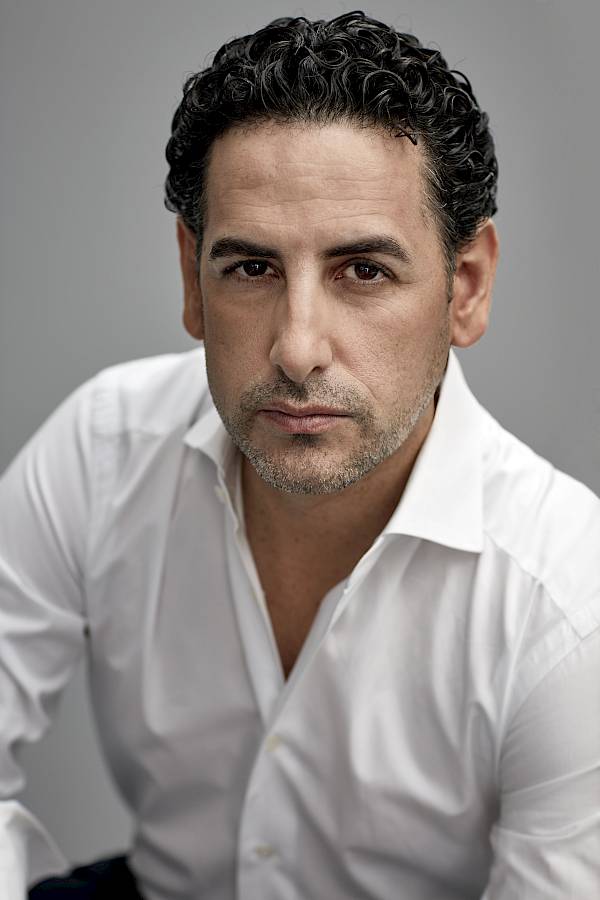
Juan Diego Flórez
Juan Diego Flórez is considered one of the leading tenors of our time. Born in Lima in 1973, he devoted himself early on to singing as well as to Peruvian folk and pop music. At the age of 17, he began his studies at the Conservatorio Nacional de Música in Peru and three years later received a scholarship to study singing at the Curtis Institute of Music in Philadelphia. In 1996, he made his debut at the Rossini Opera Festival in Pesaro as Corradino in "Matilde di Shabran", followed by his debut at Teatro alla Scala in Milan as Chevalier Danois in Gluck’s "Armide" under Riccardo Muti. Since then, he has been a regular guest at international opera houses and renowned festivals such as the Teatro Real in Madrid, the Opéra Garnier in Paris, the Royal Opera in London, the Vienna State Opera, the Sydney Opera House, the Los Angeles Opera, the Bavarian State Opera in Munich, the Deutsche Oper Berlin, the Metropolitan Opera in New York, and the Salzburg Festival. He has released numerous solo albums and opera recordings on CD and DVD, including the recording "Rossini Arias", which was awarded an ECHO Klassik prize. Among his many honours are the "Gran Cruz de la Orden del Sol", the highest distinction of the Peruvian state, his appointment as an Austrian Kammersänger, and in 2018 the Opus Klassik award as "Singer of the Year". He is also the founder of the project "Sinfonía por el Perú". In recognition of his social commitment, he was appointed UNESCO Goodwill Ambassador in 2012 and received the Crystal Award from the World Economic Forum in 2014. At the Zurich Opera House, Juan Diego Flórez has already appeared in song recitals and concerts as well as, among other roles, Werther.
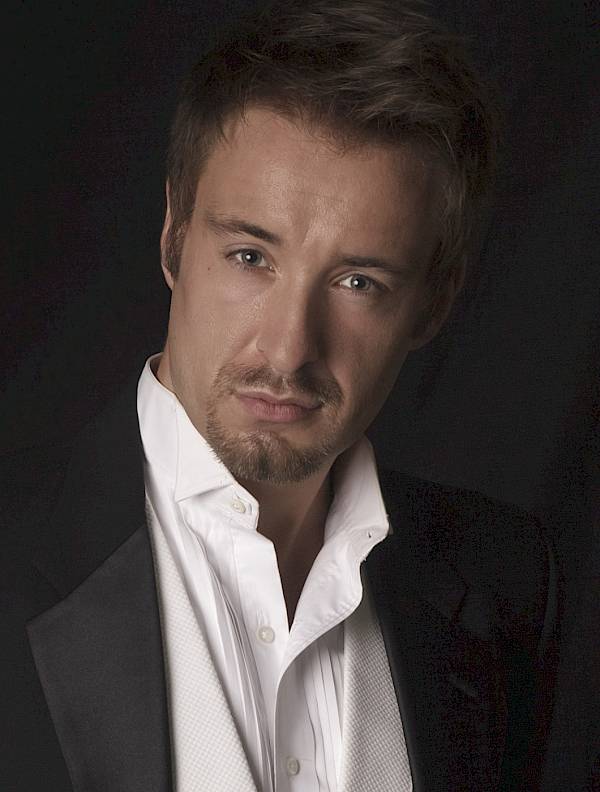
Yuriy Yurchuk
Yuriy Yurchuk, Bariton, stammt aus der Ukraine und studierte Gesang an der DePaul University in Chicago. Er wurde bei zahlreichen Wettbewerben mit Preisen ausgezeichnet, darunter die Queen Sonja International Music Competition in Oslo (2015), die Montserrat Caballé International Singing Competition in Spanien (2015) und die Jensen Foundation Vocal Competition in den USA (2014.) Als Mitglied des Jette Parker Young Artists Programme in London war er auf der Bühne des Royal Opera House Covent Garden u.a. als Blazes in Peter Maxwell Davies’ The Lighthouse, als Angelotti in Tosca, als Steuermann in Tristan und Isolde sowie als Germano in Rossinis La scala di seta zu erleben. Bis vor kurzem war Yuriy Yurchuck Ensemblemitglied in Covent Garden, wo er Schlémil in Les Contes d’Hoffmann und Baron Douphol in La traviata sang und als Prinz Yamadori (Madama Butterfly), Mandarin in Turandot sowie in Die Nase zu erleben war. In der Spielzeit 2017/18 sang er Conte Rodolpho in Jacopo Foronis Margherita beim Wexford Opera Festival, die Titelrolle in Jewgeni Onegin an der Ukrainischen Nationaloper in Kiew sowie Ping in Turandot am Opernhaus Zürich.
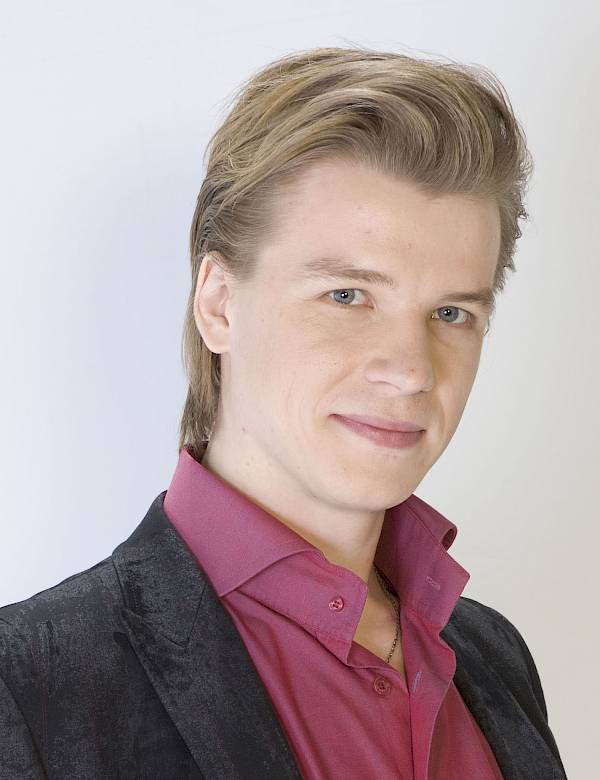
Konstantin Shushakov
Konstantin Shushakov stammt aus Russland und studierte am Izhevsk Music College und an der Russischen Akademie für Theaterkunst. 2009 wurde er Mitglied des Young Artist Program am Bolschoi-Theater in Moskau. 2011 war er Preisträger des Queen Elisabeth Wettbewerbs in Brüssel und gewann im selben Jahr den 2. Preis beim Operalia Wettbewerb in Moskau. Ein Jahr später wurde er Ensemblemitglied am Bolschoi-Theater, wo er u.a. als Morales (Carmen), Almaviva (Le nozze di Figaro), Marullo (Rigoletto), Malatesta (Don Pasquale), Schaunard und Marcello (La bohème), Lebedjev (Der Idiot), Robert (Iolanta), Papageno und Figaro (Il barbiere di Siviglia) zu erleben war. Gastengagements führten ihn 2014 als Guglielmo (Così fan tutte) an die Scala, 2016 als Ford (Falstaff) nach Genf und als Prinz Afron (Der goldene Hahn) ans Théâtre de la Monnaie in Brüssel. 2018 gastierte er in Vancouver in der Titelrolle von Jewgeni Onegin sowie als Jelezki (Pique Dame) beim Savonlinna Festival und an der Oper in Oslo. Er ist ausserdem regelmässig als Konzertsänger zu erleben; er sang in Brahms’ Ein deutsches Requiem zusammen mit dem Russischen National Orchester in der Tschaikovsky Concert Hall unter Mikhail Pletnev und in Mozarts c-Moll-Messe mit dem Musica Viva Chamber Orchestra Moskau. 2019 bis 2023 gehörte er zum Ensemble am Opernhaus Zürich und war hier u.a. als Don Giovanni, Guglielmo, Malatesta, Marcello, Andrei Tchelkalov (Boris Godunow), Ernesto (Il pirata), Ford, Valentin (Faust) und in Ein deutsches Requiem unter Gianandrea Noseda zu hören.
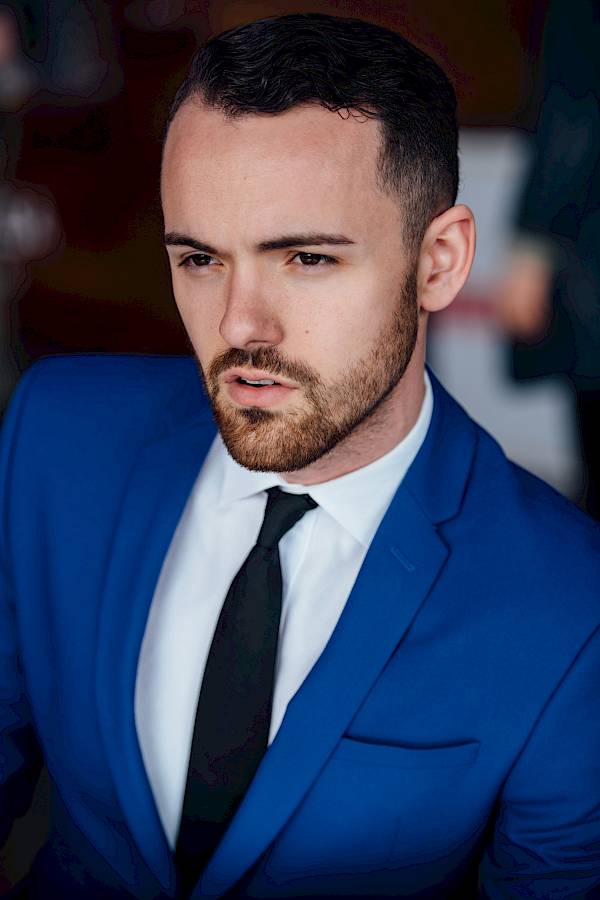
Dean Murphy
Dean Murphy, Bariton, absolvierte seine Gesangsausbildung an der Hartt School of Music und an der Yale School of Music. Er war Stipendiat der Bel Canto Vocal Scholarship Foundation und der Opera Foundation, in deren Zusammenhang er Mitglied im Ensemble der Deutschen Oper Berlin war. Zudem war er Preisträger beim Lynne Strow Piccolo Award, bei der Amici Vocal Competition und der Classical Singer Competition. 2013/14 war er Ensemblemitglied an der Opera Connecticut, wo er in Gianni Schicchi und in Salieris Kleine Harlekinade zu erleben war. Zudem sang er Melisso in Alcina, Yamadori in Madama Butterfly an der Connecticut Lyric Opera und Peter in Hänsel und Gretel. Auf der Konzertbühne sang er in Brahms’ Ein deutsches Requiem, in Händels Messiah, in Faurés Requiem, in Charpentiers Magnificat und in Händels Esther. An der Deutschen Oper Berlin war er 2017/18 u.a. als Fiorello (Il barbiere di Siviglia), als Dancaïre (Carmen), als zweiter Richter (Das Wunder der Heliane), als Polizist (Lady Macbeth von Mzensk), Silvano (Un ballo in maschera), als Schaunard (La bohème) sowie als Wagner in Faust zu erleben. Von 2018 bis 2020 war er Mitglied des Internationalen Opernstudios in Zürich und sang hier u.a. den 2. Senator in Schrekers Die Gezeichneten, Schobiak in Le Grand Macabre, Figaro in Il barbiere di Siviglia am Theater Winterthur, Carlotto in Don Pasquale und Schaunard. Im Sommer 2019 gastierte er zudem beim Rossini Festival in Pesaro als Lord Sidney und Don Alvaro in Il viaggio a Reims. Für die Spielzeit 2020/21 kehrte er als Ensemblemitglied zurück an die Deutsche Oper Berlin, wo er u.a. Figaro in Il barbiere di Siviglia singt.
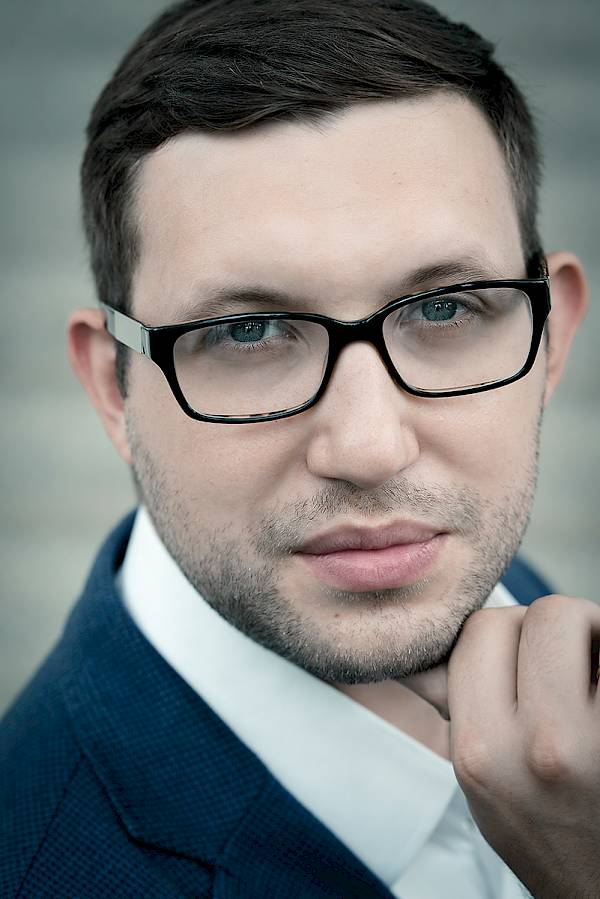
Stanislav Vorobyov
Stanislav Vorobyov is from Russia and studied at the Moscow Conservatory. He was a member of the International Opera Studio and has been a member of the ensemble at the Zurich Opera House since the 2018/19 season. Here, he has appeared in roles including Colline ("La bohème"), Alidoro ("La Cenerentola"), the High Priest ("Nabucco"), Reinmar von Zweter ("Tannhäuser"), Zaretsky ("Eugene Onegin"), Angelotti ("Tosca"), the Fifth Jew and First Nazarene ("Salome"), Lord Rochefort ("Anna Bolena"), Dottor Grenvil ("La traviata"), Crébillon ("La rondine"), Zuniga ("Carmen"), Roberto ("I vespri siciliani"), Roucher ("Andrea Chénier"), Marchese Calatrava ("La forza del destino"), Tom ("Un ballo in maschera"), as well as Faust ("Der feurige Engel") and Méphistophélès ("La Damnation de Faust"). Guest engagements have taken him to the Bregenz Festival as Don Basilio in "Il barbiere di Siviglia", Uncle Bonzo in "Madama Butterfly", and Il capitano/L’ispettore in Giordano’s "Siberia", to Opera Ballet Vlaanderen and Luxembourg as Nourabad in "Les Pêcheurs de perles", to the Concertgebouw Amsterdam as Ombra di Nino in "Semiramide", and in 2024 as Colline in "La bohème" at the Tokyo Metropolitan Theatre and the ROHM Theatre Kyōto.
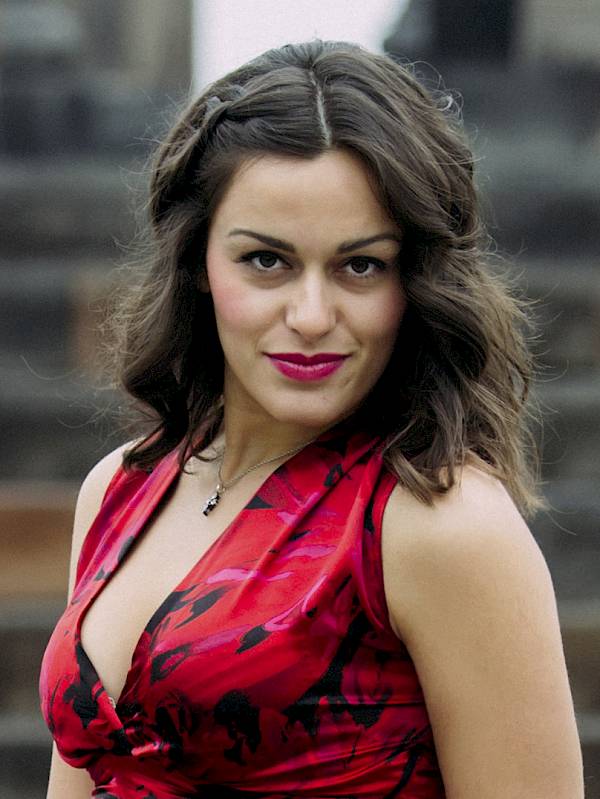
Ruzan Mantashyan
Ruzan Mantashyan stammt aus Armenien und wurde am Staatlichen Konservatorium Jerewan, an der Accademia di Belcanto von Mirella Freni in Modena sowie in der Klasse von Hedwig Fassbender in Frankfurt ausgebildet. 2013 gewann sie den Concorso Toti Dal Monte in Treviso als Musetta (La bohème). Diese Partie sang sie anschliessend in Treviso, Bolzano, Fermo und Ferrara. Von 2014 bis 2016 war sie Mitglied des Atelier Lyrique an der Pariser Oper. Sie sang u.a. Susanna (Le nozze di Figaro) in Modena, Servilia (La clemenza di Tito) in Reggio Emilia, Echo (Ariadne auf Naxos) an der Opéra de Paris und beim Glyndebourne Festival, Fiordiligi (Così fan tutte) in Paris-Créteil, Lille, an der Bayerischen Staatsoper München, in Seoul, Zürich und Hamburg, Micaëla (Carmen) in Montpellier und Hamburg, Xenia (Boris Godunow) an der Opéra de Paris, Mimì (La bohème) am Grand Théâtre de Genève sowie an der Komischen Oper Berlin, in München und Zürich, Cleofide (Händels Poro) an der Komischen Oper Berlin, die Gräfin (Le nozze di Figaro) in Amsterdam, Marguerite (Faust) und Natascha Rostowa (Krieg und Frieden) in Genf sowie Tatjana (Eugen Onegin) in Hamburg und Lausanne. Zuletzt sang sie u.a. Rachel (La juive) in Genf, Alice Ford (Falstaff) an der Komischen Oper Berlin und Donna Elvira beim Glyndebourne Festival. In der Spielzeit 2023/24 umfassen ihre Engagements Tatjana an der Komischen Oper Berlin und an der Wiener Staatsoper, Mimì am Royal Opera House London, Massenets Cendrillon in Lausanne und die Gräfin an der Hamburgischen Staatsoper.
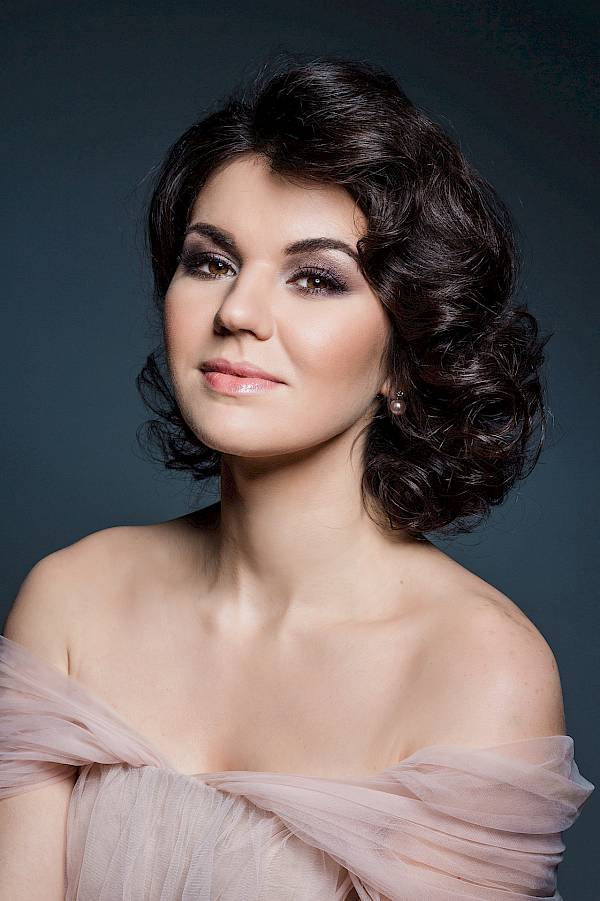
Olga Kulchynska
Olga Kulchynska wurde in Riwne (Ukraine) geboren. Sie studierte an der Tschaikowsky Musikakademie in Kiew bei Maria Stefiuk. Im dortigen Opernstudio sang sie Giannetta (L’elisir d’amore) und Contessa (Le nozze di Figaro). Olga Kulchynska ist Absolventin mehrerer Meisterkurse und Preisträgerin verschiedener internationaler Wettbewerbe, u.a. des internationalen Hans-Gabor-Belvedere-Gesangswettbewerbs. 2015 gewann sie den renommierten Gesangswettbewerb Francesco Viñas in Barcelona. In der Spielzeit 2013/14 war sie Mitglied im Young Artist Program des Bolschoi-Theaters und debütierte 2014 am Bolschoi-Theater als Marfa in der Neuproduktion von Rimsky-Korsakows Die Zarenbraut. Im Rahmen einer Tournee sang sie die Produktion auch in konzertanten Aufführungen am Theater an der Wien und in der Avery Fisher Hall (Lincoln Center Festival). Als Ensemblemitglied ist sie am Bolschoi-Theater ab 2014 u.a. als Musetta (La bohème), Susanna (Le nozze di Figaro) und Gilda (Rigoletto) aufgetreten. Ebenfalls als Musetta war sie am Gran Teatre del Liceu in Barcelona, an der Met in New York, in Amsterdam und in Rom zu hören. In den vergangenen Spielzeiten debütierte sie als Rosina an der Opéra Bastille, als Susanna an der Bayerischen Staatsoper, als Leïla (Les Pêcheurs de perles) in Barcelona, als Ilia (Idomeneo) an den Münchner Opernfestspielen, als Micaëla (Carmen) an der Wiener Staatsoper und sang Pamina an der Bayerischen Staatsoper und Adina in Glyndebourne. Am Opernhaus Zürich war sie bisher als Giulietta (I Capuleti e i Montecchi), Adina (L’elisir d’amore), Zerlina (Don Giovanni), Gretel, Leïla und Blanche (Dialogues des Carmélites) zu sehen.
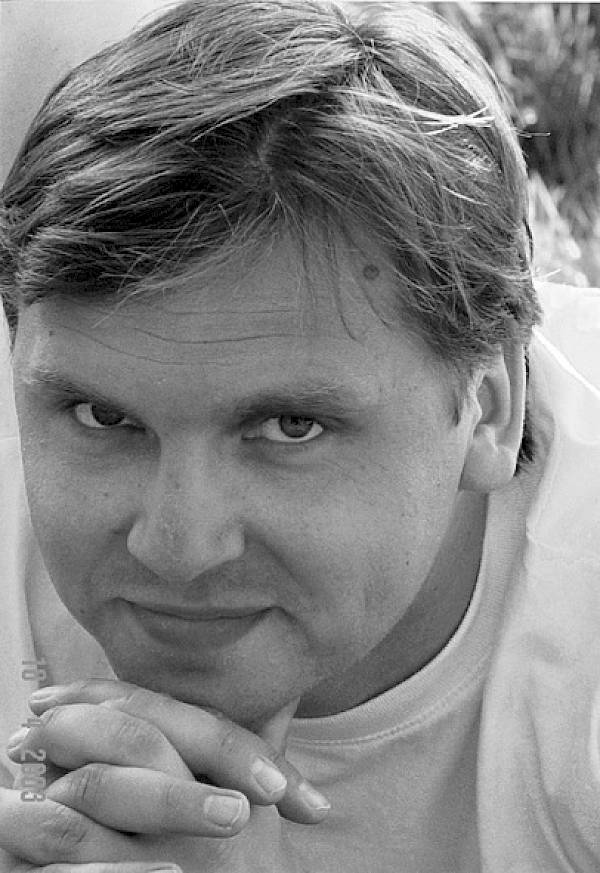
Valeriy Murga
Valeriy Murga studied at the National Music Academy of Ukraine in Kyiv. He was a finalist at both the 41st International Singing Competition in Toulouse (1996) and the 7th Julian Gayarre Competition in Pamplona (1998). In 1997, he won second prize at the Maria Callas Grand Prix in Athens and took part in the Cardiff Singer of the World competition in 1999. From 1997 to 1999, he was a soloist at the Ukrainian National Opera in Kyiv, where he performed roles including Figaro ("Le nozze di Figaro"), Escamillo ("Carmen"), Schaunard ("La bohème"), and the title roles in "Eugene Onegin", "Don Giovanni", and "Prince Igor". His repertoire also includes roles such as Marchese di Posa ("Don Carlo") and Shaklovity ("Khovanshchina"). At the Zurich Opera House, he first joined the International Opera Studio and during this time appeared as Sciarrone and Jailer ("Tosca") as well as Monterone ("Rigoletto"). Since the beginning of the 2000/01 season, he has been a permanent ensemble member at the Zurich Opera House and has since appeared in roles including Prince Yeletsky ("Pique Dame"), Moralès ("Carmen"), Second Soldier ("Salome"), Alessio ("La sonnambula"), Ali ("L’italiana in Algeri"), Wagner ("Faust"), Sacristan ("Tosca"), and Bogdanowitsch ("Die lustige Witwe"), as well as in family operas such as "Das Gespenst von Canterville", "Robin Hood", "Das verzauberte Schwein", "Jim Knopf", and "Wir pfeiffen auf den Gurkenkönig". He has also appeared as a guest in Eugen d’Albert’s "Tiefland" at the Gran Teatre del Liceu in Barcelona and in "L’italiana in Algeri" at the Staatsoper Unter den Linden in Berlin, and has performed in concerts at the Tonhalle Zurich.
Photo Gallery "La bohème"