
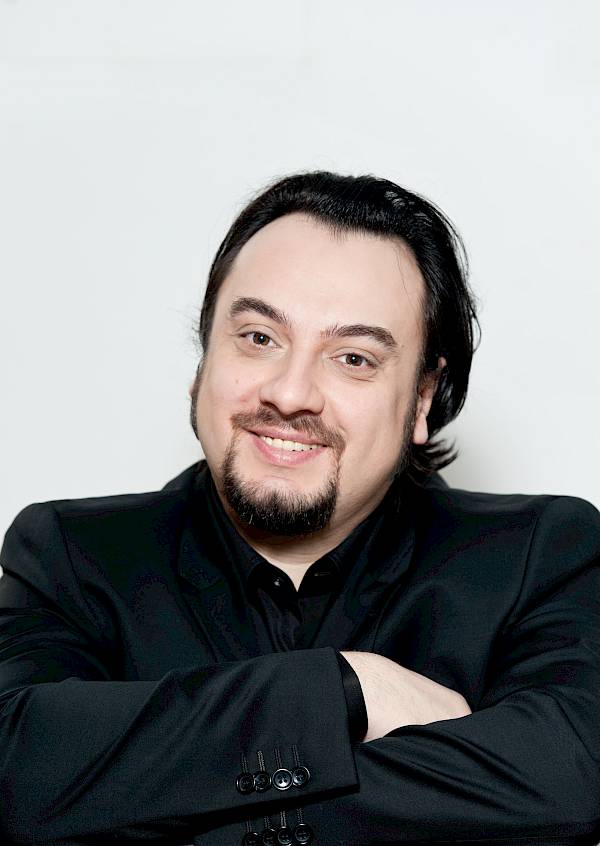
Daniele Squeo ist seit der Spielzeit 2020/21 Generalmusikdirektor am Pfalztheater Kaiserslautern. Von der Zeitschrift Opernwelt wurde er 2021 als «bester Dirigent des Jahres» für das Dirigat der Salome nominiert. Er studierte in seiner Heimat Italien Klavier und Chordirigieren und anschliessend Orchesterleitung in Weimar. Squeo ist Preisträger mehrerer internationaler Wettbewerbe, so gewann er u.a. 2011 mit Madama Butterfly den XVIII. Wettbewerb für Junge Dirigenten der Europäischen Union in Spoleto. Er dirigierte bisher Orchester wie das MDR-Sinfonieorchester, die Wiener Symphoniker, das Sinfonieorchester Basel, die Philharmonie Baden-Baden sowie die Nürnberger und Bochumer Symphoniker. 2016/17 wurde er 1. Kapellmeister am Staatstheater Karlsruhe und leitete dort Neuproduktionen wie L’elisir d’amore, Anna Bolena, Der Freischütz, Faust und Turandot. Ausserdem dirigierte er zahlreiche Repertoire-Produktionen wie Die Zauberflöte, La bohème, Iphigénie en Tauride, Carmen, Tosca, La traviata, Macbeth und Romeo und Julia. 2017 leitete er am Theater Basel die Neuproduktion La Cenerentola und 2018 bei den Bregenzer Festspielen Il barbiere di Siviglia. Seine 2016 begonnene Zusammenarbeit mit dem Musikkollegium Winterthur (Dornröschen) setzte er 2019 mit der Neuproduktion Schwanensee und mehreren Sinfoniekonzerten fort. Im gleichen Jahr debütierte er mit Lucrezia Borgia in der Tschaikowski Concert Hall in Moskau. 2019 dirigierte er die Neuproduktion Rigoletto auf der Seebühne bei den Bregenzer Festspielen. Am Opernhaus Zürich dirigierte er zuletzt Il turco in Italia.
Giuseppe Verdi
Opera in four acts
Libretto by Francesco Maria Piave and Andrea Maffei
after William Shakespeare
From 17. November 2023 until 1. December 2023
-
Duration :
2 hrs. 55 min. incl. intermission after 2nd image after approx. 1 hrs. 25 min. -
Language:
In Italian with German and English surtitles. -
More information:
Introduction 45 min before the performance.
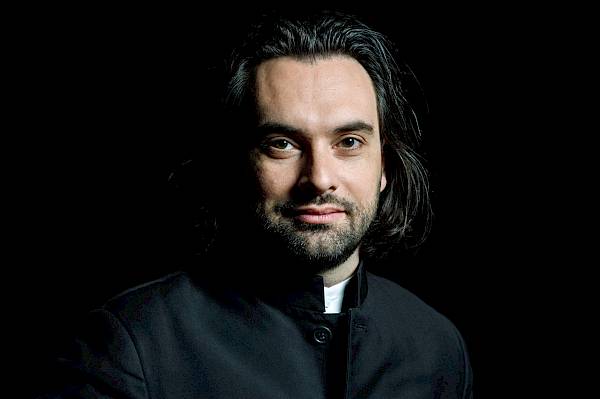
Daniele Squeo
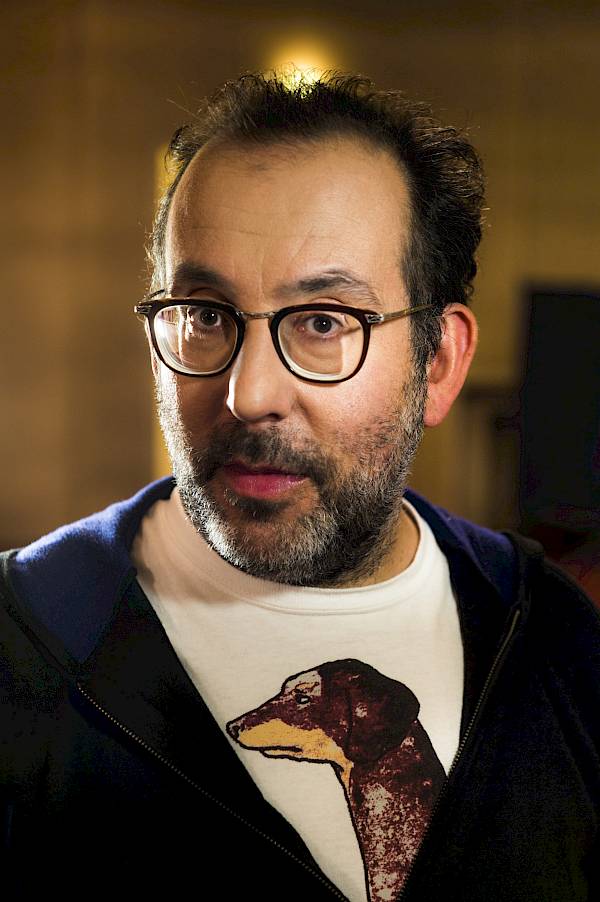
Barrie Kosky
Barrie Kosky was Artistic Director and Chief Stage Director of the Komische Oper Berlin from 2012 to 2022. He directs at major opera houses such as the Bavarian State Opera, the Paris Opera, the Royal Opera House Covent Garden, and the Vienna State Opera, as well as at the Salzburg and Bayreuth Festivals, the Glyndebourne Festival, and at theatres including the Deutsches Theater Berlin and the Schauspiel Frankfurt. In 1996, he was Artistic Director of the Adelaide Festival, and from 2001 to 2005, he served as Co-Director of the Schauspielhaus Wien. His award-winning production of "The Magic Flute" (together with 1927) at the Komische Oper Berlin has since been seen in over 45 cities worldwide. For "From the House of the Dead" at the Hanover State Opera, he received the theatre prize "Der Faust" in 2009, and for "Castor et Pollux" at the English National Opera, he was awarded the Laurence Olivier Award in 2011. His Bayreuth production of "Die Meistersinger von Nürnberg" was named "Performance of the Year" in the 2017 Opernwelt critics’ poll. Under his leadership, the Komische Oper Berlin was named "Opera House of the Year" for the 2012/13 season, followed in 2015 by the International Opera Award in the category "Ensemble of the Year." Barrie Kosky has been named "Director of the Year" several times, including in 2014 at the International Opera Awards, in 2016 in the Opernwelt critics’ poll, and in 2020 by the magazine Die deutsche Bühne. In 2022, he received the Order of Merit of Berlin and was awarded the Federal Cross of Merit in 2024. At the Zurich Opera House, Barrie Kosky has staged "La fanciulla del West," "Macbeth," "Eugen Onegin," "Die Gezeichneten," "Boris Godunov," and "Manon Lescaut."
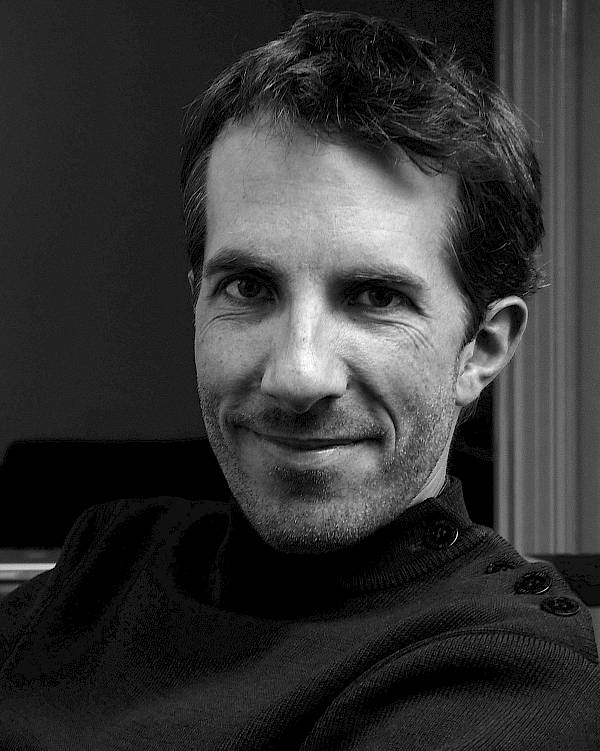
Klaus Grünberg
Klaus Grünberg comes from Hamburg, studied stage design with Erich Wonder in Vienna, and has since worked as a freelance stage and lighting designer at theatres and opera houses throughout Europe as well as in Kuwait and Buenos Aires. For many years, he has collaborated with the composer and director Heiner Goebbels as well as with Tatjana Gürbaca and Barrie Kosky, including from 2009 to 2011 with Kosky on the "Ring des Nibelungen" at the Hanover State Opera. His recent productions include "Aufstieg und Fall der Stadt Mahagonny", the Berlin evening "... und mit morgen könnt ihr mich!", and Philip Glass’s "Echnaton" at the Komische Oper Berlin, "Ulisse", "La Juive", and "Written on Skin" at Frankfurt Opera, "Simon Boccanegra" at the Aalto Musiktheater Essen, "Rusalka" at the Hanover State Opera, "L’incoronazione di Poppea" at Theater Bremen, Gogol’s "Revisor" at the Burgtheater Vienna, "Giulio Cesare in Egitto" at the National Theatre Mannheim, Rimsky-Korsakov’s "The Night Before Christmas" at the Bavarian State Opera in Munich, as well as Chekhov’s "Three Sisters" at the Berliner Ensemble. His work has also been presented at the Ruhrtriennale and the Kunstfestspiele Herrenhausen, at the Festspielhaus Baden-Baden, and at the Innsbruck Festival of Early Music. In 1999, he opened the MOMOLMA (museum of more or less modern art) in Hamburg. At the Zurich Opera House, he designed the stage and lighting for productions including "Rigoletto", "Aida", "Die Zauberflöte", "Macbeth", "Werther", "Lucia di Lammermoor", and "Die lustige Witwe".
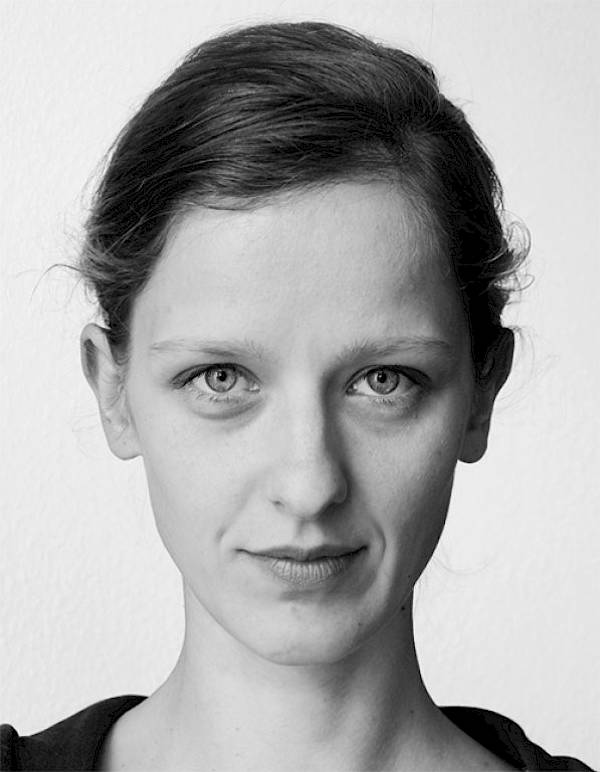
Anne Kuhn
Anne Kuhn, born in Chemnitz, studied Applied Theatre Studies in Giessen. After numerous stage and set design assistantships, including with Beatrice Schultz, Klaus Grünberg, and Wolfgang Gussmann, she has been collaborating regularly with stage and lighting designer Klaus Grünberg since 2008. In addition, she realizes her own independent projects. Anne Kuhn lives and works as a stage designer and illustrator in Berlin and Hamburg. She has worked on productions such as "The Nose" (Royal Opera House Covent Garden), "Don Giovanni" and "Simplicius Simplicissimus" (Theater Bremen), "Rusalka" (Hanover State Opera), "Der Freischütz" (Aalto Music Theatre Essen), as well as at the Komische Oper Berlin on "Frühlingsstürme," "Pelléas et Mélisande," and "Akhnaten." At the Zurich Opera House, she collaborated with Klaus Grünberg on the stage designs for "Macbeth" and "The Merry Widow" (directed by Barrie Kosky), as well as for "Aida," "The Magic Flute," "Werther," and "Lucia di Lammermoor" (directed by Tatjana Gürbaca).
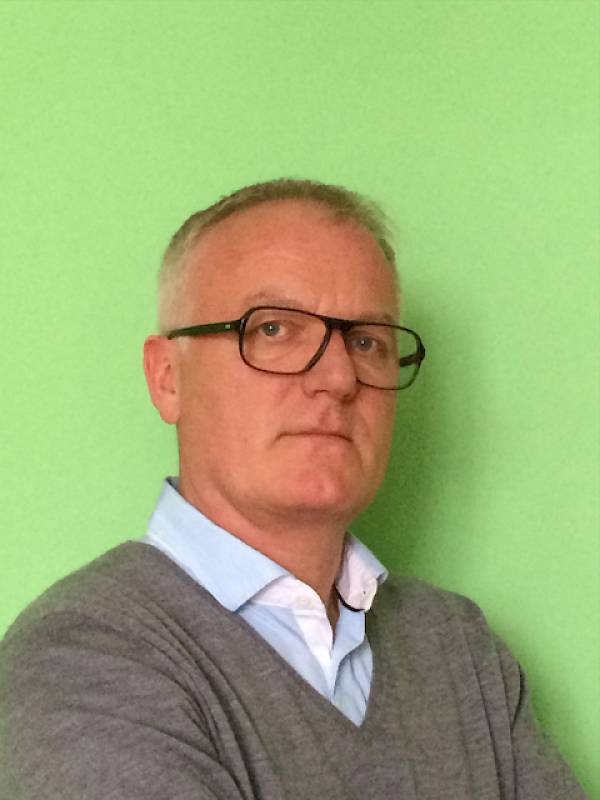
Klaus Bruns
Klaus Bruns, born in Mülheim an der Ruhr, studied stage and costume design at the Mozarteum in Salzburg. Engagements as a costume designer took him, among others, to the Staatsoper Unter den Linden in Berlin, the Schauspielhaus Graz, the Hamburg State Opera, the Frankfurt Opera, the Komische Oper Berlin, the Vienna State Opera, the Theater an der Wien, the Dutch National Opera, the Teatro Regio in Turin, the Teatro Massimo Bellini in Catania, and the Metropolitan Opera in New York, as well as to the festivals in Bayreuth and Salzburg. He maintains a close collaboration with Barrie Kosky, with whom he created productions, among others, at the Komische Oper Berlin, as well as at the Hanover State Opera, Schauspiel Frankfurt, and the Bavarian State Opera in Munich. For the costumes of Kosky’s Bayreuth production of "Die Meistersinger von Nürnberg", Klaus Bruns was named Costume Designer of the Year in 2018 by the magazine Opernwelt. Further collaborations connect him with directors such as Harry Kupfer, Peter Mussbach, Götz Friedrich, Kirsten Harms, Jetske Mijnssen, and Christof Loy. For Damiano Michieletto, he designed, among others, the costumes for the world premiere of Alexander Raskatov’s "Animal Farm" in Amsterdam, for which he received an Oper! Award in 2024. At the Zurich Opera House, productions created with Barrie Kosky include "La fanciulla del West", "Macbeth", "Die Gezeichneten", "Eugene Onegin", "Boris Godunov", and "Manon Lescaut".
Ernst Raffelsberger
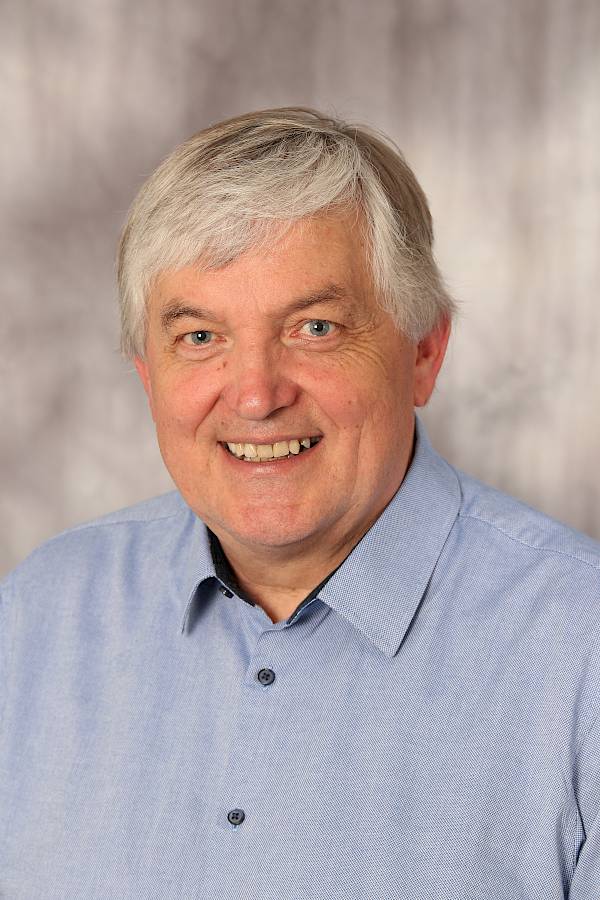
Ernst Raffelsberger comes from Gmunden, Upper Austria. He studied music education and church music at the University of Music and Performing Arts in Vienna as well as choral conducting at the Mozarteum in Salzburg. From 1983 to 1986 he was Kapellmeister of the Vienna Boys’ Choir. During this time, he led the ensemble in Vienna and on tours through Europe, South Africa, Canada, and the USA. From 1986, Ernst Raffelsberger was choral director and Kapellmeister at the Salzburg State Theatre (participating in the Salzburg Mozart Week and the Salzburg Festival). In 1989 he moved as choral director and Kapellmeister to the theatre in Freiburg/Breisgau. Since autumn 1993, Ernst Raffelsberger has been engaged at the Zurich Opera House as choral director. Here he has since supervised around 150 premieres and countless revivals and worked with many renowned conductors such as Marco Armiliato, Riccardo Chailly, Teodor Currentzis, Christoph von Dohnányi, Sir John Eliot Gardiner, Daniele Gatti, Bernard Haitink, Nikolaus Harnoncourt, Zubin Mehta, Gianandrea Noseda, and Franz Welser-Möst. Guest performances with the Zurich Opera House have taken him to Vienna, London, Paris, and Tokyo. From summer 2012 he additionally began a ten-year activity as choral director of the Vienna State Opera Chorus Association at the Salzburg Festival. There he collaborated successfully with, among others, Riccardo Muti, Mariss Jansons, and Sir Simon Rattle. After Ernst Raffelsberger ended this work with the festival summer 2021, he has since 2025 once again been responsible, at Maestro Muti’s request, for choral preparation for his festival concerts in Salzburg. Numerous CD and DVD recordings document his work in Zurich as well as in Salzburg.
Claus Spahn
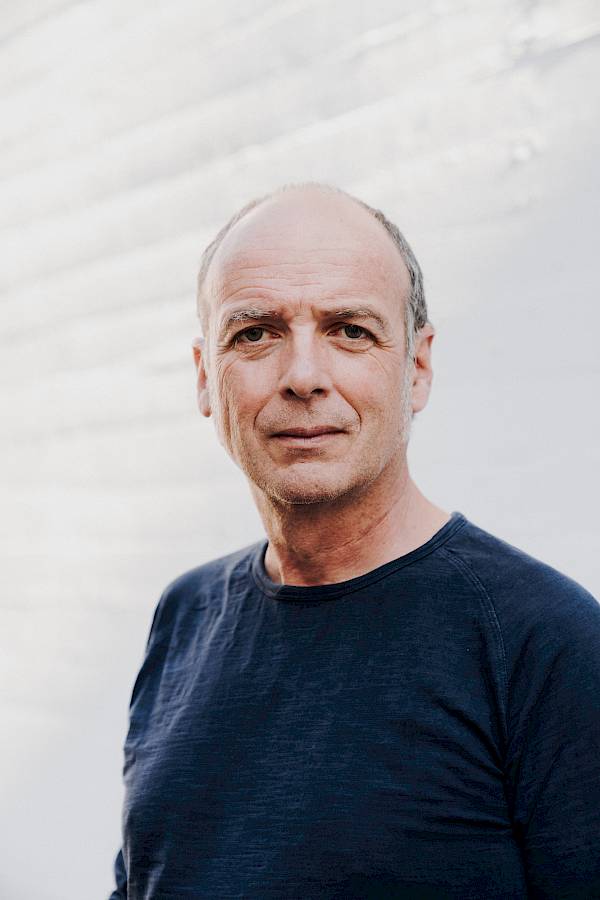
Claus Spahn was chief dramaturge at the Zurich Opera House during Andreas Homoki’s tenure as artistic director. There, he supervised music theater projects by Wolfgang Rihm, Helmut Lachenmann, George Benjamin, Roman Haubenstock-Ramati, and world premieres by Heinz Holliger, Christian Jost, and Stefan Wirth. As a production dramaturge, he worked with directors such as Sebastian Baumgarten, Herbert Fritsch, Jan Philipp Gloger, Tatjana Gürbaca, Andreas Homoki, Barrie Kosky, Nadja Loschky, David Marton, and Evgeni Titov. He also shares a close artistic partnership with the choreographer and former director of Zurich Ballet, Christian Spuck. For him, Spahn was involved in the development of the productions “Anna Karenina,” “Nussknacker und Mausekönig,” and “Monteverdi” in Zurich, he also wrote libretti for the ballets “Orlando” based on Virginia Woolf (world premiere in 2021 at the Moscow Bolshoi Ballet) and “Bovary” based on Gustave Flaubert (world premiere in 2023 at the Berlin State Ballet). Additionally, he is the librettist of the chamber opera “The Dream of You” by Swiss composer Xavier Dayer, which premiered in 2017 at the Zurich Opera House. Before joining the Zurich Opera House, Claus Spahn was the arts editor for 14 years at the German weekly newspaper DIE ZEIT, where he was responsible for the music section. From 1990 to 1997, he worked as a freelance music journalist mainly for the Süddeutsche Zeitung and Bavarian Broadcasting. Claus Spahn was born in Germany, studied classical guitar in Freiburg im Breisgau, and completed training at the German School of Journalism in Munich.
Cast
George Petean
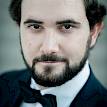
George Petean was born in Cluj-Napoca (Romania) and studied piano, trombone, and voice. He made his stage debut in 1997 at the Cluj-Napoca Opera as Don Giovanni. In 1999, he won the Grand Prize at the international singing competition Hariclea Darclée. In 2000, he made his debut as Marcello (“La bohème”) at the Teatro dell’Opera di Roma, and from 2002 to 2010 he was a member of the Hamburg State Opera ensemble. Since then, he has worked as a freelance artist. Engagements have taken him to the Royal Opera House Covent Garden, the Vienna State Opera, Opéra de Paris, the Bavarian State Opera in Munich, the New York Met, Gran Teatre del Liceu in Barcelona, Berlin opera houses, Semperoper Dresden, Opera Amsterdam, and the Bregenz Festival. His repertoire includes roles such as Figaro (“Il barbiere di Siviglia”), Silvio (“Pagliacci”), Conte di Luna (“Il trovatore”), Rodrigo, Marquis of Posa (“Don Carlo”), Lord Enrico Ashton (“Lucia di Lammermoor”), Giorgio Germont (“La traviata”), Amonasro (“Aida”), Simon Boccanegra, and Rigoletto. At the Zurich Opera House, he has recently appeared as Macbeth, Simon Boccanegra, and Renato (“Un ballo in maschera”). More recently, he has performed Simon Boccanegra at the Berlin State Opera, Conte di Luna at the Hamburg State Opera and Berlin State Opera, Carlo Gérard (“Andrea Chénier”) at the Vienna State Opera, and Marquis of Posa at the Bavarian State Opera.
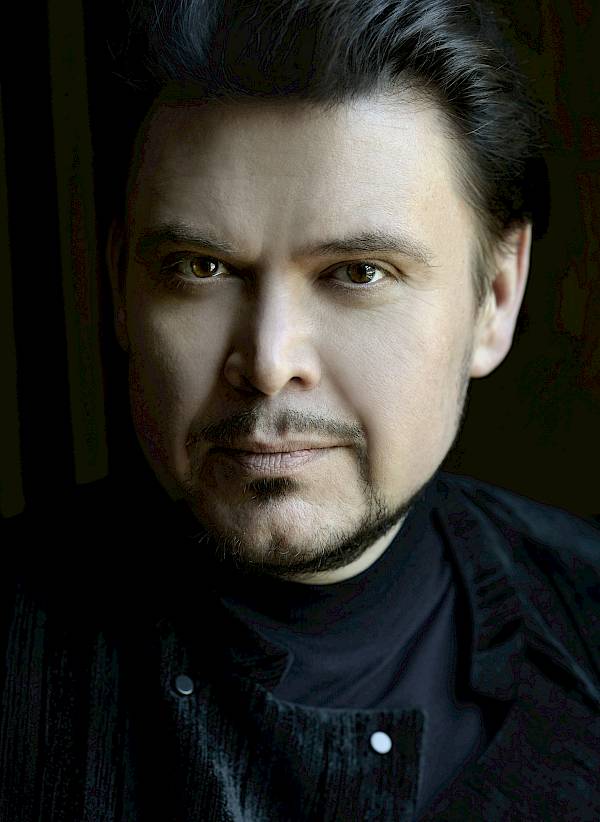
Vitalij Kowaljow
Vitalij Kowaljow stammt aus der Ukraine und erhielt seine musikalische Ausbildung in Moskau, Bern und Biel. Gastengagements führten ihn u.a. an die Metropolitan Opera in New York, die San Francisco Opera, die Lyric Opera of Chicago, das Royal Opera House Covent Garden, die Opéra National de Paris, die Wiener Staatsoper, die Dresdner Semperoper, die Deutsche Oper Berlin, das Mariinsky Theater in St. Petersburg sowie in die Arena di Verona. Zu seinem Repertoire zählen Partien wie Filippo II. (Don Carlo), Zaccaria (Nabucco), Kaspar (Der Freischütz), Pimen (Boris Godunow), Ramfis (Aida) und Méphistophélès (Faust). 2008 war er in Robert Dornhelms Verfilmung von La bohème als Colline zu sehen. 2010 feierte er sein Debüt als Wotan und Wanderer in einer Neuproduktion des Ring des Nibelungen in Los Angeles, worauf er ein Jahr später von Daniel Barenboim für die Walküre an die Mailänder Scala eingeladen wurde. Jüngste Engagements führten ihn ausserdem als Holländer an die Staatsoper Hamburg, als Rui Gomez de Silva ans Teatro Maggio Musicale in Florenz, als Timur ans Royal Opera House in London, als Ramfis an die Bayerische Staatsoper sowie als Gremin (Jewgeni Onegin) und Sarastro (Die Zauberflöte) ans Opernhaus Zürich.
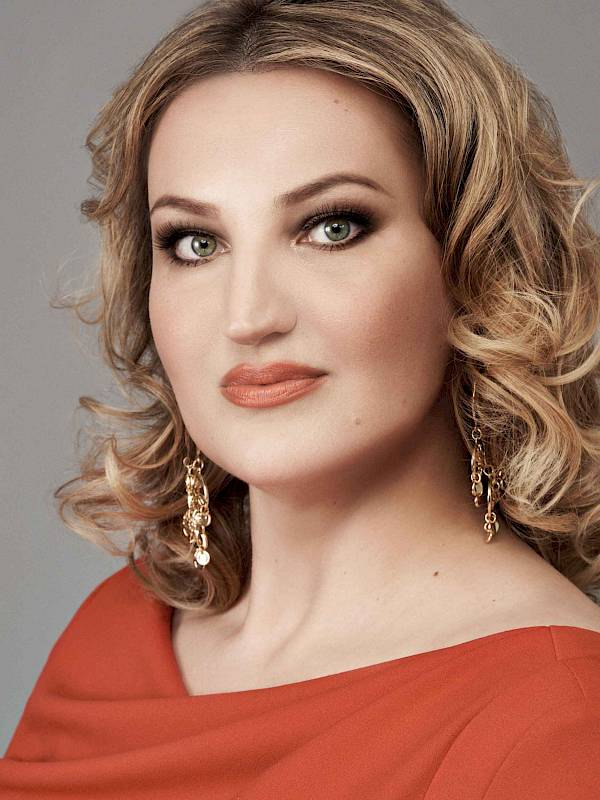
Ewa Płonka
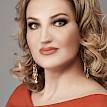
The Polish-American soprano Ewa Płonka completed her vocal studies at the renowned Juilliard School in New York, after having previously studied piano at the Music Academy in Poznań as well as at the Universities of Oklahoma and Utah. As a concert pianist, she won several prizes at international competitions and has performed in the USA, Poland, Israel, France, Italy, Germany, and Norway. As an opera singer, she first made her debut in mezzo-soprano roles such as Azucena ("Il trovatore", Oper Frankfurt) and Giovanna Seymour ("Anna Bolena", Badisches Staatstheater Karlsruhe) before successfully transitioning to the dramatic soprano repertoire. Since then, leading roles in "Turandot", "Tosca" and "Aida" as well as roles such as Lady Macbeth ("Macbeth"), Abigaille ("Nabucco"), the Foreign Princess ("Rusalka") and Venus ("Tannhäuser") have taken her to the world’s most prestigious opera houses, including the Royal Opera House Covent Garden, the Hamburg State Opera, Teatro Real in Madrid, Deutsche Oper Berlin, Arena di Verona, Semperoper Dresden, Washington National Opera, and the Bavarian State Opera in Munich, as well as to Seoul and Tokyo. On the concert stage, she has appeared in Mahler’s Symphony No. 3, Rachmaninov’s choral symphony "The Bells", Mendelssohn’s "Elijah", Wagner’s "Wesendonck Lieder", Szymanowski’s "Stabat Mater", and in gala concerts at Carnegie Hall. Engagements for the 2025/26 season include Aida at the Opéra Bastille in Paris, Floria Tosca at the Hamburg State Opera, her debut at La Scala in Milan as Turandot, Abigaille at the Bavarian State Opera, and Elisabetta ("Don Carlo") at the Staatsoper Unter den Linden in Berlin.

Veronika Dzhioeva
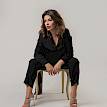
Veronika Dzhioeva studierte Gesang am St. Petersburger Konservatorium bei Tamara Novichenko. Sie hat zahlreiche internationale Wettbewerbe gewonnen und erhielt für ihr Debüt als Fiordiligi in Così fan tutte unter der Leitung von Teodor Currentzis in Moskau viel Aufmerksamkeit. Seither ist sie auf den drei grossen russischen Opernbühnen (Bolschoi, Mariinski und Nowosibirsk) regelmässiger Gast. Zu ihrem Repertoire gehören Rollen wie Aida, Tosca, Maria Stuarda, Thaïs, Gräfin (Le nozze di Figaro), Donna Elvira (Don Giovanni), Tatjana (Jewgeni Onegin), Micaëla (Carmen), Violetta Valéry (La traviata), Elisabetta (Don Carlo), Amelia (Un ballo in maschera), Leonora (Il trovatore), Mimì und Musetta (La bohème) sowie Liù und Turandot. Ausserhalb Russlands ist sie u.a. als Tatjana in Eugen Onegin in München und beim Lucerne Festival zusammen mit dem Bayerischen Rundfunk unter der Leitung von Mariss Jansons aufgetreten. Dieser hat sie daraufhin wiederholt zu verschiedenen Projekten eingeladen; darunter Mahlers 2. Sinfonie in Amsterdam und Hamburg. Ausserdem gehören die 9. Sinfonie von Beethoven, die Grosse c-Moll Messe von Mozart, Rachmaninows The Bells und Verdis Requiem zu ihrem Repertoire. Ihr US-Debüt gab sie 2013 an der Houston Grand Opera als Donna Elvira in Don Giovanni, eine Rolle, die sie bereits 2010 im Bolschoi-Theater in einer neuen Produktion von Dmitri Tcherniakov sang. Zu ihren kürzlich gesungenen Rollen zählen u. a. Norma und Floria Tosca in Perm (Russland) sowie Turandot beim Festival Puccini in Viareggio.
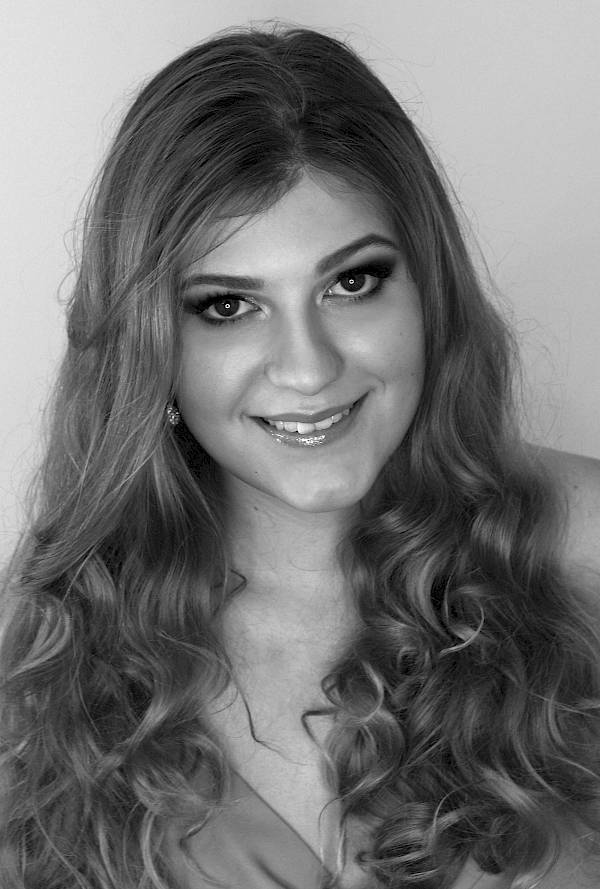
Ann-Kathrin Niemczyk
Die aus Hagen stammende Sopranistin Ann-Kathrin Niemczyk studierte Konzert- und Operngesang an der Hochschule für Musik Detmold bei Markus Köhler. Sie war Stipendiatin der Detmolder Sommerakademie, Preisträgerin des Gesangswettbewerbs an der Kammeroper Schloss Rheinsberg 2019 sowie Gewinnerin in allen Kategorien des Giulio Perotti Wettbewerbs. 2021 wurden ihr erste Preise bei der International Nomea Competition, beim Internationalen Brahms Lied Wettbewerb und beim Internationalen Iris Adami Corradetti Concorso verliehen. Nach dem Gewinn des Preises der drei Opernhäuser Berlins beim Bundeswettbewerb Gesang 2023 erlangte die Sopranistin gleich vier Auszeichnungen beim Tenor Viñas Wettbewerb. Im Sommer 2022 sang sie bei den Salzburger Festspielen ein Blumenmädchen in Parsifal und Alisa in Lucia di Lammermoor. Von 2022 bis 2024 war sie Mitglied des Internationalen Opernstudios am Opernhaus Zürich. Hier sang sie u.a. Erste Dame (Die Zauberflöte), Maria Bellacanta (Hexe Hillary geht in die Oper), Ortlinde (Die Walküre) und Kammerfrau (Macbeth).
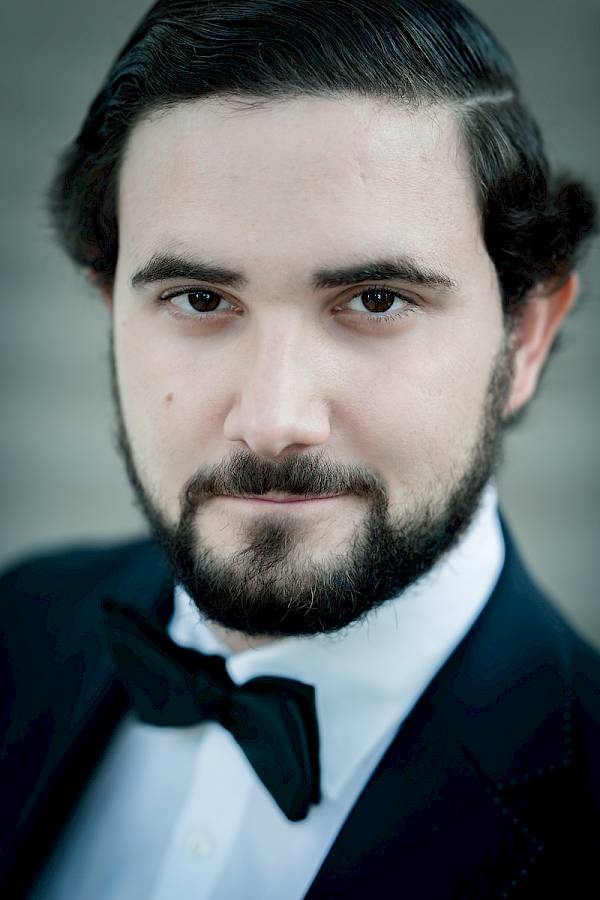
Omer Kobiljak
The tenor Omer Kobiljak is originally from Bosnia and was born in Switzerland. He studied singing with David Thorner, first at the Winterthur Conservatory and then at the Kalaidos University of Applied Sciences in Aarau. He attended masterclasses with Jane Thorner-Mengedoht, David Thorner, and Jens Fuhr and won first prize with distinction at the Thurgau Music Competition in 2012. The following year, he sang a apprentice (“Die Meistersinger von Nürnberg”) under Daniele Gatti at the Salzburg Festival and made his debut in the same role at La Scala in Milan in 2017. From the 2017/18 season, he was a member of the International Opera Studio at the Zurich Opera House, where he appeared in productions such as “La fanciulla del West,” “Parsifal,” “The Flying Dutchman,” and “La traviata.” He also performed as Lord Arturo Buklaw (“Lucia di Lammermoor”) and as the notary in the concert performance of “La sonnambula.” Since the 2019/20 season, Omer Kobiljak has been part of the ensemble at the Zurich Opera House, where he has sung roles including Abdallo (“Nabucco”), Macduff (“Macbeth”), Froh (“Das Rheingold”), Alfredo (“La traviata”), Tybalt (“Roméo et Juliette”), the Mad Hatter (“Alice in Wonderland”), and a singer (“Der Rosenkavalier”). His further engagements include Prince Alexis (Umberto Giordano’s “Siberia”), Yamadori (“Madama Butterfly”), and Don Riccardo (“Ernani”) at the Bregenz Festival, as well as the title role in “The Count of Luxembourg” at the Tiroler Festspiele Erl. In 2023, Omer Kobiljak was a finalist in the Operalia Competition in Cape Town. Most recently, he made his house debuts as Lord Arturo Buklaw at the Semperoper Dresden, as Froh at the Opéra de Monte-Carlo, and as Narraboth (“Salome”) at the Baltic Opera Festival in Poland.
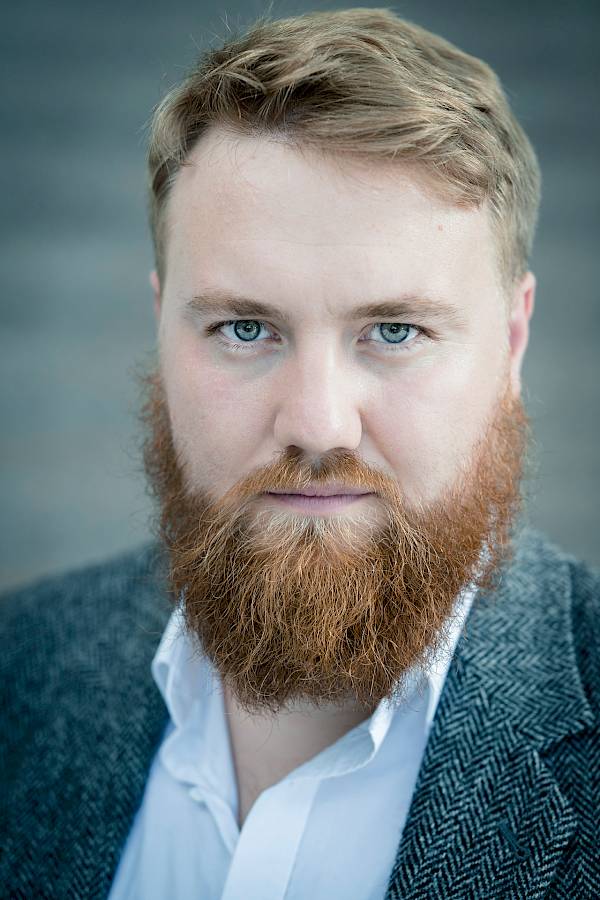
Maximilian Lawrie
Maximilian Lawrie studierte am Magdalen College der University of Oxford und an der Royal Academy of Music in London. Dort war er als Tanzmeister in Ariadne auf Naxos, Interrogator 2 in Witch, als Rodolfo in La bohème, als Rinuccio in Gianni Schicchi, als First Sailor in Dido and Aeneas, als Don Ottavio in Don Giovanni, als Nemorino in L’elisir d’amore, als Lysander in A Midsummer Night’s Dream, in der Titelrolle von Werther und als Faust in Mefistofele zu hören. Zudem sang er Rodolfo an der Rogue Opera sowie Don José in Carmen an der Rogue Opera und der Cambridge University Opera Society. Seit der Spielzeit 2022/23 ist er Mitglied des Internationalen Opernstudios am Opernhaus Zürich und war hier als Kaufmann (Jakob Lenz) und Tom Snout (A Midsummer Night’s Dream) sowie in Il trovatore, La traviata, Salome, Roméo et Juliette und Die Zauberflöte zu sehen.
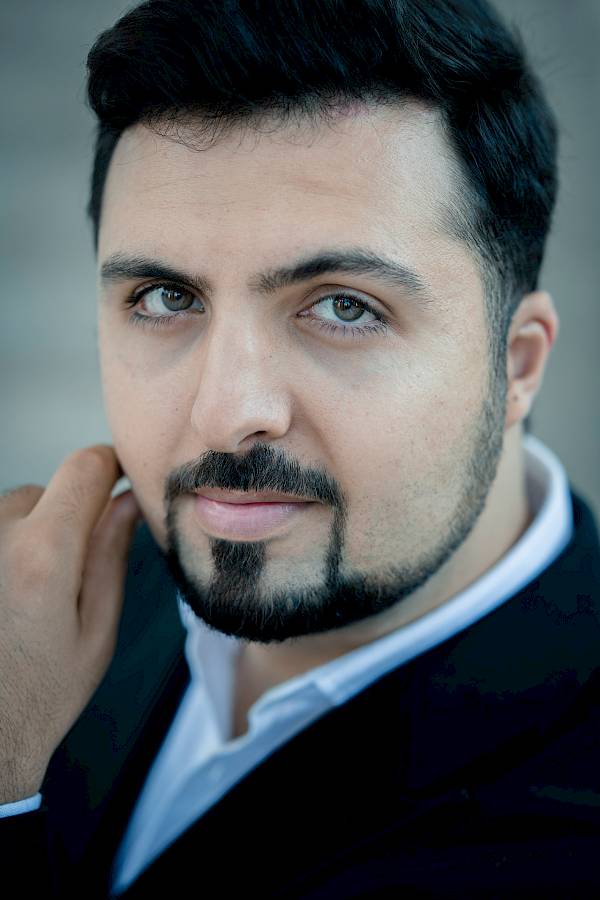
Amin Ahangaran
Amin Ahangaran, bass, was born in Iran. He completed his artistic training at the Tehran Conservatory of Music as well as in Graz. From 2020 to 2022, he was a member of the Young Artist Program at the Teatro del Maggio Musicale Fiorentino, where he appeared in the productions "Rigoletto", "Siberia", and "Ariadne auf Naxos". He also performed in Florence and in various concert halls in Italy as a bass soloist. In the summer of 2022, he participated in the competitions “Voci Verdiane in Busseto” (finalist), “Riccardo Zandonai” in Riva del Garda, and the “CLIP” competition in Portofino. From 2022 to 2024, he was a member of the International Opera Studio at the Zurich Opera House, where he was heard in productions including "La traviata", "Eugene Onegin", and "Viva la mamma". He then joined the ensemble of the Opéra de Paris, where he has been a member ever since. In the 2025/26 season, he will appear there, among other roles, as Dottor Grenvil in "La traviata" and in a new production of Philip Glass’s "Satyagraha". He returns to the Zurich Opera House as Brander in the concert version of "La Damnation de Faust".
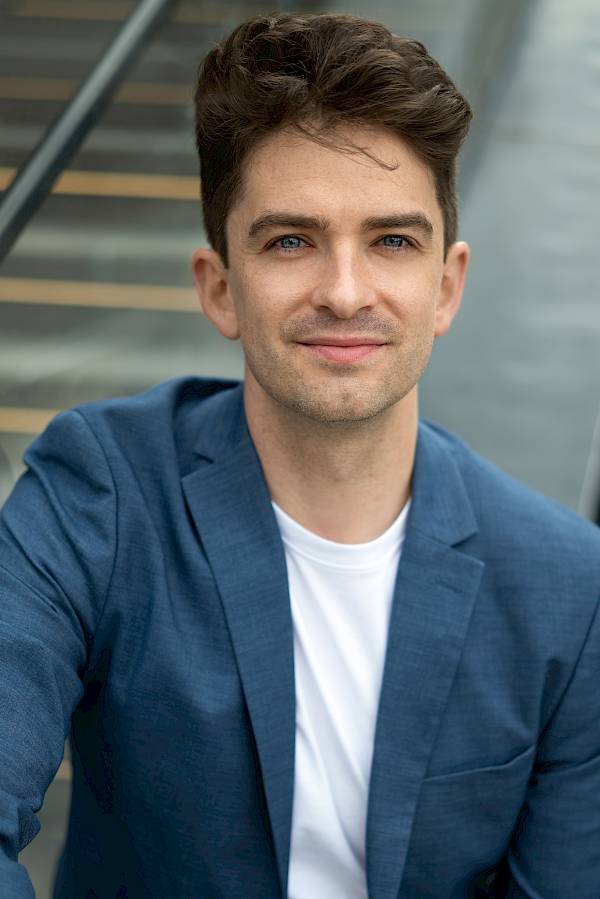
Gregory Feldmann
Gregory Feldmann studied at the Juilliard School with Elizabeth Bishop, Randall Scarlata, and Sanford Sylvan. At Juilliard Opera, he appeared as Belcore in “L’elisir d’amore”, as Virgil T. in “The Mother of Us All”, and as Guglielmo in “Così fan tutte”. At the Opera Theatre of Saint Louis, he sang Almaviva in “Le nozze di Figaro”. As a soloist, he has performed in Fauré’s “Requiem” as well as Handel’s “Israel in Egypt” and “Messiah”. He has a close artistic partnership with pianist Nathaniel LaNasa. In 2019, he won first prize at the “Joy in Singing” International Song Competition and in 2021, first prize at the “Gerda Lissner” Song/Lieder Competition. In 2022, he was a Young Artist at the Glimmerglass Festival. From 2022 to 2024, he was a member of the International Opera Studio at Zurich Opera House, where he appeared in productions including “Roberto Devereux”, “Don Pasquale”, “Serse”, “Jakob Lenz”, “Sweeney Todd”, “A Midsummer Night’s Dream”, and “Carmen”. Together with pianist Nathaniel LaNasa, he has given song recitals at Wigmore Hall in London, at the September Festival: Royaumont in Viarmes (FR), and at the Musée d’Orsay in Paris.
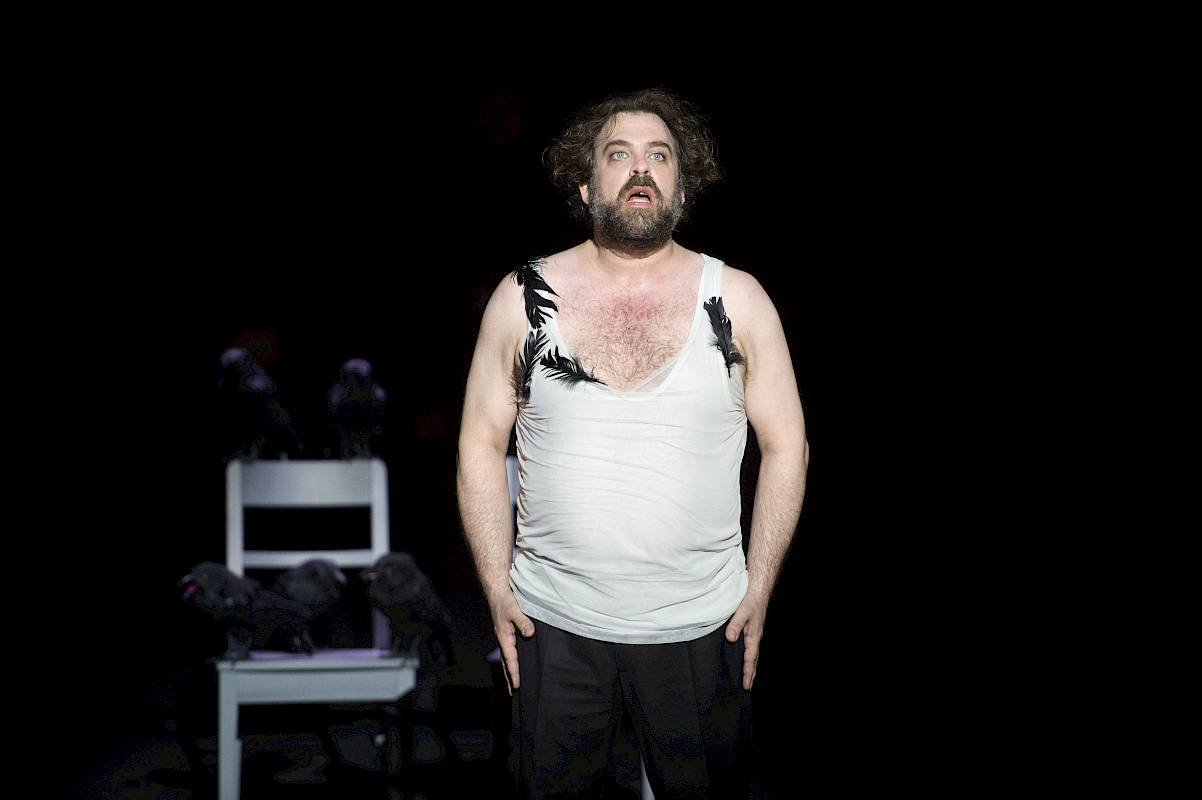
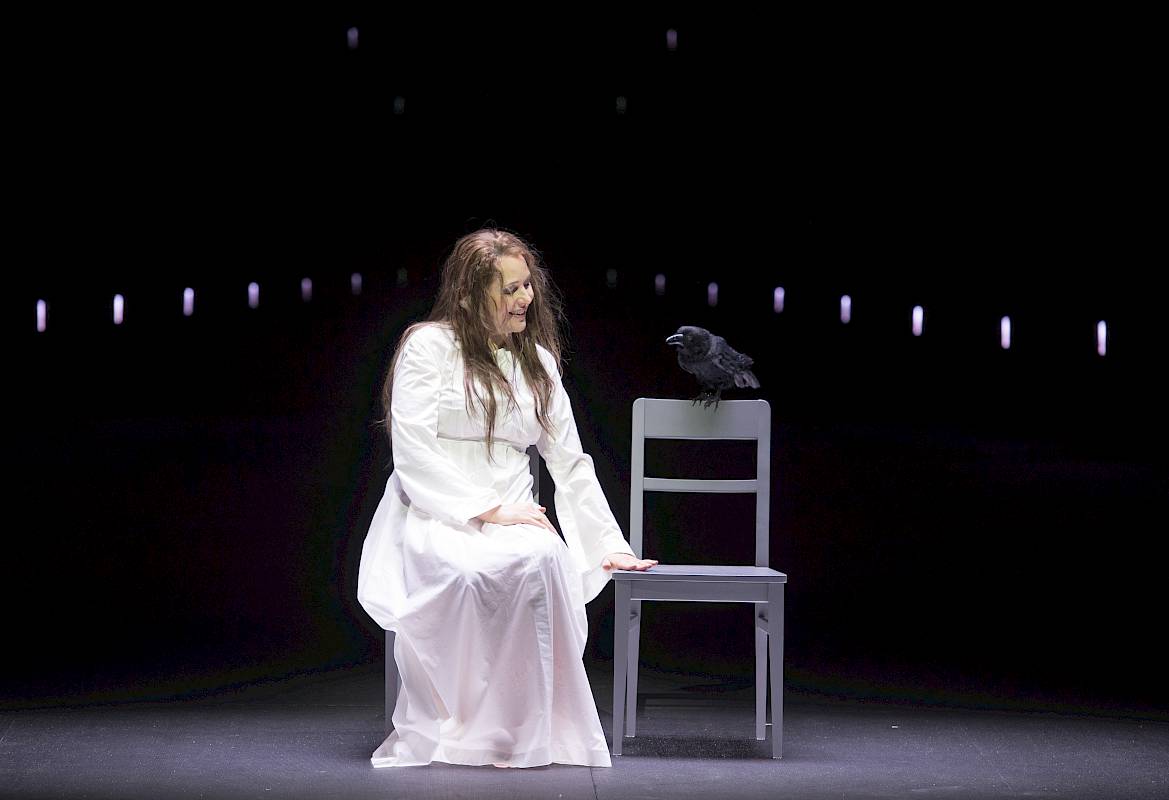
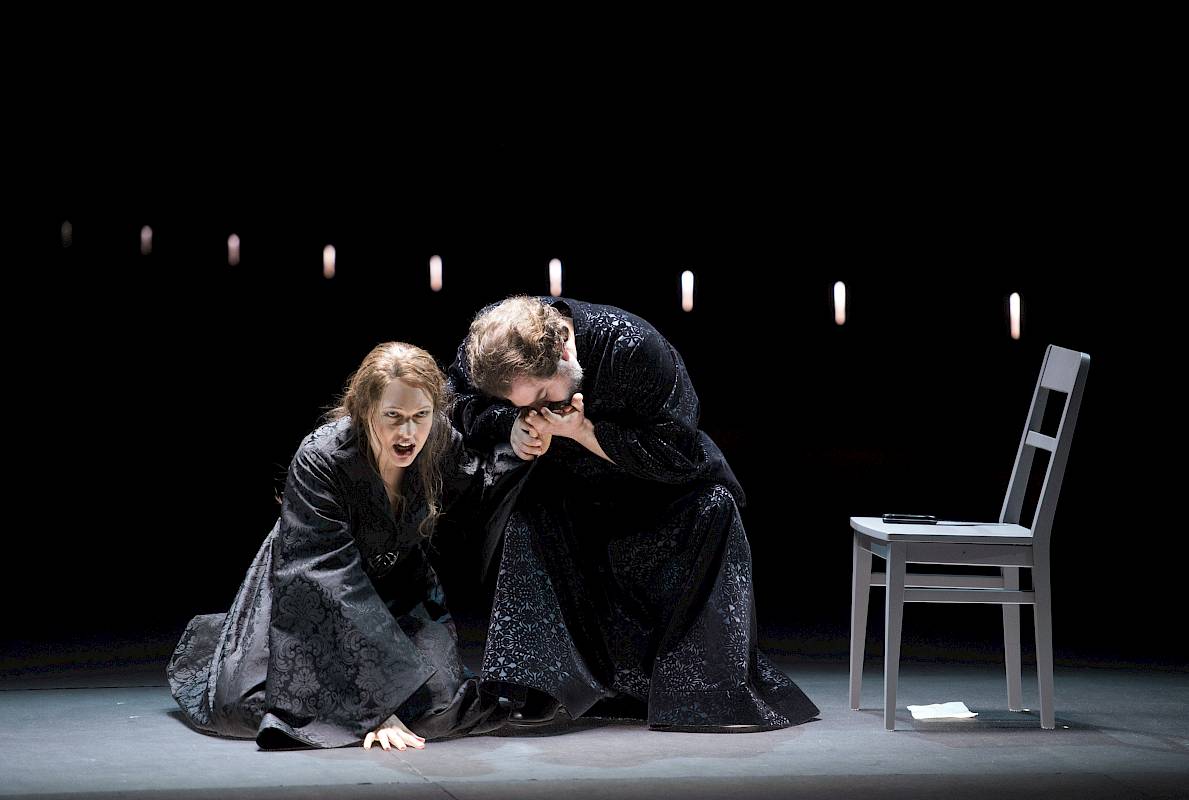
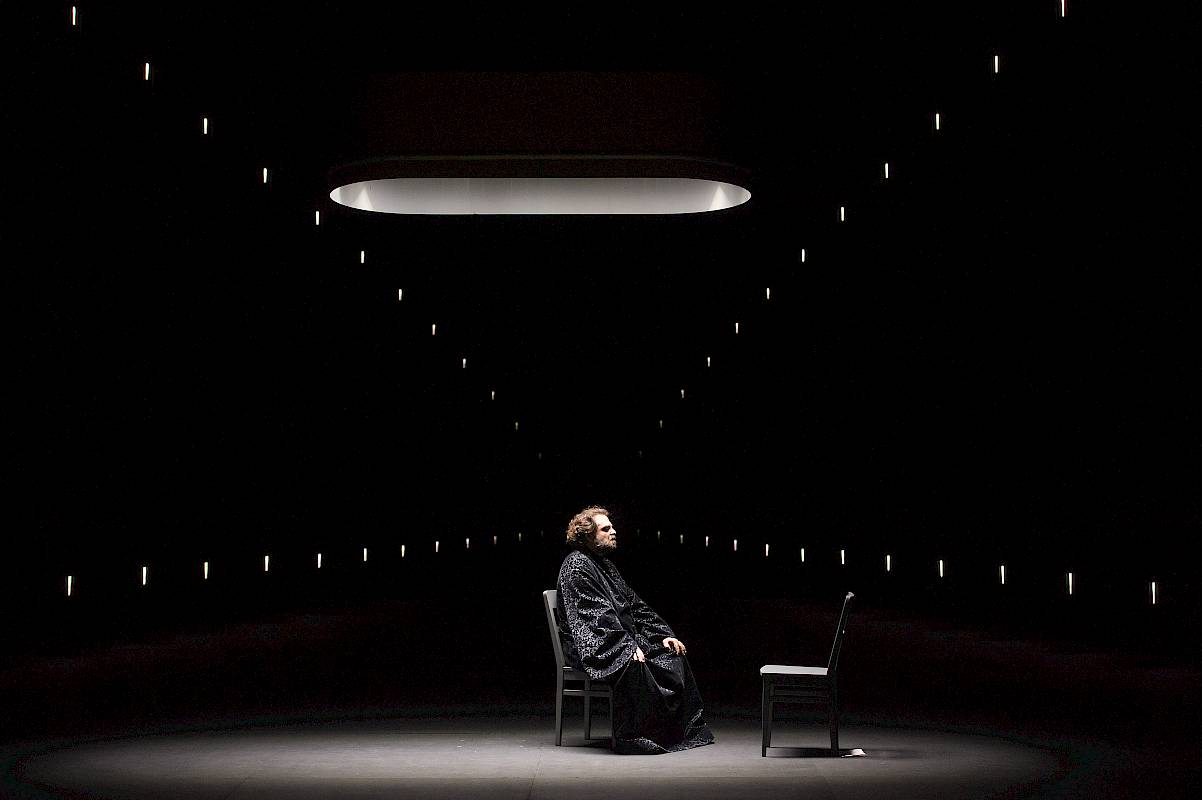
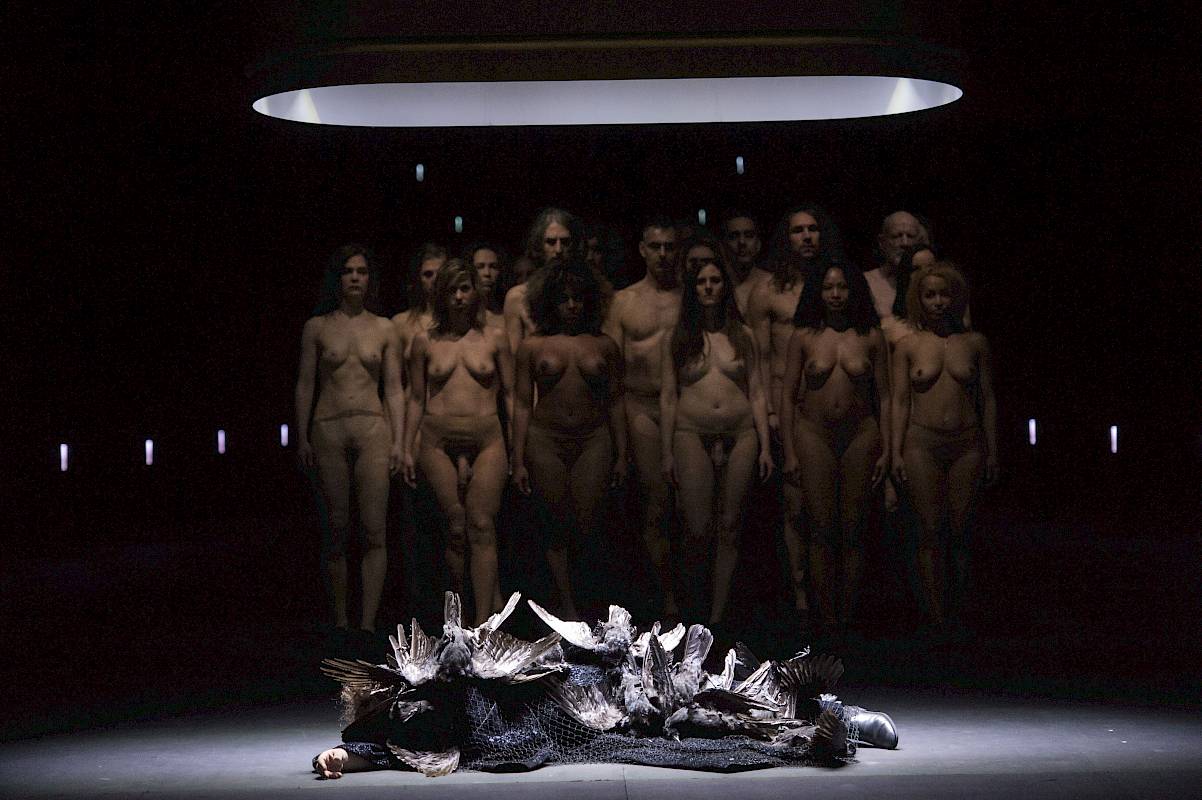
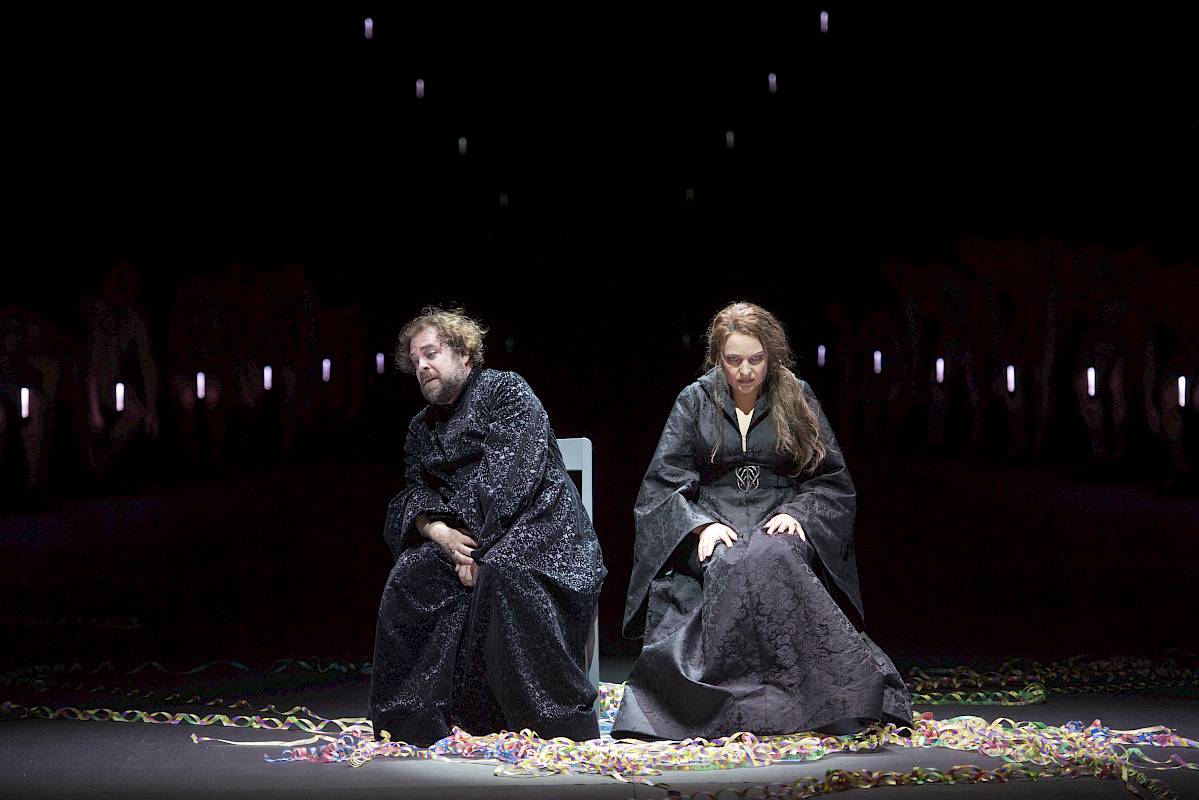
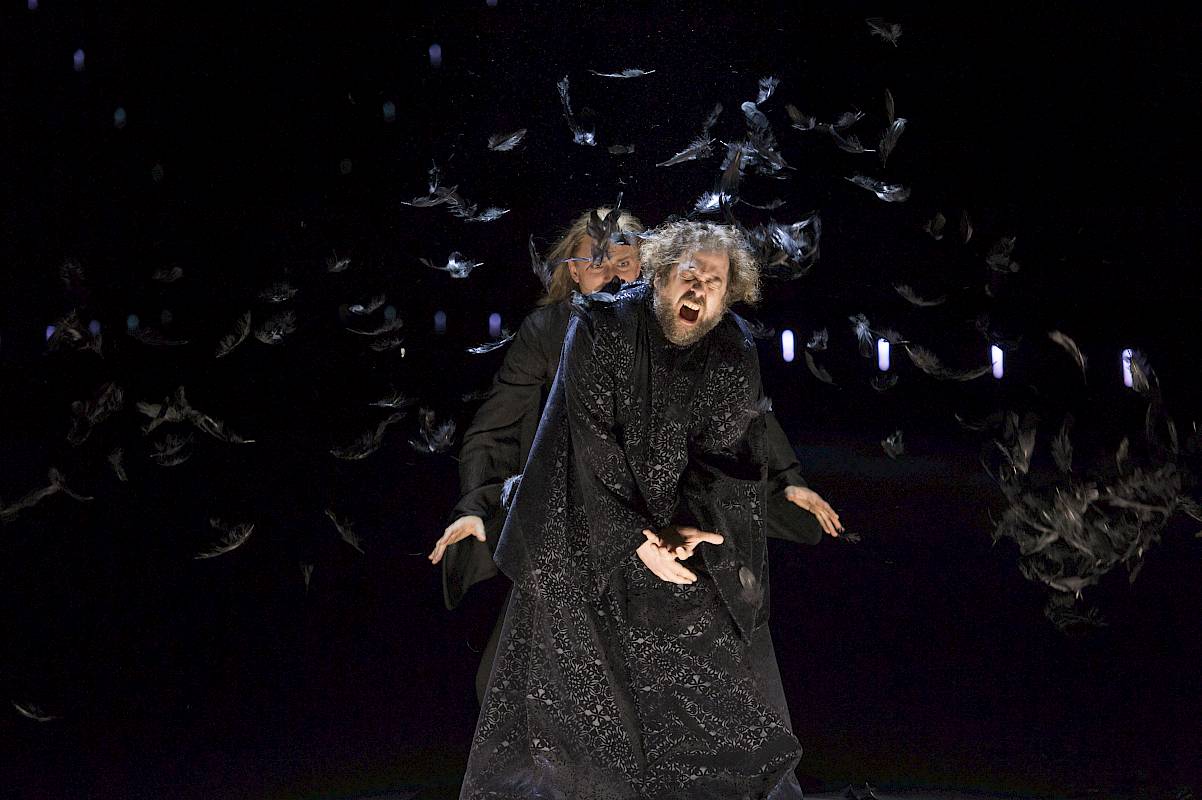
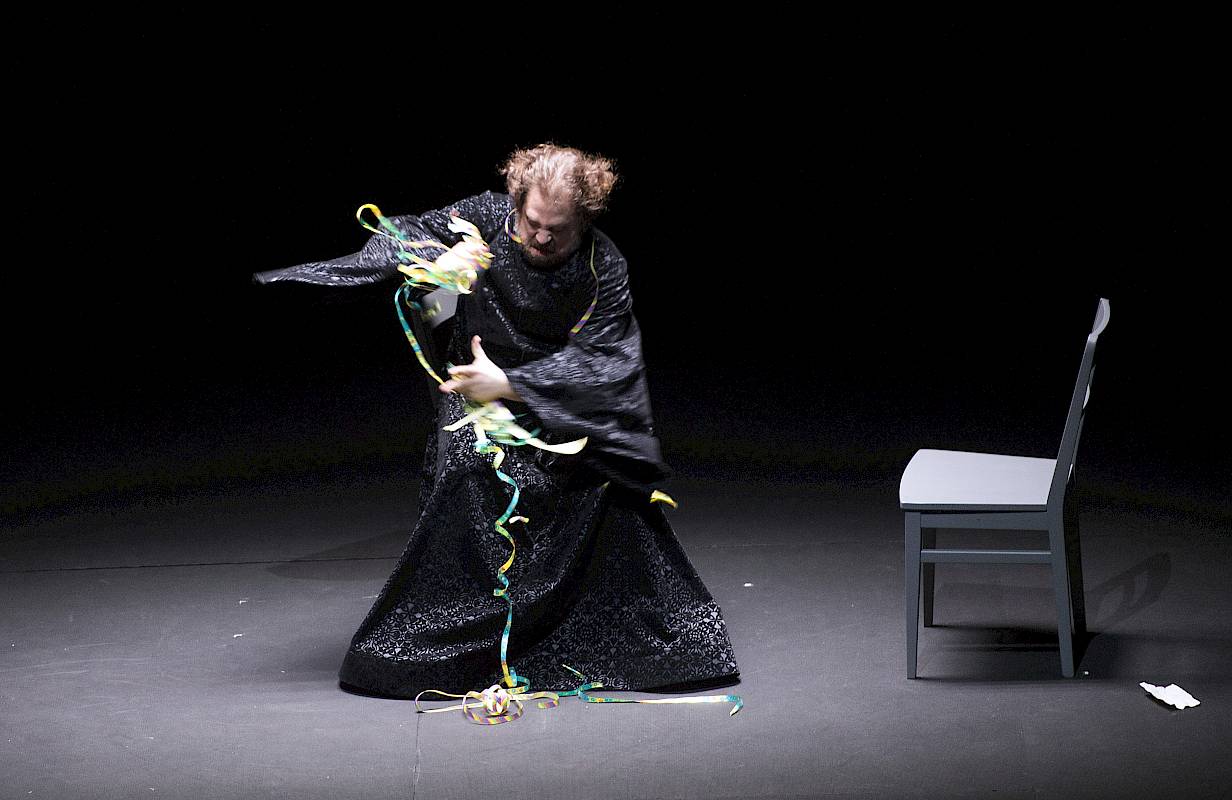
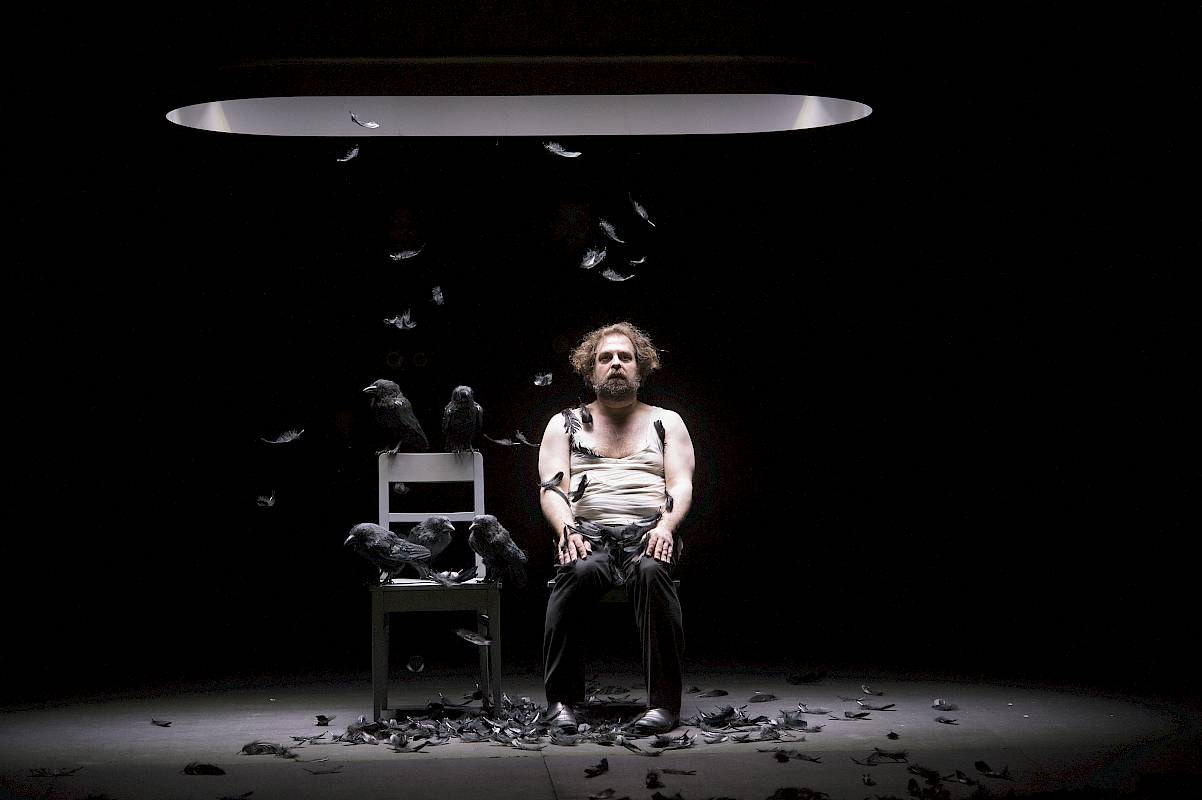
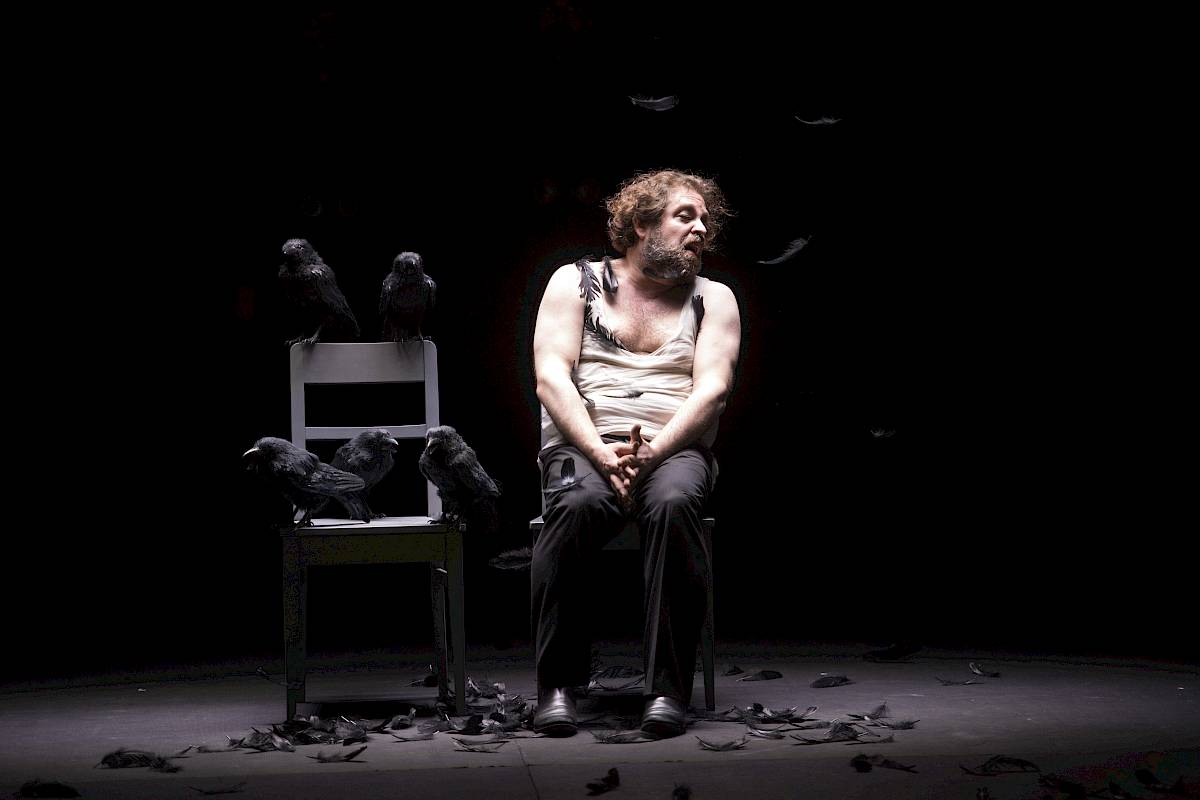
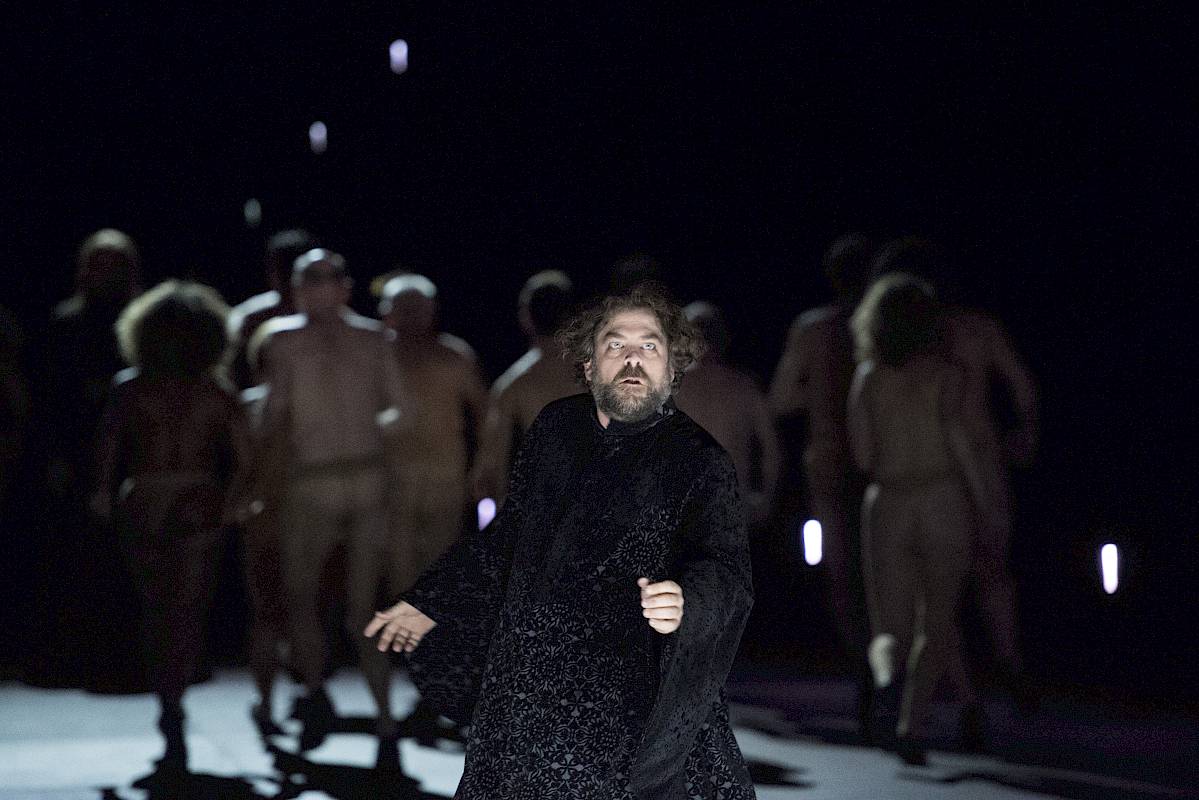
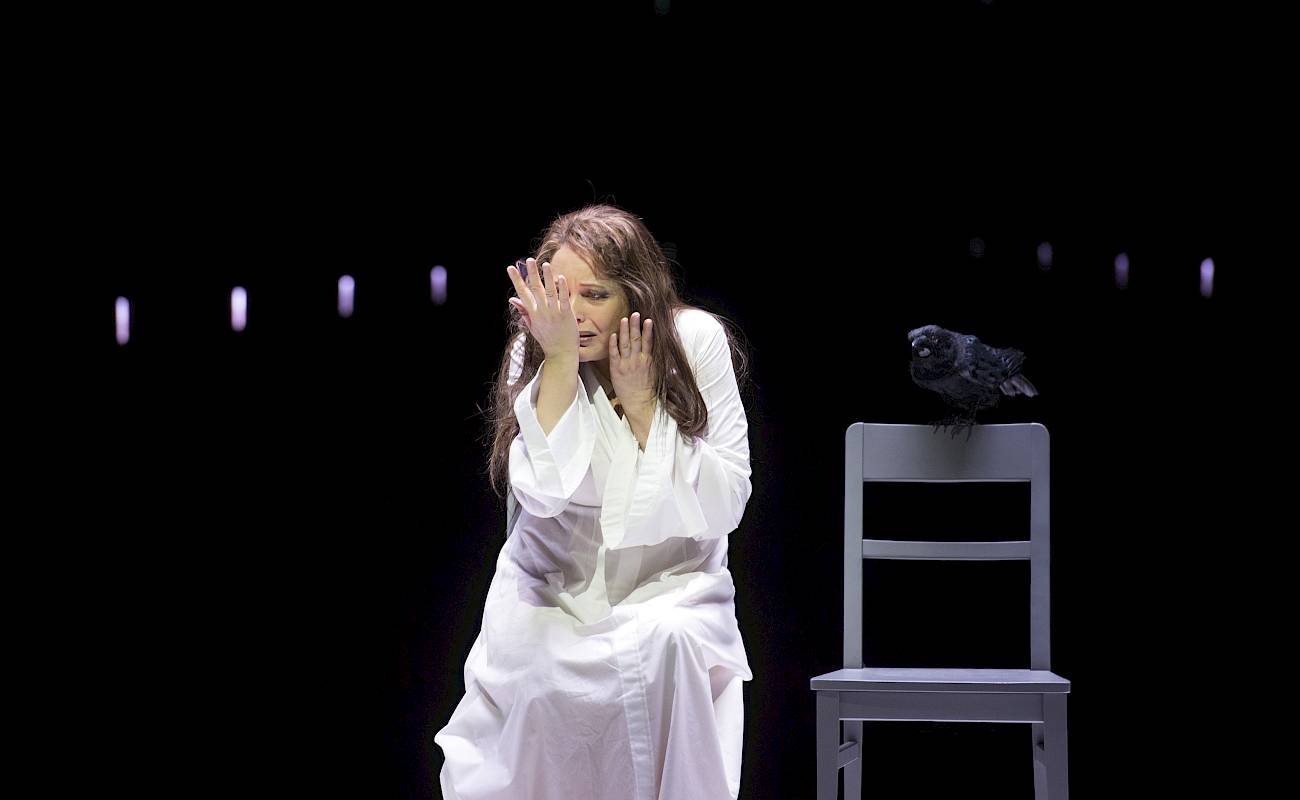
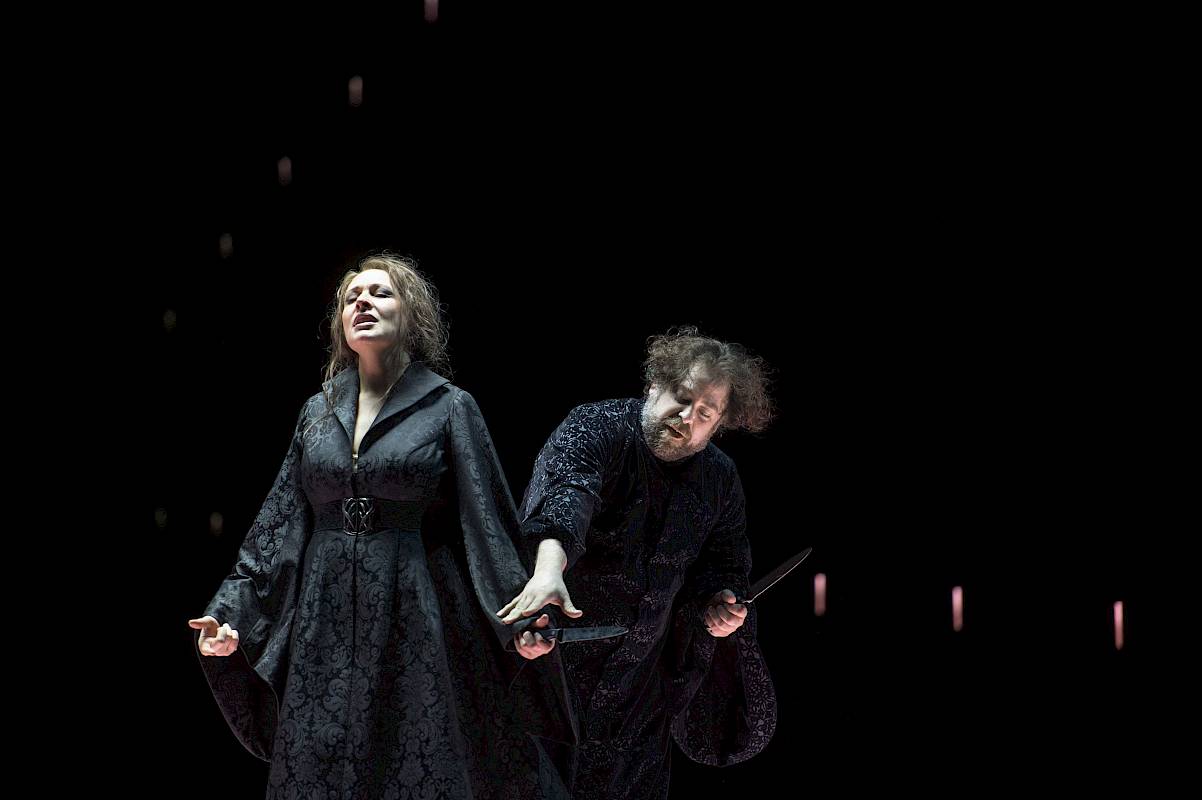
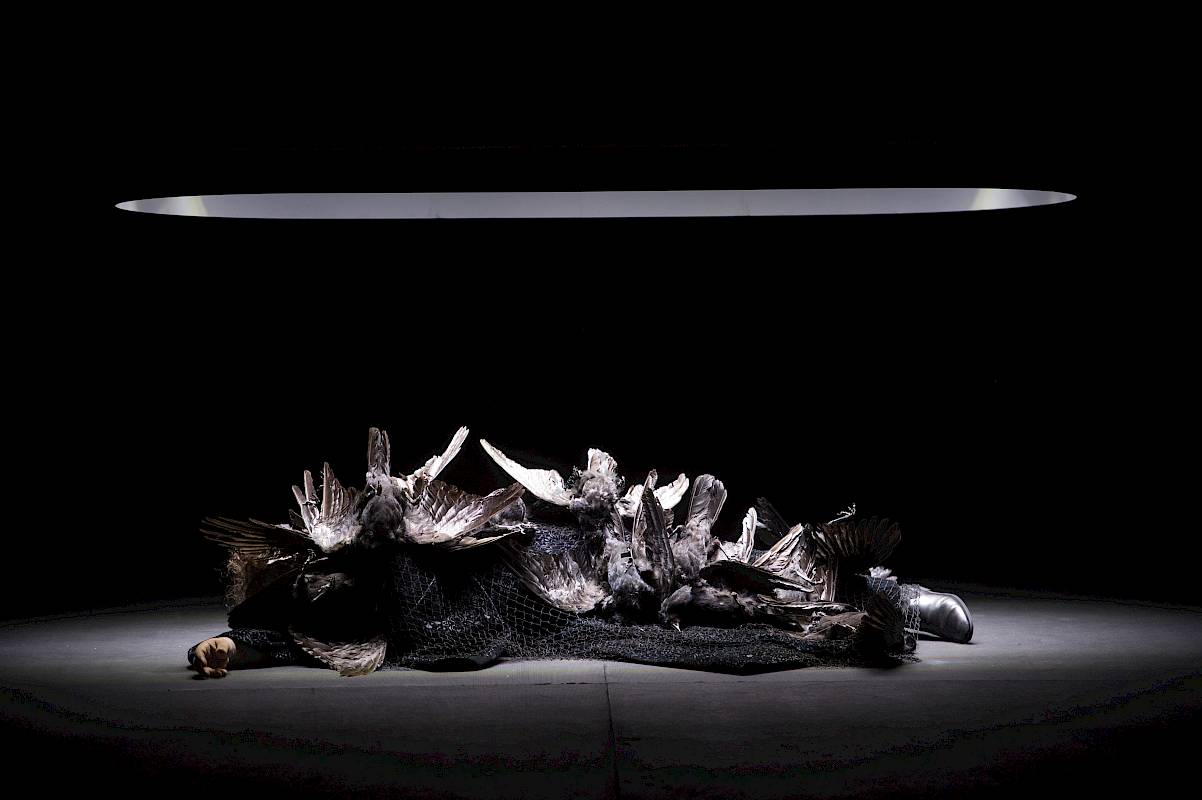
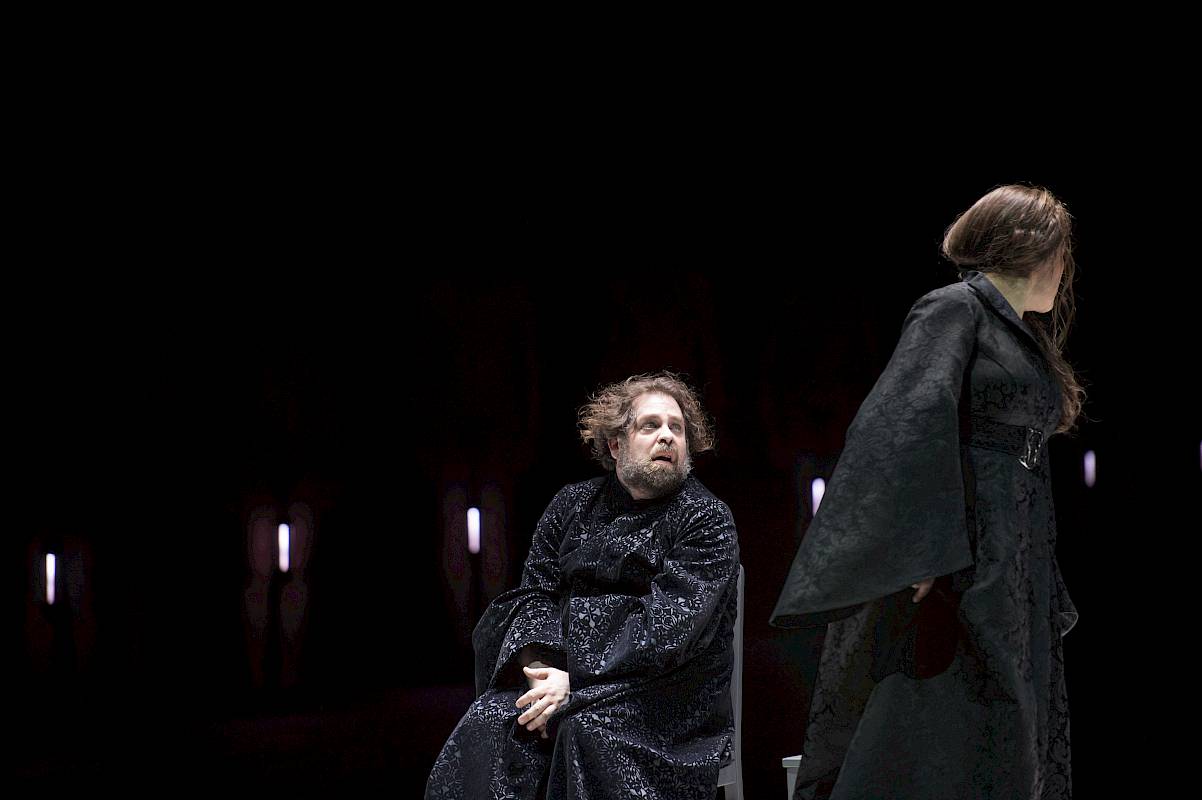
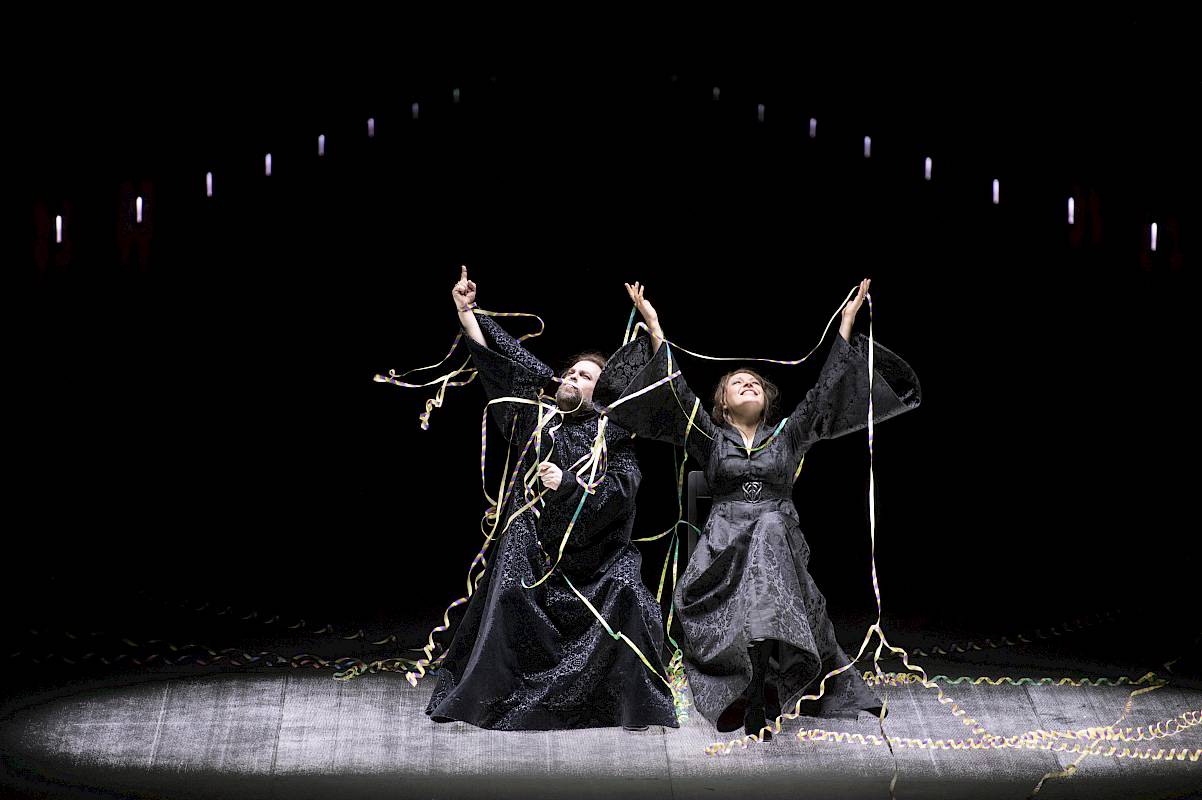
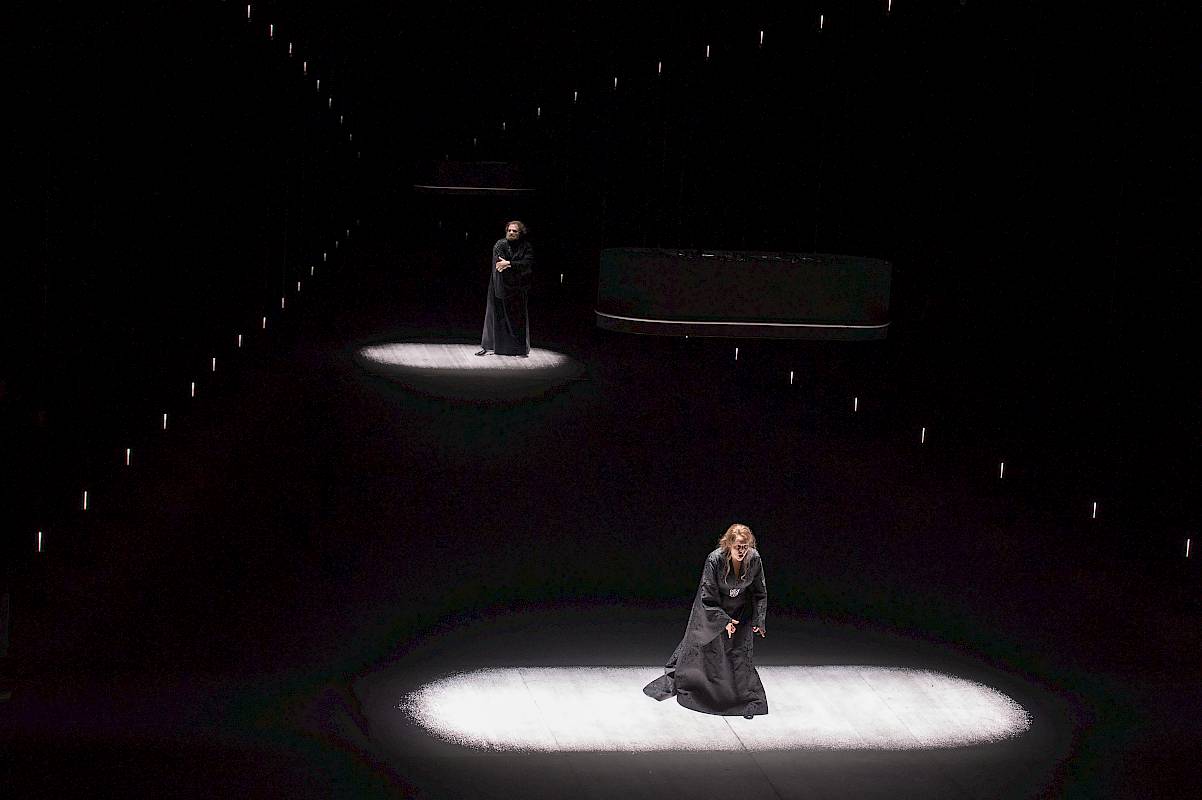
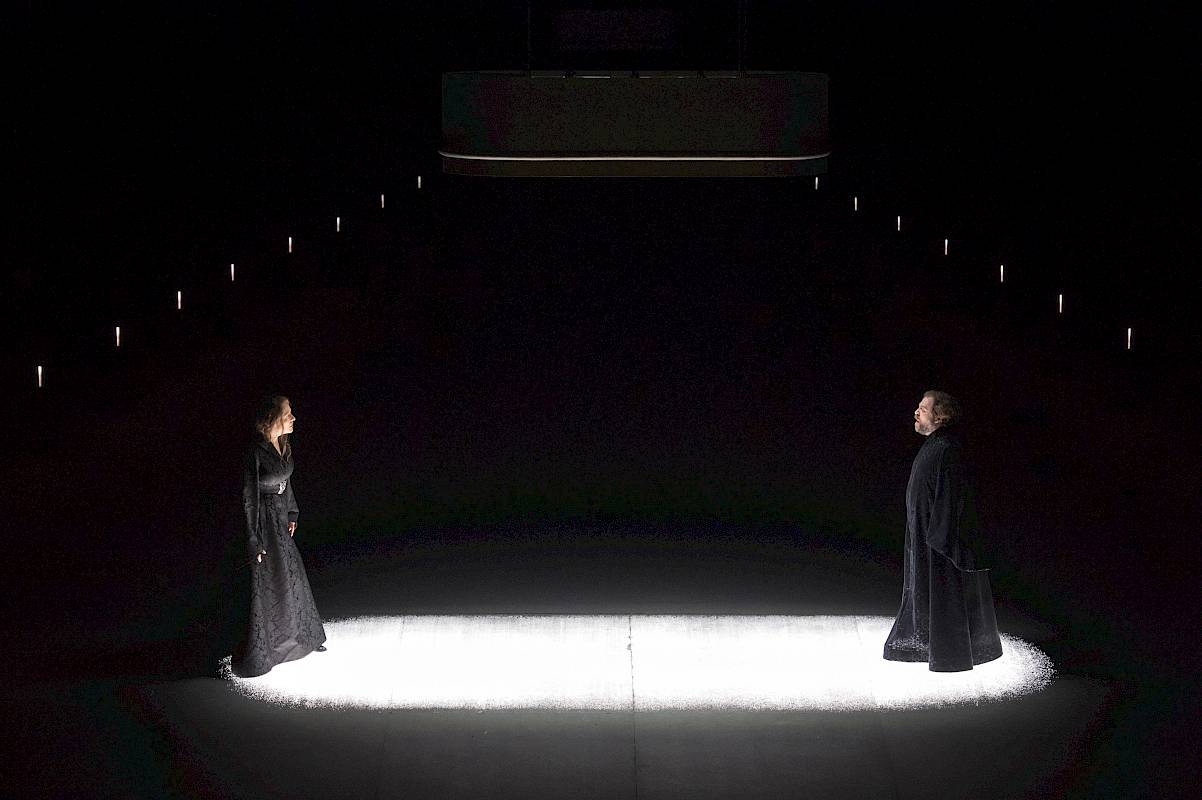
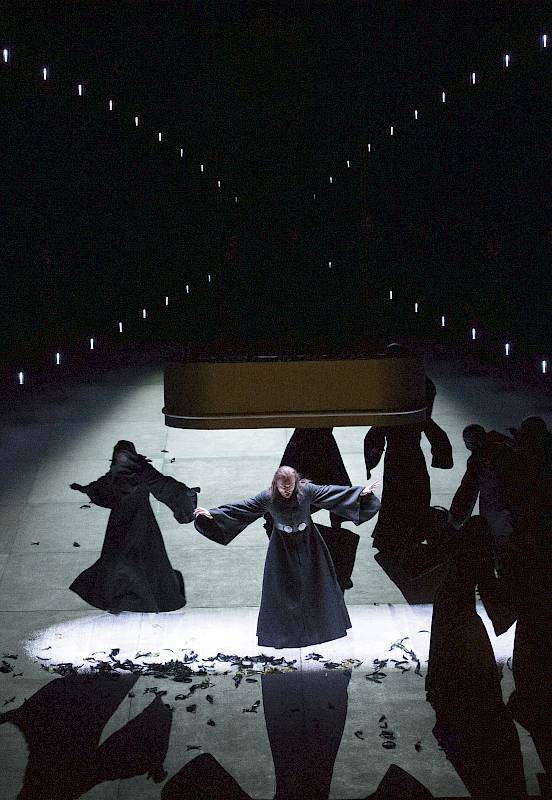
Photos «Macbeth»