
Marco Armiliato studied piano at the Paganini Conservatory in his hometown of Genoa and began his conducting career in 1989 with "L’elisir d’amore" in Lima, Peru. In 1995, he made his debut with "Il barbiere di Siviglia" at Teatro La Fenice in Venice, followed a year later by his debut at the Vienna State Opera with "Andrea Chénier" and at the San Francisco Opera with "La bohème". Since then, his career has taken him to the world’s most prestigious opera houses, including the Bavarian State Opera in Munich, the Deutsche Oper Berlin, the Royal Opera in London, the Opéra national de Paris, the Teatro Real in Madrid, the Gran Teatre del Liceu in Barcelona, La Scala in Milan, and the Lyric Opera of Chicago. At the Salzburg Festival, he conducted productions including "Tosca" and "Andrea Chénier", as well as concert performances of "Manon Lescaut", "Lucrezia Borgia", and "I Capuleti e i Montecchi". In 2022, he was Music Director of the Arena di Verona Festival. He has maintained a close collaboration with the Metropolitan Opera in New York, where since his debut in 1998 he has conducted almost 500 performances, including "Il trovatore", "La bohème", "Aida", "Turandot", "Rigoletto", "I puritani", "Madama Butterfly", and "La traviata". His recording "Verismo" (2009) with Renée Fleming received a Grammy Award, and the recording "Romantic Arias" (2008) with Jonas Kaufmann was honoured with a Diapason d’or. At the Vienna State Opera, where he has been an honorary member since 2019, he has conducted a wide range of works from the Italian and French repertoire, as well as gala performances and festive concerts. At the Zurich Opera House, he has recently conducted "La traviata", "Otello", "La bohème", "Manon", "Simon Boccanegra", "La rondine", "Messa da Requiem", and "Tosca".
Giacomo Puccini
Tragedia giapponese in two acts
Libretto by Giuseppe Giacosa and Luigi Illica
From 22. December 2024 until 4. January 2025
-
Duration :
2 hrs. 45 min. incl. intermission after approx. 50 min. -
Language:
In Italian with German and English surtitles. -
More information:
Introduction 45 min before the performance.
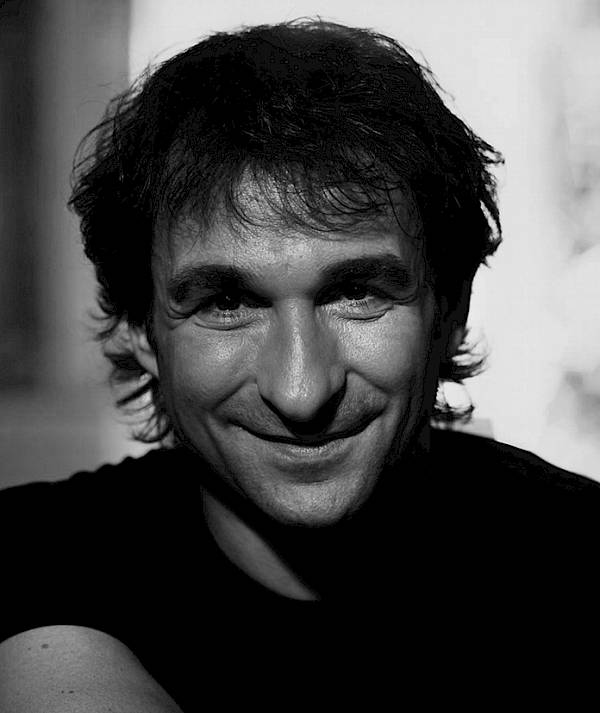
Marco Armiliato
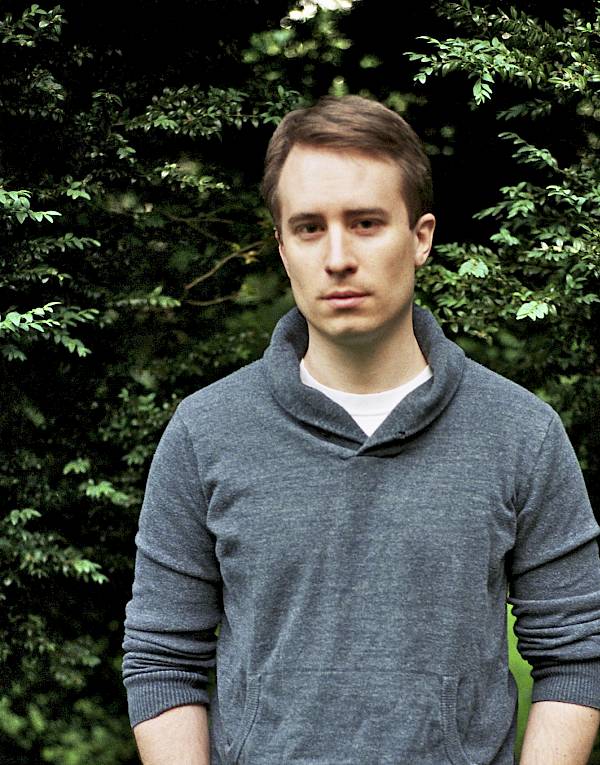
Ted Huffman
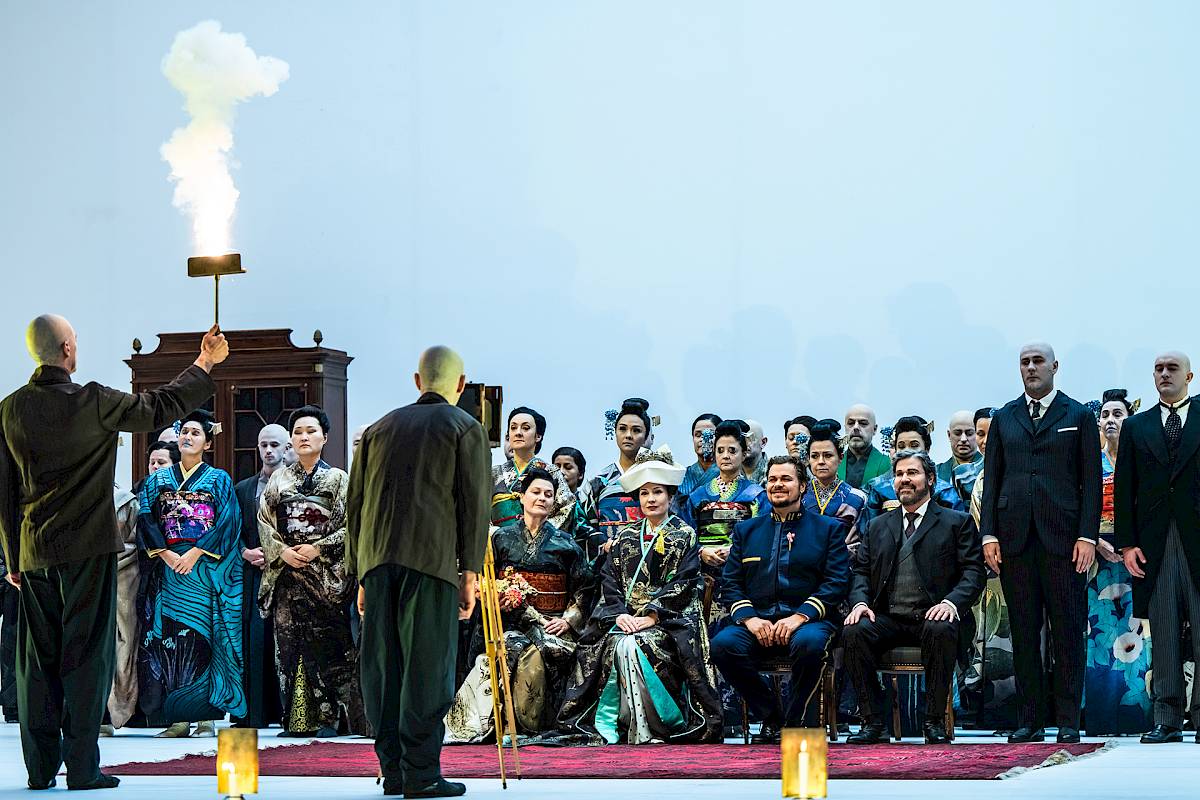
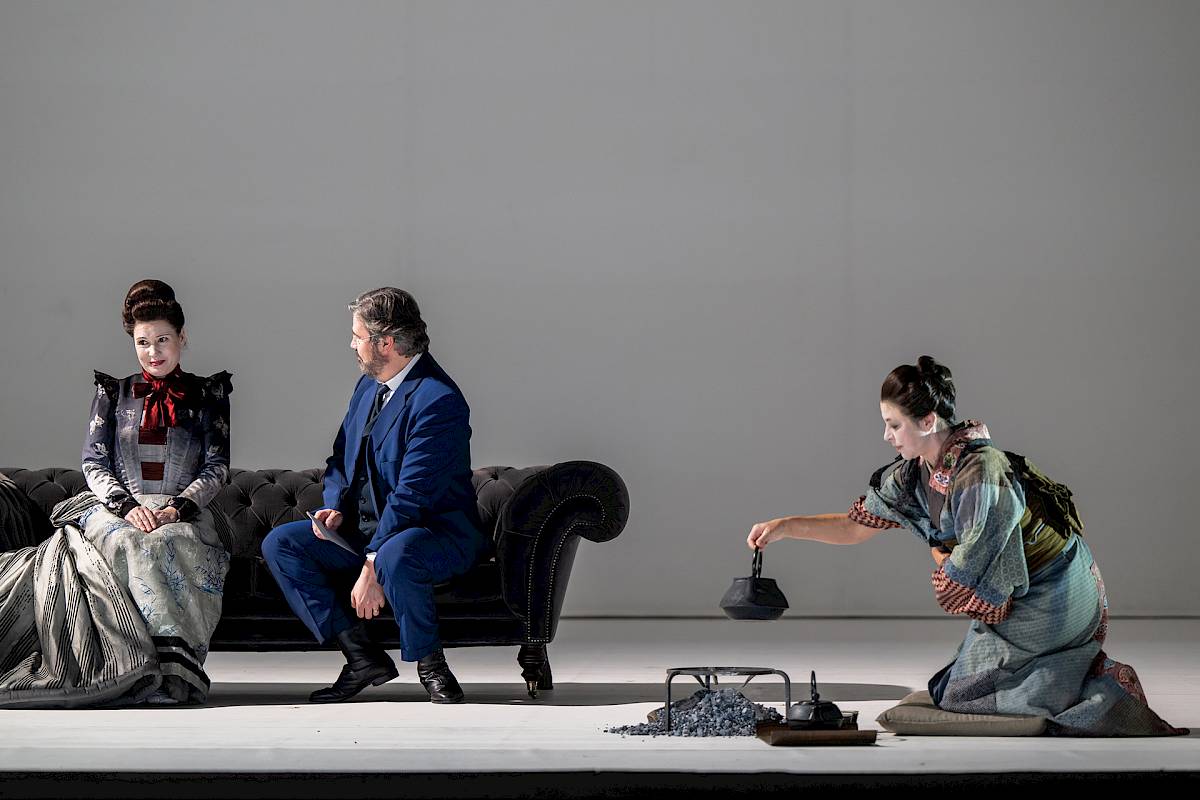
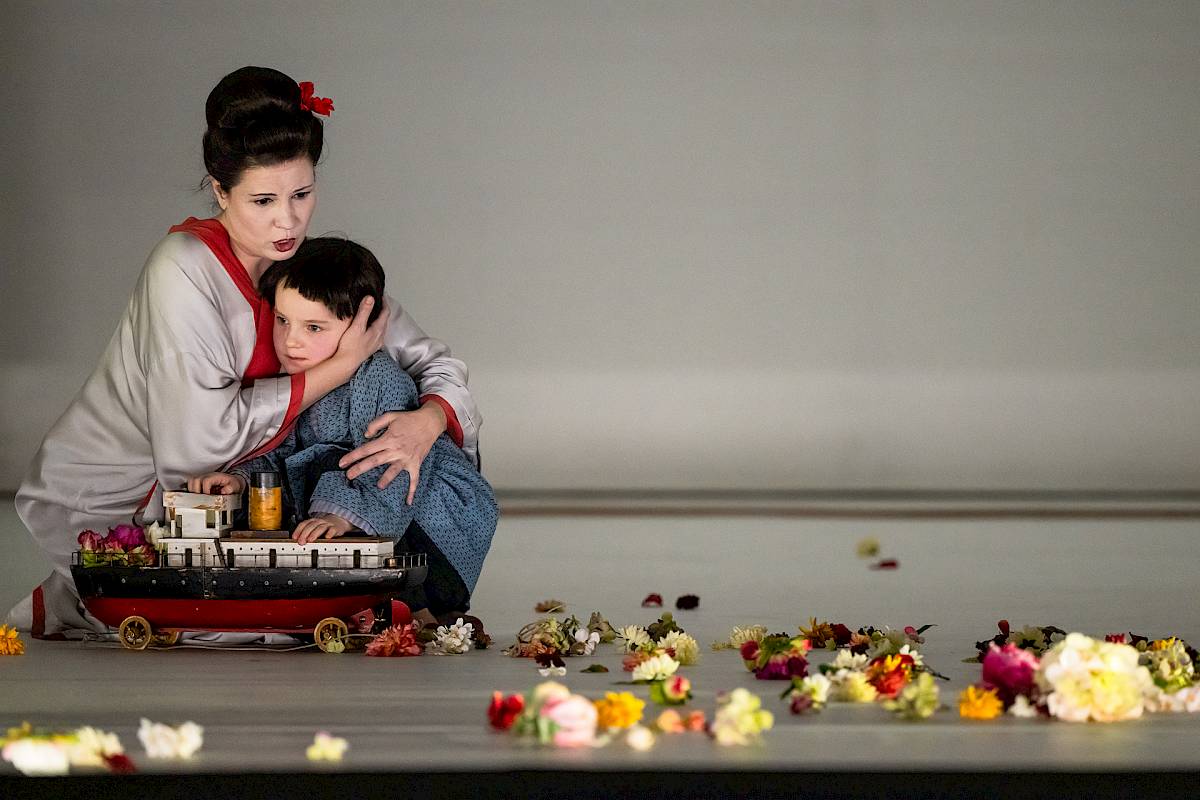
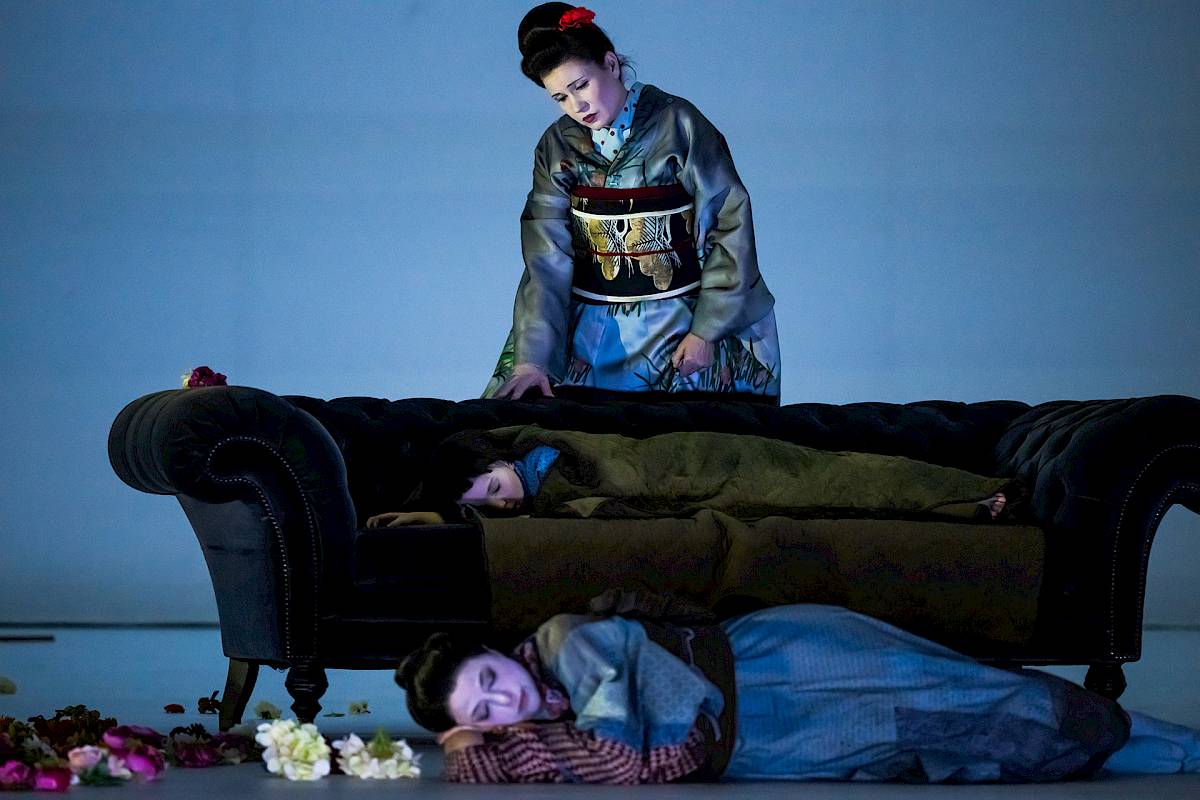
Ted Huffman was born in New York. He studied at Yale University and participated in the San Francisco Merola Opera Program. The opera "Denis & Katya", created together with Philip Venables (Opera Philadelphia, Dutch National Opera, Music Theatre Wales, Opéra Montpellier, Opera Hannover), won the Fedora Generali Prize in 2019 and the Ivor Novello Award in 2020. With Philip Venables he also developed the opera "4.48 Psychosis" after Sarah Kane, which premiered at the Royal Opera House in London, received the UK Theatre Award for Opera, and was nominated for the Olivier Awards, the Royal Philharmonic Society Awards and the South Bank Awards, as well as "The Faggots and Their Friends Between Revolutions" (among others Factory International Manchester, Festival d’Aix-en-Provence, Bregenz Festival, Ruhrtriennale). In 2025 he directed the world premiere of Venables’s opera "We Are The Lucky Ones" at Dutch National Opera. Further directing work includes "The Time of Our Singing" at La Monnaie, "Rinaldo" in Frankfurt, "A Midsummer Night’s Dream" at Deutsche Oper Berlin, "Le premier meurtre" at the Opéra de Lille, "Il trionfo del Tempo e del Disinganno" at the Royal Danish Theatre, Luke Styles’s "Macbeth" at Glyndebourne, Ana Sokolović’s "Svádba" in Aix, "Les mamelles de Tirésias" among others in Brussels, Amsterdam and at the Aldeburgh Festival, as well as Monteverdi’s "L’incoronazione di Poppea" in Aix and "Street Scene" at the Paris Opéra. The world premiere of Stefan Wirth’s "Das Mädchen mit dem Perlenohrring" at Zurich Opera House was named "Best World Premiere 2022" by Opernwelt. In addition, "Madama Butterfly" (2017) and "Roméo et Juliette" (2023) were produced in Zurich.
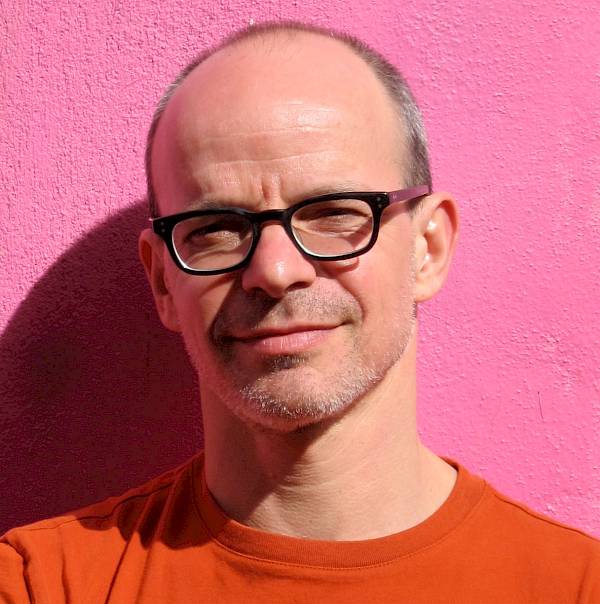
Michael Levine
Michael Levine comes from Canada. He studied at the Central School of Art and Design in London and has been working internationally as a stage and costume designer for almost forty years. Among the directors with whom he regularly collaborates are Andreas Homoki, Robert Carsen, Deborah Warner, Simon McBurney and Tim Albery. He designed sets, among others, for "Die tote Stadt" at the Komische Oper Berlin, "Hell’s Fury, The Hollywood Songbook" at the Luminato Festival Toronto, "The Rake’s Progress" at the Festival d’Aix-en-Provence, "Billy Budd" at the opera houses in Madrid and Rome, "Hänsel und Gretel" and "Turandot" at Dutch National Opera, "Madama Butterfly" at the Bregenz Festival, and "Parsifal" at the Opéra National de Lyon and at the Metropolitan Opera in New York. In 2022 he made his debut at the Bavarian State Opera in Munich with the stage design for Barrie Kosky’s "Das schlaue Füchslein" and returned there for "Semele" (2023) and "Die Liebe der Danae" (2025), both directed by Claus Guth. In 2023 he created the Schubert-inspired evening "Doppelgänger" for the Park Avenue Armory in New York, as well as "Chicago" at the Komische Oper Berlin and "Carmen" at the Metropolitan Opera in New York. At Zurich Opera House he worked with Andreas Homoki on "Wozzeck" (2015), "Sweeney Todd" (2018), "Iphigénie en Tauride" (2020) and "Ariadne auf Naxos" (2024). He also designed the set for Ted Huffman’s "Madama Butterfly" (2017) and for Cathy Marston’s ballet "Atonement" (2024). Michael Levine’s work has received numerous awards. In 1981 he was appointed "Chevalier des Arts et des Lettres".
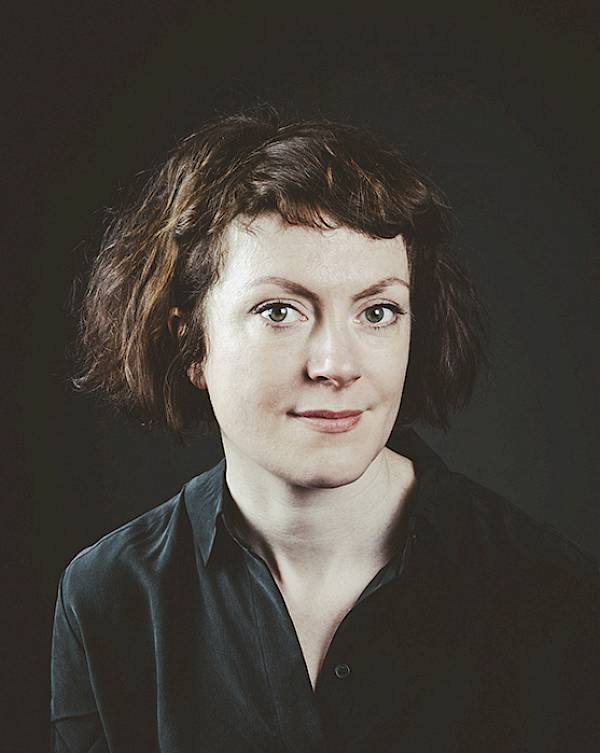
Annemarie Woods
The Irish costume and set designer Annemarie Woods won the Ring Award in Graz in 2011 together with the British director Sam Brown. In joint productions with Sam Brown she designed, among others, "I Capuleti e i Montecchi" at the Teatro Sociale di Como, "Der Zigeunerbaron" at Stadttheater Klagenfurt, "Sigurd der Drachentöter" at the Bavarian State Opera in Munich, "Il trionfo del Tempo e del Disinganno" at the Badisches Staatstheater Karlsruhe, the world premiere of Gerald Barry’s opera "The Importance of Being Earnest" at the Opéra National de Lorraine in Nancy, and "La Cenerentola" at Lucerne Theatre. She also has a long-standing collaboration with director Oliver Mears, for whose productions of "Macbeth", "Salome", "L’elisir d’amore" and "Don Giovanni" she likewise designed the costumes and sets. Further works include "Candide" in Nancy, "Agrippina" in Limerick, "My Fair Lady" in Karlsruhe and "L’Heure espagnole/Gianni Schicchi" (directed by Bruno Ravella) at the Opéra National de Lorraine. With Ted Huffman she collaborated, among other projects, in Frankfurt on "Rinaldo", in Cologne on "Salome", in Montpellier on "Le Songe d’une nuit d’été", at Deutsche Oper Berlin on "A Midsummer Night’s Dream" and in Zurich on "Madama Butterfly". She also designed the costumes for "Pagliacci/Cavalleria rusticana" in Amsterdam (directed by Robert Carsen), for "La traviata" at the Komische Oper Berlin (directed by Nicola Raab) and for "Osud" at the Janáček Brno Festival (directed by Robert Carsen). At Zurich Opera House she designed the costumes for Adele Thomas’s production of "Il trovatore", Ted Huffman’s productions of "Madama Butterfly", "Girl with a Pearl Earring" and "Roméo et Juliette", as well as for Evgeny Titov’s production of "L’Orfeo".
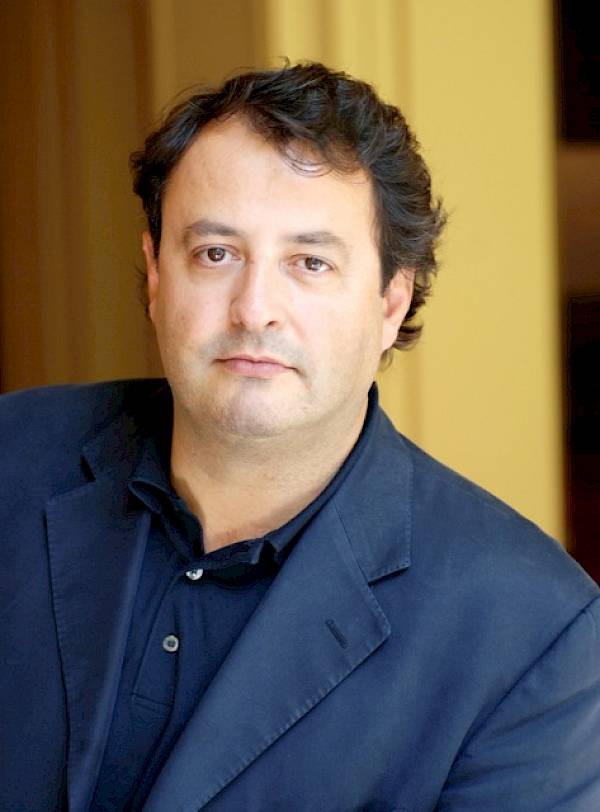
Franck Evin
Franck Evin, born in Nantes, moved to Paris at the age of 19 to study piano. At night he accompanied singers at the Café-Théâtre Le Connétable and also began to take an interest in lighting. He eventually decided to combine music and technology. Thanks to a scholarship from the French Ministry of Culture, he became assistant to the head of lighting at the Opéra de Lyon in 1983. There he worked with Ken Russell and Robert Wilson, among others. In 1986 he began working as an independent lighting designer at the Düsseldorf Schauspielhaus and obtained his master’s certificate in lighting in 1993. During this time he had a close collaboration with Werner Schröter and the conductor Eberhard Kloke. This was followed by productions in Nantes, Strasbourg, Paris, Lyon, Vienna, Bonn, Brussels and Los Angeles, among other places. From 1995 to 2012 he was Artistic Director of the lighting department at the Komische Oper Berlin, where he was responsible for all new productions. Important artistic partners during this period included Andreas Homoki, Barrie Kosky, Calixto Bieito and Hans Neuenfels. In 2006 Franck Evin was awarded the German Theatre Prize "Opus" in the category of lighting design. From 2012 to 2025 he was Artistic Director of the lighting department at the Zurich Opera House. In addition to his work in Zurich, he continued to work on international productions at opera houses in Oslo, Stockholm, Tokyo, Amsterdam, Munich and Graz, as well as at the Opéra Bastille, Teatro alla Scala, Teatro La Fenice, the Vlaamse Opera and at the Bayreuth Festival.
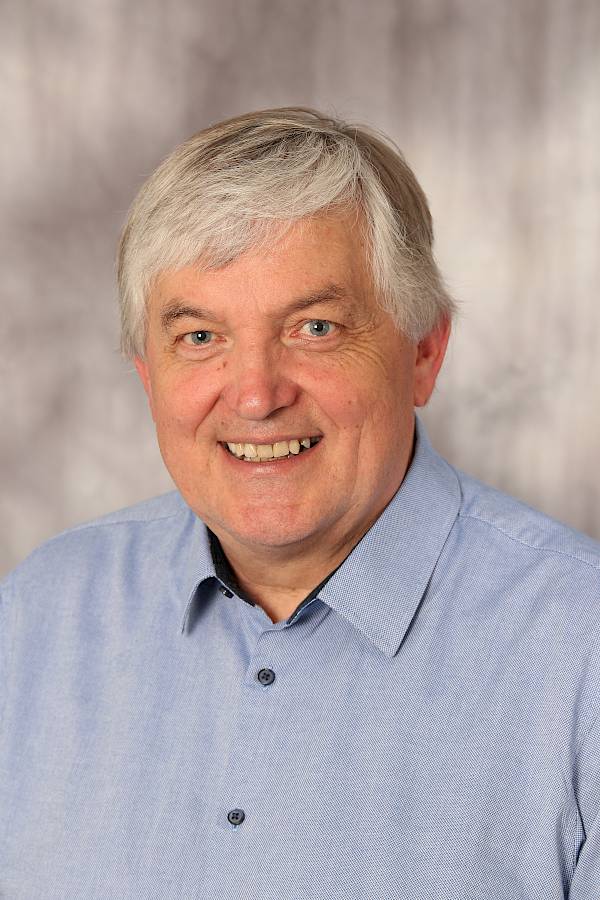
Ernst Raffelsberger
Ernst Raffelsberger comes from Gmunden, Upper Austria. He studied music education and church music at the University of Music and Performing Arts in Vienna as well as choral conducting at the Mozarteum in Salzburg. From 1983 to 1986 he was Kapellmeister of the Vienna Boys’ Choir. During this time, he led the ensemble in Vienna and on tours through Europe, South Africa, Canada, and the USA. From 1986, Ernst Raffelsberger was choral director and Kapellmeister at the Salzburg State Theatre (participating in the Salzburg Mozart Week and the Salzburg Festival). In 1989 he moved as choral director and Kapellmeister to the theatre in Freiburg/Breisgau. Since autumn 1993, Ernst Raffelsberger has been engaged at the Zurich Opera House as choral director. Here he has since supervised around 150 premieres and countless revivals and worked with many renowned conductors such as Marco Armiliato, Riccardo Chailly, Teodor Currentzis, Christoph von Dohnányi, Sir John Eliot Gardiner, Daniele Gatti, Bernard Haitink, Nikolaus Harnoncourt, Zubin Mehta, Gianandrea Noseda, and Franz Welser-Möst. Guest performances with the Zurich Opera House have taken him to Vienna, London, Paris, and Tokyo. From summer 2012 he additionally began a ten-year activity as choral director of the Vienna State Opera Chorus Association at the Salzburg Festival. There he collaborated successfully with, among others, Riccardo Muti, Mariss Jansons, and Sir Simon Rattle. After Ernst Raffelsberger ended this work with the festival summer 2021, he has since 2025 once again been responsible, at Maestro Muti’s request, for choral preparation for his festival concerts in Salzburg. Numerous CD and DVD recordings document his work in Zurich as well as in Salzburg.
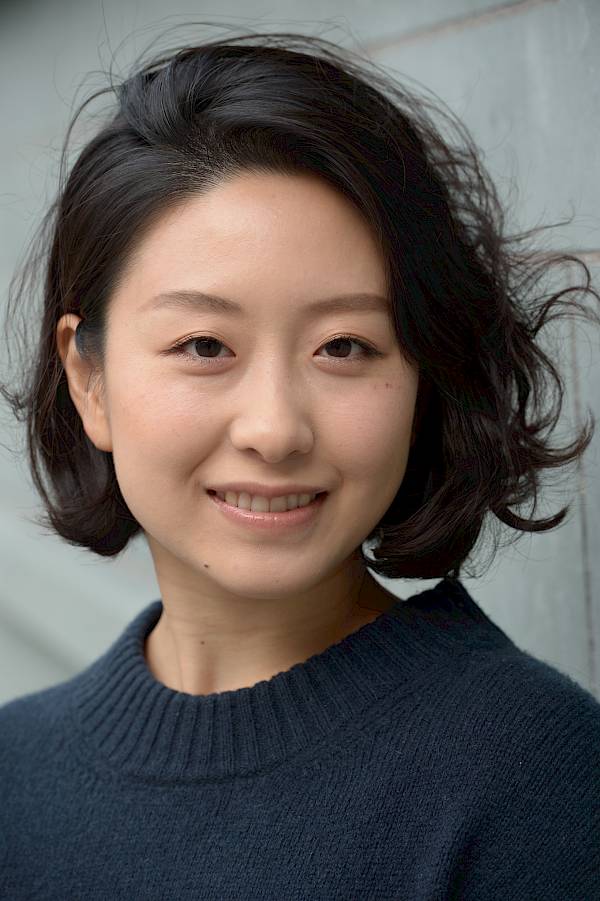
Sonoko Kamimura
Sonoko Kamimura comes from Gifu, Japan. She began her classical dance training at the Reiko Matsuoka Ballet Studio in Nagoya. She then studied contemporary dance at Codarts University of the Arts in Rotterdam. After her career as a dancer with Scapino Ballet Rotterdam and as a guest dancer with the Forsythe Company, she became self-employed as a choreographic assistant for opera productions. She first collaborated with Ted Huffman in 2017 on "Madama Butterfly" at Zurich Opera House. In close collaboration with Ted Huffman, she subsequently worked on his productions of "Il trionfo del Tempo e del Disinganno" at the Royal Danish Opera and at the Opéra National de Montpellier, "Les Mamelles de Tirésias" at the Palau de les Arts Reina Sofía, "Die Vögel" at the Opéra National du Rhin and "Girl with a Pearl Earring", again in Zurich. As a choreographic assistant, she worked with Christopher Roman on "Mexico Aura" at the Neuköllner Oper Berlin in 2022, and in the same year she served as movement consultant for "Madama Butterfly" at the Royal Opera House in London.
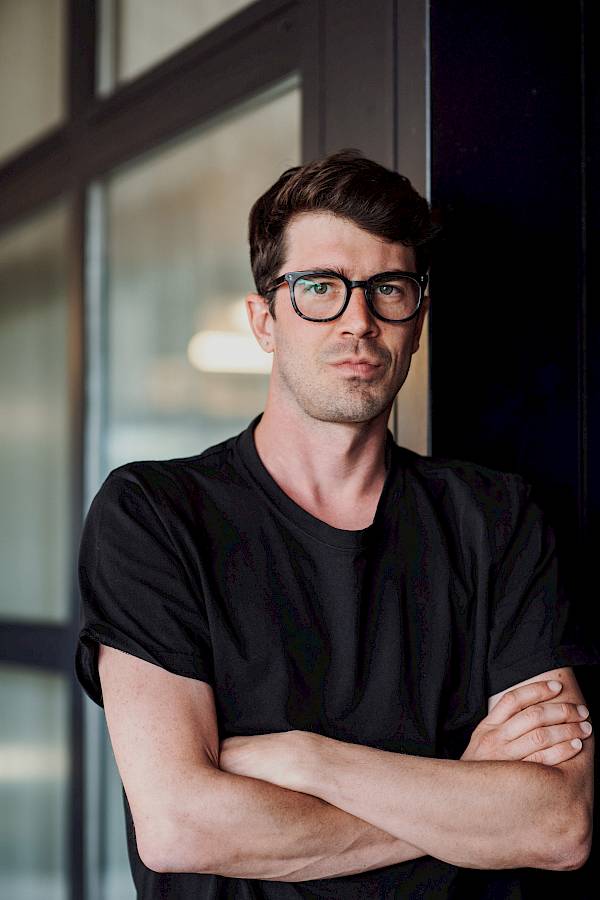
Fabio Dietsche
Fabio Dietsche studied dramaturgy at the Zurich University of the Arts as well as cross flute with Maria Goldschmidt in Zurich and with Karl-Heinz Schütz in Vienna. He gained his first experience as a dramaturge in 2012/13 with Xavier Zuber at Konzert Theater Bern, where he accompanied, among others, Matthias Rebstock’s production of "neither" (Beckett/Feldman) at the Berner Reithalle. Since 2013, he has been a dramaturge at the Zurich Opera House, where he completed his studies with the production dramaturgy of Puccini’s "La bohème." There, he has been involved, among others, in the world premieres of Stefan Wirth’s "Girl with a Pearl Earring" and Leonard Evers’ "Odyssee," the chamber opera "Jakob Lenz" by Wolfgang Rihm, and the Swiss premiere of Manfred Trojahn’s "Orest." He has worked with, among others, Robert Carsen, Tatjana Gürbaca, Rainer Holzapfel, Andreas Homoki, Ted Huffman, Mélanie Huber, Barrie Kosky, Hans Neuenfels, and Kai Anne Schuhmacher. He is currently studying cultural management on a part-time basis at the University of Zurich.
Cast


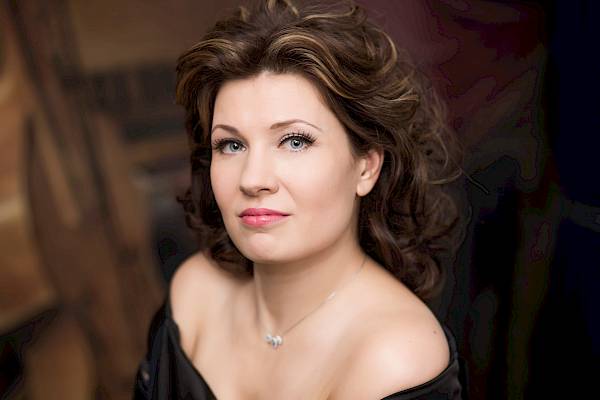
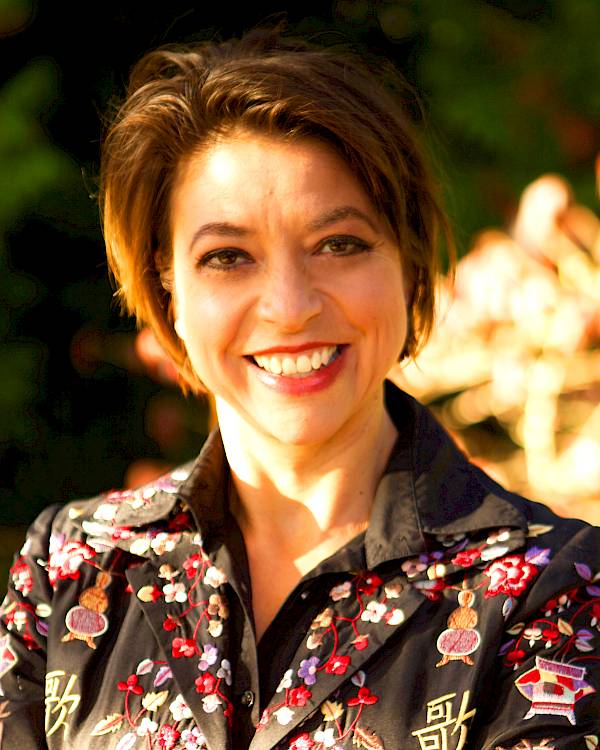
Marina Rebeka
Marina Rebeka begann ihre musikalische Ausbildung in ihrer Heimatstadt Riga und schloss ihr Studium am Conservatorio Santa Cecilia in Rom ab. 2007 gewann sie den Wettbewerb «Neue Stimmen» in Gütersloh. Seit ihrem internationalen Durchbruch – 2009 bei den Salzburger Festspielen unter Riccardo Muti – ist sie regelmässig an den führenden Opernhäusern und Festivals zu Gast, u. a. an der Mailänder Scala, der Metropolitan Opera und Carnegie Hall New York, dem Royal Opera House Covent Garden London, dem Concertgebouw Amsterdam, der Bayerischen Staatsoper, der Wiener Staatsoper, dem Opernhaus Zürich oder der Lyric Opera Chicago. Sie arbeitet mit Dirigenten wie Zubin Mehta, Antonio Pappano, Valery Gergiev, Fabio Luisi, Yannick Nézet-Séguin und Daniele Gatti zusammen. Ihr Repertoire reicht vom Barock über Belcanto und Verdi bis hin zu Tschaikowsky und Britten. Auf ihrem eigenen Plattenlabel Prima Classic hat sie das Album Spirito (Szenen und Arien des dramatischen Belcanto), Verdis Oper La traviata und ihre Soloalben Elle (französische Opernarien) und Credo (eine Auswahl geistlicher und spiritueller Lieder) veröffentlicht. In jüngster Zeit sang sie u. a. Aida an der Staatsoper Berlin, Norma am Teatro Massimo di Palermo, Mimì (La bohème), Cherubinis Medea sowie Elena (I vespri siciliani) an der Mailänder Scala, Leonora (Il trovatore) an der Bayerischen Staatsoper München, Violetta Valéry (La traviata) am Teatro di San Carlo in Neapel, Lida (La battaglia di Legnano) beim Verdi Festival Parma sowie Elena (I vespri siciliani) beim Festival d’Aix-en-Provence und zuletzt Cio-Cio-San (Madama Butterfly) an der Wiener Staatsoper.
Judith Schmid
Judith Schmid, Schweizer Mezzosopranistin, studierte Musik und Bewegung an der Hochschule der Künste Bern sowie Gesang an der Guildhall School of Music and Drama. Sie legt ihren Schwerpunkt auf die Opern- und Konzertbühne, widmet sich jedoch auch dem Lied und Oratorium. Seit über 20 Jahren ist sie u.a. am Opernhaus Zürich, wo sie langjähriges Ensemblemitglied war, oder auch am Staatstheater Nürnberg engagiert, etwa in Hosenrollen wie Smeton (Anna Bolena), Sesto (Giulio Cesare) und Silla (Palestrina) sowie als Adelaide (Arabella), Polina (Pique Dame), Federica (Luisa Miller), Maddalena (Rigoletto) Emilia (Otello), Erda (Rheingold, Siegfried), Waltraute (Walküre) sowie Erste Norn und Flosshilde (Götterdämmerung). Im Konzertbereich trat sie mit Orchestern wie dem Symphonieorchester des Bayerischen Rundfunks, dem Münchner Rundfunkorchester, dem Opern- und dem Tonhalle Orchester Zürich unter Dirigenten wie Plácido Domingo, Mariss Jansons, Daniele Gatti, Franz Welser-Möst, Nello Santi, Marc Minkowski, Adam Fischer, Marcello Viotti oder Heinz Holliger auf. Seit 2017 ist sie Dozentin für Gesang an der Hochschule Luzern, ab September 2024 mit künstlerischer Professur. Neben zahlreichen Radio- und Fernsehaufzeichnungen sowie DVD-Produktionen hat Judith Schmid auch CDs veröffentlicht. Das Album Rosenblätter mit dem Pianisten Oliver Schnyder und Werken von Grieg, Hefti und Ravel wurde 2008 vom Schweizer Radio SRF 2 Kultur zu den besten CDs gewählt. Am Opernhaus Zürich ist sie in der Spielzeit 2024/25 als Suzuki (Madama Butterfly) und als Voix de la Tombe (Les Contes d'Hoffmann) zu erleben. Ein weiteres Engagement ist in der Spielzeit 2025/26 am Luzerner Theater geplant.
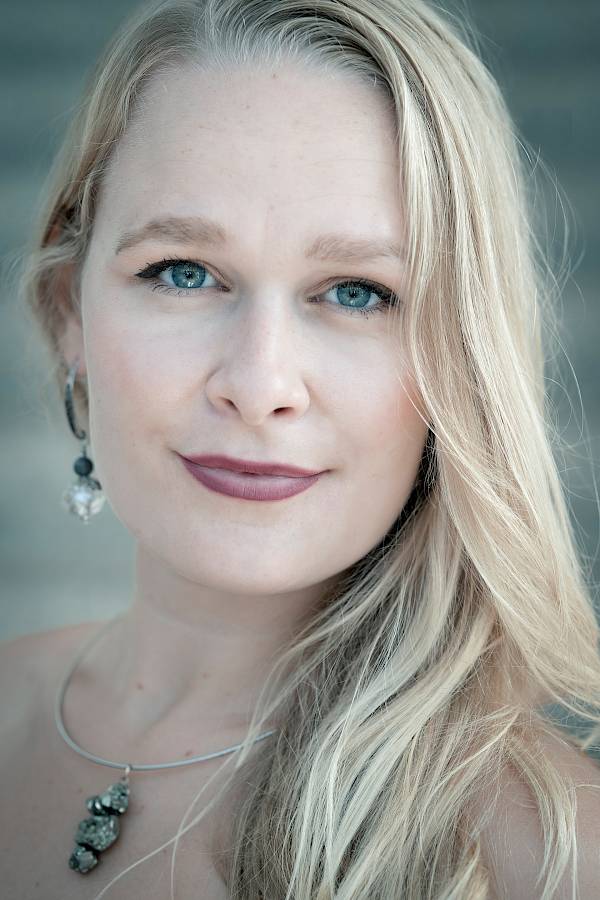
Siena Licht Miller
Siena Licht Miller, a German-American mezzo-soprano, studied voice at the Curtis Institute of Music and the Oberlin Conservatory of Music. She completed her training with courses at Opera Philadelphia, the Santa Fe Opera, the Opera Theatre of St. Louis and the Aspen Music Festival. She is a recipient of a Bagby Foundation scholarship and a prizewinner of the Metropolitan Opera National Council Auditions, the Marilyn Horne Rubin Foundation and the Gerda Lissner Foundation. Highlights of her career to date include her role debuts as Hermia in "A Midsummer Night’s Dream", Second Lady in "Die Zauberflöte" and one of the two solo roles in the world premiere of Philip Venables’ "Denis and Katya" at Opera Philadelphia. At the Aspen Opera Center, she sang the title role in Ravel’s "L’Enfant et les sortilèges" under the direction of Robert Spano. She also regularly devotes herself to song recitals. She sang in the "The Song Continues" series at Carnegie Hall in honour of her mentor Marilyn Horne and went on a tour of the USA with a recital alongside pianist Kevin Murphy. From the 2020/21 season, she was associated with the Zurich Opera House, first as a member of the International Opera Studio and, since 2022/23, as a member of the ensemble of Zurich Opera House, where she most recently appeared in "La scala di seta", "Hänsel und Gretel" and "La clemenza di Tito", among others. In 2026/27, she will appear as Prince Orlofsky in "Die Fledermaus", Flora Bervoix in "La traviata", Rossweisse in "Die Walküre" and Flosshilde in "Das Rheingold" and "Götterdämmerung".
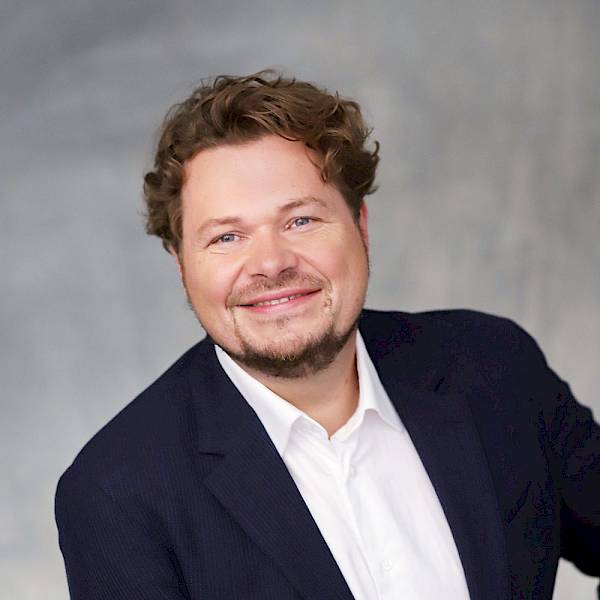
Tomislav Mužek
Tomislav Mužek wurde in Siegen, Deutschland, geboren und studierte an der Universität für Musik und darstellende Kunst in Wien in der Klasse von Robert Holl. 1999 gewann er den ersten Preis beim Internationalen Gesangswettbewerb «Ferruccio Tagliavini» in Österreich und wurde daraufhin erst an der Wiener Staatsoper und danach am Theater Bremen engagiert. Seit seinem Rollendebüt als Lohengrin am Theatro Municipal de São Paulo 2015 singt er Partien wie Erik (Der fliegende Holländer), Stolzing (Die Meistersinger von Nürnberg), Max (Der Freischütz), Rodolfo (La bohème), Don Carlo, Don José (Carmen), den Prinzen in Rusalka sowie Cavaradossi (Tosca), Pinkerton (Madama Butterfly) und Edgardo (Lucia di Lammermoor). 2023 war er als Erik bei den Bayreuther Festspielen zu hören. Er trat an fast allen wichtigen europäischen Bühnen auf, darunter u. a. die Mailänder Scala, die Bayerische Staatsoper, die Hamburgische Staatsoper, die Staatsoper Unter den Linden sowie das Teatro Comunale Bologna, das Teatro Real Madrid und das New National Theatre Tokyo. Seit 2005 ist er der Semperoper Dresden sehr verbunden und begeisterte dort in Partien wie Don Ottavio (Don Giovanni), Tamino (Die Zauberflöte), Lenski (Eugen Onegin) und Florestan (Fidelio). Zuletzt sang er u. a. Erik und Max an der Semperoper Dresden, den Prinzen (Rusalka) an der Opéra national de Bordeaux und Stolzing am Teatro Real in Madrid. Auf der Konzertbühne war er jüngst mit Verdis Requiem in Zürich und Puccinis Missa di Gloria in München zu erleben. 2023 wurde er mit dem «Rudi-Häussler-Preis» der Stiftung Semperoper ausgezeichnet.
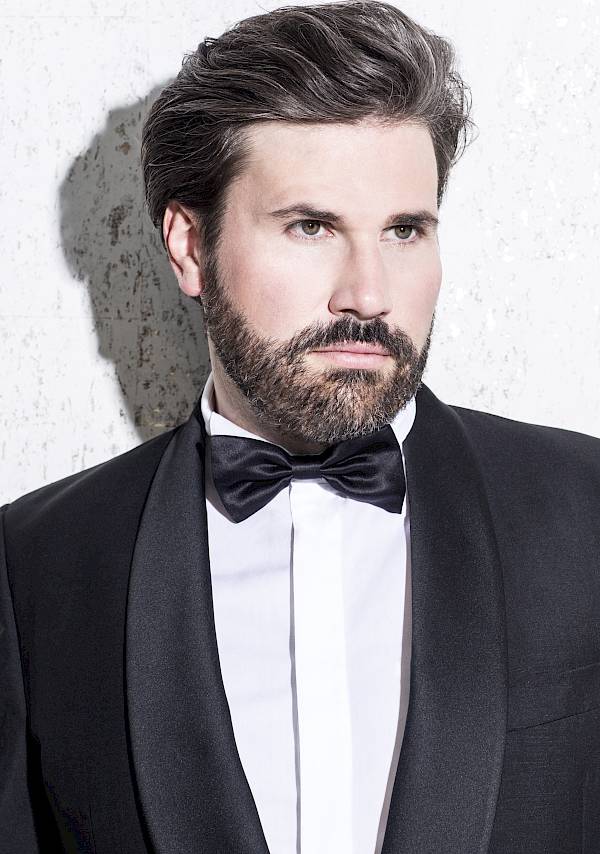
Massimo Cavalletti
Massimo Cavalletti studierte in seiner Geburtsstadt Lucca und bildete sich danach an der Accademia della Scala weiter. Seit 2005 pflegt er eine enge Zusammenarbeit mit der Mailänder Scala, wo er u. a. als Figaro (Il barbiere di Siviglia), Schaunard und Marcello (La bohème), Enrico (Lucia di Lammermoor), Paolo Albiani (Simon Boccanegra), Don Parmenione (Rossinis L’occasione fa il ladro) und Rodrigo (Don Carlo), Ford (Falstaff) und Escamillo (Carmen) zu erleben war. Von 2007 bis 2012 war Massimo Cavalletti Ensemblemitglied am Opernhaus Zürich und war hier u. a. als Marcello (La bohème), Ruggiero (Halévys La Juive), Le Roi (Massenets Le Cid), Escamillo (Carmen), Paolo Albiani, Figaro (Il barbiere di Siviglia), Ford (Falstaff), Rodrigo und Severo (Poliuto) zu erleben. Ausserdem interpretierte er Marcello am Royal Opera House Covent Garden, Schaunard, Marcello, Escamillo und Lescaut in einer neuen Produktion von Manon Lescaut, die in Kinos in aller Welt übertragen wurde, an der Metropolitan Opera New York, Escamillo an der Wiener Staatsoper und am Gran Teatre del Liceu di Barcelona, Marcello und Ford (Falstaff) bei den Salzburger Festspielen, Ford und Marcello an der Oper Amsterdam, Enrico in Tokyo, Dresden und Hamburg, Belcore (L’elisir d’amore) beim Glyndebourne Festival, Lescaut (Manon Lescaut) an der Deutschen Oper Berlin und Paolo an der Staatsoper Berlin. Seine Diskografie umfasst DVDs von Produktionen aus Salzburg (La bohème), Zürich (Falstaff) und Mailand (Simon Boccanegra). Zuletzt sang er u. a. Amonasro (Aida) an der Staatsoper Hannover sowie Macbeth und Don Carlo di Vargas (La forza del destino) am Aalto-Musiktheater Essen.
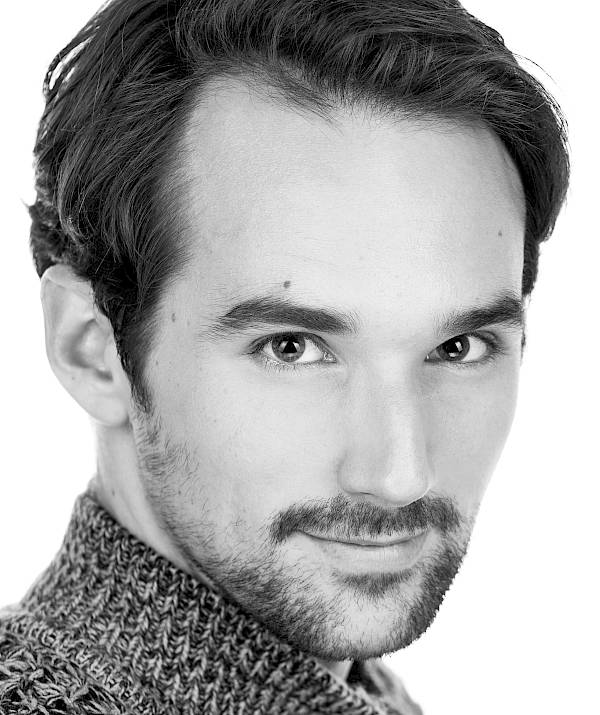
Nathan Haller
Nathan Haller is from Canada and studied voice at the Juilliard School in New York. In 2013, he took part in the International Meistersinger Academy in Neumarkt. From 2015 to 2017, he was a member of the OperAvenir opera studio at Theater Basel, where he sang, among other roles, Tamino ("The Magic Flute"), Romeo ("Romeo and Juliet") and Oronte ("Alcina"). In 2016, he appeared as a guest, among other engagements, as Belmonte ("The Abduction from the Seraglio") at the Acco Opera Festival in Israel and in 2017/18 as François in Leonard Bernstein’s "A Quiet Place" at Neue Oper Wien. Further engagements took him to the Bavarian State Opera in Munich, Teatro Massimo di Palermo, the Vienna Volksoper, Malmö Opera and Deutsche Oper am Rhein. On the concert platform, he has appeared, among other places, at the New York Festival of Song at Carnegie Hall and in Handel’s "La Resurrezione" with William Christie. He made his debut at Zurich Opera House in 2018 in Schreker’s "Die Gezeichneten" and returned the following year as Albazar ("Il turco in Italia") and later in the title role of Mitterer’s "Das tapfere Schneiderlein". Since the 2021/22 season, Nathan Haller has been a member of the ensemble at Zurich Opera House. More recently, he has sung, among other roles, Mercure in Rameau’s "Platée", Gobin/Un giovane/Adolfo in Puccini’s "La rondine", Pong ("Turandot"), a Dancing Master ("Ariadne auf Naxos"), the role of Andrès in "Les contes d’Hoffmann", First Jew ("Salome"), Victorin ("Die tote Stadt"), Raoul de St. Brioche ("Die lustige Witwe"), Goro ("Madama Butterfly"), Valzacchi ("Der Rosenkavalier"), Dr Blind ("Die Fledermaus") and a Young Servant ("Elektra"). He will also appear this season in the Swiss premiere of John Adams’ "Doctor Atomic".
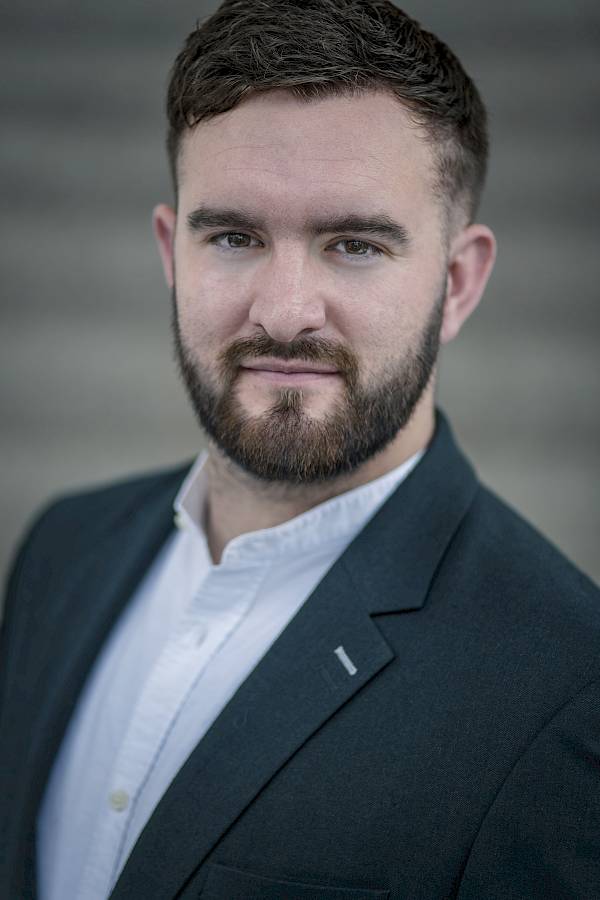
Steffan Lloyd Owen
Baritone Steffan Lloyd Owen is from Wales and studied at the Royal Northern College of Music in Manchester. He received numerous singing awards, including the W. Towyn Roberts Scholarship Prize, the Blue Riband Osborne Roberts Memorial Prize at the National Eisteddfod of Wales, and the Kathleen Ferrier Bursary Prize. In 2025, he won the Josep Palet Singing Competition and was a finalist at the Paris Opera Competition. He sang Sciarrone and the Jailer in a semi-staged "Tosca" alongside Sir Bryn Terfel and Kristine Opolais at the Llangollen International Musical Eisteddfod, Escamillo ("La tragédie de Carmen") at the Buxton International Festival, and Guglielmo ("Così fan tutte") at the Welsh National Opera. Concert highlights included Beethoven’s Mass in C major and "Choral Fantasy" with the BBC National Orchestra, Chorus of Wales, and the orchestra of the Welsh National Opera. Since the 2024/25 season, he has been a member of the International Opera Studio, where he has sung, among other roles, the title role in "Gianni Schicchi".
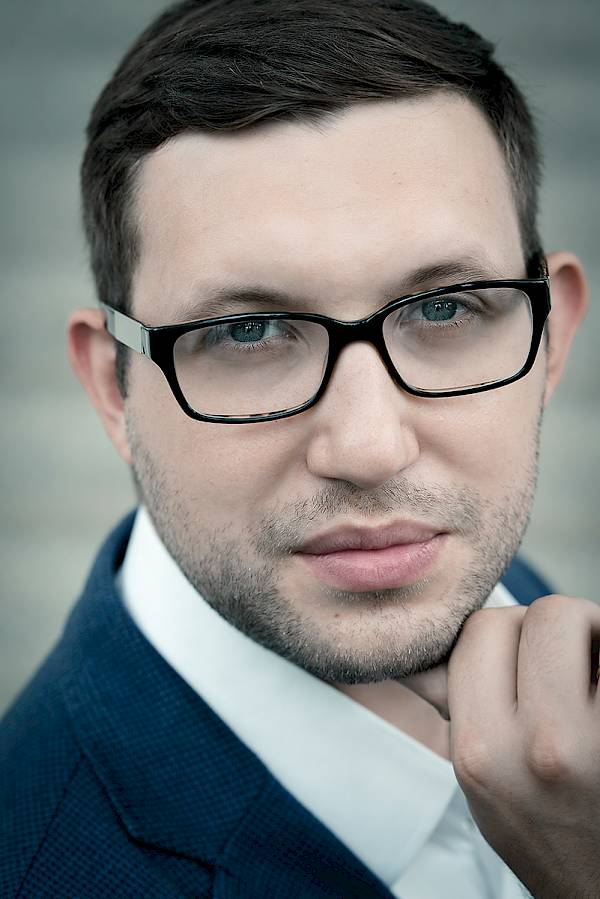
Stanislav Vorobyov
Stanislav Vorobyov is from Russia and studied at the Moscow Conservatory. He was a member of the International Opera Studio and has been a member of the ensemble at the Zurich Opera House since the 2018/19 season. Here, he has appeared in roles including Colline ("La bohème"), Alidoro ("La Cenerentola"), the High Priest ("Nabucco"), Reinmar von Zweter ("Tannhäuser"), Zaretsky ("Eugene Onegin"), Angelotti ("Tosca"), the Fifth Jew and First Nazarene ("Salome"), Lord Rochefort ("Anna Bolena"), Dottor Grenvil ("La traviata"), Crébillon ("La rondine"), Zuniga ("Carmen"), Roberto ("I vespri siciliani"), Roucher ("Andrea Chénier"), Marchese Calatrava ("La forza del destino"), Tom ("Un ballo in maschera"), as well as Faust ("Der feurige Engel") and Méphistophélès ("La Damnation de Faust"). Guest engagements have taken him to the Bregenz Festival as Don Basilio in "Il barbiere di Siviglia", Uncle Bonzo in "Madama Butterfly", and Il capitano/L’ispettore in Giordano’s "Siberia", to Opera Ballet Vlaanderen and Luxembourg as Nourabad in "Les Pêcheurs de perles", to the Concertgebouw Amsterdam as Ombra di Nino in "Semiramide", and in 2024 as Colline in "La bohème" at the Tokyo Metropolitan Theatre and the ROHM Theatre Kyōto.
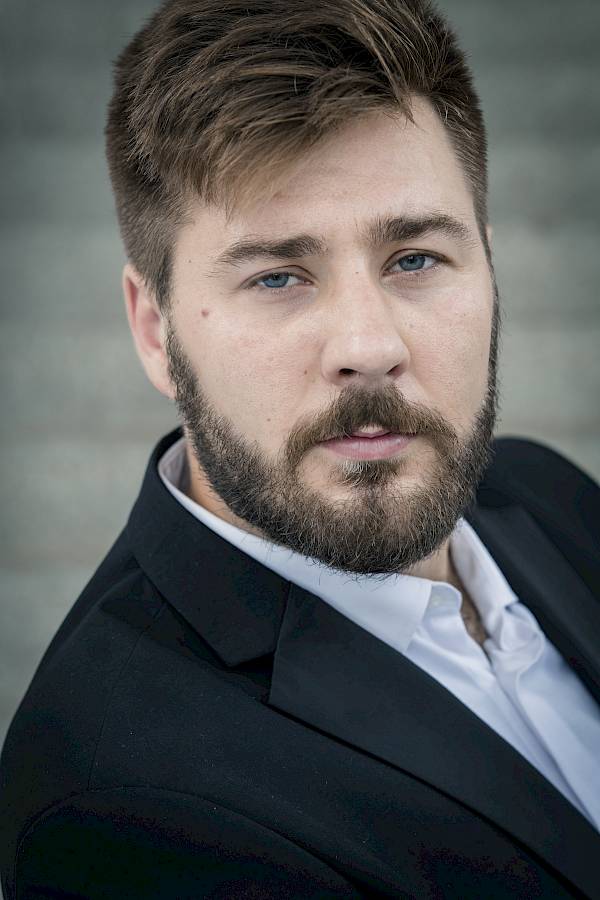
Lobel Barun
Lobel Barun, bass, is from Croatia. He studied with Alexei Tanovitski in Zagreb. In 2023, he won the special prize "Željko Lučić" at the International Singing Competition "Lazar Jovanović" in Belgrade. In the same year, he made his debut at the Croatian National Theatre in Zagreb as Bacchus in Boris Papandopulo’s Amphitryon. He has also performed with the Zagreb Philharmonic and portrayed Salieri in Rimsky-Korsakov’s "Mozart and Salieri" at the Opera Studio of the Zagreb Academy of Music. His repertoire includes, among others, Sarastro ("The Magic Flute"), Commendatore and Masetto ("Don Giovanni"), Don Basilio ("Il barbiere di Siviglia"), Banco ("Macbeth"), Padre Guardiano ("La forza del destino"), Colline ("La bohème"), Gremin ("Eugene Onegin"), and Zuniga ("Carmen"). He made his debut at the Bregenz Festival as Alidoro ("La Cenerentola") and has also performed Verdi’s Requiem with the Orquesta Reino de Aragón in Zaragoza. Since the 2024/25 season, he has been a member of the International Opera Studio.
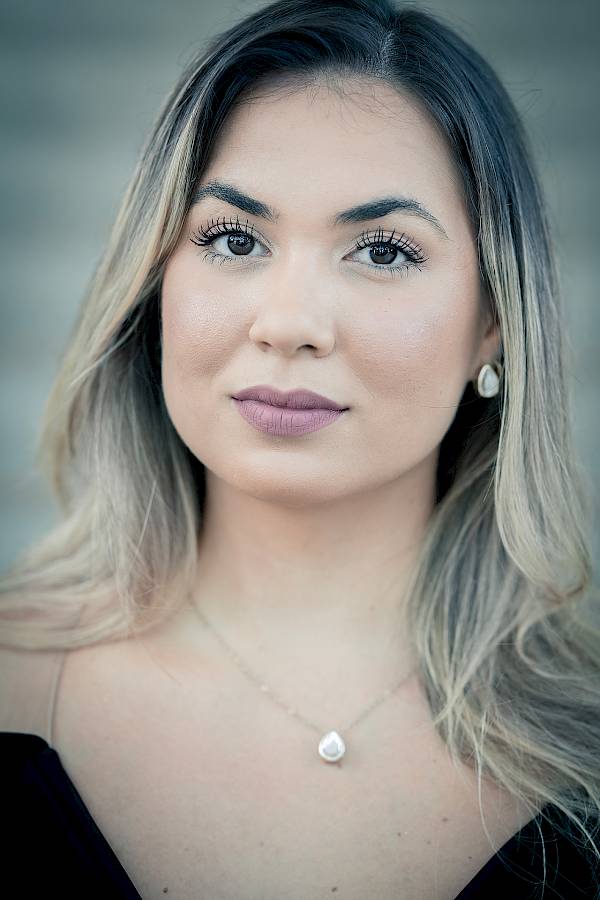
Flavia Stricker
Flavia Stricker, soprano, is from Brazil and studied at the Lübeck University of Music. She performed Fiordiligi ("Così fan tutte") at the Hamburg University of Music and Theatre and Galathée (Franz von Suppé’s "Die schöne Galathée") at the Lübeck University of Music. In 2023 she won, in addition to the second prize at the Concorso Lirico Internazionale di Portofino, a sponsorship award from the Kulturstiftung Insel Mainau. Since the 2023/24 season she has been a member of the International Opera Studio at Zurich Opera House, where she has appeared, among others, as Madama Cortese ("Il viaggio a Reims"), Kate Pinkerton ("Madama Butterfly"), Contessa di Ceprano ("Rigoletto"), the Widow in Mendelssohn’s "Elias", and in Stravinsky’s "Les Noces". At the Théâtre de La Monnaie in Brussels she sang in Rossini’s "Petite Messe solennelle", and with the Singapore Symphony Orchestra in 2025 she performed as Rosalinde ("Die Fledermaus").
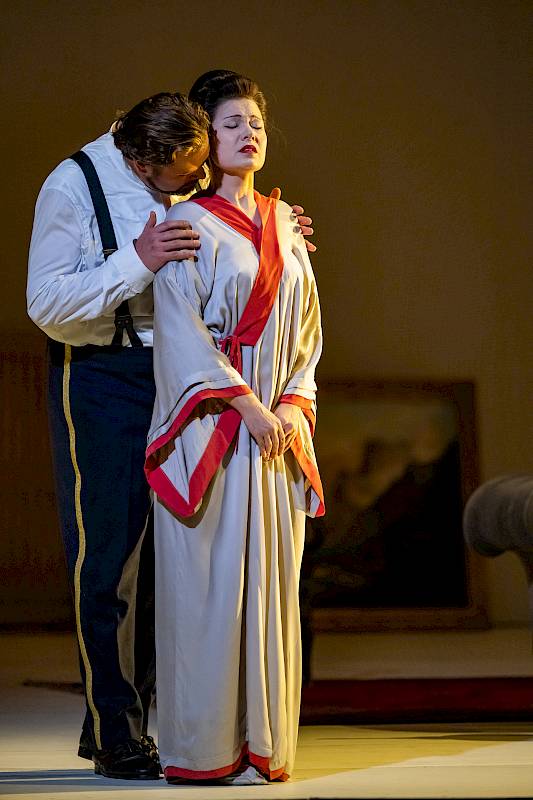
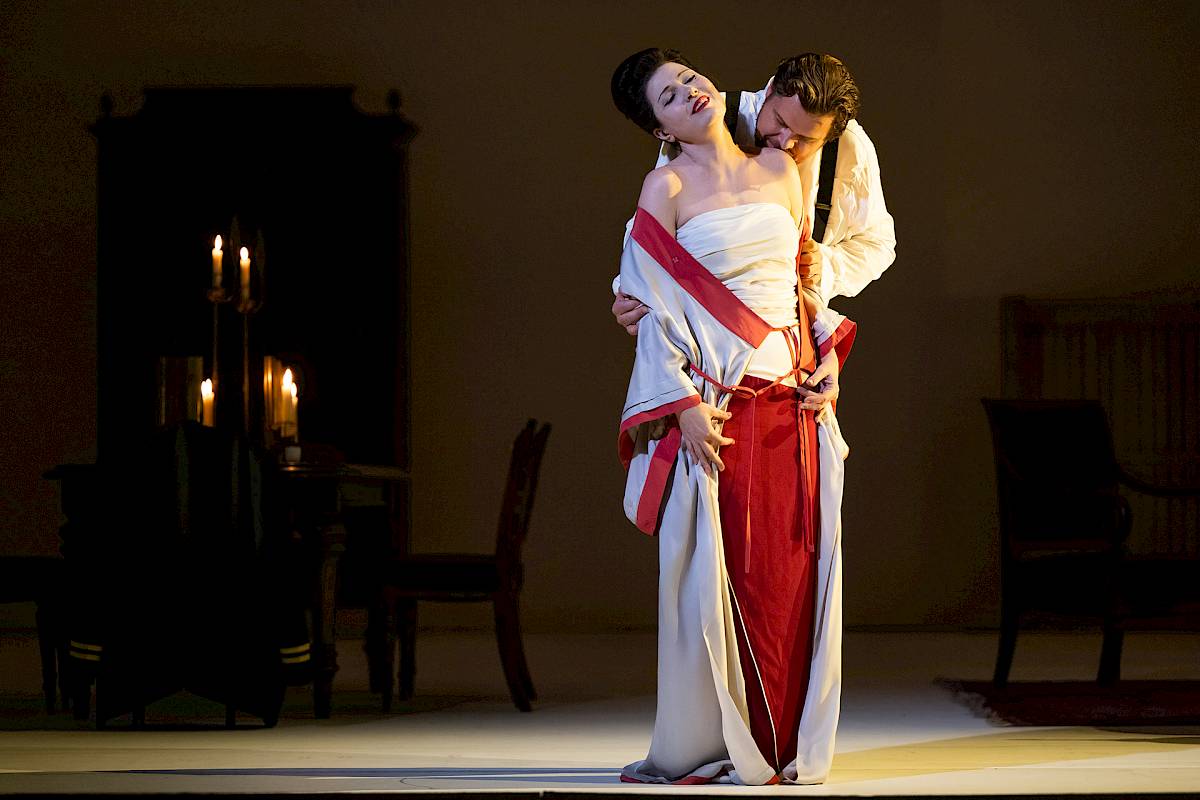
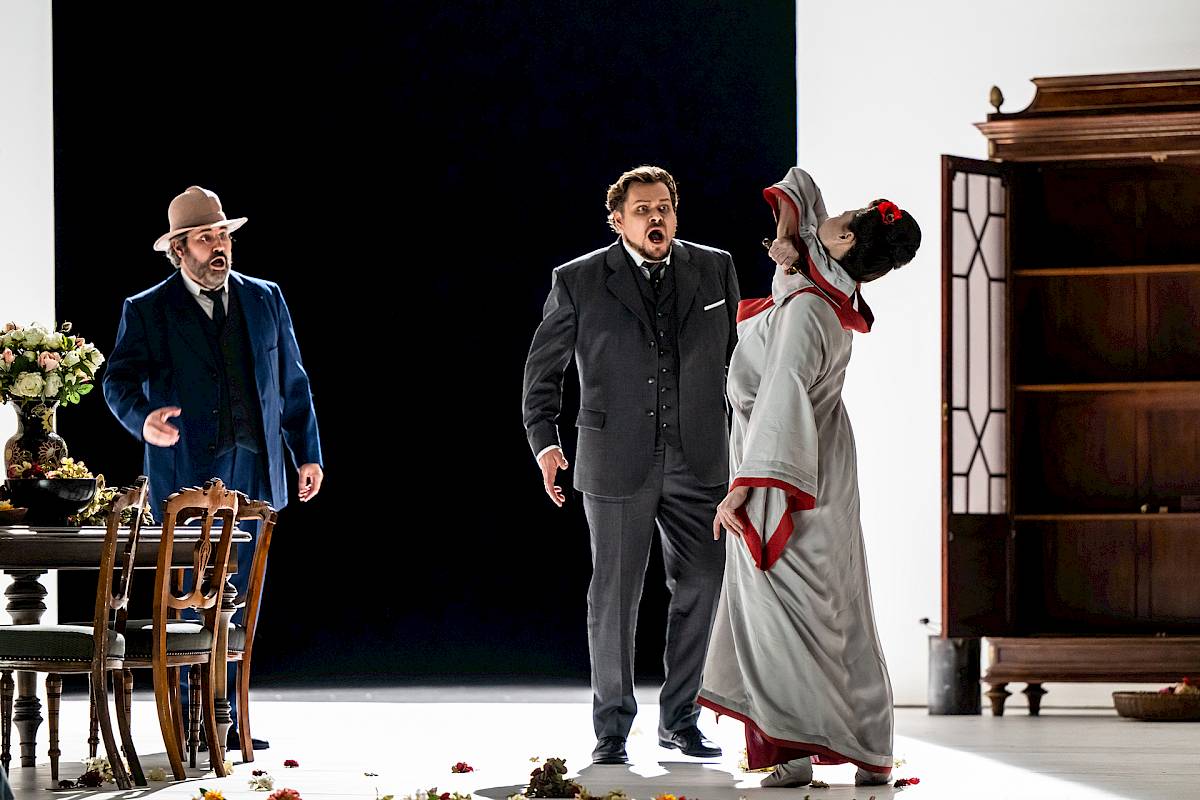
Photos "Madama Butterfly"