

Marco Armiliato studied piano at the Paganini Conservatory in his hometown of Genoa and began his conducting career in 1989 with "L’elisir d’amore" in Lima, Peru. In 1995, he made his debut with "Il barbiere di Siviglia" at Teatro La Fenice in Venice, followed a year later by his debut at the Vienna State Opera with "Andrea Chénier" and at the San Francisco Opera with "La bohème". Since then, his career has taken him to the world’s most prestigious opera houses, including the Bavarian State Opera in Munich, the Deutsche Oper Berlin, the Royal Opera in London, the Opéra national de Paris, the Teatro Real in Madrid, the Gran Teatre del Liceu in Barcelona, La Scala in Milan, and the Lyric Opera of Chicago. At the Salzburg Festival, he conducted productions including "Tosca" and "Andrea Chénier", as well as concert performances of "Manon Lescaut", "Lucrezia Borgia", and "I Capuleti e i Montecchi". In 2022, he was Music Director of the Arena di Verona Festival. He has maintained a close collaboration with the Metropolitan Opera in New York, where since his debut in 1998 he has conducted almost 500 performances, including "Il trovatore", "La bohème", "Aida", "Turandot", "Rigoletto", "I puritani", "Madama Butterfly", and "La traviata". His recording "Verismo" (2009) with Renée Fleming received a Grammy Award, and the recording "Romantic Arias" (2008) with Jonas Kaufmann was honoured with a Diapason d’or. At the Vienna State Opera, where he has been an honorary member since 2019, he has conducted a wide range of works from the Italian and French repertoire, as well as gala performances and festive concerts. At the Zurich Opera House, he has recently conducted "La traviata", "Otello", "La bohème", "Manon", "Simon Boccanegra", "La rondine", "Messa da Requiem", and "Tosca".
Giacomo Puccini
Libretto by Domenico Oliva, Luigi Illica and others
after Abbé Prévost’s "Histoire du Chevalier Des Grieux
et de Manon Lescaut"
From 9. February 2025 until 22. March 2025
-
Duration :
2 H. 30 Min. Inkl. Pause. -
Language:
In Italian with German and English surtitles. -
More information:
Introduction 45 min before the performance.
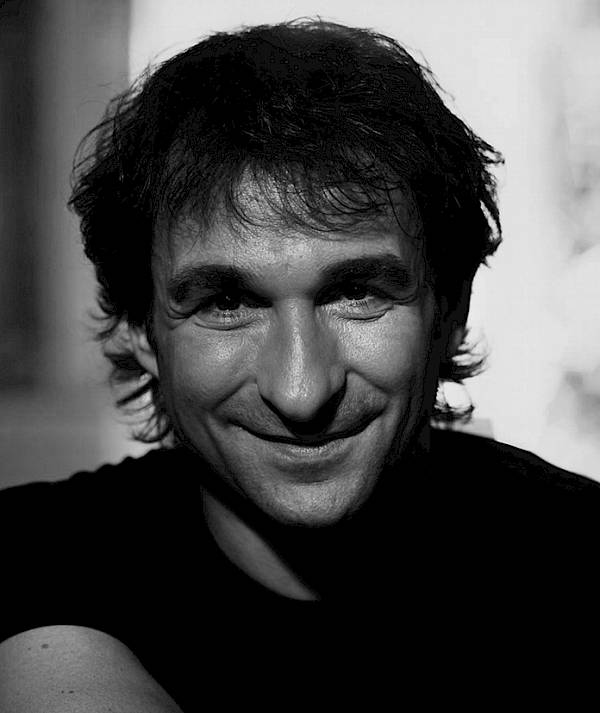
Marco Armiliato
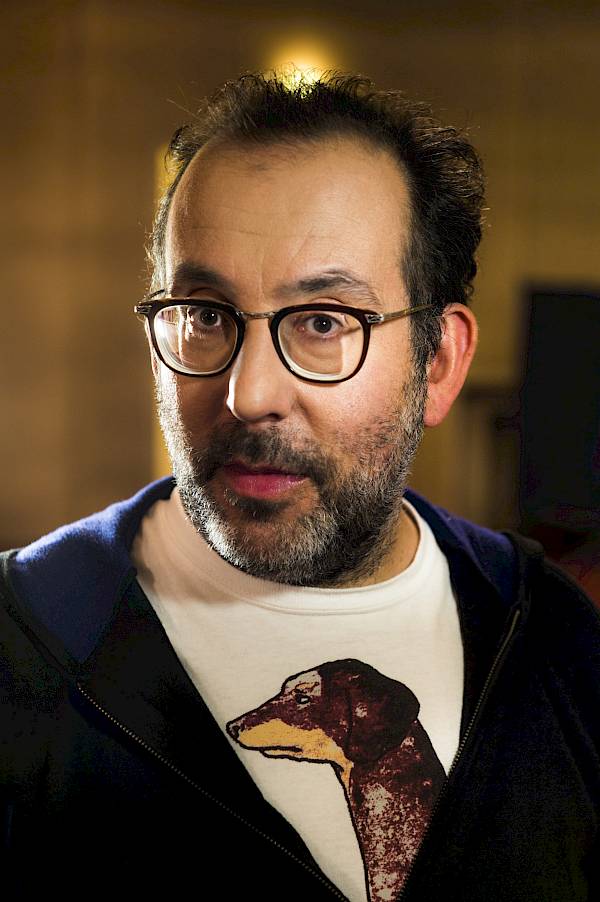
Barrie Kosky
Barrie Kosky was Artistic Director and Chief Stage Director of the Komische Oper Berlin from 2012 to 2022. He directs at major opera houses such as the Bavarian State Opera, the Paris Opera, the Royal Opera House Covent Garden, and the Vienna State Opera, as well as at the Salzburg and Bayreuth Festivals, the Glyndebourne Festival, and at theatres including the Deutsches Theater Berlin and the Schauspiel Frankfurt. In 1996, he was Artistic Director of the Adelaide Festival, and from 2001 to 2005, he served as Co-Director of the Schauspielhaus Wien. His award-winning production of "The Magic Flute" (together with 1927) at the Komische Oper Berlin has since been seen in over 45 cities worldwide. For "From the House of the Dead" at the Hanover State Opera, he received the theatre prize "Der Faust" in 2009, and for "Castor et Pollux" at the English National Opera, he was awarded the Laurence Olivier Award in 2011. His Bayreuth production of "Die Meistersinger von Nürnberg" was named "Performance of the Year" in the 2017 Opernwelt critics’ poll. Under his leadership, the Komische Oper Berlin was named "Opera House of the Year" for the 2012/13 season, followed in 2015 by the International Opera Award in the category "Ensemble of the Year." Barrie Kosky has been named "Director of the Year" several times, including in 2014 at the International Opera Awards, in 2016 in the Opernwelt critics’ poll, and in 2020 by the magazine Die deutsche Bühne. In 2022, he received the Order of Merit of Berlin and was awarded the Federal Cross of Merit in 2024. At the Zurich Opera House, Barrie Kosky has staged "La fanciulla del West," "Macbeth," "Eugen Onegin," "Die Gezeichneten," "Boris Godunov," and "Manon Lescaut."
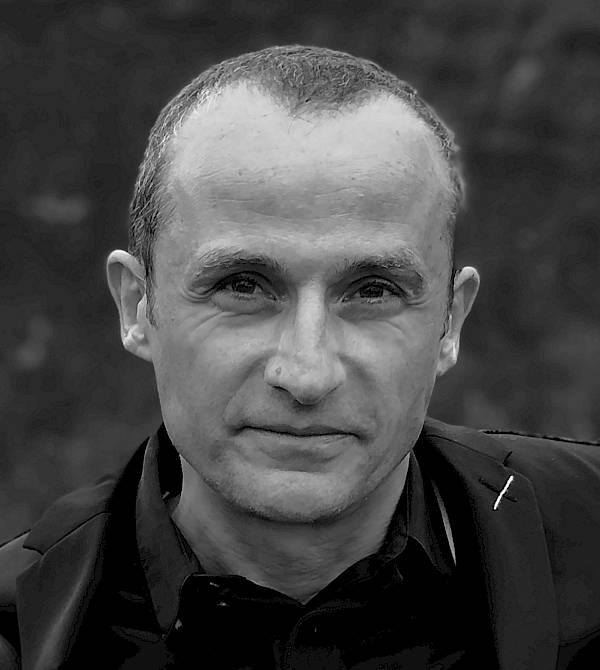
Rufus Didwiszus
Rufus Didwiszus studierte Bühnen- und Kostümbild in Stuttgart bei Jürgen Rose und arbeitet seither als freier Bühnenbildner in Theater-, Opern- und Tanzproduktionen, u. a. mit Barrie Kosky (La Belle Hélène, Die Perlen der Cleopatra und Anatevka an der Komischen Oper Berlin; La fanciulla del West, Die Gezeichneten und Boris Godunow am Opernhaus Zürich; Orphée aux enfers, Salzburger Festspiele; Fürst Igor, Opéra de Paris; Der Rosenkavalier, Bayerische Staatsoper), Thomas Ostermeier (u.a. Shoppen &Ficken in der Baracke des Deutschen Theaters Berlin mit Einladung zum Berliner Theatertreffen und nach Avignon; Der blaue Vogel am Deutschen Theater, Feuergesicht am Schauspielhaus Hamburg, Der Name bei den Salzburger Festspielen und an der Berliner Schaubühne, The Girl on the Sofa beim Edinburgh International Festival und an der Schaubühne, Vor Sonnenaufgang an den Münchner Kammerspielen), Sasha Waltz, Tom Kühnel, Christian Stückl, Stefan Larsson, Tomas Alfredson und Christian Lollike. Seit 2004 entwirft und inszeniert Rufus Didwiszus mit Joanna Dudley eigene Musik-Theater-Performances, u. a. in den Sophiensaelen, an der Schaubühne und im Radialsystem in Berlin sowie im BOZAR in Brüssel. Mit seiner Band «Friedrichs» war er in Der weisse Wolf am Staatstheater Stuttgart zu sehen. Zudem war er als Gastdozent an der Akademie der Bildenden Künste München und an der Kunsthochschule Berlin-Weissensee tätig. Für Christian Spuck entstanden die Bühnenbilder zu Der fliegende Holländer an der Deutschen Oper Berlin, Nussknacker und Mausekönig, Winterreise, Das Mädchen mit den Schwefelhölzern, Dornröschen und Monteverdi beim Ballett Zürich sowie Orlando am Moskauer Bolschoitheater.
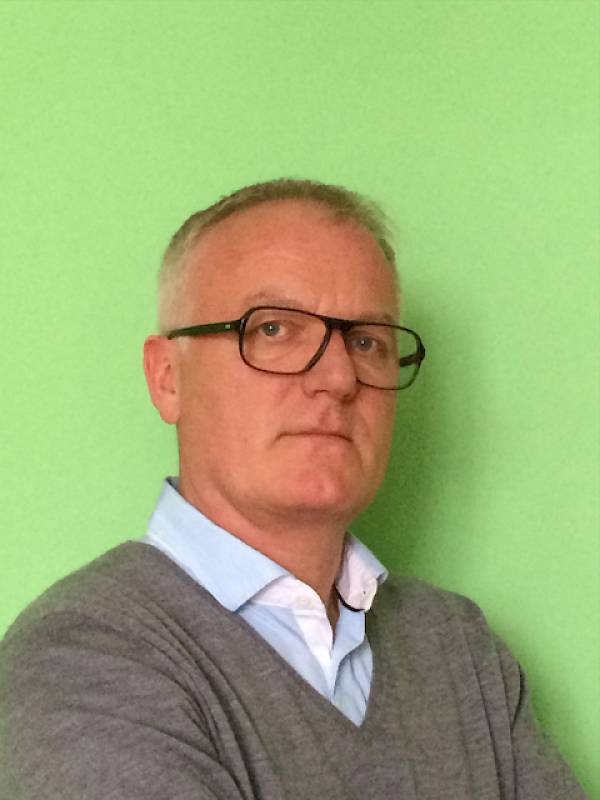
Klaus Bruns
Klaus Bruns, born in Mülheim an der Ruhr, studied stage and costume design at the Mozarteum in Salzburg. Engagements as a costume designer took him, among others, to the Staatsoper Unter den Linden in Berlin, the Schauspielhaus Graz, the Hamburg State Opera, the Frankfurt Opera, the Komische Oper Berlin, the Vienna State Opera, the Theater an der Wien, the Dutch National Opera, the Teatro Regio in Turin, the Teatro Massimo Bellini in Catania, and the Metropolitan Opera in New York, as well as to the festivals in Bayreuth and Salzburg. He maintains a close collaboration with Barrie Kosky, with whom he created productions, among others, at the Komische Oper Berlin, as well as at the Hanover State Opera, Schauspiel Frankfurt, and the Bavarian State Opera in Munich. For the costumes of Kosky’s Bayreuth production of "Die Meistersinger von Nürnberg", Klaus Bruns was named Costume Designer of the Year in 2018 by the magazine Opernwelt. Further collaborations connect him with directors such as Harry Kupfer, Peter Mussbach, Götz Friedrich, Kirsten Harms, Jetske Mijnssen, and Christof Loy. For Damiano Michieletto, he designed, among others, the costumes for the world premiere of Alexander Raskatov’s "Animal Farm" in Amsterdam, for which he received an Oper! Award in 2024. At the Zurich Opera House, productions created with Barrie Kosky include "La fanciulla del West", "Macbeth", "Die Gezeichneten", "Eugene Onegin", "Boris Godunov", and "Manon Lescaut".
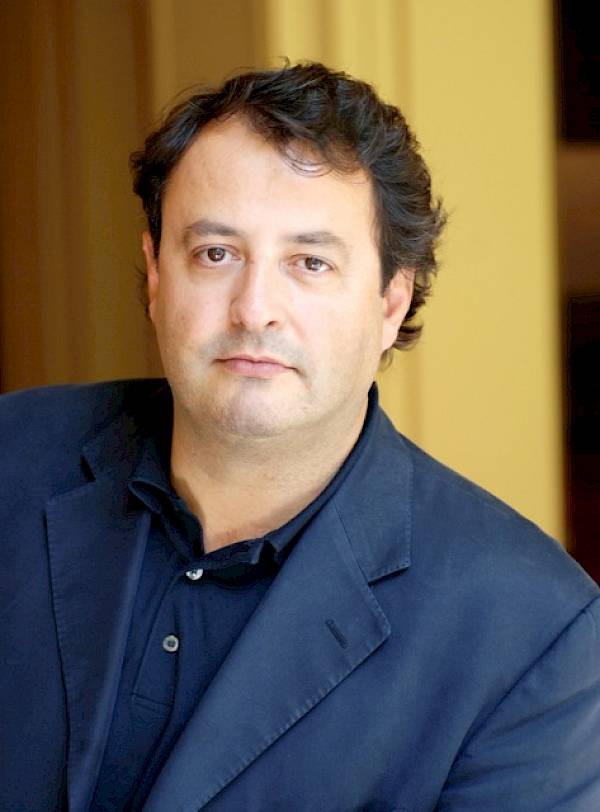
Franck Evin
Franck Evin, born in Nantes, moved to Paris at the age of 19 to study piano. At night he accompanied singers at the Café-Théâtre Le Connétable and also began to take an interest in lighting. He eventually decided to combine music and technology. Thanks to a scholarship from the French Ministry of Culture, he became assistant to the head of lighting at the Opéra de Lyon in 1983. There he worked with Ken Russell and Robert Wilson, among others. In 1986 he began working as an independent lighting designer at the Düsseldorf Schauspielhaus and obtained his master’s certificate in lighting in 1993. During this time he had a close collaboration with Werner Schröter and the conductor Eberhard Kloke. This was followed by productions in Nantes, Strasbourg, Paris, Lyon, Vienna, Bonn, Brussels and Los Angeles, among other places. From 1995 to 2012 he was Artistic Director of the lighting department at the Komische Oper Berlin, where he was responsible for all new productions. Important artistic partners during this period included Andreas Homoki, Barrie Kosky, Calixto Bieito and Hans Neuenfels. In 2006 Franck Evin was awarded the German Theatre Prize "Opus" in the category of lighting design. From 2012 to 2025 he was Artistic Director of the lighting department at the Zurich Opera House. In addition to his work in Zurich, he continued to work on international productions at opera houses in Oslo, Stockholm, Tokyo, Amsterdam, Munich and Graz, as well as at the Opéra Bastille, Teatro alla Scala, Teatro La Fenice, the Vlaamse Opera and at the Bayreuth Festival.
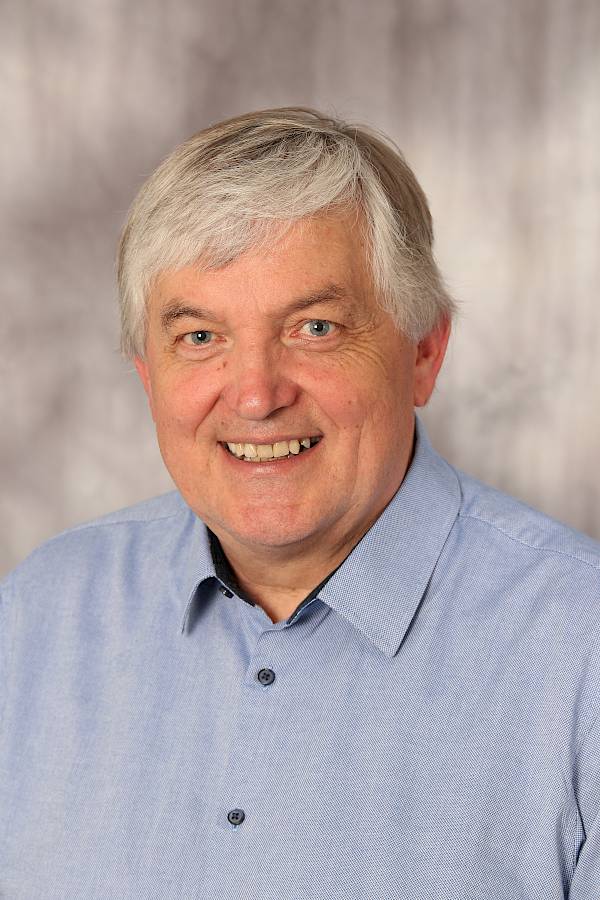
Ernst Raffelsberger
Ernst Raffelsberger comes from Gmunden, Upper Austria. He studied music education and church music at the University of Music and Performing Arts in Vienna as well as choral conducting at the Mozarteum in Salzburg. From 1983 to 1986 he was Kapellmeister of the Vienna Boys’ Choir. During this time, he led the ensemble in Vienna and on tours through Europe, South Africa, Canada, and the USA. From 1986, Ernst Raffelsberger was choral director and Kapellmeister at the Salzburg State Theatre (participating in the Salzburg Mozart Week and the Salzburg Festival). In 1989 he moved as choral director and Kapellmeister to the theatre in Freiburg/Breisgau. Since autumn 1993, Ernst Raffelsberger has been engaged at the Zurich Opera House as choral director. Here he has since supervised around 150 premieres and countless revivals and worked with many renowned conductors such as Marco Armiliato, Riccardo Chailly, Teodor Currentzis, Christoph von Dohnányi, Sir John Eliot Gardiner, Daniele Gatti, Bernard Haitink, Nikolaus Harnoncourt, Zubin Mehta, Gianandrea Noseda, and Franz Welser-Möst. Guest performances with the Zurich Opera House have taken him to Vienna, London, Paris, and Tokyo. From summer 2012 he additionally began a ten-year activity as choral director of the Vienna State Opera Chorus Association at the Salzburg Festival. There he collaborated successfully with, among others, Riccardo Muti, Mariss Jansons, and Sir Simon Rattle. After Ernst Raffelsberger ended this work with the festival summer 2021, he has since 2025 once again been responsible, at Maestro Muti’s request, for choral preparation for his festival concerts in Salzburg. Numerous CD and DVD recordings document his work in Zurich as well as in Salzburg.
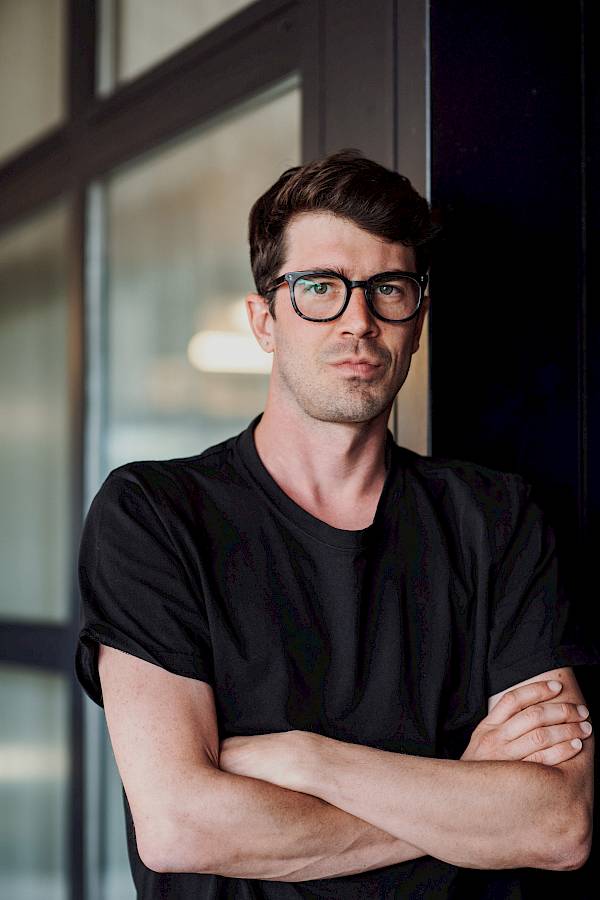
Fabio Dietsche
Fabio Dietsche studied dramaturgy at the Zurich University of the Arts as well as cross flute with Maria Goldschmidt in Zurich and with Karl-Heinz Schütz in Vienna. He gained his first experience as a dramaturge in 2012/13 with Xavier Zuber at Konzert Theater Bern, where he accompanied, among others, Matthias Rebstock’s production of "neither" (Beckett/Feldman) at the Berner Reithalle. Since 2013, he has been a dramaturge at the Zurich Opera House, where he completed his studies with the production dramaturgy of Puccini’s "La bohème." There, he has been involved, among others, in the world premieres of Stefan Wirth’s "Girl with a Pearl Earring" and Leonard Evers’ "Odyssee," the chamber opera "Jakob Lenz" by Wolfgang Rihm, and the Swiss premiere of Manfred Trojahn’s "Orest." He has worked with, among others, Robert Carsen, Tatjana Gürbaca, Rainer Holzapfel, Andreas Homoki, Ted Huffman, Mélanie Huber, Barrie Kosky, Hans Neuenfels, and Kai Anne Schuhmacher. He is currently studying cultural management on a part-time basis at the University of Zurich.
Cast
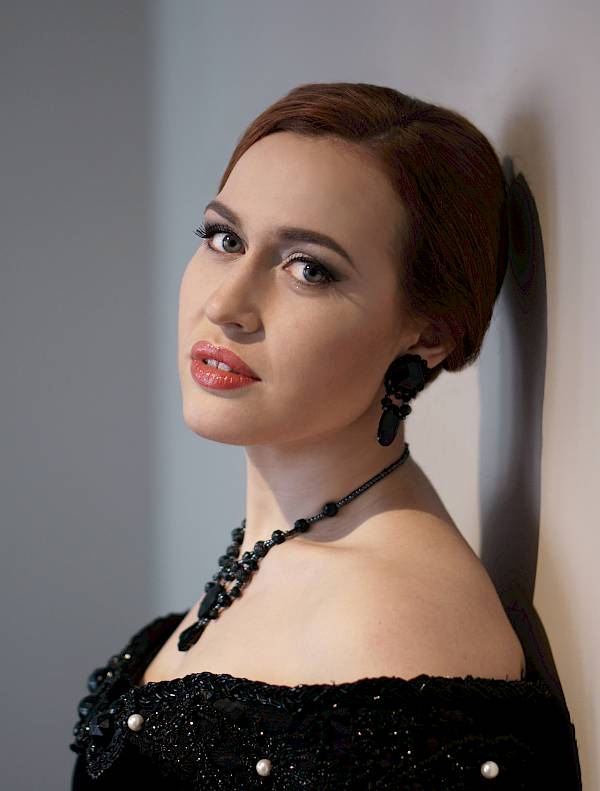
Elena Stikhina
Russian soprano Elena Stikhina studied at the Moscow Conservatory and at the Galina Vishnevskaya Opera Singing Centre. She made her debut as Salome at the Mariinsky Theatre in St. Petersburg, where she later became a member of the ensemble. In 2016, she won, among other distinctions, the Culturarte Prize at the Operalia Competition. She is regularly invited to perform at renowned venues including the Metropolitan Opera in New York, La Scala in Milan, the Opéra national de Paris, the Vienna State Opera, the Bavarian State Opera in Munich, the Salzburg Festival, and the Royal Opera House in London. Her recent engagements include the title role in "Tosca" at the Dutch National Opera in Amsterdam, the Vienna State Opera, and the Opéra de Paris. In addition, she sang the title role in Tchaikovsky’s "The Maid of Orleans" in Amsterdam, Salome at the Lyric Opera of Chicago, in Geneva, and at La Scala in Milan, Cio-Cio-San ("Madama Butterfly") at the Deutsche Oper Berlin and the Metropolitan Opera in New York, Senta ("Der fliegende Holländer") and Elisabetta ("Don Carlo") at the Vienna State Opera, as well as Aida at the Grand Théâtre de Genève, the Bavarian State Opera, and the Salzburg Festival, where she had made her debut in 2019 in the title role of Cherubini’s "Médée". At the Zurich Opera House, she appeared among others as Salome and Manon Lescaut.
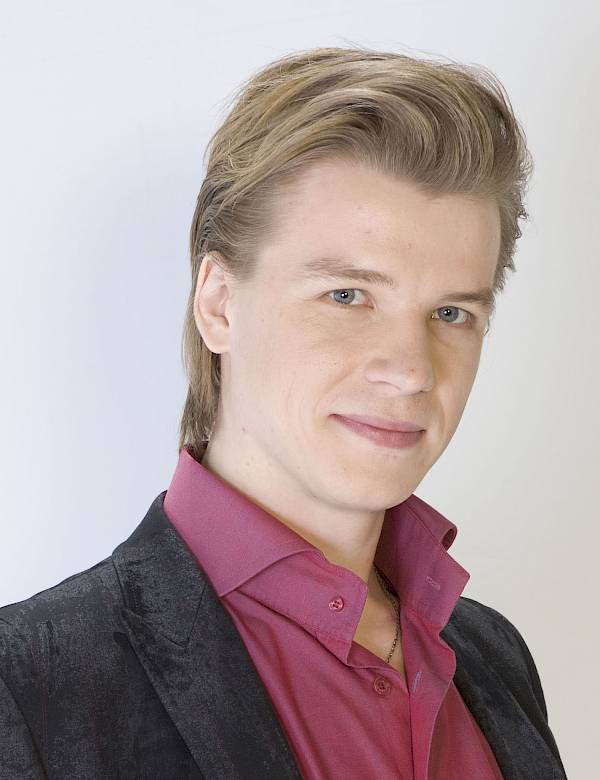
Konstantin Shushakov
Konstantin Shushakov stammt aus Russland und studierte am Izhevsk Music College und an der Russischen Akademie für Theaterkunst. 2009 wurde er Mitglied des Young Artist Program am Bolschoi-Theater in Moskau. 2011 war er Preisträger des Queen Elisabeth Wettbewerbs in Brüssel und gewann im selben Jahr den 2. Preis beim Operalia Wettbewerb in Moskau. Ein Jahr später wurde er Ensemblemitglied am Bolschoi-Theater, wo er u.a. als Morales (Carmen), Almaviva (Le nozze di Figaro), Marullo (Rigoletto), Malatesta (Don Pasquale), Schaunard und Marcello (La bohème), Lebedjev (Der Idiot), Robert (Iolanta), Papageno und Figaro (Il barbiere di Siviglia) zu erleben war. Gastengagements führten ihn 2014 als Guglielmo (Così fan tutte) an die Scala, 2016 als Ford (Falstaff) nach Genf und als Prinz Afron (Der goldene Hahn) ans Théâtre de la Monnaie in Brüssel. 2018 gastierte er in Vancouver in der Titelrolle von Jewgeni Onegin sowie als Jelezki (Pique Dame) beim Savonlinna Festival und an der Oper in Oslo. Er ist ausserdem regelmässig als Konzertsänger zu erleben; er sang in Brahms’ Ein deutsches Requiem zusammen mit dem Russischen National Orchester in der Tschaikovsky Concert Hall unter Mikhail Pletnev und in Mozarts c-Moll-Messe mit dem Musica Viva Chamber Orchestra Moskau. 2019 bis 2023 gehörte er zum Ensemble am Opernhaus Zürich und war hier u.a. als Don Giovanni, Guglielmo, Malatesta, Marcello, Andrei Tchelkalov (Boris Godunow), Ernesto (Il pirata), Ford, Valentin (Faust) und in Ein deutsches Requiem unter Gianandrea Noseda zu hören.
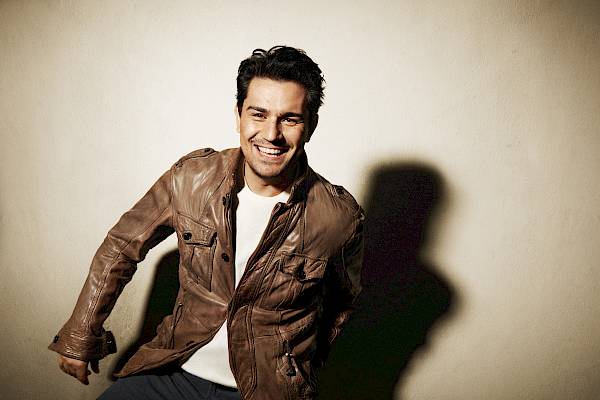
Saimir Pirgu
Tenor Saimir Pirgu was born in Albania and studied at the Claudio Monteverdi Conservatory in Bolzano. He is a regular guest on stages such as Teatro alla Scala in Milan, the Vienna State Opera, the Royal Opera London, the Staatsoper Unter den Linden Berlin, and the Bavarian State Opera Munich, and has worked with conductors such as Riccardo Muti, Christian Thielemann, Philippe Jordan, Zubin Mehta, and Sir Antonio Pappano. In 2009 he was awarded the Franco Corelli Prize and in 2013 he received the prestigious Pavarotti d’Oro. In concert he has sung, among others, Beethoven’s "Missa Solemnis" with Gianandrea Noseda and the Washington National Symphony Orchestra, the solo part in Beethoven’s "Symphony No. 9" in Bucharest, as well as a concert performance of "Carmen" with the Copenhagen Philharmonic and Verdi’s "Requiem" with the Orchestra dell’Accademia Nazionale di Santa Cecilia under Daniel Harding and with the Bergen Philharmonic. Recent engagements include his role debut as Mario Cavaradossi ("Tosca") at the Roma Caracalla Festival, Don José ("Carmen") at the Edinburgh International Festival, the title role in Verdi’s "Ernani" at the Bregenz Festival, Pinkerton ("Madama Butterfly") at the Teatro di San Carlo and at the Vienna State Opera, the Duke of Mantua ("Rigoletto") and Rodolfo ("La bohème") at the Royal Opera London, Lensky ("Eugene Onegin") in Rome, as well as Rodolfo at the Vienna and Berlin State Operas. With Opus Arte he released the solo album "Il Mio Canto" in 2016 and the aria collection "Saimir" in 2024. At the Zurich Opera House he most recently performed the title role in "Les Contes d’Hoffmann" as well as Chevalier des Grieux in "Manon Lescaut" and returns there in a concert performance as Faust ("La Damnation de Faust").
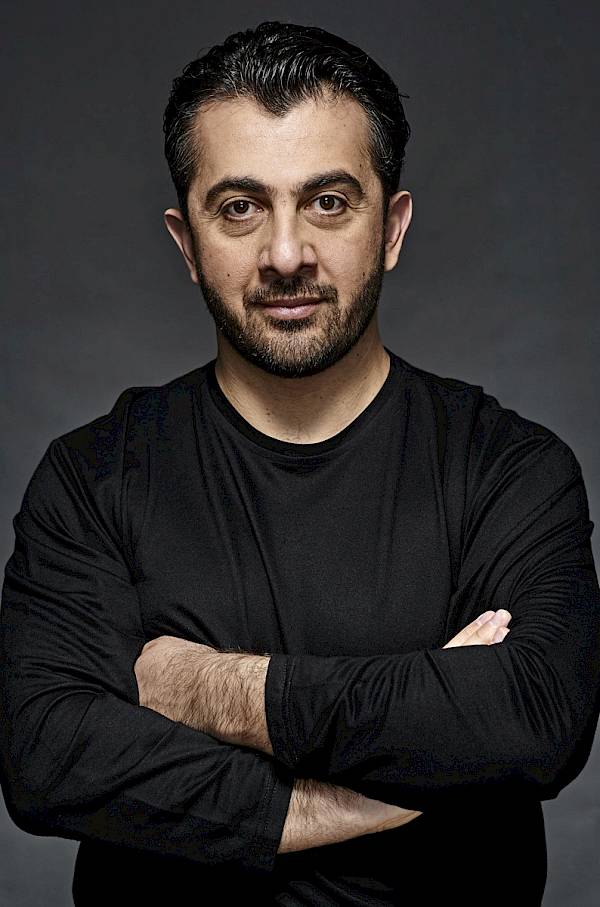
Shavleg Armasi
Der georgische Bass Shavleg Armasi studierte Gesang in seiner Heimatstadt Tiflis, wo er bereits während seines Studiums als Solist an der Staatlichen Oper engagiert wurde. Anschliessend absolvierte er ein ergänzendes Studium im Opernstudio der Kunstuniversität Graz und wurde im darauffolgenden Jahr Ensemblemitglied der Oper Graz. Er war Finalist beim X. Internationalen Gesangswettbewerb «Ferruccio Tagliavini», Preisträger der internationalen Opernwerkstatt im Schloss Laubach sowie Stipendiat des American Institute of Musical Studies und der Richard Wagner-Stiftung. Seit der Spielzeit 2006/07 ist er Ensemblemitglied der Staatsoper Hannover, wo er u.a. die Partien Filippo II (Don Carlo), Banco (Macbeth), Méphistophélès (Faust), Padre Guardiano (La forza del destino), Mefistofele (Boitos Mefistofele), Raimondo Bidebent (Lucia di Lammermoor), Figaro (Le nozze di Figaro), Don Magnifico (La Cenerentola), Osmin (Die Entführung aus dem Serail), Fasolt (Das Rheingold), Gurnemanz (Parsifal), Gremien (Eugen Onegin) und Ramfis (Aida) sowie die Solostimme in Verdis Messa da Requiem sang. Gastengagements führten ihn als Don Basilio (Il barbiere di Siviglia) an die Sommerfestspiele Savonlinna, als Boris (Boris Godunow) und Hagen (Götterdämmerung) an das Staatstheater Wiesbaden sowie u.a. an die Opern in Frankfurt, Stuttgart, Lissabon, Basel, Hamburg, Tokio und Berlin.
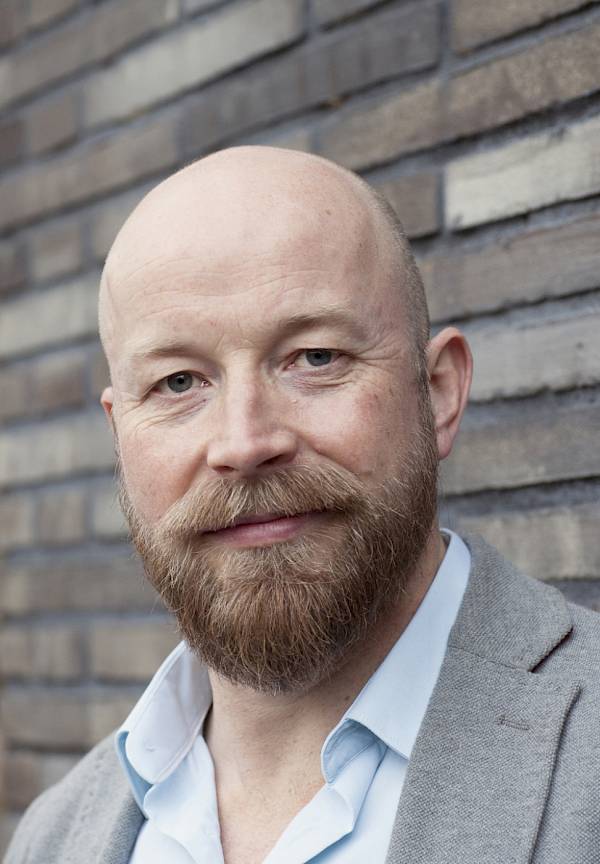
Daniel Norman
English tenor Daniel Norman began his musical career as a boy soprano at Lichfield Cathedral and as a chorister at New College, Oxford. He initially studied engineering before continuing his vocal training, among other places, at Tanglewood and studying art song at the Britten-Pears School. Subsequently, he was a member of the opera studio at the Royal Academy of Music London. His special dedication to art song has led him to perform in venues such as Wigmore Hall, Kings Place in London, and the Oxford Lieder Festival. In opera, Daniel Norman has appeared at opera houses including the Royal Opera House Covent Garden, English National Opera, Nederlandse Reisopera, Opera Boston, Opéra National de Paris, Bavarian State Opera Munich, New Israeli Opera, Scottish Opera Glasgow, Arena di Verona, and the Mariinsky Theatre in St. Petersburg. His repertoire ranges from early Baroque to contemporary works, with a particular focus on the music of Benjamin Britten. A solo CD featuring Britten’s "Winter Words" and "Who Are These Children" has been released. Recently, he made his debut with "Nixon in China" at the Hannover State Opera and appeared at the Zurich Opera House in "Barkouf," Sondheim’s "Sweeney Todd," as well as in "Der Rosenkavalier" and Massenet’s "Manon."
Valeriy Murga
Valeriy Murga studied at the National Music Academy of Ukraine in Kyiv. He was a finalist at both the 41st International Singing Competition in Toulouse (1996) and the 7th Julian Gayarre Competition in Pamplona (1998). In 1997, he won second prize at the Maria Callas Grand Prix in Athens and took part in the Cardiff Singer of the World competition in 1999. From 1997 to 1999, he was a soloist at the Ukrainian National Opera in Kyiv, where he performed roles including Figaro ("Le nozze di Figaro"), Escamillo ("Carmen"), Schaunard ("La bohème"), and the title roles in "Eugene Onegin", "Don Giovanni", and "Prince Igor". His repertoire also includes roles such as Marchese di Posa ("Don Carlo") and Shaklovity ("Khovanshchina"). At the Zurich Opera House, he first joined the International Opera Studio and during this time appeared as Sciarrone and Jailer ("Tosca") as well as Monterone ("Rigoletto"). Since the beginning of the 2000/01 season, he has been a permanent ensemble member at the Zurich Opera House and has since appeared in roles including Prince Yeletsky ("Pique Dame"), Moralès ("Carmen"), Second Soldier ("Salome"), Alessio ("La sonnambula"), Ali ("L’italiana in Algeri"), Wagner ("Faust"), Sacristan ("Tosca"), and Bogdanowitsch ("Die lustige Witwe"), as well as in family operas such as "Das Gespenst von Canterville", "Robin Hood", "Das verzauberte Schwein", "Jim Knopf", and "Wir pfeiffen auf den Gurkenkönig". He has also appeared as a guest in Eugen d’Albert’s "Tiefland" at the Gran Teatre del Liceu in Barcelona and in "L’italiana in Algeri" at the Staatsoper Unter den Linden in Berlin, and has performed in concerts at the Tonhalle Zurich.
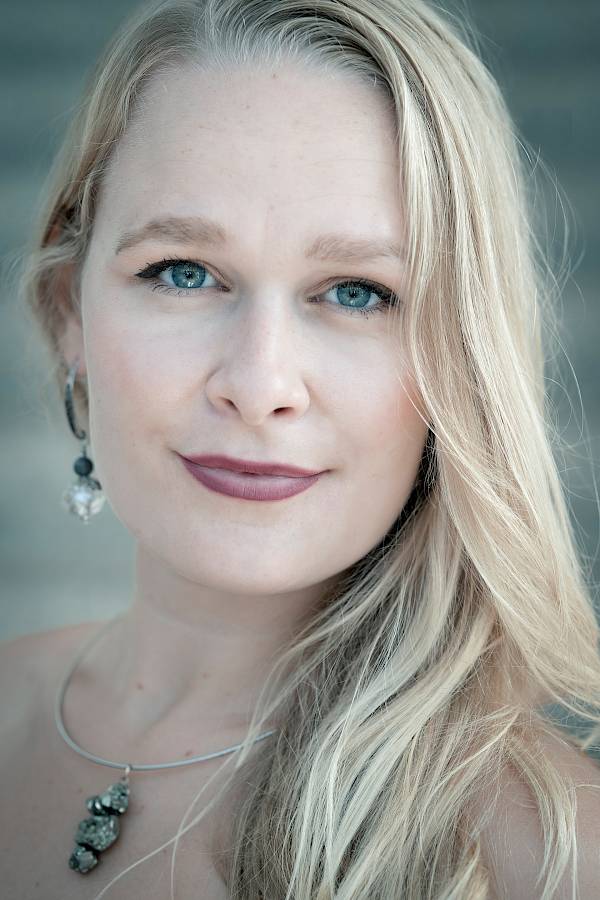
Siena Licht Miller
Siena Licht Miller, German-American mezzo-soprano, studied voice at the Curtis Institute of Music and at the Oberlin Conservatory of Music. She completed her training with courses at Opera Philadelphia, Santa Fe Opera, Opera Theatre of St. Louis and the Aspen Music Festival. She is a scholarship holder of the Bagby Foundation, prizewinner of the Metropolitan Opera National Council Auditions, the Marilyn Horne Rubin Foundation and the Gerda Lissner Foundation. Highlights of her career so far have been role debuts as Hermia in "A Midsummer Night’s Dream", Second Lady in "Die Zauberflöte" and one of the two solo roles in the world premiere of "Denis and Katya" by Philip Venables at Opera Philadelphia. At the Aspen Opera Center she sang the title role in Ravel’s "L’Enfant et les sortilèges" under the direction of Robert Spano. She also regularly devotes herself to art song. She sang in the "The Song Continues" series at Carnegie Hall in celebration of her mentor Marilyn Horne and toured the USA with a recital together with pianist Kevin Murphy. In the 2020/21 season she was a member of the International Opera Studio at the Zurich Opera House and sang there in "Maria Stuarda", "Simon Boccanegra", "Viva la mamma", "Salome", "Odyssee", in the ballet "Monteverdi", in "L’italiana in Algeri" as well as Flosshilde in "Das Rheingold". Since the 2022/23 season she has been a member of the ensemble of the Zurich Opera House, where she was recently seen as Lucilla ("La scala di seta"), Hänsel ("Hänsel and Gretel") and Annio ("La clemenza di Tito").
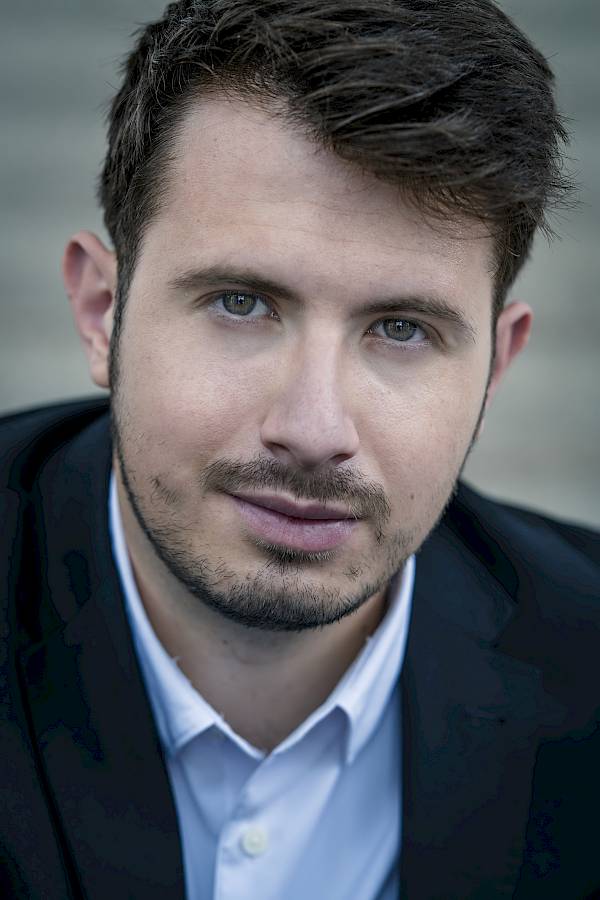
Álvaro Diana Sanchez
Álvaro Diana Sanchez, Tenor, stammt aus Valencia (Spanien). Er studierte am Konservatorium seiner Heimatstadt bei Charo Vallés und besuchte Meisterkurse bei u.a. David Menéndez, Isabel Rey, Tina Gorina, Marina Rodríguez Cusí sowie Aurelio Viribay. Ausserdem schloss er 2020 an der Universität in Valencia ein Studium in Tourismus ab. Zu seinem Repertoire gehören Rollen wie Ferrando (Così fan tutte), Don Ottavio (Don Giovanni), Basilio und Don Curzio (Le nozze di Figaro) sowie Rinuccio (Gianni Schicchi). Als Solist trat er in Haydns Schöpfung, Bachs Magnificat und Mozarts Requiem sowie in der Neuproduktion Cal·líope im Palau de les Arts auf. Álvaro Diana Sanchez ist Gewinner zahlreicher Internationaler Preise: Er war 2022 Finalist beim Concours Mirna Lacambra im spanischen Sabadell, gewann den Ersten Preis sowie den Publikumspreis beim Internationalen Habanera-Wettbewerb in Torrevieja, wurde im Albacete als «Bester Tenor» mit dem Preis «José Ferrero» ausgezeichnet und erreichte beim Lyrikwettbewerb AMAO in Tomelloso den Zweiten Platz. Ab der Spielzeit 2024/25 gehört er zum Internationalen Opernstudio am Opernhaus Zürich.
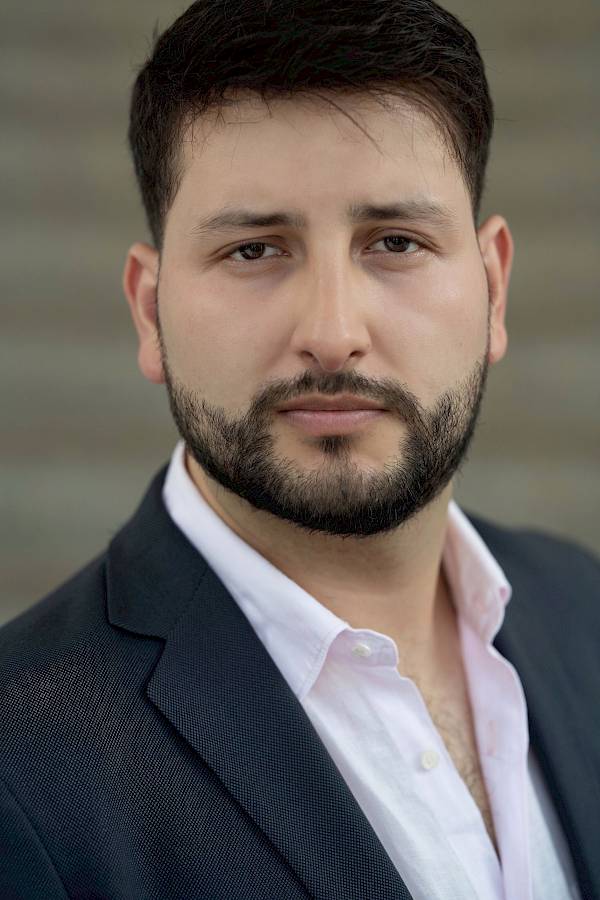
Raúl Gutiérrez
Raúl Gutiérrez, Tenor, studierte bei Emilio Pons in New York und Alejandro Armenta in Mexico-Stadt. Er war Mitglied der Vincerò Academy, in deren Rahmen er in der Carnegie Hall New York auftrat. 2022 war er
Finalist bei der New Yorker Opera Index Competition und Gewinner der Meistersinger Competition Graz. In der Opernstudio-Produktion der Bregenzer Festspiele 2023 sang er die Titelrolle in Massenets Werther. Seit der Spielzeit 2023/24 ist er Mitglied des Internationalen Opernstudios am Opernhaus Zürich. Hier war er bisher u.a. in Sweeney Todd, Il turco in Italia, Jim Knopf, A Midsummer Night’s Dream und I vespri siciliani zu hören.
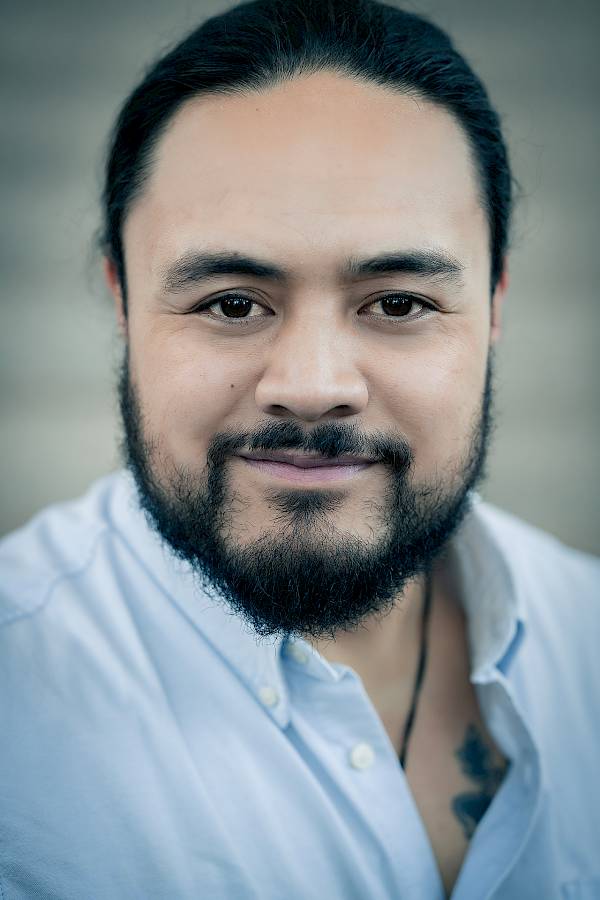
Samson Setu
Samson Setu, Bariton, begann seine Ausbildung in Neuseeland, wo er Mitglied des Dame Kiri Te Kanawa Programme for Young Singers war, und studierte am Royal College of Music in London. Ab 2020 war er Mitglied im Lindeman Young Artist Program der Metropolitan Opera New York, wo er in Don Carlo einen der Flämischen Deputierten sang. Er war Finalist bei der Dame Malvina Major Aria Competition und der IFAC Handa Australia Singing Competition. An der New Zealand Opera war er in Gilbert and Sullivans Trial By Jury als Usher zu hören. Seit der Spielzeit 2023/24 ist er Mitglied des Internationalen Opernstudios am Opernhaus Zürich.
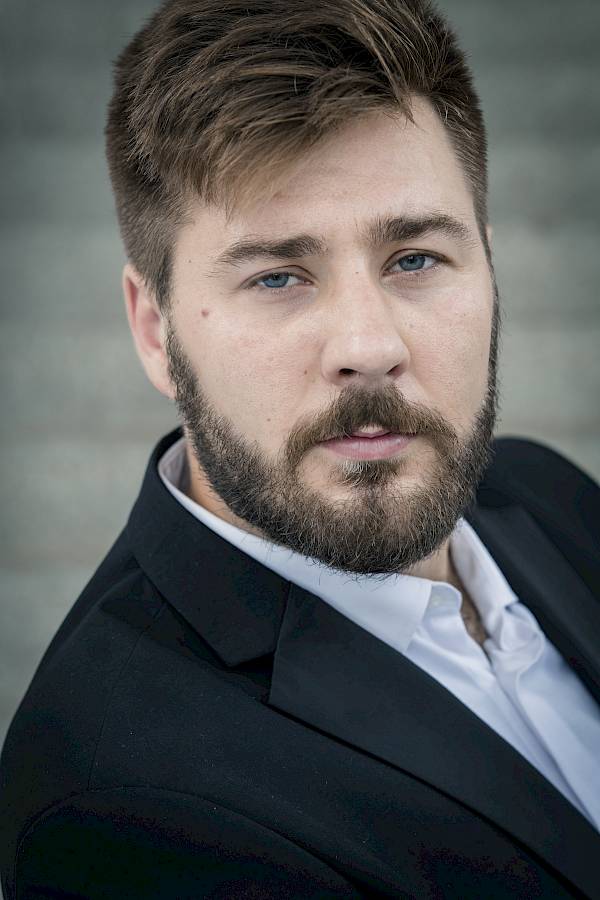
Lobel Barun
Lobel Barun, bass, is from Croatia. He studied with Alexei Tanovitski in Zagreb. In 2023, he won the special prize "Željko Lučić" at the International Singing Competition "Lazar Jovanović" in Belgrade. In the same year, he made his debut at the Croatian National Theatre in Zagreb as Bacchus in Boris Papandopulo’s Amphitryon. He has also performed with the Zagreb Philharmonic and portrayed Salieri in Rimsky-Korsakov’s "Mozart and Salieri" at the Opera Studio of the Zagreb Academy of Music. His repertoire includes, among others, Sarastro ("The Magic Flute"), Commendatore and Masetto ("Don Giovanni"), Don Basilio ("Il barbiere di Siviglia"), Banco ("Macbeth"), Padre Guardiano ("La forza del destino"), Colline ("La bohème"), Gremin ("Eugene Onegin"), and Zuniga ("Carmen"). He made his debut at the Bregenz Festival as Alidoro ("La Cenerentola") and has also performed Verdi’s Requiem with the Orquesta Reino de Aragón in Zaragoza. Since the 2024/25 season, he has been a member of the International Opera Studio.