

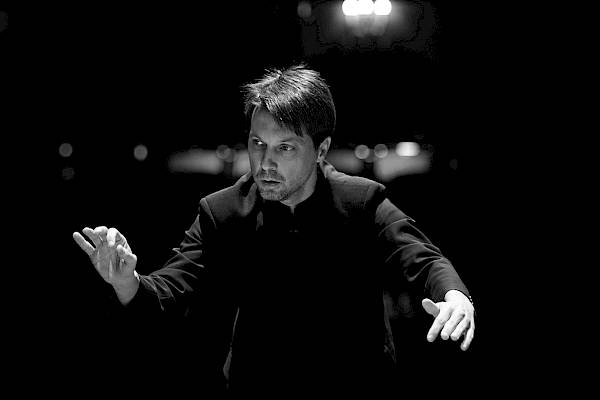
Roberto Forés Veses, in Valencia geboren, war von 2011 bis 2021 Chefdirigent und künstlerischer Direktor des Orchestre National d’Auvergne. Ausserdem war er an renommierten Opernhäusern zu Gast, u.a. dem Bolschoi-Theater, dem Teatro Regio in Turin und an den Opernhäusern in Montpellier, Helsinki, Lyon, Rouen und Saint-Etienne. Zudem war er an internationalen Festivals zu erleben, am La Folle Journée de Nantes und Tokio, La Chaise-Dieu, Murten Classics, Stresa Festival, Les Flâneries musicales de Reims, Festival de la Vézère, Festival de Polignac, Festival Bach en Combrailles und am Berlioz Festival. Er dirigierte zahlreiche Orchester, darunter die NHK Symphony, das St. Petersburg Symphony Orchestra, Orchestre National de Lyon, das russische Orchester «Evgeny Svetlanov», das Orchestre de Chambre de Lausanne, die Hong-Kong Sinfonietta, das Orchestre Philharmonique du Luxembourg, die Prague Philharmonia, das Het Residentie Orchestra, das Orquesta Sinfónica da Porto Casa da Música, das Orchestre National de Bordeaux-Aquitaine, das RTVE Symphony Orchestra, das Orquestra de la Comunidad Valenciana, das Orquesta de Extremadura, das Orchestre de Chambre de Paris, das Orchestre National de Montpellier und das Orchestre Philharmonique de Nice. Roberto Forés Veses gewann den Evgeny Svetlanov Dirigierwettbewerb und die Luigi Mancinelli International Opera Conductors Competition. Unter seinen Aufnahmen sind Beethovens Violinkonzert mit Alena Baeva.
Charles Gounod
Libretto by Jules Barbier and Michel Carré
after the tragedy by William Shakespeare
From 10. April 2023 until 18. May 2023
-
Duration :
approx. 2 H. 45 Min. Inkl. Pause after 1st part after approx. 1 H. 30 Min. -
Language:
In French with German and English surtitles. -
More information:
Introduction 45 min before the performance.
Roberto Forés Veses
Ted Huffman
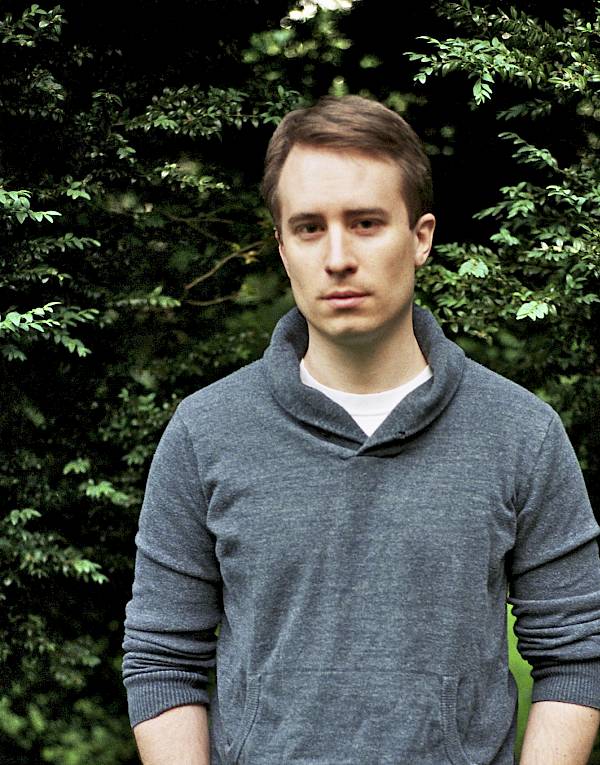
Ted Huffman was born in New York. He studied at Yale University and participated in the San Francisco Merola Opera Program. The opera "Denis & Katya", created together with Philip Venables (Opera Philadelphia, Dutch National Opera, Music Theatre Wales, Opéra Montpellier, Opera Hannover), won the Fedora Generali Prize in 2019 and the Ivor Novello Award in 2020. With Philip Venables he also developed the opera "4.48 Psychosis" after Sarah Kane, which premiered at the Royal Opera House in London, received the UK Theatre Award for Opera, and was nominated for the Olivier Awards, the Royal Philharmonic Society Awards and the South Bank Awards, as well as "The Faggots and Their Friends Between Revolutions" (among others Factory International Manchester, Festival d’Aix-en-Provence, Bregenz Festival, Ruhrtriennale). In 2025 he directed the world premiere of Venables’s opera "We Are The Lucky Ones" at Dutch National Opera. Further directing work includes "The Time of Our Singing" at La Monnaie, "Rinaldo" in Frankfurt, "A Midsummer Night’s Dream" at Deutsche Oper Berlin, "Le premier meurtre" at the Opéra de Lille, "Il trionfo del Tempo e del Disinganno" at the Royal Danish Theatre, Luke Styles’s "Macbeth" at Glyndebourne, Ana Sokolović’s "Svádba" in Aix, "Les mamelles de Tirésias" among others in Brussels, Amsterdam and at the Aldeburgh Festival, as well as Monteverdi’s "L’incoronazione di Poppea" in Aix and "Street Scene" at the Paris Opéra. The world premiere of Stefan Wirth’s "Das Mädchen mit dem Perlenohrring" at Zurich Opera House was named "Best World Premiere 2022" by Opernwelt. In addition, "Madama Butterfly" (2017) and "Roméo et Juliette" (2023) were produced in Zurich.
Andrew Lieberman
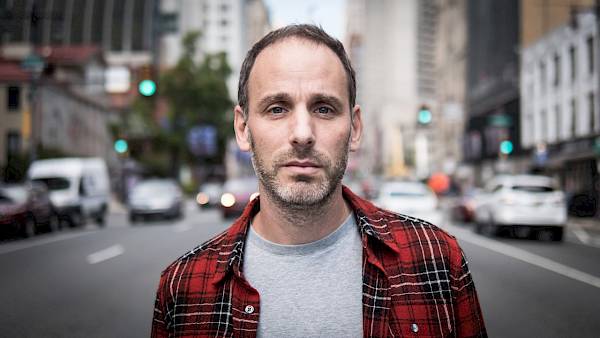
Andrew Lieberman stammt aus Amerika und arbeitet an zahlreichen internationalen Bühnen im Bereich des Musiktheaters, des Sprechtheaters und des Musicals. Im Schauspiel entwarf er u.a. Bühnenbilder für das International Theater Amsterdam, die Royal Shakespeare Company und für diverse Theater am New Yorker Broadway. Er schuf das Bühnenbild für Händels Partenope in der Regie von Christopher Alden an der English National Opera, welches 2009 den «Lawrence Olivier Award» für die beste Opernproduktion gewann. Sein Bühnenbild für Aida wurde 2011 im amerikanischen Pavillon der Prager Quadriennale für Szenografie gezeigt. Mit Ted Huffman arbeitete er u.a. an der Royal Danish Opera für Il trionfo del tempo e del disinganno und an der Opera Philadelphia für die Uraufführung von Denis & Katya von Philip Venables zusammen. Letztere Produktion war auch an der Staatsoper Hannover und der Oper Amsterdam zu sehen. Andrew Lieberman ist Preisträger des Princess Grace Award und war von 2008 bis 2019 Leiter der Bühnenbildabteilung an der New Yorker Universität Tisch School of the Arts. Zuletzt gestaltete er die Bühnenbilder zu Braunfels’ Die Vögel an der Opéra National du Rhin, Candide an der Opéra de Lyon, die Zauberflöte an der Oper Frankfurt und für Girl with a Pearl Earring in Zürich. Zu seinen nächsten Produktionen zählt u.a. die Uraufführung von 10 Days in a Madhouse an der Opera Philadelphia.
Annemarie Woods
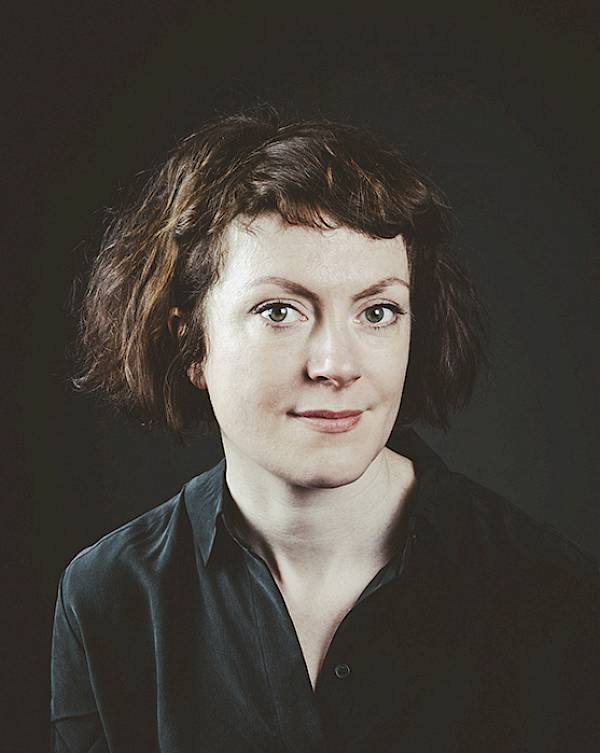
The Irish costume and set designer Annemarie Woods won the Ring Award in Graz in 2011 together with the British director Sam Brown. In joint productions with Sam Brown she designed, among others, "I Capuleti e i Montecchi" at the Teatro Sociale di Como, "Der Zigeunerbaron" at Stadttheater Klagenfurt, "Sigurd der Drachentöter" at the Bavarian State Opera in Munich, "Il trionfo del Tempo e del Disinganno" at the Badisches Staatstheater Karlsruhe, the world premiere of Gerald Barry’s opera "The Importance of Being Earnest" at the Opéra National de Lorraine in Nancy, and "La Cenerentola" at Lucerne Theatre. She also has a long-standing collaboration with director Oliver Mears, for whose productions of "Macbeth", "Salome", "L’elisir d’amore" and "Don Giovanni" she likewise designed the costumes and sets. Further works include "Candide" in Nancy, "Agrippina" in Limerick, "My Fair Lady" in Karlsruhe and "L’Heure espagnole/Gianni Schicchi" (directed by Bruno Ravella) at the Opéra National de Lorraine. With Ted Huffman she collaborated, among other projects, in Frankfurt on "Rinaldo", in Cologne on "Salome", in Montpellier on "Le Songe d’une nuit d’été", at Deutsche Oper Berlin on "A Midsummer Night’s Dream" and in Zurich on "Madama Butterfly". She also designed the costumes for "Pagliacci/Cavalleria rusticana" in Amsterdam (directed by Robert Carsen), for "La traviata" at the Komische Oper Berlin (directed by Nicola Raab) and for "Osud" at the Janáček Brno Festival (directed by Robert Carsen). At Zurich Opera House she designed the costumes for Adele Thomas’s production of "Il trovatore", Ted Huffman’s productions of "Madama Butterfly", "Girl with a Pearl Earring" and "Roméo et Juliette", as well as for Evgeny Titov’s production of "L’Orfeo".
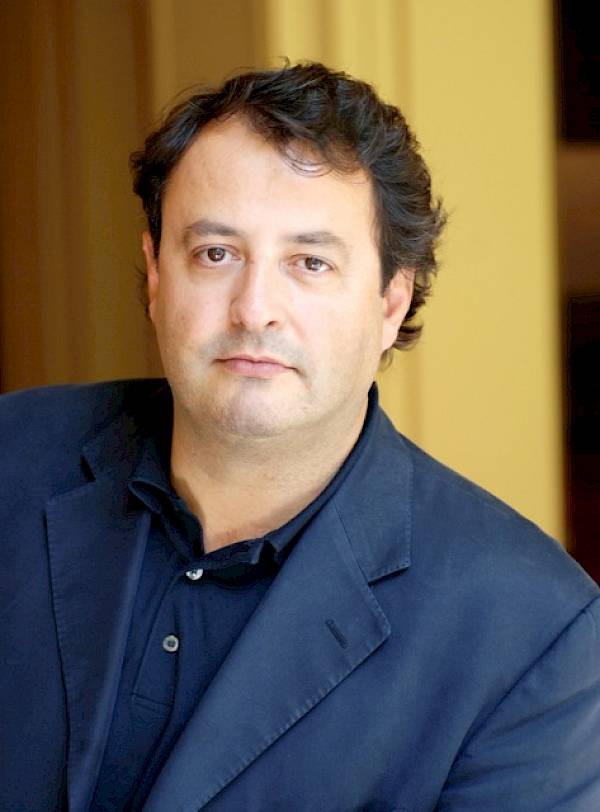
Franck Evin
Franck Evin, born in Nantes, moved to Paris at the age of 19 to study piano. At night he accompanied singers at the Café-Théâtre Le Connétable and also began to take an interest in lighting. He eventually decided to combine music and technology. Thanks to a scholarship from the French Ministry of Culture, he became assistant to the head of lighting at the Opéra de Lyon in 1983. There he worked with Ken Russell and Robert Wilson, among others. In 1986 he began working as an independent lighting designer at the Düsseldorf Schauspielhaus and obtained his master’s certificate in lighting in 1993. During this time he had a close collaboration with Werner Schröter and the conductor Eberhard Kloke. This was followed by productions in Nantes, Strasbourg, Paris, Lyon, Vienna, Bonn, Brussels and Los Angeles, among other places. From 1995 to 2012 he was Artistic Director of the lighting department at the Komische Oper Berlin, where he was responsible for all new productions. Important artistic partners during this period included Andreas Homoki, Barrie Kosky, Calixto Bieito and Hans Neuenfels. In 2006 Franck Evin was awarded the German Theatre Prize "Opus" in the category of lighting design. From 2012 to 2025 he was Artistic Director of the lighting department at the Zurich Opera House. In addition to his work in Zurich, he continued to work on international productions at opera houses in Oslo, Stockholm, Tokyo, Amsterdam, Munich and Graz, as well as at the Opéra Bastille, Teatro alla Scala, Teatro La Fenice, the Vlaamse Opera and at the Bayreuth Festival.
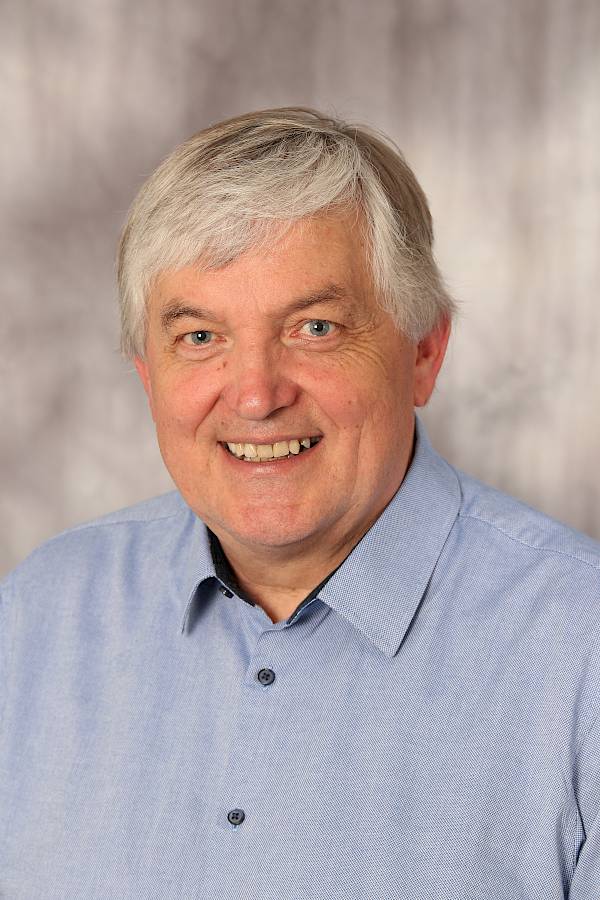
Ernst Raffelsberger
Ernst Raffelsberger comes from Gmunden, Upper Austria. He studied music education and church music at the University of Music and Performing Arts in Vienna as well as choral conducting at the Mozarteum in Salzburg. From 1983 to 1986 he was Kapellmeister of the Vienna Boys’ Choir. During this time, he led the ensemble in Vienna and on tours through Europe, South Africa, Canada, and the USA. From 1986, Ernst Raffelsberger was choral director and Kapellmeister at the Salzburg State Theatre (participating in the Salzburg Mozart Week and the Salzburg Festival). In 1989 he moved as choral director and Kapellmeister to the theatre in Freiburg/Breisgau. Since autumn 1993, Ernst Raffelsberger has been engaged at the Zurich Opera House as choral director. Here he has since supervised around 150 premieres and countless revivals and worked with many renowned conductors such as Marco Armiliato, Riccardo Chailly, Teodor Currentzis, Christoph von Dohnányi, Sir John Eliot Gardiner, Daniele Gatti, Bernard Haitink, Nikolaus Harnoncourt, Zubin Mehta, Gianandrea Noseda, and Franz Welser-Möst. Guest performances with the Zurich Opera House have taken him to Vienna, London, Paris, and Tokyo. From summer 2012 he additionally began a ten-year activity as choral director of the Vienna State Opera Chorus Association at the Salzburg Festival. There he collaborated successfully with, among others, Riccardo Muti, Mariss Jansons, and Sir Simon Rattle. After Ernst Raffelsberger ended this work with the festival summer 2021, he has since 2025 once again been responsible, at Maestro Muti’s request, for choral preparation for his festival concerts in Salzburg. Numerous CD and DVD recordings document his work in Zurich as well as in Salzburg.
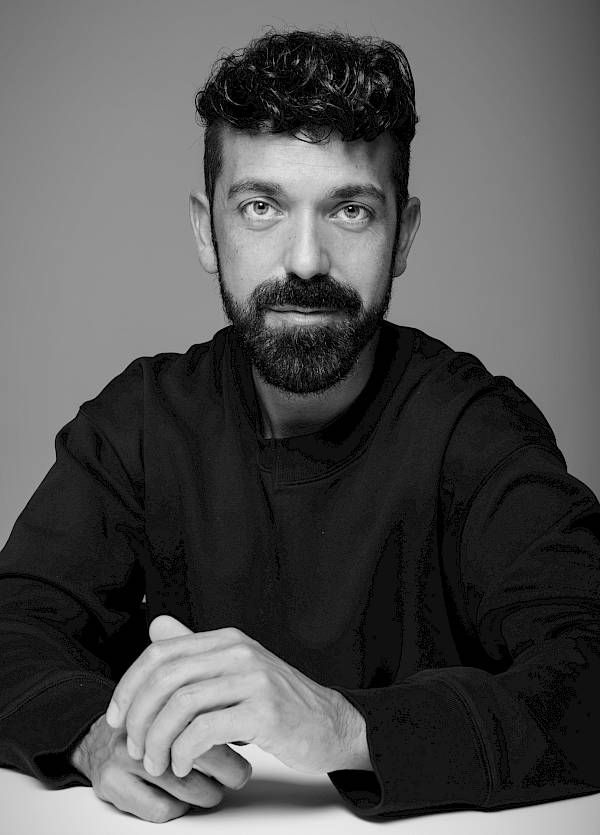
Pim Veulings
Pim Veulings studierte Tanz an der Universität der Künste in Amsterdam. Er tanzte an den Landestheatern in Linz und Niederbayern, dem Theaterhaus in Stuttgart, dem Wielki Theater in Warschau, der Welsh National Opera und dem Vlaamse Opera en Ballet in Antwerpen. Seit 2015 choreografiert er für Oper, Film, Musical und für zeitgenössische Tanzkompanien. Er arbeitete mit dem Scapino Ballet Rotterdam für La traviata und zusammen mit Floris Visser und der Dutch Touring Opera für Orphée et Eurydice, gefolgt von Manon am Opernhaus Zürich, Madama Butterfly an der Oper Graz, Hercules am Badischen Staatstheater in Karlsruhe und La bohème in Glyndebourne. Mit Ted Huffman arbeitete er für Braunfels' Die Vögel an der Opéra National du Rhin, für L'incoronazione di Poppea in Aix-en-Provence und für Die Zauberflöte an der Oper Frankfurt zusammen. Zu Pim Veulings künftigen Projekten gehört eine neue Choreografie für Orphée et Eurydice an der Nederlandse Reisopera.
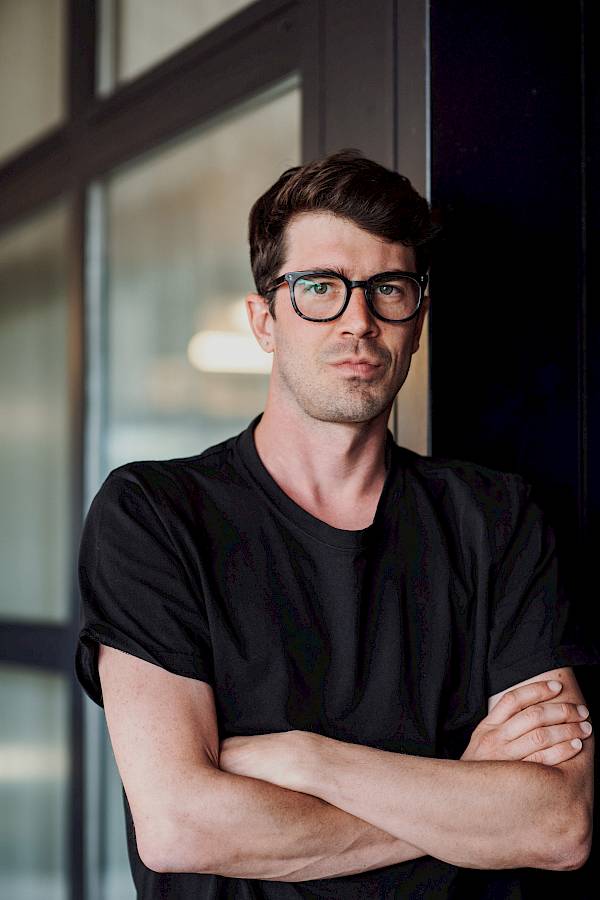
Fabio Dietsche
Fabio Dietsche studied dramaturgy at the Zurich University of the Arts as well as cross flute with Maria Goldschmidt in Zurich and with Karl-Heinz Schütz in Vienna. He gained his first experience as a dramaturge in 2012/13 with Xavier Zuber at Konzert Theater Bern, where he accompanied, among others, Matthias Rebstock’s production of "neither" (Beckett/Feldman) at the Berner Reithalle. Since 2013, he has been a dramaturge at the Zurich Opera House, where he completed his studies with the production dramaturgy of Puccini’s "La bohème." There, he has been involved, among others, in the world premieres of Stefan Wirth’s "Girl with a Pearl Earring" and Leonard Evers’ "Odyssee," the chamber opera "Jakob Lenz" by Wolfgang Rihm, and the Swiss premiere of Manfred Trojahn’s "Orest." He has worked with, among others, Robert Carsen, Tatjana Gürbaca, Rainer Holzapfel, Andreas Homoki, Ted Huffman, Mélanie Huber, Barrie Kosky, Hans Neuenfels, and Kai Anne Schuhmacher. He is currently studying cultural management on a part-time basis at the University of Zurich.
Cast





Dancers Alison Duarte 10, 13, 16, 22, 25, 28 Apr / 04, 07, 13, 18 May
Dancers Maarten Krielen 10, 13, 16, 22, 25, 28 Apr / 04, 07, 13, 18 May

Dancers Roberto Tallarigo 10, 13, 16, 22, 25, 28 Apr / 04, 07, 13, 18 May
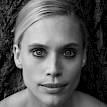
Dancers Sina Friedli 10, 13, 16, 22, 25, 28 Apr / 04, 07, 13, 18 May
Dancers Elena Paltracca 10, 13, 16, 22, 25, 28 Apr / 04, 07, 13, 18 May
Dancers Alice White 10, 13, 16, 22, 25, 28 Apr / 04, 07, 13, 18 May

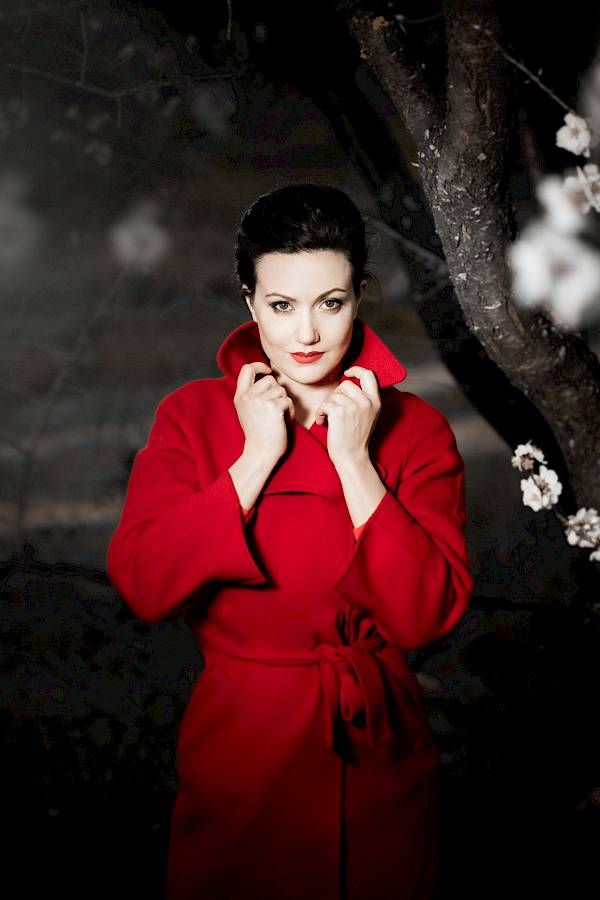
Julie Fuchs
Julie Fuchs, französische Sopranistin, studierte Violine und Schauspiel in Avignon sowie Gesang am CNSM in Paris. Von 2013 bis 2015 gehörte sie zum Ensemble des Opernhauses Zürich und kehrt seither immer wieder nach Zürich zurück. Hier sang sie u.a. Morgana (Alcina), Susanna (Le nozze di Figaro), Rosane (La verità in cimento), Contessa di Folleville (Il viaggio a Reims), Fiorilla (Il turco in Italia), Norina (Don Pasquale) sowie die Titelrolle in L’incoronazione di Poppea. Sie wurde dreimal bei den Victoires de la Musique ausgezeichnet und ist Chevalier de l’ordre des Arts et des Lettres. In jüngster Zeit war sie als Marie (La Fille du régiment) in Wien zu hören, als Fiorilla in Neapel, als Cleopatra (Giulio Cesare) in Amsterdam, als Leïla (Les Pêcheurs de perles) am Théâtre des Champs-Élysées, als Giunia (Lucio Silla) und Gilda (Rigoletto) in Madrid, als Musetta (La bohème) in München, als La Folie (Platée), Pamina (Die Zauberflöte), Giulietta (I Capuleti e i Montecchi) und Nannetta (Falstaff) an der Opéra de Paris, als Susanna beim Festival d’Aix-en-Provence, als Mélisande und Poppea in Barcelona, als Partenope in San Francisco, als Micaëla (Carmen) in Gstaad, als Adèle (Le comte Ory) an der Opéra Comique, in Versailles und in Pesaro sowie auf Tournee mit Marc Minkowski und Les Musiciens du Louvre als Aspasia (Mitridate). 2024/25 kehrt sie als Marie an die Opéra de Paris und als Susanna an die Bayerische Staatsoper zurück. Ausserdem singt sie La Stronatrilla (L’Opera Seria) an der Mailänder Scala und Cleopatra am Liceu in Barcelona. Ihr drittes Soloalbum, Amadè, ist 2022 bei Sony erschienen.
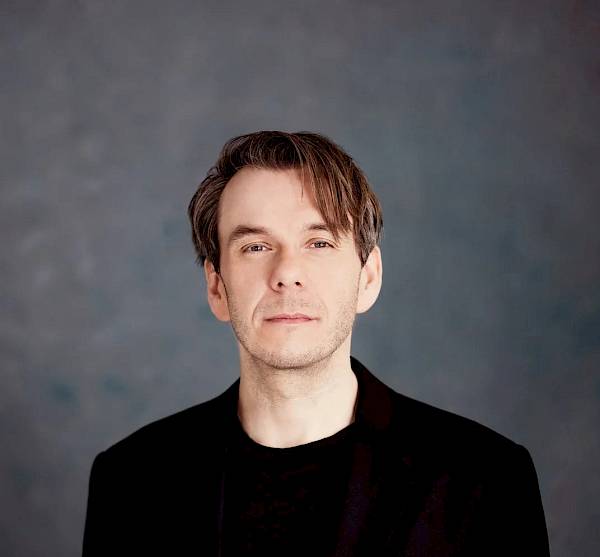
Benjamin Bernheim
Benjamin Bernheim studied with Gary Magby in Lausanne and was a member of the International Opera Studio as well as of the ensemble at the Zürich Opera House. The French tenor has meanwhile established himself as a regular guest at the most renowned stages, including at the Opéra national de Paris, at the Vienna State Opera, at the Staatsoper Unter den Linden and at the Royal Opera House Covent Garden, where he sings leading tenor roles of the romantic repertoire. He performed at the closing ceremony of the 2024 Olympic Games in Paris as well as at the reopening of Notre-Dame de Paris in December 2024. He has been honored, among others, at the Victoires de la Musique as Opera Singer of the Year, by the Syndicat professionnel de la critique as Musical Personality of the Year, and most recently at Opus Klassik 2025 as Singer of the Year. His discography includes several albums, including his debut album, which was awarded a Diapason d’Or and a Choc de Classica, "Douce France: Mélodies & Chansons" as well as the 2022 release "Boulevard des Italiens". Highlights of his career include the title roles in "Les contes d’Hoffmann" and "Faust", Rodolfo in "La bohème", Des Grieux in "Manon" and Edgardo in "Lucia di Lammermoor".
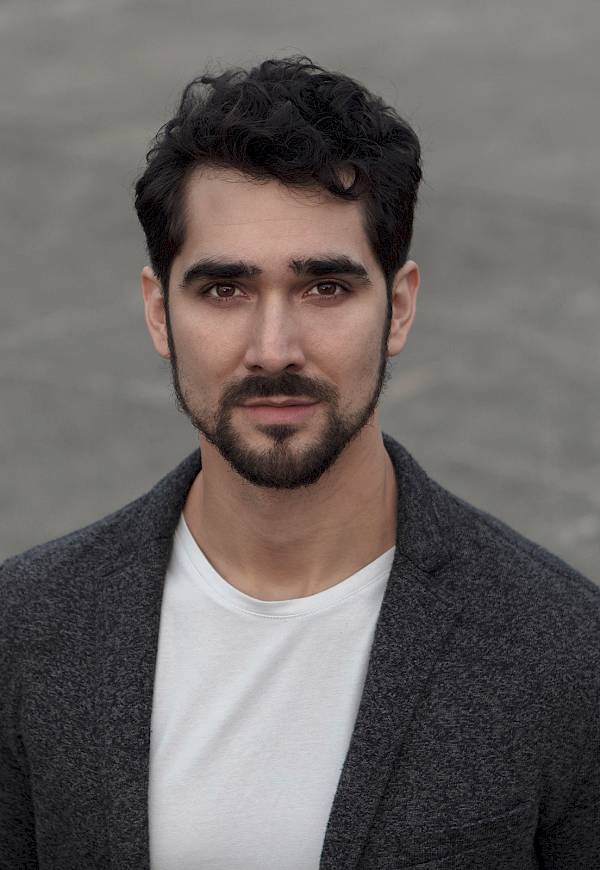
Brent Michael Smith
Brent Michael Smith is from the USA. He studied voice at the Academy of Vocal Arts in Philadelphia and the University of Northern Iowa, as well as piano at Hope College in Michigan. He won second prize at the 2018 Giargiari Bel Canto Competition, third prize at the 2021 Concorso Lirico Internazionale di Portofino and was a finalist at the 2020 Queen Sonja International Music Competition. In the USA, his roles have included Friedrich Bhaer (Mark Adamo’s "Little Women"), Colline ("La bohème") and Ashby ("La fanciulla del West") at Detroit Opera, Ariodante ("Xerxes") at the Glimmerglass Festival, as well as Celio (Prokofiev’s "The Love for Three Oranges") and Peter Quince ("A Midsummer Night’s Dream") at Opera Philadelphia. He has also appeared at Santa Fe Opera, La Monnaie in Brussels and the Opéra Royal de Wallonie-Liège, among others. In 2025, he sang Frère Laurent ("Roméo et Juliette") at the Semperoper Dresden. He was a member of the International Opera Studio at the Zurich Opera House in the 2020/21 season and has since been a member of the ensemble, where his roles have included Sparafucile ("Rigoletto"), Raimondo ("Lucia di Lammermoor"), Prince Gremin ("Eugene Onegin"), Frère Laurent ("Roméo et Juliette"), Fafner ("Das Rheingold") and Angelotti ("Tosca").
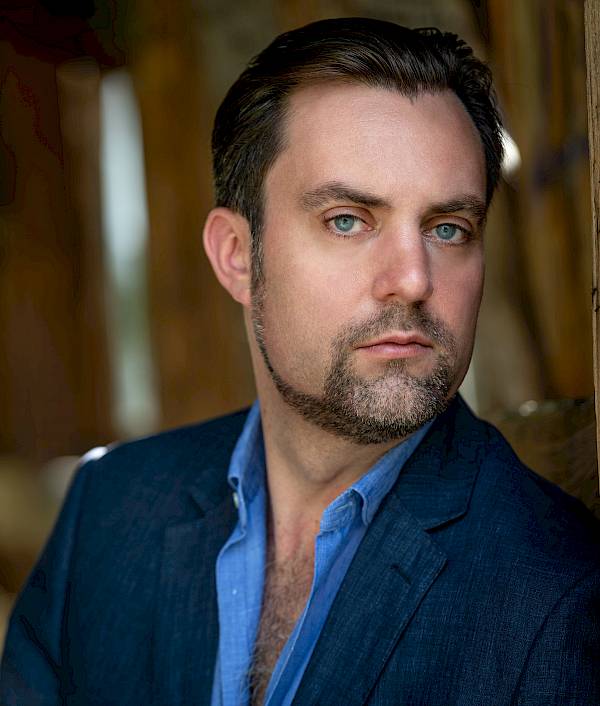
David Soar
David Soar stammt aus Grossbritannien und absolvierte seine Ausbildung an der Royal Academy of Music in London sowie im National Opera Studio, London. Nach seiner Ausbildung sang er u. a. Figaro (Le nozze di Figaro), Leporello (Don Giovanni), Escamillo (Carmen) und Sparafucile (Rigoletto) an der Welsh National Opera. Es folgten Einladungen an die Met New York, an die English National Opera, ans Gran Teatre del Liceu Barcelona, zum Glyndebourne Festival, den BBC Proms und den Salzburger Festspielen. Zudem gab er zahlreiche Konzerte mit Orchestern wie dem BBC Symphony Orchestra, dem English Concert, dem Orchestre des Champs-Élysées, und dem Antwerpen Symphony Orchester und sang dabei in Werken von Mendelssohn (Elias), Händel (Messiah), Berg (Wozzeck) und Walton (Belshazzar’s Feast). Er sang Colline (La bohème) an der Met und am Royal Opera House London, Zuniga (Carmen), Mr. Flint (Billy Budd) und Sprecher (Die Zauberflöte) ebenfalls am Royal Opera House London, Sir Walter Raleigh (Brittens Gloriana) am Teatro Real de Madrid, Colline sowie Tierbändiger / Athlet (Lulu) an der English National Opera London. Er war als Commendatore und Masetto in Don Giovanni am Theater an der Wien, als Lodovico in Otello, als Colline und als Sprecher am Royal Opera House London, in Beethovens Christus am Ölberg mit den Berliner Philharmonikern sowie als Hobson (Peter Grimes) an der English National Opera zu erleben. In Zürich sang er zuletzt 2022 Fasolt in Das Rheingold sowie Comte Capulet in Roméo et Juliette.
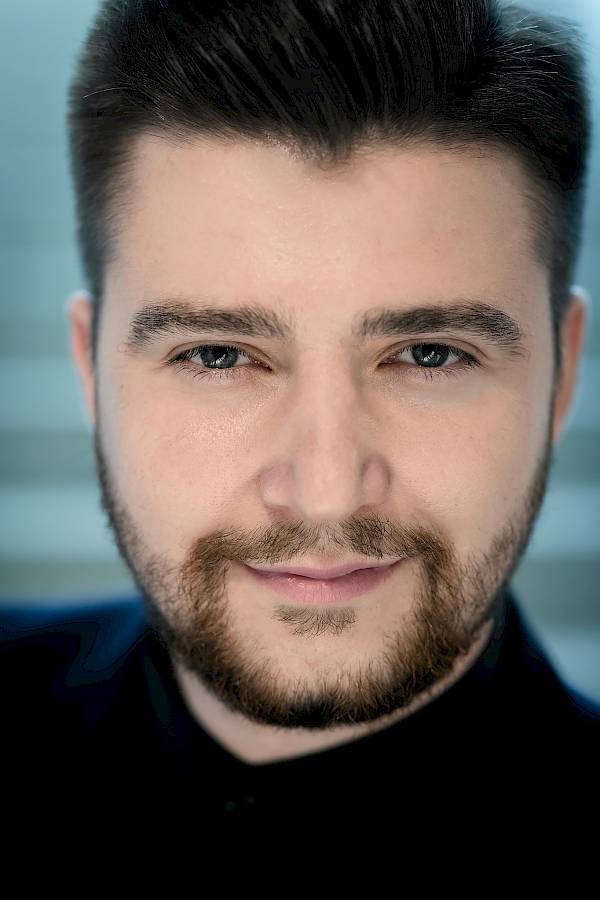
Yuriy Hadzetskyy
Yuriy Hadzetskyy, Bariton, stammt aus Lviv in der Ukraine. Er studierte am Konservatorium seiner Heimatstadt und debütierte 2015 an der Lviv National Opera in der Titelrolle von Mozarts Don Giovanni. Ab 2017 war er Mitglied der Opera Academy an der Polnischen Nationaloper Warschau. Er ist Preisträger des Queen Elisabeth Wettbewerbs: Voice 2018, des Berlin International Music Competition 2018 (Goldmedaille) sowie des 9th Veronica Dunne International Singing Competition 2019 (mit Extra-Auszeichnung: Oratorio Prize). Von 2019-2022 war Yuriy Hadzetzskyy Mitglied des Internationalen Opernstudios Zürich und war hier als Geisterkind 3 in Coralin, als Graf Dominik in Arabella, als Procolo Cornacchia in Viva la mamma und als Ratgeber / Riese /Wildschwein in Das tapfere Schneiderlein zu sehen. 2021/22 sang er Il Barone di Trombonok in Il viaggio a Reims beim Rossini Festival in Pesaro, Dandini (La Cenerentola) an der Oper in Breslau sowie ein Handwerksbursche in Wozzeck im Palau de les Arts Reina Sofía in Valencia.
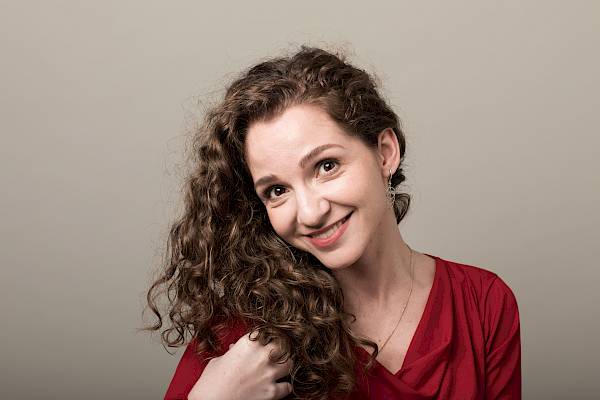
Svetlina Stoyanova
Svetlina Stoyanova, a Bulgarian mezzo-soprano, was born in Sofia and began her musical career as a soloist in the children’s choir of the Bulgarian National Radio. After studying psychology at the University of Glasgow, she completed a bachelor’s degree with distinction and two master’s degrees in voice and opera at the Royal Conservatoire of Scotland under Clare Shearer. In 2017, she won 1st prize at the International Singing Competition “Neue Stimmen” and 3rd prize at the Le Grand Prix de l’Opéra. Following these successes, she was invited by the Opéra de Nice Côte d’Azur and the Anthéa Théâtre to perform as Cherubino (“Le nozze di Figaro”) and in the title role of Rosina (“Il barbiere di Siviglia”) at the Bregenz Festival. From 2018 to 2020, she was a member of the Vienna State Opera ensemble, performing roles such as Rosina (“Il barbiere di Siviglia”), Cherubino (“Le nozze di Figaro”), Dryad (“Ariadne auf Naxos”), and Rossweisse (“Die Walküre”). Since then, she has appeared at La Scala in Milan, the Bolshoi Theatre in Moscow, the Hamburg State Opera, the Zurich Opera House, and the Glyndebourne Festival. Recent highlights include “La Cenerentola” in Düsseldorf, Athens, and Riga, Stéphano in “Roméo et Juliette” at Theater an der Wien and the Zurich Opera House, and Sesto (“Giulio Cesare”) and Ruggiero (“Alcina”) at the Glyndebourne Festival. She is also in demand as a concert singer, performing at venues such as the Musikverein in Vienna, London’s Wigmore Hall, and in Tokyo.
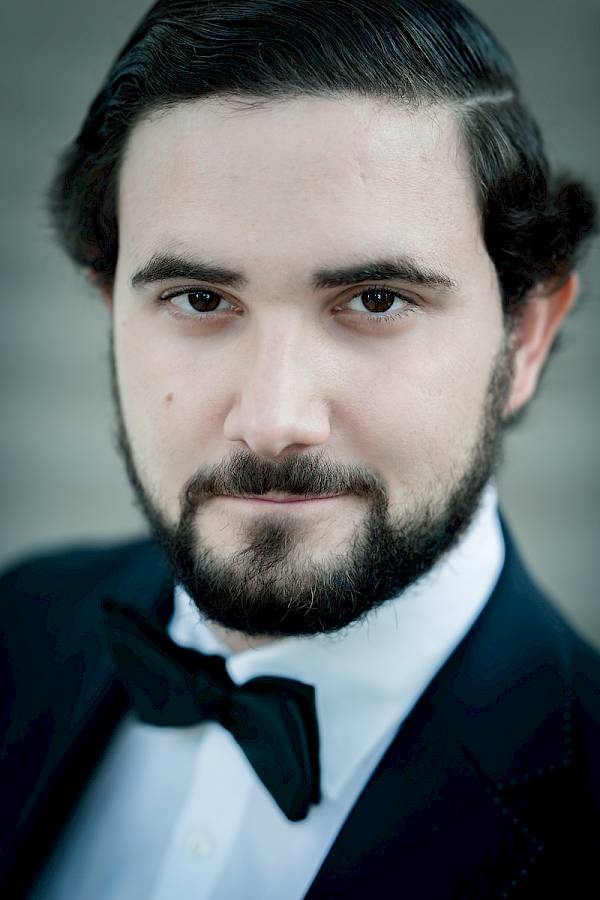
Omer Kobiljak
The tenor Omer Kobiljak is originally from Bosnia and was born in Switzerland. He studied singing with David Thorner, first at the Winterthur Conservatory and then at the Kalaidos University of Applied Sciences in Aarau. He attended masterclasses with Jane Thorner-Mengedoht, David Thorner, and Jens Fuhr and won first prize with distinction at the Thurgau Music Competition in 2012. The following year, he sang a apprentice (“Die Meistersinger von Nürnberg”) under Daniele Gatti at the Salzburg Festival and made his debut in the same role at La Scala in Milan in 2017. From the 2017/18 season, he was a member of the International Opera Studio at the Zurich Opera House, where he appeared in productions such as “La fanciulla del West,” “Parsifal,” “The Flying Dutchman,” and “La traviata.” He also performed as Lord Arturo Buklaw (“Lucia di Lammermoor”) and as the notary in the concert performance of “La sonnambula.” Since the 2019/20 season, Omer Kobiljak has been part of the ensemble at the Zurich Opera House, where he has sung roles including Abdallo (“Nabucco”), Macduff (“Macbeth”), Froh (“Das Rheingold”), Alfredo (“La traviata”), Tybalt (“Roméo et Juliette”), the Mad Hatter (“Alice in Wonderland”), and a singer (“Der Rosenkavalier”). His further engagements include Prince Alexis (Umberto Giordano’s “Siberia”), Yamadori (“Madama Butterfly”), and Don Riccardo (“Ernani”) at the Bregenz Festival, as well as the title role in “The Count of Luxembourg” at the Tiroler Festspiele Erl. In 2023, Omer Kobiljak was a finalist in the Operalia Competition in Cape Town. Most recently, he made his house debuts as Lord Arturo Buklaw at the Semperoper Dresden, as Froh at the Opéra de Monte-Carlo, and as Narraboth (“Salome”) at the Baltic Opera Festival in Poland.
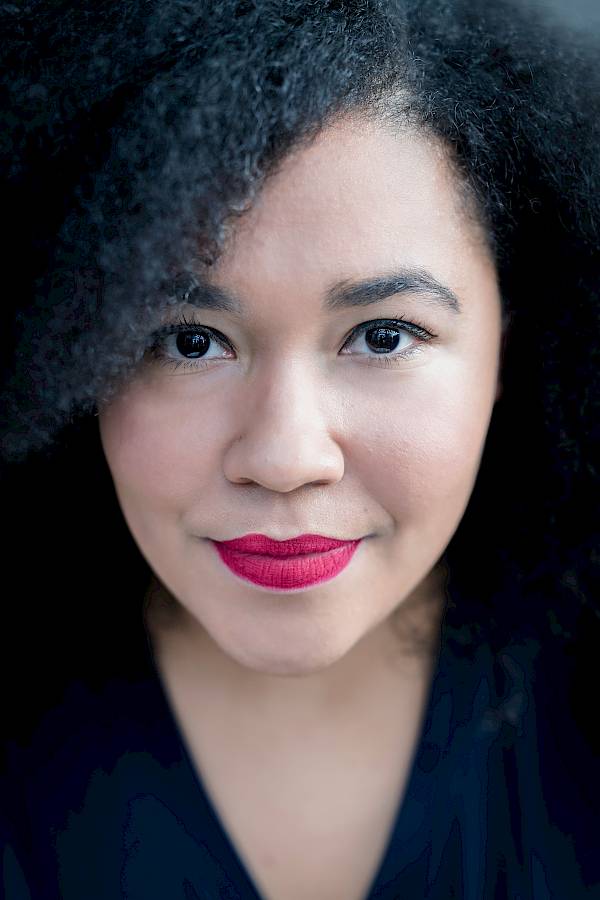
Katia Ledoux
Katia Ledoux (Mezzosopran) wurde in Paris geboren und wuchs in Österreich auf. Mit sechs Jahren begann sie bei den Schubert Sängerknaben in Wien zu singen und gewann 2008 den ersten Preis beim Jugendgesangswettbewerb «Prima la Musica». 2017 war sie Preisträgerin des «Feruccio Tagliavini» Gesangswettbewerbs, 2018 Stipendiatin in Bayreuth und im selben Jahr gewann sie den Pressepreis bei der «International Vocal Competition» in ‘s-Hertogenbosch. 2019 war sie Preisträgerin der «Belvedere Competition» und gewann den ersten Preis beim «Nordfriesischen Liedpreis». Auf der Bühne war sie als Marcellina in Le nozze di Figaro u. a. am Stadttheater Schaffhausen, der Kammeroper Schönbrunn, der Sommerserenade Graz und am Stadttheater Wels und als Zita in Gianni Schicchi am Schlosstheater Schönbrunn zu erleben. 2017 debütierte sie an der Oper Graz als Mutter in Amahl and the night visitors von Gian Carlo Menotti. 2019 gab sie ihr Debüt als Geneviève in Pelléas et Mélisande an De Nationale Opera Amsterdam mit dem Concertgebouw Orchester. Von 2019 bis 2021 gehörte sie zum Internationalen Opernstudio des Opernhauses Zürich und war u. a. in Die Sache Makropulos, Belshazzar, Coraline, Zauberflöte, Belshazzar und Iphigénie en Tauride zu hören. Zudem gab sie hier 2021 das Konzert Opera goes Pop und war 2023 als Gertrude in Roméo et Juliette zu erleben. Jüngst sang sie Ježibaba (Rusalka) an der Staatsoper Stuttgart sowie Prinz Orlofsky (Die Fledermaus), Marta (Iolanta) und Vénus / Orphée / L’opinion Publique (Orphée aux enfers) an der Volksoper Wien.
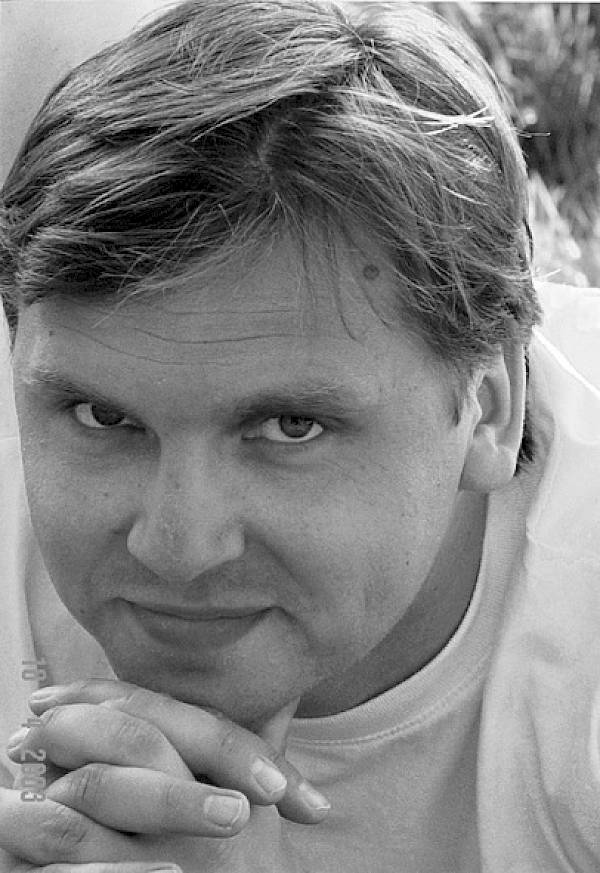
Valeriy Murga
Valeriy Murga studied at the National Music Academy of Ukraine in Kyiv. He was a finalist at both the 41st International Singing Competition in Toulouse (1996) and the 7th Julian Gayarre Competition in Pamplona (1998). In 1997, he won second prize at the Maria Callas Grand Prix in Athens and took part in the Cardiff Singer of the World competition in 1999. From 1997 to 1999, he was a soloist at the Ukrainian National Opera in Kyiv, where he performed roles including Figaro ("Le nozze di Figaro"), Escamillo ("Carmen"), Schaunard ("La bohème"), and the title roles in "Eugene Onegin", "Don Giovanni", and "Prince Igor". His repertoire also includes roles such as Marchese di Posa ("Don Carlo") and Shaklovity ("Khovanshchina"). At the Zurich Opera House, he first joined the International Opera Studio and during this time appeared as Sciarrone and Jailer ("Tosca") as well as Monterone ("Rigoletto"). Since the beginning of the 2000/01 season, he has been a permanent ensemble member at the Zurich Opera House and has since appeared in roles including Prince Yeletsky ("Pique Dame"), Moralès ("Carmen"), Second Soldier ("Salome"), Alessio ("La sonnambula"), Ali ("L’italiana in Algeri"), Wagner ("Faust"), Sacristan ("Tosca"), and Bogdanowitsch ("Die lustige Witwe"), as well as in family operas such as "Das Gespenst von Canterville", "Robin Hood", "Das verzauberte Schwein", "Jim Knopf", and "Wir pfeiffen auf den Gurkenkönig". He has also appeared as a guest in Eugen d’Albert’s "Tiefland" at the Gran Teatre del Liceu in Barcelona and in "L’italiana in Algeri" at the Staatsoper Unter den Linden in Berlin, and has performed in concerts at the Tonhalle Zurich.
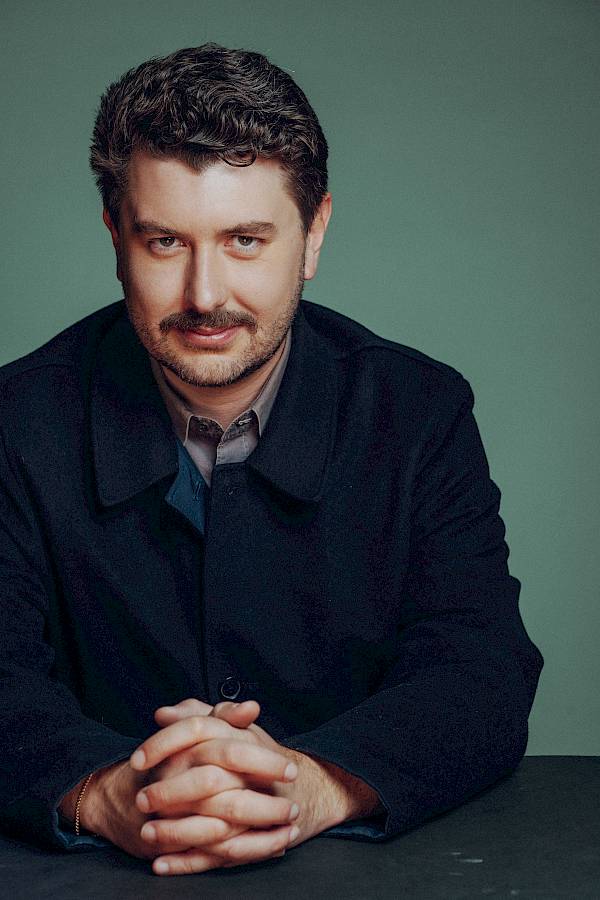
Andrew Moore
Andrew Moore, an American bass-baritone from New Jersey, received his training at Rutgers University (Mason Gross School of the Arts) and at the renowned Curtis Institute of Music in Philadelphia. In 2019, he reached the New England Region Finals of the Metropolitan Opera National Council Auditions, where he was awarded the Susan Eastman Encouragement Award. Further important artistic milestones included the Merola Opera Program in San Francisco as well as the Santa Fe Opera, where he appeared as an Apprentice Singer in "La bohème", "Così fan tutte", and "Jenůfa". From 2020 to 2022, he was a member of the International Opera Studio at the Zurich Opera House. He was subsequently engaged in the company ensemble, which he has belonged to since the 2022/23 season. There, he has appeared as Figaro ("Le nozze di Figaro"), Paolo Albiani ("Simon Boccanegra"), Don Fernando ("Fidelio"), De Brétigny ("Manon"), Marullo ("Rigoletto"), Paris ("Roméo et Juliette"), Marchese d’Obigny ("La traviata"), Pritschitsch ("Die lustige Witwe"), Johann ("Werther"), and Fix ("In 80 Tagen um die Welt"). His recent international engagements include his debut with the Warsaw Philharmonic as bass soloist in Beethoven’s Symphony No. 9 as well as his Salzburg debut as Marchese d’Obigny ("La traviata"). In summer 2026, he will appear at the Salzburg Festival as Johann ("Werther"). His repertoire also includes roles such as Leporello ("Don Giovanni"), Guglielmo ("Così fan tutte"), and Rocco ("Fidelio").
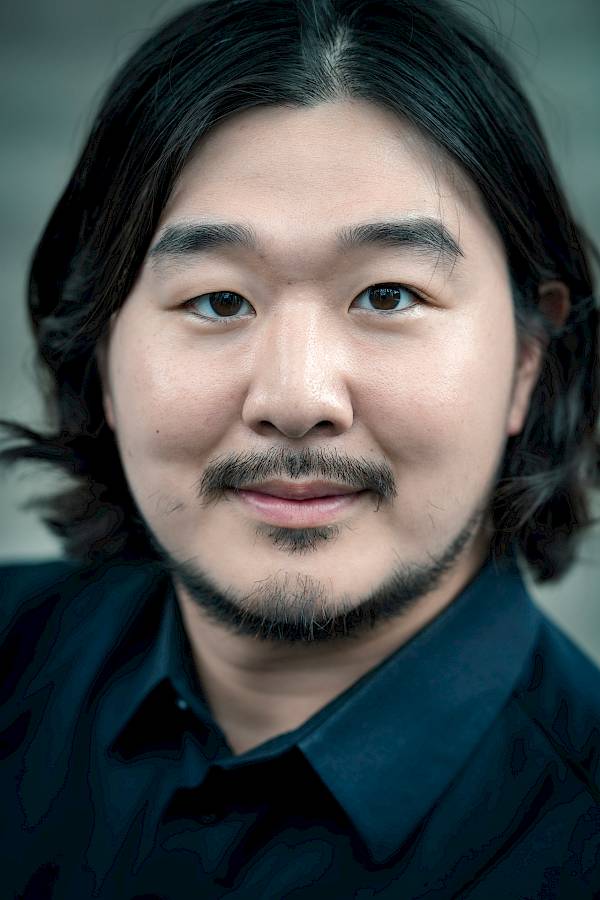
Jungrae Noah Kim
Jungrae Noah Kim stammt aus Südkorea und studierte Gesang in seiner Heimatstadt Seoul am College of Music bei Kwang Chul Youn. 2015 war er Preisträger beim «Francisco Viñas» Wettbewerb in Spanien und Finalist beim «Neue Stimmen» Wettbewerb in Deutschland. 2016 war er Finalist bei der «International Singing Competition of Toulouse» in Frankreich und debütierte als Belcore (L’elisir d’amore) in Seoul. Im Sommer 2016 debütierte er als Masetto in Don Giovanni bei den Bregenzer Festspielen sowie als Solist in Webbers Requiem. In der Spielzeit 2018/19 war er Mitglied des Internationalen Opernstudios des Opernhauses Zürich und sang hier in Die Gezeichneten, Madama Butterfly, Rigoletto und in der IOS-Produktion von Il barbiere di Siviglia am Theater Winterthur. Seit 2022/23 ist er wieder Mitglied des IOS am Opernhaus Zürich und war in Faust, La traviata und Roméo et Juliette zu erleben.
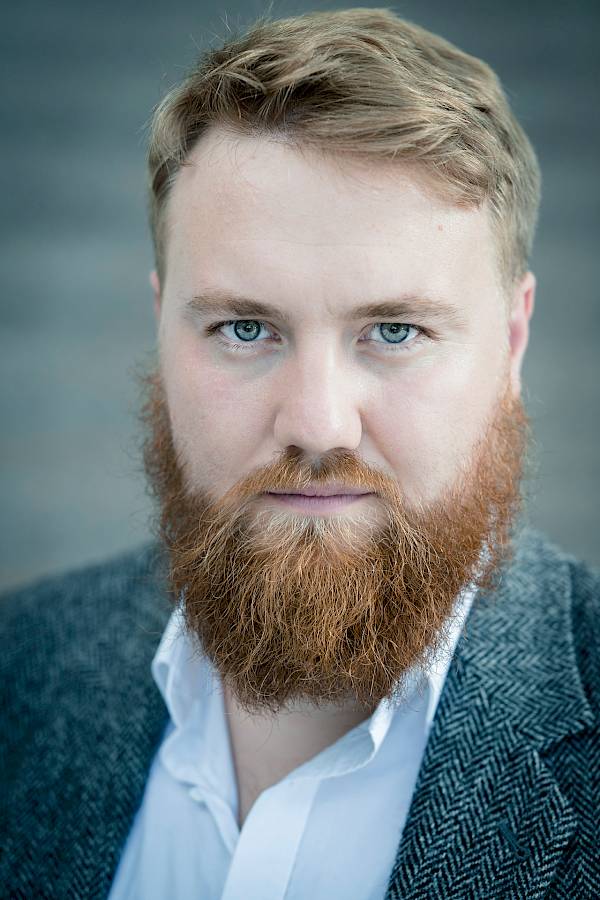
Maximilian Lawrie
Maximilian Lawrie studierte am Magdalen College der University of Oxford und an der Royal Academy of Music in London. Dort war er als Tanzmeister in Ariadne auf Naxos, Interrogator 2 in Witch, als Rodolfo in La bohème, als Rinuccio in Gianni Schicchi, als First Sailor in Dido and Aeneas, als Don Ottavio in Don Giovanni, als Nemorino in L’elisir d’amore, als Lysander in A Midsummer Night’s Dream, in der Titelrolle von Werther und als Faust in Mefistofele zu hören. Zudem sang er Rodolfo an der Rogue Opera sowie Don José in Carmen an der Rogue Opera und der Cambridge University Opera Society. Seit der Spielzeit 2022/23 ist er Mitglied des Internationalen Opernstudios am Opernhaus Zürich und war hier als Kaufmann (Jakob Lenz) und Tom Snout (A Midsummer Night’s Dream) sowie in Il trovatore, La traviata, Salome, Roméo et Juliette und Die Zauberflöte zu sehen.
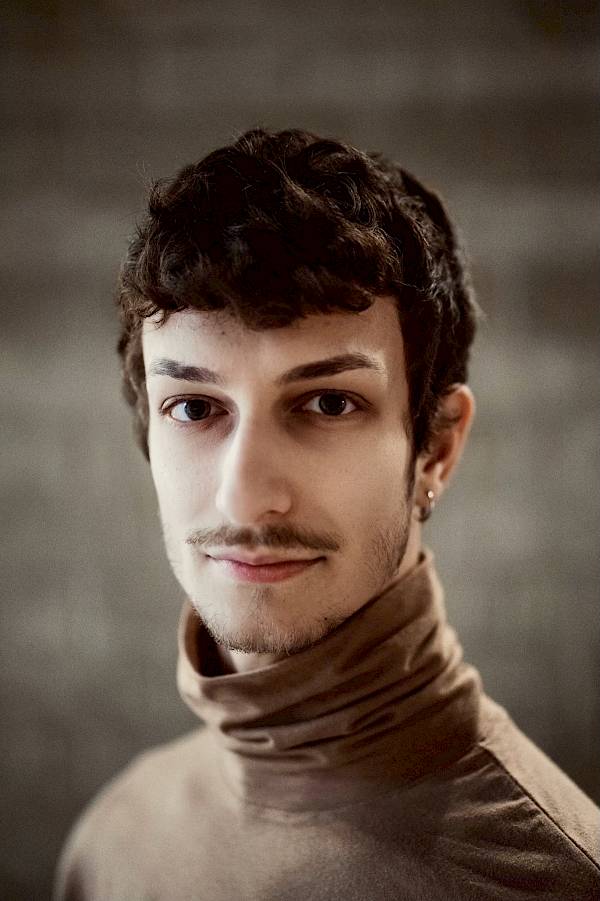
Davide Pillera
Davide Pillera begann seine tänzerische Ausbildung im Alter von 9 Jahren an der sizilianischen Tanzschule «All Jazz». Dort lernte er verschiedene Tanzstile wie Hip-Hop, Modern Jazz und klassischer Tanz. Im Alter von 17 Jahren begann er seine berufliche Laufbahn am Nationalen Tanzkonservatorium in Lyon (Frankreich) und absolvierte sein Studium als professioneller Tänzer im zeitgenössischen Tanz im Jahr 2016.
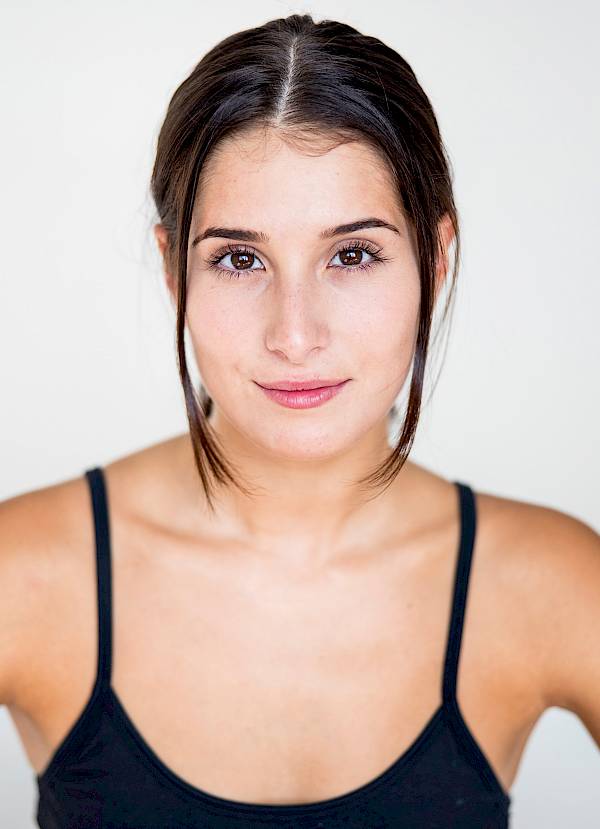
Oriana Zeoli
Oriana Zeoli (Künstlername: Glory), begann im Alter von fünf Jahren mit Ballett und Hip-Hop an der Tanzschule «Marciano und Minasi Tanz» in Bassersdorf. 2015 erweiterte Glory ihre Tanzsprache bei Popping Mike sowie mit House und Hip-Hop bei Lori Pisano. Anschliessend sammelte sie Bühnen- und Battle-Erfahrungen im In- und Ausland und performte in verschiedenen Videodrehs. Durch das Reisen in diverse Städte wie Los Angeles, New York und Montreal konnte sie neue Eindrücke gewinnen und ihr Wissen vertiefen. Die Neugier auf mehr führte Glory 2021 nach Paris, wo sie intensives Training und den Austausch mit verschiedenen Pionieren erleben durfte und sogleich einen Vertrag mit einer Tanzcompany vor Ort abschliessen konnte. Über Muhammed Kaltuk, den Leiter der Company «MEK», kam sie schliesslich in Berührung mit der Theaterwelt. Seitdem tanzte sie in zahlreichen Theaterstücken, u.a. in Poems from Inner Space und Quest mit der Kompanie Prisma Kollektiv am Kurtheater Baden, Territory mit der Company MEK am Theater Basel, A Seat at the Table im Rosengarten Bern und Into the Dark in Wiesbaden. Am Opernhaus Zürich war sie bereits in Barkouf und Roméo et Juliette zu sehen. Seit 2021 tanzt sie in der Kompanie Rêvolution unter der Leitung von Anthony Égéa und ist mit Explosion Teil einer Frankreich-Tournee. Mit ihrer Tanzpartnerin Maren Wittig gründete sie 2022 das Kollektiv «Female Finesse», mit dem sie abendfüllende Stücke tanzt und choreografiert. Glorys Choreografie von Not Where, but Who wurde jüngst mit dem Preis «Tanzfaktor 2024» ausgezeichnet.