
Fabio Luisi comes from Genoa. The former General Music Director of the Zurich Opera House (2012–2021) is Music Director of the Dallas Symphony Orchestra, Chief Conductor of the Danish National Symphony Orchestra, and Chief Conductor of the NHK Orchestra in Tokyo. He is also Music Director of the Valle d'Itria Festival in Apulia and Honorary Conductor of the RAI National Symphony Orchestra in Turin. Previously, he held important positions at orchestras and opera houses, including the Dresden Staatskapelle, the Vienna Symphony Orchestra, and the Metropolitan Opera in New York. He regularly appears as a guest conductor with, among others, the Bavarian Radio Symphony Orchestra, the Berlin Philharmonic, the Boston Symphony Orchestra, the Chicago Symphony Orchestra, the Cleveland Orchestra, the Czech Philharmonic, the Orchestra of La Scala in Milan, the London Symphony Orchestra, the Munich Philharmonic, the Orchestre de Paris, the Philadelphia Orchestra, the Royal Concertgebouw Orchestra, the San Francisco Symphony Orchestra, and the Vienna Philharmonic, and leads productions at the Bavarian State Opera, the Berlin State Opera, La Scala in Milan, the Salzburg Festival, and the Vienna State Opera, among others. At the Zurich Opera House, he conducted, among others, the new productions of three Bellini operas as well as "Rigoletto," "Fidelio," "Wozzeck," "The Land of Smiles," and Verdi's "Requiem Mass." An extensive discography complements his artistic work. At the Zurich Opera House, he founded the label "Philharmonia Records" of the Philharmonia Zurich (Orchestra of the Zurich Opera). Fabio Luisi, who comes from Genoa, studied at the Conservatorio Niccolò Paganini in his hometown and at the University of Music and Performing Arts in Graz, Austria. His awards include the Austrian Cross of Honour for Science and Art, the Italian Cavaliere della Repubblica Italiana, the Commendatore della Stella d’Italia, the Grifo d’Oro of Genoa, the Danish Order of the Dannebrog, and an honorary doctorate from St. Bonaventure University in New York. Off the podium, he is also a composer and perfumer, producing his creations for his own company.
Giacomo Puccini
Melodrama in three acts
Libretto by Giuseppe Giacosa and Luigi Illica
after Victorien Sardou
From 24. June 2016 until 9. July 2016
-
Duration :
approx. 2 hrs. 35 min. incl. intermission after 1st part after approx. 55 min. -
Language:
In Italian with German and English surtitles. -
More information:
Introduction 45 min before the performance.
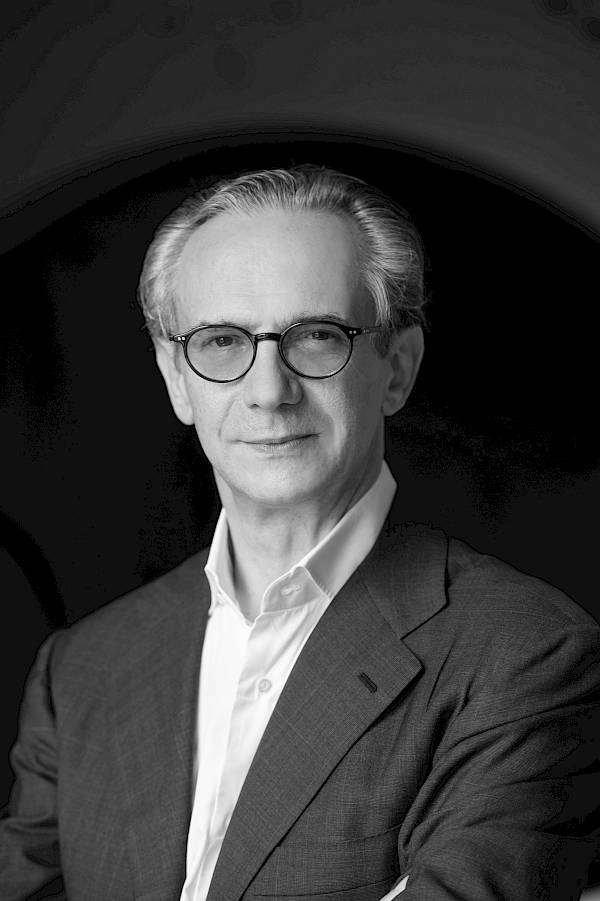
Fabio Luisi
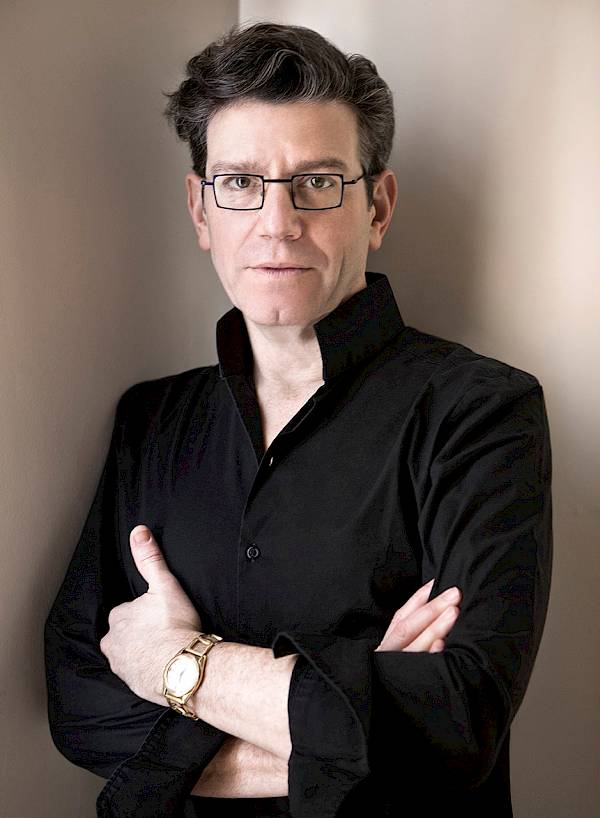
Robert Carsen
Robert Carsen, born in Canada, is one of the world’s most sought-after directors, stage, and lighting designers for theater and opera. After training as an actor at York University in Toronto and at the Bristol Old Vic Theatre School, he achieved his first successes as a director at the operas in Geneva, Paris, and Antwerp. Since then, he has directed at the major stages of the world, including "Die tote Stadt" at the Komische Oper Berlin, "Der Rosenkavalier" and "Falstaff" at the Royal Opera House London and at the Metropolitan Opera New York, "Eugene Onegin" in Rome, "La traviata" at La Fenice in Venice, "A Midsummer Night’s Dream" and "Rigoletto" at the Festival d’Aix-en-Provence, "Wozzeck," "Agrippina," and "Platée" at the Theater an der Wien, "Rinaldo" and "L’incoronazione di Poppea" in Glyndebourne, "Tannhäuser," "Elektra," "Rusalka," "Lohengrin," and "Manon Lescaut" at the Paris Opera, "Salome" and "Idomeneo" in Madrid, "Falstaff," "Don Giovanni," and "Alcina" at La Scala in Milan, as well as "Tosca," "Semele," and "Arabella" at the Opernhaus Zürich. He has also directed theater and musical productions, including "Singin’ in the Rain," "My Fair Lady," and "Candide" at the Théâtre du Châtelet, as well as the world premiere of Andrew Lloyd Webber’s "The Beautiful Game" in London’s West End. Robert Carsen has served as curator and scenographer at the Grand Palais, the Musée d’Orsay, and the Opéra Garnier, at the Royal Academy of Arts, the Art Institute of Chicago, and at the Cannes Film Festival. He is an "Officier des Arts et des Lettres" and "Officer of the Order of Canada," received the 2021 Opera Award as "Best Director," and in 2023 the first Grand Prix de l’Académie des beaux-arts in Paris.
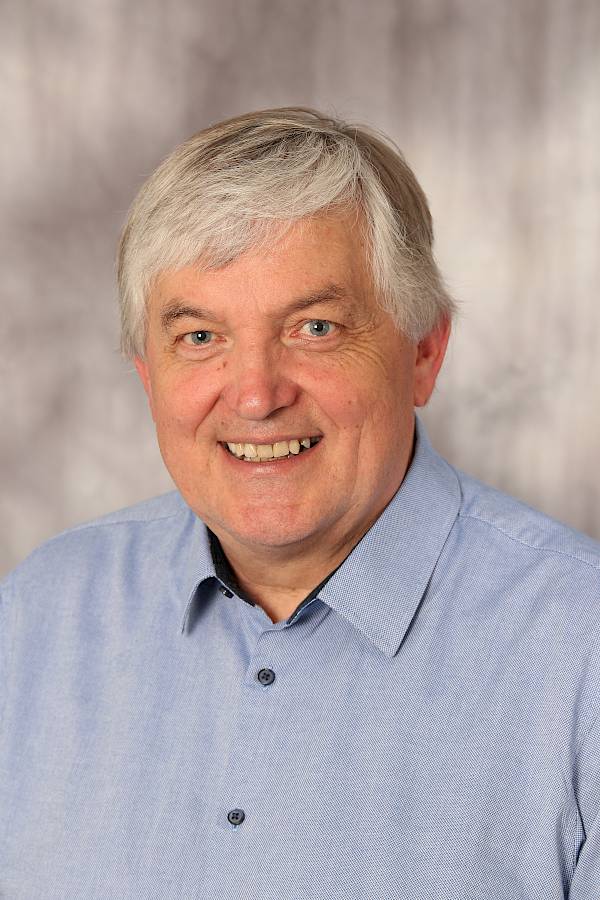
Ernst Raffelsberger
Ernst Raffelsberger comes from Gmunden, Upper Austria. He studied music education and church music at the University of Music and Performing Arts in Vienna as well as choral conducting at the Mozarteum in Salzburg. From 1983 to 1986 he was Kapellmeister of the Vienna Boys’ Choir. During this time, he led the ensemble in Vienna and on tours through Europe, South Africa, Canada, and the USA. From 1986, Ernst Raffelsberger was choral director and Kapellmeister at the Salzburg State Theatre (participating in the Salzburg Mozart Week and the Salzburg Festival). In 1989 he moved as choral director and Kapellmeister to the theatre in Freiburg/Breisgau. Since autumn 1993, Ernst Raffelsberger has been engaged at the Zurich Opera House as choral director. Here he has since supervised around 150 premieres and countless revivals and worked with many renowned conductors such as Marco Armiliato, Riccardo Chailly, Teodor Currentzis, Christoph von Dohnányi, Sir John Eliot Gardiner, Daniele Gatti, Bernard Haitink, Nikolaus Harnoncourt, Zubin Mehta, Gianandrea Noseda, and Franz Welser-Möst. Guest performances with the Zurich Opera House have taken him to Vienna, London, Paris, and Tokyo. From summer 2012 he additionally began a ten-year activity as choral director of the Vienna State Opera Chorus Association at the Salzburg Festival. There he collaborated successfully with, among others, Riccardo Muti, Mariss Jansons, and Sir Simon Rattle. After Ernst Raffelsberger ended this work with the festival summer 2021, he has since 2025 once again been responsible, at Maestro Muti’s request, for choral preparation for his festival concerts in Salzburg. Numerous CD and DVD recordings document his work in Zurich as well as in Salzburg.
Cast
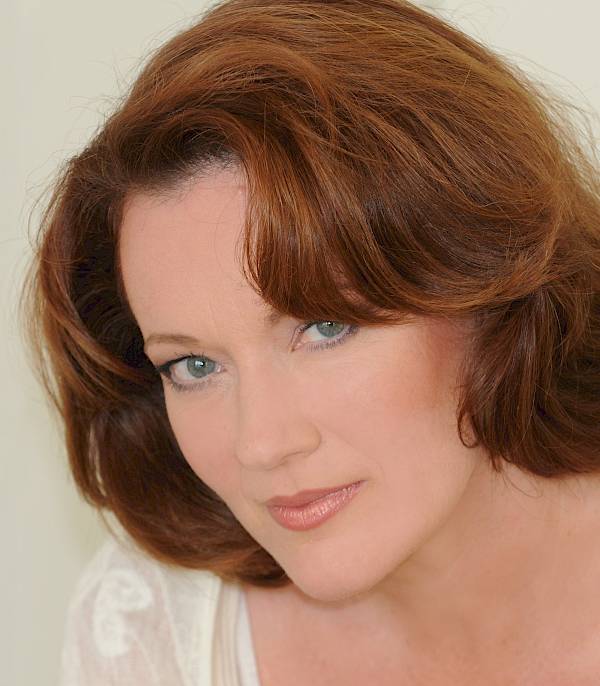
Catherine Naglestad
Catherine Naglestad, geboren in Kalifornien, studierte Gesang in San Francisco, Rom, Mailand sowie New York und ist heute als Sopranistin international präsent. Die Bandbreite ihrer Rollen umfasst Konstanze, Alcina, Alceste, Fiordiligi, Salome, Cio-Cio-San, Norma und Manon Lescaut und wurde in letzter Zeit ergänzt durch Wagnerpartien wie Senta (Der fliegende Holländer) an der Nederlandse Opera mit Hartmut Haenchen, Brünnhilde (Siegfried) an der Bayerischen Staatsoper mit Kent Nagano und Sieglinde (Die Walküre), erneut mit Hartmut Haenchen in Amsterdam. Auch Verdi nahm einen wichtigen Platz ein in ihrem Schaffen der letzten Zeit. So war sie etwa als Amelia (Un ballo in maschera), Elisabetta (Don Carlo) und Leonora (La forza del destino) zu erleben. Besonders aufgefallen ist sie als Tosca, die sie u.a. in Wien, Berlin, München, Paris, Orange, Zürich und London verkörperte. 2006 wurde Catherine Naglestad in Stuttgart zur Kammersängerin ernannt und von der Zeitschrift Opernwelt zur Sängerin des Jahres gewählt. Neben vielen weiteren Preisen erhielt sie den Maria Callas Debut Artist of the Year Award der Oper Dallas für ihre Interpretation der Tosca. Zahlreiche Produktionen mit Catherine Naglestad sind auf DVD erschienen, darunter Der fliegende Holländer, La clemenza di Tito, Alceste, Alcina und Die Entführung aus dem Serail. In Zürich war sie bereits als Minnie, Tosca, Salome und Santuzza zu hören. Zuletzt war sie als Salome und Tosca an der Deutschen Oper Berlin, als Tosca zudem in Wien und Tokyo und als Carlotta Nardi (Die Gezeichneten) an der Bayerischen Staatsoper zu Gast. In dieser Spielzeit wird sie am Opernhaus Zürich neben Carlotta auch als Abigaille in Nabucco zu hören sein.
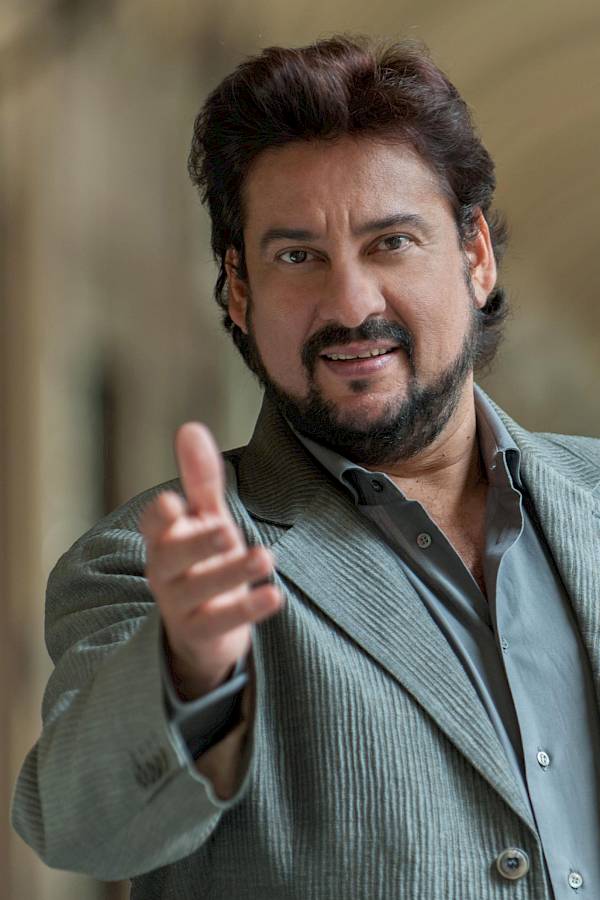
Marcelo Alvarez
Marcelo Álvarez stammt aus Argentinien. 1995 gab er sein Operndebüt am Teatro La Fenice in La sonnambula und gastierte danach in kurzer Folge an zahlreichen grossen Opernbühnen, darunter am ROH Covent Garden, an der Bayerischen Staatsoper, der Mailänder Scala sowie den Opernhäusern von Florenz, Paris, Verona, Barcelona, Madrid, Wien, Berlin, Turin und Rom. An der New Yorker Metropolitan Opera debütierte er 1998 in einer Neuproduktion von La traviata unter James Levine (Regie: Franco Zeffirelli) und kehrt seither regelmässig an das Haus zurück. In jüngster Zeit war er dort in den Neuproduktionen von Un ballo in maschera, Cavalleria rusticana und Pagliacci zu erleben. Ebenfalls ein enges Verhältnis verbindet ihn mit der Mailänder Scala, wo er zuletzt in Luisa Miller, Der Rosenkavalier, Il trovatore, Un ballo in maschera und als Cavaradossi in Tosca zu erleben war. In der Spielzeit 2015/16 gab Marcelo Álvarez sein Rollendebüt als Calaf (Turandot) an der Met, sang Manrico (Il trovatore) in Paris, Dick Johnson (La fanciulla del West) an der Mailänder Scala und war als Cavaradossi in Monte Carlo, Zürich und Buenos Aires zu erleben. In der Spielzeit 2016/17 war er als Cavaradossi in
Buenos Aires und in Paris zu Gast, sang Calaf an der Wiener Staatsoper und war als Cavaliere des Grieux (Manon Lescaut) sowie als Don José (Carmen) an der Met zu sehen. In Zürich sang er zuletzt Cavaradossi und Manrico. Zahlreiche Einspielungen dokumentieren Marcelo Álvarez’ Arbeit: Bei Sony ist u.a. ein Tango-Album und eine Aufnahme mit französischen Arien erschienen, eine Verdi-Gesamteinspielung bei Decca und erst kürzlich 20 Years on the Opera Stage bei Delos Music.
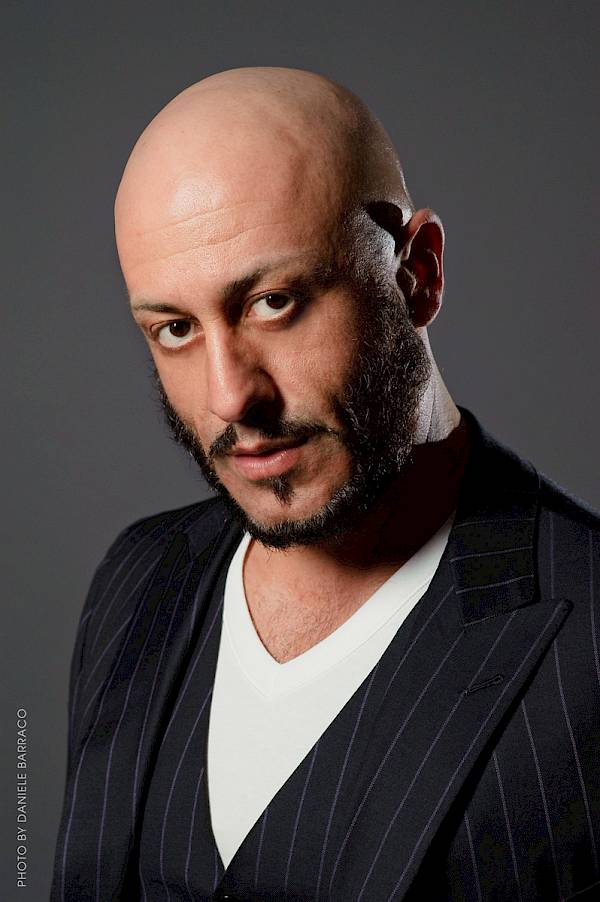
Marco Vratogna
Marco Vratogna studierte am Puccini-Konservatorium in La Spezia. 2000 gab er als Stankar in Verdis Stiffelio sein Operndebüt in Triest. In den folgenden Jahren verkörperte er unter anderem Paolo Albiani (Simon Boccanegra) in Venedig, Conte di Luna (Il trovatore) in Sevilla und Germont (La traviata) in Salerno. In Modena sang er die Titelpartie in Macbeth unter Massimo de Bernart. Er sang ausserdem in Hamburg, Berlin, Dresden, Frankfurt, Wien, Amsterdam, Brüssel, Genua, London, Madrid und San Francisco. Erfolge feierte er u.a. in der Titelpartie von Nabucco in Verona und Frankfurt, als Scarpia (Tosca) in Berlin und Frankfurt, als Jago (Otello) in Hamburg und Parma oder als Paolo Albiani unter Claudio Abbado in Florenz. Zu seinem Repertoire gehören zudem Partien wie Amonasro (Aida), Alfio (Cavalleria rusticana) oder Tonio (Pagliacci). Er wirkte in folgenden Neuproduktionen mit: Macbeth in Stockholm, Aida in München (unter Daniele Gatti), Otello an der Semperoper Dresden und Cambro (Antonio Carlos Gomes’ Fosca) am Theatro Municipal de São Paulo. In jüngster Zeit war Marco Vratogna als Scarpia in Wien, London, Verona, Venedig und an der New Yorker Met zu erleben, sang Jago in Barcelona und London sowie Rigoletto in Bari und Simon Boccanegra an der Wiener Staatsoper. In Zürich trat er zuletz als Scarpia und als Jago auf.
Valeriy Murga
Valeriy Murga studied at the National Music Academy of Ukraine in Kyiv. He was a finalist both at the 41st International Singing Competition in Toulouse (1996) and at the 7th Julian Gayarre Competition in Pamplona (1998). In 1997, he won second prize at the Maria Callas Grand Prix in Athens and took part in the Cardiff Singer of the World Competition in 1999. From 1997 to 1999, he was a soloist at the National Opera of Ukraine in Kyiv, where he performed, among others, Figaro ("Le nozze di Figaro"), Escamillo ("Carmen"), Schaunard ("La bohème") and the title roles in "Jewgeni Onegin", "Don Giovanni" and "Prince Igor". His repertoire also includes roles such as the Marchese di Posa ("Don Carlo") and Shaklovity ("Chowanschtschina"). At Zurich Opera House, he was initially a member of the International Opera Studio and during this time appeared, among other roles, as Sciarrone and the Jailer ("Tosca") and as Monterone ("Rigoletto"). Since the beginning of the 2000/01 season, he has been a permanent member of the ensemble at Zurich Opera House and has since appeared here, among other roles, as Prince Yeletsky ("Pique Dame"), Moralès ("Carmen"), Second Soldier ("Salome"), Alessio ("La sonnambula"), Ali ("L’italiana in Algeri"), Wagner ("Faust"), Sacristan ("Tosca") and Bogdanowitsch ("Die lustige Witwe"), as well as in family operas including "Das Gespenst von Canterville", "Robin Hood", "Das verzauberte Schwein", "Jim Knopf" and "Wir pfeifen auf den Gurkenkönig". He has also appeared as a guest in Eugen d’Albert’s "Tiefland" at the Gran Teatre del Liceu in Barcelona and in "L’italiana in Algeri" at the Staatsoper Unter den Linden in Berlin, and has performed in concerts at the Tonhalle Zurich. In the 2026/27 season, he will appear at Zurich Opera House, among other roles, as the Old Servant in "Elektra" and as Alcindoro in Puccini’s "La bohème".
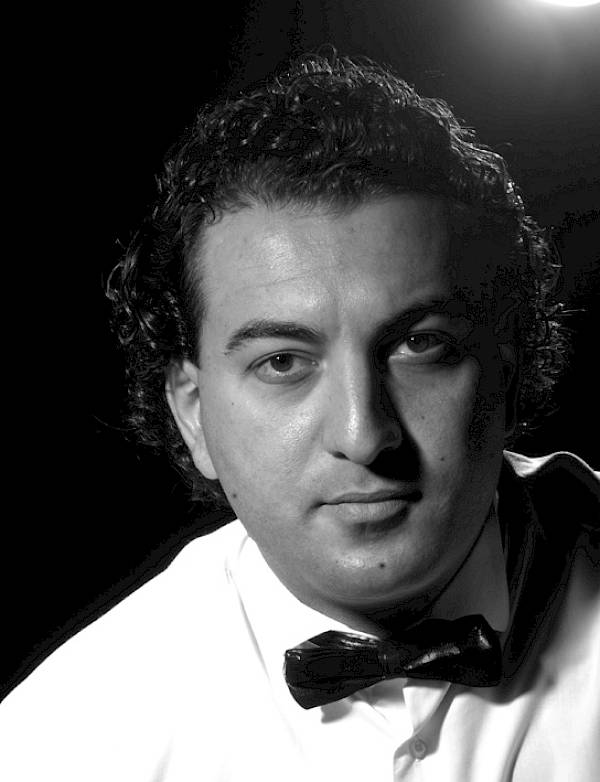
Dimitri Pkhaladze
Dimitri Pkhaladze stammt aus Georgien und studierte in Tiflis. Noch während seines Studiums sang er u.a. Sarastro, Gremin, Sparafucile und Don Basilio (Il barbiere di Siviglia). 2006 studierte er bei Tengiz Mushkudiani und wurde zwei Jahre später Ensemblemitglied an der Paliashvili-Oper in Tiflis, wo er als Ramfis (Aida) zu hören war. 2009 war er Finalist beim Internationalen Gesangswettbewerb «Neue Stimmen» und wurde anschliessend an die Accademia d’arte lirica in Osimo (Italien) engagiert. Später wurde er Mitglied des Opernstudios der Opéra National du Rhin, wo er u.a. Don Pasquale, Colline (La bohème), Martino (L’ occasione fa il ladro) und den Polizeikommissar (Der Rosenkavalier) sang. Seit der Spielzeit 2012/13 ist er Ensemblemitglied am Opernhaus Zürich. Hier war er u.a. als Anfisa in der Neuproduktion Drei Schwestern von Peter Eötvös, Pistola (Falstaff), Lodovico (Otello), Sir Gualtiero Raleigh (Roberto Devereux), Billy Jackrabbit (La fanciulla del West), Doktor Grenvil (La traviata) und Surin (Pique Dame) zu erleben. 2016 gastierte er als Daniello in Rossinis Ciro in Babilonia beim Rossini Opera Festival in Pesaro. In dieser Spielzeit ist er ausserdem in Le nozze di Figaro, Lady Macbeth von Mzensk, Don Carlo, im Feurigen Engel und Un ballo in maschera zu hören.
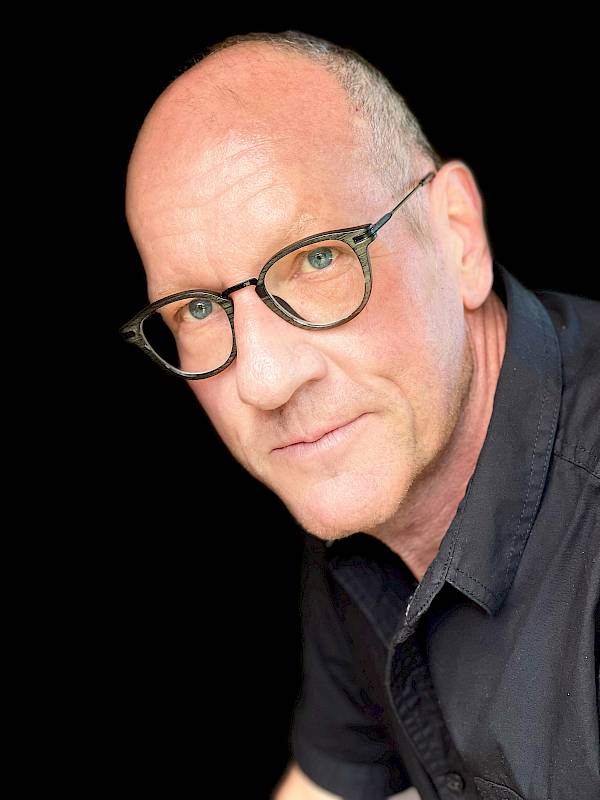
Martin Zysset
Martin Zysset was born and raised in Solothurn. He trained as a clarinettist while simultaneously studying voice, which he complemented with masterclasses with Ernst Haefliger and Edith Mathis. In 1990/91, he was a member of the International Opera Studio at Zurich Opera House and at the same time a scholarship holder of the Migros Cooperative Federation and a prizewinner at the Pro Arte Lyrica Competition in Lausanne. Since 1992, he has been a regular guest at the summer theatre in Selzach. He has been a permanent member of the ensemble at Zurich Opera House since 1991. Here, he has developed a broad repertoire of both buffo and dramatic roles, including Pedrillo, Monostatos, Spoletta, Incredibile ("Andrea Chénier"), Jaquino, Kudrjasch ("Káťa Kabanová"), Alfred ("Die Fledermaus"), Tamino, Tybalt, Dancaïro, Arturo, the Gingerbread Witch, Brighella and the male lead in Udo Zimmermann’s "Weisse Rose". He portrayed Simplicius in the operetta of the same name by Johann Strauss, which was also released on CD and DVD. Guest appearances have taken him throughout Europe, to Shanghai and, with "Die Zauberflöte", "Le nozze di Figaro", "Fidelio" and "Tannhäuser", to San Diego. Most recently in Zurich, he has sung Don Basilio ("Le nozze di Figaro"), Chekalinsky ("Pique Dame"), Triquet ("Jewgeni Onegin"), the Chief Eunuch ("Das Land des Lächelns"), Goro ("Madama Butterfly"), Spoletta ("Tosca"), Dormont ("La scala di seta"), the White Minister ("Le Grand Macabre"), the Devil/Narrator ("Die Geschichte vom Soldaten"), the Third Jew ("Salome"), Schmidt ("Werther"), Feri ("Die Csárdásfürstin") and Don Curzio ("Le nozze di Figaro"), among others. In the 2026/27 season, he will also be heard for the first time as Giuseppe in Verdi’s "La traviata".
Photo Gallery "Tosca"