
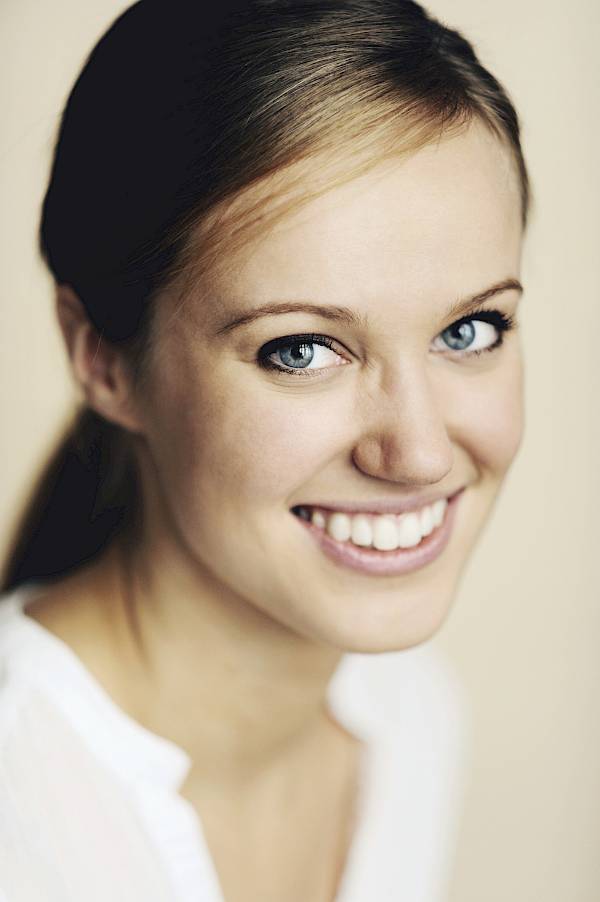
Born in Vilnius, Giedrė Šlekytė studied at the University of Music and Performing Arts Graz, the University of Music and Theatre Leipzig, and the Zurich University of the Arts. As an internationally sought-after guest conductor, she has worked with the Vienna Symphony Orchestra, the Saxon State Orchestra Dresden, the Orchestre Philharmonique de Radio France, and the Bruckner Orchestra Linz, where she served as Principal Guest Conductor from 2022 to 2025. After her engagement as First Kapellmeister at the Stadttheater Klagenfurt from 2016 to 2018, she conducted at opera houses in Munich, Dresden, Zurich, Frankfurt, Antwerp, Leipzig, and at the Salzburg Festival. In the 2024/25 season, she made her debuts at the Vienna State Opera (“La Bohème”) and at the Royal Opera House London (“Hänsel und Gretel”), conducted “Das Paradies und die Peri” at the MusikTheater an der Wien, and appeared as a guest at the Staatsoper Berlin, among others. In the symphonic field, she has performed with the Dallas Symphony (U.S. debut), Philharmonia London, NHK Symphony, the Munich Philharmonic, and RSB Berlin. In the 2025/26 season, she will make her debuts with the L.A. Philharmonic, the Royal Scottish National Orchestra, the Rotterdam Philharmonic, and the Antwerp Symphony. Šlekytė is a strong advocate for Lithuanian music and has recorded works by Raminta Šerkšnytė (Deutsche Grammophon) and Žibuoklė Martinaitytė (Ondine). She is a prizewinner of the 2015 International Malko Conducting Competition and was nominated for the 2015 Salzburg Festival Young Conductors Award as well as “Newcomer of the Year” at the 2018 International Opera Awards. With “Hänsel und Gretel,” she conducts a premiere at the Zurich Opera House for the first time.
Jules Massenet
Lyrical drama in four acts and five scenes
Libretto by Edoudard Blau, Paul Milliet, and Georges
Hartmann after Johann Wolfgang von Goethe
From 28. March 2021 until 24. April 2021
-
Duration :
2 H. 45 Min. Inkl. Pause after 1st part after approx. 1 H. 15 Min. -
Language:
In French with German and English surtitles. -
More information:
Introduction 45 min before the performance.
Giedrė Šlekytė
Tatjana Gürbaca
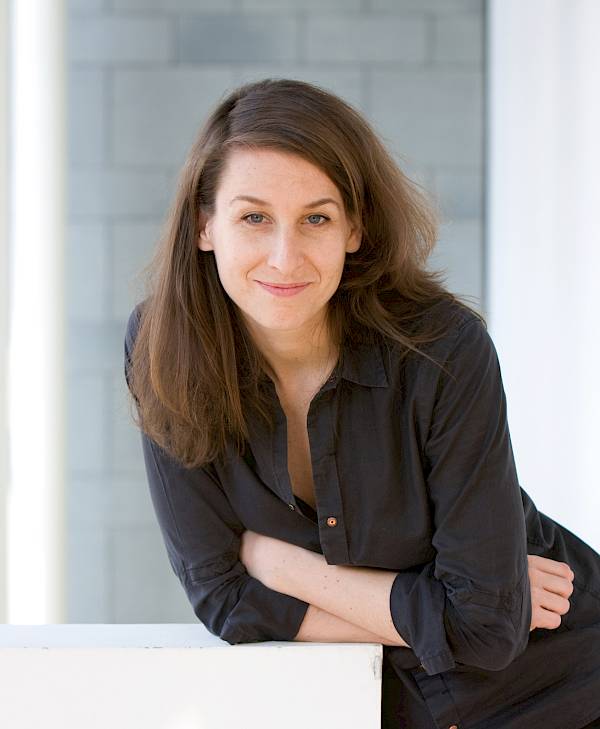
Tatjana Gürbaca studied directing at the Hanns Eisler School of Music in her hometown of Berlin and complemented her training with masterclasses, especially with Ruth Berghaus. At the international Ring Award Graz she was one of the finalists. The spectrum of her productions ranges from the Baroque (Purcell’s "Dido and Aeneas" in Baden-Baden) to contemporary music theatre such as Dallapiccola’s "Il prigioniero" (Volksoper Vienna) or Philippe Hersant’s "Le moine noir" (world premiere at Oper Leipzig). She also directed a Tchaikovsky cycle at the Vlaamse Opera Antwerp. Further engagements have taken her to the Staatsoper Unter den Linden and the Deutsche Oper Berlin, Oper Graz, Stadttheater Bern, the opera houses of Novosibirsk and Oslo, as well as the Lucerne Festival. From 2011 to 2014 she was Opera Director at Staatstheater Mainz, where she staged, among others, "Die verkaufte Braut", Salvatore Sciarrino’s "Macbeth", "Un ballo in maschera" and Alessandro Scarlatti’s "Il primo omicidio". In 2013 she was named "Director of the Year" by the magazine Opernwelt for her "Parsifal" at the Vlaamse Opera Antwerp. She created a three-part "Ring" project and "Alcina" at Theater an der Wien, "Lohengrin" and "Der Freischütz" in Essen, Korngold’s "Die tote Stadt" at Oper Cologne, "Das schlaue Füchslein" at Theater Bremen, "Così fan tutte" at the National Theatre in Prague, "Káťa Kabanová" at the Deutsche Oper am Rhein, "Jenůfa" at the Grand Théâtre de Genève and "Ulisse" at Oper Frankfurt. In Zurich she has directed, among others, "Rigoletto", "Die Zauberflöte", "Werther", "Le Grand Macabre", "Lucia di Lammermoor" and in 2025 the world premiere of Beat Furrer’s "Das grosse Feuer".
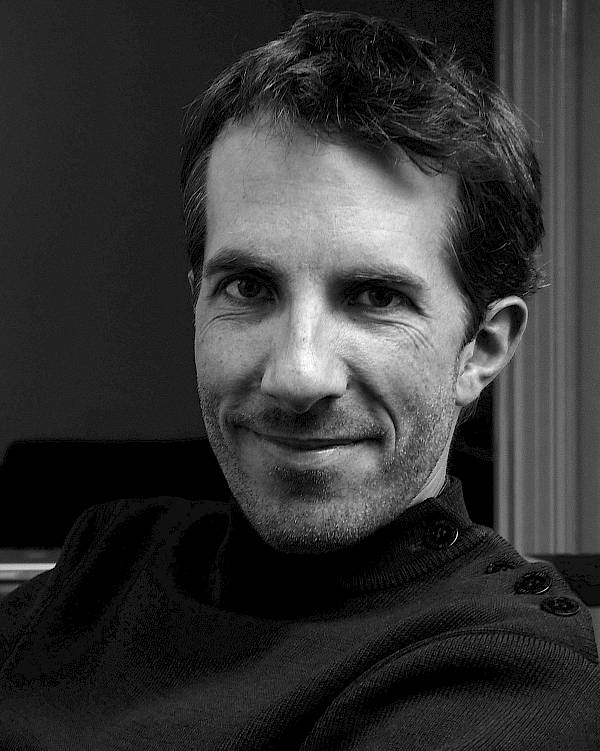
Klaus Grünberg
Klaus Grünberg, a native of Hamburg, studied stage design under Erich Wonder in Vienna and has since worked as a freelance stage and lighting designer at theatres and opera houses across Europe, as well as in Kuwait and Buenos Aires. For many years, he has collaborated with composer and director Heiner Goebbels, as well as with Tatjana Gürbaca and Barrie Kosky. His recent works include "The Magic Flute," "Macbeth," "Werther," "Lucia di Lammermoor," and "The Merry Widow" at the Zurich Opera House; "The Rise and Fall of the City of Mahagonny" and the Berlin-themed evening "…und morgen könnt ihr mich!" at the Komische Oper Berlin; "Ulisse" and "La Juive" at the Frankfurt Opera; "Simon Boccanegra" at the Aalto Music Theatre Essen; "Rusalka" at the Hanover State Opera; "L’incoronazione di Poppea" at the Theater Bremen; and Gogol’s "The Government Inspector" at the Burgtheater Vienna. In 1999, Klaus Grünberg opened MOMOLMA (Museum of More or Less Modern Art) in Hamburg.
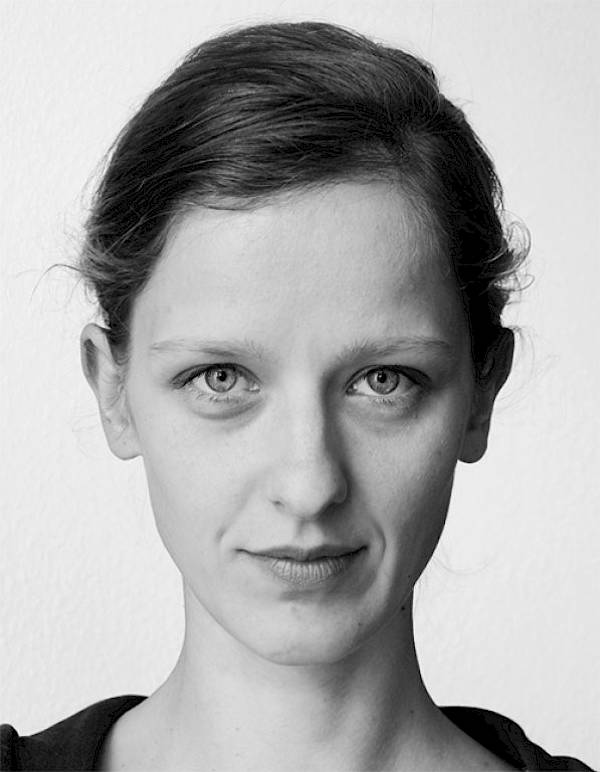
Anne Kuhn
Anne Kuhn, born in Chemnitz, studied Applied Theatre Studies in Giessen. After numerous stage and set design assistantships, including with Beatrice Schultz, Klaus Grünberg, and Wolfgang Gussmann, she has been collaborating regularly with stage and lighting designer Klaus Grünberg since 2008. In addition, she realizes her own independent projects. Anne Kuhn lives and works as a stage designer and illustrator in Berlin and Hamburg. She has worked on productions such as "The Nose" (Royal Opera House Covent Garden), "Don Giovanni" and "Simplicius Simplicissimus" (Theater Bremen), "Rusalka" (Hanover State Opera), "Der Freischütz" (Aalto Music Theatre Essen), as well as at the Komische Oper Berlin on "Frühlingsstürme," "Pelléas et Mélisande," and "Akhnaten." At the Zurich Opera House, she collaborated with Klaus Grünberg on the stage designs for "Macbeth" and "The Merry Widow" (directed by Barrie Kosky), as well as for "Aida," "The Magic Flute," "Werther," and "Lucia di Lammermoor" (directed by Tatjana Gürbaca).
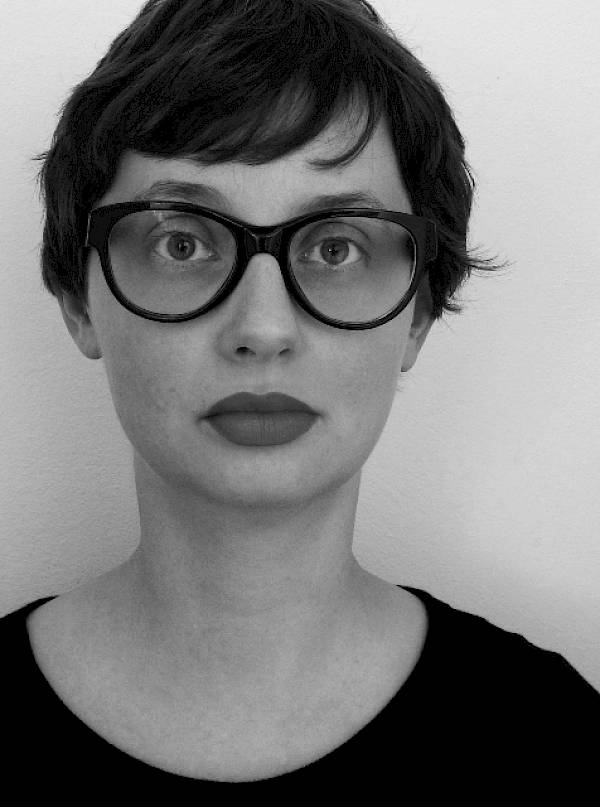
Silke Willrett
Silke Willrett studied stage and costume design with Jürgen Rose and art history in Stuttgart. In 1999 she completed her state examination in art history. In 2003 she founded the independent theatre group "Fliegen ab Stuttgart" together with Tanja Richter and Marc Weeger, which received the Baden-Württemberg Theatre Prize in the same year. Together with Marc Weeger, she was nominated several times by Die Deutsche Bühne and Opernwelt as "Best Stage and Costume Designer". Silke Willrett also works as a set and costume designer for film productions. The film "Das Mass der Dinge" was nominated for the "First Steps Award" in 2005 and by the Academy of Motion Picture Arts and Sciences in 2006. Her artistic partners include Andrea Breth, Christof Nel as well as Monique Wagemakers and Jan Essinger. Together with Tatjana Gürbaca she created, among others, "Le Grand Macabre", "Don Giovanni" and "L’incoronazione di Poppea" (Theater Bremen), "Werther" and "Manon" (Staatstheater Mainz), "Der fliegende Holländer" (Deutsche Oper Berlin), "Mazeppa", "Eugene Onegin" and "The Enchantress" (Vlaamse Opera Antwerp), "Salome" (Deutsche Oper am Rhein), "Rigoletto", "Aida", "Die Zauberflöte", "Werther" and "Lucia di Lammermoor" (Opernhaus Zürich), "Ulisse" and "La Juive" (Oper Frankfurt) as well as "Il primo omicidio" (Teatro Arriaga Bilbao). She has served on several juries for scholarships and awards, including from 2021 to 2024 for the FAUST Prize. She is a member of the scenography association and of the German Academy of the Performing Arts. As a visual artist, she is a member of the group "Linienscharen", which presents annual exhibitions throughout the region.
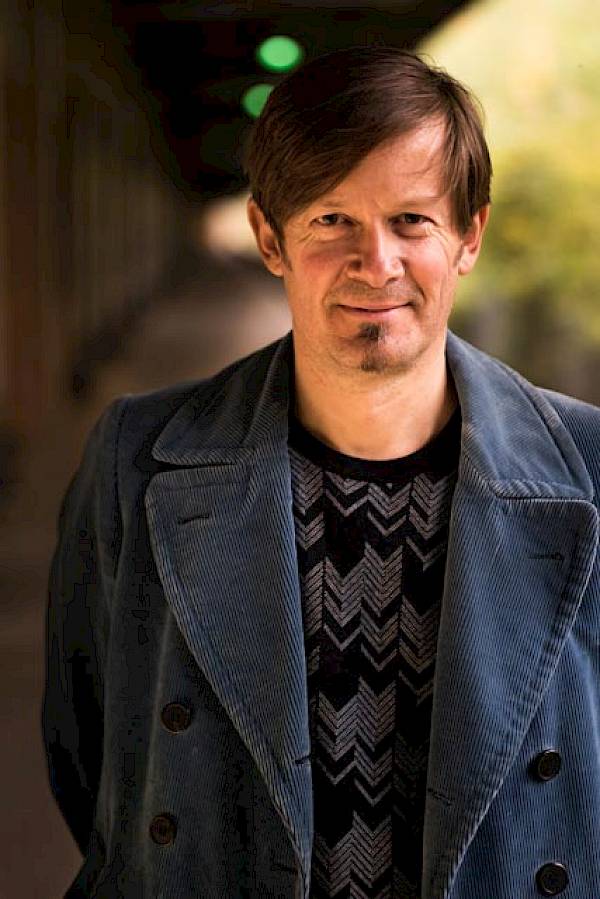
Carl-Christian Andresen
Carl-Christian Andresen studied textile and fashion design at the University of Applied Sciences in Hamburg and then moved to Paris for four years. There he worked, among others, for Chloé, Jean-Charles de Castelbajac and John Galliano. In 2006 he returned to Germany and shifted to theatre and opera as an artistic costume assistant. He has had a long-standing collaboration with Silke Willrett since 2008. Carl-Christian Andresen has worked on productions at, among others, the Thalia Theater Hamburg, the Hamburg State Opera, the Komische Oper Berlin, the Deutsche Oper Berlin, the Staatsoper Unter den Linden, Dutch National Opera, Opernhaus Zürich, the Vienna State Opera, Teatro Colón in Buenos Aires, La Monnaie in Brussels, the Deutsche Oper am Rhein, the Aalto Theater in Essen and the Teatro Mayor in Bogotá. He created his own costume designs for, among others, "Le nozze di Figaro" at the Landestheater Detmold, "Le journal de Nijinsky" at the Grand Théâtre Bordeaux, "Dangerous Liaisons" at the Lübeck University of Music, "Der Vetter aus Dingsda" at Theater Ulm and "Dinorah" at Theater Görlitz. For Thierry Tidrow’s opera "Persona" at the Staatstheater Darmstadt he created both the stage and costume design in 2023. He also designs for various short films, feature films and commercials, including "My Circumcision" (awarded the Max Ophüls Prize 2013 for "Best Short Film") and the music video "Fräulein Sommer", which received the UNICATO Award for "Best Music Video" in 2014. In 2024 he designed, together with Silke Willrett, the costumes for the German premiere of Louise Bertin’s opera "Fausto" at the Aalto Musiktheater Essen (directed by Tatjana Gürbaca).
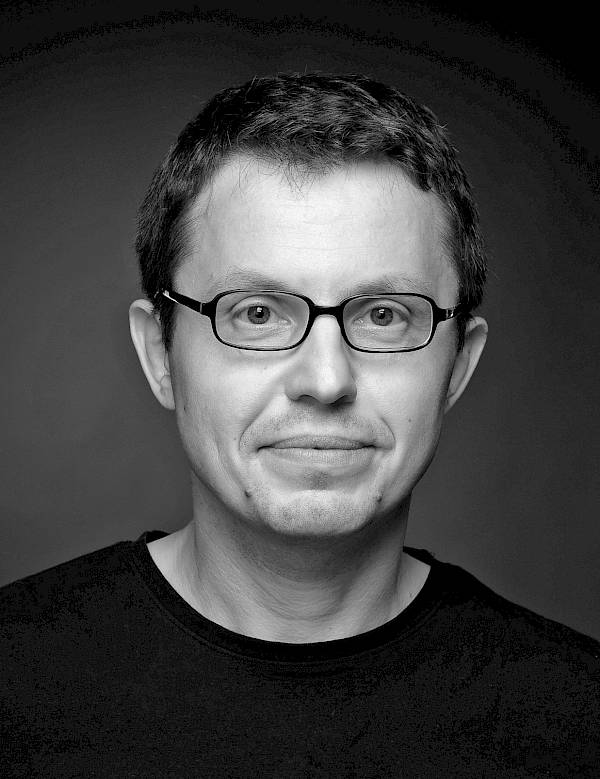
Janko Kastelic
Janko Kastelic ist ein kanadisch-slowenischer Dirigent, Chorleiter, Pianist und Organist. Er begann seine musikalische Ausbildung in Kanada am Royal/Western Conservatory of Music und der St. Michael’s Choir School. Er hat einen Abschluss in Dirigieren, Komposition und Musiktheorie von der Universität Toronto und setzte sein Studium an der Hochschule für Musik und Darstellende Kunst in Wien fort. Seit 2017 ist er Chordirektor am Opernhaus Zürich. Er war einer der Kapellmeister der Wiener Hofmusikkapelle, Studienleiter des JET-Programms für junge Sänger am Theater an der Wien und Assistent bei den Bayreuther Festspielen sowie Gastchordirektor an der Hamburgischen Staatsoper. Zu den Positionen, die er im Lauf seiner Karriere bekleidet hat, gehört auch die Stelle des Generalmusikdirektors und Operndirektors am Slowenischen Nationaltheater Maribor, des Zweiten Chordirektors an der Wiener Staatsoper sowie des Korrepetitors an der Opéra National de Paris. Er war Assistenzprofessor an der Universität Ljubljana und Mentor an der Musik und Kunst Privatuniversität der Stadt Wien. Seine künstlerischen Leistungen sind dokumentiert auf mehreren Live-Aufnahmen, darunter Tschaikowskis Pique Dame und Schönbergs Moses und Aron. Er arrangierte und dirigierte auch Werke für die Feierlichkeiten zum Mozartjahr 2006. Zu seinen Arbeiten beim Klangbogen-Festival in Wien gehört die europäische Erstaufführung von Blochs Macbeth. Janko Kastelic ist auch ein engagierter Pädagoge, der sich der Förderung der nächsten Generation von Musikerinnen und Musikern verschrieben hat.
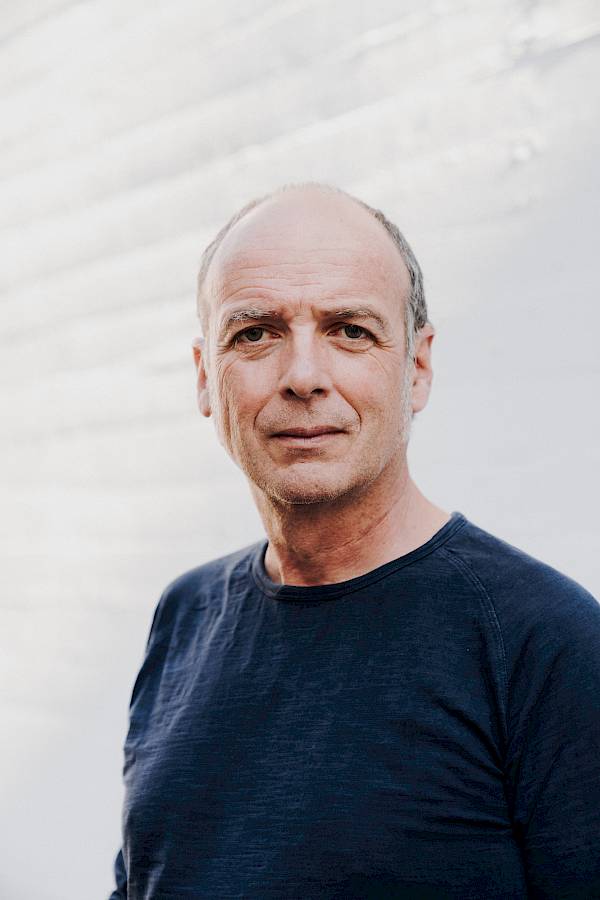
Claus Spahn
Claus Spahn was chief dramaturge at the Zurich Opera House during Andreas Homoki’s tenure as artistic director. There, he supervised music theater projects by Wolfgang Rihm, Helmut Lachenmann, George Benjamin, Roman Haubenstock-Ramati, and world premieres by Heinz Holliger, Christian Jost, and Stefan Wirth. As a production dramaturge, he worked with directors such as Sebastian Baumgarten, Herbert Fritsch, Jan Philipp Gloger, Tatjana Gürbaca, Andreas Homoki, Barrie Kosky, Nadja Loschky, David Marton, and Evgeni Titov. He also shares a close artistic partnership with the choreographer and former director of Zurich Ballet, Christian Spuck. For him, Spahn was involved in the development of the productions “Anna Karenina,” “Nussknacker und Mausekönig,” and “Monteverdi” in Zurich, he also wrote libretti for the ballets “Orlando” based on Virginia Woolf (world premiere in 2021 at the Moscow Bolshoi Ballet) and “Bovary” based on Gustave Flaubert (world premiere in 2023 at the Berlin State Ballet). Additionally, he is the librettist of the chamber opera “The Dream of You” by Swiss composer Xavier Dayer, which premiered in 2017 at the Zurich Opera House. Before joining the Zurich Opera House, Claus Spahn was the arts editor for 14 years at the German weekly newspaper DIE ZEIT, where he was responsible for the music section. From 1990 to 1997, he worked as a freelance music journalist mainly for the Süddeutsche Zeitung and Bavarian Broadcasting. Claus Spahn was born in Germany, studied classical guitar in Freiburg im Breisgau, and completed training at the German School of Journalism in Munich.
Cast

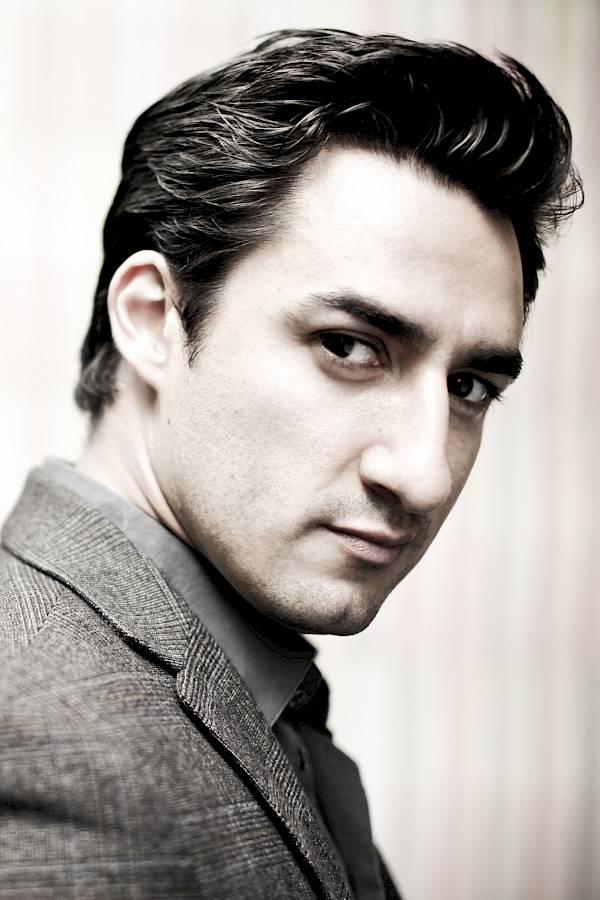
Charles Castronovo
Charles Castronovo, geboren in New York, wurde nach ersten Engagements an der Los Angeles Opera in das Lindemann Young Artists Development Program der Met New York aufgenommen, wo er 1999 sein Debüt als Beppe in Pagliacci gab. Seither tritt er an den bedeutendsten Opernhäusern auf, darunter das Royal Opera House London, die Opéra de Paris, die Metropolitan Opera, die Staatsopern in Wien, Berlin und München, das Teatro Real in Madrid sowie die Opernhäuser von San Francisco und Chicago. Zu den grundlegenden Partien seines Repertoires zählen Mozarts Tamino, Don Ottavio (Don Giovanni) und Ferrando (Così fan tutte), Belcanto-Rollen wie Edgardo (Lucia di Lammermoor), Nemorino (L’elisir d’amore), Tebaldo (I Capuleti e i Montecchi) und Ernesto (Don Pasquale), zudem Verdi-Rollen wie Alfredo (La traviata), Fenton (Falstaff) oder Duca di Mantova (Rigoletto). In jüngerer Zeit sang er Partien wie Rodolfo (Luisa Miller), Pinkerton (Madama Butterfly), Cavaradossi (Tosca), Des Grieux (Manon), Jason (Cherubinis Médée) sowie Don Carlos. Am Opernhaus Zürich war er bisher in der Titelpartie von Gounods Faust zu erleben. 2024/25 singt er u. a. Riccardo (Un ballo in maschera) und Carlo (I masnadieri) an der Bayerischen Staatsoper München und ist ausserdem als Don Carlos in Paris, als Don José (Carmen) in London sowie als Macduff (Macbeth) bei den Salzburger Festspielen zu erleben. Konzertant ist er 2025 u.a. in Berlin, Paris und Baden-Baden mit seinem Debüt als Max (Der Freischütz) mit der Kammerakademie Potsdam unter Antonello Manacorda zu hören.
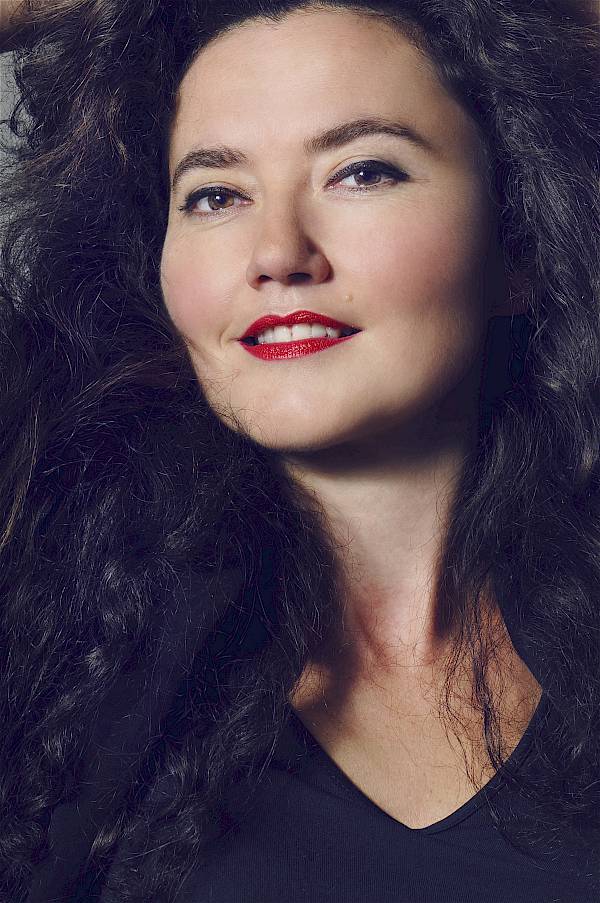
Stéphanie d'Oustrac
Stéphanie d’Oustrac wurde in Rennes geboren. Nach dem Studium in Lyon wurde sie von William Christie gefördert und ist unter seinem Dirigat und Les Arts Florissants mit Partien wie Purcells Dido, Lullys Armide, Cybèle (Lullys Atys) und Irene (Händels Theodora) aufgetreten. Zu den Partien, die sie an den grossen Häusern der Welt singt, gehören u.a. Ruggiero (Alcina), Sesto (Giulio Cesare), Cherubino (Le nozze di Figaro), Idamante (Idomeneo), Dorabella (Così fan tutte), Rosina (Il barbiere di Siviglia), Isolier (Le Comte Ory), Orphée (Orphée et Eurydice), Lazuli (L’Étoile) und Mélisande (Pelléas et Mélisande). Sie arbeitete mit Dirigent:innen wie Marc Minkowski, Emmanuelle Haïm, Sir John Eliot Gardiner, Charles Dutoit, Alan Curtis, Christopher Hogwood, Alain Altinoglu und Sir Colin Davis zusammen. In jüngerer Zeit sang sie Conceptión (L’Heure espagnole) an der Scala, Irene (Theodora) am Théâtre des Champs-Élysées und im Amsterdamer Concertgebouw, Béatrice (Béatrice et Bénédict) in Brüssel, Glyndebourne und an der Pariser Oper, Carmen in Dallas, in Madrid und an der Deutschen Oper Berlin, Ottavia bei den Salzburger Festspielen, Cassandre in Les Troyens an der Pariser Oper sowie Sesto in La clemenza d Tito in Barcelona. Am Opernhaus Zürich gab sie 2017 ihr Hausdebüt in der Titelrolle von Charpentiers Médée, sang 2018 Ottavia in L’incoronazione di Poppea und 2019 Phèdre in Hippolyte et Aricie. 2021/22 gastierte sie u.a. als Giovanna Seymour (Anna Bolena) in Genf, als Carmen an der Opéra National du Rhin, als Charlotte (Werther) in Monaco, in der Titelrolle von Thomas’ Mignon an der Opéra Liège sowie als Périchole an der Opéra Comique in Paris.
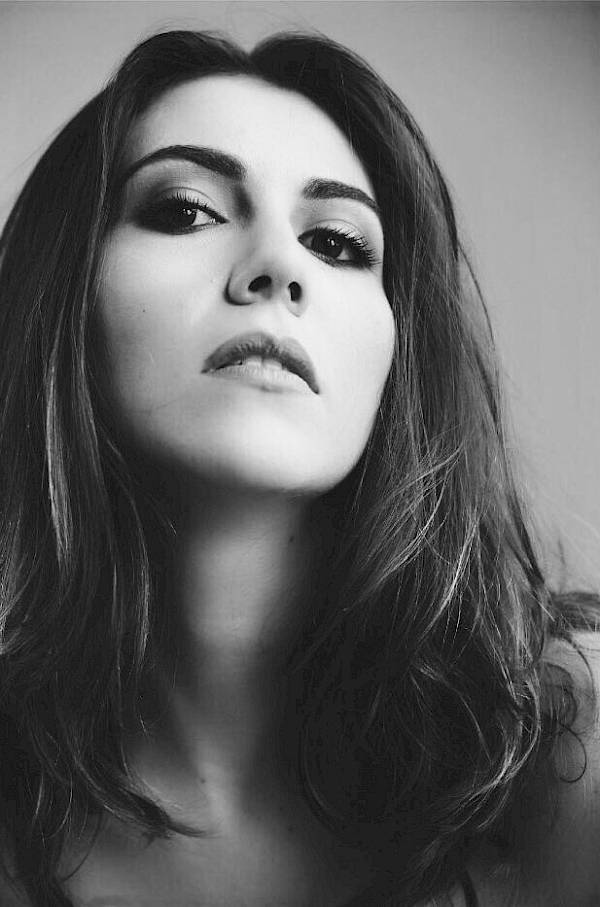
Sandra Hamaoui
Sandra Hamaoui, French-American soprano, studied at the San Francisco Conservatory and at the Juilliard School of Music in New York. She is the recipient of numerous awards; among others, she was a semifinalist in the Metropolitan Opera National Council Auditions and won first prize at the New England Regional Finals, the West Bay Opera League Competition, and the Mary Trueman Singing Competition. While still a student, she sang the title role in Gounod’s "Roméo et Juliette" with the Canadian Vocal Arts Institute and Adina in "L’elisir d’amore" with the San Francisco Conservatory of Music at the Kennedy Center. In the 2017/18 season, she was a member of the ensemble of the Deutsche Oper Berlin, where she performed roles including Ninetta ("Die Liebe zu den drei Orangen") and Pamina ("Die Zauberflöte"). In the summer of 2018, she appeared at the Verbier Festival, performing in "Adriana Lecouvreur" and "Rigoletto." As an ensemble member at the Zurich Opera House, she has performed roles such as Susanna in "Le nozze di Figaro," Gilda in "Rigoletto," Constance in a new production of "Dialogues des Carmèlites," Nanetta in "Falstaff," Gretel in Robert Carsten’s new production of "Hänsel und Gretel," Alice ("Alice in Wonderland"), and Miss Ellen ("Lakmé"). She made her debut in the title role of "Roméo et Juliette" with the Orchestre de Chambre de Genève.
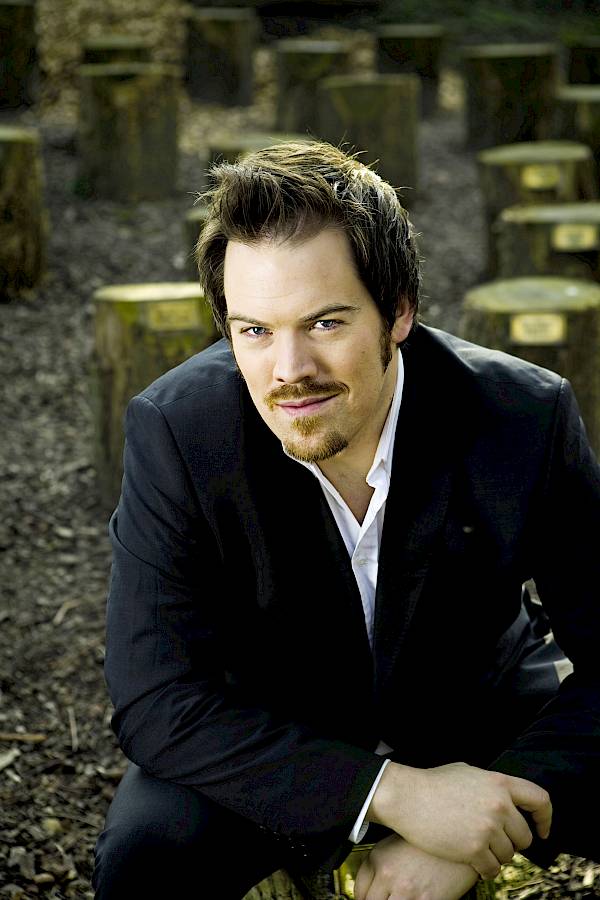
Audun Iversen
Der norwegische Bariton Audun Iversen studierte an der Norwegischen Staatlichen Musikhochschule in Oslo sowie an der Hochschule für Musik und Theater in Leipzig und der Opernakademie Kopenhagen, wo er in der Spielzeit 2007/08 Schaunard in La bohème und Vicomte Cascada in Die lustige Witwe mit der Königlichen Dänischen Oper sang. 2007 erhielt er den ersten Preis beim Königin-Sonja-Wettbewerb in Oslo. Zu den Höhepunkten der letzten Spielzeiten zählen Figaro (Il barbiere di Siviglia) an der San Francisco Opera, Il Conte (Le nozze di Figaro) in Glyndebourne und an der Deutschen Oper Berlin, die Titelrolle in Eugen Onegin an der Royal Danish Opera, der Norwegischen Oper und am Bolschoi-Theater Moskau, Posa (Don Carlo) an der Oper Frankfurt, Germont (La traviata) an der Norwegischen Oper und der Staatsoper Prag, Sharpless (Madama Butterfly) am Teatro dell’Opera Roma sowie Albert (Werther) am Royal Opera House und am Opernhaus Zürich. Jüngst sang er u. a. Edwin in Die Csárdásfürstin (Den Norske Opera), Frank/Fritz in Die tote Stadt (English National Opera), Don Alfonso in Così fan tutte (Den Norske Opera), Germont in La traviata (Nationaltheater Prag) sowie die Titelrolle in Eugen Onegin am Gran Teatre del Liceu.
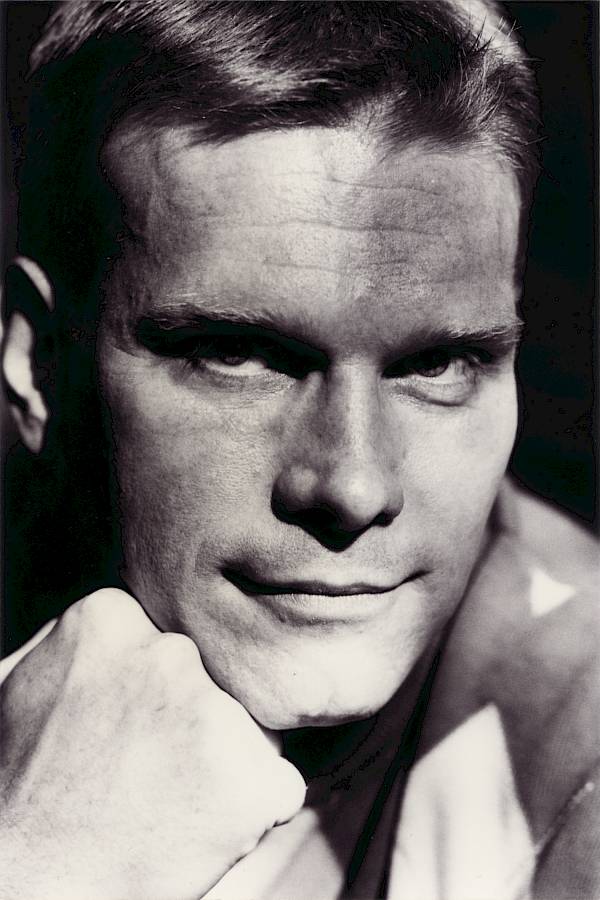
Cheyne Davidson
Cheyne Davidson erhielt seine musikalische Ausbildung an der Case Western Reserve University, dem Cleveland Institute of Music und der Manhattan School of Music. Unmittelbar nach seinem Studium wurde er eingeladen, als Escamillo mit Peter Brooks Tragédie de Carmen auf Europa-, Japan- und Israel-Tournee zu gehen. Nach Auftritten in den USA und Europa war er ein Jahr lang Mitglied des IOS. Seit 1992/93 gehört er zum Ensemble des Opernhauses Zürich, wo er u.a. als Marcello, Schaunard und Benoît (La bohème), Escamillo (Carmen), Silvio (Pagliacci), Amfortas (Parsifal), Paolo Albiani (Simon Boccanegra), Donner und Gunther (Der Ring des Nibelungen), Alfio (Cavalleria rusticana), Faninal (Rosenkavalier), Lescaut (Manon Lescaut), Marco (Gianni Schicchi), Barone Douphol (La traviata), Enrico (Lucia di Lammermoor), Werschinski (Drei Schwestern), Eisenhardt (Die Soldaten), Chang (Das Land des Lächelns), als Le Bailli in Massenets Werther, Bill (Aufstieg und Fall der Stadt Mahagonny), Jonas Fogg (Sweeney Todd), Eurylochos (Die Odyssee) und als Benoît (La bohème) auftrat. Gastverträge führten ihn u.a. an die Opernhäuser Stuttgart, Köln und Hamburg, nach Basel und Luzern, an das Théâtre du Châtelet in Paris, die Oper Nancy, zur Hamburger Opernwoche, nach Belgrad und Budapest, zu den Bregenzer Festspielen und zum Classic Open Air Solothurn. Bei der ZKO Opera Box war er in Die schöne Galathée, in Il campanello di notte sowie in Il signor Bruschino zu erleben. Sein Salzburger Festspieldebüt gab er zu Pfingsten 2016 als Doc in der West Side Story; im Sommer 2016 war er ebenfalls in Salzburg in der Uraufführung von Thomas Adès’ Oper The Exterminating Angel zu erleben.
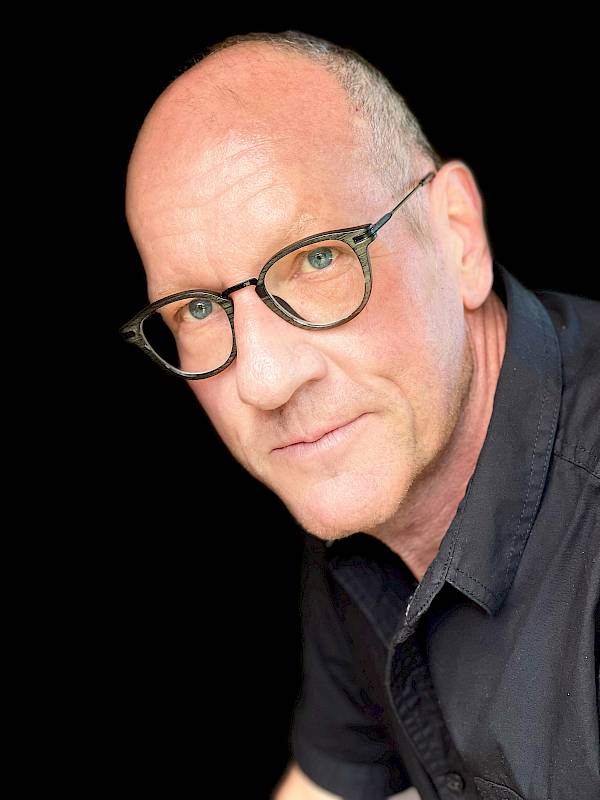
Martin Zysset
Martin Zysset was born and raised in Solothurn. He trained in clarinet and simultaneously pursued vocal studies, which he complemented with masterclasses with Ernst Haefliger and Edith Mathis. In 1990/91, he was a member of the International Opera Studio at the Zurich Opera House and at the same time a scholarship holder of the Migros Cooperative Union as well as a prizewinner of the Pro Arte Lyrica Competition in Lausanne. Since 1992, he has been a regular guest at the Summer Games in Selzach. He has been a permanent member of the Zurich Opera House since the 1991/92 season. There, he has developed a wide repertoire ranging from buffo to dramatic roles, including Pedrillo, Monostatos, Spoletta, Incredibile ("Andrea Chénier"), Jaquino, Kudryash ("Káťa Kabanová"), Alfred ("Die Fledermaus"), Tamino, Tybalt, Dancaïro, Arturo, Gingerbread Witch, Brighella, and the male lead in "Weisse Rose" by Udo Zimmermann. He achieved great success as Simplicius in the operetta of the same name by Johann Strauss, which was also released on CD and DVD. Guest performances have taken him throughout Europe, to Shanghai, and with "Die Zauberflöte," "Le nozze di Figaro," "Fidelio," and "Tannhäuser" to San Diego. For Bavarian Radio, he recorded Lehár’s operetta "Paganini." At the Zurich Opera House, he has most recently performed roles including Don Basilio ("Le nozze di Figaro"), Tschekalinski ("Pique Dame"), Triquet ("Eugene Onegin"), the Chief Eunuch ("Das Land des Lächelns"), Goro ("Madama Butterfly"), Spoletta ("Tosca"), Dormont ("La scala di seta"), the White Minister ("Le Grand Macabre"), the Devil/Narrator ("The Soldier’s Tale"), Third Jew ("Salome"), Schmidt ("Werther"), and Feri ("Die Csárdásfürstin").
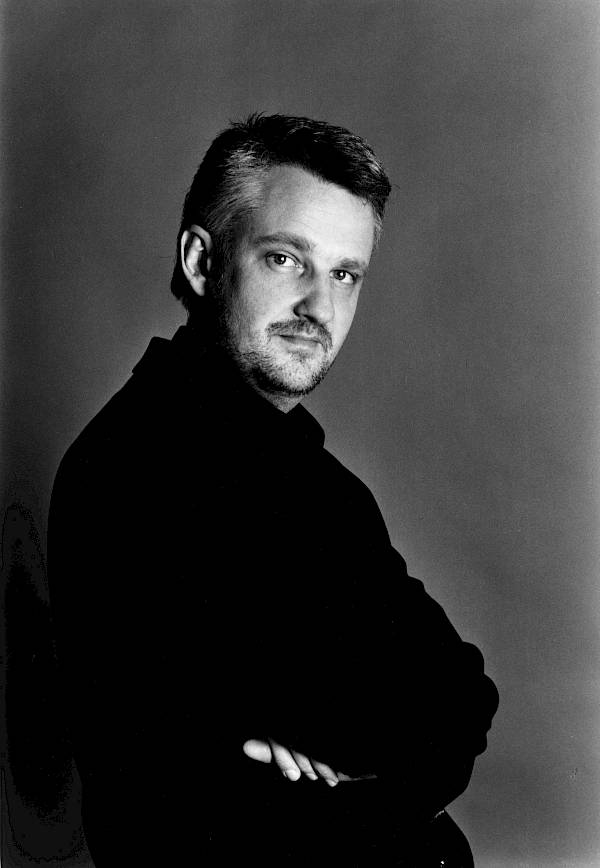
Oliver Widmer
Oliver Widmer, in Zürich geboren, studierte bei seinem Vater Kurt Widmer in Basel, bei Dietrich Fischer-Dieskau und Silvana Bazzoni. Preise gewann er u.a. beim ARD-Wettbewerb München, beim Internationalen Hugo-Wolf-Wettbewerb Stuttgart und beim Othmar-Schoeck-Wettbewerb Luzern. Mit Liederabenden war er bei der Schubertiade Feldkirch, den Salzburger Festspielen, den Wiener Festwochen, in der Londoner Wigmore Hall, in der Berliner Philharmonie, der Münchner Residenz, der Alten Oper Frankfurt, im Pariser Louvre, bei den Fêtes musicales en Touraine (mit Svjatoslav Richter), beim Aldeburgh Festival und im Lincoln Center New York mit Partnern wie Vladimir Ashkenazy, Hartmut Höll, Graham Johnson, András Schiff und Roger Vignoles zu Gast. Als gefragter Solist in Konzert und Oper unter Dirigenten wie Chailly, Dutoit, Gardiner, Jansons, Harnoncourt, Henze, Luisi, Santi, Schreier und Welser-Möst singt er mit den grossen Orchestern Europas (u.a. Wiener und Berliner Philharmoniker) und Amerikas (u.a. Pittsburgh Symphony, San Francisco Symphony) Werke von Bach bis Holliger. 1991/92 kam er als lyrischer Bariton zum Ensemble des Opernhauses Zürich, wo er u.a. als Papageno, Guglielmo, Olivier (Capriccio), Harlekin (Ariadne auf Naxos), Agamemnon (La Belle Hélène), Dandini (La Cenerentola), Figaro (Il barbiere di Siviglia), Belcore, Malatesta, Graf Almaviva, Dr. Falke, Valentin, Wolfram, Barbier (Die schweigsame Frau), Ottokar (Der Freischütz), Don Alfonso und Schwarzer Minister (Le Grand Macabre) sowie jüngst als Raimbaud (Le Comte Ory) zu hören war. Über 20 CD-Aufnahmen entstanden mit ihm, u.a. unter Harnoncourt und Gardiner sowie mit verschiedenen Liedrezitalen.
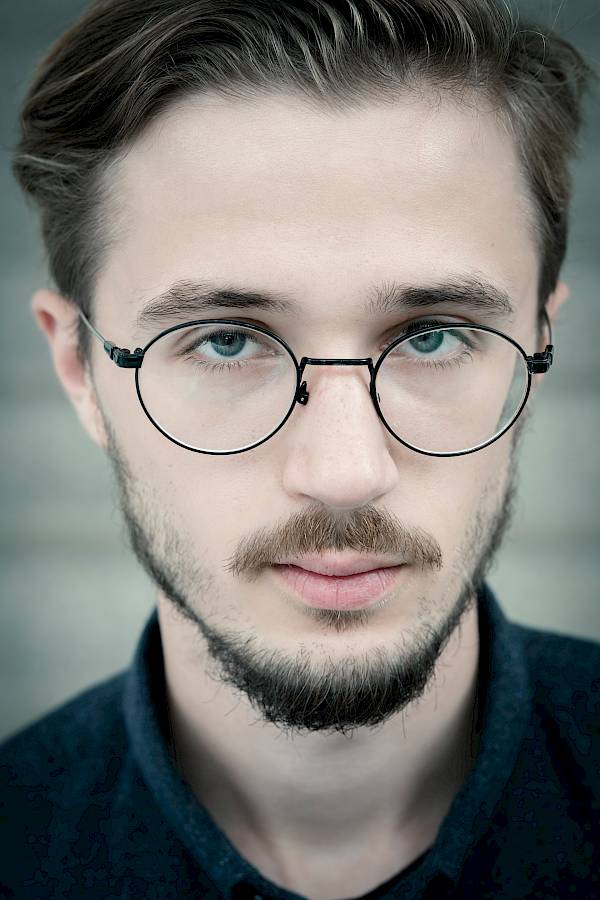
Saveliy Andreev
Saveliy Andreev wurde in Sankt Petersburg geboren und studierte am Glinka Choral College Gesang, Dirigat und Klavier. 2015 schloss er sein Studium in Chorleitung ab und studierte anschliessend in Sankt Petersburg am Rimski-Korsakov Konservatorium Gesang. In der Music Hall in Sankt Petersburg war er seit 2017 regelmässig als Solist zu hören. 2017 war er Teilnehmer des Festivals «14th German Week» in St. Petersburg und sang dort eine Solopartie in der Bach-Kantate Lasst uns sorgen, lasst uns wachen. 2018 gewann er den ersten Preis in der Tenor-Kategorie bei dem Wettbewerb «Great Opera. Voices of the Future». 2019 war er Teilnehmer eines Studienprogramms des Teatro del Maggio Musicale in Florenz. Seit der Spielzeit 2020/21 ist er Mitglied des Internationalen Opernstudios und war hier bisher in Boris Godunov, Simon Boccanegra, Salome, Le Comte Ory, Dialogues des Carmélites und in Il mondo della luna zu erleben.
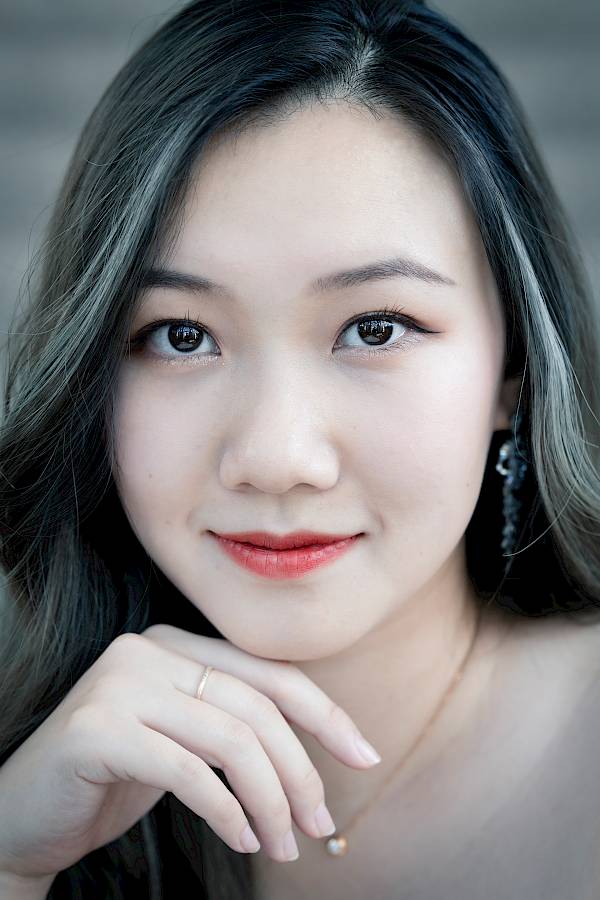
Ziyi Dai
Ziyi Dai, Sopran, stammt aus China und studierte am China Conservatory of Music in Peking, sowie an der Manhattan School of Music und am Curtis Institute of Music in New York. Meisterkurse besuchte sie u.a. bei Javier Camarena, Enza Ferrari, Eric Owens und Ferruccio Furlanetto. Sie war Preisträgerin beim Huang Long Music Festival, beim Premiere Opera Foundation Gesangswettbewerb und beim Daniel Biaggi Palm Beach Opera Preis. Im Rahmen des Curtis Institute of Music sang sie Zerlina in Don Giovanni, Belinda in Dido and Aeneas und Miss Wordworth in Albert Herring. Zusammen mit ihrem Vater, dem Opernsänger Dai Yuqiang, sang sie in der Carnegie Hall in New York und am Kimmel Center for the Performing Arts Konzerte mit Arien von Verdi, Puccini und Lehár sowie mit bekannten Chinesischen Volksliedern. Von 2019 bis 2022 war sie Mitglied des Internationalen Opernstudios und hier u.a. als Comtesse Adèle in Le Comte Ory, Marmeladenverkäuferin/Königstochter in Das tapfere Schneiderlein, als Athene in Die Odyssee, als Flaminia (Il mondo della luna) und als Barbarina in Le nozze di Figaro zu erleben. 2022/23 sang sie am Opernhaus Zürich Papagena in Die Zauberflöte und beim Buxton International Festival Amina in La sonnambula.
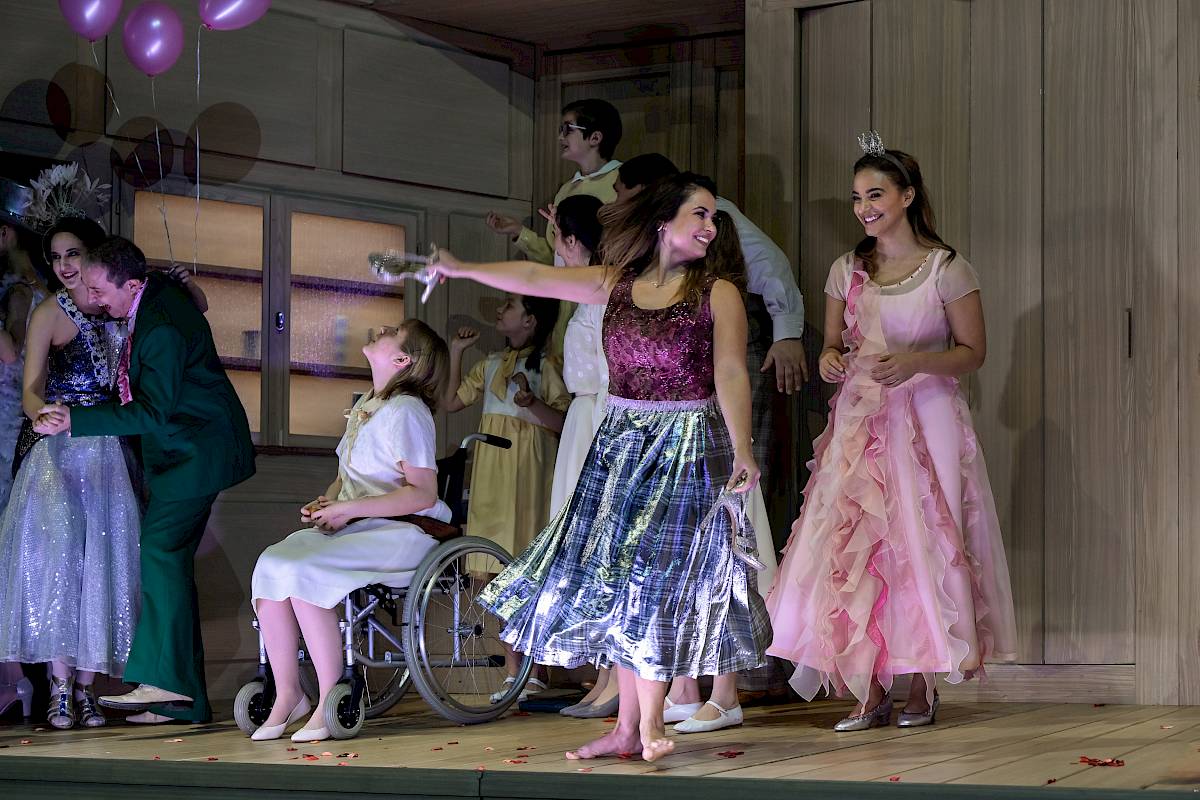
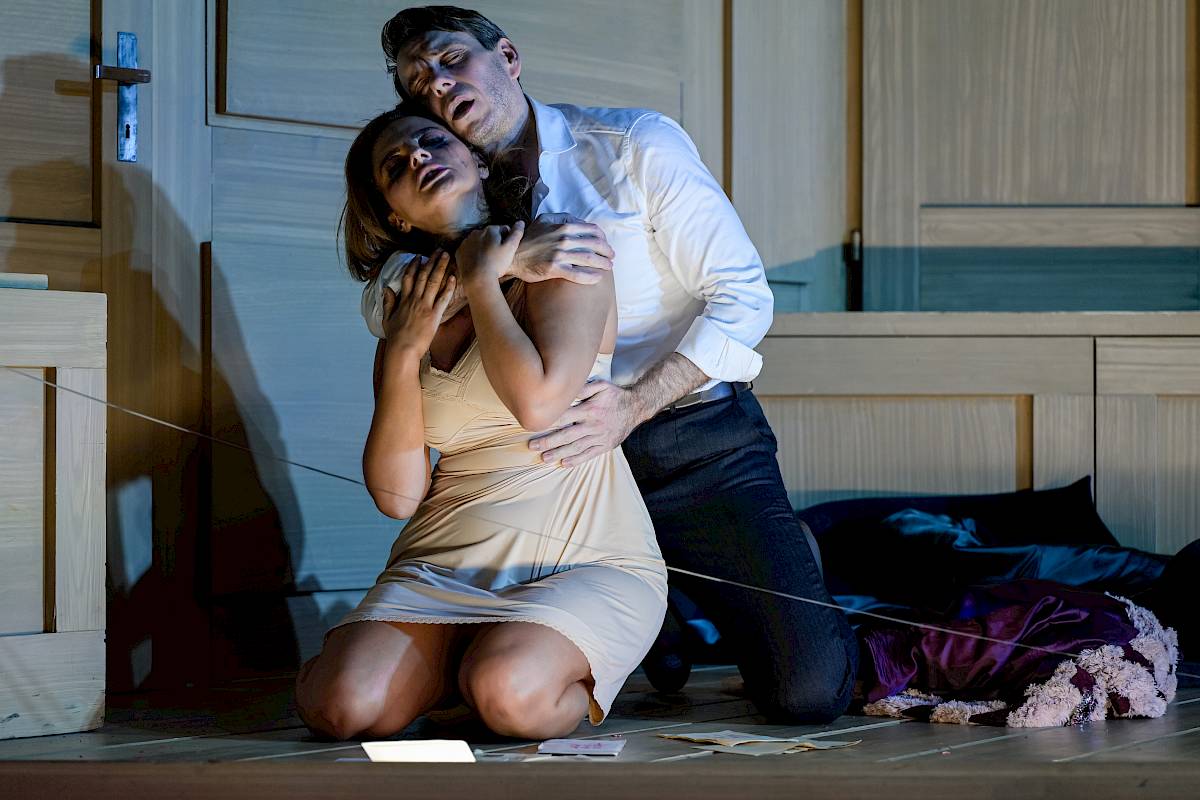
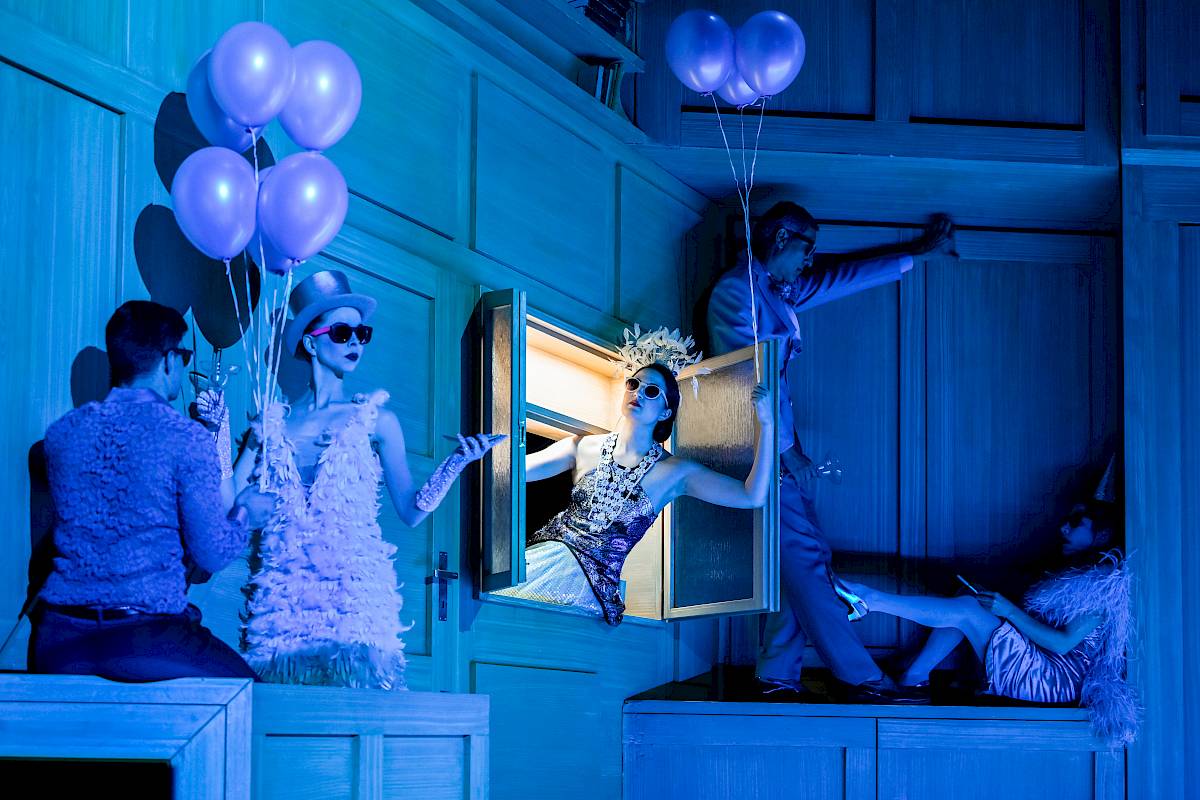
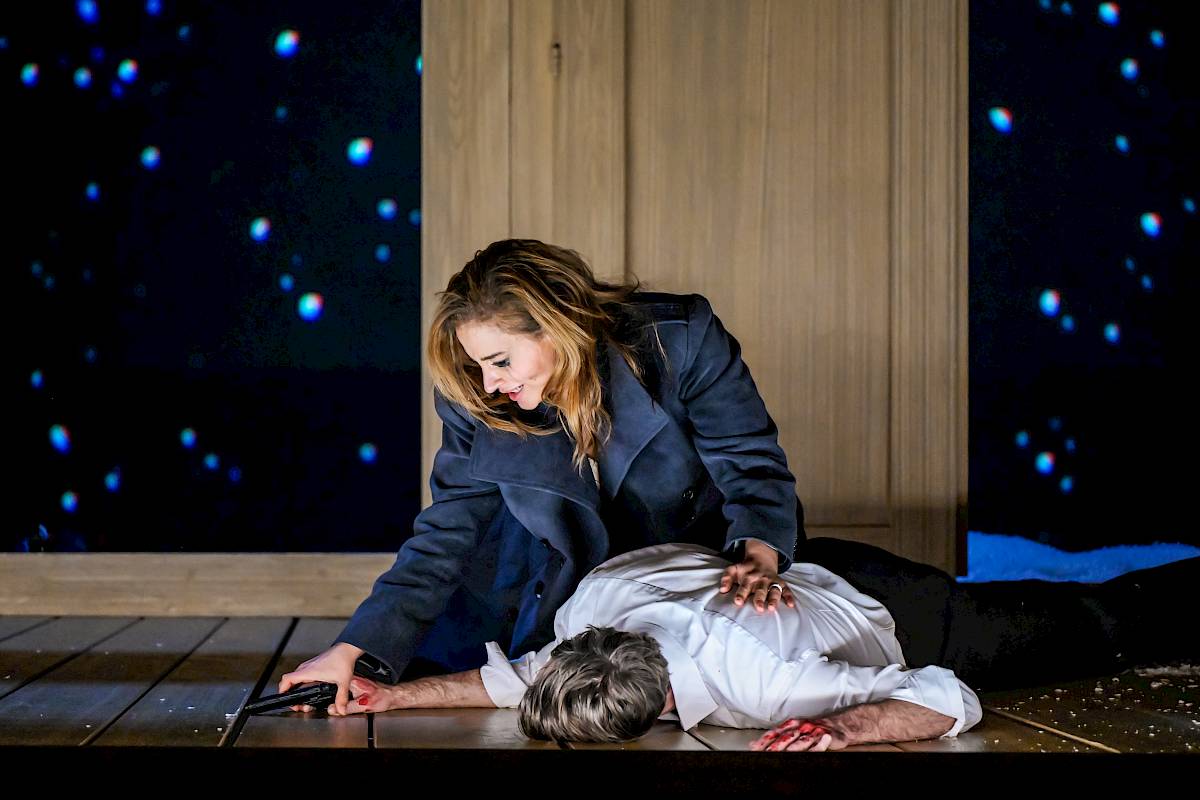
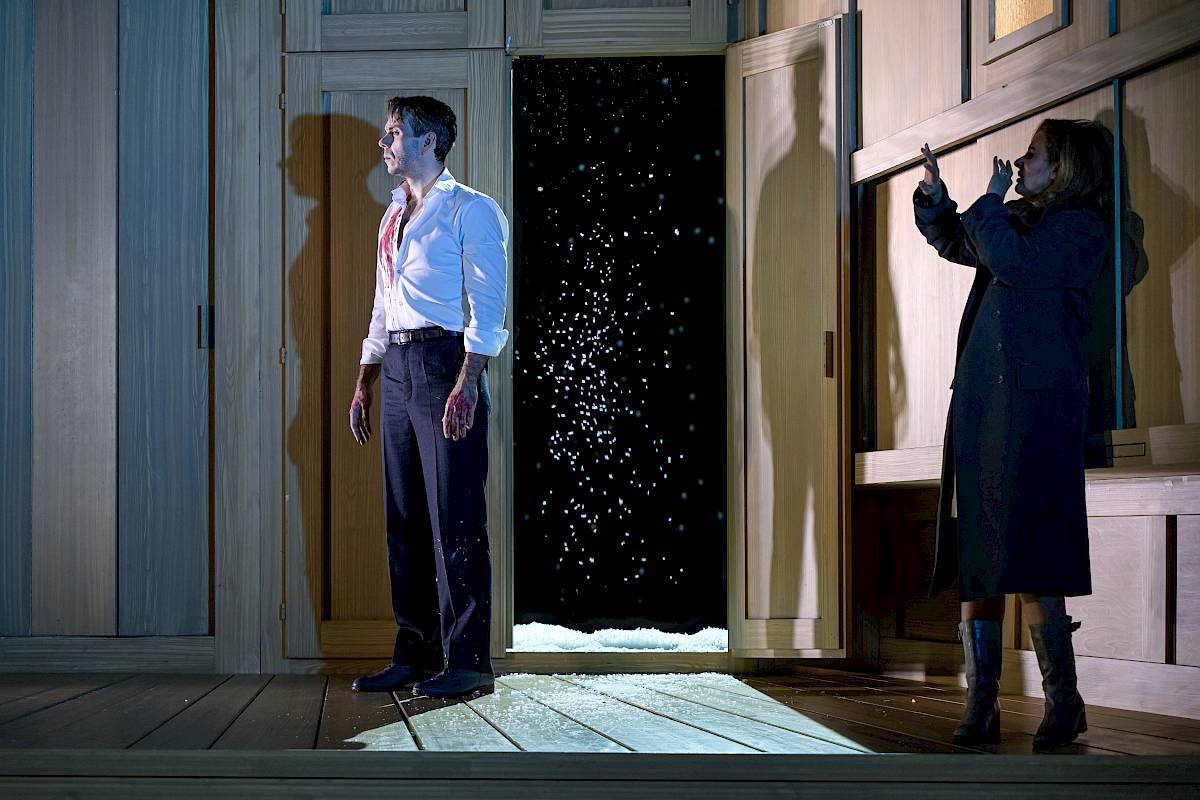
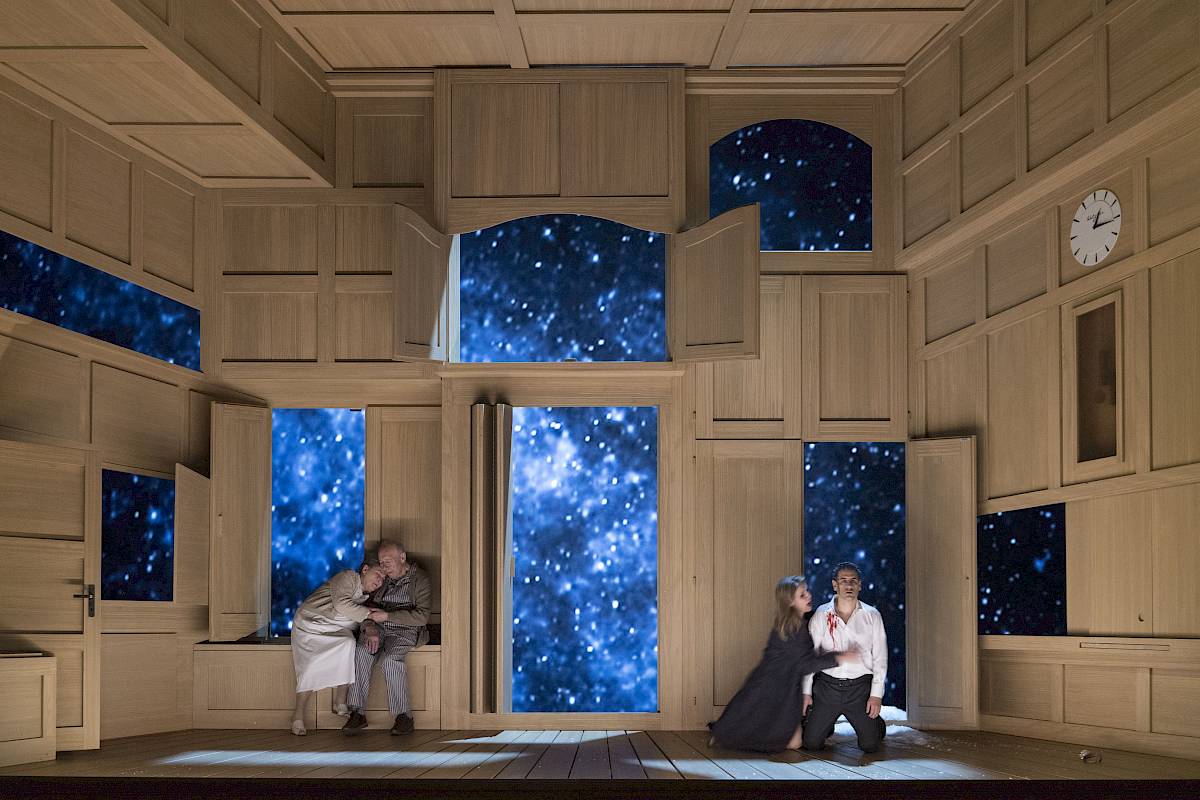
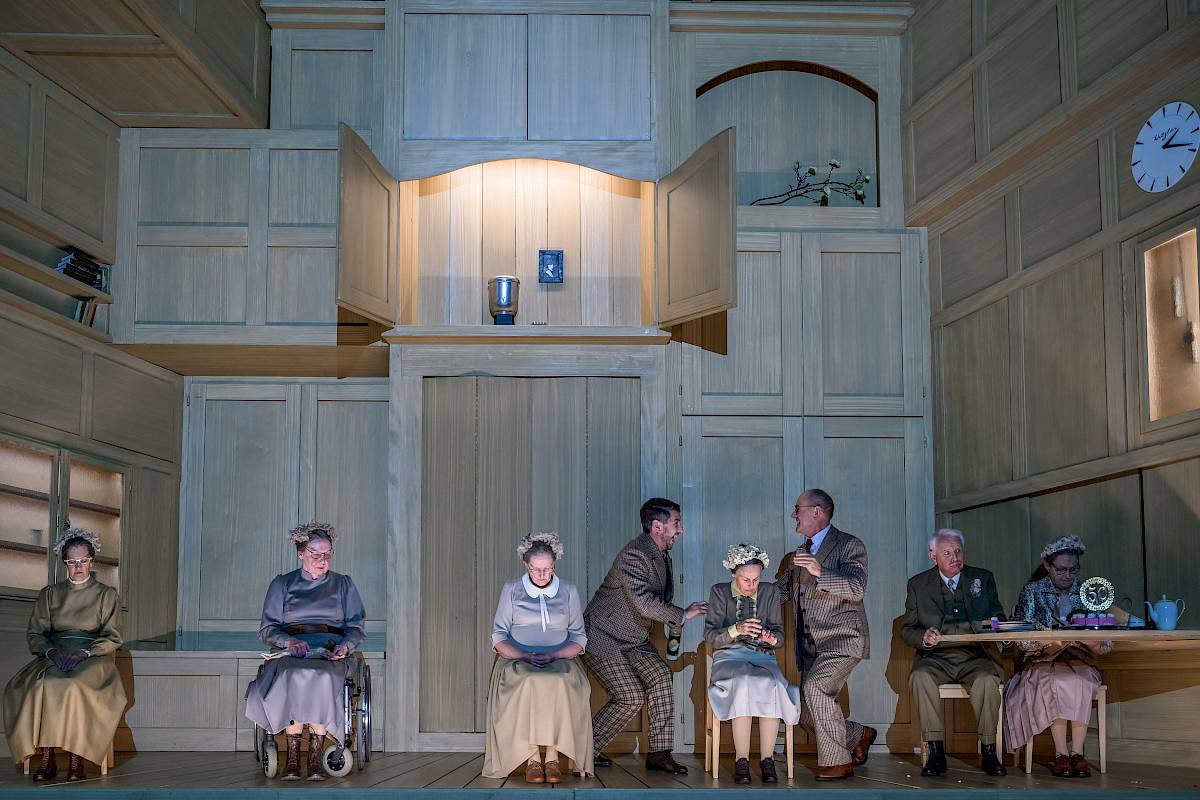
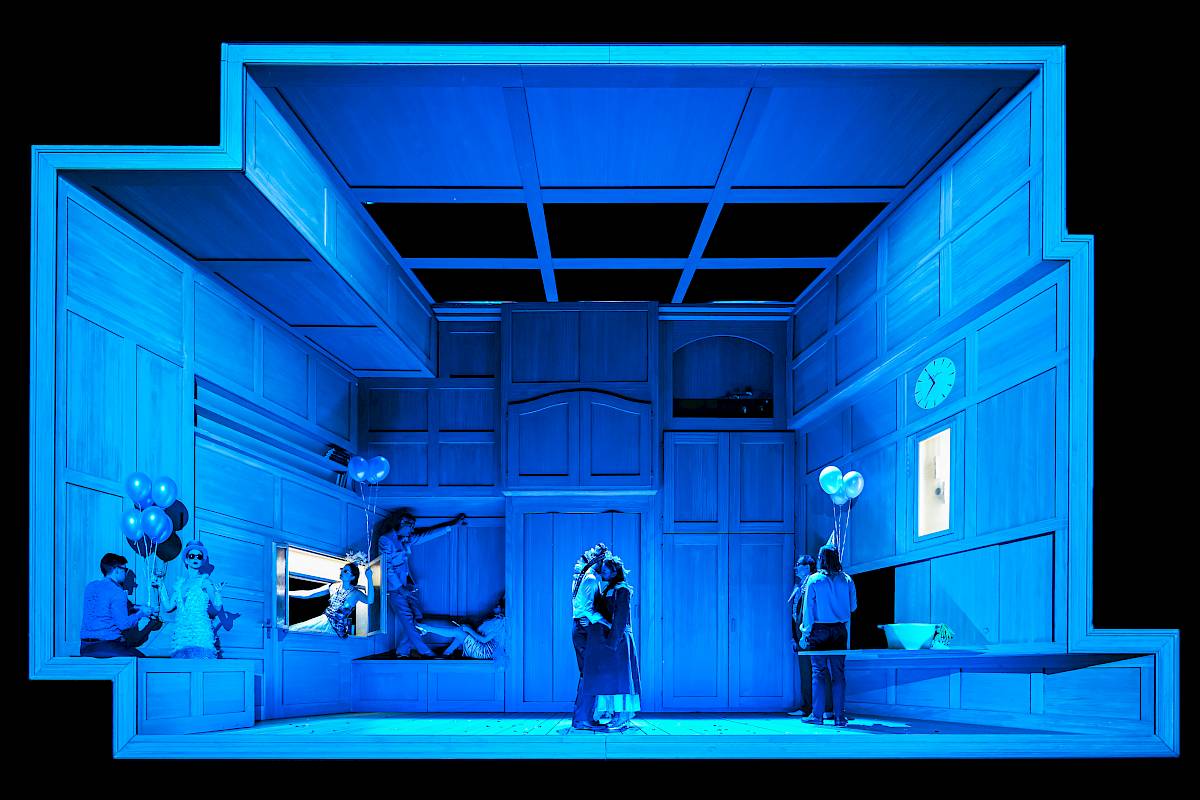
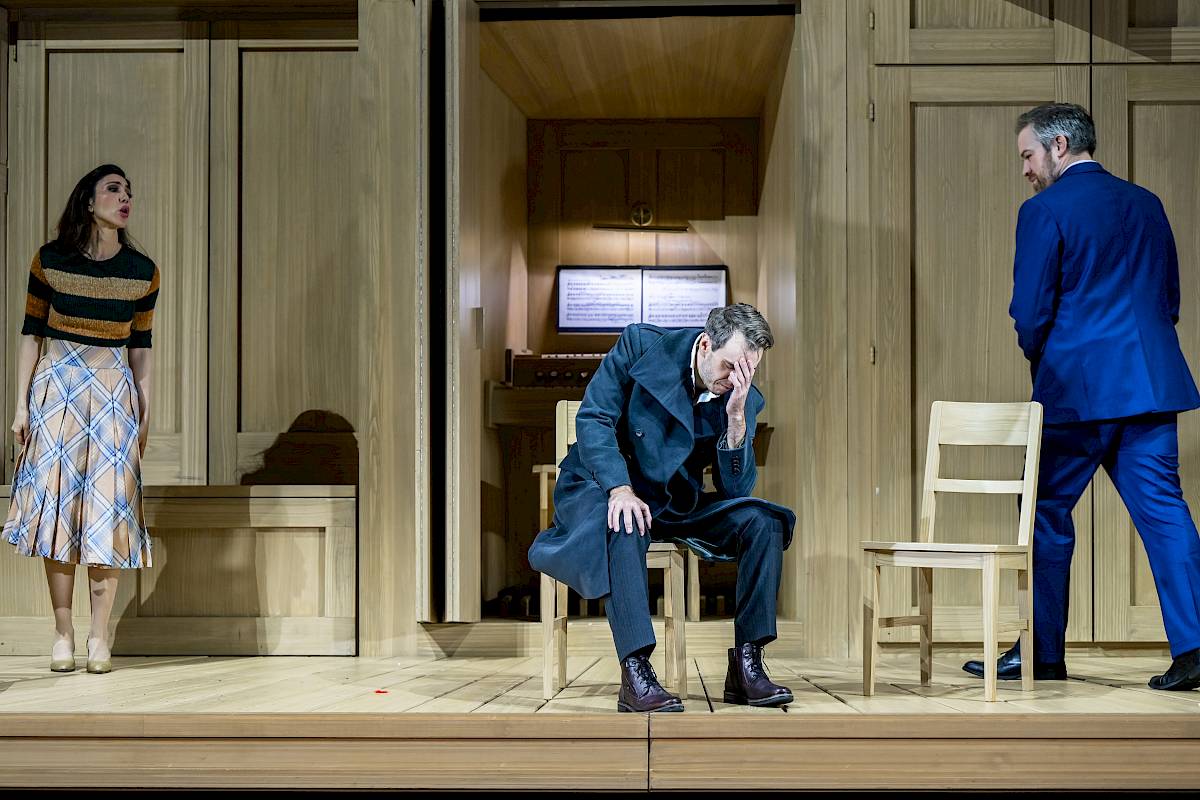
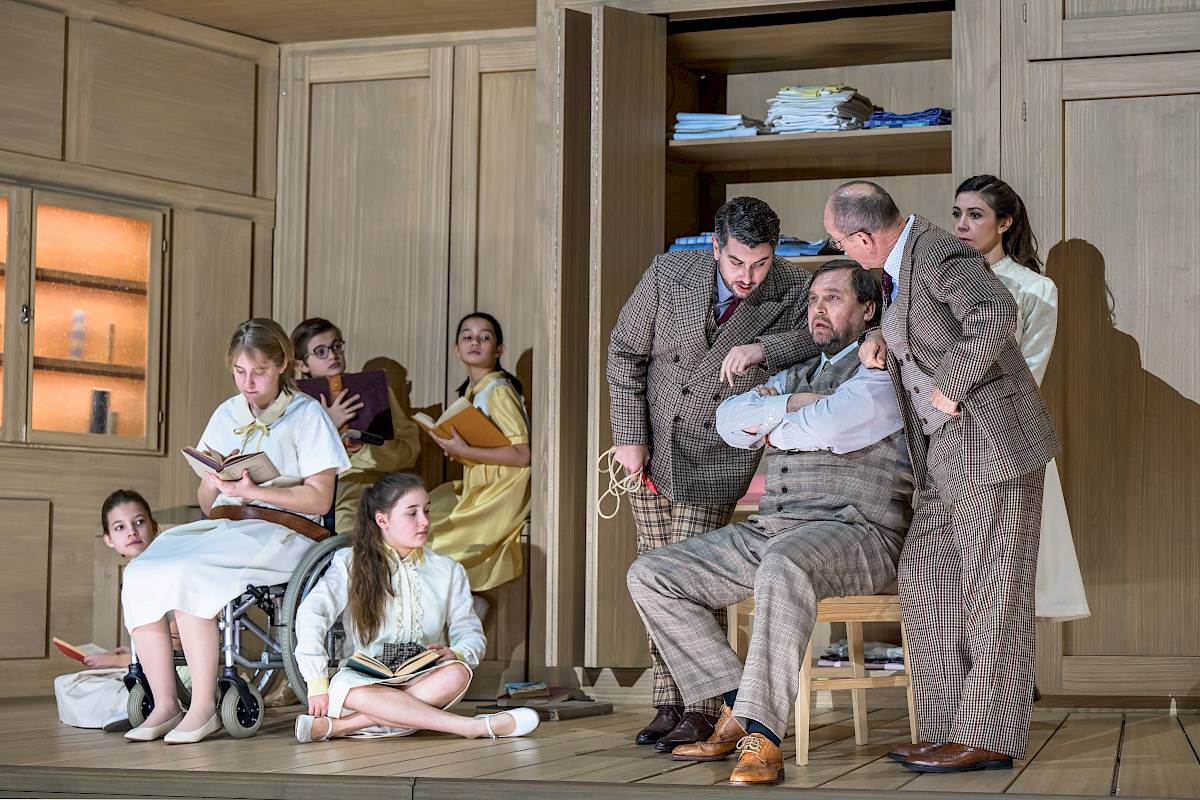
Photos «Werther»