

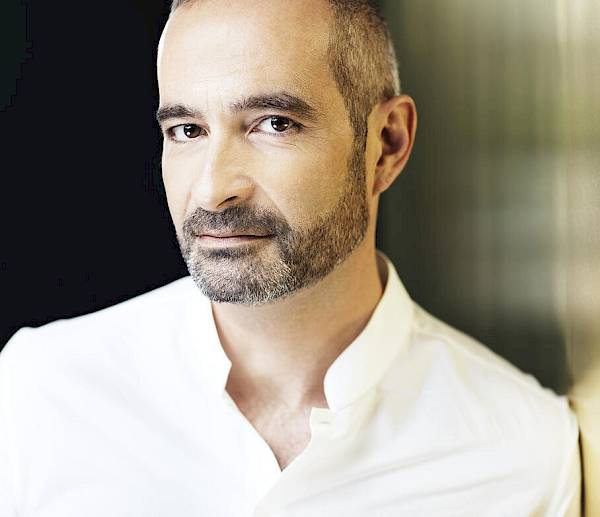
Antonello Manacorda wurde in Turin in eine italienisch-französische Familie hineingeboren. Er absolvierte in seiner Heimatstadt sowie in Amsterdam zunächst ein Violinstudium, war Gründungsmitglied und langjähriger Konzertmeister des von Claudio Abbado ins Leben gerufenen Mahler Chamber Orchestra und studierte schliesslich Dirigieren bei Jorma Panula. Heute ist er in Opernproduktionen an den bedeutendsten Opernhäusern der Welt ebenso häufig zu erleben wie am Pult führender Sinfonieorchester. Mittelpunkt seines Schaffens ist die Kammerakademie Potsdam, der er seit 2010 als Künstlerischer Leiter vorsteht und mit der er eine Reihe von preisgekrönten Aufnahmen vorgelegt hat. 2015 wurde der Klangkörper für den Zyklus aller Schubert-Sinfonien mit einem Echo Klassik als «Orchester des Jahres» ausgezeichnet; 2022 folgte der Opus Klassik in derselben Kategorie für die Einspielung der letzten Mozart-Sinfonien. Engagements im Konzertbereich führten ihn u.a. zum Symphonieorchester des Bayerischen Rundfunks, zum Orchestra dell’Accademia Nazionale die Santa Cecilia, zu den Berliner Philharmonikern, zur Sächsischen Staatskapelle Dresden, zum Gewandhausorchester Leipzig und zum SWR Symphonieorchester. Jüngst feierte er mit seinen Debüts an der Metropolitan Opera in New York (Le nozze di Figaro) und an der Semperoper Dresden (Der Freischütz) sowie mit Neuproduktionen des Freischütz an der Bayerischen Staatsoper, Carmen am Royal Opera House, Covent Garden und Il trovatore an der Staatsoper Stuttgart grosse Erfolge.
Wolfgang Amadeus Mozart
Opera buffa in four acts
Libretto by Lorenzo da Ponte
From 15. December 2024 until 2. January 2025
-
Duration :
approx. 3 H. 35 Min. Inkl. Pause after approx. 1 H. 45 Min. -
Language:
In Italian with German and English surtitles. -
More information:
Introduction 45 min before the performance.
Antonello Manacorda
Jan Philipp Gloger
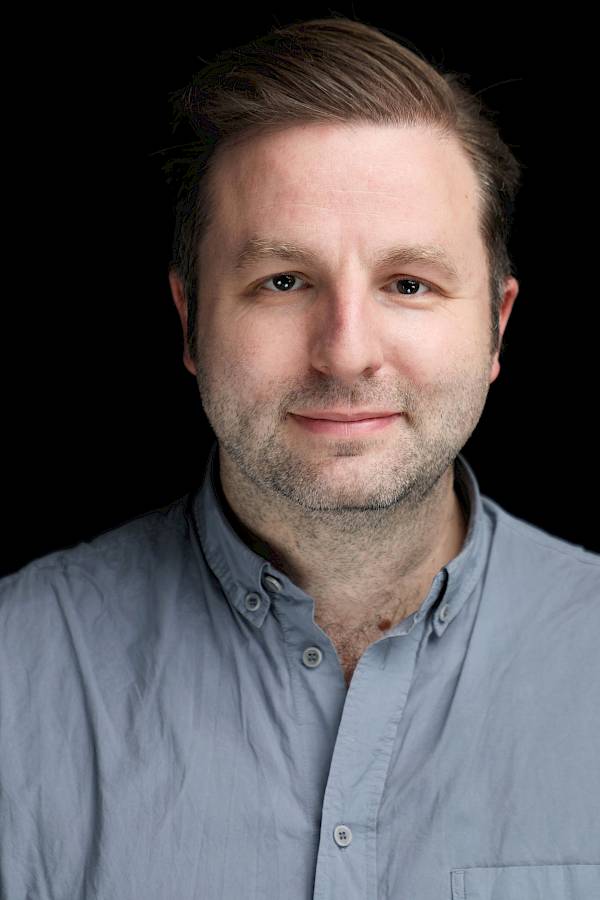
Jan Philipp Gloger studied Applied Theatre Studies at the Justus Liebig University Giessen and directing at the Zurich University of the Arts. From 2007, he worked as a freelance theatre director, including at the Bavarian State Theatre Munich, the Schaubühne and the Deutsches Theater Berlin, the Deutsches Schauspielhaus in Hamburg, and the State Theatre Dresden. He presented productions at the Ruhrtriennale and the Heidelberg Stückemarkt and received the Directing Prize of the Bavarian Theatre Days. From 2011 to 2013, he was Chief Director at the Staatstheater Mainz. In 2010, he staged his first opera, "Le nozze di Figaro," at the Theater Augsburg. This was followed by "Alcina" at the Semperoper Dresden, "The Flying Dutchman" at the Bayreuth Festival in 2012, "Idomeneo" at the Opera Frankfurt in 2013, Gounod’s "Faust" in Zurich, and "Simon Boccanegra" at the Semperoper Dresden in 2014. In recent years, he has directed productions including "Così fan tutte" at the Royal Opera House London and "Faust" at the Kongelige Theater Copenhagen. In 2018, Jan Philipp Gloger became Artistic Director at the Staatstheater Nürnberg, where he most recently staged "La Cenerentola." His productions have been awarded the Audience Prize of the Mülheimer Theatertage, the Directing Prize of the Bavarian Theatre Days, the Nachspiel Prize at the Heidelberg Stückemarkt, and a nomination for the London Olivier Award. In Zurich, he most recently directed "La verità in cimento," "Il turco in Italia," and "Die Csárdásfürstin." Since the 2025/26 season, he has been Intendant of the Volkstheater Vienna.
Ben Baur
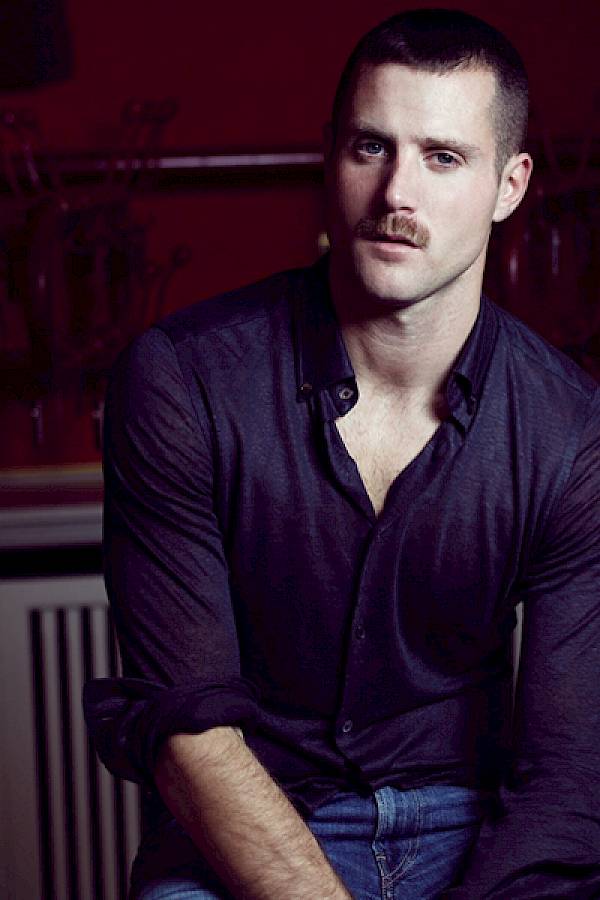
Ben Baur comes from Reinheim in southern Hesse and studied at the Berlin-Weissensee University of the Arts. His work as a stage and costume designer can be seen at major theatres and opera houses across Europe, including the Maxim Gorki Theater and Deutsches Theater in Berlin, the Volkstheater Munich, the Staatstheater Karlsruhe and Staatstheater Saarbrücken, the theatres in Bochum, Zurich, and Frankfurt, the Aalto-Musiktheater Essen, the Stuttgart State Opera, the Zurich Opera House, the Welsh National Opera Cardiff, the Opéra national de Lorraine in Nancy and the Opéra royal du Château de Versailles, the Dutch National Opera Amsterdam, the Hamburg State Opera, the Royal Opera House Covent Garden, and the Burgtheater Vienna. He has a close collaboration with Jetske Mijnssen and Jan Philipp Gloger. In 2014, Ben Baur made his directorial debut at the Staatstheater Saarbrücken with "Lucia di Lammermoor," where he subsequently staged "La traviata" and "Katja Kabanova." His work as a director also includes Hugo von Hofmannsthal's "Elektra" at the Deutsches Theater Göttingen, "Roméo et Juliette" and "Il trovatore" at the Opera Graz, "Don Giovanni" and "Dialogues des Carmélites" at the Musiktheater im Revier Gelsenkirchen, "Il pirata" and "Faust" at the Theater St. Gallen, "La bohème" and "Alcina" at the Staatstheater Braunschweig, as well as August Enna's "Kleopatra" at the Danish National Opera.
Karin Jud
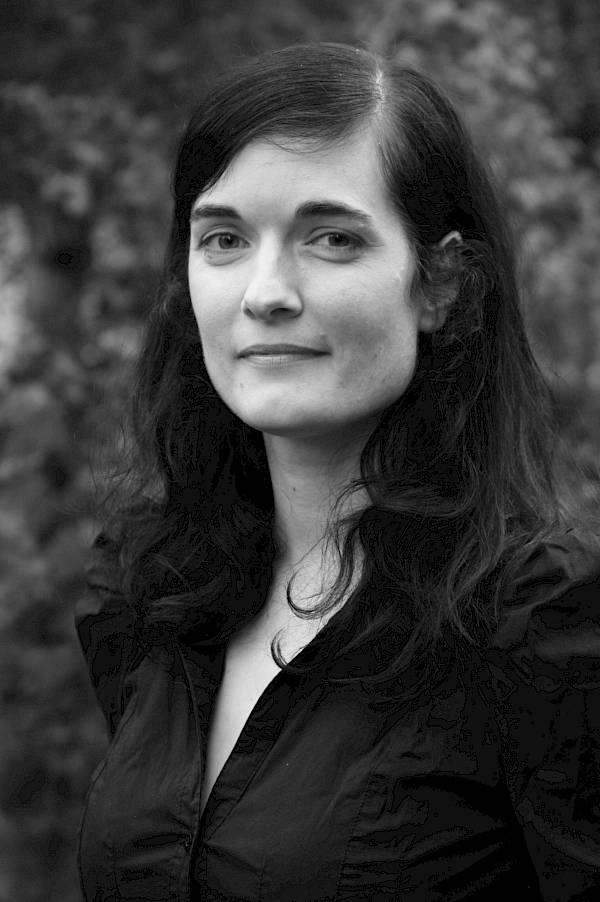
Karin Jud, born in Zurich, studied fashion design from 2000 to 2004 at the Basel School of Design and Art. Afterwards, she worked until 2007 as an assistant costume designer at the Schauspielhaus and the Zurich Opera House, collaborating with directors such as Jan Bosse, Barbara Frey, Jürgen Gosch, Rudi Häusermann, Leiser/Caurier, and Jürgen Flimm. She designed costumes at the Schauspielhaus Zurich, among others, for productions by David Unseld, Luise Helle, Schorsch Kamerun, and Matthias Hartmann. Since 2007, she has worked as a freelance costume designer at, among others, Theater Augsburg, the Bavarian State Theatre Munich, Schauspiel Hannover, Schauspielhaus Graz, Staatstheater Mainz, Volkstheater Vienna, Semperoper Dresden, Deutsches Schauspielhaus Hamburg, and the Schaubühne Berlin. In Hamburg, she designed the premiere of Philipp Löhle's "Das Ding," directed by Jan Philipp Gloger, which won the Audience Prize at the Mülheimer Theatertage in 2012. She has collaborated with directors such as Ingo Berk, Jan Stephan Schmieding, and Barbara-David Brüesch. Recently, in collaboration with Jan Philipp Gloger, she worked on "Idomeneo" at the Opera Frankfurt, "Die Csárdásfürstin," "Le nozze di Figaro," and "Il turco in Italia" at the Zurich Opera House, "Faust" at the Royal Danish Opera, and "Così fan tutte" at the Royal Opera House in London.
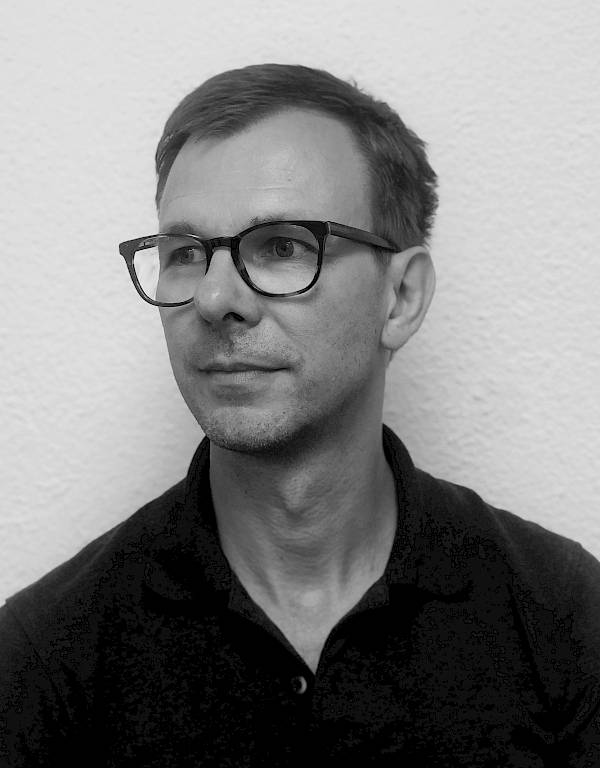
Martin Gebhardt
Martin Gebhardt was lighting designer and Head of Lighting for John Neumeier’s Hamburg Ballet. From 2002 onward he collaborated with Heinz Spoerli and the Ballett Zürich. Ballet productions of both companies took him to renowned theatres across Europe, Asia, and the Americas. At Zurich Opera House he created the lighting design for productions by Jürgen Flimm, David Alden, Jan Philipp Gloger, Grischa Asagaroff, Matthias Hartmann, David Pountney, Moshe Leiser/Patrice Caurier, Damiano Michieletto, and Achim Freyer. At the Salzburg Festival he designed the lighting for "La bohème" and for a new version of Spoerli’s "Der Tod und das Mädchen". Since the 2012/13 season Martin Gebhardt has been Head of Lighting at Zurich Opera House. He maintains a close collaboration with choreographer Christian Spuck (including "Winterreise", "Nussknacker und Mausekönig", "Messa da Requiem", "Anna Karenina", "Woyzeck", "Der Sandmann", "Leonce und Lena", "Das Mädchen mit den Schwefelhölzern"). He has also worked as lighting designer for choreographers Edward Clug (including "Strings", "Le Sacre du printemps" and "Faust" in Zurich), Alexei Ratmansky, Wayne McGregor, Marco Goecke, and Douglas Lee. He collaborated with Christoph Marthaler and Anna Viebrock on Handel’s "Sale" and Rossini’s "Il viaggio a Reims" in Zurich as well as on "Lulu" at the Hamburg State Opera, and with Jossi Wieler and Sergio Morabito at the Grand Théâtre de Genève for "Les Huguenots". In 2023 he designed the lighting for Spuck’s ballet "Bovary" at the Staatsballett Berlin and in 2024 for Rossini’s "Tancredi" at the Bregenz Festival. He was also the lighting designer for Cathy Marston’s "Atonement" at Zurich Opera House.
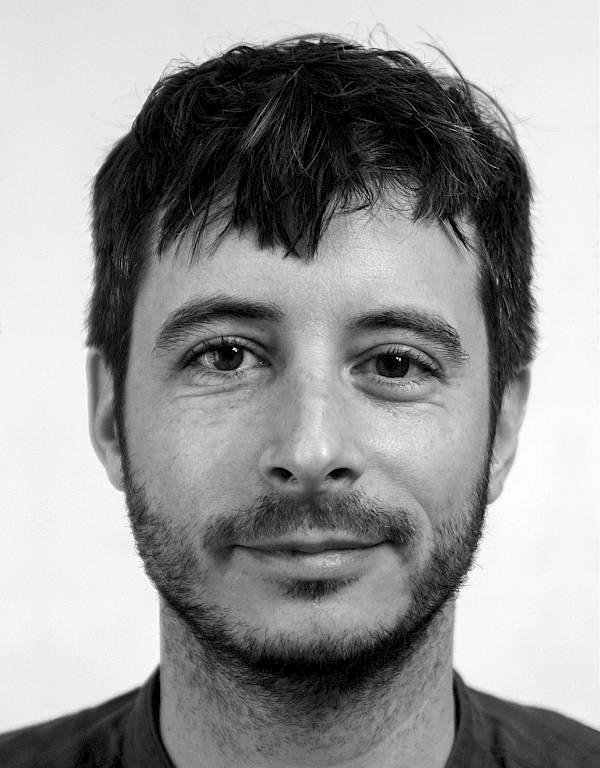
Tieni Burkhalter
Tieni Burkhalter studied Fine Arts at the Zurich University of the Arts (ZHdK), where he specialized in video and video installation. After his works were mainly shown in galleries and at experimental film festivals, he has been working for the stage since 2009. As a video producer, he is closely associated with the Zurich Opera House. His stage work has also taken him to theaters in Berlin, Hamburg, Paris, Moscow, Oslo, and Savonlinna. At the Zurich Opera House, he worked with Andreas Homoki ("Der fliegende Holländer", "Das Land des Lächelns", "Das Rheingold", "Siegfried" and "Die Walküre"), Evgeny Titov ("Lessons in Love and Violence" and "L’Orfeo"), Jan Philipp Gloger ("Die Csárdásfürstin" and "Le nozze di Figaro"), Adele Thomas ("Il trovatore"), Rainer Holzapfel ("Die Odyssee"), Nina Russi ("Coraline") and Kai Anne Schuhmacher ("Jim Knopf und Lukas der Lokomotivführer"). For Ballet Zurich, he produced videos for Christian Spuck ("Anna Karenina" and "Das Mädchen mit den Schwefelhölzern"), Marcos Morau ("Nachtträume"), Edward Clug ("Faust") and Douglas Lee ("A-Life"). He was also involved at the Savonlinna Opera Festival with Philipp Himmelmann for "Aida", in Berlin with Christian Spuck for "Madame Bovary", and has been collaborating for many years on Dmitri Tcherniakov’s productions: "Pelléas et Mélisande" and "Die Sache Makropulos" at the Zurich Opera House, "Senza Sangue/Herzog Blaubarts Burg", "Elektra" and "Salome" at the Hamburg State Opera, "La Fille de Neige" and "Les Troyens" at the Opéra National de Paris, and "Tristan und Isolde" at the Staatsoper Unter den Linden in Berlin.
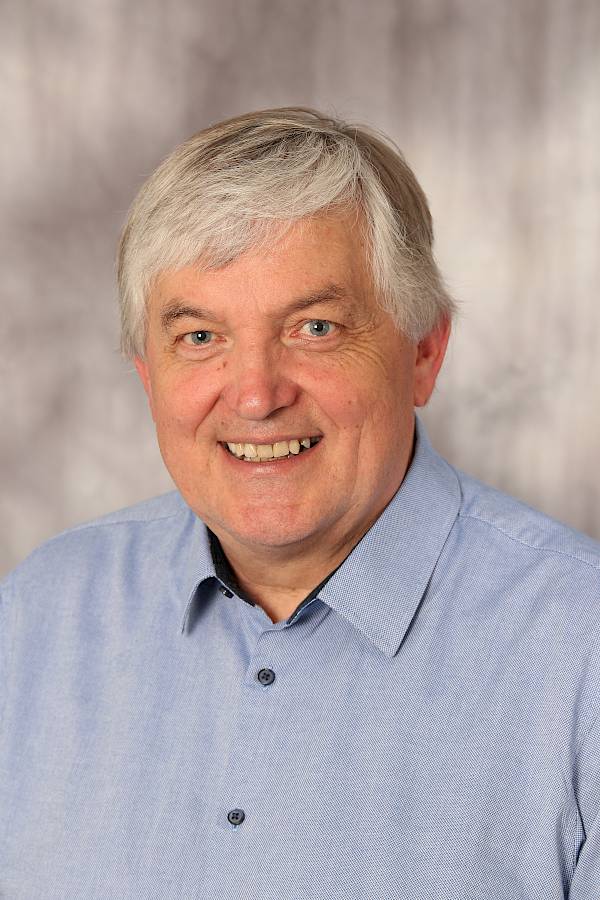
Ernst Raffelsberger
Ernst Raffelsberger comes from Gmunden, Upper Austria. He studied music education and church music at the University of Music and Performing Arts in Vienna as well as choral conducting at the Mozarteum in Salzburg. From 1983 to 1986 he was Kapellmeister of the Vienna Boys’ Choir. During this time, he led the ensemble in Vienna and on tours through Europe, South Africa, Canada, and the USA. From 1986, Ernst Raffelsberger was choral director and Kapellmeister at the Salzburg State Theatre (participating in the Salzburg Mozart Week and the Salzburg Festival). In 1989 he moved as choral director and Kapellmeister to the theatre in Freiburg/Breisgau. Since autumn 1993, Ernst Raffelsberger has been engaged at the Zurich Opera House as choral director. Here he has since supervised around 150 premieres and countless revivals and worked with many renowned conductors such as Marco Armiliato, Riccardo Chailly, Teodor Currentzis, Christoph von Dohnányi, Sir John Eliot Gardiner, Daniele Gatti, Bernard Haitink, Nikolaus Harnoncourt, Zubin Mehta, Gianandrea Noseda, and Franz Welser-Möst. Guest performances with the Zurich Opera House have taken him to Vienna, London, Paris, and Tokyo. From summer 2012 he additionally began a ten-year activity as choral director of the Vienna State Opera Chorus Association at the Salzburg Festival. There he collaborated successfully with, among others, Riccardo Muti, Mariss Jansons, and Sir Simon Rattle. After Ernst Raffelsberger ended this work with the festival summer 2021, he has since 2025 once again been responsible, at Maestro Muti’s request, for choral preparation for his festival concerts in Salzburg. Numerous CD and DVD recordings document his work in Zurich as well as in Salzburg.
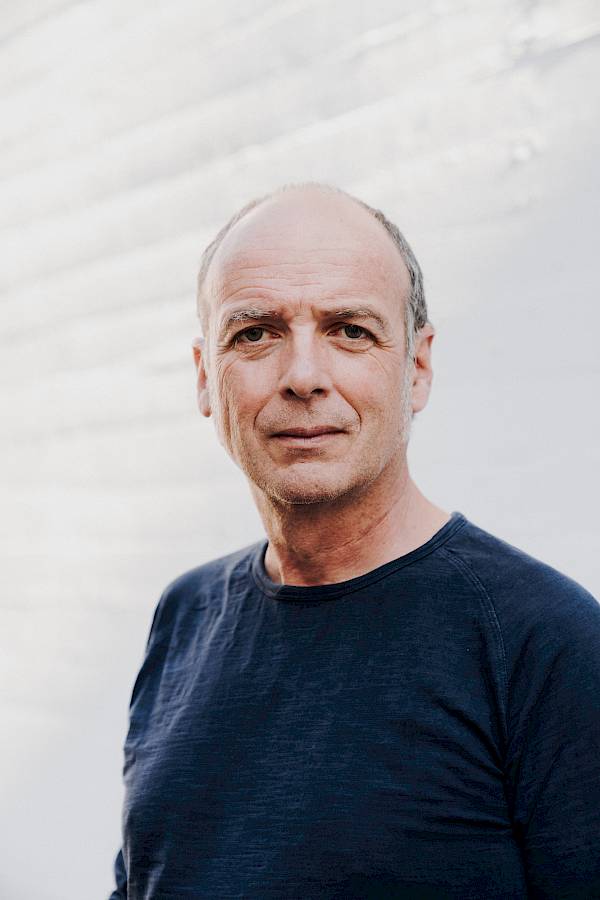
Claus Spahn
Claus Spahn was chief dramaturge at the Zurich Opera House during Andreas Homoki’s tenure as artistic director. There, he supervised music theater projects by Wolfgang Rihm, Helmut Lachenmann, George Benjamin, Roman Haubenstock-Ramati, and world premieres by Heinz Holliger, Christian Jost, and Stefan Wirth. As a production dramaturge, he worked with directors such as Sebastian Baumgarten, Herbert Fritsch, Jan Philipp Gloger, Tatjana Gürbaca, Andreas Homoki, Barrie Kosky, Nadja Loschky, David Marton, and Evgeni Titov. He also shares a close artistic partnership with the choreographer and former director of Zurich Ballet, Christian Spuck. For him, Spahn was involved in the development of the productions “Anna Karenina,” “Nussknacker und Mausekönig,” and “Monteverdi” in Zurich, he also wrote libretti for the ballets “Orlando” based on Virginia Woolf (world premiere in 2021 at the Moscow Bolshoi Ballet) and “Bovary” based on Gustave Flaubert (world premiere in 2023 at the Berlin State Ballet). Additionally, he is the librettist of the chamber opera “The Dream of You” by Swiss composer Xavier Dayer, which premiered in 2017 at the Zurich Opera House. Before joining the Zurich Opera House, Claus Spahn was the arts editor for 14 years at the German weekly newspaper DIE ZEIT, where he was responsible for the music section. From 1990 to 1997, he worked as a freelance music journalist mainly for the Süddeutsche Zeitung and Bavarian Broadcasting. Claus Spahn was born in Germany, studied classical guitar in Freiburg im Breisgau, and completed training at the German School of Journalism in Munich.
Cast
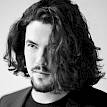
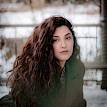
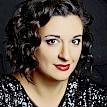
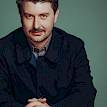
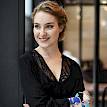
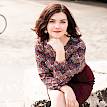
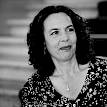
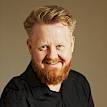
Zwei Frauen Selena Colombera 18, 22 Dec
Zwei Frauen Hélène Couture 18, 22 Dec
Zwei Frauen Rosa Maria Hernandez 20 Dec / 02 Jan
Zwei Frauen Julie Bartholomew 20 Dec / 02 Jan
Tango Tanzpaar Eugenia Parrilla 15, 18, 20, 22 Dec / 02 Jan
Tango Tanzpaar Yanick Wyler 15, 18, 20, 22 Dec / 02 Jan
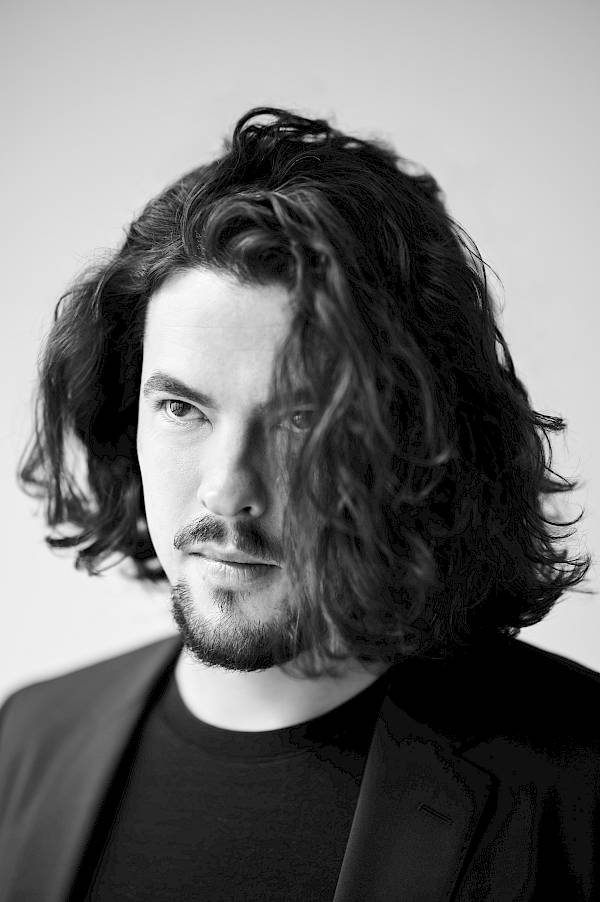
Andrè Schuen
Andrè Schuen stammt aus Südtirol. Ursprünglich ein leidenschaftlicher Cellist, entschied er sich später für ein Gesangsstudium am renommierten Mozarteum Salzburg bei Prof. Horiana Brănișteanu und Prof. Wolfgang Holzmair. Nach seinem Studium verbrachte er die ersten Jahre als Ensemblemitglied an der Oper Graz. Im Opernbereich ist der Bariton heute an führenden Häusern wie der Bayerischen und der Wiener Staatsoper, dem Royal Opera House, Covent Garden oder dem Teatro Real Madrid gefragt und wurde zu Festivals in Aix-en-Provence, Luzern und Salzburg eingeladen. Vergangene Highlights auf der Konzertbühne waren Auftritte mit den Berliner Philharmonikern unter Simon Rattle, beim WDR Sinfonieorchester unter Jukka-Pekka Saraste oder beim Leipziger Gewandhaus unter Andris Nelsons. Jüngst gab er mit Brahms‘ Deutschem Requiem sein Debüt in der New Yorker Carnegie Hall. Liederabende führten den Sänger bisher u.a. in den Wiener Musikverein, die Wigmore Hall London, das Concertgebouw Amsterdam und das Teatro della Zarzuela in Madrid sowie zur Schubertiade Schwarzenberg und zum Rheingau Musik Festival. Seit 2021 ist Andrè Schuen Exclusive Recording Artist der Deutschen Grammophon. Nach Schuberts Schöner Müllerin erschien 2022 die Aufnahme Schwanengesang, die ihm einen Opus Klassik einbrachte. Aktuell singt Andrè Schuen die Titelrolle in Le Nozze di Figaro an der Wiener Staatsoper und am Festival d’Aix-en-Provence, Guglielmo (Così fan tutte) bei den Salzburger Festspielen sowie seine Debüts als Heerufer (Lohengrin) an der Bayerischen Staatsoper und Wolfram (Tannhäuser) bei der Staatsoper Unter den Linden.
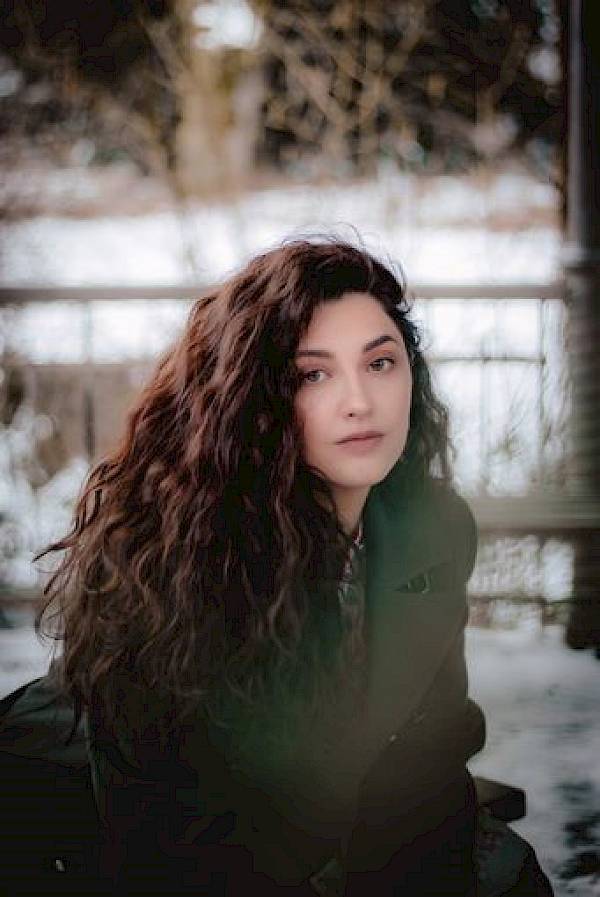
Elbenita Kajtazi
The Albanian-German soprano Elbenita Kajtazi was born in Kosovo, where she completed her vocal studies in Mitrovica and Pristina. Since 2018 she has been a member of the ensemble at the Hamburg State Opera. Her repertoire includes roles such as Violetta ("La traviata"), Mimì and Musetta ("La bohème"), Tatjana ("Eugene Onegin"), the title role in Massenet's "Manon", Micaëla ("Carmen"), Liù ("Turandot"), Nannetta ("Falstaff") as well as the Countess Almaviva and Susanna ("Le nozze di Figaro"). She has also appeared as a guest at numerous leading opera houses, festivals and concert venues, including the Vienna State Opera, the Deutsche Oper and Staatsoper Unter den Linden Berlin, the Bavarian State Opera Munich, the Opéra-Comique in Paris, the Opéra National de Bordeaux and Lyon, the Salzburg Festival, the Grand Théâtre de Genève, the Teatro Municipal de Santiago, the Aalto Theatre Essen as well as the Berlin Philharmonie, the Elbphilharmonie Hamburg and the Philharmonie Essen. Recent debuts and highlights include Tosca in Marina Abramović’s "7 Deaths of Maria Callas" at the English National Opera, Countess Almaviva at the Zurich Opera House as well as Liù and Mimì at the Semperoper Dresden. In 2022 Elbenita Kajtazi was appointed honorary ambassador of the Republic of Kosovo and launched a project in 2024 to support Albanian artists in Germany. In the 2025/26 season she made her debut in Hamburg in the title role of "Luisa Miller" and sang Alice Ford ("Falstaff") and Violetta. In the 2026/27 season she will sing Donna Anna ("Don Giovanni"), Mimì ("La bohème") and Nedda ("Pagliacci") there.
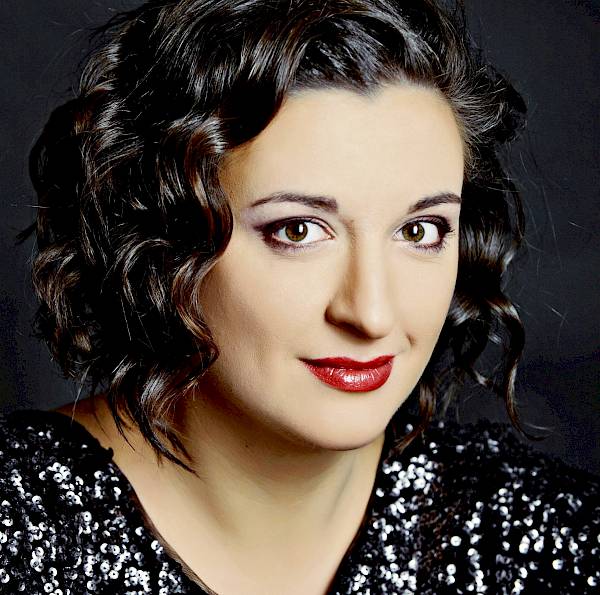
Olga Bezsmertna
Olga Bezsmertna absolvierte ihr Studium an der Kiev National Academy of Music in der Ukraine im Jahr 2010. Bereits 2011 hatte sie den Wettbewerb «Neue Stimmen» der Bertelsmann Stiftung unter dem Juryvorsitz von Dominique Meyer einstimmig gewonnen. Seit 2012 ist sie Ensemblemitglied der Wiener Staatsoper, an der sie mit einem Aufsehen erregenden Hausdebüt als Dame in Hindemiths Cardillac unter der Leitung von Franz Welser-Möst auf sich aufmerksam machte. Ebenfalls an der Staatsoper war sie u.a. als Contessa (Le nozze di Figaro) unter Jérémie Rhorer und Adam Fischer, als Rusalka, als Fiordiligi (Così fan tutte), als Donna Elvira (Don Giovanni) und Pamina (Die Zauberflöte), als Liù (Turandot) sowie als Mimì in La bohème zu erleben. 2015 gab sie ihr Debüt an den Salzburger Festspielen als Marzelline in der Neuproduktion des Fidelio (Regie: Claus Guth, Dirigent: Franz Welser-Möst) neben Jonas Kaufmann und Adrienne Pieczonka. Ebenfalls 2015 war sie als Europa (Die Liebe der Danae) bei den Salzburger Festspielen zu Gast. Zu ihren vergangenen Engagements gehören u.a. Contessa und Rusalka an der Mailänder Scala, Herzogin von Parma in Ferruccio Busonis Doktor Faust am Teatro del Maggio Musicale Fiorentino sowie Rusalka an der Wiener Staatsoper. In der Spielzeit 2024/25 ist sie u.a. als Freia (Das Rheingold) und Ortlinde (Die Walküre) an der Mailänder Scala sowie als Sifare in einer konzertanten Aufführung von Mitridate unter Christophe Rousset in Mailand und am Théâtre des Champs-Élysées zu erleben sein.
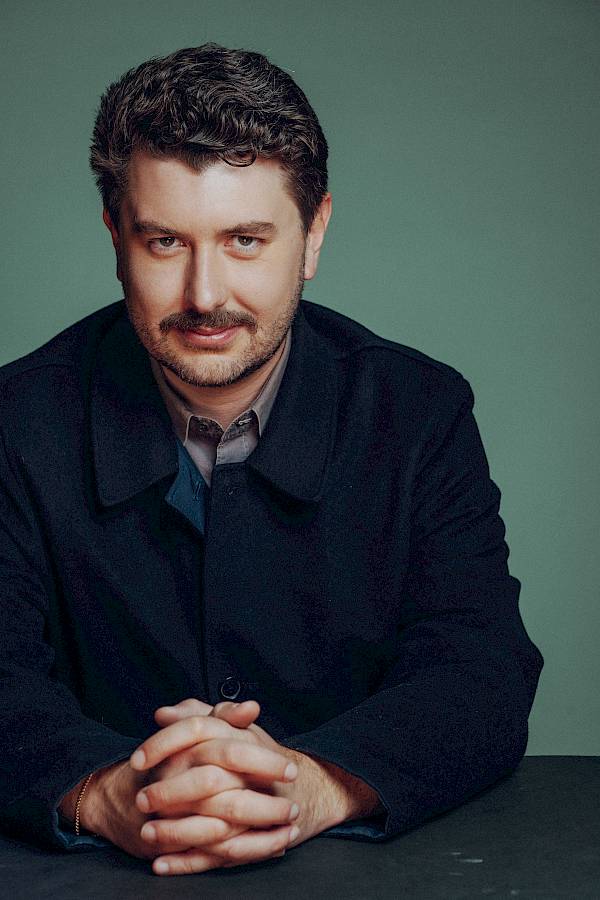
Andrew Moore
Andrew Moore, an American bass-baritone from New Jersey, received his training at Rutgers University (Mason Gross School of the Arts) and at the renowned Curtis Institute of Music in Philadelphia. In 2019, he reached the New England Region Finals of the Metropolitan Opera National Council Auditions, where he was awarded the Susan Eastman Encouragement Award. Further important artistic milestones included the Merola Opera Program in San Francisco as well as the Santa Fe Opera, where he appeared as an Apprentice Singer in "La bohème", "Così fan tutte", and "Jenůfa". From 2020 to 2022, he was a member of the International Opera Studio at the Zurich Opera House. He was subsequently engaged in the company ensemble, which he has belonged to since the 2022/23 season. There, he has appeared as Figaro ("Le nozze di Figaro"), Paolo Albiani ("Simon Boccanegra"), Don Fernando ("Fidelio"), De Brétigny ("Manon"), Marullo ("Rigoletto"), Paris ("Roméo et Juliette"), Marchese d’Obigny ("La traviata"), Pritschitsch ("Die lustige Witwe"), Johann ("Werther"), and Fix ("In 80 Tagen um die Welt"). His recent international engagements include his debut with the Warsaw Philharmonic as bass soloist in Beethoven’s Symphony No. 9 as well as his Salzburg debut as Marchese d’Obigny ("La traviata"). In summer 2026, he will appear at the Salzburg Festival as Johann ("Werther"). His repertoire also includes roles such as Leporello ("Don Giovanni"), Guglielmo ("Così fan tutte"), and Rocco ("Fidelio").
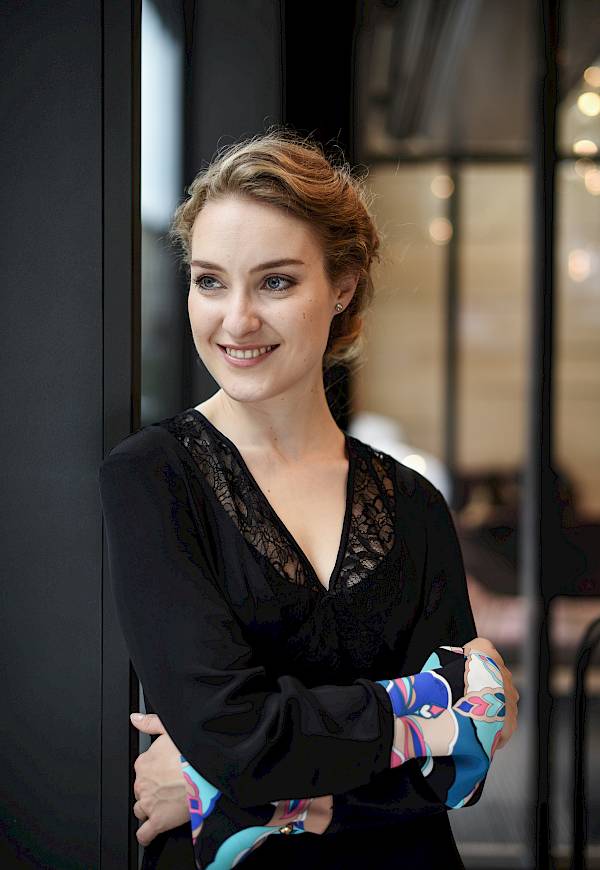
Nikola Hillebrand
Nikola Hillebrand studierte in München. Nach ihrem Studium wurde sie ans Nationaltheater Mannheim engagiert und sang dort u.a. Sophie (Der Rosenkavalier), Despina (Così fan tutte), Gilda (Rigoletto), Norina (Don Pasquale) und Königin der Nacht (Die Zauberflöte). Bis 2024 gehörte sie dem Ensemble der Semperoper Dresden an, wo sie u.a. Pamina (Die Zauberflöte), Susanna (Nozze di Figaro), Musetta (La Bohème), Zdenka (Arabella), Sophie (Der Rosenkavalier) und Ännchen (Der Freischütz) sang. Gastengagements führten sie bereits an die Bayerische Staatsoper in München, an das Glyndebourne Festival und die Salzburger Festspiele, den Wiener Musikverein, die Mozartwoche Salzburg, das Wiener Konzerthaus, die Kölner und Pariser Philharmonie sowie die Hamburger Laeizhalle und das Musikfest Bremen. Sie arbeitete mit Dirigenten wie Adam Fischer, Fabien Gabel, Stephan Gottfried, Roberto González-Monjas, Manfred Honeck, René Jacobs und Vaclav Luks. Nikola Hillebrand ist zudem eine passionierte Liedsängerin. 2019 gewann sie den internationalen Wettbewerb Das Lied in Heidelberg. Ihre Liederabende führten sie u.a. an Festivals in Heidelberg, Aix-en-Provence, Leeds und Schleswig-Holstein, an der Londoner Wigmore Hall und der Essener Philharmonie. Jüngst debütierte sie als Kunigunde (Candide) am Theater an der Wien und als Agathe in einer Neuprodukion des Freischütz bei den Bregenzer Festspielen. In Zürich war sie zuletzt als Zdenka in Strauss’ Arabella zu erleben.
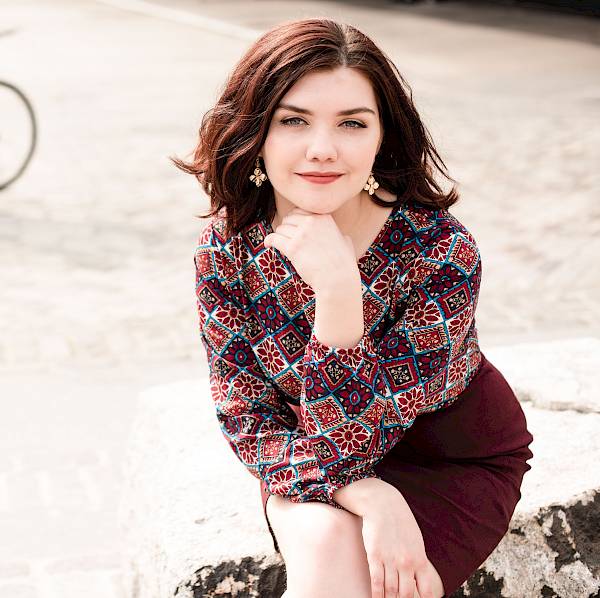
Kady Evanyshyn
Die kanadische Mezzosopranistin Kady Evanyshyn ist seit der Spielzeit 2022/23 Ensemblemitglied an der Staatsoper Hamburg. Geboren in Winnipeg, Manitoba, erwarb sie ihren Bachelor und Master of Music an der Juilliard School in New York City, wo sie bei Edith Wiens studierte. Während ihrer Zeit an der Julliard School wurde sie mit dem John Erskine Preis und dem Novick Career Advancement Grant ausgezeichnet. Bis 2022 war sie Mitglied des Opernstudios an der Staatsoper Hamburg. Im Sommer 2022 gab sie ihr Rollendebüt als Hänsel in Humperdincks Hänsel und Gretel beim Verbier Festival im Rahmen des Atelier Lyrique sowie ihr Debüt bei den Bregenzer Festspielen in Haydns Theresienmesse. 2023 kehrte sie als Charlotte (Werther) zu den Bregenzer Festspielen zurück. An der Staatsoper Hamburg war sie als Fjodor (Boris Godunow), Siébel (Faust), Hänsel, Tisbe (La Cenerentola), Alisa (Lucia di Lammermoor), Rosette (Manon), Zweite Dame (Die Zauberflöte), Zweite Magd (Elektra), Flora Bervoix (La traviata) und Agnes in Samuel Penderbaynes Unser kleines Scheisskaff – Fucking Åmål zu hören. Die jetzige Spielzeit markiert sowohl ihr Rollendebut als Cherubino in Le nozze di Figaro als auch ihr erster Auftritt am Opernhaus Zürich.
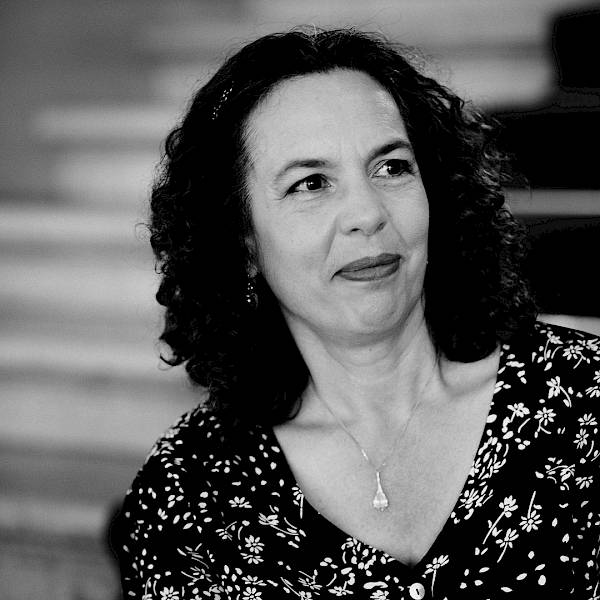
Irène Friedli
Irène Friedli grew up in Räuchlisberg, Switzerland, and completed her studies at the Basel Music Academy with a soloist diploma. The alto furthered her training in the interpretation class of Dietrich Fischer-Dieskau in Berlin, attended masterclasses with Brigitte Fassbaender, and studied with Helen Keller. She has won numerous awards at international song competitions. Since 1994, she has been a member of the ensemble at the Zurich Opera House. Here, she has sung roles including Second and Third Lady ("The Magic Flute"), Mercédès ("Carmen"), the title role in Ravel’s "L’Enfant et les sortilèges," Elsbeth ("Schlafes Bruder"), Lily ("Harley"), Annina and Flora ("La traviata"), Flosshilde ("Das Rheingold," "Götterdämmerung"), Marcellina ("Le nozze di Figaro"), Emilia ("Otello"), Lucia ("Cavalleria rusticana"), Olga in Peter Eötvös’ "Drei Schwestern," Marthe (Gounod’s "Faust"), Margret ("Wozzeck"), Lovis in Jörn Arnecke’s "Ronja Räubertochter," Flower Maiden and Voice from Above ("Parsifal"), Gertrud/Crone ("Hänsel und Gretel"), Clotilde ("Norma"), Mother/Other Mother ("Coraline"), Card Dealer ("Arabella"), and Nurse ("Boris Godunow"). In the world premiere of the family opera "Odyssee," she portrayed Eurycleia/Mother, and in "Girl with a Pearl Earring" she sang Tanneke. In 2012, she appeared at the Opéra Bastille in Paris. Most recently in Zurich, she has performed roles including the Queen of Hearts ("Alice in Wonderland"), Filipjewna ("Eugene Onegin"), Tisbe ("La Cenerentola"), Miss Bentson ("Lakmé"), Frau Waas/Frau Mahlzahn ("Jim Knopf"), Head Cook ("Amerika"), Ninetta ("I vespri siciliani"), Annina ("Der Rosenkavalier"), and Gertrud/Crone ("Hänsel und Gretel").
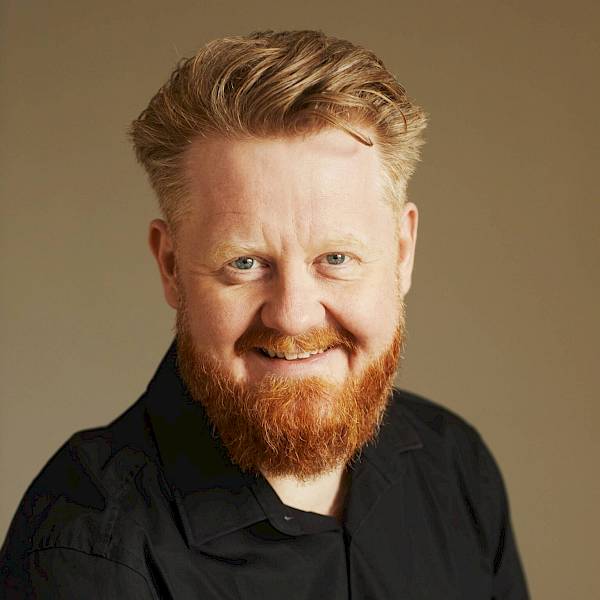
Jens-Erik Aasbø
Der norwegische Bass Jens-Erik Aasbø schloss 2011 sein Studium an der Osloer Opernakademie ab und ist seitdem Mitglied des Solistenensembles am Opernhaus Oslo. Dort war er u.a. als Padre Guardiano (La forza del destino), Bonze (Madama Butterfly), Dottore Grenvil (La traviata), Sarastro (Die Zauberflöte), Gremin (Eugen Onegin), Il Commendatore und Masetto (Don Giovanni), Basilio (Il barbiere di Siviglia), Erster Nazarener (Salome), Zuniga (Carmen), Rocco (Fidelio), Raimondo Bidebent (Lucia di Lammermoor), Cesare Angelotti (Tosca), Lieutenant Ratcliffe (Billy Budd), Bartolo (Le nozze di Figaro), Sparafucile (Rigoletto) und Hunding (Die Walküre) zu erleben. Sein Debüt bei den Bayreuther Festspielen gab der Sänger im Sommer 2022 als Fasolt (Das Rheingold), Reinmar von Zweter (Tannhäuser) und als Vierter Edler (Lohengrin). Im Jahr darauf kehrte er als Fasolt und als Reinmar von Zweter nach Bayreuth zurück und war ausserdem als Zweiter Gralsritter in der Neuproduktion von Parsifal zu sehen – diese drei Partien singt er bei den Bayreuther Festspielen 2024 erneut. Als Konzertsänger übernahm Jens-Erik Aasbø das Solo in Mozarts Requiem in zahlreichen Konzerten und interpretierte ausserdem Werke wie Dvořáks Stabat Mater, Verdis Messa di Requiem und das Requiem in B-Dur von Michael Haydn sowie die Partie des Jesus in den Johannespassionen von Bach und Arvo Pärt. Zu seinen jüngsten Engagements gehören Daland (Der fliegende Holländer) beim Spring Festival in Tokio und zuvor an der Opera på Skäret in Schweden, Der Wassermann (Rusalka) an der Komischen Oper Berlin sowie Fasolt und Il Commendatore am Theatro Municipal de São Paulo.
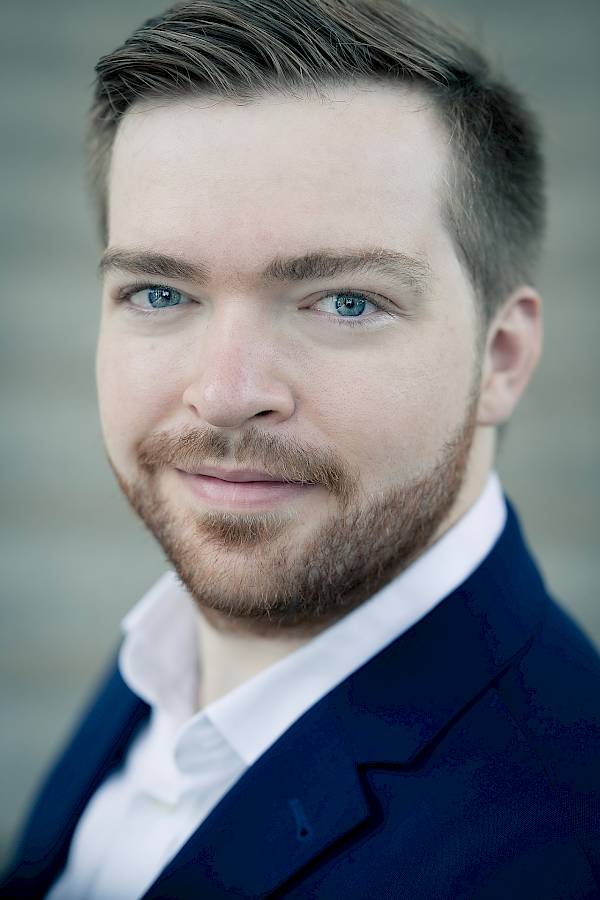
Christopher Willoughby
Christopher Willoughby, Tenor, studierte an der Royal Holloway, University of London und an der Universität für Musik und darstellende Kunst Wien. Er war Finalist bei der Marilyn Horne Song Competition 2022 und zählt zu den Gewinnern der Charles Wood International Song Competition 2021. Im Rahmen des Atelier Lyrique beim Verbier Festival sang er 2023 Tom Rakewell in Strawinskys The Rake's Progress sowie den Narren in Bergs Wozzeck. Seit der Spielzeit 2023/24 ist er Mitglied des Internationalen Opernstudios am Opernhaus Zürich.
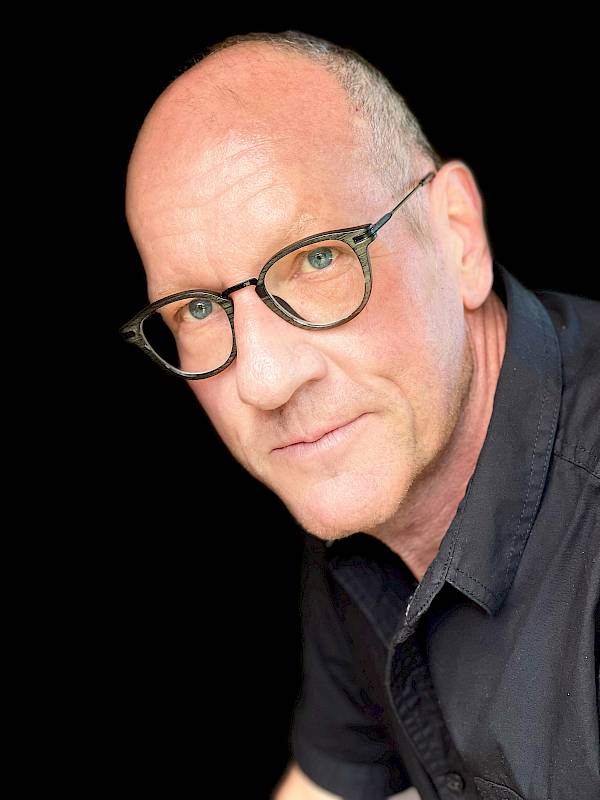
Martin Zysset
Martin Zysset was born and raised in Solothurn. He trained as a clarinetist while simultaneously completing vocal studies, which he rounded off with masterclasses with Ernst Haefliger and Edith Mathis. In 1990/91, he was a member of the International Opera Studio at the Zurich Opera House and at the same time a scholarship holder of the Migros Culture Percentage as well as a prizewinner of the Pro Arte Lyrica Competition in Lausanne. Since 1992, he has been a regular guest at the Selzach Summer Festival. He has been a permanent member of the Zurich Opera House since 1991, where he has developed a wide-ranging repertoire of both buffo and dramatic roles, including Pedrillo, Monostatos, Spoletta, Incredibile ("Andrea Chénier"), Jaquino, Kudrjasch ("Káťa Kabanová"), Alfred ("Die Fledermaus"), Tamino, Tybalt, Dancaïro, Arturo, Knusperhexe, Brighella, as well as the male lead in Udo Zimmermann’s "The White Rose". He portrayed Simplicius in the operetta of the same name by Johann Strauss, which was also released on CD and DVD. Guest appearances have taken him throughout Europe, to Shanghai, and with "The Magic Flute", "Le nozze di Figaro", "Fidelio", and "Tannhäuser" to San Diego. For Bavarian Radio, he recorded Lehár’s operetta "Paganini". In Zurich, he has recently sung roles including Don Basilio ("Le nozze di Figaro"), Tschekalinsky ("Pique Dame"), Triquet ("Eugene Onegin"), the Chief Eunuch ("Das Land des Lächelns"), Goro ("Madama Butterfly"), Spoletta ("Tosca"), Dormont ("La scala di seta"), the White Minister ("Le Grand Macabre"), the Devil/Narrator ("Die Geschichte vom Soldaten"), the Third Jew ("Salome"), Schmidt ("Werther"), Feri ("Die Csárdásfürstin"), and Don Curzio ("Le nozze di Figaro").
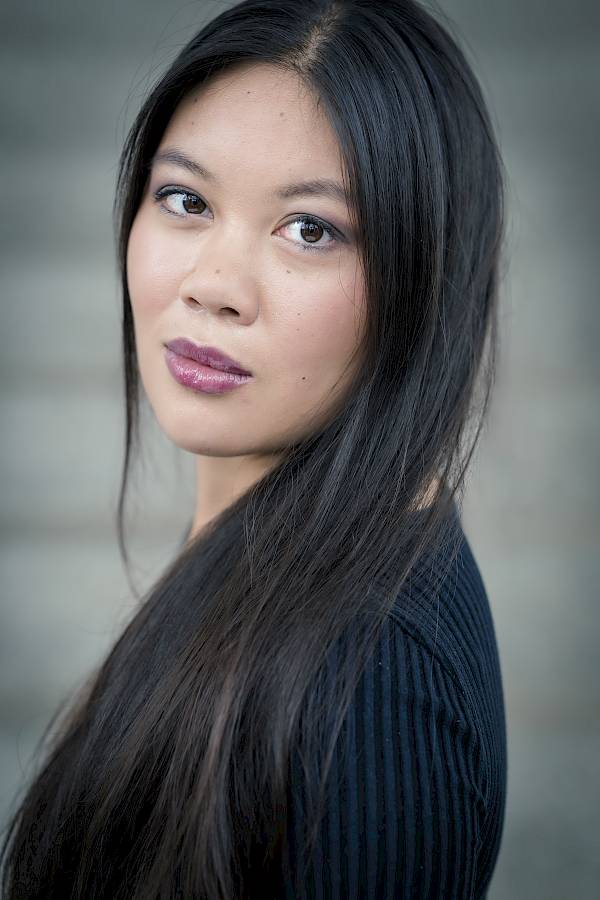
Marie Lombard
Marie Lombard, soprano, studied at the Conservatoire National Supérieur de Musique de Paris and in Rennes with Stéphanie d’Oustrac. She furthered her training through masterclasses with Lisette Oropesa, Anne Sofie von Otter, Stéphane Degout, Inva Mula, Brigitte Fassbaender, and Mariella Devia. She is an alumna of the Opera Academy of Bordeaux and the Monte-Carlo Opera Academy and has won awards at the International Competition for Young Singers of the Grand Opéra d’Avignon, the Sumi Jo International Singing Competition, and the International Opera Competition of Marmande. Her roles to date include Inès ("La favorite"), the Princess ("L’Enfant et les sortilèges"), Belinda ("Dido and Aeneas"), Eurydice ("Orfeo ed Euridice"), Adèle ("Die Fledermaus"), Coraline (Adolphe Adam’s "Le toréador"), and the First Lady ("Die Zauberflöte"). Since the 2024/25 season, she has been a member of the International Opera Studio at the Zurich Opera House. There, she has performed as Barbarina ("Le nozze di Figaro") and Contessa di Folleville ("Il viaggio a Reims") and sang in a benefit concert with Cecilia Bartoli. In the summer of 2026, she will perform Marzelline ("Fidelio") at the festival in Saint-Céré, France.
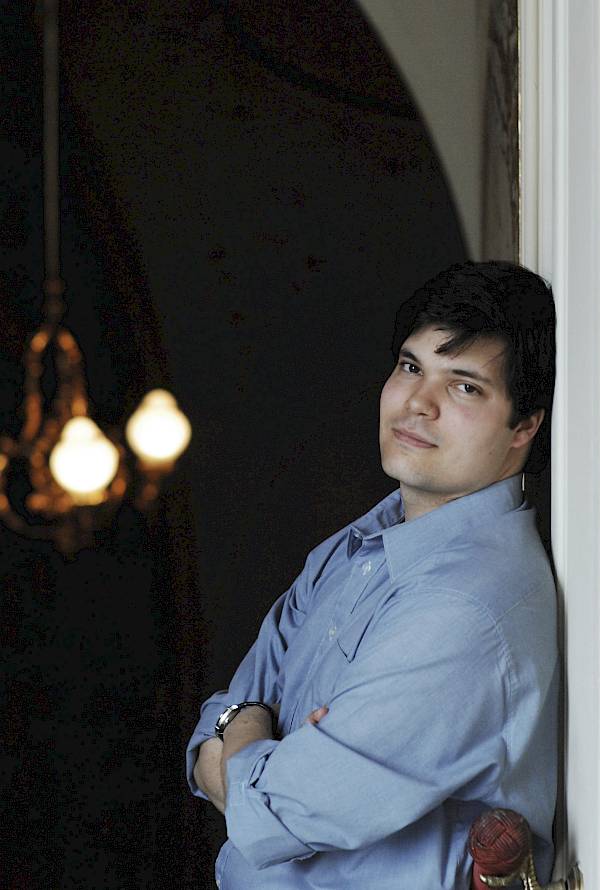
Ruben Drole
Ruben Drole, bass-baritone, is from Winterthur and studied at the Zurich University of the Arts. In 2004, he joined the opera studio and in 2005 the ensemble of the Zurich Opera House, where he performed roles including Lucio Cinna (J.C. Bach’s "Lucio Silla"), Haly ("L’italiana in Algeri"), Argante ("Rinaldo"), Wurm ("Luisa Miller"), and Papageno in the production of "Die Zauberflöte" conducted by Nikolaus Harnoncourt. As Papageno, he also made his debut at the Semperoper Dresden in 2015. Other projects with Harnoncourt included Kezal ("Die verkaufte Braut") and Haydn’s "Die Schöpfung" at Styriarte Graz, Beethoven’s "Christus am Ölberg" in Vienna and Lucerne, a Japan tour (Mozart’s "Requiem" and Handel’s "Messiah"), and Leporello ("Don Giovanni") at the Theater an der Wien. In the Zurich cycle of Mozart/Da Ponte operas directed by Sven-Eric Bechtolf and conducted by Franz Welser-Möst, he appeared as Guglielmo ("Così fan tutte"), Figaro ("Le nozze di Figaro"), and Leporello, the same roles he performed under Welser-Möst with the Cleveland Orchestra. At the Salzburg Festival 2012, he sang Achilla ("Giulio Cesare") and appeared in 2013 in Haydn’s "Il ritorno di Tobia" and Walter Braunfels’ "Szenen aus dem Leben der Heiligen Johanna." In Zurich, he has performed roles including Papageno ("Die Zauberflöte"), Alaskawolfjoe ("Aufstieg und Fall der Stadt Mahagonny"), Soldier ("Die Geschichte vom Soldaten"), Odysseus ("Die Odyssee"), Duchess/Caterpillar in "Alice im Wunderland," and Frank ("Die Fledermaus"). He also recently appeared in the ballet evening "Nachtträume."
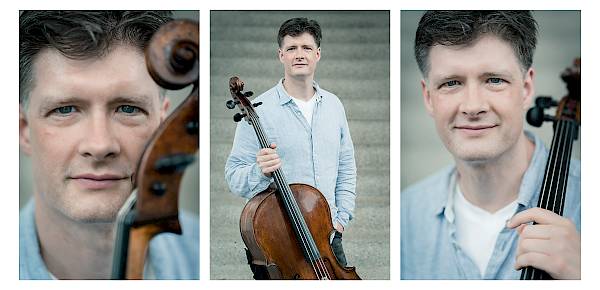
Claudius Herrmann
Claudius Herrmann received his musical training with Hans Adomeit in Mannheim and at the Lübeck Academy of Music under David Geringas. Since 1992, he has been principal cellist of the Zurich Opera Orchestra, where he has worked with conductors such as Nikolaus Harnoncourt, Georg Solti, Christoph von Dohnányi, Riccardo Chailly, Bernard Haitink, and Franz Welser-Möst. In 2013, he was invited to serve as principal cellist at the Bayreuth Festival. Before joining the Gringolts Quartet, Claudius Herrmann was a member of the Amati Quartet Zurich for 15 years, performing in major concert halls such as Carnegie Hall, the Concertgebouw, Wigmore Hall, the Théâtre des Champs-Élysées, the Vienna Musikverein, and the Berlin Philharmonie. As a soloist, he has appeared with the Hamburg Symphony Orchestra, the Stuttgart Philharmonic, the Tchaikovsky Symphony Orchestra of Moscow, and the Zurich Opera Orchestra (in "Don Quixote"). In addition to more than 20 chamber music recordings, he has also released several CDs featuring cello sonatas by Brahms, Reinecke, and Herzogenberg.
Good to know
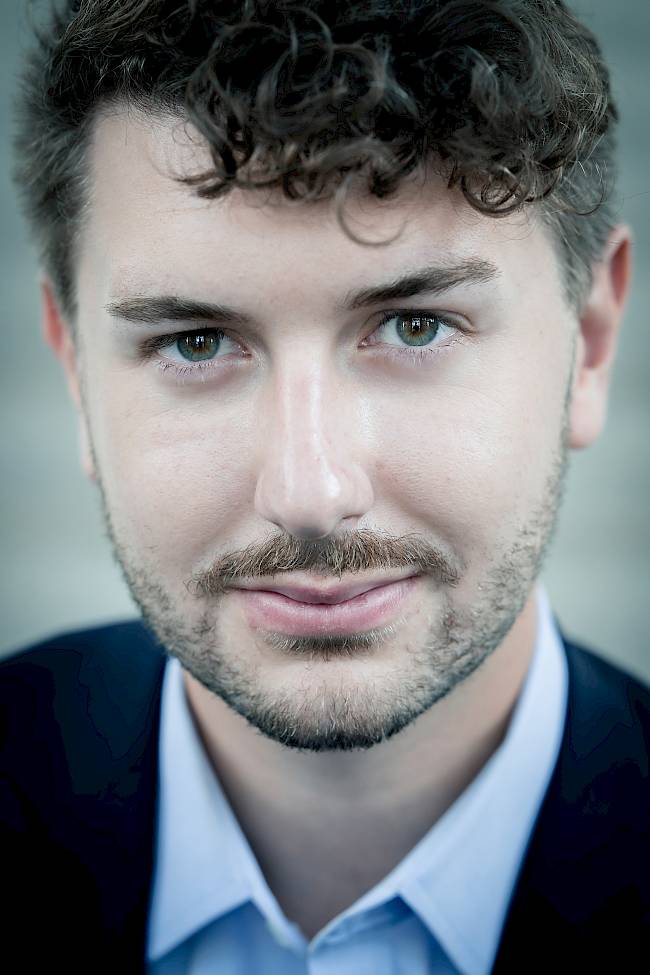
Andrew Moore
Tell us Andrew...
This interview was conducted in 2020
When and why did you decide to become an opera singer?
I began my journey in music studying music education to become a music teacher. I really loved the idea of giving back and teaching music because, for me, music was something I really cherished growing up. It wasn’t until my senior year of college where after several convincing conversations with my voice teacher, I decided to try performing. It was after my first performance in my first opera (guglielmo in «Così fan Tutte») where I thought to myself «I could get used to this...». It was such a rewarding feeling. Being able to use my voice to tell a story to an audience. I loved it. Since then, I began performing much more over the years, and has now taken me up to be in Zurich with the IOS.
If I hadn't become an opera singer, I'd be …
A flavor chemist. Chemistry was my favorite subject in school, and I wanted to work in a food science laboratory and create new ways of creating foods and flavorings with natural and man made ingredients.
Which was your most precious experience on stage so far?
I think my most precious moment was having the chance to sing some of the role of Papageno on the San Francisco opera stage with a full house in the audience. It was a feeling unlike any other and I treasure it, as it was my first time singing on the stage of a major house.
… the most embarrassing moment?
Once I was in a production of «Joseph and the Amazing Technicolor Dreamcoat». There was a dance break, and in the show I had on the craziest wig. During the dance break, one of the dancers grabbed my neck in her choreography, and as she turned, she took my wig with her! And there I was: standing on stage in a bald cap. The entire audience burst into laughter. It was very fun though, I played it off very well. Something I will never forget.
… the biggest challenge?
Languages. Languages have always been a struggle for me. I work extra hard to make sure that I really understand my text and that things are pronounced as well as a native speaker would. I was once told the best advice by a colleauge that said: «Learn a new word in a different language everyday. This way, in a year, you would have learned 365 new words». When she put it like that, my struggle with languages became something that challenges me, but keeps me motivated to work hard and improve.
And what would be your biggest dream?
I’m not super sure what my biggest dream would be, to be honest. Being in this wonderful place like Zürich, is something a year ago I would have never imagined for myself. I have no idea what lies in front of me for the future, but im excited for the journey ahead.
Do you have a lucky charm or a ritual before going on stage?
Every night before a big performance, I use the small area in my bedroom and do a mini walk and talk, where I go through the motions and text of the show. It sounds crazy, but going to bed with a good feeling of confidence is key and helps me get a good night sleep for the next day.
My secret weapon to prevent hoarseness:
Tons and tons of sleep and not talking.
My idol:
Sam Ramey
Which opera character do you identify with the most and why?
Alfredo in «La Traviata». Although I am not a tenor, I am 100% a hopeless romantic. Someone who pursues not as a heroic chivalry act, but out of genuine love and affection. He loves deeply.
This song speaks out of the fullness of my heart:
«An die Musik» (Schubert)
Which is you favorite place in Zurich and why?
There is a little farm area on top of Sonnenberg past the Dolder called Adlisberg. It’s the cutest place and it has a really good restaurant with great food. I absolutely love it here.
What is your favorite word in Swiss German?
«Öpfuchüechli»
Andrew Moore studied in Philadelphia. He was a member of the International Opera Studio at Opernhaus Zürich and has been part of the ensemble since the 2022/23 season.