

Pierre Dumoussaud, bassoonist and conductor, studied at the Paris Conservatory. In 2014, he won the ADAMI Talents Conductors competition and in 2017 the International Competition for Opera Conductors of the Opéra Royal de Wallonie. In 2022, he was the first to receive the Victoire de la Musique award in the category "Révélation Chef d’Orchestre"; in the same year, the French Minister of Culture awarded him the title "Chevalier de l’Ordre des Arts et des Lettres." He has conducted opera and dance productions at leading houses, including "Manon" and a tribute to Roland Petit at the Opéra National de Paris, "Madama Butterfly" in Rouen, "Iphigénie en Tauride" in Montpellier, "Mignon" at the Bavarian State Opera in Munich, Ambroise Thomas’ "Hamlet" at the Komische Oper Berlin, "La belle Hélène" at the Opéra de Lausanne, "Pelléas et Mélisande" in Liège, as well as "Faust" and "Pénélope" in Athens. He has conducted French orchestras such as the Orchestre National Bordeaux Aquitaine, Radio France Philharmonic Orchestra, Orchestre Philharmonique de Strasbourg, the orchestras of Toulouse and Metz, and the Orchestre National d’Île-de-France, as well as the Real Filharmonía de Galicia and the Orchestra della Svizzera Italiana. His discography includes French music of the 19th and 20th centuries: "Pelléas et Mélisande" at the Opera in Bordeaux for Alpha Classics, the first complete recording of Offenbach’s "Le voyage dans la lune," which received the 2022 Opera Award for "Best Recording," as well as Messager’s operetta "Les p’tites Michu" and an award-winning album dedicated to the composer Olivier Greif. Starting with the 2026/27 season, Pierre Dumoussaud will become Music Director of the Opéra Orchestre Normandie Rouen.
Wolfgang Amadeus Mozart
Opera buffa in four acts
Libretto by Lorenzo da Ponte
From 24. January 2026 until 14. February 2026
-
Duration :
approx. 3 H. 35 Min. Inkl. Pause after approx. 1 H. 45 Min. -
Language:
In Italian with German and English surtitles. -
More information:
Introduction 45 min before the performance.
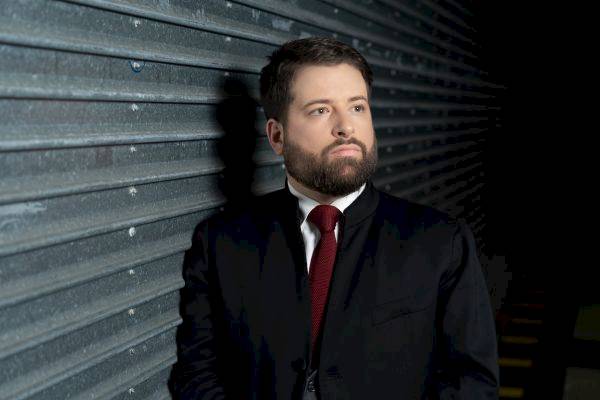
Pierre Dumoussaud
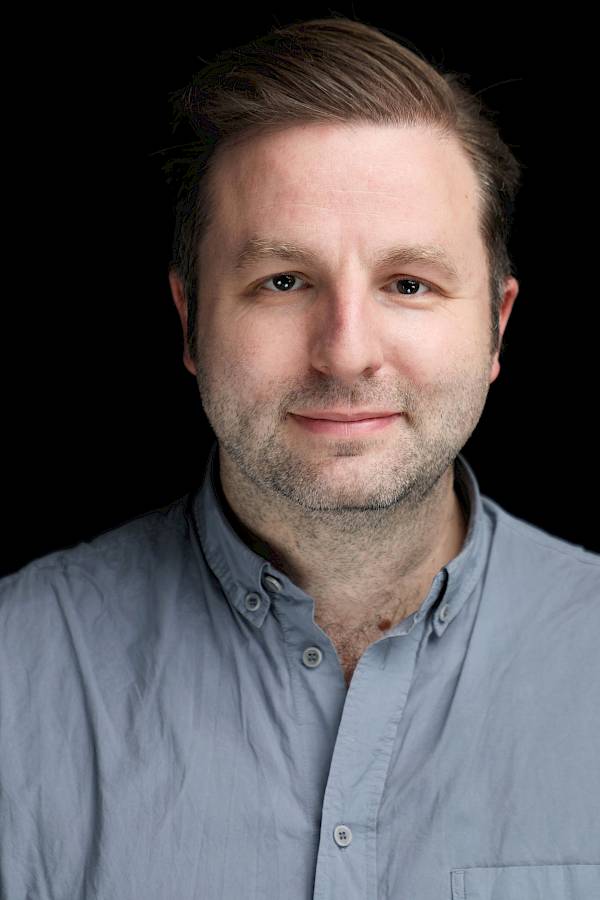
Jan Philipp Gloger
Jan Philipp Gloger studied Applied Theatre Studies at the Justus Liebig University Giessen and directing at the Zurich University of the Arts. From 2007, he worked as a freelance theatre director, including at the Bavarian State Theatre Munich, the Schaubühne and the Deutsches Theater Berlin, the Deutsches Schauspielhaus in Hamburg, and the State Theatre Dresden. He presented productions at the Ruhrtriennale and the Heidelberg Stückemarkt and received the Directing Prize of the Bavarian Theatre Days. From 2011 to 2013, he was Chief Director at the Staatstheater Mainz. In 2010, he staged his first opera, "Le nozze di Figaro," at the Theater Augsburg. This was followed by "Alcina" at the Semperoper Dresden, "The Flying Dutchman" at the Bayreuth Festival in 2012, "Idomeneo" at the Opera Frankfurt in 2013, Gounod’s "Faust" in Zurich, and "Simon Boccanegra" at the Semperoper Dresden in 2014. In recent years, he has directed productions including "Così fan tutte" at the Royal Opera House London and "Faust" at the Kongelige Theater Copenhagen. In 2018, Jan Philipp Gloger became Artistic Director at the Staatstheater Nürnberg, where he most recently staged "La Cenerentola." His productions have been awarded the Audience Prize of the Mülheimer Theatertage, the Directing Prize of the Bavarian Theatre Days, the Nachspiel Prize at the Heidelberg Stückemarkt, and a nomination for the London Olivier Award. In Zurich, he most recently directed "La verità in cimento," "Il turco in Italia," and "Die Csárdásfürstin." Since the 2025/26 season, he has been Intendant of the Volkstheater Vienna.
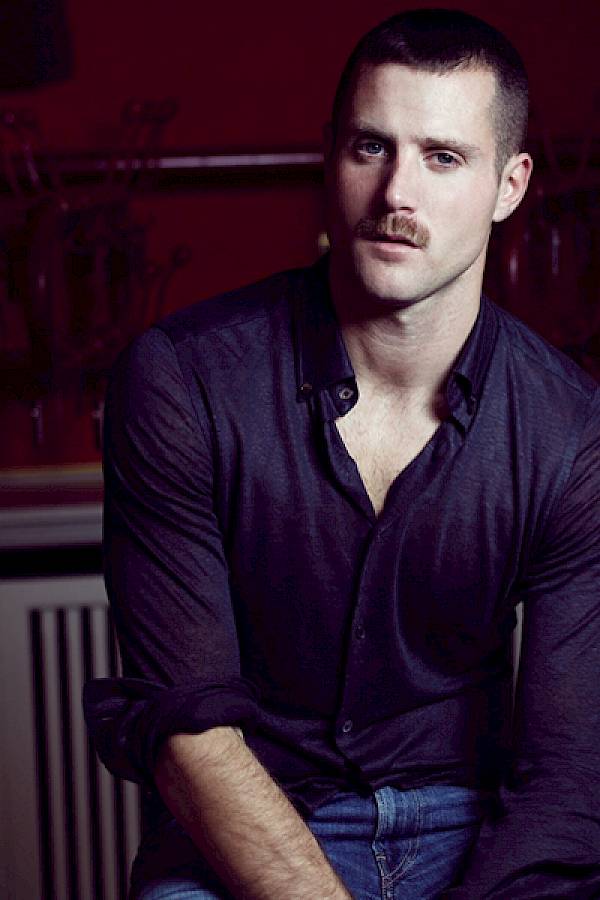
Ben Baur
Ben Baur comes from Reinheim in southern Hesse and studied at the Berlin-Weissensee University of the Arts. His work as a stage and costume designer can be seen at major theatres and opera houses across Europe, including the Maxim Gorki Theater and Deutsches Theater in Berlin, the Volkstheater Munich, the Staatstheater Karlsruhe and Staatstheater Saarbrücken, the theatres in Bochum, Zurich, and Frankfurt, the Aalto-Musiktheater Essen, the Stuttgart State Opera, the Zurich Opera House, the Welsh National Opera Cardiff, the Opéra national de Lorraine in Nancy and the Opéra royal du Château de Versailles, the Dutch National Opera Amsterdam, the Hamburg State Opera, the Royal Opera House Covent Garden, and the Burgtheater Vienna. He has a close collaboration with Jetske Mijnssen and Jan Philipp Gloger. In 2014, Ben Baur made his directorial debut at the Staatstheater Saarbrücken with "Lucia di Lammermoor," where he subsequently staged "La traviata" and "Katja Kabanova." His work as a director also includes Hugo von Hofmannsthal's "Elektra" at the Deutsches Theater Göttingen, "Roméo et Juliette" and "Il trovatore" at the Opera Graz, "Don Giovanni" and "Dialogues des Carmélites" at the Musiktheater im Revier Gelsenkirchen, "Il pirata" and "Faust" at the Theater St. Gallen, "La bohème" and "Alcina" at the Staatstheater Braunschweig, as well as August Enna's "Kleopatra" at the Danish National Opera.
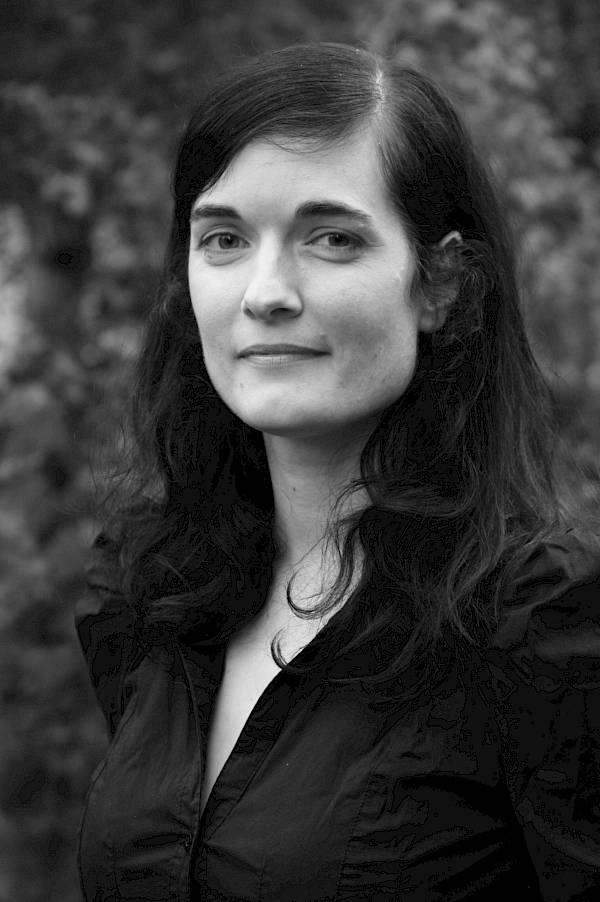
Karin Jud
Karin Jud, born in Zurich, studied fashion design from 2000 to 2004 at the Basel School of Design and Art. Afterwards, she worked until 2007 as an assistant costume designer at the Schauspielhaus and the Zurich Opera House, collaborating with directors such as Jan Bosse, Barbara Frey, Jürgen Gosch, Rudi Häusermann, Leiser/Caurier, and Jürgen Flimm. She designed costumes at the Schauspielhaus Zurich, among others, for productions by David Unseld, Luise Helle, Schorsch Kamerun, and Matthias Hartmann. Since 2007, she has worked as a freelance costume designer at, among others, Theater Augsburg, the Bavarian State Theatre Munich, Schauspiel Hannover, Schauspielhaus Graz, Staatstheater Mainz, Volkstheater Vienna, Semperoper Dresden, Deutsches Schauspielhaus Hamburg, and the Schaubühne Berlin. In Hamburg, she designed the premiere of Philipp Löhle's "Das Ding," directed by Jan Philipp Gloger, which won the Audience Prize at the Mülheimer Theatertage in 2012. She has collaborated with directors such as Ingo Berk, Jan Stephan Schmieding, and Barbara-David Brüesch. Recently, in collaboration with Jan Philipp Gloger, she worked on "Idomeneo" at the Opera Frankfurt, "Die Csárdásfürstin," "Le nozze di Figaro," and "Il turco in Italia" at the Zurich Opera House, "Faust" at the Royal Danish Opera, and "Così fan tutte" at the Royal Opera House in London.
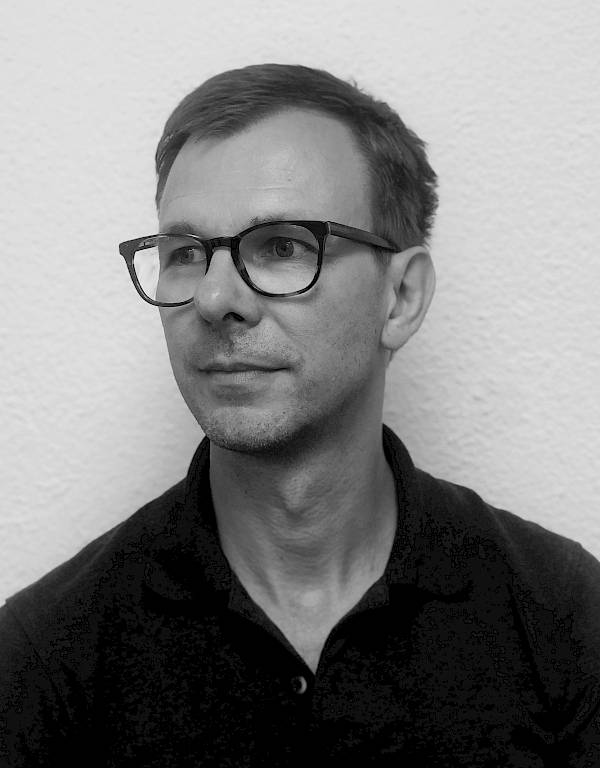
Martin Gebhardt
Martin Gebhardt was lighting designer and Head of Lighting for John Neumeier’s Hamburg Ballet. From 2002 onward he collaborated with Heinz Spoerli and the Ballett Zürich. Ballet productions of both companies took him to renowned theatres across Europe, Asia, and the Americas. At Zurich Opera House he created the lighting design for productions by Jürgen Flimm, David Alden, Jan Philipp Gloger, Grischa Asagaroff, Matthias Hartmann, David Pountney, Moshe Leiser/Patrice Caurier, Damiano Michieletto, and Achim Freyer. At the Salzburg Festival he designed the lighting for "La bohème" and for a new version of Spoerli’s "Der Tod und das Mädchen". Since the 2012/13 season Martin Gebhardt has been Head of Lighting at Zurich Opera House. He maintains a close collaboration with choreographer Christian Spuck (including "Winterreise", "Nussknacker und Mausekönig", "Messa da Requiem", "Anna Karenina", "Woyzeck", "Der Sandmann", "Leonce und Lena", "Das Mädchen mit den Schwefelhölzern"). He has also worked as lighting designer for choreographers Edward Clug (including "Strings", "Le Sacre du printemps" and "Faust" in Zurich), Alexei Ratmansky, Wayne McGregor, Marco Goecke, and Douglas Lee. He collaborated with Christoph Marthaler and Anna Viebrock on Handel’s "Sale" and Rossini’s "Il viaggio a Reims" in Zurich as well as on "Lulu" at the Hamburg State Opera, and with Jossi Wieler and Sergio Morabito at the Grand Théâtre de Genève for "Les Huguenots". In 2023 he designed the lighting for Spuck’s ballet "Bovary" at the Staatsballett Berlin and in 2024 for Rossini’s "Tancredi" at the Bregenz Festival. He was also the lighting designer for Cathy Marston’s "Atonement" at Zurich Opera House.
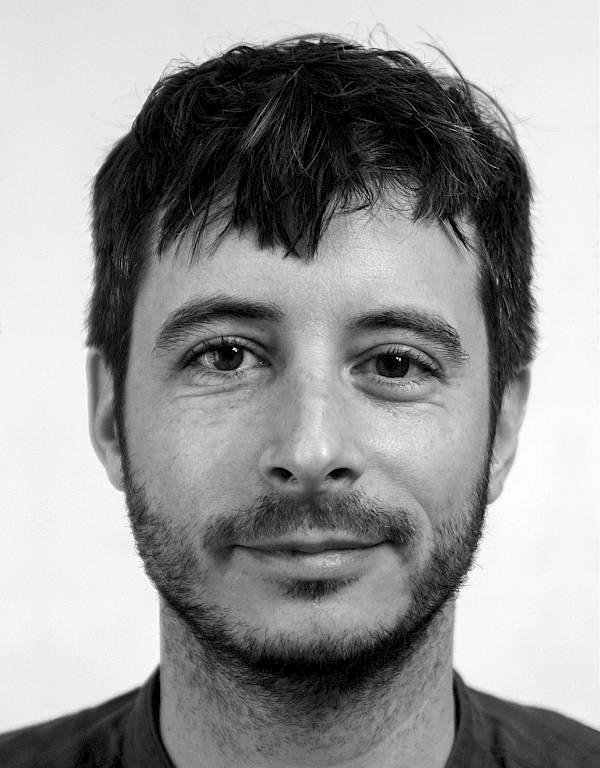
Tieni Burkhalter
Tieni Burkhalter studied Fine Arts at the Zurich University of the Arts (ZHdK), where he specialized in video and video installation. After his works were mainly shown in galleries and at experimental film festivals, he has been working for the stage since 2009. As a video producer, he is closely associated with the Zurich Opera House. His stage work has also taken him to theaters in Berlin, Hamburg, Paris, Moscow, Oslo, and Savonlinna. At the Zurich Opera House, he worked with Andreas Homoki ("Der fliegende Holländer", "Das Land des Lächelns", "Das Rheingold", "Siegfried" and "Die Walküre"), Evgeny Titov ("Lessons in Love and Violence" and "L’Orfeo"), Jan Philipp Gloger ("Die Csárdásfürstin" and "Le nozze di Figaro"), Adele Thomas ("Il trovatore"), Rainer Holzapfel ("Die Odyssee"), Nina Russi ("Coraline") and Kai Anne Schuhmacher ("Jim Knopf und Lukas der Lokomotivführer"). For Ballet Zurich, he produced videos for Christian Spuck ("Anna Karenina" and "Das Mädchen mit den Schwefelhölzern"), Marcos Morau ("Nachtträume"), Edward Clug ("Faust") and Douglas Lee ("A-Life"). He was also involved at the Savonlinna Opera Festival with Philipp Himmelmann for "Aida", in Berlin with Christian Spuck for "Madame Bovary", and has been collaborating for many years on Dmitri Tcherniakov’s productions: "Pelléas et Mélisande" and "Die Sache Makropulos" at the Zurich Opera House, "Senza Sangue/Herzog Blaubarts Burg", "Elektra" and "Salome" at the Hamburg State Opera, "La Fille de Neige" and "Les Troyens" at the Opéra National de Paris, and "Tristan und Isolde" at the Staatsoper Unter den Linden in Berlin.
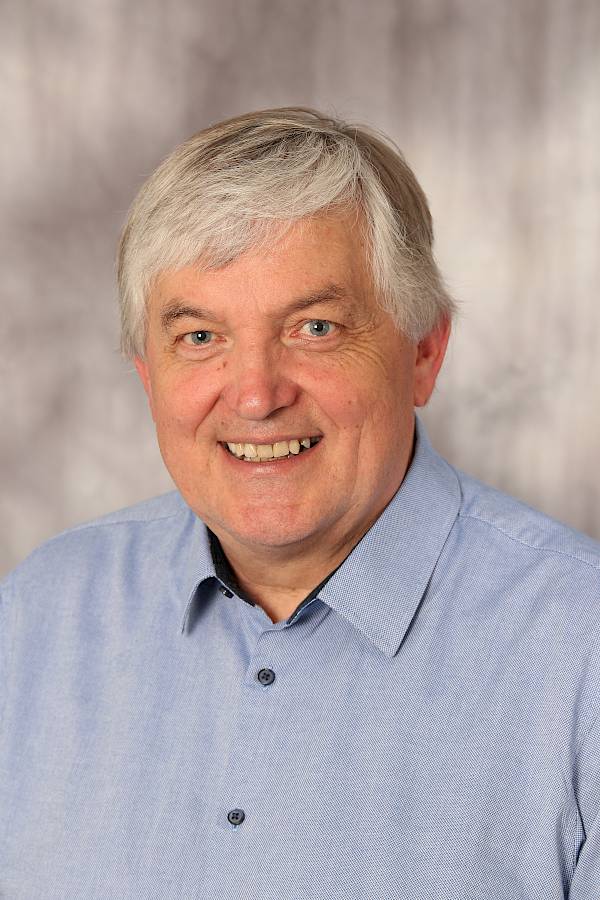
Ernst Raffelsberger
Ernst Raffelsberger comes from Gmunden, Upper Austria. He studied music education and church music at the University of Music and Performing Arts in Vienna as well as choral conducting at the Mozarteum in Salzburg. From 1983 to 1986 he was Kapellmeister of the Vienna Boys’ Choir. During this time, he led the ensemble in Vienna and on tours through Europe, South Africa, Canada, and the USA. From 1986, Ernst Raffelsberger was choral director and Kapellmeister at the Salzburg State Theatre (participating in the Salzburg Mozart Week and the Salzburg Festival). In 1989 he moved as choral director and Kapellmeister to the theatre in Freiburg/Breisgau. Since autumn 1993, Ernst Raffelsberger has been engaged at the Zurich Opera House as choral director. Here he has since supervised around 150 premieres and countless revivals and worked with many renowned conductors such as Marco Armiliato, Riccardo Chailly, Teodor Currentzis, Christoph von Dohnányi, Sir John Eliot Gardiner, Daniele Gatti, Bernard Haitink, Nikolaus Harnoncourt, Zubin Mehta, Gianandrea Noseda, and Franz Welser-Möst. Guest performances with the Zurich Opera House have taken him to Vienna, London, Paris, and Tokyo. From summer 2012 he additionally began a ten-year activity as choral director of the Vienna State Opera Chorus Association at the Salzburg Festival. There he collaborated successfully with, among others, Riccardo Muti, Mariss Jansons, and Sir Simon Rattle. After Ernst Raffelsberger ended this work with the festival summer 2021, he has since 2025 once again been responsible, at Maestro Muti’s request, for choral preparation for his festival concerts in Salzburg. Numerous CD and DVD recordings document his work in Zurich as well as in Salzburg.
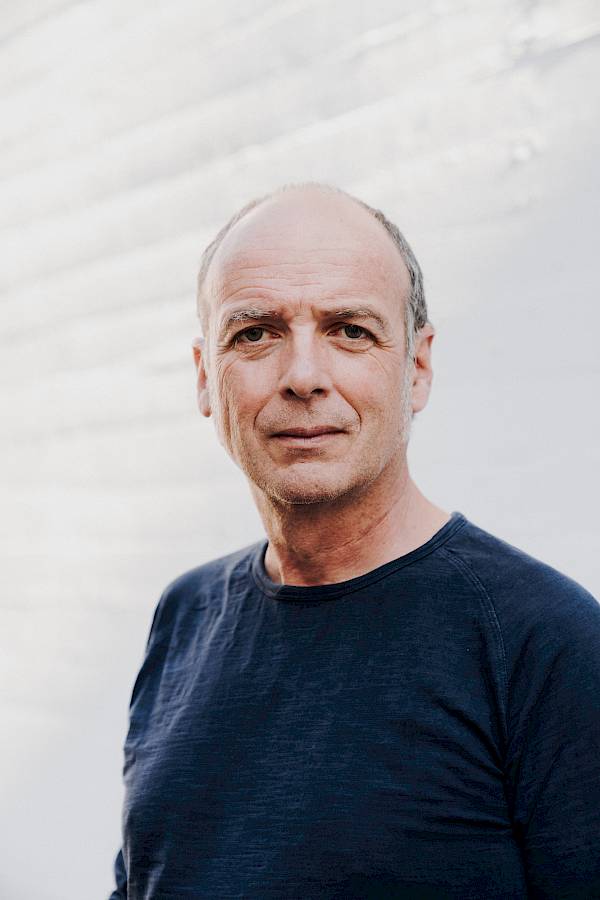
Claus Spahn
Claus Spahn was chief dramaturge at the Zurich Opera House during Andreas Homoki’s tenure as artistic director. There, he supervised music theater projects by Wolfgang Rihm, Helmut Lachenmann, George Benjamin, Roman Haubenstock-Ramati, and world premieres by Heinz Holliger, Christian Jost, and Stefan Wirth. As a production dramaturge, he worked with directors such as Sebastian Baumgarten, Herbert Fritsch, Jan Philipp Gloger, Tatjana Gürbaca, Andreas Homoki, Barrie Kosky, Nadja Loschky, David Marton, and Evgeni Titov. He also shares a close artistic partnership with the choreographer and former director of Zurich Ballet, Christian Spuck. For him, Spahn was involved in the development of the productions “Anna Karenina,” “Nussknacker und Mausekönig,” and “Monteverdi” in Zurich, he also wrote libretti for the ballets “Orlando” based on Virginia Woolf (world premiere in 2021 at the Moscow Bolshoi Ballet) and “Bovary” based on Gustave Flaubert (world premiere in 2023 at the Berlin State Ballet). Additionally, he is the librettist of the chamber opera “The Dream of You” by Swiss composer Xavier Dayer, which premiered in 2017 at the Zurich Opera House. Before joining the Zurich Opera House, Claus Spahn was the arts editor for 14 years at the German weekly newspaper DIE ZEIT, where he was responsible for the music section. From 1990 to 1997, he worked as a freelance music journalist mainly for the Süddeutsche Zeitung and Bavarian Broadcasting. Claus Spahn was born in Germany, studied classical guitar in Freiburg im Breisgau, and completed training at the German School of Journalism in Munich.
Cast


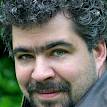
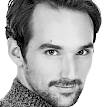
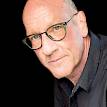
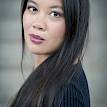
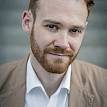
Zwei Frauen Selena Colombera 24, 29 Jan / 01, 07 Feb
Zwei Frauen Hélène Couture 24 Jan / 01, 07, 10 Feb
Zwei Frauen Julie Anne Bartholomew 29 Jan / 05, 14 Feb
Zwei Frauen Rosa Maria Hernandez 05, 10, 14 Feb
Tango Tanzpaar Yanick Wyler 24, 29 Jan / 01, 05, 07, 10, 14 Feb
Tango Tanzpaar Eugenia Parrilla 24, 29 Jan / 01, 05, 07, 10, 14 Feb
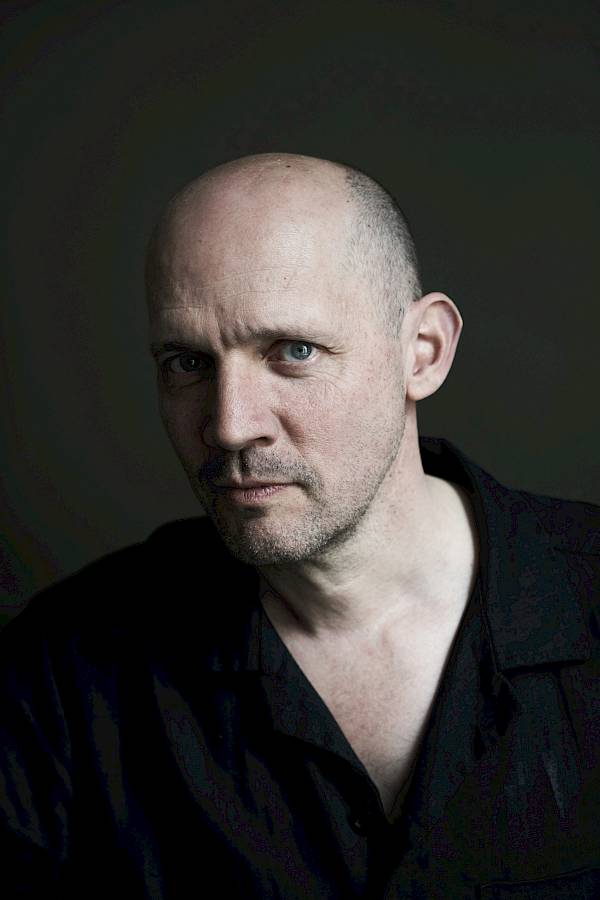
Stéphane Degout
The French baritone Stéphane Degout completed his studies at the Conservatory of Lyon, where he was also a member of the opera studio. Following his debut as Papageno ("Die Zauberflöte") at the Festival d’Aix-en-Provence, he received invitations to the Opéra National, the Théâtre des Champs-Élysées, and the Opéra Comique in Paris, to the Staatsoper Unter den Linden in Berlin, La Monnaie in Brussels, Theater an der Wien, Teatro alla Scala, the Lyric Opera of Chicago, the Metropolitan Opera, the Bavarian State Opera, the Dutch National Opera, the Grand Théâtre de Genève, the Zurich Opera House, as well as to the festivals in Salzburg, Glyndebourne, Edinburgh, and Aix-en-Provence. His opera repertoire includes roles such as Oreste ("Iphigénie en Tauride"), Wolfram ("Tannhäuser"), Rodrigue ("Don Carlos"), Valentin ("Faust"), Golaud ("Pelléas et Mélisande"), Comte ("Le nozze di Figaro"), as well as the title roles in Ambroise Thomas’ "Hamlet", Monteverdi’s "Orfeo", "Il ritorno d’Ulisse in patria", Tchaikovsky’s "Eugene Onegin", and Alban Berg’s "Wozzeck". In addition, he has performed in numerous song recitals and concerts with pianists such as Alain Planès, Simon Lepper, Cédric Tiberghien, and Martha Argerich, as well as with the Chicago Symphony Orchestra under Riccardo Muti, the Los Angeles Philharmonic under Esa-Pekka Salonen, the London Philharmonic Orchestra, the Concertgebouw Orchestra, and the Orchestre National de Montpellier. In 2012, he was named "Chevalier de l’Ordre des Arts et des Lettres", received awards at the Victoires de la Musique Classique, and in 2022, the Opera Award. His recordings include songs by Debussy, Ravel, and Fauré for Harmonia Mundi, as well as the award-winning CD "Enfers" with Ensemble Pygmalion and Raphaël Pichon.
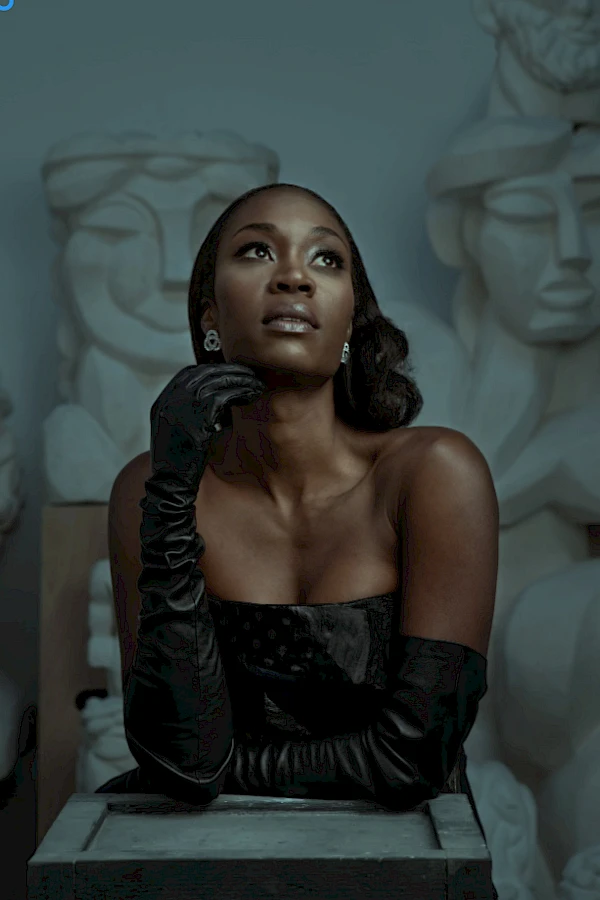
Jeanine De Bique
The Trinidad-born soprano Jeanine De Bique studied voice and piano at the renowned Manhattan School of Music in New York. Her wide-ranging repertoire includes roles such as Télaïre ("Castor et Pollux"), Ilia ("Idomeneo"), Violetta ("La traviata"), the title roles in "Alcina" and "L’incoronazione di Poppea", Donna Anna ("Don Giovanni"), Susanna ("Le nozze di Figaro"), Annio ("La clemenza di Tito"), Micaëla ("Carmen"), Agathe ("Der Freischütz"), Helena ("A Midsummer Night’s Dream"), and La Folie ("Platée"). Guest engagements have taken her to the Staatsoper Unter den Linden and the Konzerthaus Berlin, Theater an der Wien, the Opéra National de Paris, the Festival d’Aix-en-Provence, the San Francisco Opera, New York’s Carnegie Hall, and the Houston Grand Opera, as well as to the BBC Proms and the Salzburg Festival. At the Zurich Opera House, she sang Isabel in George Benjamin’s "Lessons in Love and Violence" in 2023. She has worked with ensembles such as the Los Angeles Philharmonic, the Vienna and Rotterdam Philharmonics, the Pittsburgh Symphony, the London Symphony, and the Chicago Symphony Orchestra, and with conductors including Gustavo Dudamel, Herbert Blomstedt, Lorin Maazel, Iván Fischer, Simon Rattle, Manfred Honeck, William Christie, Raphaël Pichon, and Marin Alsop. Her first solo album "Mirrors" with Ensemble Concerto Köln received the Opus Klassik, the Diapason d’or, and the Edison Award in the classical category in 2022, was Gramophone Magazine’s Editor’s Choice, and was praised by Fono Forum. Jeanine De Bique was appointed Youth Ambassador for Peace by the National UNESCO Commission of Trinidad and Tobago.
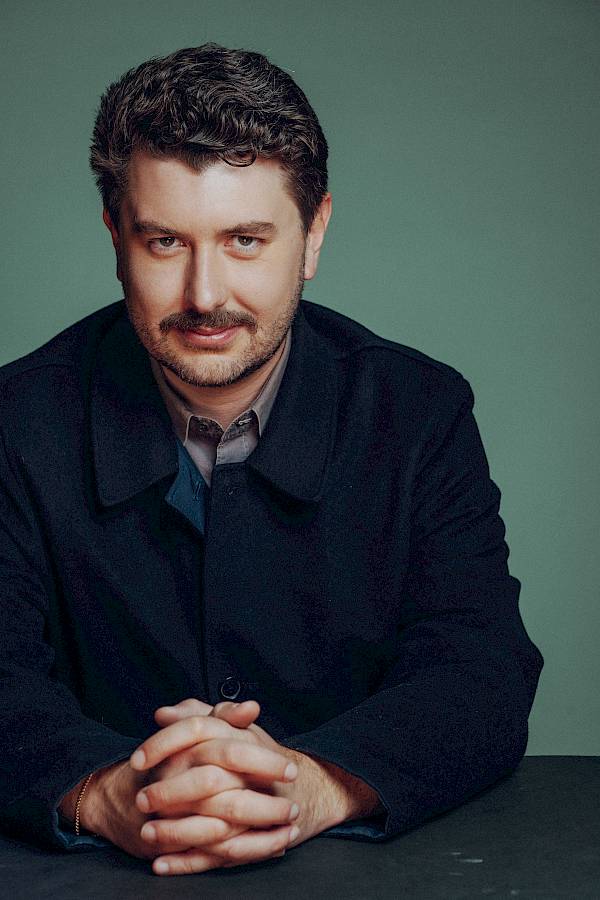
Andrew Moore
Andrew Moore, an American bass-baritone from New Jersey, received his training at Rutgers University (Mason Gross School of the Arts) and at the renowned Curtis Institute of Music in Philadelphia. In 2019, he reached the New England Region Finals of the Metropolitan Opera National Council Auditions, where he was awarded the Susan Eastman Encouragement Award. Further important artistic milestones included the Merola Opera Program in San Francisco as well as the Santa Fe Opera, where he appeared as an Apprentice Singer in "La bohème", "Così fan tutte", and "Jenůfa". From 2020 to 2022, he was a member of the International Opera Studio at the Zurich Opera House. He was subsequently engaged in the company ensemble, which he has belonged to since the 2022/23 season. There, he has appeared as Figaro ("Le nozze di Figaro"), Paolo Albiani ("Simon Boccanegra"), Don Fernando ("Fidelio"), De Brétigny ("Manon"), Marullo ("Rigoletto"), Paris ("Roméo et Juliette"), Marchese d’Obigny ("La traviata"), Pritschitsch ("Die lustige Witwe"), Johann ("Werther"), and Fix ("In 80 Tagen um die Welt"). His recent international engagements include his debut with the Warsaw Philharmonic as bass soloist in Beethoven’s Symphony No. 9 as well as his Salzburg debut as Marchese d’Obigny ("La traviata"). In summer 2026, he will appear at the Salzburg Festival as Johann ("Werther"). His repertoire also includes roles such as Leporello ("Don Giovanni"), Guglielmo ("Così fan tutte"), and Rocco ("Fidelio").
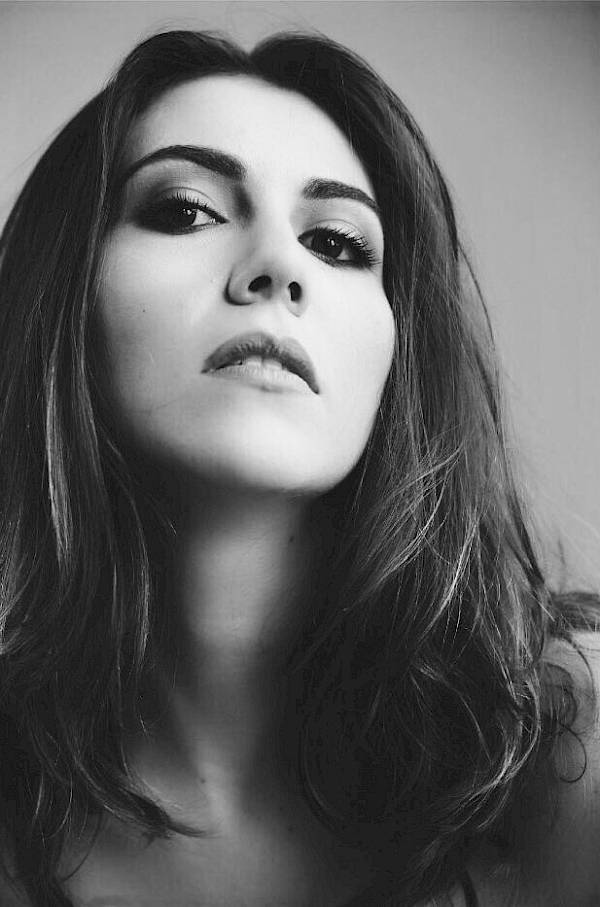
Sandra Hamaoui
The French-American soprano Sandra Hamaoui studied at the Conservatory in San Francisco and at the Juilliard School in New York. She is a prizewinner of numerous competitions; among others, she was a semifinalist at the Metropolitan Opera National Council Auditions and won first prize at the New England Regional Finals, the West Bay Opera League Competition, and the Mary Trueman Vocal Competition. Whilst still a student, she sang the title role in Gounod’s "Roméo et Juliette" with the Canadian Vocal Arts Institute as well as Adina in "L’elisir d’amore" with the San Francisco Conservatory of Music at the Kennedy Center. In the 2017/18 season, she was a member of the ensemble at the Deutsche Oper Berlin, where she sang, among others, Ninetta in "Die Liebe zu den drei Orangen" and Pamina in "Die Zauberflöte". As a member of the ensemble at the Zurich Opera House, she appeared, among others, as Susanna in "Le nozze di Figaro", Gilda in "Rigoletto", Nanetta in "Falstaff", Gretel in "Hänsel und Gretel", and Lisette in "La rondine". Her recent engagements include the title role in "Roméo et Juliette" with the Orchestre de Chambre de Genève, Leïla in "Les pêcheurs de perles" at the Théâtre des Champs-Élysées, as well as the opening of the 2024/25 season at the Hamburg State Opera with the leading role in "Trionfi" under Kent Nagano.
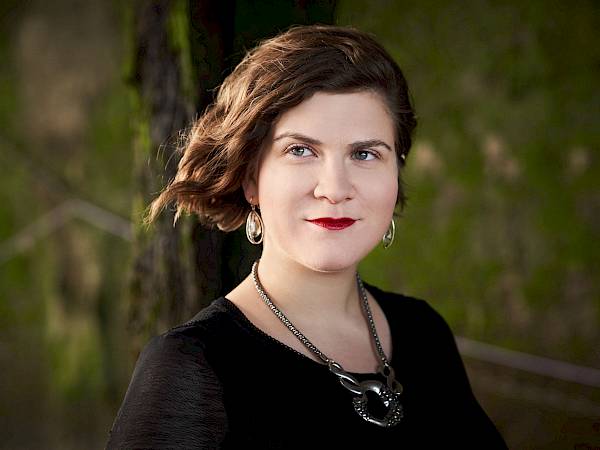
Ema Nikolovska
The Canadian-Macedonian mezzo-soprano Ema Nikolovska studied voice with Helga Tucker in Toronto and at the Guildhall School of Music and Drama in London. From 2019 to 2022, she was a BBC New Generation Artist. During this time, she won the International Vocal Competition in ’s-Hertogenbosch and the prestigious Borletti-Buitoni Trust Award, as well as prizes at the Kathleen Ferrier Awards and the Young Classical Artists Trust. From 2020 to 2022, she was part of the International Opera Studio of the Staatsoper Unter den Linden in Berlin and returned there as Octavian ("Der Rosenkavalier"), Stéphano ("Roméo et Juliette"), and La Muse/Nicklausse ("Les Contes d’Hoffmann"). At the Linbury Theatre of the Royal Opera House, she made her role debut as Frau in George Benjamin’s "Picture a Day Like This" and later sang the role at the Opéra du Rhin in Strasbourg. In concert, she has performed in Mozart’s "Coronation Mass" at the Salzburg Festival, "Céphale et Procris" on tour with Ensemble A Nocte Temporis, Mendelssohn’s "Elijah" with the Munich Radio Orchestra, Stravinsky’s "Pulcinella" with the Musikcollegium Winterthur under Barbara Hannigan, and Ravel’s "Chansons Madécasses" with the Mahler Chamber Orchestra under George Benjamin. In the art song repertoire, she has worked with Martha Argerich, András Schiff, and guitarist Sean Shibe. In 2025/26, she will perform Boulez’ "Le Marteau sans maître" with the Ensemble Intercontemporain at the Gulbenkian Fundação and give a recital at Wigmore Hall with Hikaru Kanki. At the Zurich Opera House, she will make her debut as Cherubino ("Le nozze di Figaro") and at the Komische Oper Berlin in the title role of Olga Neuwirth’s "Orlando."
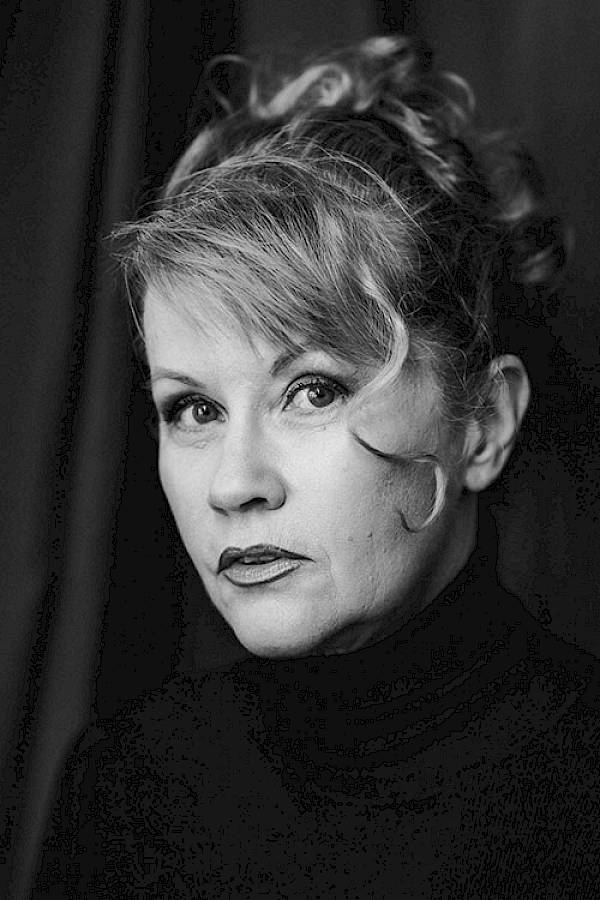
Liliana Nikiteanu
Liliana Nikiteanu studied at the Conservatory in Bucharest. She received her first permanent engagement in 1986 at the Musiktheater Galati. She has won numerous awards, and in 2000, Opernwelt named her "Best Young Singer of the Year." Her repertoire includes over 80 roles, which she has performed in Zurich, where she has been an ensemble member since 1991, as well as in other opera houses, including Octavian ("Der Rosenkavalier") at the Bastille, the Vienna and Hamburg State Operas, Ježibaba ("Rusalka") in Montreal, Sesto ("La clemenza di Tito") in Dresden, Rosina ("Il barbiere di Siviglia") in Vienna and Munich, Dorabella ("Così fan tutte") in Dresden, Munich, Salzburg, and Aix-en-Provence, Fjodor ("Boris Godunow") in Salzburg, Margarethe ("La damnation de Faust") in Brussels, and Dulcinée ("Don Quichotte") at Theater an der Wien. In Zurich, she has performed all Mozart roles of her fach as well as roles such as Ljubascha ("Die Zarenbraut"), Nurse (Dukas’ "Ariane et Barbe-Bleue"), and Fricka ("Das Rheingold"). As a concert singer, her repertoire ranges from Bach to Berio. In Bamberg, she sang Berenice by Haydn under Adam Fischer, in Paris Berlioz’ "Les nuits d’été" under Heinz Holliger, in Copenhagen Verdi’s Requiem, and in Tel Aviv and Haifa Bruckner’s Te Deum under Zubin Mehta. Conductors who have shaped her include Nikolaus Harnoncourt, Claudio Abbado, Fabio Luisi, Franz Welser-Möst, John Eliot Gardiner, René Jacobs, and Philippe Jordan. Most recently, in Zurich, she has performed roles including Tisbe ("La Cenerentola"), Praškowia ("Die lustige Witwe"), Mama ("Wir pfeifen auf den Gurkenkönig"), Sir Pumpkin ("In 80 Tagen um die Welt"), as well as in the music-theater evening created for her, "Wie du warst! Wie du bist!"
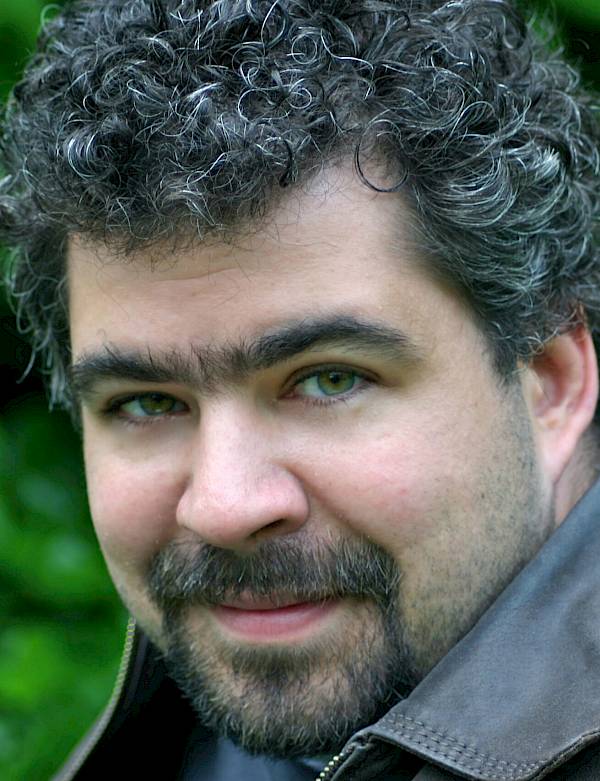
Miklós Sebestyén
The Budapest-born bass-baritone Miklós Sebestyén studied with László Polgár in Zurich and Josef Loibl in Munich. In 2010, he emerged as a prizewinner at the Belvedere Singing Competition in Vienna and has since performed at opera houses such as the Deutsche Oper am Rhein, the Komische Oper Berlin, the Leipzig Opera, the Staatstheater Nürnberg, La Scala in Milan, the Royal Operas in Oslo and Copenhagen, Theater an der Wien, and the Bavarian State Opera. He made his debut at the Metropolitan Opera in New York in 2012 as the King in Sonja Frisell’s production of "Aida," which was broadcast worldwide in cinemas. At the New York Met, he also sang Un Frate in "Don Carlo." Further engagements include Berlioz’ "Béatrice et Bénédict" directed by Kasper Holten in Vienna, his debut at the Wagner Festival in Budapest as Kothner in "Die Meistersinger von Nürnberg" under Ádám Fischer, and Tigellino in Arrigo Boito’s "Nerone" at the Bregenz Festival. His repertoire also includes Mozart roles such as Figaro, Leporello, Sarastro, and Don Alfonso, as well as roles like Enrico ("Anna Bolena"), Mustafa ("L’italiana in Algeri"), Ercole (Handel’s "Admeto"), Prince Gremin ("Eugene Onegin"), Colline ("La bohème"), Ferrando ("Il trovatore"), Sparafucile ("Rigoletto"), and Celio ("Die Liebe zu den drei Orangen"). He has worked with conductors such as Riccardo Chailly, Carlo Rizzi, Ádám Fischer, Fabio Luisi, Lorin Maazel, and Julia Jones, and has also established himself as a concert singer in oratorios by Haydn, Bach, Mozart, and Bartók. Upcoming engagements include Bartók’s "Duke Bluebeard’s Castle" with Jukka-Pekka Saraste in Copenhagen and a concert performance of Verdi’s "Simon Boccanegra" at Müpa in Budapest.
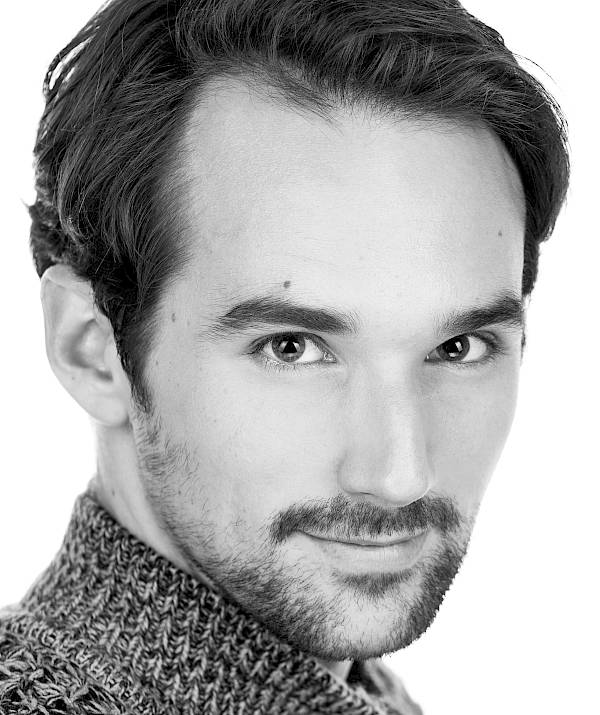
Nathan Haller
Nathan Haller is from Canada and studied voice at the Juilliard School in New York. In 2013, he participated in the International Meistersinger Academy in Neumarkt. From 2015 to 2017, he was a member of the OperAvenir Studio at Theater Basel, where he sang roles such as Tamino ("The Magic Flute"), Romeo ("Romeo and Juliet"), and Oronte ("Alcina"). In 2016, he appeared as Belmonte ("The Abduction from the Seraglio") at the Akko Opera Festival in Israel, and in 2017/18 as François in Leonard Bernstein’s "A Quiet Place" at Neue Oper Wien. Further engagements took him to the Bavarian State Opera in Munich, Teatro Massimo di Palermo, Vienna Volksoper, the Malmö Opera, and Deutsche Oper am Rhein. On the concert stage, he performed at the New York Festival of Song at Carnegie Hall and in Handel’s "La Resurrezione" with William Christie. He made his debut at the Zurich Opera House in 2018 in Schreker’s "Die Gezeichneten" and returned the following year as Albazar ("Il turco in Italia") as well as later in the title role of Mitterer’s "Tapferen Schneiderlein". Since the 2021/22 season, Nathan Haller has been a member of the Zurich Opera House ensemble. Here, he has recently sung roles including Mercure in Rameau’s "Platée", Gobin/Un giovane/Adolfo in Puccini’s "La rondine", Boni ("Die Csárdásfürstin"), Pong ("Turandot"), a Dance Master ("Ariadne auf Naxos"), as well as Andrès in "Les Contes d’Hoffmann", First Jew ("Salome"), Victorin ("Die tote Stadt"), Raoul de St. Brioche ("Die lustige Witwe"), Goro ("Madama Butterfly"), Valzacchi ("Der Rosenkavalier"), and Dr. Blind ("Die Fledermaus").
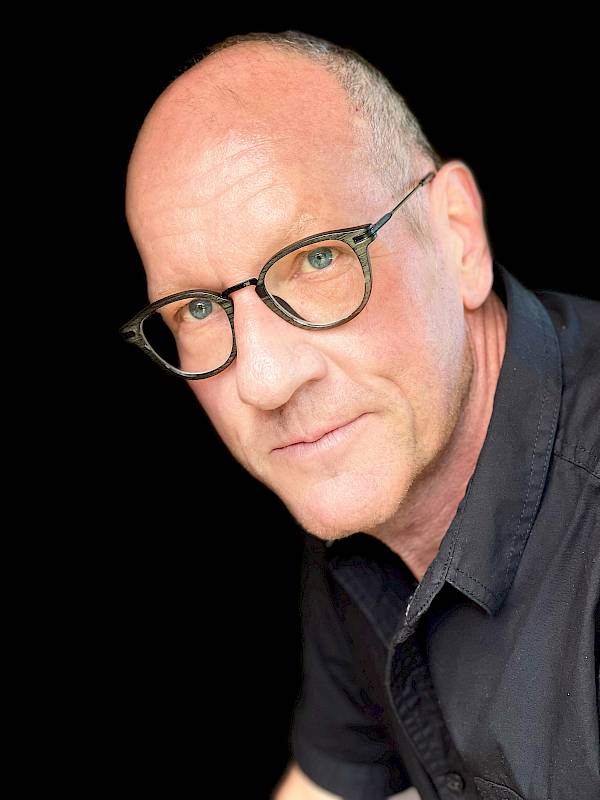
Martin Zysset
Martin Zysset was born and raised in Solothurn. He trained as a clarinetist while simultaneously completing vocal studies, which he rounded off with masterclasses with Ernst Haefliger and Edith Mathis. In 1990/91, he was a member of the International Opera Studio at the Zurich Opera House and at the same time a scholarship holder of the Migros Culture Percentage as well as a prizewinner of the Pro Arte Lyrica Competition in Lausanne. Since 1992, he has been a regular guest at the Selzach Summer Festival. He has been a permanent member of the Zurich Opera House since 1991, where he has developed a wide-ranging repertoire of both buffo and dramatic roles, including Pedrillo, Monostatos, Spoletta, Incredibile ("Andrea Chénier"), Jaquino, Kudrjasch ("Káťa Kabanová"), Alfred ("Die Fledermaus"), Tamino, Tybalt, Dancaïro, Arturo, Knusperhexe, Brighella, as well as the male lead in Udo Zimmermann’s "The White Rose". He portrayed Simplicius in the operetta of the same name by Johann Strauss, which was also released on CD and DVD. Guest appearances have taken him throughout Europe, to Shanghai, and with "The Magic Flute", "Le nozze di Figaro", "Fidelio", and "Tannhäuser" to San Diego. For Bavarian Radio, he recorded Lehár’s operetta "Paganini". In Zurich, he has recently sung roles including Don Basilio ("Le nozze di Figaro"), Tschekalinsky ("Pique Dame"), Triquet ("Eugene Onegin"), the Chief Eunuch ("Das Land des Lächelns"), Goro ("Madama Butterfly"), Spoletta ("Tosca"), Dormont ("La scala di seta"), the White Minister ("Le Grand Macabre"), the Devil/Narrator ("Die Geschichte vom Soldaten"), the Third Jew ("Salome"), Schmidt ("Werther"), Feri ("Die Csárdásfürstin"), and Don Curzio ("Le nozze di Figaro").
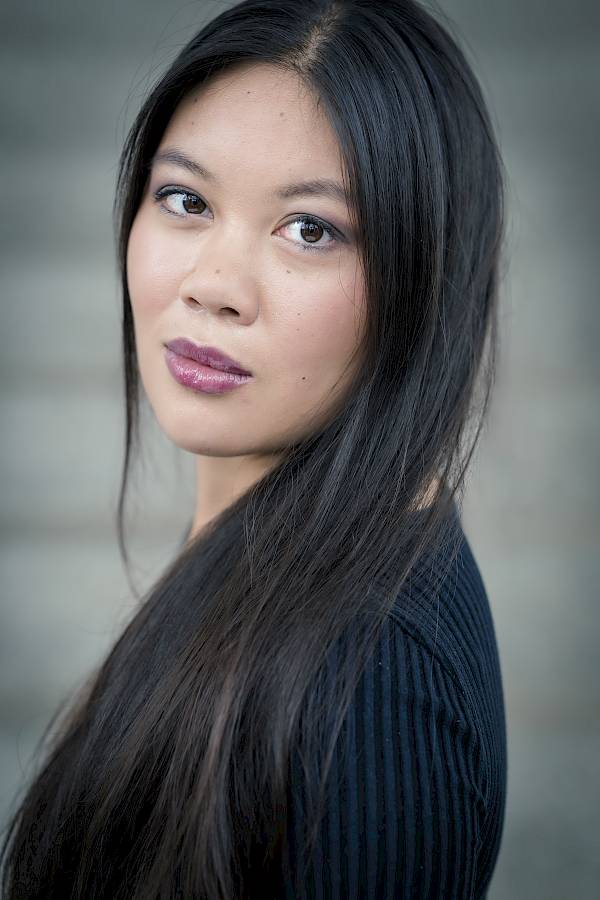
Marie Lombard
Marie Lombard, soprano, studied at the Conservatoire National Supérieur de Musique de Paris and in Rennes with Stéphanie d’Oustrac. She furthered her training through masterclasses with Lisette Oropesa, Anne Sofie von Otter, Stéphane Degout, Inva Mula, Brigitte Fassbaender, and Mariella Devia. She is an alumna of the Opera Academy of Bordeaux and the Monte-Carlo Opera Academy and has won awards at the International Competition for Young Singers of the Grand Opéra d’Avignon, the Sumi Jo International Singing Competition, and the International Opera Competition of Marmande. Her roles to date include Inès ("La favorite"), the Princess ("L’Enfant et les sortilèges"), Belinda ("Dido and Aeneas"), Eurydice ("Orfeo ed Euridice"), Adèle ("Die Fledermaus"), Coraline (Adolphe Adam’s "Le toréador"), and the First Lady ("Die Zauberflöte"). Since the 2024/25 season, she has been a member of the International Opera Studio at the Zurich Opera House. There, she has performed as Barbarina ("Le nozze di Figaro") and Contessa di Folleville ("Il viaggio a Reims") and sang in a benefit concert with Cecilia Bartoli. In the summer of 2026, she will perform Marzelline ("Fidelio") at the festival in Saint-Céré, France.
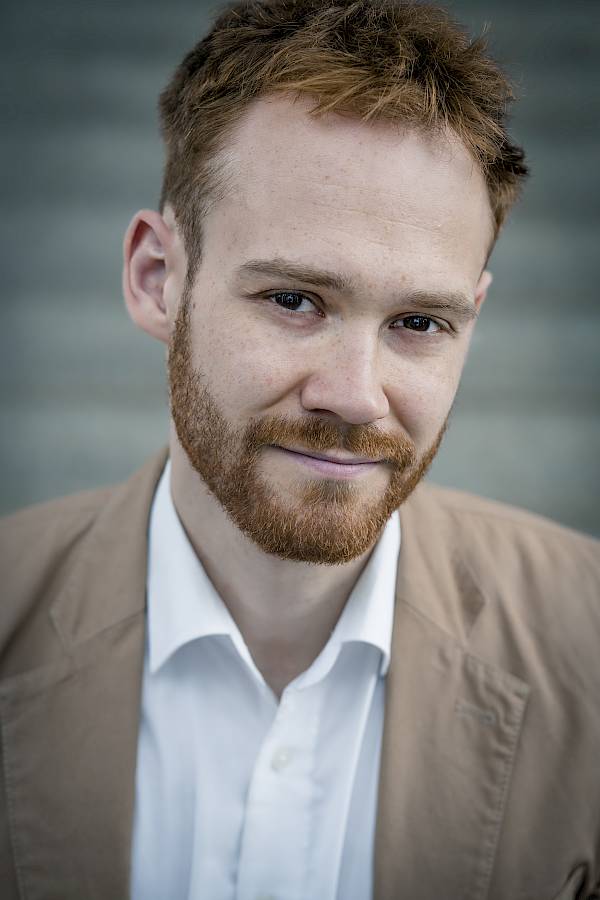
Max Bell
Maximilian Bell, bass, studied with Michail Lanskoi and Manfred Equiluz at the Music and Arts Private University of the City of Vienna. He furthered his training through masterclasses with Angelika Kirchschlager, Adrian Eröd, and Gerhard Kahry. The Austrian-born singer has already performed roles such as Spinelloccio ("Gianni Schicchi") and Norton ("La cambiale di matrimonio") at the Bregenz Festival, Osmin ("Die Entführung aus dem Serail") as part of the Vienna Philharmonic Summer Academy in Vienna and Graz, Snug ("A Midsummer Night’s Dream") at Theater Akzent in Vienna, the bass part in Bernstein’s "Mass" at the Wiener Musikverein, Rocco ("Fidelio") in a children’s production in Baden, Austria, Sarastro ("Die Zauberflöte") at the Vienna MuTh, and Bartolo ("Le nozze di Figaro") in a traveling theater production. Since the 2024/25 season, he has been a member of the International Opera Studio at the Zurich Opera House.
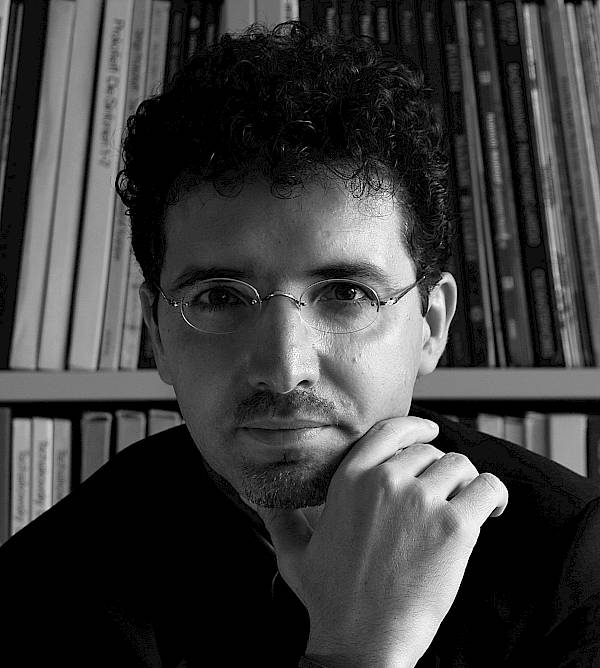
Enrico Maria Cacciari
Enrico Maria Cacciari studied piano at the conservatories of Bologna and Milan as well as chamber music in Fiesole with Dario De Rosa and Maureen Jones. As a pianist, harpsichordist, and organist, he has performed in numerous chamber music ensembles and orchestras, including the Mahler Chamber Orchestra, Orchestra Mozart, and the Lucerne Festival Orchestra. In 1997, he was engaged as a répétiteur at the Teatro alla Scala in Milan, and since 2000 he has held the same position at the Zurich Opera House. As a guest, he has worked at such renowned musical institutions as the Rossini Festival Pesaro, the Baden-Baden Festival House, the Teatro Real Madrid, the Edinburgh Festival, the Cleveland Orchestra, the Salzburg Festival, and the Lucerne Festival. In doing so, he collaborated with conductors such as Claudio Abbado, Riccardo Chailly, Christoph Eschenbach, Daniele Gatti, Daniel Harding, Franz Welser-Möst, Nello Santi, and Marcello Viotti. He has given recitals with singers such as Elena Moşuc, Barbara Frittoli, Javier Camarena, Massimo Cavalletti, Carlo Colombara, and José Cura.
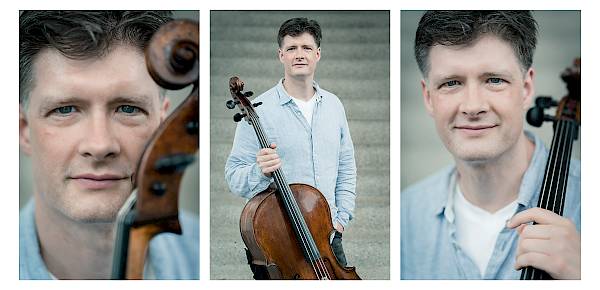
Claudius Herrmann
Claudius Herrmann received his musical training with Hans Adomeit in Mannheim and at the Lübeck Academy of Music under David Geringas. Since 1992, he has been principal cellist of the Zurich Opera Orchestra, where he has worked with conductors such as Nikolaus Harnoncourt, Georg Solti, Christoph von Dohnányi, Riccardo Chailly, Bernard Haitink, and Franz Welser-Möst. In 2013, he was invited to serve as principal cellist at the Bayreuth Festival. Before joining the Gringolts Quartet, Claudius Herrmann was a member of the Amati Quartet Zurich for 15 years, performing in major concert halls such as Carnegie Hall, the Concertgebouw, Wigmore Hall, the Théâtre des Champs-Élysées, the Vienna Musikverein, and the Berlin Philharmonie. As a soloist, he has appeared with the Hamburg Symphony Orchestra, the Stuttgart Philharmonic, the Tchaikovsky Symphony Orchestra of Moscow, and the Zurich Opera Orchestra (in "Don Quixote"). In addition to more than 20 chamber music recordings, he has also released several CDs featuring cello sonatas by Brahms, Reinecke, and Herzogenberg.
trailer
Good to know
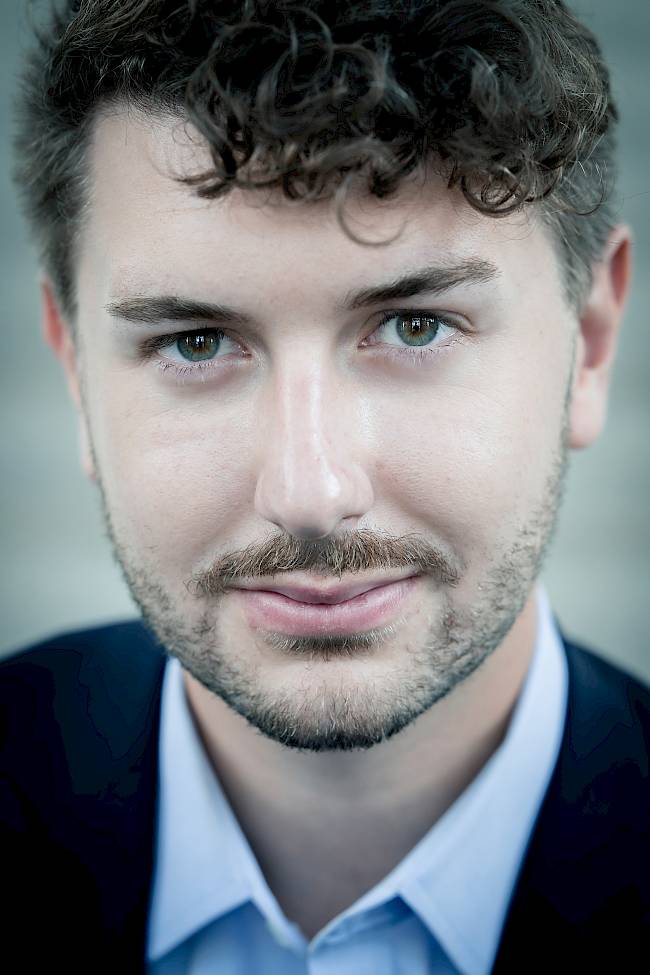
Andrew Moore
Tell us Andrew...
This interview was conducted in 2020
When and why did you decide to become an opera singer?
I began my journey in music studying music education to become a music teacher. I really loved the idea of giving back and teaching music because, for me, music was something I really cherished growing up. It wasn’t until my senior year of college where after several convincing conversations with my voice teacher, I decided to try performing. It was after my first performance in my first opera (guglielmo in «Così fan Tutte») where I thought to myself «I could get used to this...». It was such a rewarding feeling. Being able to use my voice to tell a story to an audience. I loved it. Since then, I began performing much more over the years, and has now taken me up to be in Zurich with the IOS.
If I hadn't become an opera singer, I'd be …
A flavor chemist. Chemistry was my favorite subject in school, and I wanted to work in a food science laboratory and create new ways of creating foods and flavorings with natural and man made ingredients.
Which was your most precious experience on stage so far?
I think my most precious moment was having the chance to sing some of the role of Papageno on the San Francisco opera stage with a full house in the audience. It was a feeling unlike any other and I treasure it, as it was my first time singing on the stage of a major house.
… the most embarrassing moment?
Once I was in a production of «Joseph and the Amazing Technicolor Dreamcoat». There was a dance break, and in the show I had on the craziest wig. During the dance break, one of the dancers grabbed my neck in her choreography, and as she turned, she took my wig with her! And there I was: standing on stage in a bald cap. The entire audience burst into laughter. It was very fun though, I played it off very well. Something I will never forget.
… the biggest challenge?
Languages. Languages have always been a struggle for me. I work extra hard to make sure that I really understand my text and that things are pronounced as well as a native speaker would. I was once told the best advice by a colleauge that said: «Learn a new word in a different language everyday. This way, in a year, you would have learned 365 new words». When she put it like that, my struggle with languages became something that challenges me, but keeps me motivated to work hard and improve.
And what would be your biggest dream?
I’m not super sure what my biggest dream would be, to be honest. Being in this wonderful place like Zürich, is something a year ago I would have never imagined for myself. I have no idea what lies in front of me for the future, but im excited for the journey ahead.
Do you have a lucky charm or a ritual before going on stage?
Every night before a big performance, I use the small area in my bedroom and do a mini walk and talk, where I go through the motions and text of the show. It sounds crazy, but going to bed with a good feeling of confidence is key and helps me get a good night sleep for the next day.
My secret weapon to prevent hoarseness:
Tons and tons of sleep and not talking.
My idol:
Sam Ramey
Which opera character do you identify with the most and why?
Alfredo in «La Traviata». Although I am not a tenor, I am 100% a hopeless romantic. Someone who pursues not as a heroic chivalry act, but out of genuine love and affection. He loves deeply.
This song speaks out of the fullness of my heart:
«An die Musik» (Schubert)
Which is you favorite place in Zurich and why?
There is a little farm area on top of Sonnenberg past the Dolder called Adlisberg. It’s the cutest place and it has a really good restaurant with great food. I absolutely love it here.
What is your favorite word in Swiss German?
«Öpfuchüechli»
Andrew Moore studied in Philadelphia. He was a member of the International Opera Studio at Opernhaus Zürich and has been part of the ensemble since the 2022/23 season.