
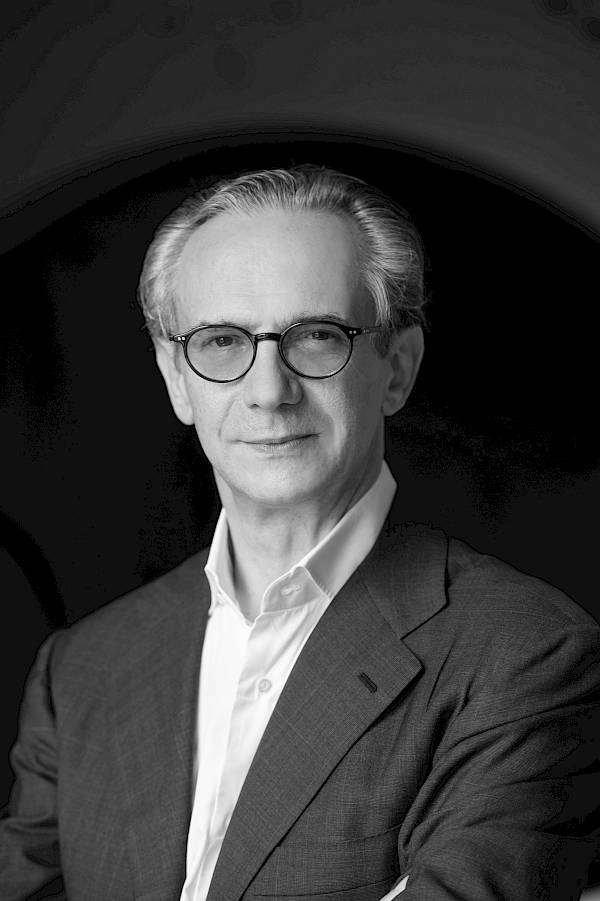
Fabio Luisi comes from Genoa. The former General Music Director of the Zurich Opera House (2012–2021) is Music Director of the Dallas Symphony Orchestra, Chief Conductor of the Danish National Symphony Orchestra, and Chief Conductor of the NHK Orchestra in Tokyo. He is also Music Director of the Valle d'Itria Festival in Apulia and Honorary Conductor of the RAI National Symphony Orchestra in Turin. Previously, he held important positions at orchestras and opera houses, including the Dresden Staatskapelle, the Vienna Symphony Orchestra, and the Metropolitan Opera in New York. He regularly appears as a guest conductor with, among others, the Bavarian Radio Symphony Orchestra, the Berlin Philharmonic, the Boston Symphony Orchestra, the Chicago Symphony Orchestra, the Cleveland Orchestra, the Czech Philharmonic, the Orchestra of La Scala in Milan, the London Symphony Orchestra, the Munich Philharmonic, the Orchestre de Paris, the Philadelphia Orchestra, the Royal Concertgebouw Orchestra, the San Francisco Symphony Orchestra, and the Vienna Philharmonic, and leads productions at the Bavarian State Opera, the Berlin State Opera, La Scala in Milan, the Salzburg Festival, and the Vienna State Opera, among others. At the Zurich Opera House, he conducted, among others, the new productions of three Bellini operas as well as "Rigoletto," "Fidelio," "Wozzeck," "The Land of Smiles," and Verdi's "Requiem Mass." An extensive discography complements his artistic work. At the Zurich Opera House, he founded the label "Philharmonia Records" of the Philharmonia Zurich (Orchestra of the Zurich Opera). Fabio Luisi, who comes from Genoa, studied at the Conservatorio Niccolò Paganini in his hometown and at the University of Music and Performing Arts in Graz, Austria. His awards include the Austrian Cross of Honour for Science and Art, the Italian Cavaliere della Repubblica Italiana, the Commendatore della Stella d’Italia, the Grifo d’Oro of Genoa, the Danish Order of the Dannebrog, and an honorary doctorate from St. Bonaventure University in New York. Off the podium, he is also a composer and perfumer, producing his creations for his own company.
Requiem by Giuseppe Verdi
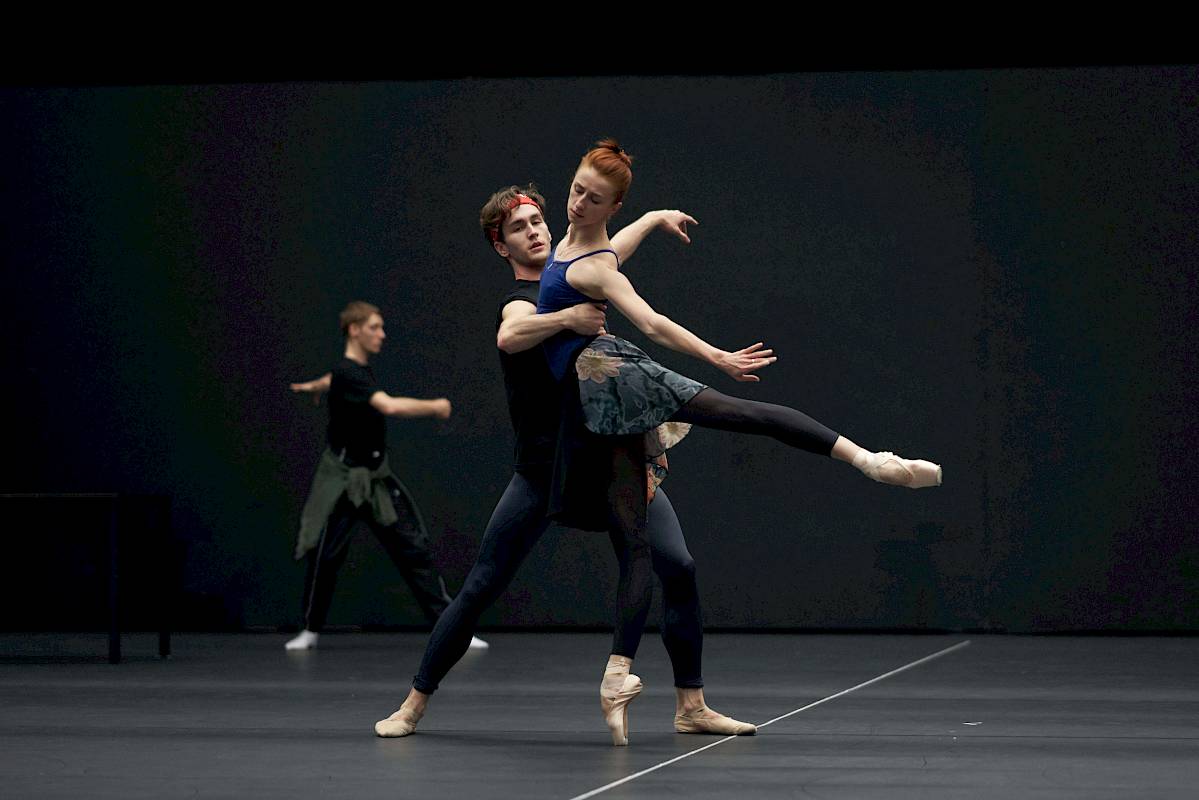
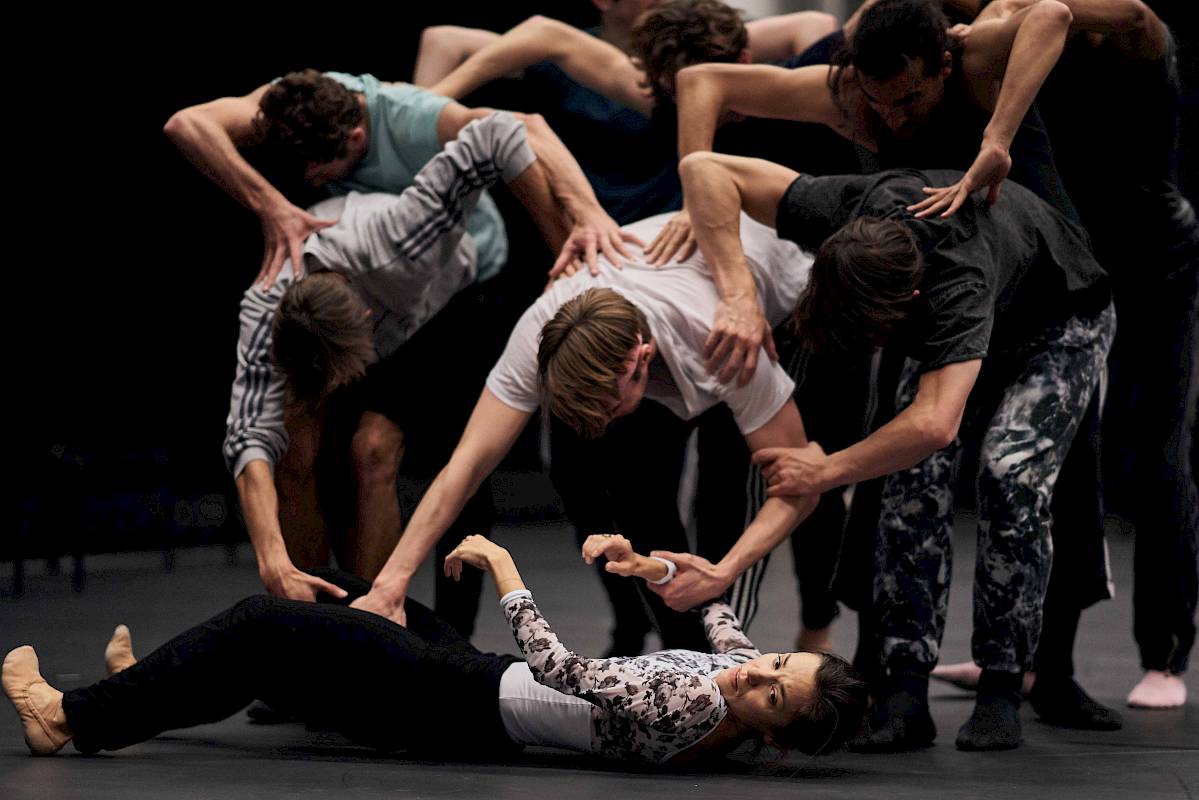
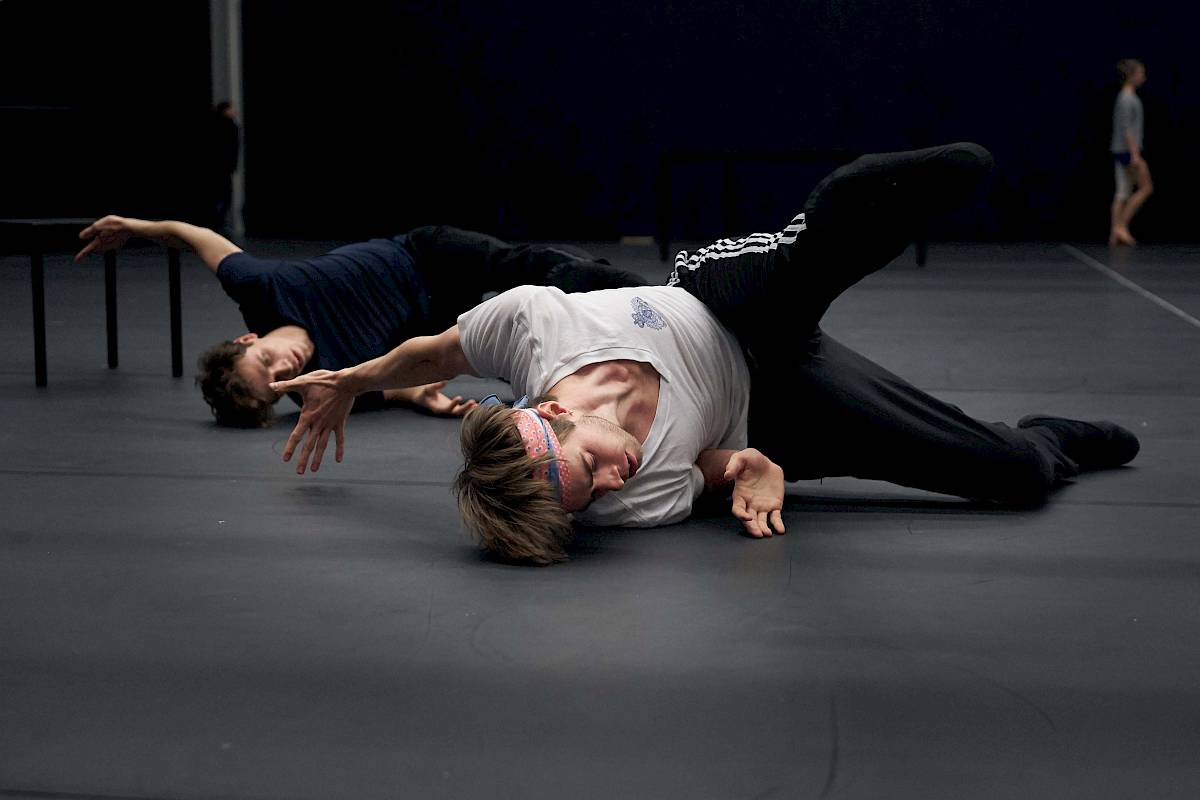
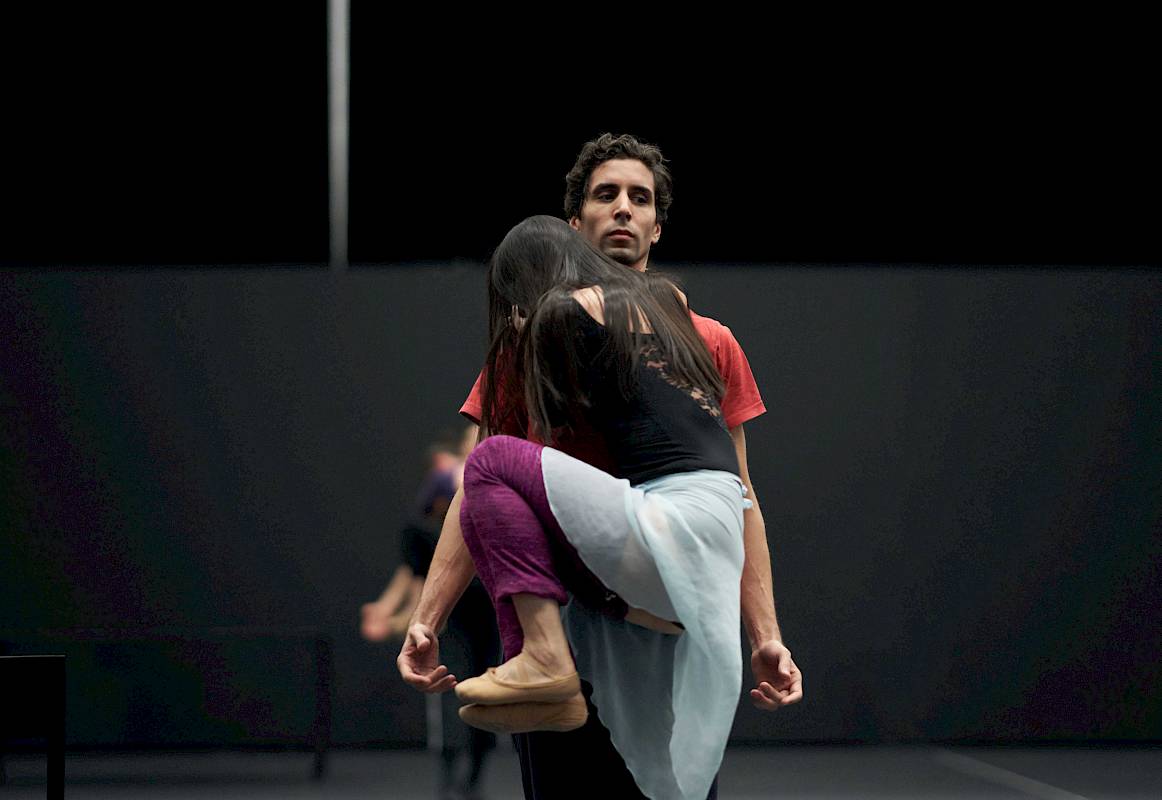
Ballet by Christian Spuck
From 3. December 2016 until 13. January 2017
-
Duration :
1 H. 40 Min. Without intermission. -
Language:
In Latin. -
More information:
Introduction 45 min before the performance.
Co-production of the Zurich Opera and the Zurich Ballet
Fabio Luisi
Karina Canellakis
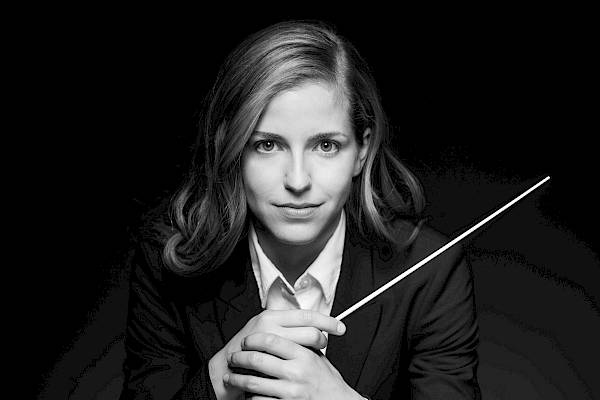
Karina Canellakis stammt aus New York. Sie studierte Violine am Curtis Institute in Philadelphia und Dirigieren an der Juillard School in New York. Sie war Mitglied der Orchesterakademie der Berliner Philharmoniker, spielte mit dem Chicago Symphony Orchestra und war Gastkonzertmeisterin beim Bergen Philharmonic Orchestra. Als Solistin trat sie mit renommierten nordamerikanischen Orchestern und als Kammermusikerin beim Marlboro Music Festival auf. Sir Simon Rattle ermutigte sie zum Dirigieren. Sie war Assistant Conductor beim Dallas Symphony Orchestra. Nach dem Gewinn des Sir Georg Solti Dirigierpreises 2016 stand sie bis heute bereits am Pult vieler Spitzenorchester in Nordamerika, Europa und Australien. Karina Canellakis ist die neu ernannte Chefdirigentin des Radio-Philharmonischen Orchesters der Niederlande und Erste Gastdirigentin des Rundfunk-Sinfonieorchesters Berlin. In der vorigen Saison leitete sie sowohl die «First Night of the Proms» in London als auch das Nobelpreis-Konzert in Stockholm. Debüts führten sie zum Orchestre Philharmonique de Montréal, zum St. Louis Symphony Orchestra, zum Melbourne Symphony Orchestra und zum London Philharmonic Orchestra, zum Deutschen Symphonie-Orchester Berlin, zur Dresdner Philharmonie und zum Oslo Philharmonic Orchestra. Zum wiederholten Male dirigierte sie das Swedish Radio Symphony Orchestra, das Scottish Chamber Orchestra sowie die Sinfonieorchester von Cincinnati, Dallas, Detroit und Milwaukee. Ihre Opernprojekte umfassen Don Giovanni und Le nozze die Figaro mit dem Curtis Opera Theatre, Die Zauberflöte am Opernhaus Zürich, die Uraufführung von David Langs Oper The Loser in der Brooklyn Academy of Music sowie Sir Peter Maxwell Davies’ Oper The Hogboon mit dem Orchestre Philharmonique du Luxembourg. In dieser Saison debütiert sie beim Philadelphia Orchestra, den Sinfonieorchestern von San Francisco, Atlanta und Minnesota, dem London Symphony Orchestra, den Münchner Philharmonikern und dem NDR Elbphilharmonie Orchester. Ausserdem debütiert sie beim Festival de Saint-Denis mit dem Orchestre Philharmonique de Radio France sowie beim Edinburgh International Festival mit dem BBC Scottish Symphony Orchestra. Mit den Wiener Symphonikern kehrt sie für ein Konzertprogramm mit dem dritten Aufzug von Wagners Siegfried zu den Bregenzer Festspielen zurück. Weitere Wiedereinladungen erhielt sie vom Orchestre de Paris, vom Royal Stockholm Philharmonic Orchestra, von den Sinfonieorchestern von Houston und Toronto sowie vom Los Angeles Philharmonic Orchestra.
Christian Spuck
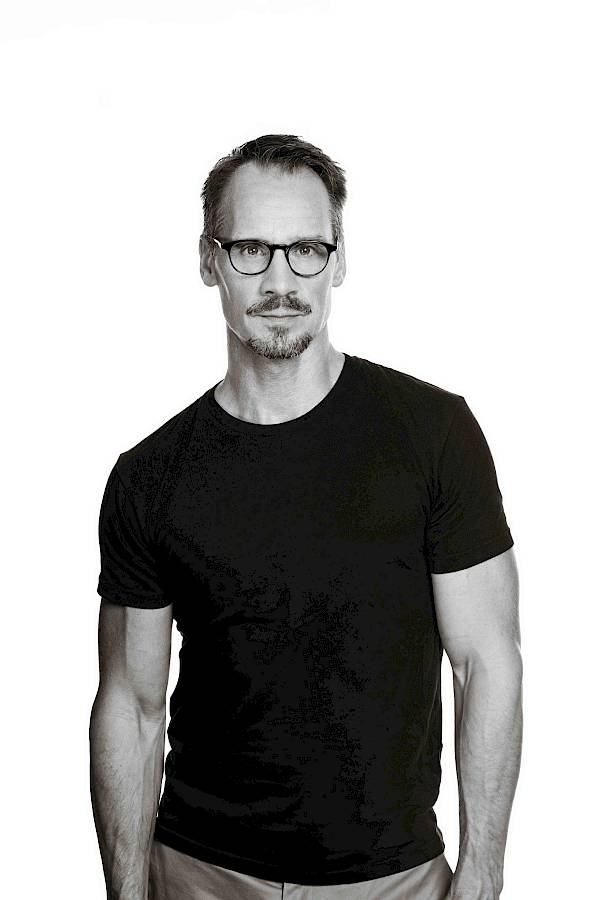
Christian Spuck is from Marburg and was trained at the John Cranko School in Stuttgart. He began his dance career with Jan Lauwers’ Needcompany and Anne Teresa de Keersmaeker’s ensemble "Rosas". In 1995 he joined the Stuttgart Ballet and served as the company’s resident choreographer from 2001 to 2012. In Stuttgart, he created fifteen world premieres, including the narrative ballets "Lulu. Eine Monstretragödie" after Frank Wedekind, "Der Sandmann", and "Das Fräulein von S." after E.T.A. Hoffmann. In addition, Christian Spuck has worked with numerous prominent ballet companies across Europe and the USA. For the Royal Ballet of Flanders, he created "The Return of Ulysses" in 2006, and at the Norwegian National Ballet in Oslo, "Woyzeck" after Georg Büchner was premiered. His ballet "Die Kinder" at Aalto Ballett Essen was nominated for the Prix Benois de la Danse; the ballet "Leonce und Lena", also premiered in Essen and based on Georg Büchner, was taken up by the Grands Ballets Canadiens de Montréal, Charlotte Ballet, USA, the Czech National Ballet in Prague, and the Stuttgart Ballet. The premiere of "Poppea//Poppea" for Gauthier Dance at Theaterhaus Stuttgart in 2010 was selected by Dance Europe magazine as one of the ten most successful dance productions worldwide and was awarded the German theater prize Der Faust 2011 as well as the Italian "Danza/Danza Award." Christian Spuck has also directed operas: following Gluck’s "Orphée et Euridice" at the Stuttgart State Opera, he staged Verdi’s "Falstaff" at the Staatstheater Wiesbaden, as well as Berlioz’ "La damnation de Faust" and Wagner’s "The Flying Dutchman" at the Deutsche Oper Berlin. From 2012 to 2023, Christian Spuck was director of the Zürich Ballet. There he created choreographies for "Romeo and Juliet", "Leonce und Lena", "Woyzeck", "Der Sandmann", "Messa da Requiem", "The Nutcracker and the Mouse King", "Sleeping Beauty", and "Monteverdi". The ballet "Anna Karenina", premiered in Zurich in 2014 and based on Leo Tolstoy, was added to the repertoire in Oslo, at the Moscow Stanislavski Theatre, by the Korean National Ballet, and the Bavarian State Ballet. In 2018, Spuck’s ballet "Winterreise" premiered in Zurich, earning him the Prix Benois de la Danse in 2019. In 2019, the Zürich Ballet staged Helmut Lachenmann’s "Mädchen mit den Schwefelhölzern", recognized as "Production of the Year" and "Company of the Year" by tanz magazine. For the Moscow Bolshoi Theatre, he created the ballet "Orlando" after Virginia Woolf in 2021. His "Messa da Requiem" was not only invited to the Adelaide Festival in Australia but also adopted by Het Nationale Oper & Ballet Amsterdam and the Finnish National Ballet. Since the beginning of the 2023/24 season, Christian Spuck has been the artistic director of the Staatsballett Berlin.
Christian Schmidt
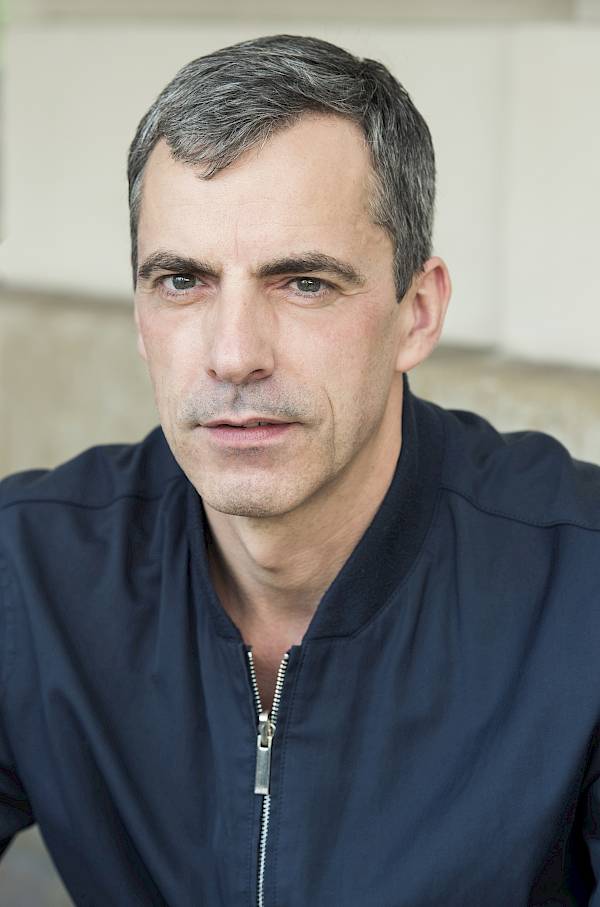
Christian Schmidt studied stage design with Erich Wonder at the Academy of Fine Arts Vienna. In 1992, he collaborated for the first time with Claus Guth, leading to an intensive artistic partnership. He has since designed sets and costumes for numerous Guth productions, including "Iphigénie en Tauride" and "Le nozze di Figaro" at the Salzburg Festival, "The Flying Dutchman" at the Bayreuth Festival, "Fierrabras", "Radamisto", "Ariane et Barbe-Bleue", "Tristan und Isolde", and "Parsifal" at the Zurich Opera House, as well as Mozart’s "Lucio Silla" at the Vienna Festival Weeks. The team has also gained recognition for world premieres, including Czernowin’s "Pnima" and Staud’s "Berenice" at the Munich Biennale, Ruzicka’s "Celan" in Dresden, Oehring’s "Unsichtbar Land" in Basel, and Czernowin’s "Heart Chamber" at the Deutsche Oper Berlin. For Hans Neuenfels’ productions of Zemlinsky’s "Der König Kandaules" at the Vienna Volksoper (1997) and "Die Entführung aus dem Serail" in Stuttgart (1998), Schmidt created the award-winning designs. In 2003, Opernwelt named him "Set Designer of the Year" and in 2005 "Costume Designer of the Year". He received the Rolf-Mares-Preis in 2006 for the set of "Simon Boccanegra" in Hamburg. In 2010, he worked for the first time with Christof Loy ("Die lustige Witwe" in Geneva). For Christian Spuck, he created the sets for Gluck’s "Orphée et Eurydice" in Stuttgart and for "Romeo and Juliet" and "Messa da Requiem" in Zurich. Since 2011, he has also collaborated with Andreas Homoki and, together with him, directed the Zurich "Ring of the Nibelung" from 2022 to 2024.
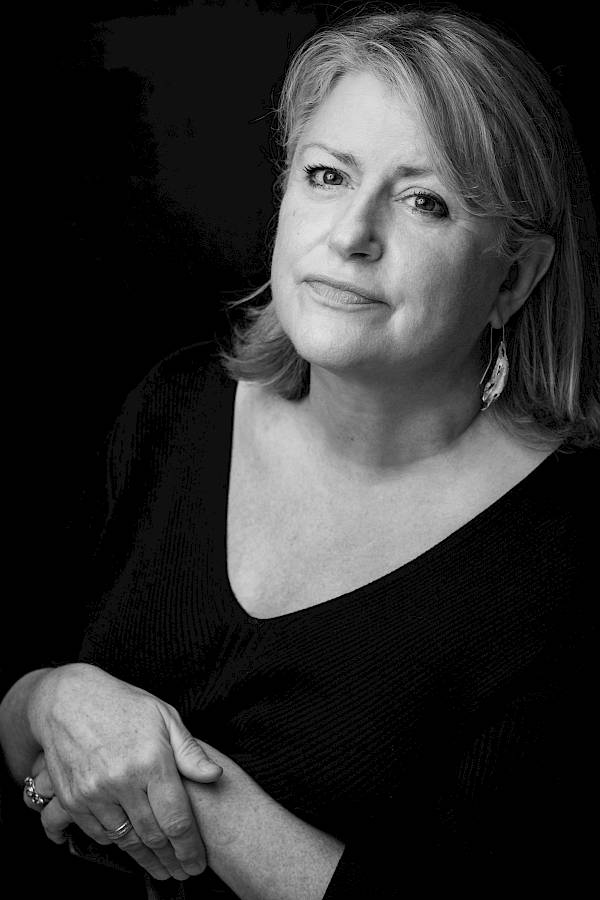
Emma Ryott
Emma Ryott is from England and works internationally as a costume and set designer. Since 2003, she has collaborated with Christian Spuck in ballet and opera. Their joint ballet projects include "The Little Match Girl", "Winterreise", "Messa da Requiem", "Anna Karenina", and "Romeo and Juliet" in Zurich; "Lulu. Eine Monstretragödie" and "Das Fräulein von S." in Stuttgart; "Woyzeck" in Oslo and Zurich; "Leonce und Lena" in Montreal, Stuttgart, Zurich, and Prague; "Der Sandmann" in Stuttgart and Zurich; and "The Return of Ulysses" in Antwerp. In opera, they have worked on "The Flying Dutchman" and "La damnation de Faust" at the Deutsche Oper Berlin, "Falstaff" in Wiesbaden, and "Orfeo ed Euridice" in Stuttgart. Other opera productions include "Mathis der Maler" at the Theater an der Wien, "Manon Lescaut" at the English National Opera, "Otello" at the Salzburg Festival, "La damnation de Faust" and "The Great Gatsby" at the Semperoper Dresden, "Marco Polo" at the Guangzhou Opera, "Das Rheingold" and "Die Walküre" at the Longborough Festival, "La bohème" at the Copenhagen Opera Festival, "Roméo et Juliette" in Malmö and at the Savonlinna Opera Festival, and "Orfeo" at the Opéra du Rhin. Their theater work has taken them from the Royal Shakespeare Company through Toronto and the National Theatre London to London’s West End and the New York Broadway. For the globally broadcast 2020 New Year’s Concert of the Vienna Philharmonic, Emma Ryott designed the ballet costumes. Additional ballet projects include "Cinderella" at the Finnish National Ballet, as well as Christian Spuck’s "Orlando" and Yuri Possokhov’s "The Seagull" at the Moscow Bolshoi Theatre.
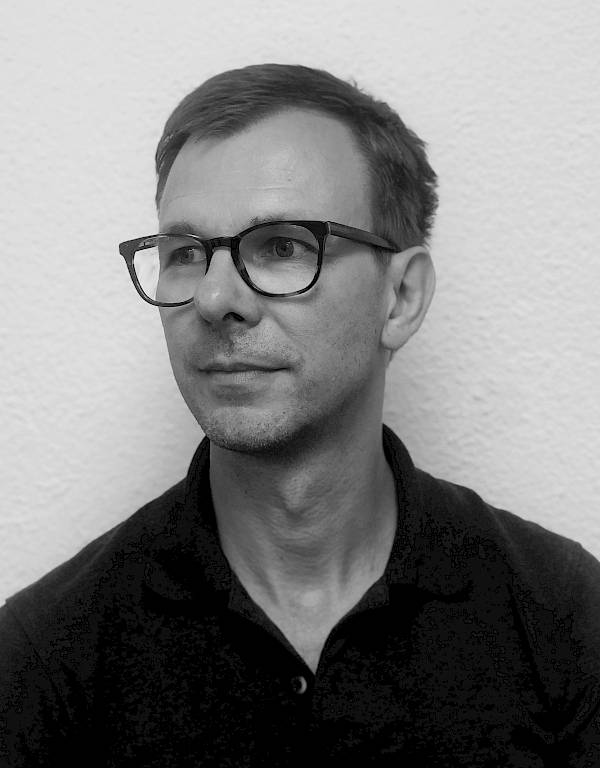
Martin Gebhardt
Martin Gebhardt was lighting designer and Head of Lighting for John Neumeier’s Hamburg Ballet. From 2002 onward he collaborated with Heinz Spoerli and the Ballett Zürich. Ballet productions of both companies took him to renowned theatres across Europe, Asia, and the Americas. At Zurich Opera House he created the lighting design for productions by Jürgen Flimm, David Alden, Jan Philipp Gloger, Grischa Asagaroff, Matthias Hartmann, David Pountney, Moshe Leiser/Patrice Caurier, Damiano Michieletto, and Achim Freyer. At the Salzburg Festival he designed the lighting for "La bohème" and for a new version of Spoerli’s "Der Tod und das Mädchen". Since the 2012/13 season Martin Gebhardt has been Head of Lighting at Zurich Opera House. He maintains a close collaboration with choreographer Christian Spuck (including "Winterreise", "Nussknacker und Mausekönig", "Messa da Requiem", "Anna Karenina", "Woyzeck", "Der Sandmann", "Leonce und Lena", "Das Mädchen mit den Schwefelhölzern"). He has also worked as lighting designer for choreographers Edward Clug (including "Strings", "Le Sacre du printemps" and "Faust" in Zurich), Alexei Ratmansky, Wayne McGregor, Marco Goecke, and Douglas Lee. He collaborated with Christoph Marthaler and Anna Viebrock on Handel’s "Sale" and Rossini’s "Il viaggio a Reims" in Zurich as well as on "Lulu" at the Hamburg State Opera, and with Jossi Wieler and Sergio Morabito at the Grand Théâtre de Genève for "Les Huguenots". In 2023 he designed the lighting for Spuck’s ballet "Bovary" at the Staatsballett Berlin and in 2024 for Rossini’s "Tancredi" at the Bregenz Festival. He was also the lighting designer for Cathy Marston’s "Atonement" at Zurich Opera House.
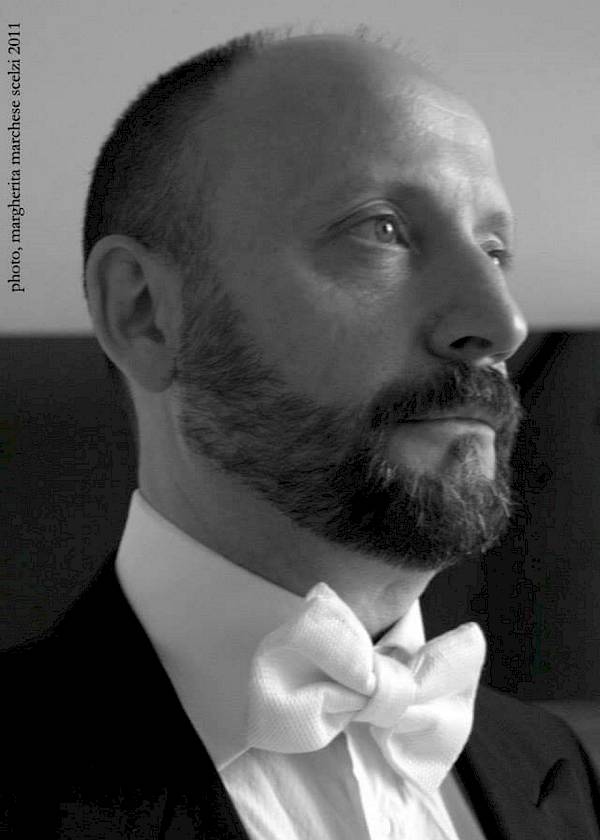
Marcovalerio Marletta
Marcovalerio Marletta stammt aus Rom. Er studierte Komposition und Dirigieren am Pontifical Institute of Music in Vatikanstadt, ausserdem absolvierte er Studien am National College of Music and Arts in London. Er war Leiter des Orchestra Barocca Italiana und des Centro Italiano di Musica Antica. Als Gastdirigent arbeitet er regelmässig mit Orchestern in Russland, Bosnien, Bulgarien und Rumänien. Er übernahm die Choreinstudierung für Aufführungen so namhafter Dirigenten wie Claudio Abbado, Semyon Bychkov, Daniele Gatti, Valery Gergiev, Carlo Maria Giulini, Fabio Luisi, Lorin Maazel, Kurt Masur, Zubin Mehta, Antonio Pappano, Wolfgang Sawallisch und Giuseppe Sinopoli. Immer wieder tritt Marcovalerio Marletta auch als Komponist in Erscheinung. Er war Chordirektor an der Accademia di Santa Cecilia in Rom und am Teatr Wielki in Warschau. Für Verdis Messa da Requiem arbeitet er erstmals mit dem Chor der Oper Zürich zusammen.
Cast
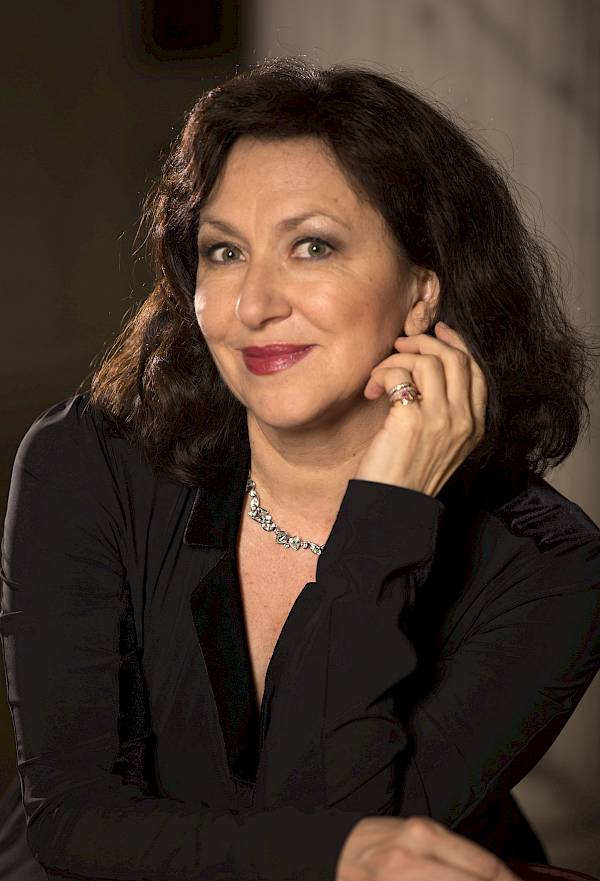
Krassimira Stoyanova
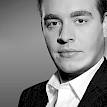
Svetlina Stoyanova, Mezzosopran, stammt aus Bulgarien und studierte am Royal Conservatoire of Scotland. 2017 gewann sie den 1. Preis beim Gesangswettbewerb «Neue Stimmen»; Engagements als Cherubino («Le nozze di Figaro») an der Opéra de Nice und Rosina («Il barbiere di Siviglia») bei den Bregenzer Festspielen folgten. 2018-2020 war sie Ensemblemitglied an der Wiener Staatsoper und war dort in zahlreichen Rollen zu erleben: Tisbe in «La Cenerentola», Rossweisse in «Die Walküre», Lola in «Cavalleria rusticana», Dryade in «Ariadne auf Naxos» und Rosina. Sie sang Cherubino in der Elbphilharmonie Hamburg und Zerlina («Don Giovanni») in der Tonhalle Düsseldorf. Mit dem Ensemble Matheus, unter der Leitung von Jean-Christophe Spinosi, gab sie ihr Rollendebüt als Isabella in «L’italiana in Algeri» und war damit in Frankreich auf Tournee. In der Spielzeit 2020/21 debütierte sie als Angelina («La Cenerentola») beim New Generation Festival in Florenz, sang Rosina am Moskauer Bolschoi-Theater sowie in Rossinis Messa di Milano beim Rossini Opera Festival. 2022 war sie als Ruggiero («Alcina») beim Glyndebourne Festival, als Cherubino an der Staatsoper Hamburg und als Beppe («L’amico Fritz») im Concertgebouw Amsterdam zu erleben. Sie ist regelmässig an der Mailänder Scala zu Gast, wo sie als Cherubino debütierte und auch als Rosina sowie in Cavallis «La Calisto» und Strauss’ «Ariadne auf Naxos» zu hören war. Neben der Oper tritt sie auch regelmässig auf dem Konzertpodium auf und war mit Liederabenden im Musikverein Wien, in der Wigmore Hall London und beim Festival Sofia Music Weeks zu erleben.
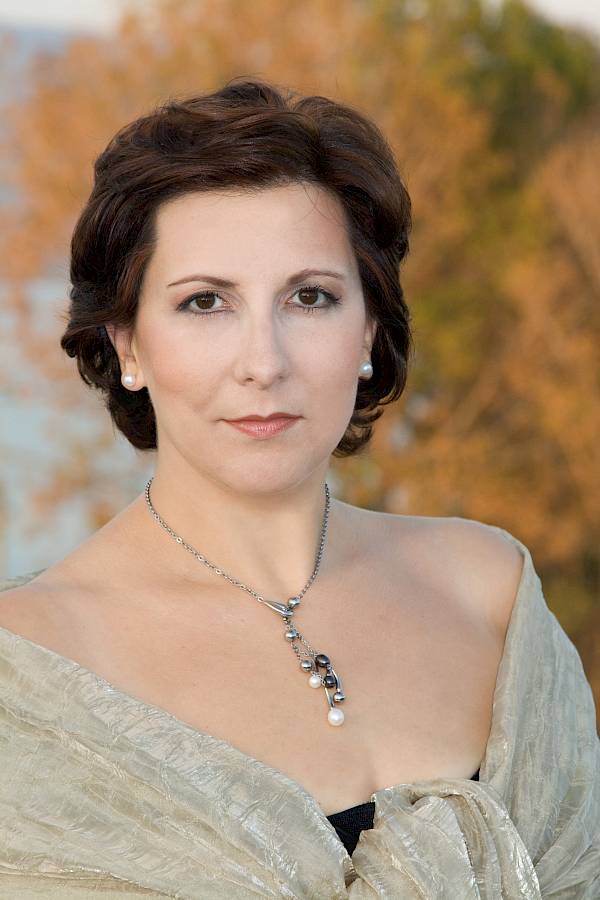
Serena Farnocchia
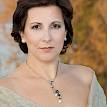
Serena Farnocchia stammt aus Italien und studierte u.a. bei Gianpiero Mastromei. Sie ist Gewinnerin zahlreicher Gesangswettbewerbe und war Preisträgerin beim «Luciano Pavarotti Wettbewerb» in Philadelphia. Im Anschluss an den Wettbewerb sang sie dort neben Pavarotti die Titelpartie in Lucia di Lammermoor. 1997 wurde sie von Riccardo Muti ins Opernstudio der Mailänder Scala aufgenommen. Es folgten erste Engagements u.a. in Neapel, Lucca und Livorno. An der Mailänder Scala sang sie u.a. Donna Anna (Don Giovanni) und die Titelpartie in Paisiellos Nina. Seither folgten Auftritte an den Opernhäusern u.a. von Rom, Venedig, Lausanne, Basel, Stuttgart, Dresden, Bologna, Hongkong, San Francisco, Tokio und Chicago sowie bei den Festivals in Torre del Lago, Florenz und Wexford. Ihr Repertoire umfasst Partien wie Fiordiligi (Così fan tutte), Contessa Almaviva (Le nozze di Figaro), die Titelpartie in Luisa Miller, Leonora (Il trovatore), Amelia (Simon Boccanegra), Elisabetta (Don Carlo), Desdemona (Otello), Alice Ford (Falstaff), Adalgisa (Norma), Liù (Turandot), Mimì (La bohème) und Micaëla (Carmen). In der vergangenen Spielzeit sang sie u.a. Amelia in München, Desdemona in Seoul, Elisabetta (Don Carlo) in Tokio, Donna Anna an der Deutschen Oper am Rhein, Antonia (Les Contes d’Hoffmann) in Hamburg, Cio-Cio San (Madama Butterfly) in Luxembourg und Lille sowie Mimì in Rom. Am Opernhaus Zürich wird sie in dieser Spielzeit auch als Madama Cortese (Il viaggio a Reims) zu erleben sein. Zu ihren weiteren Plänen gehören die Titelpartie in Maria Stuarda an der Seattle Opera, Elettra (Idomeneo) an der Opera Vlaanderen und Cio-Cio San in Napoli.
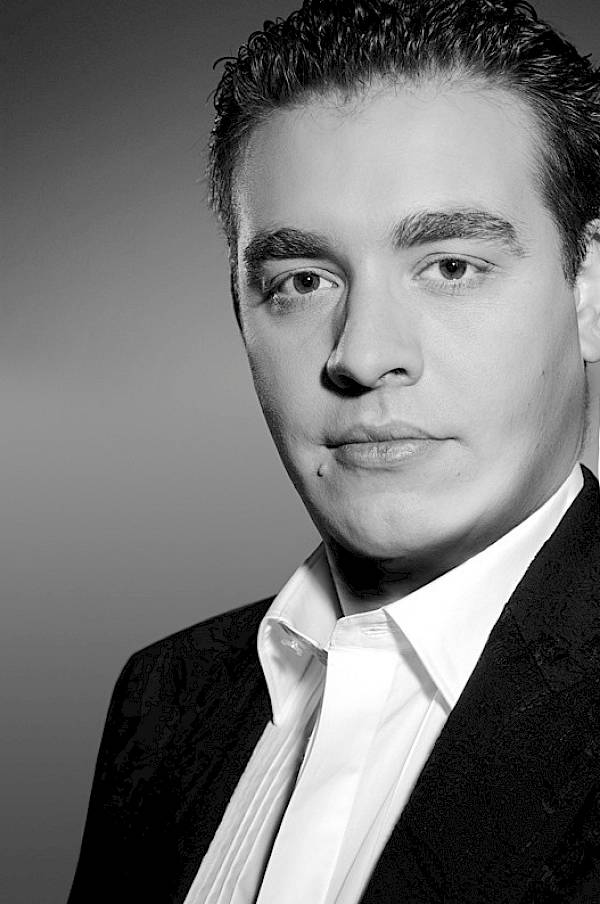
Francesco Meli
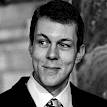
Francesco Meli stammt aus Genua. Am Konservatorium seiner Heimatstadt studierte er bei Norma Palacios. 2002 debütierte er als Malcolm (Macbeth) beim Festival dei due Mondi in Spoleto. Es folgten Debüts u.a. in Lissabon, Bologna, Venedig, Genua, Zürich, Verona und Turin. Unter Riccardo Muti war er als Chevalier de la Force (Dialogues des Carmélites) erstmals an der Mailänder Scala zu Gast, wohin er als Cassio (Otello), Arbace (Idomeneo), Don Ottavio (Don Giovanni), Leicester (Maria Stuarda) und Italienischer Sänger (Der Rosenkavalier) zurückkehrte. 2005 sang er Falliero (Bianca e Falliero) beim Rossini Opera Festival in Pesaro, gefolgt von Auftritten als Don Ottavio in Genua sowie Debüts als Almaviva (Il barbiere di Siviglia) in Zürich, Don Ottavio am Théâtre des Champs-Élysées, Elvino (La sonnambula) in Lyon, Ferrando (Così fan tutte) unter Riccardo Muti an der Wiener Staatsoper, Erisso (Maometto II) in Tokio und Herzog von Mantua (Rigoletto) am Royal Opera House, Covent Garden. Ab 2009 wandte sich Francesco Meli zunehmend dramatischeren Rollen zu. Er sang Werther (Werther) in Parma, Rom und Washington, Gabriele Adorno (Simon Boccanegra) in Parma, Venedig, Rom und Wien, Riccardo (Un ballo in maschera) in Parma und Rom, Don José (Carmen) an der Mailänder Scala und in Genua, Cavaradossi (Tosca) in Covent Garden, Manrico (Il trovatore) in Venedig, bei den Salzburger Festspielen, in Amsterdam und London, Alfredo (La traviata) in Paris und Orange, Ernani (Ernani) in Rom und an der Met sowie Jacopo Foscari (I due Foscari) in London und an der Mailänder Scala. Verdis Requiem interpretierte er unter der Leitung so renommierter Dirigenten wie Riccardo Chailly, Daniele Gatti, Fabio Luisi, Lorin Maazel, Riccardo Muti, Gianandrea Noseda und Yuri Temirkanov. Geplant sind Radames (Aida) bei den Salzburger Festspielen 2017 sowie Neuproduktionen an der Mailänder Scala, London, Madrid, München und Wien. Auf DVD ist Francesco Meli u.a. in Anna Bolena, Giovanna d‘Arco und I Lombardi zu sehen.
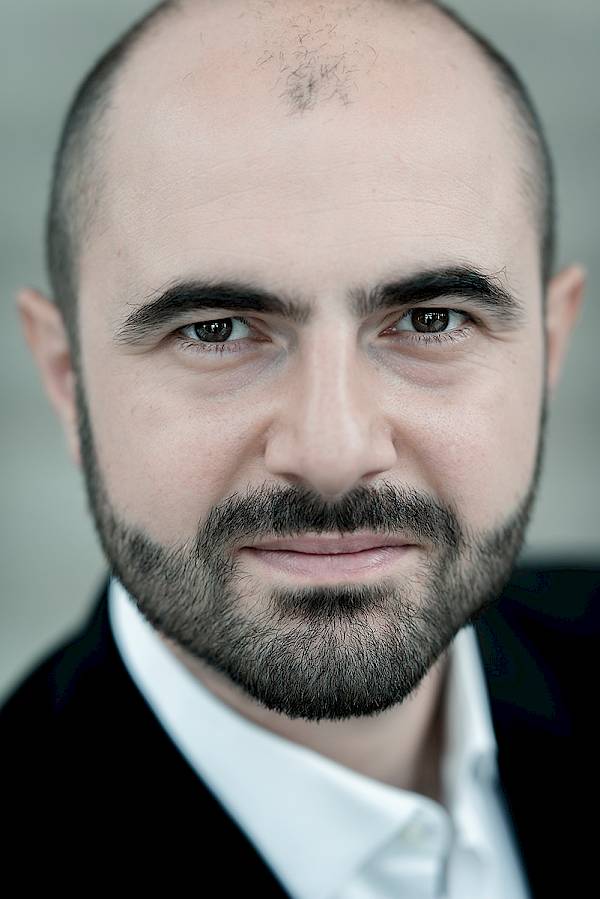
Otar Jorjikia
Otar Jorjikia stammt aus Georgien. Er studierte Gesang am Konservatorium in Tiflis und besuchte Meisterkurse von Renato Bruson und Edda Moser. In der Spielzeit 2016/17 war er Mitglied des Internationalen Opernstudios am Opernhaus Zürich und war da als Malcolm (Macbeth), Gustavo III / Giudice (Un ballo in maschera) und als Conte di Lerma (Don Carlo) zu erleben. An der Oper Tiflis sang er Partien wie Don Alvaro (La forza del destino) und Don José (Carmen), im Konzertsaal von Tiflis war er als Duca (Rigoletto) und Lenski (Eugen Onegin) zu hören. 2014 debütierte er als Alfredo (La traviata) am Teatro Giuseppe Verdi in Busseto und am Teatro Regio di Parma. Ein Höhepunkt seiner bisherigen Karriere war das Debüt am Mariinski-Theater, wo er 2016 an der Seite von Plácido Domingo die Partie des Gabriele Adorno in Verdis Simon Boccanegra sang. 2017 gab er sein Debüt am Bolshoi Theater in Moskau als Alfredo und sang 2018 am Opernhaus in Sidney Don José. Die Spielzeit 2019/20 führte ihn dann zurück nach Zürich, wo er Ismaele in Nabucco sang, ans Mariinsky Theater St. Petersburg als Gabriele Adorno (Simon Boccanegra), Ricard und für das Verdi-Requiem, nach Sydney als Don José und ans Théâtre du Capitole Toulouse als Nemorino (L’elisir d’amore). In der Spielzeit 2020/21 gastierte er in der Titelpartie von Don Carlos und als Mario Cavaradossi (Tosca) am Mariinsky Theater und als Riccardo (Un ballo in maschera) und Alfredo am Bolshoi Theater in Moskau.
Georg Zeppenfeld
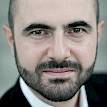
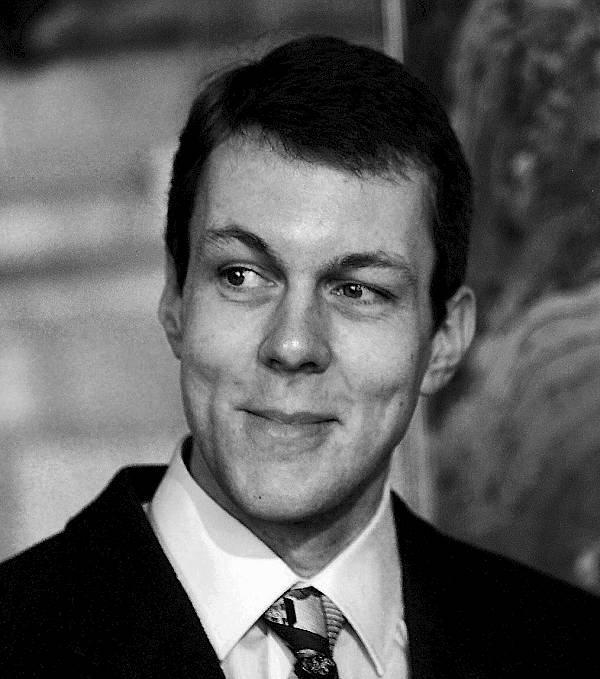
Georg Zeppenfeld stammt aus dem westfälischen Attendorn und absolvierte zunächst ein Lehramtsstudium mit den Fächern Musik und Germanistik. An den Musikhochschulen in Detmold und Köln erhielt er parallel dazu seine Ausbildung in Konzert- und Operngesang, abschliessend bei Hans Sotin. Nach ersten Festengagements in Münster und Bonn wurde er 2001 von der Sächsischen Staatsoper Dresden verpflichtet, die bis heute seine künstlerische Heimat ist. Darüber hinaus gastiert er an nahezu allen grossen Opernhäusern Europas und der Vereinigten Staaten sowie an den weltweit wichtigsten Konzertorten. Sein Repertoire umfasst u. a. die grossen Verdi- und Wagnerpartien seines Fachs; eine Schlüsselrolle ist Sarastro, den er unter Claudio Abbado in Baden-Baden, an der Dresdner Semperoper, San Francisco Opera, New Yorker Met, Wiener Staatsoper, Salzburger Festspiele (unter Harnoncourt), Royal Opera House Covent Garden in London, Opernhaus Zürich und der Bayerischen Staatsoper sang. Seit 2010 ist er regelmässig Gast bei den Bayreuther Festspielen. 2019 debütierte er als Hans Sachs in Die Meistersinger von Nürnberg bei den Salzburger Osterfestspielen unter Christian Thielemann. Im Konzert arbeitete er mit Dirigenten wie Pierre Boulez, Riccardo Chailly, Sir Colin Davis, Gustavo Dudamel, Daniele Gatti, Daniel Harding, Nikolaus Harnoncourt, Thomas Hengelbrock, Marek Janowski, Fabio Luisi, Lorin Maazel, Andris Nelsons, Marc Minkowski, Andris Nelsons, Antonio Pappano, Kirill Petrenko, Christian Thielemann und Franz Welser-Möst. Sein umfangreiches Schaffen ist auf zahlreichen CD- und DVD-Veröffentlichungen dokumentiert. 2015 wurde er zum «Kammersänger der Sächsischen Staatsoper Dresden» ernannt. 2024 singt er u. a. Hunding (Die Walküre) und Gurnemanz (Parsifal) bei den Bayreuther Festspielen, Hans Sachs (Meistersinger) und Heinrich (Lohengrin) an der Wiener Staatsoper sowie Gurnemanz an der Bayerischen Staatsoper.
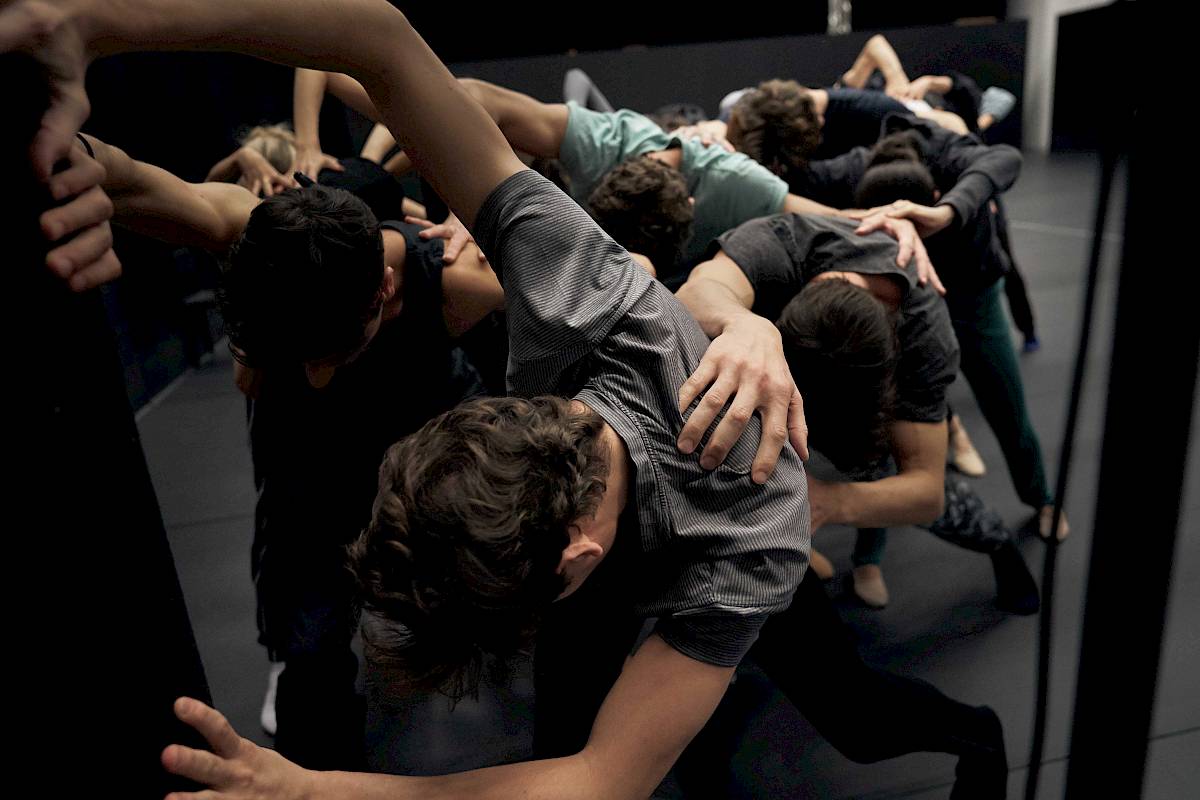
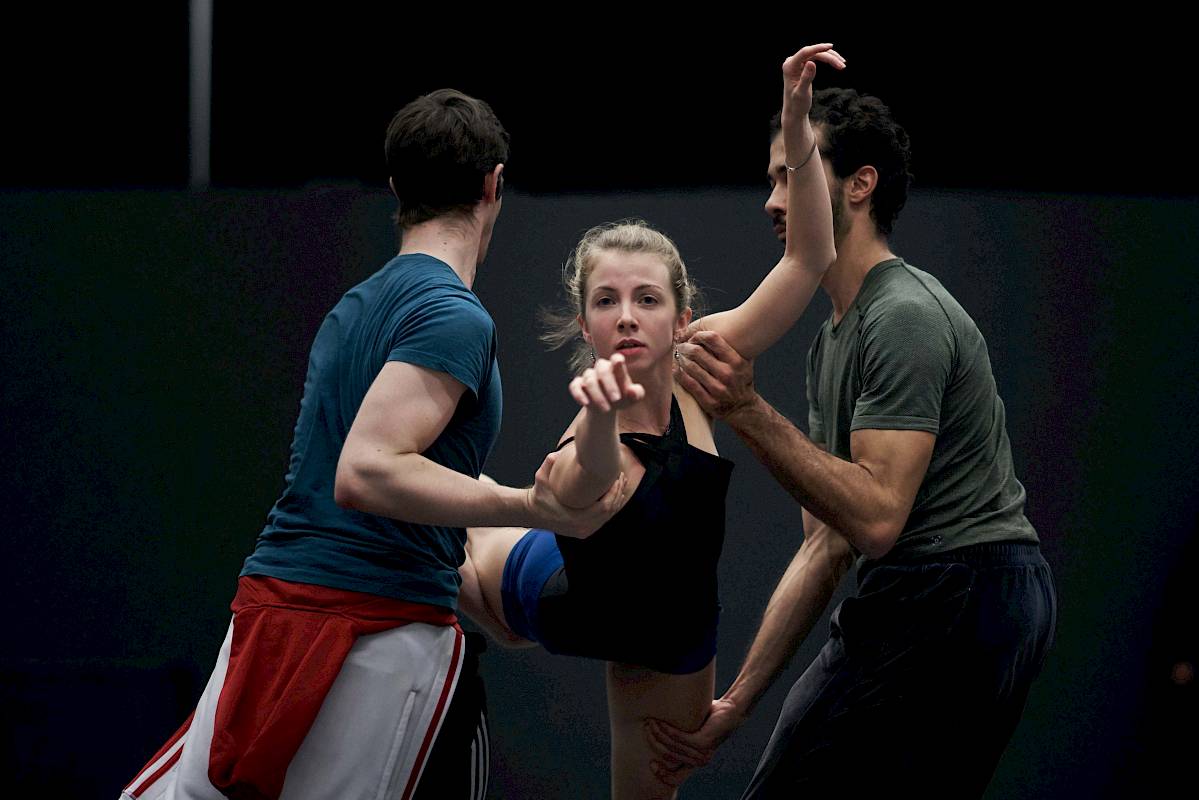
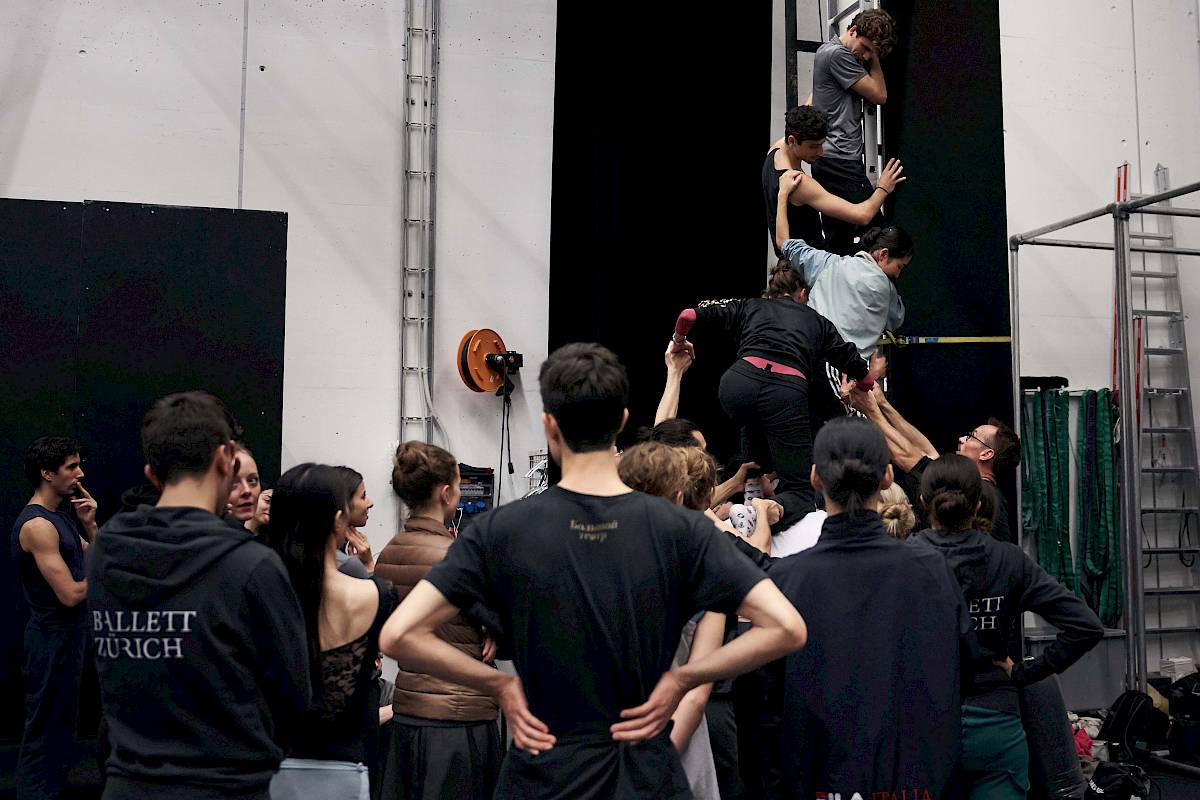
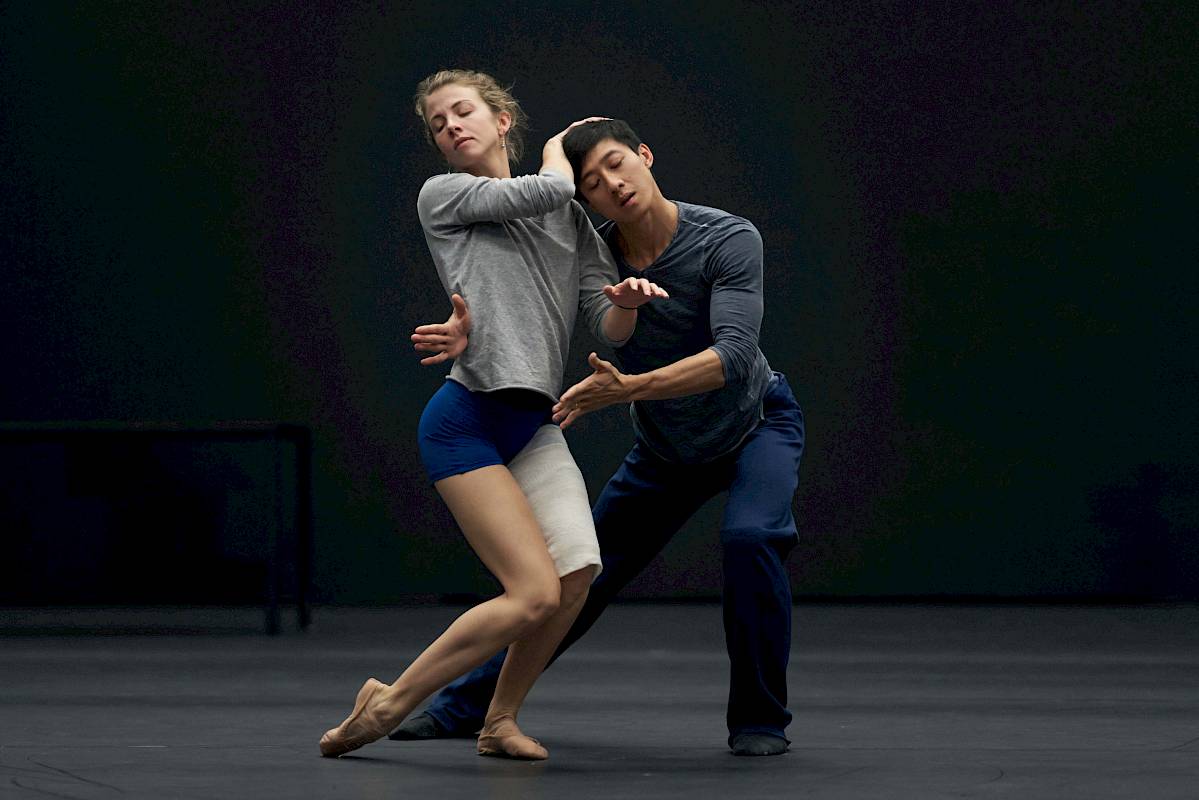
Photos «Messa da Requiem»
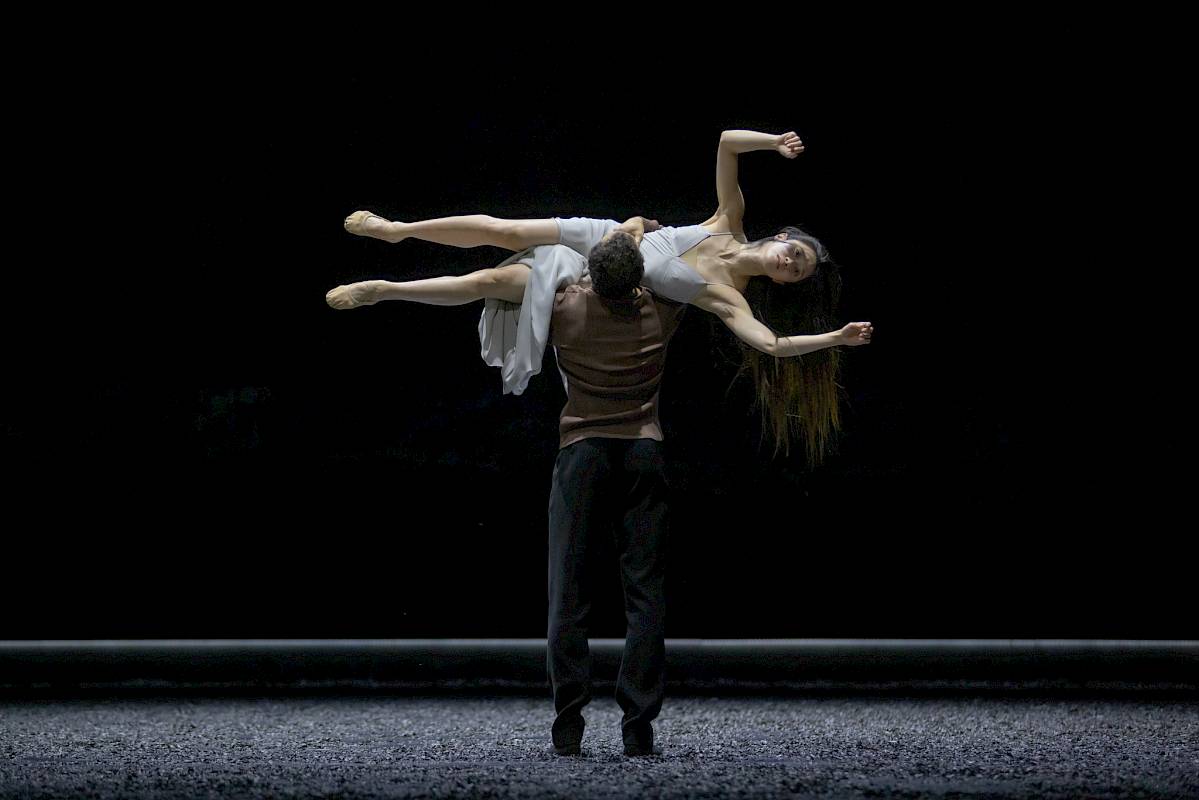
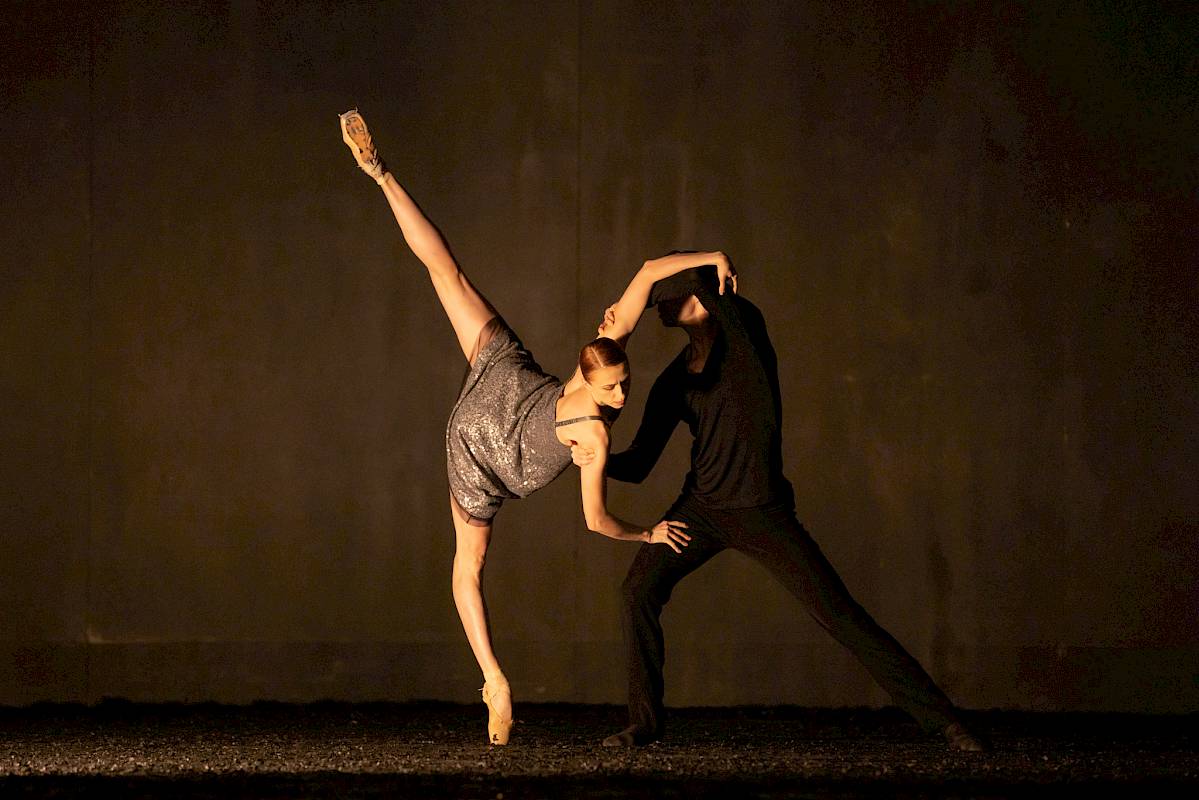
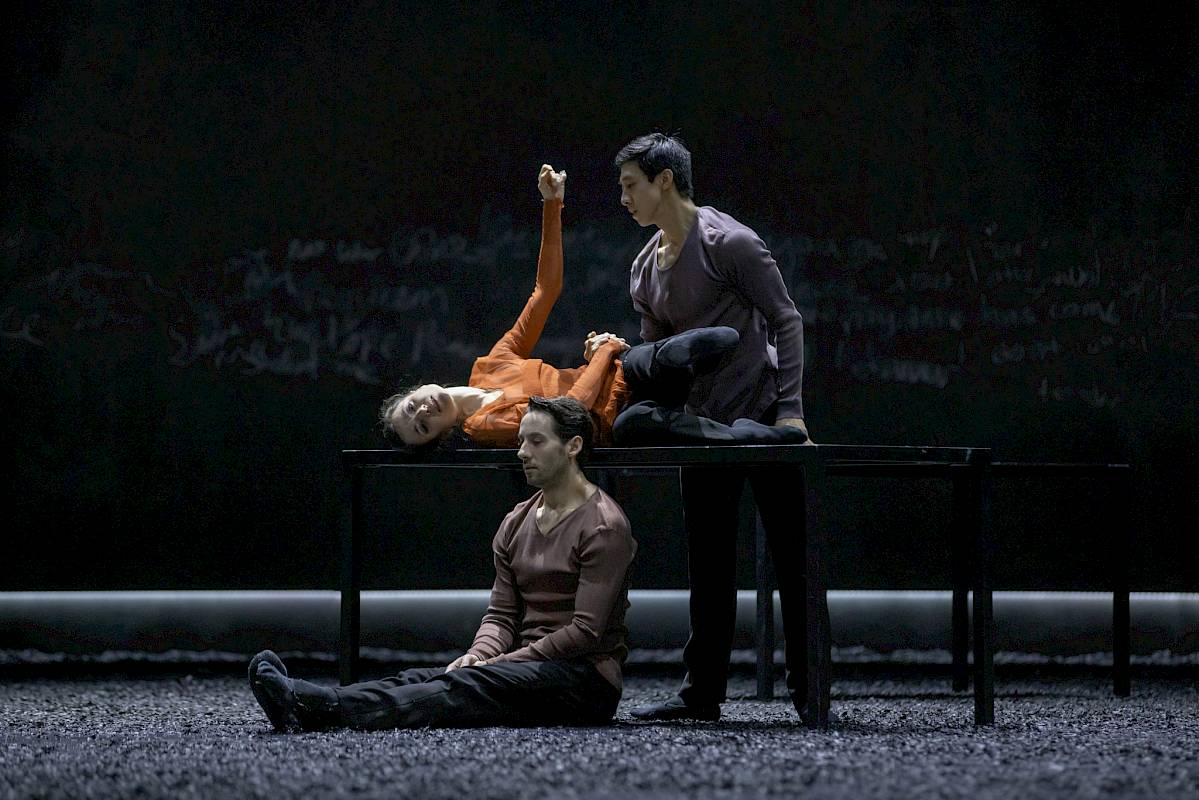
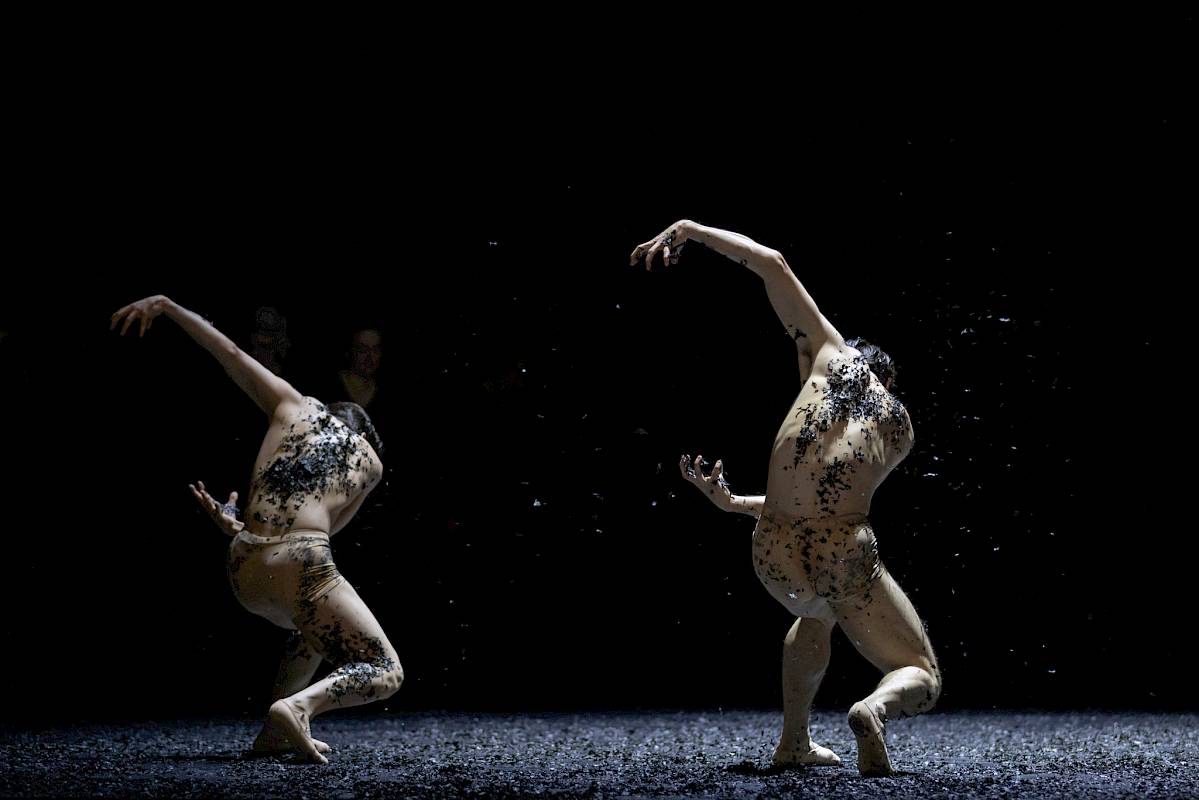
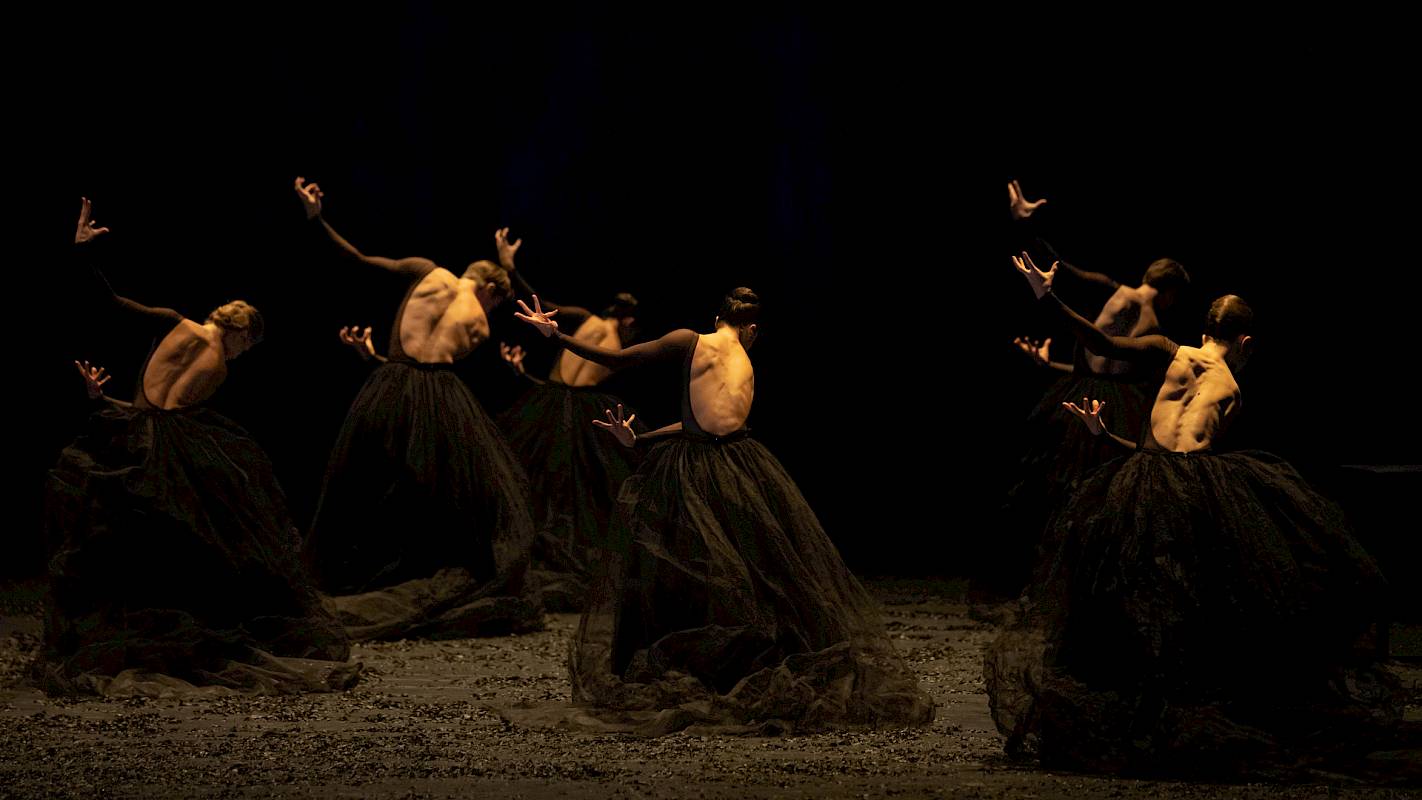


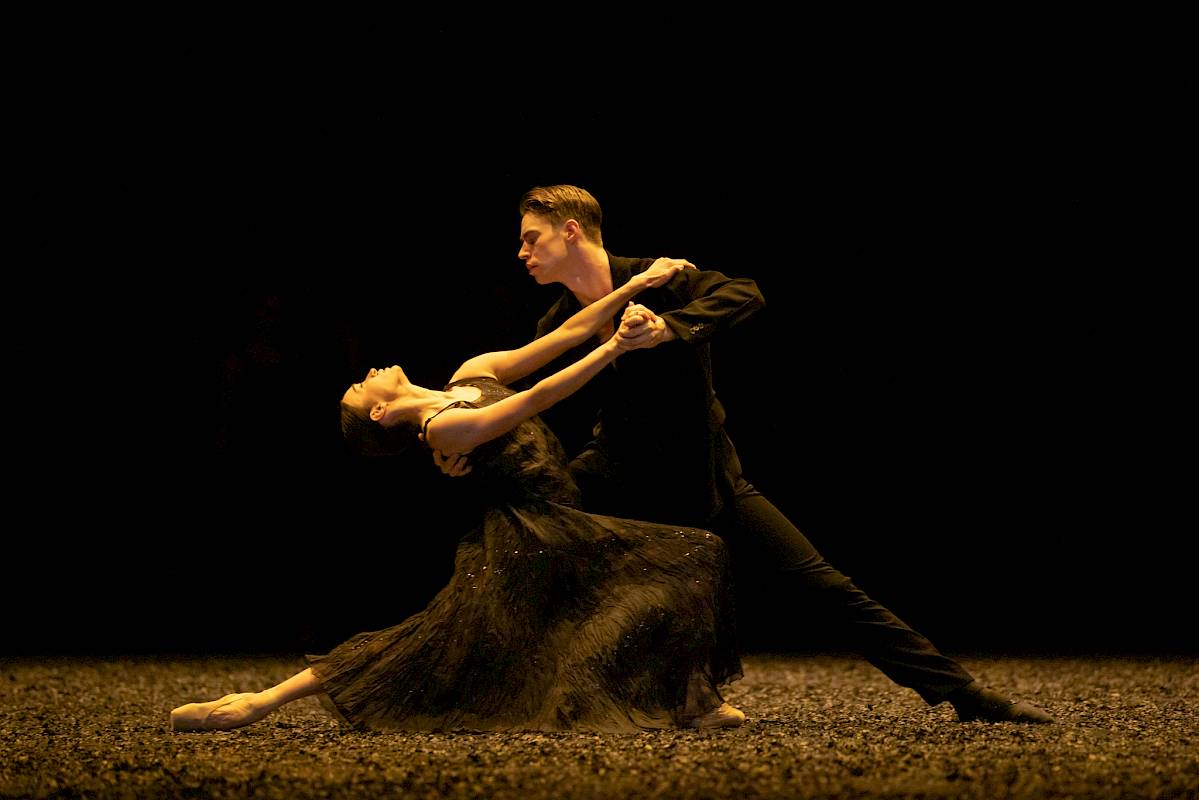
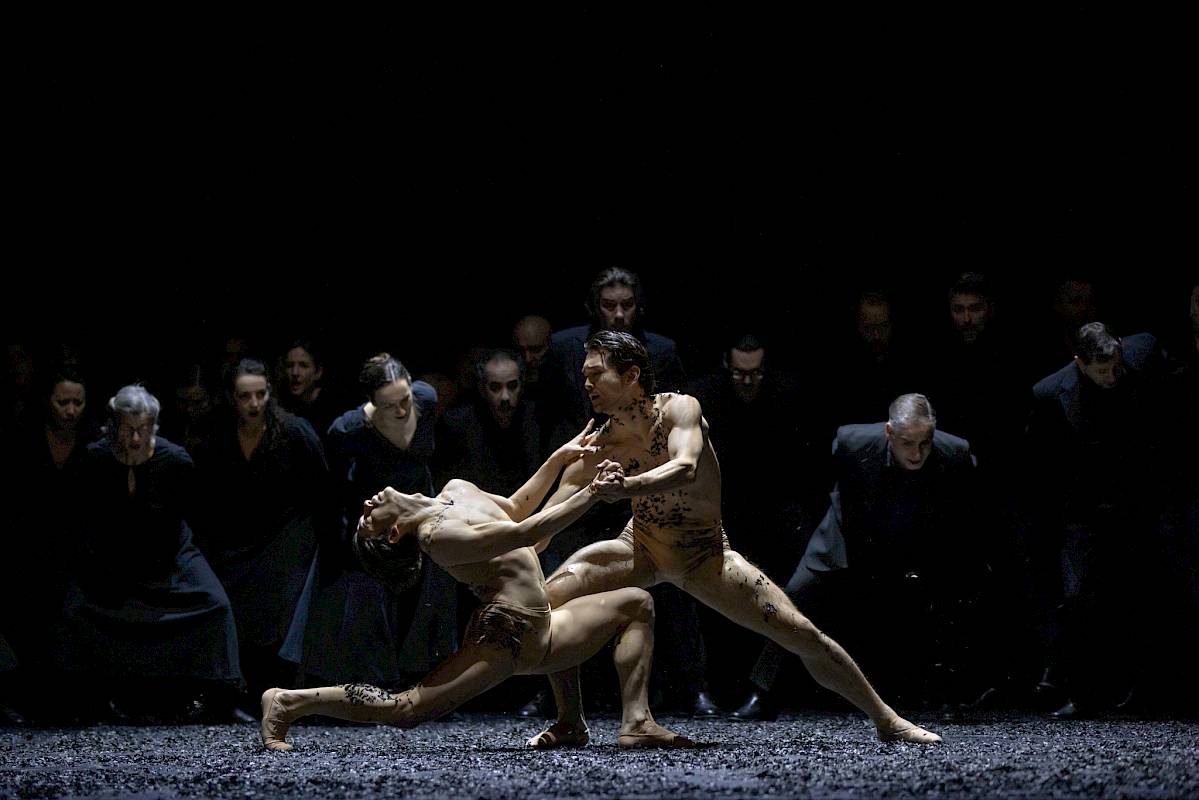
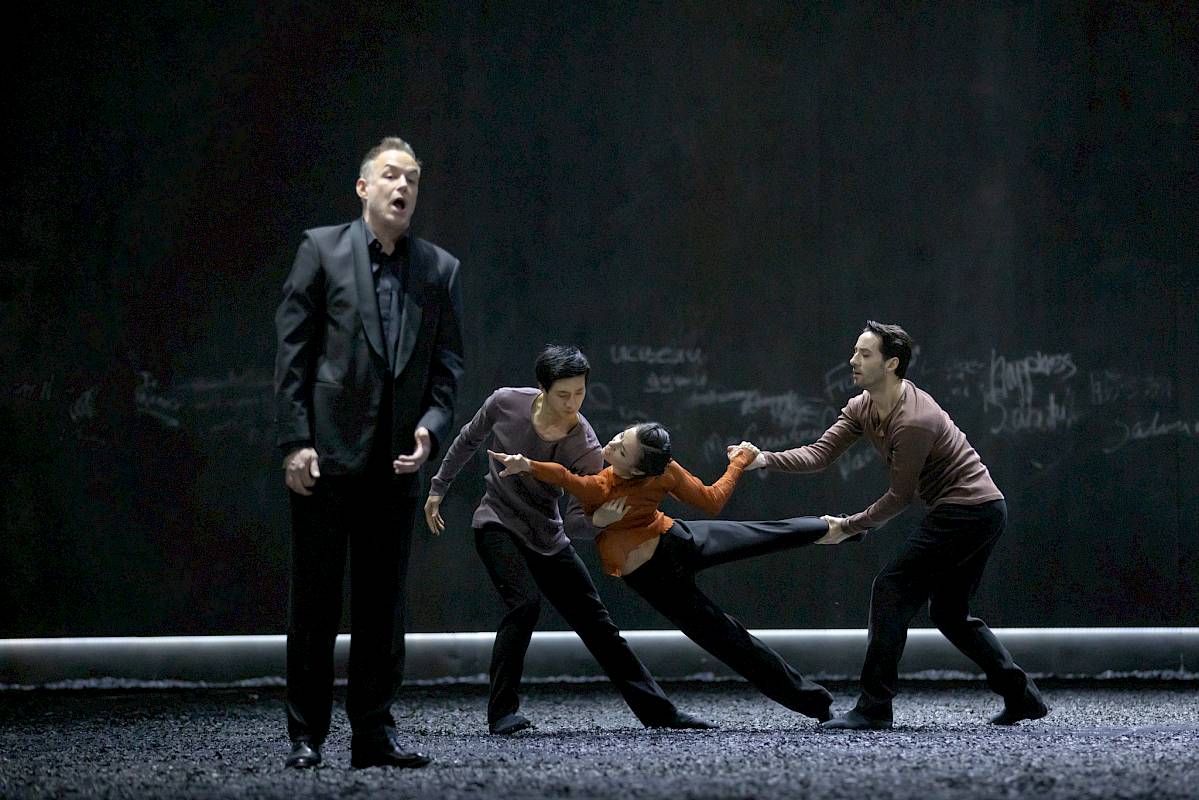

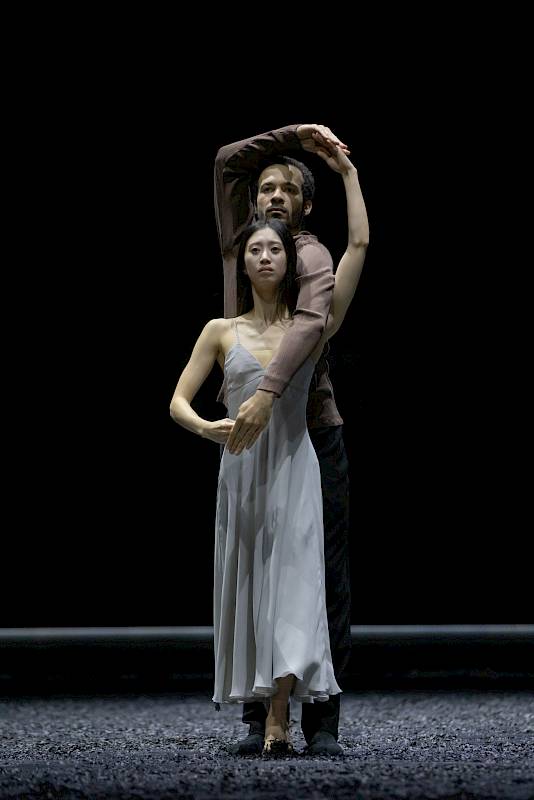
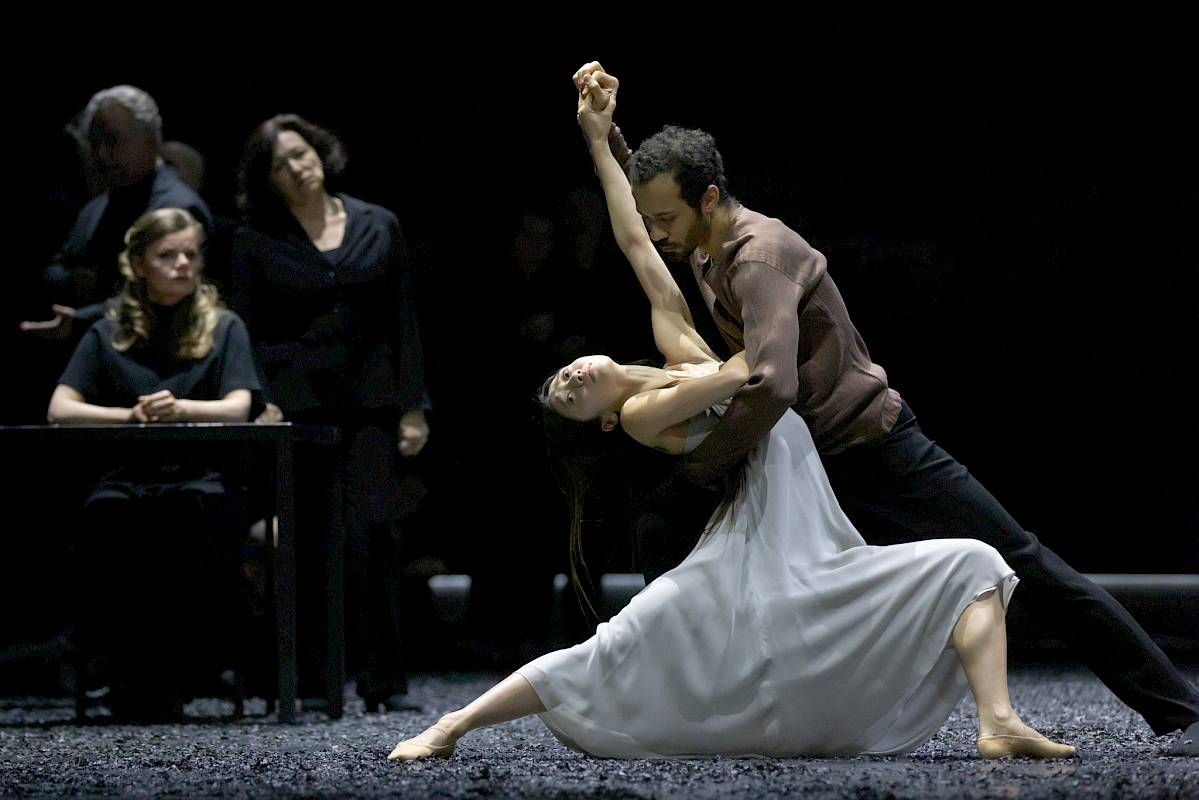
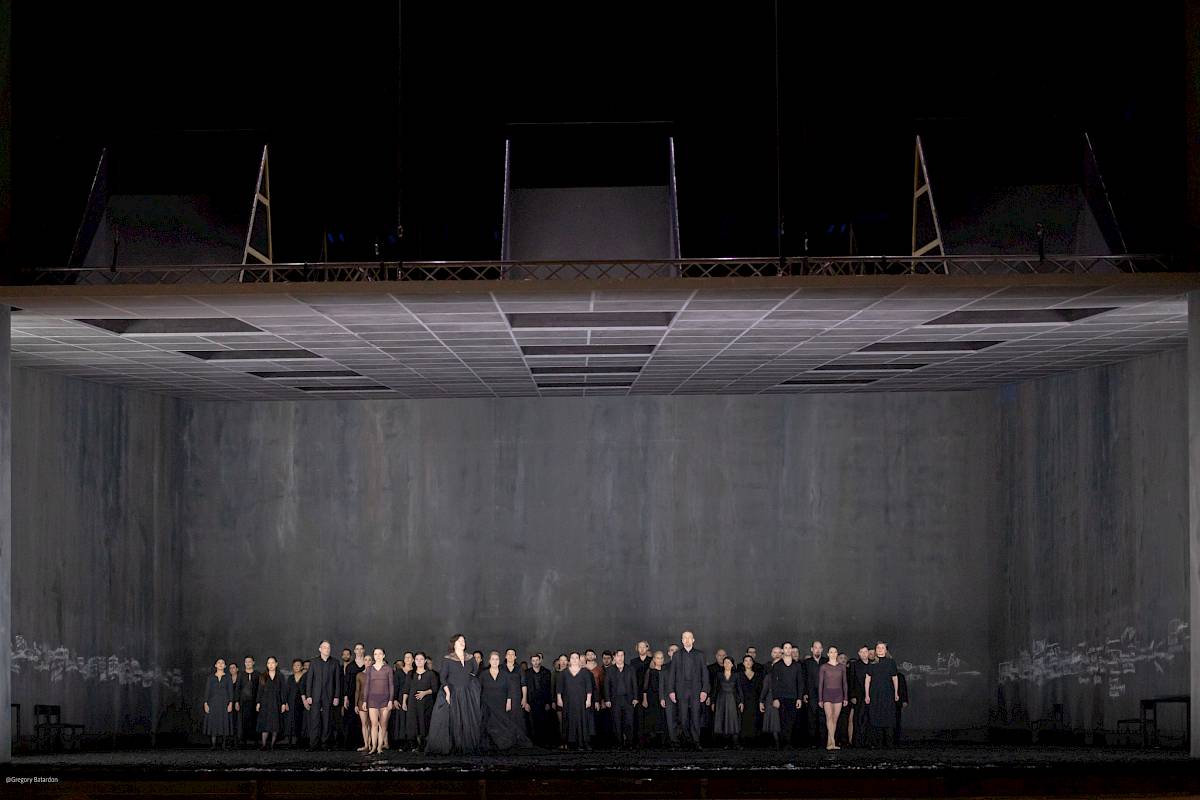
Rehearsal photos