
Tosca

Giacomo Puccini

Melodrama in three acts
Libretto by Giuseppe Giacosa and Luigi Illica
after Victorien Sardou

From 3. October 2021 until 17. October 2021

  • Duration :
    approx. 2 H. 35 Min. Inkl. Pause after 1st part after approx. 55 Min.
  • Language:
    In Italian with German and English surtitles.
  • More information:
    Introduction 45 min before the performance.

Musical Director:
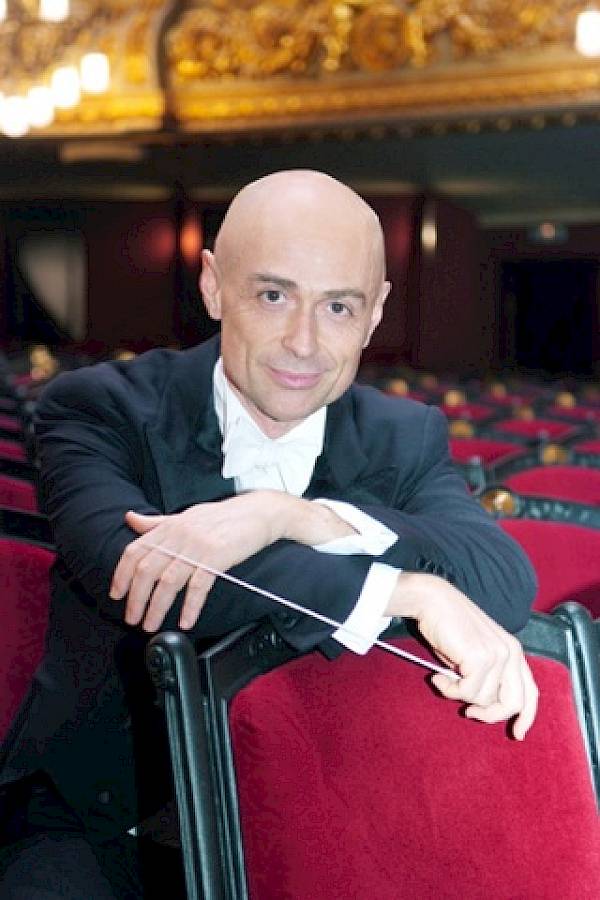
Paolo Carignani

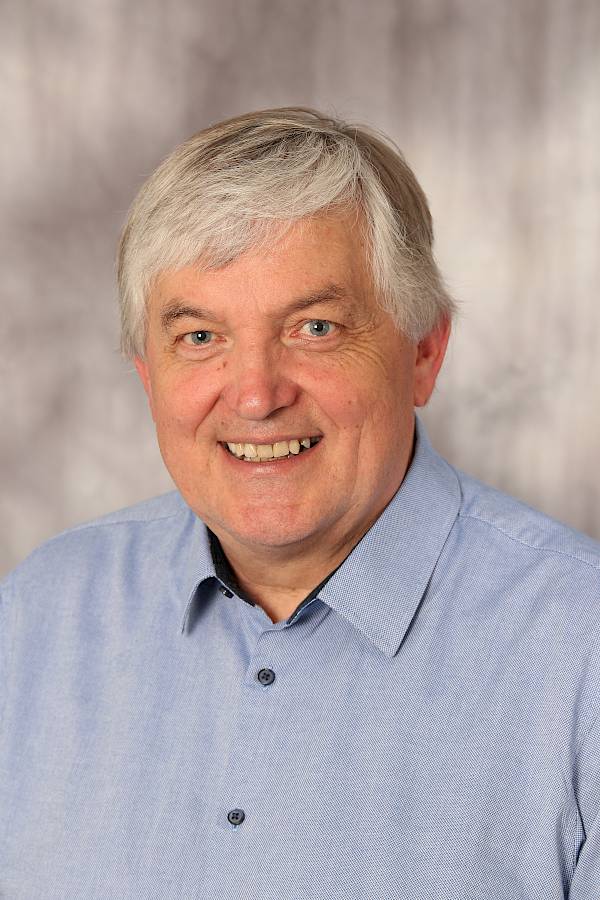
Paolo Carignani

Paolo Carignani wurde in Mailand geboren. Er studierte am dortigen Giuseppe Verdi-Konservatorium Komposition, Orgel und Klavier, später Dirigieren bei Alceo Galliera. Seine Engagements haben ihn an zahlreiche italienische Opernhäuser geführt sowie u. a. an die Staatsopern in Wien, Berlin und München, die Deutsche Oper Berlin, die Nederlandse Opera in Amsterdam, das Royal Opera House in London, die Opéra Bastille in Paris, das Teatre del Liceu in Barcelona, die Metropolitan Opera in New York und das Amsterdamer Concertgebouw, ausserdem nach Oslo, Brüssel, Antwerpen, Glyndebourne, Salzburg und Spoleto, zum Schleswig-Holstein und zum Rheingau Musik Festival sowie zum Rossini Opera Festival in Pesaro. Im Konzertbereich dirigierte er u.a. die Münchner Philharmoniker, die Symphonieorchester des NDR, WDR und ORF, die Göteborger Symphoniker, das Detroit Symphony Orchestra und das Yomiuri Nippon Symphony Orchestra. Von 1999 bis 2008 war Paolo Carignani Generalmusikdirektor der Oper Frankfurt und künstlerischer Leiter des Frankfurter Opern- und Museumsorchesters. 2018/19 gab er sein Debüt an der Scala in Mailand mit Ali Baba e i 40 ladroni sowie am Bolschoi in Moskau mit Un ballo in maschera. In der Spielzeit 2020/21 dirigierte er am Maggio Musicale in Florenz Nabucco, am Royal Danish Opera House Simon Boccanegra sowie Don Carlo am Bolschoi in Moskau. 2021/22 übernahm er ausserdem die musikalische Leitung von u.a. Tosca und Cavalleria rusticana / Pagliacci am Opernhaus Zürich, von La bohème und Un ballo in maschera an der Royal Danish Opera und von Nabucco an der Wiener Staatsoper.

Production:
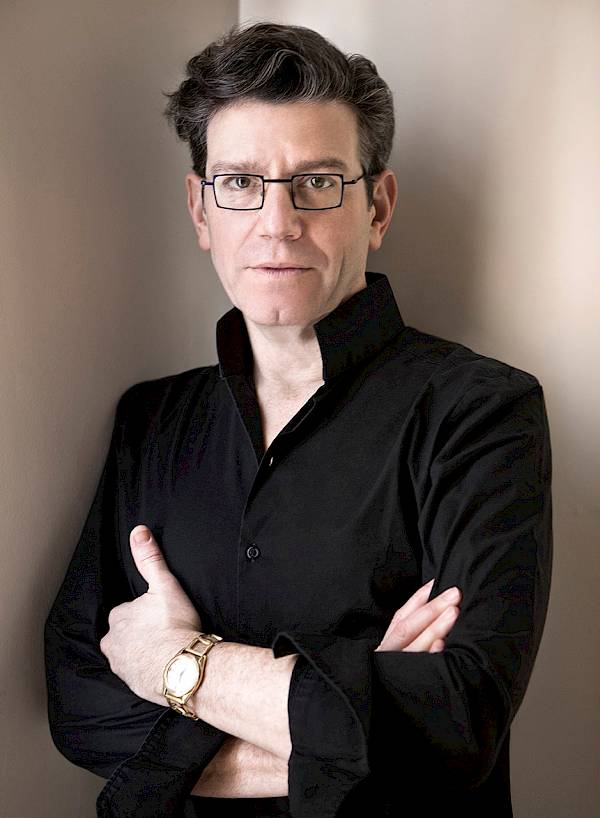
Robert Carsen

Robert Carsen

Robert Carsen, born in Canada, is one of the world’s most sought-after directors, stage, and lighting designers for theater and opera. After training as an actor at York University in Toronto and at the Bristol Old Vic Theatre School, he achieved his first successes as a director at the operas in Geneva, Paris, and Antwerp. Since then, he has directed at the major stages of the world, including "Die tote Stadt" at the Komische Oper Berlin, "Der Rosenkavalier" and "Falstaff" at the Royal Opera House London and at the Metropolitan Opera New York, "Eugene Onegin" in Rome, "La traviata" at La Fenice in Venice, "A Midsummer Night’s Dream" and "Rigoletto" at the Festival d’Aix-en-Provence, "Wozzeck," "Agrippina," and "Platée" at the Theater an der Wien, "Rinaldo" and "L’incoronazione di Poppea" in Glyndebourne, "Tannhäuser," "Elektra," "Rusalka," "Lohengrin," and "Manon Lescaut" at the Paris Opera, "Salome" and "Idomeneo" in Madrid, "Falstaff," "Don Giovanni," and "Alcina" at La Scala in Milan, as well as "Tosca," "Semele," and "Arabella" at the Opernhaus Zürich. He has also directed theater and musical productions, including "Singin’ in the Rain," "My Fair Lady," and "Candide" at the Théâtre du Châtelet, as well as the world premiere of Andrew Lloyd Webber’s "The Beautiful Game" in London’s West End. Robert Carsen has served as curator and scenographer at the Grand Palais, the Musée d’Orsay, and the Opéra Garnier, at the Royal Academy of Arts, the Art Institute of Chicago, and at the Cannes Film Festival. He is an "Officier des Arts et des Lettres" and "Officer of the Order of Canada," received the 2021 Opera Award as "Best Director," and in 2023 the first Grand Prix de l’Académie des beaux-arts in Paris.
Tosca28 Sept / 2 / 8 / 11 / 15 / 19 Oct 2025 / 11 / 14 / 17 / 21 / 24 Apr / 13 / 17 May 2027 Arabella14 / 18 / 22 / 25 / 28 Apr 2026
Sets:
Anthony Ward

Anthony Ward

Anthony Ward was born in Cambridge, United Kingdom, and studied set design at the Wimbledon School of Art. His engagements have taken him to numerous theatres in the British capital, including the Royal National Theatre, the Royal Shakespeare Company, the Donmar Warehouse, the Almeida Theatre, and the Royal Opera House Covent Garden in London. He has also worked at internationally renowned opera houses such as Opera North in Manchester, the Metropolitan Opera in New York, and the Opéra National de Paris. Anthony Ward has collaborated with directors including Sam Mendes, Adrian Noble, Jonathan Kent, and Robert Carsen.

Tosca28 Sept / 2 / 8 / 11 / 15 / 19 Oct 2025 / 11 / 14 / 17 / 21 / 24 Apr / 13 / 17 May 2027
Set design collaboration:
Alexander Lowde

Alexander Lowde

The set and costume designer Alex Lowde works across opera, dance, and theatre. His early work was created in small experimental London venues such as the Yard and the Gate. In recent years, his scope has expanded, and he has designed for institutions including the Young Vic, Leeds Playhouse, Manchester Exchange, Opera North, Scottish Opera, the Linbury Studio of the Royal Opera House Covent Garden, the National Theatre in London, and the English National Opera. His recent productions include “A View from the Bridge” at the Met Theatre Tokyo (2023), “Blue” at the English National Opera (2023), and “The School for Scandal” and “The New Real” with the Royal Shakespeare Company (2024). Alex Lowde has received two Critics’ Awards for Theatre in Scotland and has been nominated in the category of “Best Set Design” for the TMA Awards, the Irish Times Theatre Awards, the Manchester Theatre Awards, and the Broadway World Awards. “Blue” at the ENO was nominated for the 2024 Olivier Award for “Best New Opera Production.”

Tosca28 Sept / 2 / 8 / 11 / 15 / 19 Oct 2025 / 11 / 14 / 17 / 21 / 24 Apr / 13 / 17 May 2027
Lighting Design:
Davy Cunningham

Davy Cunningham

The Scottish-born Davy Cunningham has created over 250 lighting designs in more than 26 countries for opera productions at some of the world’s most prestigious venues, including the Metropolitan Opera in New York, the Royal Opera House Covent Garden in London, the Opéra National de Paris, the Théâtre Royal de la Monnaie in Brussels, Dutch National Opera in Amsterdam, the Zurich Opera House, Oper Frankfurt, Semperoper Dresden, Oper Leipzig, and the State Operas in Munich, Hamburg, and Berlin. His work ranges from large-scale lighting installations—such as those he designed for over 25 years for the Bregenz Festival—to more intimate designs, including Mozart performances at Vienna’s Schönbrunn Palace. He has also worked regularly with theatre companies in Scotland, Ireland, England, and Russia. Significant collaborations have linked him with directors such as Robert Carsen, David Pountney, Keith Warner, Guy Joosten, Rolando Villazón, Olivier Tambosi, and Philipp Himmelmann. Davy Cunningham is a recipient of the Bohuslav Martinů Society Award of the Czech Republic.

Tosca28 Sept / 2 / 8 / 11 / 15 / 19 Oct 2025 / 11 / 14 / 17 / 21 / 24 Apr / 13 / 17 May 2027
Chorus Master:
Ernst Raffelsberger

Ernst Raffelsberger

Ernst Raffelsberger comes from Gmunden, Upper Austria. He studied music education and church music at the University of Music and Performing Arts in Vienna as well as choral conducting at the Mozarteum in Salzburg. From 1983 to 1986 he was Kapellmeister of the Vienna Boys’ Choir. During this time, he led the ensemble in Vienna and on tours through Europe, South Africa, Canada, and the USA. From 1986, Ernst Raffelsberger was choral director and Kapellmeister at the Salzburg State Theatre (participating in the Salzburg Mozart Week and the Salzburg Festival). In 1989 he moved as choral director and Kapellmeister to the theatre in Freiburg/Breisgau. Since autumn 1993, Ernst Raffelsberger has been engaged at the Zurich Opera House as choral director. Here he has since supervised around 150 premieres and countless revivals and worked with many renowned conductors such as Marco Armiliato, Riccardo Chailly, Teodor Currentzis, Christoph von Dohnányi, Sir John Eliot Gardiner, Daniele Gatti, Bernard Haitink, Nikolaus Harnoncourt, Zubin Mehta, Gianandrea Noseda, and Franz Welser-Möst. Guest performances with the Zurich Opera House have taken him to Vienna, London, Paris, and Tokyo. From summer 2012 he additionally began a ten-year activity as choral director of the Vienna State Opera Chorus Association at the Salzburg Festival. There he collaborated successfully with, among others, Riccardo Muti, Mariss Jansons, and Sir Simon Rattle. After Ernst Raffelsberger ended this work with the festival summer 2021, he has since 2025 once again been responsible, at Maestro Muti’s request, for choral preparation for his festival concerts in Salzburg. Numerous CD and DVD recordings document his work in Zurich as well as in Salzburg.

Manon24 / 27 Sept / 3 / 7 / 10 Oct 2025 Tosca28 Sept / 2 / 8 / 11 / 15 / 19 Oct 2025 La clemenza di Tito26 / 29 Apr / 3 / 8 / 15 / 17 / 20 / 25 May 2026 Madama Butterfly30 Dec 2025 / 3 / 9 / 11 / 13 / 16 Jan 2026 Le nozze di Figaro24 / 29 Jan / 1 / 5 / 7 / 10 / 14 Feb 2026 Die Fledermaus7 / 10 / 12 / 14 / 18 / 26 / 28 / 31 Dec 2025 / 2 / 4 / 6 / 10 Jan 2026 Messa da Requiem20 / 22 / 28 Feb / 1 / 5 / 7 Mar / 6 Apr 2026 Arabella14 / 18 / 22 / 25 / 28 Apr 2026

Cast


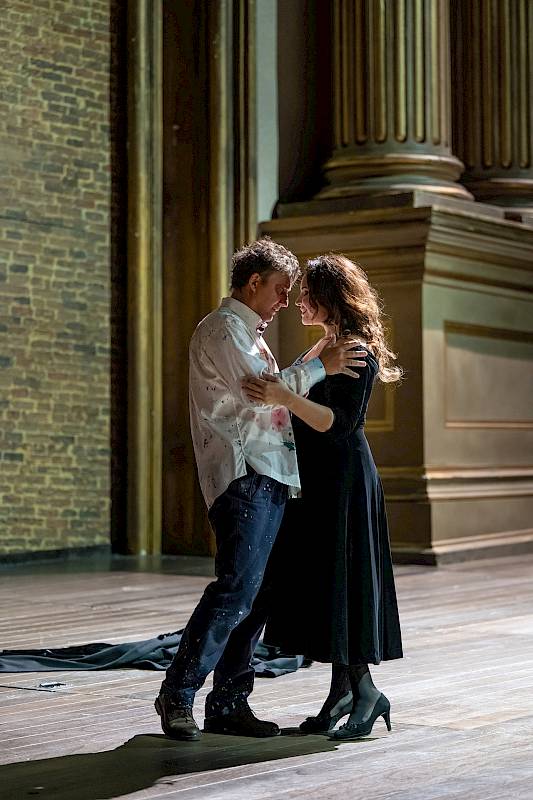
Floria Tosca Sonya Yoncheva


Mario Cavaradossi Joseph Calleja


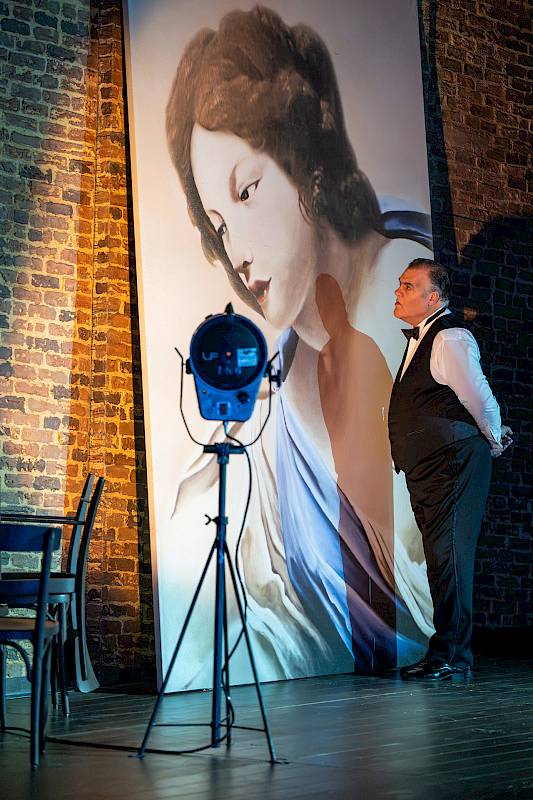
Baron Scarpia Thomas Johannes Mayer


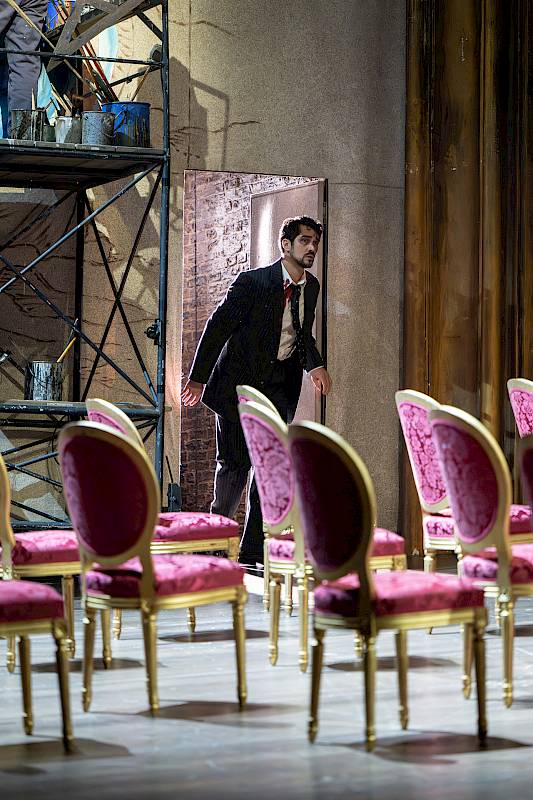
Cesare Angelotti Stanislav Vorobyov


Mesner Valeriy Murga


Spoletta Martin Zysset


Un carceriere Benjamin Molonfalean

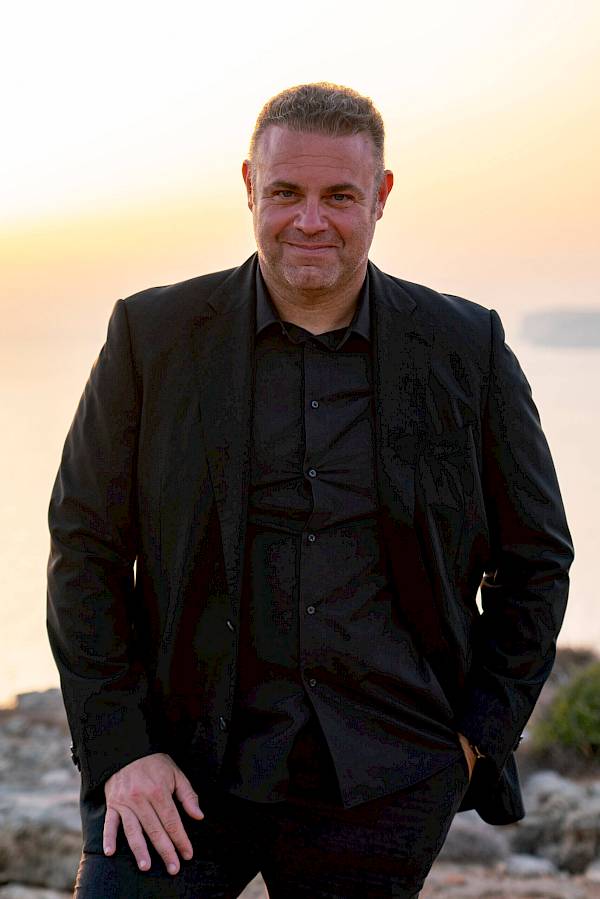
Sonya Yoncheva

The soprano Sonya Yoncheva comes from Bulgaria. She studied piano and singing in her hometown Plovdiv as well as in Geneva and is a graduate of the academy Le Jardin des Voix. In 2010 she won the first prize of Plácido Domingo’s Operalia Competition, in 2015 the ECHO Klassik as “Young Artist of the Year” and in 2021 the Opus Klassik as “Singer of the Year”. Her wide-ranging repertoire includes works from the Baroque period as well as roles such as Gilda (“Rigoletto”), Mimì (“La bohème”), Violetta (“La traviata”), Desdemona (“Otello”), Marguerite (“Faust”), Imogene (“Il pirata”) and the title roles in “Norma”, “Tosca” and “Luisa Miller”. She appears regularly on the world’s most important stages, including the Metropolitan Opera in New York, the Royal Opera House Covent Garden, the State Operas in Berlin, Munich and Vienna, as well as the Opéra National de Paris and the Teatro Real in Madrid. At the Salzburg Festival she appeared as Poppea (“L’incoronazione di Poppea”) and in 2020 gave a concert evening at La Scala in Milan. Recent engagements include Lisa (“The Queen of Spades”) at the Metropolitan Opera, her Japan debut as Floria Tosca in Yokohama and Tokyo, as well as recitals and concert evenings in São Paulo, at the State Operas of Berlin and Vienna, at the Salzburg Mozart Week, in the Vienna Konzerthaus, the Elbphilharmonie Hamburg, the Gstaad Menuhin Festival and in the Philharmonie de Paris. Since 2020 she has also been active as a producer. Under her label SY11 Productions, her solo album “The Courtesan” (2023) and her book “Fifteen Reflections” have been released, as well as a concert series in Sofia. Sonya Yoncheva is an ambassador for UNICEF Bulgaria.
Tosca28 Sept / 2 / 8 / 11 / 15 / 19 Oct 2025 / 13 / 17 May 2027 Manon Lescaut11 / 15 / 18 / 22 / 26 Dec 2026

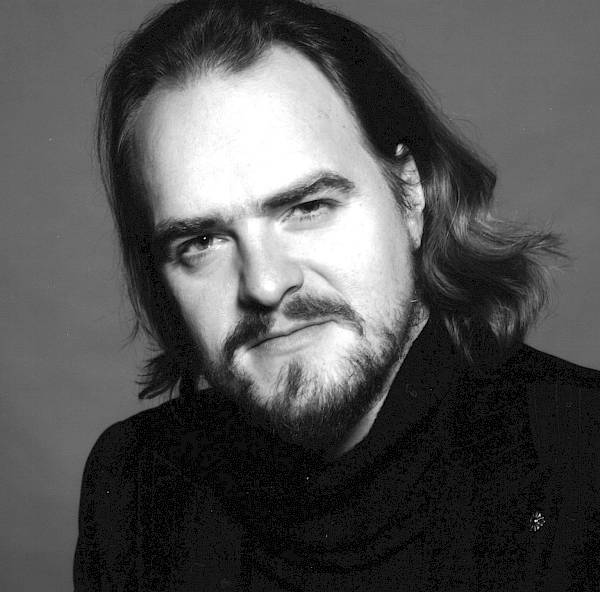
Joseph Calleja

Joseph Calleja wurde auf Malta geboren, wo er auch seine Gesangsausbildung absolvierte. Sein Debüt gab er 1997 am dortigen Astra Theatre als Macduff (Macbeth) und sang im selben Jahr Leicester (Maria Stuarda) an der Nationalen Reisopera in Holland. Ebenfalls 1997 war er Preisträger des Belvedere-Gesangswettbewerbs, ein Jahr später gewann er den Caruso-Wettbewerb und danach Placido Domingos Operalia. Mittlerweile gilt er als einer der wichtigsten Tenöre seiner Generation. Gastengagements führten ihn u.a. ans Royal Opera House Covent Garden in London, an die Staatsopern in Wien, München, Hamburg und Dresden, an die Lyric Opera Chicago, zu den Salzburger Festspielen und an die Festivals in Spoleto und Pesaro. An der Met, wo er regelmässig gastiert, war er zuletzt in der Titelpartie von Faust, als Mario Cavaradossi (Tosca) und Rodolfo (La bohème) sowie in einem Konzert zusammen mit Diana Damrau zu erleben. Jüngst sang er ausserdem an der Staatsoper Hamburg Rodolfo (Luisa Miller), an der Deutschen Oper Berlin Sir Edgardo di Ravenswood (Lucia di Lammermoor), an der Bayerischen Staatsoper Don José (Carmen), an der Wiener Staatsoper den Herzog von Mantua (Rigoletto) und Cavaradossi, eine Partie mit der er zudem beim Festival d’Aix en Provence und in Gran Teatre del Liceu Barcelona gastierte. Liederabende und Konzerte führten ihn 2020/21 an die Opera Australia in Sydney, ans Opera Naples Festival in Florida und an die Deutsche Oper Berlin.
Europa-Tournee 2026 «Messa da Requiem»22 / 23 / 25 / 26 / 29 / 31 Mar 2026

Thomas Johannes Mayer

Thomas Johannes Mayer absolvierte seine Gesangsausbildung an der Kölner Musikhochschule bei Liselotte Hammes und Kurt Moll. Nach einem vielbeachteten Don Giovanni am Theater Basel sang er 2004 seinen ersten Wotan (Der Ring des Nibelungen) in Karlsruhe – eine Partie, die er seither an den grossen internationalen Opernhäusern verkörperte: De Nederlands Opera Amsterdam, Deutsche Oper Berlin, Berliner Staatsoper unter den Linden, Bayerische Staatsoper München, Opéra National de Paris, Wiener Staatsoper, Bayreuther Festspiele und in Tokio. Zu seinem Repertoire gehören nicht nur die grossen Wagner- und Strausspartien wie Barak (Die Frau ohne Schatten), Jochanaan, Mandryka (Arabella), Amfortas (Parsifal), Telramund (Lohengrin), und die Titelrolle in Der fliegende Holländer, sondern auch Partien des italienischen Fachs sowie Moses in Schönbergs Moses und Aron, Thoas in Glucks Iphigénie en Tauride, Mizguir in Rimski-Korsakows Schneeflöckchen und die Titelpartie in Alban Bergs Wozzeck. In der Spielzeit 2020/21 sang er Kurwenal (Tristan und Isolde) bei den Weinviertler Festspielen in Tschechien, Don Pizarro (Fidelio) an der Oper Kopenhagen, Telramund und den Holländer an der Deutschen Oper Berlin sowie Jochanaan (Salome) am Bolschoi Theater in Moskau.
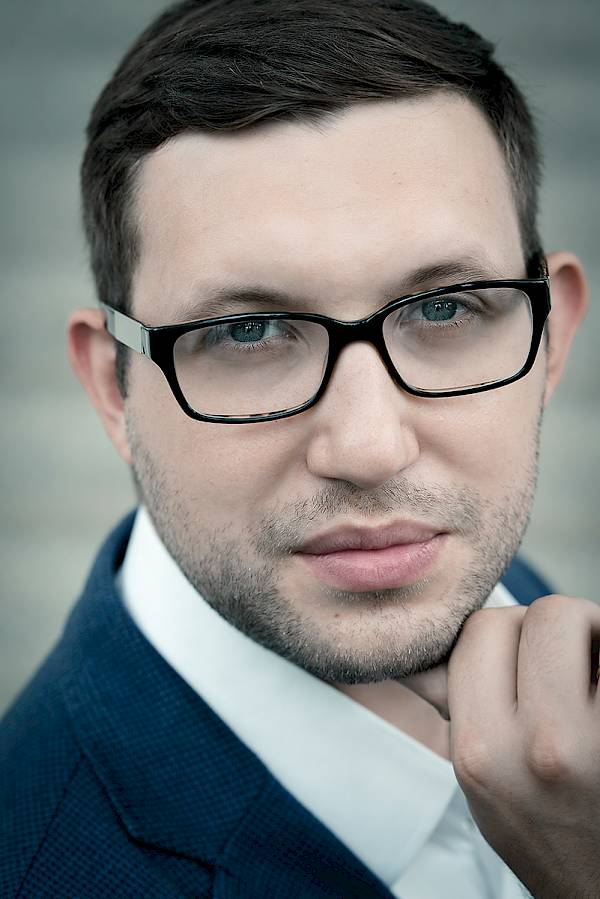
Stanislav Vorobyov

Stanislav Vorobyov comes from Russia and studied at the Moscow Conservatory. He was a member of the International Opera Studio and has been an ensemble member at the Zurich Opera House since the 2018/19 season. Here he has appeared, among others, as Colline ("La bohème"), Alidoro ("La Cenerentola"), High Priest ("Nabucco"), Notary ("Der Rosenkavalier"), Reinmar von Zweter ("Tannhäuser"), Faust ("The Fiery Angel"), Zaretsky ("Eugene Onegin"), Cesare Angelotti ("Tosca"), Fifth Jew and 1st Nazarene ("Salome"), Lord Rochefort ("Anna Bolena"), Doctor Grenvil ("La traviata"), Crébillon ("La rondine"), Zuniga ("Carmen"), Roberto ("I vespri siciliani"), Roucher ("Andrea Chénier"), Police Commissioner ("Der Rosenkavalier"), Marchese Calatrava ("La forza del destino"), Tom ("Un ballo in maschera"), Brühlmann ("Werther"), as well as Faust ("The Fiery Angel"), Gold Dealer ("Cardillac") and Méphistophélès ("La Damnation de Faust"). In addition, he sang Don Basilio ("Il barbiere di Siviglia") at the Bregenz Festival, Nourabad ("Les Pêcheurs de perles") at Opera Flanders and in Luxembourg, as well as Ombra di Nino ("Semiramide") at the Concertgebouw Amsterdam. At the Bregenz Festival he appeared as Uncle Bonzo in "Madama Butterfly" and as Il capitano/L’ispettore in Giordano’s "Siberia". In 2024, he also appeared as Colline ("La bohème") at the Tokyo Metropolitan Theater and at the ROHM Theatre Kyoto.

Cardillac15 / 18 / 21 / 25 Feb / 1 / 6 / 10 Mar 2026 La Damnation de Faust10 / 14 / 17 May 2026 Carmen18 / 21 / 23 / 27 / 31 Jan 2026 Madama Butterfly30 Dec 2025 / 3 / 9 / 11 / 13 / 16 Jan 2026 Un ballo in Maschera22 / 28 / 31 May / 7 / 13 Jun 2026 La forza del destino2 / 7 / 12 / 15 / 18 / 21 / 26 / 29 Nov / 17 / 21 Dec 2025 Der Rosenkavalier21 / 26 Sept / 1 / 5 / 14 / 17 / 21 / 26 Oct 2025 Rachmaninov – Die drei Opern1 / 4 / 8 / 15 / 18 / 21 / 28 Nov 2026 La traviata20 / 23 / 29 Dec 2026 / 1 / 3 / 6 / 9 / 12 / 15 / 19 / 23 Jan 2027 La fanciulla del west25 / 28 Feb / 3 / 7 Mar / 4 / 7 / 10 / 16 Apr 2027 Samson et Dalila13 / 17 / 20 / 24 / 27 / 30 Jun / 2 / 9 Jul 2027 La bohème16 / 18 / 23 Jun / 4 / 7 / 10 Jul 2027

Valeriy Murga

Bass Valeriy Murga studied at the National Music Academy of Ukraine in Kyiv. He was a finalist at both the 41st International Singing Competition in Toulouse (1996) and the 7th Julian Gayarre Competition in Pamplona (1998). In 1997, he won second prize at the Maria Callas Grand Prix in Athens and participated in the Cardiff Singer of the World competition in 1999. From 1997 to 1999, he was a soloist at the Ukrainian National Opera in Kyiv, where he performed roles including Figaro (“Le nozze di Figaro”), Escamillo (“Carmen”), Schaunard (“La bohème”), and the title roles in “Eugene Onegin,” “Don Giovanni,” and “Prince Igor.” His repertoire also includes the roles of Marchese di Posa (“Don Carlo”) and Shaklovity (“Khovanshchina”). At the Zürich Opera House, Valeriy Murga was initially a member of the International Opera Studio and during this time performed, among others, Sciarrone and the Jailor (“Tosca”) as well as Monterone (“Rigoletto”). Since the 2000/01 season, he has been a permanent ensemble member at the Zürich Opera House, where he has performed roles such as Prince Yeletsky (“The Queen of Spades”), Moralès (“Carmen”), Second Soldier (“Salome”), Alessio (“La sonnambula”), Ali (“L’italiana in Algeri”), Wagner (“Faust”), Sacristan (“Tosca”), Butler (“La rondine”), and Bogdanovich (“The Merry Widow”), as well as in family operas including “The Canterville Ghost,” “Robin Hood,” “The Enchanted Pig,” “Jim Knopf,” and “Wir pfeiffen auf den Gurkenkönig” He has also appeared as a guest in Eugen d’Albert’s “Tiefland” at the Liceu in Barcelona and in “L’italiana in Algeri” at the Staatsoper Unter den Linden in Berlin.

Manon24 / 27 Sept / 3 / 7 / 10 Oct 2025 Tosca28 Sept / 2 / 8 / 11 / 15 / 19 Oct 2025 / 11 / 14 / 17 / 21 / 24 Apr / 13 / 17 May 2027 Werther14 / 19 Jun / 1 / 4 / 10 Jul 2026 Hänsel und Gretel20 / 23 Nov / 2 / 16 / 18 Dec 2025 / 2 / 24 / 25 / 31 Jan 2026 La rondine24 / 27 Sept / 1 / 10 / 15 Oct 2026 Alice im Wunderland8 / 15 / 19 / 28 Nov 2026 / 2 / 8 / 17 Jan 2027 Elektra22 / 26 Nov / 2 / 5 / 10 / 13 / 16 Dec 2026 La bohème16 / 18 / 23 Jun / 4 / 7 / 10 Jul 2027 Herr der Diebe27 Feb / 2 / 4 / 6 / 7 / 9 / 10 / 11 Mar 2027

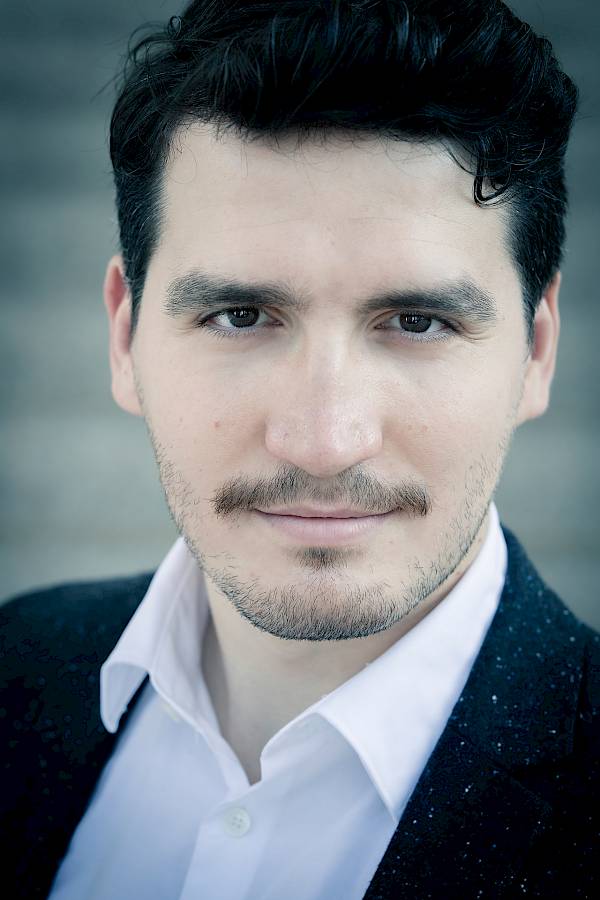
Martin Zysset

Martin Zysset was born and raised in Solothurn. He trained in clarinet while simultaneously pursuing vocal studies, which he complemented with masterclasses with Ernst Haefliger and Edith Mathis. In 1990/91, he was a member of the International Opera Studio at the Zurich Opera House and at the same time a scholarship recipient from the Migros Cooperative Union as well as a prizewinner in the Pro Arte Lyrica Competition in Lausanne. Since 1992, he has been a regular guest at the Summer Festival in Selzach. He has been permanently engaged at the Zurich Opera House since 1991. Here, he has developed a broad repertoire of both buffo and dramatic roles, including Pedrillo, Monostatos, Spoletta, Incredibile ("Andrea Chénier"), Jaquino, Kudryash ("Káťa Kabanová"), Alfred ("Die Fledermaus"), Tamino, Tybalt, Dancaïro, Arturo, Knusperhexe, Brighella, as well as the male lead in Udo Zimmermann’s "Weiße Rose." He performed Simplicius in the operetta of the same name by Johann Strauss, which was also released on CD and DVD. Guest appearances have taken him across Europe, to Shanghai, and with "The Magic Flute," "Le nozze di Figaro," "Fidelio," and "Tannhäuser" to San Diego. For the Bayerischer Rundfunk, he recorded the Lehár operetta "Paganini." In Zurich, he has most recently sung roles including Don Basilio ("Le nozze di Figaro"), Tschekalinski ("Pique Dame"), Triquet ("Eugene Onegin"), the Chief Eunuch ("The Land of Smiles"), Goro ("Madama Butterfly"), Spoletta ("Tosca"), Dormont ("La scala di seta"), the White Minister ("Le Grand Macabre"), the Devil/Narrator ("The Soldier’s Tale"), the Third Jew ("Salome"), Schmidt ("Werther"), Feri ("Die Csárdásfürstin"), and Don Curzio ("Le nozze di Figaro").
La scala di seta25 / 28 Sept / 19 / 24 Oct 2025 Madama Butterfly30 Dec 2025 / 3 / 9 / 11 / 13 / 16 Jan 2026 Un ballo in Maschera22 / 28 / 31 May / 7 / 13 Jun 2026 Le nozze di Figaro24 / 29 Jan / 1 / 5 / 7 / 10 / 14 Feb 2026 / 2 / 6 / 8 / 15 / 19 May 2027 Werther14 / 19 Jun / 1 / 4 / 10 Jul 2026 Arabella14 / 18 / 22 / 25 / 28 Apr 2026 Die Fledermaus29 Sept / 8 / 17 / 23 / 25 Oct 2026 La traviata20 / 23 / 29 Dec 2026 / 1 / 3 / 6 / 9 / 12 / 15 / 19 / 23 Jan 2027

Benjamin Molonfalean

Benjamin Avram Molonfalean, Bassbariton, wurde in Rumänien geboren. Sein Musikstudium schloss er an der Königlich Dänischen Musikakademie in Kopenhagen ab. Während seines Studiums sang er u.a. den Förster in Janáčeks Das schlaue Füchslein und die Titelpartie in Le nozze di Figaro. 2015 nahm Benjamin Molonfalean an Meisterkursen von Constance Fee und Gabor Bretz am Crescendo Summer Institute in Tokaj (Ungarn) teil. 2017 debütierte er an der Århus Sommeropera in der Oper Darwin von Niels Marthinsen. 2018 sang er in Rossinis Petite Messe solennelle in der Domkirche in Maribo (Dänemark) sowie 2019 die Titelrolle in Don Pasquale an der Opera Prima in Wien. Seit der Spielzeit 2021/22 ist er Mitglied des Internationalen Opernstudios Zürich und war hier bisher in Tosca, Le Comte Ory und in Dialogues des Carmélites zu erleben.

Show full cast Show less

Philharmonia Zürich

1985 entstand in Folge der Trennung des traditionsreichen Tonhalle- und Theaterorchesters das Orchester der Oper Zürich. 2012, mit Beginn der Intendanz von Andreas Homoki und dem Amtsantritt des neuen Generalmusikdirektors Fabio Luisi, wird das Orchester der Oper Zürich zur Philharmonia Zürich. Pro Saison ist das Orchester in rund 250 Opern- und Ballettvorstellungen des Opernhauses Zürich zu hören. Als Podium für das Konzertrepertoire werden zusätzlich die Philharmonischen Konzerte veranstaltet. Soiréen und Kammermusikmatinéen ergänzen das künstlerische Spektrum des Orchesters. Bevor Fabio Luisi mit der Saison 2012/13 als Generalmusikdirektor die künstlerische Leitung des Orchesters übernommen hat, haben u. a. Franz Welser-Möst (1995-2008, ab 2005 als Generalmusikdirektor) und zuletzt Daniele Gatti als Chefdirigent (2009-2012) das Orchester geleitet. 2000/01 fanden die Beständigkeit der Leistungen des Orchesters der Oper Zürich und die Breite seines Könnens mit der Wahl zum «Orchester des Jahres» in der Umfrage der Zeitschrift «Opernwelt» weit verbreitete internationale Anerkennung.

Mehr Informationen zur Philharmonia Zürich finden Sie hier

La traviata20 / 23 / 29 Dec 2026 / 1 / 3 / 6 / 9 / 12 / 15 / 19 / 23 Jan 2027 Die lustige Witwe27 / 31 Dec 2026 / 3 / 7 / 10 / 13 Jan 2027

Kinderchor der Oper Zürich

Der Kinderchor der Oper Zürich wurde 1985 für Jean-Pierre Ponnelles Neuproduktion von  Bizets Carmen gegründet und gastierte mit dieser erfolgreichen Inszenierung schon bald darauf in Dresden und Athen. Mit der Zeit entwickelte sich ein festes Ensemble, welches in den verschiedensten Produktionen im Opernhaus, aber auch im Zürcher Hallenstadion bei Puccinis Turandot und Mussorgskis Boris Godunow (in russischer Sprache) auftrat.
Inzwischen wirken ca. 50 Kinder regelmässig in diesem Ensemble mit. Einzelne von ihnen übernehmen in einigen Opern sogar kleinere Solopartien. Die Zahl der Auftritte in immer aufwendigeren Inszenierungen am Opernhaus beträgt gegenwärtig 10 bis 15 verschiedene Werke pro Jahr.
Ausserhalb des Opernhauses ist der Kinderchor in den letzten Jahren immer wieder mit eigenen Kirchenkonzerten unter seinen Leitern Jürg Hämmerli und Ernst Raffelsberger aufgetreten, darüber hinaus aber auch in Anna Jenatsch von Martin Derungs unter Räto Tschupp, in Berlioz’ Te Deum unter Alex Hug in der Zürcher Tonhalle sowie im Rahmen eines Konzertes von Céline Dion im Letzigrundstadion.
Gastspielreisen führten den Kinderchor nach Deutschland (Krefeld), Italien (Verona) und Grossbritannien (London).

Tosca28 Sept / 2 / 8 / 11 / 15 / 19 Oct 2025 / 11 / 14 / 17 / 21 / 24 Apr / 13 / 17 May 2027 Werther14 / 19 Jun / 1 / 4 / 10 Jul 2026 Alice im Wunderland8 / 15 / 19 / 21 / 26 / 28 Nov / 6 Dec 2026 / 2 / 7 / 8 / 10 / 17 Jan 2027 La bohème16 / 18 / 23 Jun / 4 / 7 / 10 Jul 2027

Statistenverein am Opernhaus Zürich

Der Statistenverein am Opernhaus Zürich wurde im Jahr 1900 gegründet und dürfte damit einer der traditionsreichsten Vereine auf dem Kulturplatz Zürich sein. Rund hundert Frauen und Männer im Alter von 16 bis 70 Jahren bereichern das Bühnengeschehen in zahlreichen Inszenierungen.Statisten, früher auch als Figuranten bezeichnet, haben generell nicht sprechende Rollen. Ihre Einsätze am Opernhaus Zürich fallen je nach Inszenierung unterschiedlich umfangreich aus. Während früher Massenszenen im Vordergrund standen, sind die Statistinnen und Statisten seit der Ära Pereira und der Intendanz von Andreas Homoki zunehmend auch für aufwändigere Einzelauftritte sowie für anspruchsvolle technische Einsätze gefragt. Die Mitglieder des Statistenvereins üben ihre Einsätze in der Freizeit und ohne finanzielle Interessen aus. Sie bringen Begeisterung für Musik und Theater mit.

Manon24 / 27 Sept / 3 / 7 / 10 Oct 2025 La scala di seta25 / 28 Sept / 19 / 24 Oct 2025 Tosca28 Sept / 2 / 8 / 11 / 15 / 19 Oct 2025 / 11 / 14 / 17 / 21 / 24 Apr / 13 / 17 May 2027 Madama Butterfly30 Dec 2025 / 3 / 9 / 11 / 13 / 16 Jan 2026 Rigoletto20 / 23 / 27 Dec 2025 / 1 / 4 Jan 2026 Le nozze di Figaro24 / 29 Jan / 1 / 5 / 7 / 10 / 14 Feb 2026 / 2 / 6 / 8 / 15 / 19 May 2027 Werther14 / 19 Jun / 1 / 4 / 10 Jul 2026 Così fan tutte3 / 7 / 9 / 12 Jul 2026 Macbeth8 / 11 / 14 / 19 / 22 / 30 Nov 2025 Arabella14 / 18 / 22 / 25 / 28 Apr 2026 Der Rosenkavalier21 / 26 Sept / 1 / 5 / 14 / 17 / 21 / 26 Oct 2025 La clemenza di Tito26 / 29 Apr / 3 / 8 / 15 / 17 / 20 / 25 May 2026 Cardillac15 / 18 / 21 / 25 Feb / 1 / 6 / 10 Mar 2026 Hänsel und Gretel16 / 20 / 23 / 28 / 30 Nov / 2 / 4 / 11 / 16 / 18 / 21 Dec 2025 / 2 / 24 / 25 / 31 Jan 2026 Carmen18 / 21 / 23 / 27 / 31 Jan 2026 Un ballo in Maschera22 / 28 / 31 May / 7 / 13 Jun 2026 Die Fledermaus7 / 10 / 12 / 14 / 18 / 26 / 28 / 31 Dec 2025 / 2 / 4 / 6 / 10 Jan / 29 Sept / 8 / 17 / 23 / 25 Oct 2026 Giulio Cesare in Egitto11 / 13 / 15 / 17 / 21 / 25 / 28 Mar 2026 Scylla et Glaucus27 / 29 / 31 Mar / 2 / 6 / 30 Apr / 2 May 2026 La forza del destino2 / 7 / 12 / 15 / 18 / 21 / 26 / 29 Nov / 17 / 21 Dec 2025 Sillons de Mémoires5 / 6 / 7 Feb 2026 Gianni Schicchi2 / 6 / 8 / 10 / 13 May 2026 Monster's Paradise8 / 14 / 18 Mar / 10 / 12 Apr 2026 Alice im Wunderland8 / 15 / 19 / 21 / 26 / 28 Nov / 6 Dec 2026 / 2 / 7 / 8 / 10 / 17 Jan 2027 Manon Lescaut11 / 15 / 18 / 22 / 26 Dec 2026 Die lustige Witwe27 / 31 Dec 2026 / 3 / 7 / 10 / 13 Jan 2027 Die Walküre24 / 31 Jan / 3 / 6 Feb 2027 Roméo et Juliette12 / 19 / 21 Feb / 2 / 5 Mar 2027 La bohème16 / 18 / 23 Jun / 4 / 7 / 10 Jul 2027 Don Carlo1 / 6 / 8 / 11 Jul 2027 La fanciulla del west25 / 28 Feb / 3 / 7 Mar / 4 / 7 / 10 / 16 Apr 2027 Elektra22 / 26 Nov / 2 / 5 / 10 / 13 / 16 Dec 2026 Rinaldo14 / 19 / 23 / 25 / 27 / 29 Mar 2027 Samson et Dalila13 / 17 / 20 / 24 / 27 / 30 Jun / 2 / 9 Jul 2027 Tannhäuser26 Sept / 4 / 9 / 13 Oct 2026

Photo Gallery "Tosca"


Good to know

Synopsis

Act One
Interior of the Church of Sant' Andrea della Valle

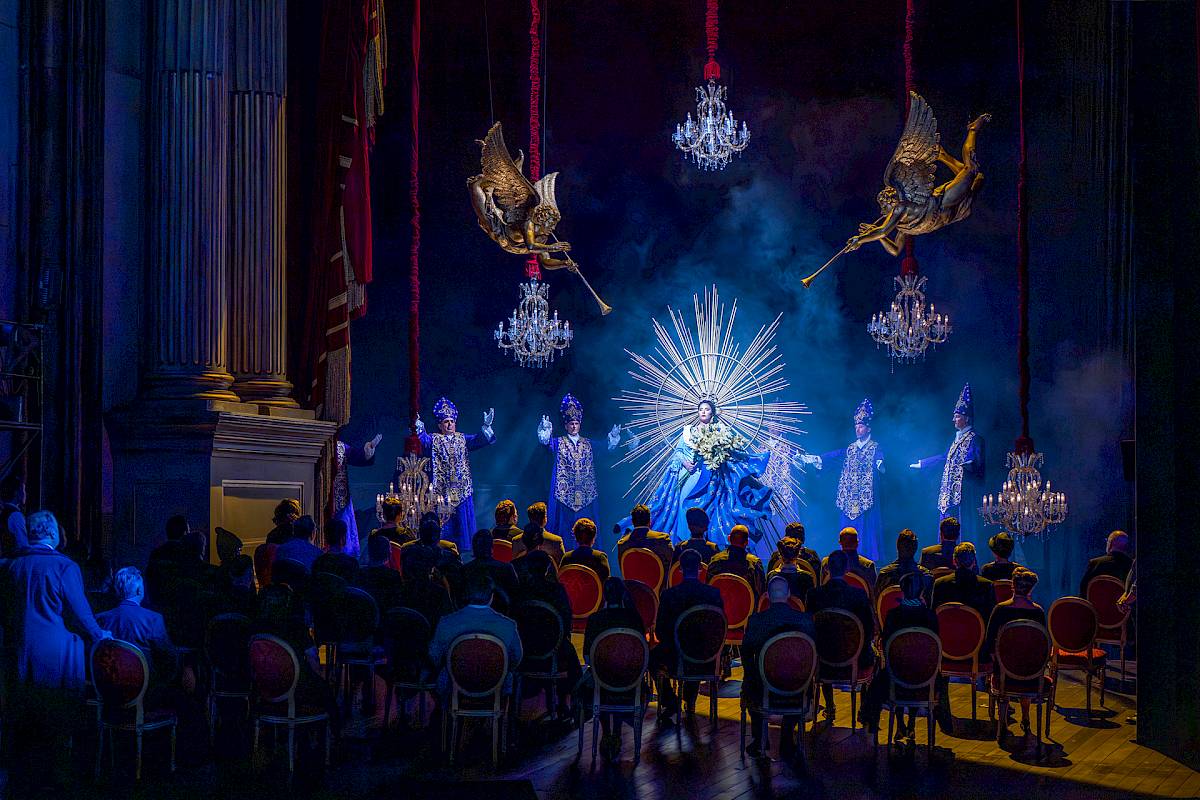
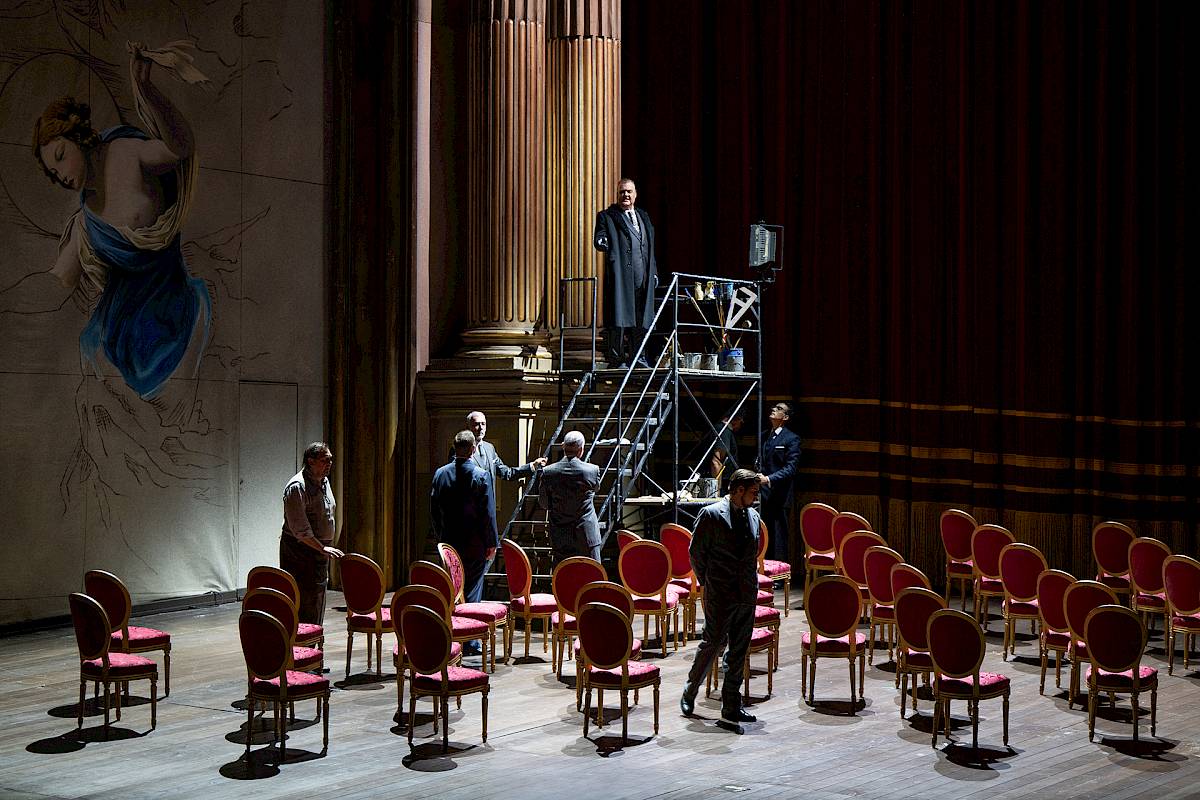
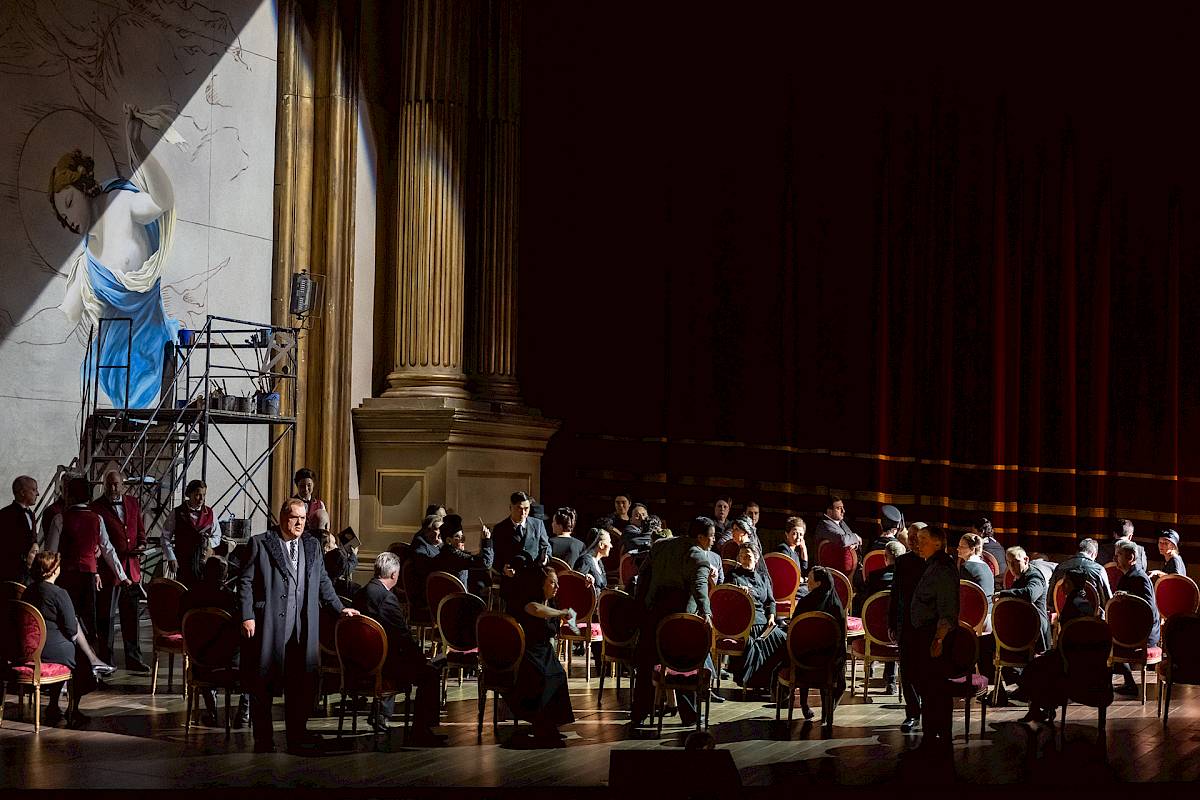
Cesare Angelotti, a political prisoner who has just escaped from the Castel Sant’ Angelo, furtively enters the church to hide in the private chapel of his sister, the Marchesa Attavanti. The sacristan enters and is surprised to see that the painter, Mario Cavaradossi is not at work. Cavaradossi arri­ves and attempts to resume his work - a painting of a blonde blue-eyed Mary Magdalen, inspired by the Marchesa Attavanti, whom he has seen praying in the church lately. Cavaradossi compares the dark beauty of his beloved Floria Tosca, the most celebrated Prima Donna of her day, with the fair Magdalen.
The sacristan leaves. Angelotti, believing the church to be empty
, steps from his hiding place and is discovered. He is relieved to recognize Cavaradossi, who agrees to help him. Suddenly Tosca’s voice is heard, and Angelotti hides once again. The jealous diva enters, convinced that Cavara­dossi was with another woman. Preoccupied with Angelotti, Cavaradossi quiets her suspicions, and they plan a rendez-vous later that evening. As she is about to leave, Tosca sees the painting, and jealously recognizes the Marchesa Attavanti. Cavaradossi persuades her that his model is sim­ply an unknown worshipper, and they part.
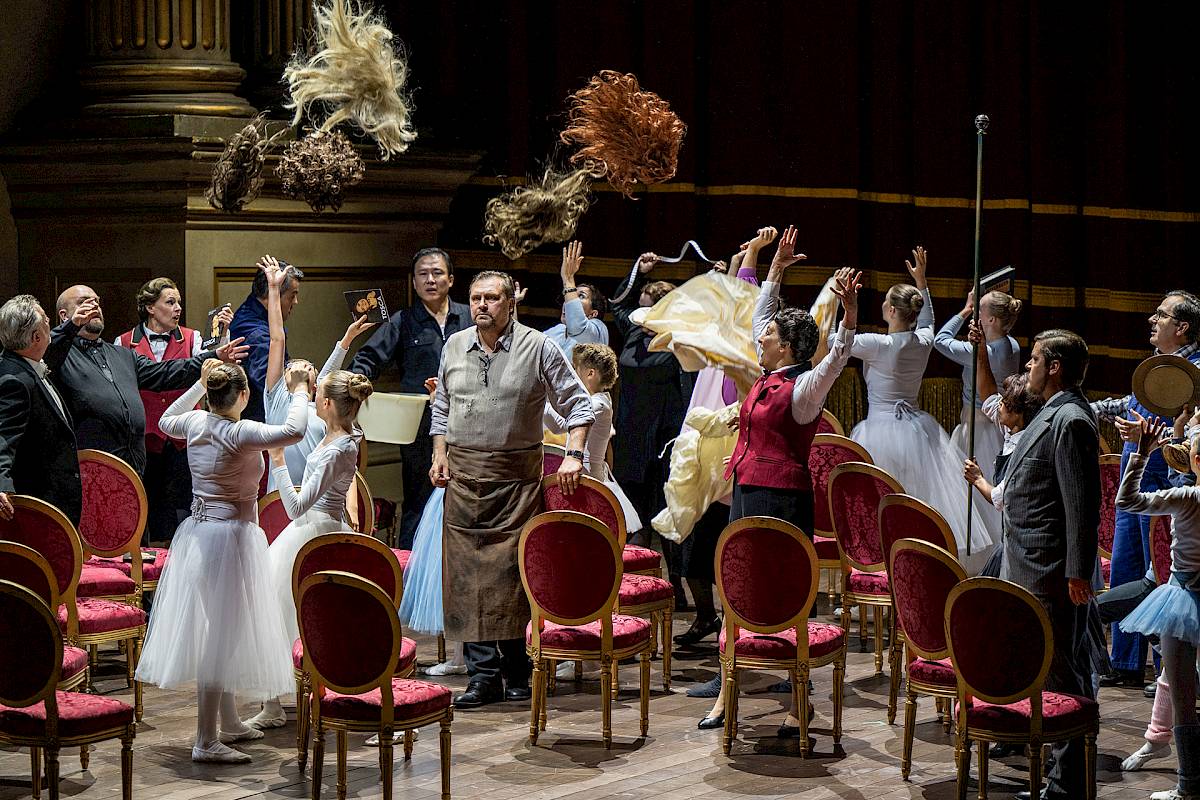
Angelotti emerges just as a cannon shot signals the discovery of his escape. Cavaradossi offers to hide him in his nearby villa, and the two men flee together. The sacristan returns, accompanied by members of the choir. All are excited by the latest news: Napoleon has been crushed at Marengo. There is to be a victory celebration that evening at the Farnese Palace, where the choir will sing a new cantata, with Floria Tosca as soloist.
Suddenly, Baron Scarpia, chief of the Roman police, enters. He and his agent Spoletta have traced Angelotti to the church. After questioning the sacristan, Scarpia surmises that Cavaradossi, a sus­pected Republican sympathizer, has aided the fugitive’s escape. Tosca returns to tell Cavaradossi that she cannot join him later. Scarpia, who desires her, seizes the opportunity to arouse Tosca’s jealousy, and to discover Angelotti’s hiding place. He shows her a fan he has found bearing the Attavanti crest. She is consumed with jealousy and leaves to confront her lover, with Scarpia’s spies following her. Scarpia gloats over the impending realization of his double goal - Cavaradossi on the gallows and Tosca in his arms. Swept up in his vision, he declares that Tosca has made him forget God.

Act Two
Scarpia's apartment in the Farnese Palace

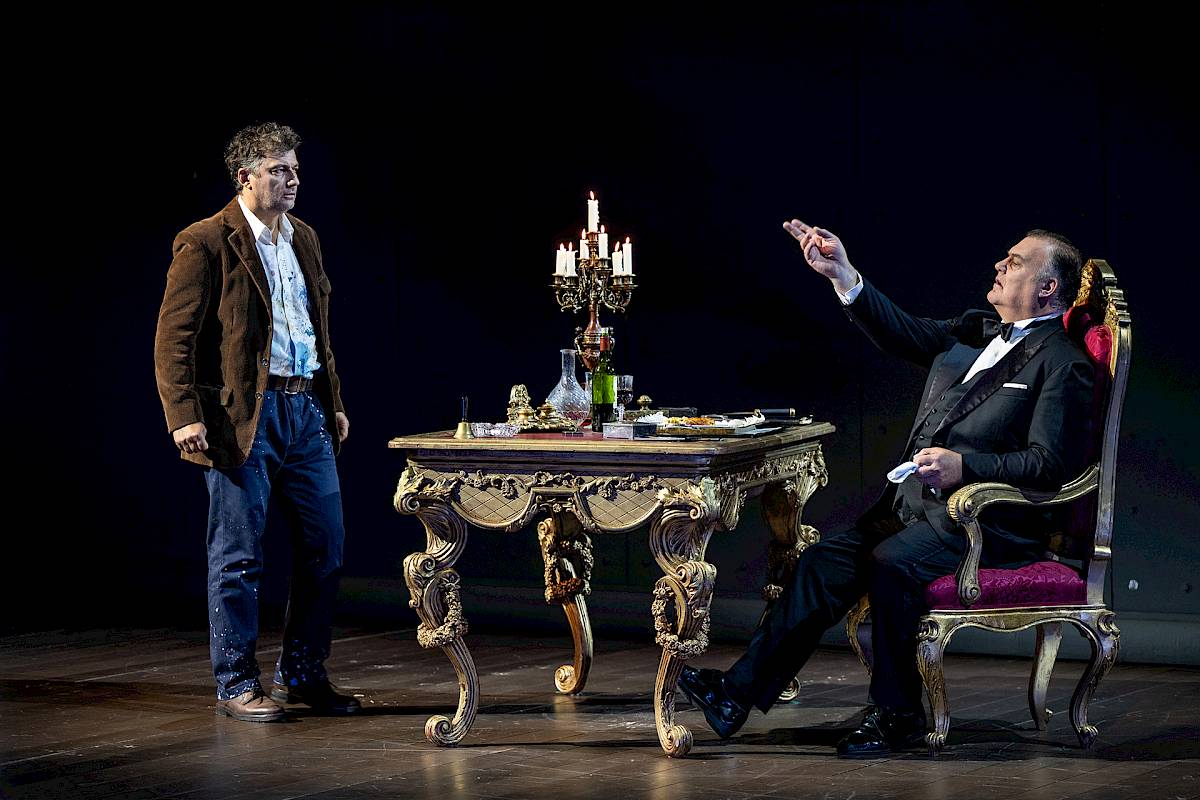
Scarpia is dining in his apartment, savouring the prospect of satisfying his desire for Tosca. He knows that she is singing before the Queen of Napels in another part of the Palace, and sends a note asking to see her. Spoletta enters and reluctantly reports that he followed Tosca to Cavaradossi’s villa, but could not find Angelotti. He quickly adds that he did find Cavaradossi, and has brought him for que­stioning. The painter denies any knowledge of the escaped prisoner, and Scarpia orders him tortured. Tosca arrives and Cavaradossi manages to warn her to say nothing before he is taken into an adjoi­ning room. Tosca skillfully evades Scarpia’s questions until her lover’s cries of pain are heard. Tosca pleads for Cavaradossi. Unable to bear such agony, she reveals Angelotti s hiding place. Cavaradossi is brought out and denounces Tosca for her betrayal. Sciarrone, another of Scarpia’s agents, enters to report a reversal at Marengo - Napoleon has won. Cavaradossi shouts his elation in defiance of Scarpia, and is taken away. Left alone with Scarpia, Tosca attempts to offer him money in exchange for her lover’s life. Scarpia names his price: Tosca herself. Her hatred only intensified his desire. Scarpia persists, and Tosca finally agrees to submit to him in exchange for her lover’s life. Scarpia explains that he cannot simply free Cavaradossi; a mock execution must be staged. Tosca demands that Scarpia write a safe-conduct letter for Cavaradossi and herself. When Scarpia finishes, he advan­ces to claim his prize. Instead Tosca stabs him to death ... She departs at the sound of a distant drum-roll.

Act Three
Ramparts of the Castel Sant'Angelo

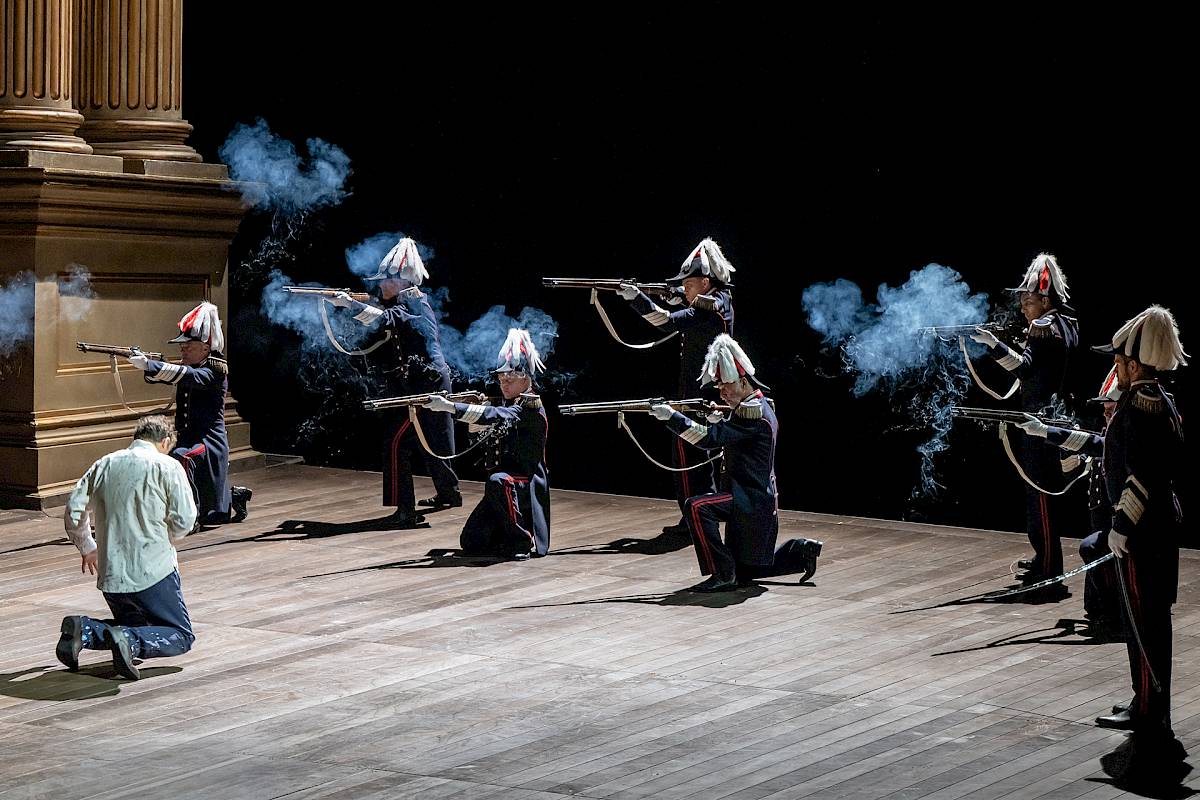
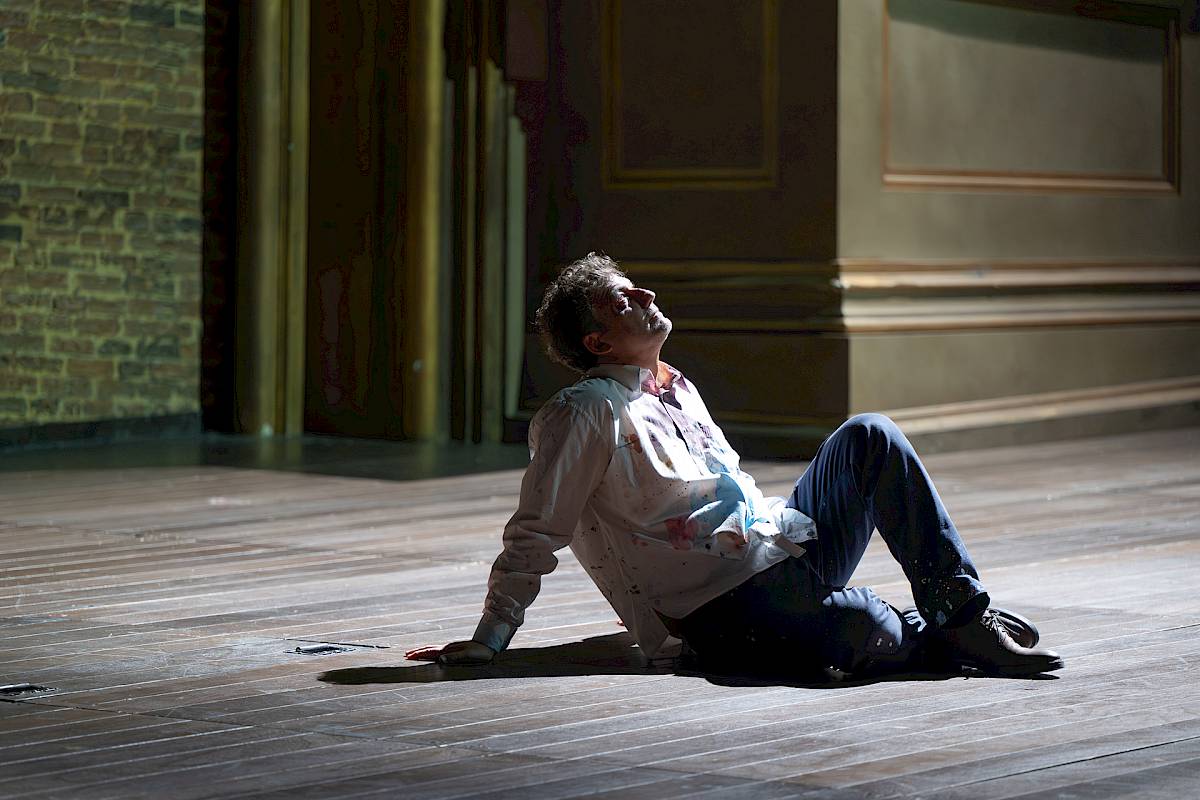
Cavaradossi awaits his execution. Musing sadly on Tosca’s beauty and their love he writes her his farewell. She enters and tells him of their safe-conduct letter and of Scarpia’s death, explaining the need for the mock execution. The firing squad approaches. The soldiers fire and Cavaradossi falls. Tosca waits impatiently as the soldiers leave, and then runs to him. To her horror, she sees that he is dead and realizes that she has been tricked. Scarpia’s agents attempt to arrest her, but before they can reach her, she leaps to her death, crying: Scarpia, we will meet before God!