
Cornelius Meister, geboren in Hannover, war ab 2010 Chefdirigent und Künstlerischer Leiter des ORF Radio-Symphonieorchesters Wien, mit dem er zahlreiche Rundfunk-, Fernseh- und CD-Aufnahmen realisierte und regelmässig im Wiener Musikverein und Konzerthaus gastierte. 2018 wechselte er als Generalmusikdirektor an die Staatsoper Stuttgart. In Konzerten dirigiert er u.a. das Concertgebouworchestra Amsterdam, City of Birmingham Symphony Orchestra, Orchestre de Paris, Orchestre de l’Opéra National de Paris, Danish National Symphony Orchestra, Tonhalle-Orchester Zürich und Orchestre de la Suisse Romande, das Symphonieorchester des Bayerischen Rundfunks und viele weitere. 2001 debütierte er an der Hamburgischen Staatsoper, seither dirigiert er an der Wiener und der Bayerischen Staatsoper, dem Theater an der Wien, der Semperoper Dresden, der Deutschen Oper Berlin, am Covent Garden London, der Mailänder Scala und in Tokio, San Francisco, Kopenhagen und Riga (Wagners Ring). Cornelius Meister studierte Klavier bei seinem Vater Konrad Meister und Dirigieren in Hannover sowie am Mozarteum Salzburg. Von 2005 bis 2012 war er Heidelberger Generalmusikdirektor. 2007 wurde er für das «Beste deutsche Konzertprogramm» ausgezeichnet. Auch als Pianist und Dirigent erhielt er zahlreiche Preise. Seit seinem Debüt mit Richard Strauss’ Salome am Opernhaus Zürich im Herbst 2012 leitete er neben der Zauberflöte, Carmen und Werther auch Mahlers Lied von der Erde mit der Philharmonia Zürich.
Jules Massenet
Lyrical drama in four acts and five scenes
Libretto by Edoudard Blau, Paul Milliet, and Georges
Hartmann after Johann Wolfgang von Goethe
From 2. April 2017 until 30. April 2017
-
Duration :
2 H. 45 Min. Inkl. Pause after 1st part after approx. 1 H. 15 Min. -
Language:
In French with German and English surtitles. -
More information:
Introduction 45 min before the performance.
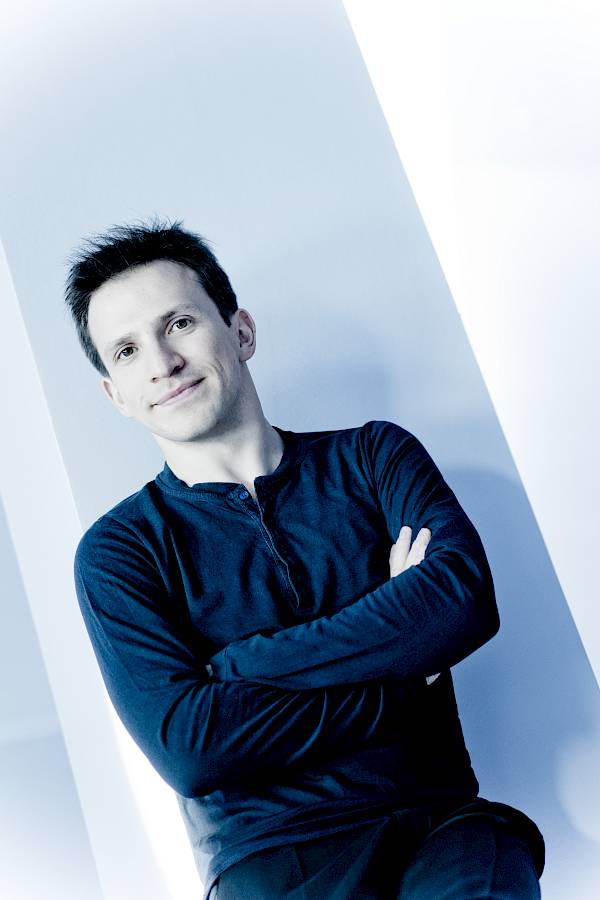
Cornelius Meister
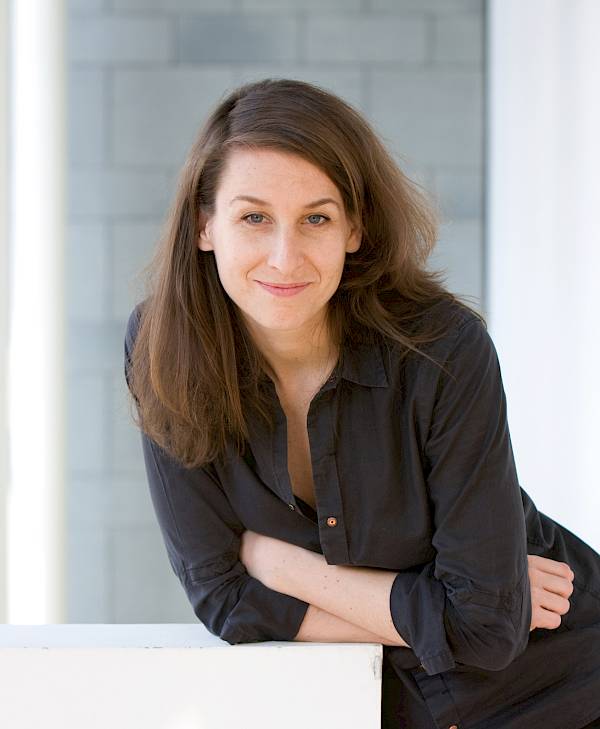
Tatjana Gürbaca
Tatjana Gürbaca studied directing at the Hanns Eisler School of Music in her hometown of Berlin and complemented her training with masterclasses, especially with Ruth Berghaus. At the international Ring Award Graz she was one of the finalists. The spectrum of her productions ranges from the Baroque (Purcell’s "Dido and Aeneas" in Baden-Baden) to contemporary music theatre such as Dallapiccola’s "Il prigioniero" (Volksoper Vienna) or Philippe Hersant’s "Le moine noir" (world premiere at Oper Leipzig). She also directed a Tchaikovsky cycle at the Vlaamse Opera Antwerp. Further engagements have taken her to the Staatsoper Unter den Linden and the Deutsche Oper Berlin, Oper Graz, Stadttheater Bern, the opera houses of Novosibirsk and Oslo, as well as the Lucerne Festival. From 2011 to 2014 she was Opera Director at Staatstheater Mainz, where she staged, among others, "Die verkaufte Braut", Salvatore Sciarrino’s "Macbeth", "Un ballo in maschera" and Alessandro Scarlatti’s "Il primo omicidio". In 2013 she was named "Director of the Year" by the magazine Opernwelt for her "Parsifal" at the Vlaamse Opera Antwerp. She created a three-part "Ring" project and "Alcina" at Theater an der Wien, "Lohengrin" and "Der Freischütz" in Essen, Korngold’s "Die tote Stadt" at Oper Cologne, "Das schlaue Füchslein" at Theater Bremen, "Così fan tutte" at the National Theatre in Prague, "Káťa Kabanová" at the Deutsche Oper am Rhein, "Jenůfa" at the Grand Théâtre de Genève and "Ulisse" at Oper Frankfurt. In Zurich she has directed, among others, "Rigoletto", "Die Zauberflöte", "Werther", "Le Grand Macabre", "Lucia di Lammermoor" and in 2025 the world premiere of Beat Furrer’s "Das grosse Feuer".
Klaus Grünberg
Klaus Grünberg, a native of Hamburg, studied stage design under Erich Wonder in Vienna and has since worked as a freelance stage and lighting designer at theatres and opera houses across Europe, as well as in Kuwait and Buenos Aires. For many years, he has collaborated with composer and director Heiner Goebbels, as well as with Tatjana Gürbaca and Barrie Kosky. His recent works include "The Magic Flute," "Macbeth," "Werther," "Lucia di Lammermoor," and "The Merry Widow" at the Zurich Opera House; "The Rise and Fall of the City of Mahagonny" and the Berlin-themed evening "…und morgen könnt ihr mich!" at the Komische Oper Berlin; "Ulisse" and "La Juive" at the Frankfurt Opera; "Simon Boccanegra" at the Aalto Music Theatre Essen; "Rusalka" at the Hanover State Opera; "L’incoronazione di Poppea" at the Theater Bremen; and Gogol’s "The Government Inspector" at the Burgtheater Vienna. In 1999, Klaus Grünberg opened MOMOLMA (Museum of More or Less Modern Art) in Hamburg.
Anne Kuhn
Anne Kuhn, born in Chemnitz, studied Applied Theatre Studies in Giessen. After numerous stage and set design assistantships, including with Beatrice Schultz, Klaus Grünberg, and Wolfgang Gussmann, she has been collaborating regularly with stage and lighting designer Klaus Grünberg since 2008. In addition, she realizes her own independent projects. Anne Kuhn lives and works as a stage designer and illustrator in Berlin and Hamburg. She has worked on productions such as "The Nose" (Royal Opera House Covent Garden), "Don Giovanni" and "Simplicius Simplicissimus" (Theater Bremen), "Rusalka" (Hanover State Opera), "Der Freischütz" (Aalto Music Theatre Essen), as well as at the Komische Oper Berlin on "Frühlingsstürme," "Pelléas et Mélisande," and "Akhnaten." At the Zurich Opera House, she collaborated with Klaus Grünberg on the stage designs for "Macbeth" and "The Merry Widow" (directed by Barrie Kosky), as well as for "Aida," "The Magic Flute," "Werther," and "Lucia di Lammermoor" (directed by Tatjana Gürbaca).
Silke Willrett
Silke Willrett studied stage and costume design with Jürgen Rose and art history in Stuttgart. In 1999 she completed her state examination in art history. In 2003 she founded the independent theatre group "Fliegen ab Stuttgart" together with Tanja Richter and Marc Weeger, which received the Baden-Württemberg Theatre Prize in the same year. Together with Marc Weeger, she was nominated several times by Die Deutsche Bühne and Opernwelt as "Best Stage and Costume Designer". Silke Willrett also works as a set and costume designer for film productions. The film "Das Mass der Dinge" was nominated for the "First Steps Award" in 2005 and by the Academy of Motion Picture Arts and Sciences in 2006. Her artistic partners include Andrea Breth, Christof Nel as well as Monique Wagemakers and Jan Essinger. Together with Tatjana Gürbaca she created, among others, "Le Grand Macabre", "Don Giovanni" and "L’incoronazione di Poppea" (Theater Bremen), "Werther" and "Manon" (Staatstheater Mainz), "Der fliegende Holländer" (Deutsche Oper Berlin), "Mazeppa", "Eugene Onegin" and "The Enchantress" (Vlaamse Opera Antwerp), "Salome" (Deutsche Oper am Rhein), "Rigoletto", "Aida", "Die Zauberflöte", "Werther" and "Lucia di Lammermoor" (Opernhaus Zürich), "Ulisse" and "La Juive" (Oper Frankfurt) as well as "Il primo omicidio" (Teatro Arriaga Bilbao). She has served on several juries for scholarships and awards, including from 2021 to 2024 for the FAUST Prize. She is a member of the scenography association and of the German Academy of the Performing Arts. As a visual artist, she is a member of the group "Linienscharen", which presents annual exhibitions throughout the region.
Carl-Christian Andresen
Carl-Christian Andresen studied textile and fashion design at the University of Applied Sciences in Hamburg and then moved to Paris for four years. There he worked, among others, for Chloé, Jean-Charles de Castelbajac and John Galliano. In 2006 he returned to Germany and shifted to theatre and opera as an artistic costume assistant. He has had a long-standing collaboration with Silke Willrett since 2008. Carl-Christian Andresen has worked on productions at, among others, the Thalia Theater Hamburg, the Hamburg State Opera, the Komische Oper Berlin, the Deutsche Oper Berlin, the Staatsoper Unter den Linden, Dutch National Opera, Opernhaus Zürich, the Vienna State Opera, Teatro Colón in Buenos Aires, La Monnaie in Brussels, the Deutsche Oper am Rhein, the Aalto Theater in Essen and the Teatro Mayor in Bogotá. He created his own costume designs for, among others, "Le nozze di Figaro" at the Landestheater Detmold, "Le journal de Nijinsky" at the Grand Théâtre Bordeaux, "Dangerous Liaisons" at the Lübeck University of Music, "Der Vetter aus Dingsda" at Theater Ulm and "Dinorah" at Theater Görlitz. For Thierry Tidrow’s opera "Persona" at the Staatstheater Darmstadt he created both the stage and costume design in 2023. He also designs for various short films, feature films and commercials, including "My Circumcision" (awarded the Max Ophüls Prize 2013 for "Best Short Film") and the music video "Fräulein Sommer", which received the UNICATO Award for "Best Music Video" in 2014. In 2024 he designed, together with Silke Willrett, the costumes for the German premiere of Louise Bertin’s opera "Fausto" at the Aalto Musiktheater Essen (directed by Tatjana Gürbaca).
Ernst Raffelsberger
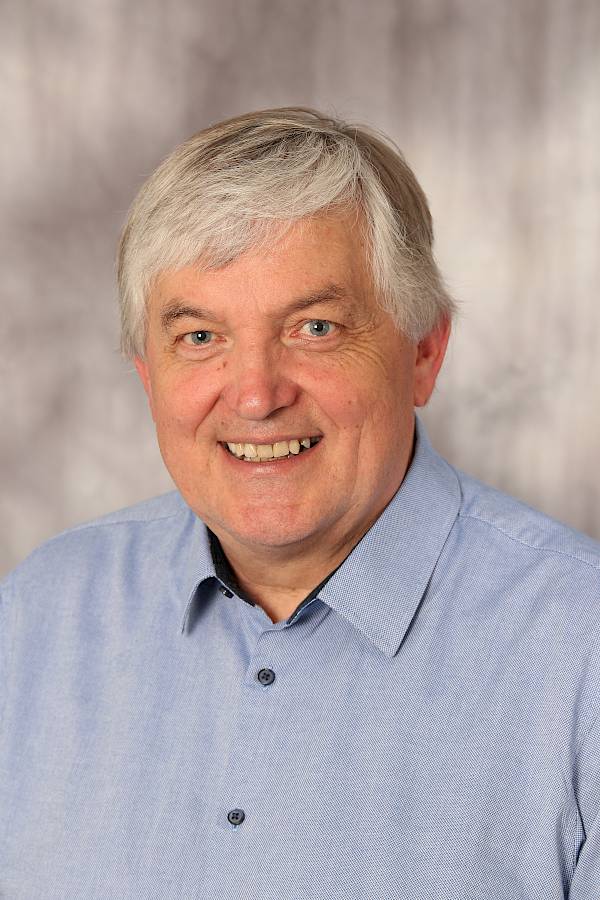
Ernst Raffelsberger comes from Gmunden, Upper Austria. He studied music education and church music at the University of Music and Performing Arts in Vienna as well as choral conducting at the Mozarteum in Salzburg. From 1983 to 1986 he was Kapellmeister of the Vienna Boys’ Choir. During this time, he led the ensemble in Vienna and on tours through Europe, South Africa, Canada, and the USA. From 1986, Ernst Raffelsberger was choral director and Kapellmeister at the Salzburg State Theatre (participating in the Salzburg Mozart Week and the Salzburg Festival). In 1989 he moved as choral director and Kapellmeister to the theatre in Freiburg/Breisgau. Since autumn 1993, Ernst Raffelsberger has been engaged at the Zurich Opera House as choral director. Here he has since supervised around 150 premieres and countless revivals and worked with many renowned conductors such as Marco Armiliato, Riccardo Chailly, Teodor Currentzis, Christoph von Dohnányi, Sir John Eliot Gardiner, Daniele Gatti, Bernard Haitink, Nikolaus Harnoncourt, Zubin Mehta, Gianandrea Noseda, and Franz Welser-Möst. Guest performances with the Zurich Opera House have taken him to Vienna, London, Paris, and Tokyo. From summer 2012 he additionally began a ten-year activity as choral director of the Vienna State Opera Chorus Association at the Salzburg Festival. There he collaborated successfully with, among others, Riccardo Muti, Mariss Jansons, and Sir Simon Rattle. After Ernst Raffelsberger ended this work with the festival summer 2021, he has since 2025 once again been responsible, at Maestro Muti’s request, for choral preparation for his festival concerts in Salzburg. Numerous CD and DVD recordings document his work in Zurich as well as in Salzburg.
Claus Spahn
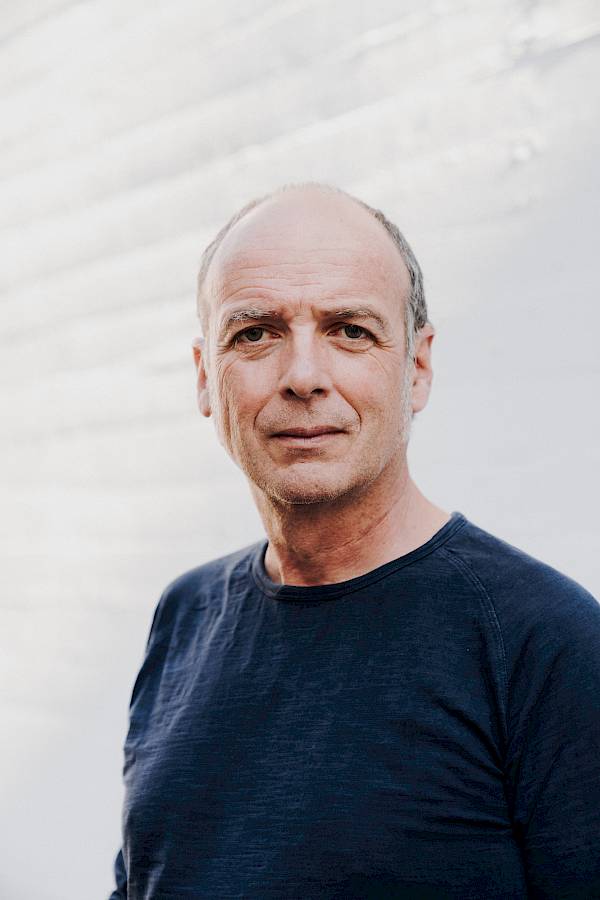
Claus Spahn was chief dramaturge at the Zurich Opera House during Andreas Homoki’s tenure as artistic director. There, he supervised music theater projects by Wolfgang Rihm, Helmut Lachenmann, George Benjamin, Roman Haubenstock-Ramati, and world premieres by Heinz Holliger, Christian Jost, and Stefan Wirth. As a production dramaturge, he worked with directors such as Sebastian Baumgarten, Herbert Fritsch, Jan Philipp Gloger, Tatjana Gürbaca, Andreas Homoki, Barrie Kosky, Nadja Loschky, David Marton, and Evgeni Titov. He also shares a close artistic partnership with the choreographer and former director of Zurich Ballet, Christian Spuck. For him, Spahn was involved in the development of the productions “Anna Karenina,” “Nussknacker und Mausekönig,” and “Monteverdi” in Zurich, he also wrote libretti for the ballets “Orlando” based on Virginia Woolf (world premiere in 2021 at the Moscow Bolshoi Ballet) and “Bovary” based on Gustave Flaubert (world premiere in 2023 at the Berlin State Ballet). Additionally, he is the librettist of the chamber opera “The Dream of You” by Swiss composer Xavier Dayer, which premiered in 2017 at the Zurich Opera House. Before joining the Zurich Opera House, Claus Spahn was the arts editor for 14 years at the German weekly newspaper DIE ZEIT, where he was responsible for the music section. From 1990 to 1997, he worked as a freelance music journalist mainly for the Süddeutsche Zeitung and Bavarian Broadcasting. Claus Spahn was born in Germany, studied classical guitar in Freiburg im Breisgau, and completed training at the German School of Journalism in Munich.
Cast



Charlottes Geschwister Loïg Duméril 02, 05, 08, 11, 17, 20, 23, 27, 30 Apr
Charlottes Geschwister Linda Heiligtag 02, 05, 08, 11, 17, 20, 23, 27, 30 Apr
Charlottes Geschwister Valeria Mosca 02, 05, 08, 11, 17, 20, 23, 27, 30 Apr
Charlottes Geschwister Mia Schweizer 02, 05, 08, 11, 17, 20, 23, 27, 30 Apr
Charlottes Geschwister Rima van Dijk 02, 05, 08, 11, 17, 20, 23, 27, 30 Apr
Charlottes Geschwister Linda Weidmann 02, 05, 08, 11, 17, 20, 30 Apr
Charlottes Geschwister Kathie-Rose Paunovic 23, 27 Apr
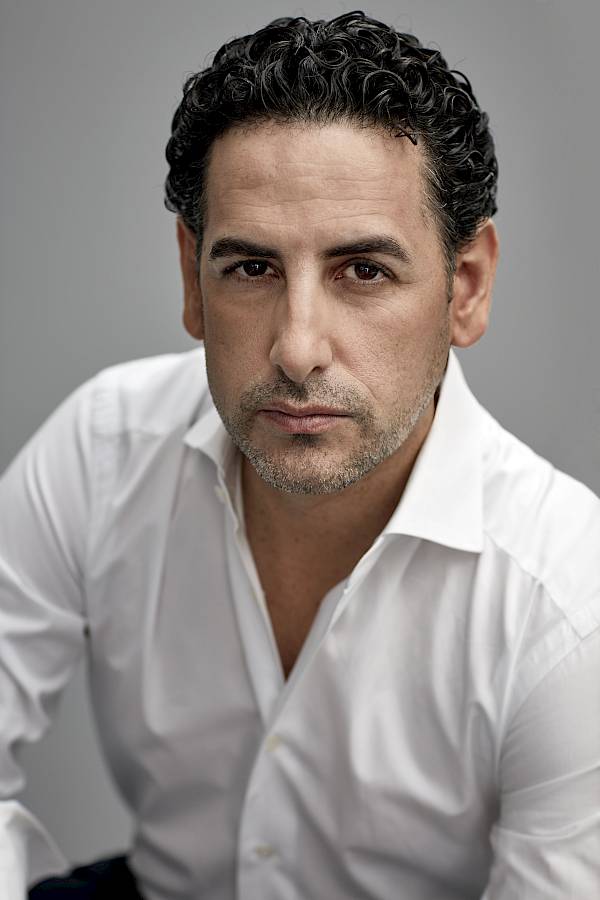
Juan Diego Flórez
Juan Diego Flórez is one of the leading tenors of the present day. Born in 1973 in Lima, he devoted himself early to singing as well as Peruvian folk and pop music. At the age of 17, he began his studies at the Conservatorio Nacional de Música in Peru and three years later received a scholarship for vocal studies at the Curtis Institute of Music in Philadelphia. In 1996, he made his debut at the Rossini Opera Festival in Pesaro as Corradino in "Matilde di Shabran", followed by his debut at Teatro alla Scala as Le Chevalier Danois in Gluck’s "Armide". Since then, he has been a regular guest at international opera houses such as Teatro Real Madrid, Opéra Garnier, the Royal Opera House, the Vienna State Opera, Sydney Opera House, LA Opera, and the Zurich Opera House. He has released numerous solo albums and opera recordings on CD and DVD, including "Rossini Arias", which was awarded an ECHO Klassik. Among his many honors are the "Gran Cruz de la Orden del Sol", the highest award of the Peruvian state, the title of Austrian Kammersänger, and the Opus Klassik as Singer of the Year 2018. He is also the founder of the project "Sinfonía por el Perú". In recognition of his social engagement, he was appointed UNESCO Goodwill Ambassador in 2012 and received the Crystal Award of the World Economic Forum in 2014.
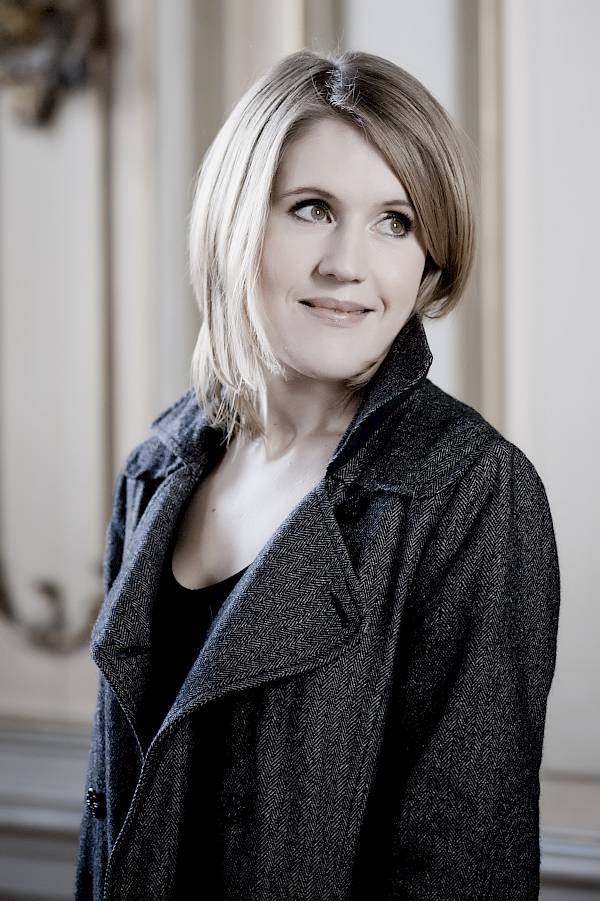
Anna Stéphany
Anna Stéphany ist englisch-französischer Herkunft. Sie studierte am King’s College London, an der Guildhall School of Music & Drama und am National Opera Studio, gewann den Kathleen Ferrier Award sowie die Guildhall Gold Medal und vertrat England 2009 beim Wettbewerb «BBC Cardiff Singer of the World». Bisher sang sie u.a. Octavian (Der Rosenkavalier) am Bolschoi-Theater, an der Königlichen Oper Stockholm und in Covent Garden, Annio (La clemenza di Tito) in Aix-en-Provence und an der Bayerischen Staatsoper, Rosina (Il barbiere di Siviglia) am Théâtre du Châtelet, die Titelrolle in Charpentiers Medée am Chicago Opera Theater, La donna del lago in Covent Garden, La Musica/Speranza (L’Orfeo) in München und die Titelpartie in Händels Serse in einer CD-Einspielung mit der Early Opera Company unter Christian Curnyn. Im Sommer 2017 debütierte sie in Glyndebourne als Sesto in Mozarts La clemenza di Tito. Konzerte gab sie u.a. mit dem Orchestra of the Age of Enlightenment und William Christie, dem Balthasar Neumann Ensemble und Thomas Hengelbrock, dem Orchestra La Scintilla und Laurence Cummings sowie mit dem Londoner Philharmonia Orchestra und Esa-Pekka Salonen. Von 2012 bis 2015 gehörte Anna Stéphany zum Ensemble des Opernhauses Zürich und war hier als Cherubino (Le nozze di Figaro), Dorabella (Così fan tutte), Siébel (Faust), La Muse/Nicklausse (Les Contes d’Hoffmann) und Minerva (Il ritorno d’Ulisse in patria) sowie in jüngerer Zeit als Venus (King Arthur), Sesto, Romeo (I Capuleti e i Montecchi), Charlotte (Werther), Idamante (Idomeneo) und Octavian zu erleben. In der Spielzeit 2019/20 singt sie neben Hänsel in Zürich, die Mezzosopran-Partie in Mendelssohns Elias am Théâtre de Champs-Elysées und Ruggiero (Alcina) in Glyndbourne.
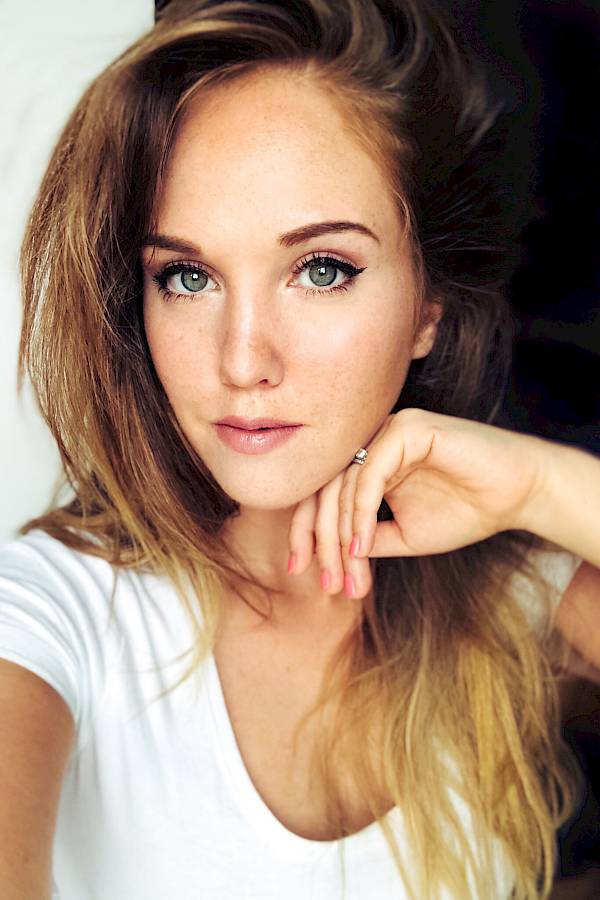
Mélissa Petit
Mélissa Petit wurde in Saint-Raphaël (Südfrankreich) geboren und studierte am Konservatorium in Saint-Raphaël. 2009 gewann sie den 2. Preis des «Concorso Musica Sacra di Roma», später den 1. Preis beim Nationalen Wettbewerb in Béziers. 2013 gewann sie den 3. Preis der «Queen Sonja Competition» in Oslo. 2010-2013 war sie Mitglied des Internationalen Opernstudios in Hamburg. 2014 sang sie die Edilia in Händels Almira in einer Koproduktion der Hamburgischen Staatsoper mit dem Festival für Alte Musik in Innsbruck. Während der Spielzeit 2014/15 war sie u.a. an der Hamburgischen Staatsoper als Schwester Constance in Dialogues des Carmélites von Poulenc zu erleben. Ausserdem sang sie dort Barbarina in Le nozze di Figaro, Papagena in der Zauberflöte, Najade in Ariadne auf Naxos, Clorinda in La Cenerentola und die Titelrolle in Die unglückselige Cleopatra von Mattheson. Ab der Spielzeit 2015/16 gehörte Mélissa Petit zum Ensemble des Zürcher Opernhauses und war hier u.a. als Madame Silberklang (Der Schauspieldirektor), Philidel (King Arthur), Servilia (La clemenza di Tito), Ännchen (Der Freischütz), Sophie (Werther), Créuse (Médée), Eurilla (Haydns Orlando paladino), Marzelline (Fidelio), Johanna Barker (Sweeney Todd) und Aricie (Hippolyte et Aricie) zu erleben. In der Saison 2015/16 debütierte sie ausserdem an der Opéra Bastille in Paris als Giannetta (L’elisir d’amore), 2017 als Micaëla (Carmen) bei den Bregenzer Festspielen und 2018 als Juliette in Roméo et Juliette am National Center of Performing Arts in Peking. Im Sommer 2019 sang sie auf der Seebühne der Bregenzer Festspiele zudem Gilda in Rigoletto.
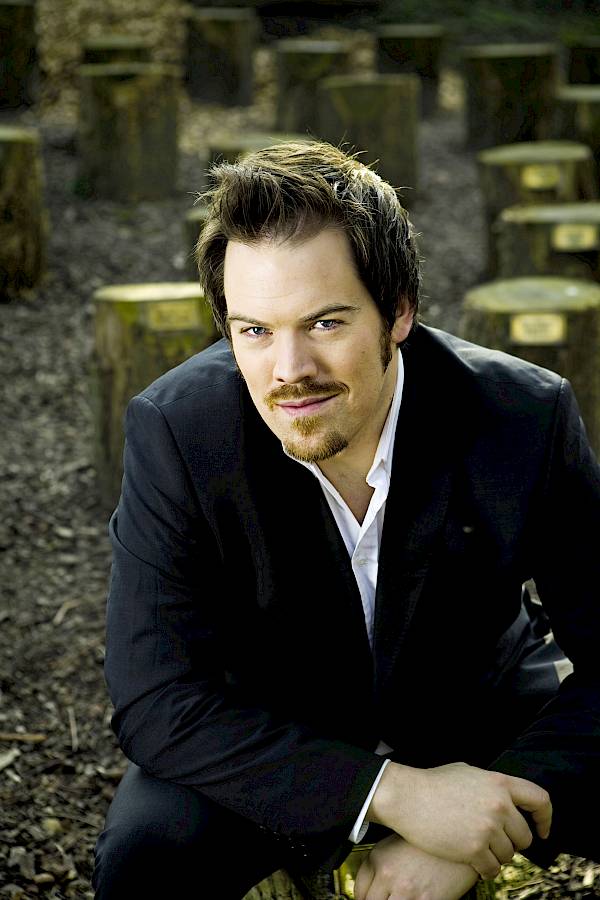
Audun Iversen
Der norwegische Bariton Audun Iversen studierte an der Norwegischen Staatlichen Musikhochschule in Oslo sowie an der Hochschule für Musik und Theater in Leipzig und der Opernakademie Kopenhagen, wo er in der Spielzeit 2007/08 Schaunard in La bohème und Vicomte Cascada in Die lustige Witwe mit der Königlichen Dänischen Oper sang. 2007 erhielt er den ersten Preis beim Königin-Sonja-Wettbewerb in Oslo. Zu den Höhepunkten der letzten Spielzeiten zählen Figaro (Il barbiere di Siviglia) an der San Francisco Opera, Il Conte (Le nozze di Figaro) in Glyndebourne und an der Deutschen Oper Berlin, die Titelrolle in Eugen Onegin an der Royal Danish Opera, der Norwegischen Oper und am Bolschoi-Theater Moskau, Posa (Don Carlo) an der Oper Frankfurt, Germont (La traviata) an der Norwegischen Oper und der Staatsoper Prag, Sharpless (Madama Butterfly) am Teatro dell’Opera Roma sowie Albert (Werther) am Royal Opera House und am Opernhaus Zürich. Jüngst sang er u. a. Edwin in Die Csárdásfürstin (Den Norske Opera), Frank/Fritz in Die tote Stadt (English National Opera), Don Alfonso in Così fan tutte (Den Norske Opera), Germont in La traviata (Nationaltheater Prag) sowie die Titelrolle in Eugen Onegin am Gran Teatre del Liceu.
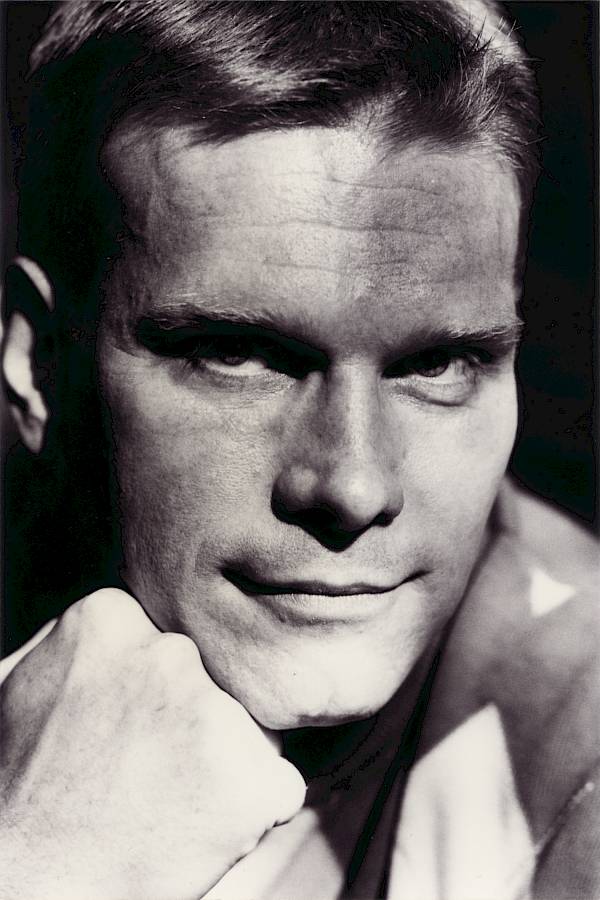
Cheyne Davidson
Cheyne Davidson erhielt seine musikalische Ausbildung an der Case Western Reserve University, dem Cleveland Institute of Music und der Manhattan School of Music. Unmittelbar nach seinem Studium wurde er eingeladen, als Escamillo mit Peter Brooks Tragédie de Carmen auf Europa-, Japan- und Israel-Tournee zu gehen. Nach Auftritten in den USA und Europa war er ein Jahr lang Mitglied des IOS. Seit 1992/93 gehört er zum Ensemble des Opernhauses Zürich, wo er u.a. als Marcello, Schaunard und Benoît (La bohème), Escamillo (Carmen), Silvio (Pagliacci), Amfortas (Parsifal), Paolo Albiani (Simon Boccanegra), Donner und Gunther (Der Ring des Nibelungen), Alfio (Cavalleria rusticana), Faninal (Rosenkavalier), Lescaut (Manon Lescaut), Marco (Gianni Schicchi), Barone Douphol (La traviata), Enrico (Lucia di Lammermoor), Werschinski (Drei Schwestern), Eisenhardt (Die Soldaten), Chang (Das Land des Lächelns), als Le Bailli in Massenets Werther, Bill (Aufstieg und Fall der Stadt Mahagonny), Jonas Fogg (Sweeney Todd), Eurylochos (Die Odyssee) und als Benoît (La bohème) auftrat. Gastverträge führten ihn u.a. an die Opernhäuser Stuttgart, Köln und Hamburg, nach Basel und Luzern, an das Théâtre du Châtelet in Paris, die Oper Nancy, zur Hamburger Opernwoche, nach Belgrad und Budapest, zu den Bregenzer Festspielen und zum Classic Open Air Solothurn. Bei der ZKO Opera Box war er in Die schöne Galathée, in Il campanello di notte sowie in Il signor Bruschino zu erleben. Sein Salzburger Festspieldebüt gab er zu Pfingsten 2016 als Doc in der West Side Story; im Sommer 2016 war er ebenfalls in Salzburg in der Uraufführung von Thomas Adès’ Oper The Exterminating Angel zu erleben.
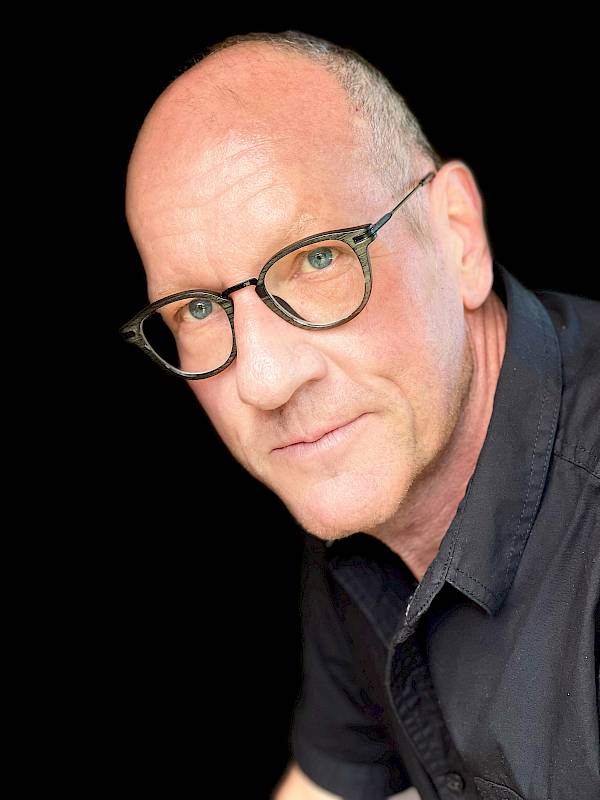
Martin Zysset
Martin Zysset was born and raised in Solothurn. He trained in clarinet while simultaneously pursuing vocal studies, which he complemented with masterclasses with Ernst Haefliger and Edith Mathis. In 1990/91, he was a member of the International Opera Studio at the Zurich Opera House and at the same time a scholarship recipient from the Migros Cooperative Union as well as a prizewinner in the Pro Arte Lyrica Competition in Lausanne. Since 1992, he has been a regular guest at the Summer Festival in Selzach. He has been permanently engaged at the Zurich Opera House since 1991. Here, he has developed a broad repertoire of both buffo and dramatic roles, including Pedrillo, Monostatos, Spoletta, Incredibile ("Andrea Chénier"), Jaquino, Kudryash ("Káťa Kabanová"), Alfred ("Die Fledermaus"), Tamino, Tybalt, Dancaïro, Arturo, Knusperhexe, Brighella, as well as the male lead in Udo Zimmermann’s "Weiße Rose." He performed Simplicius in the operetta of the same name by Johann Strauss, which was also released on CD and DVD. Guest appearances have taken him across Europe, to Shanghai, and with "The Magic Flute," "Le nozze di Figaro," "Fidelio," and "Tannhäuser" to San Diego. For the Bayerischer Rundfunk, he recorded the Lehár operetta "Paganini." In Zurich, he has most recently sung roles including Don Basilio ("Le nozze di Figaro"), Tschekalinski ("Pique Dame"), Triquet ("Eugene Onegin"), the Chief Eunuch ("The Land of Smiles"), Goro ("Madama Butterfly"), Spoletta ("Tosca"), Dormont ("La scala di seta"), the White Minister ("Le Grand Macabre"), the Devil/Narrator ("The Soldier’s Tale"), the Third Jew ("Salome"), Schmidt ("Werther"), Feri ("Die Csárdásfürstin"), and Don Curzio ("Le nozze di Figaro").
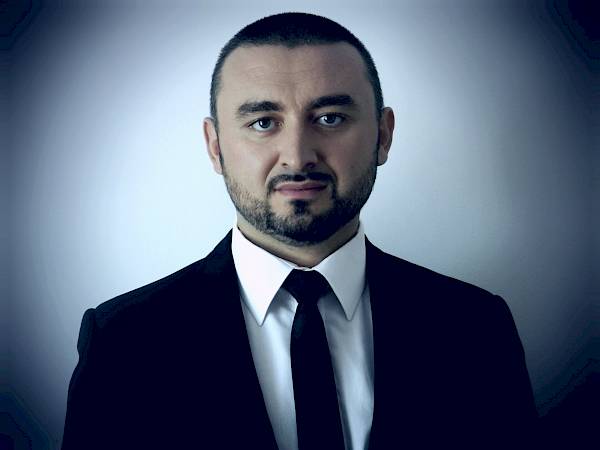
Yuriy Tsiple
Yuriy Tsiple wurde in der Ukraine geboren und studierte Gesang an der Universität für Musik in Bukarest bei Ionel Voineag. Bereits während seines Studiums wurde er vom Staatlichen Rumänischen Rundfunk und Fernsehen für Aufnahmen und Konzerte mit dem Rundfunkorchester und dem Kammerorchester des Staatlichen Rundfunks engagiert. Er gewann erste Preise bei renommierten rumänischen Wettbewerben wie 2007 beim Ionel-Perlea-Wettbewerb in Slobozia und beim Mihail-Jora-Wettbewerb in Bukarest. 2009/10 debütierte er an der Oper Frankfurt als Mitglied des Opernstudios. Er sang u.a. Roberto/Nardo in Mozarts La finta giardiniera, Alcindoro in La bohème und die Titelpartie in Telemanns Pimpinone. Er war Mitglied des Internationalen Opernstudios an der Opéra National du Rhin in Strassburg, wo er als Ali Baba in Cherubinis Ali Baba und als Malatesta in Donizettis Don Pasquale zu erleben war. 2011/12 sang er an der Opéra National du Rhin Schaunard in La bohème, Le Roi in Le Chat botté und debütierte als Don Parmenione in Rossinis L’occasione fa il ladro. Gastspiele führten ihn als Ali Baba an das Théâtre de l’Athénée in Paris, als Ramiro (L’Heure espagnole) zum Rumänischen Rundfunk nach Bukarest und als Conte (Le nozze di Figaro) an die Nationaloper Bukarest. Unlängst sang er Don Parmenione mit dem Orchestre National de l’Île de France. Seit 2012 ist er Ensemblemitglied der Oper Zürich, wo er u.a. als Moralès (Carmen), Schaunard, Gespenst von Canterville, Jake Wallace (La fanciulla del West), Il Barone di Trombonok (Il viaggio a Reims), Sheriff von Nottingham (Robin Hood), Kilian (Der Freischütz) und Cristiano (Un ballo in maschera) zu erleben war.
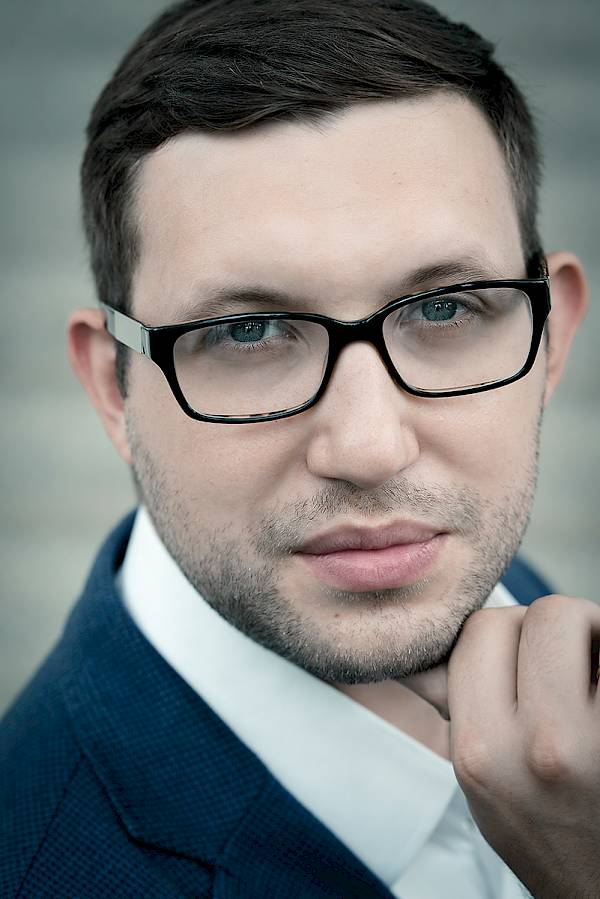
Stanislav Vorobyov
Stanislav Vorobyov comes from Russia and studied at the Moscow Conservatory. He was a member of the International Opera Studio and has been an ensemble member at the Zurich Opera House since the 2018/19 season. Here he has appeared, among others, as Colline ("La bohème"), Alidoro ("La Cenerentola"), High Priest ("Nabucco"), Notary ("Der Rosenkavalier"), Reinmar von Zweter ("Tannhäuser"), Faust ("The Fiery Angel"), Zaretsky ("Eugene Onegin"), Cesare Angelotti ("Tosca"), Fifth Jew and 1st Nazarene ("Salome"), Lord Rochefort ("Anna Bolena"), Doctor Grenvil ("La traviata"), Crébillon ("La rondine"), Zuniga ("Carmen"), Roberto ("I vespri siciliani"), Roucher ("Andrea Chénier"), Police Commissioner ("Der Rosenkavalier"), Marchese Calatrava ("La forza del destino"), Tom ("Un ballo in maschera"), Brühlmann ("Werther"), as well as Faust ("The Fiery Angel"), Gold Dealer ("Cardillac") and Méphistophélès ("La Damnation de Faust"). In addition, he sang Don Basilio ("Il barbiere di Siviglia") at the Bregenz Festival, Nourabad ("Les Pêcheurs de perles") at Opera Flanders and in Luxembourg, as well as Ombra di Nino ("Semiramide") at the Concertgebouw Amsterdam. At the Bregenz Festival he appeared as Uncle Bonzo in "Madama Butterfly" and as Il capitano/L’ispettore in Giordano’s "Siberia". In 2024, he also appeared as Colline ("La bohème") at the Tokyo Metropolitan Theater and at the ROHM Theatre Kyoto.
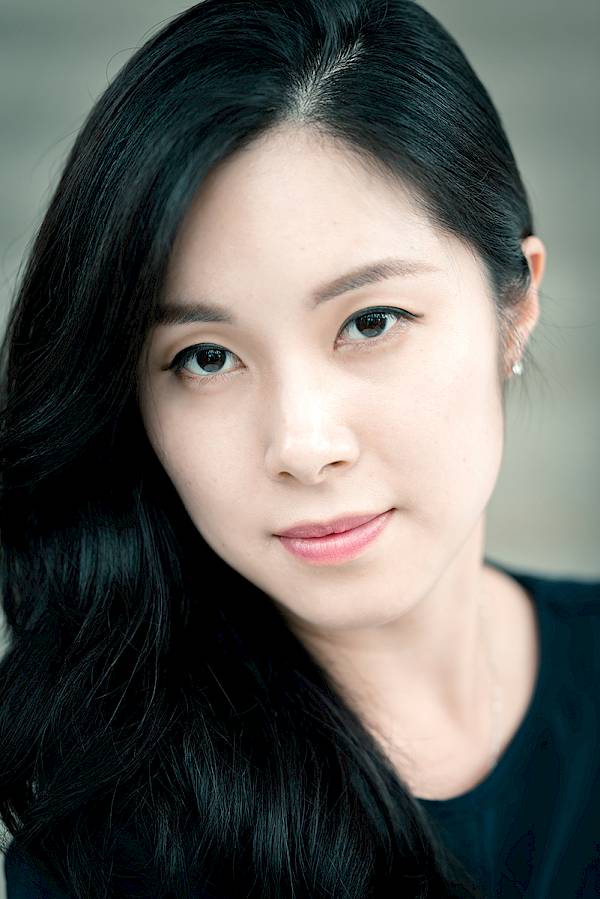
Soyoung Lee
Soyoung (Sarah) Lee stammt aus Südkorea. Sie studierte an der Chugye University of Arts in Seoul und an der Hochschule für Musik Karlsruhe bei Donald Litaker und nahm an Meisterkursen von Hartmut Höll und Raina Kabaivanska teil. Sie gewann den 1. Preis beim Internationalen Anneliese Rothenberger-Wettbewerb und war Finalistin beim Internationalen Gesangswettbewerb Francisco Viñas in Spanien. In Korea debütierte sie konzertant als Pamina (Die Zauberflöte) und sang Carmina Burana mit dem Gyeonggi Philharmonic Orchestra. In Deutschland ist sie u.a. beim Festival für zeitgenössische Musik Karlsruhe und mit der Südwestdeutschen Philharmonie Konstanz aufgetreten. Ab der Spielzeit 2016/17 war sie Mitglied des Internationalen Opernstudios in Zürich und war hier u.a. als Tebaldo (Don Carlo), Käthchen (Werther), 1. Nonne (Der feurige Engel) sowie in Trojahns Orest zu hören. Ausserdem sang sie u.a. in Le Comte Ory, Luisa Miller, Der Traum von Dir und Parsifal. Am Staatstheater Kassel trat sie als Zweite Ermittlerin in Einbruch mehrerer Dunkelheiten auf. Mittlerweile ist Soyoung Lee Mitglied des Chors der Oper Zürich.
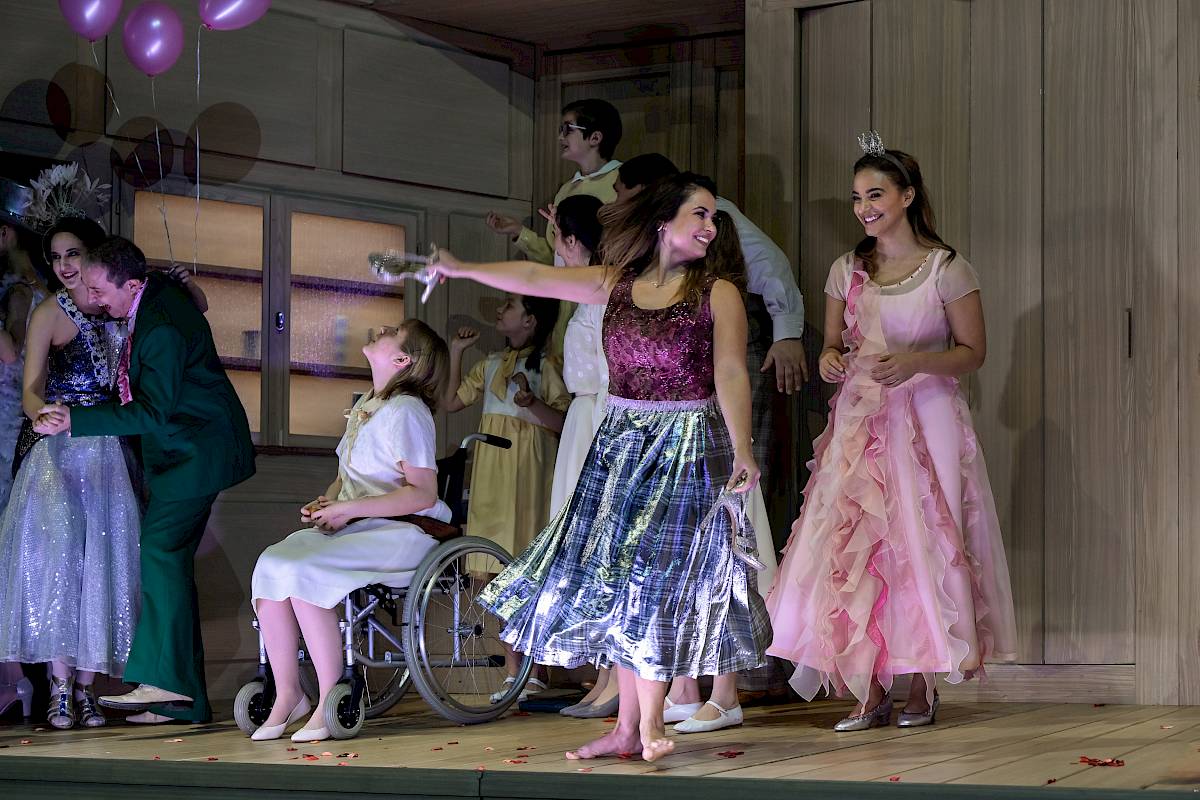
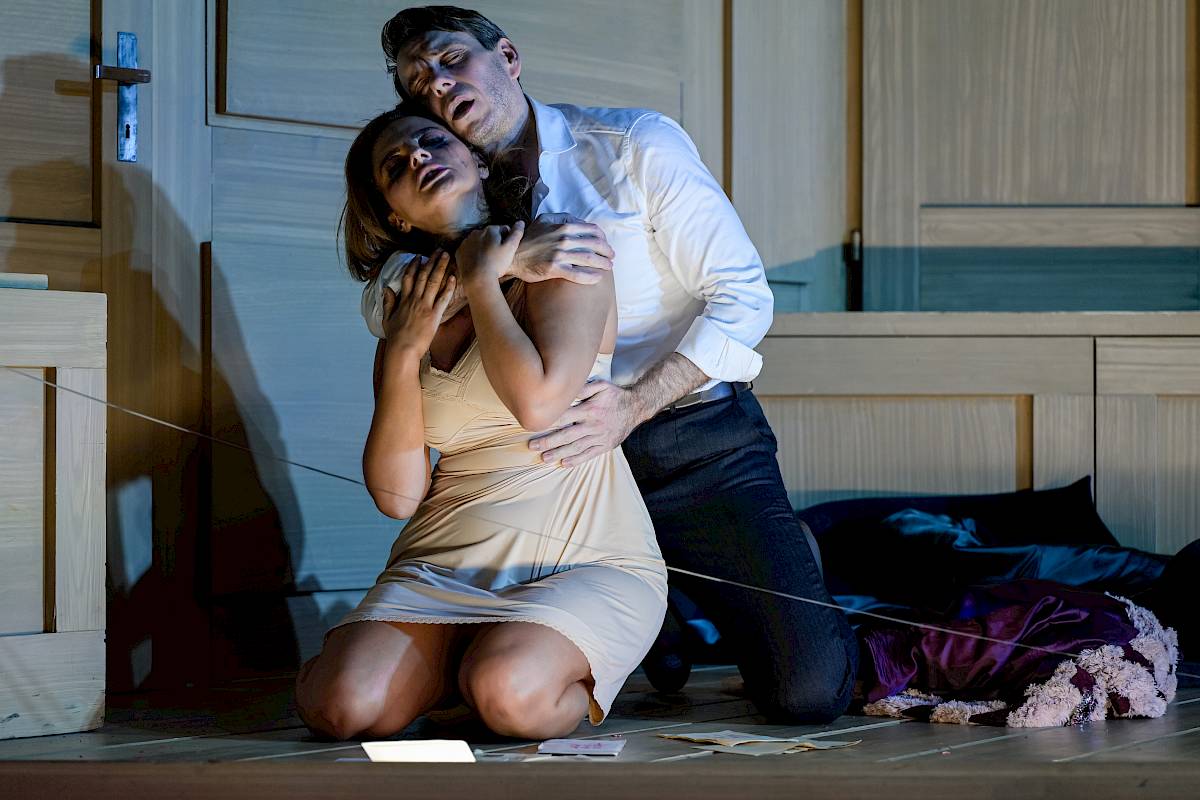
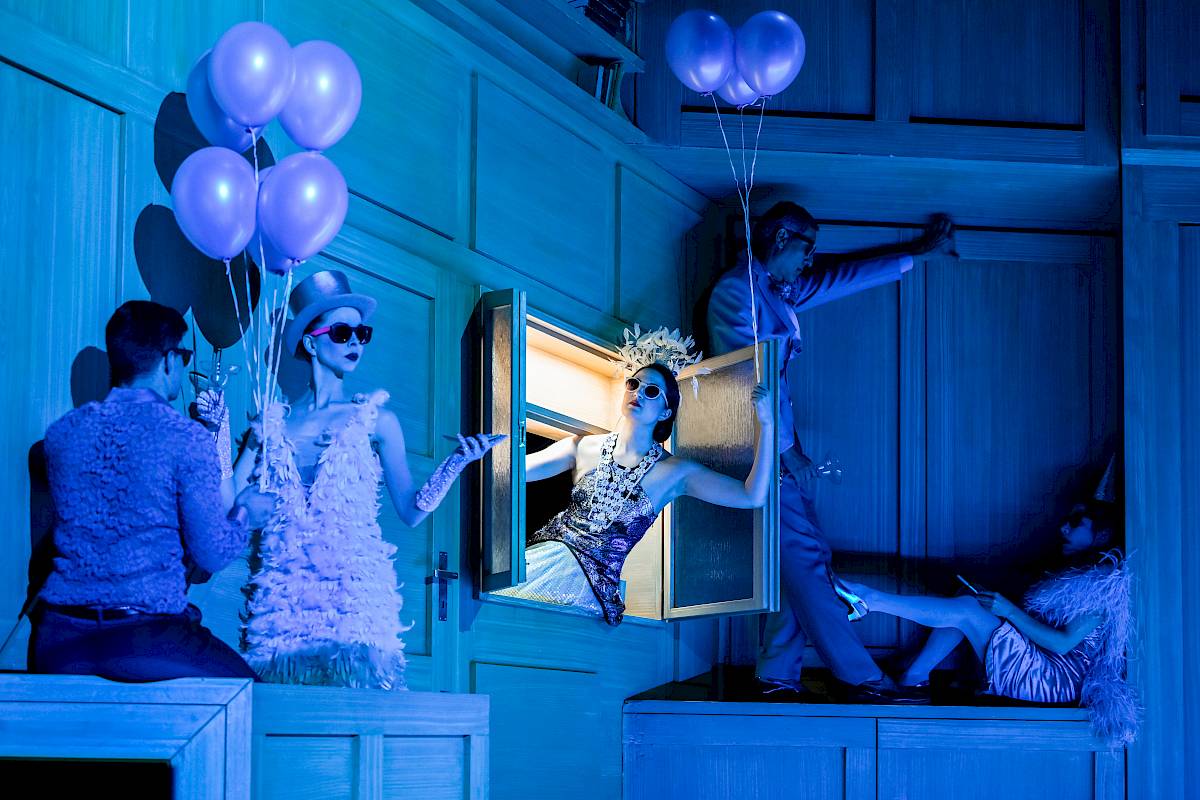
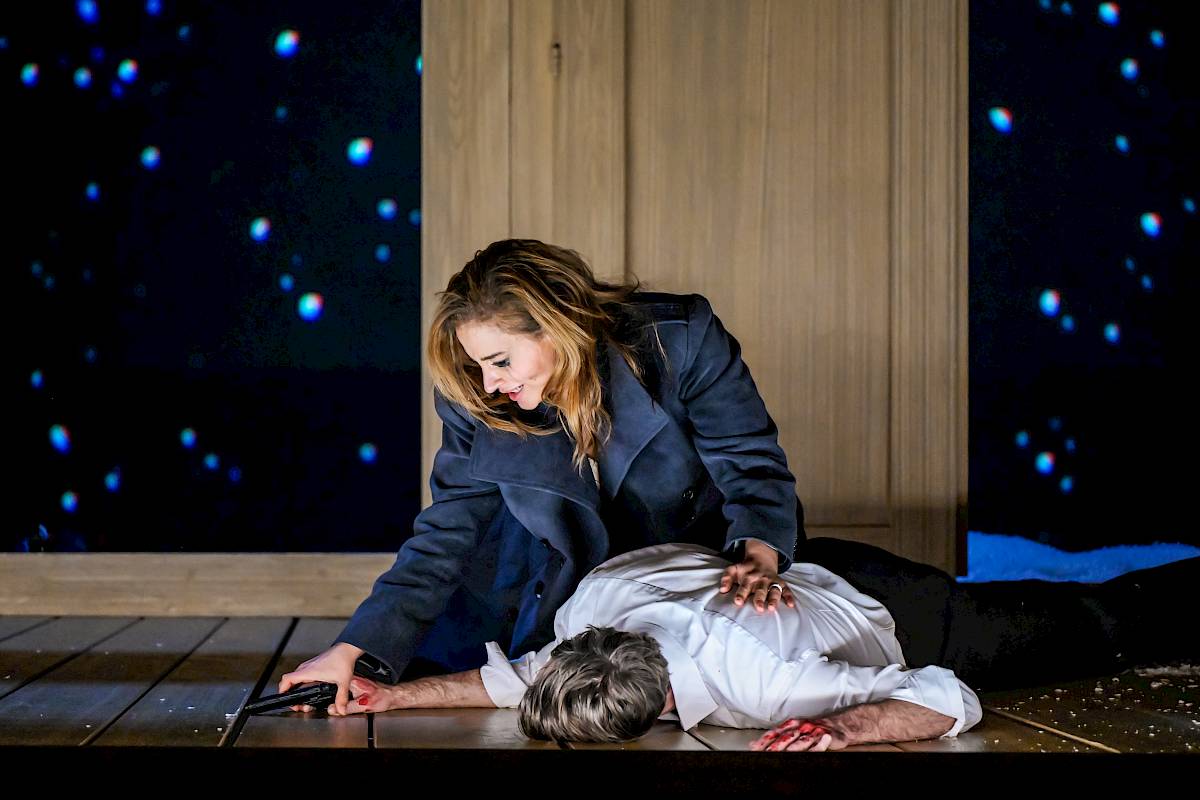
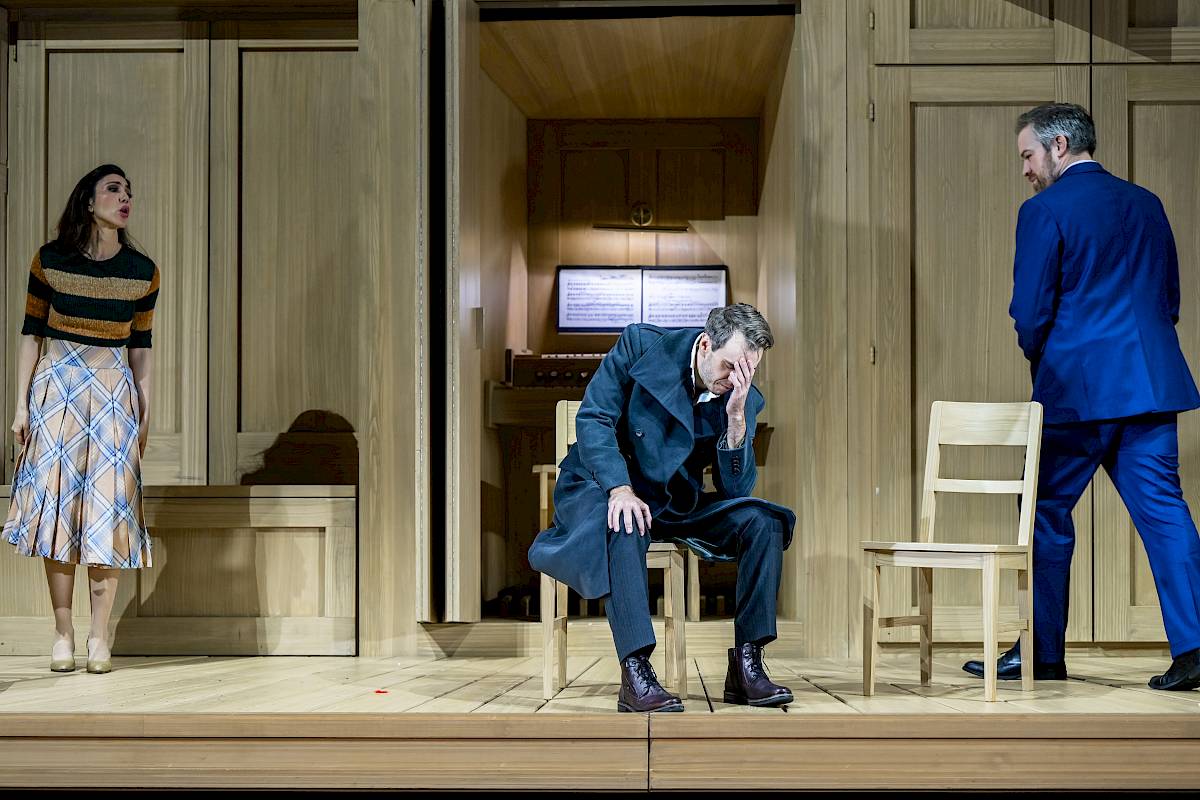
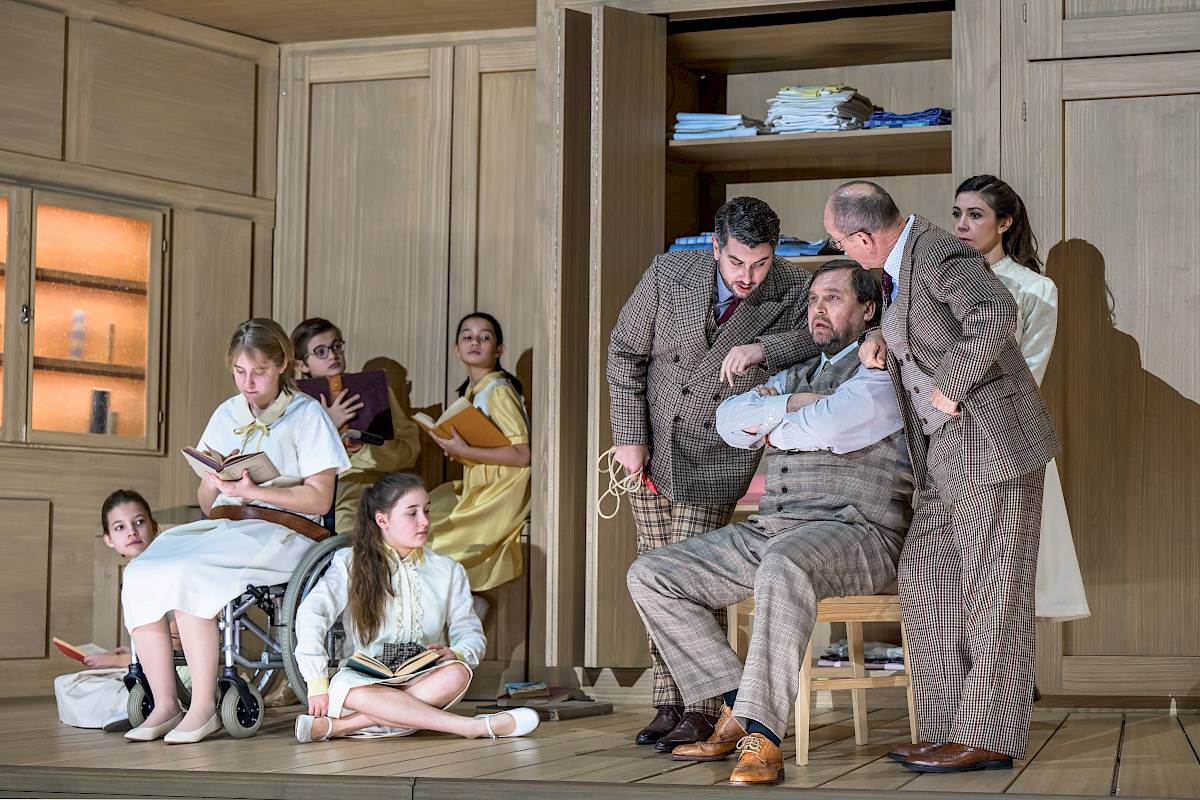
Photos «Werther»