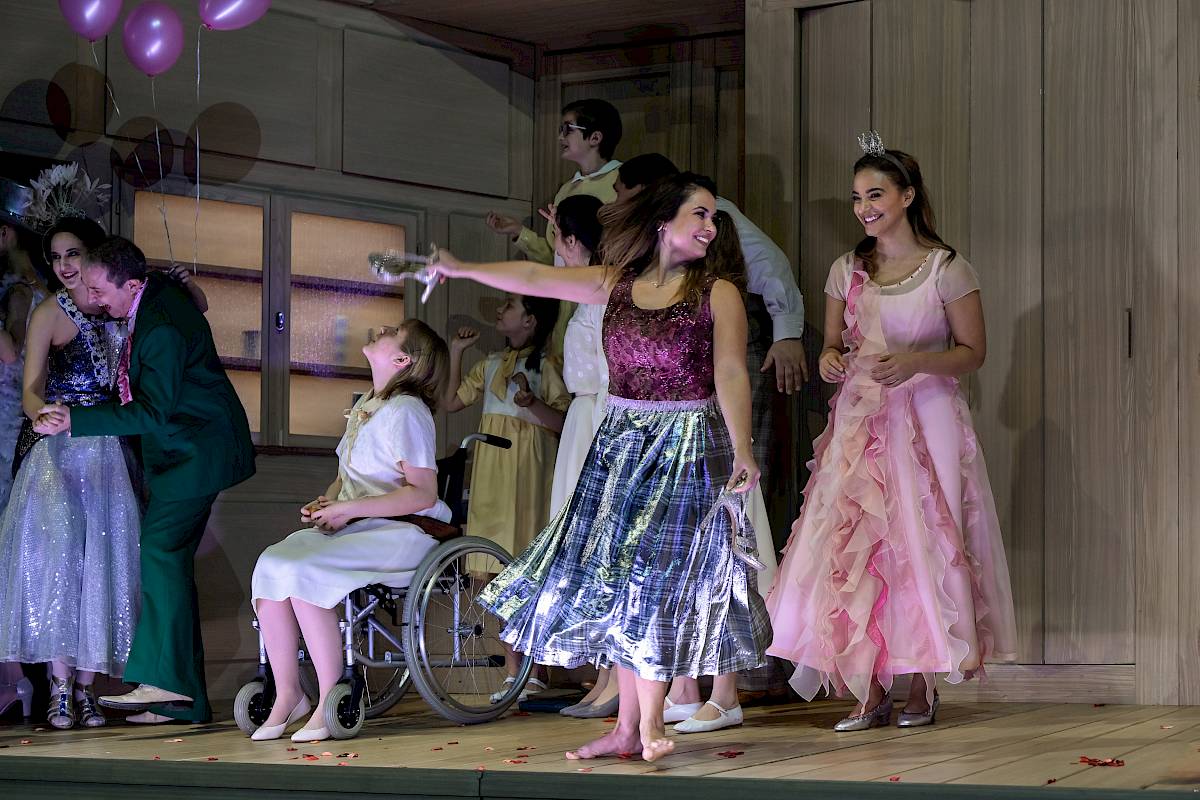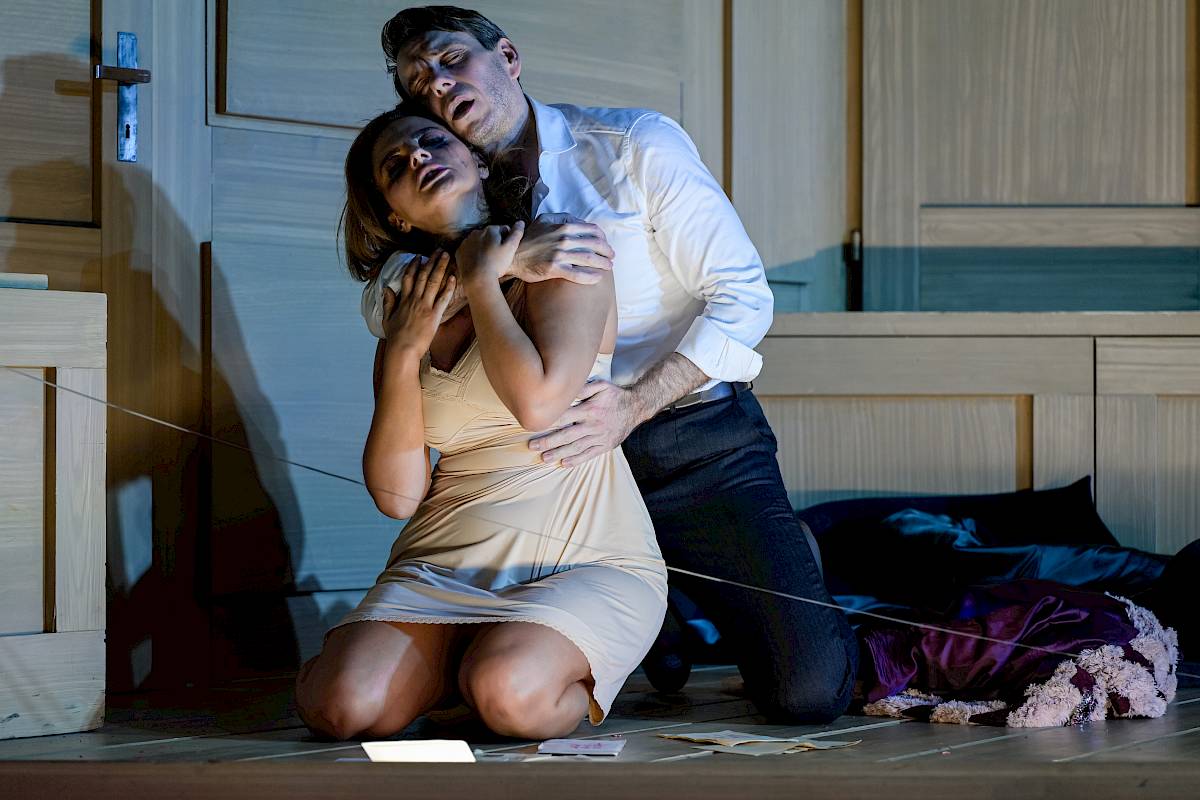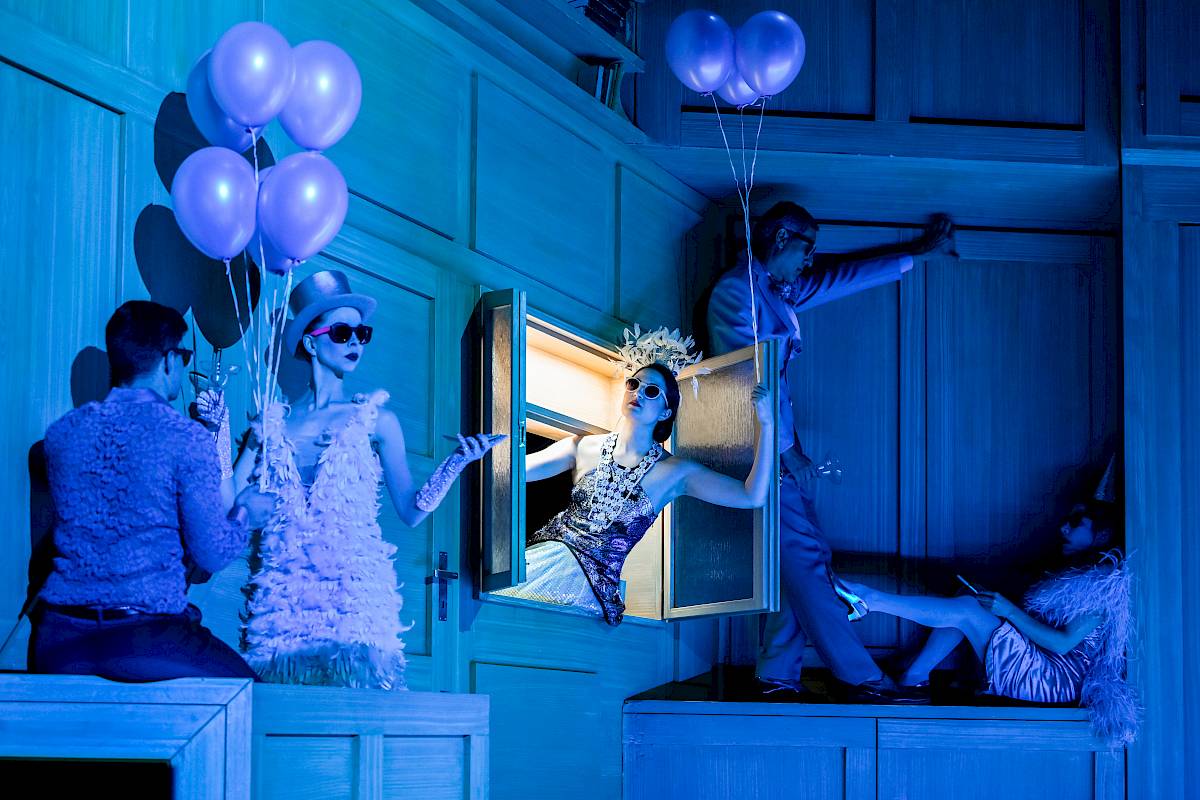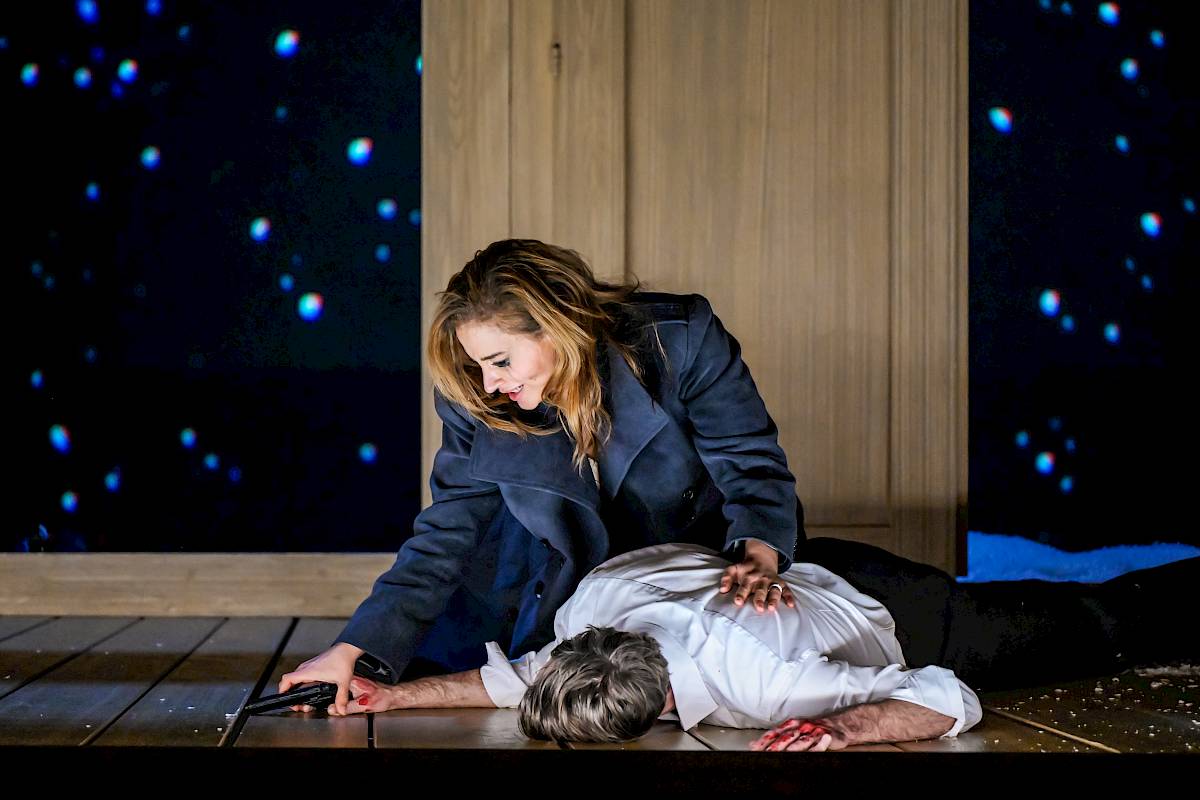

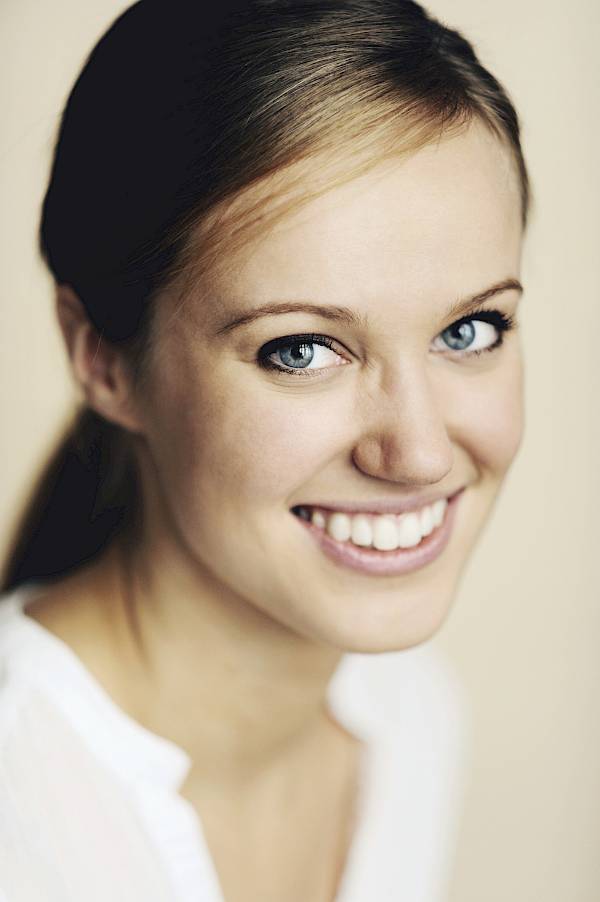
Born in Vilnius, Giedrė Šlekytė studied at the University of Music and Performing Arts Graz, the University of Music and Theatre Leipzig, and the Zurich University of the Arts. As an internationally sought-after guest conductor, she has worked with the Vienna Symphony Orchestra, the Saxon State Orchestra Dresden, the Orchestre Philharmonique de Radio France, and the Bruckner Orchestra Linz, where she served as Principal Guest Conductor from 2022 to 2025. After her engagement as First Kapellmeister at the Stadttheater Klagenfurt from 2016 to 2018, she conducted at opera houses in Munich, Dresden, Zurich, Frankfurt, Antwerp, Leipzig, and at the Salzburg Festival. In the 2024/25 season, she made her debuts at the Vienna State Opera (“La Bohème”) and at the Royal Opera House London (“Hänsel und Gretel”), conducted “Das Paradies und die Peri” at the MusikTheater an der Wien, and appeared as a guest at the Staatsoper Berlin, among others. In the symphonic field, she has performed with the Dallas Symphony (U.S. debut), Philharmonia London, NHK Symphony, the Munich Philharmonic, and RSB Berlin. In the 2025/26 season, she will make her debuts with the L.A. Philharmonic, the Royal Scottish National Orchestra, the Rotterdam Philharmonic, and the Antwerp Symphony. Šlekytė is a strong advocate for Lithuanian music and has recorded works by Raminta Šerkšnytė (Deutsche Grammophon) and Žibuoklė Martinaitytė (Ondine). She is a prizewinner of the 2015 International Malko Conducting Competition and was nominated for the 2015 Salzburg Festival Young Conductors Award as well as “Newcomer of the Year” at the 2018 International Opera Awards. With “Hänsel und Gretel,” she conducts a premiere at the Zurich Opera House for the first time.
Jules Massenet
Lyrical drama in four acts and five scenes
Libretto by Edoudard Blau, Paul Milliet, and Georges
Hartmann after Johann Wolfgang von Goethe
From 19. January 2024 until 4. February 2024
-
Duration :
2 H. 45 Min. Inkl. Pause after 1st part after approx. 1 H. 15 Min. -
Language:
In French with German and English surtitles. -
More information:
Introduction 45 min before the performance.
Giedrė Šlekytė
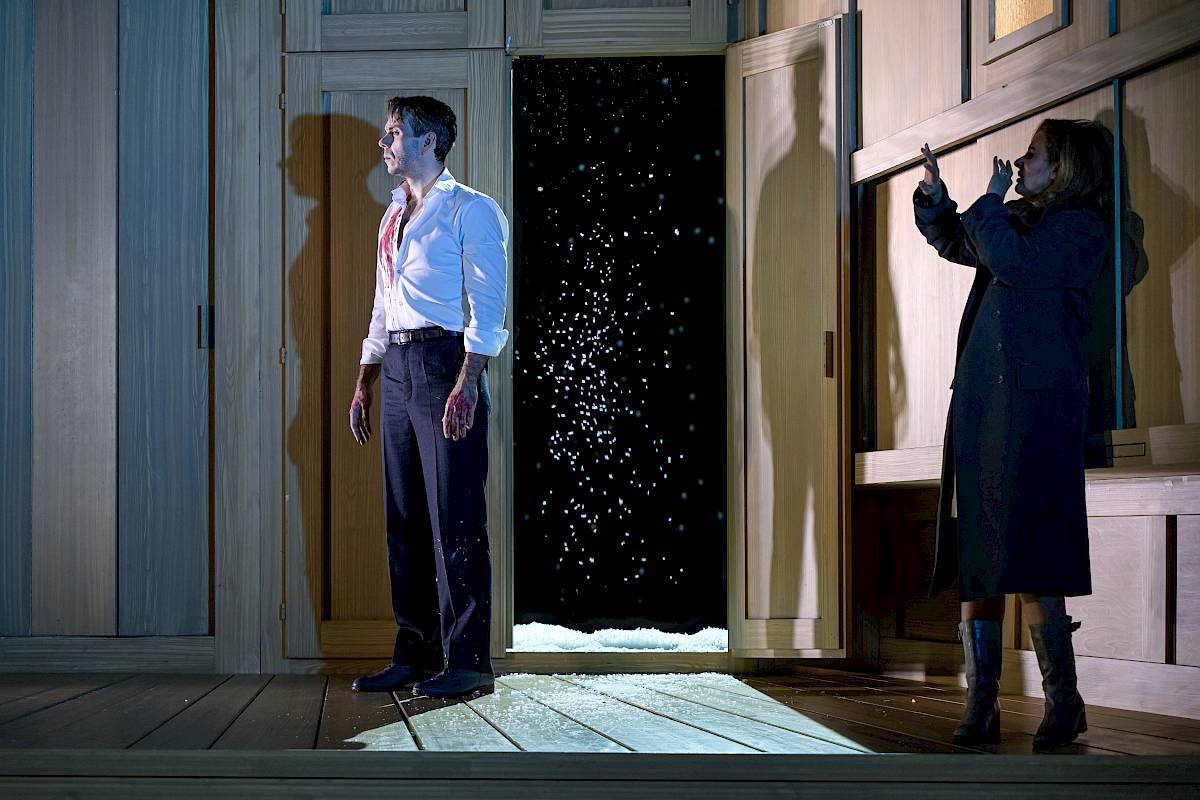
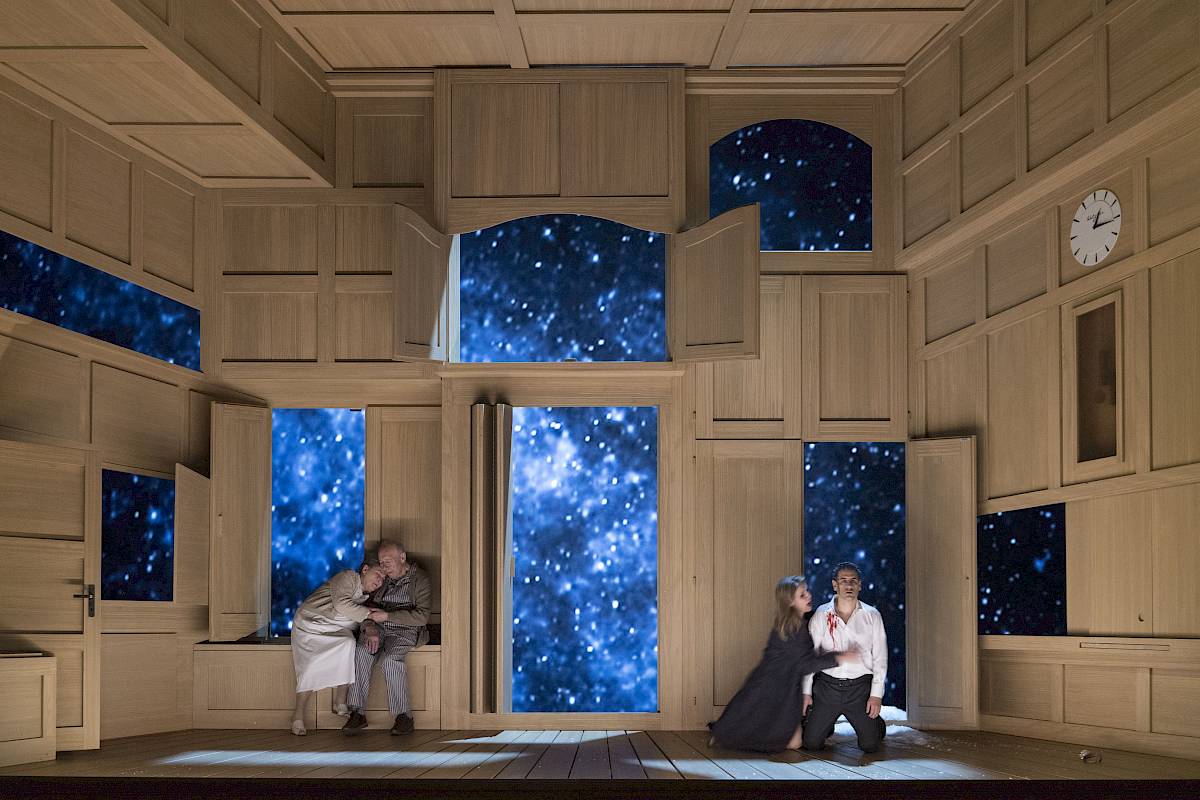
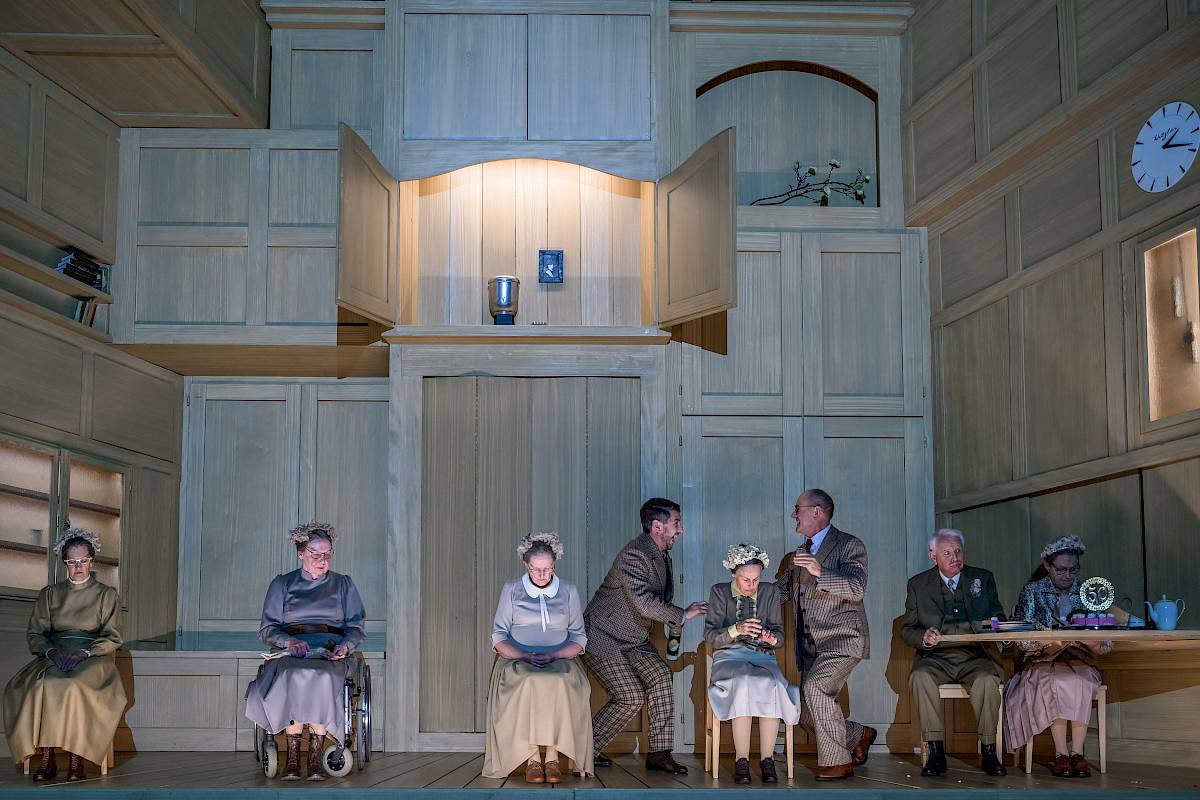
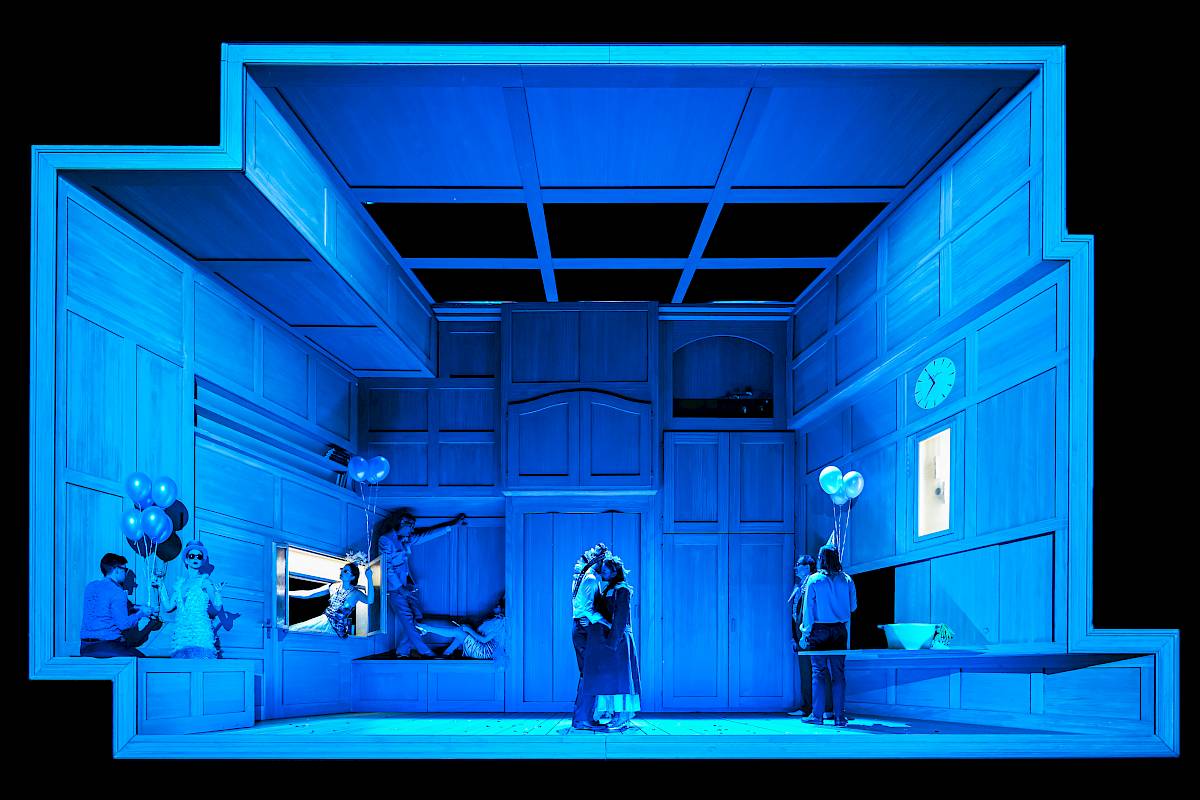
Tatjana Gürbaca
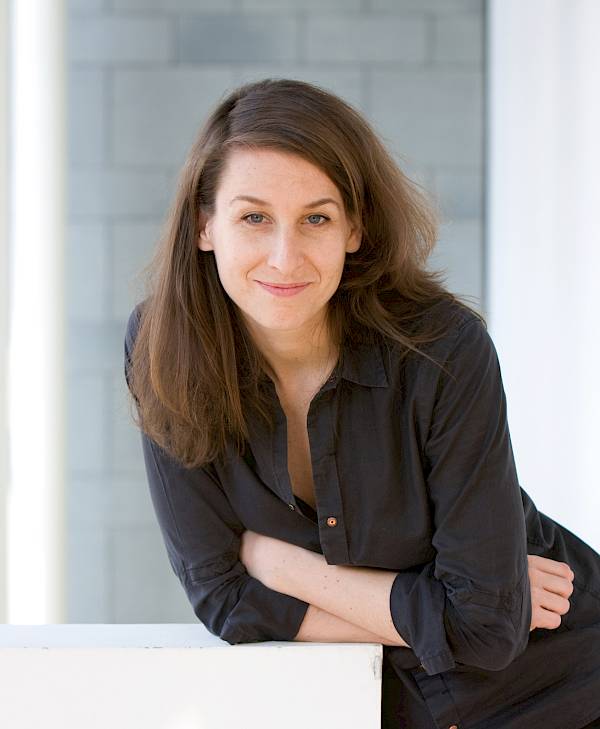
Tatjana Gürbaca studied directing at the Hanns Eisler School of Music in her hometown of Berlin and complemented her training with masterclasses, especially with Ruth Berghaus. At the international Ring Award Graz she was one of the finalists. The spectrum of her productions ranges from the Baroque (Purcell’s "Dido and Aeneas" in Baden-Baden) to contemporary music theatre such as Dallapiccola’s "Il prigioniero" (Volksoper Vienna) or Philippe Hersant’s "Le moine noir" (world premiere at Oper Leipzig). She also directed a Tchaikovsky cycle at the Vlaamse Opera Antwerp. Further engagements have taken her to the Staatsoper Unter den Linden and the Deutsche Oper Berlin, Oper Graz, Stadttheater Bern, the opera houses of Novosibirsk and Oslo, as well as the Lucerne Festival. From 2011 to 2014 she was Opera Director at Staatstheater Mainz, where she staged, among others, "Die verkaufte Braut", Salvatore Sciarrino’s "Macbeth", "Un ballo in maschera" and Alessandro Scarlatti’s "Il primo omicidio". In 2013 she was named "Director of the Year" by the magazine Opernwelt for her "Parsifal" at the Vlaamse Opera Antwerp. She created a three-part "Ring" project and "Alcina" at Theater an der Wien, "Lohengrin" and "Der Freischütz" in Essen, Korngold’s "Die tote Stadt" at Oper Cologne, "Das schlaue Füchslein" at Theater Bremen, "Così fan tutte" at the National Theatre in Prague, "Káťa Kabanová" at the Deutsche Oper am Rhein, "Jenůfa" at the Grand Théâtre de Genève and "Ulisse" at Oper Frankfurt. In Zurich she has directed, among others, "Rigoletto", "Die Zauberflöte", "Werther", "Le Grand Macabre", "Lucia di Lammermoor" and in 2025 the world premiere of Beat Furrer’s "Das grosse Feuer".
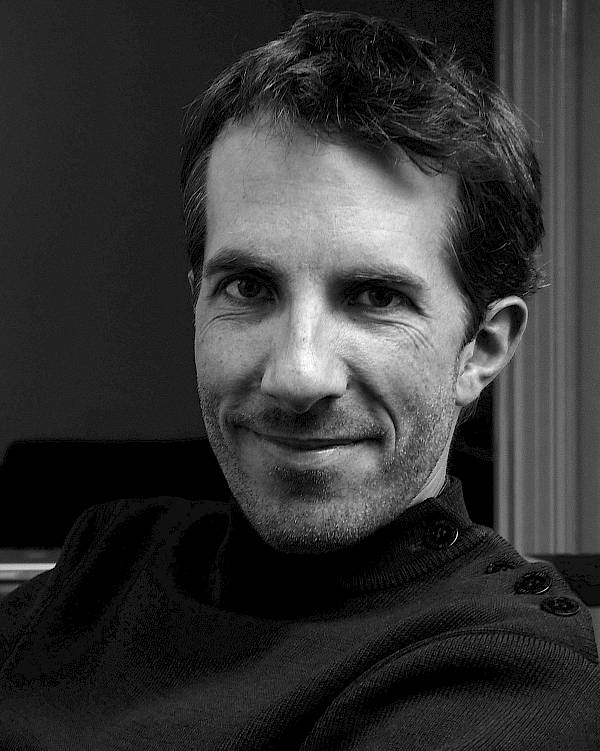
Klaus Grünberg
Klaus Grünberg, a native of Hamburg, studied stage design under Erich Wonder in Vienna and has since worked as a freelance stage and lighting designer at theatres and opera houses across Europe, as well as in Kuwait and Buenos Aires. For many years, he has collaborated with composer and director Heiner Goebbels, as well as with Tatjana Gürbaca and Barrie Kosky. His recent works include "The Magic Flute," "Macbeth," "Werther," "Lucia di Lammermoor," and "The Merry Widow" at the Zurich Opera House; "The Rise and Fall of the City of Mahagonny" and the Berlin-themed evening "…und morgen könnt ihr mich!" at the Komische Oper Berlin; "Ulisse" and "La Juive" at the Frankfurt Opera; "Simon Boccanegra" at the Aalto Music Theatre Essen; "Rusalka" at the Hanover State Opera; "L’incoronazione di Poppea" at the Theater Bremen; and Gogol’s "The Government Inspector" at the Burgtheater Vienna. In 1999, Klaus Grünberg opened MOMOLMA (Museum of More or Less Modern Art) in Hamburg.
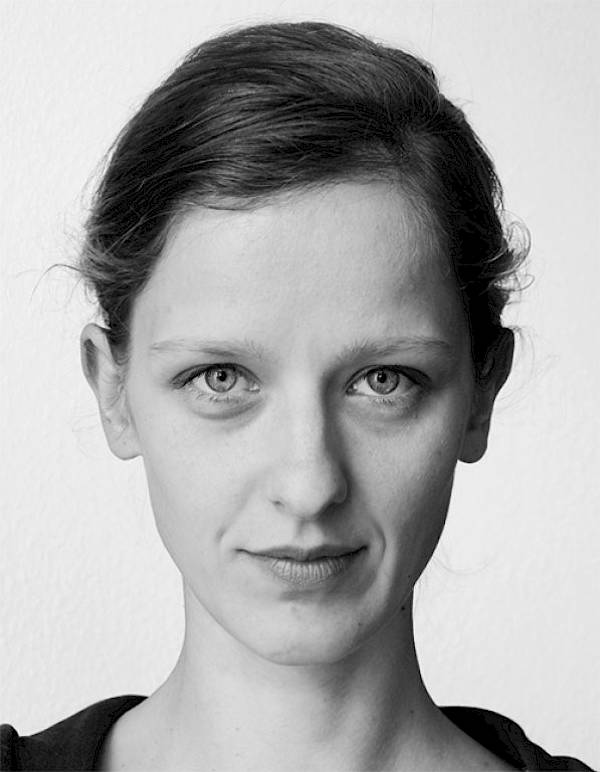
Anne Kuhn
Anne Kuhn, born in Chemnitz, studied Applied Theatre Studies in Giessen. After numerous stage and set design assistantships, including with Beatrice Schultz, Klaus Grünberg, and Wolfgang Gussmann, she has been collaborating regularly with stage and lighting designer Klaus Grünberg since 2008. In addition, she realizes her own independent projects. Anne Kuhn lives and works as a stage designer and illustrator in Berlin and Hamburg. She has worked on productions such as "The Nose" (Royal Opera House Covent Garden), "Don Giovanni" and "Simplicius Simplicissimus" (Theater Bremen), "Rusalka" (Hanover State Opera), "Der Freischütz" (Aalto Music Theatre Essen), as well as at the Komische Oper Berlin on "Frühlingsstürme," "Pelléas et Mélisande," and "Akhnaten." At the Zurich Opera House, she collaborated with Klaus Grünberg on the stage designs for "Macbeth" and "The Merry Widow" (directed by Barrie Kosky), as well as for "Aida," "The Magic Flute," "Werther," and "Lucia di Lammermoor" (directed by Tatjana Gürbaca).

Silke Willrett
Silke Willrett studied stage and costume design with Jürgen Rose and art history in Stuttgart. In 1999 she completed her state examination in art history. In 2003 she founded the independent theatre group "Fliegen ab Stuttgart" together with Tanja Richter and Marc Weeger, which received the Baden-Württemberg Theatre Prize in the same year. Together with Marc Weeger, she was nominated several times by Die Deutsche Bühne and Opernwelt as "Best Stage and Costume Designer". Silke Willrett also works as a set and costume designer for film productions. The film "Das Mass der Dinge" was nominated for the "First Steps Award" in 2005 and by the Academy of Motion Picture Arts and Sciences in 2006. Her artistic partners include Andrea Breth, Christof Nel as well as Monique Wagemakers and Jan Essinger. Together with Tatjana Gürbaca she created, among others, "Le Grand Macabre", "Don Giovanni" and "L’incoronazione di Poppea" (Theater Bremen), "Werther" and "Manon" (Staatstheater Mainz), "Der fliegende Holländer" (Deutsche Oper Berlin), "Mazeppa", "Eugene Onegin" and "The Enchantress" (Vlaamse Opera Antwerp), "Salome" (Deutsche Oper am Rhein), "Rigoletto", "Aida", "Die Zauberflöte", "Werther" and "Lucia di Lammermoor" (Opernhaus Zürich), "Ulisse" and "La Juive" (Oper Frankfurt) as well as "Il primo omicidio" (Teatro Arriaga Bilbao). She has served on several juries for scholarships and awards, including from 2021 to 2024 for the FAUST Prize. She is a member of the scenography association and of the German Academy of the Performing Arts. As a visual artist, she is a member of the group "Linienscharen", which presents annual exhibitions throughout the region.
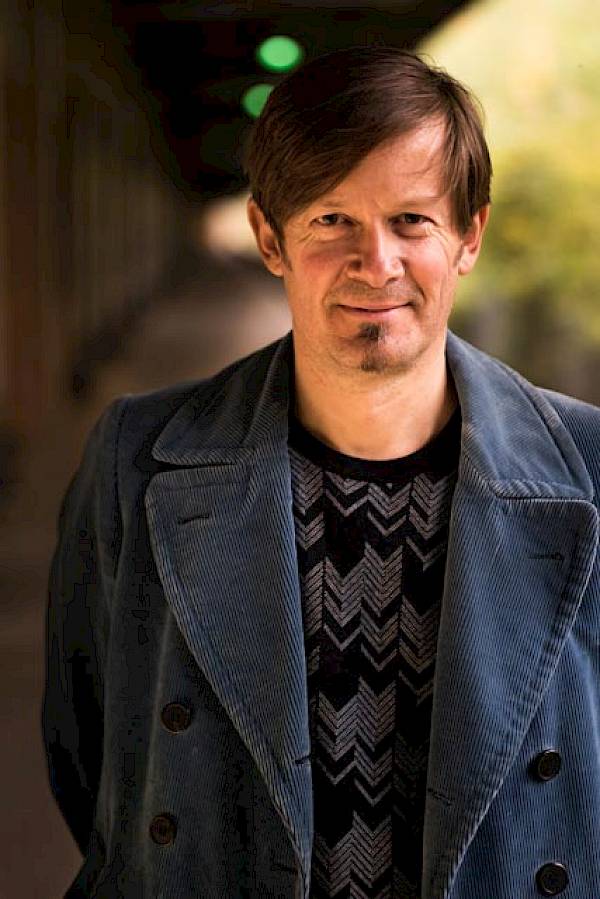
Carl-Christian Andresen
Carl-Christian Andresen studied textile and fashion design at the University of Applied Sciences in Hamburg and then moved to Paris for four years. There he worked, among others, for Chloé, Jean-Charles de Castelbajac and John Galliano. In 2006 he returned to Germany and shifted to theatre and opera as an artistic costume assistant. He has had a long-standing collaboration with Silke Willrett since 2008. Carl-Christian Andresen has worked on productions at, among others, the Thalia Theater Hamburg, the Hamburg State Opera, the Komische Oper Berlin, the Deutsche Oper Berlin, the Staatsoper Unter den Linden, Dutch National Opera, Opernhaus Zürich, the Vienna State Opera, Teatro Colón in Buenos Aires, La Monnaie in Brussels, the Deutsche Oper am Rhein, the Aalto Theater in Essen and the Teatro Mayor in Bogotá. He created his own costume designs for, among others, "Le nozze di Figaro" at the Landestheater Detmold, "Le journal de Nijinsky" at the Grand Théâtre Bordeaux, "Dangerous Liaisons" at the Lübeck University of Music, "Der Vetter aus Dingsda" at Theater Ulm and "Dinorah" at Theater Görlitz. For Thierry Tidrow’s opera "Persona" at the Staatstheater Darmstadt he created both the stage and costume design in 2023. He also designs for various short films, feature films and commercials, including "My Circumcision" (awarded the Max Ophüls Prize 2013 for "Best Short Film") and the music video "Fräulein Sommer", which received the UNICATO Award for "Best Music Video" in 2014. In 2024 he designed, together with Silke Willrett, the costumes for the German premiere of Louise Bertin’s opera "Fausto" at the Aalto Musiktheater Essen (directed by Tatjana Gürbaca).
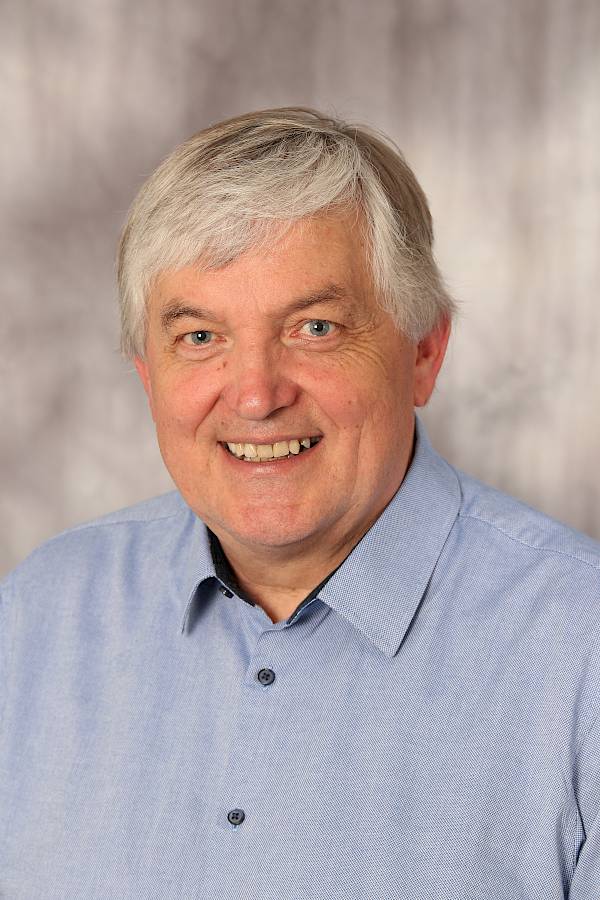
Ernst Raffelsberger
Ernst Raffelsberger is from Gmunden, Upper Austria. He studied music education and church music at the University of Music and Performing Arts in Vienna as well as choral conducting at the Mozarteum in Salzburg. From 1983 to 1986, he was Kapellmeister of the Vienna Boys’ Choir. During this time, he led the ensemble in Vienna and on tours throughout Europe, South Africa, Canada, and the USA. From 1986, Ernst Raffelsberger served as choral director and Kapellmeister at the Landestheater Salzburg (participating in the Salzburg Mozart Week and the Salzburg Festival). In 1989, he moved as choral director and Kapellmeister to the Theater in Freiburg/Breisgau. Since autumn 1993, Ernst Raffelsberger has been engaged as choral director at the Zurich Opera House. Here he has overseen approximately 150 premieres and countless revivals, collaborating with renowned conductors such as Marco Armiliato, Riccardo Chailly, Teodor Currentzis, Christoph von Dohnányi, Sir John Eliot Gardiner, Daniele Gatti, Bernard Haitink, Nikolaus Harnoncourt, Zubin Mehta, Gianandrea Noseda, and Franz Welser-Möst. Guest performances with the Zurich Opera House have taken him to Vienna, London, Paris, and Tokyo. Beginning in the summer of 2012, he additionally undertook a ten-year role as choral director of the Konzertvereinigung Wiener Staatsopernchor at the Salzburg Festival, collaborating successfully with Riccardo Muti, Mariss Jansons, and Sir Simon Rattle. After concluding this work with the 2021 festival season, he has been responsible since 2025, at Maestro Muti’s request, for choral preparation for his festival concerts in Salzburg. Numerous CD and DVD recordings document his work both in Zurich and Salzburg.
Claus Spahn
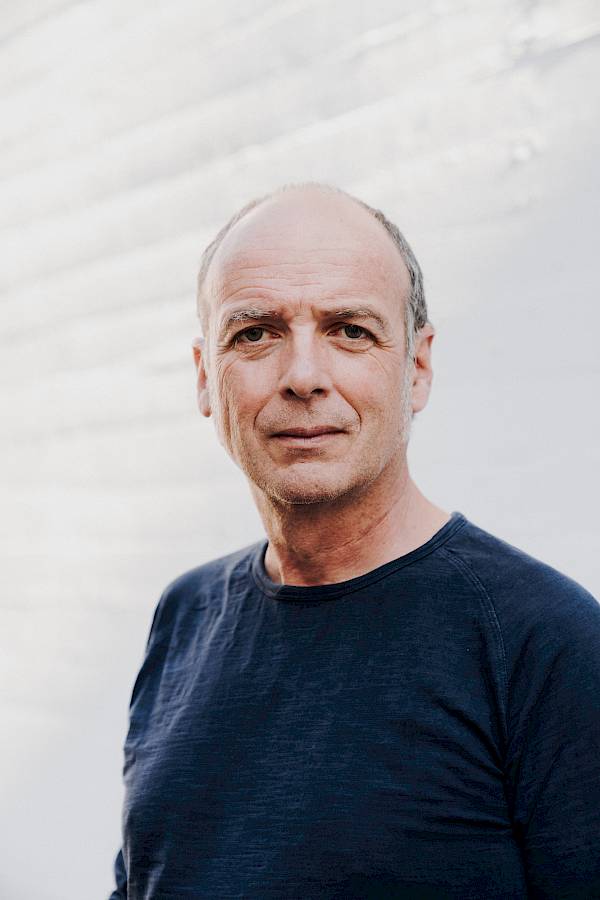
Claus Spahn was chief dramaturge at the Zurich Opera House during Andreas Homoki’s tenure as artistic director. There, he supervised music theater projects by Wolfgang Rihm, Helmut Lachenmann, George Benjamin, Roman Haubenstock-Ramati, and world premieres by Heinz Holliger, Christian Jost, and Stefan Wirth. As a production dramaturge, he worked with directors such as Sebastian Baumgarten, Herbert Fritsch, Jan Philipp Gloger, Tatjana Gürbaca, Andreas Homoki, Barrie Kosky, Nadja Loschky, David Marton, and Evgeni Titov. He also shares a close artistic partnership with the choreographer and former director of Zurich Ballet, Christian Spuck. For him, Spahn was involved in the development of the productions “Anna Karenina,” “Nussknacker und Mausekönig,” and “Monteverdi” in Zurich, he also wrote libretti for the ballets “Orlando” based on Virginia Woolf (world premiere in 2021 at the Moscow Bolshoi Ballet) and “Bovary” based on Gustave Flaubert (world premiere in 2023 at the Berlin State Ballet). Additionally, he is the librettist of the chamber opera “The Dream of You” by Swiss composer Xavier Dayer, which premiered in 2017 at the Zurich Opera House. Before joining the Zurich Opera House, Claus Spahn was the arts editor for 14 years at the German weekly newspaper DIE ZEIT, where he was responsible for the music section. From 1990 to 1997, he worked as a freelance music journalist mainly for the Süddeutsche Zeitung and Bavarian Broadcasting. Claus Spahn was born in Germany, studied classical guitar in Freiburg im Breisgau, and completed training at the German School of Journalism in Munich.
Cast



Benjamin Bernheim
Benjamin Bernheim studied with Gary Magby in Lausanne and was a member of the International Opera Studio as well as of the ensemble at the Zürich Opera House. The French tenor has meanwhile established himself as a regular guest at the most renowned stages, including at the Opéra national de Paris, at the Vienna State Opera, at the Staatsoper Unter den Linden and at the Royal Opera House Covent Garden, where he sings leading tenor roles of the romantic repertoire. He performed at the closing ceremony of the 2024 Olympic Games in Paris as well as at the reopening of Notre-Dame de Paris in December 2024. He has been honored, among others, at the Victoires de la Musique as Opera Singer of the Year, by the Syndicat professionnel de la critique as Musical Personality of the Year, and most recently at Opus Klassik 2025 as Singer of the Year. His discography includes several albums, including his debut album, which was awarded a Diapason d’Or and a Choc de Classica, "Douce France: Mélodies & Chansons" as well as the 2022 release "Boulevard des Italiens". Highlights of his career include the title roles in "Les contes d’Hoffmann" and "Faust", Rodolfo in "La bohème", Des Grieux in "Manon" and Edgardo in "Lucia di Lammermoor".
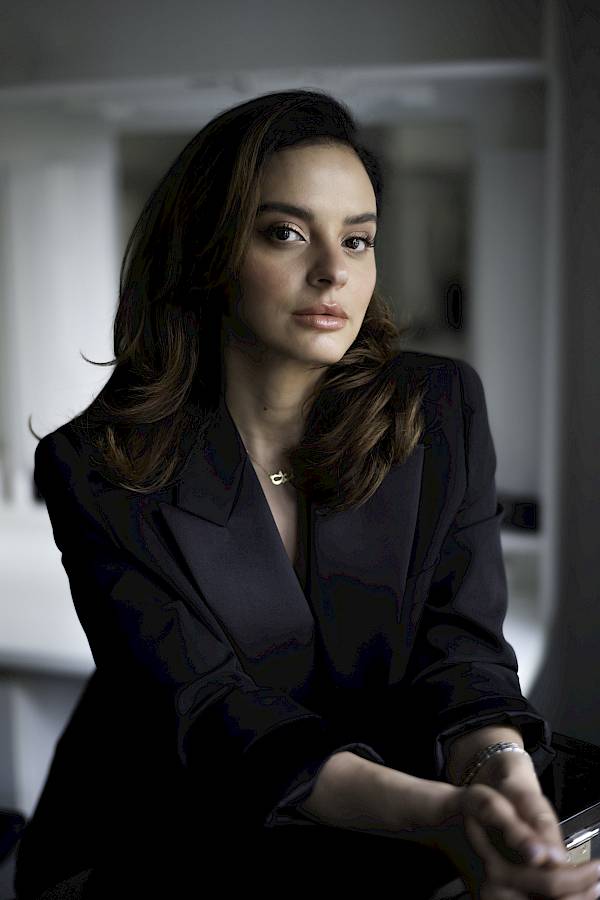
Rihab Chaieb
The Tunisian mezzo-soprano Rihab Chaieb was a member of the Metropolitan Opera’s Lindemann Young Artist Program, where she appeared as Zulma ("L’italiana in Algeri"), Laura ("Luisa Miller"), and Lola ("Cavalleria rusticana"). As a guest, she returned to the Met as Zerlina ("Don Giovanni") and Maddalena ("Rigoletto"). Her repertoire includes roles such as Dorabella ("Così fan tutte"), Charlotte ("Werther"), Rosina ("Il barbiere di Siviglia"), Fenena ("Nabucco"), Kasturbai (Philip Glass’ "Satyagraha"), and the title role in "Carmen." She also appeared in the world premiere of Tarik O’Regan’s "The Phoenix" at the Houston Grand Opera, performed Claire in the world premiere of "Melancholia" at the Kungliga Operan in Sweden, and sang "La Mère Meryem" in the world premiere of Christian Jost’s "Voyage vers l’Espoir" at the Grand Théâtre de Genève. She has made guest appearances at the Deutsche Oper Berlin, the Bayerische Staatsoper Munich, the Oper Amsterdam, the Opera Ballet Vlaanderen, the Canadian Opera Company, the Glyndebourne Festival, and the BBC Proms. In the 2025/26 season, she will make her debut as Nefertiti ("Akhnaten") at the Liceu Barcelona, as Carmen at the Montreal Opera, and as Charlotte at the Teatro Cervantes de Málaga. At the Bayerische Staatsoper, she will sing Maddalena ("Rigoletto") and at the Atlanta Opera, Cherubino ("Le nozze di Figaro"). On the concert stage, she can be heard in Mahler’s Symphony No. 2 with the Atlanta Symphony Orchestra, Mahler’s Symphony No. 3 with the Vancouver Symphony Orchestra, Ravel’s "L’Enfant et les Sortilèges" with the Orquesta Sinfónica de Barcelona, and Schumann’s "Das Paradies und die Peri" with the National Symphony Orchestra of Ireland.

Sandra Hamaoui
The French-American soprano Sandra Hamaoui studied at the Conservatory in San Francisco and at the Juilliard School in New York. She is a prizewinner of numerous competitions; among others, she was a semifinalist at the Metropolitan Opera National Council Auditions and won first prize at the New England Regional Finals, the West Bay Opera League Competition, and the Mary Trueman Vocal Competition. Whilst still a student, she sang the title role in Gounod’s "Roméo et Juliette" with the Canadian Vocal Arts Institute as well as Adina in "L’elisir d’amore" with the San Francisco Conservatory of Music at the Kennedy Center. In the 2017/18 season, she was a member of the ensemble at the Deutsche Oper Berlin, where she sang, among others, Ninetta in "Die Liebe zu den drei Orangen" and Pamina in "Die Zauberflöte". As a member of the ensemble at the Zurich Opera House, she appeared, among others, as Susanna in "Le nozze di Figaro", Gilda in "Rigoletto", Nanetta in "Falstaff", Gretel in "Hänsel und Gretel", and Lisette in "La rondine". Her recent engagements include the title role in "Roméo et Juliette" with the Orchestre de Chambre de Genève, Leïla in "Les pêcheurs de perles" at the Théâtre des Champs-Élysées, as well as the opening of the 2024/25 season at the Hamburg State Opera with the leading role in "Trionfi" under Kent Nagano.
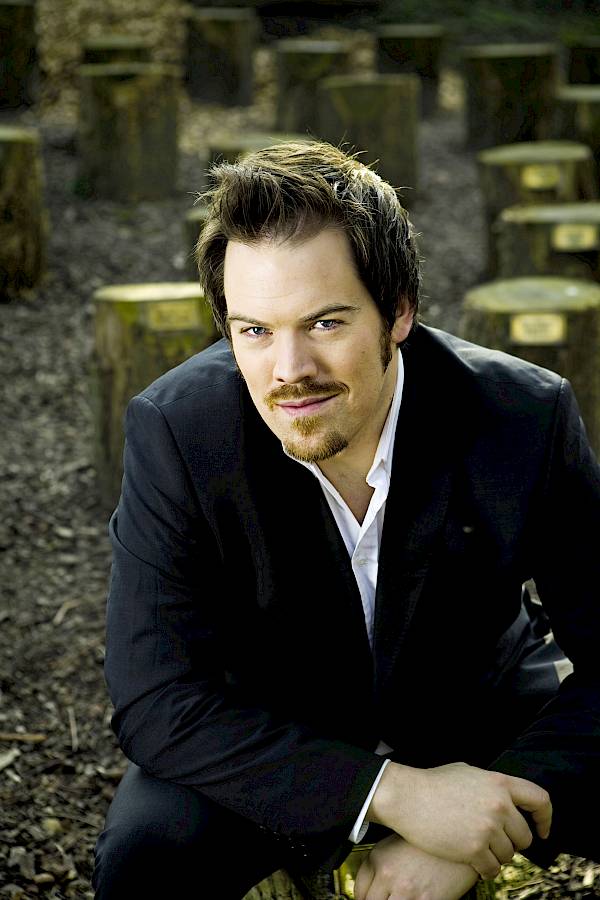
Audun Iversen
Der norwegische Bariton Audun Iversen studierte an der Norwegischen Staatlichen Musikhochschule in Oslo sowie an der Hochschule für Musik und Theater in Leipzig und der Opernakademie Kopenhagen, wo er in der Spielzeit 2007/08 Schaunard in La bohème und Vicomte Cascada in Die lustige Witwe mit der Königlichen Dänischen Oper sang. 2007 erhielt er den ersten Preis beim Königin-Sonja-Wettbewerb in Oslo. Zu den Höhepunkten der letzten Spielzeiten zählen Figaro (Il barbiere di Siviglia) an der San Francisco Opera, Il Conte (Le nozze di Figaro) in Glyndebourne und an der Deutschen Oper Berlin, die Titelrolle in Eugen Onegin an der Royal Danish Opera, der Norwegischen Oper und am Bolschoi-Theater Moskau, Posa (Don Carlo) an der Oper Frankfurt, Germont (La traviata) an der Norwegischen Oper und der Staatsoper Prag, Sharpless (Madama Butterfly) am Teatro dell’Opera Roma sowie Albert (Werther) am Royal Opera House und am Opernhaus Zürich. Jüngst sang er u. a. Edwin in Die Csárdásfürstin (Den Norske Opera), Frank/Fritz in Die tote Stadt (English National Opera), Don Alfonso in Così fan tutte (Den Norske Opera), Germont in La traviata (Nationaltheater Prag) sowie die Titelrolle in Eugen Onegin am Gran Teatre del Liceu.
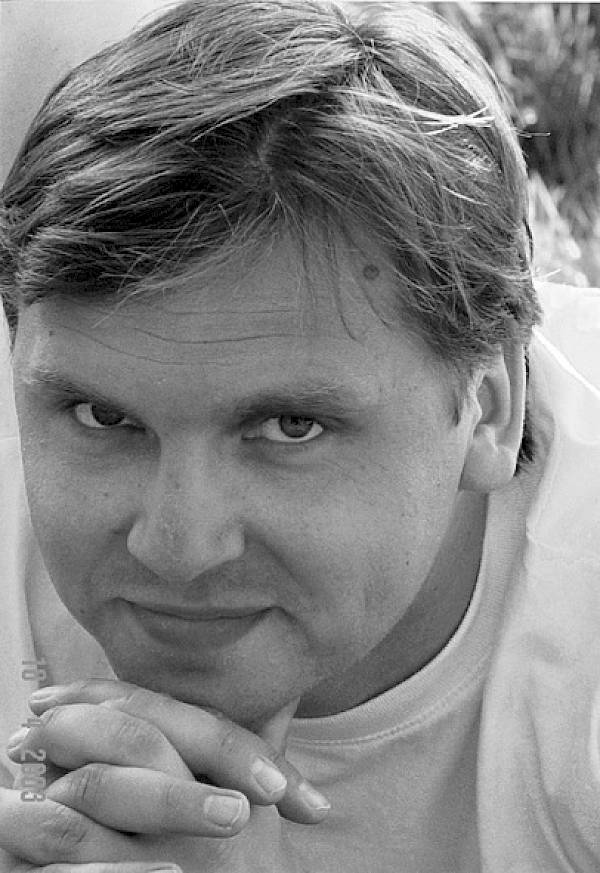
Valeriy Murga
Bass Valeriy Murga studied at the National Music Academy of Ukraine in Kyiv. He was a finalist at both the 41st International Singing Competition in Toulouse (1996) and the 7th Julian Gayarre Competition in Pamplona (1998). In 1997, he won second prize at the Maria Callas Grand Prix in Athens and participated in the Cardiff Singer of the World competition in 1999. From 1997 to 1999, he was a soloist at the Ukrainian National Opera in Kyiv, where he performed roles including Figaro (“Le nozze di Figaro”), Escamillo (“Carmen”), Schaunard (“La bohème”), and the title roles in “Eugene Onegin,” “Don Giovanni,” and “Prince Igor.” His repertoire also includes the roles of Marchese di Posa (“Don Carlo”) and Shaklovity (“Khovanshchina”). At the Zürich Opera House, Valeriy Murga was initially a member of the International Opera Studio and during this time performed, among others, Sciarrone and the Jailor (“Tosca”) as well as Monterone (“Rigoletto”). Since the 2000/01 season, he has been a permanent ensemble member at the Zürich Opera House, where he has performed roles such as Prince Yeletsky (“The Queen of Spades”), Moralès (“Carmen”), Second Soldier (“Salome”), Alessio (“La sonnambula”), Ali (“L’italiana in Algeri”), Wagner (“Faust”), Sacristan (“Tosca”), Butler (“La rondine”), and Bogdanovich (“The Merry Widow”), as well as in family operas including “The Canterville Ghost,” “Robin Hood,” “The Enchanted Pig,” “Jim Knopf,” and “Wir pfeiffen auf den Gurkenkönig” He has also appeared as a guest in Eugen d’Albert’s “Tiefland” at the Liceu in Barcelona and in “L’italiana in Algeri” at the Staatsoper Unter den Linden in Berlin.
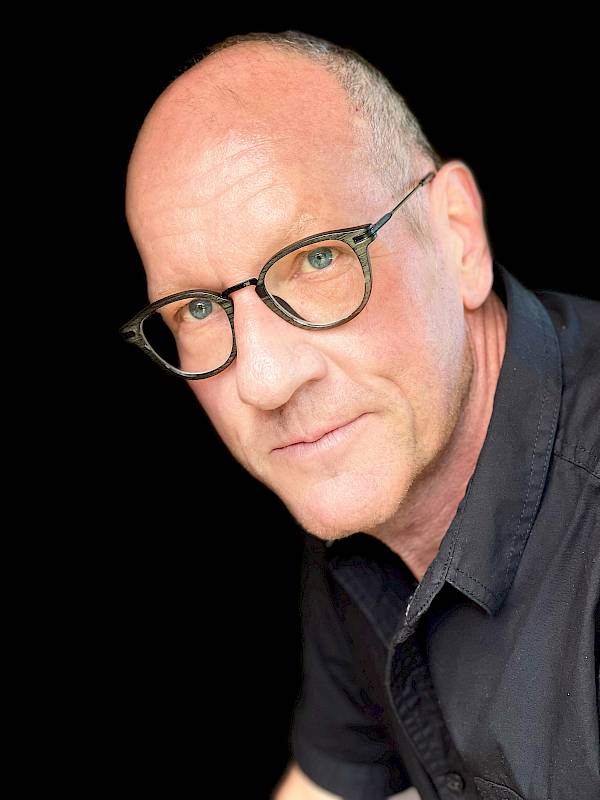
Martin Zysset
Martin Zysset was born and raised in Solothurn. He trained in clarinet while simultaneously pursuing vocal studies, which he complemented with masterclasses with Ernst Haefliger and Edith Mathis. In 1990/91, he was a member of the International Opera Studio at the Zurich Opera House and at the same time a scholarship recipient from the Migros Cooperative Union as well as a prizewinner in the Pro Arte Lyrica Competition in Lausanne. Since 1992, he has been a regular guest at the Summer Festival in Selzach. He has been permanently engaged at the Zurich Opera House since 1991. Here, he has developed a broad repertoire of both buffo and dramatic roles, including Pedrillo, Monostatos, Spoletta, Incredibile ("Andrea Chénier"), Jaquino, Kudryash ("Káťa Kabanová"), Alfred ("Die Fledermaus"), Tamino, Tybalt, Dancaïro, Arturo, Knusperhexe, Brighella, as well as the male lead in Udo Zimmermann’s "Weiße Rose." He performed Simplicius in the operetta of the same name by Johann Strauss, which was also released on CD and DVD. Guest appearances have taken him across Europe, to Shanghai, and with "The Magic Flute," "Le nozze di Figaro," "Fidelio," and "Tannhäuser" to San Diego. For the Bayerischer Rundfunk, he recorded the Lehár operetta "Paganini." In Zurich, he has most recently sung roles including Don Basilio ("Le nozze di Figaro"), Tschekalinski ("Pique Dame"), Triquet ("Eugene Onegin"), the Chief Eunuch ("The Land of Smiles"), Goro ("Madama Butterfly"), Spoletta ("Tosca"), Dormont ("La scala di seta"), the White Minister ("Le Grand Macabre"), the Devil/Narrator ("The Soldier’s Tale"), the Third Jew ("Salome"), Schmidt ("Werther"), Feri ("Die Csárdásfürstin"), and Don Curzio ("Le nozze di Figaro").
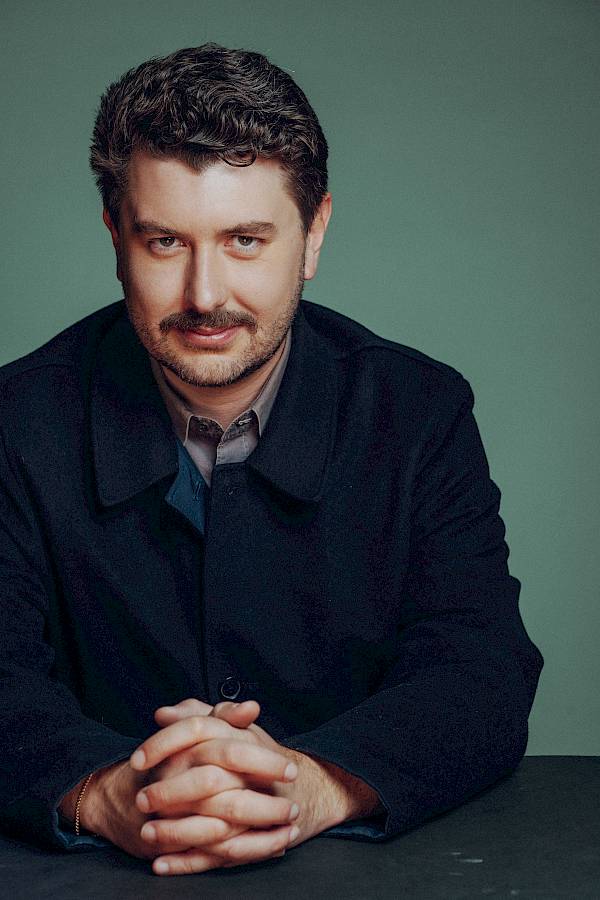
Andrew Moore
Andrew Moore, American bass-baritone from New Jersey, received his training at Rutgers University (Mason Gross School of the Arts) as well as at the renowned Curtis Institute of Music in Philadelphia. In 2019 he reached the New England Region Final of the Metropolitan Opera National Council Auditions and was awarded the Susan Eastman Encouragement Award there. Other important artistic stages included the Merola Opera Program in San Francisco as well as the Santa Fe Opera, where he appeared as an Apprentice Singer in "La bohème", "Così fan tutte" and "Jenůfa", among others. From 2020 to 2022 he was a member of the International Opera Studio at Opernhaus Zürich. He was subsequently taken into the house’s ensemble, of which he has been a member since the 2022/23 season. Here he has since appeared, among others, as Figaro ("Le nozze di Figaro"), Paolo Albiani ("Simon Boccanegra"), Don Fernando ("Fidelio"), De Brétigny ("Manon"), Marullo ("Rigoletto"), Paris ("Roméo et Juliette"), Marchese d’Obigny ("La traviata"), Pritschitsch ("Die lustige Witwe"), Johann ("Werther") as well as Fix ("In 80 Tagen um die Welt"). His most recent international engagements include his debut with the Warsaw Philharmonic as bass soloist in Beethoven’s Symphony No. 9 as well as his Salzburg debut as Marchese d’Obigny ("La traviata"). In summer 2026 he will appear at the Salzburg Festival as Johann ("Werther"). His repertoire also includes roles such as Leporello ("Don Giovanni"), Publio ("La clemenza di Tito"), Guglielmo ("Così fan tutte") and Rocco ("Fidelio").
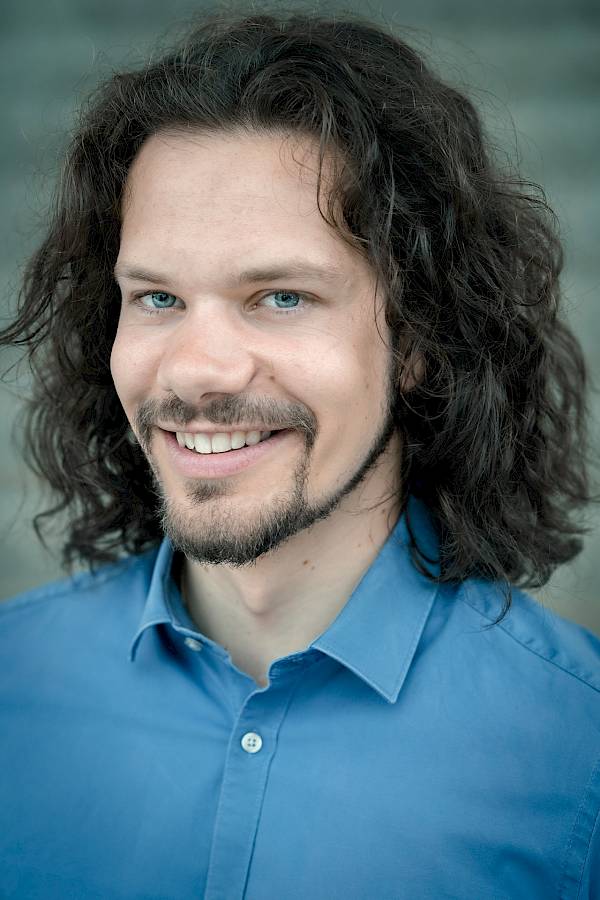
Jonas Jud
Jonas Jud studierte am Conservatorio di Musica Agostino Steffani in Veneto und an der Yale School of Music in Connecticut. Die Rolle des Caronte in L’Orfeo sang er an der Ouverture Opera in Sion, Colline in La bohème bei den Opernspielen Munot, Truffaldin in Ariadne auf Naxos und Skomorock in Das Märchen des Zaren Saltan an der Isny Oper sowie Sarastro in Die Zauberflöte an den Theatern Bagnoli di Sopra, Civico di Schio und Accademico di Castelfranco Veneto, Bartolo in Le nozze di Figaro und Theseus in A Midsummer Night’s Dream unter Harry Bicket an der Santa Fe Opera. 2019 war er Solist in Mozarts Missa Brevis in d-moll unter Juri Baschmet und in Bachs Magnificat sowie Haydns Nelsson Messe in Cortina D’Ampezzo. Seit der Spielzeit 2022/23 ist er Mitglied des IOS am Opernhaus Zürich.
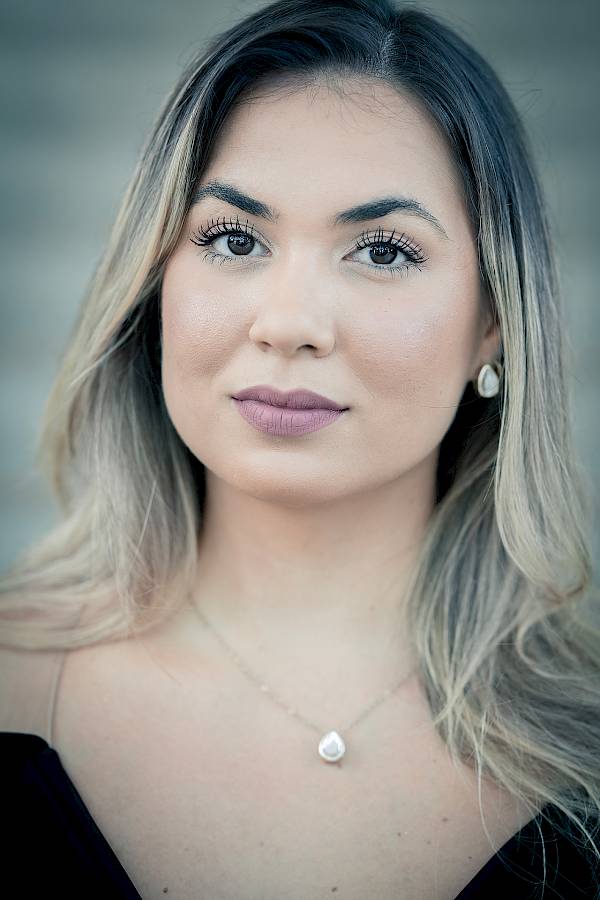
Flavia Stricker
Flavia Stricker, soprano, is from Brazil and studied at the Lübeck University of Music. She performed Fiordiligi ("Così fan tutte") at the Hamburg University of Music and Theatre and Galathée (Franz von Suppé’s "Die schöne Galathée") at the Lübeck University of Music. In 2023 she won, in addition to the second prize at the Concorso Lirico Internazionale di Portofino, a sponsorship award from the Kulturstiftung Insel Mainau. Since the 2023/24 season she has been a member of the International Opera Studio at Zurich Opera House, where she has appeared, among others, as Madama Cortese ("Il viaggio a Reims"), Kate Pinkerton ("Madama Butterfly"), Contessa di Ceprano ("Rigoletto"), the Widow in Mendelssohn’s "Elias", and in Stravinsky’s "Les Noces". At the Théâtre de La Monnaie in Brussels she sang in Rossini’s "Petite Messe solennelle", and with the Singapore Symphony Orchestra in 2025 she performed as Rosalinde ("Die Fledermaus").
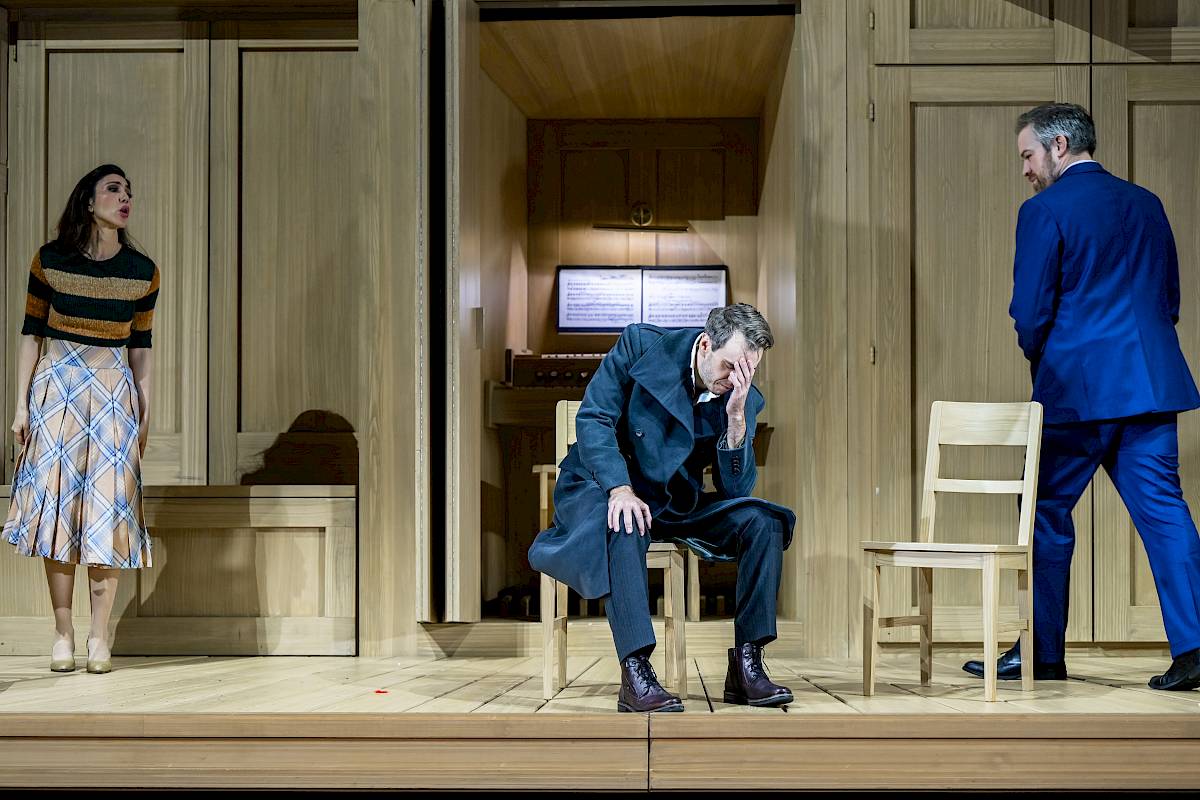
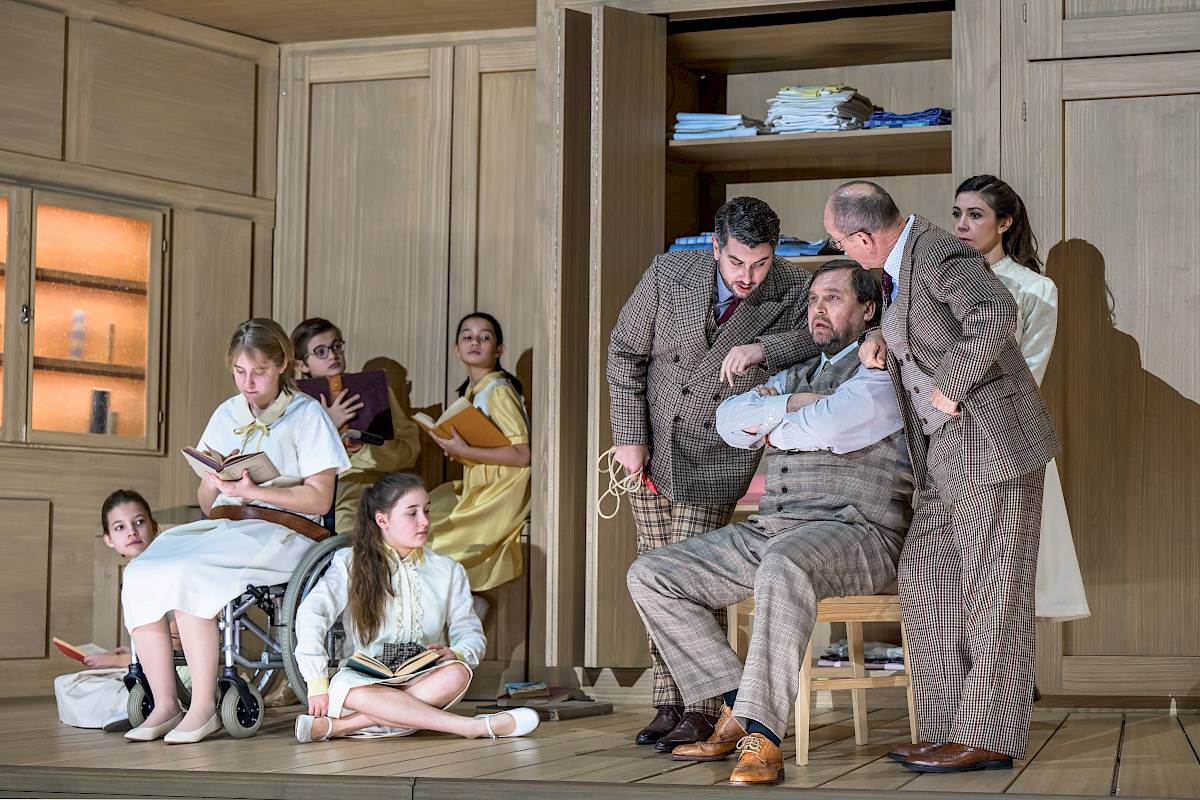
Photos «Werther»