
Gianandrea Noseda has been General Music Director of the Zurich Opera House since the 2021/22 season. In addition, he is Music Director of the National Symphony Orchestra and Principal Guest Conductor of the London Symphony Orchestra. In 2019, he became Music Director of the newly founded Tsinandali Festival and the Georgian Pan-Caucasian Youth Orchestra. From 2007 to 2018, Noseda served as General Music Director of the Teatro Regio di Torino, where he artistically reshaped the opera house during his tenure. Noseda has conducted the world’s leading orchestras (Berlin Philharmonic, Chicago Symphony, Concertgebouw Orchestra, Vienna Philharmonic) as well as at the most prestigious opera houses (La Scala, Metropolitan Opera, Royal Opera House) and festivals (BBC Proms, Edinburgh, Salzburg, and Verbier). He has also held leading positions with the BBC Philharmonic (Chief Conductor), the Israel Philharmonic Orchestra (Principal Guest Conductor), the Mariinsky Theatre (Principal Guest Conductor), and the Stresa Festival (Artistic Director). His discography comprises more than 80 CDs, with a special focus on the "Musica Italiana" project, which features neglected 20th-century Italian repertoire. Born in Milan, Noseda is a Commendatore al Merito della Repubblica Italiana and received the Order of Merit of the City of Milan in 2024. In 2015, he was named "Musical America’s Conductor of the Year," was awarded "Conductor of the Year" at the 2016 International Opera Awards, and received the Puccini Prize in 2023. In the same year, the Oper! Awards honored Noseda as "Best Conductor," particularly recognizing his interpretations of the first two "Ring" operas at the Zurich Opera House.
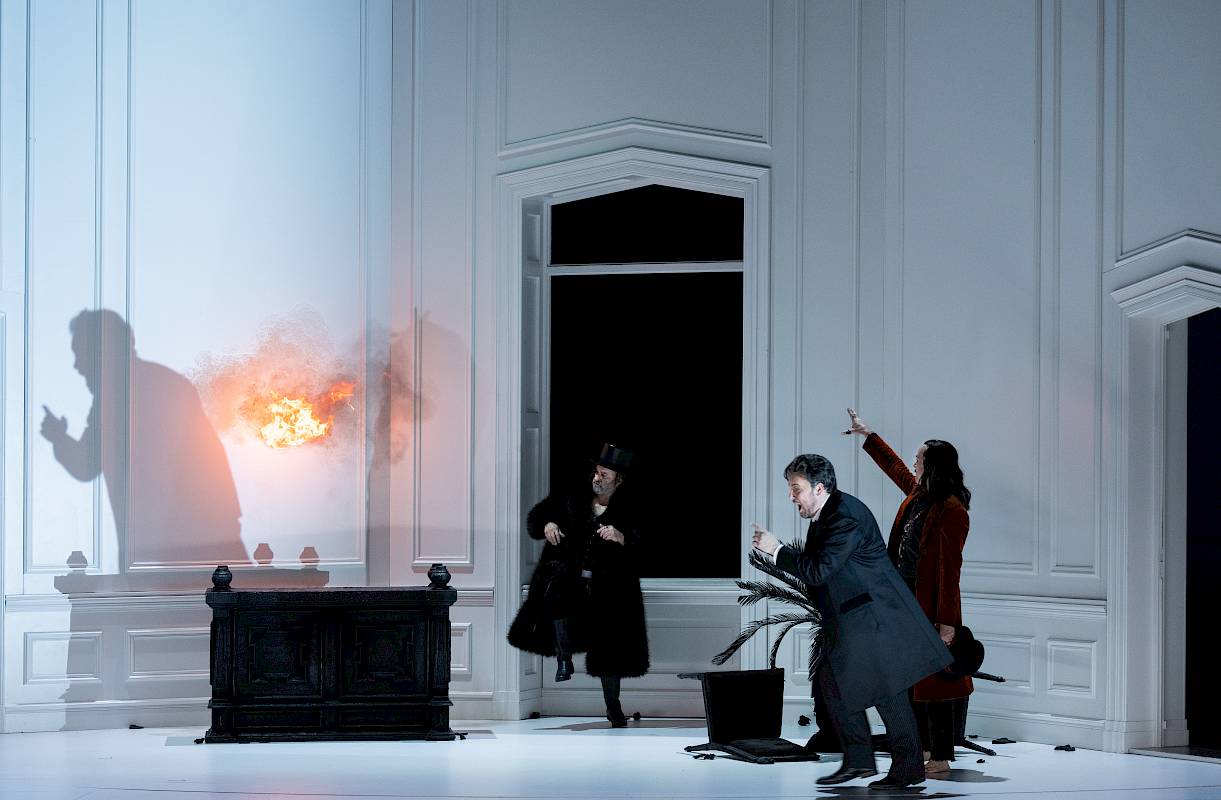
Richard Wagner
Prologue to the stage festival play "Der Ring des Nibelungen"
Libretto by Richard Wagner
From 30. April 2022 until 28. May 2022
-
Duration :
2 H. 30 Min. Without intermission. -
Language:
In German with German and English surtitles. -
More information:
Introduction 45 min before the performance.
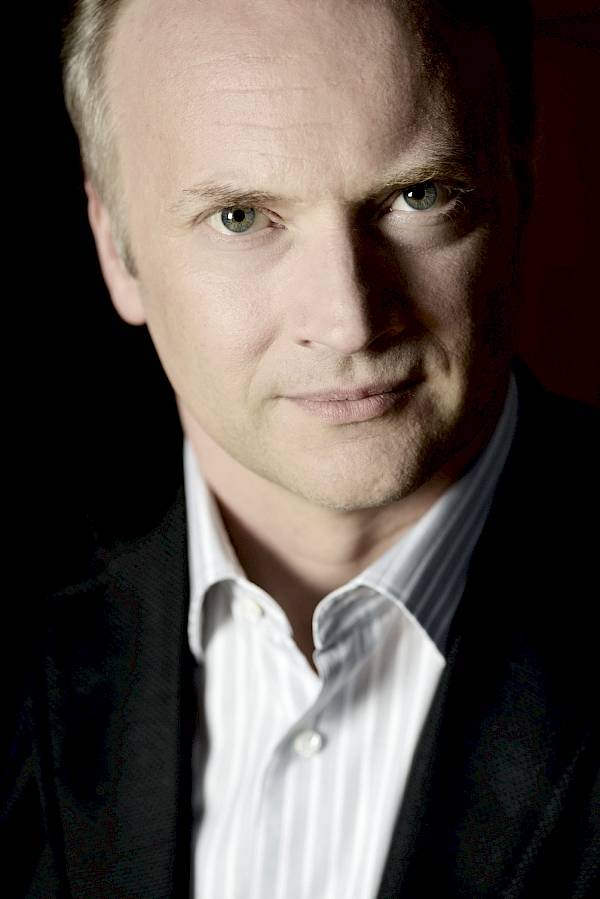
Gianandrea Noseda
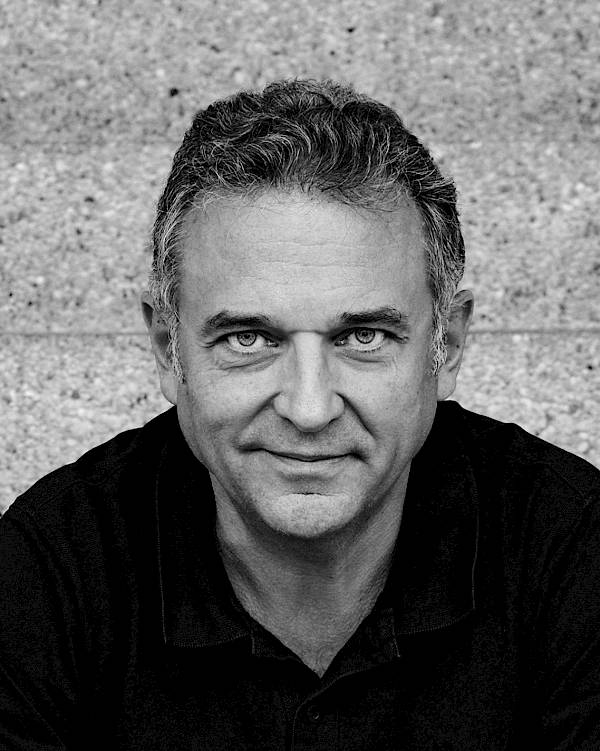
Andreas Homoki
Andreas Homoki was born in Germany in 1960 as the son of a Hungarian family of musicians and studied school music and German studies in Berlin (West). In 1987 he went to the Cologne Opera as an assistant director and stage manager, where he remained until 1993. From 1988 to 1992 he was also a lecturer for stage instruction at the opera school of the Cologne University of Music. It was here that his first own productions were created. In 1992 his first guest production took him to Geneva, where his interpretation of "Die Frau ohne Schatten" received international attention. The production, which was later also shown at the Théâtre du Châtelet in Paris, received the French Critics' Prize of the Year in 1994. From 1993 to 2002 Andreas Homoki worked as a freelance opera director and staged productions in Cologne, Hamburg, Geneva, Lyon, Leipzig, Basel, Berlin, Amsterdam and Munich, among others. As early as 1996 he made his debut at the Komische Oper Berlin with "Falstaff", followed by "The Love for Three Oranges" (1998) and in 2000 "The Merry Widow". In 2002 Andreas Homoki was appointed chief director of the Komische Oper Berlin as successor to Harry Kupfer, and in 2004 he became its artistic director. In addition to his directing work at the Komische Oper Berlin, he staged productions at the Théâtre du Châtelet in Paris, the Bavarian State Opera in Munich, the New National Theatre Tokyo, the Semperoper Dresden and the Hamburg State Opera, among others. In July 2012, under the musical direction of William Christie, he staged "David et Jonathas" by Marc-Antoine Charpentier for the Festival in Aix-en-Provence – a production that was later also shown in Edinburgh, Paris and New York, among other places. From 2012 to 2025 Andreas Homoki was artistic director of the Zurich Opera House, where he staged productions including "The Flying Dutchman" (co-production with La Scala in Milan and the Norwegian National Opera Oslo), "Fidelio", "Juliette", "Lohengrin" (co-production with the Vienna State Opera), "Luisa Miller" (Hamburg State Opera), "Wozzeck", "My Fair Lady" (Komische Oper Berlin), "I puritani", "Medée", "Lunea" (named "World Premiere of the Year 2017/18" by the magazine Opernwelt), "Iphigénie en Tauride", "Nabucco", "Simon Boccanegra", "Les Contes d'Hoffmann", "Salome", the "Ring des Nibelungen" and "Carmen". Andreas Homoki has been a member of the Academy of the Arts Berlin since 1999.
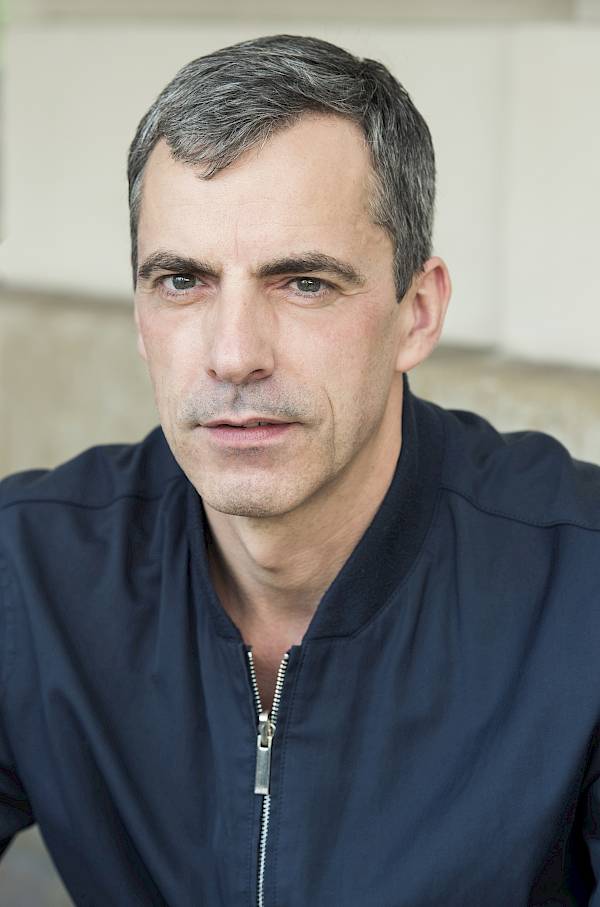
Christian Schmidt
Christian Schmidt studied stage design with Erich Wonder at the Academy of Fine Arts Vienna. In 1992, he collaborated for the first time with Claus Guth, leading to an intensive artistic partnership. He has since designed sets and costumes for numerous Guth productions, including "Iphigénie en Tauride" and "Le nozze di Figaro" at the Salzburg Festival, "The Flying Dutchman" at the Bayreuth Festival, "Fierrabras", "Radamisto", "Ariane et Barbe-Bleue", "Tristan und Isolde", and "Parsifal" at the Zurich Opera House, as well as Mozart’s "Lucio Silla" at the Vienna Festival Weeks. The team has also gained recognition for world premieres, including Czernowin’s "Pnima" and Staud’s "Berenice" at the Munich Biennale, Ruzicka’s "Celan" in Dresden, Oehring’s "Unsichtbar Land" in Basel, and Czernowin’s "Heart Chamber" at the Deutsche Oper Berlin. For Hans Neuenfels’ productions of Zemlinsky’s "Der König Kandaules" at the Vienna Volksoper (1997) and "Die Entführung aus dem Serail" in Stuttgart (1998), Schmidt created the award-winning designs. In 2003, Opernwelt named him "Set Designer of the Year" and in 2005 "Costume Designer of the Year". He received the Rolf-Mares-Preis in 2006 for the set of "Simon Boccanegra" in Hamburg. In 2010, he worked for the first time with Christof Loy ("Die lustige Witwe" in Geneva). For Christian Spuck, he created the sets for Gluck’s "Orphée et Eurydice" in Stuttgart and for "Romeo and Juliet" and "Messa da Requiem" in Zurich. Since 2011, he has also collaborated with Andreas Homoki and, together with him, directed the Zurich "Ring of the Nibelung" from 2022 to 2024.
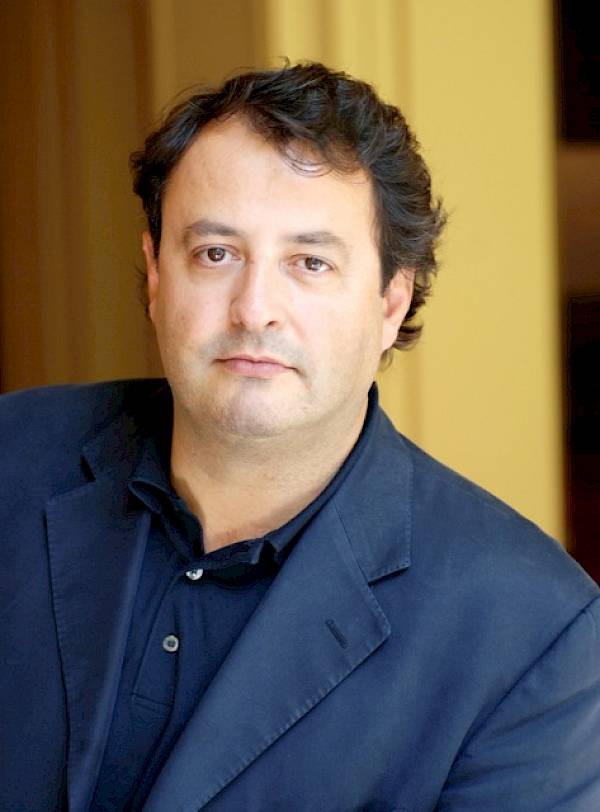
Franck Evin
Franck Evin, born in Nantes, moved to Paris at the age of 19 to study piano. At night he accompanied singers at the Café-Théâtre Le Connétable and also began to take an interest in lighting. He eventually decided to combine music and technology. Thanks to a scholarship from the French Ministry of Culture, he became assistant to the head of lighting at the Opéra de Lyon in 1983. There he worked with Ken Russell and Robert Wilson, among others. In 1986 he began working as an independent lighting designer at the Düsseldorf Schauspielhaus and obtained his master’s certificate in lighting in 1993. During this time he had a close collaboration with Werner Schröter and the conductor Eberhard Kloke. This was followed by productions in Nantes, Strasbourg, Paris, Lyon, Vienna, Bonn, Brussels and Los Angeles, among other places. From 1995 to 2012 he was Artistic Director of the lighting department at the Komische Oper Berlin, where he was responsible for all new productions. Important artistic partners during this period included Andreas Homoki, Barrie Kosky, Calixto Bieito and Hans Neuenfels. In 2006 Franck Evin was awarded the German Theatre Prize "Opus" in the category of lighting design. From 2012 to 2025 he was Artistic Director of the lighting department at the Zurich Opera House. In addition to his work in Zurich, he continued to work on international productions at opera houses in Oslo, Stockholm, Tokyo, Amsterdam, Munich and Graz, as well as at the Opéra Bastille, Teatro alla Scala, Teatro La Fenice, the Vlaamse Opera and at the Bayreuth Festival.
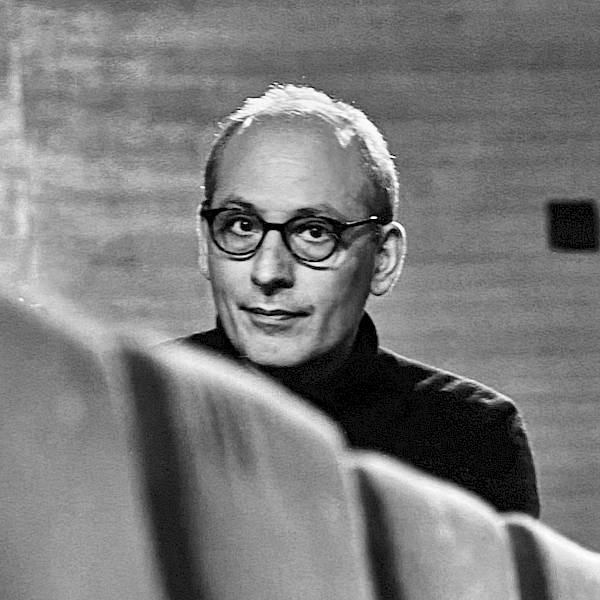
Florian Schaaf
Florian Schaaf, geboren 1969 in Gräfelfing, studierte in München Architektur. Eine langjährige künstlerische Zusammenarbeit verbindet ihn mit dem Bühnenbildner Christian Schmidt. Er wirkte bei zahlreichen Produktionen an internationalen Opernhäusern mit, u.a. am Teatro alla Scala in Mailand, am Teatro Real Madrid, an der Opéra de Paris, der Staatsoper Wien, der Staatsoper Berlin sowie zuletzt beim Ring des Nibelungen am Opernhaus Zürich. Im Deutschen Theatermuseum schuf er als szenografische Arbeit die Ausstellung «150 Jahre Gärtnerpatztheater». 2019 arbeitete er als Bühnenbildner mit Falko Herold an Schnitzlers Reigen in der Inszenierung von Alexandra Liedtke bei den Bregenzer Festspielen. Am Theater Wiesbaden entwarf er gemeinsam mit Duri Bischoff die Bühnenbilder für Kirschgarten in der Inszenierung von Evgeny Titov sowie für Vater, Wassa Schelesnova und Der eingebildete Kranke.
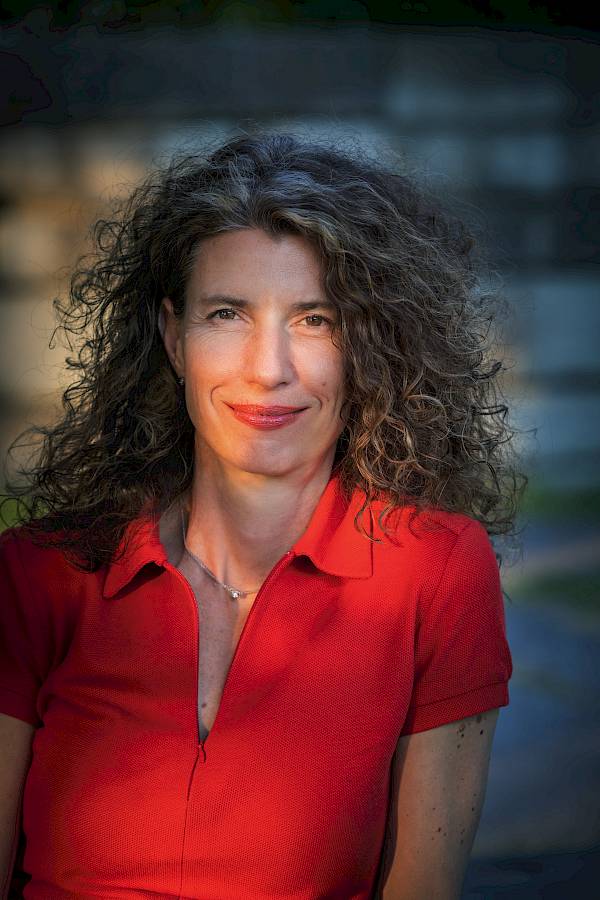
Beate Breidenbach
Beate Breidenbach studierte zuerst Violine, dann Musikwissenschaft und Slawistik in Nowosibirsk, Berlin und St. Petersburg. Nach Assistenzen an der Staatsoper Stuttgart und der Staatsoper Unter den Linden Berlin wurde sie als Musikdramaturgin ans Theater St. Gallen engagiert, drei Jahre später wechselte sie als Dramaturgin für Oper und Tanz ans Theater Basel. Anschliessend ging sie als Operndramaturgin ans Opernhaus Zürich, wo sie bisher mit Regisseurinnen und Regisseuren wie Calixto Bieito, Dmitri Tcherniakov, Andreas Homoki, Herbert Fritsch, Nadja Loschky, Kirill Serebrennikov und anderen arbeitete und die Entstehung neuer Opern von Pierangelo Valtinoni, Michael Pelzel, Samuel Penderbayne und Jonathan Dove betreute. Gastdramaturgien führten sie u.a. an die Potsdamer Winteroper (Le nozze di Figaro, Regie: Andreas Dresen), zum Schweizer Fernsehen (La bohème im Hochhaus) und 2021 an die Opéra de Génève (Krieg und Frieden, Regie: Calixto Bieito). Mit Beginn der Spielzeit 2026/27 wird sie als Chefdramaturgin an die Deutsche Oper Berlin wechseln.
Werner Hintze
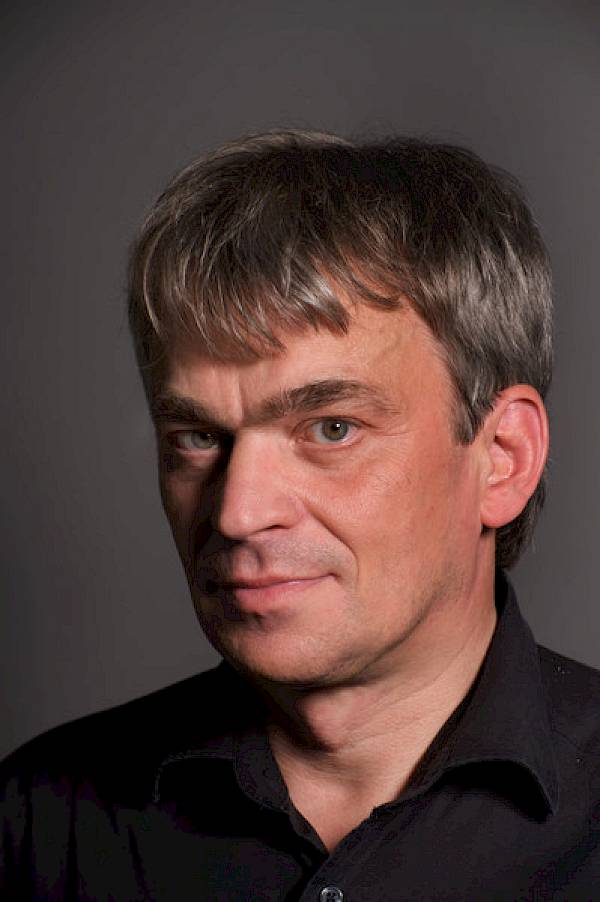
The author and dramaturg Werner Hintze studied theatre studies at Humboldt University in Berlin. Following an initial appointment at the Landestheater Halle, he worked at the Semperoper Dresden before moving to the Hans-Otto-Theater in Potsdam as chief dramaturg. From 2002 to 2012, he was chief dramaturg at the Komische Oper Berlin. Since 2012, he has lived in Berlin as a freelance dramaturg, author and university lecturer. He worked closely for many years with directors such as Peter Konwitschny, Andreas Homoki and Andreas Baumann, and served as a guest dramaturg at opera houses in Munich, Hamburg, Dresden, Zurich and Essen, amongst others. Since 1985, he has produced more than 30 German-language librettos for operas, mostly in collaboration with Bettina Bartz, as commissioned works for the Komische Oper and other theatres. In addition to his work in theatre, Werner Hintze teaches students of directing, set design and theatre studies at various universities. At the Zurich Opera House, he most recently supervised Andreas Homoki’s sensational new production of "Der Ring des Nibelungen".
Cast
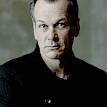
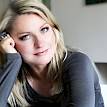
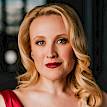
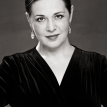

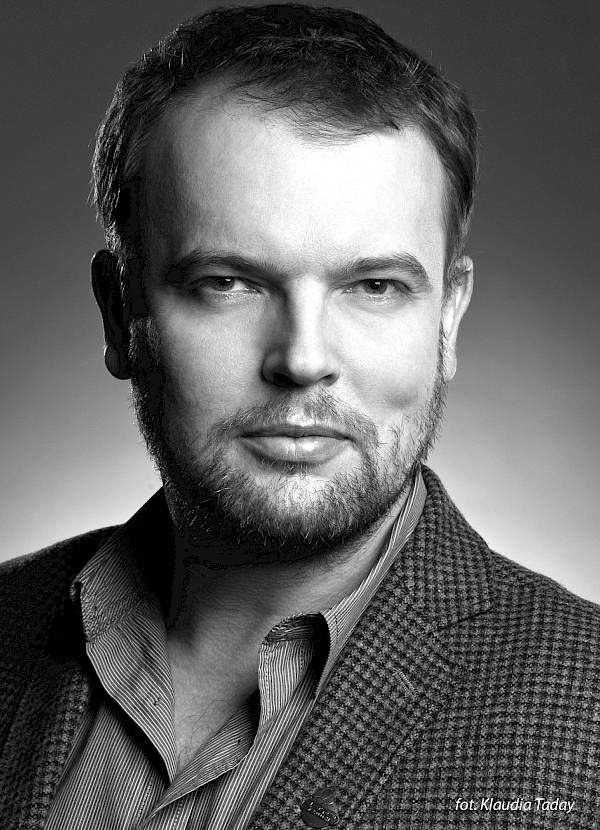
Tomasz Konieczny
Tomasz Konieczny, wurde in Polen geboren und studierte an der dortigen Filmakademie zunächst Schauspiel. Er wirkte als Schauspieler im Theater und war an verschiedenen Film- und Fernsehproduktionen beteiligt. Sein Gesangsstudium begann er an der Fryderyk-Chopin-Akademie in Warschau und setzte es an der Hochschule für Musik in Dresden fort. Tomasz Konieczny ist regelmässiger Gast an zahlreichen renommierten Häusern weltweit; er sang u. a. am Teatro Real Madrid, an der Semperoper Dresden, an der Opéra National de Paris, an der Met in New York, der Bayerischen Staatsoper, bei den Salzburger und den Bayreuther Festspielen und an der Scala in Mailand. Von 2006-2014 gehörte er zum Ensemble der Deutschen Oper am Rhein, wo er u. a. Golaud (Pelléas et Mélisande) Amfortas (Parsifal), Kurwenal (Tristan und Isolde), Holländer, Barak (Die Frau ohne Schatten), Balstrode (Peter Grimes), Alberich (Der Ring der Nibelungen), Selim (Il turco in Italia), Falstaff und Escamillo gesungen hat. Seit 2009 ist die Wiener Staatsoper seine künstlerische Heimat. Dort war er bisher in Partien wie Alberich, Wotan, Telramund, Amfortas, Jochanaan und Holländer zu erleben. Seit 2019 ist er Kammersänger der Wiener Staatsoper. Tomasz Konieczny ist auch mit einem breiten Repertoire im Konzertfach aktiv. Zudem ist er seit 2023 Gründer und Künstlerischer Leiter des Baltic Opera Festival in der Dreistadt (Danzig-Sopot-Gdingen). 2025 wird er u. a. an der Metropolitan Opera als Pizarro (Fidelio), bei den Bayreuther Festspielen als Wotan/Wanderer (Der Ring der Nibelungen) und an der Oper Amsterdam als Boris Godunow auftreten.
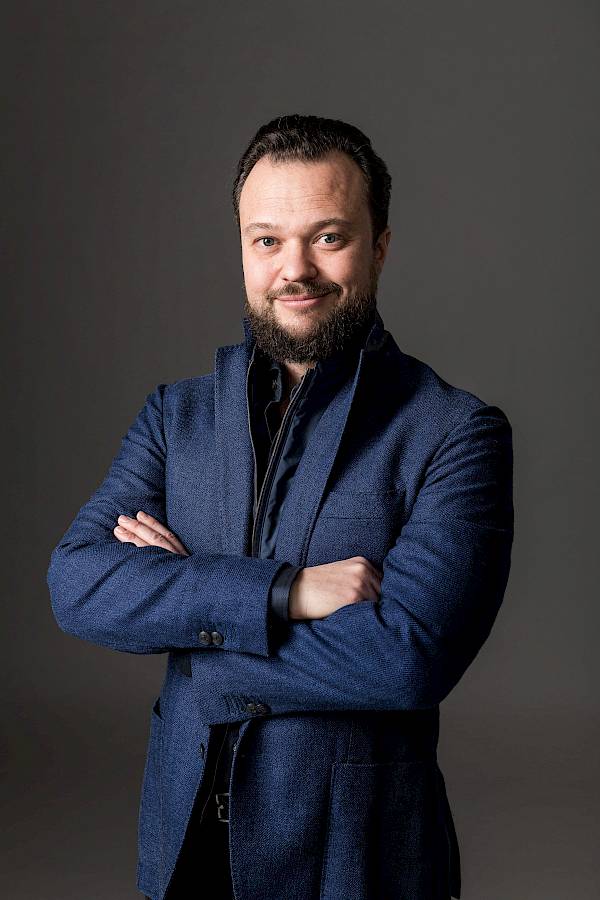
Jordan Shanahan
Jordan Shanahan, geboren auf Hawaii, studierte Posaune und Komposition an der Universität Hawaii. Anschliessend wechselte er an die Temple University Philadelphia, um Gesang zu studieren. 2002 gab er sein professionelles Operndebüt als Silvio (Pagliacci) beim Natchez Opera Festival in den USA. Seitdem hat er an zahlreichen bedeutenden internationalen Häusern und Festivals gesungen, u.a. an der Metropolitan Opera, der Lyric Opera Chicago und der Bayerischen Staatsoper in München. Zu seinem Repertoire gehören Partien wie Rigoletto, Eugen Onegin, Don Giovanni, Escamillo, Harasta (Das schlaue Füchslein), Riccardo (I puritani), Zurga (Les Pêcheurs de perles), Valentin (Faust), Wolfram (Tannhäuser), Telramund und Heerrufer (Lohengrin), Jochanaan (Salome) und Dr. Falke (Die Fledermaus). Hinzu kommen Partien in zeitgenössischen Opern, wie beispielsweise Clyde Griffith in Pickers An American Tragedy, Joseph de Rocher in Jake Heggies Dead Man Walking und Protector in George Benjamins Written on Skin. Im Sommer 2019 debütierte er bei den Bregenzer Festspielen in der Titelpartie von Rigoletto und als Monterone in Philipp Stölzls Neuinszenierung und kehrte 2021 als Monterone nach Bregenz zurück. Darüber hinaus sang er jüngst Jago (Otello) in Bern, Jochanaan an der Deutschen Oper am Rhein, Alberich (Siegfried und Götterdämmerung) an der Deutschen Oper Berlin, Rigoletto in Wiesbaden und Don Carlo di Vargas (La forza del destino) an der Oper Graz.
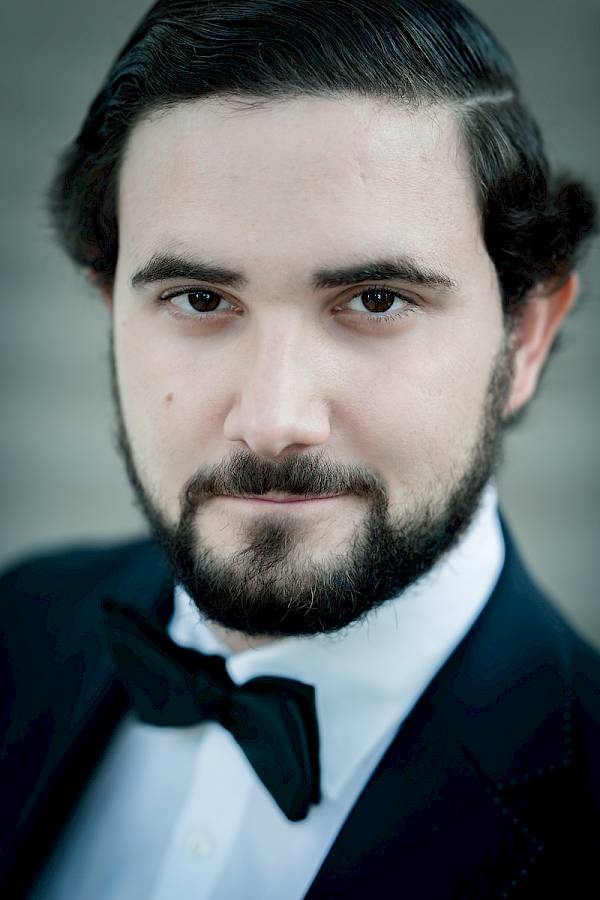
Omer Kobiljak
The tenor Omer Kobiljak is originally from Bosnia and was born in Switzerland. He studied singing with David Thorner, first at the Winterthur Conservatory and then at the Kalaidos University of Applied Sciences in Aarau. He attended masterclasses with Jane Thorner-Mengedoht, David Thorner, and Jens Fuhr and won first prize with distinction at the Thurgau Music Competition in 2012. The following year, he sang a apprentice (“Die Meistersinger von Nürnberg”) under Daniele Gatti at the Salzburg Festival and made his debut in the same role at La Scala in Milan in 2017. From the 2017/18 season, he was a member of the International Opera Studio at the Zurich Opera House, where he appeared in productions such as “La fanciulla del West,” “Parsifal,” “The Flying Dutchman,” and “La traviata.” He also performed as Lord Arturo Buklaw (“Lucia di Lammermoor”) and as the notary in the concert performance of “La sonnambula.” Since the 2019/20 season, Omer Kobiljak has been part of the ensemble at the Zurich Opera House, where he has sung roles including Abdallo (“Nabucco”), Macduff (“Macbeth”), Froh (“Das Rheingold”), Alfredo (“La traviata”), Tybalt (“Roméo et Juliette”), the Mad Hatter (“Alice in Wonderland”), and a singer (“Der Rosenkavalier”). His further engagements include Prince Alexis (Umberto Giordano’s “Siberia”), Yamadori (“Madama Butterfly”), and Don Riccardo (“Ernani”) at the Bregenz Festival, as well as the title role in “The Count of Luxembourg” at the Tiroler Festspiele Erl. In 2023, Omer Kobiljak was a finalist in the Operalia Competition in Cape Town. Most recently, he made his house debuts as Lord Arturo Buklaw at the Semperoper Dresden, as Froh at the Opéra de Monte-Carlo, and as Narraboth (“Salome”) at the Baltic Opera Festival in Poland.
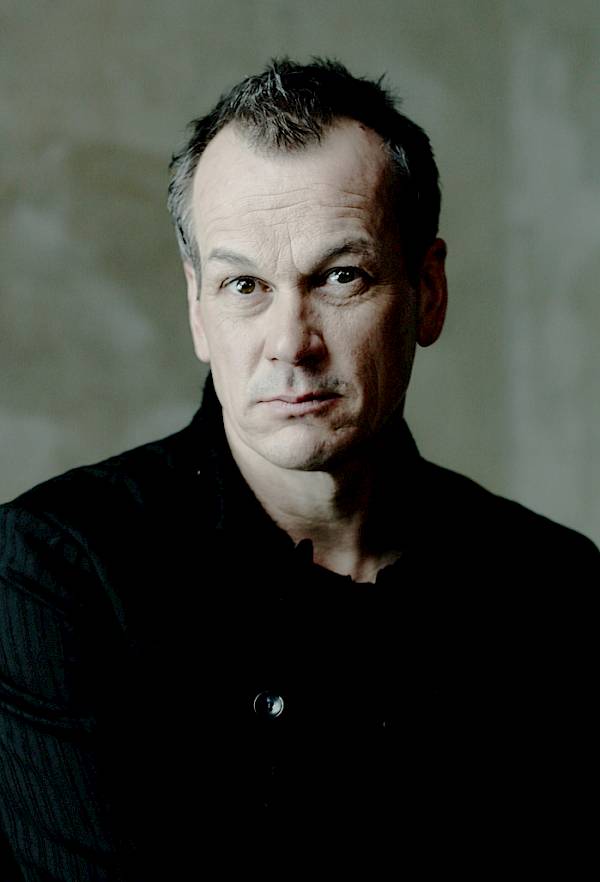
Matthias Klink
Matthias Klink was a member of the ensemble of the Städtische Bühnen Köln from 1996 to 1998 and of the Staatsoper Stuttgart from 2006 to 2010. Guest engagements have taken him to Hamburg, Dresden, Frankfurt, the three major opera houses in Berlin, and La Scala in Milan. Since his Salzburg debut in 1999 in the world premiere of Berio's "Cronaca del luogo", Matthias Klink has been a regular guest there and sang Ein Gast/Apollon in the 2010 world premiere of Wolfgang Rihm's "Dionysos". As Tamino ("Die Zauberflöte") he appeared at the Vienna State Opera, the Festspielhaus Baden-Baden, the Salzburg Festival, in Aix-en-Provence, at the Ruhrtriennale, and at the Metropolitan Opera. His repertoire also includes roles such as Don José, Alfredo ("La traviata"), Tom Rakewell ("The Rake’s Progress"), and Hoffmann. In the 2014/15 season Matthias Klink rejoined the ensemble of the Staatsoper Stuttgart. For his acting and singing performance as Gustav von Aschenbach in "Der Tod in Venedig" he was named Singer of the Year by the magazine "Opernwelt" in 2017 and received the German Theatre Prize DER FAUST in 2018. At Zurich Opera House he was recently heard as Loge in "Das Rheingold". Alongside his operatic work, Matthias Klink is also regularly heard as a concert and recital singer. Performances have taken him to Avery Fisher Hall in New York, the Salle Pleyel in Paris, the Alte Oper Frankfurt, the Cologne Philharmonie, the Festspielhaus Baden-Baden, the Salzburg Easter Festival, the Musikverein in Vienna, and the Liederhalle Stuttgart. In 2018 he was awarded the title of Kammersänger in Stuttgart.
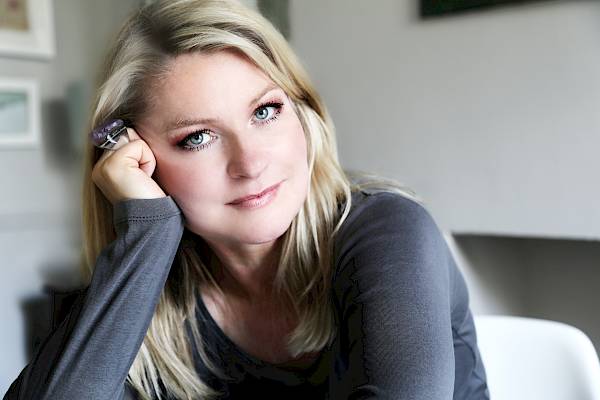
Patricia Bardon
Patricia Bardon aus Irland hat ein breit gefächertes Repertoire, das von Monteverdi bis Wagner und von Sariaaho bis Adams reicht. Höhepunkte ihrer Auftritte waren Erda (Der Ring des Nibelungen) an der Metropolitan Opera, die Titelrolle in Carmen an der Los Angeles Opera und der Staatsoper Hamburg; Ježibaba (Rusalka) in Glyndebourne, Baba the Turk (Rake’s Progress) am Covent Garden, Azucena (Il trovatore) an der Welsh National Opera, Lady Penelope Rich (Gloriana) am Covent Garden. Sie sang die Adriana in der Uraufführung von Kaija Saariahos Adriana Mater an der Opéra Nationale de Paris und die Titelrolle in John Adams’ The Gospel according to the other Mary an der ENO. Im Barock-Repertoire sang sie Cornelia (Giulio Cesare) an der Met, beim Glyndebourne Festival, an der Münchner Staatsoper, dem Theater an der Wien, der Lyric Opera Chicago und der ENO, die Titelrolle in Orlando an der Opéra de Paris, in New York und Moskau; die Titelrolle in Giulio Cesare in Barcelona, die Titelrolle in Agrippina am Theater an der Wien, Bradamante in Alcina in Drottningholm und an der Opéra de Paris, Penelope (Il ritorno d’Ulisse in patria) am Maggio Musicale Florenz, der Berliner Staatsoper und in Amsterdam, Ruggiero (Alcina) in Montpellier und Triest, Zenobia (Radamisto) am Theater an der Wien, Amastris (Serse) in München, Dresden, Montpellier. Im Belcanto-Repertoire sang sie die Titelrolle in Tancredi in Moskau und am La Fenice, Arsace (Semiramide) am La Fenice, Malcolm (La donna del lago) beim Edinburgh Festival, Edwige (Guillaume Tell) am Covent Garden, Angelina (La Cenerentola) am La Monnaie und Smeton in Anna Bolena in San Francisco.
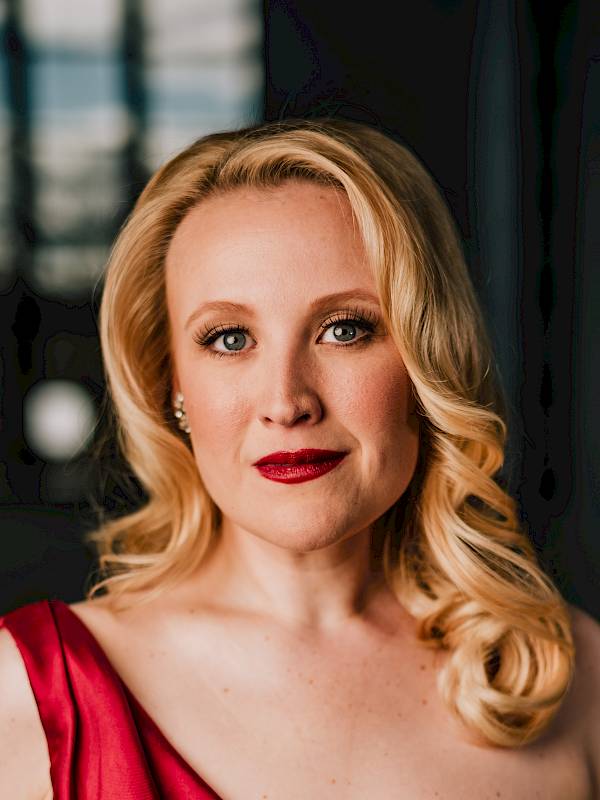
Kiandra Howarth
The Australian soprano Kiandra Howarth studied at the Queensland Conservatorium of the Griffith University and at the Mozarteum Salzburg, and was a member of the Young Artist Program of Opera Australia, the Salzburg Festival, and the Jette Parker Young Artist Programme of the Royal Opera House Covent Garden, London. Since then, she has sung the major roles of her repertoire at numerous international opera houses and festivals. Highlights include Donna Anna (“Don Giovanni”) in Basel, Luxembourg, Guangzhou, and Nancy; Pamina and First Lady (“The Magic Flute”) at the Bavarian State Opera, the Teatro dell’Opera di Roma, and the Royal Opera House; Dorotka (“Schwanda the Bagpiper”) at the Komische Oper Berlin; Freia (“Das Rheingold”) at the Zurich Opera House and the Royal Opera House; as well as appearances in “7 Deaths of Maria Callas” at the Bavarian State Opera. Since 2021, she has been a permanent ensemble member of the Staatsoper Hannover, where she has performed roles such as Fiordiligi (“Così fan tutte”), Desdemona (“Otello”), the Countess (“Le nozze di Figaro”), Alcina, Mimì (“La bohème”), Madame Lidoine (“Dialogues des Carmélites”), and Rusalka. In the 2023/24 season, she returned as Freia at both the Royal Opera House and in Zurich. She also made her house debuts as Desdemona at Oper Leipzig and as Magda (“La rondine”) with Victorian Opera. Most recently, she made her role debut as Arabella at Bühnen Bern and as the Marschallin in “Der Rosenkavalier” at the Staatsoper Hannover. In the 2025/26 season, further important debuts will follow: Manon Lescaut at Bühnen Bern, as well as Liù (“Turandot”) and Marietta (“Die tote Stadt”) at the Staatsoper Hannover.
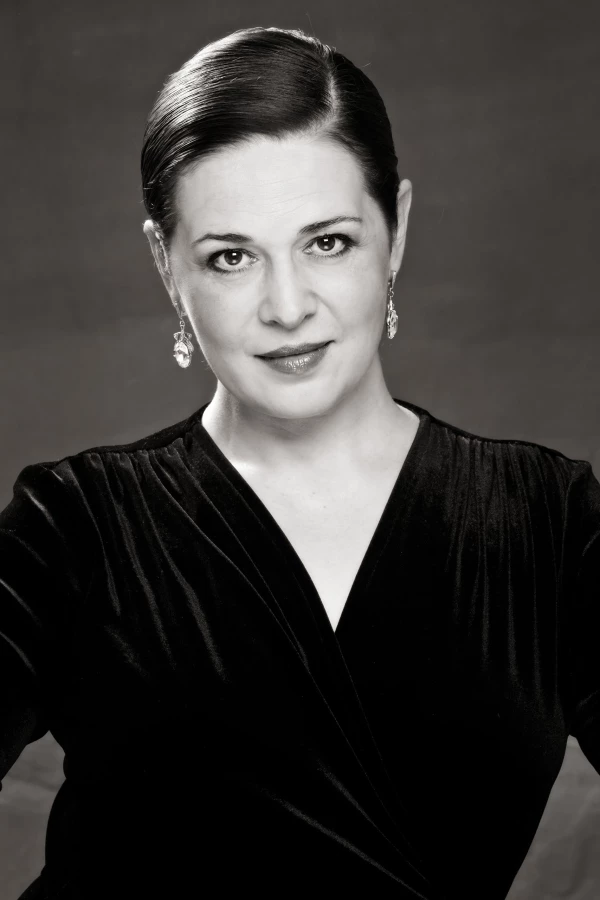
Anna Danik
Anna Danik, Mezzosopran, stammt aus Russland und studierte an der Royal Danish Academy of Music sowie an der Sibelius-Akademie in Helsinki. Ihre Karriere begann sie als Sopran mit verschiedenen Partien an der Finnischen Nationaloper, am Rialto Theater in Kopenhagen sowie bei den Opernfestspielen in Savonlinna, den Musikfestspielen Turku und beim Baltic Sea Festival in Bergwaldhallen. 2013 wechselte sie ins Mezzosopran-Fach und debütierte als Eboli in Don Carlos an der Oper in Chemnitz. 2016 gab sie ihr Debüt als Wellgunde in Rheingold und Götterdämmerung sowie als Schwertleite in Walküre an der Staatsoper Unter den Linden in Berlin. Anschliessend sang sie Amneris in Aida am Theater Ulm. Ausserdem widmet sich Anna Danik regelmässig dem Konzertrepertoire. Sie sang Bergs Sieben frühe Lieder mit dem Turku Philharmonic und gab ihr China-Debüt mit Mahlers Rückert-Liedern mit dem Beijing Philharmonic Orchestra. In jüngerer Zeit war sie u. a. als Emilia in Otello bei den Opernfestspielen in Savonlinna und am Bolschoi Theater in Moskau zu erleben, als Klytämnestra (Elektra) an der Scala in Mailand und am Badischen Staatstheater Karlsruhe, als Amneris (Aida) und als Margret (Wozzeck) an der Finnischen Nationaloper. In der Spielzeit 2021/22 sang sie Eva in der Uraufführung von Ehrenfellners Kain und Abel am Theater Nordhausen, Schwerthilde (Walküre) an der Royal Danish Opera, Erda (Rheingold) in Zürich und Erste Norn / Flosshilde (Götterdämmerung) beim Eurajoki Festival.
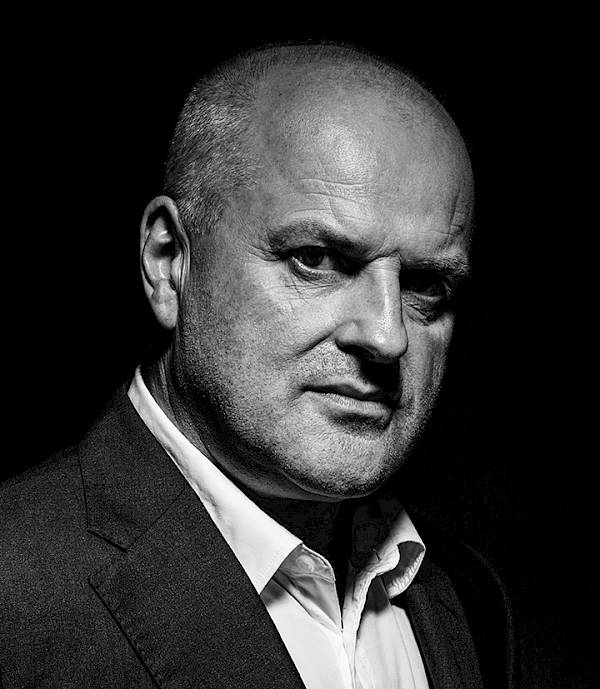
Christopher Purves
Christopher Purves began his musical career as a chorister at King’s College in Cambridge and later was a member of the experimental rock group Harvey and the Wallbangers before turning to opera singing. He sang, among others, Balstrode in "Peter Grimes" at the Bavarian State Opera, at Teatro alla Scala and at Teatro Real Madrid, Alberich in Wagner’s "Ring" cycle for the Zürich Opera House, the Houston Grand Opera, the Bavarian State Opera, the Canadian Opera Company and the Royal Opera House, Nick Shadow in "The Rake’s Progress" at Teatro Colón, the title role in Handel’s "Saul" at the Théâtre du Châtelet, at the Houston Grand Opera, at the Adelaide Festival and at the Royal Theatre Copenhagen, as well as the Forester in Janáček’s "Das schlaue Füchslein" at the Canadian Opera Company. Closely associated with contemporary repertoire, he created roles in numerous world premieres. He sang Walt Disney in the world premiere of Philip Glass’ "The Perfect American", Protector in George Benjamin’s "Written on Skin" at the Royal Opera House, as well as roles in works by Sir James MacMillan, including "The Sacrifice", "Ines de Castro" and "Parthenogenesis". On the concert stage, he was heard, among others, in Elgar’s "The Kingdom" at the BBC Proms and in Handel’s "Messiah" on a European tour with Emmanuelle Haïm and Le Concert d’Astrée.
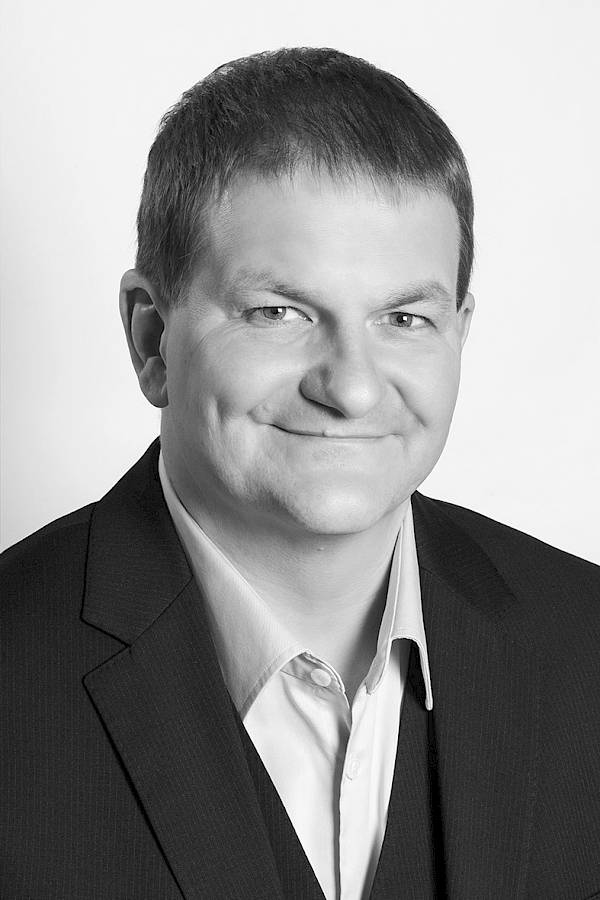
Wolfgang Ablinger-Sperrhacke
Wolfgang Ablinger-Sperrhacke studierte an der Wiener Musikhochschule bei Kurt Equiluz und Gerhard Kahry. 1997 debütierte er an der Opéra national de Paris, wo er u.a. als Monostatos (Die Zauberflöte), Capito (Mathis der Maler) und Mime (Der Ring des Nibelungen) zu erleben war. Diese Partie sang er auch an der Bayerischen Staatsoper, Berliner Staatsoper, Wiener Staatsoper, Mailänder Scala, Teatro La Fenice, Teatro Real, Théatre du Capitole de Toulouse, Canadian Opera Company und De Nationale Opera in Amsterdam. 1999 debütierte er beim Glyndebourne Festival, wo er seither mehr als 130 Vorstellungen gesungen hat (u.a. Hexe in Hänsel und Gretel, Tanzmeister in Ariadne auf Naxos, Podestà in La finta giardiniera). Er gastierte bei den Bregenzer Festspielen, beim Festival d’Aix-en-Provence und bei den Salzburger Festspielen (Pirzel in Zimmermanns Die Soldaten). Weitere Stationen waren 2013 sein Debüt an der Met als Valzacchi (Der Rosenkavalier) und 2016 an der Royal Opera Covent Garden als Iwan in Schostakowitschs Die Nase. Jüngst sang er die Titelpartie in Offenbachs Blaubart und Pluto (Orpheus in der Unterwelt) an der Komischen Oper Berlin, Aegisth (Elektra) und Herodes (Salome) an der Wiener Staatsoper, Wenzel (Die verkaufte Braut), Franz I. (Kreneks Karl V.), Herodes und Pendereckis Die Teufel von Loudun an der Bayerischen Staatsoper, den Schäbigen (Lady Macbeth von Mszenk) an der Opéra Bastille, den Hauptmann (Wozzeck), Rheingold-Mime und Herodes in Zürich, Monostatos und Valzacchi in München, Hauptmann in Toulouse, Herodes am Bolshoi-Theater sowie Dallapiccolas Il prigioniero in der Berliner Philharmonie. 2021 wurde er zum Bayerischen Kammersänger ernannt, 2022 zum Chevalier des Arts et des Lettres von Frankreich. Ausserdem erhielt er das österreichische Ehrenkreuz für Wissenschaft und Kunst.
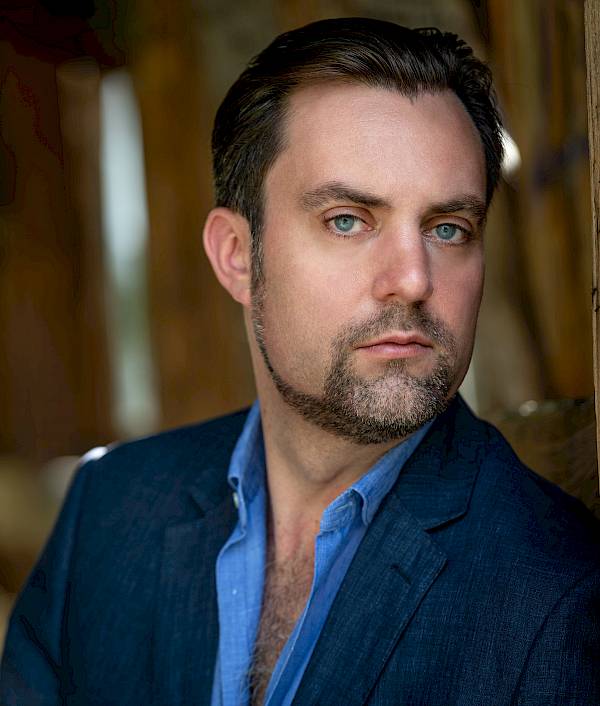
David Soar
David Soar stammt aus Grossbritannien und absolvierte seine Ausbildung an der Royal Academy of Music in London sowie im National Opera Studio, London. Nach seiner Ausbildung sang er u. a. Figaro (Le nozze di Figaro), Leporello (Don Giovanni), Escamillo (Carmen) und Sparafucile (Rigoletto) an der Welsh National Opera. Es folgten Einladungen an die Met New York, an die English National Opera, ans Gran Teatre del Liceu Barcelona, zum Glyndebourne Festival, den BBC Proms und den Salzburger Festspielen. Zudem gab er zahlreiche Konzerte mit Orchestern wie dem BBC Symphony Orchestra, dem English Concert, dem Orchestre des Champs-Élysées, und dem Antwerpen Symphony Orchester und sang dabei in Werken von Mendelssohn (Elias), Händel (Messiah), Berg (Wozzeck) und Walton (Belshazzar’s Feast). Er sang Colline (La bohème) an der Met und am Royal Opera House London, Zuniga (Carmen), Mr. Flint (Billy Budd) und Sprecher (Die Zauberflöte) ebenfalls am Royal Opera House London, Sir Walter Raleigh (Brittens Gloriana) am Teatro Real de Madrid, Colline sowie Tierbändiger / Athlet (Lulu) an der English National Opera London. Er war als Commendatore und Masetto in Don Giovanni am Theater an der Wien, als Lodovico in Otello, als Colline und als Sprecher am Royal Opera House London, in Beethovens Christus am Ölberg mit den Berliner Philharmonikern sowie als Hobson (Peter Grimes) an der English National Opera zu erleben. In Zürich sang er zuletzt 2022 Fasolt in Das Rheingold sowie Comte Capulet in Roméo et Juliette.
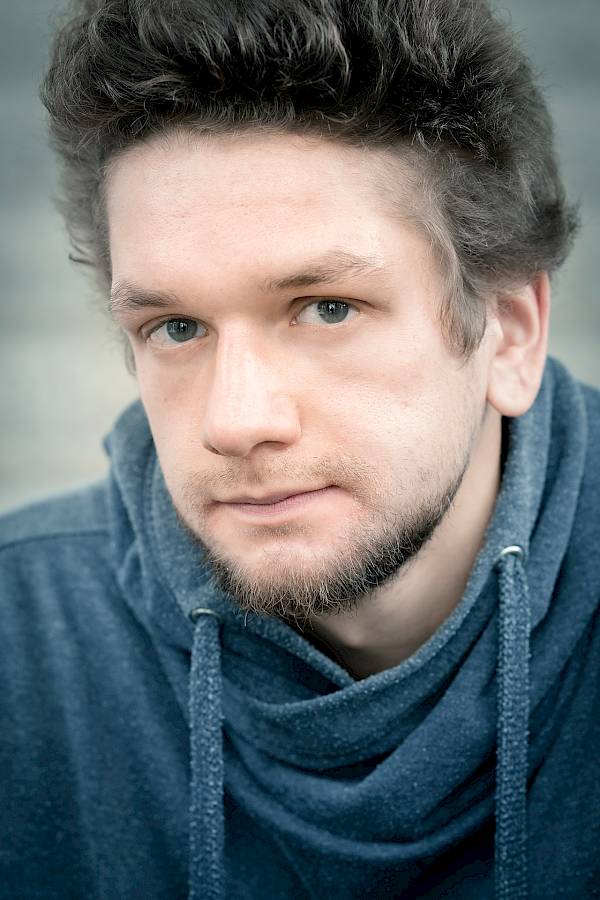
Oleg Davydov
Oleg Davydov studierte Gesang in Moskau und St. Petersburg. Am Konservatorium in St. Petersburg debütierte er 2016 als Fürst Gremin in Eugen Onegin. Er gewann diverse Preise und Auszeichnungen, darunter den zweiten Platz bei der 7. International Opera Competition in St. Petersburg 2015 und den Sonderpreis beim Galina-Wischnewskaja-Gesangswettbewerb in Moskau 2016. In den Spielzeiten 2017/18 und 2018/19 war er Mitglied des Opernstudios der Bayerischen Staatsoper, wo er u.a. die Rollen Usciere in Rigoletto, einen Hauptmann in Eugen Onegin, den 2. Gefangenen in Fidelio, Billy Jackrabbit in La fanciulla del West, Bertrand in Iolanta und Yakusidé in Madama Butterfly interpretierte. Seit der Spielzeit 2019/20 ist Oleg Davydov Mitglied des Internationalen Opernstudios Zürich und war hier in Belshazzar, Die Zauberflöte, Fidelio, Les Contes d’Hoffmann, Salome und Die Odyssee zu erleben.
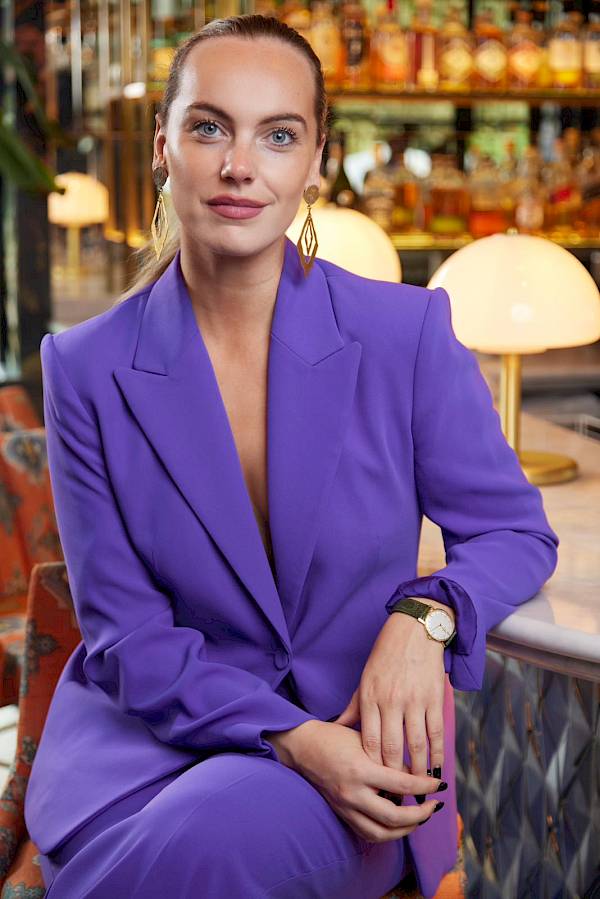
Niamh O'Sullivan
Die irische Mezzosopranistin Niamh O'Sullivan studierte an der Royal Irish Academy of Music in Dublin bei Veronica Dunne. Im Anschluss an ihr Studium war sie von 2016 bis 2018 Mitglied des Opernstudios an der Bayerischen Staatsoper. Dort sang sie Hänsel (Hänsel und Gretel), Kate Pinkerton (Madama Butterfly), die Sekretärin in Menottis Der Konsul, Flora (La traviata) und Barena (Jenůfa). Ausserdem reiste sie mit dem Ensemble zu einer konzertanten Aufführung von Der Rosenkavalier in der Carnegie Hall, New York, unter der Leitung von Kirill Petrenko. Im Rahmen der Münchner Festspiele führte sie im Juli 2019 Elgars Sea Pictures auf und sang mit der Münchner Hofkantorei sowohl Mozarts Requiem als auch Händels Messias. Ausserdem übernahm sie die Hauptrolle des Kain in Scarlattis Oratorium Il Primo Omicidio mit dem Orchester Jakobsplatz und sang in Coussers The Applause of Mount Parnassus in der Wigmore Hall mit dem Ensemble Marsyas. Kürzliche Engagements führten sie als Charlotte (Werther) an die Irish National Opera, Mirza (Lalla-Roukh) an die Wexford Festival Opera, Mercédès (Carmen) an die English National Opera und als zweite Hure in Händels Solomon zum English Concert. Ausserdem nahm sie an der Académie du Festival d'Aix-en-Provence teil. In der Spielzeit 2023/24 singt sie die Wellgunde in Barrie Koskys Neuinszenierung von Das Rheingold am Royal Opera House Covent Garden und die Wellgunde in Götterdämmerung und Das Rheingold sowie die Mercédès (Carmen) am Opernhaus Zürich. Ausserdem gibt sie ihr Rollendebüt als Carmen beim Buxton Festival. Für die Spielzeiten 2023 bis 2025 wurde Niamh O'Sullivan zum BBC New Generation Artist ernannt. In dieser Zeit wird sie Gelegenheit haben, in grossen Konzertsälen zu debütieren und an mehreren CD-Aufnahmeprojekten mitzuwirken.
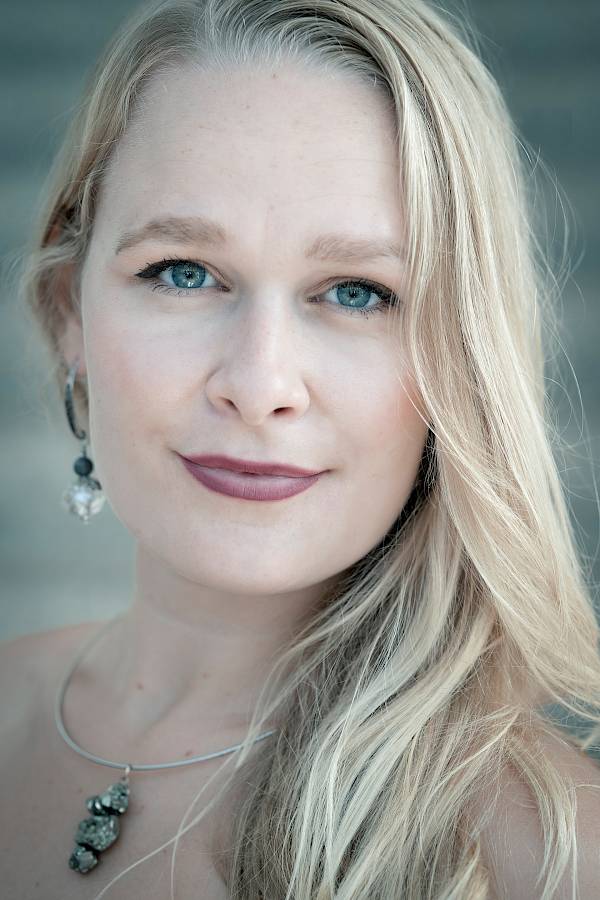
Siena Licht Miller
Siena Licht Miller, German-American mezzo-soprano, studied voice at the Curtis Institute of Music and at the Oberlin Conservatory of Music. She completed her training with courses at Opera Philadelphia, Santa Fe Opera, Opera Theatre of St. Louis and the Aspen Music Festival. She is a scholarship holder of the Bagby Foundation, prizewinner of the Metropolitan Opera National Council Auditions, the Marilyn Horne Rubin Foundation and the Gerda Lissner Foundation. Highlights of her career so far have been role debuts as Hermia in "A Midsummer Night’s Dream", Second Lady in "Die Zauberflöte" and one of the two solo roles in the world premiere of "Denis and Katya" by Philip Venables at Opera Philadelphia. At the Aspen Opera Center she sang the title role in Ravel’s "L’Enfant et les sortilèges" under the direction of Robert Spano. She also regularly devotes herself to art song. She sang in the "The Song Continues" series at Carnegie Hall in celebration of her mentor Marilyn Horne and toured the USA with a recital together with pianist Kevin Murphy. In the 2020/21 season she was a member of the International Opera Studio at the Zurich Opera House and sang there in "Maria Stuarda", "Simon Boccanegra", "Viva la mamma", "Salome", "Odyssee", in the ballet "Monteverdi", in "L’italiana in Algeri" as well as Flosshilde in "Das Rheingold". Since the 2022/23 season she has been a member of the ensemble of the Zurich Opera House, where she was recently seen as Lucilla ("La scala di seta"), Hänsel ("Hänsel and Gretel") and Annio ("La clemenza di Tito").
Fotogalerie «Das Rheingold»