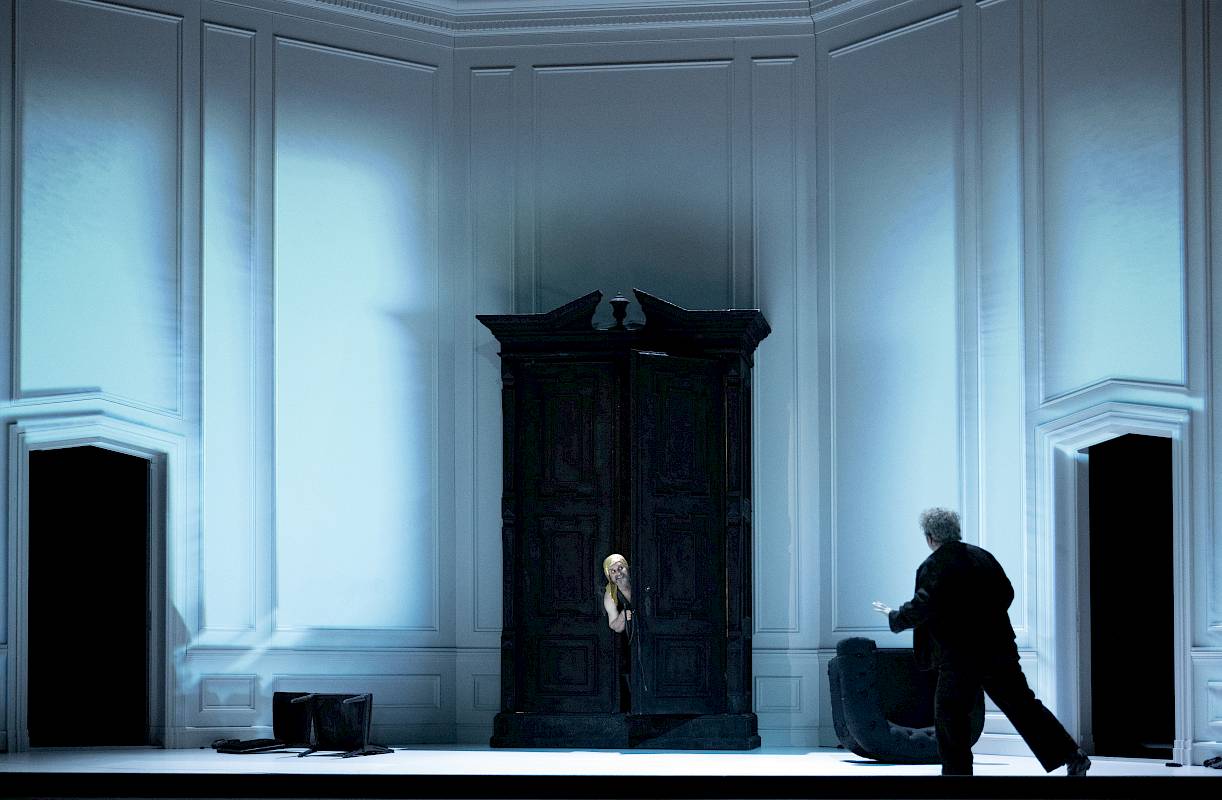
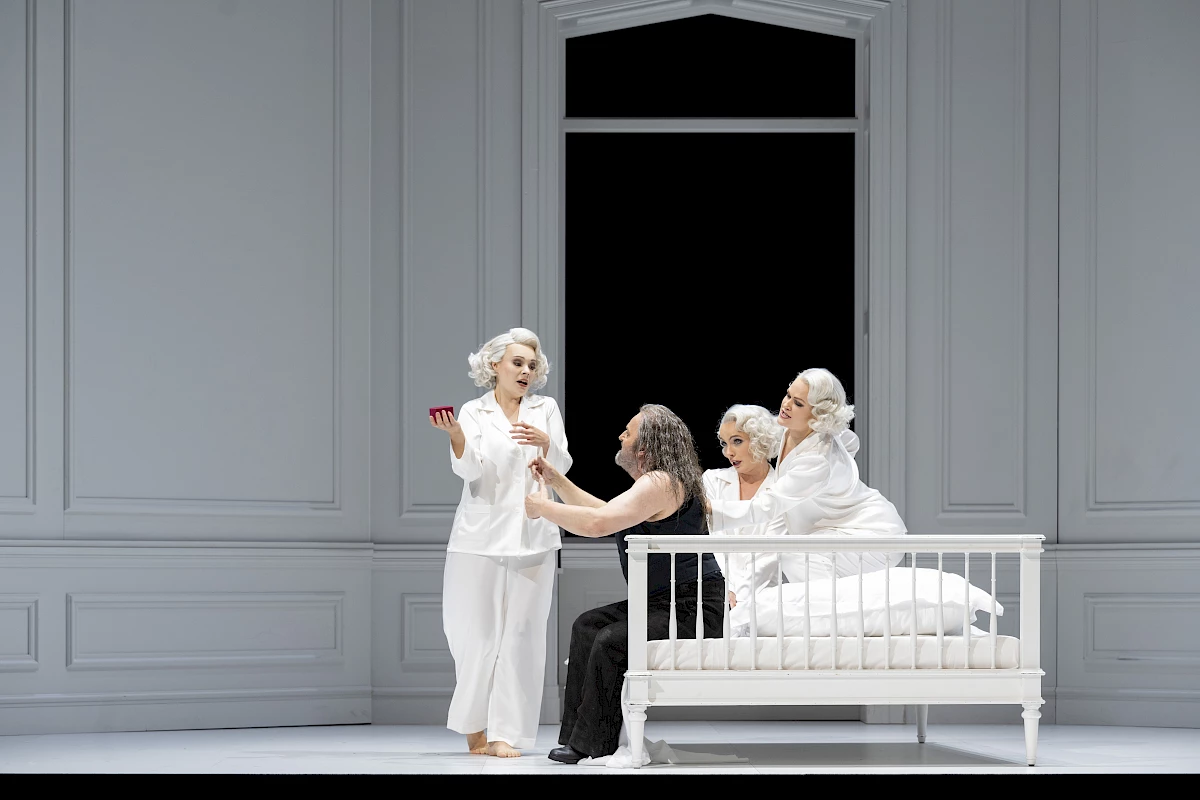
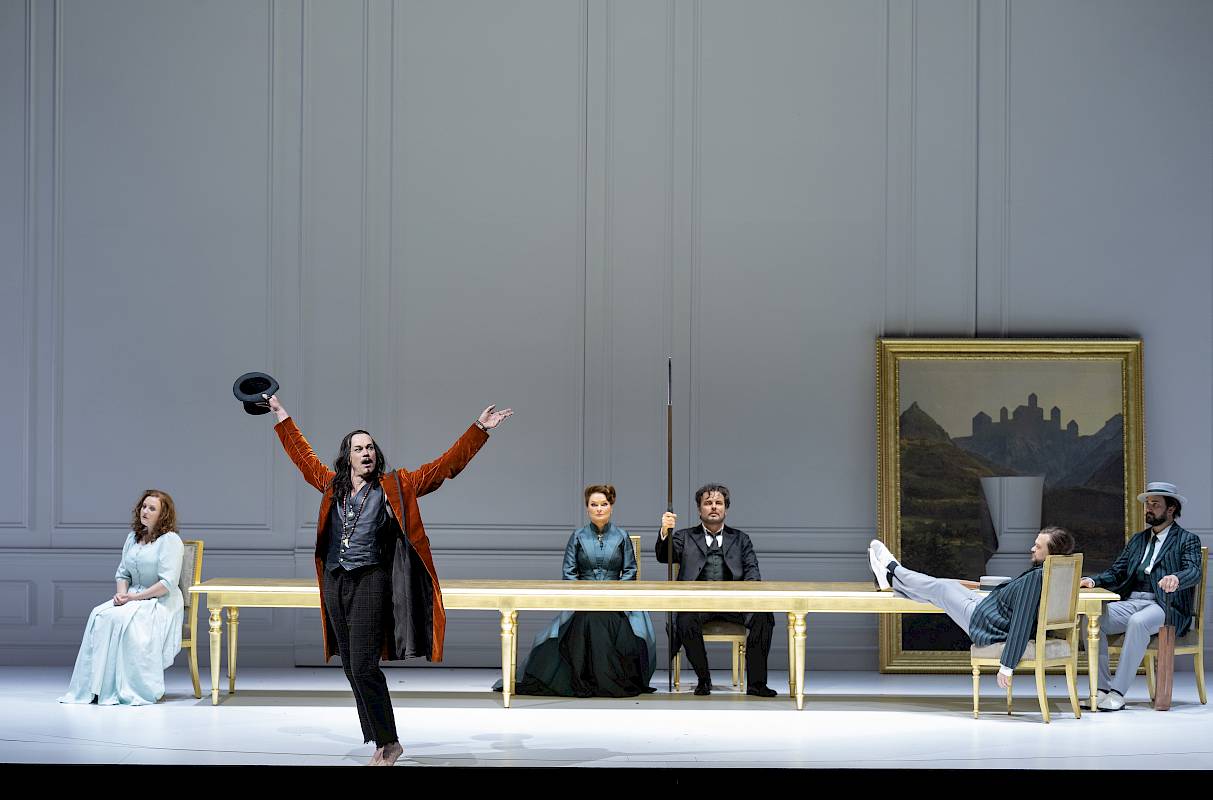
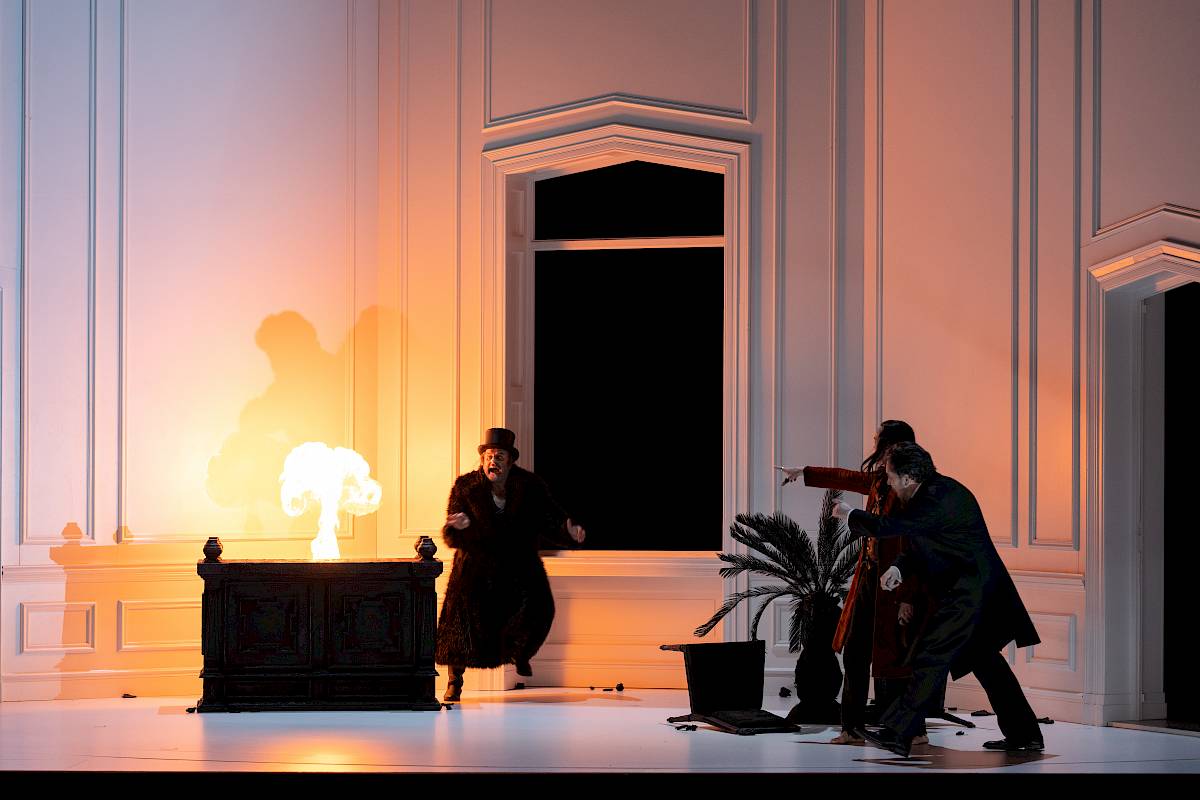
Das Rheingold

Richard Wagner

Prologue to the stage festival play "Der Ring des Nibelungen"
Libretto by Richard Wagner

  • Duration :
    2 H. 30 Min. Without intermission.
  • Language:
    In German with German and English surtitles.
  • More information:
    Introduction 45 min before the performance.

Musical Director:
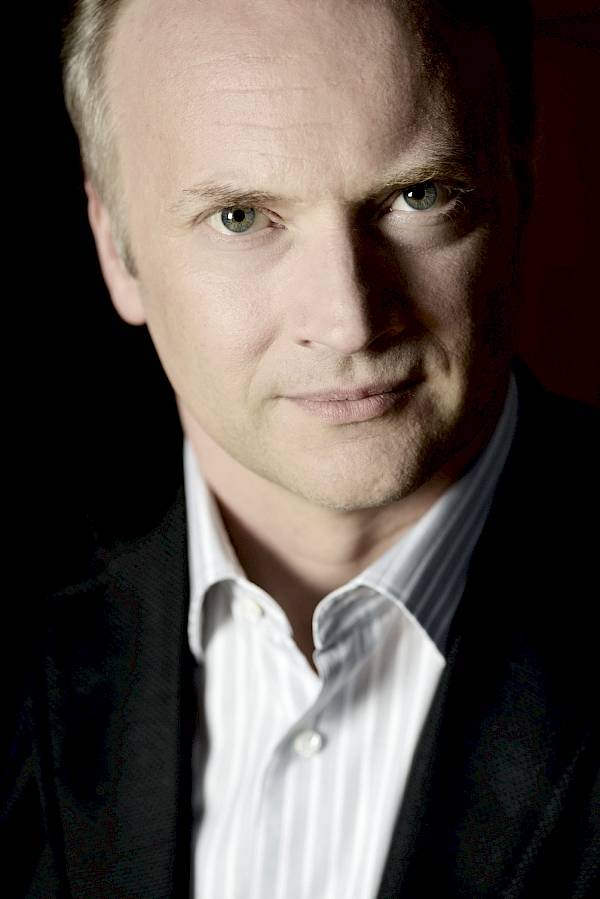
Gianandrea Noseda

Gianandrea Noseda

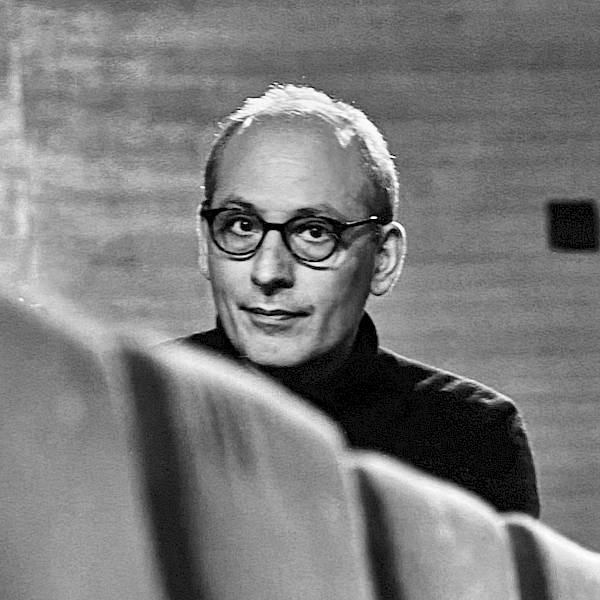
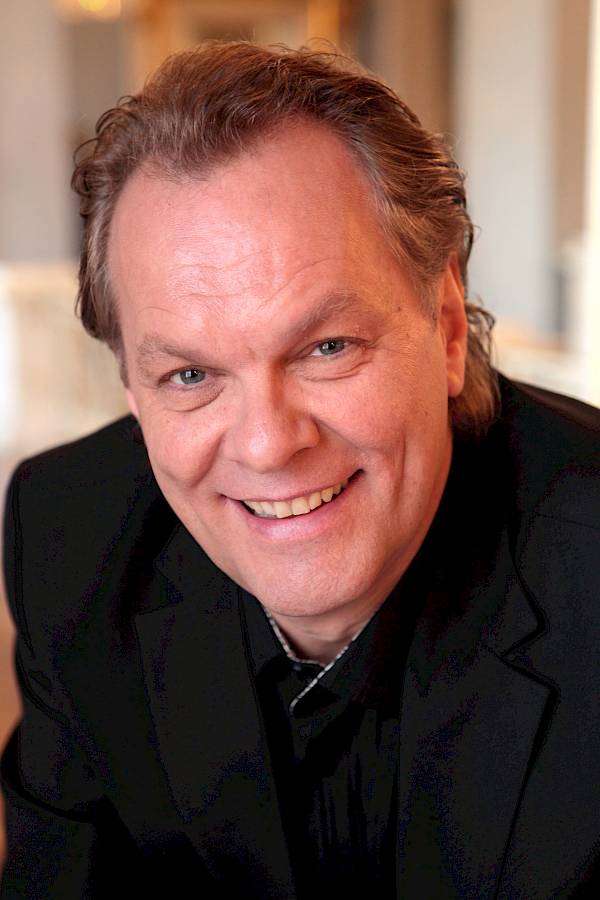
Gianandrea Noseda has been General Music Director of the Zurich Opera House since the 2021/22 season. In addition, he is Music Director of the National Symphony Orchestra and Principal Guest Conductor of the London Symphony Orchestra. In 2019, he became Music Director of the newly founded Tsinandali Festival and the Georgian Pan-Caucasian Youth Orchestra. From 2007 to 2018, Noseda served as General Music Director of the Teatro Regio di Torino, where he artistically reshaped the opera house during his tenure. Noseda has conducted the world’s leading orchestras (Berlin Philharmonic, Chicago Symphony, Concertgebouw Orchestra, Vienna Philharmonic) as well as at the most prestigious opera houses (La Scala, Metropolitan Opera, Royal Opera House) and festivals (BBC Proms, Edinburgh, Salzburg, and Verbier). He has also held leading positions with the BBC Philharmonic (Chief Conductor), the Israel Philharmonic Orchestra (Principal Guest Conductor), the Mariinsky Theatre (Principal Guest Conductor), and the Stresa Festival (Artistic Director). His discography comprises more than 80 CDs, with a special focus on the "Musica Italiana" project, which features neglected 20th-century Italian repertoire. Born in Milan, Noseda is a Commendatore al Merito della Repubblica Italiana and received the Order of Merit of the City of Milan in 2024. In 2015, he was named "Musical America’s Conductor of the Year," was awarded "Conductor of the Year" at the 2016 International Opera Awards, and received the Puccini Prize in 2023. In the same year, the Oper! Awards honored Noseda as "Best Conductor," particularly recognizing his interpretations of the first two "Ring" operas at the Zurich Opera House.

Un ballo in Maschera22 / 28 / 31 May / 7 / 13 Jun 2026 La forza del destino2 / 7 / 12 / 15 / 18 / 21 / 26 / 29 Nov / 17 / 21 Dec 2025 Macbeth8 / 11 / 14 / 19 / 22 / 30 Nov 2025 Ehnes & Noseda23 Nov 2025 Concert Kinderopernorchester25 May 2026 / 23 / 27 May / 19 / 20 Jun 2027 Open-Air-Concert28 Jun 2026 / 4 Jul 2027 Mühlemann & Noseda21 / 28 Mar / 1 Apr 2026 Europa-Tournee 2026 «Messa da Requiem»22 / 23 / 25 / 26 / 29 / 31 Mar 2026 Rachmaninov – Die drei Opern1 / 4 / 8 / 15 / 18 / 21 / 28 Nov 2026 Das Rheingold29 Nov / 4 / 12 / 17 Dec 2026 Gabetta & Noseda7 Nov 2026 Die Walküre24 / 31 Jan / 3 / 6 Feb 2027 Samson et Dalila13 / 17 / 20 / 24 / 27 / 30 Jun / 2 / 9 Jul 2027
Production:
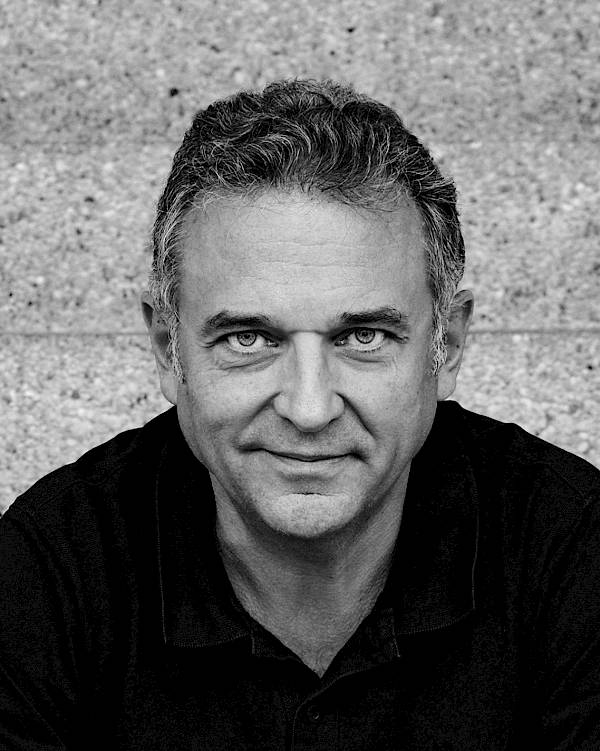
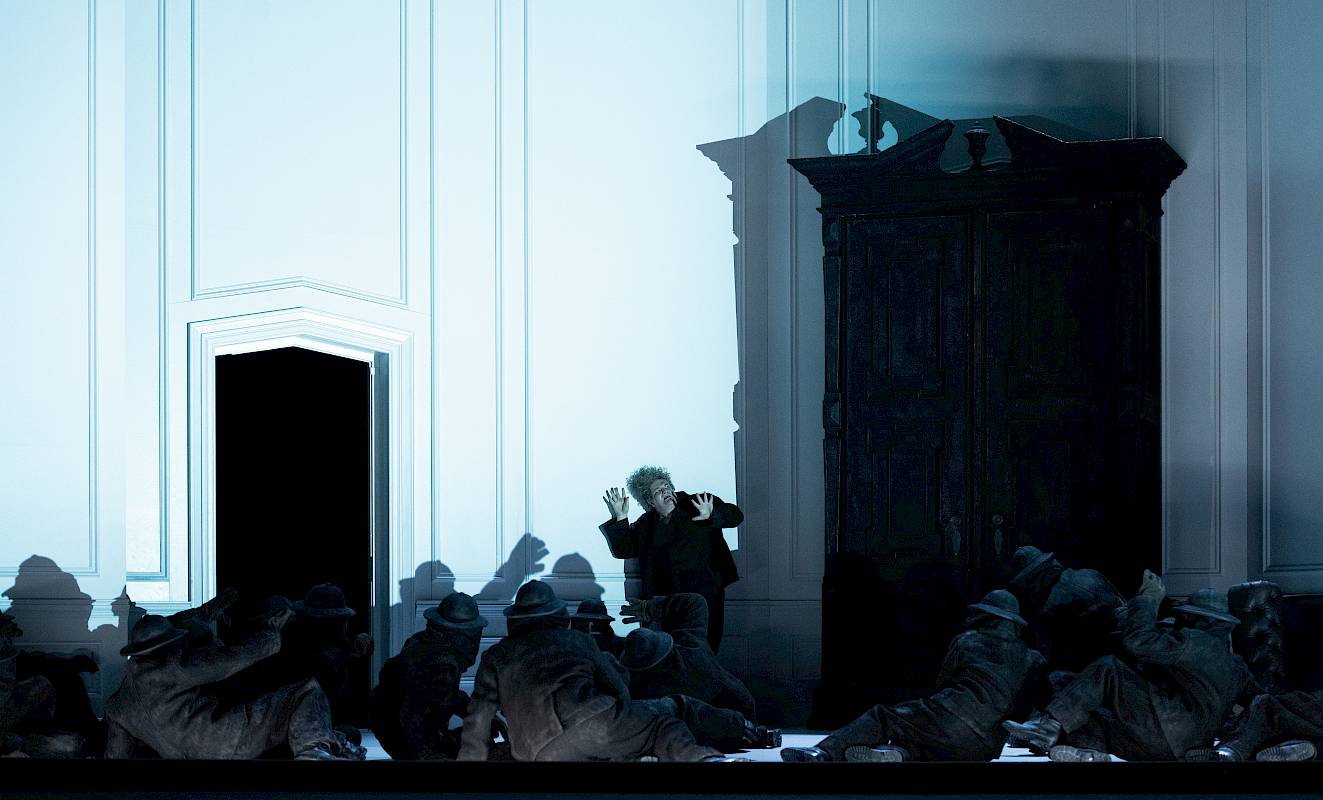
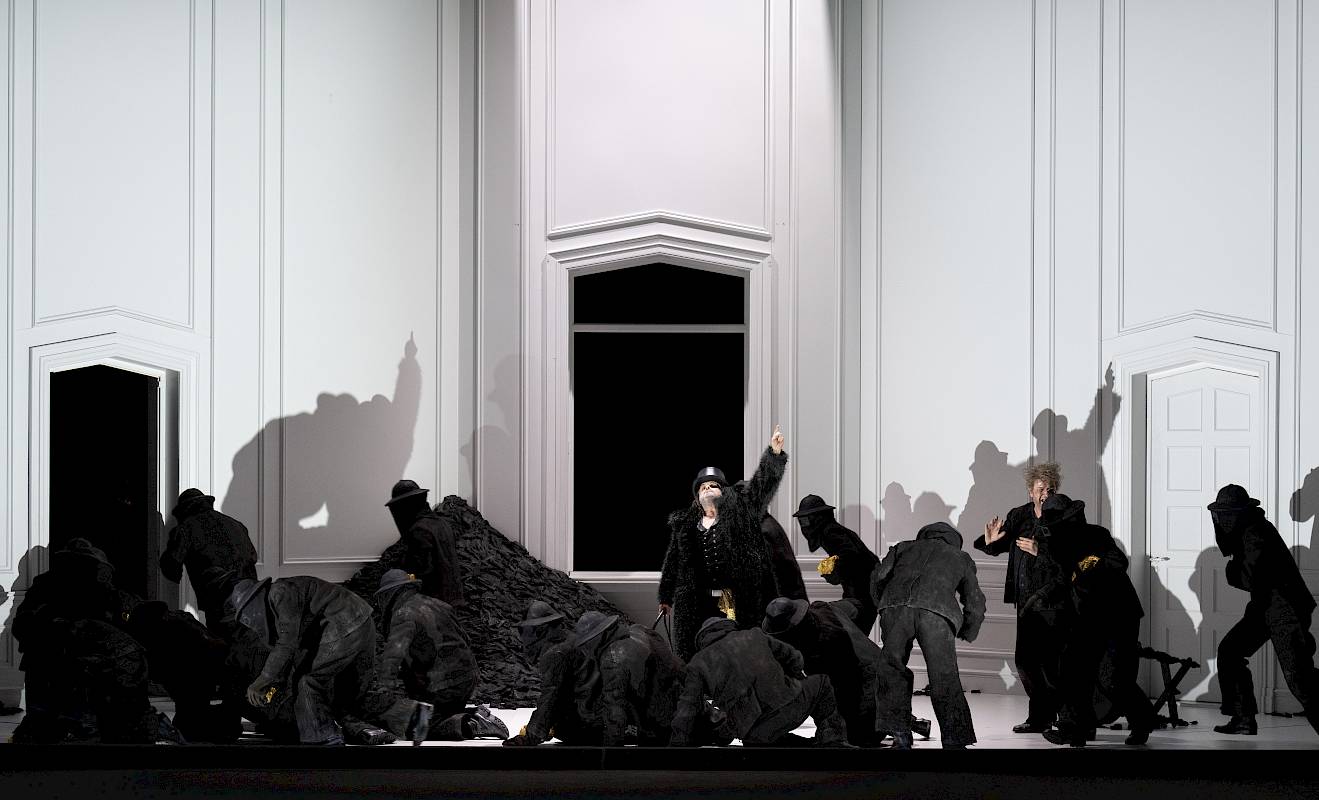
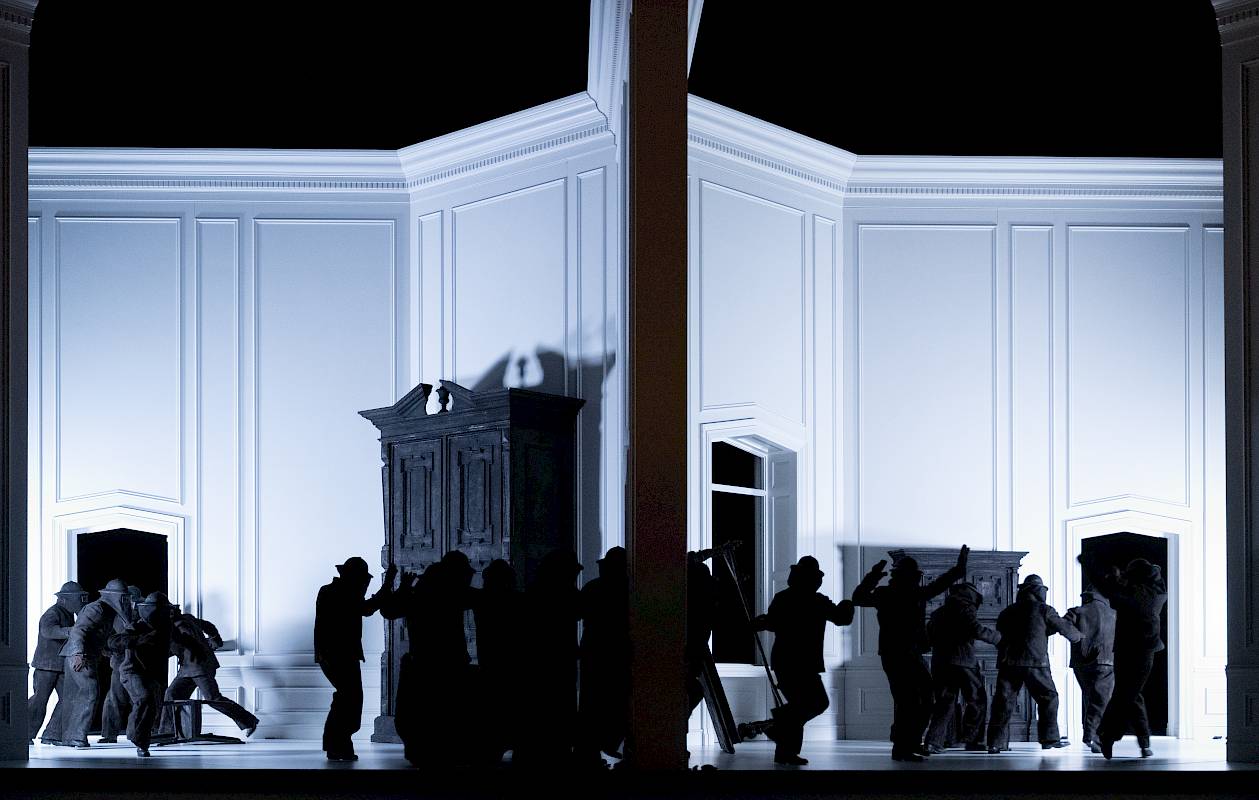
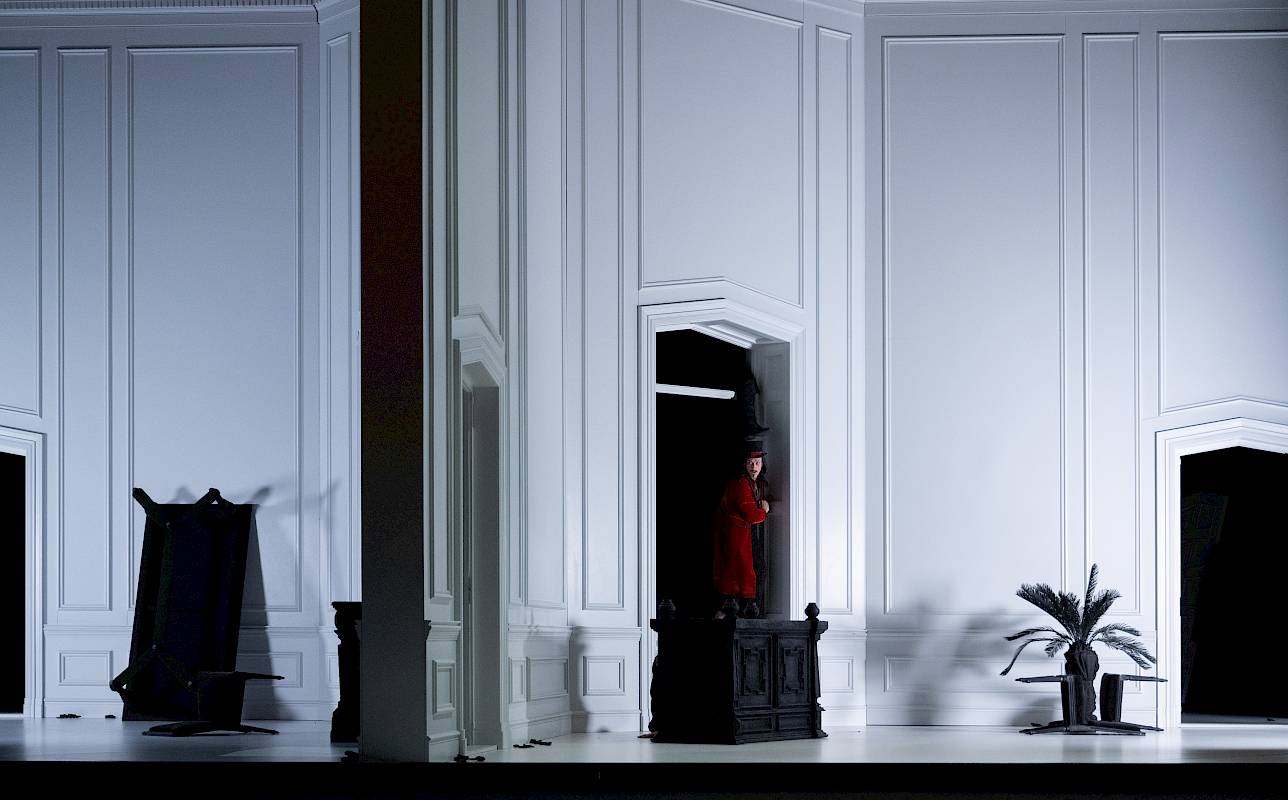
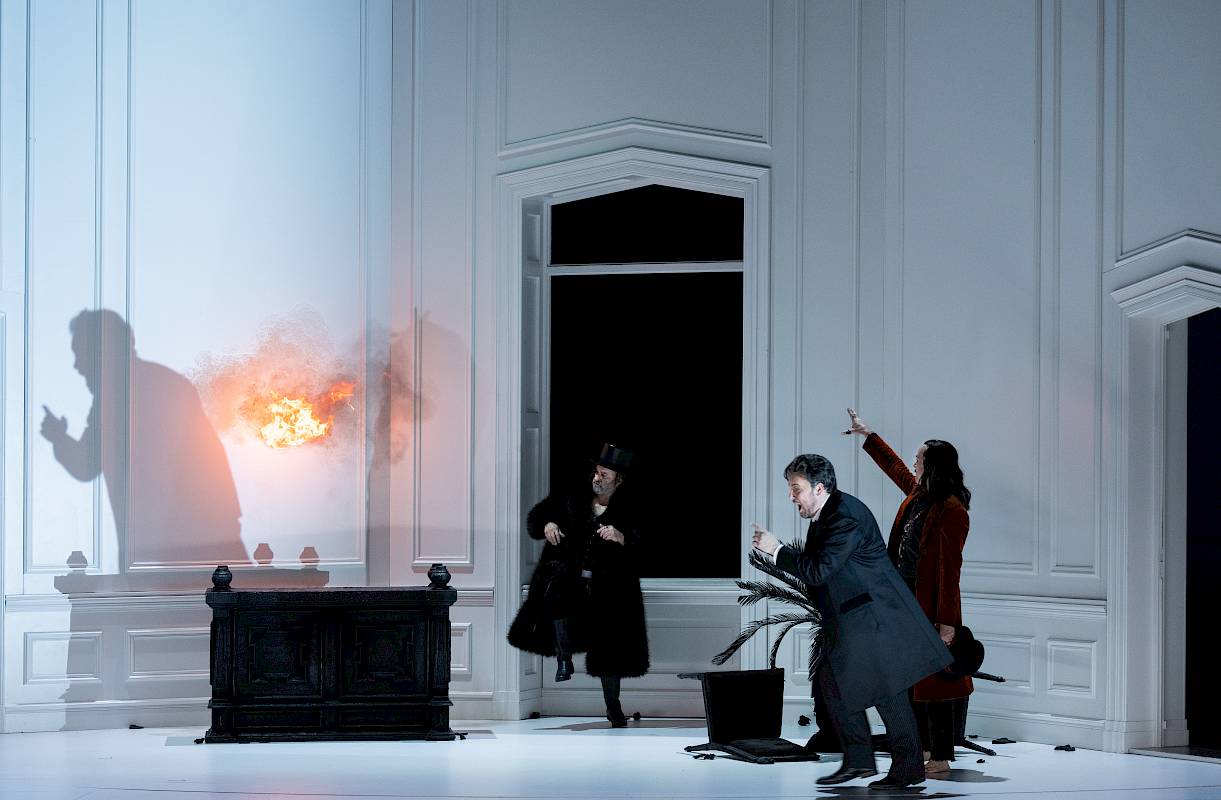
Andreas Homoki

Andreas Homoki

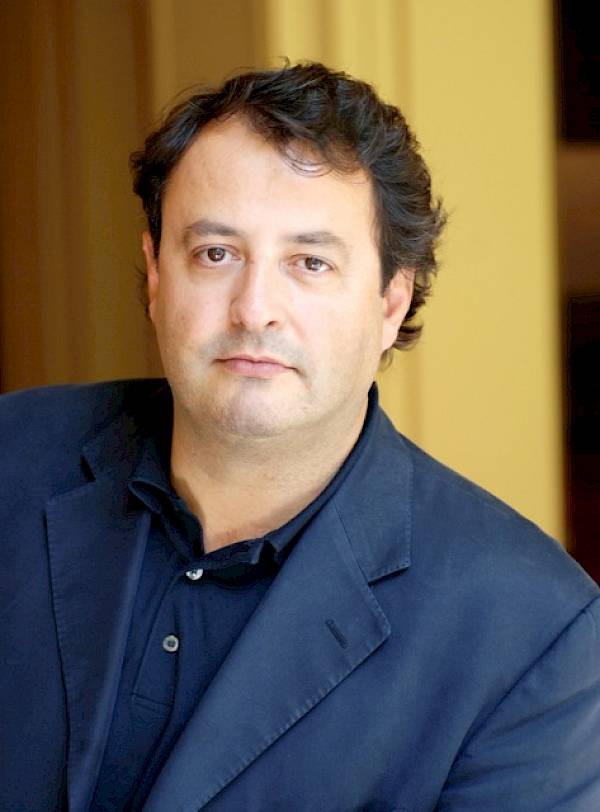
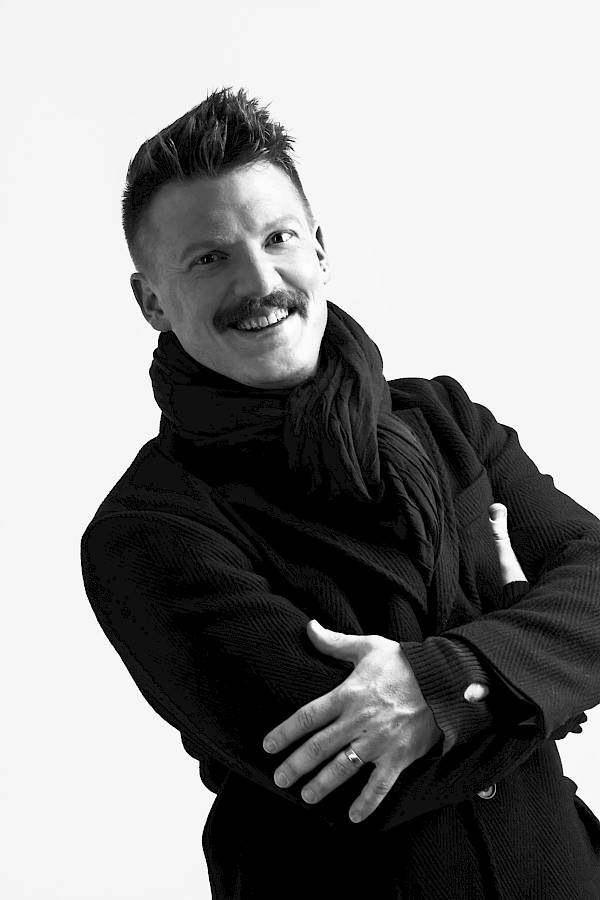
Andreas Homoki was born in Germany in 1960 as the son of a Hungarian family of musicians and studied school music and German studies in West Berlin. In 1987 Andreas Homoki joined Cologne Opera as an assistant director and evening director, where he was engaged until 1993. From 1988 to 1992 he was also a lecturer in stage practice at the opera school of the Cologne University of Music. His first own productions were created there. In 1992 his first guest production took him to Geneva, where his interpretation of "Die Frau ohne Schatten" attracted international attention. The production, which was later also shown at the Théâtre du Châtelet in Paris, received the French Critics’ Prize of the Year in 1994. From 1993 to 2002 Andreas Homoki worked as a freelance opera director and staged productions, among others, in Cologne, Hamburg, Geneva, Lyon, Leipzig, Basel, Berlin, Amsterdam and Munich. As early as 1996 he made his debut at the Komische Oper Berlin with "Falstaff", followed by "Die Liebe zu drei Orangen" (1998) and, in 2000, "Die lustige Witwe". In 2002 Andreas Homoki was appointed chief director of the Komische Oper Berlin as the successor to Harry Kupfer, and in 2004 he became its intendant. In addition to his directing work at the Komische Oper Berlin, he staged productions, among others, at the Théâtre du Châtelet in Paris, the Bavarian State Opera in Munich, the New National Theatre Tokyo, the Saxon State Opera Dresden and the Hamburg State Opera. In July 2012 he staged Marc-Antoine Charpentier’s "David et Jonathas" under the musical direction of William Christie for the Festival d’Aix-en-Provence, a production that was later shown, among other places, in Edinburgh, Paris and New York. From the 2012/13 season to 2024/25 Andreas Homoki served as intendant of Zurich Opera House and staged there, among others, "Der fliegende Holländer" (a co-production with La Scala in Milan and the Norwegian National Opera in Oslo), "Fidelio", "Juliette", "Lohengrin" (a co-production with the Vienna State Opera), "Luisa Miller" (Hamburg State Opera), "Wozzeck", "My Fair Lady" (Komische Oper Berlin), "I puritani", "Médée", "Lunea" (named "World Premiere of the Year 2017/18" by the magazine Opernwelt), "Iphigénie en Tauride", "Nabucco", "Simon Boccanegra", "Les Contes d’Hoffmann", "Salome", the "Ring des Nibelungen" and "Carmen". Andreas Homoki has been a member of the Berlin Academy of the Arts since 1999.

Carmen18 / 21 / 23 / 27 / 31 Jan 2026 Fidelio3 / 6 / 10 / 14 / 16 May 2026 Das Rheingold29 Nov / 4 / 12 / 17 Dec 2026 Die Walküre24 / 31 Jan / 3 / 6 Feb 2027
Set and Costume Design:
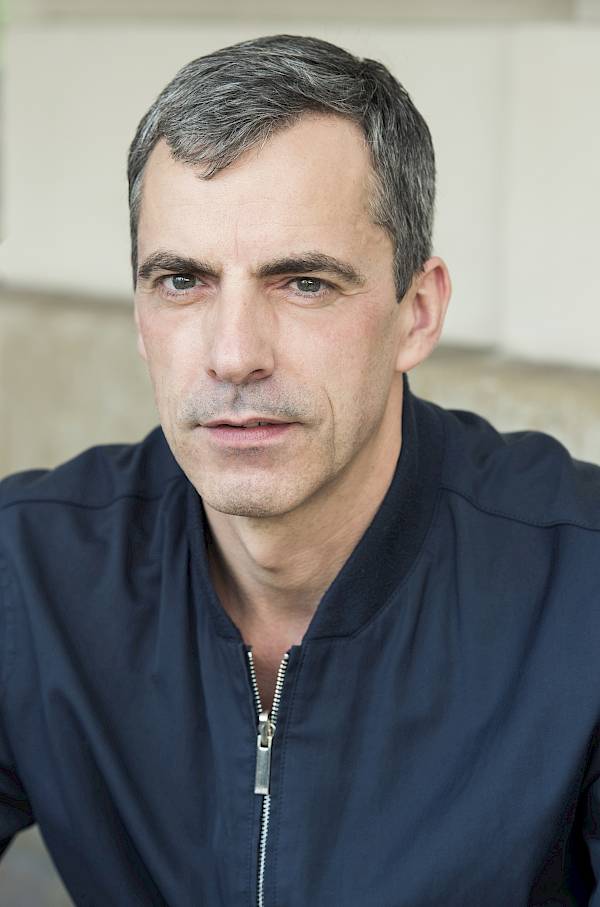
Christian Schmidt

Christian Schmidt

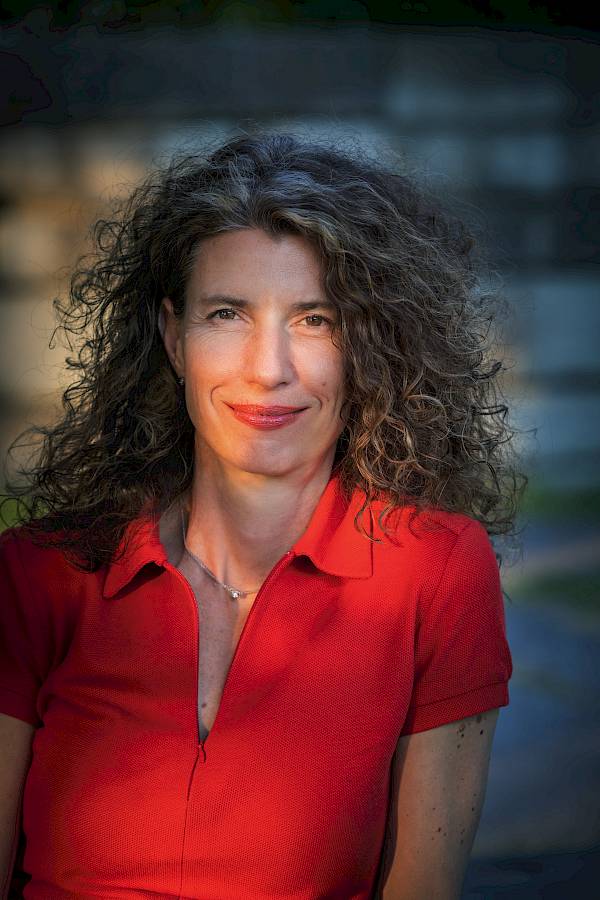
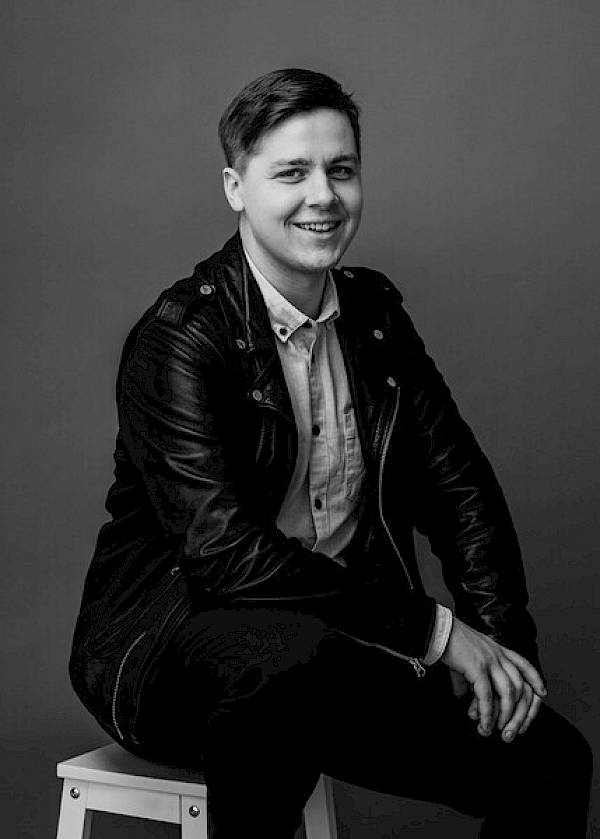
Christian Schmidt studied stage design with Erich Wonder at the Academy of Fine Arts Vienna. In 1992, he collaborated for the first time with Claus Guth, leading to an intensive artistic partnership. He has since designed sets and costumes for numerous Guth productions, including "Iphigénie en Tauride" and "Le nozze di Figaro" at the Salzburg Festival, "The Flying Dutchman" at the Bayreuth Festival, "Fierrabras", "Radamisto", "Ariane et Barbe-Bleue", "Tristan und Isolde", and "Parsifal" at the Zurich Opera House, as well as Mozart’s "Lucio Silla" at the Vienna Festival Weeks. The team has also gained recognition for world premieres, including Czernowin’s "Pnima" and Staud’s "Berenice" at the Munich Biennale, Ruzicka’s "Celan" in Dresden, Oehring’s "Unsichtbar Land" in Basel, and Czernowin’s "Heart Chamber" at the Deutsche Oper Berlin. For Hans Neuenfels’ productions of Zemlinsky’s "Der König Kandaules" at the Vienna Volksoper (1997) and "Die Entführung aus dem Serail" in Stuttgart (1998), Schmidt created the award-winning designs. In 2003, Opernwelt named him "Set Designer of the Year" and in 2005 "Costume Designer of the Year". He received the Rolf-Mares-Preis in 2006 for the set of "Simon Boccanegra" in Hamburg. In 2010, he worked for the first time with Christof Loy ("Die lustige Witwe" in Geneva). For Christian Spuck, he created the sets for Gluck’s "Orphée et Eurydice" in Stuttgart and for "Romeo and Juliet" and "Messa da Requiem" in Zurich. Since 2011, he has also collaborated with Andreas Homoki and, together with him, directed the Zurich "Ring of the Nibelung" from 2022 to 2024.

Messa da Requiem20 / 22 / 28 Feb / 1 / 5 / 7 Mar / 6 Apr 2026 Das Rheingold29 Nov / 4 / 12 / 17 Dec 2026 Die Walküre24 / 31 Jan / 3 / 6 Feb 2027
Assistant artistic stage designer:
Florian Schaaf

Florian Schaaf

Florian Schaaf, geboren 1969 in Gräfelfing, studierte in München Architektur. Eine langjährige künstlerische Zusammenarbeit verbindet ihn mit dem Bühnenbildner Christian Schmidt. Er wirkte bei zahlreichen Produktionen an internationalen Opernhäusern mit, u.a. am Teatro alla Scala in Mailand, am Teatro Real Madrid, an der Opéra de Paris, der Staatsoper Wien, der Staatsoper Berlin sowie zuletzt beim Ring des Nibelungen am Opernhaus Zürich. Im Deutschen Theatermuseum schuf er als szenografische Arbeit die Ausstellung «150 Jahre Gärtnerpatztheater». 2019 arbeitete er als Bühnenbildner mit Falko Herold an Schnitzlers Reigen in der Inszenierung von Alexandra Liedtke bei den Bregenzer Festspielen. Am Theater Wiesbaden entwarf er gemeinsam mit Duri Bischoff die Bühnenbilder für Kirschgarten in der Inszenierung von Evgeny Titov sowie für Vater, Wassa Schelesnova und Der eingebildete Kranke.

Das Rheingold29 Nov / 4 / 12 / 17 Dec 2026 Die Walküre24 / 31 Jan / 3 / 6 Feb 2027
Lighting Design:
Franck Evin

Franck Evin

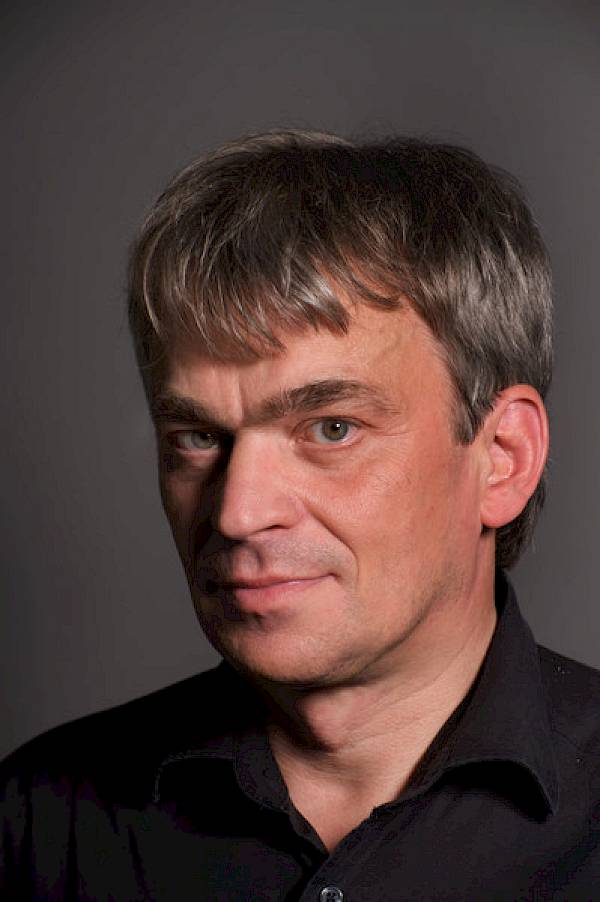
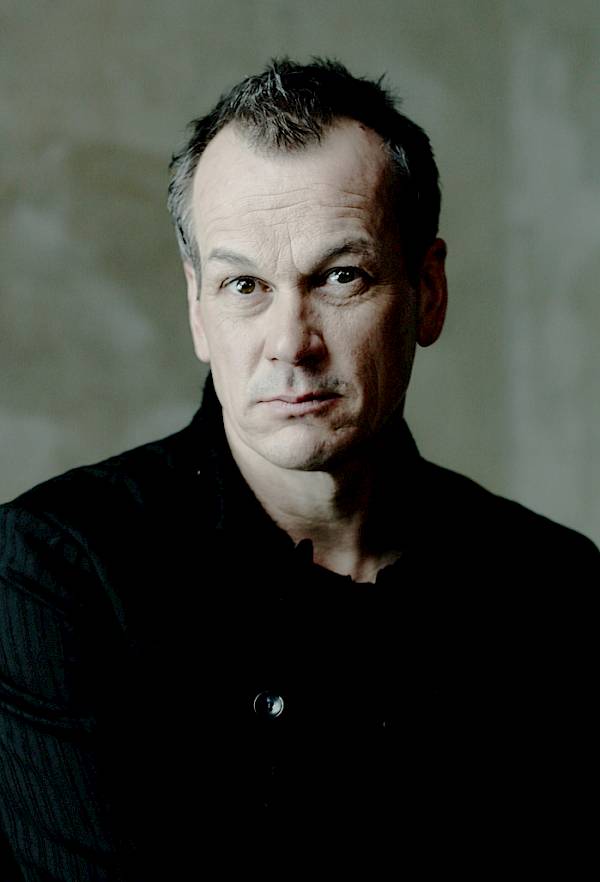
Franck Evin, born in Nantes, moved to Paris at the age of 19 to study piano. At night he accompanied singers at the café théâtre Le Connétable and also began to take an interest in lighting. He eventually decided on a combination of music and technology. Thanks to a scholarship from the French Ministry of Culture, he became assistant to the head of lighting at the Opéra de Lyon in 1983. There he worked, among others, with Ken Russell and Robert Wilson. In 1986 he began working as a freelance lighting designer at the Düsseldorfer Schauspielhaus and passed the master lighting designer examination in 1993. Particularly close during this period was his collaboration with Werner Schröter and with the conductor Eberhard Kloke. This was followed by productions in, among other places, Nantes, Strasbourg, Paris, Lyon, Vienna, Bonn, Brussels and Los Angeles. From 1995 to 2012 he was artistic director of the lighting department at the Komische Oper Berlin and was responsible there for all new productions. During this time, Andreas Homoki, Barrie Kosky, Calixto Bieito and Hans Neuenfels became especially important collaborators for him. In 2006 Franck Evin was awarded the "OPUS" in the category of lighting design. From the 2012/13 season to 2024/25 he worked as artistic director of the lighting department at Zurich Opera House. In addition to his work in Zurich, he continued to be involved as a guest in international productions, for example at the opera houses in Oslo, Stockholm, Tokyo, Amsterdam, Munich and Graz, as well as at the Opéra Bastille, La Scala in Milan, Teatro La Fenice, Vlaamse Opera and the Bayreuth Festival.

Carmen18 / 21 / 23 / 27 / 31 Jan 2026 Madama Butterfly30 Dec 2025 / 3 / 9 / 11 / 13 / 16 Jan 2026 Un ballo in Maschera22 / 28 / 31 May / 7 / 13 Jun 2026 Fidelio3 / 6 / 10 / 14 / 16 May 2026 Così fan tutte3 / 7 / 9 / 12 Jul 2026 Alice im Wunderland8 / 15 / 19 / 21 / 26 / 28 Nov / 6 Dec 2026 / 2 / 7 / 8 / 10 / 17 Jan 2027 Das Rheingold29 Nov / 4 / 12 / 17 Dec 2026 Manon Lescaut11 / 15 / 18 / 22 / 26 Dec 2026 Die Walküre24 / 31 Jan / 3 / 6 Feb 2027 Roméo et Juliette12 / 19 / 21 Feb / 2 / 5 Mar 2027 Don Pasquale23 / 27 / 30 May / 4 / 6 / 11 Jun 2027 La bohème16 / 18 / 23 Jun / 4 / 7 / 10 Jul 2027
Dramaturgy:
Beate Breidenbach,

Beate Breidenbach

Beate Breidenbach studierte zuerst Violine, dann Musikwissenschaft und Slawistik in Nowosibirsk, Berlin und St. Petersburg. Nach Assistenzen an der Staatsoper Stuttgart und der Staatsoper Unter den Linden Berlin wurde sie als Musikdramaturgin ans Theater St. Gallen engagiert, drei Jahre später wechselte sie als Dramaturgin für Oper und Tanz ans Theater Basel. Anschliessend ging sie als Operndramaturgin ans Opernhaus Zürich, wo sie bisher mit Regisseurinnen und Regisseuren wie Calixto Bieito, Dmitri Tcherniakov, Andreas Homoki, Herbert Fritsch, Nadja Loschky, Kirill Serebrennikov und anderen arbeitete und die Entstehung neuer Opern von Pierangelo Valtinoni, Michael Pelzel, Samuel Penderbayne und Jonathan Dove betreute. Gastdramaturgien führten sie u.a. an die Potsdamer Winteroper (Le nozze di Figaro, Regie: Andreas Dresen), zum Schweizer Fernsehen (La bohème im Hochhaus) und 2021 an die Opéra de Génève (Krieg und Frieden, Regie: Calixto Bieito). Mit Beginn der Spielzeit 2026/27 wird sie als Chefdramaturgin an die Deutsche Oper Berlin wechseln.

Così fan tutte3 / 7 / 9 / 12 Jul 2026 Alice im Wunderland8 / 15 / 19 / 21 / 26 / 28 Nov / 6 Dec 2026 / 2 / 7 / 8 / 10 / 17 Jan 2027 Das Rheingold29 Nov / 4 / 12 / 17 Dec 2026 Die Walküre24 / 31 Jan / 3 / 6 Feb 2027
Werner Hintze

Werner Hintze

Der Autor und Dramaturg Werner Hintze studierte Theaterwissenschaft an der Humboldt-Universität zu Berlin. Nach einem ersten Engagement am Landestheater Halle arbeitete er an der Semperoper Dresden, bevor er als Chefdramaturg an das Hans-Otto-Theater Potsdam wechselte. Von 2002 bis 2012 war er Chefdramaturg an der Komischen Oper Berlin. Seit 2012 lebt er als freischaffender Dramaturg, Autor und Hochschullehrer in Berlin. Er arbeitete langjährig eng zusammen mit Regisseuren wie Peter Konwitschny, Andreas Homoki und Andreas Baumann und war als Gastdramaturg u.a. an den Opernhäusern von München, Hamburg, Dresden, Zürich und Essen tätig. Seit 1985 entstanden, meistens in Zusammenarbeit mit Bettina Bartz, mehr als 30 deutsche Textfassungen von Opern als Auftragswerke für die Komische Oper und andere Häuser. Neben seiner Theatertätigkeit unterrichtet Werner Hintze Regie-, Bühnenbild- und Theaterwissenschaftsstudierende an verschiedenen Hochschulen. Am Opernhaus Zürich betreute er zuletzt Andreas Homokis aufsehenerregende Neuinszenierung des Ring des Nibelungen.

Fidelio3 / 6 / 10 / 14 / 16 May 2026 Das Rheingold29 Nov / 4 / 12 / 17 Dec 2026 Die Walküre24 / 31 Jan / 3 / 6 Feb 2027

Cast


Wotan Michael Volle


Donner Daniel Schmutzhard


Froh Johan Krogius


Loge Matthias Klink


Fricka Claudia Mahnke


Freia Kiandra Howarth


Erda Noa Beinart


Alberich Christopher Purves


Mime Wolfgang Ablinger-Sperrhacke

Fasolt David Steffens


Fafner Brent Michael Smith

Woglinde Kathrin Zukowski

Wellgunde Marcela Rahal


Flosshilde Siena Licht Miller

Michael Volle

Michael Volle, after engagements at the opera houses in Mannheim, Bonn, Düsseldorf and Cologne, was a member of the ensemble of the Zurich Opera House and the Bavarian State Opera in Munich. In 2008 and 2023, the magazine Opernwelt named him "Singer of the Year"; in 2009 he was awarded the German Theatre Prize "Der Faust", and in 2023 he received an Oper!Award in recognition of his achievements. As a guest artist, he received invitations to the state operas in Berlin, Hamburg and Vienna, to the Semperoper Dresden, the Festspielhaus Baden-Baden, the Opéra de Paris, the Royal Opera London, the Teatro Real in Madrid, the Liceu in Barcelona, La Scala in Milan, the Metropolitan Opera in New York, as well as to the Salzburg, Bregenz and Bayreuth Festivals. Michael Volle has made a name for himself particularly as a Wagner singer, as well as with the roles of Richard Strauss and the interpretation of the great Italian baritone roles, including the operas of Verdi. More recently, he appeared in David McVicar’s "Ring" at La Scala in Milan, and returned in the title role of "Falstaff" at the Berlin State Opera, where he also performed Wotan/The Wanderer. As part of the 150th anniversary of the Bayreuth Festival, he will sing two "Ring" cycles there in 2026 as well as Amfortas ("Parsifal"). At the Zurich Opera House, he has been heard, among others, as Eugene Onegin, Yeletsky ("The Queen of Spades"), Roland ("Fierrabras"), Sixtus Beckmesser, Hans Sachs ("The Mastersingers of Nuremberg"), Golaud ("Pelléas et Mélisande"), Wolfram ("Tannhäuser"), the Dutchman, Nabucco and Boris Godunov, and in the 2026/27 season he will sing Wotan/The Wanderer in "The Ring of the Nibelung" in Zurich as well as on tour in Paris and New York.

Arabella14 / 18 / 22 / 25 / 28 Apr 2026 Recital Michael Volle27 Apr 2026 Das Rheingold29 Nov / 4 / 12 / 17 Dec 2026 Die Walküre24 / 31 Jan / 3 / 6 Feb 2027

Daniel Schmutzhard

Daniel Schmutzhard begann bereits während seiner Schulzeit mit einer Gesangsausbildung am Tiroler Landeskonservatorium Innsbruck und setzte sein Studium später an der Universität für Musik und darstellende Kunst Wien fort. Von 2005 bis 2011 war er an der Wiener Volksoper engagiert, von 2011 bis 2018 an der Oper Frankfurt. Als Don Giovanni, Graf (Le nozze di Figaro), Guglielmo (Così fan tutte), Papageno (Die Zauberflöte), Figaro (Il barbiere di Siviglia), Marcello (La bohème), Heerrufer (Lohengrin), Wolfram (Tannhäuser), Albert (Werther), Olivier (Capriccio), Escamillo (Carmen), Ford (Falstaff), Rodrigo (Don Carlo), Eugen Onegin, Nathanael (Der Sandmann) u.a. sang er dort die grossen Rollen seines Fachs. Am Theater an der Wien übernahm er in der Saison 2021/22 die Rolle des Corpo in der Neuproduktion von Rappresentatione di Anima et di Corpo. Mit dem Concerto Köln unter Kent Nagano debütierte er als Alberich in konzertanten Aufführungen von Wagners Rheingold und an der Komischen Oper Berlin in der Titelpartie von Weinbergers Schwanda, der Dudelsackpfeifer in einer Neuinszenierung von Andreas Homoki. Zuletzt sang er die Partien Eisenstein, Herr Fluth und Danilo Danilowitsch an der Volksoper Wien, in Beethovens 9. Sinfonie in der Victoria Hall Genève sowie in Werken von Schumann und Beethoven in Boulogne-Billancourt. Neben seiner umfangreichen Operntätigkeit hat er sich ausserdem als Konzertsänger einen Namen gemacht und ist u.a. im Wiener Musikverein, Wiener Konzerthaus, Berliner Philharmonie, Elbphilharmonie Hamburg, Kölner Philharmonie, Pariser Philharmonie, Concertgebouw Amsterdam, Grand Théâtre Aix-en-Provence und bei den Salzburger Osterfestspielen aufgetreten.

Das Rheingold29 Nov / 4 / 12 / 17 Dec 2026

Johan Krogius

Johan Krogius began his musical training in the boys’ choir of the Domkantorei Cantores Minores in Helsinki. He later studied in Helsinki and Stockholm, won the Timo Mustakallio Singing Competition in 2021, and in the same year was awarded first prize at the Helsinki Song Competition. In opera, he has sung roles such as Jaquino ("Fidelio") and Pong ("Turandot") in Helsinki, First Man and Juhana in "The Last Temptations" at the Opera in Jyväskylä, Don Ottavio ("Don Giovanni") at the Finnish National Opera, Kuska ("Chowanschtschina") with the Finnish Radio Symphony Orchestra under Esa-Pekka Salonen in Helsinki and Stockholm, and Tamino ("Die Zauberflöte") at the Opera in Tampere and at the Savonlinna Opera Festival, where he also performed as Don Ottavio and Ismaele ("Nabucco") in 2024 and as Macduff ("Macbeth") in 2025. From 2022 to 2024, he was a member of the International Opera Studio of the Berlin State Opera, where he performed roles including Leukippos (Strauss’ "Daphne"), Tamino, First Armored Man and First Priest ("Die Zauberflöte"), Innkeeper and Major-domo to Faninal ("Der Rosenkavalier"), Trojan ("Idomeneo"), Parpignol ("La bohème"), and Borsa ("Rigoletto"). As a guest, he returned to the Berlin State Opera as Tybalt ("Roméo et Juliette"), among others. On the concert stage, he has appeared with the Jyväskylä Sinfonia, the Helsinki Baroque Orchestra, the Tapiola Sinfonietta, and the Turku Philharmonic Orchestra, and made his debut in 2024 with Mozart’s "Requiem" at the Berlin Philharmonie. Since the 2025/26 season, he has been a member of the ensemble at the Opera House Zurich, where he has performed in "Der Rosenkavalier," "Tosca," and "Carmen."

Der Rosenkavalier21 / 26 Sept / 1 / 5 / 14 / 17 / 21 / 26 Oct 2025 Tosca28 Sept / 2 / 8 / 11 / 15 / 19 Oct 2025 Tannhäuser21 / 24 / 27 Jun / 2 / 5 / 8 / 11 Jul / 26 Sept / 4 / 9 / 13 Oct 2026 Carmen18 / 21 / 23 / 27 / 31 Jan 2026 Arabella14 / 18 / 22 / 25 / 28 Apr 2026 Johannes-Passion24 Mar 2026 Die Fledermaus29 Sept / 8 / 17 / 23 / 25 Oct 2026 Alice im Wunderland15 / 19 Nov / 6 Dec 2026 Das Rheingold29 Nov / 4 / 12 / 17 Dec 2026 La fanciulla del west25 / 28 Feb / 3 / 7 Mar / 4 / 7 / 10 / 16 Apr 2027 Die Zauberflöte2 / 8 / 18 / 20 / 23 Apr 2027

Matthias Klink

Matthias Klink was a member of the ensemble of the Städtische Bühnen Köln from 1996 to 1998 and of the Staatsoper Stuttgart from 2006 to 2010. Guest engagements have taken him to Hamburg, Dresden, Frankfurt, the three major opera houses in Berlin, and La Scala in Milan. Since his Salzburg debut in 1999 in the world premiere of Berio's "Cronaca del luogo", Matthias Klink has been a regular guest there and sang Ein Gast/Apollon in the 2010 world premiere of Wolfgang Rihm's "Dionysos". As Tamino ("Die Zauberflöte") he appeared at the Vienna State Opera, the Festspielhaus Baden-Baden, the Salzburg Festival, in Aix-en-Provence, at the Ruhrtriennale, and at the Metropolitan Opera. His repertoire also includes roles such as Don José, Alfredo ("La traviata"), Tom Rakewell ("The Rake’s Progress"), and Hoffmann. In the 2014/15 season Matthias Klink rejoined the ensemble of the Staatsoper Stuttgart. For his acting and singing performance as Gustav von Aschenbach in "Der Tod in Venedig" he was named Singer of the Year by the magazine "Opernwelt" in 2017 and received the German Theatre Prize DER FAUST in 2018. At Zurich Opera House he was recently heard as Loge in "Das Rheingold". Alongside his operatic work, Matthias Klink is also regularly heard as a concert and recital singer. Performances have taken him to Avery Fisher Hall in New York, the Salle Pleyel in Paris, the Alte Oper Frankfurt, the Cologne Philharmonie, the Festspielhaus Baden-Baden, the Salzburg Easter Festival, the Musikverein in Vienna, and the Liederhalle Stuttgart. In 2018 he was awarded the title of Kammersänger in Stuttgart.

Die Fledermaus7 / 10 / 12 / 14 / 18 / 26 / 28 / 31 Dec 2025 / 2 / 4 / 6 / 10 Jan 2026 Das Rheingold29 Nov / 4 / 12 / 17 Dec 2026

Claudia Mahnke

Claudia Mahnke studied singing at the Hochschule für Musik in Dresden. From 1996 to 2006, she was a member of the ensemble at the Stuttgart State Opera, where she appeared, among others, in the title role of Karl Amadeus Hartmann’s "Simplicius Simplicissimus". In 2013, she made her debut at the Bayreuth Festival as Fricka, Waltraute and Second Norn in a new "Ring" cycle under Kirill Petrenko. Since the 2006/07 season, she has been a member of the ensemble at the Frankfurt Opera. Her most recent roles there include, among others, Herodias in "Salome", the Foreign Princess in "Rusalka", Marie in "Wozzeck", Sélika in Meyerbeer’s "L’Africaine", Charlotte in "Werther", Lucretia in "The Rape of Lucretia", Dido in "Les Troyens", Concepción in "L’Heure espagnole", Judith in "Herzog Blaubarts Burg" and Marguerite in "La damnation de Faust". Recent highlights include her role debut as Countess Geschwitz in "Lulu" and as Giselle in Magnard’s "Guercœur" at the Frankfurt Opera, her debut at the Metropolitan Opera as Magdalene in "Die Meistersinger von Nürnberg" under Antonio Pappano, Herodias at the Vienna State Opera and the Hamburg State Opera, Fricka at the Staatsoper Unter den Linden, as well as her acclaimed debuts as Amneris in "Aida" and Mère Marie in "Dialogues des Carmélites". She holds the honorary titles of Kammersängerin of the Stuttgart State Opera and the Frankfurt Opera.

Das Rheingold29 Nov / 4 / 12 / 17 Dec 2026 Die Walküre24 / 31 Jan / 3 / 6 Feb 2027

Kiandra Howarth

The Australian soprano Kiandra Howarth studied at the Queensland Conservatorium of the Griffith University and at the Mozarteum Salzburg, and was a member of the Young Artist Program of Opera Australia, the Salzburg Festival, and the Jette Parker Young Artist Programme of the Royal Opera House Covent Garden, London. Since then, she has sung the major roles of her repertoire at numerous international opera houses and festivals. Highlights include Donna Anna (“Don Giovanni”) in Basel, Luxembourg, Guangzhou, and Nancy; Pamina and First Lady (“The Magic Flute”) at the Bavarian State Opera, the Teatro dell’Opera di Roma, and the Royal Opera House; Dorotka (“Schwanda the Bagpiper”) at the Komische Oper Berlin; Freia (“Das Rheingold”) at the Zurich Opera House and the Royal Opera House; as well as appearances in “7 Deaths of Maria Callas” at the Bavarian State Opera. Since 2021, she has been a permanent ensemble member of the Staatsoper Hannover, where she has performed roles such as Fiordiligi (“Così fan tutte”), Desdemona (“Otello”), the Countess (“Le nozze di Figaro”), Alcina, Mimì (“La bohème”), Madame Lidoine (“Dialogues des Carmélites”), and Rusalka. In the 2023/24 season, she returned as Freia at both the Royal Opera House and in Zurich. She also made her house debuts as Desdemona at Oper Leipzig and as Magda (“La rondine”) with Victorian Opera. Most recently, she made her role debut as Arabella at Bühnen Bern and as the Marschallin in “Der Rosenkavalier” at the Staatsoper Hannover. In the 2025/26 season, further important debuts will follow: Manon Lescaut at Bühnen Bern, as well as Liù (“Turandot”) and Marietta (“Die tote Stadt”) at the Staatsoper Hannover.

Der Rosenkavalier17 / 21 Oct 2025 Das Rheingold29 Nov / 4 / 12 / 17 Dec 2026

Noa Beinart

Noa Beinart wurde in Tel Aviv geboren und war von 2020 bis 2023 Ensemblemitglied an der Wiener Staatsoper. Dort war sie als Erda in sämtlichen Aufführungen des Ring-Zyklus, als Gaea in Daphne, als Maddalena in Rigoletto, als Dritte Dame in Die Zauber­flöte, als Annina in Der Ro­senkavalier, als Mary in Der Fliegende Holländer, als Auntie in Peter Grimes sowie als Suzuki in Ma­dama Butterfly zu erleben. Zuvor war sie Mitglied des Opernstudios an der Bayerischen Staatsoper München und ist Absolventin der Hochschule für Musik Hanns Eisler in Berlin. Sie gab ihr Debüt an der Berliner Staatsoper Unter den Linden als Erste Norn in der Götterdämmerung. Weitere Wagnerpartien waren u.a. Grimgerde (Die Walküre) an der Opéra National de Paris und Schwertleite, ebenfalls in der Walküre, am Opernhaus Zürich. Im Sommer 2021 sang sie unter der Leitung von Franz Welser-Möst als Zweite Magd (Elektra) erstmals bei den Salzburger Festspielen und kehrte im Sommer darauf als Dritte Dame in einer Neuproduktion von Die Zauberflöte dorthin zurück. 2024 debütierte sie als Erste Magd in Christof Loys Neuproduktion von Elektra am Royal Opera House, Covent Garden, und als Erste Norn bei den Bayreuther Festspielen. Aussserdem trat sie mit dem Sydney Symphony Orchestra als Erda in einer konzertanten Aufführung von Das Rheingold unter der Leitung von Simone Young auf – eine Rolle, die sie in der Spielzeit 2024/25 zurück an die Wiener Staatsoper führt.

Das Rheingold29 Nov / 4 / 12 / 17 Dec 2026

Christopher Purves

Christopher Purves began his musical career as a chorister at King’s College in Cambridge and later was a member of the experimental rock group Harvey and the Wallbangers before turning to opera singing. He sang, among others, Balstrode in "Peter Grimes" at the Bavarian State Opera, at Teatro alla Scala and at Teatro Real Madrid, Alberich in Wagner’s "Ring" cycle for the Zürich Opera House, the Houston Grand Opera, the Bavarian State Opera, the Canadian Opera Company and the Royal Opera House, Nick Shadow in "The Rake’s Progress" at Teatro Colón, the title role in Handel’s "Saul" at the Théâtre du Châtelet, at the Houston Grand Opera, at the Adelaide Festival and at the Royal Theatre Copenhagen, as well as the Forester in Janáček’s "Das schlaue Füchslein" at the Canadian Opera Company. Closely associated with contemporary repertoire, he created roles in numerous world premieres. He sang Walt Disney in the world premiere of Philip Glass’ "The Perfect American", Protector in George Benjamin’s "Written on Skin" at the Royal Opera House, as well as roles in works by Sir James MacMillan, including "The Sacrifice", "Ines de Castro" and "Parthenogenesis". On the concert stage, he was heard, among others, in Elgar’s "The Kingdom" at the BBC Proms and in Handel’s "Messiah" on a European tour with Emmanuelle Haïm and Le Concert d’Astrée.

Das Rheingold29 Nov / 4 / 12 / 17 Dec 2026

Wolfgang Ablinger-Sperrhacke

Wolfgang Ablinger-Sperrhacke studierte an der Wiener Musikhochschule bei Kurt Equiluz und Gerhard Kahry. 1997 debütierte er an der Opéra national de Paris, wo er u.a. als Monostatos (Die Zauberflöte), Capito (Mathis der Maler) und Mime (Der Ring des Nibelungen) zu erleben war. Diese Partie sang er auch an der Bayerischen Staatsoper, Berliner Staatsoper, Wiener Staatsoper, Mailänder Scala, Teatro La Fenice, Teatro Real, Théatre du Capitole de Toulouse, Canadian Opera Company und De Nationale Opera in Amsterdam. 1999 debütierte er beim Glyndebourne Festival, wo er seither mehr als 130 Vorstellungen gesungen hat (u.a. Hexe in Hänsel und Gretel, Tanzmeister in Ariadne auf Naxos, Podestà in La finta giardiniera). Er gastierte bei den Bregenzer Festspielen, beim Festival d’Aix-en-Provence und bei den Salzburger Festspielen (Pirzel in Zimmermanns Die Soldaten). Weitere Stationen waren 2013 sein Debüt an der Met als Valzacchi (Der Rosenkavalier) und 2016 an der Royal Opera Covent Garden als Iwan in Schostakowitschs Die Nase. Jüngst sang er die Titelpartie in Offenbachs Blaubart und Pluto (Orpheus in der Unterwelt) an der Komischen Oper Berlin, Aegisth (Elektra) und Herodes (Salome) an der Wiener Staatsoper, Wenzel (Die verkaufte Braut), Franz I. (Kreneks Karl V.), Herodes und Pendereckis  Die Teufel von Loudun an der Bayerischen Staatsoper, den Schäbigen (Lady Macbeth von Mszenk) an der Opéra Bastille, den Hauptmann (Wozzeck), Rheingold-Mime und Herodes in Zürich, Monostatos und Valzacchi in München, Hauptmann in Toulouse, Herodes am Bolshoi-Theater sowie Dallapiccolas Il prigioniero in der Berliner Philharmonie. 2021 wurde er zum Bayerischen Kammersänger ernannt, 2022 zum Chevalier des Arts et des Lettres von Frankreich. Ausserdem erhielt er das österreichische Ehrenkreuz für Wissenschaft und Kunst.

Das Rheingold29 Nov / 4 / 12 / 17 Dec 2026

Brent Michael Smith

Brent Michael Smith is from the USA. He studied voice at the Academy of Vocal Arts in Philadelphia and at the University of Northern Iowa, as well as piano at Hope College in Michigan. He was a finalist in the Queen Sonja International Music Competition (2021) and a semifinalist in the Metropolitan Opera Council Auditions (2020), and he has won prizes in various international singing competitions. Additionally, he received scholarships from the Loren L. Zachary Society and the Young Patronesses of the Opera Competition in Miami. In the United States, he sang roles including Zuniga ("Carmen"), Friedrich Bhaer (Mark Adamo’s "Little Women"), and Ashby ("La fanciulla del West") at Michigan Opera, Antonio ("Le nozze di Figaro") at Toledo Opera, Ariodante ("Xerxes") at the Glimmerglass Festival, the Lackey ("Ariadne auf Naxos") at Santa Fe Opera, as well as Celio (Prokofiev’s "The Love for Three Oranges") and Peter Quince ("A Midsummer Night’s Dream") at Opera Philadelphia. In 2020/21, he was a member of the International Opera Studio at the Zurich Opera House and was subsequently admitted to the ensemble the following season. At the Zurich Opera House, he has since appeared as Sparafucile ("Rigoletto"), Raimondo ("Lucia di Lammermoor"), Prince Gremin ("Eugene Onegin"), Friar Laurence ("Roméo et Juliette"), Fafner ("Das Rheingold"), Cesare Angelotti ("Tosca"), and in "Cardillac."

Tosca28 Sept / 2 / 8 / 11 / 15 / 19 Oct 2025 Tannhäuser21 / 24 / 27 Jun / 2 / 5 / 8 / 11 Jul / 26 Sept / 4 / 9 / 13 Oct 2026 Cardillac15 / 18 / 21 / 25 Feb / 1 / 6 / 10 Mar 2026 Un ballo in Maschera22 / 28 / 31 May / 7 / 13 Jun 2026 Rigoletto20 / 23 / 27 Dec 2025 / 1 / 4 Jan 2026 Arabella14 / 18 / 22 / 25 / 28 Apr 2026 Die Zauberflöte18 Oct 2026 / 2 / 8 / 18 / 20 / 23 Apr 2027 Elektra22 / 26 Nov / 2 / 5 / 10 / 13 / 16 Dec 2026 Das Rheingold29 Nov / 4 / 12 / 17 Dec 2026 Roméo et Juliette12 / 19 / 21 Feb / 2 / 5 Mar 2027 La fanciulla del west25 / 28 Feb / 3 / 7 Mar / 4 / 7 / 10 / 16 Apr 2027

Kathrin Zukowski

After studying instrumental pedagogy with a focus on guitar, Kathrin Zukowski studied singing at the Hochschule für Musik in Detmold and subsequently opera and music theatre at the Theaterakademie August Everding in Munich. From 2018 to 2020, she was a member of the Opera Studio at the Cologne Opera and has been part of its ensemble since the 2020/21 season. There, she appeared, among others, as Pamina in "Die Zauberflöte", Susanna in "Le nozze di Figaro", Gretel in "Hänsel und Gretel", Micaëla in "Carmen", as well as Konstanze in the studio production of "Die Entführung aus dem Serail". In the 2022/23 season, she made her debut as the Infanta in "Der Zwerg" and as Cleopatra in "Giulio Cesare in Egitto"; in 2023/24, further role debuts followed as Adina in "L’elisir d’amore", Ilia in "Idomeneo", and Eurydice in the world premiere of Ondřej Adámek’s "Ines". Guest engagements have taken her to the opera houses in Bielefeld, Braunschweig, Hanover, and Karlsruhe, as well as to the reopening of the Margrave's Opera House in Bayreuth as Arbace in Johann Adolf Hasse’s "Artaserse". In addition, she performed with the Tonkünstler-Orchester under Alfred Eschwé at the Musikverein Vienna and in Grafenegg, as well as in the role of Grilletta in "Lo speziale" at the Haydn Festival in Brühl. In the 2024/25 season, she gave, among others, role debuts in the title role of "Lucia di Lammermoor", as Ighino in "Palestrina" at the Vienna State Opera, and as Beauty in a concert performance of Handel’s "The Triumph of Time and Truth" with the Bach Consort Vienna.

Die Fledermaus29 Sept / 8 / 17 / 23 / 25 Oct 2026 Das Rheingold29 Nov / 4 / 12 / 17 Dec 2026 2. Konzert La Scintilla21 Dec 2026 Die Zauberflöte2 / 8 / 18 / 20 / 23 Apr 2027 Le nozze di Figaro2 / 6 / 8 / 15 / 19 May 2027 Don Carlo1 / 6 / 8 / 11 Jul 2027

Siena Licht Miller

Siena Licht Miller, a German-American mezzo-soprano, studied voice at the Curtis Institute of Music and the Oberlin Conservatory of Music. She completed her training with courses at Opera Philadelphia, the Santa Fe Opera, the Opera Theatre of St. Louis, and the Aspen Music Festival. She is a fellow of the Bagby Foundation and a prizewinner of the Metropolitan Opera National Council Auditions, the Marilyn Horne Rubin Foundation, and the Gerda Lissner Foundation. Highlights of her career so far include role debuts as Hermia in “A Midsummer Night’s Dream,” Second Lady in “Die Zauberflöte,” and one of the two solo parts in the world premiere of Philip Venables’ “Denis and Katya” at Opera Philadelphia. At the Aspen Opera Center, she sang the title role in Ravel’s “L’Enfant et les sortilèges” under the direction of Robert Spano. She regularly devotes herself to art song, performing in the “The Song Continues” series at Carnegie Hall in honor of her mentor Marilyn Horne and touring the U.S. with a recital alongside pianist Kevin Murphy. In the 2020/21 season, she was a member of the International Opera Studio at the Zurich Opera House, performing in productions such as “Maria Stuarda,” “Simon Boccanegra,” “Viva la mamma,” “Salome,” “Odyssey,” the ballet “Monteverdi,” “L’italiana in Algeri,” and as Flosshilde in “Das Rheingold.” Since the 2022/23 season, she has been a member of the Zurich Opera House ensemble and has recently appeared in “Barkouf,” “Salome,” “Anna Karenina,” “Lakmé,” “La rondine,” “Die Walküre,” and “Götterdämmerung,” as well as in the title role of Handel’s “Serse” at Theater Winterthur.

La scala di seta25 / 28 Sept / 19 / 24 Oct 2025 La clemenza di Tito26 / 29 Apr / 3 / 8 / 15 / 17 / 20 / 25 May 2026 Carmen18 / 21 / 23 / 27 / 31 Jan 2026 Madama Butterfly30 Dec 2025 / 3 / 9 / 11 / 13 / 16 Jan 2026 Così fan tutte3 / 7 / 9 / 12 Jul 2026 Hänsel und Gretel20 / 23 Nov / 2 / 16 / 18 Dec 2025 / 2 / 24 / 25 / 31 Jan 2026 Die Fledermaus29 Sept / 8 / 17 / 23 / 25 Oct 2026 Das Rheingold29 Nov / 4 / 12 / 17 Dec 2026 La traviata20 / 23 / 29 Dec 2026 / 1 / 3 / 6 / 9 / 12 / 15 / 19 / 23 Jan 2027 Die Walküre24 / 31 Jan / 3 / 6 Feb 2027
Show full cast Show less

Abstract

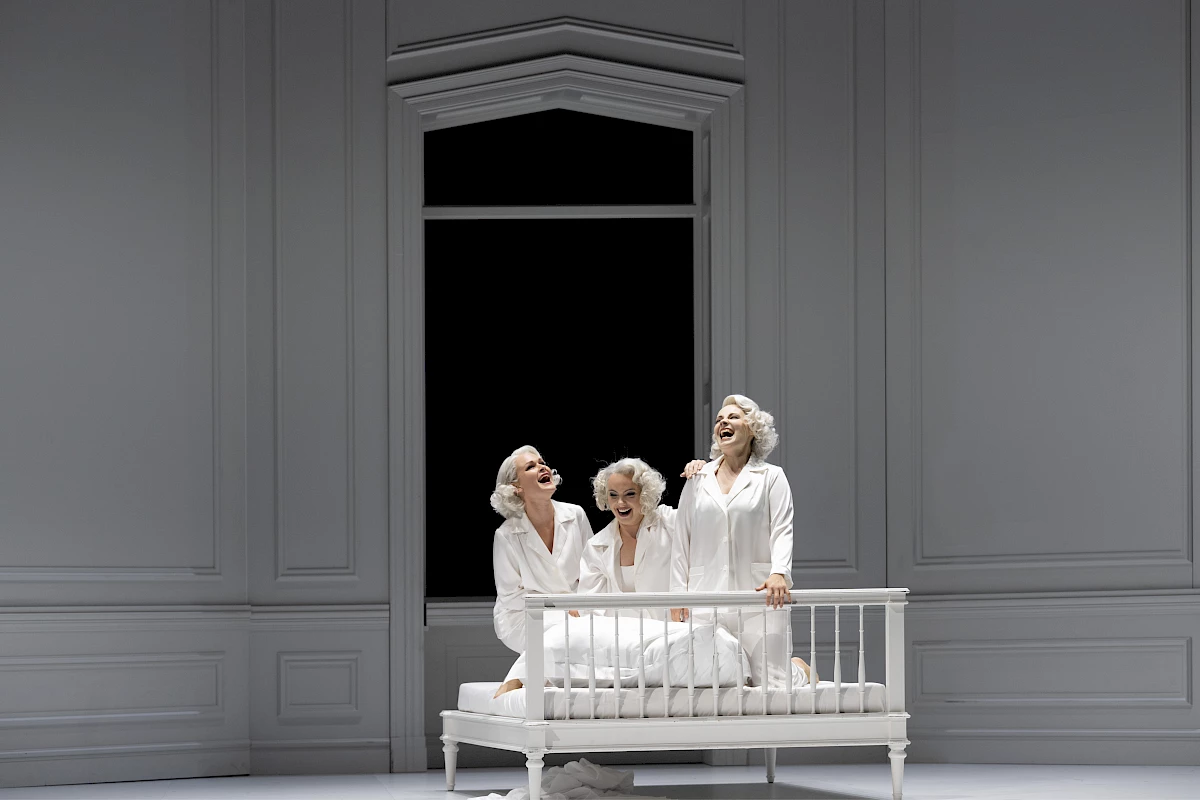
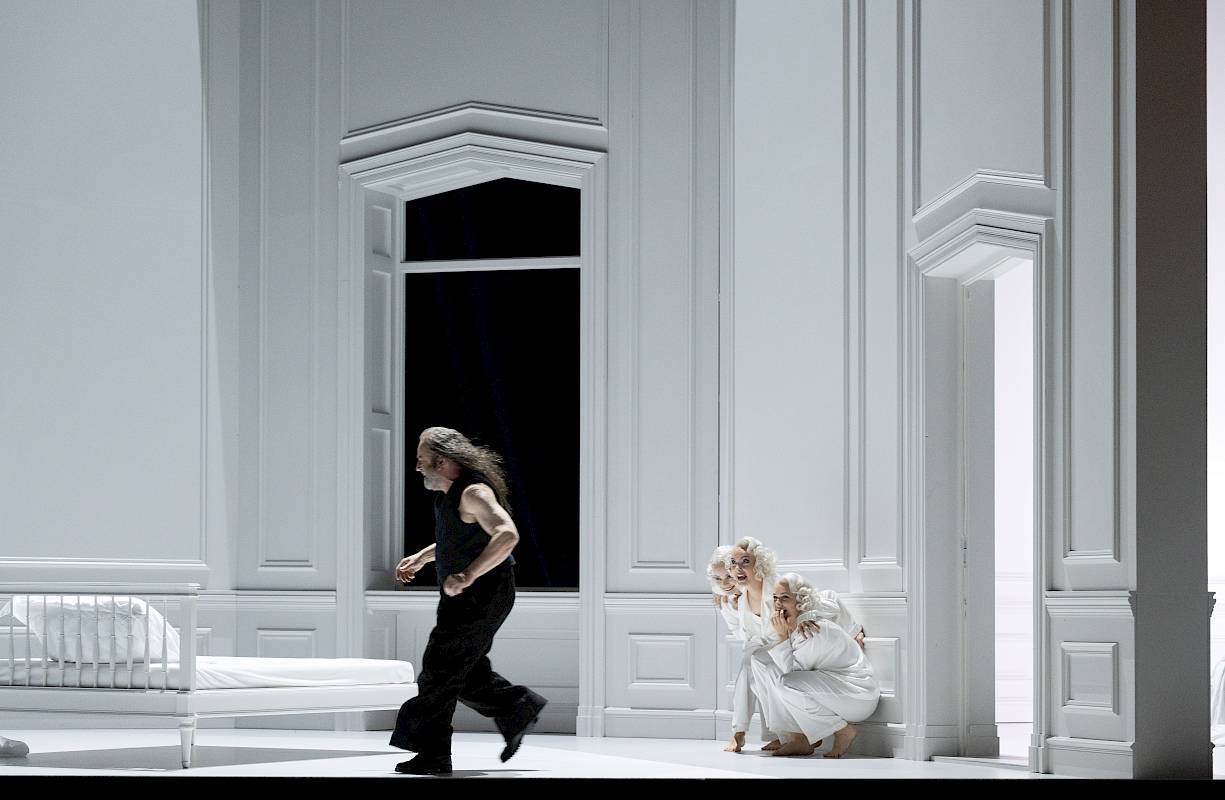
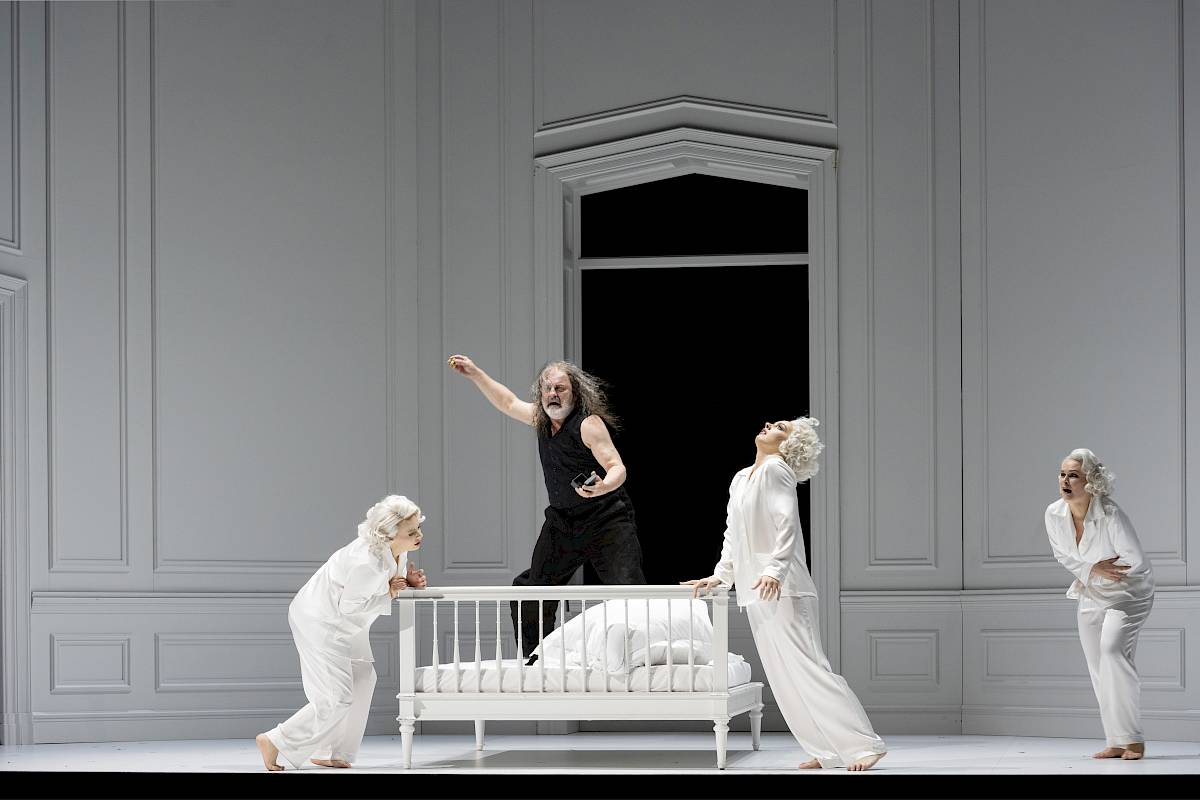
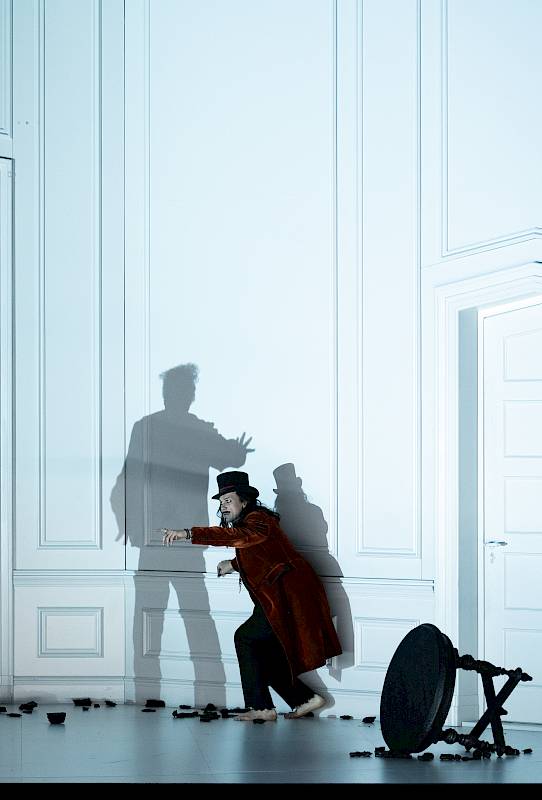
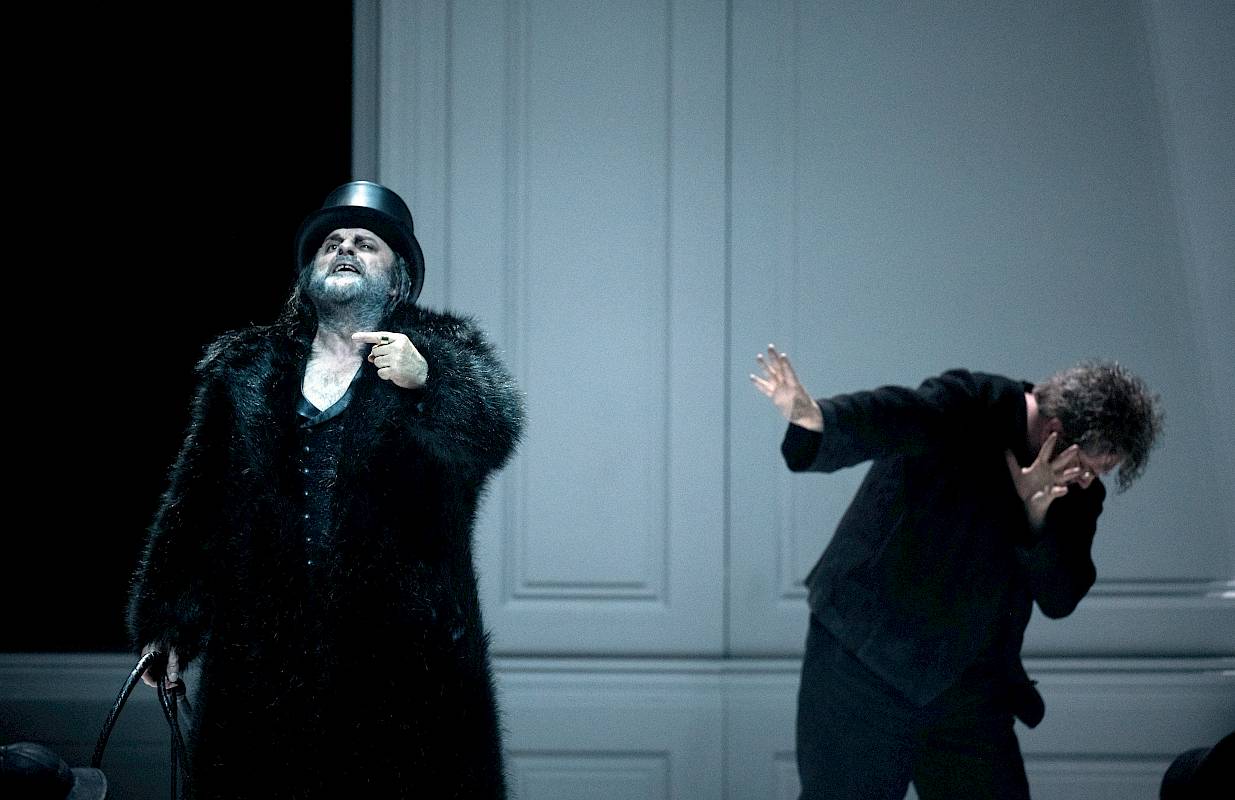
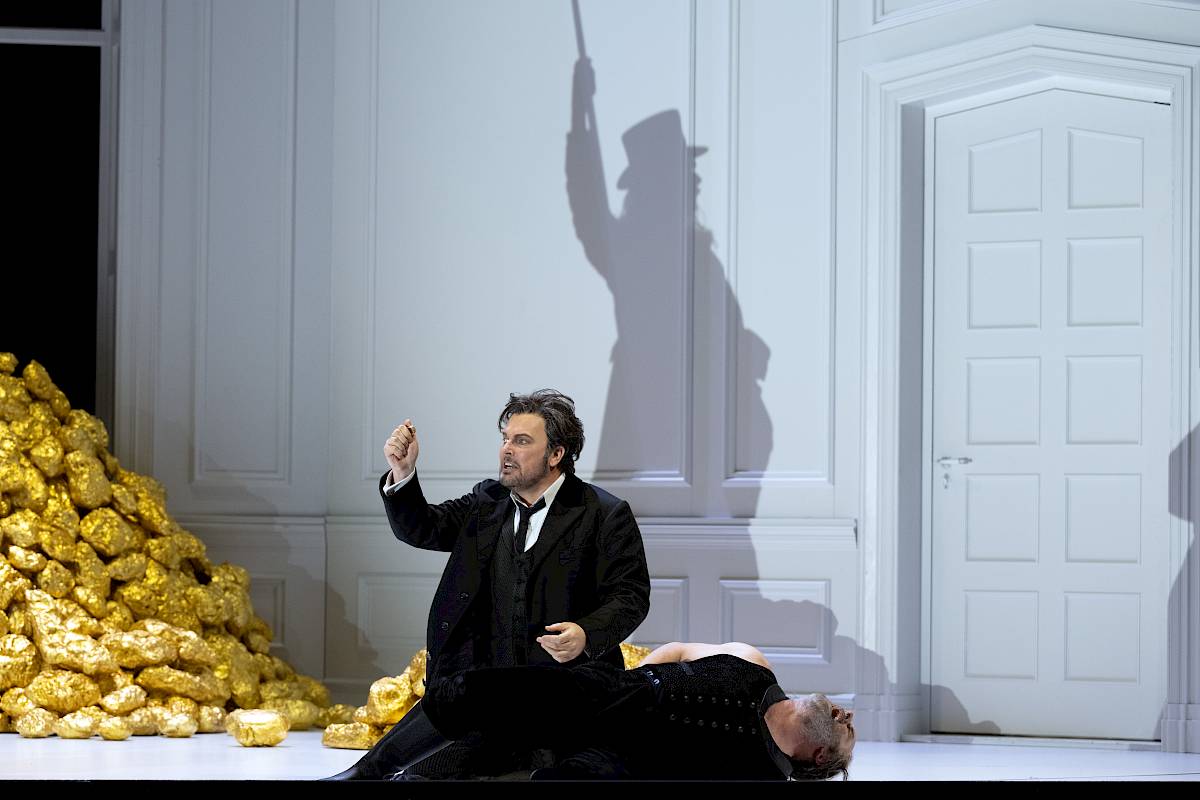
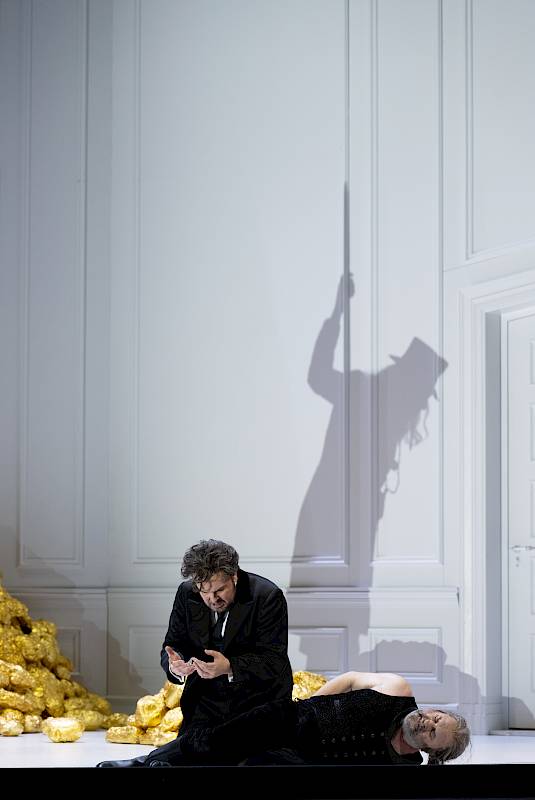
With "Das Rheingold", Richard Wagner opens his monumental "Der Ring des Nibelungen": a mythological world theatre about power, love and the loss of innocence. Whoever renounces love gains power. This fateful law draws both Alberich and Wotan, the father of the gods, into the spell of the cursed ring. From the famous depths of E-flat major unfolds a world suspended between natural idyll and moral decline. Andreas Homoki’s successful production returns under the musical direction of Gianandrea Noseda. Michael Volle sings Wotan.

Read more Show less

Trailer "Das Rheingold"


Press Reviews "Das Rheingold"

«Dieser Ansatz macht schon jetzt Lust auf die Fortsetzung»

«Er hält sich eng an die Vorlage und schafft damit viel Raum für Details und Humor.»

«Das ist eine unbedingte Empfehlung.»

«Homokis kluge und raffinierte Inszenierung, in der sich auf der mobilen Drehbühne ständig ändernden Unendlichkeit der Räume, erzählt dabei die Gesellschaftskomödie des Rheingold mit einer lange so nicht mehr erlebten, verblüffenden Texttreue.»

«A final word must go to Noseda who conducted the Philharmonia Zürich brilliantly from the tender pianissimo opening to the many evocative and passionate climaxes throughout. Dramatic music-making at its finest.»


Good to know

Audio-Einführung

Synopsis

Scene 1: In the depths of the Rhine
The Nibelung Alberich climbs up from Nibelheim’s underground caverns and encounters the beautiful but seductive Rhine daughters. They tauntingly reject his amorous advances, calling him an ugly dwarf.
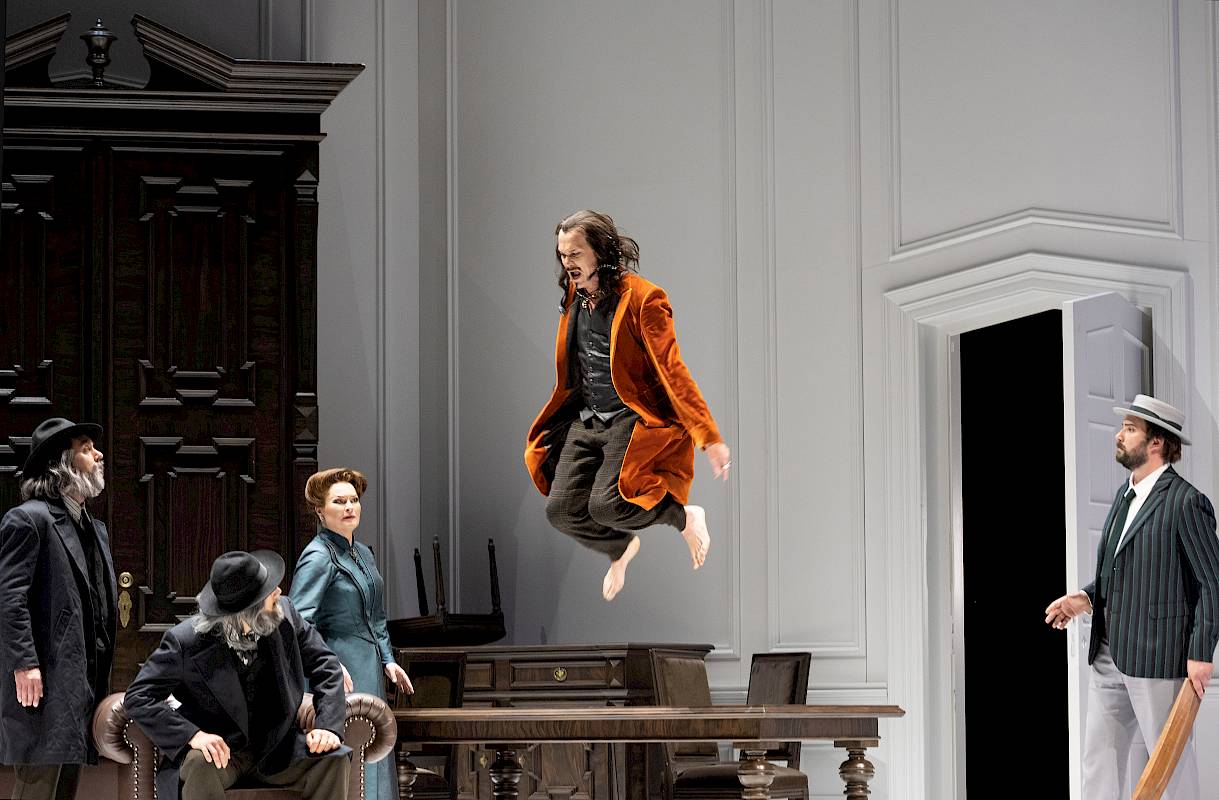
The scorned elf notices the Rhinegold as it glistens in the morning sun. From the Rhine daughters he learns its secret – that whoever pledges himself to a lifetime without love can discover the magic spell which will transform the gold into a ring. This ring will bestow immeasurable power upon its owner. Embittered at his lack of success with the maidens, he curses love and takes possession of the gold.

Scene 2: On cloudy heights
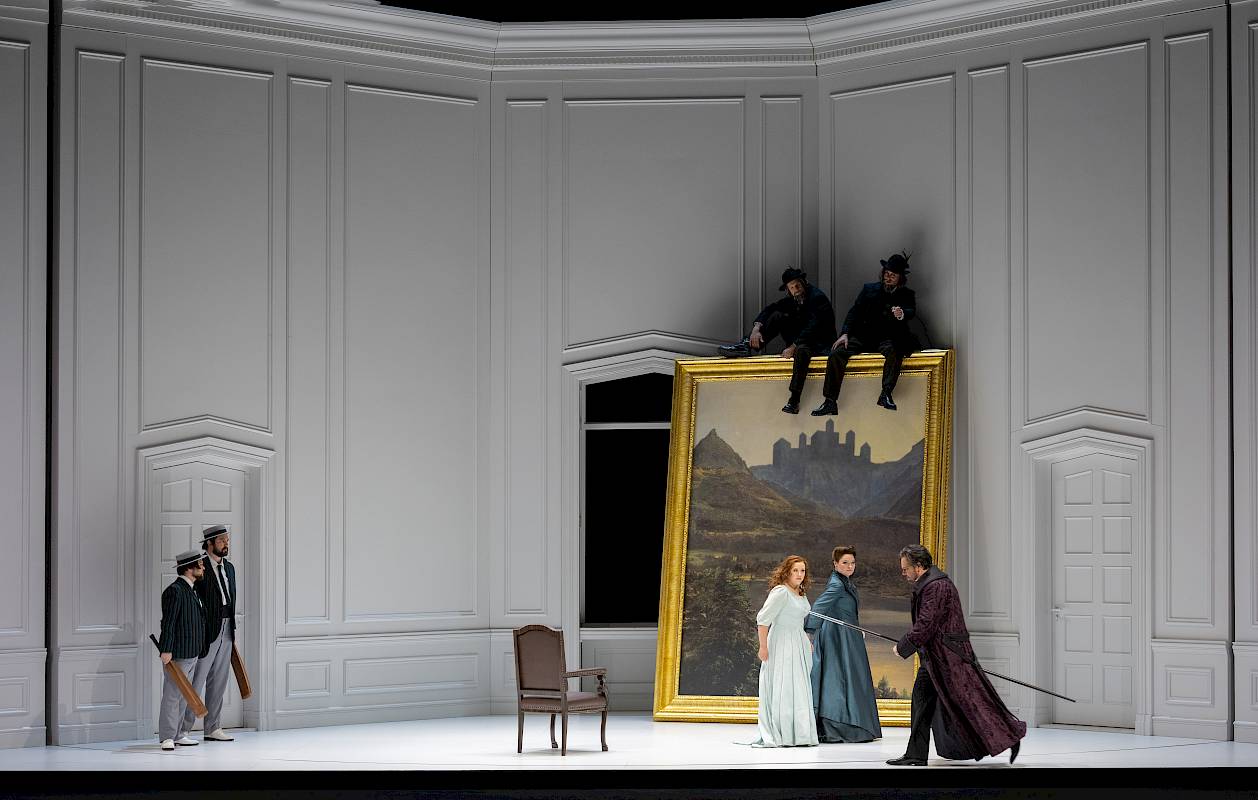
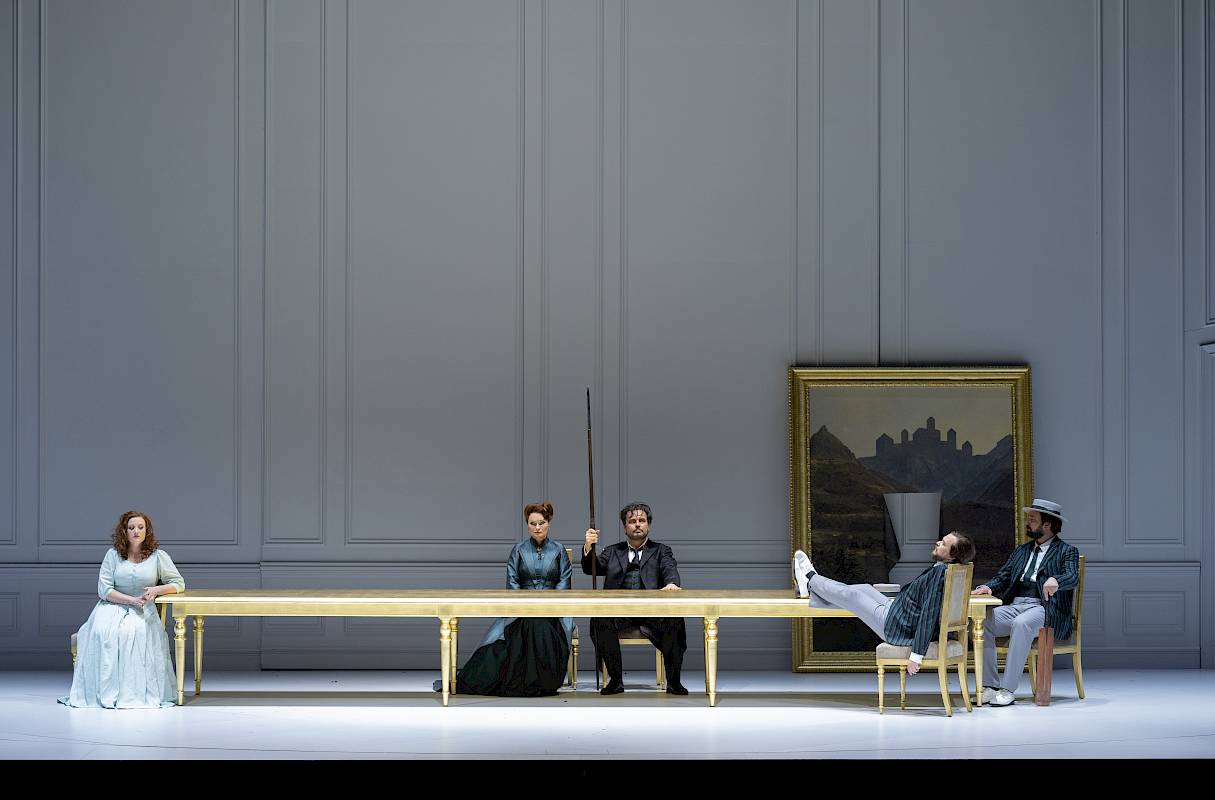
The gods are waiting until they can move into the new castle which Wotan, the father of the gods, had built by the two giants Fasolt and Fafner. Wotan’s wife Fricka is furious with him for promising the giants her sister, goddess of love Freia, as their wage. Wotan is relying on Loge, the god of fire, who has been tasked with finding a suitable alternative for Freia.
But he is unable to find an acceptable substitute for a loving woman. He explains that he has searched the whole world and found only one who was willing to renounce love. He tells them about Alberich, the theft of the Rhinegold and how Alberich, by the power of his newly-forged ring, has now enslaved the entire Nibelung race, forcing them to mine a treasure trove of gold from the earth. The giants agree to do without Freia if they can have Alberich’s gold instead. Until the gold can be handed over, they take Freia back to their castle as security. No sooner is Freia gone than the gods begin to age and grow frail. Loge can explain why. That day, the gods have not eaten the golden apples which Freia grew in her garden. It is this fruit which keeps them young and strong. Now that Freia is being held for ransom, the gods must stare death in the face. This revelation stirs them into action. To remedy the situation, Wotan decides to travel to Nibelheim together with Loge. There he will steal Alberich’s gold.
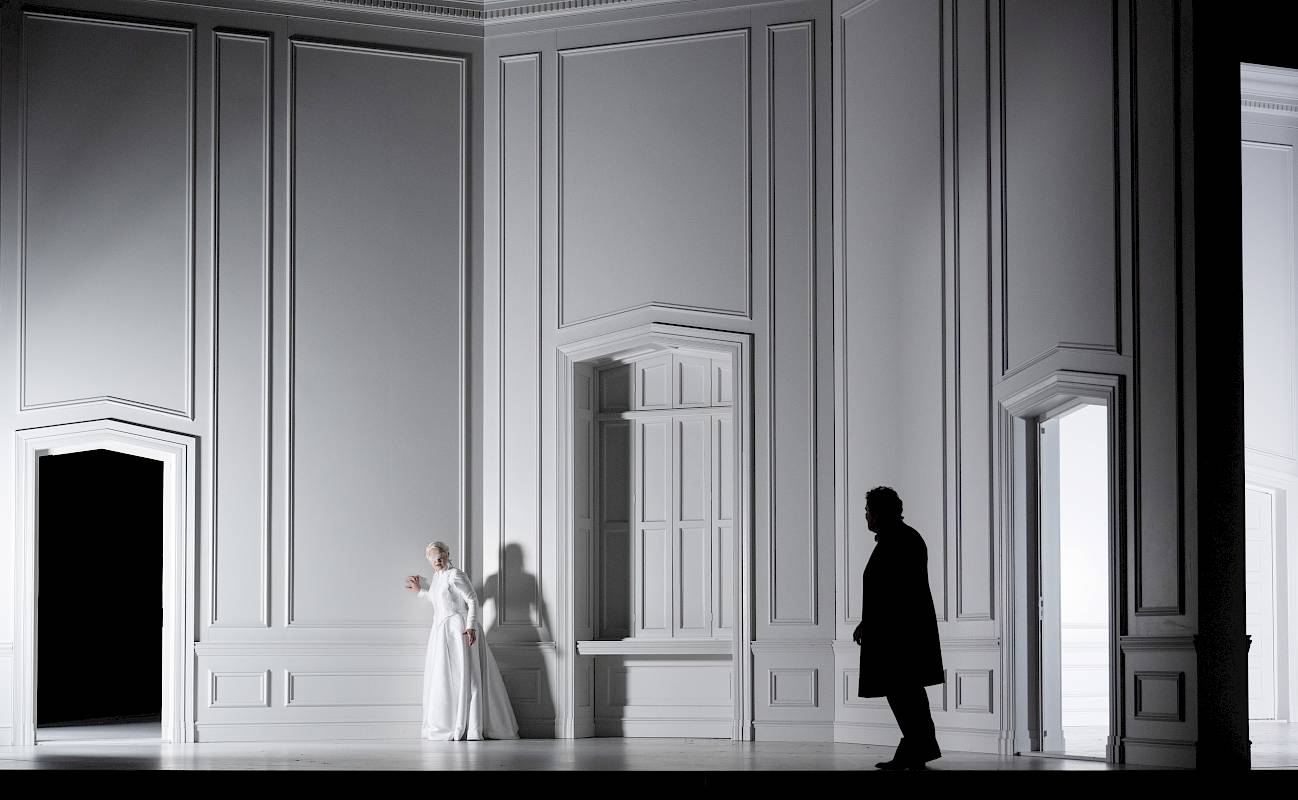
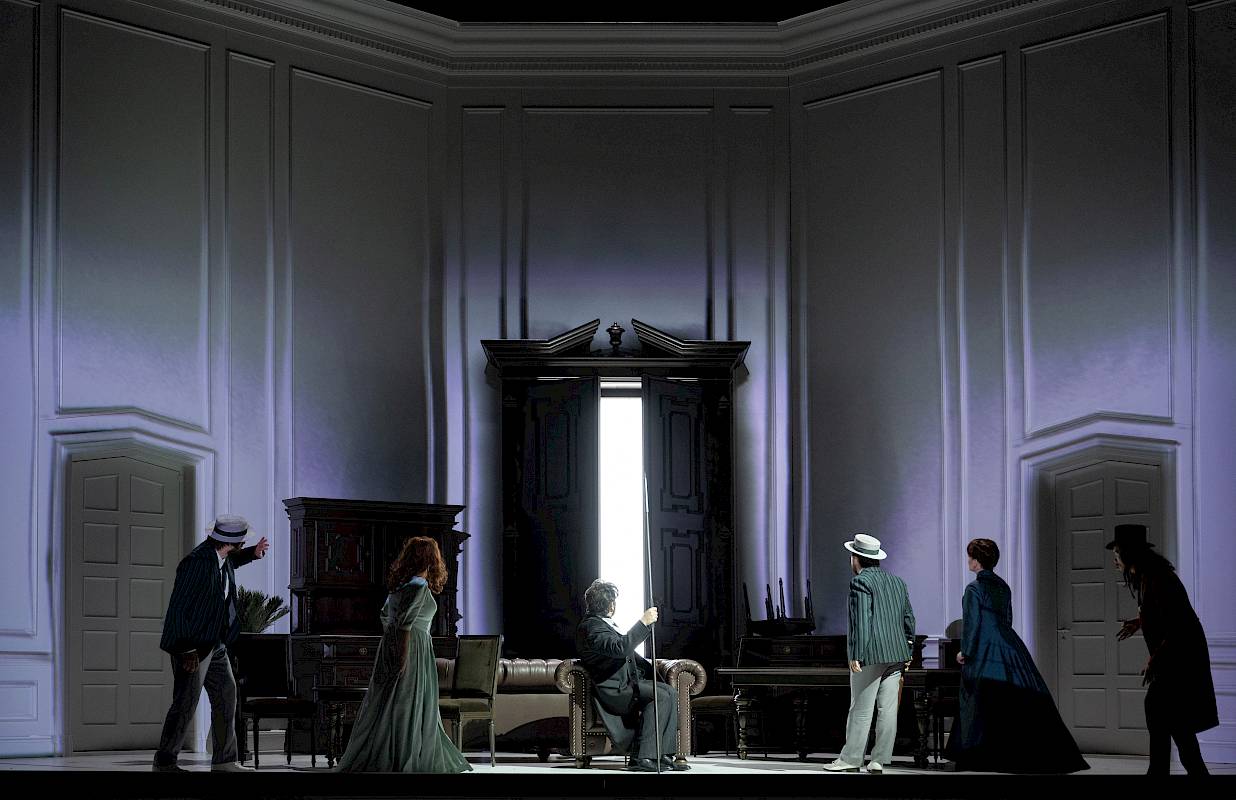
Scene 3: In Nibelheim
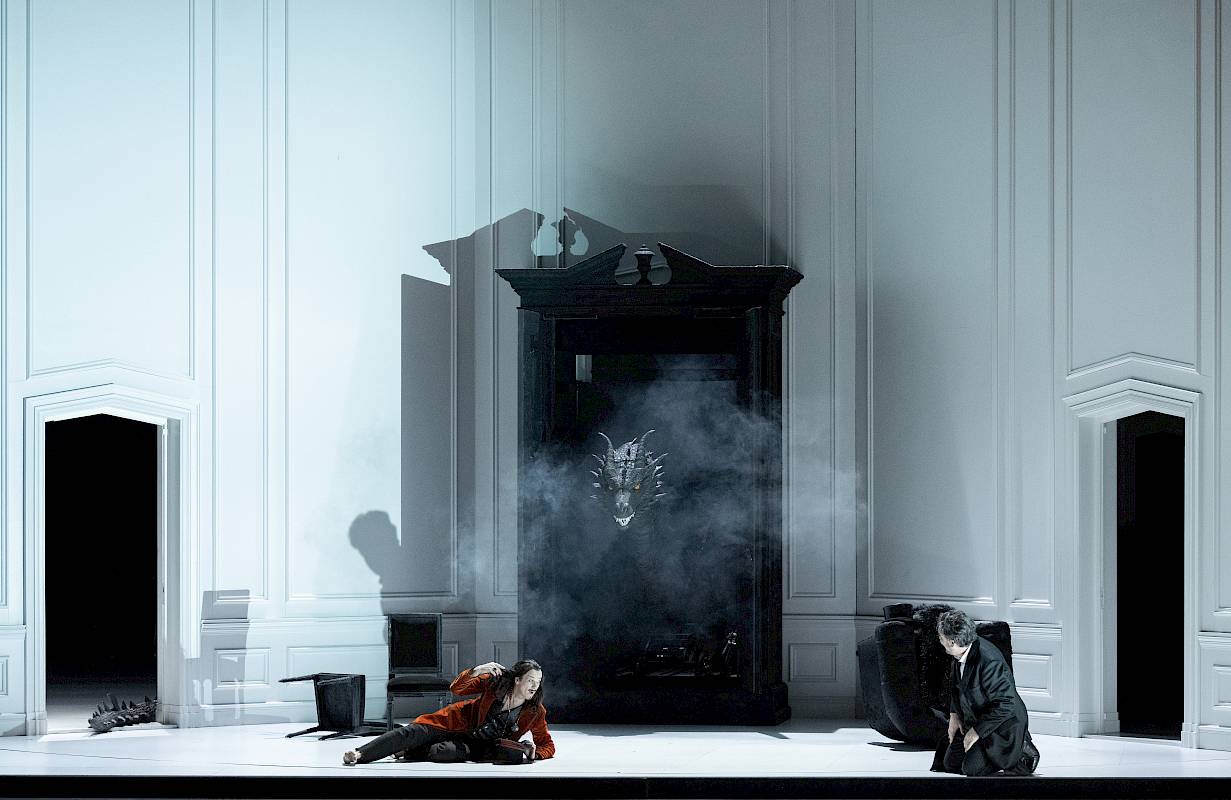
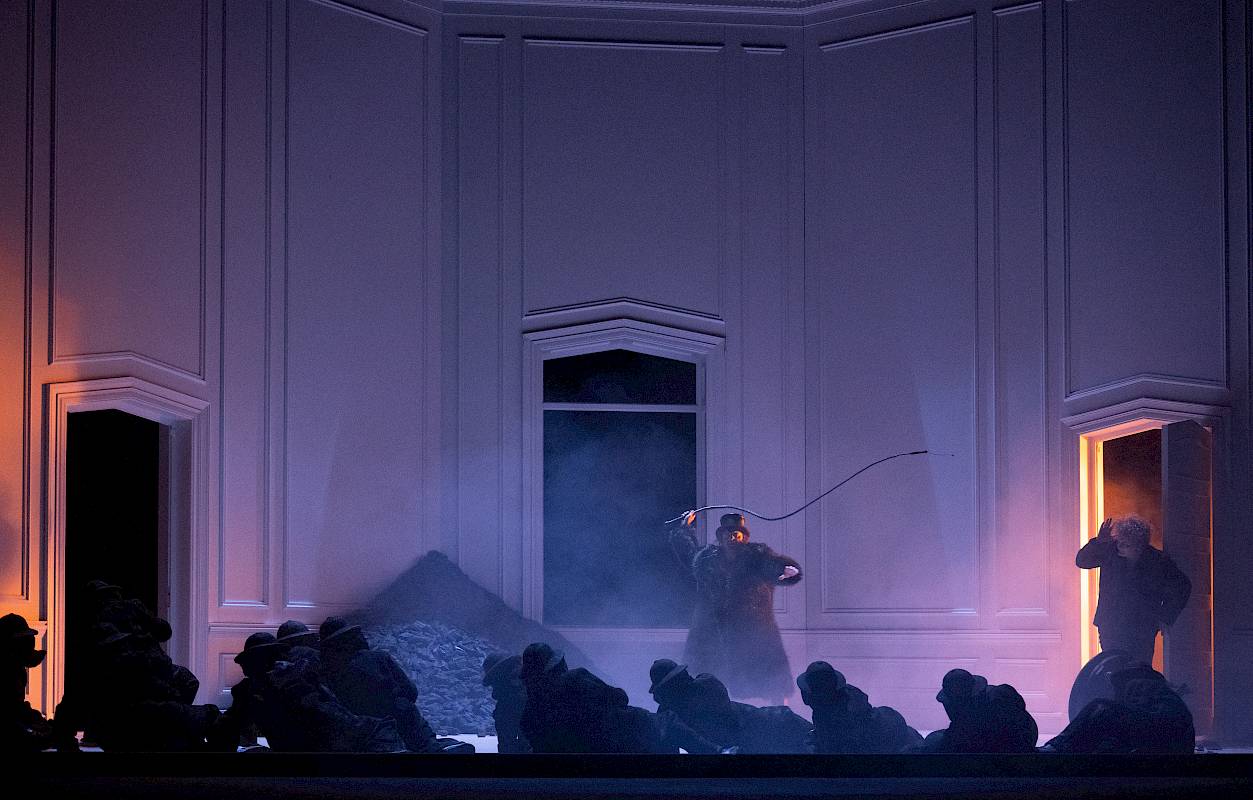
Alberich has forced his brother Mime to forge him a cloaking helmet which will make his hold over the Nibelungs even more secure. He proudly presents his treasure trove to Wotan and Loge, telling them what he plans to do with it. He will one day use it to equip an army with which he will defeat the gods and become ruler of the world. With a flourish he also shows them the helmet which, he believes, will protect him from any enemy attack. Loge is incredulous, so the Nibelung transforms first into a huge dragon and then into a tiny toad. But he notices the trap too late. The two gods grab the toad and carry Alberich up into the world above.

Scene 4: On cloudy heights
Wotan forces Alberich to have his treasure brought and seizes his cloaking helmet and ring. Alberich, having been released, places the ring under a curse: whoever possesses it will die. The giants return to either exchange Freia for the gold or keep her to live with them forever. They demand that the gold be piled up until it completely hides Freia from view. In order to plug a gap through which Fafner can see Freia’s hair, Wotan also has to hand over the cloaking helmet. Through another chink Fasolt spies Freia’s eye and Fafner demands the ring so this hole can be plugged too. Wotan flatly refuses. Only when Erda, the mysterious mother of the world, appears and warns him sternly about the ring’s capacity for destruction, does he relent. During a quarrel over the treasure, Fafner strikes his brother, killing him. The gods can finally take possession of the castle which Wotan calls ‘Valhalla‘. They purposely ignore the complaints of the Rhine daughters about the lost gold. With a sarcastic comment Loge takes his leave.