
Since receiving the German Conductors’ Award, Markus Poschner has been a guest conductor at the most prestigious orchestras and opera houses, including the Deutsche Symphonieorchester Berlin, Staatskapelle Berlin, Sächsische Staatskapelle Dresden, SWR Symphony Orchestra, Bamberg Symphony, Vienna Symphony, Orchestre Philharmonique de Radio France, NHK Tokyo, as well as at the Staatsoper Berlin, Vienna, Munich, Hamburg, and at the Opernhaus Zürich. In 2022, he opened the Bayreuth Festival with a new production of "Tristan und Isolde" and conducted it again in 2023. In 2026/27, the Munich-born conductor, who is also a passionate jazz pianist, will become the new Chief Conductor of the historic ORF Radio-Symphony Orchestra Vienna. Since 2025/26, he has been Chief Conductor of the Sinfonieorchester Basel and will additionally assume the position of Music Director at the Utah Symphony Orchestra starting in 2027/28. From 2015 to 2025, he was Chief Conductor of the Orchestra della Svizzera italiana, with which he won the International Classical Music Award in 2018 for the complete recording of Brahms’ symphonies and again in 2025 for his Hindemith and Schnittke recordings. His recording of Offenbach’s "Maître Péronilla" with the Orchestre National de France received the 2021 Annual Award from the German Record Critics. For the complete recording of all Bruckner symphonies with the Bruckner Orchestra Linz, of which Poschner has been Chief Conductor since 2017, and the ORF Radio-Symphony Orchestra Vienna, he received the 2024 Special Achievement Award from the International Classical Music Awards jury. In 2020, Poschner and the Bruckner Orchestra Linz were awarded the Austrian Music Prize.
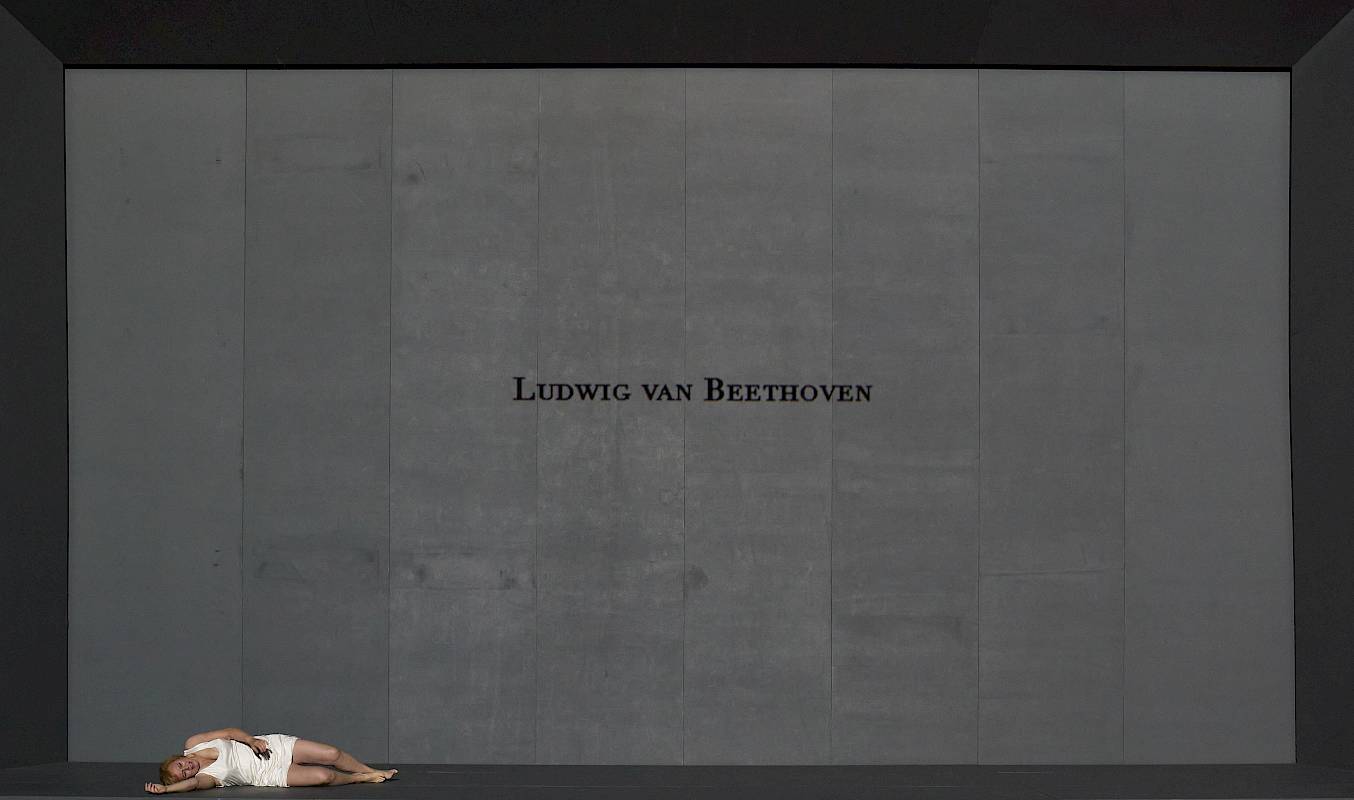
Ludwig van Beethoven
Opera in two acts
Libretto by Joseph Ferdinand Sonnleithner and
Georg Friedrich Treitschke
From 21. January 2020 until 9. February 2020
-
Duration :
2 H. Without intermission. -
Language:
In German with German and English surtitles. -
More information:
Introduction 45 min before the performance.
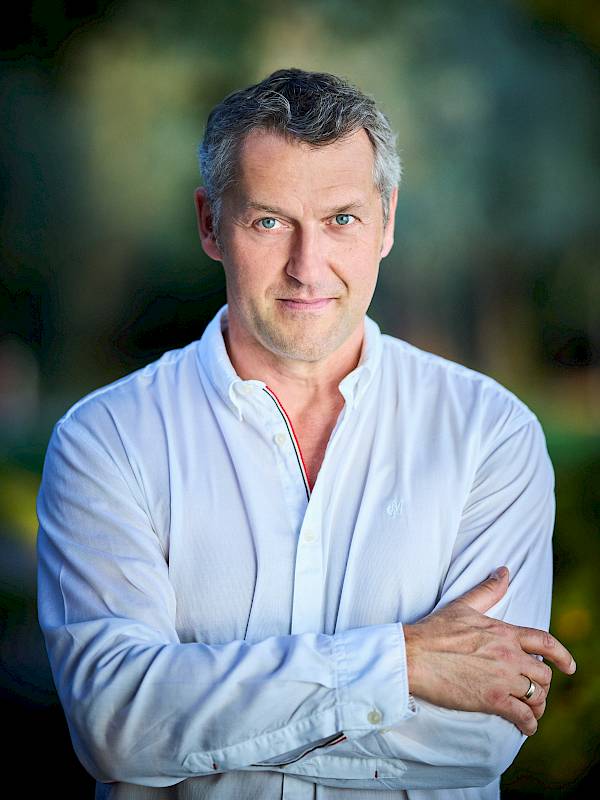
Markus Poschner
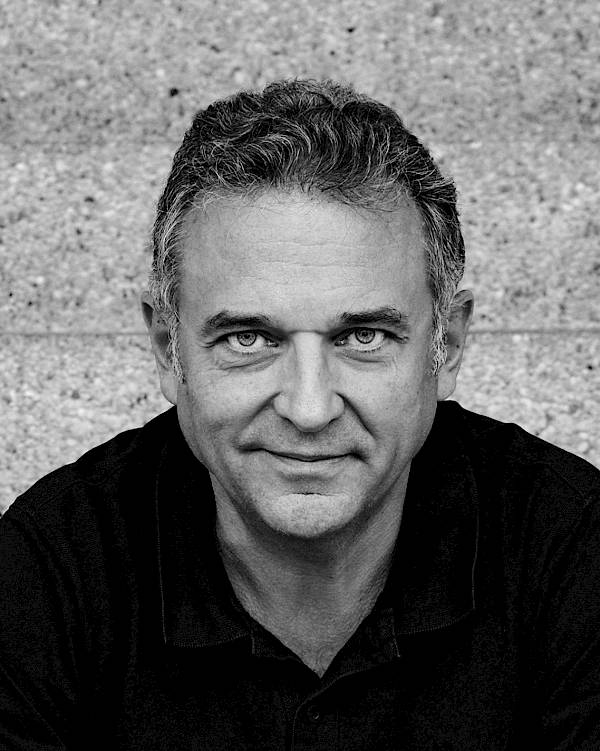
Andreas Homoki
Andreas Homoki was born in Germany in 1960 as the son of a Hungarian family of musicians and studied school music and German studies in Berlin (West). In 1987 he went to the Cologne Opera as an assistant director and stage manager, where he remained until 1993. From 1988 to 1992 he was also a lecturer for stage instruction at the opera school of the Cologne University of Music. It was here that his first own productions were created. In 1992 his first guest production took him to Geneva, where his interpretation of "Die Frau ohne Schatten" received international attention. The production, which was later also shown at the Théâtre du Châtelet in Paris, received the French Critics' Prize of the Year in 1994. From 1993 to 2002 Andreas Homoki worked as a freelance opera director and staged productions in Cologne, Hamburg, Geneva, Lyon, Leipzig, Basel, Berlin, Amsterdam and Munich, among others. As early as 1996 he made his debut at the Komische Oper Berlin with "Falstaff", followed by "The Love for Three Oranges" (1998) and in 2000 "The Merry Widow". In 2002 Andreas Homoki was appointed chief director of the Komische Oper Berlin as successor to Harry Kupfer, and in 2004 he became its artistic director. In addition to his directing work at the Komische Oper Berlin, he staged productions at the Théâtre du Châtelet in Paris, the Bavarian State Opera in Munich, the New National Theatre Tokyo, the Semperoper Dresden and the Hamburg State Opera, among others. In July 2012, under the musical direction of William Christie, he staged "David et Jonathas" by Marc-Antoine Charpentier for the Festival in Aix-en-Provence – a production that was later also shown in Edinburgh, Paris and New York, among other places. From 2012 to 2025 Andreas Homoki was artistic director of the Zurich Opera House, where he staged productions including "The Flying Dutchman" (co-production with La Scala in Milan and the Norwegian National Opera Oslo), "Fidelio", "Juliette", "Lohengrin" (co-production with the Vienna State Opera), "Luisa Miller" (Hamburg State Opera), "Wozzeck", "My Fair Lady" (Komische Oper Berlin), "I puritani", "Medée", "Lunea" (named "World Premiere of the Year 2017/18" by the magazine Opernwelt), "Iphigénie en Tauride", "Nabucco", "Simon Boccanegra", "Les Contes d'Hoffmann", "Salome", the "Ring des Nibelungen" and "Carmen". Andreas Homoki has been a member of the Academy of the Arts Berlin since 1999.
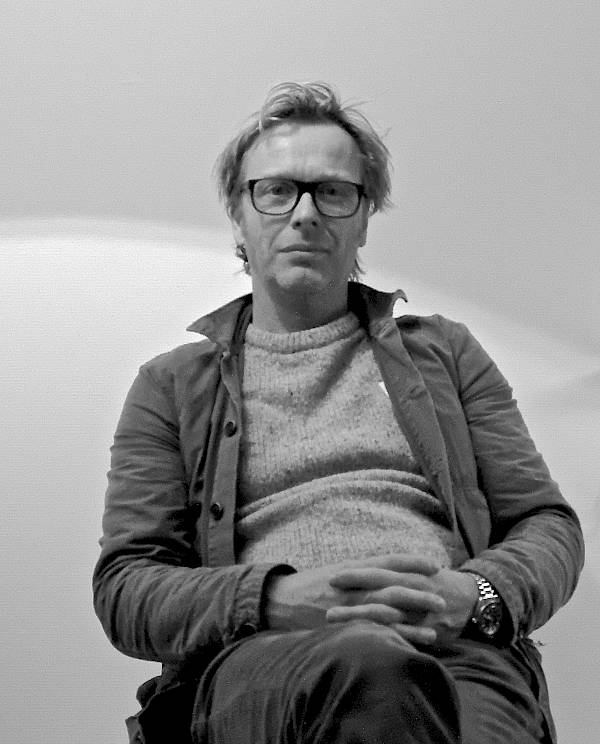
Henrik Ahr
Henrik Ahr, born in Bensberg, initially worked as a freelance artist after training as a chef and studied architecture in Leipzig from 1995 to 2001. He designed his first stage sets in 2000 for the Neue Szene Leipzig and in 2001 at the Theaterhaus Jena for Chuck Palahniuk's "Fight Club". Since 2005 Henrik Ahr has lived and worked in Vienna as a stage designer and painter. Since 2010 he has been a Professor of Stage Design at the Mozarteum Salzburg, where he also heads the Department of Scenography. He has a close artistic collaboration, among others, with Michael Thalheimer, Christof Loy and Tatjana Gürbaca. With Thalheimer he created works such as Schnitzler's "Liebelei" at the Thalia Theater Hamburg, which was invited to the Berlin Theatertreffen, Brecht's "Herr Puntila und sein Knecht Matti" in Hamburg, Schubert's "Winterreise" at the Deutsches Theater Berlin and "Rigoletto" at Theater Basel. He first worked with Christof Loy in 2008 at the Theater an der Wien on Strauss's "Intermezzo"; this was followed by productions including "Lucrezia Borgia" at the Bavarian State Opera in Munich and "Der Tausch" at Schauspielhaus Zurich. Henrik Ahr has an ongoing collaboration with Tatjana Gürbaca, resulting in productions such as "Arabella" at the Deutsche Oper am Rhein, "Parsifal" at the Vlaamse Opera Antwerp, Hasse's "Leucippo" at the Schwetzingen Festival and at the Cologne Opera, "La traviata" in Oslo, the "Ring" trilogy and "Capriccio" at the Theater an der Wien, as well as "Le Grand Macabre" and most recently "Das grosse Feuer" in Zurich. At the Zurich Opera House he also designed the stage sets for "Die Schatzinsel", "Fidelio" and "I puritani".
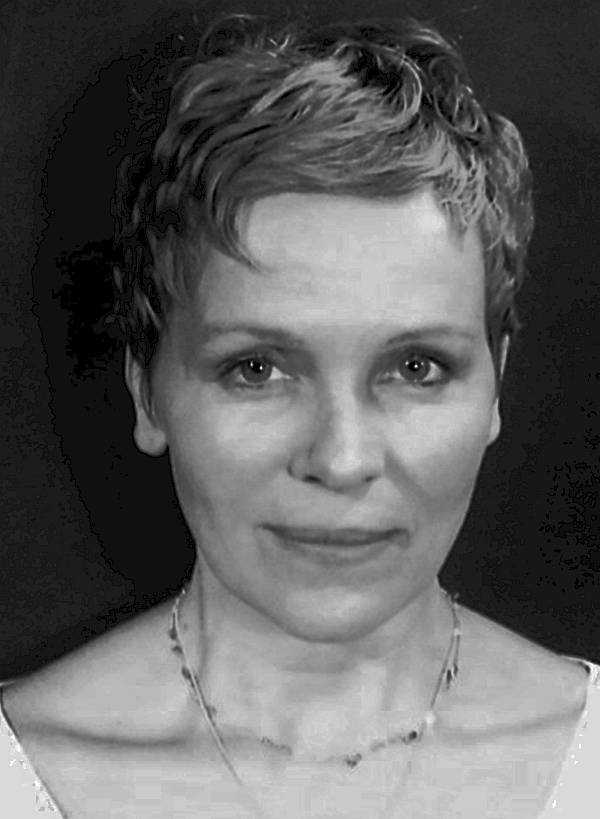
Barbara Drosihn
Barbara Drosihn, born in Hamburg, studied costume design at the University of Applied Sciences in her hometown after training as a seamstress. Since then she has worked as a freelance costume designer at venues including the Thalia Theater, the Deutsches Schauspielhaus Hamburg, the Burgtheater Vienna, the Schauspielhaus Bochum, the Staatsschauspiel Dresden and the Schauspiel Köln. In the process, she has created works for directors such as Michael Thalheimer, Stephan Kimmig, Nicolas Stemann, Andreas Kriegenburg and Stefan Bachmann. Her first opera was "Lucrezia Borgia", for which she designed the costumes in 2009 for Christof Loy at the Bavarian State Opera in Munich. This was followed by productions including "Der Rosenkavalier" and "Der ferne Klang" at the Royal Opera Stockholm, "The Miracle of Heliane" at the Deutsche Oper Berlin, "Così fan tutte" at the Salzburg Festival and "Don Pasquale" at the Zurich Opera House. There she also designed the costumes for Andreas Homoki's productions of "I puritani" and "Fidelio". She has a close artistic collaboration with Tatjana Gürbaca, for whom she created the costumes for "Parsifal" and "The Flying Dutchman" in Antwerp, "La traviata" in Oslo, "Capriccio" and the "Ring" trilogy at the Theater an der Wien, as well as "La finta giardiniera" and "Le Grand Macabre" at the Zurich Opera House. In recent seasons she designed the costumes for "Der Schatzgräber" at the Deutsche Oper Berlin, "Káťa Kabanová" at the Deutsche Oper am Rhein, "Il trittico" at the Salzburg Festival, "Die Königskinder" in Amsterdam, "Bluebeard's Castle" / "The Miraculous Mandarin" in Basel, "Rusalka" in Hanover and "La Voix humaine" / "Erwartung" at the Teatro Real in Madrid.
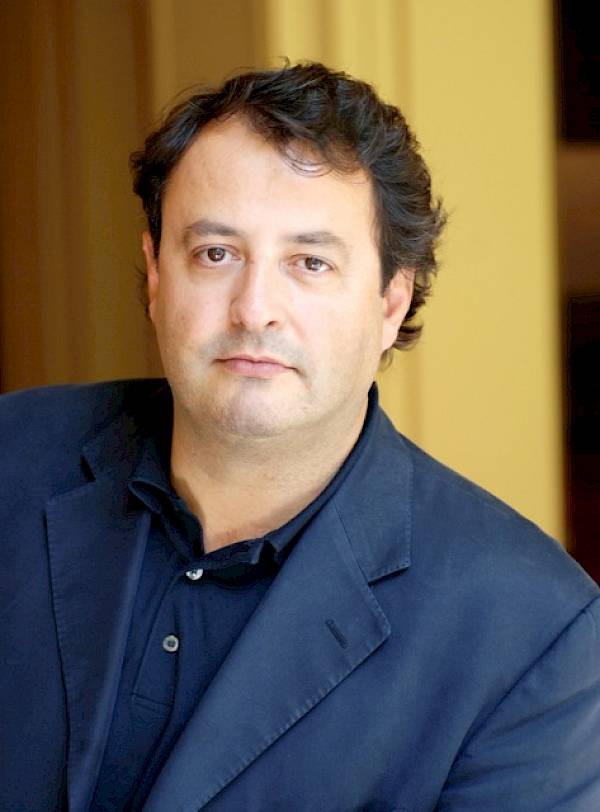
Franck Evin
Franck Evin, born in Nantes, moved to Paris at the age of 19 to study piano. At night he accompanied singers at the Café-Théâtre Le Connétable and also began to take an interest in lighting. He eventually decided to combine music and technology. Thanks to a scholarship from the French Ministry of Culture, he became assistant to the head of lighting at the Opéra de Lyon in 1983. There he worked with Ken Russell and Robert Wilson, among others. In 1986 he began working as an independent lighting designer at the Düsseldorf Schauspielhaus and obtained his master’s certificate in lighting in 1993. During this time he had a close collaboration with Werner Schröter and the conductor Eberhard Kloke. This was followed by productions in Nantes, Strasbourg, Paris, Lyon, Vienna, Bonn, Brussels and Los Angeles, among other places. From 1995 to 2012 he was Artistic Director of the lighting department at the Komische Oper Berlin, where he was responsible for all new productions. Important artistic partners during this period included Andreas Homoki, Barrie Kosky, Calixto Bieito and Hans Neuenfels. In 2006 Franck Evin was awarded the German Theatre Prize "Opus" in the category of lighting design. From 2012 to 2025 he was Artistic Director of the lighting department at the Zurich Opera House. In addition to his work in Zurich, he continued to work on international productions at opera houses in Oslo, Stockholm, Tokyo, Amsterdam, Munich and Graz, as well as at the Opéra Bastille, Teatro alla Scala, Teatro La Fenice, the Vlaamse Opera and at the Bayreuth Festival.
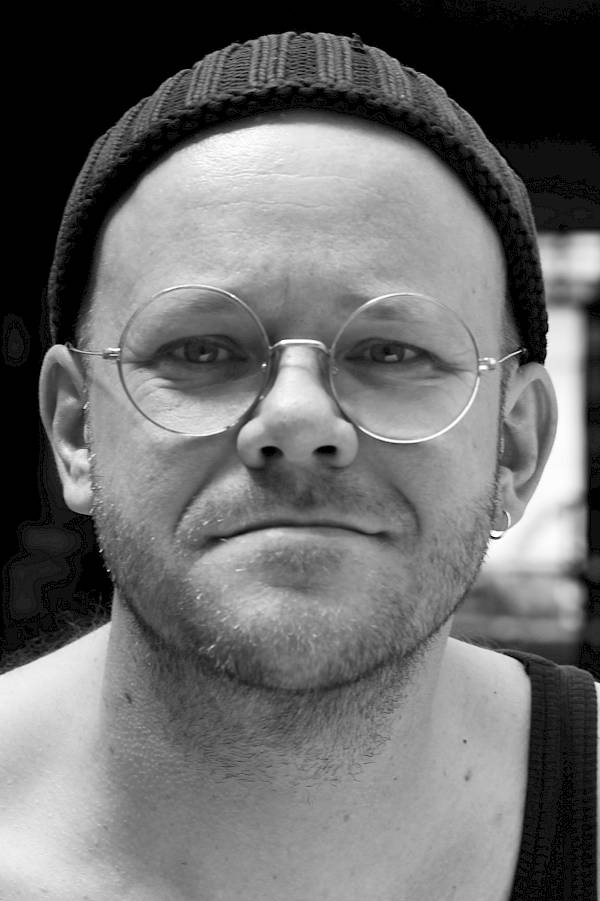
Alexander du Prel
Alexander du Prel, who comes from Northern Bavaria, initially worked as a theatre photographer and camera assistant before beginning his studies in visual communication/art at the Gesamthochschule Kassel in 1994. From 1998 he also studied under Michael Ballhaus at the University of Hamburg and completed his studies in 2000 with a diploma as a cinematographer and visual director. Alexander du Prel has worked as a cinematographer on numerous feature films, documentaries and short films, including the Irish feature film "Swan Song" (director: Conor McDermottroe), for which he was nominated for Best Cinematography at the International Film Festival of the Art of Cinematography Camerimage in 2010. As a video artist, he has been working with Michael Thalheimer since 2000. This collaboration resulted in installations for "Liliom" at the Thalia Theater Hamburg (2000), "Medea" at the Frankfurt Theatre (2012) – this production opened the Berlin Theatertreffen 2013 – and most recently for "Woyzeck" (2013) and "Peer Gynt" (2018) at the Royal Dramatic Theatre in Stockholm. Du Prel had already worked with Henrik Ahr in 2002 on "Liebelei", also under the direction of Michael Thalheimer. "Fidelio" was his first opera project and at the same time his first collaboration with Andreas Homoki. Alexander du Prel taught at the Mozarteum Salzburg until 2019. He lives and works in Hamburg and Berlin.
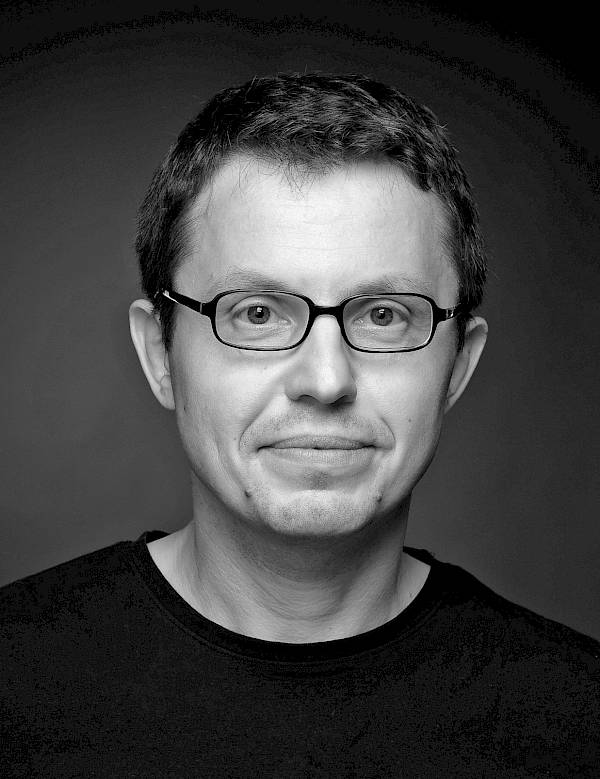
Janko Kastelic
Janko Kastelic ist ein kanadisch-slowenischer Dirigent, Chorleiter, Pianist und Organist. Er begann seine musikalische Ausbildung in Kanada am Royal/Western Conservatory of Music und der St. Michael’s Choir School. Er hat einen Abschluss in Dirigieren, Komposition und Musiktheorie von der Universität Toronto und setzte sein Studium an der Hochschule für Musik und Darstellende Kunst in Wien fort. Seit 2017 ist er Chordirektor am Opernhaus Zürich. Er war einer der Kapellmeister der Wiener Hofmusikkapelle, Studienleiter des JET-Programms für junge Sänger am Theater an der Wien und Assistent bei den Bayreuther Festspielen sowie Gastchordirektor an der Hamburgischen Staatsoper. Zu den Positionen, die er im Lauf seiner Karriere bekleidet hat, gehört auch die Stelle des Generalmusikdirektors und Operndirektors am Slowenischen Nationaltheater Maribor, des Zweiten Chordirektors an der Wiener Staatsoper sowie des Korrepetitors an der Opéra National de Paris. Er war Assistenzprofessor an der Universität Ljubljana und Mentor an der Musik und Kunst Privatuniversität der Stadt Wien. Seine künstlerischen Leistungen sind dokumentiert auf mehreren Live-Aufnahmen, darunter Tschaikowskis Pique Dame und Schönbergs Moses und Aron. Er arrangierte und dirigierte auch Werke für die Feierlichkeiten zum Mozartjahr 2006. Zu seinen Arbeiten beim Klangbogen-Festival in Wien gehört die europäische Erstaufführung von Blochs Macbeth. Janko Kastelic ist auch ein engagierter Pädagoge, der sich der Förderung der nächsten Generation von Musikerinnen und Musikern verschrieben hat.
Werner Hintze
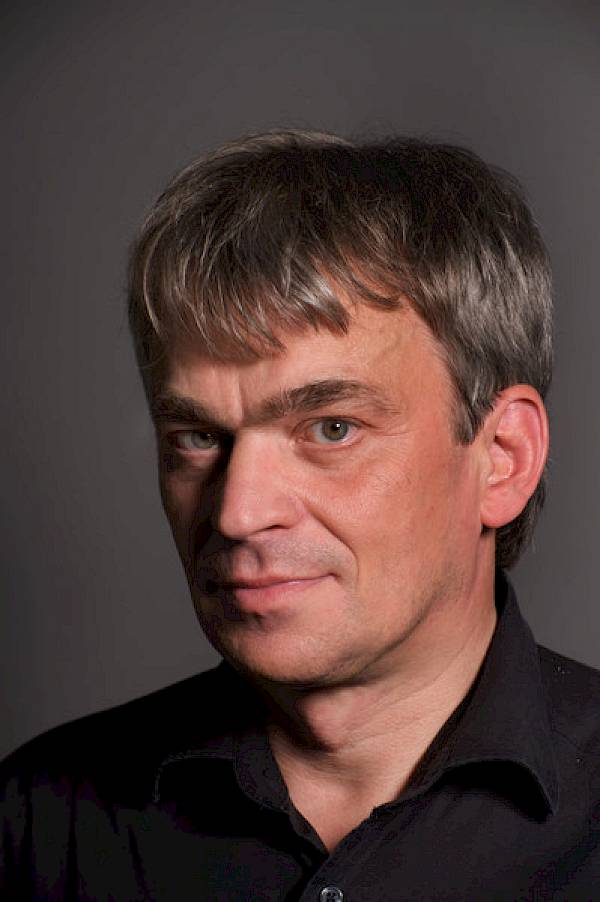
The author and dramaturg Werner Hintze studied theatre studies at Humboldt University in Berlin. Following an initial appointment at the Landestheater Halle, he worked at the Semperoper Dresden before moving to the Hans-Otto-Theater in Potsdam as chief dramaturg. From 2002 to 2012, he was chief dramaturg at the Komische Oper Berlin. Since 2012, he has lived in Berlin as a freelance dramaturg, author and university lecturer. He worked closely for many years with directors such as Peter Konwitschny, Andreas Homoki and Andreas Baumann, and served as a guest dramaturg at opera houses in Munich, Hamburg, Dresden, Zurich and Essen, amongst others. Since 1985, he has produced more than 30 German-language librettos for operas, mostly in collaboration with Bettina Bartz, as commissioned works for the Komische Oper and other theatres. In addition to his work in theatre, Werner Hintze teaches students of directing, set design and theatre studies at various universities. At the Zurich Opera House, he most recently supervised Andreas Homoki’s sensational new production of "Der Ring des Nibelungen".
Cast
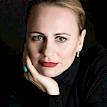
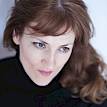
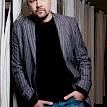

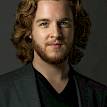
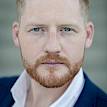
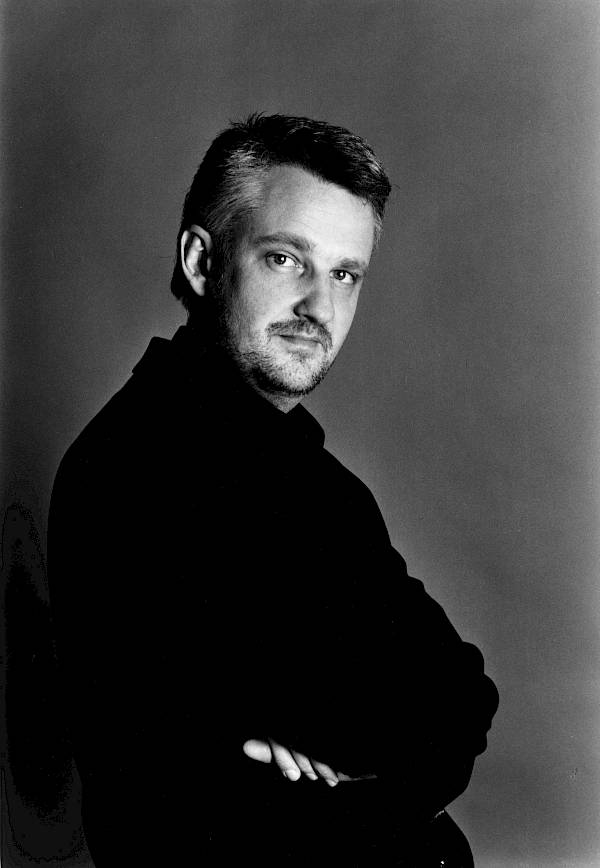
Oliver Widmer
Oliver Widmer, in Zürich geboren, studierte bei seinem Vater Kurt Widmer in Basel, bei Dietrich Fischer-Dieskau und Silvana Bazzoni. Preise gewann er u.a. beim ARD-Wettbewerb München, beim Internationalen Hugo-Wolf-Wettbewerb Stuttgart und beim Othmar-Schoeck-Wettbewerb Luzern. Mit Liederabenden war er bei der Schubertiade Feldkirch, den Salzburger Festspielen, den Wiener Festwochen, in der Londoner Wigmore Hall, in der Berliner Philharmonie, der Münchner Residenz, der Alten Oper Frankfurt, im Pariser Louvre, bei den Fêtes musicales en Touraine (mit Svjatoslav Richter), beim Aldeburgh Festival und im Lincoln Center New York mit Partnern wie Vladimir Ashkenazy, Hartmut Höll, Graham Johnson, András Schiff und Roger Vignoles zu Gast. Als gefragter Solist in Konzert und Oper unter Dirigenten wie Chailly, Dutoit, Gardiner, Jansons, Harnoncourt, Henze, Luisi, Santi, Schreier und Welser-Möst singt er mit den grossen Orchestern Europas (u.a. Wiener und Berliner Philharmoniker) und Amerikas (u.a. Pittsburgh Symphony, San Francisco Symphony) Werke von Bach bis Holliger. 1991/92 kam er als lyrischer Bariton zum Ensemble des Opernhauses Zürich, wo er u.a. als Papageno, Guglielmo, Olivier (Capriccio), Harlekin (Ariadne auf Naxos), Agamemnon (La Belle Hélène), Dandini (La Cenerentola), Figaro (Il barbiere di Siviglia), Belcore, Malatesta, Graf Almaviva, Dr. Falke, Valentin, Wolfram, Barbier (Die schweigsame Frau), Ottokar (Der Freischütz), Don Alfonso und Schwarzer Minister (Le Grand Macabre) sowie jüngst als Raimbaud (Le Comte Ory) zu hören war. Über 20 CD-Aufnahmen entstanden mit ihm, u.a. unter Harnoncourt und Gardiner sowie mit verschiedenen Liedrezitalen.
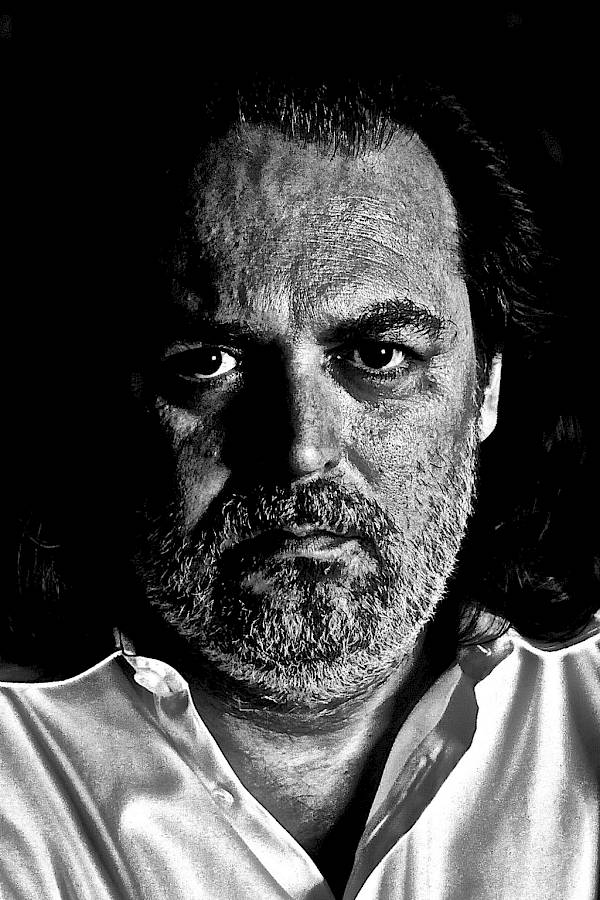
Wolfgang Koch
Wolfgang Koch, Bariton, studierte Gesang an der Musikhochschule München sowie bei Josef Metternich, Gianni Raimondi und Leodino Ferri und war anschliessend als Ensemblemitglied am Stadttheater Bern, am Staatstheater Stuttgart und an der Wiener Volksoper engagiert, bevor er als freischaffender Künstler weltweit an zahlreichen grossen Opernhäusern und Festivals auftrat. Zu den Höhepunkten der Saison 18/19 zählen Jochanaan in Salome sowie Hans Sachs in Die Meistersinger von Nürnberg an der Bayerischen Staatsoper, Scarpia in Tosca an der Metropolitan Opera New York und Barak in Die Frau ohne Schatten an der Staatsoper Hamburg sowie an der Wiener Staatsoper. In der Saison 2017/18 war er in den Neuproduktionen von Il trittico und Parsifal sowie in einer Ring-Produktion an der Bayerischen Staatsoper München, in Parsifal an der Staatsoper Hamburg und in einer Neuproduktion von Dantons Tod an der Wiener Staatsoper zu erleben. Besonders eng verbunden ist er mit der Staatsoper München, wo er 2014 zum Bayerischen Kammersänger ernannt wurde. 2013 bis 2015 war Wolfgang Koch alljährlich bei den Bayreuther Festspielen unter der Leitung von Kirill Petrenko als Wotan zu hören. 2011 debütierte er bei den Salzburger Festspielen in Die Frau ohne Schatten, 2013 dann auch bei den Salzburger Osterfestspielen in Parsifal. Weitere wichtige Rollen seines Repertoires sind der Holländer, Wolfram von Eschenbach (Tannhäuser), Telramund (Lohengrin), Kurwenal (Tristan und Isolde), Wotan/Wanderer (Der Ring des Nibelungen), Amfortas (Parsifal), Mandryka (Arabella), Der Graf (Capriccio), Mathis (Mathis der Maler), Borromeo und Morone (Palestrina), Lear (Reimann) und Doktor Faust (Busoni). Zahlreiche CD und DVD-Veröffentlichungen dokumentieren sein Schaffen, darunter Der Ring des Nibelungen aus Hamburg, Lear und Palestrina (Pfitzner) aus Frankfurt, Palestrina, Doktor Faust und Lohengrin aus München, Parsifal und Die Frau ohne Schatten aus Salzburg und Parsifal (Barenboim und Tcherniakov) aus Berlin.
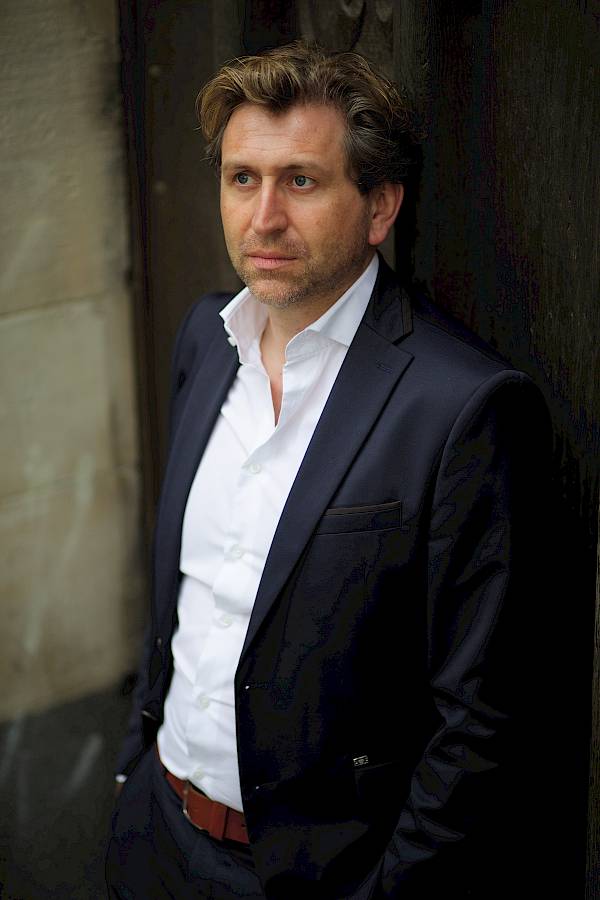
Andreas Schager
Andreas Schager stammt aus Österreich und studierte an der Universität für Musik in Wien. Zunächst war er im lyrischen Mozart- und Operettenfach zu Hause, bis er 2011 zu den Heldenpartien von Wagner und Strauss wechselte. Auf sein Debüt im Sommer 2009 bei den Tiroler Festspielen Erl als David in Die Meistersinger von Nürnberg folgten schon bald die Partien des Florestan, Max (Der Freischütz), Tristan sowie Siegfried an kleineren und mittleren Theatern, bevor ihm mit dem Siegfried in Götterdämmerung am Teatro alla Scala, an der Staatsoper Unter den Linden Berlin und bei den BBC Proms 2013 in London unter Daniel Barenboim der internationale Durchbruch gelang. Seitdem singt er regelmässig an grossen Häusern und Festivals weltweit wie der Metropolitan Opera, der Opéra de Bastille, der Bayerischen Staatsoper München, der Deutschen Oper Berlin, dem Teatro alla Scala, dem Teatro Real Madrid sowie den Bayreuther Festspielen, wo er im Sommer 2018 den Lohengrin sang. 2019 kehrt er als Parsifal dorthin zurück. In der Saison 2018/19 war er zudem u.a. als Lohengrin an der Wiener Staatsoper und in Prag zu erleben, als Siegfried an der Staatsoper Hamburg und der Met in New York sowie als Tannhäuser in Wiesbaden. Regelmässig tritt er auch im Konzertbereich auf; so mit dem Cleveland Orchestra unter Franz Welser-Möst in Cleveland und der Carnegie Hall. Er sang Schönbergs Gurre-Lieder in der Philharmonie de Paris, in Beethovens 9. Sinfonie im Wiener Konzerthaus mit den Wiener Philharmonikern jeweils unter Philippe Jordan sowie in Mahlers 8. Sinfonie unter Riccardo Chailly in Luzern.
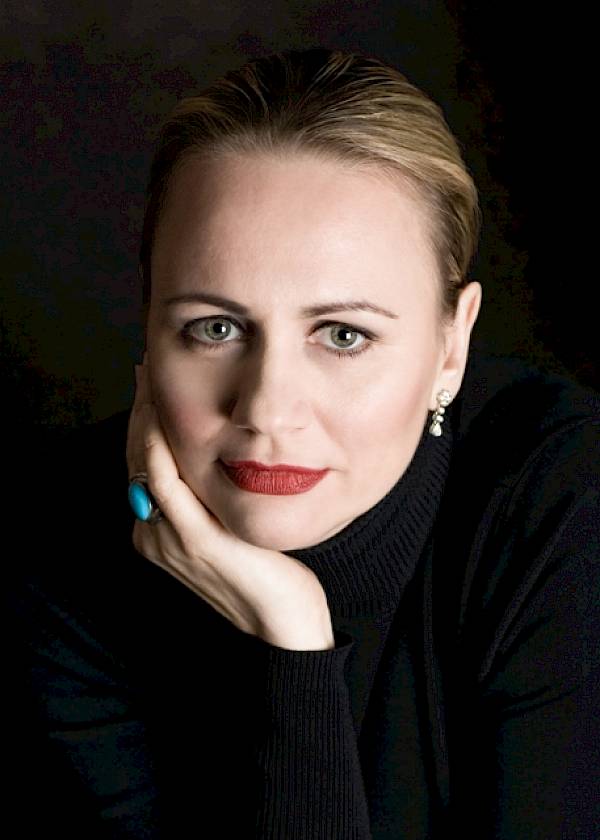
Anja Kampe
The German soprano Anja Kampe is one of the leading singers in her field. With role portrayals such as Brünnhilde in "Der Ring des Nibelungen" at the Berlin State Opera and the Vienna State Opera, Kundry at the Vienna State Opera and the Opéra national de Paris, Sieglinde at the Bayreuth Festival, Isolde at the Berlin State Opera and the Bavarian State Opera, as well as Marie in "Wozzeck" at the Vienna State Opera and at the Royal Opera House Covent Garden, she has set standards. In the 2025/26 season, she can be seen as Brünnhilde in "Der Ring of the Nibelungen", as Marie in "Wozzeck" and as Ortrud in "Lohengrin" at the Berlin State Opera. At the Hamburg State Opera, she takes on the title role in "Ariadne auf Naxos", and at the Vienna State Opera she can also be heard as Ariadne. At the Wagner Days in Budapest, she sings Kundry in "Parsifal". Concert engagements take her, among others, to the Antwerp Symphony Orchestra, the Budapest Festival Orchestra, the London Symphony Orchestra and to Radio France Montpellier. Highlights of past seasons include Isolde at the San Francisco Opera, her role debut as Ariadne in Hamburg, Ortrud at the Semperoper Dresden and at the Munich Opera Festival, Brünnhilde in Sydney and Berlin, her debut at the Metropolitan Opera as Senta in "Der fliegende Holländer", as well as new productions of "La fanciulla del West", "Tristan und Isolde" and "Parsifal". Her repertoire also includes roles such as Senta, Leonore, Lisa, Jenůfa, Carlotta and Tosca. She has worked with conductors such as Daniel Barenboim, Philippe Jordan, Christian Thielemann, Sir Simon Rattle and Simone Young.
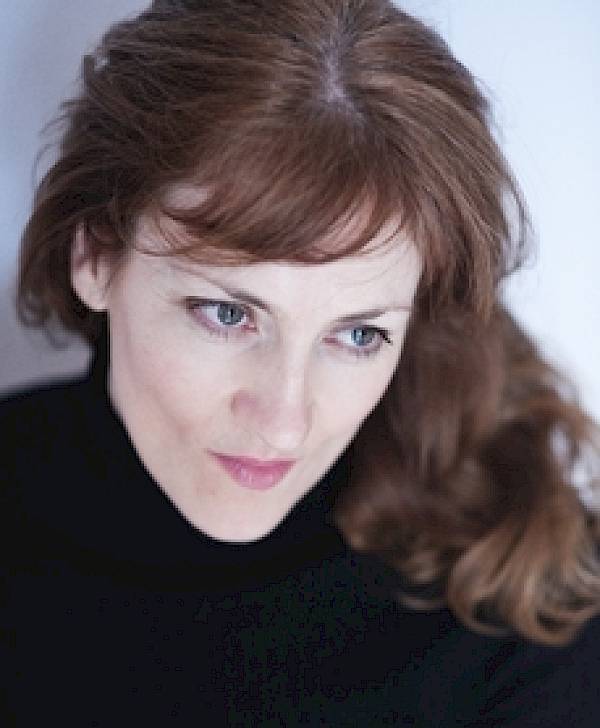
Emma Bell
Die Sopranistin Emma Bell studierte an der Royal Academy of Music und dem National Opera Studio in London u.a. bei Joy Mammen. 1998 gewann sie den «Kathleen Ferrier Prize». Ab 2002 gehörte sie für drei Jahre zum Ensemble der Komischen Oper Berlin, wo sie Partien wie Pamina (Zauberflöte), Micaëla (Carmen), Contessa Almaviva (Le nozze di Figaro), Agathe (Der Freischütz) Mimì (La bohème) sowie die Titelrolle in Alcina sang. Zu ihrem Repertoire zählen Rollen wie die Titelrolle in Händels Rodelinda (Glyndebourne und Châtelet, Paris), Vitellia in La clemenza di Tito und Violetta in La Traviata (English National Opera), Elettra in Idomeneo (Scala), Donna Elvira in Don Giovanni (Royal Opera House und Scala), Leonora in Nielsens Maskarade (Royal Opera House), Contessa Almaviva in Le nozze di Figaro (Gran Teatre del Liceu, MET, Opéra Bastille), sowie die Governess in Brittens The Turn of the Screw (Oper Leipzig, Teatro Real Madrid). In der vergangenen Spielzeit war sie als Leonore in Fidelio (Opera North und English National Opera), Miss Fortune von Judith Weir (Uraufführung bei den Bregenzer Festspielen und Wiederaufnahme am Royal Opera House), Eva in Die Meistersinger von Nürnberg (Royal Opera House), und als Fuchs in Janáčeks Das schlaue Füchslein (Glyndebourne Festival) zu erleben. Emma Bell ist weltweit auch als Konzert- und Liedsängerin tätig und arbeitet mit zahlreichen namhaften Dirigenten zusammen, so u.a. für Benjamin Brittens War Requiem und Beethovens Missa Solemnis mit Antonio Pappano, sowie mit Charles Mackkerras und Nikolaus Harnoncourt. Zu Emma Bells zukünftigen Engagements gehören u.a. Mme. Lidoine in Dialogues des carmélites (Royal Opera House), Elettra in Idomeneo (Teatro Colon), Donna Elvira in Don Giovanni (MET) und Elisabeth in Tannhäuser (Royal Opera House).
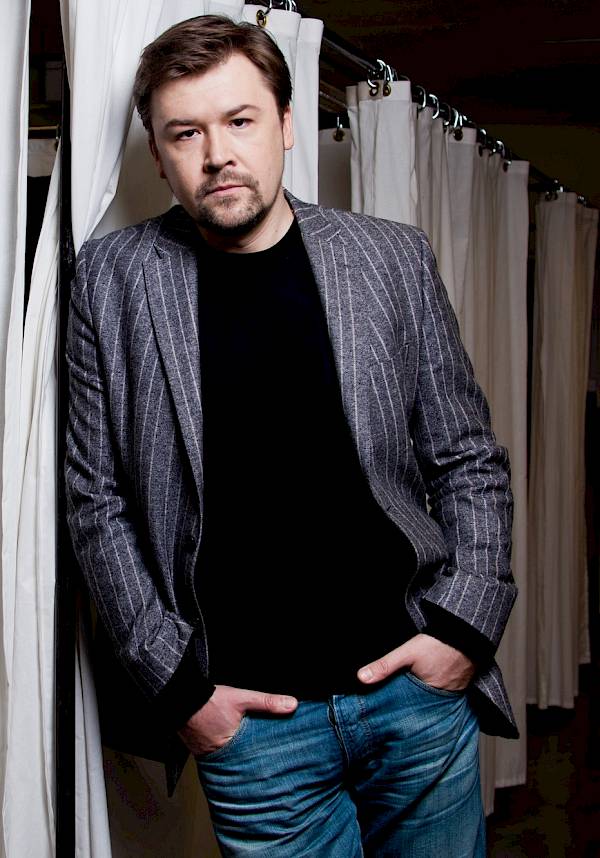
Dimitry Ivashchenko
Dimitry Ivashchenko geboren in Russland, begann seine Gesangsausbildung zunächst am Glinka Konservatorium in Novosibirsk und setzte sein Studium später an der Staatlichen Hochschule für Musik in Karlsruhe fort. Gastengagements führten ihn an zahlreiche renommierte Opernhäuser wie die Met in New York, die Lyric Opera of Chicago, das Teatro Real de Madrid, die Pariser Oper, die Wiener Staatsoper, die Semperoper in Dresden sowie die Festspiele in Bregenz. Eine der wichtigsten Rollen seiner Karriere, Sarastro in der Zauberflöte, hat er bereits an der Komischen Oper Berlin, im Festspielhaus Baden-Baden, an der Wiener Staatsoper, der Pariser Oper, dem Mostly Mozart Festival in New York und dem Festival d’Aix-en-Provence gesungen. Zu seinen Wagner-Partien zählen Pogner (Meistersinger), Daland (Der fliegende Holländer), Hunding (Walküre) sowie Fafner (Rheingold, Siegfried). Mit Beethovens Leonore war er 2017 als Rocco mit René Jacobs auf Tournee. Als regelmässiger Gast auf Konzertbühnen war er mit den Wiener Philharmonikern unter Pierre Boulez im Wiener Musikverein (Janáčecks Glagolitische Messe), in Beethovens 9. Sinfonie mit den Berliner Philharmonikern unter Sir Simon Rattle in Berlin, Paris, Wien, New York, Taipei und Tokio sowie in Honeggers Jeanne D’Arc mit dem NDR Elbphilharmonie Orchester unter Thomas Hengelbrock in der Elbphilharmonie Hamburg zu hören. In der Spielzeit 24/25 singt er u. a. Rocco (Fidelio) an der Lyric Opera of Chicago, Sarastro an der Semperoper Dresden, Gremin (Eugen Onegin) in Toronto und Vodnik (Rusalka) an der Opéra de Paris.
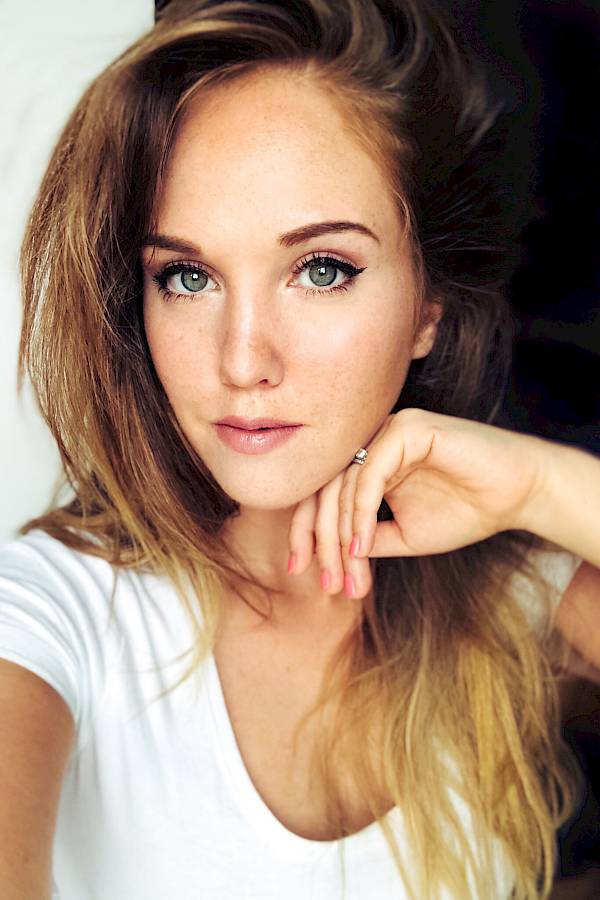
Mélissa Petit
Mélissa Petit wurde in Saint-Raphaël (Südfrankreich) geboren und studierte am Konservatorium in Saint-Raphaël. 2009 gewann sie den 2. Preis des «Concorso Musica Sacra di Roma», später den 1. Preis beim Nationalen Wettbewerb in Béziers. 2013 gewann sie den 3. Preis der «Queen Sonja Competition» in Oslo. 2010-2013 war sie Mitglied des Internationalen Opernstudios in Hamburg. 2014 sang sie die Edilia in Händels Almira in einer Koproduktion der Hamburgischen Staatsoper mit dem Festival für Alte Musik in Innsbruck. Während der Spielzeit 2014/15 war sie u.a. an der Hamburgischen Staatsoper als Schwester Constance in Dialogues des Carmélites von Poulenc zu erleben. Ausserdem sang sie dort Barbarina in Le nozze di Figaro, Papagena in der Zauberflöte, Najade in Ariadne auf Naxos, Clorinda in La Cenerentola und die Titelrolle in Die unglückselige Cleopatra von Mattheson. Ab der Spielzeit 2015/16 gehörte Mélissa Petit zum Ensemble des Zürcher Opernhauses und war hier u.a. als Madame Silberklang (Der Schauspieldirektor), Philidel (King Arthur), Servilia (La clemenza di Tito), Ännchen (Der Freischütz), Sophie (Werther), Créuse (Médée), Eurilla (Haydns Orlando paladino), Marzelline (Fidelio), Johanna Barker (Sweeney Todd) und Aricie (Hippolyte et Aricie) zu erleben. In der Saison 2015/16 debütierte sie ausserdem an der Opéra Bastille in Paris als Giannetta (L’elisir d’amore), 2017 als Micaëla (Carmen) bei den Bregenzer Festspielen und 2018 als Juliette in Roméo et Juliette am National Center of Performing Arts in Peking. Im Sommer 2019 sang sie auf der Seebühne der Bregenzer Festspiele zudem Gilda in Rigoletto.
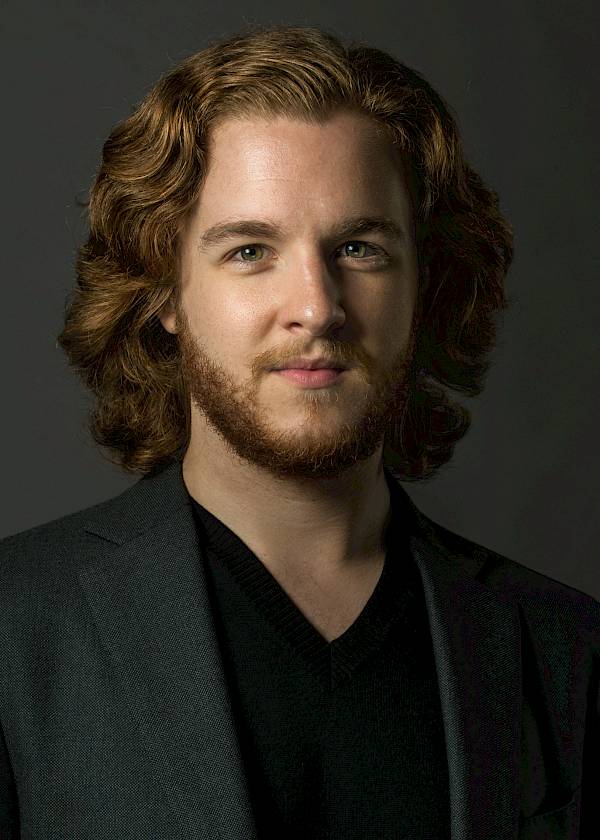
Spencer Lang
Spencer Lang stammt aus Sandy/Oregon und studierte an der Juilliard School in New York sowie am Curtis Institute of Music in Philadelphia. Am Curtis Opera Theatre interpretierte er u. a. Nemorino (L’elisir d’amore), Goffredo (Rinaldo), Lechmere in Brittens Owen Wingrave und Monostatos (Die Zauberflöte). Zu hören war er ausserdem am Opera Theatre of St. Louis als Liederverkäufer (Puccinis Il tabarro), sang Flute / Thisbe in Brittens A Midsummer Night’s Dream am Aspen Opera Theatre und trat als Solist mit dem Juilliard Orchestra, Juilliard 415, und der Northwest Sinfonietta auf. Von 2014-2016 war er Mitglied des Internationalen Opernstudios in Zürich und war hier zunächst als Daniel (Robin Hood), Hirt (Tristan und Isolde), Fay-Pu (Rote Laterne) sowie in Lohengrin, Luisa Miller und Fälle von Oscar Strasnoy zu erleben. 2015/16 sang er Monsieur Vogelsang (Der Schauspieldirektor), Don Luigino (Il viaggio a Reims) und Medoro (Orlando paladino). 2015 war er Finalist in der Wigmore International Song Competition in London. Spencer Lang gehörte zum Ensemble des Opernhauses Zürich und sang hier u. a. Pedrillo (Die Entführung aus dem Serail), Arcas (Médée), Graf Gustav (Das Land des Lächelns), Jaquino (Fidelio), Mister Bobo/Ander-Bobo (Coraline), Tobias Ragg in der Musical-Neuproduktion Sweeney Todd, Tisiphone/Seconde Parque in Hippolyte et Aricie, Graf Boni (Die Csárdásfürstin), Andrès / Cochenille / Frantz / Pitichinaccio in Les Contes d’Hoffmann, Basilio in Le nozze di Figaro sowie Le Remendado in Carmen.
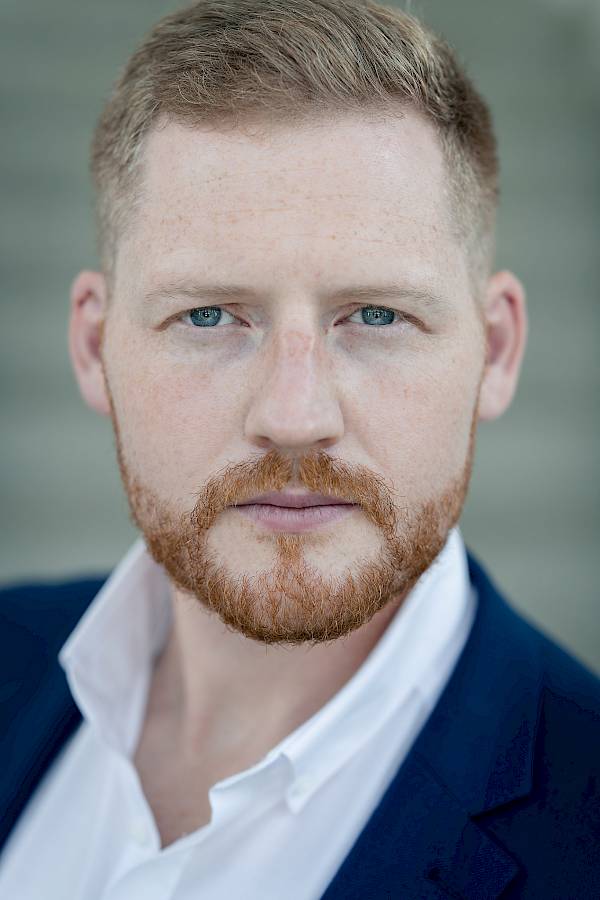
Thomas Erlank
Thomas Erlank stammt aus Südafrika. Er studierte Musik an der Universität von Stellenbosch (Südafrika) und Gesang am Royal College of Music in London bei Patricia Bardon. 2011 gab er sein Debüt als Solist in Steve van der Merwes Eleven – A Requiem for a Parent in der St. George’s Cathedral in Kapstadt. Zu seinem Repertoire gehören u.a. Rollen wie Aeneas (Dido und Aeneas), Dr. Blind (Die Fledermaus), Acis (Acis und Galatea) und Il Podestà (La finta giardiniera). Beim Händel Festival in London sang er Lurcanio in Händels Ariodante. 2015 wirkte er in David Morins Dokumentarfilm Finding Messiah mit. Mit Werken von Mozart, Haydn und Händel war er u.a. in St. Martin-in-the-Fields, in der Cadogan Hall und beim Brighton Fringe Festival zu erleben. Von 2018 bis 2020 war er Mitglied des Internationalen Opernstudios und sang hier 2018/19 den Tenorpart in der Ballettproduktion Winterreise von Christian Spuck, Borsa in Rigoletto, Ambrogio in der IOS-Produktion Il barbiere di Siviglia am Theater Winterthur sowie den Conférencier in der Uraufführung Last Call von Michael Pelzel. In der Spielzeit 2019/2020 war er in Belshazzar, in der Zauberflöte und in Fidelio zu hören. Seit der Spielzeit 2020/21 gehört er zum Ensemble des Opernhauses Zürich und sang jüngst in Idomeneo, L’incoronazione di Poppea, Die Odyssee, Dialogues des Carmélites, L’Olimpiade, Tristan und Isolde sowie in La traviata und Salome. Ausserdem gastierte er im März 2023 als Solist in Mozarts Requiem in der Gulbenkian Foundation Lissabon zusammen mit dem Gulbenkian Orchestra.
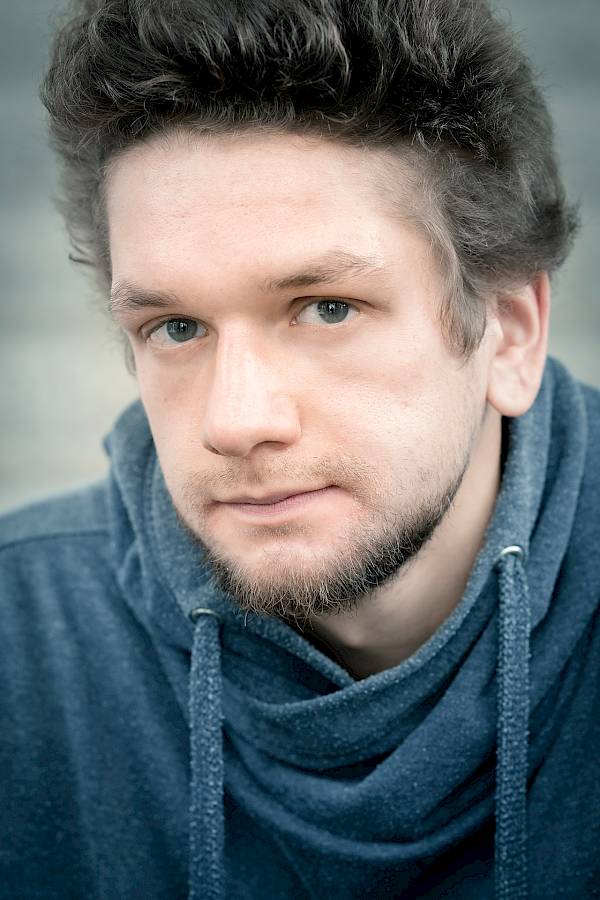
Oleg Davydov
Oleg Davydov studierte Gesang in Moskau und St. Petersburg. Am Konservatorium in St. Petersburg debütierte er 2016 als Fürst Gremin in Eugen Onegin. Er gewann diverse Preise und Auszeichnungen, darunter den zweiten Platz bei der 7. International Opera Competition in St. Petersburg 2015 und den Sonderpreis beim Galina-Wischnewskaja-Gesangswettbewerb in Moskau 2016. In den Spielzeiten 2017/18 und 2018/19 war er Mitglied des Opernstudios der Bayerischen Staatsoper, wo er u.a. die Rollen Usciere in Rigoletto, einen Hauptmann in Eugen Onegin, den 2. Gefangenen in Fidelio, Billy Jackrabbit in La fanciulla del West, Bertrand in Iolanta und Yakusidé in Madama Butterfly interpretierte. Seit der Spielzeit 2019/20 ist Oleg Davydov Mitglied des Internationalen Opernstudios Zürich und war hier in Belshazzar, Die Zauberflöte, Fidelio, Les Contes d’Hoffmann, Salome und Die Odyssee zu erleben.
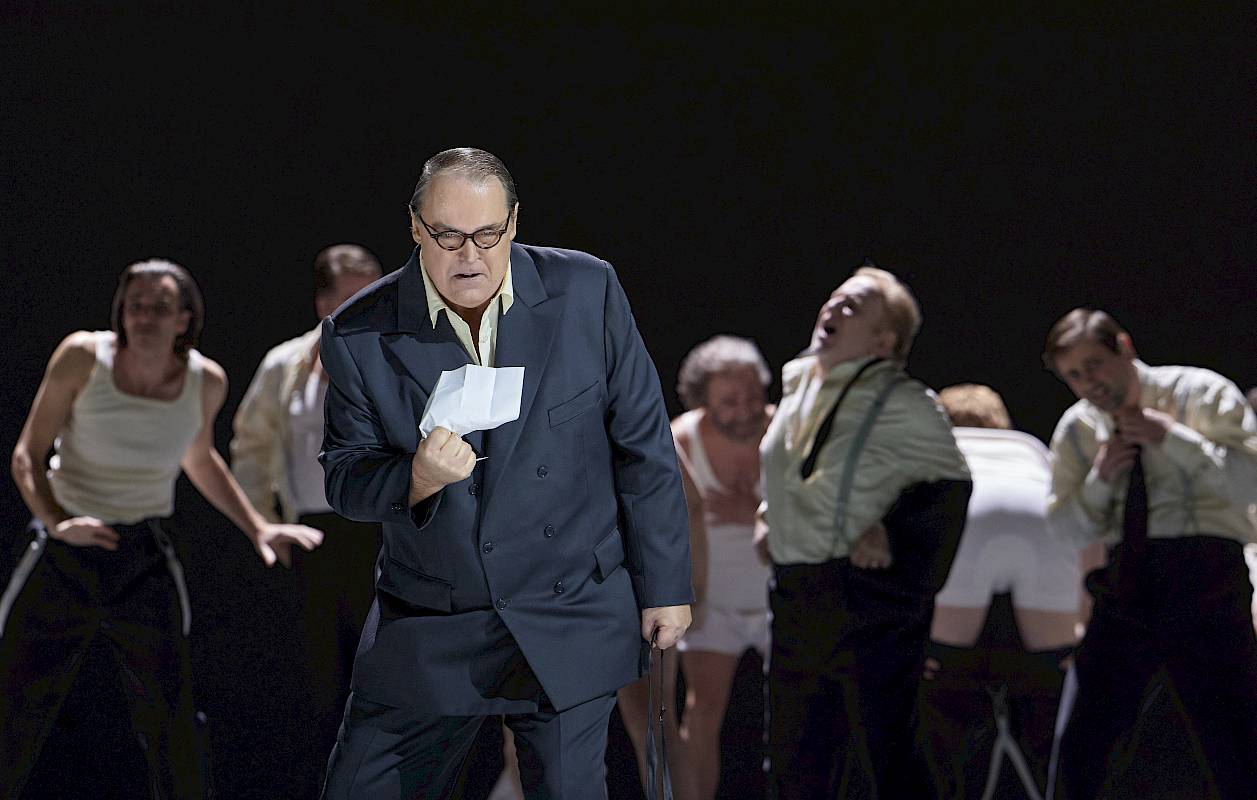
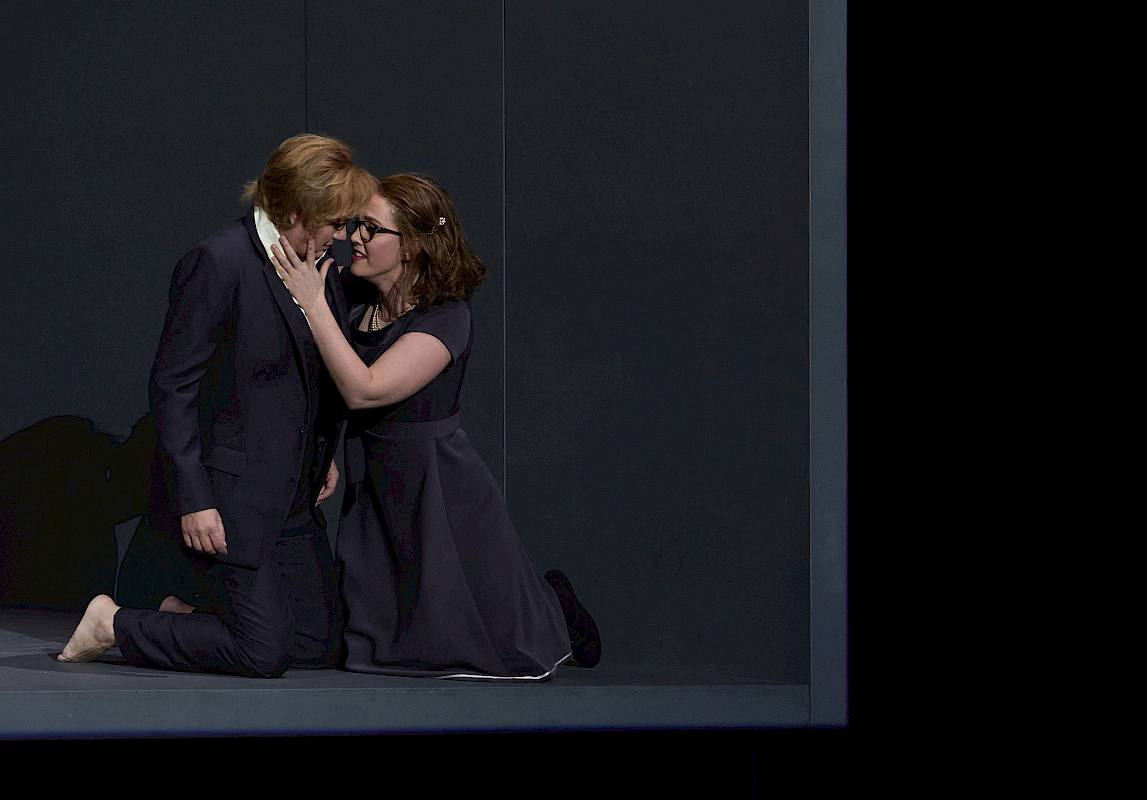
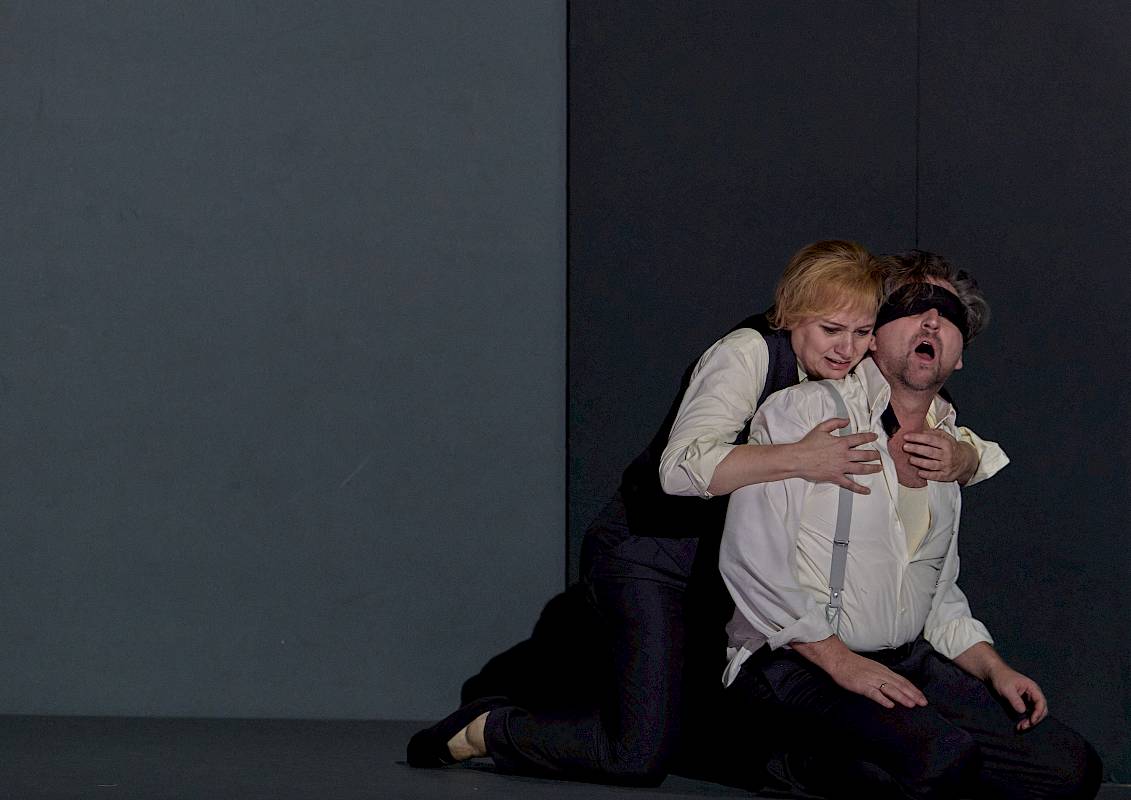
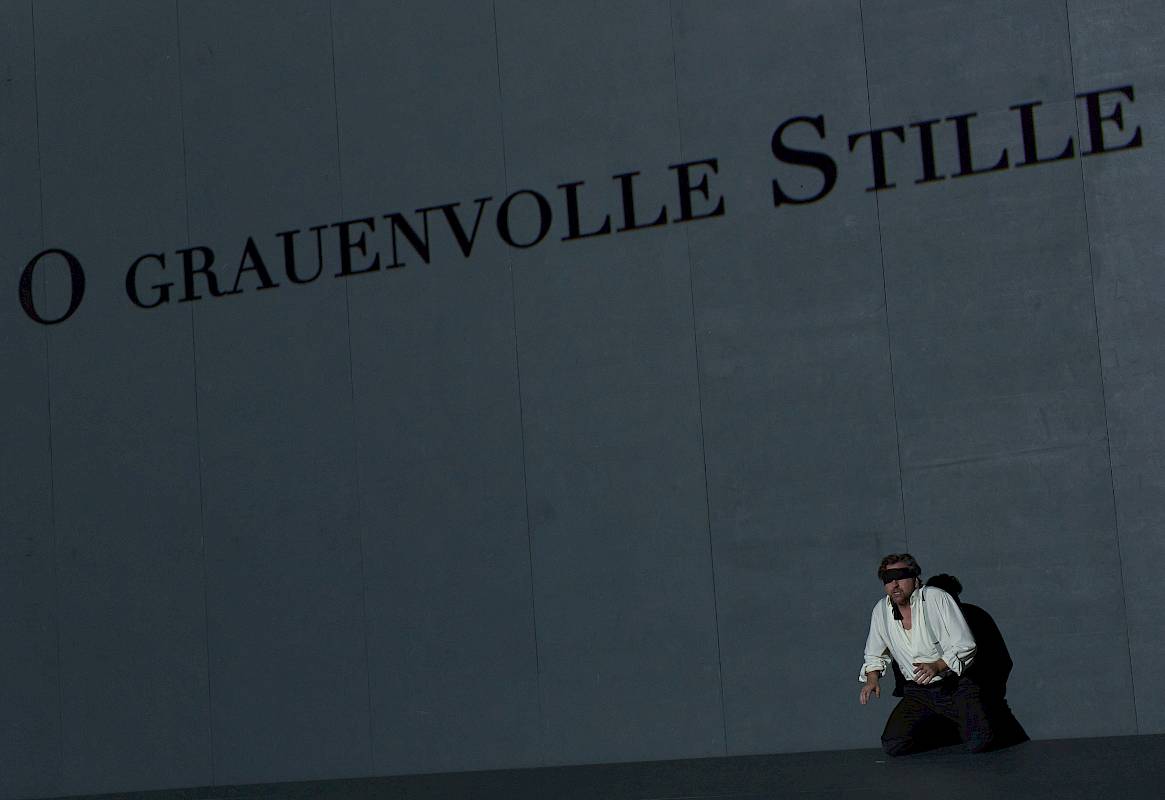
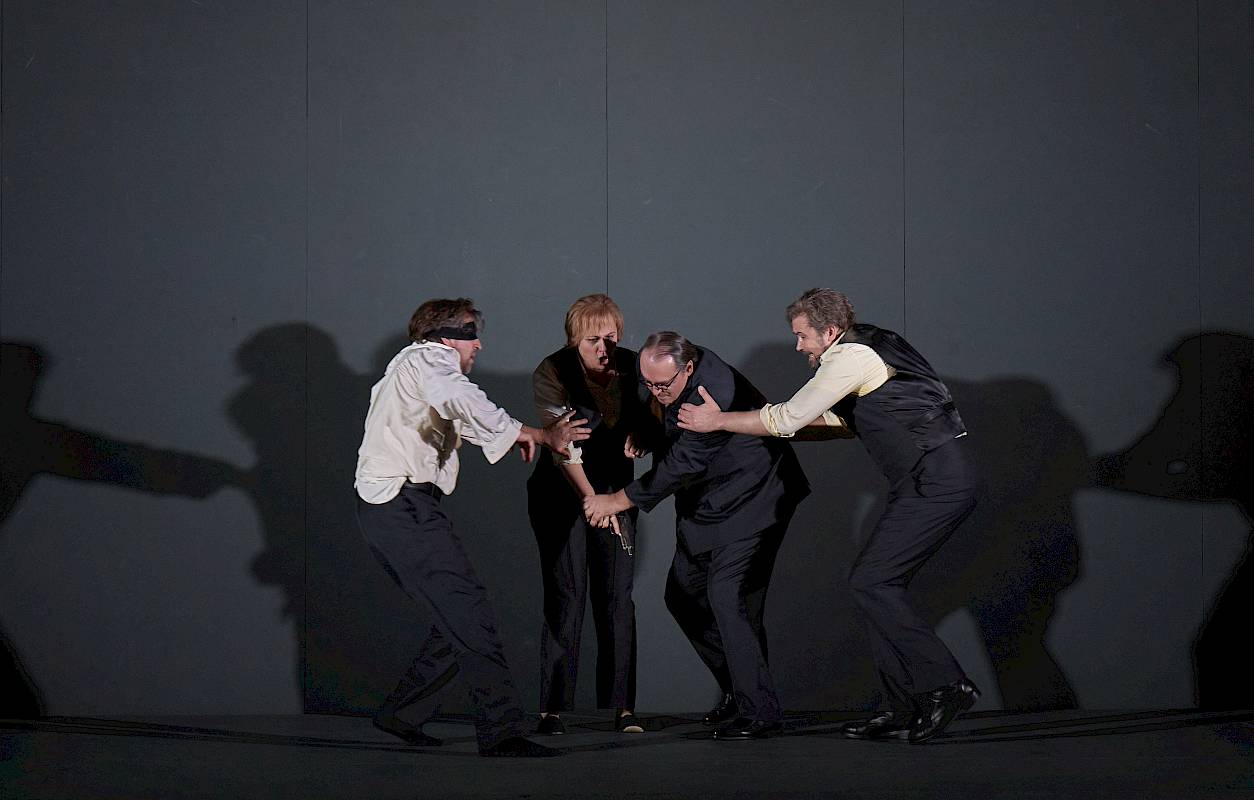
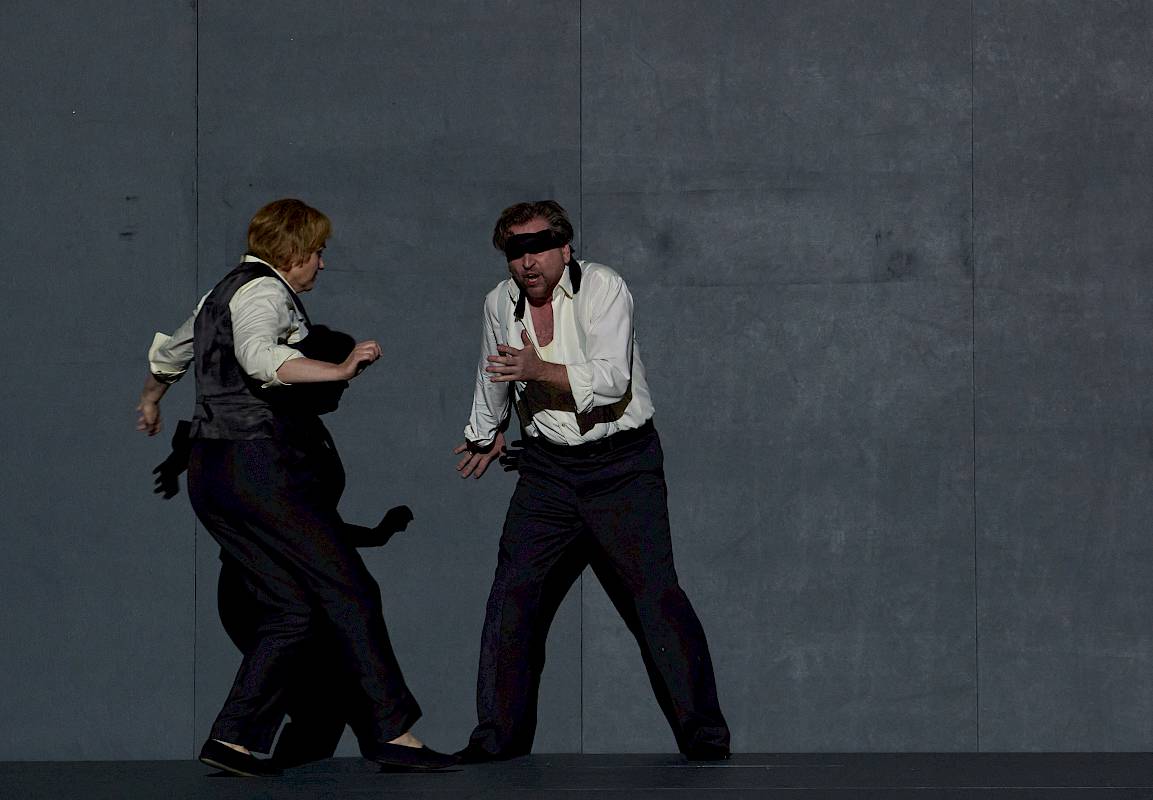
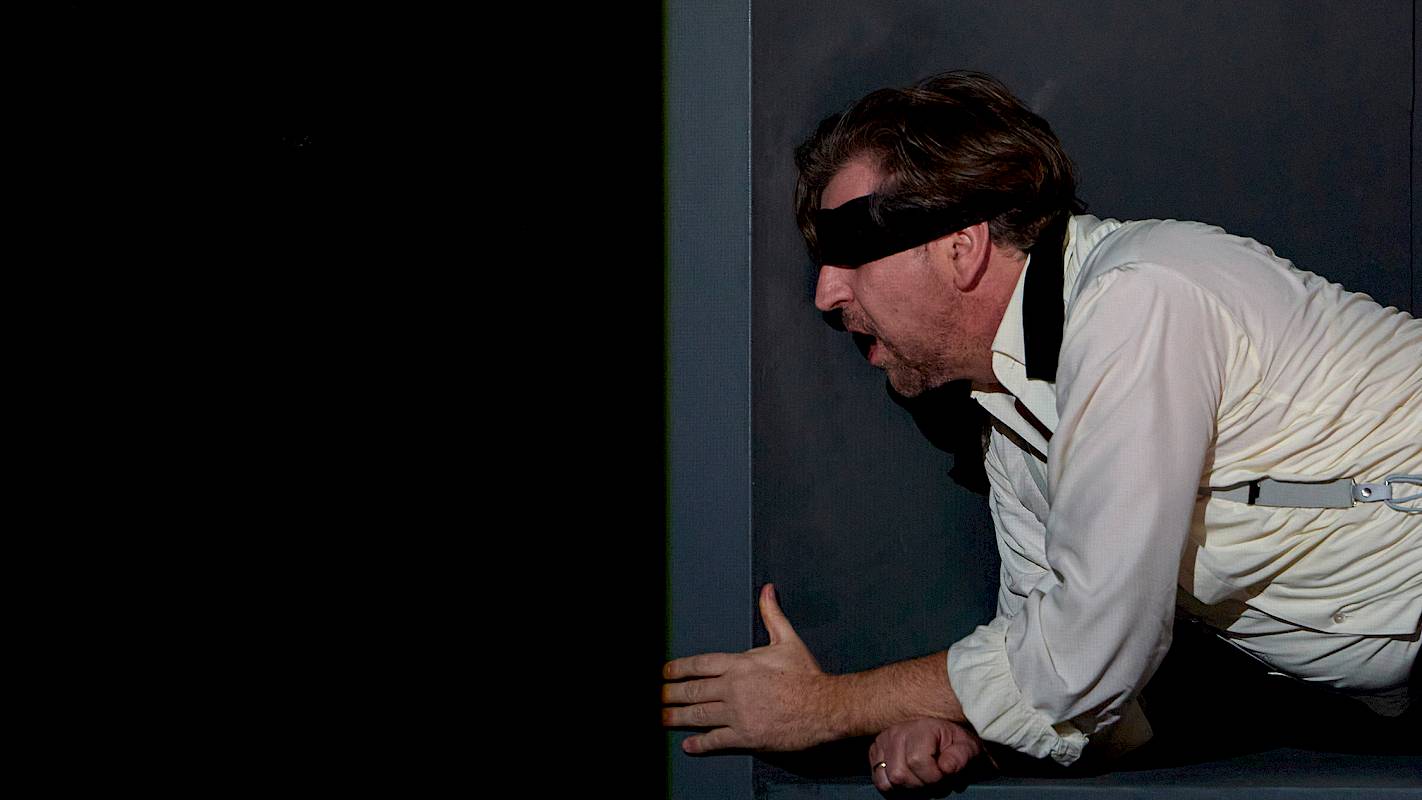
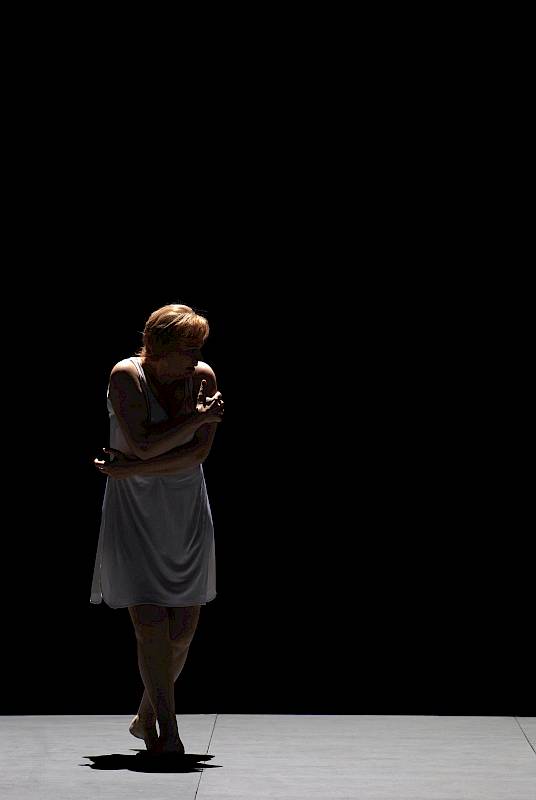
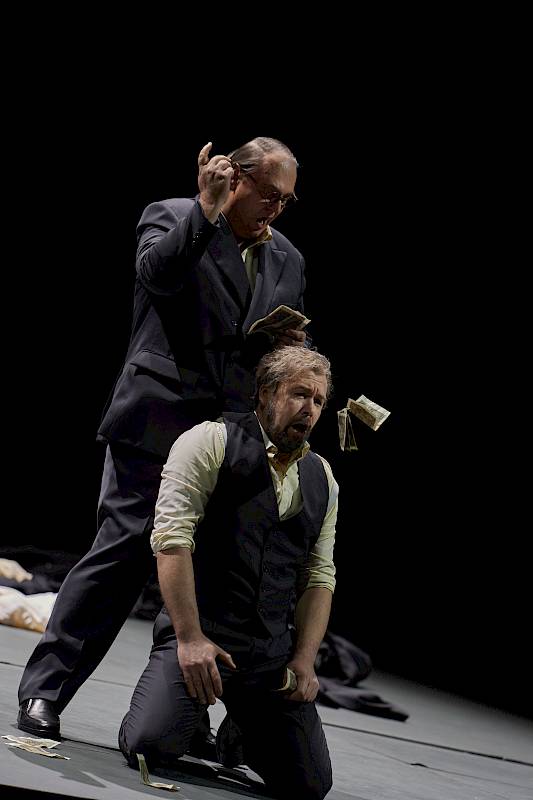
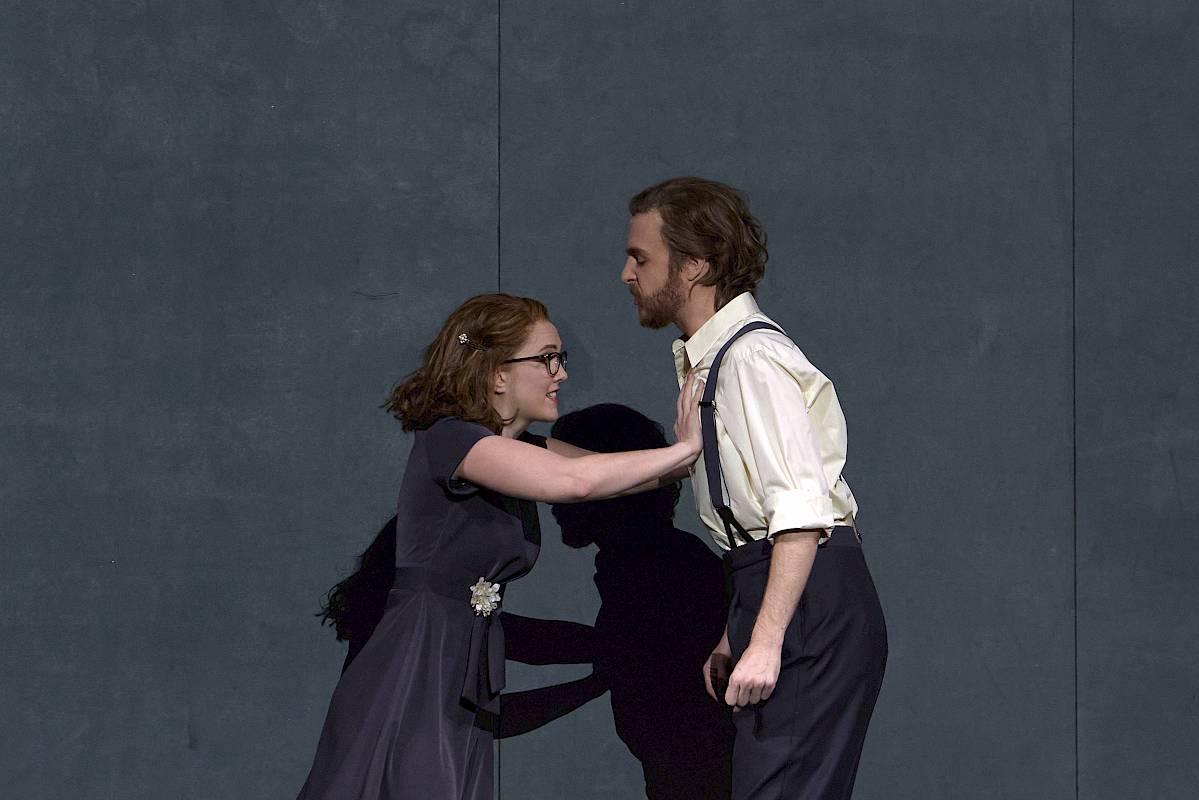
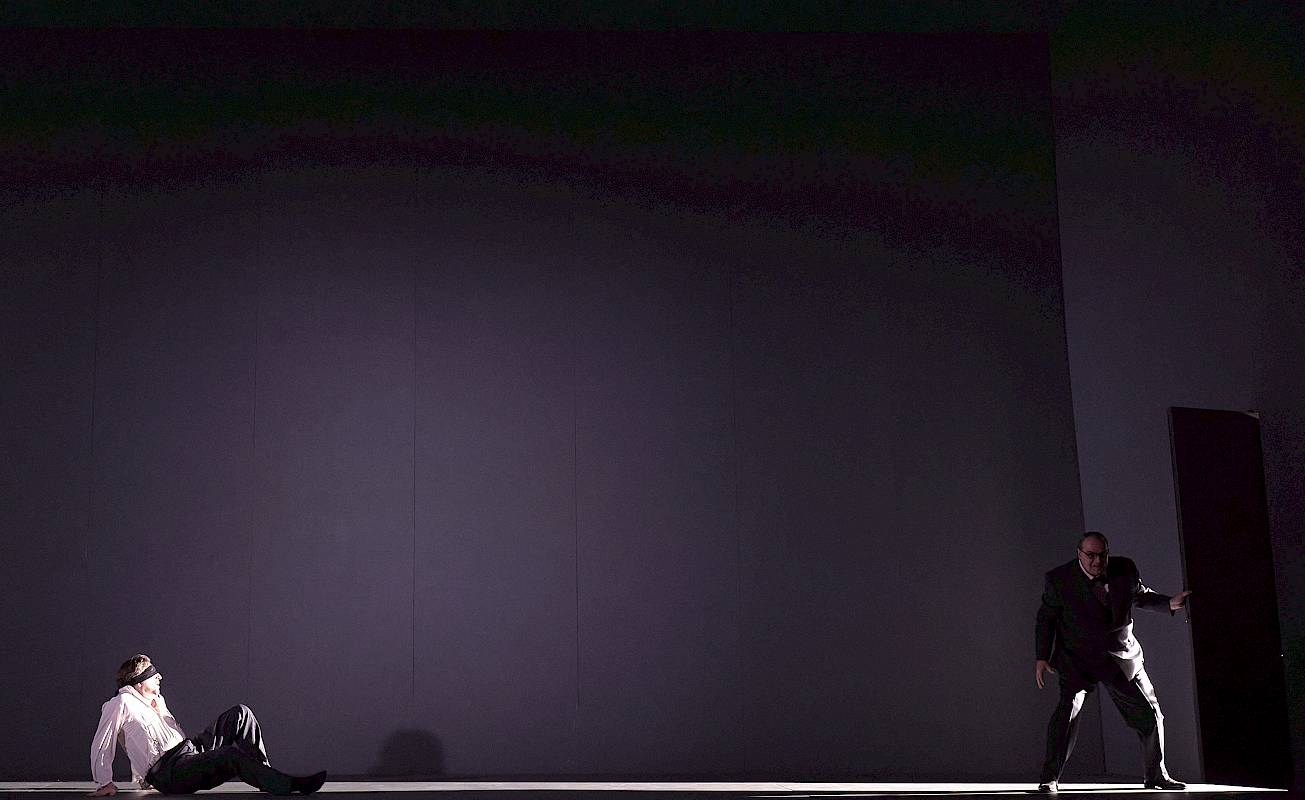
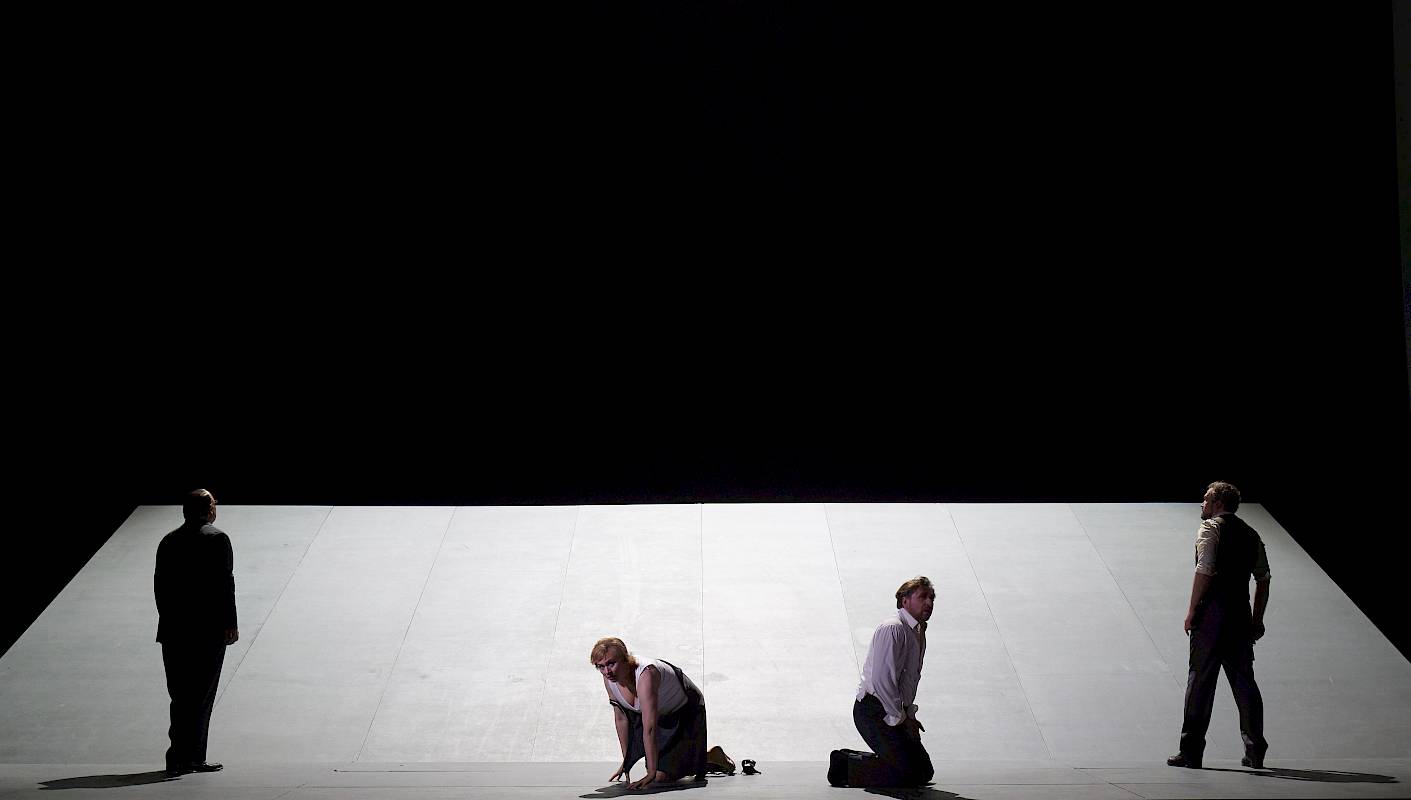
Photos «Fidelio»